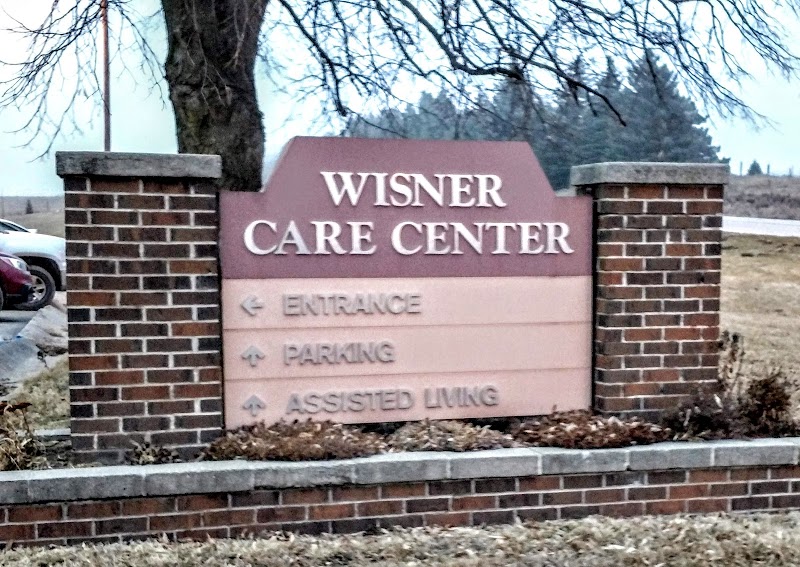
Wisner Care Center

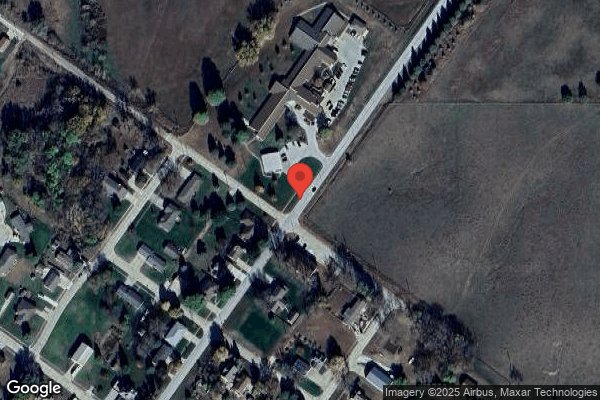
1105 9th Street, Wisner, NE 68791 (402) 529-3286
Government - City 38 Beds Independent Data: November 2025
Trust Grade
85/100
#36 of 177 in NE
Last Inspection: March 2025

Within standard 12-15 month inspection cycle. Federal law requires annual inspections.

Overview

Wisner Care Center has a Trust Grade of B+, indicating it is above average and recommended for families considering care options. It ranks #36 out of 177 facilities in Nebraska, placing it in the top half, but is #3 out of 3 in Cuming County, suggesting limited local competition. The facility is improving, having reduced its issues from 9 in 2024 to just 1 in 2025. Staffing is rated at 5 out of 5 stars, which is excellent, although the turnover rate of 53% is average for the state. Importantly, there have been no fines recorded, which is a good sign. However, there have been specific concerns, such as not adequately addressing resident grievances about call light response times and failing to implement proper infection control precautions for certain residents. Overall, while there are notable strengths in staffing and monitoring trends, families should be aware of these areas needing improvement.

Trust Score
B+
85/100
In Nebraska
#36/177
Top 20%
Safety Record
Low Risk
No red flags
Inspections
Getting Better
9 → 1 violations
Staff Stability
⚠ Watch
53% turnover. Above average. Higher turnover means staff may not know residents' routines.
Penalties
✓ Good
No fines on record. Clean compliance history, better than most Nebraska facilities.
Skilled Nurses
✓ Good
Each resident gets 44 minutes of Registered Nurse (RN) attention daily — more than average for Nebraska. RNs are trained to catch health problems early.
Violations
⚠ Watch
15 deficiencies on record. Higher than average. Multiple issues found across inspections.
★★★★★
5.0
Overall Rating
★★★★★
5.0
Staff Levels
★★☆☆☆
2.0
Care Quality
★★★★☆
4.0
Inspection Score
Stable
2024: 9 issues
2025: 1 issues

The Good

  • 5-Star Staffing Rating · Excellent nurse staffing levels
  • Full Sprinkler Coverage · Fire safety systems throughout facility
  • No fines on record

Facility shows strength in staffing levels, fire safety.

The Bad

Staff Turnover: 53%

Near Nebraska avg (46%)

Higher turnover may affect care consistency

The Ugly 15 deficiencies on record

Mar 2025 1 deficiency
CONCERN (D)

Potential for Harm - no one hurt, but risky conditions existed

Infection Control (Tag F0880)

Could have caused harm · This affected 1 resident

Licensure Reference Number 175 NAC 12-006.18 Based on observations, interview and record review; the facility failed to implement enhanced barrier precautions for Resident 15. The sample size was 15 w...

Read full inspector narrative →
Licensure Reference Number 175 NAC 12-006.18 Based on observations, interview and record review; the facility failed to implement enhanced barrier precautions for Resident 15. The sample size was 15 with a census of 33. A. Review of the facility policy Enhanced Barrier Precautions implemented on 5/17/24 revealed the following: -Enhanced Barrier Precautions (EBP) refers to an infection control intervention designed to reduce transmission of Multi-Drug-Resistant Organisms (MDRO) that utilizes gown and glove use during high contact resident care activities, -an order for EBP would be obtained for residents with wounds and/or indwelling medical devices even if the resident is not known to be infected or colonized with a MDRO, or had an infection or colonization with a Centers for Disease Control (CDC)-targeted MDRO, -Personal Protective Equipment (PPE) for EBP was only necessary when performing high-contact care activities, -the infection preventionist would incorporate periodic monitoring and assessment of adherence to determine the need for additional training, -High-contact resident care activities included: dressing, transferring, providing hygiene, changing briefs or linens, toileting assistance, and wound care, and -EBP should be used for the duration of the affected residents stay in the facility or until resolution of what puts the resident at higher risk. B. Review of Resident 15's weekly skin assessment notes from 12/23/24 to 2/24/25 revealed that the resident had a stage 3 pressure ulcer, identified stage 3 pressure ulcer on 12/23/24 to the right upper buttock/coccyx. The following observations were made related to Resident 15: -on 2/26/25 at 9:10 AM there was no sign posted, or visible isolation supplies for EBP, -on 2/27/25 at 9:15 AM there was no sign posted or visible isolation supplies for EBP -on 2/27/25 at 10:00 AM Nursing Assistant (NA)-E and NA-I entered Resident 15's room to complete toileting cares, staff did not put gowns on as required when entering the room, and -on 3/3/25 at 7:45 AM there was no sign posted or visible isolation supplies for EBP, RN-H completed skin assessment to wounds on Resident 15's buttock, staff did not put gowns on as required when entering the room. Interview with Registered Nurse (RN)-H, skin nurse on 3/3/25 at 8:15 AM confirmed that Resident 15's wounds to buttocks were chronic and that the the facility failed to implement EBP per policy.
Feb 2024 9 deficiencies
CONCERN (D)

Potential for Harm - no one hurt, but risky conditions existed

Report Alleged Abuse (Tag F0609)

Could have caused harm · This affected 1 resident

Licensure Reference Number 175 NAC 12-006.02(8) Based on record review and interview; the facility failed to report an allegation of potential staff to resident abuse for 1 (Resident 11) of 1 sampled ...

Read full inspector narrative →
Licensure Reference Number 175 NAC 12-006.02(8) Based on record review and interview; the facility failed to report an allegation of potential staff to resident abuse for 1 (Resident 11) of 1 sampled resident to the required state agency. The facility census was 25. Findings are: A. Review of the facility Abuse, Neglect or Misappropriation of Property policy (reviewed 3/18/21) revealed the facility was to ensure all alleged violations involving mistreatment, neglect or abuse and misappropriation of resident property were reported immediately to the Administrator/Director of Nursing (DON) and to other officials in accordance with State Law. The following procedure was identified for suspected staff to resident abuse or neglect: -staff to immediately intervene and take steps to protect the resident. -allegation to be reported to the state survey agency within 2 hours if serious bodily injury/abuse or within 24 hours for all other cases. -employee suspected of abuse was to be immediately reassigned or suspended until findings of the allegation had been reviewed. -investigate the allegation. B. Review of Resident 11's Minimum Data Set (MDS-a federally mandated assessment tool used for care planning) dated 12/14/24 revealed diagnoses of: debility, cardiorespiratory condition, coronary artery disease, heart failure and high blood pressure. The facility assessed the following regarding the resident: -cognitively intact, -no behaviors, -independent with personal hygiene, toileting, transfers, bed mobility and eating/drinking. Review of a Grievance/Complaints Report revealed Resident 11 reported on 8/27/23 at 4:40 AM, Nursing Assistant (NA)-N had entered the resident's room and indicated it was time to get up and the resident needed their diaper changed. NA-N then flipped the resident off with both hands and stuck out their tongue at the resident. The resident refused and told staff to leave. At 5:20 AM, staff returned to the resident's room and again told the resident it was time to get up. The resident told NA-N no way. NA-N then placed a washcloth over mouth and nose and left the resident's room. During an interview on 2/12/24 at 11:08 AM, Resident 11 confirmed a grievance was filed with the facility related to NA-N's treatment of the resident. Resident 11 indicated on 8/27/23 at 4:40 AM staff had entered the resident's room and talked about having to change the resident's diaper. The resident did not appreciate the comment and asked the staff to leave. Staff then stuck out their tongue and flipped the resident off with both hands. Staff returned to the resident's room shortly thereafter again indicating it was time to get up. The resident refused and told the staff to leave. Review of Facility Investigations of potential abuse/neglect and misappropriation for 8/2023 revealed no evidence the allegation of staff to resident abuse was reported to the State Agency within the required time frame. During an interview on 2/12/24 at 11:26 PM, the Administrator confirmed the following: -Resident 11 had filed a grievance about how the resident was treated by NA-N. -the Administrator interviewed NA-N regarding the incident and then terminated NA-N's employment. -the allegation of potential staff to resident abuse was not reported to the state agency.
CONCERN (D)

Potential for Harm - no one hurt, but risky conditions existed

Comprehensive Care Plan (Tag F0656)

Could have caused harm · This affected 1 resident

**NOTE- TERMS IN BRACKETS HAVE BEEN EDITED TO PROTECT CONFIDENTIALITY** Licensure Reference Number 175 NAC 12-006.09C Based on record review and interview, the facility failed to develop comprehensive...

Read full inspector narrative →
**NOTE- TERMS IN BRACKETS HAVE BEEN EDITED TO PROTECT CONFIDENTIALITY** Licensure Reference Number 175 NAC 12-006.09C Based on record review and interview, the facility failed to develop comprehensive care plans to reflect the current status for 2 of 16 sampled residents (Resident 13's antipsychotic medication [a type of psychoactive medication which alters chemicals in the brain to affect changes in behavior, mood, and emotion] and Resident 16's self-administration of medication. The facility census was 25. Findings are: A. Review of Resident 13's Minimum Data Set [MDS- a federally mandated comprehensive assessment tool used to develop resident care plans] dated 12/30/23 revealed diagnoses of: cancer, stroke, Urinary Tract Infection (UTI) last 30 days, left sided weakness, Post Traumatic Stress Disorder (PTSD), dementia and depression. The assessment further indicated the resident was taking antipsychotic, anti-anxiety, and antidepressant medications. Review of Resident 13's Care Plan with a printed date of 2/8/24 revealed the resident was taking an antipsychotic (Seroquel), an antidepressant (Lexapro) and an anti-anxiety (Lorazepam) medication. Resident 13's Care Plan revealed the resident was at risk for adverse effects related to the prescribed medications. There was no evidence the Care Plan which identified the adverse effects and no evidence that targeted behaviors were identified related to the use of the antipsychotic medication. Review of Resident 13's Medication Administration Record (MAR) dated 1/31/24 to 2/7/24 revealed the resident was prescribed Seroquel 25 milligrams by mouth twice a day that was indicated for Behavioral Disorders associated with Dementia with a start date of 12/19/23. Further review of the MAR revealed there was no evidence of specific targeted behaviors related to the use of the antipsychotic medication. During an interview with Registered Nurse (RN)-G on 2/13/24 at 9:40 AM, RN-G confirmed residents who did not have a psychotic diagnosis and received an antipsychotic medication, should have specific targeted behaviors identified in the resident's Care Plan and on the MAR and there was no evidence of this for Resident 13. B. Review of the facility policy Medication Administration dated 12/13/24 revealed, the administration of medications to residents would be completed by a licensed healthcare professional and the nurse administering the medication shall stay with the resident until the medication is administered, unless otherwise care planned. A resident may self-administer a medication per self-administration of medication. Ability to self-administer a medication must be assessed and documented in the resident Electronic Medical Record (EMR) and care planned. C. Review of Resident 16's MDS dated [DATE] revealed the following about the resident: -admitted on [DATE] with diagnoses of cardiorespiratory condition, cancer, swelling, thyroid disorder and chronic kidney disease; -was cognitive and independent with bed mobility, dressing, and eating; and -required moderate assistance with toileting and personal hygiene. Record review of Resident 16's Medication Administration Record dated January 2024 and February 2024 revealed a physician's order dated 1/12/24 for Albuterol Sulfate HFA 108/90 Micrograms/Actuation Aerosol Solution inhalation [used to treat difficulty breathing caused by lung disease] give (2) puffs every 6 hours as needed, MAY KEEP AT BEDSIDE. Review of Resident 16's Care Plan with a printed date of 2/8/24 revealed no documentation to address the resident's self-administration of medication and did not specify which medication the resident was able to administer and interventions related to the self-administration. During an interview with Resident 16 on 2/8/24 at 09:05 AM, the resident stated [gender] did have a medication puffer of Albuterol that was kept in the room and had self-administered the inhaler unsupervised on multiple occasions since [gender] was admitted to the facility. An interview with the Interim Director of Nurses (IDON) on 2/8/24 at 11:10 AM confirmed Resident 16 did have an Albuterol inhalation medication the resident kept in the room and had been self-administering the medication. In addition, the IDON confirmed the resident's Care Plan should have included the resident's self-administration of medications and interventions related to the self-administration and there was no evidence of this in the resident's care plan.
CONCERN (D)

Potential for Harm - no one hurt, but risky conditions existed

Quality of Care (Tag F0684)

Could have caused harm · This affected 1 resident

Licensure Reference Number 175 NAC 12-006.10A2 Based on observation, record review and interview; the facility failed to ensure 1 (Resident 5) of 1 sampled resident's insulin was prepared and administ...

Read full inspector narrative →
Licensure Reference Number 175 NAC 12-006.10A2 Based on observation, record review and interview; the facility failed to ensure 1 (Resident 5) of 1 sampled resident's insulin was prepared and administered according to standards of practice. The facility census was 25. Findings are: During an observation on 2/12/24 at 7:20 AM, Licensed Practical Nurse (LPN-M) removed an insulin pen from the medication cart, removed the cap from the insulin pen, wiped the rubber seal with an alcohol wipe and screwed a needle cap onto the pen. LPN-M then turned the dial on the pen to the ordered dose of 60 units of Basaglar Kwikpen Insulin. LPN-M applied gloves to both hands, cleansed Resident 5's site of injection and administered the insulin. LPN-M then returned to the medication cart and disposed of the needle, removed gloves, sanitized hands and documented the insulin administration in the resident's Medication Administration Record (MAR). Record review of the facility policy Insulin Administration dated 10/2017 revealed the purpose of the policy was to provide guidelines for the safe administration of insulin to residents with diabetes. Preparation guideline were as follows: Step 3 - The type of insulin, dosage requirements, strength, and method of administration must be verified before administration, to assure that it corresponds with the order on the medication sheet and the physician's order. Step 5 - Nursing staff will have access to specific instructions (from the manufacturer if appropriate) on all forms of insulin delivery system(s) prior to their use. Record review of the manufacturer's instructions for the Basaglar KwikPen revealed the following: Step 1- Pull the pen cap off and wipe the rubber seal with an alcohol swab. Step 2- Check the liquid in the pen. Step 3- Select a new needle and pull the paper tab from the outer needle shield. Step 4- Push the capped needle onto the pen and twist until tightened. Step 5- Pull off the outer needle shield and then the inner needle shield and dispose of the inner shield. Prime the pen before each injection to remove air from the needle and cartridge. It is important to prime the pen to ensure it will work correctly. If you do not prime before each injection, you may administer too much or too little insulin. Step 6- To prime the pen, turn the dose knob to select 2 units. Step 7- Hold the pen with the needle pointing up, tap the cartridge holder gently to collect air bubbles at the top. Step 8- Continue holding the pen with needle pointing up and push the dose knob until it stops, and 0 is seen in the dose window. You should see insulin at the tip of the needle. If you do not see insulin, repeat priming steps. An interview with LPN-M on 2/12/24 at 7:25 AM confirmed LPN-M did not prime the insulin pen prior to the administration of Resident 5's ordered dose of 60 units of Basaglar Kwikpen Insulin. An interview with the Director of Nurses (DON) on 2/12/24 at 10:05 AM confirmed insulin pens should be primed prior to the administration of insulin to residents.
CONCERN (D)

Potential for Harm - no one hurt, but risky conditions existed

Incontinence Care (Tag F0690)

Could have caused harm · This affected 1 resident

Licensure Reference Number 175 NAC 12-006.09D3(1) Based on observation, record review and interview; the facility failed to provide care and services according to standards of practice, for the preven...

Read full inspector narrative →
Licensure Reference Number 175 NAC 12-006.09D3(1) Based on observation, record review and interview; the facility failed to provide care and services according to standards of practice, for the prevention of urinary tract infections for 1 (Resident 13) of 1 sampled resident who had an indwelling urinary catheter [a flexible plastic tube inserted into the bladder that remains in place to provide continuous urinary drainage]. The facility census was 25. Findings are: Review of the facility Policy Catheter Care, Urinary dated 11/12/23 revealed the purpose of the policy was to prevent catheter-associated urinary tract infections. The procedure included the following: 1. Place clean equipment/supplies so they can be reached easily. 2. Wash and dry your hands thoroughly. 3. Have a package of wipes within easy reach. 4. Position the resident on his/her back. 5. Put gloves on. 6. Place a bed protector under the resident. 7. Wash the resident's genitalia and perineum [area located between the genitals and anus] thoroughly with wipes. 8. Dispose of soiled wipes into trash receptacle. 9. Provide privacy and cover resident with a sheet to expose only the perinea area. 10. With non-dominant hand separate the labia of a female resident or retract the foreskin of an uncircumcised male resident. Maintain the position of this hand throughout the procedure. 11. Assess the urethral meatus [an opening where urine is excreted from the genitals]. 12. Use a clean wipe to cleanse the genitals and around the urethral meatus. Use a clean wipe with each cleansing stroke. 13. Use a clean wipe to cleanse and rinse the catheter from the insertion site to approximately four inches outward. Review of Resident 13's Minimum Data Set [MDS- a federally mandated comprehensive assessment tool used to develop a resident plan of care] dated 12/30/23 revealed diagnoses of: cancer, stroke, Urinary Tract Infection (UTI) last 30 days, left sided weakness and depression. The MDS further indicated Resident 13 had an indwelling catheter. Review of Resident 13's Physician Progress Note revealed the resident was seen by the physician on 2/6/24 for catheter associated UTI was prescribed an antibiotic (Cefpodoxime Proxetil 200 milligrams twice a day for 10 days). During an observation of urinary catheter care on 2/13/24 from 7:10 AM until 7:25 AM, Resident 13 was positioned on [gender] back in bed. Nurse Aide (NA)-Q used gloved hands and one cleansing wipe to clean both sides of the groin [where the inner thigh meets the pubic area]. NA-Q used the same contaminated cleansing wipe and wiped the lower section of the genital area in an upward motion and then wiped around the catheter tubing insertion site. NA-Q did not use a clean wipe with each stroke and did not cleanse the catheter tubing from the insertion site outward. During an interview with NA-Q at 07:25 AM, NA-Q confirmed [gender] should have used a new cleansing wipe to clean around Resident 13's genitals, obtained a new wipe for each stroke to cleanse the catheter tubing at the insertion site and should have wiped in the direction going away from the insertion site.
CONCERN (D)

Potential for Harm - no one hurt, but risky conditions existed

Deficiency F0699 (Tag F0699)

Could have caused harm · This affected 1 resident

Based on record review and interview; the facility to ensure residents received trauma informed care related to diagnosis of Post Traumatic Stress Disorder (PTSD) and to identify potential triggers as...

Read full inspector narrative →
Based on record review and interview; the facility to ensure residents received trauma informed care related to diagnosis of Post Traumatic Stress Disorder (PTSD) and to identify potential triggers as well as resident preferences to prevent and/or mitigate re-traumatization for 1 (Resident 17) of 2 sampled residents. The facility census was 25. Findings include: A. Review of the facility policy Trauma Informed Care with an implemented date of 5/9/23 revealed it was the policy of the facility to provide care and services which met professional standards using culturally competent approaches which accounted for experiences and preferences. The facility was to use a multi-pronged approach to identify a resident's history of trauma and cultural preferences. This was to include asking the resident about potential triggers or stressors regarding a previous traumatic event. These approaches were to be used to address the needs of a trauma survivor and to minimize potential triggers and/or re-traumatization. The following guidelines were identified: - ensuring residents have a sense of emotional and physical safety, - establishing a relationship based on trust, and clear and open communication, - provision of peer support and mutual self-help, - collaboration between residents, their representatives, and staff/disciplines in developing a plan of care, - ensuring resident's choice and preferences are honored. B. Review of Resident 17's Minimum Data Set (MDS- federally mandated assessment used in the development of resident care plans) dated 1/18/24 revealed the following: - the resident was cognitively intact, - the resident had diagnoses of: anemia, Alzheimer's disease, seizure disorder, anxiety, depression, Schizophrenia, and PTSD, - during a mood interview the resident reported feeling down, depressed, and hopeless with little interest or pleasure in doing things, - the received antipsychotic (medication used to treat psychosis related conditions or symptoms) and antianxiety medications daily. Review of Resident 17's current Care Plan with a revision date of 1/16/24 revealed the resident had a self-care deficit related to weakness and confusion from Alzheimer's disease, paranoid schizophrenia, and PTSD. The following interventions were identified: - observe and assess for changes with use of medications. To monitor effectiveness of medications and potential side effects, - offer simple instructions and encourage participation, - observe for changes in cognitive status, - encourage to express self and offer reassurance as needed. Further review of Resident 17's medical record revealed no evidence the facility had attempted to identify triggers and preferences to eliminate/mitigate triggers related to PTSD. During an interview on 2/7/24 at 10:00 AM, Resident 17 reported they go to counseling sessions, but was uncertain if this help [gender]. Resident 17 revealed they continued to have anxiety attacks and when the anxiety attacks occurred the staff would give the resident a pill. During an interview on 2/8/24 at 10:37 AM the Social Service Director (SSD) indicated a resident who is admitted with a diagnosis of PTSD should have a deep dive completed to determine triggers for PTSD and the interdisciplinary team should work together to develop interventions to address these triggers. The SSD further indicated this had not been done for Resident 17. The facility had failed to identify triggers for the resident's PTSD and to develop interventions to address these triggers.
CONCERN (D)

Potential for Harm - no one hurt, but risky conditions existed

Deficiency F0757 (Tag F0757)

Could have caused harm · This affected 1 resident

Licensure Reference Number 175 NAC 12-006.09D Based on record review and interview; the facility failed to have indications for continued use of an antibiotic medication for 1 (Resident 14) of 6 sampl...

Read full inspector narrative →
Licensure Reference Number 175 NAC 12-006.09D Based on record review and interview; the facility failed to have indications for continued use of an antibiotic medication for 1 (Resident 14) of 6 sampled residents. The facility staff identified a census of 25. Findings are: Record review of the facility policy Antibiotic Stewardship Program with a reviewed date of 9/26/22 revealed the following: -The goal of the Antibiotic Stewardship Program (ASP) was to promote the appropriate use of antibiotics, to maximize treatment outcomes and minimize unintended consequences of antibiotic therapy. The ASP aimed to improve antibiotic prescribing practices through the development and implementation of antibiotic use protocols and a system to monitor antibiotic use. -The antibiotic Stewardship Committee had been established to provide support and oversee activities of the Antibiotic Stewardship Plan. The committee and the ASP would be part of the Infection Prevention and Control Program, and outcomes would be reported to the Quality Assurance Performance Improvement (QAPI) committee, and in turn the QAPI committee would report ASP activities and outcomes to nursing staff, prescribing clinicians, and other relevant staff. -Members included, the Medical Director, Infection Preventionist, Director of Nursing (DON), Consultant Pharmacist, and additional members as deemed appropriate. -The antibiotic Stewardship Committee would meet quarterly to review ASP related activities and outcomes, including antibiotic use and resistance data to the QAPI committee at least annually. Record review of Resident 14's Minimum Data Set (MDS- federally mandated assessment used in the development of resident care plans) dated 1/18/24 revealed the following: - the resident had severe cognitive impairment, - the resident had diagnoses of: dementia, anxiety, and schizophrenia, - the resident received substantial to maximal assistance with bed mobility, transfer, dressing and toileting, - the resident was frequently incontinent of bladder, and - the resident took antianxiety, antidepressant, anticoagulant, diuretic, and antibiotic medication daily. Record review of Resident 14's Care Plan with a revision date of 1/16/24 revealed no diagnosis of an active and/or a chronic urinary tract infection but indicated the resident had a genital prolapse (when the top of the vagina sags and falls into the vaginal canal). Record review of Resident 14's Medication Administration Record (MAR) dated 2/2024 revealed the resident received Macrodantin (antibiotic used to treat infections of the urinary tract) 100 milligrams (mg) 1 daily as a prophylaxis to treat chronic urinary tract infections which had been ordered on 7/20/23. There was no stop date or duration specified for the ordered antibiotic. During an interview with the Director of Nursing (DON) and the Assistant Director of Nursing (ADON) on 2/12/24 at 3:20 PM, the DON confirmed the resident had an order for antibiotic therapy and the order should have a duration specified when the antibiotic had been ordered. In addition, there was no ongoing laboratory testing completed to confirm continued need for the antibiotic.
CONCERN (D)

Potential for Harm - no one hurt, but risky conditions existed

Medication Errors (Tag F0758)

Could have caused harm · This affected 1 resident

Licensure Reference Number 175 NAC 12-006.09D Based on record review and interview, the facility failed to ensure psychotropic medications [a type of psychoactive medication which alters chemicals in ...

Read full inspector narrative →
Licensure Reference Number 175 NAC 12-006.09D Based on record review and interview, the facility failed to ensure psychotropic medications [a type of psychoactive medication which alters chemicals in the brain to affect changes in behavior, mood, and emotion] had the required diagnosis or documentation of specific behaviors for 1 (Resident 13) of 5 sampled residents. The facility census was 25. Findings are: Review of the facility's Psychotropic Drug Policy last reviewed 9/1/22 revealed antipsychotic medication therapy shall be used only when necessary to treat a specific condition. Psychoactive drugs are prescribed to control and improve mood, mental status and/or behaviors. These medications fall into the following categories: -Anti-anxiety and hypnotic drugs are used for relief of anxiety and to treat insomnia. -Antipsychotics are used to treat mental illness such as schizophrenia, psychotic depression and manic disorders. -Anti-depressant drugs. Targeted behaviors will be monitored weekly with resident reviews and with care plan meetings on residents who are receiving antipsychotic therapy. Targeted behaviors will appear on medication administration records for nursing reference. Residents receiving psychoactive medications will be placed on behavior monitoring if indicated. Review of Resident 13's Minimum Data Set [MDS- a federally mandated comprehensive assessment tool used to develop resident care plans] dated 12/30/23 revealed diagnoses of: cancer, stroke, Urinary Tract Infection (UTI) last 30 days, left sided weakness, Post Traumatic Stress Disorder (PTSD), dementia and depression. The assessment further indicated Resident 13 did not have any episodes related to mood and behaviors during the review period and took antipsychotic, anti-anxiety, and antidepressant medications. Review of Resident 13's Care Plan revealed the resident was taking an antipsychotic (Seroquel), an antidepressant (Lexapro) and an anti-anxiety (Lorazepam) medication and was at risk for adverse effects related to the prescribed medications. The following interventions were included; staff will monitor and report, check in as needed, encourage and praise, and assess the resident's interests and strengths. There was no evidence targeted behaviors were identified related to the prescribed antipsychotic medication. Review of Resident 13's Medication Administration Record (MAR) dated 1/31/24 to 2/7/24 revealed the resident was prescribed Seroquel 25 milligrams by mouth twice a day that was indicated for Behavioral Disorders associated with Dementia with a start date of 12/19/23. Further review of the MAR revealed there was no evidence of specific targeted behaviors related to the use of the antipsychotic medication. During an interview with Registered Nurse (RN)-G on 2/13/24 at 9:40 AM, RN-G confirmed residents who did not have a psychotic diagnosis and received an antipsychotic medication, should have specific targeted behaviors identified in the resident's medical record (in the care plan and on the MAR) and there was no evidence of this in Resident 13's medical record.
CONCERN (D)

Potential for Harm - no one hurt, but risky conditions existed

Deficiency F0761 (Tag F0761)

Could have caused harm · This affected 1 resident

**NOTE- TERMS IN BRACKETS HAVE BEEN EDITED TO PROTECT CONFIDENTIALITY** Licensure Reference Number 175 NAC 12-006.10A4 Based on record review and interview; the facility failed to ensure medications w...

Read full inspector narrative →
**NOTE- TERMS IN BRACKETS HAVE BEEN EDITED TO PROTECT CONFIDENTIALITY** Licensure Reference Number 175 NAC 12-006.10A4 Based on record review and interview; the facility failed to ensure medications were safely administered and secured according to standards of practice for 1 (Resident 16) of 11 sampled residents. The facility census was 25. Findings are: Record review of the facility policy Medication Administration dated 12/13/24 revealed, the administration of medications to residents would be completed by a licensed healthcare professional and the nurse administering the medication shall stay with the resident until the medication is administered, unless otherwise care planned. A resident may self-administer a medication per self-administration of medication. Ability to self-administer a medication must be assessed and documented in the resident Electronic Medical Record (EMR) and care planned. Medications left in the resident's room must be secured in a red medication box for the resident's personal use. Self-administered medications must be monitored by the charge nurse for administration times to comply with medication orders. Medications administered are documented at the actual time of administration in the residents Medication Administration Record (MAR). Record review of the facility policy Resident Self-Administration of Medication dated 8/22/23 revealed residents area offered the opportunity to self-administer medications during the routine assessment by the facility's interdisciplinary team. Resident's preference will be documented on the appropriate form and placed in the medical record. The interdisciplinary team will determine if self-administration is clinically appropriate for a resident. The results of the interdisciplinary team assessment are recorded on the Medication Self-Administration Assessment Form, which is placed in the resident's medical record. Upon notification of the use of bedside medication by the resident, the medication nurse records the self-administration on the MAR. One signature per shift is required when documenting the resident's report of self-administration. Record review of Resident 16's Minimum Data Set [MDS- a federally mandated comprehensive assessment tool used to develop a resident's plan of care] dated 1/11/24 revealed the following about the resident: -admitted on [DATE] with diagnoses of cardiorespiratory condition, cancer, swelling, thyroid disorder and chronic kidney disease; -was cognitive and independent with bed mobility, dressing, and eating; and -required moderate assistance with toileting and personal hygiene. Record Review of Resident 16's Medication Administration Record's dated January 2024 and February 2024 revealed a physician's order dated 1/12/24 for Albuterol Sulfate HFA 108/90 Micrograms/Actuation Aerosol Solution inhalation [used to treat difficulty breathing caused by lung disease] give (2) puffs every 6 hours as needed, may keep at bedside. Further review revealed no evidence of documentation on the resident's MAR's from 1/12/24 to 1/31/24 and 2/1/24 to 2/7/24 the resident had self-administered the Albuterol medication. During an interview with Licensed Practical Nurse (LPN)-E on 2/8/24 at 06:50 AM, LPN-E stated Resident 16 administered their own Albuterol medication and it was kept at the bedside in the resident's room. During an interview with Resident 16 on 2/8/24 at 09:05 AM, the resident stated [gender] did have a medication puffer of Albuterol that was kept in the room and had self-administered the inhaler multiple times since [gender] was admitted to the facility. The resident also indicated the inhaler was not secured in a locked drawer or box and was usually kept on the bedside table. In addition, the resident had run out of the medication a few days ago and was waiting for a replacement inhaler. An interview with the Interim Director of Nurses (IDON) on 2/8/24 at 11:10 AM, confirmed Resident 16 did have an Albuterol inhalation medication the resident kept in the room and had been self-administering the medication. In addition, the medication should have been secured in a locked container in the room and the resident was not provided with the means to secure the medication according to the facility policy. The IDON also confirmed there was no evidence in the resident's medication administration record each time the resident self-administered the inhaler and should have been documented by the nurses each shift.
CONCERN (F)

Potential for Harm - no one hurt, but risky conditions existed

Infection Control (Tag F0880)

Could have caused harm · This affected most or all residents

F. Review of the facility's Legionella Testing Policy for Water Heaters, Boilers, and Other Water Appliances dated 5/30/2023 revealed the following: -Legionella is a bacteria that can cause Legionnair...

Read full inspector narrative →
F. Review of the facility's Legionella Testing Policy for Water Heaters, Boilers, and Other Water Appliances dated 5/30/2023 revealed the following: -Legionella is a bacteria that can cause Legionnaires' disease, a severe form of pneumonia. To ensure the prevention and early detection of Legionella contamination, the policy outlines the procedures for testing water heaters, boilers, and other water appliances in the facility. -A risk assessment will be conducted to identify potential water sources that could harbor Legionella and includes the evaluation of water heaters, boilers, and other water appliances. -If deemed necessary, water samples will be collected by trained personnel from identified sources of potential contamination. Water samples will be sent to a certified laboratory specializing in Legionella analysis. If laboratory results confirm the presence of Legionella bacteria, immediate action will be taken to mitigate the risk and prevent further spread. -The maintenance personnel or qualified contractors will be responsible for implementing the necessary remediation measures following industry best practices and applicable regulations. -All relevant staff members, including maintenance personnel, healthcare providers, and administrators will receive training on Legionella prevention, recognition of symptoms, and the importance of timely reporting. Regular educational programs will be conducted to update staff on Legionella awareness, prevention techniques, and any changes to the testing and remediation procedures. All Legionella testing activities will be documented and maintained as part of the facility's records. Further review revealed no evidence the facility had identified areas of potential concern through mapping of the facility water system. During an interview on 2/12/24 at 12:05 PM the facility Maintenance Supervisor confirmed no awareness of a facility plan to prevent the potential growth of waterborne bacteria in the facility water system. In addition, the Maintenance Supervisor was not aware of any potential areas that had been identified at risk for stagnant water to occur, or any knowledge of where to test the water system in the event a waterborne illness was identified in the facility. In addition, the Maintenance Supervisor was unaware of how to prevent stagnant water from occurring in the facility water system. During an interview on 2/12/24 at 12:55 PM the Administrator confirmed the facility had not completed a risk assessment to identify potential areas for the development of waterborne bacteria in the facility's water system. In addition, the Administrator confirmed there were no measures in place to prevent the development of stagnant water in the facility's water system. Licensure Reference Number 175 NAC 12-006.17D Based on observation, record review, and interview, the facility failed to: 1) complete hand hygiene and change gloves to prevent possible cross contamination during the provision of incontinence cares for Resident 14; 2) ensure Transmission Based Precautions (TBP-additional control measures used to prevent the transmission of colonized infectious agents) were implemented for Resident 23; and 3) implement measures to prevent the growth of Legionella (severe type of pneumonia/lung infection caused by bacteria which can be found in water) and/or waterborne pathogens in the facility. The facility census was 25. Findings are: A. Review of the facility policy Hand Washing with a reviewed date of 2/1/23 revealed hand washing and sanitizing were the most important means of preventing infections. Hand washing was to be completed: -whenever hands were visibly soiled, -after touching inanimate sources that are likely to be contaminated, -after prolonged contact with a resident, -after contact with mucous membranes, blood, body fluids, excretions, and secretions, -before putting on and after removing disposable gloves. B. Review of the facility policy Nursing: Perineal Care with a reviewed date of 9/1/22 revealed perineal care was to be completed to provide cleanliness and comfort to the resident, to prevent body odors, infections, and skin irritations. The following procedures were identified: -after completion of cleansing the front of the peri area, staff were to change gloves, sanitize/wash hands, and place on a clean pair of gloves for the rectal area, -after completion of cleansing of the rectal area and buttocks, staff were to remove gloves and wash/sanitize hands, -if applying barrier cream to buttocks, a clean pair of gloves were to be donned, -soiled gloves were to be removed and hands cleansed/sanitized and resident cares were to then be completed. C. An observation of incontinence cares for Resident 14 on 2/12/24 at 1:16 PM by Nurse Aide (NA)-K and NA-J revealed the following: -NA-J and NA-K washed their hands and placed on clean disposable gloves, -Resident 14 was lying in bed. The staff removed the resident's disposable incontinence brief, and the resident was incontinent of both bowel and bladder, -NA-K used 3 pre-moistened cleansing cloths to clean the resident's front peri area which was soiled with both urine and feces. Without removing soiled gloves, NA-K assisted NA-J with positioning the resident on their right side, -NA-J proceeded to use 4 of the pre-moistened cleansing cloths to remove feces to the resident's buttocks and rectal area, -without removing soiled gloves, NA-J applied a barrier cream to the resident's buttocks, -both NA-J and NA-K continued to wear soiled gloves as they placed a clean incontinence brief on the resident, adjusted the resident's clothing, repositioned the resident in bed, covered the resident with a sheet and a comforter and gave the resident their call light, -NA-J and NA-K removed soiled gloves and washed hands in the resident's sink. An interview with NA-K on 2/12/24 at 1:31 PM confirmed staff should have removed soiled gloves and completed hand hygiene after each task when providing incontinence cares for Resident 14. Clean gloves should have been worn when cleansing the front of the resident's peri area, when cleansing the resident's buttocks and when applying the barrier cream. An interview with the Director of Nurses (DON) on 2/12/24 at 3:20 PM confirmed staff should have followed the facility policy for perineal care and for hand washing to prevent potential cross contamination. In addition, staff should not have worn soiled gloves when touching the resident's clothing, bedding, and call light. D. Review of the facility policy COVID-19 Infection Control Policy Addendum with a review date of 11/21/23 revealed the following current practices as of 11/21/23 related to resident restrictions for a resident who tested positive for COVID-19: -residents were to be restricted to their room if they had an active infection, -before entering a resident's room who had a positive COVID-19 infection, staff were to wash hands and place on a gown, mask (preferable an N-95 mask) goggles or a face shield and gloves. E. During the entrance conference on 2/7/24 at 8:40 AM, the Administrator indicated Resident 23 had tested positive for COVID-19 on 1/30/24 but due to the resident's dementia and wandering behaviors, the facility was unable to maintain TBP. During an interview on 2/7/24 at 2:37 PM, the resident's Power of Attorney (POA) confirmed the facility had contacted the POA on 1/30/24 and reported Resident 23 had tested positive for COVID 19 and indicated the resident was to be placed in isolation for 10 days. Review of Resident 23's Nursing Progress Notes revealed the following: -1/27/24 at 10:17 AM the resident's lung sounds were diminished to the bases, -1/28/24 at 9:15 AM the resident's lung sounds were diminished, and the resident had an audible wheeze, -1/30/24 at 9:22 AM the resident tested positive for COVID-19. Observations of Resident 23 revealed the following: -2/7/24 at 8:50 AM the resident's room door was open, and the resident was observed seated in a chair. No signs were visible on the door or around the entrance of the resident's room which would indicate the resident was on TBP, -2/7/24 at 11:51 AM the resident had ambulated ad lib from the resident's room and out to the dining room for the noon meal. Resident 23 was not wearing a mask and was seated at a table with 5 other residents, -2/7/24 at 2:53 PM the resident ambulated back and forth in the 100 corridors. The resident was not wearing a mask and the staff did not attempt to isolate the resident or to keep other staff/residents away from the resident, -2/8/24 from 9:00 AM to 10:05 AM the resident was in the resident's room with the door open. The resident was seated in a recliner with the footrest elevated. No signs were observed on or around the entrance to the resident's room to indicate the resident was on TBP, -2/8/24 at 1:22 PM the resident was seated in a chair next to the Nurse's Station and by the television. Other residents and staff were in the area and none of the resident's were wearing a mask. During an interview on 2/8/24 at 9:51 AM, the DON, Administrator, and the Infection Preventionist confirmed Resident 23 tested positive for COVID-19 on 1/30/24. The facility policy was to place any resident with a positive COVID-19 test into TBP for 10 days. However, the facility failed to implement this policy for Resident 23 based on the resident's dementia and wandering behaviors.
Mar 2023 1 deficiency
CONCERN (D) 📢 Someone Reported This

A family member, employee, or ombudsman was alarmed enough to file a formal complaint

Potential for Harm - no one hurt, but risky conditions existed

Quality of Care (Tag F0684)

Could have caused harm · This affected 1 resident

**NOTE- TERMS IN BRACKETS HAVE BEEN EDITED TO PROTECT CONFIDENTIALITY** LICENSURE REFERENCE NUMBER 175 NAC 12-006.09 Based on interview and record review; the facility failed to complete neurological ...

Read full inspector narrative →
**NOTE- TERMS IN BRACKETS HAVE BEEN EDITED TO PROTECT CONFIDENTIALITY** LICENSURE REFERENCE NUMBER 175 NAC 12-006.09 Based on interview and record review; the facility failed to complete neurological assessments (assessment of motor and sensory skills, hearing, speech, vision, coordination and balance to determine a potential injury or change in status) after unwitnessed falls for 2 (Residents 3 and 6) of 6 sampled residents. The facility identified a census of 32 Findings are: A. Review of the facility Resident Fall Policy and Procedure revealed when a resident fell, the nurse was to assess the resident for injuries which included but were not limited to: -range of motion to all extremities; -inspect scalp visually and tactically for any raised areas, open area or laceration that would indicate head injury; -check alertness and level of orientation to determine any changes to normal cognition; and -complete an initial set of vital signs. The policy further indicated if a fall was not witnessed and the resident was unable to voice if the resident hit head with fall, neurological assessments were to be obtained and documented according to the following time frames: -initially; -every 15 minutes times 4; -every 30 minutes times 2; -every hour times 4; and -every 8 hours for 72 hours. B. Review of Resident 6's Minimum Data Set (MDS-a comprehensive assessment tool used to develop a resident's care plan) dated 12/8/22 revealed the resident was admitted [DATE] with diagnoses of anemia, atrial fibrillation, heart failure, high blood pressure and dementia. The following was assessed regarding the resident: -severe cognitive impairment; -required limited to extensive assistance with bed mobility, transfers, dressing, toilet use and personal hygiene; -frequently incontinent of urine; and -impaired balance. Review of the resident's current Care Plan dated 12/6/22 revealed the resident was at risk for falls related to weakness and diagnosis of atrial fibrillation. The resident was identified as having a history of falls prior to admission. Review of an Incident Report dated 2/25/23 revealed the resident was found on the floor of the resident's room at 4:15 PM. The resident was observed to have a laceration which measured 5 centimeters (cm) to the back of the resident's head with a small amount of bloody drainage. The report indicated the resident was immediately transferred to the Emergency Room. Further review of the report revealed no evidence an initial set of vital signs were obtained, or an assessment was completed regarding the resident's neurological status. Review of a Nursing Progress Note dated 2/25/23 at 8:45 PM revealed the resident received sutures while at the emergency room to the laceration at the back of the resident's head. Further review of the resident's medical record revealed no documentation regarding when the resident returned to the facility and no evidence neurological assessments and/or vital signs were completed to assess the resident's status. Review of a Nursing Progress Note dated 2/26/23 at 3:01 PM revealed an initial neurological assessment was completed. Further review of the resident's medical record revealed no evidence previous assessments were conducted. Review of Resident 6's Nursing Progress Notes revealed additional neurological assessments were completed on 2/27/23 at 10:41 PM (31 hours and 40 minutes from the initial neurological assessment) and on 2/28/23 at 4:37 AM, 12:27 PM and at 5:32 PM. Review of the resident's medical record revealed no additional neurological assessments were completed. During an interview with the Director of Nursing (DON) on 3/1/23 at 11:44 AM the following was confirmed: -staff were to complete neurological assessments after any unwitnessed fall or for a witnessed fall in which the resident struck their head. Assessments should be completed in accordance with the intervals identified with the facility policy; -Resident 6 had an unwitnessed fall on 2/25/23 at 4:15 PM. There is no evidence staff completed neurological assessment at the time of the resident's fall and prior to transfer to the Emergency Room; -the resident returned to the facility on 2/25/23 at 8:40 PM. There is no evidence staff documented the resident's return or that a neurological assessment was completed; -the first documented neurological assessment was on 2/26/23 at 3:01 PM (18 hours and 21 minutes after the resident returned from the hospital); and -staff failed to complete the required neurological assessments at the indicated intervals to assure no change in the resident's status. C. Review of Resident 3's MDS dated [DATE] revealed the resident was cognitively impaired, had a fall with a major injury and required extensive assistance with bed mobility, transfers, dressing, toileting and personal hygiene. Review of Resident 3's fall incident note dated 1/8/23 at 2:44 PM revealed the resident had fallen when [gender] self-transferred from the bed. The resident had 2 cuts to [gender] left ear and complained of left leg/hip pain. Review of Resident 3's nursing progress note dated 1/8/23 revealed the following regarding the resident's fall: - at 2:45 PM and 3:02 PM vital signs were obtained and a neurological assessment was completed; - at 3:20 PM the resident was transferred to the hospital for evaluation related to left ear and left leg/hip pain; and - at 6:30 PM the resident returned to the facility and had fractured bones of the pelvis. There was no evidence the resident's vital signs and neurological assessments were completed after returning to the facility that day. Review of Resident 3's nursing progress notes dated 1/9/23 revealed vital signs and neurological assessments were completed at 01:57 AM and 07:00 AM. There was no evidence additional vital signs and a neurological assessment had been completed on this date. Review of Resident 3's nursing progress notes dated 1/10/23 revealed vital signs and neurological assessments were completed at 05:37 AM (22 hours and 37 minutes since the last assessment) and 11:00 AM. The neurological assessment at 11:00 AM indicated there was a change with the resident's eye response as sluggish and the resident was drowsy. There was no evidence additional vital signs and a neurological assessment had been completed on this date. Review of Resident 3's nursing progress notes dated 1/11/23 revealed no evidence vital signs and a neurological assessment had been completed for the resident. During an interview with the DON on 3/1/23 at 11:05 AM, the DON confirmed the following regarding Resident 3: - Resident 3 had an unwitnessed fall with injury on 1/8/23 at 2:45 PM. - Nursing staff were expected to complete vital signs and neurological assessments for the resident at the following intervals from the time the fall occurred; initially, every 15 minutes times 4, every 30 minutes times 2, hourly times 4, and every 8 hours for 72 hours. - There was no evidence vital signs and neurological assessments were completed for Resident 3 from the time [gender] returned to the facility on 1/8/23 at 6:30 PM and midnight and should have been completed. - There was no evidence vital signs and neurological assessments were completed for Resident 3 between 1/9/23 at 07:00 AM and 1/10/23 at 05:37 AM and should have been completed every 8 hours. - There was no evidence vital signs and neurological assessments were completed for Resident 3 between 05:37 AM on 1/10/23 and on 1/11/23. - The nursing staff failed to complete vital signs and neurological assessments every 8 hours as required on 1/9/23, 1/10/23 and on 1/11/23.
Jan 2023 4 deficiencies
CONCERN (D) 📢 Someone Reported This

A family member, employee, or ombudsman was alarmed enough to file a formal complaint

Potential for Harm - no one hurt, but risky conditions existed

ADL Care (Tag F0677)

Could have caused harm · This affected 1 resident

Licensure Reference Number: 175 NAC 12-006.09D1c Based on record review and interview; the facility failed to provide bathing assistance for 2 residents (Residents 23 and 24) who required assistance w...

Read full inspector narrative →
Licensure Reference Number: 175 NAC 12-006.09D1c Based on record review and interview; the facility failed to provide bathing assistance for 2 residents (Residents 23 and 24) who required assistance with activities of daily living. The facility census was 30 and the sample size was 18. Findings are: A. Review of Resident 23's current Care Plan dated 7/26/2022 revealed the resident required assistance with activities of daily living related to pain, weakness, recent weight loss and a diagnosis of Leukemia in remission. In addition, the resident was at risk for impaired skin integrity and required assistance with bathing 1-2 times a week. Review of Resident 23's medical record revealed the resident had not received a bath for more than 7 days between the following dates: -10/4/22 and 10/12/22, a total of 8 days; -10/28/22 and 11/10/22, a total of 13 days; -11/10/22 and 11/18/22, a total of 8 days; -11/23/22 and 12/1/22, a total of 8 days; and -12/20/22 and 12/29/22, a total of 9 days. During an interview with Registered Nurse (RN)-B on 12/29/22 at 11:25 a.m., RN-B confirmed residents should receive a bath or shower a minimum of one day a week. RN-B indicated when a resident refused a bath, staff were expected to document the date of the refusal on a special form that is signed by the resident, if able, and the staff member. RN-B also confirmed there was no documented evidence that Resident 23 had refused to bathe between the following dates: - 10/4/22 and 10/12/22; - 10/28/22 and 11/10/22; - 11/10/22 and 11/18/22; - 11/23/22 and 12/1/22; and - 12/20/22 and 12/29/22. B. Review of Resident 24's undated current Care Plan revealed the resident was at risk for a self-care deficit and impaired skin integrity related to mobility deficit, cognitive impairment, anxiety and obsessive-compulsive disorder. The staff were to keep the resident's skin clean and dry and to provide the resident assistance with a bath 1-2 times a week. Review of Resident 24's bathing documentation revealed the resident had not received a bath for more than 7 days between the following dates: -7/19/22 to 8/2/22 a total of 14 days; -9/26/22 to 10/5/22 a total of 9 days; -10/24/22 to 11/3/22 a total of 10 days; -11/15/22 to 11/25/22 a total of 10 days; and -11/25/22 to 12/7/22 a total of 12 days. During an interview on 12/29/22 at 1:22 PM, Resident 24 reported the resident did not always receive baths when scheduled. The resident's preference was for 2 baths a week however, there was not always a bath aide available to provide the scheduled baths.
CONCERN (D) 📢 Someone Reported This

A family member, employee, or ombudsman was alarmed enough to file a formal complaint

Potential for Harm - no one hurt, but risky conditions existed

Accident Prevention (Tag F0689)

Could have caused harm · This affected 1 resident

LICENSURE REFERENCE NUMBER 175 NAC 12-006.09D7 Based on observations, record review and interviews; the facility failed to implement interventions and to revise and/or develop new interventions to pre...

Read full inspector narrative →
LICENSURE REFERENCE NUMBER 175 NAC 12-006.09D7 Based on observations, record review and interviews; the facility failed to implement interventions and to revise and/or develop new interventions to prevent ongoing falls for Resident 24. The facility census was 30 and the sample size was 5. Findings are: A. Review of the facility Resident Fall policy with revision date 1/16/21 revealed all falls were to be documented on an Incident Report. Staff were to investigate the fall for probable cause and an immediate intervention was to be put into place to prevent a re-occurrence. B. Review of Resident 24's Minimum Data Set (MDS-a federally mandated comprehensive assessment tool used for care planning) dated 12/1/22 revealed diagnoses of anxiety, depression, Alzheimer's dementia, obsessive-compulsive disorder and cancer. The MDS identified the following regarding Resident 24: -moderately impaired cognition; -required extensive staff assistance with transfers, bed mobility, dressing and toilet use; -incontinent of bowel and bladder; and -frequent incidence of falling since the previous assessment. Review of the resident's current Care Plan dated 4/11/22 revealed the resident was at risk for falls due to unsteady gait, poor leg control, peripheral neuropathy and history of falls. The following interventions were identified: -encourage resident to call for assistance for transfers and assure call light within reach; -7/29/21 moved to a room closer to the Nurse's Station; -1/4/22 floor strips by bathroom to prevent slipping when standing at sink; -1/24/22 non-slip floor strips next to bed; -4/14/22 assure wheelchair within reach and brakes locked; -5/16/22 pull alarm to wheelchair; and -6/2/22 keep wheelchair next to bed with brakes locked when in bed. Review of an Incident Report dated 7/14/22 at 7:30 PM revealed the resident was observed on the floor of the resident's room. The resident had sustained a skin tear to the left hand in between the thumb and the index finger and had a bruise to the right elbow. The resident identified attempting to get out of bed and into the wheelchair without assistance. The resident lost balance and fell. The report identified the following preventative interventions were in place at the time of the resident's fall; call light was in reach, pendant alarm, and wheelchair pull alarm. Further review of the report revealed no additional interventions were developed to prevent further falls. During an observation on 1/4/23 at 9:05 AM, Resident 24 was observed in the resident's room seated in a wheelchair. The pull alarm had been placed on the back of the chair but had not been attached to the resident. The resident was wearing a hospital gown, slippers and a disposable urinary incontinence brief. The resident was restless and was asking about breakfast meal and wanted to know what was going on. During an interview on 1/4/23 at 1:32 PM, the Director of Nursing (DON) confirmed Resident 24 was at high risk for falls and had a history of repeated falls. Resident 24 was to always have the pull alarm on in bed, in the wheelchair and in the recliner. In addition, staff were revise current interventions or were to develop a new intervention after each resident fall.
CONCERN (D)

Potential for Harm - no one hurt, but risky conditions existed

Deficiency F0692 (Tag F0692)

Could have caused harm · This affected 1 resident

Licensure Reference Number 175 NAC 12-005.09D8b Based on interview and record review; the facility failed to provide/implement interventions to prevent ongoing weight loss for 1 (Resident 17) of 2 sa...

Read full inspector narrative →
Licensure Reference Number 175 NAC 12-005.09D8b Based on interview and record review; the facility failed to provide/implement interventions to prevent ongoing weight loss for 1 (Resident 17) of 2 sampled residents. The facility census was 30. Findings are: Review of Resident 30's Minimum Data Set (MDS-a federally mandated comprehensive assessment tool used for care planning) dated 10/20/22 revealed diagnosis of ulcerative colitis, Crohn' disease, dementia, anxiety and depression. The assessment indicated the resident's cognitive was severely impaired, the resident had behaviors which included delusions and wandering, was independent with eating and drinking and had a weight of 137 pounds (lbs.). The resident was identified as having a weight loss of 5 percent (%) in 1 month or a loss of 10% or more in the last 6 months and was not on a physician prescribed weight loss regimen. Review of a report of the resident's weights revealed the following: -weight on 6/7/22 was 143 lbs. -weight on 7/7/22 was 136 lbs. (down 7 lbs. or a 5% loss 1 month). Review of the resident's current Care Plan dated 7/26/22 revealed the resident was at risk of weight loss due to diagnosis of Alzheimer's dementia. The following nutritional interventions were identified: -3/24/21 monitor weight weekly and notify physician and Registered Dietician of significant weight loss or gain; -7/25/22 provide Menu Magic Cup (nutritional supplement with added calories and protein) with the evening meal; and -7/26/22 offer snack daily at 10:00 AM, 2:30 PM and 7:00 PM. Review of a report of the resident's weights revealed the following: -11/18/22 weight was 137 lbs. -12/19/22 weight was 133 lbs. (down 4 lbs. in 1 month and a 10 lb. or 7% loss in 6 months). Review of a Nutritional Progress Note by the Registered Dietician (RD) dated 12/22/22 at 11:42 PM revealed the resident had a current body weight of 133 lbs. Receiving Menu Magic Cup once a day and would recommend increasing to twice a day due to weight loss. Review of the Resident's Medication Administration Record (MAR) dated 12/2022 revealed from 12/1/22 through 12/29/22 the resident received the Menu Magic Cup nutritional supplement only once a day. During an interview on 1/4/23 at 11:14 AM, the Director of Nursing (DON) confirmed there was no documentation to indicate the resident was offered snacks 3 times a day or that the Menu Magic Cup was increased to twice a day despite the resident's continued weight loss.
CONCERN (E) 📢 Someone Reported This

A family member, employee, or ombudsman was alarmed enough to file a formal complaint

Potential for Harm - no one hurt, but risky conditions existed

Deficiency F0565 (Tag F0565)

Could have caused harm · This affected multiple residents

Licensure Reference Number: 175 NAC 12-006.06 Based on interviews and record reviews; the facility failed to address and to resolve Resident Council concerns regarding call light response times and g...

Read full inspector narrative →
Licensure Reference Number: 175 NAC 12-006.06 Based on interviews and record reviews; the facility failed to address and to resolve Resident Council concerns regarding call light response times and grievances by Resident 23 regarding the provision of baths. The total sample size was 18 and the census was 30. Findings are: A. Review of the facility policy Grievances/Complaints with a revision date of 10/27/19 revealed it was the policy of the facility to investigate all grievances and complaints reported to the facility and to come to a resolution with all involved parties. The following procedures were identified: -residents were to be notified of their rights to voice a grievance to the facility upon admission and at least monthly in Resident Council; -the person filing the grievance or complaint was to receive a written or verbal notification regarding the steps taken to resolve the grievance from the appropriate department head in a timely manner; -the person filing the grievance will be asked if they agree with the action taken and if they feel the issue is resolved. If they do not feel it is resolved, a new action will be suggested to try and bring a resolution; and -the facility would consider the views of the Resident Council and act promptly on receiving a grievance from the group. B. Review of Resident Council meeting minutes revealed the following when the residents were asked about call light response times: -Meeting held on 1/2/22 which was attended by 4 residents, 1 resident indicated their bathroom call light was not answered in a timely manner; -Meeting held 3/11/22 was attended by 7 residents. Resident 15 voiced concerns about call light response times. Further review of the meeting notes revealed the Director of Nursing (DON) was to conduct an audit of the call light system; -Meeting held 6/13/22 which was attended by 5 residents, 2 of the 5 residents indicated a concern about the length of time it took to have call lights answered after meals; -Meeting held 7/11/22 and attended by 7 residents, 4 of the 7 indicated their call lights were on too long; Meeting held 8/15/22 and attended by 9 residents, the residents felt no one pays attention to the call lights; -Meeting held 9/12/22 and attended by 7 residents, a concern was voiced regarding call lights after group exercises and one resident indicated their call light was on over an hour; -Meeting held 10/10/22 and attended by 7 residents, the residents reported a concern with the wait time for call light responses; -Meeting held 11/14/22 and attended by 5 residents, 1 resident indicated they were left on the toilet for 30 minutes and another said they waited an hour for their call light to be answered; and -Meeting held 12/5/22 and attended by 5 residents; concerns about how long it was taking to have call lights answered after the breakfast meal. C. Review of a facility Grievance/Complaint Report dated 5/12/22 at 1:30 PM revealed Resident 23 had voiced during a Care Plan meeting the resident did not receive a bath. The form indicated the action taken to resolve the concern was the hiring of a bath aide. Further review of the form revealed no indication the resident was provided notice of the action or that the grievance was resolved. Review of a Grievance/Complaint Report dated 6/17/22 revealed Resident 23 was still not receiving a scheduled bath. Further review of the form revealed there was no documentation to indicate the individual assigned to act, the date it was assigned, the date it was to be resolved, what action was to be taken to resolve the concern and the results of the action. E. During a Resident Council Meeting on 1/4/23 at 10:30 AM, which was attended by Residents 2, 13 and 15 the following was identified: -the residents continued to have concerns regarding call light response times; -the residents had not been offered and/or assisted to complete a Grievance/Complaint Report regarding call light concerns; and -the residents continued to have concerns regarding the provision of routine baths. During an interview on 1/4/23 at 10:00 AM, the Administrator verified the following: -resident concerns regarding call light response times at Resident Council should have been documented as grievances; -all grievances were to be given to the Social Service Director (SSD) who would then give to the appropriate department head; -department heads were responsible for investigating related to the grievances and then were to develop an action plan; and -the facility should then assure the resident and/or representative were notified of the action plan and then a follow up was to be completed with the resident and/or representative to assure continued compliance and resolution of grievance.
Understanding Severity Codes (click to expand)
Life-Threatening (Immediate Jeopardy)
J - Isolated K - Pattern L - Widespread
Actual Harm
G - Isolated H - Pattern I - Widespread
Potential for Harm
D - Isolated E - Pattern F - Widespread
No Harm (Minor)
A - Isolated B - Pattern C - Widespread

Questions to Ask on Your Visit

  • "Can I speak with families of current residents?"
  • "What's your RN coverage like on weekends and overnight?"

Our Honest Assessment

Strengths
  • • Grade B+ (85/100). Above average facility, better than most options in Nebraska.
  • • No major safety red flags. No abuse findings, life-threatening violations, or SFF status.
  • • No fines on record. Clean compliance history, better than most Nebraska facilities.
Concerns
  • • 15 deficiencies on record. Higher than average. Multiple issues found across inspections.
Bottom line: Generally positive indicators. Standard due diligence and a personal visit recommended.

About This Facility

What is Wisner Care Center's CMS Rating?

CMS assigns Wisner Care Center an overall rating of 5 out of 5 stars, which is considered much above average nationally. Within Nebraska, this rating places the facility higher than 99% of the state's 100 nursing homes. This rating reflects solid performance across the metrics CMS uses to evaluate nursing home quality.

How is Wisner Care Center Staffed?

CMS rates Wisner Care Center's staffing level at 5 out of 5 stars, which is much above average compared to other nursing homes. Staff turnover is 53%, compared to the Nebraska average of 46%.

What Have Inspectors Found at Wisner Care Center?

State health inspectors documented 15 deficiencies at Wisner Care Center during 2023 to 2025. These included: 15 with potential for harm.

Who Owns and Operates Wisner Care Center?

Wisner Care Center is owned by a government entity. Government-operated facilities are typically run by state, county, or municipal agencies. The facility operates independently rather than as part of a larger chain. With 38 certified beds and approximately 30 residents (about 79% occupancy), it is a smaller facility located in Wisner, Nebraska.

How Does Wisner Care Center Compare to Other Nebraska Nursing Homes?

Compared to the 100 nursing homes in Nebraska, Wisner Care Center's overall rating (5 stars) is above the state average of 2.9, staff turnover (53%) is near the state average of 46%, and health inspection rating (4 stars) is above the national benchmark.

What Should Families Ask When Visiting Wisner Care Center?

Based on this facility's data, families visiting should ask: "Can I visit during a mealtime to observe dining assistance and food quality?" "How do you handle medical emergencies, and what is your hospital transfer rate?" "Can I speak with family members of current residents about their experience?"

Is Wisner Care Center Safe?

Based on CMS inspection data, Wisner Care Center has a clean safety record: no substantiated abuse findings (meaning no confirmed cases of resident harm), no Immediate Jeopardy citations (the most serious violation level indicating risk of serious injury or death), and is not on the Special Focus Facility watch list (a federal program monitoring the lowest-performing 1% of nursing homes). The facility has a 5-star overall rating and ranks #1 of 100 nursing homes in Nebraska. While no facility is perfect, families should still ask about staff-to-resident ratios and recent inspection results during their visit.

Do Nurses at Wisner Care Center Stick Around?

Wisner Care Center has a staff turnover rate of 53%, which is 7 percentage points above the Nebraska average of 46%. Moderate turnover is common in nursing homes, but families should still ask about staff tenure and how the facility maintains care continuity when employees leave.

Was Wisner Care Center Ever Fined?

Wisner Care Center has no federal fines on record. CMS issues fines when nursing homes fail to meet care standards or don't correct problems found during inspections. The absence of fines suggests the facility has either maintained compliance or corrected any issues before penalties were assessed. This is a positive indicator, though families should still review recent inspection reports for the full picture.

Is Wisner Care Center on Any Federal Watch List?

Wisner Care Center is not on any federal watch list. The most significant is the Special Focus Facility (SFF) program, which identifies the bottom 1% of nursing homes nationally based on persistent, serious quality problems. Not being on this list means the facility has avoided the pattern of deficiencies that triggers enhanced federal oversight. This is a positive indicator, though families should still review the facility's inspection history directly.