MOUNTAIN VIEW CARE CENTER

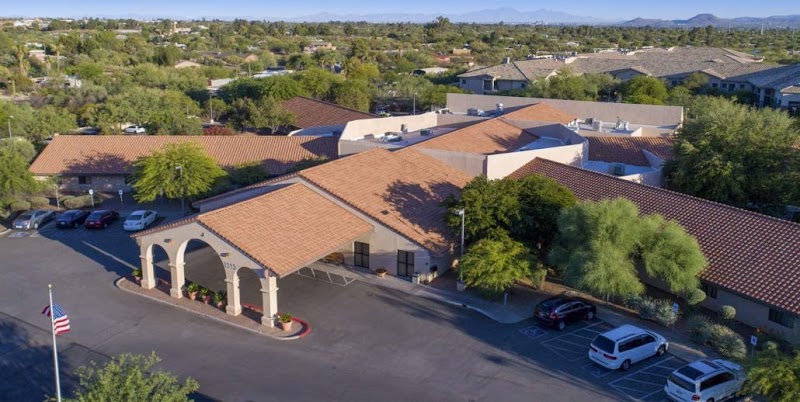
601 ADAMS BOULEVARD, BOULDER CITY, NV 89005 (702) 293-5151
For profit - Limited Liability company 87 Beds Independent Data: November 2025
Trust Grade
43/100
#44 of 65 in NV
Last Inspection: November 2024

Within standard 12-15 month inspection cycle. Federal law requires annual inspections.

Overview

Mountain View Care Center has a Trust Grade of D, indicating below-average performance with some significant concerns. It ranks #44 out of 65 nursing homes in Nevada, placing it in the bottom half of facilities in the state, and #33 out of 42 in Clark County, suggesting there are only a few local options that are better. The facility is worsening, with issues increasing from 7 in 2023 to 9 in 2024. Staffing is a concern, rated at 2/5 stars with a high turnover rate of 58%, which exceeds the state average, indicating that staff may not be consistently familiar with residents' needs. Specific incidents include failures to serve hot food to residents, which impacted their enjoyment of meals, and issues with staff not using proper personal protective equipment while entering COVID-19 isolation rooms, which could risk the health of both staff and residents. While there are strengths in quality measures, the combination of staffing issues and specific incidents raises red flags for families considering this facility.

Trust Score
D
43/100
In Nevada
#44/65
Bottom 33%
Safety Record
Low Risk
No red flags
Inspections
Getting Worse
7 → 9 violations
Staff Stability
⚠ Watch
58% turnover. Above average. Higher turnover means staff may not know residents' routines.
Penalties
○ Average
$3,174 in fines. Higher than 58% of Nevada facilities. Some compliance issues.
Skilled Nurses
⚠ Watch
Each resident gets only 26 minutes of Registered Nurse (RN) attention daily — below average for Nevada. Fewer RN minutes means fewer trained eyes watching for problems.
Violations
⚠ Watch
29 deficiencies on record. Higher than average. Multiple issues found across inspections.
★★☆☆☆
2.0
Overall Rating
★★☆☆☆
2.0
Staff Levels
★★★★☆
4.0
Care Quality
★★☆☆☆
2.0
Inspection Score
Stable
2023: 7 issues
2024: 9 issues

The Good

  • 4-Star Quality Measures · Strong clinical quality outcomes
  • Full Sprinkler Coverage · Fire safety systems throughout facility
  • No fines on record

Facility shows strength in quality measures, fire safety.

The Bad

2-Star Overall Rating

Below Nevada average (3.0)

Below average - review inspection findings carefully

Staff Turnover: 58%

12pts above Nevada avg (46%)

Frequent staff changes - ask about care continuity

Federal Fines: $3,174

Below median ($33,413)

Minor penalties assessed

Staff turnover is elevated (58%)

10 points above Nevada average of 48%

The Ugly 29 deficiencies on record

Nov 2024 8 deficiencies
CONCERN (D)

Potential for Harm - no one hurt, but risky conditions existed

Deficiency F0655 (Tag F0655)

Could have caused harm · This affected 1 resident

**NOTE- TERMS IN BRACKETS HAVE BEEN EDITED TO PROTECT CONFIDENTIALITY** Based on observation, interview, record review, and document review, the facility failed to develop a baseline care plan for the...

Read full inspector narrative →
**NOTE- TERMS IN BRACKETS HAVE BEEN EDITED TO PROTECT CONFIDENTIALITY** Based on observation, interview, record review, and document review, the facility failed to develop a baseline care plan for the use of an indwelling Foley catheter within 48 hours of a resident's admission for 1 of 20 sampled residents (Resident 82). This deficient practice posed potential risks, including increased likelihood of infection, catheter blockage, tissue damage, and inadequate monitoring of urinary output. Findings include: Resident 82 (R82) R82 was admitted on [DATE] and readmitted on [DATE], with the diagnoses including urinary tract infection, acute kidney infection, unstageable pressure ulcer and urinary retention. On 10/29/224 at 2:08 PM, R82 was in bed with eyes closed. R82 had Foley catheter 18 French (Fr) times (x) 5-10 milliliters (ml) water balloon. Few drops of urine observed in the urinary bag. A Physician order dated 09/26/2024, documented Foley catheter 16 FR x 10 ml water balloon for neurogenic bladder related to urine retention. The Readmit Screener dated 10/13/2024, documented R2 had indwelling/Foley catheter 16 Fr. A Nursing Progress Notes dated 10/15/2024, documented R2 Foley catheter 16 Fr draining and in place related to urinary retention/neurogenic bladder. On 10/30/2024 at 11:08 AM, a Licensed Practical Nurse (LPN) indicated the Foley catheter required an order and a baseline care plan upon resident's admission. The LPN confirmed there was no care plan in place for R82's Foley catheter. On 10/30/2024 at 1:30 PM, the Unit Manager (UM) confirmed no care plan had been formulated for R82's Foley catheter use. The UM explained a baseline care plan should have been implemented within 48 hours following R82's admission. The UM indicated the Director of Nursing (DON) was on leave and unavailable for interview, with the Assistant Director of Nursing (ADON) assuming responsibilities. On 10/31/2024 at 4:00 PM, the ADON explained the DON restricted others from handling the care plan, preferring to manage it personally. The DON was recently assigned and took on the responsibility of updating care plans. The baseline care plan supports the subsequent development of the comprehensive care plan. The ADON confirmed no care plan had been formulated for R82's Foley catheter. The ADON further explained R82 who had a urinary catheter, was flagged as a significant concern. The ADON indicated despite the resident being on hospice, the need for a care plan was affirmed to ensure adherence to person-centered care standards. The ADON indicated care plan discrepancies had previously gone unaddressed due to the DON's restrictions on plan access. A facility policy titled Care Plans-Baseline revised December 2106, documented a baseline plan of care to meet the resident's immediate needs should have been developed for each resident within forty-eight (48) hours of admission, to assure the resident's immediate care needs were met and maintained. A facility policy titled Catheter Care, Urinary, dated September 2014, documented procedures intended to prevent catheter-associated urinary tract infections. The preparation included reviewing the resident's care plan to assess any special needs of the resident.
CONCERN (D)

Potential for Harm - no one hurt, but risky conditions existed

Comprehensive Care Plan (Tag F0656)

Could have caused harm · This affected 1 resident

**NOTE- TERMS IN BRACKETS HAVE BEEN EDITED TO PROTECT CONFIDENTIALITY** Resident 79 (R79) R79 was admitted on [DATE], with diagnosis including polyneuropathy unspecified, osteoarthritis unspecified si...

Read full inspector narrative →
**NOTE- TERMS IN BRACKETS HAVE BEEN EDITED TO PROTECT CONFIDENTIALITY** Resident 79 (R79) R79 was admitted on [DATE], with diagnosis including polyneuropathy unspecified, osteoarthritis unspecified site, and abnormal posture. On 10/31/2024 at 7:05 AM, a nurse revealed R79 was to self-administer Garlic 1000 MG 1 capsule by mouth every day, which was kept in R79's room. A progress note dated 07/17/2024, documented a self-administration evaluation was completed and R79 was fully capable of administering a garlic capsule supplement. Evaluation of Resident's Ability to Self-Administer Medications dated 07/20/2024, documented resident could safely self-administer medication. A physician's order dated 07/20/2024, documented Garlic Oral Capsule 1000 MG 1 time a day, may self-administer medication, self-administration of medication evaluation completed. The medical record lacked documented evidence R79's care plan was revised to reflect self-administration of medication. On 10/31/2024 at 9:31 AM, the Assistant Director of Nursing acknowledged R79's care plan should have been updated to reflect self-administration of medication. A facility policy titled Care Plans, Comprehensive Person-Centered revised 2016, documented assessments of residents were ongoing, and care plans were to be revised as information about the residents and the resident's conditions changed. Based on observation, interview, record review, and document review, the facility failed to develop a comprehensive care plan for: 1) fall prevention for a resident at risk for fall (Resident #56), 2) and medication self-administration (Resident #79). The deficient practice had the potential to deprive the residents for receiving necessary care to prevent health complications. Findings include: Resident #56 (R56) R56 was admitted on [DATE], with diagnoses including severe sepsis, neurocognitive disorder, history of alcoholism and drug abuse, weight loss, and cerebrovascular accident. Initial fall risk assessment dated [DATE], revealed a score of 12, indicating R56 was at risk for falls. The assessment documented if the total score was 10 or greater, the resident should be considered at a high risk for potential falls and the prevention protocol should be initiated immediately and documented on the care plan. R56 was re-assessed for fall risk on 08/11/2024, scoring 14 (high risk). The fall assessments were performed thereafter on 08/11/2024, 10/04/2024, 10/07/2024, and 10/9/2024. All of them scored 14 (High Risk) A comprehensive care plan dated 03/25/2024, lacked approaches for the prevention of falls. A nurses note dated 08/10/2024 revealed R56 was found lying face down on the floor, with a laceration on the forehead. The note did not document if fall prevention interventions were in place at the time the fall occurred. A physician order dated 08/15/20204, documented floor mattress to be in place while resident on bed. The order was obtained five days after R56 sustained the fall. On 10/31/2024 at 3:50 PM, a Nurse Manager explained when residents were admitted , a fall risk assessment was performed to identify potential factors that could increase their likelihood of falling, allowing the facility to implement preventative measures and create a personalized care plan to minimize the risk of injury from falls. The Nurse Manager acknowledged R56 was at high risk for fall and a comprehensive care plan should have been developed and implemented.
CONCERN (D)

Potential for Harm - no one hurt, but risky conditions existed

Incontinence Care (Tag F0690)

Could have caused harm · This affected 1 resident

**NOTE- TERMS IN BRACKETS HAVE BEEN EDITED TO PROTECT CONFIDENTIALITY** Based on observation, interview, record review, and document review, the facility failed to ensure the resident's Foley catheter...

Read full inspector narrative →
**NOTE- TERMS IN BRACKETS HAVE BEEN EDITED TO PROTECT CONFIDENTIALITY** Based on observation, interview, record review, and document review, the facility failed to ensure the resident's Foley catheter was properly assessed and the correct Foley size was inserted or clarified for 1 of 20 sampled residents (Resident 82). This deficient practice had the potential to increase the risk of discomfort or pain, or urinary tract injury and complications. Findings include: Resident 82 (R82) R82 was admitted on [DATE] and readmitted on [DATE], with the diagnoses including urinary tract infection, acute kidney infection, unstageable pressure ulcer and urinary retention. A Physician order dated 09/26/2024, documented Foley catheter 16 FR x 10 ml water balloon for neurogenic bladder related to urine retention. The Minimum Data Set, dated [DATE], documented R82 had indwelling catheter. The Readmit Screener dated 10/13/2024, documented R2 had indwelling/Foley catheter 16 Fr. A Nursing Progress Notes dated 10/15/2024, documented R2's Foley catheter 16 Fr draining and in place related to urinary retention/neurogenic bladder. On 10/29/2024 at 2:08 PM, R82 was in bed with eyes closed. R82 had Foley catheter 18 French (Fr) times (x) 5-10 milliliters (ml) water balloon with urinary droplets on the urinary bag. On 10/30/2024 at 10:45 AM, a Certified Nursing Assistant (CNA) indicated R82 was on Foley catheter since admission and under hospice care. The CNA indicated the Licensed Nurse was responsible for the assessment and insertion of the Foley catheter. The CNA confirmed R82's Foley size was French 18 x 5-10 ml water balloon. On 10/30/2024 at 11:08 AM, a Licensed Practical Nurse (LPN) verified R82's Foley catheter as an 18 Fr x 5-10 ml water balloon. The LPN confirmed the Foley catheter order specified a 16 Fr x 10 ml water balloon, but the inserted Foley was larger than ordered. The LPN indicated the order should have been followed or clarified and acknowledged a lack of documentation regarding when the Foley catheter was changed. On 10/30/2024 at 1:30 PM, the Unit Manager (UM) confirmed the Foley order had not been followed. The UM noted R82 had been hospitalized for three weeks and indicated the hospital might have changed the Foley size before the resident's return. The UM indicated an assessment should have verified the Foley in place matched the order. The UM indicated, regardless of hospice status, the facility was responsible for ensuring the order was followed or clarified. The UM also identified a communication breakdown between hospice and facility staff, explaining that hospice documentation should have been cross-checked with facility records. On 11/01/2024 at 10:26 AM, a hospice RN confirmed R82 had been admitted to hospice on 10/13/2024 with a Foley catheter inserted at the hospital. The hospice nurse indicated upon R82's readmission, the hospice admission nurse documented a Foley catheter size of 16 Fr but may have missed checking or assessing the actual catheter in place. The hospice RN explained there was no documentation R82's Foley was changed in the facility; the Foley size order should have been followed or clarified for accuracy. The hospice RN verbalized the importance of using the correct Foley catheter size to prevent leakage or trauma. A facility policy titled Catheter Care, Urinary, dated September 2014, documented procedures intended to prevent catheter-associated urinary tract infections. The preparation included reviewing the resident's care plan to assess any special needs of the resident.
CONCERN (D)

Potential for Harm - no one hurt, but risky conditions existed

Deficiency F0692 (Tag F0692)

Could have caused harm · This affected 1 resident

**NOTE- TERMS IN BRACKETS HAVE BEEN EDITED TO PROTECT CONFIDENTIALITY** Based on observation, interview, record review, and document review, the facility failed to; 1) monitor weights for a resident w...

Read full inspector narrative →
**NOTE- TERMS IN BRACKETS HAVE BEEN EDITED TO PROTECT CONFIDENTIALITY** Based on observation, interview, record review, and document review, the facility failed to; 1) monitor weights for a resident with prescribed weight gain (Resident #67), and 2) ensure vulnerable residents' tube feeding free water flush (FWF) orders were followed and completely delivered as ordered for 1 of 5 sampled residents receiving continue hydration via gastrostomy tube (Resident #11). The deficient practice could have led to a potential risk of dehydration, electrolyte imbalance, kidney complications, and increased susceptibility to further health issues, thereby compromising the residents' overall well-being and recovery. Findings include: 1) Weight monitoring: Resident #67 (R67) R67 was admitted on [DATE], with diagnoses including anxiety, acute psychosis, agitation, chronic obstructive pulmonary disease, hyperlipidemia, and dysphagia. R67's weight records revealed weights were obtained three times during the last 120 days as follows: 04/10/2024: 151 pounds (lbs.) 07/11/2024: 145.8 lbs. 10/24/2024: 140.4 lbs. Record revealed R67 had 7 % weight loss in 6 months. The 30 days weight changes could not be calculated due to lack of weight data in record. A Dietitian progress note dated 04/21/2024, documented R67 was prescribed weight gain to achieve a body mass index (BMI) of 23. The progress note indicated the RD would monitor weight, labs, skin, and PO intake for any further changes. A nutritional assessment dated [DATE], documented there was not an updated weight since R67 regularly refused weights. The last BMI was 20.3, slightly below the desired BMI (23). Nutritional care plan dated 08/15/2023, documented R67 had potential nutritional problem related to multiple comorbidities, including cardiac disease, respiratory, kidney and liver failure, vitamin deficiency, and mechanical altered diet due to dysphagia. The care plan did not include approaches to monitor weight and the frequency of the dietitian assessment. On 10/31/2024 at 9:30 AM, the Registered Dietitian (RD) explained the weight for a resident with prescribed weight gain should be obtained weekly as well the performance of dietary assessment. The RD acknowledged R67's weight was not monitored as per the facility's policy because R67 refused weights. The RD verbalized weight refusal should have been documented in the medical record and the care plan should have been updated with new approaches since the prescribed BMI was not achieved. The facility's policy titled Weight Assessment and Intervention dated September 2008, documented nursing staff would measure resident's weight on admission, the day after resident was admitted , and weekly for two weeks thereafter. The policy indicated if no weight concerns were identified, the weight would be obtained in a monthly basis. 2) Hydration: Resident #11 (R11) R11 was admitted on [DATE], with diagnoses including dysphagia, dementia, and seizure disorder. The resident had a gastrostomy tube (G-tube used as artificial route to provide enteral nutrition directly to the stomach). Physician's order dated 10/04/2023, documented water flushes at 30 ml/hr via G-tube, for a total of 720 ml in 24 hours. On 10/30/2024 in the morning, a review of the enteral pump 72 hours memory history revealed 1,951 ml of water were delivered over 72 hours. This amount had a discrepancy with the physician's order since 2,160 ml should had been administered (30 ml multiplied by 72 hours), indicating R11 did not receive about 209 ml of water. On 10/31/2024 in the morning, the RD confirmed R11's water flush order was not followed, and the prescribed volume was not completely delivered, with a deficit of 209 ml, impacting the daily water requirements. A facility policy titled Enteral Nutrition revised February 2008, documented adequate nutritional support through enteral nutrition was provided to residents as ordered. A facility policy revised February 2008 documented the adequate nutritional support through enteral nutrition was provided to residents as ordered. Examples of potential benefits from using a feeding tube included addressing malnutrition and dehydration, promoting wound healing, allowing residents to regain strength, and enabling a transition back to oral nutrition.
CONCERN (D)

Potential for Harm - no one hurt, but risky conditions existed

Room Equipment (Tag F0908)

Could have caused harm · This affected 1 resident

Based on observation, interview and document review, the facility failed to maintain essential kitchen equipment in good repair. The deficient practice had the potential to affect the quality and safe...

Read full inspector narrative →
Based on observation, interview and document review, the facility failed to maintain essential kitchen equipment in good repair. The deficient practice had the potential to affect the quality and safety of the ice produced, and the lack of reliable temperature monitoring posed a risk to food safety, as it prevents accurate assessment of the freezer's ability to maintain appropriate food storage temperatures. Findings include: On 10/29/24 at 8:15 AM, an inspection was conducted in the kitchen with the kitchen manager. The following issues were identified: - Six steam table pans were observed with significant staining, exhibiting brown and white matter build-up. The discoloration and residue suggested possible water damage and inadequate cleaning practices. - The ice machine exhibited significant white mineral deposits both on its exterior and interior surfaces. The kitchen manager reported ongoing issues with the ice machine's performance, despite previous repairs. - A freezer had its manufacturer's thermometer out of service, and the internal thermometer was not functioning. The kitchen manager confirmed this observation and indicated that the thermometer was under repair and awaiting a new part. The kitchen manager verbalized despite the internal thermometer not working, the staff were checking the meal products manually to ensure they were hard frozen. The kitchen manager acknowledged the temperature of the freezer should have been monitored twice daily and documented in the log. The temperature log documented the last recorded temperatures as follows: - 10/01/2024 AM: 50.5°F - 10/03/2024 PM: 67.5°F - 10/07/2024 AM: 82°F - 10/09/2024 AM: 120°F The log noted the freezer manufacturer's thermometer was under maintenance. However, the log did not document temperatures other than the above mentioned, and there was inconsistent documentation related to the quality of the frozen goods' hardness. The facility policy titled Food Storage: Cold Foods, dated April 2018, documented an accurate thermometer would be kept in each refrigerator and freezer and a written record of daily temperature would be recorded. The facility policy titled Equipment dated September 2017, indicated all foodservice equipment would be clean, sanitary, and in proper working order.
CONCERN (E)

Potential for Harm - no one hurt, but risky conditions existed

Tube Feeding (Tag F0693)

Could have caused harm · This affected multiple residents

**NOTE- TERMS IN BRACKETS HAVE BEEN EDITED TO PROTECT CONFIDENTIALITY** Based on observation, interview, record review, and document review, the facility failed to ensure residents' tube feeding (TF) ...

Read full inspector narrative →
**NOTE- TERMS IN BRACKETS HAVE BEEN EDITED TO PROTECT CONFIDENTIALITY** Based on observation, interview, record review, and document review, the facility failed to ensure residents' tube feeding (TF) orders were followed and completely delivered as ordered for 3 of 5 sampled residents (Residents 54, 48, and 11). The deficient practice could have led to a potential risk of malnutrition, dehydration, and inadequate caloric intake, compromising residents' health and increasing susceptibility to further medical complications. Findings include: A facility policy titled Enteral Nutrition revised February 2008, documented adequate nutritional support through enteral nutrition was provided to residents as ordered. A facility policy revised February 2008 documented the adequate nutritional support through enteral nutrition was provided to residents as ordered. Examples of potential benefits from using a feeding tube included addressing malnutrition and dehydration, promoting wound healing, allowing residents to regain strength, and enabling a transition back to oral nutrition. Resident 54 (R54) R54 was admitted on [DATE] and readmitted on [DATE], with diagnoses including dementia, vitamin deficiency and gastro-esophageal reflux disease. A Physician order dated 05/18/2024 documented Glucerna 1.2 at 60 milliliters per hour (ml/hr), with free water flush (FWF) at 30 ml/hr, to run for 21 hours, providing 1,512 kilocalories (kcal), 76 grams of protein (1,014 + 630), and 1,644 ml of water per day. Off at 10:00 AM, on at 1:00 PM. A Care Plan dated 08/22/2023. documented R54 had bowel/gastrointestinal disorders or diseases, including bowel incontinence, decreased mobility, dysphagia, gastrostomy tube (GT) for nutrition, gastroesophageal reflux disease, risk of dehydration, and potential fluid deficit. Interventions included administering medications as ordered. A Care Plan dated 08/22/2023, documented R54 required tube feeding related to at risk for dehydration, at risk for potential fluid deficit, CVA, dysphagia, swallowing problem. The interventions included to administer TF and water flushes per MD orders. The goal included R54 would maintain adequate nutritional and hydration status AEB weight stable, no s/s of malnutrition through review date. The Nutritional assessment dated [DATE], documented R52 was on TF Glucerna 1.2 at 60 ml/hr x 21 hrs., via gastrostomy tube (GT) to provide 1512 kcals, 76 g protein, 1650 ml water total. FWF at 30 ml/hr x 21 hrs.; off at 10 AM on at 1:00 PM. R54 was slightly overweight, and weight maintenance was desired. On 10/29/2024 at 11:31 AM, R54 was in bed, awake, non-verbal and incoherent. Enteral pump was at bedside, no tube feeding (TF) was infusing at this time. The gastrostomy site (GT) was covered with a dressing. On 10/31/2024 at 10:05 AM, the tube feeding (TF) of Glucerna 1.2 was infusing at 60 ml and free water flush (FWF) at 30 ml. A Licensed Practical Nurse (LPN) entered R54's room and turned off the enteral pump. The LPN indicated the TF should have been turned off at 10:00 AM and turned back on at 1:00 PM. The LPN verified the enteral pump history, reviewing the total TF volume delivered, and revealed the following: -12 hours: TF 686 ml, FWF 360 ml -24 hours: TF 1241 ml, FWF 660 ml -48 hours: TF 2251 ml, FWF 1237 ml -72 hours: TF 3414 ml, FWF 1867 ml On 10/31/2024 at 10:09 AM, a Registered Dietitian (RD) indicated R54 was on nothing by mouth and prescribed a continuous TF of Glucerna 1.2 at 60 ml/hr, with supplemental water at 30 ml/hr, scheduled to run for 21 hours, pausing at 10:00 AM and resuming at 1:00 PM. The RD confirmed R54 was tolerating the TF well, maintaining a stable weight and showing a body mass index (BMI) of 28.1, which indicated a slight excess but no significant changes in weight. The RD confirmed R54's TF orders were not followed, and the prescribed volume was not fully delivered, increasing the potential risk of nutritional deficits. The RD indicated R54 was supposed to receive 3,780 ml over 72 hours; a shortage of 366 ml represented a significant dose and exceeded the lower end of R54's daily requirements. Resident 48 (R48) R48 was admitted on [DATE], with diagnoses including dysphagia (difficulty swallowing), gastrostomy, and dementia. A Physician order dated 04/28/2024 documented Jevity/Isosource 1.5 at 55 ml/hr and FWF at ml/hr to run for 21 hours. Off at 8:00 AM and on at 11:00 AM. The Nutritional assessment dated [DATE], documented R48 was on TF Jevity 1.5 at 55 ml/hr x 21 hrs., via gastrostomy tube (GT) to provide 1733 kcals, 73 grams protein, and (878 + 945), 1823 ml water. The goal was to maintain body weight and continue to meet R48's daily needs. A Care Plan dated 11/03/2023, documented R48 required tube feeding related to at risk for dehydration, potential fluid deficit, and dysphagia. The interventions included administering the feeding as ordered. On 10/31/24 11:07 AM, R48 was in bed with eyes closed, and TF Jevity 1.5 was infusing at 55 ml/hr. The LPN confirmed the TF pump history for 72 hours, indicating a total volume delivered of 3062 ml. On 10/31/2024 at 11:15 AM, the RD verified R48's TF pump history and noted the total dose delivered was only 3062 ml, while 3465 ml was intended for 72 hours. The RD indicated a discrepancy of 403 ml over 72 hours, representing a significant dose that exceeded the lower end of R48's daily requirements. The RD indicated this discrepancy could potentially lead to nutritional deficits over time and verbalized the TF order should have ensured complete delivery of the TF dose. The RD indicated R48 had no significant weight change for the last 60 days. On 10/31/2024 at 2:57 PM, the Nurse Practitioner (NP) indicated being unaware the resident's TF dose was not fully administered. The NP indicated the TF orders should have been administered as ordered to ensure adequate nutrition. Resident #11 (R11) R11 was admitted on [DATE], with diagnoses including dysphagia, dementia, and seizure disorder. The resident had a gastrostomy tube (G-tube used as artificial route to provide enteral nutrition directly to the stomach). Physician's order dated 10/04/2023, documented enteral feed formula Glucerna 1.2 calories (Cal) per milliliter (ml) to be administered at 60 milliliters per hour (ml/hr) for 24 hours, for a total of 1,440 ml. On 10/30/2024 in the morning, a review of the enteral pump 72 hours memory history revealed 3,666 ml of formula was delivered in the previous 72 hours. This amount had a discrepancy with the physician's order since 4,320 ml should had been administered (60 ml X 72 hours = 4,320 ml/h), indicating R11 missed about 654 ml of formula (750 Cal). On 10/31/2024 in the morning, the RD confirmed R11's enteral nutrition order was not followed, and the prescribed volume was not completely delivered, with a deficit of 654 ml of formula (750 Cal), impacting the prescribed calorie requirements.
CONCERN (E)

Potential for Harm - no one hurt, but risky conditions existed

Food Safety (Tag F0812)

Could have caused harm · This affected multiple residents

Based on observation and interview, the facility failed to label, and date open stored food products, and maintain sanitary conditions in the kitchen. The deficient practice could potentially expose r...

Read full inspector narrative →
Based on observation and interview, the facility failed to label, and date open stored food products, and maintain sanitary conditions in the kitchen. The deficient practice could potentially expose residents to foodborne illnesses. Findings include: On 10/29/24 at 8:15 AM, an inspection was conducted in the kitchen with the kitchen manager. The following issues were identified: -The coffee machine and the iced tea dispenser had visible ground coffee residue and appeared dirty. - Two ovens were visibly soiled with substantial accumulations of grease and burned food debris. The kitchen manager indicated the ovens were scheduled to be deeply cleaned and acknowledged the ovens should had been cleaned more often. - Two trays and a cart containing cartons of milk and chocolate milk were visibly soiled with dairy matters. - The kitchen floor, including the food preparation area, under the steam table, stove, and dishwashing area, was visibly soiled with food debris and grease. The kitchen manager admitted the kitchen was cleaned every two weeks and acknowledged it should have been cleaned more frequently. The following issues in food products were identified: - A bag of lettuce dated 10/11/2024, was visibly mushy and had turned a yellowish color, indicating the lettuce was no longer fresh. The kitchen manager indicated the lettuce should have been disposed after two weeks upon received. - Two glasses of non-dairy milk not dated. - An open bag of shredded cheddar cheese was not dated. - An open gallon of whole milk was not dated. - An open half gallon of reduced fat milk lactose free was not dated. - An open container of chopped garlic, 2 pounds was not dated. The kitchen manager confirmed the observations and verbalized open food products should have been labeled and dated upon initiated. The facility policy titled Food Storage: Cold Foods, dated April 2018, documented all foods would be stored labeled and dated. The facility policy titled Environment dated September 2017, indicated all food preparation areas, food service areas, and dining facilities would be maintained in a clean and sanitary conditions. The policy stated the Dining Services Director (kitchen manager) would ensure the kitchen was maintained in clean and sanitary manner, including floors, walls, ceilings, lighting, and ventilation.
CONCERN (E)

Potential for Harm - no one hurt, but risky conditions existed

Infection Control (Tag F0880)

Could have caused harm · This affected multiple residents

**NOTE- TERMS IN BRACKETS HAVE BEEN EDITED TO PROTECT CONFIDENTIALITY** Based on observation, interview, record review, and document review, the facility failed to ensure: 1) Signage for Enhanced Bar...

Read full inspector narrative →
**NOTE- TERMS IN BRACKETS HAVE BEEN EDITED TO PROTECT CONFIDENTIALITY** Based on observation, interview, record review, and document review, the facility failed to ensure: 1) Signage for Enhanced Barrier Precaution (EBP) was posted for a resident with a urinary catheter and an unstageable wound, and personal protective equipment (PPE) was available (Resident 82), 2) Gown was used by staff when providing direct care to residents on precautions, and hand hygiene was performed after removing the used gloves (Resident 63); and 3) a policy was in place regarding the reuse of gowns after use. This deficient practice had the potential to increase the risk of cross-contamination, the spread of healthcare-associated infections, and compromise infection control measures. Findings include: 1) Resident 82 (R82) R82 was admitted on [DATE] and readmitted on [DATE], with the diagnoses including urinary tract infection, acute kidney infection, unstageable pressure ulcer and urinary retention. On 10/30/2024 at 10:45 AM, R82 was in bed with eyes closed, a Foley catheter was covered yet visible from the doorway. There was no EBP sign posted in R82's room, nor was any personal protective equipment available by the door. A Certified Nursing Assistant (CNA) indicated R82 had been on a Foley catheter since admission and was under hospice care. The CNA indicated R82 had open wounds, which were being treated by the Wound Care Treatment Nurse (WCTN). On 11/01/2024 at 10:15 AM, a hospice Registered Nurse (RN) was inside R82's room, providing care with a surgical mask and gloves but without a gown. The hospice RN confirmed providing direct care by obtaining vital signs, conducting a body assessment, checking the Foley catheter, and assisting R82, all without a gown. The hospice RN explained being unfamiliar with the facility protocol regarding EBP and provided care without a gown due to the absence of signage and no available gown. The hospice RN indicated a precaution sign and PPE should have been readily available for compliance and to prevent cross-contamination. 2) Resident 63 (R63) R63 was admitted in 11/02/2022, with diagnoses including dementia and pressure ulcer stage 4. On 11/01/2024 at 11:05 AM, signage for EBP was posted in R63's room door, with two cloth gowns hung on a wall hook labeled #1 and #2. Certified Nursing Assistant 1 (CNA 1) and Certified Nursing Assistant 2 (CNA 2) were providing incontinence care to R63 with a draining wound and a Foley catheter. Both CNAs wore gloves but did not wear gowns. Both confirmed no gown was worn while cleaning R63. CNA 1 removed the gloves but did not perform hand hygiene. CNA 1 confirmed hand hygiene was not performed after glove removal. 3) On 10/29/2024 and 11/01/2024 in the morning, CNAs and WTCN were observed providing care and reusing the yellow cloth gowns hung on the wall numbered # 1 and # 2. On 11/01/24 at 10:38 AM, the WCTN, indicated the EBP room contained recycled used gowns for staff providing care, such as wound care and incontinence care. The WCTN expressed despite being uncomfortable reusing used gowns, compliance with facility protocol was maintained. The WCTN indicated the yellow gowns were designated for day shift staff, while green gowns were for the night shift. The WCTN explained the EBP room had two gowns per each resident with #1 assigned to licensed nurses and #2 to CNAs, and gowns were used throughout the entire day shift and replaced at night. The WCTN acknowledged the risk of unseen organisms and verbalized reusing used gowns after providing direct care could have led to potential cross-contamination. On 11/01/24 11:31 AM, the Director of Environmental Services (EVS) indicated sufficient supplies of washable gowns were available if additional gowns were required during care provision, and the laundry could meet the demand. The EVS Director noted that yellow gowns were supplied daily and replaced by green gowns for the night shift. On 11/01/2024 at 2:00 PM, the Infection Preventionist (IP) indicated no policy was in place in the EBP rooms for reusing used gowns after high-contact resident care activities, such as wound treatment, turning and repositioning, incontinence care, and changing soiled linens. The Administrator explained the facility did not procure disposable gowns due to cost considerations; however, washable gowns were being utilized. A facility policy titled Isolation -Categories of Transmission-Based Precautions, revised October 2018, documented EBP expand the use of PPE and referring to the use of gowns and gloves during high contract resident care activities that provide opportunities for the transfer of MDRO's to staff hands and clothing. During these high-contact care activities, residents may indirectly transfer MDROs to one another. Residents with wounds and indwelling medical devices were at especially high risk of both acquisition of and colonization with MDRO's.
Jun 2024 1 deficiency
CONCERN (D) 📢 Someone Reported This

A family member, employee, or ombudsman was alarmed enough to file a formal complaint

Potential for Harm - no one hurt, but risky conditions existed

Free from Abuse/Neglect (Tag F0600)

Could have caused harm · This affected 1 resident

**NOTE- TERMS IN BRACKETS HAVE BEEN EDITED TO PROTECT CONFIDENTIALITY** Based on interviews, record review and document review the facility failed to ensure a dependent, non-verbal resident was not le...

Read full inspector narrative →
**NOTE- TERMS IN BRACKETS HAVE BEEN EDITED TO PROTECT CONFIDENTIALITY** Based on interviews, record review and document review the facility failed to ensure a dependent, non-verbal resident was not left in a wet brief for an extended period of time for 1 of 5 sampled residents (Resident 1). The deficient practice had the potential to place the resident at risk for worsening of health conditions and psychosocial harm. Findings include: Resident 1 (R1) R1 was admitted to the facility on [DATE] and readmitted on [DATE] with diagnoses including intellectual disabilities, dementia, cognitive communication deficit, and diabetes mellitus. A Brief Interview for Mental Status (BIMS; a tool used to screen and identify the cognitive condition of a resident) on 05/14/2024 documented a score of 03, which indicated a severe cognitive impairment. A report of neglect by a staff member was received by the state agency. On 06/25/2024 at 1:00 PM, the Assistant Administrator confirmed concern regarding neglect of resident by a Certified Nursing Assistant (CNA) at the facility. The Assistant Administrator verbalized a resident had made a complaint to the social worker on 05/10/2024 regarding R1 being neglected. The Assistant Administrator indicated the social worker followed the policy and contacted the abuse coordinator and an investigation was initiated. The Assistant Administrator confirmed being the abuse coordinator and initiated an investigation with the assistance of the Director of Nursing (DON). After interviewing five residents who, according to the assistant administrator three out of five residents confirmed the initial allegation of neglect. The abuse coordinator verbalized the employee of concern was interviewed and ultimately terminated for neglect and reported to the appropriate licensing board. On 06/25/2024 at 1:30 PM the DON explained the facility expectation was for staff to make rounds at least every two hours and check on all residents during the day shift and the night shift. The decision to terminate the employee of concern was related to multiple residents with the same complaint of the employee not responding to call lights or checking on resident during shift until it was time for the next shift to arrive. During the onsite investigation on 06/25/2024, the facility correction of the past non-compliance related to the incident occurred evidenced by: On 05/10/2024, the employee of concern was suspended pending investigation and ultimately terminated and reported to the appropriate licensing board on 05/15/2024. On 05/12/2024, an in-service was initiated for all staff regarding neglect education. The DON initiated a new program of documentation for CNA staff which included: - a task list and rounding times expected. - the CNA would review at end of shift with oncoming CNA and both would sign off acknowledging the completion of specific tasks. - the unit nurse would also sign off on task form to confirm the completion of tasks by the CNA during the shift. Complaint NV00071456
Dec 2023 7 deficiencies
CONCERN (D)

Potential for Harm - no one hurt, but risky conditions existed

Comprehensive Care Plan (Tag F0656)

Could have caused harm · This affected 1 resident

**NOTE- TERMS IN BRACKETS HAVE BEEN EDITED TO PROTECT CONFIDENTIALITY** Based on observation, interview, record review and document review, the facility failed to ensure a person-centered care plan wa...

Read full inspector narrative →
**NOTE- TERMS IN BRACKETS HAVE BEEN EDITED TO PROTECT CONFIDENTIALITY** Based on observation, interview, record review and document review, the facility failed to ensure a person-centered care plan was developed and implemented for a resident with limited English proficiency (LEP) for 1 of 19 sampled residents (Resident 74). The deficient practice placed the resident at risk for feeling isolated and unable to express needs impacting quality of life. Findings include: Resident 74 (R74) R74 was admitted on [DATE], with diagnoses including aphasia (a language disorder which affects a person's ability to communicate) following cerebral infarction. On 12/12/2023 at 9:18 AM, R74 laid awake in bed, television was on, and enteral feed was infusing. R74 was smiling, maintained eye contact, and attempted to mouth words but was unsuccessful. R74 was able to respond to simple questions by nodding head or moving left thumb up or down but the resident moved head from side to side removing smile when asked if R74 could understand English. There were no pictures or communication boards observed in the resident's room. A Social Services assessment dated [DATE], revealed R74 mainly understood native language which was not English. R74 did not have family and R74 communicated simple needs by gesturing, pointing, and nodding head. R74 spent most of the day in bed watching television. A communication deficit care plan initiated on 01/16/2023 revealed R74 had expressive aphasia and language barrier. The goal was for the resident to make needs known by providing translator services, communication cards and activities which match R74's communication abilities. On 12/13/2023 at 1:36 PM, the Social Services Director (SSD) confirmed there were no communication boards or picture cards in R74's room because staff did not find them to be helpful. The SSD entered the resident's room with an English picture board and placed the board in front of R74. R74 stared at the board intently with no reaction. Using a translator phone application (app) set to R74's native language, the surveyor introduced the SSD as a facility staff member who would like to assist R74. R74 turned to the SSD and smiled. Using the translator app, the surveyor explained the picture board was a communication method. R74 was asked whether the board was helpful or not. R74 responded by tapping on the phone several times which was interpreted by the SSD to mean R74 preferred the translator app which interpreted messages in written and audible form in the resident's primary language. On 12/13/2023 at 1:52 PM, the SSD reviewed R74's care plan and confirmed some of the interventions such as how activities were being provided were not person-centered and some interventions such as use of communication boards and translation (written) and interpretation (verbal) services were not being implemented. The SSD indicated utilizing the facility's language line while conducting R74's admission social services assessment on 01/16/2023 but the SSD was uncertain whether direct care staff and other disciplines utilized the language line when communicating with R74. On 12/13/2023 at 2:04 PM, the Certified Nursing Assistant (CNA) assigned to R74 indicated the communication between the resident and the CNA was limited to simple gestures such as nodding of head and raising left thumb. The CNA indicated not being familiar with the facility's language services. On 12/13/2023 at 2:09 PM, the Licensed Practical Nurse (LPN) assigned to R74 indicated identifying the resident's needs using simple questions answerable by yes or no. The LPN indicated being familiar with the facility's language line because the LPN used similar services at previous employment. The LPN indicated R74 was a good example of a resident who would benefit from the use of the language line, but the LPN acknowledged not engaging R74 in deeper conversation using the language services. On 12/14/2023 at 9:22 AM, the Activities Director indicated visiting with R74 three times a week in the resident's room where the activities director or assistant would do some reminiscing and storytelling in English. The Activities Director indicated being familiar with the facility's language services and admitted they had not utilized the language line for R74. On 12/14/2023 at 9:24 AM, the Minimum Data Set (MDS) Coordinator reviewed R74's communication care plan and verbalized some interventions were not person-centered nor realistic such as how activities were being provided to the resident. The MDS Coordinator stated some interventions such as use of the facility's language services were not being implemented and the communication boards should have been provided in the resident's native language. The Translation and/or Interpretation of Facility Services policy revised November 2020, revealed the facility's language access program would be used for residents with limited English proficiency (LEP). All LEP residents shall receive written notice in their primary language of their rights to obtain competent oral translation services free of charge. Competent oral translation of vital information shall be provided by a contracted interpreter service provider. On 12/14/2023 at 10:13 AM, the Director of Nursing (DON) confirmed R74 was not provided information regarding the facility's language services because the facility only had the document available in two languages, not including R74's primary language. The DON indicated R74's communication care plan was not person-centered nor realistic such as how activities were being provided and some interventions were not being implemented such as the use of the language line. On 12/14/23 at 10:25 AM, the DON indicated while R74 could make needs known using simple gestures, it must feel isolating to not to be able to communicate with any other person/s in native language. The Comprehensive Person-Centered Care Plan policy revised December 2016, documented a comprehensive, person-centered care plan with measurable objectives to meet the resident's physical, psychosocial, and functional needs shall be developed and implemented. Each resident's care plan would include the right to receive services included in the care plan.
CONCERN (D)

Potential for Harm - no one hurt, but risky conditions existed

Deficiency F0688 (Tag F0688)

Could have caused harm · This affected 1 resident

**NOTE- TERMS IN BRACKETS HAVE BEEN EDITED TO PROTECT CONFIDENTIALITY** Based on observation, interview, record review and document review, the facility failed to ensure a physician's order for a spli...

Read full inspector narrative →
**NOTE- TERMS IN BRACKETS HAVE BEEN EDITED TO PROTECT CONFIDENTIALITY** Based on observation, interview, record review and document review, the facility failed to ensure a physician's order for a splint device was carried out for 1 of 19 sampled residents (Resident 46). The deficient practice placed the resident at risk for worsening contracture of the right hand. Findings include: Resident 46 (R46) R46 was admitted on [DATE] and readmitted on [DATE], with diagnoses including hemiplegia and hemiparesis following cerebral infarction affecting right dominant side. A Physician's Order dated 12/07/2023, documented to wear splint for 30 minutes two times a day and increase wear time as needed as patient tolerates. On 12/12/2023 at 9:00 AM, R46 was seated in wheelchair inside room watching television. The resident used left hand to organize personal items while the right-hand rested on the wheelchair's armrest. The resident was not wearing a splint device, nor was a splint device observed inside the resident's room. On 12/13/2023 at 8:03 AM, R46 was seated in wheelchair watching television. R46 indicated having a stroke affecting right side and therapy staff visited with R46 a week ago with a right-hand splint. R46 indicated the therapy staff member tried the splint device on R46 and R46 had refused to wear the splint device because it was too difficult for the resident to put on and remove by self plus the splint was tight and uncomfortable. The resident indicated the splint device was not in the room because therapy took the device with them and R46 emphasized no one from therapy or nursing had visited the resident to re-attempt the splint device use. On 12/13/2023 at 8:42 AM, the Director of Rehabilitation Services (DOR) explained R46 was readmitted on [DATE] following a stroke, received therapy services from 07/01/2023 to 07/19/2023 and was discharged from therapy with a goal for contracture management. The DOR retrieved a blue hand splint from a cabinet in the therapy room bearing R46's name and indicated splint devices were stored in the therapy room. On 12/13/2023 at 8:51 AM, the DOR indicated being instructed by R46's Occupational Therapist (OT) to evaluate R46 for splint wear on 12/07/2023. The DOR went to see R46, donned R46's splint which the resident refused to wear because the device did not fit properly. The DOR reported to the OT R46 had refused the splint and a re-attempt would be made within the week. The DOR indicated not having seen R46 since 12/07/2023 because the DOR assumed the OT would be the one to re-evaluate R46 for splint use. On 12/13/2023 at 9:42 AM, the OT recalled the DOR informed the OT of R46's refusal to wear the splint device but the DOR did not communicate the resident's reason for refusal was due to the splint device being ill-fitted. The OT indicated if the OT was aware the splint size was the issue, the OT would have re-evaluated R46 to obtain a better size splint or an alternative product. The OT indicated being employed at the facility on a per diem status and worked twice a week. The OT indicated a therapy staff member should have returned to R46 the following day to determine the reason for the resident's refusal, provide education regarding contractures and determine alternative options for contracture management. According to the OT, after three refusals, the physician should be contacted for alternative interventions. The medical record lacked documented evidence: 1) the resident had refused to wear the splint device due to being ill-fitted 2) the DOR communicated the reason for the resident's refusal with the OT 3) the OT or another therapy staff member re-evaluated R46 for splint use 4) the physician was notified of the resident's refusal to wear the splint device due to wrong size 5) the physician's order for splint use was transcribed into medical record and the services were provided and recorded. On 12/13/2023 at 10:01 AM, the OT explained R46's splint device was kept in the therapy room to prevent it from getting lost. The OT explained recommending R46's splint use which was confirmed by a nurse and signed by the attending physician. The OT indicated R46 was not expected to put the splint on or take the splint off on their own. The task should have been communicated to nursing services to assist R46 with application of the splint device twice daily for 30 minutes. On 12/13/2023 at 10:43 AM, the DOR confirmed there was no documentation: 1) R46 had refused to wear the splint device due to being ill-fitted 2) the DOR communicated the reason for the resident's refusal with the OT 3) the OT or another therapy staff member re-evaluated R46 for splint use 4) the physician was notified of the resident's refusal to wear the splint device due to wrong size 5) the physician's order for splint use was transcribed into medical record and the services were provided and recorded. On 12/13/2023 at 11:02 AM, the Assistant Administrator indicated therapy staff was responsible for carrying out the physician's order for R46's splint use and should have communicated the resident's plan of care with nursing services for assistance with R46's splint application. The Assistant Administrator confirmed medical records showed this was not done. On 12/13/2023 at 2:43 PM, the Director of Nursing (DON) indicated therapy staff should have communicated R46's maintenance plan with nursing which would have included the splint device to enable nursing to obtain orders related to wearing schedule, duration, cleaning of device and skin assessments. The DON confirmed physician's orders for R46's splint use on 12/07/2023 was not communicated, transcribed, and carried out and should have been. The DON indicated the splint devices were expected to be kept in resident's room not with therapy. R46's care plan for contractures initiated 08/25/2023, documented staff would encourage, supervise, and assist the resident with the use of splints and other supportive devices as recommended. The Assistive Devices and Equipment policy revised July 2017, documented use of devices was based on the resident's comprehensive assessment and documented in the resident's plan of care. The following factors would be addressed to include personal fit to ensure the device was measured to fit the resident's size. Staff would be required to demonstrate competency on the use of the device and be available to assist and supervise residents with the devices. The Specialized Rehabilitative Services policy revised December 2009, revealed the facility would initiate a maintenance program which would be implemented by nursing or restorative aides who will implement to assure the resident maintains their functional and physical status.
CONCERN (D)

Potential for Harm - no one hurt, but risky conditions existed

Respiratory Care (Tag F0695)

Could have caused harm · This affected 1 resident

**NOTE- TERMS IN BRACKETS HAVE BEEN EDITED TO PROTECT CONFIDENTIALITY** Based on observations, interviews, record review, and document review the facility failed to ensure a physician order for contin...

Read full inspector narrative →
**NOTE- TERMS IN BRACKETS HAVE BEEN EDITED TO PROTECT CONFIDENTIALITY** Based on observations, interviews, record review, and document review the facility failed to ensure a physician order for continuous use of Oxygen was followed for 1 of 19 sampled residents (Resident 53). The deficient practice had the potential for adverse outcomes for a resident requiring use of Oxygen. Findings include: Resident 53(R53) R53 was admitted on [DATE] with diagnosis of chronic respiratory failure. On 12/12/2023 at 11:50 AM, R53 verbalized receiving 4 liters per minute (LPM) of Oxygen via nasal cannula continuously. Observation indicated flow rate was set at 3 LPM on the Oxygen concentrator in room. On 12/13/2023 at 8:15 AM, the Oxygen concentrator was set at an Oxygen flow rate of 3 LPM. A certified nursing assistant (CNA) confirmed the flow rate was at 3 LPM. On 12/14/2023 at 1:15 PM, the Oxygen flow rate was 3 LPM, confirmed by CNA on the unit. A Physician Order dated 08/21/2022 documented continuous oxygen at 4 liters per minute (LPM) via nasal cannula. On 12/14/2023 in the afternoon, a Licensed Practical Nurse (LPN) indicated a physician order would need to be followed or clarified if it was not being carried out as ordered. The LPN confirmed resident the Oxygen concentrator was set at 3 LPM and should have been set at 4 LPM as the physician order dictated. The LPN explained if a resident was adjusting the flow rate without notifying the nurse it should have been identified by the nursing staff as the expectation was to check the flow rate and monitor Oxygen saturation levels at least once per shift. A care plan dated 10/31/2023 indicated to administer Oxygen based on prescriber orders with interventions to monitor flow rate and Oxygen saturation levels. On 12/15/2023 at 12:10 PM, the Director of Nursing (DON) verbalized nursing staff should follow physician orders or request clarification if order did not match what was being provided. The DON indicated nursing staff should be checking the Oxygen concentrator every shift and documenting Oxygen saturation levels daily. If the staff was monitoring daily, it should have been identified the Oxygen flow rate was below the ordered parameter and a new care plan could be developed if needed. The facility policy titled Oxygen Administration (revised October 2010) documented to verify physician order and to review the facility policy for Oxygen administration. After assessing the resident receiving Oxygen the rate of Oxygen flow, route, and rationale should be documented.
CONCERN (D)

Potential for Harm - no one hurt, but risky conditions existed

Deficiency F0697 (Tag F0697)

Could have caused harm · This affected 1 resident

**NOTE- TERMS IN BRACKETS HAVE BEEN EDITED TO PROTECT CONFIDENTIALITY** Based on observation, interview, record review and document review, the facility failed to ensure a physician's order was obtain...

Read full inspector narrative →
**NOTE- TERMS IN BRACKETS HAVE BEEN EDITED TO PROTECT CONFIDENTIALITY** Based on observation, interview, record review and document review, the facility failed to ensure a physician's order was obtained in the administration of a medication for one unsampled resident (Resident 10). The deficient practice had the potential for the resident not receiving the physician ordered medication regimen or non-pharmacological interventions for pain management. Findings include: Resident 10 (R10) R10 was admitted on [DATE], with diagnoses including long term (current) use of opiate analgesic and other chronic pain. On 12/13/2023 at 8:31 AM, during the medication administration pass observation, R10 complained of pain to the Licensed Practical Nurse (LPN). R10 indicated having a pain scale of two when asked by the LPN (A 10-point Pain Intensity Scale where 0 = no pain, 10 = worst pain). The LPN verbalized Tylenol (Acetaminophen) for pain would have been given to the resident. On 12/13/2023 at 8:33 AM, the LPN administered Acetaminophen 325 milligram (mg) two tablets to R10. R10's medical record lacked documented evidence that a physician's order was obtained to administer Acetaminophen 325 mg two tablets for the resident's pain. On 12/13/2023 at 9:30 AM, the LPN confirmed the findings and explained the order for R10's Acetaminophen was for fever only and not for pain. The LPN indicated the order should have been clarified with the physician. On 12/13/2023 at 9:40 AM, the Director of Nursing (DON) indicated the nurses were expected to verify the physician's orders prior to giving the medications. The DON revealed all physician's orders were entered electronically and should have been in each resident's electronic medical record (EMR). On 12/15/2023 at 7:45 AM, the DON explained each resident's pain management included obtaining or clarifying the physician's orders for pharmacological and non-pharmacological interventions. The facility had a standing order for the administration of Tylenol for lower levels of pain such as mild pain. The DON acknowledged the standing order of Tylenol for pain should have been entered in R10's EMR. On 12/15/2023 at 10:16 AM, another LPN revealed the non-pharmacological interventions such as repositioning and offer snacks/fluids would have been provided to a resident who complained a pain level of two which was a mild pain. The LPN could have called the physician and obtain an order for Tylenol. The LPN confirmed a physician's order should have been obtained prior to medication administration. All orders, including standing orders, should have been entered into the resident's EMR as prescribed by the physician. The facility's policy titled Administering Medications dated April 2019, documented medications were administered in accordance with prescriber orders.
CONCERN (D)

Potential for Harm - no one hurt, but risky conditions existed

Deficiency F0761 (Tag F0761)

Could have caused harm · This affected 1 resident

**NOTE- TERMS IN BRACKETS HAVE BEEN EDITED TO PROTECT CONFIDENTIALITY** Based on observation, interview and document review, the facility failed to ensure a multi-dose Insulin pen stored in 1 of 3 med...

Read full inspector narrative →
**NOTE- TERMS IN BRACKETS HAVE BEEN EDITED TO PROTECT CONFIDENTIALITY** Based on observation, interview and document review, the facility failed to ensure a multi-dose Insulin pen stored in 1 of 3 medication carts inspected was dated when opened (200 Hall Medication Cart). The deficient practice had the potential for the resident to receive an expired medication. Findings include: On [DATE] at 10:14 AM, an inspection of a medication cart in 200 Hall was conducted with a Licensed Practical Nurse (LPN). An open multi-dose Insulin pen named Levemir FlexPen 100 unit/milliliter was found inside the medication cart. The medication (Insulin) was not dated nor labeled with an open date. The medication had the name of Resident 30 (a current resident). The LPN confirmed the observations and explained the medication should have been dated when opened because the medication would have expired after 28 days and had to be discarded. On [DATE] at 1:36 PM, the Director of Nursing (DON) indicated the nurses were expected to label the Insulin pen with the date when the medication was opened. The DON revealed Insulin pens expired 28 days after they were opened so they needed to be labeled with the open date. The DON provided a copy of the label of Resident 30's Levemir FlexPen 100 unit/milliliter. The label documented discard 42 days after opening. The facility's policy titled Administering Medications dated [DATE], documented the expiration/beyond use date on the medication label was checked prior to administering. When opening a multi-dose container, the date opened was recorded on the container.
CONCERN (D)

Potential for Harm - no one hurt, but risky conditions existed

Food Safety (Tag F0812)

Could have caused harm · This affected 1 resident

Based on observation, interview, and document review the facility failed to ensure items in a refrigerator were not expired and food in the freezer was labeled and dated. The deficient practice had th...

Read full inspector narrative →
Based on observation, interview, and document review the facility failed to ensure items in a refrigerator were not expired and food in the freezer was labeled and dated. The deficient practice had the potential to result in residents receiving outdated food items increasing the risk of food-borne illness. Findings include: On 12/12/2023 at 7:48 AM, during tour of the kitchen there were individual milk cartons on a cart in the walk-in refrigerator with an expiration date of 12/10/2023. There were labels on the milk cartons indicating they were sent to the resident units on 12/11/2023 and returned to kitchen. On 12/12/2023 at 7:52 AM, the Kitchen Manager verbalized the identified milk cartons were sent to the unit on 12/11/2023 and returned to the kitchen unopened. The Kitchen Manager indicated the milk should not have been sent to the unit or stored in the refrigerator after the expiration date and should have been discarded by the kitchen staff on 12/10/2023. On 12/12/2023 at 8:06 AM, there was a clear plastic bag filled with pre-made pancakes in the freezer, and several clear plastic bags of a pre-made battered food item without a label or date. On 12/12/2023 at 8:10 AM, the Kitchen Manager identified items as pre-made pancakes and chicken strips which were taken out of original box. The Kitchen Manager explained the process was to label and date all food items when they were delivered. The Kitchen Manager verbalized once an item was taken out of the original box they would be labeled and dated with date when item was removed from box and an expiration date. The Kitchen Manager indicated the identified items were not labeled and dated and should have been. The facility policy titled Receiving (revised 09/2017) documented safe food handling procedures for time and temperature control would be practiced in the transportation, delivery, and subsequent storage of all food items. All food items will be appropriately labeled and dated either through manufacturer packaging or staff notation.
CONCERN (D)

Potential for Harm - no one hurt, but risky conditions existed

Deficiency F0941 (Tag F0941)

Could have caused harm · This affected 1 resident

**NOTE- TERMS IN BRACKETS HAVE BEEN EDITED TO PROTECT CONFIDENTIALITY** Based on observation, interview, record review and document review, the facility failed to ensure training was provided to emplo...

Read full inspector narrative →
**NOTE- TERMS IN BRACKETS HAVE BEEN EDITED TO PROTECT CONFIDENTIALITY** Based on observation, interview, record review and document review, the facility failed to ensure training was provided to employees regarding the facility's language line or interpretation services for 1 of 19 residents (Resident 74). The deficient practice had the potential to make residents with limited English proficiency (LEP) feel isolated and unable to express needs impacting their quality of life. Findings include: Resident 74 (R74) R74 was admitted on [DATE], with diagnoses including aphasia (a language disorder which affects a person's ability to communicate) following cerebral infarction. On 12/12/2023 at 9:18 AM, R74 was awake watching television. R74 would attempt to mouth words but unsuccessfully and was not able to respond to questions. The resident was able to smile, nod head and raise left thumb up or down. There were no pictures or communication boards observed in the room. On 12/13/2023 at 1:52 PM, the Social Services Director (SSD) indicated R74 was alert but unable to express needs to do a communication deficit compounded by a language barrier. The SSD indicated the using the facility's language line services to communicate with R74 when doing social services assessments, but the SSD was uncertain whether direct care staff utilized the language line for R74. The SSD indicated there were currently six residents in the facility who understood and spoke limited English and preferred their native language for whom the language line should be utilized by staff members. The Translation and/or Interpretation of Facility Services policy revised November 2020, documented the facility's language access program would ensure individuals with LEP shall have meaningful access to information and services provided by the facility. All LEP residents shall receive written notice in their primary language of their rights to obtain competent oral translation services free of charge. Staff shall be trained upon hire and at least annually on how to provide language access services to LEP residents. On 12/14/2023 at 11:01 AM, the Director of Nursing (DON), Director of Staff Development (DSD) and the Assistant Administrator indicated language line services had always been in place, but the facility switched vendors after the change of ownership in June 2022. The DON acknowledged R74 had not been provided written notice regarding the facility's language services because the facility only had them available in two languages, neither one was R74's native language. On 12/14/2023 at 11:06 AM, the DON indicated the use of language services was not included in the new hire orientation and no in-services or training had been provided to current staff regarding the procedure on the use of the facility's language line services or for which residents the language line was to be utilized. On 12/14/2023 at 12:00 PM, the SSD indicated being familiar with the language line procedure from a previous employer but had not received training at this facility. On 12/14/2023 at 12: 15PM, a Certified Nursing Assistant (CNA) assigned in the 200-Hall indicated not being familiar with the language line or any interpretation services. On 12/14/2023 at 12:22 PM, two LPNs in the 100-Hall indicated not being familiar with the facility's language line or interpretation services. The LPNs indicated having two residents in the 100-Hall who understood or spoke very limited English and the LPNs got by using simple questions to identify needs. On 12/14/2023 at 12:26 PM, two CNAs assigned in the 200-Hall and 300-Hall indicated not being aware the facility provided language translation services and was not familiar with the procedure. The CNA indicated there were a few residents who did not communicate in English, but the CNAs got by using simple questions to identify needs. On 12/14/23 at 10:25 AM, the DON indicated while the resident could make needs known using simple form of communication, it could be isolating to not be able to communicate with anyone in native language. The Language Line procedure document (undated), revealed professional interpreters were available in 36 languages which included sign language in video form and 240 languages in audio form.
Dec 2022 13 deficiencies
CONCERN (D) 📢 Someone Reported This

A family member, employee, or ombudsman was alarmed enough to file a formal complaint

Potential for Harm - no one hurt, but risky conditions existed

Resident Rights (Tag F0550)

Could have caused harm · This affected 1 resident

**NOTE- TERMS IN BRACKETS HAVE BEEN EDITED TO PROTECT CONFIDENTIALITY** Based on observation, interview, record review and document review the facility failed to ensure a staff member was not standing...

Read full inspector narrative →
**NOTE- TERMS IN BRACKETS HAVE BEEN EDITED TO PROTECT CONFIDENTIALITY** Based on observation, interview, record review and document review the facility failed to ensure a staff member was not standing while assisting a resident with their meal for 1 of 25 sampled residents (Resident 204). The failure could cause a resident to feel demeaned and less than equal to the person assisting. Findings include: Resident 204 (R204) R204 was admitted on [DATE] and re-admitted on [DATE], with diagnoses including generalized anxiety disorder. The admission Minimum Data Set assessment dated [DATE], documented R204 was unable to complete the Brief Interview of Mental Status and the resident required extensive assist with one-person physical assist when eating. R204's care plan documented the resident needed assistance with all meals. On 12/14/2022 at 8:34 AM, a Licensed Practical Nurse (LPN) was observed standing while assisting R204 with their meal. The LPN conveyed the staff members should sit when assisting the residents with their meals so the residents could see them. The LPN reported they did not sit because there was no chair in the resident's room. On 12/14/2022 at 2:32 PM, the Assistant Director of Nursing (ADON) indicated the staff members should have been at eye level when assisting the residents with their meals. The ADON explained if a staff member was not at eye level with the residents, they could either force feed or overfeed the residents. The facility's Assistance with Meals Policy revised 07/2017, documented the residents who could not feed themselves would have been assisted with attention to safety, comfort, and dignity by not standing over the residents while assisting them with meals.
CONCERN (D) 📢 Someone Reported This

A family member, employee, or ombudsman was alarmed enough to file a formal complaint

Potential for Harm - no one hurt, but risky conditions existed

Deficiency F0557 (Tag F0557)

Could have caused harm · This affected 1 resident

**NOTE- TERMS IN BRACKETS HAVE BEEN EDITED TO PROTECT CONFIDENTIALITY** Based on interview, record review, and document review, the facility failed to ensure residents were treated with dignity and re...

Read full inspector narrative →
**NOTE- TERMS IN BRACKETS HAVE BEEN EDITED TO PROTECT CONFIDENTIALITY** Based on interview, record review, and document review, the facility failed to ensure residents were treated with dignity and respect for two of 25 sampled residents (Residents #27 and #97). This failure led to two residents feeling demeaned by an employee's use of profanity. Findings include: Resident #27 (R27) R27 was admitted on [DATE]. The quarterly assessment dated [DATE] documented R27 had good memory function. On 12/13/22 at 10:45 AM, R27 resident reported staff member (Employee #12) had been rude and abrasive in speech and had used the F -word around the resident and the resident's roommate during a disagreement about a smoke break. R27 verbalized feeling they had been treated poorly and they felt disrespected. R27 verbalized they could not tolerate having any future contact with Employee #12. R27 verbalized they had reported the incident to facility management. R27 verbalized in response to the incident, Employee #12 had been removed from taking care of the resident by giving Employee #12 assignments on another hall. Resident #97 (R97) R97 was admitted on [DATE] with diagnoses including chronic obstructive pulmonary disease. The quarterly assessment dated [DATE] indicated R97 had normal memory function. On 12/13/22 at 10:45 AM, R97 indicated they shared a room with R27, and also took regular smoke breaks together. R97 recalled an incident where Employee #12 had used profanity including the F -word around the residents, during a dispute about taking a smoke break near the front door of the facility in the evening. R97 verbalized feeling they had been treated rudely and they felt disrespected by Employee #12. R97 verbalized they worried about having any future contact with Employee #12. R97 reported since the incident Employee #12 had not been assigned to provide care to the resident. R97 reported they had seen Employee #12 in passing in a hallway but had not had any further interaction. On 12/14/2022, in the afternoon, the Administrator verbalized they were the abuse coordinator. The Administrator verbalized cursing at or around residents was unacceptable and would result in disciplinary action. The Administrator verbalized cursing by Employee #12 had not been reported prior by R27 and R97. The Administrator revealed having received a prior report on 10/17/2022 after R27 and R97 complained they had a personality clash and endured abrasive conduct from Employee #12. The Administrator verbalized following this complaint, Employee #12 had been reassigned to a different hallway. The Administrator had thought the situation was resolved to the satisfaction of the residents. The Administrator expressed an intention to follow up on this new report that Employee #12 had been cursing. On 12/16/2022, in the afternoon, the Administrator verbalized after interviews with residents including R27 and R97, the facility concluded Employee #12 had used cursing and foul language, if not directly at the residents, at least around them. The facility had determined Employee #12's conduct, while unacceptable, did not constitute abuse. Employee #12 was issued a warning that if another incident occurred this would result in immediate termination. The facility policy and procedure titled Customer Service, dated 2021, indicated staff must always be courteous and speak in a clear, professional voice.
CONCERN (D) 📢 Someone Reported This

A family member, employee, or ombudsman was alarmed enough to file a formal complaint

Potential for Harm - no one hurt, but risky conditions existed

Safe Environment (Tag F0584)

Could have caused harm · This affected 1 resident

**NOTE- TERMS IN BRACKETS HAVE BEEN EDITED TO PROTECT CONFIDENTIALITY** Based on observation, interview, and document review, the facility failed to ensure a wheelchair was maintained in good operatin...

Read full inspector narrative →
**NOTE- TERMS IN BRACKETS HAVE BEEN EDITED TO PROTECT CONFIDENTIALITY** Based on observation, interview, and document review, the facility failed to ensure a wheelchair was maintained in good operating condition, a light fixture was repaired, and a window in a resident's room was replaced, for 2 of 25 sampled residents (Residents #30 and #92), and one non sampled resident residing in room [ROOM NUMBER]-A. Failure to keep resident rooms and equipment in good operating condition can have an adverse effect on each resident's quality of life and sense of well-being. Findings include: 1) Wheelchair Resident #30 (R30) R30 was admitted on [DATE] with diagnoses including stroke. On 12/14/22 at 10:29 AM, R30 was in bed and a wheelchair was parked next to the bed. The wheelchair had deposits of dark material around the hub area of the wheels consistent with dirt. The sides of the wheelchair which included the armrests wobbled laterally around two inches. The left side wobbled more than the right side. The seat area sagged towards the front and had areas of damage where the outer material was split showing the light-colored inner material. The resident stated the chair was dirty and needed to be cleaned. The resident verbalized the wheelchair was damaged and suggested it should be repaired or replaced. On 12/16/2022, in the morning, R30's wheelchair was inspected by the Maintenance Director (MD). The MD verbalized the wheel chair had wobbly armrests, a damaged sagging seat, open areas of the covering which would render the chair difficult to sanitize and buildup of soil on the wheels. The MD verbalized wheelchairs were cleaned with disinfectants and power washed as needed on a sporadic, non-scheduled basis. The MD did not recall when this wheelchair had last been inspected or cleaned. The MD verbalized the wheelchair was beyond repair and would be replaced. 2). Room Light On 12/14/2022, at 2:00 PM, an unsampled alert resident attending a group interview verbalized a light bulb was out in their room (room [ROOM NUMBER]-A). The resident revealed they had spoken to the maintenance staff and requested the bulb be changed at least several weeks ago, and the bulb had not been changed. The resident was concerned the facility would never change the bulb. The resident verbalized they wanted to have more light in their room. On 12/16/2022, in the morning, an inspection was conducted with the MD. In room [ROOM NUMBER] A, the overbed light was the main source of illumination. This fixture consisted of a metal housing and two fluorescent bulbs each about three feet long by two inches in diameter, which were activated by pulling a string. One of the bulbs failed to light up when the string was pulled. The MD verbalized it needed a new bulb. The malfunctioning bulb was removed, and a new bulb was installed, and it still would not function. The MD verbalized the fixture needed repair. The MD revealed the resident had asked previously for this light to be fixed but the maintenance staff had not gotten to it yet. The MD did not remember how long ago the resident had reported the concern. 3) Room Window Resident #92 On 12/14/22, in the afternoon, R92 verbalized they had stayed in different room (room [ROOM NUMBER]) prior to moving to the resident's current room. R92 verbalized this room had a window consisting of a double pane of glass. R92 verbalized the window had a defective opening which was admitting water in between the panes which made the glass dirty and unattractive. R92 verbalized they reported this to maintenance staff who stated they would replace the window. R92 verbalized several months had passed, and the window had not been replaced. On 12/20/22 at 08:44 AM in room [ROOM NUMBER], the window had long streaks of discoloration in between the double panes. The Maintenance Director confirmed these were caused by drain water getting in between the double window panes. A former resident in that room had complained about the window and wanted it replaced. The MD verbalized the window should be replaced. The MD revealed the window had not been replaced due to other maintenance workload.
CONCERN (D) 📢 Someone Reported This

A family member, employee, or ombudsman was alarmed enough to file a formal complaint

Potential for Harm - no one hurt, but risky conditions existed

Grievances (Tag F0585)

Could have caused harm · This affected 1 resident

**NOTE- TERMS IN BRACKETS HAVE BEEN EDITED TO PROTECT CONFIDENTIALITY** Based on interview, record review and document review, the facility failed to follow their grievance process for ensuring a repo...

Read full inspector narrative →
**NOTE- TERMS IN BRACKETS HAVE BEEN EDITED TO PROTECT CONFIDENTIALITY** Based on interview, record review and document review, the facility failed to follow their grievance process for ensuring a reported concern was resolved and failed to provide a response to the resident regarding their concern, for two of 25 sampled residents (Residents #27 and #97). This failure led to both resident's expressing they felt anxious regarding the prospect of further interaction with an offending staff member. Findings include: The facility policy and procedure titled Grievances Standard of Practice, revised 11/17/2022, indicated residents could voice grievances to the facility without discrimination or reprisal. The facility would make prompt efforts to resolve the grievance. Grievances could be voiced verbally or in writing. The staff member receiving the grievance would record the nature and specifics of the grievance on the designated grievance form or assist the resident to complete the form. The grievance would be forwarded to the grievance official. The grievance official would investigate and resolve the concern. The grievance official would complete a written decision of the grievance and report findings to the resident at the conclusion of the investigation. The written decision would include at a minimum: -The date the grievance was received. -The steps taken to investigate the grievance. -A summary of the pertinent findings or conclusions regarding the resident's concern(s). -A statement as to whether the grievance was confirmed or not confirmed. -Any corrective action taken or taken by the facility as a result of the grievance. -The date the written decision was issued. -The date the decision on the grievance was communicated to the resident at the conclusion of the investigation. Resident #27 (R27) R27 was admitted on [DATE]. The quarterly assessment dated [DATE] documented a R27 had good memory function. On 12/13/22 at 10:45 AM, R27 resident reported staff member (Employee #12) had used profanity and had also taken photographs of the resident and the resident's roommate without asking for permission prior. R27 verbalized they had reported the concern to facility management several months prior but had not been informed of the outcome of any investigation into the matter. The employee had been moved to another hall, but they still occasionally saw the employee, and were concerned about having another unpleasant incident. R27 verbalized they could not tolerate having any future contact with Employee #12. The resident did not feel satisfied with the situation at this time. R27 reported feeling anxious and fearful regarding the concern. Resident #97 (R97) R97 was admitted on [DATE] with diagnoses including chronic obstructive pulmonary disease. The quarterly assessment dated [DATE] indicated R97 had normal memory function. On 12/13/22 at 10:45 AM, R97 indicated they shared a room with R27, and also took regular smoke breaks together. R97 recalled an incident where Employee #12 had used profanity during a dispute while taking a smoke break near the front door of the facility in the evening. R97 verbalized Employee #12 spoke harshly to the residents and had taken unauthorized photographs of the both of them, and R97 did not like that. R97 revealed since the incident they had seen Employee #12 in passing, in a hallway. R97 verbalized feeling worried about having contact with Employee #12 since the incident, which had been several months prior. R97 recalled reporting this concern to the Administrator for resolution but had not heard back, aside from being informed the employee was reassigned to another hall. R97 verbalized feeling the employee should be terminated. A Grievance Report, dated 10/18/2022, indicated a concern was reported by R27 and R9, both residents residing in room [ROOM NUMBER]. The summary of the Grievance documented the following: On Friday,10/14/2022, I witnessed {Employee #12} smoking with another resident on the front of the building. Myself and another resident went over to the front to join them. {Employee #12} yelled at both of us not to come out and go back in. Myself and the other resident went back in. On Saturday evening myself and the same resident went out to the front and placed a towel in the door to keep it unlocked. Shortly after {Employee #12} took pictures of us yelling I got you two. You're busted smoking. The Grievance Report lacked any indication regarding the identity of the specific resident who provided the statement. The person filling out the Grievance Report and investigating the concern was the Director of Nursing (DON). The grievance was check-marked as resolved. Summary of findings indicated spoke with staff about tone, smile while talking so doesn't sound abrasive. Educated residents on smoking policy. The Grievance Report lacked any mention of the photographs allegedly taken by Employee #12, and how the residents were concerned about the photographs, or how that concern was resolved. Attached to the report was a statement written by Employee #12, dated 10/15/2022, which lacked mention of abrasive speech or taking photographs. Employee #12's statement was about a concern with unauthorized smoking. The report lacked documentation as to whether further investigation was needed or not; lacked a decision as to whether the grievance was substantiated or not substantiated; lacked documentation of the resolution and justification for the resolution; lacked the date of notification to the resident; lacked the method of notification as to whether a written, verbal, or mailed letter, and lacked the resident's signature. The grievance report lacked the Administrator's signature. On 12/16/2022, in the afternoon, the DON indicated they had initiated and partially investigated the grievance. The DON verbalized the Social Worker was supposed to complete the investigation in full and inform the residents of the outcome. The DON reviewed the Grievance Form and verbalized it was incomplete and there was no evidence it had been resolved or R27 and R97 were informed of the facility determination and plan of action. The Social Worker was not available to provide an interview. On 12/16/2022, in the afternoon, the Administrator verified the Grievance Report lacked documentation as to whether further investigation was needed or not; lacked a decision as to whether the grievance was substantiated or not substantiated; lacked documentation of the resolution and justification for the resolution; lacked the date of notification to the resident; lacked the method of notification as to whether a written, verbal, or mailed letter, and lacked the resident's signature; and lacked the Administrators signature. The Administrator verbalized the grievance had not been completed and the grievance policy had not been followed.
CONCERN (D) 📢 Someone Reported This

A family member, employee, or ombudsman was alarmed enough to file a formal complaint

Potential for Harm - no one hurt, but risky conditions existed

Comprehensive Care Plan (Tag F0656)

Could have caused harm · This affected 1 resident

**NOTE- TERMS IN BRACKETS HAVE BEEN EDITED TO PROTECT CONFIDENTIALITY** Based on interview, record review and document review, the facility failed to ensure the care plans were completed and up to dat...

Read full inspector narrative →
**NOTE- TERMS IN BRACKETS HAVE BEEN EDITED TO PROTECT CONFIDENTIALITY** Based on interview, record review and document review, the facility failed to ensure the care plans were completed and up to date for residents with seizures for 2 of 25 sampled residents (Resident # 193 and 142). The failure had the potential to delay implementation of appropriate resident care interventions. Findings include: Resident 193 (R193) R193 was admitted on [DATE], with diagnoses including chronic obstructive pulmonary disease (COPD). A Quarterly Minimum Data Set (MDS) assessment dated [DATE], documented R193 had a Brief Interview of Mental Status score of 15 which indicated the resident was cognitively intact. A Quarterly MDS assessment dated [DATE], documented R193 had seizures. A Physician Order dated 09/06/2022, documented behavior monitoring for irritable mood, restlessness, excessive worry, seizures, crying, and attention seeking. The medical record lacked documented evidence a care plan was completed to address R193's seizure disorder and behaviors. On 12/16/2022 at 12:58 PM, a Licensed Practical Nurse (LPN) conveyed R193 had behaviors of attention seeking and fake seizures. The LPN confirmed R193's care plan lacked documented evidence of behaviors such as faking seizure activity. The LPN indicated care plans were important so the staff members would know how to respond to such behavior and would know how to care for the residents. On 12/16/2022 at 2:42 PM, the Director of Nursing (DON) confirmed R193's medical record lacked documented evidence of a care plan related to the attention seeking behavior of the resident. The DON acknowledged there should have been a care plan on how to address the behavior. Resident #142 (R142) R142 was admitted on [DATE] and readmitted on [DATE], with diagnoses including schizophrenia and epileptic seizures. An Annual Minimum Data Set (MDS) assessment dated [DATE], revealed R142 had a diagnosis of seizure disorder. The medical record lacked documented evidence a care plan was completed to address R142's diagnosis of seizure disorder. On 12/16/2022 at 11:00 AM, the MDS Coordinator confirmed there was no care plan initiated and completed for R142. The MDS Coordinator indicated a care plan should have been developed for R142. The MDS Coordinator indicated care plans were important because it served to inform the staff members how to care for the resident. The staff members would refer to the care plan to ensure the resident received the proper care needed. If there was no care plan, there would be a possibility the staff members would not provide the appropriate care for the resident. The facility policy Comprehensive Care Plans Standard of Practice revised November 2017, documented it was the practice of the facility to develop and implement a comprehensive person-centered care plan for each resident, which would include measurable objectives and time frames to meet a resident's medical, nursing, mental and psychosocial needs identified in the resident's comprehensive assessment.
CONCERN (D) 📢 Someone Reported This

A family member, employee, or ombudsman was alarmed enough to file a formal complaint

Potential for Harm - no one hurt, but risky conditions existed

Accident Prevention (Tag F0689)

Could have caused harm · This affected 1 resident

**NOTE- TERMS IN BRACKETS HAVE BEEN EDITED TO PROTECT CONFIDENTIALITY** Based on observation, interview, record review and document review, the facility failed to ensure the Hoyer sling currently in u...

Read full inspector narrative →
**NOTE- TERMS IN BRACKETS HAVE BEEN EDITED TO PROTECT CONFIDENTIALITY** Based on observation, interview, record review and document review, the facility failed to ensure the Hoyer sling currently in use, was not torn or damaged for 1 of 25 sampled residents (Resident 38). Using torn or damaged Hoyer slings on residents could potentially place the residents at risk for falling and severe injury. Findings include: Resident 38 (R38) R38 was admitted on [DATE], with diagnoses including neoplasm of unspecified behavior of brain. A Quarterly Minimum Data Set assessment dated [DATE], documented R38 had a Brief Interview of Mental Status score of 15 which indicated the resident was cognitively intact. The resident required total dependence with one-person physical assist with bed mobility, toilet use, personal hygiene, and bathing. The Physical Therapy Evaluation and Plan of Treatment dated 11/22/2022, documented R38 was dependent with transfers. On 12/13/2022 at 9:24 AM, R38 was transferred from their bed to a shower bed using a Hoyer lift. The left upper part of the Hoyer sling had a tear. The resident was overheard telling the Certified Nursing Assistant (CNA) to ensure the sling was not torn. On 12/13/2022 at 9:49 AM, R38 was transferred from the shower bed to their bed. The CNA conveyed another Hoyer sling was used on the resident and should have been in good condition. One of the straps of the Hoyer sling used was damaged. R38 indicated they did not feel safe with the damaged Hoyer slings. On 12/13/2022 at 10:00 AM, the Housekeeping Manager confirmed the two Hoyer slings used on R38 were damaged and should have not been used on the resident. The Housekeeping Manager conveyed the laundry personnel were responsible for ensuring the Hoyer slings were in good working condition and disposing the Hoyer slings if they had been torn or damaged. The Hoyer slings in the laundry room were inspected with the Housekeeping Manager for tears and damages. Eight Hoyer slings were either torn or damaged. Sling #1 had approximately two inches tear on two of four sides. Sling #2 had a damaged strap on one of four sides. Sling #3 had a ripped strap on one of four sides. Sling #4 had approximately one inch tear on one of four sides. Sling #5 had approximately two inches tear on two of four sides. Sling #6 had approximately one inch tear on all four sides. Sling #7 had approximately two inches tear on all four sides. Sling #8 had approximately one inch tear on one of four sides. On 12/13/2022 at 2:42 PM, the CNA conveyed the staff members were instructed to check the Hoyer slings front and back to ensure there was no tear or damage. The CNA indicated residents could either fall out or get injured with a torn or damaged Hoyer slings. The CNA acknowledged the Hoyer slings used on R38 were torn and should not have been used. On 12/13/2022 at 2:44 PM, the Director of Nursing (DON) expected the laundry personnel and CNAs to inspect the Hoyer slings prior to using them and inform the management of the damaged slings so they could be replaced. The DON reported the torn Hoyer slings could tear more and the residents could fall with the damaged slings. The Owner's Operator and Maintenance Manual for Patient Slings revised 12/21/2013, documented after each laundering, inspect slings for wear, tears, and loose stitching. Bleached, torn, cut, frayed or broken slings were unsafe and could result in injury. Discard immediately.
CONCERN (D) 📢 Someone Reported This

A family member, employee, or ombudsman was alarmed enough to file a formal complaint

Potential for Harm - no one hurt, but risky conditions existed

Respiratory Care (Tag F0695)

Could have caused harm · This affected 1 resident

**NOTE- TERMS IN BRACKETS HAVE BEEN EDITED TO PROTECT CONFIDENTIALITY** Resident 193 (R193) R193 was admitted on [DATE], and re-admitted on [DATE], with diagnoses including chronic obstructive pulmona...

Read full inspector narrative →
**NOTE- TERMS IN BRACKETS HAVE BEEN EDITED TO PROTECT CONFIDENTIALITY** Resident 193 (R193) R193 was admitted on [DATE], and re-admitted on [DATE], with diagnoses including chronic obstructive pulmonary disease (COPD). A Quarterly Minimum Data Set (MDS) assessment dated [DATE], documented R193 had a Brief Interview of Mental Status (BIMS) score of 15 which indicated the resident was cognitively intact and the resident had an Oxygen. A Physician Order dated 08/16/2022, documented Oxygen at 3 liters per minute (LPM) nasal cannula daily related to COPD. On 12/13/2022 at 9:33 AM, R193 was observed with an Oxygen nasal cannula with no date, but the humidifier bottle had a date of 11/09/2022. R193 could not verbalize the last time the Oxygen tubing was changed. On 12/13/2022 at 9:40 AM, a Licensed Practical Nurse (LPN) confirmed the Oxygen nasal cannula had no date to indicate when it was last changed. Resident 194 (R194) R194 was admitted on [DATE], with diagnoses including cerebral palsy. A Quarterly MDS assessment dated [DATE], documented R194 was unable to complete the BIMS and the resident had an Oxygen. A Physician Order dated 08/08/2022, documented continuous oxygen at 2 LPM via nasal cannula at bedtime. On 12/13/2022 at 9:24 AM, R194 was observed with an Oxygen nasal cannula with a date of 11/09/2022. On 12/13/2022 at 9:40 AM, an LPN confirmed the Oxygen nasal cannula had a date of 11/09/2022 which was the date it was last changed. The LPN conveyed the Oxygen nasal cannulas should have been changed and dated weekly by the night shift. On 12/14/2022 at 2:17 PM, the Assistant Director of Nursing (ADON) conveyed the Oxygen nasal cannulas were changed weekly by the staff members. The ADON reported the staff members were expected to put a date on the nasal cannulas to indicate the last time it was changed and to prevent respiratory infection. The facility's Departmental Respiratory Therapy Prevention of Infection Policy revised 11/2011, documented to change the Oxygen cannula and tubing every seven days or as needed. Based on observation, interview, record review and document review, the facility failed to ensure the oxygen cannula tubing and a humidifier bottle was changed weekly for 4 of 25 sampled residents (Residents #30, #99, #193, and #194). The failure to change the oxygen nasal cannula tubing and humidifier bottle weekly placed the residents at risk for developing respiratory infections from micro-organisms growing in the tubing. Findings include: Resident #30 (R30) R30 was admitted on [DATE] with diagnoses including stroke. A physician order dated 08/22/2022 indicated to give 02 at 2.0 liters per minute (L/min) per nasal cannula. On 12/13/22 at 09:55 AM, the resident had oxygen flowing from an oxygen concentrator at the bedside per nasal cannula at 2.0 liters L/min. The tubing had a brownish discoloration and had a label dated 11/09/2022. The resident's wheelchair had a small oxygen tank attached to it with a bracket. Nasal cannula tubing attached to this tank was dated 11/29/2022. On 12/13/2022, in the afternoon, the Assistant Director of Nursing (ADON) inspected R30's two oxygen cannulas and verified the date they were last changed had been 11/09/2022. The ADON verbalized oxygen tubing was supposed to be changed weekly. The ADON verbalized changing oxygen tubing should have been done by nursing staff on the night shift. The ADON verbalized tubing should be changed to prevent bacteria from colonizing the tubing and potentially harming the resident. Resident #99 (R99) R99 was admitted on [DATE] with diagnoses including malnutrition. On 12/13/2022, in the morning, the resident was receiving oxygen at 2.5/L min via nasal cannula which was attached to humidifier bottle mounted on an oxygen concentrator. The tubing was labeled 11/09/2022. The humidifier bottle was empty of water. On 12/13/2022, in the afternoon, the ADON inspected R99's oxygen cannula and humidifier and verified the date changed was 11/09/2022. The ADON verbalized oxygen tubing and humidifiers were to be changed weekly and so these had not been changed timely. The ADON verbalized tubing should be changed to prevent bacteria from colonizing the tubing and potentially harming the resident. The ADON verbalized the humidifier bottle should have water in it for correct functioning.
CONCERN (D) 📢 Someone Reported This

A family member, employee, or ombudsman was alarmed enough to file a formal complaint

Potential for Harm - no one hurt, but risky conditions existed

Deficiency F0761 (Tag F0761)

Could have caused harm · This affected 1 resident

**NOTE- TERMS IN BRACKETS HAVE BEEN EDITED TO PROTECT CONFIDENTIALITY** Based on observation, interview, and document review, the facility failed to ensure 1) the medication room was kept clean and fr...

Read full inspector narrative →
**NOTE- TERMS IN BRACKETS HAVE BEEN EDITED TO PROTECT CONFIDENTIALITY** Based on observation, interview, and document review, the facility failed to ensure 1) the medication room was kept clean and free from expired biologicals and medications of discharged residents, 2) a vial of Tubersol was disposed after 30 days of opening, and 3) the insulin pens were dated with an open date. The overall effect of the facility's failure to maintain compliance has the potential for risking the resident's safety during medication administration. Findings include: 1) Medication Room On [DATE] at 9:55 AM, the following observations were identified in the medication room: -spilled water was on top of the counter and on the floor by the medication room's sink. -used paper towels were on the floor. -blood collection tubes and 25-gauge needles with an expiration date of 11/2020 were in one of the cabinets and drawers of the medication room. -medications of two discharged residents were in the refrigerator. -a used water bottle was in the refrigerator door. A Registered Nurse (RN) confirmed the observations. The RN was not aware who was responsible for ensuring the medication room was kept clean, free from expired biologicals and medications of discharged residents. On [DATE] at 11:02 AM, the Director of Nursing (DON) verbalized the Central Supply Clerk was responsible for ensuring the medication room was free from expired biologicals and nurses were responsible for ensuring the left-over medications of discharged resident had been removed from the refrigerator except for the controlled substances. The facility's Storage of Medications Policy revised 11/2020, documented the nurses were responsible for maintaining the medication storage and preparation areas in a clean, safe, and sanitary manner. 2) Tubersol On [DATE] at 9:55 AM, a vial of Tubersol with a date of [DATE] was in the refrigerator. The product box documented to discard after 30 days of opening. The RN confirmed the observation and indicated the date on the box of Tubersol was when the vial was opened. The RN conveyed the vial of Tubersol should have been discarded 30 days after it was opened. The Manufacturer's Instruction Manual dated 11/2020, documented a vial of Tubersol which had been in use for 30 days should have been discarded. 3) Insulin Pens On [DATE] at 10:51 AM, two insulin pens were observed without an open date in the 100-hall split medication cart. An RN confirmed the observation and conveyed the insulin pens should have been dated with an open date so they could be discarded according to the manufacturer's instruction. The RN reported medications administered after the discard date would not be as potent. On [DATE] at 11:02 AM, the DON indicated the insulin pens should have been dated with an open date and discarded 28 days after they were opened.
CONCERN (E) 📢 Someone Reported This

A family member, employee, or ombudsman was alarmed enough to file a formal complaint

Potential for Harm - no one hurt, but risky conditions existed

Deficiency F0678 (Tag F0678)

Could have caused harm · This affected multiple residents

**NOTE- TERMS IN BRACKETS HAVE BEEN EDITED TO PROTECT CONFIDENTIALITY** Based on interview and personnel record review, the facility failed to ensure nursing staff members had current cardio-pulmonary...

Read full inspector narrative →
**NOTE- TERMS IN BRACKETS HAVE BEEN EDITED TO PROTECT CONFIDENTIALITY** Based on interview and personnel record review, the facility failed to ensure nursing staff members had current cardio-pulmonary resuscitation (CPR) certification for 8 of 17 sampled employees. Staff members with no current CPR certification could potentially fail to provide immediate basic life support to the residents when needed. Findings include: On [DATE] in the afternoon, the Director of Human Resources provided a Personnel Checklist which included CPR certification for the employees. There was no documented evidence eight employees had current CPR certification in their files. Current CPR certification for six Certified Nursing Assistants, a Licensed Practical Nurse, and a Registered Nurse could not be provided by the facility. On [DATE] at 2:00 PM, the Director of Human Resources confirmed the eight employees did not have their current CPR cards in their personnel records. The Director explained having recently started working at the facility and the previous Director of HR had failed to track and gather the requirements for the employee files.
CONCERN (E) 📢 Someone Reported This

A family member, employee, or ombudsman was alarmed enough to file a formal complaint

Potential for Harm - no one hurt, but risky conditions existed

Deficiency F0883 (Tag F0883)

Could have caused harm · This affected multiple residents

Based on interview, record review, and document review, the facility failed to provide Influenza vaccination to 61 of 78 residents requesting to get vaccinated. The failure to provide the vaccine prev...

Read full inspector narrative →
Based on interview, record review, and document review, the facility failed to provide Influenza vaccination to 61 of 78 residents requesting to get vaccinated. The failure to provide the vaccine prevented the residents from protecting themselves from influenza. Findings include: The facility's Immunization and Vaccination Standard of Practice revised 11/2017, documented the residents would have been offered vaccines that aid in preventing infectious disease unless the vaccine was medically contraindicated, or the resident had already been vaccinated. During the resident council meeting on 12/15/2022, a resident conveyed they had not received influenza vaccine this year. The facility's Flu Request dated 10/16/2022, documented 62 residents wanted the influenza vaccine. During the facility survey, 60 of the 62 residents were in the facility and one of the seven newly admitted residents after 10/16/2022 consented for the administration of influenza vaccine. On 12/16/2022 at 9:34 AM, the Director of Nursing (DON) acknowledged the facility had not obtained consents for the administration of influenza vaccine and the facility had not administered influenza vaccine to the residents this year. The DON explained the facility's process was to obtain a count of residents that would like to receive the influenza vaccine. The facility would then place an order of the number of vials needed and once the facility have the vials, the consents for influenza vaccination would have been obtained from the residents or their representatives. The DON conveyed the facility had been ordering the influenza vaccine through another entity and not through their pharmacy. The DON indicated the facility failed to order the influenza vaccines in 07/2022 and had been having a hard time obtaining the vaccines since 10/2022. The DON reported the facility had not offered the influenza vaccination to the residents due to this reason. The DON contacted their pharmacy in 10/2022 and was informed the pharmacy could provide five vials of influenza vaccine. The DON indicated the facility did not secure the five vials because the facility needed 15 vials of influenza vaccine. On 12/15/2022 at 9:32 AM, a Pharmacy Technician reported there was no shortage of the influenza vaccine, and the pharmacy could obtain the vials the facility needed. On 12/16/2022 at 12:42 PM, a pharmacist conveyed there was no shortage of influenza vaccine in 10/2022 and the pharmacy had no issue obtaining the vaccines.
CONCERN (F) 📢 Someone Reported This

A family member, employee, or ombudsman was alarmed enough to file a formal complaint

Potential for Harm - no one hurt, but risky conditions existed

Deficiency F0802 (Tag F0802)

Could have caused harm · This affected most or all residents

Based on observation, interview, and document review, the facility failed to ensure adequate staff were on duty to provide adequate meal service. The failed practice affected 70 of 78 residents residi...

Read full inspector narrative →
Based on observation, interview, and document review, the facility failed to ensure adequate staff were on duty to provide adequate meal service. The failed practice affected 70 of 78 residents residing in the facility (excluding those residents being fed by the enteral route). Failure to provide adequate dietary staff can result in meals served late and cold food. Findings include: On 12/13/22 8:35 AM, the [NAME] and the Dietary Aide were performing breakfast tray-line service for the 300 Hall cart. These were the only employees present in the kitchen. A plate warming device was plugged in to the wall and it was full of metallic plate warmers which were very slightly warm to the touch. The Dietary Aide stated the plate warmers were not used under the plates for breakfast today because of being down by one additional dietary aide they should have had. Without another dietary aide, it was too much work for the Dietary Aide to put the plate warmers under the plates. The Dietary Aide verbalized not using plate warmers could result in cold food. The Dietary Aide verbalized the lack of staff was a recurring concern. On 12/16/2022, in the afternoon, the Dietary Manager reported meal service had been delayed past the delivery schedule by a significant amount of time, in the case of the 300-hall lunch was 45 minutes late. The Dietary Manager verbalized the issue was caused by the cook calling off absent. On 12/20/22 9:00 AM, the breakfast cart for Hall 300 was delivered. The Certified Nurse Assistant (CNA) verbalized breakfast was supposed to be delivered at 8:30 AM. The CNA verbalized some of the residents from the 300 Hall had left and would eat breakfast when they came back. On 12/20/22 9:30 AM, the Regional Dietary Manager had arrived at the kitchen at 7:00 AM after the Dietary Manager had called out absent on short notice. The Regional Dietary Manager verbalized the kitchen was short on staff, having lost two staff members recently. On 12/20/22 9:30 AM, the dietary aide verbalized on arrival to the kitchen at 6:00 AM, no one else was there. The Dietary Aide reported they and the Regional Dietary Manager had performed the breakfast service short-handed. A review of the kitchen employee list documented seven employees in total. On 12/20/22 at 10:28 AM, the Assistant Administrator verbalized being aware the kitchen had been short staffed, and the meal service was late today, and also the kitchen had been short of staff the prior week. The Administrator verbalized there had been four prior dietary managers who had quit, and they were now on the fifth dietary manager. The Assistant Administrator verbalized the contracted company used by the facility seemed to be having difficulty providing timely meals and acknowledged a pattern of cold food and failure to use plate warmers. The facility contract titled Dining Fixed and Variable Service Agreement commencing on 05/31/2022 indicated the name of a company based out of the state of Pennsylvania. The company was responsible for all staffing and complete management of the kitchen. Food preparation responsibilities included menu planning, and cooking and serving of meals.
CONCERN (F) 📢 Someone Reported This

A family member, employee, or ombudsman was alarmed enough to file a formal complaint

Potential for Harm - no one hurt, but risky conditions existed

Deficiency F0804 (Tag F0804)

Could have caused harm · This affected most or all residents

**NOTE- TERMS IN BRACKETS HAVE BEEN EDITED TO PROTECT CONFIDENTIALITY** Based on observation, interview, and record review, the facility failed to ensure hot foods were served at a hot, palatable temp...

Read full inspector narrative →
**NOTE- TERMS IN BRACKETS HAVE BEEN EDITED TO PROTECT CONFIDENTIALITY** Based on observation, interview, and record review, the facility failed to ensure hot foods were served at a hot, palatable temperature for five of 25 sampled residents (Residents #93, #94, #96, #97, and #102), and for six non-sampled residents attending a group interview. The failed practices had an adverse effect on the resident's quality of life as evidenced by residents expressing disappointment and loss of enjoyment due to being served cold food. Findings include: On 12/13/22 8:35 AM, the [NAME] and the Dietary Aide were performing breakfast tray-line service for the 300 Hall cart. These were the only employees present in the kitchen. A plate warming device was plugged in to the wall and it was full of metallic plate warmers which were very slightly warm to the touch. The Dietary Aide stated the plate warmers were not used under the plates for breakfast today because of being down by one additional dietary aide they should have had. Without another dietary aide, it was too much work for The Dietary Aide to put the plate warmers under the plates. Resident #93 (R93) R93 was admitted on [DATE] with diagnoses including stroke. The 03/16/2022 annual assessment indicated the resident had good memory function. On 12/13/22 at 11:10 AM, R93 verbalized food arrived in the room cold. Resident #94 (R94). R94 was admitted on [DATE] with diagnoses including encephalopathy. The 3/16/22 annual assessment documented the resident had fair memory function. On 12/13/22 10:56 AM, R92 verbalized a concern with the food being served cold. Resident #96 (R96) R96 was admitted on [DATE] with diagnoses including congestive heart failure. The 12/05/2022 quarterly assessment documented the resident had fair memory function. On 12/13/22 at 11:04 AM, R96 verbalized a concern with receiving cold food for all meals. Resident #97 (R97) R97 was admitted on [DATE] with diagnoses including chronic obstructive pulmonary disease. The 11/27/2022 quarterly assessment indicated the resident had good memory function. On 12/13/22 at 10:56 AM, R97 verbalized a concern with the food being served cold. Resident #102 (R102) R102 was admitted on 10/21/ 2019 with diagnoses including peripheral vascular disease. The 12/02/2022 quarterly assessment indicated the resident had good memory function. On 12/13/22 in the morning, the resident was in a wheelchair in the 300 hall and complained of receiving cold food. On 12/15/22 at 8:53 AM, a regular diet test tray consisting of scrambled eggs, cinnamon roll, and oatmeal was temperature checked and tasted by the surveyor and the Dietary Manager (DM). Scrambled eggs were 125.2 degrees Fahrenheit (F). The DM reported 135 degrees F would be the desired temperature for the scrambled eggs to be at their best palatability. The scrambled eggs were lukewarm when tasted. On 12/15/2022 at 2:00 PM, during a group interview, six alert residents verbalized having received cold food on a recurrent, intermittent basis. Resident council meeting minutes from the months of October and November 2022, documented concerns regarding food including cold temperature. The concerns had been verbalized directly to the DM during the meetings. A follow-up correction or action plan had not been documented. On 12/20/22 at 10:28 AM, the Assistant Administrator verbalized being aware the contracted company used by the facility had been having difficulty providing hot meals and acknowledged awareness of an intermittent failure to use plate warmers to keep food hot. The Assistant Administrator verbalized there had been a pattern of resident complaints about cold food. The Assistant Administrator revealed serving hot foods at the correct, palatable temperature was important to ensure all residents enjoyed a good quality of life. The facility contract titled Dining Fixed and Variable Service Agreement commencing on 05/31/2022 indicated the name of a company based out of the state of Pennsylvania. The company was responsible for all staffing and complete management of the kitchen. Food preparation responsibilities included menu planning, and cooking and serving of meals.
CONCERN (F) 📢 Someone Reported This

A family member, employee, or ombudsman was alarmed enough to file a formal complaint

Potential for Harm - no one hurt, but risky conditions existed

Infection Control (Tag F0880)

Could have caused harm · This affected most or all residents

**NOTE- TERMS IN BRACKETS HAVE BEEN EDITED TO PROTECT CONFIDENTIALITY** Based on observation, interview, record review and document review, the facility failed to ensure 1) a staff member donned the a...

Read full inspector narrative →
**NOTE- TERMS IN BRACKETS HAVE BEEN EDITED TO PROTECT CONFIDENTIALITY** Based on observation, interview, record review and document review, the facility failed to ensure 1) a staff member donned the appropriate personal protective equipment prior to entering the COVID-19 room and 2) N95 mask fit testing was completed for the employees. The failure could potentially prevent the staff members from protecting themselves and others from COVID-19 infection. Findings include: 1) Personal Protective Equipment (PPE) Resident 8 (R8) R8 was admitted on [DATE], with diagnoses including chronic obstructive pulmonary disease (COPD). A COVID Testing Result dated 12/07/2022, documented R8 was positive for COVID-19. Resident 201 (R201) R201 was admitted on [DATE], with diagnoses including cerebral palsy. A COVID Testing Result dated 12/07/2022, documented R201 was positive for COVID-19. During the facility tour on 12/13/2022, a transmission-based precaution (TBP) signage was observed on R8 and R201's room door. The staff members were instructed to don gown, gloves, N-95 mask and eye protection prior to entering the residents' room. On 12/13/2022 at 1:10 PM, a Certified Nursing Assistant (CNA) was observed wearing a face mask while assisting R201 with their meal. A Licensed Practical Nurse (LPN) confirmed the CNA did not have an N95 mask on and conveyed the CNA should have donned the appropriate PPE prior to entering the COVID-19 room. The LPN indicated there could have been a possibility the staff member could acquire COVID-19 infection and spread it to others if proper PPE were not donned. The LPN confirmed N95 masks were available for use and handed the CNA a Makrite Sekura N95. On 12/14/2022 in the afternoon, the Assistant Director of Nursing (ADON) expected the staff members to don the required PPE prior to entering the COVID-19 rooms to prevent the staff members from being exposed to COVID-19 and cross contamination. 2) N95 Fit Testing A Qualitative Fit Test Form dated 01/11/2021, documented a CNA was fit tested with a 3M Aura N95 mask. A Respiratory Fit Test Assessment Record dated 05/28/2020, documented an Activities Assistant was fit tested with a NIOSH N95 mask. A Qualitative Fit Test Form dated 01/09/2021, documented a CNA was fit tested with a 3M 8000 N95 mask. A Qualitative Fit Test Form dated 01/22/2021, documented a CNA was fit tested with a 3M Aura N95 mask. A Qualitative Fit Test Form dated 01/12/2021, documented a CNA was fit tested with a NIOSH N95 mask. A Qualitative Fit Test Form dated 01/11/2020, documented a Certified Occupational Therapist Assistant was fit tested with a 3M Aura N95 mask, but did not indicate if the staff member passed the test. On 12/16/2022 at 8:30 AM, a Registered Nurse (RN) cared for residents with COVID-19. The RN conveyed they had been in the facility for a year but had not been fit tested with an N95 mask. The RN used any available N95 mask when caring for residents with COVID-19. The RN explained there could have been a possibility of contracting the COVID-19 if an N95 mask did not fit them well. On 12/16/2022 at 8:50 AM, another RN cared for residents with COVID-19. The RN reported they had been in the facility for five months but had not been fit tested with an N95 mask. On 12/20/2022 at 8:52 AM, the Director of Nursing (DON) acknowledged the facility had the equipment to perform N95 fit testing, but the previous company did not want them performing N95 fit testing because they could not guarantee the supply and only wanted the staff members to perform a seal check. The DON indicated the facility did not perform N95 fit testing with non-clinical staff members in the past. The DON indicated the staff members were taught to perform seal checks and were instructed to inform the management if a mask was not sealing properly. The DON confirmed seal check and N95 fit testing were two different things. The DON could not provide a documentation of N95 fit testing for the two RNs and the following staff members: the Director of Human Resources, the Central Supply Clerk, the DON, the Director of Minimum Data Set, two Housekeepers, four CNAs, a Physical Therapist, and a Licensed Practical Nurse. On 12/20/2022 at 9:29 AM, the Central Supply Clerk reported the facility had two brands of N95 masks, Makrite Sekura N95 and Moldex 22000 N95 series size medium/large. The Central Supply Clerk conveyed the facility did not have the other N95 masks in stock. The Central Supply Clerk explained the corporate office would send N95 masks to the facility and would order the same mask to match the N95 masks the corporate sent. The Central Supply Clerk indicated not having control over the brand and type of mask being sent by the corporate office. The facility's Utilization of N95 Respirator Masks Policy revised 04/17/2020, documented in an ongoing public health emergency, retraining would have been done annually and when workplace conditions change, new types of respirators were used or in an inadequacy in the employee's knowledge or use indicated need.
Understanding Severity Codes (click to expand)
Life-Threatening (Immediate Jeopardy)
J - Isolated K - Pattern L - Widespread
Actual Harm
G - Isolated H - Pattern I - Widespread
Potential for Harm
D - Isolated E - Pattern F - Widespread
No Harm (Minor)
A - Isolated B - Pattern C - Widespread

Questions to Ask on Your Visit

  • "Why is there high staff turnover? How do you retain staff?"
  • "Can I speak with families of current residents?"
  • "What's your RN coverage like on weekends and overnight?"

Our Honest Assessment

Strengths
  • • No major safety red flags. No abuse findings, life-threatening violations, or SFF status.
  • • $3,174 in fines. Lower than most Nevada facilities. Relatively clean record.
Concerns
  • • 29 deficiencies on record. Higher than average. Multiple issues found across inspections.
  • • Grade D (43/100). Below average facility with significant concerns.
  • • 58% turnover. Above average. Higher turnover means staff may not know residents' routines.
Bottom line: Trust Score of 43/100 indicates significant concerns. Thoroughly evaluate alternatives.

About This Facility

What is Mountain View's CMS Rating?

CMS assigns MOUNTAIN VIEW CARE CENTER an overall rating of 2 out of 5 stars, which is considered below average nationally. Within Nevada, this rating places the facility higher than 0% of the state's 100 nursing homes. A rating at this level reflects concerns identified through health inspections, staffing assessments, or quality measures that families should carefully consider.

How is Mountain View Staffed?

CMS rates MOUNTAIN VIEW CARE CENTER's staffing level at 2 out of 5 stars, which is below average compared to other nursing homes. Staff turnover is 58%, which is 12 percentage points above the Nevada average of 46%. High turnover can affect care consistency as new staff learn residents' individual needs.

What Have Inspectors Found at Mountain View?

State health inspectors documented 29 deficiencies at MOUNTAIN VIEW CARE CENTER during 2022 to 2024. These included: 29 with potential for harm.
Who Owns and Operates Mountain View?

MOUNTAIN VIEW CARE CENTER is owned by a for-profit company. For-profit facilities operate as businesses with obligations to shareholders or private owners. The facility operates independently rather than as part of a larger chain. With 87 certified beds and approximately 81 residents (about 93% occupancy), it is a smaller facility located in BOULDER CITY, Nevada.
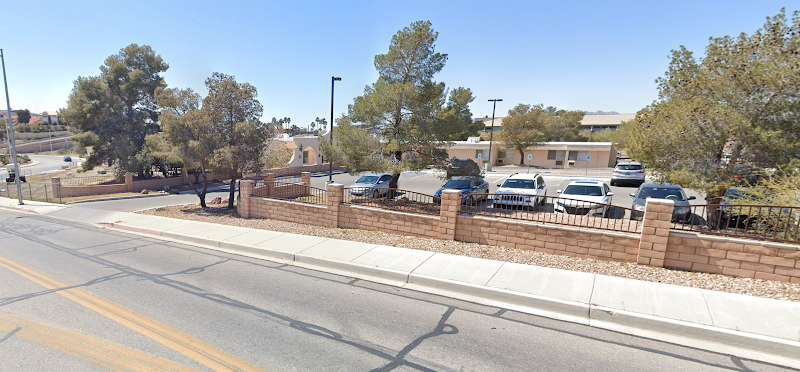
How Does Mountain View Compare to Other Nevada Nursing Homes?

Compared to the 100 nursing homes in Nevada, MOUNTAIN VIEW CARE CENTER's overall rating (2 stars) is below the state average of 3.0, staff turnover (58%) is significantly higher than the state average of 46%, and health inspection rating (2 stars) is below the national benchmark.

What Should Families Ask When Visiting Mountain View?

Based on this facility's data, families visiting should ask: "How do you ensure continuity of care given staff turnover, and what is your staff retention strategy?" "Can you walk me through typical staffing levels on day, evening, and night shifts?" "Can I visit during a mealtime to observe dining assistance and food quality?" "How do you handle medical emergencies, and what is your hospital transfer rate?" These questions are particularly relevant given the facility's high staff turnover rate and the below-average staffing rating.

Is Mountain View Safe?

Based on CMS inspection data, MOUNTAIN VIEW CARE CENTER has a clean safety record: no substantiated abuse findings (meaning no confirmed cases of resident harm), no Immediate Jeopardy citations (the most serious violation level indicating risk of serious injury or death), and is not on the Special Focus Facility watch list (a federal program monitoring the lowest-performing 1% of nursing homes). The facility has a 2-star overall rating and ranks #100 of 100 nursing homes in Nevada. While no facility is perfect, families should still ask about staff-to-resident ratios and recent inspection results during their visit.

Do Nurses at Mountain View Stick Around?

Staff turnover at MOUNTAIN VIEW CARE CENTER is high. At 58%, the facility is 12 percentage points above the Nevada average of 46%. High turnover means new staff may not know residents' individual needs, medications, or preferences. It can also be disorienting for residents, especially those with dementia who rely on familiar faces. Families should ask: What is causing the turnover? What retention programs are in place? How do you ensure care continuity during staff transitions?

Was Mountain View Ever Fined?

MOUNTAIN VIEW CARE CENTER has been fined $3,174 across 1 penalty action. This is below the Nevada average of $33,111. While any fine indicates a compliance issue, fines under $50,000 are relatively common and typically reflect isolated problems that were subsequently corrected. Families should ask what specific issues led to these fines and confirm they've been resolved.

Is Mountain View on Any Federal Watch List?

MOUNTAIN VIEW CARE CENTER is not on any federal watch list. The most significant is the Special Focus Facility (SFF) program, which identifies the bottom 1% of nursing homes nationally based on persistent, serious quality problems. Not being on this list means the facility has avoided the pattern of deficiencies that triggers enhanced federal oversight. This is a positive indicator, though families should still review the facility's inspection history directly.