NEVADA STATE VETERANS HOME - BOULDER CITY

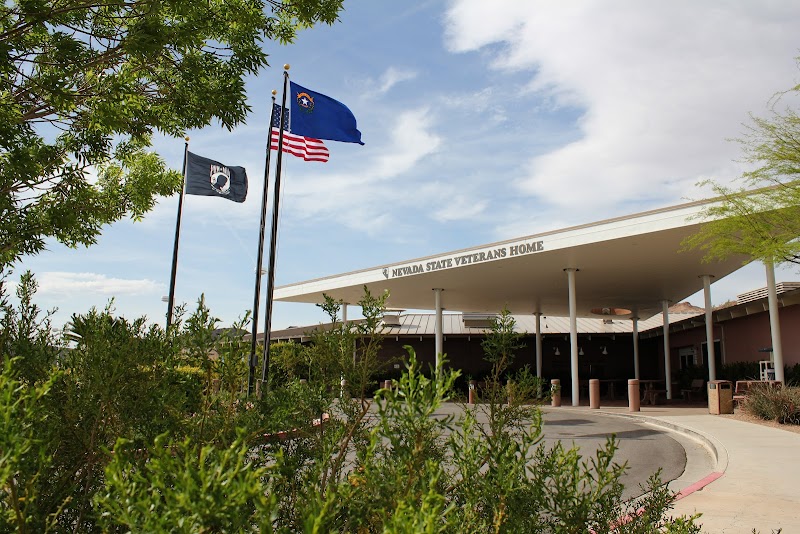
100 VETERANS MEMORIAL DR, BOULDER CITY, NV 89005 (702) 332-6711
Government - State 180 Beds Independent Data: November 2025
Trust Grade
43/100
#46 of 65 in NV
Last Inspection: December 2024

Within standard 12-15 month inspection cycle. Federal law requires annual inspections.

Overview

Families considering the Nevada State Veterans Home in Boulder City should be aware that it has a Trust Grade of D, indicating below-average quality with several concerns. Ranking #46 out of 65 facilities in Nevada places it in the bottom half, while its county rank of #34 out of 42 suggests that there are better local options available. The facility is showing improvement, with issues decreasing from 19 in 2024 to just 1 in 2025. Staffing is a concern, rated at only 1 out of 5 stars, but a 0% turnover rate is a positive sign that staff remain consistent. However, the facility has faced some significant issues, including not completing nutritional assessments for residents with significant weight loss, failing to provide warm meals due to dishwasher problems, and using physical restraints on a resident with dementia despite the potential harm it could cause. Families should weigh these strengths and weaknesses carefully when considering this nursing home for their loved ones.

Trust Score
D
43/100
In Nevada
#46/65
Bottom 30%
Safety Record
Moderate
Needs review
Inspections
Getting Better
19 → 1 violations
Staff Stability
○ Average
Turnover data not reported for this facility.
Penalties
○ Average
$10,358 in fines. Higher than 59% of Nevada facilities. Some compliance issues.
Skilled Nurses
○ Average
RN staffing data not reported for this facility.
Violations
⚠ Watch
29 deficiencies on record. Higher than average. Multiple issues found across inspections.
★★☆☆☆
2.0
Overall Rating
★☆☆☆☆
1.0
Staff Levels
★★★★★
5.0
Care Quality
★★☆☆☆
2.0
Inspection Score
Stable
2024: 19 issues
2025: 1 issues

The Good

  • 5-Star Quality Measures · Strong clinical quality outcomes
  • Full Sprinkler Coverage · Fire safety systems throughout facility
  • No fines on record

Facility shows strength in quality measures, fire safety.

The Bad

2-Star Overall Rating

Below Nevada average (3.0)

Below average - review inspection findings carefully

Federal Fines: $10,358

Below median ($33,413)

Minor penalties assessed

The Ugly 29 deficiencies on record

1 actual harm
May 2025 1 deficiency
CONCERN (D) 📢 Someone Reported This

A family member, employee, or ombudsman was alarmed enough to file a formal complaint

Potential for Harm - no one hurt, but risky conditions existed

Deficiency F0604 (Tag F0604)

Could have caused harm · This affected 1 resident

**NOTE- TERMS IN BRACKETS HAVE BEEN EDITED TO PROTECT CONFIDENTIALITY** Based on observation, interview, record review, and document review, the facility failed to ensure the resident who had dementia...

Read full inspector narrative →
**NOTE- TERMS IN BRACKETS HAVE BEEN EDITED TO PROTECT CONFIDENTIALITY** Based on observation, interview, record review, and document review, the facility failed to ensure the resident who had dementia was free from physical restraints for 1 of 6 sampled residents (Resident 6). This deficient practice had the potential to cause diminished physical functioning, increased confusion, psychosocial distress, and a decline in quality of life. Findings include: Resident 6 (R6) R6 was admitted on [DATE], with diagnoses including dementia, hearing loss, and major depressive disorder. The admission Minimum Data Set, dated [DATE], documented a Brief Interview for Mental Status (BIMS) score of 5 out of 15, indicating severely impaired cognitive status. R6 had routinely used a walker. The Nursing Progress Notes for the month of March documented multiple instances when R6 was confused, agitated, and restless. The Psychiatric Evaluation dated 03/25/2025, documented the encounter had been conducted in person. R6's safety had been assessed, and the current risk was deemed low; therefore, a safety plan was not required. The target behavior had been identified as sundowning. Residents with dementia had been noted to become more confused after sunset, which could involve agitation, pacing, wandering, exit-seeking, and other problematic behaviors. Psychotherapy had been encouraged, and medications had been prescribed. The Employee Statement signed dated 03/31/2025, documented Certified Nursing Assistant (CNA1) had been instructed to place R6 in another resident's Broda chair (a type of wheelchair which make it easier for caregivers to provide care with less stress on the resident and the caregiver) and secure the seat belt. CNA1 responded to the Charge Nurse (CN) had no knowledge of a physician's order to apply a seat belt. The Charge Nurse then stated in front of the staff, 'If you guys speak out, you guys will all be fired.' Due to fear of retaliation, CNA1 and Certified Nursing Assistant 2 (CNA2) complied with the instruction, placed R6 in the Broda chair, and secured the seat belt as directed. At approximately 10:30 PM, R6 remained at the nurse station until 1:30 AM and then was assisted back to the room upon appearing sleepy. A Physical Therapy Evaluation and Plan of Treatment dated 04/01/2025, documented a [AGE] year-old resident with a diagnosis of dementia. R6 was independent in bed mobility, transfers, and ambulation using a platform walker but required supervision to prevent falls. R6's gross motor coordination, sensation, and sensory processing were intact. The Interview Statement dated 04/04/2025, documented the Charge Nurse (CN) acknowledged R6 had been placed in the regular wheelchair and other times was in a Broda chair. The CN stated the chair had been reclined to reduce R6's pain and confirmed the positioning had a calming effect. The CN reported not considering the Broda chair a restraint because R6 could stand up and the chair was slightly reclined close to 90 degrees, but not more than 80 degrees, and denied the seatbelt had been fastened. The CN acknowledged R6 had verbally expressed, Odios mios, don't leave me, translated as Oh my God, don't leave me. The Interview Transcript dated 04/04/2025, documented CNA1 indicated R6 had been placed in a Broda chair, slightly reclined, and R6's feet were approximately 3 to 4 inches from touching the floor. CNA1 reported R6 requested to return to the room; however, the RN did not permit the transfer. Instead, the RN instructed CNA1 and CNA2 to transition R6 from the wheelchair and place in the Broda chair. CNA1 indicated R6 was sometimes anxious and agitated but was not considered at risk for falling. The Interview Transcript dated 04/04/2025, documented CNA 2 confirmed R6 had been at the nurse station a couple of times when R6 was agitated. CNA2 admitted having assisted in transferring R6 from the wheelchair to a Broda chair, but the seatbelt was not fastened. CNA2 confirmed the Broda chair was slightly reclined. On 05/01/2025 at 3:10 PM, R6 was observed in bed, coloring a book. R6 appeared pleasant and calm but exhibited confusion. During the conversation, R6 was verbally responsive. On 05/01/2025 at 3:20 PM, CNA2 indicated having witnessed R6 being placed multiple times in the Broda chair at the nurse station when agitated. CNA2 clarified the Broda chair had been tilted or reclined halfway back. CNA2 was uncertain about personally assisting with the transfer of R6 from the wheelchair to the Broda chair. CNA2 verbalized R6 was unable to independently adjust the Broda chair from its reclined position to its normal position, leaving R6 confined to the chair. CNA2 explained even if R6 wanted to get up from the Broda chair, it would have been difficult without sufficient strength. CNA2 indicated the Broda chair was typically used for transport, not for daily use or for behavioral management. CNA2 described a restraint as preventing a resident from moving freely or going where desired, thereby limiting the resident's mobility. CNA2 indicated the facility had provided education on abuse and restraint. On 05/01/2025 at 2:24 PM, the Director of Rehabilitation Services (DORS) explained R6 had been evaluated on 04/01/2025 and did not require rehabilitation services, as R6 had been independent and able to ambulate. The DORS explained the Broda chair was not typically used as a regular chair but rather for individuals requiring specialized positioning, such as those with Amyotrophic Lateral Sclerosis (ALS). The DORS explained although the Broda chair included tilt and recline functions, once tilted or reclined, it was unlikely a resident could exit independently due to the control mechanisms located at the back. The DORS explained use of a Broda chair required a physician order, clinical team evaluation, and frequent monitoring while in use, particularly for residents who tended to lean forward, which was unsafe. The DORS clarified the Broda chair could not be used to manage the resident's behavior or agitation by limiting mobility or solely for fall prevention. The DORS conveyed the use of a Broda chair for R6 was inappropriate and would constitute a restraint and a violation of resident rights if not properly authorized. On 05/01/2025 at 2:55 PM, the Nurse Practitioner (NP) indicated R6 had been agitated and restless, and the psychiatrist had evaluated R6, ordered medications and clinical interventions. The NP indicated the interdisciplinary team's recommendations required staff to alert providers. The NP had no recollection of ordering the Broda chair for R6 and stated it may have been ordered by another provider. On 05/01/2025 at 3:04 PM, the Minimum Data Set (MDS) Coordinator indicated R6 had been independent and able to get up. The MDS Coordinator explained the Broda chair was not recommended for R6 to treat medical symptoms, as the risks outweigh the benefits. The MDS Coordinator confirmed there had been no indication of Broda chair use for R6. On 05/01/2025 at 3:35 PM, another Charge Nurse (CN) indicated the use of a Broda chair required justification, a physician order, consent, a care plan, and monitoring. The CN explained the Broda chair was not intended to manage a resident's agitation or restlessness, nor to prevent falls, but was designated for residents with special needs. The CN acknowledged the Broda chair could be considered a restraint when an independent resident was contained in the reclined position, limiting mobility. R6's medical record lacked documented evidence a physician had been notified, or a physician order had been obtained for the use of the Broda chair. No justification, consent, or care plan had been completed. On 05/01/2025 at 3:50 PM, the Nurse Manager indicated the other staff involved or who witnessed the incident were unavailable for interview, remained employed at the facility, and worked night shifts or on other days. The Nurse Manager confirmed there was no order or justification in place for R6's use of the Broda chair and no documentation the concern had been discussed during the interdisciplinary team meeting. The Nurse Manager confirmed the medical record lacked documented evidence a physician's order had been obtained for the use of a Broda chair for R6. The Nurse Manager acknowledged limiting a resident's mobility was considered a restraint. On 05/01/2025 in the afternoon, the Administrator indicated the incident was investigated and the investigation process had been documented. The Administrator acknowledged the facility protocol had not been followed regarding the use of the Broda chair, and the involved staff was suspended, educated, and later reinstated. A facility policy titled Physical Devices, revised on 11/30/2024, indicated restraint-free care was supported through quality improvement, evidence-based practice, staff education, and informed decision-making. Physical restraints were defined as any device the resident could not remove easily that restricted movement. If a physical device was recommended, it required review and approval by the nurse manager or, in emergencies, the House Support Nurse. Documentation of need and completion of a physical device evaluation were required. A facility policy titled Abuse, Neglect, and Exploitation, revised on 03/15/2017, indicated residents had the right to be free from physical restraints not required to treat medical symptoms. The use of such restraints was considered abuse and strictly prohibited.
Dec 2024 10 deficiencies 1 Harm
SERIOUS (G) 📢 Someone Reported This

A family member, employee, or ombudsman was alarmed enough to file a formal complaint

Actual Harm - a resident was hurt due to facility failures

Deficiency F0692 (Tag F0692)

A resident was harmed · This affected 1 resident

**NOTE- TERMS IN BRACKETS HAVE BEEN EDITED TO PROTECT CONFIDENTIALITY** Based on observation, interview, record review, and document review, the facility failed to ensure: 1) A nutritional assessment ...

Read full inspector narrative →
**NOTE- TERMS IN BRACKETS HAVE BEEN EDITED TO PROTECT CONFIDENTIALITY** Based on observation, interview, record review, and document review, the facility failed to ensure: 1) A nutritional assessment was completed when significant weight loss was identified; 2) Interventions were implemented; and 3) A resident was reweighed when significant weight loss was identified, and weight was obtained monthly per policy for 1 of 30 sampled residents (Resident 139). The deficient practices had the potential to lead to further weight loss. Findings include: Resident 139 (R139) was admitted on [DATE], with diagnoses including chronic kidney disease (CKD), anemia, and malignant melanoma of the face. 1) R139's medical records lacked documented evidence nutritional assessments were completed when significant weight loss was identified. R139's Weight Summary documented as follows: -12/02/2024: 145.0 lbs. (Weight loss of 15 lbs.) -10/04/2024: 160.0 lbs. -09/04/2024: 161.0 lbs. -08/02/2024: 147.0 lbs. (Weight loss of 18 lbs.) -07/01/2024: 165.0 lbs. (Weight loss of 12 lbs.) -06/07/2024: 177.0 lbs. -06/03/2024: 170.0 lbs. -05/31/2024: 170.0 lbs. -05/24/2024: 169.0 lbs. -05/18/2024: 169.0 lbs. -05/17/2024: 168.0 lbs. -05/16/2024: 170.0 lbs. (Baseline weight upon admission) On 12/04/2024 at 2:58 PM, the Registered Dietitian (RD) started working at the facility on 10/07/2024, following a gap of approximately three months after the previous RD left. The RD indicated R139's height was 68 inches with a body mass index (BMI) of 22.0, indicating risk for weight fluctuations due to chronic heart failure, CKD, and a diuretic regimen. The RD confirmed the resident experienced a significant weight change from July to August. There was no nutritional assessment completed in August. The RD confirmed R139's BMI was 22, with a target goal of 25, and the weight loss was identified as unplanned and undesirable. The RD conveyed a nutritional assessment was vital for addressing significant weight changes and should have been completed to ensure interventions were implemented. On 12/05/2024 in the afternoon, the Director of Nursing (DON) confirmed the previous RD's last workday was 07/19/2024, and there was a gap when the new RD began working in October. The Food and Nutrition policy, revised 08/16/2024, documented resident assessments by an RD or RN within seven days of admission. RD assessments were required at least annually or with any significant status change. Significant weight changes prompted evaluation by the RD in collaboration with the resident, responsible party, nursing staff, and primary care physician. A Care Plan dated 05/17/2024 documented the Registered Dietitian (RD) was tasked with evaluating and recommending dietary changes as needed. Interventions included monitoring and reporting signs and symptoms of malnutrition to the physician, such as emaciation (cachexia), muscle wasting, and poor appetite. The goal aimed to maintain adequate nutritional status, evidenced by the absence of malnutrition signs and consumption of 50-75% of each meal daily through the review date. 2) R139's medical records lacked documented evidence interventions were implemented when significant weight loss was identified. On 12/05/2024 at 8:15 AM, the breakfast tray was untouched. R139 stated no appetite but expressed a desire to get well. On 12/05/2024 at 11:50 AM, a Licensed Practical Nurse (LPN) explained R139 had been admitted in May and was previously under hospice care, which was discontinued due to the need for eye surgery. Prior to this, R139 had a good appetite. The LPN indicated a notable decline in R139's condition had been observed, particularly from late October through November. A gradual decline in appetite and social engagement had been noted, with diminished participation in activities and meals. The LPN indicated R139 began withdrawing, becoming weaker, and showing visible signs of physical decline. On 12/05/2024 01:50 PM, R139's Power of Attorney (POA) indicated being unaware of R139's significant weight loss but had observed the decline. The POA mentioned was visiting the facility every two weeks and noted previously R139 had been going to the dining room to eat and had a good appetite. However, last month (November), the POA observed a poor appetite and less engagement. The POA indicated R139 had been discharged from hospice services before undergoing eye surgery and had expressed a desire not to return to hospice care. The Point of Care History documented 15 meal refusals between November 6 and December 4, 2024. From November 19 to December 5, 2024, R139's average meal intake ranged from 0-25%. On 12/04/2024 at 2:58 PM, the RD confirmed documenting the 06/04/2024 and 08/02/2024 weights as an error correction, despite not being employed at the facility when the weights were taken. The RD explained the significant weight loss was identified and documented as an error to resolve the trigger, but no interventions were implemented. The RD indicated R139 had previously been eating approximately 65% of meals. The RD explained a recent decrease in oral intake likely contributed to the weight loss, with current intake now at 0-25% of most meals, averaging around 20% over the past 14 days. Meal refusal occurred frequently. The RD explained R139's weight loss was unplanned and undesirable, and interventions such as appetite stimulants, oral nutritional supplements, laboratory assessments, or reweighs were not implemented. On 12/06/2024 at 12:46 PM, the attending physician was unaware of R139's significant weight loss after discharge from hospice and indicated potential interventions could have been implemented if notified earlier. 3) R139's medical records lacked documented evidence R139 was reweighed when significant weight loss was identified, and weight was obtained monthly per policy. R139's Weight Summary lacked documented evidence a weight was obtained in November 2024. The resident was not reweighed on 08/02/2024 after the weight obtained identified an 18-pound weight loss and on 07/01/2024 after the weight obtained identified a 12-pound weight loss. On 12/05/2024 12:30 PM, the Nurse Manager indicated the weight taken should not have been documented as an error correction, as it could have been interpreted as inaccurate. The Nurse Manager confirmed the process required reweighing residents for three consecutive days if weight changes were significant. The Nurse Manager confirmed no reweighs were completed in July and August, and R139's weight was missed in November. R139 was on isolation until November 4 and should have been reweighed after isolation. The Nurse Manager indicated reweighs were not conducted without direction from the RD, who issued weight alerts or email notifications for significant changes. The Charge Nurse was responsible for collaborating with the RD regarding weight concerns. The Charge Nurse explained monthly weights were taken by CNAs, with results encoded and monitored by the RD. The Nurse Manager was unaware of R139's weight loss and it was not discussed during the interdisciplinary team meeting (IDT). On 12/05/2024 at 1:28 PM, the Charge Nurse explained monthly weights were performed by day-shift CNAs for A beds and evening-shift CNAs for B beds. The Charge Nurse indicated weights were given to the unit secretary for encoding, the RD monitored residents' weights and advised nursing staff when reweighs were needed due to significant changes. Newly admitted residents were weighed weekly, then monthly, with reweighs directed as necessary. The Charge Nurse confirmed R139's November weight was not obtained, likely missed after isolation ended. On 12/05/2024 at 1:41 PM, the Unit Secretary explained residents' weights were obtained by CNAs on the first day of each month and handed to the Unit Secretary for encoding. Weight changes were highlighted in red, the Charge Nurse was notified, and the RD monitored residents' weights. The Unit Secretary indicated the weight forms were scanned into the electronic record after encoding. The Unit Secretary confirmed there was no weight encoded for R139 in November. On 12/04/2024 at 2:58 PM, the RD indicated the process required reweighing residents for three consecutive days to confirm significant weight changes but was unsure why this was not done. The RD indicated the weight discrepancy between R139's July and August weights were noted, and the resident should have been reweighed. No weight was taken in November due to COVID isolation, but this was not deemed valid given R139's significant weight loss. The RD expressed weight documentation was crucial for assessing nutritional status and preventing further decline. The facility policy titled Weight and Height Monitoring, revised 11/03/2024, documented weight recording upon admission and weekly for the first four weeks. Significant weight changes required reweighs for three consecutive days to determine an accurate weight, with the RD's notification to the IDT.
CONCERN (D)

Potential for Harm - no one hurt, but risky conditions existed

Notification of Changes (Tag F0580)

Could have caused harm · This affected 1 resident

**NOTE- TERMS IN BRACKETS HAVE BEEN EDITED TO PROTECT CONFIDENTIALITY** Based on observation, interview, record review, and document review, the facility failed to ensure a physician / physician exten...

Read full inspector narrative →
**NOTE- TERMS IN BRACKETS HAVE BEEN EDITED TO PROTECT CONFIDENTIALITY** Based on observation, interview, record review, and document review, the facility failed to ensure a physician / physician extender, and the resident representative were notified when a resident experienced poor appetite and a significant weight loss for 1 of 30 sampled residents (Resident 139). The deficient practice had the potential for the physician or family to not be aware of a change in a resident's condition which could result in a delay in a resident's plan of care. Findings include: Resident 139 (R139) was admitted on [DATE], with diagnoses including chronic kidney disease (CKD), anemia, and malignant melanoma of the face. R139's census documented received hospice services from 05/16/2024 to 06/11/2024. The Director of Nursing (DON) confirmed R139 was discharged from hospice services on 07/11/2024. A Physician Order dated 05/16/2024, documented a regular diet, regular texture, and thin consistency. 1) A Care Plan initiated on 05/17/2024 documented R139's diet was provided and served as ordered. The Registered Dietitian (RD) evaluated and made diet change recommendations as needed. Potential for nutritional problems related to end-stage diagnosis was identified. Interventions included monitoring and reporting signs and symptoms of malnutrition to the physician as needed, such as muscle wasting and poor appetite. The goal focused on maintaining adequate nutritional status, evidenced by the absence of malnutrition signs and symptoms and consuming 50-75% of every meal daily through the review date. A Nursing Progress Note dated 06/02/2024, documented R139's baseline as eating breakfast in the dining area with a good appetite and adequate fluid intake. Alert and able to communicate needs and wants. Self-fed without any issues. On 12/03/2024 at 12:59 PM, R139 was observed seated in a wheelchair, appearing weak and stuporous, and having dry, scaly skin. R139 did not respond to questions. On 12/05/2024 at 8:15 AM, the breakfast tray was untouched. R139 verbalized a lack of appetite but expressed a desire to get well. On 12/05/2024 at 11:50 AM, a Licensed Practical Nurse (LPN) explained R139 had been admitted in May and was previously under hospice care and discontinued due to the need for eye surgery. Prior to surgery, R139 demonstrated a good appetite. A notable decline in R139's condition was observed from late October through November. The LPN explained a gradual decrease in appetite and social engagement was noted, with diminished participation in activities and meals. The LPN further explained R139 began withdrawing, becoming weaker, and showing visible signs of physical decline. On 12/05/2024 at 1:50 PM, R139's Power of Attorney (POA) indicated not having been informed of R139's poor appetite but acknowledged observing the decline. The POA indicated visiting the facility every two weeks and previously observed R139 eating in the dining room with a good appetite. The POA indicated early November, a decrease in appetite and less engagement was observed. The POA mentioned R139 had been discharged from hospice services before undergoing eye surgery, and R139 expressed a desire not to return to hospice care. The Point of Care History documented 15 meal refusals between November 6 and December 4, 2024. From November 19 to December 5, 2024, R139's average meal intake ranged from 0-25%, falling short of the goal of 50-75% daily intake to maintain adequate nutritional status. On 12/04/2024 at 2:58 PM, the Registered Dietitian (RD) confirmed R139 had previously been eating approximately 65% of meals. The RD explained a recent decrease in the resident's oral intake likely contributed to the resident's weight loss. The resident's current intake was 0-25% for most meals, averaging around 20% over the past 14 days. The resident frequently refused meals. The RD confirmed there was a significant decline compared to R139's baseline. The RD confirmed a lack of documented evidence the attending physician or the POA were notified of R139's poor oral intake. On 12/05/2024 at 12:30 PM, the Registered Nurse (RN) Manager indicated the RD was responsible for collaborating with the physician regarding resident significant weight loss. The Nurse Manager explained monthly weights were taken by CNAs, with results encoded by the nurse manager and monitored by the RD. The Nurse Manager was unaware of R139's weight loss and verbalized it was not discussed during the interdisciplinary team meeting (IDT). The Nurse Manager confirmed no documentation existed indicating notification or collaboration with the resident, nursing staff, physician, and POA. 2) R139's Weight Summary documented the following: -12/2/2024: 145.0 lbs. (Weight loss of 15 lbs.) -10/04/2024: 160.0 lbs. -09/04/2024: 161.0 lbs. -08/02/2024: 147.0 lbs. (Weight loss of 18 lbs.) -07/01/2024: 165.0 lbs. (Weight loss of 12 lbs.) -06/07/2024: 177.0 lbs. -06/03/2024: 170.0 lbs. -05/31/2024: 170.0 lbs. -05/24/2024: 169.0 lbs. -05/18/2024: 169.0 lbs. -05/17/2024: 168.0 lbs. -05/16/2024: 170.0 lbs. (Baseline weight upon admission) On 12/04/2024 at 2:58 PM, the RD confirmed there were significant weight changes in July-August. R139's weight loss was unplanned and undesirable. The RD explained R139's weight was previously stable and at risk for weight fluctuations. R139 was previously eating 65% of meals, but recent decreases in oral intake were likely contributing to weight loss, and now eating 0-25% of most meals. The RD confirmed there was no documented evidence the physician or resident representative was notified of R139's weight loss On 12/05/2024 at 3:25 PM, the Director of Nursing (DON) indicated the staff were expected to notify the physician promptly of any changes in a resident's condition to ensure timely initiation of necessary interventions and document the notification in the progress notes. On 12/05/2024 at 12:30 PM, the Registered Nurse (RN) Manager indicated the RD was responsible for notifying the physician regarding the weight loss. The Nurse Manager confirmed there was no documentation the physician was notified regarding R139's significant weight loss The Nurse Manager indicated the physician should have been notified to obtain orders to promptly address the resident's change of condition. On 12/05/2024 at 1:28 PM, the Nurse Manager indicated the significant weight loss was a change of condition. The CRN indicated R139 had a decrease in appetite and the resident's family was informed of the weight loss in early December. On 12/05/2024 at 1:50 PM, R139's POA was unaware of the significant weight loss but acknowledged having observed a decline in R139's condition The POA confirmed no discussion had taken place regarding R139's weight loss until December 4, 2024. On 12/05/2024 in the afternoon, the Nurse Practitioner indicated staff were expected to notify the provider immediately regarding any changes in a resident's condition, including significant weight changes to address the issues promptly with an appetite stimulant, provide supplements, and order a blood workup. On 12/06/2024 at 12:46 PM, the attending physician was unaware of R139's significant weight loss after discharge from hospice. The physician emphasized staff were expected to promptly report changes in the resident's condition, particularly significant weight loss. The physician indicated an appetite stimulant, and supplements could have been initiated if informed. A facility policy titled Change of Condition, revised on 02/09/2024, documented nursing staff intervened promptly and thoroughly once an observed change in a resident's condition was identified. Significant change referred to a change in the resident's physical, mental, or psychosocial status, including deterioration in health, mental, or psychosocial status due to life-threatening conditions or clinical complications. A change of condition included any unusual signs or symptoms involving changes in physical or mental assessment. The charge nurse called the attending physician or physician extender and notified the family member or responsible party. The resident's condition was monitored, and documentation should have been completed.
CONCERN (D)

Potential for Harm - no one hurt, but risky conditions existed

PASARR Coordination (Tag F0644)

Could have caused harm · This affected 1 resident

**NOTE- TERMS IN BRACKETS HAVE BEEN EDITED TO PROTECT CONFIDENTIALITY** Based on observation, interview, record review, and document review, the facility failed to follow the facility policy on referr...

Read full inspector narrative →
**NOTE- TERMS IN BRACKETS HAVE BEEN EDITED TO PROTECT CONFIDENTIALITY** Based on observation, interview, record review, and document review, the facility failed to follow the facility policy on referring residents for a Preadmission Screening and Resident Review (PASARR) Level 2 evaluation who acquired a new diagnosis indicative of a mental illness or begin a new psychotropic medication for 3 of 30 sampled residents (Resident 72, 139, and 98). The deficient practice had the potential to place residents at risk of not being evaluated for appropriate determination of necessary behavioral health services. Findings include: 1.) Resident 72 (R72) was admitted on [DATE] and readmitted [DATE], with diagnosis including type 2 diabetes mellitus with hyperglycemia, major depressive disorder, and senile degeneration of brain. On 12/03/2024 at 9:11 AM, R72 was observed in the dining room sitting on wheelchair with eyes closed and calm. R72 did not display concerning behaviors or symptoms of distress. A Nevada PASARR Level I Identification Determination dated 08/02/2021, revealed R72 did not have dementia, mental illness (MI), mental retardation (MR), or any related condition (RC), and was deemed appropriate for nursing facility placement. R72's admission Record Diagnosis Information documented new diagnosis of anxiety disorder with onset date of 10/26/2023, major depressive disorder with onset date of 12/15/2023, and post-traumatic stress disorder with onset date of 04/16/2024. R72's medical record lacked documented evidence a referral was made for PASARR Level 2 evaluation after the resident was diagnosed with anxiety disorder, major depressive disorder, and post-traumatic stress disorder. On 12/06/2024 at 10:05 AM, a Licensed Social Worker (LSW 1), explained was not familiar with the PASARR Level 2 evaluation process. LSW 1 reported not knowing if R72 was referred for PASARR Level 2 evaluation. On 12/06/2024 at 11:05 AM, a Licensed Social Worker (LSW 2), was unaware of the policy for PASARR a Level 2 evaluation. LSW 2 acknowledged not knowing social services involvement and responsibilities in the process to request a PASARR Level 2 evaluation after a resident had a new diagnosis of mental illness. On 12/06/2024 at 11:53 AM, the Social Services Supervisor confirmed R72's medical record lacked documented evidence a referral for a PASARR Level 2 evaluation was completed. The Social Services Supervisor acknowledged a referral for evaluation should have been completed after the diagnoses were identified. 3.) Resident 98 (R98) was admitted on [DATE], with diagnoses including Parkinson's disease, major depressive disorder and post-traumatic stress disorder (PTSD). A pre-admission screening and resident review (PASARR) Level 1 dated 01/19/2023, documented R98 did not have any mental illness, mental retardation, intellectual disability or dementia (negative PASARR). R98 was determined to be appropriate for nursing facility placement but may require a level of care (LOC) assessment. The admission Minimum Data Set (MDS) dated [DATE], revealed R98 did not have any psychiatric mood disorders and was not on any psychoactive medications. A Psychiatric Note dated 05/08/2023, documented R98 had PTSD and would have flashbacks from being a paratrooper, unspecified schizophrenia, delusional disorder and major depression. Start Sertraline (an anti-depressant). The Annual MDS dated [DATE], revealed R98 had a diagnosis of depression, PTSD and psychotic disorder and was receiving psychoactive medication specifically an anti-depressant. The medical record lacked documented evidence R98 was referred for a new level of care assessment (LOC) and/or a PASARR Level 2 referral after new psychiatric diagnoses was identified since R98's last comprehensive assessment. On 12/06/2024 at 10:53 AM, the Administrator confirmed residents admitted with a negative PASSAR and was diagnosed with new psychiatric illness met the criteria for a referral for a PASARR Level 2 evaluation. The Administrator deferred to social services for the facility's PASARR process. On 12/06/24 at 11:13 AM, Licensed Social Worker (LSW 1) indicated being employed for 10 years and explained social services was not involved in the PASARR referral process. LSW 1 verbalized not being well-versed on the PASARR process and explained the former medical records director who left the facility early this year oversaw all PASARR referrals. LSW 1 reviewed the facility's PASARR policy and indicated not being aware of the responsibilities the social services had with PASARR referrals. On 12/06/24 at 11:53 AM, the Social Services Supervisor indicated the PASARR process was new to social services because the former medical records director used to be solely responsible for identifying and referring residents for LOC assessments and/or PASSAR Level 2 evaluation. The social services supervisor indicated PASARR was delegated to social services around March or April 2024, but no clear process had been developed with regards to identifying and referring residents for PASARR Level 2. The social services supervisor indicated not being well-versed with the PASARR referral process and confirmed there had been no residents referred for a new LOC assessment or PASARR Level 2 evaluation ever since the former medical records director left in early 2024. On/12/06/2024 at 1:19 PM, the Administrator confirmed the social services supervisor's account where no residents have been referred for new LOC or PASSAR Level 2 evaluation since the former medical records director left in March-April 2024. The Administrator indicated starting employment in the middle of May 2024 verbalized being inclined to believe the social services department received no training on PASARR and confirmed the facility currently had no clear process on how to identify residents who meet the criteria for an LOC/PASARR Level 2 referral. The PASRR and Level of Care Screening policy revised 02/22/2028, revealed a PASARR was required to be completed prior to admission on all residents. If there has been a change of condition since the last PASARR prospective resident would be referred of LOC assessment. PASARR screening shall be requested by the unit social worker on residents who acquire a new diagnoses indicative of mental illness or beginning on a new psychotropic medication. Social services would forward the PASARR requests to medical records department. Medical records personnel would be responsible for faxing the PASARR requests to the screening entity and tracking their status. 2.) Resident 139 (R139) was admitted on [DATE], with diagnoses including chronic kidney disease, heart disease and post-traumatic disease syndrome (PTSD). The medical record lacked documented evidence R139 was referred for a new level of care assessment (LOC) and/or a PASARR Level 2 referral after new psychiatric diagnoses was identified since R139 last comprehensive assessment. On 12/06/24 at 1:00 PM, the Social Services Supervisor confirmed there was no documented evidence R139 was referred for a new level of care assessment (LOC) and/or a PASARR Level 2 referral after a new psychiatric diagnosis was identified.
CONCERN (D)

Potential for Harm - no one hurt, but risky conditions existed

Deficiency F0657 (Tag F0657)

Could have caused harm · This affected 1 resident

**NOTE- TERMS IN BRACKETS HAVE BEEN EDITED TO PROTECT CONFIDENTIALITY** Based on observations, interviews, record review, and document review, the facility failed to ensure a care plan was revised to ...

Read full inspector narrative →
**NOTE- TERMS IN BRACKETS HAVE BEEN EDITED TO PROTECT CONFIDENTIALITY** Based on observations, interviews, record review, and document review, the facility failed to ensure a care plan was revised to include current communication practices for 1 of 30 sampled residents (Resident 69). The deficient practice placed the resident at risk for inaccurate communication leading to inappropriate care. Findings include: Resident 69 (R69) was admitted to the facility on [DATE] with diagnoses including multiple sclerosis, dysarthria following unspecified cerebrovascular Disease, major depressive disorder, dysphagia, and dysphonia. On 12/03/2024 in the morning, the resident was lying in bed with a Dynavox box (a type of communication device) in the room, but it did not appear R69 was using it. R69 was only able to answer yes/no questions. On 12/04/2024 at 9:18 AM the Speech-Language Pathologist (SLP) explained R69 had a hard time vocalizing and articulating. The resident's voice was inconsistent and dysarthric (a motor speech disorder in which the muscle used for speech are weak). The SLP stated R69 had a history of stroke and currently had head and eye tremors. The SLP indicated the resident may not be utilizing the Dynavox for communication due to the Dynavox utilized eye gaze technology. It was not easy for R69 to use due to the eye tremors. The SLP explained R69 did use alternate communication methods to get needs and wants known. R69 used communication spelling boards, finger spelling via sign language, and was very accurate with responding to yes/no questions. A care plan for communication had documented R69 had difficulty with communicating their needs. The care plan provided an intervention of using the computer (Dynavox) for communication as it provided R69 with a feeling R69 had some control left. The care plan had not been revised with the new communication intervention methods of the alphabet communication board, finger spelling via sign language, and yes/no questioning. On 12/04/2024 in the morning, the Registered Nurse (RN) Charge Nurse explained the care plan was a resident centered outline which informed all the caregivers how to best care for the individual resident including their preferences, needs, and equipment to be used. Without a correct care plan, it could lead to incorrect care being given. On 12/04/2024 at 10:36 AM the RN Unit Manager stated R69 communicated using: an alphabet communication board where R69 spelled out words, yes/no responses to staff yes/no questions, a computer to assist with communication (Dynavox), and R69 could use sign language for the alphabet to spell out words to communicate. The RN Unit Manager acknowledged the only communication intervention method care planned was the computer (Dynavox). The RN Unit Manager confirmed the other communication intervention methods should have been in the care plan for R69. A facility policy titled Care Planning revised 04/24/2019 documented the care plan will be updated as changes in resident status occur, but not less than every 92 days. The policy documented the care plan will be reviewed and revised by the interdisciplinary team after each assessment, including both the comprehensive and quarterly review assessments.
CONCERN (D) 📢 Someone Reported This

A family member, employee, or ombudsman was alarmed enough to file a formal complaint

Potential for Harm - no one hurt, but risky conditions existed

Quality of Care (Tag F0684)

Could have caused harm · This affected 1 resident

Deficiency Text Not Available

Read full inspector narrative →
Deficiency Text Not Available
CONCERN (D)

Potential for Harm - no one hurt, but risky conditions existed

Pressure Ulcer Prevention (Tag F0686)

Could have caused harm · This affected 1 resident

**NOTE- TERMS IN BRACKETS HAVE BEEN EDITED TO PROTECT CONFIDENTIALITY** Based on observation, interview, record review and document review, the facility failed to identify a new skin impairment for 1 ...

Read full inspector narrative →
**NOTE- TERMS IN BRACKETS HAVE BEEN EDITED TO PROTECT CONFIDENTIALITY** Based on observation, interview, record review and document review, the facility failed to identify a new skin impairment for 1 of 30 sampled residents (Resident 26). The deficient practice placed the resident at risk for worsening skin impairments and diminished quality of life. Findings include: Resident 26 (R26) admitted to the facility on [DATE] with diagnoses including stage 4 pressure ulcer upon admission. On 12/04/24 at 9:46 AM, R26 stated having a pressure ulcer acquired from another facility but developed one while in the current facility. R26 believed the new pressure ulcer developed because of lying in bed all day and sometimes in excrement for long periods of time. Review of R26's care plan revised on 10/09/2024 identified the following: R26 was at risk for skin breakdown, skin tears, bruising/skin discoloration and pressure ulcers related to impairment of physical mobility post total left hip surgery, refusal to be turned and repositioned, and fragile/sensitive skin. Goals included: Resident will not develop pressure ulcers through the next review date; the resident will have intact skin free of blisters, redness, discoloration; administer treatments as ordered and monitor for effectiveness. Interventions included: monitor/document/report as needed any changes in skin status; appearance, color, wound healing, signs/symptoms of infection, wound size (length x width x depth), stage; and provide skin care each shift and as needed. On 12/05/2024 at 11:22 AM, the Minimum Data Set (MDS) Nurse stated R26 was admitted with a stage 4 pressure that healed in May 2024. The MDS Nurse stated R26 resident did not have any other pressure ulcers or wounds at this time. On 12/05/2024 at 12:12 PM, the Wound Care Nurse (WCN) stated new resident skin issues were reported to them by the Certified Nursing Assistant (CNA). The nurse indicated R26 had a healed stage 4 pressure ulcer wound and did not have any other wounds. On 12/05/2024 at 12:57 PM, R26's CNA turned R26's body to the left side that revealed 2 dressings located on mid to outer right buttock. The CNA peeled back the two dressings that revealed the outer dressing, with a reddened area with broken skin. On 12/05/2024 at 1:01 PM, the Charge Nurse on the unit stated the R26 was not on any wound management based on a list of all residents on wound care and was not receiving any wound care. On 12/05/2024 at 12:24 PM, the Unit Charge Nurse, WCN and R26's CNA looked at the resident's buttock where the open wound was located. The WCN indicated the dressings were placed days ago for protection and confirmed the skin was not open. The WCN was not aware the resident's skin was open as no one had reported it. The WCN stated the open skin wound appeared to be a moisture associated skin damage (MASD) and had a high likely hood of developing into a pressure ulcer. On 12/05/2024 at 2:43 PM, the Director of Nursing (DON) stated the CNA would report any new skin issues to the nurse who would then contact the WCN. DON stated the WCN was not aware of the wound because no one reported it. Review of a facility policy titled Pressure ulcer prevention and care dated 10/16/2016, documented the following: 1. All residents were to have a daily head to toe skin check 2. Check resident more frequently if incontinent 3. CNA's and Licensed Practical Nurses (LPN) will notify the charge nurse of any abnormal skin findings.
CONCERN (D)

Potential for Harm - no one hurt, but risky conditions existed

Drug Regimen Review (Tag F0756)

Could have caused harm · This affected 1 resident

**NOTE- TERMS IN BRACKETS HAVE BEEN EDITED TO PROTECT CONFIDENTIALITY** Based on interview, record review, and document review, the facility failed to ensure a pharmacy recommendation for a gradual do...

Read full inspector narrative →
**NOTE- TERMS IN BRACKETS HAVE BEEN EDITED TO PROTECT CONFIDENTIALITY** Based on interview, record review, and document review, the facility failed to ensure a pharmacy recommendation for a gradual dose reduction (GDR) was communicated to the physician for 1 of 30 sampled residents (Resident 45). The deficient practice had the potential to cause the resident to be administered a higher dose of medication than was necessary. Findings include: Resident 45 (R45) was admitted on [DATE], with diagnosis including Alzheimer's disease with late onset, dementia, and major depressive disorder. On 12/05/2024 at 7:15 AM, the resident was observed lying in bed, eyes closed, no signs and symptoms of pain or distress. A Physician Order dated 07/24/2024, documented Escitalopram Oxalate Oral Tablet 20 milligrams (mg) 1 tablet by mouth in the morning for depression/anxiety. A Psychoactive Medication Consent dated 07/25/2024, documented Escitalopram 20 mg 1 tablet by mouth in the morning, specific target behaviors depression/anxiety. Potential side effects included headache, constipation, and decreased appetite. A Care Plan dated 04/02/2024 documented R45 was at risk for side effects related to the use of antidepressants, including Escitalopram for depression. A Medication Regimen Review dated 09/01/2024 - 09/23/2024 listed a group of residents, including R45, who received recommendations made by the pharmacy regarding their medication regimen. R45's medical record lacked documented evidence of the recommendations made by the pharmacy between 09/01/2024 - 09/23/2024. On 12/06/2024 at 1:18 PM, the Health Information Coordinator, reported the medical record lacked the pharmacy medication regimen recommendation for R45, for 09/01/2024 - 09/23/2024. The Health Information Coordinator obtained a copy of the recommendations directly from the pharmacy consultant. The Health Information Coordinator acknowledged the section of the form for the physician was blank, was not marked reviewed or signed by the physician. The Health Information Coordinator explained the medical record lacked documented evidence the physician reviewed the recommendations. Note to Attending Physician/Prescriber dated 09/19/2024, addressed to the physician, documented a dose decrease to Escitalopram 10 mg daily was to be considered due to R45's advanced age. The physician/prescriber response and signature section of the form was blank. On 12/06/2024 at 1:36 PM, the Administrator explained when recommendations were received from the pharmacy, they were placed in a binder for the physician to review and sign. The Administrator acknowledged the recommendation form for R45 was not found in the binder. The Administrator acknowledged the recommendation was not reviewed by the physician. On 12/06/2024 at 1:55 PM, a Nurse Manager acknowledged there was no documentation confirming the recommendation made by the pharmacy was provided to the physician for review. A facility policy titled Medication Regimen Review dated 07/2/12017, documented the consultant pharmacy performed a comprehensive review of each resident's medication regimen. Findings and recommendations were reported to the director of nursing and the attending physician. Copies of the medication regimen should have been on file as part of the resident's permanent medical record.
CONCERN (D)

Potential for Harm - no one hurt, but risky conditions existed

Deficiency F0847 (Tag F0847)

Could have caused harm · This affected 1 resident

Based on interview and document review, the facility failed to ensure 1) the arbitration agreement stated neither the resident or their representative is required to sign the agreement as a condition ...

Read full inspector narrative →
Based on interview and document review, the facility failed to ensure 1) the arbitration agreement stated neither the resident or their representative is required to sign the agreement as a condition of admission or to receive care at the facility, and 2) the arbitration agreement explicitly grant the resident or their representative the right to rescind the agreement within 30 calendar days of signing it. The deficient practice had the potential to deny admitted residents or their representatives the right to withdraw from the agreement within the 30-day after the signature as well as to deny the resident or representative their right to resolve their dispute in the court of law. Findings include: A facility document titled .Home admission Contract, documented by signing, a resident confirmed to have received a copy of the document, and the provisions of the contract had been explained in a clear and understandable manner. The document indicated all the questions formulated by the resident had been answered. Section 10 of this contract was Arbitration. This section of the document revealed by signing this contract, the resident or resident representative agreed to have any dispute between the resident and the facility decided by arbitration, and the resident was giving up their right to a jury or court trial. The arbitration section contained lacked documented evidence the resident or resident representative were required to sign the arbitration section as a condition of admission or as a requirement to continue receiving care at the facility. The arbitration section lacked documented evidence the resident or resident representative could revoke the agreement by providing written notice to the facility within 30 calendar days of signature. There was no separate signature available for this section of the contract. Section 4 of this contract was Consent to Services. This section of the document revealed by signing this contract, the resident or their representative consents to the facility providing skilled nursing care as directed by said attending physician. On 12/06/2024 at 12:34 PM the administrative assistant in admissions explained the admissions agreement was sent out to the perspective resident/resident representative via email three to four days in advance of the potential resident being admitted to the facility. If there were any questions or issues with the admission agreement, the potential resident/resident's representative would call, email, or ask us on the day of admission to discuss any of their questions/issues. The administrative assistant in admissions stated there have been no issues where the resident or resident's representative did not want to sign the agreement because of the arbitration clause. But the agreement must be signed because it included the consent for the facility to treat the potential resident. On 12/06/2024 at 2:02 PM, the compliance officer acknowledged the arbitration section of the admissions contract did not say the potential resident or resident representative were not required to sign this section of the admissions contract. The compliance officer acknowledged the arbitration section of the admissions contract did not explicitly grant the resident or resident representative the right to rescind the arbitration agreement within 30 days of signing it. The compliance officer did reiterate that signing the arbitration agreement was not a condition of admission or to receive care at the facility. On 12/06/2024 in the afternoon, the administrative assistant in admissions acknowledged all current residents had a signed contract on file. On 12/06/2024 in the afternoon, the compliance officer stated the facility had no policy regarding arbitration.
CONCERN (D)

Potential for Harm - no one hurt, but risky conditions existed

Deficiency F0848 (Tag F0848)

Could have caused harm · This affected 1 resident

Based on interview and document review, the facility failed to ensure the Arbitration Agreement provided for the selection of a neutral arbitrator agreed upon by both parties; and for the selection of...

Read full inspector narrative →
Based on interview and document review, the facility failed to ensure the Arbitration Agreement provided for the selection of a neutral arbitrator agreed upon by both parties; and for the selection of a venue that was convenient to both parties. The deficient practice had the potential to obstruct a resident's ability to make a well-informed decision about signing the arbitration agreement. Findings include: A facility document titled .Home admission Contract, documented by signing, a resident confirmed to have received a copy of the document, and the provisions of the contract had been explained in a clear and understandable manner. The document indicated all the questions formulated by the resident had been answered. Section 10 of this contract is Arbitration. This section of the document revealed by signing this contract, the resident or their representative agreed to have any dispute between the resident and the facility decided by arbitration administered by the National Health Lawyers Association and not a neutral arbitrator agreed upon by both parties. The arbitration section did not provide for the selection of a venue that was convenient to both parties. On 12/06/2024 at 2:02 PM the compliance officer acknowledged the arbitration section of the admissions contract did not provide for the selection of a neutral arbitrator agreed upon by both parties, but instead had to use the National Health Lawyers Association to arbitrate disputes. The compliance officer acknowledged the arbitration section of the admissions contract did not provide for the selection of a venue that was convenient to both parties. The Compliance Officer stated the facility did not have a policy for arbitration.
CONCERN (D)

Potential for Harm - no one hurt, but risky conditions existed

Infection Control (Tag F0880)

Could have caused harm · This affected 1 resident

**NOTE- TERMS IN BRACKETS HAVE BEEN EDITED TO PROTECT CONFIDENTIALITY** Based on observation, record review, document review, and interview, the facility failed to ensure a nurse performed hand hygien...

Read full inspector narrative →
**NOTE- TERMS IN BRACKETS HAVE BEEN EDITED TO PROTECT CONFIDENTIALITY** Based on observation, record review, document review, and interview, the facility failed to ensure a nurse performed hand hygiene after medication administration of an intradermal patch, after removing gloves and prior to administration of another resident's medication for 1 unsampled resident (Resident 113). The deficient practice had the potential for cross-contamination and the spread of infection. Finding Include: Resident 113 (R113) was admitted on [DATE] with diagnosis including Parkingson's disease without dyskinesia, Alzheimer's disease, and dementia. A Physician Order dated 09/19/2024 documented Exelon Patch 4.6 milligrams (mg), 1 patch every day transdermal. Indication diagnosis was dementia with behaviors. On 12/04/2024 at 7:44 AM, R113 was observed in the dining area. A nurse removed the existing Exelon Transdermal Patch and replaced it with a new patch. The nurse failed to perform hand hygiene after removing gloves and prior to administration of medication to another resident. On 12/04/2024 at 8:00 AM, the nurse acknowledged not performing hand hygiene after administering medication to R113. The nurse confirmed hand hygiene should have been completed after medication administration and removal of gloves, to prevent cross-contamination and prevent the spread of infection. On 12/04/2024 at 1:54 PM, a Charge Nurse, acknowledged hand hygiene should be performed after removal of gloves and prior to the start of care for another resident. A facility policy titled Infection Prevention and Control Policy and Procedure Hand Hygiene dated 11/17/2010, documented all healthcare workers shall practice effective hand hygiene when providing care to residents. When to utilize effective hand hygiene included before and after resident contact (even if gloves were worn), and handling medication. Hand hygiene was to be performed before putting on gloves and after removal of gloves.
Jan 2024 9 deficiencies
CONCERN (D) 📢 Someone Reported This

A family member, employee, or ombudsman was alarmed enough to file a formal complaint

Potential for Harm - no one hurt, but risky conditions existed

Free from Abuse/Neglect (Tag F0600)

Could have caused harm · This affected 1 resident

**NOTE- TERMS IN BRACKETS HAVE BEEN EDITED TO PROTECT CONFIDENTIALITY** Based on interview and document review, the facility failed to ensure 1 of 31 sampled residents (R155) were free from mental / v...

Read full inspector narrative →
**NOTE- TERMS IN BRACKETS HAVE BEEN EDITED TO PROTECT CONFIDENTIALITY** Based on interview and document review, the facility failed to ensure 1 of 31 sampled residents (R155) were free from mental / verbal abuse. The deficient practice resulted in potential psychosocial harm for the resident. Findings include: A review of the Abuse Neglect and Exploitation policy revised 03/15/2017, documented verbal abuse was described as oral, written, or gestured language toward a resident that was derogatory or disparaging. This was without regard to the resident's ability to see, hear, or comprehend such language. Mental abuse included but was not limited to statements or actions that humiliate, harass, and threats of punishment of deprivation. A review of the Civility Pledge posted throughout the facility documented staff will: - Hold themselves responsible for their words, thoughts, and actions - Speak in a civil manner to others, even if they do not agree with what is being communicated - Respectfully point out uncivil behavior from others. - Genuinely attempt to listen to and understand points being made by others. - Create a safe space for questioning, debate, and authentic dialogue - Communicate in a manner that is open, positive, and does not judge, blame, or shame. - Address conflict early, appropriately, and in private, respecting and acknowledging the appropriate channels for responding to conflict. Verbal Abuse Resident 155 (R155) R155 was admitted on [DATE] with diagnoses including amyotrophic lateral sclerosis (ALS), post-traumatic stress disorder, and motor neuron disease. A Brief Interview for Mental Status (BIMS) score of 15 indicated the resident was cognitively intact. On 01/23/2024 at 1:38 PM, R155 verbalized there was an altercation between the resident and the facility Administrator on 01/09/2024. The Administrator and two maintenance personnel removed pictures from the wall and furniture, including a recliner, from the common area outside R155's room. R155 advised had told the Administrator would be better to talk to the residents and ask them how they feel about the furnishing. R155 indicated the Administrator did not respond and walked away. The resident verbalized the Administrator returned with the Abuse Coordinator and continued to remove furniture. R155 continued to voice concerns and Administrator had replied, if you don't like it here you should leave. On 01/23/2024 at 1:42 PM, R155 expressed the Administrator's behavior was rude and disrespectful. On 01/25/2024 at 11:22 AM, the Abuse Coordinator reported during rounds the facility removed puzzles and furniture from the facility. Ten minutes into rounding R155 began yelling the Administrator did not care about the resident. R155 began crying telling staff they were dying and had ALS. The Administrator had responded by saying Sir, you have come here for care, but if you are unhappy, there are other places you can go to get care. The Abuse Coordinator felt it was not the best thing to say; however, did not consider the remark abusive. The Abuse Coordinator confirmed the resident was very upset by the Administrator's comment. On 01/25/2024 at 11:33 AM, a Registered Nurse (RN) reported on 01/09/2024, R155 was observed talking to the Administrator regarding furniture being removed without consulting the residents. The RN was not close enough to hear the exact conversation, however; heard tension in the tone of voice in both R155 and the Administrator. Following the incident, the RN spoke with R155 and the resident's family member. Based on how R155 and the family member described the incident, the RN would consider the situation to be verbally abusive. The RN later heard the Administrator comment, must have triggered R155. The RN indicated a responsibility to report abuse to the Abuse Coordinator. The RN explained had not reported the incident because the Abuse Coordinator was present, and the RN was informed the facility was taking care of the incident. On 01/25/2024 at 12:40 PM, the Licensed Social Worker indicated an interview was conducted with R155 on 01/22/2024. R155 divulged to the Social Worker the Administrator told the resident if they were not happy here, they can leave. R155 was not happy about the Administrators statement because the resident felt they earned the right to be at the facility. On 01/25/2024 at 12:45 PM, a Certified Nursing Assistant (CNA) verbalized R155 asked why the Administrator was moving a recliner, voicing it was the only place the resident could sit outside of their room. The CNA verbalized the Administrator told the resident, if this place doesn't feel comfortable, and is not on your level, get out of here. The CNA reported R155 began crying. The CNA verbalized facility process would be to report to the Abuse Coordinator, however; the CNA did not report the abuse because the Abuse Coordinator witnessed the event. The CNA indicated abuse can be verbal and considered what the Administrator said to be abuse. On 01/25/2024 at 1:51 PM, the Deputy Director reported R155's family member submitted a complaint regarding the Administrator's comments on 01/20/2024. Based upon the information provided in the complaint, the Deputy Director indicated the incident met the criteria for verbal abuse and directed the facility to open an investigation. The Administrator was prohibited from interacting with residents during the investigation in lieu of suspension. The Deputy Director indicated the Abuse Coordinator and Administrator were mandated reporters and there was an expectation for the facility to investigate potential abuse immediately. On 01/25/2024 at 2:58 PM, the Administrator reported while conducting rounds on 01/09/2024, R155 was encountered outside of the resident's room complaining about the care and about the Administrator. The Administrator responded to R155 by stating if you don't like the care there are other facilities you can go to. The Abuse Coordinator stepped in to address the resident and the Administrator returned to their office. The Administrator indicated residents were not informed furniture was scheduled for removal from the common area and explained, the furniture doesn't belong to them. Mental Abuse Resident 155 (R155) R155 was admitted on [DATE] with diagnoses including amyotrophic lateral sclerosis (ALS), post-traumatic stress disorder, and motor neuron disease. A Brief Interview for Mental Status (BIMS) score of 15 indicated the resident was cognitively intact. On 01/23/2024 at 1:38 PM, R155 verbalized there was an altercation between the resident and the facility Administrator on 01/09/2024. The Administrator and two maintenance personnel removed pictures from the wall and furniture, including a recliner, from the common area outside R155's room. R155 advised had told the Administrator would be better to talk to the residents and ask them how they feel about the furnishing. R155 indicated the Administrator did not respond and walked away. The resident verbalized the Administrator returned with the Abuse Coordinator and continued to remove furniture. On 01/25/2024 at 11:22 AM, the Abuse Coordinator revealed had spoken with the resident and the resident's family member who were both concerned about a chair R155 sat on outside the resident's room. The Abuse Coordinator revealed the resident had never been noted to be agitated before. On 01/25/2024 at 11:32 AM, R155 indicated the Administrator's actions hit a nerve related to R155's experiences in Vietnam. The resident expressed the removal of the recliner was upsetting as it was the only location outside the resident's room where R155 could be seated comfortably due to a diagnosis of ALS which limited the resident's mobility in both arms and legs. R155 reported feeling disrespected and helpless watching staff move the recliner without discussing it with the resident. The recliner provided R155 the ability to remain engaged in their surroundings and expressed feeling a loss of autonomy without the recliner. After the recliner was removed the resident was sat in a transport wheelchair which resulted in an obstructed view limiting R155's engagement with other residents. R155 verbalized concerns of being insulted in public. FRI #NV00070286 FRI #NV00070265
CONCERN (D)

Potential for Harm - no one hurt, but risky conditions existed

Deficiency F0655 (Tag F0655)

Could have caused harm · This affected 1 resident

**NOTE- TERMS IN BRACKETS HAVE BEEN EDITED TO PROTECT CONFIDENTIALITY** Based on observation, interview, record review, and document review, the facility failed to develop a baseline care plan within ...

Read full inspector narrative →
**NOTE- TERMS IN BRACKETS HAVE BEEN EDITED TO PROTECT CONFIDENTIALITY** Based on observation, interview, record review, and document review, the facility failed to develop a baseline care plan within 48 hours of admission for a resident using a brace (a medical device used to prevent unwanted movement in a joint), for 1 of 31 sampled residents (Resident 141). The deficient practice had the potential to delay or prevent the provision of needed care to the resident, which could result in adverse mental or physical outcomes for the resident. Findings include: Resident 141 (R141) R141 was admitted on [DATE] with diagnoses including fracture of the lower end of the right femur (thigh bone). On 01/23/24 at 10:12 AM, R141 was supine in bed and answered questions appropriately. R141 reported being confined to bed most of the time. The resident recalled undergoing surgery for a thigh bone fracture occurring just above the right knee, with implanted hardware. R141 reported following surgery a brace had been applied to the right leg, and the resident had subsequently been transferred from the hospital to the nursing facility still wearing the brace on the right leg. R141 revealed since admission to the nursing facility several months prior, the brace has remained on the right leg most of the time. The resident reported the brace had been removed and then reapplied by nursing staff at irregular intervals. The resident reported when the brace was off noticing the skin of the leg underneath the brace looked roughened. The resident verbalized it looked like snakeskin. The resident reported feeling concerned about harm to the skin resulting from prolonged wearing of the brace. R141 stated while not painful, the brace was uncomfortable, and the resident would prefer not to have it on the leg. A review of R141's medical revealed the following: A physician's progress note dated 01/22/2024, indicated R141 was admitted to an acute care hospital on 7/29/2023 after a slip and fall in the shower. An orthopedic consultation was completed, and the resident underwent surgical fixation of the right femur on 7/29/2023. The Nursing admission assessment dated [DATE], documented the resident was bedbound with s/p ORIF (status/post open reduction internal fixation) with brace. The admission Medicare 5-day Minimum Data Set (MDS) assessment dated [DATE] and the Quarterly MDS dated [DATE], both revealed the resident had good memory function and required staff assistance for all activities of daily living, and used a wheelchair for mobility. The MDS assessments lacked documentation the resident used a brace. A handwritten orthopedic consultation note dated 12/28/2023 indicated R141 was seen at a medical office located off of the facility campus by a physician's assistant (PA). The examination notes indicated the resident had no active range of motion, and was scared to move the right leg. X-rays revealed fracture non-union, with hardware well-placed. The assessment and plan documented may stand to transfer; use knee brace when up and daily physical and occupational therapy. The note lacked documented evidence a staff member had read or acted upon the assessment and plan recommendations. R141's medical record lacked a physician's order for use of the brace. A current care plan for mobility indicated a problem of limitations related to recent fracture and surgery on the right femur as manifested by requiring assistance with rolling left and right, sitting to lying, lying to sitting, sit to stand, chair to bed transfer, toilet and tub or shower transfer, walking, and wheelchair mobility. R141's care plans lacked documentation regarding use of the brace. On 01/30/2024 at 10:35 AM, the Director of Rehabilitation Services conducted a review of R141's electronic health record regarding R141's use of a brace. The Director of Rehabilitation Services revealed not being aware the resident used a brace. The Director of Rehabilitation Services verbalized recent therapy notes lacked any documentation of a brace. The Director of Rehabilitation Services revealed R141's initial PT evaluation, performed shortly after admission (the exact date was not obtained) documented the resident had a current orthotic device knee brace, not ordered by therapy. The Director of Rehabilitation Services indicated after noting the brace during the initial assessment, the established procedure would be for the therapist to discuss the use of the brace with nursing staff, and jointly develop a care plan. The Director of Rehabilitation Services verbalized the record review indicated the established procedure had not been followed. On 01/30/2024 at 11:18 AM, the resident was supine in bed. An observation was conducted accompanied by the Director of Rehabilitation Services, the Charge Nurse, the Sidewinder Unit Nurse Manager, and the Licensed Practical Nurse (LPN). With the resident's permission, the bedclothes were moved aside by the LPN to reveal the resident was wearing a brace on the right leg with the leg extended straight and the ankle supported on a pillow. The brace itself was about two feet long, made of a thick dark colored fabric material such as nylon, which formed a cylindrical tube around the resident's right leg from about mid-thigh to about the middle of the right calf, encompassing the right knee joint. The device had four individual Velcro fasteners which secured a slit which ran down the full length of the brace. On 01/30/2024 at 11:18 AM, the Velcro straps were loosened, and the brace was removed by the Charge Nurse and the LPN, revealing small white flakes consistent with dried skin on the surface of the resident's leg and also adhering to the interior of the brace. There were scattered small pits or dents on the areas which had been covered by the brace, some with faint purplish coloration, consistent with areas where the brace had been in contact with the resident's leg. The Director of Therapy, the Charge Nurse, the Unit Manager, and the LPN, present in the room and all having observed the resident, verbalized they had not been aware of the brace. All verbalized the brace should not be on the resident while the resident was in bed. On 01/30/2024 at 11:22 AM, the Charge Nurse verbalized when caring for a resident using a device such as a brace, the device should be removed, and the skin and circulation assessed by a licensed nurse or a therapist at least once every shift. The Charge Nurse verbalized not knowing how often or by whom the brace had been removed and the leg assessed prior to the observation made today. On 01/30/2024, around noon, the Sidewinder Unit Nurse Manager conducted a record review of R141's medical record. The Sidewinder Unit Manager verbalized the record lacked a baseline care plan for the brace. The Sidewinder Unit Nurse Manager explained upon admission, orders supplied by the transferring hospital would be re-written by the admitting provider. After a provider wrote the order, the MDS nurse would then develop a baseline care plan for a device such as a brace. The Sidewinder Unit Nurse Manager acknowledged this process had not been followed. The Sidewinder Unit Nurse Manager verbalized failure to develop and implement a care plan could have negative consequences for the resident, including potential skin breakdown, and if the brace was left on for a long period of time the skin breakdown could be very severe. On 01/30/2024 at 2:31 PM, the Certified Nurse Assistant (CNA) verbalized working the day shift (6:30 AM to 2:30 PM). The CNA verbalized when arriving at work, an inter-shift face to face report was conducted upon arrival to update care for residents on the assigned group of residents. The CNA verbalized being assigned to R141 today for day shift. The CNA indicated had seen the brace on R141's right leg but had not disturbed it as they had not received any instructions from the licensed nurse or off-going CNA regarding the brace. The CNA verified the resident had been received in bed with the brace on. The CNA verbalized an understanding braces may need to be removed for bathing or to check the circulation every two hours, but lacking instructions felt the licensed nursing or therapy staff were assessing the condition of the resident's skin and circulation under the brace. The policy and procedure titled Care Planning, revised 04/24/2014, indicated the resident's interim care plan would be initiated upon admission. The policy indicated all problems and needs would be identified and care planned. Interventions and approaches would be listed and implemented.
CONCERN (D)

Potential for Harm - no one hurt, but risky conditions existed

Comprehensive Care Plan (Tag F0656)

Could have caused harm · This affected 1 resident

**NOTE- TERMS IN BRACKETS HAVE BEEN EDITED TO PROTECT CONFIDENTIALITY** Based on interview, record review and document review, the facility failed to ensure a comprehensive care plan for post-traumati...

Read full inspector narrative →
**NOTE- TERMS IN BRACKETS HAVE BEEN EDITED TO PROTECT CONFIDENTIALITY** Based on interview, record review and document review, the facility failed to ensure a comprehensive care plan for post-traumatic stress disorder (PTSD) was developed for 1 of 31 sampled residents (Resident 149). The deficient practice had the potential for the resident not receiving person-centered care and services. Findings include: Resident 149 (R149) R149 was admitted on [DATE], with diagnoses including post-traumatic stress disorder (chronic) and anxiety disorder. The admission Summary Nurse's Notes dated 12/13/2023, documented R149 had helicopter-triggered PTSD. R149's admission Minimum Data Set (MDS) dated [DATE], documented the resident's active diagnoses including PTSD and anxiety disorder. R149's medical record lacked documented evidence a comprehensive care plan for the resident's PTSD was developed. On 01/30/2024 at 12:45 PM, the MDS Coordinator confirmed the findings and revealed R149's MDS admission assessment was completed on 12/26/2023. The MDS Coordinator explained the comprehensive care plan should have been completed within seven days or on 01/02/2024. The MDS Coordinator acknowledged R149's comprehensive care plan should have included PTSD and should have been person-centered. The facility's policy titled Care Planning dated 04/24/2019, documented comprehensive care plan would have been completed by the MDS nurse and members of the inter-disciplinary team. Comprehensive care plan would have been completed no later than seven days following the close date of the admission MDS, significant change MDS, and annual MDS. All problems, needs, and risks would have been identified under the problem section. The problem would have been personalized and specific to the resident.
CONCERN (D)

Potential for Harm - no one hurt, but risky conditions existed

Quality of Care (Tag F0684)

Could have caused harm · This affected 1 resident

**NOTE- TERMS IN BRACKETS HAVE BEEN EDITED TO PROTECT CONFIDENTIALITY** Based on observation, interview, record review, and document review, the facility failed to obtain a physician order or to asses...

Read full inspector narrative →
**NOTE- TERMS IN BRACKETS HAVE BEEN EDITED TO PROTECT CONFIDENTIALITY** Based on observation, interview, record review, and document review, the facility failed to obtain a physician order or to assess a brace (a medical device used to prevent unwanted movement in a joint), for 1 of 31 sampled residents (Resident 141). The deficient practices had the potential to result in damage to the resident's affected joint, and/or impaired circulation and resultant tissue damage to the extremity. Findings include: Resident 141 (R141) R141 was admitted on [DATE] with diagnoses including fracture of the lower end of the right femur (thigh bone). On 01/23/24 at 10:12 AM, R141 was supine in bed and answered questions appropriately. R141 reported being confined to bed most of the time. The resident recalled undergoing surgery for a thigh bone fracture occurring just above the right knee, with implanted hardware. R141 reported following surgery a brace had been applied to the right leg, and the resident had subsequently been transferred from the hospital to the nursing facility still wearing the brace on the right leg. R141 revealed since admission to the nursing facility several months prior, the brace has remained on the right leg most of the time. The resident reported the brace had been removed and then reapplied by nursing staff at irregular intervals. The resident reported when the brace was off noticing the skin of the leg underneath the brace looked roughened. The resident verbalized it looked like snakeskin. The resident reported feeling concerned about harm to the skin resulting from prolonged wearing of the brace. R141 stated while not painful, the brace was uncomfortable, and the resident would prefer not to have it on the leg. A review of R141's medical revealed the following: A physician's progress note dated 01/22/2024 indicated R141 was admitted to an acute care hospital on 7/29/2023 after a slip and fall in the shower. An orthopedic consultation was completed and the resident underwent surgical fixation of the right femur on 7/29/2023. The Nursing admission assessment dated [DATE] documented the resident was bedbound with s/p ORIF (status/post open reduction internal fixation) with brace. The admission Medicare 5-day Minimum Data Set (MDS) assessment dated [DATE] and the Quarterly MDS dated [DATE], both revealed the resident had good memory function and required staff assistance for all activities of daily living, and used a wheelchair for mobility. The MDS assessments lacked documentation the resident used a brace. A handwritten orthopedic consultation note dated 12/28/2023 indicated R141 was seen at a medical office located off of the facility campus by a physician's assistant (PA). The examination notes indicated the resident had no active range of motion, and was scared to move the right leg. X-rays revealed fracture non-union, with hardware well-placed. The assessment and plan documented may stand to transfer; use knee brace when up and daily physical and occupational therapy. The note lacked documented evidence a staff member had read or acted upon the assessment and plan recommendations. R141's medical record lacked a physician's order for use of the brace. On 01/30/2024 at 10:35 AM, the Director of Rehabilitation Services conducted a review of R141's electronic health record regarding R141's use of a brace. The Director of Rehabilitation Services revealed not being aware the resident used a brace. The Director of Rehabilitation Services verbalized recent therapy notes lacked any documentation of a brace. The Director of Rehabilitation Services revealed R141's initial PT evaluation, performed shortly after admission (the exact date was not obtained) documented the resident had a current orthotic device knee brace, not ordered by therapy. On 01/30/2024 at 11:18 AM, the Velcro straps of the resident's brace were loosened, and the brace was removed by the Charge Nurse and the LPN, revealing small white flakes consistent with dried skin on the surface of the resident's leg and also adhering to the interior of the brace. There were scattered small pits or dents on the areas which had been covered by the brace, some with faint purplish coloration, consistent with areas where the brace had been in contact with the resident leg. On 01/30/2024, around noon, the Sidewinder Unit Nurse Manager conducted a record review of R141's medical record. The Sidewinder Unit Manager verbalized the record lacked a physician's order for the brace. The Sidewinder Unit Nurse Manager explained upon admission, orders supplied by the transferring hospital would be re-written by the admitting provider. The Sidewinder Unit Nurse Manager acknowledged this process had not been followed. The Sidewinder Unit Nurse Manager verbalized failure to obtain a physician's order could have negative consequences for the resident, including potential skin breakdown, and if the brace was left on for a long period of time the skin breakdown could be very severe. The policy and procedure titled Physician Orders, revised 12/16/2019, indicated all orders for treatment and medication shall be written and signed by the provider. Rehabilitation treatment orders may be written by the therapist and would describe modalities of treatment.
CONCERN (D)

Potential for Harm - no one hurt, but risky conditions existed

Deficiency F0744 (Tag F0744)

Could have caused harm · This affected 1 resident

**NOTE- TERMS IN BRACKETS HAVE BEEN EDITED TO PROTECT CONFIDENTIALITY** Based on interview and document review the facility failed to 1) develop and implement a person-centered care plan to support de...

Read full inspector narrative →
**NOTE- TERMS IN BRACKETS HAVE BEEN EDITED TO PROTECT CONFIDENTIALITY** Based on interview and document review the facility failed to 1) develop and implement a person-centered care plan to support dementia care needs and 2) develop individualized interventions related to symptoms of dementia for 1 of 31 sampled residents (R117). Findings include: Resident 117 (R117) R177 was admitted on [DATE] with diagnoses including dementia, major depressive disorder, and post-traumatic stress disorder. On 01/24/2024 at 9:41 AM, R177's medical record lacked documented evidence of a care plan or individualized interventions for dementia. A review of the most recent Minimum Data Set (MDS) section I documented R177 was coded with an active diagnosis of dementia. On 01/25/2024 at 9:41 AM, the MDS Manager Coordinator verbalized R117 required assistance with activities of daily living due to a compression fracture, was at risk for falls due to history, and had a hearing deficit. Potential for mood problems manifested as difficulty falling asleep and lethargy. The MDS Manager Coordinator confirmed R117 did not have a care plan for dementia. On 01/26/2024 at 8:34 AM, The Director of Nursing (DON) revealed the expectation to develop a care plan was based on either the resident's symptoms or diagnosis. On 01/30/2024 at 11:21 AM, a Licensed Practical Nurse (LPN) verbalized a resident's care plan determines what interventions are most appropriate for the resident's dementia care needs. If a resident did not have a care plan for an identified problem the LPN would alert the Nurse Supervisor. On 01/30/2024 at 11:32 AM, a Certified Nursing Assistant indicated staff are alerted to resident's interventions by reviewing the care plan. The Nursing Policy and Procedure Manual for care planning revised 4/24/2019 documented all problems and risks will be identified under the problem section. The problem will be personalized and specific to the resident.
CONCERN (D)

Potential for Harm - no one hurt, but risky conditions existed

Pharmacy Services (Tag F0755)

Could have caused harm · This affected 1 resident

**NOTE- TERMS IN BRACKETS HAVE BEEN EDITED TO PROTECT CONFIDENTIALITY** Based on interview, record review and document review, the facility failed to ensure the physician's orders for the administrati...

Read full inspector narrative →
**NOTE- TERMS IN BRACKETS HAVE BEEN EDITED TO PROTECT CONFIDENTIALITY** Based on interview, record review and document review, the facility failed to ensure the physician's orders for the administration of medications were clarified and the manufacturer's instructions for the administration of Lidoderm Patch 5% (Lidocaine) was followed for 1 of 31 sampled residents (Resident 69). The deficient practice had the potential for a medication error and the resident's adverse reactions from the medication. Findings include: Resident 69 (R69) R69 was admitted on [DATE], with diagnoses including generalized anxiety disorder and chronic pain syndrome. The physician's order dated 01/09/2023, documented Buspirone Hydrochloride (HCl) Tablet 30 milligram (mg) by mouth every night shift related to generalized anxiety disorder, give at 6:00 PM. R69's Medication Administration Record (MAR) for January 2024, documented Buspirone HCl Tablet 30 mg was scheduled to be given at 10:00 PM. The physician's order dated 03/09/2023, documented Buspirone HCl Tablet 15 mg by mouth two times a day for anxiety related to depression. R69's MAR for January 2024, documented Buspirone HCl Tablet 15 mg was scheduled to be given at 7:00 AM and 5:00 PM. The physician's order dated 01/11/2024, documented Lidoderm Patch 5% (Lidocaine) apply to low back topically in the morning for dorsalgia and remove per schedule. Apply at 7:00 AM and remove at 6:59 AM. R69's MAR for January 2024, documented Lidoderm Patch 5% was scheduled to be removed at 6:59 AM and applied at 7:00 AM. On 01/26/2024 at 2:00 PM, a Registered Nurse (RN) revealed being assigned to R69 on day shift (from 6:00 AM to 2:30 PM). The RN explained having removed R69's Lidoderm Patch at 7:00 AM then applied a new Lidoderm Patch at 7:30 AM. The RN provided a copy of the label of the R69's Lidoderm Patch. The Directions for Use portion of the label documented to apply the prescribed number of patches only once for up to 12 hours within a 24-hour period. On 01/26/2024 at 2:06 PM, the Charge Nurse confirmed R69's Lidoderm Patch was ordered to be removed at 6:59 AM and applied a new patch at 7:00 AM. The Charge Nurse indicated the physician's order should have been clarified because per the manufacturer's instructions, the patch should have been applied only once for up to 12 hours. The Charge Nurse confirmed the manufacturer's instructions for the administration of the medication were not followed. The Charge Nurse acknowledged the prolonged use of the Lidocaine Patch, or for more than 12 hours, could have potentially caused skin rash or irritation. On 01/26/2024 at 2:31 PM, a Licensed Practical Nurse (LPN) indicated being assigned to R69 on evening shift (from 2:00 PM to 10:30 PM). The LPN revealed not having removed R69's Lidoderm Patch during the evening shift because the patch was scheduled to be removed at 6:59 AM or during the day shift. The LPN explained R69's Buspirone 15 mg was administered at 4:30 PM for the evening shift. The LPN confirmed Buspirone 30 mg was given to R69 at 9:30 PM (for the 10:00 PM schedule). On 01/26/2024 at 2:36 PM, the Charge Nurse revealed the medications could have been administered one hour before and one hour after the scheduled and ordered times. The Charge Nurse explained the physician's order was to give R69's Buspirone 30 mg at 6:00 PM. The time indicated in the MAR was to give Buspirone 30 mg at 10:00 PM. The Charge Nurses revealed R69's Buspirone 15 mg was ordered to be given twice daily and scheduled at 7:00 AM and 5:00 PM. The Charge Nurse acknowledged the physician's order for R69's Buspirone 30 mg should have been clarified to prevent medication error. On 01/26/2024 at 4:01 PM, the Pharmacy Consultant acknowledged the physician's order for R69's Lidoderm Patch should have been clarified to adjust the removal time. The patch should have been on for no more than 12 hours per the manufacturer's instructions. The application/use of the patch was good for a 12-hour period. The Pharmacy Consultant revealed the patch could have caused skin irritation if worn for more than 12 hours. The Pharmacy Consultant confirmed the physician's order for R69's Buspirone 30 mg should have been clarified to correct the administration time. The medication should not have been ordered to be given at 6:00 PM. The Pharmacy Consultant acknowledged the order should have been caught during pharmacy monthly medication regimen review. On 01/30/2024 at 2:03 PM, the Director of Nursing (DON) indicated the nurses were expected to follow the physician's order and clarify the order with the physician regarding the times to remove and apply the Lidoderm Patch.
CONCERN (D)

Potential for Harm - no one hurt, but risky conditions existed

Medication Errors (Tag F0758)

Could have caused harm · This affected 1 resident

**NOTE- TERMS IN BRACKETS HAVE BEEN EDITED TO PROTECT CONFIDENTIALITY** Based on interview, record review, and document review the facility failed to ensure psychotropic medications administered as ne...

Read full inspector narrative →
**NOTE- TERMS IN BRACKETS HAVE BEEN EDITED TO PROTECT CONFIDENTIALITY** Based on interview, record review, and document review the facility failed to ensure psychotropic medications administered as needed was not prescribed for more than 14 days without rationale from the prescribing physician for 2 of 31 sampled residents (Resident 23 and 52). The deficient practice had the potential for unnecessary use of medications. Findings include: The facility policy titled Psychoactive Medication (revised 07/21/2017) documented psychoactive medications include anxiolytic/antianxiety, antipsychotic, and sedative/hypnotic drugs. The consultant pharmacist will review the medication regimen at least monthly and more often if needed based on resident status. Resident 23 (R23) R23 was admitted on [DATE] with diagnoses including anxiety disorder and Alzheimer's disease with late onset. A physician order dated 12/13/2023, documented Hydroxyzine HCL to give 1 tablet by mouth as needed for anxiety. R23's medical record lacked documented evidence of an end date of 14 days for use of as needed psychoactive medications. The medical record revealed the consultant pharmacist was completing the medication regimen review monthly. A medication regimen review dated 12/11/2023, documented there was no duration listed for as needed medication and recommended to add a 3- month end date to the medication Hydroxyzine. A progress note documented gradual dose reduction (GDR) on 01/02/2024, there was no clarification for end date for as needed medication of Hydroxyzine. Resident 52 (R52) R52 was admitted on [DATE] with diagnoses including anxiety disorder and unspecified dementia. A physician order dated 07/18/2023, documented to give Lorazepam 0.25 milliliters sublingual every 4 hours as needed for agitation or anxiety. The medical record lacked documented evidence of an end date of 14 days for use of as needed psychoactive medications. On 01/26/2024 at 2:54 PM, a Registered Nurse indicated there was no end date on Lorazepam for R52 and no documentation from physician regarding rationale for continuing as needed medication. On 01/26/2024 at 4:04 PM, the Consultant Pharmacist indicated the medication regimen review was completed monthly and would follow up for any identified concerns made by the facility. The consultant pharmacist verbalized a pharmacist was generally at the facility at least twice monthly to review medications. When the consultant pharmacist made a recommendation, it would be sent to the facility for the doctor to review and make a determination. The consultant pharmacist indicated there was no end date for hydroxyzine and there should be at least a 90-day end date. The consultant pharmacist verbalized there should be end dates for all as needed psychotropic medications of 30, 60, or 90 days unless there was physician documentation for rationale as to why no end date was needed. On 01/30/2024 at 11:20 AM, the Director of Nursing (DON) indicated the consultant pharmacist would be responsible for making recommendations for as needed medications and the physician would make final determination for the use of medication. The DON explained sedative/hypnotics, and antianxiety medications were considered psychotropic or psychoactive medications. The DON verbalized not being familiar with regulation requiring 14 day stop date for as needed psychoactive medications. A facility document titled Stop Order Policies (undated) documented, unless ordered for a specified duration or number of doses all drug orders were subject to automatic stop orders as described: As needed medications should have a stop date of 30 days. Anxiolytics for anxiety should have a stop date of 90 days.
CONCERN (D)

Potential for Harm - no one hurt, but risky conditions existed

Infection Control (Tag F0880)

Could have caused harm · This affected 1 resident

**NOTE- TERMS IN BRACKETS HAVE BEEN EDITED TO PROTECT CONFIDENTIALITY** Based on observation, interview, and record review, the facility failed to ensure transmission-based precautions (TBP) were foll...

Read full inspector narrative →
**NOTE- TERMS IN BRACKETS HAVE BEEN EDITED TO PROTECT CONFIDENTIALITY** Based on observation, interview, and record review, the facility failed to ensure transmission-based precautions (TBP) were followed, when 1) a staff member lacked appropriate personal protection equipment (PPE) prior to contact with residents on droplet isolation precautions; did not use and dispose of an N95 respirator in accordance with droplet isolation procedures; and 2) lacked appropriate PPE while cleaning a room recently vacated by residents on droplet isolation precautions and 3) staff did not post easily visible signs listing the required PPE adjacent to the rooms of residents on droplet precautions; and did not place a receptacle for disposing of used N95 respirators outside of room doors in accordance with their facility procedure. The deficient practices separately or in aggregate had the potential to allow the transmission of disease-causing organisms from infected residents to uninfected residents and/or staff, with potential for serious adverse outcomes. Findings include: 1. Inappropriate PPE On 01/23/2024, in the morning, the Director of Nursing (DON) revealed the facility had two COVID-19 positive residents on contact and droplet isolation precautions on the Sidewinder Unit. On 01/23/2024 at 12:18 PM a Certified Nurse Assistant (CNA) verbalized they were assigned the care of two COVID-19 positive residents, located in two different rooms. The CNA was wearing a blue N95 respirator over a white surgical mask, a gown, and gloves. The CNA was also wearing a hair cover. The CNA lacked eye protection. On 01/23/2024 at 12:23 PM the CNA knocked on the door and entered a COVID- 19 positive resident's room wearing the PPE as described. On 01/23/2024, in the afternoon, the CNA exited from the same room wearing the same PPE minus the gown and gloves. The CNA verbalized removing the gown and gloves before leaving the room, but keeping the N95 worn over the procedure mask in place. The CNA verbalized the N95 respirator did not need to be removed each time it was worn into a room. The CNA verbalized they had been instructed to change their N95 respirator once daily around their lunchtime. On 01/23/2024, in the afternoon, the CNA touched the front of the N95 respirator twice with bare hands. The CNA removed a hair cover with bare hands and placed it in a uniform pocket. The CNA removed the blue N95 respirator and placed it in the waste container attached to a medication cart. The CNA kept the surgical mask on. The CNA donned a gown and gloves. On 01/23/2024, in the afternoon, the CNA re-entered the same resident's room with a lunch tray, wearing the gown, gloves, and surgical mask. After a short time, the CNA exited the room wearing the surgical mask only. The CNA verbalized they had washed their hands with soap and water prior to leaving the room. On 01/23/2024, in the afternoon, the CNA discarded the procedure mask into a trash can mounted on the medication cart and donned a gown, gloves, a head covering, and a different kind of N95 respirator which was pink, taken from a box on a cart by the door of the other COVID-19 positive resident's room. The CNA verbalized having been fitted for both the blue and the pink size of N95 respirator. The CNA lacked eye protection. The CNA was handed a meal tray by another staff member, knocked on the door of the resident's room, entered, and closed the door. On 01/23/2024, in the afternoon, the CNA exited from the same resident's room wearing the pink N95 respirator, put the meal tray on a cart, removed the pink N95 respirator, discarded it in a trash receptacle on the medication cart, performed hand hygiene with an alcohol based hand rub, and donned a new pink N95 respirator. The CNA reported the resident had not eaten well. On 01/23/2024, in the afternoon, TBP signs outside the doors of the two COVID-19 positive resident rooms indicated to follow both contact and droplet precautions. The signs for the droplet precautions indicated staff and visitors must wear a mask on entry to the room. The signs for droplet precautions did not indicate to wear a gown, gloves, eye protection, and an N95 Respirator. On 01/23/2024, in the afternoon, the CNA verified the signs for droplet precautions lacked directions to wear a gown, gloves, eye protection, and an N95 respirator. The CNA revealed they were aware to use all of these except the eye protection based on what they had been instructed to wear for PPE. The CNA verbalized they were not sure if they could use a procedure mask underneath an N95 respirator. The CNA verbalized not being sure if they needed to wear eye protection, and thought they might have in the past, but currently the goggles or face shields were not being used. On 01/26/2024 at 10:04 AM, the DON verbalized being the interim Infection Preventionist for the facility. The DON verbalized staff were trained to doff and don PPE and checked to ensure they knew how to doff and don PPE correctly. The DON verbalized staff were fit-tested for the use of an N95 respirator. The DON verbalized use of the N95 respirator was required for staff in contact with presumptive or positive COVID-19 residents. The DON verbalized staff could use a surgical mask over a correctly fitted N95 respirator, but must not use a surgical mask under the N95 respirator, as that would break the air-tight seal and render the respirator ineffective. The DON revealed staff were trained to keep their hands away from the face and to not touch the respirator with their bare hands. the DON reported staff should wear eye protection when caring for residents on droplet precautions. On 01/26/2024, in the same interview, the DON verbalized the N95 mask should be changed between use on different residents. The DON revealed each used N95 respirator should be discarded into a waste receptacles placed outside and closely adjacent to the resident's room door. The DON verbalized a new N95 respirator should be donned prior to contact with a different resident. The DON verbalized appropriate signs should be posted outside of the rooms of residents on TBP. The signs for droplet precautions must show that gloves, gown, eye protection, N95 respirator or PAPR were needed. On 01/26/2024, in the same interview, the DON verbalized being aware the droplet isolation signs which had been posted outside the resident rooms on 01/23/2024, had not listed the required PPE where it could be easily seen. The DON verbalized these obsolete signs should not have been used. 2) Room cleaning On 01/23/2024 at 12:12 PM, room [ROOM NUMBER] was being cleaned by a housekeeper wearing a procedure mask and gloves. The housekeeper was not wearing other PPE while cleaning the room. The housekeeper stated the room was getting a deep cleaning, and stated they had been instructed they did not need to put on full PPE while residents were not in the room. There was a sign posted outside the room indicating Yellow Zone, stop. Staff to wear an N95 respirator and visitors were to wear a mask. On 01/26/2024 at 4:18 PM, the Housekeeping Manager verbalized for deep cleaning of an isolation room, the housekeeper would first wash their hands, then put on a N95 respirator, gown, goggles, and gloves. The Housekeeping Manager verbalized housekeeping staff kept and used their own N95 respirators. The Housekeeping manager verbalized housekeepers were trained to use PPE when deep cleaning an isolation room, and did not know why the housekeeper had not been wearing the appropriate PPE. The policy and procedure titled Environmental Services Departments, Interim Recommendations for Terminal COVID-19 Isolation Room/Unit Cleaning, dated 05/20/2020, indicated staff would use gloves, gowns, respirator or other protective equipment, and following steps for putting them on (donning) and taking them off (doffing), and discarding correctly. The policy indicated the staff would follow COVID-19 CDC Recommended PPE and doffing procedures for disposable gowns and gloves, face shields or goggles, and N95 respirator. The Standard Precautions and Isolation policy and procedure, revised 03/16/2020, indicated the following: Transmission Based Precautions would be followed when indicated by a resident's clinical condition, suspected diagnosis or confirmed diagnosis. CDC guidelines for type and duration of precautions in addition to case by case clinical assessment would be used to determine type and duration of precautions. Facility approved Isolation signage must be posted in clear view outside the resident's room. DO NOT remove the isolation sign after isolation is discontinued until Environmental Services/Housekeeping has terminally cleaned the room. All visitors should be instructed to follow isolation procedures as noted above and on the isolation sign posted outside of resident's room. Wear a mask and eye protection or a face shield to protect mucous membranes of the eyes, nose, and mouth during resident care. Put on eye protection, goggles, or a disposable face shield upon entry to the resident room or care area. Remove eye protection before leaving the resident room or care area.
CONCERN (E)

Potential for Harm - no one hurt, but risky conditions existed

Deficiency F0804 (Tag F0804)

Could have caused harm · This affected multiple residents

**NOTE- TERMS IN BRACKETS HAVE BEEN EDITED TO PROTECT CONFIDENTIALITY** Based on observations, interviews, and document review the facility failed to ensure residents received warm and palatable meals...

Read full inspector narrative →
**NOTE- TERMS IN BRACKETS HAVE BEEN EDITED TO PROTECT CONFIDENTIALITY** Based on observations, interviews, and document review the facility failed to ensure residents received warm and palatable meals. The deficient practice placed the residents at risk for not consuming meals to maintain appropriate nutrition needed for overall good health. Findings include: On 01/23/2024 at 8:24 AM, the dishwasher temperature was below acceptable levels with current reading of 101 degrees Fahrenheit. Temperature log was completed for dishwasher and did not reveal any previous concerns. The Dietary Manager indicated dishwasher temperature was new concern, however the service company was scheduled to be at the facility in the next several hours and would inform the service company of identified concern. On 01/23/2024 at 8:45 AM, the Dietary Manager indicated the dishwasher would be taken out of service until further notice and meals would primarily be served in styrofoam containers until dishes could be properly cleaned and sanitized. On 01/23/2024 at 9:23 AM, Resident 24 (R24) indicated food was cold for all meals and hot plates do not work. On 01/23/2024 at 12:16 PM, Resident 88 (R88) verbalized R88 did not eat lunch because the preparation of food was not acceptable due to being in styrofoam container. R88 expressed there was not enough staff in kitchen. On 01/23/2024 at 12:02 PM, R24 indicated the facility serves food in styrofoam container all the time and was the main reason food was always cold. R24 verbalized the dishwasher was broken and not enough staff in kitchen. On 01/23/2024 at 12:42 PM, Resident 69 (R69) explained food was normally served on plates when in the main dining area. R69 indicated food was colder when served in the smaller unit dining rooms and resident rooms due to use of styrofoam containers. The tray line temperature log completed by the facility documented temperatures for hot and cold food were being monitored prior to placing on plate to be delivered to residents and were within acceptable ranges. On 01/24/2024, a meal cart left the kitchen at 8:08 AM and was delivered to sidewinder unit at 8:10 AM. There were six residents in the dining area and the rest were in separate common areas or in room for delivery of tray. Staff began delivering meal trays at 8:15 AM starting with the dining area, moving cart to resident unit areas at 8:30 AM. On 01/24/2024 at 8:20 AM, the Charge Nurse indicated a meal tray had been removed from cart and was sitting on table for extended period and meal was in a styrofoam container. The Charge Nurse verbalized was important to deliver the meals before getting cold. On 01/25/2024 at 8:27 AM, a breakfast test tray was obtained and temperatures were measured with the Dietary Manager. The test tray consisted of blueberry pancakes, oatmeal, and scrambled eggs. All temperatures were tested using facility thermometer and confirmed by the Dietary Manager as follows: Blueberry pancakes, 115 degrees Fahrenheit. Oatmeal, 120 degrees Fahrenheit. Scrambled eggs, 115 degrees Fahrenheit. The plate used for food serving was resting on a metal plate warmer, the plate warmer had very little residual heat. The surveyor findings of the temperature and palatability of food tested revealed the taste and texture were acceptable, however the temperature was not optimal. The Dietary Manager also tested the food items and verbalized the hot breakfast foods did not meet palatable temperature as normally expected of hot foods. On 01/25/2024 at 11:33 AM, the Charge Nurse indicated several residents have complained when receiving meals in styrofoam indicating meals were not hot. The charge nurse indicated there was a problem with the dishwasher on 01/23/2024 and most meals were served in Styrofoam container for lunch. The charge nurse explained the staff apologized to the residents and indicated the dishwasher was fixed by the end of lunch. The charge nurse verbalized it was explained to the residents and the residents were told the food could be reheated if needed. On 01/25/2024 at 1:10 PM, the Dietary Manager verbalized a dishwasher quit on first day of survey and two cooks left in past 2-3 weeks due to facility vaccine requirements. The Dietary Manager indicated the service provider had the dishwasher shut down from middle of breakfast to end of lunch on 01/23/2024 which caused use of styrofoam. On 01/26/2024 at 7:41 AM, the meal cart was delivered to the sidewinder unit with two residents currently in the dining area. On 01/26/2024 at 8:00 AM, a Certified Nursing Assistant (CNA) indicated the CNAs were initially responsible for delivering meal trays to residents. Some of the CNAs were still assisting other residents with activities of daily living and were late to assist with meal delivery today. On 01/26/2024 at 8:04 AM, there were two staff members taking trays out of cart to deliver to residents in the dining area. Cart was moved to resident unit area approximately one minute later. On 01/26/2024 at 8:19 AM a Styrofoam test tray was obtained and surveyor tested with the Dietary Manager. On the test tray were two slices of French toast and one container of cream of wheat. The french toast was tested and temperature was confirmed by the Dietary Manager to be 90 degrees Fahrenheit. The cream of wheat was tested and found to be at 110 degrees Fahrenheit, confirmed by the Dietary Manager. On 01/26/2024 at 8:28 AM, the Dietary Manager indicated the process of getting meals delivered to residents could be improved for timeliness however different departments were dealing with some of the same concerns with not having enough staff to coordinate resources appropriately. The Dietary Manager indicated the temperature for the main meal was not appropriate to serve residents and would most likely need to be reheated or replaced. The Dietary Manager verbalized an email was sent to unit charge nurse when cart was leaving the kitchen to be delivered on unit. On 01/26/2024 at 8:35 AM, a charge nurse indicated if the staff verbalized needing additional help the nurses and charge nurse would also assist with meal delivery and should be delivered in a timely manner with priority to residents in the dining area and alternate delivery systems such as residents in isolation using styrofoam. On 01/26/2024 at 8:46 AM the Dietary Manager indicated there have been complaints for extended period of time from residents regarding the temperature of food especially when delivered in styrofoam containers. The Dietary Manager verbalized there have been discussions regarding concerns from residents over temperature level of food but no further follow up had been completed. A facility document titled Meal Times indicated the following times for breakfast meal service: 7:30 AM for the main dining area 7:00 AM for residents in the Cove unit 7:10 AM for residents in the Mariner unit 7:30 AM for residents in the [NAME] unit 7:40 AM for residents in the Sidewinder unit The resident council minutes from December 2023 and January 2024 documented resident complaints regarding cold food. A facility policy titled Food and Nutrition Services (revised 06/14/2017) documented food and drink items were prepared to meet individual needs by methods which were flavorful and attractive in appearance and served at a safe and appetizing temperature.
Oct 2023 1 deficiency
CONCERN (D) 📢 Someone Reported This

A family member, employee, or ombudsman was alarmed enough to file a formal complaint

Potential for Harm - no one hurt, but risky conditions existed

Accident Prevention (Tag F0689)

Could have caused harm · This affected 1 resident

**NOTE- TERMS IN BRACKETS HAVE BEEN EDITED TO PROTECT CONFIDENTIALITY** Based on interview, record review and document review, the facility failed to ensure post fall protocol was implemented for 1 of...

Read full inspector narrative →
**NOTE- TERMS IN BRACKETS HAVE BEEN EDITED TO PROTECT CONFIDENTIALITY** Based on interview, record review and document review, the facility failed to ensure post fall protocol was implemented for 1 of 16 sampled residents (Resident 10). The deficient practice had the potential for inaccurate assessment and monitoring following a fall, impacting the quality of life of the resident. Findings include: Resident 10 (R10) R10 was admitted on [DATE] with diagnoses including unspecified dementia, type II diabetes mellitus, difficulty walking, and history of falls. A Brief Interview for Mental Status (BIMS) documented R10 had a score of 5, which indicated severe impairment. A progress note dated 08/02/2023, documented R10 was found lying on the floor between the beds. R10 did not recall how the fall occurred and was noted wearing regular socks. Neurological (neuro) check started with initial vital signs as follows: temperature 97.7 degrees Fahrenheit, pulse 77 beats per minute, respirations 28 breaths per minute, blood pressure 163/78, oxygen saturation 94 percent room air, and blood sugar 233 milligrams per deciliter (mg/dl). A facility incident report dated 08/02/2023, revealed R10 had an unwitnessed fall documenting R10 was found on the floor between the beds, must have slid down from the bed while trying to get up, was wearing regular socks, and was unable to describe what happened. Documentation of immediate actions taken included neuro checks started. On 10/19/2023 at 9:24 AM, an Agency Registered Nurse, explained the facility process for an unwitnessed fall included a neuro check to be conducted within specific timeframe frequencies by a nurse. On 10/19/2023 at 9:39 AM, a Charge Nurse explained the neuro checks were documented on the Neurological Assessment form. Once the form was completed, an administrative assistant would scan the form into the electronic medical records. The Charge Nurse was not able to locate the form in R10's electronic medical record. On 10/19/2023 at 2:25 PM, an Administrative Assistant explained completed Neurological Assessments forms were placed in a physical inbox to be scanned into a resident's electronic medical record and the form would then be placed in the resident's physical file in the file room. The Administrative Assistant reported was not able to locate R10's Neurological Assessment form. On 10/19/2023 at 2:26 PM, another Charge Nurse explained neuro checks were always completed for unwitnessed falls. The charge Nurse remembered R10's incident and was involved. The Charge Nurse recalled neuro checks were started as they always charted with initial vital signs information and believed the form possibly may have been lost in transition to the next nursing shift. The charge nurse was not able to locate the form or other documentation in R10's electronic medical record system to confirm the neuro checks were completed per the timeframe frequency protocol. On 10/19/2023 at 3:57 PM, the Director of Health Information Management reported they were not able to locate R10's Neurological Assessment form. On 10/20/2023 at 10:55AM, the Director of Nursing (DON) explained the expectation of staff was to follow the facility's policy and procedures following an unwitnessed fall to include neuro checks which had a timeframe frequency, written on the form and to be conducted with decreasing frequencies over a 24-hour time period. The DON verbalized the purpose of neuro checks were to possibly identify a change in condition or detect acute changes. The DON reviewed R10's medical record noting there were more documentation of vitals than normal, but not completed per the timeframe frequency of the neuro checks and confirmed there should have been a Neurological Assessment form. The facility Neurological Assessment form, last revised 02/09/2017, documented a timeframe frequency of every 15 minutes for an hour, every 30 minutes for an hour, every hour for two hours and every four hours for 24 hours. A Care Plan dated 08/10/2023, revealed R10 was at risk for falls, with an intervention to include following facility fall protocol. The medical record lacked documentation of neuro checks completed per protocol. The facility policy titled Fall Management, last revised 09/08/2023, documented if the fall was unwitnessed, the Registered Nurse would initiate neurological checks per protocol. FRI NV00069132
Dec 2022 8 deficiencies
CONCERN (D) 📢 Someone Reported This

A family member, employee, or ombudsman was alarmed enough to file a formal complaint

Potential for Harm - no one hurt, but risky conditions existed

Deficiency F0552 (Tag F0552)

Could have caused harm · This affected 1 resident

**NOTE- TERMS IN BRACKETS HAVE BEEN EDITED TO PROTECT CONFIDENTIALITY** Based on interview, record review and document review, the facility failed to ensure a consent was obtained for psychoactive med...

Read full inspector narrative →
**NOTE- TERMS IN BRACKETS HAVE BEEN EDITED TO PROTECT CONFIDENTIALITY** Based on interview, record review and document review, the facility failed to ensure a consent was obtained for psychoactive medication for 1 of 34 sampled residents (Resident 132). The failure prevented the resident representative the opportunity to make treatment decisions. Findings include: The facility's Psychoactive Medication Policy revised 07/21/2017, documented a consent should have been obtained for the use of the psychoactive medications. Resident 132 (R132) R132 was admitted on [DATE] and readmitted on [DATE], with diagnoses including dementia. A Quarterly MDS assessment dated [DATE], documented a Brief Interview of Mental Status score of 08 which indicated R132's cognition was moderately impaired. The resident's medical record revealed R132 had a next of kin. A Physician Order dated 09/16/2022, documented Depakene solution 250 milligrams (mg)/5 milliliters (mL) by mouth two times a day for dementia with behaviors. A Physician Order dated 11/17/2022, documented Depakene Solution 250 mg/5 mL give 10 mL by mouth in the morning for dementia with behaviors. A Physician Order dated 09/29/2022, documented Seroquel 75 mg by mouth at bedtime for schizoaffective disorder. A Physician Order dated 09/29/2022 documented Seroquel 25 mg by mouth in the morning for schizoaffective disorder. A Psychoactive Medication Consent dated 03/11/2022, documented a consent was obtained for Depakote 250 mg one tablet and Depakote 250 mg three tablets. A Psychoactive Medication Consent dated 03/11/2022, documented a consent was obtained for Seroquel 25 mg and 50 mg. A Psychoactive Medication Consent dated 04/24/2022, documented a consent was obtained for Seroquel 50 mg twice daily. The resident's medical record lacked documented evidence a consent was obtained for Depakene Solution 250 mg/5 mL by mouth two times a day for dementia with behaviors, Depakene 250 mg/5 mL give 10 mL by mouth in the morning for dementia with behaviors, Seroquel 75 mg by mouth at bedtime for schizoaffective disorder and Seroquel 25 mg by mouth in the morning for schizoaffective disorder. On 12/01/2022 at 12:59 PM, a Registered Nurse (RN) conveyed R135 was alert to self and confused and could not make their own treatment decision. The RN indicated R135 had a next of kin who could consent for treatments. The RN confirmed the consents for R135's psychoactive medications did not match the current physician orders. The RN explained a consent should have been obtained for the current psychoactive medications or there should have been a documentation the next of kin was informed of the psychoactive medications and made aware of the potential side effects of the medications. On 12/02/2022 at 9:44 AM, the Director of Nursing (DON) expected the nurses to obtain consents prior to the administration of psychoactive medications.
CONCERN (D) 📢 Someone Reported This

A family member, employee, or ombudsman was alarmed enough to file a formal complaint

Potential for Harm - no one hurt, but risky conditions existed

Deficiency F0567 (Tag F0567)

Could have caused harm · This affected 1 resident

**NOTE- TERMS IN BRACKETS HAVE BEEN EDITED TO PROTECT CONFIDENTIALITY** Based on interview, record review and document review the facility failed to obtain approval from a resident's financial power o...

Read full inspector narrative →
**NOTE- TERMS IN BRACKETS HAVE BEEN EDITED TO PROTECT CONFIDENTIALITY** Based on interview, record review and document review the facility failed to obtain approval from a resident's financial power of attorney (POA) to withdraw money from the resident's funds for 1 of 34 sampled residents (Resident #125). Failure to inform a residents POA prevented the residents' funds from misappropriation. Findings include: Resident 125 (R125) R125 was admitted on [DATE] and readmitted on [DATE], with diagnoses including mild cognitive impairment and senile degeneration of the brain. A Quarterly MDS assessment dated [DATE], documented a Brief Interview of Mental Status (BIMS) of 12 which indicated the resident's cognition was moderately intact. A Social Service Quarterly/Annual assessment dated [DATE], documented a BIMS of 09. On 12/01/22 at 2:23 PM, R125 revealed the resident is able to make needs and wants known. The resident is very coherent with what is going on. The resident confirmed agreeing to go to the casino excursion. The resident indicated having a lot of enjoyment during this activity. An activity progress note dated 09/16/2022 documented R125 attended a lunch and gambling outing at a nearby casino with a group of four other residents. The resident enjoyed the activity. An application of Trust Fund dated 08/19/2021 documented R125's spouse to be the conservator of the trust fund. The filed General POA dated 02/03/2000 in R125's medical record documented the Grantor gave authority to the spouse to act as an agent for banking transactions. A Trust Fund Statement with a statement date of 09/30/2022, documented a withdrawal of 75 dollars on 09/16/2022 (same day of the outing activity). R125's medical record lacked documented evidence the POA was notified of the withdrawal used for the resident's outing activity. On 12/02/22 at 12:02 PM, the license social worker (LSW) confirmed there was a document appointing the spouse as the financial POA. The LSW indicated permission should have been obtained prior to taking funds from the trust fund. Complaint #NV00067443
CONCERN (D) 📢 Someone Reported This

A family member, employee, or ombudsman was alarmed enough to file a formal complaint

Potential for Harm - no one hurt, but risky conditions existed

Notification of Changes (Tag F0580)

Could have caused harm · This affected 1 resident

**NOTE- TERMS IN BRACKETS HAVE BEEN EDITED TO PROTECT CONFIDENTIALITY** Based on observation, interview, record review and document review, the facility failed to ensure a resident representative was ...

Read full inspector narrative →
**NOTE- TERMS IN BRACKETS HAVE BEEN EDITED TO PROTECT CONFIDENTIALITY** Based on observation, interview, record review and document review, the facility failed to ensure a resident representative was informed of a change in condition for 1 of 34 sampled residents (Resident 89). The failure to notify the resident representative of the resident's change in condition prevented their right to be informed. Findings include: The facility's Change of Condition Policy revised 02/09/2017, documented the facility would notify family members or responsible party of a condition change. Resident 89 (R89) R89 was admitted on [DATE], with diagnoses including dementia and retention of urine. On 11/29/2022 at 11:54 AM, R89 was observed with a Foley drainage bag. A Quarterly Minimum Data Set (MDS) assessment dated [DATE], documented R89 was unable to complete the Brief Interview Mental Status. R89 was always incontinent of bowel and the urinary continence was not rated. A trial of a toileting program was not attempted. The medical record revealed R89 was under a public guardian's care. An Encounter Note dated 08/03/2022, documented R89 developed urinary retention with over 350 milliliters of urine and a Foley catheter was placed. A Physician Order dated 08/03/2022, documented catheter 16 French/10 milliliters balloon with catheter care for obstructive uropathy. R89's medical record lacked documented evidence the resident representative was informed of the condition change. On 12/02/2022 at 2:44 PM, a Registered Nurse (RN) conveyed a change in condition was anything beyond a resident's baseline. It could have been a change in oxygen saturation or mental status, urinary or fluid retention. The RN indicated the physician and resident representative would have been informed of the condition change. The RN explained residents with urinary retention would have been assessed and monitored. A straight catheterization and bladder scan would have been performed on the residents. The Foley catheter insertion would have been based on the physician's assessment. The RN reported the resident representative would have been contacted prior to performing a straight catheterization and Foley catheter insertion to explain the purpose and risk and benefits of the procedure. On 12/01/2022 at 2:07 PM, a Unit Manager confirmed R89's medical record lacked documented evidence the resident representative was notified of the condition change on 08/03/2022.
CONCERN (D) 📢 Someone Reported This

A family member, employee, or ombudsman was alarmed enough to file a formal complaint

Potential for Harm - no one hurt, but risky conditions existed

Grievances (Tag F0585)

Could have caused harm · This affected 1 resident

**NOTE- TERMS IN BRACKETS HAVE BEEN EDITED TO PROTECT CONFIDENTIALITY** Based on interview, record review and document review, the facility failed to initiate a written grievance and did not communica...

Read full inspector narrative →
**NOTE- TERMS IN BRACKETS HAVE BEEN EDITED TO PROTECT CONFIDENTIALITY** Based on interview, record review and document review, the facility failed to initiate a written grievance and did not communicate a verbal or written response to the resident regarding their concern, for 1 of 34 sampled residents (Resident #114). Failure to follow the facility grievance process led to the resident experiencing anxiety. Findings: The facility policy and procedure titled Grievances - Resident, revised 03/03/2020, indicated the resident had the right to voice grievances to the facility or other agency or entity. The policy indicated the resident had the right to receive a written grievance decision to include the date the grievance was received, a summary statement of the resident's grievance, the steps taken to investigate the grievance, a summary of the pertinent findings or conclusions regarding the resident's concerns, a statement as to whether the grievance was confirmed or not confirmed, any corrective action taken or to be taken by the facility. Resident #114 (R114) was admitted on [DATE] with diagnoses including post traumatic stress syndrome, depressive disorder, and vascular dementia. The 09/27/2022 Quarterly Minimum Data Set assessment indicated the resident had good memory function. On 11/29/22 at 11:42 AM R114 was in bed in the room and answered questions appropriately. R114 reported having had an unpleasant interaction with staff person about two weeks prior. The staff person had come to speak with the R114 in the room. During the visit, R114 felt this staff person had been negative towards them, was abrupt and rude, and was not helpful. R114 reported the staff person had left without answering the resident's questions. R114 verbalized feeling disregarded and treated rudely. R114 expressed a concern the staff member would treat other residents the same way. R114 stated they reported the incident immediately to facility management. A social worker had written R114's statement down and stated they would follow-up. R114 verbalized there had been no subsequent communication or response regarding the outcome of the social worker looking into the concern. R114 expressed wanting to know what action had been taken to prevent other residents from being affected. The resident verbalized remaining upset and trying to put the incident out of my mind. R114 expressed they did not want to see the offending person again. On 12/06/2022, in the afternoon, the Social Worker (SW) stated they recalled the incident. The SW revealed they had spoken to R114 regarding the resident's concern about a therapist visit. The SW reported on 11/17/2022 a Licensed Clinical Social Worker (LCSW) had visited R114 as part of the resident's talk therapy for the resident's diagnosis of PTSD. The SW revealed the LCSW was new to the facility; the LCSW was employed by a contracted behavioral health service and was not a facility employee. The SW verbalized the LCSW's approach to the resident may have been confrontational; the resident had reported the LCSW would not answer questions and was overbearing. The resident had stated they did not want to see the therapist again. The SW verbalized shortly after the report was taken, the SW had informed the contracted service including the LCSW's immediate supervisor regarding R114's concern via telephone. The supervisor verbalized an intention to take the LCSW off of R114's case, and to visit the facility and speak with other residents the LCSW had visited, to determine if any other resident would report a negative experience. The SW verbalized R114's verbal report met the criteria for a grievance; however, the SW had not initiated a written grievance due to being short-staffed and the incident occurring in proximity to a holiday weekend. The SW revealed they had not subsequently performed a follow-up visit with the resident to explain the facility decision and planned response.
CONCERN (D) 📢 Someone Reported This

A family member, employee, or ombudsman was alarmed enough to file a formal complaint

Potential for Harm - no one hurt, but risky conditions existed

Assessment Accuracy (Tag F0641)

Could have caused harm · This affected 1 resident

**NOTE- TERMS IN BRACKETS HAVE BEEN EDITED TO PROTECT CONFIDENTIALITY** Based on interview and record review, the facility failed to ensure the resident assessments were accurate for 2 of 34 sampled r...

Read full inspector narrative →
**NOTE- TERMS IN BRACKETS HAVE BEEN EDITED TO PROTECT CONFIDENTIALITY** Based on interview and record review, the facility failed to ensure the resident assessments were accurate for 2 of 34 sampled residents (Residents 88 and 125). The failure to perform an accurate assessment had the potential to delay the identification of a change in a resident's condition and the need to alter the plan of care. Findings include: Resident 88 (R88) R88 was admitted on [DATE] and readmitted on [DATE], with diagnoses including Alzheimer's disease and dementia. On 11/30/2022 at 8:37 AM, R88's left hand was observed contracted. A Quarterly Minimum Data Set (MDS) assessment dated [DATE], documented R88 did not have impairment on upper extremity but had an impairment on one side of the lower extremity. R88's care plan documented R88 had a contracture on the left hand. On 12/01/2022 at 12:15 PM, a Certified Nursing Assistant (CNA) confirmed R88 had contracture on the left upper extremity but not on the lower extremities. On 12/01/2022 at 2:56 PM, an Occupational Therapist (OT) conveyed R88's both hands were contracted but there were no contractures on the lower extremities. On 12/01/2022 at 12:10 PM, a Registered Nurse (RN) confirmed the MDS from 10/11/2022 documented R88 had no impairment on the upper extremities but had an impairment on the lower extremities. On 12/01/2022 at 3:05 PM, an MDS Coordinator reported completing the MDS Section G: Functional Status by obtaining information from the resident's medical records and assessing the resident. The MDS Coordinator confirmed R88 was coded to have functional limitation on the lower extremities but not on the upper extremities. On 12/01/2022 at 3:30 PM, the Director of MDS confirmed R88 had contractures on the upper extremities and not on the lower extremities. The Director of MDS conveyed the last submitted MDS Assessment on 10/11/2022, did not have the correct information. The Director of MDS expected the MDS Coordinators to check the therapy notes and physically look at the residents to ensure the correct functional limitation was being coded. Resident 125 (R125) R125 was admitted on [DATE] and readmitted on [DATE], with diagnoses including mild cognitive impairment and senile degeneration of the brain. A Quarterly MDS assessment dated [DATE], documented a Brief Interview of Mental Status (BIMS) of 12 which indicated the resident's cognition was moderately intact. A Social Service Quarterly/Annual assessment dated [DATE], documented a BIMS of 09. On 12/01/2022 at 3:05 PM, an MDS Coordinator conveyed the social workers were responsible for completing the BIMS of the assessment. On 12/01/2022 at 2:36 PM, a Social Worker acknowledged the BIMS score on the MDS Assessment was incorrect and should have been 9 instead of 12. On 12/02/2022 in the morning, the Director of MDS confirmed the BIMS on the Social Service Quarterly/Annual assessment dated [DATE] did not match the BIMS on the Quarterly MDS assessment dated [DATE].
CONCERN (D) 📢 Someone Reported This

A family member, employee, or ombudsman was alarmed enough to file a formal complaint

Potential for Harm - no one hurt, but risky conditions existed

Comprehensive Care Plan (Tag F0656)

Could have caused harm · This affected 1 resident

**NOTE- TERMS IN BRACKETS HAVE BEEN EDITED TO PROTECT CONFIDENTIALITY** Resident 46 (R46) R46 was admitted on [DATE] with diagnoses including type 2 diabetes mellitus with diabetic neuropathy and type...

Read full inspector narrative →
**NOTE- TERMS IN BRACKETS HAVE BEEN EDITED TO PROTECT CONFIDENTIALITY** Resident 46 (R46) R46 was admitted on [DATE] with diagnoses including type 2 diabetes mellitus with diabetic neuropathy and type 2 diabetic mellitus with diabetic chronic kidney disease. On 11/30/2022 at 9:50 AM, R46 explained was frequently requesting pain medication in November. R46 revealed pain was associated with diabetic neuropathy. On 12/06/2022 at 10:03 AM, R46 verbalized staff was able to get medications when requested. R46 indicated they did not recall staff encouraging any other activities or techniques to reduce pain other than medication. The electronic health record lacked non-pharmacological pain interventions documented in care plan or medication administration record. On 12/06/2022 at 9:58 AM, A Registered Nurse (RN) verbalized resident pain level was monitored anywhere from 4-8 times per day and documented in the electronic medication record. The RN indicated there would be a general care plan for monitoring and including non-pharmacological pain interventions. On 12/06/2022 at 11:45 AM, The Minimum Data Set (MDS) Manager verbalized when admitted , the care plan would be developed based on assessment with pharmacological and non-pharmacological interventions. These interventions could include medication management and non-pharmacological approaches such as activities, position changes, and distraction. The MDS Manager verbalized R46 did not have non-pharmacological pain interventions included in their care plan. On 12/06/2022 at 1:32 PM, The Unit Manager verbalized all residents with concerns of pain and pain management should have non-pharmacological approach in care plan and treatment administration record to monitor progress. The Unit Manager indicated R46 did not have care plan specific to non-pharmacological pain interventions. The pain management policy (Revision 01/08/2015) documented to consider general comfort measures such as position change, gentle massage, limb elevation, heat, or cold applications. The care planning policy (Revision 04/24/2019) documented baseline care plan would be completed within 48 hours of admission and comprehensive care plan would be completed within seven days of the close date of the admission minimum data set (MDS). The care plan would include the initial goals of the resident, summary of medications and dietary instructions, any services, and treatments to be administered by the facility, and any updated information based on the details of the comprehensive care plan. Based on observation, interview, record review and document review the facility failed to develop a comprehensive care plan for oxygen and nebulizer use and pain management for 2 of 34 sampled residents (Resident #87 and Resident #46). The failure had the potential to delay implementation of appropriate resident care interventions. Findings include: Resident #87 (R87) R87 was admitted on [DATE] with diagnoses including atherosclerotic heart disease and cardiac arrythmia. On 11/30/22 at 12:58 PM, R87's Oxygen regulator was observed to be set at 3.5 liters per minute. The nebulizer machine situated at R87's bedside table had a nebulizer tubing and mask with a labeled date of 10/24/2022. The sterile water container attached to the Oxygen regulator was not dated as to when the bottle was placed. R87 was observed to be resting and was not short of breath On 11/30/22 at 3:16 PM, a licensed practical nurse (LPN) confirmed the patient is on 3.5 liters per minute via nasal cannula and the prescribed Oxygen was for 2 liters per minute. The LPN confirmed the morning Oxygen saturation was 94 percent (%) and the resident should have been trialed to be off the Oxygen and re-tested if there was a need for supplemental Oxygen. The LPN confirmed the nebulizer tubing was more than a month old and indicated the tubing should have been changed together when the Oxygen tubing was changed. The LPN acknowledged sterile water for humidification had no label for date and should have been dated when changed. The LPN reviewed R87's care plan and confirmed there was no care plan completed. A physician's order dated 01/30/2022, documented Oxygen as needed at 2 liters per minute, if Oxygen saturation is below 90 percent as needed for Shortness of breath. A physician's order dated 01/30/2022, documented change Oxygen tubing every other Sunday, every night shift, every 2 weeks on Sunday for Oxygen tubing maintenance. The medical record revealed R87 has been receiving Oxygen therapy with titration orders and nebulizer treatments since January 2022. The medical record lacked documented evidence a comprehensive care plan was completed to enumerate care interventions for Oxygen use and nebulizer treatments. On 12/01/2022 at 1:15 PM, the Director of Staff Development confirmed the finding and acknowledged all resident receiving Oxygen therapy and nebulizer treatments should have a comprehensive care plan. On 12/06/2022 at 9:50 AM, the director of nursing (DON) indicated Oxygen use and nebulizer treatments should be included in a resident's care plan.
CONCERN (D) 📢 Someone Reported This

A family member, employee, or ombudsman was alarmed enough to file a formal complaint

Potential for Harm - no one hurt, but risky conditions existed

Deficiency F0688 (Tag F0688)

Could have caused harm · This affected 1 resident

**NOTE- TERMS IN BRACKETS HAVE BEEN EDITED TO PROTECT CONFIDENTIALITY** Based on observation, interview and record review, the facility failed to ensure the physician order for an Ankle-Foot Orthosis ...

Read full inspector narrative →
**NOTE- TERMS IN BRACKETS HAVE BEEN EDITED TO PROTECT CONFIDENTIALITY** Based on observation, interview and record review, the facility failed to ensure the physician order for an Ankle-Foot Orthosis (AFO) brace was followed for 1 of 34 sampled residents (Resident 132). The failure to apply the brace could potentially lead to foot drop. Findings include: Resident 132 (R132) R132 was admitted on [DATE] and readmitted on [DATE], with diagnoses including dementia. A Physician Order dated 04/05/2022, documented Ankle-Foot Orthosis (AFO) on left lower extremity. A Therapy Referral to Restorative Nursing dated 04/19/2022, documented to use AFO on R132. A Physical Therapy Discharge summary dated [DATE], documented to use AFO on R132. R132's care plan documented R132 had activities of daily living (ADL) functioning deficit/limitations due to multiple fractures and existing pain: AFO on left lower extremities to be worn daily to address foot drop. On 11/29/2022 at 11:01 AM, R132 was observed sitting in a wheelchair without an AFO brace. On 11/30/2022 in the morning, R132 was not observed with an AFO brace on the left lower extremity. On 12/01/2022 at 12:54 PM, an AFO brace was not observed on R132's left lower extremity. On 12/01/2022 at 12:55 PM, a Certified Nursing Assistant (CNA) confirmed R132 did not have an AFO brace. The CNA was not aware of R132's AFO brace. On 12/02/2022 in the afternoon, the Registered Nurse (RN) confirmed R132 had a physician order for an AFO brace. The RN was not aware of the AFO brace. On 12/01/2022 at 1:38 PM, a Physical Therapist confirmed R132 had a recommendation for an AFO brace to prevent foot drop and should have been applied by the nursing staff members daily. On 12/02/2022 at 9:42 AM, the Director of Nursing expected the staff members to follow the physician orders.
CONCERN (D) 📢 Someone Reported This

A family member, employee, or ombudsman was alarmed enough to file a formal complaint

Potential for Harm - no one hurt, but risky conditions existed

Respiratory Care (Tag F0695)

Could have caused harm · This affected 1 resident

**NOTE- TERMS IN BRACKETS HAVE BEEN EDITED TO PROTECT CONFIDENTIALITY** Based on observation, interview and record review, and document review, the facility failed to ensure physician's Oxygen orders ...

Read full inspector narrative →
**NOTE- TERMS IN BRACKETS HAVE BEEN EDITED TO PROTECT CONFIDENTIALITY** Based on observation, interview and record review, and document review, the facility failed to ensure physician's Oxygen orders were followed and respiratory equipment tubing, and attachments were changed for 2 of 34 sampled residents (Resident #10 and #87). Failure to follow a physician order for the use of Oxygen can lead to Oxygen dependency and failure to replace respiratory equipment tubing and accessories can lead to potential infection control issues. Findings include: Resident #10 (R10) R10 was admitted on [DATE] with diagnoses including pneumonitis due to inhalation of food and vomit and dyspnea. On 11/30/22 at 1:09 PM, R10's oxygen tubing and sterile water for humidification was observed to have no date as to when the tubing was changed. The tips of the NC were discolored with bronze colored hue. The sterile water container attached to the Oxygen regulator was not dated as to when the bottle was placed. A physician's order dated 11/19/2018, documented change Oxygen tubing every other Sunday, every night shift; every 2 weeks on Sundays for Oxygen tubing maintenance. On 11/30/22 at 3:09 PM, The Unit manager confirmed the tubing and the sterile water for humidification needs to be dated. The nurse acknowledged without the date; the staff won't be able to determine how old was the tubing. Resident #87 (R87) R87 was admitted on [DATE] with diagnoses including atherosclerotic heart disease and cardiac arrythmia. On 11/30/22 at 12:58 PM, R87's Oxygen regulator was observed to be set at 3.5 liters per minute. The nebulizer machine situated at R87's bedside table had a nebulizer tubing and mask with a labeled date of 10/24/2022. The sterile water container attached to the Oxygen regulator was not dated as to when the bottle was placed. R87 was observed to be resting and was not short of breath On 11/30/22 at 3:16 PM, a licensed practical nurse (LPN) confirmed the patient is on 3.5 liters per minute via nasal cannula and the prescribed Oxygen was for 2 liters per minute. The LPN confirmed the morning Oxygen saturation was 94 percent (%) and the resident should have been trialed to be off the Oxygen and re-tested if there was a need for supplemental Oxygen. The LPN confirmed the nebulizer tubing was more than a month old and indicated the tubing should have been changed together when the Oxygen tubing was changed. The LPN acknowledged sterile water for humidification had no label for date and should have been dated when changed. A physician's order dated 01/30/2022, documented Oxygen as needed at 2 liters per minute, if Oxygen saturation is below 90 percent as needed for shortness of breath. A physician's order dated 01/30/2022, documented change Oxygen tubing every other Sunday, every night shift, every 2 weeks on Sunday for Oxygen tubing maintenance. R87's medical record revealed the following Oxygen saturation readings: 11/28/2022 at 9:35 PM - 94.0 % Oxygen via Nasal Cannula 11/29/2022 at 8:05 AM - 98.0 % Oxygen via Nasal Cannula The medical record lacked documented evidence R87's Oxygen saturation reading was obtained prior to the administration of the supplemental Oxygen. On 12/06/2022 at 9:50 AM, the director of nursing (DON) acknowledged orders for Oxygen use and titration should have been followed and tubing for Oxygen and nebulizer should have been dated and changed as ordered. The facility policy titled Oxygen Administration, Storage and Delivery revised 02/02/2017 documented Oxygen therapy may be initiated by license nursing personnel as ordered by a physician, nurse practitioner or physician assistant. Pre-filled humidifier bottles containing only sterile water or distilled water shall be dated. The facility policy titled Nebulizer Use and Maintenance dated 03/08/2021, documented change nebulizer tubing set every other week or as recommended by manufacturer's instructions and as needed.
Understanding Severity Codes (click to expand)
Life-Threatening (Immediate Jeopardy)
J - Isolated K - Pattern L - Widespread
Actual Harm
G - Isolated H - Pattern I - Widespread
Potential for Harm
D - Isolated E - Pattern F - Widespread
No Harm (Minor)
A - Isolated B - Pattern C - Widespread

Questions to Ask on Your Visit

  • "Can I speak with families of current residents?"
  • "What's your RN coverage like on weekends and overnight?"

Our Honest Assessment

Strengths
  • • Licensed and certified facility. Meets minimum state requirements.
Concerns
  • • 29 deficiencies on record, including 1 serious (caused harm) violation. Ask about corrective actions taken.
  • • $10,358 in fines. Above average for Nevada. Some compliance problems on record.
  • • Grade D (43/100). Below average facility with significant concerns.
Bottom line: Trust Score of 43/100 indicates significant concerns. Thoroughly evaluate alternatives.

About This Facility

What is Nevada State Veterans Home - Boulder City's CMS Rating?

CMS assigns NEVADA STATE VETERANS HOME - BOULDER CITY an overall rating of 2 out of 5 stars, which is considered below average nationally. Within Nevada, this rating places the facility higher than 0% of the state's 100 nursing homes. A rating at this level reflects concerns identified through health inspections, staffing assessments, or quality measures that families should carefully consider.
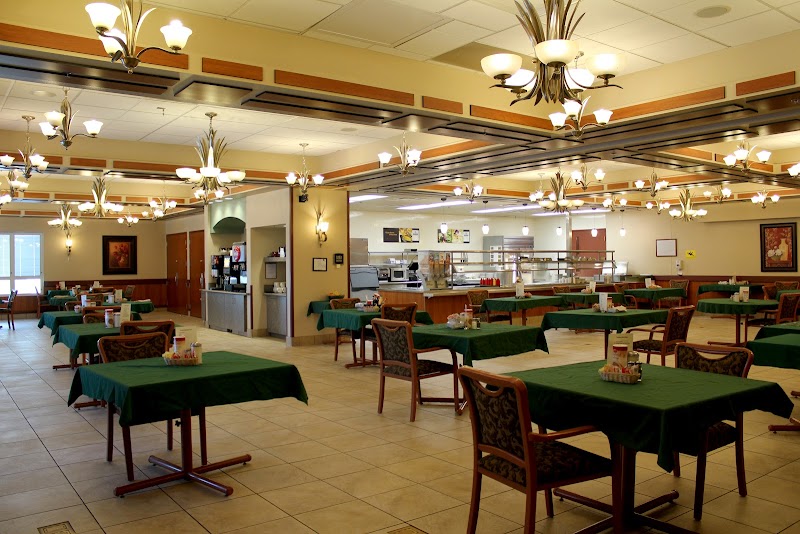
How is Nevada State Veterans Home - Boulder City Staffed?

CMS rates NEVADA STATE VETERANS HOME - BOULDER CITY's staffing level at 1 out of 5 stars, which is much below average compared to other nursing homes.

What Have Inspectors Found at Nevada State Veterans Home - Boulder City?

State health inspectors documented 29 deficiencies at NEVADA STATE VETERANS HOME - BOULDER CITY during 2022 to 2025. These included: 1 that caused actual resident harm and 28 with potential for harm. Deficiencies causing actual harm indicate documented cases where residents experienced negative health consequences.

Who Owns and Operates Nevada State Veterans Home - Boulder City?

NEVADA STATE VETERANS HOME - BOULDER CITY is owned by a government entity. Government-operated facilities are typically run by state, county, or municipal agencies. The facility operates independently rather than as part of a larger chain. With 180 certified beds and approximately 164 residents (about 91% occupancy), it is a mid-sized facility located in BOULDER CITY, Nevada.
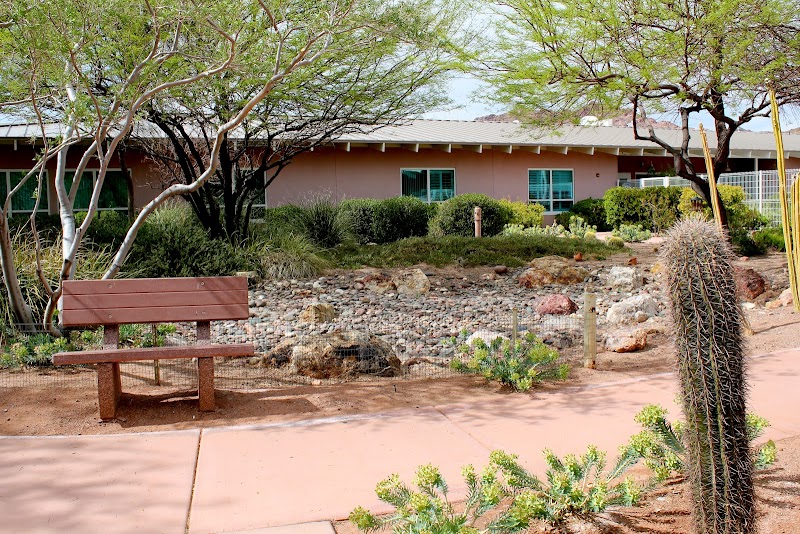
How Does Nevada State Veterans Home - Boulder City Compare to Other Nevada Nursing Homes?

Compared to the 100 nursing homes in Nevada, NEVADA STATE VETERANS HOME - BOULDER CITY's overall rating (2 stars) is below the state average of 3.0 and health inspection rating (2 stars) is below the national benchmark.

What Should Families Ask When Visiting Nevada State Veterans Home - Boulder City?

Based on this facility's data, families visiting should ask: "Can you walk me through typical staffing levels on day, evening, and night shifts?" "Can I visit during a mealtime to observe dining assistance and food quality?" "How do you handle medical emergencies, and what is your hospital transfer rate?" "Can I speak with family members of current residents about their experience?" These questions are particularly relevant given the below-average staffing rating.

Is Nevada State Veterans Home - Boulder City Safe?

Based on CMS inspection data, NEVADA STATE VETERANS HOME - BOULDER CITY has a clean safety record: no substantiated abuse findings (meaning no confirmed cases of resident harm), no Immediate Jeopardy citations (the most serious violation level indicating risk of serious injury or death), and is not on the Special Focus Facility watch list (a federal program monitoring the lowest-performing 1% of nursing homes). The facility has a 2-star overall rating and ranks #100 of 100 nursing homes in Nevada. While no facility is perfect, families should still ask about staff-to-resident ratios and recent inspection results during their visit.

Do Nurses at Nevada State Veterans Home - Boulder City Stick Around?

NEVADA STATE VETERANS HOME - BOULDER CITY has not reported staff turnover data to CMS. Staff turnover matters because consistent caregivers learn residents' individual needs, medications, and preferences. When staff frequently change, this institutional knowledge is lost. Families should ask the facility directly about their staff retention rates and average employee tenure.

Was Nevada State Veterans Home - Boulder City Ever Fined?

NEVADA STATE VETERANS HOME - BOULDER CITY has been fined $10,358 across 1 penalty action. This is below the Nevada average of $33,182. While any fine indicates a compliance issue, fines under $50,000 are relatively common and typically reflect isolated problems that were subsequently corrected. Families should ask what specific issues led to these fines and confirm they've been resolved.

Is Nevada State Veterans Home - Boulder City on Any Federal Watch List?

NEVADA STATE VETERANS HOME - BOULDER CITY is not on any federal watch list. The most significant is the Special Focus Facility (SFF) program, which identifies the bottom 1% of nursing homes nationally based on persistent, serious quality problems. Not being on this list means the facility has avoided the pattern of deficiencies that triggers enhanced federal oversight. This is a positive indicator, though families should still review the facility's inspection history directly.