CARSON NURSING AND REHABILITATION CENTER
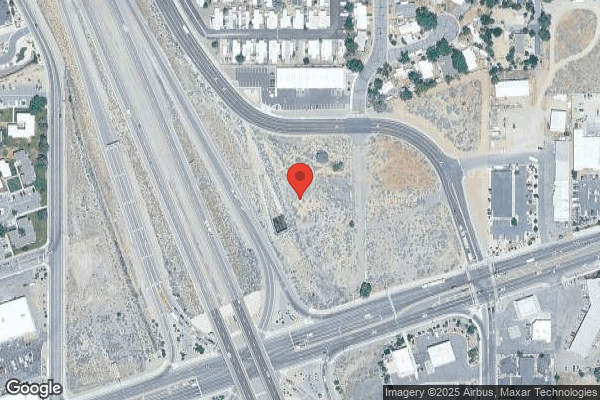
2898 HIGHWAY 50 EAST, CARSON CITY, NV 89701 (775) 882-3301
For profit - Corporation 73 Beds COVENANT CARE Data: November 2025
Trust Grade
25/100
#53 of 65 in NV
Last Inspection: December 2024

Within standard 12-15 month inspection cycle. Federal law requires annual inspections.

Overview

Carson Nursing and Rehabilitation Center has received a Trust Grade of F, indicating poor performance with significant concerns about care quality. Ranked #53 out of 65 facilities in Nevada, they are in the bottom half of all nursing homes in the state and #3 out of 4 in Carson City County, meaning only one local option is rated lower. The facility is worsening, with an increase in reported issues from 8 in 2023 to 51 in 2024. While staffing is rated 4 out of 5 stars, indicating good staff levels, the turnover rate is 50%, which is average for the state. Additionally, the home has accumulated $70,296 in fines, which is concerning and suggests ongoing compliance problems. Specific incidents include a resident who was not given the pain medication they needed after surgery, resulting in severe pain, and failure to obtain informed consent for psychoactive medication use, raising serious ethical concerns. Overall, while there are some strengths in staffing, the facility has significant weaknesses that families should consider carefully.

Trust Score
F
25/100
In Nevada
#53/65
Bottom 19%
Safety Record
Moderate
Needs review
Inspections
Getting Worse
8 → 51 violations
Staff Stability
⚠ Watch
50% turnover. Above average. Higher turnover means staff may not know residents' routines.
Penalties
✓ Good
$70,296 in fines. Lower than most Nevada facilities. Relatively clean record.
Skilled Nurses
✓ Good
Each resident gets 56 minutes of Registered Nurse (RN) attention daily — more than average for Nevada. RNs are trained to catch health problems early.
Violations
⚠ Watch
85 deficiencies on record. Higher than average. Multiple issues found across inspections.
★☆☆☆☆
1.0
Overall Rating
★★★★☆
4.0
Staff Levels
★★★★☆
4.0
Care Quality
★☆☆☆☆
1.0
Inspection Score
Stable
2023: 8 issues
2024: 51 issues

The Good

  • 4-Star Staffing Rating · Above-average nurse staffing levels
  • 4-Star Quality Measures · Strong clinical quality outcomes
  • Full Sprinkler Coverage · Fire safety systems throughout facility
  • No fines on record

Facility shows strength in staffing levels, quality measures, fire safety.

The Bad

1-Star Overall Rating

Below Nevada average (3.0)

Significant quality concerns identified by CMS

Staff Turnover: 50%

Near Nevada avg (46%)

Higher turnover may affect care consistency

Federal Fines: $70,296

Well above median ($33,413)

Moderate penalties - review what triggered them

Chain: COVENANT CARE

Part of a multi-facility chain

Ask about local staffing decisions and management

The Ugly 85 deficiencies on record

1 actual harm
Dec 2024 7 deficiencies
CONCERN (D)

Potential for Harm - no one hurt, but risky conditions existed

Unnecessary Medications (Tag F0759)

Could have caused harm · This affected 1 resident

**NOTE- TERMS IN BRACKETS HAVE BEEN EDITED TO PROTECT CONFIDENTIALITY** Based on observation, interview, clinical record review, and document review the facility failed to ensure medications were admi...

Read full inspector narrative →
**NOTE- TERMS IN BRACKETS HAVE BEEN EDITED TO PROTECT CONFIDENTIALITY** Based on observation, interview, clinical record review, and document review the facility failed to ensure medications were administered with an error rate of less than 5 percent (%). There were 25 opportunities and two medication errors. The error rate was 8%. This deficient practice resulted in a resident receiving a medication at a different concentration than ordered in the electronic Medication Administration Record (eMAR) and had the potential for medication errors and adverse effects. Findings include: Resident #24 Resident #24 was admitted to the facility on [DATE], and readmitted to the facility on [DATE], with a diagnosis of unspecified intracapsular fracture of left femur, subsequent encounter for closed fracture with routine healing. On 12/18/2024 at 2:56 PM, a Licensed Practical Nurse (LPN) began preparing medications for Resident #24. The LPN verbalized the physician ordered Diclofenac Sodium gel was not available in the facility. Resident #24's December 2024 Medication Administration Record (MAR) documented Diclofenac Sodium external gel 1 percent (%), apply to right wrist topically three times a day for osteoarthritis. The scheduled administration times were 8:00 AM, 2:00 PM, and 8:00 PM. The 2:00 PM administration on 12/18/2024, was documented as MN. The MAR legend documented MN equated to Medication Not available. Resident #205 Resident #205 was admitted to the facility on [DATE], with a diagnosis of malignant neoplasm of prostate. On 12/18/2024 at 3:26 PM, the LPN administered 1 milliliter (ml) of Morphine Sulfate to Resident #205. The label on the bottle documented the bottle contained Morphine Sulfate 20 milligrams (mg) per ml. Resident #205's December 2024 MAR documented Morphine Sulfate oral solution 20 mg/5 ml, give 1 ml by mouth every four hours as needed for severe pain. The order date was 12/11/2024 and no discontinue date was documented. On 12/18/2024 at 4:58 PM, the LPN reviewed the Morphine Sulfate bottle and compared the bottle to the physician's order in Resident #205's eMAR. The LPN confirmed the strength of the Morphine Sulfate administered to Resident #205 did not match the eMAR. The LPN located a physician order from Resident #205's hospice provider in the resident's hospice communication binder. The order documented Morphine concentration 100 mg/5 ml, 0.5 ml by mouth every four hours as needed for moderate pain and 1 ml by mouth every four hours as needed for severe pain. The order date was 12/10/2024, had no discontinue date documented and the order was not entered in the resident's eMAR. The LPN verbalized medications were to be given according the orders in the resident's eMAR. The LPN verbalized the strength of Morphine Sulfate administered to Resident #205 matched the order from the hospice provider however it did not match the order in the eMAR. The physician was not contacted for clarification of the orders prior to administration of the medication on 12/18/2024. On 12/19/2024 at 4:29 PM, the Director of Nursing (DON) explained the DON's expectation of nursing staff when administering medications was to review the resident's eMAR and compare the medication to the eMAR. If a discrepancy was noted between the medication available in the facility and the physician's order in the eMAR, the nurse was to contact the physician immediately to clarify the order or to notify the physician of a medication being unavailable. The DON verbalized a medication error was any medication not given as ordered by the physician. Medication errors included omission of an ordered medication and a medication administered at a dose or strength different than what was documented in the resident's eMAR. The facility policy titled Medication-Related Errors, revised 05/01/2010, documented medication administration errors included dose errors and omission errors. A dose error was defined as the administration of a dose greater or less than the amount ordered by the physician. An omission error was defined as the failure to administer an ordered dose to a resident. The facility policy titled Medication Administration, reviewed 10/22/2023, documented staff were to review the resident's MAR to identify the medication to be administered and compare the medication to the MAR to verify the dose. If any discrepancies were found, the discrepancy was to be corrected and reported to the nurse manager.
CONCERN (D)

Potential for Harm - no one hurt, but risky conditions existed

Medical Records (Tag F0842)

Could have caused harm · This affected 1 resident

**NOTE- TERMS IN BRACKETS HAVE BEEN EDITED TO PROTECT CONFIDENTIALITY** Incomplete Records Resident #205 Resident #205 was admitted to the facility on [DATE], with a diagnosis of malignant neoplasm of...

Read full inspector narrative →
**NOTE- TERMS IN BRACKETS HAVE BEEN EDITED TO PROTECT CONFIDENTIALITY** Incomplete Records Resident #205 Resident #205 was admitted to the facility on [DATE], with a diagnosis of malignant neoplasm of prostate. On 12/17/2024 at 3:29 PM, during a review of Resident #205's hospice communication binder, a physician order dated 12/13/2024, was found and included the following: -Fleet enema per rectum, one time, now. -Increase Milk of Magnesia to 30 milliliters (ml) by mouth every 12 hours as needed for constipation. -Dulcolax suppository, one suppository per rectum as needed for no bowel movement in three days. Resident #205's Order Summary Report, from the facility's EMR system, documented Milk of Magnesia oral suspension 400 milligrams (mg)/5 ml. Give 15 ml by mouth every 24 hours as needed for constipation. The order date was 12/11/2024. The Order Summary Report did not include orders for a Fleet enema or Dulcolax suppository. On 12/17/2024 at 4:29 PM, a Licensed Practical Nurse (LPN) explained when the facility received new orders from hospice the nurse would enter the orders in the facility's EMR system so the facility's orders matched the hospice provider's orders. The LPN reviewed Resident #205's hospice communication binder and EMR and confirmed the resident's Milk of Magnesia order had not been updated and an order for the Dulcolax suppository had not been entered. On 12/17/2024 at 4:45 PM, the Director of Nursing (DON) explained when the facility received orders from hospice, the nurse was expected to review the orders and enter the orders into the facility's EMR system. The DON verbalized hospice orders were to be entered into the EMR the same day the orders were received. On 12/17/2024 at 4:53 PM, in the presence of the DON and the LPN, the DON reviewed Resident #205's hospice communication binder. The LPN verbalized the LPN had been aware of the orders for the Fleet Enema, increased dose of Milk of Magnesia, and the Dulcolax suppository and had forgotten to enter the orders into the facility's EMR system. The facility policy titled Consulting Physician/Practitioner Orders, reviewed 10/22/2022, documented if the facility received orders from a consulting physician in writing or via fax, the nurse in a timely manner would call the attending physician to verify the order and transcribe the order to the medication or treatment administration record. The facility policy titled Coordination of Hospice Services, dated 12/2022, documented the facility would communicate with hospice and identify, communicate, follow and document all interventions put into place by hospice and the facility. All residents receiving hospice would continue to receive the same facility services as residents who had not elected hospice including medication administration. Based on observation, interview, clinical record review and document review, the facility failed to ensure resident information was not visible on an unattended computer screen and hospice medication orders were entered timely into the electronic medical record (EMR) for 1 of 13 sampled residents (Resident #205). This deficient practice had the potential to expose a resident's private and protected health information and for records to be incomplete, placing a resident at risk of not receiving physician ordered medications. Findings include: On 12/18/2024 at 11:18 AM, a computer screen on an unattended medication cart in the B wing dining area displayed resident information. On 12/18/2024 at 11:19 AM, a Registered Nurse (RN) returned to the medication cart and verbalized the computer screen should not display resident information. The RN confirmed the computer screen was unlocked and unattended with resident information on display. On 12/18/2024 at 11:28 AM, the Director of Nursing verbalized the expectation was computer screens would be locked when not in use. The facility policy titled Medication Administration Operating Standard Guideline, undated, documented to cover the Medication Administration Record or to close the computer screen when leaving the cart to protect resident privacy.
CONCERN (D)

Potential for Harm - no one hurt, but risky conditions existed

Infection Control (Tag F0880)

Could have caused harm · This affected 1 resident

Based on observation, interview, and document review the facility failed to ensure a Registered Nurse (RN) performed hand hygiene between administering medications to different residents. This deficie...

Read full inspector narrative →
Based on observation, interview, and document review the facility failed to ensure a Registered Nurse (RN) performed hand hygiene between administering medications to different residents. This deficient practice had the potential to affect all residents receiving medication from the RN and placed residents at risk for spread of infection. Findings include: On 12/18/2024, during the medication pass from 8:44 AM through 9:12 AM, an RN administered medications to two residents, readjusted a resident's nasal cannula, touched a resident's shoulder, and donned and doffed a glove. The RN did not perform hand hygiene prior to preparing medication for each resident, prior to administering medication to each resident, after contact with the residents and the residents' environment, or after administering medication to each resident. On 12/18/2024 at 9:14 AM, the RN confirmed the RN did not perform hand hygiene prior to medication preparation and administration, after contact with the residents and the residents' environment, or after medication administration. The RN verbalized hand hygiene was required to be performed before and after care of each resident, after medication administration, and after touching a resident. On 12/19/2024 at 4:29 PM, the Director of Nursing (DON) explained hand hygiene was required to be performed by staff between care of different residents. The DON confirmed hand hygiene would be required to be performed after adjusting a resident's nasal cannula, after touching a resident, and after removing gloves. The DON verbalized failure to perform hand hygiene after contact with or providing care to a resident had the potential to spread infection. The facility policy title Medication Administration, revised 10/22/2023, documented staff were to wash hands prior to and after administering medications. The facility policy titled Hand Hygiene, revised 11/2024, documented hand hygiene was considered the most important procedure for preventing healthcare associated infections. Staff were to perform hand hygiene before and after contact with a resident, after contact with an object in the resident's room, and after removing personal protective equipment including gloves.
CONCERN (D)

Potential for Harm - no one hurt, but risky conditions existed

Deficiency F0943 (Tag F0943)

Could have caused harm · This affected 1 resident

Based on employee record review, document review and interview, the facility failed to ensure timely completion for initial and annual training on preventing, identifying, and reporting abuse, neglect...

Read full inspector narrative →
Based on employee record review, document review and interview, the facility failed to ensure timely completion for initial and annual training on preventing, identifying, and reporting abuse, neglect, misappropriation of property, and exploitation (abuse training) for 3 of 20 sampled employees (Employee #2, #9, and #13). The deficient practice had the potential to place residents at risk for abuse and neglect. Findings include: Employee #2 Employee #2 was hired as the Director of Nursing on 03/28/2024. Employee #2's personnel record documented abuse training completed on 04/12/2024, one month late. Employee #9 Employee #9 was hired as a Licensed Practical Nurse on 09/07/2021. Employee #9's personnel record documented abuse training completed on 04/17/2023 and annual training completed on 12/17/2024, eight months late. Employee #13 Employee #13 was hired as a Registered Nurse on 11/06/2024. Employee #13's personnel record documented abuse training completed on 11/20/2024, 14 days late. On 12/18/2024 at 9:58 AM, the Payroll Human Resources employee explained abuse training was required to be completed by all employees by the employees hire date with the facility and annually thereafter. The Payroll Human Resources employee confirmed Employees #2, #9, and #13 had not completed timely abuse training. The facility policy titled, Alleged or Suspected Abuse and Crime Reporting, revised 10/2022, documented all new employees were required to be trained in abuse in orientation with the facility and existing staff were provided planned education on abuse.
CONCERN (E)

Potential for Harm - no one hurt, but risky conditions existed

Incontinence Care (Tag F0690)

Could have caused harm · This affected multiple residents

**NOTE- TERMS IN BRACKETS HAVE BEEN EDITED TO PROTECT CONFIDENTIALITY** Based on interview, clinical record review, and document review, the facility failed to offer a bowel and bladder retraining pro...

Read full inspector narrative →
**NOTE- TERMS IN BRACKETS HAVE BEEN EDITED TO PROTECT CONFIDENTIALITY** Based on interview, clinical record review, and document review, the facility failed to offer a bowel and bladder retraining program for residents assessed to be candidates for retraining for 11 of 49 residents (Resident #13, #47, #22, #24, #34, #18, #23, #41, #20, #28, and #45). This deficient practice had the potential to affect all residents' ability to maintain and achieve their highest continent status and increase the risk of related health issues. Findings include: Resident #13 Resident #13 was admitted to the facility on [DATE], with diagnoses including strain of other muscles and tendons at lower leg level, left leg, and muscle weakness. Resident #13's Minimum Data Set 3.0 (MDS) Section H - Bowel and Bladder dated 12/06/2024, documented Resident #13 was occasionally incontinent of bladder and occasionally incontinent of bowel. A trial of a toileting program had not been attempted and a toileting program was not being used to manage the resident's bowel incontinence. Resident #13's Bowel and Bladder assessment dated [DATE], documented Resident #13 was a potential candidate for retraining. Resident #13's Bowel and Bladder assessment dated [DATE], documented Resident #13 was a potential candidate for schedule toileting. Resident #47 Resident #47 was admitted to the facility on [DATE] and readmitted on [DATE], with a diagnosis of other drug induced secondary parkinsonism. Resident #47's MDS Section H - Bowel and Bladder dated 12/07/2024, documented Resident #47 was frequently incontinent of bladder and always incontinent of bowel. A trial of a toileting program had not been attempted and a toileting program was not being used to manage the resident's bowel incontinence. Resident #47's Bowel and Bladder assessment dated [DATE], documented Resident #47 was a potential candidate for retraining. Resident #47's Bowel and Bladder assessment dated [DATE], documented Resident #47 was a potential candidate for schedule toileting. Resident #22 Resident #22 was admitted to the facility on [DATE] and readmitted on [DATE], with a diagnosis of [NAME] fascial fibromatosis. Resident #22's MDS Section H - Bowel and Bladder dated 12/11/2024, documented Resident #22 was occasionally incontinent of bladder and always continent of bowel and a trial of a toileting program had not been attempted. Resident #22's Bowel and Bladder assessment dated [DATE], documented Resident #22 was a potential candidate for retraining. Resident #22's Bowel and Bladder assessment dated [DATE], documented Resident #22 was a potential candidate for retraining. Resident #22's Bowel and Bladder assessment dated [DATE], documented Resident #22 was a potential candidate for retraining. Resident #24 Resident #24 was admitted to the facility on [DATE], with a diagnosis of hemiplegia and hemiparesis following cerebral infarction. Resident #24's MDS Section H - Bowel and Bladder dated 10/08/2024, documented Resident #24 was occasionally incontinent of bladder and always continent of bowel and a trial of a toileting program had not been attempted. Resident #24's Bowel and Bladder assessment dated [DATE], documented Resident #24 was a potential candidate for retraining. Resident #24's Bowel and Bladder assessment dated [DATE], documented Resident #24 was a potential candidate for retraining. Resident #24's Bowel and Bladder assessment dated [DATE], documented Resident #24 was a potential candidate for retraining. Resident #24's Bowel and Bladder assessment dated [DATE], documented Resident #24 was a potential candidate for retraining. Resident #34 Resident #34 was admitted to the facility on [DATE], with a diagnosis of torsades de pointes. Resident #34's MDS Section H - Bowel and Bladder dated 12/09/2024, documented Resident #34 was occasionally incontinent of bladder and always continent of bowel and a trial of a toileting program had not been attempted. Resident #34's Bowel and Bladder assessment dated [DATE], documented Resident #34 was a potential candidate for retraining. Resident #34's Bowel and Bladder assessment dated [DATE], documented Resident #34 was a potential candidate for retraining. Resident #34's Bowel and Bladder assessment dated [DATE], documented Resident #34 was a potential candidate for retraining. Resident #34's Bowel and Bladder assessment dated [DATE], documented Resident #34 was a potential candidate for retraining. Resident #18 Resident #18 was admitted to the facility on [DATE] and readmitted on [DATE], with a diagnosis of Alzheimer's disease. Resident #18's MDS Section H - Bowel and Bladder dated 12/09/2024, documented Resident #18 was frequently incontinent of bladder and always continent of bowel and a trial of a toileting program had not been attempted. Resident #18's Bowel and Bladder assessment dated [DATE], documented Resident #18 was a potential candidate for retraining. Resident #18's Bowel and Bladder assessment dated [DATE], documented Resident #18 was a potential candidate for retraining. Resident #23 Resident #23 was admitted to the facility on [DATE], with a diagnosis of polyneuropathy. Resident #23's MDS Section H - Bowel and Bladder dated 07/29/2024, documented Resident #23 was occasionally incontinent of bladder and always continent of bowel and a trial of a toileting program had not been attempted. Resident #23's Bowel and Bladder assessment dated [DATE], documented Resident #23 was a potential candidate for retraining. Resident #23's Bowel and Bladder assessment dated [DATE], documented Resident #23 was a potential candidate for retraining. Resident #23's Bowel and Bladder assessment dated [DATE], documented Resident #23 was a potential candidate for retraining. Resident #23's Bowel and Bladder assessment dated [DATE], documented Resident #23 was a potential candidate for retraining. Resident #23's Bowel and Bladder assessment dated [DATE], documented Resident #23 was a potential candidate for retraining. Resident #41 Resident #41 was admitted to the facility on [DATE], with a diagnosis of acute and chronic respiratory failure with hypoxia. Resident #41's MDS Section H - Bowel and Bladder dated 11/04/2024, documented Resident #41 was occasionally incontinent of bladder and occasionally incontinent of bowel. A trial of a toileting program had not been attempted and a toileting program was not being used to manage the resident's bowel incontinence. Resident #41's Bowel and Bladder assessment dated [DATE], documented Resident #41 was a potential candidate for retraining. Resident #41's Bowel and Bladder assessment dated [DATE], documented Resident #41 was a potential candidate for retraining. Resident #20 Resident #20 was admitted to the facility on [DATE], with a diagnosis of unilateral primary osteoarthritis, right knee. Resident #20's MDS Section H - Bowel and Bladder dated 10/07/2024, documented Resident #20 was occasionally incontinent of bladder and always continent of bowel and a trial of a toileting program had not been attempted. Resident #20's Bowel and Bladder assessment dated [DATE], documented Resident #20 was a potential candidate for retraining. Resident #20's Bowel and Bladder assessment dated [DATE], documented Resident #20 was a potential candidate for retraining. Resident #20's Bowel and Bladder assessment dated [DATE], documented Resident #20 was a potential candidate for retraining. Resident #28 Resident #28 was admitted to the facility on [DATE], with a diagnosis of chronic diastolic congestive heart failure. Resident #28's MDS Section H - Bowel and Bladder dated 09/24/2024, documented Resident #28 was occasionally incontinent of bladder and always incontinent of bowel. A trial of a toileting program had not been attempted and a toileting program was not being used to manage the resident's bowel incontinence. Resident #28's Bowel and Bladder assessment dated [DATE], documented Resident #28 was a potential candidate for retraining. Resident #28's Bowel and Bladder assessment dated [DATE], documented Resident #28 was a potential candidate for scheduled toileting. Resident #45 Resident #45 was admitted to the facility on [DATE], with a diagnosis of displaced intertrochanteric fracture of left femur, subsequent encounter for closed fracture with routine healing. Resident #45's MDS Section H - Bowel and Bladder dated 11/25/2024, documented Resident #45 was frequently incontinent of bladder and occasionally incontinent of bowel. A trial of a toileting program had not been attempted and a toileting program was not being used to manage the resident's bowel incontinence. Resident #45's Bowel and Bladder assessment dated [DATE], documented Resident #45 was a potential candidate for retraining. Resident #45's Bowel and Bladder assessment dated [DATE], documented Resident #45 was a potential candidate for scheduled toileting. On 12/19/2024 at 10:07 AM, the Director of Nursing (DON) verbalized residents who were incontinent of bladder and/or bowel, able to get to the toilet with or without assistance, and able to feel the need to void and alert the staff, would benefit from a bowel and bladder (BB) toileting program. The DON explained the facility did not have a BB program until the week of 12/16/2024. The program consisted of scheduled toileting on a two-hour schedule. The DON further explained the facility did not have a policy for a BB program, the facility did not assess for the type of incontinence, voiding patterns were not assessed and documented, and all residents were in briefs unless they refused. The DON confirmed residents were only assessed for incontinence and put on a two-hour check and change schedule. The facility policy titled Incontinence, dated 12/2021, documented residents who were incontinent of bladder or bowel would receive appropriate treatment to prevent infections and restore continence to the extent possible.
CONCERN (E)

Potential for Harm - no one hurt, but risky conditions existed

Deficiency F0761 (Tag F0761)

Could have caused harm · This affected multiple residents

Based on observation, interview, and document review the facility failed to ensure expired medications were removed from 1 of 2 inspected medication carts and from 1 of 1 inspected medication storage ...

Read full inspector narrative →
Based on observation, interview, and document review the facility failed to ensure expired medications were removed from 1 of 2 inspected medication carts and from 1 of 1 inspected medication storage rooms. This deficient practice had the potential to place residents at risk of receiving expired/outdated medications. Findings include: On 12/17/2024 at 11:54 AM, during a review of the B hall medication cart and in the presence of the Assistant Director of Nursing (ADON), a box of Aspercreme four percent (%) Lidocaine patches was found. Three patches remained in the box. The expiration date printed on the patches was 10/2024. The ADON confirmed the expiration date printed on the Lidocaine patches was 10/2024, and the patches should have been removed from the cart and discarded by 10/31/2024. On 12/17/2024 at 12:15 PM, during a review of the B hall medication storage room and in the presence of the ADON, the following items were found: -Two intravenous (IV) solution bags containing 50 milliliters (ml) of Normal Saline 0.9 percent. The expiration date printed on the bag was 10/2024. -One IV solution bag containing 100 ml of 5 percent Dextrose. The expiration date printed on the bag was 11/2024. On 12/17/2024 at 12:19 PM, the ADON confirmed the three IV solution bags had expired and should have been discarded. On 12/17/2024 at 4:41 PM, the Director of Nursing (DON) verbalized expired drugs were to be destroyed. The DON confirmed expired medications should be removed from medication carts. Medicated patches were to be cut up and placed in drug buster (a drug disposal system). Expired IV solution bags were to be cut open and the contents poured into drug buster. The DON verbalized the DON was made aware of the expired Lidocaine patches found in the medication cart and the expired IV solution bags found in the medication storage room. The DON verbalized the medications should have been removed and destroyed. The facility policy titled Storage and Expiration of Medications, Biologicals, Syringes, and Needles, revised 01/01/2013, documented the facility was to ensure medications and biologicals had an expiration date on the label and were not retained longer than recommended by the manufacturer. The facility was to destroy or return all outdated/expired medications or biologicals.
MINOR (C)

Minor Issue - procedural, no safety impact

Staffing Information (Tag F0732)

Minor procedural issue · This affected most or all residents

Based on observation and interview, the facility failed to ensure current nursing hours were posted for the facility. The deficient practice had the potential to result in a lack of awareness for resi...

Read full inspector narrative →
Based on observation and interview, the facility failed to ensure current nursing hours were posted for the facility. The deficient practice had the potential to result in a lack of awareness for residents and visitors regarding the type and number of nursing staff on duty. Findings include: On 12/16/2024 at 8:05 AM, the nursing staff posting for the facility, located across from the main nursing station was dated 12/13/2024. On 12/16/2024 at 9:42 AM, the Director of Nursing (DON) verbalized the nursing staff posting for the facility dated 12/13/2024 should have been removed and updated for 12/16/2024. The DON verbalized it was the weekend nurse's responsibility to update and post the nursing staff and hours for the facility on the weekends. On 12/16/2024 at 1:59 PM, the Administrator verbalized the Administrator was usually the one who changed the staff posting in the mornings, however, the Administrator had not arrived when surveyors entered the building and as a result, the staff posting was not current when surveyors arrived.
Aug 2024 1 deficiency
CONCERN (D) 📢 Someone Reported This

A family member, employee, or ombudsman was alarmed enough to file a formal complaint

Potential for Harm - no one hurt, but risky conditions existed

Quality of Care (Tag F0684)

Could have caused harm · This affected 1 resident

**NOTE- TERMS IN BRACKETS HAVE BEEN EDITED TO PROTECT CONFIDENTIALITY** Based on interview, clinical record review, and document review the facility failed to ensure physician ordered medications were...

Read full inspector narrative →
**NOTE- TERMS IN BRACKETS HAVE BEEN EDITED TO PROTECT CONFIDENTIALITY** Based on interview, clinical record review, and document review the facility failed to ensure physician ordered medications were administered to a resident during the morning (AM) medication pass on 08/02/2024, and administered timely during the AM medication pass on 08/01/2024, for 1 of 5 sampled residents (Resident #5). Findings include: Resident #5 Resident #5 was admitted to the facility on [DATE], and readmitted on [DATE], with diagnoses including hemiplegia and hemiparesis following cerebral infarction affecting right dominant side, chronic respiratory failure with hypoxia, and hypertensive heart disease with heart failure. On 08/08/2024 at 2:15 PM, Resident #5 verbalized the resident often received the resident's morning medications late. On 08/08/2024 at 2:49 PM, a Licensed Practical Nurse (LPN) verbalized the LPN often felt the LPN did not have adequate time to complete the LPN's assigned tasks each shift due to being shorthanded. The LPN explained the LPN often struggled to get residents' medications administered on time and confirmed medications were sometimes administered late. A Medication Administration (Admin) Audit Report lacked documented evidence Resident #5 received the resident's physician ordered medications during the AM medication pass on 08/02/2024. The Medication Admin Audit Report documented the following medications were physician ordered and scheduled to be administered at 7:00 AM: - GlycoLax Powder (Polyethylene Glycol 3350). On 08/01/2024, the medication was administered at 11:02 AM. - Cyanocobalamin tablet 1000 micrograms (mcg). On 08/01/2024, the medication was administered at 11:01 AM. - Coenzyme Q10 oral capsule 50 milligrams (mg). On 08/01/2024, the medication was administered at 11:01 AM. - Incruse Ellipta aerosol powder breath activated 62.5 mcg/inhalation (INH). On 08/01/2024, the medication was administered at 11:02 AM. - Ascorbic Acid tablet 500 mcg. On 08/01/2024, the medication was administered at 11:01 AM. - Xarelto tablet 20 mg (Rivoroxaban). On 08/01/2024, the medication was administered at 11:01 AM. - Senokot S oral tablet 8.6-50 mg (Sennosides-Docusate Sodium). On 08/01/2024, the medication was administered at 11:02 AM. - Folic Acid tablets one mg. On 08/01/2024, the medication was administered at 11:02 AM. - Ferrous Gluconate tablet 324 mg. On 08/01/2024, the medication was administered at 11:02 AM. - Lisinopril tablet five mg. On 08/01/2024, the medication was administered at 11:02 AM. The Medication Admin Audit Report documented the following medications were physician ordered and scheduled to be administered at 8:00 AM: - Metoprolol Tartrate tablet 50 mg. On 08/01/2024, the medication was administered at 11:01 AM. - Furosemide tablet 40 mg. On 08/01/2024, the medication was administered at 11:01 AM. Resident #5's Medication Administration Record (MAR) for August 2024 lacked documented evidence of the administration of the resident's physician ordered medications during the AM medication pass on 08/02/2024. The boxes on the MAR corresponding to the scheduled AM medications on 08/02/2024 were blank. On 08/09/2024 at 11:12 AM, the Director of Nursing (DON) explained a blank space on a resident's MAR indicated the medication was not administered to the resident. The DON verbalized if a medication was not administered, the DON's expectation of nursing staff was to put a progress note in the resident's medical record to explain why the medication was not administered. The DON explained medications were to be administered at the physician ordered time or within the facility's flex time. The DON explained the facility had a policy that allowed for a range of time in which medications could be administered. The DON reviewed Resident #5's MAR and clinical record and confirmed the physician ordered medications scheduled to be administered during the AM medication pass on 08/02/2024 were not administered to the resident. The DON verbalized the medications for the AM med pass were red, indicating the task was not completed. The DON verbalized Resident #5's clinical record lacked documentation related to the omission of the resident's physician ordered medications on 08/02/2024, and confirmed Resident #5 was present in the facility during the medication pass. The DON confirmed the medications ordered to be administered during the AM medication pass on 08/01/2024 were administered late. The facility policy titled General Dose Preparation and Medication Administration, revised 01/01/2013, documented prior to administration, facility staff should ensure the medication was the correct medication, at the correct dose, at the correct time, for the correct resident. The facility policy titled Flex Time Medication Program, dated 2015, documented medications were to be administered as prescribed by the attending physician. Medications would be administered utilizing the Flex Time Schedule unless otherwise specified by the physician or excluded from the program. Examples of flex time schedule included a standard administration time of 6:30 AM-10:30 AM for medications ordered daily or in the morning and a standard administration time of 6:30 AM-10:30 AM and 4:30 PM-7:00 PM for medications ordered twice daily.
Feb 2024 43 deficiencies 1 Harm
SERIOUS (G)

Actual Harm - a resident was hurt due to facility failures

Deficiency F0697 (Tag F0697)

A resident was harmed · This affected 1 resident

**NOTE- TERMS IN BRACKETS HAVE BEEN EDITED TO PROTECT CONFIDENTIALITY** Based on observation, interview, clinical record review and document review, the facility failed to ensure a resident admitted f...

Read full inspector narrative →
**NOTE- TERMS IN BRACKETS HAVE BEEN EDITED TO PROTECT CONFIDENTIALITY** Based on observation, interview, clinical record review and document review, the facility failed to ensure a resident admitted for orthopedic aftercare following a surgical amputation had the severe pain managed according to the physician's order for 1 of 14 sampled residents (Resident #403) resulting in the resident experiencing actual severe pain. Findings include: Resident #403 Resident #403 was admitted to the facility on [DATE], and readmitted on [DATE], with a diagnosis of encounter for orthopedic aftercare following surgical amputation. Resident #403's discharge summary from acute care, dated 02/10/24, documented the resident reported significant pain after the surgery but the pain was adequately controlled with pain medications. On 02/12/24 at 11:46 AM, Resident #403 explained the resident had the left foot amputated on 02/07/24 and was admitted on [DATE]. The resident verbalized the resident did not receive pain medication since admittance. The resident was grimacing in pain. On 02/12/24 at 3:38 PM, Resident #403 described pain from surgical site to knee as a nine (using a scale of one to ten) and a tolerable level at a four. The resident informed the nurse of the resident's pain and explained the resident needed hydrocodone to manage it. The resident explained the facility was unable to get the hydrocodone from the pharmacy. On 02/13/24 at 1:16 PM, Resident #403 verbalized the resident received acetaminophen in the morning. The resident described the pain as high. A physician's order dated 02/10/24, documented: - acetaminophen tablet 325 milligrams (mg), give two tablets by mouth every six hours as needed for mild pain one through three on the pain scale, not to exceed three grams of acetaminophen in 24 hours. -the highest level of pain to be recorded every shift. A physician's order dated 02/10/24, with a discontinuation date of 02/13/24, documented hydrocodone oral tablet 10-325 milligrams (mg), give one tablet by mouth every four hours as needed for severe pain seven through ten for three days. Resident #403's baseline care plan, dated 02/12/24, documented a focus on acute/chronic pain related to new left below knee amputation, surgical wound. The goal was the resident would voice a level of comfort of (SPECIFY residents states range of comfort) out of (SPECIFY) through review date. Interventions included the following: -Administer analgesia as per orders. -Anticipate the resident's need for pain relief and respond immediately to any complaint of pain. -Monitor / record pain characteristics every (Q) shift and as needed (prn) for quality (such as sharp, burning); severity (1-10 scale); anatomical location; onset; duration (such as continuous, intermittent); aggravating factors; relieving factors. Physician notification and medication effectiveness. -Monitor/document for side effects of pain medication. Observe for constipation; new onset or increased agitation, restlessness, confusion, hallucinations, dysphoria; nausea; vomiting; dizziness and falls. Report occurrences to the physician. -Monitor/record/report to Nurse any signs and symptoms of non-verbal pain: Changes in breathing (noisy, deep/shallow, labored, fast/slow); Vocalizations (grunting, moans, yelling out, silence); Mood/behavior (changes, more irritable, restless, aggressive, squirmy, constant motion); Eyes (wide open/narrow slits/shut, glazed, tearing, no focus); -Face (sad, crying, worried, scared, clenched teeth, grimacing) Body (tense, rigid, rocking, curled up, thrashing). The goals had not been completed and remained in a fill-in the blank, template format. A physician's order dated 02/13/24, documented hydrocodone oral tablet 10-325 mg, give one tablet by mouth every four hours as needed for moderate to severe pain. Pain Levels from Resident #403's clinical record were as follows: -02/11/2024 at 12:01 AM, pain was 8 -02/11/2024 at 3:26 AM, pain was 4 -02/11/2024 at 6:57 AM, pain was 8 -02/11/2024 at 6:31 PM, pain was 8 -02/11/2024 at 8:50 PM, pain was 6 -02/11/2024 at 8:51 PM, pain was 6 -02/12/2024 at 5:24 AM, pain was 2 -02/12/2024 at 5:32 AM, pain was 6 -02/12/2024 at 6:02 PM, pain was 0 -02/12/2024 at 9:38 PM, pain was 0 The Medication Administration Record dated 02/20/24, documented the acetaminophen was administered on the following occasions when pain levels were higher than ordered parameters: -02/11/24 at 12:01 AM, pain was 8 -02/11/24 at 6:57 AM, pain was 8 -02/11/24 at 8:50 PM, pain was 6 -02/12/24 at 5:32 AM, pain was 6 -02/13/24 at 12:30 PM, pain was 7 On 02/13/24 at 3:26 PM, a Licensed Practical Nurse (LPN) verbalized the resident had complained about pain since being admitted . The LPN explained the facility was unable to fill the order for hydrocodone. The LPN confirmed Resident #403 was admitted with a physician's order for hydrocodone and explained according to the MAR, the hydrocodone was not administered on 02/10/24, 02/11/24, 02/12/24, or 02/13/24 despite the physician's order. The LPN confirmed acetaminophen was administered in place of hydrocodone. The LPN verbalized the resident had rated pain with eights, nines, and tens. On 02/13/24 at 3:49 PM, the Director of Nursing (DON) confirmed an amputation was painful and pain medication should be available. The DON confirmed there was a physician's order for hydrocodone and confirmed no medication administration was documented on the MAR. The DON explained the facility had a medbank (emergency supply) and explained the DON needed to check if the medbank had Resident #403's hydrocodone. The DON verbalized the resident's clinical record portrayed an average reported pain level of six and eight. The DON verbalized a physician's order documented for the administration of acetaminophen for a pain rating of one through three. The DON confirmed acetaminophen was not an acceptable medication to manage the pain level reported by the resident. The DON confirmed the MAR lacked documentation for acetaminophen on 02/12/24. On 02/13/24 at 4:41 PM, the resident verbalized the resident was given acetaminophen at 1:30 PM on 02/12/24 and at 6:00 AM on 02/13/24. Resident #403 explained the acetaminophen was somewhat effective however, the resident had not experienced a pain level of zero since admittance and the resident never expressed a pain level of zero to facility staff. Resident #403 described the resident's lowest level of pain since admittance as a four due to acetaminophen. The resident explained the acetaminophen effect last up to two hours and the resident waited four hours between doses, leaving two hours of pain unaddressed. The resident explained when the resident elevated the resident's leg and wore a tight brace with pants on top to keep the brace in place, the pain was improved. On 02/13/24 at 4:45 PM, the DON confirmed the resident was not given hydrocodone since admittance on 02/10/24. The DON explained the DON told the LPN to administer hydrocodone from the medbank on 02/12/24 but the LPN got busy and forgot. The DON explained the DON was informed the resident received acetaminophen on 02/13/24 sometime in the morning. The DON confirmed the acetaminophen administration was not documented after 5:32 AM on 2/12/24. The DON explained the lack of acetaminophen administration documentation could result in overdose and liver problems. On 02/20/24 at 9:27 AM, the LPN verbalized all nurses input reported pain levels in the clinical record. Pain levels got transcribed into the MAR. The LPN explained a reported pain level of zero indicated no pain. If a resident was sleeping, the LPN assumed no pain but would add notes to indicate the resident was resting. The LPN verbalized when the LPN documented highest pain level reflected throughout a shift, the LPN would look through all levels of pain reported for the shift. The LPN confirmed the MAR documented zeros for both shifts on 02/14/24 for highest level of pain. The LPN verbalized the zeros were not accurate as the clinical record pain monitoring recorded for 02/14 was an eight at 6:00 AM, an eight at 2:43 PM, an eight at 7:01 PM and zero at 11:00 PM. On 02/20/24, the DON verbalized an admission assessment needed to be completed within 72 hours of the resident's admission. The DON was unsure why Resident #403's admission assessment was not completed and confirmed the DON was responsible for ensuring assessments were completed. A pain assessment completed by a nurse included pain indicated during the assessment, what the pain was and how often the resident experienced the pain. The DON explained when contacting the pharmacy, the pharmacy would usually deliver the prescription medication the same day. The DON confirmed the resident was admitted with a physician's order to administer hydrocodone every four hours. The DON verbalized every resident was assessed for pain every shift. The DON explained continued high pain could cause psychological harm to the resident. Regarding the monitoring of medication effectiveness, the DON noted that unknown may be documented for various reasons, although the DON was uncertain why it was documented for hydrocodone on 02/14/24 at 1:43 PM, 02/15/24 at 7:38 AM and 12:16 PM, and 02/18/24 at 4:56 PM. The DON verbalized acetaminophen would not be effective pain management for an amputation. The DON verbalized Resident #403 should have been assessed for amputation pain and because the assessment did not include amputation pain, the assessment was not correct. The DON verbalized a progress note mentioned phantom pain experienced by the resident and the resident went four days without hydrocodone to manage pain while an amputation without medication would likely have resulted in pain. The DON explained nurses were trained to assess pain by asking residents where the pain was, what the pain was, and how the resident would rate the pain between one and ten. The facility policy titled Pain Management, dated 11/12/19, documented the facility would ensure pain management was provided to residents who required such services, consistent with professional standards of practice. Cross reference with tag F658 and F755.
CONCERN (D)

Potential for Harm - no one hurt, but risky conditions existed

Deficiency F0558 (Tag F0558)

Could have caused harm · This affected 1 resident

**NOTE- TERMS IN BRACKETS HAVE BEEN EDITED TO PROTECT CONFIDENTIALITY** Based on observation, interview, and document review the facility failed to ensure a call light was within reach for 1 of 14 sam...

Read full inspector narrative →
**NOTE- TERMS IN BRACKETS HAVE BEEN EDITED TO PROTECT CONFIDENTIALITY** Based on observation, interview, and document review the facility failed to ensure a call light was within reach for 1 of 14 sampled residents (Resident #308). Findings include: Resident #308 Resident #308 was admitted to the facility on [DATE], with diagnoses including displaced fracture of medial malleolus of left tibia, subsequent encounter for closed fracture with routine healing, fall on same level, unspecified, subsequent encounter, morbid (severe) obesity with alveolar hypoventilation, lymphedema, not elsewhere classified, and chronic kidney disease, stage 3B. On 02/12/24 at 10:35AM, Resident #308 verbalized the resident was cold and needed to have padding placed under the residents left lower extremity to help ease discomfort. Resident #308 was sitting in a wheelchair in the resident's room. The resident's nightstand was approximately four feet behind the resident and the resident's call light button was draped across the nightstand with the call button resting behind the nightstand. Resident #308 was wheelchair bound and was not able to get up to reach the call light or reposition or propel the wheelchair in order to reach the call light. On 02/12/24 at 10:38 AM, the Executive Director confirmed Resident #308's call light was dangling behind the resident's nightstand and confirmed it was not possible for Resident #308 to reach the resident's call light. The Executive Director confirmed the expectation was a resident's call light would always be kept within reach of the resident.
CONCERN (D)

Potential for Harm - no one hurt, but risky conditions existed

Deficiency F0561 (Tag F0561)

Could have caused harm · This affected 1 resident

**NOTE- TERMS IN BRACKETS HAVE BEEN EDITED TO PROTECT CONFIDENTIALITY** Based on observation, interview, clinical record review, and document review the facility failed to honor a resident's request f...

Read full inspector narrative →
**NOTE- TERMS IN BRACKETS HAVE BEEN EDITED TO PROTECT CONFIDENTIALITY** Based on observation, interview, clinical record review, and document review the facility failed to honor a resident's request for a room change for 1 of 14 sampled residents (Resident #35). Findings include: Resident #35 Resident #35 was admitted to the facility on [DATE], and readmitted on [DATE], with a diagnosis of hemiplegia and hemiparesis following cerebral infarction affecting right dominant side. On 02/12/24 at 9:38 AM, Resident #35 verbalized the resident would like a different room with more privacy. Resident #35 verbalized the room was cramped with too many people. The room had three residents residing in it. On 12/14/24 at 7:28 AM, Resident #35 reported the resident had last asked facility staff for a room change approximately one month prior. The resident verbalized feeling crowded and as if the roommates' personal items were encroaching on the resident's space. The resident explained the resident did not like staring at a roommate's underwear all day long. Incontience briefs belonging to Resident #35's roommate were observed on top of the dresser directly across from Resident #35's bed, in direct line of site. On 02/24/24 at 8:49 AM, during an interview with the Admissions Manager (AM) and the Assistant Social Worker (ASW) the AM verbalized the process if a resident requested a different room was to notify the AM or the ASW. The AM or the ASW would let the resident know what rooms were available. The ASW explained requests for room changes were kept on a list in the social services office and occasionally documented in progress notes. The ASW confirmed Resident #35 was not on the list of room change requests. On 02/20/24 at 8:57 AM, a Licensed Practical Nurse (LPN) explained if a resident requested a room change, staff would attempt to determine reason for request. The LPN verbalized the LPN would notify the Director of Nursing (DON) and contact admissions or social services for a room change form. The LPN denied receiving any room change requests from residents. On 02/20/24 at 9:06 AM, the DON explained the process if a resident requested a room change was to attempt to determine the reason for the request, make arrangements for more compatible room, talk to social services, and complete a room change form. The DON recalled a staff member received a room change request from Resident #35 the previous week. The DON explained the DON was aware of the room change request and should have communicated with social services to arrange the room change. The DON verbalized a bed opened up over the weekend and Resident #35 should have been moved. The DON confirmed Resident #35 had not been moved. The facility policy titled Change of Room or Roommate, reviewed 05/2023, documented it was the policy of the facility to conduct changes to room assignments when considered necessary and/or when requested by the resident. Requests for changes in room should have been communicated to the social service designee. The facility document titled Resident Rights, undated, documented a resident had the right to reside and receive services in the facility with reasonable accommodation of the resident's needs and preferences. A resident had the right to make choices about aspects of the resident's life in the facility that were significant to the resident. The resident had the right to personal privacy which included accommodations. The resident had a right to a safe, clean, comfortable and homelike environment.
CONCERN (D)

Potential for Harm - no one hurt, but risky conditions existed

Deficiency F0578 (Tag F0578)

Could have caused harm · This affected 1 resident

**NOTE- TERMS IN BRACKETS HAVE BEEN EDITED TO PROTECT CONFIDENTIALITY** Based on clinical record review, interview, and document review the facility failed to ensure written acknowledgement of the Adv...

Read full inspector narrative →
**NOTE- TERMS IN BRACKETS HAVE BEEN EDITED TO PROTECT CONFIDENTIALITY** Based on clinical record review, interview, and document review the facility failed to ensure written acknowledgement of the Advance Directive notice was provided to the resident or the resident's representative for 3 of 14 sampled residents (Resident #306, #12, and #305). Findings include: Resident # 306 Resident #306 was admitted to the facility on [DATE], with diagnoses including traumatic hemorrhage of cerebrum, unspecified, without loss of consciousness, subsequent encounter, and fall on same level, unspecified, subsequent encounter. on 02/12/24 at 3:22 PM, the Executive Director confirmed Resident #306's clinical record did not include a signed Advanced Directive Acknowledgement. Resident #12 Resident #12 was admitted to the facility on [DATE], and readmitted on [DATE], with diagnoses including chronic obstructive pulmonary disease, unspecified, chronic respiratory failure, unspecified whether with hypoxia or hypercapnia, age related physical debility, and adult failure to thrive. On 02/12/24 at 3:23 PM, the Executive Director confirmed Resident #12's clinical record did not include a signed Advanced Directive Acknowledgement. Resident #305 Resident #305 was admitted to the facility on [DATE], with diagnoses including encephalopathy, unspecified, repeated falls, type II diabetes mellitus without complications, long term (current) use of anticoagulants, and adult failure to thrive. On 02/12/24 at 3:30 PM, the Executive Director confirmed Resident #305's clinical record did not include a signed Advanced Directive Acknowledgement. The Executive Director verbalized the expectation was an Advanced Directive Acknowledgement form would be signed within 48 hours of admission to the facility. The facility policy titled Promoting the Right of Self-Determination for Healthcare Decisions and Advanced Healthcare Directives, dated 11/2016, documented an advance directive was a document in which a person stated choices for medical treatment and /or designated who would make health care decisions for the resident. Each resident and/or legal healthcare decision make was provided a mechanism for reaching decisions concerning referred intensity of care. Residents were informed upon admission, and periodically, of the resident's rights concerning self-determination of preferred intensity of care and the process for creating and implementing advanced health care directives.
CONCERN (D)

Potential for Harm - no one hurt, but risky conditions existed

Deficiency F0582 (Tag F0582)

Could have caused harm · This affected 1 resident

**NOTE- TERMS IN BRACKETS HAVE BEEN EDITED TO PROTECT CONFIDENTIALITY** Based on interview and clinical record review, and document review the facility failed to ensure a resident received a Notice of...

Read full inspector narrative →
**NOTE- TERMS IN BRACKETS HAVE BEEN EDITED TO PROTECT CONFIDENTIALITY** Based on interview and clinical record review, and document review the facility failed to ensure a resident received a Notice of Medicare Non-Coverage (NOMNC) prior to dicharge for 1 of 3 unsampled residents (Resident #55). Findings include: Resident #55 Resident #55 was admitted to the facility on [DATE], with a diagnosis of acute respiratory failure with hypoxia. The clinical record for Resident #55 lacked documented evidence the resident or the resident's representative were provided a NOMNC prior to discharge from the facility. On 02/20/24 at approximately 11:15 AM, the Director of Nursing explained the social services department was responsible for and handled all beneficiary notices. On 02/20/24 at 11:48 AM, the Assistant Social Worker (ASW) verbalized a NOMNC was used to notify a resident when the resident no longer met criteria for skilled services and explain the resident's right to appeal the decision for discharge. The ASW explained the NOMNC was required to be provided no later than two days prior to the last day of covered services. The ASW confirmed Resident #55 should have received a NOMNC and there was no documented evidence a NOMNC was provided to Resident #55.
CONCERN (D) 📢 Someone Reported This

A family member, employee, or ombudsman was alarmed enough to file a formal complaint

Potential for Harm - no one hurt, but risky conditions existed

Report Alleged Abuse (Tag F0609)

Could have caused harm · This affected 1 resident

**NOTE- TERMS IN BRACKETS HAVE BEEN EDITED TO PROTECT CONFIDENTIALITY** Based on clinical record review, document review and interview, the facility failed to report an allegation of abuse to the Stat...

Read full inspector narrative →
**NOTE- TERMS IN BRACKETS HAVE BEEN EDITED TO PROTECT CONFIDENTIALITY** Based on clinical record review, document review and interview, the facility failed to report an allegation of abuse to the State Agency within the required timeframe for 1 of 14 sampled residents (Resident #153). Findings include: Resident #153 Resident #153 was admitted to the facility on [DATE], with diagnoses including unspecified dementia, unspecified severity, without behavioral, psychotic or mood disturbance, generalized anxiety disorder, and major depressive disorder. An initial and final Facility Reported Incident (FRI) with a submission date of 01/04/24 at 4:03 PM, documented the facility had investigated an allegation of abuse of a resident by the resident's family member. The FRI documented the time of the alleged abuse was 01/03/24 at 4:15 PM. A Social Services Progress Note dated 01/03/24 at 4:57 PM, documented Resident #153 was found to have an abrasion to the right forearm. Only the resident's family members were present at the time Resident #153 obtained the abrasion. On 02/20/24 at 10:38 AM, the Director of Nursing (DON), confirmed no staff members witnessed how Resident #153 obtained the abrasion, and due to only the resident's family present, the incident was investigated as abuse. On 02/20/24 at 12:14 PM, the DON confirmed the FRI was submitted on 01/04/24 at 4:03 PM, nearly 24 hours after the alleged abuse allegation had been reported. The DON confirmed abuse allegations should be reported to the State Agency within two hours after the allegation had been reported. The facility policy titled, Abuse, Prevention, Intervention, Investigation, and Crime Reporting Policy, revised 11/2016, documented all alleged violations of abuse were to have been reported to the State Agency immediately, but no later than two hours after the allegation was made. FRI #NV00070167
CONCERN (D)

Potential for Harm - no one hurt, but risky conditions existed

Transfer Notice (Tag F0623)

Could have caused harm · This affected 1 resident

**NOTE- TERMS IN BRACKETS HAVE BEEN EDITED TO PROTECT CONFIDENTIALITY** Based on record review, interview and policy review, the facility failed to ensure 1 of 14 sampled residents (Resident #30) and ...

Read full inspector narrative →
**NOTE- TERMS IN BRACKETS HAVE BEEN EDITED TO PROTECT CONFIDENTIALITY** Based on record review, interview and policy review, the facility failed to ensure 1 of 14 sampled residents (Resident #30) and the Resident's Representative, received written notification of transfer or discharge. Findings include: Resident #30 Resident #30 was admitted to the facility on [DATE], and readmitted on [DATE], with diagnoses including hemiplegia and hemiparesis following cerebral infarction affecting left non-dominant side, cognitive social or emotional deficit following cerebral infarction, and type II diabetes mellitus with diabetic chronic kidney disease. On 02/12/24 at 1:13 PM, Resident #30 verbalized the resident was transferred to the hospital on [DATE] due to an infection. The resident was not sure what type of infection the resident was hospitalized for. Resident #30's Minimum Data Set 3.0 (MDS) assessment documented the resident was discharged from the facility on 01/14/24 and readmitted on [DATE]. A change of condition/transfer note date 01/14/24, documented Resident #30 was transferred to an acute care hospital in an ambulance due to abnormal vital signs (high/low blood pressure, high respiratory rate). Resident #30's clinical record lacked documented evidence the facility document titled [NAME] Notice of Transfer or Discharge - V3, undated, was completed when the resident was transferred and subsequently admitted to an acute care hospital. The form required the following items to be completed: -The name, phone number, and contact type (such as next of kin) for the person notified. -The effective transfer/discharge date . -The name, address, and phone number of the facility the resident was transferred or discharged to. -The reason the transfer or discharge was necessary and acknowledgement the resident's contact, such as next of kin, was notified of the reason. -Instructions for an appeal. -Name and contact information for the Ombudsman, State Medicaid supervisor of hearing and policy development, and the state Disability Advocacy and Law Center. -Bed hold information/instructions including who was notified, the decision to authorize or decline a bed hold for the resident, when telephone calls/written copies were provided and the method used to provide the information, such as sent with the transfer paperwork to the acute care hospital, hand delivered upon transfer, or sent via mail. -The signature and date signed by the person completing the form. On 02/15/24 at 10:13 AM, the Director of Nursing (DON) confirmed the facility used the [NAME] Notice of Transfer or Discharge V3 form to notify residents and/or their representatives of the circumstances and details regarding transfers and confirmed the form was not completed when Resident #30 was transferred and admitted to an acute care hospital on [DATE]. The facility policy titled Transfer and Discharge (Including AMA), dated 09/10/19, documented transfer referred to the movement of a resident from a bed in one certified facility to a bed in another certified facility when the resident expected to return to the original facility. The facility's transfer/discharge notice was provided to the resident and the resident's representative, and the Long-Term Care Ombudsman as soon as practicable when an immediate transfer or discharge was required by the resident's urgent medical needs. The facility would maintain evidence the notice was sent to the Ombudsman.
CONCERN (D)

Potential for Harm - no one hurt, but risky conditions existed

Deficiency F0635 (Tag F0635)

Could have caused harm · This affected 1 resident

**NOTE- TERMS IN BRACKETS HAVE BEEN EDITED TO PROTECT CONFIDENTIALITY** Based on observation, interview, clinical record review, and document review, the facility failed to ensure a physician's order ...

Read full inspector narrative →
**NOTE- TERMS IN BRACKETS HAVE BEEN EDITED TO PROTECT CONFIDENTIALITY** Based on observation, interview, clinical record review, and document review, the facility failed to ensure a physician's order for wound care, wound vacuum, and dialysis was transcribed onto the admission orders for 3 of 14 sampled residents (Resident #2, #403 and #404). Findings include: Resident #403 Resident #403 was admitted to the facility on [DATE], and readmitted on [DATE], with diagnoses including encounter for orthopedic aftercare following surgical amputation, encounter for change or removal of surgical wound dressing, acquired absence of left leg below knee. On 02/12/24 at 11:46 AM, Resident #403 verbalized having the resident's leg amputated on 02/07/24 and having a wound vacuum for the surgical site. The resident explained the wound vacuum was blinking orange and thought the wound vacuum's batteries needed to be changed. On 02/12/24 at 3:38 PM, Resident #403 verbalized thinking the wound nurse (WCN) was unsure about what to do with the wound vacuum and believed the wound vacuum was no longer working. On 02/13/24 at 1:16 PM, Resident #403 verbalized the wound vacuum was removed on 02/12/24 at night when the surgical dressing was saturated, and the dressing was changed. On 02/13/24 at 3:26 PM, a Licensed Practical Nurse (LPN) verbalized the WCN was responsible for administering wound care and wound vacuum care. The LPN explained on 02/12/24 the LPN noticed the light on the wound vacuum was blinking orange. The LPN searched the Internet for information about it. The LPN consulted the WCN about the wound vacuum. The LPN recounted being informed the wound vacuum was single use and would be disposed of. The LPN confirmed there was no wound care physician's order in the resident's clinical record, nor was wound care listed in the medication administration record (MAR). The LPN confirmed there should be a physician's order for wound care. On 02/13/24 at 3:49 PM, the Director of Nursing (DON) verbalized the resident had a wound vacuum on 02/11/24 but was unaware the wound vacuum was removed because there was no physician's order for the wound vacuum. On 02/13/24 at 5:45, the Executive Director verbalized the DON should have obtained a physician's order for wound care after being made aware Resident #403 had no wound care order. A physician's order dated 02/13/24 at 6:27 PM, documented surgical incision site cleanse with wound cleanser, pat dry, apply abdominal gauze (ABD) pad, wrap with kerlix, then ace wrap every day shift every other day and as needed for dislodgement or soiling. On 02/15/24 at 9:26 AM, the DON explained insufficient wound care could lead to infection and incomplete healing of the wound. On 02/20/24 at 2:41 PM, the WCN verbalized the WCN admitted Resident #403 on 02/10/24 and noticed the resident had a wound vacuum. The WCN explained on admission of the resident, it was late, and the resident wanted to be done with the assessment by 10:30 PM to go to bed. The WCN explained when the WCN completed an assessment, the WCN would put in a physician's order and document the assessment. The WCN explained the WCN had two days to complete an admission assessment and confirmed the WCN would be responsible for documenting the monitoring and cleaning of a wound. The WCN confirmed there should have been a physician's order for the wound vacuum and a physician's order to monitor the wound vacuum. The WCN confirmed when the WCN saw the wound vacuum without a physician's order, the WCN should have immediately contacted the hospital for more information. Resident #404 Resident #404 was admitted to the facility on [DATE], with diagnoses including end stage renal disease, unspecified chronic kidney disease, and dependence on renal dialysis. On 02/12/24 at 02:34 PM, Resident #404 reported being out of the facility for dialysis treatment the morning of 02/12/24 and having a dialysis schedule for 7:00 AM to 12:00 PM on Mondays, Wednesdays, and Fridays. A physician's order dated 02/13/24 documented the following: -access line dressing changes and flushes to be done by dialysis site only. -dialysis treatments three times a week at 7:00 AM with dialysis site. -dialysis pre and post weights to be done by dialysis site. -dialysis access line for no lab draws, venipuncture or intravenous (IV) line use. -staff to inspect dialysis site right chest or internal jugular (IJ) tunneled catheter for infection daily every shift for localized pain, erythema, warmth, edema, or abnormal drainage. On 02/13/24 at 3:24 PM, a Licensed Practical Nurse (LPN) confirmed the physician's orders for dialysis were not documented until 02/13/24 and verbalized Resident #404's admitting nurse was responsible for documentation. The LPN explained on 02/12/24 Resident #404's representative informed the facility the resident needed to be released for dialysis. The LPN verbalized without documented physician's orders the facility would not have known the resident had an appointment for dialysis or to release the resident. The LPN also confirmed no follow up monitoring was documented. The facility policy titled, Wound Treatment Management, dated 10/19/19, documented wound treatments would be provided in accordance with physician orders, and in the absence of treatment orders, the licensed nurse would notify the physician to obtain orders. The facility policy titled Hemodialysis, dated 08/11/20, documented the facility will ensure the physician's orders for dialysis include the type of access and the location for dialysis, the dialysis schedule, the nephrologist's name and phone number, the dialysis facility name and phone number, transportation arrangements, medication administration or withholding of specific medication prior to dialysis treatment, and any fluid restriction if ordered by the physician. Resident #2 Resident #2 was admitted to the facility on [DATE], with a diagnosis of pressure ulcer of right buttock, unstageable. Resident #2's Care Plan dated 09/15/23, documented the resident had a wound to the right buttock. A Skin and Wound Evaluation dated 10/04/23, documented the resident had an unstageable pressure injury to the right gluteus upon admission and the wound had no evidence of infection. The wound dressing was saturated, and the wound progression was deteriorating. An Advantage Wound Care Progress Note dated 10/05/23, documented an initial consult for Resident #2's right buttock. The progress note documented the wound as a pressure injury, with wound reopened, and obvious signs of wound infection due to odor and seropurulent drainage. Resident started on oral antibiotics on 10/05/23 by primary care physician. Due to presence of slough post debridement continues to classify as unstageable. Resident #2's physician's orders documented the first wound care order for the right buttock on 10/19/23: Wound site: Right buttock. Cleanse with normal sterile saline, pat dry, pack with Dakins moistened gauze, cover with foam dressing daily until resolved. Every day shift for wound care and as needed for dislodgement or soiling. Inform physician of any changes. On 02/15/24 at 2:56 PM, the Director of Nursing (DON) confirmed Resident #2 was initially assessed and wound care treatment had been performed by Advantage Wound Care on 10/05/23. The DON confirmed the first wound care order for Resident #2's right buttock pressure injury was obtained on 10/19/23, and should have been obtained upon admission to prevent the wound from deteriorating. The facility policy titled, Wound Treatment Management, dated 10/19/19, documented wound treatments would be provided in accordance with physician orders, and in the absence of treatment orders, the licensed nurse would notify the physician to obtain orders. Cross reference tag F684 and F692.
CONCERN (D)

Potential for Harm - no one hurt, but risky conditions existed

Deficiency F0655 (Tag F0655)

Could have caused harm · This affected 1 resident

**NOTE- TERMS IN BRACKETS HAVE BEEN EDITED TO PROTECT CONFIDENTIALITY** Based on interview, clinical record review, and document review, the facility failed to ensure a baseline care plan was develope...

Read full inspector narrative →
**NOTE- TERMS IN BRACKETS HAVE BEEN EDITED TO PROTECT CONFIDENTIALITY** Based on interview, clinical record review, and document review, the facility failed to ensure a baseline care plan was developed to address the use of a wound vacuum for 1 of 14 sampled residents (Resident #403), oxygen therapy and dialisys for 1 of 14 sampled residents (Resident #404). Findings include: Resident #403 Resident #403 was admitted to the facility on [DATE], and readmitted on [DATE], with a diagnosis of encounter for orthopedic aftercare following surgical amputation. Wound care On 02/12/24 at 11:46 AM, Resident #403 verbalized having the resident's leg amputated on 02/07/24 and having a wound vacuum for the surgical site. The resident explained the wound vacuum was blinking orange and thought the wound vacuum's batteries needed to be changed. On 02/12/24 at 3:38 PM, Resident #403 verbalized thinking the wound nurse (WCN) was unsure about what to do with the wound vacuum and believed the wound vacuum was no longer working. On 02/13/24 at 1:16 PM, Resident #403 verbalized the wound vacuum was removed on 02/12/24 at night when the surgical dressing was saturated, and the dressing was changed. On 02/13/24 at 3:26 PM, a Licensed Practical Nurse (LPN) verbalized the WCN was responsible for administering wound care and wound vacuum care. The LPN explained on 02/12/24 the LPN noticed the light on the wound vacuum was blinking orange. The LPN searched the internet for information about it. The LPN consulted the WCN about the wound vacuum. The LPN recounted being informed the wound vacuum was single use and would be disposed of. The LPN confirmed there was no wound care physician's order in the resident's clinical record, nor was wound care listed in the medication administration record (MAR). The LPN confirmed there should be a physician's order for wound care. On 02/13/24 at 3:49 PM, Director of Nursing (DON) verbalized the DON had not met with Resident #403 but was able to confirm the WCN did an assessment. The DON explained the resident had a wound vacuum on 02/11/24 but was unaware the wound vacuum was removed. On 02/13/24 at 6:06 PM, the Executive Director verbalized the DON looked at Resident #403's surgical wound. A physician's order dated 02/13/24 at 6:27 PM, documented surgical incision site cleanse with wound cleanser, pat dry, apply abdominal gauze (ABD) pad, wrap with kerlix, then ace wrap every day shift every other day and as needed for dislodgement or soiling. On 02/15/24 at 9:26 AM, the DON explained insufficient wound care could lead to infection and incomplete healing of the wound. The DON verbalized if wound care was not documented in the medication administration record (MAR), it would not be documented anywhere else. The DON explained lack of wound care documentation could mean the resident did not receive wound care. On 02/20/24 at 2:41 PM, the WCN verbalized the WCN admitted Resident #403 on 02/10/24 and noticed the resident had a wound vacuum. The WCN explained on admission of the resident, it was late, and the resident wanted to be done with the assessment by 10:30 PM to go to bed. The WCN explained when the WCN did an assessment, the WCN would put in a physician's order and document the assessment. The WCN explained the WCN had two days to complete an admission assessment and confirmed the WCN would be responsible for documenting the monitoring and cleaning of a wound. The WCN verbalized being unsure about the wound vacuum, so the WCN spoke with the health information manager (HIFM) for wound care notes from the hospital. The WCN recounted changing the wound vacuum's batteries. The WCN explained when the resident used the slide board to transfer to and from the resident's bed, everything fell apart, so the WCN removed the wound vacuum and cleaned the wound, using an abdominal (ABD) pad, Kerlix wrap, and ACE bandage. The WCN confirmed the WCN did not document wound treatment for Resident #403 from 02/12/24. Resident #403's clinical record lacked baseline care plans for wound care and a wound vacuum. Resident #404 Resident #404 was admitted to the facility on [DATE], with diagnoses including end stage renal disease, unspecified chronic kidney disease, and dependence on renal dialysis. Oxygen A physician's order dated 02/09/24, documented to administer oxygen at 1 liter per minute (LPM) as needed for supplement. The clinical record for Resident #404 lacked a baseline care plan to address the resident's use of Oxygen therapy at 1 LPM. A care plan intervention was initiated on 02/12/24 to administer oxygen at 2 LPM continuous via nasal cannula (NC). On 02/12/24 at 12:39 PM, Resident #404 was observed without oxygen connected to the NC. On 02/12/24 at 3:03 PM, Resident #404 was approached by a Registered Nurse (RN1) and was asked whether the resident would prefer the oxygen flow to be set at two or three LPM. The resident requested three and the RN1 set the oxygen to three LPM. On 02/13/24 at 11:32 AM, Resident #404 was wearing NC connected to oxygen with a flow of 2 LPM. A physician's order dated 02/15/24, documented to administer oxygen at 2 LPM via NC as needed for supplement. A physician's order dated 02/15/24, documented to administer oxygen at 3 LPM via NC as needed for shortness of breath. The clinical record for Resident #404 lacked a baseline care plan to address the resident's use of Oxygen therapy at 3 LPM. On 02/15/24 at 3:41 PM, a Registered Nurse (RN2) verbalized the Oxygen flow of Resident #404 should be 2 LPM as needed according to the active physician's order but the admitting oxygen order for 1 LPM ordered on 02/09/24 was discontinued on 02/15/24. The RN2 confirmed oxygen needed to be on the baseline care plan and confirmed a care plan for 2 LPM continuous initiated on 02/12/24. The RN2 verbalized the care plan for oxygen was not accurate per the active order for 2 LPM via NC as needed for supplement. The RN2 also verbalized the care plan and physician's orders were not in agreement since Resident #404's admittance. Dialysis On 02/12/24 at 2:34 PM, Resident #404 reported being out of the facility for dialysis treatment the morning of 02/12/24 and having a dialysis schedule for 7:00 AM to 12:00 PM on Mondays, Wednesdays, and Fridays. A physician's order dated 02/13/24 documented the following: -access line dressing changes and flushes to be done by dialysis site only. -dialysis treatments three times a week at 7:00 AM with dialysis site. -dialysis pre and post weights to be done by dialysis site. -dialysis access line for no lab draws, venipuncture or intravenous (IV) line use. -staff to inspect dialysis site right chest or internal jugular (IJ) tunneled catheter for infection daily every shift for localized pain, erythema, warmth, edema, or abnormal drainage. On 02/20/24 at 9:53 PM, a Licensed Practical Nurse (LPN) confirmed the LPN would expect to see dialysis on the baseline care plan. The LPN verbalized the baseline care plan for Resident #404 was initiated on 02/12/24 and explained the date to be 72 hours after the admission of the resident on 02/09/24. The LPN verbalized according to policy, a baseline care plan must be initiated within 48 hours of admission and indicated Resident #404's care plan was not initiated timely. The facility policy titled admission of a Resident, dated 07/2022, documented a baseline care plan will be developed within 48 hours of a resident's admission. The facility policy titled Baseline Care Plan, dated 10/2022, documented the facility would develop and implement a baseline care plan for each resident that includes the instruction needed to provide effectiv3 and person-centered care of the resident. The baseline care plan would be developed within 48 hours of a resident's admission and will include the minimum healthcare information necessary to properly care for a resident such as: initial goals based on admission orders and physician orders Cross reference with tag F684 and F692.
CONCERN (D)

Potential for Harm - no one hurt, but risky conditions existed

Deficiency F0657 (Tag F0657)

Could have caused harm · This affected 1 resident

**NOTE- TERMS IN BRACKETS HAVE BEEN EDITED TO PROTECT CONFIDENTIALITY** Based on observation, interview, clinical record review, and document review, the facility failed to update a plan of care after...

Read full inspector narrative →
**NOTE- TERMS IN BRACKETS HAVE BEEN EDITED TO PROTECT CONFIDENTIALITY** Based on observation, interview, clinical record review, and document review, the facility failed to update a plan of care after a resident was discharged from hospice for 1 of 14 sampled residents (Resident #34). Findings include: Resident #34 Resident #34 was admitted to the facility on [DATE], with diagnoses including hereditary motor and sensory neuropathy, hyperlipidemia, unspecified, and muscle weakness (generalized). A physician's order dated 05/04/23, documented admit to facility on hospice services for aortic valve disorder. The order was discontinued on 07/20/23. Resident #34's care plans documented the following: -Self-Care Deficit as evidenced by needing assistance with Activities of Daily Living (ADL) related to cardiac disease. On hospice care related to end of life diagnosis. The care plan was last revised on 04/23/23. -The resident had hypertension related to a diagnosis of hypertension. On hospice related to end of life diagnosis. The care plan was last revised on 04/23/23. -The resident desires no life-prolonging measures in the event of cardiac or respiratory arrest as evidenced by advance directives. On hospice care related to end of life diagnosis. The care plan was last revised on 01/25/23. -The resident had impaired cognitive function/dementia or impaired short term memory loss. On hospice care related to end of life thought process. The care plan was last revised on 1/26/23. -Preferences: the resident would like to choose the clothing worn, taking care of the resident's own belongings, have a place to lock personal items to keep them safe, bathe the way the resident would like, and choose own sleeping routine and family or friends chosen to be involve din discussions about the residents care. On hospice care related to end of life diagnosis. The care plan was last revised on 10/20/23. -At risk for falls and injuries related to pain, cardiac disease and end of life hospice care. The care plan was last revised on 04/23/23. -The resident received hospice services related to a diagnosis of nonrheumatic aortic (valve) stenosis. On hospice care related to end of life. The care plan was last revised on 01/26/23. -The resident had a mood problem related to hospice care related to end of life. The care plan was last revised on 01/24/23. -Altered nutrition and hydration related to hypertension. On hospice care related to end of life care. The care plan was last revised on 01/01/24. -Potential for pressure ulcer development related to impaired mobility. On hospice care related to end of life diagnosis. The care plan was initiated on 05/17/22. -The resident had acute/chronic pain . On hospice care related to end of life diagnosis. The care plan was last revised on 04/23/23. On 02/15/24 at 11:32 AM, the Director of Nursing (DON) explained Resident #34 was no longer on hospice and was discharged from hospice services on 07/20/23. The DON confirmed the resident's care plan was not revised to exclude hospice and should have been revised once discharged from hospice. The facility policy titled Care Plan, Comprehensive, undated, documented care plans were individualized by identified resident problems, unique characteristics, strengths and individual needs. Care Plans were comprehensive tools for the Interdisciplinary Team to utilize as a reference for resident specific problems and approaches to establish guidance on meeting the individual needs of the residents. Care plans were to be revised and updated as determined appropriate.
CONCERN (D)

Potential for Harm - no one hurt, but risky conditions existed

Deficiency F0658 (Tag F0658)

Could have caused harm · This affected 1 resident

**NOTE- TERMS IN BRACKETS HAVE BEEN EDITED TO PROTECT CONFIDENTIALITY** Based on observation, interview, clinical record review and document review, the facility failed to ensure services provided met...

Read full inspector narrative →
**NOTE- TERMS IN BRACKETS HAVE BEEN EDITED TO PROTECT CONFIDENTIALITY** Based on observation, interview, clinical record review and document review, the facility failed to ensure services provided met professional standards of quality of care by admitting a resident for orthopedic aftercare following surgical amputation without wound treatment or monitoring orders, physician orders were followed for the administration of pain medication, and the Director of Nursing provided assistance to a resident dependent on staff for activities of daily living (ADLs) when the resident attempted to disrobe the resident's pants for 1 of 14 sampled residents (Resident #403). Resident #403 Resident #403 was admitted to the facility on [DATE], and readmitted on [DATE], with a diagnosis of encounter for orthopedic aftercare following surgical amputation. Wound Treatment and Monitoring Orders On 02/12/24 at 11:46 AM, Resident #403 verbalized having the resident's leg amputated on 02/07/24 and having a wound vacuum for the surgical site. The resident explained the wound vacuum was blinking orange and thought the wound vacuum's batteries needed to be changed. On 02/12/24 at 3:38 PM, Resident #403 verbalized thinking the wound nurse (WCN) was unsure about what to do with the wound vacuum and believed the wound vacuum was no longer working. On 02/13/24 at 1:16 PM, Resident #403 verbalized the wound vacuum was removed on 02/12/24 at night when the surgical dressing was saturated, and the dressing was changed. On 02/13/24 at 3:26 PM, a Licensed Practical Nurse (LPN) verbalized the WCN was responsible for administering wound care and wound vacuum care. The LPN explained on 02/12/24 the LPN noticed the light on the wound vacuum was blinking orange. The LPN searched the internet for information about it. The LPN consulted the WCN about the wound vacuum. The LPN recounted being informed the wound vacuum was single use and would be disposed of. The LPN confirmed there was no wound care physician's order in the resident's clinical record, nor was wound care listed in the medication administration record (MAR). The LPN confirmed there should be a physician's order for wound care. On 02/13/24 at 3:49 PM, the Director of Nursing (DON) verbalized the resident had a wound vacuum on 02/11/24 but was unaware the wound vacuum was removed because there was no physician's order for the wound vacuum. The DON confirmed there was no order to monitor the wound vacuum. The DON confirmed there were no physician's orders for wound care and confirmed if wound care was required, there should have been a physician's order for wound care On 02/13/24 at 5:45 PM, the Executive Director verbalized the DON should have obtained a physician's order for wound care after being made aware Resident #403 had no wound care order. A physician's order dated 02/13/24 at 6:27 PM, documented surgical incision site cleanse with wound cleanser, pat dry, apply abdominal gauze (ABD) pad, wrap with kerlix, then ace wrap every day shift every other day and as needed for dislodgement or soiling. On 02/15/24 at 9:26 AM, the DON explained insufficient wound care could lead to infection and incomplete healing of the wound. On 02/20/24 at 2:41 PM, the WCN verbalized the WCN admitted Resident #403 on 02/10/24 and noticed the resident had a wound vacuum. The WCN explained on admission of the resident, it was late, and the resident wanted to be done with the assessment by 10:30 PM to go to bed. The WCN explained when the WCN did an assessment, the WCN would put in a physician's order and document the assessment. The WCN explained the WCN had two days to complete an admission assessment and confirmed the WCN would be responsible for documenting the monitoring and cleaning of a wound. The WCN confirmed there should have been a physician's order for the wound vacuum and a physician's order to monitor the wound vacuum. The WCN confirmed when the WCN saw the wound vacuum without a physician's order, the WCN should have immediately contacted the hospital for more information. Hydrocodone Not Provided On 02/12/24 at 11:46 AM, Resident #403 verbalized the resident had not received hydrocodone since admittance on 02/10/24. On 02/12/24 at 3:36 PM, Resident #403 recounted being told the resident was unable to receive hydrocodone-acetaminophen (hydrocodone) because the facility was having trouble getting the medication from the pharmacy. A physician's order dated 02/10/24, with a discontinue date of 02/13/24, documented hydrocodone oral tablet 10-325 milligrams (mg), give one tablet by mouth every four hours as needed for severe pain seven through ten for three days. A physician's order dated 02/13/24, documented hydrocodone oral tablet 10-325 mg, give one tablet by mouth every four hours as needed for moderate to severe pain. Resident #403's Medication Administration Record (MAR) dated 02/13/24, lacked documentation for the administration of hydrocodone-acetaminophen 10-325 mg on 02/10/24, 02/11/24, 02/12/24, and 02/13/24. On 02/13/24 at 3:26 PM, the LPN verbalized the resident was admitted with an order for hydrocodone and the resident never received the medication. On 02/13/24 at 3:49 PM, the Director of Nursing (DON) confirmed there was no documented hydrocodone administration on the resident's MAR. On 02/13/24 at 4:45 PM, the DON confirmed Resident #403 had not been given hydrocodone since admittance on 02/10/24. The DON explained the DON asked the LPN to administer hydrocodone on 02/12/24. The DON recounted following up with the LPN on 02/13/24 and was told the LPN got busy and forgot to administer the hydrocodone. Acetaminophen for Significant Pain On 02/12/24 at 3:38 PM, Resident #403 reported pain to be at a level of nine. On 02/13/24 at 1:16 PM, Resident #403 verbalized being given acetaminophen the morning of 02/13/24 and described pain as high. On 02/13/24 at 1:22 PM, the resident pressed the call light and requested pain medication. On 02/13/24 at 3:06 PM, the resident confirmed receiving acetaminophen. On 12/13/24 at 4:41 PM, Resident #403 verbalized the resident received acetaminophen at 1:30 PM on 02/12/24 and 6:00 AM on 02/13/24. The resident explained the acetaminophen was somewhat effective. A physician's order dated 02/10/24, documented acetaminophen tablet 325 milligrams (mg), give two tablets by mouth every six hours as needed for mild pain one through three on the pain scale, not to exceed three grams of acetaminophen in 24 hours. The Medication Administration Record (MAR) dated 02/20/24, documented the acetaminophen was administered on the following occasions when pain levels were considered severe: -02/11/24 at 12:01 AM, pain was 8 -02/11/24 at 6:57 AM, pain was 8 -02/13/24 at 12:30 PM, pain was 7 On 02/13/24 at 3:49 PM, the Director of Nursing (DON) verbalized Resident #403's clinical record documented an average pain of six and eight and the resident had a physician's order documented for the administration of acetaminophen for a pain rating of one through three. The DON confirmed acetaminophen was not an acceptable pain medication to manage the pain level reported by the resident. On 02/13/24 at 4:45 PM, the DON explained the DON was informed the resident received acetaminophen on the morning of 02/13/24. The DON confirmed the acetaminophen administration was not documented after 5:32 AM on 02/12/24. The DON explained the lack of acetaminophen administration documentation within the MAR could lead to misadministration which may affect the liver and lead to overdose. ADL Dependent Resident Withheld Assistance A care plan focus initiated 02/12/24, documented a focus on self-care deficits as evidenced by needs assistance with ADLs related to left below knee amputation, weakness, diabetes mellitus and pain with an intervention of one-person physical assist required for dressing. A task documentation survey report dated 02/14/24, documented Resident #403's lower body dressing ability as follows: -02/11/24 at 3:24 PM, 04-meaning supervision or touching assistance -02/12/24 at 1:46 PM, 01-meaning dependent -02/12/24 at 9:59 PM, 02-meaning substantial/maximal assistance -02/13/24 at 1:59 PM, 02-meaning substantial/maximal assistance -02/13/24 at 9:13 PM, 02-meaning substantial/maximal assistance On 02/13/24 at 5:15 PM, the Director of Nursing (DON) was inquired about accompanying two inspectors to observe in resident's room whether Resident #403's surgical dressing was saturated. The DON requested Resident #403 to disrobe the lower body to allow visualization of surgical dressing. Resident #403 attempted to reposition in the chair to remove Resident #403's pants. The DON stood in the room and did not offer to assist the resident with undressing or positioning. The resident did not disrobe. On 02/13/24 at 5:45 PM, the Executive Director confirmed it would have been appropriate for the DON to assist the resident with disrobing to meet the needs of the resident. On 02/20/24 at 9:14 AM, a Certified Nursing Assistant verbalized Resident #403 required assistance maneuvering pants over the hip, rocking hips to pull up and push down pants between the hip and thighs, and getting pants past the knees and toes. The facility policy titled, Activities of Daily Living (ADLs), dated 06/18/19, documented the facility would ensure care and services would be provided for dressing. The facility policy titled Medication Administration, dated 10/15/19, documented medications were administered as ordered by the physician. The facility policy titled, Wound Treatment Management, dated 10/19/19, documented wound treatments would be provided in accordance with physician orders, and in the absence of treatment orders, the licensed nurse would notify the physician to obtain orders. Cross reference with tag F677, F684, F689 and F697.
CONCERN (D)

Potential for Harm - no one hurt, but risky conditions existed

ADL Care (Tag F0677)

Could have caused harm · This affected 1 resident

**NOTE- TERMS IN BRACKETS HAVE BEEN EDITED TO PROTECT CONFIDENTIALITY** Based on observation and document review, the facility failed to ensure the Director of Nursing provided assistance to a residen...

Read full inspector narrative →
**NOTE- TERMS IN BRACKETS HAVE BEEN EDITED TO PROTECT CONFIDENTIALITY** Based on observation and document review, the facility failed to ensure the Director of Nursing provided assistance to a resident dependent on staff for activities of daily living (ADLs) when the resident attempted to disrobe the resident's pants for 1 of 14 sampled residents (Resident #403). Findings include: Resident #403 Resident #403 was admitted to the facility on [DATE], and readmitted on [DATE], with a diagnosis of encounter for orthopedic aftercare following surgical amputation A care plan focus initiated 02/12/24, documented a focus on self-care deficits as evidenced by needs assistance with ADLs related to left below knee amputation, weakness, diabetes mellitus and pain with an intervention of one-person physical assist required for dressing. A task documentation survey report dated 02/14/24, documented Resident #403's lower body dressing ability as follows: -02/11/24 at 3:24 PM, 04-meaning supervision or touching assistance -02/12/24 at 1:46 PM, 01-meaning dependent -02/12/24 at 9:59 PM, 02-meaning substantial/maximal assistance -02/13/24 at 1:59 PM, 02-meaning substantial/maximal assistance -02/13/24 at 9:13 PM, 02-meaning substantial/maximal assistance On 02/13/24 at 5:15 PM, the Director of Nursing (DON) was inquired about accompanying two inspectors to observe in resident's room whether Resident #403's surgical dressing was saturated. The DON requested Resident #403 to disrobe the lower body to allow visualization of surgical dressing. Resident #403 attempted to reposition in the chair to remove Resident #403's pants. The DON stood in the room and did not offer to assist the resident with undressing or positioning. The resident did not disrobe. On 02/13/24 at 5:45 PM, the Executive Director confirmed it would have been appropriate for the DON to assist the resident with disrobing to meet the needs of the resident. On 02/20/24 at 9:14 AM, a Certified Nursing Assistant verbalized Resident #403 required assistance maneuvering pants over the hip, rocking hips to pull up and push down pants between the hip and thighs, and getting pants past the knees and toes. The facility policy titled, Activities of Daily Living (ADLs), dated 06/18/19, documented the facility would ensure care and services would be provided for dressing. Cross reference tag F658 and F689.
CONCERN (D)

Potential for Harm - no one hurt, but risky conditions existed

Quality of Care (Tag F0684)

Could have caused harm · This affected 1 resident

**NOTE- TERMS IN BRACKETS HAVE BEEN EDITED TO PROTECT CONFIDENTIALITY** Based on observation, interview, clinical record review, and interview, the facility failed to ensure a resident admitted for or...

Read full inspector narrative →
**NOTE- TERMS IN BRACKETS HAVE BEEN EDITED TO PROTECT CONFIDENTIALITY** Based on observation, interview, clinical record review, and interview, the facility failed to ensure a resident admitted for orthopedic aftercare following surgical amputation was not provided wound treatment without physician's orders and physician's orders for wound treatment, monitoring and a wound vacuum were obtained upon admission for 1 of 14 sampled residents (Resident #403). Findings include: Resident #403 Resident #403 was admitted to the facility on [DATE], and readmitted on [DATE], with a diagnosis of encounter for orthopedic aftercare following surgical amputation. On 02/12/24 at 11:46 AM, Resident #403 verbalized having the resident's leg amputated on 02/07/24 and having a wound vacuum for the surgical site. The resident explained the wound vacuum was blinking orange and thought the wound vacuum's batteries needed to be changed. On 02/12/24 at 3:38 PM, Resident #403 verbalized thinking the wound nurse (WCN) was unsure about what to do with the wound vacuum and believed the wound vacuum was no longer working. On 02/13/24 at 1:16 PM, Resident #403 verbalized the wound vacuum was removed on 02/12/24 at night when the surgical dressing was saturated, and the dressing was changed. On 02/13/24 at 3:26 PM, a Licensed Practical Nurse (LPN) verbalized the WCN was responsible for administering wound care and wound vacuum care. The LPN explained on 02/12/24 the LPN noticed the light on the wound vacuum was blinking orange. The LPN searched the Internet for information about it. The LPN consulted the WCN about the wound vacuum. The LPN recounted being informed the wound vacuum was single use and would be disposed of. The LPN confirmed there was no wound care physician's order in the resident's clinical record, nor was wound care listed in the medication administration record (MAR). The LPN confirmed there should be a physician's order for wound care. On 02/13/24 at 3:49 PM, the Director of Nursing (DON) verbalized the DON had not met with Resident #403 but was able to confirm the WCN did an assessment. The DON explained the resident had a wound vacuum on 02/11/24 but was unaware the wound vacuum was removed because there was no physician's order for the wound vacuum. The DON confirmed there was no order to monitor the wound vacuum. The DON confirmed there were no physician's orders for wound care and confirmed if wound care was required, there should have been a physician's order for wound care. On 02/13/24 at 5:45, the Executive Director verbalized the DON should have obtained a physician's order for wound care after being made aware Resident #403 had no wound care order. On 02/13/24 at 6:06 PM, the Executive Director verbalized the DON looked at Resident #403's surgical wound. A physician's order dated 02/13/24 at 6:27 PM, documented surgical incision site cleanse with wound cleanser, pat dry, apply abdominal gauze (ABD) pad, wrap with kerlix, then ace wrap every day shift every other day and as needed for dislodgement or soiling. On 02/15/24 at 9:26 AM, the DON explained insufficient wound care could lead to infection and incomplete healing of the wound. The DON verbalized if wound care was not documented in the medication administration record (MAR), it would not be documented anywhere else. The DON explained lack of wound care documentation could mean the resident did not receive wound care. The DON indicated the wound care nurse had scheduled working days, so facility staff know when the wound care nurse had not administered treatment and a task would show floor staff wound care needed to be administered. On 02/20/24 at 2:41 PM, the WCN verbalized the WCN admitted Resident #403 on 02/10/24 and noticed the resident had a wound vacuum. The WCN explained on admission of the resident, it was late, and the resident wanted to be done with the assessment by 10:30 PM to go to bed. The WCN explained when the WCN did an assessment, the WCN would put in a physician's order and document the assessment. The WCN explained the WCN had two days to complete an admission assessment and confirmed the WCN would be responsible for documenting the monitoring and cleaning of a wound. The WCN verbalized being unsure about the wound vacuum, so the WCN spoke with the health information manager (HIFM) for wound care notes from the hospital. The WCN recounted changing the wound vacuum's batteries. The WCN explained when the resident used the slide board to transfer to and from the resident's bed, everything fell apart, so the WCN removed the wound vacuum and cleaned the wound, used an abdominal (ABD) pad, Kerlix wrap, and ACE bandage. The WCN confirmed the WCN did not document wound treatment for Resident #403 from 02/12/24 and the WCN would not be able to provide treatment without a physician order but explained the WCN did clean the wound and remove the wound vacuum. The WCN confirmed there should have been a physician's order for the wound vacuum and a physician's order to monitor the wound vacuum. The WCN confirmed when the WCN saw the wound vacuum without a physician's order, the WCN should have immediately contacted the hospital for more information. The facility policy titled, Wound Treatment Management, dated 10/19/19, documented wound treatments would be provided in accordance with physician orders, and in the absence of treatment orders, the licensed nurse would notify the physician to obtain orders. Cross reference tag F635, F655 and F658.
CONCERN (D)

Potential for Harm - no one hurt, but risky conditions existed

Pressure Ulcer Prevention (Tag F0686)

Could have caused harm · This affected 1 resident

**NOTE- TERMS IN BRACKETS HAVE BEEN EDITED TO PROTECT CONFIDENTIALITY** Resident #45 Resident #45 was admitted to the facility on [DATE], with diagnoses including pressure ulcer of right heel, unstage...

Read full inspector narrative →
**NOTE- TERMS IN BRACKETS HAVE BEEN EDITED TO PROTECT CONFIDENTIALITY** Resident #45 Resident #45 was admitted to the facility on [DATE], with diagnoses including pressure ulcer of right heel, unstageable and pressure ulcer of left heel, unstageable. On 02/12/24 at 1:31 PM, Resident #45 verbalized the resident had wounds on the left and right heels. [NAME] roll gauze (kerlix) was observed covering both the right and left heels. On 02/14/24 at 7:22 AM, Resident #45 recalled the dressings on the left and right heel wounds were not changed on 02/13/24. A physician's order dated 01/17/24, with a start date of 01/18/24, documented wound site: right and left heel. Cleanse with normal saline (NS), pat dry, apply Santyl, non-adherent cover, kerlix daily till resolved every day shift for wound care. Resident #45's care plan documented a focus of wound management. Interventions included: -Provide wound care per treatment order, date initiated 01/30/24 -Monitor ulcer for signs of infection, date initiated 01/30/24 Resident #45's care plan documented a focus of actual pressure ulcer, sites: right and left heel. Interventions included: -Treatment as per order, date initiated 12/28/23. -Monitor for signs and symptoms of infection daily - increased warmth of surrounding tissue, redness, swelling, pain, purulent drainage, foul odor. Notify physician if identified. Date initiated 12/28/23. Resident #45's Treatment Administration Record (TAR) lacked documentation of wound care having been provided on 02/13/24, 02/05/24, 01/29/24, and 01/22/24. On 02/15/24 at 9:26 AM, the Director of Nursing (DON) verbalized infection, incomplete healing, and worsening of a wound could result from wound care not being provided according to physician orders. The DON confirmed Resident #45's current physician order for wound care was cleanse with normal saline, pat dry, apply Santyl, non-adherent cover, kerlix. The DON confirmed the order was for the wound care to be performed daily. The DON reviewed Resident #45's clinical record and confirmed the clinical record documented wound care was not provided on 02/13/24, 02/05/24, 01/29/24, and 01/22/24. The facility policy titled Wound Treatment Management, dated 10/19/19, documented wound treatments would be provided in accordance with physician orders, including the frequency of dressing change. Treatments would be documented on the TAR or in the electronic health record. Based on clinical record review, document review, and interview, the facility failed to ensure a resident with a pressure injury received the necessary treatment to prevent the deterioration and infection of the pressure injury for 1 of 14 sampled residents (Resident #2) and wound care was provided per physician order for 1 of 14 residents (Resident #45). Finding include: Resident #2 Resident #2 was admitted to the facility on [DATE], with a diagnosis of pressure ulcer of right buttock, unstageable. Resident #2's Care Plan dated 09/15/23, documented the resident had a wound to the right buttock. A Skin and Wound Evaluation dated 10/04/23, documented the resident had an unstageable pressure injury to the right gluteus upon admission and the wound had no evidence of infection. The wound dressing was saturated, and the wound progression was deteriorating. An Advantage Wound Care Progress Note dated 10/05/23, documented an initial consult for Resident #2's right buttock. The progress note documented the wound as a pressure injury, with wound reopened, and obvious signs of wound infection due to odor and seropurulent drainage. Resident started on oral antibiotics on 10/05/23, by primary care physician. Due to presence of slough post debridement continues to classify as unstageable. A physician's order dated 10/05/23, documented clindamycin hydrochloride capsule, 300 milligrams (mg). Give one capsule by mouth every six hours for infection for seven days. Resident #2's physician's orders documented the first wound care order for the right buttock on 10/19/23: Wound site: Right buttock. Cleanse with normal sterile saline, pat dry, pack with Dakins moistened gauze, cover with foam dressing daily until resolved. Every day shift for wound care and as needed for dislodgement or soiling. Inform physician of any changes. On 02/15/24 at 2:56 PM, the Director of Nursing (DON) confirmed the resident was initially assessed and wound care treatment had been performed by Advantage Wound Care on 10/05/23. The DON confirmed the first wound care order for Resident #2's right buttock pressure injury was obtained on 10/19/23, and should have been obtained upon admission to prevent the wound from deteriorating. The DON confirmed Resident #2 had been ordered an oral antibiotic for seven days due to the right buttock wound infection. The facility policy titled, Wound Treatment Management, dated 10/19/19, documented wound treatments would be provided in accordance with physician orders, and in the absence of treatment orders, the licensed nurse would notify the physician to obtain orders.
CONCERN (D)

Potential for Harm - no one hurt, but risky conditions existed

Respiratory Care (Tag F0695)

Could have caused harm · This affected 1 resident

**NOTE- TERMS IN BRACKETS HAVE BEEN EDITED TO PROTECT CONFIDENTIALITY** Resident #404 Resident #404 was admitted to the facility on [DATE], with diagnoses including chronic atrial fibrillation, unspec...

Read full inspector narrative →
**NOTE- TERMS IN BRACKETS HAVE BEEN EDITED TO PROTECT CONFIDENTIALITY** Resident #404 Resident #404 was admitted to the facility on [DATE], with diagnoses including chronic atrial fibrillation, unspecified and hypertensive chronic kidney disease, unspecified. A physician's order dated 02/09/24, documented to administer oxygen at 1 LPM as needed for supplement. A care plan intervention was initiated on 02/12/24 to administer oxygen at 2 LPM continuous via nasal cannula (NC). On 02/12/24 at 12:39 PM, Resident #404 was observed without oxygen connected to the NC. On 02/12/24 at 3:03 PM, Resident #404 was approached by RN2 and was asked whether the resident would prefer the oxygen flow to be set at two or three LPM. The resident requested three and the RN2 set the oxygen to three LPM. On 02/13/24 at 11:32 AM, Resident #404 was wearing NC connected to oxygen with a flow of 2 LPM. A physician's order dated 02/15/24, documented to administer oxygen at 2 LPM via NC as needed for supplement and at 3 LPM via NC as needed for shortness of breath. On 02/15/24 at 3:41 PM, RN3 verbalized the Oxygen flow of Resident #404 should be 2 LPM as needed according to the active physician's order but the admitting oxygen order for 1 LPM ordered on 02/09/24 was discontinued on 02/15/24. The RN3 verbalized RN3 would need a physician's order with specific LPM to change the oxygen flow. If the RN3 assessed the resident to need a different oxygen flow, RN3 would need to report to the physician and recommend a change before changing the oxygen flow. On 02/15/24 at 3:49 PM, the RN2 verbalized the RN2 could ask a resident what the resident wanted the oxygen flow set at. The RN2 explained the RN2 could use discretion to change oxygen between two and six LPM, but the RN2 would then call the physician to ensure it does not become an issue. The RN2 confirmed the RN2 did change Resident #404's oxygen flow without an order and verbalized the RN2 spoke with the physician afterward. The RN2 was unable to find proof of the discussion with the physician. The RN2 confirmed oxygen was a medication. The RN confirmed the active physician's order on 02/12/24 to be 1 LPM and verbalized the oxygen flow administered of 3 LPM did not match the physician's order. The facility policy titled Oxygen Administration, dated 08/2014, documented to check the physician's order for liter flow. Use of nasal cannula included connecting tubing to the humidifier outlet and adjusting liter flow as ordered. Cross reference with tag F655. Based on observation, interview, clinical record review, and document review, the facility failed to ensure residents with oxygen therapy were administered oxygen per the physician's order for 3 of 14 sampled residents (Resident #12, #355 and #404). Findings include: Resident #12 Resident #12 was admitted to the facility on [DATE], and readmitted on [DATE] and 08/11/23, with diagnoses including chronic obstructive pulmonary disease (COPD), unspecified, chronic respiratory failure, unspecified whether with hypoxia or hypercapnia, and dependence on supplemental oxygen. A physician's order dated 05/04/23, documented oxygen at 3 liters per minute (LPM) via nasal cannula (NC) continuous every shift. Resident #12's care plan documented Resident #12 had shortness of breath (SOB) related to COPD and anxiety. Interventions included administering oxygen per provider orders. On 02/12/24 at 1:42 PM, Resident #12 was receiving oxygen via NC. The oxygen concentrator was set at 2 LPM. Resident #12 verbalized the resident frequently experienced SOB. On 12/12/24 at 2:25 PM, a Licensed Practical Nurse (LPN) confirmed Resident #12's order was for oxygen to be administered at 3 LPM via NC. The LPN confirmed Resident #12's oxygen concentrator was set to 2 LPM and adjusted the liter flow to 3 LPM. The LPN confirmed 2 LPM did not match the physician order. Resident #355 Resident #355 was admitted to the facility on [DATE], with diagnoses including acute respiratory failure with hypoxia, chronic obstructive pulmonary disease (COPD), unspecified, and dependence on supplemental oxygen. A physician's order dated 01/26/24, with a start date 01/27/24, documented oxygen at 5 LPM via NC continuous every shift. Resident #355's care plan documented Resident #355 had COPD with respiratory failure with hypoxia. Interventions included administering oxygen as ordered: oxygen at 5 LPM via NC continuous. On 02/12/24 at approximately 10:20 AM, Resident #355 was receiving oxygen via NC. The oxygen concentrator was set between 2 and 2.5 LPM. On 02/12/24 at 1:15 PM, a Registered Nurse (RN)1 confirmed Resident #355's oxygen concentrator was set at 2 LPM. The RN1 confirmed a flow rate of 2 LPM did not match the current physician's order for 5 LPM.
CONCERN (D)

Potential for Harm - no one hurt, but risky conditions existed

Deficiency F0700 (Tag F0700)

Could have caused harm · This affected 1 resident

**NOTE- TERMS IN BRACKETS HAVE BEEN EDITED TO PROTECT CONFIDENTIALITY** Resident #355 Resident #355 was admitted to the facility on [DATE] with a diagnosis of hemiplegia and hemiparesis following cere...

Read full inspector narrative →
**NOTE- TERMS IN BRACKETS HAVE BEEN EDITED TO PROTECT CONFIDENTIALITY** Resident #355 Resident #355 was admitted to the facility on [DATE] with a diagnosis of hemiplegia and hemiparesis following cerebral infarction affecting left non-dominant side. On 02/14/24, Resident #355's bed had grab bars in place on both sides of the bed. A consent dated 01/30/24, documented bilateral grab bars were recommended for bed mobility. The section of the consent titled Alternatives or other interventions attempted/used prior to considering the use of bed rails or restraints was left blank. The consent documented the prescribing physician should have reviewed reasonable alternatives and risks. A physician's order dated 02/12/24, documented bilateral grab bars when in bed to facilitate independent bed mobility. Resident #355's care plan documented self-care deficit. Interventions included bilateral grab bars per physician order for safety during care, provision to assist with bed mobility. Observe for injury or entrapment related to grab bar use. On 02/14/24 at 3:29 PM, the Director of Nursing (DON) confirmed an assessment of risk for entrapment should be completed prior to use of bed rails. The DON explained all bed rail assessments were completed by therapy and the documentation of the assessment would be in the therapy notes. On 02/15/24 at 8:46 AM, the Director of Rehabilitation (DOR) verbalized residents were assessed for safety prior to use of bed rails however it was no formal assessment or form completed. The DOR could not provide documented evidence of assessment of risk of entrapment for Resident #34 or Resident #355 prior to use of bed rails. On 02/15/24 at 10:13 AM, the DOR confirmed there was no documentation specific to assessment for safety or entrapment risk prior to use of bed rails. Resident #21 Resident #21 was admitted to the facility on [DATE], with diagnoses including Alzheimer's Disease, unspecified, bi-polar disorder, unspecified, major depressive disorder, recurrent, unspecified, chronic kidney disease, stage three unspecified, and type II diabetes mellitus with diabetic neuropathy, unspecified. On 02/12/24 at 1:18 PM, Resident #21 had a grab bar attached to the right side of the resident's bed. The grab bar was in the up position. A Physician's order dated 01/30/24, documented grab bar to right side of bed to promote independence in transfers and bed mobility. Resident #21's Care Plan dated 01/30/24, documented grab bar when in bed to promote independence with bed mobility and positioning. An Informed Consent for the Use of Bed Rails and Physical Restraints was signed and dated by the resident. Resident #21's clinical record lacked documented evidence alternatives were attempted prior to the installation of the grab bar. On 02/15/24 at 9:46 AM, the Health Information Officer confirmed Resident #21's clinical record lacked documented evidence alternatives were attempted prior to the installation of the grab bar. On 02/15/24 at 3:22 PM, the Director of Nursing (DON), confirmed alternatives had not been attempted prior to the installation of the grab bar to Resident #21's bed. The DON confirmed any attempted alternatives should have been documented in Resident #21's clinical record how they failed to meet the resident's needs prior to the installation of the grab bar. The facility policy titled, Proper Use of Bed Rails, dated 10/2022, documented examples of bed rails included but were not limited to grab bars and assist bars. The medical record should have included an evaluation of alternatives attempted prior to the installation or use of a bed rail and how these alternatives failed to meet the resident's assessed needs. Resident assessment should have assessed the resident's risk of entrapment between mattress and bed rail or in the bed rail itself. If no appropriate alternatives were identified, the medical record should have included evidence of assessment of the resident, the bed, the mattress, and rail for entrapment risk. Based on observation, interview, clinical record review and document review the facility failed to ensure alternatives were attempted and entrapment risk was assessed prior to installation of bedrails for 2 of 14 sampled residents (Resident #34 and #355) and alternatives were attempted and documented as unsuccessful prior to the installation of a grab bar for 1 of 14 sampled residents (Resident #21). Findings include: Resident #34 Resident #34 was admitted to the facility on [DATE], with diagnoses including hereditary motor and sensory neuropathy, hyperlipidemia, unspecified, and muscle weakness (generalized). On 02/12/24 at 10:13 AM, the resident's bed had two quarter size bed rails, one on each side of the bed. A physician's order dated 01/30/24, documented grab bar to right side of bed to promote independence in transfers and bed mobility. No directions specified for order. The resident's clinical record lacked documented evidence a completed assessment, informed consent was obtained, and if alternatives were attempted prior to installation.
CONCERN (D)

Potential for Harm - no one hurt, but risky conditions existed

Deficiency F0725 (Tag F0725)

Could have caused harm · This affected 1 resident

Based on observation, interview, and document review, the facility failed to ensure a sufficient number of Licensed Nurses and Certified Nursing Assistants (CNAs) were scheduled to perform resident ca...

Read full inspector narrative →
Based on observation, interview, and document review, the facility failed to ensure a sufficient number of Licensed Nurses and Certified Nursing Assistants (CNAs) were scheduled to perform resident care according to the Facility Assessment for 2 of 2 shifts during the weekends in July, August and September of 2023. Findings include: The Centers for Medicare and Medicaid Services, Payroll-Based Journal (PBJ) Staffing Data Report, dated 07/01/23 through 09/30/23, documented the facility had excessively low weekend staffing. The Staffing Plan documented the facility staffing projections. The CNA schedule was maintained over two separate shifts; 6:00 AM-6:00 PM (first shift) projected 1:12 ratio of CNAs per residents and 6:00 PM-6:00 AM (second shift) projected a ratio of 1:16 ratio of CNAs per residents. On 02/15/24 at 8:21 AM, the Administrator explained the Staffing Plan was something that was created in January 2024 for staffing projections and there was not a Staffing Plan in place prior to January 2024. The Administrator verbalized not knowing an average census to base the number of staff needed to care for the resident population. A Staffing Plan, undated, documented the facility would require 3 licensed nurses for the day shift and a 1:12 ratio for CNA coverage during the day. Facility nursing schedules and timesheets documented the facility lacked adequate staffing coverage on the following dates during the day shift: -July 1, 2023, with a census of 51, the facility had two Certified Nursing Assistants (CNA) working the day shift. -July 2, 2023, with a census of 51, the facility had three CNAs working the day shift. -July 8, 2023, with a census of 52, the facility had three CNAs working the day shift. -July 9, 2023, with a census of 52, the facility had three CNAs working the day shift. -July 15, 2023, with a census of 50, the facility had 2 CNAs working the day shift. -August 5, 2023, with a census of 53, the facility had two Licensed Practical Nurses (LPN) working the day shift. -August 6, 2023, with a census of 52, the facility had two LPNs working the day shift. -August 12, 2023, with a census of 49, the facility had two LPNs working the day shift. -August 13, 2023, with a census of 49, the facility had two LPNs working the day shift. -August 26, 2023, with a census of 58, the facility had four CNAs working the day shift. -August 27, 2023, with a census of 56, the facility had four CNAs working the day shift. -September 2, 2023, with a census of 53, the facility had two LPNs working the day shift. -September 3, 2023, with a census of 53, the facility had three CNAs working the day shift. -September 23, 2023, with a census of 50, the facility had two CNAs working the day shift. A Staffing Plan, undated documented the facility would require two licensed nurses for night shift and a 1:16 ratio for CNA coverage for the night shift. Facility nursing schedules and timesheets documented the facility lacked adequate staffing coverage on the following dates during the night shift: -July 30, 2023, with a census of 52, the facility had two CNAs working the night shift. On 02/15/24 at 2:01 PM, the Clinical Operations Analyst explained the Clinical Operations Analyst did not report an average census and staffing requirements and CMS was able to figure out the staffing requirements for the facility because census staffing needs were not required to be reported to CMS. The facility policy titled Facility Assessment, implemented on 10/25/20, documented the facility assessment would include, at a minimum, the facility's resident populations, staffing needs, physical resources and risk assessments. The facility policy titled Payroll Based Journal (PBJ)-Direct Care Hours Reporting, implemented 10/2022, documented the facility was required to electronically submit timely information to CMS. The reporting must include complete and accurate direct care staffing information, categories of work for each direct care staff member, resident census data and information on direct care turnover and tenure, and hours of care provided by each category of staff per resident per day. The facility policy titled Nursing Services and Sufficient Staff, implemented on 10/2022, documented the facility would provide sufficient staffing to assure resident safety and attain or maintain the highest practicable physical, mental and psychological well-being of each resident. The facility census, acuity and diagnoses of the resident population would be considered based on the facility assessment. The facility would provide a sufficient number of staff on a 24 hour basis to provide nursing care to all residents in accordance with the resident care plans.
CONCERN (D)

Potential for Harm - no one hurt, but risky conditions existed

Pharmacy Services (Tag F0755)

Could have caused harm · This affected 1 resident

**NOTE- TERMS IN BRACKETS HAVE BEEN EDITED TO PROTECT CONFIDENTIALITY** Resident #403 Resident #403 was admitted to the facility on [DATE], and readmitted on [DATE], with a diagnosis of encounter for ...

Read full inspector narrative →
**NOTE- TERMS IN BRACKETS HAVE BEEN EDITED TO PROTECT CONFIDENTIALITY** Resident #403 Resident #403 was admitted to the facility on [DATE], and readmitted on [DATE], with a diagnosis of encounter for orthopedic aftercare following surgical amputation. On 02/12/24 at 11:46 AM, Resident #403 verbalized the resident had not received hydrocodone since admittance on 02/10/24. On 02/12/24 at 3:36 PM, Resident #403 recounted being told the resident was unable to receive hydrocodone-acetaminophen (hydrocodone) because the facility was having trouble getting the medication from the pharmacy. A physician's order dated 02/10/24, with a discontinue date of 02/13/24, documented hydrocodone oral tablet 10-325 milligrams (mg), give one tablet by mouth every four hours as needed for severe pain seven through ten for three days. A physician's order dated 02/13/24, documented hydrocodone oral tablet 10-325 mg, give one tablet by mouth every four hours as needed for moderate to severe pain. Resident #403's MAR dated 02/13/24, lacked documentation for the administration of hydrocodone-acetaminophen 10-325 mg on 02/10/24, 02/11/24, 02/12/24, and 02/13/24. On 02/13/24 at 3:26 PM, a Licensed Practical Nurse (LPN) explained the facility was unable to receive the prescription for Resident #403 because the pharmacy did not sign the order. The LPN verbalized the resident was admitted with an order for hydrocodone, the resident never received the medication, and the active physician's order was not issued until 02/13/24. On 02/13/24 at 3:49 PM, the DON confirmed there was a physician's order for hydrocodone and no hydrocodone administration was documented on the resident's MAR. On 02/13/24 at 4:45 PM, the DON confirmed Resident #403 had not been given hydrocodone since admittance on 02/10/24. The DON explained the DON asked the LPN to administer hydrocodone on 02/12/24. The DON recounted following up with the LPN on 02/13/24 and was told the LPN got busy and forgot to administer the hydrocodone. The facility policy titled Medication Administration, dated 10/15/19, documented medications were administered as ordered by the physician. Cross reference with tag F697. Based on observation, interview, clinical record review, and document review the facility failed to ensure physician ordered medications were available and administered for 2 of 5 residents observed for medication administration (Resident #1 and #47) and 1 of 14 sampled residents (Resident #403). Findings include: Resident #1 Resident #1 was admitted to the facility on [DATE], and readmitted on [DATE], with a diagnosis of hemiplegia and hemiparesis following cerebral infarction affecting the left non-dominant side. On 02/15/24 at 8:31 AM, a Licensed Practical Nurse (LPN) administered medications to Resident #1. The LPN explained one of the physician ordered medications, senna, was not available in the facility and was on order from the pharmacy. A physician's order dated 02/09/24 documented senna tablet 8.6 milligrams (mg), give two tablets by mouth every day and at bedtime for constipation. Resident #1's Medication Administration Record (MAR) documented senna 8.6 mg was not administered to Resident #1 during the 9:00 AM med pass on 02/15/24 and was documented as MN. The legend on the MAR indicated a response of MN equated to Medication Not Available. Resident #47 Resident #47 was admitted to the facility on [DATE] with a diagnosis of vitamin d deficiency, unspecified. On 02/14/24 at 8:17 AM, a Licensed Practical Nurse (LPN) administered medications to Resident #47. The LPN explained one of the physician ordered medications, ergocalciferol oral capsule 1.25 mg, was not available in the facility and the LPN would contact the pharmacy. A physician's order dated 01/04/24, with a start date of 01/10/24, documented ergocalciferol oral capsule 1.25 mg, give one capsule by mouth one time a day every seven days for vitamin d deficiency. Resident #47's Medication Administration Record (MAR) documented ergocalciferol 1.25 mg was not administered to Resident #47 during the 9:00 AM medication pass on 02/14/24 and was documented as MN equated to Medication Not Available. On 02/20/24 at 2:59 PM, the Director of Nursing (DON) explained the expectation of nursing staff if a medication was not available in the facility was to check the med bank, call the pharmacy to determine when the medication would be delivered, notify the provider of the missed dose, and document in the resident's clinical record. The DON verbalized if the medication unavailable in the facility was a house stock medication, nursing staff were expected to notify the DON and the DON would check alternate med carts in the facility or obtain the medication from a local pharmacy. The DON confirmed the MAR for Resident #1 documented Resident #1 did not receive the physician ordered senna 8.6 mg during the 9:00 AM medication pass on 02/15/24 and the medication was documented as not available. The DON confirmed the MAR for Resident #47 documented Resident #47 did not receive the physician ordered ergocalciferol 1.25 mg during the 9:00 AM medication pass on 02/14/24 and was documented as not available.
CONCERN (D)

Potential for Harm - no one hurt, but risky conditions existed

Deficiency F0757 (Tag F0757)

Could have caused harm · This affected 1 resident

Deficiency Text Not Available

Read full inspector narrative →
Deficiency Text Not Available
CONCERN (D)

Potential for Harm - no one hurt, but risky conditions existed

Unnecessary Medications (Tag F0759)

Could have caused harm · This affected 1 resident

**NOTE- TERMS IN BRACKETS HAVE BEEN EDITED TO PROTECT CONFIDENTIALITY** Based on observation, interview, clinical record review, and document review the facility failed to ensure medication was admini...

Read full inspector narrative →
**NOTE- TERMS IN BRACKETS HAVE BEEN EDITED TO PROTECT CONFIDENTIALITY** Based on observation, interview, clinical record review, and document review the facility failed to ensure medication was administered with an error rate of less than five percent (%). There were 30 opportunities and three medication errors. The medication error rate was 10%. Findings include: Resident #1 Resident #1 was admitted to the facility on [DATE], and readmitted on [DATE], with a diagnosis of hemiplegia and hemiparesis following cerebral infarction affecting left non-dominant side. On 02/15/24 at 8:31 AM, a Licensed Practical Nurse (LPN) administered medications to Resident #1. The LPN explained one of the physician ordered medications, senna, was not available in the facility and was on order from the pharmacy. A physician's order dated 02/09/24, documented senna tablet 8.6 milligrams (mg), give two tablets by mouth every day and at bed time for constipation. Resident #1's Medication Administration Record (MAR) documented senna 8.6 mg was not administered to Resident #1 during the 9:00 AM med pass on 02/15/24, and was documented as MN. The legend on the MAR indicated a response of MN equated to Medication Not Available. Resident #47 Resident #47 was admitted to the facility on [DATE] with a diagnosis of vitamin d deficiency, unspecified. On 02/14/24 at 08:17 AM, a Licensed Practical Nurse (LPN) administered medications to Resident #47. The LPN explained one of the physician ordered medications, ergocalciferol oral capsule 1.25 milligrams (mg), was not available in the facility. The LPN verbalized the LPN would contact the pharmacy. A physician's order dated 01/04/24, with a start date of 01/10/24, documented ergocalciferol oral capsule 1.25 mg, give one capsule by mouth one time a day every seven days for vitamin d deficiency. Resident #47's Medication Administration Record (MAR) documented ergocalciferol 1.25 mg was not administered to Resident #47 during the 9:00 AM medication pass on 02/14/24, and was documented as MN. The legend on the MAR indicated a response of MN equated to Medication Not Available. On 02/20/24 at 2:59 PM, the Director of Nursing (DON) verbalized failing to administer an ordered medication would be a medication error unless there were written parameters to hold the medication. The DON confirmed the MAR for Resident #1 documented Resident #1 did not receive the physician ordered senna 8.6 mg during the 9:00 AM medication pass on 02/15/24 and the medication was documented as not available. The DON confirmed the MAR for Resident #47 documented Resident #47 did not receive the physician ordered ergocalciferol 1.25 mg during the 9:00 AM medication pass on 02/14/24 and was documented as not available. Resident #31 Resident #31 was admitted to the facility on [DATE], and readmitted on [DATE] and 04/04/23, with a diagnosis of vitamin d deficiency, unspecified. On 02/15/24 at 8:20 AM, an LPN administered medications to Resident #31. Medications administered included 1 capsule of vitamin D3 25 micrograms (MCG). The LPN verbalized the resident's order for vitamin D did not contain a dose however the nurses knew to give 25 mcg. A physician's order dated 01/27/24, documented vitamin D3 oral tablet, give one tablet by mouth one time a day for supplement. The physician's order lacked a dose. On 02/15/24 at 2:03 PM, the LPN explained a medication order required the method for administration, dose, indication, and the resident's name. The LPN explained the process if a medication order did not contain all required elements was to call the physician to clarify and get a verbal or telephone order. Resident #31's order for vitamin D3 lacked a dose. The LPN explained the LPN should have contacted the physician to clarify the dose. On 02/20/24 at 11:08 AM, the Director of Nursing (DON) verbalized a medication order was required to contain the medication name, form, strength, directions, dose, route, and frequency. The DON explained the expectation of nursing staff if a medication order did not contain all required elements was to contact the physician for clarification. The DON verbalized a medication error included wrong dose. The DON reviewed the clinical record for Resident #31. The DON confirmed the MAR documented vitamin D3 was administered to the resident on 02/14/24 and the order lacked a dose. The facility policy titled Medication Administration, dated 10/15/19, documented to compare the medication source (bubble pack, vial, etc.) with the MAR to verify resident name, medication name, form, dose, route, and time. The facility policy titled Medication Orders, dated 10/15/19, documented elements of a medication order included dosage. Cross reference with F755
CONCERN (D)

Potential for Harm - no one hurt, but risky conditions existed

Deficiency F0760 (Tag F0760)

Could have caused harm · This affected 1 resident

Deficiency Text Not Available

Read full inspector narrative →
Deficiency Text Not Available
CONCERN (D)

Potential for Harm - no one hurt, but risky conditions existed

Deficiency F0838 (Tag F0838)

Could have caused harm · This affected 1 resident

Deficiency Text Not Available

Read full inspector narrative →
Deficiency Text Not Available
CONCERN (D)

Potential for Harm - no one hurt, but risky conditions existed

Medical Records (Tag F0842)

Could have caused harm · This affected 1 resident

**NOTE- TERMS IN BRACKETS HAVE BEEN EDITED TO PROTECT CONFIDENTIALITY** Based on clinical record review, document review, and interview, the facility failed to complete Medication Administration Recor...

Read full inspector narrative →
**NOTE- TERMS IN BRACKETS HAVE BEEN EDITED TO PROTECT CONFIDENTIALITY** Based on clinical record review, document review, and interview, the facility failed to complete Medication Administration Records (MAR) for the administration of an anti-diabetic medication, and two antibiotic medications for 1 of 14 sampled residents (Resident #21). Findings include: Resident #21 Resident #21 was admitted to the facility on [DATE], with diagnoses including Alzheimer's Disease, unspecified, bi-polar disorder, unspecified, major depressive disorder, recurrent, unspecified, chronic kidney disease, stage three unspecified, and type II diabetes mellitus with diabetic neuropathy, unspecified. A physician's order dated 09/07/23, documented glipizide tablet, five milligrams (mg). Give one half tablet by mouth one time a day for diabetes. Resident #21's MAR dated September and October 2023 lacked documented evidence the medication had been administered per the physician's order on 09/09/23, 10/05/23, 10/20/23, 10/23/23, 10/26/23, 10/28/23, and 10/31/23. A physician's order dated 11/14/23, documented ciprofloxacin hydrochloride tablet, 250 mg. Give one tablet by mouth every 12 hours for infection for seven days. Resident #21's MAR dated November 2023 lacked documented evidence the medication had been administered per the physician's order for the evening shift on 11/14/23, the morning and evening shifts on 11/15/23, and the morning shift on 11/16/23. A physician's order dated 01/18/24, documented cefdinir capsule 300 mg. Give one capsule by mouth two times a day for infection for ten days. Resident #21's MAR dated January 2024 lacked documented evidence the medication had been administered per the physician's order for the evening shift on 01/24/24, and the evening shift on 01/26/24. On 02/20/24 at 8:28 AM, the Director of Nursing (DON), confirmed Resident #21's MAR dated September and October 2023 lacked documented evidence the glipizide medication had been administered per the physician's order on 09/09/23, 10/05/23, 10/20/23, 10/23/23, 10/26/23, 10/28/23, and 10/31/23. The DON confirmed Resident #21's MAR dated November 2023 lacked documented evidence the ciprofloxacin hydrochloride medication had been administered per the physician's order for the evening shift on 11/14/23, the morning and evening shifts on 11/15/23, and the morning shift on 11/16/23. The DON confirmed Resident #21's MAR dated January 2024 lacked documented evidence the cefdinir medication had been administered per the physician's order for the evening shift on 01/24/24, and the evening shift on 01/26/24. The DON verbalized it was the DON's expectation nursing staff were to document in the resident's clinical record the administration of a medication at the time of administration. The facility policy titled, Medication Administration, dated 10/15/19, documented upon administration of a medication, nursing staff were to document in the resident record and sign the electronic MAR after administration.
CONCERN (D)

Potential for Harm - no one hurt, but risky conditions existed

Staffing Data (Tag F0851)

Could have caused harm · This affected 1 resident

Deficiency Text Not Available

Read full inspector narrative →
Deficiency Text Not Available
CONCERN (D)

Potential for Harm - no one hurt, but risky conditions existed

QAPI Program (Tag F0867)

Could have caused harm · This affected 1 resident

Based on observation, clinical record review, document review, and interview, the facility's Quality Assurance and Performance Improvement (QAPI)/Quality Assessment and Assurance (QAA) Committee faile...

Read full inspector narrative →
Based on observation, clinical record review, document review, and interview, the facility's Quality Assurance and Performance Improvement (QAPI)/Quality Assessment and Assurance (QAA) Committee failed to identify, develop and implement plans of action for systemic issues related to beds placed against the walls for 37 of 49 residents (Resident #21, #38, #22, #1, #31, #32, #26, #2, #29, #153, #36, #37, #25, #42, #18, #7, #34, #28, #19, #39, #47, #303, #305, #306, #307, #308, #3, #12, #13, #20, #27, #40, #45, #354, #355, #403, and #404), the use of enhanced barrier precautions, and wound care. Findings include: Beds Against the Wall On 02/14/24 at 4:21 PM, during a tour of the facility, Resident #21, #38, #22, #1, #31, #32, #26, #2, #29, #153, #36, #37, #25, #42, #18, #7, #34, #28, #19, #39, #47, #303, #305, #306, #307, #308, #3, #12, #13, #20, #27, #40, #45, #354, #355, #403, and #404's beds were against the wall. On 02/20/24 at 4:18 PM, the Executive Director verbalized the facility had not identified or developed a plan for resident beds against the wall. The Executive Director verbalized the QAPI Committee included a Safety Sub-Committee and the Safety Sub-Committee mostly discussed employee safety in the QAPI Committee meetings. On 02/20/24 at 4:22 PM, the Director of Nursing (DON), confirmed the QAPI Committee had not identified or developed a plan for resident beds against the wall. The DON verbalized the Safety Sub-Committee had to assist in identifying and making recommendations to improve resident safety and to monitor implemented improvements. The facility's Quality Assurance Performance Improvement (QAPI) Plan revised January 2024, documented in section 1.6.3, the definition of a resident safety event was an adverse or potentially adverse event, and the Safety Plan was to improve the safety of residents and reduce preventable resident safety events. Section 1.6.3 documented the Safety Committee would make recommendations to improve patient safety and monitor implementation of corrective actions. The QAPI Plan documented the QAPI Committee would oversee the work of all quality improvement sub-committees. Enhanced Barrier Precautions The Resident Matrix dated 02/12/24, documented one resident with a wound infection, two residents with a urinary tract infection, one resident with a Multidrug-resistant organism and pneumonia, one resident with viral hepatitis, and four residents with indwelling catheters. On 02/12/24 at 7:30 AM, the facility lacked any enhanced barrier precautions in place. On 02/20/24 at 4:23 PM, the DON confirmed the QAPI Committee had not identified or developed a plan for enhanced barrier precautions related to resident infections and had not completed enhanced barrier precautions training to staff members. Wounds Resident #2 and #403 were admitted with pressure injuries. The resident's clinical records lacked documented evidence wound care orders had been obtained at the time of admission. On 02/20/24 at 4:28 PM, the DON confirmed the QAPI Committee had not identified any issues with wound care orders or developed a plan for ensuring wound care orders were obtained upon admission. The DON verbalized treatment of a wound required an order be obtained prior to treatment. The facility's Quality Assurance Performance Improvement (QAPI) Plan revised January 2024, documented the QAPI Program objectives was to coordinate quality improvement activities and resident safety and develop monitoring tools to provide each resident the necessary care and services to attain their highest practical physical, mental, and psychosocial well-being.
CONCERN (D)

Potential for Harm - no one hurt, but risky conditions existed

Deficiency F0868 (Tag F0868)

Could have caused harm · This affected 1 resident

Based on document review and interview the facility failed to maintain the required Quality Assurance and Performance Improvement (QAPI)/Quality Assessment and Assurance (QAA) committee members to inc...

Read full inspector narrative →
Based on document review and interview the facility failed to maintain the required Quality Assurance and Performance Improvement (QAPI)/Quality Assessment and Assurance (QAA) committee members to include the Medical Director. Findings include: The QAPI Committee meeting attendee's sheets dated 10/27/23 and 11/22/23 lacked documented evidence the Medical Director had participated. On 02/20/24 at 4:14 PM, the Director of Nursing (DON), verbalized the facility did not hold a QAPI Committee meeting in December 2023. The DON confirmed the Medical Director had not participated in the QAPI Committee meetings held on 10/27/23 and 11/22/23. The DON confirmed the meetings for the last quarter of 2023 should have included the Medical Director or the Medical Director's designee. On 02/20/24 at 4:30 PM, the Executive Director verbalized it was difficult to get a hold of the Medical Director during the last months of 2023 and confirmed the Medical Director had not participated in the QAPI Committee meetings held on 10/27/23 or 11/22/23. The facility's Quality Assurance Performance Improvement (QAPI) Plan revised January 2024, documented the QAPI Committee shall consist if the Executive Director, the Director of Nursing, the Medical Director, facility staff, and external consultants.
CONCERN (D)

Potential for Harm - no one hurt, but risky conditions existed

Infection Control (Tag F0880)

Could have caused harm · This affected 1 resident

**NOTE- TERMS IN BRACKETS HAVE BEEN EDITED TO PROTECT CONFIDENTIALITY** Based on observation, interview and document review, the facility failed to ensure 1) the facility's Infection Prevention and Co...

Read full inspector narrative →
**NOTE- TERMS IN BRACKETS HAVE BEEN EDITED TO PROTECT CONFIDENTIALITY** Based on observation, interview and document review, the facility failed to ensure 1) the facility's Infection Prevention and Control Plan (IPCP) was reviewed and/or updated annually to included current infection control standards and 2) a Licensed Practical Nurse (LPN) did not perform a finger stick/ blood sugar (FSBS) for one unsampled resident (Resident #19) while the resident was seated at a table in the community dining room. Findings include: Infection Prevention and Control Plan The facility policy titled Infection Prevention and Control Plan documented the IPCP was last reviewed on 10/19/22. The policy lacked documented evidence the policy was updated and/or reviewed at any time after 10/19/22. The policy failed to address the following infection prevention and control concerns: -The different types of transmission-based precautions (TBP) and how they should be utilized including personal protective equipment (PPE) selection, hand hygiene, and cohorting. -Environmental cleaning and disinfection including routine cleaning and disinfection of high touch areas, visibly soiled surfaces, resident rooms including after discharge, and cleaning of items such as privacy curtains. -The routine cleaning and disinfection of resident care equipment including blood pressure cuffs, therapy equipment, and glucometers. -A list of reportable communicable diseases, a system for communicating concerns related to communicable diseases withing the facility, and a process for reporting the communicable diseases to local and/or state agencies. -A process for monitoring staff illnesses, reporting as indicated, and work restrictions per nationally recognized standards and practices. On 02/15/24 at 12:12 PM, the Director of Nursing (DON) confirmed the policy provided was the most current version of the policy, was last reviewed on 10/19/22, and should have been reviewed on or before 10/19/23. The facility policy titled Infection Prevention and Control Plan, last reviewed 10/19/22, documented the facility conducted an annual review of the IPCP. Following review, the IPCP was updated as necessary. Resident #19 Resident #19 was admitted to the facility on [DATE], with diagnoses including type II diabetes mellitus without complications, acute kidney failure, unspecified, and chronic obstructive pulmonary disease, unspecified. On 02/15/24 at 12:05 PM, an LPN approached Resident #19 in the B Station dining room and performed an FSBS at the dining room table. The glucometer was placed on the table without a barrier. After performing the finger stick the nurse placed the used lancet on the dining room table and transferred the blood sample from the resident's finger to the glucometer strip. The Glucometer was placed back on the table with the test strip/blood sample in place. The LPN gathered the glucometer, test strip/blood sample and lancet from the dining table and walked away from the dining area. The nurse did not disinfect the glucometer or the dining room table. On 02/15/24 at 12:07 PM, the LPN confirmed the nurse checked Resident #19's FSBS at a dining room table in the B Wing dining room. The LPN confirmed the LPN placed the glucometer and lancet on the table and did not disinfect the table afterwards. The LPN explained placing the glucometer and lancet on the table could lead to the transmission of infections in the facility. On 02/15/24 at 12:55 PM, the Director of Nursing (DON) verbalized the expectation was FSBS would not be performed in common areas of the facility to maintain infection control standards and preserve the resident's dignity. The DON confirmed FSBS should not occur in common areas. On 02/15/24 at 12:56 PM, the Infection Preventionist (IP) confirmed the standard of practice was glucometers would be disinfected between each use. FSBS were not to be performed in common areas, including the dining areas, and confirmed when the glucometer and the used lancet were placed on the dining room table, the table should have been disinfected. The facility policy titled Glucose Meter, Cleaning/Disinfecting, dated 12/2017, documented the exterior of the glucometer and strip housing were to be disinfected after each use with an EPA registered hospital grade disinfectant. The facility policy titled Infection Prevention and Control Program, dated 10/19/22, documented all staff were to assume each resident was potentially infected or colonized with an organism which could be transmitted during the course of providing care. Licensed staff adhered to safe injection and medication administration practices.
CONCERN (D)

Potential for Harm - no one hurt, but risky conditions existed

Antibiotic Stewardship (Tag F0881)

Could have caused harm · This affected 1 resident

Based on document review and interview, the facility failed to ensure the Antibiotic Stewardship Program (ASP) policy was reviewed and/or update annually with the potential to affect the facility's en...

Read full inspector narrative →
Based on document review and interview, the facility failed to ensure the Antibiotic Stewardship Program (ASP) policy was reviewed and/or update annually with the potential to affect the facility's entire resident census of 49. The facility policy titled Antibiotic Stewardship Program (ASP), last reviewed 11/2017, lacked documented evidence the policy was reviewed and/or updated annually. The policy did not include the following items. -A process for trending and reporting staff and resident infections. -A process for communicating information at the time of transfer when a resident had an infection or was colonized. -A process for surveillance including outcomes such as SHEA's criteria. On 02/15/24 at 12:12 PM, the Director of Nursing (DON) confirmed the policy provided was the most current version of the policy and was last reviewed 11/2017. The DON confirmed the policy should have been reviewed annually. The facility policy titled Antibiotic Stewardship Program (ASP), last reviewed 11/2017, documented the ASP policy would be reviewed annually and as needed.
CONCERN (D)

Potential for Harm - no one hurt, but risky conditions existed

Deficiency F0883 (Tag F0883)

Could have caused harm · This affected 1 resident

**NOTE- TERMS IN BRACKETS HAVE BEEN EDITED TO PROTECT CONFIDENTIALITY** Based on clinical record review, interview, and document review the facility failed to ensure 1 of 5 residents sampled for vacci...

Read full inspector narrative →
**NOTE- TERMS IN BRACKETS HAVE BEEN EDITED TO PROTECT CONFIDENTIALITY** Based on clinical record review, interview, and document review the facility failed to ensure 1 of 5 residents sampled for vaccinations (Resident #12) was screened for eligibility to receive an influenza vaccine, education regarding the vaccine was provided to the resident and/or the Resident Representative, and the vaccine was offered and either administered or declined. Findings include: Resident #12 Resident #12 was admitted to the facility on [DATE], and readmitted on [DATE], with diagnoses including chronic obstructive pulmonary disease, unspecified, chronic respiratory failure, unspecified whether with hypoxia or hypercapnia, age related physical debility, and adult failure to thrive. Resident #12's clinical record lacked documented evidence the resident was screened in 2023 for eligibility to receive influenza vaccine, education regarding the vaccine was provided to Resident #12 and/or the resident's representative, and the vaccine was either administered or declined. Resident #12's state immunization record downloaded and printed on 02/13/24 at 1:31 PM, by the facility, documented the resident last received an influenza vaccine on 10/21/19. The resident's state immunization record lacked documented evidence the resident was administered an influenza vaccine during the 2023/2024 influenza season. On 02/15/24 at 12:20 PM, the Director of Nursing (DON) recalled Resident #12 had requested to be administered an influenza vaccine and confirmed the vaccine was not administered for the 2023/2024 influenza season. The facility was not able to provide documented evidence the resident was screened for eligibility to receive the vaccine, education related to the vaccine was provided, and the resident either received or declined the vaccine. The facility policy titled Influenza Vaccination, revised on 10/22/22, documented influenza vaccinations were routinely offered annually from October 1st through March 31st, unless the vaccine was medically contraindicated, the individual had already been vaccinated, or declined to receive the vaccine. Prior to being vaccinated the resident and/or the resident's representative were provided with a copy of the Centers for Disease Control and Prevention's (CDC) current vaccine information statement (VIS). A consent form was signed by the resident or resident representative prior to the administration of the vaccine and filed in the resident's clinical record. The resident's clinical record included documentation the resident and/or the resident's representative was provided education regarding the risk and benefits of the vaccine and if the resident received or did not receive the vaccine. If the vaccine was not administered the reason such as medically contraindicated or declined by the resident was documented in the resident's clinical record.
CONCERN (D)

Potential for Harm - no one hurt, but risky conditions existed

Deficiency F0887 (Tag F0887)

Could have caused harm · This affected 1 resident

Based on clinical record review, interview, and document review the facility failed to ensure a Certified Nursing Assistant (CNA) was screened for eligibility to receive a COVID-19 (COVID) booster vac...

Read full inspector narrative →
Based on clinical record review, interview, and document review the facility failed to ensure a Certified Nursing Assistant (CNA) was screened for eligibility to receive a COVID-19 (COVID) booster vaccine, education regarding the vaccine was provided, and the vaccine was offered and either administered or declined. Findings include: Employee #1 was hired as a CNA on 10/09/22. Employee #1's COVID-19 Vaccination Record Card documented Employee #1 was administered a COVID vaccine on 02/01/21 and 02/22/21. Employee #1's personnel record documented the CNA received a COVID vaccine on 02/21/21 and 02/22/21. The facility was not able to provide documented evidence Employee #1 was screened for eligibility to receive the most recent COVID vaccine, provided education regarding the vaccine, and if the vaccine was offered and administered or declined. The facility policy titled COVID-19 Vaccination Program, dated 08/2023, documented the facility maintained an immunization program against COVID-19 disease in accordance with national standards of practice, and offered COVID vaccinations approved for current use. The facility educated and offered the COVID vaccine to staff. The facility maintained documentation related to staff COVID vaccinations including the following: -Education regarding risk, benefits, and potential side effects of COVID vaccines, -The COVID vaccination offered or information on obtaining COVID vaccine, -The COVID vaccination status of staff and related information as indicated by the National Healthcare Safety Network (NHSN), -Signed consent forms for COVID vaccination. A CDC document titled Staying Up to Date with COVID-19 Vaccines, last updated on 01/18/24, documented as of 09/12/23, the 2023-2024 updated Pfizer-BioNTech and Moderna COVID vaccines were recommended for use in the United States, and as of 10/03/23, the 2023-2024 updated Novavax vaccine was recommended by the CDC for use in the United States. The 2023-2024 updated COVID vaccines more closely targeted the XBB lineage of the Omicron variant and could restore protection against severe COVID that may have decreased over time. Individuals aged 12 years and older who were vaccinated with COVID vaccines prior to 09/12/23, should get one updated Pfizer-BioNTech, Moderna or Novavax COVID vaccine.
CONCERN (D)

Potential for Harm - no one hurt, but risky conditions existed

Deficiency F0942 (Tag F0942)

Could have caused harm · This affected 1 resident

Based on personnel record review, interview, and document review the facility failed to ensure resident rights training was completed timely for 2 of 20 sampled employees (Employee #4 and #12). Findi...

Read full inspector narrative →
Based on personnel record review, interview, and document review the facility failed to ensure resident rights training was completed timely for 2 of 20 sampled employees (Employee #4 and #12). Findings include: Employee #4 Employee #4 was hired as the Registered Dietician on 02/20/23. Employee #4's personnel record documented resident rights training was completed on 06/05/23. Employee #12 Employee #12 was hired as the Infection Preventionist on 09/07/23. Employee #12's personnel record documented resident rights training was completed on 09/14/23. On 02/20/24 at 2:34 PM, the Business Office Manager verbalized resident rights training was required for all staff one time, upon hire. The Business Office Manager confirmed Employees #4 and #12 did not complete resident rights training in time. The facility policy titled Resident Rights, dated 10/2022, documented the facility would ensure all direct care staff and indirect care staff members were educated on the rights of residents and the responsibility of the facility to properly care for its residents. The facility document titled Covenant Care Employee Training Requirements, updated 12/2022, documented training programs for new/existing staff, contractors, and volunteers included but was not limited to the following required topic: resident rights and facility responsibilities.
CONCERN (D)

Potential for Harm - no one hurt, but risky conditions existed

Deficiency F0943 (Tag F0943)

Could have caused harm · This affected 1 resident

Based on personnel record review, interview, and document review, the facility failed to ensure elder abuse training was completed timely for 3 of 20 sampled employees (Employee #4, #9, and #30). Find...

Read full inspector narrative →
Based on personnel record review, interview, and document review, the facility failed to ensure elder abuse training was completed timely for 3 of 20 sampled employees (Employee #4, #9, and #30). Findings include: Employee #4 Employee #4 was hired as the Registered Dietitian with a start date of 02/20/23. Employee #4's personnel record documented elder abuse prevention training was completed on 06/05/23. Employee #9 Employee #9 was hired as a Certified Nursing Assistant with a start date of 05/30/18. Employee #9's personnel record lacked documented evidence elder abuse prevention training was completed for 2023. Employee #30 Employee #30 was hired as a Laundry Aide with a start date of 07/11/23. Employee #30's personnel record lacked documented evidence elder abuse prevention training was completed. On 02/14/24 at 2:23 PM, the Human Resources Payroll Clerk verbalized elder abuse training was to be completed in employee orientation and annually thereafter. The Payroll Clerk confirmed Employees #4, #9, and #30 lacked timely elder abuse prevention training. The facility policy titled Abuse: Prevention, Intervention, Investigation and Crime Reporting, dated 10/09/14, documented upon hire and annually, and additionally if determined appropriate by facility management, employee's will be provided training on the following topics such as: - facility abuse prevention, intervention, investigation and criminal reporting policy - what constitutes abuse, neglect, involuntary seclusion, and misappropriation of resident property - employee's responsibility as a mandated reporter.
CONCERN (D)

Potential for Harm - no one hurt, but risky conditions existed

Deficiency F0945 (Tag F0945)

Could have caused harm · This affected 1 resident

Based on interview and document review, the facility failed to provide timely infection control training to all staff to ensure proper procedures and standards of the program for 3 of 20 sampled emplo...

Read full inspector narrative →
Based on interview and document review, the facility failed to provide timely infection control training to all staff to ensure proper procedures and standards of the program for 3 of 20 sampled employees (Employee #4, #6, and #12). Findings include: Employee #4 Employee #4 was hired as the Registered Dietician on 02/20/23. Employee #4's personnel record lacked documented evidence of infection control training for 2023. Employee #6 Employee #6 was hired as the Dietary Manager on 11/09/23. Employee #6's personnel record documented infection control training completed on 11/10/23, a day late. Employee #12 Employee #12 was hired as the Infection Preventionist on 09/07/23. Employee #12's personnel record documented infection control training completed on 09/14/23, seven days late. On 02/20/24 at 2:34 PM, the Business Office Manager verbalized all staff were required to complete infection control training upon hire. The Business Office Manager confirmed Employees #4, #6 and #12 did not complete infection control training timely. The facility policy titled Covenant Care Employee Training Requirements: State & Federal Mandatory in-services, last updated 12/2022, documented all direct care staff were required to take sufficient infection control training and be able to demonstrate competency and skills necessary for infection control.
CONCERN (D)

Potential for Harm - no one hurt, but risky conditions existed

Deficiency F0946 (Tag F0946)

Could have caused harm · This affected 1 resident

Based on personnel record review, interview, and document review the facility failed to ensure compliance and ethics training was completed timely for 5 of 20 sampled employees (Employee #2, #3, #4, #...

Read full inspector narrative →
Based on personnel record review, interview, and document review the facility failed to ensure compliance and ethics training was completed timely for 5 of 20 sampled employees (Employee #2, #3, #4, #9, and #20). Findings include: Employee #2 Employee #2 was hired as the Director of Nursing on 07/07/20. Employee #2's personnel record lacked documented evidence of compliance and ethics training. Employee #3 Employee #3 was hired as the Activity Manager on 09/28/20. Employee #3's personnel record documented compliance and ethics training was completed on 02/20/23. Employee #4 Employee #4 was hired as the Registered Dietician on 02/20/23. Employee #4's personnel record lacked documented evidence of compliance and ethics training. Employee #9 Employee #9 was hired as a Certified Nursing Assistant on 05/30/18. Employee #9's personnel record documented compliance and ethics training was completed on 04/09/19. Employee #20 Employee #20 was hired as a Housekeeper on 04/10/22. Employee #20's personnel record lacked documented evidence of compliance and ethics training. On 02/20/24 at 2:34 PM, the Business Office Manager verbalized compliance and ethics training was required for all staff one time, upon hire. The Business Office Manager confirmed Employee #2, #3, #4, #9, and #20 did not complete compliance and ethics training timely. The facility document titled Covenant Care Employee Training Requirements, updated 12/2022, documented training programs for new/existing staff, contractors, and volunteers included but was not limited to the following required topic: compliance and ethics.
CONCERN (D)

Potential for Harm - no one hurt, but risky conditions existed

Deficiency F0949 (Tag F0949)

Could have caused harm · This affected 1 resident

Based on personnel record review, interview, and document review the facility failed to ensure behavioral health training was completed for 7 of 20 sampled employees (Employee #1, #3, #4, #6, #10, #12...

Read full inspector narrative →
Based on personnel record review, interview, and document review the facility failed to ensure behavioral health training was completed for 7 of 20 sampled employees (Employee #1, #3, #4, #6, #10, #12, and #16). Findings include: Employee #1 Employee #1 was hired as the Executive Director on 07/31/23. Employee #1's personnel record lacked documented evidence of behavioral health care training. Employee #3 Employee #3 was hired as the Activity Manager on 09/28/20. Employee #3's personnel record lacked documented evidence of behavioral health care training. Employee #4 Employee #4 was hired as the Registered Dietician on 02/20/23. Employee #4 's personnel record lacked documented evidence of behavioral health care training. Employee #6 Employee #6 was hired as the Dietary Manager on 11/09/23. Employee #6's personnel record lacked documented evidence of behavioral health care training. Employee #10 Employee #10 was hired as the Minimum Data Set (MDS) Coordinator, Registered Nurse on 07/25/22. Employee #10's personnel record lacked documented evidence of behavioral health care training. Employee #12 Employee #12 was hired as the Infection Preventionist (IP) on 09/07/23. Employee #12's personnel record lacked documented evidence of behavioral health care training. Employee#16 Employee#16 was hired as a Certified Nursing Assistant (CNA) on 12/26/23. Employee#16's personnel record lacked documented evidence of behavioral health care training. On 02/20/24 at 2:34 PM, the Business Office Manager verbalized behavioral health training was required for all staff. The Business Office Manager confirmed Employees #1, #3, #4, #6, #10, #12, and #16 did not receive behavioral health training. The facility document titled Covenant Care Employee Training Requirements, updated 12/2022, documented training programs for new/existing staff, contractors, and volunteers included but was not limited to the following required topic: behavioral health.
CONCERN (E)

Potential for Harm - no one hurt, but risky conditions existed

Deficiency F0583 (Tag F0583)

Could have caused harm · This affected multiple residents

**NOTE- TERMS IN BRACKETS HAVE BEEN EDITED TO PROTECT CONFIDENTIALITY** Based on observation, interview, clinical record review, and document review, the facility failed to ensure the privacy of resid...

Read full inspector narrative →
**NOTE- TERMS IN BRACKETS HAVE BEEN EDITED TO PROTECT CONFIDENTIALITY** Based on observation, interview, clinical record review, and document review, the facility failed to ensure the privacy of residents' protected health information (PHI) was maintained for 1 of 14 sampled residents (Resident #27), and for 5 of 49 residents residing in the facility whose names were visible on an unstaffed and open computer screen (Resident #19, #26, #40, #355, and #103). Findings include: Resident #27 Resident #27 was admitted to the facility on [DATE], and readmitted on [DATE], with diagnoses including hemiplegia and hemiparesis following cerebral infarction affecting right dominant side, aphasia following cerebral infarction, and mental disorder, not otherwise specified. On 02/15/24 at 11:39 AM, a medication cart located in the facility's lobby had an open computer terminal screen displaying Resident #27's PHI including the resident's photograph, room number, age, date of birth , vital signs, and a list of the resident's medication. There were three residents in the lobby, a nurse could not be located at or near the cart. On 02/15/24 at 11:44 AM, a Licensed Practical Nurse (LPN) confirmed the computer terminal was left unattended and was open and displaying Resident #27's PHI. The LPN confirmed the LPN should have logged off from the computer prior to walking away. On 02/15/24 at 11:59 AM, the Administrator confirmed staff were expected to lock computer terminals prior to walking away and leaving the terminals unattended. Resident #19 Resident #19 was admitted to the facility on [DATE], with diagnoses including hypokalemia, acute kidney failure, unspecified, and type two diabetes mellitus without complications. Resident #26 Resident #26 was admitted to the facility on [DATE], and readmitted on [DATE], with diagnoses including extradural and subdural abscess, unspecified, polyneuropathy, unspecified and unspecified severe protein-calorie malnutrition. Resident #40 Resident #40 was admitted to the facility on [DATE], and readmitted on [DATE], with diagnoses including acute posthemorrhagic anemia, gastrointestinal hemorrhage, unspecified and moderate protein-calorie malnutrition. Resident #355 Resident #355 was admitted to the facility on [DATE], with diagnoses including hemiplegia and hemiparesis following cerebral infarction affecting left non-dominant side, other speech and language deficits following cerebral infarction, and dysphagia following cerebral infarction. Resident #103 Resident #103 was admitted to the facility on [DATE], with diagnoses including metabolic encephalopathy, alcohol abuse, uncomplicated, and moderate protein-calorie malnutrition. On 02/20/24 at 1:47 PM, a medication cart, located at the main entrance to the facility, was left unattended. The computer on the top of the cart was left open exposing Resident #19, #26, #40, #355 and #103's PHI. The Licensed Practical Nurse (LPN) approached the medication cart after approximately one minute. The LPN explained there was a locking mechanism on the computer, allowing the information to be hidden and the computer screen was supposed to be always locked when staff were not present at the cart. The LPN confirmed the resident information was exposed on the computer screen, leaving a potential for others to steal PHI not belonging to them. On 02/20/24 at 1:48 PM, the Director of Nursing (DON) verbalized the expectation for nurses manning medication carts was to lock the computers when not at the cart. Leaving resident information exposed was a Health Insurance Portability and Accountability Act (HIPAA) violation because resident information could be stolen. The facility policy titled HIPAA Introduction to Covenant Care's HIPAA Program, dated 09/01/13, documented per requirements of the law, the facility was responsible for protecting resident health information and would take accountability for any violation of an individual's privacy. The facility would establish appropriate safeguards to protect the privacy and confidentiality of health information. The facility policy titled Confidentiality of Personal and Medical Records, dated 10/2022, documented the facility honored the resident's right to secure and have records confidential, regardless of the form of storage or location of the records.
CONCERN (E)

Potential for Harm - no one hurt, but risky conditions existed

Deficiency F0944 (Tag F0944)

Could have caused harm · This affected multiple residents

Based on interview and document review, the facility failed to ensure Quality Assurance Performance Improvement (QAPI) training had been completed to include objectives of resident care needs for 11 o...

Read full inspector narrative →
Based on interview and document review, the facility failed to ensure Quality Assurance Performance Improvement (QAPI) training had been completed to include objectives of resident care needs for 11 of 20 sampled employees (Employee #1, #4, #7, #11, #12, #13, #15, #16, #17, #18, and #20) Findings include: Employee #1 Employee #1 was hired as the Administrator on 07/31/23. Employee #1's personnel record lacked documented evidence QAPI training had been completed. Employee #4 Employee #4 was hired as the Registered Dietician on 02/20/23. Employee #4's personnel record lacked documented evidence QAPI training had been completed. Employee #7 Employee #7 was hired as a Certified Nursing Assistant (CNA) on 12/05/22. Employee #7's personnel record lacked documented evidence QAPI training had been completed. Employee #11 Employee #11 was hired as the Wound Care Nurse, Licensed Practical Nurse (LPN) on 01/18/12. Employee #11's personnel record lacked documented evidence QAPI training had been completed. Employee #12 Employee #12 was hired as the Infection Preventionist on 09/07/23. Employee #12's personnel record lacked documented evidence QAPI training had been completed. Employee #13 Employee #13 was hired as a Registered Nurse (RN) on 08/03/23. Employee #13's personnel record lacked documented evidence QAPI training had been completed. Employee #15 Employee #15 was hired as a LPN on 08/01/23. Employee #15's personnel record lacked documented evidence QAPI training had been completed. Employee #16 Employee #16 was hired as a CNA on 12/26/23. Employee #16's personnel record lacked documented evidence QAPI training had been completed. Employee #17 Employee #17 was hired as a CNA on 10/10/23. Employee #17's personnel record lacked documented evidence QAPI training had been completed. Employee #18 Employee #18 was hired as the [NAME] on 01/09/24. Employee #18's personnel record lacked documented evidence QAPI training had been completed. Employee #20 Employee #20 was hired as a Housekeeper on 04/10/22. Employee #20's personnel record lacked documented evidence QAPI training had been completed. On 02/20/24 at 2:34 PM, the Business Office Manager verbalized all staff were required to take QAPI training only once, upon hire. The Business Office Manager confirmed Employee #1, #4, #7, #11, #12, #13, #15, #16, #17, #18, and #20 lacked required QAPI training. The facility policy titled Covenant Care Employee Training Requirements: State & Federal Mandatory in-services, last updated 12/2022, documented all staff were required to take QAPI training. The facility policy titled QAPI Plan, last revised January 2024, documented all staff were required to take QAPI training during new hire orientation and annually thereafter. The training provided would cover how to access the committee for quality concerns or to make recommendations for quality improvement projects.
CONCERN (F)

Potential for Harm - no one hurt, but risky conditions existed

Deficiency F0552 (Tag F0552)

Could have caused harm · This affected most or all residents

**NOTE- TERMS IN BRACKETS HAVE BEEN EDITED TO PROTECT CONFIDENTIALITY** Based on observation, interview, clinical record review, and document review the facility failed to obtain informed consent for ...

Read full inspector narrative →
**NOTE- TERMS IN BRACKETS HAVE BEEN EDITED TO PROTECT CONFIDENTIALITY** Based on observation, interview, clinical record review, and document review the facility failed to obtain informed consent for a psychoactive medication prior to the administration of the medication for 1 of 14 sampled residents (Resident #12). Psychoactive medications Resident #12 Resident #12 was admitted to the facility on [DATE], and readmitted on [DATE] and 08/11/23, with diagnoses including unspecified dementia, moderate, with mood disturbance, adjustment disorder with mixed anxiety and depressed mood, and major depressive disorder, single episode, unspecified. A physician's order dated 01/09/24, documented buspirone hydrochloride (HCl) 5 milligrams (mg), give two tablets by mouth two times a day for anxiety. A physician's order dated 02/13/24, documented mirtazapine tablet 7.5 mg, give one tablet by mouth at bedtime for depression. An informed consent dated 07/17/23 documented consent for buspirone, with a dose of 5 mg and a frequency of two times a day was obtained. Resident #12's clinical record lacked documented evidence of informed consent prior to administration of mirtazapine. On 02/15/24 at 9:35 AM, the Director of Nursing (DON) confirmed mirtazapine and buspirone HCl required an informed consent prior to administration. The DON confirmed Resident #12's current order for buspirone HCl was 5mg, give two tablets by mouth two times a day, totaling 10 mg per administration. The DON verbalized an informed consent for buspirone 5mg two times a day was the most recent informed consent completed by resident #12 and did not match the current order. The DON confirmed an informed consent for mirtazapine and the current dose of buspirone HCl was not obtained prior to administration of the medications. The facility policy titled Psychotropic Medication Management, dated 12/2017, documented informed consent for psychoactive medications must be verified prior to use.
CONCERN (F)

Potential for Harm - no one hurt, but risky conditions existed

Comprehensive Care Plan (Tag F0656)

Could have caused harm · This affected most or all residents

**NOTE- TERMS IN BRACKETS HAVE BEEN EDITED TO PROTECT CONFIDENTIALITY** Resident #3 Resident # was admitted to the facility on [DATE], and readmitted on [DATE], with diagnoses including fibromyalgia ...

Read full inspector narrative →
**NOTE- TERMS IN BRACKETS HAVE BEEN EDITED TO PROTECT CONFIDENTIALITY** Resident #3 Resident # was admitted to the facility on [DATE], and readmitted on [DATE], with diagnoses including fibromyalgia and other intervertebral disc degeneration, lumbar region. Resident #12 Resident #12 was admitted to the facility on [DATE], and readmitted on [DATE] and 08/11/23, with diagnoses including chronic obstructive pulmonary disease, unspecified and unspecified dementia, moderate, with mood disturbance. Resident #13 Resident #13 was admitted to the facility on [DATE], and readmitted on [DATE], with diagnoses including chronic obstructive pulmonary disease, unspecified and type two diabetes mellitus with diabetic polyneuropathy. Resident #20 Resident #20 was admitted to the facility on [DATE], and readmitted on [DATE], with diagnoses including alcoholic cirrhosis of the liver without ascites and muscle weakness, generalized. Resident #27 Resident #27 was admitted to the facility on [DATE], and readmitted on [DATE], with diagnoses including hemiplegia and hemiparesis following cerebral infarction affecting right dominant side and muscle weakness, generalized. Resident #40 Resident #40 was admitted to the facility on [DATE], and readmitted on [DATE], with diagnoses including acute posthemorrhagic anemia and muscle weakness, generalized. Resident #45 Resident #45 was admitted to the facility on [DATE] with diagnoses including urinary tract infection, site not specified and muscle weakness, generalized. Resident #355 Resident #355 was admitted to the facility on [DATE], with diagnoses including hemiplegia and hemiparesis following cerebral infarction affecting left non-dominant side and muscle weakness, generalized. On 02/14/24 at 4:29 PM, Resident #3, #12, #13, #20, #27, #40, #45, and #355's beds were located up against the resident's bedroom wall. Resident #3, #12, #13, #20, #27, #40, #45, and #355's clinical records lacked documented evidence a care plan had been developed for beds against the wall. Resident #19 Resident #19 was admitted to the facility on [DATE], with diagnoses including type II diabetes mellitus without complications, acute kidney failure, unspecified, and chronic obstructive pulmonary disease, unspecified. Resident #39 Resident #39 was admitted to the facility on [DATE], and readmitted on [DATE], with diagnoses including encounter for orthopedic aftercare following surgical amputation, type I diabetes mellitus with diabetic neuropathy, unspecified, chronic systolic (congestive) heart failure, functional quadriplegia, and personal history of transient ischemic attack (TIA), and cerebral infarction without residual deficits. Resident #47 Resident #47 was admitted to the facility on [DATE], with diagnoses including displaced intertrochanteric fracture of left femur, subsequent, other symptoms and signs involving cognitive functions and awareness, cardiomegaly, atherosclerotic heart disease of native coronary artery without angina pectoris, muscle weakness, and long term (current) use of anticoagulants. Resident #307 Resident #307 was admitted to the facility on [DATE], with diagnoses including urinary tract infection, site not specified, type II diabetes mellitus without complications, adult failure to thrive, muscle weakness, generalized anxiety disorder, acquired absence of other left toe(s), and acquired absence of other right toe(s). Resident #308 Resident #308 was admitted to the facility on [DATE], with diagnoses including displaced fracture of medial malleolus of left tibia, subsequent encounter for closed fracture with routine healing, fall on same level, unspecified, subsequent encounter, morbid (severe) obesity with alveolar hypoventilation, lymphedema, not elsewhere classified, and chronic kidney disease, stage 3B. On 02/15/24 at 2:03 PM, Resident #19, #39, #47, #307, and #308's beds were located up against the residents' bedroom wall preventing the residents from exiting out of both sides of the residents' bed, creating a risk for entrapment and restraint. Resident #19, #39, #47, #307, and #308's clinical records did not include a care plan regarding the residents' risk for entrapment and potential for becoming restrained related to the residents' beds being placed against a wall. The lack of a care plan had the potential to increase the residents' risk for entrapment and restraint by failing to address the following: -monitoring the resident for concerns of entrapment and restraint. -monitoring and reporting changes in physical condition such as weight loss/gain, decreased range of motion, and decreased ability to perform activities of daily living, -monitoring and reporting changes in mentation, and -reassessing the resident for restraint and entrapment risk. On 02/14/24 at 3:29 PM, the Director of Nursing (DON) explained a restraint was anything impeding a resident's movement or normal access to the body. The DON explained an example of when a bed against a wall would be considered a restraint was if the resident had a stroke and had deficits/weakness on the open side of the bed. The DON confirmed an assessment for risk of entrapment, a physician's order, care plan and informed consent was required for the use of physical restraints. The DON confirmed, with a bed against a wall, the wall was adjacent to the resident's body while the resident was in bed, could not be easily moved by the resident and restricted the resident's freedom of movement. The DON verbalized the facility lacked a policy or process for determining if the bed against the wall restricted movement and acted as a restraint. The facility policy titled Proper Use of Bed Rails, dated 10/2022, defined a physical restraint as any manual method, physical or mechanical device, equipment, or material which met all of the following criteria: Was attached to or adjacent to the resident's body, could not be removed easily by the resident, and restricted the resident's freedom of movement or normal access to the resident's body. The facility policy titled Restraint Policy, revised 10/2017, documented if the use of restraints was indicated, the facility would document ongoing re-evaluation of the need for restraints. Procedure included developing a comprehensive care plan. The facility policy titled Care Plan, Comprehensive, dated 2008, documented care plans were individualized by identified resident problems, unique characteristics, strengths, and individual needs. The care plan was a comprehensive tool used by the Interdisciplinary Team (IDT) as a reference for resident specific problems and approaches to establish guidance on meeting the individual needs of the resident. Cross reference with F552 and F689 Anticoagulants and Diuretics Resident #39 Resident #39 was admitted to the facility on [DATE], and readmitted on [DATE], with diagnoses including encounter for orthopedic aftercare following surgical amputation, type I diabetes mellitus with diabetic neuropathy, unspecified, chronic systolic (congestive) heart failure, personal history of transient ischemic attack (TIA), and cerebral infarction without residual deficits, retention of urine, unspecified, and long term (current) use of aspirin. A physician's order dated 12/29/23, documented heparin sodium (porcine) injection solution 5000 units/milliliter (U/mL). Inject 1 ml subcutaneously every 8 hours for preventative until 02/16/24. A physician's order dated 12/29/23, documented aspirin chewable tablet, 81 milligrams (mg), give one tablet by mouth one time per day for prophylaxis. A physician's order dated 01/24/24, documented furosemide oral tablet 20 mg, give one tablet by mouth one time per day for edema/cardiac failure. Resident #39's clinical record did not include a care plan related to the use and monitoring of anticoagulant medications including heparin and aspirin and did not include a care plan related to the use and monitoring of a diuretic medication including furosemide. On 02/13/24 at 4:42 PM, the Executive Director verbalized the expectation was a care plan would be developed and implemented regarding the use and monitoring of anticoagulant medications and diuretic medications. The DON confirmed Resident #39's clinical record did not include a care plan for the use and monitoring of anticoagulant and diuretic medications. On 02/15/23 at 9:04 AM, the DON verbalized the DON had located care plans related to the use of anticoagulant medications and diuretic medications and confirmed the care plans were not entered into Resident #39's clinical record until 02/13/24. The DON confirmed the expectation was care plans related to the use of medications would be entered into a resident's clinical record within 24 hours of the order being written. Lymphedema and Catheter Resident #308 Resident #308 was admitted to the facility on [DATE], with diagnoses including displaced fracture of medial malleolus of left tibia, subsequent encounter for closed fracture with routine healing, fall on same level, unspecified, subsequent encounter, lymphedema, not elsewhere classified, urinary tract infection, site not specified, and overactive bladder. Resident #308's clinical record did not include a care plan related to monitoring or care of lymphedema, and did not include a care plan related to the care and monitoring of a catheter. On 02/1524 at 8:50 AM, the DON verbalized everything related to a residents care should be care planned, and confirmed a care plan related to the monitoring and care of Resident #308's catheter should have been developed and entered into the resident's Comprehensive Care Plan. On 02/15/24 at 8:55 AM, the DON confirmed Resident #308's clinical record did not include a care plan related to the care and monitoring of a catheter. On 02/15/24 at 8:57 AM, the DON confirmed Resident #308's clinical record did not include a care plan related to the care and monitoring of lymphedema and confirmed the care plan should have been entered. The DON verbalized care areas present at admit were included on a resident's baseline care plan and carried over to the resident's Comprehensive Care Plan. The DON verbalized Resident #308 had a catheter in place at the time of admission and was admitted to the facility with a diagnosis of lymphedema. The DON confirmed Resident #308's baseline care plan did not include a care plan related to lymphedema or the care and monitoring of a catheter. The facility policy titled Care Plan, Comprehensive, dated 2008, documented care plans were directed towards achieving and maintaining a resident's optimal status of health, functional ability, and quality of life. The care plan was individualized by identified resident problems, unique characteristics, strengths, and individual needs. The care plan was a comprehensive tool used by the Interdisciplinary Team (IDT) as a reference for resident specific problems and approaches in order to establish guidance to meet the individual needs of the resident. The care plan was accessible to all caregivers to ensure resident specific care information was exchanged and the consistent delivery of care services and approaches. Resident #21 Resident #21 was admitted to the facility on [DATE] with diagnoses including Alzheimer's Disease, unspecified, bi-polar disorder, unspecified, major depressive disorder, recurrent, unspecified, chronic kidney disease, stage three unspecified, and type II diabetes mellitus with diabetic neuropathy, unspecified. Resident #38 Resident #38 was admitted to the facility on [DATE] with diagnoses including chronic systolic congestive heart failure, hemiplegia and hemiparesis following cerebral infarction affecting left non-dominant side, acute kidney failure, unspecified, muscle weakness, generalized, and dysphagia, oropharyngeal phase. Resident #22 Resident #22 was admitted to the facility on [DATE], with diagnoses including unilateral primary osteoarthritis, right knee, other cerebral palsy, major depressive disorder, recurrent, unspecified, generalized anxiety disorder, muscle weakness, generalized. Resident #1 Resident #1 was admitted to the facility on [DATE], with diagnoses including hemiplegia and hemiparesis following cerebral infarction affecting left non-dominant side, chronic obstructive pulmonary disease, unspecified, acquired absence of left leg above knee, muscle weakness, generalized, and long term, current, use of anticoagulants. Resident #31 Resident #31 was admitted to the facility on [DATE], with diagnoses including chronic obstructive pulmonary disease, unspecified, type II diabetes mellitus with diabetic neuropathy, unspecified, chronic diastolic, congestive, heart failure, cognitive communication deficit, acquired absence of right leg below knee, acquired absence of left leg below knee, muscle weakness, generalized, depression, unspecified, and anxiety disorder, unspecified. Resident #32 Resident #32 was admitted to the facility on [DATE], with diagnoses including unspecified dementia, unspecified severity, without behavioral, psychotic or mood disturbance and anxiety, hemorrhage affecting left non-dominant side, essential primary hypertension, and muscle weakness, generalized. Resident #26 Resident #26 was admitted to the facility on [DATE], with diagnoses including extradural and subdural abscess, unspecified, depression, unspecified, altered mental status, unspecified, essential primary hypertension, and muscle weakness, generalized. Resident #2 Resident #2 was admitted to the facility on [DATE], with diagnoses including unspecified dementia, unspecified severity, without behavioral, psychotic or mood disturbance and anxiety, chronic diastolic congestive heart failure, unspecified atrial fibrillation, type II diabetes mellitus with hyperglycemia, hyperlipidemia, unspecified, pressure ulcer of right buttock, unstageable, and muscle weakness, generalized. Resident #29 Resident #29 was admitted to the facility on [DATE], with diagnoses including hemiplegia and hemiparesis following cerebral infarction affecting right dominant side, type II diabetes mellitus with diabetic chronic kidney disease, unspecified, chronic kidney disease, stage II, mild, bi-polar disorder, unspecified, generalized anxiety disorder, cognitive communication deficit, dysphagia, oropharyngeal phase, and muscle weakness, generalized. Resident #153 Resident #153 was admitted to the facility on [DATE], with diagnoses including unspecified dementia, unspecified severity, without behavioral, psychotic or mood disturbance, generalized anxiety disorder, and major depressive disorder. Resident #36 Resident #36 was admitted to the facility on [DATE], with diagnoses including torsades de pointes, type II diabetes mellitus with hyperglycemia, heart failure, unspecified, unspecified atrial fibrillation, hyperlipidemia, unspecified, and hypothyroidism, unspecified. Resident #21, #38, #22, #1, #31, #32, #26, #2, #29, #153, and #36's clinical records lacked documented evidence the residents' care plans had been developed for beds against the wall. Based on observation, interview, clinical record review and document review, the facility failed to develop care plans for 1) the placement of beds against the wall for 31 of 49 residents (Resident #37, #25, #42, #18, #7, #34, #28, #21, #38, #22, #1, #31, #32, #26, #2, #29, #153, #36, #3, #12, #13, #20, #27, #40, #45, #355, #19, #39, #47, #307, and #308), 2) the use of bed rails for 1 of 14 sampled residents (Resident #34), 3) the administration and monitoring of anticoagulant medications and diuretic medications for 1 of 14 sampled residents (Resident #39), and 4) the monitoring and care of a urinary catheter (catheter) and monitoring and treatment of lymphedema for 1 of 14 sampled residents (Resident #308). Findings include: Resident #37 Resident #37 was admitted to the facility on [DATE], and readmitted on [DATE], with diagnoses including traumatic hemorrhage of cerebrum, unspecified, without loss of consciousness, subsequent encounter, enterococcus as the cause of diseases classified elsewhere, and muscle weakness (generalized). Resident #25 Resident #25 was admitted to the facility on [DATE], and readmitted on [DATE], with diagnoses including palmar fascial fibromatosis (Dupuytren), peripheral vascular disease, unspecified, mild cognitive impairment of uncertain or unknown etiology, and acquired absence of right leg above knee. Resident #42 Resident #42 was admitted to the facility on [DATE], and readmitted on [DATE], with diagnoses including hemiplegia and hemiparesis following cerebral infarction affecting left non-dominant side, cognitive social or emotional deficit following cerebral infarction, and muscle weakness (generalized). Resident #18 Resident #18 was admitted to the facility on [DATE], and readmitted on [DATE], with diagnoses including unspecified dementia, unspecified severity, with other behavioral disturbance, unspecified psychosis not due to a substance or known physiological condition, chronic obstructive pulmonary disease, unspecified. Resident #7 Resident #7 was admitted to the facility on [DATE], and readmitted on [DATE], with diagnoses including end stage renal disease, acquired absence of left leg below knee, heart failure, and muscle weakness (generalized). Resident #34 Resident #34 was admitted to the facility on [DATE], with diagnoses including hereditary motor and sensory neuropathy, hyperlipidemia, unspecified, and muscle weakness (generalized). On 02/12/24 at 10:13 AM, Resident #34's bed was up against the wall and had two quarter size bed rails, one on each side of the bed. Resident #34 lacked a care plan related to the use of bed rails. Resident #28 Resident #28 was admitted to the facility on [DATE], and readmitted on [DATE], with diagnoses including spinal stenosis, lumbar region with neurogenic claudication, spinal stenosis, cervical region, spondylosis without myelopathy or radiculopathy, lumbosacral region, and Alzheimer's disease, unspecified. On 02/12/24 at 7:15 AM, during a tour of the facility, Resident #37, #25, #42, #18, #7, #34, #28's beds were against the wall. Resident #37, #25, #42, #18, #7, #34, #28's clinical records lacked care plans for the beds against the wall.
CONCERN (F)

Potential for Harm - no one hurt, but risky conditions existed

Accident Prevention (Tag F0689)

Could have caused harm · This affected most or all residents

**NOTE- TERMS IN BRACKETS HAVE BEEN EDITED TO PROTECT CONFIDENTIALITY** Resident #17 Resident #17 was admitted to the facility on [DATE], with diagnoses including gastro-esophageal reflux disease with...

Read full inspector narrative →
**NOTE- TERMS IN BRACKETS HAVE BEEN EDITED TO PROTECT CONFIDENTIALITY** Resident #17 Resident #17 was admitted to the facility on [DATE], with diagnoses including gastro-esophageal reflux disease without esophagitis and sepsis due to Escherichia coli (E. coli). A physician order dated 01/15/24, documented antacid oral tablet, chewable 500 milligram (mg), give 2 tablet by mouth every six hours as needed for indigestion. On 02/12/24 at 10:59 AM, a medicine cup containing one antacid oral tablet was located in Resident #17's room on the bedside table. Resident #17's room door was open and accessible to other residents, including Resident #17's roommate. On 02/12/24 at 11:02 AM, an LPN confirmed the medicine cup on Resident #17's bedside table contained one antacid tablet. The LPN confirmed nurses were not allowed to leave medications unattended and/or for residents to take at a later time. The facility policy titled Medication Administration, dated 10/15/19, documented medications were administered in accordance with professional standards of practice. Staff administering medications were required to observe the residents' consumption of medications administered. The facility failed to ensure medications were not left unsecured in a resident's room by allowing a resident to self-administer a medication and creating a potential accident by leaving a medication unsecured for 1 of 14 sampled residents (Resident #17). Findings include:
CONCERN (F)

Potential for Harm - no one hurt, but risky conditions existed

Administration (Tag F0835)

Could have caused harm · This affected most or all residents

Deficiency Text Not Available

Read full inspector narrative →
Deficiency Text Not Available
CONCERN (F)

Potential for Harm - no one hurt, but risky conditions existed

Deficiency F0941 (Tag F0941)

Could have caused harm · This affected most or all residents

Based on personnel record review, interview and document review, the facility failed to ensure communications training was completed by staff for 20 of 20 sampled employees (Employee #1, #2, #3, #4, #...

Read full inspector narrative →
Based on personnel record review, interview and document review, the facility failed to ensure communications training was completed by staff for 20 of 20 sampled employees (Employee #1, #2, #3, #4, #5, #6, #7, #8, #9, #10, #11, #12, #13, #14, #15, #16, #17, #18, #19 and #20). Findings include: Employee #1 Employee #1 was hired as the Administrator on 07/31/23. Employee #1's personnel record lacked documented evidence of communication training. Employee #2 Employee #2 was hired as the Director of Nursing (DON) on 07/07/20. Employee #2's personnel record lacked documented evidence of communication training. Employee #3 Employee #3 was hired as the Activity Manager on 09/28/20. Employee #3's personnel record lacked documented evidence of communication training. Employee #4 Employee #4 was hired as the Registered Dietician on 02/20/23. Employee #4's personnel record lacked documented evidence of communication training. Employee #5 Employee #5 was hired as the Assistant Social Worker on 08/22/23. Employee #5's personnel record lacked documented evidence of communication training. Employee #6 Employee #6 was hired as the Dietary Manager on 11/09/23. Employee #6's personnel record lacked documented evidence of communication training. Employee #7 Employee #7 was hired as a Certified Nursing Assistant (CNA) on 12/05/22. Employee #7's personnel record lacked documented evidence of communication training. Employee #8 Employee #8 was hired as a CNA on 09/16/22. Employee #8's personnel record lacked documented evidence of communication training. Employee #9 Employee #9 was hired as a CNA on 05/30/18. Employee #9's personnel record lacked documented evidence of communication training. Employee #10 Employee #10 was hired as the Minimum Data Set (MDS) Coordinator, Registered Nurse (RN). Employee #10's personnel record lacked documented evidence of communication training. Employee #11 Employee #11 was hired as the Wound Care Nurse, Licensed Practical Nurse (LPN) on 01/18/12. Employee #11's personnel record lacked documented evidence of communication training. Employee #12 Employee #12 was hired as the Infection Preventionist on 09/07/23. Employee #12's personnel record lacked documented evidence of communication training. Employee #13 Employee #13 was hired as an RN on 08/03/23. Employee #13's personnel record lacked documented evidence of communication training. Employee #14 Employee #14 was hired as an LPN on 11/09/23. Employee #14's personnel record lacked documented evidence of communication training. Employee #15 Employee #15 was hired as an LPN on 08/01/23. Employee #15's personnel record lacked documented evidence of communication training. Employee #16 Employee #16 was hired as a CNA on 12/26/23. Employee #16's personnel record lacked documented evidence of communication training. Employee #17 Employee #17 was hired as a CNA on 10/10/23. Employee #17's personnel record lacked documented evidence of communication training. Employee #18 Employee #18 was hired as a [NAME] on 01/09/24. Employee #18's personnel record lacked documented evidence of communication training. Employee #19 Employee #19 was hired as a Dietary Aide on 12/05/23. Employee #19's personnel record lacked documented evidence of communication training. Employee #20 Employee #20 was hired as a Housekeeper on 04/10/22. Employee #20's personnel record lacked documented evidence of communication training. The Facility Assessment, last reviewed on 01/17/24, lacked documented evidence of staff completing communication training nor a plan for communication training. On 02/20/24 at 2:34 PM, the Business Office Manager verbalized all staff were required to take communication training upon hire and as needed and acknowledged the training was required to effectively be able to communicate with residents having communication deficits. The Business Office Manager confirmed Employee #1, #2, #3, #4, #5, #6, #7, #8, #9, #10, #11, #12, #13, #14, #15, #16, #17, #18, #19 and #20 did not receive communications training. The facility policy titled Covenant Care Employee Training Requirements: State & Federal Mandatory in-services, last updated 12/2022, documented all staff were required to take Effective Communications training to be able to demonstrate competency and skills necessary for resident care and the training would reflect the needs of residents and staff to correlate with the facility assessment.
MINOR (C)

Minor Issue - procedural, no safety impact

Safe Environment (Tag F0584)

Minor procedural issue · This affected most or all residents

Based on observation, interview and document review, the facility failed to provide a homelike environment when the facility utilized an overhead paging system to communicate with staff. The overhead ...

Read full inspector narrative →
Based on observation, interview and document review, the facility failed to provide a homelike environment when the facility utilized an overhead paging system to communicate with staff. The overhead paging system had the potential to affect the entire facility census. Findings include: On 02/12/24 at 4:55 PM, in the A hallway, an overhead page was heard indicating a call on line one. On 02/13/24 at 8:40 AM, 11:31 AM, 1:28 PM, 3:15 PM, 3:22 PM, 3:23 PM, 3:24 PM, and 3:53 PM at various locations throughout the facility, overhead pages were heard indicating calls on line one. On 02/14/24 from 2:30 to 2:31 PM, in the hallway near the nurses' station in B hall, three overhead pages were heard indicating calls on lines one and two. On 02/14/24 at 3:04 PM, 3:10 PM, 4:06 PM, 4:14 PM, and 4:56 PM at various locations throughout the facility, overhead pages were heard. On 02/15/24 at 9:11 AM, in the A hallway, an overhead page was heard. On 02/20/24 at 8:23 AM, 10:42 AM, 2:04 PM, and 4:32 PM in A and Mid hallways and in the social services office, overhead pages were heard. On 02/20/24 at 4:25 PM, the Assistant Social Worker explained a homelike environment was created by residents having personal items such as blankets, stuffed animals, and pictures and being able to decorate the room to remind the resident of home. The Assistant Social Worker verbalized seeing med carts, the noise from call lights, limited privacy, and excessive noise detracted from a homelike environment. The Assistant Social Worker verbalized overhead paging could contribute to the facility not feeling homelike. The facility policy titled Safe, Clean, Comfortable, and Homelike Environment, dated 06/2023, documented the facility would maintain comfortable sound levels in the facility. Overhead paging would be limited to emergency situations and as needed for providing prompt care and treatment of residents. The facility document titled Resident Rights, undated, documented residents had the right to a safe, clean, comfortable, and homelike environment.
Oct 2023 1 deficiency
CONCERN (D) 📢 Someone Reported This

A family member, employee, or ombudsman was alarmed enough to file a formal complaint

Potential for Harm - no one hurt, but risky conditions existed

Free from Abuse/Neglect (Tag F0600)

Could have caused harm · This affected 1 resident

**NOTE- TERMS IN BRACKETS HAVE BEEN EDITED TO PROTECT CONFIDENTIALITY** Based on clinical record review, interview and document review, the facility failed to protect a resident from being scratched a...

Read full inspector narrative →
**NOTE- TERMS IN BRACKETS HAVE BEEN EDITED TO PROTECT CONFIDENTIALITY** Based on clinical record review, interview and document review, the facility failed to protect a resident from being scratched and causing a resident to bleed and have multiple skin tears by another resident for 1 of 4 sampled residents (Resident #2). Findings include: FRI #NV00069451 documented on 09/16/23 a resident hit another resident for attempting to redirect a resident back to their room. Resident #1 Resident #1 was admitted to the facility on [DATE] and readmitted on [DATE], with diagnoses including hemiplegia and hemiparesis following cerebral infarction affecting left non-dominant side, unspecified psychosis not due to a substance or known physiological condition, and other symptoms and signs involving cognitive functions following cerebral infarction. Resident #1's Care Plan last revised on 10/16/23, documented the resident had the potential to be physically aggressive related to dementia, history of harm to others and poor impulse control when provoked by another resident. Resident #2 Resident #2 was admitted to the facility on [DATE] and readmitted on [DATE], with diagnoses including non-ST elevation (NSTEMI) myocardial infarction, muscle weakness, and anxiety disorder, unspecified. Resident #2's Care Plan last revised 06/11/23, documented the resident had a behavioral problem related to aggressive or threatening verbal behaviors with staff and other residents. An Incident Progress Note dated 09/16/23, documented Resident #2 was attempting to redirect Resident #1 back to their room because Resident #1 was on isolation precautions. Resident #1 became upset and began to scratch Resident #2, causing Resident #2 to obtain skin tears. On 10/16/23 at 11:11 AM, the Licensed Social Worker (LSW) explained Resident #1 was on COVID isolation precautions and was attempting to leave their room. Resident #2 had made a comment to Resident #1. As a result, Resident #1 began to scratch Resident #2 causing the resident to bleed and have multiple skin tears. Both residents were separated immediately and did not have any further incidents. On 10/16/23 at 12:31 PM, the Administrator explained Resident #1 was in isolation for COVID and was attempting to leave their room when Resident #2 had attempted to redirect Resident #1 back to their room. Resident #1 scratched Resident #2 aggressively causing the resident to bleed. The Administrator confirmed Resident #1 and Resident #2 had gotten into a physical altercation. The facility policy titled, Abuse Prevention, Intervention, Investigation and Crime Reporting Policy, last revised November 2016, documented residents had the right to be free from abuse, and the facility would protect residents from abuse including abuse from other residents. FRI #NV00069451
Sept 2023 1 deficiency
CONCERN (D) 📢 Someone Reported This

A family member, employee, or ombudsman was alarmed enough to file a formal complaint

Potential for Harm - no one hurt, but risky conditions existed

Free from Abuse/Neglect (Tag F0600)

Could have caused harm · This affected 1 resident

**NOTE- TERMS IN BRACKETS HAVE BEEN EDITED TO PROTECT CONFIDENTIALITY** Based on observation, interview, clinical record review and document review, the facility failed to ensure residents were free f...

Read full inspector narrative →
**NOTE- TERMS IN BRACKETS HAVE BEEN EDITED TO PROTECT CONFIDENTIALITY** Based on observation, interview, clinical record review and document review, the facility failed to ensure residents were free from physical and verbal abuse for 1 of 5 sampled residents (Resident #1). Findings include: On 05/08/23, the facility submitted a facility reported incident (FRI) #NV00068536 initial report regarding a resident-to-resident altercation to the State Survey Agency. Resident #1 Resident #1 was admitted to the facility on [DATE], with diagnoses including fibromyalgia, spondylolysis, lumbar region, and generalized anxiety disorder. Resident #2 Resident #2 was admitted to the facility on [DATE], and readmitted on [DATE], with diagnoses including hemiplegia and hemiparesis following cerebral infarction and diabetes mellitus type two. A Situation, Background, Assessment, and Recommendation report (SBAR) documented on 05/08/23, Resident #1 was crying due to pain in the left arm and reported Resident #2 grabbed Resident #1's arm in anger and squeezed. An SBAR documented on 05/08/23, Resident #2 grabbed and squeezed Resident #1's arm in anger. A behavioral health Clinical Intake Assessment documented on 05/08/23, Resident #2 was evaluated for grabbing Resident #1 by the arm and stated with intent the resident wanted to beat (vulgar language included) Resident #1. On 09/06/23 at 3:24 PM, the Executive Director (ED) verbalized Resident #2 had aggressive behaviors and had a physical altercation with Resident #1, witnessed by the other residents in the lunchroom. The ED explained both residents were roommates and had not displayed aggressive behaviors before. The ED confirmed the facility investigation was substantiated for resident-to-resident abuse and Resident #2 was moved to another room. A facility policy titled Abuse, Prevention, Intervention, Investigation & Crime Reporting, revised 12/2012, documented every resident had the right to be free from verbal, sexual, physical, and mental abuse, neglect, corporal punishment, and involuntary seclusion. The facility would monitor the adequacy of assessment, care planning, and monitoring of residents with needs or behaviors that may likely lead to conflict, altercation, abuse, or neglect such as physical aggression and verbal abuse. FRI #NV00068536
May 2023 5 deficiencies
CONCERN (D) 📢 Someone Reported This

A family member, employee, or ombudsman was alarmed enough to file a formal complaint

Potential for Harm - no one hurt, but risky conditions existed

Free from Abuse/Neglect (Tag F0600)

Could have caused harm · This affected 1 resident

**NOTE- TERMS IN BRACKETS HAVE BEEN EDITED TO PROTECT CONFIDENTIALITY** Based on clinical record review, interview and document review, the facility failed to prevent resident to resident physical abu...

Read full inspector narrative →
**NOTE- TERMS IN BRACKETS HAVE BEEN EDITED TO PROTECT CONFIDENTIALITY** Based on clinical record review, interview and document review, the facility failed to prevent resident to resident physical abuse for 1 of 14 sampled residents (Resident #4). Findings include: FRI #NV00068311 documented on 04/02/23, a resident grabbed another resident's leg and hit the resident's foot while the resident was in bed. Resident #4 Resident #4 was admitted to the facility on [DATE], with diagnoses including intervertebral disc degeneration, lumbar region, spondylosis without myelopathy or radiculopathy, lumbar region, chronic pain, age-related osteoporosis, and fibromyalgia. A Situation, Background, Assessment, and Recommendation report (SBAR) documented on 04/02/23, Resident #4's roommate repeatedly bumped Resident #4's bed with the resident's wheelchair. Resident #4 asked the roommate to stop. The roommate became mad and started hitting Resident #4 in the legs. No injuries were noted. Resident #4 asked for pain medication after verbalizing mild pain to leg and foot areas. On 05/01/23 at 2:05 PM, Resident #4 was in bed, watching T.V. The resident recalled the roommate had grabbed the resident's right ankle and hit the top of the right foot. The resident yelled out and a staff member came right away and removed the roommate from the room. The resident could not recall why the roommate had grabbed and hit the resident. The resident verbalized feeling disturbed for several days after the incident. Resident #3 Resident #3 was admitted to the facility on [DATE], with diagnoses including hemiplegia and hemiparesis following cerebral infarction affecting left non-dominant side, dysarthria, aphasia, and encephalopathy. A SBAR report dated 04/02/23 documented Resident #3 hit the resident's roommate's legs and feet after having been asked to stop bumping the roommate's bed repeatedly with the wheelchair. Resident #3 was moved to another room. Resident #3's Care Plan dated 12/01/22, documented the resident had potential behavior disturbance as evidenced by verbal and physical aggression. Encourage resident to express feelings. Monitor for behavior of aggression and redirect and reapproach if behavior seen. Provide re-direction or diversion as needed. On 05/01/23 at 2:15 PM, the Licensed Social Worker verbalized it was reported Resident #3 grabbed the ankle and hit the foot of Resident #4. Resident #3 was separated and moved to another room to ensure Resident #4's safety. The facility policy titled, Alleged or Suspected Abuse and Crime Reporting, revised 10/22, documented each resident had the right to be free from abuse and neglect. The policy documented the definition of abuse as the willful infliction of injury, resulting in physical harm or mental anguish. FRI #NV00068311
CONCERN (D) 📢 Someone Reported This

A family member, employee, or ombudsman was alarmed enough to file a formal complaint

Potential for Harm - no one hurt, but risky conditions existed

Administration (Tag F0835)

Could have caused harm · This affected 1 resident

Deficiency Text Not Available

Read full inspector narrative →
Deficiency Text Not Available
CONCERN (E) 📢 Someone Reported This

A family member, employee, or ombudsman was alarmed enough to file a formal complaint

Potential for Harm - no one hurt, but risky conditions existed

Comprehensive Care Plan (Tag F0656)

Could have caused harm · This affected multiple residents

**NOTE- TERMS IN BRACKETS HAVE BEEN EDITED TO PROTECT CONFIDENTIALITY** Based on clinical record review, interview, and document review the facility failed to ensure 1) a care plan related to risk for...

Read full inspector narrative →
**NOTE- TERMS IN BRACKETS HAVE BEEN EDITED TO PROTECT CONFIDENTIALITY** Based on clinical record review, interview, and document review the facility failed to ensure 1) a care plan related to risk for infection with COVID was developed for 6 of 14 sampled residents (Resident #6, #9, #7, #8, #10, and #14), and 2) a care plan related to infection with COVID was developed for 4 of 14 sampled residents (Resident #7, #8, #10, and #14). Findings include: Resident #6 Resident #6 was admitted to the facility on [DATE], with diagnoses including arthritis due to other bacteria, left knee, and sepsis, unspecified organism. Resident #9 Resident #9 was admitted to the facility on [DATE], and readmitted on [DATE], with a diagnosis of encounter for orthopedic aftercare following surgical amputation. Resident #6 and #9's Comprehensive Care Plan did not include a care plan related to residents' risk of infection with COVID-19. On 05/23/23, in an email, the Administrator confirmed Resident #9 and Resident #6's Comprehensive Care Plan lacked a care plan regarding risk of infection related to COVID. Resident #7 Resident #7 was admitted to the facility on [DATE], with a diagnosis of urinary tract infection, site not specified. A laboratory report dated 04/19/23 documented a nasal swab belonging to Resident #7 was collected on 04/17/23 and reported on 04/19/23 the SARS-CoV-2 N gene was detected indicating Resident #7 was positive for infection with COVID. Resident #8 Resident #8 was admitted to the facility on [DATE], with the diagnosis of fracture of superior rim of left pubis, subsequent encounter for fracture with routine healing. A laboratory report dated 04/19/23 documented a nasal swab belonging to Resident #8 was collected on 04/17/23 and reported on 04/19/23 the SARS-CoV-2 N gene was detected indicating Resident #8 was positive for infection with COVID. Resident #10 Resident #10 was admitted to the facility on [DATE], with a diagnosis of acute on chronic combined systolic (congestive) and diastolic (congestive) heart failure. A laboratory report dated 04/03/23, documented a nasal swab belonging to Resident #10 was collected on 04/03/23 and reported on 04/03/23 the SARS-CoV-2 N gene was detected indicating Resident #10 was positive for infection with COVID. Resident #14 Resident #14 was admitted to the facility on [DATE] and readmitted on [DATE] with a diagnosis of acute on chronic diastolic (congestive) heart failure. A laboratory report dated 03/29/23, documented a nasal swab belonging to Resident #14 was collected on 03/27/23 and reported on 03/29/23 the SARS-CoV-2 N gene was detected indicating Resident #14 was positive for infection with COVID. Resident #7, #8, #10, and #14's Comprehensive Care Plan did not include a care plan related to an infection with COVID following the resident testing positive for COVID on. On 05/23/23, in an email, the Administrator confirmed Resident #7, #8, #10, and #14's Comprehensive Care plan lacked a care plan related to risk of infection with COVID and a care plan related to infection with COVID after the residents tested positive for COVID.
CONCERN (E) 📢 Someone Reported This

A family member, employee, or ombudsman was alarmed enough to file a formal complaint

Potential for Harm - no one hurt, but risky conditions existed

Infection Control (Tag F0880)

Could have caused harm · This affected multiple residents

**NOTE- TERMS IN BRACKETS HAVE BEEN EDITED TO PROTECT CONFIDENTIALITY** Based on clinical record review, interview, and document review the Administrator failed to ensure the facility reported positiv...

Read full inspector narrative →
**NOTE- TERMS IN BRACKETS HAVE BEEN EDITED TO PROTECT CONFIDENTIALITY** Based on clinical record review, interview, and document review the Administrator failed to ensure the facility reported positive COVID-19 (COVID) test results to the Office of Public Health Investigations and Epidemiology (OPHIE) for eight residents (Resident #5, #7, #8, #10, #11, #12, #13, and # 14) and six staff members (a Dietary Aide (DA), a Registered Nurse (RN) , two Physical Therapist (PT), a Certified Nursing Assistant (CNA), and the Maintenance Supervisor. Findings include: The facility last reported a staff member tested positive for COVID to OPHIE on 02/22/23, and had not reported staff or residents who tested positive for COVID between 02/23/23 and 04/27/23, the date of the survey. Findings Include: Residents: Resident #5 Resident #5 was admitted to the facility on [DATE] and readmitted on [DATE], with a diagnosis of unilateral primary osteoarthritis, right. A facility list of COVID positive residents, undated, documented Resident #5 was tested for infection with COVID on 04/24/23, with positive results reported on 04/26/23. A laboratory report dated 04/26/23, documented a nasal swab belonging to Resident #5 was collected on 04/24/23 and on 04/26/23 the SARS-CoV-2 N gene was detected indicating Resident #5 was positive for infection with COVID. Resident #5 positive COVID test results were not reported to OPHIE as of 04/27/23. Resident #7 Resident #7 was admitted to the facility on [DATE], with a diagnosis of urinary tract infection, site not specified. A facility list of COVID positive residents, undated, documented Resident #7 tested positive for COVID on 04/12/23 using Point of Care (POC) testing and tested negative via polymerase chain reaction (PCR) on 04/13/23. PCR testing was repeated on 04/17/23 with positive results reported on 04/19/23. A laboratory report dated 04/19/23, documented a nasal swab belonging to Resident #7 was collected on 04/17/23 and reported on 04/19/23 the SARS-CoV-2 N gene was detected indicating Resident #7 was positive for infection with COVID. Resident #7's positive COVID test results were not reported to OPHIE as of 04/27/23. Resident #8 Resident #8 was admitted to the facility on [DATE], with the diagnosis of fracture of superior rim of left pubis, subsequent encounter for fracture with routine healing. A facility list of COVID positive residents, undated, documented Resident #8 was tested for infection with COVID on 04/17/23, with positive results reported on 04/19/23. A laboratory report dated 04/19/23, documented a nasal swab belonging to Resident #8 was collected on 04/17/23 and reported on 04/19/23 the SARS-CoV-2 N gene was detected indicating Resident #8 was positive for infection with COVID. Resident #8 positive COVID test results were not reported to OPHIE as of 04/27/23. Resident #10 Resident #10 was admitted to the facility on [DATE], with a diagnosis of acute on chronic combined systolic (congestive) and diastolic (congestive) heart failure. A facility list of COVID positive residents, undated, documented Resident #10 was positive for COVID on 04/03/23. A laboratory report dated 04/03/23, documented a nasal swab belonging to Resident #10 was collected on 04/03/23 and reported on 04/03/23 the SARS-CoV-2 N gene was detected indicating Resident #10 was positive for infection with COVID. Resident #10's positive COVID test results were not reported to OPHIE as of 04/27/23. Resident #11 Resident #11 was admitted to the facility on [DATE], with a diagnosis of traumatic ischemia of muscle, subsequent encounter. A facility list of COVID positive residents, undated, documented Resident #11 was tested for infection with COVID on 04/10/23, with positive results reported on 04/12/23. A laboratory report dated 04/10/23, documented a nasal swab belonging to Resident #11 was collected on 04/10/23 and reported on 04/12/23 the SARS-CoV-2 N gene was detected indicating Resident #11 was positive for infection with COVID. Resident #11's positive COVID test results were not reported to OPHIE as of 04/27/23. Resident #12 Resident #12 was admitted to the facility on [DATE] with a diagnosis of unspecified atrial fibrillation. A facility list of COVID positive residents, undated, documented Resident #12 tested positive for infection with COVID by POC on 04/12/23, and tested positive via PCR on 04/13/23. A laboratory report dated 04/14/23, documented a nasal swab belonging to Resident #12 was collected on 04/13/23 and reported on 04/14/23 the SARS-CoV-2 N gene was detected indicating Resident #12 was positive for infection with COVID. Resident #12's positive COVID test results were not reported to OPHIE as of 04/27/23. Resident #13 Resident #13 was admitted to the facility on [DATE], and readmitted on [DATE] with a diagnosis of spondylosis without myelopathy or radiculopathy, lumbosacral region. A facility list of COVID positive residents, undated, documented Resident #13 was tested for infection with COVID on 03/13/23, with positive results reported on 03/16/23. A laboratory report dated 03/16/23, documented a nasal swab belonging to Resident #13 was collected on 03/13/23 and reported on 03/16/23 the SARS-CoV-2 N gene was detected indicating Resident #13 was positive for infection with COVID. Resident #13 positive COVID test results were not reported to OPHIE as of 04/27/23. Resident #14 Resident #14 was admitted to the facility on [DATE] and readmitted on [DATE] with a diagnosis of acute on chronic diastolic (congestive) heart failure. A facility list of COVID positive residents, undated, documented Resident #14 tested positive for infection with COVID by POC on 03/27/23, and tested positive via PCR on 03/29/23. A laboratory report dated 03/29/23, documented a nasal swab belonging to Resident #14 was collected on 03/27/23 and reported on 03/29/23 the SARS-CoV-2 N gene was detected indicating Resident #14 was positive for infection with COVID. Resident #14 positive COVID test results were not reported to OPHIE as of 04/27/23. Staff: Staff tested positive for infection with COVID-19 as follows: -A DA tested positive for COVID on 02/25/23. -The Maintenance Supervisor tested positive for COVID on 03/30/23. -An RN tested positive for COVID on 04/11/23. -A Physical Therapist tested positive for COVID on 04/12/23. -A Physical Therapist tested positive for COVID on 04/14/23. -A CNA tested positive for COVID on 04/19/23. The facility policy titled COVID-19 Management and Mitigation Policy, dated 02/28/23, documented COVID test results were reported to local, state, and federal health authorities as required.
CONCERN (F) 📢 Someone Reported This

A family member, employee, or ombudsman was alarmed enough to file a formal complaint

Potential for Harm - no one hurt, but risky conditions existed

Deficiency F0886 (Tag F0886)

Could have caused harm · This affected most or all residents

Deficiency Text Not Available

Read full inspector narrative →
Deficiency Text Not Available
Mar 2023 1 deficiency
CONCERN (D) 📢 Someone Reported This

A family member, employee, or ombudsman was alarmed enough to file a formal complaint

Potential for Harm - no one hurt, but risky conditions existed

Free from Abuse/Neglect (Tag F0600)

Could have caused harm · This affected 1 resident

**NOTE- TERMS IN BRACKETS HAVE BEEN EDITED TO PROTECT CONFIDENTIALITY** Based on clinical record review, interview and document review, the facility failed to prevent employee to resident abuse for 1 ...

Read full inspector narrative →
**NOTE- TERMS IN BRACKETS HAVE BEEN EDITED TO PROTECT CONFIDENTIALITY** Based on clinical record review, interview and document review, the facility failed to prevent employee to resident abuse for 1 of 10 sampled residents (Resident #4), prevent resident to resident physical abuse for 1 of 10 sampled residents (Resident #7), and prevent resident to resident verbal abuse for 1 of 10 sampled residents (Resident #9). Findings include: Facility Reported Incident (FRI) #NV00067693 documented on 12/31/22, a Certified Nurse Assistant (CNA) switched a resident's functional call light with a non-functional call light. Resident #4 Resident #4 was admitted to the facility on [DATE], and readmitted on [DATE], with diagnoses including spinal stenosis, lumbar region with neurogenic claudication, spinal stenosis, cervical region, Alzheimer's Disease, and dementia with behavioral disturbance. Minimum Data Set 3.0 readmission assessment dated [DATE], Section G documented the resident required extensive assistance with bathing, transferring, dressing, toileting, and personal hygiene. Care Plan dated 07/19/22, documented the resident had self-care deficits and required assistance with Activities of Daily Living related to Alzheimer's Disease, impaired cognitive function, dementia or impaired thought processes, and short-term memory loss. The resident had impaired mobility and incontinence and required assistance with turning and repositioning. Th resident had the potential for impaired skin integrity related to impaired mobility, incontinence, and poor nutritional intake. Alleged Abuse Report of Incident dated 12/31/22, documented a CNA had found Resident #4's functioning call light wrapped up on the floor under Resident #4's bed and the resident was holding a different call light not plugged into the wall or functioning. On 03/08/23 at 12:29 PM, the Director of Nursing (DON) verbalized the CNA of concern had disclosed to the DON, the CNA had become frustrated with Resident #4 as the resident was always using the call light. The CNA had given the resident a call light which was not plugged into the wall and therefore was not functional and placed the functional call light under the resident's bed. The resident was found with the non-functional call light in the resident's hand. The DON confirmed Resident #4 required extensive to max assistance from staff. FRI #NV00067909 documented on 02/01/23, a resident pulled another resident close and punched the resident in the jaw. Resident #7 Resident #7 was admitted to the facility on [DATE], with diagnoses including Parkinson's Disease and dementia with behavioral disturbance. Care Plan dated 01/16/23, documented the resident had mood problem related to end of life diagnoses, provide behavioral health consults, if needed, and to monitor for mood of anxiousness. Care Plan dated 10/24/22, documented the resident had a psychosocial problem related to lack of acceptance of current condition. When conflict arose, the resident was to be removed to a calm safe environment. Alleged Abuse Report of Incident dated 02/01/23, documented staff had witnessed Resident #8 pulled Resident #7 close and punched Resident #7 in the jaw, while in the dining room. The report documented Resident #8 was upset Resident #7 had gone into Resident #8's bathroom. Resident #8 Resident #8 was admitted to the facility on [DATE], with diagnoses including encounter for surgical aftercare following surgery on the skin and subcutaneous tissue, other specified complications due to other genitourinary prosthetic materials, acute and chronic respiratory failure with hypoxia, acute and chronic respiratory failure with hypercapnia, and obstructive sleep apnea. Care Plan dated 08/30/22, documented the resident had communication problem related to memory deficits. Staff were to be conscious of the resident in groups, during activities, and in the dining room. Alleged Abuse Report of Incident dated 02/01/23, documented Resident #8 had punched Resident #7. Resident #7 had entered Resident #8's room to use Resident #8's bathroom. Staff witnessed Resident #8 punch Resident #7 while in the dining room and the Residents were separated. On 03/08/23 at 12:57 PM, the DON verbalized these residents had to be separated a few days before this incident due to Resident #7's confusion. There were times when the residents did not get along as Resident #7 used to get into Resident #8's personal items when they were roommates. Resident #7 had already been moved to a different room prior to this incident due to Resident #7's behaviors. Resident #8 had been complaining about Resident #7, and on 02/01/23 became upset and hit Resident #7 in the jaw. FRI #NV00068032 documented on 02/19/23, a resident reported having been verbally abused by another resident using profanity. Resident #9 Resident #9 was admitted to the facility on [DATE], with diagnoses including metabolic encephalopathy, acute and chronic respiratory failure with hypoxia, type II diabetes Mellitus with chronic kidney disease, ischemic cardiomyopathy, atherosclerotic heart disease of native coronary artery without angina pectoris, acute chronic diastolic congestive heart failure, post-traumatic stress disorder (PTSD), and encounter for palliative care. General Progress Note dated 02/19/23, documented Resident #9's roommate was cussing at Resident #9 and calling the resident names. The roommate was moved to another room for Resident #9's safety. Social Services Progress Note dated 02/21/23, documented Resident #9 verbalized feeling helpless. Resident #9 had been nice to the roommate, then the roommate began cussing at Resident #9. Resident #9 verbalized having felt depressed and was upset about what had occurred and did not want to see the roommate again. Care Plan dated 02/21/23, documented the resident was at risk for decline in psychosocial wellbeing related to the verbal altercation with the resident's roommate. Monitor for any changes in mood, behavior, and demeanor, such as, but not limited to guilt, shame, distrust, paranoia, fear, angry outbursts, tearfulness, anxiousness, agitation, trembling, cowering, panic attacks, withdrawing from social interactions, changes in sleeping patterns, depression, crying, aggressive or disruptive behavior, or symptoms of PTSD, and notify physician if any of the above occur. Resident #10 Resident #10 was admitted to the facility on [DATE], with diagnoses including dementia, unspecified severity with agitation, fracture of lower end of left humerus, and periprosthetic fracture around internal prosthetic left hip joint. General Progress Note dated 02/19/23, documented Resident #10 was cussing at roommate and calling the roommate names. Resident #10 was moved to another room for Resident #9's safety. Social Services Progress Note dated 02/21/23, documented Resident #10 was yelling the resident owned the building, cursing at staff, saying staff needed to do what the resident said. The resident's behaviors continued to be monitored. The resident had no recollection of the event. Care Plan dated 02/22/23, documented Resident #10 had the potential to be verbally abusive, cussing and yelling, related to dementia. The resident was to be monitored for behaviors of cussing and yelling and redirected if behavior seen. Psychiatric and Psychogeriatric consults as indicated. When the resident became agitated, staff were to intervene before agitation escalated; guide the resident away from the source of distress; engage calmly in conversation; if response was aggressive, staff were to walk calmly away, and approach the resident later. The resident had impaired cognitive function related to dementia with behaviors and could be verbally abusive and/or aggressive. Alleged Abuse Report of Incident dated 02/21/23, documented Resident #10 was verbally aggressive towards the resident's roommate. Staff and the roommate were able to report the incident. Resident #10 was moved to another room with new roommate. On 03/08/23 at 1:05 PM, the DON verbalized Resident #10 had dementia and difficulty adjusting to the facility. The resident had been abusive to everyone and was moved to a different room after the incident. On 03/08/23 at 1:07 PM, the Licensed Social Worker verbalized Resident #9 had been upset and was glad Resident #10 had been moved to a different room. The facility policy titled, Alleged or Suspected Abuse and Crime Reporting, revised 10/22, documented each resident had the right to be free from abuse and neglect. The policy documented the definition of abuse as the willful infliction of injury, resulting in physical harm or mental anguish. Including the deprivation of services necessary to attain or maintain physical, mental, and psychosocial well-being. FRI #NV00067693 FRI #NV00067909 FRI #NV00068032
Dec 2022 26 deficiencies
CONCERN (D)

Potential for Harm - no one hurt, but risky conditions existed

Deficiency F0552 (Tag F0552)

Could have caused harm · This affected 1 resident

**NOTE- TERMS IN BRACKETS HAVE BEEN EDITED TO PROTECT CONFIDENTIALITY** Based on observation, interview, clinical record review and document review, the facility failed to ensure a resident on hospice...

Read full inspector narrative →
**NOTE- TERMS IN BRACKETS HAVE BEEN EDITED TO PROTECT CONFIDENTIALITY** Based on observation, interview, clinical record review and document review, the facility failed to ensure a resident on hospice was able to exercise their right to choose the texture of their diet for 1 of 13 sampled residents (Resident #114). Findings include: Resident #114 Resident #114 was admitted to the facility on [DATE], with diagnoses including unspecified acquired deformity of left thigh and chronic obstructive pulmonary disease (COPD). Resident #114's Diet Orders dated 11/28/22, documented the following: -Regular diet, Minced & Moist texture, Mildly Thick consistency. Resident #114's hospice physician orders dated 11/28/22, documented the resident was admitted to hospice for the terminal diagnosis of COPD. The hospice Medical Director may act as secondary physician for the palliation of patient symptoms as necessary. On 11/29/22 at 12:41 PM, Resident #114 was in the resident's room with a lunch tray at bedside. The lunch tray consisted of a regular, minced, and moist diet with a thickened beverage. The resident verbalized not wanting the meal and explained knowing how to chew carefully. On 11/30/22 at 7:35 AM, Resident #114 explained the resident was waiting to talk to the hospice nurse for permission to have regular food texture. The resident recalled having gone out to lunch, eating regular food, and knowing the resident had to chew and chew and chew. On 11/30/22 at 7:47 AM, Resident #114 was in the resident's room with a breakfast tray at bedside. The breakfast tray consisted of a regular, minced, and moist diet with a thickened beverage. The resident verbalized the resident would not eat the food on the plate because it was terrible. The resident did not know what was on the plate in the texture of minced and moist and the tray card lacked documentation of the food items served. The plate consisted of two scoops of food, each a slightly different shade of brown. Resident #114's physician order dated 11/29/22, documented MD (Medical Director) determined the resident had the mental capacity to make healthcare decisions as per History and Physical or Transfer orders or preferred intensity of care. On 12/01/22 at 10:44 AM, the Minimum Data Set (MDS) Manager explained Resident #114 approached the MDS Manager and asked for a change order to the minced and moist diet texture. The MDS Manager explained the resident had requested the same change from the floor nurse the day before and the floor nurse had called hospice to get a new order. The MDS Manager verbalized the resident was very alert and oriented and the resident knew what the resident wanted. The MDS Manager confirmed there was not a new order for the resident's diet texture. On 12/01/22 at 2:42 PM, the Director of Nursing (DON) explained the DON found out this morning Resident #114 did not want the current dietary texture order and was going to call hospice to have it changed. The DON was not aware if a call was made to hospice the previous day or if hospice had responded. The DON confirmed the Electronic Health Record and the resident's hospice binder lacked documented evidence the floor nurse called hospice for a diet change order to the minced and moist texture and verbalized there should have been a progress note. The DON verbalized a resident had the right to choose and confirmed the resident had the physician order to make healthcare decisions based on the resident's mental capacity but there still needed to be coordination with hospice. Resident #114's percentage of meals eaten since admit was documented as follows: -11/28/22 Dinner 26%-50% -11/29/22 Breakfast, Lunch and Dinner 26%-50% -11/30/22 Breakfast 26%-50% Lunch 0%-25% and Dinner 26%-50% -12/01/22 Breakfast and Lunch 26%-50% Resident #114's Dietary assessment dated [DATE], completed by the Dietary Manager, documented the following: Section K: dislikes were minced and moist diet and pureed food Section R: resident refused to eat until the diet was changed to a regular diet On 12/01/22 at 2:46 PM, the DON reviewed the resident's meal intake and confirmed it had been 26%-50% and one meal was less than 25%. The DON confirmed the Dietary Manager had talked to the resident the prior day and had documented the resident refused to eat until the diet order was changed. The facility's Bill of Resident's Rights, undated, documented the resident has the right to exercise any or all of their rights without restraint, interference, coercion, discrimination, or threat of reprisal by the facility. The resident had the right to participate in the development of their plan of treatment. The resident had the right to be fully informed of their medical condition and may refuse treatment, including medications, and to be informed of the medical consequences of such refusal. This was to be documented in the medical record.
CONCERN (D)

Potential for Harm - no one hurt, but risky conditions existed

Deficiency F0577 (Tag F0577)

Could have caused harm · This affected 1 resident

Based on observation and interview, the facility failed to ensure the annual survey results were available to residents. Findings include: On 11/30/22 at 9:58 AM, during the Resident Council group int...

Read full inspector narrative →
Based on observation and interview, the facility failed to ensure the annual survey results were available to residents. Findings include: On 11/30/22 at 9:58 AM, during the Resident Council group interview, seven of seven residents did not know if the previous annual survey results were available or where they were located. On 12/01/22 at 10:36 AM, a binder labeled Annual Survey was located behind the A-Wing nurse's station, on a low shelf bookshelf. The binder was out of view of residents in wheelchairs and out of reach of all residents. A resident would need to go behind the nurse's station to retrieve the binder or ask staff for assistance to view the previous year's survey results. On 12/01/22 at 10:36 AM, the Administrator verbalized staff discouraged residents from going behind the nurse's station as it was not a resident area. The Administrator confirmed the Annual Survey result binder was located in a low bookshelf behind the nurse's station and residents would not be able to see the binder if they were ambulating in a wheelchair, nor would residents be able to easily access the binder without going behind the nurse's station. The Administrator confirmed the binder was not retrievable without staff assistance.
CONCERN (D)

Potential for Harm - no one hurt, but risky conditions existed

Assessment Accuracy (Tag F0641)

Could have caused harm · This affected 1 resident

**NOTE- TERMS IN BRACKETS HAVE BEEN EDITED TO PROTECT CONFIDENTIALITY** Based on interview and clinical record review, the facility failed to ensure a resident's discharge status was accurately docume...

Read full inspector narrative →
**NOTE- TERMS IN BRACKETS HAVE BEEN EDITED TO PROTECT CONFIDENTIALITY** Based on interview and clinical record review, the facility failed to ensure a resident's discharge status was accurately documented on a Minimum Data Set 3.0 (MDS) assessment for 1 of 3 closed resident records (Resident #56). Findings include: Resident #56 Resident #56 was admitted to the facility on [DATE], with diagnoses including hemiplegia and hemiparesis following cerebral infarction affecting right dominant side, chronic respiratory failure with hypoxia, and type 2 diabetes mellitus without complications. The resident discharged on 09/28/22. Resident #56's Progress Notes documented the following: -On 09/28/22: Resident discharged to home with the resident's daughter. -On 09/28/22: This writer spoke with the resident regarding discharge today. The resident stated being excited and ready to go home. -On 09/27/22: Referral sent to home health agency for discharge home on 9/28/22. The MDS assessment Section A2100, Discharge Status, dated 09/28/22, completed by the MDS Manager, documented Resident #56 discharged to an acute hospital. On 12/01/22 at 11:21 AM, the MDS Manager confirmed discharge status documentation to the acute hospital was inaccurate. The resident discharged home.
CONCERN (D)

Potential for Harm - no one hurt, but risky conditions existed

Deficiency F0655 (Tag F0655)

Could have caused harm · This affected 1 resident

**NOTE- TERMS IN BRACKETS HAVE BEEN EDITED TO PROTECT CONFIDENTIALITY** Based on observation, interview, clinical record review, and document review, the facility failed to ensure residents' Baseline ...

Read full inspector narrative →
**NOTE- TERMS IN BRACKETS HAVE BEEN EDITED TO PROTECT CONFIDENTIALITY** Based on observation, interview, clinical record review, and document review, the facility failed to ensure residents' Baseline Care Plans included dietary orders and pain management for 2 of 13 sampled residents (Resident #114 and #115). Findings include: Resident #114 Resident #114 was admitted to the facility on [DATE], with a diagnosis of unspecified acquired deformity of left thigh. On 11/29/22 at 12:41 PM, Resident #114 was in the resident's room with a lunch tray at bedside. The lunch tray consisted of a regular, minced and moist diet with Ensure and a thickened beverage. On 11/30/22 at 7:47 AM, Resident #114 was in the resident's room with a breakfast tray at bedside. The breakfast tray consisted of a regular, minced and moist diet with a thickened beverage. Resident #114's Diet Orders dated 11/28/22, documented the following: -Regular diet, Minced & Moist texture, Mildly Thick consistency -Ensure two times a day for supplement, give 240 milliliters twice a day Resident #114's admission Baseline, initiated 11/28/22, documented the resident will receive adequate nutrition and hydration as a goal. The care plan lacked an intervention specific to this goal or the resident's dietary orders. On 12/01/22 at 10:34 AM, the Minimum Data Set (MDS) Manager explained Baseline Care Plans were initiated by the admitting nurse. The MDS Manager was responsible for reviewing Baseline Care Plans for content. The MDS Manager confirmed dietary needs were not captured on Baseline Care Plans however, sometimes it would indicate diet as ordered. A Baseline Care Plan did not specify diets, did not know it needed to indicate a specific diet, and asked if it was a new requirement. The MDS Manager confirmed a Baseline Care Plan was supposed to be person centered and staff would not know a resident's dietary orders by looking at the Baseline Care Plans. The MDS Manager confirmed Resident #114's dietary orders were not on the Baseline Care Plan. Resident #115 Resident #115 was admitted to the facility on [DATE] and readmitted on [DATE], with diagnoses including encounter for other orthopedic aftercare and other chronic pain. Resident #115's November 2022 Medication Administration Record (MAR), documented the following: -monitoring for any non drug-intervention used to prevent or relieve pain for day shift and night shift, with a start date of 11/23/22. The interventions used on 11/24/22 for day shift included deep breathing and rest period and for night shift was reassurance/emotional support and distraction/diversion. -monitoring for highest level of pain every shift, with a start date of 11/23/22. The highest pain levels on 11/24/22 was a 10 for day shift and eight for night shift on a numerical pain scale of 0-10. Resident #115's admission Nursing assessment dated [DATE], documented the resident had pain in the right knee. Resident #115's physician orders documented the following: - Hydromorphone HCl (hydrochloride) Oral Tablet 2 milligrams (mg), give 2 mg by mouth every four hours as needed for severe pain, dated 11/24/22. -Cyclobenzaprine HCl Oral Tablet 10 mg, give 10 mg by mouth every 12 hours for pain, dated 11/25/22. On 11/29/22 at 11:29 AM, Resident #115 verbalized having pain in the right knee from surgery. On 11/30/22 at 7:57 AM, Resident #115 verbalized some pain medications were administered every four hours but the resident still had pain in the right knee. On 12/01/22 at 11:00 AM, the MDS Manager verbalized pain can be addressed on a Baseline Care Plan. The MDS Manager verbalized pain would be addressed if the resident had surgery. The MDS Manager confirmed having initiated Resident #115's Baseline Care Plan but did not address the resident's pain. The MDS Manager explained the resident was admitted to the facility for antibiotics and the resident had not verbalized the infection caused the resident pain. The MDS Manager confirmed the resident's primary diagnosis was orthopedic aftercare. The MDS Manager confirmed the admission Nursing Assessment completed 11/23/22 (day of admission), captured the resident had right knee pain. On 12/01/22 at 3:14 PM, Resident #115 verbalized the resident was hurting really bad in the resident's right knee. The facility policy titled, Baseline Care Plan, dated 10/2022, documented the facility would develop and implement a Baseline Care Plan for each resident to include the instructions needed to provide effective and person-centered care of the resident to meet professional standards of quality of care. The Baseline Care Plan was to be developed within 48 hours of admission and include the minimum healthcare information necessary to properly care for a resident, including initial goals based on admission orders, physician orders, dietary orders and therapy services.
CONCERN (D)

Potential for Harm - no one hurt, but risky conditions existed

Comprehensive Care Plan (Tag F0656)

Could have caused harm · This affected 1 resident

**NOTE- TERMS IN BRACKETS HAVE BEEN EDITED TO PROTECT CONFIDENTIALITY** Resident #37 Resident #37 was admitted to the facility on [DATE], with diagnoses including acute on chronic combined systolic (c...

Read full inspector narrative →
**NOTE- TERMS IN BRACKETS HAVE BEEN EDITED TO PROTECT CONFIDENTIALITY** Resident #37 Resident #37 was admitted to the facility on [DATE], with diagnoses including acute on chronic combined systolic (congestive) and diastolic (congestive) heart failure(CHF) , type II diabetes mellitus with diabetic chronic kidney disease, type II diabetes mellitus with diabetic neuropathy, unspecified, hypertensive heart and chronic kidney disease with heart failure and stage I through stage IV chronic kidney disease, or unspecified chronic kidney disease, pain in right knee, pneumonia, unspecified organism, urinary tract infection, site not specified, shortness of breath, localized edema, rheumatoid arthritis, unspecified, pruritis unspecified, and long term (current) use of insulin. A physician order dated 11/28/22, documented ertapenem sodium solution reconstituted 1 gram (gm), use 1 gm intravenously (IV) every 24 hours for infection until 12/03/22. The order did not include the indicated infection. Resident #37's comprehensive care plan lacked documented evidence a care plan related to an infection and the use and monitoring of ertapenem, an IV antibiotic. On 11/30/22 at 4:44 PM, the MDS Manager confirmed Resident #37's comprehensive care plan did not include a care plan related to the use of ertapenem and should have. The facility policy titled Care Plan, Comprehensive, dated December 2017, documented care plans were individualized through the identification of resident concerns, unique characteristics, strengths, and individual needs. Care plans included actual or potential individualized resident centered problems, goals, and approaches. Based on clinical record review, interview, and document review, the facility failed to ensure residents receiving depression and anxiety medications had a care plan specifying the medications and addressing potential adverse reactions and side effects of the medications and interventions for all staff providing care to the resident to implement in the event of adverse reactions for 2 of 13 sampled residents (Resident #2, and #21), and a care plan was developed related to an intravenous (IV) antibiotic for 1 of 13 sampled residents (Resident #37)). Findings Include: Resident #2 Resident #2 was admitted to the facility on [DATE], with diagnoses including end stage renal disease, dependence on renal dialysis, type two diabetes mellitus with hyperglycemia, long term use of (current) insulin, generalized anxiety disorder, depression, unspecified, and pain, unspecified. Depression/Anxiety A physician order dated 10/20/22, documented quetiapine fumarate tablet, 200 mg. Give one tablet by mouth as needed for agitation. A physician order dated 10/21/22, documented venlafaxine hydrochloride extended release 24-hour, 150 mg capsule. Give one capsule by mouth one time a day for depression. Resident #2's comprehensive care plan lacked a care plan for depression and anxiety to include the use of psychotropic medications. On 12/01/22 at 3:10 PM, the DON verbalized Resident #2 did not have a care plan for depression and anxiety including the medication, services, goals, preferences, needs, interventions, and behavior symptom monitoring. The DON confirmed the care plan was not person-centered or individualized to the resident. Resident #21 Resident #21 was admitted to the facility on [DATE], with diagnoses including diabetes type two with hyperglycemia, long term (current) use of insulin, anxiety disorder, depression, unspecified, and other chronic pain. Depression A physician order for Resident #21 dated 11/04/22, documented sertraline hydrochloride tablet 100 mg. Give one tablet by mouth one time a day for depression. Take with 50 mg tablet for a total dose of 150 mg. A physician order for Resident #21 dated 11/04/22, documented sertraline hydrochloride tablet 50 mg. Give one tablet by mouth one time a day for depression. Take with 100 mg tablet for a total dose of 150 mg. A physician order for Resident #21 dated 11/04/22, documented trazodone hydrochloride tablet 50 mg. Give two tablets by mouth at bedtime for depression. A physician order for Resident #21 dated 11/08/22, documented bupropion hydrochloride extended release 12-hour 150 mg tablet. Give one tablet by mouth one time a day for depression. Resident #21's care plan documented Resident #21 had depression. Administer medications as ordered. The care plan lacked documentation of behaviors, side effects, and potential side effects to be monitored. The care plan was not medication specific. On 12/01/22 at 3:17 PM, the DON confirmed Resident #21's depression care plan was not medication specific. The DON confirmed the care plan was not person-centered or individualized to the resident. The facility policy titled Psychoactive Medication Management, dated 2008, documented residents in need of psychotherapeutic medications receive appropriate assessment and intervention in order to achieve their highest practicable level of functioning. Requirements for reference: antipsychotics, mood stabilizers, and antidepressants. Care plan documentation guidelines documented to include diagnosis and behavioral manifestations which prompted the need for psychotherapeutic medication and to include both medication and non-drug interventions to alleviate targeted behavior.
CONCERN (D) 📢 Someone Reported This

A family member, employee, or ombudsman was alarmed enough to file a formal complaint

Potential for Harm - no one hurt, but risky conditions existed

Deficiency F0657 (Tag F0657)

Could have caused harm · This affected 1 resident

**NOTE- TERMS IN BRACKETS HAVE BEEN EDITED TO PROTECT CONFIDENTIALITY** Resident #37 Resident #37 was admitted to the facility on [DATE], with diagnoses including acute on chronic combined systolic (c...

Read full inspector narrative →
**NOTE- TERMS IN BRACKETS HAVE BEEN EDITED TO PROTECT CONFIDENTIALITY** Resident #37 Resident #37 was admitted to the facility on [DATE], with diagnoses including acute on chronic combined systolic (congestive) and diastolic (congestive) heart failure(CHF) , type II diabetes mellitus with diabetic chronic kidney disease, type II diabetes mellitus with diabetic neuropathy, unspecified, hypertensive heart and chronic kidney disease with heart failure and stage I through stage IV chronic kidney disease, or unspecified chronic kidney disease, pain in right knee, pneumonia, unspecified organism, urinary tract infection, site not specified, shortness of breath, localized edema, rheumatoid arthritis, unspecified, pruritis unspecified, and long term (current) use of insulin. Diabetes Mellitus A physician order dated 06/03/22, documented Novolog flex pen solution pen-injector 100 units/ml (Insulin aspart), inject 5 units subcutaneously, one time a day with dinner, for type II diabetes mellitus, hold if nothing by mouth or not eating. A physician order dated 06/03/22, documented Novolog flex pen solution pen-injector 100 units/ml (Insulin aspart), inject per sliding scale, subcutaneously before meals and at bedtime for blood sugar control. A physician order dated 11/18/22, documented insulin glargine solution 100 units/ml, inject 28 units subcutaneously at bedtime for type II diabetes mellitus. Resident #37's comprehensive care plan included a care plan for diabetes mellitus, with an initiation date of 01/04/22. The care plan interventions included the instruction to give insulin per order. The care plan instructed to monitor for side effects and effectiveness and did not document the side effects to be monitored. The care plan did not include the name of the insulin to be given, if the insulin was short acting or long acting, and how to determine if the medications was effective. On 11/30/22 at 4:57 PM, the Minimum Data Set (MDS) Manager confirmed Resident #37's care plan for diabetes mellitus did not include the medications being monitored or the side effects to monitor and was not person centered. Antidepressants A physician order dated 06/03/22, documented trazodone HCL tablet 50 mg, give 0.5 tablets by mouth at bedtime for insomnia, 25 mg total dose. Resident #37's comprehensive care plan included a care plan for antidepressant therapy related to insomnia, with an initiation date of 01/18/22. The care plan did not indicate the antidepressant medication the resident was care planned for. On 11/30/22 at 4:56 PM, the MDS Manager confirmed Resident #37's care plan for antidepressant therapy did not indicate the medication the care plan was written for and could not confirm if the side effects listed to monitor were indicated for the prescribed medication. Diuretics A physician order dated 06/03/22, documented spironolactone tablet 50 mg, give 25 mg by mouth one time per day for congestive heart failure. A physician order dated 10/21/22, documented furosemide tablet 20 mg, give three tablets by mouth two times a day for edema. Hold for a systolic blood pressure less than 100. Resident #37's comprehensive care plan included a care plan for congestive heart failure. The care plan for congestive heart failure documented to give cardiac medications as instructed and lacked interventions related to diuretics including furosemide and spironolactone. Resident #37's comprehensive care plan did not include a care plan related to edema, or a care plan for the use of furosemide or spironolactone. On 11/30/22 at 4:46 PM, the MDS Manager confirmed Resident #37's care plan related to CHF did not include the use of diuretics, including furosemide and spironolactone, and did not include monitoring for side effects of furosemide or spironolactone. On 12/01/22 at 3:54 PM, the DON confirmed Resident #37's Comprehensive Care Plan lacked a care plan related to the use of furosemide and spironolactone and the medications should have been included in the resident's care plan regarding congestive heart failure. Pain Medications A physician order dated 02/18/22, documented acetaminophen tablet 325 mg, give two tablets by mouth every six hours as needed for mild pain (1-3 on the pain scale) not to exceed 3 grams of acetaminophen in 24 hours. A physician order dated 09/11/22, documented gabapentin capsule 300 mg, give one capsule by mouth three times a day for neuropathic pain. Resident #37's Comprehensive Care Plan included a care plan with the focus area for pain medication related to diabetic neuropathy initiated on 01/03/22 and revised on 01/18/22. The care plan did not indicate the medications being used and did not include what side effects or adverse reactions each prescribed medication should be monitored for. The care plan was initiated and last revised prior to the current active physician orders for pain and neuropathic pain. On 11/30/22, at 4:51 PM, the MDS Manager confirmed Resident #37's care plan regarding pain medication did not include the pain medications the care plan was written for and did not include what side effects or adverse reactions each prescribed medication should be monitored for. On 12/01/22 at 3:59 PM, the DON confirmed Resident #37's pain medication care plan did not indicate the medications the care plan was written for and did not include the side effects the resident should be monitored for. The DON acknowledged different pain medication such as acetaminophen and gabapentin had different side effects and monitoring concerns and confirmed the information should have been included on resident care plans. The facility policy titled Care Plan, Comprehensive, dated December 2017, documented care plans were individualized through the identification of resident concerns, unique characteristics, strengths, and individual needs. Care plans included actual or potential individualized resident centered problems, goals, and approaches. Based on observation, interview, clinical record review, and document review, the facility failed to ensure a Comprehensive Care Plan was updated to include 1) the indicated medications for diabetes, depression/insomnia, diuretics/congestive heart failure (CHF), and pain medications, and 2) behaviors and/or symptoms related to side effects and/or adverse reactions for each indicated medication for 3 of 13 sampled residents (Resident #2, #15, #21 and#37), a resident receiving dialysis was care planned for meals and/or snacks when receiving dialysis at an outside facility (Resident #2), and a resident with falls had updated interventions in place after each fall (Resident #159). Findings Include: Resident #2 Resident #2 was admitted to the facility on [DATE], with diagnoses including end stage renal disease, dependence on renal dialysis, type two diabetes mellitus with hyperglycemia, long term use of (current) insulin, generalized anxiety disorder, depression, unspecified, and pain, unspecified. Pain A physician order for Resident #2 dated 11/26/22, documented oxycodone-acetaminophen tablet 5/325 milligrams (mg). Give one tablet by mouth every 12 hours as needed for severe pain and give two tablets by mouth every four hours as needed for severe pain. A physician order for Resident #2 documented pain - record highest level of pain every shift. A physician order for Resident #2 documented Pain Non-Rx: Record Any Non-Drug Intervention Used to Prevent Or Relieve Pain: Non-Drug Intervention Key: PAIN 0 - No Non-Drug Interventions Needed 1 - Repositioned / Limb Elevation 2 - Reassurance / Emotional Support 3 - Distraction / Diversion 4 - Exercise / ROM / Ambulation / Stretch 5 - Rest Period / Quiet Movement 6 - Deep Breathing / Relaxation Exercise 7 - Massage / Therapeutic Touch 8 - Guide Imagery / Meditation 9 - Laughter / Socialization 10 - Aroma Therapy 11 - Other. Every shift Resident #2's care plan for pain documented to administer analgesia as ordered by Medical Director (MD). Monitor effectiveness and any adverse reactions. Report to MD as indicated. Resident #2's care plan lacked the location of pain, the pain specific medication to be administered to the resident and the associated adverse reactions to be monitored. On 12/01/22 at 3:10 pm, the DON verbalized Resident #2's pain care plan was not medication specific and lacked the associated adverse reactions to be monitored. The DON confirmed the care plan was not person-centered or individualized to the resident. Dialysis On 11/29/22 at 12:05 PM, Resident #2 verbalized the resident went to a dialysis center to receive dialysis on Mondays, Wednesdays, and Fridays. The resident explained the facility did not provide meals or snacks when the resident went to dialysis. The resident's dialysis treatment started at 10:45 AM and ended at approximately 3:00 PM. The Resident did not eat during the days the resident had dialysis unless the resident had money to purchase food while at treatment. A physician order for Resident #2 dated 11/04/22, documented dialysis treatments three times a week at 10:45 AM, every Monday, Wednesday, and Friday at the dialysis center. Facility transport pick up time: 10:30 AM. Resident #2's hemodialysis care plan initiated on 11/30/22, documented to provide a sack meal or a snack as needed. On 12/01/22 at 9:46 AM, the Director of Nursing (DON) verbalized a dialysis care plan for the facility to provide a sack meal or snack as needed was initiated on 11/30/22. The DON confirmed Resident #2 did not have a care plan for snacks or meals in place for dialysis prior to 11/30/22. Insulin A physician order for Resident #2 dated 10/21/22, documented insulin glargine solution 100 unit/ml, inject 30 units subcutaneously one time a day for diabetes. A physician order for Resident #2 dated 11/25/22, documented Humalog solution 100 unit/milliliters (ml), inject as per sliding scale, subcutaneously before meals and at bedtime for blood sugar control. Resident #2's comprehensive care plan lacked documented evidence a care plan was initiated for the diagnoses of type two diabetes with hyperglycemia and the use of insulin. On 12/01/22 at 3:10 PM, the DON verbalized Resident #2 did not have a care plan for the diagnoses of type two diabetes with hyperglycemia and the use of insulin. The DON confirmed the care plan was not person-centered or individualized to the resident. Resident #15 Incontinence Resident #15 was admitted to the facility on [DATE], with diagnoses including hemiplegia and hemiparesis following cerebral infarction affecting left non-dominant side, generalized anxiety disorder, and major depressive disorder. On 11/29/22 at 12:43 PM, Resident #15 verbalized the resident used a brief and did not get up to toilet. Resident #15's comprehensive care plan documented the resident was incontinent of bowel and bladder. The interventions listed were Toileting Program, initiated 08/08/22, toilet upon rising and before or after meals at bedtime and as needed as tolerated. On 12/01/22 at 1:20 PM, a Certified Nursing Assistant (CNA) verbalized Resident #15 used the toilet in the bathroom using the bar with an extensive assist until the resident was diagnosed with a blood clot causing the resident's leg swelling, inhibiting the resident's ability to go to the toilet. Resident #15's Minimum Data Set 3.0 (MDS) assessment Section H - Bowel and Bladder, dated 11/01/22, documented the resident was not on a urinary or bowel toileting program. On 12/01/22 at 2:28 PM, a Licensed Practical Nurse (LPN) verbalized Resident #15 was incontinent. The LPN confirmed the resident had a care plan for incontinence, however the care plan lacked interventions for the use of a brief. On 12/01/22 at 4:43 PM, the DON verbalized Resident #15's care plan did not reflect changes in the resident's ability. The DON confirmed the resident's toileting care plan should have been changed to include the use of a brief when the resident's abilities changed. The DON confirmed the care plan was not person-centered or individualized to the resident. Depression/Anxiety On 11/29/22 at 12:49 PM, Resident #15's family member verbalized the resident was depressed. On 12/01/22 at 1:24 PM, a CNA verbalized Resident #15 was negative and anxious. The CNA explained the resident would get so worked up the resident would vomit. The resident needed constant consolation. A physician order for Resident #15 dated 08/29/22, documented mirtazapine tablet 15 mg. Give one tablet by mouth at bedtime for depression. A physician order for Resident #15, dated 11/24/22, documented buspirone hydrochloride tablet 5 mg. Give 7.5 mg by mouth three times a day for anxiety. A physician order for Resident #15 dated 11/26/22, documented sertraline hydrochloride tablet 100 mg. Give one tablet by mouth one time a day for depression. A physician order for Resident #15, dated 11/29/22, documented alprazolam tablet 0.25 mg. Give one tablet by mouth every 12 hours as needed for anxiety for 14 days. Resident #15's care plan documented the resident had a mood problem related to diagnoses of major depressive disorder and general anxiety disorder. Administer medications as ordered. Monitor/document for side effects and effectiveness. The care plan lacked documentation of behaviors, side effects, and potential side effects to be monitored. The care plan was not medication specific. On 12/01/22 at 2:18 PM, an LPN verbalized Resident #15 had a lot of anxiety and would get worked up resulting in coughing fits. The resident was prescribed a couple of anxiety medications as needed and a couple of scheduled depression medications. The LPN watched for fear, yelling out, and other behaviors. The LPN confirmed the resident's care plan did not have behavior monitoring for depression and anxiety and did not include adverse side effects of anxiety and depression medications. On 12/01/22 at 4:48 PM, the DON verbalized Resident #15's depression and anxiety care plan lacked specific behaviors associated with depression and anxiety, was not medication specific, and did not include adverse side effect monitoring. The DON confirmed the care plan was not person-centered or individualized to the resident. Resident #21 Resident #21 was admitted to the facility on [DATE], with diagnoses including diabetes type two with hyperglycemia, long term (current) use of insulin, anxiety disorder, depression, unspecified, and other chronic pain. Insulin/Diabetes A physician order for Resident #21 dated 09/12/22, documented GlucaGen HypoKit Solution reconstituted 1 mg. Inject one mg intramuscularly as needed for hypoglycemia. A physician order for Resident #21 dated 11/06/22, documented Trulicity Subcutaneous Solution Pen-Injector 3 mg/0.5 ml. Inject 3 mg subcutaneously one time a day every Sunday for diabetes. A physician order for Resident #21 dated 11/16/22, documented NovoLog Flex Pen OFS 100 unit/1 ml insulin pen. Inject as per sliding scale subcutaneously before meals and at bedtime for diabetes. Resident #21's care plan documented the resident had diabetes mellitus, give medication and insulin per order. The care plan lacked the specific medication to be administered for the diagnosis of type two diabetes. On 12/01/22 at 3:17 PM, the DON verbalized the diabetes care plan for Resident #21 did not identify the specific medication to treat the diagnosis. The DON confirmed the care plan was not person-centered or individualized to the resident. Pain A physician order for Resident #21 dated 11/26/22, documented Norco oral tablet 5/325 mg. Give one tablet by mouth every 12 hours as needed for severe pain. Resident #21's pain care plan documented the resident had pain. Administer analgesia as ordered. The care plan lacked the location of pain, the pain specific medication to be administered to the resident and the associated adverse reactions to be monitored. On 12/01/22 at 3:17 PM, the DON verbalized Resident #21's pain care plan was not medication specific and lacked the associated adverse reactions to be monitored. The DON confirmed the care plan was not person-centered or individualized to the resident. Resident #159 Resident #159 was admitted to the facility on [DATE], with diagnoses including Parkinson's disease, syncope and collapse, and repeated falls. Falls On 12/01/22 at 8:43 AM, a CNA verbalized Resident #159 had falls with injury. The resident was always trying to get up out of the wheelchair and the bed. The resident would fall trying to get out of bed when the resident was wet and needed to be changed. Once the resident was clean and dry, the resident did not attempt to get out of the bed. Interventions to prevent the resident from falling included changing the residents brief promptly, checking the resident every 15 minutes, fall mats, lowered beds, a pad in the resident's wheelchair to prevent the resident from slipping out of it, and bringing the resident out to the lobby where staff could keep an eye on the resident. The resident had a tilted wheelchair. The resident required one to one (1:1) supervision. The resident had the most falls on the night shift. On 12/01/22 at 9:58 AM, the Nurse Practitioner verbalized Resident #159 had confusion, weakness in legs, and was compulsive resulting in falls. The resident did not understand or take direction. On 12/01/22 at 10:56 AM, a Nursing Supervisor verbalized Resident #159 fell often in the facility. The resident was anxious and restless and had short term memory loss due to Parkinson's disease. The LPN did not know what fall interventions were put into place for the resident. A Situation Background Assessment Recommendation (SBAR) dated 10/06/22, documented Resident #159 had an unwitnessed fall on 10/06/22. The resident was found on the ground by the bed. The night nurse reported administering three doses of prescribed Ativan during the night. The resident was lethargic and appeared to be hallucinating. The Episodic Fall Care Plan in the SBAR documented low bed as an intervention. The SBAR Interdisciplinary Team (IDT) Post Fall Follow Up dated 10/06/22, lacked documentation under the following areas: -IDT Fall Assessment -Safety Risk -Safety Devices -Potential Interventions Evaluation -IDT Notes An SBAR dated 10/08/22, documented Resident #159 had an unwitnessed fall on 10/08/22. The resident was found on the floor by the bed with a laceration to the left arm. The resident was transported to the emergency room. The Episodic Fall Care Plan in the SBAR documented low bed as an intervention. The SBAR IDT Post Fall Follow Up dated 10/08/22, lacked documentation under the following areas: -IDT Fall Assessment -Safety Risk -Safety Devices -Potential Interventions Evaluation -IDT Notes An SBAR dated 10/11/22, documented Resident #159 had an unwitnessed fall on 10/11/22. The resident was reported to be anxious all night. The night nurse required a 1:1 sit to sit with the resident after the fall at 4:00 AM. The resident was continuously trying to stand up during nurse handoff at 7:00 AM. The nurses asked a CNA to assist with the resident so report and medication count be completed. The CNA placed resident at the nurse's station. The nurses went to complete narcotic count at the medication cart. The resident fell face first onto the floor from the wheelchair. The resident was sent to emergency room for a head injury. The Episodic Fall Care Plan in the SBAR documented low bed as an intervention. The SBAR Post Fall Follow Up Notes dated 10/11/22, documented the resident was unable to recall the incident. Resting comfortably in a wheelchair in the lobby in direct line of sight of staff. History of multiple falls. Sent to emergency room for evaluation and returned. Low bed with mats on the floor. New medication orders received. Spoke with hospice provider about placement for medication adjustment and management. Wheelchair changed to tilting wheelchair for comfort and better positioning. Resident #159's care plan documented the resident was at risk of falls and injuries related to weakness and Parkinson's and the resident had actual falls. The care plan lacked interventions initiated after each fall. The care planned interventions did not include 1:1 supervision, a tilted wheelchair, a pad in the wheelchair, rounding every 15 minutes, and direct line of sight supervision in the lobby. On 12/01/22 at 4:34 PM, the DON confirmed new interventions for Resident #159 were not identified and implemented as a result of each fall. The facility policy titled Best Practice Incident Management Process, revised March 2010, documented incidents that result in actual injury or the potential for injury involving a resident will be properly investigated, to include falls, to prevent future incidents and reoccurrence. Interventions must be identified and communicated to the care providers and incorporated into the resident's plan of care.
CONCERN (D)

Potential for Harm - no one hurt, but risky conditions existed

ADL Care (Tag F0677)

Could have caused harm · This affected 1 resident

**NOTE- TERMS IN BRACKETS HAVE BEEN EDITED TO PROTECT CONFIDENTIALITY** Based on interview, record review, and document review, the facility failed to ensure a shower or bed bath was provided as sched...

Read full inspector narrative →
**NOTE- TERMS IN BRACKETS HAVE BEEN EDITED TO PROTECT CONFIDENTIALITY** Based on interview, record review, and document review, the facility failed to ensure a shower or bed bath was provided as scheduled to a dependent resident for 2 of 13 sampled residents (Resident #24 and #37). Findings include: Resident #24 Resident #24 was admitted to the facility on [DATE], and readmitted on [DATE], with diagnoses including spondylosis without myelopathy or radiculopathy, lumbosacral region, severe persistent asthma with status asthmaticus, unspecified severe protein calorie malnutrition, syncope and collapse, cardiac tamponade, chronic (systolic) congestive heart failure, other chronic pain, and repeated falls. On 11/29/22 at 10:07 AM, Resident #24 communicated the resident did not receive a bath or shower for eight days. Resident #24 explained the resident's scheduled shower days were Monday and Thursday and the resident never received two showers during one week. The resident expressed not having a shower for eight days made the resident feel neglected and forgotten. Resident #24's Minimum Data Set 3.0 (MDS) assessment dated [DATE], section G0120 (bathing), documented Resident #24 required physical help during parts of the bathing activity and required a one-person physical assist. Resident #24's bathing log for September 2022, documented the resident should have received a shower or bath on 09/05, 09/19, 09/22, 09/26, and 09/29/22, and a shower or bath was not provided. Resident #24's bathing log for October 2022, documented the resident should have received a shower or bath on 10/03, 10/06, and 10/17/2022, and a shower or bath was not provided. Resident #24 did not receive a shower or bath from 09/16/22 - 10/11/22, a total of 26 days. Resident #24's bathing log for November 2022, documented the resident should have received a shower or bath on 11/24 and 11/28/22, and a shower or bath was not provided. Resident #37 Resident #37 was admitted to the facility on [DATE], with diagnoses including acute on chronic combined systolic (congestive) and diastolic (congestive) heart failure, chronic respiratory failure with hypoxia, rheumatoid arthritis, unspecified, dependence on supplemental oxygen, pruritis, unspecified, cardiomyopathy, unspecified, left bundle branch block, unspecified, sick sinus syndrome, urinary tract infection, site not specified, repeated falls, and adult failure to thrive. On 11/29/22 at 11:23 AM, Resident #37 communicated the resident's shower days were Wednesday and Saturday. The resident explained the resident was supposed to receive two showers per week and two showers were not provided each week. Resident #37's MDS assessment dated [DATE], section G0120 (bathing), documented Resident #37 had total dependence related to bathing and required a one-person physical assist. Resident #37's bathing log for September 2022, documented the resident should have received a shower or bath on 09/14, 09/17, and 09/24/22, and a shower or bath was not provided. Resident #37's bathing log for October 2022, documented the resident should have received a shower or bath on 10/05, 10/08, and 10/15/22, and a shower or bath was not provided. Resident #37's bathing log for November 2022, documented the resident should have received a shower or bath on 11/05 and 11/09/22, and a shower or bath was not provided. On 11/30/22 at 2:41 PM, a Certified Nursing Assistant (CNA) explained all shower documentation was completed in the residents' Electronic Health Records (EHR). The CNA confirmed the shower sheet located at the nurse's station was a shower schedule and was not used to document showers. On 11/30/22 at 3:53 PM, the Health Information Officer (HIM) confirmed documentation related to a resident's showers/baths was entered into the residents EHR and was not documented elsewhere in the facility. On 11/30/22 at 4:03 PM, the HIM explained when a shower or bath was given, the CNA documented shower or bath on the residents bathing log, when a resident refused there was an option to select refused, the option not available was used when a resident was not in the facility. The HIM explained not applicable was used to document when a shower was not provided by a CNA and the shower/bath was not refused by the resident and the resident was not out of the building. The HIM confirmed the documentation on Resident #24's bathing log indicated the resident did not receive a shower/bath and should have on the following days: -09/05, 09/19, 09/22, 09/26, and 09/29/22, -10/03, 10/06, 10/17/2022, and -11/24 and 11/28/22. The HIM confirmed the documentation on Resident #37's bathing log indicated the resident did not receive a shower/bath and should have on the following days: - 09/14, 09/17, and 09/24/22, -10/05, 10/08, and 10/15/22, and -11/05 and 11/09/22. On 12/01/22 at 1:29 PM, the DON confirmed the documentation on Resident #24's bathing log indicated the resident did not receive a shower/bath and should have on the following days: -09/05, 09/19, 09/22, 09/26, and 09/29/22, -10/03, 10/06, 10/17/2022, and -11/24 and 11/28/22. The DON confirmed the documentation on Resident #37's bathing log indicated the resident did not receive a shower/bath and should have on the following days: - 09/14, 09/17, and 09/24/22, -10/05, 10/08, and 10/15/22, and -11/05 and 11/09/22. The facility policy titled Accommodation of Needs Positive Practice, dated November 2017, documented facility staff met resident's personal, mental, and physical needs including personal grooming.
CONCERN (D)

Potential for Harm - no one hurt, but risky conditions existed

Deficiency F0678 (Tag F0678)

Could have caused harm · This affected 1 resident

**NOTE- TERMS IN BRACKETS HAVE BEEN EDITED TO PROTECT CONFIDENTIALITY** Based on interview, personnel record review and document review, the facility failed to ensure Cardio-Pulmonary Resuscitation (C...

Read full inspector narrative →
**NOTE- TERMS IN BRACKETS HAVE BEEN EDITED TO PROTECT CONFIDENTIALITY** Based on interview, personnel record review and document review, the facility failed to ensure Cardio-Pulmonary Resuscitation (CPR) with First Aid training was completed for 3 of 19 licensed staff (ADON, LPN1 and LPN2). Findings include: The Assistant Director of Nursing (ADON) had a start date of [DATE]. The ADON's personnel record lacked documented evidence of CPR with First Aid training. A Licensed Practical Nurse1 (LPN) had a start date of [DATE]. The LPN1's personnel record lacked documented evidence of CPR with First Aid training. An LPN2 had a start date of [DATE]. LPN2's personnel record lacked documented evidence of CPR with First Aid training. On [DATE] at 8:02 AM, the Payroll Clerk verbalized all licensed staff, to include the ADON/Registered Nurse (RN) and LPN positions were required to obtain and maintain current CPR and First Aid training. The Payroll Clerk confirmed the ADON, LPN1 and LPN2 did not have current CPR and First Aid training. The facility policy titled Covenant Care Employee Training Requirements, undated, documented all licensed staff were to complete and maintain current CPR and First Aid training.
CONCERN (D)

Potential for Harm - no one hurt, but risky conditions existed

Quality of Care (Tag F0684)

Could have caused harm · This affected 1 resident

**NOTE- TERMS IN BRACKETS HAVE BEEN EDITED TO PROTECT CONFIDENTIALITY** Resident #24 Resident #24 was admitted to the facility on [DATE], and readmitted on [DATE], with diagnoses including spondylosis...

Read full inspector narrative →
**NOTE- TERMS IN BRACKETS HAVE BEEN EDITED TO PROTECT CONFIDENTIALITY** Resident #24 Resident #24 was admitted to the facility on [DATE], and readmitted on [DATE], with diagnoses including spondylosis without myelopathy or radiculopathy, lumbosacral region, syncope and collapse, hypertensive heart disease with heart failure, and chronic systolic (congestive) heart failure (CHF). On 11/29/22 at 10:11 AM, Resident #24 communicated the resident was given too much of the resident's blood pressure medication approximately two weeks prior to 11/29/22. Resident #24 recalled the resident was given an extra dose of the resident's blood pressure medication on two different occasions during one week. The resident communicated the extra dose of blood pressure medication made the resident feel dizzy and week. The resident did not recall the name of the blood pressure medication. Resident #24's clinical record lacked documented evidence the resident was administered too much blood medication during November 2022, or at any other time. A physician order dated 11/19/22, documented metoprolol succinate extended release (ER) 24-hour tablet, 25 milligrams (mg), give one tablet by mouth in the morning for CHF, hold for systolic blood pressure less than 100, heart rate less than 55. On 12/01/22 at 1:18 PM, the DON communicated when a medication error occurred the expectation was an SBAR would be completed. The DON confirmed Resident #24 told a staff member the resident was given two doses of a blood pressure medication and the staff member reported the incident to the DON. The DON did not recall who reported the incident to the DON. The DON confirmed when the DON became aware of the concern expressed by Resident #24, the DON should have completed a Situation Background Assessment Recommendation (SBAR) and did not. The DON explained the DON looked at the resident's medication orders and did not notice anything of concern and did not further investigate. The DON confirmed the DON did not interview the resident or staff and did not follow up with the resident regarding the resident's concerns related to receiving an extra dose of blood pressure medication. The facility policy titled Best Practice Incident Management Process, dated March 2010, documented when incidents resulting in actual injury or potential injury involving a resident occurred it was properly documented, investigated, and reported to meet all company and regulatory requirements. An incident was defined as any event which caused or may have caused injury. All incidents required the completion of an incident report form. Incidents included medication errors. Once the facility became aware of an incident, an incident report was completed, even if the incident was not reportable to either risk management or to a regulatory agency. The employee making the discovery completed an Incident Report of the event with the assistance of supervisory personnel prior to the end of the shift. An investigation was conducted and documented by the Nurse Supervisor/designee. All incidents were thoroughly investigated to determine potential causative factors and to implement appropriate interventions to limit reoccurrence. Interviews were conducted with residents, staff and visitors who were involved or may have witnessed the incident. All interviews were documented on an Interview Record form. Based on observation, interview, clinical record review, and document review the facility failed to ensure a resident's hospice care was coordinated with the care of the facility (Resident #114) and the facility monitored and investigated when a resident reported having been administered extra doses of blood pressure medication in error (Resident #24) for 2 of 13 sampled residents. Findings include: On 11/29/22 at 8:47 AM, during the survey Entrance Conference, the Administrator and Director of Nursing (DON) relayed the facility's Hospice Coordinator was the Licensed Social Worker. Resident #114 Resident #114 was admitted to the facility on [DATE], with diagnoses including unspecified acquired deformity of left thigh and chronic obstructive pulmonary disease (COPD). Resident #114's hospice physician orders dated 11/28/22, documented the resident was admitted to hospice for the terminal diagnosis of COPD. The hospice Medical Director may act as secondary physician for the palliation of patient symptoms as necessary. Resident #114's physician orders dated 11/28/22, documented to admit to facility on hospice with COPD diagnosis. On 11/29/22 at 1:13 PM, Resident #114 verbalized the resident was admitted the previous night and was on hospice. On 11/30/22 at 7:35 AM, Resident #114 verbalized the resident was waiting on hospice to visit the resident. On 12/01/22 at 10:05 AM, a Licensed Practical Nurse1 (LPN) verbalized there was a binder for Resident #114's hospice care but did not know how often hospice staff came or what services and treatments hospice provided the resident. On 12/01/22 at 10:07 AM, Resident #114's hospice binder was located at the Nurse's Station. The Nursing Supervisor reviewed Resident #114's hospice binder and verbalized not knowing how often hospice staff came to the facility and what services and treatments were supposed to be provided by the hospice versus what services and treatments were supposed to be provided by the facility and stated it was a hard one in response. The Nursing Supervisor verbalized the Nursing Supervisor waited for hospice staff to tell the Nursing Supervisor what to do. The Nursing Supervisor confirmed the hospice staff should write in the hospice binder when they came to see Resident #114. The hospice staff should have signed the sign-in sheet in the binder and documented the services and treatments provided. The Nursing Supervisor recalled hospice staff came to see the resident the previous day and did not sign-in the binder nor, document the services and treatment provided. The last day hospice signed-in was 11/28/22, for the admission to hospice. On 12/01/22 at 10:21 AM, the Licensed Social Worker (LSW) verbalized being the facility's Hospice Coordinator. The LSW explained the LSW would coordinate with an order for evaluation of a resident for hospice and gave the resident or resident representative a choice of different hospice agencies. The hospice agency would then bring the hospice binder to the facility if they agree to take the resident as a patient. The LSW did not know when hospice staff were supposed to visit residents and verbalized it was a better question for the Director of Nursing (DON). On 12/01/22 at 2:31 PM, the DON explained the LSW Hospice Coordinator helped to coordinate new hospice. The DON confirmed the hospice nurse and hospice Certified Nursing Assistants (CNA) should document services and treatments provided in the hospice binder. Resident #114's Hospice Certification and Plan of Care (POC), start of care 11/28/22, documented frequency/duration of visits SN 1WK10, 2WK1, 1WK2, 5PRN for change in condition. On 12/01/22 at 2:34 PM, the DON reviewed Resident #114's Hospice Certification and Plan of Care for 11/28/22-02/25/23. The DON verbalized not knowing when hospice staff should be at the facility for the resident and did not know the meaning of SN 1WK10, 2WK1, 1WK2, 5PRN for change in condition as documented for frequency/duration of visits. There were some instructions under the orders, but it did not indicate when hospice staff should be at the facility. The DON did not know if any hospice staff had been to the facility to see Resident #114 since the day of admission or if they were supposed to have been to the facility. The hospice staff should have been documenting in the hospice binder the services and treatments provided at the time of the visit. The DON confirmed the documents in the resident's hospice binder were the same documents in the Electronic Health Record. The facility policy titled Coordination of Hospice Services, dated December 2022, documented the facility was to coordinate and provide care and cooperation with Hospice staff in order to promote the resident's highest practical physical, mental, and psychosocial well-being. The facility and Hospice provider will coordinate a plan of care and will implement interventions in accordance with the resident's needs, goals, and recognized standards of practice in consultation with the resident's attending physician/practitioner and resident's representative. The plan of care will identify the care and services each entity will provide in order to meet the needs of the resident. The Hospice provider retained primary responsibility for the provision of Hospice care and services necessary for the care of the resident's terminal illness and related conditions. The facility retained primary responsibility for implementing those aspects of care not related to the duties of the Hospice. The facility will communicate with Hospice and identify, communicate, follow, and document all interventions put into place by Hospice and the facility.
CONCERN (D) 📢 Someone Reported This

A family member, employee, or ombudsman was alarmed enough to file a formal complaint

Potential for Harm - no one hurt, but risky conditions existed

Accident Prevention (Tag F0689)

Could have caused harm · This affected 1 resident

**NOTE- TERMS IN BRACKETS HAVE BEEN EDITED TO PROTECT CONFIDENTIALITY** Based on interview, clinical record review, and document review, the facility failed to ensure a fall risk assessment was comple...

Read full inspector narrative →
**NOTE- TERMS IN BRACKETS HAVE BEEN EDITED TO PROTECT CONFIDENTIALITY** Based on interview, clinical record review, and document review, the facility failed to ensure a fall risk assessment was completed after a fall with injury to prevent future falls with appropriate interventions for 1 of 13 sampled residents (Resident #159). Resident #159 Resident #159 was admitted to the facility on [DATE], with diagnoses including Parkinson's disease, syncope and collapse, and repeated falls. On 12/01/22 at 8:43 AM, a Certified Nursing Assistant (CNA) verbalized Resident #159 had falls with injury. The resident was always trying to get up out of the wheelchair and the bed. The resident would fall trying to get out of bed when the resident was wet and needed to be changed. Once the resident was clean and dry, the resident did not attempt to get out of the bed. Interventions to prevent the resident from falling included changing the resident's brief promptly, checking the resident every 15 minutes, fall mats, lowered beds, a pad in the resident's wheelchair to prevent the resident from slipping out of it, and bringing the resident out to the lobby where staff could keep an eye on the resident. The resident had a tilted wheelchair. The resident required one to one (1:1) supervision. The resident had the most falls on the night shift. On 12/01/22 at 9:58 AM, the Nurse Practitioner verbalized Resident #159 had confusion, weakness in legs, and was compulsive resulting in falls. The resident did not understand or take direction. On 12/01/22 at 10:56 AM, a Nursing Supervisor verbalized Resident #159 fell often in the facility. The resident was anxious and restless and had short term memory loss due to Parkinson's disease. The LPN did not know what fall interventions were put into place for the resident. A Situation Background Assessment Recommendation (SBAR) dated 10/06/22, documented Resident #159 had an unwitnessed fall on 10/06/22. The resident was found on the ground by the bed. The night nurse reported administering three doses of prescribed Ativan during the night. The resident was lethargic and appeared to be hallucinating. The Episodic Fall Care Plan in the SBAR documented low bed as an intervention. The SBAR Interdisciplinary Team (IDT) Post Fall Follow Up dated 10/06/22, lacked documentation under the following areas: -IDT Fall Assessment -Safety Risk -Safety Devices -Potential Interventions Evaluation -IDT Notes An SBAR dated 10/08/22, documented Resident #159 had an unwitnessed fall on 10/08/22. The resident was found on the floor by the bed with a laceration to the left arm. The resident was transported to the emergency room. The Episodic Fall Care Plan in the SBAR documented low bed as an intervention. The SBAR IDT Post Fall Follow Up dated 10/08/22, lacked documentation under the following areas: -IDT Fall Assessment -Safety Risk -Safety Devices -Potential Interventions Evaluation -IDT Notes An SBAR dated 10/11/22, documented Resident #159 had an unwitnessed fall on 10/11/22. The resident was reported the be anxious all night. The night nurse required a 1:1 sit to sit with the resident after the fall at 4:00 AM. The resident was continuously trying to stand up during nurse handoff at 7:00 AM. The nurses asked a CNA to assist with the resident so report and medication count could be completed. The CNA placed resident at the nurse's station. The nurses went to complete narcotic count at the medication cart. The resident fell face first onto the floor from the wheelchair. The resident was sent to emergency room for a head injury. The Episodic Fall Care Plan in the SBAR documented low bed as an intervention. The SBAR Post Fall Follow Up Notes dated 10/11/22, documented the resident was unable to recall the incident. Resting comfortably in a wheelchair in the lobby in direct line of sight of staff. History of multiple falls. Sent to emergency room for evaluation and returned. Low bed with mats on the floor. New medication orders received. Spoke with hospice provider about placement for medication adjustment and management. Wheelchair changed to tilting wheelchair for comfort and better positioning. Resident #159's care plan documented the resident was at risk or falls and injuries related to weakness and Parkinson's and the resident had actual falls. The care plan lacked interventions initiated after each fall. On 12/01/22 at 4:34 PM, the DON confirmed new interventions for Resident #159 were not identified and implemented as a result of each fall. The facility policy titled Best Practice Incident Management Process, revised March 2010, documented incidents that result in actual injury or the potential for injury involving a resident will be properly investigated, to include falls, to prevent future incidents and reoccurrence. Interventions must be identified and communicated to the care providers and incorporated into the resident's plan of care. NV00067219
CONCERN (D)

Potential for Harm - no one hurt, but risky conditions existed

Deficiency F0697 (Tag F0697)

Could have caused harm · This affected 1 resident

**NOTE- TERMS IN BRACKETS HAVE BEEN EDITED TO PROTECT CONFIDENTIALITY** Based on observation, interview, clinical record review, and document review, the facility failed to ensure a resident's pain wa...

Read full inspector narrative →
**NOTE- TERMS IN BRACKETS HAVE BEEN EDITED TO PROTECT CONFIDENTIALITY** Based on observation, interview, clinical record review, and document review, the facility failed to ensure a resident's pain was managed by ensuring the resident's pain medication did not run out of stock and was obtained from the emergency supply prior to the resident experiencing pain for 1 of 13 sampled residents (Resident #115). Findings include: Resident #115 Resident #115 was admitted to the facility on [DATE], and readmitted on [DATE], with diagnoses including encounter for other orthopedic aftercare and other chronic pain. Resident #115's admission Nursing assessment dated [DATE], documented the resident had pain in the right knee. Resident #115's physician order documented the following: - Hydromorphone HCl (hydrochloride) Oral Tablet 2 milligrams (mg), give 2 mg by mouth every four hours as needed for severe pain, dated 11/24/22. On 11/29/22 at 11:29 AM, Resident #115 verbalized having pain in the right knee from surgery. On 11/30/22 at 7:57 AM, Resident #115 verbalized some pain medications were administered every four hours, but the resident continued to have pain in the right knee. On 12/01/22 at 9:17 AM, the Nurse Practitioner entered Resident #115's room and verbalized having ordered a refill of hydromorphone (Dilaudid). The resident expressed concerns to the Nurse Practitioner the resident's right leg was not straightened by the right knee surgery. The Nurse Practitioner advised the resident to continue to work with therapy and the stretching will help to relieve the tightness. On 12/01/22 at 9:20 AM, Resident #115 verbalized therapy had caused the resident pain in the right knee the previous day. The resident explained the resident's right knee hurt like crazy and the resident was not going to participate in therapy today because of the pain the resident was experiencing, and the facility had run out of the Dilaudid. The resident expressed the resident's expectation was to have Dilaudid available for circumstances when the resident did something to cause the pain to get worse, such as therapy. The resident verbalized believing the medication would not arrive from the pharmacy for a couple of days. On 12/01/22 at 2:54 PM, the Director of Nursing (DON) verbalized Resident #115's Dilaudid should arrive from the pharmacy between 4:00 PM and 8:00 PM today. The DON confirmed the last administration of Dilaudid was at 10:00 PM the previous night and it was ordered for every four hours, as needed. Previous to today, the resident had been receiving the Dilaudid three to five times a day. The DON verbalized the DON was not sure if the Dilaudid had run out and was not sure what was being done to manage the resident's pain today if it had run out. It was a controlled medication and needed a new script, however, the nurse should have requested access to the emergency supply of medication at the facility. On 12/01/22 at 3:00 PM, the DON confirmed the Dilaudid was not available for the resident's administration and the floor nurses had not requested access to the emergency supply. Resident #115's November 2022 Medication Administration Record (MAR), documented the following: -monitoring for any non-drug intervention used to prevent or relieve pain for day shift and night shift, with a start date of 11/23/22. The interventions used on 12/01/22 for day shift included deep breathing and rest period. -monitoring for highest level of pain every shift, with a start date of 11/23/22. The highest pain levels on 12/01/22 was documented as a seven for day shift on a numerical pain scale of 0-10. On 12/01/22 at 3:03 PM, a Licensed Practical Nurse (LPN) confirmed knowing Resident #115 was in pain and the resident had asked the LPN for Dilaudid. The LPN verbalized the resident should never have run out of the medication or the facility should not have waited until the last minute to refill the medication. The LPN did not request access to the emergency supply of medications, but the LPN knew the LPN could have called for authorization. On 12/01/22 at 3:14 PM, Resident #115 verbalized hurting really bad in the knees and elbows. The resident explained the facility ran out of Dilaudid and the resident did not think the resident would get it until tomorrow. The resident wished the resident could go home. Resident #115 explained the facility wanted the resident to get up and do therapy today. The resident said no because the resident was hurting so bad. The resident had increased agitation during the interview as evidence by frequent profanity and yelling at a caller on the resident's cell phone. The resident had not been observed to be agitated at this level during any other interviews throughout the survey. Resident #115's November 2022 MAR documented the resident was administered the Dilaudid on 12/01/22 at 3:30 PM, with a pain level of 10 (10 out of 10 on the numerical pain scale). The facility policy titled, Pain Management Process, undated, documented it was the responsibility of the licensed nurse to constantly assess, manage, and monitor pain for all residents. The results of the assessment, effectiveness of the pain interventions and monitoring of behaviors were necessary components within the documentation. The objective of the pain management process was to identify resident need and determine potential referrals or interventions to affect positive functional change through pain reduction, modification of the perception of pain, and enhancement of the quality of life. Educating facility staff on the pain management process including but not limited to, recognizing and reporting.
CONCERN (D)

Potential for Harm - no one hurt, but risky conditions existed

Deficiency F0698 (Tag F0698)

Could have caused harm · This affected 1 resident

**NOTE- TERMS IN BRACKETS HAVE BEEN EDITED TO PROTECT CONFIDENTIALITY** Based on interview, clinical record review, and document review, the facility failed to ensure a resident on dialysis was provid...

Read full inspector narrative →
**NOTE- TERMS IN BRACKETS HAVE BEEN EDITED TO PROTECT CONFIDENTIALITY** Based on interview, clinical record review, and document review, the facility failed to ensure a resident on dialysis was provided meals or portable snacks for dialysis treatments provided by an outside agency for 1 of 13 sampled residents (Resident #2). Findings include: Resident #2 Resident #2 was admitted to the facility on [DATE], with diagnoses including end stage renal disease and dependence on renal dialysis. On 11/29/22 at 12:05 PM, Resident #2 verbalized the resident went to a dialysis center to receive dialysis on Mondays, Wednesdays, and Fridays. The resident explained the facility did not provide meals or snacks when the resident went to dialysis. The resident's dialysis treatment started at 10:45 AM and ended at approximately 3:00 PM. The resident did not eat lunch during the days the resident had dialysis unless the resident had money to purchase food while at treatment. On 11/30/22 at 9:04 AM, a Certified Nursing Assistant (CNA1) verbalized the kitchen was supposed to provide a meal or snacks to Resident #2 before the resident went to dialysis. CNA1 explained the resident's nurse was responsible for ensuring the resident received a lunch prior to transport. On 11/30/22 at 3:27 PM, the Dietary Manager (DM) verbalized the facility sent sack lunches with dialysis residents when they left the facility for treatment. CNAs spoke with the residents the morning of dialysis to find out what the resident wanted for lunch. The DM explained the DM did not document the resident's refusals, nor did the DM keep a log of residents on dialysis. The DM confirmed a sack lunch was not on the resident's tray cards on Mondays, Wednesdays, and Fridays. On 12/01/22 at 9:04 AM, a Licensed Practical Nurse (LPN) verbalized the LPN provided care to Resident #2. The LPN verbalized the LPN had not seen the resident take food to dialysis and was not aware it was the LPN's responsible to procure the resident's lunch for dialysis. The LPN did not know how the resident's need for lunches was communicated to the kitchen. The LPN confirmed the LPN had never obtained lunch for Resident #2's dialysis days. A physician order for Resident #2 dated 11/04/22, documented dialysis treatments three times a week at 10:45 AM, every Monday, Wednesday, and Friday at the dialysis center. Facility transport pick up time: 10:30 AM. A transportation calendar for Resident #2 documented the Resident was scheduled to be transported to dialysis on the following dates: Monday - 09/26/22 at 9:00 AM Wednesday - 09/28/22 at 10:00 AM Friday - 09/30/22 at 10:00 AM Monday - 10/03/22 at 10:00 AM Wednesday - 10/05/22 at 10:00 AM Friday - 10/07/22 at 10:00 AM Monday - 10/10/22 at 10:00 AM Wednesday - 10/12/22 at 10:00 AM Friday - 10/14/22 at 10:00 AM Monday - 10/17/22 at 10:00 AM Wednesday - 10/19/22 at 10:00 AM Friday - 10/21/22 at 10:00 AM Monday - 10/24/22 at 10:00 AM Wednesday - 10/26/22 at 10:00 AM Friday - 10/28/22 at 10:00 AM Monday - 10/31/22 at 10:00 AM Wednesday - 11/02/22 at 10:00 AM Friday - 11/04/22 at 10:00 AM Monday - 11/07/22 at 10:00 AM Wednesday - 11/09/22 at 10:00 AM Friday - 11/11/22 at 10:00 AM Monday - 11/14/22 at 10:00 AM Wednesday -11/16/22 at 10:00 AM Friday - 11/18/22 at 10:00 AM Monday - 11/21/22 at 10:00 AM Wednesday - 11/23/22 at 10:00 AM An ADL (Activity of Daily Living) - Eating and Amount Eaten task list documented the resident was not available for lunch on the following dates: Monday - 09/26/22 at 1:03 PM Wednesday - 09/28/22 at 1:44 PM Friday - 09/30/22 at 12:50 PM Monday - 10/03/22 at 1:01 PM Wednesday - 10/05/22 at 1:00 PM Wednesday - 10/12/22 at 9:00 AM Wednesday - 10/12/22 at 1:00 PM Friday - 10/21/22 at 12:20 PM Monday - 10/24/22 at 1:55 PM Wednesday - 11/02/22 at 1:13 PM Friday - 11/04/22 at 1:06 PM Monday - 11/07/22 at 1:56 PM Friday - 11/11/22 at 1:11 PM Monday - 11/14/22 at 12:28 PM Wednesday -11/16/22 at 1:53 PM Friday 11/18/22 at 1:00 PM Monday - 11/21/22 at 1:30 PM Wednesday 11/23/22 at 1:54 PM The Dialysis Care Communication/Coordination Forms between the dialysis facility and the facility dated from 10/26/22 to 11/18/22, lacked documentation the resident was sent with a lunch. On 12/01/22 at 9:46 AM, the Director of Nursing (DON) verbalized the facility was responsible for ensuring a resident had a meal or snack for dialysis. CNAs and nurses were responsible for coordinating with the kitchen to ensure the resident had a meal or snack on the days the resident went to dialysis. The DON explained the resident's meals were documented in an ADL task list. The DON confirmed Resident #2's meals in the ADL task list were documented as resident not available. The DON confirmed the facility did not document the requirement to provide a lunch or when a dialysis resident was provided a lunch. On 12/01/22 at 10:02 AM, CNA2 verbalized CNA2 was unaware the facility provided lunches for dialysis residents. CNA2 had never procured a sack lunch or snacks for Resident #2 on the resident's dialysis days. The CNA explained when a resident refused food, the refusal was documented in the ADL task list for intake. When a resident was not in the facility, the ADL task list was documented as resident not available. The facility policy titled Hemodialysis Care, dated September 2007, documented the facility had direct responsibility for the care of the resident, including the customary standard of care provided by the facility, such as the coordination of meals and/or portable snacks for dialysis treatments as appropriate.
CONCERN (D)

Potential for Harm - no one hurt, but risky conditions existed

Deficiency F0730 (Tag F0730)

Could have caused harm · This affected 1 resident

Based on personnel record review, interview and document review, the facility failed to ensure 3 of 3 sampled Certified Nursing Assistants (CNA) employed with the facility longer than one year receive...

Read full inspector narrative →
Based on personnel record review, interview and document review, the facility failed to ensure 3 of 3 sampled Certified Nursing Assistants (CNA) employed with the facility longer than one year received an annual performance review (Employee #19, #20 and #23). Findings include: Employee #19 Employee #19 was hired on 06/10/19, as a CNA. The employee's personnel record documented an annual performance review last completed on 06/14/21. The employee's personnel record lacked documented evidence an annual performance review had been conducted by the employee's anniversary date of 06/10/22. Employee #20 Employee #20 was hired on 01/06/20, as a CNA. The employee's personnel record documented an annual performance review last completed on 05/06/21. The employee's personnel record lacked documented evidence an annual performance review had been conducted by the employee's anniversary date of 01/06/22. Employee #23 Employee #23 was hired on 05/30/18, as a CNA. The employee's personnel record documented an annual performance review last completed on 05/10/19. The employee's personnel record lacked documented evidence an annual performance review had been conducted by the employee's anniversary date of 05/30/22. On 12/01/22 at 8:02 AM, the Payroll Clerk verbalized all CNAs were required to receive performance reviews on the one-year anniversary date after hire and every year after by the anniversary date. The Payroll Clerk confirmed Employee's #19, #20 and #23 did not have annual performance reviews for 2022 by the anniversary date. On 12/01/22, the facility could not produce a facility policy related to CNA annual performance reviews.
CONCERN (D)

Potential for Harm - no one hurt, but risky conditions existed

Deficiency F0761 (Tag F0761)

Could have caused harm · This affected 1 resident

Based on observation, interview and document review, the facility failed to ensure 1) a medication was labeled and not stored unlabeled in a medication cart for 1 of 3 medication carts 2) temperatures...

Read full inspector narrative →
Based on observation, interview and document review, the facility failed to ensure 1) a medication was labeled and not stored unlabeled in a medication cart for 1 of 3 medication carts 2) temperatures were monitored and recorded for 1 of 2 medication storage rooms and medication storage refrigerators, and 3) medications were not left unattended on top of a medication cart. Findings include: Unlabeled Medications On 11/29/22 at 3:12 PM, an unlabeled Flovent inhaler was found in a drawer of the B Wing Medication cart. A Licensed Practical Nurse 1 (LPN) confirmed the inhaler was unlabeled and LPN1 did not know who the medication belonged to. LPN1 confirmed the medication had been opened, was unlabeled and should have been removed from the medication cart. On 11/29/22 at 3:13 PM, the Director of Nursing (DON) confirmed the Flovent inhaler was not labeled, and the DON was not able to identify who the inhaler belonged to. The DON confirmed the inhaler should have been labeled prior placing in the cart. The DON communicated when unlabeled medications were left in the medication cart, the medication could be administered to the wrong resident. The facility policy titled Storage and Expiration of Medications, Biologicals, Syringes and Needles, dated 12/01/07, documented the facility destroyed medications with damaged or missing labels. Temperature The temperature log for the A Wing Medication Room and the A Wing Medication Refrigerator for the month of October 2022, lacked documented evidence the temperature of the medication room and the temperature of the medication room's refrigerator was monitored as follows: -a temperature was not recorded for the medication room or the medication room refrigerator during the AM shift on 10/01, 10/04- 10/08, 10/11, 10/12, 10/14, 10/15, 10/18, 10/19, 10/21, 10/22, 10/24 -10/26, and 10/29 - 10/31. -a temperature was not recorded for the medication room or the medication room refrigerator during the PM shift on 10/01, 10/02, 10/05, 10/08, 10/09, 10/11, 10/12, 10/15, 10/16, 10/19 - 10/23, and 10/26 - 10/30. The temperature log for the A Wing Medication Room and the A Wing Medication Refrigerator for the month of November 2022, lacked documented evidence the temperature of the medication room and the temperature of the medication room's refrigerator was monitored as follows: -a temperature was not recorded for the medication room or the medication room refrigerator during the AM shift on 11/01- 11/17, 11/20- 11/24, and 11/26- 11/30. -a temperature was not recorded for the medication room or the medication room refrigerator during the PM shift on 11/04- 11/06, 11/12, 11/13, 11/16, 11/17, 11/20, 11/23 - 11/27, 11/29, and 11/30. On 11/29/22 at 3:40 PM, the DON confirmed temperature logs for the main medication storage room lacked documented evidence the temperature of the main medication room and the medication room's refrigerator were monitored as follows: October 2022: -a temperature was not recorded for the medication room or the medication room refrigerator during the AM shift on 10/01, 10/04- 10/08, 10/11, 10/12, 10/14, 10/15, 10/18, 10/19, 10/21, 10/22, 10/24 -10/ 26, and 10/29 - 10/31. -a temperature was not recorded for the medication room or the medication room refrigerator during the PM shift on 10/01, 10/02, 10/05, 10/08, 10/09, 10/11, 10/12, 10/15, 10/16, 10/19 - 10/23, and 10/26 - 10/30. November 2022: -a temperature was not recorded for the medication room or the medication room refrigerator during the AM shift on 11/01- 11/17, 11/20- 11/24, and 11/26- 11/30. -a temperature was not recorded for the medication room or the medication room refrigerator during the PM shift on 11/04- 11/06, 11/12, 11/13, 11/16, 11/17, 11/20, 11/23 - 11/27, 11/29, and 11/30. On 11/29/22 at 3:41 PM, the DON communicated the importance of monitoring temperatures in the medication storage room and refrigerator and keeping accurate documentation was to ensure medications were stored appropriately per manufacturer instructions to ensure the efficacy of the medications and prevent adverse reactions to medications when administered to residents. The facility policy titled Storage and Expiration of Medications, Biologicals, Syringes and Needles, dated 12/01/07, documented the facility ensured medications and biologicals were stored at appropriate temperatures according to the United States Pharmacopeia guidelines for temperature ranges. Facility staff monitored the temperatures. Unattended Medications On 11/30/22 at 9:58 AM, two unopened boxes of Salonpas pain relief patches were left unattended on top of the A Wing medication cart and a nurse was not at or near the medication cart. LPN2 confirmed two boxes of Salonpas pain relief patches were left unattended on top of the medication cart and were not in LPN2's line of sight. LPN2 confirmed medications, including the Salonpas pain relief patches should not be left unattended. The LPN explained when medications were left unattended residents were at risk of ingesting or coming in contact with medications and could have adverse reactions. On 12/01/22 at 3:47 PM, the DON confirmed Salonpas pain relief patches should not have been left unattended on the medication cart. The facility policy titled Storage and Expiration of Medications, Biologicals, Syringes and Needles, dated 12/01/07, documented all medications, including treatment items, were securely stored in a locked cabinet/cart, or locked medication room inaccessible by residents and visitors. The facility destroyed and reordered medications with damaged or missing labels.
CONCERN (D)

Potential for Harm - no one hurt, but risky conditions existed

Garbage Disposal (Tag F0814)

Could have caused harm · This affected 1 resident

Based on observation, interview, and document review the facility failed to ensure two outside dumpsters were kept closed. Findings include: On 11/29/22 at 8:36 AM, there were three dumpsters located...

Read full inspector narrative →
Based on observation, interview, and document review the facility failed to ensure two outside dumpsters were kept closed. Findings include: On 11/29/22 at 8:36 AM, there were three dumpsters located at the back of the facility. Two of the dumpsters had lids open, exposing the trash inside of the dumpsters. On 11/29/22 at 8:36 AM, the Dietary Manager confirmed the lids were open on two of the dumpsters and verbalized lids needed to be closed, at all times, to contain trash and all staff disposing of trash were to ensure the lids to the dumpsters were closed at all times. The facility policy titled, Garbage and Rubbish Disposal, effective February 2009, documented in order to maintain a sanitary and safe environment, garbage was to be kept in containers with covers. The outside dumpsters must be kept closed.
CONCERN (D)

Potential for Harm - no one hurt, but risky conditions existed

Medical Records (Tag F0842)

Could have caused harm · This affected 1 resident

**NOTE- TERMS IN BRACKETS HAVE BEEN EDITED TO PROTECT CONFIDENTIALITY** Based on observation, interview, and document review the facility failed to ensure a computer terminal was locked and Protected ...

Read full inspector narrative →
**NOTE- TERMS IN BRACKETS HAVE BEEN EDITED TO PROTECT CONFIDENTIALITY** Based on observation, interview, and document review the facility failed to ensure a computer terminal was locked and Protected Healthcare Information (PHI) was secured from view for 1 of 48 residents residing in the facility (Resident #46). Findings include: Resident #46 Resident #46 was admitted to the facility on [DATE], with diagnoses including hemiplegia and hemiparesis following cerebral infarction affecting right dominant side, and encephalopathy, unspecified. On 11/29/22 at 11:49 AM, the computer terminal on a medication cart in the resident hallway displayed PHI for Resident #46. The nurse was not located in the hallway at or near the medication cart. On 11/29/22 at 11:50 AM, a Licensed Practical Nurse (LPN) returned to the medication cart and confirmed the computer terminal was displaying blood pressure information for Resident #46. The LPN verbalized the computer terminal should be locked prior to walking away. On 11/30/22 at 4:11 PM, the Director of Nursing (DON) verbalized computer terminals should be locked when not in use. The facility policy titled Safeguarding PHI Policy, revised April 2014, documented employees must reasonably safeguard PHI to limit incidental use or disclosures.
CONCERN (D)

Potential for Harm - no one hurt, but risky conditions existed

Deficiency F0868 (Tag F0868)

Could have caused harm · This affected 1 resident

Based on interview and document review, the facility failed to ensure an Infection Preventionist (IP) attended the Quality Assurance and Performance Improvement (QAPI) committee meetings from 06/27/22...

Read full inspector narrative →
Based on interview and document review, the facility failed to ensure an Infection Preventionist (IP) attended the Quality Assurance and Performance Improvement (QAPI) committee meetings from 06/27/22-11/16/22. Findings include: On 12/01/22 at 12:42 PM, the Director of Nursing (DON) confirmed the previous IP filled the position of IP from 01/15/22 until stepping down on 10/09/22. The current IP began working for the facility on 10/24/22, but did not complete specialized Infection Preventionist training until 11/29/22. The DON confirmed the facility did not have a trained IP fulfilling the role of an IP from 10/09/22 -11/29/22. On 12/01/22 at 3:57 PM, during the QAPI interview with the Administrator, the Administrator reviewed the QAPI sign-in sheets and confirmed the facility did not have an IP attend the QAPI committee meetings from June 2022-November 2022. The following QAPI sign-in sheets lacked evidence the IP attended and participated as a committee member in the QAPI meetings: -11/16/22 -08/26/22 -06/27/22
CONCERN (D)

Potential for Harm - no one hurt, but risky conditions existed

Infection Control (Tag F0880)

Could have caused harm · This affected 1 resident

Based on observation, interview and document review, the facility failed to ensure 1) facility infection control policies were reviewed annually and/or updated to included current infection control st...

Read full inspector narrative →
Based on observation, interview and document review, the facility failed to ensure 1) facility infection control policies were reviewed annually and/or updated to included current infection control standards 2) visitors were screened for COVID-19 upon entry to the facility, and 3) signage regarding COVID-19 (COVID) was present at the facility's point of entry. Findings include: Screening: On 11/29/22 at 8:00 AM, four State Surveyors (Surveyor) entered the facility and COVID screening was not completed. The facility's entrance lacked signage regarding recommended actions for visitors to take when entering the facility, including visitors with a positive COVID test, exposure to a person infected with COVID, and/or signs and symptoms related to infection with COVID. On 11/30/22 at 6:30 AM, the Administrator greeted a Surveyor at the entrance door and escorted the Surveyor to the conference room. The Surveyor was not screened for signs and symptoms of COVID, a temperature was not taken, and hand hygiene was not required. On 11/30/22 at 7:17 AM, a Surveyor entered the facility. The Surveyor's temperature was taken by a Receptionist. The Receptionist asked the Surveyor questions regarding the Surveyor's vaccination status and did not ask questions regarding signs and symptoms of COVID. On 11/30/22 at 7:20 AM, a Surveyor entered the facility. A Receptionist screened the Surveyor for signs and symptoms of COVID and took the Surveyor's temperature. The Receptionist communicated the Surveyor's temperature was 94.8 degrees Fahrenheit (F) and explained 94.8 degrees F was a normal temperature. The Receptionist confirmed the Surveyors temperature was 94.8 degrees F. On 12/01/22 at 7:04 AM, a Surveyor entered the facility. A Receptionist screened the Surveyor for signs and symptoms of COVID and took the Surveyors temperature. The Receptionist communicated the Surveyors temperature was 96.1 degrees F and explained the temperature was normal because it was cold outside. The Receptionist explained any temperature above 94.0 degrees F was acceptable. On 12/01/22 at 7:20 AM, a Surveyor entered the facility. A Receptionist screened the Surveyor for signs and symptoms of COVID and took the Surveyor's temperature. The Receptionist communicated the Surveyor's temperature was 95.0 degrees F and explained the temperature was normal because it was cold outside. On 12/01/22 at 10:32 AM, the Director of Nursing (DON) explained the expectation was all visitors and vendors were screened for signs and symptoms of COVID up entrance to the facility. Screening included asking questions regarding signs and symptoms of COVID, taking temperatures, and requesting hand hygiene be performed. The DON communicated temperatures lower than 95.0 degrees F should be retaken. The facility policy titled COVID-19 Vaccination Program, last reviewed February 2022, documented the facility implemented routine screening of visitors utilizing the most current guidance recommendations. Signage: On 11/29/22, 11/30/22, and 12/01/22, the dates of the facility's annual survey, signage related to COVID was not posted at or near the facility's point of entry. On 12/01/22 at 10:39 AM, the DON explained the DON was instructed to remove COVID signage from the facility's entrance and was not aware signage related to COVID was needed. The DON confirmed the facility did not have signage related to COVID at the facility's entrance including signs and symptoms of COVID, required source control, and hand hygiene. The facility policy titled COVID-19 Vaccination Program, last reviewed February 2022, documented the facility posted signage to promote proper infection control practices and lacked documented evidence of where signage should be posted and what should be included on signage posted at the facility's entry way. Policies: The facility policy titled COVID-19 Management and Mitigation Policy, dated 02/25/22, documented the policy was in accordance with current Centers for Medicare and Medicaid Services (CMS) and The Centers for Disease Control (CDC) guidance for long-term care facilities. The policy was not updated to reflect the most recent CDC guidance as indicated in the CDC document titled Interim Infection Prevention and Control Recommendations for Healthcare Personnel During the Coronavirus Disease 2019 (COVID-19) Pandemic, dated 09/23/22. The policy did not include the following updates: -vaccination status no longer used to inform source control, screening, testing, or post exposure recommendations, -the process for identifying and managing individuals with suspected or confirmed cases of COVID, -instructions for placing signage regarding COVID at the facility's entrance, -a process for educating those entering the facility of recommended actions to prevent the transmission of COVID to others, -circumstances when source control and universal use of personal protective equipment (PPE) was recommended, -recommendations for testing frequency of staff and residents, -empiric use of Transmission-Based Precautions (TBP) for new admissions and residents who left the facility for less than 24 hours -empiric use of TBP following close contact with a COVID positive individual, -recommendations for cohorting residents with suspected or confirmed cases of COVID, -recommendations regarding visitation including education provided to visitors, and -responding to newly identified COVID positive staff and/or residents. On 12/01/22 at 12:02 PM, the DON confirmed the facility policy titled COVID-19 Management and Mitigation Policy, was last reviewed and/or updated on 02/25/22 and did not include the updated CDC guidance dated 09/23/22. The facility policy titled COVID-19 Vaccination Program, last reviewed February 2022, documented employee documentation related to COVID vaccination included an employee signed declination form to request an exemption. A non-medical exemption required employees to submit a statement explaining the nature and tenets of the employees sincerely held beliefs. The policy lacked a process for reviewing and approving non-medical exemptions. Medical exemption required a statement signed by a physician or other medical provider stating the employee qualified for the exemption. The policy lacked a process for reviewing and approving medical exemption request and did not include the following requirements for approval: -a statement from a licensed practitioner indicating the clinical reason for exemption from COVID vaccination, -the contraindicated COVID vaccines, and -the individual signing the form could not be the same individual requesting the exemption. On 12/01/22 at 12:09 PM, the DON confirmed the facility policy titled COVID-19 Vaccination Program, did not include a process for reviewing and approving employee non-medical and medical exemptions from COVID vaccines. The facility policy titled Operating Standard Guidelines, Preventing the Spread and Transmission of Influenza Virus, dated September 2009, lacked documented evidence the policy was reviewed and/or updated annually. On 12/01/22 at 12:09 PM, the DON confirmed the facility policy titled Operating Standard Guidelines, Preventing the Spread and Transmission of Influenza Virus, was last reviewed during September 2009, and should have been reviewed and/or updated annually. The facility policy titled Standard Vaccination Program, undated documented the Medical Director reviewed and approved policies and procedures annually to ensure immunization standards of practice were met. On 12/01/22 at 12:15 PM, the DON confirmed the facility policy titled Standard Vaccination Program, was undated and lacked documented evidence the policy was reviewed annually. The facility policy titled Infection Prevention Manual for Long Term Care, dated 2012, was last reviewed on August 19, 2020, during a Quality Improvement Committee meeting. The policy lacked documented evidence the policy was updated and/or reviewed at any time after August 19, 2020. The policy documented the Infection Prevention Plan was to be reviewed annually and updated as indicated by changes in services, changes in the population served, or other changes as appropriate. On 12/01/22 at 12:17 PM, the DON confirmed the facility policy titled Infection Prevention Manual for Long Term Care, was reviewed last on August 19, 2020, not had not been updated since 2012 and should have been updated to reflect changes in infection control concerns. The facility policy titled Antibiotic Stewardship Program (ASP),dated November 2017, lacked documented evidence the policy was reviewed and/or updated annually. The policy documented the ASP policy would be reviewed annually and as needed. On 12/01/22 at 1:00 PM, the DON confirmed the facility policy titled Antibiotic Stewardship Program, was not reviewed and/or updated annually.
CONCERN (D)

Potential for Harm - no one hurt, but risky conditions existed

Deficiency F0882 (Tag F0882)

Could have caused harm · This affected 1 resident

Based on interview and document review the facility failed to ensure 1) the designated Infection Preventionist (IP) completed an approved IP training course prior to assuming the role of IP and 2) the...

Read full inspector narrative →
Based on interview and document review the facility failed to ensure 1) the designated Infection Preventionist (IP) completed an approved IP training course prior to assuming the role of IP and 2) the facility had a qualified IP working in the facility from 10/09/22 - 11/29/22. Findings include: An electronic Personnel Action Notice (ePAN) documented a start date of 04/20/21, for the facility's previous IP. An ePAN documented the facility's previous IP stepped down from the role of IP on 10/09/22. A Centers for Disease Control and Prevention (CDC) document titled Training Plan Proof of Completion, documented the facility's current IP completed specialized training on 11/29/22. On 11/29/22 at 8:55 AM, the Director of Nursing (DON) communicated the IP was a new employee and was working on completing specialized IP training. On 11/29/22 at 9:19 AM, the DON confirmed the IP was responsible for all areas of the Infection Prevention and Control Program (IPCP), including resident and staff vaccinations, COVID-19 (COVID) testing, infection control education, and the Antibiotic Stewardship Program. On 12/01/22 at 12:30 PM, the facility's current IP explained the IP completed the CDC's specialized IP training course on 11/29/22. On 12/01/22 at 12:42 PM, the DON confirmed the previous IP filled the position of IP from 01/15/22 until stepping down on 10/09/22. The current IP began working for the facility on 10/24/22 but did not complete specialized Infection Preventionist training until 11/29/22. The DON confirmed the facility did not have a trained IP fulfilling the role of an IP from 10/09/22 -11/29/22.
CONCERN (D)

Potential for Harm - no one hurt, but risky conditions existed

Deficiency F0883 (Tag F0883)

Could have caused harm · This affected 1 resident

**NOTE- TERMS IN BRACKETS HAVE BEEN EDITED TO PROTECT CONFIDENTIALITY** Based on clinical record review, interview, and document review the facility failed to ensure 3 of 5 residents reviewed for immu...

Read full inspector narrative →
**NOTE- TERMS IN BRACKETS HAVE BEEN EDITED TO PROTECT CONFIDENTIALITY** Based on clinical record review, interview, and document review the facility failed to ensure 3 of 5 residents reviewed for immunizations (Resident #35, #37, and #42) or the resident's representatives0 received education regarding the benefits and potential side effects of influenza vaccines and 1 of 5 residents reviewed for immunizations (Resident #22) clinical record included dates pneumococcal vaccines were received. Findings include: Influenza: Resident #35 Resident #35 was admitted to the facility on [DATE], with a diagnosis of hemiplegia and hemiparesis following cerebral infarction affecting left non-dominant side. A facility Immunization Report dated 11/30/22, documented Resident #35 was administered an influenza vaccine on 11/03/22, and was not provided education related to the vaccine. On 12/01/22 at 11:13 AM, the Infection Preventionist (IP) confirmed the facility lacked documented evidence Resident #35 was provided education related to an influenza vaccine, including risk and benefits of receiving an influenza vaccine. Resident #37 Resident #37 was admitted to the facility on [DATE], with a diagnosis of acute on chronic combined systolic (congestive) and diastolic (congestive) heart failure. A facility Immunization Report dated 11/30/22, documented Resident #37 was administered an influenza vaccine on 11/01/22, education related to influenza vaccines was provided on 11/04/22, three days after being vaccinated. On 12/01/22 at 11:27 AM, the IP confirmed the facility lacked documented evidence Resident #37 was provided education related to an influenza vaccine, including risk and benefits of receiving an influenza vaccine prior to being vaccinated on 11/01/22. Resident #42 Resident #42 was admitted to the facility on [DATE], with a diagnosis of hereditary motor and sensory neuropathy. A facility Immunization Report dated 11/30/22, documented Resident #42 was administered an influenza vaccine on 11/01/22, and documented education related to influenza vaccines was not provided. On 12/01/22 at 11:32 AM, the IP confirmed the facility lacked documented evidence Resident #42 was provided education related to an influenza vaccine, including risk and benefits of receiving an influenza vaccine. The facility policy titled, Vaccination Program, last reviewed February 2022, documented education related to the risk and benefits of influenza vaccines was provided to residents when an influenza vaccine was offered. Pneumococcal: Resident #22 Resident #22 was admitted to the facility on [DATE], and readmitted on [DATE], with a diagnosis of metabolic encephalopathy. A Pneumococcal Polysaccharide Vaccine (PPSV23) informed consent dated 08/23/22, documented Resident #22 claimed to have already received the vaccine. The form did not document a date or approximate date the vaccine was received. A Pneumococcal Conjugate vaccine (PCV13) informed consent dated 08/23/22, documented Resident #22 claimed to have already received the vaccine. The form did not document a date or approximate date the vaccine was received. On 12/01/22 at 11:48 AM, the Director of Nursing (DON) confirmed the facility lacked documented evidence of the dates, or approximate dates Resident #22 received the PPSV23, and PCV13 vaccines and confirmed the information should have been documented in the resident's clinical record. The facility policy titled Standard Vaccination Program, undated, documented when a resident was previously vaccinated with pneumococcal vaccine, the month and year, or a reasonable estimate as to the year of receipt was documented on the vaccines consent form.
CONCERN (D)

Potential for Harm - no one hurt, but risky conditions existed

Deficiency F0885 (Tag F0885)

Could have caused harm · This affected 1 resident

Based on document review and interview, the facility failed to notify residents and resident representatives when the facility had an outbreak of COVID-19 (COVID) infection. Findings include: The fac...

Read full inspector narrative →
Based on document review and interview, the facility failed to notify residents and resident representatives when the facility had an outbreak of COVID-19 (COVID) infection. Findings include: The facility lacked documented evidence residents and/or resident representatives were notified of suspected or confirmed cases of COVID identified in the facility during October and November 2022. A facility list of residents testing positive for COVID, undated, documented residents tested positive for COVID as follows: -On 11/06/22, one resident tested positive for COVID, -On 11/07/22, six residents tested positive for COVID, -On 11/10/22, one resident tested positive for COVID, and -On 11/15/22, one resident tested positive for COVID. A facility list of staff testing positive for COVID, undated, documented staff tested positive for COVID as follows: -On 10/22/22, one staff member tested positive for COVID, -On 11/08/22, three staff members tested positive for COVID, -On 11/11/22, two staff members tested positive for COVID, -On 11/18/22, one staff member tested positive for COVID, -On 11/19/22. one staff member tested positive for COVID, and -On 11/22/22, one staff member tested positive for COVID. On 11/29/22 at 8:47 AM, during the facility's entrance conference, the Administrator communicated the Administrator began working at the facility on 09/17/22. The Administrator explained residents and resident representatives were notified by email when suspected or confirmed cases of COVID were identified in the facility. On 12/01/22 at 10:41 AM, the Director of Nursing (DON) explained emails were sent to notify families, resident representatives, and guardians when a staff member or resident tested positive for COVID. The Administrator was responsible for sending the emails and an email program, was utilized. The DON explained the current Administrator was not aware the Administrator was supposed to send the notifications. The DON confirmed families, representatives, and guardians were not notified when staff and residents tested positive for COVID during October and November of 2022. The facility policy titled COVID-19 Management and Mitigation Policy, dated 02/25/22, documented when a staff member or resident tested positive for COVID, the facility verbally notified staff, residents, and resident responsible parties. The initial phone call was made within 24 hours of knowledge of positive cases. The notification included information on where future updates would be located, including any time a single new case was confirmed for staff and residents, and anytime three or more staff or residents had a new onset of respiratory symptoms within a 72-hour period. Updates were posted on the facility's website by 5:00 PM the following day. The facility could use an automated care messaging system to contact residents and their families via voice, text, or email.
CONCERN (D)

Potential for Harm - no one hurt, but risky conditions existed

Deficiency F0887 (Tag F0887)

Could have caused harm · This affected 1 resident

**NOTE- TERMS IN BRACKETS HAVE BEEN EDITED TO PROTECT CONFIDENTIALITY** Based on clinical record review, interview, and document review the facility failed to ensure 2 of 5 residents reviewed for immu...

Read full inspector narrative →
**NOTE- TERMS IN BRACKETS HAVE BEEN EDITED TO PROTECT CONFIDENTIALITY** Based on clinical record review, interview, and document review the facility failed to ensure 2 of 5 residents reviewed for immunizations were screened for eligibility to receive a COVID-19 (COVID) vaccine, provided education related to the risk and benefits of receiving a COVID vaccine, and receipt or declination of the COVID vaccine was documented (Resident #35 and #22). Findings include: Resident #35 Resident #35 was admitted to the facility on [DATE], with a diagnosis of hemiplegia and hemiparesis following cerebral infarction affecting left non-dominant side. The facility's COVID vaccination matrix for residents, undated, lacked documented evidence Resident #35 received a COVID vaccine. Resident #35's clinical record lacked documented evidence of the following: -screening for eligibility to receive a COVID vaccine, -education related to the risk and benefits of receiving a COVID vaccine was provided to the resident or the resident representative, -a COVID vaccine was offered, -if the resident received or declined a COVID vaccine, and -a clinical reason for delayed COVID vaccination. On 12/01/22 at 11:18 AM, the Director of Nursing (DON) explained the resident was admitted to the facility on [DATE] and tested positive for COVID on 11/10/22. The resident was not provided a COVID vaccine upon admit due to the facility was in outbreak status. The DON explained the facility was not sure if a COVID vaccine should be given to residents when the facility was experiencing an outbreak. The DON confirmed the facility did not reach out to an Infection Control specialist, such as a pharmacist or physician for guidance. The DON communicated the DON thought the resident may have declined COVID vaccines. The DON confirmed the facility lacked documented evidence Resident #35 was screened for eligibility to receive a COVID vaccine, was provided education related to the risk and benefits of receiving a COVID vaccine, and either received or declined to receive a COVID vaccine. The DON confirmed when a resident had a delay in vaccination, the reason for the delay, such as testing positive for COVID, was documented in the resident's clinical record. The DON confirmed Resident #35's clinical record lacked documented evidence of a delay or reason for delay in receiving a COVID vaccine. Resident #22 Resident #22 was admitted to the facility on [DATE], and readmitted on [DATE], with a diagnosis of metabolic encephalopathy. The facility's COVID vaccination matrix for residents, undated, lacked documented evidence Resident #22 received a COVID vaccine. Resident #22's clinical record lacked documented evidence of the following: -screening for eligibility to receive a COVID vaccine, -education related to the risk and benefits of receiving a COVID vaccine was provided to the resident or the resident representative, -a COVID vaccine was offered, -if the resident received or declined a COVID vaccine, and -a clinical reason for delayed COVID vaccination. On 12/01/22, the DON confirmed the facility lacked documented evidence Resident #22 was provided education related to the risk and benefits of receiving a COVID vaccine, a COVID vaccine was offered, and the resident either received or declined the vaccine. The facility policy titled COVID-19 Vaccination Program, last reviewed February 2022, documented the facility verified the vaccination status of all new residents. Residents were screened for current suspected or confirmed cases of COVID to determine if the resident was an appropriate candidate for vaccination. Prior to offering a COVID vaccine, residents and/or resident representatives were provided education regarding the risk and benefits of the COVID vaccine. Residents' clinical records documented the following: -education related to the risk and benefits of receiving a COVID vaccine was provided to the resident or the resident representative, -each dose of the vaccine administered to the resident, -the medical contraindication or refusal if a resident did not receive a COVID vaccine, and -follow up monitoring of the resident post vaccination.
CONCERN (D)

Potential for Harm - no one hurt, but risky conditions existed

Deficiency F0888 (Tag F0888)

Could have caused harm · This affected 1 resident

Based on document review and interview the facility lacked documented evidence 1 of 6 staff members, a Licensed Practical Nurse (LPN) reviewed for vaccination with a COVID-19 (COVID) vaccine was provi...

Read full inspector narrative →
Based on document review and interview the facility lacked documented evidence 1 of 6 staff members, a Licensed Practical Nurse (LPN) reviewed for vaccination with a COVID-19 (COVID) vaccine was provided education related to the risk and benefits of receiving a COVID vaccine, was administered a COVID vaccine, or had an approved medical or non-medical exemption (exemption). Findings include: The facility form titled COVID-19 Staff Vaccination Status for Providers (VSP), undated, documented an LPN had a pending non-medical exemption. The facility lacked documented evidence the LPN requested and was approved for a non-medical exemption from COVID vaccination, and education related to the risk and benefits of receiving a COVID vaccine was provided. On 12/01/22 at 10:27 AM, the Director of Nursing (DON) explained the process for requesting a non-medical exemption from COVID vaccination included completing a request for exemption form. The completed request form was reviewed by the Executive Director and/or the DON and marked as approved or not approved and signed by the Executive Director and/or the DON. On 12/01/22 at 11:51 AM, the Infection Preventionist confirmed the facility lacked documented evidence the LPN submitted a request for a non-medical exemption, a non-medical exemption was approved by the Executive Director or the DON, and education related to the risk and benefits of receiving a COVID vaccine was provided. The facility policy titled COVID-19 Vaccination Program, last reviewed 02/2022, documented for a non-medical exemption, employees must request a religious accommodation and provide a statement explaining the nature and tenets of the employees sincerely held beliefs. The facility followed State and Federal exemption requirements. Documentation related to COVID vaccination for staff included education regarding risk, benefits, and potential side effects of COVID vaccines.
CONCERN (D)

Potential for Harm - no one hurt, but risky conditions existed

Deficiency F0943 (Tag F0943)

Could have caused harm · This affected 1 resident

Based on interview, personnel record review and document review, the facility failed to ensure timely annual elder abuse training for 6 of 19 employees (The DON, three Certified Nursing Assistants (CN...

Read full inspector narrative →
Based on interview, personnel record review and document review, the facility failed to ensure timely annual elder abuse training for 6 of 19 employees (The DON, three Certified Nursing Assistants (CNA), a [NAME] and a Licensed Practical Nurse (LPN) ). Findings include: DON The DON was hired on 07/07/20. The DON's personnel record documented annual elder abuse training last completed on 03/22/21. The DON's personnel record lacked documented evidence elder abuse training was completed for 2022. CNA1 CNA1 was hired on 06/10/19. CNA1's personnel record documented annual elder abuse training last completed on 03/16/21. CNA1's personnel record lacked documented evidence elder abuse training was completed for 2022. CNA2 CNA2 was hired on 01/06/20. CNA2's personnel record documented annual elder abuse training last completed on 03/15/21. CNA2's personnel record lacked documented evidence elder abuse training was completed for 2022. Cook The [NAME] was hired on 08/13/03. The Cook's personnel record documented annual elder abuse training last completed on 03/24/21. The Cook's personnel record lacked documented evidence elder abuse training was completed for 2022. CNA3 CNA3 was hired on 05/30/18. CNA3's personnel record documented annual elder abuse training last completed on 03/16/21. CNA3's personnel record lacked documented evidence elder abuse training was completed for 2022. LPN The LPN was hired on 01/04/21. The LPN's personnel record documented annual elder abuse training last completed on 01/04/21.The LPN's personnel record lacked documented evidence elder abuse training was completed for 2022. On 12/01/22 at 8:02 AM, the Payroll Clerk verbalized all staff were required to complete elder abuse training prior to start on the floor and annually thereafter. The Payroll Clerk confirmed the DON, CNA1, CNA2, CNA3, the [NAME] and the LPN lacked timely elder abuse training. The facility policy titled Covenant Care Employee Training Requirements, undated, documented all staff were to complete elder abuse training upon hire and annually thereafter.
CONCERN (F)

Potential for Harm - no one hurt, but risky conditions existed

Food Safety (Tag F0812)

Could have caused harm · This affected most or all residents

Based on observation, interview and document review, the facility failed to ensure beverages were labeled in the refrigerator, ice machine did not have a building of calcium, and food was not stored w...

Read full inspector narrative →
Based on observation, interview and document review, the facility failed to ensure beverages were labeled in the refrigerator, ice machine did not have a building of calcium, and food was not stored with pieces of appliances. Findings include: Labeling On 11/29/22 at 8:32 AM, inside the walk-in refrigerator were two plastic tubs full of red liquid. The plastic tubs did not have the name of the liquid in the tub and the date the liquid was placed into the refrigerator. On 11/29/22 at 8:32 AM, the Dietary Manager confirmed two tubs of an unknown liquid were placed in the refrigerator without the date opened nor the date it would have expired. The Dietary Manager verbalized all items placed into the refrigerator were required to be labeled with the date opened and a discard date documented three days after the date opened. The Dietary Manager explained failure to label items in the refrigerator after opening, could cause confusion with staff not knowing if the product was safe to serve to residents, residents could get sick from the beverage if not properly labeled, and the beverage could be contaminated with mold. The facility policy titled, Food Safety in Receiving and Storage, revised February 2009, documented food that was repackaged in a leak-proof, sanitary container would be labeled with the name of the contents and the date it was transferred to a new container. Ice Machine On 11/29/22 at 8:24 AM, located inside the ice machine, in a compartment on the side of the machine, was a white substance built up in clumps. Tubing used to carry water to the dispenser was intertwined with the white substance. The buildup was continuous throughout the compartment. On 11/29/22 at 8:24 AM, the Dietary Manager verbalized the ice machine was cleaned once a month by a contracted vendor and confirmed the buildup in the ice machine. The Dietary Manager explained the ice machine needed to be replaced for a while and thought the buildup in the ice machine could be calcium, however, could not be certain. The facility policy titled, Infection Prevention Manual for Long Term Care: Ice Chests and Ice Machines, dated 2012, documented ice machines needed to be regularly cleaned and disinfected to avoid the likelihood of contamination. The manufacturers Instruction Manual, undated, documented a recommendation to clean the unit at least once every six months. More frequent cleaning, however, may be required in some existing water conditions, such as lime scale or other mineral deposit buildup. Food Storage On 11/29/22 at 8:24 AM, in a bin under the food preparation area, were three pouches fruit punch drink, 24 ounces each. The pouches were made of material that would be easily punctured by utensils causing contamination. Stored with the three pouches were various utensils and pieces of cooking equipment. On 11/29/22 at 8:24 AM, the Dietary Manager confirmed utensils and pieces of cooking equipment were being stored with consumable food items. The Dietary Manager verbalized utensils should never be stored with food product because it can contaminate food served to residents. The facility policy titled, Safe Food Handling, effective September 2017, documented utensils, and dishes needed to be handled in a way to avoid contact with food or drinks. Food would be stored in a manner to minimize contamination and bacterial growth. Food and/or beverages received by the facility in pouches, would be thoroughly checked to ensure no holes or tears in the packages and stored in an appropriate food storage area.
CONCERN (F)

Potential for Harm - no one hurt, but risky conditions existed

Antibiotic Stewardship (Tag F0881)

Could have caused harm · This affected most or all residents

Based on document review and interview the facility failed to ensure the facility's Antibiotic Stewardship Program (ASP) included a process for tracking and trending infections and antibiotic usage an...

Read full inspector narrative →
Based on document review and interview the facility failed to ensure the facility's Antibiotic Stewardship Program (ASP) included a process for tracking and trending infections and antibiotic usage and conducted antibiotic timeouts with the potential to affect the facility's entire resident census of 48. Findings include: On 12/01/22, the facility lacked documented evidence the ASP included tracking and trending of infections and antibiotic use. On 12/01/22 at 12:43 PM, the Infection Preventionist (IP), communicated the IP reviewed lab work for residents taking antibiotics but did not have a process for documenting, tracking, and trending infections and antibiotic usage. On 12/01/22 at 12:47 PM, the Director of Nursing (DON) confirmed the facility did not have a process for tracking and trending infections and antibiotic use and did not have a process for evaluating and monitoring infection trends in the facility. On 12/01/22 at 12:54 PM, the DON communicated infection control concerns were discussed during infection control meetings. The DON confirmed the facility did not have documented evidence of infection control meetings and confirmed the facility was not currently conducting infection control meetings. The DON communicated the facility used McGeer's criteria for assessing infections and prescribing antibiotics. The DON confirmed the facility did not have a formal process in place related to using McGeer's criteria. The DON confirmed the facility did not have a formal process related to antibiotic time outs. The facility policy titled, Antibiotic Stewardship Program, dated November 2017, documented the purpose of the ASP was to provide guidance on facility wide systems for antibiotic use and monitoring to optimize treatment of infections and resident outcomes. Residents' clinical status and response to antibiotic therapy was monitored and documented, including three days post therapy. The IP was responsible for updating infection control surveillance data with infections and antibiotic utilization activity.
Understanding Severity Codes (click to expand)
Life-Threatening (Immediate Jeopardy)
J - Isolated K - Pattern L - Widespread
Actual Harm
G - Isolated H - Pattern I - Widespread
Potential for Harm
D - Isolated E - Pattern F - Widespread
No Harm (Minor)
A - Isolated B - Pattern C - Widespread

Questions to Ask on Your Visit

  • "Can I speak with families of current residents?"
  • "What's your RN coverage like on weekends and overnight?"

Our Honest Assessment

Strengths
  • • Licensed and certified facility. Meets minimum state requirements.
Concerns
  • • 85 deficiencies on record, including 1 serious (caused harm) violation. Ask about corrective actions taken.
  • • $70,296 in fines. Extremely high, among the most fined facilities in Nevada. Major compliance failures.
  • • Grade F (25/100). Below average facility with significant concerns.
Bottom line: Trust Score of 25/100 indicates significant concerns. Thoroughly evaluate alternatives.

About This Facility

What is Carson's CMS Rating?

CMS assigns CARSON NURSING AND REHABILITATION CENTER an overall rating of 1 out of 5 stars, which is considered much below average nationally. Within Nevada, this rating places the facility higher than 0% of the state's 100 nursing homes. A rating at this level reflects concerns identified through health inspections, staffing assessments, or quality measures that families should carefully consider.

How is Carson Staffed?

CMS rates CARSON NURSING AND REHABILITATION CENTER's staffing level at 4 out of 5 stars, which is above average compared to other nursing homes. Staff turnover is 50%, compared to the Nevada average of 46%.

What Have Inspectors Found at Carson?

State health inspectors documented 85 deficiencies at CARSON NURSING AND REHABILITATION CENTER during 2022 to 2024. These included: 1 that caused actual resident harm, 82 with potential for harm, and 2 minor or isolated issues. Deficiencies causing actual harm indicate documented cases where residents experienced negative health consequences.

Who Owns and Operates Carson?

CARSON NURSING AND REHABILITATION CENTER is owned by a for-profit company. For-profit facilities operate as businesses with obligations to shareholders or private owners. The facility is operated by COVENANT CARE, a chain that manages multiple nursing homes. With 73 certified beds and approximately 52 residents (about 71% occupancy), it is a smaller facility located in CARSON CITY, Nevada.

How Does Carson Compare to Other Nevada Nursing Homes?

Compared to the 100 nursing homes in Nevada, CARSON NURSING AND REHABILITATION CENTER's overall rating (1 stars) is below the state average of 3.0, staff turnover (50%) is near the state average of 46%, and health inspection rating (1 stars) is much below the national benchmark.

What Should Families Ask When Visiting Carson?

Based on this facility's data, families visiting should ask: "Can I visit during a mealtime to observe dining assistance and food quality?" "How do you handle medical emergencies, and what is your hospital transfer rate?" "Can I speak with family members of current residents about their experience?"

Is Carson Safe?

Based on CMS inspection data, CARSON NURSING AND REHABILITATION CENTER has a clean safety record: no substantiated abuse findings (meaning no confirmed cases of resident harm), no Immediate Jeopardy citations (the most serious violation level indicating risk of serious injury or death), and is not on the Special Focus Facility watch list (a federal program monitoring the lowest-performing 1% of nursing homes). The facility has a 1-star overall rating and ranks #100 of 100 nursing homes in Nevada. While no facility is perfect, families should still ask about staff-to-resident ratios and recent inspection results during their visit.

Do Nurses at Carson Stick Around?

CARSON NURSING AND REHABILITATION CENTER has a staff turnover rate of 50%, which is about average for Nevada nursing homes (state average: 46%). Moderate turnover is common in nursing homes, but families should still ask about staff tenure and how the facility maintains care continuity when employees leave.

Was Carson Ever Fined?

CARSON NURSING AND REHABILITATION CENTER has been fined $70,296 across 1 penalty action. This is above the Nevada average of $33,782. Fines in this range indicate compliance issues significant enough for CMS to impose meaningful financial consequences. Common causes include delayed correction of deficiencies, repeat violations, or care failures affecting resident safety. Families should ask facility leadership what changes have been made since these penalties.

Is Carson on Any Federal Watch List?

CARSON NURSING AND REHABILITATION CENTER is not on any federal watch list. The most significant is the Special Focus Facility (SFF) program, which identifies the bottom 1% of nursing homes nationally based on persistent, serious quality problems. Not being on this list means the facility has avoided the pattern of deficiencies that triggers enhanced federal oversight. This is a positive indicator, though families should still review the facility's inspection history directly.