WHITE PINE CARE CENTER

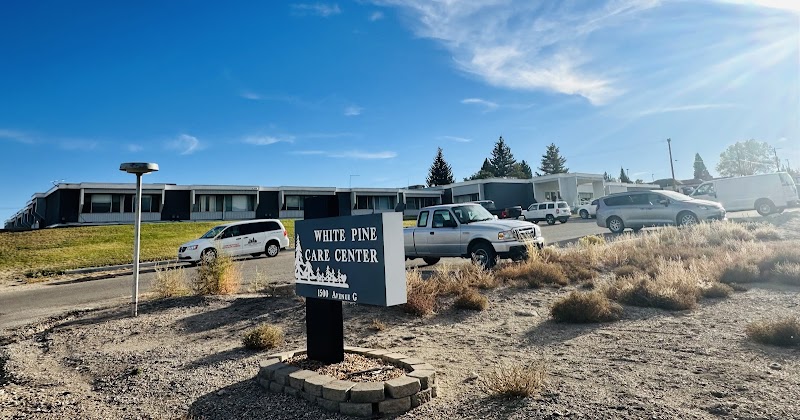
1500 AVENUE G, ELY, NV 89301 (775) 289-8801
For profit - Limited Liability company 97 Beds Independent Data: November 2025 1 Immediate Jeopardy citation
Trust Grade
0/100
Last Inspection: May 2025

Inspected within the last 6 months. Data reflects current conditions.

Overview

White Pine Care Center has a Trust Grade of F, indicating significant concerns about the quality of care provided. It ranks last in both Nevada and White Pine County, suggesting there are no other local facilities that are worse. The facility appears to be improving, with issues decreasing from 14 in 2024 to 7 in 2025, but staffing is a major concern, with a high turnover rate of 62%, well above the state average. The center has incurred $39,592 in fines, which is higher than 86% of other facilities in the state, raising concerns about compliance. Specific incidents include failing to monitor a resident after a fall, which could lead to further injuries, and not providing required training for Certified Nurse Aides, potentially compromising care quality.

Trust Score
F
0/100
In Nevada
#112/223
Top 50%
Safety Record
High Risk
Review needed
Inspections
Getting Better
14 → 7 violations
Staff Stability
⚠ Watch
62% turnover. Above average. Higher turnover means staff may not know residents' routines.
Penalties
✓ Good
$39,592 in fines. Lower than most Nevada facilities. Relatively clean record.
Skilled Nurses
⚠ Watch
Each resident gets only 27 minutes of Registered Nurse (RN) attention daily — below average for Nevada. Fewer RN minutes means fewer trained eyes watching for problems.
Violations
⚠ Watch
38 deficiencies on record. Higher than average. Multiple issues found across inspections.
☆☆☆☆☆
0.0
Overall Rating
☆☆☆☆☆
0.0
Staff Levels
☆☆☆☆☆
0.0
Care Quality
☆☆☆☆☆
0.0
Inspection Score
Stable
2024: 14 issues
2025: 7 issues

The Good

  • Full Sprinkler Coverage · Fire safety systems throughout facility
  • No fines on record

Facility shows strength in fire safety.

The Bad

Staff Turnover: 62%

16pts above Nevada avg (46%)

Frequent staff changes - ask about care continuity

Federal Fines: $39,592

Above median ($33,413)

Moderate penalties - review what triggered them

Staff turnover is elevated (62%)

14 points above Nevada average of 48%

The Ugly 38 deficiencies on record

1 life-threatening
May 2025 7 deficiencies
CONCERN (D) 📢 Someone Reported This

A family member, employee, or ombudsman was alarmed enough to file a formal complaint

Potential for Harm - no one hurt, but risky conditions existed

Deficiency F0552 (Tag F0552)

Could have caused harm · This affected 1 resident

**NOTE- TERMS IN BRACKETS HAVE BEEN EDITED TO PROTECT CONFIDENTIALITY** Based on interview, record review and document review the facility failed to ensure consent for psychotropic medications were ob...

Read full inspector narrative →
**NOTE- TERMS IN BRACKETS HAVE BEEN EDITED TO PROTECT CONFIDENTIALITY** Based on interview, record review and document review the facility failed to ensure consent for psychotropic medications were obtained for psychotropic medications for 2 of 12 sampled Residents (Resident 37 and 38). The deficient practice had the potential for resident or resident representatives to be informed of the purpose and the possible side effects of medication affecting brain functions. Findings include: Resident 37 (R37) R37 was admitted on [DATE], with diagnoses including major depressive disorder (MDD) and restlessness with agitation. R37's physician's order documented the following psychoactive medications: Seroquel (an antipsychotic medication) 25 milligrams (mg) by mouth one time a day for agitation. Order date: 5/1/2025. Seroquel 50 mg by mouth at bedtime for agitation. Order date: 4/30/2025. Sertraline Hydrochloride (HCl) (an antidepressant medication) 100 mg by mouth one time a day for MDD. Order date: 1/4/2025. R37's medical record lacked documented evidence a consent was obtained prior to initiating the pharmacological intervention. Resident 38 (R38) R38 was admitted on [DATE], with diagnoses including adult failure to thrive and depression. R38's physician's order documented the following psychoactive medications: Duloxetine Hydrochloride (HCl) (an antidepressant medication) 30 milligrams (mg) by mouth at bedtime. Order date: 1/13/2025. Duloxetine HCl 30 mg by mouth two times a day for pain. Order Date: 2/25/2025. Olanzapine (an antipsychotic medication) 5 MG by mouth at bedtime for Depression. Order Date: 1/12/2025. R38's medical record lacked documented evidence a consent was obtained prior to initiating the pharmacological intervention. On 05/07/25 at 9:15 AM, the interim Director of Nursing (DON) reviewed the medical records and confirmed the listed medications were psychotropic medications and consents were not in the medical records. The DON indicated psychotropic medications consent should be filed in the medical records upon obtaining. The DON acknowledged consents for psychoactive medications were important to ensure disclosure of the effects of the medications and the possible side effects were discussed with the residents or their representatives. The facility policy titled Use of Psychotropic Medications (undated), documented prior to initiating or increasing a psychotropic medication, the resident, family, and/or representative must be informed of the benefits, risks, and the alternatives for the medication, including black box warnings for antipsychotic medications, in advance of such initiation or increase.
CONCERN (D) 📢 Someone Reported This

A family member, employee, or ombudsman was alarmed enough to file a formal complaint

Potential for Harm - no one hurt, but risky conditions existed

Deficiency F0605 (Tag F0605)

Could have caused harm · This affected 1 resident

**NOTE- TERMS IN BRACKETS HAVE BEEN EDITED TO PROTECT CONFIDENTIALITY** Based on interview, record review and document review the facility failed to ensure 1) monitoring of psychotropic medications we...

Read full inspector narrative →
**NOTE- TERMS IN BRACKETS HAVE BEEN EDITED TO PROTECT CONFIDENTIALITY** Based on interview, record review and document review the facility failed to ensure 1) monitoring of psychotropic medications were documented in the medical record for 2 of 12 sampled Residents (Resident 9 and 20), and 2) psychotropic side effect monitoring orders were obtained for 3 of 12 sampled Residents (Resident 36, 37, and 38). The deficient practice had a potential for residents not to be monitored for early signs of side effects caused by psychoactive medications. Findings include: 1) Resident 9 (R9) R9 was admitted on [DATE], with diagnoses including Major Depressive Disorder (MDD) and schizoaffective disorder. R9's physician's order documented the following psychoactive medications: Aripiprazole (an antipsychotic medication) 2.5 milligrams (mg) by mouth one time a day related to MDD. Order Date: 01/25/2024. Duloxetine Hydrochloride (an antidepressant medication) 60 mg by mouth at bedtime related to MDD. Order date: 09/03/2024. Both Aripiprazole and Cymbalta had a black box warning (the most severe warning the Food Drug Administration - FDA places on a medication's label) specifying: Increased risk of suicide in adults. High risk of major depressive or other psychiatric disorders (mania, hallucinations). Resulted in numerous Birth defect. R9's physician's order dated 09/28/2024, documented Administration Note: Increased risk of suicide in adults. High risk of major depression or other psychiatric disorders (mania, hallucinations). Resulted in numerous Birth defect. Monitor every day and night shift. The order was transcribed onto the Medication Administration Record (MAR). Review of the nurse entries on the MAR revealed numerous encodings of #9 followed by the nurse initials, (MAR numerical legend indicated #9 as, other/ see progress notes). There was a lack of documented entries in the progress notes to indicate what was observed from the numerical entry of #9 from the nurse. Resident 20 (R20) R20 was admitted on [DATE], with diagnoses including hallucinations and insomnia due to other mental disorders. R20's physician's order documented the following psychoactive medications: Seroquel (an antipsychotic medication) 37.5 mg by mouth at bedtime for Prophylaxis. Order date 04/08/2025. Sertraline (an antidepressant medication) 25 mg by mouth one time a day for dementia with depressed mood. Order date: 06/04/2024. Trazodone (an antidepressant medication) 50 mg by mouth in the evening for Depression causing insomnia. Order date: 07/10/2024. Both Sertraline and Trazodone had a black Box Warning. Indicating: Suicidality and antidepressant drugs. Antidepressants increased the risk of suicidal thoughts and behavior in adult patients in short-term studies. Closely monitor all antidepressant-treated patients for clinical worsening, and for emergence of suicidal thoughts and behaviors. R20's physician's orders documented the following order: 09/28/2024, documented monitor for increased risk of suicide in adults. High risk of major depression or other psychiatric disorders (mania, hallucinations). Resulted in numerous Birth defect. Monitor every day and night shift 06/03/2024, Behaviors - Monitor for the following: hallucinations, two times a day. Review of April and May 2025, MAR revealed inconsistent monitoring of R20 wherein dates and shifts were not signed to attest monitoring of the behavior was completed. On 05/07/2025 at 9:15 AM, the Director of Nursing (DON) reviewed R9 and R20's MAR and progress notes. The DON confirmed entries of #9 on the MAR should be accompanied with a notation of the nurse in the progress notes. The DON indicated R20's MAR should be signed off every shift to verify the resident was monitored for the side effects of the psychotropic medication. 2) Resident 36 (R36) R36 was admitted on [DATE], with diagnoses including bipolar disorder and depression. R36's physician's order documented the following psychoactive medications: Bupropion (an antidepressant medication) 150 mg by mouth one time a day. Order date: 12/7/2024. Duloxetine Hydrochloride (and antidepressant medication) 60 mg by mouth one time a day. Order date: 12/7/2024. Clonazepam (a benzodiazepine sedative) 1 mg by mouth two times a day. Order date: 1/27/2025. Resident 37 (R37) R37 was admitted on [DATE], with diagnoses including major depressive disorder (MDD) and restlessness with agitation. R37's physician's order documented the following psychoactive medications: Seroquel (an antipsychotic medication) 25 mg by mouth one time a day for agitation. Order date: 5/1/2025. Seroquel (an antipsychotic medication) Oral 50 mg by mouth at bedtime for agitation. Order date: 4/30/2025. Sertraline (an antidepressant medication) 100 mg by mouth one time a day for MDD. Order date: 1/4/2025. Resident 38 (R38) R38 was admitted on [DATE], with diagnoses including adult failure to thrive and depression. R38's physician's order documented the following psychoactive medications: Duloxetine Hydrochloride (and antidepressant medication) 30 mg by mouth at bedtime. Order date: 1/13/2025 Duloxetine Hydrochloride (and antidepressant medication) 30 mg by mouth two times a day for pain. Order Date: 2/25/2025 Olanzapine (an antipsychotic medication) 5 mg by mouth at bedtime for Depression. Order Date: 1/12/2025 20:00 R36, R37 and R38's physician's orders for psychotropic medications had a corresponding block box warning indication to monitor for side effects. R36. R37 and R38's lacked documented evidence physician's orders for side effect monitoring was entered. On 05/06/2025 at 1:55 PM, a Licensed Practical Nurse (LPN) indicated the nurse entering the medication order was responsible for ensuring side effect monitoring orders were entered in conjunction with psychotropic medications with block box warnings. The nurse agreed some of the residents with psychotropic medications did not have the side effect monitoring orders placed as a physician's orders. On 05/07/25 at 9:15 AM, the Director of Nursing (DON) reviewed the medical records and confirmed the medications were psychotropic medications with block box warnings. The DON confirmed R36, 37 and R38 did not have any orders to monitor the side effects of the medications. The DON acknowledged the importance of the early detection of the side effects of the drug. The facility policy titled Use of Psychotropic Medications (undated), documented the resident's response to the medication, including progress towards goals and presence and absence of adverse consequences, shall be documented in the resident's medical record.
CONCERN (D) 📢 Someone Reported This

A family member, employee, or ombudsman was alarmed enough to file a formal complaint

Potential for Harm - no one hurt, but risky conditions existed

Report Alleged Abuse (Tag F0609)

Could have caused harm · This affected 1 resident

**NOTE- TERMS IN BRACKETS HAVE BEEN EDITED TO PROTECT CONFIDENTIALITY** Based on interview, record review and document review, the facility failed to ensure timely reporting to the State Agency of an ...

Read full inspector narrative →
**NOTE- TERMS IN BRACKETS HAVE BEEN EDITED TO PROTECT CONFIDENTIALITY** Based on interview, record review and document review, the facility failed to ensure timely reporting to the State Agency of an incident of abuse for 1 of 12 sampled Resident (Resident 30). The deficient practice had potential for an untimely review by the SA of the investigative process completed by the facility to ensure corrective actions were taken. Findings include: Resident 30 (R30) R30 was admitted on [DATE], with diagnoses including hypertension and chronic obstructive pulmonary disease. Resident 5 (R5) R5 was admitted on [DATE], with diagnoses including epilepsy and schizoaffective disorder. Review of R30's medical record documented an incident with R5. A summary of the incident is as follows: On 03/06/2025 at approximately 8:35 PM, R30 was having a conversation with one of the nurses. R5 walked over to the office to join the conversation and was standing in the doorway when R5 began to lean forward as if was going to fall. To regain balance, R5 reached out and placed hand on R30's left neck in the space between neck and shoulder. R30 put hand on R5's abdominal area to keep from falling. R5 then began to shout at R30 to not touch the resident. R5 repeated self three times. The nurse had already gotten out of the chair when two CNAs arrived at the office door to help and to redirect R5 back to the room. No restraint or force was needed or used. R30 stated having pain on the resident's left side from the weight of R5 trying to regain balance but declined further medical evaluation. R5 and R30's progress notes revealed no untoward effects of the incident. Review of the investigation packet completed by the facility revealed the facility had completed a thorough investigation of the incident. The compiled staff statements revealed R30 continuously alleged R5 of physical abuse after the incident. The report documented the Administrator in Training (AIT) was made aware of the incident on 03/07/2025 at 1:00 PM. The Facility Reported Incident was filed initially to the SA on 03/12/2025, and a final report on 03/14/2025. On 05/06/2025 at 2:50 PM, the AIT confirmed the reporting was delayed to the SA and the incident should have been reported within the 24-hour period. The AIT acknowledged the importance of reporting abuse to the SA and compliance with the regulations. The facility policy titled Abuse, Neglect and Exploitation (undated), documented reporting all alleged violations to the Administrator, state agency, adult protective services and to all other required agencies (e.g. law enforcement when applicable) within specified time frames: Not later than 24 hours if the event that caused do not involve abuse and do not result in serious bodily injury.
CONCERN (D) 📢 Someone Reported This

A family member, employee, or ombudsman was alarmed enough to file a formal complaint

Potential for Harm - no one hurt, but risky conditions existed

Quality of Care (Tag F0684)

Could have caused harm · This affected 1 resident

**NOTE- TERMS IN BRACKETS HAVE BEEN EDITED TO PROTECT CONFIDENTIALITY** Based on observation, interview, record review and document review, the facility failed to ensure 1) a neurological check after ...

Read full inspector narrative →
**NOTE- TERMS IN BRACKETS HAVE BEEN EDITED TO PROTECT CONFIDENTIALITY** Based on observation, interview, record review and document review, the facility failed to ensure 1) a neurological check after a head injury was completed for 1 of 12 sampled Residents (Resident 14). The deficient practice had potential for a resident not to be monitored for latent effects of a head injury and 2) splinting orders were obtained for 1 of 12 sampled Resident (Resident 9). The deficient practice had potential for not receiving continuity of care with prevention of contractures. Findings include: 1) Resident 14 (R14) R14 was admitted on [DATE], with diagnoses including Parkinson's disease and muscle weakness. R14's progress notes documented the following incident: On 04/08/2025 at 2:20 PM, Incident Note: Member of housekeeping alerted Nursing Staff about R14 falling after standing from wheelchair in front of nightstand. R14 fell and hit the right ear lobe and began bleeding. R14 is also on a blood thinner which could have increased the bleeding. R14 was helped back into the wheelchair by the staff. Nursing had bandaged the ear after hearing aid was removed. R14 was transported via facility van to the Emergency Department (ED) with two certified nursing aides. R14 was returned to the facility the same day after treatment and evaluation from the ED. A physician's visit note dated 04/09/2025 at 9:25 AM, documented ground-level fall on 04/08/2025 due to slippers around 2:00 PM, unwitnessed, sustained right ear laceration status post suture placement in emergency room, questionable head injury and loss of consciousness. Physical exam with right ear laceration with suture, no bleeding. Slow on cerebellar function with finger-to-nose test and alternate hand turning. Start neuro check for 3 days and head computerized tomography scan (CT). Continue trending vital signs 3 times daily for 1 week. Suture to be removed in 10 days. R14's medical records lacked documented evidence, a post fall assessment and neurological checks were completed after a fall causing a head injury. On 05/07/2025 at 9:28 AM, the interim director of nursing (DON) indicated remembering the incident. The DON reviewed R14's medical record and confirmed the absence of fall assessment and neurological checks. The DON acknowledged neuro checks should have been initiated after the fall and continued even with a negative CT of the head, to ensure the resident is monitored for any latent effects of a head injury. The facility policy titled Head Injury (Undated), documented 1) assess resident following a known, suspected, or verbalized head injury. 4) perform neuro checks as indicated or as specified by the physician. 2) Resident 9 (R9) R9 was admitted on [DATE], with diagnoses including hemiparesis following cerebral infarction and muscle weakness. R9 was observed on 05/05/2025 at 10:36 AM, wearing a right arm splint and deformity of the right lower extremity with right foot pointing inward and slight drop. R9 indicated staff applies the right arm splint. R9's physician's order dated 02/05/2025: Occupational Therapy (OT) clarification: Resident to participate in skilled OT services three times a week for 4 weeks for diagnosis: hemiplegia and hemiparesis following cerebral infarction affecting right dominant side, muscle weakness, flaccid hemiplegia affecting right dominant side. Plan of Care (POC) to include the following: orthotic management and training, therapeutic activity, self-care training, therapeutic exercises, neuromuscular re-education. No directions specified for order. R9's OT Discharge summary dated [DATE], documented under Discharge Recommendations and Status: Functional Maintenance - Splint and Brace program established/trained: wear schedule for right hand orthotic. R9's medical record lacked physician order for the application and care/maintenance of the right-hand splint. On 05/05/2025 at 2:47 PM, the Occupational Therapist Assistant (OTA) indicated R9 has been diligent in requesting right arm splint to be applied by staff. The OTA confirmed there was no set schedule for the splint to be applied. The OTA agreed physician orders should have been placed to ensure staff would apply the splint according to specific orders. On 05/05/2025 at 3:12 PM, the Director of Nursing (DON) confirmed R9 wears a right arm splint and indicated the importance of having a physician's order to ensure implementation of splint care. The DON acknowledged nursing would take therapy discharge recommendations and implement it as a physician's order then transcribe the order onto the treatment administration record. The process ensures staff would be triggered to apply the splint and ensures continuity of care. The facility policy titled Provisions of Physician's Orders (undated), documented qualified nursing personnel will submit timely requests for physician ordered services from the appropriate entity. This policy is to provide reliable processes for the proper and consistent provision of physician ordered services according to professional standards of care.
CONCERN (D) 📢 Someone Reported This

A family member, employee, or ombudsman was alarmed enough to file a formal complaint

Potential for Harm - no one hurt, but risky conditions existed

Deficiency F0688 (Tag F0688)

Could have caused harm · This affected 1 resident

**NOTE- TERMS IN BRACKETS HAVE BEEN EDITED TO PROTECT CONFIDENTIALITY** Based on observation, interview, record review and document review, the facility failed to ensure a resident was assessed and in...

Read full inspector narrative →
**NOTE- TERMS IN BRACKETS HAVE BEEN EDITED TO PROTECT CONFIDENTIALITY** Based on observation, interview, record review and document review, the facility failed to ensure a resident was assessed and interventions were implemented for upper extremity contractures for 1 of 12 sampled Residents (Resident 10). The deficient had potential for a resident not to maintain mobility and prevent the progression of contractures. Findings include: Resident 10 (R10) R10 was admitted on [DATE], with diagnoses including spastic hemiplegic cerebral palsy and scoliosis. On 05/04/2024 at 2:45 PM and 05/05/2025 at 10:10 AM, R10 was observed mobilizing self in a wheelchair. R10 was noted to have right arm pulled to upper chest and with wrist and hand curling. There was no support to the arm and hands preventing the involuntary flexion (a bending movement around a joint in a limb that decreases the angle between the bones of the limb at the joint of the muscles) of the right upper extremity. R10's last Occupational Therapy (OT) Discharge summary dated [DATE], documented R10 was able to raise arms straight out from shoulders. The prognosis is to maintain the current level of function was good with consistent staff follow-through. R10's Progress Notes documented the following assessments: 04/22/2024 at 9:27 PM, Note Text: This writer completed MDS interviews/assessments for R10. R10 had a right arm contracture. R10's Comprehensive Care Plan dated 10/24/2024 at 10:49 AM, documented R10 has limited physical mobility related to spastic hemiplegic cerebral palsy and multiple previous fractures. R10 will remain free of complications related to immobility, including contractures, thrombus formation, skin-breakdown, fall related injury through the next review date. Monitor/document/report as needed signs and symptoms of immobility: contractures forming or worsening, thrombus formation, skin-breakdown, fall related injury. R10's medical record lacked documented evidence of any current involvement of rehabilitative services, physicians' orders to prevent and improve limitations of ROM and care plan interventions to prevent contractures. On 05/05/2025 at 3:12 PM, the Director of Nursing (DON) confirmed had observed R10's right arm and hand contractures. The DON reviewed R10's medical record and confirmed R10's lack of care plan interventions and orders to have rehabilitative services to assess R10's progression of right arm contracture from the last OT services. The DON indicated early detection of contractures should be part of nursing assessments and interventions should have been put into place to prevent progression. The facility policy titled Conducting an Accurate Assessment (undated), documented the physical, mental and psychological condition of the resident determines the appropriate level of involvement of physicians, nurses, rehabilitation services, activities, social workers, dieticians and other professionals in assessing the residents and in correcting resident assessments.
CONCERN (D) 📢 Someone Reported This

A family member, employee, or ombudsman was alarmed enough to file a formal complaint

Potential for Harm - no one hurt, but risky conditions existed

Respiratory Care (Tag F0695)

Could have caused harm · This affected 1 resident

**NOTE- TERMS IN BRACKETS HAVE BEEN EDITED TO PROTECT CONFIDENTIALITY** Based on observation, interviews, record review and document review, the facility failed to ensure Oxygen (O2) saturations (a me...

Read full inspector narrative →
**NOTE- TERMS IN BRACKETS HAVE BEEN EDITED TO PROTECT CONFIDENTIALITY** Based on observation, interviews, record review and document review, the facility failed to ensure Oxygen (O2) saturations (a measure of how much oxygen a person's blood is carrying, expressed as a percentage) were obtained as ordered for the titration of O2 for 2 of 12 sampled residents (Resident 4 and 36). The deficient practice had potential for a resident to receive more O2 than what the body requires. Resident 4 (R4) R4 was admitted on [DATE], with diagnoses including chronic kidney disease and hypertension. On 05/04/2025 at 3:45 PM, R4 was observed sitting by the bedside with an oxygen cannula. The resident's concentrator (a medical device that separates oxygen from air, providing a higher concentration of oxygen to individuals who need supplemental oxygen therapy) was set to deliver 4 liters of Oxygen. R4 shrugged shoulders when asked who adjusts the level of the Oxygen machine. R4 physician's order dated 10/12/2024, documented Oxygen: (2 to 4) Liters per minute, Delivery: Cannula or mask to keep Oxygen saturation (O2 sats) greater than 90%, every shift for low O2 sats. R4's April and May Medication Administration Record (MAR) revealed inconsistent documentation of obtaining the resident's O2 saturations. Resident 36 (R36) R36 was admitted on [DATE], with diagnoses including chronic ischemic heart disease and peripheral vascular diseases On 05/05/2025 at 8:47 AM, R36 was observed with the O2 concentrator set at 5 liters via nasal cannula. R5 indicated nurses were the ones adjusting the level of O2. R36 physician's order lacked any specific O2 liters to be delivered. A physician's order dated 12/07/2024, documented O2 saturation every shift. R36's April and May Medication Administration Record (MAR) revealed inconsistent documentation of obtaining the resident's O2 saturations. On 05/05/25 at 3:20 PM, the Director of Nursing (DON) reviewed R4 and R5's MAR and confirmed the inconsistent documentation of the resident's O2 saturations. The DON acknowledged the importance of monitoring O2 saturations and adjusting the O2 liters to the least possible amount while maintaining adequate oxygenation. The facility policy titled Oxygen Administration (undated), documented monitoring O2 saturation levels and/or vital signs as ordered by the physician.
CONCERN (E) 📢 Someone Reported This

A family member, employee, or ombudsman was alarmed enough to file a formal complaint

Potential for Harm - no one hurt, but risky conditions existed

Comprehensive Care Plan (Tag F0656)

Could have caused harm · This affected multiple residents

**NOTE- TERMS IN BRACKETS HAVE BEEN EDITED TO PROTECT CONFIDENTIALITY** Based on observation, interview, record review and document review, the facility failed to ensure comprehensive care plans were ...

Read full inspector narrative →
**NOTE- TERMS IN BRACKETS HAVE BEEN EDITED TO PROTECT CONFIDENTIALITY** Based on observation, interview, record review and document review, the facility failed to ensure comprehensive care plans were created for 1) contractures and its management for 2 of 12 sampled residents (Resident 9 and 10) and 2) use of psychotropic medications with its corresponding indications and diagnoses for 5 of 12 sampled residents (Resident 9, 20, 36, 37 and 38). The deficient practice had potential for residents not to have care that is person centered pertaining to their diagnoses, medications, monitoring and care needs. Findings include: 1) Resident 9 (R9) R9 was admitted on [DATE], with diagnoses including hemiparesis following cerebral infarction and muscle weakness. R9 was observed on 05/05/2025 at 10:36 AM, wearing a right arm splint and deformity of the right lower extremity with right foot pointing inward and slight drop. R9 indicated staff applies the right arm splint. R9 physician's order dated 02/05/2025: Occupational Therapy (OT) clarification: Resident to participate in skilled OT services three times a week for 4 weeks. R9's OT Discharge summary dated [DATE], documented under Discharge Recommendations and Status: Functional Maintenance - Splint and Brace program established/trained: Wear schedule for right hand orthotic. R9's comprehensive care plan lacked documented evidence in addressing R9's contractures and use of splints. On 05/05/2025 at 3:12 PM, the consultant director of nursing (DON) confirmed R9 wears a right arm splint and indicated the importance of having a comprehensive care plan in addressing the application of the splint and also the care and maintenance needed for a resident wearing a splint. Resident 10 (R10) R10 was admitted on [DATE], with diagnoses including spastic hemiplegic cerebral palsy and scoliosis. On 05/04/2024 at 2:45 PM and 05/05/2025 at 10:10 AM, R10 was observed mobilizing self in a wheelchair. R10 was noted to have right arm pulled to upper chest and with wrist and hand curling. There was no support to the arm and hands preventing the involuntary flexion (a bending movement around a joint in a limb that decreases the angle between the bones of the limb at the joint of the muscles) of the right upper extremity. R10's Comprehensive Care Plan dated 10/24/2024 at 10:49 AM, documented R10 has limited physical mobility related to spastic hemiplegic cerebral palsy and multiple previous fractures. R10 will remain free of complications related to immobility, including contractures, thrombus formation, skin-breakdown, fall related injury through the next review date. Monitor/document/report as needed signs and symptoms of immobility: contractures forming or worsening, thrombus formation, skin-breakdown, fall related injury. R10's current comprehensive care plan lacked documented evidence of any interventions to prevent and improve limitations of ROM and any interventions to prevent contractures. On 05/05/2025 at 3:12 PM, the DON confirmed had observed R10's right arm and hand contractures. The DON reviewed R10's medical record and confirmed R10's lack of care plan interventions. The consultant indicated care plan interventions for contractures could be as simple as nursing practices and be part of nursing assessments and interventions which should have been put into place to prevent progression of contractures. 2) Resident 9 (R9) R9 was admitted on [DATE], with diagnoses including major depressive disorder (MDD) and schizoaffective disorder. R9's physician's order documented two active psychotropic medications. Resident 20 (R20) R20 was admitted on [DATE], with diagnoses including hallucinations and insomnia due to other mental disorders. R20's physician's order documented three active psychotropic medications: Resident 36 (R36) R36 was admitted on [DATE], with diagnoses including bipolar disorder and depression. R36's physician's order documented three active psychotropic medications. Resident 37 (R37) R37 was admitted on [DATE], with diagnoses including major depressive disorder (MDD) and restlessness with agitation. R37's physician's order documented three active psychotropic medications. Resident 38 (R38) R38 was admitted on [DATE], with diagnoses including adult failure to thrive and depression. R37's physician's order documented two active psychotropic medications. R9, R20, R36, R37 and R38 lacked a comprehensive care plan addressing the residents' diagnoses and the psychotropic medications the residents are receiving. On 05/06/2025 at 1:55 PM, the Licensed Practical Nurse (LPN) indicated the nurse entering the medication order was responsible for ensuring side effect monitoring orders were entered in conjunction with psychotropic medications with black box warnings. The nurse indicated the DON in conjunction with MDS was responsible for entering care plans for the residents. On 05/07/25 at 9:15 AM, the Director of Nursing (DON) reviewed the medical records and confirmed the lack of care plans pertaining to the resident's diagnoses. The DON agreed psychiatric diagnoses and psychotropic medications should be carefully care planned due to the numerous interventions that had be covered in terms of behavioral interventions, care approaches and the management of psychotropic medications. The facility policy titled Use of Psychotropic Medications (undated), documented the effects of psychotropic medications on a resident's physical, mental, and psychological well-being will be evaluated on an ongoing basis, such as: In accordance with nurse assessments and medication monitoring parameters consistent with clinical standards of practice and the resident's comprehensive plan of care. The facility policy titled Comprehensive Care Plan (Undated), documented the facility is to develop and implement a comprehensive person-centered care plan for each resident, consistent with resident rights, that includes measurable objective and time frames to meet a resident's medical, nursing and mental and psychological needs and ALL services that are identified in the resident comprehensive assessment and meet professional standards of care.
Apr 2024 14 deficiencies
CONCERN (D)

Potential for Harm - no one hurt, but risky conditions existed

Assessment Accuracy (Tag F0641)

Could have caused harm · This affected 1 resident

**NOTE- TERMS IN BRACKETS HAVE BEEN EDITED TO PROTECT CONFIDENTIALITY** Based on interview, record review, and review of the RAI (Resident Assessment Instrument) manual, the facility failed to ensure ...

Read full inspector narrative →
**NOTE- TERMS IN BRACKETS HAVE BEEN EDITED TO PROTECT CONFIDENTIALITY** Based on interview, record review, and review of the RAI (Resident Assessment Instrument) manual, the facility failed to ensure the accuracy of the Minimum Data Set (MDS) assessment for 1 of 17 sampled residents (Resident (R) 5). The facility failed to accurately assess a fall with injury and this failure placed R5 at risk of having unmet care needs and a diminished quality of life. Findings include: The RAI Manual 3.0, dated 10/23, revealed .If an MDS assessment is found to have errors that incorrectly reflect the resident's status, then that assessment must be corrected . R5's admission Record provided by the Director of Nursing (DON), revealed R5 was admitted to the facility on [DATE] with a diagnosis of Alzheimer's disease. The quarterly MDS, with an Assessment Reference Date (ARD) of 02/12/24, revealed R5 had a Brief Interview for Mental Status (BIMS) score of 3 out of 15, which indicated the resident was severely impaired in cognition and had no falls since the previous assessment. Review of a Transfer to Hospital Summary, dated 01/17/24, revealed R5 was found on the floor mat with a small laceration on the top of head. On 04/18/24 at 8:43 AM, the DON was asked if the quarterly MDS coding was accurate for falls. The DON stated, It was a coding error.
CONCERN (D)

Potential for Harm - no one hurt, but risky conditions existed

Comprehensive Care Plan (Tag F0656)

Could have caused harm · This affected 1 resident

**NOTE- TERMS IN BRACKETS HAVE BEEN EDITED TO PROTECT CONFIDENTIALITY** Based on observations, interviews, record review, review of the Resident Assessment Instrument (RAI) Manual, and facility policy...

Read full inspector narrative →
**NOTE- TERMS IN BRACKETS HAVE BEEN EDITED TO PROTECT CONFIDENTIALITY** Based on observations, interviews, record review, review of the Resident Assessment Instrument (RAI) Manual, and facility policy review, the facility failed to ensure that 1 of 17 sampled residents (Resident (R) 10) had a comprehensive care plan developed that addressed communication needs and failed to ensure 2 of 17 sampled residents (R19 and R28) had a comprehensive care plan developed that addressed nutrition. The deficient practices placed the residents at risk for not receiving appropriate patient centered care. Findings include: Review of the Long-term Care Facility Resident Assessment Instrument 3.0 User's Manual, revised October 2023, revealed, Chapter 4: Care Area Assessment (CAA) Process and Care Planning, 4.1 Background and Rationale .Regulations require facilities to complete, at a minimum and at regular intervals, a comprehensive, standardized assessment of each resident's functional capacity and needs, in relation to a number of specified areas (e.g., customary routine, vision, and continence). The results of the assessment, which must accurately reflect the resident's status and needs, are to be used to develop, review, and revise each resident's comprehensive plan of care. Resident 10 (R10) R10's admission Minimum Data Set (MDS) with an Assessment Reference Date (ARD) of 01/31/24, revealed R10 had an admission date of 01/23/24. R10 had a Brief Interview for Mental Status (BIMS) score of 12 out of 15, indicating R16 had moderate cognitive impairment and diagnoses of hemiplegia and hemiparesis following cerebral infarction affecting right dominant side, stroke, and aphasia. R10's Care Area Assessment (CAA) Summary with an ARD date of 01/31/24, revealed 4. Communication triggered for a care plan. R10's Personal Directives for Quality of Living, dated 01/29/24 documented, I want my care partners to know A. I communicate better with pictures and A Good Day for me would be (things I value about my day) F. unable to answer. R10's care plan, dated 02/01/24, revealed R10's Personal Directives for Quality of Living, with an intervention that documented, I want my Care Partners to know I communicate better with photos. No care plan was found addressing R10's communication deficit that included measurable objectives and timeframes. On 04/18/24 at 12:23 PM, R10 was sitting in the wheelchair in the resident's room watching TV. R10 was asked questions about lunch and R10 was having difficulty communicating. R10 was then asked if the resident had a communication board with pictures to make communication easier and R10 said, no. R10 was then asked if the resident would like one and responded yes. On 04/18/24 at 12:39 PM, Social Services Designee (SSD) was asked who was responsible for care planning communication. SSD stated either nursing, social services, or activities. SSD reviewed the EMR and confirmed there was no care plan addressing R10's communication deficit that included measurable objectives and timeframes. On 04/19/24 at 11:59 AM, Director of Nursing (DON) was asked who developed the care plans. DON stated the MDS coordinator, but the coordinator was unavailable. DON was asked if there was a care plan addressing R10's communication deficit as the MDS triggered for a care plan. DON reviewed the EMR and the CAA and confirmed it should have been fully care planned. Resident 19 (R19) Review of the admission Record, provided by the DON, revealed R19 was admitted to the facility on [DATE] with diagnoses that included dehydration, urinary tract infection, and diarrhea. A Nutrition/Dietary Note, dated 03/15/24 revealed, .Diet: NAS [no added salt], chopped meat, thin liquids .Able to feed self with tray set-up. No swallowing issues noted .Allergies; citrus products, strawberry, tomato, turkey . A Nutrition/Dietary Note, dated 03/17/24 revealed, .Pt. requested soft and bite sized texture, allow bread-pref (sic) for white bread; rt [related to] chewing difficulties, missing teeth. Requested ice cream .No seeds/nuts rt diverticulitis (an inflammation in the colon) . The admission MDS with an ARD of 03/19/24, revealed R19 had a BIMS score of 13 out of 15 which indicated R19 was cognitively intact. The admission MDS titled, CAA (Care Area Assessment) determined that nutrition was triggered and that a care plan would be developed. Review of the Comprehensive Care Plan revealed no Nutrition Care Plan was developed. On 04/16/24 at 2:57 PM, R19 stated, The food is good, but it's my diet. I don't think I am served food that meets my sensitive stomach. On 04/18/24 at 2:15 PM, the Registered Dietician (RD) was asked if the RD was responsible for developing the Nutrition Care Plan. The RD stated, no, it would be the CDM (Dietary Manager-DM). On 04/18/24 at 2:31 PM, the DM was asked if the DM was responsible for developing the Nutrition Care Plan. The DM stated, yes, I do the care plans. The DM was asked if a Nutrition Care Plan had been developed for R19. The DM confirmed that there was no Nutrition Care Plan for R19. Resident 28 (R28) R28's admission Record, undated, indicated R28 was admitted to the facility on [DATE] with diagnoses of acute hepatitis C without hepatic coma, colon and rectal cancer, and diabetes. R28's Care Plan revealed R28's comprehensive care plan dated 09/22/23, did not include prevention for weight loss, refusals of meals or interventions to prevent weight loss. On 04/18/24 at 2:15 PM, the RD stated the RD does not implement, complete or revise care plans for nutritional issues and that was completed by the DM. The RD also stated would not be aware if the care plan did not include nutritional concerns. On 04/18/24 at 3:00 PM, the DM confirmed was responsible for resident care plans related to nutritional issues but was unable to state why R28 did not have care plan interventions for weight loss.
CONCERN (D)

Potential for Harm - no one hurt, but risky conditions existed

Deficiency F0657 (Tag F0657)

Could have caused harm · This affected 1 resident

**NOTE- TERMS IN BRACKETS HAVE BEEN EDITED TO PROTECT CONFIDENTIALITY** Resident 5 (R5) R5's admission Record revealed R5 was admitted to the facility on [DATE] with a diagnosis of Alzheimer's disease...

Read full inspector narrative →
**NOTE- TERMS IN BRACKETS HAVE BEEN EDITED TO PROTECT CONFIDENTIALITY** Resident 5 (R5) R5's admission Record revealed R5 was admitted to the facility on [DATE] with a diagnosis of Alzheimer's disease. R5's Fall Care Plan, dated 08/05/22 and revised on 05/09/23 revealed, R5 is HIGH risk for falls r/t [related to] confusion, poor communication/comprehension, unaware of safety needs, vision/hearing problems. R5 had two unwitnessed falls without injury on 08/14/22 and on 05/08/23. A Transfer to Hospital Summary dated 01/17/24, revealed R5 was found on the floor mat with a small laceration on the top of head. The Fall Care Plan was not updated/revised with the 01/17/24 fall with injury. In addition, there were no approaches developed to keep R5 safe. The quarterly MDS with an ARD of 02/12/24 revealed, R5 had a BIMS score of 3 out of 15 which indicated R5 was severely impaired in cognition. On 04/17/24 at 3:02 PM, the DON confirmed the Fall Care Plan for R5 was not updated/revised after the 01/17/24 fall with injury. Based on observations, interviews, record review, and review of the Resident Assessment Instrument (RAI) Manual, the facility failed to ensure one resident (Resident (R) 13) reviewed for range of motion (ROM) and nutrition, had the care plans revised, and one resident (R5) reviewed for falls, had the care plan revised out of 17 sampled residents. The deficient practices placed the residents at risk for not receiving the care based upon their needs. Findings include: Review of the Long-term Care Facility Resident Assessment Instrument 3.0 User's Manual, revised October 2023, revealed Chapter 4: Care Area Assessment (CAA) Process and Care Planning, 4.1 Background and Rationale .Regulations require facilities to complete, at a minimum and at regular intervals, a comprehensive, standardized assessment of each resident's functional capacity and needs, in relation to a number of specified areas (e.g., customary routine, vision, and continence). The results of the assessment, which must accurately reflect the resident's status and needs, are to be used to develop, review, and revise each resident's comprehensive plan of care. Resident 13 (R13) R13's Face Sheet indicated R13 was admitted on [DATE] with diagnoses of cerebral palsy (CP), autistic disorder, and severe intellectual disabilities. R13's Care Plan revised 12/22/21, revealed R13 could have nutrition, hydration status altered or at risk for alteration related to cognitive/intellectual disability, behavior issues, potential for dehydration. Interventions: Adaptive devices used, scoop plate, etc .house supplements to be added to all meals .magic cup supplement to be added to all meals. During breakfast meal observation on 04/18/24 at 8:13 AM and on 04/19/24 at 9:30 AM, R13's tray had no scoop plate, house supplement and/or magic cup. During lunch meal observation on 04/18/24 at 11:55 AM and 04/19/24 at 12:01 PM, R13's tray had no scoop plate, house supplement and/or magic cup. During breakfast meal observation on 04/18/24 at 8:13 AM, R13's tray was sitting on a table in the main dining room without a scoop plate, house supplement, and/or magic cup. During lunch meal observation on 04/18/24 at 11:55 AM, R13's untouched tray was sitting on R13's overbed table without a scoop plate, house supplement and/or magic cup. During breakfast meal observation on 04/19/24 at 9:30 AM, R13's finished tray was sitting on R13's overbed table without a scoop plate, house supplement and/or magic cup. During lunch meal observation on 04/19/24 at 12:01 PM, R13's untouched tray was sitting on R13's overbed table without a scoop plate, house supplement and/or magic cup. Physician Orders dated 05/15/18 documented, house supplements with meals discontinued. Physician Orders dated 03/26/19 documented, magic cup with meals discontinued. Physician Orders dated 05/30/23 documented, nutritional enhanced meal (NEM) diet, regular texture .scoop plate discontinued. R13's Care Plan revised 08/13/20, revealed R13 had limited physical mobility related to Cerebral palsy, seizure disorder, and behaviors that prevent care at times. Interventions: Nursing rehab/restorative: AROM program and PROM program. Physician Orders revealed, Restorative Nursing program to include active range of motion (AROM), passive ROM (PROM) was discontinued on 12/21/23. On 04/18/24 at 1:21 PM, the Director of Nursing (DON) confirmed R13's care plan for AROM and PROM has not been updated and indicated it should have been. At 4:19 PM, the DON confirmed R13's nutritional care plan has not been updated for scoop plate, and nutritional supplements that were discontinued.
CONCERN (D)

Potential for Harm - no one hurt, but risky conditions existed

Deficiency F0676 (Tag F0676)

Could have caused harm · This affected 1 resident

Based on observation, interview, record review, and facility policy review, the facility failed to assist with a communication deficit for one of one resident (Resident (R) 10), reviewed for communica...

Read full inspector narrative →
Based on observation, interview, record review, and facility policy review, the facility failed to assist with a communication deficit for one of one resident (Resident (R) 10), reviewed for communication out of 17 sampled residents. Findings include: The facility's policy titled, Activities of Daily Living [ADL], Supporting, revised 03/03/24 revealed, Appropriate care and services will be provided for residents who are unable to carry out ADLs independently, with the consent of the resident and in accordance with the plan of care, including appropriate support and assistance with: .e. communication (speech, language, and any functional communication systems). Resident 10 (R10) R10's admission Minimum Data Set (MDS) with an Assessment Reference Date (ARD) of 01/31/24, revealed R10 had an admission date of 01/23/24. R10 had a Brief Interview for Mental Status (BIMS) score of 12 out of 15, indicating R10 had moderately impaired cognition, and diagnoses of hemiplegia and hemiparesis following cerebral infarction affecting right dominant side, stroke, and aphasia. R10's Personal Directives for Quality of Living, dated 01/29/24 documented, I want my care partners to know A. I communicate better with pictures and A Good Day for me would be (things I value about my day) F. unable to answer. R10's Care Plan, dated 02/01/24 revealed, R10's Personal Directives for Quality of Living with an intervention that included I want my Care Partners to know: I communicate better with photos. A progress note, dated 04/12/24 revealed, Dx. [diagnosis] Hemiplegia and hemiparesis following cerebral infarction affecting right dominant side. Patient with unclear speech at times but able to make needs known. Usually understood and usually understands others. Hearing adequate. Vision impaired-wears glasses. Patient unable to read words aloud however was able to decipher small print shapes. DX [diagnosis] of aphasia . During an observation and interview on 04/18/24 at 12:23 PM, R10 was sitting in the wheelchair in the resident's room watching television. R10 was asked questions about lunch and R10 was having difficulty communicating. R10 was then asked if the resident had a communication board with pictures to make communication easier and R10 said, no. R10 was then asked if would like one and the resident replied,yes. On 04/18/24 at 12:39 PM, Social Services Designee (SSD) was asked if R10 had a communication board with pictures to enhance R10's communication. SSD stated not aware of the resident having one. SSD stated R10 communicated pretty well with staff, but R10 couldn't read or write. SSD was informed R10 stated a communication board with pictures would improve communication. On 04/18/24 at 1:21 PM, Certified Nurse Aide (CNA) 2 was asked if R10 had a communication board with pictures and CNA2 stated no. CNA2 was asked if thought R10 would benefit from a communication board with pictures. CNA2 stated yes, because R10 could only say yes, no and a few other words such as shower. CNA2 stated thought the facility had a board R10 could use. On 04/19/24 at 10:30 AM, Hospitality Aide (HA) 3 was asked if R10 had limited speech and did R10 have difficulty communicating. HA3 stated yes, R10 could only say yes, no, water, and just a few other words so the HA3 tried to simplify communication with R10. HA3 was asked if R10 had an alternative way to communicate and HA3 stated, no. HA3 was asked if R10 had a communication board with pictures and HA3 stated, no. HA3 was asked if a board with pictures would help with R10's communication and HA3 stated definitely. On 04/19/24 at 11:20 AM, Licensed Practical Nurse (LPN) 1 stated R10 had a communication deficit and could make needs known in the resident's normal realm but outside of the resident's norm,had trouble communicating. LPN1 stated for example, R10 came to the LPN a little while ago trying to communicate was having trouble with a roommate and holding up fist to express anger. LPN1 went on to say, at times some staff struggle to understand R10. LPN1 recommended staff use a white board when communicating with R10.
CONCERN (D)

Potential for Harm - no one hurt, but risky conditions existed

Deficiency F0679 (Tag F0679)

Could have caused harm · This affected 1 resident

**NOTE- TERMS IN BRACKETS HAVE BEEN EDITED TO PROTECT CONFIDENTIALITY** Based on observations, interviews, record review, and facility policy review, the facility failed to provide an ongoing program ...

Read full inspector narrative →
**NOTE- TERMS IN BRACKETS HAVE BEEN EDITED TO PROTECT CONFIDENTIALITY** Based on observations, interviews, record review, and facility policy review, the facility failed to provide an ongoing program of activities designed to support the physical, mental, and psychosocial well-being for 1 of 17 sampled residents (Resident (R) 13). This failure had the potential to negatively impact R13's quality of life. Findings include: Review of facility's policy titled, Activity Evaluation, revised 03/03/24, revealed Policy Interpretation and Implementation .The activity evaluation is used to develop individual activities care plan (separate from or as part of the comprehensive care plan) that will allow the resident to participate in activities of his/her choice and interest .Each resident's activities care plan relates to his/her comprehensive assessment and reflects his/her individual needs .Through the interdisciplinary process, the activity evaluation and activities care plan identify if a resident is capable of pursuing activities independently, or if supervision and assistance are needed .The completed activity evaluation is part of the resident's medical record and is updated as necessary, but at least quarterly. Resident 13 (R13) R13's Face Sheet indicated R13 was admitted on [DATE] with diagnoses of cerebral palsy (CP), autistic disorder, and severe intellectual disabilities. R13's annual Minimum Data Set (MDS) with an Assessment Reference Date (ARD) of 01/15/24, indicated R13 had a Brief Interview for Mental Status (BIMS) score of zero of 15 which indicated R13 had severely impaired cognition. The assessment indicated R13 preferred staying up past 8:00 PM, receiving a shower, snacks between meals, participating in favorite activities and listening to music. R13's Care Plan revised 07/17/23, indicated R13 is dependent on staff for meeting emotional, intellectual, physical, and social needs related to cognitive deficits, immobility, physical limitations .Intervention: R13 has graduated from public school. In order to maintain mental and social stimulation R13 will have 1:1 meaningful activities at least five times per week. During the initial observational tour of the facility on 04/16/24 at 9:56 AM, R13 was lying in bed, asleep. At 1:00 PM, R13 was lying in bed, alert and awake. No evidence of R13 participating in activities on day one of the survey. During observations on 04/17/24 at 12:30 PM, R13 was lying in bed with a stuffed animal, saying baby when approached. At 4:28 PM and 5:23 PM, R13 was lying in bed asleep. No evidence of R13 participating in activities on day two of the survey. On 04/17/24 at 3:55 PM, R13's guardian indicated was concerned with R13 not getting out of the room for activities. The guardian indicated R13 loved water, and the facility had a plastic pool and last summer they allowed R13 to play in the pool. Additionally, the guardian indicated R13 had a mat which staff used to bring out of the resident's room and place at the nursing station, which allowed R13 to interact with others. The guardian verbalized this had not been happening. During observations on 04/18/24 at 7:50 AM, R13 was sitting on the bed alert, calling out baby. At 8:13 AM, after R13 ate breakfast in the main dining room, staff removed R13 from the dining room and placed resident back into bed. At 9:20 AM, R13 was asleep in bed. During additional observations on 04/18/24 at 11:40 AM, R13 was lying on the bed, awake and at 11:55 AM, R13 was asleep. At 12:26 PM, R13 was in bed, asleep. No evidence of R13 participating in activities on day three of the survey. During observations on 04/19/24 at 9:30 AM, R13 was observed asleep in bed. At 12:01 PM, R13 was observed asleep in bed. No evidence of R13 participating in activities on day four of the survey. R13's Record of one-on-one Activities, provided by the facility, revealed R13 received one to one activity on the following dates: 01/06/24, 01/18/24, 01/29/24, 02/02/24, 02/19/24, 02/23/24, 02/29/24, 03/03/24, 03/14/24, 03/21/24, 03/24/24, 03/29/24, 04/04/24, and 04/12/24. This resulted in 13 out of 80 visits conducted, resulting in a 16.25% participation rate. R13's Record of one-on-one Activities, provided by the facility, revealed R13 did not receive one to one activities, five times a week, during the following weeks: 12/31/23-01/06/24, 01/07/24-01/13/24, 01/21/24-01/27/24, 02/04/24-02/10/24, 02/11/24-02/17/24, and 04/14/24-04/20/24. This resulted in 65 out of 80 visits not being conducted, resulting in an 81.25% non-participation rate. R13's Activities-Quarterly/Annual Participation Review dated 03/22/24, revealed R13 does activities when the resident wants to. Forcing R13 is not in the resident's best interest. Reading to the resident with a book the resident likes could last up to 15-20 minutes .The resident enjoys listening to music and dancing (swaying back and forth) to the songs the resident likes . R13 still loves to play in the water. R13 has 1:1's with activities five times a week. On 04/18/24 at 10:00 AM, the Activity Director (AD) indicated R13 was to get one to one activities five times a week and the AD confirmed R13 had not received one to one activity since 01/24. The AD indicated R13 was not able to join in the scheduled activities of the facility. The AD stated R13 liked water, reading books, musical instruments, singing and dancing. The AD indicated if R13 was asleep when staff went by the resident's room to do a one to one, there should have been a follow up visit conducted that day and confirmed that this was not happening. On 04/19/24 at 10:00 AM, Licensed Practical Nurse (LPN) 1 indicated R13 did not get the activities as the resident should have. The LPN confirmed R13 loved water, music, and loved to dance.
CONCERN (D)

Potential for Harm - no one hurt, but risky conditions existed

Deficiency F0688 (Tag F0688)

Could have caused harm · This affected 1 resident

Based on observation, interview, record review, and facility policy review, the facility failed to provide treatment to maintain or prevent further decrease in range of motion for 1 of 2 residents (Re...

Read full inspector narrative →
Based on observation, interview, record review, and facility policy review, the facility failed to provide treatment to maintain or prevent further decrease in range of motion for 1 of 2 residents (Resident (R) 10) reviewed for range of motion out of 17 sampled residents. The deficient practice placed the resident at risk for developing decreased motion or contractures. Findings include: Facility policy titled, Restorative Nursing Services, revised 03/03/24 revealed, 1. Restorative nursing care consists of nursing interventions that may or may not be accompanied by formalized rehabilitative services (e.g., physical, occupational or speech therapies). 2. Residents may be started on a restorative nursing program upon admission, during the course of stay or when discharged from rehabilitative care . 5. Restorative goals may include, but are not limited to supporting and assisting the resident in: a. adjusting or adapting to changing abilities; b. developing, maintaining or strengthening his/her physiological and psychological resources; c. maintaining his/her dignity, independence and self-esteem . Facility policy titled, Rehabilitation Services, revised 03/03/24 revealed, 1. The rehabilitative potential and requirements for residents are noted on the initial nursing assessments/evaluations completed by the RN [Registered Nurse] within 30 days of move-in or as required by state regulations. Resident 10 (R10) R10's admission Minimum Data Set (MDS) with an Assessment Reference Date (ARD) of 01/31/24, revealed R10 had an admission date of 01/23/24. R10 had a Brief Interview for Mental Status (BIMS) score of 12 out of 15, indicating the resident had moderate cognition impairment and diagnoses of hemiplegia and hemiparesis following cerebral infarction affecting the right dominant side. R10's care plan, dated 01/29/24, revealed R10 has an ADL self-care performance deficit r/t [related to] Stroke, with an intervention of Contractures: R10 has contractures of the right hand. On 04/17/24 at 11:56 AM, R10 was in the dining room sitting in the wheelchair with right hand contracted. No positioning device in place and resident was feeding self with the left hand. R10's right leg was noted to be strapped to the wheelchair bar. On 04/18/24 at 11:23 AM, the Physical Therapist (PT) was asked about R10. PT stated R10 was not receiving therapy at this time, but at previous nursing homes R10 did receive therapy services and was prescribed a splint. PT stated wasn't sure if R10 still had the splint. PT stated R10 wasn't compliant at the previous nursing home. PT went on to say R10 didn't need additional services from therapy because the resident was maintaining range of motion with the activities program exercise. PT was asked if the facility had a restorative nursing program (RNP) and PT stated yes, but wasn't sure if R10 was on the RNP. On 04/18/24 at 11:34 AM, Certified Nurse Aide (CNA 1) stated was the restorative nurse aide. CNA1 was asked about the RNP. CNA1 stated if a resident was on the RNP it would have been reflected in the task tab in the EMR. CNA1 then reviewed the EMR and did not find the task for the RNP for R10. CNA1 confirmed R10 was not on RNP and stated it was because there was no order. CNA1 stated the order would have to come from therapy with specific instructions. On 04/18/24 at 12:23 PM, R10 was asked if received exercise beyond the activity program and R10 said no. R10 was asked if that was sufficient and R10 said, no. R10 then pointed to the leg that was strapped to the bar of the wheelchair and picked up the right hand with the left hand and let it drop on the lap. R10 was asked if had a hand splint for the right hand and the resident said, no. On 04/19/24 at 11:27 AM, Licensed Practical Nurse (LPN1) was asked about R10's right side impairment. LPN1 stated R10's right hand was contracted, and a brace may help with preventing further contractures. LPN1 stated physical therapy didn't have to be the one to write an order for RNP, the doctor could write it. LPN1 was asked, according to facility's rehabilitation services policy, if R10 should have been assessed within 30 days of admission. LPN1 stated physical therapy would have completed one. During a follow up interview on 04/19/24 at 12:17 PM, PT was asked if an assessment had been conducted for R10 per facility policy. PT stated would have needed an order from nursing to conduct an assessment for therapy. PT stated could tell R10 hadn't declined because the PT was familiar with R10 from another facility. PT was asked how it was known R10 hadn't declined and if the PT used measurements. PT stated, no, didn't use measurements, just observation.
CONCERN (D)

Potential for Harm - no one hurt, but risky conditions existed

Accident Prevention (Tag F0689)

Could have caused harm · This affected 1 resident

**NOTE- TERMS IN BRACKETS HAVE BEEN EDITED TO PROTECT CONFIDENTIALITY** Based on interview, record review, and facility policy review, the facility failed to ensure an investigation was performed and ...

Read full inspector narrative →
**NOTE- TERMS IN BRACKETS HAVE BEEN EDITED TO PROTECT CONFIDENTIALITY** Based on interview, record review, and facility policy review, the facility failed to ensure an investigation was performed and a root cause analysis was established for 1 of 1 residents (Resident (R) 5) reviewed for falls out of 17 sampled residents. This failure placed the resident at risk for unmet care needs and a diminished quality of life. Findings include: Facility's policy titled, Fall Evaluation and Management, dated 03/03/24 revealed, .Post-Fall Documentation .After the resident has been evaluated and cared for and appropriate notifications have been made, the licensed nurse .Completes an interdisciplinary progress note, including a brief summary of the fall, the nursing evaluation, actions taken, who was notified and resident's condition .The nurse completes orthostatic vital signs as able .The LN [licensed nurse] evaluated neuro checks for 72 hours for all falls unwitnessed by staff or falls that involve the resident's head striking a surface .The nurse completes a blood glucose reading at the time of the fall (if diagnoses diabetic) .Updates the Morse Scale .Reviews and updates the care plan with newly identified interventions, as needed .Updates Care Directives with new interventions, as needed .Alerts following shifts to fall and care plan/care directive changes by verbal report as well as documentation in the 24-hour report .Resident is monitored for 72 hours post fall .Follows up with the physician and responsible party, as needed, to provide updates .Continues to follow the resident every shift for the next 72 hours, documents findings and resident's condition in the Nurse's Notes . Resident 5 (R5) R5's admission Record, provided by the Director of Nursing (DON) revealed R5 was admitted to the facility on [DATE] with diagnoses of Alzheimer's disease, dementia, adult failure to thrive, and blindness. R5's Fall Care Plan, dated 08/05/22 and revised on 05/09/23 included: -R5 is HIGH risk for falls r/t [related to] confusion, poor communication/comprehension, unaware of safety needs, vision/hearing problems. R5 had two unwitnessed falls without injury on 08/14/23 and a fall on 05/08/23.Approaches included to anticipate and meet R5's needs. Entry dated 08/05/22 and revised on 05/15/23. -Educate R5, family/caregivers about safety reminders and what to do if a fall occurs. Dated 08/05/22 and revised on 05/15/23. -Grab bars and assistive devices are wrapped in bright green tape to assist as visual aid. Dated 08/10/22. -Hi-Lo bed with landing mats for injury prevention. Dated 08/05/22. -PT/OT [Physical Therapy/Occupational Therapy] to evaluate and treat as ordered or PRN [as needed]. Dated 08/05/22 and revised on 05/15/23. -R5 needs a landing mat in front of the w/c [wheelchair] to prevent injuries and should be supervised at all times while up in chair. Dated 08/05/22. -R5 needs a safe environment with the bed in low position at all times; personal items within reach; fall mats on floor. Dated 08/05/22 and revised on 05/15/23. -R5 needs activities that minimize the potential for falls while providing diversion and distraction. Dated 08/05/22 and revised on 05/15/23. -R5 will sit at the nurses' station for 1:1 when able. Dated 05/15/23. R5's quarterly Minimum Data Set (MDS) with an Assessment Reference Date (ARD) of 11/12/23, revealed R5 had a Brief Interview for Mental Status (BIMS) score of 3 out of 15 which indicated the resident was severely impaired in cognition, required assistance for transfers, did not ambulate, and had no falls since previous assessment. Review of the Transfer to Hospital Summary, dated 01/17/24, revealed R5 was found on the floor mat with a small laceration on the top of head. A General Note, dated 01/17/24 revealed, ambulance returned R5 from ER [Emergency Room]. Head bandaged to keep resident from playing with staples .Resident was put to bed with 1:1 observation for safety. An MD Visit Note dated 01/17/24, revealed .Patient was seen today for fall yesterday, sent to ER with now three staples. No CT [cat scan] was done .Staple removal in 7 to 10 days, continue neuro check for three days. Have discussion with family in case of hemorrhagic stroke if they want further intervention . During an initial observation on 04/16/24 at 12:18 PM, R5 was seated in a recliner in room. There was music playing on the CD player on the table next to the resident. R5 was asked how the resident was doing today. R5 stated, I'm lonely and there was no one to talk to. A fall mat was observed on the floor underneath the raised footrest of the recliner. On 04/17/24 at 1:19 PM, R5 was observed asleep in the wheelchair, in the resident's room. The fall mat was angled off to the left side of the wheelchair. R5 was unsupervised. On 04/17/24 at 2:51 PM, Certified Nurse Aide (CNA 4) was asked why R5 was unsupervised while alone in the room when R5's care plan documented the resident needed supervision. CNA 4 stated wasn't aware of that intervention. CNA 4 was told of R5's fall care plan approaches, dated 05/15/23. CNA 4 indicated when the resident is in the room, I will attach the call light to the resident's pants, so when the resident tries to stand up or move away from the wall, the light gets pulled out and the call light goes off. CNA 4 was asked how the CNA is made aware of the care plan approaches, especially updates. CNA 4 stated, I will review them if I know someone has a change, but I was not told about this. On 04/17/24 at 3:02 PM, the DON was asked if there had been daily charting, by nursing, to monitor for a change in condition. The DON stated, I was not here at the time of R5's fall, and I did not see it in the Progress Notes. The DON further stated, It is my expectation that nursing is to document for 72 hours on the resident, after a fall or change in condition. On 04/18/24 at 8:49 AM, The DON was asked if there was a fall investigation, as the DON had only provided copies of the Progress Notes. The DON stated, There was no investigation on the fall from 01/17/24, no care plan revision or root cause analysis was established.
CONCERN (D)

Potential for Harm - no one hurt, but risky conditions existed

Deficiency F0692 (Tag F0692)

Could have caused harm · This affected 1 resident

**NOTE- TERMS IN BRACKETS HAVE BEEN EDITED TO PROTECT CONFIDENTIALITY** Based on observations, interview, record review, and facility policy review, the facility failed to provide interventions and me...

Read full inspector narrative →
**NOTE- TERMS IN BRACKETS HAVE BEEN EDITED TO PROTECT CONFIDENTIALITY** Based on observations, interview, record review, and facility policy review, the facility failed to provide interventions and meal assistance to address significant weight loss for one resident (Resident (R) 13) and ensure consistent weighing methods for one resident (R16) of the eight residents reviewed for nutritional status out of 17 sampled residents. This deficient practice placed the residents at risk for new or continued weight loss potentially impacting the resident's quality of life. Findings include: Facility policy titled, Nutrition (Impaired)/Unplanned Weight Loss Clinical Protocol, revised 03/03/24, revealed: 1. The staff and physician will identify pertinent interventions based on identified causes and overall resident condition, prognosis, and wishes. a. Treatment decisions should consider all pertinent evidence and relevant issues (e.g., food intake, resident patient wishes, overall condition and prognosis, etc.), and should not be based solely on lab [laboratory] or diagnostic test results (albumin, cholesterol, swallowing studies, etc.). 2. The physician will authorize appropriate interventions, as indicated. a. This may include tapering, stopping, or switching medications known to be associated with undesirable weight gain or anorexia or weight loss. b. The physician will document if cause-specific interventions could not be identified or are not feasible. Facility policy titled, Weights, revised 03/03/24, revealed: For residents on dialysis, the center uses weights from the dialysis center. Any weight with a 5-lb. variance is re-weighed within 24 hours. Only after a re-weight has been completed, will a weight be recorded on the permanent Weight Record. Resident 13 (R13) R13's Face Sheet documented R13 was admitted on [DATE] with diagnoses of cerebral palsy (CP), autistic disorder, and severe intellectual disabilities. R13's quarterly Minimum Data Set (MDS) with Assessment Reference Date (ARD) of 07/17/23 revealed, R13 needed limited assistance eating with one person assist. R13's Brief Interview for Mental Status (BIMS) was a zero, meaning that R13 was not able to be interviewed. Physician order dated April 2024, documented Regular, finger foods diet, soft and bite sized texture diet. No evidence of an appetite stimulant and/or supplements were ordered. Physician orders dated 04/01/23-present, revealed no evidence of an appetite stimulant and/or tube feeding being ordered. This included current and discontinued orders. On 04/17/24 at 3:55 PM, R13's guardian indicated a major concern was R13's constant weight loss. The guardian verbalized at the last two care conferences had asked the facility for a list of snacks and/or food that R13 would eat, and the guardian would provide to the facility; however, to this date, the guardian had not received anything from the facility. R13's guardian stated the facility did not inform the guardian when R13 began losing weight and had attended the care conferences all the time. The guardian indicated the facility had not talked with the guardian about tube feeding (TF). The guardian indicated the former Director of Nursing (DON) stated that R13 had outlived the life expectancy based on the resident's diagnosis. The guardian expressed feelings that the facility forgets about R13. A Nutrition/Dietary Note dated 10/11/23, revealed Quarterly Registered Dietitian (RD) note .Significant weight loss x six months likely related to poor by mouth (PO) intake .Have trialed magic cup, did not like .10/03/23 weight: 79.8 pound (lb.), 09/07/23 weight: 80 lb. (-.25% x one month), 07/18/23 weight: 83.8 lb. (-4.7% x three months), 04/03/23 weight: 90.8 lb. (-12.1% x six months) .Continue plan of care (POC). A Physician Visit note dated 11/08/23, revealed .Oral surgery with total teeth removed on 05/11/23. Has been eating ok now. Revealed no evidence of weight loss was mentioned. A Nutrition/Dietary Note dated 12/06/23, revealed Weight change .Per nursing, patient does not like to eat much .Have trialed magic cup, did not like. Dietary Manager (DM) has trialed house protein shakes with little to no intake .Appetite stimulant and tube feeding (TF) discussed; however, denied at this time due to previous attempts and failures .12/06/23 weight: 74.4 lb., 11/07/23 weight: 75.2 lb. (-1.1% x one month), 09/07/23 weight: 80 lb. (-7.0% x three months and 06/07/23 weight: 85.8 lb. (-13.3% x six months) .Continue POC. A Physician Note dated 04/03/24, revealed R13 was noted by nutritionist and pharmacy to have ongoing weight loss over the last year 2023 after starting Topamax 200 milligrams (mg) for R13's seizure control. No seizures since 03/12/23 .Decrease Topamax to 150 mg, encouraging oral diet. A Nutrition/Dietary Note dated 04/04/24, revealed Quarterly RD note PO intake variable, refusing meals at times. Have trialed supplements, special meals .discussed tube feeding with the DON/MD, declined. Enjoys ice cream, apple juice. DON will occasionally bring [name of outside food restaurant] for R13, which R13 enjoys Requires supervision with meals. Body mass index (BMI) is 15.0, underweight. Significant weight loss for six months is likely related to poor PO intake. Encourage PO intake. Offer snacks between meals .03/07/24 weight: 72 pounds (lb.), 02/06/24 weight: 75 lb. (-4.0% x one month), 12/06/23 weight: 74.4 (-3.2% x three months), and 09/07/23 weight: 80 lb. (-10.0% x six months) Continue plan of care (POC). A Nutrition/Dietary Note dated 04/09/24, revealed High risk RD note: weight change patient does not like many things, refuses supplements. Discussed TF, appetite stimulant with Director of Nursing (DON)/Medical Doctor (MD), declined Significant weight loss times one year .04/08/24 weight: 72.6 lb.04/03/23 weight: 90.8 lb. (-20% x one year) .Continue POC. A Physician Note dated 04/11/24, revealed Clinically stable .Patient was discussed during table rounds today for MDS; most recent change was decreasing Topamax from 200 mg to 150 mg on 04/03/24 secondary to weight loss. Review of R13's Nursing Notes dated 04/01/23-present, revealed no evidence of TF and/or appetite discussed and denied. Review of R13's Physician Notes dated 04/01/23-present, revealed no evidence of TF and/or appetite discussed and denied. On 04/18/24 at 8:02 AM, R13 was sitting at a table in the main dining room with a breakfast tray in front of the resident. R13's tray had French toast casserole, bite sized sausage, yogurt, and eggs with eight-ounce glasses of orange juice (OJ), milk, apple juice, and water. At 8:13 AM, R13 was observed to eat 50% of the breakfast meal. R13 drank all of the OJ, 75% of the milk, and 95% of the apple juice. R13 refused the water and yogurt. R13 ate 50% of the food on the tray. R13 was able to feed self after staff placed food on the fork. When R13 was done with breakfast, R13 gently pushed the staff's hand away and removed the clothing protector. When R13 was done, staff removed the resident from the dining room and went back to the resident's room. Review of facility provided R13's Dietary Slip, dated 04/18/24, revealed Nutrition enhanced meal (NEM), soft bite (SB6), Finger foods (FGRFD). Preferences: French toast, hashbrown potatoes, pancakes, sausage, and toast. Beverages/Equipment: apple juice eight ounce, OJ eight-ounce, strawberry yogurt, water eight-ounce, whole milk eight ounce, and scoop plate. Allergies/Dislikes: bacon, cereal, ham and waffles. On 04/18/24 at 8:17 AM, the Medical Director indicated in the last two to three weeks had started tapering down R13's Topamax dosage. The Medical Director stated R13 picked and chose what the resident wanted to eat. The Medical Director verbalized back in September 2023, had recommended a [NAME] diet due to this diet prevented seizures but was unsure if R13 was receiving this diet. The Medical Director indicated must look at balancing the resident's seizures and weight loss; however, the last seizure was over a year ago. The Medical Director stated would expect the nursing staff to notify the guardian of R13's weight loss. The Medical Director verbalized there had been no discussion about an appetite stimulant for R13. The Medical Director stated that anything new introduced to R13 was very hard due to te resident's behavioral issues and felt that a tube feeding would be way too invasive for R13. The Medical Director indicated R13 tended to fight staff, attempted to bite, and slapped staff. On 04/18/24 at 9:26 AM, the DM indicated there has been no talk about an appetite stimulate; however, did indicate that the RD recommended an appetite stimulate due to R13's continued weight loss. The DM indicated R13 was very hard to feed, and seemed as if R13 liked kids food. The DM stated had tried hot pockets, chicken nuggets, ice cream, hot dogs, hamburgers, pizzas, burritos. Also, indicated R13 has been trialed on different supplements such as magic cup, boost, and protein shakes, which R13 had refused to drink. The DM stated R13 currently was into mashed potatoes and hashbrowns. The DM explained the mashed potatoes had powered milk inside of them for increased protein, and extra butter for increased calories. The DM indicated R13 had never been on a keto diet. On 04/18/24 at 9:55 AM, Certified Nursing Assistant (CNA4) weighed R13 in the resident's wheelchair. CNA4 indicated R13's wheelchair weighed 35 pounds and total together the observed weight was 105.2 pounds. When the wheelchair weight was substantiated, R13's actual weight was 70.2 pounds. This end weight was confirmed by CNA4, indicating a 2.4-pound loss in 17 days. On 04/18/24 at 11:55 AM, R13's lunch tray was placed in R13's bedroom on the overbed table, while R13 was lying in the bed asleep. At 11:56 AM, surveyor went into R13's bedroom, to see R13's lunch tray. The tray had eight-ounce glasses of milk, water, and apple juice. On R13's plate, was a piece of cake, piece of bread, medium portion of mash potatoes with brown gravy, small amount of fresh fruit, and large portion of ground beef topped with spaghetti sauce. The resident's tray was untouched and covered. On 04/18/24 at 12:00 PM, staff entered R13's bedroom, turned around and left. At 12:06 PM, staff entered R13's bedroom again, picked up some of R13's clothing and left the room. At 12:26 PM, R13's lunch tray remained on the over bed table, untouched and covered. At 12:44 PM, staff obtained R13's lunch tray from the resident's room and placed it on an open metal cart. At 1:07 PM, R13's lunch tray was observed and was untouched. Review of facility provided R13's Dietary Slip, dated 04/18/24, revealed NEM, SB6, FGRFD. Preferences: mashed potatoes/gravy. Beverages/Equipment: apple juice eight-ounce, water eight-ounce, whole milk eight ounce, and scoop plate. Allergies/Dislikes: bacon, ham, rice and side vegetables. On 04/18/24 at 1:10 PM, the Social Service Designee (SSD) indicated weight loss had been an on-going concern for R13. The SSD indicated one day R13 would eat and the next day, R13 would throw the food. The SSD was unaware when the guardian had been notified of the beginning of R13's weight loss. On 04/18/24 at 1:21 PM, the Director of Nursing (DON) stated was aware of R13's weight loss, but unaware of discussing an appetite stimulant and/or tube feeding. The DON confirmed staff should have attempted to feed R13 the lunch tray and not just leave the tray in the resident's room. On 04/18/24 at 2:00 PM, the RD stated the first time that an appetite stimulant and/or tube feed was discussed with the DON was on 11/08/23. However, in a follow up on 12/06/23, was told that both have been tried and did not work, so the recommendation was denied. The RD was unaware of the type of TF and/or appetite stimulant that was used prior. The RD indicated had asked no further questions. The RD explained there was no nutritional committee, and the RD did not communicate with the physician. The RD verbalized the facility had done special meals, the previous DON had brought in outside food for R13, had tried supplements which R13 has refused, and there had been trials of different foods to see what R13 would eat. The RD's understanding was R13 was a 1:1 assistant for feeding. The RD indicated not feeding and/or not offering R13's lunch today was unacceptable and would have expected staff to offer R13 snacks and/or an alternative since R13 did not eat. On 04/19/24 at 9:28 AM, the DM indicated the only enhanced foods R13 got this week was mashed potatoes with extra butter and powdered milk and macaroni and cheese. On 04/19/24 at 9:30 AM, R13 was in bed sleeping, a breakfast tray was sitting on the overbed table. R13 had drank 100% of the eight-ounce glasses of milk, orange juice, and apple juice. R13's plate still had one small hash brown, one piece of toast cut in half, and bite size sausage. The hash brown and toast had not been touched and it appeared that the bite sized sausage had approximately two percent eaten. On 04/19/24 at 10:00 AM, Licensed Practical Nurse (LPN 1) indicated was unaware of R13 not eating lunch on 04/18/24, and would have expected the staff to make the LPN aware of. LPN 1 indicated R13's food intake and weight has been going down ever since R13 had teeth extracted. LPN 1was unsure of the timeframe but thought it was sometime summer 2023. LPN 1 indicated dietary had been trying different foods over and over, and R13 was getting tired of those foods. LPN 1 verbalized sometimes would bring in outside food for R13 because some food was better than nothing at all. LPN 1 confirmed R13 was forgotten about sometimes, not on purpose, but R13 did not get the attention the resident needed and deserved. To the LPN's knowledge a by mouth (PO) appetite stimulate had never been considered for R13. LPN 1 expected staff would always offer R13meals and was aware of the 2.4-pound weight loss in 17 days. On 04/19/24 at 12:01 PM, R13's lunch tray was sitting on the overbed table with eight-ounce glasses of milk, apple juice, and water. R13's lunch plate had mashed potatoes with white gravy and bite sized country fried steak with white gravy. There was one roll, and a small cup of ice cream. The lunch tray was not touched and still covered. At 1:15 PM, R13's lunch tray remained on the overbed table with the eight-ounce glass of milk 75% drank, and 95% apple juice drank. However, the plate still had the mashed potatoes and bite sized country fried steak untouched. The ice cream and roll had been untouched. On 04/19/24 at 12:05 PM, LPN2 indicated R13 had never had a tube feeding and/or had one been discussed. Resident 16 (R16) R16's significant change MDS with an ARD of 02/15/24, revealed R16 had a readmission date of 11/21/23. R16 had a BIMS score of 10 out of 15, indicating R16 had moderately impaired cognition and diagnoses of end stage renal disease, diabetes mellitus, congestive heart failure, malnutrition, and received dialysis. R16's Diet Profile, dated 03/29/23, revealed no food preferences. R16's Care Plan revised 12/13/23, revealed R16 is at risk for unplanned/unexpected weight loss r/t [related to] poor food intake. The goal included R16 will consume 75% of two of three meals/day. Interventions included: Give R16 supplements as ordered. Alert nurse/dietitian if not consuming on a routine basis and weigh per center protocol. R16's clinical record revealed orders for Renal diet, 7 Regular texture, Regular consistency, CCHO [controlled carbohydrates]; 1.5L [liter] fluid restriction, dated 12/09/23, and may have between meal and HS [bedtime] snack within dietary parameters dated 03/30/23. No supplements were ordered. Review of R16's Nutrition- Amount Eaten form dated 03/19/24 to 04/17/24, revealed R16 consistently consumed 76-100% of meals. No documentation was found for snack consumption. An RD [Registered Dietitian] Nutritional Assessment, dated 04/09/24, revealed a 12% increase weight change from 204 pounds (Lbs.) and Comments: HD [hemodialysis] MWF [Monday Wednesday Friday]. No sig [significant] changes, sig wt [weight] loss x 1-month, likely r/t [related to] fluid shifts dt [due to] ESRD [end-stage renal disease] on HD. Weekly wts. Review of R16's weight history, revealed R16 had lost 6% of the resident's body weight in three months and 13% in 10 days. This included: On 04/18/24 at 10:09 AM R16's weight was observed at 177.2 Lbs. while standing On 04/08/24 at 204.0 Lbs. while in a wheelchair On 03/07/24 at 181.0 Lbs. while in a wheelchair On 02/27/24 at 181.2 Lbs. while in a wheelchair On 02/13/24 at 182.6 Lbs. while in a wheelchair On 02/07/24 at 173.6 Lbs. while in a wheelchair On 02/06/24 at 173.6 Lbs. while in a wheelchair On 01/25/24 at 187.0 Lbs. while standing On 01/17/24 at 190.0 Lbs. while in a wheelchair On 01/09/24 at 187.8 Lbs. while in a Wheelchair On 01/05/24 at 190.0 Lbs. while standing Review of R16's dialysis communications revealed R16's post weight was 80.8 [177.8 Lbs.]) on 04/08/24 and 80.2 [176.4 Lbs.] on 04/17/24. These weights were a difference of 26.2 Lbs. and 27.6 Lbs., respectively, from the facility's weight for R16 dated 04/08/24. On 04/16/24 at 11:56 AM, R16 was served lunch which included lettuce, quesadillas, refried beans, fruit, a glass of water, and tea. R16 consumed the meal well. On 04/18/24 at 7:58 AM, R16 was served breakfast that included milk, coffee, french toast casserole, and a sausage patty. Cereal was not included as per the menu. R16 was asked why hadn't receive cereal, and stated didn't know, but liked cereal. R16 consumed the meal well. Review of the CCHO/renal menu for breakfast on 04/18/24, provided by the facility, revealed cereal, sausage patty, and french toast casserole. On 04/18/24 at 12:10 PM, R16 was served lunch which included tea, coffee, pasta with meat balls, a [NAME] salad, grapes, and garlic bread. R16 ate well. On 04/18/24 at 8:28 AM, the Medical Director (MD) was asked if was aware R16 had lost weight and there were discrepancies between the facility weights and the dialysis weights. MD confirmed R16 was on dialysis, but relied on the facility's weights, not the dialysis weights. MD gave no further explanation. On 04/18/24 at 10:02 AM, CNA4 confirmed was the person who weighed the residents. CNA4 was asked about how R16 was weighed. CNA4 stated sometimes weighed R16 standing and other times in a wheelchair. CNA4 stated didn't rely on the dialysis weights and didn't review them. On 04/18/24 at 10:23 AM, LPN1 was asked about the facility's method in obtaining R16's weight. LPN1 stated the facility weighed R16 but weren't consistent with obtaining weights as sometimes R16 was weighed in a wheelchair and other times standing. LPN1 stated was aware the dialysis also weighed R16, but did not use their weights, but the MD used the dialysis weights. During a telephone interview on 04/18/24 at 2:28 PM, the RD was asked if was aware of R16's weight loss and the RD stated yes. The RD stated R16 was on dialysis and the resident's weight fluctuated due to fluid shifts. The RD was asked if was aware R16 ate well but was weighed today, 04/18/24, at 177.2 Lbs., which was down from 204 Lbs. on 04/08/24, a difference of 26 Lbs. The RD indicated was not aware. The RD was asked about R16's post weight at the dialysis center of 80.8 [177.8 Lbs.] that was taken on 04/08/24 same day the facility weighed R16 at 204 Lbs. The RD stated residents should be reweighed if the dialysis weights were different from the facility weights. The RD asked if any interventions were in place for R16, and the RD indicated would have to check. On 04/19/24 at 9:22 AM, the DM and Dietary Supervisor (DS) were asked why R16 didn't receive cereal at breakfast 04/18/24. DS reviewed R16's meal ticket and menu and confirmed there was no reason why R16 shouldn't have received cereal. DS stated it was the DS's mistake and confirmed R16 had not been receiving cereal at breakfast since the resident's readmission. DM indicated thought R16 had requested no cereal, but there was no documentation of this. DM confirmed this was a missed opportunity for additional calories. DM confirmed R16 only received bedtimes snacks and additional snacks would only be upon request. On 04/19/24 at 12:32 PM, DON asked for the R16 weight record from 04/19/24. DON stated was aware of the 26 Lbs. difference from 04/08/24 to 04/18/24. DON stated would be implementing a better system to ensure more accuracy.
CONCERN (D)

Potential for Harm - no one hurt, but risky conditions existed

Deficiency F0742 (Tag F0742)

Could have caused harm · This affected 1 resident

**NOTE- TERMS IN BRACKETS HAVE BEEN EDITED TO PROTECT CONFIDENTIALITY** Based on interview, record review, and review of facility policy, the facility failed to provide appropriate person-centered and...

Read full inspector narrative →
**NOTE- TERMS IN BRACKETS HAVE BEEN EDITED TO PROTECT CONFIDENTIALITY** Based on interview, record review, and review of facility policy, the facility failed to provide appropriate person-centered and individualized treatment and services for one of two residents (Resident (R) 19) reviewed for behavioral healthcare needs of 17 sampled residents. This failure placed the resident at risk for increased distress and a diminished quality of life. Findings include: A facility policy titled, Behavior Management, dated 03/03/24, revealed, .If a resident exhibits a new behavior symptom, staff implements the Behavior Monitor Flowsheet and notified the Social Services Director (SSD) and the IDT [interdisciplinary team] via the 24-Hour report .If the resident has an order for psychotropic medications or medications used for psychiatric diagnosis, the side effects are monitored and documented as indicated. The resident's record is reviewed for evidence of signs or symptoms of side effects related to psychotropic medication as part of the IDT review process . A facility policy titled, Suicide Threats, dated 03/03/24, revealed, .All nursing personnel and other staff involved in caring for the resident shall be informed of the suicide threat and instructed to report changes in the resident's behavior immediately . Resident 19 (R19) R19's admission Record provided by the Director of Nursing (DON) revealed R19 was admitted to the facility on [DATE] with diagnoses which included depression and urinary tract infection. An MD Visit note, dated 03/13/24, revealed Patient did state during emergency evaluation 3/10/24 resident does not want to be here anymore and want (sic) to overdose on pain medication .Chronic pain .recently decreased on hydrocodone 10/325 from 3 pills a day to 2 pills a day by the resident's PCP [primary care physician] on 3/6/2024, likely secondary to suicidal ideation on pain medication . Review of the admission Social Services assessment, dated 03/14/24 and provided by the Social Services Designee (SSD) revealed that R19 was agitated with placement, had a diagnosis of depression and was on an antidepressant medication. The assessment further revealed that R19 had no behavioral concerns and had no history of behavioral symptoms or interventions. R19's admission Minimum Data Set (MDS) with an Assessment Reference Date (ARD) of 03/19/24, revealed R19 had a Brief Interview of Mental Status (BIMS) score of 13 out of 15, which indicated the resident had intact cognition and had no behaviors. The MDS further revealed R19 was asked if had little interest in doing things or if the resident felt down, depressed, or hopeless R19 was coded as No. The question of if the resident had thoughts of being better off dead or if was going to hurt herself in some way were not asked during the interview process. R19's Care Plan, dated 03/18/24 revealed, R19 uses antidepressant medication r/t [related to] Depression. Approaches included: -Administer Antidepressant medications as ordered by physician. Dated 03/19/24. -Monitor/document side effects and effectiveness q [every] shift. Dated 03/19/24. -Monitor/document/report PRN [as needed] adverse reactions to Antidepressant therapy. Dated 03/19/24. A Behavior Note, dated 04/04/24 at 10:37 AM revealed .Upon entering the room [R19] was found to be speaking to housekeeping. [R19] was stating was upset and was speaking very loudly to the housekeeper about not being able to poop, then got medicine to poop and now has diarrhea .While trying to get information from [R19] the resident yelled, What the hell do I have to do, die around here for someone to do something . A Communication with Family form dated 04/04/24 at 12:00 PM documented, .Talked to (resident representative) regarding what had occurred this morning .(she) Informed me that [R19] has an extensive Mental Health Background which had resulted in [R19] being placed in Mental Facilities for extended periods of time . A Behavior Note dated 04/09/24, revealed .Resident became hostile saying nothing helps with the pain. Resident stated, I may as well die if I can't get help for the pain .Resident started screaming at me and I redirected resident to calm down . The Behavior Monitoring Sheet dated April 2024, revealed and updated behavior which included staff were to monitor R19 for crying. R19's Care Plan was not updated with this new behavior nor were new approaches developed. On 04/17/24 at 8:56 AM, R19 stated, I began to experience significant pelvic pain and it wasn't getting any better, so I went to the hospital. I finally got one answer which was I had a blockage in my upper colon. R19 further stated, I had been on narcotics at the time. R19 was asked if was taking more narcotics than should. R19stated, No, not at all. I really didn't take them very much. R19 was asked if was taking an antidepressant medication for depression, resident stated, Yes, I have been on it a long time. It does help. I was hospitalized in California a long time ago for depression. R19 was asked if the resident could tell me more about that hospitalization, R19 stated, Well, I was pretty depressed, my husband left, and the kids grew up and left home. R19 was asked if had been offered counseling services since admission to the facility, R19 stated, no. R19 was asked if thought was wanting to hurt self or if would be better off being dead, since resident came to the facility, R19 replied, no, I haven't, and I don't have a plan. I am [AGE] years old and tired. On 04/17/24 at 9:33 AM, the SSD provided a paper copy of the admission social service assessment. The SSD was asked if was responsible for developing the Behavior Care Plan. The SSD stated, I do the social services part of the MDS and the Care Plan. The SSD further stated, R19 did not tell me was depressed, had no sad affect and when I did the resident's depression scale, it was zero. The SSD was asked if was aware of any potential suicide threats as voiced by R19 since admission and how does the SSD become aware of these if they occur. The SSD stated, I will go through the 24-hour sheet and look for what was said between nursing. The SSD further stated, I knew R19 wanted to be home with family, when I asked R19 about it, the resident had said no. The SSD was asked if the facility has a contract with a behavioral health care professional, the SSD stated, Yes. On 04/17/24 at 9:52 AM, the DON was asked if was aware of the statements of R19 wanting to die, as documented in the Progress Notes. The DON stated, to my knowledge, I was not aware of the statements. The DON further stated was recently hired to be the DON about 16 days ago and became aware that the psychotropic meds, behaviors, and care plans needed to correlate. The DON stated, I do read the 24-hour report, but I am trying to get the nurses to follow through when they document a behavior, specifically if there were statements of wanting to die, including the physician. On 04/18/24 at 8:16 AM, the Medical Director (MD) was asked how became aware of R19 wanting to use pain medication as a means of suicide, as documented in the MD's admission note. The MD stated, R19 was seen in the ER [emergency room] due to Norco (Hydrocodone-a pain medication). The resident was shown in the previous few weeks to have mentioned this to an outside PCP and the PCP had cut back on the amount of Norco prescribed. When R19 came in to the ER, was having increased pain, constipation, and UTI [urinary tract infection]. R19 had stated to the ER physician was taking more than should. The MD further stated had carried over the documentation from the hospital (when the MD wrote the MD Visit note.) The MD was asked if was aware of the other statements, as voiced by R19, of wanting to die. The MD stated, No, I was not aware of this. The MD further indicated had recently had behavioral health services start back and it would be great if they would see the resident.
CONCERN (D)

Potential for Harm - no one hurt, but risky conditions existed

Drug Regimen Review (Tag F0756)

Could have caused harm · This affected 1 resident

**NOTE- TERMS IN BRACKETS HAVE BEEN EDITED TO PROTECT CONFIDENTIALITY** Resident 16 (R16) R16's admission MDS with an ARD of 11/28/23, revealed R16 had a readmission date of 11/21/23. R16 had a BIMS s...

Read full inspector narrative →
**NOTE- TERMS IN BRACKETS HAVE BEEN EDITED TO PROTECT CONFIDENTIALITY** Resident 16 (R16) R16's admission MDS with an ARD of 11/28/23, revealed R16 had a readmission date of 11/21/23. R16 had a BIMS score of 8 out of 15, indicating R16 had moderate cognitive impairment. Diagnoses included chronic kidney disease, congestive heart failure, hypertension, end stage renal disease, diabetes mellitus, depression, and malnutrition, receives dialysis, and medications that included insulin, antidepressant, and anticoagulant. Review of R16's orders revealed: -Zoloft [antidepressant] Oral Tablet 100 MG [milligrams] -Sertraline HCl [hydrochloric acid]) Give 100 mg, start Date 11/23/23 -Atorvastatin Calcium [cholesterol lowering medication] Oral Tablet 20 MG (Atorvastatin Calcium), start date 11/22/23 -Gabapentin [seizure medication] Oral Capsule 300 MG (Gabapentin), start date 11/22/23 -Lasix [diuretic] Oral Tablet 40 MG (Furosemide), start date 11/23/23 -Carvedilol [heart medication] Oral Tablet 6.25 MG (Carvedilol), start date 11/22/23. R16's care plan, dated 11/22/23, revealed R16 has depression r/t [related to] placement outside of family's home and an intervention that included: Pharmacy review monthly or per protocol. Review of the pharmacist's monthly medication records and EMR for December 2023 revealed no evidence R16's medications were reviewed. Based on interview and record review, the facility failed to ensure the licensed consultant pharmacist performed a monthly medication regimen review for December 2023, for two of five residents (Residents (R) 16 and R18) reviewed for unnecessary medications of 17 sampled residents. This failure placed the residents at risk of the physician and nursing staff not being aware of irregularities. Findings include: Resident 18 (R18) An admission Record, provided by the Director of Nursing (DON), revealed R18 was admitted to the facility on [DATE] with diagnoses including alcohol induced dementia with violent behaviors and diabetes. R18's Minimum Data Set (MDS) with an Assessment Reference Date (ARD) of 11/10/23, revealed R18 had a Brief Interview for Mental Status (BIMS) score of 6 out of 15 which indicated R18 was severely impaired in cognition and was administered antipsychotic and antidepressant medications daily during the observation period. Review of the Medication Regimen Review book, provided by the DON, revealed no December 2023 medication reviews. Review of R18's Progress Notes did not reveal pharmacy documentation. On 04/17/24 at 12:50 PM, the DON confirmed the December 2023 Medication Regimen Reviews were not available. The DON further stated, had called the pharmacist, and was told the pharmacist did not have the reviews.
CONCERN (D)

Potential for Harm - no one hurt, but risky conditions existed

Deficiency F0757 (Tag F0757)

Could have caused harm · This affected 1 resident

**NOTE- TERMS IN BRACKETS HAVE BEEN EDITED TO PROTECT CONFIDENTIALITY** Based on interview, record review and review of the facility policy, the facility failed to ensure that indications and signs an...

Read full inspector narrative →
**NOTE- TERMS IN BRACKETS HAVE BEEN EDITED TO PROTECT CONFIDENTIALITY** Based on interview, record review and review of the facility policy, the facility failed to ensure that indications and signs and symptoms for use of antibiotic medications were documented for 1 of 17 sampled residents (Resident (R) 2) resulting in the potential for adverse side effects from unnecessary medications. Findings include: Facility's policy titled, Urinary Tract Infection/Bacterial Protocol, dated 03/03/24, documented, .Empirical treatment should be based on a documented description of an individual's symptom and on consideration of relevant test results, co-existing illnesses and conditions, and pertinent risk factors .Bacteriuria alone (an asymptomatic UTI) should not be treated routinely . and .decisions should be made primarily on the basis of clinical signs and symptoms . Resident 2 (R2) R2's undated admission Record revealed R2 was admitted to the facility on [DATE] with diagnoses which included neuromuscular dysfunction of the bladder, chronic respiratory failure, and hypertension. R2's quarterly Minimum Data Set (MDS) revealed R2 had a Brief Interview for Mental Status (BIMS) of 15 of 15 which indicated the resident was cognitively intact. R2's Progress Notes revealed no documentation prior to 02/26/24 which indicated R2 was showing signs and symptoms of a urinary tract infection (UTI). -Urinalysis (UA) results on 02/26/24, revealed .Nitrites positive, Leukocytes large and Bacteria 2+ . -The culture and sensitivity (C&S) final results on 02/29/24 revealed .Greater than 2 organisms recovered, none predominant. Please submit another sample if clinically indicated . No documentation was noted in R2's Progress Notes to indicate whether another urine specimen was collected, or clinically indicated. R2's Progress Notes revealed R2 was treated with Cefdinir (an antibiotic) 300 mg (milligrams) orally twice a day for five days. Review of R2's February 2024 Medication Administration Record (MAR) revealed R2 received the antibiotic from 02/27/24 through 03/03/24. R2's Progress Notes revealed R2 was sent to the Emergency Department (ED) on 02/28/24 for Acute Kidney Failure, based on elevated labs ordered on 02/27/24 by R2's attending physician. While at the ED, R2 was diagnosed with a UTI, an indwelling urinary catheter was inserted, and R2 was started on Keflex (an antibiotic) 500 milligrams (mg) orally (po) three times a day for seven days. When R2 returned to the facility the nursing staff failed to notify R2's attending physician of the new order for the antibiotic. Review of R2's March 2024 MAR revealed R2 continued with the Keflex (oral antibiotic) 500 mg po three times a day for five days from 03/03/24 through 03/08/24. Review of R2's EMR revealed a UA was ordered on 03/23/24 for .change in urine color/strong odor . R2's Progress Notes dated 03/23/24, revealed no documentation which indicated R2's urine had a change in color or strong odor. No further documentation was noted which indicated the facility attempted any non-pharmacological interventions, such as increasing fluids, for R2. R2's EMR lab results revealed UA results for 03/23/24, revealed - .Nitrites positive, Leukocytes - trace and Bacteria 4+ . -UA C&S [culture and sensitivity] final culture report dated, 04/01/24, revealed .Gram negative rods, Morgenella morganii 25,000 - 50,000 . -Cultures showing bacterial growth less than 100,000 are not clinical indicators of a UTI. No documentation was noted in R2's Progress Notes indicating R2 was showing any signs and symptoms of a UTI. Review of R2's March 2024 MAR revealed R2 was treated with Bactrim DS (antibiotic) orally one tab twice a day for seven days from 03/25/24 through 03/31/24. On 04/19/24 at 11:45 AM, Licensed Practical Nurse (LPN 1) verbalized was unable to recall R2 showing any clinical indicators for a UTI and indicated there was no documentation in R2's Progress Notes which indicated R2 had a UTI. On 04/19/24 at 1:30 PM, Director of Nursing (DON) confirmed R2's Progress Notes did not have documentation that clearly indicated R2 was showing signs and symptoms related to a UTI. The DON also stated the expectation was nursing staff clearly document indications of a possible UTI, the rationale for obtaining a urine specimen and starting an antibiotic.
CONCERN (D)

Potential for Harm - no one hurt, but risky conditions existed

Medical Records (Tag F0842)

Could have caused harm · This affected 1 resident

**NOTE- TERMS IN BRACKETS HAVE BEEN EDITED TO PROTECT CONFIDENTIALITY** Resident 2 (R2) R2's admission Record revealed R2 was admitted to the facility on [DATE] with diagnoses which included neuromusc...

Read full inspector narrative →
**NOTE- TERMS IN BRACKETS HAVE BEEN EDITED TO PROTECT CONFIDENTIALITY** Resident 2 (R2) R2's admission Record revealed R2 was admitted to the facility on [DATE] with diagnoses which included neuromuscular dysfunction of the bladder, chronic respiratory failure, and hypertension. R2's quarterly MDS revealed R2 had a BIMS score of 15 out of 15 which indicated R2 was cognitively intact. A Progress Note dated 02/28/24, revealed R2 went to the Emergency Department (ED) on 02/28/24 for acute kidney failure, based on elevated blood work. Upon return to the facility R2 had an indwelling urinary catheter and had been diagnosed with a urinary tract infection (UTI), and started on an antibiotic. R2's EMR revealed no order for the urinary catheter. On 04/16/24 at 3:00 PM, R2 stated had the catheter for a while, but was unable to state when it was put in. On 04/18/24 at 1:30 PM, the DON stated was unable to find a physician's order for the urinary catheter and the DON was unable to state when the urinary catheter was inserted, or rationale for it. On 04/18/24 at 3:00 PM, the DON acknowledged the facility had no documentation for R2's ED visit on 02/28/24. The DON stated would reach out to the hospital for additional information. The DON presented this surveyor documentation for R2's ED visit at 4:00 PM. The ED did not provide documentation related to UA results, only that R2 had been diagnosed with a UTI, an antibiotic started, and the urinary catheter inserted. On 04/19/24 at 11:45 AM, Licensed Practical Nurse (LPN 1) stated when residents returned from ED visits with any medication changes or urinary catheters inserted, the process was for nurses to notify the facility attending physician for approval. On 04/19/24 at 1:30 PM, the DON stated the expectation was nursing staff would notify the attending physician with any new or changed orders for residents after an ED visit and information would be documented in the resident's EMR. Based on interview and record review, the facility failed to ensure the medical record was completed and accurate which included full completion of the care conference notes and accurately documenting the date, time, and attendees of the care conference for two residents (Resident (R) 18 and R13) and failed to obtain a physician order for an indwelling urinary catheter for one resident (R2) of 17 sampled residents. This failure placed residents at risk for inaccurate and incomplete medical information and potential unmet care needs. Findings include: Resident 18 (R18) R18's admission Record, provided by the Director of Nursing (DON), revealed R18 was admitted to the facility on [DATE] with diagnosis of alcohol induced dementia and diabetes. R18's quarterly Minimum Data Set (MDS) revealed R18 had a Brief Interview for Mental Status (BIMS) score of 8 out of 15 which indicated R18 was moderately impaired in cognition. Review of the Multidisciplinary Care Conference form, dated 05/23/23 revealed Section A, which included the date and time of the meeting, as well as Section B, attendance at the meeting was left blank. In addition, the Care Conference form was still in progress, and had not been closed out and locked. Review of the Multidisciplinary Care Conference form, dated 02/05/24 revealed Section A, which included the date and time of the meeting, as well as Section B, attendance at the meeting was left blank. In addition, the Care Conference form was still in progress, and had not been closed out and locked. On 04/16/24 at 11:41 AM, R18 was asked if had been invited or attended the resident's Care Conferences. R18 stated, I have not been invited and do not attend. On 04/17/24 at 1:25 PM, the Social Service Designee (SSD) stated, it is my responsibility to complete the care planning notes when we hold the Care Conferences and did not fully document them, and they should have been closed out and not say in progress. The SSD further stated, If I get busy and can't finish them at the time of the meeting, it's a good chance they don't often get done. On 04/18/24 at 9:08 AM, the DON was asked what the expectations were regarding ensuring all documentation at the Care Conferences was completed and locked. The DON stated, It is my expectation that all documentation is completed at the time of the meeting. Resident 13 (R13) R13's Face Sheet indicated R13 was admitted on [DATE] with diagnoses of cerebral palsy (CP), autistic disorder, and severe intellectual disabilities. R13's Multidisciplinary Care Conference dated 04/11/23 revealed, Unsigned, and in progress. There was no evidence that the social worker summary, physician summary, pharmacy summary and/or restorative care/physical therapy (PT)/occupational therapy (OT) summary were completed. R13's Multidisciplinary Care Conference dated 07/17/23, revealed Unsigned, and in progress. There was no evidence that the dietary, social worker summary, physician summary, pharmacy summary and/or restorative care/PT/OT summary were completed. In addition, there was no evidence that there was a meeting date and/or time along with no staff in attendance. R13's Multidisciplinary Care Conference dated 10/09/23, revealed Unsigned, and in progress. There was no evidence that the dietary, social worker summary, physician summary, pharmacy summary and/or restorative care/PT/OT summary were completed. On 04/18/23 at 1:10 PM, the Social Service Director (SSD) indicated responsibility for conducting the care conferences, and each department was responsible for filling out their information on the multidisciplinary care conference assessment before the SSD signed them. The SSD confirmed the multidisciplinary care conference assessments, dated 04/11/23, 07/17/23, and 10/09/23, were incomplete and indicated these should have been completed.
CONCERN (D)

Potential for Harm - no one hurt, but risky conditions existed

Infection Control (Tag F0880)

Could have caused harm · This affected 1 resident

**NOTE- TERMS IN BRACKETS HAVE BEEN EDITED TO PROTECT CONFIDENTIALITY** Based on observation, interview, record review, and review of facility policy, the facility failed to ensure hand hygiene and gl...

Read full inspector narrative →
**NOTE- TERMS IN BRACKETS HAVE BEEN EDITED TO PROTECT CONFIDENTIALITY** Based on observation, interview, record review, and review of facility policy, the facility failed to ensure hand hygiene and glove changes were performed for one of one resident (Resident (R) 3) reviewed for pressure ulcers of 17 sampled residents. This failure placed the resident at risk of infection. Findings include: Facility policy titled, Handwashing, Hand Hygiene, dated 03/03/24, revealed .Use an alcohol-based hand rub containing at least 62% alcohol; or alternately, soap (antimicrobial or non-antimicrobial) and water for the following situations .Before donning sterile gloves .Before handling clean or soiled dressings, gauze pads, etc.After handling used dressings, contaminated equipment . Resident 3 (R3)'s R3's admission Record, provided by the Director of Nursing (DON), revealed R3 was admitted to the facility on [DATE] with diagnoses which included a stroke, peripheral vascular disease, and chronic kidney disease. R3's quarterly Minimum Data Set (MDS) with an Assessment Reference Date (ARD) of 04/04/24, revealed R3 had a Brief Interview for Mental Status (BIMS) score of 2 out of 15 which indicted R3 was severely impaired in cognition and had two stage three (full thickness tissue loss) facility acquired pressure ulcers. During a wound care observation on 04/17/24 at 1:29 PM, Licensed Practical Nurse (LPN 1) donned gloves from the hallway PPE [personal protective equipment] cart outside R3's door. LPN 1 did not perform hand hygiene prior to glove usage. Certified Nurse Aide (CNA 4) also donned gloves without performing hand hygiene prior to entering the resident's room. After R3 was situated in bed for wound care, CNA4 was observed to remove the soiled dressing and throw the dressing away in the trash container. CNA4 did not remove the gloves or perform hand hygiene before continuing to assist with the resident during wound care observation. LPN1 applied the ointments and dressings as ordered. After wound care was completed and with the same soiled gloves, LPN1 reached into the LPN's pocket to retrieve a marker to date/time and initial the dressing. LPN1 then returned the marker to the pocket before removing the soiled gloves and performing hand hygiene. CNA4, with the same gloves on, assisted R3 with the resident's brief and pants before removing the CNA's gloves and washing hands. On 04/17/24 at 1:45 PM, LPN1 was asked when the last in-service on infection control was conducted which included glove changes and hand hygiene. LPN1 stated, It's been a minute. LPN1 further stated was aware did not perform hand hygiene prior to glove use and should have changed gloves before reaching into her pocket with soiled gloves on. On 04/17/24 at 1:52 PM, CNA4 was asked why did the CNA not perform hand hygiene or change gloves after removing the soiled dressing. CNA4 stated, Yes, I realized I did not use hand sanitizer before putting on my gloves, as soon as I did it. CNA4 further stated, I should have changed gloves after removing the soiled dressing.
CONCERN (F)

Potential for Harm - no one hurt, but risky conditions existed

Deficiency F0947 (Tag F0947)

Could have caused harm · This affected most or all residents

**NOTE- TERMS IN BRACKETS HAVE BEEN EDITED TO PROTECT CONFIDENTIALITY** Based on interviews and record review, the facility failed to ensure 12-hour annual in-service training, as required for five of...

Read full inspector narrative →
**NOTE- TERMS IN BRACKETS HAVE BEEN EDITED TO PROTECT CONFIDENTIALITY** Based on interviews and record review, the facility failed to ensure 12-hour annual in-service training, as required for five of five Certified Nurse Aides (CNAs) (CNA4, CNA6, CNA5, CNA3, and CNA2) reviewed for training requirements. This failure placed the residents at risk of lacking the required knowledge and competency to perform their duties. Findings include: All five employee files were provided by Human Resources on 04/18/24. 1. Review of CNA4's employee file revealed a hire date of 05/24/22. The file contained no documentation regarding the required 12 hours of in-service training having been completed in the last year. 2. Review of CNA6's employee file revealed a hire date of 11/20/20. The file contained no documentation regarding the required 12 hours of in-service training having been completed in the last year. 3. Review of CNA5's employee file revealed a hire date of 12/21/22. The file contained no documentation regarding the required 12 hours of in-service training having been completed in the last year. 4. Review of CNA3's employee file revealed a hire date of 01/21/22. The file contained no documentation regarding the required 12 hours of in-service training having been completed in the last year. 5. Review of CNA2's employee file revealed a hire date of 12/30/22. The file contained no documentation regarding the required 12 hours of in-service training having been completed in the last year. On 04/18/24 at 11:55 AM, the Director of Nursing (DON) was asked if had documentation of the 12 hours of in-service training to include abuse/neglect and dementia care. The DON stated that had just been hired at the facility in the last 16 days and was not aware of what in-service training had been provided. On 04/18/24 at 1:43 PM, the DON provided the following in-service training to the survey team: -06/08/23, Abuse/neglect. -[DATE]: infection control. - 03/19/24 (30 min): on the facility elopement process, cultural competency (no date/time) - COVID-19 on 11/25/23. There was no dementia care/behavior training in the last 12 months. The DON was asked if these in-services were 12 hours, as required in the last year. The DON stated, no, this is all I could find.
Mar 2023 17 deficiencies 1 IJ
CRITICAL (J)

Immediate Jeopardy (IJ) - the most serious Medicare violation

Quality of Care (Tag F0684)

Someone could have died · This affected 1 resident

**NOTE- TERMS IN BRACKETS HAVE BEEN EDITED TO PROTECT CONFIDENTIALITY** Based on interviews, record reviews, and facility policy review, the facility failed to timely assess and monitor 1) a resident ...

Read full inspector narrative →
**NOTE- TERMS IN BRACKETS HAVE BEEN EDITED TO PROTECT CONFIDENTIALITY** Based on interviews, record reviews, and facility policy review, the facility failed to timely assess and monitor 1) a resident for changes of condition following a fall and failed to revise a care plan to prevent further falls (Resident (R) 31) and 2) failed to monitor a resident during the use of anticoagulant medication (and R29) for 2 of 15 sampled residents. Findings include: 1. Review of the facility's policy provided by the Administrator titled, Assessing Falls and Their Causes, dated 03/18, revealed .The purpose of this procedure are to provide guidelines for assessing a resident after a fall and to assist staff in identifying causes of the fall Falls are a leading cause of morbidity and mortality among the elderly in nursing homes .found on the floor without a witness to the event, evaluate for possible injuries . Review of R31's undated admission record revealed the resident was initially admitted to the facility on [DATE] and readmitted on [DATE] with multiple diagnosis to include dizziness and giddiness, dementia, unsteadiness on feet, multiple fractures of ribs, syncope and collapse, major depressive disorder ([DATE]), and insomnia. The resident was discharged (expired) on [DATE]. R31 complained of rib pain after the resident suffered a suspected unwitnessed fall (found in floor) on [DATE], leading to a diagnosis on [DATE] of multiple rib fractures with a pneumothorax (collapsed lung) at the local hospital. Review of R31's quarterly Minimum Data Set (MDS) with an Assessment Reference Date (ARD) of [DATE] revealed a Brief Interview for Mental Status (BIMS) with a score of one out of 15 indicating R31 was severely cognitively impaired, had Alzheimer's, dementia, depression, dizziness, syncope and muscle weakness, and unsteadiness on his feet. Review of R31's Progress Notes revealed the following: [DATE] at 6:06 AM .Resident was observed in sitting position on the floor by the bedside table .c/o [complained of] .pain . written by Licensed Practical Nurse (LPN)1. Further review of this progress note revealed no physical assessment was completed after the fall and complaints of pain. [DATE] at 9:47 AM .daily clonidine 0.1 mg patches for increased muscle spasticity .c.o (sic) [complained] recent pain in back .increased muscle spasticity, increase clonidine patches to 0.2 mg a day for 2 weeks . documented by the Medical Director. Documentation lacked mention of the fall on [DATE]. [DATE] at 3:03 PM .Resident with lower right back/rib/abdominal pain earlier this shift at approx. [approximately] 12:30. Resident appeared to be holding lower rib on that side when approached with facial grimacing noted . written by LPN1. Further review of this progress revealed no physical assessment was completed after the complaints of pain. [DATE] at 5:01 PM .Acetaminophen .Give .as needed for pain right side abdominal/rib pain . written by LPN1. No physical assessment was documented as being completed at the time the Acetaminophen was administered. [DATE] at 5:18 PM .Lidocaine Pain .Patch .was Ineffective . written by LPN1. [DATE] at 3:28 PM .Resident observed on the floor on the side of closet in room . written by LPN1. Further review revealed no change in condition assessment was completed after this fall. [DATE] at 9:21 AM .transported by EMS [Emergency Medical Service] .hypoxia [low oxygen levels] . written by LPN2. [DATE] at 10:45 AM .his frequent falls has been worse since starting clonidine patches .Patient is transferred to the emergency room for acute hypoxia to rule out PE [pulmonary embolism] .will consider decreasing clonidine patches dosage for frequent falls . written by the Medical Director. [DATE] at 12:15 PM .admitted .pneumothorax with multiple fractures . Review of R31's Emergency Department Note, dated [DATE] revealed .Fall yesterday, Low O2 [oxygen] sats [saturations] .Patient sent over from care center long-term .apparently found off the bed .Patient also has palpable pain to the right lateral rib cage at rib 4 - 5 .pneumothorax .multiple right lateral rib fractures .some significantly displaced . Review of R31's Emergency Department Note dated [DATE] revealed .sent by facility .found off bed .palpable pain to the right lateral rib cage ant rib 4 5 .and R31's document provided by the facility titled General Med revealed .hypoxia .sats 83% it is presumed that patient fell yesterday, as mechanism of potential injury concerned were unwitnessed .notable right rib tenderness with absent lung sounds .X-ray confirmed 100 % pneumothorax with tension .multiple right rib fractures . The facility failed to revise R31's care plan interventions following the fall on [DATE] to prevent further falls, and R31 suffered additional falls on [DATE] and [DATE]. R31 expired at the facility on [DATE]. During an interview on [DATE] at 3:50 PM, LPN 2 confirmed had sent R31 to the hospital per physician's order on [DATE], the resident was admitted and diagnosed with multiple rib fractures and pneumothorax. LPN2 confirmed R31 died at the facility on [DATE]. During an interview on [DATE] at 8:00 AM, R31's Family Member (FM) 1 stated R31 had a fall at the facility around [DATE] and was sent to the emergency room and was diagnosed with rib fractures and a collapsed lung on [DATE]. During an interview on [DATE] at 10:08 AM, Certified Nursing Assistant (CNA) 1 stated R31 suffered a fall on [DATE] and complained of pain and pointed to the rib area. During interview on [DATE] at 10:39 AM, LPN1 stated R31 was observed on the floor on [DATE] and complained of pain. LPN 1 stated had not completed a change of condition assessment on [DATE] when R31 fell and complained of rib pain. LPN1 verified per R31's progress note written by LPN1, R31 had pain at 12:30 PM on [DATE] and did not assess the resident for pain, did not notify the resident's physician about complaints of pain or provide interventions for pain management. LPN1 verified on R31's Medication Administration Record (MAR) had documented administering Tylenol for pain at 5:00 PM on [DATE] with a pain rated as a 7 out of 10 and entered a U (unknown) for the pain medication follow up results. LPN1 stated no new interventions were implemented for R31's fall preventions and R31 suffered another unwitnessed fall (found on the floor) on [DATE]. LPN1 verified that no change of condition assessment was completed after the second fall on [DATE]. LPN1 verified R31 was sent out to the emergency room on [DATE] and diagnosed with multiple rib fractures and pneumothorax. On [DATE] at 12:25 PM the Director of Nursing (DON) confirmed the note was documented on [DATE] at 6:00 AM by LPN 1 and indicated R31 was found on the floor. The DON reviewed the note and stated some things were missing in the documentation including how the resident got on the floor, if the resident had nonskid socks on their feet, and a skin assessment. The DON confirmed R31's blood pressure was low. The DON confirmed the progress note did not indicate if R31 suffered injuries but did mention the resident had complained of pain. The DON stated expected the facility staff to complete a change of condition assessment for the residents with complaints of pain after found on the floor. The DON confirmed R31 complained of rib pain on [DATE] at 12:00 PM according to LPN 1's progress note, and LPN 1 did not document notifying the physician or providing pain interventions including pain medications until 5 PM on [DATE] with an administration of Tylenol. The DON confirmed LPN 1 documented on R31's MAR a pain rating of 7 out of 10 and had entered U for unknown indicating no results were entered for the effectiveness of the Tylenol administration. The DON confirmed R31 was found on the floor again on [DATE]. The DON confirmed R31 was sent to the emergency room for evaluation on [DATE] and was diagnosed with multiple rib fractures and pneumothorax. On [DATE] at 6:25 PM, the Administrator and the Director of Nursing (DON) were notified of an immediate jeopardy (IJ) situation. The Immediate Jeopardy began on [DATE] when the facility failed to timely identify and assess R31's complaints of rib pain after the resident suffered a suspected unwitnessed fall (found on the floor) on [DATE], leading to R31's diagnosis on [DATE] of multiple rib fractures and a pneumothorax at the local hospital. The facility failed to revise R31's care plan interventions to prevent falls and R31 suffered additional falls on [DATE] and [DATE]. The facility provided an acceptable plan for removal of the immediate jeopardy on [DATE] at 5:23 PM which included the following: The facility would take immediate actions beginning on [DATE] in the form of assessment of residents and education of direct care staff to correct noncompliance that caused or is likely to cause serious injury, serious harm, serious impairment, or death to residents. All direct care staff would be educated by [DATE], [DATE] & prior to their return to work. Audits would be performed weekly on Tuesdays for a period of one year, by the DON/designee for Change of Condition, Pain Assessments, Fall management and Care Plans tools. A Qapi plan for falls, pain, change of condition and care plans, would be put in place, to be reviewed at monthly QA committee meetings for the period of one year. The survey team verified all elements of the facility's IJ Removal Plan and removed the IJ on [DATE] at 3:25 PM. 2. Review of the facility's policy titled, Acute Condition Changes - Clinical Protocol dated [DATE] documented, .The physician and nursing staff will review the details of any recent hospitalization and will identify complications and problems that occurred during the hospital stay that may indicate instability or the risk of having additional complications . The physician will help identify medications. The physician will help identify medications and medication combinations that are associated with adverse consequences that could cause significant changes in condition . Review of R29's face sheet revealed the resident was admitted to the facility on [DATE] with diagnoses that included peripheral vascular disease (PVD) and status post left lower extremity revascularization. Review of the Physician Orders dated [DATE], revealed an order for Clopidogrel Bisulfate (antiplatelet medication that can cause bruising or bleeding) 75 milligrams (mg) in the morning for peripheral vascular disease and Aspirin 81 mg every day. Review of the Nurses Note dated [DATE] documented, .Upon admission it is noted that resident has several areas of concern. The right forearm and hand are deep purple, infiltration noted and IV [intravenous] present. This writer removed IV intact, no bleeding, redness, or pain noted. Resident has bilateral bruising on upper and lower arms. Bruising noted on chest, right hip, and lower legs . Review of the admission MDS with an ARD of [DATE] revealed a BIMS score of 8 of 15 which indicated R29 was moderately cognitively impaired, required limited assistance for personal hygiene and dressing. Review of the Skin Assessment Tool dated [DATE] documented, bruising on collarbones - unknown cause bilateral bruising (old) and forearms. Review of the resident's Care Plan dated [DATE], revealed the resident has peripheral vascular disease with interventions that included to be free from complications related to PVD and education on importance of foot care, proper fitting shoes, wash and dry feet thoroughly, and inspect feet daily. Review of the Skin Assessment Tool dated [DATE], documented, bilateral bruising noted. Review of the EMR revealed no other assessments of R29's bruising. Review of the Nurses Notes dated [DATE] revealed, .Resident with left arm between wrist and elbow completely bruised. Resident states is unaware of what happened. Resident denies pain or discomfort to area. No visible opening or sore {soreness} at this time to cause bruising. Resident is currently on blood thinners. MD/DON/Family aware. Observation on [DATE] at 12:30 PM, [DATE] at 9:30 AM, and [DATE] at 12:00 PM revealed R29's bilateral forearms from the wrist to the elbow were dark purple in color with different shades of bruising. In an interview on [DATE] at 11:30 AM, the DON stated R29 was observed with dark purple colored skin and bruising on the upper and lower arms, chest, right hip, and left lower leg on admission to the facility on [DATE]. The DON stated the bruising was a side effect of the antiplatelet medication and should be monitored every shift to determine whether the condition is improving or deteriorating. The DON stated monitoring the skin for increased bleeding is the facility policy and a standard of care when a resident is receiving an antiplatelet medication and has complications of the therapy. The monitoring would be documented in the nurse progress notes. The DON confirmed R29's EMR did not include monitoring of the bruising per standards of practice. In an interview on [DATE] at 11:52 AM, the Medical Director stated the resident is receiving two antiplatelet medications for PVD and recent revascularization surgery. The bruised and deep, purple-colored areas on the resident's bilateral arms, chest, and legs are from these medications. The Medical Director stated the resident must take these medications and bleeding under the skin can and has occurred. The areas should be monitored for increased bleeding and reported to the physician if there are any changes.
CONCERN (D)

Potential for Harm - no one hurt, but risky conditions existed

Deficiency F0582 (Tag F0582)

Could have caused harm · This affected 1 resident

**NOTE- TERMS IN BRACKETS HAVE BEEN EDITED TO PROTECT CONFIDENTIALITY** Based on record review and staff interviews, the facility failed to provide the Centers for Medicare and Medicaid Services (CMS)...

Read full inspector narrative →
**NOTE- TERMS IN BRACKETS HAVE BEEN EDITED TO PROTECT CONFIDENTIALITY** Based on record review and staff interviews, the facility failed to provide the Centers for Medicare and Medicaid Services (CMS) form 10055 to inform the responsible party for one of three residents (Resident(R) 31) reviewed for beneficiary notices out of a total sample of 15 residents that services were no longer covered by Medicare Findings include: Review of the electronic medical record (EMR) admission Record revealed R31 was admitted into the facility on [DATE]. Review of R31's quarterly Minimum Data Set (MDS) with an Assessment Reference Date (ARD) of 03/22/22 revealed a Brief Interview for Mental Status (BIMS) of four out of 15, indicating R31 was severely impaired cognitively. R31 was presented a Skilled Nursing Facility Advance Beneficiary Notice of Non-coverage (SNFABN) form to sign and not the resident's responsible party, with the last covered day of Part A services was 02/25/22. There were no options checked on the form indicating which option would be selected for pay or appealing benefits. Interview on 03/09/23 at 4:27 PM the Business Office Manager (BOM) stated at the time was on a leave of absence and the therapy department was assisting with the SNFABN notices. The BOM confirmed R31 had a low BIMS and had a Power of Attorney (POA) who should have been notified with the SNFABN.
CONCERN (D) 📢 Someone Reported This

A family member, employee, or ombudsman was alarmed enough to file a formal complaint

Potential for Harm - no one hurt, but risky conditions existed

Investigate Abuse (Tag F0610)

Could have caused harm · This affected 1 resident

**NOTE- TERMS IN BRACKETS HAVE BEEN EDITED TO PROTECT CONFIDENTIALITY** Based on record review, interview and document review, the facility failed to ensure it thoroughly investigated an allegation of...

Read full inspector narrative →
**NOTE- TERMS IN BRACKETS HAVE BEEN EDITED TO PROTECT CONFIDENTIALITY** Based on record review, interview and document review, the facility failed to ensure it thoroughly investigated an allegation of neglect and failed to ensure it reported its final findings to the state agency for 1 of 11 residents (Resident #6). Findings include: Resident #6 was admitted on [DATE] with atherosclerotic heart disease, hypertension, and diabetes mellitus type II. Resident #6 was readmitted on [DATE] with metabolic encephalopathy, dehydration, and acute kidney failure. On [DATE], Resident #6 was discovered deceased in bed without ordered oxygen tubing/cannula, which was on the floor. On [DATE], the Administrator initiated an investigation for resident neglect, suspended the assigned certified nurse assistant and self-reported the event to the state agency the same day. On [DATE], the Administrator terminated the certified nurse assistant for failure to provide adequate care by not ensuring 2 hour rounding was completed appropriately, and leaving resident without oxygen on as ordered. There was no directive in the job description or policy describing what constituted 2 hour rounding. On [DATE], the certified nurse assistant documented a statement the resident was observed resting peacefully with the oxygen cannula in place at 4:00 AM. On [DATE], a physician documented a Nevada Provider Order for Life-Sustaining Treatment (POLST). The resident chose to attempt resuscitation at that time. There was no documented evidence of discontinuation or modification of the order. The same information was documented on the resident's face sheet. Nevada Revised Statutes (NRS) 449A.563 : Provider of health care required to comply with valid POLST form; modification by provider; transfer of care of patient; exceptions. 1. Except as otherwise provided in this section and NRS 449A.557, a provider of health care shall comply with a valid Provider Order for Life-Sustaining Treatment form, regardless of whether the provider of health care is employed by a health care facility or other entity affiliated with the physician, physician assistant or advanced practice registered nurse who executed the POLST form. 3. Except as otherwise provided in subsection 4, a provider of health care who is unwilling or unable to comply with a valid POLST form shall take all reasonable measures to transfer the patient to a physician, physician assistant, advanced practice registered nurse or health care facility so that the POLST form will be followed. On [DATE] in the morning, Resident #6 was discovered deceased in bed. There was no documented evidence or interview evidence an employee witnessed the resident's last breath or how long the resident had been without oxygen. On [DATE] at 6:15 AM, the Medical Director was informed the resident had no pulses and had cold skin. On [DATE] at 8:00 AM, the Medical Director confirmed the resident as obviously deceased with rigor mortis, documenting 6:15 AM as the time of death. On [DATE] at 8:30 AM, the Medical Director indicated in all likelihood the resident was deceased 4-5 hours already when the Medical Director saw the resident at 8:00 AM on [DATE]. The Medical Director verbalized the death was discussed with the Administrator at the time. The medical record lacked documented evidence emergency medical services were activated and whether cardio-pulmonary resuscitation (CPR) was attempted by staff. On [DATE] in the morning, the current Administrator indicated there was no agreement between the facility and the Medical Director allowing a nurse to pronounce death. As of [DATE], the facility failed to document an interview with the Medical Director who received the death notification phone call at 6:15 AM on [DATE]. The Medical Director's documented time of death was different from an opinion offered via interview. As a result, the oxygen could have come off the resident at any time after the last observance of the resident. The facility failed to identify the resident's POLST was not followed. The facility failed to report the certified nurse assistant to the nursing board, which it should have done if it concluded neglect was committed. The facility lacked documented evidence it sent the state agency a final report including investigative findings. Abuse, Neglect, Exploitation or Misappropriation---Reporting and Investigating policy: 8. The following guidelines are used when conducting interviews: c. Should a person disclose information that may be self-incriminating, that individual is informed of his/her rights to terminate the interview until such time as his/her rights are protected. There was no evidence the Administrator informed the certified nurse assistant of such rights. Follow-Up Report 1. Within five (5) business days of the incident, the administrator will provide a follow-up investigation report. There was no evidence the Administrator provided a five day report. Facility Reported Incident NV00067887 Complaint NV00067924
CONCERN (D)

Potential for Harm - no one hurt, but risky conditions existed

Assessment Accuracy (Tag F0641)

Could have caused harm · This affected 1 resident

**NOTE- TERMS IN BRACKETS HAVE BEEN EDITED TO PROTECT CONFIDENTIALITY** Based on record review, observation, interview, and policy review, the facility failed to ensure the comprehensive Minimum Data ...

Read full inspector narrative →
**NOTE- TERMS IN BRACKETS HAVE BEEN EDITED TO PROTECT CONFIDENTIALITY** Based on record review, observation, interview, and policy review, the facility failed to ensure the comprehensive Minimum Data Set (MDS) assessment for dentition was accurately coded for one of 18 sampled residents (Resident (R) 4). The facility's failure to accurately assess relevant care areas about the resident's status, needs, strengths, and areas of decline had the potential to not plan for and provide necessary care. Findings include: Review of the facility policy titled Care Plans, Comprehensive Person-Centered documented, revised 03/09/23 revealed, .The comprehensive, person-centered care plan is developed within seven (7) days of the completion of the required MDS assessment (Admission, Annual or Significant Change in Status), and no more than 2l days after admission. The care plan interventions are derived from a thorough analysis of the information gathered as part of the comprehensive assessment . Review of R4's face sheet revealed R4 was admitted to the facility on [DATE] with diagnoses that included type 2 diabetes mellitus and gastritis (inflammation of the stomach). Review of R4's Nursing admission Screening/History dated 02/09/23, revealed R4 had upper and lower dentures that were not brought with the resident to the facility. Review of the admission MDS with an Assessment Reference Date (ARD) of 02/16/23 revealed a Brief Interview for Mental Status (BIMS) score of 15 out of 15 which indicated R4 was cognitively intact and required supervision of one person for eating. Further review of the MDS revealed no documentation R4 had no natural teeth or tooth fragments (edentulous). Observation and in an interview on 03/06/23 at 12:17 PM, revealed R4 sitting in a wheelchair in the resident's room eating lunch. R4 was observed to be edentulous and without dentures in place. R4 stated did not have dentures because they were left at home. In an interview on 03/08/23 at 11:30 AM, the Director of Nursing (DON) stated was responsible for completing the dentition section of the MDS. The DON stated R4 was edentulous and had upper and lower dentures that were not brought to the facility when the resident was admitted . The DON could not explain why the MDS assessment for dentition was inaccurately coded.
CONCERN (D)

Potential for Harm - no one hurt, but risky conditions existed

Comprehensive Care Plan (Tag F0656)

Could have caused harm · This affected 1 resident

**NOTE- TERMS IN BRACKETS HAVE BEEN EDITED TO PROTECT CONFIDENTIALITY** Based on record review, interview, observation, and policy review, the facility failed to develop a comprehensive care plan for ...

Read full inspector narrative →
**NOTE- TERMS IN BRACKETS HAVE BEEN EDITED TO PROTECT CONFIDENTIALITY** Based on record review, interview, observation, and policy review, the facility failed to develop a comprehensive care plan for use of anticoagulant and antidepressant medications for one of six sampled residents (Resident (R) 17) reviewed for unnecessary medication and failed to implement interventions for two of five sampled residents (R4 and R29) reviewed for nutrition in a total sample of 18 residents. The facility's failure to develop comprehensive care plan to address the resident's medications and failure to implement interventions for nutrition had the potential to result in necessary care not being provided. Findings include: Review of the facility policy, dated 07/01/18, titled Baseline Care Plan and Comprehensive Assessment documented, .The comprehensive care plan will be completed when the Minimum Data Set (MDS) and the Resident Assessment Instrument (RAI) are completed by all disciplines .The plan of care must be based on the resident's comprehensive assessment and must be completed within seven (7) days after the comprehensive assessment is completed . 1. Review of the face sheet revealed R17 was admitted to the facility on [DATE] with diagnoses that included atrial fibrillation (irregular heartbeat that causes the heart to beat rapidly) and depression. Review of the Physician Order dated 09/12/22 revealed an order for Eliquis (anticoagulant medication that can cause increased risk for bleeding), 5 milligram (mg) two times a day for atrial fibrillation and an order dated 09/13/22 for Mirtazapine (antidepressant medication), 15 mg at bedtime for depression and insomnia. Review of the quarterly MDS with an ARD of 12/11/22 revealed a BIMS score of 11 out of 15 which indicated R17 was moderately cognitively impaired and received an antidepressant and anticoagulant in the last seven days of the assessment period. Review of R17's comprehensive Care Plan failed to reveal a care plan for use of the anticoagulant and antidepressant medications. In an interview on 03/08/23 at 11:30 AM, the DON stated the comprehensive care plan was developed with an interdisciplinary team approach. The DON stated is the MDS Coordinator and is responsible for developing the care plan for medication use and ensuring the care plan is complete. The DON confirmed a comprehensive care plan for the anticoagulant and antidepressant medication was not developed. interventions were not implemented in the comprehensive care plan for the use of anticoagulant or antidepressant medications. 2. Review of R4's face sheet revealed R4 was admitted to the facility on [DATE] with diagnoses that included type 2 diabetes mellitus, pressure ulcers, pain, and gastritis (inflammation of the stomach). Review of the Nursing admission Screening/History dated 02/09/23, revealed R4 had upper and lower dentures that were not brought with the resident to the facility. Review of the 02/09/23 Physician Orders revealed an order for CCHO (controlled carbohydrate) diet with regular texture and consistency and may have between meal and bedtime snack within dietary parameters. Review of the admission Registered Dietitian (RD) Nutrition Evaluation Note dated 02/10/23 revealed R4 was at risk for weight loss, weighed 145.6 pounds, and had a body mass index (BMI) of 31.5. The goals included no significant weight change and recommendations to add house supplement with breakfast, multivitamins, Vitamin C, and Zinc. Review of the Physician Orders revealed the dietitian's 02/10/23 recommendations were implemented. Review of the 02/14/23 weight located in the EMR under the Weight/Vitals tab, revealed R4 weighed 145.6 pounds. This was the first weight located in the EMR after admission. Review of the admission Minimum Data Set (MDS) with an Assessment Reference Date (ARD) of 02/16/23 revealed a Brief Interview for Mental Status (BIMS) score of 15 out of 15 which indicated R4 was cognitively intact, required supervision of one person for eating, had no weight loss and weighed 146 pounds. Review of the Care Plan dated 02/16/23 revealed, R4's nutrition status was altered and at risk related to medical condition, not consuming more than 75% of meals, pressure ulcers, poor skin integrity, and therapeutic diet. Interventions included to offer a substitute or supplement if meal intake was less than 50% and weigh per facility protocol. Review of the Nutrition Amount Eaten form revealed from 02/09/23 through 02/21/23, R4 consumed less than 50% for 18 meals. Review of the 02/21/23 weight located in the EMR under the Weight/Vitals tab, revealed R4 weighed 137.6 pounds, an eight-pound weight loss in one week, for a 5.49% loss in one week. There was no documentation a reweight was conducted until 03/01/23. Review of the 02/21/23 Physician Orders located in the EMR under the Orders tab, revealed an order for CCHO diet soft and bite sized texture, regular consistency, house supplement with all meals, and allow regular breads. Review of the RD's Nutrition Evaluation Note dated 02/22/23 located in the EMR under the Assessment tab, revealed R4 had a 5% significant weight loss in seven days from 02/14/23. Intake was poor to fair, the diet was downgraded to soft, and bite sized due to edentulous, and house supplement was increased to each meal. Review of the Nutrition Amount Eaten form revealed from 02/09/23 through 02/21/23, R4 consumed less than 50% for 18 meals. Review of the 03/01/23 weight located in the EMR under the Weight/Vitals tab revealed R4 weighed 141.8 pounds and 137.4 pounds on 03/07/23. Review of R4's medical record failed to reveal when R4's intake was less than 50%, a substitute or supplement was offered per the care plan, and a reweight was obtained when a 5-pound weight loss was identified on 02/21/23 per facility policy. In an interview on 03/08/23 at 11:30 AM, the Director of Nurses (DON) stated the facility policy is to obtain a weight the day of admission and obtain a reweight within 24 hours if there is a five-pound difference. The DON confirmed R4 was not weighed on admission and a reweight was not obtained when a greater than 5% weight loss was noted on 02/21/23. The DON stated the charge nurse reviews weights and directs the nurse aide to obtain the reweight. The DON also confirmed there was no documentation that when R4 consumed less than 50% of a meal, a substitute or supplement was offered. In an interview on 03/09/23 at 4:10 PM, the RD stated R4 was at high risk for weight loss on admission due to her multiple medical conditions and a house supplement was included at breakfast in the plan of care. The RD stated R4's weights fluctuated, and weight loss was unavoidable based on R4's diagnoses of pressure ulcer, pain, and poor intake. The RD stated that after the diet was downgraded to soft, and bite sized due to edentulous, and house supplement increased, R4's weight continued to fluctuate. 3. Review of the face sheet revealed R29 was admitted to the facility on [DATE] with diagnoses that included chronic obstructive pulmonary disease and peripheral vascular disease. Review of the Physician Orders dated 02/15/23 revealed orders for Lasix (medication to treat retention of fluid in the body) 40 milligrams one tablet once a day, regular diet, and may have between meal and bedtime snacks within dietary parameters. Review of R29's Nursing admission Screening/History dated 02/15/23, revealed a weight of 96 pounds and under general appearance: resident appears thin. Review of the weight located in the EMR under the Weight/Vitals tab, revealed a weight of 96.8 pounds on 02/15/23. Review of the RD Nutrition assessment dated [DATE] revealed a weight of 96.8 pounds, BMI 19.5, with a goal weight of 119-144 pounds. Current food/ fluid intake 50-74%, edema present lower leg 2 plus, resident is under weight and at risk for weight loss. Recommendations included to provide Med Plus supplement (calorie dense supplement) 60 milliliters (ml) two times a day. Review of R29's weights located in the EMR under the Weight/Vitals tab, revealed a weight of 88 pounds on 02/21/23, a 10.8-pound (9.9%) weight loss from admission. A weight obtained on 02/24/23 revealed R29 weighed 88.6 pounds. Review of the Physician Orders dated 02/22/23, revealed an order for Med Plus supplement 90 ml three times a day. Review of the admission MDS with an ARD of 02/22/23 revealed a BIMS score of eight of 15 which indicated R29 was moderately cognitively impaired, required supervision for eating, weight of 88 pounds with 5% weight loss and not on a weight loss program. Review of R29's Care Plan dated 02/23/23, revealed R29 was at risk for altered nutrition due to medical conditions, use of a diuretic, and consuming less than 75% of meals. Interventions included supplement per physician order, if intake is less than 50% offer substitute or supplement, dietitian review as needed, and weight per center protocol. Review of the Nutrition Amount Eaten form revealed from 02/23/23 through 03/06/23, R29 consumed less than 50% for 14 meals. Review of the EMR failed to reveal when R29's intake was less than 50%, a substitute or supplement was offered per the care plan. Observation on 03/06/23 at 12:35 PM, revealed R29 in the resident's room eating lunch. R29 received two chicken legs, green beans, mashed potatoes, roll and butter, and cake. R29 ate independently and consumed 50% of the meal. In an interview on 03/08/23 at 11:30 AM, the DON stated the Med Plus supplement was not started when recommended by the RD on 02/17/23. The supplement wasn't ordered until 02/22/23 after a significant weight loss was identified. The DON stated the RD sends new dietary recommendations for a resident via an email to the DON and the dietary manager. The DON stated did not receive an email from the dietitian to add Med Plus supplement to R29's physician orders. The DON further confirmed there was no documentation that when R29 consumed less than 50% of a meal, a substitute or supplement was offered by staff. In an interview on 03/08/23 at 2:00 PM, Certified Nurse Aide (CNA) 4 stated the charge nurse is responsible to provide the additional supplement when the resident eats less than 50% of their meal. In an interview on 03/08/23 at 3:10 PM, Licensed Practical Nurse (LPN) 1 stated was unaware of the care plan intervention to provide an additional supplement to the resident if the resident consumed less than 50% of a meal. LPN 1 stated had not provided any substitutes or additional supplements to R4 or R29. In an interview on 03/08/23 at 03:45 PM, LPN 2 stated during the meal service the CNA is responsible for documenting in the EMR the resident's meal consumption. If documentation is less than 50%, the EMR system will send an alert to the Dietary Manager who will follow-up on interventions for the residents. The CNAs can offer the resident a substitute or supplement. LPN 2 stated could not recall R4 or R29 being offered a substitute or supplement when intake was less than 50% at a meal. LPN 2 stated staff do not document in the EMR if a supplement or substitute is offered to residents. In an interview on 03/09/23 at 4:10 PM, the RD stated after an assessment of a resident, the RD would send any recommendations via email to the DON and Dietary Manager for follow up. The RD stated an email with the recommendation for Med Plus supplement for R29 was inadvertently never sent to the facility on [DATE] and the supplement was not started until 02/22/23. The RD stated R29's received a diuretic and weight loss would occur with the loss of body fluid. The RD stated R29's weight loss was unavoidable due to administration of a diuretic.
CONCERN (D)

Potential for Harm - no one hurt, but risky conditions existed

Deficiency F0657 (Tag F0657)

Could have caused harm · This affected 1 resident

**NOTE- TERMS IN BRACKETS HAVE BEEN EDITED TO PROTECT CONFIDENTIALITY** Based on observation, interview, and record review, the facility failed to revise the care plan to include physician orders to r...

Read full inspector narrative →
**NOTE- TERMS IN BRACKETS HAVE BEEN EDITED TO PROTECT CONFIDENTIALITY** Based on observation, interview, and record review, the facility failed to revise the care plan to include physician orders to receive oxygenation saturation (SPO2) (measurement of how much oxygen is in the blood) readings every shift for one resident (Resident (R) 26) out of a sample of 15 residents. Findings include: Observation on 03/06/23 at 12:23 PM revealed R26 in the resident's room sleeping in the wheelchair wearing nasal oxygen (O2) cannula. Review of the resident's electronic medical records (EMR) revealed R26 was admitted on [DATE] with diagnoses including chronic obstructive pulmonary disease (COPD) and acute respiratory failure with hypoxia. Review of R26's five-day Minimum Data Set Assessment (MDS) with an Assessment Reference Date (ARD) of 02/10/23 revealed a Brief Interview for Mental Status (BIMS) score of 14 out of 15 indicating R26 had intact cognition. Review of the MDS indicated the resident was receiving oxygen therapy. Review of the Physician Orders dated 03/09/23, revealed an order to have oxygen saturation (SPO2) checked every shift. Review of R 26's Care Plan with a revision date of 12/22/22, revealed the resident was identified for shortness of breath related to acute respiratory failure. Interventions included monitor and document changes in orientation, increase restlessness, anxiety, and air hunger, provide continuous oxygen as ordered. However, the interventions did not include monitoring the resident's oxygen saturation levels according to physician's orders. An interview was conducted on 03/07/23 at 10:01 AM, Licensed Practical Nurse (LPN) 2 revealed R26 received O2 therapy since COVID outbreak in March 2022 and the physician's orders for the oxygen saturation readings should be reflected on the resident's care plan. An interview on 03/08/23 at 3:30 PM, with the Director of Nursing (DON) revealed the DON handles the MDS assessments, care plan developments, and care plan revision/updates. The DON acknowledged R26's care plan was not revised/updated to reflect the physician's orders for the oxygen saturation monitoring.
CONCERN (D)

Potential for Harm - no one hurt, but risky conditions existed

Deficiency F0661 (Tag F0661)

Could have caused harm · This affected 1 resident

Based on interview and record review, the facility failed to ensure a written discharge summary form was completed for one of two residents (Resident (R) 30) reviewed for discharge planning out of a t...

Read full inspector narrative →
Based on interview and record review, the facility failed to ensure a written discharge summary form was completed for one of two residents (Resident (R) 30) reviewed for discharge planning out of a total sample of 15 residents. Findings include: Review of R30's face sheet revealed an admission date of 11/21/22 and discharge date of 01/04/23 for R30. Review of the resident's Care Plan revealed no discharge planning. Review of the EMR revealed no recapitulation summary. Interview on 03/08/23 at 4:05 PM, the Social Service Director (SSD) stated was unaware of what a recapitulation summary was and had not completed one. The SSD stated completes a form that includes where the resident is being discharged to and the medications provided to the resident. Interview on 03/08/23 at 4:11 PM with the SSD and Licensed Practical Nurse (LPN) 2, both stated when a resident is discharged home the pharmacist will supply a 30-day supply of medications and if the medications are a narcotic, the facility staff will get the resident or responsible party (RP) to sign with two staff members and a copy of the sheet is given to the family and to the pharmacist. The staff stated there are no signature sheets for the regular medication. Interview on 03/08/23 at 4:35 PM, LPN2 stated there was no policy for discharge to home. LPN2 stated the discharge information was provided verbally to the resident/resident representative. The transfer/discharge report, any follow-up appointments, and a medication review with a Medication Administration Record (MAR, were sent home with the resident. LPN2 confirmed there was no specific paperwork obtained with a signature on it verifying the information was received by the resident or resident responsible party.
CONCERN (D) 📢 Someone Reported This

A family member, employee, or ombudsman was alarmed enough to file a formal complaint

Potential for Harm - no one hurt, but risky conditions existed

Deficiency F0678 (Tag F0678)

Could have caused harm · This affected 1 resident

**NOTE- TERMS IN BRACKETS HAVE BEEN EDITED TO PROTECT CONFIDENTIALITY** Based on record review, interview and document review, the facility failed to ensure 1 of 11 residents (Resident #6) received ca...

Read full inspector narrative →
**NOTE- TERMS IN BRACKETS HAVE BEEN EDITED TO PROTECT CONFIDENTIALITY** Based on record review, interview and document review, the facility failed to ensure 1 of 11 residents (Resident #6) received cardiopulmonary resuscitation (CPR) and activation of emergency medical services when needed. Findings include: Resident #6 was admitted on [DATE] with atherosclerotic heart disease, hypertension, and diabetes mellitus type II. Resident #6 was readmitted on [DATE] with metabolic encephalopathy, dehydration, and acute kidney failure. On [DATE] at 6:15 AM, Resident #6 was discovered deceased in bed without ordered oxygen tubing/cannula, which was on the floor. There was no documented evidence or interview evidence an employee witnessed the resident's last breath or how long the resident had been without oxygen. On [DATE] at 6:15 AM, the Medical Director was informed the resident had no pulses and had cold skin. On [DATE] at 8:00 AM, the Medical Director confirmed the resident as obviously deceased with rigor mortis, documenting 6:15 AM as the time of death. On [DATE] in the afternoon, a Licensed Practical Nurse verbalized the resident was obviously deceased , but CPR should have been done based on the Nevada Provider Order for Life-Sustaining Treatment (POLST). On [DATE] at 8:30 AM, the Medical Director indicated in all likelihood the resident was deceased 4-5 hours already when the Medical Director saw the resident at 8:00 AM on [DATE]. The Medical Director verbalized the death was discussed with the Administrator at the time. The medical record lacked documented evidence emergency medical services were activated and whether anyone attempted CPR. On [DATE], a physician documented a POLST. The resident chose to attempt resuscitation at that time. There was no documented evidence of discontinuation or modification of the order. The same information was documented on the resident's face sheet. Nevada Revised Statutes (NRS) 449A.563 : Provider of health care required to comply with valid POLST form; modification by provider; transfer of care of patient; exceptions. 1. Except as otherwise provided in this section and NRS 449A.557, a provider of health care shall comply with a valid Provider Order for Life-Sustaining Treatment form, regardless of whether the provider of health care is employed by a health care facility or other entity affiliated with the physician, physician assistant or advanced practice registered nurse who executed the POLST form. 3. Except as otherwise provided in subsection 4, a provider of health care who is unwilling or unable to comply with a valid POLST form shall take all reasonable measures to transfer the patient to a physician, physician assistant, advanced practice registered nurse or health care facility so that the POLST form will be followed. Facility Reported Incident NV00067887 Complaint NV00067924
CONCERN (D)

Potential for Harm - no one hurt, but risky conditions existed

Deficiency F0757 (Tag F0757)

Could have caused harm · This affected 1 resident

**NOTE- TERMS IN BRACKETS HAVE BEEN EDITED TO PROTECT CONFIDENTIALITY** Based on record review and interview, the facility failed to ensure monitoring for an anticoagulant medication (medication that ...

Read full inspector narrative →
**NOTE- TERMS IN BRACKETS HAVE BEEN EDITED TO PROTECT CONFIDENTIALITY** Based on record review and interview, the facility failed to ensure monitoring for an anticoagulant medication (medication that can cause increased risk for bleeding) was conducted for one of six sampled residents (Resident (R) 17) reviewed for unnecessary medication in a total sample of six residents. This failure had the potential to negatively impact the residents' quality of life. Findings include: Review of R17's face sheet revealed R17 was admitted to the facility on [DATE] with diagnosis that included atrial fibrillation (irregular heartbeat that causes the heart to beat rapidly). Review of the Physician Order dated 09/12/22, revealed an order for Eliquis (anticoagulant medication) 5 milligram (mg), two times a day for atrial fibrillation. Review of the quarterly Minimum Data Set (MDS) with an Assessment Reference Date (ARD) of 12/11/22 revealed a Brief Interview for Mental Status (BIMS) score of 11 out of 15 which indicated R17 was moderately cognitively impaired and received an anticoagulant in the last seven days of the assessment period. Review of R17's Care Plan dated 12/12/22, failed to reveal R17 received an anticoagulant medication or interventions for side effect monitoring. Review of the October 2022 through March 2023 Medication Administration Records (MAR) revealed Eliquis was administered every day at 8:00 AM and 8:00 PM. Review of the EMR failed to reveal R17 was being monitored for side effects with the administration of an anticoagulant medication. In an interview on 03/08/23 at 11:30 AM, the Director of Nurses (DON) stated the facility did not have a policy to monitor for side effects when a resident receives an anticoagulant medication. Nursing standard of care is to monitor for bleeding which could be manifested as nosebleed, blood in the stool or urine, ecchymosis (a discoloration of the skin resulting from bleeding underneath) or bruising more easily. The DON stated anticoagulant side effect monitoring documentation would be located in the nurse's notes or the MAR. The DON stated if the charge nurse did not populate the side effect monitoring order in the physician orders section of the EMR, the MAR would not include to monitor for anticoagulant medication side effects. The DON confirmed the physician orders, nurse's notes, and MAR did not include monitoring for side effects related to the use of an anticoagulant medication.
CONCERN (D)

Potential for Harm - no one hurt, but risky conditions existed

Medication Errors (Tag F0758)

Could have caused harm · This affected 1 resident

**NOTE- TERMS IN BRACKETS HAVE BEEN EDITED TO PROTECT CONFIDENTIALITY** 2. Review of R31's undated admission record revealed the resident was initially admitted to the facility on [DATE] and readmitte...

Read full inspector narrative →
**NOTE- TERMS IN BRACKETS HAVE BEEN EDITED TO PROTECT CONFIDENTIALITY** 2. Review of R31's undated admission record revealed the resident was initially admitted to the facility on [DATE] and readmitted on [DATE] with multiple diagnosis to include dizziness and giddiness, dementia, unsteadiness on feet, multiple fractures of ribs, syncope and collapse, major depressive disorder ([DATE]), insomnia. R31 expired at the facility on [DATE]. Review of R31's quarterly Minimum Data Set (MDS) with an Assessment Reference Date (ARD) of [DATE], revealed a Brief Interview for Mental Status (BIMS) with a score of one out of 15 indicating R31 was severely cognitively impaired, had Alzheimer's, dementia, depression, dizziness, syncope and muscle weakness, unsteadiness on feet. Review of R31's Physician's Orders dated 12/22 revealed the following: .Ativan Injection Solution 2 MG/ML (Lorazepam) *Controlled Drug*Inject 2 mg intramuscularly every 8 hours, as needed for Arression (sic), and agitation related to dementia in other diseases classified elsewhere, severe, with agitation dated [DATE] by the Medical Director. A 14-day duration stop date was not included. Review of R31's Comprehensive Care Plan revealed R31 had no focus, goal, or interventions related to Ativan administration. During an interview on [DATE] at 12:25 PM, the Director of Nursing (DON) confirmed the time frame for administering psychotropic medication PRN was two weeks. The DON confirmed R31 was ordered/administered Ativan PRN. The DON confirmed the resident was on Ativan medication from [DATE] to February 2023 and there was no break in the medication, which was over two weeks. The DON confirmed R31's Ativan as needed order should have been administered for a duration of 14 days and then reviewed but was not. DON confirmed R31's Ativan medication was ordered ongoing. The DON confirmed that the Ativan was administered once on [DATE] at 6:22 PM. During an interview on [DATE] at 10:53 AM, the Pharmacy Consultant (PC) confirmed R31 was ordered Ativan IM (as needed order), a psychotropic medication on [DATE] and for a longer duration of 14 days for aggressive behaviors. The PC confirmed R31's Ativan order was discontinued on [DATE]. The PC confirmed the facility did not document discussions or rationale for R31's as needed psychotropic medication and should have. The PC stated Benzo's affect people's central nervous system and increased risks of falls. The PC confirmed R31's Ativan Order as needed IM [intramuscular] was available for the staff to administer to R31 for use longer than 2 weeks without written documentation of reevaluation of the rationale for the medication. During an interview on [DATE] at 11:56 AM the Medical Director (with LPN2 present and survey team) stated R31 was ordered and administered psychotropic medications, including Ativan as needed for a longer than 14 days duration. The Medical Director stated had ordered R31's Ativan order for an undefined duration (more than 14 days) because R31 was being physically aggressive with the facility staff and other residents. The Medical Director stated R31's Ativan was ongoing because it was needed. The Medical Director stated none of R31's psychotropic medications had increased R31's risk of falls. Based on record review, interview, and policy review, the facility failed to ensure monitoring for an antidepressant medication was conducted for one (Resident (R) 17) and failed to have a stop date for a psychotropic PRN (as needed) medication for one resident (Resident (R) 31) out of six sampled residents reviewed for unnecessary medications out of a total sample of 15 residents. Findings include: Review of facility's policy titled Psychotropic Medications, 07/22 and provided by the Administrator, revealed .Residents will not receive medications that are not clinically indicated to treat a specific condition .A psychotropic medication is any medication that affects brain activity associated with mental processes and behavior Drugs .considered .psychotropic .Anti-anxiety medications Psychotropic medication management duration .PRN [as needed] orders for psychotropic medications are limited for 14 days . Residents receiving psychotropic medications are monitored for adverse consequences, including: a. anticholinergics effects - flushing, blurred vision, dry mouth, altered mental status, difficulty urinating, falls, excessive sedation and constipation; b. cardiovascular effects - irregular heart rale or pulse, palpitations, lightheadedness, shortness of breath, diaphoresis, chest/arm pain, increased blood pressure, orthostatic hypotension; c. metabolic effects - increased cholesterol and triglycerides, poorly controlled or unstable blood sugar, weight gain; d. neurologic effects - agitation, distress, extrapyramidal symptoms, neuroleptic malignant syndrome, Parkinsonism, tardive dyskinesia, cerebrovascular events; and e. psychosocial effects - inability to perform ADLs or interact with others, withdrawal or decline from usual social patterns, decreased engagement in activities, diminished ability to think or concentrate . Findings include: Review of the undated facility policy titled, Behavior Monitoring, Evaluation and Discontinuation Orders indicated, .It is the policy of this facility to monitor residents related to psychotropic medications, as indicated by physician's orders. Monitoring of specific behavioral manifestations shall be evaluated, on a periodic and as need basis, to determine appropriateness and applicability .Physician orders to monitor specific behavior shall be obtained by the licensed nurse .The licensed nurse shall also document in the licensed progress notes the resident's response to the medication . 1. Review of the R17's face sheet revealed R17 was admitted to the facility on [DATE] with diagnosis that included depression and insomnia. Review of the Physician Order dated [DATE], revealed an order for Mirtazapine (antidepressant medication) 15 milligrams (mg), at bedtime for depression and insomnia. Review of the quarterly Minimum Data Set (MDS) with an Assessment Reference Date (ARD) of [DATE] revealed a Brief Interview for Mental Status (BIMS) score of 11 out of 15 which indicated R17 was moderately cognitively impaired and received an antidepressant in the last seven days of the assessment period. Review of the [DATE] through [DATE] Medication Administration Records (MAR) revealed Mirtazapine was administered every day at 8:00 PM. Review of the EMR failed to reveal R17 was being monitored for adverse drug reactions (ADR) with the administration of an antidepressant medication. In an interview on [DATE] at 11:30 AM, the Director of Nurses (DON) stated antidepressant medication ADR monitoring could be located in the nurse's notes, on the Behavior Administration Record (BAR) or the Medication Administration Record (MAR). The DON stated if the charge nurse did not add ADR monitoring in the physician order, the BAR or MAR would not include to monitor for ADR. The DON confirmed the physician orders did not include monitoring for antidepressant ADR. The DON also confirmed R17's nurse's notes, BAR, and MAR did not include monitoring for ADR related to the use of an antidepressant medication.
CONCERN (D)

Potential for Harm - no one hurt, but risky conditions existed

Deficiency F0760 (Tag F0760)

Could have caused harm · This affected 1 resident

**NOTE- TERMS IN BRACKETS HAVE BEEN EDITED TO PROTECT CONFIDENTIALITY** Based on interviews, record review, and facility policy review, the facility failed to hold the administration of Clonidine (a m...

Read full inspector narrative →
**NOTE- TERMS IN BRACKETS HAVE BEEN EDITED TO PROTECT CONFIDENTIALITY** Based on interviews, record review, and facility policy review, the facility failed to hold the administration of Clonidine (a medication used to lower blood pressure) prescribed by the physician to treat dementia related behaviors in light of low blood pressures and falls in one resident (Resident (R) 31) out of a total of 15 sampled residents. This failure increased the risk of R31 to have additional low blood pressure readings and increased falls. Findings include: Review of the facility's policy titled Medication Therapy, dated 04/07 and provided by the Administrator, revealed .Each resident's medication regimen shall include only those medications necessary to treat existing conditions and address significant risk .All medication orders will be supported by appropriate care processes and practices . Review of the facility's policy titled Adverse Consequences and Medication Errors, dated 04/14 and provided by the Administrator, revealed . The interdisciplinary team evaluates medication usage in order to prevent and detect adverse consequences and medication-related problems such as .side effects .Adverse consequences shall be reported to the attending physician and pharmacist .An adverse consequence is defined as .event that is due to or associated with a medication may include .side effect A medication error is defined as the .administration of drugs .which is not in accordance with .manufacturer specifications .or accepted professional standards and principles of the professional (s) providing services .failure to follow manufacturer's instructions and/or accepted professional standards .significant medication-related error or adverse consequence, immediate action is taken .to protect the resident's safety and welfare .Significant .resulting in cognitive deterioration or impairment .life threatening . Review of R31's undated admission record revealed R31 was initially admitted to the facility on [DATE] and readmitted on [DATE] with multiple diagnosis to include dizziness and giddiness, dementia, unsteadiness on feet, multiple fractures of ribs, syncope and collapse, major depressive disorder (02/28/22), insomnia without a diagnosis of hypertension. Review of R31's quarterly Minimum Data Set (MDS) with an Assessment Reference Date (ARD) of 12/04/22, revealed a Brief Interview for Mental Status (BIMS) with a score of 1 out of 15 indicating R31 was severely cognitively impaired, had Alzheimer's, dementia, depression, dizziness, syncope and muscle weakness, unsteadiness on feet, and no diagnosis of hypertension. Review of R31's Gradual Dose Reduction Review, dated 12/27/22, revealed .Diagnosis for psychopharmacologic medication use Alzheimers [sic], dementia with agitation insomnia MDD [Major Depressive Disorder] .Team Recommendation .start clonidine patch 01 mg . signed by the Director of Nursing (DON), the Medical Director, and the Pharmacy Consultant (PC). Review of R31's Physician's Orders, dated 01/2023 revealed the following orders: Start date of 12/27/22 for one Clonidine Transdermal Patch 0.1mg/24 hours to be applied to the skin once a week on Tuesdays and to remove per schedule for Alzheimer's disease with late onset dementia in other diseases classified elsewhere, severe, with agitation. Further review of this order revealed it was discontinued on 01/10/23. Start date of 01/10/23 at 8:00 AM for two Clonidine Transdermal Patches 0.1mg/24 hours to be applied to the skin once a week on Tuesdays and remove per schedule for Alzheimer's disease with late onset dementia in other diseases classified elsewhere, severe, with agitation. Further review of this order revealed it was discontinued on 01/23/23. Review of the document titled clonidine hydrochloride, 10/09, located on accessdate.fda.gov revealed .indicated in the treatment of hypertension .Adverse effects .drowsiness .dizziness .bradycardia (low heart rate) .orthostatic symptoms (orthostatic hypotension-lightheadedness or dizziness .weakness .fainting .confusion) .Agitation, anxiety, delirium, delusional perception .hallucinations (including visual and auditory .insomnia, mental depression, nervousness, other behavioral changes .restlessness, sleep disorder . Review of R31's Progress Notes revealed the following: 01/09/23 at 6:06 AM .Resident was observed in sitting position on the floor by the bedside table .c/o [complained of] .pain . written by LPN1. Further review of this progress note revealed R31's blood pressure was low at 92/62 at the time of the fall. 01/09/23 at 9:47 AM .daily clonidine 0.1 mg patches for increased muscle spasticity .c. o (sic) [complained] recent pain in back .increased muscle spasticity, increase clonidine patches to 0.2 mg a day for 2 weeks . The increase in dosage was documented by the Medical Director, without mention of the fall that morning or the low blood pressure of 92/62 taken at 8:00 AM on 01/09/23. Review of R31's Medication Administration Record (MAR) and Treatment Administration Record (TAR), revealed Licensed Practical Nurse (LPN) 1 applied the two Clonidine patches as ordered on 01/10/23 at 8:00 AM despite the low blood pressure reading of 92/62 on 01/09/23 and a low diastolic (bottom number) blood pressure of 130/58 at 8:00 AM on 01/10/23. Review of R31's Comprehensive Care Plan revealed no focus, goal, or interventions such as monitoring blood pressures related to clonidine administration. Further review of the Progress Notes revealed R31 had an additional fall on 01/10/23. Further review of the progress note revealed LPN1 documented the vital signs were within normal limits but did not record the actual readings. 01/11/23 at 10:45 AM the Medical Director documented .R31's frequent falls has [sic] been worse since starting clonidine patches .Patient is transferred to the emergency room for acute hypoxia to rule out PE [pulmonary embolism] .will consider decreasing clonidine patches dosage for frequent falls . Review of R31's psychopharmacologic interdisciplinary medication review dated 01/23/23, revealed .Diagnosis for .medication use dementia .agitation .Medications to be reviewed Clonidine patch .last review .12/27/22 target behaviors/symptoms .decline behaviors aggressive evidence of adverse effects .X Falls Team Recommendation .DC Clonidine patch . signed by the DON, the Medical Director, and the Pharmacist Consultant (PC). Review of orders revealed the clonidine patches were discontinued on 01/23/23. During an interview on 03/08/23 at 10:39 AM, LPN1 stated R31's doctor ordered clonidine for R31 to help with behaviors. LPN1 confirmed R31's blood pressure was documented on the MAR as 92/62 and it was considered low on 01/09/23. LPN1 stated a normal blood pressure was 120/70. LPN 1 confirmed had administered R31's clonidine patches on 01/10/23 with a documented diastolic pressure below 60. LPN1 stated R31's physician's order did not include blood pressure parameters for holding a dose of clonidine. LPN1 confirmed did not recall reporting R31's low blood pressure to the resident's provider on 01/09/23 or 01/10/23. LPN1 confirmed R31 suffered a fall on 01/09/23 and 01/10/23. LPN1 stated R31's low blood pressure had potential to increase risk of falls. During an interview on 03/08/23 at 12:25 PM, the DON confirmed R31 was found on the floor on 01/09/23 and 01/10/23 by the facility staff. The DON stated R31's clonidine medication administration should have been held by LPN 1, for R31's low blood pressure on 01/09/23 and 01/10/23. During an interview on 03/09/23 at 9:56 AM, the DON stated considered LPN1's administration of R31's clonidine patches with a low blood pressure as a significant medication error. The DON stated had expected LPN 1 to hold R31's clonidine patches on 01/10/23 and report the low blood pressure to the resident's provider. The DON stated the clonidine medication possibly contributed to R31's falls. During an interview on 03/09/23 at 10:53 AM, the Pharmacy Consultant (PC) confirmed the Medical Director ordered Clonidine that began on 12/27/23 to treat R31's dementia with agitation. The PC confirmed R31's clonidine dose was titrated up on 01/10/23 to two patches 0.2 mg and was discontinued on 01/23/23. The PC stated they found no benefit at that time and the decision was made to discontinue its use. The PC stated the nursing staff reported R31 was verbally and physically aggressive towards them. The PC stated clonidine was used to help with reducing R31's aggressive behavior. The PC confirmed clonidine should be held for a resident's heart rate less than 60 or a blood pressure less than 100/60 and reported to the resident's physician. The PC confirmed a low blood pressure could affect R31's dizziness and increase risk of falling. The PC stated expected LPN1 not to apply R31's two clonidine patches on 01/10/22 with a low diastolic blood pressure and the previous day's fall and considered that as a medication administration error. During an interview on 03/09/23 at 11:56 AM, the Medical Director (with LPN2 present and survey team) stated had increased R31's clonidine to two patches on 01/10/23 after R31 had a fall on 01/09/23. The Medical Director stated was aware R31 had suffered a suspected unwitnessed fall on 01/09/23. The Medical Director stated did not include blood pressure or pulse parameters to hold clonidine patches with R31's orders. The Medical Director stated a diastolic pressure lower than 60 with clonidine patch administration could potentially contribute to R31's fall risk.
CONCERN (E)

Potential for Harm - no one hurt, but risky conditions existed

Deficiency F0655 (Tag F0655)

Could have caused harm · This affected multiple residents

**NOTE- TERMS IN BRACKETS HAVE BEEN EDITED TO PROTECT CONFIDENTIALITY** 3. Review of R232's face sheet revealed an admission date of 03/03/23. Review of R232's Diagnosis list revealed diagnoses that ...

Read full inspector narrative →
**NOTE- TERMS IN BRACKETS HAVE BEEN EDITED TO PROTECT CONFIDENTIALITY** 3. Review of R232's face sheet revealed an admission date of 03/03/23. Review of R232's Diagnosis list revealed diagnoses that included Chronic Obstructive Pulmonary Disease (COPD). Review of R32's Care Plan revealed no care plan for the use of supplemental oxygen. R32's Physician's Orders revealed no orders for the supplemental oxygen to include the rate and how often oxygen was to be used by R232. Review of the baseline care plan dated 03/03/23 for R232 indicated b. Physician orders/medications: (include catheter or any DME equipment) see Medication Administration Record/ Treatment Administration Record (MAR/TAR). Review of the MAR/TAR revealed no orders for the rate of oxygen needed for R232. On 03/09/23 at 2:59 PM, the DON confirmed the baseline care plan was not completed by staff to include R232's oxygen. Based on record review, interview, and policy review, the facility failed to ensure a baseline care plan was provided for three of 18 sampled residents (Resident (R) 4, R29, and R232). Specifically, the facility failed to develop for R4 a baseline care plan for pressure ulcers; the facility failed to develop for R29 a baseline care plan for antiplatelet medication and skin conditions; and the facility failed to develop for R232 a baseline care plan for oxygen. This failure had the potential for staff not to receive the necessary instructions needed to provide effective care and meet the needs of the residents. Findings include: Review of the undated facility policy titled, Care Plans-Baseline documented, .A baseline plan of care to meet the resident's immediate health and safety needs is developed for each resident within forty-eight (48) hours of admission. The baseline care plan includes instructions needed to provide effective, person-centered care of the resident that meet professional standards of quality care and must include the minimum healthcare information necessary to properly care for the resident including, but not limited to the following: a. Initial goals based on admission orders and discussion with the resident/representative. b. Physician orders. c. Dietary orders. d. Therapy services and e. Social Services if applicable .The baseline care plan is used until staff can conduct the comprehensive assessment and develop an interdisciplinary person-centered comprehensive care plan. The baseline care plan is updated as needed to meet the resident's needs until the comprehensive care plan is developed . 1. Review of the face sheet revealed R4 was admitted to the facility on [DATE] with diagnoses that included type 2 diabetes mellitus and pressure ulcers. Review of the admission Skin Observation Tool dated 02/09/23, revealed R4 had an unstageable pressure ulcer on the left outer ankle, left lower leg, and left heel and a rash on the right and left buttock. Review of the Baseline Care Plan dated 02/09/23 revealed, .Initial goals based on admission orders: LTC [long term care] strengthening, Physician orders/Medication: MAR [Medication Administration Record]/TAR [Treatment Administration Record], Dietary Orders: Regular, .Social Services: to assist with psychosocial and emotional support and outside referral services. Review of the admission MDS with an Assessment Reference Date (ARD) of 02/16/23 revealed a Brief Interview for Mental Status (BIMS) score of 15 out of 15 which indicated R4 was cognitively intact, required extensive assistance of two staff for bed mobility, and was always incontinent of bowel and bladder. The MDS further revealed three unstageable pressure ulcers were present on admission, moisture associated dermatitis skin damage and R4 received pressure ulcer care. The baseline care plan failed to include the presence of pressure ulcers and moisture associated dermatitis and interventions to implement for care. 2. Review of the face sheet revealed R29 was admitted to the facility on [DATE] with diagnoses that included peripheral vascular disease and status post left lower extremity revascularization. Review of the Physician Orders dated 02/15/23, revealed an order for Clopidogrel Bisulfate (antiplatelet medication that can cause bruising or bleeding) 75 milligrams (mg) in the morning for peripheral vascular disease and Aspirin 81 mg every day. Review of the nurses note dated 02/15/23 documented, .Upon admission it is noted that resident has several areas of concern. The right forearm and hand are deep purple, infiltration noted and IV [intravenous] present. This writer removed IV intact, no bleeding, redness, or pain noted. Resident has bilateral bruising on upper and lower arms. Bruising noted on chest, right hip, and lower legs . Review of the Baseline Care Plan dated 02/15/23 documented, .Initial goals based on admission orders: Increase self-care and ADLs [Activities of Daily Living], Physician orders/medications: None, Dietary orders: Regular texture, .Social Services: Assist with outside appointments and services . The baseline care plan failed to include R29's skin condition or the use of antiplatelet medication and interventions to implement for care. In an interview on 03/08/23 at 11:30 AM, the Director of Nurses (DON) stated the admission/charge nurse was responsible to develop the baseline care within 48 hours of admission and should include any care area that needs attention before the comprehensive care plan is developed. The DON confirmed R4's baseline care plan did not include the pressure ulcers and moisture associated dermatitis or interventions needed to promote healing and prevent additional pressure ulcers from developing. The DON confirmed R29's baseline care plan did not include the use of antiplatelet medication, or the skin condition identified on admission. The DON stated when new issues arise, the baseline care plan should be revised as necessary until the comprehensive care plan is developed.
CONCERN (E)

Potential for Harm - no one hurt, but risky conditions existed

Respiratory Care (Tag F0695)

Could have caused harm · This affected multiple residents

**NOTE- TERMS IN BRACKETS HAVE BEEN EDITED TO PROTECT CONFIDENTIALITY** 4. Review of the admission Criteria policy, dated March 2019, revealed 5. prior to or at the time of admission, the resident's a...

Read full inspector narrative →
**NOTE- TERMS IN BRACKETS HAVE BEEN EDITED TO PROTECT CONFIDENTIALITY** 4. Review of the admission Criteria policy, dated March 2019, revealed 5. prior to or at the time of admission, the resident's attending physician provides the facility with information needed for the immediate care of the resident, including orders covering at least: b. medication orders including (as necessary) a medical condition or problem associated with each medication ; and, c. routine care orders to maintain or improve the resident's function until the physician and care planning team can conduct a comprehensive assessment and develop a more detailed interdisciplinary care plan. Observation on 03/06/23 at 12:53 PM revealed R232 with oxygen supplementation via nasal cannula at a rate of two liters of oxygen. Review of R232's face sheet revealed an admission date of 03/03/23. Review of R232's EMR Diagnosis List included a diagnosis of Chronic Obstructive Pulmonary Disease (COPD). Further review of the EMR Physician's Orders, revealed no order for the rate and frequency of supplemental administration of oxygen for R232. Interview on 03/07/23 at 12:58 PM, Licensed Practical Nurse (LPN) 2 stated that R232 orders for oxygen should have been placed in the EMR upon admission but were not entered until 03/06/23 at 9:30 PM, three days after admission. LPN2 stated the nursing staff knew how many liters to give R232 because the nurse who completed the admission left a sticky note indicating the resident could get up to four liters. Interview on 03/09/23 2:59 PM the DON stated the orders for residents who are new admits should be placed into the electronic health record upon admission within 24 hours. Based on record review, observation, interview, and policy review, the facility failed to provide respiratory care per standards of practice for four of six sampled residents (Resident (R) 23, R29, R26, and R232). Specifically, the facility failed to ensure respiratory equipment was stored properly for R23 and R29. The facility failed to obtain an oxygen saturation level for R26 and failed to obtain a physician order for R232's use of oxygen. Failure to provide respiratory care consistent with professional standards of practice had the potential for residents to not receive the necessary respiratory care per physician orders and the comprehensive care plan. Findings include: 1. Review of the face sheet revealed R23 was admitted to the facility on [DATE] with diagnosis that included chronic obstructive pulmonary disease. Review of the Physician Order dated 02/20/23, revealed an order for Ipratropium-Albuterol (a medication used to prevent difficulty breathing, shortness of breath and wheezing) inhalation solution 0.5-2.5 (3) milligram (mg) per 3 milliliter (ml) inhale 1 application orally four times a day for bronchospasm. Observation on 03/06/23 at 12:07 PM, 03/07/23 at 9:40 AM, and 03/08/23 at 2:00 PM revealed a nebulizer mask uncovered on top of the nebulizer machine on the resident's bedside table. 2. Review of the face sheet revealed R29 was admitted to the facility on [DATE] with diagnosis that included chronic obstructive pulmonary disease. Review of the Physician Order dated 03/05/23, revealed an order for Ipratropium-Albuterol inhalation solution 0.5-2.5 (3) mg per 3 ml, 1 application inhale orally every six hours for shortness of breath. Observation on 03/06/23 at 12:30 PM, 03/07/23 at 9:30 AM, and 03/08/23 at 12:00 PM revealed a nebulizer mouthpiece uncovered looped around the right siderail of the resident's bed. In an interview on 03/08/23 at 3:30 PM, Licensed Practical Nurse (LPN) 1 stated was not aware of any facility policy for the storage of nebulizer masks or mouthpieces and revealed does not cover nebulizer masks or mouthpieces and places the equipment on the resident's bedside table. In an interview on 03/09/23 at 9:15 AM, LPN 2 stated does not know of any facility policy for storage of oxygen and nebulizer equipment. LPN 2 stated has not covered nebulizer equipment since working at the facility. LPN 2 stated places the nebulizer masks and mouth pieces on the bedside table when not being used. In an interview on 03/09/23 at 10:00 AM, the Director of Nurses (DON) stated could not find a facility policy for storage of oxygen or nebulizer equipment. The DON stated would expect nebulizer equipment to be placed in a bag or covered after use. 3. Review of R26's electronic medical records (EMR) revealed the resident was admitted with diagnoses that included congestive heart failure (CHF), chronic obstructive pulmonary disease, and acute respiratory failure with hypoxia. Review of the MDS with an ARD of 02/10/23 revealed a BIMS score of 14 out of 15 indicating R26's cognition was intact. The MDS indicated the resident was receiving oxygen therapy. Review of the resident's Physician Orders revealed R26 was on continuous oxygen (O2) at two liters (l) per nasal cannula (NC). The resident was also to have oxygen saturation (SPO2) (measurement of how much oxygen level in the blood) every shift. A review of the Vitals summary record located in the Weights/Vitals tab revealed from August 2022 to March 2023 the facility failed to obtain the SPO2 readings according to the physician's orders, 39 times. An interview with LPN2 on 03/07/23 at 10:01 AM revealed the resident had received oxygen therapy since the COVID outbreak in March 2022 when the resident had difficulty breathing and became hypoxic (too little oxygen). LPN2 stated R26 should have pulse ox readings twice a day. During an interview on 03/08/23 at 3:30 PM, the DON acknowledged the missing SPO2 readings.
CONCERN (E)

Potential for Harm - no one hurt, but risky conditions existed

Infection Control (Tag F0880)

Could have caused harm · This affected multiple residents

**NOTE- TERMS IN BRACKETS HAVE BEEN EDITED TO PROTECT CONFIDENTIALITY** Review of the Handwashing and Hygiene policy, dated August 2019, revealed 2. All personnel shall follow the handwashing hand hyg...

Read full inspector narrative →
**NOTE- TERMS IN BRACKETS HAVE BEEN EDITED TO PROTECT CONFIDENTIALITY** Review of the Handwashing and Hygiene policy, dated August 2019, revealed 2. All personnel shall follow the handwashing hand hygiene procedures to help prevent the spread of infections to other personnel, residents, and visitors 7. Use an alcohol-based hand rub containing at least 62% alcohol; or, alternatively, soap (antimicrobial or non-antimicrobial) and water for the following situations: o. Before and after eating or handling food; p. Before and after assisting a resident with meals . Observation on 03/07/23 at 11:40 AM revealed staff failed to offer hand hygiene to residents prior to meal service. Continued observation of lunch services on 03/07/23 between 11:47 AM - 11:50 AM, observed one of three staff did not use sanitizer between residents. Observed CNA2 had provided R11 with lunch meal and then lifted the trash lid with hand and emptied items in the trash. Continued observation revealed the trash can had a foot pedal to open the lid. Continued observation revealed CNA2 assisted R18 and R24 with tray set up without sanitizing her hands between residents or after touching the lid of the trash can. Interview on 03/07/23 at 11:51 AM, CNA2 stated doesn't have to sanitize hands between residents unless touches the residents and had touched the trash lid with the top of the tray cover and not the hand. Interview on 03/09/23 at 2:54 PM, the DON stated the staff are to always use the sanitizer in the dispensers before passing trays, during meal tray service, after meal service, between residents, and before/after resident care. The DON stated during COVID, staff would offer residents hand hygiene with sanitizing wipes but no longer do. Based on observations, interview, record review, and review of facility policy, the facility failed to ensure: 1. the correct standard and transmission-based precautions were implemented and followed to prevent spread of infections for one of one resident (Resident (R)232) on isolation precautions, and 2. staff perform proper hand hygiene during meal service for three residents (R11, R18, and R24). The facility failure to adhere to correct isolation procedure and perform proper hand hygiene has the potential to result in the spread of infectious diseases throughout the facility. Findings include: 1. Observation on 03/07/23 at 12:00 PM during meal service on 300 hall revealed R232's room had an isolation cart outside the door. The cart contained yellow isolations gowns, gloves, and head coverings, however there was no signage posted as to the type of isolation. The Health Aide (HA) was observed to use hand sanitizer then donned isolation gown, and head covering. The HA then walked down to the nurses' station wearing the gown and holding gloves in hand to obtain a box of N95 face mask. The HA returned to the isolation cart outside the isolation room and donned her face mask and gloves. The HA removed a Styrofoam lunch tray from the cart and took it into R232's room. After clearing the resident's overbed table and setting up the resident's lunch tray the HA doffed her personal protective equipment (PPE) in the resident's room. The HA left the room without performing hand hygiene and continued to room [ROOM NUMBER]. The HA removed a meal tray from the cart and took it into room [ROOM NUMBER] and set up the meal tray for the resident. The HA exited room [ROOM NUMBER] and utilized the wall hand sanitizer unit. Interview on 03/07/23 at 12:04 PM with the HA revealed R232 was a new admission and was on contact isolation for 10 days isolation as a precautionary measure since the resident was a transfer from the hospital. The HA stated there should be signage on the resident's door identifying the type of isolation and what PPE is required to enter the room. The HA states staff should wear gowns, gloves, head covering, and N95 face mask. The HA was asked if should have donned the PPE before going to the nurse's station for the box face mask, and stated no. The HA was asked about performing hand hygiene in R232's room. The HA acknowledged did not perform hand hygiene until after exiting room [ROOM NUMBER]. During an interview with the Director of Nursing (DON) on 03/08/23 at 10:00 AM the observation (lack of hand hygiene and isolation signage posting) from the previous day was described. The DON stated staff are to perform hand hygiene before entering and after leaving an isolation room. The DON also states the HA should have gathered all PPE before donning and should not have walked up the hall wearing the isolation gown. The DON further stated when residents are placed on isolation precautions there should be signage on the wall next to the resident's room. Observation on 03/08/23 at 11:10 AM revealed an isolation cart and signage for Droplet Precautions with directions for visitors to report to the nurses' station before entering R232's room. The signage stated that staff were to perform hand hygiene before entering and leaving the room; wear mask when entering the room, and dietary may not enter the room. There was no mention of wearing gown, gloves, or head covering. Interview on 03/08/23 at 11:48 AM, Certified Nursing Assistant (CNA) 4 revealed that R232 was on contact isolation as precautionary measure for the next seven to ten days since the resident was an admission from the hospital. CNA4 stated staff are required to wear gowns, N95 masks, and gloves when entering R232's room. An additional interview with the DON was held on 03/08/23 at 1:00 PM regarding the signage posted which instructed the staff to wear face masks for Droplet Precaution Isolation. The DON stated had posted the only Droplet Precaution signage left by the previous nursing administration. Observation of R232's room on 03/08/23 at 2:40 PM revealed the following yellow and red signage had been posted with the following guidance: Airborne Precautions (in addition to standard precautions) Visitors report to nursing station before entering room. Use airborne precautions as recommended for residents known or suspected to be infected with infectious agent transmitted person to person by the airborne route (i.e., TB, measles, chickenpox disseminated zoster, etc. Resident placement in an airborne infectious isolation room. Monitor air pressure daily with visual indicators (flutters strips). Keep the door closed when not required for entry. Hand hygiene according to standard precautions. PPE staff wear fit-tested N95 or higher-level respirator for respiratory protection when entering the room of the resident when air borne diseases are suspected. An interview with the DON on 03/09/23 at 11:40 AM, while reviewing signage posted at R232's room revealed the DON was not sure which isolation precautions should be posted. The DON stated R232 was not in a pressurized room, in fact the facility did not have any pressurized rooms for air borne isolation, therefore the Airborne Precautions signage was not the appropriate guidance.
CONCERN (E)

Potential for Harm - no one hurt, but risky conditions existed

Antibiotic Stewardship (Tag F0881)

Could have caused harm · This affected multiple residents

**NOTE- TERMS IN BRACKETS HAVE BEEN EDITED TO PROTECT CONFIDENTIALITY** Based on record review, interviews, and review of facility policy, the facility failed to develop an effective antibiotic stewar...

Read full inspector narrative →
**NOTE- TERMS IN BRACKETS HAVE BEEN EDITED TO PROTECT CONFIDENTIALITY** Based on record review, interviews, and review of facility policy, the facility failed to develop an effective antibiotic stewardship program which includes the Infection Control Preventionist, Pharmacy Consultant, and Medical Director. Findings include: Review of the facility document titled Antibiotic Stewardship, with an effective date of 09/20/19, revealed the policy documented: It is the policy of [NAME] Pine Care Center to implement an Antibiotic Stewardship Program (ASP) which will promote appropriate use of antibiotics while optimizing the treatment of infections, at the same time reducing the possible adverse events associated with antibiotic use. This policy has the potential to limit antibiotic resistance in the post-acute care setting, while improving treatment efficacy and resident safety, and reducing treatment-related costs. a. An ASP Team will be established to be accountable for stewardship activities. The ASP Team may consist of: ASP Physician Champion and/or Medical Director, Administrator, Director of Nursing, infection Preventionist (IP), pharmacy consultant, and laboratory representative. As a team they will: i. Review infections and monitor antibiotic usage patterns on a regular basis ii. Obtain and review antibiograms for institutional trends of resistance. iii. Monitor antibiotic resistance patterns (methicillin resistance staphylococcus aureus (MRSA), vancomycin resistant enterococcus (VRE), extended spectrum beta-lactamases (ESBL) and carbapenem-resistant Enterobacter [NAME] (CRE) etc.) and Clostridium difficile infections. iv. Report on number of antibiotics prescribed (e.g., days of therapy) and the number of residents treated each month. v. Include a separate report for the number of residents on antibiotics that did not meet criteria for active infection. An interview was conducted with the Director of Nursing (DON)/Infection Control Preventionist on 03/08/23 at 4:40 PM. The DON stated the facility had only one resident currently on antibiotic therapy. DON stated had recently started tracking and monitoring the infections and the use of antibiotics in the facility. However, was unaware of the facility's policy and the requirements for the Pharmacy Consultant and Medical Director to develop a program to determine the appropriate use of antibiotics. An interview with the Pharmacy Consultant on 03/09/23 at 11:27 AM revealed he has never attended a meeting for an Antibiotic Stewardship Program; nor was aware of the facility's policy regarding Antibiotic Stewardship Program. The Pharmacy Consultant stated had developed an algorithm for the facility's antibiotic use, which had malfunctioned the past few months because the facility's use of antibiotics is so low that the algorithm does not reflect the antibiotic use. An interview with the Medical Director on 03/09/23 at 12:44 PM revealed was unaware of the policy regarding the Antibiotic Stewardship Program. The Medical Director stated communicates with the DON and the Pharmacy Consultant regarding medications for the residents. The Medical Director stated the facility's use of antibiotics is so low that there was no need for close monitoring or tracking.
CONCERN (F)

Potential for Harm - no one hurt, but risky conditions existed

Deficiency F0727 (Tag F0727)

Could have caused harm · This affected most or all residents

Based on record review and staff interviews, the facility failed to provide Registered Nurse (RN) coverage for 8 hours within a 24-hour period on 10/29/22, 11/05/22, and 11/12/22. The facility census ...

Read full inspector narrative →
Based on record review and staff interviews, the facility failed to provide Registered Nurse (RN) coverage for 8 hours within a 24-hour period on 10/29/22, 11/05/22, and 11/12/22. The facility census was 30. Findings include: Review of the daily staffing form titled, White Care Pine Center, revealed on 10/29/22, 11/05/22, and 11/12/22 there was not a registered nurse scheduled to work. Review of the payroll White Pines Care Center - Time > Timesheets, dated 10/29/22, 11/05/22, and 11/12/22 revealed no RN working on those dates. Interview with the DON on 03/09/23 at 2:47 PM confirmed that the above dates had no RN working.
MINOR (C)

Minor Issue - procedural, no safety impact

Staffing Information (Tag F0732)

Minor procedural issue · This affected most or all residents

Based on review of the daily nurse staffing forms and staff interviews, the facility failed to accurately report care hours provided by licensed and unlicensed personnel on daily posted nurse staffing...

Read full inspector narrative →
Based on review of the daily nurse staffing forms and staff interviews, the facility failed to accurately report care hours provided by licensed and unlicensed personnel on daily posted nurse staffing forms dated 10/01/22 through 02/28/23. This failure increased the potential that residents and visitors would not know whether scheduled and/or actual staffing was sufficient. Findings include: Review of the facility's nursing staff posting, dated 10/01/22 through 02/28/23, revealed the scheduled hours for the Registered Nurses (RN), Licensed Practical Nurses (LPN), and Certified Nurse Aides (CNA) were not provided for total hours of care or actual number hours of care. Interview on 03/09/23 at 2:47 PM the Director of Nursing (DON) confirmed the total number of hours of care were missing from the staff posting.
Understanding Severity Codes (click to expand)
Life-Threatening (Immediate Jeopardy)
J - Isolated K - Pattern L - Widespread
Actual Harm
G - Isolated H - Pattern I - Widespread
Potential for Harm
D - Isolated E - Pattern F - Widespread
No Harm (Minor)
A - Isolated B - Pattern C - Widespread

Questions to Ask on Your Visit

  • "What changes have you made since the serious inspection findings?"
  • "Why is there high staff turnover? How do you retain staff?"
  • "Can I speak with families of current residents?"
  • "What's your RN coverage like on weekends and overnight?"

Our Honest Assessment

Strengths
  • • Licensed and certified facility. Meets minimum state requirements.
Concerns
  • • Multiple safety concerns identified: 1 life-threatening violation(s), Special Focus Facility, $39,592 in fines. Review inspection reports carefully.
  • • 38 deficiencies on record, including 1 critical (life-threatening) violation. These warrant careful review before choosing this facility.
  • • $39,592 in fines. Higher than 94% of Nevada facilities, suggesting repeated compliance issues.
  • • Grade F (0/100). Below average facility with significant concerns.
Bottom line: This facility is on CMS's Special Focus list for poor performance. Consider alternatives strongly.

About This Facility

What is White Pine's CMS Rating?

WHITE PINE CARE CENTER does not currently have a CMS star rating on record.
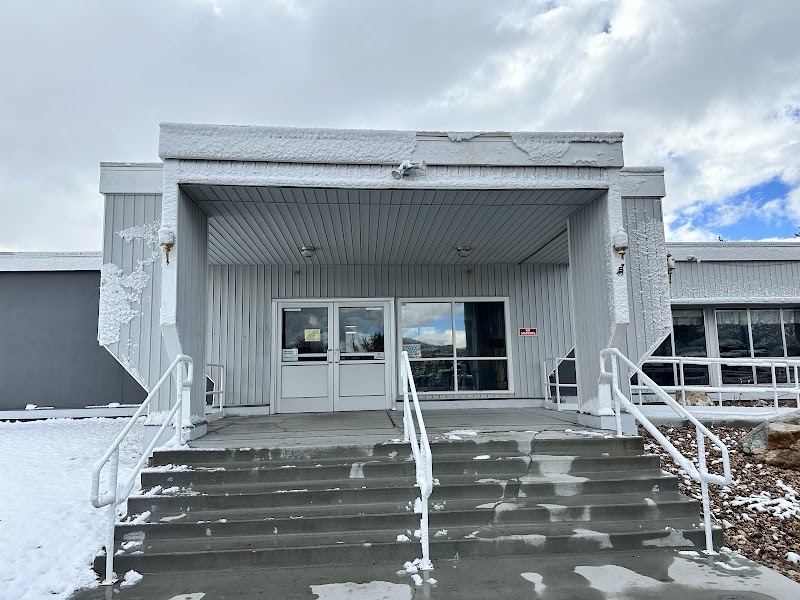
How is White Pine Staffed?

Staff turnover is 62%, which is 16 percentage points above the Nevada average of 46%. High turnover can affect care consistency as new staff learn residents' individual needs. RN turnover specifically is 88%, which is notably high. RNs provide skilled clinical oversight, so turnover in this role can affect medical care quality.

What Have Inspectors Found at White Pine?

State health inspectors documented 38 deficiencies at WHITE PINE CARE CENTER during 2023 to 2025. These included: 1 Immediate Jeopardy (the most serious level, indicating potential for serious harm or death), 36 with potential for harm, and 1 minor or isolated issues. Immediate Jeopardy findings are rare and represent the most serious regulatory concerns. They require immediate corrective action.
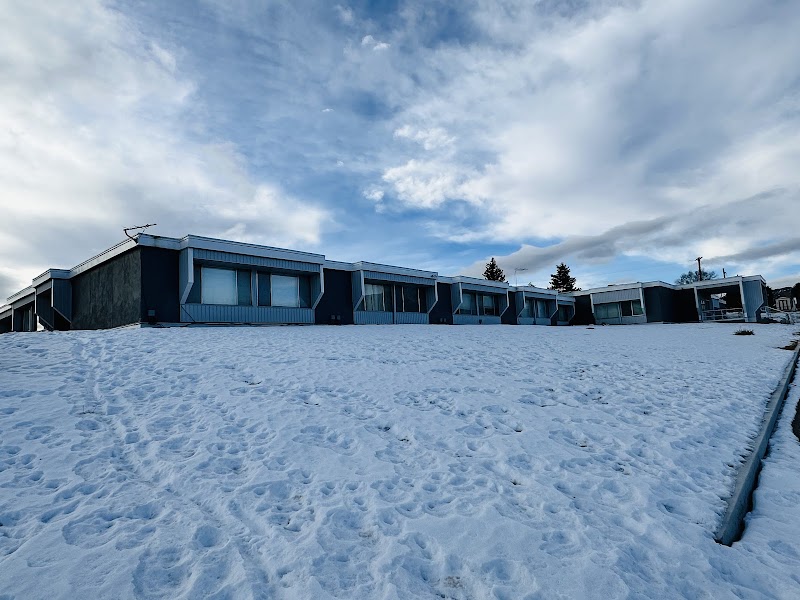
Who Owns and Operates White Pine?

WHITE PINE CARE CENTER is owned by a for-profit company. For-profit facilities operate as businesses with obligations to shareholders or private owners. The facility operates independently rather than as part of a larger chain. With 97 certified beds and approximately 39 residents (about 40% occupancy), it is a smaller facility located in ELY, Nevada.
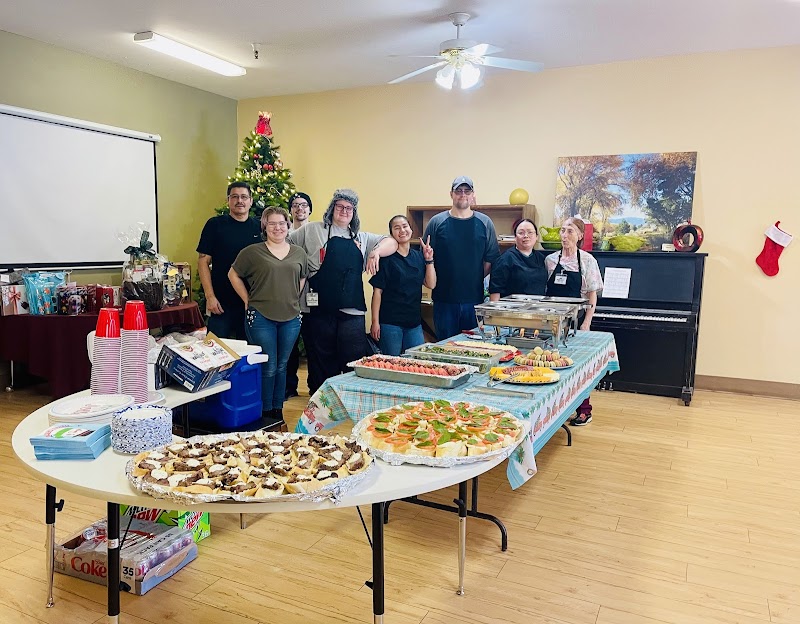
How Does White Pine Compare to Other Nevada Nursing Homes?

Compared to the 100 nursing homes in Nevada, WHITE PINE CARE CENTER's staff turnover (62%) is significantly higher than the state average of 46%.

What Should Families Ask When Visiting White Pine?

Based on this facility's data, families visiting should ask: "What changes have been made since the serious inspection findings, and how are you preventing similar issues?" "How do you ensure continuity of care given staff turnover, and what is your staff retention strategy?" "Can I visit during a mealtime to observe dining assistance and food quality?" "How do you handle medical emergencies, and what is your hospital transfer rate?" These questions are particularly relevant given the facility's Immediate Jeopardy citations and the facility's high staff turnover rate.

Is White Pine Safe?

Based on CMS inspection data, WHITE PINE CARE CENTER has documented safety concerns. Inspectors have issued 1 Immediate Jeopardy citation (the most serious violation level indicating risk of serious injury or death). The facility is currently on the Special Focus Facility watch list (a federal program monitoring the lowest-performing 1% of nursing homes nationwide). The facility has a 0-star overall rating and ranks #100 of 100 nursing homes in Nevada. Families considering this facility should ask detailed questions about what corrective actions have been taken since these incidents.

Do Nurses at White Pine Stick Around?

Staff turnover at WHITE PINE CARE CENTER is high. At 62%, the facility is 16 percentage points above the Nevada average of 46%. Registered Nurse turnover is particularly concerning at 88%. RNs handle complex medical decisions and coordinate care — frequent RN changes can directly impact care quality. High turnover means new staff may not know residents' individual needs, medications, or preferences. It can also be disorienting for residents, especially those with dementia who rely on familiar faces. Families should ask: What is causing the turnover? What retention programs are in place? How do you ensure care continuity during staff transitions?

Was White Pine Ever Fined?

WHITE PINE CARE CENTER has been fined $39,592 across 1 penalty action. The Nevada average is $33,475. While any fine indicates a compliance issue, fines under $50,000 are relatively common and typically reflect isolated problems that were subsequently corrected. Families should ask what specific issues led to these fines and confirm they've been resolved.

Is White Pine on Any Federal Watch List?

WHITE PINE CARE CENTER is currently on the Special Focus Facility (SFF) watch list. This federal program identifies the roughly 1% of nursing homes nationally with the most serious and persistent quality problems. SFF facilities receive inspections roughly twice as often as typical nursing homes. Factors in this facility's record include 1 Immediate Jeopardy finding. Facilities that fail to improve face escalating consequences, potentially including termination from Medicare and Medicaid. Families considering this facility should ask for documentation of recent improvements and what specific changes have been made since the designation.