HIGHLAND MANOR OF FALLON REHABILITATION LLC
550 NORTH SHERMAN STREET, FALLON, NV 89406 (775) 423-7800
For profit - Corporation 102 Beds Independent Data: November 2025
Trust Grade
0/100
#56 of 65 in NV
Last Inspection: August 2024

Within standard 12-15 month inspection cycle. Federal law requires annual inspections.

Overview

Highland Manor of Fallon Rehabilitation LLC has received a Trust Grade of F, indicating significant concerns about the facility's overall quality and care. It ranks #56 out of 65 nursing homes in Nevada, placing it in the bottom half of statewide facilities, though it is the only option in Churchill County. The facility is currently improving, having reduced its issues from 33 in 2024 to just 5 in 2025. Staffing is a concern, with a rating of 2 out of 5 stars and a high turnover rate of 60%, which is above the state average of 46%. Serious incidents reported include a resident requiring emergency care for sepsis due to neglect and a medication error involving a resident with a known penicillin allergy, both of which resulted in hospitalization. While the facility has made progress in reducing issues, the concerning fines of $52,803 and below-average RN coverage highlight ongoing challenges.

Trust Score
F
0/100
In Nevada
#56/65
Bottom 14%
Safety Record
High Risk
Review needed
Inspections
Getting Better
33 → 5 violations
Staff Stability
⚠ Watch
60% turnover. Above average. Higher turnover means staff may not know residents' routines.
Penalties
○ Average
$52,803 in fines. Higher than 65% of Nevada facilities. Some compliance issues.
Skilled Nurses
⚠ Watch
Each resident gets only 28 minutes of Registered Nurse (RN) attention daily — below average for Nevada. Fewer RN minutes means fewer trained eyes watching for problems.
Violations
⚠ Watch
81 deficiencies on record. Higher than average. Multiple issues found across inspections.
★☆☆☆☆
1.0
Overall Rating
★★☆☆☆
2.0
Staff Levels
★★★☆☆
3.0
Care Quality
★☆☆☆☆
1.0
Inspection Score
Stable
2024: 33 issues
2025: 5 issues

The Good

  • Full Sprinkler Coverage · Fire safety systems throughout facility
  • No fines on record

Facility shows strength in fire safety.

The Bad

1-Star Overall Rating

Below Nevada average (3.0)

Significant quality concerns identified by CMS

Staff Turnover: 60%

14pts above Nevada avg (46%)

Frequent staff changes - ask about care continuity

Federal Fines: $52,803

Above median ($33,413)

Moderate penalties - review what triggered them

Staff turnover is elevated (60%)

12 points above Nevada average of 48%

The Ugly 81 deficiencies on record

2 actual harm
Sept 2025 4 deficiencies 1 Harm
SERIOUS (G) 📢 Someone Reported This

A family member, employee, or ombudsman was alarmed enough to file a formal complaint

Actual Harm - a resident was hurt due to facility failures

Free from Abuse/Neglect (Tag F0600)

A resident was harmed · This affected 1 resident

**NOTE- TERMS IN BRACKETS HAVE BEEN EDITED TO PROTECT CONFIDENTIALITY** Based on observation, interviews, clinical record review, and document review, the facility failed to 1) ensure that 1 of 4 resi...

Read full inspector narrative →
**NOTE- TERMS IN BRACKETS HAVE BEEN EDITED TO PROTECT CONFIDENTIALITY** Based on observation, interviews, clinical record review, and document review, the facility failed to 1) ensure that 1 of 4 residents (Resident #97) investigated for abuse and/or neglect received the necessary care and services to prevent a wound from deteriorating and becoming infected, resulting in the resident requiring emergent care for sepsis at an acute care hospital, where the resident subsequently expired due to sepsis and 2) protect residents' right to be free from neglect when signs and symptoms of infection and a change in skin condition in 1 of 18 sampled residents (Resident #24) were not reported timely to the physician by a Licensed Practical Nurse (LPN), resulting in the resident experiencing testicular pain and swelling and developing an infection that required intravenous antibiotic treatment at an acute care hospital. This deficient practice resulted in harm to both residents, including one death and one hospitalization. Findings include: Resident #97 Resident #97 was admitted to the facility on [DATE], and re-admitted on [DATE], with diagnoses including cellulitis, unspecified, idiopathic progressive neuropathy, localized edema, unspecified dementia, severe, with anxiety and paranoid schizophrenia. Resident #97's Order Summary Report documented the following orders: -Wound culture to left leg related to cellulitis, with an order date of [DATE]. There was not documented evidence of a culture being completed after this date. - A wound care order with a start date of [DATE], documented to cleanse and soak left dorsal foot venous statis ulcer with wound cleanser, dry, apply Medihoney, hydrofera blue (HFB), abdominal pad (ABD) wrap with Kerlix and Coban, every Wednesday, Friday, and Sunday (W/F/S) and as needed (PRN) soiling and dislodgement. Wound clinician to change on Wednesdays. -A wound care order with a start date of [DATE], documented to soak and cleanse the left lower extremity (LLE) with wound cleanser, pat dry, apply Medihoney to the affected areas of the lower extremity, cover with ABD pad, wrap with Kerlix, secure with Coban and tape on Wednesdays and Sundays and PRN soiling and/or dislodgement. Wound clinician to change on Wednesdays. The record did not specify lateral or posterior wounds and did not include a stop/end date for the order. -A wound care order dated [DATE], with a start date of [DATE], documented to cleanse the lateral LLE venous stasis ulcer with wound cleanser, apply HFB, cover with ABD pad, wrap with Kerlix every W/F/S and PRN soiling and/or dislodgement. Wound clinician to change on Wednesdays. -A wound care order dated [DATE], with a start date of [DATE], documented to cleanse the posterior LLE venous stasis ulcer with wound cleanser, apply HFB, cover with ABD pad, wrap with Kerlix and Coban every W/F/S and PRN soiling and/or dislodgement. -A wound care order dated [DATE], with a start date of [DATE], documented to cleanse and soak left dorsal foot venous statis ulcer with wound cleanser, dry, apply HFB, ABD pad wrap with Kerlix and Coban, every W/F/S, PRN soiling and/or dislodgement. Wound clinician to change on Wednesdays. Resident #97's Treatment Administration Record (TAR) for [DATE], documented wound care was not provided as ordered on [DATE], and [DATE] to the resident's left dorsal foot venous statis ulcer, lateral LLE wounds and posterior LLE wounds. A physician's order dated [DATE], documented to monitor the identified target behaviors related to antianxiety medication: 1) uncontrollable screaming/yelling out, 2) agitation, 3) other (document in a progress note), and 4) none noted, every shift for psychotropic symptom monitoring. Resident #97's TAR for [DATE], did not include evidence of monitoring for the resident's targeted behaviors related to antianxiety medications on 09/01, 09/03, 09/09, 09/10, 09/12, 09/13, 09/17, 09/18, 09/19, 09/20, 09/25, and [DATE] during day shift. A physician's order dated [DATE], documented an order for doxycycline hyclate oral tablet, 100 milligrams (mg), give one tablet by mouth two times per day for bacterial infection, for 10 days with a start date of [DATE], and a stop date of [DATE]. Resident #97's Medication Administration Record (MAR) documented doxycycline, and antibiotic medication, was not available at the facility on 09/14 and [DATE]. The first dose of the medication was administered on [DATE], and the last dose of the medication was administered on [DATE]. As a result, the resident received only eight days of the prescribed 10-day course. A nurse progress note dated [DATE], documented Resident #97 “uncontrollably” yelled in pain all day and nothing helped the resident's pain. Resident #97's left lower extremity (LLE) dressing was changed because the dressing was wet with a moderate amount of purulent drainage and a strong odor. Orders were obtained to send the resident to the emergency room for evaluation. A Nurse Progress note dated [DATE], related to antianxiety medication monitoring, documented Resident #97 continued to yell out and scream for help. The resident yelled uncontrollably, and the topics did not make sense. The resident appeared paranoid and complained of people trying to hurt the resident, being ignored, and the pain the resident was experiencing. A Nurse Progress note dated [DATE], documented Resident #97 shouted “can someone help me, can anyone help me, why won't nobody help me,” and “he is going to kill me, and you are going to kill me” for approximately two hours prior to falling asleep. The resident could not be redirected. A Behavior Note dated [DATE], written by the Assistant Director of Nursing (ADON) documented Resident #97 had yelled all day. The resident yelled “help me, why won't someone help me.” The resident verbalized the resident's legs “hurt so bad.” The wound dressing to Resident #97's right lower extremity (RLE) was soaked with purulent drainage. A Wound Note dated [DATE], documented a dressing change was completed for Resident #97's LLE lateral and posterior wounds, and the left dorsal foot. The resident was “noncompliant” and threatened, yelled, and screamed at staff. The resident flailed and kicked at staff prior to the completion of the wound care. The wound note did not document the characteristics of the wound including slough, drainage, odor, condition of the peri-wound, and/or size of the wound. A Nurse Note dated [DATE], documented Resident #97 “yelled and screamed” all night. The resident yelled “I need help, help me, I want you to be my friend, why are you mean to me, and my legs hurt.” Pain medication was given but did not appear to help. The resident could not be redirected. A Nurse Note dated [DATE], documented Resident #97 was taken to [NAME] City for an appointment and upon return transportation staff told the nurse Resident #97 had left a “puddle” of clear, no odorous drainage on the floor of the van. The drainage was from the resident's lower extremities and occurred during the few hours the resident was transported to [NAME] City and then back to the facility. A Wound Note dated [DATE], documented Resident #97's wound care could not be completed due to the resident's erratic behaviors. A Nurse Note dated [DATE], documented the dressing on Resident #97's left leg was saturated. The dressing was replaced but “got wet very quickly.” A Nurse Progress note dated [DATE], documented Resident #97's dressings applied on the afternoon of [DATE], appeared clean and dry with no visible drainage throughout the day. The resident complained of pain to both legs and the pain was relieved with scheduled and as needed (PRN) pain medications. A Wound Note dated [DATE], documented the dressings on Resident #97's LLE and the left dorsal foot had loose, green slough. The wound was soaked in wound cleanser and cleaned as much as possible. Medihoney was applied to all affected areas, covered with hydrofera blue. The venous stasis ulcers to the resident's LLE, posterior and lateral wounds, had decreased slough which was still green in appearance. A Nurse Note dated [DATE], documented Resident #97's dressings appeared soiled with clear fluid and the resident was leaving “wet marks” on the floor with the resident's heels. The note documented the resident refused a dressing change and yelled out “you are not going to touch me, you are going to hurt me, and you are going to kill me.” The note documented the resident was able to be redirected for short periods of time but did not document if wound care was or was not completed. A Nurse note dated [DATE], documented the dressings to Resident #97's bilateral lower extremities (BLE) were “soaking wet.” The bottom of the resident's left foot was macerated and the “top of the LLE was covered with thick slough.” The side of the resident's left foot had macerated tissue, and the tissue came off with the hydrofera blue. A thick layer of barrier cream was applied to the bottom of the resident's foot and covered as ordered. The note did not document the characteristics of the slough and drainage such as color, amount, and/or odor. A progress note dated [DATE], documented Resident #97 only slept for approximately one hour throughout night shift. The resident yelled and screamed “please help me, don't hurt me, somebody help me in the name of Jesus, and why can't you help me. Attempts to redirect the resident were not effective. A Wound note dated [DATE], documented Resident #97's wounds had increased green drainage and increased green slough. The wounds were minimally cleaned due to the resident would not allow debridement. A Physician's note, dated [DATE], documented Resident #97 verbalized being in severe pain and requested to be helped urgently. The resident pointed at the wounds on the resident's legs and verbalized the location of the pain was “down there.” The wounds were wrapped but leaking. The provider could not assess the wounds due to the resident moved backwards and verbalized “don't touch me.” The assessment notes follow up plan documented the resident was in significant pain and requested additional analgesia. The provider documented the resident's root of behavior arose from the resident needing to have psychiatric medications evaluated and treated by behavioral health. It was concerning due to the resident's refusal of wound care including debridement of the wound the resident may become septic, amputation was also likely. A Nurse Note dated [DATE], documented Resident #97 appeared to be doing mildly better following an increase in Ativan from 0.5 mg to 1.0 mg but did not effectively ease the resident's anxiety. A Nurse Note dated [DATE], documented Resident #97 had been crying out for several hours. The resident was in a lot of pain, and the prescribed pain medication appeared to be insufficient at allowing the resident to cope with the resident's pain. The resident's wound dressings were changed by the previous shift but were dripping wet by the middle of the following shift and new dressings had to be applied to the resident's LLE and foot. A Nurse Note dated [DATE], documented an increase in Ativan had not produced the desired effect. The resident had been begging for help and asking the nurse to not hurt or kill the resident. A Nurses Note, dated [DATE], written by ADON, documented Resident #97's dressing was soaking wet, and the resident was leaving wet marks on the floor. The wounds were cleansed with wound cleanser, barrier cream was applied to the peri-wound, and the wounds were covered. The wound bed to the top of the resident's left foot was covered with thick slough. The lateral side of her left foot was raw from maceration. The wounds had a large amount of drainage, and the resident appeared to have severe pain with dressing changes. A Nurses Note dated [DATE], at 4:35 PM, documented a Certified Nursing Assistant (CNA) reported to a nurse, Resident #97 was not “in the resident's normal state.” The resident was yelling out loud, pupils were not dilating, blood pressure was 64/44, heart rate was 66, and the resident's skin was hot to the touch. The resident had a temperature of 101.5. The resident was staring out into the distance and did not focus or track. Emergency Medical Services (EMS) was called and upon assessment could not get a reading of the resident's vital signs. The resident was transported by EMS to an acute care hospital. On [DATE] at 10:32 AM, the Director of Nursing (DON) explained the expectation was when a wound had copious drainage the wound care order would include a super absorbent dressing such as “Opti-lock” and additional padding such as an ABD pad. Alginates could be used to help facilitate drainage management. The DON verbalized the DON would expect to see an order for something to protect the peri-wound. The DON verbalized an attempt should be made to determine the cause of the excess drainage such as infection. The DON verbalized the DON's area of specialty was wound care. On [DATE] 10:36 AM the DON verbalized maceration indicated either the dressing was not changed often enough, or the correct dressing was not being used. The DON explained if honey was being used, the provider would be notified, and the honey would be discontinued. On [DATE] at 10:38 AM, the DON explained wound were only cultured if three symptoms were present such as heat from the wound, change in type of drainage, deterioration of the wound such as friable skin, and/or not responding to treatment. A topical dressing such as HFB or silver would be tried first due to antimicrobial properties and a culture and sensitivity would be ordered if the wound did not respond. The DON verbalized friable tissue was a sign of infection. On [DATE], at 1:35 PM, the DON confirmed wound care was not completed on 09/18 and [DATE] per TAR documentation and physician orders for Resident #97's wounds to the left dorsal foot, posterior LLE, and lateral LLE wounds. The DON confirmed if wound care could not be provided for any reason such as refused, it should be documented on the TAR. On [DATE] at 2:10 PM, the DON confirmed the last wound culture done for Resident #97 was documented as completed on [DATE], and there were not any additional lab values available during August and [DATE], including wound cultures. On [DATE] at 2:13, the DON confirmed wound care was not provided as ordered and confirmed drainage from the wound had not been well managed. The concern was the lack of management of the wound led to maceration and could have caused the deterioration of the wound and created an infection control concern. On [DATE] at 2:15 PM, the DON explained the presence of bacteria in a wound can cause wound healing to stall and result in the wound not being able to heal. [NAME] drainage indicated an infection, generally pseudomonas. Untreated infections could continue to spread, stall wound healing and place the resident at risk for sepsis. The DON confirmed when the wounds started to have green drainage a culture should have been completed and explained re-culturing the wound could have led to better wound management. On [DATE] at 2:40 PM, a Licensed Practical Nurse (LPN), who was the ADON during the time Resident #97 resided at the facility, recalled Resident #97's wounds were “pretty bad” and explained the resident often would not allow wound care. The LPN explained the resident refused wound care because it was so painful, and confirmed the resident had a lot of pain with her legs. The LPN recalled the resident would yell out regarding the resident's legs and explained the resident's legs looked “really bad” and were macerated. On [DATE] at 2:53 PM, the LPN verbalized a provider was in the facility throughout each day and had seen what was going on with the resident's legs and assessed the resident. On [DATE] at 2:54 PM, the LPN recalled seeing drainage on the floor but did not recall the color of the drainage. The LPN confirmed it did not take long for Resident #97's wound dressings to become soaked. The LPN explained the wounds would become saturated after approximately eight hours and the resident would leave a trail on the floor in the hallways and common areas. The resident never wanted to be in the resident's room. On [DATE] at 2:58 PM, the LPN recalled seeing drainage from Resident #97's wounds on the floor and described it as “dripping” onto the floor. The LPN explained staff tried to keep towels on the floor under the resident's feet/legs, but it was difficult because the resident would “freak out” when anyone got too close to the resident's legs, it was a constant struggle. The LPN confirmed placing towels on the floor under the resident's legs/feet was not an “effective form of infection control.” A hospital Discharge summary dated [DATE], documented Resident #97 was admitted to the acute care hospital on [DATE]. The resident was brought to the hospital by ambulance from the facility. Resident #97 was awake but had an altered mental status and was noted not to be at base line by hospital staff who were familiar with the resident. The resident was examined by an emergency room (ER) physician who documented the resident's lower extremity wound dressings appeared to have been there for quite some time. The resident was previously seen at the ER on [DATE], and the wounds were cleaned and dressed during the visit. The physician was concerned due to the appearance of the dressings; they had not been changed since they were applied in the ER. The resident was febrile with a temperature of 102.9 and was tachycardic with a heart rate of 126. The physician documented the resident was soiled and in pretty bad shape upon arrival. When the dressing was removed, flies came out from the wounds on the resident's legs. The resident was given Ativan, Toradol and other pain medications and was admitted to the hospital. The resident was suspected to have sepsis and was started on two antibiotics, vancomycin and Unasyn. The wounds to the resident's legs were described as denuded with the left leg worse than the right and wound cultures were collected. The report documented the resident had a high risk for morbidity. The Discharge Summary Report further documented on [DATE], Resident #97 passed away. The cause of death was sepsis secondary to lower extremity cellulitis, which was secondary to peripheral vascular disease. The facility policy titled “Infection Prevention and Control Program” reviewed on [DATE], documented the facility had established and maintained an infection prevention and control program designed to provide a safe, sanitary, and comfortable environment and to help prevent the development and transmission of communicable diseases and infections as per accepted national standards and guidelines. Cross reference with F656 CPT 2289187 Resident #24 Resident #24 was admitted to the facility on [DATE], and readmitted on [DATE], with diagnoses including cerebral palsy, unspecified, other signs and symptoms involving cognitive functions and awareness, developmental disorder of speech and language, unspecified, and personal history of urinary tract infections. Resident #24's clinical record documented the resident was transferred and admitted to an acute care hospital on [DATE]. Resident #24's Care Plan documented the following focus areas, goals, and interventions/tasks: -Skin: Resident has the potential for altered skin integrity related to immobility, impaired cognition, malnutrition, and incontinence. Goal: Resident will not have new or worsening skin breakdown through next review. Interventions/Tasks: Nurses to perform weekly skin assessments, notify physician of any new skin impairments and obtain treatment orders as indicated. Monitor for and report to physician any signs/symptoms (s/s) of infection to skin impairments, for example: redness, warmth, swelling, drainage, odor, or elevated temperature. -Foley catheter: Resident has an indwelling catheter, 16 French, ten cubic centimeter (cc) balloon. Interventions/Tasks: Monitor/document for pain/discomfort due to catheter. A Nurses' Note dated [DATE], documented Resident #24 had leaking from the resident's indwelling catheter and sediment was noted in the catheter tubing. The nurse attempted to flush and aspirate the catheter, however, was unsuccessful as the catheter appeared to be clogged. A new catheter was inserted using aseptic technique. 100 cc of dark yellow urine returned. A Skilled Charting Note dated [DATE], documented 300 milliliters (ml) of dark/amber colored urine were drained from Resident #24's Foley catheter bag. A Nurses' Note dated [DATE] at 12:19 AM, documented Resident #24's scrotum was red and painful to the touch. Physician notified via book. A Nurses' Note dated [DATE] at 11:13 AM, documented during a bed bath staff noticed Resident #24's scrotum was enlarged and red, a nurse observed the area and noted the scrotum was red, warm, swollen, hard, and had purulent drainage in the penile area. Emergency Medical Services (EMS) was called at 10:42 AM and the resident left the facility via EMS at 11:04 AM. A Nurses' Note dated [DATE] at 11:27 AM, documented the nurse was notified of a change in Resident #24's condition. The resident's testicles were swollen to the size of a grapefruit, very hard, red, and hot to the touch. Purulent drainage was coming from around the resident's Foley catheter. Urine in the catheter drainage bag was amber with a moderate amount of sediment. The Director of Nursing (DON) was notified, report was given to the emergency room (ER) nurse and EMS was called for transport. A Hospital Medicine Daily Progress Note from an acute care hospital, dated [DATE], documented Resident #24 was admitted on [DATE] with testicular pain, epididymitis and orchitis consistent with pyocele. Urine cultures were positive for Pseudomonas and Enterococcus. The resident required treatment with intravenous Levaquin and enteral Amoxicillin. On [DATE] at 2:28 PM, the LPN/ADON verbalized if staff noted a change in a resident's skin or the resident was exhibiting s/s of possible infection, staff were to notify the resident's physician, enter a progress note, notify the resident's responsible party, and pass the information on in report to the next shift. The LPN/ADON verbalized nurses could contact the physician via phone or use the communication binder. If the notification was for a resident's change in condition such as a fall, change in mental status, or increased/decreased urinary output, the LPN/ADON verbalized the LPN/ADON would call the physician instead of using the communication binder. On [DATE] at 3:28 PM, the DON verbalized neglect was failure to provide things to a resident which could lead to inadequate quality of life and not providing the care and treatment the resident was supposed to have or was ordered by the physician. Training related to abuse and neglect was provided to staff every month and the Administrator was the facility's abuse coordinator. The DON explained a change in condition was anything different from the resident's baseline. The DON verbalized the DON would consider a newly identified area of redness and tenderness on a resident's skin a change in condition. The DON verbalized the DON's expectation of staff if there was a change in a resident's skin or the resident exhibited s/s of a possible infection was to notify the physician and facility management. Staff could contact the physician via phone or the facility's book which was reviewed by the physician on Fridays. The DON verbalized if a change in condition was urgent, placed the resident at risk or needed the physician's immediate attention staff were to call the physician and not use the communication book. The DON confirmed staff's failure to report a change in condition timely to the physician would be considered neglect. The DON reviewed Resident #24's clinical record and confirmed the Nurses' Note dated [DATE] at 12:19 AM documented the resident's scrotum was red and painful to touch and the physician was notified via book. On [DATE] at 9:52 AM, the DON verbalized the DON attempted to locate documentation of the physician notification regarding Resident #24's change in condition. The DON explained the facility did not retain the information communicated in the book after the physician reviewed it and the notes were not entered or scanned into the resident's clinical record. The DON confirmed the physician should have been notified via phone of Resident's #24's condition documented on [DATE] at 12:19 AM due to the resident exhibiting s/s of possible infection. On [DATE] at 11:51 AM, an LPN2 confirmed the LPN2 was familiar with Resident #24 and recalled the LPN2 had to send the resident to the hospital in the past. The LPN2 explained the nurse assigned to Resident #24 had gone on a break when a Certified Nursing Assistant (CNA) asked the LPN2 to assess the resident. Upon assessment, the LPN2 verbalized the LPN2 felt the resident needed to be transported to the ER immediately due to resident's testicles being swollen and red. The LPN2 called the physician, reported the condition of the resident, and received instruction to send the resident to the ER. The LPN2 verbalized the LPN2's concern at the time of the assessment was Resident #24 may have been experiencing a medical emergency such as testicular torsion or an infection. On [DATE] at 12:13 PM, during an interview with the Administrator and the Administrator in Training, the Administrator verbalized neglect was anything harming or affecting a resident in a negative way. The Administrator confirmed staff's failure to notify the physician timely of a change in a resident's condition or s/s of possible infection would be considered neglect. The Administrator explained if the facility had suspicion or an allegation of neglect or abuse was reported, the Administrator would initiate an investigation. Hospitalizations were reviewed by the interdisciplinary team for possible abuse and neglect. The Administrator verbalized the Administrator was familiar with Resident #24 and recalled the resident being hospitalized in [DATE] due to concern about the resident's scrotum. The Administrator believed the hospitalization was reviewed by the facility for possible abuse and neglect however, could not recall what was reviewed or the team's discussion and was unsure if the Administrator had documentation of the review. The Administrator verbalized notifying the physician of a change in a resident's condition through the communication book, as documented in the [DATE] at 12:19 AM Nurses' Note, was an “old” process and the Administrator believed the nurse who wrote the note may have written it in error. On [DATE] at 1:03 PM, the Administrator denied having documentation of the facility's review or investigation of Resident #24's hospitalization for potential abuse or neglect and denied having any additional documentation related to the physician being notified of the change in condition. The Administrator explained the interdisciplinary team's review process when a resident was transferred to the hospital typically included clinical record review. The intent was to identify anything the facility may have missed or the facility could have done better to prevent the hospitalization. The Administrator verbalized if during the review, the team were to see the physician was notified via book, the team would investigate as the book was not the correct way to notify the physician. The facility document titled Job Description: Licensed Practical Nurse or Registered Nurse, documented the primary purpose of the position was to identify and meet the medical, physical, and psychosocial needs of each resident. The nurse was to communicate changes in resident condition to the director of nursing, resident's provider, and resident's representative as indicated. Changes in resident condition included but were not limited to medical, cognitive or physical condition from the resident's baseline, new skin conditions, accidents/incidents, and changes in behavior which may require a change in the plan of care. The facility policy titled Notification of Changes, dated [DATE], documented the facility was to promptly inform the resident and consult with the resident's physician when there was a change requiring notification. Circumstances requiring notification included but were not limited to a significant change in the resident's physical, mental or psychosocial condition such as deterioration in health status, life-threatening conditions, clinical complications, and circumstances which required a need to alter treatment. Altering treatment included a new treatment or discontinuation of current treatment. The need to alter treatment significantly was defined as a need to stop a form of treatment due to adverse consequences or commence a new form of treatment/procedure/therapy to deal with a problem. The facility policy titled Abuse, Neglect, and Exploitation, dated [DATE], documented it was the policy of the facility to provide protections for the health, welfare and rights of each resident by developing and implementing written policies and procedures which prohibited and prevented abuse, neglect, exploitation, and misappropriation of resident property. Neglect was defined as the failure of the facility, its employees, or service providers to provide goods and services to a resident which were necessary to avoid physical harm, pain, mental anguish, or emotional distress. Possible indicators of abuse included but were not limited to physical injury of a resident of unknown source and failure to provide care needs such as comfort, safety, feeding, bathing, dressing, turning, and positioning. The facility policy titled Compliance with Reporting Allegations of Abuse/Neglect/Exploitation, dated [DATE], documented the facility would identify events, occurrences, patterns, and trends which may constitute neglect or abuse. An alleged violation was defined as a situation or occurrence observed or reported by staff, resident, relative, visitor, or others but had not yet been investigated and, if verified, could be noncompliance with the federal requirements related to mistreatment, exploitation, neglect, or abuse including injuries of unknown source. The facility would investigate all allegations and types of incidents as listed above in accordance with facility procedure for reporting/response. CPT 2587748
CONCERN (D) 📢 Someone Reported This

A family member, employee, or ombudsman was alarmed enough to file a formal complaint

Potential for Harm - no one hurt, but risky conditions existed

Quality of Care (Tag F0684)

Could have caused harm · This affected 1 resident

**NOTE- TERMS IN BRACKETS HAVE BEEN EDITED TO PROTECT CONFIDENTIALITY** Based on observation, interview, clinical record review, and document review, the facility failed to 1) ensure neurological asse...

Read full inspector narrative →
**NOTE- TERMS IN BRACKETS HAVE BEEN EDITED TO PROTECT CONFIDENTIALITY** Based on observation, interview, clinical record review, and document review, the facility failed to 1) ensure neurological assessments were documented for a resident with a fall and loss of consciousness for 1 of 18 sampled residents (Resident #98), and 2) ensure a resident with a skin condition requiring medicated cream for treatment had an accurate skin integrity assessment completed upon admission to the facility for 1 of 18 sampled resident (Resident #99). These deficient practices had the potential to result in 1) unmonitored and avoidable physical harm to the resident, and 2) the resident's skin condition not being treated timely and potentially worsening without a baseline assessment for comparison or accurate assessment information to communicate to all staff responsible for the resident's care. Findings include: Resident #98 Resident #98 was admitted to the facility on [DATE], readmitted on [DATE], and discharged on 07/20/2025, with a diagnosis of muscle weakness. A progress note dated 05/15/2025 at 3:45 AM, documented Resident #98 appeared to have fallen asleep or lost consciousness and fell forward out of the resident's shower chair. A progress note dated 05/15/2025 at 10:15 am, documented Resident #98 complained of headaches and recounted the fall. The resident was unsure why the resident fell, but the resident was showering, felt dizzy, and passed out. A progress note, dated 05/19/2025 at 2:27 PM, documented the resident was sent to the emergency room and no injuries were noted. The facility would continue to monitor. An Emergency Department Pertinent Report, dated 05/15/2025, documented after a fall Resident #98 presented with a closed head injury with brief loss of consciousness and acute headache. Resident #98's clinical record lacked documented evidence neurological checks were completed. On 09/03/2025 at 10:45 AM, a Certified Nursing Assistant (CNA) verbalized after a resident fell, neurological checks would be completed, measuring vitals every 15 minutes then every 30 minutes. On 09/03/2025 at 12:17 PM, a Licensed Practical Nurse (LPN) explained if a resident had a fall, the facility would initiate neurological checks every 15 minutes using a neurological flow form. On 09/03/2025 at 1:50 PM, the Director of Nursing (DON) explained if a resident had an unwitnessed fall, the facility would initiate neurological checks on a neurological flow form every 15 minutes for the first hour, every 30 minutes for two hours, then every hour for four hours. Neurological checks included measuring vital signs, resident orientation, and were reviewed in interdisciplinary team meetings. Once completed, neurological checks were to be scanned into the resident's electronic health record. The DON verbalized Resident #98 was usually very independent, preferred to shower late and in private. On the night Resident #98 fell, the resident was in the shower. Resident #98 informed staff the resident bent down to collect hygiene items, felt dizzy, fell, and hit the resident's head. The DON verbalized Neurological checks should have been initiated immediately after the fall. On 09/04/2025 at 11:30 AM, the DON confirmed the neurological checks from the 05/15/2025 fall were not scanned into Resident #98's electronic health record. On 09/04/2025 at 3:39 PM, the Administrator verbalized the facility was unable to locate Resident #98's neurological checks from the 05/15/2025 fall. A blank Neurological Flow Sheet Form documented to perform vital signs and neurological checks at a minimum every four hours for 24 hours. These included level of consciousness (LOC), movement, hand grasp, pupil size and reaction, speech, pulse, respirations, temperature, oxygen saturations and a place to document other abnormalities such as a headache. The facility policy titled Vital Signs, implemented 04/11/2025, documented vital signs would be obtained when a resident's general condition changes and following an accident such as a fall or other incident. CPT 2289185 Resident #99 Resident #99 was admitted to the facility on [DATE], and readmitted on [DATE], with diagnoses including other psoriatic arthropathy (a type of inflammatory arthritis affecting persons who have psoriasis, a skin condition characterized by red, scaly patches) and other idiopathic peripheral autonomic neuropathy. On 08/25/2025 at 11:02 AM, the resident was sitting in a chair in the resident's room. The resident's hands appeared red and swollen with dry, flaky skin. The resident verbalized the resident had a medication the resident would apply to the resident's hands and arms prior to being admitted to the facility but the resident had not received the medication since admission. The resident described the skin on the resident's hands as painful and stinging. A Medication Order, dated 08/22/2025, documented triamcinolone acetonide external cream 0.1 percent (%) (a prescription corticosteroid used to relieve skin inflammation, itching, and redness). Apply to affected areas three times a day. On 08/27/2025 at 1:36 PM, the LPN for Resident #99 verbalized the LPN knew the resident had a cream ordered for itching and thought the medication was supposed to be applied to the resident's hip. The Admit/Readmit Screener, dated 08/22/2025, documented the resident's skin was normal and no concerns were documented under the section for skin integrity. The care plan for Resident #99, initiated 08/23/2025, documented the resident had the potential for altered skin integrity but did not include the resident's skin condition or the need to apply medicated cream to the affected areas. On 08/27/2025 at 2:00 PM, the LPN verbalized the LPN had contacted the Provider and clarified the triamcinolone cream was supposed to be applied to the resident's hands. The LPN verbalized skin assessments would be completed upon admission, and any skin concerns or abnormalities would be documented. On 08/27/2025 at 2:58 PM, the DON verbalized a skin assessment was part of the admission assessment. The DON confirmed the skin assessment for Resident #99 did not include the resident's dry, red, and swollen skin to the resident's hands and arms. The facility policy titled “Skin Assessment,” implemented 04/11/2025, documented a full body, or head to toe, skin assessment would be conducted by a licensed or registered nurse upon admission/re-admission and weekly thereafter. The resident's skin would be thoroughly examined for skin conditions, including redness. The observations would be documented. Cross reference with F655 and F658
CONCERN (D) 📢 Someone Reported This

A family member, employee, or ombudsman was alarmed enough to file a formal complaint

Potential for Harm - no one hurt, but risky conditions existed

Administration (Tag F0835)

Could have caused harm · This affected 1 resident

Based on clinical record review, personnel record review, document review, and interview, the Administrator failed to ensure employees identified to complete sections of the Minimum Data Set (MDS) 3.0...

Read full inspector narrative →
Based on clinical record review, personnel record review, document review, and interview, the Administrator failed to ensure employees identified to complete sections of the Minimum Data Set (MDS) 3.0 Resident Assessments (Employee #8 and #9) had the experience and knowledge to complete accurate resident evaluations, and failed to ensure the accuracy of the MDS assessments after having learned of a title discrepancy in the resident electronic health record (EHR) system. This deficient practice had the potential to affect the accuracy of MDS assessments for the entire resident census by allowing unqualified or insufficiently trained staff to complete critical assessment sections and had the potential to result in inaccurate care planning and delivery, which could negatively impact resident outcomes.Findings include: The Centers for Medicare & Medicaid Services (CMS), 42 CFR 483.20 (g) Resident assessment, defined the Accuracy of Assessments as meaning the appropriate, health professionals correctly documenting the resident's medical, functional, and psychosocial problems and identifying resident strengths to maintain or improve medical status, functional abilities, and psychosocial status. Facilities are responsible for ensuring that all participants in the assessment process have the requisite knowledge to complete an accurate assessment. Employee #8 Employee #8 was originally hired on 07/24/2024 in Medical Records and took the position of Resident Advocate on 07/07/2025. Employee #8's signed job description for Resident Advocate, dated 07/09/2025, documented a minimum qualification as being a high school graduate or having a high school equivalent (GED-General Education Development). Higher education with a social services related college degree was preferred. Prior social services related experience was preferred, with some of the experience in a long-term facility. The position description documented the primary purpose of the position was to plan, organize, develop, and direct the operations of the social services department in accordance with federal, state and local standards, guidelines and regulations to ensure the emotional needs of the residents were maintained. The job description documented the principal job responsibilities were to complete all social services related documentation in each resident's medical record, including assessments, progress notes, and care plans. Employee #8's resume, undated, documented the employee had obtained a GED and listed the employee's certifications and licenses to include a food handler certification, a driver's license, and a cardiopulmonary resuscitation (CPR) certification. The employee's resume documented a work history including receptionist, food service supervisor, concierge, delivery driver, and a youth development professional. The employee record lacked documentation the employee had obtained any higher education or additional experience or knowledge in a clinical, health, or social services setting. On 09/03/2025 at 3:24 PM, the Business Office Manager verbalized a Resident Advocate was considered an unlicensed social worker. On 09/04/2025 at 9:22 AM, the Business Office Manager confirmed the undated resume for Employee #8 was the only resume in the employee's record and was used to hire the employee as a Resident Advocate on 07/07/2025. Employee #8's Resident Advocate Competency Checklist signed by the employee on 07/07/2025, and signed by the Trainer/Administrator on 07/09/2025, documented a total of 56 training skill modules. 42 skill modules had a completion date of 07/07/2025 and 14 had a completion date of 07/09/2025. None of the skills modules documented a length of time for each of the trainings. The following skills modules were documented has having been completed and signed off by the Trainer/Administrator and the employee after each section: -07/07/2025-Centers for Medicare & Medicaid Services (CMS) regulations pertinent to social work department: Where to find.-07/07/2025-Minimum Data Set (MDS)-Section Q.-07/07/2025-Social history and social determinates of health user-defined assessments.-07/07/2025-Assessment: opening, saving, signing, locking, editing, and deleting.-07/09/2025-Mentally ill/dementia population: symptoms, behavior management, de-escalation. Employee #8's Resident Advocate Competency Checklist documented the Administrator as having been the Trainer of each of the modules for both days and signed as both the Trainer and the Administrator on the form. On 09/04/2025 at 9:34 AM, Employee #8 confirmed having been a Resident Advocate and was trained by Employee #9 prior to Employee #9 leaving the position. Employee #8 confirmed having completed face-to-face interviews with residents to complete the mental health and psychosocial MDS evaluations. Employee #8 verbalized having interviewed residents to determine if the residents were depressed and had completed interviews with a resident with a trauma diagnosis. Employee #8 confirmed having been trained to complete MDS Sections C-Cognitive Patterns, D-Mood, E-Behavior, and Q-Participation in Assessment and Goal Setting, and to enter the evaluations into the residents MDS Resident Assessment and had reviewed the Resident Assessment Instrument (RAI) Manual Sections the employee was responsible to complete. Resident MDS Assessments documented from 07/14/2025 to 08/26/2025, Employee #8 had e-Signed with the title of Social Worker as having completed portions of MDS Assessments. Employee #9 Employee #9 was originally hired on 01/23/2025 as a Transportation Driver and took the position of Resident Advocate on 05/06/2025. Employee #9's record lacked a signed job description for the Resident Advocate position. On 09/03/2025 at 3:24 PM, the Business Office Manager verbalized a Resident Advocate was considered an unlicensed social worker. The Business Office Manager confirmed not having a signed job description for the Resident Advocate position for Employee #9. Employee #9's resume, undated, documented the employee had obtained a high school diploma with a work history including pawnbroker and a maintenance technician/supervisor. The employee's resume documented education including healthcare training online with a focus on healthcare management. The online training provider documented in Employee #9's resume, documents on their website (www.ultimatemedical.edu) the healthcare management online training program would teach students specific skills including understanding medical billing systems, preparing budgets, constructing business documents, and helping resolve workplace conflict. The employee's resume lacked documentation of a certification or license, or any higher education or additional experience or knowledge in a clinical, health, or social services setting. Employee #9's training certificates were as follows with the date of completion and the name of the training: -01/21/2025-Cultural Competency Training Program-three hours.-01/23/2025-Elder Abuse Training-no time documented on certificate.-01/27/2025-Dementia Training-eight hours.-04/06/2025-All Staff In-Service Education-Behavioral-one hour.-05/09/2025-Inter Disciplinary Team, Abuse Investigation Packets-30 minutes.-06/18/2025-All staff, Abuse Training- no time documented on signature sheet or training material. Resident MDS Assessments documented from 06/24/2025 to 07/10/2025, Employee #9 had e-Signed with the title of Social Worker as having completed portions of MDS Assessments. On 09/04/2025 at 12:48 PM, the Administrator verbalized Employee #9 was a transportation driver and was not clinical. The Administrator verbalized the employee had been trained to complete the Brief Interview for Mental Status (BIMS) evaluations for resident assessments, but the employee was no longer doing so and returned to being a transportation driver. On 09/04/2025 at 10:33 AM, the Administrator verbalized the Administrator had interviewed Employee #9 and had kept the employee's application and job description on the Administrator's desk and had not forwarded the documents to Human Resources. On 09/04/2025 at 10:02 AM, the MDS Coordinator confirmed having personally trained Employee #9 on completing sections C-Cognitive Patterns, D-Mood, E-Behavior, and Q-Participation in Assessment and Goal Setting of the MDS Resident Assessments. The MDS Coordinator verbalized the facility's corporate office had sent the employees training modules on those sections of the MDS to be completed. The MDS Coordinator verbalized receiving direction from the corporate office to train the Resident Advocates on those sections. On 09/04/2025 at 10:09 AM, the MDS Coordinator verbalized having confirmed via telephone with the corporate office the Resident Advocates were to only be trained on MDS Sections C-Cognitive Patterns, D-Mood, E-Behavior, and Q-Participation in Assessment and Goal Setting. The MDS Coordinator verbalized having trained Employee #9 how to conduct the evaluations and enter the evaluations into the MDS record and would consider the evaluations an assessment. On 09/04/2025 at 10:39 AM, the MDS Coordinator confirmed the facility followed the RAI Manual for MDS Resident Assessment completion. On 09/04/2025 at 11:13 AM, Employee #9 confirmed having been in the Resident Advocate position for the months of May and June 2025. The employee confirmed having been trained by the MDS Coordinator on the completion of MDS sections C-Cognitive Patterns, D-Mood, E-Behavior, and Q-Participation in Assessment and Goal Setting, and how to have face-to-face interactions with residents to complete the sections and had completed a signature sheet related to the training but did not give the sheet to Human Resources. The employee confirmed not having been a social worker or had any prior experience or education in social work. The employee verbalized having had a psychosocial training via an online meeting with a Licensed Social Worker at a different corporation skilled nursing facility. On 09/04/2025 at 1:56 PM, the Administrator confirmed Resident Advocates interview resident to obtain information to enter and complete Sections C-Cognitive Patterns, D-Mood, E-Behavior, and Q-Participation in Assessment and Goal Setting of the MDS Resident Assessments. The Administrator verbalized having believed an individual with a high school diploma or a GED was considered professional with additional training and experience and with nurse training, anyone can complete the BIMS and cognitive resident interviews. On 09/04/2025 at 2:01 PM, the Administrator confirmed Employee #8 and Employee #9 were not social workers and verbalized having hired them based on their work in the facility and how they interacted with residents. The Administrator verbalized having believed the employees were qualified to complete the resident cognitive assessments based on the MDS Coordinator's training. The Administrator verbalized the employees had passed the screening for the position as the screening was the Administrator's interview. On 09/04/2025 at 2:05 PM, the Administrator confirmed Employee #8 and Employee #9 had only been trained on the completion of MDS Sections C-Cognitive Patterns, D-Mood, E-Behavior, and Q-Participation in Assessment and Goal Setting by the MDS Coordinator and verbalized not having any documentation of the completion of the training. On 09/04/2025 at 2:10 PM, the Administrator confirmed both Employee #8 and Employee #9 had e-Signed MDS Resident Assessment Sections with a title of Social Worker, and confirmed the employees had not been trained to complete MDS Sections A-Identification Information, B-Hearing, Speech, and Vision, GG-Functional Abilities, I-Active Diagnoses, J-Health Conditions, K-Swallowing/Nutritional Status, N-Medications, and O-Special Treatments, Procedures, and Programs, and should not have completed or signed off on those sections, and not have e-Signed as Social Workers. The Administrator verbalized it was the MDS Coordinator's responsibility to oversee the accuracy of the MDS Resident Assessments and confirmed the Administrator was responsible for oversight of the MDS Coordinator. On 09/04/2025 at 2:23 PM, the Business Office Manager confirmed it was the Business Office Manager who entered the employee titles into the resident electronic health record (EHR) system. The Business Office Manager verbalized due to the Resident Advocate title not having been a selection to populate into the EHR system and as the Resident Advocates worked closely with social services, the Business Office Manager confirmed having selected the title of Social Worker for Employee #8 and Employee #9 in the EHR system. The Business Office Manager verbalized having notified the Administrator of the Resident Advocate title not having been a selection to populate into the EHR system. On 09/04/2025 at 2:26 PM, the Administrator confirmed having been made aware of the title discrepancy in the EHR system but was unsure who or when the Administrator communicated with at the corporate office and was unsure how, it initially fell through the crack. The CMS, Long-Term Care Facility RAI 3.0 User's Manual, Version 1.18.11, Effective October 1, 2023, CHAPTER 1.3: RESIDENT ASSESSMENT INSTRUMENT (RAI), Completion of the RAI, documented given the requirements of participation of appropriate health professionals, completion of the RAI was best accomplished by staff with varied clinical backgrounds, combined with experience and knowledge to provide an understanding of the strengths, needs and preferences of a resident population to ensure the best possible quality of care and quality of life. Identification of resident problems, needs, and strengths, monitoring resident conditions on an on-going basis, and documenting treatments and response to treatments, was a matter of good clinical practice and an expectation of trained and licensed health care professionals. A facility was responsible to ensure the MDS was validated for accuracy and all participants in the assessment process had the requisite knowledge to complete an accurate assessment. Complaint 2289182 Cross reference with Tags F641 and F839
CONCERN (D) 📢 Someone Reported This

A family member, employee, or ombudsman was alarmed enough to file a formal complaint

Potential for Harm - no one hurt, but risky conditions existed

Deficiency F0839 (Tag F0839)

Could have caused harm · This affected 1 resident

**NOTE- TERMS IN BRACKETS HAVE BEEN EDITED TO PROTECT CONFIDENTIALITY** Based on clinical record review, personnel record review, document review, and interview, the facility failed to ensure employee...

Read full inspector narrative →
**NOTE- TERMS IN BRACKETS HAVE BEEN EDITED TO PROTECT CONFIDENTIALITY** Based on clinical record review, personnel record review, document review, and interview, the facility failed to ensure employees trained to complete sections of the Minimum Data Set (MDS) 3.0 Resident Assessments for 16 of 18 sampled residents (Resident #3, #4, #7, #23, #24, #42, #78, #90, #99, #101, #5, #9, #10, #21, #34, and #84) were qualified for 2 of 2 employees trained to complete sections of the MDS Resident Assessments (Employee #8 and #9). This deficient practice had the potential to affect the accuracy of MDS assessments for the entire resident census by allowing unqualified or insufficiently trained staff to complete critical assessment sections and had the potential to result in inaccurate care planning and delivery, which could negatively impact resident outcomes.Findings include: Employee #8 Employee #8 was originally hired on 07/24/2024 in Medical Records and took the position of Resident Advocate on 07/07/2025. Employee #8's signed job description for Resident Advocate, dated 07/09/2025, documented a minimum qualification as being a high school graduate or having a high school equivalent (GED-General Education Development). Higher education with a social services related college degree was preferred. Prior social services related experience was preferred, with some of the experience in a long-term facility. The position description documented the primary purpose of the position was to plan, organize, develop, and direct the operations of the social services department in accordance with federal, state and local standards, guidelines and regulations to ensure the emotional needs of the residents were maintained. The job description documented the principal job responsibilities were to complete all social services related documentation in each resident's medical record, including assessments, progress notes, and care plans. Employee #8's resume, undated, documented the employee had obtained a GED and listed the employee's certifications and licenses to include a food handler certification, a driver's license, and a cardiopulmonary resuscitation (CPR) certification. The employee's resume documented a work history including receptionist, food service supervisor, concierge, delivery driver, and a youth development professional. The employee record lacked documentation the employee had obtained any higher education or additional experience or knowledge in a clinical, health, or social services setting. On 09/03/2025 at 3:24 PM, the Business Office Manager verbalized a Resident Advocate was considered an unlicensed social worker. On 09/04/2025 at 9:22 AM, the Business Office Manager confirmed the undated resume for Employee #8 was the only resume in the employee's record and was used to hire the employee as a Resident Advocate on 07/07/2025. Employee #8's Resident Advocate Competency Checklist signed by the employee on 07/07/2025, and signed by the Trainer/Administrator on 07/09/2025, documented a total of 56 training skill modules. 42 skill modules had a completion date of 07/07/2025 and 14 had a completion date of 07/09/2025. None of the skills modules documented a length of time for each of the trainings. The following skills modules were documented has having been completed and signed off by the Trainer/Administrator and the employee after each section: -07/07/2025-Centers for Medicare & Medicaid Services (CMS) regulations pertinent to social work department: Where to find.-07/07/2025-Minimum Data Set (MDS)-Section Q.-07/07/2025-Social history and social determinates of health user-defined assessments.-07/07/2025-Assessment: opening, saving, signing, locking, editing, and deleting.-07/09/2025-Mentally ill/dementia population: symptoms, behavior management, de-escalation. Employee #8's Resident Advocate Competency Checklist documented the Administrator as having been the Trainer of each of the modules for both days and signed as both the Trainer and the Administrator on the form. On 09/04/2025 at 9:34 AM, Employee #8 confirmed having been a Resident Advocate and was trained by Employee #9 prior to Employee #9 leaving the position. Employee #8 confirmed having completed face-to-face interviews with residents to complete the mental health and psychosocial MDS evaluations. Employee #8 verbalized having interviewed residents to determine if the residents were depressed and had completed interviews with a resident with a trauma diagnosis. Employee #8 confirmed having been trained to complete MDS Sections C-Cognitive Patterns, D-Mood, E-Behavior, and Q-Participation in Assessment and Goal Setting, and to enter the evaluations into the residents MDS Resident Assessment and had reviewed the Resident Assessment Instrument (RAI) Manual Sections the employee was responsible to complete. Resident #3 Resident #3 was admitted to the facility on [DATE], with diagnoses including Alzheimer's disease, unspecified, bipolar disorder, unspecified, and depression, unspecified. Resident #3's quarterly MDS Resident assessment dated [DATE], documented Employee #8 e-Signed as having completed portions of MDS Sections A-Identification Information, B-Hearing, Speech, and Vision, C-Cognitive Patterns, D-Mood, E-Behavior, GG-Functional Abilities, J-Health Conditions, K-Swallowing/Nutritional Status, N-Medications, and O-Special Treatments, Procedures, and Programs. Resident #4 Resident #4 was admitted to the facility on [DATE], with diagnoses including muscle wasting and atrophy, not elsewhere classified, multiple sites, muscle weakness, generalized, cognitive communication deficit, depression, unspecified, and anxiety disorder, unspecified. Resident #4's admission MDS Resident assessment dated [DATE], documented Employee #8 e-Signed as having completed portions of MDS Sections A-Identification Information, B-Hearing, Speech, and Vision, C-Cognitive Patterns, D-Mood, E-Behavior, GG-Functional Abilities, I-Active Diagnoses, J-Health Conditions, K-Swallowing/Nutritional Status, N-Medications, O-Special Treatments, Procedures, and Programs, and Q-Participation in Assessment and Goal Setting. Resident #7 Resident #7 was admitted to the facility on [DATE], with diagnoses including type II diabetes mellitus with other diabetic kidney complication, vascular dementia, unspecified severity, without behavioral disturbance, psychotic disturbance, mood disturbance, and anxiety, and major depressive disorder, recurrent, unspecified. Resident #7's annual MDS Resident assessment dated [DATE], documented Employee #8 e-Signed as having completed portions of MDS Section Q-Participation in Assessment and Goal Setting. Resident #23 Resident #23 was admitted to the facility on [DATE], with diagnoses including cognitive communication deficit, dysphasia, unspecified, and other unspecified anxiety disorders. Resident #23's admission MDS Resident assessment dated [DATE], documented Employee #8 e-Signed as having completed portions of MDS Sections C-Cognitive Patterns, E-Behavior, and Q-Participation in Assessment and Goal Setting. Resident #24 Resident #24 was admitted to the facility on [DATE], with diagnoses including cerebral palsy, unspecified, developmental disorder of speech and language, unspecified, and cognitive communication deficit. Resident #24's significant change in status MDS Resident assessment dated [DATE], documented Employee #8 e-Signed as having completed MDS Sections C-Cognitive Patterns, D-Mood, E-Behavior, and Q-Participation in Assessment and Goal Setting. Resident #42 Resident #42 was admitted to the facility on [DATE], with diagnoses including major depressive disorder, recurrent, severe with psychotic symptoms, anxiety disorder, unspecified, and cognitive communication deficit. Resident #42's quarterly MDS Resident assessment dated [DATE], documented Employee #8 e-Signed as having completed MDS Sections C-Cognitive Patterns, D-Mood, E-Behavior, and Q-Participation in Assessment and Goal Setting. Resident #78 Resident #78 was admitted to the facility on [DATE], with diagnoses including non-traumatic subarachnoid hemorrhage, unspecified, fracture of unspecified part of neck of left femur, initial encounter for closed fracture, and displaced intertrochanteric fracture of left femur, initial encounter for closed fracture. Resident #78's quarterly MDS Resident assessment dated [DATE], documented Employee #8 e-Signed as having completed MDS Sections C-Cognitive Patterns, D-Mood, and Q-Participation in Assessment and Goal Setting. Resident #90 Resident #90 was admitted to the facility on [DATE], with diagnoses including Parkinson's disease without dyskinesia, without mention of fluctuations, and unspecified dementia, unspecified severity, with other behavioral disturbance. Resident #90's quarterly MDS Resident assessment dated [DATE], documented Employee #8 e-Signed as having completed MDS Sections C-Cognitive Patterns, D-Mood, E-Behavior, and Q-Participation in Assessment and Goal Setting. Resident #99 Resident #99 was admitted to the facility on [DATE], with diagnoses including major depressive disorder, recurrent, unspecified, dysphagia, unspecified, and cognitive communication deficit. Resident #99's admission MDS Resident assessment dated [DATE], documented Employee #8 e-Signed as having completed MDS Sections C-Cognitive Patterns, D-Mood, E-Behavior, and Q-Participation in Assessment and Goal Setting. Resident #101 Resident #101 was admitted to the facility on [DATE], with diagnoses including malignant neoplasm of brain, unspecified, chronic kidney disease, stage IV, severe, and metabolic encephalopathy. Resident #101's admission MDS Resident assessment dated [DATE], documented Employee #8 e-Signed as having completed MDS Sections C-Cognitive Patterns, D-Mood, E-Behavior, and Q-Participation in Assessment and Goal Setting. Employee #9 Employee #9 was originally hired on 01/23/2025 as a Transportation Driver and took the position of Resident Advocate on 05/06/2025. Employee #9's record lacked a signed job description for the Resident Advocate position. On 09/03/2025 at 3:24 PM, the Business Office Manager verbalized a Resident Advocate was considered an unlicensed social worker. The Business Office Manager confirmed not having a signed job description for the Resident Advocate position for Employee #9. Employee #9's resume, undated, documented the employee had obtained a high school diploma with a work history including pawnbroker and a maintenance technician/supervisor. The employee's resume documented education including healthcare training online with a focus on healthcare management. The online training provider documented in Employee #9's resume, documents on their website (www.ultimatemedical.edu) the healthcare management online training program would teach students specific skills including understanding medical billing systems, preparing budgets, constructing business documents, and helping resolve workplace conflict. The employee's resume lacked documentation of a certification or license, or any higher education or additional experience or knowledge in a clinical, health, or social services setting. Employee #9's training certificates were as follows with the date of completion and the name of the training: -01/21/2025-Cultural Competency Training Program-three hours.-01/23/2025-Elder Abuse Training-no time documented on certificate.-01/27/2025-Dementia Training-eight hours.-04/06/2025-All Staff In-Service Education-Behavioral-one hour.-05/09/2025-Inter Disciplinary Team, Abuse Investigation Packets-30 minutes.-06/18/2025-All staff, Abuse Training- no time documented on signature sheet or training material. On 09/04/2025 at 12:48 PM, the Administrator verbalized Employee #9 was a transportation driver and was not clinical. The Administrator verbalized the employee had been trained to complete the Brief Interview for Mental Status (BIMS) evaluations for resident assessments, but the employee was no longer doing so and returned to being a transportation driver. On 09/04/2025 at 10:33 AM, the Administrator verbalized the Administrator had interviewed Employee #9 and had kept the employee's application and job description on the Administrator's desk and had not forwarded the documents to Human Resources. On 09/04/2025 at 10:02 AM, the MDS Coordinator confirmed having personally trained Employee #9 on completing sections C-Cognitive Patterns, D-Mood, E-Behavior, and Q-Participation in Assessment and Goal Setting of the MDS Resident Assessments. The MDS Coordinator verbalized the facility's corporate office had sent the employees training modules on those sections of the MDS to be completed. The MDS Coordinator verbalized receiving direction from the corporate office to train the Resident Advocates on those sections. On 09/04/2025 at 10:09 AM, the MDS Coordinator verbalized having confirmed via telephone with the corporate office the Resident Advocates were to only be trained on MDS Sections C-Cognitive Patterns, D-Mood, E-Behavior, and Q-Participation in Assessment and Goal Setting. The MDS Coordinator verbalized having trained Employee #9 how to conduct the evaluations and enter the evaluations into the MDS record and would consider the evaluations an assessment. On 09/04/2025 at 10:39 AM, the MDS Coordinator confirmed the facility followed the RAI Manual for MDS Resident Assessment completion. On 09/04/2025 at 11:13 AM, Employee #9 confirmed having been in the Resident Advocate position for the months of May and June 2025. The employee confirmed having been trained by the MDS Coordinator on the completion of MDS sections C-Cognitive Patterns, D-Mood, E-Behavior, and Q-Participation in Assessment and Goal Setting, and how to have face-to-face interactions with residents to complete the sections and had completed a signature sheet related to the training but did not give the sheet to Human Resources. The employee confirmed not having been a social worker or had any prior experience or education in social work. The employee verbalized having had a psychosocial training via an online meeting with a Licensed Social Worker at a different corporation skilled nursing facility. On 09/04/2025 at 1:56 PM, the Administrator confirmed Resident Advocates interview resident to obtain information to enter and complete Sections C-Cognitive Patterns, D-Mood, E-Behavior, and Q-Participation in Assessment and Goal Setting of the MDS Resident Assessments. The Administrator verbalized having believed an individual with a high school diploma or a GED was considered professional with additional training and experience and with nurse training, anyone can complete the BIMS and cognitive resident interviews. On 09/04/2025 at 2:01 PM, the Administrator confirmed Employee #8 and Employee #9 were not social workers and verbalized having hired them based on their work in the facility and how they interacted with residents. The Administrator verbalized having believed the employees were qualified to complete the resident cognitive assessments based on the MDS Coordinator's training. The Administrator verbalized the employees had passed the screening for the position as the screening was the Administrator's interview. On 09/04/2025 at 2:05 PM, the Administrator confirmed Employee #8 and Employee #9 had only been trained on the completion of MDS Sections C-Cognitive Patterns, D-Mood, E-Behavior, and Q-Participation in Assessment and Goal Setting by the MDS Coordinator and verbalized not having any documentation of the completion of the training. Resident #5 Resident #5 was admitted to the facility on [DATE], with diagnoses including post-traumatic stress disorder, chronic, major depressive disorder, recurrent, moderate, anxiety disorder, unspecified, conversion disorder with motor symptom or deficit. Resident #5's quarterly MDS Resident assessment dated [DATE], documented Employee #9 e-Signed as having completed portions of MDS Sections C-Cognitive Patterns, E-Behavior, and Q-Participation in Assessment and Goal Setting. Resident #9 Resident #9 was admitted to the facility on [DATE], with diagnoses including cerebral palsy unspecified, muscular dystrophy, unspecified and epilepsy, unspecified. Resident #9's quarterly MDS Resident assessment dated [DATE], documented Employee #9 e-Signed as having completed portions of MDS Sections A-Identification Information, B-Hearing, Speech, and Vision, C-Cognitive Patterns, D-Mood, E-Behavior, GG-Functional Abilities, I-Active Diagnoses, J-Health Conditions, O-Special Treatments, Procedures, and Programs, and Q-Participation in Assessment and Goal Setting. Resident #10 Resident #10 was admitted to the facility on [DATE], with diagnoses including schizoaffective disorder, unspecified, unspecified dementia, unspecified severity, with other behavioral disturbance, and unspecified psychosis not due to a substance or known physiological condition. Resident #10's quarterly MDS Resident assessment dated [DATE], documented Employee #9 e-Signed as having completed portions of MDS Sections A-Identification Information, B-Hearing, Speech, and Vision, C-Cognitive Patterns, D-Mood, E-Behavior, GG-Functional Abilities, I-Active Diagnoses, J-Health Conditions, O-Special Treatments, Procedures, and Programs, and Q-Participation in Assessment and Goal Setting. Resident #21 Resident #21 was admitted to the facility on [DATE], with diagnoses including unspecified dementia, severe, with other behavioral disturbance, dysphasia, oropharyngeal phase, and anxiety disorder due to known physiological condition. Resident #21's quarterly MDS Resident assessment dated [DATE], documented Employee #9 e-Signed as having completed portions of MDS Sections C-Cognitive Patterns, D-Mood, and Q-Participation in Assessment and Goal Setting. Resident #34 Resident #34 was admitted to the facility on [DATE], with diagnoses including peripheral vascular disease, unspecified, acquired absence of right leg below knee, and atherosclerotic heart disease of native coronary artery without angina pectoris. Resident #34's quarterly MDS Resident assessment dated [DATE], documented Employee #9 e-Signed as having completed portions of MDS Sections A-Identification Information, B-Hearing, Speech, and Vision, C-Cognitive Patterns, D-Mood, E-Behavior, GG-Functional Abilities, I-Active Diagnoses, J-Health Conditions, N-Medications, O-Special Treatments, Procedures, and Programs, and Q-Participation in Assessment and Goal Setting. Resident #84 Resident #84 was admitted to the facility on [DATE], with diagnoses including Alzheimer's disease, unspecified, and unspecified dementia, unspecified severity, without behavioral disturbance, psychotic disturbance, mood disturbance, and anxiety. Resident #84's quarterly MDS Resident assessment dated [DATE], documented Employee #9 e-Signed as having completed portions of MDS Sections A-Identification Information, B-Hearing, Speech, and Vision, C-Cognitive Patterns, D-Mood, E-Behavior, GG-Functional Abilities, I-Active Diagnoses, J-Health Conditions, O-Special Treatments, Procedures, and Programs, and Q-Participation in Assessment and Goal Setting. On 09/04/2025 at 2:10 PM, the Administrator confirmed both Employee #8 and Employee #9 had e-Signed on the above MDS Resident Assessment Sections, and confirmed the employees had not been trained to complete MDS Sections A-Identification Information, B-Hearing, Speech, and Vision, GG-Functional Abilities, I-Active Diagnoses, J-Health Conditions, K-Swallowing/Nutritional Status, N-Medications, and O-Special Treatments, Procedures, and Programs, and should not have completed or signed off on those sections. The Administrator verbalized it was the MDS Coordinator's responsibility to oversee the accuracy of the MDS Resident Assessments and confirmed the Administrator was responsible for oversight of the MDS Coordinator. The CMS, Long-Term Care Facility RAI 3.0 User's Manual, Version 1.18.11, Effective October 1, 2023, CHAPTER 1.3: RESIDENT ASSESSMENT INSTRUMENT (RAI), Completion of the RAI, documented given the requirements of participation of appropriate health professionals, completion of the RAI was best accomplished by staff with varied clinical backgrounds, combined with experience and knowledge to provide an understanding of the strengths, needs and preferences of a resident population to ensure the best possible quality of care and quality of life. Identification of resident problems, needs, and strengths, monitoring resident conditions on an on-going basis, and documenting treatments and response to treatments, was a matter of good clinical practice and an expectation of trained and licensed health care professionals. A facility was responsible to ensure the MDS was validated for accuracy and all participants in the assessment process had the requisite knowledge to complete an accurate assessment. Complaint 2289182 Cross reference with Tags F641 and F835
Jan 2025 1 deficiency
CONCERN (E) 📢 Someone Reported This

A family member, employee, or ombudsman was alarmed enough to file a formal complaint

Potential for Harm - no one hurt, but risky conditions existed

Employment Screening (Tag F0606)

Could have caused harm · This affected multiple residents

Based on interview and document review, the Administrator failed to ensure the facility did not employ a Certified Nursing Assistant (CNA) with a disciplinary action against the CNA's license as a res...

Read full inspector narrative →
Based on interview and document review, the Administrator failed to ensure the facility did not employ a Certified Nursing Assistant (CNA) with a disciplinary action against the CNA's license as a result of a finding of abuse of a resident. This deficient practice placed residents in the facility at risk for abuse. Findings include: On 01/22/2025, the Administrator provided a list of current employees for the facility. The list included names, titles, and hire dates of all employees. The CNA of concern was included on the list and had a hire date of 09/18/2024. The facility schedule for January 2025 documented the CNA of concern was scheduled to work in the facility. On 01/22/2025 at 2:01 PM, the Office Manager (OM), who also functioned as the facility's Human Resources Manager (HRM) explained the facility's screening process when hiring staff included performance of background checks and verifying professional licenses. The OM/HRM verbalized findings during the screening process which would make an applicant ineligible for hire included not passing a background check, prior convictions related to sex offenses and any kind of disciplinary action on the applicant's professional license related to abuse. On 01/22/2025 at 2:10 PM, the Administrator verbalized the OM/HRM and the Administrator were responsible for hiring of employees and the Director of Nursing would sometimes help by calling applicants' past employers. The Administrator explained the Administrator's role in the hiring process including recruitment, interviewing candidates and verifying professional licenses. The Administrator explained the facility ensured it did not employ staff with a history of resident abuse by making sure the facility researched the applicant/employee's professional license. If the facility did have any employee with a history of resident abuse, the employee would receive education, and the facility would keep a close eye on the employee. The Administrator confirmed the Administrator was familiar with the CNA of concern and confirmed the CNA was hired on the date listed on the employee list provided, 09/18/2024. The Administrator denied there were any concerns related to patient abuse found during the screening process when the CNA of concern was hired. The Administrator verbalized the facility had received a letter from the Nevada State Board of Nursing (NV SBON) on 10/08/2024, related to a restriction on the CNA's professional license. The Administrator explained the restriction on the CNA's license was related to an incident at a facility where the CNA worked previously and provided a copy of an Agreement for Probation from the NV SBON, dated 09/19/2024. On 01/22/2025 at 2:26 PM, the Director of Nursing (DON) and the Administrator reviewed a License Verification Report from the NV SBON website and confirmed the report documented a restriction was placed on the CNA of concern's license on 09/19/2024. The basis for action was violation code 14, patient abuse. The DON verbalized the DON had spoken to the CNA of concern regarding the discipline on the CNA's license and had concluded the CNA had been convicted of raising the CNA's voice at a resident. The Administrator and DON reviewed the Agreement for Probation and acknowledged the agreement documented the CNA of concern freely admitted to being verbally abusive toward a resident and being rough with a resident while providing care. The DON denied the facility would hire an applicant with the same discipline on the applicant's license as was noted on the CNA of concern's license if it was found during the pre-hire screening process. The DON verbalized the facility's decision to keep the CNA employed after becoming aware of the discipline was based on positive feedback from residents and staff and the DON's observations of the CNA providing care. On 01/22/2025 at approximately 4:35 PM, the Administrator verbalized the CNA had been suspended. The facility policy titled Abuse Policy, revised 06/11/2024, documented the facility did not condone resident abuse and was to take every precaution to prevent resident abuse. The facility would not knowingly employ any individual who had been convicted of abusing, neglecting, or mistreating individuals. CPT #NV00073081
Nov 2024 2 deficiencies 1 Harm
SERIOUS (G) 📢 Someone Reported This

A family member, employee, or ombudsman was alarmed enough to file a formal complaint

Actual Harm - a resident was hurt due to facility failures

Deficiency F0760 (Tag F0760)

A resident was harmed · This affected 1 resident

**NOTE- TERMS IN BRACKETS HAVE BEEN EDITED TO PROTECT CONFIDENTIALITY** Based on interview, clinical record review, and document review, the facility failed to ensure a significant medication error di...

Read full inspector narrative →
**NOTE- TERMS IN BRACKETS HAVE BEEN EDITED TO PROTECT CONFIDENTIALITY** Based on interview, clinical record review, and document review, the facility failed to ensure a significant medication error did not occur when a resident was administered a penicillin antibiotic when the resident had a known penicillin allergy for 1 of 7 sampled residents (Resident #1). This deficient practice resulted in the resident being hospitalized after developing symptoms of an allergic reaction. Findings include: Resident #1 Resident #1 was admitted to the facility on [DATE], and readmitted on [DATE], with diagnoses including colostomy status, unspecified dementia, unspecified severity, without behavioral disturbance, psychotic disturbance, mood disturbance, and anxiety, and Alzheimer's disease, unspecified. A hospital Discharge summary, dated [DATE], documented the resident had anaphylactic reactions to penicillin. The allergies documented in the resident's electronic health record upon the resident's initial admission to the facility on [DATE], were morphine, sulfa antibiotics, and codeine. An Order Summary Report for Resident #1 documented amoxicillin-potassium clavulanate (Augmentin) 875-125 milligram tablets, give one tablet by mouth two times a day for colostomy wound infection for five days. The order start date was 06/26/2024. The June 2024 Medication Administration Record for Resident #1 documented the resident had received the Augmentin on the afternoon of 06/26/2024 and then twice daily from 06/27/2024 through 06/29/2024. The 06/30/2024 morning dose had been held because the resident was hospitalized . A Nurse's Note, dated 06/30/2024, documented the resident had rashes noted on the resident's entire back, upper extremities, and thigh. The resident's blood pressure was 90/50. A hospital Discharge summary, dated [DATE], documented the resident had presented to the Emergency Department on 06/30/2024, after the resident had been placed on Augmentin and developed a subsequent maculopapular (a mix of flat, discolored areas of skin and small raised bumps), pruritic (itching), diffuse rash with generalized weakness, nausea, and vomiting. The resident received intravenous methylprednisolone (a medication used to treat severe allergic reactions). A Nurse's Note, dated 07/06/2024, documented the resident was readmitted after being hospitalized for a rash related to antibiotic use. On 11/12/2024 at 1:49 PM, the Director of Nursing (DON) verbalized the hospital discharge summary would be reviewed for allergies when a resident had dementia and was a poor historian, such as Resident #1. The DON verbalized the resident had developed an infection around the resident's colostomy site and received Augmentin (an antibiotic belonging to the penicillin class of antibiotics) in the afternoon on 06/26/2024, and then a morning and afternoon dose on 06/27/2024 through 06/29/2024. The resident was sent to the hospital on the morning of 06/30/2024 after the resident developed a rash. The DON confirmed the hospital Discharge summary, dated [DATE], from the resident's hospital stay prior to the resident's initial admission to the facility on [DATE], documented the resident had an allergy to penicillin and the resident's allergies in the facility's electronic health record had not included the resident's allergy to penicillin. The DON confirmed the resident should not have received Augmentin if the resident had a penicillin allergy. The facility policy titled Administering Medications, revised 12/2012, documented allergies to medications would be checked and verified for each resident prior to administering medications. Complaint #NV00072366
CONCERN (D) 📢 Someone Reported This

A family member, employee, or ombudsman was alarmed enough to file a formal complaint

Potential for Harm - no one hurt, but risky conditions existed

Deficiency F0692 (Tag F0692)

Could have caused harm · This affected 1 resident

**NOTE- TERMS IN BRACKETS HAVE BEEN EDITED TO PROTECT CONFIDENTIALITY** Based on interview, clinical record review, and document review, the facility failed to ensure a resident with a known history o...

Read full inspector narrative →
**NOTE- TERMS IN BRACKETS HAVE BEEN EDITED TO PROTECT CONFIDENTIALITY** Based on interview, clinical record review, and document review, the facility failed to ensure a resident with a known history of significant weight loss was monitored for further weight loss upon readmission to the facility for 1 of 7 sampled residents (Resident #4). This deficient practice had the potential to result in a resident experiencing impaired nutrition without interventions to address nutritional need. Findings include: Resident #4 Resident #4 was admitted to the facility on [DATE] and readmitted on [DATE] after transferring to the hospital on [DATE], with diagnoses including unspecified severe protein-calorie malnutrition, dysphagia, oropharyngeal phase, and nausea with vomiting, unspecified. A Weight Summary for Resident #4 documented the resident weighed 202.2 pounds (lbs) on 03/03/2024 and weighed 170.1 lbs on 08/04/2024 indicating a severe weight loss of 32.1 lbs or 15.88 percent (%) body weight loss. The Weight Summary documented the resident's weight obtained on 11/12/2024, was 156 lbs. This indicated the resident had a severe weight loss of 14.1 lbs or 8.29% body weight loss from the facility's last documented weight obtained on 08/04/2024. On 11/12/2024 at 11:58 AM, the Registered Dietitian (RD) verbalized the resident was recently readmitted and should have a weight taken on readmission and then weekly weights for a month. The RD verbalized the RD worked closely with nursing and nursing would ensure the weights were monitored appropriately. The RD confirmed the RD had been aware the resident had a severe weight loss prior to the resident's hospitalization in September and it would be important to continue to monitor the resident for further weight loss to identify the cause of the resident's weight loss and implement interventions as needed. On 11/12/2024 at 1:34 PM, the Director of Nursing (DON) confirmed the facility policy was to weigh a resident upon admission and then continue to weigh the resident weekly for four weeks. The DON confirmed the facility did not have documented weights for the resident after the resident was readmitted to the facility on [DATE]. The facility policy titled Weight Assessment and Intervention, revised 09/2018, documented at a minimum, residents would be weighed weekly for four weeks after admission or until a stable weight trend was achieved as evidenced by no significant weight fluctuations for four weeks. The threshold for significant unplanned weight changes included a 7.5% weight change in three months or a 10% weight change in six months. Complaint #NV00072513
Aug 2024 24 deficiencies
CONCERN (D)

Potential for Harm - no one hurt, but risky conditions existed

Deficiency F0552 (Tag F0552)

Could have caused harm · This affected 1 resident

**NOTE- TERMS IN BRACKETS HAVE BEEN EDITED TO PROTECT CONFIDENTIALITY** Based on interview, clinical record review, and document review, the facility failed to ensure a resident's representative gave ...

Read full inspector narrative →
**NOTE- TERMS IN BRACKETS HAVE BEEN EDITED TO PROTECT CONFIDENTIALITY** Based on interview, clinical record review, and document review, the facility failed to ensure a resident's representative gave consent to the use of a psychotropic medication prior to the medication being administered for 2 of 19 sampled residents (Resident #51 and #32). This deficient practice had the potential for a resident to receive a medication without being fully informed of all potential side effects and adverse reactions or a medication the resident did not wish to receive. Findings include: Resident #51 Resident #51 was admitted to the facility on [DATE], and readmitted on [DATE], with diagnoses including atherosclerosis of aorta, other lack of coordination, and Alzheimer's disease, unspecified. The medication orders for Resident #51 documented the following: - Depakote oral tablet delayed release 125 milligrams (mg), give one tablet by mouth two times a day related to dementia in other diseases classified elsewhere, unspecified severity, with other behavioral disturbance. The order date was 07/10/2024. The July and August 2024 Medication Administration Records for Resident #51 documented the Depakote had been administered as ordered apart from nine doses refused by the resident since the initiation of the medication on 07/10/2024. A Consent for Psychotropic Medication Use, dated 08/07/2024, documented the Depakote 125 mg, had been prescribed as a mood stabilizer for the resident's diagnosis of dementia with behaviors. The verbal consent for the resident to receive the medication was documented as obtained from the resident's power of attorney on 08/07/2024. On 08/21/2024 at 1:54 PM, the Licensed Practical Nurse (LPN) for Resident #51 verbalized consent would be obtained from the resident or a representative prior to the first administration of a psychotropic medication. On 08/21/2024 at 2:45 PM, the Director of Nursing (DON) confirmed a consent should have been completed for the Depakote prior to administering the medication to Resident #51. Resident #32 Resident #32 was admitted to the facility on [DATE], and readmitted on [DATE], with diagnoses including depression, unspecified, insomnia, unspecified, and cognitive communication deficit. A physician's order dated 08/08/2024, documented Trazodone Hydrochloride (HCl), oral tablet, 50 mg. Give one and a half tablets by mouth at bedtime related to insomnia, unspecified. Resident #32's clinical record lacked documented evidence of a completed informed consent for psychotropic drugs prior to the administration of Trazodone HCl 50 mg. On 08/21/2024 at 12:31 PM, the DON explained Trazodone was prescribed to the resident for insomnia and would require a consent to treat the resident prior to administering the Trazodone. The DON confirmed no consent was completed to treat the resident prior to administering Trazodone. The facility policy titled Psychoactive Medication Use, Intervention and Monitoring, revised 12/2016, documented the resident and family/representatives would be informed of the potential risks and benefits of proposed interventions. The resident and/or resident surrogate would have the right to refuse treatment.
CONCERN (D) 📢 Someone Reported This

A family member, employee, or ombudsman was alarmed enough to file a formal complaint

Potential for Harm - no one hurt, but risky conditions existed

Free from Abuse/Neglect (Tag F0600)

Could have caused harm · This affected 1 resident

**NOTE- TERMS IN BRACKETS HAVE BEEN EDITED TO PROTECT CONFIDENTIALITY** An initial FRI dated 05/17/2024, documented on 05/17/2024 Resident #79 made the Administrator aware Resident #61 yelled at Resid...

Read full inspector narrative →
**NOTE- TERMS IN BRACKETS HAVE BEEN EDITED TO PROTECT CONFIDENTIALITY** An initial FRI dated 05/17/2024, documented on 05/17/2024 Resident #79 made the Administrator aware Resident #61 yelled at Resident #79 using racial slurs and profanity. Resident #61 Resident #61 was admitted to the facility on [DATE], and readmitted on [DATE], with diagnoses including unspecified dementia, unspecified severity, without behavioral disturbance, psychotic disturbance, mood disturbance, and anxiety, violent behavior, and generalized anxiety disorder. A Discharge Plan Update note, dated 05/17/2024, documented Resident #61 continued to exhibit erratic and unpredictable aggressive physical/verbal behavior towards other residents and staff. A Nurse Progress note, entered by a Social Worker on 05/24/2024, documented Resident #61 continued to exhibit unpredictable and unprovoked physical and verbal behaviors towards others. The resident was discharged and readmitted to a psychiatric treatment facility. Resident #61's clinical record did not include documentation related to the incident occurring between Resident #61 and #79 on 05/17/2024. Resident #79 Resident #79 was admitted to the facility on [DATE], and was last readmitted on [DATE], with a diagnosis of end stage renal disease. Resident #79's clinical record lacked documentation related to the incident occurring on 05/17/2024. On 08/22/2024 at 12:25 PM, Resident #79 confirmed Resident #61 had yelled at Resident #79 and used profanity and racial slurs. Resident #79 verbalized Resident #61 had gone away for a while but had since returned to the facility. Resident #79 verbalized avoiding Resident #61 and explained when Resident #61 was in activities, Resident #79 would not go into the Activities Room. On 08/22/2024 at 12:34 PM, the DON verbalized neither the DON or the Administrator worked at the facility during the time of the incident and the DON was not familiar with what had happened. The DON confirmed following a resident to resident altercation, the expectation was both residents would have follow-up visits completed by Nursing and Social Services within 72 hours of the incident. The DON confirmed Resident #79's clinical record lacked documented evidence of the incident occurring on 05/17/2024, including progress notes, follow up notes and care plan. On 08/22/2024 at 1:04 PM, the Administrator was not able to confirm the incident had occurred due to not working at the facility during the time of the altercation and the lack of investigative report and/or other documentation related to the incident. The facility policy titled Abuse Policy, revised 06/11/2024, documented residents had the right to be free from all forms of abuse, including verbal abuse. Verbal abuse was defined as the use of oral, written or gestured language which included disparaging or derogatory terms to residents or within a residents hearing distance, regardless of the residents ability to comprehend. The facility provided emotional support and/or counseling to residents during and after the investigation as needed. FRI #NV00071212 Cross Reference with F610, and F656 Based on interview, clinical record review, and document review, the facility failed to ensure a resident was not verbally abused by a Certified Nursing Assistant (CNA) for 1 unsampled resident (Resident #17) and a resident was protected from resident-to-resident verbal abuse when a resident yelled racial slurs and profanity for 1 of 19 sampled residents (Resident #79). Findings include: An initial FRI dated 06/01/2024, documented a CNA became frustrated while trying to position a resident in a Hoyer lift and wrote on the resident's white board the resident was being over dramatic and was acting like a child. Resident #17 Resident #17 was admitted to the facility on [DATE], and readmitted on [DATE], with diagnoses including monoplegia of lower limb following cerebral infarction affecting right dominant side, muscle wasting and atrophy, contractures of the left and right hands, and unspecified hearing loss, unspecified ear. On 08/21/2024 at 8:33 AM, a Licensed Practical Nurse (LPN) verbalized Resident #17 had hearing loss however the resident could read lips and used a white board to communicate. An Incident Note for Resident #17 dated 06/01/2024, documented the resident was being transferred via a Hoyer lift when a CNA became frustrated and wrote on the resident's communication board the resident was being over dramatic and acting like a child. The CNA stated the resident was heavy. The resident started to cry and was upset. On 08/21/2024 at 4:24 PM, the Abuse Coordinator verbalized the Administrator received a call regarding a CNA who got frustrated with Resident #17 while providing cares to the resident. The CNA wrote on the resident's communication board the resident was acting like a child and being over dramatic, and showed the resident the writing on the board. The CNA said out loud the resident was heavy and hard to reposition. The resident began to cry in response. The CNA admitted to writing those phrases on the white board and stated the CNA messed up and lost their temper. Two other CNAs provided witness statements detailing what happened between the resident and the CNA in question. The facility substantiated the allegation of verbal abuse and terminated the CNA in question. Cross reference with 609 FRI00071364
CONCERN (D) 📢 Someone Reported This

A family member, employee, or ombudsman was alarmed enough to file a formal complaint

Potential for Harm - no one hurt, but risky conditions existed

Report Alleged Abuse (Tag F0609)

Could have caused harm · This affected 1 resident

**NOTE- TERMS IN BRACKETS HAVE BEEN EDITED TO PROTECT CONFIDENTIALITY** Based on interview, clinical record review, and document review the facility failed to submit a final Facility Reported Incident...

Read full inspector narrative →
**NOTE- TERMS IN BRACKETS HAVE BEEN EDITED TO PROTECT CONFIDENTIALITY** Based on interview, clinical record review, and document review the facility failed to submit a final Facility Reported Incident (FRI) report to the State Agency (SA) for 1 unsampled resident (Resident #17). Findings include: An initial FRI dated 06/01/2024, documented a CNA became frustrated while trying to position a resident in a Hoyer lift and wrote on the resident's white board the resident was being over dramatic and was acting like a child. A final FRI dated 06/07/2024 was submitted late to the SA. Resident #17 Resident #17 was admitted to the facility on [DATE], and readmitted on [DATE], with diagnoses including monoplegia of lower limb following cerebral infarction affecting right dominant side, muscle wasting and atrophy, contractures of the left and right hands, and unspecified hearing loss, unspecified ear. On 08/21/2024 at 8:33 AM, an LPN verbalized Resident #17 had hearing loss however the resident could read lips used a white board to communicate. An Incident Note for Resident #17 dated 06/01/2024, documented the resident was being transferred via a Hoyer lift when a CNA became frustrated and wrote on the resident's communication board the resident was being over dramatic and acting like a child. The CNA stated the resident was heavy. The resident started to cry and was upset. On 08/21/2024 at 4:24 PM, the Abuse Coordinator verbalized the Administrator received a call a CNA got frustrated with Resident #17 while providing cares to the resident. The CNA wrote on the resident communication board the resident was acting like a child and being over dramatic, and showed the resident the writing on the board. The CNA said out loud the resident was heavy and hard to reposition. The resident began to cry in response. The CNA admitted to writing those phrases on the white board and stated they messed up and lost their temper. Two other CNAs provided witness statements detailing what happened between the resident and the CNA in question. The facility substantiated the allegation of verbal abuse and terminated the CNA in question. The Abuse Coordinator confirmed the final report was sent late to the SA. Cross reference with 600 FRI00071364
CONCERN (D) 📢 Someone Reported This

A family member, employee, or ombudsman was alarmed enough to file a formal complaint

Potential for Harm - no one hurt, but risky conditions existed

Investigate Abuse (Tag F0610)

Could have caused harm · This affected 1 resident

**NOTE- TERMS IN BRACKETS HAVE BEEN EDITED TO PROTECT CONFIDENTIALITY** Based on interview, clinical record review, and document review the facility failed to investigate an allegation of resident-to-...

Read full inspector narrative →
**NOTE- TERMS IN BRACKETS HAVE BEEN EDITED TO PROTECT CONFIDENTIALITY** Based on interview, clinical record review, and document review the facility failed to investigate an allegation of resident-to-resident verbal abuse and submit a final Facility Reported Incident (FRI) report to the State Agency for 1 of 19 sampled residents (Resident #79). This deficient practice had the potential to allow allegations of abuse to occur and not be investigated by the facility and not reported to the State Agency with the potential for residents to be physically and/or psychosocially harmed. Findings include: Resident #61 An initial FRI dated 05/17/2024, documented on 05/17/2024 Resident #79 made the Administrator aware Resident #61 yelled at Resident #79 using racial slurs and profanity. Resident #61 was admitted to the facility on [DATE], and readmitted on [DATE], with diagnoses including unspecified dementia, unspecified severity, without behavioral disturbance, psychotic disturbance, mood disturbance, and anxiety, violent behavior, and generalized anxiety disorder. Resident #79 Resident #79 was admitted to the facility on [DATE], and was last readmitted on [DATE], with a diagnosis of end stage renal disease. Resident #79's clinical record lacked documentation related to the incident occurring on 05/17/2024. On 08/22/2024 at 12:25 PM, Resident #79 confirmed Resident #61 had yelled at Resident #79 and used profanity and racial slurs. Resident #79 verbalized Resident #61 had gone away for a while but had since returned to the facility. Resident #79 verbalized avoiding Resident #61 and explained when Resident #61 was in activities, Resident #79 would not go into the Activities Room. On 08/22/2024 at 12:54 PM, the Administrator confirmed the facility lacked documented evidence a final FRI report was submitted to the State Agency and should have been submitted within five days of the incident. On 08/22/2024 at 1:00 PM, the Administrator verbalized when a resident to resident altercation occurred the top priority was to ensure both residents were safe, interviews with staff and other residents were conducted, and chart reviews were completed. On 08/22/2024 at 1:04 PM, the Administrator confirmed the facility lacked documented evidence an investigation into the allegations of resident to resident verbal abuse was conducted and confirmed an investigative report was not completed and/or kept by the facility. On 08/22/2024 at 1:04 PM, the Administrator was not able to confirm the incident had occurred due to not working at the facility during at the time of the altercation and the lack of investigative report and/or other documentation related to the incident. The facility policy titled Abuse Policy, revised 06/11/2024, documented when an incident or suspected incident of resident abuse had occurred the Administrator and/or a designee, conducted and investigation of the alleged incident. The investigation included interviewing staff, residents, family members or others who had knowledge of the incident. A summary of the interviews was documented. The Administrator or the designee reviewed finding from abuse investigations with the facility's Quality Assurance committee to ensure a thorough investigation was conducted and residents were protected. The Administrator or designee reported the results of all investigations to the State Agency within five working days of the incident. If the alleged violation was substantiated, the appropriate corrective actions were taken. FRI #NV00071212 Cross Reference with F600 and F656
CONCERN (D)

Potential for Harm - no one hurt, but risky conditions existed

Assessment Accuracy (Tag F0641)

Could have caused harm · This affected 1 resident

**NOTE- TERMS IN BRACKETS HAVE BEEN EDITED TO PROTECT CONFIDENTIALITY** Based on clinical record review, interview, and document review the facility failed to ensure 1 of 19 sampled residents' (Reside...

Read full inspector narrative →
**NOTE- TERMS IN BRACKETS HAVE BEEN EDITED TO PROTECT CONFIDENTIALITY** Based on clinical record review, interview, and document review the facility failed to ensure 1 of 19 sampled residents' (Resident #44) Minimum Data Set 3.0 (MDS) assessment was accurately completed. Findings include: Resident #44 Resident #44 was admitted to the facility on [DATE], with a diagnosis of essential (primary) hypertension. On 08/19/24 at 11:23 AM, resident verbalized she did not receive dialysis and had not received dialysis in the past. Resident #44's clinical record lacked documented evidence the resident was on dialysis, including progress notes, a care plan, and a physician's order to receive dialysis. An Admissions MDS assessment dated [DATE], Section O, item J documented 'no' for dialysis. A Quarterly MDS assessment dated [DATE], 11/05/2023, 02/02/2024, and 05/03/2024, Section O, item J documented no for dialysis. An annual MDS assessment dated [DATE], Section O, item J documented no for dialysis. A Quarterly MDS assessment dated [DATE], Section O, item J documented yes for dialysis. The next quarterly MDS assessment dated [DATE], remained in progress. On 08/20/2024 at 1:08 PM, the MDS Coordinator/Registered Nurse (RN) confirmed Resident #44's MDS assessment dated [DATE], documented the resident was on dialysis and should not have been marked for dialysis due to the resident did not at any time receive dialysis treatments. MDS accuracy was important not only for reimbursement concerns, but also for accuracy of diagnoses and resident care plans.
CONCERN (D)

Potential for Harm - no one hurt, but risky conditions existed

Deficiency F0645 (Tag F0645)

Could have caused harm · This affected 1 resident

**NOTE- TERMS IN BRACKETS HAVE BEEN EDITED TO PROTECT CONFIDENTIALITY** Based on interview, clinical record review and document review, the facility failed to initiate a submission for a determination...

Read full inspector narrative →
**NOTE- TERMS IN BRACKETS HAVE BEEN EDITED TO PROTECT CONFIDENTIALITY** Based on interview, clinical record review and document review, the facility failed to initiate a submission for a determination of a Preadmission Screening and Resident Review (PASARR) level II for 1 of 19 sampled residents with a mental illness diagnosis of schizoaffective disorder (Resident #37). Findings include: Resident #37 Resident #37 was admitted to the facility on [DATE] and readmitted on [DATE], with diagnoses including schizoaffective disorder, hallucinations, unspecified, anxiety disorder due to known physiological condition, and dementia in other diseases classified elsewhere, unspecified severity, with other behavioral disturbance. Resident #37's PASARR Level I documented completion on 07/03/2018. The PASARR Level 1 documented IC - no Mental Illness, Mental Retardation, or Related Conditions. PASARR appropriate for Nursing Facility (NF) placement. A Level of Care maybe required for placement. Resident #37's Level of Care Determination (LOC) dated 05/21/2021, documented meets NF LOC. No further LOC Screening was required unless the screening was limited or if a significant change occurs with the resident's status, which suggested a change in treatment needs for those conditions. A Physician Progress Note dated 11/09/2023, documented Resident #37 was admitted to inpatient behavioral health for psychosis, aggressive behavior, and resistance to cares. Resident #37's clinical record lacked documented evidence a PASARR Level II was submitted for determination. Resident #37's Care Plan, initiated 07/14/2024, documented the resident had verbal and sometimes physical behaviors towards others related to schizoaffective disorder, bipolar type, and dementia. On 08/21/2024 at 8:51 AM, a Licensed Practical Nurse (LPN) verbalized Resident #37 had hallucinations and would speak to people that weren't there, and was often combative with cares. On 08/21/2024 at 3:17 PM, the Administrator verbalized Resident #37 was transferred to an inpatient behavioral health facility due to the resident's behaviors. The Administrator confirmed the resident had a diagnosis of schizophrenia and a PASARR Level II was not submitted.
CONCERN (D) 📢 Someone Reported This

A family member, employee, or ombudsman was alarmed enough to file a formal complaint

Potential for Harm - no one hurt, but risky conditions existed

Comprehensive Care Plan (Tag F0656)

Could have caused harm · This affected 1 resident

**NOTE- TERMS IN BRACKETS HAVE BEEN EDITED TO PROTECT CONFIDENTIALITY** A FRI report dated 05/17/2024, documented on 05/17/2024, Resident #79 made the Administrator aware a resident yelled at Resident...

Read full inspector narrative →
**NOTE- TERMS IN BRACKETS HAVE BEEN EDITED TO PROTECT CONFIDENTIALITY** A FRI report dated 05/17/2024, documented on 05/17/2024, Resident #79 made the Administrator aware a resident yelled at Resident #79 using racial slurs and profanity. Resident #79 Resident #79 was admitted to the facility on [DATE], and was last readmitted on [DATE], with a diagnosis of end stage renal disease. Resident #79's clinical record lacked documentation, including a care plan, related to a resident to resident verbal abuse occurring on 05/17/2024. On 08/22/2024 at 12:34 PM, the DON confirmed Resident #79's clinical record lacked documented evidence of the incident occurring on 05/17/2024, including progress notes, follow up notes and a care plan. FRI #NV00071212 Cross reference with F600 and F610 Based on interview, clinical record review, and document review, the facility failed to ensure psychotropic medications were care planned for 1 of 19 sampled residents (Resident #51), to ensure oxygen administration to include monitoring was care planned for 1 of 19 sampled residents (Resident #32), and a care plan related to resident to resident verbal abuse was initiated for 1 of 19 sampled residents (Resident # 79). This deficient practice had the potential for staff caring for the resident to not be aware of the severity of the resident's behavioral symptoms requiring management or the plan of care goals decided on by the interdisciplinary team with the potential for a resident to have a poor outcome as a result of not receiving individualized care. Findings include: Resident #51 Resident #51 was admitted to the facility on [DATE], and readmitted on [DATE], with diagnoses including atherosclerosis of aorta, other lack of coordination, and Alzheimer's disease, unspecified. The medication orders and the August 2024 Medication Administration Record (MAR) for Resident #51 documented the following: - Clonazepam oral tablet 0.5 milligrams (mg), give 0.5 mg orally at bedtime related to generalized anxiety disorder. The order date was 06/17/2024. - Effexor extended-release oral capsule 37.5 mg, give 75 mg by mouth at bedtime related to depression, unspecified. The order date was 07/26/2024. The Care Plan for Resident #51 lacked documentation of the Clonazepam and Effexor. On 08/21/2024 at 1:54 PM, the Licensed Practical Nurse (LPN) for Resident #51 verbalized a care plan would be developed for a psychotropic medication when the medication was ordered for the resident. On 08/21/2024 at 2:45 PM, the Director of Nursing (DON) confirmed a care plan should have been developed for the psychotropic medications prescribed for Resident #51. The facility policy titled Psychoactive Medication Use, Intervention and Monitoring, revised 12/2016, documented the interdisciplinary team members of the psychotropic committee would be responsible for developing a plan of care. The resident or representative would be involved in the development and implementation of the care plan. Resident #32 Resident #32 was admitted to the facility on [DATE], and readmitted on [DATE], with diagnoses including chronic respiratory failure with hypoxia, chronic cough, and paroxysmal atrial fibrillation. On 08/19/2024 at 11:01 AM, Resident #32 was seated in a wheelchair with a portable oxygen concentrator hanging on the back of the wheelchair. Next to the resident's bed was an oxygen concentrator. Resident #32 explained being on oxygen continuously at five liters per minute (LPM) because of the resident's heart conditions. A physician's order dated 08/19/2024, documented Oxygen at five LPM via nasal cannula continuous for shortness of breath. Resident #32's Comprehensive Care Plan lacked documented evidence of a care plan for the administration and monitoring of Oxygen. On 08/20/2024 at 10:57 AM, an LPN explained Resident #32 was on five LPM of Oxygen continuously for chronic obstructive pulmonary disease, exacerbation and a history of hypoxia. The resident had episodes of desaturations. The LPN verbalized a care plan was required for the administration of Oxygen to residents in order to explain the residents care needs to staff. The LPN confirmed Resident #32 did not have a care plan for the administration and monitoring of Oxygen. On 08/20/2024 at 11:16 AM, the DON explained the purpose of a care plan was to document the needs of residents to be addressed and how the staff were going to meet a resident's care needs. The DON confirmed Resident #32 lacked a care plan for the administration and monitoring of Oxygen and verbalized the DON expected Oxygen to be documented on a care plan. The facility policy titled Care Plans, Comprehensive and Revisions, last revised December 2016, documented comprehensive care planning included an assessment of residents strengths and needs and would include goals for care required for the resident. The purpose of the person-centered care plan was to describe services furnished to attain or maintain the residents highest practicable physical, mental and psychosocial well-being.
CONCERN (D)

Potential for Harm - no one hurt, but risky conditions existed

Deficiency F0657 (Tag F0657)

Could have caused harm · This affected 1 resident

**NOTE- TERMS IN BRACKETS HAVE BEEN EDITED TO PROTECT CONFIDENTIALITY** Based on observation, interview, clinical record review, and document review, the facility failed to honor an intervention invol...

Read full inspector narrative →
**NOTE- TERMS IN BRACKETS HAVE BEEN EDITED TO PROTECT CONFIDENTIALITY** Based on observation, interview, clinical record review, and document review, the facility failed to honor an intervention involving a recliner, aimed to aid sleep, for a resident exhibiting resistive care behaviors and who did not sleep in a bed, for 1 of 19 sampled residents (Resident #74). Findings include: Resident #74 Resident #74 was admitted to the facility on [DATE], and readmitted on [DATE], with diagnoses including paranoid schizophrenia, major depressive disorder, recurrent, moderate, and unspecified dementia, severe, with anxiety. On 08/19/2024 at 12:17 PM, Resident #74's mattress was on the floor in the room with a fall mat placed next to the mattress. No other personal items were located in the resident's room. Resident #74's Comprehensive Care Plan for behaviors-resisting cares and psychotropic medication use dated 05/13/2024, and revised on 08/19/2024, documented the resident had behaviors of resisting cares, not sleeping, throwing cups of liquid, striking out at others, screaming constantly, cursing and agitation due to diagnoses of schizophrenia and dementia with behavioral disturbance. Interventions on the care plan included the resident preferring to sleep on the floor mat and appeared to sleep better while on it. Per the resident's daughter the resident used to sleep on a recliner at home. The floor mat would remain in place and a recliner placed in the resident's room. A physician's order dated 07/01/2024, documented the head of bed elevations was needed due to shortness of breath every shift for shortness of breath. On 08/21/2024 at 12:09 PM, the resident's mattress was still on the floor of the room, with the fall mat located next to the mattress. No other personal items were in the resident's room. On 08/21/2024 at 12:38 PM, the Director of Nursing (DON) explained Resident #74 was difficult to deal with at times because of the resident's behaviors. The resident would not lay down on the resident's mattress most times and would fall asleep in the wheelchair. If staff attempted to get the resident in bed, the resident would not stay on the mattress for long and get back up. The DON confirmed there was a physician's order to elevate the resident's head of the bed for shortness of breath and verbalized placing the resident on the mattress on the floor could be dangerous for the resident. The head of the bed would not be able to elevate causing the resident to not be able to breathe. The DON was unaware of conversations occurring with the resident's daughter about placing a recliner in the resident's room and verbalized no attempt was made to place a recliner in the resident's room to try sleeping on. The DON confirmed the resident's comprehensive care plan intervention of placing a recliner in the resident's room for the purpose of sleeping comfort for the resident were not honored nor revised to exclude the recliner, if needed. On 08/21/2024 at 2:04 PM, Resident #74's daughter explained the resident loses sleep and would not sleep in a bed any longer. The resident would avoid sleeping in a bed because the resident was afraid of falling. As a result, the resident would sleep on the couch at times and in a recliner. The daughter confirmed not seeing a recliner in the resident's room nor any knowledge a recliner had been attempted to help the resident sleep. The facility policy titled Care Plans, Comprehensive and Revisions, last revised December 2016, documented the facility would develop and implement a Comprehensive Person-Centered Care Plan appropriate for each resident and would include measurable objectives and timeframes to meet a resident's medical, nursing, mental and psychosocial needs that were identified in the resident's comprehensive assessment.
CONCERN (D)

Potential for Harm - no one hurt, but risky conditions existed

ADL Care (Tag F0677)

Could have caused harm · This affected 1 resident

**NOTE- TERMS IN BRACKETS HAVE BEEN EDITED TO PROTECT CONFIDENTIALITY** Based on interview, clinical record review, and document review, the facility failed to ensure a resident dependent upon staff f...

Read full inspector narrative →
**NOTE- TERMS IN BRACKETS HAVE BEEN EDITED TO PROTECT CONFIDENTIALITY** Based on interview, clinical record review, and document review, the facility failed to ensure a resident dependent upon staff for Activities of Daily Living (ADLs) received showers for 1 of 19 sampled residents (Resident #46). Findings include: Resident #46 Resident #46 was admitted to the facility on [DATE], with diagnoses including hereditary motor and sensory neuropathy and muscle weakness (generalized). On 08/19/2024 at 1:28 PM, Resident #46's spouse verbalized the resident had not received two showers per week. The resident's spouse explained the resident was scheduled to receive showers on Wednesdays and Saturdays and had not received showers the last two Saturdays. On 08/19/2024 at 1:30 PM, Resident #46 verbalized the resident had not received showers the previous two Saturday shower days. Resident #46's clinical record lacked documented evidence the resident received or refused showers. On 08/20/2024 at 10:10 AM, a Certified Nursing Assistant (CNA) verbalized residents received two showers per week and shower days were scheduled based on room assignments. The CNA explained Resident #46's showers were scheduled on Wednesdays and Saturdays. Showers given and showers refused would be documented in the residents electronic medical record. On 08/20/2024 at 10:13 AM, a Licensed Practical Nurse (LPN) verbalized Resident #46's showers were scheduled on the evening shift on Wednesdays and Saturdays. The LPN explained Resident #46 did not always get their showers on the evening shift due to time constraints. The LPN was working on changing the resident's shower schedule from the evening shift to the day shift. On 08/22/2024 at 11:55 AM, the Regional Clinical Resource verbalized residents were to receive showers twice a week. The Regional Clinical Resource confirmed Resident #46's clinical record lacked documentation showers were given or refused. The facility policy titled Facility Shower Policy, undated, documented the facility was committed to providing personalized care regarding shower frequency and timing.
CONCERN (D)

Potential for Harm - no one hurt, but risky conditions existed

Deficiency F0680 (Tag F0680)

Could have caused harm · This affected 1 resident

Based on interview, personnel record review, and document review, the facility failed to employ a trained Activities Director or a qualified professional to provide oversight to the activities departm...

Read full inspector narrative →
Based on interview, personnel record review, and document review, the facility failed to employ a trained Activities Director or a qualified professional to provide oversight to the activities department. Findings include: On 08/20/2024 at 8:32 AM, the State Agency was attempting to set up a Resident Council Meeting with the Activities Director. An employee in the activities room verbalized filling in for the Activities Director because the facility did not currently have an Activities Director. The employee explained filling in for the Activities Director, as an Activities Assistant, for the past three to four months. On 08/20/2024 at 9:12 AM, the Business Office Manager verbalized the Activities Assistant was the Activities Director for a total of six months, however resigned from the position a few weeks ago and the employee was creating activities calendars and setting up activities to do with the residents daily. The Business Office Manager searched for the employee's Activities Director qualifications and training requirements and could not produce the documents requested related to the Activities Assistant. The Business Office Manager confirmed the facility lacked an Activities Director for the past six months. On 08/20/2024 at 1:26 PM, the Administrator verbalized the facility had an Activities Director, and identified the Activities Assistant. The Administrator explained the facility also had an activities consultant who would help obtain certifications for a qualified Activities Director and the Activities Assistant was creating activities calendars and doing activities with the residents daily. The Administrator explained the Activities Assistant completed the required courses, deeming the Activities Assistant qualified to be the Activities Director for the facility and would provide the completed course certificates for the Activities Assistant. The documentation requested could not be provided by the facility prior to completing the federal recertification survey. On 08/20/2024 at 1:53 PM, the Activities Assistant confirmed not being the Activities Director and did not complete any classes related to becoming the Activities Director, as required. The Activities Assistant explained the Activities Assistant was supposed to start the required classes, however, did not enroll in any of the classes prior to resigning from the Activities Director role in May 2024. The Activities Assistant explained being responsible for creating activities calendars, completing resident assessments, and care plans and was only working part time at the facility currently. On 08/20/2024 at 2:11 PM, the Consultant explained the Activities Assistant was acting in the role of the Activities Director and the Consultant was responsible for training and certifying employees for the Activities Director position. The Consultant verbalized the Activities Assistant did not do the required training to be in the Activities Director position, however was completing activities calendars for the residents. The Consultant explained being a consultant for the facility and was required to complete 20 hours of consulting every month as a part of the contract signed with the facility but was only completing 10 hours or less a month. The Consultant described also not being the Activities Director for the facility and was only conducting reviews for activities for the facility. The Consultant confirmed the Activities Assistant was not qualified to be the Activities Director and the facility had been without an Activities Director for quite some time. An Agreement for Activity Consultant dated 04/29/2024, documented the Consultant was to work a minimum of 20 hours per month providing professional guidance and consultation to the Activities Director to enhance activity programming. A Receipt of Services, with a submission date of 08/13/2024, documented the Consultant worked a total of three and a half hours for the month of July 2024. The personnel roster provided to the State Agency documented the Activities Assistant was identified as the Activities Director. A personnel tracker for the Activities Assistant, provided by the Business Office Manager documented the following: -The Activities Assistant started at the facility as a Certified Nursing Assistant (CNA) until 10/21/2023. -The CNA was then promoted to the Director of Memory Care on 10/22/2023, until 02/24/2024. -The Director of Memory Care was promoted to Activities Director on 02/25/2024, with no termination date. A resignation letter dated 05/21/2024, documented the Activities Assistant was resigning from the position of Activities Director effective June 5, 2024. The Activities Director had a start date of 02/25/2024. The personnel record lacked documented evidence of certification or training as an activities professional by a recognized accrediting organization. The personnel record included a facility position description titled, Activities Director, completed and signed by the Activities Assistant on 07/01/2024. The position description documented the Activities Director was responsible for the planning, developing, organizing, implementing, evaluating, and directing the activity programs in accordance with current existing federal and state regulations and facility policies and procedures. The position description documented the Activities Director must have or obtain an active license, at a minimum, as a Therapeutic Recreational Therapist. The position description lacked language to include the role and responsibilities of a certified activities professional to direct the facility's activities program during the period a new Activities Director was obtaining certification.
CONCERN (D)

Potential for Harm - no one hurt, but risky conditions existed

Accident Prevention (Tag F0689)

Could have caused harm · This affected 1 resident

**NOTE- TERMS IN BRACKETS HAVE BEEN EDITED TO PROTECT CONFIDENTIALITY** Based on interview, clinical record review, and document review, the facility failed to ensure a Physical Therapy (PT) evaluatio...

Read full inspector narrative →
**NOTE- TERMS IN BRACKETS HAVE BEEN EDITED TO PROTECT CONFIDENTIALITY** Based on interview, clinical record review, and document review, the facility failed to ensure a Physical Therapy (PT) evaluation was completed for a resident identified as a fall risk for 1 of 19 sampled residents (Resident #46). Resident #46 Resident #46 was admitted to the facility on [DATE], with diagnoses including hereditary motor and sensory neuropathy, muscle weakness (generalized), and history of falling. On 08/19/2024 at 10:28 AM, Resident #46 verbalized the resident had a rare hereditary condition that caused weakness of the legs and required the resident to wear braces on both lower legs. The resident had a fall prior to admitting to the facility and had been waiting to receive physical therapy. On 08/21/2024 at 8:45 AM, a Licensed Practical Nurse (LPN) verbalized Resident #46 had issues with their legs and did not have control of them. The LPN explained the resident wore braces on their legs for contractures and to prevent drop foot. Resident #46's Comprehensive Care Plan initiated 06/01/2024, documented Resident #46 was at risk for falls related to deconditioning, gait/balance problems, unaware of safety needs. Interventions included refer to therapy for evaluation and treatment as indicated to address fall risk. Resident #46's clinical record lacked evidence of a Physical Therapy evaluation. On 08/21/2024 at 12:05 PM, the Director of Rehabilitation verbalized Resident #46 had not received a PT evaluation and was not receiving PT services. Resident #46's MORSE Fall Evaluation dated 06/01/2024, documented the resident was at moderate risk of falling. On 08/22/2024 at 11:16 AM, the Director of Nursing (DON) verbalized Resident #46 was at risk for falling and was care planned for risk of falling. The DON explained the residents care plan for falls included the intervention of a referral to PT for evaluation. The DON confirmed the resident did not receive a PT evaluation and should have received the PT evaluation within 10 days of admission. The facility policy titled Falls - Clinical Protocol, adopted 12/19/2026, documented as part of the initial assessment, nursing staff would identify individuals with a history of falls and risk factors for subsequent falling. The staff would document risk factors for falling in the resident's record and address the resident's fall risk.
CONCERN (D)

Potential for Harm - no one hurt, but risky conditions existed

Respiratory Care (Tag F0695)

Could have caused harm · This affected 1 resident

**NOTE- TERMS IN BRACKETS HAVE BEEN EDITED TO PROTECT CONFIDENTIALITY** Based on observation, interview, clinical record review and document review, the facility failed to ensure Oxygen was administer...

Read full inspector narrative →
**NOTE- TERMS IN BRACKETS HAVE BEEN EDITED TO PROTECT CONFIDENTIALITY** Based on observation, interview, clinical record review and document review, the facility failed to ensure Oxygen was administered as ordered for 1 of 19 sampled residents (Resident #32). Findings include: Resident #32 Resident #32 was admitted to the facility on [DATE], and readmitted on [DATE], with diagnoses including chronic respiratory failure with hypoxia, chronic cough, and paroxysmal atrial fibrillation. On 08/19/2024 at 11:01 AM, Resident #32 was seated in a wheelchair with a portable oxygen concentrator hanging on the back of the wheelchair. Next to the resident's bed was an oxygen concentrator and the concentrator was turned on, while the resident was not getting Oxygen administered from the concentrator. On 08/19/2024 at 11:11 AM, a Certified Nursing Assistant (CNA) confirmed the oxygen concentrator was actively administering Oxygen while the resident was not connected to the device. A physician's order dated 08/19/2024, documented Oxygen at five liters per minute (LPM) via nasal cannula continuous for shortness of breath. On 08/20/2024 at 10:51 AM, Resident #32 was sleeping in bed. The oxygen concentrator was administering Oxygen at five LPM. The nasal cannula was not affixed to the resident's face and was located on the bed in front of the resident's chest. On 08/20/2024 at 10:54 AM, a CNA entered the resident's room and confirmed the resident's nasal cannula which should administer Oxygen continuously, was not in place The CNA verbalized the resident was to be on Oxygen on a continuous basis. On 08/20/2024 at 10:57 AM, a Licensed Practical Nurse (LPN) explained the resident was on Oxygen for chronic obstructive pulmonary disease, exacerbation and a history of hypoxia. The resident was to be on Oxygen on a continuous basis to prevent exacerbation. On 08/20/2024 at 11:16 AM, the Director of Nursing (DON) explained the resident was to be on Oxygen on a continuous basis and would expect the resident to be on Oxygen via nasal cannula at all times to avoid a negative respiratory outcome and Oxygen levels decreasing. The facility policy titled Oxygen Administration, last revised October 2010, documented physician's orders related to the administration of oxygen were to be followed at all times to provide safe oxygen administration to residents. The facility policy titled Following Physician Orders Policy, undated, documented staff would comply with physician order instructions as prescribed and implement exactly as written. This would ensure all staff at the facility would implement physician orders accurately and promptly to provide safe and effective patient care in compliance with medication directives and facility standards.
CONCERN (D)

Potential for Harm - no one hurt, but risky conditions existed

Deficiency F0697 (Tag F0697)

Could have caused harm · This affected 1 resident

**NOTE- TERMS IN BRACKETS HAVE BEEN EDITED TO PROTECT CONFIDENTIALITY** Based on interview, clinical record review, and document review, the facility failed to ensure 1) pain medications were administ...

Read full inspector narrative →
**NOTE- TERMS IN BRACKETS HAVE BEEN EDITED TO PROTECT CONFIDENTIALITY** Based on interview, clinical record review, and document review, the facility failed to ensure 1) pain medications were administered timely when Lidoderm External Patches (Lidocaine patches) were administered late for a resident diagnosed with pain for 1 of 19 sampled residents (Resident #80), and 2) Lidocaine patches were available and administered for 2 of 19 sampled residents (Resident #80 and #79). Findings include: Resident #80 Resident #80 was admitted to the facility on [DATE], with diagnoses including other intervertebral disc degeneration, lumbar region, and pain, unspecified. Late Administration A physician's order dated 07/25/2024, documented Lidocaine patches. Apply to lower back topically one time a day for pain. Remove after twelve hours. On 08/21/2024 at 7:40 AM, a Licensed Practical Nurse (LPN1) explained the order for Resident #80 was scheduled to be administered at 7:00 AM to 9:00 AM. LPN1 explained nurses applied the Lidocaine patches at 8:00 AM and removed at 8:00 PM. The LPN verbalized nurses had one hour before and one hour after the scheduled times to administer medications and the latest the LPN could administer the Lidocaine patches would be 10 AM. Resident #80's care plan with a focus initiated 07/18/2024, documented pain. The resident had potential for altered comfort related to chronic back pain related to disc degeneration. An intervention initiated 07/30/2024, documented to administer pain medication as ordered including Lidocaine patches. Resident #80's August 2024 Medication Administration Record (MAR) documented Lidocaine patches. Apply to the lower back topically one time a day for pain. Remove after twelve hours. The Lidocaine patch was scheduled during the morning medication pass at 7:00 AM. The Lidocaine patches were administered late on the following dates and times: -on 08/05/2024 at 10:34 AM -on 08/11/2024 at 12:01 PM -on 08/15/2024 at 10:35 AM. On 08/21/2024 at 7:40 AM, LPN1 verbalized the LPN knew when to administer medications because the order showed throughout the shift or scheduled administration times. LPN1 confirmed Resident #80's MAR documented Lidocaine patches were administered late on 08/05/2024, 08/11/2024, and 08/15/2024. The LPN verbalized when a medication was administered late, there should be a progress note describing the situation. The LPN verbalized the late administration of Lidocaine patches could result in increased pain. On 08/21/2024 at 11:28 AM, the Director of Nursing (DON) explained if Lidocaine patches were scheduled for 7:00 AM to 9:00 AM, the administering nurse had one hour before 7:00 AM and one hour after 9:00 AM to administer the medication. The DON confirmed the administrations of Lidocaine patches on 08/05/2024 at 10:34 AM, 08/11/2024 at 12:01 PM, and 08/15/2024 at 10:35 AM would be considered late administrations. On 08/21/2024 at 12:09 PM, the Medical Director (MD) explained medications should be administered within the right time frame of the order's schedule. The facility policy titled Administering Medications, revised 04/2019, documented medications were to be administered within one hour of their prescribed time unless otherwise specified. Lidocaine patches Not Available A physician's order dated 07/25/2024, documented Lidocaine patches. Apply to lower back topically one time a day for pain. Remove after twelve hours. On 08/19/2024 at 11:10 AM, Resident #80 verbalized there were a few days when the facility did not have Lidocaine Patches to administer to the resident for pain. Resident #80's July MAR documented nines for Lidocaine patch administration on the following dates at morning medication pass on: 07/26/2024, 07/27/2024, 07/28/2024, and 07/29/2024. Resident #80's Orders-Administration Progress Notes documented the following: -Effective date 07/26/2024 at 8:16 AM, Lidocaine patch. Apply to lower back topically one time a day for pain. Remove after twelve hours. Out of stock, on order. -Effective date 07/27/2024 at 8:30 AM, Lidocaine patch. Apply to lower back topically one time a day for pain. Remove after twelve hours. Patch on order. -Effective date 07/28/2024 at 8:55 AM, Lidocaine patch. Apply to lower back topically one time a day for pain. Remove after twelve hours. Medication not available, MD notified. -Effective date 07/29/2024 at 8:42 AM, Lidocaine patch. Apply to lower back topically one time a day for pain. Remove after twelve hours. Medication on order. On 08/21/2024 at 7:40 AM, LPN1 verbalized the LPN ensured medications were on site and available by pulling a medication sticker to fax to the pharmacy when eight administrations remained. If no administrations remained, the LPN would call the pharmacy for overnight shipping, document in progress notes and document on the resident's MAR. If a medication was not administered to a resident as a result of no remaining administrations, the LPN would consider it a medication error, and the LPN would notify the doctor and document. The LPN explained the risks of missed Lidocaine patches included increased pain for the resident. On 08/21/2024 at 10:59 AM, the DON explained the facility contracted pharmacy was out of state, so the facility did not receive same-day medication delivery and the facility was often worried about running out of medications. The DON expected nurses to reorder a medication with a pharmacy fax call report when there was a seven-day supply of medication remaining. If no administrations remained, the DON expected nurses to document and inform the doctor. The DON explained nines on the MAR indicated the resident did not receive a medication. The DON confirmed the nines on Resident #80's July 2024 MAR for Lidocaine patch administration on, 07/26/2024, 07/27/2024, 07/28/2024, 07/29/2024. The DON verbalized the Lidocaine patches were not on site because the pharmacy did not deliver them, and explained it was ultimately the responsibility of the facility to ensure medications were on site. The DON verbalized the pharmacy fax call reports would be in the Pharmacy Fax Call Report binder. On 08/21/2024 at 12:30 PM, the DON verbalized the July 2024 and August 2024 pharmacy fax call reports for Resident #80 could not be found. The Use of Outside Pharmacy Agreement documented the facility assumed responsibility for obtaining pharmaceutical and consultation services by a licensed pharmacist that met professional standards and principals including timeliness of services. A facility policy titled, Medication Ordering Policy, undated, documented the facility nurse was responsible for contacting the pharmacy to place new medication orders or request refills as needed. For new orders, the nurse would confirm the order details and ensure the prescription was processed promptly. Resident #79 Resident #79 was admitted to the facility on [DATE], with diagnoses including effusion, right knee and pain, unspecified. On 08/19/2024 at 3:00 PM, Resident #79 verbalized the resident has 10 out of 10 knee pain and takes pain medications and Lidocaine patches to manage the pain. The resident explained the facility has run out of Lidocaine patches and the resident went without for a couple of weeks. A physician order dated 06/10/2024, documented Lidocaine external patch 4 percent (%), apply to right knee topically one time a day related to pain, unspecified. On 08/21/2024 at 2:42 PM, LPN2 verbalized Resident #79 received pain medication, Voltaren gel, and Lidocaine patches for knee pain. The LPN explained the facility had been out of Lidocaine patches recently and the resident was not able to receive them during the time the facility did not have them in the building. On 08/22/2024 at 9:24 AM, LPN3 verbalized the facility had been out of lidocaine patches. LPN3 explained the patches were over the counter and were not provided by the pharmacy. An Orders-Administration Note dated 07/19/2024, documented Lidocaine patch, apply to knee topically one time a day related to pain. Unavailable, on order with supply. An Orders-Administration Note dated 07/20/2024, documented Lidocaine patch, apply to knee topically one time a day related to pain. Unavailable, pending pharmacy, MD notified. An Orders-Administration Note dated 07/22/2024, documented Lidocaine patch, apply to knee topically one time a day related to pain. No patches available, on order. An Orders-Administration Note dated 07/23/2024, documented Lidocaine patch, apply to knee topically one time a day related to pain. No patches available. An Orders-Administration Note dated 07/26/2024, documented Lidocaine patch, apply to knee topically one time a day related to pain. On order. An Orders-Administration Note dated 07/27/2024, documented Lidocaine patch, apply to knee topically one time a day related to pain. Out of stock, on order. An Orders-Administration Note dated 07/28/2024, documented Lidocaine patch, apply to knee topically one time a day related to pain. Medication on order, not available in e-kit. MD notified. On 08/22/2024 at 9:29 AM, the DON verbalized the facility was out of lidocaine patches for a period of time due to a lost shipment. The DON confirmed the resident did not receive the lidocaine patches as ordered. The DON explained the Lidocaine patches could be purchased over the counter and the facility should have gotten some for the resident and did not. The facility policy titled Administering Medications, revised 04/2019, documented medications were to be administered within one hour of their prescribed time unless otherwise specified.
CONCERN (D)

Potential for Harm - no one hurt, but risky conditions existed

Deficiency F0700 (Tag F0700)

Could have caused harm · This affected 1 resident

**NOTE- TERMS IN BRACKETS HAVE BEEN EDITED TO PROTECT CONFIDENTIALITY** Based on observation, clinical record review, interview, and document review the facility failed to ensure a resident was reasse...

Read full inspector narrative →
**NOTE- TERMS IN BRACKETS HAVE BEEN EDITED TO PROTECT CONFIDENTIALITY** Based on observation, clinical record review, interview, and document review the facility failed to ensure a resident was reassessed for risk of entrapment after assessed to have a severe cognitive decline and prior to placing the resident in a bed with side rails for 1 of 19 sampled residents (Resident #52) and ensure residents were assessed for risk of entrapment prior to placing side rails on the residents bed for 2 of 19 sampled residents (Resident #134 and ). Findings include: Resident #52 Resident #52 was admitted to the facility on [DATE], and readmitted on [DATE], and 07/22/2024, with diagnoses including encounter for orthopedic aftercare following surgical amputation, acquired absence of right leg below knee, acquired absence of left leg below knee, cognitive communication deficit, disorientation, unspecified, and dementia in other diseases classified elsewhere, mild, with other behavioral disturbance. On 08/19/2024 at 10:44 AM, Resident #52 was resting in bed, there were side rails on both sides of the bed, both side rails were raised. On 08/21/2024 at 10:07 AM, Resident #52 was resting in bed, there were side rails on both sides of the bed, both side rails were raised. A physician's order dated 04/24/2024, documented may use upper half side rails when in bed as an enabler to aid with bed mobility, turning, and repositioning. A Minimum Data Set 3.0 (MDS) assessment dated [DATE], Section C, documented Resident #52's Brief Interview for Mental Status (BIMS) score was 12, indicating the resident was cognitively intact. An MDS assessment dated [DATE], Section C, documented Resident #52 had a BIMS score of zero, indicating the resident had severe cognitive impairment. A facility form titled Assistive Device/Potential Restraint Quarterly Evaluation, dated 06/01/2024, documented the resident was approved for the use of assistive devices/potential restraints. Resident #52's clinical record lacked documented evidence an Assistive Device/Potential Restraint Evaluation form was completed when the resident was readmitted to the facility on [DATE], and 07/22/2024, prior to being placed into a bed with side rails. Resident #52's clinical record lacked documented evidence an Assistive Device/Potential Restraint Evaluation form was completed when the resident was assessed to have had a cognitive decline as indicated on the resident's MDS assessment dated [DATE]. The form asked if the resident had the potential to become entrapped or harmed by the use of the device, but did not include a quantitative assessment of data such as the size of the mattress, the fit of the mattress to the bed frame, gaps between the bed frame, mattress, and side rail, or gaps under the side rails and/or within the structure of the side rails. The resident information requested on the form did not include questions related to resident risk for entrapment, such as cognition, physical ability to raise and lower the side rails and/or the ability of the resident to remove themselves from entrapment if needed. On 08/20/2024 at 3:52 PM, the DON confirmed residents who were not cognitively intact should not have side rails and confirmed on a day to day basis Resident #52 was not cognitively intact and explained the resident had a decline in cognition over the past two to two and a half weeks. On 08/20/2024 at 3:56 PM, the DON confirmed when Resident #52 was noted to have had a cognitive decline, the residents risk for entrapment should have been reassessed and was not. On 08/21/2024 at 10:07 AM, Resident #52 verbalized the resident used the side rails to hold on to and added what the hell else would I do with them? Hang myself? When asked what the resident would do if the resident became trapped between the side rail and the bed, the resident replied, well, let's hope I slip through. On 08/21/2024 at 2:00 PM, the DON explained the DON assessed Resident #52 for entrapment risk on 08/20/2024, and asked the resident what the resident would do if an arm became trapped in the side rails and verbalized the resident replied, I would pull my arm out and when asked what the resident would do if the resident could not remove the resident's arm from the side rails, the resident responded they would call out for help. The DON confirmed the resident was not requested to demonstrate ability. The DON verbalized when using the Assistive Device/Potential Restraint Evaluation form one had to use their nursing judgement. On 08/21/2024 at 2:05 PM, the DON verbalized entrapment assessments were usually done by the admission nurse, or the MDS nurse by completing an Assistive Device/Potential Restraint Evaluation form was completed. The Admit Nurse completed entrapment assessments upon admit and the MDS Coordinator completed the assessments quarterly. On 08/21/2024 at 2:09 PM, the DON confirmed bed frames and mattress were not measured, and the resident was not assessed for physical stature related to the potential for entrapment prior to the instillation and use of side rails. The DON expressed everyone worked with the resident and if anyone had a concern, the DON was sure they would raise an objection. On 08/21/2024 at 3:11 PM, a Registered Nurse (RN) explained the Assistive Device/Potential Restraint Evaluation form was not in the facility's electronic health record (EHR) system used for resident assessments and documentation, including at admit. The form was only completed if the resident requested side rails or was a fall risk. Side rails were indicated for residents who needed the rails to pull themselves up and to prevent falls for residents with frequent falls. On 08/21/2024 at 3:17 PM, an RN verbalized Resident #52 used the side rails to help with turns and repositioning. The RN expressed if Resident #52 became entrapped in the side rails, the resident would not be strong enough to get out. The facility policy titled Proper Use of Side Rails, dated 12/2016, documented an assessment of the resident was made and included the device to be used, cognitive status, physical status, a review of whether the resident had the potential to become entrapped or harmed, and risk factors associated with use of the device. The resident was reevaluated quarterly and as needed with significant changes for safety relative to side rail use. The facility assessed the space between the mattress and side rails to reduce the risk of entrapment. The amount of safe space varied depending on the type of bed and mattress being used. Resident #37 Resident #37 was admitted to the facility on [DATE] and readmitted on [DATE], with diagnoses including schizoaffective disorder, hallucinations, unspecified, anxiety disorder due to known physiological condition, and dementia in other diseases classified elsewhere, unspecified severity, with other behavioral disturbance. On 08/19/2024 at 2:27 PM, side rails were in the down position on both sides of the resident's bed. On 08/21/2024 at 8:51 AM, a Licensed Practical Nurse (LPN) verbalized Resident #37 had side rails on their bed and used the side rails to pull self-up and hold position while staff provided cares. A physician order dated 05/29/2024, documented bilateral upper half side rails to use as an enabler to aid in bed mobility. Resident #37's care plan initiated 06/07/2024, documented impaired bed mobility, may use bilateral upper half side rails when in bed. Resident #37's clinical record lacked a safety assessment for the use of side rails and an informed consent to include the risks and benefits of side rails was obtained prior to the installation of the side rails. On 08/21/2024 at 4:44 PM, the DON confirmed Resident #37 did not have a safety assessment for the use of side rails and an informed consent to include the risks and benefits of side rails obtained prior to the installation of the side rails. The facility policy titled Proper Use of Side Rails, dated 12/2016, documented an assessment of the resident was made and included the device to be used, cognitive status, physical status, a review of whether the resident had the potential to become entrapped or harmed, and risk factors associated with use of the device. The resident was reevaluated quarterly and as needed with significant changes for safety relative to side rail use. The facility assessed the space between the mattress and side rails to reduce the risk of entrapment. The amount of safe space varied depending on the type of bed and mattress being used. Resident #134 Resident #134 was admitted to the facility on [DATE], and readmitted on [DATE], with diagnoses including unqualified visual loss, both eyes, unspecified osteoarthritis, unspecified site and difficulty in walking, not elsewhere classified. On 08/19/2024 at 11:13 AM, Resident #134's bed had half side rails up on both sides of the bed. Resident #134 verbalized the side rails were placed on the bed per the resident's request so the resident could get out of bed. Resident #134's clinical record lacked documented evidence a physician's order was obtained for half side rails. Resident #134's clinical record lacked a safety assessment for the use of side rails and an informed consent to include the risks and benefits of side rails was obtained prior to the installation of the side rails. On 08/21/2024 at 12:54 AM, the DON explained Resident #134 needed extensive assistance with the resident's Activities of Daily Living (ADL) and the side rails were installed on the resident's bed as a result. The DON verbalized a safety assessment was to be completed to determine if side rails were safe to use with the resident and an informed consent needed to be obtained to include the risks and benefits for the use of side rails prior to the installation of side rails on a residents bed. The DON confirmed the resident did not have a safety assessment completed nor an informed consent to include the risks and benefits. The DON explained without the safety assessment completed, the staff would be unaware of any safety concerns with the resident using side rails and could be a safety hazard and/or a restraint for Resident #134. The resident could be at risk for entrapment and be strangled as a result. On 08/21/2024 at 3:11 PM, an RN explained the Assistive Device/Potential Restraint Evaluation form was not in the facility's electronic health record (EHR) system used for resident assessments and documentation, including at admit. The form was only completed if the resident requested side rails or was a fall risk. Side rails were indicated for residents who needed the rails to pull themselves up and to prevent falls for residents with frequent falls.
CONCERN (D)

Potential for Harm - no one hurt, but risky conditions existed

Deficiency F0730 (Tag F0730)

Could have caused harm · This affected 1 resident

Based on interview and personnel record review, the facility failed to ensure a Certified Nursing Assistant (CNA) had an annual performance evaluation completed timely for 1 of 2 CNAs employed greater...

Read full inspector narrative →
Based on interview and personnel record review, the facility failed to ensure a Certified Nursing Assistant (CNA) had an annual performance evaluation completed timely for 1 of 2 CNAs employed greater than one year, sampled for personnel record review (Employee #8). Findings include: On 08/21/2024 at 2:29 PM, the Human Resources Manager and Regional Human Resources participated in an interview to confirm the accuracy of the Personnel Records Checklist completed by the facility for 18 employees. Employee #8 Employee #8 was hired as a CNA with a start date of 02/07/2023. Employee #8's personnel record documented the CNA had an annual performance evaluation completed on 08/19/2024. On 08/21/2024 at 2:54 PM, the Business Office Manager provided Employee #8's date of last performance evaluation dated 08/19/2024. The Business Office Manager was unable to provide evidence the CNA had an annual performance evaluation completed by 02/07/2024. The Business Office Manager confirmed the CNA annual performance evaluation was completed late. The facility policy titled Annual Performance Evaluation for Certified Nursing Assistants, undated, documented performance evaluations were completed for each CNA under their supervision on an annual basis.
CONCERN (D)

Potential for Harm - no one hurt, but risky conditions existed

Deficiency F0790 (Tag F0790)

Could have caused harm · This affected 1 resident

**NOTE- TERMS IN BRACKETS HAVE BEEN EDITED TO PROTECT CONFIDENTIALITY** Based on observation, interview, clinical record review, and document review, the facility failed to ensure a resident was provi...

Read full inspector narrative →
**NOTE- TERMS IN BRACKETS HAVE BEEN EDITED TO PROTECT CONFIDENTIALITY** Based on observation, interview, clinical record review, and document review, the facility failed to ensure a resident was provided dental services timely related to damaged dentures for 1 of 19 sampled residents (Resident #27). Findings include: Resident #27 Resident #27 was admitted to the facility on [DATE], with a diagnosis of moderate protein-calorie malnutrition. Nursing Progress Notes dated 07/18/2024, documented the following: - At 1:28 PM, staff informed a nurse Resident #27's bottom dentures had been broken. The nurse entered the room to confirm, and the dentures were broken in half. - At 5:45 PM, staff noted Resident #27's bottom dentures were split in half. A Progress Note dated 08/06/2024 at 7:13 PM, documented Resident #27's lower dentures were broken in half. Until the dentures could be repaired, the nurse had downgraded the diet to mechanical soft. A physician's order dated 08/06/2024, documented regular diet, mechanical soft texture, thin liquids, level zero thin consistency (TN0), small portions. A Social Services Progress Note dated 08/16/2024 at 11:47 AM, documented Resident #27 presented with broken bottom dentures. Resident #27 refused to go to the dentist and requested the facility to buy denture glue and fix the dentures. A Nursing Progress Note dated 08/16/2024 at 12:23 PM, documented the hospice Social Worker visited Resident #27 and was assisting with dentist appointments to get the resident's broken dentures fixed. Resident #27's clinical record lacked documented evidence the facility attempted to get Resident #27's bottom dentures fixed between 07/18/2024, when the facility was first made aware, and 08/16/2024, when the facility was again presented with Resident #27's broken bottom dentures. On 08/19/2024 at 11:52 AM, Resident #27 did not have bottom dentures. On 08/19/2024 at 11:52 AM, Resident #27 verbalized approximately a month and a half prior, Resident #27's bottom dentures were knocked from the resident's hands by a staff member and the dentures broke in half. Resident #27 explained the resident still did not have denture replacements and was unsure whether an appointment was made to get the dentures fixed. The resident verbalized the resident did not have bottom dentures because the facility broke them and was unable to chew food well enough to swallow. Resident #27 verbalized the facility informed Resident #27 the resident would be on a soup only diet, and the resident felt the resident was being forced to die faster than was natural as the resident was already on hospice and now could not eat solid food. On 08/20/2024 at 12:18 PM, Resident #27 was served lunch, which included ground meat. The lunch meal ticket for Resident #27 dated 08/20/2024, documented a mechanical soft diet. On 08/20/2024 at 3:23 PM, the Van Driver/Certified Nursing Assistant (CNA) verbalized if a resident broke their dentures, the CNA would make an appointment to fix the dentures and inform the social worker who would then document progress. The CNA recalled when Resident #27's dentures broke, the Social Worker gave the dentures to the Resident Advocate on 08/16/2024, who attempted to make a dental appointment. On 08/21/2024 at 3:43 PM, the Resident Advocate (RA) explained if a resident broke their dentures, the RA would collaborate with transportation to make a dentist appointment. The RA verbalized on 08/16/2024, an aide informed the RA Resident #27's dentures broke, the hospice Social Worker brought the RA the broken dentures, and the RA spoke with the resident about making a dentist appointment. The RA confirmed the progress notes on 07/18/2024, and verbalized the progress notes were the only documentation the facility had on Resident #27's broken dentures. The RA was unable to confirm whether the facility was addressing Resident #27's broken dentures between 07/18/2024, and 08/16/2024. The RA expressed being unsure what happened prior to the RA starting at the facility approximately two weeks ago in the resident advocate role. On 08/21/2024 at 4:06 PM, the Administrator verbalized the person previously in the RA position had no follow through, so the facility gave the position to the current RA. The Administrator explained when the previous RA left, a lot of the documentation left with them. The facility policy titled Dental Services, undated, documented lost or damaged dentures would be replaced at the resident's expense unless an employee or contractor of the facility was responsible for damaging the dentures. If dentures were damaged or lost, residents would be referred for dental services within three days. If the referral was not made within three days, documentation would be provided regarding what was being done to ensure the resident was able to eat and drink adequately while awaiting dental services; and the reason for the delay. All dental services provided would be recorded in the resident's medical record.
CONCERN (D)

Potential for Harm - no one hurt, but risky conditions existed

Deficiency F0806 (Tag F0806)

Could have caused harm · This affected 1 resident

**NOTE- TERMS IN BRACKETS HAVE BEEN EDITED TO PROTECT CONFIDENTIALITY** Based on interview, observation, clinical record review, and document review, the facility failed to honor a resident's meal pre...

Read full inspector narrative →
**NOTE- TERMS IN BRACKETS HAVE BEEN EDITED TO PROTECT CONFIDENTIALITY** Based on interview, observation, clinical record review, and document review, the facility failed to honor a resident's meal preferences for a vegetarian diet and provide a meat substitute for meat entrees for 1 of 19 sampled residents (Resident #40). This deficient practice had the potential to deprive the resident of equal nutritional value for a preference of a vegetarian diet. Findings include: Resident #40 Resident #40 was admitted to the facility on [DATE], and readmitted on [DATE], with a primary diagnosis of metabolic encephalopathy. A Progress Note dated 07/04/2024, documented the resident wanted a vegetarian diet. On 08/19/2024 at 3:19 PM, Resident #40 verbalized the facility did not have a vegetarian menu. The lunch menu for 08/20/2024, documented barbeque beef ribs. On 08/20/2024 at 12:19 PM, Resident #40 was served lunch, which included beef. On 08/20/2024 at 12:19 PM, the Certified Nursing Assistant (CNA1) confirmed beef was served on Resident #40's plate. On 08/20/2024 at 3:19 PM, the CNA2 verbalized if a resident told the CNA2 the resident was vegetarian, the CNA2 would inform the kitchen and the preference should be documented in the resident's care plan and restaurant profile. The CNA2 verbalized Resident #40 was vegetarian. The lunch menu for 08/21/2024, documented hamburger steak with gravy. On 08/21/2024 at 12:21 PM, Resident #40 was served lunch, which included a meat with gravy. The lunch meal ticket for Resident #40 dated 08/21/2024, documented a regular diet, regular texture. No preferences were documented. On 08/21/2024 at 12:25 PM, Resident #40 confirmed there was meat for lunch and verbalized the resident did not eat meat. On 08/21/2024 at 4:30 PM, a Registered Nurse (RN) verbalized if a resident told the RN the resident was vegetarian, the RN would notify the kitchen. The RN did not think Resident #40 was vegetarian. On 08/21/2024 at 4:34 PM, the Dietary Manager (DM) verbalized when a resident was admitted to the facility, the DM would receive a diet slip with orders and would sometimes ask residents about their preferences. The DM explained the facility did not have a vegetarian menu, a vegetarian resident would receive the day's menu without the meat, and Resident #40 was vegetarian so should have received the lunch without meat. The DM verbalized the DM was informed Resident #40 was vegetarian approximately three weeks prior and was unaware Resident #40 was served meat on 08/20/2024, and 08/21/2024, which should not have occurred. The DM explained Resident #40's meal ticket for 08/21/2024 did not document the resident was vegetarian because vegetarian preferences were not on Resident #40's care plan. The DM verbalized if vegetarian preferences were care planned, vegetarian preferences should be on the meal ticket. Resident #40's care plan included a focus revised 08/18/2024, documented a concern related to nutrition. An intervention initiated 07/10/2024 by the facility's Registered Dietician, documented Resident #40 preferred vegetarian and to provide food preferences. The facility policy titled Food Service, revised 09/2010, documented the facility would provide residents with a liberalized diet based on a regular diet and offer the resident choices. The regular diet would include five and a half to six ounces of meat, fish, poultry, eggs, or a meat substitute.
CONCERN (D)

Potential for Harm - no one hurt, but risky conditions existed

Medical Records (Tag F0842)

Could have caused harm · This affected 1 resident

**NOTE- TERMS IN BRACKETS HAVE BEEN EDITED TO PROTECT CONFIDENTIALITY** Based on interview, clinical record review, and document review, the facility failed to ensure the administration of physician o...

Read full inspector narrative →
**NOTE- TERMS IN BRACKETS HAVE BEEN EDITED TO PROTECT CONFIDENTIALITY** Based on interview, clinical record review, and document review, the facility failed to ensure the administration of physician ordered nutritional shakes (Ensure) was documented for 1 of 19 sampled residents (Resident #27). Findings include: Resident #27 Resident #27 was admitted to the facility on [DATE], with a diagnosis of moderate protein-calorie malnutrition. A physician's order dated 08/06/2024 documented chocolate Ensure. May leave two at bedside per patient request one time a day. Resident #27's August 2024 Medication Administration Record (MAR) documented chocolate Ensure. May leave two at bedside per patient request one time a day, scheduled to be administered during the morning medication pass. The MAR had blank spaces for Ensure administration on 08/16/2024, 08/19/2024, and 08/20/2024. Resident #27's clinical record lacked documented evidence the Ensures were administered on 08/16/2024, 08/19/2024, and 08/20/2024. On 08/22/2024 at 11:32 AM, a License Practical Nurse (LPN) clarified Resident #27's physician order for chocolate Ensures as a scheduled medication the resident should receive every day. The LPN confirmed the blank spaces on the MAR for 08/16/2024, 08/19/2024, and 08/20/2024, and the LPN explained the blank spaces could mean the administering nurse forgot to document administration or the resident was not given the prescribed Ensures. If the Ensures were not given, the LPN explained the administering nurse should have documented on the MAR and in progress notes to explain why the Ensures were not given. On 08/22/2024 at 12:55 PM, the Director of Nursing (DON) verbalized a blank space on the MAR meant administration was not documented, so the medication was not given. The DON explained if a medication was not administered, it should be documented on the MAR and in progress notes. The DON explained if a medication was administered, it should be documented on the MAR to avoid duplicate administrations. The DON verbalized the physician's order for the Ensures should have been verified with the doctor due to poor wording, but confirmed the order was scheduled for the resident to receive Ensures one time a day during the morning medication pass. The DON confirmed the blank spaces on the MAR for Ensure administrations on 08/16/2024, 08/19/2024, and 08/20/2024. The facility policy titled Administering Medications, revised 04/2019, documented the individual administering the medications were to initial the resident's MAR on the appropriate line after giving each medication and before administering the next ones.
CONCERN (D)

Potential for Harm - no one hurt, but risky conditions existed

Deficiency F0865 (Tag F0865)

Could have caused harm · This affected 1 resident

Based on interview and document review the facility's Quality Assurance and Performance Improvement (QAPI) committee failed to identify the facility lacked a process to ensure medications were correct...

Read full inspector narrative →
Based on interview and document review the facility's Quality Assurance and Performance Improvement (QAPI) committee failed to identify the facility lacked a process to ensure medications were correctly labeled and stored, and controlled substances were accurately documented and reconciled. Findings include: On 08/22/2024 at 2:14 PM, the Regional [NAME] President confirmed the facility had not identified a concern related to labeling and storage of medications, and reconciliation of controlled substances. The Regional [NAME] President verbalized the facility could have become aware of the concern by completing audits of medication storage areas and performing reconciliation of controlled substances. A facility policy titled Quality Assurance and Performance Improvement (QAPI) Plan, revised 04/2014, documented the QAPI plan designed to monitor and evaluate the quality and safety of resident care and pursue methods to improve care quality, and resolve identified problems. Cross reference with F755 and F761
CONCERN (E)

Potential for Harm - no one hurt, but risky conditions existed

Deficiency F0727 (Tag F0727)

Could have caused harm · This affected multiple residents

Based on interview and document review, the facility failed to ensure there were eight hours of consecutive Registered Nurse (RN) coverage for 6 of 90 days reviewed for staffing. This deficient practi...

Read full inspector narrative →
Based on interview and document review, the facility failed to ensure there were eight hours of consecutive Registered Nurse (RN) coverage for 6 of 90 days reviewed for staffing. This deficient practice could have allowed all 87 residents residing in the facility on the affected dates to go without proper assessments or certain cares RNs can perform. Findings include: Review of the facility Daily Nursing Staff Posting and Census sheets revealed the following: - No RN coverage on 06/02/2024 - No RN coverage on 06/14/2024 - No RN coverage on 06/18/2024 - No RN coverage on 06/19/2024 - No RN coverage on 06/24/2024 - No RN coverage on 08/17/2024 On 08/22/2024 at 1:31 PM, the Director of Nursing (DON) verbalized there was no RN coverage on 06/02/2024, 6/14/2024, 6/18/2024, 6/19/2024, 6/24/2024, and 8/17/2024. The DON confirmed the facility did not meet the requirement for eight consecutive hours of RN coverage on the dates listed.
CONCERN (E)

Potential for Harm - no one hurt, but risky conditions existed

Pharmacy Services (Tag F0755)

Could have caused harm · This affected multiple residents

**NOTE- TERMS IN BRACKETS HAVE BEEN EDITED TO PROTECT CONFIDENTIALITY** Resident #40 Resident #40 was admitted to the facility on [DATE], and readmitted on [DATE], with diagnoses including chronic atr...

Read full inspector narrative →
**NOTE- TERMS IN BRACKETS HAVE BEEN EDITED TO PROTECT CONFIDENTIALITY** Resident #40 Resident #40 was admitted to the facility on [DATE], and readmitted on [DATE], with diagnoses including chronic atrial fibrillation unspecified, constipation unspecified, and primary hyperparathyroidism. Apixaban A physician's order dated 07/12/2024, documented Apixaban oral tablet 5 mg. Give one tablet by mouth two times a day for chronic atrial fibrillation. Resident #40's August Medication Administration Record (MAR) documented a nine for Apixaban administration on 08/08/2024 during morning medication pass. The MAR chart code documented a nine indicated other, see progress notes. A progress note dated 08/08/2024 at 8:46 PM, documented Apixaban oral tablet 5 mg. Give one tablet by mouth two times a day for chronic atrial fibrillation. Medication unavailable, pending pharmacy, MD notified. Cinacalcet A physician's order dated 06/28/2024, documented Cinacalcet Hydrochloride (HCl) oral tablet 30 mg. Give one tablet by mouth two times a day for hyperparathyroidism. Resident #40's July MAR documented nines for Cinacalcet HCl administration on the following dates during night medication pass: -On 07/04/2024 -On 07/05/2024 Resident #40's August MAR documented a nine for Cinacalcet administration on 08/07/2024 during morning medication pass. Resident #40's progress notes documented the following: -Effective date 07/04/2024, Cinacalcet HCl oral tablet 30 mg. Give one tablet by mouth two times a day for hyperparathyroidism. Medication pending pharmacy, pharmacy notified. -Effective date 07/05/2024, Cinacalcet HCl oral tablet 30 mg. Give one tablet by mouth two times a day for hyperparathyroidism. Pending pharmacy. -Effective date 08/07/2024, Cinacalcet HCl oral tablet 30 mg. Give one tablet by mouth two times a day for hyperparathyroidism. On order. Polyethylene Glycol A physician's order dated 06/28/2024, documented Polyethylene Glycol powder. Give 17 grams by mouth three times a day for constipation. Resident #40's August MAR documented nines for Polyethylene Glycol administration on the following dates: -On 08/01/2024 at noon medication administration pass. -On 08/01/2024 at night medication administration pass. -On 08/02/2024 at morning medication administration pass. -On 08/02/2024 at noon medication administration pass. -On 08/02/2024 at night medication administration pass. -On 08/03/2024 at morning medication administration pass. -On 08/03/2024 at noon medication administration pass. -On 08/03/2024 at night medication administration pass. -On 08/04/2024 at morning medication administration pass. -On 08/04/2024 at noon medication administration pass. -On 08/05/2024 at morning medication administration pass. Resident #40's Progress Notes documented the following: -Effective date 08/01/2024 at 12:15 PM, Polyethylene Glycol powder. Give 17 grams by mouth three times a day for constipation. Medication on order. -Effective date 08/01/2024 at 8:00 PM, Polyethylene Glycol powder. Give 17 grams by mouth three times a day for constipation. Medication pending pharmacy. -Effective date 08/02/2024 at 7:56 AM, Polyethylene Glycol powder. Give 17 grams by mouth three times a day for constipation. On order. -Effective date 08/02/2024 at 12:04 PM, Polyethylene Glycol powder. Give 17 grams by mouth three times a day for constipation. On order. -Effective date 08/02/2024 at 9:00 PM, Polyethylene Glycol powder. Give 17 grams by mouth three times a day for constipation. Medication pending pharmacy. -Effective Date 08/03/2024 at 8:26 AM, Polyethylene Glycol powder. Give 17 grams by mouth three times a day for constipation. Medication on order. -Effective date 08/03/2024 at 11:55 AM, Polyethylene Glycol powder. Give 17 grams by mouth three times a day for constipation. On order. -Effective date 08/03/2024 at 7:58 PM, Polyethylene Glycol powder. Give 17 grams by mouth three times a day for constipation. Ordered. -Effective date 08/04/2024 at 9:50 AM, Polyethylene Glycol powder. Give 17 grams by mouth three times a day for constipation. Medication unavailable. -Effective date 08/04/2024 at 12:44 PM, Polyethylene Glycol powder. Give 17 grams by mouth three times a day for constipation. Facility out of medication. -Effective date 08/05/2024 at 9:00 AM, Polyethylene Glycol powder. Give 17 grams by mouth three times a day for constipation. Facility out of medication. Potassium Chloride A physician's order dated 07/03/2024, documented Potassium Chloride oral packet 20 milliequivalent (meq). Give 20 meq by mouth two times a day related to chronic atrial fibrillation unspecified. Resident #40's July MAR documented a nine for Potassium Chloride administration on 07/04/2024 during the morning pass. A Progress Note dated 07/04/2024 at 9:26 PM, documented Potassium Chloride oral packet 20 meq. Give 20 meq by mouth two times a day related to chronic atrial fibrillation unspecified. Drug unavailable. On 08/21/2024 at 10:59 AM, RN2 verbalized the RN ensured medications were on site by ordering from the pharmacy when 10 administrations remained. If no administrations remained, the RN would document in the progress notes and call the pharmacy. If a medication was not administered to a resident as a result of no remaining administrations, the RN would call the doctor, and document in the progress notes. RN2 verbalized a check mark on the MAR indicated the medication was administered but a nine on the MAR indicated other, see progress note. RN2 confirmed nines on Resident #40's July 2024 and August 2024 MARs for Apixaban, Cinacalcet HCl, Polyethylene Glycol, and Potassium Chloride on the above dates. The RN explained the risks for missed administrations of Apixaban included blood clots, Potassium Chloride included constipation and bowel obstruction, and Potassium Chloride included increased heart issues. The RN verbalized the DON was responsible for ensuring medications were available and on site. On 08/21/2024 at 10:59 AM, the DON explained the facility contracted pharmacy was out of state, so the facility did not receive same-day medication delivery and the facility was often worried about running out of medications. The DON expected nurses to reorder a medication with a pharmacy fax call report when there was a seven-day supply of medication remaining. If no administrations remained, the DON expected nurses to document and inform the doctor. The DON explained a nine on the MAR could indicate a resident was not given a medication and the nurse needed to do additional documentation. The DON Confirmed the nines on Resident #40's July 2024 and August 2024 MARs for Apixaban, Cinacalcet HCl, Polyethylene Glycol, and Potassium Chloride on the above dates. The DON confirmed Resident #40's progress notes correlated with the dates and times on the resident's MARs. The DON explained the risks for missed administrations of Apixaban included blood clots, Cinacalcet included multiple side effects, Potassium Chloride included bowel obstruction, and Potassium Chloride included out of balance electrolytes. The DON verbalized the pharmacy fax call reports would be in the Pharmacy Fax Call Report binder. On 08/21/2024 at 12:30 PM, the DON verbalized the July 2024and August 2024 pharmacy fax call reports for Resident #40 could not be found. The Use of Outside Pharmacy Agreement documented the facility assumed responsibility for obtaining pharmaceutical and consultation services by a licensed pharmacist that met professional standards and principals including timeliness of services. A facility policy titled, Medication Ordering Policy, undated, documented the facility nurse was responsible for contacting the pharmacy to place new medication orders or request refills as needed. For new orders, the nurse would confirm the order details and ensure the prescription was processed promptly. Based on observation, clinical record review, interview, and document review the facility failed to ensure 1) Controlled Drug Records (CDR) were correctly completed for 1 of 3 inspected medication carts to reflect an accurate reconciliation of controlled medications for 2 of 19 sampled residents (Resident #4 and #74), and 2) ordered medications were available and administered for 2 of 19 sampled residents (Resident #79 and #40). Findings include: Controlled Drug Records Resident # 4 Resident #4 was admitted to the facility on [DATE], with diagnoses including chronic pain syndrome, rash and other nonspecific skin eruption, and opioid dependence, uncomplicated. A physician's order dated 08/14/2024, documented oxycodone hydrochloride (HCl) 10 milligram (mg) tablets. Give one and a half tablets by mouth every four hours as needed for pain related to chronic pain syndrome. On 08/21/2024 at 3:39 PM, the label on a medication dispensing card (medication card) contained oxycodone HCl 10 mg tablets and documented to give Resident #4 one tablet by mouth every four hours as needed for pain. The medication card was empty. The corresponding CDR documented the following: -On 08/20/2024 at 11:41 PM, one tablet was administered, and five tablets remained available -On 08/21/2024 at 5:20 PM, one and a half tablets were administered, and a half tablet was wasted. Three tablets remained available. -On 08/21/2024 at 9:30 AM, 1.5 tablets were administered, and the balance remaining was not legible. The signature line was left blank. -On 08/21/2024 at 9:30 AM, a half tablet was wasted. The signature line documented the word waste but was left unsigned. The balance remaining was documented as one and a half tablets. -The next line, labeled line 25, did not document a date or time, the column labeled amount documented a half tablet, the signature line appeared to have the word waste written in and then scribbled out, the balance remaining box was left empty. -Line 26 did not document the date, time, amount of medication or a signature. The amount remaining box documented one tablet remained available. -Line 27 did not document the date, time, amount of medication or a signature. The amount remaining box documented zero tablets remained available. On 08/21/2024 at 3:40 PM, a Registered Nurse (RN1) confirmed Resident #4's physician orders for oxycodone HCl instructed to give one and a half tablets and did not match the label on the medication dispensing card. RN1 explained nurses had to cut one tablet in half to be administered and the other half of the tablet had to be wasted. On 08/21/2024 at 3:42 PM, the Director on Nursing (DON) verbalized the inconsistent practice for wasting the remaining medication, the missing components of documentation on the CDR, and the incorrect instructions on the medication card's label caused concerns related to the potential for diversion of the medication. The DON confirmed the remaining half tablet of the medication was not being consistently wasted indicating the remaining half tablet was being saved and administered at a later time. This practice created the risk for the medication to become loose and float around in the medication cart. The DON confirmed the label on medication containers, including medication cards, should always match the physician's order. 08/21/2024 at 3:50 PM, a medication cup containing one half of a small, white, round pill was found in the medication cart's controlled substance drawer. The RN explained the half tablet was oxycodone HCl 10 mg tablet belonging to Resident #4 and had been placed in the cup to be wasted at a later time. The RN confirmed documentation on Resident #4's CDR had not been completely and thoroughly completed and was incorrect. The RN verbalized the expectation was controlled substances would be documented on the CDR at the time of administration and/or when the medication was wasted. The facility policy titled Medication Labeling and Storage, revised 02/2023, documented labeling of medications dispensed by the pharmacy was consistent with applicable federal and state requirements and currently accepted pharmaceutical practices. Only the dispensing pharmacy could label or alter the label on a medication container or package. Nursing staff were required to inform the pharmacy when medication labels were missing, incomplete, or had improper or incorrect labels. Cross reference with F761 Resident # 74 Resident #74 was admitted to the facility on [DATE], and readmitted on [DATE], with paranoid schizophrenia, adjustment disorder with mixed anxiety and depressed mood, rheumatoid arthritis, pain, unspecified, and other chronic pain. A physician's order dated 06/20/2024, documented Ativan (lorazepam) 0.5 mg tablets, give one tablet by mouth three times per day for anxiety. On 08/21/2024 at 4:07 PM, Resident #74's CDR for lorazepam 0.5 mg tablets documented 19 tablets should have been remaining. There were 18 tablets of the medication remaining on the corresponding medication card. On 08/21/2024 at 4:11 PM, the DON confirmed the CDR count and the actual amount of Ativan remaining did not match. The DON explained Resident #74 had extreme anxiety and missed doses of Ativan could cause the resident undue stress. A physician's order dated 08/19/2024, documented oxycodone HCl 10 mg tablets, give one tablet by mouth two times per day related to other chronic pain. On 08/21/2024 at 4:18 pm, Resident #74's CDR for oxycodone HCl 10 mg tablets, documented there were 30 tablets remaining. There were only 28 tablets available on the corresponding medication card. On 08/21/2024 at 4:20 PM, the DON confirmed Resident #74's CDR and the actual amount of medication remaining on the corresponding medication card did not match. The DON explained there was a concern for diversion when medications could not be reconciled correctly. Resident #79 Resident #79 was admitted to the facility on [DATE], with diagnoses including effusion, right knee and pain, unspecified. On 08/19/2024 at 3:00 PM, Resident #79 verbalized the resident has 10 out of 10 knee pain and takes pain medications and Lidocaine patches to manage the pain. The resident explained the facility ran out of Lidocaine patches and the resident went without for a couple of weeks. A physician order dated 06/10/2024, documented Lidocaine external patch 4 percent (%), apply to right knee topically one time a day related to pain, unspecified. On 08/21/2024 at 2:42 PM, a Licensed Practical Nurse (LPN1) verbalized Resident #79 received pain medication, Voltaren gel, and Lidocaine patches for knee pain. The LPN explained the facility had been out of Lidocaine patches recently and the resident was not able to receive them during the time the facility did not have them in the building. On 08/22/2024 at 9:24 AM, LPN2 verbalized the facility had been out of lidocaine patches. LPN2 explained the patches were over the counter and were not provided by the pharmacy. An Orders-Administration Note dated 07/19/2024, documented Lidocaine patch, apply to knee topically one time a day related to pain. Unavailable, on order with supply. An Orders-Administration Note dated 07/20/2024, documented Lidocaine patch, apply to knee topically one time a day related to pain. Unavailable, pending pharmacy, MD notified. An Orders-Administration Note dated 07/22/2024, documented Lidocaine patch, apply to knee topically one time a day related to pain. No patches available, on order. An Orders-Administration Note dated 07/23/2024, documented Lidocaine patch, apply to knee topically one time a day related to pain. No patches available. An Orders-Administration Note dated 07/26/2024, documented Lidocaine patch, apply to knee topically one time a day related to pain. On order. An Orders-Administration Note dated 07/27/2024, documented Lidocaine patch, apply to knee topically one time a day related to pain. Out of stock, on order. An Orders-Administration Note dated 07/28/2024, documented Lidocaine patch, apply to knee topically one time a day related to pain. Medication on order with medline, not available in e-kit. MD notified. On 08/22/2024 at 9:29 AM, the DON verbalized the facility was out of lidocaine patches for a period of time due to a lost shipment. The DON confirmed the resident did not receive the lidocaine patches as ordered. The DON explained the Lidocaine patches could be purchased over the counter and the facility should have gotten some for the resident and did not.
CONCERN (E)

Potential for Harm - no one hurt, but risky conditions existed

Deficiency F0761 (Tag F0761)

Could have caused harm · This affected multiple residents

**NOTE- TERMS IN BRACKETS HAVE BEEN EDITED TO PROTECT CONFIDENTIALITY** Based on observation, clinical record review, interview, and document review the facility failed to ensure 1) a pharmacy label's...

Read full inspector narrative →
**NOTE- TERMS IN BRACKETS HAVE BEEN EDITED TO PROTECT CONFIDENTIALITY** Based on observation, clinical record review, interview, and document review the facility failed to ensure 1) a pharmacy label's instructions for administration on a medication dispensing card (medication card) matched the physician's order for1 of 19 sampled residents (Resident #4), 2) pre-poured medications were not stored unlabeled in a medication cart for 1 of 19 sampled residents (Resident #61), 3) expired medications were removed from one of three inspected medication carts, 4) insulin pens were correctly labeled and stored in medication carts, 5) medications requiring refrigeration were stored in a refrigerator, and 6) unlabeled and loose medications were not stored in medication carts. Findings include: Resident # 4 Resident #4 was admitted to the facility on [DATE], with diagnoses including chronic pain syndrome, rash and other nonspecific skin eruption, and opioid dependence, uncomplicated. A physician's order dated 08/14/2024, documented oxycodone hydrochloride (HCl) 10 milligram (mg) tablets. Give one and a half tablets by mouth every four hours as needed for pain related to chronic pain syndrome. On 08/21/2024 at 3:39 PM, the label on a medication card documented to give oxycodone HCl 10 mg tablets, one tablet by mouth every four hours as needed for pain. Documentation on the corresponding Controlled Drug Record (CDR) documented the remaining half tablet was wasted ** times when the medication was administered ** times, indicating the remaining half tablet was saved and administered with the next dose when it was not wasted. On 08/21/2024 at 3:40 PM, a Registered Nurse (RN) confirmed Resident #4's physician orders for oxycodone HCl instructed to give one and a half tablets and did not match the label on the medication card. The RN explained nurses had to cut one tablet in half to be administered and the other half of the tablet had to be wasted. On 08/21/2024 at 3:42 PM, the Director on Nursing (DON) verbalized the inconsistent practice for wasting the remaining medication, the missing components of documentation on the CDR, and the incorrect instructions on the medication card's label caused concern related to the potential for diversion of the medication. The DON confirmed the remaining half tablet of the medication was not being consistently wasted indicating the remaining half tablet was being saved and administered at a later time. This practice created the risk for the medication to become loose and float around in the medication cart. The DON confirmed the label on medication containers, including medication cards, should always match the physician's order. On 08/21/2024 at 3:50 PM, a medication cup containing one half of a small, white, round pill was found in the medication cart's controlled substance drawer. The RN explained the half tablet was oxycodone HCl 10 mg tablet belonging to Resident #4 and had been placed in the cup to be wasted at a later time. The RN confirmed documentation on Resident #4's CDR had not been completely and thoroughly completed and was incorrect. The RN verbalized the expectation was controlled substances would be documented on the CDR at the time of administration and/or when the medication was wasted. The facility policy titled Medication Labeling and Storage, revised 02/2023, documented labeling of medications dispensed by the pharmacy was consistent with applicable federal and state requirements and currently accepted pharmaceutical practices. Only the dispensing pharmacy could label or alter the label on a medication container or package. Nursing staff were required to inform the pharmacy when medication labels were missing, incomplete, or had improper or incorrect labels. Cross reference with F755 Resident #61 Resident #61 was admitted to the facility on [DATE], and readmitted on [DATE], with diagnoses including dysarthria following cerebral infarction, type II diabetes mellitus without complications, unspecified dementia, unspecified, without behavioral disturbance, psychotic disturbance, mood disturbance, and anxiety, and essential (primary) hypertension. A physician's order dated 06/27/2024, documented amlodipine besylate 10 mg tablets, give one tablet one time per day for hypertension. A physician's order dated 07/12/2024, documented carbamazepine 20 mg tablets, give one tablet by mouth one time per day for hypertension. A physician's order dated 07/12/2024, documented hydralazine HCl 50 mg tablets, give one tablet by mouth three times per day for hypertension. A physician's order dated 07/28/2024, documented Risperdal 0.5 mg tablets, give one tablet by mouth two times per day for dementia with verbal and physical behaviors. A physician's order dated 07/30/2024, documented clopidogrel bisulfate 75 mg tablets, give one tablet by mouth two times per day for agitation. Resident #61's Medication Administration Record (MAR) for August 2024, documented the above prescribed medications were scheduled to be administered during the morning of 08/22/2024. The MAR lacked documented evidence of a sixth tablet of medication to be administered with the residents morning medications. On 08/22/2024 at 8:27 AM, an RN returned to the 300 hall medication cart with a medication cup containing six tablets of medication. The nurse confirmed the medication cup contained six tablets and explained the medication belonged to Resident #61 and the resident had refused the medications. The RN wrote the resident's first name on the cup and placed the cup in a drawer of the medication cart to be administered at a later time. The RN confirmed this was the nurses usual practice. On 08/22/2024 at 9:54 AM, the medication cup labeled with the resident's first name and containing six tablets of medication was located in the drawer of the medication cart. The DON confirmed loose, and unlabeled medications should not be stored in medication carts for any length of time. The facility policy titled Medication Labeling and Storage, revised 02/2023, documented medications were stored in the packaging, containers, or other dispensing systems in which they were received. Nursing staff was responsible for maintaining medication storage and preparation areas in a clean, safe, and sanitary manner. Expired Medication On 08/22/2024 at 9:57 AM, during an inspection of the 300 hall medication cart with the DON, two 12 ounce bottles of Geri-Lanta, regular strength were found with the expiration date of 07/2024. On 08/22/2024 at 9:58 AM, the DON confirmed the medication had expired and should have been removed from the medication cart prior to expiration. The facility policy titled Medication Labeling and Storage, revised 02/2023, documented the pharmacy was contacted for instructions regarding the return or destruction of outdated medications. Insulin Pens On 08/22/2024, at 10:03 AM, two insulin pens and one glucagon-like peptide-1 (GLP-1) pen were located in the 300 hall medication cart. The pens belonged to three different residents and were being stored together, without separation, in a drawer of the medication cart. The pens did not have a pharmacy label. On 08/22/2024 at 10:04 AM, the DON confirmed insulin/GLP-1 pens should not be stored in the same cubby of the medication cart without a barrier to separate the pens. The DON explained storing the pens together without a separating barrier was an infection control concern and had the potential to result in a resident receiving an injection from a pen belonging to another resident. On 08/22/2024 at 10:50 AM, two insulin pens were located in the memory care unit's medication cart. The pens belonged to two different residents and were being stored together, without separation, in a drawer of the medication cart. The pens did not have a pharmacy label. The DON confirmed the pens belonged to two different residents and were being stored in a section of the medication cart without separation or barrier between the pens. The facility policy titled Medication Labeling and Storage, revised 02/2023 documented each resident's medications were assigned to an individual cubicle, drawer, or other holding area to prevent the possibility of mixing medications of several residents. Labeling of medications dispensed by the pharmacy was consistent with applicable federal and state requirements and currently accepted pharmaceutical practices. At a minimum labels included the medication name, prescribed dose, strength, expiration dates as applicable, the resident's name, route of administration, and appropriate instructions and precautions. Refrigerated medications On 08/22/2024 at 10:09 AM, one 30 milliliter (ml) bottle of Lorazepam Intensol (lorazepam) oral concentrate 2 mg/ml was located in the 300 hall medication cart. The label on the medications packaging documented the medication was to be stored at a temperature between 36-46 degrees Fahrenheit (F). On 08/22/2024 at 10:15 AM, the DON confirmed the 30 ml bottle of lorazepam stored in the 300 hall medication cart should not have been stored unrefrigerated in the medication cart and should have been stored in the medication refrigerator. The DON explained storing the medication in the medication cart, and not in the refrigerator, had the potential to change the concentration of the medication, resulting in the resident receiving a wrong/stronger dose, resulting in the resident becoming over sedated. The manufacturer's insert for Lorazepam Intensol (lorazepam) last revised on 01/2023, documented lorazepam was to be stored at a cold temperature. Refrigerate at 36-46 degrees F and protect from light. The facility policy titled Medication Labeling and Storage, revised 02/2023 documented medications requiring refrigeration were stored in a refrigerator located in the medication room at the nurse's station or other secured location. Loose and Unlabeled Medications On 08/22/2024 at 10:39 AM, during an inspection of the Memory Care Unit's medication cart, conducted with the DON, a large plastic baggie containing 5 bottles of medication was located. One of the five bottles of medication had a faded label and could not be read. There were five large, white, round pills loose in the bottom of the baggie. The loose medication could not be identified. On 08/22/2024 at 10:46 AM, the DON verbalized when a label was faded and could not be read, the expectation was the pharmacy would be notified to replace the medication for resident safety. The DON confirmed medications should not be kept loose in medication carts and explained when medications were kept loose and/or in unlabeled containers one would not know what the medication was, where it came from, the expiration date or other pertinent information. The facility policy titled Medication Labeling and Storage, revised 02/2023 documented labeling of medications dispensed by the pharmacy was consistent with applicable federal and state requirements and currently accepted pharmaceutical practices. Only the dispensing pharmacy could label or alter the label on a medication container or package. Nursing staff were required to inform the pharmacy when medication labels were missing, incomplete, or had improper or incorrect labels.
CONCERN (F)

Potential for Harm - no one hurt, but risky conditions existed

Deficiency F0868 (Tag F0868)

Could have caused harm · This affected most or all residents

Based on interview, and document review the facility failed to ensure the Quality Assurance and Performance Improvement (QAPI) committee held meetings quarterly at a minimum. This failure had the pote...

Read full inspector narrative →
Based on interview, and document review the facility failed to ensure the Quality Assurance and Performance Improvement (QAPI) committee held meetings quarterly at a minimum. This failure had the potential to result in the facility not identifying and addressing concerns related to the quality of care in all areas of the facility. Findings include: The QAPI sign in sheets documented all required committee members were in attendance during the 4th quarter 2023, with the last meeting held on 09/20/2023. The facility lacked documented evidence of a meeting being held from January 2024 through June 2024. On 08/22/2024 at 1:56 PM, the Administrator verbalized the committee would meet as often as needed and at a minimum quarterly. The Administrator confirmed the facility could not provide documented evidence a QAPI meeting was held from January 2024 through June 2024. The facility policy titled Quality Assurance and Performance Improvement (QAPI) Plan, revised 04/2014, documented the QAPI Committee met monthly to review reports evaluate the significance of data, and monitor quality related activities of all departments, services, or committees.
CONCERN (F)

Potential for Harm - no one hurt, but risky conditions existed

Infection Control (Tag F0880)

Could have caused harm · This affected most or all residents

**NOTE- TERMS IN BRACKETS HAVE BEEN EDITED TO PROTECT CONFIDENTIALITY** Resident #52 Resident #52 was admitted to the facility on [DATE], and readmitted on [DATE], with diagnoses including encounter ...

Read full inspector narrative →
**NOTE- TERMS IN BRACKETS HAVE BEEN EDITED TO PROTECT CONFIDENTIALITY** Resident #52 Resident #52 was admitted to the facility on [DATE], and readmitted on [DATE], with diagnoses including encounter for orthopedic aftercare following surgical amputation, type II diabetes mellitus with diabetic nephropathy, and personal history of methicillin resistant staphylococcus aureus (MRSA) infection. A physician's order dated 04/24/2024, documented to place Resident #52 in EBP due to a history of MRSA in a wound. On 08/20/2024 at 1:43 PM, a Licensed Practical Nurse (LPN)/Wound Care explained Resident #52 had wounds including an area of Moisture Associated Skin Damage (MASD) and a stage II pressure injury (PI) on the sacrum. The wound had progressed and appeared to be a [NAME] Ulcer. On 08/20/2024 at 1:49 PM, a physician assessed Resident #52's wounds and per the LPN Wound Care Nurse, agreed the wound had progressed into a [NAME] Ulcer and approved a change in wound care orders. On 08/20/2024 at 1:51 PM, a Certified Nursing Assistant, (CNA) was at Resident #52's bedside to assist with wound care. The dressing to Resident #52's sacrum had been removed and the CNA had assisted the resident to the residents left side for wound care. The CNA was not wearing a gown. The LPN/ Wound Care Nurse donned gloves, but did not wear a gown at any point during the provision of wound care. The LPN/Wound Care Nurse described the wound as an oval wing shaped wound to the sacrum/buttocks. The wound was approximately 10 centimeters (cm) long x 10 cm wide. The wound bed was red and shallow, approx. 0.5 cm deep. On 08/20/2024 at 2:01 PM, the wound care nurse confirmed the CNA, and the LPN/Wound Care Nurse did not wear gowns at any time during the provision of wound care to Resident #52. The LPN/Wound Care Nurse explained the nurse did not believe a gown was required unless high contact care was being provided and did not see the dressing change as high contact care. The nurse reviewed the signage posted on the residents door and after review acknowledged gowns should have been worn for wound care per the instructions on the sign. The LPN/Wound Care Nurse verbalized the nurse did not wear gowns for all wound care. On 08/21/2024 at 10:37 AM, the DON confirmed residents requiring wound care were placed on EBP and when close contact care was provided staff were expected to wear a gown and gloves. Close contact care included wound care, peri-care and bathing. The DON confirmed the LPN/Wound Care Nurse and the CNA should have worn gloves and gowns at all times while providing wound care for Resident #52. On 08/21/2024 at 8:11 AM, the Regional Clinical Resource verbalized the facility had been using EBP since April, but did not have a policy specific to EBP. The Regional Clinical Resource explained the facility followed Center for Disease Control and Prevention (CDC) guidance related to Transmission Based Precautions (TBP) needs, including EBPs. The facility provided a copy of the Centers for Medicare and Medicaid Services (CMS) Quality, Safety, and Oversight (QSO) 24-08-NH guidance with the subject title Enhanced Barrier Precautions in Nursing Homes. The CMS QSO memo titled Enhanced Barrier Precautions in Nursing Homes, dated 03/20/2024, reference number 24-08-NH, documented in 2019, the CDC introduced a new approach to the use of PPE called Enhanced Barrier Precautions as a strategy in nursing homes to decrease transmission Multi Drug Resistant Organisms (MDROs). The approach recommended gown and glove use during specific high contact resident care activities associated with MDRO transmission. EBPs were indicated for residents with wounds, even if the resident was not known to be infected with an MDRO. Wounds generally included chronic wounds including but not limited to pressure injuries. EBP was employed when performing high-contact resident care activities including the provision of wound care for any skin opening requiring a dressing. Based on observation, interview, clinical record review, and document review, the facility failed to ensure 1) the facility had a surveillance plan for identifying and tracking all infections in the facility. This deficient practice had the potential to result in the unmitigated spread of infections within the facility, 2) staff providing wound care to a resident on Enhanced Barrier Precautions (EBP) wore the appropriate Personal Protective Equipment (PPE) for 1 of 19 sampled residents (Resident #52), 3) staff changing a resident's ileostomy bag donned gloves and washed hands for 1 of 19 sampled residents (Resident #134), and 4) to ensure a resident's humidifier attached to the oxygen concentrator was not placed on the ground for 1 of 19 sampled residents (Resident #32). Findings include: On 08/21/2024 at 3:42 PM, the Infection Preventionist (IP) provided an infection surveillance binder. The binder included a listing, by month, of all residents receiving an antibiotic to treat a bacterial infection within the past year. The surveillance binder lacked any documentation of viral infections. On 08/22/2024 at 12:53 PM, the IP verbalized the IP tracked infections within the facility by documenting the type of infection and tracking the location of infections on a facility map. The IP confirmed the IP was only tracking infections requiring treatment with an antibiotic. The IP verbalized staff and residents had tested positive for COVID-19 as recently as April 2024. The IP confirmed the IP had not included cases of COVID-19 in the infection surveillance documentation. The facility policy titled Infection Prevention and Control Program, revised 07/2016, documented surveillance tools would be used for recognizing the occurrence of infections, recording their number and frequency, detecting outbreaks and epidemics, and detecting unusual pathogens with infection control implications. Data gathered during surveillance was used to oversee infections and spot trends. Ileostomy Resident #134 Resident #134 was admitted to the facility on [DATE], and readmitted on [DATE], with diagnoses included colostomy status and hypo-osmolality and hyponatremia. On 08/19/2024 at 11:13 AM, Resident #134 verbalized having an ileostomy and staff were coming in to check on the ileostomy at least two times per day. The resident could change the ileostomy bag by themselves, however staff were changing the bag most times. On 08/19/2024 at 11:18 AM, a CNA entered Resident #134's room to check on the resident's ileostomy bag. The CNA determined the ileostomy bag needed to be changed and removed the ileostomy bag from the wafer without donning gloves. The CNA went to the bathroom located in the resident's room, did not wash hands and exited the bathroom with an empty ileostomy bag and reapplied the ileostomy bag. The CNA confirmed not donning gloves prior to changing the resident's ileostomy bag, could not verbalize if the CNA washed hands, and verbalized not being required to don gloves while changing the ileostomy bag. On 08/19/2024 at 12:11 PM, the CNA verbalized following up with another staff member to see if Personal Protective Equipment (PPE), such as donning gloves, was required for changing the ileostomy bag and explained the CNA was not required to don gloves unless the resident had MRSA or something like that. On 08/20/2024 at 1:23 PM, the DON explained if staff were providing close contact care with a resident, such as changing an ileostomy bag, the staff would be required to don gloves. The DON verbalized if staff were not wearing gloves, the staff member and/or the resident could get an infection from the stool. The facility policy titled Colostomy/Ileostomy Care, last revised October 2010, documented staff were to wash and dry hands thoroughly, don gloves, and remove the drainage bag. Once the drainage bag was cleaned and back in place on the resident, the staff were to doff the gloves and wash hands with soap and water. Oxygen Humidifier Resident #32 Resident #32 was admitted to the facility on [DATE], and readmitted on [DATE], with diagnoses including chronic respiratory failure with hypoxia, chronic cough, and paroxysmal atrial fibrillation. On 08/19/2024 at 11:01 AM, Resident #32 was seated in a wheelchair with a portable oxygen concentrator hanging on the back of the wheelchair. Next to the resident's bed was an oxygen concentrator and the concentrator was turned on, while the resident was not getting Oxygen administered via the concentrator and the humidifier was lying on the ground. On 08/19/2024 at 11:11 AM, a Certified Nursing Assistant (CNA) confirmed the oxygen concentrator humidifier was lying on the ground and verbalized the humidifier lying on the ground was unsanitary, however was not sure if the humidifier on the ground would affect him at all. On 08/20/2024 at 10:57 AM, a Licensed Practical Nurse (LPN) explained staff were to check for placement of the humidifier each time staff entered the resident's room. The humidifier was supposed to be placed on the Oxygen concentrator and if the humidifier was found on the floor, it was an infection control concern. The humidifier was used to keep the resident's mucous membranes moist to avoid a bloody nose. On 08/20/2024 at 11:16 AM, the DON explained the purpose of the humidifier was to put moisture into the resident's nose for comfort. The ground was very dirty and if the humidifier was lying on the ground, it could compromise the resident's health. The DON verbalized the resident was autoimmune compromised and the tainted Oxygen would be administered to the resident's lungs and could potentially cause additional breathing problems for the resident. The facility policy titled Oxygen Administration, last revised October 2010, documented staff were to check the humidifying jar to be sure it was in good working order and securely fastened.
Apr 2024 7 deficiencies
CONCERN (D) 📢 Someone Reported This

A family member, employee, or ombudsman was alarmed enough to file a formal complaint

Potential for Harm - no one hurt, but risky conditions existed

Resident Rights (Tag F0550)

Could have caused harm · This affected 1 resident

Based on observation, interview, and document review, the facility failed to ensure a resident's dignity was maintained when an employee was standing over the residents while providing feeding assista...

Read full inspector narrative →
Based on observation, interview, and document review, the facility failed to ensure a resident's dignity was maintained when an employee was standing over the residents while providing feeding assistance for 3 of 3 residents requiring assistance with eating in the 200 unit dining room. Findings include: On 04/30/2024 at 12:35 PM, a Certified Nursing Assistant (CNA) was observed assisting three residents with the lunch meal service at the same table while standing over all three residents. The CNA picked up silverware wrapped in a napkin off the first resident's lap and proceeded to use the knife and fork to cut up the resident's meal, assisting them with eating. While the resident was chewing, the CNA moved to a second resident and assisted the resident with eating their meal using their fork. The CNA did not use an alcohol-based hand sanitizer (ABHS) between assisting the first and second resident. The CNA then moved to help a third resident eat their meal using a spoon and a scoop plate, without using ABHS between the second and third residents. The CNA did not sit down with any of the three residents while assisting them with eating. The CNA stood the entire time. On 04/30/2024 at 2:29 PM, the CNA verbalized the process of providing feeding assistance to a resident involved assisting the resident cut up their food and feeding the resident slowly and allowing the resident time to chew. The CNA did not know how many residents could be assisted at one time and verbalized the CNA had always assisted more than one resident since employed at the facility. On 04/30/2024 at 5:19 PM, the Assistant Director of Nursing (ADON), confirmed the CNAs received feeding assistance training during their certification program and during their onboarding at the facility. The ADON verbalized the staff providing feeding assistance to a resident need to sit down with the resident, let the resident know what they are doing and ask the resident their preferences with what food they want to eat. The ADON verbalized a staff member can technically sit between two residents and assist both but would need to sanitize their hands between helping each resident. The facility policy titled Feeding Assistance, last revised 02/2004, lacked documented evidence in the procedure to address a staff member feeding the resident was required to sit or the maximum number of residents a staff member can assist at one time. The facility policy titled Resident Rights, last revised 11/28/2017, documented the facility must treat each resident with respect and dignity and care for each resident in a manner and in an environment that promotes maintenance or enhancement of his or her quality of life, recognizing each resident's individuality.
CONCERN (D) 📢 Someone Reported This

A family member, employee, or ombudsman was alarmed enough to file a formal complaint

Potential for Harm - no one hurt, but risky conditions existed

Free from Abuse/Neglect (Tag F0600)

Could have caused harm · This affected 1 resident

**NOTE- TERMS IN BRACKETS HAVE BEEN EDITED TO PROTECT CONFIDENTIALITY** Verbal and Physical Abuse Resident #12 Resident #12 was admitted to the facility on [DATE], with diagnoses including other cereb...

Read full inspector narrative →
**NOTE- TERMS IN BRACKETS HAVE BEEN EDITED TO PROTECT CONFIDENTIALITY** Verbal and Physical Abuse Resident #12 Resident #12 was admitted to the facility on [DATE], with diagnoses including other cerebral palsy, violent behavior, and other mixed anxiety disorders. Resident #1 Resident #1 was admitted to the facility on [DATE] and re-admitted on [DATE], with diagnoses including unspecified dementia, severe, with other behavioral disturbance, and violent behavior. FRI #NV00070711 documented on 03/17/2024, an Activity Assistant witnessed Resident #12 and Resident #1 yelling at each other in the hallway outside of the Activities room. Resident #1 was heard to say they almost scratched Resident #12's eyes out. Resident #12 reported Resident #1 had struck Resident #12. Resident #12 was assessed by a nurse and found to have two scratches on the forehead. A Nursing Progress Note dated 03/17/2024, documented Resident #1 was witnessed by staff to have a physical altercation with Resident #12. Resident #12 had two scratch marks on the forehead that were cleaned and left open to air. A Nursing Progress Note dated 03/18/2024, documented Resident #12 had no adverse effects noted to physical altercation with other resident. 1.5 centimeter (cm) by 2 cm abrasion noted to forehead, area cleansed and left open to air. On 04/30/2024 at 1:34 PM, a CNA explained Resident #1 liked to threaten to beat people up and often had to separate Resident #1 from other residents for the behavior. On 04/30/2024 at 2:21 PM, the Assistant Director of Nursing (ADON) confirmed the altercation occurred between Resident #1 and Resident #12 and was initiated by Resident #1. On 04/30/2024 at 3:07 PM, the ADON defined abuse as verbal, physical actions that make someone else feel uncomfortable, especially if the person feels discomfort on an ongoing basis. Resident #13 Resident #13 was admitted to the facility on [DATE], with diagnoses including cerebral infarction due to embolism of cerebral artery and vascular dementia with other behavioral disturbance. FRI #NV00070776 documented on 03/24/2024, Resident #1 had verbally abused and cursed at Resident #13. Resident #13 yelled back at Resident #1 and Resident #1 then hit Resident #13 with a closed fist. A Nursing Progress Note dated 03/24/2024, documented Resident #1's provider had been informed of the resident's behavioral event and Resident #1's unpredictable, escalating, and hostile behaviors. Place resident on arm's length when in activities, outside smoking, or in large groups of residents. A Nursing Progress Note dated 03/24/2024, documented Resident #1 and Resident #13 had been waiting in line to sign out for a smoking break. Resident #13 was in line to go first when Resident #1 called Resident #13 names and tried to get in front of the line. Resident #1 struck out with a closed fist and contacted Resident #13 on the left shoulder blade area. The residents were then separated. Staff to be within arm's length when Resident #1 was out smoking. A Nursing Progress Note dated 03/25/2024, documented Resident #1 had been accepted to a local psychiatric facility for evaluation. On 04/30/2024 at 3:48 PM, the Social Services Director (SSD) confirmed Resident #1 had a verbal and physical altercation with Resident #13 on 03/24/2024. The SSD explained Resident #1 had used a balled-up fist to strike Resident #13 on the back left shoulder blade. The SSD confirmed Resident #1 was admitted to a local psychiatric hospital on [DATE]. On 04/30/2024 at 5:17 PM, the Administrator defined abuse as causing harm or intending harm to an individual. The facility policy titled Abuse Prohibition and Reporting (Elder Justice Act), revised 07/13/2023, documented the policy purpose was to protect residents from any kind of abuse such as verbal, sexual, mental, and physical and would comply with related reporting requirements under Federal and State regulations. If another resident in the facility was the perpetrator of the abuse, the Administrator/designee would take all steps necessary to protect all residents in the facility from abuse until the alleged perpetrator could be evaluated. Based on observation, clinical record review, interview, and document review, the facility neglected to ensure a resident was properly secured for transport in the facility's transport bus resulting in fall with injury for 1 of 24 sampled residents (Resident #11) and failed to ensure two residents were protected from resident-to-resident verbal and physical abuse for 2 of 24 sampled residents (Resident #12 and #13). Findings include: Fall Resident #11 Resident #11 was admitted to the facility on [DATE], and readmitted on [DATE], with diagnoses including chronic obstructive pulmonary disease, unspecified, Parkinson's disease, type II diabetes mellitus with diabetic nephropathy, unspecified, osteoarthritis, unspecified site, other specified disorders of bone density and structure, unspecified site, pain in right knee, muscle wasting and atrophy, not elsewhere classified, multiple sites, other lack of coordination, and muscle weakness. A facility document titled Event Report, dated 12/05/2023, documented Resident #11 had a witnessed fall from the resident's wheelchair while on the transport bus. The bus hit a curb and Resident #11 lost balance in the resident's wheelchair. There were two staff members present. Resident #11 complained of neck and back pain and rated the pain as five out of ten on a numeric scale of 0-10. Injuries included a head bump, abrasions, bruising, redness, swelling, laceration, and skin tear. The wheelchair was strapped to the floor of the bus. The resident was sent from the scene of the accident to an acute care hospital for evaluation and treatment. A Nurse Progress note dated 12/05/2023, documented a Certified Nursing Assistant (CNA) verbalized to a Licensed Practical Nurse (LPN), Resident #11 was being transported back to the facility on the facility bus when the bus struck a curb and Resident #11 slid out of the resident's chair and was lying on the floor of the bus and out of the resident's Hoyer sling. Resident #11 was awake and alert, complained of head and neck pain, and had several scrapes on the resident's arms. Two staff members drove from the facility to the bus and assisted in getting the resident up and into the resident's wheelchair. The resident was transported to an acute care emergency room (ER). A Nurse Progress note dated 12/06/2023, documented Resident #11 was transported back to the facility by Emergency Medical Services (EMS) on 12/06/23. Resident #11 had bruising to the left forehead and left arm, a bump on the top of the head and mid forehead. There was a splint on the resident's right leg. Diagnoses included a right tibial fracture and closed head trauma. A Nurse Progress note dated 12/07/2023 (late entry), written by the Director of Nursing (DON), documented on 12/06/2023, Resident #11 had a witnessed fall out of a wheelchair during a return transport from a medical appointment. Resident #11 was placed in the transport bus and the wheelchair was secured, but the resident was not secured with a lap belt. The resident fell from the wheelchair and sustained a hematoma to the forehead, complained of neck and head discomfort. Resident #11 was taken to the ER. An Investigation Note dated 12/12/2023, documented the following: -On 12/05/2023 Resident #11 had a witnessed fall from a wheelchair while being transported on the facility's transportation bus. Resident #11 was placed in the facility van (bus), the wheelchair was secured, but a lap belt was not placed on the resident. The resident leaned forward and fell from the wheelchair when the transport bus came to a stop. The resident recalled being in the resident's wheelchair and on the transport bus when the bus stopped and the resident leaned forward and just kept going and hit the resident's head. The resident continued to have head and neck pain. Resident #11 explained when transferred back to the resident's wheelchair, the resident's foot caught on something and was injured. The injury occurred after the fall while being transported to the ER. -A report including imaging results was received from the hospital and included findings of severe degenerative disease but no fracture to the head or neck. Resident #11 had a right tibia ankle fracture. -On 12/11/2023, Resident #11 was transported to a hospital for a scheduled sleep study, during the appointment, the resident complained of feeling ill and was transferred to an ER. A Computed Topography (CT) scan was completed, and it was determined that Resident #11 had a C-1 (cervical) vertebrae fracture. -Resident #11 continued to complain of pain following the fall on 12/05/2023, with no change in the level of pain. -Exhaustive interviews were conducted and no other trauma to the resident's head and neck were found. The resident's baseline level of activity was bed bound and the resident had remained bed bound with the exception of medical appointments. -After thorough investigation it was determined to be likely the fracture occurred when Resident #11 fell on [DATE]. On 04/30/24 at 3:23 PM, the Director of Maintenance (DM) verbalized the Maintenance Department was responsible for oversight of transportation. The DM verbalized training for transportation included how to harness/secure each corner of a wheelchair and to apply a seat belt for the resident. The DM believed training was previously provided in April or May 2023, but the DM was not responsible for oversight of the Transportation Department at the time and was not sure when training was provided. On 04/30/24 at 3:26 PM, the DM recalled Resident #11 was transported to a healthcare facility in the facility transport bus. The bus hit a dip in the parking lot of the healthcare facility. The bus rocked back and forth, and Resident #11 fell from the resident's wheelchair. A CNA and an additional transport staff member were sent to assist with getting the resident up. After the resident was back up and in the resident's wheelchair, the resident was being helped out of the bus. To exit the bus the wheelchair was placed on a lowering platform (lift) to be lowered from the bus. The lift had a gate which remained in an upward position while the lift was moving to ensure the wheelchair would not roll from the lift while it was in motion. The gate would fold out flat when the gate came in contact with the ground so the wheelchair could exit the platform. The DM explained Resident #11 was placed on the lift facing forward. Resident #11's foot was sticking out and when the gate was activated it hit the resident's right foot. On 04/30/24 at 3:33 PM, the DM explained the correct way to place the wheelchair on the platform was to have the back of the wheelchair facing the gate of the lift. The purpose of the lift gate was to stop the wheelchair from rolling by stopping the back tires, rather than the front tires. Lifts did not include straps to hold a wheelchair in place. Staff were supposed to hold the wheelchair in place while the lift was being lowered. The DM confirmed Resident #11 was not correctly placed on the lift and placing the resident with the back of the wheelchair towards the gate would have prevented the injury (ankle fracture) from occurring. On 04/30/2024 at 4:12 PM, the Assistant Director of Nursing (ADON) verbalized a lap belt was not applied when Resident #11 was being transported in the facility's transport bus on 12/05/23. The ADON confirmed wearing a lap belt may have prevented Resident #11 from falling and being injured on the transport bus.
CONCERN (D) 📢 Someone Reported This

A family member, employee, or ombudsman was alarmed enough to file a formal complaint

Potential for Harm - no one hurt, but risky conditions existed

Report Alleged Abuse (Tag F0609)

Could have caused harm · This affected 1 resident

FRI#NV00070388 dated 02/03/2024, documented Resident #22 and Resident #21 had a physical resident-to-resident altercation lacked documented evidence of reporting to the State Ombudsman's Office. FRI#N...

Read full inspector narrative →
FRI#NV00070388 dated 02/03/2024, documented Resident #22 and Resident #21 had a physical resident-to-resident altercation lacked documented evidence of reporting to the State Ombudsman's Office. FRI#NV00070549 dated 02/23/2024, documented Resident #18 became physically aggressive with Resident #16 in the dining area when Resident #16 was seated in the spot Resident #18 usually sat lacked documented evidence of reporting to the State Ombudsman's Office. The final FRI report was submitted 04/26/2024. On 04/30/2024 at 3:58 PM, the Administrator verbalized final FRI reports were to be reported to the SA within 5 days of the alleged abuse. The Administrator confirmed final FRI reports submitted to the SA 6 days or more following the incident were considered late. The Administrator verbalized allegations of abuse should be reported to the Ombudsman. The Administrator explained allegations of abuse toward residents had not been reported to the Ombudsman from 01/2024 to 04/2024. The facility policy titled Abuse Prohibition and Reporting, revised 07/13/2023, documented if an allegation involved abuse, the allegation would be reported immediately (no later than two hours after the allegation was made) to the SA and the Ombudsman. The Administrator or designee was responsible for supervising the investigation and reporting the final results of the investigation to the SA within five working days of the initial report. The Administrator would keep copies of all notes from conducted interviews by the Administrator or other facility interviewer in the course of the investigation. The results of the investigation would also be sent to the Ombudsman. The facility policy titled Abuse Investigation Checklist, revised 07/2023, documented the administrator or designee was responsible for filing the final report with the Division of Public and Behavioral Health within five working days of the occurrence. The administrator or designee would also notify the resident and resident's representative of the results of the investigation. FRI #NV00070242 with an allegation of Resident #18 inappropriately touched Resident #19's thigh while sitting at the dining room table lacked documented evidence of reporting to the State Ombudsman's Office FRI #NV00071009 with an allegation Resident #14 was kicked at by Resident #15 was submitted to the SA on 04/22/2024. A final FRI report was not submitted as of the date of survey. The FRI lacked documented evidence of reporting to the State Ombudsman's Office. FRI #NV00070711 with an allegation Resident #12 and Resident #1 were in a verbal and physical altercation was submitted to the SA on 03/17/2024. A final FRI report was submitted on 03/23/2024, two days late. The FRI lacked documented evidence of reporting to the State Ombudsman's Office. FRI #NV00070776 with an allegation Resident #1 yelled at and struck Resident #13 on the rear left shoulder blade while signing out for a smoking break was submitted to the SA on 03/24/2024. A final FRI report was submitted to the State Agency on 03/29/2024, one day late. The FRI lacked documented evidence of reporting to the State Ombudsman's Office. FRI #NV00070523 with an allegation of Resident #2 yelling at Resident #3 for interrupting Resident #2 with a Caregiver in the activity room prior to a smoking break was submitted to the State Agency (SA) on 02/21/2024 at 6:04 PM. A final investigation report was submitted on 02/27/2024 at 9:49 PM, to the SA, one day late. The FRI lacked documented evidence of reporting to the State Ombudsman's Office. FRI #NV00070782 with an allegation of Resident #1 reaching out and making contact with Resident #3 after Resident #3's wheelchair accidentally bumped Resident #2's wheelchair in a designated smoking area lacked documented evidence of reporting to the State Ombudsman's Office. Based on interview, clinical record review , and document review, the facility failed to ensure reports of suspected abuse toward residents were submitted to the Ombudsman's office from January 2024 through April 2024 for 9 of 19 Facility Reported Incidents (FRI) investigated, and the final FRI investigation was submitted to the State Agency timely for 5 of 19 FRIs investigated. The deficient practice could result in inquiries of abuse not being investigated, allowing potential abuse to occur without being reported to the Ombudsman's office, the State Agency, and /or Law Enforcement. Findings include: FRI #NV00070519 dated 02/21/2024, documented Resident #8 became verbally abusive and agitated when a Certified Nursing Assistant (CNA) was assisting Resident #9 with cares during the night.The FRI lacked documented evidence of reporting to the State Ombudsman's Office. FRI #NV00070713 dated 03/17/2024, documented Resident #9 and Resident #10 were outside smoking a cigarette together. Resident #9 claimed Resident #10 was calling the resident names in Resident #10's mind and Resident #9 could hear the thoughts. Resident #9 became upset and called Resident #10 names in response. The FRI lacked documented evidence of reporting to the State Ombudsman's Office.
CONCERN (D) 📢 Someone Reported This

A family member, employee, or ombudsman was alarmed enough to file a formal complaint

Potential for Harm - no one hurt, but risky conditions existed

Investigate Abuse (Tag F0610)

Could have caused harm · This affected 1 resident

**NOTE- TERMS IN BRACKETS HAVE BEEN EDITED TO PROTECT CONFIDENTIALITY** Based on interview, clinical record review, and document review the facility failed to thoroughly investigate allegations of abu...

Read full inspector narrative →
**NOTE- TERMS IN BRACKETS HAVE BEEN EDITED TO PROTECT CONFIDENTIALITY** Based on interview, clinical record review, and document review the facility failed to thoroughly investigate allegations of abuse and lacked documented evidence of the abuse investigations for 1 of 25 sampled residents (Resident #23). Findings include: Resident #23 Resident #23 was admitted to the facility on [DATE], with diagnoses including fracture of unspecified part of neck of left femur, subsequent encounter for closed fracture with routine healing (primary) and chronic obstructive pulmonary disease, unspecified. An initial FRI dated 12/14/2023, documented an allegation of employee-to-resident abuse involving the Director of Rehab (DOR) and Resident #23. A progress note dated 12/14/2023, documented the Director of Nursing (DON) met with Resident #23. Resident #23 expressed concerns related to a staff member. The DON informed the abuse coordinator of Resident #23's concerns and the abuse coordinator was conducting an investigation. On 04/30/2024 at 2:51 PM, the DOR recalled the DOR was informed of allegations of abuse made against the DOR however, the DOR was not informed which resident made the allegations. The DOR was escorted off the facility property and suspended until an investigation was complete. The DOR verbalized The DOR was asked to send email with a recollection of all events on 12/14/2023. The DOR verbalized the DOR was never interviewed face-to-face or via phone. The DOR was notified the allegations of abuse were unsubstantiated based on the facility's investigation and the DOR was released back to work. On 04/30/2024 at 3:09 PM, the Administrator verbalized the alleged abuse toward Resident #23 on 12/14/2023, occurred prior to the current Administrator beginning employment at the facility. The Administrator provided all documents the facility had related to the facility's investigation into the abuse allegations. The documents included a copy of the initial FRI report, a copy of the final FRI report, and a copy of an interview conducted with the resident. On 04/30/2024 at 3:58 PM, the Administrator verbalized the process when an allegation of employee-to-resident abuse was made was to first escort the employee off facility property and complete an investigation. The investigation included talking to residents and any staff who may have been in the area where the alleged incident occurred. The Administrator confirmed the facility lacked any other documentation related to the investigation into the allegations of abuse involving Resident #23 and the DOR. The facility policy titled Abuse Prohibition and Reporting, revised 07/13/2023, documented investigation into allegations of abuse included interviews with all involved parties or potential witnesses. Statements should be taken from the suspect and the person making the accusations, the resident abused, other staff or residents who may have witnessed the incident and any other person who may have information related to the incident. The Administrator shall keep copies of all notes from the interviews conducted. FRI #NV00070035
CONCERN (D) 📢 Someone Reported This

A family member, employee, or ombudsman was alarmed enough to file a formal complaint

Potential for Harm - no one hurt, but risky conditions existed

Deficiency F0657 (Tag F0657)

Could have caused harm · This affected 1 resident

**NOTE- TERMS IN BRACKETS HAVE BEEN EDITED TO PROTECT CONFIDENTIALITY** Resident #21 Resident #21 was admitted to the facility on [DATE], and readmitted on [DATE], with diagnoses including unspecified...

Read full inspector narrative →
**NOTE- TERMS IN BRACKETS HAVE BEEN EDITED TO PROTECT CONFIDENTIALITY** Resident #21 Resident #21 was admitted to the facility on [DATE], and readmitted on [DATE], with diagnoses including unspecified dementia, severe, with anxiety and other symptoms and signs involving cognitive functions and awareness. The Care Plan for Resident #21 lacked documented evidence the care plan was updated after a resident-to-resident altercation occurring on [DATE]. FRI #NV00070388 Resident #22 Resident #22 was admitted to the facility on [DATE], with diagnoses including dementia in other diseases classified elsewhere, mild, with other behavioral disturbance and circadian rhythm sleep disorder, unspecified type. The Care Plan for Resident #22 lacked documented evidence the care plan was updated after a resident-to-resident altercation occurring on [DATE]. FRI #NV00070388 Employee-to-Resident Resident #23 Resident #23 was admitted to the facility on [DATE], with diagnoses including fracture of unspecified part of neck of left femur, subsequent encounter for closed fracture with routine healing (primary) and chronic obstructive pulmonary disease, unspecified. The Care Plan for Resident #23 lacked documented evidence the care plan was updated after an allegation of employee-to-resident abuse was made on [DATE]. FRI #NV00070035 On [DATE] at 3:58 PM, the Administrator verbalized the expectation of documentation following allegations of resident to resident or staff to resident abuse included progress notes from nurses and updates to care plans. Updates to care plans would include and be specific to the incident or allegation. The facility policy titled Care Plan, last revised [DATE], documented the comprehensive care plan will describe, at a minimum, the following: the services that are to be furnished to attain or maintain the resident's highest practicable physical, mental, and psychosocial well-being, and the resident's goals for admission, desired outcomes, and preferences for future discharge. Resident #16 Resident #16 was admitted to the facility on [DATE], and readmitted on [DATE], with diagnoses including unspecified dementia, moderate psychotic disturbance, major depressive disorder, and anxiety disorder. The Care Plan for Resident #16 lacked documented evidence the care plan was updated after a resident-to-resident altercation occurring on [DATE] and [DATE]. FRI #NV00070060, FRI #NV00070549 Resident #18 Resident #18 was admitted to the facility on [DATE], and readmitted on [DATE], with diagnoses including unspecified dementia, with other behavioral disturbance, generalized epilepsy and major depressive disorder. The Care Plan for Resident #18 lacked documented evidence the care plan was updated after resident-to-resident incident occurring on [DATE]. Resident #19 Resident #19 was admitted to the facility on [DATE], and readmitted on [DATE], with diagnoses including Alzheimer's disease, depression and bipolar disorder. Resident expired on [DATE]. The Care Plan for Resident #19 lacked documented evidence the care plan was updated after resident-to-resident incident occurring on [DATE]. On [DATE] at 5:36 PM, the Administrator confirmed Resident #19's Care Plan was not updated after the resident-to-resident incident occurring on [DATE]. FRI #NV00070242 Resident #20 Resident #20 was admitted to the facility on [DATE], and readmitted on [DATE], with diagnoses including dementia with other behavioral disturbances, depression, and generalized anxiety. The Care Plan for Resident #20 lacked documented evidence the care plan was updated after a resident-to-resident incident occurring on [DATE]. On [DATE] at 5:36 PM, the Administrator confirmed Resident #20's Care Plan was not updated after the resident-to-resident incident occurring on [DATE]. FRI #NV00069542 Based on interview, clinical record review and document review, the facility failed to update a Care Plan after 1) a resident to resident altercation for 11 of 25 sampled residents (Resident #12, #13, #14, #15, #16, #18, #19, #20, #21, #22 and #3) and 2) an allegation of employee to resident abuse for 1 of 25 sampled residents (Resident #23). Findings include: Resident #12 Resident #12 was admitted to the facility on [DATE], with diagnoses including other cerebral palsy, violent behavior, and other mixed anxiety disorders. The Care Plan for Resident #12 lacked documented evidence the care plan was updated after a resident-to-resident altercation occurring on [DATE]. On [DATE] at 3:30 PM, the Assistant Director of Nursing (ADON) confirmed Resident #12's Care Plan was not updated after the resident-to-resident alteration occurring on [DATE]. FRI #NV00070711 Resident #13 Resident #13 was admitted to the facility on [DATE], with diagnoses including cerebral infarction due to embolism of cerebral artery and vascular dementia with other behavioral disturbance. The Care Plan for Resident #13 lacked documented evidence the care plan was updated after a resident-to-resident altercation occurring on [DATE]. FRI #NV00070776 Resident #14 Resident #14 was admitted to the facility on [DATE], with diagnoses including unspecified dementia, unspecified severity, without behavior and other symptoms and signs with cognitive functions and awareness. The Care Plan for Resident #14 lacked documented evidence the care plan was updated after a resident-to-resident altercation occurring on [DATE]. Resident #15 Resident #15 was admitted to the facility on [DATE], with diagnoses including dementia in other diseases classified elsewhere, moderate, with other behavioral disturbance and cognitive communication deficit. The Care Plan for Resident #15 lacked documented evidence the care plan was updated after a resident-to-resident altercation occurring on [DATE]. FRI #NV00071009 On [DATE] at 3:07 PM, the ADON confirmed Resident #14 and Resident #15 did not have an updated care plan related to the resident-to-resident altercation on [DATE]. On [DATE] at 3:44 PM, the Social Services Supervisor explained the facility would update a care plan for specific behaviors but did not update the care plan with specific incidents or dates. On [DATE] at 3:59 PM, the Administrator verbalized the expectation was the resident care plans would be updated to reflect a resident-to-resident altercation and was specific to the incident and date. Resident #3 Resident #3 , was admitted to the facility on [DATE], and readmitted on [DATE], with diagnoses including type 2 diabetes mellitus with diabetic neuropathy, unspecified (Primary), major depressive disorder, recurrent, severe with psychotic symptoms, major depressive disorder, recurrent, unspecified, anxiety disorder, unspecified, other symptoms and signs involving cognitive functions and awareness, and insomnia, unspecified. The Care Plan for Resident #3 lacked documented evidence the resident's comprehensive care plan was updated after a resident to resident altercation occurring on [DATE] and [DATE]. On [DATE] at 2:37 PM, the ADON verbalized when there was an altercation between residents, the resident's care plan would be updated to reflect a behavior problem, if not already identified, and documentation of the incident and new approaches developed to remediate future incidents. The ADON confirmed Resident #3's care plan was not updated for the incidents of [DATE] and [DATE]. FRI #NV00069946 and #NV00070075
CONCERN (D) 📢 Someone Reported This

A family member, employee, or ombudsman was alarmed enough to file a formal complaint

Potential for Harm - no one hurt, but risky conditions existed

Deficiency F0727 (Tag F0727)

Could have caused harm · This affected 1 resident

Based on interview and document review, the facility failed to ensure there were eight hours of consecutive Registered Nurse (RN) coverage for 1 of 30 days reviewed for staffing and the facility had a...

Read full inspector narrative →
Based on interview and document review, the facility failed to ensure there were eight hours of consecutive Registered Nurse (RN) coverage for 1 of 30 days reviewed for staffing and the facility had a full time Director of Nursing (DON). This deficient practice could have allowed all 77 residents residing in the facility on the affected date to go without proper assessments or certain cares RNs can perform and compromise the supervision of nursing care due to lack of oversight. Findings include: RN Coverage Review of the facility nursing schedules, Staffing Report posting, and RN Timecard Reports for the date of 04/28/2024 revealed the following: - RN1 worked from 5:41 PM until Midnight for a consecutive total of six hours and 19 minutes. - RN2 worked from 6:00 PM until Midnight for a consecutive total of six hours. On 04/30/2024 at 1:56 PM, the Administrator verbalized RN1 and RN2 were the only RNs who had worked in the facility on 04/28/2024. The Administrator confirmed the facility did not meet the requirement for eight consecutive hours of RN coverage on 04/28/2024. Full Time DON The staffing list provided by the facility on 04/30/2024, did not include a DON. On 04/30/2024 at 3:14 PM, the Administrator verbalized the facility did not have a DON. The DON resigned on 04/18/2024, and the position had not yet been filled. The Administrator confirmed the facility was required to have full-time DON coverage.
CONCERN (D) 📢 Someone Reported This

A family member, employee, or ombudsman was alarmed enough to file a formal complaint

Potential for Harm - no one hurt, but risky conditions existed

Food Safety (Tag F0812)

Could have caused harm · This affected 1 resident

Based on observation, interview, and document review, the facility failed to 1) ensure staff used appropriate hand hygiene when working in the kitchen and serving resident food items, and 2) ensure st...

Read full inspector narrative →
Based on observation, interview, and document review, the facility failed to 1) ensure staff used appropriate hand hygiene when working in the kitchen and serving resident food items, and 2) ensure staff used appropriate hand hygiene when providing feeding assistance to residents. The deficient practice could impact the sanitary conditions of the working area for preparing resident food and meals and the potential to cause the spread of food borne illness to residents in the facility. Findings include: On 04/30/2024 at 12:15 PM, Certified Nursing Assistant (CNA1) entered the kitchen in Unit 200 to retrieve a tray of drinks and deserts from the refrigerator. CNA1 did not use the sink in the kitchen to perform hand hygiene prior to retrieving the food items from the refrigerator. On 04/30/2024 at 12:17 PM, CNA1 removed gloves from a box of gloves hanging on the wall. CNA1 dropped one of the gloves on the floor and retrieved the glove. CNA1 did not dispose of the glove and donned both gloves then picked up the tray of drinks from the refrigerator and distributed the drinks to the residents sitting in the dining room. On 04/30/2024 at 12:19 PM, CNA1 verbalized CNA1 had performed hand hygiene after providing resident care and prior to starting service in the dining room. On 04/30/2024 at 12:20 PM, CNA1 retrieved a set of gloves from CNA1's scrubs pocket and donned the gloves then served the residents their plated lunch meal. On 04/30/2024, CNA2 provided feeding assistance to three residents sitting at the same table in the Unit 200 dining room. CNA2 did not use an alcohol based hand sanitizer between assisting each resident, before making contact with the resident or the resident's utensils. On 04/30/2024 at 2:29 PM, CNA2 verbalized CNA2 received training for feeding assistance during CNA2's certification program and CNA2's feeding assistance competencies were verified during the facility's onboard process as an employee. CNA2 could not verbalize how many residents should be assisted at one time. CNA2 verbalized hand hygiene should be performed after working with a resident and before working with a different resident. CNA2 confirmed CNA2 did not perform hand hygiene between the three residents CNA2 was assisting with their meal. On 04/30/2024 at 3:03 PM, the Dietary Manager verbalized any employee entering the kitchen (pantry) on the Units was required don a hairnet and perform hand hygiene at the sink in the kitchen area. The Dietary Manager verbalized employees were to wear gloves if touching food not prepackaged, like drinks. The Dietary Manager confirmed the employees were not required to wear gloves when serving plates and verbalized the employees should be serving the plates to the residents by holding the plate on the bottom of the plate. The Dietary Manager verbalized alcohol based hand sanitizer (ABHS) should be used by the employee to perform hand hygiene between serving each resident and every third plate served the employee was required to use soap and water to perform hand hygiene. On 04/30/2024 at 5:19 PM, the Assistant Director of Nursing (ADON) verbalized the CNAs provide meal service in the Units and should perform hand hygiene between residents. The facility policy titled Food Service: Sanitation and Safety, revised 07/2008, documented employees would thoroughly was the employees hands with soap and water before starting work in the kitchen and during work as often as was necessary to keep them clean. The facility policy titled Food Service: Meal Service in Dining Room or Other Area,, last revised 08/2022, documented staff responsible for serving residents in the dining rooms shall wash hands. Staff shall use hand sanitizer between serving each resident unless the hands become soiled, then hands should be washed. No bare hands should touch any food items.
Sept 2023 4 deficiencies
CONCERN (D) 📢 Someone Reported This

A family member, employee, or ombudsman was alarmed enough to file a formal complaint

Potential for Harm - no one hurt, but risky conditions existed

Free from Abuse/Neglect (Tag F0600)

Could have caused harm · This affected 1 resident

**NOTE- TERMS IN BRACKETS HAVE BEEN EDITED TO PROTECT CONFIDENTIALITY** Based on clinical record review, interview and document review, the facility failed to prevent resident to resident physical abu...

Read full inspector narrative →
**NOTE- TERMS IN BRACKETS HAVE BEEN EDITED TO PROTECT CONFIDENTIALITY** Based on clinical record review, interview and document review, the facility failed to prevent resident to resident physical abuse for 1 of 15 Facility Reported Incident (FRI) residents (Resident #25). Findings include: Facility Reported Incident (FRI) #NV00068816 documented on 06/16/23, Resident #39 made contact with Resident #25's face. Resident #25 Resident #25 was admitted to the facility on [DATE], and readmitted on [DATE], with diagnoses including cerebral palsy, unspecified, muscular dystrophy, unspecified, and functional quadriplegia. A Nursing Progress Note dated 06/16/23, documented full skin check completed with no obvious injuries noted. Resident non-verbal and was not showing any signs or symptoms of pain or discomfort. On 09/11/23 at 3:32 PM, a Certified Nursing Assistant (CNA) explained Resident #39 struck Resident #25 on the cheek while in the dining room on 06/16/23. The CNA verbalized Resident #39 did not like other males and staff had learned to redirect the resident to other areas to prevent Resident #39 from becoming agitated with others. On 09/11/23 at 5:05 PM, the Administrator explained on 06/16/23, staff witnessed Resident #39 strike Resident #25. Resident #25 was assessed for injury and had redness to the cheek. The Administrator confirmed the altercation was resident to resident physical abuse. The facility policy titled, Abuse Prohibition and Reporting, revised 04/02/19, documented the purpose was to protect residents from any kind of abuse such as verbal, sexual, mental, physical, including corporal punishment, involuntary seclusion, neglect, misappropriation of property, exploitation and any physical or chemical restraint not required to treat the resident's symptoms. FRI #NV00068816
CONCERN (D) 📢 Someone Reported This

A family member, employee, or ombudsman was alarmed enough to file a formal complaint

Potential for Harm - no one hurt, but risky conditions existed

Deficiency F0602 (Tag F0602)

Could have caused harm · This affected 1 resident

**NOTE- TERMS IN BRACKETS HAVE BEEN EDITED TO PROTECT CONFIDENTIALITY** Based on observation, record review, document review, and interview the facility failed to prevent the misappropriation of funds...

Read full inspector narrative →
**NOTE- TERMS IN BRACKETS HAVE BEEN EDITED TO PROTECT CONFIDENTIALITY** Based on observation, record review, document review, and interview the facility failed to prevent the misappropriation of funds for 1 of 15 Facility Reported Incident (FRI) residents (Resident #8). Findings include: Resident #8 Resident #8 was admitted to the facility on [DATE] and readmitted on [DATE], with diagnoses including paraplegia, unspecified, bipolar disorder, unspecified, and cognitive communication deficit. FRI #NV00069348 initially submitted to the State Agency on 08/31/23, with a final report submitted on 09/5/23, documented on 08/31/23, the Business Office Manager (BOM) reviewed Resident #8's fund statement and found three charges withdrawn from the resident's account to the name of a Resident Aide (RA) on staff. The RA was interviewed and admitted to taking the resident's account information from Resident #8 and withdrawing cash to purchase the resident personal items. The RA was suspended during the investigation and terminated at the conclusion of the investigation. Resident #8's primary account summary dated 08/23/23, documented the following withdrawals: -08/14/23: $35.00, authorized on 08/12/23 -08/14/23: $35.00 overdraft fee -08/15/23: $35.00 overdraft fee -08/15/23: $35.00 overdraft fee -08/21/23: $70.00, authorized on 08/18/23 -08/21/23: $70.00, authorized on 08/19/23 On 09/11/23 at 11:07 AM, the BOM explained the BOM found a facility RA's name in several places on Resident #8's trust account statement on 08/31/23. The BOM explained Resident #8 had asked the RA to purchase cranberry juice for resident's personal use. The BOM verbalized resident purchases were required to always come out of the resident's trust account. The BOM confirmed reporting the finding to the Administrator and an investigation was initiated. On 09/11/23 at 11:05 AM, the Administrator explained the BOM had reported finding several charges to Resident #8's account with an RA's name on the charges. The RA was suspended immediately and was terminated at the conclusion of the investigation. The Administrator confirmed the RA had taken funds from Resident #8 and the facility had processed a request to reimburse the resident for the original charges and the incurred overdraft charges. Resident #8's clinical record lacked documented evidence of the incident. The facility policy titled Abuse Prohibition and Reporting, revised 07/13/23, documented the facility actively prohibited resident abuse including misappropriation of property. No person shall misappropriate or steal any resident property. Cross reference to F656. FRI #NV00069348
CONCERN (D) 📢 Someone Reported This

A family member, employee, or ombudsman was alarmed enough to file a formal complaint

Potential for Harm - no one hurt, but risky conditions existed

Comprehensive Care Plan (Tag F0656)

Could have caused harm · This affected 1 resident

**NOTE- TERMS IN BRACKETS HAVE BEEN EDITED TO PROTECT CONFIDENTIALITY** Based on observation, interview, clinical record review, and document review the facility failed to ensure a care plan was devel...

Read full inspector narrative →
**NOTE- TERMS IN BRACKETS HAVE BEEN EDITED TO PROTECT CONFIDENTIALITY** Based on observation, interview, clinical record review, and document review the facility failed to ensure a care plan was developed 1) regarding the misappropriation of a resident's funds by a staff member for 1 of 15 Facility Reported Incident (FRI) investigated residents (Resident 8), and 2) following resident to resident abuse allegations for 2 of 15 FRI investigated residents (Resident #25 and #7). The failure had the potential to delay implementation of appropriate resident care interventions. Findings include: Resident #8 Resident #8 was admitted to the facility on [DATE] and readmitted on [DATE], with diagnoses including paraplegia, unspecified, bipolar disorder, unspecified, and cognitive communication deficit. An initial FRI dated 08/31/23, documented the Business Office Manager (BOM) had found a Residential Aide (RA) received or took money from Resident #8. The FRI documented Resident #8's bank statement had three withdrawals of cash in the RA's name. The RA was suspended during the investigation and terminated for resident funds theft when the investigation was completed. Resident #8's clinical record lacked documented evidence of the incident. On 09/11/23 at 11:09 AM, the Administrator verbalized the theft was a financial matter and had not thought to have it documented in the clinical record. Resident #8's Comprehensive Care Plan lacked a care plan related to the theft of the resident's funds. On 09/11/23 at 11:11 AM, the Administrator confirmed the funds theft and monitoring for adverse effects of the funds theft were not on Resident #8's care plan. The Administrator verbalized Resident #8's care plan should have been updated within 72 hours of the incident. Resident #25 Resident #25 was admitted to the facility on [DATE], and readmitted on [DATE], with diagnoses including cerebral palsy, unspecified, muscular dystrophy, unspecified, and functional quadriplegia. Resident #39 Resident #39 was admitted to the facility on [DATE] and readmitted on [DATE], with diagnoses including vascular dementia with behavioral disturbance and cognitive communication deficit. An initial FRI dated 06/17/23, documented a resident-to-resident altercation on 06/16/23, at 2:00 PM, between Resident #25 and Resident #39. The FRI documented a Certified Nursing Assistant (CNA) witnessed Resident #39 make contact with the side of Resident #25's head. The CNA stopped the altercation and separated both residents and law enforcement was notified. A Nursing Progress Note dated 06/16/23, documented Resident #25 was assessed for injury and non-verbal signs of pain as the resident was unable to verbalize. Resident #25's Comprehensive Care Plan lacked a care plan related to the resident-to-resident altercation. On 09/11/23 at 5:07 PM, the Administrator confirmed the resident-to-resident altercation was not included on Resident #25's care plan. The Administrator explained Nursing and Social Work were responsible to update the care plan and the altercation was missed. The Administrator verbalized the purpose of the care plan was to identify a problem, approach, goals, designate what discipline would provide follow up, and should be individualized to each resident. FRI #NV00068816 FRI #NV00069348 Resident #7 Resident #7 was admitted to the facility on [DATE], and readmitted on [DATE], with diagnoses including vascular dementia, moderate, with anxiety (primary), bipolar disorder, unspecified, other symptoms and signs involving cognitive functions and awareness, and other frontotemporal neurocognitive disorder. An incident report dated 08/28/23, documented on 08/28/23, a resident was verbally inappropriate towards Resident #7. The residents were redirected and monitored. A progress note, written by the Administrator, dated 08/29/23, documented Resident #7 was present during another resident's verbal outburst. Neither resident had the cognitive ability to respond to questions related to the incident. There was no evident detriment to either resident related to the incident. On 09/11/23 at 6:19 PM, the Administrator confirmed Resident #7's Comprehensive Care plan lacked a care plan related to the allegation of a resident-to-resident verbal altercation. The facility policy titled Abuse Prohibition and Reporting (Elder Justice Act), dated 07/13/23, documented special attention was given to identifying behaviors increasing a resident's potential for abusing others or being the victim of abuse. Behaviors included history of aggressive behavior, and residents with communication disorders. Appropriate interventions to address the behaviors were included on the resident care plan. The facility policy titled Care Plan Policy, revised 06/01/22, documented the comprehensive care plan would describe, at a minimum, the services to be furnished to attain or maintain the resident's highest practicable physical, mental, and psychosocial well-being. The care planning process would include an assessment of the resident's strengths and needs and would be person-centered to focus on the resident as the locus of control and support. The facility would develop and implement a Comprehensive Person-Centered Care Plan as appropriate for each resident, consistent with resident rights, that included measurable objectives and time frames to meet a resident's medical, nursing, mental, and psychosocial needs. FRI #NV00069324
CONCERN (E) 📢 Someone Reported This

A family member, employee, or ombudsman was alarmed enough to file a formal complaint

Potential for Harm - no one hurt, but risky conditions existed

Deficiency F0745 (Tag F0745)

Could have caused harm · This affected multiple residents

**NOTE- TERMS IN BRACKETS HAVE BEEN EDITED TO PROTECT CONFIDENTIALITY** Based on clinical record review, interview and document review, the facility failed to ensure the Social Services department ass...

Read full inspector narrative →
**NOTE- TERMS IN BRACKETS HAVE BEEN EDITED TO PROTECT CONFIDENTIALITY** Based on clinical record review, interview and document review, the facility failed to ensure the Social Services department assessed and monitored residents for signs and symptoms of adverse outcomes following a resident-to-resident altercation for 3 of 15 Facility Reported Incident (FRI) sampled residents (Resident #50, #60, and #7). The failure to assess and monitor the residents had the potential for adverse outcomes and contributing behaviors to go unidentified resulting in the residents having increased or continued behaviors and/or adverse psychosocial outcomes. Findings include: An incident report dated 08/15/23, documented on 08/15/23, Resident #50 was verbally inappropriate towards Resident #60. The residents were redirected, and Resident #50 was re-educated regarding appropriate verbal communication with other residents. Both residents lacked safety awareness and the skills to interact appropriately. The action taken to prevent further occurrences was documented as care plans updated. Resident #50 Resident #50 was admitted to the facility on [DATE], and readmitted on [DATE], with diagnoses including vascular dementia with behavioral disturbance (primary), cerebral infarction due to unspecified occlusion or stenosis of unspecified cerebral artery, cognitive social or emotional deficit following cerebral infarction, and other symptoms and signs involving cognitive functions and awareness. Resident #60 Resident #60 was admitted to the facility on [DATE], and readmitted on [DATE], with diagnoses including unspecified dementia, unspecified severity, with anxiety, other symptoms and signs involving cognitive functions and awareness, cognitive communication deficit, and dementia in other diseases classified elsewhere, unspecified severity, with agitation. A progress note dated 08/15/23, documented Resident #50 was sitting in the TV room with other residents and told Resident #60 to shut up and if they want to talk like that, they should go to their room, I am almost [AGE] years old, I know better. Staff attempted to redirect Resident #50 three times and the resident was not pleasant. Resident #50 and #60's clinical records lacked documented evidence the residents were assessed and/or follow up was completed by a Social Worker following allegations of a resident-to-resident verbal altercation. On 09/11/23 at 6:11 PM, the Assistant Director of Nursing (ADON) confirmed Resident #50 and Resident #60's clinical record lacked documented evidence a Social Worker assessed the residents and performed follow-up monitoring for the residents following the allegations of resident-to-resident verbal abuse involving the two residents. On 09/11/23 at 6:13 PM, the Administrator verbalized following allegations of any type of abuse, the expectation was a SW would assess the residents for signs/symptoms of adverse outcomes and follow up with the residents daily for a minimum of three days. The Administrator confirmed following the allegation of resident-resident verbal abuse involving Resident #50, and #60, and confirmed assessments and follow-up visits were not conducted by Social Services. An incident report dated 08/28/23, documented on 08/28/23, Resident #60 was verbally inappropriate towards Resident #7. The residents were redirected and monitored. Resident #50 Resident #50 was admitted to the facility on [DATE], and readmitted on [DATE], with diagnoses including vascular dementia with behavioral disturbance (primary), cerebral infarction due to unspecified occlusion or stenosis of unspecified cerebral artery, cognitive social or emotional deficit following cerebral infarction, and other symptoms and signs involving cognitive functions and awareness. A nurse progress note dated 08/28/23, documented Resident #50 had to be redirected from a situation where Resident #50 was verbally attempting to get another resident riled up. Resident #50 verbalized to the other resident you have no friends; you are just sitting there stuffing your face. Resident #7 Resident #7 was admitted to the facility on [DATE], and readmitted on [DATE], with diagnoses including vascular dementia, moderate, with anxiety (primary), bipolar disorder, unspecified, other symptoms and signs involving cognitive functions and awareness, and other frontotemporal neurocognitive disorder. A progress note, written by the Administrator, dated 08/29/23, documented Resident #7 was present during another resident's verbal outburst. Neither resident had the cognitive ability to respond to questions related to the incident. There was no evident detriment to either resident related to the incident. The note lacked documented evidence the residents were assessed or monitored by a SW. On 09/11/23 at 6:19 PM, the Administrator confirmed the facility lacked documented evidence a SW assessed the Resident #50 and Resident #7 and/or conducted follow-up visits/monitoring after an allegation of a resident-resident verbal altercation involving the two residents. On 09/11/23 at 6:22 PM, the Administrator confirmed the facility's abuse policy lacked guidance regarding the responsibility of the Social Services department to ensure residents were assessed and follow up visits were performed for residents following all abuse allegations and verbalized Social Services assessment and follow up visits were part of the investigative process and were to be completed regardless. A Social Services/Admissions Director job description, last reviewed on 06/16/2020, and signed by the SW (undated), documented the SW's primary responsibilities included providing social support for residents as needed, completing observation sand additional documentation as required, addressing mood and behavioral issues, and participating as a member of the Interdisciplinary Team. The SW documented behaviors and observations, and developed mood and behavior processes as needed. The facility policy titled Abuse Prohibition and Reporting (Elder Justice Act), dated 07/13/23, documented special attention was given to identifying behaviors increasing a resident's potential for abusing others or being the victim of abuse. Behaviors included history of aggressive behavior, and residents with communication disorders. FRI #NV00069218 FRI #NV00069324
Jun 2023 24 deficiencies
CONCERN (D)

Potential for Harm - no one hurt, but risky conditions existed

Deficiency F0552 (Tag F0552)

Could have caused harm · This affected 1 resident

**NOTE- TERMS IN BRACKETS HAVE BEEN EDITED TO PROTECT CONFIDENTIALITY** Based on interview, clinical record review, and document review, the facility failed to ensure a resident had been informed of t...

Read full inspector narrative →
**NOTE- TERMS IN BRACKETS HAVE BEEN EDITED TO PROTECT CONFIDENTIALITY** Based on interview, clinical record review, and document review, the facility failed to ensure a resident had been informed of the possible side effects and risks of psychotropic medication and had been given the opportunity to consent or refuse the medication prior to administration for 1 of 5 residents selected for medication review (Resident #37). Findings include: Resident #37 Resident #37 was admitted to the facility on [DATE], with diagnoses including moderate unspecified dementia with behavioral disturbances, insomnia, depression, and anxiety. The Physician's Orders for Resident #37, dated 04/10/23, documented: -duloxetine capsule 30 milligram (mg), take one capsule by mouth once a day for depression. -trazadone tablet 50 mg, give one tablet by mouth at bedtime. The April, May, and June 2023 Medication Administration Record for Resident #37 documented the duloxetine and trazadone had been administered daily since 04/10/23. A Consent for Psychoactive Medication for the duloxetine and trazadone documented consent to receive the medication was obtained from Resident #37 on 06/06/23. On 06/08/23 at 12:35 PM, the Director of Nursing (DON) confirmed the consent was received from Resident #37 after the medication had already been administered to the resident. The DON verbalized the consent should have been received prior to administration of a psychotropic medication so the resident would be aware of the side effects and purpose of the medication. The facility policy titled Psychopharmacologic Drug Usage Procedure, revised 10/18/17, documented consent for the use of psychopharmacologic medications must be given in writing by the resident and/or the resident's representative. The consent form would include the educational components of the name of medication, reason for use, possible risks/side effects of the medication and the expected outcome of the medication. The facility document titled Resident Rights, revised 11/28/17, documented the resident had the right to be informed of, and participate in his or her treatment including the risks and benefits of proposed care, treatment alternatives and alternative options.
CONCERN (D)

Potential for Harm - no one hurt, but risky conditions existed

Safe Environment (Tag F0584)

Could have caused harm · This affected 1 resident

Based on interview, observation, and document review, the facility failed to ensure residents' rights to a homelike environment when the facility used silverware instead of plastic utensils for 21 of ...

Read full inspector narrative →
Based on interview, observation, and document review, the facility failed to ensure residents' rights to a homelike environment when the facility used silverware instead of plastic utensils for 21 of 21 residents located in the 100 hall. Findings include: On 06/06/23 at 2:30 PM, during the Resident Council Interview, 2 of 14 residents verbalized the residents had been eating with plastic utensils and wanted to know when the facility would serve the residents regular silverware. Another resident verbalized they hated eating with plastic spoons and forks because they break. The resident explained the resident had chewed on plastic when eating due to the tines of the forks breaking. The plasticware was not professional and screamed cheap. On 06/07/23 at 12:11 PM, during tray line in the 100 hall, Certified Nursing Assistants (CNAs) were observed providing 11 residents in the dining room with plastic utensils. A silverware caddy contained several sets of rolled plastic utensils. On 06/07/23 at 12:14 PM, CNA #1 verbalized residents were being served plastic utensils to eat with. CNA #1 confirmed residents were not offered a choice of silverware or plastic utensils. On 06/07/23 at 12:16 PM, a Licensed Practical Nurse (LPN #1) verbalized residents were provided with plastic utensils because the kitchen was running out of silverware. The LPN verbalized the lack of silverware was an ongoing issue. On 06/07/23 at 12:24 PM, LPN #2 verbalized residents had been served plastic utensils for several months. LPN #2 confirmed the plastic utensils did not contribute to a home-like environment. On 06/07/23 at 12:25 PM, CNA #2 verbalized the kitchen had been sending plastic eating utensils to the dining room in the 100 hall for about six months. The CNA explained plastic utensils were usually given to residents that were on isolation precautions. The CNA confirmed the residents located in the 100 hall were not on isolation precautions. On 06/07/23 at 2:59 PM, the Food Services Supervisor verbalized the kitchen had a silverware shortage and did not have enough silverware to serve all the residents, thus plastic utensils were being used. Facility policy titled Meal Service in Dining Room or Other Area, revised 08/2022, documented silverware should be used at each meal. The facility document titled Resident Rights, revised 11/28/17, documented the resident's right to reasonable accommodation of needs and preferences. Cross reference to tag F865.
CONCERN (D) 📢 Someone Reported This

A family member, employee, or ombudsman was alarmed enough to file a formal complaint

Potential for Harm - no one hurt, but risky conditions existed

Free from Abuse/Neglect (Tag F0600)

Could have caused harm · This affected 1 resident

**NOTE- TERMS IN BRACKETS HAVE BEEN EDITED TO PROTECT CONFIDENTIALITY** Based on clinical record review, interview and document review, the facility failed to prevent resident to resident physical abu...

Read full inspector narrative →
**NOTE- TERMS IN BRACKETS HAVE BEEN EDITED TO PROTECT CONFIDENTIALITY** Based on clinical record review, interview and document review, the facility failed to prevent resident to resident physical abuse for 1 of 18 sampled residents (Resident #69). Findings include: Facility Reported Incident (FRI) #NV00068466 documented on 04/26/23, Resident #42 made contact with Resident #69's chest and arm. Resident #69 Resident #69 was admitted to the facility on [DATE], with diagnoses including cardiomyopathy and acute posthemorrhagic anemia. A Progress Note dated 04/26/23, documented a resident made contact with Resident #69. No injuries were noted. The event was witnessed by an Activity Aide. The residents were separated, and the event was over. On 06/07/23 at 10:04 AM, a Licensed Practical Nurse (LPN) verbalized Resident #69 was coming in a door from outside with an Activity Aide. Resident #42 was on the other side of the door. When Resident #69 came through the door, Resident #42 struck Resident #69 on the chest. The Activity Aide separated the residents. Resident #42 has advanced dementia and did not recall the incident. Resident #69 was shaken up over the incident. On 06/07/23 at 10:51 AM, the Director of Nursing (DON) verbalized there was an incident of a resident-to-resident altercation between Resident #42 and Resident #69. Resident #69 was close to Resident #42 and Resident #42 pushed Resident #69. There was no injury, however Resident #69 was shaken up over the incident. Resident #69 was referred to Behavioral Health Services (BHS) to address the psychosocial effects of the incident. Resident #42 had received BHS on a consistent basis due to diagnoses and behaviors. Resident #42 had combative behaviors with staff but has not had combative behaviors with other residents. On 06/07/23 at 11:05 AM, an Activity Aide recalled the Activity Aide had opened the door and was pushing Resident #69's wheelchair through the door from outside when Resident #42, who was on the other side of the door, yelled Leave Momma alone! and grabbed Resident #69's wrist. Resident #69 pulled back and Resident #42 hit Resident #69. The residents were separated immediately, and a nurse assessed Resident #69 for injuries. The Activity Aide verbalized Resident #42 came to activities every day and had well managed behaviors. The Activity Aide had not experienced any other issues between the residents and verbalized Resident #69 avoided Resident #42 after the incident. On 06/08/23 at 9:31 AM, Resident #69 recalled the incident. Resident #69 was being pushed in a wheelchair through the door from outside by an Activity Aide. Resident #42 was on the other side of the door and hit Resident #69 as Resident #69 was coming through the door. Resident #69 was shocked by the hit; they had never been hit before. The resident explained the hit was hard, like a punch. The hit happened so fast; the staff was not able to stop it before it happened. Resident #69 avoided Resident #42 after the incident. Staff monitored Resident #42 and redirected when they saw the resident wandering toward other residents. There have not been any other altercations with Resident #42. Resident #69 verbalized they feel staff try to keep residents safe. Resident #69's care plan dated 04/27/23, documented the resident was having emotional distress related to an incident where another resident made physical contact with Resident #69's arm/chest. The resident would have decreased emotional distress (feeling sad, scared, and unsafe) related to the incident. The resident would be referred to BHS. Staff would ensure distance between Resident #69 and the resident with whom the incident occurred with to ensure the resident felt safe in the facility. Staff would encourage the resident to participate in enjoyable activities with residents Resident #69 got along with and felt safe around to help the resident emotionally heal. A Progress Note dated 04/28/23, documented Resident #69 had been referred to BHS for emotional distress related to the incident on 04/26/23, and had been assigned a therapist. A Neuropsychology Follow-up Note dated 05/12/23, documented Resident #69 was seen by a provider regarding the incident on 04/26/23, when the resident was pushed by another resident. Resident #42 Resident #42 was admitted to the facility on [DATE], with diagnoses including dementia in other diseases classified elsewhere, unspecified severity, with other behavioral disturbance, anxiety, and schizoaffective disorder, bipolar type. A Progress Note dated 04/26/23, documented Resident #42 made contact with another resident. No injuries were noted. The event was witnessed by an Activity Aide. The residents were separated, and the event was over. On 06/08/23 at 8:38 AM, Resident #42 was in their room eating breakfast and talking to themselves. The resident was not interview-able. Resident #42's care plan dated 12/01/22, documented Behavioral Symptoms: the resident exhibited physical behaviors to residents and staff. The resident primarily exhibited physical behaviors during cares. The resident would have a decrease in physical behaviors. Ensure space between residents and staff if the resident exhibited physical behaviors. Offer to take the resident to their room or the library. Resident #42's Behavior Committee Recommendations dated 04/20/23, documented the Interdisciplinary Team (IDT) reviewed the resident's medications and behavioral symptoms and recommended no changes. Resident #42's care plan dated 04/27/23, documented Behavioral Symptoms: the resident has had unintentional physical behaviors towards others due to diagnoses of dementia and schizoaffective disorder, bipolar type. -The resident would have a reduction in physical behaviors towards others, intentional or unintentional. The resident would continue to be followed by BHS for behaviors and staff would follow all recommendations on how best to reduce and manage the resident's diagnoses, behaviors, and mood status. -Staff would keep the resident occupied with activities, interactions, and preferred foods/beverages throughout the day to reduce episodes of agitation. Return resident to room if mood continued to escalate. -Staff would monitor the resident for signs of increased agitations and ensure other resident's distance from the resident during episodes of increased agitation. -Staff would provide one to one conversation in simple terms such as please keep your distance or don't get so close to others as they physically created distance between the resident and others when the resident got too close to verbally and physically reinforce personal boundaries. On 06/08/23 at 10:11 AM, the Abuse Coordinator verbalized Resident #42 and Resident #69 were involved in an altercation on 04/26/23. Resident #42 made contact with Resident #69's arm or chest. The incident was witnessed by an Activity Aide. The residents were separated and redirected. No injuries were noted. The Abuse Coordinator acknowledged the staff identified the incident had an impact on Resident #69 and Resident #69 was referred to BHS for an evaluation. There had been no further resident to resident altercations involving Resident #42. The Abuse Coordinator explained Resident #42's behaviors were monitored. Staff watched Resident #42 to ensure the resident did not have behaviors with other residents. Resident #42 had a diagnosis of dementia and lacked personal boundaries. Care plans were updated for both residents. All staff were required to attend in-services regarding Abuse and Reporting, Abuse Types, and Abuse Prevention and Reduction. On 06/08/23 at 1:30 PM, the Administrator provided in-service sign in sheets dated 04/28/23, 05/26/23, and 06/08/23, documenting staff had received training on Abuse and Reporting, Abuse Types, and Abuse Prevention and Reduction. The facility policy titled, Abuse Prohibition and Reporting, revised 04/02/19, documented the purpose was to protect residents from any kind of abuse such as verbal, sexual, mental, physical, including corporal punishment, involuntary seclusion, neglect, misappropriation of property, exploitation and any physical or chemical restraint not required to treat the resident's symptoms. FRI #NV00068466
CONCERN (D)

Potential for Harm - no one hurt, but risky conditions existed

Assessment Accuracy (Tag F0641)

Could have caused harm · This affected 1 resident

**NOTE- TERMS IN BRACKETS HAVE BEEN EDITED TO PROTECT CONFIDENTIALITY** Based on interview and clinical record review, the facility failed to ensure a resident's discharge status was accurately docume...

Read full inspector narrative →
**NOTE- TERMS IN BRACKETS HAVE BEEN EDITED TO PROTECT CONFIDENTIALITY** Based on interview and clinical record review, the facility failed to ensure a resident's discharge status was accurately documented on a Minimum Data Set 3.0 (MDS) assessment for 2 of 5 closed resident records (Resident #58 and #59). Findings include: Resident #58 Resident #58 was admitted to the facility on [DATE] and re-admitted on [DATE], with diagnoses including acute respiratory failure with hypoxia, edema, and circadian rhythm sleep disorder. The resident was discharged on 02/04/23. Resident #58's clinical record lacked documented evidence a MDS assessment for Discharge had been completed. Resident #59 Resident #59 was admitted to the facility on [DATE], with diagnoses including nonrheumatic aortic stenosis, idiopathic gout, and unspecified osteoarthritis. The resident was discharged on 01/06/23. Resident #59's clinical record lacked documented evidence a MDS assessment for Discharge had been completed. On 06/08/23 at 11:16 AM, the MDS Coordinator confirmed an MDS assessment for Discharge had not been completed for Resident #58 and #59. The MDS Coordinator verbalized the MDS assessment would need to be completed within 14 days of resident discharge. The facility policy titled MDS Completion, revised 06/01/22, documented a discharge assessment would be completed within 14 days of the discharge date .
CONCERN (D)

Potential for Harm - no one hurt, but risky conditions existed

Deficiency F0655 (Tag F0655)

Could have caused harm · This affected 1 resident

**NOTE- TERMS IN BRACKETS HAVE BEEN EDITED TO PROTECT CONFIDENTIALITY** Based on observation, interview, clinical record review, and document review, the facility failed to ensure a baseline care plan...

Read full inspector narrative →
**NOTE- TERMS IN BRACKETS HAVE BEEN EDITED TO PROTECT CONFIDENTIALITY** Based on observation, interview, clinical record review, and document review, the facility failed to ensure a baseline care plan was created timely for the treatment and care needs for 1 of 5 residents selected for medication review (Resident #30) and 1 of 18 sampled residents (Resident #74). Findings include: Resident #30 Resident #30 was admitted to the facility on [DATE], with diagnoses including unspecified dementia, anxiety, and cognitive communication deficit. Resident #30's physician's orders documented: -01/30/23 escitalopram oxalate tablet 10 milligram (mg), take one tablet by mouth once a day -06/01/23 mirtazapine tablet 7.5 mg, take two tablets by mouth at bedtime -01/30/23 Behavior monitoring: Anti-Depressant, Monitor every shift for signs and symptoms of depression, verbalizations of sadness, sad facial expression, and self-isolation. Resident #30's clinical record lacked documented evidence a baseline care plan was created for the treatment and use of psychotropic medications. On 06/08/23 at 12:41 PM, the Director of Nursing (DON) explained baseline care plans were required to be completed within 48 hours of a resident's admission to the facility and explained baseline care plans were important to explain resident care needs to staff. The DON confirmed Resident #30 lacked a baseline care plan. Resident #74 Resident #74 was admitted to the facility on [DATE], with diagnoses including malignant neoplasm of prostate (Primary, Admission), chronic kidney disease, stage 3 unspecified, unspecified hydronephrosis, other obstructive and reflux uropathy, and urinary tract infection, site not specified. Resident #74's clinical record lacked documented evidence a baseline care plan was created for the treatment and care of an indwelling catheter. On 06/08/23 at 10:47 AM, the DON confirmed Resident #74 lacked a baseline care plan related to an indwelling catheter. The facility policy titled, Care Plan Policy, last revised on 06/01/22, documented baseline care plans would be initiated within 24 hours of admissions and include Physician Orders.
CONCERN (D) 📢 Someone Reported This

A family member, employee, or ombudsman was alarmed enough to file a formal complaint

Potential for Harm - no one hurt, but risky conditions existed

Deficiency F0660 (Tag F0660)

Could have caused harm · This affected 1 resident

**NOTE- TERMS IN BRACKETS HAVE BEEN EDITED TO PROTECT CONFIDENTIALITY** Based on interview and clinical record review, the facility failed to ensure a discharge plan was completed for 1 of 5 residents...

Read full inspector narrative →
**NOTE- TERMS IN BRACKETS HAVE BEEN EDITED TO PROTECT CONFIDENTIALITY** Based on interview and clinical record review, the facility failed to ensure a discharge plan was completed for 1 of 5 residents sampled for closed record review (Resident #22). Findings include: Resident #22 Resident #22 was admitted to the facility on [DATE], and re-admitted on [DATE], with diagnoses including chronic obstructive pulmonary disease, heart failure, unspecified, and acute pulmonary edema. The resident was discharged from the facility on 06/05/23. The Comprehensive Care Plan for Resident #22 lacked a care plan to address discharge planning. The clinical record for Resident #22 lacked Interdisciplinary Team (IDT) notes and Social Worker (SW) notes for discharge planning. The clinical record for Resident #22 lacked a physician's order to discharge the resident. On 06/06/23 at 12:13 PM, the SW explained discharge planning was performed by SW and the nursing team and would involve a discussion with the IDT team. The SW confirmed there was not a care plan to address discharge planning for Resident #22 and verbalized it was not a requirement for long term care residents. On 06/06/23 at 12:31 PM, the Director of Nursing (DON) explained discharge planning was a collective effort of the IDT and would occur for all residents. The DON explained Resident #22 had requested to discharge home with family on 06/02/23. The DON confirmed the clinical record lacked evidence of discharge planning prior to the resident's request. On 06/06/23 at 1:03 PM, the DON explained all resident discharges were discussed at IDT meetings. The DON verbalized SW would create the discharge care plan and interventions and nursing would update the information. The DON confirmed the clinical record did not contain IDT discharge planning notes or a discharge care plan for Resident #22. On 06/06/23 at 1:22 PM, the DON explained there was not a discharge order written by the physician for Resident #22. The DON verbalized the nursing staff were being re-trained to not accept the physician's discharge summary as a discharge order as it was not an actual order. The DON confirmed the facility policy required a discharge order from the physician and the facility staff did not follow policy. The facility policy titled Discharge Planning, Process, and Procedure, revised 09/2016, documented the Admissions/Social Service Director would consult with nursing staff regarding a specific discharge date and needs. Nursing staff would then contact the physician to obtain orders for discharge and any post discharge service or supply needs.
CONCERN (D) 📢 Someone Reported This

A family member, employee, or ombudsman was alarmed enough to file a formal complaint

Potential for Harm - no one hurt, but risky conditions existed

Deficiency F0676 (Tag F0676)

Could have caused harm · This affected 1 resident

**NOTE- TERMS IN BRACKETS HAVE BEEN EDITED TO PROTECT CONFIDENTIALITY** Based on observation, interview, and clinical record review, the facility failed to ensure a resident received the appropriate s...

Read full inspector narrative →
**NOTE- TERMS IN BRACKETS HAVE BEEN EDITED TO PROTECT CONFIDENTIALITY** Based on observation, interview, and clinical record review, the facility failed to ensure a resident received the appropriate services to maintain or improve the ability to carry out the activities of daily living (ADL) for 1 of 18 sampled residents (Resident #49). Findings include: Resident #49 Resident #49 was admitted to the facility on [DATE], with diagnoses including Alzheimer's disease, muscle weakness (generalized), difficulty in walking, not elsewhere classified, and other lack of coordination. Resident #49's Minimum Data Set 3.0 (MDS) assessments, section G, dated 12/07/22 and 03/09/23, documented the following: -On 12/07/22 transfers required limited assistance with a one-person physical assist and on 03/09/23 required extensive assistance with a one-person physical assist. -On 12/07/22 walking in the room required limited assistance with a one-person physical assist and on 03/09/23 required extensive assistance with a one-person physical assist. -On 12/07/22 walking in the corridor required limited assistance with a one-person physical assist and on 03/09/23 the activity did not occur. -On 12/07/22 locomotion on the unit required limited assistance with a one-person physical assist and on 03/09/23 required extensive assistance with a one-person physical assist. -On 12/07/22 dressing required limited assistance with a one-person physical assist and on 03/09/23 required extensive assistance with a one-person physical assist. -On 12/07/22 toilet use required limited assistance with a one-person physical assist and on 03/09/23 required extensive assistance with a one-person physical assist. -On 12/07/22 personal hygiene required limited assistance with a one-person physical assist and on 03/09/23 required extensive assistance with a one-person physical assist. -On 12/07/22 the resident's functional limitation in range of motion was documented as no impairment to the upper and lower extremities. -On 03/09/23 the resident's functional limitation in range of motion was documented as no impairment to the upper extremities, and impairment to both sides on the lower extremities. -On 12/07/22 no mobility devices were in use and on 03/09/23 a wheelchair was required. Resident #49's clinical record lacked additional documentation related to a decline in ADLs, including progress notes, therapies, restorative programs, and care plans. On 06/08/23 at 9:01 AM the Director of Nursing (DON) explained residents were monitored for a decline in ADLs by completing assessments and Case Mix Index (CMI) reviews. Certified Nursing Assistants (CNA) were trained in restorative care and documented when residents had changes and reported the changes to the nurse. The Director of the Memory Care Unit reported changes in clinical meetings and the changes were discussed by the Interdisciplinary Team (IDT). On 06/08/23 at 11:57 AM, the DON confirmed Resident #49's increased weakness/ADL decline should have been documented in progress notes, discussed in IDT meetings, and care planned. Documenting the decline would have alerted the IDT to the concerns and the resident would have been monitored for weakness, a physical therapy and/or occupational therapy evaluation could have been discussed and/or ordered, and restorative program could have been initiated if indicated.
CONCERN (D) 📢 Someone Reported This

A family member, employee, or ombudsman was alarmed enough to file a formal complaint

Potential for Harm - no one hurt, but risky conditions existed

ADL Care (Tag F0677)

Could have caused harm · This affected 1 resident

**NOTE- TERMS IN BRACKETS HAVE BEEN EDITED TO PROTECT CONFIDENTIALITY** Based on interview, clinical record review, and document review the facility failed to provide a dependent resident a shower two...

Read full inspector narrative →
**NOTE- TERMS IN BRACKETS HAVE BEEN EDITED TO PROTECT CONFIDENTIALITY** Based on interview, clinical record review, and document review the facility failed to provide a dependent resident a shower two times per week per the resident's shower schedule for 1 of 18 sampled residents (Resident #20). Findings include: Resident #20 Resident #20 was admitted to the facility on [DATE] and readmitted on [DATE], with diagnoses including cerebral palsy, cellulitis of right lower limb, and morbid obesity. On 06/05/23 at 11:02 AM, Resident #20 explained the resident had not been receiving a shower twice a week as scheduled on Tuesdays and Thursdays. The Resident verbalized the resident felt bad not being able to take a shower when showers were scheduled twice a week. Resident #20 verbalized the staff had never provided a reason why showers were being missed. Resident #20 explained to take a shower the resident required assistance and the use of a Hoyer lift. Resident #20's care plan dated 01/25/23, documented the resident's bathing schedule was to be scheduled for Mondays and Thursdays, during the daytime and the resident required extensive assistance. On 06/07/23 at 9:10 AM, a Certified Nursing Assistant (CNA) verbalized the residents' showers scheduled was twice a week between 9:00 AM and 1:00 PM. The CNA explained Resident #20 required significant staff assistance and the resident was scheduled for a shower on 06/07/23. The CNA was unaware Resident #20 had gone longer than seven days with no shower. The Point of Care Activities of Daily Living (ADL) Category Report related to bathing for April and May 2023, documented the resident went longer than seven days without a shower during the following dates. -03/31/23 through 04/09/23, 10 days without a shower. -04/17/23 through 04/28/23, 12 days without a shower. -05/08/23 through 05/19/23, 12 days without a shower. -05/21/23 through 06/01/23, 12 days without a shower. On 06/07/23 at 12:51 PM, the Director of Nursing (DON) confirmed the Point of Care ADL Report related to bathing for Resident #20 lacked documentation Resident #20 had received a shower twice per week or documented the resident refused a shower. The DON verbalized Resident #20's shower schedule was twice a week on Mondays and Thursdays, during the day shift and the resident required staff assistance due to the resident's limited mobility. The DON was not aware the resident had not received scheduled showers twice per week. The DON verbalized showers were an important part of a resident's care. The importance of regular showers was to ensure residents received proper hygiene and to decrease residents' susceptibility to infections. The facility policy titled, Personal Care of Residents, last revised on 02/2005, documented each resident shall have at least one complete bath and hair washed weekly, and as many additional baths and hair washes as necessary for satisfactory personal hygiene. Cross reference to tag F550.
CONCERN (D) 📢 Someone Reported This

A family member, employee, or ombudsman was alarmed enough to file a formal complaint

Potential for Harm - no one hurt, but risky conditions existed

Quality of Care (Tag F0684)

Could have caused harm · This affected 1 resident

**NOTE- TERMS IN BRACKETS HAVE BEEN EDITED TO PROTECT CONFIDENTIALITY** Based on observation, interview, clinical record review, and document review, the facility failed to ensure an infected foot wou...

Read full inspector narrative →
**NOTE- TERMS IN BRACKETS HAVE BEEN EDITED TO PROTECT CONFIDENTIALITY** Based on observation, interview, clinical record review, and document review, the facility failed to ensure an infected foot wound was reported to the appropriate staff, treated, and documented for 1 of 18 sampled residents (Resident #60). Findings include: Resident #60 Resident #60 was admitted to the facility on [DATE], with a diagnosis of unspecified dementia, unspecified severity, with anxiety. Resident #60's Minimum Data Set 3.0 (MDS) assessment dated [DATE], documented the resident had an infection of the foot. A Pharmacy Progress Noted dated 04/20/23, documented fluconazole, medrol dose pack, and nystatin cream were initiated for an erythematous and weeping rash on Resident #60's foot. Resident #60's clinical record lacked additional documentation regarding the wound including progress notes, Interdisciplinary Team (IDT) notes, wound assessment or treatment documentation, and a care plan addressing a wound or rash to Resident #60's foot. On 06/08/23 at 8:02 AM, the Director of Nursing (DON) explained the expectation was a culture would be collected and sent to the lab when a resident had a weeping skin infection. The resident's provider was to be notified and treatments were to be completed as ordered, the wound was monitored for improvement or decline, including monitoring the amount of exudate and choosing the appropriate dressing. The wounds were documented in progress notes, the wound document, and entered into the wound log. All wounds including rashes and skin tears were discussed each morning in clinical rounds and after three days an event was opened in the electronic health record (EHR). Weekly skin checks were to be done and entered into observations in the EHR. All wounds and rashes were to be care planned. On 06/08/23 at 8:06 AM, the Wound Care Nurse (WCN) verbalized the WCN and the Infection Preventionist (IP) had not been notified of the wound. The WCN confirmed the WCN, and the IP should have been notified and explained when the WCN and/or the IP were notified of weeping wounds and a wound culture would be completed. The WCN confirmed a wound culture was not done for Resident #60's foot infection. On 06/08/23 at 8:10 AM, the DON confirmed Resident #60's clinical record lacked documentation of a foot wound including progress notes, wound documentation, and a care plan. The DON confirmed a wound culture was not completed and should have been due to wound was weeping. The DON confirmed the WCN, the IP, and the DON were not informed Resident #60 had a foot infection and should have been. The DON explained due to the lack of notification of the wound to the WCN, the WCN was not able to assess the wound/ wound characteristics such as wound measurements and amount of exudate. The DON explained an event should have been created in Resident #60's EHR which would have triggered an alert to the IP and the IDT would have discussed the wound and wound management. The facility policy titled Wound Care, dated 03/2004, documented to observe all wounds and notify the physician of signs of infection, swelling, redness, pain, and evidence of pus or red streaks from the wound. Documentation of wound care was completed on the treatment sheet each time the treatment was done. Current wound status was to be documented no less than one time per week and was documented on a treatment sheet or in the Nurse's Notes. The documentation was continued until the wound was healed. Wound changes and other pertinent observations were documented in the Nurse's Notes as they occurred, and the physician was notified of change in the wound status. The presence of the wound and interventions being done were addressed in the resident's care plan. In the case of drainage containing pus and/or presence of odor, the physician was consulted regarding culture and sensitivity of the wound. Cross referenced to F656.
CONCERN (D)

Potential for Harm - no one hurt, but risky conditions existed

Tube Feeding (Tag F0693)

Could have caused harm · This affected 1 resident

**NOTE- TERMS IN BRACKETS HAVE BEEN EDITED TO PROTECT CONFIDENTIALITY** Based on clinical record review, interview, and document review, the facility failed to ensure a resident's gastric tubing was s...

Read full inspector narrative →
**NOTE- TERMS IN BRACKETS HAVE BEEN EDITED TO PROTECT CONFIDENTIALITY** Based on clinical record review, interview, and document review, the facility failed to ensure a resident's gastric tubing was secured prior to transferring a resident, resulting in the gastrostomy feeding tube (G-tube) being pulled out with the inflated balloon intact for 1 of 18 sampled residents (Resident #25). Findings include: Resident #25 Resident #25 was admitted to the facility on [DATE], with diagnoses including cerebral palsy, unspecified, dysphagia, unspecified, and unspecified severe protein calorie malnutrition. A Nursing Progress Note dated 06/05/23, documented a Certified Nursing Assistant (CNA) reported Resident #25's G-tube was caught in the resident's wheelchair during transfer and was pulled out and the balloon remained inflated. The resident had minimal bleeding around the stoma and pressure was applied for a few minutes until the bleeding stopped. The G-tube was replaced with no issues. A physician's order for Resident #25, dated 11/15/22, documented clean around G-tube site with non-sterile saline, pat dry, then apply gauze dressing and secure with tape, once a day. A care plan dated 03/13/22, documented Resident #25 required a G-tube due to dysphagia due to cerebral palsy. For the resident's safety, please make sure the tube feeding pole and machine were securely behind the bed and the tubing was out of the resident's line of vision as much as possible. The resident tends to pull on the tubing. On 06/06/23 at 4:04 PM, a Licensed Practical Nurse (LPN) verbalized Resident #25 had a G-tube for feeding and medications. The G-tube was recently changed when G-tube was inadvertently pulled out a day ago. The LPN recalled two Certified Nursing Assistants (CNAs) were transferring the resident when the G-tube was caught on something and pulled out. The LPN explained the tubing on the G-tube was longer than usual and was harder to contain due to the length. On 06/07/23 at 7:57 AM, CNA #1 verbalized the CNA was informed during a pass down meeting Resident #25's G-tube was pulled out and had to be replaced. The CNA explained when transferring a resident with a G-tube, the CNA's priority was to ensure the tubing was secured to prevent the G-tube from being pulled out. On 06/07/23 at 8:53 AM, the Director of Nursing (DON) verbalized G-tube tubing should have been secured by coiling the tubing around the stoma and taping the tubing down to the resident, under the resident's clothing. The CNAs were responsible to ensure the tubing was secured prior to transferring or repositioning the resident. On 06/07/23 at 9:31 AM, CNA #2 verbalized two CNAs transferred Resident #25 from the resident's wheelchair to the bed via a Hoyer lift when the resident's G-tube was caught on the rail of the wheelchair and was pulled out. CNA #2 explained the resident was wiggly and very active in their wheelchair. The nursing staff coiled the resident tubing around the stoma to prevent the tubing from hanging loose and potentially getting caught and pulled out. CNA #2 confirmed the CNAs should have checked to make sure the tubing was secured prior to transferring Resident #25. On 06/07/23 at 9:40 AM, the DON confirmed Resident #25 had a G-tube and the G-tube had recently been pulled out during a transfer. The DON verbalized the CNAs transferring the resident should have ensured the tubing was secured to the resident prior to the transfer to prevent the G-tube from being pulled out. The DON verbalized the incident was preventable. The DON explained Resident #25 was wiggly and was care planned to have the tubing secured to prevent the G-tube from becoming dislodged or pulled out. The DON verbalized the facility used [NAME] as the Standard of Practice. The facility document titled Preparation, revised 08/2014, documented the following techniques were to be utilized prior to performing transfers. Establish the resident's level of function and if there were any precautions such as G-tubes (anything that would make the transfer more difficult should be known prior to attempting). Prepare the area: the area must be free of objects that may get in the way (side rails, etc.). Facility Standard of Practice titled Lippincott Manual of Nursing Practice, 11th Edition, dated 2019, documented the nursing process when a G-tube was placed was to secure the tubing. Cross reference to tag F656.
CONCERN (D)

Potential for Harm - no one hurt, but risky conditions existed

Deficiency F0698 (Tag F0698)

Could have caused harm · This affected 1 resident

**NOTE- TERMS IN BRACKETS HAVE BEEN EDITED TO PROTECT CONFIDENTIALITY** Based on clinical record review, interview and document review, the facility failed to maintain a completed dialysis communicati...

Read full inspector narrative →
**NOTE- TERMS IN BRACKETS HAVE BEEN EDITED TO PROTECT CONFIDENTIALITY** Based on clinical record review, interview and document review, the facility failed to maintain a completed dialysis communication transfer form for 1 of 18 sampled residents (Resident #21). Findings include: Resident #21 Resident #21 was admitted to the facility on [DATE], with a diagnosis of end stage renal disease. A physician's order dated 01/16/23, documented dialysis, once a day, every Monday, Wednesday, Friday at the dialysis center. Resident #21's clinical record and Dialysis Transfer Form binder lacked documented evidence a Communication Transfer Form was completed for the following days. -January 2023, 23rd, 25th, 27th, and 30th -February 2023, 1st, 6th, 8th, 13th, 15th, 17th, 20th, 22nd 24th, and 27th -March 2023, 6th, 8th, 13th, 15th, 20th, 22nd, 24th, 27th, 28th, and 31st -April 2023, 3rd, 5th, 7th, 10th, 12th, 14th, 17th, 19th, 21st, 24th, 26th, and 28th -May 2023, 3rd, 5th, 10th, 12th, 15th, 17th, 19th, 22nd, 26th, 29th and 31st -June 2023, 5th, and 7th On 06/07/23 at 8:08 AM, a Licensed Practical Nurse (LPN) explained communication between dialysis center and the facility was done via telephone or communication form and the binder was kept at the nurse's station. On 06/07/23 at 8:24 AM, the Director of Nursing (DON) confirmed Resident #21 received dialysis treatment three times a week, and Resident #21's clinical record lacked a completed dialysis transfer form from 01/2023 through 06/2023. The DON confirmed the facility's policy was to maintain the dialysis transfer forms to ensure the resident was receiving the proper medications, treatment, and diet. The facility contract titled, Nursing Home Dialysis Transfer Agreement, last revised 12/08/14, documented the facility shall have the right to reports, records or documents for inclusion in its record.
CONCERN (D)

Potential for Harm - no one hurt, but risky conditions existed

Deficiency F0700 (Tag F0700)

Could have caused harm · This affected 1 resident

**NOTE- TERMS IN BRACKETS HAVE BEEN EDITED TO PROTECT CONFIDENTIALITY** Based on observation, interview, clinical record review, and document review, the facility failed to ensure residents with bedra...

Read full inspector narrative →
**NOTE- TERMS IN BRACKETS HAVE BEEN EDITED TO PROTECT CONFIDENTIALITY** Based on observation, interview, clinical record review, and document review, the facility failed to ensure residents with bedrails initiated had appropriate alternatives implemented and attempted prior to usage for 1 of 18 sampled residents (Resident #65). Findings include: Resident #65 Resident #65 was admitted to the facility on [DATE] with diagnoses including anxiety disorder, other specified congenital deformities of the hip, and chronic pain syndrome. On 06/05/23 at 2:42 PM, Resident #65's bed had half bedrails up on both sides. Resident #65 verbalized the half bedrails came with the bed. Resident #65's physician's order dated 01/12/23, documented resident may have half side rails used as an enabler for bed mobility. Resident #65's Side Rail Device Assessment Consent, dated 12/30/22, documented the resident requested the bedrail for mobility. The form documented attempted to roll without using side rails without success for alternatives tried before use of bedrails. Resident #65's Comprehensive Care Plan lacked documented evidence of a care plan for half bedrails, to include the risks, benefits, and evidence of alternatives tried and failed, and clinical record lacked documented evidence of an evaluation of ability to raise and lower bed rails. On 06/07/23 at 4:07 PM, the Director of Nursing (DON) explained therapy would complete an evaluation and consent prior to a resident using bed rails. The DON confirmed an attempt to roll without using side rails without success would not be considered an alternative. The facility policy titled Nursing - Side Rails, adopted 11/28/17, documented the facility will use appropriate alternatives prior to installing a side or bed rail.
CONCERN (D)

Potential for Harm - no one hurt, but risky conditions existed

Unnecessary Medications (Tag F0759)

Could have caused harm · This affected 1 resident

**NOTE- TERMS IN BRACKETS HAVE BEEN EDITED TO PROTECT CONFIDENTIALITY** Based on observation, interview, clinical record review and document review the facility failed to ensure medication was availab...

Read full inspector narrative →
**NOTE- TERMS IN BRACKETS HAVE BEEN EDITED TO PROTECT CONFIDENTIALITY** Based on observation, interview, clinical record review and document review the facility failed to ensure medication was available and administered timely and an error rate of less than 5 percent (%). The medication administration error rate was 5.26% Findings include: On 06/07/23, during the medication administration observation, there were 38 opportunities and 2 medication errors (Resident #10 and #8). The medication error rate was 5.26%. Resident #10 Resident #10 was admitted to the facility on [DATE], and re-admitted on [DATE], with diagnoses including multiple sclerosis and essential (primary) hypertension. On 06/07/23 at 7:50 AM, a Licensed Practical Nurse (LPN #1) administered the following medications to Resident #10: -acidophilus 1 billion colony forming units (CFU), 1 tablet by mouth daily -baclofen 10 milligrams (mg), 3 tablets by mouth three times daily -vitamin D 1000 international units, 1 tablet by mouth daily -cipro 250 mg, 1 tablet by mouth daily -b12 500 micrograms, 2 tablets by mouth daily -Cymbalta 30 mg, 1 capsule by mouth daily -dantrolene 100 mg, 1 capsule by mouth twice daily -famotidine 20 mg, 1 tablet by mouth daily -fibercon 625 mg, 1 capsule by mouth twice daily -Keppra 250 mg, 1 tablet by mouth twice daily -Namenda 10 mg, 1 tablet by mouth twice daily -neudexta 20 mg-10 mg, 1 tablet by mouth twice daily -Vesicare 5 mg, 1 tablet by mouth daily -trihexyphen 2 mg, 1 tablet by mouth daily A physician order dated 02/28/22, documented propranolol 20 mg, one tab by mouth twice daily at 8:00 AM and 8:00 PM, hold if systolic <100 and heart rate <60, for essential hypertension. On 06/07/23 at 9:40 AM, LPN #1 verbalized Resident #10's propranolol was not available in the medication cart to administer to the resident at 7:50 AM. LPN #1 confirmed Resident #10's blood pressure was 101/57, the heart rate was 62, and both measurements were within the parameters to administer propranolol. LPN #1 confirmed the propranolol was not available in the medication cart or the automated medication dispensary in the facility. LPN #1 verbalized protocol required notification of the missed dose to the Physician and a medication re-order through the pharmacy. Resident #8 Resident #8 was admitted on [DATE], and re-admitted on [DATE], with diagnoses including diabetes mellitus and essential (primary) hypertension. On 06/07/23 at 8:45 AM, the LPN (LPN #2) administered the following medications to Resident #8: -acidophilus 1 billion cfu, 1 tablet by mouth daily -ferrous sulfate 325 mg, 1 tablet by mouth daily -therapeutic multivitamin, 1 tablet by mouth daily -senna s 50-8.6 mg, 2 tablets by mouth twice daily -simethicone 80 mg, 2 tablets by mouth daily -ondansetron 8 mg, 1 tablet sublingually daily -Lyrica 100 mg, 1 capsule by mouth twice daily -morphine sulfate ER 30 mg, 1 tablet by mouth twice daily -oxycodone 5 mg, 1 tablet by mouth twice daily -oxybutynin ER 15 mg, 2 tablets by mouth daily -metformin 500mg, 1 tablet by mouth twice daily -glipizide 10 mg, 1 tablet by mouth daily -Eliquis 5 mg, 1 tablet by mouth twice daily -diltiazem 90 mg, 1 capsule by mouth twice daily -duloxetine 60 mg, 1 capsule by mouth daily -buspirone 10 mg, 1 tablet by mouth twice daily -baclofen 10 mg, 1 tablet by mouth three times daily -albuterol sulfate 90 micrograms per actuation, 2 puffs orally twice daily On 06/07/23 at 8:52 AM, LPN #2 verbalized Resident #8 had a physician order for lisinopril 2.5 mg, one tablet by mouth daily, but the medication was not available to administer. LPN #2 explained lisinopril was available in the automated medication dispensary but only came in 20 mg and 30 mg doses and not in the resident's ordered dosage of 2.5 mg. LPN #2 verbalized the lisinopril was re-ordered on 06/06/23 for delivery on 06/07/23 and had not arrived yet. On 06/08/23 at 11:43 AM, the Director of Nursing (DON) explained the automated medication dispensary had almost everything stocked in it and was used as a back-up should a medication re-order not arrive or was missing. The DON confirmed medication was usually re-ordered with 5 to 7 days left of the medication to prevent missed doses. The DON verbalized the DON expected medications to be available in the medication cart for each resident and it was the responsibility of each nurse to re-order the medication before the medication ran out. The DON confirmed a missed dose of medication was considered a medication error. The facility policy titled Pharmaceutical Procedures, revised 01/05/23, documented the purpose of the policy was to provide appropriate control of procurement, distribution, administration, and utilization of drugs to the facility. All medications were given as prescribed by the physician and at the designated time. It was the joint responsibility of the nursing staff and the primary pharmacy to review the storage and availability of medications on a monthly basis.
CONCERN (D)

Potential for Harm - no one hurt, but risky conditions existed

Deficiency F0761 (Tag F0761)

Could have caused harm · This affected 1 resident

**NOTE- TERMS IN BRACKETS HAVE BEEN EDITED TO PROTECT CONFIDENTIALITY** Based on observation, interview, and document review, the facility failed to ensure expired medications were removed from 1 of 1...

Read full inspector narrative →
**NOTE- TERMS IN BRACKETS HAVE BEEN EDITED TO PROTECT CONFIDENTIALITY** Based on observation, interview, and document review, the facility failed to ensure expired medications were removed from 1 of 1 sampled medication storage room and 2 of 2 sampled medication carts, and medications were secured for 1 of 4 medication carts. Findings include: Medication Storage Room On 06/08/23 at 9:43 AM, the Medication Storage Room contained the following expired item: -Tubersol Tuberculin Purified Protein Derivative Diagnostic Agent, 5 Toxin Units (T.U.)/ 0.1 milliliter (mL) 5 mL vial, which did not have a date of opening or expiration written on the vial or on the box which contained the vial. On 06/08/23 at 9:46 AM, a Licensed Practical Nurse (LPN) confirmed the Tuberculin vial did not have a date of opening or date of expiration written on the vial or on the box the vial was stored. The LPN could not verbalize the number of days a multi-dose vial could be open before expiration. The LPN confirmed the Tuberculin vial should have been destroyed since the date of opening was not identified. On 06/08/23 at 11:37 AM, the Director of Nursing (DON) explained a multi-dose vial should have the date of opening and the discard date written directly on the vial or on a sticker. The DON confirmed a multi-dose medication vial would expire 28 days after the date of opening. The DON verbalized the Tuberculin vial should be destroyed as there was no way of knowing when it was opened. Medication Carts On 06/07/23 at 9:56 AM, the 100 Hall medication cart contained the following expired items: -Zofran 4 mg, 5 tablets, expired 01/2023. -Zofran 4 mg,12 tablets, expired 03/2023. -Oxycodone 5 mg, 3 tablets, expired 12/16/22. -Oxycodone 5 mg, 12 tablets, expired 12/16/22. -Zestril 2.5 mg, 1 tablet, expired 05/2023 -Catapress 10 mg, 30 tablets, expired 05/2023 On 06/07/23 at 9:57 AM, an LPN explained the LPN had not looked at medication expiration dates for the medications contained in the cart the LPN was assigned. The LPN confirmed the medications were expired and should have been removed from the medication cart. On 06/08/23 at 9:23 AM, the 300 Hall medication cart contained the following expired item: -Remedy calazime zinc oxide paste with menthol, 4 ounces, expired 11/2022 On 06/08/23 at 9:36 AM, an LPN confirmed the medication cart contained a 4-ounce tube of calazime paste that had expired since 11/2022. The LPN explained the medication destruction box was in the medication storage room and expired items were to be placed into the box. The LPN confirmed the nurse assigned to the medication cart was responsible for removing expired medications from the cart. The LPN verbalized consequences to a resident taking expired medication would be a negative reaction to the expired medication or decreased medication potency. On 06/08/23 at 11:52 AM, the DON confirmed the nurses were responsible for checking the assigned medication cart for expired medications and should look at the expiration date of the medication when preparing for medication administration. The DON verbalized the medications pulled from the 100 Hall and 300 Hall medication carts were expired. The DON explained if a resident was given an expired medication it could result in an unfavorable reaction. The facility policy titled Pharmaceutical Procedures, revised 01/05/23, documented all discontinued, unlabeled, and expired medications would be returned to the pharmacy for proper disposition and crediting considerations. The only exception would be controlled drugs, which would be disposed of on premises by two licensed staff. Unsecured Medications On 06/08/23 at 8:41 AM, a medication cart in the 100 hall was unsecured outside of room [ROOM NUMBER]. On 06/08/23 at 8:41 AM, an LPN exited room [ROOM NUMBER], across the hall from room [ROOM NUMBER] and returned to the medication cart. The LPN confirmed cart was open and the mediations were unsecure. The LPN explained the medication cart should have been locked to prevent residents from accessing the medications. On 06/08/23 at 9:20 AM, the DON verbalized the expectation was medication carts would be locked when not in direct view of a nurse. Facility policy titled Pharmaceutical Procedures, revised 01/05/23, documented resident medications shall be properly stored in one or more locked mobile medication carts. All mobile medication carts shall be under the visual control of the responsible at all times when not stored safely or securely.
CONCERN (D)

Potential for Harm - no one hurt, but risky conditions existed

Deficiency F0806 (Tag F0806)

Could have caused harm · This affected 1 resident

**NOTE- TERMS IN BRACKETS HAVE BEEN EDITED TO PROTECT CONFIDENTIALITY** Based on interview, observation, clinical record review, and document review, the facility failed to provide meals based on resi...

Read full inspector narrative →
**NOTE- TERMS IN BRACKETS HAVE BEEN EDITED TO PROTECT CONFIDENTIALITY** Based on interview, observation, clinical record review, and document review, the facility failed to provide meals based on resident's preferences for 1 of 18 sampled residents (Resident #8). Findings include: Resident #8 Resident #8 was admitted to the facility on [DATE] and re-admitted [DATE], with diagnoses including paraplegia, type 2 diabetes mellitus, and gastro-esophageal reflux disease. On 06/05/23 at 12:50 PM, a Certified Nursing Assistant (CNA) brought a lunch tray into Resident #8's room. The tray contained a cheese quesadilla and a cup of coffee. On 06/05/23 at 2:15 PM, Resident #8 verbalized the resident preferred to have fresh vegetables and a Caesar salad with lunch and had requested for a Caesar salad and fresh vegetables but had never received items on the resident's lunch tray. Resident #8's tray card, undated, notes Caesar salad and raw broccoli with ranch with lunch tray. On 06/07/23 at 9:30 AM, the Food Services Supervisor verbalized the Dietician interviewed the residents at admission to find out their likes and dislikes. The Food Services Supervisor confirmed the resident was not being served a Caesar salad and raw broccoli with ranch. The Food Services Supervisor explained kitchen staff should look at the resident tray cards in the kitchen when plating the resident's food. The facility document titled Resident Rights, revised 11/28/17, documented the resident's right to reasonable accommodation of needs and preferences.
CONCERN (D)

Potential for Harm - no one hurt, but risky conditions existed

Deficiency F0810 (Tag F0810)

Could have caused harm · This affected 1 resident

**NOTE- TERMS IN BRACKETS HAVE BEEN EDITED TO PROTECT CONFIDENTIALITY** Based on observation, interview, and clinical record review, the facility failed to ensure an assistive device was provided to a...

Read full inspector narrative →
**NOTE- TERMS IN BRACKETS HAVE BEEN EDITED TO PROTECT CONFIDENTIALITY** Based on observation, interview, and clinical record review, the facility failed to ensure an assistive device was provided to assist with eating for 1 of 18 sampled residents (Resident #49). Findings include: Resident #49 Resident #49 was admitted to the facility on [DATE], with diagnoses including Alzheimer's disease, muscle weakness (generalized), difficulty in walking, not elsewhere classified, and other lack of coordination. Resident #49's nutritional care plan documented the resident was to be provided a teaspoon to eat with at meals. Resident #49's meal tray card documented the resident's assistive devices for eating included a small spoon. On 06/07/23 at 1:15 PM, Resident #49 was eating lunch in the memory care unit's dining room. The resident was provided a regular sized plastic spoon to eat with. On 06/07/23 at 1:19 PM, the Memory Care Unit Manager (Unit Manager) explained Resident #49's assistive devices for eating included a small spoon. The Unit Manager described the spoon as having a long handle with a coated teaspoon sized eating surface. The Unit Manager confirmed Resident #49 was not provided with the appropriate assistive device (spoon) and should have been. On 06/08/23 at 8:56 AM, the Director of Nursing (DON) confirmed Resident #49 should have been provided the appropriate adaptive device/spoon at all meals. The DON explained Resident #49 needed the assistive device as the resident took large bites of food. The DON verbalized the facility could have ensured Resident #49 always had an assistive device available by ordering more of the spoons. The facility policy titled Personal Care of Residents, revised 02/2005, documented residents received the services and treatment needed to maintain or improve their ability to carry out daily activities. The facility policy titled Resident Rights, dated 11/28/17, documented residents had the right to a safe, clean, comfortable, and homelike environment, including but not limited to receiving treatment and support for daily living safely.
CONCERN (D)

Potential for Harm - no one hurt, but risky conditions existed

Food Safety (Tag F0812)

Could have caused harm · This affected 1 resident

Based on observation, interview, and record review, the facility failed to properly store food in a manner to prevent pests. Findings include: Stored Food On 06/05/23 at 8:52 AM, on the dry storage sh...

Read full inspector narrative →
Based on observation, interview, and record review, the facility failed to properly store food in a manner to prevent pests. Findings include: Stored Food On 06/05/23 at 8:52 AM, on the dry storage shelf, a box of powder grape juice mix was spilled in the storage box. The Food Services Supervisor confirmed the powder grape juice spilled in the box had the potential to draw pest into the kitchen. A facility policy titled Purchasing, Receiving and Food Storage, revised 09/2010 documented the Food Service Supervisor would check for torn/damage to sack or other packages.
CONCERN (D)

Potential for Harm - no one hurt, but risky conditions existed

Medical Records (Tag F0842)

Could have caused harm · This affected 1 resident

**NOTE- TERMS IN BRACKETS HAVE BEEN EDITED TO PROTECT CONFIDENTIALITY** On 06/07/23 at 7:45 AM, an LPN left a list of resident names with vital sign measurements on top of a medication cart outside of...

Read full inspector narrative →
**NOTE- TERMS IN BRACKETS HAVE BEEN EDITED TO PROTECT CONFIDENTIALITY** On 06/07/23 at 7:45 AM, an LPN left a list of resident names with vital sign measurements on top of a medication cart outside of the 100 Hall dining room while administering medication to a resident in the dining room. The LPN confirmed the list containing protected health information should have been turned over and not visible to anyone. On 06/08/23 at 11:55 AM, the DON verbalized protected health information was anything containing the resident's name or room number. The DON explained the resident information should not have been visible on top of the medication cart. The DON verbalized the expectation was nursing would not leave anything exposed where resident information could be accessed. The facility policy titled HIPAA Policy, revised 06/01/22, documented the facility will comply with HIPAA Rules and Regulations in order to protect the residents' health information, which will be private and limited to those who need the information to provide treatment. Based on observation, interview, and document review, the facility failed to ensure resident information was not visible on an unattended computer screen facing a public area for 1 of 26 residents residing in a unit (Resident #69) and a list of resident names and vital sign measurements were not visible and left unattended on the top of a medication cart. Findings include: Resident #69 Resident #69 was admitted to the facility on [DATE], with diagnoses including cardiomyopathy and acute posthemorrhagic anemia. On 06/08/23 at 9:29 AM, a computer screen on a medication cart in the 200 hall displayed medication information for Resident #69. On 06/08/23 at 9:30 AM, a Licensed Practical Nurse (LPN) returned to the medication cart and confirmed the computer screen displayed Resident #69's medication information. The LPN verbalized the computer screen should have been locked to prevent access to protected health information. On 06/08/23 at 9:33 AM, the Director of Nursing (DON) verbalized the expectation was computer screens would be locked when not in use.
CONCERN (D)

Potential for Harm - no one hurt, but risky conditions existed

Deficiency F0865 (Tag F0865)

Could have caused harm · This affected 1 resident

Based on interview and document review the facility's Quality Assurance and Performance Improvement (QAPI) committee failed to identify the facility lacked a process to ensure 1) residents' homelike e...

Read full inspector narrative →
Based on interview and document review the facility's Quality Assurance and Performance Improvement (QAPI) committee failed to identify the facility lacked a process to ensure 1) residents' homelike environment was maintained by not serving plasticware with meals, and 2) person centered care plans were developed to address the identified care needs of each resident. Findings include: Homelike Environment On 06/08/23 at 1:02 PM, the Administrator confirmed the QAPI committee had not identified the use of plasticware at meals as concern related to the residents' homelike environment and had not developed a Performance Improvement Project (PIP) to address the concern. (Cross referenced to F550) Person Centered Care Plan On 06/08/23 at 1:00 PM, the Administrator verbalized the QAPI committee discussed concerns related to care plans but had not developed a PIP related to the development of care plans to address each resident's individual care needs in a person-centered manner. (Cross referenced to F656) The facility policy titled QAPI Plan, dated 06/05/23, documented the scope of the QAPI program encompassed all types and segments of care and services impacting clinical care, quality of life, resident choice, and care transitions. Problems and improvement opportunities were recognized through a thorough and highly organized/structured root cause analysis approach to determine if and how identified problems were caused or exacerbated by the way care and services were organized or delivered.
CONCERN (D)

Potential for Harm - no one hurt, but risky conditions existed

Infection Control (Tag F0880)

Could have caused harm · This affected 1 resident

**NOTE- TERMS IN BRACKETS HAVE BEEN EDITED TO PROTECT CONFIDENTIALITY** Based on observation, clinical record review, interview, and document review the facility failed to ensure 3 of 4 residents on T...

Read full inspector narrative →
**NOTE- TERMS IN BRACKETS HAVE BEEN EDITED TO PROTECT CONFIDENTIALITY** Based on observation, clinical record review, interview, and document review the facility failed to ensure 3 of 4 residents on Transmission Based Precautions (TBP) (Resident #10, #25, and #44) had the appropriate infection control signage posted at the entrance of the residents' rooms and failed to ensure the facility Infection Prevention and Control Plan (IPCP) was reviewed and/or updated annually and included a plan to address staff with communicable diseases. Findings include: Transmission Based Precautions Resident #10 Resident #10 was admitted to the facility on [DATE] and readmitted on [DATE], with a diagnosis of multiple sclerosis. Resident #25 Resident #25 was admitted to the facility on [DATE] and readmitted on [DATE], with a diagnosis of cerebral palsy, unspecified. Resident #44 Resident #44 was admitted to the facility on [DATE] and readmitted on [DATE], with a diagnosis of unspecified dementia, unspecified severity, with other behavioral disturbance. On 06/05/23 at 10:58 AM, an isolation cart was present outside the doors of Resident #10, #25, and #44's rooms. A sign regarding TBP was not present/displayed on or near any of the residents' doors. Resident #10, #25, and #44's clinical record lacked orders and documentation related to TBPs. On 06/05/23 at 11:01AM, the Regional Nurse Consultant confirmed Residents #10, #25, and #44 were on TBP and did not have signage outside of the residents' rooms to provide instructions regarding the type of TBP and the necessary precautions required. On 06/08/23 at 11:52 AM, the Director of Nursing (DON) confirmed Resident #10, #25, and #44's clinical records did not include orders, progress notes, or a care plan related to TBP and should have. A care plan related to TBP would have included the type of Personal Protective Equipment to use, how to dispose of contaminated items such as graduated cylinders used to measure urinary output, hand hygiene, and education needs of the residents and the residents' families/representatives. The facility policy titled Infection Control, dated 12/17/19, documented the purpose of isolation techniques was to protect residents and staff from infection and halt the spread of infectious agents. Residents were placed in isolation in accordance with the rules and regulations for the control of communicable diseases as defined by the Centers for Disease Control (CDC). The facility policy titled Categories of Transmission Based Precautions, dated September 2018, documented the facility followed nationally recognized standards and guidelines for transmission based (isolation) precautions. The rationale for the selected TBP was documented in the residents' medical record. Cross referenced with F656. Infection Prevention and Control Plan The facility policy titled Infection Control, was last revised on 12/17/19, and did not include a plan regarding how to manage staff with communicable diseases or infected skin lesions from direct contact with residents or food as indicated. On 06/06/23 at 4:47 PM, the DON confirmed the IPCP was the facility's most current edition of the policy and was not updated annually. On 06/06/23 at 4:54 PM, the Administrator confirmed the IPCP was last reviewed on 12/17/19 and had not been updated annually. On 06/08/23 at 9:56 AM, the Infection Preventionist confirmed the facility's IPCP did not include a plan for managing staff with communicable diseases or infected skin lesions.
CONCERN (D)

Potential for Harm - no one hurt, but risky conditions existed

Deficiency F0883 (Tag F0883)

Could have caused harm · This affected 1 resident

**NOTE- TERMS IN BRACKETS HAVE BEEN EDITED TO PROTECT CONFIDENTIALITY** Based on clinical record review, interview, and document review the facility failed to ensure 1 of 5 residents sampled for vacci...

Read full inspector narrative →
**NOTE- TERMS IN BRACKETS HAVE BEEN EDITED TO PROTECT CONFIDENTIALITY** Based on clinical record review, interview, and document review the facility failed to ensure 1 of 5 residents sampled for vaccinations (Resident #60) was screened for eligibility to receive an influenza vaccine, education regarding the vaccine was provided to the resident and/or the Resident Representative, and the vaccine was offered and either administered or declined. Findings include: Resident #60 Resident #60 was admitted to the facility on [DATE], with a diagnosis of unspecified dementia, unspecified severity, with anxiety. Resident #60's state immunization record lacked documented evidence the resident was administered an influenza vaccine. Resident #60's clinical record lacked documented evidence the resident was screened for eligibility to receive an influenza vaccine, education regarding the vaccine was provided to Resident #60 and/or the Resident's Representative, and the vaccine was either administered or declined. On 06/07/23 at 10:58 AM, the Infection Preventionist confirmed the facility did not have documented evidence Resident #60 was screened for eligibility to receive an influenza vaccine, education regarding the vaccine was provided to the resident and/or the Resident Representative, and the vaccine was offered and either administered or declined. The facility policy titled Influenza Vaccination, dated 08/11/22, documented all residents had their immunization status assessed upon admission and annually thereafter. Residents were screened for contraindications prior to administering the vaccine. Each resident and/or the Resident Representative, received education regarding the influenza vaccine regarding the benefits and potential side effects of the vaccine and consent was obtained prior to vaccination. If a resident or the resident's responsible party declined to receive the vaccination it was documented in the resident's electronic health record. After an influenza vaccine was administered it was documented in the resident's electronic medication administration record.
CONCERN (D)

Potential for Harm - no one hurt, but risky conditions existed

Deficiency F0887 (Tag F0887)

Could have caused harm · This affected 1 resident

**NOTE- TERMS IN BRACKETS HAVE BEEN EDITED TO PROTECT CONFIDENTIALITY** Based on clinical record review, interview, and document review the facility failed to ensure 1 of 5 residents sampled for vacci...

Read full inspector narrative →
**NOTE- TERMS IN BRACKETS HAVE BEEN EDITED TO PROTECT CONFIDENTIALITY** Based on clinical record review, interview, and document review the facility failed to ensure 1 of 5 residents sampled for vaccinations (Resident #54) was screened for eligibility to receive a COVID-19 (COVID) vaccine, education regarding the vaccine was provided to the resident and/or the Resident Representative, and the vaccine was offered and either administered or declined. Findings include: Resident #54 Resident #54 was admitted to the facility on [DATE] and readmitted on [DATE], with a diagnosis of unspecified dementia, moderate, with other behavioral disturbance. Resident #54's state immunization record lacked documented evidence the resident was administered a COVID vaccine. Resident #54's clinical record lacked documented evidence the resident was screened for eligibility to receive a COVID vaccine, education regarding the vaccine was provided to Resident #54 and/or the Resident's Representative, and the vaccine was either administered or declined. On 06/07/23 at 3:31 PM, the Infection Preventionist confirmed the facility did not have documented evidence Resident #54 was screened for eligibility to receive a COVID vaccine, education regarding the vaccine was provided to the resident and/or the Resident Representative, and the vaccine was offered and either administered or declined. The facility policy titled COVID-19 Vaccine, dated 05/12/23, documented all residents and/or resident representatives were educated regarding the COVID-19 vaccine being offered. Education included the benefits and potential side effects of the vaccine. Consent was obtained from the resident or the Resident Representative and an opportunity to have questions answered was provided. The resident or the Resident Representative had the right to refuse the vaccine at any time. Residents were screened prior to offering the vaccination for prior immunization, medical precautions, and contraindications. All contraindications were recorded. The facility documented in the resident's medical record the resident, or the Resident Representative was provided education regarding risk and benefits of the vaccine and if the vaccine was administered or declined. Contraindications were documented in the medical record and in the immunization record.
CONCERN (E)

Potential for Harm - no one hurt, but risky conditions existed

Resident Rights (Tag F0550)

Could have caused harm · This affected multiple residents

**NOTE- TERMS IN BRACKETS HAVE BEEN EDITED TO PROTECT CONFIDENTIALITY** Resident #20 Resident #20 was admitted to the facility on [DATE] and readmitted on [DATE], with diagnoses including cerebral pal...

Read full inspector narrative →
**NOTE- TERMS IN BRACKETS HAVE BEEN EDITED TO PROTECT CONFIDENTIALITY** Resident #20 Resident #20 was admitted to the facility on [DATE] and readmitted on [DATE], with diagnoses including cerebral palsy, cellulitis of right lower limb, and morbid obesity. On 06/05/23 at 11:02 AM, Resident #20 explained the resident had not been receiving a shower twice a week as scheduled on Tuesdays and Thursdays. The Resident verbalized the resident felt bad not being able to take a shower when showers were scheduled twice a week. Resident #20 verbalized the staff had never provided a reason why showers were being missed. Resident #20 explained to take a shower the resident required assistance and the use of a Hoyer lift. Resident #20's care plan dated 01/25/23, documented the resident's bathing schedule was to be scheduled for Mondays and Thursdays, during the daytime and the resident required extensive assistance. On 06/07/23 at 9:10 AM, a Certified Nursing Assistant (CNA) verbalized the residents' showers scheduled was twice a week between 9:00 AM and 1:00 PM. The CNA explained Resident #20 required significant staff assistance and the resident was scheduled for a shower on 06/07/23. The CNA was unaware Resident #20 had gone longer than seven days with no shower. The Point of Care Activities of Daily Living (ADL) Category Report related to bathing for April and May 2023, documented the resident went longer than seven days without a shower during the following dates. -03/31/23 through 04/09/23, 10 days without a shower. -04/17/23 through 04/28/23, 12 days without a shower. -05/08/23 through 05/19/23, 12 days without a shower. -05/21/23 through 06/01/23, 12 days without a shower. On 06/07/23 at 12:51 PM, the Director of Nursing (DON) confirmed the Point of Care ADL Report related to bathing for Resident #20 lacked documentation Resident #20 had received a shower twice per week or documented the resident refused a shower. The DON verbalized Resident #20's shower schedule was twice a week on Mondays and Thursdays, during the day shift and the resident required staff assistance due to the resident's limited mobility. The DON was not aware the resident had not received scheduled showers twice per week. The DON verbalized showers were an important part of a resident's care. The importance of regular showers was to ensure residents received proper hygiene and to decrease residents' susceptibility to infections. The facility policy titled, Personal Care of Residents, last revised on 02/2005, documented each resident shall have at least one complete bath and hair washed weekly, and as many additional baths and hair washes as necessary for satisfactory personal hygiene. Cross reference to tag F677. Based on interview, observation, and document review, the facility failed to ensure residents' rights to use silverware instead of plastic utensils was maintained for 21 of 21 residents located in the 100 hall and failed to provide the preferred shower scheduled to a resident requiring assistance for 1 of 18 sampled residents (Resident #20). On 06/06/23 at 2:30 PM, during the Resident Council Interview, 2 of 14 residents verbalized the residents had been eating with plastic utensils and wanted to know when the facility would serve the residents regular silverware. Another resident verbalized they hated eating with plastic spoons and forks because they break. The resident explained the resident had chewed on plastic when eating due to the tines of the forks breaking. The plasticware was not professional and screamed cheap. On 06/07/23 at 12:11 PM, during tray line in the 100 hall, Certified Nursing Assistants (CNAs) were observed providing 11 residents in the dining room with plastic utensils. A silverware caddy contained several sets of rolled plastic utensils. On 06/07/23 at 12:14 PM, CNA #1 verbalized residents were being served plastic utensils to eat with. CNA #1 confirmed residents were not offered a choice of silverware or plastic utensils. On 06/07/23 at 12:16 PM, a Licensed Practical Nurse (LPN #1) verbalized residents were provided with plastic utensils because the kitchen was running out of silverware. The LPN verbalized the lack of silverware was an ongoing issue. On 06/07/23 at 12:24 PM, LPN #2 verbalized residents had been served plastic utensils for several months. LPN #2 confirmed the plastic utensils did not contribute to a home-like environment. On 06/07/23 at 12:25 PM, CNA #2 verbalized the kitchen had been sending plastic eating utensils to the dining room in the 100 hall for about six months. The CNA explained plastic utensils were usually given to residents that were on isolation precautions. The CNA confirmed the residents located in the 100 hall were not on isolation precautions. On 06/07/23 at 2:59 PM, the Food Services Supervisor verbalized the kitchen had a silverware shortage and did not have enough silverware to serve all the residents, thus plastic utensils were being used. Facility policy titled Meal Service in Dining Room or Other Area, revised 08/2022, documented silverware should be used at each meal. The facility document titled Resident Rights, revised 11/28/17, documented the resident's right to reasonable accommodation of needs and preferences. Cross reference to tag F865.
CONCERN (F)

Potential for Harm - no one hurt, but risky conditions existed

Comprehensive Care Plan (Tag F0656)

Could have caused harm · This affected most or all residents

**NOTE- TERMS IN BRACKETS HAVE BEEN EDITED TO PROTECT CONFIDENTIALITY** Based on clinical record review, interview, and document review the facility failed to ensure care plans were completed and up t...

Read full inspector narrative →
**NOTE- TERMS IN BRACKETS HAVE BEEN EDITED TO PROTECT CONFIDENTIALITY** Based on clinical record review, interview, and document review the facility failed to ensure care plans were completed and up to date for 15 of 18 sampled residents (Resident #30, #37, #8, #35, #65, #7, #23, #49, #60, #25, #44, #74, #71, #284, and #25), and 1 of 5 residents for closed record review (Resident #22). The failure had the potential to delay implementation of appropriate resident care interventions. Findings include: Resident #30 Resident #30 was admitted to the facility on [DATE], with diagnoses including unspecified dementia, anxiety, and cognitive communication deficit. Resident #30's physician's orders documented: -01/30/23 escitalopram oxalate tablet 10 milligram (mg), take one tablet by mouth once a day -06/01/23 mirtazapine tablet 7.5 mg, take two tablets by mouth at bedtime -01/30/23 Behavior monitoring: Anti-Depressant, Monitor every shift for signs and symptoms of depression, verbalizations of sadness, sad facial expression, and self-isolation. Resident #30's Comprehensive Care Plan lacked a care plan regarding the use of escitalopram oxalate and mirtazapine. On 06/08/23 at 9:38 AM, the Director of Nursing (DON) confirmed non-pharmacological interventions, side effects, and effectiveness were not on the care plan. Resident #37 Resident #37 was admitted to the facility on [DATE], with diagnoses including moderate unspecified dementia with behavioral disturbances, insomnia, depression, and anxiety. The physician's orders for Resident #37, dated 04/10/23, documented: -duloxetine capsule 30 mg, take one capsule by mouth once a day for depression. -trazadone tablet 50 mg, give one tablet by mouth at bedtime. -Behavior Monitoring: Monitor for signs of symptoms of behavior related to diagnosis of depression such as withdrawn, tearful, statements of feeling depressed or anxiety -Trazodone. Monitor the number of hours of sleep every shift. Resident #37's Comprehensive Care Plan lacked a care plan related to drug specific behavior, side effects and interventions to be monitored for duloxetine and trazadone. On 06/08/23 at 9:40 AM, the DON confirmed non-pharmacological interventions, side effects, and effectiveness were not on the care plan. Resident #8 Resident #8 was admitted to the facility on [DATE] and re-admitted [DATE], with diagnoses including paraplegia, type 2 diabetes mellitus, and gastro-esophageal reflux disease. Resident #8's physician's orders documented: -02/23/23 duloxetine 60 mg capsule, give one capsule by mouth once a day. -01/11/23 trazadone 150 mg tablet, take one tablet once a day at bedtime. Resident #8's Comprehensive Care Plan lacked a care plan regarding the drug specific side effects for duloxetine and trazadone. On 06/08/23 at 9:42 AM, the DON confirmed medication specific side effects were not on the care plan. The facility policy titled Psychopharmacologic Drug Usage Procedure, revised 10/18/17, documented psychopharmacological medication usage must also be addressed in the Care Plan, including appropriate goals, likely medication effects and potential for adverse consequences. Resident #35 Resident #35 was admitted to the facility on [DATE], with diagnoses including malignant neoplasm of colon, senile degeneration of brain, and pain. On 06/07/23 at 3:15 PM, the Licensed Practical Nurse (LPN) verbalized the LPN would see the resident once a week and document the wound measurements and appearance on the Wound Management form. The LPN explained Resident #35 was on wound maintenance with hospice and the resident was only being monitored for infection. The LPN confirmed Resident #35's Comprehensive Care Plan lacked a care plan for pressure injury, including orders, interventions, signs, and symptoms for infections and when to contact the physician. On 06/07/23 at 3:18 PM, the DON confirmed the care plan for Resident #35 did not contain care planned documentation of the wound management. Resident #65 Resident #65 was admitted to the facility on [DATE] with diagnoses including anxiety disorder, other specified congenital deformities of the hip, and chronic pain syndrome. On 06/05/23 at 2:42 PM, Resident #65's bed had half bedrails up on both sides. Resident #65 verbalized the half bedrails came with the bed. Resident #65's Comprehensive Care Plan lacked documented evidence of a care plan for half bedrails, to include the risks, benefits, and evidence of alternatives tried and failed. On 06/07/23 at 4:07 PM, the DON confirmed there was no care plan completed prior to the use of the half bedrails for Resident #65. Cross reference to tag F700. Resident #74 Resident #74 was admitted to the facility on [DATE], with diagnoses including malignant neoplasm of prostate, chronic kidney disease, stage 3 unspecified, unspecified hydronephrosis, other obstructive and reflux uropathy, and urinary tract infection, site not specified. A Hospital Discharge summary dated [DATE], documented Resident #74 had a Foley catheter inserted on 03/22/23. A physician's order dated 04/20/23, documented change Foley catheter every month, once a day on the first of the month. A physician's order dated 04/20/23, documented Foley catheter care as needed (PRN). The Comprehensive Care Plan for Resident #74 lacked a care plan for the presence and care of a urinary catheter. On 06/07/23 at 4:16 PM, an LPN verbalized the LPN would expect to see catheter care on a care plan. On 06/08/23 at 8:50 AM, a Certified Nursing Assistant (CNA) explained a resident's catheter care should be located within the plan of care. The CNA communicated that if the information related to a catheter was not on the care plan the CNA would notify the nurse the care plan was not updated and then ask the nurse what type of care should be provided. On 06/08/23 at 10:24 AM, the DON explained Resident #74 was admitted with an indwelling catheter. The DON confirmed the catheter presence and care had not been care planned since the resident's admission. The DON explained the staff would not know what type of catheter care to provide if it was not on the care plan and an indwelling catheter should have been care planned since admission. Resident #22 Resident #22 was admitted to the facility on [DATE], and re-admitted on [DATE], with diagnoses including chronic obstructive pulmonary disease, heart failure, unspecified, and acute pulmonary edema. Resident #22's Comprehensive Care Plan did not include a care plan related to discharge planning. On 06/06/23 at 12:14 PM, a Social Worker (SW) explained discharge planning was not implemented because Resident #22 was a long-term care resident, and it was not required. The SW verbalized the facility did not identify the resident's discharge needs because long-term care residents were not actively discharge planned. On 06/06/23 at 12:35 PM, the Director of Nursing (DON) communicated SW would create the discharge care plan and nursing would update as needed. On 06/06/23 at 1:03 PM, the DON confirmed the lack of a care plan to address discharge planning in Resident #22's clinical record. Resident #71 Resident #71 was admitted to the facility on [DATE], with diagnoses including unspecified dementia, moderate, with mood disturbance, major depressive disorder, post-traumatic stress disorder (PTSD), unspecified, restlessness and agitation, and panic disorder. Resident #71's Comprehensive Care Plan did not include a care plan related to PTSD. On 06/07/23 at 3:57 PM, Resident #71 was in the resident's room with the door closed and yelling for someone to help the resident. The resident yelled for the next seven minutes before the staff entered the resident's room and spoke with him. A physician's order dated 06/02/23, documented anti-anxiety-monitor each shift for signs and symptoms of anxiety: verbalization of anxiety/hollering out, wandering, and restlessness and fidgeting. A Medication Administration History dated 06/01/23-06/08/23, documented the following under Anti-anxiety: 06/02/23: yelling out, restlessness. 06/03/23: verbalization of anxiety/hollering out, restlessness/fidgeting, yelling. 06/04/23: hollering multiple times a day, almost constant, yelling cursing. 06/05/23: yelling out. On 06/08/23 at 8:57 AM, a CNA explained care for a trauma survivor would be indicated on the care plan with a breakdown of the resident's behavior and background. The CNA communicated the care plan would indicate what triggers to avoid for a resident with a history of trauma. The CNA did not know Resident #71 was diagnosed with PTSD. On 06/08/23 at 10:48 AM, the DON explained PTSD should be care planned. The DON confirmed staff would not know what types of interventions to use on a resident with PTSD without a care plan. The DON confirmed Resident #71 did not have PTSD care planned and should have.Resident #7 Resident #7 was admitted to the facility on [DATE] and readmitted on [DATE], with diagnoses including major depressive disorder, recurrent, unspecified, pain, unspecified, and muscle wasting and atrophy, not elsewhere classified. A physician's orders dated 03/06/22, documented tramadol 50 (mg) tablet, give one tablet by mouth every six hours as needed for pain, unspecified. A Nurse Progress note dated 06/03/23, documented Resident #7 complained of severe neck pain and tramadol was given. A Nurse Progress note dated 06/04/23, documented Resident #7's pain was not relieved with tramadol and muscle relaxers. The resident requested to go to the hospital. An Interdisciplinary Team (IDT) note dated 06/05/23, documented Resident #7 had a history of back discomfort and other muscular skeletal events. Resident #7 requested to go to an emergency room for treatment. Pain was controlled at the emergency room with medication. Staff would attempt to continue to monitor the resident for pain control and administer medications as ordered. Resident #7's Comprehensive Care Plan included a care plan for pain but lacked a care plan for tramadol. Resident #7's care plan related to pain documented the resident had complaints of severe back pain. An intervention with a start date of 06/15/22, documented to administer pain medications as ordered and monitor for effectiveness and potential side effects. The intervention did not include the potential side effects to monitor and did not include a plan or instructions for monitoring for effectiveness. An intervention with start date of 06/03/23, documented a medication was added as an approach to Resident #7's plan of care due to neck spasms. The intervention did not include the name or class of the medication, a plan to monitor for efficacy, or monitoring for side effects of the medication. On 06/08/23 at 8:27 AM, the DON confirmed Resident #7's Comprehensive Care Plan did not include a care plan for tramadol and should have. On 06/08/23 at 8:31 AM, the DON confirmed Resident #7's pain care plan did not include the name or classification of a newly added medication, a plan to monitor effectiveness and side effects of the medication. The DON confirmed the care plan intervention related to administering pain medication did not include a plan to monitor for effectiveness and side effects of the medication and did not include the name or class of the medication. Resident #23 Resident #23 was admitted to the facility on [DATE] and readmitted on [DATE], with a diagnosis of Alzheimer's disease, unspecified. Resident #23's vital signs record documented the following weights: -On 12/27/22: 163.8 pounds (lbs.) -On 03/01/23: 164.4 lbs. -On 04/11/23: 144.4 lbs. -On 05/17/23: 133.4 lbs. -On 06/05/23 134.4 lbs. Resident #23 had an 18.86% weight loss between 03/01/23 and 06/05/23. A Registered Dietician's (RD) Note dated 04/17/23, documented Resident #23 had a 20-pound (lb.) weight loss in one month and the resident's weight was 144.4 lbs. A quarterly review dated 05/29/23, documented Resident #23 had a significant weight loss and the resident's current weight was 133.4 lbs. An RD Note dated 06/05/23, documented Resident #23's weight was 134.4 lbs. and confirmed significant weight loss for 180 days. Resident #23's Comprehensive Care Plan lacked a care plan related to significant weight loss. On 06/06/23 at 3:31 PM, the DON explained the expectation was a care plan related to significant weight loss would include a goal to increase weight over the next 60 days. Interventions would include encouraging intake, protein supplements, snacks of preference, an RD consult, daily weights for five days, and monitoring the resident for edema. On 06/06/23 at 3:39 PM, the DON confirmed any change in condition, including significant weight loss, should be care planned. The DON verbalized the purpose of a care plan was to direct staff to understand what was being treated, how it was to be treated, and why. Resident #49 Resident #49 was admitted to the facility on [DATE], with diagnoses including Alzheimer's disease, muscle weakness (generalized), difficulty in walking, not elsewhere classified, and other lack of coordination. A Nurse Progress note dated 04/07/23, documented Resident #49 had a witnessed fall from a wheelchair. Resident #49 hit the bridge of the resident's nose and bleeding was noted. The resident had a V shaped skin tear to the bridge of the nose. An Imaging Report dated 04/09/23, documented an x-ray of Resident #49's nose was completed and determined the tip of Resident #49's nasal spine was fractured. Resident #49's Comprehensive Care Plan lacked a care plan related to a fall with injury. On 06/08/23 at 8:46 AM, the DON confirmed Resident #49 had a fall with injury and the fall was not care planned and should have been. The DON explained a care plan related to the fall with nasal fracture would have included interventions such as encouraging the resident to not pick things up of the floor, pain management including medication, side effects to monitor, non-pharmacological interventions, keep in line of sight, ensure non-skid footwear, physical therapy, and occupational therapy eval and treat, and possibly anti-roll back breaks for the resident's wheelchair. Resident #60 Resident #60 was admitted to the facility on [DATE], with a diagnosis of unspecified dementia, unspecified severity, with anxiety. A Pharmacy Progress Note dated 04/20/23, documented fluconazole, a medrol dose pack, and nystatin cream were initiated for a rash on Resident #60's foot and was reported to be erythematous and weeping. Resident #60's Comprehensive Care Plan lacked a care plan related to a skin wound or infection on Resident #60's foot. On 06/08/23 at 8:02 AM, the DON confirmed Resident #60's Comprehensive Care Plan did not include a care plan related to an infection or wound on Resident #60's foot and should have. Cross referenced with tag F684. Resident #10 Resident #10 was admitted to the facility on [DATE] and readmitted on [DATE], with a diagnosis of multiple sclerosis. Resident #25 Resident #25 was admitted to the facility on [DATE] and readmitted on [DATE], with a diagnosis of cerebral palsy, unspecified. Resident #44 Resident #44 was admitted to the facility on [DATE] and readmitted on [DATE], with a diagnosis of unspecified dementia, unspecified severity, with other behavioral disturbance. On 06/05/23 at 10:58 AM, an isolation cart was present outside the doors of Resident #10, #25, and #44's rooms. A sign regarding transmission-based precautions (TBP) was not present/displayed on or near any of the residents' doors. Resident #10, #25, and #44's clinical record lacked documentation regarding TBP's for the residents. On 06/05/23 at 11:01 AM, the Regional Nurse Consultant confirmed Residents #10, #25, and #44 were on TBP and did not have signage outside of the residents' rooms to provide instructions regarding the type of TBP and the necessary precautions required. On 06/08/23 at 11:52 AM, the DON confirmed Resident #10, #25, and #44's Comprehensive Care Plan did not include a care plan related to TBP and should have. A care plan related to TBP would have included the type of Personal Protective Equipment to use, how to dispose of contaminated items such as graduated cylinders used to measure urinary output, hand hygiene and education needs of the residents and the residents' families/representatives. Resident #284 Resident #284 was admitted to the facility on [DATE], with diagnoses of cerebral infarction, unspecified, cognitive social or emotional deficit following cerebral infarction, and depression, unspecified. A physician's order for Resident #284 dated 05/13/23, documented venlafaxine 75 mg extended-release capsule, one capsule every day. A physician's order for Resident #284 dated 05/13/23, documented antidepressant - monitor for signs and symptoms of depression: refusal of cares, self-isolation, and verbalized sadness. A physician's order for Resident #284 dated 05/13/23, documented antidepressant, monitor for common side effects: sedation, drowsiness, dry mouth, constipation, blurred vision, extrapyramidal reaction, excess weight gain, edema, postural hypertension, sweating, loss of appetite, urinary retention, nausea and vomiting, confusion, and anxiety. Resident #284's Comprehensive Care Plan lacked a care plan for depression which specified the medication the resident was administered, the signs and symptoms of depression, and the side effects of the medication to be monitored. On 06/06/23 at 4:51 PM, the DON verbalized Resident #284 had a diagnosis of depression and received an antidepressant medication. The DON explained Resident #284 had orders to monitor for signs and symptoms of depression and to monitor for common side effects of antidepressant medication. The DON verbalized nursing staff referred to the resident's orders to know what signs, symptoms, and side effects to monitor. The DON confirmed depression should be care planned in a behavior care plan which included the signs, symptoms, and side effects to monitor. The resident's care plan was not individualized to the resident and was not specific to the resident's medication. Resident #25 Resident #25 was admitted to the facility on [DATE], with diagnoses including cerebral palsy, unspecified, dysphagia, unspecified, and unspecified severe protein calorie malnutrition. A Nursing Progress Note dated 06/05/23, documented a Certified Nursing Assistant (CNA) reported Resident #25's G-tube was caught in the resident's wheelchair during transfer and was pulled out and the balloon remained inflated. The resident had minimal bleeding around the stoma and pressure was applied for a few minutes until the bleeding stopped. The G-tube was replaced with no issues. A physician's order for Resident #25, dated 11/15/22, documented clean around G-tube site with non-sterile saline, pat dry, then apply gauze dressing and secure with tape, once a day. A care plan dated 03/13/22, documented Resident #25 required a G-tube due to dysphagia due to cerebral palsy. For the resident's safety, please make sure the tube feeding pole and machine were securely behind the bed and the tubing was out of the resident's line of vision as much as possible. The resident tends to pull on the tubing. On 06/06/23 at 4:04 PM, a Licensed Practical Nurse (LPN) verbalized Resident #25 had a G-tube for feeding and medications. The G-tube was recently changed when G-tube was inadvertently pulled out a day ago. The LPN recalled two Certified Nursing Assistants (CNAs) were transferring the resident when the G-tube was caught on something and pulled out. The LPN explained the tubing on the G-tube was longer than usual and was harder to contain due to the length. On 06/07/23 at 7:57 AM, CNA #1 verbalized the CNA was informed during a pass down meeting Resident #25's G-tube was pulled out and had to be replaced. The CNA explained when transferring a resident with a G-tube, the CNA's priority was to ensure the tubing was secured to prevent the G-tube from being pulled out. On 06/07/23 at 8:53 AM, the Director of Nursing (DON) verbalized G-tube tubing should be secured by coiling the tubing around the stoma and taping the tubing down to the resident, under the resident's clothing. The CNAs were responsible to ensure the tubing was secured prior to transferring or repositioning a resident. On 06/07/23 at 9:31 AM, CNA #2 verbalized two CNAs transferred Resident #25 from the resident's wheelchair to the bed via a Hoyer lift when the resident's G-tube was caught on the rail of the wheelchair and was pulled out. CNA #2 explained the resident was wiggly and very active in their wheelchair. The nursing staff coiled the resident tubing around the stoma to prevent the tubing from hanging loose and potentially getting caught and pulled out. CNA #2 confirmed the CNAs should have checked to make sure the tubing was secured prior to transferring Resident #25. On 06/07/23 at 9:40 AM, the DON confirmed Resident #25 had a G-tube and the G-tube had recently been pulled out during a transfer. The DON verbalized the CNAs transferring the resident should have ensured the tubing was secured to the resident prior to the transfer to prevent the G-tube from being pulled out. The DON verbalized the incident was preventable. The DON explained Resident #25 was wiggly and was care planned to have the tubing secured to prevent the G-tube from becoming dislodged or pulled out. The DON verbalized the facility used [NAME] as the Standard of Practice. The facility document titled Preparation, revised 08/2014, documented the following techniques were to be utilized prior to performing transfers. Establish the resident's level of function and if there were any precautions such as G-tubes (anything that would make the transfer more difficult should be known prior to attempting). Prepare the area: area must be free of objects that may get in the way (side rails, etc.). Facility Standard of Practice titled Lippincott Manual of Nursing Practice, 11th Edition, dated 2019, documented the nursing process when a G-tube was placed to secure the tubing. The facility policy titled Care Plan Policy, revised 06/01/22, documented the facility would develop and implement a comprehensive person-centered care plan to include measurable objectives and timeframes for needs that are identified in the resident's comprehensive assessment. The comprehensive care plan would describe, at a minimum, the services that were to be furnished to attain or maintain the resident's highest practicable physical, mental, and psychosocial well-being and discharge plans, as applicable.
Apr 2023 1 deficiency
CONCERN (D) 📢 Someone Reported This

A family member, employee, or ombudsman was alarmed enough to file a formal complaint

Potential for Harm - no one hurt, but risky conditions existed

Deficiency F0561 (Tag F0561)

Could have caused harm · This affected 1 resident

**NOTE- TERMS IN BRACKETS HAVE BEEN EDITED TO PROTECT CONFIDENTIALITY** Based on interview, clinical record review, and document review, the facility failed to ensure a Physician Order for Life Sustai...

Read full inspector narrative →
**NOTE- TERMS IN BRACKETS HAVE BEEN EDITED TO PROTECT CONFIDENTIALITY** Based on interview, clinical record review, and document review, the facility failed to ensure a Physician Order for Life Sustaining Treatment (POLST) was valid and complete before accepting the document and updating a resident's code status for 1 of 5 sampled residents (Resident #1). Findings include: Resident #1 Resident #1 was admitted to the facility on [DATE], with diagnoses including end stage renal disease, chronic diastolic (congestive) heart failure, and unspecified dementia, unspecified severity, with other behavioral disturbance. Resident #1 expired in the facility on [DATE]. A Resuscitation Order, dated [DATE], documented the resident's guardian gave verbal consent for the resident to receive cardiopulmonary resuscitation in the event of a health emergency. Progress Notes dated [DATE], documented the following: - at 3:00 PM, the resident was in a rapid decline and was a full code. The resident was sent to the Emergency Department (ED) for temperature, decreased lung sounds, rapid heart rate, and respirations. - at 6:23 PM, the resident returned to the facility with a signed POLST. The Minimum Data Set 3.0 (MDS) Assessment, dated [DATE], documented the resident was unable to complete the interview for mental status. The resident had short term and long-term memory problems and difficulty in new situations making decisions regarding tasks of daily life. The MDS Assessment, dated [DATE], documented the resident's Brief Interview for Mental Status score was four, suggesting severe cognitive impairment. The POLST for Resident #1, dated [DATE], did not have Section D: Capacity Determination completed and the POLST was not signed by the resident or the resident's guardian. The ED physician had signed on the line for the Health Care Surrogate Authorization. The POLST indicated the resident's cardiopulmonary resuscitation status would be do not resuscitate (allow natural death) and the resident would receive comfort focused treatment and no intravenous fluids. An order, dated [DATE], documented the resident's code status was changed upon return to the facility from the hospital. The resident's code status was updated to do not resuscitate, do not intubate, and comfort care. On [DATE] at 12:33 PM, the Assistant Director of Nursing (ADON) verbalized the resident had been confused and unable to make decisions. The ADON verbalized the resident's guardian gave verbal instructions for the resident to be a full code on admission. The ADON verbalized the Social Services Director (SSD) was responsible for reviewing the POLST. On [DATE] at 1:06 PM, the SSD verbalized the SSD would review POLSTs for completeness and validity. The SSD confirmed Section D had not been completed and the form should have been signed and authorized by the resident's guardian. The SSD verbalized the SSD would not accept the POLST as valid if the SSD had been given the POLST to review. On [DATE] at 3:15 PM, the Administrator and the Regional Nurse Consultant confirmed the POLST was not completed and was not signed by the resident or the resident's guardian. The facility policy titled The Physician Orders for Life-Sustaining Treatment (POLST), adopted [DATE], documented the POLST would be signed by the resident or the resident's agent or guardian. The facility policy titled Advance Directives, adopted 02/2018, documented the facility would ensure the resident or the resident's representative had been informed and educated about the right to formulate an advance directive and the resident's choices regarding these rights would be incorporated into the treatment, care, and services. The resident would be assessed for decision making capability. If the resident was determined to not have decision making capacity, the healthcare agent or legally authorized representative would be invoked and identified as the primary decision maker for the resident. CPT #NV00068075
Feb 2023 1 deficiency
CONCERN (D) 📢 Someone Reported This

A family member, employee, or ombudsman was alarmed enough to file a formal complaint

Potential for Harm - no one hurt, but risky conditions existed

Free from Abuse/Neglect (Tag F0600)

Could have caused harm · This affected 1 resident

**NOTE- TERMS IN BRACKETS HAVE BEEN EDITED TO PROTECT CONFIDENTIALITY** Based on interview and document review, the facility failed to ensure a cognitively impaired resident was not verbally abused by...

Read full inspector narrative →
**NOTE- TERMS IN BRACKETS HAVE BEEN EDITED TO PROTECT CONFIDENTIALITY** Based on interview and document review, the facility failed to ensure a cognitively impaired resident was not verbally abused by a staff member (Resident #1). Findings include: Resident #1 Resident #1 was admitted to the facility on [DATE], with diagnoses including dementia with other behavioral disturbance, generalized anxiety disorder, and depression. A Facility Reported Incident documented there was a verbal/emotional abuse allegation between a Registered Nurse (RN) and Resident #1 on 11/25/22. On 02/15/23 at 1:15 PM, the Director of Memory Care verbalized an RN had a verbal altercation with Resident #1 on 11/25/22. The RN bragged to other staff the resident called the RN names and the RN called Resident #1 names in retaliation. The Director of Memory Care explained the resident had advanced dementia and had behaviors that included some cursing and refusal of care at times. The Director of Memory Care verbalized the Director of Memory Care was not present for the altercation and was informed Resident #1 had refused to lay down for the RN and had begun exit seeking. The Resident called the RN a name and the RN called the resident names in response and told the resident the reason they were in the facility was because the resident was a terrible parent. The RN made a lunging movement at the resident and the resident tried to jump over the low wall that separated the resident hall from the dining room. The resident sustained bruises from the attempt. The Director of Nursing (DON) was notified right away, and the RN was put on suspension and terminated. Changes were made to the resident's care plan that included speaking with different verbiage to gain compliance from the resident. On 02/15/23 at 1:49 Pm, the DON verbalized the RN was working night shift in Memory Care on 11/25/22. On 11/26/22 at 2:00 AM, a Certified Nursing Assistant (CNA) called the DON and informed the DON the RN was talking about Resident #1 and seemed agitated. Near the end of the RN's shift, the DON received a text message from a staff member informing the DON the RN was telling staff the RN had verbally abused the resident. The RN was notified the RN was suspended and was not able to return to the premises. The residents with a Brief Interview Mental Status (BIMS) of 13 or higher were interviewed and surveyed on their feelings of safety. Resident #1 was unable to recall the incident. Statements were collected from the staff, law enforcement was called to take a report, the RN was reported to the State Board of Nursing and terminated as a result of the investigation. An in-service regarding Abuse and Neglect was held for all staff. On 02/15/23 at 2:29 PM, the Administrator verbalized the RN had a verbal altercation with Resident #1 on the overnight shift 11/26/22. The altercation was inappropriate. The RN was suspended pending an investigation. Statements were taken from staff and residents, law enforcement was called, the altercation was reported to the State Agency, and a report was made to the State Board of Nursing. The allegation of verbal/emotional abuse was substantiated, and the RN was terminated. Resident #1's care plan documented Evaluation Notes dated 11/26/22, the DON evaluated the wandering care plan related to the incident on 11/25/22 and determined the current interventions were effective and de-escalation of anxiety was most effective with distraction, as needed medications, and staff interventions. An In-Service Education/Meeting Report titled Abuse/Neglect, dated 11/28/22, documented a one-hour in-service regarding all abuse was held for all employees. The facility policy titled, Abuse Prohibition and Reporting, revised 04/02/19 documented the purpose was to protect residents from any kind of abuse such as verbal, sexual, mental, physical, including corporal punishment, involuntary seclusion, neglect, misappropriation of property, exploitation and any physical or chemical restraint not required to treat the resident's symptoms. NV00067489
Aug 2022 13 deficiencies
CONCERN (D)

Potential for Harm - no one hurt, but risky conditions existed

Deficiency F0726 (Tag F0726)

Could have caused harm · This affected 1 resident

Based on observation, interview, clinical record review, and document review, the facility failed to ensure the Minimum Data Set 3.0 (MDS) Registered Nurse (RN) was aware the facility had an MDS polic...

Read full inspector narrative →
Based on observation, interview, clinical record review, and document review, the facility failed to ensure the Minimum Data Set 3.0 (MDS) Registered Nurse (RN) was aware the facility had an MDS policy for the MDS RN to follow and the Assistant Director of Nursing (ADON)/Infection Preventionist (IP) was familiar with the MDS documentation process and was aware of the requirement to track staff COVID-19 vaccination status. Findings include: On 08/03/22 at 1:20 pm, the ADON verbalized the ADON would not be able to answer questions regarding MDS accuracy as the ADON was not familiar with the MDS process. The facility form titled On the Job Training (OJT) Checklist - Director of Nursing/Assistant Director of Nursing, revised 10/01/17, and signed by the ADON on 03/25/22, documented the following training had been provided: - Electronic Health Record (Matrix Care) Use/Documentation: MDS/Care Plan, dated 03/04/22. - Resident Assessment Instrument (RAI) process/MDS/Care Planning: General Overview of MDS, RAI process, dated 04/01/22. - Quality Measures/Five Star Report: MDS and Quality Measures, dated 04/19/22. On 08/03/22 at 1:25 PM, the ADON/IP verbalized the IP had been unaware the IP was responsible for tracking staff vaccinations until 08/01/22. The IP verbalized the IP had been told by the Medical Records Director the IP was not allowed access to staff vaccine records because it would be a Health Insurance Portability and Accountability Act (HIPAA) violation. The IP verbalized the IP did not track resident vaccinations and the IP deferred to the Medical Records Director to track and answer questions regarding resident vaccination status. On 08/04/22 at 9:16 AM, the Administrator verbalized the tracking of staff and resident vaccines was the responsibility of the Medical Records Director in conjunction with the nursing administration. The nursing administration included the Director of Nursing and the ADON/IP. The facility document titled Nursing Home Job Description Infection Preventionist, adopted 04/2022, documented the IP would monitor the vaccine program for residents and employees. Specific duties included monitoring and ensuring compliance with the vaccine program for both residents and employees. On 08/03/22 at 3:25 PM, the MDS RN verbalized the MDS RN did not think the facility had an MDS policy and if the facility did have a policy the MDS RN was unaware of it and had never seen the policy. On 08/03/22 at 3:31 PM, the Regional Nurse Consultant provided the MDS RN with the facility's MDS policy. On 08/04/22 at 9:16 AM, the Administrator verbalized the MDS RN should be aware the facility had an MDS policy.
CONCERN (D)

Potential for Harm - no one hurt, but risky conditions existed

Deficiency F0730 (Tag F0730)

Could have caused harm · This affected 1 resident

Based on personnel record review, interview and document review, the facility failed to ensure 3 of 5 sampled Certified Nursing Assistants (CNA) employed with the facility longer than one year receive...

Read full inspector narrative →
Based on personnel record review, interview and document review, the facility failed to ensure 3 of 5 sampled Certified Nursing Assistants (CNA) employed with the facility longer than one year received an annual performance review (Employee #16, #17 and #18). Findings include: Employee #16 Employee #16 was hired on 11/13/19, as a CNA. The employee's personnel record lacked documented evidence an annual performance review had been conducted by the employee's anniversary date of 11/13/21. Employee #17 Employee #17 was hired on 04/08/21, as a CNA. The employee's personnel record lacked documented evidence an annual performance review had been conducted by the employee's anniversary date of 04/08/22. Employee #18 Employee #18 was hired on 03/08/16, as a CNA. The employee's personnel record lacked documented evidence an annual performance review had been conducted by the employee's anniversary date of 03/08/22. On 08/02/22 at 1:19 PM, the Human Resources Manager verbalized the Director of Nursing (DON) was responsible for conducting annual CNA performance reviews and confirmed the annual reviews for Employee #16, #17 and #18 had not been completed. The Human Resources Manager confirmed the annual review should have been completed by the employees' anniversary date. On 08/02/22 at 3:10 PM, the Administrator verbalized the facility did not have a policy for evaluating CNAs, however, evaluations were to be completed on the anniversary dates from the date of hire for all CNAs.
CONCERN (D)

Potential for Harm - no one hurt, but risky conditions existed

Deficiency F0757 (Tag F0757)

Could have caused harm · This affected 1 resident

**NOTE- TERMS IN BRACKETS HAVE BEEN EDITED TO PROTECT CONFIDENTIALITY** Based on clinical record review, interview, and document review, the facility failed to obtain a consent for a psychopharmacolog...

Read full inspector narrative →
**NOTE- TERMS IN BRACKETS HAVE BEEN EDITED TO PROTECT CONFIDENTIALITY** Based on clinical record review, interview, and document review, the facility failed to obtain a consent for a psychopharmacologic medication for 1 of 13 sampled residents (Resident #6). Findings include: Resident #6 Resident #6 was admitted to the facility on [DATE], with diagnoses including Alzheimer's disease, unspecified with behaviors/sundowning, anxiety disorder, unspecified, and dementia with behavioral disturbance. A Physician Order dated 07/11/22, documented clonazepam, 1 milligram tablet, twice a day. Resident #6's clinical record lacked documented evidence of a signed consent for the clonazepam. On 08/03/22 at 10:51 AM, the Regional Nurse Consultant verbalized a consent was not completed for clonazepam for Resident #6. The Regional Nurse Consultant confirmed clonazepam required consent for use. The facility policy titled Psychopharmacologic Drug Usage Procedure, revised 10/18/17, documented consent for use of psychopharmacologic medications must be given in writing by the resident and/or the resident's representative. The consent form will also include the educational components of: name of medication, reason for use, possible risks/side effects of the medication, and expected outcome/benefits of the medication.
CONCERN (D)

Potential for Harm - no one hurt, but risky conditions existed

Deficiency F0790 (Tag F0790)

Could have caused harm · This affected 1 resident

**NOTE- TERMS IN BRACKETS HAVE BEEN EDITED TO PROTECT CONFIDENTIALITY** Based on observation, interview, clinical record review and document review, the facility failed to make a dental appointment an...

Read full inspector narrative →
**NOTE- TERMS IN BRACKETS HAVE BEEN EDITED TO PROTECT CONFIDENTIALITY** Based on observation, interview, clinical record review and document review, the facility failed to make a dental appointment and provide transportation for 1 of 13 sampled residents (Resident #3). Findings include: Resident #3 Resident #3 was admitted to the facility on [DATE], with diagnoses including acute on chronic diastolic (congestive) heart failure, unspecified dementia with behavioral disturbance, anxiety disorder, unspecified, pain, unspecified, cellulitis of right lower limb, cellulitis of left lower limb, and chronic obstructive pulmonary disease, unspecified. A Social Work Progress Note dated 05/24/22, documented Resident #3 had only half of the resident's dentures and eating hard food was very difficult. A Care Conference Note dated 05/24/22, documented Resident #3 discussed difficulty consuming food due to missing bottom dentures. The Social Services Director (SSD) informed the resident the appointment scheduler was notified and would schedule the dental appointment. A physician order dated 05/29/22, documented Resident #3 was on a mechanical soft diet because the resident had no bottom dentures. A Social Work Progress Note dated 06/24/2022, documented Resident #3 requested an appointment to get dentures because the bottom denture was missing. A Nursing Progress Note dated 08/01/22, documented Resident #3 was missing bottom dentures and wanted to get them replaced so the resident could chew. On 08/01/22 at 11:44 AM, Resident #3 communicated the resident was missing a bottom denture and had difficulty eating harder foods. The resident confirmed the physician ordered a soft diet to enable the resident to chew food. Resident #3 confirmed the resident was not offered a dental appointment to replace the bottom denture. Resident #3's clinical record lacked documentation of a dental appointment, of transportation to replace the missing denture, and an explanation of the delay in scheduling the dental appointment. On 08/03/22 at 2:46 PM, the SSD confirmed Resident #3 was missing a bottom denture and the issue had been ongoing. The SSD explained the process for replacing the missing denture was to fill out a missing items form, notify the scheduler, who was also the Assistant Director of Nursing (ADON), and the ADON would then schedule the appointment and transportation for the resident. The SSD verbalized there was an expectation of the ADON to notify the SSD when the appointment was scheduled. On 08/03/22 at 2:48 PM, the SSD communicated the bottom denture was missing on 06/17/22. The SSD explained the SSD verbally contacted the ADON on 06/17/22 to schedule the appointment. The SSD confirmed the SSD should have provided follow up to the request to schedule dental services and transportation for the resident on 06/17/22, and did not. The SSD confirmed the SSD was responsible to follow up on the resident's dental status and appointment status. The SSD could not provide documentation of the dental appointment referral, was not aware of the facility's missing denture policy, and did not know if Resident #3 had possession of both top and bottom dentures. On 08/03/22 at 2:52 PM, the ADON explained the ADON did not know how the appointment was missed and confirmed scheduling requests were performed verbally or by email. On 08/04/22 at 8:29 AM, the Administrator verbalized the process for missing resident items was to fill out a grievance form, ask housekeeping and laundry to search for the missing items, resolve the issue within 72 hours, which could include replacement of the missing items, and the SSD would follow up by email with the scheduler. The Administrator communicated the Administrator was not familiar with the facility policy for missing dentures and confirmed a lack of awareness of Resident #3's missing bottom denture until 08/03/22. The Administrator verbalized the expectation of the SSD to follow up on appointment requests and confirmed there was not a follow up process in place prior to 08/03/22. A facility policy titled Loss/Damage of Dentures, revised 04/02/19, documented a referral shall be made to an appropriate dental service for repair or replacement within three days following the report of denture loss or damage. A delay in the referral process would be thoroughly documented with the circumstances that led to the delay in the resident's medical record. A facility policy titled Loss/Damage Control, revised 02/15/18, documented the purpose of the policy was to develop a system of reporting and keeping record of lost and damaged resident property. Once the lost or damaged property was reported it would be given immediately to the department supervisor and Administrator for investigation. Completed investigations shall be maintained by the SSD.
CONCERN (D)

Potential for Harm - no one hurt, but risky conditions existed

Food Safety (Tag F0812)

Could have caused harm · This affected 1 resident

Based on observation, interview and document review, the facility failed to ensure items were discarded by the best by dates and employees washed their hands and wore the appropriate hair restraints i...

Read full inspector narrative →
Based on observation, interview and document review, the facility failed to ensure items were discarded by the best by dates and employees washed their hands and wore the appropriate hair restraints in the kitchen. Findings include: Expired Food Items On 08/01/22 at 9:08 AM, the dry storage area in the kitchen contained the following items stored on the wire rack storage shelving: - three - 16 liquid ounce bottles of key west lime juice with a best by date of 11/17/21. - three - five pounds net weight boxes of lemon bar crust mix, one box with a best by date of 05/27/22 and two boxes with a best buy date of 05/18/22. On 08/01/22 at 9:20 AM, the [NAME] verbalized the Food Services Supervisor and kitchen staff were responsible to check for expired items in the refrigerator, freezer and dry storage. The aforementioned items were beyond their best by dates and should have been removed from the dry storage and discarded. The facility policy titled, Food Storage and Labeling Procedure, revised 10/2021, documented food storage: discard any item past it's use-by-date or expiration date. Washing Hands and Wearing Hair Restraints On 08/01/22 at 9:31 AM, a Housekeeper was observed without a hair restraint in the 100 Hall satellite kitchen cleaning with a spray bottle and rag. The Housekeeper verbalized the Housekeeper was not trained to wear a hair restraint when in the kitchen. On 08/01/22 at 12:07 PM, a Certified Nursing Assistant (CNA) was observed entering the 300 Hall satellite kitchen. The CNA did not wash the CNA's hands and was not wearing a hair restraint. The CNA opened the refrigerator, retrieved a pitcher of a pink colored beverage and filled drinking cups for three residents then delivered the cups to the residents in the dining area. On 08/01/22 at 12:15 PM, the CNA confirmed the CNA did not wash the CNA's hands and did not don a hairnet before entering the kitchen area and verbalized the CNA could have possibly contaminated the residents' food and beverages. On 08/03/22 at 12:17 PM, the [NAME] verbalized dietary staff were responsible to clean the kitchen counters and equipment and the housekeeping staff cleaned the floors. All staff were expected to wash hands and wear a hairnet or hair restraint in any kitchen area. 08/03/22 at 2:30 PM, the Housekeeping Supervisor verbalized the Housekeeping Supervisor did not know there was criteria for the housekeeping staff to wear hairnets or hair restraints when cleaning kitchen areas. The facility's policy titled, Sanitation and Safety, revised 09/10, documented employees shall thoroughly wash their hands with soap and water before starting work and shall use effective hair restraints to prevent the contamination of food or food contact surfaces. The facility's policy titled, Hair and [NAME] Procedure, adopted 08/2019, documented hair restraints must be worn at all times by all staff when in the main kitchen, dish machine area and satellite pantries.
CONCERN (D)

Potential for Harm - no one hurt, but risky conditions existed

Deficiency F0838 (Tag F0838)

Could have caused harm · This affected 1 resident

Based on interview and document review, the facility failed to ensure the Facility Assessment was updated to reflect accurate and current staffing needs of the facility and the residents. Findings inc...

Read full inspector narrative →
Based on interview and document review, the facility failed to ensure the Facility Assessment was updated to reflect accurate and current staffing needs of the facility and the residents. Findings include: The Facility Assessment (FA), dated January 2022, documented the following: -an open position for the Maintenance/Environmental Director. The position was filled in May 2022. -the Infection Preventionist (IP) was the Director of Nursing (DON). The DON was no longer a facility employee. The FA did not include facility resources of projected and current staffing needs to include all personnel, managers, contracted staff, and non-contracted staff. On 08/03/22 at 2:33 PM, the Administrator confirmed the FA, last updated January 2022, and provided to the survey team on 08/02/22, had not been updated to include changes in key personnel and did not reflect current and accurate staffing needs of the facility. The Administrator communicated the Administrator did not know the FA needed to be updated with key personnel changes and maintained for accuracy. On 08/04/22 at 8:35 AM, the Administrator confirmed the Assistant Director of Nursing was the current Infection Preventionist and had started employment in February 2022 and the DON position had just been filled on 08/01/22. The Administrator confirmed the Maintenance/Environmental Director started employment in May 2022. The Administrator communicated the FA should have been updated to include an accurate account of open and filled key personnel positions. On 08/04/22 at 11:11 AM, the Administrator confirmed the Administrator was responsible for updating the FA.
CONCERN (D)

Potential for Harm - no one hurt, but risky conditions existed

Deficiency F0865 (Tag F0865)

Could have caused harm · This affected 1 resident

Based on interview and document review, the facility failed to maintain an effective system to accurately track the COVID-19 vaccination status of residents and facility staff and provide monitoring t...

Read full inspector narrative →
Based on interview and document review, the facility failed to maintain an effective system to accurately track the COVID-19 vaccination status of residents and facility staff and provide monitoring through the facility's Quality Assurance and Performance Improvement (QAPI) program. Cross-reference to F 888 Findings include: On 08/03/22 at 1:25 PM, the Assistant Director of Nursing(ADON)/Infection Preventionist (IP) verbalized the IP had been unaware the IP was responsible for tracking staff vaccinations until 08/01/22. The IP verbalized the IP had been told by the Medical Records Director the IP was not allowed access to staff vaccine records because it would be a Health Insurance Portability and Accountability Act (HIPAA) violation. The IP verbalized the IP did not track resident vaccinations and the IP deferred to the Medical Records Clerk to track and answer questions regarding resident vaccination status. On 08/03/22 at 3:28 PM, the Medical Records Director verbalized the Human Resource Manager tracked newly hired employees and gave information to Medical Records, who tracked when employees were due for their second dose and booster COVID-19 vaccinations. On 08/03/22 at 3:29 PM, the Regional Nurse Consultant confirmed an employee did not have a medical exemption on file and two other employees did not have the date of the second vaccination dose on file. On 08/04/22 at 9:16 AM, the Administrator verbalized facility staff were required to be fully vaccinated or have an approved exemption on file. On 08/04/22 at 11:03 AM, the Administrator verbalized Medical Records was responsible for tracking resident and facility staff vaccinations in coordination with nurse administration, including the Director of Nursing (DON), ADON/IP, and the MDS Registered Nurse. The Administrator explained the Administrator was responsible to provide oversight. On 08/04/22 at 11:26 AM, the ADON verbalized Medical Records tracked staff and resident vaccination status and maintained a list of staff and residents with vaccine information. On 08/04/22 at 11:29 AM, the ADON confirmed the list of staff and resident vaccination status had not been updated. On 08/04/22 at 11:31 AM, the Administrator verbalized vaccination tracking had been identified and monitored by QAPI. Monitoring entailed what vaccinations were being tracked and if any situations needed to be addressed, such as refusals, education, and vaccination availability and supply. Vaccinations were identified as an ongoing Performance Improvement Project (PIP). The Facility Assessment QAPI Action/Plan Summary dated January 2022 documented infection control specifically for COVID-19 as a PIP. The corrective action status was: ongoing. The QAPI Plan dated 01/01/22, documented the Quality Assessment Assurance Committee included the IP as a QAPI Committee member. The facility document titled Nursing Home Job Description Infection Preventionist, adopted 04/2022, documented the IP would monitor the vaccine program for residents and employees. Specific duties included monitoring and ensuring compliance with the vaccine program for both residents and employees. The facility policy titled Quality Assurance Performance Improvement: Quality Assessment Assurance Committee, revised 11/28/19, documented the committee shall meet quarterly, and as needed, to coordinate and evaluate activities under the QAPI program, such as identifying issues with respect to performance improvement projects, quality assessment and assurance activities, and as required under the QAPI program, and correct those issues.
CONCERN (D)

Potential for Harm - no one hurt, but risky conditions existed

Infection Control (Tag F0880)

Could have caused harm · This affected 1 resident

Based on observation, interview, record review, and document review, the facility failed to ensure a staff member with a self-screening positive for respiratory symptoms and headache did not enter res...

Read full inspector narrative →
Based on observation, interview, record review, and document review, the facility failed to ensure a staff member with a self-screening positive for respiratory symptoms and headache did not enter resident care areas of the facility prior to being tested for COVID-19. Findings include: On 08/03/22 at 7:00 AM, the Maintenance Director was in the 200 hall of the facility and verbalized the Maintenance Director had a cough and did not feel well. The Maintenance Director confirmed the Maintenance Director had completed a screening checklist upon entering the facility but had not informed administration of the symptoms. The facility's COVID-19 screening form titled COVID-19: Screening Checklist for Visitors, Vendors and Employees, dated 01/07/22, documented anyone experiencing symptoms including headache and new/worsening cough would be restricted from entering the building. The COVID-19 screening form completed by the Maintenance Director was dated 08/03/22 at 5:45 AM. The yes checkbox was marked for new/worsening cough and headache. On 08/03/22 at 3:50 PM, the Infection Preventionist (IP) verbalized if staff had symptoms, they would contact the IP and would test for COVID-19 outside of the building. The IP confirmed the Maintenance Director had entered the building and should not have entered the building with symptoms. The IP verbalized the IP was not aware of the Maintenance Director's screening results until after 7:00 AM. The facility policy titled COVID-19, revised 01/12/22, documented all people upon entering the facility had to self-screen for signs and symptoms of COVID-19. Anyone determined to be at risk related to the approved screening would not be allowed entry into the facility. This included employees.
CONCERN (D)

Potential for Harm - no one hurt, but risky conditions existed

Deficiency F0883 (Tag F0883)

Could have caused harm · This affected 1 resident

**NOTE- TERMS IN BRACKETS HAVE BEEN EDITED TO PROTECT CONFIDENTIALITY** Based on interview, clinical record review, and document review the facility failed to ensure residents eligible for influenza a...

Read full inspector narrative →
**NOTE- TERMS IN BRACKETS HAVE BEEN EDITED TO PROTECT CONFIDENTIALITY** Based on interview, clinical record review, and document review the facility failed to ensure residents eligible for influenza and pneumococcal vaccines were offered the vaccines and provided education on vaccination for 2 of 5 residents reviewed for immunizations (Residents #6 and #42). Findings include: Resident #6 Resident #6 was admitted to the facility on [DATE], with diagnoses including Alzheimer's disease, unspecified - with behaviors/sundowning and unspecified dementia with behavioral disturbance. A Pneumococcal Vaccine Immunization Assessment/Consent form for Resident #6, signed by the resident's responsible party on 05/16/22, documented the resident's responsible party had been educated as to the risks and benefits of pneumococcal vaccination and did want the resident to receive the vaccine. The clinical record for Resident #6 lacked documentation of a pneumonia vaccine administered. On 08/03/22 at 3:45 PM, the documentation of the pneumonia vaccine for Resident #6 was requested from the Infection Preventionist (IP). The IP was unable to provide documentation of the vaccine administered to the resident. Resident #42 Resident #42 was admitted to the facility on [DATE], with diagnoses including systemic lupus erythematosus, unspecified and schizoaffective disorder, bipolar type. The clinical record for Resident #42 lacked evidence the resident had been offered the pneumococcal vaccine. On 08/03/22 at 3:42 PM, the IP verbalized Resident #42's responsible party was willing to agree to the vaccine but wanted the resident's physician to evaluate the resident for allergies. The IP was unable to provide documentation of an evaluation and recommendation from the physician for the vaccine. The IP verbalized the Medical Records Director was responsible for tracking resident vaccines and the IP would need to obtain the vaccine documentation from the Medical Records Director. On 08/03/22 at 4:02 PM, the Medical Records Director verbalized Resident #42 had not received the pneumonia vaccine because the resident was under age [AGE]. On 08/03/22 at 4:03 PM, the IP confirmed the resident had lupus and a chronic illness causing a weakened immune system such as lupus meant the resident was at a higher risk for pneumonia and would have qualified for the vaccine. The facility policy titled Immunizations, revised 06/2017, documented all residents would have immunization status assessed at the time of admission and annually thereafter. Those at high risk for pneumonia included those with chronic illness and a weakened immune system. If a resident or responsible party refused an immunization, it would be documented in the permanent medical record on the Resident Immunization Record. If a resident chose to receive the immunizations, the immunizations would be documented on the Medication Administration Record and the Resident Immunization Record.
CONCERN (D)

Potential for Harm - no one hurt, but risky conditions existed

Deficiency F0887 (Tag F0887)

Could have caused harm · This affected 1 resident

**NOTE- TERMS IN BRACKETS HAVE BEEN EDITED TO PROTECT CONFIDENTIALITY** Based on interview, clinical record review, and document review, the facility failed to ensure all recommended doses of COVID-19...

Read full inspector narrative →
**NOTE- TERMS IN BRACKETS HAVE BEEN EDITED TO PROTECT CONFIDENTIALITY** Based on interview, clinical record review, and document review, the facility failed to ensure all recommended doses of COVID-19 vaccines per the Centers for Disease Control and Prevention (CDC) COVID-19 vaccine schedule and vaccine education were offered to 3 of 5 residents reviewed for immunizations (Residents #42, #6, and #21). Findings include: Resident #42 Resident #42 was admitted to the facility on [DATE], with diagnoses including systemic lupus erythematosus, unspecified and type 2 diabetes mellitus with unspecified complications. The clinical record for Resident #42 lacked documentation the COVID-19 vaccine had been offered to the resident or if the resident had been vaccinated prior to admission. On 08/03/22 at 3:42 PM, the Infection Preventionist (IP) confirmed the clinical record for Resident #42 lacked documentation of the COVID-19 vaccine being offered or administered to the resident. Resident #6 Resident #6 was admitted to the facility on [DATE], with diagnoses including Alzheimer's disease, unspecified-with behaviors/sundowning and unspecified dementia with behavioral disturbance. The Preventive Health Care record for Resident #6 documented the resident received Moderna COVID-19 vaccines on 11/19/21 and 01/05/22. The record lacked documentation of the recommended boosters having been administered or offered to the resident. On 08/03/22 at 3:45 PM, the IP confirmed the clinical record for Resident #6 lacked documentation the resident had been offered recommended boosters of the COVID-19 vaccine. Resident #21 Resident #21 was admitted to the facility on [DATE], and readmitted on [DATE], with diagnoses including hydronephrosis with renal and ureteral calculous obstruction and other obstructive and reflux uropathy. The Preventive Health Care record for Resident #21 documented the resident received COVID-19 vaccines on 05/19/21 (J&J) and 01/12/22 (Pfizer). On 08/03/22 at 3:47 PM, the IP confirmed the clinical record for Resident #21 lacked documentation the resident had been offered the recommended boosters of the COVID-19 vaccine. The IP verbalized the facility followed the CDC recommendations for COVID-19 vaccination. On 08/04/22 at 9:17 AM, the Administrator confirmed the facility followed CDC guidelines and recommendations for vaccination schedules. The Administrator verbalized COVID-19 vaccination education, administration, and refusals would be documented in the clinical record. The CDC COVID-19 Vaccination Schedule recommended individuals who received the Moderna, or Pfizer COVID-19 vaccine were recommended to receive a third dose (booster) in at least five months after the second dose of the primary series. The facility policy titled Immunizations, revised 06/2017, documented the facility would provide immunizations in accordance with CDC recommendations.
CONCERN (D)

Potential for Harm - no one hurt, but risky conditions existed

Deficiency F0888 (Tag F0888)

Could have caused harm · This affected 1 resident

Based on interview, record review, and document review, the facility failed to ensure a system was in place to accurately track the COVID-19 vaccination status of facility staff and the facility was a...

Read full inspector narrative →
Based on interview, record review, and document review, the facility failed to ensure a system was in place to accurately track the COVID-19 vaccination status of facility staff and the facility was at 100% vaccine compliance. Findings include: On 08/01/22 at 4:06 PM, the Infection Preventionist (IP) provided a staff vaccination matrix. The vaccinated staff and those with granted exemptions was 95.4% of the total staff. The matrix included three Resident Assistants (RA) with a partially vaccinated status documented. The hire dates for the three staff members were 09/18/20, 05/31/22, and 05/31/22. On 08/03/22 at 1:24 PM, the IP verbalized the IP was unsure why the RAs hired on 05/31/22 had only been partially vaccinated but the RA hired on 09/18/20 had a medical waiver from a reaction to the first dose of the vaccine. On 08/03/22 at 1:27 PM, the IP verbalized the IP would provide the documentation of the vaccination status for the three RAs. On 08/04/22 at 7:48 AM, the IP verbalized the IP did not have the dates of the first vaccine dose for the three partially vaccinated RAs and the IP would get the dates. The IP did not yet have the medical exemption for the RA hired on 09/18/20 but would provide it. On 08/04/22 at 10:07 AM, the IP was unable to provide the dates of the first vaccine dose for the three partially vaccinated RAs. On 08/04/22 at 11:26 AM, the IP provided a copy of a vaccination card for the RA hired on 09/18/20, indicating the RA had completed two doses in a primary series of a COVID-19 vaccine. The IP supplied exemptions for the two RAs hired on 05/31/22. The IP confirmed the staff vaccination matrix was not accurate. The IP verbalized the Medical Records Director was responsible for keeping a staff list updated with vaccine information and it was the Medical Records Director responsibility to keep track of staff and resident vaccination status. The IP verbalized the IP had not been tracking staff vaccination status. On 08/04/22 at 9:16 AM, the Administrator verbalized tracking of COVID-19 vaccines for staff was the responsibility of the Medical Records Director in conjunction with Nursing Administration. Nursing Administration included the IP. The facility document titled Nursing Home Job Description Infection Preventionist, adopted 04/2022, documented one of the specific duties of the IP was to monitor and to ensure compliance with the vaccine program for employees. The facility policy titled Mandatory COVID-19 Vaccine, revised 02/28/22, documented the facility would maintain documentation for all staff on COVID-19 vaccination, including the primary series, boosters, and additional doses. For staff, the information would be documented on the COVID-19 Tracking Tool. The information to be documented included employee education regarding the benefits and potential risks associated with COVID-19 vaccination, if the employee consented to the vaccine, the vaccine administered, the dose administered, and any additional doses or boosters. If the employee did not consent to vaccination, the reason for refusal would be documented.
CONCERN (D)

Potential for Harm - no one hurt, but risky conditions existed

Safe Environment (Tag F0921)

Could have caused harm · This affected 1 resident

Based on observation, document review and interview, the facility failed to maintain a safe and sanitary environment for residents and visitors when spiders and spider webs were allowed to accumulate ...

Read full inspector narrative →
Based on observation, document review and interview, the facility failed to maintain a safe and sanitary environment for residents and visitors when spiders and spider webs were allowed to accumulate in the windowsills in the memory care unit creating potential hazards from pests. Findings include: On 08/01/22 at 3:22 PM, spiders and spider webs were observed in all corners of the upper and lower windowsills of the windows adjacent to the emergency exit to the outdoor resident courtyard in the memory care unit. On 08/01/22 at 3:25 PM, a Licensed Practical Nurse confirmed the observations. On 08/01/22 at 3:41 PM, the Housekeeping Supervisor verbalized there was no specific cleaning schedule for eliminating spider webs and they should be cleaned in the memory care unit as part of the regular cleaning of resident areas. Facility policy titled Housekeeping Standards, revised 01/2003, documented accepted practices and procedures were used to keep the facility free from safety hazards. Services to be performed in resident areas include damp wipe or damp clean of windowsills.
CONCERN (D)

Potential for Harm - no one hurt, but risky conditions existed

Deficiency F0943 (Tag F0943)

Could have caused harm · This affected 1 resident

Based on interview and document review, the facility failed to ensure timely initial elder abuse training for 1 of 20 employees (Employee #15). Findings include: Employee #15 Employee #15 was hired on...

Read full inspector narrative →
Based on interview and document review, the facility failed to ensure timely initial elder abuse training for 1 of 20 employees (Employee #15). Findings include: Employee #15 Employee #15 was hired on 11/23/21, as the Social Services Case Manager. Employee #15's personnel record documented initial elder abuse training completed on 12/10/21, 17 days late. On 08/02/22 at 1:19 PM, the Human Resources Manager explained elder abuse training was required for all employees upon hire, before working on the floor. The Human Resources Manager confirmed Employee #15's elder abuse training was 17 days after the date of hire and the employee had been working with residents within that timeframe. On 08/02/22 at 4:45 PM, the Administrator verbalized the facility did not have a policy for employee elder abuse training and verbalized all employees were required to take elder abuse training upon hire and annually thereafter.
Understanding Severity Codes (click to expand)
Life-Threatening (Immediate Jeopardy)
J - Isolated K - Pattern L - Widespread
Actual Harm
G - Isolated H - Pattern I - Widespread
Potential for Harm
D - Isolated E - Pattern F - Widespread
No Harm (Minor)
A - Isolated B - Pattern C - Widespread

Questions to Ask on Your Visit

  • "What safeguards are in place to prevent abuse and neglect?"
  • "Why is there high staff turnover? How do you retain staff?"
  • "Can I speak with families of current residents?"
  • "What's your RN coverage like on weekends and overnight?"

Our Honest Assessment

Strengths
  • • Licensed and certified facility. Meets minimum state requirements.
Concerns
  • • Multiple safety concerns identified: Federal abuse finding, Special Focus Facility, 2 harm violation(s), $52,803 in fines, Payment denial on record. Review inspection reports carefully.
  • • 81 deficiencies on record, including 2 serious (caused harm) violations. Ask about corrective actions taken.
  • • $52,803 in fines. Extremely high, among the most fined facilities in Nevada. Major compliance failures.
  • • Grade F (0/100). Below average facility with significant concerns.
Bottom line: This facility has a substantiated abuse finding. Extreme caution advised. Explore alternatives.

About This Facility

What is Highland Manor Of Fallon Rehabilitation Llc's CMS Rating?

CMS assigns HIGHLAND MANOR OF FALLON REHABILITATION LLC an overall rating of 1 out of 5 stars, which is considered much below average nationally. Within Nevada, this rating places the facility higher than 0% of the state's 100 nursing homes. A rating at this level reflects concerns identified through health inspections, staffing assessments, or quality measures that families should carefully consider.
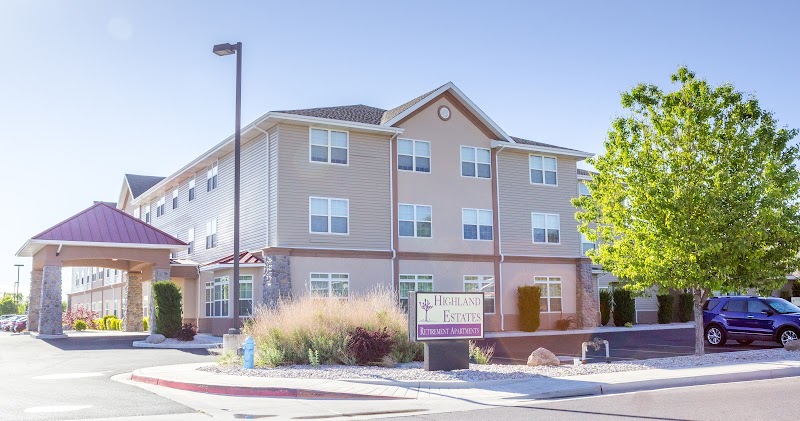
How is Highland Manor Of Fallon Rehabilitation Llc Staffed?

CMS rates HIGHLAND MANOR OF FALLON REHABILITATION LLC's staffing level at 2 out of 5 stars, which is below average compared to other nursing homes. Staff turnover is 60%, which is 14 percentage points above the Nevada average of 46%. High turnover can affect care consistency as new staff learn residents' individual needs. RN turnover specifically is 67%, which is notably high. RNs provide skilled clinical oversight, so turnover in this role can affect medical care quality.

What Have Inspectors Found at Highland Manor Of Fallon Rehabilitation Llc?

State health inspectors documented 81 deficiencies at HIGHLAND MANOR OF FALLON REHABILITATION LLC during 2022 to 2025. These included: 2 that caused actual resident harm and 79 with potential for harm. Deficiencies causing actual harm indicate documented cases where residents experienced negative health consequences.
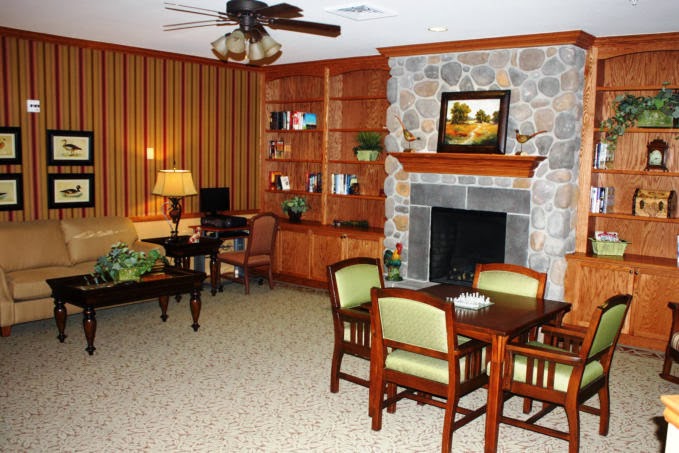
Who Owns and Operates Highland Manor Of Fallon Rehabilitation Llc?

HIGHLAND MANOR OF FALLON REHABILITATION LLC is owned by a for-profit company. For-profit facilities operate as businesses with obligations to shareholders or private owners. The facility operates independently rather than as part of a larger chain. With 102 certified beds and approximately 87 residents (about 85% occupancy), it is a mid-sized facility located in FALLON, Nevada.
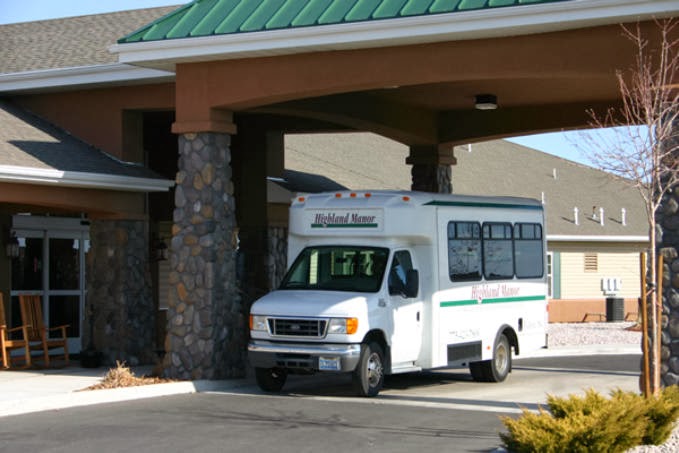
How Does Highland Manor Of Fallon Rehabilitation Llc Compare to Other Nevada Nursing Homes?

Compared to the 100 nursing homes in Nevada, HIGHLAND MANOR OF FALLON REHABILITATION LLC's overall rating (1 stars) is below the state average of 3.0, staff turnover (60%) is significantly higher than the state average of 46%, and health inspection rating (1 stars) is much below the national benchmark.

What Should Families Ask When Visiting Highland Manor Of Fallon Rehabilitation Llc?

Based on this facility's data, families visiting should ask: "What safeguards and monitoring systems are in place to protect residents from abuse or neglect?" "How do you ensure continuity of care given staff turnover, and what is your staff retention strategy?" "Can you walk me through typical staffing levels on day, evening, and night shifts?" "Can I visit during a mealtime to observe dining assistance and food quality?" These questions are particularly relevant given the substantiated abuse finding on record, the facility's high staff turnover rate, and the below-average staffing rating.

Is Highland Manor Of Fallon Rehabilitation Llc Safe?

Based on CMS inspection data, HIGHLAND MANOR OF FALLON REHABILITATION LLC has documented safety concerns. The facility has 1 substantiated abuse finding (meaning confirmed case of resident harm by staff or other residents). The facility is currently on the Special Focus Facility watch list (a federal program monitoring the lowest-performing 1% of nursing homes nationwide). The facility has a 1-star overall rating and ranks #100 of 100 nursing homes in Nevada. Families considering this facility should ask detailed questions about what corrective actions have been taken since these incidents.

Do Nurses at Highland Manor Of Fallon Rehabilitation Llc Stick Around?

Staff turnover at HIGHLAND MANOR OF FALLON REHABILITATION LLC is high. At 60%, the facility is 14 percentage points above the Nevada average of 46%. Registered Nurse turnover is particularly concerning at 67%. RNs handle complex medical decisions and coordinate care — frequent RN changes can directly impact care quality. High turnover means new staff may not know residents' individual needs, medications, or preferences. It can also be disorienting for residents, especially those with dementia who rely on familiar faces. Families should ask: What is causing the turnover? What retention programs are in place? How do you ensure care continuity during staff transitions?

Was Highland Manor Of Fallon Rehabilitation Llc Ever Fined?

HIGHLAND MANOR OF FALLON REHABILITATION LLC has been fined $52,803 across 2 penalty actions. This is above the Nevada average of $33,607. Fines in this range indicate compliance issues significant enough for CMS to impose meaningful financial consequences. Common causes include delayed correction of deficiencies, repeat violations, or care failures affecting resident safety. Families should ask facility leadership what changes have been made since these penalties.

Is Highland Manor Of Fallon Rehabilitation Llc on Any Federal Watch List?

HIGHLAND MANOR OF FALLON REHABILITATION LLC is currently an SFF Candidate, meaning CMS has identified it as potentially qualifying for the Special Focus Facility watch list. SFF Candidates have a history of serious deficiencies but haven't yet reached the threshold for full SFF designation. The facility is being monitored more closely — if problems continue, it may be added to the official watch list. Families should ask what the facility is doing to address the issues that led to this status.