GARDNERVILLE HEALTH & REHABILITATION CENTER
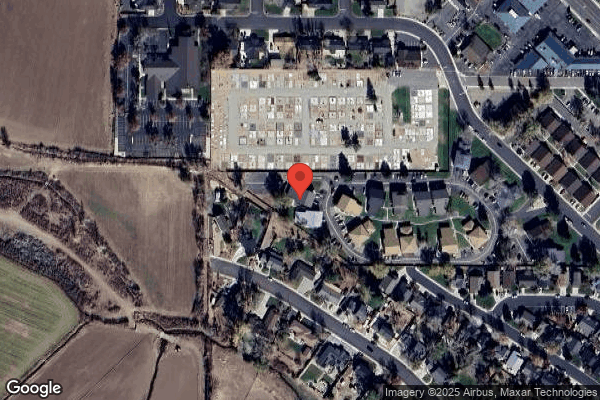
1573 SOUTH MULLER PKWY, GARDNERVILLE, NV 89410 (775) 782-6620
For profit - Limited Liability company 60 Beds EMPRES OPERATED BY EVERGREEN Data: November 2025
Trust Grade
25/100
#54 of 65 in NV
Last Inspection: May 2025

Inspected within the last 6 months. Data reflects current conditions.

Overview

Gardnerville Health & Rehabilitation Center has received a trust grade of F, indicating significant concerns about the quality of care provided. Ranked #54 out of 65 nursing homes in Nevada, they fall in the bottom half of the state, but they are the only option in Douglas County. The facility is worsening, with the number of issues increasing from 14 in 2024 to 20 in 2025. Staffing is average with a rating of 3 out of 5 stars, but the turnover rate is concerning at 77%, significantly higher than the Nevada average of 46%. While the facility has not incurred any fines, which is a positive aspect, there have been serious deficiencies, such as failing to prevent a urinary tract infection for a resident due to inadequate infection control measures and the presence of expired COVID-19 testing supplies that could compromise resident safety.

Trust Score
F
25/100
In Nevada
#54/65
Bottom 17%
Safety Record
Moderate
Needs review
Inspections
Getting Worse
14 → 20 violations
Staff Stability
⚠ Watch
77% turnover. Very high, 29 points above average. Constant new faces learning your loved one's needs.
Penalties
✓ Good
No fines on record. Clean compliance history, better than most Nevada facilities.
Skilled Nurses
✓ Good
Each resident gets 58 minutes of Registered Nurse (RN) attention daily — more than average for Nevada. RNs are trained to catch health problems early.
Violations
⚠ Watch
56 deficiencies on record. Higher than average. Multiple issues found across inspections.
★☆☆☆☆
1.0
Overall Rating
★★★☆☆
3.0
Staff Levels
★★☆☆☆
2.0
Care Quality
★☆☆☆☆
1.0
Inspection Score
Stable
2024: 14 issues
2025: 20 issues

The Good

  • Full Sprinkler Coverage · Fire safety systems throughout facility
  • No fines on record

Facility shows strength in fire safety.

The Bad

1-Star Overall Rating

Below Nevada average (3.0)

Significant quality concerns identified by CMS

Staff Turnover: 77%

31pts above Nevada avg (46%)

Frequent staff changes - ask about care continuity

Chain: EMPRES OPERATED BY EVERGREEN

Part of a multi-facility chain

Ask about local staffing decisions and management

Staff turnover is very high (77%)

29 points above Nevada average of 48%

The Ugly 56 deficiencies on record

1 actual harm
May 2025 20 deficiencies 1 Harm
SERIOUS (G)

Actual Harm - a resident was hurt due to facility failures

Incontinence Care (Tag F0690)

A resident was harmed · This affected 1 resident

**NOTE- TERMS IN BRACKETS HAVE BEEN EDITED TO PROTECT CONFIDENTIALITY** Based on observation, interview, clinical record review, and document review the facility failed to ensure 1 of 13 sampled resid...

Read full inspector narrative →
**NOTE- TERMS IN BRACKETS HAVE BEEN EDITED TO PROTECT CONFIDENTIALITY** Based on observation, interview, clinical record review, and document review the facility failed to ensure 1 of 13 sampled residents (Resident #27) received appropriate care to prevent a urinary tract infection (UTI) when facility policy and Centers for Disease Control and Prevention (CDC) recommendations related to Transmission-Based Precautions (TBP) were not followed and the resident remained in a shared room with another resident known to have an active infection with a Multidrug-Resistant Organism (MDRO). This deficient practice resulted in potentially avoidable isolation of the resident, UTI with an MDRO, and treatment with Intravenous (IV) antibiotics (ABX). Findings include: Resident #32 Resident #32 was admitted to the facility on [DATE], and readmitted on [DATE], with diagnoses including chronic respiratory failure with hypoxia and chronic kidney disease, stage four (severe). On 04/28/2025 at 7:31 AM, a sign was attached to the door frame of Resident #32 and Resident #27's room. The sign indicated the room had contact precautions in place, requiring a gown and gloves be donned prior to entering the room. A Personal Protective Equipment (PPE) cart was in the hall outside the room. The cart contained gowns, gloves, surgical masks and N95 masks. On 04/28/2025 at 7:47 AM, a Licensed Practical Nurse (LPN) assigned to care for Resident #32 and Resident #27 verbalized the contact precautions were in place due to Extended-Spectrum Beta-Lactamase (ESBL) in the resident's urine. The LPN confirmed two residents were staying in the room and verbalized both residents were on contact precautions. The following were included in Resident #32's clinical record: A Results Report for a urinalysis, complete with reflex to culture. The collection date was 02/12/2025, and the reported date was 02/17/2025. The report documented a urine culture result of greater than 100,000 CFU/ ml of E. coli. The therapy comments section of the report documented the organism was confirmed as an ESBL producer. Orders-Administration Notes dated 02/20/2025 and 02/21/2025, documented Ertapenem Sodium solution reconstituted, one gram IV every 24 hours for UTI for ten days. Awaiting peripherally inserted central catheter line placement. A Daily Skilled Note dated 02/28/2025, documented Resident #32 had a right arm midline. Resident on regimen of Ertapenem x 4 days to be completed 03/01/2025, no adverse reaction noted. On 04/29/2025 at 3:22 PM, the Infection Preventionist (IP) verbalized an MDRO was a multidrug-resistant organism. Residents were at high risk for contracting an MDRO if an ABX was inappropriately prescribed, when a catheter was inserted when not necessary or without using sterile technique, and when there was a lack of appropriate PPE. TBP included contact, droplet, and airborne precautions. The IP explained the intent of TBP was to protect the resident and keep residents from transmitting organisms to other residents. On 04/29/2025 at 3:33 PM, during an interview with the Director of Nursing (DON) and the IP, the DON and IP explained residents requiring TBP included residents infected with MDROs. Nursing was allowed to implement TBP, following the facility's policy for infection control and per CDC guidelines. If a resident was on contact precautions, the resident may be allowed to have a roommate if the roommate had the same organism. The IP and DON confirmed TBP were in place for Resident #27 on 04/28/2025. The DON confirmed Resident #27 had a roommate, Resident #32, and verbalized the residents had shared a room for a long time. On 04/30/2025 at 2:27 PM, during an interview with the DON, the IP, and the Regional Director of Clinical Operations (RDCO), the DON explained the indication for placing Resident #27 on TBP was ESBL E. coli in the resident's urine. The DON confirmed Resident #32 had been infected with the same organism. The IP verbalized Resident #32 was positive for ESBL E. coli per the results of a urine culture collected on 02/12/2025. Resident #32 was sent to the hospital not long after the collection of the urine specimen, returned to the facility on [DATE], and was placed on contact precautions. The DON denied Resident #32 was placed in a private room upon return to the facility and explained the resident was placed in a shared room with Resident #27. The DON and IP reviewed Resident #32's urine culture result report dated 02/17/2025. The DON confirmed the therapy comments section at the bottom of the report documented the organism was confirmed as an ESBL producer. The IP acknowledged the report indicated the organism was resistant to multiple drugs. The IP confirmed Resident #32 should have been placed in a private room upon return to the facility on [DATE]. Resident #27 Resident #27 was admitted to the facility on [DATE], with diagnoses including spastic hemiplegia affecting right dominant side, bipolar II disorder, major depressive disorder, recurrent, unspecified, anxiety disorder, unspecified, and post-traumatic stress disorder, chronic. On 04/28/2025 at 2:53 PM, Resident #27 verbalized the resident was on isolation precautions related to a UTI. The resident was taking ABX to treat the UTI and complained of nausea and vomiting since starting the ABX. Resident #27 became tearful during interview and verbalized the resident had been in isolation for approximately one month. The resident explained the resident had really bad anxiety and the isolation made the anxiety worse. On 04/28/2025 at approximately 3:30 PM, a Certified Nursing Assistant (CNA) was preparing to enter Resident #27's room. The CNA affirmed the CNA was assigned to provide care to both Resident #27 and Resident #32 during the shift. The following were included in Resident #27's clinical record: A Progress Note dated 03/19/2025 documented Resident #27 complained of dysuria and frequency. Nurse spoke to the physician and obtained an order for a urinalysis (UA). A Lab Results Report, with a collection date of 03/19/2025 and a reported date of 03/24/2025, documented a urine culture result of greater than 100,000 Colony Forming Units (CFU)/ milliliter (ml) of ESBL producing Escherichia coli (E. coli). The organism showed resistance to the following: Ampicillin, Ampicillin/Sulbactam, Cefazolin, Cefepime, Ceftazidime, Ceftriaxone, Cefuroxime, Ciprofloxacin, Gentamicin, Levofloxacin, Nitrofurantoin, Tobramycin, and Trimethoprim/Sulfamethoxazole. An Orders-Administration Note dated 03/24/2025, documented Ceftolozane-Tazobactam IV solution reconstituted 1.5 (1-0.5) grams (GM). Use 1.5 GM IV every eight hours for E. coli/ ESBL UTI. A Nursing Progress Note dated 03/25/2025, documented new order obtained for Meropenem 500 milligrams (mg) IV every eight hours for UTI. New order for Normal Saline (NS) one liter for rehydration. 22 gauge to left wrist started, no complaints of pain, no signs or symptoms of infiltration. NS infusing, will continue to monitor. An Orders-Administration Note dated 04/04/2025, documented resident to be in isolation due to ESBL in urine. Meals to be given on disposable trays. All care provided by staff to be done in room. Resident to be in private room with no roommate. Every day and night shift for isolation precautions. A Physician's Order dated 04/14/2025, documented Linezolid oral tablet 600 mg, give one tablet by mouth two times a day for UTI for 14 days. A Physician's Order dated 04/17/2025, documented contact precautions for enterococcus faecalis in urine. Every day and night shift until 05/01/2025. End contact isolation 72 hours after ABX regimen is complete. A Daily Census Report dated 02/24/2025, documented there were 18 empty beds in the facility. The facility's Monthly Line Listing of infections for February 2025, documented Resident #32 had a UTI. The date of infection was listed as 02/13/2025. The pathogen/organism was E. coli ESBL, the infection was healthcare associated, and contact precautions were initiated. Resident #32's clinical record documented on 02/13/2025, the resident was sharing a room with Resident #27. The facility's Monthly Line Listing of infections for March 2025, documented Resident #27 had a UTI. The date of infection was listed as 03/25/2025. The pathogen/organism was E. coli, the infection was healthcare associated, and contact precautions were initiated. The facility's CNA and nurse schedule for March 2025 documented one nurse worked in the facility during the night shift on 03/01/2025 through 03/05/2025. On 04/29/2025 at 4:32 PM, the DON explained an adequate number of staff to care for residents in the facility varied by acuity. At a minimum, the facility would staff one nurse and three CNAs at night. The DON confirmed the facility had shifts when only one nurse was in the facility to provide nursing care to all residents. On 04/30/2025 at 2:27 PM, the IP explained the first time the facility was aware of and had documentation of Resident #27 testing positive for ESBL E. coli was 03/25/2025, after sharing a room with Resident #32. The facility policy titled Transmission Based Precautions, published 01/2025, documented it was the policy of the facility to implement Transmission-Based Precautions (TBP) for residents known to be, or suspected of being, infected with infectious agents. The four types of TBP included contact, droplet, airborne, and enhanced barrier precautions. The need to implement TBP was determined by the IP, DON, and/or consultation with the local health department. Precautions were based on CDC guidelines. Contact, or touch, was the most common and most significant mode of transmission of infectious agents. Contact transmission could occur by directly touching the resident, through contact with the resident's environment, or by using contaminated gloves or equipment. Options for residents on contact precautions could include a private room, cohorting with another infected or colonized resident or sharing a room with a resident with limited risk factors. The CDC document titled 2007 Guideline for Isolation Precautions: Preventing Transmission of Infectious Agents in Healthcare Settings, updated 09/2024, documented MDROs were generally defined as microorganisms which were resistant to one or more classes of antimicrobial agents. MDROs of concern included those producing ESBL. Documented outbreaks in long-term care facilities were caused by various viruses and bacteria and could lead to substantial morbidity and mortality and increased medical costs. Prompt detection and implementation of effective control measures were required. Placement of a resident in a single room was preferred when there was concern about transmission of an infectious agent, including residents on contact and droplet precautions. Recommendations for residents infected or colonized with an MDRO judged as clinically important by the infection control program included contact in addition to standard precautions. Cross reference tag F880.
CONCERN (D) 📢 Someone Reported This

A family member, employee, or ombudsman was alarmed enough to file a formal complaint

Potential for Harm - no one hurt, but risky conditions existed

Deficiency F0552 (Tag F0552)

Could have caused harm · This affected 1 resident

**NOTE- TERMS IN BRACKETS HAVE BEEN EDITED TO PROTECT CONFIDENTIALITY** Based on clinical record review, interview and document review the facility failed to ensure a device evaluation was completed a...

Read full inspector narrative →
**NOTE- TERMS IN BRACKETS HAVE BEEN EDITED TO PROTECT CONFIDENTIALITY** Based on clinical record review, interview and document review the facility failed to ensure a device evaluation was completed and consent obtained prior to placing a resident's mattress on the floor for 1 of 24 residents sampled related to Facility Reported Incidents (FRIs). This deficient practice had the potential to deprive a resident/resident representative of the right to be informed of the risks and benefits of an intervention which could restrict the resident's freedom of movement. Findings include: Resident #45 Resident #45 was admitted to the facility on [DATE], with diagnoses including metabolic encephalopathy and idiopathic normal pressure hydrocephalus. A final report for FRI #NV00073587, documented an allegation of neglect was substantiated by the facility when a Licensed Practical Nurse (LPN) placed Resident #45's mattress on the floor. A witness statement provided by a Certified Nursing Assistant (CNA), dated 03/05/2025, documented the LPN took Resident #45's bed frame away and placed the resident's mattress on the floor on 02/20/2025. An Interdisciplinary Note dated 03/07/2025, written by the Lead Administrator of Nevada (LAN), documented the LAN spoke with Resident #45's family member regarding an allegation of neglect. The resident's family member reported concern the resident's mattress was placed on the floor. On 05/01/2025 at 11:09 AM, the LAN affirmed the LAN conducted the investigation into the allegations of abuse and neglect of Resident #45. On 05/01/2025 at 4:13 PM, during an interview with the Director of Nursing (DON), the Regional Director of Clinical Operations (RDCO), and the LAN, the DON verbalized an in-service was provided to all staff related to abuse and neglect and reporting requirements. After the in-service training, the CNA explained what the CNA had witnessed related to Resident #45's mattress being placed on the floor by an LPN. The resident had been discharged by the time the allegation was reported by the CNA. The LAN explained, after completing an investigation, the facility substantiated the allegation of neglect. The LAN verbalized the LAN spoke to Resident #45's family member over the phone. During the phone call, the family member confirmed and expressed being unhappy about the resident's mattress being placed on the floor. The LAN explained the facility determined the LPN's actions were neglectful based on a lack of a barrier between the floor and the resident's mattress, the LPN not notifying anyone prior to placing the mattress on the floor, and it was a restraint. The mattress on the floor acted as a restraint due to the resident's inability to get up from the floor unassisted. Prior to placing the mattress on the floor, the resident had been able to get out of bed independently. The LAN verbalized the LPN initiated the use of a restraint without notifying the physician or doing a device evaluation. The facility policy titled Physical Restraints and Enablers/Devices, updated 01/2025, documented residents had the right to be free from any physical restraints imposed for purposes of discipline or staff convenience and not required to treat the resident's medical symptoms. A physical restraint was defined as any manual method, physical or mechanical device, equipment or material attached or adjacent to the resident's body which met all of the following: was attached or adjacent to the resident's body, could not be removed easily by the resident, and restricted the resident's freedom of movement or normal access to the resident's body. A device evaluation was to be completed prior to the device being initiated, annually, and on any change in condition. The effect, not the intent, of the device was evaluated to determine if the device used was a restraint or an enabler. If the device was restraining, the physician would be contacted for an order indicating specific type of device, reason for use, and duration of use. The resident/resident representative would be provided with risks and benefits of restraint use or device use, and consent would be obtained prior to implementation. FRI #NV00073587
CONCERN (D) 📢 Someone Reported This

A family member, employee, or ombudsman was alarmed enough to file a formal complaint

Potential for Harm - no one hurt, but risky conditions existed

Deficiency F0557 (Tag F0557)

Could have caused harm · This affected 1 resident

**NOTE- TERMS IN BRACKETS HAVE BEEN EDITED TO PROTECT CONFIDENTIALITY** Based on interview, clinical record review, and document review, the facility failed to ensure a Licensed Practical Nurse (LPN) ...

Read full inspector narrative →
**NOTE- TERMS IN BRACKETS HAVE BEEN EDITED TO PROTECT CONFIDENTIALITY** Based on interview, clinical record review, and document review, the facility failed to ensure a Licensed Practical Nurse (LPN) treated a resident with dignity and did not seclude the resident, leaving the resident only in a brief and a t-shirt in the dining room while experiencing behaviors for 1 of 24 residents sampled related to facility reported incidents (FRI) (Resident #43). This deficient practice had the potential to result in the resident experiencing psychosocial harm or emotional distress due to not being treated with respect and dignity. Findings include: Resident #43 Resident #43 was admitted to the facility on [DATE] and readmitted on [DATE], and discharged on 03/12/2025, with diagnoses including unspecified dementia, severe with other behavioral disturbance, anxiety disorder, unspecified, cognitive communication deficit, other seizures, and difficulty in walking, not elsewhere classified. A FRI, dated 03/06/2025, documented a Certified Nursing Assistant (CNA) entered Resident #43's room to assist the resident with a brief change. The resident became verbally agitated and began to exhibit signs of psychosis, signaling a Licensed Practical Nurse (LPN) to go to the resident's room to see what was happening. The CNA removed Resident #43 from the resident's room and transferred the resident to the community dining room. The resident had a soiled brief and was only wearing a t-shirt. The curtains were drawn back to allow view of the resident in the dining room, staff left the dining room and closed the door, and observed the resident through the windows of the dining room. The final report from the facility, dated 03/10/2025, documented the facility had terminated three employees for a policy violation as a result of the incident. A Nursing Progress Note dated 03/04/2025, documented staff heard loud screaming coming from the 200 hallway. An LPN had asked the resident what was wrong and the resident replied there were people trying to kill the resident and requested a Sheriff to come to the facility. The resident began yelling for help. The LPN attempted to de-escalate the resident's behaviors and was unsuccessful. The resident began to throw items in the resident's room toward the roommates side of the room. A CNA approached Resident #43 to try and calm the resident and the resident began to grab at the CNAs arms, causing scratches and bleeding to the CNAs arms. The LPN intervened and was able to unleash the resident's grip on the CNAs arms. The resident then grabbed the call light and was attempting to strike staff with the call light. The resident was assisted to the resident's wheelchair and removed from the room to the dining room as a behavioral intervention. While in the dining room, the resident attempted to rip the television from the wall, took the cord from the television, was swinging the cord toward staff, and threw the television remote control toward staff while stating the resident was going to tear stuff up. The LPN offered food and drink to the resident to calm the resident and the resident declined. The resident escalated by throwing items from drawers and hitting the LPN. The LPN offered medications to the resident and the resident accepted. The resident began to calm down after administration of the medications and was returned to the resident's room to be placed in bed. A Care Plan initiated on 03/06/2025, documented the resident experienced a behavioral episode and was taken to the common room and left there with the door closed. A Social Services progress note, dated 03/10/2025, documented the resident could not recall the incident and had no emotional concerns. On 05/01/2025 at 1:13 PM, the Director of Nursing (DON) verbalized a CNA was trying to change Resident #43's brief when the resident started to yell at the CNA. An LPN arrived at the resident's room and the CNA had told the LPN the resident was yelling at the CNA and was falsely accusing the CNA of things. The DON explained the resident was hallucinating and saying crazy things. The resident was very upset and was saying things like they're trying to kill me. The LPN was trying to reassure the resident no one was there to kill the resident. The resident then began to throw things and had grabbed a CNA. The LPN was attempting to tell the resident it was ok to get the resident to release the CNA. The resident then grabbed the call light cord and was swinging it around. The DON explained the resident was removed from the resident's room and taken to the dining room for safety reasons. The resident was closed in the dining area while still experiencing hallucinations. The resident was in only a soiled brief and a t-shirt while in the dining area with all of the curtains drawn back to view the resident. Once the resident was calm, the resident was taken back to the resident's room. The DON confirmed all curtains were open to the dining room, exposing the resident to all elements, while only wearing a soiled brief and a t-shirt, and experiencing an episode of behaviors. The DON confirmed the situation was handled poorly by staff and the resident's dignity was disrespected by leaving the resident in a soiled brief and a t-shirt in a common area of the facility. The facility document titled Notice of Resident Rights Under Federal Law, last updated November 2026, documented the resident had the right to a dignified existence, right to be treated with respect and dignity, and the right to be free from involuntary seclusion. The facility document titled Resident Rights, undated, documented a resident in the facility would have the right to be treated with respect and dignity. FRI #NV00073619 Cross reference tags F603 and F943
CONCERN (D) 📢 Someone Reported This

A family member, employee, or ombudsman was alarmed enough to file a formal complaint

Potential for Harm - no one hurt, but risky conditions existed

Deficiency F0603 (Tag F0603)

Could have caused harm · This affected 1 resident

**NOTE- TERMS IN BRACKETS HAVE BEEN EDITED TO PROTECT CONFIDENTIALITY** Based on interview, clinical record review, and document review, the facility failed to protect 1 of 24 residents sampled for Fa...

Read full inspector narrative →
**NOTE- TERMS IN BRACKETS HAVE BEEN EDITED TO PROTECT CONFIDENTIALITY** Based on interview, clinical record review, and document review, the facility failed to protect 1 of 24 residents sampled for Facility Reported Incidents (FRI) free from involuntary seclusion. The deficient practice had the potential to cause the resident psychosocial harm or emotional distress by placing the resident alone in the common dining room, closing the door, and leaving the resident isolated from others. Findings include: Resident #43 Resident #43 was admitted to the facility on [DATE] and readmitted on [DATE], and discharged on 03/12/2025, with diagnoses including unspecified dementia, severe with other behavioral disturbance, anxiety disorder, unspecified, cognitive communication deficit, other seizures, and difficulty in walking, not elsewhere classified. A FRI, dated 03/06/2025, documented a Certified Nursing Assistant (CNA) entered Resident #43's room to assist the resident with a brief change. The resident became verbally agitated and began to exhibit signs of psychosis, signaling a Licensed Practical Nurse (LPN) to go to the resident's room to see what was happening. The CNA removed Resident #43 from the resident's room and transferred the resident to the community dining room. The resident had a soiled brief and was only wearing a t-shirt. The curtains were drawn back to allow view of the resident in the dining room, staff left the dining room and closed the door, and observed the resident through the windows of the dining room. The final report from the facility, dated 03/10/2025, documented the facility had terminated three employees for a policy violation as a result of the incident. A Nursing Progress Note dated 03/04/2025, documented staff heard loud screaming coming from the 200 hallway. An LPN had asked the resident what was wrong and the resident replied there were people trying to kill her and requested a Sheriff come to the facility. The resident began yelling for help. The LPN attempted to de-escalate the resident's behaviors and was unsuccessful. The resident began to throw items in the resident's room toward the roommates side of the room. A CNA approached Resident #43 to try and calm the resident and the resident began to grab at the CNAs arms, causing scratches and bleeding to the CNAs arms. The LPN intervened and was able to unleash the resident's grip on the CNAs arms. The resident then grabbed the call light and was attempting to strike staff with the call light. The resident was assisted to the resident's wheelchair and removed from the room to the dining room as a behavioral intervention. While in the dining room, the resident attempted to rip the television from the wall, took the cord from the television, was swinging the cord toward staff, and threw the television remote control toward staff while stating the resident was going to tear stuff up. The LPN offered food and drink to the resident to calm the resident and the resident declined. The resident escalated by throwing items from drawers and hitting the LPN. The LPN offered medications to the resident and the resident accepted. The resident began to calm down after administration of the medications and was returned to the resident's room to be placed in bed. A Care Plan initiated on 03/06/2025, documented the resident was experienced a behavioral episode and was taken to the common room and left there with the door closed. A Social Services progress note, dated 03/10/2025, documented the resident could not recall the incident and had no emotional concerns. On 05/01/2025 at 1:13 PM, the Director of Nursing (DON) verbalized a CNA was trying to change Resident #43's brief when the resident started to yell at the CNA. An LPN arrived at the resident's room and the CNA had told the LPN the resident was yelling at the CNA and was falsely accusing the CNA of things. The DON explained the resident was hallucinating and saying crazy things. The resident was very upset and was saying things like they're trying to kill me. The LPN was trying to reassure the resident no one was there to kill the resident. The resident then began to throw things and had grabbed a CNA. The LPN was attempting to tell the resident it was ok to get the resident to release the CNA. The resident then grabbed the call light cord and was swinging it around. The DON explained the resident was removed from the resident's room and taken to the dining room for safety reasons. The resident was closed in the dining area while still experiencing hallucinations. The resident was in only a soiled brief and a t-shirt while in the dining area with all of the curtains drawn back to view the resident. Once the resident was calm, the resident was taken back to the resident's room. The DON confirmed all curtains were open to the dining room, exposing the resident to all elements, while only wearing a soiled brief and a t-shirt, and experiencing an episode of behaviors. The DON confirmed the resident was closed in the dining room, isolated from other individuals in the community, and the situation was handled poorly by staff. The DON mentioned not being able to speak on behalf of the resident as to how the resident would feel about the situation because the resident could not recall the incident. The facility document titled Notice of Resident Rights Under Federal Law, last updated November 2026, documented the resident had the right to a dignified existence, right to be treated with respect and dignity, and the right to be free from involuntary seclusion. The facility policy titled Freedom from Abuse, Neglect, Corporal Punishment, Involuntary Seclusion, Mistreatment, Misappropriation of Resident Property, and Exploitation, last updated March 2025, documented residents had the right to be free from abuse, including verbal, mental, sexual, or physical abuse, corporal punishment, involuntary seclusion, mistreatment, neglect, misappropriation of resident property, exploitation, and any physical or chemical restraint not required to treat the resident's medical condition. Involuntary seclusion was defined as the separation of a resident from other residents or from her/his room or confinement to her/his room (with or without roommates) against the resident's will, or the will of the resident representative. Involuntary seclusion included confinement, restriction or isolation of a resident, and may be a result of staff convenience, or may be used to discipline a resident for wandering, yelling, repeatedly requiring care or services, or refusing to allow care. In addition, some abuse or neglect situations may be difficult to determine the outcome of psychosocial outcomes to a resident and it would be appropriate for staff to consider how a reasonable person in the resident's position would be impacted by the incident. FRI #NV00073619 Cross reference with F tags 550 and 943
CONCERN (D)

Potential for Harm - no one hurt, but risky conditions existed

Assessment Accuracy (Tag F0641)

Could have caused harm · This affected 1 resident

**NOTE- TERMS IN BRACKETS HAVE BEEN EDITED TO PROTECT CONFIDENTIALITY** Based on clinical record review, interview, and document review the facility failed to ensure a Minimum Data Set 3.0 (MDS) asses...

Read full inspector narrative →
**NOTE- TERMS IN BRACKETS HAVE BEEN EDITED TO PROTECT CONFIDENTIALITY** Based on clinical record review, interview, and document review the facility failed to ensure a Minimum Data Set 3.0 (MDS) assessment was accurate for 1 of 13 sampled residents (Resident #29). This deficient practice had the potential to deprive residents of necessary care and services relative to current health management needs in the facility. Findings include: Resident #29 Resident #29 was admitted to the facility on [DATE], with a diagnosis of type one diabetes mellitus with diabetic chronic kidney disease. A Physician's Order dated 08/20/2024, documented Eliquis oral tablet 5 milligrams (mg), give 5 mg by mouth two times a day for Deep Vein Thrombosis (DVT) prophylaxis. Resident #29's Medication Administration Record (MAR) for April 2025 documented Eliquis 5 mg was administered to the resident from 04/01/2025 through 04/30/2025. An MDS assessment dated [DATE], Section N - Medications, item E - Anticoagulant lacked an X or any other documentation indicating the resident was taking an anticoagulant medication. On 05/01/2025 at 3:10 PM, the MDS Coordinator explained if a resident was taking any high-risk medications, the medication would be documented in section N of the MDS assessment. The MDS Coordinator confirmed Resident #29 was taking an anticoagulant medication and verbalized the last MDS assessment completed for the resident was dated 04/14/2025. After review of the 04/14/2025 assessment, the MDS Coordinator confirmed the assessment was inaccurate as the assessment did not document the resident was taking an anticoagulant medication. The Centers for Medicare and Medicaid Services, Long-Term Care Facility Resident Assessment Instrument 3.0 User's Manual, Version 1.1.9.1, dated 10/2024, documented medications were an integral part of the care provided to residents of nursing homes. Section N - High-risk drug classes was intended to capture and record the number of days, during the 7 day lookback period, any type of injection, insulin, and/or selected medications were received by the resident. Residents taking high-risk medications were at risk of side effects which could adversely affect health, safety, and quality of life. High-risk drug classes included anticoagulants.
CONCERN (D)

Potential for Harm - no one hurt, but risky conditions existed

Deficiency F0645 (Tag F0645)

Could have caused harm · This affected 1 resident

**NOTE- TERMS IN BRACKETS HAVE BEEN EDITED TO PROTECT CONFIDENTIALITY** Based on observation, interview, record review and document review, the facility failed to ensure 1) the facility had a process ...

Read full inspector narrative →
**NOTE- TERMS IN BRACKETS HAVE BEEN EDITED TO PROTECT CONFIDENTIALITY** Based on observation, interview, record review and document review, the facility failed to ensure 1) the facility had a process in place to identify and refer residents for pre-admission screening and resident review (PASARR) level II and 2) to initiate a submission for a determination of a Preadmission Screening and Resident Review (PASARR) level I for 1 of 13 sampled residents (Resident 4). The deficient practice had the potential to deprive residents from obtaining appropriate behavioral health services. Findings include: Resident #4 Resident #4 was admitted to the facility on [DATE], with diagnoses including unspecified psychosis not due to a substance or known physiological condition, depression, unspecified, and other symptoms and signs involving cognitive functions and awareness. Resident #4's PASARR Level I documented completion on 04/03/2013. The PASARR Level I documented IC-no Mental Illness, Mental Retardation, or Related Conditions. PASARR appropriate for Nursing Facility (NF) placement. Resident #4's Minimum Data Set (MDS) 3.0 quarterly screening, Section I-Active Diagnoses, dated 02/21/2025, documented the resident had depression and psychotic disorder. Resident #4's facesheet documented the following active diagnoses pronounced after the date of admission to the facility. -Other symptoms and signs involving cognitive functions and awareness. The diagnosis was made on 03/28/2025. -Unspecified psychosis not due to a substance or known physiological condition. The diagnosis was made on 09/17/2024. On 05/01/2025 at 10:32 AM, the Licensed Social Worker (LSW) verbalized the LSW did not have any job responsibilities related to PASARR for the facility and the Admissions Director was responsible for handling PASARR processes. On 05/01/2025 at 10:38 AM, the Admissions Director explained not knowing what a PASARR was but that it was a requirement to have in a residents clinical file prior to admission to the facility. The admission Director verbalized the Admissions Director had not been trained on proper timeframes for a PASARR Level I when collecting the information upon resident admission to the facility and no formal training had been provided to the Admissions Director. The Admissions Director admitted to having knowledge of no one handling PASARR in the facility and referred the Inspector to the Administrator. On 05/01/2025 at 10:43 AM, the Administrator confirmed the facility did not have an employee looking at the processes and procedures for PASARRs and verbalized the processes surrounding PASARR Level I and PASARR Level II had been fractured. The Administrator admitted the Social Worker needed to be in charge of handling the PASARR screening process and the process of handling PASARRs was not being done in the facility. The Administrator explained the purpose of a PASARR Level I was to identify mental illness or cognitive issues a resident may have to see if placement in the facility was appropriate. The Administrator admitted not knowing what a PASARR Level II was or what the purpose of initiating a PASARR Level II would do for a resident. On 05/01/2025 at 11:11 AM, the Senior Administrator of Nevada explained all residents were required to have a PASARR Level I prior to admission to the facility to determine if NF placement would be appropriate for a resident and all PASARR Level I should not be older than 6 months prior to admission to the facility. The Senior Administrator of Nevada explained the PASARR Level I needed to contain accurate diagnoses for review to ensure accuracy of placement of a resident. The Senior Administrator of Nevada was not aware if Resident #4 was receiving behavioral health services for the diagnoses of unspecified psychosis or symptoms and signs involving cognitive functions and awareness. On 05/01/2025 at 11:16 AM, the Director of Nursing (DON) verbalized Resident #4 had behaviors such as hallucinations, paranoia, anger, and frustration because the resident was seeing things that were not there. The facility policy titled PASRR Process Policy and Procedure, published 01/09/2025, documented upon admission to the facility, the Admissions Coordinator, Medical Records Director, or designee would validate a PASRR Level I and include it in the admission paperwork. If one was not available, the Admissions Coordinator would contact the hospital to obtain. If a Level II evaluation was needed, the Social Worker would be involved. The Social Services Director would track a residents admission date, PASRR Level I in the chart, ensure a positive PASRR I had a referral for evaluation, date the Level II was placed in the resident's chart, date and 'invalidation' was placed in the resident's chart, and follow up as needed per Federal PASRR rules.
CONCERN (D)

Potential for Harm - no one hurt, but risky conditions existed

Comprehensive Care Plan (Tag F0656)

Could have caused harm · This affected 1 resident

**NOTE- TERMS IN BRACKETS HAVE BEEN EDITED TO PROTECT CONFIDENTIALITY** Based on observation, interview, clinical record review, and document review the facility failed to ensure Oxygen use and associ...

Read full inspector narrative →
**NOTE- TERMS IN BRACKETS HAVE BEEN EDITED TO PROTECT CONFIDENTIALITY** Based on observation, interview, clinical record review, and document review the facility failed to ensure Oxygen use and associated diagnoses were care planned for 1 of 13 sampled residents (Resident #34). This deficient practice had the potential to result in staff working with the resident to be unaware of the need to monitor the resident for shortness of breath or difficulty breathing, provide Oxygen as ordered, and monitor Oxygen saturation. Findings include: Resident #34 Resident #34 was admitted to the facility on [DATE], and readmitted on [DATE], with diagnoses including chronic obstructive pulmonary disease, unspecified and chronic systolic (congestive) heart failure. On 04/28/2025 at 9:45 AM, Resident #34 was receiving Oxygen via a Nasal Cannula (NC). The resident's Oxygen concentrator was set at 2.5 liters per minute (LPM). On 05/01/2025 at 7:49 AM, Resident #34 was sitting on the edge of the resident's bed. A NC was hanging below the resident's chin. A Registered Nurse (RN) entered Resident #34's room and adjusted the resident's NC. The RN explained Resident #34 was supposed to be on two liters of Oxygen. The RN checked Resident #34's Oxygen concentrator, verbalized the concentrator was set to three liters per minute, and explained Resident #34 often removed the NC at night and staff had to increase the amount of Oxygen being administered. A Physician's Order dated 02/26/2025, documented Oxygen 2 LPM. Delivery: cannula, mask. Continuous. Resident #34's Care Plan lacked documentation related to use of Oxygen and the resident's diagnoses of chronic obstructive pulmonary disease, congestive heart failure and asthma. On 05/01/2025 at 1:58 PM, the Director of Nursing (DON) confirmed a resident's use of Oxygen should be included on the resident's Care Plan. The DON explained the facility created resident care plans by body system and any disease processes the resident had. The DON confirmed Resident #34 had a current physician order for Oxygen administration. The DON verbalized the DON would have to review the Care Plan to confirm if the Oxygen and associated diagnosis were included. On 05/01/2025 at 4:22 PM, the DON verbalized Resident #34's Care Plan had been updated to include the diagnosis of congestive heart failure, use of Oxygen, and need for Oxygen saturation monitoring. The DON explained the DON reviewed Resident #34's clinical record prior to updating the Care Plan and confirmed the Care Plan lacked a problem, goals, or interventions related to congestive heart failure or the resident's use of Oxygen. The Centers for Medicare and Medicaid Services, Long-Term Care Facility Resident Assessment Instrument 3.0 (RAI) User's Manual, version 1.1.9.1, dated 10/2024, documented the facility was to develop a care plan for each resident which included measurable objectives and timeframes and described the services to be furnished to attain or maintain the resident's highest practicable physical, mental, and psychosocial well-being. The care plan was to be revised on an ongoing basis to reflect changes in the resident and care the resident was receiving. Cross reference tag F695
CONCERN (D)

Potential for Harm - no one hurt, but risky conditions existed

ADL Care (Tag F0677)

Could have caused harm · This affected 1 resident

**NOTE- TERMS IN BRACKETS HAVE BEEN EDITED TO PROTECT CONFIDENTIALITY** Based on observation, interview, record review and document review, the facility failed to ensure a resident who relied on staff...

Read full inspector narrative →
**NOTE- TERMS IN BRACKETS HAVE BEEN EDITED TO PROTECT CONFIDENTIALITY** Based on observation, interview, record review and document review, the facility failed to ensure a resident who relied on staff for Activities of Daily Living (ADLs) received scheduled showers or baths as required for 1 of 13 sampled residents (Resident #19). The deficient practice had the potential to increase skin breakdown, infections, odor, and bacteria buildup. Findings include: Resident #19 Resident #19 was admitted on [DATE] and re-admitted on [DATE] with diagnoses including intervertebral disc degeneration, lumbar region with discogenic back pain, muscle weakness, and atrial fibrillation. On 04/28/2025 at 12:54 PM, Resident #19 verbalized not receiving showers regularly as scheduled and gave their own bed bath. The resident explained feeling itchy and bad about themselves when not receiving regular scheduled showers. The Minimum Data Set (MDS) 3.0 in section GG dated 02/13/2025, indicated substantial/maximal assistance with showering and bathing self. Resident #19's Care Plan initiated on 04/17/2025, indicated resident required substantial/max assist by one staff for ADL care related to bathing/showering. Resident #19's medical record for February, March and April 2025 lacked documented evidence the resident received either a shower, bath or bed bath twice a week as scheduled on the following dates: -02/13/2025 -02/17/2025 -02/27/2025 -03/13/2025 -03/17/2025 -03/20/2025 -03/24/2025 -03/27/2025 -03/31/2025 -04/03/2025 -04/07/2025 -04/14/2025 -04/18/2025 -04/21/2025 -04/28/2025 Resident #19's medical record lacked documented evidence the resident refused a shower or bath during the above-mentioned dates, and shower or bath were not provided on other days to compensate for the missed shower or bath as scheduled. On 04/30/2025 at 10:47 AM, a nurse apprentice explained showers were provided to residents twice a week depending on the shower schedule for each resident. Skin Observation and Shower sheets were utilized to document if a shower or bath was provided to the resident. If the shower or bath was denied by the resident, the staff would document the refusal on the Skin Observation and Shower sheet and turned into the Infection Preventionist. Another means of documenting the shower or bath was in the electronic health record (EHR). On 04/30/2025 at 11:00 AM, an observation of the shower schedule was posted at the nursing station, indicated showers were designated twice a week for Resident #19 (room [ROOM NUMBER]), which were Mondays and Fridays. On 05/01/2025 at 2:41 PM, the Director of Nursing (DON) explained the Certified Nursing Assistant (CNA) was to report to the on-shift nurse if the resident refused showers. The CNA was to document the shower on the Skin Observation and Shower sheet and in the EHR. Resident #19's documented showers from February to April were reviewed with the DON. The DON confirmed there was no documented evidence the resident was offered a shower or bath on 02/13/2025, 02/17/2025, 02/27/2025, 03/13/2025, 03/17/2025, 03/20/2025, 03/24/2025, 03/27/2025, 03/31/2025, 04/03/2025, 04/07/2025, 04/14/2025, 04/18/2025, 04/21/2025, and 04/28/2025. The DON confirmed the findings and indicated there was no documentation Resident #19 had refused or was unavailable during the shift.
CONCERN (D)

Potential for Harm - no one hurt, but risky conditions existed

Respiratory Care (Tag F0695)

Could have caused harm · This affected 1 resident

**NOTE- TERMS IN BRACKETS HAVE BEEN EDITED TO PROTECT CONFIDENTIALITY** Based on observation, interview, clinical record review, and document review the facility failed to ensure oxygen was administer...

Read full inspector narrative →
**NOTE- TERMS IN BRACKETS HAVE BEEN EDITED TO PROTECT CONFIDENTIALITY** Based on observation, interview, clinical record review, and document review the facility failed to ensure oxygen was administered according to a physician's order for 1 of 13 sampled residents (Resident #34). This deficient practice had the potential to cause worsening of the resident's diagnosed chronic obstructive pulmonary disease. Findings include: Resident #34 Resident #34 was admitted to the facility on [DATE], and readmitted on [DATE], with diagnoses including chronic obstructive pulmonary disease, unspecified and chronic systolic (congestive) heart failure. On 04/28/2025 at 9:45 AM, Resident #34 was receiving Oxygen via a Nasal Cannula (NC). The resident's Oxygen concentrator was set at 2.5 liters per minute (LPM). On 05/01/2025 at 7:49 AM, Resident #34 was sitting on the edge of the resident's bed. A NC was hanging below the resident's chin. A Registered Nurse (RN) entered Resident #34's room and adjusted the resident's NC. The RN explained Resident #34 was supposed to be on two liters of Oxygen. The RN checked Resident #34's Oxygen concentrator, verbalized the concentrator was set to three liters per minute. Resident #34 often removed the NC at night and staff had to increase the amount of Oxygen being administered. A Physician's Order dated 02/26/2025, documented Oxygen 2 LPM. Delivery: cannula, mask. Continuous. On 05/01/2025 at 1:58 PM, the Director of Nursing (DON) explained the facility's process for administration of Oxygen included first obtaining an order, checking oxygen saturation, and obtaining an oxygen concentrator. The order would include the LPM to be administered, delivery with a mask or NC, and if necessary, titration of LPM up or down to maintain Oxygen saturation at or above a specific level. The DON reviewed Resident #34's clinical record and confirmed the physician order for Oxygen documented the resident was to receive Oxygen at two LPM. The DON denied it would be appropriate for staff to increase the liter flow to three LPM without obtaining a new order from the physician. On 05/01/2025 at 4:22 PM, the DON verbalized the DON updated Resident #34's Oxygen order. The DON verbalized the DON reviewed Resident #34's clinical record prior to updating the order and confirmed the clinical record lacked an order to increase the LPM or to titrate the LPM based on oxygen saturation readings. The facility policy titled Medication Administration - General Guidelines, reviewed 01/2025, documented medications were to be administered in accordance with written orders of the prescriber. If a dose seemed excessive considering the resident's age and condition, or an order seemed unrelated to the resident's current diagnosis or condition, the nurse was to call the pharmacy or prescriber as necessary for clarification. The interaction with the pharmacy and the resulting order clarification were to be documented in the nursing notes and elsewhere in the record as appropriate. Cross reference tag F656
CONCERN (D)

Potential for Harm - no one hurt, but risky conditions existed

Deficiency F0730 (Tag F0730)

Could have caused harm · This affected 1 resident

Based on personnel record review and interview, the facility failed to ensure a Certified Nursing Assistant (CNA) employed greater than one year had a performance review completed annually for 1 of 3 ...

Read full inspector narrative →
Based on personnel record review and interview, the facility failed to ensure a Certified Nursing Assistant (CNA) employed greater than one year had a performance review completed annually for 1 of 3 CNAs reviewed for completed performance review. This deficient practice had the potential to affect all residents when the facility did not identify areas of CNA performance in need of insevice education/training. Findings include: Employee #9 Employee #9 was hired on 08/31/2023 as a CNA. Employee #9's personnel record lacked documentation a performance review had been completed in 2024. On 04/30/2025 at 11:45 AM, the Director of Nursing verbalized having been responsible for completing CNA performance evaluations and confirmed Employee #9 had not received a performance review upon the employee's one year anniversary. The facility policy titled, Nursing Personnel Education and Training, published 11/2016, documented employee reviews were to be completed every 12 months and identify areas of improvement and competencies to be completed as needed.
CONCERN (D)

Potential for Harm - no one hurt, but risky conditions existed

Unnecessary Medications (Tag F0759)

Could have caused harm · This affected 1 resident

**NOTE- TERMS IN BRACKETS HAVE BEEN EDITED TO PROTECT CONFIDENTIALITY** Based on observation, interview, clinical record review, and document review the facility failed to ensure medications were admi...

Read full inspector narrative →
**NOTE- TERMS IN BRACKETS HAVE BEEN EDITED TO PROTECT CONFIDENTIALITY** Based on observation, interview, clinical record review, and document review the facility failed to ensure medications were administered with an error rate of less than five percent (%). There were 26 opportunities observed and two errors. The medication error rate was 7.69%. Findings include: Resident #38 Resident #38 was admitted to the facility on [DATE], with diagnoses including cerebral infarction due to unspecified occlusion or stenosis of left posterior cerebral artery, intracardiac thrombosis, not elsewhere classified, and ventricular tachycardia, unspecified. On 04/30/2025 at 8:14 AM, a Registered Nurse (RN)1 began preparing medications for Resident #38. The RN1 verbalized some of the resident's ordered medications were out of stock in the medication cart and the RN1 would need to go to the medication storage room to see if there was additional stock of the medications available. On 04/30/2025 at 8:18 AM, while in the medication storage room, the RN1 accessed an automated medication dispensing system, managed by the contracted pharmacy. The RN1 verbalized there were no doses of Pradaxa available, and the RN1 would need to call the pharmacy. On 04/30/2025 at 8:30 AM, the RN1 administered medications to Resident #38. The medications administered did not include Pradaxa. A Physician's Order dated Pradaxa oral capsule 150 milligrams (mg), give 150 mg capsule by mouth one time a day for thrombus treatment. The order date was 02/25/2025. Resident #38's Medication Administration Record (MAR) documented the 04/30/2025 dose of Pradaxa 150 mg was not administered and indicated the medication was OO. The MAR key documented OO equated to On Order from Pharmacy. Resident #15 Resident #15 was admitted to the facility on [DATE], with diagnoses including obstructive and reflux uropathy, unspecified and encounter for surgical aftercare following surgery on the genitourinary system. On 05/01/2025 at 7:40 AM, an RN2 began preparing medications for Resident #15. The RN2 verbalized the resident's physician ordered Finasteride was not in the medication cart, the RN would reorder the medication in the electronic medical record, and would have to call the pharmacy. On 05/01/2025 at 7:44 AM, the RN2 administered medications to Resident #15. The medications administered did not include Finasteride. Resident #15's MAR documented Finasteride oral tablet 5 mg, give 5 mg by mouth one time a day for benign enlargement of prostate. Wear gloves when handling. The order start date was 02/27/2025. The MAR documented the 05/01/2025 dose of Finasteride 5 mg was not administered and indicated the medication was OO. The MAR key documented OO equated to On Order from Pharmacy. On 05/01/2025 at 11:17 AM, the Regional Director of Clinical Operations (RDCO) verbalized facility did not have a policy related to medication administration errors. On 05/01/2025 at 2:25 PM, the Director of Nursing (DON) explained the DON's expectation of nursing staff when administering medications to residents was the follow the rights of medication administration. Rights of medication administration included the right resident, right dose, right medication, and the right route. Additionally, nurses were expected to check each medication prior to administration, assure the right medication had been delivered from the pharmacy, assess pain or vital signs as necessary, and use alcohol-based hand sanitizer when entering and exiting a resident's room. Medication administration errors included administering the wrong medication, missing a medication for an unexplained reason, and not administering the medication at the scheduled time. The DON explained if a medication was not onsite to administer to a resident, the nurse was to check the automated medication dispensing system and call the pharmacy. If a medication was on order from the pharmacy, the nurse should notify the physician. The physician could give an order to administer the medication when it arrived from the pharmacy if the medication was going to be delivered the same day. The DON verbalized the DON would have to look up if failing to administer a physician ordered medication and the absence of documentation of contact with the pharmacy and notification of the physician would be considered a medication error. On 05/01/2025 at 2:25 PM, the DON verbalized the DON would review Resident #38 and #15's clinical records related to the medications marked OO during the 04/30/2025 and 05/01/2025 AM medication pass. On 05/01/2025 at 5:05 PM, the DON verbalized the DON was not able to provide documentation of notification of the physician, orders for alternate medications, or orders allowing staff to administer the medications late for Resident #38 and #15. The DON verbalized the DON had explained to the nurse there needed to be documentation of contact with both the physician and the pharmacy when a medication was not available to administer at the scheduled time. The facility policy titled Medication Administration General Guidelines, reviewed 01/2025, documented medications were to be administered as prescribed and in accordance with manufacturer's specifications, good nursing principles and practices. Prior to administration, staff were to review and confirm medication orders for each individual resident on the Medication Administration Record (MAR). Medications were to be administered within 60 minutes of scheduled time, except before or after meal orders, which were to be administered based on mealtimes. If a dose of regularly scheduled medication was withheld, refused, or given at other than the scheduled time, the nurse shall document the dose was withheld, refused, or given at other than scheduled time, and enter an explanatory note. The Davis's Drug Guide for Nurses, 12th edition, documented incorrect drug administration covered many problems. Misidentification of a patient, incorrect route of administration, missed doses, or improper drug preparation were types of errors which could occur during the administration phase.
CONCERN (D)

Potential for Harm - no one hurt, but risky conditions existed

Deficiency F0761 (Tag F0761)

Could have caused harm · This affected 1 resident

**NOTE- TERMS IN BRACKETS HAVE BEEN EDITED TO PROTECT CONFIDENTIALITY** Based on observation, interview, and document review the facility failed to ensure a multi-dose vial was labeled with the date t...

Read full inspector narrative →
**NOTE- TERMS IN BRACKETS HAVE BEEN EDITED TO PROTECT CONFIDENTIALITY** Based on observation, interview, and document review the facility failed to ensure a multi-dose vial was labeled with the date the vial was opened in 1 of 1 medication storage rooms inspected. This deficient practice placed residents at risk for injection with expired Tuberculin Purified Protein Derivative (PPD) solution and potentially inaccurate Tuberculin PPD skin test results. Findings include: On [DATE] at 3:39 PM, during an inspection of the medication storage room and in the presence of the Infection Preventionist (IP), a vial of Tuberculin PPD (Mantoux) 5 Tuberculin Units (TU)/ 0.1 milliliters (ml) was found in the medication storage refrigerator. The vial lacked a cap, and a puncture site was observed in the rubber stopper. The vial and the manufacturer box lacked an open date. The manufacturer box included instructions to discard the vial within 30 days of opening. The IP confirmed the vial of Tuberculin PPD solution was open and lacked an open date written on the vial and the box. The IP verbalized the vial would need to be destroyed due to the lack of an open date. The facility policy titled Medication Administration Injectable Vials and Ampules, reviewed 01/2024, documented the date opened and initials of the first person to use the vial were to be recorded on multi-dose vials.
CONCERN (D)

Potential for Harm - no one hurt, but risky conditions existed

Deficiency F0838 (Tag F0838)

Could have caused harm · This affected 1 resident

Based on interview and document review, the facility failed to ensure the Facility Assessment (FA) was reviewed, updated, included input from and was approved by facility leadership and management Qua...

Read full inspector narrative →
Based on interview and document review, the facility failed to ensure the Facility Assessment (FA) was reviewed, updated, included input from and was approved by facility leadership and management Quality Assessment and Assurance (QAA) Committee. The deficient practice could result in the facility not being able to determine what resources were necessary to care for its residents competently. Findings include: On 04/30/2025, a review of the FA presented by the Interim Executive Director (IED), dated 03/25/2025, lacked documented evidence of an attendance sheet indicating a review of the FA contents by facility QAA Committee. The previous FA was requested from the IED. However, the FA documented individuals involved in completing the FA, to include the following: -Administrator -Director of Nursing (DON) -Governing Body Representative -Medical Director -Direct Care Representative -Resident Representative. On 04/30/2025 at 8:40 AM, the IED presented the previous FA, dated 08/29/2024. The IED verbalized the previous FA was placed in the shred pile and had to be located by staff. The FA dated 08/29/2024, documented an attendance sheet for review of the FA. The attendance sheet documented the following attendees: -Admissions -The Center Finance Manager -The Housekeeping Manager -The Director of Rehabilitation/Physical Therapist -Minimum Data Set -Activity Director -Director of Nursing Services -Maintenance -Resident Council President -Medical Director On 04/30/2025 at 9:39 AM, the IED explained the facility followed the FA dated 03/25/2025, and the FA dated 08/29/2024, was null and void. The IED verbalized there was not an attendance sheet documenting review of the FA dated 03/25/2025, and confirmed the required members of facility leadership and management were not a part of the revision and implementation of the 03/25/2025 FA. The IED confirmed there was no review from the QAA Committee related to the 03/25/2025 FA and the IED was the only one who created the 03/25/2025 FA and implemented the FA. The IED admitted the FA completed on 03/25/2025 was not a valid FA based on the federal regulations and requirements. The facility did not have a policy and procedure related to reviewing, updating, or implementing the FA and the required members who were to attend.
CONCERN (D)

Potential for Harm - no one hurt, but risky conditions existed

Medical Records (Tag F0842)

Could have caused harm · This affected 1 resident

**NOTE- TERMS IN BRACKETS HAVE BEEN EDITED TO PROTECT CONFIDENTIALITY** Based on observation, interview, clinical record review, and document review the facility failed to ensure 1) As Needed (PRN) me...

Read full inspector narrative →
**NOTE- TERMS IN BRACKETS HAVE BEEN EDITED TO PROTECT CONFIDENTIALITY** Based on observation, interview, clinical record review, and document review the facility failed to ensure 1) As Needed (PRN) medications were documented timely for 1 of 6 residents observed for medication administration (Resident #7) and 2) a wound care order was entered into the Electronic Medical Record (EMR) for 1 of 13 sampled residents (Resident #12). This deficient practice had the potential for duplicate administration of PRN medications, accurate Medication Administration Records (MARs) to not be available for review during a change in condition or required transfer to the hospital, and for staff providing care to a resident to not be aware of physician ordered care. Findings include: Resident #7 Resident #7 was admitted to the facility on [DATE], and readmitted on [DATE], with diagnoses including emphysema, unspecified and cervicalgia. On 05/01/2025 at 8:14 AM, during the AM medication administration pass, a Registered Nurse (RN) began preparing medication for Resident #7. The RN verbalized the resident complained of back pain and rated the pain a five out of ten. On 05/01/2025 at 8:18 AM, the RN administered two tablets of Acetaminophen 325 milligrams (mg) to Resident #7. A Physician's Order dated 12/18/2024, documented Acetaminophen oral tablet, give 650 mg by mouth every six hours as needed for pain. Not To Exceed (NTE) three grams per day. On 05/01/2025 at 10:40 AM, Resident #7's MAR lacked documentation of the administration of Acetaminophen. The RN confirmed the RN administered two tablets of Acetaminophen 325 mg to Resident #7 during the AM medication pass. The RN reviewed the resident's MAR and confirmed the MAR lacked documentation of the PRN administration. The RN explained it was important to document the administration of PRN medications at the time of administration because residents could only receive a certain number of doses and there were a specified number of hours required between each dose. On 05/01/2025 at 2:25 PM, the Director of Nursing (DON) verbalized when medications were administered to a resident, it was the DON's expectation the administration be documented in the resident's MAR within 15 minutes of the resident taking the medication. The DON explained timely documentation of medication administration was important for accuracy and resident safety. If a resident had to be sent to the hospital it was necessary to have an accurate MAR to send with the resident. The facility policy titled Medication Administration General Guidelines, reviewed 01/2025, documented the individual who administered the medication dose was to record the administration on the resident's MAR immediately following the medicating being given. If a PRN medication was administered, the following documentation was to be provided: date and time of administration, dose, complaints or symptoms for which the medication was given, results achieved from giving the dose and the time the results were noted, and the signature or initials of the person recording the administration/results. Resident #12 Resident #12 was admitted to the facility on [DATE], with diagnoses including primary generalized osteoarthritis and type two diabetes mellitus with other circulatory complications. On 04/28/2025 at 7:54 AM, Resident #12 was lying in bed. The resident's head was wrapped with a gauze bandage. On 04/28/2025 at 11:15 AM, the Director of Nursing identified the facility's Infection Preventionist (IP) by name. A Staff List provided by the facility identified the IP as a Resident Care Manager (RCM)/Registered Nurse. On 04/28/2025 at 2:29 PM, the IP and a Licensed Practical Nurse (LPN) were in Resident #12's room. A Nursing Progress Note dated 04/28/2025 at 1:01 AM, documented Resident #12 returned from the emergency room with a negative Computed Tomography (CT) scan. The resident had a dressing on the resident's head for a cranial abrasion. Staff would keep the dressing on until morning. Staff would keep the wound clean and dry until healed. A Nursing Progress Note dated 04/28/2025 at 5:28 PM, documented an LPN and the RCM went into Resident #12's room and evaluated the resident's head injury, an abrasion on the top of the resident's head. The LPN cleansed the resident's hair with soap and water, cleansed the abrasion with wound cleanser and patted dry. The RCM applied Xeroform (a sterile, non-adherent wound dressing impregnated with petrolatum blend) and wrapped the resident's head. Resident #12's clinical record lacked an order for wound care related to the abrasion on Resident #12's head. On 05/01/2025 at 5:00 PM, the IP explained the IP performed weekly evaluations on all wounds in the facility and floor nurses performed dressing changes in between the evaluations. If any new skin impairments were identified, the floor nurse would notify the IP, and the IP would complete an evaluation. The IP confirmed staff were required to obtain an order from the physician prior to performing wound care. The IP confirmed the IP was familiar with Resident #12. The IP verbalized the resident had an abrasion on the resident's head resulting from a fall. The IP verbalized the IP had cleansed the abrasion and during an observation the following day, the abrasion was gone. The IP reviewed the Nursing Progress Note dated 04/28/2025 at 5:28 PM, and confirmed the IP had applied Xeroform to the resident's head. The IP explained the IP had spoken to and received approval from the physician prior to performing the wound care however the IP had forgotten to document the order in the resident's record. The facility policy titled Skin Integrity, updated 01/2025, documented for skin impairment identified with admission (included but was not limited to abrasions, bruises, burns) the licensed nurse was to notify the physician, obtain a treatment order (if needed), and document on the Treatment Administration Record (TAR) after the order was implemented. If skin impairment was identified after admission, the licensed nurse was to complete all steps required for impairments identified upon admission in addition to implementation of new interventions, notifying and documenting the notification to physician and resident/representative, and initiating alert charting.
CONCERN (D)

Potential for Harm - no one hurt, but risky conditions existed

QAPI Program (Tag F0867)

Could have caused harm · This affected 1 resident

Based on interview, record review and document review, the facility failed to develop and implement at least one Performance Improvement Project (PIP) per year. This deficient practice had the potenti...

Read full inspector narrative →
Based on interview, record review and document review, the facility failed to develop and implement at least one Performance Improvement Project (PIP) per year. This deficient practice had the potential to adversely impact each resident's well-being. Findings include: On 05/01/2025 at 5:12 PM, the Interim Executive Director (IED), Director of Nursing (DON) and the Lead Administrator of Nevada (LAN) revealed Quality Assurance Performance Improvement (QAPI) committee meetings were held monthly and usual attendees included the Administrator, the Medical Director, and the DON. On 05/01/2025 at 5:15 PM, the LAN explained the facility was unable to furnish documentation or describe a PIP completed within the past year due to the facility using an electronic system to document the PIP and after the former Administrator left, the Quality Assurance (QAA) committee, no longer had access. The IED was unsure and was not able to confirm if the facility had any current PIPs and was not able to provide documentation for one. The IED stated having been the Administrator at this facility for a short time and was not able to find where the electronic documents were filed or if they were filed. The IED confirmed the QAPI committee had not been made aware of the facility's failure to follow facility policy, federal, and state law related to reporting of allegations of abuse, neglect, mistreatment, misappropriation of property and exploitation to determine if additional action was necessary. The Quality Assurance/Process Improvement (QAPI) Plan, dated 03/2024, documented QAPI committee meetings would be held monthly. Performance Improvement Projects (PIPs) were evaluated ongoing for effectiveness by the Quality Assurance (QAA) Committee. The QAA committee oversees the Center QAPI program and were tasked with identifying areas requiring performance improvement, collective data, developing and implementing corrective action and creating monitors to determine and validate changes were effective and sustained.
CONCERN (D)

Potential for Harm - no one hurt, but risky conditions existed

Deficiency F0883 (Tag F0883)

Could have caused harm · This affected 1 resident

**NOTE- TERMS IN BRACKETS HAVE BEEN EDITED TO PROTECT CONFIDENTIALITY** Based on clinical record review, interview, and document review the facility failed to ensure 1 of 5 residents sampled for vacci...

Read full inspector narrative →
**NOTE- TERMS IN BRACKETS HAVE BEEN EDITED TO PROTECT CONFIDENTIALITY** Based on clinical record review, interview, and document review the facility failed to ensure 1 of 5 residents sampled for vaccinations (Resident #12) was offered timely pneumococcal vaccination to complete the recommended pneumococcal vaccine schedule. This deficient practice had the potential to result in residents contracting a preventable illness. Findings include: Resident #12 Resident #12 was admitted to the facility on [DATE], with diagnoses including type two diabetes mellitus with other circulatory complications and chronic diastolic (congestive) heart failure. Resident #12's Immunization Audit Report documented the resident had received the 23-valent pneumococcal polysaccharide (PPSV23) vaccine on 06/17/2021, 12/03/2018, and 10/15/2013. The Immunization Audit Report and Resident #12's clinical record lacked documentation the resident previously received any other pneumococcal vaccines. The following vaccines were documented as pending immunization: PCV13, PPSV23, PCV15, and PCV20. A Resident Multi-Vaccine Consent Form dated 04/13/2025, documented Resident #12 was eligible for the pneumococcal vaccine. The form lacked a signature from the resident/resident representative consenting to or declining the vaccine. On 04/29/2025 at 3:55 PM, the Infection Preventionist (IP) explained the facility determined a resident's eligibility for the pneumococcal vaccine based on the resident consenting to the vaccine, if the resident had received the vaccine in the past, and per Centers for Disease Control and Prevention (CDC) recommendations. The IP verbalized the IP had been working to screen all residents in the facility for vaccination history and eligibility to receive various vaccines. On 05/01/2025 at 4:29 PM, the IP verbalized if a resident was eligible for a vaccine, the IP would document pending immunization in the resident's record. The IP verbalized pending immunization indicated the resident gave consent and was due/eligible for the vaccine/s. The IP confirmed Pneumococcal Conjugate Vaccine (PCV) vaccines PCV20, PCV21, and PCV15 had not been administered to Resident #12. The CDC document titled Pneumococcal Vaccine Timing for Adults, dated 10/2024, documented for adults 50 years or older who had received a PPSV23 vaccine at any age, the complete pneumococcal vaccine schedule included two options. Option A was to offer the PCV20 or PCV21 one year or more after the last dose of PPSV23. Option B was to offer PCV15 one year or more after the last dose of PPSV23. The facility policy titled Influenza and Pneumococcal Vaccine Administration, updated 02/2025, documented pneumococcal vaccination occurred with residents, upon admission and with repeated vaccination occurring per CDC guidelines. Licensed nursing staff were to review and evaluate potential contraindications with residents via the current version of the CDC Pneumococcal Vaccine Information Sheet. The electronic health record was maintained with documentation of residents who received the vaccine, as well as those who refused or did not get vaccinated.
CONCERN (D)

Potential for Harm - no one hurt, but risky conditions existed

Deficiency F0887 (Tag F0887)

Could have caused harm · This affected 1 resident

**NOTE- TERMS IN BRACKETS HAVE BEEN EDITED TO PROTECT CONFIDENTIALITY** Based on clinical record review, interview, and document review the facility failed to ensure 1 of 5 residents sampled for vacci...

Read full inspector narrative →
**NOTE- TERMS IN BRACKETS HAVE BEEN EDITED TO PROTECT CONFIDENTIALITY** Based on clinical record review, interview, and document review the facility failed to ensure 1 of 5 residents sampled for vaccinations (Resident #4) received or declined an updated/booster dose of COVID-19 (Covid) vaccine after being screened for eligibility. This deficient practice placed residents wishing to receive the Covid vaccine at risk of not receiving the vaccine and experiencing severe or prolonged illness, hospitalization, or death as a result of infection with the Covid virus. Findings include: Resident #4 Resident #4 was admitted to the facility on [DATE], with diagnoses including type two diabetes mellitus without complications and hypertension. Resident #4's Immunization Audit Report lacked documented evidence the resident had received any doses of the covid vaccine. The form documented a status of pending immunization for covid vaccine, entered by the Infection Preventionist (IP) on 04/13/2025. A Resident Multi-Vaccine Consent Form dated 04/13/2025, documented Resident #4 was eligible for the covid vaccine. The form lacked a signature from the resident/resident representative consenting to or declining the vaccine. Resident #4's clinical record lacked documented evidence the covid vaccine was administered or declined. On 04/29/2025 at 3:55 PM, the IP explained the facility determined a resident's eligibility for the covid vaccine based on the resident consenting to the vaccine, if the resident had received the vaccine in the past, and per Centers for Disease Control and Prevention (CDC) recommendations. The IP verbalized the IP had been working to screen all residents in the facility for vaccination history and eligibility to receive various vaccines. On 04/30/2025 at 3:33 PM, the IP confirmed Resident #4's clinical record lacked documentation of previous vaccination with the covid vaccine and the resident should have received or declined the vaccine. On 05/01/2025 at 4:29 PM, the IP verbalized if a resident was eligible for a vaccine, the IP would document pending immunization in the resident's record. The IP verbalized pending immunization indicated the resident gave consent and was due/eligible for the vaccine/s. The IP confirmed the covid vaccine had not been adminsitered to Resident #4. A CDC document titled Stay Up to Date with COVID-19 Vaccines, updated 01/07/2025, documented everyone ages six months and older should get a 2024-2025 COVID-19 vaccine. Getting the 2024-2025 COVID-19 vaccine was especially important if you lived in a long-term care facility. People ages 65 and older were considered up to date with covid vaccines when two doses of any 2024-2025 COVID-19 vaccine had been administered. It was recommended to administer the doses six months apart, with a minimum interval of two months in between doses. The facility policy titled SARS-CoV-2 (COVID-19) SNF, published 01/2025, documented the facility followed current CDC guidelines and recommendations to minimize exposure to respiratory pathogens including the virus causing COVID-19. Residents were to be offered recommended COVID-19 vaccinations upon admission and as eligible per CDC recommendations. A fact sheet including the risks and benefits of the vaccine was to be provided prior to offering the vaccine. Vaccine declination was to be documented in the resident's record and a log was to be maintained for those who accepted or declined vaccination.
CONCERN (D) 📢 Someone Reported This

A family member, employee, or ombudsman was alarmed enough to file a formal complaint

Potential for Harm - no one hurt, but risky conditions existed

Deficiency F0943 (Tag F0943)

Could have caused harm · This affected 1 resident

Based on interview and document review, the facility failed to ensure initial elder abuse prevention training was completed timely for an agency contracted Certified Nursing Assistant (CNA) involved i...

Read full inspector narrative →
Based on interview and document review, the facility failed to ensure initial elder abuse prevention training was completed timely for an agency contracted Certified Nursing Assistant (CNA) involved in and terminated as a result of an abuse investigation (Employee #24). This deficient practice had the potential to place all residents at risk for abuse and neglect. Findings include: Employee #24 Employee #24 was hired by the facility on 11/08/2024, and terminated on 03/05/2025, as a CNA. Employee #24's personnel record lacked documented evidence the employee had completed initial elder abuse training upon hire. A Facility Reported Incident (FRI), dated 03/06/2025, documented a Certified Nursing Assistant (CNA) entered Resident #43's room to assist the resident with a brief change. The resident became verbally agitated and began to exhibit signs of psychosis, signaling a Licensed Practical Nurse (LPN) to go to the resident's room to see what was happening. The CNA removed Resident #43 from the resident's room and transferred the resident to the community dining room. The resident had a soiled brief and was only wearing a t-shirt. The curtains were drawn back to allow view of the resident in the dining room, staff left the dining room and closed the door and observed the resident through the windows of the dining room. The final report from the facility, dated 03/10/2025, documented the facility had terminated three employees for a policy violation as a result of the incident. On 05/01/2025 at 1:13 PM, the Director of Nursing explained Employee #24 had been involved in an abuse investigation on 03/06/2025, and the CNAs employment was terminated as a result. On 05/01/2025 at 3:35 PM, the Administrator confirmed Employee #24 lacked initial elder abuse training completion upon hire and verbalized there was no proof the employee had completed elder abuse training during employment with the facility. The Administrator explained all staff, including agency contracted staff, were required to complete elder abuse training upon hire. The facility policy titled Abuse Training, last updated October 2022, documented all staff were to complete abuse training upon hire and annually thereafter. FRI #NV00073619 Cross reference F tags 550 and 603
CONCERN (E) 📢 Someone Reported This

A family member, employee, or ombudsman was alarmed enough to file a formal complaint

Potential for Harm - no one hurt, but risky conditions existed

Report Alleged Abuse (Tag F0609)

Could have caused harm · This affected multiple residents

An initial report for FRI #NV00073619, with an allegation a Certified Nursing Assistant was verbally abusive toward a resident was submitted to the SA on 03/06/2025. A review of progress notes related...

Read full inspector narrative →
An initial report for FRI #NV00073619, with an allegation a Certified Nursing Assistant was verbally abusive toward a resident was submitted to the SA on 03/06/2025. A review of progress notes related to the incident revealed the incident occurred on 03/04/2025. Based on interview and document review, the facility failed to ensure an allegation of abuse, neglect and a fall resulting in serious bodily injury was reported to the State Agency (SA) within the required time frame for 7 of 10 Facility Reported Incidents (FRI). This deficient practice could result in allegations of abuse and neglect not being investigated by the facility and/or the SA timely. An initial report for FRI #NV00073584, with an allegation of Resident-to-Resident physical abuse was submitted to the SA on 03/03/2025. The report documented the alleged incident occurred on 02/25/2025. A resident grabbed another resident's shoulders and shook them to wake them up. An initial report for FRI #NV00073594, with an allegation of Resident-to-Resident sexual abuse was submitted to the SA on 03/03/2025. The report documented the alleged incident occurred on 02/27/2025. A resident touched another resident's breasts and neck while the resident was sleeping. An initial report for FRI #NV00073595, with an allegation of Resident-to-Resident physical abuse was submitted to the SA on 03/04/2025 at 12:10 PM. The report documented the alleged incident occurred on 03/04/2025 at 5:55 AM. A resident intentionally wheeled their wheelchair into another resident's bed. An initial report for FRI #NV00073746, with an allegation of neglect was submitted to the SA on 03/20/2025. The report documented the alleged incident occurred on 03/19/2025. A resident fell from their wheelchair resulting in a hip fracture. An initial report for FRI #NV00073802, with an allegation of Resident-to-Resident verbal abuse was submitted to the SA on 03/26/2025. The report documented the alleged incident occurred on 03/25/2025. A resident was verbally aggressive with their roommate. An initial report for FRI #NV00073587, with an allegation of employee-to-resident physical and verbal abuse was submitted to the SA on 03/03/2025. The facility's investigation into the allegations included a typed interview with a CNA documenting the alleged incidents of abuse occurred on 02/20/2025 and 02/27/2025. On 05/01/2025 at 4:09 PM, during an interview with the Director of Nursing (DON), the Lead Administrator of Nevada (LAN), the Regional Director of Clinical Operations (RDCO) and the interim Executive Director (ED), the DON verbalized the facility's process for reporting allegations of abuse, neglect and exploitation included staff reporting to facility leadership immediately and the facility reporting the allegation to the SA within two hours. The facility policy titled Freedom from Abuse, Neglect, Corporal Punishment, Involuntary Seclusion, Mistreatment, Misappropriation of Resident Property, and Exploitation, updated 03/2025, documented each resident had the right to be free from abuse, including verbal, mental, sexual, or physical abuse, corporal punishment, involuntary seclusion, mistreatment, neglect, misappropriation of resident property, exploitation, and any physical or chemical restraint not required to treat the resident's medical condition. Abuse was defined as the willful infliction of injury, unreasonable confinement, intimidation or punishment with resulting physical harm, pain, or mental anguish. Abuse also included deprivation of goods or services necessary to attain or maintain physical, mental and psychosocial wellbeing. The facility would immediately report all suspected and/or allegations of abuse, neglect, exploitation, misappropriation of resident property, mistreatment, and injuries of unknown source in accordance with state and federal law. The facility policy titled Abuse Reporting and Response, updated 10/2022, documented the facility was to report all suspected and/or allegations of abuse, neglect, exploitation, misappropriation of resident property, mistreatment, and injuries of unknown source in accordance with state and federal law. The Executive Director or designee would report alleged violations to the state survey agency and other officials in accordance with state law as follows: allegations involving abuse or resulting in serious bodily injury were to be reported immediately but no later than two hours, all allegations not involving abuse and which did not result in serious bodily injury were to be reported immediately but no later than 24 hours.
CONCERN (F)

Potential for Harm - no one hurt, but risky conditions existed

Infection Control (Tag F0880)

Could have caused harm · This affected most or all residents

**NOTE- TERMS IN BRACKETS HAVE BEEN EDITED TO PROTECT CONFIDENTIALITY** Based on observation, interview, clinical record review, and document review, the facility failed to ensure Transmission-Based P...

Read full inspector narrative →
**NOTE- TERMS IN BRACKETS HAVE BEEN EDITED TO PROTECT CONFIDENTIALITY** Based on observation, interview, clinical record review, and document review, the facility failed to ensure Transmission-Based Precautions (TBP) were implemented according to facility policy and Centers for Disease Control and Prevention (CDC) recommendations for 1 of 13 sampled residents (Resident #27) and Enhanced-Barrier Precautions (EBP) were implemented for 3 of 5 residents meeting criteria for EBP (Resident #20, #6, and #15). This deficient practice had the potential to increase risk of spreading infectious organisms throughout the facility. Findings include: Transmission-Based Precautions Resident #32 Resident #32 was admitted to the facility on [DATE], and readmitted on [DATE], with diagnoses including chronic respiratory failure with hypoxia and chronic kidney disease, stage four (severe). On 04/28/2025 at 7:31 AM, a sign was attached to the door frame of Resident #32 and Resident #27's room. The sign indicated the room had contact precautions in place, requiring a gown and gloves be donned prior to entering the room. A Personal Protective Equipment (PPE) cart was in the hall outside the room. The cart contained gowns, gloves, surgical masks and N95 masks. On 04/28/2025 at 7:47 AM, a Licensed Practical Nurse (LPN) assigned to care for Resident #32 and Resident #27 verbalized the contact precautions were in place due to Extended-Spectrum Beta-Lactamase (ESBL) in the resident's urine. The LPN confirmed two residents were staying in the room and verbalized both residents were on contact precautions. The following were included in Resident #32's clinical record: A Results Report for a urinalysis, complete with reflex to culture. The collection date was 02/12/2025, and the reported date was 02/17/2025. The report documented a urine culture result of greater than 100,000 CFU/ ml of E. coli. The therapy comments section of the report documented the organism was confirmed as an ESBL producer. Orders-Administration Notes dated 02/20/2025 and 02/21/2025, documented Ertapenem Sodium solution reconstituted, one gram IV every 24 hours for UTI for ten days. Awaiting peripherally inserted central catheter line placement. A Daily Skilled Note dated 02/28/2025, documented Resident #32 had a right arm midline. Resident on regimen of Ertapenem x4 days to be completed 03/01/2025, no adverse reaction noted. On 04/29/2025 at 3:22 PM, the Infection Preventionist (IP) verbalized an MDRO was a multidrug-resistant organism. Residents were at high risk for contracting an MDRO if an ABX was inappropriately prescribed, when a catheter was inserted when not necessary or without using sterile technique, and when there was a lack of appropriate PPE. TBP included contact, droplet, and airborne precautions. The IP explained the intent of TBP was to protect the resident and keep residents from transmitting organisms to other residents. On 04/29/2025 at 3:33 PM, during an interview with the Director of Nursing (DON) and the IP, the DON and IP explained residents requiring TBP included residents infected with MDROs. Nursing was allowed to implement TBP, following the facility's policy for infection control and per CDC guidelines. If a resident was on contact precautions, the resident may be allowed to have a roommate if the roommate had the same organism. The IP and DON confirmed TBP were in place for Resident #27 on 04/28/2025. The DON confirmed Resident #27 had a roommate, Resident #32, and verbalized the residents had shared a room for a long time. On 04/30/2025 at 2:27 PM, during an interview with the DON, the IP, and the Regional Director of Clinical Operations (RDCO), the DON explained the indication for placing Resident #27 on TBP was ESBL E. coli in the resident's urine. The DON confirmed Resident #32 had been infected with the same organism. The IP verbalized Resident #32 was positive for ESBL E. coli per the results of a urine culture collected on 02/12/2025. Resident #32 was sent to the hospital not long after the collection of the urine specimen, returned to the facility on [DATE], and was placed on contact precautions. The DON denied Resident #32 was placed in a private room upon return to the facility and explained the resident was placed in a shared room with Resident #27. The DON and IP reviewed Resident #32's urine culture result report dated 02/17/2025. The DON confirmed the therapy comments section at the bottom of the report documented the organism was confirmed as an ESBL producer. The IP acknowledged the report indicated the organism was resistant to multiple drugs. The IP confirmed Resident #32 should have been placed in a private room upon return to the facility on [DATE]. Resident #27 Resident #27 was admitted to the facility on [DATE], with diagnoses including spastic hemiplegia affecting right dominant side, bipolar II disorder, major depressive disorder, recurrent, unspecified, anxiety disorder, unspecified, and post-traumatic stress disorder, chronic. On 04/28/2025 at 2:53 PM, Resident #27 verbalized the resident was on isolation precautions related to a UTI. The resident was taking ABX to treat the UTI and complained of nausea and vomiting since starting the ABX. Resident #27 became tearful during interview and verbalized the resident had been in isolation for approximately one month. The resident explained the resident had really bad anxiety and the isolation made the anxiety worse. On 04/28/2025 at approximately 3:30 PM, a Certified Nursing Assistant (CNA) was preparing to enter Resident #27's room. The CNA affirmed the CNA was assigned to provide care to both Resident #27 and Resident #32 during the shift. The following were included in Resident #27's clinical record: A Progress Note dated 03/19/2025 documented Resident #27 complained of dysuria and frequency. Nurse spoke to the physician and obtained an order for a urinalysis (UA). A Lab Results Report, with a collection date of 03/19/2025 and a reported date of 03/24/2025, documented a urine culture result of greater than 100,000 Colony Forming Units (CFU)/ milliliter (ml) of ESBL producing Escherichia coli (E. coli). The organism showed resistance to the following: Ampicillin, Ampicillin/Sulbactam, Cefazolin, Cefepime, Ceftazidime, Ceftriaxone, Cefuroxime, Ciprofloxacin, Gentamicin, Levofloxacin, Nitrofurantoin, Tobramycin, and Trimethoprim/Sulfamethoxazole. An Orders-Administration Note dated 03/24/2025, documented Ceftolozane-Tazobactam IV solution reconstituted 1.5 (1-0.5) grams (GM). Use 1.5 GM IV every eight hours for E. coli/ ESBL UTI. A Nursing Progress Note dated 03/25/2025, documented new order obtained for Meropenem 500 milligrams (mg) IV every eight hours for UTI. New order for Normal Saline (NS) one liter for rehydration. 22 gauge to left wrist started, no complaints of pain, no signs or symptoms of infiltration. NS infusing, will continue to monitor. An Orders-Administration Note dated 04/04/2025, documented resident to be in isolation due to ESBL in urine. Meals to be given on disposable trays. All care provided by staff to be done in room. Resident to be in private room with no roommate. Every day and night shift for isolation precautions. A Physician's Order dated 04/14/2025, documented Linezolid oral tablet 600 mg, give one tablet by mouth two times a day for UTI for 14 days. A Physician's Order dated 04/17/2025, documented contact precautions for enterococcus faecalis in urine. Every day and night shift until 05/01/2025. End contact isolation 72 hours after ABX regimen is complete. A Daily Census Report dated 02/24/2025, documented there were 18 empty beds in the facility. The facility's Monthly Line Listing of infections for February 2025, documented Resident #32 had a UTI. The date of infection was listed as 02/13/2025. The pathogen/organism was E. coli ESBL, the infection was healthcare associated, and contact precautions were initiated. Resident #32's clinical record documented on 02/13/2025, the resident was sharing a room with Resident #27. The facility's Monthly Line Listing of infections for March 2025, documented Resident #27 had a UTI. The date of infection was listed as 03/25/2025. The pathogen/organism was E. coli, the infection was healthcare associated, and contact precautions were initiated. The facility's CNA and nurse schedule for March 2025 documented one nurse worked in the facility during the night shift on 03/01/2025 through 03/05/2025. On 04/29/2025 at 4:32 PM, the DON explained an adequate number of staff to care for residents in the facility varied by acuity. At a minimum, the facility would staff one nurse and three CNAs at night. The DON confirmed the facility had shifts when only one nurse was in the facility to provide nursing care to all residents. On 04/30/2025 at 2:27 PM, the IP explained the first time the facility was aware of and had documentation of Resident #27 testing positive for ESBL E. coli was 03/25/2025, after sharing a room with Resident #32. The facility's Monthly Line Listing of infections for March 2025, documented Resident #27 had a UTI. The date of infection was listed as 03/25/2025. The pathogen/organism was E. coli, the infection was healthcare associated, and contact precautions were initiated. The facility policy titled Transmission Based Precautions, published 01/2025, documented it was the policy of the facility to implement Transmission-Based Precautions (TBP) for residents known to be, or suspected of being, infected with infectious agents. The four types of TBP included contact, droplet, airborne, and enhanced barrier precautions. The need to implement TBP was determined by the IP, DON, and/or consultation with the local health department. Precautions were based on CDC guidelines. Contact, or touch, was the most common and most significant mode of transmission of infectious agents. Contact transmission could occur by directly touching the resident, through contact with the resident's environment, or by using contaminated gloves or equipment. Options for residents on contact precautions could include a private room, cohorting with another infected or colonized resident or sharing a room with a resident with limited risk factors. The CDC document titled 2007 Guideline for Isolation Precautions: Preventing Transmission of Infectious Agents in Healthcare Settings, updated 09/2024, documented MDROs were generally defined as microorganisms which were resistant to one or more classes of antimicrobial agents. MDROs of concern included those producing ESBL. Documented outbreaks in long-term care facilities were caused by various viruses and bacteria and could lead to substantial morbidity and mortality and increased medical costs. Prompt detection and implementation of effective control measures were required. Placement of a resident in a single room was preferred when there was concern about transmission of an infectious agent, including residents on contact and droplet precautions. Recommendations for residents infected or colonized with an MDRO judged as clinically important by the infection control program included contact in addition to standard precautions. Enhanced Barrier Precautions Resident #6 Resident #6 was admitted to the facility on [DATE], with diagnoses including other low back pain and fusion of spine, cervical region. A Weekly Skin Evaluation dated 04/23/2025, documented an unstageable pressure injury on Resident #6's coccyx. The wound measured 10 centimeters in length and 9 centimeters in width. The documented dressing order was: cleanse with wound cleanser, pat dry, apply hydrogel sheet, apply padded foam bordered dressing, apply barrier cream surrounding bordered dressing. Wound care was to be provided daily and as needed. Resident #15 Resident #15 was admitted to the facility on [DATE], with diagnoses including encounter for surgical aftercare following surgery on the genitourinary system and encounter for fitting and adjustment of urinary device. A Physician's Order dated 04/13/2025, documented Foley catheter size 22 French (FR), balloon 30 cubic centimeters (cc). Change as needed for damage, occlusion, or obtaining urinalysis (UA). Resident #20 Resident #20 was admitted to the facility on [DATE], and readmitted on [DATE], with diagnoses including encounter for surgical aftercare following surgery on the genitourinary system and encounter for fitting and adjustment of urinary device. A Physician's Order dated 04/09/2025, documented Foley catheter size 16 FR, balloon ten cc. Change as needed for damage, occlusion, or obtaining a UA. On 04/28/2025 at 7:29 AM, during a tour of the facility, no EBP signage and PPE cart was located outside the rooms of Resident #6, #15, and #20. On 04/29/2025 at 11:33 AM, during a tour of the facility, no EBP signage and PPE cart was located outside the rooms of Resident #6, #15, and #20. On 04/29/2025 at 3:33 PM, during an interview with the DON and the IP, the DON verbalized the intent of EBP was to protect residents from contracting organisms in the facility. The DON explained EBP was to be used for residents with open wounds, feeding tubes, and Foley catheters. The DON and IP confirmed Resident #20 and Resident #15 had indwelling Foley catheters in place and Resident #6 had an open wound. The DON and IP confirmed Residents #20, #15, and #6 did not have EBP in place. The facility policy titled Transmission Based Precautions, published 01/2025, documented when a resident was colonized with an MDRO or the status of colonization was unknown, EBP was utilized per CDC guidance to reduce the spread of an MDRO. Residents requiring EBP regardless of confirmed MDRO status included residents with tracheostomies, wound, enteral tubes, central IV catheters, and urinary catheters. Staff caring for a resident on EBP were to wear a gown and gloves during the following: dressing, bathing, transferring, providing hygiene, changing linens or briefs, device care, and wound care. Cross reference tag F690.
Jun 2024 14 deficiencies
CONCERN (D)

Potential for Harm - no one hurt, but risky conditions existed

Deficiency F0552 (Tag F0552)

Could have caused harm · This affected 1 resident

**NOTE- TERMS IN BRACKETS HAVE BEEN EDITED TO PROTECT CONFIDENTIALITY** Based on observation, interview, clinical record review and document review, the facility failed to ensure informed consents wer...

Read full inspector narrative →
**NOTE- TERMS IN BRACKETS HAVE BEEN EDITED TO PROTECT CONFIDENTIALITY** Based on observation, interview, clinical record review and document review, the facility failed to ensure informed consents were obtained prior to administering two psychotropic medications for 1 of 13 sampled residents (Resident #288). Findings include: The facility policy titled Psychotropic Drugs, updated 08/2022, documented psychotropic drugs included anti-depressants and anti-anxiety agents. Resident #288 Resident #288 was admitted to the facility on [DATE], with diagnoses including unspecified dementia unspecified severity, obstructive sleep apnea, and anxiety disorder unspecified. The physician's orders for Resident #288 dated 06/18/2024, documented the following: -Amitriptyline Hydrochloride (HCl) oral tablet 25 milligrams (mg), give 25 mg by mouth one time a day for restlessness related to anxiety. -Buspirone HCl oral tablet 30 mg, give 30 mg by mouth two times a day for restlessness related to anxiety. The June 2024 medication administration record (MAR) for Resident #288 dated 06/25/2024, documented the following: -Amitriptyline HCl was administered from 06/18/2024 through 06/24/2024. -Buspirone HCl oral tablet 30 mg was administered from 06/18/2024 through 06/24/2024. Resident #288's clinical record contained signed Psychotropic Drugs Disclosure and Consents for Amitriptyline and Buspirone. The forms were signed and dated 06/24/2024. On 06/25/2024 at 3:12 PM, the Director of Nursing (DON) verbalized informed consents were required for any psychotropic drugs including those for depression and anxiety. The DON explained informed consents must be completed within 48 hours of admission. The DON confirmed Resident #288 was taking Amitriptyline, an anti-anxiety agent and Buspirone, an anti-depressant; both Amitriptyline and Buspirone required informed consents. On 06/26/2024 at 11:48 AM, the DON confirmed the Psychotropic Drugs Disclosure and Consents forms for Amitriptyline and Buspirone were completed on 06/24/2024. The DON verbalized the medications were administered prior to obtaining the informed consent documentation. The facility policy titled Informed Consent for Psychotropic Drugs, updated 09/2017, documented when the physician ordered the use of anti-depressant or anti-anxiety drugs, the center would obtain informed consent from the resident. An informed consent was expected to be obtained before the drug prescribed was administered.
CONCERN (D)

Potential for Harm - no one hurt, but risky conditions existed

Assessment Accuracy (Tag F0641)

Could have caused harm · This affected 1 resident

**NOTE- TERMS IN BRACKETS HAVE BEEN EDITED TO PROTECT CONFIDENTIALITY** Based on observation, interview, clinical record review, and document review, the facility failed to ensure the accuracy of a Mi...

Read full inspector narrative →
**NOTE- TERMS IN BRACKETS HAVE BEEN EDITED TO PROTECT CONFIDENTIALITY** Based on observation, interview, clinical record review, and document review, the facility failed to ensure the accuracy of a Minimum Data Set 3.0 (MDS) assessment for 2 of 13 sampled residents (Resident #3 and #13). Findings include: Resident #3 Resident #3 was admitted to the facility on [DATE], with diagnoses including other cord compression, muscle weakness generalized, and contracture of muscle unspecified site. A physician's order dated 09/28/2019, documented Resident #3 required bilateral bed rails to increase safety and independence with bed mobility. Resident #3's care plan revised 10/10/2023, documented the resident had bilateral quarter size bed rails as it related to bed mobility and repositioning. An intervention documented the resident and the resident's family would understand the use of bed rails was for bed mobility and repositioning only. Resident #3's last quarterly MDS assessment dated [DATE], section P0100 (Restraints and Alarms - Physical Restraints) documented bed rails were used daily as restraints. On 06/24/2024 at 2:55 PM, Resident #3 was in their room seated in a wheelchair. Quarter size bed rails were in the up position on the upper left and right sides of Resident #3's bed. On 06/24/2024 at 2:55 PM, Resident #3 verbalized the resident used bed rails to move in bed and the resident did not feel restrained by the bed rails as the bed rails assisted with mobility. On 06/25/24 at 1:12 PM, a Certified Nursing Assistant (CNA) verbalized Resident #3 used bed rails to reposition while in bed, and the bed rails did not restrict the resident's movement. On 06/25/2024 at 1:33 PM, a Licensed Practical Nurse (LPN) verbalized Resident #3 used bed rails for mobility and confirmed the bed rails did not restrain the resident. On 06/25/2024 at 3:41 PM, the MDS Coordinator, Registered Nurse, (MDS Coordinator) defined restraints as anything impeding the resident's movement. The MDS Coordinator verbalized Resident #3 had bed rails because bed rails gave the resident confidence and assisted the resident with transferring in and out of bed. The MDS Coordinator verbalized the bed rails were not used as a restraint for Resident #3 but confirmed the bed rails were coded in the MDS assessment as a restraint. The facility policy titled Devices vs (Versus) Restraints, updated 07/2024, documented devices were evaluated individually for the effect they have on the resident. Unless half side rails (bed rails) prevent the resident from getting out of bed, half side rails were not restraints. Resident #13 Resident #13 was admitted to the facility 09/11/2021, with diagnoses including Parkinsonism and unspecified dementia, unspecified severity, with other behavioral disturbance. On 06/25/2024 at 10:39 AM, an LPN verbalized Resident #13 received an anticoagulant for a Deep Vein Thrombosis (DVT). The LPN confirmed the resident did not have a diagnosis of DVT, for which the medication was given to treat. A Nurse Practioner Progress Note dated 07/24/2023, documented Resident #13 had a left lower DVT of superficial and common femoral vein. A physician's order dated 07/26/2023, documented Eliquis, 5 milligram (mg) tablet. Give 5 mg by mouth two times a day for DVT. Resident #13's June Medication Administration Record (MAR) documented Eliquis 5 mg tablet was administered twice daily from 06/01/2024-06/25/2024. Resident #13's clinical record lacked documented evidence of a diagnosis of DVT in the active diagnosis list. Resident #13's last quarterly MDS assessment dated [DATE], section I - Active Diagnosis lacked documented evidence the resident was diagnosed with a DVT. On 06/25/2024 at 1:42 PM, the MDS Coordinator verbalized Resident #13 was receiving an anticoagulant for DVT, however the MDS did not reflect a diagnosis of DVT. The MDS Coordinator confirmed the MDS Coordinater should have updated the MDS to reflect a diagnosis of DVT. The Centers for Medicare and Medicaid Services Long Term Care Facility Resident Assessment Instrument 3.0 (RAI Manual) version 1.18.11, dated October 2023, documented comprehensive assessments included the completion of MDS, as well as care planning. Comprehensive Assessments were completed upon admission and when a significant change in a resident's status has occurred.
CONCERN (D)

Potential for Harm - no one hurt, but risky conditions existed

Comprehensive Care Plan (Tag F0656)

Could have caused harm · This affected 1 resident

**NOTE- TERMS IN BRACKETS HAVE BEEN EDITED TO PROTECT CONFIDENTIALITY** Based on interview, clinical record review, and document review the facility failed to develop a care plan for a resident with a...

Read full inspector narrative →
**NOTE- TERMS IN BRACKETS HAVE BEEN EDITED TO PROTECT CONFIDENTIALITY** Based on interview, clinical record review, and document review the facility failed to develop a care plan for a resident with a Deep Vein Thrombosis (DVT) (Resident #13) and a resident with insomnia (Resident #20) for 2 of 13 sampled residents. Findings include: Resident #13 Resident #13 was admitted to the facility 09/11/2021, with diagnoses including Parkinsonism and unspecified dementia, unspecified severity, with other, behavioral disturbance. On 06/25/2024 at 10:39 AM a Licensed Practical Nurse (LPN) verbalized Resident #13 received an anticoagulant for a DVT. The LPN confirmed the resident did not have a care plan for DVT. A Nurse Practitoner Progress Note dated 07/24/2023, documented Resident #13 had a left lower DVT of superficial and common femoral vein. A physician's order dated 07/26/2023, documented Eliquis, 5 milligram (mg) tablet. Give 5 mg by mouth two times a day for DVT. Resident #13's June Medication Administration Record (MAR) documented Eliquis 5 mg tablet was administered twice daily from 06/01/2024-06/25/2024. On 06/25/2024 at 1:42 PM, the Minimum Data Set Coordinator, Registered Nurse (MDS Coordinator) verbalized the MDS Coordinator had initiated a care plan for DVT on 06/25/2024. The MDS Coordinator confirmed Resident #13 was confirmed to have a DVT on 07/24/2023, and the resident did not have a care plan in place for DVT until 06/25/2024. The care plan would have included interventions such as elevate legs, maintain sufficient tissue perfusion, monitor for color changes of the affected leg, and monitor and assess anticoagulant therapy with the goal to prevent the dislodgment of the blood clot. Resident #20 Resident #20 was admitted to the facility on [DATE], with diagnoses including anxiety (unspecified) and cellulitis of left lower limb. On 06/25/2024 at 10:29 AM, an LPN verbalized Resident #20 received Trazadone for insomnia. A physician's order dated 03/12/2024, documented Trazodone Hydrochloride oral tablet 50 mg. Give one tablet by mouth one time a day for insomnia. Resident #20's June Medication Administration Record (MAR) documented Trazodone 50 mg tablet was administered once daily from 06/01/2024-06/25/2024. Resident #20's Comprehensive Care Plan lacked a care plan for insomnia. On 06/25/2024 at 1:55 PM, the Director or Nursing (DON) verbalized care plans should be created upon admission and updated within 48-72 hours as problems or interventions were added. On 06/26/2024 at 9:16 AM, the Director of Nursing (DON) verbalized Resident #20 received Trazodone for insomnia every night. The DON confirmed Resident #20 did not have a care plan for insomnia and should have. The Centers for Medicare and Medicaid Services Long Term Care Facility Resident Assessment Instrument 3.0 (RAI Manual) version 1.18.11, dated October 2023, documented comprehensive assessments included the completion of MDS, as well as care planning. Comprehensive Assessments were completed upon admission and when a significant change in a resident's status has occurred.
CONCERN (D)

Potential for Harm - no one hurt, but risky conditions existed

Deficiency F0658 (Tag F0658)

Could have caused harm · This affected 1 resident

Based on interview, clinical record review, and document review, the facility failed to meet professional standards for accurate recording per the Nevada Nurse Practice Act for a Registered Nurse (RN)...

Read full inspector narrative →
Based on interview, clinical record review, and document review, the facility failed to meet professional standards for accurate recording per the Nevada Nurse Practice Act for a Registered Nurse (RN) when the Minimum Data Set Coordinator, Registered Nurse (MDS Coordinator) backdated a resident's care plan for deep vein thrombosis (DVT) by 11 months (Resident #13). Findings include: Resident #13 Resident #13 was admitted to the facility 09/11/2021, with diagnoses including Parkinsonism and unspecified dementia, unspecified severity, with other, behavioral disturbance. On 06/25/2024 at 10:39 AM a Licensed Practical Nurse (LPN) verbalized Resident #13 received an anticoagulant for DVT. The LPN confirmed the resident's Comprehensive Care Plan lacked a care plan for DVT or the anticoagulant. On 06/25/2024 at 10:40 AM, Resident #13's Comprehensive Care Plan lacked documented evidence of a care plan for DVT. A Nurse Practitioner Progress Note dated 07/24/2023, documented Resident #13 had a left lower DVT of superficial and common femoral vein. A physician's order dated 07/26/2023, documented Eliquis, 5 milligram (mg) tablet. Give 5 mg by mouth two times a day for DVT. Resident #13's June Medication Administration Record (MAR) documented Eliquis 5 mg tablet was administered twice daily from 06/01/2024-06/25/2024. On 06/25/2024 at 1:40 PM, Resident #13's Comprehensive Care Plan documented the resident had a diagnosis of left lower leg DVT. The care plan date of initiation was 07/21/2023. On 06/25/2024 at 1:42 PM, the MDS Coordinator verbalized the MDS Coordinator had added a care plan for DVT on 06/25/2024. The MDS Coordinator confirmed Resident #13 was confirmed to have a DVT on 07/24/2023, and the resident did not have a care plan in place for DVT until 06/25/2024. The MDS Coordinator explained the MDS Coordinator had documented the initiation date of the care plan as 07/24/2023, because there was a progress note in the resident's clinical record documenting the resident had a DVT on 07/24/2023. On 06/25/2024 at 1:55 PM, the Director of Nursing (DON) verbalized it was not acceptable to back date a resident's care plan. The DON explained the care plan should be created upon admission and updated within 48-72 hours as problems or interventions were added. The DON confirmed Resident #13's Comprehensive Care Plan was updated to include a care plan for DVT on 06/25/2024. The DON confirmed the care plan documented the care plan was initiated on 07/24/2023, however the DVT care plan initiation date was incorrect as the care plan was not created until 06/25/2024. The DON provided an audited copy of the Comprehensive Care Plan which documented the DVT care plan was created on 06/25/2024. The Nurse Practice Act Nevada Administrative Code (NAC) 632.890 Unprofessional Conduct documented the Board would consider the following acts by a licensee as unprofessional: Inaccurate recording, falsifying or otherwise altering or destroying records.
CONCERN (D)

Potential for Harm - no one hurt, but risky conditions existed

Deficiency F0678 (Tag F0678)

Could have caused harm · This affected 1 resident

**NOTE- TERMS IN BRACKETS HAVE BEEN EDITED TO PROTECT CONFIDENTIALITY** Based on record review, interview, and document review, the facility failed to ensure nursing staff were trained and certified t...

Read full inspector narrative →
**NOTE- TERMS IN BRACKETS HAVE BEEN EDITED TO PROTECT CONFIDENTIALITY** Based on record review, interview, and document review, the facility failed to ensure nursing staff were trained and certified to perform Cardio-Pulmonary Resuscitation (CPR) in the event of a resident cardiac arrest for 2 of 5 sampled licensed nurses (Licensed Practical Nurse (LPN)1 and LPN2). The deficient practice could result in a negative outcome for a resident in cardiac arrest while awaiting the arrival of emergency medical personnel. Findings include: LPN1 LPN1 was hired on [DATE]. LPN2 LPN2 was hired on [DATE]. LPN1 and LPN2's personnel records lacked documented evidence of current CPR certifications. On [DATE], the Business Office Manager (BOM) confirmed responsibility for personnel record review conducted during the survey process. On [DATE] at 10:54 AM, during an interview for review of personnel records, the BOM verbalized being unsure about the policy for CPR training, including who was required to be certified and how often training was required. The BOM confirmed the personnel records for LPN1 and LPN2 lacked documented evidence of current CPR certifications. The facility policy titled Cardiopulmonary Resuscitation (CPR), updated 09/2017, documented licensed nurses employed by the facility were required to have current CPR certification.
CONCERN (D)

Potential for Harm - no one hurt, but risky conditions existed

Deficiency F0757 (Tag F0757)

Could have caused harm · This affected 1 resident

**NOTE- TERMS IN BRACKETS HAVE BEEN EDITED TO PROTECT CONFIDENTIALITY** Based on interview, clinical record review, and document review, the facility failed to ensure a resident was not administered a...

Read full inspector narrative →
**NOTE- TERMS IN BRACKETS HAVE BEEN EDITED TO PROTECT CONFIDENTIALITY** Based on interview, clinical record review, and document review, the facility failed to ensure a resident was not administered a pain medication outside physician parameters resulting in a resident receiving acetaminophen unnecessarily for 1 of 13 sampled residents (Resident #288). Findings include: Resident #288 Resident #288 was admitted to the facility on [DATE], with diagnoses including encephalopathy unspecified, hypothyroidism unspecified, and hypertension. A physician's order dated 06/18/2024, documented acetaminophen oral tablet. Give 650 milligrams (mg) by mouth every six hours as need for one to four moderate pain. Resident #288's care plan documented the resident had identified pain interfering with sleep, rehabilitation activities, and day to day activities related to migraines and headaches. An intervention revised on 06/25/2024, documented to administer analgesia as per orders. The June 2024 medication administration record (MAR) for Resident #288 dated 06/25/2024, documented the acetaminophen was administered on the following occasions when pain levels were higher than ordered parameters: -On 06/18/2024 at 3:20 PM, pain was 8 -On 06/18/2024 at 10:46 PM, pain was 7 -On 06/19/2024 at 8:56 PM, pain was 7 -On 06/22/2024 at 4:28 PM, pain was 5 -On 06/22/2024 at 11:13 PM, pain was 8 -On 06/23/2024 at 7:45 AM, pain was 7 -On 06/24/2024 at 9:15 AM, pain was 10 On 06/25/2024 at 1:43 PM, a Licensed Practical Nurse (LPN) confirmed Resident #288's physician's order for acetaminophen documented a pain level of one to four and the MAR documented acetaminophen was administered when pain was outside ordered parameters on the days and times documented above. The LPN confirmed the acetaminophen for those administrations did not follow the physician's order. On 06/25/2024 at 3:12 PM, the Director of Nursing (DON) verbalized expectations for nurses administering medications included ensuring medications being administered matched the order on the MAR. The DON verbalized according to the MAR, physician's orders were not followed on the days and times documented above. The DON explained it was important for medication to be administered as ordered because it was within physician scope of practice to determine resident needs and to prescribe medications based on those needs. The DON could not confirm whether or not the medication was necessary. The facility policy titled Medication Administration, dated 01/2021, documented medications were administered as prescribed. The third step of medication preparation indicated prior to administration, authorized personnel were to review and confirm medication orders for each individual resident on the MAR.
CONCERN (D)

Potential for Harm - no one hurt, but risky conditions existed

Medication Errors (Tag F0758)

Could have caused harm · This affected 1 resident

**NOTE- TERMS IN BRACKETS HAVE BEEN EDITED TO PROTECT CONFIDENTIALITY** Based on interview, clinical record review, and document review, the facility failed to ensure a psychotropic medication was pre...

Read full inspector narrative →
**NOTE- TERMS IN BRACKETS HAVE BEEN EDITED TO PROTECT CONFIDENTIALITY** Based on interview, clinical record review, and document review, the facility failed to ensure a psychotropic medication was prescribed to a resident with a diagnosed indication for use for 1 of 13 sampled residents (Resident #20). Findings include: Resident #20 Resident #20 was admitted to the facility on [DATE], with diagnoses including anxiety, unspecified and cellulitis of left lower limb. On 06/25/2024 at 10:29 AM, a Licensed Practical Nurse (LPN) verbalized Resident #20 received Trazadone for insomnia. The LPN confirmed the resident did not have a diagnosis of insomnia, for which the medication was to treat. A physician's order dated 03/12/2024, documented Trazodone Hydrochloride oral tablet 50 milligram (mg). Give one tablet by mouth one time a day for insomnia. Resident #20's June Medication Administration Record (MAR) documented Trazodone 50 mg tablet was administered once daily from 06/01/2024-06/25/2024. Resident #20's Comprehensive Care Plan lacked a care plan for insomnia. On 06/26/2024 at 9:16 AM, the Director of Nursing (DON) verbalized Resident #20 received Trazodone for insomnia every night. The DON confirmed Resident #20 did not have a diagnosis for insomnia and should have. The facility policy titled Psychotropic Drugs, updated 10/2022, documented the resident's physician would provide justification why the continued use of the drug and dose were clinically appropriate. The justification would include a diagnosis with a description of symptoms.
CONCERN (D)

Potential for Harm - no one hurt, but risky conditions existed

Deficiency F0883 (Tag F0883)

Could have caused harm · This affected 1 resident

**NOTE- TERMS IN BRACKETS HAVE BEEN EDITED TO PROTECT CONFIDENTIALITY** Based on interview, clinical record review, and document review, the facility failed to ensure 4 of 15 residents reviewed for va...

Read full inspector narrative →
**NOTE- TERMS IN BRACKETS HAVE BEEN EDITED TO PROTECT CONFIDENTIALITY** Based on interview, clinical record review, and document review, the facility failed to ensure 4 of 15 residents reviewed for vaccinations were offered a pneumonia vaccine upon admission (Residents #239, #88, #89, and #288) and 1 of 15 residents reviewed for vaccinations and residing in the facility during the 2023 to 2024 influenza (flu) season was offered a flu vaccine (Resident #33). This deficient practice had the potential for residents to become ill with a preventable illness due to lack of vaccinations. Findings include: Resident #239 Resident #239 was admitted to the facility on [DATE], with diagnoses including acute and chronic respiratory failure with hypoxia, type two diabetes mellitus without complications, and heart failure, unspecified. The clinical record for Resident #239 lacked documentation the resident was screened for or offered a pneumonia vaccine. Resident #33 Resident #33 was admitted to the facility on [DATE], with diagnoses including type two diabetes mellitus without complications, morbid (severe) obesity due to excess calories, and personal history of COVID-19. The clinical record for Resident #33 lacked documentation the resident was screened for or offered a flu vaccine. Resident #88 Resident #88 was admitted to the facility on [DATE], and readmitted on [DATE], with diagnoses including type two diabetes mellitus without complications, hyperlipidemia, unspecified, and essential (primary) hypertension. The clinical record for Resident #88 lacked documentation the resident was screened for or offered a pneumonia vaccine. Resident #89 Resident #89 was admitted to the facility on [DATE], with diagnoses including unspecified atrial fibrillation, chronic kidney disease, stage three unspecified, and essential (primary) hypertension. The clinical record for Resident #89 lacked documentation the resident was screened for or offered a pneumonia vaccine. Resident #288 Resident #288 was admitted to the facility on [DATE], with diagnoses including encephalopathy, unspecified, COVID-19, and essential (primary) hypertension. The clinical record for Resident #288 lacked documentation the resident was screened for or offered a pneumonia vaccine. On 06/26/2024 at 10:59 AM, the Infection Preventionist (IP) confirmed the residents had not been offered vaccinations because vaccinations were only offered during the vaccine clinics provided by the contracted pharmacy. The IP explained the vaccine clinics were conducted quarterly and it was possible for a resident to be admitted and discharged without being offered a pneumonia or flu vaccine. The IP verbalized it was important to offer flu and pneumonia vaccines to residents in the facility as the population tended to be older and more susceptible to illness due to comorbidities affecting the immune system. The facility policy titled Pneumococcal Vaccination of Residents, updated 03/2022, documented the Centers for Disease Control (CDC) recommended vaccinating persons at high risk for serious complications from pneumococcal pneumonia, including those 65 years and older. Each resident's vaccination status was determined upon admission. Informed consent would be obtained prior to immunization and vaccination refusals and reasons why were documented. The facility policy titled Resident and Employee Influenza Vaccine, updated 09/2017, documented current and newly admitted residents were offered the influenza vaccine from October of each year through the end of March the following year. Informed consent would be obtained, and vaccination refusal and reasons why were documented.
CONCERN (D)

Potential for Harm - no one hurt, but risky conditions existed

Deficiency F0887 (Tag F0887)

Could have caused harm · This affected 1 resident

**NOTE- TERMS IN BRACKETS HAVE BEEN EDITED TO PROTECT CONFIDENTIALITY** Based on interview, clinical record review, and document review, the facility failed to ensure 4 of 15 residents reviewed for va...

Read full inspector narrative →
**NOTE- TERMS IN BRACKETS HAVE BEEN EDITED TO PROTECT CONFIDENTIALITY** Based on interview, clinical record review, and document review, the facility failed to ensure 4 of 15 residents reviewed for vaccinations were offered a COVID-19 vaccine upon admission (Residents #239, #88, #89, and #288) and 1 of 15 residents was offered an updated 2023 to 2024 COVID vaccine (Resident #30). This deficient practice had the potential for residents to become ill with a preventable illness due to lack of vaccinations. Findings include: Resident #239 Resident #239 was admitted to the facility on [DATE], with diagnoses including acute and chronic respiratory failure with hypoxia, type two diabetes mellitus without complications, and heart failure, unspecified. The clinical record for Resident #239 lacked documentation the resident was screened for or offered a COVID vaccination. Resident #88 Resident #88 was admitted to the facility on [DATE], and readmitted on [DATE], with diagnoses including type two diabetes mellitus without complications, hyperlipidemia, unspecified, and essential (primary) hypertension. The clinical record for Resident #88 lacked documentation the resident was screened for or offered a COVID vaccination. Resident #89 Resident #89 was admitted to the facility on [DATE], with diagnoses including unspecified atrial fibrillation, chronic kidney disease, stage three unspecified, and essential (primary) hypertension. The clinical record for Resident #89 lacked documentation the resident was screened for or offered a COVID vaccination. Resident #288 Resident #288 was admitted to the facility on [DATE], with diagnoses including encephalopathy, unspecified, COVID-19, and essential (primary) hypertension. The clinical record for Resident #288 lacked documentation the resident was screened for or offered a COVID vaccination. Resident #30 Resident #30 was admitted to the facility on [DATE], with diagnoses including multisystem inflammatory syndrome, dependence on renal dialysis, and end stage renal disease. The clinical record for Resident #30 lacked documentation the resident was screened for or offered an updated 2023 to 2024 COVID vaccine. On 06/26/2024 at 10:59 AM, the Infection Preventionist (IP) confirmed the residents had not been offered COVID vaccinations because vaccinations were only offered during the vaccine clinics provided by the contracted pharmacy. The IP explained the vaccine clinics were conducted quarterly and it was possible for a resident to be admitted and discharged without being offered a COVID-19 vaccine. The IP verbalized Resident #30 had not received an updated 2023-2024 COVID vaccine because the vaccine clinic had been scheduled at a time when the resident was out of the facility receiving dialysis. The IP verbalized it was important to offer COVID vaccines to residents in the facility as the population tended to be older and more susceptible to illness due to comorbidities affecting the immune system. The facility policy titled Prevention and Management of COVID-19 in Long Term Care, updated 09/06/2023, documented COVID-19 vaccination and recommended boosters would be offered to all residents per Centers for Disease Control and Prevention (CDC) and/or Food and Drug Administration (FDA) guidelines. All residents would be offered a Vaccine Information Statement and education on the vaccine offered. The facility would maintain documentation for all residents on COVID-19 vaccination, and recommended boosters. The information would be documented in the residents' medical record along with whether the resident consented to the vaccine or a reason for refusal.
CONCERN (D)

Potential for Harm - no one hurt, but risky conditions existed

Safe Environment (Tag F0921)

Could have caused harm · This affected 1 resident

Based on observation and interview, the facility failed to ensure the laundry room was a safe and comfortable temperature. This deficient practice had the potential to result in staff experiencing adv...

Read full inspector narrative →
Based on observation and interview, the facility failed to ensure the laundry room was a safe and comfortable temperature. This deficient practice had the potential to result in staff experiencing adverse effects from working in unsafe temperatures while providing laundry services for residents of the facility. Findings include: On 06/26/2024 at 9:33 AM, during a tour of the laundry room, a fan was blowing air from the dirty side of the room to the clean side of the room. The Housekeeper confirmed the fan was in use to prevent the housekeeping staff from overheating as the room had not had air conditioning for the past year. On 06/26/2024 at 10:07 AM, the Administrator confirmed the laundry room was without air conditioning. On 06/26/2024 at 10:47 AM, the Maintenance Director verbalized the laundry room had been without out air conditioning off and on for the past year and the temperature should be maintained between 71- and 81-degrees Fahrenheit. On 06/26/2024 at 1:25 PM, the washing machine and dryers were not operating in the laundry room and the ambient temperature in the laundry room was 86-degrees Fahrenheit.
CONCERN (D)

Potential for Harm - no one hurt, but risky conditions existed

Deficiency F0943 (Tag F0943)

Could have caused harm · This affected 1 resident

Based on personnel record review, interview and document review, the facility failed to ensure annual elder abuse training was completed 1 of 20 sampled employees (Housekeeper). Findings include: The ...

Read full inspector narrative →
Based on personnel record review, interview and document review, the facility failed to ensure annual elder abuse training was completed 1 of 20 sampled employees (Housekeeper). Findings include: The Housekeeper was hired on 09/17/2019. Employee #20's personnel record documented elder abuse training completed 05/04/2023, but lacked documented evidence elder abuse training was completed in 2024. On 06/25/2024, the Business Office Manager (BOM) confirmed responsibility for personnel record review conducted during the survey process. On 06/26/2024 at 10:54 AM, during an interview for review of personnel records, the BOM verbalized all staff were required to complete elder abuse training upon hire and annually thereafter. The BOM explained being unsure about the expected timeframes for elder abuse training. The BOM confirmed Employee #20's personnel record lacked elder abuse training in 2024. The facility policy titled Abuse Training, updated 10/2022, documented center staff were trained on abuse prevention, reporting, and intervention upon hire, annually and periodically thereafter.
CONCERN (F) 📢 Someone Reported This

A family member, employee, or ombudsman was alarmed enough to file a formal complaint

Potential for Harm - no one hurt, but risky conditions existed

Deficiency F0761 (Tag F0761)

Could have caused harm · This affected most or all residents

**NOTE- TERMS IN BRACKETS HAVE BEEN EDITED TO PROTECT CONFIDENTIALITY** Based on observation, interview, clinical record review, and document review, the facility failed to ensure the medication room ...

Read full inspector narrative →
**NOTE- TERMS IN BRACKETS HAVE BEEN EDITED TO PROTECT CONFIDENTIALITY** Based on observation, interview, clinical record review, and document review, the facility failed to ensure the medication room and a medication cart did not contain expired COVID-19 testing supplies and narcotic medications were stored appropriately to prevent a resident's narcotic pain medication from going missing for 1 of 1 residents sampled for Facility Reported Incident (FRI) investigations (Resident #188). This deficient practice had the potential to result in residents tested with the expired products receiving inaccurate results, delays in residents receiving pain medication, and unauthorized individuals having access to narcotics without a prescription, leading to the misuse of prescription opioids. Findings include: Expired Testing Supplies On [DATE] at 11:13 AM, the facility's medication storage room contained a box of COVID-19 test kits with an expiration date of [DATE], documented on the side of each test kit box. The box contained 73 test kits. The Resident Care Manager confirmed the expiration date and confirmed the test kits were past the expiration date. On [DATE] at 11:36 AM, the bottom left drawer of the medication cart for the 200 hall contained a box of COVID-19 test kits with an expiration date of [DATE], documented on the package for each testing card. The box contained the supplies for 12 tests. The Licensed Practical Nurse (LPN) for the 200 hall confirmed the expiration date and confirmed the testing supplies were expired. On [DATE] at 1:15 PM, the Director of Nursing (DON) verbalized the DON completed an audit of the medication supply rooms and carts weekly to remove expired items. The DON verbalized the DON had not removed the COVID-19 test kits because the expiration date had been extended and the Administrator had documentation of the updated expiration dates. On [DATE] at 2:00 PM, the Administrator provided documentation of an extended expiration date for the COVID-19 testing supplies in the medication cart. The extended expiration date was [DATE]. The Administrator confirmed the COVID-19 testing supplies in the medication storage room and the medication cart were expired. The facility policy titled Medication Storage: Storage of Medication, dated 01/2021, documented the facility would store medications and biologicals properly. Outdated supplies would be removed from stock and disposed of. Medication Storage Resident #188 Resident #188 was admitted to the facility on [DATE], with diagnoses of encounter for other orthopedic aftercare, fusion of spine, cervical region, and encounter for surgical aftercare following surgery on the nervous system. A Physician Order, dated [DATE], documented Oxycodone Hydrochloride (HCl) oral tablet 20 milligrams (mg), give 20 mg by mouth every three hours as needed for pain management of breakthrough pain. FRI #NV00070378, dated [DATE], documented 38 tablets of Resident #188's Oxycodone 20 milligrams (mg) went missing between the hours of 11:00 AM and 4:00 PM on [DATE]. An incident timeline provided by the facility documented, the LPN working with Resident #188 and the medication cart containing the resident's Oxycodone medication had reported to the DON on [DATE], the resident's Oxycodone was missing from the medication cart and the LPN had been unable to locate the medication. The LPN reported to the DON the LPN had left the keys to the medication cart on top of the cart earlier in the day. The facility was unable to locate the missing medication. On [DATE] at 10:21 AM, the DON verbalized the facility had been unable to locate Resident #188's Oxycodone and was unable to determine if the medication had been taken by staff, residents, or a visitor. The DON explained the medication could have been accessed by anyone during the time the medication cart keys were left on top of the cart. The DON verbalized the keys to a medication cart should not be stored on top of the cart to limit the access to medications only to those individuals authorized to have access. The facility policy titled Medication Storage: Controlled Medication Storage, dated 11/2017, documented only authorized licensed nursing and pharmacy personnel would have access to controlled medications. The medication nurse would maintain possession of the key to controlled medication storage areas. FRI #NV00070378
CONCERN (F)

Potential for Harm - no one hurt, but risky conditions existed

Food Safety (Tag F0812)

Could have caused harm · This affected most or all residents

Based on observation, interview and document review, the facility failed to ensure an ice machine's cleanliness was maintained, food was discarded per facility policy, and hand hygiene was performed d...

Read full inspector narrative →
Based on observation, interview and document review, the facility failed to ensure an ice machine's cleanliness was maintained, food was discarded per facility policy, and hand hygiene was performed during trayline observation. This deficient practice had the potential to affect the entire facility census. Findings include: Ice Machine On 06/24/2024 at 8:14 AM, the ice machine in the kitchen had a hard, white, flaky substance around the outside and inside of the door of the machine. An ice machine task sheet, posted on the side of the ice machine, documented routine maintenance was completed on 06/04/2024, and included door gasket cleaning. The task sheet documented a contracted maintenance company would complete a six month deep clean on the ice machine. On 06/24/2024 at 8:16 AM, the Nutrition Services Supervisor confirmed the ice machine had a hard, white, flaky substance around the door, and believed the cleaning of the door was completed during the deep cleaning of the ice machine by the contractor. On 06/24/2024 at 8:26 AM, the Nutrition Services Supervisor verbalized not having been able to locate the contractor's cleaning log or when the next deep cleaning was scheduled. The facility policy titled, Cleaning Ice Making Machine, published 07/2009, documented monthly cleanings of the ice machine were to be followed and all cleanings were to be documented. Discarding of Food On 06/24/2024 at 8:35 AM, in the walk-in refrigerator was a cardboard case containing seven unopened, and one opened, one-quart cartons of heavy cream. The expiration dates on each one-quart carton, and the used-by date on the outside of the case, was 06/16/2024. On 06/24/2024 at 8:36 AM, the Nutrition Services Supervisor confirmed the quarts of heavy cream located in the walk-in refrigerator should have been removed and discarded as they were past the expiration and used-by dates. The facility policy titled, Food Storage Guidelines, published 02/2018, documented to follow the used-by dates for the storage of heavy cream. Hand Hygiene On 06/25/2024 at 12:05 PM, during the lunch trayline observation, a [NAME] entered trayline from the kitchen prep area behind trayline, donning a pair of blue latex gloves. The [NAME] did not don new gloves or wash hands prior to entering trayline. The [NAME] used the right hand with the blue glove and grabbed a handful of shredded cheese from a plastic bag on trayline and placed the cheese on a slice of bread in a pan on the stove. On 06/25/2024 at 12:08 PM, the [NAME] walked off trayline to the kitchen prep area with the same blue gloves and grabbed a large knife and a small red cutting board. The [NAME] reentered trayline without washing hands and donning new gloves. On 06/25/2024 at 12:09 PM, the Nutrition Services Supervisor verbalized the kitchen prep area, located behind trayline, was not considered part of trayline and staff were to wash hands and don new gloves each time prior to entering trayline. The Nutrition Services Supervisor confirmed having observed the [NAME] enter trayline without washing hands or donning new gloves. On 06/25/2024 at 12:10 PM, the [NAME] confirmed having exited trayline to the kitchen prep area to obtain a knife and cutting board and reentered trayline without washing hands and donning new gloves. The [NAME] verbalized having known to wash hands and don new gloves prior to reentering trayline but had forgotten to do so. The facility policy titled, Handwashing, updated 03/2016, documented appropriate handwashing procedures were to be followed before preparing or handling food, and before and after glove use. Employees were to wash hands with warm water and soap and dry with disposable towels.
CONCERN (F)

Potential for Harm - no one hurt, but risky conditions existed

Infection Control (Tag F0880)

Could have caused harm · This affected most or all residents

Based on observation, interview, clinical record review, and document review, the facility failed to ensure a staff member performed hand hygiene between contact with residents and environmental surfa...

Read full inspector narrative →
Based on observation, interview, clinical record review, and document review, the facility failed to ensure a staff member performed hand hygiene between contact with residents and environmental surfaces, a glucometer was sanitized correctly between residents, clean laundry was stored and handled in a sanitary manner and was not placed on a floor cleaner to finish drying, and a fan was not blowing air from the dirty laundry side of the laundry room to the clean laundry side of the laundry room. This deficient practice had the potential to result in the spread of infection and illness to residents throughout the facility due to lack of appropriate infection control practices. Findings include: Hand Hygiene On 06/20/2024 at 9:16 AM, the Activities Director (AD) entered a resident room and leaned down to speak with the resident in the bed nearest the door. The AD touched the resident's hand and the resident's bedding. The AD then left the resident's room and walked down the hallway toward the nurse's station. The AD placed both hands on the counter of the nurse's station and then walked to a resident sitting in a chair across from the nurse's station and greeted the resident by touching the AD's open palm to the resident's open palm. The AD did not perform any hand hygiene in between the activities. On 06/24/2024 at 9:21 AM, the AD confirmed the AD had not performed hand hygiene and should have performed hand hygiene after contact with a resident. On 06/24/2024 at 2:00 PM, the Infection Preventionist (IP) verbalized hand hygiene would be completed before and after contact with residents. On 06/26/2024 at 10:53 AM, the IP verbalized the IP had not provided education to the AD on hand hygiene because the IP only provided infection control education to nursing staff. On 06/26/2024 at 10:54 AM, the Director of Nursing (DON) verbalized all staff received training on hand hygiene at the time of hire. On 06/26/2024 at 10:55 AM, the IP verbalized it was important to perform hand hygiene in between resident contact to prevent the spread of disease and decrease the risk of preventable infections. The facility training titled Handwashing, undated, documented healthcare worker and other frontline worker could pick up infectious organisms by touching residents, as well as contaminated furniture or equipment. They can then carry these organisms to the other residents they come in contact with, who may in turn contract an infection. The facility policy titled Handwashing/Hand Hygiene, updated 03/2018, documented hand hygiene was the primary means to prevent the spread of infections. Hand hygiene would be completed before and after contact with residents. Glucometer On 06/25/2024 at 11:28 AM, a Licensed Practical Nurse (LPN) verbalized the LPN had performed finger stick blood glucose testing for two residents earlier in the morning. The LPN verbalized the LPN used the same blood glucose meter (glucometer) for both residents. The LPN explained the LPN used a 70 percent isopropyl alcohol prep pad to clean the glucometer between residents. On 06/25/2024 at 1:22 PM the DON confirmed the glucometer would be used for multiple residents and explained the glucometer would be cleansed with a Sani-Cloth (germicidal disposable wipe) between residents. On 06/26/2024 at 10:56 AM, the DON and IP explained Sani-Cloths were available in all medication carts. The DON verbalized the glucometer would be wiped with the Sani-Cloth and remain wet for two minutes. The DON confirmed the facility would follow the manufacturer's instructions for appropriate cleaning of the glucometer and explained the purpose of using the appropriate products to sanitize the glucometer was to prevent the spread of blood borne pathogens. The facility policy titled Disinfecting Glucometer and PT/INR Machine, updated 02/2017, documented the glucometer would be disinfected per manufacturer's instructions. The manufacturer's instructions titled Assure Prism multi-Blood Glucose Monitoring System User Instruction Manual, revised 04/2021, documented to minimize the risk of transmission of blood-borne pathogens, the cleaning and disinfection procedure should be performed as recommended. The meter would be cleaned and disinfected after use on each patient. The Blood Glucose Monitoring System could only be used for testing multiple residents when the manufacturer's disinfection procedures were followed. The following had been validated for disinfecting the meter: - Clorox Healthcare Bleach Germicidal Wipes. - Dispatch Hospital Cleaner Disinfectant Towels with Bleach. - CaviWipes1 - and PDI Super Sani-Cloth Germicidal Disposable Wipes. Two disposable wipes would be needed for each cleaning and disinfecting procedure. One wipe would be used to wipe the entire surface of the meter three times horizontally and three times vertically. The second wipe would be used to wipe the entire surface of the meter three times horizontally and three times vertically. The exteriors would remain wet for the corresponding contact time for each disinfectant. Laundry On 06/26/2024 at 9:33 AM, during a tour of the laundry room the following was observed: - a fan was blowing air from the dirty side of the laundry room to the clean side and directly onto laundry being removed from the washing machine. - the clean side of the laundry room had three industrial floor cleaners (floor cleaner) stored behind and next to the dryers. - a blanket for resident use was lying on top of the larger floor cleaner. - the wire racks storing linens for resident use did not have solid bottom shelves. On 06/26/2024 at 9:35 AM, the Housekeeper1 confirmed the fan was on and blowing air from the side of the room where the dirty laundry was brought into the laundry room onto the area where the clean laundry was removed from the washing machine and placed into the dryer. The Housekeeper1 confirmed the floor cleaners were stored on the clean side of the laundry room. On 06/26/2024 at 9:36 AM, the Housekeeper2 verbalized the Housekeeper2 had placed the blanket on top of the floor cleaner to continue drying as the blanket had still been damp when removed from the dryer. The Housekeeper2 then removed the blanket from the floor cleaner and placed it on the wire rack used for storing linen for resident use. On 06/26/2024 at 9:38 AM, the Housekeeper1 confirmed the three wire racks used for storage of linen for resident use did not have a solid bottom on the bottom racks. On 06/26/2024 at 11:00 AM, the IP and the DON verbalized neither the IP nor the DON oversaw the infection control practices of the laundry room as the services were provided by employees of a contracted agency. The DON verbalized the DON was not sure if linen could be placed on a floor cleaner to continue drying. The facility policy titled Soiled Laundry and Bedding, published 05/2015, documented soiled laundry/bedding would be handled in a manner to prevent microbial contamination of the air and persons handling the linen. The American Journal of Infection Control article titled Keeping health care linens clean: Underrecognized hazards and critical control points to avoid contamination of laundered health care textiles, published 07/18/2022, documented infection preventionists played a central role in guiding healthcare textile management practices. The bottom shelf of wire racks should be solid or lined with an impervious barrier; alternatively, items on the bottom shelf could be placed in impervious containers.
Aug 2023 20 deficiencies
CONCERN (D)

Potential for Harm - no one hurt, but risky conditions existed

Deficiency F0557 (Tag F0557)

Could have caused harm · This affected 1 resident

**NOTE- TERMS IN BRACKETS HAVE BEEN EDITED TO PROTECT CONFIDENTIALITY** Based on observation, clinical record review, interview, and document review the facility failed to ensure a resident's privacy ...

Read full inspector narrative →
**NOTE- TERMS IN BRACKETS HAVE BEEN EDITED TO PROTECT CONFIDENTIALITY** Based on observation, clinical record review, interview, and document review the facility failed to ensure a resident's privacy and dignity was maintained by not providing a privacy bag to conceal the resident's urinary collection bag for 1 of 12 sampled residents (Resident #137), and by providing bathing assistance to 1 of 12 sampled resident (Resident #21). Findings include: Resident #137 Resident #137 was admitted to the facility on [DATE], with diagnoses including flaccid neuropathic bladder, not elsewhere classified, encounter for fitting and adjustment of urinary device, and personal history of urinary (tract) infections. A physician's order dated 08/24/23, documented Resident #137 had a 16 French urinary catheter with a 5-10 cubic centimeter (cc) balloon. On 08/28/23 at 2:42 PM, Resident #137 was resting in bed. The resident's urine collection bag was hanging from the resident's bed frame and was not concealed in a privacy bag. The urine collection bag was facing towards the resident's open door and was visible to anyone passing by. On 08/31/23 at 10:30 AM, Resident #137 was resting in bed. The resident's urine collection bag was hanging from the resident's bed frame and was not concealed in a privacy bag. The urine collection bag was facing towards the resident's open door and was visible to anyone passing by. On 08/31/23 at 10:32 AM, a Certified Nursing Assistant (CNA) verbalized privacy bags were available and should be used to conceal urine collection bags any time a resident with a urinary catheter left the resident's room and/or when the urinary collection bag was visible from the resident's door. The CNA confirmed Resident #137's urine collection bag had not been placed in a privacy bag and was visible to anyone passing by the resident's room and should not have been. On 08/31/23 at 10:54 AM, the Director of Nursing (DON) confirmed a privacy bag was to be provided to residents upon admit when a urinary catheter was present and any time a urinary catheter was initiated. The DON confirmed urinary collection bags should be concealed in a privacy bag at all times to ensure privacy and dignity. Resident #21 Resident #21 was admitted to the facility on [DATE], with diagnoses including other intervertebral disc degeneration, lumbar region, cellulitis of left lower limb, and puritis. On 08/28/23 at 10:49 AM, Resident #21 verbalized the resident had been at the facility since 08/03/23, and was was upset the resident had only been provided one bath. Resident #21's electronic health record (EHR) documented Resident #21's bath days were Thursday and Sunday and lacked documented evidence bathing had occurred. On 08/29/23 at 12:15 PM, the Divisional Director of Clinical Operations (DDCO) confirmed Resident #21's EHR did not include documented evidence bathing or showering assistance had occurred from 08/03/23 (date of admit) through 08/29/23. On 08/29/23 at 12:20 PM, the DON confirmed the DON had reviewed the facility's skin assessments sheets for August 2023 and found only one skin assessment sheet dated 08/13/23, documenting a bath had occurred. On 08/29/23 at 12:25 PM, the DON confirmed there was no additional documented evidence bathing/or showering assistance was offered, provided to the resident, or refused by the resident. The facility policy titled Resident Rights, dated 09/2017, documented residents had the right to a dignified existence and the right to be treated with respect and dignity. Residents had the right to a safe, clean, comfortable home like environment, including but not limited to receiving treatment ad support for daily living safely.
CONCERN (D)

Potential for Harm - no one hurt, but risky conditions existed

Deficiency F0558 (Tag F0558)

Could have caused harm · This affected 1 resident

**NOTE- TERMS IN BRACKETS HAVE BEEN EDITED TO PROTECT CONFIDENTIALITY** Based on observation, interview, clinical record review, and document review, the facility failed to ensure the call light was w...

Read full inspector narrative →
**NOTE- TERMS IN BRACKETS HAVE BEEN EDITED TO PROTECT CONFIDENTIALITY** Based on observation, interview, clinical record review, and document review, the facility failed to ensure the call light was within the reach of a residents for 1 of 12 sampled residents (Residents #27). Findings include: Resident #27 Resident #27 was admitted to the facility on [DATE], with diagnoses including unspecified fracture of upper end of right humerus, sequela, Alzheimer's disease, unspecified, dementia in other diseases classified elsewhere, unspecified severity, with other behavioral disturbance, preglaucoma, unspecified, bilateral and depression. On 08/28/23 at 9:21 AM, Resident #27 was sleeping in bed. The bed was located against the wall with the call light cord wrapped around the call light outlet and the cord draping down in between the wall and the bed. On 08/30/23 at 9:07 AM, Resident #27 was sleeping in bed. The bed was located against the wall with the call light cord wrapped around the call light outlet and the cord was draping down in between the wall and the bed. A Certified Nursing Assistant (CNA) confirmed the call light cord was wound around the outlet and stuck in between the bed and the wall, not accessible to the resident. The CNA explained the call light should be accessible to the resident at all times in case the resident needed to use the call light. The following Comprehensive care plans listed the call light as an intervention: -the resident was a high risk for falls related to confusion, deconditioning, gait/balance problems, wandering and history of falls. -the resident had an alteration in musculoskeletal status related to a history of fracture of the right humerus with removal of internal fixation device. On 08/30/23 at 9:28 AM, the Administrator explained call lights were to be within reach of all residents at all times. The call light should never be wrapped around the call light outlet nor should the call light be in between the wall and a resident's bed. The Administrator verbalized Resident #27's bed was located against the wall causing an entrapment risk and it was important for the call light to be within reach of the resident at all times for safety reasons. The facility staff checklist titled Empres Caring Representative (ECR) Checklist, updated May 2018, documented staff were to document if residents' call lights were functioning and within reach of the resident should the resident fall. The checklist was used to identify and respond to quality assessment issues in the center, as well as developing means to evaluate the center's response to quality assessment issues. The facility policy titled Our Commitment to Residents, revised March 2020, documented staff were to be responsive to resident needs, including call lights.
CONCERN (D)

Potential for Harm - no one hurt, but risky conditions existed

Deficiency F0657 (Tag F0657)

Could have caused harm · This affected 1 resident

**NOTE- TERMS IN BRACKETS HAVE BEEN EDITED TO PROTECT CONFIDENTIALITY** Based on interview, observation, clinical record review, and document review, the facility failed to ensure a comprehensive care...

Read full inspector narrative →
**NOTE- TERMS IN BRACKETS HAVE BEEN EDITED TO PROTECT CONFIDENTIALITY** Based on interview, observation, clinical record review, and document review, the facility failed to ensure a comprehensive care plan for the use of bedrails was revised to include the correct and actual size of the bedrail for 1 of 12 sampled residents (Resident #4). Findings include: Resident #4 Resident #4 was admitted to the facility on [DATE], with diagnoses including other cord compression, neurofibromatosis, unspecified, muscle weakness (generalized) and contracture of muscle, unspecified site. On 08/28/23 at 11:20 AM, Resident #4 had two quarter size bedrails attached to one side of the bed. Resident #4 explained the resident preferred bedrails for mobility while in bed. A physician's order dated 09/28/19, documented the resident required bilateral bedrails to increase safety and independence with bed mobility. The physician's order did not indicate the size of the bedrails to be used. The Minimum Data Set (MDS) 3.0, Section P, dated 07/22/23, quarterly assessment documented the resident used bedrails daily. A Physical Therapy Rail Evaluation dated 02/23/23, documented the resident had a diagnosis of cord compression and neurofibromatosis which resulted in both upper extremities (BUE) weakness and absent both lower extremities (BLE) motor function, therefore the resident was unable to participate in bed mobility without the presence of one-quarter bedrails. A Bed Rail Evaluation dated 03/01/22, documented a physician's order and informed consent for one-quarter bedrails was required to include the evaluation for entrapment. The risks and benefits were explained in the document to include the bedrails would help with mobility to enhance the resident's level of function with one-quarter bedrails. Resident #4's care plan, last revised on 02/21/23, documented the resident had bilateral upper one half bedrails as it related to bed mobility and repositioning. On 08/30/23 at 2:44 PM, the MDS Coordinator explained being responsible for entering information into MDS assessments for residents. Once the information was input into the MDS assessments, the information, such as the use of bedrails, would be transferred to a care plan to include goals and interventions. The MDS Coordinator verbalized care plans contained pertinent care information related to resident's specific care needs and confirmed the bedrails were not revised in the care plan to include two quarter sized bedrails. The MDS Coordinator could not recall if the resident ever had half bedrails and could not explain why the care plan was not revised for the use of two quarter bedrails. On 08/30/23 at 3:29 PM, the Administrator observed two quarter bedrails on the same side of the resident's bed and verbalized the two quarter bedrails should be on the resident's care plan. The Administrator could not recall if the resident ever had one half bedrails. On 08/30/23 at 4:01 PM, the Administrator confirmed two quarter bedrails were not included on the care plan and explained the care plan documented a half bedrail. The Administrator verbalized the care plan should have been updated to accurately document the use of two quarter bedrails for Resident #4 and expected the care plan to be revised upon the change. The Resident Assessment Instrument (RAI) 3.0 manual, Chapter 4, Care Area Assessment (CAA), dated 10/2011, documented the overall care plan should be oriented towards preventing avoidable declines in functioning or functional levels. The care plan should be revised on an ongoing basis to reflect changes in the resident and the care the resident was receiving.
CONCERN (D)

Potential for Harm - no one hurt, but risky conditions existed

ADL Care (Tag F0677)

Could have caused harm · This affected 1 resident

**NOTE- TERMS IN BRACKETS HAVE BEEN EDITED TO PROTECT CONFIDENTIALITY** Based on clinical record review, interview, and document review the facility failed to ensure a resident was provided bathing or...

Read full inspector narrative →
**NOTE- TERMS IN BRACKETS HAVE BEEN EDITED TO PROTECT CONFIDENTIALITY** Based on clinical record review, interview, and document review the facility failed to ensure a resident was provided bathing or showering assistance two times per week per the facility's bathing schedule for 1 of 12 sampled residents (Resident #21). Findings include: Resident #21 was admitted to the facility on [DATE], with diagnoses including other intervertebral disc degeneration, lumbar region, cellulitis of left lower limb, and puritis. On 08/28/23 at 10:49 AM, Resident #21 verbalized the resident had been at the facility since 08/03/23, and was was upset the resident had only been provided one bath. Resident #21's Minimum Data Set 3.0 (MDS) assessment dated [DATE], documented Resident #21 required the extensive assist of two or more people for bed mobility and transfers and walking did not occur. Moving from a seated to standing position was documented as not steady and only able to stabilize with staff assistance. Self-performance for bathing and support provided for bathing was documented as did not occur. Resident #21's electronic health record (EHR) documented Resident #21's bath days were Thursdays and Sundays and lacked documented evidence bathing had occurred. On 08/29/23 at 11:58 AM, a Certified Nursing Assistant (CNA) explained resident bathing days were posted in Point of Care (POC) where CNAs documented resident care, including bathing/showering. A skin assessment sheet was also completed when bathing assistance was provided. Completed skin assessment sheets were submitted to the Director of Nursing (DON.) All bathing documentation was completed by the CNA in POC including completed, missed, and refused baths. On 08/29/23 at 12:15 PM, the Divisional Director of Clinical Operations (DDCO) confirmed Resident #21's EHR did not include documented evidence bathing or showering assistance had occurred from 08/03/23 (date of admit) through 08/29/23. On 08/29/23 at 12:20 PM, the DON confirmed the DON had reviewed the facility's skin assessments sheets for August 2023 and found only one skin assessment sheet dated 08/13/23, documenting a bath had occured. On 08/29/23 at 12:25 PM, the DON confirmed there was no additional documented evidence bathing/or showering assistance was offered, provided to the resident, or refused by the resident. On 08/29/23 at 3:20 PM, the Administrator confirmed the facility did not have a policy related to shower assignments, completion of showers, and/or documentation of showers
CONCERN (D)

Potential for Harm - no one hurt, but risky conditions existed

Quality of Care (Tag F0684)

Could have caused harm · This affected 1 resident

Based on observation, clinical record review, interview and document review the facility failed to ensure an active physician's order was in place prior to providing wound care to a resident for 1 of ...

Read full inspector narrative →
Based on observation, clinical record review, interview and document review the facility failed to ensure an active physician's order was in place prior to providing wound care to a resident for 1 of 12 sampled residents (Resident #9). Findings include: Resident #9 Resident #9 was admitted to the facility with diagnoses including sepsis, unspecified organism, mild protein calorie malnutrition, nutritional anemia, unspecified, and weakness. A progress note dated 08/08/23, documented during care a redden/purplish, non-blanchable discoloration to Resident #9's sacral/coccyx region and upper bilateral buttocks was noted. The skin was intact and the resident denied pain. The provider was notified and orders were received. A physician's order dated 08/08/23, documented wound care to buttocks, cleanse with wound cleanser, pat dry, apply skin prep to peri wound, apply hydrogel to wound base, open skin only, cove with sacral foam dressing. Report worsening condition or signs and symptoms of infection to the provider, one time per day for open wound and as needed for soiled or dislodged dressing. A physician's order dated 08/14/23, documented the above wound care order dated 08/08/23 was discontinued. Resident #9's clinical record lacked documented evidence of an active wound care order from 08/14/23 through 08/29/23. On 08/30/23 at 1:33 PM, the Wound Care RN verbalized Resident #9 had a Pressure Injury and wound care was being provided. The provided wound care included cleansing the wound with wound cleanser, applying silver gel to the wound bed, skin prep to the peri-wound and and cover with a silicone dressing every other day or as needed with brief changes. The Wound Care RN confirmed the Wound Care RN provided the wound care for Resident #9 on 08/27/23 and on 08/30/23, and planned to update the order on 08/30/23. On 08/30/23 at 1:37 PM, upon review of Resident #9's electronic medical record (EMR), the Wound Care RN was not able to locate an active wound care order and confirmed Resident #9 did not have an active wound care order. The Wound Care RN explained the Wound Care RN did not work the previous week and during shift change on Sunday the Wound Care RN was told the wound had healed. The Wound Care RN verbalized the wound had previously healed and the Wound Care RN discovered the wound had reopened on 08/30/23. The Wound Care RN explained because Resident #9's wound previously healed and now had reopened and the Wound Care RN had assessed the wound, a physician's order was not required prior to performing wound care. The Wound Care RN again confirmed the Wound Care RN had provided wound care to Resident #9 on 08/27/23 and 08/30/23. The Wound Care RN confirmed Resident #9's order for wound care was discontinued on 08/23/23, and declined to confirm wound care was provided on 08/27/23 and 08/30/23 without an active wound care order in place. A physician's order dated 08/30/23, at 2:01 PM, documented wound care to buttocks/coccyx, cleanse all open sites with wound cleanser, pat dry, apply skin prep to peri wound skin, apply silver gel to the open wound base, cover with silicone sacral foam dressing or individual silicone foam dressing per site. Change daily and as needed (PRN) when soiled or dislodged. Report worsening condition or signs and symptoms of infection to the Wound Care-Registered Nurse (RN), and the provider, one time a day for wound care and as needed for soiled or dislodged dressing for wound healing. On 08/31/23 at 8:34 AM, a Licensed Practical Nurse (LPN) confirmed a physician's order for wound care was required prior to providing wound care. On 08/31/23 at 8:38 AM, the Director of Nursing (DON) verbalized when preparing to provide wound care, the first step was to check the resident's wound care orders. The DON confirmed a wound care order was required prior to providing wound care. On 08/31/23 at 8:44 AM, the DON confirmed Resident #9's clinical record lacked documented evidence of a wound care order from 08/14/23 through 08/29/23, and confirmed a wound care order should have been in place prior to providing wound care. The DON explained the expectation was when a wound resolved and then reopened, the nurse would call the provider to re-instate the order and place the order in the resident EMR. The facility's wound care policy and wound care check list did not include checking the physician's order prior to providing wound care.
CONCERN (D)

Potential for Harm - no one hurt, but risky conditions existed

Accident Prevention (Tag F0689)

Could have caused harm · This affected 1 resident

**NOTE- TERMS IN BRACKETS HAVE BEEN EDITED TO PROTECT CONFIDENTIALITY** Based on observation, interview, clinical record review and document review, the facility failed to ensure a resident was assess...

Read full inspector narrative →
**NOTE- TERMS IN BRACKETS HAVE BEEN EDITED TO PROTECT CONFIDENTIALITY** Based on observation, interview, clinical record review and document review, the facility failed to ensure a resident was assessed for risk of entrapment when the resident's bed was placed against the wall for 1 of 12 sampled residents (Resident #27). Findings include: Resident #27 Resident #27 was admitted to the facility on [DATE], with diagnoses including unspecified fracture of upper end of right humerus, sequela, Alzheimer's disease, unspecified, dementia in other diseases classified elsewhere, unspecified severity, with other behavioral disturbance, preglaucoma, unspecified, bilateral and depression. On 08/28/23 at 9:21 AM, Resident #27 was sleeping in bed. The bed was located against the wall with no spacing between the wall and the bed. A care plan, last revised on 10/04/22, documented the resident was on sedative/hypnotic therapy related to circadian rhythm regulation. Interventions included to monitor, document and report as needed for following adverse effects of sedative/hypnotic therapy, such as day time drowsiness, confusion, loss of appetite in the morning, increased risk of falls and fractures and dizziness. Resident #27's clinical record lacked documented evidence the risk and benefits were explained to the resident and the resident had been assessed for the risk of entrapment and restraint. On 08/30/23 at 9:07 AM, a Certified Nursing Assistant (CNA) confirmed the bed was against the wall. On 08/30/23 at 9:28 AM, the Administrator explained Resident #27's bed was pushed up against the wall. The Administrator verbalized resident beds were not to be up against the wall because of the risk of entrapment. As a result of the risk of entrapment, risks and benefits needed to be explained to the resident to consent for the bed to be up against the wall. The Administrator confirmed the risks and benefits were not reviewed with the resident, an assessment for entrapment was not completed nor was a consent signed to be able to place the bed against the wall. The Administrator verbalized the resident's bed was okay to be against the wall because the family had requested the bed be placed against the wall. Preventative Maintenance Task Sheets, last updated on 08/04/23, documented all rooms were checked for entrapment safety issues to include location of resident beds. The checklist was checked by staff indicating all resident beds were an appropriate distance from the bed and the wall. The facility policy titled Pride Education Module, last updated October 2022, documented physical restraints were defined as any manual method, physical or mechanical device, equipment, or material that meets the following criteria: -was attached or adjacent to the resident's body. -could not be removed easily by the resident. -restricted the resident's freedom of movement or normal access to his/her body. In addition, a physical restraint may actually increase the risk of injury to a resident. The only exception would be when a physician prescribed the use of a restraint in order to treat a resident's symptoms, assess the resident, notifications, documentation and care planning must be in place. Types of physical restraints included placing a bed close enough to a wall preventing a resident from rising. Cross referenced with tag F656
CONCERN (D)

Potential for Harm - no one hurt, but risky conditions existed

Respiratory Care (Tag F0695)

Could have caused harm · This affected 1 resident

**NOTE- TERMS IN BRACKETS HAVE BEEN EDITED TO PROTECT CONFIDENTIALITY** Based on observation, clinical record review, interview, and document review the facility failed to ensure a resident's oxygen h...

Read full inspector narrative →
**NOTE- TERMS IN BRACKETS HAVE BEEN EDITED TO PROTECT CONFIDENTIALITY** Based on observation, clinical record review, interview, and document review the facility failed to ensure a resident's oxygen humidifier bottle was changed when empty, causing the resident discomfort for 1 of 12 sampled residents (Resident #25). Findings include: Resident #25 Resident #25 was admitted to the facility on [DATE], with diagnoses including chronic obstructive pulmonary disease, acute and chronic respiratory failure with hypoxia, mild intermittent asthma with status asthmaticus, and emphysema, unspecified. A physician's order dated 05/31/22, documented to administer oxygen at 2 liters per minute (LPM) via nasal cannula to keep oxygen saturations greater than 90 percent as needed for shortness of breath. On 08/28/23 at 9:38 AM, Resident #25 was resting in bed. The resident's oxygen concentrator was running at 2 LPM but the resident was not wearing the oxygen. Resident #25 explained the resident took the oxygen off because it was causing the resident's nose to burn and hurt. The water humidifier bottle on the oxygen concentrator was empty. On 08/28/23 at 10:03 AM, a Registered Nurse confirmed the water humidifier bottle on Resident #25's oxygen concentrator was empty and should have been replaced. On 08/29/23 at 3:38 PM, the Administrator verbalized oxygen was humidified to prevent nasal passages from drying out and causing cracking, bleeding, and pain. The Administrator verbalized water humidifier bottles were changed as needed and confirmed the humidifier on an oxygen concentrator was not functional when the humidifier bottle was empty. The facility policy titled Respiratory Care; Oxygen Administration, dated 12/2017, documented oxygen equipment, tanks, humidifier bottles, cannulas, masks, and other related items were checked with administration. Soiled, damaged, or non-functional equipment was replaced.
CONCERN (D)

Potential for Harm - no one hurt, but risky conditions existed

Deficiency F0730 (Tag F0730)

Could have caused harm · This affected 1 resident

Based on interview and personnel record review, the facility failed to ensure a Certified Nursing Assistant (CNA) had a performance evaluation completed annually for 1 of 2 CNAs employed greater than ...

Read full inspector narrative →
Based on interview and personnel record review, the facility failed to ensure a Certified Nursing Assistant (CNA) had a performance evaluation completed annually for 1 of 2 CNAs employed greater than one year sampled for personnel record review (Employee #8). Findings include: On 08/29/23 at 10:32 AM, the Business Office Manager and Divisional Director of Clinical Operations (DDCO) participated in an interview to confirm the accuracy of the Personnel Records Checklist completed by the facility for 20 employees. On 08/29/23 at 11:23 AM, the Personnel Records Checklist was given back to the DDCO for a double check and confirmation of discrepancies documented by the facility. Employee #8 Employee #8 was hired as a CNA with a start date of 03/25/21. The CNA's last performance evaluation was documented as completed on 08/25/22. On 08/29/23 at 1:01 PM, the Administrator provided the revised Personnel Records Checklist without revision to Employee #8's date of last performance evaluation. The Administrator was unable to provide evidence the CNA had an annual performance evaluation completed by 08/25/23.
CONCERN (D)

Potential for Harm - no one hurt, but risky conditions existed

Drug Regimen Review (Tag F0756)

Could have caused harm · This affected 1 resident

**NOTE- TERMS IN BRACKETS HAVE BEEN EDITED TO PROTECT CONFIDENTIALITY** Resident #26 Resident #26 was admitted to the facility on [DATE], with diagnoses including delusional disorder, dementia with ot...

Read full inspector narrative →
**NOTE- TERMS IN BRACKETS HAVE BEEN EDITED TO PROTECT CONFIDENTIALITY** Resident #26 Resident #26 was admitted to the facility on [DATE], with diagnoses including delusional disorder, dementia with other behavioral disturbances and insomnia. Resident #26's clinical record lacked documentation of an MRR for the month of December 2022. On 08/31/23 at 8:50 AM, the DDCO confirmed the facility was unable to locate the MRR for December 2022. The DDCO explained MRRs were important to follow resident care and make sure resident care needs were met. The facility policy titled Medication Regimen Review, published March 2019, documented a pharmacist completes the monthly medication regimen review and the pharmacist exits with the Director of Nursing Services or designee. Based on interview and document review, the facility failed to ensure drug regimen reviews were completed monthly and pharmacy recommendations were addressed for 2 of 5 residents reviewed for unnecessary medications (Resident #6 and #26). Findings include: Resident #6 Resident #6 was admitted to the facility on [DATE], with diagnoses including chronic atrial fibrillation, unspecified, anxiety disorder, unspecified, and major depressive disorder, single episode, mild. The facility lacked documented evidence a monthly Medication Regimen Review (MRR) was conducted for Resident #6 in December 2022. Resident #6's MRR note, dated 01/05/23, completed by the Consultant Pharmacist, documented the manufacturer's packaging for finasteride (Proscar) and dutasteride (Avodart) should not be handled by women of child-bearing age. Women who were pregnant or may get pregnant must not handle broken or crushed tablets. Exposure to whole tablets was not expected to cause harm unless swallowed. The MRR lacked documented evidence the recommendation was reviewed or acknowledged by a provider and the section titled Follow-Through was left blank. Resident #6's MRR note, dated 02/07/23, completed by the Consultant Pharmacist, documented the manufacturer's packaging for finasteride (Proscar) and dutasteride (Avodart) should not be handled by women of child-bearing age. Women who were pregnant or may get pregnant must not handle broken or crushed tablets. Exposure to whole tablets was not expected to cause harm unless swallowed. The MRR lacked documented evidence the recommendation was reviewed or acknowledged by a provider and the section titled Recommendation Status documented No Response was given when the recommendation was made on 01/05/23. Resident #6's MRR note, dated 03/15/23, completed by the Consultant Pharmacist, documented Sucralfate must be taken one to two hours before a meal, otherwise it would not coat the stomach properly to prevent gastric irritation. The MRR lacked documented evidence the recommendation was reviewed or acknowledged by a provider and the section titled Follow-Through was left blank. Resident #6's MRR note, dated 04/19/23, completed by the Consultant Pharmacist, documented lidocaine patches may remain in place for up to 12 hours in any 24-hour period. No more than one patch should be used in a 24-hour period (except for the treatment of post-herpetic neuralgia, allowing up to 3 patches in a single application). The MRR lacked documented evidence the recommendation was reviewed or acknowledged by a provider and the section titled Follow-Through was left blank. Resident #6's MRR note, dated 05/11/23, completed by the Consultant Pharmacist, documented Resident #6 had been on Omeprazole for gastroesophageal reflux disease (GERD) since 02/2023. Please evaluate continued need as long term proton pump inhibitor (PPI) therapy has been associated with low magnesium, osteoporosis, and increased incidence of clostridium difficile infections. The Centers for Medicare and Medicaid (CMS) guidelines suggested a review and documentation of clinical rationale for use longer than 12 weeks. The MRR included a place to check if the condition had resolved or if the medication was to be continued and both were left blank. The MRR lacked documented evidence the recommendation was reviewed or acknowledged by a provider and the section titled Follow-Through was left blank. On 08/30/23 at 11:39 AM, the Administrator verbalized the Director of Nursing (DON) was responsible for documenting when follow up was completed. The Administrator acknowledged the purpose of the MRR form was to ensure follow up to the Pharmacist recommendations was completed and confirmed when the form was not completed follow through related to the recommendations could not be tracked and concerns could remain unaddressed. On 08/31/23 at 12:42 PM, the Administrator confirmed the facility lacked documented evidence an MRR was conducted for Resident #6 during the month of December 2022. The Administrator confirmed the MRR completed by the Consultant Pharmacist during January, February, March, April, and May of 2023 lacked documented evidence the MRR was reviewed or acknowledged by a provider and lacked documented evidence of follow through.
CONCERN (D)

Potential for Harm - no one hurt, but risky conditions existed

Unnecessary Medications (Tag F0759)

Could have caused harm · This affected 1 resident

**NOTE- TERMS IN BRACKETS HAVE BEEN EDITED TO PROTECT CONFIDENTIALITY** Based on observation, interview, clinical record review and document review, the facility failed to ensure medications were admi...

Read full inspector narrative →
**NOTE- TERMS IN BRACKETS HAVE BEEN EDITED TO PROTECT CONFIDENTIALITY** Based on observation, interview, clinical record review and document review, the facility failed to ensure medications were administered with an error rate less than 5 percent (%). There were 28 opportunities and 16 medication errors. The medication error rate was 57.14 %. Findings include: Resident #20 Resident #20 was admitted to the facility on [DATE], with a diagnosis of fibroblastic disorder, unspecified. Resident #20's Order Summary Report documented the following active medication order: -Vitamin B-12 (cyanocobalamin) give 5000 micrograms (mcg) one time per day for supplement. Resident #20's Medication Administration Record (MAR) for August 2023, documented the following: -Vitamin B-12 (cyanocobalamin) give 5000 mcg one time per day for supplement. The scheduled administration time was 8:00 AM. On 08/29/23 at 8:59 AM, during a medication administration pass, a Registered Nurse (RN) was not able to find vitamin B-12 in the medication cart. The LPN verbalized the LPN would look for the medication at a later time. On 08/30/23 at 8:26 AM, the RN confirmed vitamin B-12 was administered to Resident #20 on 08/29/23 at 9:34 AM, and confirmed the medication was administered late. Resident #30 Resident #30 was admitted to the facility on [DATE], and readmitted on [DATE], with diagnoses including neuromuscular dysfunction of the bladder, age related osteoporosis without current pathological fracture, unspecified, hypokalemia, other seasonal allergies, multiple sclerosis, other chronic pain, and essential (primary) hypertension. Resident #30's Order Summary Report documented the following active medication orders: -Artificial tears ophthalmic solution 0.2-0.2-1.0% (glycerin-hypromellose-polyethlyene glycol 400), instill drop into both eyes two time per day for dry eyes. -Baclofen 20 milligrams (mg) tablets, give 20 mg by mouth four times a day for muscle spasms. -Calcium carbonate chewable tablets, give 500 mg by mouth two times per day for supplement. -Celebrex 100 mg capsules, give 100 mg two times per day for osteoporosis. -Docusate sodium 100 mg capsule, give 100 mg two times per day for constipation. -Fish oil Omega-3 capsule, 1000 mg (omega-3 fatty acids), give 1000 mg by mouth one time per day for supplement. -Furosemide 40 mg tablet, give 40 mg by mouth one time per day for edema. Hold for systolic blood pressure (BP) less than 110 or a heart rate (HR) less than 60. -Loratadine 10 mg tablet, give 10 mg by mouth one time per day for allergies. -Losartan potassium 50 mg tablet, give 50 mg by mouth one time a day for hypertension, hold for a systolic BP less than 110 or a HR less than 60. -Multiple vitamins-mineral tablet, give one tablet by mouth daily for supplement. -Omeprazole delayed release capsule, 40 mg, give 40 mg by mouth one time a day for gastroesophageal reflux disorder (GERD), give before breakfast. -Polyethylene glycol 3350 powder, 17 gm per scoop, give one scoop one time per day for bowel management. Mix with eight ounces (oz.) of fluid. Hold for loose stools. -Potassium chloride extended release tablet, 20 milliequivalents (MEQ), give 20 MEQs by mouth two times per day for prevention of depletion. -Probiotic product tablet, give one tablet by mouth one time per day for gastro-intestinal health. -Vitamin D-3 (cholecalciferol) 5,000 unit tablet, give 5,000 units by mouth two time per day for supplement. Resident #30's MAR for August 2023 documented the following: -Artificial tears ophthalmic solution 0.2-0.2-1.0% (glycerin-hypromellose-polyethylene glycol 400), instill drop into both eyes two time per day for dry eyes. The morning administration of the medication was due at 8:00 AM. -Baclofen 20 mg tablets, give 20 mg by mouth four times a day for muscle spasms. The morning administration of the medication was due at 8:00 AM. -Calcium carbonate chewable tablets, give 500 mg by mouth two times per day for supplement. The morning administration of the medication was due at 8:00 AM. -Celebrex 100 mg capsules, give 100 mg two times per day for osteoporosis. The morning administration of the medication was due at 8:00 AM. -Docusate sodium 100 mg capsule, give 100 mg two times per day for constipation. The morning administration of the medication was due at 8:00 AM. -Fish oil Omega-3 capsule, 1000 mg (omega-3 fatty acids), give 1000 mg by mouth one time per day for supplement. The medication was due at 8:00 AM. -Furosemide 40 mg tablet, give 40 mg by mouth one time per day for edema. Hold for systolic BP less than 110 or a HR less than 60. The medication was due at 8:00 AM. -Loratadine 10 mg tablet, give 10 mg by mouth one time per day for allergies. The medication was due at 8:00 AM. -Losartan potassium 50 mg tablet, give 50 mg by mouth one time a day for hypertension, hold for a systolic BP less than 110 or a HR less than 60. The medication was due at 8:00 AM. -Multiple vitamins-mineral tablet, give one tablet by mouth daily for supplement. The medication was due before breakfast at 7:30 AM. -Omeprazole delayed release capsule, 40 mg, give 40 mg by mouth one time a day for GERD, give before breakfast. The medication was due at 8:00 AM. -Polyethylene glycol 3350 powder, 17 gm per scoop, give one scoop one time per day for bowel management. Mix with eight oz. of fluid. Hold for loose stools. The medication was due at 8:00 AM. -Potassium chloride extended release tablet, 20 MEQ, give 20 MEQs by mouth two times per day for prevention of depletion. The morning administration of the medication was due at 8:00 AM. -Probiotic product tablet, give one tablet by mouth one time per day for gastro-intestinal health. The medication was due at 8:00 AM. -Vitamin D-3 (cholecalciferol) 5,000 unit tablet, give 5,000 units by mouth two time per day for supplement. The morning administration of the medication was due at 8:00 AM. On 08/29/23 at 9:11 AM, an RN began preparing Resident #30's morning medications for administration to the resident. On 08/29/23 at 9:14 AM, the RN took Resident #30's BP and verbalized the residents systolic BP was 94. The following medications were prepared for administration: -Artificial tears ophthalmic solution 0.2-0.2-1.0%, -Baclofen 20 mg tablets, -Calcium carbonate chewable tablets, -Celebrex 100 mg capsules, -Docusate sodium 100 mg capsule, -Fish oil Omega-3 1,000 mg capsule, -Furosemide 40 mg tablet (held due to BP parameters), -Loratadine 10 mg tablet, -Losartan potassium 50 mg tablet (held due to BP parameters), -Multiple vitamins-mineral tablet, -Omeprazole delayed release capsule, 40 mg, -Polyethylene glycol 3350 powder, 17 gm, -Potassium chloride extended release tablet, 20 MEQ (held due to BP parameters), -Probiotic product tablet, -Vitamin D-3 (cholecalciferol) 5,000 unit tablet, On 08/29/23 at 9:25 AM, the RN confirmed Resident #30's morning medications were all prepared and administered late and should have been administered with in one hour of the scheduled administration time. The facility policy titled Medication Administration, General Guidelines, dated 01/2021, documented medications were administered within 60 minutes of the medications scheduled time.
CONCERN (D)

Potential for Harm - no one hurt, but risky conditions existed

Deficiency F0761 (Tag F0761)

Could have caused harm · This affected 1 resident

Based on observation, interview, and document review, the facility failed to ensure temperature logs for the medication refrigerator were completed by each shift and failed to ensure unpackaged and un...

Read full inspector narrative →
Based on observation, interview, and document review, the facility failed to ensure temperature logs for the medication refrigerator were completed by each shift and failed to ensure unpackaged and unlabeled medications were removed from the medication cart. Findings include: Temperature Logs On 08/29/23 at 1:18 PM, during an inspection of the facility's medication storage room the temperature log for the medication refrigerator was reviewed and lacked documented evidence the temperature was monitored and recorded as follows: -The medication refrigerator temperature log (temperature log) for May 2023 did not document a temperature for 29 of 31 days and did not document a temperature during night shift for 29 of 31 night shifts. -The temperature log for June 2023 did not document a temperature during day shift for 5 of 30 days, and did not document a temperature during night shift for 9 of 30 night shifts. -The temperature log for July 2023 did not document a temperature during day shift for 8 of 31 days, and did not document a temperature during night shift for 10 of 31 night shifts. -The temperature log for August 2023 did not document a temperature during day shift for 27 of 28 days, and did not document a temperature during night shift for 22 of 28 night shifts. The temperature logs instructions documented the following: -check temperatures twice daily -if temperatures were out of range vaccines were stored under proper conditions as quickly as possible and were temporarily marked do not use, notify the immunization program in your area, and document the actions taken on the back of the temperature log. On 08/31/23 at 12:32 PM, the Divisional Director of Clincial Operations confirmed the medication refrigerator temperatures were to be checked and documented on the temperature logs two times per day (once each shift) and if the temperatures were out of range it was reported to maintenance. The purpose of monitoring the refrigerator temperatures was to maintain the stability of the medications stored inside. On 08/31/23 at 12:34 PM, the Director of Nursing (DON) explained an out of range temperature could change the efficacy of the medications. The facility policy titled Medication Storage, Storage of Medication, dated 01/2021, documented medications requiring refrigeration or temperatures between 36-46 degrees Fahrenheit (F) were kept in a refrigerator with a thermometer to allow temperature monitoring. A temperature log was maintained to ensure the temperatures stayed within acceptable limits. The temperature of any refrigerator storing vaccines should be monitored and recorded twice daily. Unlabeled Medications On 08/30/23 at 9:20 AM, the following unlabeled medications were found in the #2 Medication Cart (med cart): -One medicine cup containing seven pills was located in the top drawer of the med cart. A first name was written on the cup with a marker. -One round white pill was found loose in the top drawer of the med cart. On 08/30/23 at 9:20 AM, a Registered Nurse (RN) confirmed the RN had placed the cup of medications in the med cart due to the resident was not available when the RN attempted to administer the residents morning medications. On 08/30/23 at 9:27 AM, the RN verbalized the RN did not know what the loose round white pill in the cart was and confirmed the medication should have been removed from the cart. On 08/31/23 at 12:35 PM, the DON confirmed when a nurse prepared medications to administer to a resident and the resident was not available to take the medications, the medications were to be destroyed. The DON confirmed loose medications were to be removed from med carts immediately and destroyed. The facility policy titled Medication Storage, Storage of Medication, dated 01/2021, documented the provider pharmacy dispensed medications in containers that met state and federal recommendations. Medications were stored properly to maintain their integrity and to support safe effective drug administration. Medications in containers without secure closures were immediately removed from stock.
CONCERN (D)

Potential for Harm - no one hurt, but risky conditions existed

Garbage Disposal (Tag F0814)

Could have caused harm · This affected 1 resident

Based on observation and interview, the facility failed to keep the refuse area clean. Findings include: On 08/28/23 at 8:13 AM, there were two dumpster areas. The first dumpster area had an open bag...

Read full inspector narrative →
Based on observation and interview, the facility failed to keep the refuse area clean. Findings include: On 08/28/23 at 8:13 AM, there were two dumpster areas. The first dumpster area had an open bag of trash, with the trash spewed throughout the area. The second dumpster area had used Personal Protective Equipment (PPE) and soiled bodily wipes throughout the area on the ground. On 08/28/23 at 8:19 AM the Food Services Manager verbalized trash was to be located inside of the dumpsters, with the lids closed, at all times. The Food Service Manager confirmed the accumulation of trash on the ground in both dumpster areas. On 08/29/23 at 9:39 AM, the Administrator explained dumpster lids were to be closed at all times with all trash contained within the dumpsters. There should not be a time where trash or debris were located on the ground or outside of the dumpsters because it was an infection control concern. The facility policy titled, Garbage and Rubbish Disposal, published July 2008, documented the outside dumpsters were to be kept closed and free of litter around the dumpster area.
CONCERN (D)

Potential for Harm - no one hurt, but risky conditions existed

Deficiency F0838 (Tag F0838)

Could have caused harm · This affected 1 resident

**NOTE- TERMS IN BRACKETS HAVE BEEN EDITED TO PROTECT CONFIDENTIALITY** Based on interview and document review, the facility failed to ensure the Facility Assessment included an Infection Preventionis...

Read full inspector narrative →
**NOTE- TERMS IN BRACKETS HAVE BEEN EDITED TO PROTECT CONFIDENTIALITY** Based on interview and document review, the facility failed to ensure the Facility Assessment included an Infection Preventionist (IP) and the hours required to complete the task assigned to an IP. Findings include: The Facility assessment dated [DATE], lacked documented evidence for the role of an IP and the hours needed to complete the infection control task. On 08/31/23 at 1:54 PM, the Administrator confirmed the Facility Assessment staffing plans did not include an IP and the hours needed to complete infection control task the IP was responsible for.
CONCERN (D) 📢 Someone Reported This

A family member, employee, or ombudsman was alarmed enough to file a formal complaint

Potential for Harm - no one hurt, but risky conditions existed

Deficiency F0865 (Tag F0865)

Could have caused harm · This affected 1 resident

Based on interview and document review the facility's Quality Assurance and Performance Improvement (QAPI) committee failed to identify 1) completion of person centered care plans (see tag F656), and ...

Read full inspector narrative →
Based on interview and document review the facility's Quality Assurance and Performance Improvement (QAPI) committee failed to identify 1) completion of person centered care plans (see tag F656), and 2) the Antibiotic Stewardship Program (ASP) lacked a facility wide system for monitoring and tracking infection trends and antibiotic use (see tag F881). Findings include: On 08/31/23 at 3:22 PM, the Administrator confirmed the QAPI committee did not identify or address the following concerns: -creating person centered care plans -the Antibiotic Stewardship Program (ASP) did not include a facility wide system for tracking and trending infections, and monitoring use of antibiotics On 08/31/23 at 3:27 PM, the Administrator verbalized the QAPI committee could have identified concerns related to creating person centered care plans. A lack of tracking and trending of antibiotics and infections could have been identified by asking the Director of Nursing and the Administrator if the facility had the necessary tools to manage the facility's Infection Control and ASP requirements including spread sheets for tracking. The Administrator confirmed the Infection Preventionist had not attended the QAPI meeting over the last year. The facility policy titled QAPI Plan, last updated 10/2018, documented the QAPI committee was responsible for collecting and reviewing data from various sources, and used to facilitate areas for improvement and to drive quality of care and services
CONCERN (D)

Potential for Harm - no one hurt, but risky conditions existed

Deficiency F0868 (Tag F0868)

Could have caused harm · This affected 1 resident

Based on interview and document review, the facility failed to ensure an Infection Preventionist (IP) attended the Quality Assurance and Performance Improvement (QAPI) committee meetings over the last...

Read full inspector narrative →
Based on interview and document review, the facility failed to ensure an Infection Preventionist (IP) attended the Quality Assurance and Performance Improvement (QAPI) committee meetings over the last 12 months. Findings include: The following QAPI sign-in sheets lacked evidence the IP attended and participated as a committee member in the QAPI meetings: - 07/29/22 - 09/22/22 - 12/22/22 - 03/16/23 - 04/26/23 - 06/16/23 - 07/20/23 - 08/25/23 On 08/31/23 at 3:22 PM, during the QAPI interview with the Administrator, the Administrator reviewed the QAPI sign-in sheets and confirmed the facility did not have an IP attend the QAPI committee meetings from July 2022 - August 2023.
CONCERN (D)

Potential for Harm - no one hurt, but risky conditions existed

Deficiency F0943 (Tag F0943)

Could have caused harm · This affected 1 resident

Based on interview, personnel record review and document review, the facility failed to ensure staff were trained on the prevention of elder abuse for 3 of 20 sampled personnel records reviewed (Emplo...

Read full inspector narrative →
Based on interview, personnel record review and document review, the facility failed to ensure staff were trained on the prevention of elder abuse for 3 of 20 sampled personnel records reviewed (Employee #10, #11, and #12). Findings include: On 08/29/23 at 10:32 AM, the Business Office Manager (BOM) and Divisional Director of Clinical Operations (DDCO) participated in an interview to confirm the accuracy of the Personnel Records Checklist completed by the facility for 20 employees. On 08/29/23 at 10:39 AM, the BOM and DDCO verbalized elder abuse training was required upon hire, annually, and as needed (PRN). On 08/29/23 at 11:23 AM, the Personnel Records Checklist was given back to the DDCO for a double check and confirmation of discrepancies documented by the facility. Employee #10 Employee #10 was hired as a Certified Nursing Assistant (CNA) with a start date of 12/23/22. The CNA's elder abuse training was completed on 01/05/23. Employee #11 Employee #11 was hired as a Physical Therapist (PT) with a start date of 02/01/23. The PT's elder abuse training had not been completed. Employee #12 Employee #12 was hired as a Registered Nurse (RN) with a start date of 05/22/23. The RN's elder abuse training was completed on 05/26/23. On 08/29/23 at 1:01 PM, the Administrator provided the revised Personnel Records Checklist without revision to Employee #10's and #12's date of last elder abuse training. The Administrator was unable to provide evidence Employee #11 had completed elder abuse training. The facility policy titled Abuse Training, updated 10/2022, documented center staff, contract staff, students and routine volunteers were trained on abuse prevention, reporting, and intervention upon hire, annually and periodically. The training was provided from the Protect Report Investigate Develop a plan Evaluate (PRIDE) Education Module with a PRIDE Education Module Post Test.
CONCERN (E)

Potential for Harm - no one hurt, but risky conditions existed

Comprehensive Care Plan (Tag F0656)

Could have caused harm · This affected multiple residents

**NOTE- TERMS IN BRACKETS HAVE BEEN EDITED TO PROTECT CONFIDENTIALITY** Based on clinical record review, interview, and document review, the facility failed to ensure 1) residents receiving antipsycho...

Read full inspector narrative →
**NOTE- TERMS IN BRACKETS HAVE BEEN EDITED TO PROTECT CONFIDENTIALITY** Based on clinical record review, interview, and document review, the facility failed to ensure 1) residents receiving antipsychotic medications, antidepressants, an antibiotics had a care plan specifying the medications and addressing potential adverse reactions and side effects of the medications and interventions for all staff providing care to the resident to implement in the event of adverse reactions for 5 of 12 sampled residents (Resident #26, #27, #10, #6, and #21), 2) a care plan was developed for a resident's safety for leaning in bed for 1 of 12 sampled residents (Resident #8), 3) the creation of a care plan for residents prescribed insulin and opiates for 1 of 12 sampled residents (Resident #10), 4) a care plan related to wound care and the signs and symptoms (s/s) of infection was created for 1 of 12 sampled residents (Resident #9), 5) a care plan related to bathing needs and a decline in Activities of Daily Living (ADLs) was created for 1 of 12 sampled residents (Resident #21), and 6) a care plan for a resident with an indwelling (urinary) catheter included concealing the urinary collection device in a privacy bag for 1 of 12 sampled residents (Resident #137) . Findings include: Resident #26 Resident #26 was admitted to the facility on [DATE], with diagnoses including delusional disorder, dementia with other behavioral disturbances and insomnia. A physician's order dated 03/09/23, documented, quetiapine fumarate tablet 25 milligrams (mg), give one tablet by mouth two times a day for delusional disorders. Resident #26's care plan lacked documentation of behaviors, non-pharmacological interventions, and potential medication specific side effects to be monitored. The care plan was not medication specific. On 08/30/23 at 3:24 PM, the Minimum Data Set (MDS) Coordinator confirmed the care plan was not medication specific, lacked non-pharmacological interventions, side effects, and behaviors were not on the care plan. Resident #8 Resident #8 was admitted to the facility on [DATE], with diagnoses including chronic obstructive pulmonary disease, major depressive disorder, and venous insufficiency. Resident #8's care plan lacked a care plan for the resident's choice and safety to lean to one side while in bed. On 08/28/23 at 12:26 PM, Resident #8 was sleeping in bed, with the head of the bed at a 90-degree angle. Resident #8 was leaning to the left, with head and left shoulder hanging off the bed. On 08/29/23 at 4:11 PM, a Certified Nursing Assistant (CNA) verbalized when a resident leans to one side in bed with the resident's head hanging off the bed, it was a safety concerns. The CNA explained the resident may not be able to breathe properly or could fall out of the bed. The CNA confirmed Resident #8 did not have a care plan related to the resident's safety in bed and interventions could include propping the resident up with additional pillows or ensuring the resident was centered in the bed. On 08/29/23 at 4:21 PM, a Licensed Practical Nurse (LPN) confirmed Resident #8 lacked a care plan related to the resident's safety in bed and explained interventions could include leaning the head of the bed back and the use of pillows to prop up the resident to avoid leaning. On 08/30/23 at 9:14 AM, the Administrator confirmed a care plan should have been developed related to the resident's tendency to lean off the edge of the bed and could be a safety risk for falling out of bed. Resident #6 Resident #6 was admitted to the facility on [DATE], with diagnoses including chronic atrial fibrillation, unspecified, anxiety disorder, unspecified, and major depressive disorder, single episode, mild. A physician's order dated 04/05/23, documented Eliquis (apixaban) 5 mg tablets, give 5 mg by mouth two times a day for atrial fibrillation. A physician's order dated 05/09/23, documented aspirin 81 mg delayed release tablets, give one tablet by mouth daily for prophylaxis. A physician's order dated 08/23/23, documented duloxetine HCL delayed release particle capsules, 20 mg, give two capsules by mouth one time per day for depression. Resident #6's Comprehensive Care Plan included a care plan for the use of antidepressant medications related to anxiety. The care plan instructed to monitor and document side effects and effectiveness of the medication each shift. The care plan did not include the name of the medication being monitored and the side effects specific to the medication being monitored. Resident #6's comprehensive care plan included a care plan related to atrial fibrillation. The care plan instructed to monitor and document side effects and effectiveness of the medication as needed (PRN). The care plan did not include the name of the medications being monitored and the side effects specific to the medications being monitored. On 08/30/23 at 2:51 PM, the MDS Coordinator verbalized it was important to know the prescribed medication and to ensure the side effects added to the care plan were medication specific because not all medications in a particular class of medications had the same side effects. The MDS Coordinator confirmed the MDS Coordinator did not add the names of medications to residents' care plans and confirmed side effects were added to care plans from a generic list and were not specific to the medications prescribed to the resident. On 08/30/23 at 2:59 PM, the MDS coordinator confirmed when care plans included a generic list of side effects and did not include the specific medication being monitored, the care plans were not person centered. The MDS coordinator confirmed Resident #6's care plan was not person centered. Resident #9 Resident #9 was admitted to the facility on [DATE],with diagnoses including sepsis, unspecified organism, mild protein calorie malnutrition, nutritional anemia, unspecified, and weakness. A physician's order dated 08/08/23, documented wound care to buttocks, cleanse with wound cleanser, pat dry, apply skin prep to peri wound, apply hydrogel to wound base, open skin only, cover with sacral foam dressing. Report worsening condition or signs and symptoms of infection to the provider, one time per day for open wound and as needed for soiled or dislodged dressing. Resident #9's Comprehensive Care Plan included a care plan initiated on 08/10/23, related to the resident's risk for pressure injury. Active skin conditions included a stage III pressure injury to the coccyx/sacral area. The care plan did not include instructions for wound care, and did not include the signs and symptoms of infection, abnormalities, and failure to heal. On 08/30/23 at 3:03 PM, the MDS Coordinator explained care plans were used to guide staff in the provision of resident care. On 08/30/23 at 3:11 PM, the MDS Coordinator verbalized person centered' meant the specific care the facility was providing to a resident, including the signs and symptoms of infection and measurable goals for wound healing. The MDS Coordinator confirmed Resident #9's care plan related to wound care included generic goals and interventions and was not person centered. Cross referenced with tag F710 Resident #21 Resident #21 was admitted to the facility on [DATE], with diagnoses including other intervertebral disc degeneration, lumbar region, cellulitis of left lower limb, anxiety disorder, unspecified, depression, unspecified, pruritus, unspecified, muscle weakness (generalized), localized swelling, mass and lump, lower limb, bilateral, difficulty in walking, not elsewhere classified, and unspecified open wound of abdominal wall, unspecified quadrant without penetration into the peritoneal cavity, subsequent encounter. A physician's order dated 08/03/23, documented mirtazapine 15 mg tablet, give 15 mg by mouth one time per day for depression at bedtime. Resident #21's Comprehensive Care Plan included a care plan, initiated on 08/10/23, related to the use of antidepressants. The care plan documented to educate the resident, family, and caregivers about risks, benefits, side effects and/or toxic symptoms of mirtazapine and to monitor and document side effects. The care plan did not include the risk, benefits, side effects, and/or toxic symptoms to educate on or monitor. A physician's order dated 08/10/23, documented Vancomycin HCL 125 mg capsule, give 125 mg by mouth every six hours for clostridium difficile (c-diff) until 08/31/23. Resident #21's Comprehensive Care Plan included a care plan, initiated on 08/20/23, related to c-diff. The care plan instructed to give all medications as ordered, monitor for symptoms (of c-diff) including weakness, dehydration, fever, nausea, vomiting and blood in stool. The care plan did not include the name of the prescribed antibiotic and did not include side effects to monitor for Vancomycin such as swelling of arms and legs, hearing loss, and kidney dysfunction (National Library of Medicine, National Center for Biotechnology information (NCBI) copyright 2023). On 08/30/23 at 2:59 PM, the MDS Coordinator confirmed Resident #21's care plans related to medications were generic and were not person centered. Cross referenced with tag F756 Activities of Daily Living Resident #21's Baseline Care Plan included a care plan related to bathing and instructed to provide bathing per the facility's shower book based on the resident's room number. Resident #21's Comprehensive Care Plan did not include a care plan related to bathing/showering, a decline in ADLs or increased weakness. Resident #21's MDS assessment dated [DATE], documented Resident #21 required the extensive assist of two or more people for bed mobility. Transfers and walking did not occur. Moving from a seated to standing position was documented as not steady and only able to stabilize with staff assistance. Self-performance for bathing and support provided for bathing were documented as did not occur. On 08/30/23 at 3:20 PM, the MDS Coordinator confirmed resident bathing needs should be included in the resident care plans. The MDS Coordinator explained when a resident was initially admitted to the facility, the resident may have need for extensive assistance with bathing but over time may require less assistance. Bathing care plan goals would include a decreased need for bathing assistance and interventions were what the facility did to ensure resident goals were being met. On 08/30/23 at 1:16 PM, the Administrator confirmed the MDS Coordinator was responsible for ensuring care plans were entered and up to date. On 08/30/23 at 3:35 PM, the Administrator confirmed the facility used the Resident Assessment Instrument (RAI) as the facility's care plan guide and policy. The Administrator acknowledged bathing and showering needs were not the same for every resident and explained some residents may like different days or times, have different physical needs related to bathing and showering. The Administrator described the different physical needs related to bathing assistance as some residents may only need cueing, while others may need assistance transferring or be totally dependent. The Administrator acknowledged a resident's showering needs could change over time if a resident became weaker or ill, and could improve if the resident's ability improved. The Administrator confirmed an ADL assessment completed by a Physical Therapist at admit could determine if a resident had a good or poor rehabilitation prognosis. The Administrator verbalized a care plan related to bathing would be helpful. Cross referenced with tag F677 Privacy Bag Resident #137 Resident #137 was admitted to the facility on [DATE], with diagnoses including flaccid neuropathic bladder, not elsewhere classified, encounter for fitting and adjustment of urinary device, and personal history of urinary (tract) infections. A physician's order dated 08/24/23, documented Resident #137 had a 16 French urinary catheter with a 5-10 cubic centimeter (cc) balloon. Resident #137's Comprehensive Care Plan included a care plan, dated 08/24/23, related to an indwelling (urinary) catheter. The care plan did not include an intervention related to using a privacy bag to ensure Resident #137's privacy and dignity. On 08/31/23 at 10:54 AM, the DON confirmed Resident #137's Comprehensive Care Plan for an indwelling catheter did not include a privicay bag and did not. On 08/30/23 at 3:47 PM, the Administrator verbalized person centered care meant care plans were individualized to residents based on each resident's individual needs and preferences. Care plans were utilized by everyone to guide resident care including CNAs, Nurses, Administrative staff, and the Interdisciplinary Team. Cross referenced with tag F557 The Resident Assessment Instrument (RAI) 3.0 manual, Chapter 4, Care Area Assessment (CAA), dated 10/2011, documented facilities were responsible for assessing and addressing all care issues that were relevant to individual residents, including monitoring each resident's condition and responding with appropriate interventions. The care plan was driven not only by identified resident issues and/or conditions but also by a resident's unique characteristics, strengths, and needs. The overall care plan should be oriented towards preventing avoidable declines in functioning or functional levels. The care plan should be revised on an ongoing basis to reflect changes in the resident and the care the resident was receiving. Resident #27 Resident #27 was admitted to the facility on [DATE], with diagnoses including unspecified fracture of upper end of right humerus, sequela, Alzheimer's disease, unspecified, dementia in other diseases classified elsewhere, unspecified severity, with other behavioral disturbance, preglaucoma, unspecified, bilateral and depression. On 08/28/23 at 9:21 AM, Resident #27 was sleeping in bed. The bed was located against the wall with no spacing between the wall and the bed. Resident #27's clinical record lacked a care plan for the resident's bed against the wall to include problem areas, goals and interventions. On 08/30/23 at 9:07 AM, a CNA confirmed the bed was against the wall and verbalized the resident's family requested the bed be placed against the wall. The CNA explained the family wanted the room set up a certain way to make sure there was room for the resident's reclining chair. On 08/30/23 at 9:28 AM, the Administrator verbalized resident beds were not to be up against the wall because of risk of entrapment. The Administrator confirmed Resident #27 lacked a care plan for the bed against the wall and verbalized because the family preferred the bed to be against the wall, the facility would not necessarily feel the need to care plan the bed against the wall. On 08/30/23 at 3:35 PM, the Administrator explained the facility used the Resident Assessment Instrument (RAI) manual in place of a policy. The RAI 3.0 manual, Section P, Restraints and Alarms, dated 10/2011, documented the definition of a physical restraint was any manual method, physical or mechanical device adjacent to the resident's body that cannot be removed by the individual, restricting freedom of movement or normal access to one's body. Physical restraints were to demonstrate benefits to a resident along with a specific medical symptom. If deemed appropriate, the resident's clinical record must contain a physician's order, ongoing assessments and care plans to support the use of a restraint. Cross referenced with tag F689 Resident #10 Resident #10 was admitted to the facility on [DATE], with diagnoses including traumatic arthropathy, multiple sites, type II diabetes mellitus without complications, and sepsis due to escherichia coli. A physician's order dated 07/17/23, documented lantus solostar subcutaneous solution pen-injector, 100 unit per milliliter (ml), inject 15 units subcutaneously one time a day for diabetes mellitus. A physician's order dated 08/22/23, documented hydrocodone-acetaminophen oral tablet 5-325 mg, give one tablet by mouth every six hours as needed for severe pain for 14 days. Resident #10's clinical record lacked documented evidence the lantus solostar and hydrocodone-acetaminophen were care planned. The MDS 3.0 admission assessment, dated 07/17/23, documented the resident was administered insulin and an opioid everyday for the last seven days. On 08/30/23 at 2:44 PM, the MDS Coordinator explained being responsible for completing MDS assessments timely. Once the MDS assessments were completed, the pertinent information, such as insulin and opioid use, would be transferred to a care plan to inform staff of the resident care needs to include goals and interventions. The MDS Coordinator confirmed Resident #10 lacked a care plan for the use of insulin and a care plan for the use of an opioid to include person centered goals and interventions and verbalized care plans were important because care needs of residents were identified and explained. On 08/30/23 at 3:29 PM, the Administrator explained when medications such as insulin and opioids were identified in the MDS assessments, that information would be transferred to a care plan to identify specific care needs of a resident. In addition, insulin and opioids needed to be care planned so nursing staff could refer to the care plan to see why the medications were provided. The Administrator confirmed no care plans were created for the use of insulin and opioids for Resident #10.
CONCERN (F)

Potential for Harm - no one hurt, but risky conditions existed

Deficiency F0725 (Tag F0725)

Could have caused harm · This affected most or all residents

Based on observation, interview, and document review, the facility failed to ensure a sufficient number of Certified Nursing Assistants (CNAs) were scheduled to perform resident care according to the ...

Read full inspector narrative →
Based on observation, interview, and document review, the facility failed to ensure a sufficient number of Certified Nursing Assistants (CNAs) were scheduled to perform resident care according to the Facility Assessment for 2 of 2 shifts during the weekends in January, February and March of 2023. Findings include: The Centers for Medicare and Medicaid Services, Payroll-Based Journal (PBJ) Staffing Data Report, dated 01/01/23 through 03/31/23, documented the facility had excessively low weekend staffing. On 08/28/23 at 9:40 AM, a CNA verbalized there were, on average, about two to three CNAs per shift. The CNAs were caring for about 14 residents each, per shift. The Facility Assessment Tool documented the facility capacity and staffing projections. The CNA schedule was maintained over two separate shifts; 6:00 AM-6:00 PM (first shift) projected three to four CNAs and 6:00 PM-6:00 AM (second shift) projected three to four CNAs. On 08/30/23 at 8:08 AM, the Administrator explained the Facility Assessment Tool staffing projections were based on an average daily census of 30. The Schedule Staffing sheet for 01/01/23, documented the second shift had two CNAs working the shift. The facility census on 01/01/23, was 35, five residents over the average daily census, based on the Facility Assessment Tool. The Schedule Staffing sheet for 01/14/23, documented the second shift had two CNAs working the shift. The facility census on 01/14/23, was 35, five residents over the average daily census, based on the Facility Assessment Tool. The Schedule Staffing sheet for 01/15/23, documented the second shift had two CNAs working the shift. The facility census on 01/15/23, was 34, four residents over the average daily census, based on the Facility Assessment Tool. The Schedule Staffing sheet for 01/28/23, documented the second shift had two CNAs working the shift. The facility census on 01/28/23, was 37, seven residents over the average daily census, based on the Facility Assessment Tool. The Schedule Staffing sheet for 02/11/23, documented the second shift had two CNAs working the shift. The facility census on 02/11/23, was 37, seven residents over the average daily census, based on the Facility Assessment Tool. The Schedule Staffing sheet for 02/18/23, documented the second shift had two CNAs working the shift. The facility census on 02/18/23, was 36, six residents over the average daily census, based on the Facility Assessment Tool. The Schedule Staffing sheet for 02/25/23, documented: -First shift had two CNAs working the shift. -Second shift had two CNAs working the shift. The facility census on 02/25/23, was 36, six residents over the average daily census, based on the Facility Assessment Tool. The Schedule Staffing sheet for 02/26/23, documented the second shift had two CNAs working the shift. The facility census on 02/26/23, was 36, six residents over the average daily census, based on the Facility Assessment Tool. The Schedule Staffing sheet for 03/04/23, documented the second shift had two CNAs working the shift. The facility census on 03/04/23, was 37, seven residents over the average daily census, based on the Facility Assessment Tool. The Schedule Staffing sheet for 03/05/23, documented: -First shift had two CNAs working the shift. -Second shift had two CNAs working the shift. The facility census on 03/05/23, was 37, seven residents over the average daily census, based on the Facility Assessment Tool. The Schedule Staffing sheet for 03/12/23, documented the second shift had two CNAs working the shift. The facility census on 03/12/23, was 34, four residents over the average daily census, based on the Facility Assessment Tool. The Schedule Staffing sheet for 03/18/23, documented the second shift had two CNAs working the shift. The facility census on 03/18/23, was 30, the average number of residents based on the Facility Assessment Tool. The Schedule Staffing sheet for 03/19/23, documented the second shift had two CNAs working the shift. The facility census on 03/19/23, was 30, the average number of resident based on the Facility Assessment Tool. On 08/30/23 at 8:08 AM, the Administrator verbalized the facility expectation for CNAs per shift was three to four CNAs per weekend shift and confirmed the Facility Assessment staffing was not being followed creating a shortage of CNAs per weekend shift.
CONCERN (F)

Potential for Harm - no one hurt, but risky conditions existed

Antibiotic Stewardship (Tag F0881)

Could have caused harm · This affected most or all residents

Based on document review and interview, the facility failed to ensure 1) tracking and trending of infections and antibiotic use was accurately completed and monitored with the potential to affect the ...

Read full inspector narrative →
Based on document review and interview, the facility failed to ensure 1) tracking and trending of infections and antibiotic use was accurately completed and monitored with the potential to affect the facility's entire resident census of 34, 2) staff received education related to the Antibiotic Stewardship Program (ASP), and 3) tracking and reporting of employee infections was completed and the ASP policy included a process for tracking and reporting employee infections. Finding include: Tracking and Trending The facility form titled Line Listings for Infections by Resident, (Line Listing) included the following areas for documentation: -Resident name and age, -Resident room number, unit and date of admission, -Date of infection (onset) -Site of infection, -Symptoms present at admission -Pathogen/organism -Community or Healthcare associated (CAI/HAI) -Transmission Based Precautions (TBP) initiated (the word none was pre-populated into each line of this section every month) -Date resolved/comments The Line Listing did not include an area to document the prescribed antibiotic, ordered lab work, or results of lab work. On 08/31/23 at 1:12 PM, the Director of Nursing (DON) verbalized the process for tracking infections and antibiotic use included reviewing the physician's order listings of prescribed antibiotics. The data was then entered onto the Line Listing. The Line Listing was used to track the organism, the antibiotic prescribed, days of antibiotic use, and lab reports. On 08/31/23 at 1:14 PM, the Divisional Director of Clinical Operations (DDCO) verbalized the Line Listing was reviewed to determine infection types for trending. Each infection was coded using a different color and was marked on a facility map to visually represent infection trends within the facility. The data helped to identify clusters of infection which allowed the facility to do a root cause analysis and provide solutions such as education to help prevent or reduce the spread of infections. On 08/31/23 at 1:23 PM, during a joint interview, the DDCO and the DON confirmed Line Listings did not include the following: -The Line Listing for January 2023, in the section titled Pathogen/Organism a disease process such cellulitis or pneumonia was documented or was left blank and a pathogen/organism or not applicable (N/A) was not documented for 15 of 15 infections listed. The section titled TBP and the section titled Date Resolved was left blank for 15 of 15 infections listed. -The Line Listing for February 2023, did not document if symptoms were present, the pathogen/organism, and/or CAI/HAI for 1 of 13 infections listed. The section titled TBP and the section titled Date Resolved was left blank for 15 of 15 infections listed. -The Line Listing for April 2023, did not document the date resolved for 2 of 4 infections listed. -The Line Listing for May 2023, in the section titled Pathogen/Organism items such as prophylactic, cellulitis, added med, pleural effusion and pneumonia were documented for 5 of 10 infections listed, and 3 of 10 infections listed were left blank and did not document a pathogen/organism and were not marked N/A. The section titled TBP was left blank for 10 of 10 infections listed. -The Line Listing for June 2023, lacked documentation related to the type of TBP and/or did not document N/A for 10 of 10 infections listed. The Line Listing for July 2023, did not include documentation in the sections provided for the residents' age, room number, unit, and date of admission for 9 of 9 resident infections listed. The site of infection, symptoms present at admission, and CAI/HAI was not documented for 1 of 9 resident infections listed. The section titled Pathogen/Organism documented items including prophylactic, P/O (per oral), lungs and eyes for 5 of 9 resident infections listed and was left blank for 1 of 1 resident infections listed. The section titled TBP was left blank for 9 of 9 resident infections reported and the section titled Date Resolved did not document a date resolved for 9 of 9 resident infections listed. The facility lacked documented evidence trending of infections was completed from July 2022- August 2023. On 08/31/23 at 1:55 PM, the Administrator confirmed the ASP program lacked documented evidenced tracking and trending had been completed from July 2022- August 2023. The facility policy titled Antimicrobial Stewardship Program (ASP), last reviewed 05/25/23, documented tracking included monitoring antibiotic use practices and outcomes related to antibiotics in order to guide clinical practice and track the impact of interventions. The facility monitored measures of antibiotic use, cultures, rate of infection, outcomes of antibiotic use, rates of multi drug resistant organisms (MDROs), adverse reactions to antibiotics, and clostridium difficile (c-diff).The Facility map and infection control reports were monitored for increased rates and/or trends. Staff Education On 08/31/23 at 1:50 PM, the facility lacked documented evidence education related to the ASP was provided to facility staff. On 08/31/23 at 1:54 PM, the Administrator confirmed the facility did not provide education related to the ASP to facility employees. The facility policy titled Antimicrobial Stewardship Program (ASP), last reviewed 05/25/23, documented the facility educated staff regarding the importance of the ASP and explained the program, policy, and practices to improve antibiotic use. Education was provided to both nursing staff and providers on the goals of the ASP. The facility documented the ASP education provided to staff. Antibiotic overuse placed the population the facility cared for at risk for healthcare related issues and the facility believed communication and education was the key to ensuring antibiotic use was appropriate. Employee Infections The facility policy titled Antimicrobial Stewardship Program (ASP), last reviewed 05/25/23, did not include a process related to tracking and reporting employee infections.
CONCERN (F)

Potential for Harm - no one hurt, but risky conditions existed

Deficiency F0882 (Tag F0882)

Could have caused harm · This affected most or all residents

Based on observation, interview, and document review the facility failed to ensure the facility had a qualified Infection Preventionist (IP) with required specialized training working at the facility....

Read full inspector narrative →
Based on observation, interview, and document review the facility failed to ensure the facility had a qualified Infection Preventionist (IP) with required specialized training working at the facility. Findings include: A typed list of IPs working at the facility between June 30, 2022 (date of the last recertification survey) and 08/28/23, provided by the Administrator, documented the following: -Employee #1 (E1) worked as an IP from 02/21/22 - 12/12/22 -E2 worked as an IP for the facility from 04/24/22 - 08/22/23 -E3 worked as an IP from 04/03/23 - 05/11/23 E1 A Personnal (Personnel misspelled on form) Action Form (PAF) dated 11/01/21 (original hire date), documented E1 transferred to the facility in the role of Director of Nursing Services (DNS) on 02/01/22. The form lacked documented evidence E1 worked as the facility's IP. Term date 12/xx/22, was hand written at the top of the form and did not include the last day worked. A Centers for Disease Control and Prevention (CDC) IP Training Certificate documented E1 completed specialized IP training on 01/13/21. E2 A PAF documented E2 began working at the facility on 10/21/21 as a Resident Care Manager (RCM) and E2 stepped down from the role of RCM on 02/25/23. The form lacked documented evidence E1 had worked as the facility's IP. A CDC IP Training Certificate documented E2 completed specialized IP training on 04/24/22. The Administrator provided the certificate with last day worked 08/18/23 hand written on the document. A typed letter, dated 01/13/23, signed by E2, documented E2 stepped down from the role of RCM effective 02/25/23, to work in the role of floor nurse. The letter lacked documented evidence E2 had worked in the role of IP. E3 A PAF documented E3 began working at the facility on 03/20/23 as the Director of Nursing Services (DNS.) An additional PAF documented E3's last day worked at the facility was 05/11/23. The PAF completed upon hire and upon termination of employment from the facility both lacked documented evidence E3 had worked as the facility's IP. The Administrator provided the certificate with last day worked 08/18/23 hand written on the document. The facility lacked documented evidence, such as a signed job description, indicating E1, E2, and/or E3, ever worked in the role of IP at the facility. On 08/28/23 at 4:21 PM, the Administrator confirmed the facility had not had an IP since 08/18/23, E2's last day of employment at the facility. On 08/30/23 at 12:15 PM, the Administrator explained E1 worked as the IP from 07/21/22, until 12/2022. E1 worked as the DNS 40 hours per week and confirmed dedicated part time hours were not available for E1 to consistently work in the role of IP. On 08/30/23 at 12:21 PM, the Administrator verbalized E1 had not worked as the IP. The Administrator explained it was E2 who had worked as the IP from 04/24/22, (the date E2 completed specialized IP training) until 02/23/23, when E2 stepped down as an RCM. The Administrator confirmed the facility did not have documented evidence E2 had worked at the facility in the role of IP, such as a signed job description. On 08/30/23 at 12:23 PM, the Administrator confirmed the facility did not have an IP from 02/23/23 until 04/03/23, when E3 completed specialized IP training. The Administrator verbalized E3 worked as the DNS 40 hours a week and spent 5 hours per week working in the role of IP. On 08/30/23 at 12:27 PM, the Administrator confirmed the facility did not have documented evidence E3 worked as the facility's IP, such as a signed IP job description. The Administrator confirmed the facility did not have an IP from 02/25/23 - 04/03/23, and did not have an IP from 05/11/23- 08/30/23.
Jun 2023 1 deficiency
CONCERN (D) 📢 Someone Reported This

A family member, employee, or ombudsman was alarmed enough to file a formal complaint

Potential for Harm - no one hurt, but risky conditions existed

Quality of Care (Tag F0684)

Could have caused harm · This affected 1 resident

**NOTE- TERMS IN BRACKETS HAVE BEEN EDITED TO PROTECT CONFIDENTIALITY** Based on interview, clinical record review, and document review, the facility failed to ensure a significant medication error di...

Read full inspector narrative →
**NOTE- TERMS IN BRACKETS HAVE BEEN EDITED TO PROTECT CONFIDENTIALITY** Based on interview, clinical record review, and document review, the facility failed to ensure a significant medication error did not occur when a Registered Nurse (RN) failed to administer a medication necessary to manage epileptic seizures for 1 of 5 sampled residents (Resident #1). Findings include: Resident #1 Resident #1 was admitted to the facility on [DATE], with diagnoses including other epilepsy, not intractable, without status epilepticus, type two diabetes mellitus without complications, pain, persistent vegetative state and cerebral palsy. A Grievance Form #1 dated 04/06/23, documented a Registered Nurse (RN) went into room [ROOM NUMBER] at 12:00 AM and went to sleep. The RN did not come out of room [ROOM NUMBER] until 5:00 AM when two Certified Nursing Assistants (CNA) retrieved the RN. A Grievance Form #2 dated 04/06/23, documented the RN working the night shift, started the RN's shift at 11:30 PM on 04/05/23. The RN went down hallway 100 and fell asleep. The RN did not wake up and leave the room until two CNAs woke up the RN. The April 2023 Medication Administration Record (MAR) for Resident #1 documented phenobarbital oral tablet 97.2 milligram (mg). Give 97.2 mg via g-tube three times a day for epilepsy. The following medication was to be administered on 04/06/23 at 5:00 AM. The MAR lacked documented evidence the medication was administered to Resident #1. A physician order dated 02/07/23, documented phenobarbital oral tablet 97.2 mg. Give 97.2 mg via g-tube three times a day for epilepsy at 5:00 AM, 1:00 PM and 9:00 PM. Resident #1's Care Plan last revised 03/23/22, documented Resident #1 had a seizure disorder related to other epilepsy and is on anti-convulsant medications. The interventions included to administer the seizure medication as ordered by the physician. On 04/11/23 at 8:24 AM, the Charge Nurse, RN, verbalized medications were to be given on time with an allowance time to be able to administer a medication one hour before the scheduled time or one hour after the scheduled time. If a medication were missed for any reason, the guardian of the resident and the physician would be notified. On 04/11/23 at 9:48 AM, the Director of Nursing (DON) explained all medications were to be administered according to the physician order. The staff can administer medications one hour before or one hour after the scheduled time. The DON verbalized a report was made to the Administrator and the DON alleging an RN on shift the night of 04/05/23 until the morning of 04/06/23, had not administered medications to Resident #1. Upon further investigation, Resident #1's MAR documented the resident did not receive phenobarbital for epilepsy during the RN's shift. The RN was responsible for administering the medications. The DON explained receiving pictures over text messages from a Certified Nurses Assistant (CNA) on the night shift (NOC) on 04/05/23. The medications were in red in the electronic hard chart, indicating the medication had not been administered. The DON verbalized phenobarbital was to control epileptic seizures for Resident #1 and a missed dose of the medication could have caused a safety and health risk to the resident. The DON confirmed phenobarbital was not administered to Resident #1 on 04/05/23 at 9:00 PM, nor on the morning of 04/06/23 at 5:00 AM. The staffing schedule for April 2023, documented an RN to work the NOC shift on 04/05/23. On 04/11/23 at 10:06 AM, the Administrator explained two grievances were received by staff members alleging the RN on NOC shift on 04/05/23, went down the vacant 100 hallway and slept from 12:00 AM until 5:00 AM. During the shift, the RN failed to administer phenobarbital to Resident #1. The Administrator spoke to the RN, who explained to the Administrator, the RN's knee was hurting so the RN went to a vacant room in the 100 hallway to rest their knee and complete a few training courses. Shortly after 5:00 AM, the RN left the 100 hallway to clock out for their shift at 5:30 AM, did not communicate with on coming staff for the next shift the resident was not administered phenobarbital and left the facility. The Administrator confirmed phenobarbital was not administered to Resident #1 on the morning of 04/06/23 at 5:00 AM because the RN was isolated in a vacant room. The Administrator verbalized the RN was the only RN on shift and confirmed the RN was not available to any resident in the facility on 04/06/23 from 12:00 AM until 5:00 AM and because the RN was not available and did not administer the medication, it was neglect toward Resident #1 which could have resulted in a health concern for the resident. A Job Description-Registered Nurse, last updated November 2016, documented all RNs were to obtain and administer prescribed medications and treatments in according to approved nursing practices. The RNs were to oversee the proper administration of total care to residents. The facility policy titled Medication Administration, last updated June 2017, documented the nurse was to document medications and treatments at the time of administration, not at the end of shift or the next shift. The nurse was to check the MAR at the end of the shift to ensure proper documentation and administration of medications occurred. The facility policy titled Freedom from Abuse, Neglect, Corporal Punishment, Involuntary Seclusion, Mistreatment, Misappropriation of Resident Property and Exploitation, last updated October 2022, documented each resident had the right to be free from abuse, to include neglect. The definition of abuse was the willful infliction of injury, unreasonable confinement, intimidation or punishment resulting in physical harm, pain or mental anguish. Failure to meet the needs of residents necessary to avoid physical harm, pain, mental anguish or emotional distress, while staff had the knowledge and ability to provide care and services but chose not to do so was abuse. Complaint #NV00068333
Jan 2023 1 deficiency
CONCERN (D) 📢 Someone Reported This

A family member, employee, or ombudsman was alarmed enough to file a formal complaint

Potential for Harm - no one hurt, but risky conditions existed

Free from Abuse/Neglect (Tag F0600)

Could have caused harm · This affected 1 resident

**NOTE- TERMS IN BRACKETS HAVE BEEN EDITED TO PROTECT CONFIDENTIALITY** Based on clinical record review, interview, and document review the facility failed to ensure 2 of 5 sampled residents were free...

Read full inspector narrative →
**NOTE- TERMS IN BRACKETS HAVE BEEN EDITED TO PROTECT CONFIDENTIALITY** Based on clinical record review, interview, and document review the facility failed to ensure 2 of 5 sampled residents were free from abuse by another resident (Resident #4) and free from abuse by an employee (Resident #2). Findings include: Resident to Resident Abuse Resident #3 Resident #3 was admitted to the facility on [DATE], with diagnoses including Parkinson's Disease, dementia, major depressive disorder, anxiety, and essential hypertension. On 01/05/23 at 12:45 PM, Resident #3 verbalized Resident #4 would enter the resident's room often. Resident #3 confirmed on one occasion, throwing water from a cup towards Resident #4 causing the front of Resident #4's shirt to become wet and yelled at Resident #4 to get out of the room. Resident #4 Resident #4 was admitted to the facility on [DATE], with diagnoses including Alzheimer's Disease, anxiety, and dementia. Resident #4's Care Plan dated 08/27/21, documented the resident was a wanderer risk related to a history of attempts to wander into other resident's rooms. Resident wandered aimlessly, significantly intruded on the privacy or activities of other residents. Interventions included to distract the resident from wandering by offering pleasant diversions, structured activities, food, conversation, television, and books. Intervene as appropriate. Resident will be redirected when attempting to wander into other resident's rooms. On 01/05/23 at 3:39 PM, the Executive Director verbalized Resident #4 wandered throughout the facility and would occasionally enter other resident's rooms. Employees would try and redirect Resident #4 as much as possible. The Executive Director confirmed Resident #3 had become frustrated at Resident #4 for entering Resident #3's room without permission and had thrown water onto Resident #4 and yelled at the resident to get out of the room. Facility Reported Incident (FRI) #NV00067035 Employee to Resident Abuse Resident #2 Resident #2 was admitted to the facility on [DATE], with diagnoses including chronic obstructive pulmonary disease, asthma, major depressive disorder, gastroesophageal reflux disease, essential hypertension, and anxiety. On 01/05/23 at 1:36 PM, Resident #2 verbalized the resident felt abused and did not like when the Interim Director of Nursing (DON) would yell or raise their voice when addressing Resident #2. Resident #2 verbalized feeling the Interim DON had it out for the resident. Resident #2 verbalized having asked a Certified Nurse Assistant (CNA) to ask the resident across the hall to stop yelling out. A short time later, the Interim DON entered Resident #2's room and had yelled at the resident to stop complaining about other residents and manipulating the employees. Resident #2 verbalized feeling the Interim DON had been verbally abusive. Resident #2 verbalized a different CNA had been present in the room during the incident. A signed CNA witness statement dated 10/20/22, documented the Interim DON had entered Resident #2's room and spoke to Resident #2 in an aggressive and disrespectful manor. The CNA attested the Interim DON told Resident #2 there was nothing to be done about the resident across the hall and Resident #2 was being disrespectful and manipulative. On 01/05/23 at 3:22 PM, the Interim DON verbalized always having to be direct and stern with Resident #2. The Interim DON confirmed entering Resident #2's room and had sternly told the resident to stop manipulating employees. The Interim DON verbalized having been previously aware Resident #2 did not like the way the Interim DON spoke to the resident in a stern voice. On 01/05/23 at 3:46 PM, the Executive Director verbalized having not been aware of the stern manor the Interim DON had been addressing Resident #2. The Executive Director verbalized abuse of any kind towards a resident was not acceptable and the facility followed their policy on abuse. The facility policy titled, Abuse, Neglect, Corporal Punishment, Involuntary Seclusion, Mistreatment, Misappropriation of Property, and Exploitation, updated October 2022, defined abuse as a willful, deliberate act, to include mental, physical, or verbal abuse, and each resident had the right to be free from verbal and physical abuse by a staff member, employee or other resident. FRI #NV00067260
Understanding Severity Codes (click to expand)
Life-Threatening (Immediate Jeopardy)
J - Isolated K - Pattern L - Widespread
Actual Harm
G - Isolated H - Pattern I - Widespread
Potential for Harm
D - Isolated E - Pattern F - Widespread
No Harm (Minor)
A - Isolated B - Pattern C - Widespread

Questions to Ask on Your Visit

  • "Why is there high staff turnover? How do you retain staff?"
  • "Can I speak with families of current residents?"
  • "What's your RN coverage like on weekends and overnight?"

Our Honest Assessment

Strengths
  • • No fines on record. Clean compliance history, better than most Nevada facilities.
Concerns
  • • 56 deficiencies on record, including 1 serious (caused harm) violation. Ask about corrective actions taken.
  • • Grade F (25/100). Below average facility with significant concerns.
  • • 77% turnover. Very high, 29 points above average. Constant new faces learning your loved one's needs.
Bottom line: Trust Score of 25/100 indicates significant concerns. Thoroughly evaluate alternatives.

About This Facility

What is Gardnerville Health & Rehabilitation Center's CMS Rating?

CMS assigns GARDNERVILLE HEALTH & REHABILITATION CENTER an overall rating of 1 out of 5 stars, which is considered much below average nationally. Within Nevada, this rating places the facility higher than 0% of the state's 100 nursing homes. A rating at this level reflects concerns identified through health inspections, staffing assessments, or quality measures that families should carefully consider.

How is Gardnerville Health & Rehabilitation Center Staffed?

CMS rates GARDNERVILLE HEALTH & REHABILITATION CENTER's staffing level at 3 out of 5 stars, which is average compared to other nursing homes. Staff turnover is 77%, which is 31 percentage points above the Nevada average of 46%. High turnover can affect care consistency as new staff learn residents' individual needs.

What Have Inspectors Found at Gardnerville Health & Rehabilitation Center?

State health inspectors documented 56 deficiencies at GARDNERVILLE HEALTH & REHABILITATION CENTER during 2023 to 2025. These included: 1 that caused actual resident harm and 55 with potential for harm. Deficiencies causing actual harm indicate documented cases where residents experienced negative health consequences.

Who Owns and Operates Gardnerville Health & Rehabilitation Center?

GARDNERVILLE HEALTH & REHABILITATION CENTER is owned by a for-profit company. For-profit facilities operate as businesses with obligations to shareholders or private owners. The facility is operated by EMPRES OPERATED BY EVERGREEN, a chain that manages multiple nursing homes. With 60 certified beds and approximately 43 residents (about 72% occupancy), it is a smaller facility located in GARDNERVILLE, Nevada.

How Does Gardnerville Health & Rehabilitation Center Compare to Other Nevada Nursing Homes?

Compared to the 100 nursing homes in Nevada, GARDNERVILLE HEALTH & REHABILITATION CENTER's overall rating (1 stars) is below the state average of 3.0, staff turnover (77%) is significantly higher than the state average of 46%, and health inspection rating (1 stars) is much below the national benchmark.

What Should Families Ask When Visiting Gardnerville Health & Rehabilitation Center?

Based on this facility's data, families visiting should ask: "How do you ensure continuity of care given staff turnover, and what is your staff retention strategy?" "Can I visit during a mealtime to observe dining assistance and food quality?" "How do you handle medical emergencies, and what is your hospital transfer rate?" "Can I speak with family members of current residents about their experience?" These questions are particularly relevant given the facility's high staff turnover rate.

Is Gardnerville Health & Rehabilitation Center Safe?

Based on CMS inspection data, GARDNERVILLE HEALTH & REHABILITATION CENTER has a clean safety record: no substantiated abuse findings (meaning no confirmed cases of resident harm), no Immediate Jeopardy citations (the most serious violation level indicating risk of serious injury or death), and is not on the Special Focus Facility watch list (a federal program monitoring the lowest-performing 1% of nursing homes). The facility has a 1-star overall rating and ranks #100 of 100 nursing homes in Nevada. While no facility is perfect, families should still ask about staff-to-resident ratios and recent inspection results during their visit.

Do Nurses at Gardnerville Health & Rehabilitation Center Stick Around?

Staff turnover at GARDNERVILLE HEALTH & REHABILITATION CENTER is high. At 77%, the facility is 31 percentage points above the Nevada average of 46%. High turnover means new staff may not know residents' individual needs, medications, or preferences. It can also be disorienting for residents, especially those with dementia who rely on familiar faces. Families should ask: What is causing the turnover? What retention programs are in place? How do you ensure care continuity during staff transitions?

Was Gardnerville Health & Rehabilitation Center Ever Fined?

GARDNERVILLE HEALTH & REHABILITATION CENTER has no federal fines on record. CMS issues fines when nursing homes fail to meet care standards or don't correct problems found during inspections. The absence of fines suggests the facility has either maintained compliance or corrected any issues before penalties were assessed. This is a positive indicator, though families should still review recent inspection reports for the full picture.

Is Gardnerville Health & Rehabilitation Center on Any Federal Watch List?

GARDNERVILLE HEALTH & REHABILITATION CENTER is not on any federal watch list. The most significant is the Special Focus Facility (SFF) program, which identifies the bottom 1% of nursing homes nationally based on persistent, serious quality problems. Not being on this list means the facility has avoided the pattern of deficiencies that triggers enhanced federal oversight. This is a positive indicator, though families should still review the facility's inspection history directly.