CORONADO RIDGE SKILLED NURSING & REHABILITATION CE
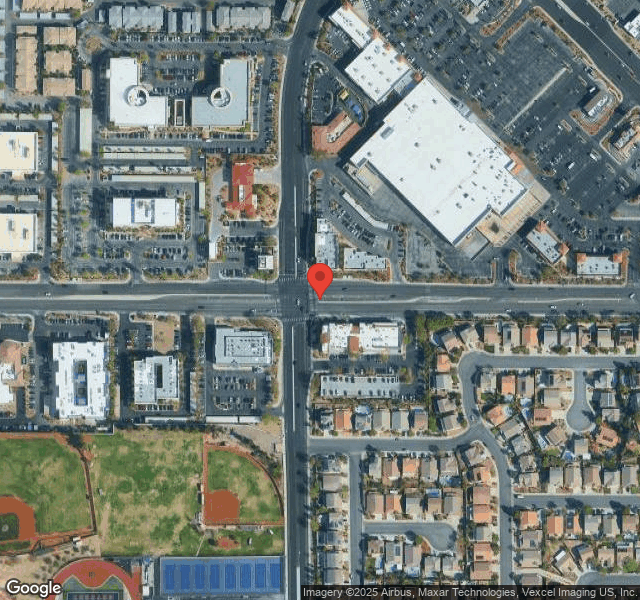

2855 W. HORIZON RIDGE PARKWAY, HENDERSON, NV 89052 (702) 805-5050
For profit - Limited Liability company 121 Beds GENERATIONS HEALTHCARE Data: November 2025
Trust Grade
60/100
#27 of 65 in NV
Last Inspection: August 2024

Within standard 12-15 month inspection cycle. Federal law requires annual inspections.

Overview

Coronado Ridge Skilled Nursing & Rehabilitation Center has a Trust Grade of C+, indicating a decent performance that is slightly above average among nursing homes. It ranks #27 out of 65 facilities in Nevada, placing it in the top half, and #21 out of 42 in Clark County, meaning there are only a few better local options. The facility is improving, with concerns decreasing from five in 2024 to three in 2025. However, staffing is a weakness, as it received a poor rating of 0 out of 5 stars, with a turnover rate at 49%, which is average for the state. While the facility has no fines, which is a positive sign, recent inspections revealed concerns about the arbitration agreement process, indicating that residents may not be fully informed about their rights when signing such agreements. Overall, while there are strengths like no fines and a decent ranking, families should consider the staffing issues and specific concerns highlighted in inspections.

Trust Score
C+
60/100
In Nevada
#27/65
Top 41%
Safety Record
Low Risk
No red flags
Inspections
Getting Better
5 → 3 violations
Staff Stability
⚠ Watch
49% turnover. Above average. Higher turnover means staff may not know residents' routines.
Penalties
✓ Good
No fines on record. Clean compliance history, better than most Nevada facilities.
Skilled Nurses
○ Average
RN staffing data not reported for this facility.
Violations
⚠ Watch
30 deficiencies on record. Higher than average. Multiple issues found across inspections.
★★★☆☆
3.0
Overall Rating
☆☆☆☆☆
0.0
Staff Levels
★★★☆☆
3.0
Care Quality
★★★☆☆
3.0
Inspection Score
Stable
2024: 5 issues
2025: 3 issues

The Good

  • Full Sprinkler Coverage · Fire safety systems throughout facility
  • No fines on record

Facility shows strength in fire safety.

The Bad

3-Star Overall Rating

Near Nevada average (3.0)

Meets federal standards, typical of most facilities

Staff Turnover: 49%

Near Nevada avg (46%)

Higher turnover may affect care consistency

Chain: GENERATIONS HEALTHCARE

Part of a multi-facility chain

Ask about local staffing decisions and management

The Ugly 30 deficiencies on record

Apr 2025 1 deficiency
CONCERN (D) 📢 Someone Reported This

A family member, employee, or ombudsman was alarmed enough to file a formal complaint

Potential for Harm - no one hurt, but risky conditions existed

Deficiency F0697 (Tag F0697)

Could have caused harm · This affected 1 resident

**NOTE- TERMS IN BRACKETS HAVE BEEN EDITED TO PROTECT CONFIDENTIALITY** Based on interview, record review, and document review, the facility failed to ensure the resident's pain medication was adminis...

Read full inspector narrative →
**NOTE- TERMS IN BRACKETS HAVE BEEN EDITED TO PROTECT CONFIDENTIALITY** Based on interview, record review, and document review, the facility failed to ensure the resident's pain medication was administered as ordered and appropriately managed for 1 of 5 sampled residents (Resident 1), and the pain was timely assessed for 1 of 5 sampled residents (Resident 3). This deficient practice had the potential to result in unmanaged pain, delayed relief, and decreased quality of life for the affected residents. Findings include: A facility policy titled Pain-Clinical Protocol revised October 2022, documented the nursing staff would assess each individual for pain upon admission to the facility, whenever there was a significant change of condition, and when there was an onset of new pain or worsening of existing pain. Resident 1 (R1) R1 was admitted on [DATE], readmitted on [DATE], and discharged on 12/17/2024, with diagnoses including fracture of the first lumbar vertebra, long-term use of opiates, and complex regional pain syndrome. A care plan initiated on 11/13/2024 documented R1 was at risk for pain related to generalized body pain, impaired mobility, history of falls, and self-care deficit. The goal was for R1 to voice or demonstrate a level of comfort within 30 minutes to 1 hour after interventions were rendered. Pain was to be managed through the review date. The admission Minimum Data Set, dated [DATE], documented a Brief Interview for Mental Status (BIMS) score of 15/15, indicating intact cognitive status. The pain assessment indicated over the 5-day assessment period, R1's pain almost constantly affected the ability to sleep at night and interfered with therapy activities. The Physician Progress Notes dated 12/13/2024, documented on 12/04/2024, R1 had difficulty tolerating physical therapy due to pain. On 12/06/2024, pain continued to be reported as a barrier by both the resident and therapy staff. The physician reviewed medications and discussed the ongoing pain issue. As a result, the Hydromorphone (Dilaudid) dosage was increased from 4 milligram (mg) to 6 mg every 4 hours, with instructions to monitor R1 closely. A Physician Order dated 11/30/2024, documented Hydromorphone 4 mg every 4 hours as needed. A subsequent Physician Order dated 12/06/2024, documented an increase in the Hydromorphone dosage to 6 mg every 4 hours as needed. The Medication Administration Record (MAR), documented continued administration of Hydromorphone 4 mg from 12/06/2024 until R1's discharged on 12/17/2024, despite the new order for 6 mg. A review of R1's medical records from 12/06/2024 to 12/17/2024, revealed a lack of documented evidence the increased Hydromorphone 6 mg dosage was administered as ordered to manage R1's pain. On 04/16/2025 at 11:56 AM, the Nurse Supervisor confirmed the new order for Hydromorphone 6 mg was received and confirmed on 12/06/2024 but was not administered as prescribed. The Nurse Supervisor explained the previous order for 4 mg had not been discontinued, but the dosage increase was communicated to the assigned nurse. The Nurse Supervisor verbalized a pain assessment should have been performed due to the increased dose but was not completed. On 04/16/2025 at 12:15 PM, a Registered Nurse (RN) assigned to the resident was uncertain why the Hydromorphone 6 mg was not administered as ordered. The RN conveyed the duplicate pain medication orders with the same frequency should have been clarified and documented, but there was no documentation it was done. The Occupational Therapy Treatment Encounter dated 12/09/2024, documented the Occupational Therapist (OT) arrived in R1's room and instructed R1 to begin getting out of bed. R1 stated a pain pill was needed. The OT reminded R1 the pain medication had been administered, and another dose could not be given until 4 hours had passed. R1 continued to argue with the OT and R1 was observed in severe pain. On 04/16/2025 at 2:39 PM, the OT confirmed R1 had complained of an increased level of pain and on occasions, R1 had declined therapy because the pain medication was either not administered or was ineffective. The OT acknowledged the pain had been an ongoing issue for R1. On 04/16/2024 at 2:33 PM, the Physical Therapist (PT) verified R1's previous treatment and explained R1 required standby assistance for bed mobility and minimal assistance for transfers and ambulated 10 feet with a walker using minimal assistance. The PT indicated R1's pain was reported at a pain level increased to 10 out of 10 on 12/06/2024. The PT explained the pain medication was vital for a resident receiving therapy to promote participation in therapy sessions. The PT indicated R1 was discharged from therapy services after leaving against medical advice. On 04/16/2024 in the afternoon, the Director of Nursing (DON) indicated the physician should have discontinued the previous order once the dosage was increased. The DON indicated the facility staff should adhere to the physician's prescribed orders to effectively manage the resident's pain. Resident 3 (R3) R3 was admitted [DATE] and discharged [DATE] with diagnosis including displaced intertrochanteric fracture of right femur, difficulty in walking, and need for assistance with personal care. A Weekly Skin Evaluation dated 02/12/2025, documented the following were identified during an admit wound care evaluation: Right lateral knee surgical incision, right medial knee surgical incision, right knee front surgical incision, right lower thigh surgical incision, right upper thigh surgical incision, and bilateral heels type protective. A Care Plan dated 02/13/2025, documented the resident had chronic pain. A Vitals and Pain Only Evaluation dated 02/11/2025 at 21:38, documented R3's vital signs were obtained on 02/11/2025 at 9:28 PM. The pain assessment section of the evaluation form documented a pain assessment was performed on 02/12/2025 at 7:22 AM. The Vitals and Pain Only Evaluation form lacked documented evidence a pain assessment was performed for R3 upon admission on [DATE] and a pain assessment was not completed until 02/12/2025 at 7:22 AM. On 04/16/2025 at 2:25 PM, the Director of Nursing (DON) confirmed R3's Vitals and Pain Only Evaluation performed upon admission [DATE] at 9:38 PM lacked documented evidence R3 was assessed for pain upon admission. The DON acknowledged the first documented pain assessment for R3 was completed on 02/12/2025 at 7:22 AM. The DON confirmed there was no documented evidence the resident was assessed for pain at admission. The DON confirmed R3 should have been assessed for pain upon admission. On 04/16/2025 at 3:35 PM, a Registered Nurse (RN), explained a pain assessment should have been done as part of the initial assessment upon admission. The RN reported if the pain assessment was not done, pain would not have been identified, orders for pain medication would not have been requested timely and the resident could have remained in pain for an extended period of time unnecessarily. A facility policy titled Pain Management, revised October 2022, documented the nursing staff would assess each individual for pain upon admission to the facility.
Jan 2025 2 deficiencies
CONCERN (D) 📢 Someone Reported This

A family member, employee, or ombudsman was alarmed enough to file a formal complaint

Potential for Harm - no one hurt, but risky conditions existed

Deficiency F0552 (Tag F0552)

Could have caused harm · This affected 1 resident

**NOTE- TERMS IN BRACKETS HAVE BEEN EDITED TO PROTECT CONFIDENTIALITY** Based on interview, record review and document review, the facility failed to ensure informed consent was obtained prior to admi...

Read full inspector narrative →
**NOTE- TERMS IN BRACKETS HAVE BEEN EDITED TO PROTECT CONFIDENTIALITY** Based on interview, record review and document review, the facility failed to ensure informed consent was obtained prior to administration of psychotropic medications for 1 of 4 sampled residents (Resident 1). The deficient practice potentially deprived the resident and/or resident representative of the right to be informed of the medications' risks, benefits and potential side effects. Findings include: Resident 1 (R1) R1 was admitted on [DATE], with diagnoses including puncture wound of right lower leg and fracture of upper and lower end of right fibula (a lower leg bone) and Alzheimer's disease. R1's medical record contained a legal document which revealed R1 had appointed a family member to be R1's legal representative or power of attorney (POA). A physician's order dated 09/02/2024, documented to give Buspirone (anti-anxiety) hydrochloride five milligrams (mg) by mouth two times a day for anxiety as evidenced by verbalization of feeling anxious and being uncooperative. The medical record lacked documented evidence an informed consent was obtained for R1's Buspirone prior to first administration on 09/03/2024. A physician's order dated 09/04/2024, documented to give Mirtazapine (anti-depressant) 7.5 mg by mouth one tablet at bedtime for anxiety as evidenced by being verbally abusive. The medical record lacked documented evidence an informed consent was obtained for R1's Mirtazapine prior to first administration on 09/05/2024. A physician's order dated 09/06/2024, documented to give Depakote (mood-stabilizer) 125 mg delayed release by mouth two times a day for agitation and aggressive behavior. The medical record lacked documented evidence an informed consent was obtained for R1's Depakote prior to first administration on 09/07/2024. On 01/02/2025 at 9:53 AM, the Director of Staff Development (DSD) explained informed consent forms were completed every time psychotropic medications (drugs which affect the brain and nervous system to treat mental illnesses and conditions which impact mind, emotions and behaviors) were ordered for a resident. According to the DSD, nurses were trained to explain the medication's purpose, risks, benefits and potential side effects to the resident and/or representative prior to administering the first dose. After discussion, the nurse would they themselves sign the document and obtain a signature from the resident or representative. On 01/02/2025 at 11:17 AM, a Registered Nurse (RN) who was familiar with R1 recalled the resident had been on a few psychotropic medications while at the facility. The RN explained informed consent forms were completed and signed by the nurse and residents and/or representative, but the RN could not recall if the RN was assigned to R1 when the medications were ordered by the physician. The RN explained two nurses would obtain a verbal consent from the representative by phone and the two nurses would sign the informed consent form if the resident's representative was not available. On 01/02/2025 at 12:27 PM, the Assistant Director of Nursing (ADON) indicated nurses were trained to complete informed consent forms for each psychotropic medication order. The informed consent form included information such as name of the medication, dose and frequency, indication for use, drug classification, target behaviors, risk and benefits and potential side effects. According to the ADON the completion of the form signified the resident and/or representative received education regarding the medication to include possible side effects and still consented to receive the medication. The ADON corroborated the DSD and RN's explanation on the facility's process where the nurses completing the form would obtain a signature from the alert resident, appointed representative or telephonically with two nurse's signatures. On 01/02/2025 at 12:38 PM, the DON reviewed R1's medical record and confirmed there were no consent forms completed for the resident's psychotropic medications. The DON indicated expecting nurses to complete a consent form every time a psychotropic medication was prescribed by a physician to treat psychiatric disorders. The DON confirmed the facility did not follow its antipsychotic use policy. On 01/02/2025 at 1:15 PM, the Consultant Pharmacist indicated medications such as Buspirone, Mirtazapine and Depakote all required informed consents primarily because it was a regulatory requirement to inform the resident and/or representative of risks and potential side effects with psychotropic medications prior to first administration. The pharmacist explained while Depakote was an anti-epileptic drug it was commonly used for bipolar disorder and dementia residents with behaviors as a mood stabilizer since the drug was known to decrease impulsivity. The Use of Antipsychotic Medications policy revised July 2022, documented residents would only receive antipsychotic medications when necessary to treat specific conditions for which they were indicated. Residents and/or their representatives would be informed of the recommendation, risks, benefits, purpose and potential adverse consequences of antipsychotic medication use. The Psychotropic Drug Informed Consent form included the following information: psychotropic drug order, medical diagnosis, drug classification (e.g. anti-anxiety, mood stabilizer, hypnotic, anti-psychotic), risk versus benefits, drug purpose, possible side effects, date of informed consent, date and signature of licensed nurse and resident or resident representative.
CONCERN (D) 📢 Someone Reported This

A family member, employee, or ombudsman was alarmed enough to file a formal complaint

Potential for Harm - no one hurt, but risky conditions existed

Comprehensive Care Plan (Tag F0656)

Could have caused harm · This affected 1 resident

**NOTE- TERMS IN BRACKETS HAVE BEEN EDITED TO PROTECT CONFIDENTIALITY** Based on interviews, record review, and document review, the facility failed to ensure a care plan was initiated after a residen...

Read full inspector narrative →
**NOTE- TERMS IN BRACKETS HAVE BEEN EDITED TO PROTECT CONFIDENTIALITY** Based on interviews, record review, and document review, the facility failed to ensure a care plan was initiated after a resident alleged physical abuse from a staff member for 1 of 4 sampled residents (Resident 3). The deficient practice placed the resident at risk for inappropriate care, supervision, and incidents. Findings include: Resident 3 (R3) R3 was originally admitted to the facility on [DATE] with diagnoses including hemiplegia and hemiparesis following other nontraumatic intracranial hemorrhage, encephalopathy, old myocardial infarction, essential hypertension, and dysphagia. Facility documentation revealed the resident had reported to direct care nursing staff, a certified nursing assistant (CNA) described as a female, was rough when handling the resident during peri care and resident was hit on the forearm/hand. The resident reported this to the direct care staff at approximately 8:55am who then reported it immediately to the administrator. On 01/02/2025 at 2:26pm, R3 stated one of the staff had hit R3 on the hand for no reason. R3 stated the staff member just came into the room and hit R3. R3 had told the other CNAs and caregivers this staff person hit R3. R3 remembered the incident but was unable to expand upon the details of the incident at this time of this interview. Facility documentation revealed, the facility noted the family of R3 indicated R3 had a history of false allegations against care staff at other facilities. The facility also documented would revise the care plans to include their Cares in Pairs program (two staff members during resident care) in relation to this resident's accusation of abuse. The facility lacked documented evidence the Cares in Pairs program was care planned as of the incident date of 10/21/2024 up to the survey date of 01/02/2025 at 8:00am. There were no psychosocial/behavioral care plans regarding the resident's potential/tendencies to make false allegations toward staff/others with goals and interventions to safeguard the resident from repeated behavior. On 01/02/2025 a Licensed Practical Nurse (LPN) was asked if the LPN was aware this resident was supposed to be Cares in Pairs, the LPN stated was not aware R3 was Cares in Pairs. On 01/02/2025, a CNA exiting R3's room stated R3 does not require two people to assist with care as the resident was easy to complete tasks with just one person. The only time R3 needed two people was when they needed to transfer the resident. Because R3 is total assist with transfers, two people are required for the safety of both the resident and the staff during the transfer. When asked if the CNA was aware this resident was supposed to be Cares in Pairs, the CNA stated was not aware R3 was Cares in Pairs. On 01/02/2025 at 3:53 pm, the DON stated R3 was a Cares in Pairs resident which means two caregivers were required for the resident's care. The DON acknowledged there was no care plan related to this incident and agreed it would have been beneficial to have this allegation incident care planned to say what interventions the staff were doing, and should be doing, to not have this incident happen again. The facility's policy titled Care Plans, Comprehensive Person-Centered, documents a comprehensive, person-centered care plan that includes measurable objectives and timetables to meet the resident's physical, psychosocial and functional needs will be developed and implemented for each resident no more than 21 days after admission. The care plan interventions are to be derived after data gathering, proper sequencing of events, careful consideration of the relationship between the resident's problem areas and their causes, and relevant clinical decision making.
Aug 2024 5 deficiencies
CONCERN (D)

Potential for Harm - no one hurt, but risky conditions existed

Deficiency F0655 (Tag F0655)

Could have caused harm · This affected 1 resident

**NOTE- TERMS IN BRACKETS HAVE BEEN EDITED TO PROTECT CONFIDENTIALITY** Based on observation, interview, record review and document review, the facility failed to develop a baseline care plan for a so...

Read full inspector narrative →
**NOTE- TERMS IN BRACKETS HAVE BEEN EDITED TO PROTECT CONFIDENTIALITY** Based on observation, interview, record review and document review, the facility failed to develop a baseline care plan for a soft collar device, an ACE wrap dressing (an elastic compression bandage typically wrapped around a sprain or strain) and CAM (controlled ankle movement) boot device for 2 of 22 sampled residents (Residents 244 and 250). The deficient practice placed the residents at risk for discomfort, skin integrity issues to affected areas and complications to surgical sites. Findings include: Resident 244 (R244) R244 was admitted on [DATE], with diagnoses including cervical disc disorder with myelopathy and status post cervical spine (C3 to C5 - neck region) decompression with anterior and posterior fusion. On 08/06/2024 at 8:42 AM, R244 laid awake in bed with a family member at bedside. A white foam collar with areas of discoloration was observed around the resident's neck. R244 indicated undergoing neck surgery more than a month ago and was admitted to this facility with the soft collar device. R244 indicated no staff had removed the collar to clean or assess R244's skin underneath since the resident's admission. R244 reported getting a shower three days ago where staff cleaned the resident while avoiding the neck area. R244 indicated not being certain how the neck collar was supposed to be managed, cleaned, replaced, or removed since the resident had yet to see the surgeon. A history and physical hospital report dated 07/18/2024, revealed R244 underwent a cervical procedure on 06/11/2024 and was being discharged to a skilled nursing facility with a soft collar. An admission note dated 07/24/2024, revealed R244 was admitted with a soft collar which had to be on 24 hours a day seven days a week (24/7) with steri-strips present on front and back of neck. The medical record lacked documented evidence R244's baseline care plan included care and management interventions for the resident's soft collar device. 08/08/24 11:25 AM, the Licensed Practical Nurse (LPN) reviewed R244 's medical record and confirmed care and management of R244's soft collar device was not included in the resident's baseline care plan but there should have been. Interventions for use of the soft collar device should have included timely referral to surgeon, wearing schedule and duration, skin assessments, hygiene of the resident's affected site and the collar itself, and therapy and nursing duties. Resident 250 (R250) Resident # 250 was admitted on [DATE], with diagnoses including fracture of right tibia and encounter for change or removal of surgical dressing. On 08/06/2024 at 9:58 AM, R250 was alert and awake watching television. R250 indicated falling at home which resulted in a right leg fracture necessitating surgery. R250 pulled blanket up which revealed a black boot device on right leg with ACE wrap bandage underneath. R250 indicated a nurse removed the boot device a week ago and looked at the site but according to R250 the boot device had not been removed for about a week, no one checked on the surgical site routinely and no one had communicated plans for the surgical wound which included a post-operative appointment with the surgeon. A hospital Discharge summary dated [DATE], documented R250 fell at home and sustained a right tibia fracture and posterior malleolus fracture. Discharge to skilled nursing facility (SNF), follow up with specialists in one to two weeks. Integumentary wound information included right lower surgical leg incision CAM (controlled ankle motion) boot and ACE wrap. An admission/readmission note dated 07/17/2024, documented R250 had surgical incisions to the right thigh, right lateral shin, right medial shin, right medial ankle, and right ankle. A Consultation date dated 07/22/2024, documented R250 was at the facility following fall at home with right tibial shaft fracture and posterior malleolus fracture. R250 underwent open reduction and internal fixation (ORIF) surgery on 06/29/2024. Noted sutures on right leg, and CAM boot to right ankle. Physician documented sutures may be removed by the wound nurse and R250 would need to follow up with orthopedic surgeon. The medical record lacked documented evidence a care plan was developed for R250's ACE wrap dressing and CAM boot device. On 08/08/24 at11:08 AM, the Licensed Practical Nurse (LPN) explained baseline care plans were initiated on admission by the admitting nurse and completed by any nurse within 48 hours of admission. The baseline care plan should include immediate needs such as fall risk assessments, skin integrity and/or impairments, code status, allergies, transmission-based precautions, devices such as intravenous lines, Foley catheters, and breathing treatments. The LPN indicated the purpose of the baseline care plan was to ensure immediate needs were met and appropriate care could be given timely. On 08/08/24 at 11:17 AM, the resident's care plan was reviewed, and the LPN confirmed the baseline care plan did not include management of R250's ACE wrap and CAM boot device. According to the LPN, interventions should have been in place on how to manage the ACE wrap and boot device which would include a wearing schedule and duration, skin assessments, follow up with orthopedic surgeon and assessment for complications such as deep vein thrombosis. On 08/08/2024 in the afternoon, the Director of Nursing (DON) indicated interventions for R244's soft collar and R250's ACE wrap and boot device should have been included in the residents' baseline care plan. The Baseline care plan policy revised March 2022, documented the baseline plan of care was developed within 48 hours of admission to meet the resident's immediate health and safety needs. The baseline care plan included instructions needed to provide effective, person-centered care of the resident that meet professional standards of quality care and must include the minimum healthcare information necessary to properly care for the resident.
CONCERN (D)

Potential for Harm - no one hurt, but risky conditions existed

Quality of Care (Tag F0684)

Could have caused harm · This affected 1 resident

**NOTE- TERMS IN BRACKETS HAVE BEEN EDITED TO PROTECT CONFIDENTIALITY** Based on observation, interview, record review and document review, the facility failed to ensure documentation of application o...

Read full inspector narrative →
**NOTE- TERMS IN BRACKETS HAVE BEEN EDITED TO PROTECT CONFIDENTIALITY** Based on observation, interview, record review and document review, the facility failed to ensure documentation of application of an ordered Thrombo-Embolus deterrent (TED) stocking (stockings that help prevent blood clots and swelling in the legs) was completed for 1 of 22 sampled residents (Resident 3). The failure had the potential to adequately assess the resident's efficacy of treatment, determine resident's need for further intervention, and compliance with the physician's order. Findings include: Resident 3 (R3) R3 was admitted on [DATE], with diagnoses including heart failure and essential hypertension. On 08/06/2024 at 12:44 PM, R3 was observed sitting up in the wheelchair next to the foot of the bed. Noted R3 had edema (swelling) at both legs, skin was reddish and shiny. R3's lower pants elastic bands were making indentation markings onto the skin. R3 was observed with no TED stockings in place. R3's comprehensive care plan had a focus problem identified for: - Activities of daily living (ADL) self-care needs created 07/13/2023, documented as an intervention was TED hose on in the am and off at bedtime. - Dependent edema to bilateral lower extremities (1+ non-pitting) CHF and recurrent pneumonia created 07/13/2023, documented as an intervention included bilateral TED hose/Compression Stockings knee high. Apply in the AM and remove at bedtime. R3's physician orders dated 09/11/2024, documented apply bilateral knee-high TED hose/compression stockings in the AM, and remove at bedtime related to, dependent edema to bilateral lower edema. The physician's order was transcribed into the medication administration record (MAR) for nursing to sign off once the application and donning off the therapeutic device was completed. R3's MAR for the application of the stocking revealed the following dates were not completed or signed off: August 1 to 6 and August 8 to 9, 2024. R3's MAR and progress notes lacked documented evidence as to why the application of the stockings were not signed off. On 08/08/2024 in the morning, one Registered Nurse and one Licensed Practical Nurse confirmed TED stocking application orders were entered into the MAR to ensure the application were completed by nursing. The nurses indicated orders for application had to be signed off to signify the task was completed. 08/09/2024 at 10:37 AM, the Assistant Director of Nursing (ADON) reviewed the medical record and confirmed the MAR was not signed off for the application of the TED stockings on the specified dates. The ADON during the review of the medical record, was not able to show additional evidence the morning shift nurses had justification on the unsigned orders. The ADON indicated the expectation was for nursing to sign off the task once completed for it was a physician's order and part of R3's plan of care. At 1:45 PM, the ADON indicated the facility had no specific policy for TED stockings and was able to provide a policy for heart failure management. The facility policies titled: Heart Failure - Clinical Protocol revised November 2018, documented the physician will review and make recommendations for relevant aspects of the nursing care plan. The physician will prescribe treatments for residents with heart failure that are consistent with relevant guidelines and protocols. Care Plans, Comprehensive Person-Centered revised March 2022, documented the comprehensive, person-centered care plan describes the services that are to be furnished to attain the resident's highest practicable physical, mental and psychosocial well-being.
CONCERN (D)

Potential for Harm - no one hurt, but risky conditions existed

Deficiency F0688 (Tag F0688)

Could have caused harm · This affected 1 resident

**NOTE- TERMS IN BRACKETS HAVE BEEN EDITED TO PROTECT CONFIDENTIALITY** Based on observation, interview, record review, and document review, the facility failed to ensure care and management orders we...

Read full inspector narrative →
**NOTE- TERMS IN BRACKETS HAVE BEEN EDITED TO PROTECT CONFIDENTIALITY** Based on observation, interview, record review, and document review, the facility failed to ensure care and management orders were obtained, transcribed, and carried out for a soft collar device, an ACE wrap (an elastic compression bandage typically wrapped around a sprain or strain) and a boot device for 2 of 22 sampled residents (Residents 244 and 250) and a post-operative appointment was scheduled timely for 1 of 22 sampled residents (Resident 250). The deficient practice placed the residents at a potential risk for discomfort, skin integrity issues to the affected areas and complications to surgical sites. Findings include: Resident 244 (R244) R244 was admitted on [DATE], with diagnoses including cervical disc disorder with myelopathy and status post cervical spine (C3 to C5 - neck region) decompression with anterior and posterior fusion. On 08/06/2024 at 8:42 AM, R244 laid awake in bed with a family member at bedside. A white foam collar with areas of discoloration was observed around the resident's neck. R244 indicated undergoing neck surgery more than a month ago and was admitted to this facility with the soft collar device. R244 indicated no staff had removed the collar to clean or assess R244's skin underneath since the resident's admission. R244 reported getting a shower three days ago where staff cleaned the resident while avoiding the neck area. R244 indicated not being certain how the neck collar was supposed to be managed, cleaned, replaced, or removed since the resident had yet to see the surgeon. A History and Physical report dated 07/18/2024, revealed R244 underwent a cervical procedure on 06/11/2024 and was being discharged to a skilled nursing facility (SNF) with a soft collar device. An admission note dated 07/24/2024, revealed R244 was admitted with a soft collar which had to be on 24 hours a day seven days a week (24/7) with steri-strips present on front and back of neck. The medical record lacked documented evidence the physician's order to wear R244's soft collar 24/7 was transcribed and clarification orders regarding duration of wear and management of the device related to hygiene and skin assessments were obtained. On 08/07/2024 at 9:57 AM, the Licensed Practical Nurse (LPN) who admitted R244 recounted speaking with the hospital nurse regarding keeping R244's soft collar on 24/7 but the LPN could not recall any other recommendations regarding R244's soft collar device such as duration of the 24/7 wearing schedule and instructions on how to manage the device until R44's post-operative appointment with R244's surgeon. The LPN reviewed R244's medical record and confirmed there were no orders entered for care and management of the resident's soft collar. On 08/07/2024 at 10:11 AM, the LPN acknowledged aside from failing to transcribe orders to keep R244's soft collar on at all times, the LPN indicated clarification orders should have been obtained regarding maintaining hygiene underneath the collar device to prevent infection of surgical sites, skin assessments to prevent skin impairments as well as assessing patient comfort. On 08/07/2024 at 10:05 AM, the Treatment Registered Nurse (RN) indicated admission orders which included medications, treatment services and management of devices should be entered immediately on admission and finalized within 24 hours from admission after a head-to-toe assessment had been completed. On 08/07/2024 at 11:00 AM, R244 laid in bed wearing a soft cervical collar. The treatment RN positioned R244 upright and removed the neck collar. The treatment nurse described the white collar as soiled, had outlines of sweat stains with areas of discoloration, the neck area had a moderate amount of hair, old steri-strips, purple lines which appeared to be old surgical markings and old scabs. R244 verbalized not having seen the surgeon since the surgery on 06/11/2024 and reiterated no staff had removed the collar to clean the skin underneath or to check for skin impairments. On 08/07/2024 at 1:58 PM, the treatment nurse indicated the admitting nurse should have entered care orders which included skin checks and clarification of the wearing schedule. The treatment nurse acknowledged care orders were not entered and transcribed and as a result there was a delay in appropriate monitoring and care which could have led to potential skin impairments. On 08/07/2024 at 3:26 PM, the Director of Nursing (DON) indicated the admitting nurse was expected to transcribe the 24/7 wear order of R244's soft collar device, obtain care orders which would have included skin checks, wearing schedule and duration. The DON indicated when the facility admitted a resident post-surgery, the surgeon's orders were to be followed until the post-operative appointment unless one of the attending physicians modified or made changes to the order. The admission Criteria policy revised March 2019, documented prior to admission, the resident's attending physician provided the facility with information needed for the immediate care of the resident, including orders covering at least: routine care orders to maintain or improve the resident's function until the physician and care planning team can conduct a comprehensive assessment and develop a more detailed inter-disciplinary care plan. Resident 250 (R250) Resident # 250 was admitted on [DATE], with diagnoses including fracture of right tibia and encounter for change or removal of surgical dressing. On 08/06/2024 at 9:58 AM, R250 was alert and awake watching television. R250 indicated falling at home which resulted in a right leg fracture necessitating surgery. R250 pulled blanket up which revealed a black boot device on right leg with ACE wrap bandage underneath. R250 indicated a nurse removed the boot device a week ago and looked at the site but according to R250 the boot device had not been removed since. According to R250, no one assessed the affected leg routinely and no one had communicated plans for the ACE wrap, boot device and post-operative appointment with the surgeon. A hospital Discharge summary dated [DATE], documented R250 fell at home and sustained a right tibia fracture and posterior malleolus fracture. Discharge to skilled nursing facility (SNF), follow up with specialists in one to two weeks. Integumentary wound information included right lower surgical leg incision CAM (controlled ankle motion) boot and ACE wrap. A Consultation note dated 07/22/2024, documented R250 was at the facility following fall at home with right tibial shaft fracture and posterior malleolus fracture. R250 underwent open reduction and internal fixation (ORIF) surgery on 06/29/2024. After medical stabilization, R250 went to a rehabilitation facility. Due to non-weight bearing status, the R250 was currently at this SNF to continue with rehabilitation. Noted sutures on right leg, and CAM boot to right ankle. Physician documented sutures may be removed by the wound nurse and R250 would need to follow up with orthopedic surgeon. A rehabilitation note dated 08/01/2024, documented follow up with orthopedic surgeon. The medical record lacked documented evidence R250 had been scheduled for an orthopedic follow-up appointment since the surgery on 06/29/2024 and clarification orders were obtained regarding the wearing schedule of R250's ACE wrap and boot device as well skin checks to affected leg. On 08/07/2024 at 10:34 AM, the treatment Registered Nurse (RN) explained the wound team signed off on R250's surgical wound after steri-strips were ordered to be removed for part of the surgical incision on 07/22/2024 and remaining steri-strips were removed on 07/23/2024. The treatment nurse indicated weekly skin checks still needed to be performed by the floor nurses. On 08/07/2024 at 10:21 AM, the LPN who was steadily assigned to R250 indicated not being aware R250 had not been scheduled for a follow up appointment with the orthopedic surgeon. The LPN reviewed R250's medical record and indicated a skin assessment was performed to R250's affected leg on 07/18/2024 and 07/25/2024 but the scheduled skin check for 08/01/2024 was missed. The LPN indicated not being familiar with the wearing schedule of R250's ACE wrap and boot device and confirmed there were currently no care and management orders in place for R250's ACE wrap and CAM boot. On 08/07/2024 at 10:24 AM, the treatment nurse indicated skin assessments were performed on admission and on a weekly basis. A wearing schedule for the ACE wrap and boot device should have been obtained or clarified at least. While the resident was no longer on the wound team's case load, floor nurses were expected to notify wound team of the following information: surgeon's consult report and use or presence of an ACE wrap and/or boot device to maintain skin integrity by entering care orders for the affected extremity. On 08/07/2024 at 1:07 PM, LPN Case Manager #1 confirmed R250 had not been scheduled to see the orthopedic surgeon because the facility did not know who the resident's surgeon was and received no information from the previous rehabilitation facility regarding which hospital the surgery had been performed. On 08/07/24 at 1:23 PM, LPN Case Manager #2 reviewed R250 's medical record and confirmed there was nothing to indicate R250 had been seen by the orthopedic surgeon since the surgery on 06/29/2024. LPN Case Manager #2 verbalized it was important for the resident to be seen by the surgeon post-operative to obtain care orders, clearance for upgrade weight-bearing status, diagnostic orders to make sure affected site was healing properly, identification of complications like infections and other treatment services such as wound care. The surgeon's input also helped determine discharge planning. On 08/07/2024 at 1:30 PM, LPN Case Manager #1 and #2 acknowledged there had been a significant delay from R250's surgery on 06/29/2024 because typically, most post-operative appointments occurred within two to three weeks of surgery. On 08/07/24 at 2:11 PM, the treatment nurse indicated being able to speak with the surgeon's office after determining the surgeon's name while reviewing R250's medical record. The treatment RN indicated the surgeon wanted R250 to wear the ACE wrap and boot device at all times for two weeks following the surgery on 06/29/2024. The surgeon's office indicated the previous facility communicated it was R250's preference to wear the ACE wrap and boot device at all times. According to the treatment nurse, the surgeon's office confirmed R250 had not been seen by the orthopedic surgeon since the surgery. The treatment nurse confirmed there was a delay with R250's post-operative appointment with the surgeon, failure to obtain care orders to R250's affected leg after the wound team had removed the steri-strips on 07/22/2024, and weekly skin checks were missed on 08/01/2024. On 08/07/2024 at 2:24 PM, the treatment RN and treatment LPN removed the boot device and ACE wrap from R250's right leg which revealed indentation marks. The treatment RN described R250's leg as being excessively dry with indentation markings. The treatment LPN applied Vitamin A and D cream on the affected leg and R250 reacted by stating, that feels so good! R250 stated being more comfortable when the ACE wrap and boot device were off, and the resident denied wanting to keep boot on nor even being asked regarding the devices. R250 indicated no staff member had discussed, explained, or communicated the care plan for the resident's affected leg which included a wearing schedule for the ACE wrap and boot device and appointment with the surgeon. The treatment RN acknowledged the resident expressed increased comfort after the ACE wrap and boot were removed. On 08/07/2024 at 3:41 PM, the Director of Nursing (DON) acknowledged there was a significant delay with the resident's post-operative appointment and a missed weekly skin check on 08/01/2024. The DON expected the nurses to be more proactive with regards to scheduling follow up appointments with surgeons and expected nurses to discuss and communicate care with patients and physicians. The Resident Mobility and Range of Motion (ROM) policy revised July 2017, documented residents with limited range of motion would receive treatment and services to increase and/or prevent further decrease in ROM. Residents with limited mobility would receive appropriate services, equipment, and assistance to maintain or improve mobility unless reduction in mobility is unavoidable. As part of the comprehensive assessment, the nurse will identify conditions that place the residents at risk for pain, skin integrity issues, muscle wasting and atrophy and other complications. The care plan would include interventions, exercises, and therapies to maintain, prevent avoidable decline in, and/or improve mobility and ROM. The care plan would include type, frequency, and duration of interventions, as well as measurable goals and objectives.
CONCERN (D)

Potential for Harm - no one hurt, but risky conditions existed

Deficiency F0757 (Tag F0757)

Could have caused harm · This affected 1 resident

**NOTE- TERMS IN BRACKETS HAVE BEEN EDITED TO PROTECT CONFIDENTIALITY** Based on interview, record review and document review, the facility failed to ensure psychoactive medication side effects monito...

Read full inspector narrative →
**NOTE- TERMS IN BRACKETS HAVE BEEN EDITED TO PROTECT CONFIDENTIALITY** Based on interview, record review and document review, the facility failed to ensure psychoactive medication side effects monitoring was documented for 1 of 22 sampled residents (Resident 3). The failure to document side effects of psychoactive drugs had a potential to facilitate dose adjustments if needed and the efficacy of the medication for the resident. Findings include: Resident 3 (R3) R3 was admitted on [DATE], with diagnoses of anxiety disorder and schizophrenia. R3 physicians' orders documented the following orders: - 07/12/2019, Monitor for Adverse Side Effects (S/E): Anticholinergic (dry mouth, urinary retention, blurred vision); orthostatic hypotension (arrhythmias); sedation, confusion, hallucinations, and agitation- every shift. - 08/02/2019, Antidepressant Drug S/E Monitor: Dry mouth, blurred vision, tachycardia, urinary retention, constipation, confusion, delirium, hallucinations, flushing, increased blood pressure, postural hypotension, sedation, fatigue, dizziness, ataxia, insomnia, headache, dry eyes, increased or decreased appetite, weight loss or gain, nausea, diarrhea, anxiety, nervousness, seizures, sexual dysfunction, mania, possible liver enzyme or blood abnormalities, possible falls, suicidal ideation, serotonin syndrome, every shift for Medication: Trazodone - 08/02/2019, Antidepressant Monitor of Depression as evidence by (AEB): crying/tearfulness. Drug: Venlafaxine. Every Shift - 08/02/2019, Anti-Psych Drug Side Effect Monitor: Dry Mouth, Blurred Vision, Tachycardia, Urinary Retention, Constipation, Confusion, Delirium, Hallucinations, Flushing, Increased Blood Pressure, Sedation, Loss of Appetite, Photosensitivity, Possible Blood Abnormalities, Fainting, Falls, Cardiac Arrhythmias, Orthostatic Hypotension, Increased In Cholesterol & Triglycerides, Unstable or Poorly Controlled Blood Sugar, Weight Gain, Akathisia, Parkinsonism, Dystonia, Tardive Dyskinesia. Every shift for Medication: Risperdal. - 11/27/2019, Anti-Anxiety Drug S/E Monitor:0-NONE, 1-Sedation, 2-Drowsiness, 3-Lethargy, 4-Confusion, 5-Memory Impairment, 6-Apathy, 7-Fatigue, 8-Dizziness, 9-Depression,10-Nausea and/or Vomiting, 11-Change in Appetite, 12-Headaches, 13-Blurred Vision, 14-Impaired Coordination, 15-Possible Falls, 16-Subdued Behavior, 17-Withdrawal Compared to Baseline, or 18- Limitation in Functional Capacity. every shift; describe observations in progress note. - 06/18/2021, Anti-Psychotic Monitor of episodes of Schizophrenia, Unspecified AEB: Delusional - cannot tell what is real from what is imagined. Unshakable beliefs in something untrue. Drug: Seroquel. every Shift, - 02/16/2023, Anti- Anxiety Monitor of episodes of Anxiety AEB: compulsion behaviors (medication administration demands, requests to go out and smoke, plastic cups placement & designated beverages, brief and bra application, etc.) Drug: Vistaril/Hydroxyzine Pamoate Capsule; every shift - 05/09/2023, Anti-Psychotic Monitor of episodes of delusional behavior AEB: Irrational thoughts. Drug: SEROQUEL. Every shift. - 05/09/2023, Anti-Psych Drug Side Effect Monitor: 0-NONE, 1-Dry Mouth 2-Blurred Vision 3-Tachycardia 4-Urinary Retention 5-Constipation 6-Confusion 7-Delirium 8-Hallucinations 9-Flushing 10-Increased Blood Pressure 11-Sedation 12-Loss of Appetite 13-Photosensitivity 14-Possible Blood Abnormalities 15-Fainting 16-Falls 17-Cardiac Arrhythmias 18-Orthostatic Hypotension. every shift 19-Increased Cholesterol/Triglycerides 20-Poorly Controlled Blood Sugar 21-Weight Gain 22-Akathisia 23-Parkinsonism 24-Dystonia 25-Tardive Dyskinesia 26-EPS (shuffling/gait/rigid muscles/shaking) 27-NMS (rigid muscle/fever/labile BP/tremor), Notify MD. All the listed medications were transcribed onto the medication administration record (MAR) to be signed off by nursing once the observation of the side effects of the psychoactive medications were completed every shift. R3's MAR for the monitoring of the side effects for the listed psychoactive medications revealed the following dates were not completed or signed off: August 1 to 6 and August 8 to 9, 2024. R3's MAR and progress notes lacked documented evidence of any monitoring and as to why the monitoring was not signed off. R3's comprehensive care plan had a focus problem identified for: - The resident has a behavior problem of yelling/screaming, and hoarding things in room. Diagnosis: Schizophrenia. One of the intervention listed: Administer medications as ordered. Monitor/document for side effects and effectiveness. - At risk of becoming physically aggressive towards others related to biting at staff. One of the intervention listed: The resident will be/remain free of psychotropic drug related complications, including movement disorder, discomfort, hypotension, gait disturbance, constipation/impaction or cognitive/behavioral impairment through review date. Administer psychotropic medications as ordered by physician. Monitor for side effects and effectiveness every shift. - The resident has medical diagnosis - Depression. One of the intervention listed: The resident will be free from discomfort or adverse reactions related to antidepressant therapy through the review date. Administer antidepressant medications as ordered by physician. Monitor/document side effects and effectiveness every shift. - Resident has medical diagnosis Anxiety AEB: compulsion behaviors (medication administration demands, requests to go out and smoke, plastic cups placement & designated beverages, brief and bra application, etc.). One of the intervention listed: The resident will be free from discomfort or adverse reactions related to anti-anxiety therapy through the review date. Administer anti-anxiety medications as ordered by physician. Monitor side effects and effectiveness every shift. R3's comprehensive care plan documented the resident should have been monitored for the current psychotropic medication regimen. 08/09/2024 at 10:37 AM, the assistant director of nursing (ADON) reviewed the medical record and confirmed the MAR was not signed off for the monitoring of the side effects of the psychotropic medications on the specified dates. The ADON during the review of the medical record, was not able to provide additional evidence the morning shift nurses had justification on the unsigned monitoring orders. The ADON indicated the expectation was for nursing to sign off the task once completed for it was a physician's order and part of R3's plan of care. On 08/09/2024 at 2:45 PM, a registered nurse explained behavior monitoring for psychotropic medication side effects was entered in the MAR. Next to the ordered medication would have an option to click Monitor and any observed side effect will be entered there. The facility policy titled Psychotropic Medication Use revised July 2022, documented residents receiving psychotropic medications are monitored for adverse consequences.
CONCERN (D)

Potential for Harm - no one hurt, but risky conditions existed

Deficiency F0761 (Tag F0761)

Could have caused harm · This affected 1 resident

**NOTE- TERMS IN BRACKETS HAVE BEEN EDITED TO PROTECT CONFIDENTIALITY** Based on observation, interview, record review and document review, the facility to ensure medications were secured for 1 of 6 m...

Read full inspector narrative →
**NOTE- TERMS IN BRACKETS HAVE BEEN EDITED TO PROTECT CONFIDENTIALITY** Based on observation, interview, record review and document review, the facility to ensure medications were secured for 1 of 6 medication carts and 1 of 22 Residents (Resident 15). The deficient practice could have jeopardized the safety of both staff and residents, as unsecured medication carts increase the risk of unauthorized access to potent medications, medication errors, theft, or misuse, posing serious health hazards and compromising the overall well-being of individuals within the facility. Findings include: On 08/07/2024 at 2:55 PM, a nurse was standing by the medication cart parked next to room [ROOM NUMBER]. The nurse stepped away and left the medication cart unlocked. The nurse was observed to walk towards the nursing station and was not in line of sight of the medication cart. The nurse was away for four minutes with one resident and one facility staff member who had passed by the open cart. Another two nurses had approached the cart and had used the hand sanitizer on top of the cart, when momentarily the nurse manning had returned. The three nurses had a discussion next to the medication cart with the nurse attending the cart had left again. One of the two nurses left by the cart introduced self as the Unit Manager. The Unit Manger confirmed the medication cart was left open and indicated medication carts should always be locked when unattended. The Unit Manager reminded the nurse upon returning to the cart regarding keeping it locked when left unattended. Resident 15 (R15) R15 was admitted on [DATE], with diagnoses including senile degeneration of brain and unspecified dementia. On 08/06/2024 at 10:56 AM, observed at R15's bedside table was a partially used bottle of hydrogen peroxide. R15 indicated not using the bottle of chemical and was not able to recall how long the liquid chemical had sat there and where it came from. R15's medical record revealed no active physician's orders for hydrogen peroxide. R15 had a Self-Administration Medication Safety Screen dated 06/13/2023 at 3:09 PM. The screening documented: List all medications that are being considered for resident self-administration. 1. Medication Name: Flonase Allergy Relief Suspension clear 2. Medication Name: Triamcinolone Acetonide Cream 0.1 % clear. R15's Safety Screen did not include the assessment for the use of hydrogen peroxide. On 08/07/2024 at 2:32 PM, the Licensed Practical Nurse (LPN) confirmed R15 had the bottle of hydrogen peroxide on top of the bedside table. The LPN confirmed the bottle of chemical was not supposed to be at the resident's bedside and should be taken when not being used. On 08/08/2024 in the morning, one RN and one LPN confirmed medications should not be left at a resident's bedside table unless the resident was screened for self-administration of medication. 08/09/2024 at 10:37 AM, the Assistant Director of Nursing agreed hydrogen peroxide was a medication and should not have been kept at a resident's bedside. The facility policy titled Medication Labeling and Storage revised February 2023, documented the facility stores all medication and biologicals in locked compartments. Only authorized personnel have access to keys.
Jul 2023 11 deficiencies
CONCERN (D)

Potential for Harm - no one hurt, but risky conditions existed

PASARR Coordination (Tag F0644)

Could have caused harm · This affected 1 resident

Deficiency Text Not Available

Read full inspector narrative →
Deficiency Text Not Available
CONCERN (D)

Potential for Harm - no one hurt, but risky conditions existed

Deficiency F0655 (Tag F0655)

Could have caused harm · This affected 1 resident

Deficiency Text Not Available

Read full inspector narrative →
Deficiency Text Not Available
CONCERN (D) 📢 Someone Reported This

A family member, employee, or ombudsman was alarmed enough to file a formal complaint

Potential for Harm - no one hurt, but risky conditions existed

ADL Care (Tag F0677)

Could have caused harm · This affected 1 resident

Deficiency Text Not Available

Read full inspector narrative →
Deficiency Text Not Available
CONCERN (D)

Potential for Harm - no one hurt, but risky conditions existed

Quality of Care (Tag F0684)

Could have caused harm · This affected 1 resident

**NOTE- TERMS IN BRACKETS HAVE BEEN EDITED TO PROTECT CONFIDENTIALITY** Based on observation, interview, record review, and document review, the facility failed to ensure a physician order was obtaine...

Read full inspector narrative →
**NOTE- TERMS IN BRACKETS HAVE BEEN EDITED TO PROTECT CONFIDENTIALITY** Based on observation, interview, record review, and document review, the facility failed to ensure a physician order was obtained and care management was implemented for the use of compression stockings to treat edema for 1 of 32 sampled residents (Resident 4). This deficient practice could possibly result in inadequate treatment, increased complications, and reduced quality of life. Findings include: Resident 4 (R4) R4 was admitted on [DATE] and readmitted on [DATE], with diagnoses including obesity, diabetes mellitus, hypertension, and heart failure. The Brief Interview of Mental Status dated 03/28/2023, documented a score of 14/15, which means R4's cognitive status was intact. R4's medical record lacked documented evidence a physician's order was obtained or transcribed in the Treatment Administration Record for the use of compression stockings. On 07/11/2023 at 11:00 AM, R4 lay in bed, verbally alert, and responsive. Both of R4's legs were edematous (swollen), not elevated. [NAME] compression stockings were applied to R4's legs. R4 expressed the desire to have the compression stockings because it was helping with the leg swelling. R4 indicated the compression stockings were applied by a staff member to address swelling in both legs. On 07/11/2023 in the morning, a Certified Nursing Assistant (CNA) confirmed R4 had the compression stockings a long time ago and would be removed if R4 was in the wheelchair. The CNA indicated sometimes R4 wanted to have the stockings on and sometimes not. On 07/11/2023 at 3:50 PM, R4 lay in bed, and the compression stockings were being worn. On 07/12/2023 at 8:39 AM, R4 was in bed with eyes closed, the compression stockings were not on and were placed on the chair next to the bedside. On 07/12/2023 in the afternoon, a Licensed Practical Nurse (LPN) reported R4 had swollen legs and had been using compression stockings. The LPN confirmed there was no order documented for R4's compression stockings, nor were there any care management orders in place. The LPN mentioned R4 had been using the compression stockings for the past six months during the LPN's employment. On 07/12/2023 at 1:40 PM, the Nurse Practitioner (NP) indicated the use of compression stockings to treat edema required an order to ensure the desired therapeutic effect was achieved and to prevent potential risks. The NP explained there should have been an assessment conducted to determine the appropriate wear time and schedule for removing the compression stockings in order to prevent discomfort and circulation issues. The NP indicated all orders should have been transcribed accurately in the Medication Administration Record to facilitate prompt monitoring and ensure continuity of care. A facility policy titled Medication and Treatment Orders, revised July 2016, documented the orders for medications and treatments would be consistent with principles of safe and effective order writing. Medication should be administered only upon the written order of a person duly licensed and authorized to prescribe and must be recorded on the physician's order sheet in the resident's chart.
CONCERN (D)

Potential for Harm - no one hurt, but risky conditions existed

Incontinence Care (Tag F0690)

Could have caused harm · This affected 1 resident

**NOTE- TERMS IN BRACKETS HAVE BEEN EDITED TO PROTECT CONFIDENTIALITY** Resident 348 (R348) R348 was admitted on [DATE] with medical diagnoses to include obstructive uropathy. A physician order dated ...

Read full inspector narrative →
**NOTE- TERMS IN BRACKETS HAVE BEEN EDITED TO PROTECT CONFIDENTIALITY** Resident 348 (R348) R348 was admitted on [DATE] with medical diagnoses to include obstructive uropathy. A physician order dated 07/08/2023, documented to empty the Foley catheter bag at end of shift, every shift. Monitor for signs and symptoms of UTI: acute confusion, urgency, frequency, foul odor, concentrated urine, and blood in urine every shift. A physician order dated 07/08/2023, documented to cleanse the Foley catheter site with soap and water, rinse and pat dry, every shift. The medical record lacked documented evidence R348's Foley catheter bag was emptied, urine characteristics were monitored, and perineal care was provided during the day shifts on 07/09/2023, 07/10/2023, and 07/12/2023. On 07/12/23 at 12:37 PM, a Licensed Practical Nurse (LPN) explained Foley catheter care may include flushing the Foley, monitoring the urine, inquiring with the resident if they were in pain, and changing the bag once a month or as needed. On 07/12/2023 at 1:14 PM, CNA 3 explained a CNA's role in Foley catheter care included emptying the bag, checking the color and odor of urine, charting in the computer system, and informing the nurse if there were concerns or noted changes. On 07/13/23 at 2:17 PM, the Assistant Director of Nursing (ADON), reviewed R348's medical record and confirmed the Foley catheter care lacked documented evidence the care was completed as ordered. Specifically, reviewing the July 2023 Monitoring Record, the ADON explained the blank areas may indicate the care was not documented in the chart as being completed, but was also not able to locate other documentation areas of the medical record to confirm the care was completed as ordered. The ADON's expectation was if care was completed that it be documented on the Monitoring Record. The concern of not following the Foley catheter care as ordered had a potential risk for infection. Based on observation, interview, record review, and document review, the facility failed to ensure the correct size of an indwelling urinary catheter (Foley) was followed as ordered or clarified, and Foley care and management were transcribed in the Medication Administration Record (MAR) and implemented for 2 of 32 sampled residents (Residents 289 and 348). These deficient practices could lead to potential urinary tract infections (UTIs), an increased risk of catheter-associated complications, dehydration, blockage, and discomfort or pain for the resident. Findings include: A facility policy titled, Indwelling Catheter Use dated 10/2017, documented an assessment of each resident's continence status upon admission, and care plans addressing resident continence were reviewed and revised. The facility monitors residents with catheters for changes in skin integrity, skin irritation or breakdown, and signs and symptoms of urinary tract infection. The catheter should be changed in accordance with the resident's individualized assessment. Catheterization should be accomplished with the narrowest, softest tube that would serve the purpose of draining the bladder. Resident 289 (R289) R289 was admitted on [DATE], with diagnoses including diabetes mellitus and chronic kidney disease. A Physician order dated 07/06/2023, documented Foley catheter size 18 French (Fr). The Nursing admission assessment dated [DATE], documented R289 had a Foley catheter in place. On 07/11/2023 at 4:25 PM, R289 had a Foley catheter in place, size 16 Fr with 30 cubic centimeters (cc) balloon, draining with yellow urine and no sediments. R289 was verbally alert and oriented. R289 indicated was admitted with a Foley catheter from the hospital. A Licensed Practical confirmed R289 was admitted last week; the Foley size order was 18 Fr and not 16 Fr; the Foley order should have been clarified. The LPN indicated care orders to monitor, and a changing schedule should have been obtained and transcribed. On 07/12/2023 at 12:17 PM, a Registered Nurse Manager explained the process for the utilization of a Foley catheter. The RNM indicated a physician order was required for the use of Foley and the diagnosis should be justified, like cases of neurogenic bladder, BPH, or diagnoses requiring the use of Foley. The RNM indicated in the event the need for the Foley catheter was not justified, it was essential to obtain a removal order and bladder scanning should be done every 6 hours for three days. The RNM indicated a Foley assessment should be conducted, and batch orders for Foley catheter usage should be accurately transcribed in the Medication Administration Record (MAR). This documentation should include information such as the catheter size, diagnosis, appropriate Foley care, regular bag changes, as needed (PRN), and emptying the bag every shift. An alternative option of using a leg bag instead of a regular Foley bag can be considered. The RNM confirmed the use of R289's Foley and care orders, which were not transcribed in the MAR. On 07/12/2023 at 1:40 PM, the Nurse Practitioner (NP) indicated a Foley catheter required an order and should have been justified based on assessment. The NP indicated the nurses were expected to assess the Foley and verify the order, including the correct size. The NP explained the staff were expected to follow the physician order or communicate if clarification was needed to avoid confusion because Foley catheters differs in size. The NP indicated the Foley care orders should have been transcribed in the Medication Administration Record for monitoring and the schedule to change the Foley to prevent urinary infection. On 07/13/2023 at 8:37AM, the Director of Nursing (DON) confirmed Foley catheter orders and care management had not been reflected or transcribed in the Medication Administration Record (MAR). The DON indicated all medications and treatments should have been documented in the MAR to provide prompts for the Licensed Nurses. The DON indicated the correct Foley catheter size order should have been followed, or if there was any confusion, clarification should have been sought to ensure compliance between the ordered size and the actual insertion. On 07/13/2023 at 12:39 PM, the Director of Staff Development (DSD) indicated the Foley catheter training included the following steps: verifying the size of the catheter, ensuring its secure placement, and confirming whether the resident had a relevant diagnosis justifying its use. In cases where the resident did not have a pertinent diagnosis for the catheter, the staff was required to promptly notify a physician in order to obtain a removal order. The DSD emphasized the importance of adhering to the correct size of the Foley catheter, highlighting the order specified for 18 French, which was smaller in size compared to the 16 Fr catheter currently in place.
CONCERN (D)

Potential for Harm - no one hurt, but risky conditions existed

Respiratory Care (Tag F0695)

Could have caused harm · This affected 1 resident

Deficiency Text Not Available

Read full inspector narrative →
Deficiency Text Not Available
CONCERN (D)

Potential for Harm - no one hurt, but risky conditions existed

Deficiency F0697 (Tag F0697)

Could have caused harm · This affected 1 resident

**NOTE- TERMS IN BRACKETS HAVE BEEN EDITED TO PROTECT CONFIDENTIALITY** Based on observation, interview, record review, and document review, the facility failed to ensure the ordered parameters for th...

Read full inspector narrative →
**NOTE- TERMS IN BRACKETS HAVE BEEN EDITED TO PROTECT CONFIDENTIALITY** Based on observation, interview, record review, and document review, the facility failed to ensure the ordered parameters for the pain medication were followed as ordered for 1 of 32 sampled residents (Resident 8). The deficient practice could potentially result in adverse effects on Resident 8's health and well-being, compromised pain management, increased discomfort, and potential complications. Findings include: Resident 8 (R8) R8 was admitted on [DATE] and readmitted on [DATE], with diagnoses including use of an opiate analgesic, absence of the left foot, absence of the right leg below the knee, and presence of the right artificial hip joint. The Brief Interview of mental status dated 05/08/2023, documented a score of 14/15, which means R8's cognitive status was intact. On 07/11/2023 at 3:19 PM, R8 lay in bed, verbally alert and oriented. R8 had a left foot amputation during recent surgery. R8 indicated had constant pain during the day, but pain medication had been ordered. A Physician order dated 06/30/2023, documented an Acetaminophen tablet of 325 mg to be given by mouth every 4 hours as needed for mild pain. A Physician order dated 07/03/2023, documented Oxycodone 10-325 milligram (mg) PRN every 4 hours for pain levels 6-10/10 (pain level of 10 was the highest). The Medication Administration Record documented the Hydrocodone was administered when the pain level was 5/10. The pain level order parameter was not followed on several occasions: 07/04/2023 at 5:28 AM- pain level was 5 07/04/2023 at 9:48 AM- pain level was 5 07/04/2023 at 4:50 PM- pain level was 5 07/10/2023- pain level was 5 07/12/2023- pain level was 5 On 07/12/2023 at 1:40 PM, the Nurse Practitioner (NP) indicated the pain level ordered parameters should have been followed, and if adjustments were needed based on the assessment, the staff were expected to communicate with the physician and the order would be clarified. The NP indicated the nurses were expected to follow orders with opioid medication to prevent drug dependency. On 07/13/2023 at 2:17 PM, a Licensed Practical Nurse (LPN) confirmed the Hydrocodone ordered parameters were not followed. The LPN confirmed there was an instance during the LPN's shift when the pain level was out of the ordered pain level parameters and the Hydrocodone was administered because R8 did not want the Tylenol. The LPN explained the ordered parameters should have been followed, or the physician should have been notified and documented, but it was not done. On 07/13/2023 in the afternoon, the Director of Staff Development (DSD) confirmed R8's pain parameters were not followed when the pain level was lower than the ordered parameter of 6-10/10. The DSD indicated the pain should have been managed appropriately by implementing a non-pharmacological approach first, and for mild pain, Tylenol should have been offered first to prevent dependency on opioid medications. A facility policy titled Pain-Clinical Protocol revised 03/2018, documented the physician would order appropriate non-pharmacologic and medication interventions to address the individual's pain. Pain medications should be selected based on pertinent treatment guidelines. Generally, and to the extent possible, an analgesic regimen should utilize the simplest regimen and lowest-risk medications before using more problematic or higher-risk approaches.
CONCERN (D)

Potential for Harm - no one hurt, but risky conditions existed

Food Safety (Tag F0812)

Could have caused harm · This affected 1 resident

Based on observation, interview, and document review, the facility failed to maintain a level of quaternary ammonia between 200 and 400 parts per million in the 3-compartment sink and ensure the floor...

Read full inspector narrative →
Based on observation, interview, and document review, the facility failed to maintain a level of quaternary ammonia between 200 and 400 parts per million in the 3-compartment sink and ensure the floor sink drain was set up in a manner to prevent water splashing. The deficiency had the potential to adversely affect the ware washing process, resulting in improperly sanitized equipment and utensils that could contaminate food and cause foodborne disease to the residents. Findings include: 07/11/23 8:00 AM, an inspection of the kitchen was performed with the Food Services Manager. The following concerns were identified: The chemical sanitizing quaternary ammonia solution in the 3-compartment sink was tested by the Manager using a testing strip model DQ-40, with an expiration date of January 2024. After 10 seconds of being submerged in the solution, the test strip did not change color, indicating the concentration of the chemical sanitizing solution was zero (0) parts per million (PPM). The Food Services Manager confirmed the observation and explained the concentration of the chemical sanitizing solution should have been between 200 and 400 PPM. The Manager did not have an explanation for why the concentration was low. The Manager explained the sink solution was checked three times daily before the preparation of meals. The manager proceeded to empty the sink to prepare a new solution. The manufacturer's instructions posted on the wall over the 3-compartment sink, documented the optimum quaternary ammonia concentration for the ware washing sanitization procedure was between 200 and 400 PPM. When the Kitchen Manager emptied the 3-compartment sink, it was noted water splashed from the drainpipe and the floor sink, causing the water to overflow, and keeping the floor wet. The drain of the 3-compartment sink had a pipe of 1-1/2 inches in diameter to drain the water to the floor sink. The air gap between the pipe and the floor level measured 3 inches from the floor level. The floor sink had an extra strainer to prevent food debris from going into the sewage duct. The Manager acknowledged the air gap in combination with the extra strainer was causing the water to splash out of the floor sink, keeping the floor surface wet, and a splash guard or other device should have been installed to prevent the floor from being wet in the dishware cleaning area. The facility policy titled Cleaning Dishes - Manual Dishwashing, dated 2017, revealed the sanitizing solution should be checked often with the test strip to assure appropriate concentration following the manufacturer's guidelines.
CONCERN (E) 📢 Someone Reported This

A family member, employee, or ombudsman was alarmed enough to file a formal complaint

Potential for Harm - no one hurt, but risky conditions existed

Resident Rights (Tag F0550)

Could have caused harm · This affected multiple residents

Deficiency Text Not Available

Read full inspector narrative →
Deficiency Text Not Available
CONCERN (F) 📢 Someone Reported This

A family member, employee, or ombudsman was alarmed enough to file a formal complaint

Potential for Harm - no one hurt, but risky conditions existed

Deficiency F0725 (Tag F0725)

Could have caused harm · This affected most or all residents

Deficiency Text Not Available

Read full inspector narrative →
Deficiency Text Not Available
CONCERN (F)

Potential for Harm - no one hurt, but risky conditions existed

Deficiency F0848 (Tag F0848)

Could have caused harm · This affected most or all residents

Based on interview and document review, the facility failed to ensure the Arbitration Agreement provided for the selection of a neutral arbitrator agreed upon by both parties; and for the selection of...

Read full inspector narrative →
Based on interview and document review, the facility failed to ensure the Arbitration Agreement provided for the selection of a neutral arbitrator agreed upon by both parties; and for the selection of a venue that is convenient to both parties. The deficient practice had the potential to obstruct each resident's ability to make a well-informed decision about signing the arbitration agreement. Findings include: On 07/13/2023, the facility Resident-Facility Arbitration Agreement, undated, indicated by signing the contract, the resident agreed to have all claims decided by arbitration and the resident was giving up the right to jury or court trial. There were lines provided for the resident to initial and sign the agreement. The agreement lacked provisions for the selection of a neutral arbitrator agreed upon by both parties, and for the selection of a venue that was convenient to both parties. On 07/13/23 at 10:31 the Director of Admissions verbalized the facility offered the binding arbitration agreement to each resident. The Director of Admissions confirmed the arbitration agreement which the facility provided to residents lacked provisions for the selection of a neutral arbitrator or for the selection of a venue that was convenient for both parties. The Director of Admissions verbalized arbitration agreement should have included these provisions, so each resident was informed. A review of the facility policy and procedure for arbitration, undated, indicated all residents shall have the option to sign an Arbitration Agreement. The policy indicated the facility would ensure that the agreement provided for the selection of a neutral arbitrator agreed upon by both parties, and for the selection of a venue that was convenient to both parties.
Dec 2022 4 deficiencies
CONCERN (D) 📢 Someone Reported This

A family member, employee, or ombudsman was alarmed enough to file a formal complaint

Potential for Harm - no one hurt, but risky conditions existed

Deficiency F0583 (Tag F0583)

Could have caused harm · This affected 1 resident

Based on observation, interview, and document review the facility failed to ensure Protected Health Information (PHI) was safe guarded for one unsampled resident. The failed practice had the potential...

Read full inspector narrative →
Based on observation, interview, and document review the facility failed to ensure Protected Health Information (PHI) was safe guarded for one unsampled resident. The failed practice had the potential to reveal confidential information to staff, residents, and visitors with the potential for resident identity to be revealed and information to be used inappropriately by others. On 12/28/2022 at 12:24 PM, Registered Nurse #1 (RN1) walked into a resident's room leaving their medication cart unattended and their computer logged into the Electronic Medical Record (EMR) which had resident information visible. The computer was near the nursing station with high traffic and information was visible to other staff, residents, and visitors for approximately nine minutes. On 12/28/2022 at 12:33 PM, RN1 was informed there was visible resident information on their computer. RN1 proceeded to open a different section of the EMR in which resident information was not visible. RN1 asked, 'Is this okay?' There was no visible resident information, however, RN1 remained logged into the EMR which gave others accessibility. On 12/29/2022 at 11:55 AM, the Director of Nursing (DON) explained the expectation was for staff to keep PHI information safe, if information was visible, turning it over so it was not visualized. A review of the facility's policy title Protective Health Information, Safeguarding last revised on 07/01/2020 revealed the facility was responsible for ensuring the confidentiality of electronic PHI and preventing unauthorized disclosure.
CONCERN (D) 📢 Someone Reported This

A family member, employee, or ombudsman was alarmed enough to file a formal complaint

Potential for Harm - no one hurt, but risky conditions existed

Deficiency F0761 (Tag F0761)

Could have caused harm · This affected 1 resident

Based on observation, interview, and document review the facility failed to ensure medications were appropriately stored and locked. The failed practice had the potential for staff, residents, and vis...

Read full inspector narrative →
Based on observation, interview, and document review the facility failed to ensure medications were appropriately stored and locked. The failed practice had the potential for staff, residents, and visitors to have access to medications and narcotics. On 12/28/2022 at 12:24 PM, Registered Nurse #1 (RN1) walked into a resident's room leaving their medication cart unattended, unlocked with drawers opened out, and near the nursing station accessible to other staff, residents, and visitors. Two preprepared medication cups were left on top of the medication cart. The medication cart was unlocked and unattended for approximately nine minutes. On 12/28/2022 in the afternoon, Registered Nurse #2 (RN2) indicated during medication pass, they ensured their medication cart was locked. On 12/29/2022 at 11:55 AM, the Director of Nursing (DON) indicated the expectation was for staff to lock their medication cart during medication pass. A review of the facility's policy titled Administering Medications revised on 04/2019, revealed the medication cart was kept closed and locked when out of sight of the medication nurse. Medications were not kept on top of the medication cart. A review of the facility's policy titled Storage of Medications revised on 11/2020 revealed medications were stored in locked compartments and only staff authorized to prepare and administer medications were to have access.
CONCERN (E) 📢 Someone Reported This

A family member, employee, or ombudsman was alarmed enough to file a formal complaint

Potential for Harm - no one hurt, but risky conditions existed

Deficiency F0658 (Tag F0658)

Could have caused harm · This affected multiple residents

Based on observation, interview, and document review the facility failed to ensure medication administration was completed in a safe manner by licensed staff. The failed practice had the potential to ...

Read full inspector narrative →
Based on observation, interview, and document review the facility failed to ensure medication administration was completed in a safe manner by licensed staff. The failed practice had the potential to lead to medication errors impacting the well- being of its residents. On 12/28/2022 at 12:15 PM, Registered Nurse #1 (RN1) was observed preparing medications near the nursing station. RN1 had seven medication cups on top of their medication cart, each one marked with a residents' initials and room number. RN1 started filling each medication cup with different medications which were being pulled from different drawers in their medication cart. On 12/28/2022 at 12:24 PM, RN1 added the seven preprepared medication cups to the top of their clipboard and walked into a resident's room. RN1 then entered a second resident's room with their clipboard and the rest of the preprepared medication cups. On 12/28/2022 at 12:33 PM, RN1 was asked about the process for medication pass in which RN1 stated, I believe medication pass is for one resident at a time. RN1 was asked if their typical process was to prepare medications for multiple residents at one time in which RN1 did not respond and walked away. On 12/28/2022 in the afternoon, Registered Nurse #2 (RN2) indicated during medication pass they took their medication cart with them and administered medications to one resident at a time. On 12/29/2022 at 9:37 AM, Registered Nurse #3 (RN3) indicated medication administration was done for one resident at a time. RN3 explained passing medications to multiple residents had the potential risk for medication errors which included administering incorrect medications to the wrong resident. On 12/29/2022 at 11:55 AM, the Director of Nursing (DON) explained medications were not preprepared for multiple residents at a time as it was not a safe practice. The DON indicated it was not the way nurses were oriented to complete medication pass. The expectation for medication pass was for medications to be administered to one resident at a time. A review of the facility's policy titled Administering Medications revised on 04/2019 revealed medications were administered in a safe manner by licensed staff.
CONCERN (E) 📢 Someone Reported This

A family member, employee, or ombudsman was alarmed enough to file a formal complaint

Potential for Harm - no one hurt, but risky conditions existed

Infection Control (Tag F0880)

Could have caused harm · This affected multiple residents

Based on observation, interview, and document review the facility failed to ensure aseptic technique (method used to prevent contamination) was used for the preparation and administration of medicatio...

Read full inspector narrative →
Based on observation, interview, and document review the facility failed to ensure aseptic technique (method used to prevent contamination) was used for the preparation and administration of medications for seven unsampled residents. The failed practice had the potential for cross contamination increasing the risk of infection. On 12/28/2022 at 12:15 PM, Registered Nurse #1 (RN1) was observed preparing medications for seven different residents. RN1 filled each medication cup with different medications which were being pulled from different drawers in their medication cart. On 12/28/2022 at 12:24 PM, the RN1 added the seven preprepared medication cups to the top of their clipboard and walked into a resident's room. The RN then entered a second resident's room with their clipboard and the rest of the preprepared medication cups. On 12/28/2022 at 12:33 PM, RN1 was asked if their typical process was to prepare medications for multiple residents at one time in which RN1 did not respond and walked away. On 12/29/2022 at 11:55 AM, the Director of Nursing (DON) explained standard medication pass was aseptic. The DON indicated preparing multiple medications and administering to multiple residents at the same time had the potential to increase the risk for cross contamination. A review of the facility's policy titled Administering Medications revised on 04/2019 revealed staff was to follow established infection control procedures which included handwashing and aseptic technique for the administration of medications.
Apr 2022 7 deficiencies
CONCERN (D)

Potential for Harm - no one hurt, but risky conditions existed

Deficiency F0558 (Tag F0558)

Could have caused harm · This affected 1 resident

**NOTE- TERMS IN BRACKETS HAVE BEEN EDITED TO PROTECT CONFIDENTIALITY** Based on observation, interview, record review and document review, the facility failed to ensure a resident's call light was wi...

Read full inspector narrative →
**NOTE- TERMS IN BRACKETS HAVE BEEN EDITED TO PROTECT CONFIDENTIALITY** Based on observation, interview, record review and document review, the facility failed to ensure a resident's call light was within reach for 2 of 22 sampled residents (Resident #16 and Resident #31). Findings include: Resident #16 (R16) R16 was admitted on [DATE], with diagnoses including protein calorie malnutrition, dementia, fall, and fracture of lower end of left radius. A Care Plan revised on 06/17/2021, indicated the resident was considered high risk for falls related to altered mental status. The care plan instructed, be sure the resident's call light was within reach and encourage the resident to use it for assistance as needed. The resident requires prompt response to all requests for assistance. On 03/29/2022 at 10:04 AM, R16 was in bed with the call light on the floor against the back wall between the bed and the dresser. On 03/29/2022 at 11:51 AM, Certified Nursing Assistant 1 (CNA #1) verbalized residents should be able to reach their call light in the room while in bed. CNA #1 confirmed R16's call light was on the floor not within reach. Resident #31 (R31) R31 was admitted on [DATE], with diagnoses including hemiplegia and hemiparesis following cerebral infarction, and aphasia. The Care Plan revised on 05/25/2021, indicated the resident was high risk for falls related to poor safety awareness. The care plan instructed, be sure the resident's call light was within reach and encourage the resident to use it for assistance as needed. The resident requires prompt response to all requests for assistance. On 03/29/2022 at 12:36 PM, R31's call light was on the bedside dresser on top of a basket while the resident was eating lunch. On 03/29/2022 at 12:52 PM, CNA #2 collected R31's meal tray and left the room. R31's call light was on the bedside dresser on top of a basket. On 03/29/2022 at 12:54 PM, CNA #2 indicated residents call light should be within reach while in bed. CNA #2 acknowledged R31's call light was placed on the bedside dresser not within the resident's reach and should have been placed on the resident's bed within the resident's reach. On 04/01/2022 at 11:57 AM, the Director of Nursing indicated the call light should be placed within reach for the safety of the resident. The DON expected the nursing staff to place the resident call lights within reach while in bed. The Call Light policy revised 10/2017, documented when the resident was in his/her chair or confined to his/her bed, be sure to provide resident with call light access.
CONCERN (D)

Potential for Harm - no one hurt, but risky conditions existed

Deficiency F0655 (Tag F0655)

Could have caused harm · This affected 1 resident

**NOTE- TERMS IN BRACKETS HAVE BEEN EDITED TO PROTECT CONFIDENTIALITY** Resident #257 (R257) R257 was admitted on [DATE], with diagnoses including hemiplegia and hemiparesis following cerebral infarct...

Read full inspector narrative →
**NOTE- TERMS IN BRACKETS HAVE BEEN EDITED TO PROTECT CONFIDENTIALITY** Resident #257 (R257) R257 was admitted on [DATE], with diagnoses including hemiplegia and hemiparesis following cerebral infarction and malignant neoplasm of right lung. On 03/29/2022 at 10:42 AM, R257 laid in bed awake but appeared confused and unable to communicate. An intravenous (IV) access with a transparent dressing dated 03/20/2022 was observed in the resident's left upper arm. The IV access which appeared to be a midline had an extension tubing covered with a purple hub. There was no IV pole observed in the resident's room. An Admissions Report document dated 03/22/2022, revealed R257 was admitted with a midline catheter (location unspecified). The medical record lacked documented evidence a baseline care plan was developed for the resident's midline catheter within 48 hours of admission. On 03/31/2022 at 3:17 PM, three Licensed Practical Nurses indicated any nurse can admit a resident. The admitting nurse would initiate the resident's baseline care plan which must include the resident's immediate needs such as medications, services, allergies, and code status. The LPNs indicated interventions in the care plan were expected to be carried out or followed. The LPNs indicated if a resident was admitted with a midline, interventions would include flushing for patency, monitoring for signs and symptoms of complications and weekly dressing changes. On 04/01/2022 at 9:09 AM, the Registered Nurse (RN) assigned to R257 indicated the resident's left upper arm midline was still being maintained in case of need even if the resident did not have any current intravenous (IV) medication orders. The RN reviewed the resident's care plan and confirmed there was no care plan for the care and maintenance of the midline. The Baseline Care Plan policy revised 02/19/2018, documented the baseline care plan must be developed within 48 hours intended to promote continuity of care and included the minimum healthcare information necessary to properly care for a resident which included initial goals based on admission orders and physician orders and services. Based on observation, interview, record review and document review, the facility failed to develop and implement a baseline care plan for midline catheters for 2 of 22 sampled residents (Resident #218 and #257). Finding include: Resident #218 (R218) R218 was admitted on [DATE] with diagnoses including urinary tract infection (UTI) and acute kidney failure. On 03/29/2022 at 12:12 PM, R218 was observed with a midline catheter in the right forearm. The midline catheter had a clear dressing with no date. R218's medical record had an original physician order dated 03/25/2022 for Meropenem solution reconstituted 1 gram intravenously every 24 hours for UTI until 03/31/2022. R218's Nursing Admission/readmission Evaluation dated 03/24/2024 documented the resident had no intravenous access. The medical record lacked documented evidence a baseline care plan was initiated for the care of the resident's midline catheter within 48 hours of admission. On 03/30/22 at 2:27 PM, the unit manager (UM) confirmed the resident had a midline catheter since admission and the initial assessment did not document the presence of a midline catheter. The UM indicated the nurse should have documented the midline catheter in the assessment to ensure appropriate care plans was initiated upon admission.
CONCERN (D)

Potential for Harm - no one hurt, but risky conditions existed

Deficiency F0687 (Tag F0687)

Could have caused harm · This affected 1 resident

**NOTE- TERMS IN BRACKETS HAVE BEEN EDITED TO PROTECT CONFIDENTIALITY** Based on observation, interview, record review, and document review, the facility failed to ensure toenail care was provided to ...

Read full inspector narrative →
**NOTE- TERMS IN BRACKETS HAVE BEEN EDITED TO PROTECT CONFIDENTIALITY** Based on observation, interview, record review, and document review, the facility failed to ensure toenail care was provided to a diabetic resident on hospice service for 1 of 22 sampled residents (Resident #63). Findings include: Resident #63 (R63) R63 was admitted on [DATE], with diagnoses including diabetes, hypertension, and protein-calorie malnutrition. On 03/29/2022 at 2:28 PM, R63 was observed in bed with toenails thick, untrimmed, and dug into the resident's skin on both feet. R63 expressed their toenails were long, had not been cut for a long time and caused discomfort in both feet due to the nails digging into the skin. R63 had told the staff the toenails needed to be cut many times and nothing was done. On 03/30/2022 at 10:14 AM, R63 was observed in bed with the bed sheet uncovering both feet which displayed long and thick toenails. R63 indicated the toenails were uncomfortable with the bed sheet covering the feet. A Physician Order dated 03/21/2021, documented R63 was admitted to Hospice service for Protein Calorie Malnutrition. A Care Plan revised 03/07/2022, documented R63 was at the end stage of life and was utilizing Hospice care services. Coordinate care with Hospice services. A Care Plan revised 12/01/2021, documented R63 required extensive assistance by one staff for personal hygiene. The medical record lacked documented evidence R63 was provided podiatry services since admission on [DATE]. The Hospice communication log lacked documented evidence R63 needed podiatry service. On 03/30/2022 at 2:24 PM, the Certified Nursing Assistant (CNA) indicated the nurse or CNA would be able to trim resident nails unless the resident was diabetic, which required a podiatrist. The CNA confirmed R63's toenails were long, thick, and should have been trimmed by the podiatrist or the hospice nurse. The CNA was aware of R63's long toenails for a few months and thought the hospice nurse would have referred the resident to the podiatrist. On 03/30/2022 at 2:33 PM, the Licensed Practical Nurse indicated R63 was on hospice services and was not seen by a podiatrist since admission on [DATE]. The LPN indicated the facility would obtain an order for a podiatry consultation and then write the resident's name in the podiatry book. The LPN indicated Hospice service would also be able to provide podiatry consultation referral through their service for the resident. The LPN was not aware the resident needed a podiatry consultation. The LPN confirmed R63's thick, long, and untrimmed toenails needed to be cut. On 03/31/2022 at 8:32 AM, the Unit Manager indicated the Hospice CNA or nurse should have communicated with the facility nurse about the resident's need for podiatry service for the long toenails. The Unit Manager indicated the Hospice CNA was in the facility three times a week. The Hospice CNA provided bathing and care for the resident and the Hospice Nurse was in the facility weekly to see the resident. The Hospice staff did not notify the facility staff R63 required podiatry service. On 03/31/2022 at 12:15 PM, the Hospice CNA indicated R63 was provided care and bathed three times a week by the Hospice CNA. The Hospice CNA indicated R63 mentioned their toenails were long and painful over a month ago. The Hospice CNA notified the facility nurse R63 had long toenails and needed podiatry services because the Hospice CNAs were not allowed to cut the resident's nails. On 03/31/2022 at 12:22 PM, the Hospice Registered Nurse and the Hospice Licensed Practical Nurse indicated they had noticed R63's long toenails over a month ago and would require podiatry services. The Hospice RN indicated it was the responsibility of the facility to provide podiatry service for the resident. On 04/01/2022 at 9:57 AM, the Director of Nursing indicated the hospice nurse would be responsible for providing podiatry services or the facility was also able to provide podiatry service for R63. The DON explained the facility should have ensured the resident was provided podiatry services even when the resident was on Hospice service. The DON indicated long toenails would cause discomfort for the resident and the staff should make sure resident nails were clean to prevent infection. The Foot Care Policy dated 11/2017, revealed the facility was to ensure residents received treatment and care to maintain mobility and good foot health. The facility would assist the resident requiring foot care in making appointments with a qualified person. Licensed personnel should complete routine assessments of resident's feet to identify foot conditions which require further treatment. The Hospice Care Agreement with Skilled Nursing Facility contract dated 08/14/2017, revealed the nursing facility should provide care to each Hospice patient. The patient should be comfortable, clean, well-groomed, and protected from accident, injury, or infection. All communications should be documented in the Hospice's and Nursing Facility's patient chart.
CONCERN (D)

Potential for Harm - no one hurt, but risky conditions existed

Deficiency F0694 (Tag F0694)

Could have caused harm · This affected 1 resident

**NOTE- TERMS IN BRACKETS HAVE BEEN EDITED TO PROTECT CONFIDENTIALITY** Resident #257 (R257) R257 was admitted on [DATE], with diagnoses including hemiplegia and hemiparesis following cerebral infarct...

Read full inspector narrative →
**NOTE- TERMS IN BRACKETS HAVE BEEN EDITED TO PROTECT CONFIDENTIALITY** Resident #257 (R257) R257 was admitted on [DATE], with diagnoses including hemiplegia and hemiparesis following cerebral infarction and malignant neoplasm of right lung. On 03/29/2022 at 10:42 AM, R257 had an intravenous (IV) access with a transparent dressing dated 03/20/2022 in the resident's left upper arm. An Admissions Report document dated 03/22/2022, revealed R257 was admitted with a midline (location unspecified). On 03/29/2022 at 10:44 AM, the Licensed Practical Nurse (LPN) assigned to Resident #257 described the resident's IV access as a midline with transparent dressing dated 03/20/2022. The LPN verbalized the resident's midline did not appear to have been flushed due the presence of old blood in the extension tubing. The LPN explained not being IV-certified and therefore did not provide care for the resident's midline. The LPN indicated being an agency nurse and was uncertain whether R257 had IV medication orders. The LPN reviewed the resident's medical record and indicated the resident did not appear to have any IV medication orders. On 03/29/2022 at 10:52 AM, another LPN who was assigned to the same hall indicated being IV-certified but was unfamiliar with Resident #257 due to not being assigned to the resident. The LPN indicated IV dressing changes were changed on admission and weekly by the House Supervisors while site assessments and flushes could be performed by any Registered Nurse (RN) or IV-certified LPN. The LPN verbalized unless the physician ordered to discontinue a resident's IV access, the line was expected to be maintained in accordance with facility policy which included site assessment, flushes and dressing changes. On 03/29/2022 at 11:05 AM, the resident's family member explained the resident's left upper arm midline was inserted at the hospital because the resident was getting multiple IV medications. The family member confirmed the date on the resident's midline dressing was 03/20/2022 and indicated the dressing was changed at the hospital because the resident was admitted to this facility on 03/22/2022. The family member indicated the resident was not getting any IV medications and was uncertain whether the physician had ordered to maintain the line. On 03/29/2022 at 11:52 AM, the Director of Nursing (DON) confirmed RN House Supervisors were assigned to perform weekly midline dressing changes in the facility. The DON explained if a resident was admitted with a midline, a batch order would be entered by the admissions nurse which would include site assessment, flushes and dressing changes. The medical record lacked documented evidence care orders were entered for R257's left upper arm midline to include site assessment, flushes and dressing changes. On 03/29/2022 at 12:15 PM, the DON indicated reviewing R257's medical record and confirmed R257 was admitted with a midline and there were no care orders entered for the resident's midline. The DON indicated if the resident did not have any IV medication orders on admission, the nurse should have clarified with the physician whether to maintain or remove the midline. Until the physician ordered the IV access to be removed, the midline must be maintained in accordance with facility protocol. The medical record lacked documented evidence a nurse had contacted the resident's physician to clarify whether to maintain or discontinue the resident's midline. On 03/29/2022 at 1:15 PM, the DON explained the admitting nurse was an agency nurse. The DON indicated ensuring facility protocols were followed was a challenge when using agency nurses. The DON confirmed there was no documented evidence the admitting nurse contacted a physician to seek clarification on the resident's midline when there were no IV orders among the resident's admission medications. The facility policy titled admission orders for immediate care dated March 2018, documented the licensed nurse shall verify all physician orders needed for immediate care of the resident. The facility policy Parenteral IV Fluids dated March 2018, documented licensed staff would monitor IV site for signs and symptoms of inflammation or infiltration and change IV dressing in accordance with professional standards of practice. The facility policy Midline Catheter Flushing dated November 2017, documented the purpose of the flushing procedure was to maintain patency of midline and dressing changes were done weekly or as needed. Resident #218 (R218) R218 was admitted on [DATE] with diagnoses including urinary tract infection (UTI) and acute kidney failure. On 03/29/2022 at 12:12 PM, R218 was observed with a midline catheter in the right forearm. The midline catheter had a clear dressing with no date. R218's medical record had an original physician order dated 03/25/2022 for Meropenem solution reconstituted 1 gram intravenously every 24 hours for UTI until 03/31/2022. R218's Nursing Admission/readmission Evaluation dated 03/24/2024 documented the resident had no intravenous access. The medical record lacked documented evidence of a physician order for the care and maintenance of the midline catheter. On 03/30/2022 at 2:27 PM, the unit manager (UM) confirmed the resident had a midline catheter since admission and the initial assessment did not document the presence of a midline catheter. The UM indicated the admitting nurse should have assessed and documented the midline catheter in the assessment to ensure appropriate care and maintenance orders were obtained from the physician upon admission. Based on observation, interview, record review and document review, the facility failed to ensure care orders for intravenous access lines for 3 of 22 sampled residents were carried out (Residents #159, #218, and #257). Findings include: Resident 159 (R159) R159 was admitted to the facility on [DATE], with diagnosis including syncope (fainting) and collapse, lack of coordination, and type 2 diabetes mellitus without complications. On 03/29/2022 in the morning, an intravenous (IV) line was observed in R159's left arm. The resident could not explain the purpose of the IV line. The medical record documented a Head-to-Toe health assessment had been completed on 03/19/2022. The form documented the resident had an IV in the left arm. The name/title of the person completing the assessment was not legible. An Admission/readmission Evaluation dated 03/19/2022, lacked documentation of the IV device in the resident's arm. There was no indication who had completed the evaluation. On 03/29/2022 at 12:51 PM, the IV line had been removed from the resident's arm. A Wound Care Progress note dated 03/30/2022, documented the IV line was discontinued per physician order. The medical record lacked evidence of a physician order for the use, care, discontinuation and/or removal of the IV. On 03/30/2022 at 1:43 PM, the Wound Treatment Nurse acknowledged the resident had been assessed with an IV in the left arm during admission, there was no indication of the presence of the IV on the Admission/readmission Evaluation and was unable to locate physician orders for the removal of the IV or for the care or discontinuation of the device. 03/31/2022 at 9:35 AM, a Registered Nurse Supervisor indicated residents were assessed upon admission, any orders should be reviewed and confirmed. The nurse who completed the Head-to-Toe health assessment was no longer working at the facility.
CONCERN (D)

Potential for Harm - no one hurt, but risky conditions existed

Deficiency F0698 (Tag F0698)

Could have caused harm · This affected 1 resident

**NOTE- TERMS IN BRACKETS HAVE BEEN EDITED TO PROTECT CONFIDENTIALITY** Based on interview, record review and document review, the facility failed to complete necessary nursing assessments and dialysi...

Read full inspector narrative →
**NOTE- TERMS IN BRACKETS HAVE BEEN EDITED TO PROTECT CONFIDENTIALITY** Based on interview, record review and document review, the facility failed to complete necessary nursing assessments and dialysis communication records for 1 of 22 sampled residents (Resident #222). Findings include: Resident #222 (R222) R222 was admitted on [DATE] with diagnoses including unspecified cerebrovascular disease and end stage renal disease requiring dialysis. R222 received dialysis treatments on 03/24/2022, 03/25/2022, 03/28/2022 and 03/30/2022. The medical record lacked documented evidence a Dialysis Communication Report was completed for the dialysis treatment that had occurred on 03/24/2022 and 03/25/2022. The Dialysis Communication Report for 03/28/2022, revealed the facility nurse failed to complete a post-dialysis assessment on R222 upon arrival back to the facility from dialysis treatment. The Dialysis Communication Report for 03/30/2022, revealed the facility nurse failed to assess R222 access site pre and post dialysis treatment. On 03/29/2022 at 12:55 AM, a License Practical Nurse (LPN) indicated residents were to be assessed for vital signs, access sites and physical condition prior and upon return to the facility. Assessments were to be documented on the Dialysis Communication Report form. On 03/30/2022 at 3:32 PM, the medical record personnel confirmed no dialysis communication was pending to be scanned in their department and every treatment for dialysis should be on file in the resident's record. On 03/30/2022 at 3:51 PM, the unit manager (UM) confirmed R222 had dialysis treatments on the indicated days and there was lack of documented evidence a dialysis communication form was completed on 03/24/2022 and 03/25/2022. The UM confirmed a communication form should be sent with the resident for every treatment. On 03/31/2022 at 11:27 AM, the UM confirmed the communication forms lacked documented evidence complete assessments were performed on 03/28 and 03/30. The UM indicated the blank areas from the form should have been completed as part of the pre and post dialysis assessment. On 04/01/2022 at 11:57 AM, the Director of Nursing acknowledged communication with the dialysis facility was important in providing continuous care for a dialysis resident and dialysis communication forms are to be completed before and after treatments. The facility policy titled Dialysis Management dated November 2017, documented the dialysis unit and the facility staff coordinate the development and implementation of the dialysis care plan, including the ongoing provision of assessment of the resident.
CONCERN (D)

Potential for Harm - no one hurt, but risky conditions existed

Food Safety (Tag F0812)

Could have caused harm · This affected 1 resident

Based on observation, interview, and document review, the facility failed to ensure 1) cleanliness of the kitchen, 2) ice scoop holder had proper drainage, 3) equipment was free of rust, and 4) the wa...

Read full inspector narrative →
Based on observation, interview, and document review, the facility failed to ensure 1) cleanliness of the kitchen, 2) ice scoop holder had proper drainage, 3) equipment was free of rust, and 4) the walk-in freezer condenser was free of ice. Findings include: 03/29/2022 at 8:16 AM, an initial kitchen tour with the Dietary Manager revealed the following: 1) Cleanliness -Dried yellow-brown colored debris build-up along the inner edges of the dishwasher rack storage shelf -Dust and debris build-up on top of the dishwasher -Wall knife holder container had dust and debris accumulated on the bottom 2) Ice scoop holder -The ice scoop holder on the wall had a piece of folded mesh inside the container and accumulated still water with no drainage. 3) Rust on equipment Dishwasher: -Front nozzle of the dishwasher was rusted -The metal pipe cap on the back side of the dishwasher had water dripping from the rusted cap and pipe 4) Ice build-up in the walk-in freezer -The condenser pipe was covered in ice build-up around 12 inches long and four inches wide in the walk-in freezer under the motor fan On 03/29/2022 at 8:38 AM, the kitchen inspection and interview were conducted with the Dietary Manager. The Dietary Manager confirmed the soiled area of the dishwasher rack storage shelf, top of the dishwasher, and the knife holder. The Dietary Manager indicated the soiled areas should have been cleaned but had not. The Dietary Manager confirmed there was water accumulated in the ice scoop holder and should have had proper drainage. The Dietary Manager confirmed the rusted areas on the dishwasher and the leaking dishwasher pipe. The Dietary Manger confirmed the ice covering the outside of the pipe of the condenser in the walk-in freezer. The Dietary Manager indicated the freezer should be free of ice build-up. The Cleaning and Sanitation of Dining and Food Service Areas (undated), the nutrition and food services staff would maintain the cleanliness and sanitation of the dining and food service areas through compliance with a written comprehensive cleaning schedule. A cleaning schedule would be posted for all cleaning tasks, and staff would initial the tasks as completed. The Food Storage policy (undated) revealed scoops are to be kept covered in a protected area. Scoops are to be washed and sanitized on a regular basis. The Freezer Cleaning Instructions (undated) revealed freezers would be defrosted as needed (the freezer should be defrosted when frost is greater than or equal to ¼ inch thick) or per the manufacturer's instructions.
CONCERN (D)

Potential for Harm - no one hurt, but risky conditions existed

Deficiency F0813 (Tag F0813)

Could have caused harm · This affected 1 resident

**NOTE- TERMS IN BRACKETS HAVE BEEN EDITED TO PROTECT CONFIDENTIALITY** Based on observation, interview, record review and document review, the facility failed to ensure a resident's personal food fro...

Read full inspector narrative →
**NOTE- TERMS IN BRACKETS HAVE BEEN EDITED TO PROTECT CONFIDENTIALITY** Based on observation, interview, record review and document review, the facility failed to ensure a resident's personal food from home was properly labeled and stored for 3 of 22 sampled residents (Resident #30, #37, and #63). Findings Include: Resident #30 (R30) R30 was admitted on [DATE], with diagnoses including chronic kidney disease, aftercare following joint replacement surgery, and diabetes. On 03/29/2022 at 9:59 AM, R30 had opened bottles of teriyaki sauce, soy sauce, Mrs. Dash seasoning powder, green chili sauce, and a container of black pepper on the bedside table. R30 indicated the family brought the sauces a few weeks ago and kept it on the bedside table to use when needed. R30 indicated the bottles were not refrigerated. The bottles and container of condiments were not labeled or dated. The bottle of teriyaki sauce and soy sauce had manufactures instruction of refrigeration required after opening. R30 was not aware the soy sauce and teriyaki sauce needed to be refrigerated after opening. On 03/29/2022 at 11:21 AM, the Certified Nursing Assistant (CNA) confirmed R30's opened and used bottles of sauces and seasonings. The CNA indicated the nursing staff members should have labeled and dated the food brought in for the resident, ensured the food items that required refrigeration were properly stored to prevent foodborne illness. On 03/29/2022 at 11:35 AM, the Licensed Practical Nurse (LPN) indicated the food brought in for the resident should have been labeled and dated by the staff members to ensure the food safety. The RN explained the food items that required refrigeration would be stored in the designated resident refrigerator near the dining room. The RN confirmed the food items in R30's room and indicated the bottles of sauces should have been labeled and dated, refrigerated after opening and should have been discarded. The RN was not aware the sauces needed to be refrigerated as indicated on the manufacturer's instructions. Resident #37 (R37) R37 was admitted on [DATE], with diagnoses including repeated falls and diabetes. On 03/29/2022 at 10:56 AM, R37 had a plastic container of dumplings and a container of soup on the dresser table. R37 indicated the family brought the food in yesterday and was going to eat it later today. On 03/29/2022 at 11:21 AM, the CNA confirmed the two containers of food on R37's dresser table should have been labeled, dated, and refrigerated to ensure food safety. On 03/29/2022 at 11:35 AM, the LPN confirmed the containers of food in R37's room and indicated the containers of food should have been labeled, dated, and stored in the refrigerator to prevent foodborne illness. The LPN was not aware when the two containers of food were brought in and how long it had been in the resident's room. Resident #63 (R63) R63 was admitted on [DATE], with diagnoses including diabetes, hypertension, and protein-calorie malnutrition. On 03/29/2022 at 10:15 AM, R63 had an opened container of cookies on the bedside table and was not labeled or dated. R63 indicated the family brought in the cookies over a month ago and would eat the cookies when hungry. On 03/29/2022 at 11:21 AM, the CNA confirmed the cookies on R37's bedside table should have been labeled and dated to ensure food safety. The CNA indicated the cookies were brought in by the family but was not able to recall how long ago since there were a few cookies left in the container. On 03/29/2022 at 11:35 AM, the LPN confirmed the opened container of cookies on R37's bedside table should have been labeled and dated for food safety. On 03/30/2022 at 11:15 AM, the Director of Nursing and the Assistant Director of Nursing indicated food brought from home for the residents needed to be checked by the nurses and labeled and dated with the resident name. The staff member would need to properly store the food for residents and discard food to prevent food borne illness. The DON indicated it was the nurses and CNAs responsibility to monitor the food in the resident rooms to ensure food safety for the residents. The Use and Storage of Food Brought to Resident policy revised 10/26/2022, revealed the facility had procedures to ensure safe and sanitary storage, handling, and consumption of foods brought to residents by family and other visitors. In an effort to ensure safe food practices and the prevention of foodborne illness, the facility would provide safe and sanitary storage of food brought to residents by family and visitors for a period not to exceed 24 hours. Perishable foods must be stored in the refrigerator, in re-sealable containers with tightly fitting lids. Containers would be labeled with the resident's name, date initially covered and the use-by day.
Understanding Severity Codes (click to expand)
Life-Threatening (Immediate Jeopardy)
J - Isolated K - Pattern L - Widespread
Actual Harm
G - Isolated H - Pattern I - Widespread
Potential for Harm
D - Isolated E - Pattern F - Widespread
No Harm (Minor)
A - Isolated B - Pattern C - Widespread

Questions to Ask on Your Visit

  • "Can I speak with families of current residents?"
  • "What's your RN coverage like on weekends and overnight?"

Our Honest Assessment

Strengths
  • • No major safety red flags. No abuse findings, life-threatening violations, or SFF status.
  • • No fines on record. Clean compliance history, better than most Nevada facilities.
Concerns
  • • 30 deficiencies on record. Higher than average. Multiple issues found across inspections.
Bottom line: Mixed indicators with Trust Score of 60/100. Visit in person and ask pointed questions.

About This Facility

What is Coronado Ridge Skilled Nursing & Rehabilitation Ce's CMS Rating?

CMS assigns CORONADO RIDGE SKILLED NURSING & REHABILITATION CE an overall rating of 3 out of 5 stars, which is considered average nationally. Within Nevada, this rating places the facility higher than 0% of the state's 100 nursing homes. This mid-range rating indicates the facility meets federal standards but may have areas for improvement.

How is Coronado Ridge Skilled Nursing & Rehabilitation Ce Staffed?

Staff turnover is 49%, compared to the Nevada average of 46%. RN turnover specifically is 60%, which is notably high. RNs provide skilled clinical oversight, so turnover in this role can affect medical care quality.

What Have Inspectors Found at Coronado Ridge Skilled Nursing & Rehabilitation Ce?

State health inspectors documented 30 deficiencies at CORONADO RIDGE SKILLED NURSING & REHABILITATION CE during 2022 to 2025. These included: 30 with potential for harm.

Who Owns and Operates Coronado Ridge Skilled Nursing & Rehabilitation Ce?

CORONADO RIDGE SKILLED NURSING & REHABILITATION CE is owned by a for-profit company. For-profit facilities operate as businesses with obligations to shareholders or private owners. The facility is operated by GENERATIONS HEALTHCARE, a chain that manages multiple nursing homes. With 121 certified beds and approximately 0 residents (about 0% occupancy), it is a mid-sized facility located in HENDERSON, Nevada.
How Does Coronado Ridge Skilled Nursing & Rehabilitation Ce Compare to Other Nevada Nursing Homes?

Compared to the 100 nursing homes in Nevada, CORONADO RIDGE SKILLED NURSING & REHABILITATION CE's overall rating (3 stars) is below the state average of 3.0, staff turnover (49%) is near the state average of 46%, and health inspection rating (3 stars) is at the national benchmark.

What Should Families Ask When Visiting Coronado Ridge Skilled Nursing & Rehabilitation Ce?

Based on this facility's data, families visiting should ask: "Can I visit during a mealtime to observe dining assistance and food quality?" "How do you handle medical emergencies, and what is your hospital transfer rate?" "Can I speak with family members of current residents about their experience?"

Is Coronado Ridge Skilled Nursing & Rehabilitation Ce Safe?

Based on CMS inspection data, CORONADO RIDGE SKILLED NURSING & REHABILITATION CE has a clean safety record: no substantiated abuse findings (meaning no confirmed cases of resident harm), no Immediate Jeopardy citations (the most serious violation level indicating risk of serious injury or death), and is not on the Special Focus Facility watch list (a federal program monitoring the lowest-performing 1% of nursing homes). The facility has a 3-star overall rating and ranks #100 of 100 nursing homes in Nevada. While no facility is perfect, families should still ask about staff-to-resident ratios and recent inspection results during their visit.

Do Nurses at Coronado Ridge Skilled Nursing & Rehabilitation Ce Stick Around?

CORONADO RIDGE SKILLED NURSING & REHABILITATION CE has a staff turnover rate of 49%, which is about average for Nevada nursing homes (state average: 46%). Moderate turnover is common in nursing homes, but families should still ask about staff tenure and how the facility maintains care continuity when employees leave.

Was Coronado Ridge Skilled Nursing & Rehabilitation Ce Ever Fined?

CORONADO RIDGE SKILLED NURSING & REHABILITATION CE has no federal fines on record. CMS issues fines when nursing homes fail to meet care standards or don't correct problems found during inspections. The absence of fines suggests the facility has either maintained compliance or corrected any issues before penalties were assessed. This is a positive indicator, though families should still review recent inspection reports for the full picture.

Is Coronado Ridge Skilled Nursing & Rehabilitation Ce on Any Federal Watch List?

CORONADO RIDGE SKILLED NURSING & REHABILITATION CE is not on any federal watch list. The most significant is the Special Focus Facility (SFF) program, which identifies the bottom 1% of nursing homes nationally based on persistent, serious quality problems. Not being on this list means the facility has avoided the pattern of deficiencies that triggers enhanced federal oversight. This is a positive indicator, though families should still review the facility's inspection history directly.