GREEN VALLEY HEALTH AND WELLNESS SUITES

2965 WIGWAM PARKWAY, HENDERSON, NV 89074 (410) 773-1175
For profit - Limited Liability company 124 Beds FUNDAMENTAL HEALTHCARE Data: November 2025
Trust Grade
53/100
#28 of 65 in NV
Last Inspection: December 2024

Within standard 12-15 month inspection cycle. Federal law requires annual inspections.

Overview

Green Valley Health and Wellness Suites has a Trust Grade of C, which means it is average and sits in the middle of the pack among nursing homes. In Nevada, it ranks #28 out of 65 facilities, placing it in the top half, while in Clark County, it ranks #22 out of 42, indicating that there are a few better local options. The facility's performance has been stable, with eight issues reported consistently over the last two years. Staffing is a concern, receiving a rating of 2 out of 5 stars, with a turnover rate of 68%, which is higher than the state average. There were also some significant issues noted during inspections, such as a failure to prevent water from leaking out of showers, which poses a slip hazard, and not offering the pneumococcal vaccine to some residents, which missed important health opportunities. Overall, while the facility has some positive aspects, there are notable weaknesses that families should consider.

Trust Score
C
53/100
In Nevada
#28/65
Top 43%
Safety Record
Low Risk
No red flags
Inspections
Holding Steady
8 → 8 violations
Staff Stability
⚠ Watch
68% turnover. Above average. Higher turnover means staff may not know residents' routines.
Penalties
⚠ Watch
$12,235 in fines. Higher than 98% of Nevada facilities. Major compliance failures.
Skilled Nurses
⚠ Watch
Each resident gets only 27 minutes of Registered Nurse (RN) attention daily — below average for Nevada. Fewer RN minutes means fewer trained eyes watching for problems.
Violations
⚠ Watch
28 deficiencies on record. Higher than average. Multiple issues found across inspections.
★★★☆☆
3.0
Overall Rating
★★☆☆☆
2.0
Staff Levels
★★★☆☆
3.0
Care Quality
★★★☆☆
3.0
Inspection Score
Stable
2024: 8 issues
2025: 8 issues

The Good

  • Full Sprinkler Coverage · Fire safety systems throughout facility
  • No fines on record

Facility shows strength in fire safety.

The Bad

3-Star Overall Rating

Near Nevada average (3.0)

Meets federal standards, typical of most facilities

Staff Turnover: 68%

21pts above Nevada avg (46%)

Frequent staff changes - ask about care continuity

Federal Fines: $12,235

Below median ($33,413)

Minor penalties assessed

Chain: FUNDAMENTAL HEALTHCARE

Part of a multi-facility chain

Ask about local staffing decisions and management

Staff turnover is elevated (68%)

20 points above Nevada average of 48%

The Ugly 28 deficiencies on record

May 2025 6 deficiencies
CONCERN (D) 📢 Someone Reported This

A family member, employee, or ombudsman was alarmed enough to file a formal complaint

Potential for Harm - no one hurt, but risky conditions existed

Grievances (Tag F0585)

Could have caused harm · This affected 1 resident

**NOTE- TERMS IN BRACKETS HAVE BEEN EDITED TO PROTECT CONFIDENTIALITY** Based on interview and document review, the facility failed to ensure resident grievances were investigated and a determination,...

Read full inspector narrative →
**NOTE- TERMS IN BRACKETS HAVE BEEN EDITED TO PROTECT CONFIDENTIALITY** Based on interview and document review, the facility failed to ensure resident grievances were investigated and a determination, and/or resolution, was provided to the residents. This deficient practice had the potential to result in a resident having unresolved complaints/grievances. Findings include: On 04/17/2025 in the afternoon, the Social Worker (SW) verbalized the Activity Director takes the issues presented in the Resident Counsel Meeting Minutes and turns them into Grievances by inputting them into the Grievance program on the computer. Since there were a lot of new staff, not everyone had access to go into the computer to input the investigation and resolutions of the grievances. The SW also stated there was no documentation of investigations and/or resolutions for the grievances which needed to be inputted into the Grievance computer program. The Resident Council Meeting Minutes dated 02/19/2025, documented unresolved old issues of night shift not doing rounds every two hours and staff being aggressively rude to residents on night shift. New issues included: agency nurse not giving medication on time to room [ROOM NUMBER]B on dayshift, call lights not answered for at least two hours, and ice water not being passed on both shifts. The January and February Grievance Logs documented the following were unresolved: On 01/15/2025 Multiple residents mentioned CNA was mean with attitude and takes naps in dayroom on the couch while delegating duties to other staff. This CNA also does not like to give showers. This CNA also only changed residents one time through the night when supposed to check residents every two hours. On 02/19/2025 Ice not being passed on both shifts On 02/19/2025 Call lights not answered for at least two hours by staff On 02/20/2025 Resident stated when agency nurse was here, they were always late with their anxiety medication on the day shift. The Resident Council Meeting Minutes dated 03/19/2025, documented unresolved old issues of call lights not answered and ice water was not passed every shift. New issues included: Rooms 236A, 207B, 231B, and 237A were soaked with urine; staff stole perfume and body wash and the call lights took too long to be answered; night shift did not change residents every two hours, staff only changed resident once and then had to wait to the next shift to be changed; staff were sleeping on night shift; some CNAs and Nurses could be rude on night shift; residents asked for snacks and hot tea and were told the facility was out; room [ROOM NUMBER]A saw staff take snacks from their room. The March Grievance Log documented the following were unresolved: On 03/19/2025 Were soaked up their backs with urine from not being changed for room [ROOM NUMBER]A On 03/19/2025 Were soaked up their backs with urine from not being changed for room [ROOM NUMBER]B On 03/19/2025 Were soaked up their backs with urine from not being changed for room [ROOM NUMBER]B On 03/19/2025 Were soaked up their backs with urine from not being changed for room [ROOM NUMBER]A On 03/19/2025 Staff stole resident perfume and body wash and sodas from room [ROOM NUMBER]A On 03/19/2025 Call Bells took too long to answer On 03/19/2025 Staff slept on night shift in the cubby hole On 03/19/2025 The resident in room [ROOM NUMBER]A saw staff take snacks from their drawer On 03/19/2025 Night shift did not change resident every two hours and changed them at 7:30pm and would not get changed again until 5:30am. On 04/17/2025 in the afternoon, the Director of Nursing (DON) verified there was no documentation of investigations and/or resolutions for the grievances which needed to be inputted into the Grievance computer program. The DON was able to provide All Staff Meeting Agendas for February and March where resident rounding, respectfulness, tardiness, and call lights were talked about. The DON was not able to provide sign in sheets for those attending the All-Staff Meetings. The facility was unable to provide the documented evidence for grievance investigations/resolutions which included: 1. The steps taken to investigate the grievance 2. A summary of the pertinent findings or conclusions regarding the resident's concerns(s) 3. A statement as to whether the grievance was confirmed or not confirmed 4. Any corrective action taken or to be taken by the facility as a result of the grievance and the date the written decision was issued The facility policy titled, Complaints/Grievances Process, revised 10/23/2019, documented after receiving a grievance/complaint, the facility's Leadership will seek a problem resolution and will keep the patient/resident informed of the progress towards resolution.
CONCERN (D) 📢 Someone Reported This

A family member, employee, or ombudsman was alarmed enough to file a formal complaint

Potential for Harm - no one hurt, but risky conditions existed

Deficiency F0660 (Tag F0660)

Could have caused harm · This affected 1 resident

**NOTE- TERMS IN BRACKETS HAVE BEEN EDITED TO PROTECT CONFIDENTIALITY** Based on interview, record review, and document review, the facility failed to ensure a resident who had functional impairments ...

Read full inspector narrative →
**NOTE- TERMS IN BRACKETS HAVE BEEN EDITED TO PROTECT CONFIDENTIALITY** Based on interview, record review, and document review, the facility failed to ensure a resident who had functional impairments was appropriately discharged for 1 of 4 sampled residents (Resident 4). This failure could potentially lead to medical complications or adverse events which could result in hospitalization, prolonged illness, or even death. Findings include: Resident 4 (R4) R4 was admitted to the facility on [DATE] and discharged home on [DATE], with diagnoses including fracture of shaft of humerus of right arm, chronic obstructive pulmonary disease, cerebral infarction, and chronic atrial fibrillation. A Notice of Medicare Non-Coverage (NOMNOC) document was issued to R4 on 12/09/2024. Neither the family of R4 or R4 themselves, had filed an appeal at this time. On 04/17/2025 at 08:15 AM, a Case Manager (CM) stated responsible for the resident discharges. The CM revealed had gone to R4 on 12/9/2024 to explain the NOMNOC to R4 and to get R4 to sign the document. R4 declined the appeal process as R4 was fine with going home. The discharge plan was always for R4 to go home. The plan included R4 discharging home with support from a friend, home health, and the Aging and Disability Service Department (ADSD) Worker. A family member had concerns with the discharge plan of R4 returning home alone but understood R4 wanted to go home and not to a group home and could not afford assisted living or long-term care. The ADSD Worker said would assist in making the appointments for R4 and would set up the home services for R4. It was also discussed with the ADSD worker R4 did not need any medical equipment as R4 had a wheelchair, front wheeled walker, and commode at home already. The CM affirmed the nurse gave R4 the medication punch cards and went over when and how to take those medications. The nurse had R4 sign for the medication punch cards. The CM explained had went over the discharge instructions with R4 and R4 had signed the form indicating staff had gone over the instructions, and everything was placed in a green folder for R4 to take home. A Care Conference Note on 12/04/2024 documented R4 desired to discharge back home to the address on file where R4 lives alone. However, R4 had support from the best friend. Home Health and State of NV Aging and Disability Health Care Worker will provide resources and assistance for R4 upon discharge. A Modified Data Set (MDS) assessment which was completed on 12/13/2025, documented R4 had no communication deficits, no memory issues, was alert and oriented, had no problems with decision making, and had no mood or behavioral issues. A Brief Interview for Mental Status (BIMS) assessment was completed, and R4 scored 15/15 indicating intact cognition. On 04/22/2025 in the morning, a Aging and Disability Services Division (ADSD) worker stated ADSD workers are not case managers and do not set up home health services. The ADSD worker revealed it was never told to the facility case manager the ADSD worker would set up Home Health Services or any physician appointments. The ADSD worker stated had received the referral for this resident and then went to meet the resident at this facility. The ADSD worker stated had never met each other before meeting at this facility. The ADSD worker affirmed the family member was upset in the way the relative was sent home. The ADSD worker revealed R4 was unable to provide the ADSD worker with any discharge summary, discharge instructions or medications in order to review the medication instructions. The ADSD worker also revealed R4 was sitting on the couch upon entering R4's house and R4 was physically unable to move from the couch. An Occupational Therapy Evaluation dated 11/27/2024 noted R4 required moderate assistance to complete bathing, toileting, and lower body dressing. Occupational Therapy Treatment Encounter Notes documented R4 remained needing moderate assistance to complete bathing, toileting, and lower body dressing on 12/09/2024 and 12/10/2024. The Occupational Therapy discharge evaluation dated 12/12/2024 noted R4 now only required contact guard assistance to complete bathing, toileting, and lower body dressing. This Occupational Therapy discharge evaluation recommended only an assistive device for safe functional mobility was needed. On 05/07/2025 at 09:20 AM, a Certified Occupational Therapist Assistant (COTA) stated R4 was non weight bearing on the right upper extremity and was wearing a sling at all times. R4's weight bearing had not changed during the entire stay. The last notes placed R4 at moderate assistance needed for bathing, toileting, and lower body dressing due to this non weight bearing restriction. On 05/07/2025 at 10:20 AM, the Director of Rehabilitation (DOR) stated R4 was using a front wheeled walker with one arm, the left upper extremity, and was doing fine with it as R4 was contact guard assist and sometimes supervision using the assistive device this way. When R4 was told were going home alone and told to show the therapist what the resident could do, this was how the therapist got the last documented assistance R4 required. R4's issues were only endurance and stamina. R4 was sent home from Occupational Therapy as a set up/contact guard assist level with recommendations for an assistive device for mobility safety. The DOR revealed no home health was recommended by Occupational Therapy, Physical Therapy would have recommended Home Health for the resident and Occupational Therapy should have recommended Home Health for the resident due to the resident's functional levels needing hands on assist for bathing, toileting, and lower body dressing. The facility lacked any documented evidence the CM had set up Home Services like Home Health for nursing or therapy services on the discharge of R4 from the facility despite a physician order dated 12/10/2024 for the resident to be discharged home with home health services to include skilled nursing, Physical Therapy, and Occupational Therapy. On 05/07/2025 at 12:57 PM, the Administrator confirmed the clinical team coordinates with the provider, social services, and the case managers to make sure the facility discharges are safe and appropriate in coordination with the resident and/or the resident's representative. If a third party stated would assist with the discharge/discharge plan, it would be expected social services/case management would follow up to make sure the items and services were set up for the resident prior to discharging from the facility. The facility policy titled Discharge Planning revised 06/09/2023, documented all residents would be discharged from the facility by order of the attending physician in a safe, secure, and correct manor. The Social Services Staff would provide and coordinate for the resident referrals for home health, durable medical equipment, and other community resources and document these efforts in the medical record. Complaint #NV00073436
CONCERN (D) 📢 Someone Reported This

A family member, employee, or ombudsman was alarmed enough to file a formal complaint

Potential for Harm - no one hurt, but risky conditions existed

Deficiency F0661 (Tag F0661)

Could have caused harm · This affected 1 resident

**NOTE- TERMS IN BRACKETS HAVE BEEN EDITED TO PROTECT CONFIDENTIALITY** Based on interview, record review and document review, the facility failed to ensure a discharge summary was completed for 1 of ...

Read full inspector narrative →
**NOTE- TERMS IN BRACKETS HAVE BEEN EDITED TO PROTECT CONFIDENTIALITY** Based on interview, record review and document review, the facility failed to ensure a discharge summary was completed for 1 of 4 sampled residents (Resident 2). The deficient practice had the potential for the facility failing to provide the necessary information to continuing care providers pertaining to the course of treatment while the resident was at the facility and the resident's plan of care after discharge. Findings include: Resident 2 (R2) R2 was admitted on [DATE] and discharged on 03/31/2025 with diagnoses including Friedreich ataxia, unspecified symptoms and signs involving cognitive functions and awareness, and functional quadriplegia. A progress noted dated 03/31/2025 documented 911 was called to the building to transfer resident, asking if R2 had a place to go when discharged and R2 stated did not want to return to this facility. The ambulance attendants were given R2's face sheet and list of medications. R2 was transferred to hospital. R2's medical record lacked documented evidence a discharge summary was completed for the resident. On 04/17/2025 at 4:00 PM, the Medical Records staff confirmed there was no discharge summary for R2. On 04/17/2025 at 4:15 PM, the Director of Nursing (DON) explained a discharge summary was a recapitulation of the residents stay. The Director of Nursing confirmed R2 should have had a discharge summary completed. The facility policy titled Discharge Summary, complete revision date 06/09/2023, documented the discharge summary was completed when the resident was permanently discharged for any reason and return to the facility was not anticipated.
CONCERN (D) 📢 Someone Reported This

A family member, employee, or ombudsman was alarmed enough to file a formal complaint

Potential for Harm - no one hurt, but risky conditions existed

Quality of Care (Tag F0684)

Could have caused harm · This affected 1 resident

**NOTE- TERMS IN BRACKETS HAVE BEEN EDITED TO PROTECT CONFIDENTIALITY** Based on record review and interview, the facility failed to ensure medication was administered per physician order for 1 of 4 s...

Read full inspector narrative →
**NOTE- TERMS IN BRACKETS HAVE BEEN EDITED TO PROTECT CONFIDENTIALITY** Based on record review and interview, the facility failed to ensure medication was administered per physician order for 1 of 4 sampled residents (Resident 2). The deficient practice had the potential for the resident not achieving the therapeutic effect (specific and desired effect) of the medication. Findings include: Resident 2 (R2) R2 was admitted on [DATE] and discharged on 03/31/2025 with diagnoses including Friedreich ataxia, unspecified symptoms and signs involving cognitive functions and awareness, and functional quadriplegia. A physician order dated 03/25/2025 documented Clonazepam 0.5 milligrams (mg) one tablet oral twice a day at 8:00AM and 8:00 PM. The Medication Administration Record for 03/25/2025 at 9:21PM documented Clonazepam 0.5 mg one tablet oral twice a day at 8:00 AM and 8:00PM not administered: drug/item unavailable Comment: New admit. Awaiting delivery from pharmacy. Will give upon arrival per hospice. On 04/17/2025 at 11:26 AM, a Pharmacist confirmed the pharmacy received the Clonazepam order on 3/25/2025 at 8:14PM. The medication order was filled and delivered to the facility on [DATE] at 9:44PM. On 04/17/2025 at 1:40PM, a Licensed Practical Nurse (LPN) explained the facility had an Omnicell (an automated medication dispensing system) stocked with medications for staff to access if medications were needed. The LPN explained to access the Omnicell staff would call the pharmacy to verify the medication order and get a code, two nurses would then enter the information and code into the Omnicell to obtain the medication. At 1:50 PM, the LPN showed the location of the Omnicell and reviewed the Omnicell inventory list located in a white binder on the side of the Omnicell machine. The LPN confirmed the inventory list documented Clonazepam 0.5mg was available with a supply stock of six tablets in the Omnicell. On 04/17/2025 at 4:20 PM the Director of Nursing (DON) explained medication administration was to be recorded and would be indicated on the Medication administration record (MAR). The DON explained the medication for R2 could have been obtained from the Omnicell or administered after pharmacy delivered the medication. The DON explained staff would need to contact the physician to clarify administration due to the delivery of the medication occurring more than an hour after the scheduled administration time. The DON confirmed the medication had not been administered.
CONCERN (D) 📢 Someone Reported This

A family member, employee, or ombudsman was alarmed enough to file a formal complaint

Potential for Harm - no one hurt, but risky conditions existed

Deficiency F0761 (Tag F0761)

Could have caused harm · This affected 1 resident

**NOTE- TERMS IN BRACKETS HAVE BEEN EDITED TO PROTECT CONFIDENTIALITY** Based on observation, interview and document review, the facility failed to ensure that medications were secured for 1 of 3 unsa...

Read full inspector narrative →
**NOTE- TERMS IN BRACKETS HAVE BEEN EDITED TO PROTECT CONFIDENTIALITY** Based on observation, interview and document review, the facility failed to ensure that medications were secured for 1 of 3 unsampled residents (Resident 5). The deficient practice had the potential risk of unauthorized access to medication, or misuse of medication within the facility. Findings include: Resident 5 (R5) R5 was admitted on [DATE] with diagnoses including cellulitis of right lower limb, type 2 diabetes mellitus with hyperglycemia, and difficulty in walking. A physician order dated 11/02/2024 documented Latanoprost drops 0.005% administer one drop to both eyes at bedtime. On 04/17/2025 at 7:57 AM, R5 had a prescription bottle on the bedside table labeled Latanoprost 0.005% with directions to apply one drop to both eyes at bedtime. R5 explained the nurse had left the medication on the bedside table the previous night. On 04/17/2025 at 8:05 AM, a Licensed Practical Nurse (LPN) confirmed the medication was present at R5's bedside and removed the medication from the resident's room explaining the medication should be stored in the medication cart due to the medication having specific administration times and it was also a safety issue to ensure others do not obtain the medication. On 04/17/2025 at 4:21PM the Director of Nursing explained medication was not to be left at the bedside and would need to be secured in the medication cart. The DON explained if the medication was not secured staff would not be able to ensure the medication was administered as per the physician orders. The facility policy title Medication Storage, revision date 04/17/2024, documented in accordance with State and Federal Laws, the facility will store all drugs and biologicals in locked compartments under proper temperatures and other appropriate environmental controls to preserve their integrity.
CONCERN (D) 📢 Someone Reported This

A family member, employee, or ombudsman was alarmed enough to file a formal complaint

Potential for Harm - no one hurt, but risky conditions existed

Infection Control (Tag F0880)

Could have caused harm · This affected 1 resident

Based on observation, interview, and document review, the facility failed to ensure infection control practices were maintained for 2 of 3 unsampled residents (Resident 6 and Resident 7). The deficien...

Read full inspector narrative →
Based on observation, interview, and document review, the facility failed to ensure infection control practices were maintained for 2 of 3 unsampled residents (Resident 6 and Resident 7). The deficient practice had the potential to increase risk of cross-contamination, spread infectious diseases, and compromise health and safety for residents. Findings include: Resident 6 (R6) On 04/17/2025 at 8:28 AM a Certified Nurse Assistant 1 (CNA) was inside R6's room with gloves on picking food off R6's chest and placing it onto a meal tray. The CNA 1 picked up the meal tray and exited R6's room. R6 had a sign posted to the left of the door which documented the following: -Contact Precautions providers and staff must: put on gloves and gown before room entry and discard gloves and gown before room exit. The CNA 1 acknowledged the posted sign and explained not having had education on infection control and was just entering the room quickly to pick up the meal tray. The CNA 1 explained being unsure of what infection R6 had and explained a gown should have also been worn as indicated on the sign. On 04/17/2025 at 09:00AM, a Licensed Practical Nurse (LPN) and a Certified Nurse Assistant 2 (CNA 2) were observed entering R6's room with no gloves or gown. A Registered Nurse confirmed the observation explaining the staff should have donned a gown and gloves prior to entering the room. On 04/17/2025 at 1:25 PM a housekeeper was in R6's room mopping with no gown. The housekeeper explained having received training on infection control and was instructed to follow the signs posted but was just mopping the room and did not think a gown was required. The housekeeper read the signage posted on the entry of R6's room and confirmed a gown should have been worn. Gloves and gowns were available and hanging on the outside of R6's room door. Resident 7 (R7) On 04/17/2025 at 7:35 AM, a Registered Nurse (RN) explained residents with Enhanced Barrier Precautions (EBP) signs required staff to put on personal protective equipment prior to entering the resident room. On 04/17/2025 at 8:35 AM, R7's room door was closed. R7's room had a sign posted to the left of the door which documented the following: Enhanced Barrier Precautions providers and staff must wear gloves and gown for the following high-contact resident care activities: -Dressing -Bathing/Showering -Transferring -Changing linens -Providing hygiene -Changing briefs or assisting with toileting -Device care or use: central line, urinary catheter, feeding tube, tracheostomy -Wound care: any skin opening requiring a dressing Upon knocking on the door, a Certified Nurse Assistant 3 (CNA 3) opened the door. standing at the door threshold with gloves and explained providing care. Another Certified Nurse Assistant 4 (CNA 4) was in the middle of R7's room without gloves or gown standing beside R7 who was seated in a shower chair. CNA 3 explained being a new employee and having received infection control training. CNA 3 acknowledged the sign posted at the entry of R7's room and explained having had a gown on but had removed it in the room. CNA 4 explained having had a gown and gloves on and had removed them in the room after preparing R7 for transport to the shower room. CNA 4 stated being unsure about being able to wear a gown and gloves in the hallway to transport R7. A Registered Nurse present outside of R7's room explained staff would need to have a gown and gloves on to assist R7 to the shower and while performing tasks such as transfers, bathing, and transport. Gloves and gowns were available and hanging on the outside of R7's room door. On 04/17/2025 at 2:00 PM, the Infection Prevention Nurse (IP) explained staff were educated upon hire in orientation and throughout the year regarding infection control and prevention. The expectation was for staff to adhere to signage posted outside the resident room as it was specific to the resident's individual needs. Staff were to avoid the use of personal protective equipment (PPE) such as gloves and gowns in the hallways and PPE was to be removed at the threshold of the resident room prior to staff exiting. The IP explained residents on Enhanced Barrier Precautions required PPE to be utilized during high touch patient care activities. The IP explained picking food off a resident would be a high touch activity requiring PPE. The IP confirmed a housekeeper entering a contact isolation room would need to utilize PPE as listed on the signage. The IP explained the expectation was for staff to follow the signs posted as it would cause a risk for spreading infections by not using the appropriate PPE. The facility policy titled Infection Prevention and Control, revised 05/15/2023, documented the facility would post clear signage on the door or wall outside of the room indicating the type of precautions and required PPE. The facility would perform periodic monitoring and assessment of EBP procedures to determine additional training and education.
Feb 2025 2 deficiencies
CONCERN (D) 📢 Someone Reported This

A family member, employee, or ombudsman was alarmed enough to file a formal complaint

Potential for Harm - no one hurt, but risky conditions existed

Comprehensive Care Plan (Tag F0656)

Could have caused harm · This affected 1 resident

**NOTE- TERMS IN BRACKETS HAVE BEEN EDITED TO PROTECT CONFIDENTIALITY** Based on record review, interview, and document review, the facility failed to implement a person-centered care plan for the uti...

Read full inspector narrative →
**NOTE- TERMS IN BRACKETS HAVE BEEN EDITED TO PROTECT CONFIDENTIALITY** Based on record review, interview, and document review, the facility failed to implement a person-centered care plan for the utilization and maintenance protocol of a peripherally inserted central catheter (PICC) line for 1 of 3 sampled residents (Resident 2). This deficient practice posed a potential risk of improper care, including inadequate dressing changes and improper flushing, which could lead to complications such as infection, catheter occlusion, thrombus formation, or other adverse health outcomes. Findings include: Resident 2 (R2) R2 was admitted on [DATE], and readmitted on [DATE], with diagnoses including dysphagia (difficulty swallowing), dementia, protein-calorie malnutrition, and failure to thrive. The PICC Procedural Note dated 12/03/2024, documented the PICC line was inserted in R2's right upper arm for total parenteral nutrition (TPN) and antibiotics administration. A physician's order dated 12/03/2024, documented the Clinimix TPN was to be infused through the PICC line only, with a bag and line change every 24 hours. R2's medical records lacked documented evidence a person-centered care plan was formulated for the utilization and maintenance of the PICC line. On 02/04/2024 at 3:25 PM, the interim Director of Nursing (DON) verified R2's PICC line had been inserted on 12/03/2024, for TPN administration. The DON confirmed no care plan had been formulated when the PICC line was inserted. The DON indicated the Minimum Data Set (MDS) department was responsible for formulating the care plan if the PICC line was inserted after the resident's admission, while the licensed nurses were responsible if a resident was admitted with a PICC line. On 02/04/2025 at 4:03 PM, the Director of MDS confirmed no care plan had been put in place. The Director was unaware the PICC line had been inserted, and it had not been mentioned during the morning meeting. The Director indicated the expectation was for the licensed nurses to initiate the custom care plan, which would prompt the MDS department. The Director indicated there had been a lack of communication, as the MDS department did not perform routine visual assessments, and the PICC line insertion for R2 had not been identified. A facility policy titled Care Plan Process, Person-Centered Care, dated 05/05/2023, documented the facility would develop and implement a baseline and comprehensive care plan for each resident, including instructions needed to provide effective, person-centered care meeting professional standards of quality care. The facility would coordinate the development of the person-centered care plan within the required timeframes. Complaint #NV00073041
CONCERN (D) 📢 Someone Reported This

A family member, employee, or ombudsman was alarmed enough to file a formal complaint

Potential for Harm - no one hurt, but risky conditions existed

Deficiency F0694 (Tag F0694)

Could have caused harm · This affected 1 resident

**NOTE- TERMS IN BRACKETS HAVE BEEN EDITED TO PROTECT CONFIDENTIALITY** Based on observation, interview, record review, and document review, the facility failed to ensure a peripherally inserted centr...

Read full inspector narrative →
**NOTE- TERMS IN BRACKETS HAVE BEEN EDITED TO PROTECT CONFIDENTIALITY** Based on observation, interview, record review, and document review, the facility failed to ensure a peripherally inserted central catheter (PICC) line dressing care was changed for 1 of 3 sampled residents (Resident 1), and a physician order for flushing protocol was obtained, transcribed, and implemented for 1 of 3 sampled residents (Resident 2). The deficient practice had a potential for a resident to develop an infection from poor maintenance of an intravenous site and a potential for catheter occlusion. Findings include: Resident 1 (R1) R1 was admitted on [DATE], with diagnoses including diabetes mellitus and chronic hepatitis. The admission Minimum Data Set for Brief Interview for the Mental Status dated 01/17/2025, documented a score of 15/15, which indicated R1's cognitive status was intact. On 02/04/2025 at 11:21 AM, R1 was seated in a wheelchair with a PICC line in the right upper arm. The dressing was undated, peeling, and soiled with dried, reddish-brown blood-like residues. R1's medical records lacked documented evidence a physician order for the maintenance of the dressing changes was obtained, transcribed, and implemented. On 02/04/2025 at 11:21 AM, a Registered Nurse (RN) confirmed the observation and explained a dressing change was attempted, but a PICC line dressing kit was unavailable. The RN explained the dressing should have been changed weekly, and failure to do so increased the risk of infection. The RN verified and confirmed there was no order for a dressing change or documentation of the actual insertion date existed. The RN indicated R1 was admitted on [DATE] with a PICC line, which was later dislodged on 01/16/2024, and replaced as ordered. On 02/04/2025 in the afternoon, R1 verbalized the previous PICC line was in the left upper arm, was dislodged, and a new PICC line on the RUA had been inserted for more than a week, flushed only twice, and the dressing had not been changed since it was inserted. R1 expressed a desire for a dressing change as it was soiled and peeling off. On 02/04/2024 at 3:25 PM, the interim Director of Nursing (DON) indicated the PICC line dressing change protocol required changes every 7 days from the date it was last changed. The DON explained the PICC line dressing should have been dated to determine the next scheduled change. The DON verified and confirmed there was no physician's order in place for the PICC line weekly dressing change for R1. The DON acknowledged without the order, the licensed nurses would not have been prompted to complete or implement the task. Resident 2 (R2) R2 was admitted on [DATE], and readmitted on [DATE], with diagnoses including dysphagia (difficulty swallowing), dementia, protein-calorie malnutrition, and failure to thrive. The admission Minimum Data Set, dated [DATE], documented the brief interview of the mental status score of 00/15, which indicated R2's cognitive status was severely impaired. The PICC Procedural Note dated 12/03/2024, documented the PICC line was inserted in R2's right upper arm for the total parenteral nutrition (TPN) and antibiotics. A physician Order dated 12/03/2024, documented the Clinimix TPN was to be infused through the PICC line only, with a bag and line change every 24 hours. R2's medical records lacked documented evidence a physician order for the PICC line saline flushing protocol was obtained, transcribed, and consistently implemented. A Nursing Progress Note dated 12/18/2024, documented a new order for PICC line replacement for Clinimix TPN administration due to the current PICC line of R2 was not patent or flushing. On 02/04/2025 at 11:35 AM, a Licensed Practical Nurse (LPN1) indicated the saline flushing protocol should have been in place to ensure patency. The LPN explained failure to flush the PICC line could result in clogging, and the dressing should have been changed at least weekly or as needed if wet or soiled. The LPN indicated Licensed Nurses assigned to the resident were responsible for intravenous protocol, including monitoring, flushing, and dressing changes. The LPN confirmed no order for saline flushing protocol was in place when R2's PICC line was inserted on 12/03/2024. The LPN acknowledged in the absence of the order, the licensed nurses would not have been prompted to complete the PICC line flushing. On 02/04/2025 at 11:54 AM, a Licensed Practical Nurse (LPN2) indicated the PICC line required an order for flushing protocol, weekly dressing changes, and monitoring for the signs and symptoms of infection at least every shift. The LPN indicated the PICC line should have been flushed promptly before and after administration to maintain patency and prevent clogging, and the dressing should have been changed weekly or as needed. On 02/04/2025 at 3:25 PM, the interim Director of Nursing (DON) verified R2's PICC line had been inserted on 12/03/2024 to administer TPN. The DON confirmed flushing orders were not obtained when the PICC line was initially inserted on 12/03/2024. The DON explained the previous PICC line was not flushing, leading to the insertion of a new line on 12/18/2024, along with maintenance orders. The DON indicated the Licensed nurses were expected to obtain and implement the flushing protocol to maintain patency. The DON acknowledged while PICC line care and maintenance were included in the order set, was unsure why the flushing protocol was not transcribed and implemented. A facility policy titled PICC Line revised 05/05/2023, documented Licensed Nurses may perform the following procedures with the PICC. 1. Assessing/Dressing Care of a PICC line. Procedure Reference: Lippincott Nursing Procedure 9th. Edition. Label the dressing with the date you performed the procedure or the date the dressing is next due to be changed as directed by your facility. A facility policy titled Physician Orders revised 05/05/2023, documented a qualified licensed nurse was responsible for obtaining and transcribing orders in accordance with facility practice guidelines. In facilities with electronic medical records, Medication Administration Records or Treatment Records were generated electronically. Complaint #NV00073041
Dec 2024 6 deficiencies
CONCERN (D) 📢 Someone Reported This

A family member, employee, or ombudsman was alarmed enough to file a formal complaint

Potential for Harm - no one hurt, but risky conditions existed

Deficiency F0645 (Tag F0645)

Could have caused harm · This affected 1 resident

**NOTE- TERMS IN BRACKETS HAVE BEEN EDITED TO PROTECT CONFIDENTIALITY** Based on observation, interview, record review and document review, the facility failed to ensure an initial Preadmission Screen...

Read full inspector narrative →
**NOTE- TERMS IN BRACKETS HAVE BEEN EDITED TO PROTECT CONFIDENTIALITY** Based on observation, interview, record review and document review, the facility failed to ensure an initial Preadmission Screening and Resident Review (PASRR) was completed prior to a resident's admission for 1 of 18 sampled residents (Resident 2). The deficient practice had a potential for a newly admitted resident not to receive the necessary screening for the appropriateness to be admitted to a skilled nursing facility. Findings include: Resident 2 (R2) was admitted on [DATE], with diagnoses including depression and anxiety disorder. On 12/17/2024 at 10:46 AM, R2 was observed lying in low bed and remained quiet when being interviewed. There was a one to one (1:1) staff at the bedside and stated the resident could get very anxious when being left alone. The 1:1 staff member indicated the resident does not have any history of falls but wonders around the hallways and gets very anxious. Review of R2's progress notes from admission to current revealed the resident at most times would require 1:1 monitoring due to the severity of the anxiety behavior. R2's Psychiatry Progress Notes dated 05/09/2024 and 06/11/2024, documented under Assessment: 1. Generalized anxiety disorder 2. Unspecified depressive disorder 3. Neurocognitive disorder secondary to dementia Review of R2's hospital records prior to admission to the facility revealed: - Psychiatric Progress Notes dated 05/02/2024, documented diagnoses of anxiety disorder, depression, panic disorder and insomnia. - Cardiology Progress Notes dated 05/08/2024, documented under history of present illness: the patient uses 3 liters of oxygen per nasal cannula at home. At this time, the patient was placed on high flow Oxygen and was treated with breathing treatments. Subsequently, the patient was weaned off and place back on 3 liters nasal cannula; however, due to panic attacks the patient was placed back on high flow. The patient was assigned to 1:1 care and medication for anti-anxiety. - Pulmonary Progress Notes dated 05/08/2024, documented under history of present illness: the patient was originally able to wean down to 3 liters nasal cannula, however, began to have panic attacks which required to be placed back on high flow due to desaturation (low blood Oxygen). Due to patient's psychiatric history and requiring psychiatric medications, psychiatry was consulted due to ongoing panic attacks. - Discharge Summary from the hospital dated 05/09/2024, revealed the resident had psychiatric behaviors during the stay at the facility requiring psychiatric medication management and 1:1 monitoring. Discharge diagnoses included depression and anxiety. R2's medical record lacked documented evidence of an admission PASRR. A Level of Care (LOC - assessment of an individual's needs to determine the appropriate level of care within a nursing facility) was present and was dated 07/08/2022. On 12/19/2024 at 12:43 PM, the Director of Admissions acknowledged the lack of a PASRR assessment in R2's medical record. The Director indicated any PASRR older than 2013 was unable to be retrieved due to a system upgrade. The Director performed a PASRR look up for the R2 and revealed the last completed assessment was 2008. The Director confirmed a LOC assessment does not screen for any mental illness (MI) or intellectual disability (ID). On 12/19/2024 at 1:43 PM, the Director of Social Services confirmed the resident should have had a PASRR level 1 screening which evaluated any related diagnosis from the previous hospitalization. The Director acknowledged the resident had behavioral issues during the stay at the hospital and a newer PASRR could have identified any newer MI diagnosis and could have changed the determination or recommendations. The Director indicated based on the demonstration of behaviors and psychiatric evaluation R2's status could have triggered the facility to revisit the resident's current needs or LOC or even a PASRR level 2. The facility policy titled PASRR Documentation Policy revised 06/09/2023, documented all applicants to a Medicaid-certified nursing facility are evaluated for mental illness or intellectual disability, prior to admission. The individual seeking admission receives a PASRR level 1 screen for ID and MI before or upon admission.
CONCERN (D) 📢 Someone Reported This

A family member, employee, or ombudsman was alarmed enough to file a formal complaint

Potential for Harm - no one hurt, but risky conditions existed

ADL Care (Tag F0677)

Could have caused harm · This affected 1 resident

**NOTE- TERMS IN BRACKETS HAVE BEEN EDITED TO PROTECT CONFIDENTIALITY** Based on observation, interview, record review, and document review, the facility failed to ensure incontinent care was provided...

Read full inspector narrative →
**NOTE- TERMS IN BRACKETS HAVE BEEN EDITED TO PROTECT CONFIDENTIALITY** Based on observation, interview, record review, and document review, the facility failed to ensure incontinent care was provided to a dependent resident who was soiled, wet, and had requested assistance for 1 of 30 sampled residents (Resident 229). This deficient practice had the potential to result in skin breakdown, infections, discomfort, and a diminished quality of life. Findings include: Resident 229 (R229) was admitted on [DATE], with diagnoses including overactive bladder, cramp and spasm, and pain. On 12/17/2024 at 9:33 AM, R229 was verbally alert and oriented but totally dependent on assistance for care due to a spinal injury. A suprapubic catheter was observed in place, draining yellow urine, with the urinary catheter bag lowered and placed in a basin. R229 verbalized although had the catheter, had intermittently been able to urinate through the urethra. R229 reported an incident had occurred on December 12, 2024, having urinated in bed twice due to a bladder spasm and pressed the call light for help, but no assistance arrived for several hours, and staff were observed walking past the room and ignoring repeated pleas for help. R229 called the facility operator at approximately 11:00 PM to report being wet since 8:00 PM and was promised a staff member would respond, but no one came. When staff arrived, the staff claimed to have previously entered the room but chose not to wake the resident. R229's frustration led to a verbal dispute, and the staff member left without offering help, telling the resident to go ahead, call 911. R229 called 911, and Metro police arrived on the scene, and an investigation was conducted. R229's medical record lacked documented evidence the incontinent care was provided on 12/12/2024 and 12/13/2024. On 12/18/2024 at 2:00 PM, the interim Director of Nursing (DON) indicated being aware of R229's multiple concerns, which had been investigated by the Administrator. The DON explained the process was to answer the call light within 5-10 minutes to check the status of the resident. The DON confirmed staff were expected to provide the care requested by the resident. The DON confirmed the lack of documented evidence showing incontinent care had been provided on 12/12/2024 and 12/13/2024, following R229's admission. The DON indicated staff were expected to provide incontinent care when requested and not ignore the request. On 12/20/2024 at 11:20 AM, a Licensed Practical Nurse (LPN) indicated being assigned to R229 during admission on [DATE]. The LPN reported R229 arrived at approximately 4:30 PM from out of state. The LPN explained initial care preparation included room setup and addressing unique needs like a breathing machine, sling, and specific medications. The LPN indicated R229 was upset as the initial care fell short of expectations. The LPN was aware R229 was left wet and soiled for long periods as reported, leading to a call to 911. The LPN indicated the Certified Nursing Assistant (CNA) was expected to clean R229 and to document in the point of care after providing care and emphasized if it was not documented, it was considered not done. On 12/20/24 at 12:03 PM, a day shift CNA who was assigned to R229 on the day of admission indicated R229 was admitted approximately after 4 PM, in time for meal service and end-of-shift rounds. The CNA explained the resident was dissatisfied due to initial miscommunication about equipment and preferences which led to confusion. The dissatisfaction led to the resident being resistant when obtaining vital signs and weights. The CNA indicated miscommunication contributed to the resident's dissatisfaction. Bowel and bladder care was not provided during the CNA's shift and left for completion at the end of shift at 7:30 PM. The CNA confirmed incontinent care was not provided during the day shift and expected the night CNA would provide the care. The CNA indicated the following day R229 complained was left wet and soiled and had an altercation with the night shift agency CNA. On 12/20/2024 at 12:34 PM, the Administrator confirmed R229's concerns were investigated and addressed. The Administrator indicated delays in response to call lights exacerbating the resident's perception of being ignored. The Administrator was unaware R229 had called 911 after reporting unmet care needs. The Administrator indicated the delays in providing care, especially incontinent care, were unacceptable. The Administrator indicated no intentional neglect was observed, but communication and prioritization were inadequate. On 12/20/2024 at 2:38 PM, the Minimum Data Set (MDS) Director confirmed the Point of Care Activities of Daily Living (ADL) report dated 12/12/2024 and 12/13/2024, which lacked documented evidence incontinent care was provided. A facility policy titled Activities of Daily Living, Optimal Function revised 05/2023, documented tasks related to personal care, including dressing, grooming, oral hygiene, transfer, bed mobility, and communication systems. The facility staff develop and implement interventions in accordance with the resident's assessed needs, goals for care, preferences, and recognized standard of practice that address the identified limitations in ability to perform ADLs. Complaint NV00072983
CONCERN (D) 📢 Someone Reported This

A family member, employee, or ombudsman was alarmed enough to file a formal complaint

Potential for Harm - no one hurt, but risky conditions existed

Deficiency F0692 (Tag F0692)

Could have caused harm · This affected 1 resident

**NOTE- TERMS IN BRACKETS HAVE BEEN EDITED TO PROTECT CONFIDENTIALITY** Based on observation, interview, record review, and document review, the facility failed to ensure: nutritional assessments were...

Read full inspector narrative →
**NOTE- TERMS IN BRACKETS HAVE BEEN EDITED TO PROTECT CONFIDENTIALITY** Based on observation, interview, record review, and document review, the facility failed to ensure: nutritional assessments were completed and interventions were implemented when a significant weight change occurred for 1 of 18 sampled residents (Resident 14), and residents' weights were obtained as scheduled for 3 of 18 sampled residents (Residents 14, 16 and 39). The deficient practices could have had the potential to delay interventions, increase the risk of health complications, and negatively impact residents' overall health and well-being. Findings include: 1) Resident 14 (R14) was admitted on [DATE] and readmitted on [DATE], with diagnoses including dementia, dysphagia (difficulty swallowing) and anxiety disorder. The Observation Details List dated 05/09/2024, documented R14 was at risk for malnutrition. R14's Weight Summary documented the following: - 12/05/2024: 131 pounds (lbs.), Routine body mass index (BMI): 26.46 (Height: 4'7) - 11/01/2024: 132 lbs., Routine BMI: 26.66 - 10/08/2024: 130.6 lbs., Routine BMI: 26.38 - 09/01/2024: 130 lbs., Routine BMI: 26.25 - 08/01/2024: 129.3 lbs., Routine BMI: 26.11) - July 2024: (No weights obtained/documented) - 06/30/2024: 139 lbs., Routine BMI: 28.07 - 06/13/2024: 143 lbs., admission BMI: 28.88 - 05/21/2024: 142 lbs., Routine BMI: 28.68 - 05/07/2024: 160 lbs., admission BMI: 32.31 R14's medical records lacked documented evidence a nutritional assessment was completed in August when a weight change was identified, and no interventions were implemented. On 12/18/2024, at 10:02 AM, the Director of Dietary Services (DDS) explained R14 was admitted at 160 lbs. and experienced significant weight loss within a month. The DSS confirmed R14 was on a regular diet with double portions, with a goal to prevent further weight loss. The DSS indicated R14's BMI remained stable. The DDS indicated R14 ate well, followed a no-added-salt diet, but frequently refused breakfast. The DDS explained factors influencing weight changes included hydration levels, errors in weight records, and health conditions such as heart disease or fluid shift. The DDS indicated further nutritional assessments were necessary to establish health trends following significant weight changes. On 12/18/2024 at 11:21 AM, the Registered Dietitian (RD) indicated R14's weight loss in August was desirable and R14's BMI was stable. The RD explained R14 was hospitalized on [DATE] and readmitted on [DATE]. The RD explained a nutritional assessment was warranted when there were significant weight changes and should have been monitored to enable interventions to be implemented. The RD indicated the Director of Nursing (DON) was responsible for weight monitoring. On 12/20/2024 at 12:30 AM, the interim DON explained weight records were documented in the electronic health record, and monthly weights should have been monitored. The DON indicated a nutritional assessment was warranted when significant weight changes occurred. The DON confirmed there was no nutritional assessment completed when R14 experienced a significant weight loss in August. R14's medical records lacked documented evidence the resident was weighed in July, and the resident was reweighed after weight loss was identified in August. On 12/19/2024, at 8:51 AM, R14 was observed at the bedside, appearing agitated and confused. A breakfast tray was set up at the bedside, containing scrambled eggs, bacon, pancakes, oatmeal, and a juice cup with a straw. R14 refused the meal. A Certified Nursing Assistant reported offering an alternative meal, which was also refused. A Care Plan dated 05/07/2024, documented R14 was at risk for malnutrition and dehydration related to COVID-19, dementia and gastroesophageal reflux disease (GERD). The interventions included to monitor the resident's weight. The goal was to maintain nutritional status as evidenced by no significant weight change. On 12/18/2024, at 10:02 AM, the Director of Dietary Services (DDS) explained the weight monitoring protocol involved obtaining weights upon admission and monthly thereafter unless concerns arose, and re-weighs were performed when weight changes were identified. The DSS indicated R14 was admitted at 160 lbs. and experienced significant weight loss within a month. No weights were documented for July, despite discharge and readmission in June. The DSS confirmed R14 was on a regular diet with double portions, consuming 75-100% of meals to prevent further weight loss. The DSS indicated R14's BMI remained stable. The DDS indicated a Registered Dietitian (RD) reviewed nutritional needs and monitored weight changes. On 12/18/2024 at 11:21 AM, the RD confirmed weights were not retaken after weight changes were identified, and a monthly weight was missed in July. The RD indicated the weights should have been obtained upon the resident's admission or readmission and monthly thereafter and retaken when there were weight changes and should have been monitored to enable interventions to be implemented to prevent further weight loss. The RD indicated the Director of Nursing (DON) was responsible for weight monitoring. On 12/20/2024 at 12:30 AM, the interim DON indicated weight measurements were taken upon admission, readmission, daily for the first three days thereafter, and then monthly. The resident's weights were taken by the CNA and recorded by the DON on the electronic health record, and monthly weights should have been monitored. The DON confirmed the weight was missed in July, and R14's weight was not retaken when weight loss was identified. The DON indicated the weights should have been obtained and documented. 2.) Resident 16 (R16) was admitted on [DATE], with diagnoses including dysphagia, anemia and vitamin deficiency. R16's Weight Summary documented no weights were recorded for July and November 2024. On 12/18/2024 11:11 AM, the RD confirmed there had been no documentation indicating R16's weights were obtained in July and November. The RD explained it was the DON's responsibility to ensure weights were obtained as scheduled and documented in the resident's electronic record. On 12/20/2024 at 2:33 PM, the DON confirmed there was no documented evidence R16's weight was obtained in July and November. The DON stated R16's weight should have been obtained and documented electronically as scheduled or as directed per policy. Resident 39 (R39) was admitted on [DATE] with diagnoses including stroke, trouble swallowing, diabetes, and malnutrition. A Physician Order dated 06/25/2024 indicated Monthly Weights, Once A Day on the 1st of the Month. R39's record indicated the following weights: 06/27/2024 367 lbs. 09/01/2024 410.5 lbs. 10/08/2024 411.2 lbs. 12/04/2024 159.4 lbs. 12/11/2024 151.8 lbs. There was no weight documented for the month of November A Registered Dietician note dated 12/09/2024 indicated Requested reweigh from nursing. On 12/18/2024 at 11:12 AM, the Registered Dietician (RD) verbalized R39 had been grossly overweight on admission. The RD verbalized since the resident was on hospice, the diet was centered on the resident's desires and tastes, and extra sweets could be given without restriction. The RD verbalized on 12/04/2024 there was a major weight change as evidenced by a recorded weight of 151.8 lbs. which was a 63.19% weight loss. The RD verbalized the large amount of the loss warranted immediate re-weighing to check the accuracy of the weight. The RD verbalized this had not done immediately. The RD reported requesting nursing to re-weight R39, which was done on 12/11/2024 and confirmed the weight loss. On 12/18/2024 at 11:57 AM, the interim Director of Nurses (DON) reviewed R39's weight record and verbalized R39's weight was not taken for the month of November but should have been. The policy and procedure titled Weighing the Resident revised on 05/05/2023 indicated resident weights would be recorded at least monthly. The policy and procedure indicated if the month-to-month weight shows more than a five percent gain or loss, the resident was reweighed in the presence of licensed personnel.
CONCERN (D) 📢 Someone Reported This

A family member, employee, or ombudsman was alarmed enough to file a formal complaint

Potential for Harm - no one hurt, but risky conditions existed

Deficiency F0694 (Tag F0694)

Could have caused harm · This affected 1 resident

**NOTE- TERMS IN BRACKETS HAVE BEEN EDITED TO PROTECT CONFIDENTIALITY** Based on observation, interview, record review and document review, the facility failed to ensure a peripherally inserted centra...

Read full inspector narrative →
**NOTE- TERMS IN BRACKETS HAVE BEEN EDITED TO PROTECT CONFIDENTIALITY** Based on observation, interview, record review and document review, the facility failed to ensure a peripherally inserted central catheter (PICC) line dressing care and maintenance was completed for 1 of 18 sampled residents (Resident 35). The deficient practice had a potential for a resident to develop an infection from poor maintenance of an intravenous site. Findings include: Resident 35 (R35) was admitted on [DATE] and a recent re-admission on [DATE], with diagnoses including hemiplegia and cellulitis of the abdominal wall. On 12/17/1024 at 11:04 AM, R35 was observed with a right upper arm PICC line, the dressing on the PICC line was dated 11/21/2024. R35's family member indicated the resident had no intravenous antibiotics or fluids given for more than a month. On 12/17/24 at 2:24 PM, a Registered Nurse (RN) indicated a PICC line dressing should be changed every week by nursing. The RN confirmed the date on R35's PICC line and acknowledged the dressing should have been changed. The RN indicated all care, and maintenance should be documented under the medication and administration record (MAR). R35's physicians order dated 09/07/2024, documented under Other Tests: PICC line placement, Frequency: Once - One Time. The physician's order lacked documented evidence of any orders for the care and maintenance of the PICC line. On 12/19/2024 at 1:43 PM, the Interim Director of Nursing (DON) verbalized the facility expectation was to change a PICC line dressing every week. PICC line dressing was placed as a physician's order as part of the care and maintenance of the line together with saline flushes. The orders were then signed off on the MAR when completed. The Interim DON confirmed the missing orders from R35's medical record and verbalized the orders could have been missed the due to the resident's recent re-admission on [DATE]/2024. The facility policy tiled PICC Line revised 05/05/2023, documented Licensed Nurses may perform the following procedures with the PICC. 1. Assessing/Dressing Care of a PICC line. Procedure Reference: Lippincott Nursing Procedure 9th. Edition. Label the dressing with the date you performed the procedure or the date the dressing is next due to be changed as directed by your facility.
CONCERN (D) 📢 Someone Reported This

A family member, employee, or ombudsman was alarmed enough to file a formal complaint

Potential for Harm - no one hurt, but risky conditions existed

Deficiency F0698 (Tag F0698)

Could have caused harm · This affected 1 resident

**NOTE- TERMS IN BRACKETS HAVE BEEN EDITED TO PROTECT CONFIDENTIALITY** Based on interview, record review and document review, the facility failed to ensure dialysis communication and post treatment a...

Read full inspector narrative →
**NOTE- TERMS IN BRACKETS HAVE BEEN EDITED TO PROTECT CONFIDENTIALITY** Based on interview, record review and document review, the facility failed to ensure dialysis communication and post treatment assessments were completed for 2 of 18 sampled residents (Resident 5 and 8). The deficient practice had a potential for residents not to have good communication with dialysis provider impairing continuity of care and not to be assessed post dialysis treatment for adverse reactions. Findings include: 1.) Resident 5 (R5) was admitted on [DATE], with diagnoses including end stage renal disease and generalized anxiety. R5's medical record documented Dialysis Tuesday, Thursday and Saturday at 5:10 AM. A Review of the completed Hemodialysis Communication Record from admission to current, revealed the resident attended dialysis treatment 24 times The communication record revealed the following: On 8 days there was a completed record. There were 8 days where the record was missing. There were 6 days where the record was missing return vital signs and/or dialysis site. There were two days where the resident refused dialysis treatment. 2.) Resident 8 (R8) was admitted on [DATE], with diagnoses including end stage renal disease and heart failure. R8's medical record documented Dialysis: Tuesday, Thursday and Saturday at 3:10 PM. Review of the completed Hemodialysis Communication Record from November to current, revealed the resident attended dialysis treatment on 20 days. The record revealed there were 13 days missing the communication record. There were 6 days which were missing return vital signs and/or observation of the dialysis site and one day which was missing information from the dialysis center. On 12/18/2024 at 1:02 PM, the interim Director of Nursing (DON) indicated dialysis residents should have a communication record on file for every dialysis treatment. Reviewed the scanned dated communication records with the interim DON and agreed the records were not complete. The interim DON acknowledged all components of the communication record should be completed as well. The Interim DON agreed the importance of checking vital signs and dialysis access was to ensure the resident was not experiencing any latent effects of dialysis treatments and ensuring no bleeding at the access sites. The facility policy titled Shunt Care - Arteriovenous (AV) revised 05/05/2023, documented Post Dialysis Care: Make sure vital signs upon return from dialysis, check access site upon return from dialysis.
CONCERN (D)

Potential for Harm - no one hurt, but risky conditions existed

Medication Errors (Tag F0758)

Could have caused harm · This affected 1 resident

**NOTE- TERMS IN BRACKETS HAVE BEEN EDITED TO PROTECT CONFIDENTIALITY** 2.) Resident 38 (R38) was admitted on [DATE], with diagnoses including psychotic disorder with delusions, anxiety disorder and s...

Read full inspector narrative →
**NOTE- TERMS IN BRACKETS HAVE BEEN EDITED TO PROTECT CONFIDENTIALITY** 2.) Resident 38 (R38) was admitted on [DATE], with diagnoses including psychotic disorder with delusions, anxiety disorder and schizophrenia. A Physician Order dated 07/04/2024, documented to administer Hydroxine Hydrochloride (HCL) 25 milligram (mg) three times a day for anxiety disorder. A Physician Order dated 06/25/2024, documented to administer Seroquel 50 mg daily for schizophrenia. A Physician order dated 11/04/2024, documented to administer Trazodone tab 100 mg at bedtime for insomnia. There was no consent was obtained and no monitoring. The Medication Administration Record documented the psychoactive medications were administered. The Psychoactive Medication Therapy for Hydroxyzine to treat an anxiety disorder, Seroquel for schizophrenia, and Trazodone for insomnia revealed informed consents were obtained verbally via telephone were undated and unwitnessed. On 12/19/2024 at 2:14 PM, the DON explained the facility would continue medications initiated in the hospital, obtain a psychiatric consultation within 24-48 hours following admission, and obtain verbal consents while providing education on the medication's purpose. The DON explained the verbal consents required documentation and signatures from two licensed nurses as witnesses for validity. The DON indicated R38 had a guardian, and verbal consent for multiple psychotropic medications had been granted by phone. The DON verified the verbal informed consents for Hydroxyzine, Seroquel, and Trazodone were not dated and lacked witness signatures and monitoring the effectiveness of the medication was not completed The facility policy titled Medication Management - Psychotropic Drugs dated 04/17/2024 required obtaining physician orders for immediate care and a consent form for each prescribed psychotropic medication. Documentation included whether the intended or actual benefits were understood by the resident. Telephone consents were acceptable if the required information was discussed with the resident or legal representative and documented in the chart, with signatures from two witnesses required. The policy included monitoring and documenting the resident's response to psychotropic medication for efficacy and adverse consequences, including observed symptoms, behaviors, side effects, progress toward therapeutic goals, adverse outcomes, and the effectiveness of non-pharmacological approaches. Based on observation, interview, and record review, the facility failed to obtain informed consents, monitor behaviors, and document non-pharmacological interventions for the use of psychoactive medications, for 2 of 18 sampled residents (Residents 46 and 38). The deficient practices had the potential to cause residents to use an unnecessary medication with possible adverse effects. Findings include: 1.) Resident 46 (R46) was admitted on [DATE] with diagnoses including schizoaffective disorder, insomnia, and depression. A Physician Order dated 09/17/2024 indicated to take Zoloft (an anti-depressant medication) 25 milligrams (mg) once daily for depression. A Psychiatric Note dated 12/12/2024 indicated the patient had been taking Zoloft 25 mg by mouth daily for depression. The record lacked evidence of a physician order to monitor behavior or side effects for Zoloft; ongoing monitoring for behavior or side effects of Zoloft; and an informed consent for the use of Zoloft had been obtained from R46 prior to use of the Zoloft. On 12/20/2024 at 11:05 AM, the interim Director of Nursing (DON), verbalized informed consent should have been obtained prior to the resident starting the Zoloft on 09/17/2024. The DON verbalized not knowing why the consent had not been obtained prior to starting the medication. On 12/20/2024, in the afternoon, the DON reviewed R46's record and verbalized the facility practice for use of psychoactive medications was to first obtain a physician order to monitor for specific behaviors and for side-effects related to the use of the medication, and then to document ongoing monitor done by licensed nurses. The DON verbalized these elements had not been implemented for R46 and the facility had not followed their process.
Sept 2024 2 deficiencies
CONCERN (D) 📢 Someone Reported This

A family member, employee, or ombudsman was alarmed enough to file a formal complaint

Potential for Harm - no one hurt, but risky conditions existed

Deficiency F0655 (Tag F0655)

Could have caused harm · This affected 1 resident

**NOTE- TERMS IN BRACKETS HAVE BEEN EDITED TO PROTECT CONFIDENTIALITY** Based on interview, record review, and document review, the facility failed to ensure a baseline care plan was developed for an ...

Read full inspector narrative →
**NOTE- TERMS IN BRACKETS HAVE BEEN EDITED TO PROTECT CONFIDENTIALITY** Based on interview, record review, and document review, the facility failed to ensure a baseline care plan was developed for an ileostomy (a surgical opening constructed by bringing the end or loop of the small intestine out onto the surface of the skin) for 2 of 4 sampled residents (Residents 1 and 3). The deficient practice placed the residents at risk for complications such as stoma (surgical opening) infection, skin irritation, leakage of fecal contents and patient discomfort. Findings include: Resident 1 (R1) R1 was admitted on [DATE], with diagnoses including malignant neoplasm of the endometrium and ileostomy. An initial encounter provider note dated 03/08/2024, documented R1 was admitted for pain management and rehabilitation following partial colectomy and ileostomy creation. The medical record lacked documented R1's baseline care plan included care and management interventions for R1's ileostomy. Resident 3 (R3) R3 was admitted on [DATE] with diagnoses including alcohol abuse and ileostomy creation. A hospital Discharge summary dated [DATE], documented R3 had an end ileostomy creation on 09/09/2023. The medical record lacked documented R3's baseline care plan included care and management interventions for R3's ileostomy. On 09/18/2024 at 11:56 AM, the Director of Nursing (DON) reviewed R1's and R3's medical record and confirmed there was no baseline care plan developed for R1 and R3's ileostomy on admission. The DON indicated the admitting nurse was responsible for initiating a baseline care plan which included the resident's immediate care needs. The DON indicated care and management of R1 and R3's ileostomy must be included in the baseline care plan and interventions must include monitoring every shift, emptying pouch as needed and replacing ostomy appliance when leaking or loosened. On 09/18/2024 in the afternoon, a Licensed Practical Nurse (LPN) explained there should be a baseline care plan for residents admitted with an ileostomy because it was considered an immediate care need. According to the LPN, interventions in the care plan should include monitoring every shift, emptying the pouch as needed to ensure fecal contents do not come in contact with the stoma, replacing the ostomy appliance as needed when leaking or loose and reporting complications to the physician. On 09/18/2024 at 12:15 PM, the Director of Clinical Services indicated expecting care and management of an ileostomy to be included in the baseline care plan because it was an immediate care need. The Director of Clinical Services indicated interventions in the care plan would minimally include monitoring every shift, emptying pouch as needed, changing ostomy appliance when loose or leaking, and reporting complications to the physician. The Director of Clinical Services indicated not having a baseline care plan for an ileostomy placed R1 and R3 at risk for infection of stoma, irritation to surrounding skin, explosion of ostomy bag and discomfort to the resident. The Person-Centered Care Plan policy revised 06/09/2023, documented a baseline care plan was developed and initiated within 48 hours of a resident's admission to guide facility staff in providing the treatment, care and services necessary for the resident to obtain and maintain the highest physical, mental, and psychosocial well-being possible. Complaint #NV00070761
CONCERN (D) 📢 Someone Reported This

A family member, employee, or ombudsman was alarmed enough to file a formal complaint

Potential for Harm - no one hurt, but risky conditions existed

Deficiency F0691 (Tag F0691)

Could have caused harm · This affected 1 resident

**NOTE- TERMS IN BRACKETS HAVE BEEN EDITED TO PROTECT CONFIDENTIALITY** Based on interview, record review and document review, the facility failed to ensure care orders were entered and carried out fo...

Read full inspector narrative →
**NOTE- TERMS IN BRACKETS HAVE BEEN EDITED TO PROTECT CONFIDENTIALITY** Based on interview, record review and document review, the facility failed to ensure care orders were entered and carried out for an ileostomy (a surgical opening constructed by bringing the end or loop of the small intestine out onto the surface of the skin) for 2 of 4 sampled residents (Residents 1 and 3). The deficient practice placed the residents at risk for complications such as stoma (surgical opening) infection, skin irritation, leakage of fecal contents and patient discomfort. Findings include: Resident 1 (R1) R1 was admitted on [DATE], with diagnoses including malignant neoplasm of the endometrium and ileostomy. An initial encounter provider note dated 03/08/2024, documented R1 was admitted for pain management and rehabilitation following partial colectomy and ileostomy creation. The medical record lacked documented evidence care orders were transcribed and carried out for R1's ileostomy. Resident 3 (R3) R3 was admitted on [DATE] with diagnoses including alcohol abuse and ileostomy creation. A hospital Discharge summary dated [DATE], documented R3 had an end ileostomy creation on 09/09/2023. A wound consult report dated 12/11/2023, documented R3 underwent an end ileostomy creation. The medical record lacked documented evidence care orders were transcribed and carried out for R3's ileostomy. On 09/18/2024 at 11:56 AM, the Director of Nursing (DON) reviewed R1's and R3's medical record and confirmed there were no care orders for R1's and R3's ileostomy. On 09/18/2024 at 12:06 PM, the DON explained the facility did not have an admission nurse, but each nurse was expected to be able to carry out the admission process. The DON indicated expecting the admitting nurse to enter care orders for residents who were admitted with an ileostomy which may include monitoring every shift, emptying every shift and as needed and replacing the ostomy appliance as needed when leaking or loose. On 09/18/2024 at 12:10 PM, the wound nurse recalled treating R1's other wounds but was not involved with the resident's ileostomy care which were the responsibility of floor nurses. The wound nurse indicated care orders for an ileostomy were the responsibility of the admitting nurse. On 09/18/2024 in the afternoon, a Licensed Practical Nurse (LPN) indicated the facility did not have an admission nurse and the LPN would perform admissions for residents assigned to the nurse's unit. The LPN indicated if a resident was admitted with an ileostomy, the admitting nurse was responsible for entering care orders which at minimum should include monitoring every shift, emptying bag as needed, replacing the ostomy bag when loose or leaking and reporting complications to the physician. On 09/18/2024 at 12:12 PM, the Director of Clinical Services indicated when there were no care orders entered for an ileostomy there would be no documented care at least on a routine basis. According to the Director of Clinical Services, ileostomy care orders should include monitoring at least once every shift, emptying pouch as needed, and changing the ostomy appliance when leaking or loosened. On 09/18/2024 in the afternoon, the DON indicated not being able to locate a policy for ileostomy care but indicated the facility followed the [NAME] and [NAME] professional standard of practice for ostomy care. The [NAME] and [NAME] Clinical Nursing Skills and Techniques (10th edition) documented to empty ostomy pouches when one-third to one-half full to avoid leakage which can lead to enzymatic injury to the skin, know the signs of a healthy stoma and surrounding skin. Report when stoma is not red or pink and moist, inspect skin peristomal skin for skin irritation such as blistering, rashes and excoriation. The admission Orders policy revised 11/01/2017, documented designated licensed staff would obtain physician orders at the time of the resident's admission for the resident's immediate care needs. Complaint #NV00070761
Nov 2023 4 deficiencies
CONCERN (D)

Potential for Harm - no one hurt, but risky conditions existed

Quality of Care (Tag F0684)

Could have caused harm · This affected 1 resident

**NOTE- TERMS IN BRACKETS HAVE BEEN EDITED TO PROTECT CONFIDENTIALITY** Based on observation, interview, record review, and document review the facility failed to ensure a physician order was followed...

Read full inspector narrative →
**NOTE- TERMS IN BRACKETS HAVE BEEN EDITED TO PROTECT CONFIDENTIALITY** Based on observation, interview, record review, and document review the facility failed to ensure a physician order was followed during medication administration for one unsampled resident (Resident 16). The deficient practice had the potential to impact therapeutic levels of the medication. Findings include: Resident 16 (R16) R16 was admitted on [DATE] with diagnoses including Vitamin B12 deficiency anemia. On 11/15/2023 at approximately 9:01 AM, Licensed Practical Nurse 1 (LPN1) administered one tablet of Cyanocobalamin (Vitamin B-12) 500 Micrograms (mcg) to R16. A Physician Order with a start date of 11/06/2023 documented Cyanocobalamin (Vitamin B-12), 5 tablets, oral, for a total of 2,500 mcg for Vitamin B12 deficiency anemia. The Medication Administration Record for 11/2023 revealed LPN1 documented Vitamin B-12, 2,500 mcg was administered to R16. On 11/15/2023 at approximately 1:35 PM, LPN1 reviewed the physician order for Vitamin B12. LPN1 did not recall the order specifying 5 tablets. On 11/16/2023 at approximately 12:09 PM, the Director of Nursing indicated the expectation for medication administration was for Licensed Nurses to follow physician orders along with the rights of medication administration. A review of the facility's policy titled Medication Management Program last revised on 05/05/2023 revealed during medication administration, the authorized staff member validates the physician order for each medication.
CONCERN (D)

Potential for Harm - no one hurt, but risky conditions existed

Drug Regimen Review (Tag F0756)

Could have caused harm · This affected 1 resident

**NOTE- TERMS IN BRACKETS HAVE BEEN EDITED TO PROTECT CONFIDENTIALITY** Resident 26 (R26) R26 was admitted on [DATE] with diagnoses including cellulitis of right toe, muscle wasting and atrophy left t...

Read full inspector narrative →
**NOTE- TERMS IN BRACKETS HAVE BEEN EDITED TO PROTECT CONFIDENTIALITY** Resident 26 (R26) R26 was admitted on [DATE] with diagnoses including cellulitis of right toe, muscle wasting and atrophy left thigh, and acquired absence of left leg above knee. The medical record lacked documented evidence a MRR was conducted by the consultant pharmacist from June 2023 through July 2023. On 11/15/2023 at 3:00 PM, the Director of Nursing (DON) revealed the facility transitioned to a new consultant pharmacy service in July of 2023. The DON was unable to confirm MRR were completed prior to August 2023. Resident 25 (R25) R25 was admitted on [DATE] with diagnoses schizophrenia and anxiety. The medical record lacked documented evidence that a medication regimen review was conducted by the consultant pharmacist from 09/2022 through 07/2023. Based on interview, record review, and document review the facility failed to ensure the medication regimen review was completed monthly for 3 of 14 sampled residents (Resident 10, 25, and 26). The deficient practice had the potential for medication errors, adverse drug reactions, ineffective management of medications and compromised quality of care. Findings include: The facility policy titled Medication Regimen Review revised on 04/01/2022 documented residents would receive a consultant pharmacist medication review at least monthly. Resident 10 (R10) R10 was admitted on [DATE] with diagnoses including hemiplegia and hemiparesis, congestive heart failure, and muscle weakness. The medical record lacked documented evidence that a medication regimen review (MRR) was conducted by the consultant pharmacist from May 2023 through July 2023.
CONCERN (D)

Potential for Harm - no one hurt, but risky conditions existed

Food Safety (Tag F0812)

Could have caused harm · This affected 1 resident

**NOTE- TERMS IN BRACKETS HAVE BEEN EDITED TO PROTECT CONFIDENTIALITY** Based on observation, interview, and document review the facility failed to 1.) implement proper labeling and storage of perisha...

Read full inspector narrative →
**NOTE- TERMS IN BRACKETS HAVE BEEN EDITED TO PROTECT CONFIDENTIALITY** Based on observation, interview, and document review the facility failed to 1.) implement proper labeling and storage of perishable food items located in the kitchen and nourishment room [ROOM NUMBER].) discard perishable items by their use by date and 3.) ensure sanitary conditions in 1 of 2 nourishment rooms. The deficient practice had the potential to expose food sources to cross contamination and foodborne pathogens. Findings include: On 11/14/23 at 7:50 AM, the facility kitchen refrigerator contained: undated salad, undated and uncovered gelatin cups, undated and unlabeled mince garlic, a container labeled country gravy with a use by date of 11/13/2023, and a container of beans with a use by date of 11/12/2023. On 11/14/2023 at 8:05 AM, red liquid was observed on the beverage center countertop and reddish-brown stains were located on the floor of the room. On 11/14/2023 at 8:10 AM, resident food located in the nourishment room refrigerator was undated. On 11/14/2023 at 8:20 AM, the Assistant Dietary Manager confirmed the food items in the kitchen and nourishment room should be labeled and dated, be stored covered, and discarded by the use by date. The Manual Cleaning and Sanitizing Stationary Equipment and Work Surfaces policy dated 06/20/2023 documented stationary equipment and work surfaces will be cleaned and sanitized appropriately after use. The Food Safety in Receiving and Storage policy dated 06/20/2023 documented food will be received and stored by methods to minimize contamination and bacterial growth to include check expiration dates and use-by dates to assure the dates are within acceptable parameters. Refrigerated, ready to eat time temperature control for safety foods are properly covered, labeled, dated with a use-by date, and refrigerated immediately. [NAME] them clearly to indicate the date by which the food shall be consumed or discarded.
CONCERN (D)

Potential for Harm - no one hurt, but risky conditions existed

Infection Control (Tag F0880)

Could have caused harm · This affected 1 resident

**NOTE- TERMS IN BRACKETS HAVE BEEN EDITED TO PROTECT CONFIDENTIALITY** Based on observation, interview, record review and document review, the facility failed to ensure transmission-based precaution ...

Read full inspector narrative →
**NOTE- TERMS IN BRACKETS HAVE BEEN EDITED TO PROTECT CONFIDENTIALITY** Based on observation, interview, record review and document review, the facility failed to ensure transmission-based precaution (TBP) protocol was followed for 1 of 14 sampled residents (Resident 237). The deficient practice had the potential to lead to the spread of the organism and impacting the wellbeing of residents. Findings include: Resident 237 (R237) R237 was admitted on [DATE] with medical diagnoses to include enterocolitis due to clostridium difficile (C-Diff a bacteria causing infection/inflammation of the colon). On 11/14/2023 at 9:59 AM, R237's room was observed with a contact precaution sign posted outside of the room. On 11/14/2023 at 10:11 AM, a Licensed Practical Nurse (LPN) confirmed the contact sign was posted outside R237's room due to the resident having C. Diff. The LPN explained it was okay to enter the room without personal protective equipment (PPE) as the resident had completed treatment and was in the process of having contact precautions discontinued. The LPN indicated the appropriate infectious disease personnel had been contacted to initiate the process of discontinuing the contact precaution and therefore, the sign would be removed. On 11/15/2023 at 10:07 AM, R237's room was observed with a contact precaution sign posted outside of the room. On 11/15/2023 at 12:54 PM, a staff member was observed entering R237's room with a meal tray without donning PPE. On 11/16/2023 at 9:28 AM, an agency Registered Nurse (RN) explained contact precautions were put in place for residents who had an active infection to help protect and prevent the spread of the infection. The RN indicated the proper PPE included gloves, gowns, and a mask. On 11/16/2023 at 11:57 AM, a Certified Nursing Assistant explained proper PPE for contact precaution included gloves, gown, and a mask when entering a resident room. On 11/16/2023 at 9:59 AM, the Director of Nursing (DON) indicated residents placed on contact precaution have been identified as having an infection that could potentially spread. The DON expected staff members to don proper PPE upon entering a contact precaution room to prevent spreading the infection. The DON explained the process to discontinue TBP for C. Diff included the resident not having loose stools for 48 to 72 hours and a physician's order to discontinue the TBP. Once the resident was cleared, the TBP sign can be removed. The DON confirmed R237 had C. Diff, was on antibiotics for C. Diff, and the medical record documented on 11/13/2023 the resident had loose stools. Therefore, R237 was not eligible to discontinue TBP. The medical record revealed a physician's order for oral Vancomycin, five milliliters (ml), for diagnosis of enterocolitis due to clostridium difficile, every six hours from 10/27/2023 through 11/17/2023. The medical record lacked documented evidence of an order to discontinue the TBP. A progress note dated 11/13/2023 documented the resident was C. Diff positive and had loose stools on and off. A facility policy titled Transmission Based/Standard Precautions and Enhanced Barrier Precautions, last revised 05/15/2023, documented contact precautions prevent transmission of pathogens that were spread by direct or indirect contact. Wear a gown before or when entering the room if anticipate clothing can have substantial contact with the resident, environmental surfaces, or items in the resident's room, or if the resident had diarrhea.
Nov 2022 8 deficiencies
CONCERN (D)

Potential for Harm - no one hurt, but risky conditions existed

Deficiency F0558 (Tag F0558)

Could have caused harm · This affected 1 resident

**NOTE- TERMS IN BRACKETS HAVE BEEN EDITED TO PROTECT CONFIDENTIALITY** Based on observation, interview, record review and document review, the facility failed to ensure a resident's request to have a...

Read full inspector narrative →
**NOTE- TERMS IN BRACKETS HAVE BEEN EDITED TO PROTECT CONFIDENTIALITY** Based on observation, interview, record review and document review, the facility failed to ensure a resident's request to have a bed rail was accommodated timely for 1 of 5 sampled residents (Resident 104). The failure prevented the facility from honoring the resident's preference timely. Findings include: Resident 104 (R104) R104 was admitted on [DATE], with diagnoses including Parkinson's disease and nightmare disorder. The admission Minimum Data Set assessment dated [DATE], documented a Brief Interview of Mental Status score of 12, which indicated R104's cognition was intact. A Morse Fall Scale dated 10/28/2022, documented R104 scored 55.0 which indicated R102 was a high risk for falls. On 11/03/2022 at 8:40 AM, R104 was observed in bed eating their breakfast. There was a floor mat against a wall and there were no bed rails attached to the bed. R104 conveyed they requested to have bed rails, but the facility had not provided one. On 11/03/2022 at 12:54 PM, there were no bed rails observed on R104's bed. On 11/04/2022 at 8:59 AM, there were no bed rails observed on R104's bed. On 11/04/2022 at 9:15 AM, there were no bed rails observed on R104's bed. A Progress Note dated 10/29/2022, documented R014 stated I need side rails on my bed, so I don't fall off. A Progress Note dated 10/29/2022, documented a provider was made aware R104 was requesting for bed rails. A Progress Note dated 10/30/2022, documented R104 stated, I'm stuck on a staircase and afraid I'm going to fall into the black pit below me. A Restraint/Adaptive Equipment - Siderail Review and Consent dated 10/29/2022, and completed 11/03/2022, documented R104 requested for side rails multiple times throughout the day. A provider verbalized the therapists would have to evaluate R104 pertaining to rails being placed. The PT (Physical Therapy) Evaluation and Plan of Treatment dated 10/31/2022, documented R104 required maximum assist with bed mobility and transfers. The bilateral lower extremities' strength was impaired. The PT Treatment Encounter Note dated 11/03/2022, documented R104 wanted bed rails to make it easier for them to perform their transfers. The Director of Nursing (DON) was informed of the resident's request and benefit of bed rails to facilitate ease of mobility and decrease level of assistance required. On 11/03/2022 at 11:35, the Director of Rehabilitation (DOR) conveyed they were made aware on 11/02/2022 of R104's request for bed rails. R104 was assessed and was evaluated on the same day for the use of the bed rail. The DOR indicated the DON was made aware R104 was okay to have the bed rails. On 11/03/2022 at 12:56 PM, the Director of Nursing (DON) was made aware R104 was requesting for a bed rail and the therapist was not informed until 11/02/2022 during the interdisciplinary meeting. On 11/07/2022 at 12:52 PM, the Clinical Consultant expected the facility to address the resident's request timely. If the request was made over the weekend, the facility should have evaluated the need for the bed rail sooner than 11/02/2022. The facility's Notice of Resident Rights for Rights and Responsibilities Policy revised 11/01/2017, documented the facility must recognize each resident's individuality.
CONCERN (D)

Potential for Harm - no one hurt, but risky conditions existed

Deficiency F0757 (Tag F0757)

Could have caused harm · This affected 1 resident

**NOTE- TERMS IN BRACKETS HAVE BEEN EDITED TO PROTECT CONFIDENTIALITY** Based on interview, record review and document review, the facility failed to ensure the behavior of a resident with psychotropi...

Read full inspector narrative →
**NOTE- TERMS IN BRACKETS HAVE BEEN EDITED TO PROTECT CONFIDENTIALITY** Based on interview, record review and document review, the facility failed to ensure the behavior of a resident with psychotropic medication was monitored for 1 of 5 sampled residents (Resident 102). The failure to monitor the resident's behavior could potentially delay resident care interventions and treatments. Findings include: Resident 102 (R102) R102 was admitted on [DATE], with diagnoses including adjustment disorder with depressed mood. The admission Minimum Data Set (MDS) dated [DATE], documented R102 had a Brief Interview of Mental Status score of 14, which indicated R102 was cognitively intact. A Physician Order dated 10/24/2022, documented Zoloft (anti-depressant) 50 milligrams (mg) by mouth daily. The medical record lacked documented evidence of behavior monitoring for the resident's depressed mood. On 11/04/2022 at 12:21 PM, a Registered Nurse (RN) confirmed R102's medical record lacked documented evidence of behavior monitoring for the anti-depressant. The RN conveyed it was important to ensure the staff members monitored R102's behavior to determine signs and symptoms of depression and suicidal ideation. On 11/04/2022 at 1:03 PM, the Director of Nursing (DON) verbalized behavior monitoring was important to determine if the medication was effective and so the facility could conduct the necessary gradual dose reduction. The facility's Use of Psychotropic Drugs Policy revised 01/20/2017, documented the residents should have been monitored closely for worsening of depression and/or suicidal behavior or thinking, especially during initiation of therapy and during any change in dosage. Targeted behaviors, number of behavior episodes, intervention, outcome, and side effects would have been monitored by qualified staff members each shift and the total number of behaviors would have been totaled for each shift at the end of the month.
CONCERN (D)

Potential for Harm - no one hurt, but risky conditions existed

Infection Control (Tag F0880)

Could have caused harm · This affected 1 resident

Based on observation, interview and document review, the facility failed to ensure visitors were screened for COVID-19. The failure to screen visitors for signs and symptoms of COVID-19 could potentia...

Read full inspector narrative →
Based on observation, interview and document review, the facility failed to ensure visitors were screened for COVID-19. The failure to screen visitors for signs and symptoms of COVID-19 could potentially place residents at risk for infection. Findings include: On 11/03/2022 at 8:00 AM, the Inspectors were greeted by three staff members and were directed to the conference room. There was no receptionist present at the time of entrance. The staff members did not screen the Inspectors. On 11/03/2022 at 8:10 AM, a Respiratory Therapist (RT) conveyed staff members and visitors should have been screened for COVID-19 symptoms and checked for temperatures at the nurses' station. On 11/03/2022 at 8:28 AM, the Administrative Consultant conveyed visitors would have been screened to ensure they were not sick and should have been instructed regarding the facility's infection control protocol. The facility's Visitor Sign In and Sign Out Process revised 05/04/2021, documented a screener would record, screen, and educate each visitor to the facility to protect the health and wellness of the residents
CONCERN (D)

Potential for Harm - no one hurt, but risky conditions existed

Deficiency F0887 (Tag F0887)

Could have caused harm · This affected 1 resident

**NOTE- TERMS IN BRACKETS HAVE BEEN EDITED TO PROTECT CONFIDENTIALITY** Based on interview and record review, the facility failed to ensure a resident who requested COVID-19 vaccination was accommodat...

Read full inspector narrative →
**NOTE- TERMS IN BRACKETS HAVE BEEN EDITED TO PROTECT CONFIDENTIALITY** Based on interview and record review, the facility failed to ensure a resident who requested COVID-19 vaccination was accommodated for 1 of 5 sampled residents (Resident 102). The failure to accommodate the resident's request for COVID-19 vaccination caused the resident to miss their opportunity in obtaining the vaccine. Findings include: Resident 102 (R102) R102 was admitted on [DATE], with diagnoses including adjustment disorder with depressed mood. The admission Minimum Data Set (MDS) dated [DATE], documented R102 had a Brief Interview of Mental Status score of 14, which indicated R102 was cognitively intact. The medical record documented the resident was self-responsible. R102's medical record lacked documented evidence of COVID-19 vaccination nor evidence COVID-19 vaccine was offered. On 11/04/2022 at 1:33 PM, the Infection Preventionist (IP) conveyed the facility does not have COVID-19 vaccines on hand and a resident would have to get the COVID-19 vaccine from an outside pharmacy. The IP confirmed R102 had no record of COVID-19 vaccination. The IP conveyed R102 verbalized wanting to receive the COVID-19 vaccine but the facility was working to see if R102's friend could take the resident to an outside pharmacy. In the event the friend could not take R102, the Social Worker would have been informed so arrangements could have been made. On 11/04/2022 at 3:07 PM, the SW indicated they were not aware the facility was waiting on R102's friend to take them to an outside pharmacy for a COVID-19 vaccine. On 11/04/2022 at 2:40 PM, a Registered Nurse (RN) verbalized receiving a report last week from a nurse that R102 wanted the COVID-19 vaccine. The RN confirmed there was no documentation in the resident's medical record regarding the request. On 11/04/2022 at 2:46 PM, R102 confirmed they requested to have the COVID-19 vaccine about 2 to 3 weeks ago but was told the facility was waiting for more people to request the COVID-19 vaccine.
CONCERN (D)

Potential for Harm - no one hurt, but risky conditions existed

Safe Environment (Tag F0921)

Could have caused harm · This affected 1 resident

**NOTE- TERMS IN BRACKETS HAVE BEEN EDITED TO PROTECT CONFIDENTIALITY** Based on observation, interview and document review, the facility failed to ensure the environment was free of sewer odors emana...

Read full inspector narrative →
**NOTE- TERMS IN BRACKETS HAVE BEEN EDITED TO PROTECT CONFIDENTIALITY** Based on observation, interview and document review, the facility failed to ensure the environment was free of sewer odors emanating from a toilet. The failure resulted on uncomfortable environment for residents, staff, and visitors. Findings include: On 11/04/2022, in room [ROOM NUMBER], the water in the toilet bowl was dark brown and was emanating a foul odor like rotten egg. The Maintenance Director confirmed the observation and explained the toilets had not been used and the smell was produced by dryness of the dry trap. The Maintenance Director acknowledged the toilets should have been flushed often to prevent the emanation of sewer gases. The facility policy titled Resident Room- Environmental dated 10/12/2017, indicated the facility would provide residents with an environment that preserved the dignity and contribute to a positive self-image.
CONCERN (E)

Potential for Harm - no one hurt, but risky conditions existed

Deficiency F0883 (Tag F0883)

Could have caused harm · This affected multiple residents

**NOTE- TERMS IN BRACKETS HAVE BEEN EDITED TO PROTECT CONFIDENTIALITY** Based on interview, record review and document review the facility failed to ensure pneumococcal vaccine was offered to 2 of 5 s...

Read full inspector narrative →
**NOTE- TERMS IN BRACKETS HAVE BEEN EDITED TO PROTECT CONFIDENTIALITY** Based on interview, record review and document review the facility failed to ensure pneumococcal vaccine was offered to 2 of 5 sampled residents (Residents 101 and 105). The failure to offer the pneumococcal vaccine caused the residents to miss their opportunity in obtaining the vaccination. Findings include: Resident 101 (R101) R101 was admitted on [DATE], with diagnoses including anxiety disorder. The admission Minimum Data Set (MDS) assessment dated [DATE], documented R101 was unable to complete the brief interview of mental status (BIMS). The medical record revealed R101 was under the care of a public guardian. R101's medical record lacked documented evidence pneumococcal vaccination was offered. On 11/03/2022 at 12:32 PM, a Registered Nurse (RN) conveyed R101 was under a public guardian, and they consented for the influenza vaccine but could not verbalize if the pneumococcal vaccine was offered. The RN confirmed R101's medical record lacked documented evidence a pneumococcal vaccine was offered. Resident 105 (R105) R105 was admitted on [DATE], with diagnoses including sick sinus syndrome. The admission MDS assessment dated [DATE], documented a BIMS score of 10, which indicated R105's cognition was moderately impaired. The medical record revealed R105 was under the care of a public guardian. R105's medical record lacked documented evidence pneumococcal vaccine was offered. On 11/03/2022 at 12:32 PM, a RN verbalized R105 was under guardianship and a consent was received for the influenza vaccine but could not verbalize if pneumococcal vaccine was offered. On 11/03/2022 at 12:29 PM, the Director of Nursing (DON) conveyed influenza and pneumococcal vaccines would have been offered upon admission. The consent and administration of the vaccines would have been documented in the residents' medical record. The pneumococcal vaccine would have been re-offered yearly to those who have declined upon admission. The DON expected the infection preventionist (IP) to ensure the residents were offered and received the vaccinations. On 11/04/2022 at 1:34 PM, the IP conveyed the nurses were expected to determine if the residents previously had vaccinations and if not, the vaccines should have been offered to them. On 11/08/2022 in the morning, a RN conveyed the pneumococcal vaccine would have been offered upon admission and yearly thereafter and a physician order would have been obtained prior to its administration. The facility's Immunization Recommendations for Residents and Healthcare Workers revised 11/01/2019, documented the facility would comply with current immunization and vaccination recommendations and requirements for residents. The residents would have been offered, unless medically contraindicated, the recommended immunizations. The facility would offer pneumococcal immunizations to the residents.
CONCERN (F)

Potential for Harm - no one hurt, but risky conditions existed

Accident Prevention (Tag F0689)

Could have caused harm · This affected most or all residents

**NOTE- TERMS IN BRACKETS HAVE BEEN EDITED TO PROTECT CONFIDENTIALITY** Based on observation, interview, and document review, the facility failed to ensure a transition threshold to contain the water ...

Read full inspector narrative →
**NOTE- TERMS IN BRACKETS HAVE BEEN EDITED TO PROTECT CONFIDENTIALITY** Based on observation, interview, and document review, the facility failed to ensure a transition threshold to contain the water from the showers was installed in 16 of 16 private walk-in showers in residents' rooms and 2 of 2 communal showers and failed to install the shower curtains in a manner to prevent water splash and leakage out of the shower area for 16 of 16 private walk-in showers in residents' rooms. The failure to install transition thresholds and the failure to install shower curtains in a proper manner caused water leakage and flooding out of the shower area that posed a slip hazard for residents and staff. Findings include: On 11/04/2022 in the morning, 16 private showers were inspected as follow: Rooms: 103, 107, 119, 123, 126, 128, 130, 131 on the first floor. Rooms 205, 206, 218, 215, 224, 228, 236 and 237, on the second floor. Additionally, two communal shower rooms were inspected. The finished floor between the shower and the rest of the bathroom was noted to be sloped downward with an inclination of approximately between 6.2 degrees to 7.6 degrees measured with a bubble level phone application. The private showers were designed as walk-in showers with a curtain to prevent water splash except for two showers that had an enclosed stall installed (room [ROOM NUMBER] and room [ROOM NUMBER]). During the inspection, the water from the shower was tested and it was noted the downward slope did not allow for the containment of the water. The running water flowed down to other areas of the bathroom causing flooding. There was no other drain installed to flume the water away. The showers did not have transition thresholds installed to contain the water in the shower area and the tiles installed in the sloped downward area were not equipped with anti-slip material. The end of the shower curtains was noted to be over the sloped downward areas and not onto the shower floor. This caused the water retained by the curtain to drip over the sloped area, increasing the flooding in the areas adjacent to the sink and toilet. The Maintenance Director confirmed the observations and acknowledged the water running out of the shower represented a slip hazard for residents and staff. On 11/04/2022 at 8:50 AM, a Registered Nurse (RN) noticed the water from the shower flowing down to the toilet and sink area. The RN conveyed it could be a safety issue as residents could slip and fall. The RN indicated the staff members had been putting towels on the floor so they could prevent the water from going out the bathroom. The Maintenance Director had been informed about the situation. On 11/04/2022 at 8:51 AM, a Certified Nursing Assistant (CNA) indicated they would put shower blankets/cloth pads on the floor in the bathrooms to prevent the water from coming out of the shower. The CNA verbalized it was a resident safety concern because the residents could slide and fall. The CNA reported monitoring the residents who were able to shower themselves to ensure they did not slide and fall. The CNA indicated all the restrooms had a sloped downward area and had the same issue. On 11/04/2022 at 8:59 AM, a resident in room [ROOM NUMBER] had noticed the water flowing from the shower to the rest of the bathroom and the CNA had to put towels on the floor to prevent the water from spilling all over. On 11/07/2022 at 12:00 PM, the facility Administrator, the Maintenance Director and the facility Landlord explained after the flooring installation in the showers, the contractor failed to install a transition rubber threshold to contain the water. This issue affected all the rooms, except for the six rooms that had an enclosed shower stall installed. The facility had a total of 73 rooms. The facility policy titled Resident Room- Environmental dated 10/12/2017, indicated the facility must provide a safe and functional environment for residents, staff and public. The facility's assessment dated [DATE], did not disclose the identified issues in the showers under the physical environment section.
CONCERN (F)

Potential for Harm - no one hurt, but risky conditions existed

Room Equipment (Tag F0908)

Could have caused harm · This affected most or all residents

Based on observation, interview and document review, the facility failed to ensure water filter cartridges for ice machines and a water fountain were replaced following the manufacturers' recommendati...

Read full inspector narrative →
Based on observation, interview and document review, the facility failed to ensure water filter cartridges for ice machines and a water fountain were replaced following the manufacturers' recommendations. Failure to change water filter cartridges could cause scaling and deposit buildup in the water and ice machine, which could damage to the equipment, and negatively affecting the flavor of the water and the ice. Findings include: On 11/03/22 at 8:26 AM, the following concerns were identified during the inspection in the food services areas: A water filter cartridge Optipure (trade mark) model CTOS-Q10 for the ice machine in the main kitchen had a date of installation 08/23/2021. A water filter cartridge Pentair Everpure (trade mark) model i20002 for the ice machine and water fountain on the second floor had a date of installation 08/23/2021 On 11/03/2022 at 12:00 PM, the Registered Dietitian (RD) acknowledged water filter cartridges should have been changed by manufacturer's recommendations. The manufacturers' guidelines for the Pentair Everpure filter cartridge model i20002 dated August 2021, recommended to replace the filter cartridge at least once per year. The manufacturers' guidelines for Optipure filter cartridge model CTOS-Q10 dated May 2019, documented complete filter sets should be changed when six months have passed since unit installation or previous filter change.
Understanding Severity Codes (click to expand)
Life-Threatening (Immediate Jeopardy)
J - Isolated K - Pattern L - Widespread
Actual Harm
G - Isolated H - Pattern I - Widespread
Potential for Harm
D - Isolated E - Pattern F - Widespread
No Harm (Minor)
A - Isolated B - Pattern C - Widespread

Questions to Ask on Your Visit

  • "Why is there high staff turnover? How do you retain staff?"
  • "Can I speak with families of current residents?"
  • "What's your RN coverage like on weekends and overnight?"

Our Honest Assessment

Strengths
  • • No major safety red flags. No abuse findings, life-threatening violations, or SFF status.
Concerns
  • • 28 deficiencies on record. Higher than average. Multiple issues found across inspections.
  • • $12,235 in fines. Above average for Nevada. Some compliance problems on record.
  • • Grade C (53/100). Below average facility with significant concerns.
  • • 68% turnover. Above average. Higher turnover means staff may not know residents' routines.
Bottom line: Mixed indicators with Trust Score of 53/100. Visit in person and ask pointed questions.

About This Facility

What is Green Valley Health And Wellness Suites's CMS Rating?

CMS assigns GREEN VALLEY HEALTH AND WELLNESS SUITES an overall rating of 3 out of 5 stars, which is considered average nationally. Within Nevada, this rating places the facility higher than 0% of the state's 100 nursing homes. This mid-range rating indicates the facility meets federal standards but may have areas for improvement.

How is Green Valley Health And Wellness Suites Staffed?

CMS rates GREEN VALLEY HEALTH AND WELLNESS SUITES's staffing level at 2 out of 5 stars, which is below average compared to other nursing homes. Staff turnover is 68%, which is 21 percentage points above the Nevada average of 46%. High turnover can affect care consistency as new staff learn residents' individual needs. RN turnover specifically is 75%, which is notably high. RNs provide skilled clinical oversight, so turnover in this role can affect medical care quality.

What Have Inspectors Found at Green Valley Health And Wellness Suites?

State health inspectors documented 28 deficiencies at GREEN VALLEY HEALTH AND WELLNESS SUITES during 2022 to 2025. These included: 28 with potential for harm.
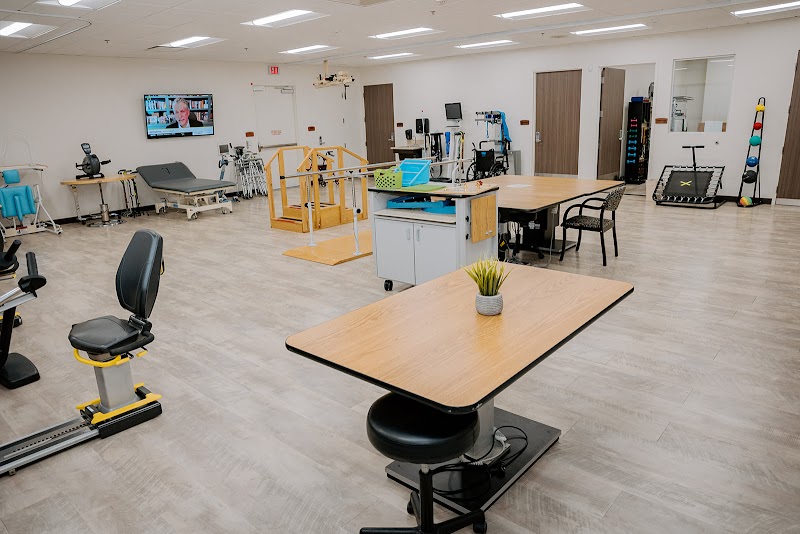
Who Owns and Operates Green Valley Health And Wellness Suites?

GREEN VALLEY HEALTH AND WELLNESS SUITES is owned by a for-profit company. For-profit facilities operate as businesses with obligations to shareholders or private owners. The facility is operated by FUNDAMENTAL HEALTHCARE, a chain that manages multiple nursing homes. With 124 certified beds and approximately 95 residents (about 77% occupancy), it is a mid-sized facility located in HENDERSON, Nevada.

How Does Green Valley Health And Wellness Suites Compare to Other Nevada Nursing Homes?

Compared to the 100 nursing homes in Nevada, GREEN VALLEY HEALTH AND WELLNESS SUITES's overall rating (3 stars) is below the state average of 3.0, staff turnover (68%) is significantly higher than the state average of 46%, and health inspection rating (3 stars) is at the national benchmark.

What Should Families Ask When Visiting Green Valley Health And Wellness Suites?

Based on this facility's data, families visiting should ask: "How do you ensure continuity of care given staff turnover, and what is your staff retention strategy?" "Can you walk me through typical staffing levels on day, evening, and night shifts?" "Can I visit during a mealtime to observe dining assistance and food quality?" "How do you handle medical emergencies, and what is your hospital transfer rate?" These questions are particularly relevant given the facility's high staff turnover rate and the below-average staffing rating.

Is Green Valley Health And Wellness Suites Safe?

Based on CMS inspection data, GREEN VALLEY HEALTH AND WELLNESS SUITES has a clean safety record: no substantiated abuse findings (meaning no confirmed cases of resident harm), no Immediate Jeopardy citations (the most serious violation level indicating risk of serious injury or death), and is not on the Special Focus Facility watch list (a federal program monitoring the lowest-performing 1% of nursing homes). The facility has a 3-star overall rating and ranks #100 of 100 nursing homes in Nevada. While no facility is perfect, families should still ask about staff-to-resident ratios and recent inspection results during their visit.

Do Nurses at Green Valley Health And Wellness Suites Stick Around?

Staff turnover at GREEN VALLEY HEALTH AND WELLNESS SUITES is high. At 68%, the facility is 21 percentage points above the Nevada average of 46%. Registered Nurse turnover is particularly concerning at 75%. RNs handle complex medical decisions and coordinate care — frequent RN changes can directly impact care quality. High turnover means new staff may not know residents' individual needs, medications, or preferences. It can also be disorienting for residents, especially those with dementia who rely on familiar faces. Families should ask: What is causing the turnover? What retention programs are in place? How do you ensure care continuity during staff transitions?

Was Green Valley Health And Wellness Suites Ever Fined?

GREEN VALLEY HEALTH AND WELLNESS SUITES has been fined $12,235 across 5 penalty actions. This is below the Nevada average of $33,201. While any fine indicates a compliance issue, fines under $50,000 are relatively common and typically reflect isolated problems that were subsequently corrected. Families should ask what specific issues led to these fines and confirm they've been resolved.

Is Green Valley Health And Wellness Suites on Any Federal Watch List?

GREEN VALLEY HEALTH AND WELLNESS SUITES is not on any federal watch list. The most significant is the Special Focus Facility (SFF) program, which identifies the bottom 1% of nursing homes nationally based on persistent, serious quality problems. Not being on this list means the facility has avoided the pattern of deficiencies that triggers enhanced federal oversight. This is a positive indicator, though families should still review the facility's inspection history directly.