HENDERSON HEALTH AND REHABILITATION
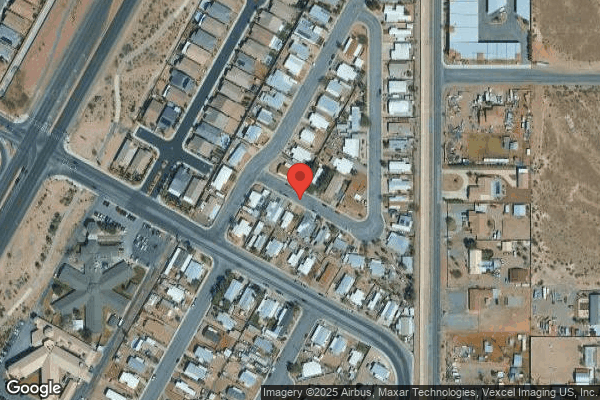
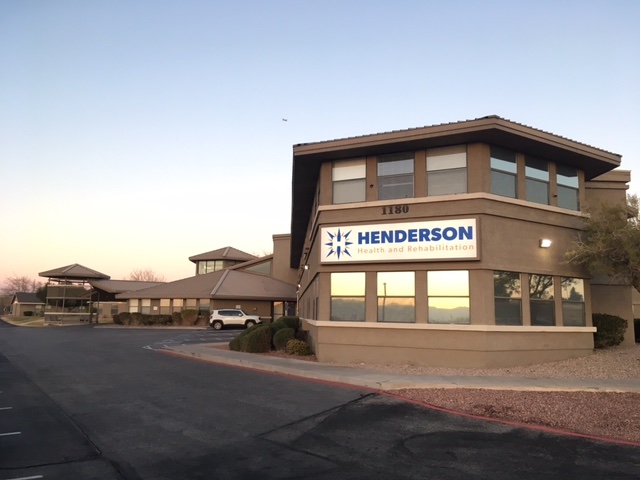
1180 E. LAKE MEAD PARKWAY, HENDERSON, NV 89015 (702) 565-8555
For profit - Limited Liability company 266 Beds THE ENSIGN GROUP Data: November 2025 1 Immediate Jeopardy citation
Trust Grade
38/100
#29 of 65 in NV
Last Inspection: August 2024

Within standard 12-15 month inspection cycle. Federal law requires annual inspections.

Overview

Henderson Health and Rehabilitation has received a Trust Grade of F, indicating significant concerns about the facility's overall quality and care. Ranked #29 out of 65 facilities in Nevada, it sits in the top half, but the low trust grade raises red flags. The facility is showing improvement, with issues decreasing from 7 in 2024 to 4 in 2025, although it has 42 total deficiencies, including one critical incident involving a resident's fall due to lack of proper supervision. Staffing is a relative strength, with a turnover rate of 39%, which is below the state average, and RN coverage is considered average, meaning there is some oversight of resident care. However, the facility has incurred $40,830 in fines, which is concerning and suggests ongoing compliance issues that families should consider. Specific incidents include a resident falling in a transport bus due to not being properly secured and another resident being at high risk for falls who was not adequately monitored.

Trust Score
F
38/100
In Nevada
#29/65
Top 44%
Safety Record
High Risk
Review needed
Inspections
Getting Better
7 → 4 violations
Staff Stability
○ Average
39% turnover. Near Nevada's 48% average. Typical for the industry.
Penalties
✓ Good
$40,830 in fines. Lower than most Nevada facilities. Relatively clean record.
Skilled Nurses
○ Average
Each resident gets 38 minutes of Registered Nurse (RN) attention daily — about average for Nevada. RNs are the most trained staff who monitor for health changes.
Violations
⚠ Watch
42 deficiencies on record. Higher than average. Multiple issues found across inspections.
★★★☆☆
3.0
Overall Rating
★★★☆☆
3.0
Staff Levels
★★★★☆
4.0
Care Quality
★★★☆☆
3.0
Inspection Score
Stable
2024: 7 issues
2025: 4 issues

The Good

  • 4-Star Quality Measures · Strong clinical quality outcomes
  • Full Sprinkler Coverage · Fire safety systems throughout facility
  • No fines on record
  • Staff turnover below average (39%)

    9 points below Nevada average of 48%

Facility shows strength in quality measures, fire safety.

The Bad

3-Star Overall Rating

Near Nevada average (3.0)

Meets federal standards, typical of most facilities

Staff Turnover: 39%

Near Nevada avg (46%)

Typical for the industry

Federal Fines: $40,830

Above median ($33,413)

Moderate penalties - review what triggered them

Chain: THE ENSIGN GROUP

Part of a multi-facility chain

Ask about local staffing decisions and management

The Ugly 42 deficiencies on record

1 life-threatening 1 actual harm
May 2025 3 deficiencies
CONCERN (D) 📢 Someone Reported This

A family member, employee, or ombudsman was alarmed enough to file a formal complaint

Potential for Harm - no one hurt, but risky conditions existed

Deficiency F0604 (Tag F0604)

Could have caused harm · This affected 1 resident

**NOTE- TERMS IN BRACKETS HAVE BEEN EDITED TO PROTECT CONFIDENTIALITY** Based on interviews, record review, and document review the facility failed to ensure a resident was free from physical restrain...

Read full inspector narrative →
**NOTE- TERMS IN BRACKETS HAVE BEEN EDITED TO PROTECT CONFIDENTIALITY** Based on interviews, record review, and document review the facility failed to ensure a resident was free from physical restraints for 1 of 8 sampled residents (Resident 7). The deficient practice placed the resident at risk of physical and psychosocial harm. Findings include: Resident 7 (R7) R7 was admitted on [DATE] with diagnosis including dementia. A brief interview for mental status (BIMS) was conducted on 04/10/2025 and determined R7 had a score of 03 indicating R7 had severe cognitive impairment. The facility policy titled restraints (revised April 2025), documented it was the facility policy to ensure each resident was not restrained for the purpose of discipline or convenience. A restraint device assessment would be conducted to determine if the resident would be safe using the specific restraint. A physician order would be obtained indicating the type of device to be used, indication, duration, and how often it was supposed to be released. A report to the state agency documented upon admission to the facility R7 had abdominal and chest restraint applied. The report indicated the admission nurse untied the restraint to move R7 to the facility bed and then tied restraint to bed. The report concluded the admission nurse did not have a physician order for use of restraint. The facility completed the internal investigation and submitted report to the state agency on 04/14/2025 with the following timeline of events: On 04/08/2025 at approximately 9:00 PM, R7 was admitted to the facility, was assessed and indicated R7 was restrained to the bed with abdominal and chest restraint which allowed movement of upper body to sit up and lay down which confined R7 to the bed. On 04/08/2025 in the evening, the Certified Nursing Assistant (CNA1) indicated asking the Licensed Practical Nurse (LPN1) about the restraints. LPN1 verbalized being aware of restraints and instructed CNA1 to keep restraints in place after the CNA was complete with cleaning resident. CNA1 indicated LPN1 had verbalized not having time to keep checking on the resident. A thorough review of video documented LPN1 did not check on resident until it was time to start passing medications between 4:00 AM and 5: 00 AM on 04/09/2025. On 04/09/2025 at approximately 6:00 AM, there was a shift change, and a different Licensed Practical Nurse (LPN2) was responsible for R7. Through interviews with LPN2 it was discovered LPN1 did not advise LPN2 about R7 being in restraints. LPN2 discovered the restraints during assessment and immediately removed due to no physician order. LPN2 then contacted the Director of Nursing (DON). The Abuse Coordinator was notified, and investigation was initiated. On 05/30/2025 at 9:00 AM, Administrator (Abuse Coordinator) indicated R7 had been in facility previously and arrived most recently on 04/08/2025 in the evening with a variety of restraints. The administrator verbalized the facility attempts to avoid the use of restraints. The administrator confirmed the admitting nurse, LPN1, had reapplied the restraints once R7 was moved to the facility bed. The morning nurse removed restraints after assessment and notified the DON and Administrator. On 05/30/2025 at 9:15 AM, a Registered Nurse (RN) indicated the facility general practice was to not use restraints. If a resident was to arrive at facility with restraint it would be immediately removed and physician contacted. To continue with restraints, the resident would need to be assessed for use and a physician order would be needed to document the reason for restraint, which could not be determined until the resident was assessed and assessed for safety with the specific type of restraint to be used. On 05/30/2025 at 9:45 AM, the Assistant Director of Nursing (ADON) explained the facility was a restraint/lift free facility meaning the use of restraints was discouraged. The ADON indicated when a resident was admitted to the facility with a restraint it would immediately be removed until an assessment was completed. Further, the resident would be assessed for the specific type of restraint to determine if it was needed and if the resident would be safe with the restraint. The ADON verbalized it would be inappropriate to reapply a restraint without a physician order including reason for restraint, how long the restraint would be used, off time of restraint and how often it would be monitored. On 05/30/2025 at 1:02 PM, the Director of Nursing (DON) indicated the investigation was started immediately upon notification from LPN2. LPN1 was suspended by phone and initial interviews were started. The DON indicated LPN1 confirmed being aware of the restraints and acknowledged applying a restraint without a physician order. The DON explained after having reviewed the video surveillance of nursing station and based on multiple corroborating interviews LPN1 was terminated on 04/11/2025. The following actions were confirmed to have been completed by the facility to correct the deficient practice during and immediately following the investigation: - Oncoming staff immediately released restraint. - Reported to ADON, DON, Abuse Coordinator (initial to state agency on 04/09/2025, final on 04/14/2025). - Initiated investigation on 04/09/2025. - Suspended staff member on 04/09/2025. - Surveillance video reviewed with transcript of timeline. - Conducted interviews with guardian, CNA's, nurses, a few residents - Terminated staff member involved on 04/11/2025 - Reported to the Board of Nursing on 04/29/2025. - Notified state agencies, Public Guardian, family member, physician on 04/09/2025 - Education to all staff with sign in sheet and education topic provided. FRI report indicated staff education on restraint use, abuse/neglect training and education provided. Education started on 04/10/2025 and completed 04/14/2025. FRI NV00074000
CONCERN (D) 📢 Someone Reported This

A family member, employee, or ombudsman was alarmed enough to file a formal complaint

Potential for Harm - no one hurt, but risky conditions existed

ADL Care (Tag F0677)

Could have caused harm · This affected 1 resident

**NOTE- TERMS IN BRACKETS HAVE BEEN EDITED TO PROTECT CONFIDENTIALITY** Based on interview, record review, and document review, the facility failed to provide documented evidence assistance with activ...

Read full inspector narrative →
**NOTE- TERMS IN BRACKETS HAVE BEEN EDITED TO PROTECT CONFIDENTIALITY** Based on interview, record review, and document review, the facility failed to provide documented evidence assistance with activities of daily living (ADL) was provided for 1 of 8 sampled residents (Resident 6). The deficient practice had the potential for the resident's skin integrity to be compromised. Findings include: Resident 6 (R6) R6 was admitted on [DATE] and discharged on 04/12/2025 with diagnoses including end stage renal disease, muscle weakness, and type 2 diabetes mellitus. The admission Minimum Data Set (MDS) dated [DATE], documented R6 was frequently incontinent of bowel and bladder and dependent with toileting hygiene (the ability to maintain perineal hygiene, adjust clothes before and after voiding or having a bowel movement). R6's activities of daily living (ADL) documentation for toilet hygiene lacked documented evidence the task was performed every shift on the following days: -03/21/2025 through 03/23/2025 -03/25/2025 -03/28/2025 -03/30/2025 and 03/31/2025 -04/02/2025 and 04/03/2025 -04/09/2025 and 04/10/2025 On 05/30/2025 at 8:21 AM, a Certified Nurse Assistant 1 (CNA 1), explained the process for documenting a resident's incontinent care had been provided was to document the task in the resident's chart every shift under toileting hygiene. On 05/30/2025 at 8:30 AM, a Certified Nurse Assistant 2 (CNA 2) explained resident toileting assistance and peri care were documented in the resident chart under toileting hygiene each shift. On 05/30/2025 at 8:35 AM, the MDS Coordinator explained the process for staff to document care for incontinent residents was to document under toileting hygiene. The MDS Coordinator reviewed R6's admission MDS and confirmed R6 was frequently incontinent of bowel and bladder and dependent upon staff for assistance. The MDS Coordinator reviewed the ADL documentation for R6's toileting hygiene from March 2025 through April 2025 and confirmed there were shifts blank with no documentation of toileting hygiene. The MDS Coordinator explained if the task was blank with no documentation, then the task did not occur. The MDS Coordinator explained residents that are incontinent and require staff assistance would have a care plan indicating their needs and interventions staff were to take. The MDS Coordinator reviewed R6's care plan and verified there was no care plan for incontinence. On 05/30 2025 at 11:51 AM, the Director of Nursing (DON) explained the process for documenting toileting assistance and hygiene was for staff to document under the ADL task labeled toileting hygiene to indicate the care was provided. The DON explained the expectation was for staff to document daily and as needed (PRN). The DON explained residents who are assessed as incontinent requiring staff assistance, would have a care plan indicating the incontinence and care interventions to be provided. The DON reviewed R6's ADL toileting hygiene documentation and confirmed there were shifts with no documentation and explained no documentation indicated the task was not performed. The facility policy titled Standards of Care for CNA Practice, undated, documented the CNA would assist the resident in ADLs such as eating, drinking, turning and positioning, transfer and ambulation including walking, bathing, oral care, grooming, dressing, toileting, communication and socialization. The CNA would accurately, and timely document care provided. NV#00073877
CONCERN (D) 📢 Someone Reported This

A family member, employee, or ombudsman was alarmed enough to file a formal complaint

Potential for Harm - no one hurt, but risky conditions existed

Respiratory Care (Tag F0695)

Could have caused harm · This affected 1 resident

**NOTE- TERMS IN BRACKETS HAVE BEEN EDITED TO PROTECT CONFIDENTIALITY** Based on record review, interview, and document review, the facility failed to follow physicians' orders for the application of ...

Read full inspector narrative →
**NOTE- TERMS IN BRACKETS HAVE BEEN EDITED TO PROTECT CONFIDENTIALITY** Based on record review, interview, and document review, the facility failed to follow physicians' orders for the application of a BiLevel Positive Airway Pressure BiPAP (a non-invasive ventilation device that facilitates breathing and improve oxygenation for conditions that impair breathing like COPD) for 1 of 8 sampled residents (Resident #3). The deficient practice had the potential to cause inadequate oxygenation, respiratory distress, or worsening of underlying conditions such as COPD, placing the resident in a risk for complications, including hypoxia, increased carbon dioxide retention, and respiratory failure. Findings include Resident #3 (R3) R3 was admitted on [DATE], with diagnoses including acute on chronic hypercapnic respiratory failure, chronic obstructive pulmonary disease (COPD) exacerbation, and history of chronic hypoxic respiratory failure. A hospital history and physical dated 01/19/2025, documented R3 was admitted to the emergency department due to complaining shortness of breath (SOB) for two days. R3 had history of home oxygen use at 4 liters per minute (lpm). The hospital Discharge summary dated [DATE], documented R3 was placed on nightly BiPAP to lower pCO2 levels (partial pressure of carbon dioxide measures the amount of carbon dioxide in the blood, helping clinicians assess how well the lungs are removing CO2 and maintaining proper breathing function) to less than 55 millimeters of mercury (mmHg) per pulmonologist recommendation. A physician's order dated 01/30/2029, revealed Bi-PAP to be used during hours of sleep and the resident would be assisted with the device setup. The order directed the staff to document refusal of use. An incident report investigation conducted by the facility revealed that, according to nursing staff, the BiPAP was applied to R3 on the nights of 01/30/2025 through 02/01/2025. However, the report indicated R3 went two nights without BiPAP and instead received oxygen at 2 LPM via nasal cannula, per physician orders. As part of the facility's internal investigation, an interview was conducted with LPN (LPN2), who stated the BiPAP was applied to R3 on 01/30/2025. However, on 01/31/2025, LPN2 received a report a piece of the BiPAP device was missing, resulting in the resident being unable to use the device. LPN2 acknowledged signing the Medication Administration Record (MAR) on 01/31/2025, indicating the BiPAP was applied, but noted it could have been documented as by mistake. Furthermore, LPN2 stated the attending physician was not notified, as it was believed the issue had already been reported and the facility was awaiting the replacement part. A treatment administration record for January and February 2025, revealed the BiPAP was documented as applied on 01/30/2025, 01/31/2025, 02/01/2025, and 02/03/2025. Nursing progress note dated 01/31/20245 at 2:23 AM, documented BiPAP machine was on for the night and R2 was tolerating well. Nursing progress note dated 01/31/20245 at 10:30 PM, indicated R3 had BiPAP at night. On 05/29/2025 at 2:58 PM, a Licensed Practical Nurse (LPN1) reported had received information an elbow connector (a component that enables a breathing tube to be attached to the BiPAP machine at a 90-degree angle) may have been lost when R3 was relocated to a different room on 01/31/2025. LPN1 indicated due to the missing connector, the BiPAP device could not be used. The matter was reported to the Director of Nursing (DON) and the Administrator. LPN1 further stated that they do not work night shifts and could not confirm whether the BiPAP was used without the missing elbow connector. On 05/29/2025 at 3:15 PM, the Director of Nursing (DON) stated that the elbow connector of the BiPAP device may have been misplaced during Resident R3's room transfer and could not be located. The facility attempted to replace the missing piece; however, R3's daughter called 911, leading to the resident being transported to a hospital. The DON confirmed that nursing staff did not notify the attending physician about the inability to apply the BiPAP device due to the missing connector, preventing the implementation of alternative respiratory measures. Additionally, the DON acknowledged nurses should not have documented the application of the BiPAP device when it had not been used. The most recent revision of the facility policy, titled Significant Change in Condition, Response, dated January 2022, stated if a team member recognized a change in a resident's care needs, a licensed nurse or nurse supervisor was required to be notified. According to the policy, the nurse was responsible for performing and documenting an assessment, identifying the need for additional interventions. The nurse would then determine whether to implement existing physician orders or, if necessary, communicate with the attending physician using SBAR (Situation, Background, Assessment, Recommendation) or a similar process to obtain new orders or interventions. Complaint #NV00073441
Jan 2025 1 deficiency
CONCERN (D) 📢 Someone Reported This

A family member, employee, or ombudsman was alarmed enough to file a formal complaint

Potential for Harm - no one hurt, but risky conditions existed

Deficiency F0919 (Tag F0919)

Could have caused harm · This affected 1 resident

**NOTE- TERMS IN BRACKETS HAVE BEEN EDITED TO PROTECT CONFIDENTIALITY** Based on observation, interview, record review, and document review, the facility failed to ensure the call light buttons were w...

Read full inspector narrative →
**NOTE- TERMS IN BRACKETS HAVE BEEN EDITED TO PROTECT CONFIDENTIALITY** Based on observation, interview, record review, and document review, the facility failed to ensure the call light buttons were within the reach of the residents for 1 of 11 sampled residents (Resident 1). The deficient practice had the potential safety risk of the resident experiencing delays in receiving necessary assistance, leading to potential safety risks like falls, discomfort, and being unable to alert staff when they need help. Findings include: Resident 1 (R1) was admitted on [DATE], with diagnoses including secondary malignant neoplasm of bone, generalized muscle weakness, repeated falls, with need for assistance with personal care. On 01/28/2025 at 10:56 AM, R1 was lying in bed and the call light was not within reach. R1's call light button was at the bedside table of adjacent resident. On 01/28/2025 at 11:01 AM, a housekeeper confirmed the call light was not within R1 reach. On 01/28/2025 at 11:13 AM, a Licensed Practical Nurse (LPN) verbalized the call light should have been within R1 reach and not on the bedside table of the adjacent resident. The LPN stated the resident was a fall risk. The LPN communicated all staff are responsible for ensuring the call light are within the resident's reach. On 01/28/2025 at 12:12 PM, the Director of Nursing stated call lights should be placed within the reach of the resident. Complaint NV00072771
Nov 2024 1 deficiency
CONCERN (D) 📢 Someone Reported This

A family member, employee, or ombudsman was alarmed enough to file a formal complaint

Potential for Harm - no one hurt, but risky conditions existed

Accident Prevention (Tag F0689)

Could have caused harm · This affected 1 resident

**NOTE- TERMS IN BRACKETS HAVE BEEN EDITED TO PROTECT CONFIDENTIALITY** Based on interviews, record review and document review, the facility failed to ensure a sampled resident (Resident #4) with seve...

Read full inspector narrative →
**NOTE- TERMS IN BRACKETS HAVE BEEN EDITED TO PROTECT CONFIDENTIALITY** Based on interviews, record review and document review, the facility failed to ensure a sampled resident (Resident #4) with severe cognitive impairment was adequately supervised and was not able to elope from the facility. The deficient practice had the potential for physical and psychosocial harm to the resident. Findings include: Resident 4 (R4) R4 was admitted to the facility on [DATE] and re-admitted on [DATE]with diagnoses including bipolar disorder and dementia. A brief interview for mental status (BIMS) assessment documented a score of 03 indicating the resident had a severe cognitive impairment. A facility report investigation indicated on 10/22/2024, R4 had eloped from the facility and was out of the facility from 3:30 AM and was returned to the facility at 12:30 PM. The following was a timeline based on the investigation notes and interviews from the facility: - after video review it was determined the resident left the building at approximately 3:30 AM. - at 5:40 AM, a nurse in training entered the resident's room and documented R4 refused medication. - at 6:50 AM, a Certified Nursing Assistant (CNA) entered the room of R4 and did not report the resident was missing. - at approximately 8:00 AM, a CNA brought the breakfast tray to R4's room. - at approximately 8:50 AM, the CNA went in R4's room to pick up breakfast tray and noticed it had not been consumed. The CNA notified a nurse and a search for the resident had been initiated. - according to progress notes, a code white (missing resident) was called at 9:52 AM and a full-scale search was initiated and police contacted. On 11/08/2024 at 9:30 AM, a CNA indicated when on shift at the facility, rounds were to be made approximately every 2-3 hours, however between the CNA and nurse every resident was generally seen more frequently. The CNA explained when a resident was not in the room it was important to locate resident. If the resident was not able to be immediately located the CNA would inform the nurse. The CNA revealed it would not be appropriate to assume where a resident was located without verification. On 11/08/2024 at 9:45 AM, a Licensed Practical Nurse (LPN) verbalized checking on residents was a continuous process throughout the shift and between the nursing staff and CNAs, a resident would be observed nearly every hour. The LPN indicated the expectation would be to notify a nurse if the resident was not in the room and location of resident could not be verified. The LPN explained it would be unprofessional for a nurse to document a resident refused medication when the resident was not in room. On 11/08/2024 at 10:10 AM, an Assistant Director of Nursing (ADON) confirmed R4 had eloped from facility on 10/22/2024. The ADON explained there were several points of concern regarding the incident, including a nurse who documented the resident refused a blood glucose check when the resident had already left the building and a CNA who failed to communicate with nursing staff regarding the resident not being in the room without attempting to locate the resident. The ADON verbalized when a resident was not in the room it was expected staff would attempt to locate the resident and then inform a supervisor if the resident was not able to be found. Following the event on 10/22/2024, it was determined the facility took the following actions during the investigation and immediately following to correct the deficient practice: - the nurse in training was immediately suspended and terminated. - the CNA who did not report resident was not in room was reprimanded and provided further education. - an interdisciplinary team meeting was held to discuss additional safety concerns in the area the resident was able to elope from. - additional training regarding elopement was mandated and completed within 3 days of incident. On 11/08/2024 at 11:30 AM the Director of Nursing (DON) confirmed elopement and verified during the investigation concerns with staff actions were identified and corrected at the time the facility became aware. The DON indicated the nurse in training was suspended during investigation and terminated when it was determined the nurse had falsely documented R4 refused a blood glucose check. The first CNA to check on resident should not assume the location of the resident and should have reported to the nurse and was subsequently educated on proper procedure. The DON revealed all staff had received additional training on elopement and the facility policy. The facility policy titled Elopement/Unsafe Wandering documented, elopement was defined as occurring when a resident leaves the facility premises or a safe area without the facilities knowledge. The staff would promptly report any resident attempting to leave the premises or missing to the charge nurse or supervisor to evaluate the need for further interventions. Facility Reported Incident #NV00072512
Aug 2024 6 deficiencies
CONCERN (D)

Potential for Harm - no one hurt, but risky conditions existed

Comprehensive Care Plan (Tag F0656)

Could have caused harm · This affected 1 resident

**NOTE- TERMS IN BRACKETS HAVE BEEN EDITED TO PROTECT CONFIDENTIALITY** Based on observation, interview and record review the facility failed to develop a care plan for denture care needs for 1 of 35 ...

Read full inspector narrative →
**NOTE- TERMS IN BRACKETS HAVE BEEN EDITED TO PROTECT CONFIDENTIALITY** Based on observation, interview and record review the facility failed to develop a care plan for denture care needs for 1 of 35 sampled residents (Resident 15). The deficient practice had the potential to place residents at risk for inability to chew food, malnutrition and unintentional weight loss Findings include: Resident 15 (R15) R15 was admitted on [DATE], with diagnoses including lack of coordination and dysphagia. On 08/21/2024 at 8:28 AM, R15 was observed sitting up in a wheelchair eating breakfast in their room. R15 had two pieces of toast, scrambled eggs, one banana and a glass of juice. R15 did not have any teeth while eating the banana. R15 had dentures and required assistance to put on the dentures. R15 stated they frequently ate without the dentures because they did not get help putting the dentures on during meal service. R15 voiced frustration with not getting help putting on their dentures and stated it limited food and eating options. R15 indicated the dentures were in a yellow denture cup on the nightstand. Review of R15's care plan for personal care/oral hygiene revised on 06/12/2024, showed R15 required one staff member participation with personal hygiene and oral care. The care plan showed R15 was at risk for poor intake by mouth, had difficulty swallowing and was at risk for aspiration (choking). Interventions included: - Provide assistance with meals as needed. The care plan lacked documentation to show R15's need for denture assistance as well as goals with appropriate interventions. On 08/23/2024 at 10:37 AM, the Minimum Data Set (MDS) coordinator stated R15 did not have any issues with their dentures. The MDS Coordinator stated any oral/dental needs in the care plan would be listed under oral care and hygiene. The MDS Coordinator stated the nursing staff had the capability to individualize the care plan to include a care plan for dentures. On 08/23/2024 at 3:29 PM, the Director of Nursing (DON) reviewed the care plan and stated R15 should have been care planned for denture use so it could reflect on the point of care flowsheets the certified nursing assistants looked at.
CONCERN (D) 📢 Someone Reported This

A family member, employee, or ombudsman was alarmed enough to file a formal complaint

Potential for Harm - no one hurt, but risky conditions existed

Pressure Ulcer Prevention (Tag F0686)

Could have caused harm · This affected 1 resident

**NOTE- TERMS IN BRACKETS HAVE BEEN EDITED TO PROTECT CONFIDENTIALITY** Based on interview and record review the facility failed to provide pressure ulcer (PU) preventative measures for 1 of 3 sample ...

Read full inspector narrative →
**NOTE- TERMS IN BRACKETS HAVE BEEN EDITED TO PROTECT CONFIDENTIALITY** Based on interview and record review the facility failed to provide pressure ulcer (PU) preventative measures for 1 of 3 sample closed records reviewed (Resident 246). The deficient practice had the potential to place residents at risk for worsening pressure ulcers and diminished quality of life. Findings include: Resident 246 (R246) R246 was admitted on [DATE] with stage 3 pressure wounds to the right heel, right lower extremity and coccyx. Review of the Minimum Data Set showed R246 required substantial/maximal assistance, rolling from left to right. Review of the care plan showed R246 had impaired skin integrity and existing pressure ulcers. Goals included potential for complications would be minimized. Interventions included: -Provide assistance with turning and repositioning to prevent skin breakdown. Review of the turning and repositioning flowsheet from 02/20/2024 to 03/11/2024, showed R246 was not repositioned for 15 shifts during this period. 02/20/2024- Not repositioned on the AM and night shifts 02/21/2024- 02/23/2024- Not repositioned on night shifts 02/25/2024- 02/29/2024- Not repositioned on night shifts 03/05/2024- Not repositioned on night shift 03/07/2024- Not repositioned on day shift On 08/23/2024 at 10:58 AM, the Wound Care Nurse stated repositioning a resident was very important in preventing new pressure ulcers or preventing existing ulcers from getting worse. The Wound Care Nurse stated bed bound residents should be repositioned every two hours to achieve this. Review of the facility policy revised on 12/2023, indicated residents with pressure ulcers were to receive necessary treatment and services to promote healing, prevent infection and prevent new, avoidable pressure injuries from developing. The policy stated this could be achieved by multiple factors including repositioning the resident. On 08/23/2024 at 3:29 PM, the Director of Nursing (DON) stated the care staff should have repositioned R246 and the documentation should have reflected that. Complaint #NV00070737
CONCERN (D)

Potential for Harm - no one hurt, but risky conditions existed

Deficiency F0692 (Tag F0692)

Could have caused harm · This affected 1 resident

**NOTE- TERMS IN BRACKETS HAVE BEEN EDITED TO PROTECT CONFIDENTIALITY** Based on observation, interview, record review and document review, the facility failed to ensure a resident was provided 1:1 fe...

Read full inspector narrative →
**NOTE- TERMS IN BRACKETS HAVE BEEN EDITED TO PROTECT CONFIDENTIALITY** Based on observation, interview, record review and document review, the facility failed to ensure a resident was provided 1:1 feeding assistance per physician order for 1 of 35 sampled residents (Residents 114). The deficient practice had the potential to prevent residents from consuming provided meals to maintain optimal weight. Findings include: Resident 114 (R114) R114 was admitted on [DATE] and readmitted on [DATE], with diagnoses including end stage renal disease and dysphagia oropharyngeal phase and Barrett's esophagus without dysplasia. On 08/22/2024 at 8:05 AM, R114 was observed sitting in wheelchair in the middle of the 2100-Hallway holding an empty blue bowl with right hand, white cereal contents were spilled on R114's clothes. The resident had difficulty mouthing words but managed to say yes when asked if the resident needed help. Several rooms away, a nurse was standing behind a medication cart, there were no other staff members observed in the unit. On 08/22/2024 at 8:07 AM, a breakfast tray placed on a rolling bedside table was observed approximately three feet away from R114. The tray contained a meal ticket which revealed R114 was on a renal dysphagia pureed diet and contents of the meal tray were identified as super cereal, omelet, and juice. The meal ticket did not include any assistance instructions. On 08/22/2024 at 8:15 AM, a Registered Nurse (RN) indicated not being familiar with R114 since the RN was a night shift nurse not steadily assigned to the resident. The RN indicated not being aware if R114 required supervision or assistance with meals. On 08/22/2024 at 8:20 AM, a Certified Nursing Assistant (CNA) came out from another resident's room in the 2100-hall. The CNA indicated not being familiar with R114 because the CNA was originally assigned to the 300-Hall but was reassigned to the 2100-Hall this morning due to a staff call-in. The CNA confirmed R114 was holding an empty bowl of cereal the contents of which appeared to have spilled on R114's clothes. The CNA observed R114's tray and described the plate as five percent consumed as there appeared to be a few bites from the scrambled egg with the rest of the food items left untouched. The CNA continued to observe R114 and verbalized R114 appeared to be appropriate for one-on-one (1:1) feeding assistance or at the very least supervision due to cognition issues. The CNA confirmed R114 had no supervision or assistance when the breakfast tray was served. The CNA explained being busy feeding another resident and the CNA was not familiar how many staff members were assigned to the unit. An admission Minimum Data Set (MDS) dated [DATE], documented Resident 114 had a Brief Interview for Mental Status (BIMS) score of 03 (severely impaired cognition). On 08/22/2024 at 8:30 AM, the RN indicated being busy with medication administration and confirmed the RN was not providing any supervision or assistance to R114 during breakfast. The RN indicated not being aware R114 had spilled cereal on self because the RN was focused on medication pass. A Physician Order dated 03/01/2024, documented to provide R114 with 1:1 feeding assistance as resident required maximum cueing to safely consume meals. A Speech Therapy Encounter Note dated 03/05/2024, documented Speech Therapist (ST) provided caregiver education on new order of 1:1 feed, ST provided caregiver training on feeding techniques and cues to provide R114 safe swallow. A Physician Order dated 07/23/2024, documented to provide R114 with 1:1 feeding assistance as resident required maximum cueing to safely consume meals. R114's Nutrition Care Plan revealed R114 had an undesired significant weight loss identified in February 2024, May 2024, June 2024, and July 2024, and an intervention was added on 07/22/2024 which was to provide 1:1 feeding assistance to R114 with maximum cueing and encouragement. An admission Nutrition Evaluation dated 12/21/2023, documented R114 was able to feed self and required tray set up. R114's weight was 150.0 pounds (lb.) and a body mass index (BMI) of 21.5 (reference range: BMI 23-30). A Quarterly Nutrition Evaluation dated 03/21/2024, documented R114 was able to feed self and required tray set up. R114's weight was 145.0 lb. which was considered an insignificant weight loss over three months. BMI 20.8 below ideal BMI for age. A Quarterly Nutrition Evaluation dated 06/20/2024, documented R114 required limited assistance with tray set up, provide 1:1 feeding assistance as needed. R114's weight was 134.0 lb. which was considered an unplanned/undesired significant weight loss over a three-month and six-month period. BMI 19.2. An admission Nutrition Evaluation dated 07/28/2024, documented R114 required limited assistance with tray set up, provide 1:1 feeding assistance as needed. R114's weight was 130.0 lb. which was considered an unplanned/undesired significant weight loss over six months. BMI 18.7. The Follow-up Question Look Back report on Eating revealed the following feeding assistance was provided to R114 during the period covering 08/01/2024 through 08/22/2024: -Tray set up or clean up assistance was provided 35 times out of 61 meal opportunities. Tray set up and clean up assistance was defined as: helper sets up or cleans up while resident completed activity. Helper assists only prior to or following the activity. -Supervision or Touching assistance was provided 13 out of 61 meal opportunities. Supervision or touching assistance was defined as: helper provided verbal cues and/or touching, steadying or contact guard assist. Assistance may be provided throughout or intermittently. -Partial or moderate assistance was provided once out of 61 meal opportunities. Partial or moderate assistance was defined as: helper does less than half the effort. -Dependent assistance was provided once out of 61 meal opportunities. Dependent assistance was defined as: helper does all the effort to complete the activity. -R114 refused the eating activity six times out of 61 meal opportunities. The Quarterly MDS dated [DATE], revealed R114 had a weight loss of more than five percent (%) in the last month or loss of 10 % in the last six months which was not physician prescribed. On 08/22/2024 at 2:13 PM, the Registered Dietitian (RD) explained nutritional assessments were completed on admission, quarterly, annually and when there were significant changes. The RD reviewed R114's medical record and confirmed the RD documented R114 as able to feed self, requiring tray set up in the nutritional assessments dated 12/21/2023 and 03/21/2024 and documented R114 as requiring limited assistance, tray set up with 1:1 assistance as needed in the nutritional assessments dated 06/20/2024 and 07/28/2024. The RD confirmed R114 was currently at significant weight loss status with 7.6 % weight loss over a three-month period and 14.1 % over a six-month period. On 08/23/2024 at 8:35 AM, the RD clarified 1:1 feeding assistance as needed meant there were times R114 may need assistance with meals and there may be times the resident did not need assistance with meals. The RD read the physician's order dated 07/23/2024 which the RD interpreted as R114 requiring feeding assistance at all times with every meal. The RD indicated not being aware of the physician's order and acknowledged the RD's nutritional assessments on R114's functional status and assistance with meals did not align with the physician's order. The RD pulled up R114's [NAME] which documented to provide the resident with 1:1 feeding assistance as R114 required maximum cueing to safely consume meals. The RD indicated there was a breakdown of communication among the inter-disciplinary team (IDT) members regarding R114's functional status and required assistance with eating. On 08/23/2024 at 8:35 AM, the Assistant Director of Nursing (ADON) indicated not being aware of the physician's order regarding providing R114 with 1:1 feeding assistance for all meals. The ADON indicated being under the impression R114 required tray set up and supervision with eating. The ADON indicated expecting CNAs to check each resident's [NAME] especially when they were not familiar with the resident to ensure proper assistance was provided to each resident with meals. The ADON confirmed significant weight loss was identified for R114 since the June 2024 nutrition evaluation. The ADON indicated there was a breakdown of communication among the inter-disciplinary team (IDT) members regarding R114's functional status and required assistance with eating. On 08/23/2024 at 1:24 PM, the Director of Nursing (DON) indicated being familiar with the physician's order for R114's 1:1 feeding assistance. The DON explained the original order was signed by the physician on 03/01/2024 based on ST recommendations. The order was discontinued on 07/20/2024 when R114 was transferred to the hospital. Upon the resident's readmission on [DATE], the physician's order for 1:1 feeding assistance was renewed where R114 was expected to have been provided 1:1 feeding assistance with all meals. The DON indicated being made aware by staff of the meal observation by the surveyor on 08/22/2024 when there was no assistance nor supervision provided to R114 during the breakfast meal. The DON explained there were two CNAs and one LPN who called off work in R114's unit on 08/22/2024 and staff were reassigned to cover the 2100-Hall. The DON verbalized the meal observation reflected staff were not following the physician's order and the resident's nutrition care plan. The DON indicated being aware of R114's significant weight loss and indicated the resident would have benefitted from 1:1 feeding assistance to keep the resident engaged in the meal process. The DON agreed the RD's nutritional assessment which reflected R114 requiring tray set up with limited assistance and 1:1 feeding assistance as needed did not align with the physician's order which clearly stated 1:1 feeding assistance was to be provided for all meals and not on an as needed basis. The DON indicated the CNAs were expected to read each resident's [NAME] which clearly documented R114 required 1:1 assistance with each meal.
CONCERN (D) 📢 Someone Reported This

A family member, employee, or ombudsman was alarmed enough to file a formal complaint

Potential for Harm - no one hurt, but risky conditions existed

Deficiency F0698 (Tag F0698)

Could have caused harm · This affected 1 resident

**NOTE- TERMS IN BRACKETS HAVE BEEN EDITED TO PROTECT CONFIDENTIALITY** Based on interview, record review, and document review, the facility failed to ensure 1) dialysis (renal replacement therapy) ap...

Read full inspector narrative →
**NOTE- TERMS IN BRACKETS HAVE BEEN EDITED TO PROTECT CONFIDENTIALITY** Based on interview, record review, and document review, the facility failed to ensure 1) dialysis (renal replacement therapy) appointments were not missed, or full treatment not completed for 2 of 7 sampled residents (Residents 114 and 220); and 2) dialysis communication records were completed for 3 of 7 sampled residents (Residents 176, 113, and 126). The deficient practice placed the residents at risk for complications of insufficient dialysis including but not limited to fluid overload, uremia (toxins in the blood) and electrolyte imbalance. Findings include: 1) Resident 114 (R114) R114 was admitted on [DATE] and readmitted on [DATE], with diagnoses including end stage renal disease and dependence on renal dialysis. A physician's order dated 07/23/2024, documented R114's received dialysis treatments on Tuesdays, Thursdays, and Saturdays at an outpatient dialysis provider. A nursing progress note dated 07/18/2024, revealed the assistant administrator instructed the nurse to ask the physician if it was okay for R114 to miss dialysis this Saturday (07/20/2024) due to facility not having transportation. Nurse awaiting physician response. The medical record lacked documented evidence the physician responded to the nurse regarding R114's upcoming scheduled dialysis on 07/20/2024. On 08/21/2024 at 10:17 AM, the charge nurse at the dialysis provider indicated R114 had been a patient since 02/04/2023 and staff were very familiar with R114. The charge nurse explained R114's dialysis prescription was three hours and 30 minutes, three times a week on Tuesdays, Thursdays and Saturdays. The charge nurse confirmed R114 was a no-show on 07/20/2024 and the dialysis clinic did not receive any phone calls from the skilled nursing facility (SNF) regarding R114's absence. The dialysis center staff made multiple attempts to contact the SNF on 07/20/2024 but was unsuccessful at getting someone on the phone. On 08/23/2024 at 2:29 PM, the Director of Transportation (DOT) confirmed R114 was not transported to the dialysis provider on 07/20/2024 due to the facility not having a driver since one driver was on vacation and another had called off work on 07/20/2024. A Dialysis Communication Record dated 08/17/2024, documented R114 arrived late at the dialysis provider and prescribed treatment time was not completed. On 08/22/2024 at 9:51 AM, R114's primary nurse at the dialysis provider indicated being familiar with R114 who had been assigned to the nurse since R114's transfer from another dialysis clinic in February 2023. The nurse explained the dialysis staff did their best to complete each patient's dialysis prescription time even on days when patients arrived late because every minute counted with dialysis. The dialysis nurse indicated there had been a few times R114 arrived late, but the nurse still completed R114's treatment, however, on 08/17/2024 the nurse was unable to complete 114's treatment because the transportation driver at the SNF had arrived at usual time and was unable to wait for completion of treatment. A Dialysis Progress Note dated 08/17/2024, documented unable to complete prescribed time due to R114's transportation arriving late. The nurse reminded transportation driver to bring R114 on time next treatment. On 08/23/2024 at 2:29 PM, the Director of Transportation indicated not being the driver assigned to transport R114 on 08/17/2024 and verbalized not being able to speak on behalf of the driver who transported R114 on 08/17/2024. The Dialysis agreement dated 08/24/2023, documented the SNF was responsible in ensuring each resident was prepared to spend an extended length of time in the dialysis facility for the administration of the prescribed treatment. The SNF was responsible for arranging transportation of residents to and from the dialysis facility. Resident 220 (R220) R220 was admitted on [DATE], with diagnoses including end stage renal disease and dependence on renal dialysis. The Physician Order dated 06/04/2024, documented hemodialysis every Tuesday, Thursday, and Saturday. The Nursing Progress Notes dated 07/20/2024 at 6:50 PM, documented a report was received from day shift nurse R220 missed hemodialysis today due to no transportation. On 08/22/2024 at 10:27 AM, the Medical Records Director confirmed R220 had no dialysis communication record for 07/20/2024 (Saturday) because the resident missed dialysis due to no transportation. On 08/22/2024 at 3:30 PM, the Director of Transportation revealed the nurses would inform them of the dialysis schedule of the residents. The facility would have provided transportation to all residents with their dialysis appointment. The Director of Transportation explained the need to verify the Transportation Log for 07/20/2024. On 08/22/2024 at 3:54 PM, the Director of Transportation indicated the facility had contracted two companies to transport residents to their appointment as needed or when the facility drivers called-in sick. The Director of Transportation explained the driver scheduled to transport residents to dialysis on 07/20/2024 called-in and the other driver was on vacation. The Director of Transportation confirmed R220 missed the dialysis appointment on 07/20/2024 because of transportation issue. The contracted transport company was only able to transport three of five residents scheduled for dialysis on 07/20/2024. A copy of the Transportation Log for 07/20/2024 was provided which documented R114 and R220 were not transported to their dialysis appointment on the same day. On 08/23/2024 at 8:31 AM, the Administrator explained if one driver was on vacation, other drivers should have been asked if they could have covered (worked for the driver on vacation) or called the contracted transport companies to find coverage. On 08/23/2024 at 1:48 PM, the Director of Transportation indicated the driver assigned to work on 07/20/2024 was scheduled from 8:00 AM to 6:30 PM. The driver called-in at 5:00 AM on 07/20/2024. The Director of Transportation confirmed the contracted transport company could only accommodate three of five residents because their schedule was tight since the request was made on the same day. The Director of Transportation explained the request for transport with the contracted transport company should have been done at least three days ahead so the request could have been accommodated. 2) Resident 176 (R176) R176 was admitted on [DATE], with diagnoses including stage three chronic kidney disease and dependence on renal dialysis. A Physician Order dated 05/09/2024, documented hemodialysis every Monday, Wednesday, and Friday. R176's medical record lacked documented evidence a Dialysis Communication Record was completed for 07/19/2024 (Friday). Resident 113 (R113) R113 was admitted on [DATE] and discharged on 08/20/2024, with diagnoses including end stage renal disease and dependence on renal dialysis. A Physician Order dated 06/05/2024, documented dialysis every Monday, Wednesday, and Friday. R113's medical record lacked documented evidence a Dialysis Communication Record was completed for 08/16/2024 (Friday) and 08/19/2024 (Monday). Resident 126 (R126) R113 was admitted on [DATE] with diagnoses including end stage renal disease and dependence on renal dialysis. A Physician Order dated 02/26/2024, documented hemodialysis every Monday, Wednesday, and Friday. R126's medical record lacked documented evidence a Dialysis Communication Record was completed for 07/22/2024 (Monday). On 08/22/2024 at 10:20 AM, a Licensed Practical Nurse (LPN) indicated when a resident went to dialysis, the nurse assigned to the resident would have completed the pre-dialysis portion of the Dialysis Communication Record (form) and would have given the form to the resident or transporter to be given to the dialysis center. The dialysis nurse would have completed the post-dialysis portion of the Dialysis Communication Record and returned the form to the resident. The nurse assigned to the resident would make sure the resident had the completed Dialysis Communication Record when they returned to the facility. If none, the assigned nurse would have called the dialysis center to follow-up the form. The LPN explained the Dialysis Communication Record should have been completed to ensure the resident's condition, vital signs, medications received, pre-weight, post-weight, treatment received, and dialysis recommendation/follow-up were communicated between the facility and dialysis center. On 08/22/2024 at 10:27 AM, the Medical Records Director confirmed the following: - R176 had no Dialysis Communication Record for 07/19/2024. - R113 had no Dialysis Communication Record for 08/16/2024 and 08/19/2024. - R126 had no Dialysis Communication Record for 07/22/2024. The Medical Records Director explained when a resident returned from dialysis, the nurse would have placed the Dialysis Communication Record in a folder for Medical Records located in each nurse's station. The Medical Records Staff would have collected the Dialysis Communication Record daily then uploaded the form in the electronic health record (EHR) of the resident. The Medical Records Staff was responsible in auditing the EHR to ensure the Dialysis Communication Record was completed and filed in the resident's EHR. On 08/23/2024 at 7:39 AM, the Director of Nursing (DON) indicated the assigned nurse was expected to complete the top two sections of the Dialysis Communication Record prior to dialysis and would have given the form to the resident to be brought to the dialysis center. The top sections of the form which should have been filled out by the nurse were the General Information To Be Completed by the Facility and Resident Specific Pre-Dialysis Information. The DON explained when the resident returned from dialysis, the assigned nurse was expected to review the Dialysis Communication Record for any recommendations documented by the dialysis nurse. If there was no Dialysis Communication Record, the assigned nurse was expected to call the dialysis to follow-up and request for the completed Dialysis Communication Record. The facility's policy titled Dialysis (Renal), Pre- and Post-Care dated December 2023, documented the facility would participate in ongoing communication and collaboration with the dialysis center regarding dialysis care and services. The care of the resident receiving dialysis services would reflect ongoing communication, coordination and collaboration between the facility and dialysis staff. Documentation related to pre- and post-dialysis care would be placed in the clinical record and should have included communication between facility and dialysis staff or medical provider. The facility's policy titled Dialysis, Transportation Arrangements for dated December 2023, documented it had been the policy of the facility to assist residents in arranging transportation to and from an offsite dialysis facility. Requests for transportation should be made as far in advance as possible. Complaint #NV00071740
CONCERN (D)

Potential for Harm - no one hurt, but risky conditions existed

Medication Errors (Tag F0758)

Could have caused harm · This affected 1 resident

**NOTE- TERMS IN BRACKETS HAVE BEEN EDITED TO PROTECT CONFIDENTIALITY** Based on interview and record review, the facility failed to ensure the Abnormal Involuntary Movement Scale was completed (AIMS ...

Read full inspector narrative →
**NOTE- TERMS IN BRACKETS HAVE BEEN EDITED TO PROTECT CONFIDENTIALITY** Based on interview and record review, the facility failed to ensure the Abnormal Involuntary Movement Scale was completed (AIMS - a rating scale designed to measure involuntary movements known as tardive dyskinesia which could develop as a side effect of an antipsychotic medication) for 1 of 35 sampled residents (Resident 15). The deficient practice had the potential to result in adverse consequences for resident's health and well-being. Findings include: Resident 15 (R15) R15 was admitted on [DATE], with diagnoses including bipolar disorder, anxiety disorder, and major depressive disorder. The physician's order dated 06/14/2024, documented Aripiprazole (Abilify - an antipsychotic medication) oral Tablet 5 milligram (mg) Give 1.5 tablet by mouth two times a day for mood changes. R15's Medication Administration Record (MAR) for August 2024, documented the resident had been receiving Aripiprazole as ordered. R15's medical record lacked documented evidence an AIMS assessment was completed upon initiation of the antipsychotic medication. On 08/22/2024 at 2:00 PM, the Medical Records Director confirmed there was no AIMS assessment filed in the resident's electronic health record. On 08/23/2024 at 2:41 PM, the Director of Staff Development (DSD) indicated a resident who was receiving an antipsychotic medication should have an AIMS assessment completed to determine if the resident was manifesting extrapyramidal symptoms (EPS -- drug-induced movement disorders) such as tardive dyskinesia. On 08/23/2024 at 3:30 PM, the Director of Nursing (DON) explained the nurses were expected to complete the AIMS assessment for a resident when an antipsychotic medication was initially ordered then every six months. On 08/23/2024 at 3:33 PM, the DSD acknowledged an AIMS assessment should have been completed for R15 on 06/14/2024. On 08/23/2024 at 3:44 PM, the Assistant Director of Nursing (ADON) indicated being responsible for making sure an AIMS assessment was completed for a resident upon admission if antipsychotic medication was ordered, when the antipsychotic medication was initially ordered, then every six months.
CONCERN (E)

Potential for Harm - no one hurt, but risky conditions existed

Food Safety (Tag F0812)

Could have caused harm · This affected multiple residents

Based on observation, interview, and document review the facility failed to ensure the walk-in freezer was maintained in safe operating condition, food items stored inside the reach-in refrigerator an...

Read full inspector narrative →
Based on observation, interview, and document review the facility failed to ensure the walk-in freezer was maintained in safe operating condition, food items stored inside the reach-in refrigerator and freezer were labeled, dated, and not expired, the kitchen was maintained in sanitary condition and a hand washing sink was provided for the steam table set up in the main dining room for meal service. The deficient practice posed a potential risk to safety and health standards which could lead to contamination, inadequate storage, and place residents at risk of foodborne illness. Findings include: On 08/20/2024 at 7:49 AM, an initial tour of the kitchen with the Dietary Supervisor was completed with the following findings: - significant dust build up on vents and light fixtures over the food preparation and tray line area. - in the dry storage room there were damaged cans of beans and mushrooms stored with the active food items to be used. - in the walk-in freezer there were three fans for cooling at back of freezer and one did not have a blade cover. - in the walk-in refrigerator there was a bowl with lettuce, cheese, and tomato mixed together and was not labeled or dated. In the reach in refrigerator: - no date on container containing boiled eggs. - container with chopped type of meat had no label or date. - container of blue cheese expired on 08/17/2024. - sliced cheese in plastic wrap was not labeled or dated. - a container of potato with egg salad expired on 08/18/2024. - two bowls of pre-made salad was not dated. In the storage room containing cleaning equipment there was a squirt bottle containing cleaning chemical which was not labeled. On 08/20/2024 at 7:55 AM, in the main dining area, there was a satellite set up for warming and keeping food at temperature to serve residents during meals. There was no hand washing area in the room. The Dietary Supervisor indicated the set up was used to hold foods at proper temperature to use to prepare plates for residents eating in the main dining area. The Dietary Supervisor was advised by an Environmental Health Specialist Surveyor (inspector who inspects the facility kitchen to issue a permit to operate the kitchen) the area would need to be shut down until there was a sink in the room for observing hand hygiene practices. The Dietary Supervisor acknowledged information given. On 08/20/2024 at 8:30 AM, the Dietary Supervisor acknowledged the concerns noted during the initial tour and verbalized the process when receiving items was to ensure they were not damaged. The Dietary Supervisor indicated when receiving items the staff was expected to ensure all items put in the refrigerators and freezers had a received date, open date, and expiration date along with label to identify item. The Dietary Supervisor confirmed the freezer had a fan blade which did not have a protective cover and it was unacceptable. The Dietary Supervisor explained it may have been knocked off when stacking items nearby, however it should have been immediately replaced. On 08/21/2024 at 12:15 PM, the facility staff was in the dining room using the satellite steam table set up in the main dining room. There was no sink available in the dining room. On 08/22/2024 at 12:20 PM, the facility staff was in the dining room using the satellite steam table set up in the main dining room. There was no sink available in the dining room. On 08/22/2024 at 12:15 PM, a surveyor observed staff using satellite steam table in main dining area and using it to warm returned trays until they were used. A staff member served a tray and removed the top for resident and the resident refused tray. Cover was placed back on steam table for holding temp and then given to another resident. On 08/22/2024 in the afternoon, the Dietary Supervisor explained not being aware food service had to immediately stop, indicated thinking the facility could notify the residents and would have a few days to stop serving from the satellite area. The Dietary Supervisor revealed when a tray had been served to a resident it could not be returned to the line and given to another resident. On 08/23/24 at 9:28 AM, the Infection Preventionist (IP) explained the IP was involved in the general training for kitchen staff for proper hand washing etiquette and the Dietary Supervisor followed up with additional training for proper food safety training. The IP verbalized it was not acceptable to re-use a tray which was opened for one resident and given to another resident. On 08/22/2024 at 1:10 PM, the Administrator was advised the satellite area in main dining was still being used for warming and preparing meal trays for residents. There was no sink in the area for staff to wash hands, perform general hand hygiene and adhere to infection control practices. The administrator indicated the area was not supposed to be used until a sink was available in the room. The facility policy titled Food Storage (undated) documented sufficient storage were provided to keep foods safe, wholesome and appetizing. Food was stored, prepared, and transported at appropriate temperatures and by methods to prevent contamination or cross contamination. All foods should be covered, labeled and dated. All foods would be checked to ensure foods would be consumed by the safe use date, or frozen, or discarded.
Dec 2023 2 deficiencies 1 Harm
SERIOUS (G) 📢 Someone Reported This

A family member, employee, or ombudsman was alarmed enough to file a formal complaint

Actual Harm - a resident was hurt due to facility failures

Accident Prevention (Tag F0689)

A resident was harmed · This affected 1 resident

**NOTE- TERMS IN BRACKETS HAVE BEEN EDITED TO PROTECT CONFIDENTIALITY** Based on observation, interview, record review, and document review, the facility failed to secure a resident in a wheelchair wh...

Read full inspector narrative →
**NOTE- TERMS IN BRACKETS HAVE BEEN EDITED TO PROTECT CONFIDENTIALITY** Based on observation, interview, record review, and document review, the facility failed to secure a resident in a wheelchair when it did not ensure the pre-transport securement checklist was completed, and the shoulder strap was placed prior to transit for 1 of 20 sampled residents (Resident 1). This deficient practice led to a fall incident inside the facility bus, resulting in fractures (broken bones) of the third, fourth, and fifth metacarpal bones of the dominant right hand. Findings include: Resident 1 (R1) R1 was admitted on [DATE], with diagnoses including dependence on dialysis and absence of left and right below knees. The Quarterly Minimum Data Set, dated [DATE], documented a brief interview with a mental status score of 15/15, which indicated R1's cognitive status was intact. The Nursing Progress Notes dated 09/21/2023 documented R1 falling in the facility transport bus while in transit to R1's appointment. There was an abrasion and contusion on R1's forehead and increasing swelling on the right hand, back, and palm. R1 reported pain on a scale of 10/10. A STAT (urgent) x-ray was ordered with results of acute metacarpal fractures of the right hand. The Nurse Practitioner ordered R1 to be transferred to the hospital. The Hospital Radiology Report dated 09/21/2023, documented acute metacarpal fractures to the right hand. Acute displaced fractures were noted in the third (3rd) and fifth (5th) metacarpals, with an acute nondisplaced fracture of the fourth (4th) metacarpal. The impression of the skull x-ray revealed no acute process. A Change in Condition Note dated 09/21/2023 documented symptoms or signs of a change in condition related to a fall incident inside the bus while in transit. The Nursing Progress Notes dated 09/22/2023 documented R1's right hand remained swollen and bruised. Driver #1's (D1) handwritten statement dated 09/21/2023, documented around 2:45 PM on 09/21/2023, upon entering the freeway, a car cut D1 off from the front. D1 had to brake hard, and R1 complained the hand was hurting. The Interview Record with R1 dated 09/22/2023, documented the bus was in transit to R1's appointment. D1 was cut off by a car and had to stop abruptly, half of R1's body leaned forward and R1's head hit the steel bar behind the driver. R1's right hand got stuck in the wheelchair's bar. R1 indicated had the lap belt on but not the shoulder strap. The interviewer documented R1's right hand was noted to have edema and a decreased range of motion. Injury was noted to R1's right forehead, hematoma, or contusion approximately the size of a quarter. R1 emphasized not having the shoulder safety strap while in transit, just the lap belt. The supervisor's statement dated 09/22/2023, documented D1 was interviewed and indicated while entering the freeway, a car cut D1's off and had to brake abruptly. R1 leaned forward. After the incident, R1 verbalized their fingers were broken. The Interview Record by the Assistant Director of Nursing (ADON) with D1 dated 09/25/2023, documented the shoulder strap had not been in place or secured. D1 indicated had not put the shoulder strap on anyone. D1 indicated the shoulder strap appeared broken or bent but was not reported due to unawareness the shoulder strap should be used. D1 explained the purpose of the shoulder strap was to keep the resident from leaning forward. D1 admitted to sometimes forgetting to check off the trip book or pre-securement checklist and would do it afterward. D1 indicated R1's wheelchair was locked correctly but indicated not being trained to put on the shoulder strap. D1 revealed the shoulder strap was on the checklist but was disregarded because no one else used it. A Care Plan dated 09/27/2023 documented R1 had metacarpal bone fractures, related to an injury sustained when R1's hand got stuck in the wheelchair during an abrupt stop of the facility transportation bus. On 12/12/2023 at 10:01 AM, R1 was seated in the wheelchair, verbally alert, and oriented. R1's right forehead had a brownish quarter-sized mark, the back of R1's right hand exhibited a bump or deformity. R1 recounted on 09/21/2023, R1 was picked up by D1 for an appointment. R1 described how D1 placed R1 in the bus in a wheelchair, securing the wheelchair lock and lap belt but neglecting to put on the harness or shoulder strap. R1 realized the absence of the shoulder strap after the incident. R1 indicated D1 was in a hurry, and the rush was prompted by the next resident's appointment, as explained by D1. R1 indicated during the incident, R1's head bumped against the steel bar behind the driver and half of the body leaned forward abruptly. R1 used the left hand to brace self on the bus floor while the right hand held the wheelchair. R1 explained the right hand got stuck in the wheelchair's bar, resulting in three broken fingers. R1 was transferred to the hospital due to metacarpal fractures. R1 expressed currently, the broken hand made it challenging for R1 to perform daily activities, given already had only one usable hand and no bilateral feet. On 12/12/2023 at 2:38 PM, the Driver-Trainer demonstrated the process of locking the wheelchair and securing the resident before transit. The procedure involves bringing the resident to the bus, lifting them, and securing the wheelchair with four sure-loc hooks, two in the front wheelchair and two in the back. After it was secured, the seat belt or lap belt was placed from the bottom left across the waist of the resident to cross over to the back bottom right, ensuring it was securely locked. The Driver-Trainer emphasized the shoulder strap or harness was the final pre-securement step to put across the resident's chest to prevent leaning forward, to remain safely in place, and to prevent falling during sudden stops. The Driver-Trainer indicated the serious injury from the incident was avoidable if the shoulder strap was in place. The Driver-Trainer indicated D1 received five days of training, but there was no documented evidence in place D1 completed the 5-day training. On 12/13/2023 at 9:00 AM, Driver #2 (D2) indicated the shoulder strap was used to prevent the resident from leaning forward and to keep the resident restrained from sudden stop. D2 indicated the pre-securement checklist should have been completed as a reminder for every trip prior to transit. On 12/13/2023, at 11:40 AM, the Director of Nursing (DON) confirmed the fall incident inside the bus on 09/22/2023 was investigated and substantiated. The DON indicated D1 was fully trained, and all the drivers were trained before being allowed to drive. The DON indicated D1 was suspended and later terminated due to a failure to follow transportation safety protocols. The DON indicated D1 did not return to work after the incident. On 12/13/2023 at 12:45 PM, the Director of Maintenance indicated D1 was fully trained and was expected to complete the safety checklist before every trip, but it was not done on the day of the incident. The Maintenance Director indicated the safety checklist was being audited at least weekly. The Maintenance Director conveyed R1's metacarpal fractures were caused by incident and could have been avoided if safety protocols had been followed. The Mintenance Director indicated if R1 had been properly secured with safety belts, restraints, or a shoulder strap, severe injuries could have been prevented. The Maintenance Director indicated D1 was terminated for not following the transportation safety protocol. The Maintenance Director indicated each driver was trained for 5 days, and on the fifth day, the Maintenance Director would ride on the bus with the driver to ensure the protocols had been implemented. The Maintenance Director indicated there was no documented evidence D1's 5-days training had been completed. On 12/13/2023 at 3:28 PM, the Administrator indicated the expectation was to follow the safety protocol at all times. The Administrator indicated if D1 were to put on the shoulder strap for R1, there would potentially be less risk. The Sample Securement Checklist to be completed for each leg of every trip. The Pre-Securement Steps indicated the following: 1. Ensure the resident was seated properly; the residents back completely touched the chair seatback without spaces. 2. Evaluate cushion usage for safety. 3. Check all the equipment needed for this trip: a. Verify four tie downs/securement straps per wheelchair. b. One lap belt or seat belt per wheelchair. c. One shoulder strap per wheelchair. 4. Ensure securement tracks were clean and free of debris e. Ensure all the equipment above was in good condition. The Fleet Safety Program, dated 09/28/2023, documented the Driver was responsible for ensuring the safety belts were properly secured in the vehicle at all times, using the existing harnesses and restraints. A facility policy titled Fall Management System revised 01/2022, documented the facility to provide an environment remains as free of accident hazards as possible. To provide appropriate assessments and interventions to prevent falls. FRI #NV00069494
CONCERN (E) 📢 Someone Reported This

A family member, employee, or ombudsman was alarmed enough to file a formal complaint

Potential for Harm - no one hurt, but risky conditions existed

Deficiency F0804 (Tag F0804)

Could have caused harm · This affected multiple residents

**NOTE- TERMS IN BRACKETS HAVE BEEN EDITED TO PROTECT CONFIDENTIALITY** Based on observation, interview, and document review, the facility failed to ensure food was served at a palatable temperature f...

Read full inspector narrative →
**NOTE- TERMS IN BRACKETS HAVE BEEN EDITED TO PROTECT CONFIDENTIALITY** Based on observation, interview, and document review, the facility failed to ensure food was served at a palatable temperature for three sampled residents (Residents 9, 10, and 11) and one unsampled resident. The deficient practice had the potential to affect the amount of nutrients consumed by residents and their nutritional status. Findings include: Resident 9 (R9) R9 was admitted on [DATE] and had a Brief Interview of Mental Status (BIMS) score of 14, which indicated R9 was cognitively intact. On 12/12/2023 at 10:00 AM, R9 verbalized eating in the room for breakfast and dinner and the food was regularly served cold. On 12/13/2023 at 9:29 AM, R9 indicated the breakfast and soup from last night's dinner was served cold. Resident 10 (R10) R10 was admitted on [DATE] and had a BIMS score of 15, which indicated R10 was cognitively intact. On 12/12/2023 at 10:00 AM, R10 verbalized eating in the room for breakfast and dinner and the food was regularly served cold. On 12/13/2023 at 9:29 AM, R10 indicated the breakfast was served cold, but would like their food to be served hot. Resident 11 (R11) R11 was admitted on [DATE] and had a BIMS score of 13, which indicated R11 was cognitively intact. On 12/12/2023 at 10:58 AM, R11 verbalized eating in the room and the temperature of the food served was ok but could be cold in the mornings. On 12/12/2023 at 2:45 PM, a Certified Nursing Assistant (CNA) explained the census of each hall could vary daily, but the maximum number of rooms in a single hall was 13 semiprivate rooms. The CNA indicated multiple factors could influence the total time of delivery of meal trays to the residents but estimated 10 minutes with two staff members once the meal cart arrived at the hall. On 12/13/2023 at 7:23 AM, a test tray was requested for the 400-hall. The 400-hall meal cart had a total of 21 meal trays prepared. -7:48 AM, the meal cart left kitchen. -7:49 AM, the meal cart arrived at the 400-hall. -7:50 AM, the first meal tray was served from the meal cart. Two CNAs delivered the meal trays. -8:12 AM, the last meal tray was served. -8:12 AM, the test tray food temperature was obtained by the Dietary Technician and the Director of Dietary Oatmeal 97.3 degrees Fahrenheit, one slice regular French toast 72.2 degrees Fahrenheit, temperature of one slice regular bacon was not taken, and a carton of milk 48.4 degrees Fahrenheit. On 12/13/2023 at 7:48 AM, the Dietary Technician indicated the facility was working on issues related to cold food since they started working in March 2023. On 12/13/2023 at 9:51 AM, an unsampled resident verbalized oatmeal during breakfast and soups during dinner were usually served cold. On 12/13/2023 at 11:40 AM, the Director of Nursing (DON) confirmed the facility previously received complaints related to food temperatures and continuously work on the issue. The DON indicated majority of individuals want a hot meal. The DON verbalized potential concerns related to food temperatures could affect a resident's mood regarding food and therefore may affect overall happiness. A review of the June- December 2023 grievance log revealed five residents complained about receiving cold food in June and July 2023. A review of the May- November 2023 resident council minutes revealed residents complained of cold food in May and August 2023. A facility policy titled Food Temperatures, 2013, documented temperatures should be taken periodically to assure hot foods stay above 135 degrees Fahrenheit and cold foods stay below 41 degrees Fahrenheit during the portioning, transporting and delivery process until received by the individual recipient. Complaint NV00069539
Aug 2023 13 deficiencies
CONCERN (D)

Potential for Harm - no one hurt, but risky conditions existed

Deficiency F0554 (Tag F0554)

Could have caused harm · This affected 1 resident

**NOTE- TERMS IN BRACKETS HAVE BEEN EDITED TO PROTECT CONFIDENTIALITY** Based on observation, interview, record review and document review, the facility failed to ensure a physicians' order was obtain...

Read full inspector narrative →
**NOTE- TERMS IN BRACKETS HAVE BEEN EDITED TO PROTECT CONFIDENTIALITY** Based on observation, interview, record review and document review, the facility failed to ensure a physicians' order was obtained and an assessment was completed for the self-administration of medication for 1 of 38 sampled residents (Resident 8). The deficient practice had the potential for the resident's unsafe administration of medication or adverse reactions to medication. Findings include: Resident 8 (R8) R8 was admitted on [DATE], with diagnoses including hemiplegia and hemiparesis following cerebral infarction affecting left non-dominant side, muscle weakness, Parkinson's disease, and gastro-esophageal reflux disease without esophagitis. On 08/15/2023 at 9:35 AM, R8 was lying in bed. A bottle of Alka-Seltzer Extra Strength Heartburn Relief Chews 120 Chewable Tablets was found on top of the resident's bedside table. On 08/15/2023 at 9:46 AM, a Licensed Practical Nurse (LPN) confirmed the observations and revealed there were more or less 100 tablets remaining in the bottle. The LPN explained a physician's order should have been obtained for self-administration of medication and for the resident to keep the medication on bedside. The LPN indicated the medication should have been kept in a locked drawer inside the resident's room. Upon verification of R8's active physician's orders, the LPN confirmed a physician's order for the resident's self-administration of medication had not been obtained. The LPN explained the medication should have not been kept on top of the resident's bedside table due to safety risk. The LPN indicated there were residents wandering in the hallway and could have accessed the medication. R8's medical record lacked documented evidence an assessment for self-administration of medication was completed. On 08/15/2023 at 9:56 AM, R8 confirmed the resident's family brought the bottle of Alka-Seltzer yesterday, 08/14/2023, around 5:00 PM. R8 revealed taking one tablet of Alka-Seltzer last night. On 08/15/2023 at 10:06 AM the LPN indicated the resident's family should have notified the nurses if a medication was brought to the facility and left with the resident. The LPN acknowledged the physician's order for R8's self-administration of medication and for the resident to keep the medication on bedside should have been obtained yesterday during the afternoon shift. On 08/17/2023 at 2:57 PM, the Director of Nursing (DON) explained the resident's family should have turned in the medication to the nurse if the family wanted the resident to self-administer a medication. The DON indicated the nurse would have completed an assessment for self-administration of medication and care plan, obtained physician's order, and the resident would have been provided with a key to the locked drawer to secure the medication. The facility's policy titled Residents Who Self-Administer Medications dated July 2018, documented prior to any resident performing self-administration of medications, the nurse would have conducted an initial assessment to assure their safety. Nursing assessment would have included the following: - Ability to read the medication label and understand the directions - Ability to open the medication container to obtain the medication - Ability to follow specific directions such as taking the medication on an empty stomach, etc. - Ability to verbalize why they were prescribed the specific medication/s
CONCERN (D)

Potential for Harm - no one hurt, but risky conditions existed

Deficiency F0583 (Tag F0583)

Could have caused harm · This affected 1 resident

**NOTE- TERMS IN BRACKETS HAVE BEEN EDITED TO PROTECT CONFIDENTIALITY** Based on observation and interview the facility failed to ensure Protected Health Information (PHI) was safe guarded for 3 of 38...

Read full inspector narrative →
**NOTE- TERMS IN BRACKETS HAVE BEEN EDITED TO PROTECT CONFIDENTIALITY** Based on observation and interview the facility failed to ensure Protected Health Information (PHI) was safe guarded for 3 of 38 sampled residents (Resident 395, 396, 51). The deficient practice had the potential to reveal confidential information to staff, residents, and visitors with the potential for resident identity to be revealed and information to be used inappropriately by others. Findings include: Resident 395 (R395) R395 was admitted on [DATE] with medical diagnoses including hepatic encephalopathy (deterioration of brain function due to liver disease). Resident 396 (R396) R396 was admitted on [DATE] with medical diagnoses including end stage renal disease. Resident 51 (R51) R51 was admitted on [DATE] with medical diagnoses including heart failure. On 08/16/2023 from approximately 7:31 AM to 7:47 AM, a Registered Nurse (RN) in the 100-hall entered and exited the room of R396 three different times. The medication cart was slanted and not completely facing the room of R396. The computer located on top of the medication cart was logged into the Electronic Medical Record (EMR) and on the screen was the medication list for R396. On 08/16/23 at 8:05 AM, the RN entered room [ROOM NUMBER]. The medication cart was positioned in front of room [ROOM NUMBER], in a position accessible to residents and staff members. One Certified Nursing Assistant (CNA) was entering and exiting resident rooms in the area surrounding the medication cart. One resident was observed walking and entering the Sunroom next to room [ROOM NUMBER]. The computer located on top of the medication cart was logged into the EMR and on the screen was the list of medications for R395. On 08/16/23 at 8:08 AM, the RN left the medication cart unattended, computer remained logged in to the EMR with the medication list for R395. One CNA entered the room to drop off the breakfast tray for R396 and needed to pass by the medication cart to get into the room. One House Keeping staff was observed walking up and down the hall. On 08/16/23 at 8:16 AM, the RN entered room [ROOM NUMBER] to administer medications, medication cart left unattended with the EMR open. On the EMR screen was the medication list for R395. While the RN was in room [ROOM NUMBER], the medication cart remained in front of room [ROOM NUMBER]. The medication cart was not within the visual field of the RN. On 08/16/2023 at approximately 8:28 AM, the RN entered room [ROOM NUMBER] to check R51's the blood pressure. The medication cart was located in front of room [ROOM NUMBER]. The computer on top of the medication cart was logged into the EMR and on the screen was the medication list for R51. On 08/16/2023 at 8:47 AM, the RN confirmed the visibility of PHI information for the residents. The RN explained it was important to close medical record information because of privacy. The RN indicated if medical record information was left open it was a violation of the Health Insurance Portability and Accountability Act (HIPAA). On 08/16/23 at 8:55 AM, Licensed Practical Nurse (LPN) indicated computer screens with medical information were to not be visible to others in order to maintain the privacy of the residents. On 08/17/2023 at 10:22 AM, the Director of Nursing (DON) indicated the expectation was for HIPAA information to not be pulled up and visible for HIPAA purposes.
CONCERN (D) 📢 Someone Reported This

A family member, employee, or ombudsman was alarmed enough to file a formal complaint

Potential for Harm - no one hurt, but risky conditions existed

Abuse Prevention Policies (Tag F0607)

Could have caused harm · This affected 1 resident

**NOTE- TERMS IN BRACKETS HAVE BEEN EDITED TO PROTECT CONFIDENTIALITY** Based on interviews, record review, and document review the facility failed to ensure a Certified Nursing Assistant (CNA) involv...

Read full inspector narrative →
**NOTE- TERMS IN BRACKETS HAVE BEEN EDITED TO PROTECT CONFIDENTIALITY** Based on interviews, record review, and document review the facility failed to ensure a Certified Nursing Assistant (CNA) involved in a verified allegation of neglect with unprofessional conduct was reported to the State Board of Nursing (BON) in accordance with the facility policy for 1 of 38 sampled residents. The deficient practice had the potential to place residents at risk of health and well-being. Findings include: Resident 155 (R155) R155 was admitted on [DATE] with diagnoses including hemiplegia (paralysis) and hemiparesis (weakness) following cerebral infarction (stroke) affecting left side and generalized muscle weakness. The facility reported incident (FRI) dated 12/12/2022 documented the following: On 12/11/2022 R155 had new complaints of pain in left leg and physician was notified and diagnostic imaging was requested. On 12/12/2022 at 7:50 AM, the facility received notification R155 had a left femur fracture and was sent to hospital for further treatment. On 12/12/2022 the facility sent a staff member to hospital to collect statement from resident indicating R155 had fallen while being lifted with mechanical lift on 12/10/2022. R155 explained while being lifted using mechanical lift the straps of the lift were not applied correctly and the straps failed to hold R155 and R155 fell from height to the floor landing on the legs of the mechanical lift. R155 indicated there was immediate pain in the left leg. The facility's record of the investigation indicated the Certified Nursing Assistant (CNA) had deliberately given a false statement regarding the incident indicating the resident did not fall and was assisted to the floor. Further investigation concluded the CNA did not report the incident to any other staff member and when a licensed nurse came to the room the CNA indicated nothing was wrong and explained to the nurse no assistance was needed. The facility verified the injury of unknown origin incident as an allegation of neglect and the CNA was terminated for negligence during operation of mechanical lift, failure to report a resident fall, and dishonesty. The investigation report lacked documented evidence the CNA was reported to the State Board of Nursing regarding unprofessional conduct. The CNA employment file lacked documented evidence a background check was conducted as required. On 08/17/2023 at 1:06 PM, the administrator confirmed the findings of the investigation and verified the incident was considered neglect. The administrator indicated the CNA was not reported to the BON and should have been. The administrator verbalized there was no background check completed for the CNA involved in the incident. The facility policy titled Abuse: Prevention and Prohibition Against, documented the facility will report to the State Nurse Aide Registry or appropriate licensing authorities any knowledge it has which would indicate an employee was unfit for service. Facility Reported Incident #NV00067580
CONCERN (D) 📢 Someone Reported This

A family member, employee, or ombudsman was alarmed enough to file a formal complaint

Potential for Harm - no one hurt, but risky conditions existed

Deficiency F0657 (Tag F0657)

Could have caused harm · This affected 1 resident

**NOTE- TERMS IN BRACKETS HAVE BEEN EDITED TO PROTECT CONFIDENTIALITY** Based on interview and document review, the facility failed to update a resident's care plan following a resident-to-resident al...

Read full inspector narrative →
**NOTE- TERMS IN BRACKETS HAVE BEEN EDITED TO PROTECT CONFIDENTIALITY** Based on interview and document review, the facility failed to update a resident's care plan following a resident-to-resident altercation for 1 of 38 sampled residents (Resident 107). The deficient practice had the potential to place the resident at risk for inappropriate care, supervision, and accidents. Findings include: Resident 107 (R107) R107 was admitted on [DATE] with diagnoses including dementia with behavioral disturbances and Alzheimer's Disease. According to a Licensed Practical Nurse and medical records, R107 was non-verbal. On 08/15/2023 at 11:21 AM, R107 was lying in bed, with eyes closed and no visible injuries were noticed. R107 was involved in a resident-to-resident altercation wherein R107 was one of three residents who were physically struck by another resident. Following the altercation, the medical records documented R107 had no signs of injury, distress, or change in mood. The facility submitted a final report of a facility reported incident to the State Agency, which documented all four resident's care plans were updated related to the altercation. During the onsite survey, R107's medical record lacked documentation of an updated care plan related to the altercation. The three other involved residents had a documented care plan pertaining to the altercation. On 08/16/2023 at 9:56 AM, the Assistant Director of Nursing (ADON) did not recall R107 being involved in the altercation and was not able to locate a care plan pertaining to the altercation in R107's medical record. On 08/17/2023 at 9:28 AM, the ADON explained the facility protocol for resident-to-resident altercations included updating care plans for the involved residents. On 08/17/2023 in the afternoon, the Director of Medical Records confirmed R107's medical records lacked an updated care plan pertaining to the altercation. FRI NV00068438
CONCERN (D)

Potential for Harm - no one hurt, but risky conditions existed

Deficiency F0658 (Tag F0658)

Could have caused harm · This affected 1 resident

**NOTE- TERMS IN BRACKETS HAVE BEEN EDITED TO PROTECT CONFIDENTIALITY** Based on observation, interview, record review, and document review the facility failed to ensure medications were appropriately...

Read full inspector narrative →
**NOTE- TERMS IN BRACKETS HAVE BEEN EDITED TO PROTECT CONFIDENTIALITY** Based on observation, interview, record review, and document review the facility failed to ensure medications were appropriately administered and not left at the bedside for 1 of 38 sampled residents (Resident 220). The deficient practice had the potential to lead to missed medication doses and harm to the resident. Findings include: Resident 220 (R220) R220 was admitted on [DATE] with medical diagnoses including down syndrome and anxiety. On 08/15/2023 at 11:03 AM, R220 was observed lying in bed and on the bedside table there was a medication cup filled with a yellow-colored puree with a blue powder substance on top. On 8/15/2023 at approximately 11:10 AM, a Registered Nurse (RN) indicated R220 took their medications crushed in apple sauce. The RN acknowledged the medication cup on the bedside table and confirmed it contained the morning medications for R220. A review of the Medication Administration Record (MAR) for 08/15/2023 documented the following medications: - Entecavir 0.5 milligrams (mg), give one tablet by mouth one time a day for hepatitis B - Omeprazole 20 mg, give 1 capsule by mouth in the morning for gastroesophageal reflux disease - Midodrine 2.5 mg, give 1 tablet by mouth two times a day for hypotension (low blood pressure) - Magnesium oxide 400 mg, give one tablet by mouth one time a day for supplement - Calcium carbonate antacid chewable 1000 mg, give 1 tablet by mouth three times a day for heart burn A Medication Administration Audit Report for 08/15/2023 revealed the following: - Entecavir 0.5 mg had a documented administration time of 9:05 AM - Omeprazole 20 mg had a documented administration time of 9:06 AM - Midodrine 2.5 mg had a documented administration time of 9:06 AM - Magnesium oxide 400 mg had a documented administration time of 9:07 AM - Calcium carbonate antacid chewable 1000 mg had a documented administration time of 9:07 AM On 08/16/2023 at 9:25 AM, a Licensed Practical Nurse (LPN) indicated part of medication administration was observing the residents taking the medications. The LPN verbalized once medications were administered to a resident, the administration was documented in the Electronic Medical Record (EMR). On 08/17/2023 at 10:22 AM, the Director of Nursing (DON) indicated the expectation for medication administration was for the nurse to observe the resident taking the medication. The DON explained medications were not to be left at the bedside unless the resident had a self-administration assessment. The DON indicated the standard of practice the facility used for medication administration was from Omnicare. A review of the Omnicare Long Term Care Pharmacy Services and Procedures Manual included the Omnicare General Dose Preparation and Medication Administration Policy last revised on 01/01/2013 which revealed staff was to observe a resident's consumption of the medication.
CONCERN (D)

Potential for Harm - no one hurt, but risky conditions existed

Quality of Care (Tag F0684)

Could have caused harm · This affected 1 resident

**NOTE- TERMS IN BRACKETS HAVE BEEN EDITED TO PROTECT CONFIDENTIALITY** Based on observation, interview, record review and document review, the facility failed to ensure medications were not missed or...

Read full inspector narrative →
**NOTE- TERMS IN BRACKETS HAVE BEEN EDITED TO PROTECT CONFIDENTIALITY** Based on observation, interview, record review and document review, the facility failed to ensure medications were not missed or administered late for 1 of 38 sampled residents (Resident 218). The deficient practice had the potential to negatively impact the overall health condition of the resident. Findings include: Resident 218 (R218) R218 was admitted on [DATE], with diagnoses including atrial fibrillation, hypertension, and seizures. On 08/15/2023 at 10:52 AM, R218 laid in bed and expressed frustration regarding the facility's medication administration practices. R218 indicated multiple medications were being given very late or not at all. The resident indicated being particularly concerned about mismanagement of R218's blood thinner. On 08/15/2023 at 10:59 AM, a Registered Nurse (RN) was behind a medication cart outside R218's room. The RN indicated the resident's Eliquis (anti-coagulant) was prescribed to be given twice a day, but it was not given this morning and the evening prior due to the medication being unavailable. The RN explained the medication was ordered to be given between 7:00 AM to 11:00 AM (Dose 1) and 6:00 PM to 10:00 PM (Dose 2). On 08/15/2023 at 11:05 AM, the RN indicated if the medication was given more than one hour beyond the prescribed window, it would be considered as a late administration. The RN reviewed R218's medical record and confirmed the last administration of the resident's Eliquis was on 08/14/2023 at 12:57 PM (Dose 1) which was considered late. The RN indicated any nurse who identified medication supplies were running low may re-order the medication by phone, facsimile or electronically. The RN indicated the resident's late and missed doses of Eliquis placed the resident at risk for blood clots and stroke due to atrial fibrillation. On 08/16/2023 at 11:46 AM, R218's medication administration record (MAR) for August 2023 was reviewed with the charge RN and the Assistant Director of Nursing (ADON). The review revealed the following late or missed doses for the following medications: 1. Carbamazepine A physician's order dated 06/21/2023, documented to give Carbamazepine 600 milligrams (mg) by mouth (PO) two times a day (BID) for seizures at 7:30 AM and 7:30 PM. The MAR revealed Carbamazepine was not administered on 08/12/2023 in the morning. On 08/16/23 at 11:50 AM, the ADON indicated there was no documented reason in medical record for non-administration of the medication on 08/12/2023. The ADON stated missed doses of Carbamazepine placed the resident at risk for seizures. 2. Docusate Sodium A physician's order dated 06/03/2023, documented to give Docusate Sodium 100 mg one tablet PO BID for bowel care. The MAR revealed Docusate Sodium was not administered on 08/12/2023 in the morning. On 08/16/23 at 11:55 AM, the charge RN indicated R218's stool softener was a scheduled medication order to be given twice a day. The RN indicated there was no documented reason for non-administration of the medication on 08/12/2023. The RN indicated missed doses of the stool softener could lead to bowel irregularity since it was being given to R218 for regulation of bowel. 3. Lacosamide A physician's order dated 06/03/2023, documented to give Lacosamide 200 mg PO BID for seizures. The MAR revealed the medication was not administered on 08/12/2023 in the morning. On 08/16/23 at 12:09 PM, the ADON indicated there was no documented reason for the missed dose on 08/12/2023. The ADON indicated consequences to missed doses of Lacosamide placed R218 at an increased risk for seizures. 4. Metoprolol Tartrate A physician's order dated 06/03/2023, documented to give Metoprolol Tartrate 25 mg PO BID for hypertension. Hold for systolic blood pressure (BP) less than 110 millimeters (mm) of mercury (Hg). The MAR revealed the medication was not administered on 08/12/2023 in the morning. On 08/16/23 at 12:13 PM, the ADON indicated there was no documented reason why the medication was not administered on 08/12/2023. The ADON verbalized there was no reason to hold the medication because the resident's BP was 128 mmHg/68 mmHg. The ADON indicated consequences to missing anti-hypertensive medications could lead to high BP. 5. Trihexyphanidyl hydrochloride (HCl) A physician's order dated 06/03/2023, documented to give Trihexyphanidyl HCl five mg PO BID for extra-pyramidal symptoms (EPS). The MAR revealed the medication was not administered on 08/02/2023 in the evening and 08/12/2023 in the morning. On 08/16/23 at 12:15 PM, the ADON confirmed the missed doses had no documented reason and placed R218 at risk for EPS. 6. Sodium Chloride A physician's order dated 06/03/2023, documented to give Sodium Chloride one gram one tablet PO four times a day (8:00AM, 12:00PM, 4:00PM and 8:00PM) for electrolyte supplement. The MAR revealed the medication was not administered on 08/12/2023 at 12:00 PM and 4:00 PM. On 08/16/23 at 12:21 PM, the charge RN explained R218 had hyponatremia (low Sodium level in the blood). The RN indicated the missed doses placed the resident at risk for electrolyte imbalance. 7. Eliquis A physician's order dated 07/27/2023, documented to give Eliquis five mg one tablet BID for atrial fibrillation. Dose 1 (7:00 AM to 11:00 AM) and Dose 2 (6:00 PM to 10:00 PM). The MAR revealed the medication was: -not administered on 08/06/2023 (dose 1), due to medication being unavailable. -not administered on 08/12/2023 (dose 1), no documented reason. -administered one hour and 57 minutes late on 08/14/2023 (dose 1). -administered five hours and 32 minutes late on 08/15/2023 (dose 1). -not administered on 08/15/2023 (dose 2), no documented reason. On 08/16/2023 at 12:01 PM, the ADON indicated the facility permitted nurses to administer medications within one hour of the prescribed time frame. The ADON could not speak to why R218's medications particularly Eliquis was given late or missed entirely. The ADON indicated when a high-risk medication like Eliquis was administered late, the physician should be contacted to give the provider opportunity to re-time the next dose. The ADON indicated consequences of Eliquis not being given as prescribed included placing R218 at risk for blood clots of strokes related to atrial fibrillation. On 08/16/2023 at 12:10 PM, the charge RN and the ADON indicated review of R218's MAR for August 2023 validated R218's concerns regarding multiple medications, specifically, Carbamazepine, Docusate Sodium, Lacosamide, Metoprolol Tartrate, Trihexyphanidyl, Sodium Chloride and Eliquis not being administered in accordance with physician's order. On 08/16/2023 at 12:15 PM, the charge RN accessed the medication-dispensing system to review if any of R218's missed medications were available or dispensed from the medication-dispensing system. The RN indicated there had been no medications dispensed for R218 in the month of August 2023. ON 08/16/2023 at 1:17 PM, the Director of Nursing (DON) confirmed the missed and late doses for the resident's medications. The DON explained if the medication was administered more than one hour of the prescribed time frame the medication was considered late. The DON indicated if a high-risk medication such as Eliquis was administered more than five hours late in addition to missed doses, the nurse must contact the physician who may re-time the medication or order to hold next dose. The DON confirmed the physician was not notified of any of R218's missed or late medications. On 08/17/2023 at 2:46 PM, the attending physician indicated being familiar with R218 who had been under the physician's care before admission to this facility. The physician indicated R218 was very particular about the timing of medications and R218 had expressed frustration regarding medications being given late or being missed. The physician indicated if a high-risk medication such as Eliquis was administered more than five hours late the physician would be concerned if the next dose was administered too close to the previous dose. The physician indicated being familiar with the facility's practice of prescribing wide medication windows for medication administration and indicated expecting there should at least be a 10-hour gap between doses for medications which were ordered to be given twice a day and stated, shorter gaps would not be optimal. The General Dose Preparation and Medication Administration policy revised 01/01/2013, documented facility staff should administer medications within timeframes specified by the facility policy.
CONCERN (D)

Potential for Harm - no one hurt, but risky conditions existed

Accident Prevention (Tag F0689)

Could have caused harm · This affected 1 resident

**NOTE- TERMS IN BRACKETS HAVE BEEN EDITED TO PROTECT CONFIDENTIALITY** Based on interview and record review the facility failed to ensure a resident was not able to leave the facility without staff a...

Read full inspector narrative →
**NOTE- TERMS IN BRACKETS HAVE BEEN EDITED TO PROTECT CONFIDENTIALITY** Based on interview and record review the facility failed to ensure a resident was not able to leave the facility without staff awareness for approximately seven hours for 1 of 38 sampled residents (Resident 238). The deficient practice had the potential to endanger the resident's well-being. Findings include: Resident 238 (R238) R238 was admitted on [DATE] with medical diagnoses including dementia, schizophrenia, hypertension, bradycardia (low heart rate), and generalized muscle weakness. A Minimum Data Set, dated [DATE] documented a Brief Interview for Mental Status (BIMS) of 10 which indicated R238's cognition was moderately impaired. The MDS dated [DATE] revealed R238 was occasionally incontinent of urine and bowel. A review of R238's Care Plan revealed the following: - R238 had bowel and bladder incontinence related to dementia: date initiated on 08/02/2023 - R238 was at risk for impaired cognitive function or impaired thought processes related to schizophrenia, psychosis, and dementia: date initiated 07/28/2023 - R238 was at risk for falls related to schizophrenia, psychosis, and walking fast: date initiated 07/28/2023 A Social Services Progress Note dated 08/16/2023 documented a Licensed Social Worker (LSW) went to the room of R238. The LSW was informed by R238's roommate they had not seen R238 since 5:30 AM. R238's clothes were still in the room. The LSW notified the police department. A Social Services Progress Note dated 08/16/2023 revealed R238 left the property at 4:21 AM and police officer was filing a missing person report. The Medication Administration Record (MAR) for 08/16/2023 documented morning medications scheduled between 0700 through 1100 were not administered because R238 was absent from facility. The MAR revealed morning medications included amlodipine (high blood pressure), Namenda (dementia), and Risperidone (dementia). On 08/17/2023 at approximately 2:30 PM, the Director of Nursing (DON) indicated R238 left the premises after they found out they were going to be discharged from the facility. The DON explained it was not considered an elopement; it was considered leaving against medical advice. On 08/17/2023 at approximately 2:59 PM, cameras were reviewed, and the facility provided the following timeline of events for 08/16/2023: - 3:40 AM: RN supervisor documented no new behaviors or aggressions for R238 - 4:05 AM: R238 was seen going back into their room - 4:17 AM: R238 was out of their room in the courtyard - 4:20 AM: R238 back in B building - 4:55 AM: R238 walked out of the door of building A - 8:00 AM: Scheduled medications were not administered - 12:15 PM: Social Worker went to R238's room and breakfast was not eaten - 12:21 PM: Code white called, and facility parameter checked - 12:21 PM: Police department notified On 08/17/2023 in the afternoon, the DON explained it was not uncommon for R238 to not be in their room. The DON verbalized R238 was not a vulnerable resident and explained R238 was independent of Activities of Daily Living (ADLs). The DON indicated the expectation during medication pass if a resident was not in their room was for the nurse to circle back to the resident after the medication pass window had closed. The DON indicated it was an expectation of staff to lay eyes on the resident. The DON explained the expectation for change of shift was for there to be an endorsement of the resident between staff and for staff to lay eyes on the residents. On 08/17/23 at 4:05 PM, Licensed Practical Nurse (LPN) indicated the window for morning medications was from 7:00 AM through 11:00 AM. The LPN explained if they walked into a resident's room to administer medications and the resident was not there, the LPN would attempt to find the resident. The LPN explained they would look in common areas, smoking area, and even the therapy room. The LPN explained if they were not able to find the resident, they would check the out on pass binder to make sure the reside ll a code white for elopement.
CONCERN (D)

Potential for Harm - no one hurt, but risky conditions existed

Deficiency F0694 (Tag F0694)

Could have caused harm · This affected 1 resident

**NOTE- TERMS IN BRACKETS HAVE BEEN EDITED TO PROTECT CONFIDENTIALITY** Based on observation, interview, record review and document, the facility failed to ensure care orders were entered and followed...

Read full inspector narrative →
**NOTE- TERMS IN BRACKETS HAVE BEEN EDITED TO PROTECT CONFIDENTIALITY** Based on observation, interview, record review and document, the facility failed to ensure care orders were entered and followed for a resident's intravenous (IV) access for 1 of 38 residents (Resident 444). The deficient practice placed the resident at risk for phlebitis (site infection). Findings include: Resident 444 (R444) R444 was admitted on [DATE] and readmitted on [DATE], with diagnoses including chronic heart failure, respiratory failure, and diabetes mellitus. On 08/15/2023 at 10:46 AM, R444 was seated on side of bed and had an intravenous (IV) access in left lower arm. The IV access had two purple ports and the insertion site was covered with a white dressing which was unsigned and undated. According to the resident, the IV access was inserted at the hospital but had not been used since the resident's return to the facility on [DATE]. The resident indicated not receiving any IV medications and expressed wanting to have the IV access removed because it was causing the resident discomfort. R44 verbalized the IV access had not been flushed and the dressing had not been changed since the resident's hospital stay. On 08/15/2023 at 10:49 AM, a Registered Nurse (RN) entered the resident's room and confirmed R444's left lower arm IV access had a dressing which was unsigned and undated. The RN reviewed the resident's medical record and confirmed the resident had no IV medication orders and there were no care orders entered for R444's IV access such as flushing, site assessment and dressing changes. The RN indicated any nurse could have contacted the physician to obtain clarification on whether R444's IV line was to be removed or maintained. If the physician wanted to maintain the IV access, care orders would need to be entered and carried out which would include flushing, site assessment and dressing changes per facility policy. The medical record lacked documented evidence physician's orders for flushing, site assessment and dressing changes were entered and followed for R444 's left lower arm IV line. The medical record lacked documented evidence R444 was on any intravenous medications. The Initial admission Record dated 08/10/2023, included a skin assessment which did not mention the presence of a left lower arm IV access. On 08/16/2023 at 9:24 AM, the Licensed Practical Nurse (LPN) who completed R444's admission assessment on 08/10/2023 indicated not being able to recall if the resident had an IV line on the left arm. The LPN verbalized it was also possible the LPN failed to include the resident's IV access due to an oversight. The LPN explained when a resident was admitted with an IV line, the admitting nurse would clarify with the physician if the line was to be maintained or removed. According to the LPN, if the physician ordered the line to be maintained, the admitting nurse would enter care orders which included site assessment and flushing every shift and dressing changes per facility protocol. On 08/16/2023 at 9:27 AM, the Director of Nursing (DON) clarified the resident had a heparin (hep) lock (a short peripheral IV access which was kept patent with Heparin solution) which was inserted and used at the hospital. The DON indicated the admitting nurse should have identified the IV access during the resident's admission head-to-toe assessment and the LPN was responsible for obtaining clarification from the physician whether the access was to be removed or maintained. According to the DON, the admitting nurse was responsible for entering care orders such as flushing and site assessment. The DON explained weekly dressing changes do not apply to hep locks because the facility did not want to maintain hep locks longer than three days. The DON acknowledged there was an oversight regarding R444's IV access and verbalized consequences to lack of care for a hep lock included phlebitis. The Short Peripheral Catheter Insertion policy revised 05/01/2015, documented the short peripheral catheter site assessment must be done once every shift when not in use.
CONCERN (D)

Potential for Harm - no one hurt, but risky conditions existed

Deficiency F0730 (Tag F0730)

Could have caused harm · This affected 1 resident

Based on interview and document review, the facility failed to ensure an annual performance evaluation was completed for 1 of 5 Certified Nursing Assistants. The failure to complete the performance ev...

Read full inspector narrative →
Based on interview and document review, the facility failed to ensure an annual performance evaluation was completed for 1 of 5 Certified Nursing Assistants. The failure to complete the performance evaluation of the Certified Nursing Assistant (CNA) in a timely manner could potentially compromise the quality of care provided to the residents. Findings include: The personnel records checklist dated 08/16/2023, documented a CNA who was hired on 07/01/2022 was missing an annual performance evaluation. On 08/17/2023 at 11:24 AM, the Assistant Administrator confirmed the CNA was due for an annual performance evaluation on or before 07/01/2023. The Assistant Administrator indicated the DON was responsible for completing the performance appraisals for all nursing staff members. The Assistant Administrator explained the purpose of performance appraisals was to ensure all CNAs were competent to perform job duties and were compliant with facility policies. The Assistant Administrator could not speak to why the DON had not completed the CNA's annual evaluation. On 08/17/2023 at 5:30 PM, the DON acknowledged not being able to complete the CNA of concern's annual performance appraisal. The Performance Evaluations policy revised July 2010, documented employees were to be given regular performance evaluations. Completion of the employee's 90-day introductory period and yearly anniversary. The completed evaluation form must be retained in the employee's personnel file. The CNA Competency Training checklist indicated it was the method used for assessing professional proficiency. Areas covered included bathing, grooming, bed making, documentation, vital signs routine foot and skin care, feeding resident, food service, intake, and dining room responsibilities.
CONCERN (D)

Potential for Harm - no one hurt, but risky conditions existed

Deficiency F0761 (Tag F0761)

Could have caused harm · This affected 1 resident

**NOTE- TERMS IN BRACKETS HAVE BEEN EDITED TO PROTECT CONFIDENTIALITY** Based on observation, interview, and document review the facility failed to ensure medications were stored in a locked medicatio...

Read full inspector narrative →
**NOTE- TERMS IN BRACKETS HAVE BEEN EDITED TO PROTECT CONFIDENTIALITY** Based on observation, interview, and document review the facility failed to ensure medications were stored in a locked medication cart and medication cart keys were secured. The failed practice had the potential for staff, residents, and visitors to have access to medications including narcotics. On 08/16/2023 from approximately 7:31 AM to 7:47 AM, a Registered Nurse (RN) in the 100-hall entered and exited room [ROOM NUMBER] three different times. The RN initially entered the room to introduce themselves and explain care to the resident. The RN then entered the room a second time to check the resident's blood sugar, and lastly to check the resident's blood pressure. Each time the RN entered the resident's room, the medication cart was left unlocked. The medication cart was slanted and not completely facing the room of R396. While the RN was talking to the resident and providing care, the RN's back was to the medication cart. On 08/16/23 at 08:05 AM, the RN entered room [ROOM NUMBER] leaving medication cart unlocked and unattended. The medication cart was positioned in front of room [ROOM NUMBER] in a position which made it accessible to residents and staff members walking by it. One Certified Nursing Assistant (CNA) was observed entering and exiting the rooms of other residents in the area surrounding the medication cart. One resident was observed walking down the hall and entering a room called the Sunroom next to room [ROOM NUMBER]. On 08/16/23 at 8:08 AM, the RN left the medication cart unattended in front of room [ROOM NUMBER], unlocked, and with the medication cart keys sitting on top of the medication cart. One CNA entered room [ROOM NUMBER] to deliver a breakfast tray. One House Keeping staff was observed walking up and down the hall. On 08/16/23 at 8:10 AM, the RN entered room [ROOM NUMBER]. The Medication cart remained unlocked and with medication cart keys on top of the medication cart. While the RN was talking to the resident inside of room [ROOM NUMBER], the RN's back was to the medication cart. On 08/16/23 at 8:16 AM, the RN entered room [ROOM NUMBER] to administer medications, medication cart left unlocked, medication cart keys on top of medication cart. While the RN was in the room [ROOM NUMBER], the medication cart remained in front of room [ROOM NUMBER]. The medication cart was not within the visual field of the RN. There was visible staff and residents in the hall during this time. On 08/16/2023 from approximately 8:35 AM through 8:43 AM medication cart unlocked while the RN was in a resident's room. The second cabinet on the right side of the medication cart was half open. One House Keeping staff and one CNA moving throughout the 100-hall. On 08/16/2023 at 8:47 AM, the RN confirmed the unlocked medication cart. The RN confirmed the keys on top of the medication cart were used to unlock the medication cart. The RN explained when walking away from the medication cart it should be locked because pills could be stolen. The RN indicated residents who were not mentally stable could take the pills and die by accident. The RN verbalized the medication cart keys were to be kept secured because if not someone could grab the keys. On 08/16/23 at 8:55 AM, Licensed Practical Nurse (LPN) indicated the expectation was for the medication cart to be locked when walking away from it. The LPN explained the medication cart was kept locked because wandering residents could take medications they were not supposed to and overdose. The LPN pulled the medication cart keys out of their pockets to show inspector and indicated the medication cart keys were kept with them at all times and not accessible to others. On 08/17/2023 at 10:22 AM, the Director of Nursing (DON) indicated medications carts needed to be locked and secured. The DON explained keys for the medication cart needed to be in the procession of the nurses and not left out in visible sight. The policy titled Storage and Expiration of Medications, Biologicals, Syringes, and Needles last revised on 01/01/2023 revealed medications, biologics, and treatment items were securely stored in a locked cart inaccessible by residents and visitors.
CONCERN (D)

Potential for Harm - no one hurt, but risky conditions existed

Food Safety (Tag F0812)

Could have caused harm · This affected 1 resident

Based on observations, interviews, and document review the facility failed to ensure refrigerated items were not expired when accepting delivery, resident food items were dated and labeled in nourishm...

Read full inspector narrative →
Based on observations, interviews, and document review the facility failed to ensure refrigerated items were not expired when accepting delivery, resident food items were dated and labeled in nourishment rooms, tube feed solution was not expired, and nourishment rooms were free from pests. The deficient practice had the potential to place residents at risk for a food-borne illness. Findings include: On 08/15/2023 at 10:39 AM, there were four containers of sour cream with a delivery date of 08/08/2023 and expiration of 08/05/2023 in the refrigerator of the main kitchen. On 08/15/2023 at 10:40 AM, the Dietary Manager (DM) verbalized the containers were delivered on 08/08/2023 and were accepted by facility staff already expired. On 08/15/2023 at 10:45 AM, there were multiple food items in containers and wrapped in plastic bags in nourishment room in building A not labeled or dated. The freezer designated for resident food contained raw fish. On 08/15/2023 at 10:48 AM, the DM explained there should be no raw food items in the freezer for resident food in the nourishment rooms and all items should be labeled with date and resident name. On 08/15/2023 at 10:55 AM, the cabinet in the nourishment room of building B had five bottles of feeding tube solution (Jevity) with expiration dates of August and October 2021 with a bug melted into the side of the bottle. On 08/15/2023 at 11:00 AM, the DM indicated they were not aware the supply of feeding tube solution was being stored in the nourishment room and should not have been there. On 08/17/23 at 4:10 PM, the Dietary Manager explained a staff member was assigned to receive deliveries twice weekly and it would be expected for the staff member to check the date on the new delivery. The DM explained central supply was responsible for stocking any medical supplies for all the units in the facility. The DM indicated cleaning was a team effort and the expectation was housekeeping, and the nursing staff should ensure the nourishment rooms were cleaned regularly. The facility policy titled Food Storage documented leftover food would be stored in covered containers or wrapped carefully and securely. Each item would be clearly labeled and dated before being refrigerated. The facility policy titled Foods Brought by Family or Visitor (revised January 2019) documented food items would be labeled with the resident's name, content, the date it was prepared, and discard or use by date.
CONCERN (D)

Potential for Harm - no one hurt, but risky conditions existed

Deficiency F0849 (Tag F0849)

Could have caused harm · This affected 1 resident

**NOTE- TERMS IN BRACKETS HAVE BEEN EDITED TO PROTECT CONFIDENTIALITY** Based on observation, interview, record review and document review, the facility failed to ensure Hospice services were provided...

Read full inspector narrative →
**NOTE- TERMS IN BRACKETS HAVE BEEN EDITED TO PROTECT CONFIDENTIALITY** Based on observation, interview, record review and document review, the facility failed to ensure Hospice services were provided for 1 of 38 sampled residents (Resident 211) in accordance with the Hospice agreement and facility policy. The deficient practice placed the resident at risk for not receiving end-of-life care. Findings include: Resident 211 (R211) Resident # 211 was admitted on [DATE] and readmitted [DATE], with diagnoses including mononeuropathy and Alzheimer's dementia with unspecified severity, and psychotic and mood disorder. On 08/15/2023 at 11:57 AM, R211 was leaned back on a Geri-chair in the activities room. The resident did not appear to be alert and oriented and did not respond to questions. On 08/15/23 at 12:37 PM, R211 was in the restorative dining room receiving full assistance with lunch meal. A physician's order dated 07/01/2023, revealed R211's hospice evaluation had been completed. R211 was to be admitted into the hospice program due to Alzheimer's disease. R211 was to be seen by a hospice Registered Nurse (RN) twice a week and as needed (PRN), a hospice aide five times a week, and a hospice social worker once a week and PRN. On 08/16/2023 at 3:00 PM, the Assistant Director of Nursing (ADON) was requested to provide R211's hospice binder. On 08/16/2023 at 4:30 PM, the ADON indicated not being able to locate R211's hospice binder. On 08/17/2023 at 7:22 AM, a Licensed Practical Nurse (LPN) in R211's unit attempted to locate R211's hospice binder in the nurse's station and indicated not being able to locate the binder. On 08/17/2023 at 7:28 AM, the ADON explained R211 was admitted into the hospice program on 07/01/2023 for advanced dementia. The ADON confirmed R211's hospice binder was nowhere to be found. The ADON indicated the hospice binder typically contained a hospice certification for terminal illness, medication orders, inter-disciplinary team (IDT) notes, care plan and visitation log. On 08/17/2023 at 7:41 AM, a hospice registered nurse arrived at the unit and confirmed there was no binder for R211 in the facility. The RN explained the hospice admission staff member was responsible for ensuring pertinent documents such as physician certification for terminal illness, IDT progress notes, care plan, medication orders and visitation log for hospice staff were provided to the facility and maintained at the resident's unit. The RN indicated R211 was on hospice for end stage Alzheimer's disease and was to receive two RN visits and five hospice aide visits a week. The RN confirmed there was currently no documented evidence hospice services were being provided as ordered and in accordance with the Hospice agreement. On 08/17/2023 at 7:45 AM, the ADON and hospice RN indicated hospice staff were expected to document visits to include specific care provided such as activities of daily living tasks, wound care, etc. The facility and the hospice provider were expected to coordinate care for Resident 211 which must be reflected in R211's medical record. On 08/17/2023 at 7:51 AM, the Administrator provided the facility's hospice policy and agreement with the hospice provider. The Administrator confirmed the facility currently did not possess pertinent documents related to R211's hospice services which would have reflected proper coordination of care between the facility and hospice provider in accordance with the hospice agreement. The hospice care plan initiated dated 07/12/2023, documented R211 was a hospice resident and interventions included communicating with the Hospice agency. The End-of-Life Care, Hospice and/or Palliative Care policy revised January 2022, documented hospice services would be ordered by a physician and services would be integrated into the overall individualized IDT care plan. Collaboration with the hospice provider would include orienting hospice staff to facility's policies and procedures and record-keeping requirements. The Hospice agreement dated 07/01/2022, documented the hospice and the facility would implement a collaborative relationship in compliance with relevant state and local laws. The hospice and facility would agree to develop a plan of communication for each hospice patient and enter all necessary information into the resident's medical record. Medical record should contain a compilation of information which included initial and subsequent assessments, IDT plan of care, hospice election forms, consents, and a complete documentation of all services.
CONCERN (D)

Potential for Harm - no one hurt, but risky conditions existed

Deficiency F0947 (Tag F0947)

Could have caused harm · This affected 1 resident

Based on interview and document review the facility failed to ensure mandatory training which included abuse, fire, disaster, and dementia training was provided to 5 of 5 sampled Certified Nursing Ass...

Read full inspector narrative →
Based on interview and document review the facility failed to ensure mandatory training which included abuse, fire, disaster, and dementia training was provided to 5 of 5 sampled Certified Nursing Assistant (Employees 1, 2, 9, 10 and 11). The deficient practice placed residents at risk for inappropriate care. Findings include: Employee 1 Employee 1 was hired as a Certified Nursing Assistant (CNA) on 09/12/2022. Employee file review revealed Employee 1 had not completed Abuse, Fire and Disaster training. On 08/17/23 at 10:57 AM, the Assistant Administrator and Human Resources (HR) Director confirmed Employee 1 had no record of abuse, fire, and disaster training. Employee 2 Employee 2 was hired as a CNA on 10/24/2022. Employee file review revealed Employee 2 had not completed fire and disaster training. On 08/17/23 at 11:05 AM, the Assistant Administrator and HR Director confirmed Employee 2 had no record of fire and disaster training. Employee 9 Employee 9 was hired as a CNA on 07/01/2022. Employee file review revealed Employee 9 had not completed disaster training. On 08/17/23 at 11:24 AM, the Assistant Administrator and HR Director confirmed Employee 9 had no record of disaster training. Employee 10 Employee 10 was hired as a CNA on 09/19/2022. Employee file review revealed Employee 10 had not completed fire and disaster training. On 08/17/23 at 11:27 AM, the Assistant Administrator and HR Director confirmed Employee 10 had no record of fire and disaster training. Employee 11 Employee 11 was hired as a Nurse Aide in Training (NAT) on 08/03/2023. Employee file review revealed Employee 11 had not completed dementia training. On 08/17/23 at 11:33 AM, the Assistant Administrator and HR Director confirmed Employee 11 had no record of dementia training. The Assistant Administrator indicated dementia training should have been completed by the NAT because the facility provided care to many dementia residents. On 08/17/2023 at 12:00 PM, the Assistant Administrator and HR Director verbalized the facility was expected to abide by state and local laws which would include state-required training such as care of dementia residents, abuse, fire and disaster training. On 08/17/2023 at 4:00 PM, the Director of Nursing (DON) and the Administrator indicated abuse, fire, disaster and dementia training were mandatory training's which were expected to be completed by all new hires and refreshed annually. The Compliance Training policy revised May 2019, outlined new hire and annual compliance related training for all employees which would include but was not limited to, abuse and neglect, safety-related training and training required by federal and state requirements and conditions of participation. The Administrator and/or Director of Nursing were responsible for ensuring all training requirements were met.
Jan 2023 2 deficiencies
CONCERN (D) 📢 Someone Reported This

A family member, employee, or ombudsman was alarmed enough to file a formal complaint

Potential for Harm - no one hurt, but risky conditions existed

Report Alleged Abuse (Tag F0609)

Could have caused harm · This affected 1 resident

Based on document review and interview, the facility failed to ensure the final report for a facility reported incident was submitted to the State Agency within five days following the initial report....

Read full inspector narrative →
Based on document review and interview, the facility failed to ensure the final report for a facility reported incident was submitted to the State Agency within five days following the initial report. The failure to notify resulted in the State Agency not having the opportunity to ensure a thorough and complete investigation occurred. Findings include: A Facility Report Incident dated 05/26/2022 was received on 05/22/2022. The final report was received on 06/20/2022, 25 days after the initial report was submitted by the Infection Preventionist. On 01/10/2023, the Infection Preventionist was aware of the reporting timeframe and could not recall why the final report was submitted late. The facility policy titled Policy and Procedure-Prevention of and Prohibition Against, last revised on 10/2022, documented report to the State agency in the applicable timeframes, as per this policy and applicable regulations (no specific timeframe is noted). Facility Reported Incident # NV00066409
CONCERN (D) 📢 Someone Reported This

A family member, employee, or ombudsman was alarmed enough to file a formal complaint

Potential for Harm - no one hurt, but risky conditions existed

Quality of Care (Tag F0684)

Could have caused harm · This affected 1 resident

**NOTE- TERMS IN BRACKETS HAVE BEEN EDITED TO PROTECT CONFIDENTIALITY** Based on record review, document review, and interview, the facility failed to administer medications as ordered for one sampled...

Read full inspector narrative →
**NOTE- TERMS IN BRACKETS HAVE BEEN EDITED TO PROTECT CONFIDENTIALITY** Based on record review, document review, and interview, the facility failed to administer medications as ordered for one sampled resident (Resident #6). The failure to administer the medications as ordered had the potential for the residents' treatment plan to be ineffective. Findings include: Resident #6 (R6) R6 was admitted on [DATE], with diagnoses including Guillain-Barre syndrome, sciatica, mononeuropathy, and pain. On 01/10/2023 at 11:34 AM, R6 indicated their morning medication was late last Friday. R6 indicated their morning medication was not given to them till almost noon time before lunch and had to wait all day to get their pain medication. R6 indicated the medication was not provided according to the scheduled medication time. A Physician Order dated 12/26/2022, documented Lyrica oral capsule 50 milligram (mg) three times a day at AM 07 (7:00 AM-11:00 AM), Afternoon (2:00 PM-4:00 PM), HS 20 (8:00 PM-10:00 PM) for Neuropathy pain. A Physician Order dated 12/05/2022, documented Lasix tablet 40 mg by mouth one time a day at 8:00 AM for edema. A Physician Order dated 04/09/2021, documented Aspirin tablet chewable 81 mg one time by mouth at 8:00 AM for prophylaxis. A Physician Order dated 10/19/2022, documented Celexa tablet 20 mg one tablet by mouth at 8:00 AM for dysphoria, crying, and irritability related to depressive episodes. A Physician Order dated 06/28/2021, documented Acidophilus capsule give one capsule by mouth at 8:00 AM and 4:00 PM for GI prophylaxis. A Physician Order dated 01/16/2022, documented Potassium Chloride packet 20 milliequivalent (mEq) give two packets by mouth two times a day at 8:00 AM and 5:00 PM for hypokalemia. A Physician Order dated 04/09/2021, documented Simethicone tablet 80 mg give one tablet by mouth two times a day at 8:00 AM and 8:00 PM for excessive gas. The Medication Administration History Report for January 2023, documented R6's medications scheduled at 8:00 AM per the above-mentioned physician's orders were documented as administered on 01/06/2023 at 11:35 AM except for Lyrica which was scheduled to be administered from 7:00 AM-11:00 AM was administered at 4:07 PM. On 01/10/2023 in the morning, two Licensed Practical Nurses (LPNs) indicated medications were to be administered following the physician order. The nurses could administer the medication within the timeframe from one hour before the scheduled time or one hour after the scheduled time. Any medication given outside the scheduled time frame would be considered late. On 01/11/2023 at 10: 57 AM, the Director of Nursing (DON) indicated the licensed nurses were to follow the physician order and could administer the medication one hour before or one hour after the scheduled time. Medication administered outside the prescribed times would be considered late. The DON acknowledged the late administration of R6's medications and expected staff to administer the medications timely. The General Dose Preparation and Medication Administration Policy revised 01/01/2013, documented the facility staff would administer medications within time frames specified by the facility policy. The Administration of Medications policy dated 07/2017, documented medication should be administered as prescribed by the resident's physician, nurse practitioner, or physician's assistant. Complaint #NV00067581
May 2022 14 deficiencies 1 IJ (1 affecting multiple)
CRITICAL (K)

Immediate Jeopardy (IJ) - the most serious Medicare violation

Accident Prevention (Tag F0689)

Someone could have died · This affected multiple residents

**NOTE- TERMS IN BRACKETS HAVE BEEN EDITED TO PROTECT CONFIDENTIALITY** A facility policy titled Fall Management dated 07/2017, indicated the facility would assist each resident in attaining or mainta...

Read full inspector narrative →
**NOTE- TERMS IN BRACKETS HAVE BEEN EDITED TO PROTECT CONFIDENTIALITY** A facility policy titled Fall Management dated 07/2017, indicated the facility would assist each resident in attaining or maintaining the highest level of function by providing the resident with adequate supervision, assistive devices, and/or functional programs, as appropriate, to minimize the risk of falls. The Interdisciplinary Team evaluates each resident's fall risks. A care plan was developed and implemented based on this evaluation, with on-going review. Resident 195 (R195) R195 was admitted on [DATE] and readmitted on [DATE], with diagnoses including hypotension, convulsions, dementia, akathisia (muscle restlessness and inability to sit still) and a history of falling. A care plan, revised 01/12/2022, documented R195 was a high risk for falls related to unsteady gait and tremors and had an actual fall multiple times in the facility. The interventions included ensuring the call light was within reach for prompt assistance, placing the bed in the lowest position, providing non-skid socks or appropriate footwear and a high impact fall mat. The Fall Risk Assessment from February 17, 2022, documented R195 had a score of 14. R195 was a high risk of falling. The Brief Interview of Mental Status (BIMS) dated 04/01/2022, documented a score of 0/15, which indicated R195's cognitive status was severely impaired. The Situation Background, Assessment, and Recommendation (SBAR) documented R195 had an actual fall for the last quarter on the following occasions: 01/11/2022, 01/31/2022, and 02/16/2022. R195 was injured. On 04/29/2021 in the morning, R195 was in bed, incoherent and restless. The call light was not in reach, the fall mat was not in place, and the bed was in a high position. On 04/29/2021 at 3:25 PM, R195 got in and out of the bed, the fall assistive devices were not in place. A Licensed Practical Nurse 1 (LPN1) verified and confirmed the observations at bedside the call light was not in reach, R195 was not wearing non-skid socks, there were no floor mats in place, and the bed was in a high position. LPN1 indicated R195 was a fall-risk resident, and the process was to ensure the fall assistive devices were appropriately placed during rounds at least every two hours to ensure the resident's safety. LPN1 confirmed the fall assistive devices were indicated in R195's care plan but was not appropriately implemented. Resident 41 (R41) R41 was admitted on [DATE] and readmitted on [DATE], with diagnoses including dementia, repeated falls, unsteadiness of the feet, muscle weakness and hypotension (low blood pressure). A care plan dated 12/30/2019, documented R41 was a high fall risk for falls related to psychoactive drug use and had an actual fall multiple times in the facility. The interventions included making sure the resident could reach the call light for prompt assistance and putting the bed in the lowest setting. The BIMS, dated 04/15/2022, documented a score of 3/15, which indicated the R41's cognitive status was severely impaired. The Fall Risk assessment dated [DATE], documented a score of 13 which indicated R41 was a high risk of falling. The SBAR dated 01/11/2022 and 01/18/2022, indicated the resident had an actual fall with injuries. On 04/29/2021 in the morning, R41 was in bed. The call light was not within reach and the bed was in a high position. The staff members were going in and out of the room, but the fall prevention measures were not appropriately implemented. On 04/29/2021 at 3:39 PM, R41 was in bed and fall prevention measures were not appropriately implemented. LPN2 verified and confirmed the observation R41's call light was not within reach, and the bed was in a high position. LPN2 indicated the fall interventions were indicated in the care plan but were not followed. LPN2 explained that the nursing staff was responsible for making sure the fall prevention measures were in place during morning rounds and implemented. On 04/29/2021 at 3:45 PM, the Unit Manager indicated the staff members were expected to implement the fall prevention measures indicated in the resident's care plan. The Unit Manager confirmed R195 and R41 were high risk for falling. On 05/03/2022 at 8:15 AM, the Maintenance Supervisor indicated the fall mats were available and the request could have been placed in the facility's work order system (TELS). The Maintenance Supervisor indicated there was no pending request for fall mats. On 05/03/2022 at 8:40 AM, the Director of Nursing indicated the staff members were to ensure the fall interventions indicated in the care plan were implemented. Complaint#NV00066122 Based on observation, interview and document review, the facility failed to ensure hot water temperatures were within safe ranges in resident rooms and a shower room which created a potential for harm to residents and to ensure fall preventive measures was followed for 2 of 40 sampled residents (Residents 195 and 41). Findings include: On 04/26/2022 at 9:05 AM, hot water temperatures obtained at bathroom sinks in resident rooms in A building on the 500-hall revealed the following: room [ROOM NUMBER] was 167.0 degrees Fahrenheit room [ROOM NUMBER] was 166.0 degrees Fahrenheit room [ROOM NUMBER] was 160.4 degrees Fahrenheit room [ROOM NUMBER] was 166.0 degrees Fahrenheit room [ROOM NUMBER] was 161.2 degrees Fahrenheit room [ROOM NUMBER] was 154.3 degrees Fahrenheit room [ROOM NUMBER] was 160.4 degrees Fahrenheit room [ROOM NUMBER] was 160.5 degrees Fahrenheit room [ROOM NUMBER] was 162.4 degrees Fahrenheit room [ROOM NUMBER] was 161.4 degrees Fahrenheit room [ROOM NUMBER] was 160.6 degrees Fahrenheit room [ROOM NUMBER] was 160.3 degrees Fahrenheit On 04/26/2022 at 11:50 AM, water temperature checks were conducted in the 500 Hall of the building A with a maintenance employee. The employee obtained the water temperature in several rooms as follow: room [ROOM NUMBER] was 165 degrees Fahrenheit room [ROOM NUMBER] was 156 degrees Fahrenheit room [ROOM NUMBER] was 164 degrees Fahrenheit The maintenance employee confirmed the water temperature was over the safety parameters (110 F) and should be adjusted. On 04/26/2022 at 12:40 PM, further assessment of hot water temperatures at the bathroom sinks in resident rooms and a shower room revealed the following: room [ROOM NUMBER] was 163.0 degrees Fahrenheit room [ROOM NUMBER] was 117.0 degrees Fahrenheit room [ROOM NUMBER] was 163.5 degrees Fahrenheit The 400 hall Shower room was 156.0 degrees Fahrenheit. On 04/26/22 at 11:55 AM, the boiler room was inspected with a maintenance staff member. There were two thermostats, one was set to 110 degrees Fahrenheit (F), and the second was set at 120 degrees Fahrenheit. The staff member indicated the water temperature was checked every week and indicated the Maintenance Director kept track of the water temperatures in a computer system. The staff member verbalized not having access to the temperature log since it was in possession of the Maintenance Director. The employee indicated if temperatures were over 110 degrees Fahrenheit in resident rooms and showers, the temperature should be adjusted by modifying the thermostats, then temperatures should be re-checked to ensure temperatures were within acceptable parameters. On 04/26/2022 at 11:56 AM, a resident in room [ROOM NUMBER] verbalized water in the bathroom sink was too hot and very uncomfortable and wished the facility would address the issue. The resident assumed the facility was aware of the issue. On 04/26/2022 at 12:40 PM, a Licensed Practical Nurse (LPN) attempted to wash hands at the bathroom sink in room [ROOM NUMBER] and confirmed the water was hot and verbalized seeing steam come off the hot water. The LPN confirmed the temperature taken at the bathroom sink was 161.0 degrees Fahrenheit and confirmed the hot water in room [ROOM NUMBER] was 162.0 degrees Fahrenheit. The LPN reported this could be dangerous to residents and would result in a resident being harmed by the hot water. The LPN was not aware of any hot water issues at the facility. On 04/26/2022 at 1:00 PM, an LPN verbalized having no knowledge of a hot water issue. The LPN reported maintenance requests or work orders were entered into the electronic record called TELS. On 04/26/2022 in the afternoon, the Infection Preventionist logged into the TELS system, and reviewed maintenance requests for the prior two months. There were no work orders entered regarding water temperature issues, either too hot or too cold. On 04/26/2022 at 2:20 PM, a Certified Nursing Assistant (CNA) confirmed the water had been hot but had not reported the issue to management because the CNA thought the nurses had reported the issue. The CNA reported seeing a sign in the breakroom which warned staff of hot water temperatures and to be aware. The CNA did not know when the sign was posted. The CNA verbalized the water was hot in the break room but had since been addressed. On 04/26/2022 at 2:25 PM, an LPN reported the sign in the breakroom warning staff of the hot water issue was just posted. On 04/26/22 at 2:44 PM, the Administrator and Director of Nursing verbalized being aware of hot water temperatures in the showers in A building on 04/14/2022, however the logs did not document the change in the temperature. The Administrator verbalized a local plumber was called to come to the facility. The plumber indicated the issue could be the pipes which may have been altered during an ongoing construction project. The Administrator and DON were not aware of the hot water temperatures in the resident bathrooms on the 200, 400 and 500 halls. On 04/26/2022 at 2:50 PM, the Maintenance Director was on vacation and a phone interview was conducted. The Maintenance Director verbalized being aware of the hot water issues in the shower rooms in A building on 04/14/2022, at that time there were no issues with hot water at the bathroom sinks in resident rooms. The water temperature at the showers was 140 degrees Fahrenheit which was dangerous for residents. The Maintenance Director verbalized being very concerned for the residents with water temperature of 140 degrees Fahrenheit. While on the phone with the plumber the Maintenance Director instructed maintenance staff to alert nursing to the issue and to be careful of hot-water temps in the showers. Nursing staff were instructed to ensure water was not too hot when showering residents. The plumber arrived at the facility on 04/15/2022. The plumber was still trying to figure out what the issue was, maybe new water tanks were needed. The facility relied on word of mouth to alert staff to the hot water issues. The Maintenance Director verbalized the facility should have put signs up to alert staff but were focused on telling staff verbally. The facility could not produce water temperature logs for the facility after 04/14/2022, when the hot water temperature was first identified. On 04/27/2022 at 8:40 AM, the maintenance staff verbalized the water temperatures were not checked for the last two weeks while the Maintenance Director was on vacation. On 04/27/2022 at 9:05 AM, a resident in room [ROOM NUMBER] reported to showering independently and if you were not careful the hot water could burn you. The resident did not report the issue because the resident assumed the staff knew since they give showers to residents. The facility's test and log hot water temperature tracking system entitled, Logbook Documentation, documented temperatures were obtained randomly in resident rooms and showers throughout the facility from 11/17/2021 to 04/13/2022 revealed all shower rooms and resident rooms had a water temperature of 108 degrees Fahrenheit. The facility's water temperature guidance titled, TELS Master, documented to ensure resident room temperatures were to be between 105 degrees Fahrenheit to 115 degrees Fahrenheit or as specified by state requirements (Nevada was 110 degrees Fahrenheit). The water temperature should be checked on a regular basis (weekly or monthly), best practice was for water temperature to be tested and logged weekly. Long Term Care residents may be more susceptible to burns than other individuals due to several factors, such as decreased sensitivity, communication abilities and the inability to react quickly when exposed to hot water. The facility must ensure the resident environment remains free of accident hazards as was possible and each resident receives adequate supervision and assistance devices to prevent accidents.
CONCERN (D)

Potential for Harm - no one hurt, but risky conditions existed

Deficiency F0603 (Tag F0603)

Could have caused harm · This affected 1 resident

**NOTE- TERMS IN BRACKETS HAVE BEEN EDITED TO PROTECT CONFIDENTIALITY** Based on observation, interview and record review, the facility failed to ensure 3 of 40 sampled residents had a clinical reason...

Read full inspector narrative →
**NOTE- TERMS IN BRACKETS HAVE BEEN EDITED TO PROTECT CONFIDENTIALITY** Based on observation, interview and record review, the facility failed to ensure 3 of 40 sampled residents had a clinical reason to be in the semi-secured unit (Resident 16, 63 and 126). Findings include: Resident 16 (R16) was readmitted on [DATE], with diagnoses including hypertension. On 04/26/2022 at 10:08 AM, R16 was observed sitting in a wheelchair in one of the hallways of the semi-secured unit. R16 was verbally responsive and was able to make needs known. The Quarterly Minimum Data Set (MDS) assessment dated [DATE], documented a Brief Interview of Mental Status (BIMS) score of 14 which indicated R16 was cognitively intact. The medical record lacked documented evidence of an evaluation for mental capacity. A Nursing Progress Note dated 12/05/2021, documented R16 was found hypoxic outside in the smoking area. R16 was educated about their health. A Nursing Progress Note dated 12/20/2021, documented R16 was non-compliant with the nurses keeping the smoking materials. R16's oxygen level desaturated immediately with compulsive smoking. The Interdisciplinary Team (IDT) felt compliance may be achieved with supervised smoking and supervision. The IDT was looking for a bed in the semi-secured unit. A Nursing Progress Note dated 12/20/2021, documented R16's spouse agreed with IDT's plan to move R16 to the semi-secured unit for supervised smoking. On 04/29/2022 at 10:55 AM, the Assistant Director of Nursing (ADON) described R16 as alert and oriented with delusions. The ADON indicated R16 was in the semi-secured unit because of behaviors. On 04/29/2022 at 12:08 PM, the Director of Nursing (DON) explained the reason why R16 was in the semi-secured unit was because R16 was unsafe in making their own decisions, had a poor short-term memory, needed smoking supervision and behavior management. The DON indicated R16 had been hospitalized multiple times due to respiratory issues. R16's spouse authorized R16 to be in the semi-secured unit and be monitored for smoking. On 05/03/2022 at 11:30 AM, a Nurse Practitioner (NP) indicated R16 was alert with intact cognition but had unstable behaviors and was impulsive especially with smoking practices. The NP and attending physician felt R16 would benefit from close monitoring and supervision by being in the semi-secured unit. Resident 63 (R63) was readmitted on [DATE], with diagnoses including metabolic encephalopathy. On 04/26/2022 at 10:32 AM, R63 was observed in bed in the semi-secured unit. The Quarterly MDS assessment dated [DATE], documented a BIMS score of 15 which indicated R63 was cognitively intact. The medical record lacked documented evidence of an evaluation for mental capacity. The Elopement Risk assessment dated [DATE], documented R63 was at no risk for elopement and had no history of elopement. The Elopement Risk assessment dated [DATE], documented R63 was at no risk for elopement and had no history of elopement. The Elopement Risk assessment dated [DATE], documented R63 was at no risk for elopement and had no history of elopement. A Social Services Note dated 10/12/2021, documented a Licensed Social Worker was made aware R63 walked up to a gas station and was apparently begging for money. A Provider Note dated 10/18/2021, documented R63 had eloped and was placed in the semi-secured unit. A Care Plan for Resisting Care (undated), documented R63 indicated wanting to get out of the facility. One of the interventions listed was to allow R63 to make decisions about treatment regime and provide a sense of control. The care plan lacked documented evidence of interventions for elopement. A Social Services Assessment Note dated 04/28/2022, documented R63 scored 15 out of 15 with BIMS which reflected an intact memory. The score was consistent with previous assessments. R63 was independent with all activities of daily living: eating, bed mobility, transfers, and toileting. On 04/29/2022 at 10:44 AM, the ADON described R63 as alert and oriented with confusion and was ambulatory. The ADON indicated R63 had not attempted to elope. On 04/29/2022 at 11:42 AM, the DON reported on 10/11/2021, R63 was cursing and on 10/12/2021, R63 was seen walking towards a gas station and left the facility without a pass. The DON indicated R63 was placed in the semi-secured unit due to elopement. The DON acknowledged no other interventions such as redirection, order for an out on pass and explanation of policies and procedures were used prior to placing R63 in the semi-secured unit. The DON conveyed R63 had a BIMS score of 15 but was not alert and oriented. The DON explained a BIMS score of 15 did not indicate a resident did not have cognitive impairment. The DON communicated R63 had a cognition problem and abused alcohol. On 04/29/2022 at 12:50 PM, a Social Worker (SW) stated R63 was alert and oriented with periods of confusion. The SW conveyed R63 was self-responsible and did not exit seek nor had behaviors. The SW confirmed R63 left the faciity on e time. On 04/29/2022 at 3:08 PM, R63 indicated it was not explained why they were moved to the semi-secured unit. R63 felt locked up and would like to be able to go outside whenever they want to. R63 conveyed no one had talked to them about transitioning to another floor. On 04/29/2022 at 3:25 PM, a NP indicated the only reason a resident would have been transferred in the semi-secured unit was if a resident left the facility. The NP described R63 as functional and pleasant. The NP conveyed R63 was medically stable and could have been transitioned to the other units and was appropriate for group home. On 04/29/2022 at 3:27 PM, a Psychiatric NP stated seeing R63 once but had not followed R63's care due to no behavior problems. On 05/03/2022 at 11:15 AM, R63 conveyed wanting to transition to another unit if given a chance. Resident 126 (R126) R126 was admitted on [DATE], with diagnoses including major depressive disorder. The Quarterly MDS assessment dated [DATE], documented a BIMS score of 15 which indicated R126 was cognitively intact. On 04/26/2022 at 11:24 AM, R126 was observed sitting in a wheelchair getting their nails painted in the semi-secured unit's sunroom. A Social Service Note dated 03/11/2021, documented a SW re-educated R126 on the facility's rules regarding visiting other men in their rooms and sleeping in their assigned bed. R126 had a history of inappropriate sexual behaviors and was not allowed to be in male resident rooms. R126 was cooperative and agreed to follow the set guidelines. R126 was informed their inability to follow the rules could have R126 reassigned to the semi-secured unit. A Behavior Note dated 08/24/2021, documented R126 continued to enter in one of the male rooms in 100-hall. R126 entered the resident rooms and would stay in the rooms for hours. Three male residents were bothered by it. R126 was told several times to stop entering the resident rooms. A Nursing Progress Note dated 09/14/2021, documented R126 was noted to be in the facility premises in front of building A. R126 was sitting in a wheelchair alone but was an unusual spot for R126 to be in. R126 had intrusive behaviors the night prior and on 08/24/2021. A Social Service Worker advised R126 of fraternization with male peers. The facility considered moving R126 back to the semi-secured unit. A Nursing Progress Note dated 09/14/2021, documented R126 was transferred to the semi-secured unit. A Nursing Progress Note dated 09/14/2021, documented R126 stated I hate it here! A Behavior Note dated 09/15/2021, documented R126 verbalized they were upset, sad, angry and was crying inconsolably. A Behavior Note dated 09/27/2021, documented R126 was agitated and stated, this is jail. A Nursing Note dated 10/08/2021, documented R126 was abiding the curfew rules. A Social Services Assessment Note dated 03/03/2022, documented R126 scored 15 out of 15 during the BIMS which reflected an intact memory. The score was consistent with previous assessments. R126 was independent with bed mobility, transfers, and toileting. A Care Plan (undated) documented, R126 would move back to semi-secured unit for closer supervision and monitoring related to many new male friends, intrusive behaviors, and an incident where R126 was noted outside building A alone. The IDT, guardian and medical doctor agreed to the transfer. On 04/29/2022 at 10:46 AM, the ADON described R126 as alert and oriented and was a smoker. The ADON indicated R126 had not been noticed to elope and wander. The ADON explained R126 was in the semi-secured unit for behavior management. On 04/29/2022 at 12:06 PM, the DON conveyed R126 was in the semi-secured unit because R126 loved the boys and did inappropriate sexual things. On 04/29/2022 at 3:09 PM, R126 conveyed they were not sure why they were in the semi-secured unit and was sick of it. R126 explained they could not freely go outside whenever they wanted and was frustrated about it. On 04/29/2022 at 3:33 PM, the Psychiatric NP indicated R126 was appropriate for the unit due to inappropriate sexual behaviors. On 05/03/2022 at 12:21 PM, a State Ombudsman explained R126 was having sex in the building. The facility was worried the male residents were asking for sexual favors from R126. The State Ombudsman indicated R126 was informed they could transition back to building A if their behaviors improved. On 05/03/22 at 1:34 PM, the DON explained B2 was a semi-secured unit because the unit had a code residents could ask for and freely use to get off the unit. The DON indicated none of the residents in the semi-secured unit had the code because no one had asked for it. The DON reported there was no criteria or policy and procedure for the semi-secured unit. The DON explained the semi-secured unit consisted of residents who eloped, had dementia, behaviors such as wandering, constant screaming and inability to cope, and residents who required enhanced supervision. The DON conveyed a consent, physician order and assessments were not required prior to placing a resident into the semi-secured unit. The DON explained a resident's physician and resident representative would have been informed about the reason as to why a resident was moving to the semi-secured unit. On 04/29/2022 at 12:10 PM, the DON explained a resident could have been temporarily placed in the semi-secured unit and could have been transitioned to the other units once their behaviors improve. On 05/03/2022 at 1:34 PM, the DON indicated the residents placed in the semi-secured unit should have been re-evaluated quarterly and as needed for appropriateness. The DON acknowledged the residents in the semi-secured unit were not evaluated quarterly or as needed for appropriateness to the unit. On 05/03/2022 in the afternoon, R63 and R126 both indicated they were not aware of the code to get out of the semi-secured unit. The residents stated they were not aware they could ask for the code. On 05/03/2022 in the afternoon, a Licensed Practical Nurse (LPN) explained the semi-secured unit housed residents who were elopement risks, with behaviors, and demented. The LPN indicated residents could leave the unit when accompanied by a staff member. The LPN conveyed if a resident who was alert asked for the code to leave the unit, the LPN would not give out the code because it was intended for staff members use only. On 05/03/2022 in the afternoon, a Registered Nurse (RN) indicated the unit was a secured unit and housed residents who eloped, had behaviors, or had dementia. The code to and from the semi-secured unit was for staff member use only and the RN would not give it out to any residents who ask for the code. On 05/03/2022 in the afternoon, two Certified Nursing Assistants (CNA) conveyed the unit was a secured unit and the code was for staff members only. One of the CNAs stated if any of the residents asked for the code to get off the unit, they would not give the code because they were there for a reason.
CONCERN (D)

Potential for Harm - no one hurt, but risky conditions existed

Report Alleged Abuse (Tag F0609)

Could have caused harm · This affected 1 resident

**NOTE- TERMS IN BRACKETS HAVE BEEN EDITED TO PROTECT CONFIDENTIALITY** Based on interview, record review and document review, the facility failed to ensure altercations between residents were reporte...

Read full inspector narrative →
**NOTE- TERMS IN BRACKETS HAVE BEEN EDITED TO PROTECT CONFIDENTIALITY** Based on interview, record review and document review, the facility failed to ensure altercations between residents were reported to the State Regulatory Agency within the required timeframe for 5 of 40 sampled residents (Residents 16, 65, 45, 1, and 195). Findings include: 1) Resident 16 (R16) was readmitted on [DATE], with diagnoses including hypertension. A Behavior Note dated 11/24/2021, documented R16 was observed bullying their bedbound roommate for three days and used profanity when talking and arguing with roommate about the room being too cold. A Behavior Note dated 04/26/2022, documented the Assistant Director of Nursing (ADON) had a conversation with R16 concerning a physical altercation. A Behavior Note dated 04/27/2022, documented a nurse witnessed R16 smack a resident on the arm. A Behavior Note dated 04/28/2022, documented R16 was observed hitting a resident who was sitting outside R16's room. The nurse separated the two residents from each other and brought both residents to the nurses' station for close monitoring. Two minutes later R16 was being assisted back to their room for dinner when R16 aggressively hit a second resident on the shoulder to get the resident out of R16's way. The residents were separated. A third resident was sitting outside R16's room and a fourth resident was inside R16's room. R16 proceeded to hit both residents. On 05/03/2022 at 3:30 PM, the Infection Preventionist confirmed the facility failed to report the four alleged incidents of physical altercation to the State Regulatory Agency. 2) Resident 65 (R65) was readmitted on [DATE], with diagnoses including dementia. A Behavior Note dated 10/21/2020, documented a nurse witnessed R65 throwing a cup of water at a resident and attempted to strike the resident. The residents were immediately separated and brought to their own rooms to ensure safety. R65 was noted with a small scratch on the left side of the face. R65 reported they were slapped by a resident. A Behavior Note dated 02/28/2022, documented a nurse was informed that R65 back handed another resident for no reason. On 05/03/2022 at 3:30 PM, the Infection Preventionist confirmed the facility failed to report the two alleged incidents of physical altercation to the State Regulatory Agency. 3) Resident 45 (R45) was admitted on [DATE], with diagnoses including dementia. - A Behavior Note dated 11/14/2020, documented R45 pulled the hair of another resident. The second resident sat on the floor thereafter and was assisted up with no injuries noted. The two residents were separated from each other. There was no documented evidence the facility reported the altercation on 11/14/2020 involving R45 and another resident to the State Regulatory Agency within the required timeframe. On 05/03/2022 at 10:05 AM, the Administrator and the Infection Preventionist confirmed a report was not submitted to the State Regulatory Agency regarding the 11/14/2020 altercation between R45 and another resident. - A Behavior Note dated 01/05/2021, revealed a nurse witnessed R45 pushed another resident to the floor. The nurse separated both residents. There was no documented evidence the facility reported the altercation on 01/05/2021 involving R45 and another resident to the State Regulatory Agency within the required timeframe. On 05/03/2022 at 10:11 AM, the Administrator and the Infection Preventionist confirmed a report was not submitted to the State Regulatory Agency regarding the 01/05/2021 altercation between R45 and another resident. - A Behavior Note dated 11/20/2021, revealed R45 was found punching and pulling another resident's hair in the common area. The staff member removed R45 from the other resident and brought to the resident's room. After a few minutes, R45 was found in the hallway attacking another resident. The staff member removed the R45 again and walked the resident back to the room. While the nurse was standing in the hallway, R45 then attacked the nurse, screaming and hitting the nurse. An Investigation Summary dated 11/22/2021, revealed the resident whose hair got pulled by R45 was noted with a discoloration to the right eye. On 04/29/2022 at 10:22 AM, a Licensed Practical Nurse (LPN) 1 indicated having informed the supervisor of the 11/20/2021 incident when R45 punched and pulled another resident's hair. LPN1 indicated any incident or altercation between residents with physical contact would be immediately reported to the Administrator, who was the Abuse Coordinator of the facility. There was no documented evidence the facility reported the altercation on 11/20/2021 involving R45 and another resident to the State Regulatory Agency within the required timeframe. On 05/03/2022 at 10:15 AM, the Administrator and the Infection Preventionist confirmed a report was not submitted to the State Regulatory Agency regarding the 11/20/2021 altercation between R45 and other residents, which involved one resident noted to have a discoloration to the right eye. - A Nursing Note dated 03/10/2022, documented R45 was observed asking another resident why the other resident punched R45. R45 stated the other resident tried to take the food of the tray and the other resident swung at the other resident and knocked the glass of R45's face. R45 had no injures but was very upset. On 04/29/2022 at 10:12 AM, LPN2 indicated the altercation on 03/10/2022 involving R45 and another resident was reported to the Director of Nursing (DON). LPN2 recalled the other resident who punched R45 which was reported to the DON. LPN2 indicated nurses were required to report resident altercations to any member of the Abuse Team, which included the Administrator, the DON, and the Infection Preventionist. There was no documented evidence the facility reported the altercation on 03/10/2022 involving R45 and another resident to the State Regulatory Agency within the required timeframe. On 05/03/2022 at 10:18 AM, the Administrator and the Infection Preventionist confirmed a report was not submitted to the State Regulatory Agency regarding the 03/10/2022 altercation between R45 and another resident. 4) Resident 1 (R1) was admitted on [DATE] and readmitted on [DATE], with diagnoses including dementia. A Situation, Background, Assessment, Recommendation (SBAR) Note dated 04/26/2022, documented R1 was observed in another resident's room touching the other resident's belongings. The resident entered the room and struck R1. Both residents were separated from each other. A Nursing Note dated 04/26/2022, documented the police were called. A Written Statement by an Occupational Therapist (OT) who witnessed the altercation on 04/26/2022, documented the OT witnessed another resident hitting R1 on the shoulder and separated both residents after the incident. The OT informed the nurse and the Charge Nurse of the altercation. On 04/29/2022 at 10:35 AM, the Unit Manager indicated the altercation on 04/26/2022 involving R1 getting struck by another resident had been immediately reported to the Administrator. There was no documented evidence the facility reported the resident-to-resident altercation on 04/26/2022 involving R1 and another resident to the State Regulatory Agency within the required timeframe. On 05/03/2022 at 9:41 AM, the Administrator and the Infection Preventionist confirmed a report was not submitted to the State Regulatory Agency regarding the 04/26/2022 altercation between R1 and another resident. 5) Resident 195 (R195) was admitted on [DATE] and readmitted on [DATE], with diagnoses including dementia. - A Behavior Note dated 07/12/2020, revealed R195 smeared feces all over body, the floor, and the bed. R195 crawled on top of the roommate in the bed and appeared to stimulate sexual activity using feet against the roommate's face. R195 was removed and required showering. The room required extensive clean-up as feces were smeared practically everywhere and there was a strong odor. There was no documented evidence the facility reported the incident on 07/12/2020 involving R195 stimulating sexual activity with another resident to the State Regulatory Agency within the required timeframe. On 05/03/2022 at 9:54 AM, the Administrator and the Infection Preventionist confirmed a report was not submitted to the State Regulatory Agency regarding the 07/12/2020 altercation between R195 and the roommate. The Infection Preventionist indicated it was their first time hearing about the incident and seeing the written incident on R195's medical record. - A Behavior Note dated 12/28/2020, R195 was observed bothering the roommate and grabbed the roommate by the arm or wrist so much. The roommate was observed so scared of R195 which made the roommate yell and cry. There was no documented evidence the facility reported the resident-to-resident altercation on 12/28/2020 involving R195 and the roommate to the State Regulatory Agency within the required timeframe. On 05/03/2022 at 9:56 AM, the Administrator and the Infection Preventionist confirmed a report was not submitted to the State Regulatory Agency regarding the 12/28/2020 altercation between R195 and the roommate. The Abuse Team had not been made aware of the incident. - An SBAR Note dated 02/16/2022, documented a Certified Nursing Assistant and a nurse noted R195's left eyebrow and left side of the forehead swollen and bruised. R195 complained of headache. On 04/29/2022 at 10:40 AM, the Unit Manager indicated R195's injuries on 02/16/2022 were reported to the Abuse Team immediately after the injuries were noted. The Unit Manager indicated the staff members were not able to determine the cause of the left eyebrow and left side of the forehead swelling and bruising. There was no documented evidence the facility reported R195's injury of unknown origin on 02/16/2022 to the State Regulatory Agency within the required timeframe. On 05/03/2022 at 10:02 AM, the Administrator and the Infection Preventionist confirmed a report was not submitted to the State Regulatory Agency regarding R195's injury of unknown origin on the left eyebrow and left side of the forehead. The facility policy, Abuse and Neglect Prohibition revised July 2018, documented the facility defined physical abuse included hitting, slapping, pinching, and kicking. The facility would complete an Incident/Accident Reporting for Residents and report events to the management and legal departments in accordance with reporting procedures. The facility would report all allegations and substantiated occurrences of abuse and mistreatment including injuries of unknown origin to the Administrator, State Survey Agency, and law enforcement officials and adult protective services in accordance with Federal and State law through established procedures. The timeline for reporting was: if the events which caused the allegation involved abuse or resulted in serious bodily injury, a report would be made no later than two hours after the facility was notified of the allegation. If the events which caused the allegation do not involve abuse or do not result in serious bodily injury, a report would be made no later than 24 hours after the facility was notified of the allegation.
CONCERN (D)

Potential for Harm - no one hurt, but risky conditions existed

Investigate Abuse (Tag F0610)

Could have caused harm · This affected 1 resident

**NOTE- TERMS IN BRACKETS HAVE BEEN EDITED TO PROTECT CONFIDENTIALITY** Based on interview, record review and document review, the facility failed to ensure physical and verbal altercations and an inj...

Read full inspector narrative →
**NOTE- TERMS IN BRACKETS HAVE BEEN EDITED TO PROTECT CONFIDENTIALITY** Based on interview, record review and document review, the facility failed to ensure physical and verbal altercations and an injury of unknown origin were investigated for 5 of 40 sampled residents (Residents 16, 65, 45, 1, and 195). Findings include: The facility's policy titled Abuse and Neglect Prohibition last revised on 07/2018, documented the facility would investigate any alleged abuse/neglect, exploitation, mistreatment, injuries of unknown origin, or misappropriation of resident property in accordance with state law. Physical abuse included, but was not limited to, hitting, slapping, pinching, and kicking. Verbal abuse was defined as the use of oral, written, or gestured language that willfully included disparaging or derogatory terms to residents or to others regarding the resident, or within the resident's hearing distance regardless of their age, ability to comprehend or disability. 1) Resident 16 (R16) was readmitted on [DATE], with diagnoses including hypertension. A Behavior Note dated 11/24/2021, documented R16 was observed bullying their bedbound roommate for three days and used profanity when talking and arguing with roommate about the room being too cold. A Behavior Note dated 04/26/2022, documented the Assistant Director of Nursing (ADON) had a conversation with R16 concerning a physical altercation. A Behavior Note dated 04/27/2022, documented a nurse witnessed R16 smack a resident on the arm. A Behavior Note dated 04/28/2022, documented R16 was observed hitting a resident who was sitting outside R16's room. The nurse separated the two residents from each other and brought both residents to the nurses' station for close monitoring. Two minutes later R16 was being assisted back to their room for dinner when R16 aggressively hit a second resident on the shoulder to get the resident out of R16's way. The residents were separated. A third resident was sitting outside R16's room and a fourth resident was inside R16's room. R16 proceeded to hit both residents. On 04/29/2022 at 11:00 AM, the Assistant Director of Nursing (ADON) was not aware of the incidents from 11/24/2021 and conveyed it should have been investigated. On 04/29/2022 at 12:08 PM, the Director of Nursing (DON) conveyed the alleged incident on 11/24/2021, was not an allegation of abuse but rather a behavior of R16. On 05/03/2022 at 10:30 AM, the Infection Preventionist (IP) was not aware of the alleged incidents from 11/24/2021 and 04/27/2022. The IP indicated both alleged incidents should have been investigated. The IP acknowledged the alleged incidents from 04/26/2022 and 04/28/2022 were being investigated at the time of survey. The facility could not provide documented evidence an investigation was conducted for the alleged incidents from 11/24/2021 and 04/27/2022. 2) Resident 65 (R65) was readmitted on [DATE], with diagnoses including dementia. A Behavior Note dated 10/21/2020, documented a nurse witnessed R65 throwing a cup of water at a resident and attempted to strike the resident. The residents were immediately separated and brought to their own rooms to ensure safety. R65 was noted with a small scratch on the left side of the face. R65 reported they were slapped by the resident. A Behavior Note dated 02/28/2022, documented a nurse was informed that R65 back handed another resident for no reason. On 04/29/2022 at 11:00 AM, the ADON explained their role in allegation of abuse was to gather information and report to the abuse coordinator. The ADON started working for the facility at the end of last year and was not aware of the incident from 10/21/2020. The ADON indicated the incident should have been investigated. The ADON was not aware of the incident on 02/28/2022. After reading the behavior note, the ADON stated the incident could have been abuse and should have been investigated. On 04/29/2022 at 12:08 PM, the DON conveyed it was the responsibility of the ADON to review the 24-hour report which included the behavior notes and report any allegations of abuse during the morning meeting with the interdisciplinary team (IDT). On 05/03/2022 at 3:30 PM, the IP conveyed the alleged incidents on 10/21/2020 and 02/28/2022 were partially investigated. The incidents were entered in the risk management portal, but the investigations were not complete. The facility could not provide documented evidence of a completed investigation for the alleged incidents on 10/21/2020 and 02/28/2022. 3) Resident 45 (R45) was admitted on [DATE], with diagnoses including dementia. - A Behavior Note dated 11/14/2020, documented R45 pulled the hair of another resident. The second resident sat on the floor thereafter and was assisted up with no injuries noted. The two residents were separated from each other. The facility could not provide documented evidence of an investigation was completed regarding the altercation between R45 and another resident on 11/14/2020. On 05/03/2022 at 10:05 AM, the Administrator and the Infection Preventionist confirmed there was no documented evidence the 11/14/2020 altercation between R45 and another resident had been investigated. - A Behavior Note dated 01/05/2021, revealed a nurse witnessed R45 pushed another resident to the floor. The nurse separated both residents. The facility could not provide documented evidence of a completed investigation regarding the altercation between R45 and another resident on 01/05/2021. On 05/03/2022 at 10:11 AM, the Administrator and the Infection Preventionist confirmed there was no documented evidence the 01/05/2021 altercation between R45 and another resident had been investigated. - A Nursing Note dated 03/10/2022, documented R45 was observed asking another resident why the other resident punched R45. R45 stated the other resident tried to take the food of the tray and the other resident swung at the other resident and knocked the glass of R45's face. R45 had no injuries but was very upset. On 04/29/2022 at 10:12 AM, LPN2 indicated the altercation on 03/10/2022 involving R45 and another resident was reported to the Director of Nursing (DON). LPN#2 indicated nurses were required to report resident altercations to any member of the Abuse Team, which included the Administrator, the DON, and the Infection Preventionist so a thorough investigation could be performed. The facility could not provide documented evidence of a completed investigation regarding the altercation between R45 and another resident on 03/10/2022. On 05/03/2022 at 10:18 AM, the Administrator and the Infection Preventionist confirmed there was no documented evidence the 03/10/2022 altercation between R45 and another resident had been investigated. 4) Resident 1 (R1) was admitted on [DATE] and readmitted on [DATE], with diagnoses including dementia. A Situation, Background, Assessment, Recommendation (SBAR) Note dated 04/26/2022, documented R1 was observed in another resident's room touching the other resident's belongings. The resident entered the room and struck R1. Both residents were separated from each other. A Nursing Note dated 04/26/2022, documented the police were called. A Written Statement by an Occupational Therapist (OT) who witnessed the altercation on 04/26/2022, documented the OT witnessed another resident hitting R1 on the shoulder and separated both residents after the incident. The OT informed the nurse and the Charge Nurse of the altercation. On 04/29/2022 at 10:35 AM, the Unit Manager indicated the altercation on 04/26/2022 involving R1 getting struck by another resident had been immediately reported to the Administrator for further investigation. The facility could not provide documented evidence of a completed investigation regarding the altercation between R1 and another resident on 04/26/2022. On 05/03/2022 at 9:41 AM, the Infection Preventionist confirmed the investigation regarding the altercation between R1 and another resident on 04/26/2022 was not completed. The Infection Preventionist indicated the investigation should have been completed within five days of the incident. 5) Resident 195 (R195) was admitted on [DATE] and readmitted on [DATE], with diagnoses including dementia. - A Behavior Note dated 07/12/2020, revealed R195 smeared feces all over body, the floor, and the bed. R195 crawled on top of the roommate in the bed and appeared to stimulate sexual activity using feet against the roommate's face. R195 was removed and required showering. The room required extensive clean-up as feces were smeared practically everywhere and there was a strong odor. The facility could not provide documented evidence of a completed investigation regarding the altercation between R195 and another resident on 07/12/2020. On 05/03/2022 at 9:54 AM, the Administrator and the Infection Preventionist confirmed there was no documented evidence the 07/12/2020 altercation between R195 and another resident had been investigated. The Infection Preventionist indicated it was their first time hearing about the incident and seeing the written incident on R195's medical record. The Infection Preventionist indicated the altercation should have been investigated. - A Behavior Note dated 12/28/2020, R195 was observed bothering the roommate and grabbed the roommate by the arm or wrist so much. The roommate was observed so scared of R195 which made the roommate yell and cry. The facility could not provide documented evidence of a completed investigation regarding the altercation between R195 and another resident on 12/28/2020. On 05/03/2022 at 9:56 AM, the Administrator and the Infection Preventionist confirmed there was no documented evidence the 12/28/2020 altercation between R195 and another resident had been investigated. - An SBAR Note dated 02/16/2022, documented a Certified Nursing Assistant and a nurse noted R195's left eyebrow and left side of the forehead swollen and bruised. R195 complained of headache. On 04/29/2022 at 10:40 AM, the Unit Manager indicated R195's injuries on 02/16/2022 were reported to the Abuse Team immediately after the injuries were noted. The Unit Manager indicated the staff members were not able to determine the cause of the left eyebrow and left side of the forehead swelling and bruising. The Unit Manager indicated it was the Abuse Team's responsibility to investigate R195's injuries. The facility could not provide documented evidence of a completed investigation to determine the cause of R195's injuries. On 05/03/2022 at 10:02 AM, the Administrator and the Infection Preventionist confirmed there was no documented evidence an investigation for R195's injuries was conducted and completed.
CONCERN (D)

Potential for Harm - no one hurt, but risky conditions existed

Deficiency F0678 (Tag F0678)

Could have caused harm · This affected 1 resident

**NOTE- TERMS IN BRACKETS HAVE BEEN EDITED TO PROTECT CONFIDENTIALITY** Based on interviews, record review, and document review, the facility failed to ensure cardiopulmonary resuscitation (CPR) train...

Read full inspector narrative →
**NOTE- TERMS IN BRACKETS HAVE BEEN EDITED TO PROTECT CONFIDENTIALITY** Based on interviews, record review, and document review, the facility failed to ensure cardiopulmonary resuscitation (CPR) training was completed prior to allowing the nursing staff to pick up shifts for 2 of 19 nursing staff records audited (Employee 63 and 66). Findings include: The following nursing staff did not have proof they had been trained in CPR recently: Employee 63 was hired on [DATE], to provide direct care to residents as a Certified Nursing Assistant (CNA). The personnel record lacked documented evidence of current CPR certification. Employee 66 was hired on [DATE], to provide direct care to residents as a Licensed Practical Nurse (LPN). The personnel record lacked documented evidence of current CPR certification. On [DATE] at 11:00 AM, the Assistant Director of Staff Development confirmed there was no documented evidence CPR was completed for Employees 63 and 66. The Assistant Director of Staff Development indicated both employees had provided direct care to residents. On [DATE] in the afternoon, the scheduler indicated she was responsible for ensuring the required CPR training was in place prior to allowing the nursing staff to pick up shifts. The scheduler confirmed there was no CPR training for both employees. On [DATE] at 8:45 AM, the DON indicated the Assistant Director of Staff Development, and the scheduler were responsible for ensuring the required documentation was obtained to ensure the completion of the work requirement before they were allowed to work in the facility.
CONCERN (D)

Potential for Harm - no one hurt, but risky conditions existed

Quality of Care (Tag F0684)

Could have caused harm · This affected 1 resident

**NOTE- TERMS IN BRACKETS HAVE BEEN EDITED TO PROTECT CONFIDENTIALITY** Based on interview, record review and document review, the facility failed to ensure insulin was administered as prescribed for ...

Read full inspector narrative →
**NOTE- TERMS IN BRACKETS HAVE BEEN EDITED TO PROTECT CONFIDENTIALITY** Based on interview, record review and document review, the facility failed to ensure insulin was administered as prescribed for 1 of 40 sampled residents (Resident 197). Findings include: Resident 197 (R197) R197 was originally admitted on [DATE] and re-admitted on [DATE], with diagnoses including diabetes, chronic heart failure, and pulmonary hypertension. On 04/27/2022, R197 verbalized not receiving insulin on 04/26/2022 at 8:00 PM, and 04/27/2022 at 5:30 AM since the nurse could not find the insulin in the medication cart or the medication room. R197 verbalized concerns regarding blood sugar levels could rise since the medication was not administered. A Physician's Order dated 01/24/2022, revealed an order for insulin pen-injector 100 units per milliliter (u/ml) to be injected at 5:30 AM and 8:00 PM per sliding scale as follow if the capillary blood sugar (CBS) in millimoles per liter (mmol/L) was: 70 - 150 = 0 unit. 151 - 200 = 2 Units 201 - 250 = 4 Units 251 - 300 = 6 Units 301 - 350 = 8 Units 351 - 400 = 10 Units On 04/27/2022, a Licensed Practical Nurse (LPN) indicated the night shift nurse reported the insulin was administered to R197 and a refill was requested from pharmacy. The LPN confirmed there was no insulin medication for R197. The medication administration record (MAR) dated April 2022, documented four units of insulin were administered on 04/26/2022 at 8:00 PM, and two units were administered on 04/27/2022 at 5:30 AM. On 04/27/2022 at 1:34 PM, a phone interview was conducted with the night shift nurse who provided nursing services to R197 on 04/26/2022. The nurse, an LPN, explained R197 received the last four units of insulin from the insulin pen on 04/26/2022 at 8:00 PM, and a refill was needed. The LPN indicated the charge nurse was made aware and said a refill would be requested. A nursing progress note dated 04/27/2022 at 9:05 PM documented the insulin for R197 was not on hand and pharmacy would be called. The note lacked documented evidence the attending physician was contacted to inform R197 missed an insulin dose. On 04/28/2022 at 3:16 PM, the Unit Manager and an LPN confirmed the refill for insulin was not available yet, and the pharmacy was called. The Unit Manager explained a refill of medications should be initiated at least three days prior to the medication running out. The Manager and the LPN conveyed if the insulin was not available, the attending physician should have been called to request an alternative therapy to manage diabetes. On 04/28/2022 at 3:30 PM, an LPN checked R197's CBS. The result was 131 mmol/L. The resident verbalized not having eaten lunch to avoid high blood sugar levels. On 04/29/2022 at 3:30 PM, the facility Pharmacist explained nurses should have requested a refill 3 to 5 days in advance to ensure the medication was available. The Pharmacist indicated nurses could call the pharmacy to expedite a refill if the medication was unavailable at the facility. The Pharmacist confirmed the facility requested the insulin refill on 04/28/2022. Based on interview, record review and document review, the facility failed to ensure insulin was administered as prescribed for 1 of 40 sampled residents (Resident 197). Findings include: Resident 197 (R197) R197 was originally admitted on [DATE] and re-admitted on [DATE], with diagnoses including diabetes, chronic heart failure, and pulmonary hypertension. On 04/27/2022, R197 verbalized not receiving insulin on 04/26/2022 at 8:00 PM, and 04/27/2022 at 5:30 AM since the nurse could not find the insulin in the medication cart or the medication room. R197 verbalized concerns regarding blood sugar levels could rise since the medication was not administered. A Physician's Order dated 01/24/2022, revealed an order for insulin pen-injector 100 units per milliliter (u/ml) to be injected at 5:30 AM and 8:00 PM per sliding scale as follow if the capillary blood sugar (CBS) in millimoles per liter (mmol/L) was: 70 - 150 = 0 unit. 151 - 200 = 2 Units 201 - 250 = 4 Units 251 - 300 = 6 Units 301 - 350 = 8 Units 351 - 400 = 10 Units On 04/27/2022, a Licensed Practical Nurse (LPN) indicated the night shift nurse reported the insulin was administered to R197 and a refill was requested from pharmacy. The LPN confirmed there was no insulin medication for R197. The medication administration record (MAR) dated April 2022, documented four units of insulin were administered on 04/26/2022 at 8:00 PM, and two units were administered on 04/27/2022 at 5:30 AM. On 04/27/2022 at 1:34 PM, a phone interview was conducted with the night shift nurse who provided nursing services to R197 on 04/26/2022. The nurse, an LPN, explained R197 received the last four units of insulin from the insulin pen on 04/26/2022 at 8:00 PM, and a refill was needed. The LPN indicated the charge nurse was made aware and said a refill would be requested. A nursing progress note dated 04/27/2022 at 9:05 PM documented the insulin for R197 was not on hand and pharmacy would be called. The note lacked documented evidence the attending physician was contacted to inform R197 missed an insulin dose. On 04/28/2022 at 3:16 PM, the Unit Manager and an LPN confirmed the refill for insulin was not available yet, and the pharmacy was called. The Unit Manager explained a refill of medications should be initiated at least three days prior to the medication running out. The Manager and the LPN conveyed if the insulin was not available, the attending physician should have been called to request an alternative therapy to manage diabetes. On 04/28/2022 at 3:30 PM, an LPN checked R197's CBS. The result was 131 mmol/L. The resident verbalized not having eaten lunch to avoid high blood sugar levels. On 04/29/2022 at 3:30 PM, the facility Pharmacist explained nurses should have requested a refill 3 to 5 days in advance to ensure the medication was available. The Pharmacist indicated nurses could call the pharmacy to expedite a refill if the medication was unavailable at the facility. The Pharmacist confirmed the facility requested the insulin refill on 04/28/2022.
CONCERN (D)

Potential for Harm - no one hurt, but risky conditions existed

Deficiency F0691 (Tag F0691)

Could have caused harm · This affected 1 resident

**NOTE- TERMS IN BRACKETS HAVE BEEN EDITED TO PROTECT CONFIDENTIALITY** Based on observation, interview, record review and document review, the facility failed to ensure care orders were entered and c...

Read full inspector narrative →
**NOTE- TERMS IN BRACKETS HAVE BEEN EDITED TO PROTECT CONFIDENTIALITY** Based on observation, interview, record review and document review, the facility failed to ensure care orders were entered and carried out for a colostomy (a medical device which provides a means for the collection of waste from the colon), in accordance with the resident's care plan and facility policy for 1 of 40 sampled residents (Resident 335). Findings include: Resident 335 (R335) R335 was admitted on [DATE], with diagnoses including colon cancer status post colon resection. On 04/27/2022 at 10:17 AM, R335 was awake and alert in bed and able to express needs. The resident pulled gown up which revealed a colostomy pouch secured around a stoma (an opening in the abdominal wall). The colostomy was in the left lower quadrant of the abdomen and pouch was approximately three-fourths full of light brown fecal matter in semi-liquid state. The stoma appearance could not be described due to being covered with fecal matter. On 04/27/2022 at 10:20 AM, the resident indicated being recently diagnosed with stage three colon cancer and a colon resection surgery was performed on 04/19/2022. According to the resident, hospital staff would empty the colostomy bag at least four times a day, replaced the pouch prior to discharge on [DATE] and informed the resident the colostomy pouch must be replaced every three days or more often as needed. The resident indicated the colostomy pouch had not been changed since the resident's admission to the facility on [DATE] and the Certified Nursing Assistant (CNA) had emptied the pouch once in the morning. The resident expressed discomfort every time the pouch started to get full. An admission Data Collection form dated 04/22/2022, revealed R335 was admitted with a colostomy. The resident's care plan dated 04/22/2022, documented to provide and document colostomy care as ordered and report signs and symptoms of infection to physician. The medical record lacked documented evidence care orders were entered and treatment interventions were carried out for R335's colostomy since admission on [DATE] through 04/28/2022. On 04/28/2022 at 10:07 AM, the Charge Nurse (CN) explained the facility's standard colostomy care included stoma assessment every shift, emptying the pouch as needed and changing the colostomy appliance every three days or more frequently when needed. The CN reviewed R335's medical record and confirmed colostomy care orders were not entered and there was no documentation of colostomy care being provided. On 04/28/2022 at 10:27 AM, the Infection Preventionist (IP) indicated routine colostomy care would include stoma site assessment every shift, emptying the pouch as needed and changing the colostomy pouch every 72 hours. The IP explained the admission nurse who identified the presence of a colostomy was responsible for entering care orders. The IP reviewed R335's medical record and confirmed care orders were not entered and should have been to ensure care was provided and recorded. The IP indicated consequences for colostomy care not being carried out would include stoma infection and discomfort to the resident. On 04/28/2022 a 10:50 AM, the CNA assigned to the resident indicated being responsible for emptying the colostomy pouch when approximately half full to prevent fecal matter from coming in contact with the stoma which might lead to infection and discomfort to the resident. The CNA indicated when task orders were not entered, care could easily be missed. On 04/28/2022 at 10:57 AM, the Licensed Practical Nurse (LPN) steadily assigned to the resident indicated the admission nurse was responsible for entering routine care orders for the R335's colostomy which included stoma site assessment every shift, appliance replacement every three days and emptying the pouch when it was half full since fecal matter should not come in contact with the stoma to prevent infection to the site. The LPN acknowledged not replacing the resident's colostomy pouch since admission since the task may have been performed by another nurse from another shift. On 05/03/2022 at 10:52 AM, the Director of Nursing (DON) explained the facility had standing batch orders for colostomy care which included stoma site assessment every shift, appliance change every 72 hours or as needed and emptying the bag as needed. The DON indicated the admission nurse who identified the presence of a colostomy failed to enter routine care orders and as a result, there was no documentation of care to ensure care was provided for the resident's colostomy. The facility policy titled Colostomy and Ileostomy Appliance Care for Long Term Care reviewed 11/19/2021, revealed disposable pouching systems were changed every three days and pouches were emptied when one-third to one-half full to prevent skin breakdown and irritation.
CONCERN (D)

Potential for Harm - no one hurt, but risky conditions existed

Deficiency F0694 (Tag F0694)

Could have caused harm · This affected 1 resident

**NOTE- TERMS IN BRACKETS HAVE BEEN EDITED TO PROTECT CONFIDENTIALITY** Based on observation, interview, record review and document review, the facility failed to ensure care orders were entered and c...

Read full inspector narrative →
**NOTE- TERMS IN BRACKETS HAVE BEEN EDITED TO PROTECT CONFIDENTIALITY** Based on observation, interview, record review and document review, the facility failed to ensure care orders were entered and carried out for a resident's midline intravenous catheter for 1 of 40 sampled residents (Resident 220). Findings include: Resident 220 (R220) R220 was admitted on [DATE] and readmitted on [DATE], with diagnoses including mononeuropathy and acute kidney failure. On 04/26/2022 at 11:00 AM, R220 had an intravenous (IV) access in the left upper arm covered with a transparent dressing dated 04/11/2022. The dressing was coming loose on all four ends. The resident indicated the line was used to administer fluids due to dehydration but R220 could not recall the exact date, but the line had not been used in a few weeks. On 04/26/2022 at 11:30 AM, the Licensed Practical Nurse (LPN) assigned to R220 confirmed the dressing on R220's resident's left upper arm was dated 04/11/2022 and was loose on the edges. The LPN indicated the resident received fluids a few weeks ago but the LPN indicated the physician had not ordered to discontinue the line. The LPN explained being IV-certified, but the facility had an IV nurse who performed all the dressing changes which were done weekly. A peripherally inserted catheter/midline insertion document dated 04/02/2022, revealed a midline was inserted in R220's left brachial vein. A physician order dated 04/02/2022, documented to give Sodium Chloride 0.9% intravenously at 75 milliliters per hour for dehydration for two days. The medical record lacked documented evidence orders for dressing changes and site assessment were entered and provided for the resident's midline. On 04/26/2022 at 11:36 AM, the IV nurse indicated R220's midline dressing changes were scheduled on Sunday nights. The IV nurse observed the resident's midline and confirmed the dressing was dated 04/11/2022 with edges coming loose. The IV nurse confirmed the dressing changes which were scheduled for 04/18/2022 and 04/25/2022 were missed. The IV nurse indicated any Registered Nurse (RN), or IV-certified LPN could perform dressing changes and site assessments. On 04/29/2022 at 10:13 AM, the Charge RN indicated R220's midline was inserted on 04/02/2022 to administer fluids due to dehydration. The Charge RN indicated until the physician ordered to discontinue the midline, the line must be maintained in accordance with facility protocol which included weekly dressing changes, site assessment every shift and flushes. The RN confirmed orders for dressing changes and site assessments were not entered in the resident's electronic health to ensure maintenance care was done and recorded. On 04/29/2022 at 11:02 AM, the IV nurse verbalized consequences of not carrying out weekly dressing changes and routine site assessment included infection to the site and possible bacteremia. On 05/03/2022 at 11:02 AM, the Director of Nursing (DON) indicated any nurse could enter care orders for a resident's midline. Batch orders included site assessment every shift, weekly dressing changes and flush protocol. The DON confirmed orders for dressing changes and site assessment were not entered and failed to be carried out and recorded. The DON verbalized until the physician ordered to discontinue the line, the line must be maintained in accordance with facility protocol. The Midline Catheter Physician Order Sheet dated July 2016, revealed catheter dressing was changed 24 hours post midline insertion, weekly if using transparent dressing and every two days for gauze dressing. Observe site every shift when midline was not in use.
CONCERN (D)

Potential for Harm - no one hurt, but risky conditions existed

Deficiency F0697 (Tag F0697)

Could have caused harm · This affected 1 resident

**NOTE- TERMS IN BRACKETS HAVE BEEN EDITED TO PROTECT CONFIDENTIALITY** Based on observation, interview, record review, and document review, the facility failed to ensure a resident was medicated for ...

Read full inspector narrative →
**NOTE- TERMS IN BRACKETS HAVE BEEN EDITED TO PROTECT CONFIDENTIALITY** Based on observation, interview, record review, and document review, the facility failed to ensure a resident was medicated for pain in accordance with physician's orders for 1 of 40 sampled residents (Resident 217). Resident 217 (R217) was admitted on [DATE] and readmitted on [DATE] with diagnoses including Guillain-Barre Syndrome (a neurological disease). On [DATE] at 2:30 PM, R217 verbalized a concern about a recent incident. The resident reported suffering about 26 hours of unrelieved pain when the facility ran out of the resident's supply of the pain medication Norco. R217 reported being prescribed the Norco for severe neuropathy (a type of nerve disease) secondary to Guillain-Barre syndrome. R217 reported using Norco several times per day for burning pain in the low back and running down the legs. The resident recalled asking for and taking a dose of Norco on [DATE] around noon. The pain had been relieved. Later that same day, the pain returned and R217 requested another Norco from a nurse. R217 recalled the nurse told R217 the Norco was not available. The nurse did not offer an explanation and acted like they did not care about the issue. Another nurse came to the room and stated they needed a new prescription from the doctor before they could refill the Norco. R217 recalled hours went by and the pain built up to a severe level. R217 reported being unable to get out of bed the whole duration while the Norco was unavailable and could do nothing. R217 verbalized receiving the next dose of Norco on [DATE] at 2:00 PM, with relief of the pain. The resident was tearful and crying, stating being concerned another outage of Norco might occur in the future. Review of R217's medical record revealed the following: The Quarterly Minimum Data Set (MDS) dated [DATE], indicated the resident had good memory function and was dependent on staff for activities of daily living (ADL's). The MDS indicated the resident had frequent pain to level 7 and required frequent as-needed medications. The care plan dated [DATE] indicated a problem with actual pain related to Guillain-Barre syndrome, sciatica, and neuropathy. The goal was to have pain alleviated with both pharmacological and non-pharmacological interventions with evidence of pain relief through both verbal and non-verbal indicators, such as grimacing, groaning, and crying thru next review. Interventions included provide medication as ordered and document effectiveness results of medication administration. A physician order dated [DATE] indicated to give Norco tablet (a narcotic medication) 10-325 milligrams (mg), 1 tablet by mouth every 4 hours as needed for pain. A medical provider note dated [DATE] indicated the resident was currently working with therapy. The physical assessment included bilateral knee pain, Guillain-Barre syndrome, peripheral neuropathy, low back pain, right lower extremity radiculopathy (a disease of the root of the nerve), and left sciatica (pain along the sciatic nerve in the leg), and arthritis. A nursing progress note dated [DATE], and documented at 5:35 PM, indicated the resident complained of pain and was asking for Norco. The note indicated the resident was informed no pain medication was available. The note indicated the charge nurse was notified and the charge nurse stated no prescription was on file, so a new prescription was faxed over to pharmacy. The [DATE] Medication Administration Record (MAR) documented Norco was given to the resident on [DATE] at 1:33 PM, for a pain level of 7 out of 10. The pain level was reassessed as a 1. The MAR indicated the next dose of Norco was given on [DATE] at 3:00 PM for pain level of 8 out of 10. The pain level was reassessed as a 1 and documented as effective. The interval between these two doses was about 25 and 1/2 hours. The record lacked documentation of an assessment of the resident's pain levels between the doses described above. On [DATE] at 12:30 PM, the Director of Nursing (DON) explained a signed physician order, referred to as a script, was required to obtain narcotics. To reorder narcotics, nursing staff would contact the prescribing physician and request the physician to fax a script to the facility pharmacy. The pharmacist would dispense the narcotics after receiving the script. The DON verbalized the facility had a supply of Norco in their automated dispensing device, but even to access this supply the pharmacist must a send a code and would only do so if a valid script was on file. The DON verbalized obtaining a script from the physician might take hours or days, depending on the response of the physician, and therefore occasionally a resident would run out of a prescribed narcotic. The DON reviewed R217's record and verbalized R217's [DATE] Medication Administration Record documented Norco was given to the resident on [DATE] at 1:33 PM, with the next dose given on [DATE] at 3:00 PM. The DON verbalized this was an interval of around 25 hours. The DON acknowledged the facility should ensure each resident had a supply of their prescribed medications on hand and that had not happened with R217. On [DATE] at 3:11 PM, the Consultant Pharmacist verified a signed paper physician order, referred to as a script, was required by law to be physically in the pharmacy before the pharmacist could dispense narcotics. The Consultant Pharmacist verbalized nursing staff should take care to contact the prescribing physician in a timely manner to request a new script before the narcotic supply got too low or had run out, as it may take a variable amount of time for the physician to write and fax a new script. The Consultant Pharmacist reviewed the pharmacy records regarding R217's Norco delivery and revealed the last two Norco 30 tablets were delivered on [DATE]. The Consultant Pharmacist indicated those would not have lasted long. The script on file had expired on [DATE]. A new script from the physician was received on Sunday, [DATE] at 11:30 PM. The Consultant Pharmacist reported a new supply of Norco was sent out to the facility on [DATE]. The Consultant Pharmacist revealed suddenly stopping use of a narcotic could result in a return of pain. Facility pharmacy receipts indicated the following delivery dates and amounts for R217's Norco: - [DATE] at 4:19 PM - 28 tablets were delivered - [DATE] at 11:54 PM - 2 tablets were delivered - [DATE] at 3:08 PM - 84 tablets were delivered On [DATE] at 4:31 PM, the Licensed Practical Nurse (LPN) verbalized being the regular day shift nurse on the hall where R217 resided and was familiar with the resident's care needs. The LPN reported R217 had been taking Norco several times a day for pain. The LPN the resident's pain level had increased recently after starting physical therapy and getting up more. The LPN explained the process for reordering narcotics involved checking for the amount left on the script. The LPN explained to find out how many doses were left, the nurse looked at the Norco package label. The LPN displayed the resident's Norco medication bubble-pack, and the card label listed the number of doses remaining on the current prescription. The LPN verbalized the nurse should ask the pain management doctor to fax a new script to the pharmacy when there were at least ten doses of Norco remaining. The LPN verbalized this would allow sufficient time for the doctor to send the new script to the pharmacy before the supply on hand ran out. The facility policy and procedure titled Reordering, Changing and Discontinuing Medications, revised [DATE], indicated staff must reorder medications when due for a refill. The policy indicated staff should review reorders for status and potential issues. The facility policy and procedure titled Pain Management, revised 01/2022, indicated uncontrolled pain was correlated with a decline in functional abilities, leading to impaired quality of life.
CONCERN (D)

Potential for Harm - no one hurt, but risky conditions existed

Deficiency F0745 (Tag F0745)

Could have caused harm · This affected 1 resident

**NOTE- TERMS IN BRACKETS HAVE BEEN EDITED TO PROTECT CONFIDENTIALITY** Based on interview and record review, the facility failed to assist a resident to obtain a birth certificate as requested, for 1...

Read full inspector narrative →
**NOTE- TERMS IN BRACKETS HAVE BEEN EDITED TO PROTECT CONFIDENTIALITY** Based on interview and record review, the facility failed to assist a resident to obtain a birth certificate as requested, for 1 of 40 sampled residents (Resident 150). Findings include: Resident 150 (R150) was admitted on [DATE] with diagnoses including depression. On 04/26/2022 11:34 AM, the resident reported facility social services was not assisting with obtaining a social security card and copy of birth certificate. The resident verbalized needing these documents for obtaining financial assistance. The resident expressed the facility social worker doesn't do anything. A Social Work Note dated 03/11/2020, documented Resident would like to get her birth certificate so she can get an ID. Will assist with a notary and completing the paperwork. A Social Work Note dated 03/16/2020, documented This social worker assisted with getting her birth certificate application completed. Notary came and notarized the form. Will mail the application for resident as soon as we get a money order. The resident's financial records documented cash advance receipts dated 03/16/2020. One advance was for $25.00, and the other for $40.00, for a total of $65.00. The resident signed the receipts. The receipts did not document what the money was to be used for. The record lacked documented evidence the money order was obtained, or the application sent. On 04/29/2022 at 2:20 PM, the licensed Social Worker (SW) verbalized facility social services assisted residents with obtaining documents such as social security cards and birth certificates. The SW verified R150's record documented social services had assisted the resident to prepare a notarized birth certificate application. The SW revealed the record lacked documentation regarding follow-up with getting the money order and sending the application. The SW indicated the record should have included documentation indicating when the money order was obtained, and the application sent. The SW verbalized the social services staff member involved had left employment at the facility over one year ago. The SW verbalized there should have been follow-up to address the resident's request for the birth certificate and this apparently had not been done. On 04/29/2022 at 2:30 PM, the Business Office Coordinator verbalized having checked the resident's financial records and verified two cash advances were taken out from the resident's facility account on 03/16/2020. The Business Office Coordinator verbalized not being able to determine if those funds were used to purchase the money order alluded to in the SW notes.
CONCERN (D)

Potential for Harm - no one hurt, but risky conditions existed

Deficiency F0804 (Tag F0804)

Could have caused harm · This affected 1 resident

**NOTE- TERMS IN BRACKETS HAVE BEEN EDITED TO PROTECT CONFIDENTIALITY** Based on observation and interview the facility failed to ensure chicken served for lunch was not dry and rubbery. Findings incl...

Read full inspector narrative →
**NOTE- TERMS IN BRACKETS HAVE BEEN EDITED TO PROTECT CONFIDENTIALITY** Based on observation and interview the facility failed to ensure chicken served for lunch was not dry and rubbery. Findings include: On 04/28/2022 at 8:49 AM, R117 reported the chicken that was served was dry and rubbery and did not want to eat it. On 04/28/2022 at 9:00 AM, a resident reported to not liking the food and wished they still had the chef salad. The resident indicated to ordering the chef salad multiple times, but the facility had gotten rid of it, and they did not know why. On 04/28/2022 at 12:45 PM, a test tray was request and the chicken was found to be very dry and tasteless. On 04/28/2022 at 1:30 PM, the Dietary Manager explained the chicken could be dry because it was on the steam table and may have dried out. The Dietary Manager reported to have eaten two pieces of the chicken and found it to be ok but that was probably because it was right out of the oven. The Dietary Manager reported to needing to change the way the chicken was prepared or held prior to serving. On 04/28/2022 at 2:46 PM, residents in the dining room reported: A resident from room [ROOM NUMBER] was sitting at the dining table and explained the chicken was dry and had only eaten two bites and then ate the sides and reported to still being hungry. A resident from room [ROOM NUMBER] explained the chicken was every dry and did not eat lunch. A resident sitting at a table waiting for activities reported to not eating the chicken and getting a greasy grilled cheese sandwich instead. The Resident Council meeting was held on 04/28/2022, many residents agreed the chicken could be dry at times and opted for a peanut butter sandwich or grilled cheese. On 05/03/2022 in the afternoon, the Registered Dietician verbalized the chef salad was no longer available to residents because of budget issues. A tossed salad, grilled cheese or peanut butter sandwich could be substituted if residents did not like the main meal or the meal substitution the Dietary Department had. The policy, Food: Quality and Palatability, revised 09/2017, documented food would be prepared by methods that conserve nutritive value, flavor, and appearance.
CONCERN (E)

Potential for Harm - no one hurt, but risky conditions existed

Deficiency F0809 (Tag F0809)

Could have caused harm · This affected multiple residents

Based on observation, interview and document review the facility failed to ensure residents who were not on a therapeutic diet were offered snacks. Findings include: On 04/28/2022 at 11:00 AM, during...

Read full inspector narrative →
Based on observation, interview and document review the facility failed to ensure residents who were not on a therapeutic diet were offered snacks. Findings include: On 04/28/2022 at 11:00 AM, during the resident council meeting a few residents reported to not getting snacks and not knowing they could request them. On 04/28/2022 at 1:55 PM, a prep cook explained there was a snack list the kitchen went by to provide snacks to residents. Only residents on the list received a snack throughout the day. About 6 months ago there would be extra snacks listed such as 5 peanut butter and jelly sandwiches or cheese sandwiches which the kitchen staff would prepare for floor staff to pass out if residents wanted a snack. On 04/28/2022 at 2:02 PM, a Licensed Practical Nurse (LPN) reported residents who were diabetic got snacks throughout the day. The snacks came from the kitchen and had labels on them indicating who the snacks were for. The facility did not have extra snacks available on the halls for residents who were not on the list. On 04/28/2022 at 2:05 PM, the nourishment room off the 100-hall had a tray of snacks on the counter. The snacks were labeled as the 10:00 AM snacks and had resident names on them. A Licensed Practical Nurse (LPN) could not explain why the snacks had not been distributed to residents and why they were left out of the refrigerator. There were no extra snacks located in the refrigerator. On 04/28/2022 at 3:00 PM, a Certified Nursing Assistant (CNA) explained if a resident wanted a snack, the staff could go to the kitchen to get them one, however the kitchen closed at 8:00 PM and no snacks could be retrieved after that. On 04/29/2022 in the afternoon, the Dietary Manager verbalized the kitchen did provide one to two extra sandwiches or a pack of cookies for each hall. Previously they made quite a few sandwiches to store in the nourishment rooms, but the residents would not eat them, so they had to throw them away. To not waste them they now only made one to two extra sandwiches for each hall. Staff can request snacks for residents and the dietary staff would make them, but the Dietary Manger confirmed the kitchen closed at 8:00 PM. On 05/03/2022 at 10:55 AM, the Director of Nursing explained if a resident wanted a snack the dietician would need to assess the resident to ensure the resident got a snack. On 05/03/2022 in the afternoon, the Registered Dietician (RD) reported if residents wanted a snack, they needed to be assessed to receive snacks. Some residents were on special diets and could not have certain items. The RD verbalized if a resident was on a regular diet and wanted a snack, then the RD would put them on the snack list. The RD did confirm it was possible residents on regular diets may not know they could get snacks because there was no assessment for them. The policy, Snacks, dated 05/2014, documented Bedtime snacks (aka HS) would be provided for all residents. Additional snacks and beverages would be available upon request for all residents who want to eat at non-traditional times.
CONCERN (E)

Potential for Harm - no one hurt, but risky conditions existed

Food Safety (Tag F0812)

Could have caused harm · This affected multiple residents

**NOTE- TERMS IN BRACKETS HAVE BEEN EDITED TO PROTECT CONFIDENTIALITY** Based on observation, interview, and document review, the facility failed to ensure the kitchen was clean, floor tile by dishwas...

Read full inspector narrative →
**NOTE- TERMS IN BRACKETS HAVE BEEN EDITED TO PROTECT CONFIDENTIALITY** Based on observation, interview, and document review, the facility failed to ensure the kitchen was clean, floor tile by dishwasher was repaired, juice dispensers were kept in sanitary condition, and food was stored in a personal refrigerator and in the nourishment room in a manner to prevent food-related illness. Findings include: On 04/26/2022 in the morning, an inspection of the kitchen was conducted with the Dietary Manager. The following issues were observed: -The tile floor in front of the three-compartment sink had cracks and when you stepped on the tile water was seen coming out from under the tile. -Under the juice dispenser there was 4 cardboard boxes on a rack that held plastic containers of juice. There were plastic tubes which carried the juice from the plastic containers to the juice dispenser. The plastic tubes were touching the tile floor. There was one plastic tube that had plastic wrap on the end which was also touching the floor. The plastic tube had juice seeping out of it onto the floor. -In the dry goods area there was a bottle of lemon juice that was ¾ empty which had refrigerate on the label. -There was a hole in the ceiling above the clean plates in the dishwashing area. The hole had a piece of plastic hanging down from it. -All along the corners of the kitchen, behind the stove and behind shelves was a buildup of dirt and debris. -The filter above a prep area was encrusted with dirt and grime. On 04/26/2022 in the morning, the cook explained the night shift oversaw cleaning of the kitchen and a work order had to be put in for the filters and confirmed the lemon juice should have been refrigerated. On 04/26/2022 in the morning, the Dietary Manager explained the plastic tubing from the juice containers always fell on the floor and was hard to keep on the rack. On 04/26/2022 at 9:30 AM, a resident in room [ROOM NUMBER]-A had a small refrigerator located behind the curtain close to B bed. In the refrigerator was a yellow pepper with black spots and a container of raw turkey. The raw turkey had a use by date of 02/27/2022. The raw turkey was partly frozen with some defrosted areas. The temperature gauge of the refrigerator read 38 degrees Fahrenheit which matched the refrigerator temperature log of 38 degrees Fahrenheit on the 04/26/2022. The resident was upset about the turkey being discussed and explained they were going to cook the turkey in the microwave located on the left side of the bed. On 04/27/2022 at 10:30 AM, a Certified Nursing Assistant (CNA) explained they had not been told to look in refrigerators to ensure food items were not expired. The CNA only looked in the refrigerator if they could smell something bad coming from the refrigerator. On 04/27/2022 at 10:45 AM, a Licensed Practical Nurse (LPN) verbalized the raw turkey should not be in the refrigerator and should be discarded and staff should be going through the refrigerators to ensure food items were not expired and to ensure the residents were able to consume the food items due to being on special diets. On 04/28/2022 at 2:02 PM, in the nourishment room off the 100-hall, there was a tray of snacks located on the counter with resident names on them. The tray was labeled 10:00 AM snacks. The snacks included seven cups of chocolate pudding, two containers of strawberry yogurts and several cartons of chocolate shakes. On 04/28/2022 at 2:03 PM, the LPN proceeded to put the snacks in the refrigerator and explained the snacks were for the 10:00 AM snacks and did not know why the snacks were left out. The LPN reported to not knowing how long the 10:00 AM snacks were left out but confirmed they should have been passed out at 10:00 AM or shortly after. The LPN verbalized it was ok for the strawberry yogurt to be left out because it was pasteurized, even though the label on the strawberry yogurt said to keep refrigerated. On 04/28/2022 at 2:05 PM, in the refrigerator in the nourishment room off the 100-hall was a red lunchbox with a resident name. Inside the lunchbox was a packaged sandwich with an expiration date of 04/25/2022, two sandwich bags without dates contained waffles that appeared to be old and were crumbling and an undated can of unsweetened applesauce. The LPN reported the food items should be discarded. On 04/28/2022 at 2:19 PM, the Dietary Manager verbalized the 10:00 AM snacks should have been passed out around that time and stored in the refrigerator. The yogurt and shakes should be refrigerated and since they were not, they should be discarded; however, the pudding was ok to be stored at room temperature. On 04/28/2022 at 2:22 PM, the following temperatures were obtained for the 10:00 AM snacks that were left out in the nourishment room. A CNA confirmed the temperatures and that the food items should be discarded: The yogurt was 65.8 degrees Fahrenheit The chocolate shakes were 65.5 degrees Fahrenheit On 05/03/2022 in the afternoon, the Registered Dietician (RD) verbalized yogurt and the shakes the facility provided should not be kept outside of the refrigerator for more than 4 hours. If the items were left out more than that they should be discarded. The RD verbalized raw turkey should not be kept in a refrigerator past a use by date and could cause illness if consumed. The facility policy, Storage guidelines for food from outside the facility, dated 08/2017, documented cold foods were stored in a refrigerator and maintained at <41 degrees Fahrenheit. Stored items must be in an airtight package and sealed container with the resident's name, contents, and date they were placed in storage. The facility policy, Environment, dated 09/2017, documented all food preparation areas, food service areas, and dining areas would be maintained in a clean and sanitary condition. The facility policy, Resident's Personal Property, dated 12/2018, documented residents and/or resident responsible party agreed to assist in maintaining the personal refrigerator. Staff were to check personal refrigerators routinely (once a day was recommended) and document using the Record of Refrigeration Temperatures and to discard any unlabeled, undated, and expired foods/liquids.
CONCERN (F)

Potential for Harm - no one hurt, but risky conditions existed

Garbage Disposal (Tag F0814)

Could have caused harm · This affected most or all residents

**NOTE- TERMS IN BRACKETS HAVE BEEN EDITED TO PROTECT CONFIDENTIALITY** Based on observation, interview, and document review, the facility failed to maintain the garbage storage area in a manner to pr...

Read full inspector narrative →
**NOTE- TERMS IN BRACKETS HAVE BEEN EDITED TO PROTECT CONFIDENTIALITY** Based on observation, interview, and document review, the facility failed to maintain the garbage storage area in a manner to prevent the harborage and feeding of pests for four of four garbage dumpsters. Findings include: On 04/26/2022 at 8:30 AM, three garbage dumpsters in the southeast parking lot were overfilled with garbage bags and other materials. The lids of the dumpsters were open to the air. Used gloves, isolation gowns, bags containing disposed materials, used briefs, and papers were observed around the dumpster and all over the parking lot area, including the back fence shared with two residential facilities and the street out of the facility's boundaries. Dark sticky fluids were observed under and around the dumpsters. Pigeons were surrounding the dumpster storage area. On 04/26/2022 at 9:00 AM, a dumpster located in the east parking lot near the service door leading to the kitchen area had the lid open to the air. Dark sticky fluids were observed under and around the dumpsters. Dried brown and white spots were all over the edges and the lid of the dumpster consisted of [NAME] droppings. On 04/26/2022 at 9:45 AM, the facility Administrator confirmed the observation and acknowledged the garbage storage and surrounding areas should have been maintained under sanitary conditions. The Administrator indicated dumpsters were cleaned with a pressure washer three times a year. A service report from a pest control service contractor dated 02/03/2022, revealed sanitation issues were identified that could be causing pest problems, including spilled food material, trash, and debris scattered all over the property exterior areas, and trash cans in need to be clean to reduce the attraction and source for breeding. The contractor recommended addressing the sanitation issues. The facility policy titled Dispose of Garbage and Refuse, dated August 2017, documented all garbage and refuse would be collected and disposed safely and efficiently. Complaint #NV00065901
Understanding Severity Codes (click to expand)
Life-Threatening (Immediate Jeopardy)
J - Isolated K - Pattern L - Widespread
Actual Harm
G - Isolated H - Pattern I - Widespread
Potential for Harm
D - Isolated E - Pattern F - Widespread
No Harm (Minor)
A - Isolated B - Pattern C - Widespread

Questions to Ask on Your Visit

  • "What changes have you made since the serious inspection findings?"
  • "Can I speak with families of current residents?"
  • "What's your RN coverage like on weekends and overnight?"

Our Honest Assessment

Strengths
  • • 39% turnover. Below Nevada's 48% average. Good staff retention means consistent care.
Concerns
  • • Multiple safety concerns identified: 1 life-threatening violation(s), 1 harm violation(s), $40,830 in fines. Review inspection reports carefully.
  • • 42 deficiencies on record, including 1 critical (life-threatening) violation. These warrant careful review before choosing this facility.
  • • $40,830 in fines. Higher than 94% of Nevada facilities, suggesting repeated compliance issues.
  • • Grade F (38/100). Below average facility with significant concerns.
Bottom line: Trust Score of 38/100 indicates significant concerns. Thoroughly evaluate alternatives.

About This Facility

What is Henderson's CMS Rating?

CMS assigns HENDERSON HEALTH AND REHABILITATION an overall rating of 3 out of 5 stars, which is considered average nationally. Within Nevada, this rating places the facility higher than 0% of the state's 100 nursing homes. This mid-range rating indicates the facility meets federal standards but may have areas for improvement.
How is Henderson Staffed?

CMS rates HENDERSON HEALTH AND REHABILITATION's staffing level at 3 out of 5 stars, which is average compared to other nursing homes. Staff turnover is 39%, compared to the Nevada average of 46%. This relatively stable workforce can support continuity of care.

What Have Inspectors Found at Henderson?

State health inspectors documented 42 deficiencies at HENDERSON HEALTH AND REHABILITATION during 2022 to 2025. These included: 1 Immediate Jeopardy (the most serious level, indicating potential for serious harm or death), 1 that caused actual resident harm, and 40 with potential for harm. Immediate Jeopardy findings are rare and represent the most serious regulatory concerns. They require immediate corrective action.

Who Owns and Operates Henderson?

HENDERSON HEALTH AND REHABILITATION is owned by a for-profit company. For-profit facilities operate as businesses with obligations to shareholders or private owners. The facility is operated by THE ENSIGN GROUP, a chain that manages multiple nursing homes. With 266 certified beds and approximately 237 residents (about 89% occupancy), it is a large facility located in HENDERSON, Nevada.

How Does Henderson Compare to Other Nevada Nursing Homes?

Compared to the 100 nursing homes in Nevada, HENDERSON HEALTH AND REHABILITATION's overall rating (3 stars) is below the state average of 3.0, staff turnover (39%) is near the state average of 46%, and health inspection rating (3 stars) is at the national benchmark.

What Should Families Ask When Visiting Henderson?

Based on this facility's data, families visiting should ask: "What changes have been made since the serious inspection findings, and how are you preventing similar issues?" "Can I visit during a mealtime to observe dining assistance and food quality?" "How do you handle medical emergencies, and what is your hospital transfer rate?" "Can I speak with family members of current residents about their experience?" These questions are particularly relevant given the facility's Immediate Jeopardy citations.

Is Henderson Safe?

Based on CMS inspection data, HENDERSON HEALTH AND REHABILITATION has documented safety concerns. Inspectors have issued 1 Immediate Jeopardy citation (the most serious violation level indicating risk of serious injury or death). The facility has a 3-star overall rating and ranks #100 of 100 nursing homes in Nevada. Families considering this facility should ask detailed questions about what corrective actions have been taken since these incidents.

Do Nurses at Henderson Stick Around?

HENDERSON HEALTH AND REHABILITATION has a staff turnover rate of 39%, which is about average for Nevada nursing homes (state average: 46%). Moderate turnover is common in nursing homes, but families should still ask about staff tenure and how the facility maintains care continuity when employees leave.

Was Henderson Ever Fined?

HENDERSON HEALTH AND REHABILITATION has been fined $40,830 across 1 penalty action. The Nevada average is $33,487. While any fine indicates a compliance issue, fines under $50,000 are relatively common and typically reflect isolated problems that were subsequently corrected. Families should ask what specific issues led to these fines and confirm they've been resolved.

Is Henderson on Any Federal Watch List?

HENDERSON HEALTH AND REHABILITATION is not on any federal watch list. The most significant is the Special Focus Facility (SFF) program, which identifies the bottom 1% of nursing homes nationally based on persistent, serious quality problems. Not being on this list means the facility has avoided the pattern of deficiencies that triggers enhanced federal oversight. This is a positive indicator, though families should still review the facility's inspection history directly.