OASIS NURSING & REHAB OF GREEN VALLEY
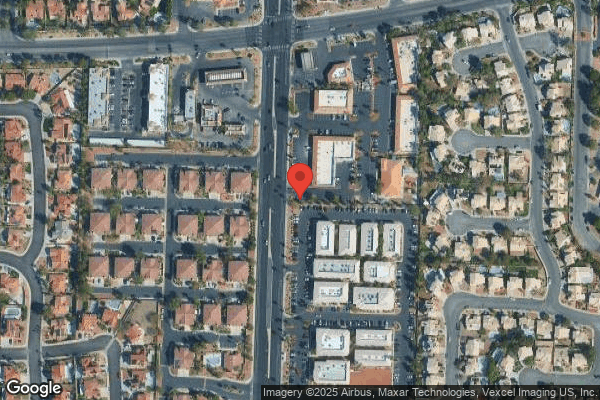
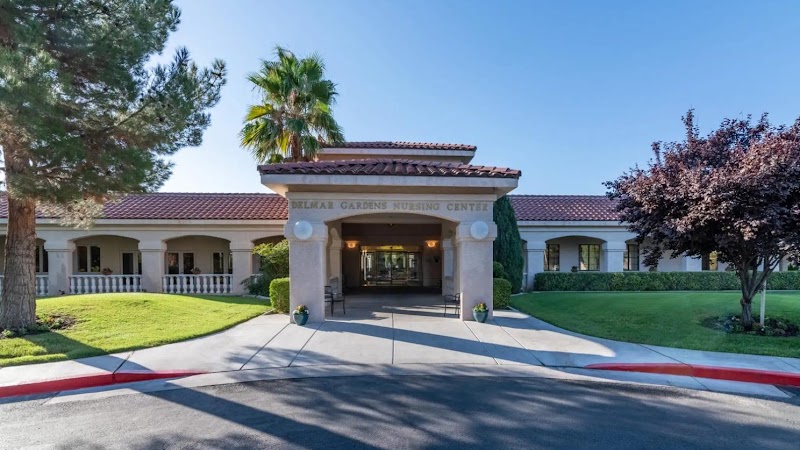
100 DELMAR GARDENS DRIVE, HENDERSON, NV 89074 (702) 361-6111
For profit - Limited Liability company 242 Beds DELMAR GARDENS Data: November 2025
Trust Grade
50/100
#48 of 65 in NV
Last Inspection: September 2024

Within standard 12-15 month inspection cycle. Federal law requires annual inspections.

Overview

Oasis Nursing & Rehab of Green Valley has a Trust Grade of C, which means it is average and sits in the middle of the pack among nursing homes. In Nevada, it ranks #48 out of 65 facilities, placing it in the bottom half, and #35 out of 42 in Clark County, indicating that there are only a few local options that perform better. The facility is improving, with reported issues decreasing from 12 in 2024 to just 3 in 2025. Staffing is rated at 3 out of 5 stars, which is average, with a turnover rate of 42% that is slightly better than the state average. However, concerns include less RN coverage than 82% of facilities in Nevada, which means there may be fewer registered nurses available to catch potential problems. Specific incidents noted during inspections include failure to properly manage potential Legionella risk in the water system, lack of monitoring for adverse reactions in residents taking psychotropic medications, and overcrowding in one dining room, which made it difficult for staff to assist residents safely. While the absence of fines is a positive aspect, the facility has room for improvement in ensuring resident safety and compliance with care standards.

Trust Score
C
50/100
In Nevada
#48/65
Bottom 27%
Safety Record
Low Risk
No red flags
Inspections
Getting Better
12 → 3 violations
Staff Stability
○ Average
42% turnover. Near Nevada's 48% average. Typical for the industry.
Penalties
✓ Good
No fines on record. Clean compliance history, better than most Nevada facilities.
Skilled Nurses
⚠ Watch
Each resident gets only 27 minutes of Registered Nurse (RN) attention daily — below average for Nevada. Fewer RN minutes means fewer trained eyes watching for problems.
Violations
⚠ Watch
34 deficiencies on record. Higher than average. Multiple issues found across inspections.
★★☆☆☆
2.0
Overall Rating
★★★☆☆
3.0
Staff Levels
★★☆☆☆
2.0
Care Quality
★★☆☆☆
2.0
Inspection Score
Stable
2024: 12 issues
2025: 3 issues

The Good

  • Full Sprinkler Coverage · Fire safety systems throughout facility
  • No fines on record
  • Staff turnover below average (42%)

    6 points below Nevada average of 48%

Facility shows strength in fire safety.

The Bad

2-Star Overall Rating

Below Nevada average (3.0)

Below average - review inspection findings carefully

Staff Turnover: 42%

Near Nevada avg (46%)

Typical for the industry

Chain: DELMAR GARDENS

Part of a multi-facility chain

Ask about local staffing decisions and management

The Ugly 34 deficiencies on record

May 2025 3 deficiencies
CONCERN (D) 📢 Someone Reported This

A family member, employee, or ombudsman was alarmed enough to file a formal complaint

Potential for Harm - no one hurt, but risky conditions existed

Free from Abuse/Neglect (Tag F0600)

Could have caused harm · This affected 1 resident

**NOTE- TERMS IN BRACKETS HAVE BEEN EDITED TO PROTECT CONFIDENTIALITY** Based on interview, record review and document review, the facility failed to ensure a resident was kept safe from abuse for 1 o...

Read full inspector narrative →
**NOTE- TERMS IN BRACKETS HAVE BEEN EDITED TO PROTECT CONFIDENTIALITY** Based on interview, record review and document review, the facility failed to ensure a resident was kept safe from abuse for 1 of 5 sampled residents (Resident 4). The deficient practice had the potential for the resident to experience emotional distress and physical harm. Findings include: Resident 4 (R4) R4 was re-admitted to the facility on [DATE] with diagnoses including cerebral palsy, depression, anxiety disorder, and diabetes mellitus. The resident had a brief interview for mental status (BIMS) evaluation with a score of 15, denoting the resident's cognition is intact. Resident 5 (R5) R5 was admitted to the facility on [DATE] with diagnoses including traumatic subdural hemorrhage, chronic respiratory failure, dementia, and depression. The resident had a brief interview for mental status (BIMS) evaluation with a score of 15, denoting the resident's cognition is intact. The facility reported incident (FRI) dated 02/19/2024 documented the following: -On 02/19/2025 at approximately 1:45 PM, R4 reported to the Director of Social Services (DSS) and the Administrator that in December of 2024, R5 had touched R4's chest under the shirt. R4 stated R5 did this without permission. - R5 was interviewed and admitted to touching R4's chest one time and knew it was wrong and would never do it again. -Conclusion: The allegation of abuse by R5 against R4 was substantiated. The police department was contacted and responded to the notification of the incident. The police stated R5 had reached down R4's shirt and touched the chest. However, due to circumstances, lack of witness, and their stories not exactly lining up, no arrest would occur. Instead, a report would be filed with the District Attorney for determination if a warrant would be issued. The DSS investigative notes documented R4 had not told any staff about the situation, but did tell a relative. The relative confirmed R4 had told the relative of the situation but was not sure why the resident had not let the facility know of the allegation. Skin Assessments dated 12/03/2024, 12/06/2024, 12/13/2024, 12/24/2024, 12/27/2024, and 12/31/2024 documented R4 had head-to-toe skin checks performed to check for any skin issues. On 12/13/2024, a skin rash on the upper left chest was notated. All other dates documented clear skin. R4 had no complaints of pain or discomfort in the chest area during December 2024. A behavioral Care Plan dated 01/24/2025 documented R5 was making sexual comments toward others. Interventions included praising good behaviors, positive feedback, education on inappropriate behaviors, and to minimalize potential behaviors. A behavioral Care Plan revised on 01/24/2025, documented R4 was making false accusations and having physical altercations toward others. Interventions included anticipating resident needs, coping strategies, education on inappropriate behaviors, and to divert attention. Social Services progress notes dated 02/19/2025 documented R5 was no longer able to eat in the dining room and had to eat in the Unit one dining area, was not allowed to participate in group activities and was being put on one-to-one activities and was no longer allowed to visit unit four. Nursing progress notes dated 02/20/2025 documented R5 was placed on visual checks every 15 minutes to monitor the resident's behaviors. Social Services progress notes dated 02/20/2025 documented R5 had been moved from the 900 hall to the 500 hall to put more space between R4 and R5. On 05/22/2025 at 2:05 PM R4 stated this incident happened a while ago. R4 said does not think about the incident anymore as R5 was moved to another facility in a neighboring city. R4 stated R5 touched the resident inappropriately on the chest. R4 reported no psychosocial harm from the incident and reported was also not experiencing any emotional distress from the incident The facility policy titled Abuse, Neglect and Exploitation, Freedom From revised 09/2022, documented it is their policy to maintain a living environment where residents are free from threat or occurrence of harassment, abuse, neglect, corporal punishment involuntary seclusion and misappropriation of property. During the onsite investigation on 05/22/2025, the facility's correction of the past non-compliance related to the incident occurred as evidenced by: -Observation of resident interactions were respectful and courteous. -Interviews with residents revealed they were happy with staff and were treated in a polite manner. - CNA's and Licensed Nurses indicated the facility provided continuing education regarding Abuse and Neglect. -R5 was separated from R4 with R5 being continuously monitored. -R5 was discharged to another long-term care facility on 02/24/2024. -Review of the facility's training records corroborated the staff interviews regarding training. Facility Reported Incident #NV00073489
CONCERN (D) 📢 Someone Reported This

A family member, employee, or ombudsman was alarmed enough to file a formal complaint

Potential for Harm - no one hurt, but risky conditions existed

Pharmacy Services (Tag F0755)

Could have caused harm · This affected 1 resident

**NOTE- TERMS IN BRACKETS HAVE BEEN EDITED TO PROTECT CONFIDENTIALITY** Based on interviews, record review, and document review, the facility failed to ensure the wrong medication was not administered...

Read full inspector narrative →
**NOTE- TERMS IN BRACKETS HAVE BEEN EDITED TO PROTECT CONFIDENTIALITY** Based on interviews, record review, and document review, the facility failed to ensure the wrong medication was not administered to a resident for 1 of 5 sampled residents (Resident 3). The deficient practice placed the resident at risk for kidney transplant complications. Findings include: Resident 3 (R3) R3 was admitted on [DATE] and readmitted on [DATE] with diagnoses including end stage renal disease (ESRD), and kidney transplant status. A physician order dated 02/24/2022 documented to give Tacrolimus 0.5 milligram (mg), one capsule (a form of oral medication made of a gelatin or plant-based shell filled with powder, liquid, or granules) by mouth once a day for kidney transplant. (Tacrolimus- an anti-rejection medication prescribed to patients who receive organ transplant for the purpose of suppressing immune response). A medication error report dated 01/25/2025 revealed R3 was administered Cialis 5 mg tablet (a form of oral medication in solid form of compressed powder which may be coated, scored, or split) on 01/18/2025, 01/19/2025, 01/20/2025, 01/21/2025, 01/22/2025, and 01/23/2025 (six doses). According to the report, R3 was erroneously given Cialis instead of Tacrolimus due to pharmacy mislabeling a medication bubble pack. The medical record lacked documented evidence R3 was prescribed Cialis (a medication primarily used to treat erectile dysfunction and benign prostatic hyperplasia or BPH). On 05/22/2025 at 09:30 AM, a Licensed Practical Nurse (LPN1) confirmed administering Cialis to R3 on 01/19/2025, 01/20/2025, 01/21/2025, 01/22/2025, and 01/23/2025 by mistake because the medication pack was mislabeled. LPN1 verbalized medications were administered based on the five rights of medication administration including right patient, right drug, right dose, right route and right time. LPN1 explained medications were verified by looking at the label on the medication package and ensuring it was a medication ordered by physician and for the intended resident. LPN1 reviewed photo documentation of a medication bubble pack containing yellow tablets labeled as Tacrolimus 0.5 mg capsule with R3's sticker label. LPN1 acknowledged the failure to recognize the bubble pack contained medication in tablet form instead of capsule form. The LPN could not speak to why the mislabeled medication was not questioned until after the sixth dose. On 05/22/2025 at 11:30 AM, a Licensed Practical Nurse (LPN2) verbalized the medication would be verified by comparing the physician order in the electronic health record (EHR) to the label on medication card, and ensuring the medication was dispensed to the intended resident using name and photograph in the EHR. During medication pass the nurse would explain each medication to the resident. On 05/22/2025 at 12:38 PM, the Director of Nursing (DON) indicated being familiar with R3's medication error wherein the investigation revealed the pharmacy erroneously labeled a medication pack of Cialis as Tacrolimus in R3's name. The DON acknowledged LPN1 administered Cialis instead of Tacrolimus to R3 on 01/19/2025, 01/20/2025, 01/21/2025, 01/22/2025, and 01/23/2025. The DON indicated LPN3 who was assigned to R3 on 01/24/2025, noticed the Tacrolimus presented as tablet form and reported the discrepancy to management. The DON indicated the pharmacy confirmed R3's medication bubble pack was mispacked with Cialis tablet instead of Tacrolimus capsule labeled with R3's name. The DON indicated the order should have been clarified based on the label identifying medication as a capsule with a tablet being in the bubble pack. The DON verbalized nurses assigned to R3 should have identified the error before R3 received the first dose on 01/18/2025. On 05/22/2025 at 1:35 PM, the Consultant Pharmacist indicated when medications were supplied from the pharmacy, a technician or pharmacist would pack the medications and apply the label. The Pharmacist would have the ultimate responsibility to ensure the medication pack was accurate prior to sending to facility. The Consultant Pharmacist revealed the medication should be verified several times by the pharmacy and facility prior to administration. On 05/22/2025 at 2:08 PM, a Registered Nurse (RN) at R3's dialysis clinic indicated being R3's primary nurse since R3's admission on [DATE]. The RN explained R3 underwent a kidney transplant in 2013 until the transplanted kidney started showing signs of rejection, specifically, kidney function had significantly declined making dialysis (renal replacement therapy) necessary. The RN indicated being aware R3 was on the anti-rejection medication Tacrolimus which the nephrologist wanted the resident to continue taking because the transplanted kidney had not been removed from the resident and could initiate an immune response. The facility policy titled Administration Procedures for All Medication (revised November 2011) documented to review the five rights of medication three times prior to giving medication. Check the label against the order on the medication administration record. The facility policy titled Medication Ordering and Receiving from Pharmacy (revised November 2011) documented improperly or inaccurately labeled medications were rejected and returned to the dispensing pharmacy. Complaint NV00073304
CONCERN (E) 📢 Someone Reported This

A family member, employee, or ombudsman was alarmed enough to file a formal complaint

Potential for Harm - no one hurt, but risky conditions existed

Infection Control (Tag F0880)

Could have caused harm · This affected multiple residents

**NOTE- TERMS IN BRACKETS HAVE BEEN EDITED TO PROTECT CONFIDENTIALITY** Based on interview and record review, the facility failed to ensure the water management plan was enforced. Findings include: Du...

Read full inspector narrative →
**NOTE- TERMS IN BRACKETS HAVE BEEN EDITED TO PROTECT CONFIDENTIALITY** Based on interview and record review, the facility failed to ensure the water management plan was enforced. Findings include: During a complaint investigation, it was determined the facility had not been following the facility policy titled, Legionella Water Management Program, dated [DATE]. The policy contained a checklist of items to inspect, the frequency to inspect them, and how to inspect the items. The checklist documented, Record All Actions Taken in Your Water Management Plan Binder - Section 9. On [DATE] at 10:30 AM, the Administrator and Maintenance Director explained the facility became aware of a possibility of Legionella in the building's water system when representatives from Southern Nevada Health District (SNHD) came to the facility on [DATE]. The facility was informed two prior residents had tested positive for Legionella and SNHD and a representative from Health Care Quality and Compliance (HCQC) were at the facility to consult with the facility's team to ensure safety. The Maintenance Director explained there was little documentation of testing performed between the establishment of the facility's Water Management Program, and the visit from SNHD on [DATE]. The prior residents that had subsequently tested positive for Legionella were Resident #1 and Resident #2: Resident #1: Resident #1 was admitted on [DATE], with diagnoses that included acute and chronic respiratory failure, chronic obstructive pulmonary disease, pulmonary fibrosis, Guillain Barre syndrome, COVID, dependence on supplemental Oxygen, history of tracheostomy, and hypercapnia. On [DATE] at 5:30 PM, Resident #1's SpO2 was 85% on three Liters Per Minute (LPM) of Oxygen. A DuoNeb nebulizer treatment was administered, but was temporarily effective, and the resident's SpO2 decreased to 85%. A Combivent nebulizer was administered and was ineffective. The resident's SpO2 was 85% on 4 LPM of Oxygen. 911 was called, and the resident was transferred to the emergency department of an acute care facility. Resident #1 did not return to the Skilled Nursing Facility, and no subsequent documentation was available. Resident #2: Resident #2 was admitted on [DATE] with diagnoses that included acute and chronic respiratory failure, atrial fibrillation, hypertensive heart and chronic kidney disease with heart failure, and chronic kidney disease. On [DATE] at 1:44 PM, the resident was transported via stretcher for persistent, productive cough post antibiotic treatment. The resident was admitted to an acute care facility. Medical records from the receiving acute care facility indicated on [DATE] at 12:30 AM, Resident #2 had a urine test, the results of which were Presumptive Legionella pneumophila, serogroup 1 Antigen POSITIVE. On [DATE] at 5:57 PM, a nasopharyngeal swab result was Legionella species by Qualitative PCR : Not Detected. Resident #2's Infectious Disease Consult, dated [DATE], indicated the resident was on 2 LPM via nasal cannula and SpO2 was 100%. The resident was on antibiotics including piperacillin-tazobactam and doxycycline. The plan was to discontinue the antibiotics and introduce Azithromycin. The Physician documented to inform the health district of the positive Legionella result. Resident #2's Discharge Summary from the acute care facility, dated [DATE], documented the resident feels much better and was being transferred to another facility. Resident #2's facesheet indicated Resident #2 was readmitted on [DATE]. The resident expired on [DATE] at 11:50 AM. On [DATE] at 9:30 AM, the Director of Nursing (DON), explained had previously been the facility's Infection Preventionist during the remediation of the water system made through SNHD and HCQC. The DON explained was aware these two residents had been transferred to other facilities and had tested positive for Legionella. The two residents had testing to determine the source of the pathogen, but testing was inconclusive and could not be determined. On [DATE], the Administrator provided a copy of the Legionella Water Management Program (LWMP), dated [DATE]. The LWMP was reviewed and found to be adequate for the type of facility and resident population. Specific issues or concerns within the plan were noted: -The plan was dated [DATE]. No evidence was provided to indicate the LWMP had been reviewed periodically. - The LWMP included a list of actions designed to mitigate the presence of legionella in the water. The facility staff were to complete and document certain activities on weekly, monthly, quarterly, semi-annual, and annual basis. Activities included but were not limited to temperature checks, flushing of pipes and fixtures, cleaning of systems such as ice machines, eye washes, and therapy pool. - Included in the LWMP was a water system flow diagram specific for this facility. The diagram was not clear in presenting the water flow within the facility. - The LWMP also had a diagram indicating the locations of where control measures should be taken periodically. - The LWMP had a list of items the facility was to check weekly, monthly, quarterly, etc. The list was not written specifically for this facility but was written for a facility in Missouri. On [DATE], the Maintenance Director (MD) was interviewed concerning the facility's LWMP. When asked for documented evidence that the LWMP had been implemented as far back as 2019, the MD explained the facility had conducted some of the activities but there was no documentation to support allegation of compliance. The MD did provide documented evidence that some of the indicated activities were being documented, but the documentation began in [DATE] when the facility was notified by the local health department, the facility may have active legionella on the property. On [DATE], the Administrator confirmed the LWMP had not been reviewed except when the facility had been notified about possible legionella concerns within the facility June of 2024. The Administrator further explained, the facility had been notified in June of 2024 concerning possible cases of legionella coming from their facility by the local health department. Water testing for legionella had been accomplished in June and July of 2024 that provided verification some samples were positive for legionella. A consultant was hired, and mitigation steps were activated starting in [DATE]. Flushing of water systems, changing of filters, cleaning of faucet equipment and hyperchlorination was accomplished. Documentation was provided indicating those activities had been accomplished. On [DATE], the Administrator provided a copy of water analysis for [DATE]. Legionella testing was conducted, and no legionella was detected. The Administrator indicated in an interview on [DATE] that the facility was in the process of developing an updated LWMP through a new vendor. No timeline was provided.
Sept 2024 12 deficiencies
CONCERN (D)

Potential for Harm - no one hurt, but risky conditions existed

Deficiency F0561 (Tag F0561)

Could have caused harm · This affected 1 resident

**NOTE- TERMS IN BRACKETS HAVE BEEN EDITED TO PROTECT CONFIDENTIALITY** Based on observation, interview, and document review, the facility failed to ensure residents have a right to make choices about...

Read full inspector narrative →
**NOTE- TERMS IN BRACKETS HAVE BEEN EDITED TO PROTECT CONFIDENTIALITY** Based on observation, interview, and document review, the facility failed to ensure residents have a right to make choices about aspects of their life in the facility which are significant to the resident for 1 of 35 sampled residents and 3 unsampled residents (Residents #126, 14, 118 and 41). The failure to accommodate the residents' preferences and choices had the potential risk to cause psychosocial distress to the residents. Findings include: The facility is located off a minor street which leads to an entrance to the facility parking lot where the facility has a large, covered portico which joins a large wrap around porch area before the entrance to the facility. In this porch area before the facility's main entrance are numerous park benches to sit and enjoy the quiet view of the front flower garden of the facility. Resident 126 (R126) R126 was admitted to the facility on [DATE] with diagnosis of hypertension and chronic kidney disease. R126 had a Brief Interview for Mental Status (BIMS) score of 12 indicating moderate cognitive impairment. R126 had an Elopement Risk Evaluation completed which revealed the resident was not at risk for eloping from the facility. On 09/25/2024 in the afternoon, R126 stated R126 was easy going person. R126 stated would like one thing to be changed so the residents would be allowed to go out and sit in the front porch area of the building. R126 compared the facility to being in a prison. R126 stated has degrees in mining and air conditioning and yet still must ask at the reception desk to be let outside to which the receptionist says no you can't go out front without a chaperone. Resident 14 (R14) R14 was last admitted to the facility on [DATE] with diagnosis of cerebral palsy and atherosclerotic heart disease. R1 had a Brief Interview for Mental Status (BIMS) score of 14 indicating intact cognition. R1 had an Elopement Risk Evaluation completed which revealed the resident was not at risk for eloping from the facility. During the Resident Council Meeting on 09/25/2024 at 1:00pm, R1 stated the residents were not permitted to go outside in the front of the building. Residents had been instructed had to go to the gazebo area in the courtyard. This is also the smoking area. No facility rationale was offered to the resident. Resident 118 (R118) R118 was last admitted to the facility on [DATE] with diagnosis of cellulitis and myelodysplastic syndrome. R2 had a Brief Interview for Mental Status (BIMS) score of 15 indicating intact cognition. R2 had an Elopement Risk Evaluation completed which revealed the resident was not at risk for eloping from the facility. During the Resident Council Meeting on 09/25/2024 at 1:00pm, R2 stated residents were not permitted to go outside in the front of the building. Residents had been instructed had to go to the gazebo area in the courtyard. This is also the smoking area. No facility rationale was offered to the resident. Resident 41 (R41) R41 was last admitted to the facility on [DATE] with diagnosis of type 2 diabetes mellitus with diabetic neuropathy and atherosclerotic heart disease. R3 had a Brief Interview for Mental Status (BIMS) score of 15 indicating intact cognition. R3 had an Elopement Risk Evaluation completed which revealed the resident was not at risk for eloping from the facility. During the Resident Council Meeting on 09/25/2024 at 1:00pm, R3 stated the residents were not permitted to go outside in the front of the building. Residents had been instructed had to go to the gazebo area in the courtyard. This is also the smoking area. No facility rationale was offered to the residents. On 09/25/2024 at 3:33 pm. the receptionist stated if a resident comes to the desk and wants to go outside in the front of the building, the resident must be accompanied by a staff member or a family member. If the resident does not have a staff member or a family member with them, staff would redirect the resident to the gazebo area in the courtyard. The receptionist explained can also try to find a staff member for the residents if one is available. On 09/26/2024 in the afternoon, observed R126 ask the receptionist if it would be possible to go out to sit in the front. The receptionist advised the resident without a staff person to accompany them, the resident would have to go out to the gazebo in the courtyard. The resident was not given the option of the facility finding a staff person to go with them. On 09/25/2024 at 2:35 pm, the Administrator stated would want a family member or staff member to accompany the resident. The administrator explained the facility has protective oversite of the residents in the facility and this administrator would not be comfortable allowing residents to go out in front of the facility without someone accompanying them. The Administrator stated this Administrator would be more comfortable if the Inter-disciplinary team met, and the team agreed it was okay for the resident to go out in front of the building unaccompanied. On 09/26/2024 at 8:40 am, the Social Services Director (SSD) stated if a resident wants to go outside to sit out front of the building, the resident would need to have staff, or a family member accompany them, even if the resident had a higher BIMS score and an Elopement Assessment indicating no elopement risk. The SSD explained the residents here can choose for themselves within reason. The SSD also explained the facility has protective oversite, which is the safety of the residents in all situations, at the facility where the weight of safety may outweigh the resident's self-determination. The SSD also stated it would not surprise this SSD some residents say this facility is a prison because some residents have told this SSD this same thing. The Administrator revealed the facility had no policy restricting the residents from going out the front door to sit in the front porch area, nor did the facility have a policy requiring the residents to have a chaperone to access the front porch area to sit on the benches. In reviewing the Resident Rights Document (regarding dignity, self-determination, and freedom of choice) located within the Admissions Packet, the resident has a right to a dignified existence, self-determination, and communication with and access to persons and services inside and outside the facility. The resident has the right to be treated like an individual and assisted in getting the most out of the programs and services they offer. The residents have the right to surroundings which are safe, clean, comfortable, and homelike. Lastly, the residents have the right to make independent and informed decisions regarding their health and wellbeing.
CONCERN (D) 📢 Someone Reported This

A family member, employee, or ombudsman was alarmed enough to file a formal complaint

Potential for Harm - no one hurt, but risky conditions existed

Assessment Accuracy (Tag F0641)

Could have caused harm · This affected 1 resident

**NOTE- TERMS IN BRACKETS HAVE BEEN EDITED TO PROTECT CONFIDENTIALITY** Based on observation, interview, record review and document review, the facility failed to ensure assessments were accurate, spe...

Read full inspector narrative →
**NOTE- TERMS IN BRACKETS HAVE BEEN EDITED TO PROTECT CONFIDENTIALITY** Based on observation, interview, record review and document review, the facility failed to ensure assessments were accurate, specifically for vision, hearing, and functional status impacting activities of daily living for 1 of 35 sampled residents (Resident 96). The deficient practice potentially deprived the resident of a person-centered plan of care ensuring the resident received adequate level of assistance with care needs. Findings include: Resident 96 (R96) R96 was admitted on [DATE] and readmitted on [DATE], with diagnoses including chronic vision loss, chronic hearing loss, Parkinson's disease and weakness. On 09/24/2024 at 8:38 AM, R96 laid in bed with eyes opened, an untouched breakfast tray was in front of the resident. After introduction, R96 requested surveyor to come closer and speak louder due to difficulty hearing. As the surveyor walked around the resident's bed to come closer to left side, the resident maintained frontal gaze and did not follow the surveyor's movement. R96 asked surveyor if breakfast had been served? The surveyor responded, it's right in front of you. The resident explained being blind and needed help with meals. The resident's meal ticket did not document R96 needed assistance with meals and there were no staff members in the room to help R96 with breakfast. On 09/24/2024 at 8:40 AM, a Certified Nursing Assistant (CNA) entered the room and responded to R96's request for assistance with breakfast. After consuming 25 percent (%) to 50% of the meal, the CNA verbalized R96 required full assistance with meals but this was not reflected in the resident's meal ticket. The CNA indicated not being steadily assigned to R96 and the CNA was not advised to provide R96 with one-on-one (1:1) feeding assistance. The annual minimum data set (MDS) dated [DATE], documented R96 had adequate vision. Adequate vision was defined as being able to see in fine detail, such as regular print in newspaper and books. The quarterly MDS dated [DATE], documented R96 had adequate vision and adequate hearing. Adequate hearing was defined as having no difficulty in normal conversation, social interaction and listening to the television. R96 required set-up or clean up assistance with eating defined as helper sets up and cleans up while resident completed the activity with helper assisting only prior to and following the activity. A hospital Discharge summary dated [DATE], documented R96 was clinically blind with chronic hearing loss and was transferred to the hospital on [DATE] due to poor oral intake and generalized weakness. On 09/25/2024 at 12:16 PM, the Licensed Practical Nurse (LPN) steadily assigned to R96, indicated the resident was blind being able to see only shadows. The LPN indicated the resident was hard of hearing and one would have to come very close to the resident and speak in a loud voice to converse with R96. The LPN explained the resident used to be able to read with eyeglasses and magnifying lens when first admitted in 2021 and would dine with late spouse in the main dining room. The LPN reviewed R96's MDS assessments and verbalized the assessments were not accurate since R96 had been clinically blind since last year, had always been hard of hearing and had been totally dependent on staff for ADLs since the death of spouse in February 2024. The LPN indicated MDS nurses were required to lay eyes on the resident and interview direct care staff when completing assessments. The LPN emphasized the MDS Coordinator who completed R96's assessment most likely did not visit with R96 and did not interview the LPN who was R96's primary nurse. On 09/25/2024 at 2:09 PM, the MDS Coordinator confirmed completing R96's annual assessment in November 2023 and the most recent quarterly assessment in August 2024. The MDS Coordinator explained when a resident's assessment was coming due, the MDS nurse would get information required to complete the resident assessments. Depending on the section being completed, the MDS nurse verbalized needing to meet with the resident, interview direct care staff and review medical record. The MDS Coordinator emphasized the importance of accurate assessments since it drove the resident's plan of care. The MDS Coordinator could not recall when a visit with R96 occurred or could not identify which nurse was interviewed regarding R96. The MDS Coordinator indicated not being aware R96 was blind, hard of hearing and totally dependent on staff for activities of daily living (ADLs). The MDS Coordinator explained being responsible for the MDS assessments of many residents and the inaccurate entries made to R96's assessments, particularly, vision, hearing and functional status for ADLs was a mere oversight. On 09/25/2024 at 3:49 PM, the Director of Nursing (DON) indicated being familiar with R96 who resided in the facility with late spouse since 2021. The DON indicated R96 used to be able to read with eyeglasses and magnifying lens, but the resident's vision loss continued to progress, and the resident was now currently blind. The DON indicated R96 had always been hard of hearing, and one would have to come closer and speak louder to converse with R96. The DON explained R96 had started to decline after the death of spouse in February 2024. The DON reviewed R96's MDS assessments and confirmed the entries were inaccurate particularly with vision, hearing and functional status related to ADLs. On 09/25/2024 at 4:00 PM, the DON indicated MDS nurses were expected to gather information by visiting with the resident and/or family, interviewing direct care staff and reviewing medical record. The DON verbalized it was likely the MDS Coordinator did not pay R96 a visit when completing the resident's assessment nor interview the resident's primary nurse which should have been done. The DON emphasized the importance of accurate MDS assessments for more appropriate person-centered care plans and to ensure appropriate level of care was provided to residents. On 09/27/2024 at 9:15 AM, R96's family member corroborated the LPN and DON's recollection regarding R96's use of eyeglasses and magnifying lens in the past. However, due to glaucoma and macular degeneration, the resident had been diagnosed by a specialist last year as being completely blind in the left eye and seeing only shadows from the right eye. The family member indicated R96 had always been hard of hearing and started to steadily decline with functional status after the death of late spouse in February 2024. The family member expressed the facility had not made adequate accommodations with the changes in the resident's health status and family requests to provide R96 with meal assistance fell on deaf ears resulting in a 25-pound weight loss and a hospitalization in June 2024. The Center for Medicare/Medicaid Services (CMS) Resident Assessment Instrument (RAI) Manual Version 3.0 dated October 2023, revealed steps for conducting vision assessment (Section B) included: -ask family, caregivers and direct care staff about the resident's vision patterns during the seven-day look back period -ask the resident about visual abilities -test accuracy of your findings by asking the resident to look at regular-size print in a book or newspaper then ask the resident to read aloud. -Code 4, severely impaired if the resident had no vision, sees only light, colors or shapes and does not appear to follow objects with eyes. The CMS RAI Manual Version 3.0 dated October 2023, documented steps in performing hearing assessment included: -interview the resident about hearing function. -observe the resident during verbal interactions. -review the medical record -interview family, direct care staff, activities personnel and speech and hearing specialists. - Code 2, moderate difficulty if speaker has to increase volume and speak distinctly. The CMS RAI Manual Version 3.0 dated October 2023 revealed steps for conducting functional assessment (Section GG). Functional status was based on need for assistance when performing self-care and mobility activities. Steps for assessment included interviewing the resident or their family and reviewing medical records. Code 1 (dependent) if the helper completed the activities for the resident, or the assistance of two helpers was required to complete the activities. Complaint #NV00072063
CONCERN (D)

Potential for Harm - no one hurt, but risky conditions existed

PASARR Coordination (Tag F0644)

Could have caused harm · This affected 1 resident

**NOTE- TERMS IN BRACKETS HAVE BEEN EDITED TO PROTECT CONFIDENTIALITY** Resident 72 (R72) R72 was re-admitted on [DATE], with diagnoses including schizophrenia, dementia with psychotic disturbance, m...

Read full inspector narrative →
**NOTE- TERMS IN BRACKETS HAVE BEEN EDITED TO PROTECT CONFIDENTIALITY** Resident 72 (R72) R72 was re-admitted on [DATE], with diagnoses including schizophrenia, dementia with psychotic disturbance, mental disorder, delirium due to known physiological condition, and anxiety disorder. On 09/24/2024 in the afternoon, R72 was observed sitting in the wheelchair on the patio. During a conversation with R72, the resident made the following statements: there is someone trying to take over my identity. This person's name is [NAME]. But this person lives in Russia. This person is having sex with men all day. This person has been doing this for years already. R72 continued to verbalize can't participate in activities because of the person who is trying to impersonate them. The impersonator was born May 26, 1941. R72 stated the impersonator is trying to kill them by placing drugs around the room. R72 stated the impersonator is trying to give the drugs to them to kill them. A PASARR level one document dated 07/29/2020, revealed R72 did not have dementia, mental illness (MI), intellectual disability, (ID) mental retardation (MR) or any related condition (RC) and was deemed appropriate for nursing facility placement. A review of the patient's medical record revealed R72's schizophrenia was diagnosed on [DATE], anxiety disorder on 08/30/2024, dementia with psychotic disturbance on 12/14/2023, mental disorder not otherwise specified on 12/14/2023, and delirium due to known physiological condition on 04/25/2024. On 09/25/2024 at 09:44 AM, the Admissions staff stated Social Services were who takes care of the PASARR's for residents who are already in the facility. On 09/25/2024 at 10:00 AM, the Social Services Director (SSD) explained Social Services would look for a PASARR 2 when the resident needs more services. The SSD also explained if the Inter-disciplinary team met and concluded the resident needed more services, then Social Services would initiate the PASARR LEVEL 2 PROCESS. The SSD verified should have started the PASARR level 2 process for this resident after resident was admitted . The medical record lacked documented evidence R72 was referred for a PASARR level two screening. Facility's policy titled Behavioral Assessment, Intervention and Monitoring, documented new onsets or changes in behavior which indicate newly evident or possible serious mental disorder, intellectual disability, or a related disorder will be referred for a PASARR Level II evaluation. The Division of Health Care Financing and Policy- Medicaid Services Manual- for Nursing Facilities Policy dated 05/01/2015, documented when an individual has been identified with possible indicators of mental illness, intellectual disabilities or related condition, a PASARR Level II screening must be completed to evaluate the individual and determine if nursing facility services and/or specialized services are needed and can be provided in the nursing facility. Examples include: a resident who exhibits behavioral, psychiatric, or mood related symptoms suggesting a presence of a mental disorder (where dementia is not the primary diagnoses), or an intellectual disability or related condition was not previously identified and evaluated through PASARR. Social services would be responsible for keeping track of each resident's PASARR screening status and referring to appropriate authority. Based on observation, interview, record review, and document review, the facility failed to complete a Preadmission Screening and Resident Review (PASRR) Level 2 evaluation for displayed behavioral activity or diagnosis for 3 of 35 sampled residents (Resident 99, 135, and 72). The deficient practice had the potential to place residents at risk of not being evaluated for appropriate determination of necessary behavioral health services. Findings include: Resident #99 R99 was admitted on [DATE], with diagnoses including psychosis and bipolar. The PASRR level 1 utilized for R99's admission was dated 09/28/2020, documented diagnoses of dementia and Alzheimer. On 09/24/2024 at 9:30 AM and 09/26/2024 at 10:20 AM, R99 was observed lying in bed with day clothing. R99 was awake and would answer simple questions. R99 was noticed to mumble words to self when not spoken to. R99's care plan problem with a start date of 03/28/2023 documented: Resident is at risk for adverse consequence related to receiving psychotropic medications. - Buspirone and Escitalopram for diagnosis of anxiety and depression. - Depakote for diagnosis of Bipolar. - Quetiapine for diagnosis of psychosis. R99's nursing progress notes documented the following behaviors: - Resident combative and aggressive with difficulty to redirect. Time out of 30 minutes provided by certified nursing aide (CNA) and nurse for delivery of personal care but still unable to redirect resident and unable to provide care. - Resident difficult to redirect and nurse pulled medications, but resident refused. Another nurse tried to give resident medications, but still refused to take medications. - Resident in bed awake, talking to self with nonexistent person in the room the whole night with periods of delusions and confusion. - The resident refused medications, very aggressive. - During provision of care/ADLs resident was physically combative and verbally aggressive in a way not to comply with procedure. Redirections provided with some effect. Safety of resident guarded high risk for fall. Resident 135 (R135) R135 was admitted on [DATE] with diagnoses including bipolar disorder and schizophrenia. The PASRR level 1 utilized for R135's admission was dated 04/13/2022, documented diagnoses of dementia and Alzheimer. The physician admission note dated 08/08/2024, listed a diagnosis of major neurocognitive disorder with behavioral changes and agitation. Past medical history of schizophrenia, dementia, anxiety and bipolar. R135's nursing progress notes documented the following behaviors: - Continues to walk unit throughout shift will stop to take bites of meal and drink beverages - Resident pushes on exit doors. - Resident redirected away from kissing other residents. - Resident assisted away from kissing and holding hands. - Taking sugar packs putting closed packets in mouth and pocket. - Resident walking around unit entire shift. - Continues to put shoes on and take off continuously. - Redirected away from other patients trays and service area sink throughout the shift. - Exit seeking, pushing on unit doors On 09/26/2024 at 10:03 AM, the Director of social services (SS) indicated the resident was admitted with a diagnosis of Alzheimer's and dementia and the resident does not need to have a PASRR level 2 completed. The Director was not sure if a resident exhibiting behaviors and a psychiatric diagnosis with medication management would require a PASRR level 2. The Director was not aware a PASRR level 2 was to determine if a resident was still suited to be in the facility and if determined to be appropriate, certain recommended interventions will be recommended by the evaluations. The Director indicated the facility does not have a PASRR policy. On 09/26/24 at 10:51 AM, the Director provided one of the sampled resident's (R99) progress note from the previous facility dated 07/27/2021. The progress note documented the resident had a diagnosis of bipolar. The Director was informed the PASRR used for resident's admission was 09/28/2020, and the resident was admitted on [DATE]. The Director acknowledged the presence of psychiatric diagnosis on the resident's medical records and admission PASRR lacked the diagnosis and recommendations.
CONCERN (D)

Potential for Harm - no one hurt, but risky conditions existed

Comprehensive Care Plan (Tag F0656)

Could have caused harm · This affected 1 resident

**NOTE- TERMS IN BRACKETS HAVE BEEN EDITED TO PROTECT CONFIDENTIALITY** Based on observation, interview, record and document review, the facility failed to ensure comprehensive care plans were created...

Read full inspector narrative →
**NOTE- TERMS IN BRACKETS HAVE BEEN EDITED TO PROTECT CONFIDENTIALITY** Based on observation, interview, record and document review, the facility failed to ensure comprehensive care plans were created for the management of sleep apnea devices for 2 of 35 sampled residents (Resident 64 and 390). The deficient practice had a potential for staff not to provide person centered care for a resident. Findings include: Resident 64 (R64) R64 was admitted on [DATE] with diagnoses including open wound lower back and pelvis and hemiplegia after cerebral infarction. On 09/24/2024 at 1:43 PM, at R64's bedside table was breathing equipment. R64 indicated it was a CPAP (Continuous Positive Airway Pressure) machine (a device that helps treat sleep-related breathing disorders, such as sleep apnea, by keeping airways open while you sleep). R64 indicated using the CPAP at night and self manages the equipment and does the self-application of the nasal mask. R64 indicated bringing the equipment from home upon admission. Physician and nursing progress notes lacked documented evidence R64 was using the breathing apparatus at night to aide breathing status during the duration of sleep. R64 lacked documented evidence a comprehensive care was created for the use, and the care and maintenance of the breathing apparatus. Resident 390 (R390) R390 was admitted on [DATE], with diagnoses including obstructive sleep apnea and amyotrophic lateral sclerosis. On 09/24/24 at 12:01 PM, at R390's bedside table was breathing equipment. R390 indicated it was a BiPAP (Bilevel Positive Airway Pressure) machine (a noninvasive ventilator that helps people breathe by delivering pressurized air into the upper airway). R390 indicated using the BiPAP at night and self manages the equipment and does the self-application of the nasal mask. R390 indicated bringing the equipment from home upon admission. R390 care plan dated 03/17/2023, documented a medical diagnosis of obstructive sleep apnea (adult). Problem: Resident uses BiPAP machine. Target Date: 09/29/2024 (Long Term Goal) Resident will have no respiratory issues and/or complications related to use of BIPAP. The comprehensive care plan lacks any care interventions and the space allotted was left blank. On 09/26/2024 12:11 PM, the Director of Nursing (DON) reviewed the care plans and confirmed R390's care plan for the use of the BiPAP did not have any care interventions and R64 did not have any care plan for the use of the CPAP machine. The DON indicated residents using respiratory devices should have a care plan indicating the problem, a set goals and care interventions. Care plans were a requirement to ensure care provisions were provided to a resident at an individual approach. The facility policy titled Care Plans, Interdisciplinary revised 05/2021, documented care plans are completed on the resident assessment instrument (RAI) section of the electronic healthcare record.
CONCERN (D)

Potential for Harm - no one hurt, but risky conditions existed

Pressure Ulcer Prevention (Tag F0686)

Could have caused harm · This affected 1 resident

**NOTE- TERMS IN BRACKETS HAVE BEEN EDITED TO PROTECT CONFIDENTIALITY** Based on observation, interview, record review, and document review, the facility failed to ensure a deep tissue injury in a hig...

Read full inspector narrative →
**NOTE- TERMS IN BRACKETS HAVE BEEN EDITED TO PROTECT CONFIDENTIALITY** Based on observation, interview, record review, and document review, the facility failed to ensure a deep tissue injury in a high risk resident was treated, and appropriate interventions were implemented and the weekly skin assessment was completed as scheduled for 1 of 25 sampled residents (R52). This deficient practice had the potential to lead to worsening of the pressure injury, increased risk of infection, delayed healing, further tissue damage, and a higher likelihood of complications such as sepsis or hospitalization. Findings include: Resident 52 (R52) R52 was admitted on [DATE], with diagnoses including diabetes mellitus, urinary tract infection, dysphagia (difficulty swallowing), and gastrostomy. The Braden Scale for Predicting Pressure Sore Risk dated 07/20/2024, documented a score of 10, which indicated a high risk for developing a pressure sore. The admission Skin assessment dated [DATE], documented R52 had a left heel, old wound. The Care Plan dated 07/14/2024 documented R52 was at risk for skin breakdown/pressure ulcers due to immobility, general weakness, shortness of breath with exertion, oxygen use, acute respiratory failure with hypoxia, acute bronchitis, wheezing, and status post PEG placement (Percutaneous endoscopic gastrostomy [a tube placed through the skin into the stomach for nutrition and hydration]) on 07/11/2024 (prior to admission). The interventions included turning and repositioning, conducting daily systematic skin inspections, providing pressure-reducing devices for the bed and chair, and reporting any signs of skin breakdown (such as soreness, tenderness, redness, or broken skin). The Nursing Progress Notes dated 07/18/2024, documented both heels were assessed with no skin redness. On 09/24/2024 at 11:28 AM, R52 complained of pain in the left heel. R52's heels were not elevated. A Licensed Practical Nurse (LPN) responded to R52's room and confirmed there was skin redness, tenderness, and the presence of a blackish, dime-sized deep tissue injury (DTI) on the left heel with a scab. The LPN explained the CNA was responsible for performing daily skin assessments and reporting any skin concerns to the nurse, who would then notify the wound nurse. The LPN indicated a wound consult would be requested to follow up on R52's left heel DTI. On 09/24/2024 at 1:00 PM, the Wound Care Treatment Nurse (WCTN) indicated the LPN requested a wound consult for R52 regarding the left heel DTI. The WCTN explained after assessing R52's left heel, a dark skin discoloration on the left heel with 75% (percent) epithelialization and 25% granulation. The WCTN indicated the DTI appeared to be several weeks old and measured 4 x 4 centimeters (cm). The WCTN indicated R52's wound was cleansed with saline, treated with Povidone Iodine, covered with a gauze pad, and secured with rolled gauze. The WCTN indicated both heels should have been elevated while R52 was in bed. The WCTN explained this was the first encounter with R52 and would refer the case to the Wound Nurse Practitioner (WNP) during the weekly rounds on Wednesdays and was scheduled the next day. On 09/24/2024 at 3:03 PM, Certified Nursing Assistant 1 (CNA1) who was assigned to R52's care, indicated previously about weeks ago a skin discoloration on R52's left heel had been observed when R52 complained of pain. CNA1 explained had completed the skin assessment form and reported it to the assigned LPN. Certified Nursing Assistant 2 (CNA2) confirmed R52 had a pre-existing pressure injury prior to transfer to this unit. Both CNAs explained the process involved checking residents' skin during care and showering, completing the form, and immediately reporting any concerns to the assigned nurse. CNA1 explained the skin assessment was completed at the time. R52's medical records lacked documented evidence the skin assessment was completed as scheduled, the DTI was treated, and offloading was implemented. On 09/25/2024 at 9:10 AM, during wound care observation, the WNP assessed R52's heel and confirmed it was a pressure injury or DTI. The WNP indicated R52's DTI was avoidable with proper offloading. The WNP demonstrated the offloading techniques on both of R52's heels and clarified the pillow should have been placed beneath R52's calf, not beneath the heels. The WNP recommended R52 wear bunny boots to alleviate pressure on both heels and Venelex, aiding in wound healing and reducing pain. The WNP indicated R52's DTI on the left heel was referred for consultation for the first time today and never seen previously. The Skin Wound Progress Notes dated 09/25/2024, which documented the initial exam by WNP, revealed R52 had a DTI on the left heel with no exudate. There was 100% epithelialization, cleansed with saline, treated with Povidone iodine, covered with gauze pad, and secured with rolled gauze. Bunny boots were ordered for use while in bed. They were positioned on two pillows to prevent the heel from hitting the bed. On 09/26/2024 at 11:00 AM, the LPN indicated was familiar and assigned to R52 most of the days but did not receive a report for R52's skin concerns on the left heel previously. On 09/26/2024 at 12:00 PM, the Clinical Care Coordinator (CCC), indicated R52 had an old wound with a dry scab on the left heel, as documented on 07/12/2024. The intervention plan included elevating the heel, referring the wound for treatment, and applying bunny boots. The CCC indicated although R52 was first seen on 09/25/2024, R52 should have been assessed from the onset of the DTI or preventions implemented like turning and repositioning, and offloading. The CCC indicated bunny boots should have been ordered. The CCC indicated the skin assessment was scheduled twice a week during shower days or during provision of care. R52's medical records lacked documented evidence that interventions for the left heel pressure injury were consistently assessed, treated, and that offloading was implemented, and weekly skin assessments were completed as scheduled. On 09/27/2024 at 12:49 PM, the Director of Medical Records (DMR) confirmed there was only one skin assessment completed for the month of September, and it was dated 09/23/2024. The DMR explained the skin assessment should have been completed twice a week. The DRM confirmed the skin assessment was not completed as scheduled. A facility policy titled Skin Monitoring dated May 2021, documented to identify residents who were at risk for skin breakdown and to initiate immediate treatment when skin breakdown occurred. The plan of care was to initiate and document preventive measures based on the assessed risk. Bath skin reports were given to the nursing assistants with shower assignments and returned to the charge nurse as soon as they were completed. The charge nurse identified, assessed, and documented the areas of concern. A facility policy titled Pressure Ulcer Care and Documentation dated May 2021, documented to prevent pressure injuries and/or prevent deterioration of existing pressure injuries. Observe the signs on a daily basis, including tenderness, redness, or a darker, deeper bruise-like color, pain, discomfort, excessive dryness, or abrasions. Inform the charge nurse about any alterations in the patient's condition. The prevention strategy involved the application of anti-pressure devices.
CONCERN (D) 📢 Someone Reported This

A family member, employee, or ombudsman was alarmed enough to file a formal complaint

Potential for Harm - no one hurt, but risky conditions existed

Deficiency F0692 (Tag F0692)

Could have caused harm · This affected 1 resident

**NOTE- TERMS IN BRACKETS HAVE BEEN EDITED TO PROTECT CONFIDENTIALITY** Based on observation, interview, record review, and document review, the facility failed to ensure a resident who was clinically...

Read full inspector narrative →
**NOTE- TERMS IN BRACKETS HAVE BEEN EDITED TO PROTECT CONFIDENTIALITY** Based on observation, interview, record review, and document review, the facility failed to ensure a resident who was clinically blind was provided assistance with food and fluids for 1 of 35 sampled residents (Resident 96). The deficient practice potentially contributed to the resident's significant weight loss and hospitalization. The resident was sent to the hospital on [DATE] due to poor oral intake and weakness and on 09/27/2024 due to dehydration. Findings include: Resident 96 (R96) R96 was admitted on [DATE] and readmitted on [DATE], with diagnoses including chronic vision loss, chronic hearing loss, weakness, abnormal weight loss and nutritional deficiency. On 09/24/2024 at 8:38 AM, R96 laid in bed with eyes opened, an untouched breakfast tray was in front of the resident. After introduction, R96 requested surveyor to come closer and speak louder due to difficulty hearing. While the surveyor walked around the resident's bed to come closer to left side, the resident maintained frontal gaze and did not follow the surveyor's movement. R96 asked surveyor if breakfast had been served? The surveyor responded, It's right in front of you. The resident explained being blind and needed help with meals. The resident indicated not being able to see the meal tray which consisted of a bowl of oatmeal, cup of coffee, scrambled eggs, chopped sausage, pureed biscuit, two glasses of white cranberry juice and a glass of milk. The resident expressed being very thirsty. On 09/24/2024 at 8:40 AM, a Certified Nursing Assistant (CNA) entered the room and responded to R96's request for assistance with breakfast. After consuming 25 percent (%) to 50% of the meal, the CNA verbalized R96 required full assistance with meals, but this was not reflected in the resident's meal ticket. The CNA indicated not being steadily assigned to R96 and the CNA was not advised to provide R96 with one-on-one (1:1) feeding assistance. The CNA verbalized R96 was appropriate for 1:1 assistance with meals due to blindness. On 09/24/2024 at 10:37 AM, the Licensed Practical Nurse (LPN) steadily assigned to R96, explained the resident used to eat in the main dining room with late spouse and the resident had started to decline both in vision and functional status since R96's spouse passed in February 2024. According to the LPN, the inter-disciplinary team (IDT) had discussed the resident's weight loss and supplements were added to R96's diet but providing the resident with feeding assistance was not discussed. The LPN who indicated had witnessed part of this morning's breakfast observation, verbalized R96 was appropriate for 1:1 feeding assistance. The annual minimum data set (MDS) dated [DATE], documented R96 had adequate vision. Adequate vision was defined as being able to see in fine detail, such as regular print in newspaper and books. R96 required supervision or touching assistance with eating wherein helper provided verbal cues as resident completed the activity and assistance may be provided intermittently throughout the activity. The quarterly MDS dated [DATE], documented R96 had adequate vision and adequate hearing. Adequate hearing was defined as having no difficulty in normal conversation, social interaction and listening to the television. R96 required set-up or clean up assistance with eating defined as helper sets up and cleans up while resident completed the activity with helper assisting only prior to and following the activity. A hospital Discharge summary dated [DATE], documented R96 was clinically blind with chronic hearing loss and was transferred to the hospital on [DATE] due to poor oral intake and generalized weakness. A dietary note dated 07/08/2024, revealed R96 had a 25-pound (lb.) weight loss or 15.2 percent (%) for one month, 19-lb weight loss or 12.2 % over three months and a 20-lb weight loss or 13% weight loss over six months. Body mass index (BMI) 21.41 low for age. Laboratory tests ordered, supplement added, family notified of significant weight loss. A quarterly nutrition assessment dated [DATE], revealed R96 had a 26-lb or 16% weight loss over three months and BMI 21.18 low for age. Discontinue Glucerna, offer 2CalHN three times a day, soup with lunch and dinner and super cereal with breakfast. A speech therapy (ST) evaluation dated 08/09/2024, documented R96 required feeding assistance due to highly impaired vision and being at risk for aspiration, malnutrition and weight loss. The medical record lacked documented evidence the ST's recommendations to provide R96 with 1:1 assistance with meals was communicated to the IDT and reflected on the resident's meal ticket. A dietary note dated 09/13/2024, documented R96 was being provided assistance with meals due to blindness. On 09/25/2024 at 3:49 PM, the Director of Nursing (DON) indicated being familiar with R96 who resided in the facility with late spouse since 2021. The DON indicated R96 used to be able to read with eyeglasses and magnifying lens, but the resident's vision loss continued to progress, and the resident was now currently blind. The DON reviewed the resident's medical record and confirmed R96 had significant weight loss and the consultant Registered Dietitian (RD) who came to the facility twice a week appeared to be under the impression the resident was being provided full assistance with meals based on dietary notes. The DON indicated due to inaccurate entries to the resident's MDS assessments, the resident was deprived of a more appropriate level of care, particularly with eating. The DON indicated the facility did not require a physician's order for 1:1 feeding assistance, but the dietary team was expected to discuss these items in weekly meetings. The DON verbalized R96 should have been provided 1:1 feeding assistance sooner and failing to do so may have contributed to the resident's weight loss and hospitalization. On 09/26/2024 at 10:24 AM, the Director of Food Services (DFS) explained weekly meetings were held among the dietary team who consisted of the DFS, RD and Speech Therapist (ST). The team discussed which residents were to be upgraded or downgraded in terms of diet and assistance needed. The DFS indicated there was a breakdown in communication since the DFS had not been informed of R96's significant weight loss and blindness requiring full assistance with meals. On 09/27/2024 at 7:47 AM, R96 laid in bed with eyes opened, an untouched breakfast tray was on the bedside table on the right side of the resident's bed. A CNA entered the room and started to inform the resident of the meal tray's contents. R96 verbalized being very thirsty but the water tumbler was almost empty and out of reach from the resident. The CNA asked the LPN to bring in fresh water, upon arrival of which the resident was observed drinking the 8-ounce cup of fresh water within minutes. The CNA indicated hydration passes were not done at start of shift but rather when the satellite kitchen opened which was the only time the ice water dispenser became available to staff and residents. On 09/27/2024 at 8:04 AM, the LPN indicated the Nurse Practitioner (NP) just made rounds and ordered to send R96 to the hospital for dehydration and weakness and the family member had just been informed. On 09/27/2024 at 8:05 AM, the NP indicated not being aware feeding assistance was not being provided to R96 routinely. The NP indicated being under the impression R96 was being provided with 1:1 feeding assistance with all meals due to blindness. The NP conveyed the resident appeared dehydrated, weak and had new onset diarrhea and would be transferred to the hospital. On 09/27/2024 at 8:39 AM, the RD indicated being a consultant and came to the facility twice a week and as needed. The RD could not recall R96 and explained nutritional assessments were based on interviews with nurses, CNAs and reviewing medical record. The RD verbalized identifying R96's significant weight loss but the RD was under the impression the CNAs were steadily providing 1:1 feeding assistance to R96. The RD indicated not being aware the resident was being sent out to the hospital due to dehydration. On 09/27/2024 at 9:15 AM, R96's family member corroborated the LPN and DON's recollection regarding R96 use of eyeglasses and magnifying lens in the past. However, due to glaucoma and macular degeneration, the resident had been diagnosed by a specialist last year as being completely blind on the left eye and seeing only shadows from the right eye. The family member indicated R96 had always been hard of hearing and started to steadily decline with functional status after the death of late spouse in February 2024. The family member expressed the facility had not made adequate accommodations with the changes in the resident's health status and family requests to provide R96 with meal assistance fell on deaf ears resulting in a 25-pound weight loss and a hospitalization in June 2024. The family member indicated the facility had not invited the family member to any care plan meetings and expressed being upset over being notified earlier of R96's transfer to the hospital due to dehydration. The Weight Loss and Intervention policy dated 2014, documented the physician and IDT team would identify conditions and medications which may be causing anorexia, weight loss or an increase in weight loss with careful consideration to functional factors which may inhibit independent eating. The Feeding a Resident policy reviewed June 2021; documented residents unable to feed self would receive assistance with each meal to promote adequate oral intake. Staff would talk to the resident to explain what foods were being offered from the main plate. Complaint #NV00072063
CONCERN (D)

Potential for Harm - no one hurt, but risky conditions existed

Tube Feeding (Tag F0693)

Could have caused harm · This affected 1 resident

**NOTE- TERMS IN BRACKETS HAVE BEEN EDITED TO PROTECT CONFIDENTIALITY** Based on observation, interview, record review, and document review, the facility failed to ensure the physician orders for bolu...

Read full inspector narrative →
**NOTE- TERMS IN BRACKETS HAVE BEEN EDITED TO PROTECT CONFIDENTIALITY** Based on observation, interview, record review, and document review, the facility failed to ensure the physician orders for bolus tube feeding, water flushes, and gastrostomy tube care were obtained for 1 of 35 sampled residents (Resident 52). This deficient practice had the potential to result in improper nutrition, dehydration, increased risk of infection, gastrointestinal complications, delayed healing, and potential hospital readmission. Findings include: Resident 52 (R52) R52 was admitted on [DATE], with diagnoses including dementia, diabetes mellitus, urinary tract infection, dysphagia (difficulty swallowing) and gastrostomy. The admission Skin assessment dated [DATE], documented R52 had Percutaneous Endoscopic Gastrostomy (PEG) (a feeding tube inserted into the stomach through the abdomen for nutrition) tube in place. A Care Plan dated 07/14/2024, documented R52 received nutritional support through a feeding tube with a risk of aspiration. Interventions included assessing tolerance, verifying tube placement before feedings, flushes, or medication administration, and providing tube flushes as ordered. On 09/24/2024 at 10:59 AM, R52 was observed in bed, alert and verbally responsive with the PEG site covered by a dry dressing dated 09/24/2025. An unopened Glucerna 1.2 tube feeding (1000 milliliters bottle) was on top of the dresser, not connected, and labeled with a date of 08/30/2024. R52 indicated the TF was provided directly to the PEG tube once in a while. R52 medical records lacked documented evidence the physician orders for bolus feeding, water flushing, placement verification and PEG tube site care or monitoring were in place. On 09/24/2024 at 11:00 AM, a Licensed Practical Nurse (LPN) explained R52's bolus feeding had been started previously to provide 237 ml of Glucerna, intended only if meal intake was less than 75%. The LPN indicated R52 was on a soft mechanical diet and had consumed more than 75%. On 09/24/2026 at 12:30 PM, R52 was eating lunch independently with soft mechanical diet. The CNA indicated R52 had a good appetite and consumed an average of 75-100%. On 09/25/2026 at 1:30 PM, the LPN indicated the bolus was not given because R52 had eaten more than 75% and TF formula was readily available at bedside if needed. The LPN explained administering the bolus feeding and managing the PEG tube required a physician's order, which had not been obtained. The LPN explained was familiar with R52's care, and confirmed the orders should have been in place for proper monitoring and continuity of care. On 09/26/2024 at 12:00 PM, the Clinical Care Coordinator (CCC) explained the use of a PEG tube required a physician s order and specific care instructions for its management. The CCC stated R52 was on an oral diet and received bolus feeding if meal intake was less than 75%. The CCC confirmed there should have been both bolus and care orders in place to manage the bolus feeding, PEG tube, and insertion site. The CCC explained the facility had transitioned from one electronic health record (EHR) system to another. The new EHR system was fully implemented, and a third party was hired to ensure everything was successfully transferred over. The CCC confirmed responsibility for auditing and ensuring the necessary orders were in place, as the direct care staff no longer had access to the previous system. The CCC explained the PEG tube insertion site should have been monitored regularly, including checking PEG placement and flushing. The CCC explained R52 maintained a stable weight without significant changes. The CCC indicated the Registered Dietitian was on vacation and unavailable for an interview. A facility policy titled Gastrostomy Tube Placement Check dated June 2021, outlined the procedure for verifying physician orders to ensure proper GT placement in the resident's stomach. The policy required checking the tube's position before each feeding and medication administration.
CONCERN (D)

Potential for Harm - no one hurt, but risky conditions existed

Deficiency F0694 (Tag F0694)

Could have caused harm · This affected 1 resident

**NOTE- TERMS IN BRACKETS HAVE BEEN EDITED TO PROTECT CONFIDENTIALITY** Based on observation, interview, record review, and document review, the facility failed to ensure care orders were obtained, tr...

Read full inspector narrative →
**NOTE- TERMS IN BRACKETS HAVE BEEN EDITED TO PROTECT CONFIDENTIALITY** Based on observation, interview, record review, and document review, the facility failed to ensure care orders were obtained, transcribed and carried out for a peripherally inserted central catheter (PICC) line for 1 of 35 sampled residents (Resident 96). The deficient practice placed the resident at risk for infection. Findings include: Resident 96 (R96) R96 was admitted on [DATE] and readmitted on [DATE], with diagnoses including urinary tract infection (UTI). On 09/24/2024 at 8:38 AM, R96 laid awake in bed with breakfast tray in front. Two intravenous (IV) ports were observed dangling from underneath the resident's right arm with sleeve covering the insertion site. On 09/24/2024 at 10:28 AM, the Licensed Practical Nurse (LPN) pulled up R96's right sleeve and removed a beige kerlix wrapped around R96's right upper arm which revealed a transparent dressing labeled 08/29/2024 PICC, a gauze pad covered the insertion site. The LPN explained PICC line dressing changes were performed weekly and as needed but there should not be any gauze covering the insertion site to allow nurses to monitor the site every shift. The LPN indicated needing to review R96's medical record to determine when antibiotic therapy was completed and whether the physician had ordered to maintain R96's PICC line. A laboratory report finalized on 08/29/2024, revealed R96's urine was positive for a UTI and the organism was susceptible to Meropenem (antibiotic). A physician's order dated 08/29/2024, documented to insert a PICC line for UTI. A diagnostic report dated 08/29/2024, revealed a PICC line was inserted in R96's right upper arm for antibiotic therapy. A physician's order dated 09/01/2024, documented to administer Meropenem IV reconstituted solution one gram every eight hours for UTI. A nurse's note dated 09/13/2024, revealed pharmacy reached out to R96's primary nurse regarding the stop date for R96's antibiotic therapy. The nurse reached out to the physician, left a voice message and was awaiting call back. The Medication Administration Record (MAR) for September 2024, revealed R96's last IV antibiotic dose was administered on 09/13/2024. The medical record lacked documented evidence the nurse followed up with the physician regarding R96's antibiotic stop date and clarification orders were obtained on whether to maintain or discontinue R96's PICC line. The medical record lacked documented evidence care orders for R96's PICC line such as site monitoring, flushes and dressing changes were obtained since insertion on 08/29/2024. On 09/25/2024 at 3:28 PM, the Director of Nursing (DON) reviewed R96's medical record and confirmed there were no care orders entered for R96's PICC line which should include site monitoring and flushing every shift and dressing changes weekly and as needed. The DON indicated there should not have been any gauze pad covering R96's insertion site but the diagnostic vendor who performed the PICC line insertion may have been the ones to place the gauze dressing. The DON confirmed R96 received antibiotics until 09/13/2024 but there was no documentation any nurse followed up with a physician regarding next steps which may include repeat testing, a stop date for antibiotic therapy or maintenance or removal of the resident's PICC line. According to the DON, lack of routine PICC line care placed R96 at risk for another infection. On 09/27/2024 at 8:06 AM, the Nurse Practitioner (NP) indicated ordering the removal of R96's PICC line on 09/24/2024. The NP verbalized not getting a phone call from the facility regarding R96's antibiotic therapy otherwise the NP would have reached out to infectious disease and possibly order repeat testing prior to stopping antibiotic therapy and ordering the removal of R96's PICC line. The NP verbalized not being aware there were no care orders entered for the resident's PICC line such as flushing, site monitoring and dressing changes. The IV policy and procedure manual dated 11/28/2017, documented flushing was performed to maintain catheter patency and flush orders were obtained from a physician. Site assessments may occur during dressing changes, routinely for signs and symptoms of infection and every shift when catheter was not in use. Transparent dressings were changed every five to seven days and labeled with date, time and nurse's initials.
CONCERN (D)

Potential for Harm - no one hurt, but risky conditions existed

Respiratory Care (Tag F0695)

Could have caused harm · This affected 1 resident

**NOTE- TERMS IN BRACKETS HAVE BEEN EDITED TO PROTECT CONFIDENTIALITY** Based on observation, interview, record review, and document review, the facility failed to ensure physician orders were obtaine...

Read full inspector narrative →
**NOTE- TERMS IN BRACKETS HAVE BEEN EDITED TO PROTECT CONFIDENTIALITY** Based on observation, interview, record review, and document review, the facility failed to ensure physician orders were obtained for the use of Oxygen (O2) and monitoring of O2 saturation for 1 of 35 sampled residents (Resident 155), and for the use of a CPAP machine (a device used to treat sleep-related breathing disorders, such as sleep apnea, by keeping the airways open during sleep) for 1 of 35 sampled residents (Resident 64). This deficient practice could have led to potential adverse health outcomes, including inadequate oxygenation and compromised respiratory management. Resident 155 (R155) R155 was admitted on [DATE], with diagnoses including pneumonia, respiratory tuberculosis, acute and chronic respiratory and dependence of supplemental O2. The Observation Report dated 08/28/2024, documented R155 had O2 flowing via nasal cannula and had experienced shortness of breath. On 09/24/2024 at 3:30 PM, R155 was in bed, breathing through the mouth. O2 was flowing at 5 liters per minute (LPM) via nasal cannula, with no signs of shortness of breath. On 09/25/2024 at 9:21 AM, R155 was in bed with eyes closed, and O2 was flowing at 5 liters LPM via nasal cannula. On 09/25/2024 at 12:33 PM, R155 was seated on the edge of the bed, eating lunch. The O2 was on and flowing at 5 LPM via nasal cannula. R155 indicated being dependent on continuous O2 at 2 LPM, even prior to admission and it was administered by facility staff. R155's medical records lacked documented evidence of physician orders for the administration and management of O2, and no O2 saturation monitoring was recorded. On 09/25/2024 at 12:44 PM, a Licensed Practical Nurse (LPN) confirmed R155's O2 was flowing continuously at 5 LPM via nasal cannula. The LPN explained a physician order was necessary for O2 use, along with a schedule for cannula changes and O2 saturation monitoring. The LPN confirmed there was no order in place, no care orders, and no monitoring of O2 saturation. On 09/26/2024 at 12:00 PM, the Clinical Care Coordinator (CCC) indicated O2 use required an order, and O2 saturation should have been monitored. The CCC explained without an order, there was a risk of administering too much O2 or the resident not needing it. The CCC explained the admission nurse or direct care nurse was responsible for assessing and obtaining the O2 orders. The CCC confirmed R155 had been assessed on 08/28/2024, and Oxygen was already in place. The CCC indicated the O2 orders should have been obtained. A facility policy revised in May 2021, indicated a physician's order was required to apply O2. Resident 64 (R64) R64 was admitted on [DATE] with diagnoses including open wound lower back and pelvis and hemiplegia after cerebral infarction. On 09/24/2024 at 1:43 PM, at R64's bedside table was breathing equipment. R64 indicated it was a CPAP machine (a device that helps treat sleep-related breathing disorders, such as sleep apnea, by keeping airways open while you sleep). R64 indicated using the CPAP at night and self manages the equipment and does the self-application of the nasal mask . R64 indicated bringing the equipment from home upon admission. R64 lacked documented evidence of a physician's order for the use, and the care and maintenance of the breathing apparatus. Physician and nursing progress notes lacked documented evidence R64 was using the breathing apparatus at night to aide breathing status during the time of sleep. On 09/26/2024 12:11 PM, the Director of Nursing (DON) indicated residents using CPAP machines should have a physicians' order. The DON indicated once an order is placed onto the electronic healthcare records (EHR) an order set will be generated for the care and maintenance. The facility policy titled CPAP/Bi-Level Respiratory Care revised 07/2021, documented any/all use of CPAP or Bi-Level respiratory care procedures requires specific physician's order.
CONCERN (D)

Potential for Harm - no one hurt, but risky conditions existed

Deficiency F0730 (Tag F0730)

Could have caused harm · This affected 1 resident

Based on interview, record review and document review, the facility failed to ensure annual performance appraisals were completed for 4 out of 10 sampled employees (Employees 6, 7, 9 and 10). The defi...

Read full inspector narrative →
Based on interview, record review and document review, the facility failed to ensure annual performance appraisals were completed for 4 out of 10 sampled employees (Employees 6, 7, 9 and 10). The deficient practice placed the residents at risk for receiving substandard quality of care from certified nursing assistants (CNAs). Findings include: The Personnel Records Checklist dated 09/26/2024 revealed the following: -Employee 6 was hired as a CNA on 06/23/2022. A review of the employee's file revealed there was no annual performance evaluation completed for Employee 6 for Year 2023 and Year 2024. -Employee 7 was hired as a CNA on 07/07/2022. A review of the employee's file revealed there was no annual performance evaluation completed for Employee 7 for Year 2023 and Year 2024. - Employee 9 was hired as a CNA on 08/19/2021. A review of the employee's file revealed there was no annual performance evaluation completed for Employee 9 for Year 2022, Year 2023 and Year 2024. -Employee 10 was hired as a CNA on 11/04/2021. A review of the employee's file revealed there was no annual performance evaluation completed for Employee 10 for Year 2022 and Year 2023. On 09/27/2024 at 10:33 AM, the Human Resources (HR) Coordinator confirmed there were no annual performance appraisal forms completed for Employees 6, 7, 9 and 10 since their respective hire dates. The HR Coordinator explained being responsible for initiating the process by putting the CNA's name and date of hire on the Annual Performance Appraisal form and this would be placed in the Director of Nursing's (DON) box. According to the HR Coordinator, the DON was responsible for completing the annual evaluations for all nursing staff and the forms were to be returned to the HR Director after completion. The HR Coordinator indicated issuing reminders to the DON but the forms for Employees 6, 7, 9 and 10 had not been returned to HR. On 09/27/2024 at 12:11 PM, the DON explained being responsible for completing annual appraisal forms for CNAs, a task which used to be shared with the former staff development coordinator (SDC). The DON explained the purpose of annual evaluations were to conduct performance reviews, ensure staff were able to deliver quality care and areas for improvement would be reviewed and addressed. The DON indicated delegating this task occasionally to the former SDC who was authorized to complete the forms as well. The DON indicated the forms may have not been completed because both the SDC and DON assumed the appraisal forms had been completed by the other. On 09/27/2024 at 1:12 PM, the Administrator indicated CNA annual appraisals were expected to be completed by the DON or SDC. The Administrator indicated not being aware the annual appraisals were not completed for Employees 6, 7, 9 and 10 since date of hire. The Administrator indicated the annual appraisals were used as an opportunity to discuss areas for improvement and ensure delivery of quality care. The Annual Performance Appraisal form dated 2007, revealed the annual appraisal was an important feedback tool when used appropriately. The form would provide the staff member with a clear picture of their performance and discuss areas where improvement was needed. Approximately 30 days prior to the employees' anniversary date, managers would begin to gather information to complete the form, meet with the staff member to discuss appraisal and return completed form to the Administrator for review and provide staff a copy prior to filing in the employee's file.
CONCERN (D)

Potential for Harm - no one hurt, but risky conditions existed

Food Safety (Tag F0812)

Could have caused harm · This affected 1 resident

Based on observation, document review and interview, the facility failed to ensure stored foods were labeled and dated, food items were discarded prior to the expiration date, nourishment refrigerator...

Read full inspector narrative →
Based on observation, document review and interview, the facility failed to ensure stored foods were labeled and dated, food items were discarded prior to the expiration date, nourishment refrigerators were keeping the proper temperature, and safe food handling was occurring during meal service. This deficient practice posed a potential risk to safety and health standards which could lead to contamination, inadequate storage, and place residents at risk of foodborne illness. Findings include: On 09/24/2024 in the morning, round scrambled egg patties were open in the walk-in cooler. These egg patties were not labeled or dated as to when the box was opened. The Food Service Manager explained the open boxed items should have been dated as to when the box was opened and then placed back in the freezer. On 09/24/2024 in the morning, one open corn muffin mix, and one unopened corn muffin mix, were being stored in the dry storage area had expired in 06/24. The Food Service Manager verified the items in the dry storage area should have been thrown away one year from the manufacturers date. The Food Services Manager verified the corn muffin mixes with a manufacture's date of 06/2023 should have been thrown away on 06/2024. On 09/24/2024 in the morning, five unlabeled and undated, previously baked pies were being stored in the freezer. The Food Service Manager explained the previously baked pies should have been labeled as to what kind of pie they were and dated as to when they were baked and placed in the freezer for storage. On 09/24/2024 in the morning, there were two unlabeled and undated cups of a scooped frozen substance with plastic wrap over each of them. The Food Service Manager explained the previously scooped ice cream should have been labeled as to what kind of ice cream they were and dated as to when they were scooped and placed in the freezer for storage. On 09/26/2024, in the afternoon, in the unit one dining room, an uncovered plate of food was observed being brought to a resident. The plate was set down on the table, however, before the staff member let go of the plate the Speech therapist clarified the next texture for the resident being served. The staff member then took the plate back to the steam table and set it on top. When another resident came into the dining room with texture of diet, the plate was then served to the new resident. On 09/26/2024, in the afternoon, the CNA verified the plate of food was taken to the resident by mistake due to the incorrect food texture. The plate was brought back to the steam table and set on top. They served the same plate of food to another resident who needed the correct texture. On 09/26/2024, in the afternoon, the Food Services Manager confirmed when food is taken from the steam table to a resident, if the plate of food is wrong for any reason, the plate of food should be discarded and a new plate of alternatives should be brought to the resident. The Food Service Manager stated the plate is not supposed to go back to the steam table to wait for another resident due to possible cross contamination. On 09/26/2024 at 3:46pm, the unit one refrigerator temperature was 50 degrees Farenheit (F) and on 9/27/2024 at 9:17am, the unit one refrigerator temperature was 48 degrees F. The Food Services Manager initially explained it may have been the cause of the staff leaving the refrigerator door open during meal service. However, after further review the unit one refrigerator was found to not be holding the proper temperatures. This refrigerator held resident milk, juice, yogurt, and salads. A document titled Food Storage (Dry/Refrigerated/Frozen) 2014 Edition documented: All foods items will be labeled, and the labeling must include the name of the food and the date by which it should be sold, consumed, or discarded. Discard food which has passed the expiration date and discard food which has been prepared in the facility after seven days of storing under proper refrigeration. Keep foods out of the temperature danger zone (41 degrees F to 135 degrees F).
CONCERN (E)

Potential for Harm - no one hurt, but risky conditions existed

Medication Errors (Tag F0758)

Could have caused harm · This affected multiple residents

**NOTE- TERMS IN BRACKETS HAVE BEEN EDITED TO PROTECT CONFIDENTIALITY** Resident 161 (R161) R161 was re-admitted on [DATE], with diagnoses including generalized anxiety disorder and dementia. R161 ph...

Read full inspector narrative →
**NOTE- TERMS IN BRACKETS HAVE BEEN EDITED TO PROTECT CONFIDENTIALITY** Resident 161 (R161) R161 was re-admitted on [DATE], with diagnoses including generalized anxiety disorder and dementia. R161 physician's orders listed the following psychotropic medications: 1) SEROquel Oral Tablet 25 MG (Quetiapine Fumarate), Give 1 tablet by mouth at bedtime for psychotic disturbance, order date: 08/24/2024. R161's ordered psychotropic medications were marked by the EHR system with a black box warning (serious adverse reactions or special problems occur, particularly those which may lead to death or serious injury). R161's September medication administration record (MAR) lacked documented evidence psychotropic medication adverse reaction monitoring was completed. R161's nurses progress notes revealed no entries for the monitoring of psychotropic medication side effects.Resident 5 (R5) R5 was admitted on [DATE], with diagnoses including unspecified dementia, unspecified severity without behavioral disturbance, psychotic disturbance, mood disturbance and anxiety. A physician's order dated 08/29/2024, documented to give Seroquel Oral Tablet 25 mg, one tablet by mouth at bedtime for psychosis. The medical record lacked documented evidence there were orders to monitor target behaviors and side effects for R5 's Seroquel use. A physician's order dated 08/29/2024, documented to give Prozac 10 mg (anti-depressant), three capsules by mouth one time a day for depression. The medical record lacked documented evidence there were orders to monitor target behaviors and side effects for R5 's Prozac use. Based on observation, interview, record review, and document review, the facility failed to ensure the residents' behavior was monitored and documented for residents receiving psychoactive medications for 6 of 25 sampled residents (Residents 44, 102, 5, 161, 4, and 99). This deficient practice could have increased the risk of adverse side effects, ineffective medication management, missed signs of worsening conditions, and compromised resident safety. Findings include: A facility policy titled Medication Monitoring and Management revised in November 2014, indicated the resident's medication regimen required monitoring for significant negative changes from baseline. Medications were to be ruled out as the cause of these changes, following the policy on detecting and preventing adverse consequences. Resident 44 (R44) R44 was admitted on [DATE], with diagnoses including depression, dementia with behavioral disturbance, psychotic disturbance, mood disturbance, and anxiety. A Physician Order dated 09/01/2024, documented Donepezil Hydrochloride (HCL) oral tablet milligrams (mg) to give 1 tablet by mouth at bedtime related to dementia. A Physician Order dated 09/01/2024, documented Sertraline HCL tablet 25 mg to give 1 tablet by mouth daily for depression due to verbalization of sadness over health condition. A Physician Order dated 09/01/2024, documented Risperidone tab 0.5 mg to give one tablet by mouth two times daily for psychosis manifested by (MB) yelling and swinging at staff and others. R44's medical record lacked documented evidence there were orders to monitor target behaviors and side effects for the use of psychoactive medications. On 09/26/2024 at 12:00 PM, the Clinical Care Coordinator (CCC) explained the facility had transitioned from one electronic health record (EHR) system to another. The new EHR system was fully implemented, and a third party was hired to ensure everything transferred successfully. The CCC took responsibility for auditing and ensuring the necessary orders were in place, as direct care staff no longer had access to the previous system. The CCC confirmed Licensed Nurses were expected to monitor residents' behavior and adverse effects of psychoactive medications, documenting either in the progress notes or on the printed medication administration record. The CCC acknowledged inconsistent monitoring of residents' behaviors and side effects related to psychoactive medications. Resident 4 (R4) R4 was admitted on [DATE], with diagnoses including delusional disorder and psychosis. R4 physician's orders listed the following psychotropic medications: 1) FLUoxetine Hydrochloride Oral Capsule 20 milligrams (MG) (Fluoxetine HCl), Give 1 capsule orally one time a day for major depression, as evidenced by (AEB) self-isolation, order date: 8/24/2024. 2) ZyPREXA Oral Tablet 5 MG (Olanzapine), Give 1 tablet by mouth one time a day for schizophrenia, order date: 08/24/2024. R4's comprehensive care plan for Problem documented: Risk for adverse consequence related to receiving psychotropic medications Zyprexa for schizophrenia and Prozac for depression. Category: psychotropic Drug Use dated 07/07/2024, documented a listed intervention of monitor and report signs of sedation, anticholinergic and /or extrapyramidal symptoms (group of side effects that can occur as a result of taking certain medications, especially antipsychotics. Resident 99 R99 was admitted on [DATE], with diagnoses including psychosis and bipolar. R99 physician's orders listed the following psychotropic medications: 1) busPIRone HCl Oral Tablet 7.5 MG (Buspirone HCl), Give 1 tablet by mouth three times a day for anxiety, order date: 8/28/2024. 2) Escitalopram Oxalate Oral Tablet 5 MG (Escitalopram Oxalate), Give 1 tablet by mouth one time a day for Depression, order date: 8/28/2024 3) Depakote extended release (ER) Oral Tablet Extended Release 24 Hour 250 MG (Divalproex Sodium), Give 1 tablet by mouth two times a day for Bipolar, order date: 8/28/2024. 4) SEROquel Oral Tablet 50 MG (Quetiapine Fumarate), Give 1 tablet by mouth at bedtime for psychosis, order date: 8/28/2024. R99's comprehensive care plan for Care Plan documented: Problem: Resident is at risk for adverse consequence related to receiving psychotropic medication buspirone and escitalopram. diagnosis: anxiety and depression. Depakote diagnosis: Bipolar. quetiapine diagnosis: psychosis. R4 and R99's ordered psychotropic medications were marked by the EHR system with a black box warning (serious adverse reactions or special problems occur, particularly those that may lead to death or serious injury). R4 and R99's, September medication administration record (MAR) lacked documented evidence psychotropic medication adverse reaction monitoring was completed. R4 and R99's, nurses progress notes revealed no entries for the monitoring of psychotropic medication side effects. On 09/26/2024 at 2:06 PM, the 300 Hall nurse indicated documentation of the side effect of any psychotropic medication would be placed on the MAR. On 09/26/2024 at 2:15 PM, the Unit 4 nurse indicated the new electronic healthcare record (EHR) does not have the side effects monitoring and for now documentation of monitoring would be on the progress notes. On 09/27/2024 at 9:59 AM, the 300 Hall nurse indicated with the previous EHR, side effect monitoring was completed on the MAR on a shift-to-shift basis. With the new EHR switch over, migration of the orders for side effect monitoring did not occur. The nurse indicated directives where side effects monitoring should be documented on the progress notes. On 09/27/24 at 10:26 AM, the Clinical Care Coordinator (CCC) indicated facility was aware of some of the order sets did not migrate over to the new EHR. The CCC indicated the regional nurse prior to the implementation of the new EHR, had printed the MAR and the nurses were expected to chart on it or enter side effect monitoring onto the progress notes. The CCC acknowledged nurses were not too keen into charting into paper MAR and the progress notes. The CCC indicated nursing staff is still pending for training into entering the orders sets into the HER, preventing an updated side effect monitoring for the side effects. The CCC acknowledged without the consistent side effect monitoring charted into the MAR, there was lack of monitoring documentation for the side effects of psychotropic medication and the side effects monitoring was essential for the physician and pharmacist for the resident drug review. The facility policy titled Medical Regimen Review Policy (undated), documented Medication Review: will be conducted monthly. The medical regimen review should consider the potential drug interactions, side effects, and any adverse reactions. The facility policy titled Medication Monitoring and Management revised 11/2014, documented to optimize the therapeutic benefit of medication therapy and minimize or prevent adverse consequences, facility staff, the attending physician/prescriber, and the consultant pharmacist perform ongoing monitoring for appropriate, effective and safe medication use. Resident 102 (R102) R102 was admitted on [DATE] with diagnoses including Wernicke's Encephalopathy (a type of dementia). A physician order dated 08/31/2024, documented Xanax (a sedative) 0.5 mg give 1 tablet by mouth three times a day for anxiety. A physician order dated 08/27/2024, documented Lamictal (an anticonvulsant) 25 mg to give 1 tablet by mouth daily for depression. A physician order dated 08/27/2024, documented Risperidone tab 2 mg one tablet by mouth at bedtime for psychosis. A physician order dated 08/27/2024, documented Zoloft tablets, 25 mg, give three tablets by mouth at bedtime for depression. The September 2024 Medication Administration Record indicated all medications were given as ordered. R102's medical record included nurse progress notes documenting R102's exit-seeking behavior and verbalizing of delusional statements. These notes were documented at irregular intervals. R102's medical record lacked physician orders for the monitoring of behaviors and for side effects of the psychoactive medications. On 09/27/24 at 10:16 AM, the Licensed Practical Nurse (LPN) verbalized caring for R102 today and on a regular basis. The LPN reported R102's behavior and medication side-effects were assessed and then documented in the progress note section of the electronic health record (EHR). The LPN verbalized the facility had recently changed to a different EHR system. Under the former EHR system, monitoring of medication side effects and of behaviors was ordered by the physician and the licensed nurse documented monitoring was carried out on the MAR. The LPN revealed the new EHR system was in transition, and documenting on the MAR was not available in the new system. The LPN revealed they had been instructed to document side effect and behavior observations in the progress note section of the new EHR.
Jun 2023 10 deficiencies
CONCERN (D)

Potential for Harm - no one hurt, but risky conditions existed

Deficiency F0554 (Tag F0554)

Could have caused harm · This affected 1 resident

**NOTE- TERMS IN BRACKETS HAVE BEEN EDITED TO PROTECT CONFIDENTIALITY** Based on observation, interview, record review, and document review the facility failed to ensure an assessment was completed fo...

Read full inspector narrative →
**NOTE- TERMS IN BRACKETS HAVE BEEN EDITED TO PROTECT CONFIDENTIALITY** Based on observation, interview, record review, and document review the facility failed to ensure an assessment was completed for the self-administration of medication for 2 of 35 sampled residents (R417 and R69). The deficient practice had the potential to have adverse medication side effects detrimental to the safety of the residents of the facility. Findings include: Resident #417 (R417) R417 was admitted on [DATE] with diagnoses including vascular dementia, and post-traumatic stress disorder. On 06/16/23 at 11:11 AM, during medication pass observation the Licensed Practical Nurse (LPN) indicated R417 would keep the Advair medication in their room for self-administration. The LPN verbalized they were not aware of the resident having been previously assessed to be able to self-administer medications and was not familiar with any facility policy regarding self-administration of medications. On 06/16/23 at 11:12 AM, R417 verbalized they prefer to keep the medication in room and self-administer. R417 did not remember having to complete any assessment or sign form indicating they were able to self-administer medications in room. R417 indicated they would just tell the nurse they could take it on their own. The medical record lacked documented evidence the resident was assessed for self-administration of medication. The medical record lacked documented evidence there was a physician order for self-administering medications. The medical record lacked documented evidence of a care plan for self-administering medications for R417. On 06/16/23 at 10:56 AM, the Director of Nursing (DON) indicated medications should always be locked up and secured in the medication cart. If nursing staff is not in front of the medication, the medication cart needs to be locked. The DON indicated the nurse giving the medication would need to be in the room until the resident took the medication. If the resident did not want to take the medications at that time or refused the medications and wants the nurse to come back, the nurse would need to take the medications with them and come at a different time. The DON verbalized the only time medications were at the bedside was if the resident had a self-administration assessment. The DON verbalized there was a checklist completed to assess the resident's ability to self-administer medications. The DON indicated apart from the assessment the nurse needs to show the resident how to take the medication and there needs to be return demonstration so the nurse can ensure the resident knows how to take it. The DON explained social services would also provide a lock box and ensure resident was capable of using it. The DON confirmed a physician needs to give consent and write an order which would be placed in the electronic health record and would have special instructions such as may have at bedside. On 06/16/23 at 3:33 PM, the DON verbalized any floor nurse can assess the resident's ability to self-administer medication and it would be documented in the observation section of the medical record. The DON indicated once the assessment was completed, the Interdisciplinary team (IDT) would review and approve or decline. If approved a physician order would be completed and the medication would be listed in the medication administration record to reflect resident ability to self-administer. The DON confirmed the resident of concern did have an assessment started however no further information was available and no physician order was obtained. The DON acknowledged the medication administration record did not document if self-administration was authorized for a specific medication. Resident #69 (R69) R69 was admitted on [DATE] with diagnoses including dry eye syndrome and essential hypertension. On 06/14/2023 at 8:39 AM, R69 was observed with a bottle of Refresh eye drop at the bedside shelf. R69 indicated using the eyedrops as needed. On 06/14/2023 at 9:41 AM, the nurse indicated R69 had an order for artificial tears and not for Refresh eye drops. The nurse indicated the family might have brought in the medication. The nurse confirmed the finding and indicated the medication should not be at bedside and if the patient wished to self-administer, a self-administer assessment should be completed and a secured box should be provided. R69's physician's order documented, Start Date: 12/28/2022 Drug Name: Artificial Tears, Route: ophthalmic (eye), 2 drops, Frequency: four times a day. The medical record lacked documented evidence of an order for the Refresh eye drops medication. The medical record lacked documented evidence the resident was assessed for self-administration of medication. On 06/15/2023 at 10:45 AM, A Licensed Practical nurse acknowledged residents wishing to self-administer medication would need a self-administration assessment to assess for proper administration of the medication and a physician's order. On 06/16/23 at 3:50P, the Director of Nursing confirmed the facility had a process to be followed if a resident wishes to self-administer medications. The nurses were expected to follow such process to ensure resident safety in self-administering medications. The facility policy titled Self-Administration of Medication revised 06/2021 documented a resident would be assessed by charge nurse and reviewed by the interdisciplinary care plan team for approval. A quarterly reassessment would be completed unless there was a significant change in conditions. After approval the charge nurse will obtain a physician's order for the resident to self-administer medications noting which medications may be self-administered. The resident's medication administration record would indicate the resident may self-administer their medication.
CONCERN (D)

Potential for Harm - no one hurt, but risky conditions existed

Comprehensive Care Plan (Tag F0656)

Could have caused harm · This affected 1 resident

**NOTE- TERMS IN BRACKETS HAVE BEEN EDITED TO PROTECT CONFIDENTIALITY** Based on observation, interview, record review and document review the facility failed to ensure a comprehensive care plan was c...

Read full inspector narrative →
**NOTE- TERMS IN BRACKETS HAVE BEEN EDITED TO PROTECT CONFIDENTIALITY** Based on observation, interview, record review and document review the facility failed to ensure a comprehensive care plan was completed on splint application for the management of contractures for one of 35 sampled residents (Resident #81). The failure of the development of a resident centered care plan inhibited consistent care of the resident throughout the different care disciplines. Findings include: Resident #81 (R81) R81 was admitted on [DATE] with diagnoses including cerebral infarction and age-related physical debility. On 06/14/2023 at 1:25 PM, the resident was observed sleeping in bed with no hand splint. A posting on the resident's wall indicated R81 was supposed to have a right-hand splint applied. On 06/15/2023 at 1:07 PM, R81 was awake and conversive. The resident indicated the right hand splint was not being applied on daily basis. R81's physician's orders dated 02/16/2023, documented CNA to don and doff right resting hand splint after 1-5 hours of wear as tolerated. Once every morning. Review of R81's care plan revealed no care interventions for the use of the right-hand splint or management of the right-hand contracture. Review of the progress notes revealed no documentation of a splint application from nursing discipline. On 06/15/2023 at 1:07 PM, an LPN familiar with the resident was not aware the resident was supposed to have a splint applied. On 06/15/2023 at 1:35 PM, the LPN caring for R81 reviewed the MAR and TAR and indicated there were no orders transcribed. The LPN confirmed R81's care plans had no mention of the splint application. On 06/15/23 at 2:09 PM, the Minimum Data Set (MDS) coordinator agreed there was a physician's order for splint application and should have been care planned. The MDS coordinator indicated care planning such resident care interventions was very important to ensure the resident needs were conveyed to the inter disciplinary care providers. The facility policy titled Care Management revised May 2021, documented a comprehensive planned of care, based on the interdisciplinary assessments is developed, and implemented within 21 days of admission for permanent residents.
CONCERN (D)

Potential for Harm - no one hurt, but risky conditions existed

Quality of Care (Tag F0684)

Could have caused harm · This affected 1 resident

**NOTE- TERMS IN BRACKETS HAVE BEEN EDITED TO PROTECT CONFIDENTIALITY** Resident 134 (R134) R134 was admitted on [DATE], with medical diagnoses to include a history of falling and diabetes mellitus ty...

Read full inspector narrative →
**NOTE- TERMS IN BRACKETS HAVE BEEN EDITED TO PROTECT CONFIDENTIALITY** Resident 134 (R134) R134 was admitted on [DATE], with medical diagnoses to include a history of falling and diabetes mellitus type II. On 06/14/2023 at 09:29 AM, R134 complained their knee was not working correctly and requested to be seen by a physician. On 06/14/2023 at 10:04 AM, Licensed Practical Nurse 1 (LPN1) was informed R134 requested to be seen by a physician for their knee. LPN1 advised this was the first time hearing of any knee/leg concern for R134 and would follow up on the matter. On 6/16/2023 at 11:16 AM, Licensed Practical Nurse 2 (LPN2) verbalized were not aware of any recent complaints regarding R134 knee/leg. LPN2 reviewed electronic medical records and confirmed R134 had a right knee x-ray completed on 05/31/2023, with no findings, and there was documentation that a physician was recently paged for R134's knee but contact was pending. If LPN2 was waiting for a response from a physician and did not get in contact, LPN2 would follow up with the physician in two hours. As LPN2 could not confirm from the documentation if a follow up was made, LPN2 followed up with R134 and called a physician. On 06/16/2023 at 11:31 AM, LPN2 was overheard on a phone call with a physician advising R134 did not have any pain medication and an order was placed for two tablets of Tylenol every four hours as needed. LPN2 verbalized R134 reported their current pain level as six (pain scale 0-10). On 06/16/2023 at 12:26 PM, R134 mentioned they would not be able to walk until their knee got fixed. R134 informed their knee pain comes and goes and a nurse had administered the resident pain medication for the first time today. On 06/16/2023 at 12:33 PM, LPN3 advised working with R134 yesterday and described R134 to be in a good mood, R134 reported having no pain, and did not complain of knee pain. Physician orders documented the following: -Observe/monitor for pain at night when awake as needed; started on 03/01/2023. -Observe/monitor for pain with morning and evening medication pass; started on 03/01/2023. -no pain medication was ordered prior to 06/16/2023. -Acetaminophen, 325 milligrams (mg), two tablets, every four hours, as needed; started on 06/16/2023. The June 2023 Medication Administration Record (MAR) revealed R134's pain was monitored twice daily during medication pass, recorded pain levels were zero, and Acetaminophen was administered on 06/16/2023 with a pain level of six. A Physician Note dated 05/25/2023, documented the resident was seen and examined, doing well. The resident complained of right knee pain and asked for something to be done so that they can walk again. X-ray ordered. An imaging patient report dated 05/27/2023, documented three views of the right knee, mild bony demineralization, mild degenerative changes, no fractures or dislocation, and soft tissue swelling. A Nursing Note dated 06/14/2023 at 10:30 AM, documented the resident was alert and able to make needs known to nursing staff. The resident complained of right knee discomfort this morning, skin was checked and intact, no sign of edema, and range of motion within resident's usual. A physician was paged to notify of resident's complaint. Pending call back. Resident currently in bed and no pain at this time. A Nursing Note dated 06/16/2023 at 11:32 AM, documented the resident complained of right knee pain. Resident referred to physician with an order and noted. Tylenol 650 mg every 4 hours as needed for pain. The facility's policies titled Medication Administration (last revised 01/2021) and Physician Notification Parameters (last reviewed 05/2021), lacked documentation regarding a timeframe to follow up with a physician following the first unsuccessful attempt. On 06/16/2023 at 02:41 PM, the Director of Nursing (DON) and the Director of Clinical Services (DCS) verbalized would not consider two days a reasonable timeframe to follow up with a physician if the initial contact attempt was unsuccessful. Depending on the severity of the situation, the DON expected staff to make another attempt during their shift and if staff were not able to get in contact with a physician, the next person to contact would be the medical director. Resident #38 (R38) R38 was admitted on [DATE] with medical diagnoses including stage III pressure ulcer of the right buttocks, stage IV pressure ulcer of the left buttocks, and absence of the right and left leg above the knee. A Right Wound Culture result dated 06/02/2023 revealed the culture was positive for Methicillin Resistant Staphylococcus Aureus (bacteria causing infection and resistant to antibiotic treatment). A Left Wound Culture result dated 06/03/2023 revealed the culture was positive for Methicillin Resistant Staphylococcus Aureus (MRSA), Multidrug resistant Klebsiella Pneumonia (bacteria), and Escherichia Coli (bacteria). A Physician Order dated 06/05/2023 documented Minocycline 100mg, take 1 capsule by mouth, twice a day for MRSA infection. Give 200 Milligrams (mg) for the first dose on day one. A review of the Medication Administration Record (MAR) revealed the following: - 06/05/2023: Lacked documented evidence R38 received any doses of the Minocycline - 06/06/2023: Minocycline scheduled for 8:00 AM was not administered and revealed the medication was not given because it needed to be reordered. On 06/16/2023 at 10:24 AM, a Pharmacist indicated the pharmacy did not receive an order for Minocycline on 06/05/2023 or 06/06/2023. A review of the medication available in the facility's pyxis revealed Minocycline was not available. A Nursing Progress Note dated 06/06/2023 revealed R38 was transferred to the hospital for blood transfusion. A review of the Resident Census revealed R38 was transferred to the hospital on [DATE] at 3:03 PM and returned to the facility on [DATE] at 2:30 PM A Nursing Progress Note dated 06/11/2023 documented R38 notified nursing staff they needed antibiotics for wound infection in which nursing staff reviewed progress notes by the provider and then reordered the Minocycline. A Physician Order dated 06/11/2023 documented Minocycline 100mg, take 1 capsule by mouth, twice a day. Give 200 milligrams (mg) for the first dose on day one and continue course for fourteen days for wound infection. On 06/16/2023 at 10:24 AM, a Pharmacist indicated they received an electronic order for Minocycline on 06/11/2023 at 9:21 PM and the medication was delivered to the facility on [DATE] at 1:06 AM. A review of the MAR revealed Minocycline was scheduled for 06/12/2023 between 7:15 AM through 11:15 AM. The MAR documented a late administration of the medication charted on 06/12/2023 at 12:05 PM. On 06/15/2023 at 2:14 PM, Licensed Practical Nurse #1 (LPN1) explained depending on when an antibiotic was ordered, they either called pharmacy to see if the medication was available in the pyxis or waited on the upcoming pharmacy delivery. LPN1 indicated it was important to start an antibiotic right away because an infection had the potential of worsening within an hour. On 06/16/2023 at 10:56 AM, the Director of Nursing (DON) indicated when an antibiotic was ordered and not available upon the next pharmacy delivery or within four hours of the order, nursing staff needed to ask themselves why the medication was not available and if it was available in the pyxis. The DON explained an antibiotic was started within 24 hours because waiting too long meant orders were not being followed and treatment was being delayed. The DON indicated the Minocycline for R38 should have been started prior to R38 going to the hospital. The DON explained when R38 returned from the hospital on [DATE], nursing staff should have contacted the physician. The DON indicated the physician could have advised on treatment for R38 such as repeating the wound culture or reordering the Minocycline. The DON confirmed there was a delay in treatment for R38. Based on observation, interview, record review, and document review, the facility failed to ensure: 1) A Nicotine Patch was administered timely, and physician was notified of delay in availability of medication as ordered for smoking cessation for 1 of 35 sampled residents (Resident 167), 2) An antibiotic was administered timely for 1 of 35 sampled residents (Resident 38), and 3) a follow through with a physician in providing pain medication for the knee for 1 of 35 sampled residents (Resident 134) was completed. These deficient practices could potentially lead to worsening symptoms, complications, impede recovery or management of health conditions, increase discomfort, and increase anxiety affecting the residents' overall well-being and affecting their physical and psychological health. Findings include: A facility policy titled Medication Administration dated 01/2021, documented if a medication was not available from the pharmacy, the attending physician was to be notified for an alternative. Medications were to be given at the time ordered, within 60 minutes before and after the designated time. Resident 167 (R167) R167 was admitted on [DATE], with diagnoses including acute kidney failure, anemia, cellulitis of the right lower limb, joint replacement therapy and pain in the right lower leg. The Brief Interview of Mental Status dated 06/16/2023, documented a score of 15/15, which indicated R167's cognitive status was intact. On 06/15/2023 at 11:16 AM, R167 was in bed, verbally alert and oriented times four. R167 indicated was a smoker prior to hospitalization and attempted to cut it down to five sticks a day due to the high price of cigarettes and health reasons. R167 indicated had been receiving a Nicotine patch in the hospital, but upon admission to the facility, the Nicotine Patch was not administered due to unavailability and was awaiting delivery per advice by the nurse. R167 verbalized the desire to quit smoking. A Physician order dated 06/13/2023, documented NicoDerm (Nicotine) 21-milligram (mg) patches for 24 hours, to apply 1 patch daily in the morning. The Delivery Receipt dated 06/15/2023, documented the seven patches of Nicotine were delivered and received by the facility at 10:31 AM. The Administration History dated 06/14/2023 and 06/15/2023, documented the Nicotine was not given due to unavailability and the pharmacy was notified. On 06/16/2023 at 8:17 AM, a Registered Nurse (RN) confirmed there was an order for Nicotine Patch 21 mg to be applied for smoking cessation. The RN confirmed the Nicotine patch was not administered due to unavailability for two days on 06/14/2023 and 06/15/2023, and lacked documented evidence the physician was notified of the delay. On 06/16/2023 at 9:25 AM, the Pharmacist confirmed the Nicotine Patch order confirmed were delivered and received by the facility on 10/15/2023 at 10:31 AM. On 06/16/2023 at 1:08 PM, the Critical Care Coordinator explained all medications should have been administered timely, one hour before and one hour after the scheduled time, and if there was any delay, the physician would be notified. The CCC indicated the staff were expected to be proactive in the care of the residents, ensuring the availability and timely administration of the medications as ordered.
CONCERN (D)

Potential for Harm - no one hurt, but risky conditions existed

Deficiency F0688 (Tag F0688)

Could have caused harm · This affected 1 resident

**NOTE- TERMS IN BRACKETS HAVE BEEN EDITED TO PROTECT CONFIDENTIALITY** Based on observation, interview, record review and document review, the facility failed to ensure application and documentation ...

Read full inspector narrative →
**NOTE- TERMS IN BRACKETS HAVE BEEN EDITED TO PROTECT CONFIDENTIALITY** Based on observation, interview, record review and document review, the facility failed to ensure application and documentation of a splint application for two of 35 sampled residents (Resident #81 and #39). The failure of application of splints could increase resident's contractures leading to decrease mobility and increase of pain during movements. Findings include: Resident #39 (R39) R39 was admitted on [DATE] with diagnoses including Parkinson's Disease and non-traumatic intracranial hemorrhage. On 06/14/2023 at 3:40 PM, R39 was observed with a left hand contracture. There was no hand splint noted within the close vicinity of resident. R39 physician's order dated 02/01/2023, documented certified nurse assistants (CNA) will don/doff the left-hand roll splint to the patient for 7X/week for 3 to 4 hours. Special Instructions: CNA will apply the left resting hand splint to the patient for 7X/week for 3 to 4 hours. Once every morning at 6:00 AM. R39's comprehensive care plan with a start date of 11/08/2017, last reviewed/revised 06/16/2022, documented Problem: Limited in range of motion to left upper extremity (LUE), including shoulder, elbow, wrist, and hand. Use of Left-hand roll splint. On 06/15/2023 at 9:45 AM, R39 was observed with no hand splint applied. On 06/16/2023 at 10:15 AM, R39 was observed with no hand splint applied. On 06/16/2023 at 10:35 AM, review of the medication administration record (MAR) or treatment administration record (TAR) with a Licensed Practical nurse (LPN) confirmed there were no current orders transcribed from the physician's orders onto the MAR and TAR. The LPN indicated therapy recommendations not transcribed onto the MAR/TAR would be difficult for nurses to follow through with the CNA's. On 06/16/2023 at 2:30 AM, review of the CNA charting for activities of daily living (ADL) with a CNA, revealed there was no transcribed care into the system to flag CNAs to apply R39's splint. All areas of the ADL charting were reviewed and no care intervention for splint application was noted. Resident #81 (R81) R81 was admitted on [DATE] with diagnoses including cerebral infarction and age related physical debility. On 06/14/2023 at 1:25 PM, the resident was observed sleeping in bed with no hand splint. A posting on the resident's wall indicated R81 was supposed to have a right-hand splint applied. On 06/15/2023 at 1:07 PM, R81 was awake and conversive. The resident indicated the right hand splint was not being applied on daily basis. R81's physician's orders dated 02/16/2023, documented CNA to don and doff right resting hand splint after 1-5 hours of wear as tolerated. Once every morning. On 06/15/2023 at 1:07 PM, an LPN familiar with the resident was not aware the resident was supposed to have a splint applied. On 06/15/2023 at 1:35 PM, the LPN caring for R81 reviewed the MAR and TAR and indicated there were no orders transcribed. The LPN and CNA were present in R81's room when the resident stated could not remember the last time a CNA had applied the splint. The CNA currently caring for the resident had a hard time locating the splint. On 06/16/2023 at 3:50 PM, the Director of Nursing indicated occupational therapy recommendations were entered into the physician's orders. There was a possibility orders were not entered into the system correctly and the necessary care disciplines were not informed of the physicians' orders. The director indicated it is vital for orders to be carried out to ensure the continuity of care of the resident. The facility policy titled Physicians Orders - Following dated June 29,2021, documented all physician's orders will be followed as prescribed and if not followed, the reason shall be recorded on the resident's medical record. All physician's orders will be immediately entered in the electronic health record by the nurse.
CONCERN (D)

Potential for Harm - no one hurt, but risky conditions existed

Deficiency F0694 (Tag F0694)

Could have caused harm · This affected 1 resident

**NOTE- TERMS IN BRACKETS HAVE BEEN EDITED TO PROTECT CONFIDENTIALITY** Based on observation, interview, record review and document review, the facility failed to follow physician orders for periphera...

Read full inspector narrative →
**NOTE- TERMS IN BRACKETS HAVE BEEN EDITED TO PROTECT CONFIDENTIALITY** Based on observation, interview, record review and document review, the facility failed to follow physician orders for peripherally inserted central catheter (PICC) dressing changes and flushes, for 1 of 35 sampled residents (Resident #217) and failed to obtain orders for PICC line care that included flushing, dressing changes and monitoring for signs of infection or complications, for 1 of 35 sampled residents (Resident #40). This deficient practice placed the residents at risk of complications including but not limited to catheter dislodgement, insertion site infection, phlebitis, and blood infection. Findings included: Resident #217 (R217) R217 was admitted on [DATE], with diagnoses including acute infection of a stage 4 decubitus ulcer, sepsis resolved and status post urinary tract infection. On 06/14/2023 at 9:00 AM, a PICC line was observed in R217's right upper arm. The PICC line insertion site was covered with a transparent dressing dated 06/04/2023. A nursing progress note dated 06/07/2023, revealed R217 was admitted with a peripheral inserted central catheter (PICC) line. Intravenous therapy note dated 06/07/2023, revealed R217 had a PICC line in the right upper arm. Physician order dated 06/06/2023, revealed an order for the antibiotic Meropenem 1 gram IV every 8 hours for sacral wound infection. The antibiotic therapy was completed on 06/14/2023. Physician order dated 06/06/2023, documented PICC line dressing to be changed every 7 days and as needed if soiled or loose, and PICC line flush with 10 milliliters of normal saline solution every eight hours. The care plan lacked documented evidence approaches were developed and implemented for the PICC line care. The Medication Administration Record (MAR) for June 2023 indicated a Licensed Practical Nurse (LPN) changed the PICC line dressing on 06/14/2023. This documentation was inconsistent with the observation of the PICC line dressing performed by the inspector on 06/15/2023 as the dressing was dated 06/04/2023. The MAR revealed the PICC line flushes were not administered from 06/08/2023 through 06/15/2023 at 6:00 AM as scheduled. On 06/15/2023 at 1:00 PM, a Registered Nurse (RN) confirmed R217's PICC dressing was dated 06/04/2023 and had not been changed since admission. The RN indicated the PICC was inserted at the hospital and acknowledged the dressing should have been replaced every 7 days and flushes administered as ordered. On 06/15/202 at 2:20 PM, the Corporate Director of Clinical Services (DCS) verbalized PICC line dressing should have been changed every 7 days, and as needed if there were signs of infection, or the dressing was soiled. Resident #40 (R40) R40 was admitted on [DATE], with diagnoses including vancomycin resistant enterococcus (VRE) bacteremia and vancomycin sensitive enterococcus urinary tract infection. On 06/14/2023 at 9:00 AM, a PICC line was observed in R217's right upper arm. The PICC line insertion site was covered by a transparent dressing dated 06/09/2023. The medical record revealed a physician order dated 06/09/2023, for Vancomycin 1,200 milligrams (mg) solution to be administered intravenously once daily for urinary tract infection. The order was discontinued on 06/12/2023 and replaced with a new order to increase the dose of Vancomycin to 1,400 mg IV once daily. A PICC line was inserted on 06/09/2023 to administer the antibiotic. The MAR for June 2023 documented the antibiotic Vancomycin was administrated per physician orders from 06/09/2023 through 06/15/2023. The MAR lacked documented evidence the PICC line was monitored for signs of infection or complications, and flushes with normal saline solution were administered in that period. The review of the medical record lacked documented evidence physician orders were obtained on 06/09/2023 at the time the PICC was inserted, for the PICC line care that included flushes, dressing changes and monitoring for signs of infection or complications. The orders were obtained on 06/15/2023. The care plan lacked documented evidence approaches were developed and implemented for the PICC line care. The facility policy title Following Physician Orders dated 06/29/2021, indicated all physician orders would be followed as prescribed and if not followed, a rationale should be documented in the medical record. The facility policy titled Midline/Central line Dressing Change dated November 2017, established the transparent dressing should be changed every five to seven days.
CONCERN (D)

Potential for Harm - no one hurt, but risky conditions existed

Deficiency F0697 (Tag F0697)

Could have caused harm · This affected 1 resident

**NOTE- TERMS IN BRACKETS HAVE BEEN EDITED TO PROTECT CONFIDENTIALITY** Based on observation, interview, record review, and document review, the facility failed to ensure a physician order for Lidocai...

Read full inspector narrative →
**NOTE- TERMS IN BRACKETS HAVE BEEN EDITED TO PROTECT CONFIDENTIALITY** Based on observation, interview, record review, and document review, the facility failed to ensure a physician order for Lidocaine patch pain medication was clarified, and the manufacturer's instructions for administration were followed as directed for 1 of 35 sampled residents (Resident 167). This deficient practice could potentially lead to inadequate pain management, compromised therapeutic outcomes, increased discomfort, adverse reactions, undermine the overall effectiveness of the medication, hinder the resident's recovery process, and affect physical and psychosocial health. Findings include: Resident 167 (R167) R167 was admitted on [DATE], with diagnoses including cellulitis of the right lower limb, osteomyelitis of the right tibia and fibula, joint replacement therapy, the presence of the right artificial knee joint and pain in the right lower leg. A Physician order dated 06/13/2023, documented Lidoderm 5 percent (%) patch to be applied in affected areas in the morning for osteoarthritis of the knee. A Care Plan dated 06/15/2023, documented R167 was at risk for discomfort related to a right knee infection and status post right knee arthroplasty. The interventions included assessing the level of pain and providing comfort measures. The Brief Interview of Mental Status dated 06/16/2023, documented a score of 15/15, which indicated R167's cognitive status was intact. On 06/14/2023 at 11:16 AM, R167 was in bed, verbally alert, and oriented times four. Surgery staples were observed in R167's right knee. R113 indicated was in pain due to recent right knee surgery. R167 indicated the patch was helping, but the pain was still present with a pain scale of 8/10, and was also receiving a pain medication tablet as needed. On 06/15/2023 at 12:01 PM, R167's Lidocaine patch labeled 06/15/2023 was in place on the right knee adjacent to the surgery area. R113 indicated a new patch was placed right after the old one had been removed. The Pharmacy delivery packet dated 06/13/2023, documented the application of 1 patch to the affected area daily (up to 12 hours per day, then remove). The manufacturer's instructions indicated applying the prescribed patch only once for up to 12 hours within a 24-hour period. On 06/16/2023 at 8:17 AM, R116 was in bed, and a Lidocaine patch was in place dated 06/15/2023. A Registered Nurse (RN) confirmed the Lidocaine patch was administered on 06/15/2023 as labeled. The RN indicated there was no removal schedule in place for the patch. The RN confirmed the manufacturer's instructions for the application of the Lidocaine patch, which should be on only for 12 hours. The RN indicated the order should have been clarified to include the removal schedule. On 06/16/2023 at 8:3, the Wound Treatment Nurse indicated the order should have been clarified and there should have been a schedule for the removal of the patch to prevent a possible overdose and skin irritation. On 06/16/2023 at 9:25 AM, the Pharmacist indicated the Lidocaine patch should have been administered only for 12 hours and removed after 12 hours, as instructed in the label. On 06/16/2023 at 9:55 AM, the pain doctor indicated the Lidocaine patch should have been removed after 12 hours. The pain doctor explained there would be no harm if the patch stayed longer, as the efficacy of the medication decreased after the initial 12-hour period. The pain doctor indicated the staff were expected to follow the administration instructions to prevent any potential skin irritation. A facility policy titled Pain Assessment and Management revised 05/2021, documented all residents would be assessed for pain and would receive individual interventions aimed at reducing chronic and/or acute discomfort utilizing current standards of practice for pain control. Interventions to treat residents' pain would be implemented to manage pain effectively and medicate residents per order. A facility policy titled Physician's Orders, Following dated 06/29/2021, documented all physician orders would be followed as prescribed, and if not followed, the reason should be recorded on the resident's medical records. If an order was questionable, a clarification order would be obtained.
CONCERN (D)

Potential for Harm - no one hurt, but risky conditions existed

Deficiency F0698 (Tag F0698)

Could have caused harm · This affected 1 resident

**NOTE- TERMS IN BRACKETS HAVE BEEN EDITED TO PROTECT CONFIDENTIALITY** Based on observation, interview, record review, and document review, the facility failure to ensure hemodialysis access catheter...

Read full inspector narrative →
**NOTE- TERMS IN BRACKETS HAVE BEEN EDITED TO PROTECT CONFIDENTIALITY** Based on observation, interview, record review, and document review, the facility failure to ensure hemodialysis access catheter was assessed for patency for 1 of 35 sampled residents (R135). The deficient practice placed the resident at risk of complications of the AV fistula such as stenosis (abnormal narrowing of a blood vessel) that could cause problems with the quality of the hemodialysis treatment, persistent bleeding following punction and pain. Resident #135 (R135) R135 was admitted on [DATE], with diagnoses including end stage renal disease. On 06/15/2023 at 8:13 AM, it was observed R135 had a failed arteriovenous (AV) fistula ( a connection created between an artery and a vein used as access to perform hemodialysis) at the left upper arm. On the right upper arm, R135 had an AV access and still had a pressure gauze from dialysis center from the previous day Wednesday (06/14/2023). The resident stated some nurses checked the access, but it was not consistent. A care plan dated 12/09/2022, documented approaches including to monitor shunt bruit/thrill (a rumbling or swooshing sound of a dialysis fistula caused by the high-pressure flow of blood through the fistula) for patency. A physician order dated 02/24/2022, indicated to check catheter/shunt/fistula for redness/tenderness/drainage or breakdown. The order did not indicate to monitor the fistula for patency. Review of the Medication Administration Record lacked documented evidence the AV fistula was assessed for patency. Nursing progress notes had two entries with monitoring for patency of the access dated 05/01/2023 and 05/10/2023. The assessment was not consistently documented in the medical records. On 06/16/2023 at 2:50 PM, the Director of Nursing and the Corporate Director of Clinical Services conveyed nurses should check shunt by listening for a bruit to confirm patency. The DCS indicated a physician order should have been obtained to monitor patency. The facility policy titled Hemodialysis (Bruit/Thrill) AV Fistula dated January 2021, indicated the patency of the shunt should be checked daily and upon the resident's return from the dialysis treatment, and documented on the treatment administration record.
CONCERN (D)

Potential for Harm - no one hurt, but risky conditions existed

Pharmacy Services (Tag F0755)

Could have caused harm · This affected 1 resident

**NOTE- TERMS IN BRACKETS HAVE BEEN EDITED TO PROTECT CONFIDENTIALITY** Based on observation, interview, record review, and document review, the facility failed to ensure the Nicotine patch was timely...

Read full inspector narrative →
**NOTE- TERMS IN BRACKETS HAVE BEEN EDITED TO PROTECT CONFIDENTIALITY** Based on observation, interview, record review, and document review, the facility failed to ensure the Nicotine patch was timely delivered and available as ordered following the resident's admission for 1 of 35 sampled residents (Resident 167). This deficient practice could potentially lead to negative health outcomes, hinder smoking cessation efforts, compromise overall well-being and quality of life, increase nicotine cravings, exacerbate withdrawal symptoms, impede the resident's progress towards a smoke-free lifestyle and adversely affect their physical health. Findings include: Resident 167 (R167) R167 was admitted on [DATE], with diagnoses including acute kidney failure, anemia, cellulitis of the right lower limb, joint replacement therapy and pain in the right lower leg. The Brief Interview of Mental Status dated 06/16/2023, documented a score of 15/15, which indicated R167's cognitive status was intact. On 06/15/2023 at 11:16 AM, R167 was in bed, verbally alert and oriented times four. R167 indicated was a smoker prior to hospitalization and attempted to cut it down to five (5) sticks a day due to the high price of cigarettes and health reasons. R167 indicated had been receiving a nicotine patch in the hospital, but upon admission to the facility, the nicotine patch was not administered due to unavailability and was awaiting delivery from the pharmacy per advice by the nurse. A Physician order dated 06/13/2023, documented NicoDerm (Nicotine) 21-milligram (mg) patches for 24 hours to apply 1 patch daily in the AM medication pass. The Delivery Receipt dated 06/15/2023, documented the seven patches of Nicotine were delivered on 06/15/2023. The Administration History dated 06/14/2023 and 06/15/2023, documented the Nicotine was not given due to unavailability and the pharmacy was notified. On 06/16/2023 at 8:17 AM, a Registered Nurse (RN) confirmed there was an order of Nicotine Patch 21 mg for R167, but it was not administered for two days due to unavailability and the pharmacy had been notified. On 06/16/2023, a Licensed Practical Nurse (LPN) indicated R113 was admitted on [DATE] at approximately 1:30 PM, and the Nicotine patch order was successfully sent electronically to the pharmacy at 3:39 PM. The LPN indicated the process was to receive the medications the same day. The LPN confirmed the pharmacy did not communicate with the facility as to why the Nicotine patch was not delivered as ordered. On 06/16/2023 at 9:25 AM, the Pharmacist indicated the Nicotine patch order was received electronically on 06/13/2023 at 3:39 PM, but was not delivered because it was an over the counter (OTC). The Pharmacist indicated there was no record the pharmacy notified the facility because it was an OTC. The Pharmacist confirmed the seven Nicotine patches were delivered on 10/15/23, two days after they were ordered. The OTC medication list lacked documented evidence the Nicotine patch was included. On 06/16/2023 at 1:08 PM, the Critical Care Coordinator (CCC) confirmed Nicotine Patch was not an OTC medication, the pharmacy was expected to deliver when the order was placed on 06/13/2023, upon R167's admission. The CCC indicated had been working in the facility for seven years, and Nicotine patches had never been an OTC product. The CCC indicated the pharmacy was aware of the OTC medication list and had a copy for reference. The CCC indicated the central supply officer was currently on vacation and unavailable for an interview. On 06/16/2023 at 2:27 PM, the Regional Director of Clinical Services indicated the pharmacy was expected to deliver timely and to notify the facility if it was unable to deliver the ordered medication and products. A facility policy titled Ordering and Receiving Non-Controlled Medications From the Dispensing Pharmacy, revised 02/2015, documented medications and related products were received from the dispensing pharmacy on a timely basis.
CONCERN (D)

Potential for Harm - no one hurt, but risky conditions existed

Deficiency F0761 (Tag F0761)

Could have caused harm · This affected 1 resident

**NOTE- TERMS IN BRACKETS HAVE BEEN EDITED TO PROTECT CONFIDENTIALITY** Resident #127 (R127) R127 was admitted to the facility on [DATE] with medical diagnoses including mood disorder. Resident #37 ...

Read full inspector narrative →
**NOTE- TERMS IN BRACKETS HAVE BEEN EDITED TO PROTECT CONFIDENTIALITY** Resident #127 (R127) R127 was admitted to the facility on [DATE] with medical diagnoses including mood disorder. Resident #37 (R37) R37 was admitted to the facility on [DATE] with medical diagnoses including Parkinson's disease. On [DATE] at 10:06 AM, R127 was sitting in their recliner chair watching television. One small zip lock bag containing medications was observed sitting on top of the bed of R127. R127 was asked if they were aware of the medications sitting on top of their bed. R127 indicated the medications maybe belonged to their wife. The zip lock bag had a resident label belonging to R37 with the following medications: - Flutic/ Vilan INH (oral inhaler) - Refresh Tears (eye drops) On [DATE] at 10:59 AM, Licensed Practical Nurse #1 (LPN1) confirmed the Flutic/ Vilan INH oral inhaler and the bottle of Refresh tears lying on the bed of R127. LPN1 confirmed the medications belonged to R37. LPN1 explained the medications were probably forgotten by nursing staff. On [DATE] at 2:14 PM, Licensed Practical Nurse #2 (LPN2) indicated medications needed to be secured and locked in the medication cart. On [DATE] at 2:14 PM, LPN1 indicated the medications left at the bedside for R127 was a potential safety issue. On [DATE] at 10:56 AM, the Director of Nursing (DON) indicated medications needed to be locked and secured in the medication cart. The DON indicated during medication pass, if a resident did not want to take their medications, the nurse needed to take the medications with them and return later to administer the medications. The DON explained the only time medications were left at the bedside for a resident was if a self-administration assessment was completed.On [DATE] at 9:00 AM, the medication room for unit one contained a daily temperature log for medication room and refrigerator, which was last completed on [DATE]. On [DATE] at 9:10 AM, the Director of Nursing (DON) explained the temperature log should be completed daily by the night shift nursing staff. The DON acknowledged the last completed log for the medication room was completed on [DATE] and was not acceptable. The log should be completed daily due to having medications in room and refrigerator and it was important for the safe storage of medications. On [DATE] at 9:15 AM, a female catheter kit was found in the medication room for unit one and expired on [DATE]. There was a saline lock intravenous therapy kit opened with the tubing exposed. On [DATE] at 9:30 AM, the DON verbalized the night shift staff was responsible for checking the medication room and all nurses should check expiration dates prior to using any supplies from medication room. The facility policy titled pharmacist consultant duties and responsibilities (revised [DATE]) documented the consultant pharmacist monitors the medication room to ensure the refrigerator and room temperature were within normal limits. Based on observation, interview, and document review, the facility failed to ensure (1) an open med cart was not left unattended for 1 of 6 med carts, (2) medication was not left at bedside (R69 and R127), and (3) monitoring of temperature for medication refrigerator and room was completed, and medical supplies for residents were properly disposed. Findings include: 1) On [DATE] at 8:50 AM, a medication cart parked in between rooms [ROOM NUMBERS] was observed with an open lock. The nurse was nowhere in the vicinity of the opened medication cart. At 8:58 AM, a non-clinical staff member was observed to pass the medication cart. At 9:08 AM, a certified nursing assistant was observed to pass the medication cart. At 9:12 AM, a licensed practical nurse (LPN) returned to the cart and confirmed the medication cart was unlocked and was unattended. The LPN indicated medications carts should always be kept locked to ensure the security of the stored medications especially narcotic medications. On [DATE] at 10:45 AM, an LPN indicated the facility expects nurses to keep medication storage rooms and carts locked at all times. 2) Resident #69 (R69) R69 was admitted on [DATE] with diagnoses including dry eye syndrome and essential hypertension. On [DATE] at 8:39 AM, R69 was observed with a bottle of Refresh eye drops at the bedside shelf. R69 indicated using the eyedrops as needed. On [DATE] at 9:41 AM, the nurse indicated R69 had an order for artificial tears and not Refresh eye drops. The nurse indicated the family might have brought in the medication. The nurse confirmed the finding and indicated the medication should not be at bedside and if the patient wished to self-administer a safe self-administer assessment should be completed and a secured box should be provided. On [DATE] at 10:45 AM, a License Practical nurse acknowledged residents wishing to self-administer medication would need a self-administration assessment to assess for proper administration of the medication and a physician's order. Medications should be kept secured even at the resident's bedside. On [DATE] at 3:50P, the director of nursing confirmed the facility had a process to be followed if a resident wishes to self-administer medications. The nurses were expected to follow such process to ensure resident safety in self-administering medications. Medications at the resident's bedside should have a lock box.
CONCERN (E)

Potential for Harm - no one hurt, but risky conditions existed

Deficiency F0920 (Tag F0920)

Could have caused harm · This affected multiple residents

Based on observation, interview and document review, the facility failed to ensure a dining room was not overcrowded with residents and staff members for 1 of 4 dining rooms. The deficiency practice p...

Read full inspector narrative →
Based on observation, interview and document review, the facility failed to ensure a dining room was not overcrowded with residents and staff members for 1 of 4 dining rooms. The deficiency practice placed the residents and staff in uncomfortable environment and at risk for accidents. Findings included: On 06/14/23 at 12:01 PM, a total of 27 residents, most of them with wheelchairs and walkers and nine employees were observed in the unit 1 dining room for the noon meal. Due to the room size, staff were observed having difficulty moving between tables to assist the residents and serve the meal. The dining room did not have a sign indicating the actual occupancy capacity. On 06/14/2023 at 12:15 PM, a Certified Nursing Assistant (CNA) was assisting two residents with their meals standing in between the residents. At the next table, another CNA assisted a resident with the meal also in standing position. On 06/14/2023 at 12:30 PM, a CNA moved a resident twice from the table while eating their meal to gain access to the beverage cart that was behind the resident. The CNA apologized to the resident for the situation. On 06/14/2023 at 12:45 PM, a resident attempted to exit the room after having finished the meal, but was blocked by other residents in wheelchair. On 06/14/2023 at 1:30 PM, the CNA who was assisting two resident with meals in standing position acknowledged residents should be assisted with meals sitting beside the resident due to dignity issues, but since the dining room was overcrowded, there was not space to sit. On 06/16/2023 at 2:00 PM, the Maintenance Director confirmed the dining room lacked the sign for occupancy. The Director did not know what the occupancy capacity for the dining room was. The Director verbalized the occupancy should allow to provide a safety dining experience preventing overcrowding taking in consideration residents may use assistive devices such as wheelchair or walkers, and to ensure staff had enough space to assist residents in the event an emergency.
Jan 2022 9 deficiencies
CONCERN (D)

Potential for Harm - no one hurt, but risky conditions existed

Resident Rights (Tag F0550)

Could have caused harm · This affected 1 resident

**NOTE- TERMS IN BRACKETS HAVE BEEN EDITED TO PROTECT CONFIDENTIALITY** Based on observation, interview, record review and document review the facility failed to ensure a resident was treated with dig...

Read full inspector narrative →
**NOTE- TERMS IN BRACKETS HAVE BEEN EDITED TO PROTECT CONFIDENTIALITY** Based on observation, interview, record review and document review the facility failed to ensure a resident was treated with dignity for 1 of 32 sampled residents (Resident 18). Findings include: Resident 18 (R18) was admitted on [DATE], with diagnoses including dementia without behavioral disturbance and atrial fibrillation. On 01/04/2022 at 11:50 AM, R18 verbalized wanting help to go to the bathroom. On 01/04/2022 at 11:55 AM, a staff member stood at the door and verbalized to R18 a Certified Nursing Assistant (CNA) would come and assist R18 to the bathroom. On 01/04/2022 at 12:01 PM, a CNA went into R18's room and told R18 there was no one to assist the CNA in getting R18 to the restroom and for R18 to urinate in the incontinent brief. On 01/04/2022 at 12:05 PM, the CNA verbalized telling a resident to urinate in a brief was not appropriate but R18 needed two people to assist out of bed using a Hoyer lift. The other CNA scheduled on the unit was assisting other residents on a different unit. The CNAS were splitting the hall for the day. On 01/04/2022 at 12:10 PM, R18 verbalized wanting to get up and go to the bathroom and not in the brief. R18 verbalized this was upsetting. R18 continued to call out to be assisted to the bathroom. On 01/07/2022 at 10:05 AM, the Clinical Care Coordinator verbalized this was a dignity issue and the CNA should have not instructed R18 to urinate in a brief. An option would have been to use a male urine bottle if the resident could utilize one. On 01/07/2022 at 10:05 AM, the Administrator verbalized the CNA should not have told the resident to urinate in a brief and to get assistance from another staff member to assist the resident to the bathroom. On 01/07/2022 at 10:12 AM, a Licensed Practical Nurse (LPN) verbalized if a resident needed to be assisted to the restroom it would not be acceptable to tell the resident to urinate in a brief. A CNA could get a nurse or another CNA if the resident needed a two- person assistance with transfer. The staff needed to support the resident's need for independence. The LPN verbalized a male urine bottle, or a bedside commode could also be offered if the resident could use one. On 01/07/2022 at 10:12 AM, a CNA explained it would be inappropriate to tell a resident to urinate in a brief and offer a bed pan if another staff member could not be found. R18's care plan dated 10/20/2021, documented to aid with Activities of Daily Living (ADL) as needed or requested and to document as required. R18 had a deficit in ADL functioning and impaired mobility due to cerebral and physical debility. R18's transfer status and toilet status were two-person assist with mechanical lift. R18 was incontinent of bladder and bowel related to dementia and cerebrovascular accident (CVA) and R18 would be dry and free of odors and attain highest level of continence The admission Minimum Data Set (MDS) dated [DATE], documented R18 was a two person assist with transfers. The facility policy, undated, entitled Resident Rights, documented residents had the right to be treated as an individual and assisted in getting the most out of the programs and services the facility offers, and the facility would provide safeguards against any kind of harsh and abusive treatments.
CONCERN (D)

Potential for Harm - no one hurt, but risky conditions existed

Deficiency F0578 (Tag F0578)

Could have caused harm · This affected 1 resident

**NOTE- TERMS IN BRACKETS HAVE BEEN EDITED TO PROTECT CONFIDENTIALITY** Based on observation, interview, record review and document review, the facility failed to ensure a resident's advance directive...

Read full inspector narrative →
**NOTE- TERMS IN BRACKETS HAVE BEEN EDITED TO PROTECT CONFIDENTIALITY** Based on observation, interview, record review and document review, the facility failed to ensure a resident's advance directive was clarified and coordinated for 1 of 32 sampled residents (Resident 137). Findings include: Resident 137 (R137) was admitted to the facility on [DATE], with diagnoses including shortness of breath, pain, and respiratory tuberculosis. The Hospice admission dated [DATE], documented R137 was admitted to hospice with a directive to do not resuscitate (DNR). The Brief Interview of Mental Status (BIMS) dated [DATE], documented a score of 15/15 which meant R137's cognitive status was intact. R137's Code Status form signed and dated by the resident on [DATE], indicated R137 chose to have cardiopulmonary resuscitation (CPR) initiated. A Physician Order dated [DATE], documented the code status to administer CPR. On [DATE] at 12:00 PM, R137 was alert, oriented and verbally responsive. R137 expressed being on hospice care with desire to not be resuscitated. On [DATE] at 2:55 PM, a Licensed Practical Nurse (LPN) indicated R137 was on hospice care with DNR status. The LPN verified the orders and noted two conflicting information: to administer CPR and to not resuscitate. The LPN indicated if R137 coded, the staff would provide CPR. The LPN indicated the orders should have been clarified with the hospice nurse to avoid confusion and the wish of the resident should be honored. On [DATE] at 3:00 PM, a telephone interview with the hospice nurse confirmed R137 was admitted on hospice care dated [DATE]. The hospice nurse explained R137 was on DNR status and CPR should not be attempted. The hospice nurse was not aware of the code status signed by R137 dated [DATE] indicating CPR measures. The hospice nurse indicated the order should have been clarified to avoid confusion. The Social Service Progress Note dated [DATE], documented R137 had DNR status. On [DATE] at 1:04 PM, the Director of Social Services verified and confirmed R137 was on hospice services with DNR status, and an active order to administer CPR. The Director confirmed R137 was seen and assessed by another social worker. On [DATE] at 1:21 PM, during telephone interview, the Social Worker who assessed R137 indicated resident was seen face-to-face during the initial assessment and interview but wishes were not discussed. The Social Worker confirmed R137 was on hospice care with DNR status. On [DATE] at 1:25 PM, the Director of Social Services indicated after the social service initial assessment on [DATE], the order should have been clarified by interviewing the resident and the code status updated. The Director of Social Services was not aware of R137's code status' conflicting information. On [DATE] at 1:50 PM, a Registered Nurse assigned to R137 discussed options with R137 at bedside and confirmed R137's request was to die comfortably with no CPR measures. On [DATE] at 2:10 PM, the Director of Nursing (DON) indicated any conflicting information should have been clarified with the resident to avoid confusion. The DON indicated the hospice, and the facility should coordinate and update the information based on R137's request upon admission or during the assessment. A facility policy titled Coordinated Task Plan-Instructions dated 04/2014, indicated the Hospice and the facility would jointly ensure collaborative efforts between the provider and the Hospice which services would be provided and updates when changes occurred.
CONCERN (D)

Potential for Harm - no one hurt, but risky conditions existed

Deficiency F0655 (Tag F0655)

Could have caused harm · This affected 1 resident

**NOTE- TERMS IN BRACKETS HAVE BEEN EDITED TO PROTECT CONFIDENTIALITY** Based on observation, interview, record review and document review, the facility failed to ensure a baseline care plan was initi...

Read full inspector narrative →
**NOTE- TERMS IN BRACKETS HAVE BEEN EDITED TO PROTECT CONFIDENTIALITY** Based on observation, interview, record review and document review, the facility failed to ensure a baseline care plan was initiated for the use of anti-embolism stocking for 1 of 32 sampled residents (Resident 80). Findings include: Resident 80 (R80) was admitted on [DATE], with diagnoses including localized swelling and obesity. The Brief Interview of Mental Status dated 11/15/2021, documented the score of 11/15 which meant R80's cognitive status was moderately impaired. A Physician Order dated 07/04/2021, documented to wear anti-embolism elastic stockings during waking hours and to be removed at night. The medical record lacked documented evidence a care plan was initiated for R80's anti-embolism stocking. On 01/04/2022 at 11:20 AM, R80 was not wearing anti-embolism stockings. R80 expressed the stocking was not applied and could not remember the last time it was provided. On 01/05/2022 at 2:11 PM, R80 was sitting in the wheelchair inside the room with no anti-embolism stockings on. There was no stocking available at bedside. The Treatment Administration Record from December-January documented anti-embolism stocking was provided and applied. On 01/05/2022 1:56 PM, a Certified Nursing Assistant (CNA) was unaware if R80 was supposed to wear an anti-embolism stocking. The CNA indicated there was no stocking available at bedside and was not informed to apply a stocking. The CNA indicated the nurse would advise if stocking was needed to be applied to a resident. On 01/05/2022 at 2:11 PM, Licensed Practical Nursing 1 (LPN1) confirmed there was an order to provide anti-embolism stocking but was not provided. LPN1 indicated R80 had edema and was treated with diuretics along with the anti-embolism stockings. LPN1 confirmed there was an active order to put on the anti-embolism stocking upon waking up and to remove at night. The LPN indicated the stocking was applied for a few days, but the stocking was not offered for several months due to R80's refusals. LPN1 confirmed a lack of documented evidence regarding attempts to apply the anti-embolism stocking and R80 had refused. The LPN confirmed there was no care plan in place for the use of anti-embolism stocking and for the refusals. On 01/05/2022 at 2:11 PM, LPN2 indicated the anti-embolism stockings was a house stock and could be obtained from the central supply in different sizes. LPN2 indicated when a resident refused, it should be reoffered. Risk and benefits would be explained, should resident continue to refuse the physician would be notified and refusal documented. LPN2 indicated a baseline care plan should have been initiated for the use of the stocking and if the resident had a pattern of refusals, then a care plan was required. On 01/06/2022 03:50 PM, the Clinical Care Coordinator confirmed R80 had an order for anti-embolism stocking and application was documented though it was not provided. The Clinical Care Coordinator confirmed there was no care plan in place for the use of R80's anti-embolism stockings. The Clinical Care Coordinator indicated there should have been a care plan for monitoring purposes and to ensure the treatment was effective. A facility policy titled Anti-embolytic Stockings (TED Hose) dated 06/2021, indicated to provide support for lower extremities, to aid return circulation from lower extremities, to prevent embolus formation, to reduce pain and to reduce edema.
CONCERN (D)

Potential for Harm - no one hurt, but risky conditions existed

Quality of Care (Tag F0684)

Could have caused harm · This affected 1 resident

**NOTE- TERMS IN BRACKETS HAVE BEEN EDITED TO PROTECT CONFIDENTIALITY** Based on observation, interview, record review and document review, the facility failed to ensure: 1) physician orders for intra...

Read full inspector narrative →
**NOTE- TERMS IN BRACKETS HAVE BEEN EDITED TO PROTECT CONFIDENTIALITY** Based on observation, interview, record review and document review, the facility failed to ensure: 1) physician orders for intravenous (IV) medications were followed for 1 of 32 sampled residents (Resident 433); 2) blood pressure medications were clarified and administered per physician orders for 1 of 32 sampled residents (Resident 433); 3) physician orders for wound care management were followed for 1 of 32 sampled residents (Resident 434). and 4) the physician order for anti-embolism stockings was followed for 1 of 32 sampled residents (Resident 80); Findings include: Resident 433 (R433) was admitted on [DATE], with diagnoses including chronic obstructive pulmonary disease, atrial fibrillation, and pleural effusion. 1). A Physician Order dated 12/30/2021, documented to administer Zosyn piperacillin-tazobactam in dextrose 3.375 grams/50 milliliters (ml) intravenously (IV) every eight hours at 8:00 AM, 4:00 PM and 12:00 AM until 01/08/2022 for pleural effusion. The Medication Administration Record (MAR) for January 2022, revealed IV Zosyn was not administered on 01/05/2022 at 8:00 AM and 4:00 PM and 01/06/2022 at 12:00 AM and 8:00 AM (four missed doses) due to no IV access. A Nursing Progress note dated 01/05/2022, documented antibiotic missed due to no IV access. Registered Nurse (RN) attempted IV placement three times unsuccessfully. Physician paged, awaiting response. On 01/06/2022 at 8:10 AM, the Licensed Practical Nurse (LPN) indicated being assigned to the resident on 01/05/2022 and was not able to administer the resident's IV antibiotic due to not having an IV access. The LPN recalled paging the physician once on 01/05/2022 to notify the physician the resident's IV line was not working and removed. Attempts to insert a new IV line were unsuccessful. The LPN indicated the physician and/or physician extender had not responded and the IV Zosyn order would remain active until the order had been discontinued by the physician. On 01/06/2022 at 11:30 AM, the LPN indicated being able to reach the physician who was made aware of the resident's four missed antibiotic doses due to no IV access. The physician ordered to discontinue the IV antibiotic order and gave orders for oral antibiotics instead. The LPN acknowledged the resident missed doses were due to a lack of follow up. On 01/06/2022 at 3:29 PM, the Director of Nursing (DON) indicated the nurse should have made multiple attempts to contact the physician when the resident's IV antibiotics could not be administered due to the resident's IV access dislodgement on 01/04/2022. On 01/07/2022 at 7:45 AM, the night shift nurse assigned to R433 on 01/05/2022 indicated being aware of the resident's missed IV antibiotic doses due to IV access dislodgement. The LPN indicated not making any attempts to follow up with the physician because the day shift nurse already paged the doctor and calling again would be redundant and unnecessary. The facility policy titled Medication Administration reviewed January 2021, revealed when the resident was unable to receive a medication, the physician would be notified. Resident 80 (R80) was admitted on [DATE], with diagnoses including localized swelling and obesity. The Brief Interview of Mental Status dated 11/15/2021, documented the score of 11/15 which meant R80's cognitive status was moderately impaired. A Physician Order dated 07/04/2021, documented to wear anti-embolism stocking during waking hours and to be removed at night. On 01/04/2022 at 11:20 AM, R80 was not wearing anti-embolism stocking. R80 expressed the stocking was not applied and could not remember the last time it was provided. On 01/05/2022 at 2:11 PM, R80 was sitting in the wheelchair inside resident's room with no anti-embolism elastic stockings on. There was no stocking available at bedside. The Treatment Administration Record from December-January documented anti-embolism stocking was provided and applied. On 01/05/2022 at 1:56 PM, a Certified Nursing Assistant (CNA) was unaware if R80 was supposed to wear anti-embolism stockings. The CNA indicated there was no stocking available at bedside and was not informed to apply a stocking. The CNA indicated the nurse would advise if stocking was needed to be applied to a resident. On 01/05/2022 at 2:11 PM, Licensed Practical Nursing 1 (LPN1) confirmed there was an order to provide anti-embolism stocking but was not provided. LPN1 indicated R80 had edema and was treated with diuretics along with anti-embolism stockings. LPN1 confirmed there was an active order to put on the anti-embolism stocking upon waking up and to remove at night. The LPN indicated the stocking was applied for a few days, but the stocking was not offered for several months due to refusals. The LPN confirmed a lack of documented evidence regarding attempts to apply the anti-embolism stocking and R80 had refused. On 01/05/2022 at 2:11 PM, LPN2 indicated the anti-embolism stocking was a house stock and could be obtained from the central supply in different sizes. The LPN indicated when a resident refused it should be reoffered. Risk and benefits would be explained, should resident continue to refuse the physician would be notified and refusal documented. LPN2 indicated the CNA was responsible for application of the stocking and removal at night. LPN2 indicated the day shift nurse was responsible to ensure the stocking was applied as ordered. On 01/06/2022 at 3:50 PM, the Clinical Care Coordinator confirmed R80 had an order for anti-embolism stocking and noted documentation as applied though it was not provided. The Clinical Care Coordinator indicated staff members were expected to follow the orders and if unable to do so, the physician should have been notified to discontinue or to obtain alternatives. A facility titled Anti-embolytic Stockings (TED Hose) dated 06/2021, indicated to provide support for lower extremities, to aid return circulation from lower extremities, to prevent embolus formation, to reduce pain and to reduce edema. A facility policy titled Following Physician's Order dated 06/29/2021, indicated to ensure that all Licensed Professional nurses and other Healthcare Professionals, followed physicians' orders in accordance with State, Federal regulations, and their respective practice acts. All physicians' orders would be followed as prescribed and if not followed, the reason should be recorded on the resident's medical record. 2). A physician order dated 12/26/2021, indicated to administer Diltiazem 30 milligrams (mg) four times a day orally. The Medication Administration History indicated on 12/29/2021 at 7:54 PM, Diltiazem 30 mg was not administered due to a low blood pressure of 108/71. The Medication Administration History indicated on 01/01/2022 at 11:51 AM, Diltiazem 30 mg was not administered due to a low blood pressure of 102/77. The Medication Administration History indicated on 01/02/2022 at 11:03 PM, Diltiazem 30 mg was not administered due to a low blood pressure of 114/68. The Medication Administration History indicated on 01/04/2022 at 09:20 PM, Diltiazem 30 mg was not administered due to a low blood pressure of 96/52. There was no documented evidence a physician order was obtained to hold Diltiazem on 12/29/2021, 01/01/2022, 01/02/2022 and 01/04/2022. 01/07/22 01:15 PM, the Director of Nursing (DON) indicated the nurses did not follow the physician orders. The DON indicated the staff should have clarified and reported the blood pressures to the physician to determine if blood pressure parameters were needed to administer Diltiazem. Resident 434 (R434) was admitted on [DATE] with diagnoses including open wound to left lower leg, peripheral vascular disease, and local infection of the skin. Physician Orders dated 12/16/2021, indicated to change wound vacuum assisted closure (VAC) on Monday and Thursday to the chronic wound on the medial side of the left leg. The order indicated to cleanse wound with normal saline, apply Silvercel on the wound bed, apply wound VAC using black foam at 100 mercury (Hg) continuous negative pressure. The orders documented to change wound VAC on Monday and Thursday. The last documented wound VAC dressing change was completed on 12/30/2021. On 01/04/2022 at 3:02 PM, the resident indicated the other night the wound VAC alarm was going off and no one could reset the machine. The resident indicated a nurse arrived in the morning, who was not the wound care nurse, and corrected the machine but did not change the dressing. On 01/05/2022 at 3:09 PM, the resident indicated the wound VAC dressing had not been changed for one week. The resident indicated not seeing the wound care nurse for over a week and no other nurses could change the dressing. The Medication Administration record 01/03/2022, documented waiting for wound care nurse and treatment was not done. The Medication Administration record 01/06/2022, indicated the dressing treatment was not administered. There was no documented evidence the wound VAC was changed on 01/03/2022 and on 01/06/2022. On 01/07/2022 at 11:14 AM, the Wound Care Nurse indicated working in the COVID-19 unit for the week and unable to do R434s wound care treatment since 12/30/2021. The Wound Care Nurse indicated the wound care orders were not followed for R434 and was not sure if anyone was trained on how to change a wound VAC dressing. On 01/07/2022 at 1:18 PM, the DON indicated the wound care orders were not followed and the wound care nurse should not be placed on other duties.
CONCERN (D)

Potential for Harm - no one hurt, but risky conditions existed

Respiratory Care (Tag F0695)

Could have caused harm · This affected 1 resident

**NOTE- TERMS IN BRACKETS HAVE BEEN EDITED TO PROTECT CONFIDENTIALITY** Based on observation, interview, record review and document review, the facility failed to ensure: 1) the Oxygen (O2) tubing was...

Read full inspector narrative →
**NOTE- TERMS IN BRACKETS HAVE BEEN EDITED TO PROTECT CONFIDENTIALITY** Based on observation, interview, record review and document review, the facility failed to ensure: 1) the Oxygen (O2) tubing was changed as scheduled and 2) O2 filter was cleaned weekly per policy for 1 of 32 sampled residents (Resident 11). Findings included: Resident 11 (R11) was admitted on [DATE] and readmitted on [DATE], with diagnoses including respiratory tuberculosis, flaccid hemiplegia (paralysis of one side of the body), Alzheimer's disease and seizure disorder. 1) A Physician Order dated 06/11/2021 documented to administer O2 at 2 liters per minute (LPM) continuously through nasal cannula. A Physician Order dated 06/11/2021 documented to change O2 tubing weekly on night shift. On 01/04/2022 at 10:29 AM and 01/05/2022 at 1:35 PM, R11 had O2 running at 2 LPM via nasal cannula, the O2 tubing was dated 12/26/2021. The Treatment Administration Record dated 01/02/2022, documented by a Licensed Practical Nurse (LPN) 1 assigned to R11, the O2 tubing was changed. On 01/05/2022 at 1:36 PM, LPN1 confirmed R11 was dependent on O2 and noted the O2 tubing was dated 12/26/2021. LPN1 indicated the tubing should have been changed every Sunday to prevent clogging. LPN1 confirmed the O2 tubing was not changed as scheduled on 01/02/2021 but was documented as changed. On 01/06/2022 in the afternoon, the Director of Nursing (DON) indicated staff members were expected to follow O2 protocol to change the O2 tubing weekly as ordered. A facility policy titled Oxygen Concentrator dated 07/2016, indicated Oxygen tubing was to be changed weekly and labeled with date and nurse initials. 2) On 01/04/2022 at 10:29 AM, R11 had O2 running at 2 LPM via nasal cannula, O2 concentrator's filter was dusty. On 01/05/2022 at 2:33 PM, R11 had O2 continuously running via nasal cannula, O2 filter remain dusty. LPN1 confirmed the O2 filter was dusty and needed to be cleaned. LPN1 indicated maintenance was responsible for cleaning the filter weekly. On 01/05/2022 at 2:34 PM, LPN2 explained the O2 filters was to be cleaned weekly on Sundays by the night Certified Nursing Assistants (CNAs). LPN2 indicated the filters should have been removed from the concentrator, washed with warm water and pat-dried. LPN2 indicated O2 filters should be cleaned weekly as scheduled to maintain good O2 air flow. On 01/06/2022 at 7:51 AM, a CNA explained the CNA was responsible for cleaning the O2 filters at least every two weeks. The CNA indicated there were no specific days or time indicated for filter cleaning as long it would be cleaned. On 01/05/2022 at 2:45 PM, the Director of Environmental Services (EVS) indicated the night shift CNAs were responsible for cleaning the O2 concentrator external filters weekly. The Director of EVS indicated the maintenance department was responsible for the periodic maintenance of the O2 concentrator which included the internal filters scheduled every six months. On 01/06/2022 in the afternoon, the Director of Nursing (DON) indicated staff members were expected to follow O2 orders and CNAs was to clean the filter weekly per policy. A facility titled Oxygen Concentrator dated 07/2016, indicated the Oxygen concentrator filters were to be cleaned weekly by the Director of Nursing's designee. Cleaning included removing the filters, washing with warm water and pat-dry with a towel. Extra filters were available in the maintenance department.
CONCERN (D)

Potential for Harm - no one hurt, but risky conditions existed

Pharmacy Services (Tag F0755)

Could have caused harm · This affected 1 resident

**NOTE- TERMS IN BRACKETS HAVE BEEN EDITED TO PROTECT CONFIDENTIALITY** Based on observation, interview, record review and document review, the facility failed to ensure each resident had a sufficient...

Read full inspector narrative →
**NOTE- TERMS IN BRACKETS HAVE BEEN EDITED TO PROTECT CONFIDENTIALITY** Based on observation, interview, record review and document review, the facility failed to ensure each resident had a sufficient supply of prescribed medications to meet the resident's needs for 2 of 32 sampled residents (Residents 433 and 24). Findings include: 1) Resident 433 (R433) was admitted on [DATE], with diagnoses including chronic obstructive pulmonary disease and atrial fibrillation. A Physician Order dated 12/26/2021, documented to give Eliquis 2.5 milligrams (mg) one tablet by mouth twice a day for atrial fibrillation. On 01/06/2022 at 7:55 AM, a medication pass observation was conducted in the 200-Hall. The Licensed Practical Nurse (LPN) did not administer the Eliquis. On 01/06/2022 at 8:10 AM, the 200-Hall LPN explained Eliquis could not be given due to it was not available. The LPN explained being assigned to R433 on 01/05/2022 and was aware the resident's Eliquis supply was only good until 01/05/2022 but the LPN had not placed an order to pharmacy. The LPN indicated the facility practice was for nurses to reorder medications when the supply reached the black strip on the medication mat or seven days prior to last pill. The LPN was uncertain whether Eliquis was available in the Sure med (medication-dispensing system). On 01/06/2022 at 8:55 AM, 400-Hall LPN indicated nurses were advised to reorder medications when the supply reached the black strip mark on the mat, usually when there were seven tablets left. The LPN indicated nurses could place orders by phone or electronically and medication orders could be fulfilled by the next run since pharmacy made multiple deliveries a day. The LPN was unsure whether Eliquis was available in the medication-dispensing system. On 01/06/2022 at 10:55 AM, 700-Hall LPN indicated Eliquis was not available in the medication-dispensing system and therefore needed to be ordered timely before supply ran out. On 01/07/2022 at 8:03 AM, the Licensed Pharmacist confirmed the facility's medication-dispensing system did not include the medication Eliquis. The Licensed Pharmacist indicated nurses were expected to place reorders three to five days before the resident's medication supply ran out to prevent missed doses. The pharmacy made five deliveries per day and if the nurse placed the order for Eliquis sooner, the medication could have been included in the next run. 2) Resident 24 (R24) was admitted on [DATE], with diagnoses including pain, physical debility and localized swelling/mass or lump, bilateral lower limbs. A Physician Order dated 07/27/2021, documented Chlorthalidone tablet 25 milligram (mg), one half tab 12. 5 mg by mouth for localized swelling/mass or lump, bilateral lower limbs. On 01/06/2022 at 8:20 AM, a medication pass observation was conducted in the 1200 Hall. The LPN did not administer Chlorthalidone. The LPN explained Chlorthalidone could not be given due to unavailability. The LPN explained the Chlorthalidone was a routine medication. The medication had not been available for the previous two days and the medication was reordered from the pharmacy. The Medication Administration Record dated 01/06/2022, documented Chlorthalidone was not administered. On 01/06/2022 at 2:07 PM, two pharmacy technicians confirmed R24's medication record indicated an order for Chlortalidone, one-half tab daily. The Pharmacy Technicians indicated 15 tablets of Chlorthalidone was delivered to the facility on [DATE], and a previous delivery made on 12/4/2021 with 15 tablets. The Pharmacy Technicians indicated the routine medications would be refilled automatically but a medication refill could have been requested if needed. Both confirmed there was no refill request made by the facility. On 01/06/2022 at 2:10 PM, the LPN verified the Chlorthalidone was unavailable. On 01/06/2022 in the afternoon, the Clinical Care Coordinator indicated nurses were expected to ensure medications were available and administered and to contact the pharmacy for refills. The Clinical Care Coordinator indicated if the medication was running low, to reorder medications in a timely manner to prevent missed doses. The Clinical Care Coordinator indicated if a medication dose was missed, to notify the physician and to document incident.
CONCERN (D)

Potential for Harm - no one hurt, but risky conditions existed

Deficiency F0761 (Tag F0761)

Could have caused harm · This affected 1 resident

Based on observation, interview and document review, the facility failed to ensure multi-dose vials were signed and dated in accordance with facility policy. Findings include: On 01/06/2022 at 8:55 A...

Read full inspector narrative →
Based on observation, interview and document review, the facility failed to ensure multi-dose vials were signed and dated in accordance with facility policy. Findings include: On 01/06/2022 at 8:55 AM, a medication room inspection was conducted with a Licensed Practical Nurse (LPN). One multi-dose vial (MDV) of Mantoux Tuberculin purified protein derivative (PPD) Lot #C5822AA and one MDV of Quadrivalent Influenza vaccine Lot #UJ695AA were opened and partially consumed with no opened date affixed on the vial, box, or plastic package. The LPN confirmed the vaccines were opened, partially consumed with no open date. The LPN explained the facility policy was to sign all MDVs with an open date, but the LPN was not certain how long the vaccines were good for once opened. On 01/06/2022 at 11:15 AM, the Registered Nurse (RN) indicated MDV's must be signed with an open date, but the RN was not certain how long the vaccines were good for once opened. On 01/06/2022 at 2:16 PM, the Infection Preventionist (IP) indicated MDV's must be signed with open date and must be discarded after 30 days from open date. The facility policy titled Vials and Ampules of Injectable Medications revised February 2015, revealed medications in multi-dose vials may be used for 28 days after opened. The date opened and the initials of the first person to use the vial were recorded on the vial label.
CONCERN (D)

Potential for Harm - no one hurt, but risky conditions existed

Food Safety (Tag F0812)

Could have caused harm · This affected 1 resident

Based on observation, interview and document review, the facility failed to ensure containers of sour cream were not expired prior to opening and serving the food item. Findings include: On 01/04/202...

Read full inspector narrative →
Based on observation, interview and document review, the facility failed to ensure containers of sour cream were not expired prior to opening and serving the food item. Findings include: On 01/04/2022 at 8:49 AM, the reach in refrigerator in the kitchen had a sour cream container with an open date of 12/21/2021. The manufacturer expiration date on the container was 12/18/2021. The kitchen staff indicated the open date on the sour cream container was 12/21/2021, and the expiration date on the container was 12/18/2021. The kitchen staff indicated the sour cream container should not have been opened and used due to the container being already expired before it was opened. The 01/04/2022 in the afternoon, the Administrator indicated the expired sour cream should not have been opened and used after the manufacturers expiration date and should have been discarded The facility policy titled Food Storage (Dry/Refrigerated/Frozen) and dated 2014 indicated to discard food that has passed the expiration date.
CONCERN (E)

Potential for Harm - no one hurt, but risky conditions existed

Infection Control (Tag F0880)

Could have caused harm · This affected multiple residents

**NOTE- TERMS IN BRACKETS HAVE BEEN EDITED TO PROTECT CONFIDENTIALITY** On 01/04/2022 in the morning, the Administrator provided the facility map and explained the 500-Hall was the designated observat...

Read full inspector narrative →
**NOTE- TERMS IN BRACKETS HAVE BEEN EDITED TO PROTECT CONFIDENTIALITY** On 01/04/2022 in the morning, the Administrator provided the facility map and explained the 500-Hall was the designated observation unit and personal protective equipment (PPE) included an N95 mask and eye protection throughout the unit and gown and gloves when entering resident rooms. On 01/04/2022 in the morning, there were two signages on each resident door which read, contact plus droplet precautions PPE required N95 mask, face shield or goggles, isolation gown and gloves. On 01/05/2022 at 1:50 PM, a Certified Nursing Assistant (CNA) was observed exiting room [ROOM NUMBER] wearing an N95 mask and gloves while holding a trash bag in each hand. The CNA did not have eye protection and was not wearing a gown. The CNA disposed of the trash bags in a bin, removed gloves, performed hand hygiene responded to a call light in room [ROOM NUMBER]. The CNA entered room [ROOM NUMBER] without donning gown and gloves. On 01/05/2022 at 2:08 PM, the CNA indicated being an agency staff working the CNA's first shift at the facility. The CNA indicated being aware the 500-Hall was the observation unit but the Registered Nurse (RN) who was assigned to the unit told the CNA gowns were not required to be worn inside any of the rooms in the 500-Hall except for room [ROOM NUMBER] because the resident was on scabies precautions. The CNA acknowledged not donning a gown when incontinent care was provided to the resident in room [ROOM NUMBER] and upon entering room [ROOM NUMBER] to respond to a call light. The CNA indicated not being provided with a face shield or goggles. On 01/05/2022 at 2:15 PM, the RN assigned to the 500-Hall admitted telling the agency CNA gowns were only required in room [ROOM NUMBER] due to scabies precautions and were not needed to be worn in the other rooms to conserve gown supply. On 01/05/2022 at 2:20 PM, the Director of Nursing (DON) explained the 500-Hall was the observation unit which housed newly admitted residents and possible exposures. The DON clarified PPE required included an N95 mask and eye protection plus gown and gloves when entering the rooms. The DON indicated the CNA should have donned a gown while providing incontinent care to the newly admitted resident in room [ROOM NUMBER]. On 01/05/2022 at 2:33 PM, the agency CNA was with another agency CNA in the 500-Hall discussing shift change report. The CNAs read the signages on the resident doors which read Contact plus droplet precautions PPE required N95 mask, face shield or goggles, isolation gown and gloves. The day shift CNA indicated gowns and gloves should have been donned regardless of the RN's directive since the signages were very clear on PPE requirements in the unit. On 01/05/2022 at 3:00 PM the Infection Preventionist indicated the 500-Hall was the designated observation unit which housed one newly admitted resident, five readmissions and one exposure. Contact and droplet precautions were employed in the unit because the resident's COVID-19 statuses were unknown. PPE required to enter the rooms were an N95 mask, eye protection, gown, and gloves. The IP indicated there were two signages on each resident room door and the agency CNA should have followed the signages even if the RN told the CNA, it was okay to not wear gowns in other rooms. The IP indicated the RN assigned to the unit had been with the facility throughout the pandemic and must have gotten used to the practice of conserving gowns when the facility had a PPE shortage while in crisis mode. The IP indicated the facility had sufficient supply of PPE to follow facility policy. The facility policy titled Isolation Precautions revised March 2020, documented to inform staff members of the need for isolation precautions, explain procedures that must be initiated and maintained and provide education and supplies as appropriate. On 01/06/2022 at 8:00 AM, a Registered Nurse (RN) wearing a yellow gown was observed walking towards the 200-Hall (clean unit) and then turned back. On 01/06/2022 at 8:20 AM, the same RN opened the plastic curtain separating the 500-Hall from the clean area and walked towards the 200-Hall nurse's station wearing a yellow gown and gloves. The RN picked up the facility phone with gloved hands. After the phone call, the RN indicated being assigned to the 500-Hall observation unit, but the gown and gloves were clean and have not touched anything. On 01/06/2022 at 8:25 AM, the DON and the DON orientee indicated the hallways and nurse's stations were considered clean areas where gown and gloves were not allowed. The DON indicated staff assigned to the 500-Hall observation unit were expected to discard PPE prior to leaving the unit. The DON verbalized it was not acceptable for the RN to be wearing a yellow gown and gloves in the nurse's station and the RN should not have touched the facility phone with gloved hands because it was a risk for cross contamination. On 01/06/2022 at 2:16 PM, the Infection Preventionist (IP) indicated staff must completely doff PPE prior to leaving the observation unit. The hallways and nurse's station were considered clean areas and the nurse who wore the gown in the hallways and touched the facility phone with gloved hands posed a risk for cross contamination. The facility policy titled Isolation Precautions revised March 2020, documented all PPE such as disposable gowns and gloves must be discarded in the trash or used linen receptacle before leaving the room. Based on observation, interview, record review and document review the facility failed to ensure the housekeeping and nursing staff were aware the facility had a scabies outbreak and what residents were on isolation for scabies; 2) staff informed the Infection Preventionist about residents who had rashes during a scabies outbreak for 4 of 32 sampled residents (Resident #12, #41, #383 and #385); and 3) personal protective equipment (PPE) was worn appropriately in the observation unit. Findings include: On 01/04/2022 during the initial tour, there were 3 residents on 400 hall who were on contact isolation for confirmed scabies in room [ROOM NUMBER], 406 and 407. On 900 hall there was a resident on contact isolation for suspected scabies. Each room had a red sign with instructions to see a nurse before entry. A Personal Protection Equipment (PPE) bin was located inside the rooms with gowns, gloves, and hand sanitizer. On 01/06/2022 at 9:41 AM, an agency Certified Nursing Assistant (CNA) verbalized to having no knowledge the facility had scabies in the building, the CNA was new to the facility. The CNA explained they would use proper PPE; however, the knowledge would help in how care was provided. The CNA would be more careful to not spread scabies. If a rash was noted, this would be reported to the nurse. On 01/06/2022 at 9:45 AM, a CNA who was on the 900-hall, was aware of the resident who had scabies on 900-hall but was not aware there were other residents who had scabies or were suspected as having scabies in the facility. The CNA was not aware the facility had an outbreak of scabies. On 01/06/2022 at 9:50 AM, a Licensed Practical Nurse (LPN) verbalized to having no in services about scabies. If a rash was reported to the LPN, then the physician was called and if scabies was suspected the resident was referred to a dermatologist. The LPN knew to isolate the resident and to get a dermatologist to assess the resident if a rash was reported. The LPN was not aware there was an outbreak of scabies at the facility. On 01/06/2022 at 9:59 AM, an LPN verbalized to being assigned to the 400-hall and knowing about the 3 residents who had scabies. If the resident or care staff reported a rash the physician was notified. The LPN verbalized they were in serviced on the signs and symptoms of scabies at the end of December. The medical record R12 and R383 revealed the residents were admitted with a rash and other nonspecific skin eruptions on their face. R41's progress notes documented the resident reported having itching on their back and R385 was listed on a rash list as having a rash. The progress notes lacked documented evidence the physician was notified of the rashes upon admission or when R41 reported itching on an area of the back. On 01/06/2022 at 11:24 AM, the Infection Preventionist (IP), verbalized the facility had an outbreak of scabies. There had been an in service provided to staff about the signs and symptoms of scabies. The IP was not aware of R12, R41, R383 and R385 had rashes. The IP utilized the nursing staff to decide if rashes were or were not scabies. The IP verbalized since the facility had an outbreak of scabies and was having a hard time determining how scabies was being transmitted to other residents all rashes should be reported to the IP. The IP needed to know who had rashes so the tracking of rashes could be completed. The IP provided a list of staff who were in serviced in identifying signs and symptoms of rashes. The only staff on the list were CNAs. The IP did not report if nurses were in serviced on signs and symptoms. On 01/06/2022 at 1:10 PM, the Medical Director verbalized physicians should be notified and should assess all rashes since the facility was having an outbreak of scabies. An in service for signs and symptoms of scabies was provided on 12/21/2021. The list provided had 15 names of CNAs. No nurses were listed as attended. The facility policy, Investigation of Rashes, dated December 2016, documented all rashes of unknown origin would be brought to the attention of the infection control preventionist immediately and would be investigated as to their source. To determine the source staff would investigate if other residents have had rashes and have the attending physician or dermatologist see the resident when scabies was suspected. When possible, have the attending physician or dermatologist see the resident. When appropriate (when scabies was suspected), request a skin scraping be obtained and sent to the laboratory for diagnosis.
Understanding Severity Codes (click to expand)
Life-Threatening (Immediate Jeopardy)
J - Isolated K - Pattern L - Widespread
Actual Harm
G - Isolated H - Pattern I - Widespread
Potential for Harm
D - Isolated E - Pattern F - Widespread
No Harm (Minor)
A - Isolated B - Pattern C - Widespread

Questions to Ask on Your Visit

  • "Can I speak with families of current residents?"
  • "What's your RN coverage like on weekends and overnight?"

Our Honest Assessment

Strengths
  • • No major safety red flags. No abuse findings, life-threatening violations, or SFF status.
  • • No fines on record. Clean compliance history, better than most Nevada facilities.
  • • 42% turnover. Below Nevada's 48% average. Good staff retention means consistent care.
Concerns
  • • 34 deficiencies on record. Higher than average. Multiple issues found across inspections.
  • • Grade C (50/100). Below average facility with significant concerns.
Bottom line: Mixed indicators with Trust Score of 50/100. Visit in person and ask pointed questions.

About This Facility

What is Oasis Nursing & Rehab Of Green Valley's CMS Rating?

CMS assigns OASIS NURSING & REHAB OF GREEN VALLEY an overall rating of 2 out of 5 stars, which is considered below average nationally. Within Nevada, this rating places the facility higher than 0% of the state's 100 nursing homes. A rating at this level reflects concerns identified through health inspections, staffing assessments, or quality measures that families should carefully consider.

How is Oasis Nursing & Rehab Of Green Valley Staffed?

CMS rates OASIS NURSING & REHAB OF GREEN VALLEY's staffing level at 3 out of 5 stars, which is average compared to other nursing homes. Staff turnover is 42%, compared to the Nevada average of 46%. This relatively stable workforce can support continuity of care.

What Have Inspectors Found at Oasis Nursing & Rehab Of Green Valley?

State health inspectors documented 34 deficiencies at OASIS NURSING & REHAB OF GREEN VALLEY during 2022 to 2025. These included: 34 with potential for harm.
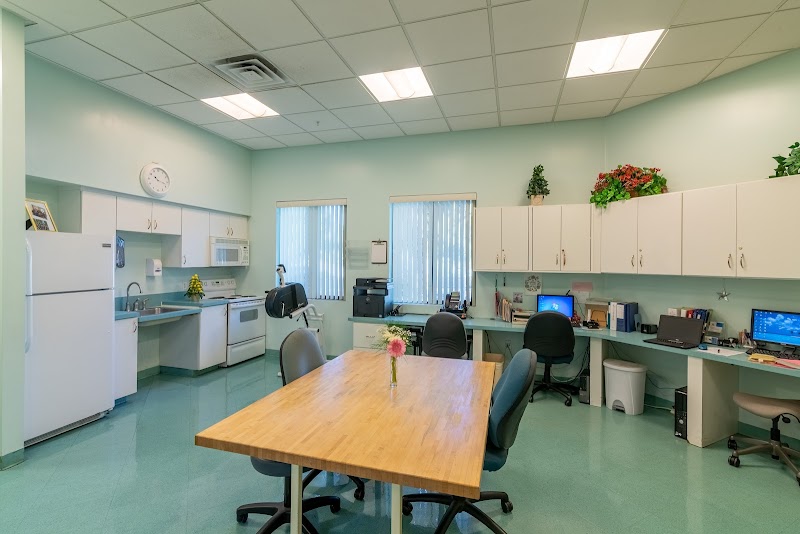
Who Owns and Operates Oasis Nursing & Rehab Of Green Valley?

OASIS NURSING & REHAB OF GREEN VALLEY is owned by a for-profit company. For-profit facilities operate as businesses with obligations to shareholders or private owners. The facility is operated by DELMAR GARDENS, a chain that manages multiple nursing homes. With 242 certified beds and approximately 194 residents (about 80% occupancy), it is a large facility located in HENDERSON, Nevada.

How Does Oasis Nursing & Rehab Of Green Valley Compare to Other Nevada Nursing Homes?

Compared to the 100 nursing homes in Nevada, OASIS NURSING & REHAB OF GREEN VALLEY's overall rating (2 stars) is below the state average of 3.0, staff turnover (42%) is near the state average of 46%, and health inspection rating (2 stars) is below the national benchmark.

What Should Families Ask When Visiting Oasis Nursing & Rehab Of Green Valley?

Based on this facility's data, families visiting should ask: "Can I visit during a mealtime to observe dining assistance and food quality?" "How do you handle medical emergencies, and what is your hospital transfer rate?" "Can I speak with family members of current residents about their experience?"

Is Oasis Nursing & Rehab Of Green Valley Safe?

Based on CMS inspection data, OASIS NURSING & REHAB OF GREEN VALLEY has a clean safety record: no substantiated abuse findings (meaning no confirmed cases of resident harm), no Immediate Jeopardy citations (the most serious violation level indicating risk of serious injury or death), and is not on the Special Focus Facility watch list (a federal program monitoring the lowest-performing 1% of nursing homes). The facility has a 2-star overall rating and ranks #100 of 100 nursing homes in Nevada. While no facility is perfect, families should still ask about staff-to-resident ratios and recent inspection results during their visit.

Do Nurses at Oasis Nursing & Rehab Of Green Valley Stick Around?

OASIS NURSING & REHAB OF GREEN VALLEY has a staff turnover rate of 42%, which is about average for Nevada nursing homes (state average: 46%). Moderate turnover is common in nursing homes, but families should still ask about staff tenure and how the facility maintains care continuity when employees leave.

Was Oasis Nursing & Rehab Of Green Valley Ever Fined?

OASIS NURSING & REHAB OF GREEN VALLEY has no federal fines on record. CMS issues fines when nursing homes fail to meet care standards or don't correct problems found during inspections. The absence of fines suggests the facility has either maintained compliance or corrected any issues before penalties were assessed. This is a positive indicator, though families should still review recent inspection reports for the full picture.

Is Oasis Nursing & Rehab Of Green Valley on Any Federal Watch List?

OASIS NURSING & REHAB OF GREEN VALLEY is not on any federal watch list. The most significant is the Special Focus Facility (SFF) program, which identifies the bottom 1% of nursing homes nationally based on persistent, serious quality problems. Not being on this list means the facility has avoided the pattern of deficiencies that triggers enhanced federal oversight. This is a positive indicator, though families should still review the facility's inspection history directly.