CANYON VISTA POST ACUTE


6352 MEDICAL CENTER STREET, LAS VEGAS, NV 89148 (702) 541-6200
For profit - Limited Liability company 120 Beds PACS GROUP Data: November 2025 1 Immediate Jeopardy citation
Trust Grade
43/100
#26 of 65 in NV
Last Inspection: March 2025

Within standard 12-15 month inspection cycle. Federal law requires annual inspections.

Overview

Canyon Vista Post Acute has received a Trust Grade of D, which indicates it is below average and has some concerning issues. It ranks #26 out of 65 nursing homes in Nevada, placing it in the top half of facilities in the state, but at #20 out of 42 in Clark County, it falls in the lower half locally. The facility is worsening, with reported issues increasing from 5 in 2024 to 13 in 2025, suggesting a decline in care quality. Staffing is a concern, with a rating of 2 out of 5 stars and a turnover rate of 49%, which is average for Nevada. Additionally, the home has $44,961 in fines, which is higher than 84% of facilities in the state, raising concerns about repeated compliance problems. On a positive note, Canyon Vista boasts good RN coverage, exceeding that of 76% of Nevada facilities, which can help catch issues that CNAs might miss. Specific incidents noted by inspectors include the lack of proper labeling and disposal of expired food items, which could lead to foodborne illness, and a failure to address resident council concerns, potentially affecting residents' quality of life. There was also a critical finding regarding fire safety, where smoking residents were not properly monitored or equipped with protective gear, creating safety risks. Families should weigh these strengths and weaknesses carefully when considering this facility for their loved ones.

Trust Score
D
43/100
In Nevada
#26/65
Top 40%
Safety Record
High Risk
Review needed
Inspections
Getting Worse
5 → 13 violations
Staff Stability
⚠ Watch
49% turnover. Above average. Higher turnover means staff may not know residents' routines.
Penalties
⚠ Watch
$44,961 in fines. Higher than 76% of Nevada facilities, suggesting repeated compliance issues.
Skilled Nurses
✓ Good
Each resident gets 79 minutes of Registered Nurse (RN) attention daily — more than 97% of Nevada nursing homes. RNs are the most trained staff who catch health problems before they become serious.
Violations
⚠ Watch
36 deficiencies on record. Higher than average. Multiple issues found across inspections.
★★★☆☆
3.0
Overall Rating
★★☆☆☆
2.0
Staff Levels
★★★★★
5.0
Care Quality
★★☆☆☆
2.0
Inspection Score
Stable
2024: 5 issues
2025: 13 issues

The Good

  • 5-Star Quality Measures · Strong clinical quality outcomes
  • Full Sprinkler Coverage · Fire safety systems throughout facility
  • No fines on record

Facility shows strength in quality measures, fire safety.

The Bad

3-Star Overall Rating

Near Nevada average (3.0)

Meets federal standards, typical of most facilities

Staff Turnover: 49%

Near Nevada avg (46%)

Higher turnover may affect care consistency

Federal Fines: $44,961

Above median ($33,413)

Moderate penalties - review what triggered them

Chain: PACS GROUP

Part of a multi-facility chain

Ask about local staffing decisions and management

The Ugly 36 deficiencies on record

1 life-threatening
Mar 2025 13 deficiencies 1 IJ (1 affecting multiple)
CRITICAL (K)

Immediate Jeopardy (IJ) - the most serious Medicare violation

Accident Prevention (Tag F0689)

Someone could have died · This affected multiple residents

**NOTE- TERMS IN BRACKETS HAVE BEEN EDITED TO PROTECT CONFIDENTIALITY** On 02/26/2025 at 3:50 PM, there were greater than 30 cigarette butts observed scattered across the ground of the outdoor patio b...

Read full inspector narrative →
**NOTE- TERMS IN BRACKETS HAVE BEEN EDITED TO PROTECT CONFIDENTIALITY** On 02/26/2025 at 3:50 PM, there were greater than 30 cigarette butts observed scattered across the ground of the outdoor patio by the 100-dining room. There were two trash cans, one of which was without a plastic bag and was observed to have water at the bottom mixed with a dark matter. The contents of the trash can smelled strongly of cigarette ashes. No fire safety items were found in the area, including fire extinguishers and smoking protection gear such as aprons and gloves. On 02/26/2025 at 4:07 PM, a Receptionist reported residents that smoked went out the front entrance towards front of the building and also to the left of the entrance to smoke. Residents did not have to sign out on the facility log at the reception desk. The Receptionist explained there were no specific times designated for smoking; residents smoked anytime throughout the day. The Receptionist reported residents did not wear any protection such as smoking aprons and gloves, some wore regular street clothes. The receptionist indicated residents that needed assistance were accompanied by staff, however, could not confirm if staff remained with the residents to supervise them while smoking and residents that were physically able to go out on their own were not accompanied by staff. On 02/26/2025 at 4:10 PM, in the patio outside the 300-hall dining room, there were approximately more than 10 cigarette butts observed scattered on the floor of the patio. There was one large plastic trash can in the area, 3/4 full of dark ashes and a sand or dirt like material mixed with the ashes. On the side of the trash can there was a hole approximately the width of a finger that appeared to be burned out of the plastic which was melted, the melted and burned plastic had a strong scent of burned ashes. No fire safety items were found in the area including a fire extinguisher and no protection gear such as aprons and gloves. On 02/26/2025 at 4:16 PM, a Housekeeper reported Housekeeping routinely emptied ashtrays in the smoking area of the patio outside of the 300 hall. The Housekeeper reported the morning Housekeeping team emptied ash trays when they arrived at work, and would be emptied by the night Housekeeping team as well when they came to work. The Housekeeper explained some residents smoke in the patio outside the 300-hall dining area, however, the resident smoking area was actually by the patio outside the 100-hall dining room. The facility provided the Smoking Policy (undated) which documented the facility had been designated a smoke-free facility. Smoking by residents was not permitted anywhere on facility's property. All staff would be responsible for courteously informing any resident of violation of the facility's smoke-free policy. No lighting materials (matches, lighters), tobacco products, or smoking devices would be allowed to remain in the possession of the resident, either on their person or in the facility. The facility might check periodically to determine if residents had any smoking articles in violation of the smoking policies. Staff should confiscate any such articles and should notify the Charge Nurse/Unit Manager that they had done so. Non-compliance of the smoke-free policy included, but not limited to: - Giving cigarettes or lighters to residents; - Unsafe use of lighters, matches, or cigarettes; - Possession of lighting materials or smoking paraphernalia; and - Smoking in or on facility property including patios, resident rooms, and parking lot. Based on interview, record review, and observation, the facility failed to ensure three of three residents sampled for accidents (Resident 14, 34, and 116) had interventions implemented to identify hazards and risks associated with smoking. The facility failed to ensure: 1) Resident 14 with a lighter and cigarettes did not attempt to put a used cigarette in a trash can within the resident's room, 2) Resident 34 was a documented smoker with an Oxygen Concentrator (a device delivering up to 95 percent Oxygen, Oxygen when in contact with flammable materials through heat can cause severe burns) in the resident's room, and 3) a non-smoking policy and procedure was enforced when Resident 116 (R116) took out a black lighter from the left chest pocket. The deficient practice had the potential to result in fire hazards and compromise the safety of all residents and staff in the facility. During the extended survey, the sample was expanded to include an additional four smoking residents (Resident 188, 189, 190 and 320). Findings include: Resident 14 On 02/26/2025 at 12:15 PM, the door to Resident 14's (R14) room was closed. Upon entering R14's room, a distinct odor of cigarette smoke was observed. R14 was lying in bed in the room, alert and oriented. A used cigarette, along with ash and tobacco leaves, was found on the floor next to a trash bin containing combustible materials, approximately five feet from the bed. The discarded cigarette appeared extinguished with the presence of ash and tobacco leaves. R14 stated they attempted to toss the end of the cigarette into the trash can from the bed but missed. R14 explained being permitted to smoke on facility premises until two days ago, when the survey team arrived, and indicated smoking in the courtyard with Resident 34 (R34), Resident 116 (R116), and a third resident R14 could not identify. R14 also stated having cigarettes and a lighter in the room at the time of the observation. On 02/26/2025 at 12:21 PM, two surveyors exited R14's room, one surveyor remained in the hallway directly outside R14's room to continuously observe to ensure R14 did not light another cigarette and attempt to put it in the trash can. The other surveyor went to the nurse's station in 200-hall and informed a Licensed Practical Nurse (LPN) R14 had stated to the survey team R14 was in possession of a lighter and cigarettes. The LPN revealed the facility was a non-smoking facility and followed the surveyor back to R14's room. The survey team remained in front of the door while the LPN entered R14's room. LPN was observed asking R14 if R14 was in possession of a lighter and cigarettes. R14 confirmed being in possession of a lighter and cigarettes. When LPN requested R14 to relinquish the lighter and cigarettes, R14 refused. LPN exited R14's room and stated the room smelled of cigarette smoke, and the resident was in possession of a lighter and cigarettes. At end of interview, LPN was observed returning to the nurse's station. Review of the admission revealed R14 was initially admitted on [DATE] and readmitted on [DATE] with diagnoses including schizophrenia (a serious mental condition affecting thought, resulting in a mix of disorganized thinking and behavior), depression (a mental disorder resulting in loss of pleasure or interest in activities, hopelessness about the future, or thoughts of dying or suicide), and suicidal ideations (thoughts or ideas centered around death or suicide). Review of an admission Minimum Data Set (MDS) with an Assessment Reference Date (ARD) of 02/17/2025, indicated R14 was moderately impaired with a Brief Interview for Mental Status (BIMS) score of 12. The Assessment under J1300 Current Tobacco Use indicated Yes, R14 was a tobacco user. Review of the Progress Notes revealed a History and Physical from R14's Physician dated 02/13/2025 documented R14 smoked 2 packs of cigarettes per day for the last 34 years. Review of the Comprehensive Care Plan initiated on 02/12/2025, did not include documented evidence of a smoking care plan which would include a focus, goals, and interventions for smoking for R14. On 02/26/2025 at 3:55 PM, three hours and 40 minutes after the initial observation of R14 attempting to throw a used cigarette in a trash can in the resident's room, R14's door was closed. Upon entering R14's room, a distinct odor of smoking materials was observed coming from R14. R14 verbalized going out to smoke at the main entrance over 30 minutes ago with Resident 116 (R116). R14 stated being in possession of lighter and cigarettes at the time of observation. On 02/26/2025 at 4:04 PM, an LPN stated R14, and another smoking resident, exited through the main entrance of the facility together around 3:00 PM. LPN identified the other smoking resident as a resident from 300-hall. On 02/26/2025 at 4:09 PM, an LPN in the 300-hall identified a smoking resident in the 300-hall as Resident 34 (R34). Resident 34 On 02/26/2025 at 4:16 PM, upon entering Resident 34's (R34) room, the resident was observed sitting on the bed in the room, alert and oriented. When asked if R34 had gone out to smoke, R34 explained how the resident used to smoke in the courtyard to the dining hall or the main entrance with other residents. R34 identified another smoking resident as Resident 116 (R116). An Oxygen concentrator was observed next to the bedside, two feet to the right of the resident's bed. When asked if R34 was in possession of a lighter or cigarettes, R34 stated I do not want to answer that. Review of the admission record revealed R34 was initially admitted on [DATE] with diagnoses including psychoactive substance dependence (a dependence on substances affecting the perception, consciousness and cognition, which include alcohol and nicotine), alcohol dependence with intoxication (a pattern of drinking which involves loss of control), and nicotine dependence (the need to use nicotine and being unable to stop). Review of an admission Minimum Data Set (MDS) with an Assessment Reference Date (ARD) of 12/26/2024, indicated R34 was moderately impaired with a Brief Interview for Mental Status (BIMS) score of 12. The Assessment under J1300 Current Tobacco Use indicated Yes, R34 was a tobacco user. Review of the Comprehensive Care Plan initiated on 12/25/2024 did not include documented evidence of a smoking care plan which would include a focus, goals, and interventions for smoking for R34. Resident 116 On 02/26/2025 at 4:23 PM, upon entering Resident 116's (R116) room, R116 was observed lying in bed, alert and oriented. The resident had a distinct odor of cigarette smoke. When R116 was asked if they had recently smoked with R14, the resident said Yes. The resident stated two days ago, the facility put up non-smoking signs in the facility and no longer permitted residents to smoke in facility courtyards, urging residents to go across the street and off facility property to smoke. The resident indicated not being told upon admission the facility was non-smoking. When asked if R116 was in possession of smoking materials, R116 pulled out a black lighter from the left chest pocket of the jacket the resident was wearing. Review of the admission record revealed R116 was initially admitted on [DATE] with diagnoses including depression, abnormalities of gait and mobility (changes in walking or balance), and opioid dependence (a chronic disease which involved compulsive opioid use and an inability to control it) . Review of an admission Minimum Data Set (MDS) with an Assessment Reference Date (ARD) of 02/14/2025, indicated R116 was cognitive intact with a Brief Interview for Mental Status (BIMS) score of 14. The Assessment under J1300 Current Tobacco Use indicated Yes, R116 was a tobacco user. The Assessment under GG0115 Functional Limitation in Range of Motion indicated an impairment on one side of the upper extremity (shoulder, elbow, wrist, hand). Based on observation, facility map, and interview, a total of 4 facility courtyards were identified. On 02/27/2025 at 10:18 AM, in the 100-hall courtyard, eight extinguished cigarette butts were observed approximately two feet away from the entrance of the courtyard leading into the facility. On 02/28/22025 at 9:30 AM, LPN confirmed notifying the Director of Nursing and members of management within one hour of identification of R14 being in possession of a lighter and cigarettes, but R14 refused to give the smoking materials up. When asked what the response of the DON and members of management, the LPN did not respond except to shrug their shoulders. On 02/28/2025 at 10:14 AM, the DON stated not being informed of R14 being in possession of a lighter and cigarettes until 02/26/2025 at 6:25 PM when the Immediate Jeopardy (IJ) was presented to the DON and members of management. The DON verbalized not being aware of any actively smoking residents until the following day on 02/27/2025. The DON explained the facility was a non-smoking facility due to having residents on oxygen, and the danger of having smoking material could cause a fire within the facility and everyone would be affected. There is no evidence the staff removed the lighter and cigarettes from R14 from 02/26/2025 at 12:21 PM to 02/26/2025 at 6:25 PM. On 02/28/2025 at 10:21 AM, the Assistant Director of Nursing (ADON) stated not being aware R14 was in possession of a lighter and cigarettes until 02/26/2025 at 6:25 PM when the Immediate Jeopardy (IJ) was presented to the ADON and members of management. On 02/28/2025 at 11:21 AM, the Administrator stated the facility is a non-smoking facility for residents. The Administrator verbalized all staff are responsible to confiscate any smoking articles, if identified. When asked if the Administrator was aware the facility had smoking resident's, the Administrator confirmed receiving reports of residents smoking all the time and smoking paraphernalia being taken away from residents. Cross Reference to K741. The facility failed to enforce elements of their adopted smoking policy as it relates to employees, patients, and visitors while also ensuring the employee smoking area was properly designated and equipped with a metal can with a self-closing lid and extinguished smoking materials facility wide were disposed of within non-combustible ashtrays.
CONCERN (D)

Potential for Harm - no one hurt, but risky conditions existed

Deficiency F0655 (Tag F0655)

Could have caused harm · This affected 1 resident

**NOTE- TERMS IN BRACKETS HAVE BEEN EDITED TO PROTECT CONFIDENTIALITY** Based on interview, record review and document review, the facility failed to develop and implement baseline care plan for: 1) s...

Read full inspector narrative →
**NOTE- TERMS IN BRACKETS HAVE BEEN EDITED TO PROTECT CONFIDENTIALITY** Based on interview, record review and document review, the facility failed to develop and implement baseline care plan for: 1) safety interventions for the care of 4 of 5 residents who smoke (Residents # 188, 189, 190, and 320), 2) interventions to address communication issues for 2 resident with communication deficit related to language barrier (Resident #171 and 324), and 3) interventions for the care of a peripheral intravenous (IV) catheter (Resident #325). Findings include: Resident #188 (R188) R188 was admitted on [DATE], with diagnoses including nicotine dependence and major depressive disorder. admission Minimum Data Set (MDS) assessment dated [DATE], indicated R188 had an intact cognition with a Brief Interview for Mental Status (BIMS) score of 15. The MDS assessment documented R188 was a tobacco user. R188 medical record lacked documented evidence a baseline care plan was developed and implemented to address R188's smoking habits. Resident #189 (R189) R189 was admitted on [DATE], with diagnoses including diabetes type 2, hypertension, depression, GERD, muscle weakness. MDS assessment dated [DATE], indicated R189 had an intact cognition with a Brief Interview for Mental Status (BIMS) score of 15. The MDS assessment documented R189 was a tobacco user. admission assessment dated [DATE], documented R189 was not a tobacco user. R189 medical record lacked documented evidence a baseline care plan was developed and implemented to address R189's smoking habits. On 03/06/2025 at 9:00 AM, R189 confirmed was a tobacco user, however, R189 had refrained from smoking since admission due to the facility's smoke-free policy. Resident #190 (R190) R190 was admitted on [DATE], with diagnoses including osteoarthritis, muscle weakness, hypertension, and chronic obstructive pulmonary disease. MDS assessment dated [DATE], indicated R190 had a moderate cognitive impairment with a Brief Interview for Mental Status (BIMS) score of 09. The MDS assessment documented R190 was a tobacco user. R190 medical record lacked documented evidence a baseline care plan was developed and implemented to address R190's smoking habits. On 03/04/2025 at 1:29 PM, the Director of Nursing (DON) verbalized the facility did not conduct smoking care plans due to the facility being non-smoking. The DON indicated the resident's MDS should guide the care plan, and the residents should have a smoking care plan. Resident #171 (R171) R171 was admitted on [DATE], with diagnoses including cognitive communication deficit. On 02/25/2025, resident R171 was observed in bed. The inspector attempted to conduct an interview with the resident, but it was apparent that the resident did not comprehend English. A sign posted on the wall in front of the resident's bed indicated that R171's primary language was Mandarin. Furthermore, there was no communication board available in the room to facilitate translation or communication assistance. On 02/27/2025 at 3:45 PM, a Certified Nursing Assistant explained R171 did not speak English but Mandarin. The medical record lacked documented evidence a baseline care plan was developed for impaired verbal communication related to language barrier. The DON provided the comprehensive care plan dated 02/27/2025, but acknowledged the baseline care plan did not include the communication impairment. Resident 320 (R320) R320 was admitted [DATE] and readmitted [DATE], with diagnosis including hemiplegia and hemiparesis following cerebral infarction affecting left non-dominant side, chronic obstructive pulmonary disease unspecified, and nicotine dependence uncomplicated. On 02/25/2025 in the morning, R320 reported was a smoker and was upset could not smoke. R320 reported was not given options regarding smoking. A Physician History and Physical note dated 02/09/2025, documented resident was a smoker. R320's medical record lacked documented evidence of a smoking assessment. R320's medical record lacked documented evidence of a smoking care plan. On 02/26/2025 in the afternoon, the Director of Nursing (DON), acknowledged R320 was identified as a smoker upon admission to the facility. The DON confirmed R320's medical record lacked documented evidence a smoking assessment and care plan were completed for the resident. The DON explained R320 should have been assessed and smoking should have been care planned. Resident 324 (R324) R324 was admitted on [DATE] with diagnosis including enterocolitis due to clostridium difficile, unspecified dementia, mood disturbance, and anxiety and pressure ulcer of sacral region stage 3. On 02/25/2025 in the morning, three staff members entered R324's room and provided wound care. The three staff members were heard speaking to R324 in English. No verbal response was heard from R324 to the staff members. After the three staff members exited the room, R324 was observed in bed, and spoke to this surveyor in Spanish. R324 was pleasant and welcoming. R324 reported was very sad and cried when explained their spouse had passed away. R324 explained did not know why was admitted to the facility other than for wound care. R324 reported was unable to communicate with the staff because only spoke Spanish. An Admissions/re-admission Summary Note dated 2/23/2025, documented R324 was exclusively Spanish-Speaking and had to communicate via phone interpreter. R324's medical record lacked documented evidence of a care plan for communication or language barrier. On 02/27/2025 in the afternoon, the Director of Nursing (DON), confirmed R324 was Spanish speaking only. The DON acknowledged the language and communication barrier was not care planned for R324. The DON explained a care plan should have been created and should have included goals and interventions necessary to communicate effectively with R324. On 03/05/2025 at 8:46 AM, a Certified Nursing Assistant (CNA), reported was their first day was working with R324. The CNA was unable to answer whether or not they felt the resident understood the CNA when the CNA entered the resident's room that morning. The CNA explained if had a resident who did not speak English, the CNA would have used signs to communicate and would have looked for Spanish speaking staff to assist with communication if needed. The CNA was unable to verbalize if was aware R324 was Spanish speaking only. Resident 325 (R325) R325 was admitted [DATE] with diagnosis including bipolar disorder, acute respiratory failure, and local infection of the skin and subcutaneous tissue. On 02/25/2025 at 8:30 AM, R325 was sitting in bed, friendly and welcoming. The resident was observed to have a white tubular mesh bandage over left hand. The mesh bandage was intact but slightly soiled with minor discoloration. R325 pulled the mesh and exposed a peripheral intravenous (IV) access on top of the left hand. The IV access was covered by an adhesive transparent dressing dated 02/21/2025. R325 stated was unsure why the IV access was in place. A Physician order dated 02/21/2025 documented, Banana bag (an intravenous solution containing fluids, vitamins, and minerals) 50 cubic centimeters (cc) per hour times 1 liter every shift, for nutritional supplement for one day. The order status was completed. R325's medical record lacked documented evidence of a care plan for the existing IV access. On 03/05/2025 at 8:58 AM, the Infection Preventionist (IP) reported if residents were admitted with an IV access in place, they were to have been identified and assessed upon admission, a physician order had to be placed, the IV access dressing should have been changed every 3 days, and a care plan developed. On 03/05/2025 at 12:51 PM, the Director of Nursing acknowledged there was no care plan in place. The DON explained the deficiency increased the risk of infections for the resident and complications due to infections. A facility policy titled Care Plans - Baseline, undated, documented a baseline care plan should be developed for each resident within forty-eight hours (48) hours of admission. The baseline care plan should include instructions needed to provide effective, person-centered care of the resident.
CONCERN (D)

Potential for Harm - no one hurt, but risky conditions existed

Comprehensive Care Plan (Tag F0656)

Could have caused harm · This affected 1 resident

**NOTE- TERMS IN BRACKETS HAVE BEEN EDITED TO PROTECT CONFIDENTIALITY** Based on observation, interview, record review, and document review, the facility failed to develop comprehensive care plans to ...

Read full inspector narrative →
**NOTE- TERMS IN BRACKETS HAVE BEEN EDITED TO PROTECT CONFIDENTIALITY** Based on observation, interview, record review, and document review, the facility failed to develop comprehensive care plans to reflect new interventions, specifically, a smoking care plan for 3 of 3 sampled residents (Residents 14, 34, and 116). The deficient practice had the potential to deprive residents of necessary interventions to maintain overall well-being. Findings include: Resident 14 (R14) R14 was initially admitted on [DATE] and readmitted on [DATE] with diagnoses including schizophrenia (a serious mental condition affecting thought, resulting in a mix of disorganized thinking and behavior), depression (a mental disorder resulting in loss of pleasure or interest in activities, hopelessness about the future, or thoughts of dying or suicide), and suicidal ideations (thoughts or ideas centered around death or suicide). Review of an admission Minimum Data Set (MDS) with an Assessment Reference Date (ARD) of 02/17/2025, indicated R14 was moderately impaired with a Brief Interview for Mental Status (BIMS) score of 12. The Assessment under J1300 Current Tobacco Use indicated Yes, R14 was a tobacco user. Review of the Progress Notes revealed a History and Physical from R14's Physician dated 02/13/2025 documented R14 smoked 2 packs of cigarettes per day for the last 34 years. Review of the Comprehensive Care Plan initiated on 02/12/2025, did not include documented evidence of a smoking care plan which would include a focus, goals, and interventions for smoking for R14. Resident 34 (R34) R34 was initially admitted on [DATE] with diagnoses including psychoactive substance dependence (a dependence on substances affecting the perception, consciousness and cognition, which include alcohol and nicotine), alcohol dependence with intoxication (a pattern of drinking which involves loss of control), and nicotine dependence (the need to use nicotine and being unable to stop). Review of an admission Minimum Data Set (MDS) with an Assessment Reference Date (ARD) of 12/26/2024, indicated R34 was moderately impaired with a Brief Interview for Mental Status (BIMS) score of 12. The Assessment under J1300 Current Tobacco Use indicated Yes, R34 was a tobacco user. Review of the Comprehensive Care Plan initiated on 12/25/2024, did not include documented evidence of a smoking care plan which would include a focus, goals, and interventions for smoking for R34. Resident 116 (R116) R116 was initially admitted on [DATE] with diagnoses including depression (a mental disorder resulting in loss of pleasure or interest in activities, hopelessness about the future, or thoughts of dying or suicide), abnormalities of gait and mobility (changes in walking or balance), and opioid dependence (a chronic disease which involved compulsive opioid use and an inability to control it). Review of an admission Minimum Data Set (MDS) with an Assessment Reference Date (ARD) of 02/14/2025, indicated R116 was cognitive intact with a Brief Interview for Mental Status (BIMS) score of 14. The Assessment under J1300 Current Tobacco Use indicated Yes, R116 was a tobacco user. On 02/28/2025 at 11:02 AM, the Minimum Data Set (MDS) Coordinator verbalized upon admission of a new resident, an MDS assessment is conducted for the resident. The MDS Coordinator advised if questions are marked yes, a care plan should be triggered. The MDS Coordinator verbalized the Assessment under J1300 Current Tobacco Use is marked Yes if the resident is a current tobacco user or smoker, but the facility does not trigger a care plan because the resident should not be smoking in the facility. On 03/04/2025 at 1:29 PM, the Director of Nursing (DON) verbalized the facility did not conduct smoking care plans due to the facility being non-smoking. The DON indicated the resident's MDS should guide the care plan, and the residents should have a smoking care plan. The facility policy titled Care Plans, Comprehensive Person-Centered, revised on 03/2022, documented the comprehensive, person-centered care plan: a. includes measurable objectives and timeframes. b. describes the services that are to be furnished to attain or maintain the resident's highest practicable physical, mental, and psychosocial well-being, including: 1. services that would otherwise be provided for the above but are not provided due to the resident exercising his or her rights, including the right to refuse treatment. 2. any specialized services are to be provided as a result of PASARR recommendations; and 3. which professional services are responsible for each element of care. c. includes the resident's stated goals upon admission and desired outcomes. d. builds on the resident's strengths; and e. reflects currently recognized standards of practice for problem areas and conditions.
CONCERN (D) 📢 Someone Reported This

A family member, employee, or ombudsman was alarmed enough to file a formal complaint

Potential for Harm - no one hurt, but risky conditions existed

Quality of Care (Tag F0684)

Could have caused harm · This affected 1 resident

**NOTE- TERMS IN BRACKETS HAVE BEEN EDITED TO PROTECT CONFIDENTIALITY** Based on observation, record review, document review, and interview, the facility failed to respond to resident call lights in a...

Read full inspector narrative →
**NOTE- TERMS IN BRACKETS HAVE BEEN EDITED TO PROTECT CONFIDENTIALITY** Based on observation, record review, document review, and interview, the facility failed to respond to resident call lights in a timely manner for 1 of 41 sampled residents (Resident 17), and 2 unsampled residents. The failed practice had the potential to cause delay in resident care and needs. Findings include: 02/26/25 at 8:38 AM, the call light at the door in room [ROOM NUMBER] was observed activated. At the same time a staff member was sitting at nursing station while an audible alarm from the call light system could be heard. 02/26/25 at 8:44 AM, the call light continued activated in room [ROOM NUMBER]. Two staff members wearing scrubs passed by but did not answer the call light. 02/26/25 at 9:00 AM, the resident in 220 verbalized the call light was activated to request the room temperature be adjusted since it was cold. Resident verbalize had been waiting for a long time for somebody to respond. 02/26/25 at 9:03 AM, a Certified Nursing Assistant (CNA) answered the call light and addressed resident's request. The CNA verbalized call lights were everybody's responsibility and verbalized it seemed staff expected only CNAs to answer call lights. On 02/26/2025 at 9:54 AM, a Licensed Practical Nurse LPN who was the staff member sitting at the nursing station when the call light was activated in room [ROOM NUMBER], explained could not see the call light located at the door of room [ROOM NUMBER] from the nursing station, and the audible alarm alerted the staff at the nursing station the activation of the call light. The LPN explained the call light system was malfunctioning since 02/24/2025, producing a constant alarm sound that could not be turned off, masking the real call light alarm sound. The LPN was not sure if the issue had been reported to maintenance. The LPN explained, regularly there were two different audible tones for the call light, one for regular call from the resident's bed, and another from the bathroom that had a high-pitched sound. The LPN explained if the call light system was malfunctioning, residents should have been provided with a mechanical bell, and staff should have been rounding more often. Resident 17 (R17) R17 was admitted on [DATE] with diagnosis including gout, type 2 diabetes mellitus with hyperglycemia, and spondylosis without myelopathy or radiculopathy thoracic region. A Care Plan dated 01/24/2025 documented R17 was at risk for pain or discomfort. On 02/26/2025 at 9:52 AM, R17 was observed in a wheelchair approaching the nursing station in the 100 hall. R17 was observed visibly distressed, face flushed, grimacing, rubbed the back of the neck with their hands, and used short broken sentences to speak. R17 told the staff at the nursing station was experiencing severe pain. The four staff at the nursing station did not acknowledge R17's presence. R17 waited for assistance and continued to report was experiencing severe pain and needed pain medication prior to leaving with transportation for an appointment outside the facility. R17 reported had activated the call light in their room over one hour prior to report pain and had requested pain medication. R17 explained a staff member answered the call light, turned it off, and said they would report the pain to a nurse; however, the nurse did not come. On 02/26/2025 at 9:57 AM, a nurse approached the resident near the 100-hall nursing station. The nurse told the resident no one had reported to the nurse the resident was in pain. The nurse administered pain medication to the resident. On 03/06/2025 in the late afternoon, a resident in room [ROOM NUMBER] across from the 200-hall nursing station was heard attempting to draw attention by emitting very loud, continuous cries, grunts and wails. The cries were heard through the walls into the conference/dining room near the 200-hall nursing station. The resident was observed in bed flat on their back, not moving, face pointing up towards the ceiling, the call light had not been activated. The resident was emitting loud cries that were indistinct and not formed into recognizable words. The cries were heard loudly throughout the 200 unit. The 200-unit hallways and the 200-hall nursing station was observed without any staff members present. A few moments later a staff member carrying a walker passed by the front of the resident's room and did not acknowledge the loud cries for help. A second staff member walked out of a nearby room and walked past the resident's room crying for help and did not check in on the resident. Approximately 15 minutes later, a staff member arrived in the unit, went into the resident's room and the resident's cries stopped. A Resident Council Log dated January 01/15/2025 documented a resident in room [ROOM NUMBER] as saying, Seems like they need more help, takes a long time when I use the call light sometimes. The Certified Nursing Assistant (CNA) would not change me, said had to pass trays and told me to eat and then would change me. I was soiled and did not want to eat like that. A Resident Council Meeting Response dated 01/17/2025 documented followed up with patient regarding call light response. Education was provided to CNAs and nurses, the importance of answering call lights on a timely manner. On 02/26/2025 at 9:29 AM, a Licensed Practical Nurse (LPN) reported call lights were to be answered as soon as possible to ensure residents were provided the care needed. ON 02/26/2025 at 11:46 AM, the Director of Nursing (DON), reported an existing QAPI Project for call lights. The DON explained call lights were to be answered in a timely manner, as soon as possible, and call light concerns were to be addressed as they were reported. On 03/05/2025 at 8:46 AM, A Certified Nursing Assistant (CNA) explained the goal was to answer call lights as soon as possible to assist residents and prevent accidents. The CNA reported call lights were to be answered within minutes. If the resident was in pain or needed the nurse, the CNA would not turn off the call light until the nurse came to the room. On 03/05/2025 at 1:04 PM, the Administrator reported call lights were an ongoing Quality Assurance and Performance Improvement (QAPI) project which included route cause analysis. The Administrator explained many options were tried and used to address call light concerns. The goal was to answer call lights timely. A facility policy titled Answering the Call Light dated 2001, documented the purpose was to respond to the resident's requests and needs. General guidelines included to answer the resident's call as soon as possible, listen to the residents' request, and if you had promised the resident you would return with an item or information do so promptly. Complaint #NV00072268, Complaint #NV00073330 and Complaint NV#00073352
CONCERN (D) 📢 Someone Reported This

A family member, employee, or ombudsman was alarmed enough to file a formal complaint

Potential for Harm - no one hurt, but risky conditions existed

Incontinence Care (Tag F0690)

Could have caused harm · This affected 1 resident

**NOTE- TERMS IN BRACKETS HAVE BEEN EDITED TO PROTECT CONFIDENTIALITY** Based on observation, interview, record review, and document review, the facility failed to ensure the Foley catheter was proper...

Read full inspector narrative →
**NOTE- TERMS IN BRACKETS HAVE BEEN EDITED TO PROTECT CONFIDENTIALITY** Based on observation, interview, record review, and document review, the facility failed to ensure the Foley catheter was properly assessed and the correct Foley size was inserted or clarified and appropriately documented in the medical record for 1 of 41 sampled residents (Resident 104). This deficient practice had the potential to result in complications such as discomfort, urinary tract injury, bladder trauma, or obstruction. Findings include: Resident 104 (R104) R104 was admitted on [DATE] and readmitted on [DATE], with diagnoses including acute kidney failure and obstructive and reflux uropathy. On 02/25/2025 at 9:09 AM, R104 was in bed with eyes closed. R104's Foley catheter was visible from the door, uncovered, with sediments and red-tinged urine. R104's Foley catheter in place was a size 16 French by 10 milliliters (ml) water balloon. R104 indicated had been readmitted with a Foley catheter. A Licensed Practical Nurse (LPN) confirmed R104's indwelling catheter 16 French by 10 ml water balloon with a red-tinged urinary flow. The LPN indicated an indwelling catheter required a physician's order, including the catheter size; it should have been followed to prevent trauma, assessed, monitored every shift, and documented. The Daily Skilled Charting dated 01/12/2025, documented R104 had an indwelling catheter. The admission brief interview of mental status dated 01/19/2025, documented a score of 10/15, which indicated R104's cognitive status was moderately intact, had an indwelling catheter, and had a diagnosis of obstructive neuropathy. A Physician order dated 02/08/2025, documented an indwelling urinary catheter size of 14 French by 10 milliliters (ml) water balloon for obstructive uropathy. Check every shift. A Care Plan dated 01/12/2025, documented R104 had an indwelling/Foley catheter related to obstructive uropathy with a goal R113 would remain free from catheter-related trauma through the review date. To provide catheter care every shift, monitor and record signs and symptoms of infection, including the blood-tinged urine. The Medication Administration Record from 02/08/2025 to 02/25/2025 documented R104's Foley catheter 14 French by 10 ml balloon was in place and had been checked. On 02/28/2025 at 10:10 AM, the Assistant Director of Nursing (ADON) indicated R104's Foley catheter required an order specifying the size and water balloon capacity. The ADON confirmed R104's Foley order was for a 14 Fr catheter with a 10 mL water balloon, while documentation consistently indicated R104 had a 14 Fr catheter in place. The ADON indicated Licensed Nurses were expected to match the order with the actual Foley catheter in place, which was 16 Fr, and document it accurately. The ADON explained failure to follow the order could have led to trauma if the Foley catheter was larger than prescribed or leakage if it was smaller. On 02/28/2025 at 10:45 AM, the Physician indicated Licensed Nurses were expected to follow the Foley size order. The Physician explained a Foley catheter larger than the prescribed size posed a risk of trauma or obstruction, while a smaller size could have led to leakage. A facility policy titled Catheter Care, Urinary revised August 2022, documented the need to prevent urinary catheter-associated complications, including urinary tract infections. The information should have been recorded in the resident's medical record, including assessment data obtained when giving the catheter care, character of urine such as color (straw-colored, dark, or red), clarity (cloudy, solid particles, or blood), and odor.
CONCERN (D) 📢 Someone Reported This

A family member, employee, or ombudsman was alarmed enough to file a formal complaint

Potential for Harm - no one hurt, but risky conditions existed

Deficiency F0691 (Tag F0691)

Could have caused harm · This affected 1 resident

**NOTE- TERMS IN BRACKETS HAVE BEEN EDITED TO PROTECT CONFIDENTIALITY** Based on interview, record review, and document review, the facility failed to ensure a nephrostomy tube (a tube inserted direct...

Read full inspector narrative →
**NOTE- TERMS IN BRACKETS HAVE BEEN EDITED TO PROTECT CONFIDENTIALITY** Based on interview, record review, and document review, the facility failed to ensure a nephrostomy tube (a tube inserted directly into the kidney to drain urine) insertion site care was documented in the medical record for 1 of 9 sampled residents (Resident 1). The deficient practice made it uncertain if site care including periodic cleaning and application of a dressing had been provided; and could have contributed to infections in R1's skin and tissue adjacent to both nephrostomy tube insertion sites. Findings include: Resident 1 (R1) R1 was admitted on [DATE] and with diagnoses including prostate and bladder cancer. A wound care progress note dated 01/17/2025 documented the resident had bilateral nephrostomy tubes. Physician orders dated 01/17/2025 indicated to monitor bilateral nephrostomy tube sites for signs and symptoms of infection, swelling, redness, or pain every shift and notify MD, and to measure and record output from right and left nephrostomy tubes, each shift. A progress note dated 02/20/2025 indicated redness and open skin were noted on the bilateral nephrostomy tube sites. The note indicated the physician was notified and a wound consultation ordered. Physician orders dated 02/21/2025 indicated to perform wound care on the right and left nephrostomy sites with Daikin's solution, silver alginate, and sure-site; apply hydrocortisone cream to surrounding area, as needed for dislodged or wet dressing, and every day shift for nephrostomy site care. The Treatment Administration Record documented nephrostomy tube insertion site care was performed daily from 02/22-02/24/2025, a period of three days prior to R1's transfer to an acute hospital on [DATE]. The medical record lacked documented evidence nephrostomy tube site care had been performed from 01/17/2025 until 02/21/2025, a duration of 36 days. The medical record lacked documented evidence there was a physician's order which addressed nephrostomy tube site care from 01/17/2025 until 02/21/2025, a duration of 36 days. On 04/30/25 in the morning, the Licensed Practical Nurse (LPN) verbalized nephrostomy tube site care was performed by the wound care team. The LPN verbalized nurses caring for the resident with a nephrostomy tube, emptied the drainage bag and measured the output each shift. The LPN verbalized the nursing care followed physician orders. On 04/30/2025, in the afternoon, the Wound Care Nurse verbalized nephrostomy tube sites were cared for by the wound care team, following the physician's order for dressing changes. The Wound Care Nurse reported the purpose of the cleansing and application of a dressing was to help prevent microbes from infecting the opening through which the tube passed into the resident's body. The Wound Care Nurse verbalized the wound care team did not perform the site care without the physician's order. The Wound Care Nurse reported if there was no order for the dressing change, the medical provider should be contacted for the order. On 04/390/2025, in the afternoon the Director of Nursing (DON) reported the facility process was as follows: when a resident was admitted the wound care team would perform an assessment. If there were nephrostomy tubes present, it was the usual practice to obtain physician orders for periodic monitoring of the site for infection, site care including dressing changes, and to drain and measure the output from the tubes. The DON verbalized either the assigned nurse or the wound care nurse could perform the interventions. The DON verbalized would have assigned the wound care team to help out the nurses. The DON verbalized nurses performed the site assessments every shift, and in doing so would have to lift off the dressing to see the site. The DON stated site care could be done with the assessment. The DON verbalized the site care was documented on the resident's Treatment Administration Record. The DON verbalized the facility had two residents currently with nephrostomy tubes. The DON verbalized both of these residents had a physician order for site care including dressing changes, and the dressing changes were documented in their Treatment Administration Record. On 04/30/2025, in the afternoon, the DON reviewed R1's record. The DON reported R1's medical record lacked documented evidence cleaning or dressing R1's nephrostomy sites had been performed, or a physician order for nephrostomy site care from 01/17/2025 until 02/21/2025, a duration of 36 days. The DON believed the assigned nurses had possibly changed the dressings when they assessed the sites every shift, however failed to document any dressing changes. The DON verbalized the site assessments revealed R1 had developed soft tissue infections at both nephrostomy tube sites, and treatment orders were obtained on 02/21/2025. A facility policy and procedure titled Nephrostomy Tube, Care of, revised 10/2010, indicated the purpose of the procedure was to provide guidelines for the care of the resident with a nephrostomy tube. The policy indicated dressing changes would be part of the care. The policy indicated preparation included verifying there was a physician's order for the dressing change. The policy indicated the procedure was to carefully remove the wet or soiled dressing, apply sterile gloves, and cleanse the nephrostomy tube site outward to approximately three inches in diameter from the insertion site, using iodine swab or 4x4 sponges dipped in normal saline solution (if ordered). The policy and procedure indicated following the cleansing, place 1-2 sterile drain dressings on the nephrostomy tube site and secure with adhesive tape. The policy indicated to document in the resident's medical record the date and time the procedure was performed, name and title of the persons who performed the procedure, and the resident's response to the procedure.
CONCERN (D) 📢 Someone Reported This

A family member, employee, or ombudsman was alarmed enough to file a formal complaint

Potential for Harm - no one hurt, but risky conditions existed

Deficiency F0692 (Tag F0692)

Could have caused harm · This affected 1 resident

**NOTE- TERMS IN BRACKETS HAVE BEEN EDITED TO PROTECT CONFIDENTIALITY** Based on interview, record review, and document review, the facility failed to ensure that an impaired nutrition assessment or a...

Read full inspector narrative →
**NOTE- TERMS IN BRACKETS HAVE BEEN EDITED TO PROTECT CONFIDENTIALITY** Based on interview, record review, and document review, the facility failed to ensure that an impaired nutrition assessment or a comprehensive nutritional assessment was completed upon admission and failed to address the resident's severe weight loss (over 5 percent) with interventions for undesirable weight loss for 1 of 41 sampled residents (Resident 121). The deficient practice had the potential to result in continued weight loss and malnutrition, impacting Resident 121's overall health and well-being. Findings include: Resident 121 (R121) Review of the admission record revealed R121 was admitted on [DATE] and discharged on 09/04/2024, with diagnoses including acute kidney failure, type 2 diabetes, and local infection of the skin and subcutaneous tissue. Review of an admission Minimum Data Set (MDS) with an Assessment Reference Date (ARD) of 09/04/2024, indicated R121 was cognitively intact with a Brief Interview for Mental Status (BIMS) score of 15. Review of the Comprehensive Care Plan did not include documented evidence of a nutritional care plan. Review of the Weight and Vitals for R121 documented: -07/08/2024 - 279.20 pounds (lbs.) -07/10/2024 - 261.20 lbs. -07/11/2024 - 267.00 lbs. -07/24/2024 - 253.00 lbs. -08/06/2024 - 243.50 lbs. -08/20/2024 - 241.00 lbs. -08/27/2024 - 241.70 lbs. On 03/04/25 at 10:21 AM, the Registered Dietician (RD) advised all residents should have an impaired nutrition assessment and a comprehensive nutritional assessment completed upon admission. Upon review of R121's electronic medical record (EMR), the RD advised R121 did not have an impaired nutrition assessment, or a comprehensive nutritional assessment completed. The RD reviewed R121's weight summary and verbalized the resident experienced serve weight loss, 35.70 lbs. from 07/08/2024 to 08/06/2024, which was a 12.80 percent (%) weight loss. The RD explained anything over 5.00 % of weight loss was considered severe weight loss. The RD verbalized a registered dietician should have been consulted when the staff discovered the weight loss. The RD confirmed there were no documented evidence of interventions for the weight loss for R121. On 03/04/2025 at 12:15 PM, the Director of Nursing (DON) indicated the Restorative Nursing Assistant (RNA) who was assigned to obtain weights on all residents and was familiar with R121, was no longer employed and unavailable for interview. On 03/04/2025 at 12:15 PM, the Director of Staff Development (DSD) indicated the RNA's will report any significant or severe weight loss to the DSD to initiate a change of condition. The DSD will then report the change of condition to the DON and the resident's provider. The DSD confirmed R121 did not have documented evidence of a nutritional assessment or change of condition. On 03/04/2025 at 1:12 PM, the DON confirmed the facility did not have a nutritional assessment, change of condition, and dietary consultation conducted for R121. The DON reviewed R121's EMR and confirmed the resident lost 37.50 lbs. from 07/08/2024 to 08/27/2024, and the resident's chart lacked documented evidence of nutritional interventions. The facility policy titled Nutritional Assessment, dated 2001, documented a nutritional assessment will be conducted for each resident upon admission. The facility policy titled Weight Assessment and Intervention, revised on 03/2022, documented undesirable weight change is evaluated by the treatment team to determine if the criteria for significant weight change has been met. The evaluation included: resident target weight range, calorie, protein, and other nutrient needs compared with the resident's current intake, the relationship between current medical condition or clinical situation and recent fluctuations in weight, and whether and to what extent weight stabilization or improvement can be anticipated. The policy also documented the physician, and the multidisciplinary team will identify conditions and medications that may be causing the weight anorexia, weight loss or increased risk of weight loss. Interventions for undesirable weight loss are based on considerations like resident choice and preference, nutrition and hydration, functional factors, environmental factors, chewing and swallowing, medications, supplementation or end of life decisions and advance directives. Complaint # NV00072435
CONCERN (D)

Potential for Harm - no one hurt, but risky conditions existed

Tube Feeding (Tag F0693)

Could have caused harm · This affected 1 resident

**NOTE- TERMS IN BRACKETS HAVE BEEN EDITED TO PROTECT CONFIDENTIALITY** Based on observation, interview, record review, and document review, the facility failed to ensure the tube feeding order was fo...

Read full inspector narrative →
**NOTE- TERMS IN BRACKETS HAVE BEEN EDITED TO PROTECT CONFIDENTIALITY** Based on observation, interview, record review, and document review, the facility failed to ensure the tube feeding order was followed, the actual total dose volume consumed was monitored, and the daily enteral feed and caloric intake were documented for 1 of 41 sampled residents (Resident 271). This deficient practice could have the potential to result in inadequate nutrition, dehydration, weight loss, and improper tube feeding administration. Findings include: Resident 271 (R271) R271 was admitted on [DATE], with diagnoses including dysphagia (difficulty swallowing) and gastrostomy. On 02/25/2025 at 10:24 AM, R271 was in bed, incoherent but verbally responsive. The enteral pump at the bedside with no tube feeding (TF) formula infusing. The percutaneous endoscopic gastrostomy (PEG) tube site had a dressing in place, undated. The History and Physical dated 01/09/2025 documented R271 developed aspiration pneumonia due to dysphagia, and a percutaneous endoscopic gastrostomy (PEG) tube was placed. The Nutritional Risk assessment dated [DATE] documented R271 had chewing/swallowing problems and was on enteral nutrition. R271 was at risk for malnutrition related to wound healing, and supplements were ordered to support wound healing. A Care Plan dated 01/10/2025, documented R271 had the potential for altered nutrition and/or hydration status related to wound healing and the gastrostomy tube. The interventions included administering enteral nutrition as ordered. The Dietitian Progress Notes dated 02/11/2025, documented R271's continued inadequate oral intake at meals of 8.8 pounds or 7.6% severe undesirable weight loss. The bolus feeds were discontinued, and enteral feeds via enteral pump were recommended. Formula Vital 1.5 via enteral pump at 120 mL/hr. for 10 hours/day, totaling 1200 mL/day. The formula was to run from 8:00 PM to 6:00 AM, 1797 total kilocalories (kcals), 80 grams of protein, and 905 milliliters (ml) of free water. Flush the enteral tube with 125 ml of water every 4 hours, providing 750 ml per day and 300 ml of water flush. A Physician Order dated 02/11/2025, documented every shift: Formula: Vital 1.5 via enteral pump at 120 mL/hr for 10 hours/day, totaling 1200 mL/day. The formula was to run from 8:00 PM to 6:00 AM, or until the ordered feeding was consumed. The Medication Administration Record from March 1-3, 2025, documented the enteral feed Vital 1.5 via enteral pump at 120 ml/hr x 10 hrs./day was consumed or completed and signed off by the night and day shifts. On 03/04/2025 at 8:58 AM, the Registered Dietitian (RD) indicated R271 had an oral diet consisting of a regular mechanical soft diet and nocturnal feed (a tube feeding administered overnight during sleep) continuously for 10 hours to meet nutritional needs. The RD explained R271 had difficulty swallowing and chewing, with only 25-50% of meal intake noted. The RD confirmed R271 had 8.8 pounds or 7.6% severe undesirable weight loss, with a goal for R271 to increase oral intake. The RD expressed uncertainty about how the total dose volume was monitored, as no documentation was available. On 03/04/2025 at 9:12 AM, R271 was observed lying in bed with the tube feeding (TF) turned off. The Licensed Practical Nurse (LPN) indicated the TF was administered at night, starting at 8:00 PM and stopping at 6:00 AM or when the complete dose had been delivered. The TF order specified administration at 120 mL/hr for 10 hours, with 125 mL water flushes every 4 hours. In the presence of the RD, the LPN verified the pump history of the TF actual dose delivered over 72 hours and confirmed a total dose of 2331 mL and 469 mL of water flushes. The RD confirmed a TF shortage of 1269 mL over 72 hours, equating to a discrepancy of 1800 calories. The RD indicated TF orders should have been followed, and the total dose volume should have been monitored daily to ensure adequate caloric intake and prevent further weight loss. The RD indicated the TF discrepancy was noted as significant for wound healing and recovery. The RD confirmed R271's TF rate had not been completely completed as ordered, and there was no documentation in place of the total dose consumed. On 03/04/2025 in the morning, the Registered Nurse (RN) indicated the resident's TF via enteral pump required the infusion rate to be programmed, including the duration and starting and stopping times, until the ordered TF was completely consumed. The RN indicated the TF should have been monitored to ensure it was completed and demonstrated how this should have been done but could not locate in the eMAR where to document the TF total consumption. On 03/04/2025 at 9:48 AM, the Director of Nursing (DON) indicated the Licensed Nurses were expected to follow the total TF order and ensure residents received the prescribed TF dose. The DON indicated R271 had significant weight loss due to multiple factors, including a history of Clostridium difficile, non-compliance, family interference with care, and unrealistic expectations. The DON confirmed the actual dose of TF consumed was not documented. On 03/04/2025 at 10:30 AM, the Nurse Practitioner (NP) indicated the Licensed Nurses were expected to follow the residents' TF complete dose to ensure daily nutritional requirements were met. The NP emphasized the importance of monitoring the total volume delivered to prevent fluid overload, malnutrition, and weight loss. A facility policy titled Enteral Nutrition, revised in November 2018, documented the adequate nutritional support through enteral nutrition was provided to residents as ordered. The nursing staff and provider were expected to monitor the resident for signs and symptoms of inadequate nutrition.
CONCERN (D)

Potential for Harm - no one hurt, but risky conditions existed

Deficiency F0694 (Tag F0694)

Could have caused harm · This affected 1 resident

**NOTE- TERMS IN BRACKETS HAVE BEEN EDITED TO PROTECT CONFIDENTIALITY** Based on observation, interview, record review, and document review, the facility failed to obtain a physician's order for the u...

Read full inspector narrative →
**NOTE- TERMS IN BRACKETS HAVE BEEN EDITED TO PROTECT CONFIDENTIALITY** Based on observation, interview, record review, and document review, the facility failed to obtain a physician's order for the use of an intravenous (IV) access or heplock, including assess and monitor the site, identify whether an IV was present upon admission, and document for 2 of 32 sampled residents (Residents 104 and 325). This deficient practice had the potential to cause complications such as infection, infiltration, phlebitis, or impaired venous access. Findings include: A facility policy titled Peripheral IV Catheter Insertion (undated), documented a physician's or provider's order was necessary for this procedure. The information should have been recorded in the resident's medical record, including the date and time of the procedure, the number of venipuncture attempts (with a maximum of two), the condition of the site, the location of the insertion, and the resident's response to the procedure. Resident 104 (R104) R104 was admitted on [DATE] and readmitted on [DATE], with diagnoses including anemia and malignant neoplasm of the rectum. The admission Minimum Data Set (MDS) dated [DATE], documented the brief interview of mental status (BIMS) a score of 10/15, which indicated R104's cognitive status was moderately intact. On 02/25/2025 at 9:09 AM, R104 was in bed with eyes closed. A normal saline 0.9 percent (%) IV fluid was labeled with date of February 24, 2025, and was infusing at 60 milliliters per hour. R104's heplock on the left wrist was soiled and old, dated February 15, wrapped with elastic retention netting, and connected to the IV fluids. R104 indicated the IV heplock was inserted more than a week ago. The LPN assigned to R104 confirmed the observation the IV heplock was 10 days old. R104's medical record lacked documented evidence a physician's order had been obtained for the use of intravenous (IV) access, assessment and monitoring of the site, documentation, and transcription until 02/25/2025. On 02/25/2025 at 9:30 AM, a Charge Nurse explained the IV-certified nurses and charge nurses were responsible for IV medications. The charge nurse indicated the IV heplock should have been changed every two to three days to prevent infection, and it was unacceptable to have remained in place for 10 days, as it was prone to infection. The IV nurse showed a list of the residents on IV, and R273 was on the list. On 02/28/2025 at 10:38 AM, the Assistant Director of Nursing (ADON) confirmed there was no documentation when the IV heplock was inserted, and the order was not transcribed until 02/25/2025. The ADON confirmed previously R273 had been on IV fluids 10 or 11 days ago. The ADON indicated the IV heplock should have been discontinued and rotated in three days to prevent infection and documented the procedure. On 02/28/2025 at 12:43 AM, an IV nurse indicated an IV heplock should have been changed every three days to prevent infection, rotated the site to avoid infiltration, and documented for tracking and continuity of care. Resident 325 (R325) R325 was admitted [DATE] with diagnosis including bipolar disorder, acute respiratory failure, and local infection of the skin and subcutaneous tissue. On 02/25/2025 at 8:30 AM, R325 was sitting in bed, friendly and welcoming. R325 was observed to have a white tubular mesh bandage over left hand. The mesh bandage was intact but slightly soiled with minor discoloration. R325 pulled the mesh bandage and exposed a peripheral intravenous (IV) access on top of left hand. The IV access was covered by an adhesive transparent dressing dated 02/21/2025. R325 stated was unsure why the IV access was in place. R325's medical record lacked documented evidence of whether the IV access was in place at admissions or had been inserted in the facility after admission. R325's medical record lacked documented evidence of assessments to include admissions and skin assessments regarding the IV access. R325's physician orders lacked documented evidence of an order for IV access placement, monitoring, flushing, dressing changes, and discontinuation or removal of the IV. A Physician order dated 02/21/2025 documented Banana bag (an intravenous solution containing fluids, vitamins, and minerals) 50 cubic centimeters (cc) per hour times 1 liter every shift, for nutritional supplement for one day. The order status was completed. On 03/04/2025 at 1:19 PM, an IV Nurse inspected R325's left hand. The IV Nurse confirmed the peripheral IV access was still in place, the adhesive transparent dressing was dated 02/21/2025, and both the adhesive dressing and the tubular mesh bandage were slightly soiled. The IV Nurse explained the IV access was used to administer the order for the Banana bag only and denied the IV access was used for any other purpose before or after the Banana bag administration on 02/21/2025. The IV Nurse confirmed the IV access had been in place for 11 days after the administration of the Banana bag, without documented monitoring, assessment, dressing change and use. The IV Nurse explained the IV should have been discontinued to avoid potential infection complications to the resident. On 03/05/2025 at 8:58 AM, the Infection Preventionist (IP) reported if residents were admitted with an IV access in place, the IV access was to have been identified and assessed upon admission, a physician order had to be placed, the IV access dressing should have been changed every 3 days, and a care plan developed. The tubular bandage used for protection should have also been changed every 3 days or more if soiled. Not following these procedures had the potential to result in infection. On 03/05/2025 at 12:51 PM, the Director of Nursing (DON) confirmed R325's medical record lacked documentation to identify if the IV access was present on admission or was inserted at the facility. The DON acknowledged there were no physician orders for placement, monitoring, flushing, use, and no care plan was in place. The DON explained the deficiency increased the risk of infections for the resident and complications due to infections. The DON explained per policy, the IV dressing should have been changed every 72 hours and the IV access should have been discontinued if no longer in use. A facility policy titled Peripheral IV Catheter Insertion dated 2001, documented steps in the procedure included a provider's order. Documentation included information that should have been recorded in the resident's medical record included the date and time of the procedure, the type, length and gauge of the catheter, the condition of the IV site, the resident's response to the procedure and the signature and title of the person recording the data. A facility policy titled Peripheral IV Catheter Removal dated 2001, documented the purpose of the procedure was to provide guidelines for safe, aseptic removal of a peripheral IV catheter. General guidelines included to remove a peripheral/midline IV catheter that was no longer in the plan of care.
CONCERN (D) 📢 Someone Reported This

A family member, employee, or ombudsman was alarmed enough to file a formal complaint

Potential for Harm - no one hurt, but risky conditions existed

Deficiency F0697 (Tag F0697)

Could have caused harm · This affected 1 resident

**NOTE- TERMS IN BRACKETS HAVE BEEN EDITED TO PROTECT CONFIDENTIALITY** Based on observation, interview, record review, and document review, the facility failed to ensure the resident's pain was consi...

Read full inspector narrative →
**NOTE- TERMS IN BRACKETS HAVE BEEN EDITED TO PROTECT CONFIDENTIALITY** Based on observation, interview, record review, and document review, the facility failed to ensure the resident's pain was consistently assessed or reassessed, managed, and documented in a timely manner in the Medication Administration Record (MAR) for 2 of 41 sampled residents (Residents 273 and 17). This deficient practice could have the potential for unrelieved pain, discomfort, and inadequate pain management. Findings include: Resident 273 (R273) A facility policy titled Pain Assessment and Management revised October 2022, documented acute pain should be assessed every 30-60 minutes after the onset and reassessed as indicated until relief was obtained. On 02/25/2025 at 10:54 AM, R273 was in bed, verbally alert and oriented. R273 verbalized having back surgery and feeling frustrated when requesting help for pain medication, but the request was ignored. R273 verbalized the pain scale was at 8/10, with discomfort in the hip, back, elbow, and foot. R273 verbalized the pain medication was insufficient and was changed to every four hours as needed. The admission Minimum Data Set, dated [DATE], documented a score of 15/15, which indicated R273's cognitive status was intact. The History and Physical dated 02/21/2025, documented R273 was hospitalized due to acute-on-chronic back pain for about two days. The CT scan showed the left spine noted a burst fracture deformity and lumbar 1 vertebral fracture, acute post-trauma and infection. A Care Plan dated 02/22/2025, documented R273 was at risk for acute pain, sub-acute pain, chronic pain, or discomfort due to chronic pain syndrome, general body. A Physician Order dated 02/25/2025, documented Percocet oral tablet 5-325 milligrams (mg) to give 1 tablet by mouth every 4 hours as needed for pain scale 7-10. A review of the resident's eMAR revealed a lack of documented evidence the pain was assessed 30-60 minutes after the onset and reassessed as indicated until relief was obtained. On 02/28/2025 at 7:59 AM, a Licensed Practical Nurse (LPN) indicated if a resident was alert and oriented, was asked to verbalize the intensity of the pain on a scale of 1 to 10, and specify the location, would assess the location, and review the physician's orders. If no order was present, the physician was notified to obtain orders, administer, and document in the eMAR. The LPN indicated after administering pain medication, a reassessment should have been conducted within 15 to 30 minutes to determine its effectiveness, ensuring the medication provided relief. The LPN demonstrated the process of pain management, including administration, reassessment, and required documentation. The LPN indicated after medication was administered, a system-generated prompt highlighted in yellow appeared, signaling that follow-up was required. The LPN indicated the prompt remained yellow until the follow-up was completed, at which point it turned green. The LPN indicated the highlight prompts for follow-up or reassessment, and the yellow prompt persisted until the task was completed, but no specific timeframe was required. On 02/28/2025 at 8:10 AM, a Registered Nurse (RN) indicated the pain evaluation should have been conducted 30 minutes after administration to assess the effectiveness of the medication, with documentation recorded in the electronic medical record. The RN emphasized the importance of administering and reassessing pain medication within 30 minutes to ensure pain relief and promote the resident's comfort. The RN explained the facility utilized the Wong-Baker Faces, Pain Rating Scale to determine the severity of a resident's pain, with the following scale: 0 - No pain / 1-2 - Least pain / 3-4 - Mild pain / 5-6 - Moderate pain / 7-8 - Severe pain / 9-10 - Very severe/horrible/worst pain On 02/27/2025 at 12:43 AM, another Registered Nurse (RN) indicated the level, location, and type of pain (such as aching or throbbing) should have been assessed. The RN explained the pain should have been reassessed within 30 minutes to an hour to determine the medication's effectiveness. The RN explained in the eMAR, the medication would have been highlighted in yellow to indicate the reassessment or follow-up was required but no specific timeframe to complete. On the afternoon of 02/27/2025, another RN indicated the resident's pain should have been reassessed 30 minutes to 1 hour after administration to evaluate its effectiveness. The RN confirmed R273's pain assessment was not consistently reassessed. The RN confirmed there was no documentation indicating R273 had received Percocet, as noted in the Controlled Medication Record book, but not documented in the eMAR. The RN indicated the administration should have been recorded in the eMAR as the official medical record and should have matched the controlled medication record. On 02/28/2025 at 8:16 AM, R273 was in bed, grimacing while repositioning self to eat breakfast. R273 reported experiencing pain in the lower back with a pain scale of 10/10, which was aggravated by movement. R273 indicated the pain assessments had not been conducted consistently to evaluate the effectiveness of the treatment. R273 mentioned informing the staff the previous day about the possibility of adding a patch to the pain medication regimen, but it had not yet been addressed. On 02/28/2025 at 9:00 AM, the Assistant Director of Nursing (ADON) indicated the pain should have been assessed and reassessed within an hour for effectiveness. The ADON verified and confirmed R273's pain was not consistently reassessed within an hour. Resident 17 (R17) R17 was admitted on [DATE] with diagnosis including gout, type 2 diabetes mellitus with hyperglycemia, and spondylosis without myelopathy or radiculopathy thoracic region. A Care Plan dated 01/24/2025 documented R17 was at risk for pain or discomfort. On 02/26/2025 at 9:52 AM, R17 was observed in a wheelchair approaching the nursing station in the 100 hall. R17 was observed visibly distressed, face flushed, grimacing, rubbed the back of the neck with their hands, and used short broken sentences to speak. R17 told the staff at the nursing station was experiencing severe pain. The four staff at the nursing station did not acknowledge R17's presence. R17 waited for assistance and continued to report was experiencing severe pain and needed pain medication prior to leaving with transportation for an appointment outside the facility. R17 reported had activated the call light in their room over one hour prior to report pain and had requested pain medication. R17 explained a staff member answered the call light, turned it off, and said would report the pain to a nurse; however, the nurse did not come. On 02/26/2025 at 9:57 AM, A nurse approached the resident near the 100-hall nursing station. The nurse told the resident no one had reported to the nurse the resident was in pain. The nurse administered pain medication to the resident. A Physician order dated 01/24/2025 documented Oxycodone Hydrochloride (HCl) Oral Tablet 15 mg (Oxycodone HCl) *Controlled Drug*. Give 1 tablet by mouth every 4 hours as needed for pain scale 7-10, hold for increased sedation or systolic blood pressure under 100. A Controlled Drug Record located at the 100-hall medication cart documented R17 was administered Oxycodone 15 milligram (mg) tablet on 02/26/2025 at 09:57 AM. The medication administration record (MAR) for February 2025 lacked documented evidence the resident received Oxycodone 15 mg tablet on 02/26/2025 at 09:57 AM. R17's medical record lacked documented evidence the resident's pain was reassessed after the administration of the pain medication. On 02/27/2025 at 3:33 PM, the Director of Nursing (DON), explained pain medication administered needed to be documented in the electronic medication administration record (EMAR) as well as the narcotics log. The DON reported residents were to be assessed for effectiveness of the pain medication 30-60 minutes following the administration. The DON acknowledged the pain medication administered to R17 was not documented in the EMAR and acknowledged no documentation was available that an assessment was completed to assess for pain relief. The DON reported the pain assessment needed to be done to confirm the effectiveness of the medication and ensure proper pain management and relief for the resident. On 02/28/2025 at 7:52 AM, a Licensed Practical Nurse, reported pain medication administration needed to be documented when administered both in the EMAR and the narcotics logbook. The LPN confirmed nurses were to assess the residents 30-59 minutes after pain medication administration to determine if the medication was effective or not. A policy titled Documentation of Medication Administration dated 2001, documented a medication administration record was used to document all medications administered. A nurse or certified medication aide (where applicable) documented all medications administered to each resident on the resident's medication administration record (MAR). Administration of medication was to be documented immediately after it was given. A policy titled Pain Assessment and Management dated 2001, documented pain management was a multidisciplinary care process that included monitoring for the effectiveness of interventions. Acute pain (or significant worsening of chronic pain) should have been assessed every 30 to 60 minutes after onset and reassessed as indicated until relief was obtained.
CONCERN (D)

Potential for Harm - no one hurt, but risky conditions existed

Unnecessary Medications (Tag F0759)

Could have caused harm · This affected 1 resident

**NOTE- TERMS IN BRACKETS HAVE BEEN EDITED TO PROTECT CONFIDENTIALITY** Based on observation, interview, and record review, the facility failed to ensure a medication error rate of less than 5% during...

Read full inspector narrative →
**NOTE- TERMS IN BRACKETS HAVE BEEN EDITED TO PROTECT CONFIDENTIALITY** Based on observation, interview, and record review, the facility failed to ensure a medication error rate of less than 5% during medication pass. There were 25 opportunities observed, which revealed two errors. The medication error rate was 8%. Findings include: Resident 274 (R274) On 02/27/2025 at 8:40 AM, a Licensed Practical Nurse (LPN) prepared and administered five medications, including Folic Acid 400 micrograms (mcg) (0.4 milligram), one tablet by mouth. A Physician order dated 02/24/2025, documented Folic acid oral tablet 1 milligram (mg) to give one tablet daily for a supplement. The Medication Administration Record dated 02/27/2025, documented the Folic acid 1 mg tablet was administered successfully. On 03/05/2025 at 10:39 AM, a Licensed Practical Nurse (LPN) confirmed the Folic acid order was for 1 mg or 1000 mcg, but 400 mcg had been administered. The LPN explained there were two bottles of Folic acid available. The LPN indicated the medication dosage should have been double-checked and enumerated the resident's rights, including the right to the correct dose. On 03/05/2025 at 1:59 PM, during a telephone interview, the Pharmacist indicated the Folic acid 400 mcg tablet was equivalent to 0.4 mg. The Pharmacist explained if the facility intended to use the over-the-counter Folic acid, two and a half tablets should have been administered to provide the 1 mg or 1000 mcg dose. On 03/05/2025 at 1:50 PM, the Director of Nursing (DON) indicated the Licensed Nurses were expected to observe the resident rights of the medication administration, including the right to correct dosage to prevent error. Resident 273 (R273) R273 was admitted on [DATE], with diagnoses including hypertension and overweight. A Physician order dated 02/21/2025, documented Cardizem capsule extended release 120 mg, to give 1 capsule by mouth daily for hypertension. Hold for systolic blood pressure less than 110. On 02/27/25 at 8:52 AM, the same LPN prepared nine medications and administered to R273 except the Cardizem capsule extended release. On 03/05/2025 at 10:39 AM, an LPN indicated the prescribed Cardizem capsule was not administered because the systolic blood pressure (SBP) was 110, and the parameter required holding the medication if the SBP was less than 110. The LPN explained did not realize the SBP parameter was less than 110 the medication could still have been given, but it was withheld. The LPN verbalized R273's blood pressure was checked again after the medication pass and was within the normal range of 110/70, however, the Cardizem was still not administered. A review of the Medication Administration Audit Report dated 02/27/2025, documented the Cardizem capsule was withheld and not administered. On 02/05/2025 11:00 AM, the Director of Nursing (DON) indicated the Licensed Nurses were expected to observe the resident rights of the medication administration including the right to correct dosage to prevent error and to follow the parameter indicated in the order or call the physician if in doubt. A facility policy titled Administering Medications revised April 2019, documented medications were administered in a safe and timely manner and as prescribed. Medications were administered in accordance with prescriber orders, including any required time. Medications were administered within one hour of their ordered time. The individual administering the medication checks the label three times to verify the resident's rights, including the right dose and right method, before giving the medication. The vital signs were checked and verified if necessary, prior to administering medications.
CONCERN (D) 📢 Someone Reported This

A family member, employee, or ombudsman was alarmed enough to file a formal complaint

Potential for Harm - no one hurt, but risky conditions existed

Deficiency F0919 (Tag F0919)

Could have caused harm · This affected 1 resident

**NOTE- TERMS IN BRACKETS HAVE BEEN EDITED TO PROTECT CONFIDENTIALITY** Based on observation, interview, and document review, the facility failed to ensure a safe and functional environment was provid...

Read full inspector narrative →
**NOTE- TERMS IN BRACKETS HAVE BEEN EDITED TO PROTECT CONFIDENTIALITY** Based on observation, interview, and document review, the facility failed to ensure a safe and functional environment was provided for residents in the 200 hall by not maintaining a functioning call light system. The failed practice placed the residents at risk of not having call lights answered in a timely manner, delayed response to resident's needs and increased accidents risk. Findings include: 02/26/25 at 8:38 AM, the call light at the door in room [ROOM NUMBER] was observed activated. At the same time a staff member was sitting at nursing station while an audible alarm from the call light system could be heard. 02/26/25 at 8:44 AM, the call light continued activated at room [ROOM NUMBER]. Two staff members wearing scrubs passed by but did not answer the call light. 02/26/25 at 9:00 AM, the resident in 220 verbalized the call light was activated to request the room temperature be adjusted since it was cold. Resident verbalize had been waiting for a long time for somebody to respond. 02/26/25 at 9:03 AM and 25 minutes after the call light was activated in room [ROOM NUMBER], a Certified Nursing Assistant (CNA) answered the call and addressed resident's request. The CNA verbalized indicated call lights was everybody responsibility and verbalized it's seemed staff expected only CNAs to answer call lights. On 02/26/2025 at 9:54 AM, a Licensed Practical Nurse LPN who was the staff member sitting at the nursing station when the call light was activated in room [ROOM NUMBER] explained they could not see the call light located at the door of room [ROOM NUMBER] from the nursing station and the audible alarm alerted the staff at the nursing station the activation of the call light. The LPN explained the call light system was malfunctioning since 02/24/2025, producing a constant alarm sound that could not be turned off, masking the real call light alarm sound. The LPN was not sure if the issue was reported to maintenance. The LPN indicated regularly, there were to different audible tones for the call light, one for regular call from the resident's bed, and another from the bathroom that had a high-pitched sound. The LPN explained if the call light system was malfunctioning, residents should have been provided with a mechanical bell, and staff should have been rounding more often. On 02/26/2025 at 10:00 AM, an inspection of the call light system at the 200-hall nursing station, revealed the console of the call system had an error detected in room [ROOM NUMBER], giving a constant alarm sound different that the regular audible alarms. A test of call light was performed with the LPN using the activator at the bed in room [ROOM NUMBER]. The nurse confirmed when the call light was activated, the audible alarm was masked by the constant alarm sound generated by the system failure. When attempted to activate the call light from the bathroom, it was found the activator was not working. The nurse confirmed the observation and verified the malfunctioning call light in the bathroom had not been reported in the maintenance reporting log. During the observations, other two rooms were found with malfunctioning call light activators in the bathroom (room [ROOM NUMBER] and 223). room [ROOM NUMBER] was unoccupied at the time of the observation, and room [ROOM NUMBER] was occupied by an unsampled resident who was bedbound and did not use the bathroom due to health condition. The review of the maintenance reporting log located in the nursing station lacked documented evidence the malfunctioning call light system was reported to the Maintenance Department. The log documented the call issues in room [ROOM NUMBER] was included by the Maintenance Director on 02/25/2025. On 02/26/2025 at 10:41 AM, the Director of Maintenance (DOM) explained if an issue needed the attention of the Maintenance Department, the concern or problem should be documented in the maintenance reporting log located in each nursing station. DOM indicated maintenance staff revised the logs daily to address the problems and signed if resolved if the issue was fixed, or documented in process is the problem was not resolved yet. DOM indicated there were no reports of call lights malfunctioning in the 200-hall, but the problem was detected by maintenance staff on 02/25/2025 when checked an unrelated issues reported by the resident in room [ROOM NUMBER]. On 02/26/2025 at 9:29 AM, the 200-hall nursing station call light monitor system had a repetitive, beeping sound at regular intervals, continuing without cessation. The sound was loud enough to be heard throughout the nurse's station and surrounding hallways. A Licensed Practical Nurse (LPN) at the nursing station reported it was a maintenance issue; maintenance was notified, and the call light monitor system needed to be fixed. The LPN explained actual call lights that came from resident rooms made a different noise which was constant and not intermittent. The LPN acknowledged it was confusing to hear that constant noise the system was making and when a real call light came in, if the staff was not paying close attention to the sounds, they could miss a call light or find it hard to identify the difference between the constant noise the system was making and a real call light activated from a resident's room. On 02/26/2025 at 09:59 AM, the Unit Clerk at the 100-hall nursing station reported if the call light system was down, staff were to provide residents with a bell they could use to call for help as well as more frequent rounds to resident's rooms needed to be done. On 02/26/2025 at 10:06 AM, a Certified Nursing Assistant (CNA) reported call lights were to be answered as soon as possible. The CNA reported would stay near resident rooms and would round in resident's rooms more often if the call light system was not working. On 03/05/2025 at 1:04 PM, the Administrator, reported was not previously made aware of a call light system issue but was now aware. The Administrator reported staff may have been unplugging and plugging the call light system to reset it, which would not work because it decompensated the system and codes were needed to reset. On 03/05/2025 at 2:00 PM, the Director of Nursing, DON, reported there was not a specific policy for call system requirements. The DON reported would continue to look for a facility policy that would address call light system requirements or the maintenance of the call light system. On 03/06/2025 at 1:00 PM, the Director of Nursing, DON, reported continued to search for a facility policy regarding the call light system and or maintenance of the call light system. The facility failed to provide a policy for the call light system requirements or maintenance of the call light system.
CONCERN (E)

Potential for Harm - no one hurt, but risky conditions existed

Food Safety (Tag F0812)

Could have caused harm · This affected multiple residents

Based on observation, interview, and document review, the facility failed to ensure that opened items in the refrigerator and freezer were properly labeled and discarded upon expiration per policy. Th...

Read full inspector narrative →
Based on observation, interview, and document review, the facility failed to ensure that opened items in the refrigerator and freezer were properly labeled and discarded upon expiration per policy. This deficient practice had the potential to result in the serving of expired or improperly stored food items to residents, potentially leading to foodborne illness. Findings include: On 02/25/25 at 7:51 AM, during an initial brief inspection of the kitchen, the surveyor, accompanied by the Director of Dietary Services, observed the following inside the walk-in refrigerator: a large bin of chopped onions dated 02/17/2025, a half-cut large tomato wrapped in plastic wrap without a label, and a large plastic bin of canned fruits that was unlabeled. The Director of Dietary Services confirmed the observation and indicated the opened items should have been discarded within five days but had not been removed as required. An inspection of the walk-in freezer revealed an undated chocolate cream pie in a foil container had been opened and cut in half. The Director of Dietary Services confirmed the pie should have been dated and discarded, as the date of opening and partial use was unknown. The Director of Dietary Services indicated the dietary staff were responsible for ensuring the partially used or opened items should have been labeled, dated, and discarded timely. The facility's Dry Goods Storage Guideline (undated) documented canned items, including vegetables and tomatoes, should have been discarded within three days of being opened. A facility policy titled Food Receiving and Storage revised November 2022, documented all foods stored in the refrigerator or freezer were covered, labeled, and dated. Refrigerated foods were labeled, dated, and monitored.
Mar 2024 5 deficiencies
CONCERN (D)

Potential for Harm - no one hurt, but risky conditions existed

Deficiency F0561 (Tag F0561)

Could have caused harm · This affected 1 resident

**NOTE- TERMS IN BRACKETS HAVE BEEN EDITED TO PROTECT CONFIDENTIALITY** Based on observation, interview, record review and document review, the facility failed to ensure a resident's request for a cha...

Read full inspector narrative →
**NOTE- TERMS IN BRACKETS HAVE BEEN EDITED TO PROTECT CONFIDENTIALITY** Based on observation, interview, record review and document review, the facility failed to ensure a resident's request for a change in shower schedule was honored for 1 of 24 sampled residents (Resident 3). The deficient practice deprived the resident of the right to self-determination. Findings include: The Resident's rights policy revised December 2016, documented employees shall treat all residents with kindness, dignity and respect and guarantee their basic rights such as the right to self-determination. Resident 3 (R3) R3 was admitted on [DATE], with diagnoses including heart failure and generalized muscle weakness. On 03/26/2024 at 8:50 AM, R3 indicated being in the facility for a month and showers were scheduled on Wednesday and Saturday nights. R3 indicated not wanting showers done in the evening because the resident did not want to sleep with wet hair and there had been a few occasions where staff had woken up the resident from sleep for a shower. R3 indicated requesting to change shower schedule from night shift to day shift but an unidentified staff member told the resident this could not be done because the shower schedule was based on room numbers. According to the resident, R3 had been refusing showers offered at night and the family member had been assisting R3 with day showers ever since. The Shower Schedule documented R3's showers were scheduled to be provided on Wednesdays and Saturdays by night shift staff. R3's admission Minimum Data Set (MDS) dated [DATE], revealed R3 was dependent on staff for showers/bathing. The medical record lacked documented evidence R3's showers were offered or provided on 03/09/2024, 03/16/2024 and 03/23/2024. The medical record lacked documented evidence R3's refusal of shower services on 03/02/2024, 03/06/2024, 03/07/2024, 03/13/2024, 03/20/2024 and 03/25/2024 were communicated to nursing leadership. On 03/27/2024 at 8:04 AM, a Certified Nursing Assistant (CNA) indicated being familiar with R3 but had not assisted the resident with scheduled showers because R3's showers were scheduled on Wednesday and Saturday nights. The CNA explained night shift staff worked from 6:00 PM to 6:30 AM and showers may be given any time within the shift. The CNA indicated if R3 expressed a preference for a day shift shower schedule, the request should have been conveyed to the Director of Staff Development (DSD) or the Director of Nursing (DON) who would discuss options with the resident until an agreement was reached. The CNA indicated shower refusals must be reported to a nurse who was expected to speak with the resident, identify the reason for refusal and discuss alternative options with the resident and/or representative. On 03/27/2024 at 8:11 AM, the DSD explained when a resident expressed a preference for a different shower schedule, the request must be communicated to the DSD or DON who would speak with the resident to confirm the resident's preferred time and date. The DSD indicated the resident's shower preference should be honored every time because it was the residents right to self-determine their shower schedule. The DSD indicated it was not right for the unidentified CNA to have told R3 to stick to the shower schedule based on the resident's room number. On 03/27/2024 at 9:02 AM, the DON indicated R3 should not have been told shower schedules could not be amended due to the resident's room number. The staff member to whom R3 requested a change in shower schedule should have communicated the resident's request to nursing leadership who would have accommodated the request for a day shift shower schedule. The DON indicated residents had the right to self- determination which included choosing their preferred shower days and time. The DON confirmed the bathing report which reflected missed showers and refusal of showers was not communicated to the DSD and DON per facility protocol. The Accommodation of Needs policy revised March 2021 documented the resident's individual needs and preferences were to be accommodated to the extent possible. The facility's environment and staff behaviors were directed towards assisting the resident in maintaining and/or achieving safe independent functioning, dignity, and well-being. The Requesting, Refusing and or Discontinuing Care or Treatment policy revised February 2021, documented resident and resident representatives have the right to refuse treatment. If a resident refused a treatment or care service, an appropriate member of the inter-disciplinary team (IDT) will meet with the resident to determine reason for refusing the service, attempt to address concerns and discuss alternative options and discuss potential outcomes and consequences.
CONCERN (D)

Potential for Harm - no one hurt, but risky conditions existed

Respiratory Care (Tag F0695)

Could have caused harm · This affected 1 resident

**NOTE- TERMS IN BRACKETS HAVE BEEN EDITED TO PROTECT CONFIDENTIALITY** Based on observation, interview, record review and document review the facility lacked documented evidence a respiratory therape...

Read full inspector narrative →
**NOTE- TERMS IN BRACKETS HAVE BEEN EDITED TO PROTECT CONFIDENTIALITY** Based on observation, interview, record review and document review the facility lacked documented evidence a respiratory therapeutic device was consistently monitored and cared for per physician order for 1 of 24 sampled Residents (Resident 221). The deficient practice had the potential for a resident's therapeutic drain's output to be routinely monitored and recorded. Findings include: Resident 221 (R221) R221 was admitted on [DATE] with diagnoses including pleural effusion and acute respiratory failure. A Physicians Order dated 03/07/2024, documented Aspira drain (a tunneled, long-term catheter used to drain accumulated fluid from the pleural cavity to relieve symptoms associated with pleural effusion): Check drainage bag every shift, drain as needed. measure and record output. The order was transcribed onto the Medication Administration Record (MAR) to ensure nursing would be aware of the order and sign off accordingly of the drainage amount or the other interventions provided. MAR Staff Administration Legend was as follows: 9: Other/ See Progress Notes Review of R221's March MAR revealed the nurses documented: - 03/11/2024 at 5:57 PM: 9 (medical record lacked documentation of nature of the code). - 03/12/2024 at 5:16 AM: 9 (medical record lacked documentation of nature of the code). - 03/13/2024 at 5:49 AM: 9 (medical record lacked documentation of nature of the code). - 03/15/2024 at 5:57 AM: 9 (medical record lacked documentation of nature of the code). - 03/15/2024 at 1:53 PM: 9 (medical record lacked documentation of nature of the code). - 03/22/2024 at 6:49 PM: 9 (medical record lacked documentation of nature of the code). - 03/24/2024 at 5:59 AM: 9 (medical record lacked documentation of nature of the code). - 03/26/2024 at 5:50 AM: 9 (medical record lacked documentation of nature of the code). On 03/27/2024 at 11:29 AM, the Registered Nurse (RN) caring for R221 confirmed the resident had an Aspira drain on the right upper quadrant of the abdomen, the nurse indicated the drain was a therapeutic device similar to a Jackson Pratt (JP) drain but instead of draining surgical wound drainage, would drain accumulated drainage from the pleural space of the lung. The RN indicated the drain did not have to be drained every shift but R221 should at least be monitored for symptoms associated with the Aspira Drain (example: shortness of breath, pain, and infection). The RN indicated when 9 was entered in the MAR, there should be a corresponding progress note related to medication/treatment. On 03/27/2024 at 11:57 AM, the Director of Nursing (DON) indicated an entry of 9 should correspond to an entry into the progress note as to why the entry was coded. The nurse had an option to free text the reason from the MAR note area or to complete manual entry in the progress notes. On 03/29/2024 at 2:20 PM, the DON and the assistant DON acknowledged a narrative entry of a coded 9 on the MAR would depict a picture of the care received by the resident. The directors agreed a well-documented 9 entry on the progress note was essential to the continuity of care for R221's therapeutic device. The facility policy titled Jackson Pratt (JP) Drain revised March 2019, documented documentation of the following information in the resident's medical record. Amount of fluid removed from the drain. Any sign and symptoms of complications.
CONCERN (D)

Potential for Harm - no one hurt, but risky conditions existed

Deficiency F0761 (Tag F0761)

Could have caused harm · This affected 1 resident

Based on observation, interview and document review the facility failed to ensure resident specific medication was labeled accordingly with resident's name and vial open date for 1 of 4 medication roo...

Read full inspector narrative →
Based on observation, interview and document review the facility failed to ensure resident specific medication was labeled accordingly with resident's name and vial open date for 1 of 4 medication rooms. The deficient practice could result with cross contamination of resident medication and administration of a sub-potent medication. Findings include: On 03/28/2024 at 1:45 PM, inside the 300 Hall medication room refrigerator was a Lantus Insulin vial 100 units/milliliter with a lot number 2F055C, manufacturer's expiration of 06/30/2025. The vial of medication was not labeled specifically to a resident. The prelabeled area for date opened on the vial was not filled in and was left blank. The license practical nurse confirmed a vial of Lantus medication was resident specific medication and should have been kept inside a pharmacy labeled bag. The nurse indicated the vial should have been labeled with an open date. On 03/28/2024 at 3:54 PM, the director of nursing confirmed the Lantus vial should have been in an independent pouch with the resident's name and the date open should have been labeled. The facility policy titled Medication Labeling and Storage revised February 2023, documented the medication label includes at a minimum: a. medication name; b. prescribed dose; c. strength; d. expiration date, when applicable; e. resident's name; f. route of administration; and g. appropriate instructions and precautions
CONCERN (E)

Potential for Harm - no one hurt, but risky conditions existed

Deficiency F0565 (Tag F0565)

Could have caused harm · This affected multiple residents

Based on interview, and document review, the facility failed to document a response to concerns raised by the Resident Council group, and report actions taken and their rationale to the Resident Counc...

Read full inspector narrative →
Based on interview, and document review, the facility failed to document a response to concerns raised by the Resident Council group, and report actions taken and their rationale to the Resident Council. The deficient practice had the potential to adversely affect resident quality of life. Findings include: The policy and procedure titled Resident Council, revised 04/2017, indicated Resident Council meetings were scheduled monthly. The policy indicated the purpose of the Resident Council was to provide a forum for discussion of concerns and suggestions for improvement. The policy indicated a Resident Council Response Form would be utilized to track issues and their resolution. The policy indicated the facility department related to any issues would be responsible for addressing the item(s) of concern. On 03/27/2024 at 9:01 AM, monthly Resident Council meeting minutes indicated the following: The resident council meeting dated 09/2023 was attended by 6 residents. One resident verbalized a need to remind staff to speak to English in patient care areas (ongoing reminders). The resident council meeting dated 10/2023 was attended by 6 residents. One resident verbalized call lights were slow on nights and on weekends. The resident council meeting dated 11/2023 was attended by 6 residents. One resident verbalized a CNAs [Certified Nursing Assistants] speak in language other than English when caring for the resident. The resident council meeting dated 12/2023 was attended by 6 residents. Six residents verbalized concerns regarding call lights and staff speaking non-English on weekends. The resident council meeting dated 01/16 /2024 was attended by 7 residents. One resident verbalized call lights slower on weekends. Another resident verbalized call light are slow, sometimes more than 30 minutes. The resident council meeting dated 02/22/2024 was attended by 7 residents. The minutes indicated under old business: Call lights slow at NOC [night shift] and weekends. One resident remarked the facility was possibly in need of more Certified Nursing Assistants (CNAs). The Resident Council meeting minutes lacked any Resident Council Response Forms as mentioned in the policy and procedure. On 03/27/2024 at 2:00 PM, the Resident Council President reported having served as the Resident Council President for about two years. The President verbalized meetings were held monthly in a dining room with a staff member acting as a scribe. The President verbalized issues raised on a recurring basis included delay in call light response, and staff members speaking in a language other than English, either Tagalog or Spanish. The President revealed there had been a lack of feed-back from the facility regarding actions taken to resolve the concerns. The President verbalized the call light delay and language issues had been voiced at the Resident Council meetings for at least six months without resolution of the concerns or being provided with a rationale for the lack of resolution. On 03/28/2024 at 10:20 AM, the Activities Director (AD) verbalized attending Resident Council meetings where they acted as the scribe, documenting the minutes of what was said by the residents. The AD verbalized the contents of the meeting minutes were brought up in stand-up meetings where the appropriate managers could be informed of what had been said by the residents. The AD verbalized the facility currently had no process for providing feedback to the Resident Council President. The AD verified a Resident Council Response Form was not being used. The AD verbalized the Resident Council President and other concerned residents should have been informed of what actions the facility had taken or were planning to take to resolve the issue(s) they had brought up. On 03/28/2024 at 12:48 PM, the Director of Nursing (DON) verbalized concerns raised in Resident Council would be discussed with the Activity Director during the stand-up meetings, and department heads were to take actions as needed. The DON revealed measures taken to resolve concerns were not documented on a response form. The DON was not aware of any process for reporting back to the Resident Council President. The DON verbalized having been made aware of resident concerns regarding delayed call light response and staff speaking in a language other than English. On 03/29/2024 at 9:31 AM, the Administrator acknowledged the policy and procedure for the Resident Council process was not being followed, specifically the use of the Resident Council Response Form and responding back to the Resident Council President on the resolutions to the resident's concerns.
CONCERN (E)

Potential for Harm - no one hurt, but risky conditions existed

Food Safety (Tag F0812)

Could have caused harm · This affected multiple residents

**NOTE- TERMS IN BRACKETS HAVE BEEN EDITED TO PROTECT CONFIDENTIALITY** Based on observation, interview, and document review, the facility failed to label and date food items and maintain clean floors...

Read full inspector narrative →
**NOTE- TERMS IN BRACKETS HAVE BEEN EDITED TO PROTECT CONFIDENTIALITY** Based on observation, interview, and document review, the facility failed to label and date food items and maintain clean floors. The deficient practice posed a potential risk to safety and health standards as it could lead to contamination, inadequate storage, or place the residents at risk for foodborne illness. Findings include: On 03/26/2024 at 7:46 AM, an initial kitchen tour was conducted with the Dietary Director. The following concerns were identified: Food items in the walk-in refrigerator not labeled and/or dated: -a bag of diced yellow onion -a bag of diced red onion -a bag of diced green and red peppers -a bag of diced celery Food items in the walk-in refrigerator not labeled with an open date: -a gallon container of milk (half full) -a five pound container of teriyaki sauce (half full) Food items in the walk-in freezer not labeled and/or dated: -a half bag of chicken fingers - one and a half bag of potato wedges One-gallon bottles stored in the dry storage room not labeled with an open date: -molasses (two-thirds full) -Worcestershire sauce (nearly empty) -pancake waffle syrup (two-thirds full) -red wine vinegar (half full) -[NAME] cooking wine (half full) The following floor concerns were observed: -dust and grease buildup on the wall and floor behind the stove range and double convention oven area -hard water stains, grime, and food particles on the wall and floor behind the dishwasher machine area -food particles under the food storage racks in the walk-in refrigerator On 03/26/2024 at 8:22 AM, the Dietary Director confirmed and acknowledge the above-mentioned concerns. The Dietary Director not labeling mentioned food items with open dates as those items had manufacturer expiration dates printed and thought labeling with open date was not needed. On 03/27/2024 at 3:07 PM, the Dietary Director revealed kitchen staff were responsible for checking, labeling, and dating food items. It was important to label and dated food items for kitchen staff to know when the item was placed in the refrigerator, to identify the food item, and to discard items when expired. The Dietary Director revealed kitchen staff were responsible for cleaning the floors twice a day after lunch and dinner tray line service, which should include sweeping and mopping. The facility did not keep track of a floor cleaning log. A facility policy titled Food Receiving and Storage (undated) documented all foods stored in the refrigerator or freezer will be labeled and dated and food services or other designated staff will maintain clean food storage area at all times. A facility policy titled Refrigerators and Freezers (undated) documented refrigerators and freezers will be kept clean, free of debris, and mopped with sanitizing solution on a scheduled basis and more often as necessary.
Aug 2023 1 deficiency
CONCERN (D) 📢 Someone Reported This

A family member, employee, or ombudsman was alarmed enough to file a formal complaint

Potential for Harm - no one hurt, but risky conditions existed

Abuse Prevention Policies (Tag F0607)

Could have caused harm · This affected 1 resident

Based on interviews, employee file review, and document review, the facility failed to implement their written procedures for screening potential employees for a history of abuse, neglect, and exploit...

Read full inspector narrative →
Based on interviews, employee file review, and document review, the facility failed to implement their written procedures for screening potential employees for a history of abuse, neglect, and exploitation for one of one employee files reviewed (Employee 1). The deficient practice had the potential to expose residents to interaction with a harmful person. Findings include: The facility policy and procedure titled Abuse, Neglect, Exploitation and Misappropriation Prevention Program, revised April 2021, indicated residents had the right to free from abuse, neglect, misappropriation of property and exploitation. The policy indicated background checks were conducted for each prospective employee to ensure the employee had not been found guilty of abuse or neglect, and who did not have a finding entered into the state nurse aide registry regarding abuse or neglect. The facility policy and procedure titled Hiring, revised January 2008, indicated the Human Resources Director would conduct background investigations on prospective new employees. On 08/09/23 at 9:33 AM, a review of one employee file was conducted with the Human Resources Director. Employee 1 (E1) E1 was hired on 07/01/2022 for the position of Certified Nursing Assistant (CNA). E1's file lacked documented evidence a background check and former employer reference checks had been completed. On 08/16/20233 in the afternoon, the Human Resources Director verbalized the facility process was each prospective new employee underwent a background check which entailed checking of two references from former employers and the submission of fingerprints to a state agency. The Human Resources Director verified E1's file lacked documented evidence the reference checks or a background check with fingerprints had been completed. The Human Resources Director revealed the person who was formerly responsible for ensuring the references and background checks were performed had failed to complete the tasks for an unknown reason. On 08/16/2023, in the afternoon, the Director of Nursing acknowledged the facility had not followed their abuse prevention policy and procedure regarding screening for E1, and E1 had been working with residents since being hired on 07/01/2022.
Jun 2023 6 deficiencies
CONCERN (D) 📢 Someone Reported This

A family member, employee, or ombudsman was alarmed enough to file a formal complaint

Potential for Harm - no one hurt, but risky conditions existed

Quality of Care (Tag F0684)

Could have caused harm · This affected 1 resident

**NOTE- TERMS IN BRACKETS HAVE BEEN EDITED TO PROTECT CONFIDENTIALITY** Based on interview, record review and document review, the facility failed to ensure medications were administered per the physi...

Read full inspector narrative →
**NOTE- TERMS IN BRACKETS HAVE BEEN EDITED TO PROTECT CONFIDENTIALITY** Based on interview, record review and document review, the facility failed to ensure medications were administered per the physician prescribed administration time and facility's policy for 1 of 10 sampled residents (Resident 6). Failure to administer medications as prescribed had the potential to decrease the efficacy of the medications and might have delayed the therapeutic dose. Findings include: Resident 6 (R6) R6 was admitted on [DATE], with diagnoses including type 2 diabetes, radiculopathy lumbar region (nerve pain in lower back), overactive bladder, gastroesophageal reflux disease (GERD), and glaucoma. A physician order dated 04/14/2023, documented Insulin Glargine Solution 100 Units per milliliter (ml) inject 21 units subcutaneously before meals for type 2 diabetes. The May 2023 Medication Administration Record (MAR) documented R6's Insulin Glargine Solution 100 Unit per ml scheduled at 9:00 PM was administered late on the following dates: -05/01/2023 at 1:03 AM. -05/09/2023 at 3:09 AM. -05/10/2023 at 1:24 AM. -05/17/2023 at 4:25 AM. A physician order dated 04/14/2023, documented Lyrica Oral Capsule 150 milligrams (mg) give 1 capsule by mouth two times a day for neuropathic pain. The May 2023 MAR documented R6's Lyrica 150 MG scheduled at 10:00 AM was documented as administered on 05/22/2023 at 11:53 AM. The MAR documented R6's Lyrica Oral Capsule 150 MG scheduled at 9:00 PM was administered late on the following dates: -05/22/2023 at 11:49 PM. -05/16/2023 at 3:18 AM. -05/18/2023 at 4:25 AM. -05/22/2023 at 11:49 PM. -05/22/2023 at 11:49 PM. A physician order dated 05/05/2023, documented Oxybutynin Chloride Tablet 10 mg by mouth at bedtime for overactive bladder. The May 2023 MAR documented R6's Oxybutynin chloride scheduled at 9:00 PM was administered late on the following dates: -05/22/2023 at 11:49 PM. -05/18/2023 at 4:25 AM. -05/16/2023 at 2:24 AM. A physician order dated 05/05/2023, documented Pantoprazole Sodium Tablet Delayed Release 20 mg by mouth one time a day for GERD. The May 2023 MAR documented R6's Pantoprazole Sodium scheduled at 4:00 AM was administered late on the following dates: -05/19/2023 at 6:57 AM. -05/23/2023 at 6:24 AM. -05/28/2023 at 5:53 AM. A physician order dated 05/05/2022, documented Latanoprost Solution 0.005% instill 1 drop in both eyes at bedtime for Glaucoma. The May 2023 MAR documented R6's Latanoprost solution scheduled at 9:00 PM was administered late on the following dates: -05/18/2023 at 4:25 AM. -05/22/2023 at 11:49 PM. -05/16/2023 at 2:24 AM. On 06/28/2023 at 3:33 PM, the Assistant Director of Nursing (ADON) confirmed medications for R6 were administered outside the prescribed timing per prescriber orders and facility policy. The ADON indicated the expectation for medication to be given within one hour of schedule dose. The ADON reported delayed administration can reduce the effectiveness of the medication. On 06/28/2023 at 3:46 PM, a Licensed Practical Nurse (LPN) reported medications could be administered up to one hour before or one hour after the scheduled administration time per facility policy. The Administering Medication policy dated 2001 (Revised 04/2019) indicated medications are administered in accordance with prescriber orders, including any required time frame. Medications are administered within one hour of their prescribed time, unless otherwise specified (for example, before and after meal orders). Complaint #NV00068695
CONCERN (D) 📢 Someone Reported This

A family member, employee, or ombudsman was alarmed enough to file a formal complaint

Potential for Harm - no one hurt, but risky conditions existed

Deficiency F0761 (Tag F0761)

Could have caused harm · This affected 1 resident

**NOTE- TERMS IN BRACKETS HAVE BEEN EDITED TO PROTECT CONFIDENTIALITY** Based on observation, interview and document review, the facility failed to ensure 1) a medication and blood glucose test strips...

Read full inspector narrative →
**NOTE- TERMS IN BRACKETS HAVE BEEN EDITED TO PROTECT CONFIDENTIALITY** Based on observation, interview and document review, the facility failed to ensure 1) a medication and blood glucose test strips were not left unattended on top of a medication cart and 2) a nasal spray medication was safely stored for one unsampled resident (Resident 12). The failure to safely secure the medications and supplies might have presented a risk for residents' safety and unauthorized access to resident medications. Findings include: 1) On 06/27/2023 at 8:55 AM, a one milliliter vial of Heparin 500 and an open bottle of blood glucose test strips were located on top of an unattended medication cart in the 100-hall. A Registered Nurse (RN) in the 100-hall walked out of a resident room and left the medication cart in the hallway. On 06/27/2023 at 8:57 AM, the RN relayed the medications should have not been left on top of the medication cart unattended. The RN acknowledged the residents could have accessed the medication if left on top of an unattended medication cart. On 06/27/2023 at 12:45 PM, a Licensed Practical Nurse (LPN) indicated the medication cart should have been locked before leaving it unattended. The LPN would have removed all medications from the top of the cart to prevent residents, visitors, and unauthorized staff from accessing the medications. On 06/28/2023 at 11:55 PM, the Director of Nursing (DON) indicated the nurses were expected to secure the medications and locked the medications carts if the carts would be left unattended in the hallway. 2) Resident 12 (R12) R12 was admitted on [DATE] with medical diagnoses to include chronic obstructive pulmonary disease (lung disease causing airflow obstruction from lungs) and dependence of supplemental oxygen. On 06/27/2023 at 8:46 AM, a nasal spray (fluticasone propionate nasal spray 50 microgram) was observed on R12's bedside tray table. R12 indicated the nasal spray was prescribed and they used it once a day to clear congestion. R12 explained a staff member placed the nasal spray on the tray table after observing R12 use the medication. On 06/27/2023 at 9:02 AM, a Certified Nursing Assistant entered R12's room and confirmed the nasal spray was on the bedside tray table. On 06/27/2023 at 11:35 AM, the Director of Nursing (DON) explained medications were not kept at a resident's bedside. On 06/27/2023 at 2:52 PM, a Registered Nurse (RN) explained if they saw any medication inside a resident's room, they would remove the medication and inquire with the resident about it. The RN indicated the facility had rules that medications were not allowed at the bedside and staff should keep and store the medication for a resident. On 06/28/2023 at 2:24 PM, the DON verbalized had spoken with the nurse who had worked with R12. The nurse stated after administration of the medication, an error was made of not retrieving the nasal spray and storing the medication. The DON explained medications left inside a resident's room was a safety hazard for the resident. The Storage of Medications policy dated 2001 (Revised 09/2020) indicated drugs and biologicals used in the facility are stored in locked compartments under proper temperature, light and humidity controls. Only persons authorized to prepare and administer medications have access to locked medications. Compartments (including, but not limited to, drawers, cabinets, rooms refrigerators, carts, and boxes) containing drugs and biologicals are locked when not in use. Unlocked medication carts are not left unattended.
CONCERN (D) 📢 Someone Reported This

A family member, employee, or ombudsman was alarmed enough to file a formal complaint

Potential for Harm - no one hurt, but risky conditions existed

Food Safety (Tag F0812)

Could have caused harm · This affected 1 resident

3) On 06/28/2023 at 12:44 PM, the Certified Nursing Assistants (CNA) distributed meal trays in 100 hall to resident rooms for lunch. The meal cart was in the hallway and the CNAs transported meal tray...

Read full inspector narrative →
3) On 06/28/2023 at 12:44 PM, the Certified Nursing Assistants (CNA) distributed meal trays in 100 hall to resident rooms for lunch. The meal cart was in the hallway and the CNAs transported meal trays from the cart to the residents' rooms. The lemon bar desserts included in the meal trays and served to the residents were uncovered. On 06/28/2023 at 1:07 PM, a CNA relayed sometimes cakes were covered and sometimes cakes were uncovered. The CNA indicated food should have been covered in the hallway to protect the food from contamination. On 06/28/2023 at 1:12 PM, another CNA reported sometimes desserts were in a container. Desserts should have been covered when served to the residents for safety and to prevent infection. On 06/28/2023 at 1:36 PM, the Infection Preventionist (IP) confirmed food items are to be covered when transported down the hallway. Desserts should be covered with plastic wrap to prevent contamination. The Food Distribution Policy dated 2001 (revised 2022) documented when actively serving residents in a dining room or outside a resident's room where trained staff are serving food/beverage choices directly from a mobile food cart or steam table, there is no need for food to be covered. However, food should be covered when traveling a distance (i.e., down a hallway, to a different unit or floor). Based on observation, interview, and document review, the facility failed to 1) appropriately wash their hands, 2) properly use gloves in a manner to avoid cross contamination, and 3) ensure lemon bars were covered when delivered from the meal carts to resident rooms in the 200 hall. The failed practice had the potential to lead to cross contamination of harmful substances to foods or cause foodborne illnesses to residents. Findings include: 1) On 6/28/20230 11:09 AM, a Dietary Aide 1 was at the hand washing sink in the process of washing their hands. The Dietary Aide 1 shut the water faucets off with their clean wet hands. The Dietary Aide 1 advised they were taught to shut the water faucets off with paper towel. On 06/28/2023 in the morning, a Dietary Aide 2 had washed their hands and turned off the faucet with clean wet hands. The Dietary Aide 2 proceeded to dry their hands with a disposable paper towel. The Dietary Aide 2 acknowledged they did not follow the correct protocol to wash hands. The Dietary Aide 2 explained it was important to follow the correct protocol to not contaminate the food. On 06/28/2023 at 12:55 PM, a Dietary Aide 3 had finished washing their hands, then wiped one clean hand on their shirt and attempted to apply gloves. The Dietary Director observed Dietary Aide 3 had not followed the proper way to wash hands. On 6/28/2023 while in the kitchen, there were instructions posted above the sinks on hand washing. On 6/28/2023 at 1:08 PM, the Dietary Director indicated on the wall above the sinks there were instructions posted on hand washing. A facility policy titled Handwashing/Hand Hygiene (last revised August 2019) and a hand washing instruction signage posted above the kitchen sinks, revealed after rinsing soapy hands with water, dry hands with a disposable towel, and then use the disposable towel to turn off the faucet. 2) On 6/28/2023 at 11:31 AM, [NAME] 1 walked over to the trash, picked up the lid of the trash can, and threw a piece of plastic wrap in the trash touching the trash lid with gloves on. The [NAME] then put their gloved hands into oven mitts and poured gravy into a pot on the stove. The [NAME] removed the oven mittens, touched a pot handle, a ladle, and re-checked the food temperature prior to removing the gloves and washing their hands. On 6/28/2023, [NAME] 2 put on oven mitts with their gloved hands and removed a pan of noodles from the steam table. The [NAME] then removed the oven mitts, while their gloves remained on as the [NAME] re-checked the temperature of the noodles at 12:08 PM. The [NAME] advised should have changed the gloves and washed their hands. On 6/28/2023 in the afternoon, the Dietary Director stated the staff member should have removed the gloves and washed their hands because the staff member could have spread the germs from the trash can and whatever was inside the oven mitts. A facility policy titled Food Preparation and Service (last revised November 2022), documented 1) cross contamination can occur when harmful substances are transferred to food by hands (including gloved hands) food contact surfaces, clothed towels, or utensils that are not adequately cleaned and 2) food preparation staff will adhere to proper hygiene and sanitary practices to prevent the spread of foodborne illness.
CONCERN (D) 📢 Someone Reported This

A family member, employee, or ombudsman was alarmed enough to file a formal complaint

Potential for Harm - no one hurt, but risky conditions existed

Infection Control (Tag F0880)

Could have caused harm · This affected 1 resident

**NOTE- TERMS IN BRACKETS HAVE BEEN EDITED TO PROTECT CONFIDENTIALITY** Based on observation, interview, and document review the facility failed to ensure a visitor donned the appropriate personal pro...

Read full inspector narrative →
**NOTE- TERMS IN BRACKETS HAVE BEEN EDITED TO PROTECT CONFIDENTIALITY** Based on observation, interview, and document review the facility failed to ensure a visitor donned the appropriate personal protective equipment (PPE) prior to entering the room of one unsampled resident (Resident 11) who was on transmission-based precautions (isolation). The deficient practice has the potential to transmit communicable diseases to visitors, facility staff, and the community. Findings include: Resident 11 (R11) R11 was admitted on [DATE], with diagnoses including enterocolitis (inflammation of the intestines due to clostridium difficile (C.Diff) The physician's order dated 05/23/2023 documented isolation for C.Diff every shift. On 06/27/2023 at 8:47 AM, a sign posted at the entrance of R11's room indicated the resident was on contact based precautions. Signage indicated everyone must wear gloves and gown before room entry. A PPE cart containing disposable gowns and gloves was located outside the resident's room. The resident was on the bed and a visitor was sitting in a chair near the resident's bedside. The visitor was not wearing a gown and gloves while inside the room. On 06/27/2023 at 8:49 AM, the Director of Nursing (DON) walked by and observed the visitor in the resident's room and confirmed the visitor should have been wearing a gown and gloves while inside the resident's room. The DON relayed the expectation was for all visitors and staff to wear the required PPE when entering an isolation room. to prevent the transmission of infection. On 06/27/2023 at 12:45 PM, a Licensed Practical Nurse (LPN) indicated the visitors were required to wear PPE in isolation rooms to prevent transmitting illness to visitors. On 06/27/23 at 2:24 PM, the Infection Preventionist (IP) Nurse explained all staff were responsible to ensure PPE was worn by visitors when entering an isolation room. The staff were expected to educate the visitors on the risk of the transmission of infection if the visitors refused to wear the appropriate PPE. Resident #11's medical record revealed physician's orders for isolation C.Diff. The Isolation - Categories of Transmission-Based Precautions policy dated 2001 (Revised 09/2022) revealed contact precautions were implemented for residents known or suspected to be infected with microorganisms that can be transmitted by direct contact with the resident or indirect contact with environmental surfaces or care items in the resident's environment. Staff and visitors wear gloves when entering the room. Gloves are removed and hand hygiene performed before leaving the room. Staff and visitors wear a disposable gown upon entering the room and remove before leaving the room and avoid touching potentially contaminated surfaces with clothing after gown is removed.
CONCERN (E) 📢 Someone Reported This

A family member, employee, or ombudsman was alarmed enough to file a formal complaint

Potential for Harm - no one hurt, but risky conditions existed

Tube Feeding (Tag F0693)

Could have caused harm · This affected multiple residents

**NOTE- TERMS IN BRACKETS HAVE BEEN EDITED TO PROTECT CONFIDENTIALITY** Based on observation, interview and record review, the facility failed to ensure the gastrostomy tube (G-tube) feeding was admin...

Read full inspector narrative →
**NOTE- TERMS IN BRACKETS HAVE BEEN EDITED TO PROTECT CONFIDENTIALITY** Based on observation, interview and record review, the facility failed to ensure the gastrostomy tube (G-tube) feeding was administered per physician order for 2 of 4 sampled residents (Resident 4 and 5). The deficient practice had the potential for the residents not receiving the needed nutrients and the potential for weight loss. Findings include: Resident 4 (R4) R4 was admitted on [DATE] and discharged on 5/23/2023, with diagnoses including spastic quadriplegic cerebral palsy. The physician's order dated 05/23/2023 at 3:49 PM, documented Jevity 1.2 via enteral pump at 50 cubic centimeters (cc) per hour for 20 hours to provide total volume of 1,000 cc. R4's clinical record lacked documented evidence the resident received Jevity 1.2 as ordered. On 06/27/2023 at 1:42 PM, the Director of Nursing (DON) confirmed the findings and acknowledged R4's G-tube feeding should have been started on 05/23/2023 at 4:00 PM. Resident 5 (R5) R5 was admitted on [DATE] with diagnoses including hemiplegia and hemiparesis following cerebral infarction affecting right dominant side. On 06/27/2023 at 8:59 AM, R5 was lying in bed. The feeding pump (enteral pump) at the resident's bedside was off and not connected to the resident's G-tube. There was an empty bag of Glucerna 1.2 at the resident's bedside. On 06/27/2023 at 9:03 AM, a Registered Nurse (RN) confirmed the observations and revealed R5 should have been on a continuous G-tube feeding until 10:00 AM. The RN indicated the resident's feeding pump had to be turned off at around 8:30 AM because the bag of Glucerna 1.2 had been consumed. The RN explained there was no available Glucerna 1.2 in the medication room to replace the empty bag of the G-tube feeding. The Central Supply Staff had been notified about the need to have Glucerna 1.2 for R5. On 06/27/2023 at 9:25 AM, the Central Supply Staff explained the nursing staff had no access to the central supply room. The Central Supply Staff indicated the supplies, including G-tube feeding, were delivered to each nursing unit/hall based on the checklist completed by the nursing staff. The Central Supply Staff was in the process of delivering Glucerna 1.2 to the medication room. On 06/27/2023 at 9:30 AM, the RN went inside R5's room and started Glucerna 1.2 via feeding pump at 75 cc per hour. The RN indicated the feeding would be automatically turned off at 10:00 AM. The RN confirmed the resident missed an hour of G-tube feeding which was from 8:30 AM to 9:30 AM. A review of R5's clinical record revealed the physician's order dated 06/10/2023, documented Glucerna 1.5 at 75 cc per hour via percutaneous endoscopic gastrostomy (PEG) via feeding pump continuous for 20 hours a day. Off from 10:00 AM to 2:00 PM daily or until total volume of 1500 cc given. On 06/27/2023 at 11:20 AM, upon verifying the physician's order, the RN confirmed R5 should have received Glucerna 1.5 and not Glucerna 1.2. The RN explained Glucerna 1.2 was administered to the resident because it was the same G-tube feeding given by the night shift nurse. The RN revealed Glucerna 1.2 and Glucerna 1.5 were not the same. The RN acknowledged the physician's order should have been checked prior to the administration of the G-tube feeding. The RN explained the resident could have received not enough calories if the wrong feeding formula was given. On 06/27/2023 at 11:30 AM, the Registered Dietitian (RD) explained the nurses were expected to follow the physician's order for a resident's G-tube feeding including the type of feeding formula to be administered. The RD revealed Glucerna 1.5 was higher in protein and calories per milliliter compared to Glucerna 1.2. The RD indicated there could have been a potential for weight loss and delayed healing of R5's pressure ulcer if the wrong feeding formula was administered to the resident. On 06/27/2023 at 12:45 PM, a Licensed Practical Nurse (LPN) explained the physician's orders should have been verified prior to administering a G-tube feeding. On 06/28/2023 at 11:55 PM, the DON revealed the nurses were expected to verify the physician's orders prior to administering a G-tube feeding. The correct G-tube feeding should have been given to the residents. Complaint #NV00068664
CONCERN (E) 📢 Someone Reported This

A family member, employee, or ombudsman was alarmed enough to file a formal complaint

Potential for Harm - no one hurt, but risky conditions existed

Deficiency F0804 (Tag F0804)

Could have caused harm · This affected multiple residents

Based on observation, interview, and document review, the facility failed to ensure food was served at a preferable and appetizing temperature for six unsampled residents. The failed deficient practic...

Read full inspector narrative →
Based on observation, interview, and document review, the facility failed to ensure food was served at a preferable and appetizing temperature for six unsampled residents. The failed deficient practice could lead to a decrease amount of food consumption, further implicating an improvement in nutrition and hydration status, or aid in recovery from illness or injury. Findings include: On 06/27/2023 at 8:46 AM, resident 12 (R12) verbalized meals were delivered cold and at times the food was dry. On 06/27/2023 at 9:10 AM, resident 13 (R13) indicated meals do not have flavor and hot foods are cold. On 06/27/2023 at 2:05 PM, resident 14 (R14) indicated the meals sometimes came cold. On 06/28/2023 at 8:56 AM, resident 15 (R15) informed meal temperatures were so-so throughout all three meals of the day. On 06/28/2023 at 12 PM, the Dietary Director advised it was important the foods were at the correct temperature to ensure no one gets sick and that it was hot and edible enough for residents to eat. On 06/28/2023 in the afternoon, a test tray was requested on the 400 hall. The 400 hall meal cart had a total of 33 meal tray prepared: At 1:15 PM, the meal cart left the kitchen; exited the kitchen directly onto the 400 hall. At 1:16 PM, the meal cart arrived on the 400 hall. At 1:17 PM, the first meal tray was served from the meal cart. Three staff members delivered the meal trays. At 1:34 PM, the last meal tray was delivered. At 1:35 PM, the test tray food was tempted by the Dietary Director with the surveyors. The temperature of the turkey was 120 degrees Fahrenheit, the temperature of the green beans was 120 degrees Fahrenheit, and the temperature of the noodles was 120 degrees Fahrenheit. On 6/28/23 at 1:30 PM, Resident 16 (R16) described the meal temperature with a hand gesture suggesting opinion was neutral. On 06/28/2023 at 1:34 PM, resident 17 (R17) stated the food on their meal tray was not even lukewarm. R17 indicated had been served lukewarm food quite often. A visitor in the room indicated R17's meals were frequently lukewarm, and the food should be served hot. A facility policy titled Food Preparation and Service (last revised November 2022), documented the danger zone for food temperatures was between 41 degrees and 135 degrees Fahrenheit. This temperature range promotes the rapid growth of pathogenic microorganisms that cause foodborne illness. A facility policy titled Assisting the Resident with In-Room Meals (last revised December 2013), documented the food should be checked for appropriate temperature, hot foods were hot and cold foods were cold.
Jan 2023 11 deficiencies
CONCERN (D)

Potential for Harm - no one hurt, but risky conditions existed

Resident Rights (Tag F0550)

Could have caused harm · This affected 1 resident

**NOTE- TERMS IN BRACKETS HAVE BEEN EDITED TO PROTECT CONFIDENTIALITY** 2) Personal privacy Resident 78 (R78) R78 was admitted on [DATE] and readmitted on [DATE] with diagnosis including congestive he...

Read full inspector narrative →
**NOTE- TERMS IN BRACKETS HAVE BEEN EDITED TO PROTECT CONFIDENTIALITY** 2) Personal privacy Resident 78 (R78) R78 was admitted on [DATE] and readmitted on [DATE] with diagnosis including congestive heart failure. On 01/25/2023 at 8:25 AM, a Certified Nursing Assistant (CNA) walked into the room for R78 without knocking or announcing self. On 01/25/2023 at 8:30 AM, the CNA verbalized the procedure for entering resident room would be to knock on door and call resident by last name and announce or ask for permission prior to entering room. The CNA explained they should have knocked or announced self before entering resident room. On 01/26/2023 at 12:12 PM, R78 verbalized staff would frequently walk into room without announcing self or even identify or tell resident what they were doing in the room. Resident # 78 indicated they felt intruded upon with no notification before entering room. On 01/26/2023 in the afternoon, an LPN verbalized it was proper procedure to announce self and knock-on the resident's door prior to entering room. On 01/27/2023 at 7:51 AM, the Assistant Director of Nursing (ADON) verbalized call lights should be answered timely and all staff were expected to knock on door and announce self before entering a room. The undated policy titled Answering the Call Light documented call light would be answered as soon as possible and staff would identify self before entering room. Based on observation, interview, record review and document review, the facility failed to ensure 1) a resident's indwelling urinary catheter had a privacy bag for 1 of 27 sampled resident (Resident 89) and 2) a staff member knocked prior to entering a resident's room for 1 of 27 sampled residents (Resident 78). The failures prevented the residents of their right to privacy. Findings include: The facility's Resident Rights revised 12/2016, documented the residents should have been treated with kindness, respect, and dignity. 1) Privacy bag Resident 89 (R89) R89 was admitted on [DATE], with diagnoses including obstructive and reflux uropathy. The admission Minimum Data Set assessment dated [DATE], documented a Brief Interview of Mental Status of 09, which indicated the resident's cognition was mildly impaired. R89 had an indwelling catheter. R89's care plan dated 12/20/2022, documented R89 had an indwelling urinary catheter, and the facility would ensure a privacy cover was placed on the indwelling urinary catheter bag. On 01/24/2023 at 10:44 AM, R89's indwelling urinary catheter bag was visible from the hallway and was not covered or had a privacy bag. A Licensed Practical Nurse and Registered Nurse confirmed the observation and conveyed R89's catheter drainage bag should have been in a privacy bag. On 01/24/2023 at 10:47 AM, the Director of Nursing (DON) reported it was the responsibility of the nursing staff members to ensure the indwelling urinary catheter bags were in a privacy bag. The DON confirmed the observation and indicated R89's indwelling urinary catheter bag should have been in a privacy bag to protect the resident's dignity.
CONCERN (D)

Potential for Harm - no one hurt, but risky conditions existed

ADL Care (Tag F0677)

Could have caused harm · This affected 1 resident

**NOTE- TERMS IN BRACKETS HAVE BEEN EDITED TO PROTECT CONFIDENTIALITY** Based on observation, interview, record review and document review the facility failed to ensure fingernail care was provided to...

Read full inspector narrative →
**NOTE- TERMS IN BRACKETS HAVE BEEN EDITED TO PROTECT CONFIDENTIALITY** Based on observation, interview, record review and document review the facility failed to ensure fingernail care was provided to 2 of 27 sampled residents (Residents 82 and 89). The failure could potentially place the residents at risk for infection. Findings include: The facility's Care of Fingernails/Toenails Policy revised 02/2018, documented nail care should have included daily cleaning and regular trimming. Resident 82 (R82) R82 was admitted on [DATE], with diagnoses including cerebral infarction affecting left non-dominant side. On 01/24/2023 at 9:24 AM, a black build-up was observed under R82's fingernails. R82 verbalized they sometimes used their hand to pick-up food from their plate. R82 conveyed the staff members did not offer to clean their fingernails. R82 reported they were scheduled for showers on Wednesdays and Saturdays. An admission Minimum Data Set (MDS) assessment dated [DATE], documented a Brief Interview of Mental Status (BIMS) score of 15 which indicated R82 was cognitively intact. R82 had impairment on one side of the upper extremity. R82 required extensive assist with one-person physical assist with personal hygiene. A Body Assessment Tool dated 01/11/2023, documented R82 was not provided with fingernail care. A Body Assessment Tool dated 01/14/2023, documented R82 was not provided with fingernail care. On 01/24/2023 at 9:33 AM, a Certified Nursing Assistant (CNA) confirmed the black build-up under R82's fingernails. The CNA conveyed fingernail care would have been provided during scheduled shower days and as needed. Resident 89 (R89) R89 was admitted on [DATE], with diagnoses including obstructive and reflux uropathy. On 01/24/2023 at 10:44 AM, R89 was eating cookies with their right hand. Black build-up was observed under R89's fingernails. R89 could not verbalize the last time they were provided with nailcare. An admission MDS assessment dated [DATE], documented a BIMS of 09 which indicated R89's cognition was mildly impaired. R89 required extensive assist with one-person physical assist with personal hygiene. A Body Assessment Tool dated 01/14/2023, documented R89 refused shower and fingernail was not provided. A Body Assessment Tool dated 01/23/2023, documented R89 refused bed bath and fingernail care was not provided. On 01/25/2023 at 1:24 PM, the Director of Nursing (DON) confirmed the black build-up under R89's fingernails. The DON conveyed the facility provided grooming which included shaving and nail clipping every Sunday and nail care during scheduled shower days which was twice a week. The DON indicated the build-up under the nails could potentially place a resident at risk for infection.
CONCERN (D)

Potential for Harm - no one hurt, but risky conditions existed

Quality of Care (Tag F0684)

Could have caused harm · This affected 1 resident

**NOTE- TERMS IN BRACKETS HAVE BEEN EDITED TO PROTECT CONFIDENTIALITY** 2) Care orders not entered or carried out Resident 311 (R311) R311 was admitted on [DATE] with diagnoses including acute cholecy...

Read full inspector narrative →
**NOTE- TERMS IN BRACKETS HAVE BEEN EDITED TO PROTECT CONFIDENTIALITY** 2) Care orders not entered or carried out Resident 311 (R311) R311 was admitted on [DATE] with diagnoses including acute cholecystitis (inflammation of the gallbladder) and sepsis. An admission assessment note dated 01/19/2023 documented R311 had distended abdomen and a Jackson Pratt (JP) drain (a drain used to help empty excess fluid from the body after surgery, which can help in the healing process) to right upper abdomen. A nurse practitioner progress note dated 01/22/2023 identified JP drain during assessment. A nurse practitioner progress note dated 01/24/2023 identified JP drain during assessment. R311's care plan documented JP drain to right upper abdomen with the goal of managing appropriately and the following interventions: - check drainage. - record the amount, type, color, and odor. - observe for leakage. - empty contents of drainage bulb every shift and as needed. The medical record lacked documented evidence of a physician order for the JP drain. The medical record lacked documented evidence the care plan was implemented. The medical record lacked documented evidence treatment administration records were completed for management and care of JP drain. On 01/26/2023 at 3:42 PM, A Licensed Practical Nurse (LPN) verbalized treatment plans would be created through development of care plan, once care plan was developed, physician orders would be obtained and documented in the medication and treatment administration record. The LPN verbalized R311 did not have a JP drain, the LPN and surveyor then went to resident room and observed R311 with JP drain to right upper quadrant. The LPN indicated they were not aware resident had JP drain due to no orders or lacking documentation in the treatment administration record. On 01/26/2023 at 3:50 PM, the Director of Nursing (DON) indicated once the care plan was developed orders would be obtained and those interventions would be documented in the medication and treatment administration records. The DON verbalized nurses on the unit would be responsible to check admission evaluation or have information endorsed from a previous shift to determine what treatments would be needed. On 01/27/2023 at 8:18 AM, the DON acknowledged there were no orders completed for R311 regarding care and maintenance of the JP drain. The DON explained the consequences could result in the drain not being maintained and could cause abdominal discomfort and possible infection. The policy titled Jackson Pratt (JP) Drain Purpose (revised March 2019) documented the purpose of the procedure was to empty the JP drain bulb, clean the surgical wound, and monitor for infection. Based on observation, interview, record review and document review, the facility failed to ensure 1) an intravenous medication was administered timely for 1 of 27 sampled residents (Resident #202) and 2) care orders were entered and carried out for a resident's Jackson Pratt (JP) drain for 1 of 27 sampled residents (Resident #311). The failure to administer medications timely may potentially impact therapeutic levels and overall effectiveness of the medication and the failure to monitor and provide care to the resident's JP drain placed the resident at a higher risk for developing complications related to the device. Findings include: 1) Medication not administered timely Resident #202 was admitted on [DATE], with diagnoses including osteomyelitis of left ankle and foot. On 01/24/2023 at 10:10 AM, R202 lifted right sleeve which revealed a right upper arm (RUA) peripherally inserted central catheter (PICC) line. The resident explained the PICC line was placed at the hospital for intravenous (IV) antibiotic administration related to osteomyelitis of left foot. A Vancomycin bag with full contents was observed hanging on the IV pole with a big handwritten note which read, 9AM. A physician's order dated 01/09/2023, documented to administer one gram of Vancomycin hydrochloride solution intravenously two times a day at 9:00 AM and 9:00 PM until 02/14/2023 for osteomyelitis of the foot. On 01/24/2023 at 10:17 AM, a Registered Nurse (RN) entered R202's room holding two syringes and explained it was time to flush the ports and administer Vancomycin. After flushing the PICC line ports, the RN indicated forgetting to bring in a dial flow (manual flow regulator) because there was no IV pump in the room and Vancomycin could not be given without a pump or regulator. The RN left the resident's room. On 01/24/2023 at 10:33 AM, the RN indicated not being able to find the keys to the medication room where the dial flows were stored, and the RN would have to wait for the IV nurse to get done with another resident. On 01/24/2023 at 10:47 AM, the IV nurse entered R202's room with a dial flow and explained it was time to administer the resident's Vancomycin. On 01/24/2023 at 10:50 AM, the IV nurse primed the IV tubing and flushed the resident's PICC line ports. On 01/24/2023 at 10:55 AM, the IV nurse administered the resident's Vancomycin. On 01/24/2023 at 11:00 AM, the IV nurse confirmed the resident's Vancomycin was scheduled for 9:00 AM and was administered at 10:55 AM which was considered late. The IV nurse indicated the facility policy allowed nurses to administer medications within one hour of the prescribed time. The IV nurse indicated there were 12 residents who were scheduled for IV medications in the morning and the primary RN could have administered the IV medication because the IV nurse was running behind. The IV nurse indicated it was not an excuse but the IV nurse who also acted as Charge Nurse became busy due to a nurse call-off which led to a delay in the administration of Resident 202's Vancomycin. On 01/26/23 at 12:22 PM, the Director of Nursing (DON) indicated being informed by the IV nurse regarding the late administration of Resident # 202 's Vancomycin which was scheduled at 9:00 AM and administered almost two hours late on 01/24/2023. The DON confirmed the facility policy allowed nurses to administer within one hour of the prescribed time. The Administering Medications policy revised April 2019, documented medications were to be administered within one hour of their prescribed time.
CONCERN (D)

Potential for Harm - no one hurt, but risky conditions existed

Pressure Ulcer Prevention (Tag F0686)

Could have caused harm · This affected 1 resident

**NOTE- TERMS IN BRACKETS HAVE BEEN EDITED TO PROTECT CONFIDENTIALITY** Based on interviews, record review, and document review, the facility failed to ensure a soiled wound dressing was changed timel...

Read full inspector narrative →
**NOTE- TERMS IN BRACKETS HAVE BEEN EDITED TO PROTECT CONFIDENTIALITY** Based on interviews, record review, and document review, the facility failed to ensure a soiled wound dressing was changed timely for 1 of 27 sampled residents (Resident #301). This failure could cause discomfort, possible infection, and does not promote wound healing. Findings include: Resident 301 (R301) R301 was admitted on [DATE] with diagnoses including osteolysis (progressive destruction of bony tissue) and type 2 diabetes mellitus. On 01/24/2023 at 11:18 AM, R311 and family member verbalized there was a long wait for staff to answer call light and was told R311 had to wait for the wound care team to reapply wound dressing which took three hours. A physician order dated 01/21/2023 documented wound care: cleanse wound to coccyx with normal saline, pat dry, apply Triad, cover with foam dressing. Change every Tuesday, Thursday, and Saturday and as needed for soiled or dislodged dressing. On 01/26/2023 at 8:45 AM, a Certified Nursing Assistant (CNA) verbalized call lights should be answered as soon as possible generally within 5-10 minutes, if there will be a delay in providing care, staff should at least contact resident and let them know how long it would take for staff to assist. The CNA indicated if resident has soiled brief and wound in area, wound dressing would be checked to make sure it was intact and clean. The CNA explained if a pressure ulcer dressing needed to be changed the wound care nurse or floor nurse would be contacted. The CNA acknowledged the staff would sometimes tell a resident to wait for wound care nurse to change dressing. On 01/26/2023 at 8:54 AM, A licensed practical nurse (LPN) verbalized floor nurses would be able to change a loose or soiled wound dressing, resident should not have to wait for wound care nurse. On 01/26/2023 at 8:55 AM, the wound care nurse indicated when a dressing becomes dislodged or soiled, all wound orders had as needed changes and the floor nurse would be able to complete. On 01/26/2023 in the afternoon, the Assistant Director of Nursing (ADON) verbalized call lights should be answered in a timely manner, it would be acceptable for staff to stop in the room and notify resident how long the wait was and explain why they could not be assisted right away. The ADON indicated floor/unit nurses were able to change dressings as needed, however they do not always have all the wound care supplies on the unit if it was complex wound care treatment. The staff was encouraged to page the wound nurse if a resident had a dressing which was loose or soiled. The ADON explained it was not acceptable to make resident wait for extended period waiting on the wound care nurse to complete rounds when any of the floor nurses were able to change dressing.
CONCERN (D)

Potential for Harm - no one hurt, but risky conditions existed

Incontinence Care (Tag F0690)

Could have caused harm · This affected 1 resident

**NOTE- TERMS IN BRACKETS HAVE BEEN EDITED TO PROTECT CONFIDENTIALITY** Resident 76 (R76) R76 was admitted on [DATE] with diagnoses including acute kidney failure and neuromuscular dysfunction of blad...

Read full inspector narrative →
**NOTE- TERMS IN BRACKETS HAVE BEEN EDITED TO PROTECT CONFIDENTIALITY** Resident 76 (R76) R76 was admitted on [DATE] with diagnoses including acute kidney failure and neuromuscular dysfunction of bladder. On 01/25/2023 at 9:04 AM, the resident's catheter bag was observed lying on the bed at same level as bladder. On 01/25/2023 at 9:04 AM, the Certified Nursing Assistant acknowledged the catheter bag was at the same level as the bladder and explained the drainage bag should be below the level of the bladder at all times to ensure there was not a backflow of urine. On 01/25/2023 at 10:43 AM, the Licensed Practical Nurse (LPN) verbalized if a catheter bag was not below the level of the bladder it could cause a backflow of urine and was a potential source of infection. The LPN indicated residents should be checked during any visit to the resident room to ensure placement of drainage bag or any other concerns for resident comfort and safety. On 01/27/23 at 8:12 AM, the Director of Nursing (DON) verbalized the expectation for staff would be to check on catheter during every resident encounter and to ensure placement of catheter drainage bag. The DON explained it would be inappropriate for catheter drainage bag to be placed at or above the level of the bladder to avoid backflow and prevent infection. Based on observation, interview, record review and document review the facility failed to ensure the indwelling urinary catheter tube for 1 of 27 sampled resident (Resident 106) and an indwelling urinary catheter drainage bag for 1 of 27 sampled residents (Resident 76) was positioned below the residents' bladder. The failure placed the residents at risk for urinary tract infection (UTI) or recurrent UTI. Findings include: The facility's Urinary Catheter Care policy revised 08/2022, documented to maintain unobstructed urine flow position the drainage bag should be lower than the bladder at all times to prevent urine from flowing back into the urinary bladder. Resident 106 (R106) R106 was admitted on [DATE] with diagnoses including UTI. The Admission/readmission assessment dated [DATE], documented R106 had a suprapubic catheter. A Physician History and Physical dated 01/11/2023, documented R106 was hospitalized for complaints of hematuria. R106 was found to have a urinary tract infection and was discharged with antibiotics. An Indwelling Cath Care Plan revised 01/13/2023, documented R106 required suprapubic urinary catheter related to neurogenic bladder and quadriplegia. On 01/24/2023 at 10:14 AM, the indwelling urinary catheter tube was positioned upward and higher than R106's bladder. A Charge Nurse confirmed the observation and conveyed the indwelling urinary catheter tube should have been positioned downward and below R106's bladder to prevent backflow and potentially a bladder infection. On 01/24/2023 at 10:25 AM, the Director of Nursing (DON) confirmed the observation and indicated R106's catheter tube was positioned upward and higher than the bladder causing a backflow to the bladder that could potentially lead to urinary infection.
CONCERN (D)

Potential for Harm - no one hurt, but risky conditions existed

Deficiency F0694 (Tag F0694)

Could have caused harm · This affected 1 resident

**NOTE- TERMS IN BRACKETS HAVE BEEN EDITED TO PROTECT CONFIDENTIALITY** Based on observation, interview, record review and document review, the facility failed to ensure flushing orders were obtained ...

Read full inspector narrative →
**NOTE- TERMS IN BRACKETS HAVE BEEN EDITED TO PROTECT CONFIDENTIALITY** Based on observation, interview, record review and document review, the facility failed to ensure flushing orders were obtained and carried out for a resident's double-lumen peripherally inserted central catheter (PICC) line and an occluded PICC line port was reported timely to a physician for 1 of 27 sampled residents (Resident # 202). The failure to follow the flushing protocol may have caused the occlusion of one of two ports of the resident's double lumen PICC line. The failure to notify a physician of the occluded port caused a delay in appropriate interventions which could potentially render the resident's intravenous (IV) access to become fully non-functional which may result in the preventable removal of the existing PICC line and re-insertion of a new one. Findings include: Resident #202 (R202) Resident #202 was admitted on [DATE], with diagnoses including osteomyelitis of left ankle and foot. On 01/24/2023 at 10:10 AM, R202 lifted right sleeve which revealed a right upper arm (RUA) peripherally inserted central catheter (PICC) line with two ports, white and purple. The resident explained the PICC line was placed at the hospital for intravenous (IV) antibiotic administration related to osteomyelitis of left foot. The resident reported a night shift nurse who flushed the catheter and changed the PICC line dressing on 01/22/2023, told the resident the purple port was clogged while the white port was sluggish. The resident indicated not keeping track of how often nurses flushed the ports or whether the nurses flushed one or both ports during medication administration. The resident indicated being uncertain whether the physician had been notified of the occluded port and expressed being afraid the white port would also become occluded. The facility policy titled Flushing Midline and Central Line IV Catheters revised November 2014, documented to flush catheters at regular intervals to maintain patency and before and after medication administration. Each lumen of a catheter is a separate catheter, and each lumen must be flushed at least once every 24 hours to prevent occlusion. A physician's order dated 01/03/2023, documented to flush five milliliters (ml) of normal saline before and after medication administration. A physician's order dated 01/09/2023, documented to administer one gram of Vancomycin hydrochloride solution intravenously two times a day until 02/14/2023 for osteomyelitis of the foot. A physician's order dated 01/03/2023, documented to administer Cefepime hydrochloride two grams reconstituted solution intravenously two times a day for six weeks for osteomyelitis of the foot. The medical record lacked documented evidence routine flushing orders were entered and carried out for each port of the resident's double-lumen catheter. On 01/24/2023 at 10:17 AM, a Registered Nurse (RN) entered R202's room holding two pre-filled syringes and explained it was time to flush the PICC line ports with normal saline. The RN connected a saline-filled syringe to the purple port and was unable to push the saline into the port. the RN verbalized the purple port was clogged. Using another saline-filled syringe, the RN proceeded to flush the white port which allowed saline to flow through but slowly. The RN verbalized the white port was still patent but had become sluggish. The RN indicated not being familiar with the resident's PICC line and was uncertain whether the physician had been informed of the IV complications. On 01/24/2023 at 10:47 AM, the IV nurse entered R202's room with a dial flow (a manual flow regulator) and explained it was time to administer the resident's Vancomycin. The IV nurse flushed both ports and indicated being unable to flush the purple port due to being occluded and the white port allowed saline to flow through but slowly. The IV nurse proceeded with the Vancomycin administration using the white port. The resident told the IV nurse the purple port had been completely occluded since 01/22/2023. On 01/24/2023 at 11:00 AM, the IV nurse indicated not being aware Resident 202's PICC line port had become occluded and verbalized the nurse who first identified the clogged port should have notified the physician for timely intervention. On 01/25/2023 at 12:00 PM, the IV nurse emphasized the nurse who first identified R202's PICC line port was clogged, should have notified the physician for timely interventions. The IV nurse recalled the resident's report of being told by a night shift nurse about the clogged port on 01/22/2023, which the IV nurse personally observed on 01/24/2023. The IV nurse confirmed the medical record lacked documented evidence the occluded port was identified on 01/22/2023, and a physician was notified thereafter. On 01/25/2023 at 12:05 PM, the IV nurse reported obtaining orders to declot the resident's PICC line, which was a service provided by a third-party provider. The IV nurse verbalized consequences of not notifying the physician in a timely manner could include complete occlusion of the resident's PICC line which may render the central line to become non-functional. The IV nurse explained the resident had two weeks of antibiotic therapy left and it would not be fair to the resident if a new IV access needed to be re-inserted. A physician's order note dated 01/25/2023, documented to give Cathflo Activase (Alteplase) Injection Solution Reconstituted two milligrams (mg). Use four mg intravenously one time only for Declot PICC with two lumens on RUA, to be given by the PICC Nurse. A nurse's note dated 01/26/2023, PICC declot was unsuccessful. Will endorse to next shift to inform physician in the morning. On 01/26/2022 at 9:15 AM, the Clinical Services Director indicated the nurse who first identified the port occlusion on 01/22/2023, should have notified the physician for timely intervention. On 01/26/23 at 11:15 AM, the IV nurse indicated the PICC team failed to declot the purple port and instructed nursing to continue to use the white port for as long as it was functional, and the physician was made aware. On 01/27/2023 at 2:58 PM, another IV nurse recounted Resident #202's RUA PICC line was a double-lumen, closed-ended catheter with no clamps and therefore did not need a Heparin locking solution. The IV nurse indicated R202 had four IV antibiotic administrations each day specifically Cefepime twice daily and Vancomycin twice daily. On 01/27/2023 at 3:00 PM, the IV nurse confirmed individual orders to flush each lumen/port were not entered and it was possible nurses may have only flushed the port used for medication administration which may have caused the other port to get clogged. On 01/27/2023 at 3:12 PM, the Assistant Director of Nursing (ADON) and the Director of Nursing (DON) reviewed R202's medical record and confirmed there were no orders to flush each port of R202's PICC line. According to the DON, the orders were limited to flushing the port before and after medication administration which may have caused the nurses to ignore the port which was not used for IV medication administration. The ADON and DON indicated separate flushing orders should have been entered for each of the resident's double lumen PICC line ports to ensure patency was maintained for each lumen. According to the DON, if the admission nurse failed to enter the flushing orders another nurse should have identified and enter routine flushing orders for each port. The Catheter Insertion and Care policy revised November 2014, documented during site assessment and monitoring complications were performed during the flushing process. If resistance was met during flushing the physician would be notified. Notification of physician regarding complications was to be documented in the resident's medical record.
CONCERN (D)

Potential for Harm - no one hurt, but risky conditions existed

Food Safety (Tag F0812)

Could have caused harm · This affected 1 resident

Based on observation, interviews, and document review the facility failed to ensure perishable food items were labeled and dated in the refrigerator and freezer and staff's personal items were not sto...

Read full inspector narrative →
Based on observation, interviews, and document review the facility failed to ensure perishable food items were labeled and dated in the refrigerator and freezer and staff's personal items were not stored in the resident nourishment rooms. This failure could allow expired food items to be consumed by residents at facility. On 01/24/2023 at 9:11 AM, observed unlabeled and undated sponge cake in plastic bag sitting on top of box in refrigerator, bag of lettuce with brownish appearance, unlabeled and not dated. In the freezer ground beef was not labeled or dated and was wrapped in clear plastic. An open bag of unknown food item not labeled or dated. On 01/25/2023 at 1:27 PM, the nourishment room in the 400 Unit, the cabinet above the sink contained a bag from fast food restaurant with half eaten food items and other staff personal belongings. The ice machine had white film around tray and spouts, coffee machine was soiled with brown discoloration around spout and tray. On 01/24/2023 in the morning, the cook verbalized all items in the refrigerator and freezer should be labeled and dated, the cook acknowledged there were several items not properly labeled, dated appropriately, and would be thrown away. On 01/25/2023 in the afternoon, the Charge Nurse indicated the nourishment refrigerator was stocked by kitchen staff and resident food items brought in from outside sources would be checked by nursing staff and placed in the refrigerator with resident name and date. The facility policy titled Food Receiving and Storage (Revised 11/2022) documented all foods stored in the refrigerator or freezer are covered, labeled, and dated with use by date.
CONCERN (D)

Potential for Harm - no one hurt, but risky conditions existed

Deficiency F0849 (Tag F0849)

Could have caused harm · This affected 1 resident

**NOTE- TERMS IN BRACKETS HAVE BEEN EDITED TO PROTECT CONFIDENTIALITY** Based on observation, interview, record review and document review the facility failed to ensure hospice services were provided ...

Read full inspector narrative →
**NOTE- TERMS IN BRACKETS HAVE BEEN EDITED TO PROTECT CONFIDENTIALITY** Based on observation, interview, record review and document review the facility failed to ensure hospice services were provided in accordance with the Hospice agreement for 1 of 27 sampled residents (Resident #32). The failure prevented the resident from receiving hospice services. Findings include: The Hospice Program policy revised July 2017 documented the facility would enter into an agreement with a Medicare-certified Hospice for residents who wish to participate in the hospice program. Hospice providers were held responsible for meeting the same professional standards of timeliness of service as any contracted individual. Resident #32 (R32) R32 was admitted on [DATE] and readmitted on [DATE], with diagnoses including hemiplegia and hemiparesis following cerebral infarction, aphasia, and cerebral edema. On 01/24/2023 in the morning, R32 laid awake in bed but was non-verbal. The Hospice binder revealed Resident #32 was admitted into hospice on 01/04/2023 with diagnoses of aphasia following cerebrovascular disease. The Current Treatment/Medication/durable medical equipment (DME) list dated 01/04/2023, revealed R32 would be seen by a hospice aide twice a week for personal care and assistance and R32 would be seen by a licensed nurse once a week for clinical care and support and as needed based on changes in condition. The Hospice log revealed R32 was seen by a hospice nurse on 01/04/2023, 01/11/2023 and 01/17/2023. The Hospice binder lacked documented evidence the resident was seen by a hospice aide since the resident's admission into Hospice on 01/04/2023. The Hospice binder lacked documented evidence a nurse had returned to see R32 since 01/17/2023 (nine days). On 01/25/2023 at 3:46 PM, a Certified Nursing Assistant (CNA) was observed trying to place a rolled towel in the resident's right hand, but the resident started getting agitated and refused the hand roll. The CNA explained the resident had been in the facility for a long time but had declined and started to exhibit resistive behavior in recent months. The CNA indicated the resident was now under hospice care. The CNA who had been assigned to the resident twice this week, revealed had not seen any hospice staff members in the unit. On 01/25/2023 at 3:55 PM, the Licensed Practical Nurse (LPN) indicated the resident who was non-verbal started to exhibit resistive behavior such as refusing meals, medications and restorative services and was admitted into Hospice earlier this month. The LPN indicated being assigned to the resident four days in a row, but the LPN had not seen any hospice staff members visit the resident in the unit. On 01/26/2023 at 10:00 AM, another CNA indicated being assigned to Resident #32's unit three times this week, but the CNA had not seen any hospice representative in the facility. On 01/26/2023 at 12:09 PM, the Director of Nursing (DON) and Assistant Director of Nursing (ADON) reviewed the resident's Hospice binder and confirmed the resident had received three visits from a nurse on 01/04/2023, 01/11/2023 and 01/17/2023. The DON and ADON indicated expecting Hospice aides to document care provided to the resident in the same log for coordination of care between hospice and facility staff. On 01/26/2023 at 12:13 PM, the Hospice Registered Nurse (RN) indicated being assigned to R32's weekly visits and confirmed the last visit was on 01/17/2023. The Hospice RN explained being busy with other employment and would not be able to see the resident until 01/27/2023. On 01/26/2023 at 12:29 PM, the Director of Patient Care Services (DPCS) for the Hospice provider confirmed R32 was a mutual patient who was last seen by the hospice nurse on 01/17/2023. The DPCS indicated the agreement documented hospice aides would visit the resident at the skilled nursing facility two to three times a week, but the hospice aides would not need to document the visits in the Hospice binder but rather at the Hospice office. The DPCS indicated not being able to provide documented evidence of Hospice aide visits and care provided to R32 since 01/04/2023. On 01/26/2023 at 12:39 PM, the DON and ADON were present during the phone interview with the DPCS and expressed concern and verbalized expecting all hospice staff members to document visits and details of care in the Hospice binder for proper coordination of the resident's care. The DON and ADON indicated hospice visits were expected to be provided in accordance with the resident's plan of care and signed agreement with the facility. The Hospice care plan dated 01/24/2023, documented there would be ongoing coordination of care with Hospice agency and weekly support visits to monitor the resident's psychosocial well-being, mood, and behavior changes. The Hospice agreement dated 09/30/2021, revealed the Hospice shall provide the skilled nursing facility with the patient's plan of care and all required documentation within five days of any service provided.
CONCERN (D)

Potential for Harm - no one hurt, but risky conditions existed

QAPI Program (Tag F0867)

Could have caused harm · This affected 1 resident

Based on interview and document review, the facility failed to ensure performance improvements were measured and tracked to ensure they were realized and sustained. The failure to ensure areas of conc...

Read full inspector narrative →
Based on interview and document review, the facility failed to ensure performance improvements were measured and tracked to ensure they were realized and sustained. The failure to ensure areas of concern were identified and addressed prevented the facility from developing performance improvement plans. Findings include: The facility's Quality Assurance and Performance Improvement (QAPI) Program revised 02/2020, documented the committee would meet quarterly to track and measure performances, establish goals and thresholds for performance measurement, identify and prioritize quality deficiencies, systematically analyze underlying causes of systemic quality deficiencies, develop and implement corrective action of performance improvement activities and monitor and evaluate the effectiveness of corrective action/performance improvement activities, and revise as needed. The facility's QAPI binder lacked documented evidence of a Quality Assurance (QA) Meeting Attendance Log and minutes for the second and third quarter of the year 2022. On 01/27/2023 at 1:01 PM, the Administrator indicated overseeing the QAPI and conveyed the committee which consisted of nursing leadership, dietitian, therapist, case manager, activities and medical records met quarterly and led by the Director of Nursing (DON). The Administrator explained the QAPI was designed to keep an eye on quality measures such as skin, falls, hydration, and weight. The committee would pick one or two issues each QAPI meeting and put metrics together to verify the performance improvement. The Administrator acknowledged the QAPI binder lacked documented evidence of a QAPI meeting attendance log and minutes from the second and third quarter of the year 2022. The Administrator reported they could not find the documentation of the QAPI meeting with the previous DON and there was no documentation of feedback from previous QAPI meetings.
CONCERN (D)

Potential for Harm - no one hurt, but risky conditions existed

Infection Control (Tag F0880)

Could have caused harm · This affected 1 resident

**NOTE- TERMS IN BRACKETS HAVE BEEN EDITED TO PROTECT CONFIDENTIALITY** 3) Visitor without PPE Resident 109 (R109) R109 was admitted on [DATE], with diagnoses including urinary tract infection. The Ho...

Read full inspector narrative →
**NOTE- TERMS IN BRACKETS HAVE BEEN EDITED TO PROTECT CONFIDENTIALITY** 3) Visitor without PPE Resident 109 (R109) R109 was admitted on [DATE], with diagnoses including urinary tract infection. The Hospital Discharge summary dated [DATE], documented Extended Spectrum Beta-Lactamase (ESBL) Urinary Tract Infection (UTI) as one of the discharge diagnoses. A Physician order dated 01/18/2023, documented contact isolation in place: ESBL UTI every shift. On 01/24/20233 at 1:25 PM, a contact precaution sign was observed on R109's room door and a plastic storage bin with gowns and gloves was by the room. R109 was sitting in a wheelchair and a family member was present at bedside. The family member had no PPE such as gown and gloves. On 01/24/2023 at 1:29 PM, the Infection Preventionist (IP) confirmed R109 was on contact precaution and the family member had no PPE. The IP conveyed the staff members and family members were expected to don the proper PPE prior to entering the TBP rooms. 4) Face mask On 01/24/2023 at 7:58 AM, a Licensed Practical Nurse (LPN) was observed without a mask in the resident care area. The IP confirmed the observation and conveyed the LPN should have had a face mask on. On 01/25/2023 at 2:30 PM, the LPN was observed walking into the Dietitian's room without a face mask. The IP was present when the LPN admitted not wearing a face mask upon entering the facility coming back from a break. The LPN was informed an Inspector observed them walking out of room [ROOM NUMBER] with their face mask under the nose earlier. The LPN acknowledged and conveyed they would sometimes put their face mask under the nose because they had difficulty breathing with a face mask. The LPN denied having any medical issue but had difficulty breathing with prolonged use of a face mask. On 01/25/2023 in the afternoon, the IP indicated the staff members were required to have a face mask on while in the facility. Based on observation, interview, record review and document review, the facility failed to ensure 1) a nurse disinfected a resident's peripherally inserted central catheter (PICC) line ports during a flushing procedure, 2) a staff member donned appropriate personal protective equipment (PPE) prior to entering a transmission-based precaution (TBP) room, 3) visitors donned appropriate PPE inside a resident's room while the resident was on TBP and 4) a Licensed Practical Nurse (LPN) wore a face mask in the facility. The failure placed residents, visitors, and staff members at a higher risk for infection, cross contamination, and community transmission. Findings include: 1) Flushing procedure Resident #202 (R202) Resident #202 was admitted on [DATE], with diagnoses including osteomyelitis of left ankle and foot. On 01/24/2023 at 10:10 AM, R202 was alert and indicated being admitted for completion of antibiotic therapy due to osteomyelitis (infection of bone). Two bags of intravenous (IV) medications hung on a pole, an empty Cefepime bag and a Vancomycin bag with full contents. The resident lifted right sleeve which revealed a right upper arm peripherally inserted central catheter (PICC) line with two ports, white and purple. The empty Cefepime bag was attached to the white port of the PICC line by an IV tubing. According to R202, the first IV antibiotic administration was completed 30 minutes ago and the second IV antibiotic was supposed to be successively administered but no nurse had come by. On 01/24/2023 at 10:17 AM, a Registered Nurse (RN) entered R202's room holding two pre-filled syringes with gloved hands. The RN explained it was time to flush the resident's PICC line ports with normal saline. The RN peeled the plastic covering from the first syringe and connected the syringe to the purple port without disinfecting the port. The RN then disconnected the IV tubing from the white port and connected the second saline-filled syringe without disinfecting the port. The RN verbalized the flushing procedure had been completed and the RN would need to leave the room to get a dial flow (manual flow regulator) for the Vancomycin administration. On 01/24/2023 at 10:25 AM, the RN confirmed the PICC line flushing procedure was performed without disinfecting the ports with alcohol pads. The RN indicated being uncertain whether disinfecting the ports was necessary since the ports were already sterile. On 01/24/2023 at 10:47 AM, the IV Nurse clarified PICC line ports must be disinfected with alcohol pads before and after accessing the ports during the flushing procedure and medication administration. The IV nurse indicated skipping the disinfection process placed the resident at risk for infection which could be dangerous because the tip of the PICC line was located in the patient's heart. On 01/26/2022 at 9:15 AM, the Clinical Services Director indicated the resident's PICC line ports were to be disinfected with alcohol whenever accessed during the flushing procedure or medication administration. The facility policy titled Flushing Midline and Central Line IV Catheters policy revised November 2014, listed the steps with the flushing procedure. 1. Perform hand antisepsis 2. [NAME] sterile gloves 3. Disinfect needleless connection device with alcohol wipes 4. Connect 10 milliliters normal saline pre-filled syringe 5. Slowly administer normal saline using push-pause method 6. Disconnect syringe from needleless connection device 7. Disinfect needleless connection device using alcohol wipes 2) Staff not wearing PPE in TBP room Resident #48 (R48) R48 was admitted on [DATE], with diagnoses including dehiscence of amputation stump and acquired absence of left leg below knee. On 01/24/2023 at 9:07 AM, R48's call light was on. Outside the resident's room was a signage which read, Contact Precautions: put on gown and gloves before entry. A PPE caddie was observed by the resident's door which contained blue disposable gowns and several boxes of gloves. A Certified Nursing Assistant (CNA) was observed entering R48's room without donning gown and gloves. On 01/24/2023 at 9:15 AM, the CNA came out of the resident's room holding a stamped letter with ungloved hand. The CNA indicated the resident had requested the CNA to give the letter to the person in charge of mail. The CNA indicated being aware R48 was on contact precautions and acknowledged not donning appropriate PPE before entering the room. The CNA explained a staff member had called off which increased the CNAs work load to 15 residents which was challenging especially in the 200-Hall which housed five residents with COVID-19 and residents with other TBP infections. A Laboratory Report dated 01/15/2023, revealed R48 was positive for Clostridium difficile (C. diff). On 01/24/2023 at 9:16 AM, a Treatment Nurse stood outside R48's room. The Treatment Nurse indicated R48 was positive for C. diff which was transmissible by direct and indirect contact and therefore staff members were required to don gown and gloves prior to entering the resident's room. The Treatment Nurse clarified even if the resident's request for assistance did not entail touching the resident, the staff member could still transmit the organism by indirect touch, meaning touching items and surfaces which came in contact with the resident. On 01/24/2023 at 9:40 AM, Resident #48 pointed to left stump and explained undergoing below the knee amputation in December 2022. The resident indicated being on antibiotic therapy for complications related to surgery and recently started having diarrhea from prolonged antibiotic use. The resident indicated testing positive for C. diff and had been placed on contact precautions since last week. The resident indicated most staff members entered the room wearing gowns and gloves with the exception of the CNA who was assigned to the resident this morning. On 01/26/2022 at 1:30 PM, the Director of Nursing (DON) indicated staff members were expected to don gown and gloves in addition to face mask when entering contact precautions room because the organism involved may be transmitted by direct or indirect contact. The facility policy titled Categories of Transmission-based Precautions/Isolation revised September 2022, documented contact precautions were implemented for residents with known infections with microorganisms which may be transmitted by direct or indirect contact with environmental surfaces or resident care items in the resident's environment.
CONCERN (E)

Potential for Harm - no one hurt, but risky conditions existed

Deficiency F0761 (Tag F0761)

Could have caused harm · This affected multiple residents

**NOTE- TERMS IN BRACKETS HAVE BEEN EDITED TO PROTECT CONFIDENTIALITY** Resident #52 (R52) R52 was admitted on [DATE] with medical diagnoses including chronic obstructive pulmonary disease (damage to...

Read full inspector narrative →
**NOTE- TERMS IN BRACKETS HAVE BEEN EDITED TO PROTECT CONFIDENTIALITY** Resident #52 (R52) R52 was admitted on [DATE] with medical diagnoses including chronic obstructive pulmonary disease (damage to the lungs blocking air flow) on supplemental oxygen, chronic kidney disease, and diabetes. On 01/24/23 at 10:00 AM, medications were observed in the room of R52, on their bedside table. The medications included Vitamin D, Tylenol Rapid Release (used for pain), Tylenol Extra Strength, and Brimonidine Tartrate Solution Eye Drops (used to treat and relieve pressure in the eye). There was no documented evidence of a physician order for medications found at the bedside or an assessment for self- administration of medications for R52. On 01/25/2023 at 12:40 PM, LPN1 confirmed the medications on the bedside table of R52. On 01/25/2023 at 12:45 PM, LPN1 indicated both nurses and Certified Nursing Assistants (CNAs) were rounding on residents every two hours. LPN1 explained part of rounding included assessing resident surroundings and if medications were found at the bedside, it was to be reported appropriately. On 01/25/23 at 2:47 PM, the Director of Nursing (DON) indicated they expected their staff to be more proactive. The DON explained if their staff was to see medications at the bedside, the expectation was for their staff to remove the medications. On 01/27/23 at 9:01 AM, the DON indicated medications needed to be secured at all times Resident #10 (R10) R10 was admitted on [DATE] with medical diagnoses including hydrocephalus (buildup of fluid in the brain), Parkinson's disease (nerve cell damage of the brain), dysphagia (difficulty swallowing), and major depressive disorder. On 01/24/23 at 9:43 AM, one medication cup with two unidentified pills was observed in the room of R10, on their desk. There was no documented evidence of an assessment for self- administration of medications for R10. On 01/24/23 at 9:54 AM, Licensed Practical Nurse #2 (LPN2) confirmed the observation of a medication cup with the two pills in the room of R10. On 01/25/23 at 2:47 PM, the Director of Nursing (DON) indicated medications were not left at the bedside and nurses were to observe the residents taking their medications. The DON explained if the resident did not want to take their medications, the nurse was to take the medication with them and come back at a different time for medication administration. 2) Unlocked medication cart On 01/26/23 at 7:57 AM, Registered Nurse #1 (RN1) entered a resident's room for medication administration and left their medication cart unlocked. On 01/26/2023 at approximately 7:59 AM, RN1 entered a second resident's room for medication administration and left their medication cart unlocked. On 01/26/2023 in the morning, RN1 indicated they needed to lock their medication cart every time they walked away from it. RN1 explained this was important because ambulatory residents who were not in the right mind could access it. On 01/26/23 at approximately 8:59 AM, Licensed Practical Nurse #3 (LPN3) indicated the medication cart needed to be locked every time they walked away from it. LPN3 explained if the medication cart was left unlocked, residents could grab a medication they were not supposed to take and get sick. On 01/27/23 at 9:01 AM, the Director of Nursing (DON) indicated the medication cart needed to be locked every time it was not within reach of the nurse. The DON explained the medication cart needed to be secured for the safety of the residents. A review of the facility's policy for Medication Administration revised on 4/2019 revealed medication carts needed to be kept closed and locked when out of sight of the medication nurse and inaccessible to residents or others. 3) Uncontained and expired medications A review of the facility's policy titled Storage of Medications revised 11/2020 revealed drug containers with labels which were missing, incomplete, improper, or incorrect needed to be returned to the pharmacy for proper labeling before storing. The policy indicated discontinued, outdated, or deteriorated drugs or biologics were returned to the dispensing pharmacy or destroyed. On 01/26/23 at approximately 10:09 AM, an inspection of the medication storage room in the 300 unit revealed an expired bottle of B Complex Vitamins and one loose half pill on the counter. The Charge Nurse confirmed the expiration date of 12/2022 for the B Complex Vitamin bottle and the loose, unidentified, half pill on the counter. On 01/26/2023 in the morning, the Charge Nurse indicated the medication room was to be kept clean and without loose medications. On 01/27/23 at 9:01 AM, the Director of Nursing (DON) indicated all nurses were responsible for upkeeping the medication rooms. The DON explained the nurses needed to check the over-the-counter medications and ensure they were not expired. The DON indicated the potential risk of expired medications was the medication might not be effective for the resident. 4) Non-destroyed medication On 01/26/2023 at 8:18 AM, an inspection of a medication cart in the 100 unit revealed a blister pack of Levothyroxine (thyroid hormone) with one pill left in it. The blister pack did not have a resident label and was mixed with active medications for current residents. On 01/26/2023 in the morning, RN1 indicated the Levothyroxine blister pack was for a resident who had been discharged and it should have been removed from the medication cart. RN1 explained all floor nurses were responsible for checking medication carts and removing loose/unlabeled medications. On 01/27/23 at 9:01 AM, the DON indicated nurses were responsible for ensuring medication carts were clean, medications were not expired, medications were not loose, and resident medications were labeled. The DON indicated nurses were responsible for removing medications for discharged residents from the medication cart. 5) Discontinued medication On 01/26/2023 at 9:59 AM, an inspection of the medication storage room in the 300 unit revealed discontinued intravenous (through the vein) fluids for current residents and intravenous (IV) fluids for discharged residents piled together, in a corner, on top of a counter. The following IV fluids were observed for four discharged residents: -One bag of 5% Dextrose and 0.45% Sodium Chloride -One bag of 5% Dextrose and 0.9% Sodium Chloride -Two bags of Sodium Chloride 0.9% for two different residents The following discontinued IV fluids were observed for two current residents: -One bag of Sodium Chloride 0.9% discontinued on 12/27/2022 -One bag of Sodium Chloride 0.9% with an end date of 01/23/2022 On 01/26/23 at 10:22 AM, an inspection of the medication storage room in the 100 unit revealed discontinued IV antibiotics (medication to treat infection) and discontinued IV fluids for current and discharged residents. The IV fluids/IV antibiotics were mixed with approximately ten bags of the house stock of IV fluids. The following discontinued IV antibiotic was observed for a current resident: -Metronidazole Intravenous Solution On 01/26/2023 in the morning, the Charge Nurse indicated the IV fluids/ IV antibiotics observed in the 100 and 300-unit medication storage rooms were either discontinued or belonged to discharged residents. The Charge Nurse indicated the IV fluids/IV antibiotics were ones which needed to be discarded. The Charge Nurse explained they were not sure about the timeline for the discarding of medications. On 01/27/23 at 9:01 AM, the DON indicated the IV fluids/ IV antibiotics in the medication storage rooms with resident labels on them were ones which needed to be discarded. The DON explained discontinued IV fluids/IV antibiotics and the house stock of IV fluids should not have been piled together in the same area. The DON indicated there needed to be a designated area for the house stock of IV fluids and a designated area for the IV fluids/ IV antibiotics which needed to be discarded. The DON indicated IV fluids/ IV antibiotics which had been discontinued needed to be discarded by the end of each week. The DON verbalized the potential outcome of IV fluids/ IV antibiotics which needed to be discarded mixed with the house stock of IV fluids could be confusing to nursing staff. 6) Refrigerated medications On 01/26/2023 at 10:15 AM, the medication refrigerator, in the medication storage room for the 300 unit revealed one Furosemide (medication to remove excess water in the body) vial for a discharged resident to be used until 11/10/2022, mixed with active medications for current residents. On 01/26/2023 in the morning, the Charge Nurse confirmed the Furosemide vial in the medication refrigerator and indicated the medication should have been discarded and not stored with active medications. On 01/27/23 at 9:01 AM, the DON indicated medications for discharged residents were not to be in the medication refrigerator with active medications for current residents because there was a potential risk for a medication error. Based on observation, interview, record review and document review the facility failed to ensure: 1) medications were secured for 3 of 27 sampled residents (Residents 106, 52, 10). 2) a medication cart was locked. 3) 1 of 4 medication rooms inspected was free from loose and expired medications. 4) 1 of 6 medication carts was free of medications for discharged residents, 5) discontinued intravenous (IV) fluids/ IV antibiotics were discarded and not mixed with house stock of IV fluids, and 6) a medication refrigerator was free of medications for discharged residents. The failure to secure medications had the potential to give unauthorized access to residents, visitors, and other staff. The failure to discard of unused, expired, discontinued, and loose medications had the potential to lead to medication errors impacting the well-being of the residents. Findings include: 1) Medications secured The facility's Storage of Medications Policy revised 11/2020, documented the facility should store all drugs and biologicals in a safe, secure, and orderly manner. Resident 106 (R106) R106 was admitted on [DATE] with diagnoses including cerebral palsy. A Physician order dated 01/11/2023, documented Fluticasone Propionate one spray in each nostril daily for seasonal allergies. On 01/24/2023 at 10:14 AM, a bottle of Fluticasone Propionate was observed on R106's over the bed table. A Charge Nurse confirmed the observation and conveyed medications should have not been left at bedside because someone might grab and use it.
Understanding Severity Codes (click to expand)
Life-Threatening (Immediate Jeopardy)
J - Isolated K - Pattern L - Widespread
Actual Harm
G - Isolated H - Pattern I - Widespread
Potential for Harm
D - Isolated E - Pattern F - Widespread
No Harm (Minor)
A - Isolated B - Pattern C - Widespread

Questions to Ask on Your Visit

  • "What changes have you made since the serious inspection findings?"
  • "Can I speak with families of current residents?"
  • "What's your RN coverage like on weekends and overnight?"

Our Honest Assessment

Strengths
  • • Licensed and certified facility. Meets minimum state requirements.
Concerns
  • • Multiple safety concerns identified: 1 life-threatening violation(s), $44,961 in fines. Review inspection reports carefully.
  • • 36 deficiencies on record, including 1 critical (life-threatening) violation. These warrant careful review before choosing this facility.
  • • $44,961 in fines. Higher than 94% of Nevada facilities, suggesting repeated compliance issues.
  • • Grade D (43/100). Below average facility with significant concerns.
Bottom line: Trust Score of 43/100 indicates significant concerns. Thoroughly evaluate alternatives.

About This Facility

What is Canyon Vista Post Acute's CMS Rating?

CMS assigns CANYON VISTA POST ACUTE an overall rating of 3 out of 5 stars, which is considered average nationally. Within Nevada, this rating places the facility higher than 0% of the state's 100 nursing homes. This mid-range rating indicates the facility meets federal standards but may have areas for improvement.

How is Canyon Vista Post Acute Staffed?

CMS rates CANYON VISTA POST ACUTE's staffing level at 2 out of 5 stars, which is below average compared to other nursing homes. Staff turnover is 49%, compared to the Nevada average of 46%.

What Have Inspectors Found at Canyon Vista Post Acute?

State health inspectors documented 36 deficiencies at CANYON VISTA POST ACUTE during 2023 to 2025. These included: 1 Immediate Jeopardy (the most serious level, indicating potential for serious harm or death) and 35 with potential for harm. Immediate Jeopardy findings are rare and represent the most serious regulatory concerns. They require immediate corrective action.
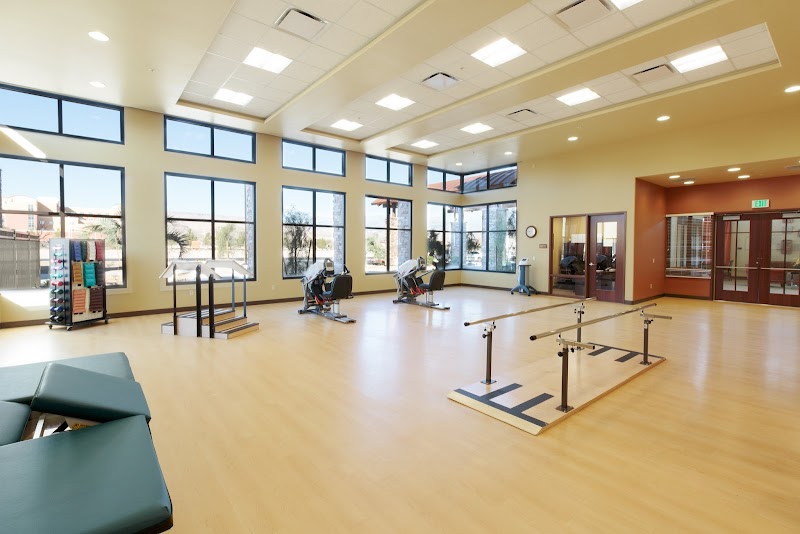
Who Owns and Operates Canyon Vista Post Acute?

CANYON VISTA POST ACUTE is owned by a for-profit company. For-profit facilities operate as businesses with obligations to shareholders or private owners. The facility is operated by PACS GROUP, a chain that manages multiple nursing homes. With 120 certified beds and approximately 117 residents (about 98% occupancy), it is a mid-sized facility located in LAS VEGAS, Nevada.
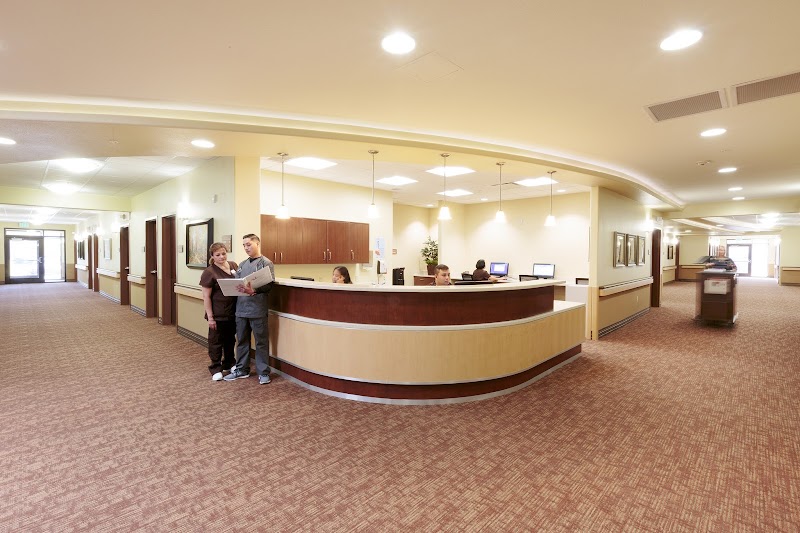
How Does Canyon Vista Post Acute Compare to Other Nevada Nursing Homes?

Compared to the 100 nursing homes in Nevada, CANYON VISTA POST ACUTE's overall rating (3 stars) is below the state average of 3.0, staff turnover (49%) is near the state average of 46%, and health inspection rating (2 stars) is below the national benchmark.

What Should Families Ask When Visiting Canyon Vista Post Acute?

Based on this facility's data, families visiting should ask: "What changes have been made since the serious inspection findings, and how are you preventing similar issues?" "Can you walk me through typical staffing levels on day, evening, and night shifts?" "Can I visit during a mealtime to observe dining assistance and food quality?" "How do you handle medical emergencies, and what is your hospital transfer rate?" These questions are particularly relevant given the facility's Immediate Jeopardy citations and the below-average staffing rating.

Is Canyon Vista Post Acute Safe?

Based on CMS inspection data, CANYON VISTA POST ACUTE has documented safety concerns. Inspectors have issued 1 Immediate Jeopardy citation (the most serious violation level indicating risk of serious injury or death). The facility has a 3-star overall rating and ranks #100 of 100 nursing homes in Nevada. Families considering this facility should ask detailed questions about what corrective actions have been taken since these incidents.

Do Nurses at Canyon Vista Post Acute Stick Around?

CANYON VISTA POST ACUTE has a staff turnover rate of 49%, which is about average for Nevada nursing homes (state average: 46%). Moderate turnover is common in nursing homes, but families should still ask about staff tenure and how the facility maintains care continuity when employees leave.

Was Canyon Vista Post Acute Ever Fined?

CANYON VISTA POST ACUTE has been fined $44,961 across 2 penalty actions. The Nevada average is $33,528. While any fine indicates a compliance issue, fines under $50,000 are relatively common and typically reflect isolated problems that were subsequently corrected. Families should ask what specific issues led to these fines and confirm they've been resolved.

Is Canyon Vista Post Acute on Any Federal Watch List?

CANYON VISTA POST ACUTE is not on any federal watch list. The most significant is the Special Focus Facility (SFF) program, which identifies the bottom 1% of nursing homes nationally based on persistent, serious quality problems. Not being on this list means the facility has avoided the pattern of deficiencies that triggers enhanced federal oversight. This is a positive indicator, though families should still review the facility's inspection history directly.