HARMON HOSPITAL - SNF
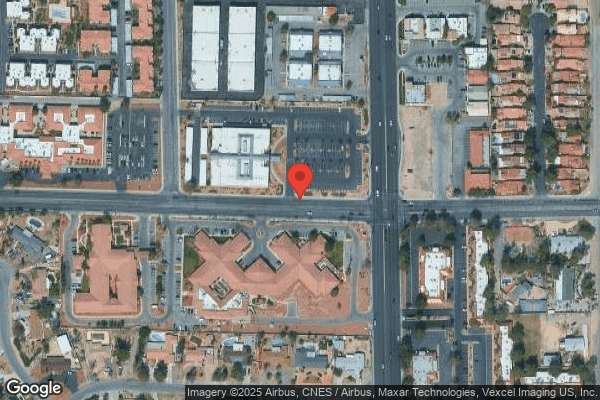

2170 EAST HARMON AVE, LAS VEGAS, NV 89119 (702) 794-0100
For profit - Corporation 10 Beds FUNDAMENTAL HEALTHCARE Data: November 2025
Trust Grade
78/100
#9 of 65 in NV
Last Inspection: January 2025

Within standard 12-15 month inspection cycle. Federal law requires annual inspections.

Overview

Harmon Hospital - SNF has a Trust Grade of B, which means it is a good choice but not without some concerns. It ranks #9 out of 65 facilities in Nevada, placing it in the top half, and #6 out of 42 in Clark County, indicating only five local options are better. The facility is improving, with the number of reported issues decreasing from four in 2024 to three in 2025. Staffing is a strength here, with a rating of 4 out of 5 stars and a 0% turnover rate, which is well below the state average. However, the facility has received fines totaling $8,018, which is concerning as it is higher than 95% of Nevada facilities, suggesting potential compliance issues. Despite its strengths, there are significant weaknesses. One serious incident involved a medication error where a resident received the wrong medication, resulting in hospitalization. Additionally, there were concerns regarding insufficient nursing oversight, as the Director of Nursing was only available for half of the required hours, and proper follow-up on advance directives for residents was not consistently documented. Overall, while Harmon Hospital - SNF has strengths in staffing and a solid reputation, families should be aware of the compliance issues and specific incidents that could impact resident care.

Trust Score
B
78/100
In Nevada
#9/65
Top 13%
Safety Record
Moderate
Needs review
Inspections
Getting Better
4 → 3 violations
Staff Stability
○ Average
Turnover data not reported for this facility.
Penalties
✓ Good
$8,018 in fines. Lower than most Nevada facilities. Relatively clean record.
Skilled Nurses
✓ Good
Each resident gets 257 minutes of Registered Nurse (RN) attention daily — more than 97% of Nevada nursing homes. RNs are the most trained staff who catch health problems before they become serious.
Violations
⚠ Watch
19 deficiencies on record. Higher than average. Multiple issues found across inspections.
★★★★★
5.0
Overall Rating
★★★★☆
4.0
Staff Levels
☆☆☆☆☆
0.0
Care Quality
★★★★★
5.0
Inspection Score
Stable
2024: 4 issues
2025: 3 issues

The Good

  • 4-Star Staffing Rating · Above-average nurse staffing levels
  • Full Sprinkler Coverage · Fire safety systems throughout facility
  • No fines on record

Facility shows strength in staffing levels, fire safety.

The Bad

Federal Fines: $8,018

Below median ($33,413)

Minor penalties assessed

Chain: FUNDAMENTAL HEALTHCARE

Part of a multi-facility chain

Ask about local staffing decisions and management

The Ugly 19 deficiencies on record

1 actual harm
Jan 2025 3 deficiencies
CONCERN (D)

Potential for Harm - no one hurt, but risky conditions existed

Deficiency F0694 (Tag F0694)

Could have caused harm · This affected 1 resident

**NOTE- TERMS IN BRACKETS HAVE BEEN EDITED TO PROTECT CONFIDENTIALITY** Based on observation, interview, record review and document review, the facility failed to ensure an indication for a midline (a...

Read full inspector narrative →
**NOTE- TERMS IN BRACKETS HAVE BEEN EDITED TO PROTECT CONFIDENTIALITY** Based on observation, interview, record review and document review, the facility failed to ensure an indication for a midline (an intravenous access inserted into a vein for administration of medications) was obtained from a physician for a resident who was admitted with a midline for 1 of 7 sampled residents (Resident 7). The deficient practice placed the resident at risk for infection related to the invasive medical device. Findings include: Resident 7 (R7) R7 was admitted on [DATE], with diagnoses including cellulitis of left foot and diabetes mellitus. On 01/28/2025 at 9:14 AM, R7 was awake and alert in bed. A left upper arm single lumen midline was observed covered with transparent dressing dated 01/22/2025. R7 indicated being on intravenous (IV) antibiotics while in the hospital for a left foot infection. R7 indicated the midline had not been used at this facility and no staff or provider had discussed whether the midline needed to be maintained or discontinued. There were no IV supplies (pole, pump, empty IV bags) observed in the resident's room. An admission nursing note dated 01/21/2025, documented R7 was admitted with a left upper arm midline. A hospital midline procedural note dated 11/14/2024, revealed a midline was inserted into R7's left upper arm on 11/14/2024 for antibiotic therapy. Review of hospital records revealed R7 was on IV antibiotic therapy from 11/14/2024 until 11/29/2024 and the infectious disease team documented R7's infection status as resolved on 12/08/2024. Hospital records lacked documented evidence on whether R7's midline was to be maintained or removed due to completion of antibiotic therapy and whether a nurse clarified with a physician regarding plans for R7's midline prior to discharge to the skilled nursing facility (SNF). R7's medical record lacked documented evidence nursing staff from the SNF obtained clarification orders from a physician on whether R7's midline was to be maintained or removed due to non-use. The medical record revealed R7 did not have any IV medication orders on admission. On 01/29/2025 in the morning, the Registered Nurse (RN) confirmed R7 was admitted with a midline which the RN flushed daily. The RN confirmed R7's midline was not in use because the resident did not have any IV medication orders. The RN indicated not knowing what the plans were for R7's midline and acknowledged not having discussed R7's midline with the provider. On 01/29/2025 at 11:21 AM, the Director of Nursing (DON) reviewed R7's medical record and confirmed the midline was last used in the hospital for antibiotic therapy on 12/08/2024 after the resident's infection status was deemed resolved. The DON stated the admission nurse, or any nurse assigned to R7 should have obtained clarification orders from a physician on whether the resident's midline was to be maintained or removed. The DON verbalized the midline was an invasive device and should not stay longer than needed because it would place the resident at a higher risk for an infection. On 01/29/2025 at 11:41 AM, the DON entered R7's room and confirmed the presence of a left upper arm midline covered with transparent dressing. The DON was present when R7 stated the midline had not been used in weeks and no staff or provider had discussed plans for the midline with the resident. On 01/29/2025 at 12:06 PM, the Nurse Practitioner (NP) indicated expecting nurses to obtain justification orders for midlines especially for residents who were admitted with IV accesses but did not have any IV medication orders. The NP indicated midlines should not be kept longer than necessary because it placed residents at a higher risk for an infection. The admission Infection Control policy revised 05/15/2023, documented invasive devices would be reviewed for residents who were being admitted with invasive devices. The Admitting a Resident policy revised 05/05/2023, documented the facility utilized Lippincott Nursing Procedures ninth edition as a professional standard of practice. The Lippincott Nursing Procedure (ninth edition), documented midline catheters were used to safely administer medications into the bloodstream and required an indication for use such as parenteral nutrition, IV fluid replacement and IV medications. Midline catheters were removed when no longer needed.
CONCERN (D)

Potential for Harm - no one hurt, but risky conditions existed

Deficiency F0730 (Tag F0730)

Could have caused harm · This affected 1 resident

Based on interview and document review, the facility failed to ensure an annual performance evaluation was completed for 3 of 6 Certified Nursing Assistants (Employee 3, 9, and 11). The failure to com...

Read full inspector narrative →
Based on interview and document review, the facility failed to ensure an annual performance evaluation was completed for 3 of 6 Certified Nursing Assistants (Employee 3, 9, and 11). The failure to complete the performance evaluation of the Certified Nursing Assistants (CNAs) in a timely manner could potentially compromise the quality of care provided to the residents. Findings include: The Personnel Records Checklist dated 01/29/2025 documented the following: Employee 3 was hired on 11/22/2019 as CNA. Employee 3 lacked an annual performance evaluation. Employee 9 was hired on 08/19/2019 as CNA. Employee 9 lacked an annual performance evaluation. Employee 11 was hired 09/13/2019 as CNA. Employee 11 lacked an annual performance evaluation. On 01/29/2025 at 11:39 AM, the Human Resources Director confirmed the Personnel Records Checklist was accurate and the three CNAs listed lacked an annual performance evaluation. The Human Resources Director acknowledged an annual performance evaluation should have been completed. On 01/30/2025 at 11:55 AM, the Administrator acknowledged CNA annual performance evaluations should have been completed annually on the month of the CNA's hire date. The Administrator explained the annual performance evaluation would have assisted the facility to ensure the CNAs training was up to date and identify areas where the CNAs needed more training and education. A facility policy titled Performance Evaluations revised 01/2007, documented performance evaluations would be completed at the 90-day introductory period and annually according to entity practices. The purpose of the performance evaluations were to assess an employee's achievements, determine areas where improvement may be needed, and establish goals for the upcoming performance period.
CONCERN (D)

Potential for Harm - no one hurt, but risky conditions existed

Food Safety (Tag F0812)

Could have caused harm · This affected 1 resident

Based on observation, interview and document review, the facility failed to ensure the kitchen was maintained in a sanitary manner, food items were stored in accordance with facility protocol and expi...

Read full inspector narrative →
Based on observation, interview and document review, the facility failed to ensure the kitchen was maintained in a sanitary manner, food items were stored in accordance with facility protocol and expired food items were discarded. The deficient practice had the potential to place residents at risk for food borne illnesses. Findings include: On 01/28/2025 at 7:40 AM, a tour of the kitchen revealed the following concerns: 1. A tin can with no handle was observed inside a bulk container of flour. The Kitchen [NAME] indicated the bulk container had a 50-pound (lb.) capacity and contents must be accessed with a scooper with handle to prevent hand contamination. Furthermore, the hand scooper must never be left inside the bulk container for sanitary reasons. 2. A commercial-size double oven with five racks each was described by the [NAME] to be very dirty, with heavy grease build-up on oven doors and racks and crumbs on oven floor. The [NAME] indicated the oven should be cleaned at least once a week but had not been cleaned for two weeks due to resignation of the former dietary manager two weeks ago. The [NAME] indicated a dirty oven placed food at risk for cross contamination and was a fire hazard due to heavy grease build-up. 3. The topmost rack inside the walk-in freezer was observed to have dirt build-up. The [NAME] confirmed the topmost rack which had food items stored underneath had dust build-up because delegation of cleaning tasks had not been clearly assigned since the former dietary manager resigned two weeks ago. 4. A metal pan containing cooked ground meat was observed uncovered inside the freezer. The [NAME] indicated the metal pan contained 20 lbs. of cooked ground beef which would be used later in the day. The [NAME] acknowledged all food items in the freezer must be covered until time of actual use for sanitation reasons and to preserve food quality and taste. On 01/28/2025 at 8:15 AM, the Lead [NAME] confirmed the following observations inside the dry storage room of the kitchen: -Six bottles Dijon mustard with expiration date 12/09/2024 -Fifteen boxes of powdered sugar with expiration date 10/14/2024 -Two bottles of salted caramel syrup with expiration date June 2024 - Seven pouches of chocolate pie filling expiration October 2024 On 01/28/2025 at 8:20 AM, the Lead [NAME] confirmed the expired food items and explained the former dietary manager resigned two weeks ago and the lead cook was new to the job role. The Lead [NAME] indicated delegation of kitchen tasks which included cleaning and inspection of storage areas for discarding of expired food items was a process the Lead [NAME] was still learning. On 01/28/2025 at 9:17 AM, the Administrator explained the Kitchen Sanitation Audit Tool was a form which itemized all necessary kitchen tasks from cleaning to inspection of equipment and food storage areas. The Administrator explained the former dietary manager was responsible for completion of the form, but the dietary manager resigned two weeks ago which may have resulted in kitchen tasks not being done. The Administrator indicated the Lead [NAME] was new to the position and was still in the process of learning how to delegate kitchen tasks. The Sanitation and Food Safety policy revised 06/20/2023, documented sanitation practices were followed to minimize the risk of contamination of food preventing food borne illnesses. The Dietary Manager monitored sanitation of the kitchen and developed, implemented and monitored a cleaning schedule wherein tasks were assigned to specific individuals which would include a cleaning schedule for each area and piece of equipment in the kitchen. The Food Safety - receiving and storage policy revised 06/20/2023, documented staff would check for expiration dates to assure dates were within acceptable parameters. Refrigerated foods were properly covered, labeled and dated.
Jan 2024 4 deficiencies 1 Harm
SERIOUS (G) 📢 Someone Reported This

A family member, employee, or ombudsman was alarmed enough to file a formal complaint

Actual Harm - a resident was hurt due to facility failures

Deficiency F0760 (Tag F0760)

A resident was harmed · This affected 1 resident

**NOTE- TERMS IN BRACKETS HAVE BEEN EDITED TO PROTECT CONFIDENTIALITY** Based on observation, interview, record review, and document review, the facility failed to ensure resident identification was v...

Read full inspector narrative →
**NOTE- TERMS IN BRACKETS HAVE BEEN EDITED TO PROTECT CONFIDENTIALITY** Based on observation, interview, record review, and document review, the facility failed to ensure resident identification was verified before administering the medication for 1 of 8 sampled residents. The deficient practice resulted in a medication error and resident's hospitalization compromising the resident's safety and well-being. Findings include: Resident 9 (R9) R9 was admitted on [DATE], with diagnoses including seizures and right-sided weakness. The Facility Report, dated [DATE], documented R9 participated in the activities program when a hospital nurse arrived and administered oral medications to R9 intended for another patient/resident. About 30 minutes later, R9 became unresponsive, leading to a Code Blue (a hospital emergency code used to describe the critical status of a patient/resident) being called. R9 regained consciousness and was then transported to the hospital via emergency medical services (EMS). The Emergency Transport System dated [DATE], documented R9's reason for transfer was unresponsiveness. The facility Root Cause Analysis (RCA) Worksheet dated [DATE], documented R9 was in dayhab (shared activity area) participating in table activities and became unresponsive without a pulse, no respiration was noted. Code blue was called, and chest compression and respiratory support had been initiated. R9 had been revived and was transported to the hospital via EMS. The facility RCA documented the medications intended to another resident were administered to R9 by mouth on [DATE] at 10:30 AM as follows: -Hydrochlorothiazide 12.5 milligrams (mg) -Losartan 25 mg -Coreg 37.5 mg -Amlodipine 10 mg The facility RCA Human Factors Relevant to Outcome documented the following failures to implement: -Failure to follow policy or procedure (the nurse did not use two patient/resident identifiers) -Inability to focus on task -Poor critical thinking skills -lack of clarity on the resident's photo The History and Present Illness dated [DATE], documented R9 presented from the facility via EMS after R9 was noted to fall towards the right side. While en route with EMS, R9's heart rate was 50's and blood pressure was 95/60. Due to hypotension, R9 underwent evaluation by stroke neurology and was treated. On [DATE] at 1:05 PM, the Administrator indicated the incident had been complicated. R9, a resident from the skilled nursing facility (SNF) side, was in the dayhab along with hospital patients, and incorrect medications were administered to R9. A hospital Licensed Practical Nurse (LPN) mistakenly identified R9 as a hospital patient and administered medication not intended for R9. On [DATE] at 1:13 PM, the Chief Nursing Officer (CNO) indicated the LPN who committed the medication error on [DATE], was a hospital employee and still employed, but unavailable for interview. The CNO indicated when R9 coded and transported to the hospital, the LPN voluntarily admitted the medication error due to the failure to identify R9 before administering the medication. The CNO indicated the incident was investigated and substantiated, and the LPN was disciplined. The CNO indicated the medication error resulted in R9's hospitalization due to adverse effects. On [DATE] at 1:16 PM, a Registered Nurse (RN) indicated was the house supervisor at the time of the incident on [DATE]. An RN indicated the hospital LPN failed to verify the correct patient or resident and administered the medications to R9 intended for another patient/resident. The RN indicated R9 had no identification (ID) band at the time; probably it had been accidentally removed, and the LPN relied on the patient/resident's photo and assumed R9 to be the right resident. The RN indicated R9 was verbally responsive and could verbalize the name if the LPN had asked. The RN indicated the LPN was not familiar with R9, and two identifiers should have been implemented for safety. On [DATE] at 1:54 PM, a Health Unit Coordinator (HUC) was on duty at the time of the incident. The HUC indicated was responsible in making resident's ID bands. The HUC indicated R9 was ambulatory with a walker and verbally alert with confusion. The HUC indicated was told R9 had no ID band after the fact, but no one requested or advised R9 needed an ID band. The HUC indicated the nurses were responsible for ensuring the placement of the resident ID band especially during medication pass. On [DATE] at 2:18 PM, the CNO explained the scanning of the resident's identification had not yet been linked to the pharmacy, but the process of resident identification using at least two identifiers was intended to remain unchanged. The CNO explained the nurses were educated to identify the resident through the resident's ID band; if a resident could verbalize, the resident was to state their name, or nurses were to verify the resident's photo in the computer system. The CNO further explained the nurses were required to confirm the resident's identity before proceeding with the medication administration. The CNO acknowledged the medication error incident took place on [DATE], which revealed a lapse in practice where staff members deviated from the established procedure for identifying residents, resulting in errors in medication administration and hospitalization of R9. On [DATE] at 3:10 PM, the Administrator indicated the medication error could have been prevented if the resident's ID band was in place and proper resident identification was implemented. The hospital Discharge summary dated [DATE], documented R9 was transferred from the SNF to the hospital. R9 had a brief loss of consciousness. The CT head showed no acute infarct of hemorrhage upon arrival, but the resident did receive treatment following admission, was admitted to the ICU, and was able to downgrade after appropriate monitoring. The resident was clinically stable and would be transferred back to the sending facility. A facility policy titled Medication Management Program dated [DATE], documented the licensed nurse must identify the resident before administering any medication. A facility policy titled Medication Management-Medication Errors: Prevention, Identification and Management of dated [DATE], the facility should strive to prevent medication errors and identify and manage them appropriately when they occur, ensuring residents were free of any significant medication errors. The staff should strive to minimize the potential for medication by following the eight rights for administering medication, including the right resident. Following the medication error incident with R9 on [DATE], the facility had implemented the following corrective actions: - During the survey all residents were observed with identification bands. - A root cause analysis was completed and incorporated with Quality Assurance Performance Improvement project. - Re-education on a one-to-one basis with the Chief Nursing Officer. - Assignment of further education modules for all nursing staff. - Development of a nursing staff module to remind/reiterate the importance of following the five rights to all licensed nurses. - Inclusion in education module on safe medication administration the direct care staff as the eyes and ears of direct patient care. - The facility has been working with pharmacy to ensure scanning of identification band during the medication administration. FRI #NV00069521
CONCERN (D)

Potential for Harm - no one hurt, but risky conditions existed

Deficiency F0565 (Tag F0565)

Could have caused harm · This affected 1 resident

Based on observation, interview, record review, and document review, the facility failed to: 1) act promptly on a concern voiced by the resident council, and 2) demonstrate a response and rationale fo...

Read full inspector narrative →
Based on observation, interview, record review, and document review, the facility failed to: 1) act promptly on a concern voiced by the resident council, and 2) demonstrate a response and rationale for resident concerns was communicated back to the members of the resident council. The deficient practices had the potential to adversely affect all residents residing in the facility skilled nursing unit. Findings include: On 01/10/2024, review of the past six months of resident council meeting minutes revealed the following: The Resident Council Meeting Minutes form dated 06/29/2023 revealed four residents had attended. The residents had voiced a concern there were insufficient food and evening snacks provided. The form lacked documented evidence of action taken or of the communication of the rationale to members of the resident council. The Resident Council Meeting Minutes form dated 07/20/2023 revealed three residents had attended. The residents had voiced a concern there was not enough food for dinner and a need for more evening snacks. The form lacked documented evidence of action taken or of the communication of the rationale to the resident council. The Resident Council Meeting Minutes form dated 08/24/2023 revealed three residents had attended. The residents had voiced a concern there was a need for more snacks throughout the day, and requested the snacks include sandwiches and chips. The form lacked documented evidence of action taken or of the communication of the rationale to the resident council. The Resident Council Meeting Minutes form dated 10/26/2023 revealed three residents had attended. The residents had voiced a concern there was a need for more snacks during the day. The form documented action taken included more PBJ and meat sandwiches in place. The persons responsible were listed as Kitchen Dietician. The form lacked documented evidence the action taken was communicated to the resident council. On 01/10/24 at 09:02 AM three members of the resident council, including the President, verbalized snacks were given when requested, as available. After hours when the kitchen was closed, there were sometimes not enough sandwiches available. The residents verbalized peanut butter and jelly, or meat sandwiches were the preferred snack. The residents revealed when sandwiches were unavailable, Jello, soda crackers, and milk were given instead. The residents verbalized they had requested more snacks, particularly sandwiches, to be made available to the skilled nursing residents at multiple resident council meetings. The residents reported there had been some improvement in the supply, but no complete resolution, as the sandwiches continued to run out sometimes. On 01/10/2024, in the morning, the Resident Council President verbalized they had not been informed by facility staff of any response or rationale regarding the council's concern about being furnished with more snacks and sandwiches. On 01/10/24 in the afternoon the Dietary Services Supervisor (DSS) verbalized snacks were prepared and sent out to the skilled nursing unit several times a day and stocked in a nourishment room near that unit. The DSS verbalized not being aware the residents had requested increased quantities of snacks, especially sandwiches. The DSS reported they had not been briefed by other staff and had never seen the resident council meeting minutes or knew of their existence. On 01/10/24 in the afternoon, the Registered Dietician verbalized not being aware or informed of any resident interested in more snacks. On 01/10/2024, in the afternoon, the Activity Director (AD) verbalized they attended the resident council meetings and wrote down in the meeting minutes any concerns the residents voiced. The AD would then report the concerns to the Social Work Director. The AD revealed the Social Work Director then reported either to the department personnel who could act, or to the Administrator. On 01/10/2024, in the afternoon, the AD reviewed the meeting minutes and verified there was no documented evidence of action taken on the forms for June, July, and August, and no communication of the rationale to the resident council on any of the forms. The AD was unable to identify the individual who had acted as documented in the October meeting minutes. The AD verbalized they were responsible for documenting actions taken on the form but had not done so. The AD verbalized at present, there was no formal process in place for reporting actions taken by the facility to be communicated back to the resident council. On 01/10/2024, in the afternoon, the Social Work Director had been unavailable for interview. On 01/10/2024, in the afternoon, the Administrator (ADM) reviewed the resident council meeting minutes and verbalized there had been a lack of a documented action in response to the resident requests for more snacks for at least three of the monthly meetings. The ADM reported not being furnished with these meeting minutes. The ADM reported there was no documented evidence the resident council members had been informed of actions taken, or a rationale, but there should have been evidence of that. The ADM reported they had not been included in the communication loop for the resident council process but should have been. The facility policy and procedure titled Patient/Resident Council or Group, revised 09/01/2022, indicated the facility assisted residents to form a resident council which met monthly. Minutes of each meeting would be documented on the Resident Council Meeting Minutes form. The resident council could voice group concerns. The Activities Director would follow up on and provide feedback on the council's concerns. For concerns mentioned at meetings identified as a grievance, the Complaints/Grievances Process policy would be followed. The facility policy and procedure titled Complaints/Grievances Process, dated 11/06/2023, indicated after receiving a complaint or grievance, facility leadership would seek a problem resolution and would keep residents informed of the progress toward resolution.
CONCERN (D)

Potential for Harm - no one hurt, but risky conditions existed

Pharmacy Services (Tag F0755)

Could have caused harm · This affected 1 resident

**NOTE- TERMS IN BRACKETS HAVE BEEN EDITED TO PROTECT CONFIDENTIALITY** Based on observation, interview, record review, and document review, the facility failed to ensure the availability of medicatio...

Read full inspector narrative →
**NOTE- TERMS IN BRACKETS HAVE BEEN EDITED TO PROTECT CONFIDENTIALITY** Based on observation, interview, record review, and document review, the facility failed to ensure the availability of medication, and the pharmacy provided the scheduled medications as ordered for 1 of the 10 sampled residents (Resident 5). This deficient practice posed the potential for adverse health effects, compromised treatment outcomes, and an increased likelihood of medication-related complications. Findings include: Resident 5 (R5) R5 was admitted on [DATE], with diagnoses including epilepsy and acute embolism. A Physician order dated 11/16/2023, documented Apixaban (Eliquis) 5 milligrams (mg) by mouth twice daily for deep vein thrombosis. On 01/10/2024 at 8:05 AM, during medication pass, a Registered Nurse (RN) prepared R5's medications except Apixaban mg. An RN indicated Apixaban was unavailable and would follow up with the pharmacy. An RN indicated there was no emergency medication dispenser on the skilled nursing facility (SNF) side but only in the hospital, which the nurses had no access to. An RN indicated the Apixaban had been requested already, but the pharmacy had not delivered. The Refill Reorder Form dated 01/08/2024, which documented R5's Apixaban refill was reordered on 01/09/2024 at 12:23 AM, faxed to the pharmacy and confirmed it was received. On 01/10/2024 at 11:30 AM, the Resident Care Manager (RCM) indicated the process was to request the medication ahead if the supply ran low to prevent a delay in administration. The RCM indicated the nurses were expected to ensure the medications were available and administer them as ordered. On 01/10/2024 at 3:06 PM, the pharmacist indicated Apixaban was ordered and was not delivered because the facility was obtaining the medication from the emergency medication dispenser as normal procedure. The Pharmacist indicated there was no record of Apixaban being delivered for R9. On 01/10/2024 at 3:20 PM, the Chief Nursing Officer (CNO) stated the Apixaban had been ordered and faxed to the pharmacy but was not delivered as ordered. The CNO specified the Apixaban was a scheduled anticoagulant medication, and the pharmacy was supposed to deliver it promptly. The CNO mentioned the pharmacy confirmed receiving the request for Apixaban and, if unable to deliver, was expected to communicate, but no correspondence was documented. The CNO indicated it was not the normal procedure to obtain the Apixaban from the emergency medication dispenser on the SNF side because the SNF area had no dedicated dispensing machine, unlike the hospital. The CNO indicated the pharmacy should have delivered the requested medication and communicated if it was unable to do so. A facility policy titled Medication Procurement-Medication Shortages and Unavailable Medication dated 04/01/2022, documented the facility's ability to ensure there was always an adequate supply of medication available to administer to a resident at all times.
CONCERN (D)

Potential for Harm - no one hurt, but risky conditions existed

Unnecessary Medications (Tag F0759)

Could have caused harm · This affected 1 resident

**NOTE- TERMS IN BRACKETS HAVE BEEN EDITED TO PROTECT CONFIDENTIALITY** Based on observation, interview, record review, and document review, the facility failed to ensure their medication error rate w...

Read full inspector narrative →
**NOTE- TERMS IN BRACKETS HAVE BEEN EDITED TO PROTECT CONFIDENTIALITY** Based on observation, interview, record review, and document review, the facility failed to ensure their medication error rate was not five percent (%) or greater when five errors were identified with 29 opportunities observed, resulting in an error rate of 17.24%. Failure to reduce the medication error rate to less than 5% could lead to an adverse drug reaction from an overdose or underdose, which can cause harm or injury to the resident. Findings include: Resident 5 (R5) R5 was admitted on [DATE], with diagnoses including epilepsy and acute embolism. A Physician order dated 11/16/2023, documented Apixaban (Eliquis) 5 milligrams (mg) by mouth twice daily for deep vein thrombosis. On 01/10/2024 at 8:05 AM, during medication pass, a Registered Nurse (RN) prepared R5's medications except Apixaban 5 mg. An RN indicated Apixaban was unavailable and would follow up with the pharmacy. An RN indicated there was no emergency medication dispenser on the skilled nursing facility (SNF) side but only in the hospital, which the nurses had no access to. An RN confirmed the Apixaban was not administered due to unavailability. On 01/10/2024 at 11:30 AM, the Resident Care Manager (RCM) indicated the process was to request the medication ahead of time if the supply was low to prevent a delay in administration. The RCM mentioned the nurses were expected to ensure the medications were available and administer them an hour before and after the prescribed time. Resident #3 (R3) R3 was admitted on [DATE], with diagnoses including an unstageable sacral pressure ulcer, surgical amputation, and femur-displaced fracture. A Physician order dated 12/16/2023, documented Dextrose 50% in water intravenously for hypoglycemia. A Physician order dated 12/20/2023, documented Lidocaine 5% to apply two patches topically at 9 AM to the left and right abdomen daily for chest wall muscle pain. A Physician order dated 01/05/2024, documented Guaifenesin (Mucinex) 600 mg to be given by mouth twice daily at 9:00 AM and 9:00 PM for cough. A Physician order dated 01/09/2024, documented Saccharomyces Boulardii (Florastor) 250 mg capsule to be given by mouth twice daily at 9:00 AM and 9:00 PM for gut wellness. On 01/10/2024 at 8:27 AM, an RN prepared R3's medications except the following: -Dextrose -Mucinex -Lidocaine -Florastor On 01/10/2024 at 11:30 AM, an RN confirmed the following medications were active orders: Dextrose, Mucinex, Lidocaine Patch, and Florastor. An RN indicated the medications were scheduled and available but were not administered during the medication pass because they were not showing in the computer system. The RN explained the medications should have been administered one (1) hour in advance or 1 hour later than the prescribed time. The RN confirmed the medications were not administered timely as ordered. On 01/10/2024 at 11:37 AM, the RCM confirmed the medications were active and should have been administered timely as ordered and for deviations, the physician should have been notified. On 01/10/2024 at 11:50 AM, the CNO acknowledged medications were not administered timely as ordered. The CNO indicated the staff were to ensure medications were available and administer them 1 hour before or 1 hour after the prescribed medication pass time. A facility policy titled Medication Management-Medication Errors: Prevention, Identification and Management of dated 04/01/2022, the facility should strive to prevent medication errors and identify and manage them appropriately when they occur, ensuring medication error rates were not 5 percent or greater. The staff should strive to minimize the potential for medication by following the eight rights for administering medication, including the right time, and should implement and follow physician orders. A facility policy titled Medication Management Program dated 05/05/2023, documented the medications were administered no more than 1 hour before or 1 hour after the designated medication pass time.
Jan 2023 12 deficiencies
CONCERN (D) 📢 Someone Reported This

A family member, employee, or ombudsman was alarmed enough to file a formal complaint

Potential for Harm - no one hurt, but risky conditions existed

Resident Rights (Tag F0550)

Could have caused harm · This affected 1 resident

**NOTE- TERMS IN BRACKETS HAVE BEEN EDITED TO PROTECT CONFIDENTIALITY** Based on interview, record review and document review, the facility failed to ensure a resident was treated with dignity and res...

Read full inspector narrative →
**NOTE- TERMS IN BRACKETS HAVE BEEN EDITED TO PROTECT CONFIDENTIALITY** Based on interview, record review and document review, the facility failed to ensure a resident was treated with dignity and respect by a staff member for 1 of 8 sampled residents (Resident #60). The failure to treat a resident with respect and dignity had the potential for a psychosocial outcome such as depressed mood and humiliation. Findings include: Resident #60 (R60) R60 was admitted on [DATE], with diagnoses including systemic lupus erythematosus, major depressive disorder, and anxiety disorder. On 01/10/2023 at 9:23 AM, R60 was sitting in a bed inside the resident's room, alert, and oriented. R60 revealed having an undesirable weight gain. R60 indicated a staff member spoke to the resident and had been making comments about the resident's weight and how much the resident gained weight. The resident acknowledged not being comfortable with the staff member's comments and made the resident feel bad. R60 indicated the staff member was not respectful and the comments about the resident's weight made the resident feel not great about themselves. On 01/10/2023 at 9:54 AM, the Administrator explained not receiving any report about R60's concerns nor complaints from other residents about the staff member. The Administrator indicated an investigation about R60's allegation would be initiated. On 01/11/2023 at 12:26 PM, the Director of Social Services revealed the staff members were expected to be professional in their interaction with the residents. On 01/12/2023 at 7:46 AM, a Licensed Practical Nurse (LPN) explained each resident should have been treated with dignity and respect. On 01/13/2023 at 3:21 PM, the Administrator revealed the staff members were expected to treat all residents with dignity and respect, communicate honestly with residents and should have been aware of cultural differences. The Administrator confirmed R60's allegation was substantiated because the resident's perception had to be honored. The resident felt staff member's comment were hurtful and the facility had to go with resident's perception. The facility's policy titled Patient/Resident Rights dated 10/01/2020, documented the facility would treat each resident with respect and dignity. Facility Reported Incident #NV00067753
CONCERN (D)

Potential for Harm - no one hurt, but risky conditions existed

Deficiency F0572 (Tag F0572)

Could have caused harm · This affected 1 resident

**NOTE- TERMS IN BRACKETS HAVE BEEN EDITED TO PROTECT CONFIDENTIALITY** Based on observation, interview, record review and document review the facility failed to provide admission documents including ...

Read full inspector narrative →
**NOTE- TERMS IN BRACKETS HAVE BEEN EDITED TO PROTECT CONFIDENTIALITY** Based on observation, interview, record review and document review the facility failed to provide admission documents including a copy of resident rights in a form understandable by a resident for 1 of 8 sampled resident (Resident #3). Failure in accommodating a resident's dominant language prevented the enhancement of quality of life, not recognizing each resident's individuality. Findings include: Resident #3 (R3) R3 was admitted on [DATE] with diagnoses including hemiplegia following a cerebral accident and dementia without behavioral disturbance. On 01/10/23 at 10:35 AM, observation of R3's room revealed the resident was lying in bed and noted to be only Spanish speaking. The resident had a hard time communicating. There was no communication board for the resident to communicate to any person entering the room. The nurse in the unit indicated the resident mostly spoke Spanish and could verbalize basic needs. On 01/12/2023 at 1:05 PM, the admission nurse indicated discussing the admission packet was part of completing admissions for residents. The admission nurse confirmed the welcome packet should have been provided in the dominant language for the resident. On 01/13/2023 at 9:38 AM, a resident interview with a language line interpreter confirmed the resident could understand a little English and could read very little English. R3 conveyed to the interpreter preferring to receive materials in Spanish. On 01/13/2023 at 10:02 AM, the Resident Care Manager confirmed R3 was predominantly Spanish speaking and admission materials should have provided in Spanish. The facility [NAME] of Rights information provided to residents upon admission documented the resident had the right to and was encouraged to obtain from physicians and other direct caregivers, relevant, current, and understandable information. The facility policy titled Resident - Impaired Communication/ Limited English Proficient dated 12/09/2020, documented written notices such as Resident Rights, Facility Policy, Transfer/Discharge Notices, Room Change, will be provided in a language the resident understands.
CONCERN (D)

Potential for Harm - no one hurt, but risky conditions existed

Deficiency F0676 (Tag F0676)

Could have caused harm · This affected 1 resident

**NOTE- TERMS IN BRACKETS HAVE BEEN EDITED TO PROTECT CONFIDENTIALITY** Based on observation, interview and document review the facility failed to ensure a non-English speaking resident was provided c...

Read full inspector narrative →
**NOTE- TERMS IN BRACKETS HAVE BEEN EDITED TO PROTECT CONFIDENTIALITY** Based on observation, interview and document review the facility failed to ensure a non-English speaking resident was provided communication tools for 1 of 8 sampled resident (Resident #3). Failure to provide communication tools for a non-English speaking resident had the potential to inhibit the provision of daily care including participation in facility activities. Findings include: Resident #3 (R3) R3 was admitted on [DATE] with diagnoses including hemiplegia following a cerebral accident and dementia without behavioral disturbance. On 01/10/23 at 10:35 AM, observation of the room revealed the resident was lying in bed and noted to be only Spanish speaking. The resident had a hard time communicating. There was no communication board for the resident to communicate to any person entering the room. The nurse in the unit indicated the resident mostly spoke Spanish and could verbalize basic needs. On 01/12/2023 at 1:05 PM, the admission nurse indicated assessment of resident communication needs should be addressed upon admission. Interventions could be put into place for the resident to communicate with staff. On 01/13/2023 at 09:38 AM, R3 interview with a language line interpreter confirmed the resident could understand a little English and could read very little English. R3 conveyed to the interpreter having limited communication with staff. On 01/13/2023 at 10:02 AM, the nurse confirmed the resident would be able to use call bell and the resident could communicate basic needs. The nurse confirmed having a hard time understanding the resident at time and acknowledged the resident could benefit from a commutation board with pictures to ease communication with the resident and to avoid confusion with what the patient needs. On 01/13/2023 at 10:02 AM, the Resident Care Manager confirmed R3 was predominantly Spanish speaking and communication materials should have provided to aide communication. The facility policy titled Resident - Impaired Communication/ Limited English Proficient dated 12/09/2020, documented communication boards or other tools may be utilized to assist with communication needs.
CONCERN (D)

Potential for Harm - no one hurt, but risky conditions existed

Deficiency F0697 (Tag F0697)

Could have caused harm · This affected 1 resident

**NOTE- TERMS IN BRACKETS HAVE BEEN EDITED TO PROTECT CONFIDENTIALITY** Based on interview, record review and document review the facility failed to ensure pain assessments were completed for a reside...

Read full inspector narrative →
**NOTE- TERMS IN BRACKETS HAVE BEEN EDITED TO PROTECT CONFIDENTIALITY** Based on interview, record review and document review the facility failed to ensure pain assessments were completed for a resident receiving as needed (PRN) pain medications for 1 of 8 sampled residents (Resident #4). The failure of assessing a pain level prevented the monitoring of the effectivity of the pain management for the resident. Findings include: Resident #4 (R4) R4 was admitted on [DATE], with diagnoses including open wound of the left lower leg and methicillin resistant staphylococcus aureus infection of the wound. R4 had a physician order dated 12/30/2022, for Hydrocodone 10 milligram (mg)/325mg given every four hours PRN for pain. R4's medication administration record (MAR) reveled the following Hydrocodone 10mg/325mg medication was given: 01/12/2023 - 4:00 AM- no entry 01/11/2023 - 9:10 PM - no entry 01/11/2023 - 6:06 PM - 8/10 bilateral lower leg (BLE) pain 01/11/2023 - 1:57 PM - 8/10 BLE pain 01/11/2023 - 9:01 AM - 8/10 leg pain 01/11/2023 - 4:57 AM - c/o BLE pain 8/10 01/11/2023 - 12:36 AM - c/o BLE pain 8/10 01/10/2023 - 9:37 PM - no entry 01/10/2023 - 5:28 PM - no entry 01/09/2023 - 10:12 PM - no entry 01/09/2023 - 4:30 AM - no entry On 01/11/2023 at 1:55 PM, a license practical nurse (LPN) confirmed the comments section had no entries for pain level. The LPN indicated pain levels were to be documented at the shift SNF System Review or the comment section of the MAR upon administering the PRN pain medication. R4's medical record lacked documented evidence the nurses were documenting pain assessments on the system review assessments. On 01/12/2023 at 2:57 PM, the resident care manager (RCM) confirmed the finding and indicated the expectation was for nurses to document the pain level/assessment in the comment section of the MAR with each administration. The facility policy titled Pain Management revised 06/09/2022, documented ongoing evaluations of resident's pain will be completed by the staff every shift and documented on the fifth vital sign on the residents MAR.
CONCERN (D)

Potential for Harm - no one hurt, but risky conditions existed

Medication Errors (Tag F0758)

Could have caused harm · This affected 1 resident

**NOTE- TERMS IN BRACKETS HAVE BEEN EDITED TO PROTECT CONFIDENTIALITY** Based on interview, record review and document review, the facility failed to ensure a PRN (as needed) psychotropic medication w...

Read full inspector narrative →
**NOTE- TERMS IN BRACKETS HAVE BEEN EDITED TO PROTECT CONFIDENTIALITY** Based on interview, record review and document review, the facility failed to ensure a PRN (as needed) psychotropic medication was ordered no longer than 14 days or a justification for the PRN order to be extended beyond 14 days was documented for 1 of 8 sampled residents (Resident #1). The failure to ensure the prolonged use of a PRN psychotropic medication was justified could potentially result in unnecessary use of the medication. Findings include: Resident #1 (R1) R1 was admitted on [DATE], with diagnoses including major depressive disorder, generalized anxiety disorder, and suicidal ideation. R1's medical record contained the following physician's orders: - Trazodone Hydrochloride (HCl) 100 milligrams (mg) by mouth once daily at bedtime PRN if Melatonin not effective. Indication: insomnia. Order date/Start date was 12/03/2022. Stop date was 01/02/2023. Duration: 30 days. The order was discontinued on 12/22/2022 due to order replacement. - Trazodone HCl 100 mg by mouth once daily at bedtime PRN. Indication: insomnia. Order date/Start date was 12/22/2022. Stop date was 01/21/2023. Duration: 30 days. R1's Medication Administration Record documented the resident received the PRN Trazodone HCl on the following dates: - 12/03/2022 - 12/14/2022 - 12/21/2022 - 12/27/2022 - 12/28/2022 - 01/04/2023 R1's medical record lacked documented evidence of a justification for the continued use of the PRN Trazodone HCl beyond 14 days. On 01/13/2023 at 2:47 PM, the Resident Care Manager (RCM) confirmed the findings and explained the duration of the ordered PRN Trazodone HCl should have been no more than 14 days and if the order was extended, the physician should have written a justification for the PRN order to be extended beyond 14 days. The RCM acknowledged constant monitoring of a PRN psychotropic medication was necessary to determine whether a resident needed the medication and to avoid overmedication. The facility's policy titled Psychotropic Drugs - Use Of dated 01/20/2017, documented PRN psychotropic medications should have been ordered for no more than 14 days. Each resident who was taking a PRN psychotropic drug would have the prescription reviewed by the physician or prescribing practitioner every 14 days and by a pharmacist every month. If the attending physician believed a PRN order for longer than 14 days was appropriate, the attending physician could extend the prescription beyond 14 days for the resident by documenting their rationale in the resident's medical record.
CONCERN (D)

Potential for Harm - no one hurt, but risky conditions existed

Food Safety (Tag F0812)

Could have caused harm · This affected 1 resident

Based on observation, interview and document review, the facility failed to ensure proper food preparation utensils were used during food prep and maintain a clean floor. The deficient practice had th...

Read full inspector narrative →
Based on observation, interview and document review, the facility failed to ensure proper food preparation utensils were used during food prep and maintain a clean floor. The deficient practice had the potential to affect all residents in the facility in cross contamination of food borne illnesses. Failure to keep the kitchen floors clean and sanitary had the potential to spread food-borne disease or attract pests. Findings include: On 01/10/2023 at 8:45 AM, the lead cook was observed to be prepping food at the prep area. The lead cook was cutting onions on a white cutting board. The Ecolab Food Safety Solution poster on the wall revealed a white cutting board was for preparing dairy products. The lead cook confirmed using the wrong cutting board and indicated should be using a green cutting board per the guide. On 01/10/2023 at 8:55 AM, observed dust and debris build-up on the floor specifically under the counters and baseboard tiles of the floors on the dishwashing area and the side of the cook and prep area. The lead cook confirmed the floors needed attention and would have been in a much cleaner state if daily floor maintenance duties were performed. The facility policy titled Nutrition - Food Preparation revised 08/01/2020, documented prepare food in a sanitary manner with minimal handling utilizing safe food handling guidelines. The facility policy titled Nutrition - Cleaning the Floor revised 08/01/2020, documented daily cleaning with sweeping and mopping. Weekly cleaning of baseboards by hand with brush and cloth.
CONCERN (D)

Potential for Harm - no one hurt, but risky conditions existed

Staffing Data (Tag F0851)

Could have caused harm · This affected 1 resident

Based on interview and document review the facility failed to ensure quarterly payroll-based staffing (PBJ) requirements were submitted to Center for Medicare and Medicaid Services (CMS). The failure ...

Read full inspector narrative →
Based on interview and document review the facility failed to ensure quarterly payroll-based staffing (PBJ) requirements were submitted to Center for Medicare and Medicaid Services (CMS). The failure to submit PBJ data prevented CMS to analyze staffing patterns and populate the staffing component of the Nursing Home Compare website Review of the facility Certification and Survey Provider Enhanced Reporting System (CASPER) Report revealed the facility had no submission of staffing data for the fourth quarter of 2022. On 01/12/2023 at 1:38 PM, the Administrator indicated the facility had not been submitting PBJ data. The Administrator indicated corporate office was responsible for sending the data. The Administrator had the impression the facility did not have to submit the report for it was only 10 beds and the requirement was for greater than 50 beds. On 01/13/2023 at 09:55 AM, the Administrator confirmed there was no waiver for a less than 50 bed facility and agreed the PBJ should have been reported to CMS.
CONCERN (E)

Potential for Harm - no one hurt, but risky conditions existed

Deficiency F0578 (Tag F0578)

Could have caused harm · This affected multiple residents

**NOTE- TERMS IN BRACKETS HAVE BEEN EDITED TO PROTECT CONFIDENTIALITY** 5) Resident #3 (R3) R3 was admitted on [DATE] with diagnoses including hemiplegia following a cerebral accident and dementia wit...

Read full inspector narrative →
**NOTE- TERMS IN BRACKETS HAVE BEEN EDITED TO PROTECT CONFIDENTIALITY** 5) Resident #3 (R3) R3 was admitted on [DATE] with diagnoses including hemiplegia following a cerebral accident and dementia without behavioral disturbance. R3's Advance Directives form was checked off as: I wish to execute an advance directive (please contact social services for assistance). The form was signed and dated on 12/21/2022. R3's progress notes lacked documented evidence a follow up was completed by the social services department in assisting the resident in formulating an advance directive. On 01/11/23 at 12:09 PM, the nurse at the 400 Hall indicated not completing the forms very often. If a form was signed by the resident wanting assistance for formulating an advance directive, the nurse would leave a message at social services department or create a 24-hour report in the electronic health record which could be directed to the appropriate department. On 01/11/23 at 12:46 PM, the Director of Social Services indicated not knowing about the form provided to resident in formulating an advance directive. The director was not able to provide documented evidence R3 was assisted in formulating an advance directive. On 01/11/23 at 3:51 PM, the RCM confirmed the process of referring a resident for formulating advance directives was to email to social services or inform the social worker personally. The RCM confirmed all advance directives request should be completed and any interventions should be documented in the medical record. Based on interview, record review and document review the facility failed to ensure, 1) the Advance Directive Acknowledgement Form was completed for 1 of 8 sampled residents (Resident #6); 2) information regarding the resident's advance directive was obtained in a timely manner for 3 of 8 sampled residents (Resident #1, #5, and #60); and 3) a resident's wish to execute an advance directive was followed through for 1 of 8 sampled residents (Resident #3). The failure to ensure advanced directives were completed had the potential to limit healthcare facilities from honoring resident's health care decisions and wishes when incapacitated. Findings include: The facility's policy titled Advance Directives dated 10/01/2020, documented upon admission to the facility, the Admissions Coordinator would: A. Provide each resident or his/her legal representative with a copy of the facility's policy and state requirements for advance directives. Obtain the resident or his/her legal representative's signature on an acknowledgement confirming receipt of this information. B. Interview each resident or his/her legal representative/family members to determine whether the resident had executed an advance directive, and if not, determine if the resident wished to formulate an advance directive. C. If the resident had executed an advance directive, obtain copies and: 1) Place them in the medical record (Advance Directives section) 2) Place them in the financial record (contained in the Business Office) 3) Provide a copy to the Social Services Director 4) Provide a copy to the attending physician. Upon admission to the facility, the Social Services Director would: A. Review the medical record/advance directives, interview resident or his/her legal representative/family member and inform them of their rights to complete advance directives. B. Assist a resident who wanted to, and had the ability to, execute an advance directive in obtaining and completing the necessary forms. C. Obtain any needed orders. D. Maintain executed copies and disseminate as appropriate. 1) Resident #6 (R6) R6 was admitted on [DATE], with a diagnosis of cellulitis of right and left lower limb. R6's Advance Directive Acknowledgement Form had the signature of the resident and the facility representative (a Mental Health Technician/MHT) and dated 10/13/2022. The following sections of the form were left blank: - The statement whether the resident had executed an Advance Directive or not. - The statement whether the resident wished to execute an Advance Directive or wished to decline an Advance Directive. R6's medical record lacked documented evidence the Social Services Director discussed or followed up with the resident about their rights to complete an advance directive or the assistance provided to the resident to execute an advance directive, per the facility's policy. On 01/11/2023 at 12:16 PM, the Social Services Director explained not having been furnished with a copy of an Advance Directive Acknowledgement Form where the residents opted to execute an advance directive. The Social Services Director revealed a social services assessment was completed usually within three days upon a resident's admission. The Social Services Director confirmed the residents were not asked about their advance directive during the initial social services assessment. On 01/11/2023 at 3:49 PM, a Resident Care Manager (RCM) indicated an admission Nurse was responsible in obtaining the consents and signatures of each resident or responsible party for the admission packet including the Advance Directive Acknowledgement Form. The MHT could have performed the task of obtaining the signatures of the residents or responsible party. The RCM explained the Advance Directive Acknowledgement Form should have been signed and completed within 24 hours upon admission. The RCM confirmed R6's Advance Directive Acknowledgement Form dated 10/13/2022 was not completed. The sections on whether the resident had executed an advance directive or not, and whether the resident wished to execute one or declined should have been completed and followed-up with the resident. 2) Resident #1 (R1) R1 was admitted on [DATE], with diagnoses including major depressive disorder, generalized anxiety disorder, and suicidal ideation. R1's admission packet including the Advance Directive Acknowledgement Form was completed and signed by the resident on 01/10/2023. On 01/11/2023 at 3:49 PM, the RCM confirmed R1's admission packet was signed on 01/10/2023. The Advance Directive Acknowledgement Form for the resident which contained the information about advanced directive was completed on 01/10/2023. The RCM explained the form should have been completed within 24 hours upon admission, or by 09/27/2022, and the information about the resident's advance directive should have been filed in the resident's medical record. The RCM acknowledged obtaining the information about R1's advance directive was not done in a timely manner. 3) Resident #5 (R5) R5 was admitted on [DATE], with diagnoses including urinary tract infection and unspecified intracranial injury with loss of consciousness greater than 24 hours with return to pre-existing conscious level, sequelae. R5's Advance Directive Acknowledgement Form documented the following: - Resident had not executed an advanced directive. - Resident wished to execute an advance directive. - Resident unable to sign. Two nurses witnessed. - Signed by two nurses on 01/11/2023. On 01/11/2023 at 3:49 PM, the RCM explained R5's admission packet was missing. The RCM confirmed the Advance Directive Acknowledgement Form for the resident which contained the information about advance directive was completed on 01/11/2023. The form should have been completed upon admission or within 24 hours upon admission and the information about R5's advance directive should have been filed in the resident's medical record. 4) Resident #60 (R60) R60 was admitted on [DATE], with diagnoses including systemic lupus erythematosus, major depressive disorder, and anxiety disorder. R60's admission packet including the Advance Directive Acknowledgement Form was completed and signed by the resident on 01/11/2023. On 01/11/2023 at 3:47 PM, R60 confirmed the resident signed the admission packet including the Advance Directive Acknowledgement Form today, 01/11/2023, which documented the resident wished to execute an advance directive. On 01/11/2023 at 3:49 PM, the RCM acknowledged R60's admission packet including the Advance Directive Acknowledgement Form was signed by the resident today, 01/11/2023. The RCM explained R60 had been refusing to sign the admission packet since admission but the resident's refusal to sign was not documented. The RCM acknowledged the refusal of the resident to sign the consents and packet including the Advance Directive Acknowledgement Form should have been documented in the Nurse's Notes. The RCM confirmed the form should have been completed within 24 hours upon admission. On 01/13/2023 at 10:12 AM, the Administrator revealed the MHT should have obtained the signatures from the resident or responsible party for the admission packet including the information about the resident's advance directive within 24 hours upon admission. The MHT should have provided the social services with a copy of the resident's Advance Directive Acknowledgement Form. The social services would have followed through with the resident within 48 hours. The Administrator explained the information about a resident's advance directive was important so the facility would be aware of the resident's wishes, made sure their wishes would be honored, and what kind of assistance they needed to obtain an advance directive. On 01/13/2023 at 10:50 AM, the Social Services Director confirmed there was no discussion made about advance directive with R6, R1, R5, and R60 during the initial social services assessment for each resident nor a follow through was made. The Social Services Director acknowledged the social services should have asked the residents about their advance directive during the initial assessment performed within 72 hours upon admission. The Social Services Director indicated all sections in the Advance Directive Acknowledgement Form should have been filled out completely.
CONCERN (F)

Potential for Harm - no one hurt, but risky conditions existed

Deficiency F0727 (Tag F0727)

Could have caused harm · This affected most or all residents

Based on interview and document review the facility failed to ensure the facility had a registered nurse who worked at least 8 consecutive hours a day seven days a week to oversee the Licensed Practic...

Read full inspector narrative →
Based on interview and document review the facility failed to ensure the facility had a registered nurse who worked at least 8 consecutive hours a day seven days a week to oversee the Licensed Practical Nurses and a designated full-time Director of Nursing (DON) for the Skilled Nursing facility (SNF). The deficient practice prevented the residents from having the services of a registered nurse and program oversight by a DON. Findings include: Review of the staffing for the SNF from 12/30/2022 to 01/12/2023 revealed the SNF was staffed mainly with morning and night shift Licensed Practical Nurses (LPN). On 01/13/2023 at 11:29 AM, the Assistant Director of Nursing (ADON) acting as the Director of Nursing (DON) indicated working in the facility from 8:00 AM to 4:30 PM (8-hour shift). The ADON indicated if the DON was present the DON would work the same hours. The ADON confirmed the DON and ADON worked for both the hospital side and the SNF side and not completely devoting their hours to the SNF for managing the LPNs. On 01/13/2023 at 9:56 AM, the Administrator acknowledged the number of hours for nursing would not be sufficient due to the DON time was divided between the skilled nursing side and the hospital side. The administrator confirmed for an eight-hour shift, the DON devoted hours for the SNF would only be four hours instead of eight. On 01/13/2023 at 1:19 PM, the Administrator acknowledged the facility DON hours and responsibilities should be revised to be compliant with the regulations.
MINOR (C)

Minor Issue - procedural, no safety impact

Deficiency F0574 (Tag F0574)

Minor procedural issue · This affected most or all residents

Based on observation, interview and document review, the facility failed to ensure Ombudsman and the State Survey Agency contact information was accessible to the residents and resident's family. The ...

Read full inspector narrative →
Based on observation, interview and document review, the facility failed to ensure Ombudsman and the State Survey Agency contact information was accessible to the residents and resident's family. The failure to ensure Ombudsman and State Survey Agency information was posted limited he residents right to contact the Ombudsman for assistance or file a complaint. Findings include: On 01/10/2023 at 2:00 PM, the three resident attendees during the resident council meeting verbalized not knowing where the posting of the Ombudsman and the State Survey Agency contact information. On 01/10/2023 at 3:05 PM, the required posting was observed at a bulletin board on the 400 Hall. The posting was about five and a half feet high from the floor with a small font. The second posting was at another bulletin board tucked away in an alcove where other resident rooms were located. The posting was about five and a half feet high from the floor with a small font with some other posted materials covering portions of the posting. On 01/12/2023 at 3:13 PM, The Resident Care Manager (RCM) confirmed the Long-term Care Ombudsman and State Survey Agency contact information was too high for a wheelchair bound resident to read and the font was too small to be noticeable. The RCC confirmed the other posting was tucked away in an alcove bulletin board not very visible to the public. The facility [NAME] of Rights information provided to residents upon admission documented the resident had the right to be informed of available resources for resolving disputes, grievances, and conflict, such as ethics committees, patient representatives, or other mechanisms available in the institutions.
MINOR (C)

Minor Issue - procedural, no safety impact

Deficiency F0577 (Tag F0577)

Minor procedural issue · This affected most or all residents

Based on observation, interview, and document review the facility failed to ensure survey inspection reports were accessible to the residents and resident's family. The failure of ensuring survey insp...

Read full inspector narrative →
Based on observation, interview, and document review the facility failed to ensure survey inspection reports were accessible to the residents and resident's family. The failure of ensuring survey inspection reports were easily accessible inhibited individuals wishing to examine the reports without having to ask for assistance. Findings include: On 01/10/2023 at 2:00 PM, the three resident attendees during the resident council meeting verbalized not knowing where the results of the state survey inspections were located and if it was available to read. On 01/10/2023 at 3:05 PM, the required posting of the survey inspection reports was observed placed in a binder labeled survey results. The binder was placed in a transparent binder holder mounted on the bulletin board approximately five feet from the floor at 400 Hall concourse. The area had a yellow tape marked on the floor approximately three feet away from the board for dirty equipment placement for maintenance to disinfect. There was a Hoyer lift, empty Oxygen tanks and Oxygen concentrators placed within the yellow marked area. On 01/10/2023 at 3:25 PM, The Resident Care Manager (RCM) confirmed the Hoyer lift was blocking the survey binder. The RCC indicated the Hoyer lift was bulky and reaching over for the binder to be removed made it not readily accessible. On 01/12/2023 at 3:13 PM, the RCM confirmed the survey binder was too high for a wheelchair bound resident to reach for the binder. The facility [NAME] of Rights information provided to residents upon admission documented the resident had the right to be informed of practices that relate to patient care, treatment, and responsibilities.
MINOR (C)

Minor Issue - procedural, no safety impact

Staffing Information (Tag F0732)

Minor procedural issue · This affected most or all residents

Based on observation, interview and document review the facility failed to ensure posted nurse staffing was accurate. The failure of posting accurate nurse staffing could lead to inadequate informatio...

Read full inspector narrative →
Based on observation, interview and document review the facility failed to ensure posted nurse staffing was accurate. The failure of posting accurate nurse staffing could lead to inadequate information on the number of nursing staff available to provide care to the resident. Findings include: On 01/11/2023 at 10:05 AM, the posted Daily Staffing dated 01/11/2022 at 400 Hall reflected a total census of 16 residents with hours of direct patient care staff labeled as AM and PM. The nurse staffing posting was inaccurate as the total number of residents was eight for the day and lacked the actual hours worked by the following categories of licensed and unlicensed nursing staff directly responsible for resident care per shift. On 01/12/2023 at 3:05 PM, the Resident Care Manager (RCM) confirmed the posted staffing census was incorrect. The RCM acknowledged the census should only reflect the Skilled Nursing Facility part of the unit and the actual hours of work for the staff should not be reflected as AM and PM shift. The RCM acknowledged the posting did not comply with the regulations. On 01/13/2023 at 1:19 PM, the Administrator acknowledged the facility Daily Nursing Staff posting should be revised to be compliant with CMS regulations.
Understanding Severity Codes (click to expand)
Life-Threatening (Immediate Jeopardy)
J - Isolated K - Pattern L - Widespread
Actual Harm
G - Isolated H - Pattern I - Widespread
Potential for Harm
D - Isolated E - Pattern F - Widespread
No Harm (Minor)
A - Isolated B - Pattern C - Widespread

Questions to Ask on Your Visit

  • "Can I speak with families of current residents?"
  • "What's your RN coverage like on weekends and overnight?"

Our Honest Assessment

Strengths
  • • Licensed and certified facility. Meets minimum state requirements.
Concerns
  • • 19 deficiencies on record, including 1 serious (caused harm) violation. Ask about corrective actions taken.
Bottom line: Generally positive indicators. Standard due diligence and a personal visit recommended.

About This Facility

What is Harmon Hospital - Snf's CMS Rating?

CMS assigns HARMON HOSPITAL - SNF an overall rating of 5 out of 5 stars, which is considered much above average nationally. Within Nevada, this rating places the facility higher than 99% of the state's 100 nursing homes. This rating reflects solid performance across the metrics CMS uses to evaluate nursing home quality.

How is Harmon Hospital - Snf Staffed?

CMS rates HARMON HOSPITAL - SNF's staffing level at 4 out of 5 stars, which is above average compared to other nursing homes.

What Have Inspectors Found at Harmon Hospital - Snf?

State health inspectors documented 19 deficiencies at HARMON HOSPITAL - SNF during 2023 to 2025. These included: 1 that caused actual resident harm, 15 with potential for harm, and 3 minor or isolated issues. Deficiencies causing actual harm indicate documented cases where residents experienced negative health consequences.

Who Owns and Operates Harmon Hospital - Snf?

HARMON HOSPITAL - SNF is owned by a for-profit company. For-profit facilities operate as businesses with obligations to shareholders or private owners. The facility is operated by FUNDAMENTAL HEALTHCARE, a chain that manages multiple nursing homes. With 10 certified beds and approximately 6 residents (about 60% occupancy), it is a smaller facility located in LAS VEGAS, Nevada.

How Does Harmon Hospital - Snf Compare to Other Nevada Nursing Homes?

Compared to the 100 nursing homes in Nevada, HARMON HOSPITAL - SNF's overall rating (5 stars) is above the state average of 3.0 and health inspection rating (5 stars) is much above the national benchmark.

What Should Families Ask When Visiting Harmon Hospital - Snf?

Based on this facility's data, families visiting should ask: "Can I visit during a mealtime to observe dining assistance and food quality?" "How do you handle medical emergencies, and what is your hospital transfer rate?" "Can I speak with family members of current residents about their experience?"

Is Harmon Hospital - Snf Safe?

Based on CMS inspection data, HARMON HOSPITAL - SNF has a clean safety record: no substantiated abuse findings (meaning no confirmed cases of resident harm), no Immediate Jeopardy citations (the most serious violation level indicating risk of serious injury or death), and is not on the Special Focus Facility watch list (a federal program monitoring the lowest-performing 1% of nursing homes). The facility has a 5-star overall rating and ranks #1 of 100 nursing homes in Nevada. While no facility is perfect, families should still ask about staff-to-resident ratios and recent inspection results during their visit.

Do Nurses at Harmon Hospital - Snf Stick Around?

HARMON HOSPITAL - SNF has not reported staff turnover data to CMS. Staff turnover matters because consistent caregivers learn residents' individual needs, medications, and preferences. When staff frequently change, this institutional knowledge is lost. Families should ask the facility directly about their staff retention rates and average employee tenure.

Was Harmon Hospital - Snf Ever Fined?

HARMON HOSPITAL - SNF has been fined $8,018 across 1 penalty action. This is below the Nevada average of $33,159. While any fine indicates a compliance issue, fines under $50,000 are relatively common and typically reflect isolated problems that were subsequently corrected. Families should ask what specific issues led to these fines and confirm they've been resolved.

Is Harmon Hospital - Snf on Any Federal Watch List?

HARMON HOSPITAL - SNF is not on any federal watch list. The most significant is the Special Focus Facility (SFF) program, which identifies the bottom 1% of nursing homes nationally based on persistent, serious quality problems. Not being on this list means the facility has avoided the pattern of deficiencies that triggers enhanced federal oversight. This is a positive indicator, though families should still review the facility's inspection history directly.