LAS VEGAS POST ACUTE & REHABILITATION

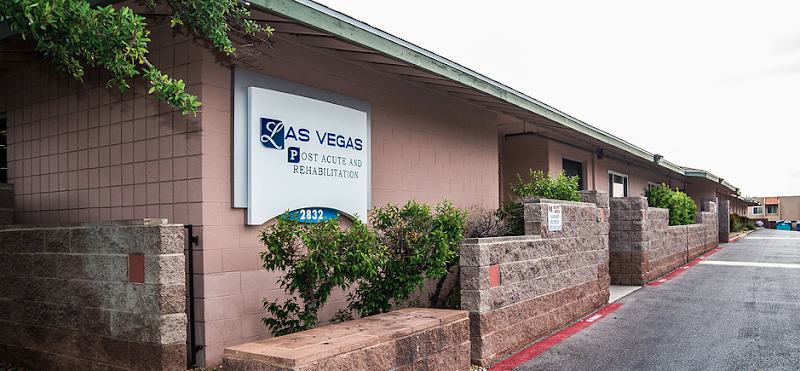
2832 S. MARYLAND PARKWAY, LAS VEGAS, NV 89109 (702) 735-5848
For profit - Partnership 79 Beds Independent Data: November 2025
Trust Grade
75/100
#20 of 65 in NV
Last Inspection: July 2025

Inspected within the last 6 months. Data reflects current conditions.

Overview

Las Vegas Post Acute & Rehabilitation has a Trust Grade of B, indicating it is a good choice, with solid care standards. It ranks #20 out of 65 facilities in Nevada, placing it in the top half, and #15 out of 42 in Clark County, meaning only a few local options are better. The facility is improving, as it reduced the number of issues from 6 in 2024 to 3 in 2025, but it still has concerns: staffing received a low rating of 1/5 stars with a troubling level of RN coverage, which is less than 78% of Nevada facilities. However, the good news is that there have been no fines, and the staff turnover is impressively low at 0%, which means the staff is stable and familiar with the residents. Specific incidents raised during inspections include a failure to provide necessary foot wound treatments for one resident, which could delay healing, and the improper labeling and storage of medication, potentially leading to unsafe administration. Additionally, preventative maintenance was not performed on medical equipment for two residents, risking their access to needed treatments. While the facility has strengths in its overall care quality and stable staff, families should be aware of these notable weaknesses in clinical practices.

Trust Score
B
75/100
In Nevada
#20/65
Top 30%
Safety Record
Low Risk
No red flags
Inspections
Getting Better
6 → 3 violations
Staff Stability
○ Average
Turnover data not reported for this facility.
Penalties
✓ Good
No fines on record. Clean compliance history, better than most Nevada facilities.
Skilled Nurses
⚠ Watch
Each resident gets only 26 minutes of Registered Nurse (RN) attention daily — below average for Nevada. Fewer RN minutes means fewer trained eyes watching for problems.
Violations
⚠ Watch
19 deficiencies on record. Higher than average. Multiple issues found across inspections.
★★★★☆
4.0
Overall Rating
★☆☆☆☆
1.0
Staff Levels
★★★☆☆
3.0
Care Quality
★★★★★
5.0
Inspection Score
Stable
2024: 6 issues
2025: 3 issues

The Good

  • Full Sprinkler Coverage · Fire safety systems throughout facility
  • No fines on record

Facility shows strength in fire safety.

The Bad

No Significant Concerns Identified

This facility shows no red flags. Among Nevada's 100 nursing homes, only 0% achieve this.

The Ugly 19 deficiencies on record

Jul 2025 3 deficiencies
CONCERN (D)

Potential for Harm - no one hurt, but risky conditions existed

Deficiency F0687 (Tag F0687)

Could have caused harm · This affected 1 resident

**NOTE- TERMS IN BRACKETS HAVE BEEN EDITED TO PROTECT CONFIDENTIALITY** Based on interview, record review and document review, the facility failed to provide documented evidence foot wound treatments ...

Read full inspector narrative →
**NOTE- TERMS IN BRACKETS HAVE BEEN EDITED TO PROTECT CONFIDENTIALITY** Based on interview, record review and document review, the facility failed to provide documented evidence foot wound treatments were provided per the physician's order for 1 of 23 sampled residents (Resident 84). The deficient practice had the potential to place the resident at risk for delayed healing of a wound.Findings include:Resident 84 (R84) was admitted on [DATE] with diagnoses including idiopathic peripheral autonomic neuropathy, chronic obstructive pulmonary disease, and arthropathic psoriasis.On 07/16/2025 at 8:52 AM, R84 explained that they had wounds on both feet and back and the staff performing wound care went on leave and no one provided wound treatment. A Physician Order dated 06/19/2025 documented cleanse right foot with normal saline, pat dry, apply Clobetasol 0.05% cream and leave open to air every day for 30 days for diagnosis of psoriasis A Physician Order dated 06/19/2025 documented cleanse left foot with normal saline, pat dry, apply Clobetasol 0.05% cream and leave open to air every day for 30 days for diagnosis of psoriasis. R84's July 2025 Treatment Administration Record (TAR) lacked documented evidence treatments for the right foot and left foot were completed on 07/01/2025, 07/13/2025, and 07/14/2025.On 07/17/2025 at 2:23 PM, a Wound Care Nurse explained having performed wound treatments for R84 and the wound care was scheduled for daily treatments as ordered. The Wound Care Nurse reviewed R84's TAR and confirmed there were no signatures for 07/01/2025, 07/13/2025, and 07/14/2025. The Wound Care Nurse explained an absence of a signature would indicate the treatment was not performed and was not able to answer for what transpired when not in the facility. On 07/18/2025 at 12:13 PM, the Director of Nursing (DON) explained when a resident had treatment orders the nurse would sign the TAR to indicate the treatment was provided. The treatment nurse was responsible for completing wound treatments. The DON reviewed the July 2025 TAR for R84 and verified the record had no signatures for 07/01/2025, 07/13/2025, and 07/14/2025. The DON explained no signature would indicate the treatment was not performed. The DON explained when treatments were not done it could delay wound improvement or healing. The facility policy titled Wound Care, revised October 2017, documented the facility was to provide wound care to promote healing and provide wound care treatments as ordered.
CONCERN (D)

Potential for Harm - no one hurt, but risky conditions existed

Deficiency F0761 (Tag F0761)

Could have caused harm · This affected 1 resident

Based on observation, interview and document review, the facility failed to ensure medication was properly labeled and stored. The deficient practice had the potential for non-viable medication to be ...

Read full inspector narrative →
Based on observation, interview and document review, the facility failed to ensure medication was properly labeled and stored. The deficient practice had the potential for non-viable medication to be administered to a resident. Findings include:On 07/17/2025 at 3:44 PM, inside the 300 Hall medication cart was a multi-dose vial of Applisol purified protein derivative (PPD) Tuberculosis (TB) 1 milliliter vial. The box of the vial had a labeled date of 7/10. The nurse in charge of the medication cart was not able to determine if the labeled date was the open date or the discard date. The nurse confirmed the labeling of the medication was not clear and should have been labeled with an open and discard date. The nurse indicated the medication should have been kept in the medication refrigerator and medication kept outside its recommended storage temperature would have rendered it not safe to be administered. The facility policy titled Storage of Medications revised November 2020, documented drugs and biologicals used in the facility are stored in locked compartments under proper temperatures, light and humidity controls.
CONCERN (D)

Potential for Harm - no one hurt, but risky conditions existed

Room Equipment (Tag F0908)

Could have caused harm · This affected 1 resident

**NOTE- TERMS IN BRACKETS HAVE BEEN EDITED TO PROTECT CONFIDENTIALITY** Based on observation, interview and document review, the facility failed to ensure preventative maintenance (PM) was performed a...

Read full inspector narrative →
**NOTE- TERMS IN BRACKETS HAVE BEEN EDITED TO PROTECT CONFIDENTIALITY** Based on observation, interview and document review, the facility failed to ensure preventative maintenance (PM) was performed annually for medical equipment being used for 2 of 23 sampled residents (Resident 30 and 40). The deficient practice had the potential for a resident not to receive the intended function of a medical device.Findings include:1) Resident 30 (R30) was admitted on [DATE], with diagnoses including cerebral infarction and physical debility.R30's physician's order dated 11/12/2024, documented to administer Oxygen at 2 liters via nasal canula continuously.On 07/16/2025 at 10:08 AM, R30's Oxygen concentrator (a medical device that extracts oxygen from ambient air and delivers it to a patient) had a PM sticker documented PM date: 05/23/2023, Due 05/24/2024. R30 received supplemental Oxygen from the same medical equipment.On 07/16/2025 at 10:15 AM, the maintenance personnel checked the medical equipment and confirmed the PM was outdated and should have been serviced more than a year ago.2) Resident 40 (R40) was admitted on [DATE], with diagnoses including atherosclerotic heart disease and myocardial infarction.R40's physician's order dated 04/16/2025, documented to administer Oxygen at 3 liters via nasal canula continuously.On 07/17/2025 at 3:18 PM, R40's Oxygen concentrator had a PM sticker documented PM date: 05/2024, Due 05/2025. R40 was currently receiving supplemental Oxygen from the same medical equipment. The nurse caring for R40 was at bedside and confirmed the finding and indicated the medical device should have been serviced months ago.On 07/18/2025 at 8:21 AM, a maintenance staff member indicated the head of maintenance was out on leave and was responsible for ensuring BioMed (a professional who installs, maintains, and repairs medical equipment in healthcare facilities) completed yearly maintenance of the medical equipment throughout the facility. The maintenance staff member acknowledged the O2 concentrators were out of the yearly PM. The maintenance personnel indicated BioMedical service ensures calibration was correct and the medical equipment performed efficiently for its intended use.The facility policy titled Maintenance Service revised 12/2009, documented the Maintenance Director is responsible for developing and maintaining a schedule of maintenance service to assure that buildings, grounds, and equipment are maintained in a safe and operable manner.
Jun 2024 6 deficiencies
CONCERN (D)

Potential for Harm - no one hurt, but risky conditions existed

PASARR Coordination (Tag F0644)

Could have caused harm · This affected 1 resident

**NOTE- TERMS IN BRACKETS HAVE BEEN EDITED TO PROTECT CONFIDENTIALITY** Based on observation, interview, record review, and document review the facility failed to ensure a Preadmission Screening and R...

Read full inspector narrative →
**NOTE- TERMS IN BRACKETS HAVE BEEN EDITED TO PROTECT CONFIDENTIALITY** Based on observation, interview, record review, and document review the facility failed to ensure a Preadmission Screening and Resident Review (PASARR) level two referral was completed for 1 of 24 sampled residents (Resident 52). The deficient practice had the potential for residents to not receive necessary behavioral health services. Findings include: Resident 52 (R52) R52 was admitted on [DATE], with primary diagnoses including hypertension, neuropathy, atrial fibrillation, and right hip fracture. A PASARR level one document dated 03/22/2022, revealed R52 did not have dementia, mental illness (MI), intellectual disability, (ID) mental retardation (MR) or any related condition (RC) and was deemed appropriate for nursing facility placement. The resident face sheet noted on 10/01/2022, R52 had been diagnosed with dementia. A Psychiatry Note dated 05/29/2024 revealed R52 had disorganized thought process and limited concentration and insight. The resident had a neurocognitive disorder with intermittent agitation and behavioral disturbances that improved with the patient's compliance with medications. The resident was taking Risperidone 0.5 milligrams (mg) for psychosis and Vistaril 50 mg for anxiety. The Division of Health Care Financing and Policy- Medicaid Services Manual- for Nursing Facilities Policy dated 05/01/2015, documented when an individual has been identified with possible indicators of mental illness, intellectual disabilities, or related condition, a PASARR Level II screening must be completed to evaluate the individual and determine if nursing facility services and/or specialized services are needed and can be provided in the nursing facility. Examples include: a resident who exhibits behavioral, psychiatric, or mood related symptoms suggesting a presence of a mental disorder (where dementia is not the primary diagnoses), or an intellectual disability or related condition was not previously identified and evaluated through PASARR. Social services would be responsible for keeping track of each resident's PASARR screening status and referring to appropriate authority. The medical record lacked documented evidence R52 was referred for a PASARR level two. On 06/27/2024 in the afternoon, the Social Worker (SW) explained the SW was responsible for completing the online PASARR requests. The SW indicated not being aware of some residents who should have been identified for meeting criteria and referred for PASARR two reviews. The SW agreed a PASARR two referral for R52 had not been done.
CONCERN (D)

Potential for Harm - no one hurt, but risky conditions existed

Deficiency F0660 (Tag F0660)

Could have caused harm · This affected 1 resident

**NOTE- TERMS IN BRACKETS HAVE BEEN EDITED TO PROTECT CONFIDENTIALITY** Based on interview, record review and document review, the facility failed to provide documented evidence a discharge plan was i...

Read full inspector narrative →
**NOTE- TERMS IN BRACKETS HAVE BEEN EDITED TO PROTECT CONFIDENTIALITY** Based on interview, record review and document review, the facility failed to provide documented evidence a discharge plan was initiated and discussed with the resident and/or resident representative for 1 of 24 sampled residents (Resident 190). The deficient practice had the potential for the resident to be unprepared for discharge. Findings include: Resident 190 (R190) R190 was admitted on [DATE], with diagnoses including schizoaffective disorder (bipolar type) and suicidal ideations. The admission Care Plan dated 06/12/2024, documented the interventions to be provided to R190 which included to begin discharge planning. R190's medical record lacked documented evidence a discharge plan was initiated and discussed with the resident and/or resident representative. On 06/28/2024 at 7:29 AM, the Social Services (SS) Director indicated the SS Assistant would have talked to the resident and/or resident representative within 24 hours upon admission and discussed briefly about discharge planning. The SS Director would have followed-up within a week and thoroughly discussed the discharge planning with the resident and/or resident representative. The SS Director explained the discussion and interview about discharge planning would have been documented in the SS Notes. The SS Director revealed the Interdisciplinary Team (IDT) would have discussed the discharge plan with the resident and/or resident representative within 14 days from admission. The SS Director acknowledged there was no documentation of the resident's discharge planning, discussion with the resident and/or resident representative about the discharge plan, IDT notes regarding R190's discharge plan, and no Social Services Progress Notes completed and filed in R190's medical record. On 06/28/2024 at 8:52 AM, the Medical Records Supervisor indicated R190's medical record did not contain IDT Notes. On 06/28/2024 at 11:18 AM, the SS Assistant revealed being in-charge with scheduling the IDT meeting for each resident every 14 days upon admission, quarterly, and as needed. The SS Assistant confirmed there was no IDT meeting scheduled for R190 this week (from 06/23/2024 to 06/29/2024) and next week (from 06/30/2024 to 07/06/2024). The SS Assistant provided a copy of the IDT Weekly Planner which corroborated the interview. The facility's policy titled Discharge Planning dated October 2012, documented discharge planning should be developed at the time of admission and reviewed at least once in every quarter. Discharge plans should be documented in the resident's clinical (medical) record. Upon admission, Social Services should determine the potential for the resident to be discharged to a lower level of care or home care. Reasons for lack of potential should be documented in the social services progress notes and discharge plans. Resident and/or family or responsible party should be involved in the formulation of discharge plans and post discharge care.
CONCERN (D)

Potential for Harm - no one hurt, but risky conditions existed

Medication Errors (Tag F0758)

Could have caused harm · This affected 1 resident

**NOTE- TERMS IN BRACKETS HAVE BEEN EDITED TO PROTECT CONFIDENTIALITY** Based on interview, record review and document review, the facility failed to ensure as needed (PRN) psychotropic medications we...

Read full inspector narrative →
**NOTE- TERMS IN BRACKETS HAVE BEEN EDITED TO PROTECT CONFIDENTIALITY** Based on interview, record review and document review, the facility failed to ensure as needed (PRN) psychotropic medications were initially ordered for a duration not to exceed 14 days for 3 of 24 sampled residents (Resident 11, 64, and 188); and consents for the administration of psychotropic medications were obtained for 2 of 24 sampled residents (Resident 64 and 188). The deficient practices had the potential to cause an adverse medication effect and not honoring the resident's rights to be fully informed of the care and services being provided. Findings include: 1) Resident 11 (R11) R11 was admitted on [DATE] with diagnoses including generalized anxiety. On 06/27/24 at 9:20 AM, R11 reported taking a medication to treat symptoms of intermittent anxiety. The resident reported they asked a nurse for the medication when the symptoms occurred. A physician order dated 05/24/2024 indicated to give Alprazolam (an antianxiety agent) 0.5 milligrams (mg) by mouth every six hours as needed for anxiety manifested by inability to relax for 30 days. On 06/27/2024 at 2:36 PM, the Director of Nursing (DON) reviewed R11's order for Alprazolam and verbalized the medication was a sedative and should not have been initially ordered for a duration of more than 14 days. On 06/27/2024, at 3:35 PM, the Consultant Pharmacist verbalized initial orders for psychotropic medications should not exceed 14 days duration. 2) Resident 188 (R188) R188 was admitted on [DATE], with diagnoses including major depressive disorder, bipolar disorder, and post-traumatic stress disorder. The physician order dated 06/14/2024, documented Lorazepam (an antianxiety agent) 0.5 milligram (mg) one tablet by mouth every 24 hours as needed (PRN) for anxiety manifested by inability to relax for 30 Days. R188's Medication Administration Record (MAR) for June 2024, documented the resident received the medication on 06/17/2024. R188's medical record lacked documented evidence of the rationale for the duration of the PRN order beyond 14 days and a consent was obtained for the administration of Lorazepam 0.5 mg. On 06/27/2024 at 11:38 AM, the Director of Nursing (DON) confirmed the findings. The DON explained PRN orders for psychotropic medications should have been limited for 14 days, then could have been extended by the physician with the justification for ordering the medications beyond 14 days. The justification should have been documented in the resident's medical record. The DON confirmed the PRN order for R188's Lorazepam dated 06/14/2024 was for 30 days. The DON acknowledged the duration of the PRN order should have been 14 days. The DON explained a consent for the administration of psychotropic medication should have been obtained whether the medication was scheduled or PRN. The DON confirmed there was no consent obtained for R188's Lorazepam. On 06/27/2024 at 12:24 PM, the Medical Records Supervisor confirmed there was no consent for R188's Lorazepam. On 06/27/2024 at 12:49 PM, a Licensed Practical Nurse (LPN) explained the duration of the order for PRN psychotropic medications should have not exceeded 14 days. The LPN revealed the nurse should have called the physician if they received a PRN psychotropic order for more than 14 days. The nurse would have informed the physician the PRN order should have been for 14 days only. The LPN indicated the nurse who received the physician order for the administration of psychotropic medications should have obtained a consent from the resident or resident representative. 3) Resident 64 (R64) R64 was admitted on [DATE], with diagnoses including dementia and shortness of breath. The physician order dated 06/14/2024, documented Hydroxyzine Hydrochloride (HCl) (an antianxiety agent) 25 mg one tablet by mouth three times a day as needed for anxiety manifested by inability to relax for 30 days. R64's medical record lacked documented evidence of the rationale for the duration of the PRN order beyond 14 days and a consent was obtained for the administration of Hydroxyzine HCl 25 mg. On 06/27/2024 at 1:44 PM, the Medical Records Supervisor and the DON confirmed there was no consent obtained for R64's Hydroxyzine HCl. The Acknowledgment of Psychoactive Medication Use form (consent) for the resident's Hydroxyzine HCl was not completed. The DON acknowledged the duration of the PRN order for R64's Hydroxyzine HCl 25 mg was 30 days and there was no justification for the PRN order beyond 14 days. The DON indicated the duration of the PRN order should have been 14 days. The facility's policy titled Psychotropic Drug Treatment dated December 2016, documented psychotropic drugs included antianxiety agents, antidepressants, hypnotics, antipsychotics, and other drugs which would affect behavior. The need to continue PRN orders for psychotropic medications beyond 14 days required the practitioner documented the rationale for the extended order. The resident or his/her representative would be given information regarding the need for, the desired effects and the potential side effects of the medication. This would enable the resident or his/her representative to make an informed decision regarding the use of any psychoactive medication. The resident or their representative should be involved in the medication management process and aware of the benefits and risks of medications and the goals of treatment.
CONCERN (D)

Potential for Harm - no one hurt, but risky conditions existed

Deficiency F0808 (Tag F0808)

Could have caused harm · This affected 1 resident

**NOTE- TERMS IN BRACKETS HAVE BEEN EDITED TO PROTECT CONFIDENTIALITY** Based on observation, interview, record review and document review, the facility failed to ensure dietary orders were followed f...

Read full inspector narrative →
**NOTE- TERMS IN BRACKETS HAVE BEEN EDITED TO PROTECT CONFIDENTIALITY** Based on observation, interview, record review and document review, the facility failed to ensure dietary orders were followed for a resident on a renal diet for 1 of 24 sampled residents (Resident 47). This deficient practice placed the resident at risk for weight loss. Findings include: Resident 47 (R47) R47 was readmitted on [DATE] with diagnoses including end stage renal disease, anemia, debility, benign prostatic hyperplasia, and hypertension. The admission Care Plan dated 06/07/2024, indicated the resident required skilled nursing due to the need to medically manage assistance with meals, offering and encouraging fluid intake, monitoring of weekly weights, and providing and serving diet as ordered to avoid any declines in nutrition. A Physician Order dated 05/31/2024, with a start date of 06/08/2024 documented a renal diet, with regular texture, and thin liquids. A telephone Physician admission Orders form dated 06/07/2024, indicated a renal diet consisting of regular textures with thin liquids. On 06/27/2024 at 3:07 PM, the admission Nurse indicated the report was taken from the referring facility. When the referring facility called, they provided all the information to the accepting facility's admission nurse. The admission nurse takes down the information and documents it in the telephone Physician admission Orders form. The admissions nurse validated the diet written in the orders was renal diet, regular texture, with thin liquids. On 06/25/2024 in the afternoon, R47 voiced the food was always the same. They never change it up. It was always a meat, mashed potatoes or rice, and a vegetable. R47 did not really like the food was all chopped up. R47 complained they never serve salads due to the ordered diet. R47 really wanted a salad. The meal ticket documented a renal diet with mechanical soft texture and thin liquids. On 06/28/2024 at approximately 9:46 AM, the Dietary Manager explained upon admission the kitchen received a written notification from nursing as to the diet, consistency, and allergies. Within a couple days, if there was an upgrade or a down grade, the kitchen would get a written notification. Within the first 48 hours of admission, the kitchen would complete a food preference and snack availability form. The Dietary Manager stated R47 came to the kitchen all the time requesting a salad. The Dietary Manager discussed having to explain to R47 that a salad was not within the mechanical soft texture requirements. On 06/27/2024 at approximately 1:10 PM, a Speech Therapist explained the process of receiving diet orders when a resident was admitted to the facility. The resident was given the diet of the last place they were at unless the physician ordered a Speech Therapy evaluation for food diet and/or textures. The Speech Therapist acknowledged there was not an order written for this evaluation after R47 was readmitted . A facility document titled Diet Order Form and Communication dated 06/08/2024 was completed by a Licensed Practical Nurse (LPN) who was not available for an interview. The regular diet was crossed out and the renal diet was checked. The mechanical soft texture was checked. The regular fluid consistency was checked. On 06/27/2024 at 12:17 PM, a Registered Dietician explained R47 was on a mechanical soft diet for a very long time before the resident left here. At the rehabilitation facility, the resident's diet was upgraded to a regular texture diet. The dietician stated it was possible this facility just kept R47 on the last known diet from this facility being that R47 had been on this texture diet for so long before leaving to go to Rehab. A facility document titled Weekly Weight Record, dated 06/07/2024, indicated the patient had lost 1.5 pounds from 06/17/2024 to 06/24/2024. A facility policy titled Food and Nutritional Services, revised October 2017, indicated each resident will be given a resident-centered diet and nutritional plan that is based on a multidisciplinary assessment to provide a nourishing, palatable, well-balanced diet that meets his or her daily nutritional and special dietary needs, taking into consideration the preferences of each resident.
CONCERN (D)

Potential for Harm - no one hurt, but risky conditions existed

Medical Records (Tag F0842)

Could have caused harm · This affected 1 resident

**NOTE- TERMS IN BRACKETS HAVE BEEN EDITED TO PROTECT CONFIDENTIALITY** Based on interview, record review and document review, the facility failed to ensure the medical record contained the nurse's no...

Read full inspector narrative →
**NOTE- TERMS IN BRACKETS HAVE BEEN EDITED TO PROTECT CONFIDENTIALITY** Based on interview, record review and document review, the facility failed to ensure the medical record contained the nurse's notes and weekly summary form for 1 of 24 sampled residents (Resident 188). The deficient practice had the potential for the resident not to receive the timely interventions needed and for the facility missing the opportunity to identify care issues. Findings include: Resident 188 (R188) R188 was admitted on [DATE], with diagnoses including major depressive disorder, bipolar disorder, and post-traumatic stress disorder. A review of R188's medical record revealed there were no nurse's notes and weekly summary form completed and filed in the resident's medical record. On 06/27/2024 at 11:38 AM, the Director of Nursing (DON) confirmed the findings and revealed the nurses were expected to complete the 72-Hour Nurses Charting form every shift upon a resident's admission and a weekly summary form for each resident. On 06/27/2024 at 12:24 PM, the Medical Records Supervisor confirmed there were no nurse's notes, 72-Hour Nurses Charting form, Daily Skilled Nursing Notes, and Weekly Summary charting in the medical record of R188. On 06/27/2024 at 12:56 PM, a Licensed Practical Nurse (LPN) indicated the following forms should have been completed and filed in the resident's medical record: - 72-Hour Nurses Charting form for all residents upon admission - Daily Skilled Nursing Notes for Medicare residents and residents receiving therapy - Weekly Summary charting for all residents The facility's policy titled Order of Record Assembling dated December 2006, documented the contents of a resident's medical record which included nurse's notes and assessment.
CONCERN (D)

Potential for Harm - no one hurt, but risky conditions existed

QAPI Program (Tag F0867)

Could have caused harm · This affected 1 resident

Based on interview, record review and document review, the facility failed to develop and implement at least one Performance Improvement Project (PIP) per year. The deficient practices had the potenti...

Read full inspector narrative →
Based on interview, record review and document review, the facility failed to develop and implement at least one Performance Improvement Project (PIP) per year. The deficient practices had the potential to adversely impact each resident's well-being. Findings include: On 06/28/2024 at 1:17 PM, the Administrator revealed Quality Assurance Performance Improvement (QAPI) committee meetings were held monthly and usual attendees included the Administrator, the Medical Director, and the Director of Nursing. On 06/28/24 at 1:25 PM, the Director of Nursing (DON) reported the facility had a PIP planned for improving laboratory result timelines. There had been a problem with laboratory studies not being completed because of sample degradation through hemolysis. The DON described an intention to improve the laboratory service but was unable to provide documentation of the method of data collection, the analysis of the data, development of an action plan, implementation of the action plan, evaluation of the action plan, and any modifications to the plan if needed, and the target goal. The DON verbalized development of the PIP had not been done yet. The DON verbalized lacking documentation of a PIP which had been completed over the past year. On 06/28/24, in the afternoon, the Administrator indicated the facility was unable to furnish documentation of a PIP completed within the past year. The Quality Assurance/Process Improvement (QAPI) Plan dated 01/12/2023 indicated QAPI committee meetings would be held monthly. Performance Improvement Projects (PIPs) were established by the committee based on potential for negative outcome, number of residents affected, and if the issue was recurring. Data would be reviewed, and improvement or deterioration would be readdressed. Depending on findings the PIP would continue until improvement was maintained. Data would be maintained in the QAPI binder.
Aug 2023 9 deficiencies
CONCERN (D)

Potential for Harm - no one hurt, but risky conditions existed

Deficiency F0554 (Tag F0554)

Could have caused harm · This affected 1 resident

**NOTE- TERMS IN BRACKETS HAVE BEEN EDITED TO PROTECT CONFIDENTIALITY** Based on observation, interview, record review and document review, the facility failed to ensure a medication self-administrati...

Read full inspector narrative →
**NOTE- TERMS IN BRACKETS HAVE BEEN EDITED TO PROTECT CONFIDENTIALITY** Based on observation, interview, record review and document review, the facility failed to ensure a medication self-administration assessment was completed for 1 of 28 sampled resident (Resident #35). The failed practice could potentially lead to serious medication errors, adverse drug reactions, or other health complications for the resident. Findings include: Resident 35 (R35) R35 was admitted on [DATE] with diagnoses including chronic respiratory failure with hypoxia and asthma. On 08/08/2023 at 11:29 AM, R35 was observed with an inhaler medication placed on top of the bedside table. R35 indicated the staff at times takes too long to come to administer the inhaler and for the specified reason, R35 requested the medication to be kept at the bedside. R35 confirmed self - administering the inhaler medication at least one to two times a day. R35's medical record lacked a physician's order for self-administration of medications and the facility required assessment for a resident to self-administer medication. On 08/09/2023 at 3:59 PM, a Registered Nurse (RN) indicated R35 had been self-administering the inhaler medication. The RN confirmed the self-administration assessment form dated 04/12/2023 from the medical record, documented R35's medications would have had a licensed nurse to administer, and the interdisciplinary team (IDT) had determined the patient was not safe to self-administer medications. On 08/10/23 at 9:47 AM, the Director of Staff Development (DSD) indicated a resident wanting to self-administer would require an assessment for capacity to perform such tasks safely and appropriately. Education regarding the medication would have to be provided. A physician would have to determine the resident's capability of safe medication administration and write as an order. The DSD indicated the medication had to be secured and only accessible by the resident. On 08/10/23 and 1:57 PM, the Director of Nursing (DON) confirmed a self-administration assessment and a physician's order should have been completed prior to having R35 self-administer inhaler medication. The facility policy titled Self-Administration of Medication revised December 2016, documented the staff and the practitioner will assess each resident's mental and physical abilities to determine whether self-administering medications was clinically appropriate.
CONCERN (D) 📢 Someone Reported This

A family member, employee, or ombudsman was alarmed enough to file a formal complaint

Potential for Harm - no one hurt, but risky conditions existed

Grievances (Tag F0585)

Could have caused harm · This affected 1 resident

**NOTE- TERMS IN BRACKETS HAVE BEEN EDITED TO PROTECT CONFIDENTIALITY** Based on interview, record review, and document review, the facility failed to ensure a resident's grievance was thoroughly inve...

Read full inspector narrative →
**NOTE- TERMS IN BRACKETS HAVE BEEN EDITED TO PROTECT CONFIDENTIALITY** Based on interview, record review, and document review, the facility failed to ensure a resident's grievance was thoroughly investigated and followed through for a resolution regarding medications being untimely administered and the staff being rude for 1 of 28 sampled residents (Resident 380). This deficient practice had the potential to escalate resident dissatisfaction and compromise their well-being. Findings include: Resident 380 (R380) R380 was admitted on [DATE], with diagnoses including chronic obstructive pulmonary disease, abnormalities of gait and mobility, and muscle weakness. The Brief Interview of Mental Status dated 04/12/2023, documented a score of 15/15, which indicated R380's cognitive status was intact. The Grievance Log dated 03/21/2023, documented R380's grievance regarding staff's rudeness was reported to the administration. A Complaint/Grievance form submitted by R380 dated 03/27/2023 documented, over the weekend at 2:00 AM resident had requested pain medication and was told would be given after half an hour. At that time when no medication was received, R380 went to the conference room where the Registered Nurse (RN) was on break to again inquire about pain medication. The nurse closed the door on R380 and told the resident, not now. R380 indicated the nurse was very rude when closing the door. R380 had documented not wanting the nurse to be assigned to the resident. R380 had requested for a physician to adjust or change the timing of the PRN (as needed) medication to routine. Per documentation, R380's complaint was referred to nursing, and the Director of Nursing (DON) and the physician would review the medications for potential change. The Complaints/Grievances form dated 03/27/2023, documented the grievance was not resolved. R380's medical record lacked documented evidence the pain medications had been reviewed to change the PRN to routine or the physician was notified, as indicated in the grievance form. On 08/10/2023 at 1:00 PM, the Social Worker indicated the Administrator had investigated R380's allegations and was unaware of the complaint. The Social Worker verified R380's complaint and indicated the involved staff should have been suspended pending investigation. The involved RN's file did not document any discipline regarding R380's grievance. The grievance investigation lacked documented evidence of witness statements, resident interviews or corrective actions taken. On 08/10/2023 at 1:30 PM, the Administrator was aware of R380's grievance and referred the medication issues to the DON for review and follow-up. The Administrator indicated the involved RN was relieved from the care of R380. The Administrator acknowledged there were witnesses in the conference room at the time of the incident, but interview statements were not obtained, and lacked documented evidence the investigation was followed through. On 08/10/2023 at 1:45 PM, the DON confirmed R380's medication had not been reviewed, but the RN involved in the grievance was removed from R380's care. The DON indicated the RN was working the night shift and unavailable for the interview. A facility policy titled Grievances/Complaints, Recording, and Investigating dated 04/2017, documented all grievances and complaints filed with the facility would be investigated and corrective actions would be taken to resolve the grievances. The investigation and report would include the names of the witnesses and their accounts of the alleged incident, the employee's account, the resident's account, and the accounts of any other individual involved, and recommendations for corrective actions. Complaint #NV00068603
CONCERN (D) 📢 Someone Reported This

A family member, employee, or ombudsman was alarmed enough to file a formal complaint

Potential for Harm - no one hurt, but risky conditions existed

Free from Abuse/Neglect (Tag F0600)

Could have caused harm · This affected 1 resident

**NOTE- TERMS IN BRACKETS HAVE BEEN EDITED TO PROTECT CONFIDENTIALITY** Based on interviews and document review, the facility failed to protect a resident's right to be free from verbal abuse by staff...

Read full inspector narrative →
**NOTE- TERMS IN BRACKETS HAVE BEEN EDITED TO PROTECT CONFIDENTIALITY** Based on interviews and document review, the facility failed to protect a resident's right to be free from verbal abuse by staff for one of 28 sampled residents (Resident #282). The deficient practice caused mental distress for the affected resident. Findings include: Resident 282 (R282). R282 was admitted on [DATE] with diagnoses including anxiety, infection of the left lower limb, and pain in the left foot. The admission assessment indicated the resident had good memory function. Facility investigation documents dated 08/07/2023 revealed R282 had informed a social worker assistant that a nurse had yelled and sworn at the resident early Saturday morning (08/05/2023). A follow up interview with R282 documented by the Administrator, revealed the resident verbalized had asked a nurse for an anxiety pill. The resident reported the nurse misunderstood the request to be for both an anxiety pill and a painkiller, and told the resident could not have both at the same time. The resident reminded the nurse the request was only for the anxiety pill, and not the painkiller. The resident stated the nurse had cursed at the resident and called the resident stupid. The resident reported the nurse's words caused the resident to feel angry. The resident reported cursing back at the nurse. The resident verbalized wanting someone to look into the incident. The resident expressed worry other residents might be treated the same way. The resident had verbalized wanted to walk out of the facility although decided not to do so because of still needing treatment and antibiotics. A written statement from a Registered Nurse (RN), undated, indicated the RN had been in a dispute with R282. After taking a pain pill R82 had asked about a different medication, Vistaril, for anxiety. The RN indicated had told the resident the two medications could not be given together. The resident had then cursed at the nurse repeatedly. The RN indicated had lost patience and cursed back at the resident. On 08/10/2023, in the morning, the Administrator verified the investigation report was accurate. The Administrator verbalized the nurse should not have cursed at R282 and the RN's actions represented verbal abuse as defined by the facility abuse policy. The Administrator verbalized verbal abuse was not tolerated and should never happen. On 08/10/23 in the afternoon, attempts to interview R282 were unsuccessful. The resident had been asleep or had the room door closed. The policy and procedure titled Abuse, Neglect, Mistreatment and Misappropriation of Resident Property, undated, indicated employees must not abuse residents. The policy indicated verbal abuse was defined as the use of oral, written, or gestured language that willfully included disparaging and derogatory terms to residents. The policy and procedure titled Resident Rights dated 12/2016 indicated employees shall treat residents with kindness, respect, and dignity. FRI #NV00069172
CONCERN (D) 📢 Someone Reported This

A family member, employee, or ombudsman was alarmed enough to file a formal complaint

Potential for Harm - no one hurt, but risky conditions existed

Abuse Prevention Policies (Tag F0607)

Could have caused harm · This affected 1 resident

Based on interviews, employee file review, and document review, the facility failed to implement their written procedures for screening potential employees for a history of abuse, neglect, and exploit...

Read full inspector narrative →
Based on interviews, employee file review, and document review, the facility failed to implement their written procedures for screening potential employees for a history of abuse, neglect, and exploitation for two of 12 employee files reviewed (Employees 11 and 12). The deficient practice had the potential to expose residents to interactions with harmful persons. Findings include: The facility policy and procedure titled Abuse, Neglect, Mistreatment and Misappropriation of resident property, undated, indicated would screen employees and volunteers prior to working with residents. Policy indicated before new employees were permitted to work with residents, references provided by the prospective employee would be verified as well as appropriate board registrations and certifications. The policy indicated a criminal background check would be conducted on all prospective employees. A significant finding on the background check would result with denied employment. The facility policy and procedure titled Background Screening/Investigation, dated 03/2019, indicated the director of personnel or designee conducted employment background screening checks, reference checks, and criminal investigation checks on all applicants for positions with direct access to residents. These checks would be completed prior to employment. On 08/09/23 at 9:33 AM, a review of 12 employee files was conducted with the Director of Staff Development (DSD). Employee 11 (E11) E11 was hired on 05/12/2021 for the position of Registered Nurse (RN). E11's file lacked documented evidence reference checks had been conducted prior to employment. On 06/10/2023 in the morning, the DSD verbalized the facility process was to conduct a minimum of two reference checks of former employers for each prospective new employee. The DSD reported E11 was a current employee at the facility. The DSD confirmed E11's reference checks had not been completed. The DSD verbalized they did not know why E11's reference checks had not been completed. Employee 12 (E12) E12 was hired on 10/22/2022 for the position of Certified Nursing Assistant (CNA). E12's file lacked documented evidence the appropriate licensing board for the state in which the facility was located, had been checked prior to employment. The file indicated E12 had been issued an appropriate CNA license on 06/08/2023, more than seven months after the date of hire. E12's file also lacked documented evidence a background check and former employer reference checks had been completed. A state agency document in the file documented the background checks could not be completed due to lack of fingerprints. The file indicated E12 had voluntarily resigned on 06/14/2023. Time card records indicated E12 had worked with residents on night shift starting on 10/18/2023 with the last shift on 06/07/2023. On 08/09/23 at 2:34 PM, the DSD verbalized the facility process was to verify the licensure status of each prospective new employee with the appropriate state board. The DSD verbalized each CNA employed by the facility must be licensed in the state in which the facility was located. The DSD verbalized each prospective new employee underwent a background check which entailed the submission of fingerprints to a state agency. The DSD verified E12's file lacked a valid CNA license for the appropriate state during the time for which E12 had worked. The DSD verified the file lacked evidence a background check had been completed. The DSD verbalized the assistant to the DSD had been assigned to onboard E12. The DSD verbalized the assistant had not been fully trained to perform the onboarding task and had not received adequate supervision. The assistant had erroneously accepted E12's CNA license from a different state, had failed to conduct reference checks, and had failed to ensure the employee submitted fingerprints for a background check. On 08/09/23 at 3:30 PM, the Administrator acknowledged the facility had not followed their abuse prevention policy and procedure regarding screening for the two employees. Complaint 68909
CONCERN (D) 📢 Someone Reported This

A family member, employee, or ombudsman was alarmed enough to file a formal complaint

Potential for Harm - no one hurt, but risky conditions existed

ADL Care (Tag F0677)

Could have caused harm · This affected 1 resident

**NOTE- TERMS IN BRACKETS HAVE BEEN EDITED TO PROTECT CONFIDENTIALITY** Based on observation, interview, record review, and document review, the facility failed to ensure residents' showers or bed bat...

Read full inspector narrative →
**NOTE- TERMS IN BRACKETS HAVE BEEN EDITED TO PROTECT CONFIDENTIALITY** Based on observation, interview, record review, and document review, the facility failed to ensure residents' showers or bed baths were provided as scheduled to dependent residents for 3 of 28 sampled residents (Residents 380, 46, and 48). This deficient practice could lead to compromised hygiene and discomfort, potential skin issues, and a decline in their overall well-being and quality of life. Findings include: A facility policy titled Activities of Daily Living (ADL) dated 01/2020, documented the staff would provide assistance with resident's ADL, including personal hygiene and bathing. Resident 48 (R48) R48 was admitted on [DATE] and readmitted on [DATE], with diagnoses including dementia and muscle weakness. The Brief Interview of Mental Status dated 05/10/2023, documented a score of 9/15, which indicated R48's mental status was moderately impaired. R48's functional status with personal hygiene and bathing dated 05/10/2023, documented R48 required physical help and support. The Shower Record 2023, documented R48's shower was scheduled on Monday and Thursday PM shifts. The Resident Care Plan dated 05/10/2023, documented R48 needed assistance with ADLs related to weakness and dementia. The interventions included were to provide assistance with ADLs, bathing, or showering. On 08/08/2023 at 11:16 AM, R48 was verbally alert, seated in the wheelchair, and R48's beard was long, touching R48's upper chest, falling beard hair and white flakes were visible on R48's shirt. R48's arms were dry and scaly. R48 indicated had a shower once a month and thought it was the best thing the facility could do. R48 verbalized desire to receive a shower twice a week as scheduled. R48's medical record lacked documented evidence a shower or bed bath was consistently provided as scheduled. The Activities of Daily Living Flowsheet (ADL) Bathing for the months of July and August 2023, revealed R380's shower was not consistently provided. On 08/08/2023 in the morning, a Certified Nursing Assistant (CNA) indicated each resident was entitled to two showers every week, and if a resident refused, the Licensed Nurses would be notified, and the shower reoffered. The CNA indicated the resident's shower was assigned to a specific CNA to provide the shower and should have been documented. On 08/09/2023 at 1:36 PM, the Director of Staff Development (DSD) indicated a resident's shower had a calendar for every room, and the shower schedule was reflected in the daily staffing assignment. The DSD indicated each resident should have two showers or bed baths in a week. The DSD explained a shower sheet should have been completed and filed in the shower binder. The DSD indicated the CNA would complete the shower sheet or document refusals and report them to the Licensed nurse to reoffer or encourage the resident, and an assessment should have been performed. The DSD indicated a resident's constant refusals would have a care plan. The DSD confirmed there was no documentation or care plan for R48's refusal. The DSD confirmed the ADL flowsheet indicated R48 did not have showers twice a week. Resident 46 (R46) R46 was admitted on [DATE], with diagnoses including hemiplegia (muscle weakness) and hemiparesis (one-sided weakness), difficulty walking, and depression. The Brief Interview of Mental Status dated 07/20/2023, documented a score of 15/15, which indicated R46's cognitive status was intact. The Resident Care Plan for ADL Assistance dated 07/2023, documented R46 required assistance with ADLs related to weakness and hemiplegia. The interventions included providing assistance with ADLs, bathing, or showering. The facility Shower Record 2023, revealed R46's shower was scheduled on Monday and Thursday PM shifts. R46's functional status dated 07/20/2023, revealed R46 required extensive assistance with one person's physical assistance to perform ADLs, physical help, and support with bathing. On 08/09/2023 at 3:30 PM, during the resident council meeting, R46 indicated a shower had not been provided for three weeks and was dependent on staff to perform ADLs. R46 expressed a desire to receive a shower as scheduled. R46's medical record lacked documented evidence a shower or bed bath was consistently provided as scheduled. Resident 380 (R380) R380 was admitted on [DATE], with diagnoses including chronic obstructive pulmonary disease, abnormalities of gait and mobility, and muscle weakness. The Brief Interview of Mental Status dated 04/12/2023, documented a score of 15/15, which indicated R380's cognitive status was intact. R380's functional status dated 04/12/2023, documented R380 required physical help and support with bathing. The Shower schedule for 2023, documented R380's schedule was Tuesday and Friday AM shifts. The Activities of Daily Living Flowsheet (ADL) Bathing for the months of March, and April 2023, revealed R380's shower was not consistently provided: March Week 4- no showers or bed baths were provided. week 5- one shower was provided. April Week 1- one shower was provided. Week 2- one shower was provided. On 08/09/2023 at 1:36 PM, the DSD confirmed the absence of documentation or care plan for R380's refusal of the shower. The DSD confirmed the ADL flowsheet lacked documented evidence R380's shower or bed bath had been provided twice a week. On 08/10/2023 at 3:24 PM, the Director of Rehabilitation Services (DOR) indicated R380 was evaluated on 03/20/2023, and was dependent on staff to perform ADLs or bathing. Complaint #NV00068603
CONCERN (D)

Potential for Harm - no one hurt, but risky conditions existed

Deficiency F0698 (Tag F0698)

Could have caused harm · This affected 1 resident

**NOTE- TERMS IN BRACKETS HAVE BEEN EDITED TO PROTECT CONFIDENTIALITY** Based on observation, interview, record review and document review, the facility failed to ensure an assessment for the use of a...

Read full inspector narrative →
**NOTE- TERMS IN BRACKETS HAVE BEEN EDITED TO PROTECT CONFIDENTIALITY** Based on observation, interview, record review and document review, the facility failed to ensure an assessment for the use of a sling for transfer at the dialysis center was conducted, and a physician was notified for a missed dialysis treatment for 1 of 28 sampled residents (Resident 81). This deficiency led to a situation where dialysis treatment was not provided, posing a risk to the resident's safety, potential hazards, comfort, and overall well-being. Findings include: Resident 81 (R81) R81 was admitted on [DATE], with diagnoses including end-stage renal disease, liver cirrhosis, and weakness. The Brief Interview of Mental Status dated 08/08/2023, documented a score of 15/15, which indicated R380's cognitive status was intact. The History and Physical dated 08/03/2023, documented R81's plan to continue dialysis as scheduled. A Physician order dated 08/02/2023, documented dialysis days on Monday, Wednesday, and Friday (MWF) at the Dialysis center outside the facility, with pick-up time at 8:30 AM and chair time at 9:30 AM. A Dialysis Resident Care Plan dated 08/02/2023, documented R81's approach to providing dialysis as scheduled with the goal of receiving dialysis as ordered. The Dialysis Communication Record dated 08/04/2023, documented R81's dialysis treatment was not provided on 08/04/2023, due to no sling placed underneath R81 upon arrival at the dialysis center. The dialysis treatment was rescheduled. R81's medical records lacked documented evidence a physician was notified when the dialysis treatment was missed on 08/04/2023. On 08/08/2023 at 10:42 AM, R81 indicated the dialysis treatment had been scheduled for MWF, but on 08/04/2023, the dialysis treatment had not been provided because a sling was not provided. R81 shared upon admission to the facility, R81 had been telling the staff a sling was required to transfer the resident from the wheelchair to the dialysis chair, but no one had listened. R81 indicated the dialysis center had attempted to transfer R81 using a sliding board, but this had proven unsuccessful due to an issue with the height of the wheelchair. R81 expressed frustration when the dialysis was missed. On 08/09/2023 at 11:47 AM, a Licensed Practical Nurse (LPN) who was assigned to R81, confirmed R81 had missed the scheduled dialysis treatment on 08/04/2023, due to the absence of a required sling for Hoyer lift transfer. The LPN explained the uncertainty arose because there was no endorsement indicating sling necessity. The LPN indicated it was the responsibility of the admission nurse to conduct an initial assessment to determine the need for a sling. The LPN conveyed the physician was not notified when R81's dialysis treatment was missed. On 08/10/2023 at 12:20 PM, during a telephone interview, the dialysis Social Worker (SW) indicated the dialysis center required a sling if a resident could not self-transfer. The SW explained the dialysis center was prohibited from fully lifting the resident for transfer, underscoring the importance of having a sling in place underneath the resident to facilitate a Hoyer lift transfer. On 08/10/2023 at 12:25 PM, during a telephone interview, the administrative assistant (AA) explained had assisted residents with transfers using the Hoyer lift. R81 had not received treatment on 08/04/2023 because, upon arrival at the dialysis center, there was no sling available. The AA indicated R81 had previously communicated the need for a sling to the facility staff before being sent to the dialysis center, but upon arrival at the dialysis center, there was no sling in place. On 08/10/2023 at 1:50 PM, the Director of Nursing indicated the staff were expected to assess the residents on dialysis for the use of the sling. The DON indicated there should have been an assessment of R81's functionality with mobility and transfer by the admission nurse or the rehabilitation department to determine if R81 needed a sling during dialysis treatment. On 08/10/2023 at 1:58 PM, the admission Nurse who admitted R81, indicated was aware R81 was on dialysis and wheelchair bound. The admission Nurse explained the sending facility did not communicate a sling was required during dialysis treatment of R81. The admission nurse indicated R81 was not seen walking upon admission or was asked if could transfer self or walk. The admission Nurse did not communicate to the staff if R81 needed a sling, because it was unknown if R81 needed one. The admission Nurse acknowledged there should have been an initial assessment of R1's functional ability to determine the need for a sling for Hoyer lift transfer. On 08/10/2023 at 2:22 PM, the Physical Therapist (PT) confirmed R81 was evaluated on 08/03/2023, R81's mobility was maximum assistance, could not walk or self-transfer. The PT indicated R81 was wheelchair-bound but not bed-bound. The resident could sit on the side of the bed but could not transfer without assistance. The PT indicated the Certified Nursing Assistants (CNAs), and the driver were not trained to transfer the residents manually, so a sling should have been provided to safely transfer R81 with the Hoyer lift. A facility policy titled Dialysis Care dated August 2018, documented standards of care for residents receiving dialysis care. The Physician should have been notified if the resident missed the dialysis treatment for whatever reason.
CONCERN (D)

Potential for Harm - no one hurt, but risky conditions existed

Unnecessary Medications (Tag F0759)

Could have caused harm · This affected 1 resident

**NOTE- TERMS IN BRACKETS HAVE BEEN EDITED TO PROTECT CONFIDENTIALITY** Based on observation, interview, record review, and document review, the facility failed to ensure their medication error rate w...

Read full inspector narrative →
**NOTE- TERMS IN BRACKETS HAVE BEEN EDITED TO PROTECT CONFIDENTIALITY** Based on observation, interview, record review, and document review, the facility failed to ensure their medication error rate was not five percent (%) or greater when three errors were identified with 25 opportunities observed, resulting in an error rate of 12%. Failure to reduce the medication error rate to less than 5% could lead to an adverse drug reaction from an overdose or underdose, which can cause harm or injury to the resident. Findings include: Resident 282 (R282) R282 was admitted on [DATE], with diagnoses including depression and osteomyelitis. The Brief Interview of Mental Status dated 08/07/2023, documented a score of 15/15, which indicated R282's cognitive status was intact. The Resident Care Plan dated 08/07/2023, documented R282 was at risk for emotional distress with an intervention documented to administer medications as ordered. On 08/09/2023 at 7:41 AM, a Licensed Practical Nurse (LPN) prepared R282's medications, which were administered through the oral route. The medications included the following: -Vitamin B12 500 milligrams (mg) 1 tablet (tab) A Physician order dated 08/01/2023, documented Vitamin B12 tablets 500 micrograms (mcg) to be given 2 tablets by mouth daily as a supplement at 8:00 AM. -Sertraline (Zoloft) 25 mg, 1 tab A Physician order dated 08/01/2023, documented Sertraline Hydrochloride (Zoloft) tablets, to be given 25 mg by mouth daily at 8:00 AM for depression manifested by verbalization of sadness. A Physician order dated 08/07/2023, documented Zoloft 50 mg tablets to be taken by mouth daily at 8:00 AM for depression manifested by verbalization of sadness. -Probiotic 1 cap A Physician order dated 08/08/2023, documented a Probiotic oral capsule (Saccharomyces boulardii) to give 1 capsule by mouth two times a day at 8:00 AM and 4:00 PM for GI prophylaxis. A Physician order dated 07/31/2023, documented Lactobacillus oral capsule to give 1 capsule by mouth four times a day at 8:00 AM, 12:00 noon, 4:00 PM and 8:00 PM for gastrointestinal (GI) prophylaxis. The Medication Administration Record (MAR) documented double orders of Zoloft and Probiotic, indicating different dosages and different frequency. On 08/09/2023 at 3:30 PM, an LPN confirmed the following medications were erroneously administered: Zoloft and Vitamin B12 were underdosed, and Zoloft and Probiotics were double ordered. An LPN explained the medications should have been cautiously verified with the physician orders, the MAR, and the medication label to prevent errors. The duplicate orders should have been clarified and discontinued. On 08/09/2023 at 3:40 PM, the Director of Nursing (DON) confirmed the Zoloft, Vitamin B12, and Probiotics were medication errors. The DON indicated the nurses were expected to conduct a three-way check with the following: physician orders, the MAR, and the labels of bubble pack or bottle containers to match and verify prior administration to prevent errors or clarify duplicate orders. The DON indicated the resident rights and medication administration protocols should have been followed to promote safety. A facility policy titled Administering Medications dated 10/2015, documented medications should be administered in a safe and timely manner and as prescribed. Medications must be administered in accordance with the orders. A facility policy titled Medication Error, dated 01/2019, documented all medications and treatments should be administered as prescribed.
CONCERN (D)

Potential for Harm - no one hurt, but risky conditions existed

Deficiency F0761 (Tag F0761)

Could have caused harm · This affected 1 resident

**NOTE- TERMS IN BRACKETS HAVE BEEN EDITED TO PROTECT CONFIDENTIALITY** Based on observation, interview, and document review, the facility failed to ensure bedside medication for resident's self-admin...

Read full inspector narrative →
**NOTE- TERMS IN BRACKETS HAVE BEEN EDITED TO PROTECT CONFIDENTIALITY** Based on observation, interview, and document review, the facility failed to ensure bedside medication for resident's self-administration was secured for 1 of 28 sampled resident (Resident #35). The failed practice could potentially lead to misappropriation of a resident's medication by another resident or staff. Findings include: Resident #35 (35) R35 was admitted on [DATE] with diagnoses including chronic respiratory failure with hypoxia and asthma. On 08/08/2023 at 11:29 AM, R35 was observed with an inhaler medication placed on top of the bedside table, together with other resident personal belongings. The medication was not secured in any way. R35 indicated the staff at times, takes too long to come to administer the inhaler and for the specified reason, R35 requested the medication to be kept at the bedside. R35 confirmed self-administering the inhaler medication at least one to two times a day. On 08/09/2023 at 3:59 PM, a Registered Nurse (RN) indicated R35 had been self-administering the inhaler medication. The RN confirmed R35 keeps the inhaler medication on top of the bedside table next to the tissue box. The RN acknowledged the medication should be kept secured. On 08/10/2023 at 9:47 AM, the Director of Staff Development (DSD) indicated a resident wanting to self-administer would require an assessment for capacity to perform such tasks safely and appropriately. Education regarding the medication would have to be provided. A physician would have to determine the resident's capability of safe medication administration and write as an order. The DSD indicated the medication had to be secured and only accessible by the resident. On 08/10/2023 and 1:57 PM, the director of nursing (DON) confirmed self-administration assessment and a physician's order should have been completed prior to having R35 self-administer inhaler medication. The DON acknowledged the facility should devise a plan to ensure the security of R35's inhaler once deemed safe to self-administer. The facility policy titled Self-Administration of Medication revised December 2016, documented self-administered medications must be stored in a safe secured place which is not accessible by other residents.
CONCERN (D)

Potential for Harm - no one hurt, but risky conditions existed

Deficiency F0806 (Tag F0806)

Could have caused harm · This affected 1 resident

**NOTE- TERMS IN BRACKETS HAVE BEEN EDITED TO PROTECT CONFIDENTIALITY** Based on observation, interview, record review, and document review, the facility failed to ensure the resident's dietary restri...

Read full inspector narrative →
**NOTE- TERMS IN BRACKETS HAVE BEEN EDITED TO PROTECT CONFIDENTIALITY** Based on observation, interview, record review, and document review, the facility failed to ensure the resident's dietary restriction or food preference was followed or implemented for 1 of 28 sampled residents (Resident 81). This deficient practice had the potential to trigger allergic reactions, endangering residents' health and leading to severe medical complications or adverse reactions. Findings include: Resident 81 (R81) R81 was admitted on [DATE], with diagnoses including end-stage renal disease, liver cirrhosis, and dependence on renal dialysis. The Brief Interview of Mental Status dated 08/08/2023, documented a score of 15/15, which indicated R380's cognitive status was intact. A Dialysis Resident Care Plan dated 08/02/2023, documented R81's approach which included providing a diet as ordered. The 10-page Resident Comprehensive admission assessment dated [DATE], documented R81's food as lactose intolerance. On 08/08/2023 at 10:37 AM, R81 lay in bed, alert and oriented, and verbalized being lactose intolerant, but the facility was serving milk and dairy. R81 showed on the meal ticket R81 was Lactose intolerance. R81 indicated had been telling the staff was lactose intolerant, yet lactose-containing products were being served. R81 expressed frustration because staff members were not paying attention to the restrictions or preferences. On 08/09/2023 at 7:40 AM, R81's meal tray had a milk carton on R81's meal tray. The meal ticket indicated lactose intolerance. R81 indicated the milk was not requested since R81 was aware of being lactose intolerant and was frustrated with the staff for not listening. On 08/10/2023 at 8:14 AM, R81 had eaten breakfast, and a carton of 2 percent milk was on R81's meal tray. The meal ticket dated 08/10/2023, indicated lactose intolerance and no milk. A Certified Nursing Assistant (CNA) confirmed there was milk served when the resident was lactose intolerant. The CNA indicated the kitchen was responsible for putting milk in the tray. The Director of Staff Development (DSD) indicated R81 would have probably requested the milk because it should not be automatically placed. On 08/10/2023 in the afternoon, the Registered Dietitian (RD) confirmed R81 was lactose intolerant. The RD indicated the staff were expected to follow R81's diet restrictions or preferences and check the meal ticket prior to distribution. The RD explained being a lactose intolerant would depend on the degree of the body's reactions, but the meal tickets should have been checked and followed with caution. On 08/10/2023 at 3:09 PM, the Dietary Manager (DM) indicated during the interdisciplinary meeting, it was agreed not to put milk on every meal tray because of the intolerance issues. The DM explained the dietary staff usually prepared a bunch of juices and milk on the side, which were distributed at the discretion of the nursing staff to residents if appropriate. The DM indicated it was not acceptable to provide milk if a resident was lactose intolerant because the resident could get sick, or it could impact the resident's well-being. A facility policy titled Dialysis Care dated August 2018, documented standards of care for residents receiving dialysis care. The dialysis diet and restrictions should have been provided as prescribed by the physician. A facility policy titled Food and Nutrition Services dated 10/2017, documented, each resident was provided with a nourishing, palatable, well-balanced diet to meet their daily nutritional dietary needs, taking into consideration their preferences. Reasonable efforts would be made to accommodate resident choices and preferences. A resident-centered diet and nutrition plan would be based on the assessment. Food and nutrition services staff would inspect food trays to ensure the correct meal was provided.
May 2023 1 deficiency
CONCERN (D) 📢 Someone Reported This

A family member, employee, or ombudsman was alarmed enough to file a formal complaint

Potential for Harm - no one hurt, but risky conditions existed

Deficiency F0551 (Tag F0551)

Could have caused harm · This affected 1 resident

**NOTE- TERMS IN BRACKETS HAVE BEEN EDITED TO PROTECT CONFIDENTIALITY** Based on record review, interview and document review, the facility failed to ensure an Acknowledgement of Psychoactive Medicati...

Read full inspector narrative →
**NOTE- TERMS IN BRACKETS HAVE BEEN EDITED TO PROTECT CONFIDENTIALITY** Based on record review, interview and document review, the facility failed to ensure an Acknowledgement of Psychoactive Medication Use for a resident who lacked decisional capacity was acknowledged and signed by the court appointed legal guardian for the 1 of 5 sampled residents (Resident #2). This failure had the potential to undermine the rights and best interests of the protected person and the guardian's rights when making decisions for the resident's options for care and treatment needs. Findings include: Resident #2 (R2) was admitted on [DATE] with diagnoses including schizoaffective disorder, bipolar type, unspecified psychosis, major depressive disorder, recurrent, delusional disorders, and auditory hallucinations. R2 was originally admitted to the facility on [DATE]. The clinical record revealed R2 had a court-appointed guardian to make decisions on the resident's behalf. Acknowledgement of Psychoactive Medication Use forms dated 03/23/2023 were signed by R2 for the following psychoactive medications: - Divalproex for mood disorder manifested by (m/b) mood swings. - Risperidone for schizophrenia m/b hallucinations. - Quetiapine (Seroquel) for bipolar disorder m/b disorganized thinking. - Fluphenazine for schizophrenia m/b aggressive behavior. The acknowledgement notice indicated the individual signing the document was fully informed of the potential benefits and risks of using a psychoactive medication and understood the information provided. They had the opportunity to discuss the implementation of their psychoactive medication with the physician and other healthcare personnel responsible for their care. All of their questions had been answered satisfactorily. A Psychiatric Consultation dated 03/24/2023 documented the physician was unable to obtain any history from R2 due to their disorganized delusional and inappropriate statements. The mental status examination revealed R2 reported auditory and visual hallucinations and was seen responding to internal stimuli prior to the evaluation. The physician documented R2 was oriented to person and city only and had poor concentration based on the need for the physician to redirect them multiple times during the evaluation. The physician documented R2 had poor insight based on the lack of understanding their symptoms. An Order Summary dated 03/23/2023 revealed the following medication orders: Divalproex Sodium extended release (ER) oral tablet extended release 24 hours 150 milligrams (mg) by mouth (po)one time a day for mood disorder manifested by (m/b) mood swings. Fluphenazine 15 mg po two times a day for schizophrenia m/b aggressive behavior. Risperidone oral solution 4 mg po two times a day for schizophrenia m/b hallucinations. Seroquel (Quetiapine Fumarate) oral tablet 200 mg one tablet po three times a day for bipolar disorder m/b disorganized behavior. The Medication Administration Record revealed R2 received the following psychoactive medication from 03/24/2023 through 03/31/2023: - Divalproex - Risperidone - Quetiapine - Fluphenazine A Nevada Provider Order for Life-Sustaining Treatment (POLST) dated 03/31/2023 documented at the time of completion of the medical order R2 lacked decisional capacity. The medical order was signed by the physician and validated on 04/04/2023. The document was signed by the legal guardian on 03/31/2023. A Psychiatric Consultation dated 04/07/2023, documented the mental status examination revealed R2 was oriented to person and place but not to time or situation. The R2's insight was fair based on the understanding of their mental illness and the need for medication. On 05/31/2023 at 2:24 PM, a Licensed Practical Nurse (LPN) indicated if a resident had a guardian the resident could not sign paperwork or consents. The LPN indicated they called the guardian to obtain consent. If phone consent was given, they would write on the paper consent was obtained by the guardian. The LPN indicated this was done for a public guardian, or a family appointed guardian. On 05/31/2023 at 2:59 PM, the Director of Social Services indicated when consents (Acknowledgement of Psychoactive Medication Use) were needed for the use of psychoactive medications for residents with guardians, they should call the guardian to obtain consent. The Director of Social Services indicated sometimes when residents were admitted to the facility they would find out about the guardian after the admission. Once the facility was made aware of a guardian the paperwork would have been corrected to show that the guardian signed. During a review of R2's medical record, the Director of Social Services could not locate documented evidence the guardian had signed the Acknowledgement of Psychoactive Medication Use or a progress note indicating the Guardian was made aware of the resident had been prescribed and administered the ordered medications. On 05/31/2023 at 3:54 PM, an LPN indicated they completed the admission for Resident #2. The LPN verbalized the resident was alert and coherent and able to answer questions during the time of admission. The LPN indicated they let the resident sign the paperwork due to being coherent. The LPN indicated the Social Worker was responsible for explaining everything to the family. The LPN indicated if a resident had a guardian, they would call to obtain consent and write on the paperwork that verbal consent was obtained from the guardian. Acknowledgement of Psychoactive Medication Use lacked documented evidence the guardian had been notified and acknowledged the use of the psychoactive medications on 03/23/2023. The area indicating Notice provided to was blank.
Understanding Severity Codes (click to expand)
Life-Threatening (Immediate Jeopardy)
J - Isolated K - Pattern L - Widespread
Actual Harm
G - Isolated H - Pattern I - Widespread
Potential for Harm
D - Isolated E - Pattern F - Widespread
No Harm (Minor)
A - Isolated B - Pattern C - Widespread

Questions to Ask on Your Visit

  • "Can I speak with families of current residents?"
  • "What's your RN coverage like on weekends and overnight?"

Our Honest Assessment

Strengths
  • • No major safety red flags. No abuse findings, life-threatening violations, or SFF status.
  • • No fines on record. Clean compliance history, better than most Nevada facilities.
Concerns
  • • 19 deficiencies on record. Higher than average. Multiple issues found across inspections.
Bottom line: Generally positive indicators. Standard due diligence and a personal visit recommended.

About This Facility

What is Las Vegas Post Acute & Rehabilitation's CMS Rating?

CMS assigns LAS VEGAS POST ACUTE & REHABILITATION an overall rating of 4 out of 5 stars, which is considered above average nationally. Within Nevada, this rating places the facility higher than 99% of the state's 100 nursing homes. This rating reflects solid performance across the metrics CMS uses to evaluate nursing home quality.

How is Las Vegas Post Acute & Rehabilitation Staffed?

CMS rates LAS VEGAS POST ACUTE & REHABILITATION's staffing level at 1 out of 5 stars, which is much below average compared to other nursing homes.

What Have Inspectors Found at Las Vegas Post Acute & Rehabilitation?

State health inspectors documented 19 deficiencies at LAS VEGAS POST ACUTE & REHABILITATION during 2023 to 2025. These included: 19 with potential for harm.

Who Owns and Operates Las Vegas Post Acute & Rehabilitation?

LAS VEGAS POST ACUTE & REHABILITATION is owned by a for-profit company. For-profit facilities operate as businesses with obligations to shareholders or private owners. The facility operates independently rather than as part of a larger chain. With 79 certified beds and approximately 77 residents (about 97% occupancy), it is a smaller facility located in LAS VEGAS, Nevada.

How Does Las Vegas Post Acute & Rehabilitation Compare to Other Nevada Nursing Homes?

Compared to the 100 nursing homes in Nevada, LAS VEGAS POST ACUTE & REHABILITATION's overall rating (4 stars) is above the state average of 3.0 and health inspection rating (5 stars) is much above the national benchmark.

What Should Families Ask When Visiting Las Vegas Post Acute & Rehabilitation?

Based on this facility's data, families visiting should ask: "Can you walk me through typical staffing levels on day, evening, and night shifts?" "Can I visit during a mealtime to observe dining assistance and food quality?" "How do you handle medical emergencies, and what is your hospital transfer rate?" "Can I speak with family members of current residents about their experience?" These questions are particularly relevant given the below-average staffing rating.

Is Las Vegas Post Acute & Rehabilitation Safe?

Based on CMS inspection data, LAS VEGAS POST ACUTE & REHABILITATION has a clean safety record: no substantiated abuse findings (meaning no confirmed cases of resident harm), no Immediate Jeopardy citations (the most serious violation level indicating risk of serious injury or death), and is not on the Special Focus Facility watch list (a federal program monitoring the lowest-performing 1% of nursing homes). The facility has a 4-star overall rating and ranks #1 of 100 nursing homes in Nevada. While no facility is perfect, families should still ask about staff-to-resident ratios and recent inspection results during their visit.

Do Nurses at Las Vegas Post Acute & Rehabilitation Stick Around?

LAS VEGAS POST ACUTE & REHABILITATION has not reported staff turnover data to CMS. Staff turnover matters because consistent caregivers learn residents' individual needs, medications, and preferences. When staff frequently change, this institutional knowledge is lost. Families should ask the facility directly about their staff retention rates and average employee tenure.

Was Las Vegas Post Acute & Rehabilitation Ever Fined?

LAS VEGAS POST ACUTE & REHABILITATION has no federal fines on record. CMS issues fines when nursing homes fail to meet care standards or don't correct problems found during inspections. The absence of fines suggests the facility has either maintained compliance or corrected any issues before penalties were assessed. This is a positive indicator, though families should still review recent inspection reports for the full picture.

Is Las Vegas Post Acute & Rehabilitation on Any Federal Watch List?

LAS VEGAS POST ACUTE & REHABILITATION is not on any federal watch list. The most significant is the Special Focus Facility (SFF) program, which identifies the bottom 1% of nursing homes nationally based on persistent, serious quality problems. Not being on this list means the facility has avoided the pattern of deficiencies that triggers enhanced federal oversight. This is a positive indicator, though families should still review the facility's inspection history directly.