LIFE CARE CENTER OF LAS VEGAS
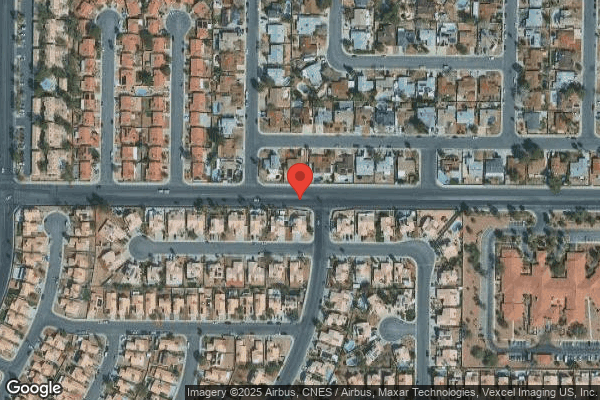

6151 VEGAS DRIVE, LAS VEGAS, NV 89108 (702) 648-4900
For profit - Corporation 178 Beds LIFE CARE CENTERS OF AMERICA Data: November 2025
Trust Grade
63/100
#31 of 65 in NV
Last Inspection: November 2024

Within standard 12-15 month inspection cycle. Federal law requires annual inspections.

Overview

Life Care Center of Las Vegas has a Trust Grade of C+, indicating it is slightly above average but not without issues. It ranks #31 out of 65 nursing homes in Nevada, placing it in the top half of facilities in the state, and #24 out of 42 in Clark County, meaning there are only a few local options that perform better. The facility is showing an improving trend, with the number of issues reported decreasing from 16 in 2023 to 7 in 2024. While staffing is a relative strength with a turnover rate of 29%, which is well below the state average, there is concerning RN coverage that is less than 92% of other facilities in Nevada, suggesting less oversight for resident care. Families should note that there were multiple food safety concerns documented during inspections, including expired food and cleanliness issues in the kitchen, which could pose risks to residents. However, it is worth mentioning that the facility has not incurred any fines, which is a positive sign regarding compliance with regulations. Overall, while there are strengths in staffing and a positive trend in issues, the facility must address its food safety practices to ensure the well-being of its residents.

Trust Score
C+
63/100
In Nevada
#31/65
Top 47%
Safety Record
Low Risk
No red flags
Inspections
Getting Better
16 → 7 violations
Staff Stability
✓ Good
29% annual turnover. Excellent stability, 19 points below Nevada's 48% average. Staff who stay learn residents' needs.
Penalties
✓ Good
No fines on record. Clean compliance history, better than most Nevada facilities.
Skilled Nurses
⚠ Watch
Each resident gets only 22 minutes of Registered Nurse (RN) attention daily — below average for Nevada. Fewer RN minutes means fewer trained eyes watching for problems.
Violations
⚠ Watch
34 deficiencies on record. Higher than average. Multiple issues found across inspections.
★★★☆☆
3.0
Overall Rating
★★★☆☆
3.0
Staff Levels
★★★★☆
4.0
Care Quality
★★★☆☆
3.0
Inspection Score
Stable
2023: 16 issues
2024: 7 issues

The Good

  • 4-Star Quality Measures · Strong clinical quality outcomes
  • Low Staff Turnover (29%) · Staff stability means consistent care
  • Full Sprinkler Coverage · Fire safety systems throughout facility
  • No fines on record
  • Staff turnover is low (29%)

    19 points below Nevada average of 48%

Facility shows strength in quality measures, staff retention, fire safety.

The Bad

3-Star Overall Rating

Near Nevada average (3.0)

Meets federal standards, typical of most facilities

Chain: LIFE CARE CENTERS OF AMERICA

Part of a multi-facility chain

Ask about local staffing decisions and management

The Ugly 34 deficiencies on record

Nov 2024 5 deficiencies
CONCERN (D)

Potential for Harm - no one hurt, but risky conditions existed

Deficiency F0578 (Tag F0578)

Could have caused harm · This affected 1 resident

**NOTE- TERMS IN BRACKETS HAVE BEEN EDITED TO PROTECT CONFIDENTIALITY** Based on clinical record review, document review and interview, the facility failed to ensure residents were provided informatio...

Read full inspector narrative →
**NOTE- TERMS IN BRACKETS HAVE BEEN EDITED TO PROTECT CONFIDENTIALITY** Based on clinical record review, document review and interview, the facility failed to ensure residents were provided information about the right to formulate an advanced directive for 2 of 31 sampled residents (Resident #74 and Resident #5). The deficient practice has the potential to deprive residents of their right for self-determination. Findings Include: Resident #74 (R74) R74 was admitted to the facility on [DATE], with diagnoses including Guillain-Barre Syndrome, multiple sclerosis, systemic lupus erythematosus, and unspecified dementia. R74's social services progress note dated 07/29/2024 documented the resident was alert and oriented times three and scored a 15/15 on the Brief Interview for Mental Status (BIMS) exam, meaning the resident is cognitively intact. The note also states the resident can make their own decisions. A resident document titled Physician Order for Life-Sustaining Treatment (POLST) dated 08/06/2018 was filled out by R74's ex-spouse as Do Not Attempt Resuscitation and was signed by the provider. On 11/20/2024 at 3:00pm, R74 revealed were unaware of what advanced directives were. Advanced directives were explained to the resident. R74 stated no one had talked to them about advanced directives until this day. R74 stated if something were to happen, the resident wanted the facility staff to attempt to resuscitate. Resident #5 (R5) R5 was originally admitted to the facility on [DATE], with diagnoses including aneurysm of artery of lower extremity, acute embolism and thrombosis of unspecified deep veins of left lower extremity, and peripheral vascular disease. R5's social services progress note dated 10/03/2024 documented the resident has aphasia and is nonverbal and unable to complete the Brief Interview for Mental Status (BIMS). Questions asked in yes or no format where the resident can use gestures of nodding of head were used. The resident does have difficulty making themself understood only using gestures and no other communication. R5 can use gestures to make concrete needs known. The note also states the resident can usually understand information but needs a little extra time to integrate information. A resident document titled Physician Order for Life-Sustaining Treatment (POLST) dated 12/02/2021 was filled out by R74's niece as Do Not Attempt Resuscitation and was signed by the provider. A resident document titled admission Record (face sheet) documented the resident was the responsible party and the niece was the emergency contact. R5's medical record lacked documentation the resident gave permission for the niece to make medical decisions on their behalf or the niece was the power of attorney for healthcare or the guardian for the resident or the resident was incompetent to make decisions. On 11/20/2024 at 2:39 PM, the Director of Social Services acknowledged the resident had no other family or friends and the facility would first have to get a psychological evaluation to see if the resident is competent to make decisions regarding a power of attorney as the staff feel the resident has moderately impaired decision-making abilities. The facility policy titled, Advance Directives and Advanced Care Planning revised 08/02/2022, documented residents have the right to self-determination regarding their medical care. This includes the right of an individual to direct his or her own medical treatment, including the right to execute or refuse to execute an advanced directive. A resident who has not been declared incompetent has the right to designate a representative to exercise the residents' rights to the extent those rights are delegated to the representative. Each time the resident is admitted to the facility, quarterly, and when a change in condition is noted in the resident condition, the facility should review the advanced directive and advanced care planning information.
CONCERN (D)

Potential for Harm - no one hurt, but risky conditions existed

Deficiency F0646 (Tag F0646)

Could have caused harm · This affected 1 resident

**NOTE- TERMS IN BRACKETS HAVE BEEN EDITED TO PROTECT CONFIDENTIALITY** Based on interview, record review and document review, the facility failed to ensure the appropriate state mental health authori...

Read full inspector narrative →
**NOTE- TERMS IN BRACKETS HAVE BEEN EDITED TO PROTECT CONFIDENTIALITY** Based on interview, record review and document review, the facility failed to ensure the appropriate state mental health authority was notified promptly following a change in condition for 1 of 31 sampled residents (Resident #81). The deficient practice had the potential to deprive the resident of concern and other residents of necessary behavioral health services. Findings include: Resident 81 (R81) R81 was re-admitted on [DATE], with diagnoses including schizoaffective disorder, unspecified dementia with behavioral disturbance, major depressive disorder, and bipolar disorder. On 11/19/2024 in the afternoon, R81 stated the pureed food was horrible and they rarely eat it. R81 stated had been back to the hospital a couple times since admitted to the facility. The resident had no issues with laundry and housekeeping, was receiving and happy with physical therapy, occupational therapy, and the nursing care. The resident indicated liked participating in the Activities Department events to get out of their room. R81 tended to jump from one thing to another randomly. A PASARR level one document dated 01/29/2020, revealed R81 did have the dementia diagnosis, however, no other mental illness (MI), intellectual disability, (ID) mental retardation (MR) or any related condition (RC) and was deemed appropriate for nursing facility placement. A review of the resident's medical notes revealed R81's schizoaffective disorder was diagnosed on [DATE] and the resident's major depressive disorder was diagnosed on [DATE]. A review of the resident's physician progress notes on 3/29/2022 and 03/31/2022 revealed R81's bipolar disorder was diagnosed on these physician notes; however, it had not been added to the list of diagnoses in the Point Click Care (PCC) Medical Records System. A nurse's progress note dated 05/19/2024 at 08:55 AM, documented R81 was involved in a resident-to-resident altercation where R81 punched another resident in the face causing the other resident to lose a tooth. The note documented R81 stated they were hit first but had managed to knock the other resident's tooth out. Documentation revealed R81 was seen by psychiatric services within minutes of the incident and had given the order to complete a Legal Discharge for R81 to a psych ER for acute treatment. On 11/21/2024 at 9:30 AM, the Medical Records Director (MRD) acknowledged the resident diagnoses are entered by the medical records department. The MRD was not sure why the Bipolar Diagnosis had not been added since the physicians had diagnosed the disorder and the facility had been documenting this diagnosis in the resident's Modified Data Set (MDS). The MRD acknowledged the diagnosis should have been added to the residents list of Diagnoses in PCC. On 11/21/2024 at 10:10 AM, the Medicaid Eligibility Specialist (MES) explained was responsible for referring residents who met criteria for PASARR II by completing the PASARR referral in the PASARR system. When asked if a residents' diagnoses of schizoaffective disorder, major depressive disorder, and bipolar disorder would be representative of mental illness, intellectual disability, or a related condition which the Medicaid Service Manual documents a PASARR II must be completed for, the MES explained this was not necessarily the case. The MES explained if the resident had also been diagnosed with dementia, the dementia diagnosis would override the other diagnoses. The MES continued to explain the only thing which would necessitate a PASARR II referral for this type of dementia resident is a Legal Discharge for a psych change of Condition. The MES confirmed R81 did have a Legal Discharge due to a psych change of condition and a referral for a PASARR II should have been completed. The Division of Health Care Financing and Policy- Medicaid Services Manual- for Nursing Facilities Policy dated 05/01/2015, documented when an individual has been identified with possible indicators of mental illness, intellectual disabilities or related condition, a PASARR Level II screening must be completed to evaluate the individual and determine if nursing facility services and/or specialized services are needed and can be provided in the nursing facility. Examples include: a resident who exhibits behavioral, psychiatric, or mood related symptoms suggesting a presence of a mental disorder (where dementia is not the primary diagnoses), or an intellectual disability or related condition was not previously identified and evaluated through PASARR. Social services would be responsible for keeping track of each resident's PASARR screening status and referring to appropriate authority. A facility document titled Pre-admission Screening and Resident Review (PASARR) revised on 10/06/2022, revealed the need to refer residents with newly evident or possible serious mental disorder, intellectual disability, or a related condition for level II resident review upon significant change in status. Also, the facility must notify the appropriate state mental health authority or state intellectual disability authority promptly after a significant change in the mental or physical condition of a resident who has a mental illness or intellectual disability for resident review.
CONCERN (D) 📢 Someone Reported This

A family member, employee, or ombudsman was alarmed enough to file a formal complaint

Potential for Harm - no one hurt, but risky conditions existed

Deficiency F0657 (Tag F0657)

Could have caused harm · This affected 1 resident

**NOTE- TERMS IN BRACKETS HAVE BEEN EDITED TO PROTECT CONFIDENTIALITY** Based on interviews, record review, and document review, the facility failed to ensure a care plan was revised after a resident ...

Read full inspector narrative →
**NOTE- TERMS IN BRACKETS HAVE BEEN EDITED TO PROTECT CONFIDENTIALITY** Based on interviews, record review, and document review, the facility failed to ensure a care plan was revised after a resident elopement for 1 of 31 sampled residents (Resident 167). The deficient practice placed the resident at risk for inappropriate care, supervision, and accidents. Findings include: Resident 137 (R137) R137 was originally admitted to the facility on [DATE] with diagnoses including seizures, epilepsy, autistic disorder, schizophrenia, and anxiety disorder. A Nursing Progress Event Note dated 11/03/2024 at 7:10 PM, revealed the nurse was giving medications when R137 approached the nurse to call their mother around 8:00 PM. The note revealed the following information: At around 8:10 PM the CNA opened the front door remotely for a resident family member and the family member advised there was a resident outside wearing a red shirt. The CNA went outside to check and found R137 in the street in front of the building to the right. The CNA called for help and three CNAs brought R137 back to the building. At 9:15 PM the nurse called the physician to get an order for a Wonder Guard. At 9:15 PM the nurse went to the resident's room and the resident was not there. Staff looked for the resident again, and another nurse found R137 outside again. The nurse and a CNA brought R137 back inside at 9:40PM. At 11:30 PM, the CNA informed the nurse could not find R137. Staff looked outside and found R137 in front of the building at the right side near the bushes. R137 had refused to allow the staff to put the Wonder Guard on their leg and became aggressive toward staff. By 1:00 AM on 11/04/2024, R137 was asleep. According to the facility's investigation documentation, there is no evening. Staff buzz in visitors remotely in the evening due to no receptionist. When the door opens, the maglock does not close the door immediately, it stays open for at least a minute. It was thought the elopement occurred when the door was opened for a visitor or a food delivery person. A care plan for risk for elopement had documented R137 had an elopement. However, the care plan had not been revised with new interventions dated on or around 11/03/2024 documenting new preventative strategies to prevent future elopements. On 11/21/2024 at 7:59 AM, the Unit Manager (UM) acknowledged the care plan is the guide for how a person is taken care of in the facility and also acknowledged the current interventions had not worked in this event where R137 had eloped three times in four hours. The UM stated the care plan needs to be updated with new interventions to try to keep the resident safe in the facility. The UM acknowledged R137's care plan had not been revised with new interventions. On 11/21/2024 at 7:20 AM, the Director of Nursing (DON) revealed they would have expected new interventions to have been added to R137's care plan. A facility policy titled Comprehensive Care Plans and Revisions revised 03/02/2022 documented the facility should monitor the resident over time to help identify changes in the resident condition which may warrant an update to the person-centered plan of care. When these changes occur, the facility should review and update the plan of care to reflect the changes to care delivery to include additional interventions on existing problems.
CONCERN (D)

Potential for Harm - no one hurt, but risky conditions existed

Deficiency F0836 (Tag F0836)

Could have caused harm · This affected 1 resident

Based on interview and document review, the facility failed to ensure employee records contained evidence of current Nevada Automated Background System (NABS) clearance per Nevada Revised Statutes (NR...

Read full inspector narrative →
Based on interview and document review, the facility failed to ensure employee records contained evidence of current Nevada Automated Background System (NABS) clearance per Nevada Revised Statutes (NRS) 449.124, for 4 of 19 employee records reviewed (Employees 4, 5, 6 and 7). The deficient practice had the potential to allow unqualified employees to provide care for residents. Findings include: NABS Clearance regulatory language at NRS 449.123 documented the Administrator, or the person licensed to operate a facility, shall ensure information concerning the background and personal history of each employee, or contractor who worked at the facility was completed as soon as practicable and at least once every five years after the date of the initial investigation. NRS 449.124 documented each facility shall maintain records of the information concerning its employees which included, 1) a copy of the fingerprints submitted to the Central Repository for Nevada Records of Criminal History or proof of electronic fingerprint submission and a copy of the written authorizations provided by the employee, 2) proof the employees' fingerprints were submitted to the Central Repository, and 3) any other documentation of the information collected pursuant to NRS 449.123. On 11/21/2024, a review of 19 employee records conducted with the Staff Developer revealed the records of Employees 4, 5, 6 and 7 lacked evidence fingerprint-based background checks had been initiated and completed within five years from the prior screening date. -Employee 4 was hired as a Licensed Practical Nurse. The latest finger-print based background check with NABS clearance letter was completed on 09/20/2019. -Employee 5 was hired as a Certified Nursing Assistant (CNA). The latest finger-print based background check with NABS clearance letter was completed on 06/11/2019. -Employee 6 was hired as a CNA. The latest finger-print based background check with NABS clearance letter was completed on 10/17/2019. -Employee 7 was hired as a Maintenance Assistant. The latest finger-print based background check with NABS clearance letter was completed on 05/15/2019. On 11/21/2024 at 12:09 PM, the Staff Developer verbalized being responsible for ensuring each employee's screening was completed on hire and then every five years. The Staff Developer revealed fingerprints and clearance letter from NABS showing current eligibility for hire was to be documented in each employee record. The Staff Developer verbalized Employees 4, 5, 6 and 7 did not have a current (less than 5-year-old) NABS clearance letter. The Staff Developer indicated some employees had fingerprints done which had not been submitted to NABS as of yet. The Staff Developer indicated the fingerprinting process should have been initiated sooner so as to obtain NABS clearance for Employees 4, 5, 6, and 7 within the required time frame. The Staff Developer stated it was an oversight on the facility's part. On 11/21/2024, in the afternoon, the Administrator indicated a completed fingerprint-based background check with a NABS clearance letter confirming current eligibility was required for all employees. The Administrator verbalized the facility was expected to abide by state laws. The policy and procedure titled Licensure and Compliance with Federal, State, Local Laws, and Professional Standards, revised 04/17/2021, indicated the facility provided services in compliance with State laws, regulations, and codes. The policy and procedure titled Background Screening Policy: Associates, dated 08/20/2018, indicated background checks would be conducted to determine eligibility in accordance with relevant state laws.
CONCERN (E)

Potential for Harm - no one hurt, but risky conditions existed

Food Safety (Tag F0812)

Could have caused harm · This affected multiple residents

Based on observation, interview, and document review, the facility failed to ensure stored foods were stored properly and ice machines were properly cleaned for 3 of 5 ice makers in the facility. This...

Read full inspector narrative →
Based on observation, interview, and document review, the facility failed to ensure stored foods were stored properly and ice machines were properly cleaned for 3 of 5 ice makers in the facility. This deficient practice posed a potential risk to safety and health standards which could lead to contamination and place residents at risk of foodborne illness. Findings include: On 11/19/2024 in the morning, there was an open bottle containing blackberry sauce in the dry food storage area with an expiration date of June 10, 2024. The Dietary Director explained the blackberry sauce should have been discarded. On 09/04/2024 in the morning, there was an ice machine in the kitchen with brownish spots on the inner ice shield, debris buildup on the metal lip between the lid and the opening of the ice chamber, and debris buildup of the front grill covering the filter of the ice machine. There was an ice machine in the 300-hall nourishment room with a debris buildup on the ice spout of the machine. There was another ice machine in the 400-hall nourishment room with a debris buildup on the ice spout of the machine. The Dietary Director explained the ice machines are cleaned periodically and were recently cleaned. On 11/22/2024 in the afternoon, the nourishment room ice machines were inspected again showing debris buildup on the ice spout of the 300 and 400 hall machines. A facility document titled Ice Machines revised 06/12/2023, revealed ice machines should be maintained in a clean and sanitary state following infection prevention and control guidelines. A facility document titled Food Safety revised 04/26/2023 revealed under dry storage, opened packages of food are resealed tightly to prevent contamination of the food item and use by date will be used. Food not safe for consumption or if the safety of the food is in question, it will be removed from storage.
Oct 2024 2 deficiencies
CONCERN (D) 📢 Someone Reported This

A family member, employee, or ombudsman was alarmed enough to file a formal complaint

Potential for Harm - no one hurt, but risky conditions existed

Deficiency F0624 (Tag F0624)

Could have caused harm · This affected 1 resident

**NOTE- TERMS IN BRACKETS HAVE BEEN EDITED TO PROTECT CONFIDENTIALITY** Based on interview, record review, and document review, the facility failed to ensure the resident who had functional impairment...

Read full inspector narrative →
**NOTE- TERMS IN BRACKETS HAVE BEEN EDITED TO PROTECT CONFIDENTIALITY** Based on interview, record review, and document review, the facility failed to ensure the resident who had functional impairments was evaluated and appropriately discharged for 1 of 4 sampled residents (Resident 1). This failure could potentially lead to medical complications or adverse events which could result in hospitalization, prolonged illness, or even death. Findings included: Resident #1 (R1) Resident #1 (R1) was admitted on [DATE], with diagnoses including fracture of right pubis, urinary tract infection, protein-calorie malnutrition, abnormal posture, generalized weakness, and spondylolysis. R1 was admitted with a history of falling with injuries. R1 was alert and oriented and had a Brief Interview for Mental Status (BIMS) of 15/15 suggesting the patient was cognitively intact. An Occupational Therapy (OT) evaluation dated 10/16/2023, documented R1 had diagnoses of fracture of right pubis and generalized muscle weakness. The evaluation indicated R1 could perform toileting with maximum assistance, bathing with maximum assistance, lower body dressing with maximum assistance, and bed mobility with maximum assistance. A Physical Therapy (PT) evaluation dated 10/16/2023, documented R1 had diagnoses of fracture of right pubis and abnormal posture. The evaluation indicated R1 could perform bed mobility with maximum assistance. The evaluation also indicated R1 was dependent and could not perform transfers, ambulation, or wheelchair mobility in the patient's motorized wheelchair. A facility Discharge summary dated [DATE], documented R1 was contact guard assist with bed mobility, supervision to maximum assistance for activities of daily living (bathing and dressing), needed minimal assistance to complete transfers, and required maximum assistance for hygiene and toileting. The discharge summary indicated R1 was not continent of bowel and bladder, the skin was intact, no vision or hearing impairment, and no denture issues. The facility discharge summary documented the transfer or discharge was appropriate because R1's health had improved so the resident no longer required the services provided by the facility, and R1 was to be discharged to a group home with home health care OT, PT, and Nursing services ordered. The discharge summary indicated the discharge plan was discussed with the patient/family and the care team including case managers social services, and the therapy team. An Occupational Therapy (OT) discharge note dated 11/08/2023, documented R1 could perform toileting with maximum assistance, bathing with moderate assistance, and lower body dressing with supervision. A Physical Therapy (PT) discharge date d 11/07/2023, documented R1 could perform bed mobility with set up assistance, transfers with maximum assistance, and could maneuver the motorized wheelchair with supervision. The document also indicated R1 was dependent and could not perform ambulation or toilet transfers specifically. This document also recommended the resident required 24-hour caregiving. A Case Manager (CM) note dated 11/06/2023, documented the patient will discharge to group home with hospice at a specific address with the hospice marketer's name and phone number. The CM also documented the clinicals were sent via email to the home and hospice. On 10/08/2024 at 10:15 AM, the Case Manager (CM) revealed the CM did not know anything about the group home the resident was sent to besides what was written in the patient chart. The patient chart lacked documented evidence of completed discharge information. On 10/08/2024 at 10:30 AM, the Hospice Marketer revealed an interview with the hospice administrator was necessary to get the information needed. On 10/08/2024 at 10:36 AM, the Hospice Administrator revealed the facility where the patient was discharged to was not a group home. The facility the patient was discharged to, was an independent living home. The administrator revealed they provided hospice services to the patient inside this home. The administrator explained they provided a nurse 2 days a week and certified nursing assistants (CNAs) every day; but they do not provide 24-hour care. On 10/08/2024 at 11:00 AM, the Occupational Therapist (OT) revealed the OT believed the patient's discharge destination was a group home where the resident would be able to get some assistance. The OT explained the patient required one person to assist with transfers, especially the toilet because the resident could not stand and was only completing other transfers by scooting which could not be done, to the toilet. The OT stated the CM told therapy the resident was discharging to a group home. The OT stated if the resident was to be discharged to an independent living facility, the therapy goals would have been independent functional mobility, but this was never the goal because the resident was being discharged to a group home. The OT stated were not sure this was the safest or best place for the resident. On 10/08/2024 at 2:56 PM, the Social Services Director (SSD) revealed there is process in place for discharges. The SSD explained there is a discharge planning check-off document to make sure things are covered and do not get missed. The SSD indicated there is a group home sign off sheet the facility has for the group home to sign to show the group home did come in to evaluate the patient and can provide the care the resident needs. There is also an information sheet to be filled out to make the writing of the discharge easier. The SSD stated it is expected the person completing the discharge knows the resident so as to know what kind of care the resident will require, the therapy recommendations, and the family input if there is family. The SSD confirmed none of these forms/documents were found completed for this resident, nor was there any documented follow up for this resident after discharge. The SSD also stated the phrases group home and independent living home should not be used synonymously as they are not the same thing. The SSD also acknowledged the case management note was not clear enough and did not provide enough information for proper discharge documentation. The facility policy titled Transfers and Discharges dated 09/05/2024, documented the medical record should contain documentation or evidence of the patient's or resident representative's verbal or written notice of intent to leave the facility, a discharge care plan, and documented discussions with the resident, or if appropriate, the patient's representative, containing details of discharge planning and arrangements for post-discharge care. Complaint #NV00070132
CONCERN (D) 📢 Someone Reported This

A family member, employee, or ombudsman was alarmed enough to file a formal complaint

Potential for Harm - no one hurt, but risky conditions existed

Deficiency F0657 (Tag F0657)

Could have caused harm · This affected 1 resident

**NOTE- TERMS IN BRACKETS HAVE BEEN EDITED TO PROTECT CONFIDENTIALITY** Based on interviews, record review, and document review, the facility failed to ensure a care plan was revised after a resident-...

Read full inspector narrative →
**NOTE- TERMS IN BRACKETS HAVE BEEN EDITED TO PROTECT CONFIDENTIALITY** Based on interviews, record review, and document review, the facility failed to ensure a care plan was revised after a resident-to-resident incident for 1 of 4 sampled residents (Resident 3). The deficient practice had the potential to place the resident at risk for inappropriate care, supervision, and accidents. Findings include: Resident 2 (R2) and Resident 3 (R3) R2 was admitted to the facility on [DATE] with diagnoses including Alzheimer's Disease, dementia with psychotic disturbances, dementia with anxiety, depression, and schizophrenia. R3 was admitted to the facility on [DATE] with diagnoses including hepatic encephalopathy, cognitive communication deficit, altered mental status, alcohol abuse, depression, and anxiety disorder. A Nursing Event Note dated 09/11/2024 at 12:56 PM, documented a communication note which revealed R3 walked into the dining room in the unit. When R3 approached the doorway, there was another resident, R2 passing through at the same time. Resident 3 put up their hand to stop R2 and swung at R2. At which time R2 kicked R3 and then R3 kicked R2. A staff member from activities intervened and separated the two residents. No injuries were observed, and no complaints were offered. The residents were unable to recall the incident when asked. Video footage of the incident was viewed on 10/08/2024 in the afternoon. The video revealed R3 blocked R2 in the doorway so R2 rolled over both feet of R3 in the wheelchair. Both exchanged words and were swinging their arms at each other followed by R3 kicking R2 in the abdomen and then R2 returned the kick, hitting R3 in the shin. According to the facility's investigation documentation, R2 had been refusing medications on and off for the past week and was sent to the hospital after the incident where R2 was kicked in the abdomen due to the residents change in condition. An updated care plan dated 09/17/2024 documented R2 had a resident-to-resident altercation, and the facility was going to assess R2 for the appropriateness of continuing to stay in the secured unit. The facilities census documents revealed the resident was sent out on 09/11/2024 and returned to the facility on [DATE] into a different unit. The medical record lacked documented evidence the care plans for R3 were revised to include preventative strategies for the most recent resident-to-resident altercation in the care plans. On 10/08/2024 at 1:27 PM, the Minimum (MDS) Licensed Practical Nurse (LPN) Coordinator revealed the nurses event note of these residents' altercation would be an after effect note. This would also have constituted a resident change of condition. After the altercation incident, there would have been an interdisciplinary team meeting to discuss the situation and check the residents' cares to make sure they are still appropriate and see what else can be done. The MDS Coordinator then explained would wait for the quarterly to update the care plan. On 10/08/2024 in the afternoon, the Assistant Director of Nursing (ADON) indicated the resident care plan could be updated by anyone after the incident or upon readmission like it was for R2. The ADON further explained if there was already a care plan for the situation, the facility won't necessarily update it any further after an event. When asked if the current interventions for R3 were working, the ADON said the interventions had not worked since there had been another altercation. The ADON explained it was important to update the care plan as it is what steers the care to be given and without an updated care plan, monitoring the care can be difficult. The ADON confirmed it would have been nice if both resident's care plans would have been updated, however, there was no point person to make sure the care plans are completed. A facility policy titled Comprehensive Care Plans and Revisions (revised 09/11/2024) documented the facility should monitor the resident over time to help identify changes in the resident condition which may warrant an update to the person-centered plan of care. When these changes occur, the facility should review and update the plan of care to reflect the changes to care delivery.
Dec 2023 16 deficiencies
CONCERN (D)

Potential for Harm - no one hurt, but risky conditions existed

Deficiency F0604 (Tag F0604)

Could have caused harm · This affected 1 resident

**NOTE- TERMS IN BRACKETS HAVE BEEN EDITED TO PROTECT CONFIDENTIALITY** Based on observation, interview, record review, and document review the facility failed to ensure a resident with mitten restrai...

Read full inspector narrative →
**NOTE- TERMS IN BRACKETS HAVE BEEN EDITED TO PROTECT CONFIDENTIALITY** Based on observation, interview, record review, and document review the facility failed to ensure a resident with mitten restraints was assessed for the use of restraints and the physician order contained parameters for release of the restraint for 1 of 35 sampled residents (Resident 139). The deficient practice had the potential to cause physical and psychosocial harm to the resident. Findings include: Resident 139 (R139) was admitted on [DATE] with diagnoses including depression and bipolar disorder. A brief interview for mental status (BIMS) documented a score of 99 which indicated the resident was not able to complete the assessment. On 11/28/2023 in the morning R139 was lying in bed with mitten restraints on both hands. On 11/28/2023 in the afternoon R139 was lying in bed with mitten restraints on both hands. A physician order dated 11/29/2023 documented mitten to hand to protect finger from breakdown. The medication administration record indicated mitten restraint was being used initially on 10/10/2023. The medical record lacked documented evidence of an assessment prior to the use of a mitten restraint. The medical record lacked documented evidence of how the restraint was to be applied and used, and the time and frequency the restraint should be released. On 12/01/2023 at 12:55 PM, the Director of Nursing (DON) indicated the facility would occasionally use mitten restraints. The DON verbalized a physician order would be required with justification and restraint use and release procedures. According to the DON an assessment would be completed prior to use of restraint and a consent for the use of the restraint would be obtained. The facility policy titled Physical Restraints documented a consent form would be obtained prior to use of restraints, and a physician order was required for the use of the specific type of restraint. The order should include the specific type of restraint, the condition and medical symptom which warrants restraint use, where and how the restraint is to be applied and used, and the time and frequency the restraint should be released.
CONCERN (D)

Potential for Harm - no one hurt, but risky conditions existed

PASARR Coordination (Tag F0644)

Could have caused harm · This affected 1 resident

**NOTE- TERMS IN BRACKETS HAVE BEEN EDITED TO PROTECT CONFIDENTIALITY** Based on interview and document the facility failed to refer a resident for a Pre-admission Screening and Resident Review (PASRR...

Read full inspector narrative →
**NOTE- TERMS IN BRACKETS HAVE BEEN EDITED TO PROTECT CONFIDENTIALITY** Based on interview and document the facility failed to refer a resident for a Pre-admission Screening and Resident Review (PASRR) level II evaluation for 1 of 35 sampled residents (Resident 101). The deficient practice had the potential to deprive a resident of appropriate behavioral health services. Findings Include: Resident 101 (R101) was admitted on [DATE] with diagnoses including bipolar disorder, and pressure ulcer of the right plantar foot distal site. A review of the Nevada PASRR level I identification determination dated 06/30/2020 documented no mental illness, no intellectual disability, dementia, or related condition. The resident was appropriate for nursing facility placement. A review of the medical record revealed a diagnosis of bipolar disorder with an onset of 09/05/2022. A review of the medical record revealed a diagnosis of paranoid schizophrenia with an onset date of 11/15/2022. A Physician Order dated 11/16/2023 for Quetiapine Fumarate (Seroquel an antipsychotic) tablet 25 milligram (mg), give one tablet by mouth at bedtime for psychosis related to verbally aggressive behavior and resisting care. A Physician Order dated 09/07/2023 for Aripiprazole (Abilify an antipsychotic) tablet 5 mg, give one tablet by mouth one time a day for paranoid schizophrenia and resisting care. A Physician Order for Divalproex Sodium (Depakote an anticonvulsant) tablet delayed release 125 mg, give one tablet by mouth two times a day related to paranoid schizophrenia. The medical record lacked documented evidence a PASRR level II was completed for R101. On 11/30/23 at 1:34 PM, the Social Services Assistant indicated R101 should have been referred to the appropriate state agency for a PASRR level II evaluation due to the active psychiatric diagnoses. The Pre-admission Screening and Resident Review (PASRR) policy revised on 10/06/2022 documented any resident with newly evident or possible serious mental disorder, intellectual disability or a related condition must be referred, by the facility to the appropriate state-designated mental health or intellectual disability authority for review.
CONCERN (D)

Potential for Harm - no one hurt, but risky conditions existed

Comprehensive Care Plan (Tag F0656)

Could have caused harm · This affected 1 resident

**NOTE- TERMS IN BRACKETS HAVE BEEN EDITED TO PROTECT CONFIDENTIALITY** Based on observation, interview, record review and document review, the facility failed to ensure person centered comprehensive ...

Read full inspector narrative →
**NOTE- TERMS IN BRACKETS HAVE BEEN EDITED TO PROTECT CONFIDENTIALITY** Based on observation, interview, record review and document review, the facility failed to ensure person centered comprehensive care plans were developed for 3 of 35 sampled residents (Resident 330, 96 and 107), The deficient practice had a potential for staff not to provide a personalized care for residents. Findings include: 1) Resident 330 (R330) was admitted on [DATE], with diagnoses including chronic kidney disease, stage 3b and encounter for surgical aftercare following surgery on the skin and subcutaneous tissue. On 11/28/2023 at 2:53 PM, observed at R330's bedside was a medical device which had a suction type of device and a collection container. The device had tubing that was currently not connected to anything. R330 verbalized using an incontinent device called PureWick System. R330 indicated using the device for a while now and used it to control urinary incontinence and avoid urine contamination of the sacral wound. The History and Physical dated 11/20/2023, lacked documented evidence the primary physician was aware R330 was utilizing the PureWick device as part of urinary incontinence medical regimen. R330's comprehensive care plans revised 11/27/2023, documented Focus: Urinary Incontinence and At Risk for Skin Breakdown due to Incontinence revealed the interventions and tasks did not list the use of the PureWick urinary collection device. On 12/01/2023 at 9:40 AM, the director of staff development (DSD) indicated all medical equipment utilized in the facility would require the staff to receive training to ensure staff would be competent to handle the device and should be part of a resident's care plan. On 12/01/2023 at 10:51 AM, the DSD confirmed there was no care plan for the use of the PureWick device. 2) Resident 96 (R96) was admitted on 08/0112023 with diagnoses including chronic peripheral venous insufficiency and chronic systolic congestive heart failure (CHF). On 11/28/2023 at 10:16 AM, R96 was observed with +4 bilateral lower leg edema. R96 was noted to have bilateral lower wounds with a dressing. R96 was observed lying in bed with both lower extremities dangling on the side of the bed. On 11/29/2023 at 11:25 AM, R96 was observed lying in bed with no lower extremity elevation. R96 had a Physician Order for Furosemide 40 milligrams (water pill) give one tablet by mouth, two times a day for CHF and lower extremity edema. A Nursing Progress Note dated 10/20/2023 at 7:59 PM documented R96 continued to take medication as ordered. Resident continued with edema to bilateral feet, continued Lasix (water pill). A Nursing Progress Note dated 10/23/2023 at 7:24 PM, documented remained with edematous feet, already on Furosemide regimen; ace wrap intact; wound care in progress. Ambulating adlib in the hallway using a walker. No apparent distress noted. R96's comprehensive care plan lacked any focus problem on the lower leg edema and the interventions needed for its care. On 11/30/2023 at 2:46 PM, the unit manager confirmed R96's care plan did not have any focus problem addressing the resident's edema. The unit manager indicated it was nursing responsibility to ensure all care needs and focus problems be care planned. 3) Resident 107 (R107) was initially admitted on [DATE] and re-admitted on [DATE], with diagnoses including hemiplegia and hemiparesis following cerebral infarction affecting right dominant side and chronic obstructive pulmonary disease, unspecified. On 11/28/2023 at 3:21 PM, observed R107 lying in bed with both fingers curled towards the palm and bilateral wrists pulling towards the body. There were no hand rolls applied to the residents' hands and no support was provided to keep the wrist properly aligned. A Rehabilitation Services Multidisciplinary Screening Tool dated 10/02/2023, documented Occupational Therapy: Patient continued with baseline activities of daily living (ADL) function. Total assistance with ADLs. No skilled OT indicated at this time. On 11/01/2023 at 7:20 PM, a Skilled Note documented noted contractures. Resident was dependent on staff for all activities of daily living. R107's comprehensive care plan lacked documented evidence for a focus on contractures and interventions in preventing the progression of contractures. On 11/30/2023 at 2:30 PM, the Unit Manager confirmed Resident 107 had been developing bilateral hand contractures. The Manager confirmed there was no order for hand rolls to prevent the progress of contractures of the hands. The Manager confirmed there was no care plan for hand contractures of any contractures that could occur for a limited mobility resident. The facility policy titled Comprehensive Care Plans and Revisions, issued on 03/02/2022; Reviewed on 08/22/2023, documented the facility will ensure the timeliness of each resident's person-centered, comprehensive care plan, and to ensure that the comprehensive care plan is reviewed and revised by an interdisciplinary team. The care is to reflect the care delivery, this can include interventions on existing problems.
CONCERN (D)

Potential for Harm - no one hurt, but risky conditions existed

ADL Care (Tag F0677)

Could have caused harm · This affected 1 resident

**NOTE- TERMS IN BRACKETS HAVE BEEN EDITED TO PROTECT CONFIDENTIALITY** Based on observation, interview, record review, and document review, the facility failed to ensure a shower or bed bath was prov...

Read full inspector narrative →
**NOTE- TERMS IN BRACKETS HAVE BEEN EDITED TO PROTECT CONFIDENTIALITY** Based on observation, interview, record review, and document review, the facility failed to ensure a shower or bed bath was provided at least twice a week for 1 of 35 sampled residents (Resident 26). The deficient practice had the potential to pose the risk of compromised hygiene and potential adverse effects on the resident's skin or skin breakdown. Findings include: Resident 26 (R26) was admitted on [DATE], with diagnoses including quadriplegia (paralysis affecting all limbs and the body from the neck down) and contracture. The Minimum Data Set - Brief Interview of Mental Status dated 09/07/2023, documented a score of 15/15, which indicated R26's cognitive status was intact. The Minimum Data Set functional status dated 09/07/2023, documented R26's personal hygiene required extensive assistance and total dependence with bathing. The Activity Daily Living (ADL) - bathing record dated 09/18/2021, documented R26 preferred Monday and Thursday day shift showers. The Admission/readmission Collection Tool dated 09/19/2021, documented R26 required total assistance with personal hygiene and bathing. R26 had gait disturbance, unsteadiness, and balance issues due to quadriplegia, putting R26 at risk for pressure ulcers. A Care Plan revised on 10/14/2019, documented R26 was totally dependent on one to two staff members for ADL care due to quadriplegia. The interventions included providing showers twice weekly, with bed baths in between. The Shower List in 100 Hall documented R26's shower days as Mondays and Thursdays. On 11/28/2023 at 12:50 PM, R26 was verbally alert and oriented, lying in bed in a supine position. R26 indicated the facility did not have enough Certified Nursing Assistants (CNAs), leading to the scheduled shower not being provided. R26 indicated the designated shower days were Monday and Thursday and was totally dependent on staff with showers. R26 indicated the lack of a shower and bed bath had made R26 uncomfortable. The Point of Care Response History for November 2023, documented R26's shower or bed bath was inconsistently provided on the following occasions: Week 1: no shower/one bed bath Week 2: one shower and one bed bath Week 3: one shower Week 4: one shower The ADL flow sheet for R26's shower/bath for October and November lacked documented evidence that a shower or bed bath was consistently provided twice weekly with bed baths in between, as indicated in the care plan. On 12/01/2023 at 8:38 AM, the Director of Nursing (DON) indicated each resident was entitled to receive a shower twice weekly. The DON confirmed there was a lack of documented evidence R26's shower or bed bath was provided as scheduled. On 12/01/2023 at 1:54 PM, the Unit Manager (UM) confirmed R26's medical records lacked documented evidence a shower or bed bath was consistently provided at least twice a week. The UM indicated R26's shower was scheduled on Mondays and Thursdays. The UM explained if the resident refused, the nurse should have been informed so the resident could have been encouraged, and if refusal persisted for three times, the physician should have been informed, and refusal should have been care planned. On 12/01/2023 at 2:24 PM, a Certified Nursing Assistant (CNA) indicated a resident's shower was scheduled twice weekly. The CNA explained the shower schedule was indicated in the nursing assignment to assigned CNA. On 12/01/2023 at 2:27 PM, a CNA indicated each resident should have been given a shower or bed bath twice a week and documented under the point of care. The CNA explained If a resident refused, the nurse should have been informed, and the shower sheet signed by the CNA and a nurse should have been submitted. The CNA indicated R26 was bedbound and totally dependent on showers, requiring extensive assistance. A facility policy titled Activities of Daily Living dated 08/23/2023, documented a resident unable to carry out ADL should receive the necessary services to maintain grooming, personal, and oral hygiene.
CONCERN (D)

Potential for Harm - no one hurt, but risky conditions existed

Quality of Care (Tag F0684)

Could have caused harm · This affected 1 resident

**NOTE- TERMS IN BRACKETS HAVE BEEN EDITED TO PROTECT CONFIDENTIALITY** 2) Resident 103 (R103) was admitted on [DATE] with diagnosis including muscle weakness and malignant neoplasm of colon. A Brief...

Read full inspector narrative →
**NOTE- TERMS IN BRACKETS HAVE BEEN EDITED TO PROTECT CONFIDENTIALITY** 2) Resident 103 (R103) was admitted on [DATE] with diagnosis including muscle weakness and malignant neoplasm of colon. A Brief Interview for Mental Status (BIMS) documented a score of 15 which indicated the resident was cognitively intact. A Progress Note dated 09/26/2023, documented pathology reported a diagnoses of left elbow lesion identified as a squamous cell carcinoma lesion and R103 to follow up with an outpatient dermatology. On 11/28/2023 at 10:39 AM, R103 explained a biopsy was conducted on a left elbow lesion and identified as cancerous, but there was no follow up appointment completed. R103's left elbow lesion was observed as an approximate dime sized dried scaled over lump. On 12/01/2023 at 8:52 AM, a Unit Manager indicated R103's left elbow lesion was determined to be cancerous, and a wound doctor was treating the lesion. The Unit Manager reported R103 had an appointment scheduled at an office to include oncology and dermatology on 10/27/2023, but that appointment was canceled. On 12/01/2023 at 9:32 AM, a Treatment Nurse confirmed a biopsy was conducted on the left elbow lesion, which was confirmed to be a squamous cell carcinoma lesion. The Treatment Nurse explained the current intervention was for R103 to follow up with a dermatologist and oncologist. The Treatment Nurse indicated the Unit Manager would schedule appointments for residents. On 12/01/2023 at 2:16 PM, the Director of Nursing (DON) explained there was no documentation the resident saw an oncologist from October 2023 to current. On 12/01/2023 at 5:25 PM, the Maintenance Director indicated overseeing the transportation staff who may assist in scheduling appointments for residents. The Maintenance Director explained R103 was transported to an appointment to an oncology/dermatology office on 10/27/2023, however upon arrival, the office was closed. The Maintenance Director considered that appointment as canceled for R103 and transportation staff would not have scheduled a follow up appointment until a request form was received by nursing staff, which was not received. A facility policy titled Transportation Coordination and Service, last reviewed on 07/17/2023, documented the facility would assist the resident in making necessary appointments for services not provided in the facility. Based on observation, interview, record review and document review the facility failed to 1) implement interventions for edema for 1 of 35 sampled residents (Resident 96); 2) ensure a resident received follow-up oncology services for a lesion on the left arm as recommended for 1 of 35 residents (Resident 103). The deficient practice had the potential to affect a resident's overall health, treatment, and care. Findings include: 1) Resident 96 (R96) was admitted on 08/0112023 with diagnoses including chronic peripheral venous insufficiency and chronic systolic congestive heart failure (CHF). On 11/28/2023 at 10:16 AM, R96 was observed with +4 bilateral lower leg edema. R96 was noted to have bilateral lower extremity wounds with a dressing. R96 was observed lying in bed with both lower extremities dangling on the side of the bed. On 11/29/2023 at 11:25 AM, R96 was observed lying in bed with no lower extremity elevation. R96's Physician's Order dated 08/21/2023, documented Furosemide tablet 40 milligrams (water pill) give one tablet by mouth, two times a day for CHF and lower extremity edema. A Nursing Progress Note dated 10/20/2023 at 7:59 PM, documented R96 continued to take medication as ordered. Resident continued with edema to bilateral feet, continued Lasix (water pill). A Nursing Progress Note dated 10/23/2023 at 7:24 PM, documented remained with edematous feet, already on Furosemide regimen; ace wrap intact; wound care in progress. Ambulating adlib in the hallway using a walker. No apparent distress noted. The medical lacked documented evidence that any nonpharmacological interventions were provided to the resident after identifying the edema to both lower extremities. On 11/30/2023 at 2:46 PM, the Unit Manager confirmed R96 had lower extremity edema due to the poor circulation of both legs. The Unit Manager confirmed there were no orders for nonpharmacological interventions to address R96's lower extremity edema. The Unit Manager indicated a physician order to elevate the resident's lower legs was obtained. On 12/01/2023 at 2:46 PM, the Director of Nursing (DON) indicated the facility did not have a policy specific for the care and monitoring of edema. The DON verbalized nonpharmacological care of a resident with edema was considered to be basic nursing standards of practice.
CONCERN (D)

Potential for Harm - no one hurt, but risky conditions existed

Deficiency F0688 (Tag F0688)

Could have caused harm · This affected 1 resident

**NOTE- TERMS IN BRACKETS HAVE BEEN EDITED TO PROTECT CONFIDENTIALITY** Based on observation, interview, record review and document review, the facility failed to ensure resident was assessed and inte...

Read full inspector narrative →
**NOTE- TERMS IN BRACKETS HAVE BEEN EDITED TO PROTECT CONFIDENTIALITY** Based on observation, interview, record review and document review, the facility failed to ensure resident was assessed and interventions were put into place for hand contractures for 1 of 35 sampled residents (Resident 107). The deficient practice failed to implement interventions needed to avoid progression of a resident's contractures. Findings include: Resident 107 (R107) R107 was initially admitted on [DATE] and re-admitted on [DATE], with diagnoses including hemiplegia and hemiparesis following cerebral infarction affecting right dominant side and chronic obstructive pulmonary disease, unspecified. On 11/28/2023 at 3:21 PM, observed R107 lying in bed with both hands curled towards the palm and bilateral wrists pulling towards the body. There were no hand rolls applied to the residents' hands and no support was provided to keep the wrist properly aligned. On 11/30/2023 at 10:08 AM, the Director of Rehabilitation indicated R107 was recently screened upon re-admission from the hospital. Any resident needing further occupational therapy, restorative or assistive devices would be assessed during the screening and implemented. A Rehabilitation Services Multidisciplinary Screening Tool dated 10/02/2023, documented Occupational Therapy: Patient continues with baseline activities of daily living (ADL) function. Total assistance with ADLs. No skilled OT indicated at this time. On 11/01/2023 at 7:20 PM, a Skilled Note documented contractures. Resident was dependent on staff for all activities of daily living. R107's Physician's Order lacked documented evidence for current orders for hand splint or management of hand contractures. On 11/30/2023 at 2:30 PM, the Unit Manager confirmed Resident 107 had been developing bilateral hand contractures. The Unit Manager confirmed there was no order for hand rolls to prevent the progress of contractures of the hands. The Unit Manager confirmed there was no care plan for hand contractures. The Unit Manager indicated the most recent rehabilitation screen should have identified the issue and initiated interventions. The facility policy titled Alignment and Pressure-reducing Device Application, Long-term Care Revised: February 20, 2023, documented various assistive devices are available to help maintain correct body positioning and prevent complications that commonly occur when a resident must be on prolonged bed rest. Alignment and pressure-reducing devices (or pressure-redistribution devices) include the heel suspension device, heel suspension foam cushion, abduction pillow, trochanter roll, hand roll, and wheelchair cushions.
CONCERN (D)

Potential for Harm - no one hurt, but risky conditions existed

Incontinence Care (Tag F0690)

Could have caused harm · This affected 1 resident

**NOTE- TERMS IN BRACKETS HAVE BEEN EDITED TO PROTECT CONFIDENTIALITY** Based on observation, interview, record review and document review, the facility failed to ensure staff had training and a physi...

Read full inspector narrative →
**NOTE- TERMS IN BRACKETS HAVE BEEN EDITED TO PROTECT CONFIDENTIALITY** Based on observation, interview, record review and document review, the facility failed to ensure staff had training and a physician's order for a urinary collection device utilized within the facility for 1 of 35 sampled residents (Resident 330), The deficient practice had a potential for staff not to be aware and properly care for a resident with a specialized medical device. Findings include: Resident 330 (R330) was admitted on [DATE], with diagnoses including chronic kidney disease, stage 3b and encounter for surgical aftercare following surgery on the skin and subcutaneous tissue. On 11/28/2023 at 2:53 PM, observed at R330's bedside was a medical device which had a suction type of device and a collection container. The device had tubing that was currently not connected to anything. R330 verbalized using an incontinent device called PureWick System. R330 indicated some staff were not aware of how to use the device and had to instruct them in how to apply the device. R330 had been using the device for a while now to control urinary incontinence and avoid urine contamination of the sacral wound. The History and Physical dated 11/20/2023, lacked documented evidence the primary physician was aware R330 was utilizing the PureWick device as part of urinary incontinence medical regimen. R330's medical record lacked a physician order to utilize the PureWick device. On 12/01/2023 at 9:40 AM, the Director of Staff Development (DSD) indicated all medical equipment utilized in the facility would require the staff to receive training to ensure staff would be competent to handle the device. On 12/01/2023 at 10:24 AM, a Unit Manager and two Licensed Practical Nurses confirmed not getting any type of training for the PureWick urinary collection device. On 12/01/2023 at 10:51 AM, the DSD confirmed there was no physician's order in place and the facility lacked documented evidence of training provided to the staff for the proper implementation of the urinary collection device. The facility policy titled Continence Care, Genitourinary, and Gastrointestinal last reviewed on 08/24/2023, documented if assessment reveals that resident is clinically appropriate, the facility should obtain an order from a licensed independent practitioner, prior to the use of the PureWick system. Implementation of Device: The facility should follow the Lippincott procedure for the application, maintenance, and removal of the External Urine Collection Device Use, Female.
CONCERN (D)

Potential for Harm - no one hurt, but risky conditions existed

Deficiency F0694 (Tag F0694)

Could have caused harm · This affected 1 resident

**NOTE- TERMS IN BRACKETS HAVE BEEN EDITED TO PROTECT CONFIDENTIALITY** 4) Resident 88 (R88) was admitted on [DATE] with diagnoses including partial intestinal obstruction, hemiplegia and hemiparesis ...

Read full inspector narrative →
**NOTE- TERMS IN BRACKETS HAVE BEEN EDITED TO PROTECT CONFIDENTIALITY** 4) Resident 88 (R88) was admitted on [DATE] with diagnoses including partial intestinal obstruction, hemiplegia and hemiparesis following cerebral infarction, and dysphagia following cerebral infarction. A physician order dated 11/06/2023 for PICC placement for Clinimix (an amino acids in dextrose solution) infusion. A Physician Order dated 11/06/2023 to change PICC line transparent dressing weekly every Wed for total parenteral nutrition (TPN - intravenous administered nutrition). On 11/29/2023 at 1:24 PM, a Licensed Practical Nurse (LPN) assessed the resident's left arm PICC line dressing. The LPN confirmed the dressing was dated 11/10/2023. The LPN reviewed the Medication Administration Record (MAR) and reported R88 had a physician's order to change the dressing weekly and as needed. The LPN indicated the dressing should have been changed. On 11/29/2023 at 1:44 PM, a Registered Nurse (RN) indicated dressing changes were completed weekly. An assessment of the PICC dressing was completed every shift. The RN confirmed the dressing had not been changed since placement on 11/10/2023. On 12/01/2023 at 10:34 AM, the Infection Preventionist (IP) reported the expectation for transparent dressings on peripheral lines to be changed every seven days. The IP confirmed the MAR lacked documented evidence dressing changes were conducted per physician orders. The IV Dressing Change policy revised 08/21/2023 documented staff are to change a transparent semipermeable dressing at least every 7 days. Change it immediately if the dressing becomes visibly soiled, loosened, or dislodged or if there's any moisture, drainage, blood, or compromised skin integrity beneath the dressing. Based on observation, interview, record review and document review, the facility failed to ensure intravenous (IV) accesses were changed according to physician's order and IV dressings, tubing and bags were labeled for 2 of 35 sampled residents (resident 46 and 88), and two unsampled Residents (resident 106 and 329). The deficient practice failed to implement infection control practices for residents' IV accesses. Findings include: 1) Resident 46 (R46) was admitted on [DATE] and readmitted on [DATE], with diagnoses including dysphagia, oral phase, and cognitive communication deficit. On 11/28/2023 at 10:45 AM, R46 was observed with an IV running through a peripheral IV line. The IV solution was a one-liter bag of normal saline, and the IV solution was running through a dial-a-flow meter tubing. The IV solution, tubing and the peripheral IV dressing had no label and date indicating when the IV set up was initiated. R46's Physician's Order dated 11/27/2023, documented Sodium Chloride IV Solution, 70 milliliter/hour intravenously every shift for dehydration. On 11/28/2023 at 11:36 AM, the License Practical Nurse (LPN) confirmed the findings and indicated the resident was receiving IV fluids to improve hydration status. The LPN acknowledged the mentioned IV set up should have been all labeled and dated. 2) Resident 106 (R106) was admitted on [DATE], with diagnoses including osteomyelitis of vertebra, sacral and sacrococcygeal region and pressure ulcer of sacral region, stage 4. On 11/28/2023 at 11:20 AM, R106 was observed with a peripherally inserted central catheter (PICC - a long, thin tube that's inserted through a vein in your arm and passed through to the larger veins near your heart) line with a transparent dressing dated 11/13/2023. R106 indicated not knowing what the PICC line was for and cannot remember the last IV infusion. R106's Physician's Order dated 11/01/2023, documented change PICC line with a transparent dressing weekly every Thursday. On 11/28/2023 at 11:25 AM, an LPN confirmed the PICC line dressing was outdated and should have been changed every Thursday. 3) Resident 329 (R329) was admitted on [DATE], with diagnoses including acute osteomyelitis, right ankle and foot and type 2 diabetes mellitus with diabetic neuropathy, unspecified. On 11/28/2023 at 1:36 PM, R329 was observed with a PICC line at the left upper arm with no date on the transparent dressing. R329 indicated the PICC line was used for antibiotic therapy. R329's Physician's Order dated 11/22/2023, documented change PICC line with a transparent dressing weekly every Thursday. On 11/28/2023 at 1:55 PM, an LPN confirmed the dressing on R329's PICC line had no date. The LPN indicated IV dressings should be dated with every dressing change.
CONCERN (D)

Potential for Harm - no one hurt, but risky conditions existed

Respiratory Care (Tag F0695)

Could have caused harm · This affected 1 resident

**NOTE- TERMS IN BRACKETS HAVE BEEN EDITED TO PROTECT CONFIDENTIALITY** Based on observation, interview, record review and document review, the facility failed to ensure Oxygen (O2) was administered a...

Read full inspector narrative →
**NOTE- TERMS IN BRACKETS HAVE BEEN EDITED TO PROTECT CONFIDENTIALITY** Based on observation, interview, record review and document review, the facility failed to ensure Oxygen (O2) was administered as ordered for 2 of 35 sampled residents (Residents 16 and 22). The deficient practice could potentially lead to inadequate oxygen administration. Findings include: 1) Resident 16 (R16) was admitted on [DATE], with diagnosis including chronic obstructive pulmonary disease (COPD) and gastrostomy status. The Brief Interview of Mental Status dated 10/09/2023, documented a score of 12/15, which indicated R16's cognitive status was intact. The Minimum Data Set, dated [DATE], documented R16 was on O2 therapy. The Admission/readmission Collection Tool dated 10/06/2023, documented R22 had O2 at 3 LPM. A Physician Order dated 10/05/2023, documented Oxygen at 3 liters per minute (LPM) continuously via nasal cannula. Document every shift. A Care Plan dated 10/11/2023, documented R22 had emphysema/COPD: had the potential risk of shortness of breath. The interventions included administering O2 at 3 LPM. On 11/28/2023 at 10:11 AM, R16 was in bed, verbally alert and oriented. R16 confirmed to be on O2 previously due to COPD but was not administered in the facility. There was no Oxygen concentrator or tubing cannula in place in R22's room. R16 had no signs of shortness of breath noted. The Medication Administration Record (MAR) for the month of November, documented R16's O2 was administered continuously at 3 LPM via nasal cannula when it was not administered. On 11/29/2023 at 1:14 PM, R16 was in bed, no O2 was administered as documented in the MAR. R22 was restless. On 11/29/2023, in the afternoon, a Licensed Practical Nurse (LPN) indicated R16's O2 was not administered due to unawareness of existing oxygen orders. The LPN confirmed there was an oxygen order for 3 LPM continuously, but it was not administered. The LPN explained R16's oxygen orders should have been verified and administered timely as ordered. On 11/30/2023 at 4:12 PM, the Director of Nursing (DON) confirmed R16 had continuous O2 orders at 3 LPM via nasal cannula but was not administered. The DON expressed the nurses were expected to administer the resident's O2 promptly as ordered and, if not administered and to notify the physician. On 12/01/2023 at 10:12 AM, the attending physician indicated the O2 orders should have been followed and administered to prevent respiratory distress, The Physician indicated if the O2 was not administered the staff were expected to notify the physician. On/12/01/2023 in the afternoon, the DON indicated R12 was discharged to the hospital due to behavioral and psychiatric issues, not respiratory distress. 2) Resident #22 (R22) was admitted on [DATE], documented COPD and dependence of supplemental O2. The Brief Interview of Mental Status dated 10/03/2023, documented a score of 15/15, which indicated R22's cognitive status was intact. A Physician Order dated 06/30/2023, documented O2 at 2 LPM continuously via nasal cannula. Document every shift for shortness of breath. A Care Plan dated 10/16/2023, documented R22 was at risk for shortness of breath due to O2 therapy related to COPD. The interventions included administering O2 as ordered via nasal cannula. On 11/28/2023 at 10:17 AM, R22 was in bed with the head of bed (HOB) elevated, verbally alert and oriented. R22's O2 was flowing at 3 LPM via nasal cannula. R22 indicated the O2 was administered continuously at 3 LPM by the staff members. R22 indicated was dependent on Oxygen for long time ago. R22 had no signs and symptoms of respiratory distress. The MAR for 11/01/2023-11/29/2023, documented R22's O2 was administered at 2 LPM. On 11/28/2023 at 3:18 PM, an LPN confirmed R22's O2 order to administer 2 LPM was not followed. The LPN explained the O2 order should have been checked at least every shift. On 11/29/2023 at 3:34 PM, another LPN indicated it was important to follow the physician order for the correct number of liters. On 12/01/2023 at 10:12 AM, the Attending Physician indicated the O2 orders should have been followed as ordered to prevent complications. A facility policy titled Oxygen Administration/ safety/Storage/Maintenance dated 12/03/2022, documented Oxygen would be administered in accordance with physician orders and current standards of practice. Change O2 supplies weekly and when visibly soiled. Equipment should be dated when set up/or changed out.
CONCERN (D)

Potential for Harm - no one hurt, but risky conditions existed

Pharmacy Services (Tag F0755)

Could have caused harm · This affected 1 resident

**NOTE- TERMS IN BRACKETS HAVE BEEN EDITED TO PROTECT CONFIDENTIALITY** Based on observation, interview, record review and document review, the facility failed to ensure the medications were available...

Read full inspector narrative →
**NOTE- TERMS IN BRACKETS HAVE BEEN EDITED TO PROTECT CONFIDENTIALITY** Based on observation, interview, record review and document review, the facility failed to ensure the medications were available and administered timely during the medication pass for 1 of 35 sampled residents (R216). The deficient practice could have led to a significant risk to the residents' health and well-being due to potential delays or missed doses of essential medications. Findings include: Resident 216 (R216) was admitted on [DATE], with diagnoses including sciatica, polyneuropathy (peripheral nerve damage) and radiculopathy (pinching of a nerve root in the spinal column). A Care Plan documented pain/discomfort related to radiculopathy and surgical wound to left buttocks. The interventions included to anticipate R216's need for pain and respond immediately to any complaint of pain. Administer pain medications as ordered. A Physician Order dated 11/24/2023 documented Lidoderm patch 5% (percent) to be applied topically to left ankle at 8:00 AM daily. A Physician Order dated 11/24/2023 documented Lidoderm patch 5% (percent) to be applied topically to left thigh at 8:00 AM daily. A Physician Order dated 11/24/2023 documented Flomax capsule 0.4 milligram (mg) to give 1 capsule by mouth daily for benign prostatic hyperplasia. On 11/30/2023 at 8:51 AM, a Licensed Practical Nurse (LPN) prepared R216's medications except the Flomax capsule 0.4 milligram (mg)and two Lidoderm patches 5% to be applied on the left ankle and left thigh. The LPN indicated the medications could not be administered due to unavailability but would contact the pharmacy. The LPN indicated the medication should have been requested by the nurse on duty before it ran out of supply. On 11/30/2023 in the morning, the Unit Manager (UM) verified and confirmed the Lidoderm patches and Flomax were not administered as ordered. The UM indicated the expectation was to order the medication when a few dosages were left to prevent delay of administration. On 11/30/2023 at 9:30 AM, an LPN explained the medications should have been requested when a few dosages were left allowing the pharmacy time to deliver. The LPN demonstrated ordering of the medications in the computer system, and it was documented Lidoderm patch was ordered. The LPN explained the Lidoderm patches were ordered but not delivered. On 12/01/2023 at 10:00 AM, the Unit Manager (UM) indicated the nurses were expected to order the medications when a few dosages were left to prevent delay. The UM indicated there was a pharmacy branch in Las Vegas and would deliver if successfully ordered in the system. On 12/01/2023 at 10:34 AM, the Pharmacist indicated the prescription for Lidoderm patch was ordered on 11/24/2023 and delivered seven patches on Nov. 24 at 1:39 PM. There was no documentation of a request to refill the order. The Pharmacist indicated Flomax was ordered on 11/17/2023 and was delivered the same day with 15 tabs. The pharmacist indicated the pharmacy delivery schedule was three times daily at 11:30 AM, 5:30 PM and 12:30 AM. The Pharmacist indicated the Lidoderm patch and Flomax could have been delivered after two hours if requested. The pharmacy indicated there was no refill request had been received. A facility policy titled Administration of Medications dated 08/24/2023 documented the facility would ensure medications were administered safely and appropriately per physician's order to address resident's diagnoses and signs and symptoms.
CONCERN (D)

Potential for Harm - no one hurt, but risky conditions existed

Medication Errors (Tag F0758)

Could have caused harm · This affected 1 resident

**NOTE- TERMS IN BRACKETS HAVE BEEN EDITED TO PROTECT CONFIDENTIALITY** Based on interview, record review, and document review the facility failed to ensure pharmacist recommendations for monitoring o...

Read full inspector narrative →
**NOTE- TERMS IN BRACKETS HAVE BEEN EDITED TO PROTECT CONFIDENTIALITY** Based on interview, record review, and document review the facility failed to ensure pharmacist recommendations for monitoring of targeted behaviors for a resident taking psychotropic medication was completed for 1 of 35 of sampled residents (Resident 84). The deficient practice could potentially result in the unnecessary use of the medication or lack an appropriate assessment for monitoring the medication dosage and effectiveness for a resident. Findings include: Resident 84 (R84) was admitted on [DATE] with a diagnosis of anxiety. The consultant pharmacist performed monthly medication regimen review and made the following recommendations: - no behavior monitoring for targeted behaviors in August. - no behavior monitoring for targeted behaviors in September. - no behavior monitoring for targeted behaviors in October. The medical record lacked documented evidence R84's behavior was currently being monitored as recommended by the consultant pharmacist. The medical record indicated R84 had a care plan reflecting concerns for behavior and mood regarding verbal aggression towards staff members. On 12/01/2023 in the afternoon, the Director of Nursing (DON) indicated there was currently no behavior monitoring for R84 and it should be part of the care plan and activities for R84. The DON verbalized when the consultant pharmacist makes recommendations it would be approved or declined by the physician. If the physician approves an order would be obtained if needed or changes to the medication administration or treatment administration record would be completed and care plan updated. The facility policy titled Psychotropic Medication Informed Consent (revised 10/04/2022) documented psychotropic medications included anti-psychotic, anti-depressant, anti-anxiety, and hypnotic drug classes. The facility should update the resident care plan, initiate behavior monitoring and update the [NAME].
CONCERN (D)

Potential for Harm - no one hurt, but risky conditions existed

Unnecessary Medications (Tag F0759)

Could have caused harm · This affected 1 resident

**NOTE- TERMS IN BRACKETS HAVE BEEN EDITED TO PROTECT CONFIDENTIALITY** Based on observation, interview, record review, and document review, the facility failed to ensure their medication error rate w...

Read full inspector narrative →
**NOTE- TERMS IN BRACKETS HAVE BEEN EDITED TO PROTECT CONFIDENTIALITY** Based on observation, interview, record review, and document review, the facility failed to ensure their medication error rate was not five percent (%) or greater when three errors were identified with 25 opportunities observed, resulting in an error rate of 12%. Failure to reduce the medication error rate to less than 5% could lead to an adverse drug reaction which can cause harm or injury to the resident. Findings include: Resident 216 (R216) was admitted on [DATE], with diagnoses including sciatica, polyneuropathy (peripheral nerve damage) and radiculopathy (pinching of a nerve root in the spinal column). A Physician Order dated 11/24/2023 documented Lidoderm patch 5% (percent) to be applied topically to left ankle at 8:00 AM daily. A Physician Order dated 11/24/2023 documented Lidoderm patch 5% (percent) to be applied topically to left thigh at 8:00 AM daily. A Physician Order dated 11/24/2023 documented Flomax capsule 0.4 mg to give 1 capsule by mouth daily for benign prostatic hyperplasia. On 11/30/2023 at 8:51 AM, a Licensed Practical Nurse (LPN) prepared R216's medications except the Flomax capsule 0.4 milligram (mg) and two Lidoderm patches 5% to be applied on the left ankle and left thigh. The LPN indicated the medications could not be administered due to unavailability but would contact the pharmacy. The LPN indicated the medication should have been requested by the nurse on duty before it ran out of supply. On 11/30/2023 in the morning, the Unit Manager (UM) verified and confirm the Lidoderm patches and Flomax were not administered as ordered. The UM indicated the expectation was to order the medication when a few dosages were left to prevent delay of administration. The UM acknowledged the Flomax and Lidoderm 5% patches were not administered as ordered. The UM explained the medications should have been administered one hour before or one hour after the scheduled time. A facility policy titled Administration of Medications dated 08/24/2023 documented the facility would ensure medications were administered safely and appropriately per physician's order to address resident's diagnoses and signs and symptoms. The medication error defines as the observed or identified preparation or administration of medications or biologicals which was not in accordance with prescriber's order.
CONCERN (D)

Potential for Harm - no one hurt, but risky conditions existed

Deficiency F0761 (Tag F0761)

Could have caused harm · This affected 1 resident

Based on observation, interview and document review, the facility failed to ensure a multidose vial was discarded past the used by date. The deficient practice had the potential of an unviable medicat...

Read full inspector narrative →
Based on observation, interview and document review, the facility failed to ensure a multidose vial was discarded past the used by date. The deficient practice had the potential of an unviable medication to be administered to a resident or a staff member. Findings include: On 11/30/2023 at 3:26 PM, observed in the 100 Hall medication room refrigerator was a multi-dose vial of Tubersol, 5 tuberculin units per test, lot #2CA92Q2; Expiration date of 09/2026. The vial was labeled with an open date of: 08/30/2023. A Licensed Practical Nurse confirmed the finding and indicated the open multi-dose vial should have been discarded 28 days after the marked open date. The facility policy titled Storage and Expiration dating of medication, Biologicals revised 08/07/2023, documented if a multi-dose vial of an injectable medication has been opened or accessed, the vial should be dated and discarded within 28 days unless the manufacturer a shorter or longer date for the opened vial.
CONCERN (D)

Potential for Harm - no one hurt, but risky conditions existed

Food Safety (Tag F0812)

Could have caused harm · This affected 1 resident

**NOTE- TERMS IN BRACKETS HAVE BEEN EDITED TO PROTECT CONFIDENTIALITY** Based on observation, interview, and document review, the facility failed to ensure 1) two food items past the use by date were ...

Read full inspector narrative →
**NOTE- TERMS IN BRACKETS HAVE BEEN EDITED TO PROTECT CONFIDENTIALITY** Based on observation, interview, and document review, the facility failed to ensure 1) two food items past the use by date were discarded, 2) a food item in one of four nourishment rooms was labeled and dated, and 3) two kitchen sink drains and a hood vent were maintained. The deficient practice had the potential to serve food to residents at an increased risk of food-borne illness and cause the potential contamination of clean and sanitized ware. Findings include: On 11/28/2023 at 7:52 AM, an initial inspection of the kitchen was conducted with the Dietary Director. The inspection revealed the following: 1) Food items past the use by date: - 46 fluid ounces carton of thickened apple juice with a manufactured stamp used by date of 11/16/2023. - 5-pound tub of low-fat cottage cheese with a manufactured stamp used by date of 11/25/2023. On 11/28/2023 at 7:58 AM, the Dietary Director confirmed the food items were labeled past the used by dates and should have been discarded. The facility document titled Use by Date Guide, last revised 03/18/2020, documented shelf stable juice base and cottage cheese to be used by the manufacturer's use by date. 2) Unlabeled and undated food item: - plastic snack container with grapes and cheese cubes was inside the refrigerator of nourishment room [ROOM NUMBER] in the 400 hall. On 11/28/2023 at 8:16 AM, the Dietary Director confirmed the unlabeled and undated plastic snack container. The Dietary Director inquired with a nearby nursing staff member, who advised the snack container likely belonged to a resident but did not know which resident. A facility policy titled Food Safety, last revised 04/26/2023, documented pre-packaged food container was labeled with the name of the contents and dated (when the item was transferred to the new container). 3) kitchen equipment and skin drain not maintained: - two kitchen sink drains were observed to be in deteriorating condition, with orange-brown discoloration and chipped off white paint. -there was heavy dust buildup in the duct of the ventilation hood above the dishwasher. On 11/28/2023 at 8:19 AM, the Dietary Director acknowledged the condition of the kitchen sink drains and the ventilation hood above the dishwasher. A facility policy titled Sanitation and Maintenance, last revised 04/26/20023, documented physical contaminants were foreign objects that may inadvertently enter the food, food and Nutrition Services associates were trained in the proper use, cleaning, and sanitation of all equipment. A facility policy titled Food Safety, last revised 04/26/2023, documented food was stored and maintained in a clean, safe, and sanitary manner following federal, state, and local guidelines to minimize contamination and bacterial growth. Food contamination means the unintended presence of potentially harmful substances, including, but not limited to microorganisms, chemicals, or physical objects in food.
CONCERN (D)

Potential for Harm - no one hurt, but risky conditions existed

Medical Records (Tag F0842)

Could have caused harm · This affected 1 resident

**NOTE- TERMS IN BRACKETS HAVE BEEN EDITED TO PROTECT CONFIDENTIALITY** Based on observation, interview, record review, and document review, the facility failed to ensure documentation was accurate in...

Read full inspector narrative →
**NOTE- TERMS IN BRACKETS HAVE BEEN EDITED TO PROTECT CONFIDENTIALITY** Based on observation, interview, record review, and document review, the facility failed to ensure documentation was accurate in the Medication Administration Record (MAR) when Oxygen (O2) was not administered for 1 of 35 sampled residents (Resident 16) and Oxygen tubing was not changed as scheduled for 1 of 35 sampled residents (Resident 22). The deficient practice had the potential to compromise the health and well-being of residents, leading to inadequate oxygen therapy. Findings include: 1) Resident 16 (R16) was admitted on [DATE], with diagnosis including chronic obstructive pulmonary disease and gastrostomy status. The Minimum Data Set, dated [DATE], documented R16 was on O2 therapy. The Admission/readmission Collection Tool dated 10/06/2023, documented R16 had O2 at 3 LPM. A Physician Order dated 10/05/2023, documented Oxygen at 3 liters per minute (LPM) continuously via nasal cannula. Document every shift. A Care Plan dated 10/11/2023, documented R22 had emphysema/COPD: had the potential risk of shortness of breath. The interventions included administering O2 at 3 LPM. The MAR for November 2023, documented R16's O2 at 3 LPM was administered as ordered when there was no O2 was administered and O2 supply was not present in R16's room. On 11/28/2023 at 10:11 AM, R16 was in bed, verbally alert and oriented. R16 confirmed was on O2 before but was not administered in the facility. There was no Oxygen concentrator or tubing cannula in place in R22's room. No shortness of breath noted. On 11/29/2023 at 12:34 PM, a Licensed Practical Nurse (LPN) confirmed R16's O2 orders were signed off in the MAR as administered but there was no O2 administered. On 11/29/2023 in the afternoon, another LPN explained the process of the resident's O2 orders should have been verified, administered as ordered and documented accurately in the MAR. On 11/30/2023 at 4:12 PM, the Director of Nursing (DON) confirmed R16 had Oxygen orders and the nurses were expected to administer the O2 as ordered. The DON indicated the documentation in the MAR was not accurate due to the resident not receiving the oxygen as ordered by the physician. The DON indicated if the resident was not receiving the oxygen as ordered, the physician should have been notified and the MAR should reflect the reason why the oxygen was not administered as ordered. 2) Resident 22 (R22) was admitted on [DATE], documented chronic obstructive pulmonary disease and dependence of supplemental O2. The Brief Interview of Mental Status dated 10/03/2023, documented a score of 15/15, which indicated R22's cognitive status was intact. The MAR indicated on 11/19/2023 and 11/26/2023, R22's O2 tubing was changed. On 11/28/2023 at 10:17 AM, R22 was in bed with the head of bed elevated, verbally alert, and oriented. R22's O2 was on at 3 liters per minute (LPM) via nasal cannula. The nasal cannula was dated 11/13/2023. R22 indicated the staff was not changing the O2 cannula at least weekly even when requested. On 11/29/2023 at 12:34 PM, an LPN indicated the tubing should have been changed every week on Sunday night and as needed when soiled or contaminated. After changing the cannula, it should be dated to keep track of the date and schedule. The LPN confirmed R22's O2 tubing was documented in the MAR it was changed, but the tubing and dated 11/13/2023. On 11/30/2023 at 4:12 PM, the DON indicated O2 tubing should have been changed weekly on Sundays. The DON indicated the O2 orders should have been accurately documented in the MAR if the task was completed. The DON confirmed R22's O2 tubing or nasal cannula was not changed as scheduled and was inaccurately documented. On 12/01/2023 at 10:12 AM, the Attending Physician indicated the O2 orders should have been followed and administered to prevent respiratory distress, The Physician indicated if the O2 was not administered the staff were expected to notify the physician and nurses to document accurately.
CONCERN (D)

Potential for Harm - no one hurt, but risky conditions existed

Infection Control (Tag F0880)

Could have caused harm · This affected 1 resident

Based on observation, interview, and document review the facility failed to ensure 1.) an employee wore an N95 respirator when entering a resident's room who was positive for COVID-19 and 2.) an emplo...

Read full inspector narrative →
Based on observation, interview, and document review the facility failed to ensure 1.) an employee wore an N95 respirator when entering a resident's room who was positive for COVID-19 and 2.) an employee properly wore an N95 respirator while providing services for COVID-19 positive residents on droplet-based precautions. The deficient practice had the potential to place other staff and residents at risk for contracting COVID-19. Findings include: On 12/01/2023 at 8:24 AM, a Licensed Practical Nurse (LPN) revealed an N95 respirator was required to be worn when entering a COVID-19 positive resident room. On 12/01/2023 at 8:26 AM, a Certified Nursing Assistant (CNA) entered a COVID-19 positive resident room while wearing a surgical mask. The CNA revealed an N95 respirator should have been worn when entering the resident's room. The CNA indicated there was a risk of becoming infected by not wearing a respirator. On 12/01/2023 at 9:20 AM, an LPN administering medication entered a COVID-19 positive room while wearing an N95 respirator without the bottom strap secured. The LPN indicated both straps would be secured if providing direct resident care. The LPN did not secure the bottom strap because it was uncomfortable. On 12/01/2023 at 10:34 AM, the Infection Preventionist (IP) revealed the expectation of staff to wear an N95 respirator when entering a COVID-19 positive room regardless of whether direct resident care was provided. Staff must wear N95 respirators appropriately to protect themselves from COVID-19 infection. The Personal Protective Equipment (PPE) for SARS-CoV-2 policy revised 08-01-2023 documented the following PPE recommended when caring for a patient with suspected or confirmed COVID-19 includes the following: Respirator- Put on an N95 respirator (or equivalent or higher-level respirator) before entry into the patient room or care area. If not already wearing one as part of source control.
Dec 2022 11 deficiencies
CONCERN (D) 📢 Someone Reported This

A family member, employee, or ombudsman was alarmed enough to file a formal complaint

Potential for Harm - no one hurt, but risky conditions existed

Comprehensive Care Plan (Tag F0656)

Could have caused harm · This affected 1 resident

**NOTE- TERMS IN BRACKETS HAVE BEEN EDITED TO PROTECT CONFIDENTIALITY** Based on record review, interview and document review, the facility failed to implement a care plan for the prevention of pressu...

Read full inspector narrative →
**NOTE- TERMS IN BRACKETS HAVE BEEN EDITED TO PROTECT CONFIDENTIALITY** Based on record review, interview and document review, the facility failed to implement a care plan for the prevention of pressure ulcer for 1 of 30 sampled residents (Resident #103). The failure had the potential to delay implementation of appropriate resident care interventions to prevent pressure ulcers. Findings include: Resident #103 (R103) R103 was admitted on [DATE], with diagnoses including pleural effusion, heart failure, hypertension, and dementia. A Braden Scale assessment for predicting pressure sores dated 10/04/2022, documented a score of 9, indicating R103 was at severe risk to develop a pressure ulcer. Weekly skin data collection dated 10/25/2022 and 11/01/2022, revealed the resident had redness in the coccyx area. Nursing progress note dated 11/04/2022, documented R103 had shortness of breath with oxygen supplement and was transferred to acute hospital for further evaluation of acute hypoxic and respiratory failure. R103 was re-admitted to the facility on [DATE]. Admission/re-admission collection tool dated 11/06/2022, revealed R103 had redness in the coccyx and groin area. The resident's medical record lacked documented evidence a skin assessment was performed upon re-admission. The care plan dated 10/24/2022, documented R103 was at risk for further break in skin integrity related to bowel and bladder incontinence, impaired mobility, multiple falls, severe dementia, hypertension, anemia, and malnutrition. The interventions included weekly skin checks. On 12/06/2022 at 12:40 PM, the Director of Nursing confirmed the weekly skin checks were not performed after the re-admission and expected nurses to follow the care plan to prevent pressure ulcers. The facility policy titled Skin Integrity and Pressure Ulcer/Injury Prevention and Management revised 04/19/2022, documented skin assessment/inspection should be performed weekly by licensed nursing staff.
CONCERN (D) 📢 Someone Reported This

A family member, employee, or ombudsman was alarmed enough to file a formal complaint

Potential for Harm - no one hurt, but risky conditions existed

Quality of Care (Tag F0684)

Could have caused harm · This affected 1 resident

**NOTE- TERMS IN BRACKETS HAVE BEEN EDITED TO PROTECT CONFIDENTIALITY** [NAME]: 3) Resident #355 (R355) R355 was admitted on [DATE] and discharged on 10/17/2022, with diagnoses including atrial fibril...

Read full inspector narrative →
**NOTE- TERMS IN BRACKETS HAVE BEEN EDITED TO PROTECT CONFIDENTIALITY** [NAME]: 3) Resident #355 (R355) R355 was admitted on [DATE] and discharged on 10/17/2022, with diagnoses including atrial fibrillation, surgical aftercare following surgery on the circulatory system, disorder of thyroid, and hypertension. A Physician Order dated 10/11/2022, documented Apixaban tablet 5 milligram (mg) two times a day by mouth at 9:00 AM and 9:00 PM for atrial fibrillation. A Physician Order dated 10/11/2022, documented Bupropion HCL XL tablet 150 mg by mouth two times a day at 9:00 AM and 9:00 PM for depression. A Physician Order dated 10/11/2022, documented Atorvastatin Calcium tablet 40 mg by mouth at bedtime 9:00 PM for hyperlipidemia. A Physician Order dated 10/11/2022, documented Gabapentin capsule 300 mg by mouth three times a day at 9:00 AM, 1:00 PM, and 5:00 PM for neuropathy. A Physician Order dated 10/11/2022, documented Lisinopril tablet 20 mg by mouth one time a day at 9:00 AM for hypertension. A Physician Order dated 10/11/2022, documented Metoprolol Succinate ER tablet 50 mg by mouth one time a day at 9:00 AM for hypertension. A Physician Order dated 10/11/2022, documented Oxybutynin Chloride tablet 5 mg by mouth one time a day at 9:00 AM for overactive bladder. The Medication Administration Record (MAR) Report for October 2022 revealed R355's medication scheduled on 10/11/2022 at 9:00 PM for the following medications were documented as not administered: - Apixaban tablet 5 mg - Bupropion HCL XL tablet 150 mg - Atorvastatin Calcium tablet 40 mg The MAR Report for October 2022 revealed R355's medication scheduled on 10/12/2022 at 9:00 AM for the following medications were documented as not administered: - Apixaban tablet 5 mg - Bupropion HCL XL tablet 150 mg - Gabapentin capsule 300 mg - Lisinopril tablet 20 mg - Metoprolol Succinate ER tablet 50 mg - Oxybutynin Chloride tablet 5 mg The MAR Report for October 2022 revealed R355's medication scheduled on 10/12/2022 at 1:00 PM and 5:00 PM for the following medications were documented as not administered: - Gabapentin capsule 300 mg The Order Administration Note dated 10/12/2022 (6:37 AM), documented Apixaban tablet 5 mg for atrial fibrillation was awaiting medication from the pharmacy. The Order Administration Note dated 10/12/2022 (6:38 AM), documented Atorvastatin Calcium table 40 mg for hyperlipidemia was awaiting medication from the pharmacy. The Order Administration Note dated 10/12/2022 (12:15 PM), documented Apixaban tablet 5 mg for atrial fibrillation was not available. The Order Administration Note dated 10/12/2022 (12:15 PM), documented Bupropion HCl XL tablet 150 mg for depression was not available. The Order Administration Note dated 10/12/2022 (12:15 PM), documented Gabapentin capsule 300 mg for neuropathy was not available. The Order Administration Note dated 10/12/2022 (12:16 PM), documented Oxybutynin Chloride tablet 5 mg for overactive bladder was not available. The Order Administration Note dated 10/12/2022 (12:16 PM), documented Lisinopril tablet 20 mg for hypertension was not available. The Order Administration Note dated 10/12/2022 (12:16 PM), documented Metoprolol Succinate ER tablet 50 mg for hypertension was not available. On 11/29/2022 at 12:12 PM, an unsampled Resident #1 indicated the nurses were not on-time with passing out medication and sometimes they would need to wait a few hours before they received their medication. On 11/29/2022 at 1:20 PM, an unsampled Resident #2 indicated they were receiving their medication late and would need to wait for the nurse to give them their medication an hour or two later. On 11/29/2022 at 2:14 PM, Resident #3 indicated the nurses were not providing medication on time and were often late. Resident #3 indicated they would have to wait for the nurse or call for the nurse, so they were able to take their medication before eating breakfast. On 12/01/2022 at 10:34 AM, the Licensed Practical Nurse (LPN) and the Unit Manager indicated the nurses were to follow the physician orders and administer medication on time. The LPN and the Unit Manager indicated the nurses were required to administer medication one hour before and after the scheduled time. The LPN and the Unit Manager indicated the nurses would try their best to administer resident medications within the time frame. The LPN and the Unit Manager explained if certain medications were not available and they were waiting for the pharmacy to deliver medication, the nurse would be able to utilize the Omnicell instead of waiting till the next pharmacy delivery. On 12/01/2022 in the afternoon, the Nurse Practitioner indicated the licensed nurses were expected to follow physician orders and administer medications timely. On 12/02/2022 at 3:51 PM, the Director of Nursing (DON) confirmed R355 did not receive their medication on 10/11/2022 and 10/12/2022 as ordered by the physician. The DON indicated the nurses would have been able to obtain some of the medication from the Omnicell if it was available to give to the resident while they were waiting for medication delivery from the pharmacy. The DON explained medications were to be administered one hour before and after the prescribed time following the physician order. On 12/06/2022 at 4:20 PM, the DON indicated expectation was to follow physician order. There was no policy from facility regarding following physician order or admission orders medications. Complaint #NV00067316 Based on record review, document review, and interview, the facility failed to 1) ensure antibiotics were administered following the physician orders for 1 of 30 sampled residents (Resident #89) and one unsampled resident (Resident #128), 2) failed to clarify a physician order before the administration of an intravenous medication for one unsampled resident (Resident #128), and 3) failed to administer medications in a timely manner for one unsampled residents (Resident #355). The failure to administer the medications as ordered and in a timely manner had the potential for the residents' treatment plan to be ineffective, and the failure to clarify a physician order had the potential for adverse effects of the medication. Findings include: The Medication Administration Times policy revised 05/06/2021, documented medications were to be administered according to a standard schedule unless a special administration schedule was ordered by the physician. The facility should administer medication no greater than one hour before or after the schedule dose. The facility policy titled Administration of Medications, revised 08/25 2022, documented the facility would ensure the safe administration of medications following the physician's order to address the residents' conditions. The policy indicated staff responsible for the medication administration should check the order to verify the route, such as oral, IV subcutaneous, intramuscular, etc. The policy stated the staff should clarify any incomplete, illegible, or unclear order. 1) Resident #89 (R89) R89 was admitted on [DATE], with diagnoses including osteomyelitis of the fifth metatarsal and fourth phalanx, status post amputation of the fifth and fourth metatarsal, diabetes, chronic kidney diseases, and hypertension. A physician order dated 10/18/2022 documented the antibiotic medication cefepime 1 gram (gm) was ordered to be administered every 8 hours intravenously (IV) for cellulitis in the left lower extremity until 11/30/2022. The medication was scheduled to be administered at 6:00 AM, 2:00 PM, and 10:00 PM. The Medication administration record (MAR) for November 2022 revealed no documented evidence that cefepime was administered at 6:00 AM on 11/02/2022, 11/03/2022, and 11/04/2022. The boxes to enter the medication administrations were left blank. On 11/30/2022 in the afternoon, the Director of Nursing (DON) confirmed the medication cefepime was not documented as administered on the dates and times mentioned above. The DON indicated it was the expectation that nurses would administer the medications following the physician's orders and report the administration and any issue in the medical record timely. Resident #128 (R128) R128 was admitted on [DATE], with diagnoses including complicated urinary tract infection, bacteremia, and chronic obstructive pulmonary disease (COPD). A nursing progress note dated 10/21/2022 at 8:08 PM, documented the resident was admitted from a hospital. A physician order dated 10/25/2022 indicated Unasyn (antibiotic) 3 grams (gm) intravenously (IV) every 6 hours for bacteremia until 10/30/2022. The medication administration (MAR) record for October 2022 revealed the antibiotic Unasyn was not administered on 10/26/2022 at 12:00 AM and 12:00 PM. The MAR indicated the antibiotic Unasyn was not documented as administered on 10/28/2020 at 12:00 PM and 6:00 PM and 10/30/2022 at 12:00 PM and 6:00 PM. The MAR lacked information about the medication administration and the nurse's signature at 6:00 AM. Nursing progress notes dated 10/28/2022 and 10/30/2022, corresponding to the Unasyn administration, did not document why the medication was not administered as ordered. On 12/06/2022 at 3:00 PM, the DON explained Unasyn was not administered on 10/26/2022 because of an alert generated by the pharmacy system related to the Unasyn order, since R128 had a history of allergy to penicillin. The DON indicated the order was clarified with the attending physician and proceeded to continue with the order since the resident received the medication at the hospital and did not report reactions. The DON stated pharmacy delivered 18 doses of Unasyn and confirmed Unasyn was not documented as administered on 10/28/2020 at 12:00 PM and 6:00 PM and 10/30/2022 at 12:00 PM and 6:00 PM. The DON verbalized it was expected nurses to document a clear reason for holding or not administering a medication. 2) A physician order dated Furosemide 40 milligrams (mg) 1 tablet intravenously (IV) once a day for COPD. The order was written or transcribed in tablet form, but the route of administration was ordered as an IV. The MAR for October 2022 revealed the medication Furosemide 1 tablet was administered via IV on 10/22/2022 at 1:28 PM. A nursing progress note dated 10/22/2022 at 8:28 AM, 8:29 AM, and 8:35 AM, documented the facility was waiting for the pharmacy to deliver the medication Furosemide. A nursing progress note dated 10/24/2022 revealed the order for the medication Furosemide needed to be checked. The medical record lacked documented evidence a clarification of the order was obtained before administering the medication. 12/06/2022 at 3:00 PM, the DON explained the nurses should have clarified the discrepancy between the form (tablet) and the route (IV) for Furosemide before administering the medication. The DON confirmed Furosemide was administered IV and verbalized the nurse should have written the order and obtained a clarification before the administration.
CONCERN (D)

Potential for Harm - no one hurt, but risky conditions existed

Pressure Ulcer Prevention (Tag F0686)

Could have caused harm · This affected 1 resident

**NOTE- TERMS IN BRACKETS HAVE BEEN EDITED TO PROTECT CONFIDENTIALITY** Based on record review, interview and document review, the facility failed to ensure skin assessment was performed weekly for 1 ...

Read full inspector narrative →
**NOTE- TERMS IN BRACKETS HAVE BEEN EDITED TO PROTECT CONFIDENTIALITY** Based on record review, interview and document review, the facility failed to ensure skin assessment was performed weekly for 1 of 30 sampled residents (Resident #103). The failure had the potential to delay the appropriate care interventions for the prevention of pressure ulcers or for the worsening of previously identified skin condition. Findings include: Resident #103 (R103) R103 was admitted on [DATE], with diagnoses including pleural effusion, heart failure, hypertension, and dementia. A Braden Scale assessment for predicting pressure sores dated 10/04/2022, documented a score of 9, indicating R103 was at severe risk to develop a pressure ulcer. Weekly skin data collection dated 10/25/2022 and 11/01/2022, revealed the resident had redness in the coccyx area. Nursing progress note dated 11/04/2022, documented R103 had shortness of breath with oxygen supplement and was transferred to acute Hospital for further evaluation of acute hypoxic and respiratory failure. R103 was re-admitted to the facility on [DATE]. Admission/re-admission collection tool dated 11/06/2022, revealed R103 had redness in the coccyx and groin area. The resident's medical record lacked documented evidence a skin assessment was performed upon re-admission. The care plan dated 10/24/2022, documented R103 was at risk for further break in skin integrity related to bowel and bladder incontinence, impaired mobility, multiple falls, severe dementia, hypertension, anemia, and malnutrition. The interventions included weekly skin checks. On 12/06/2022 at 12:40 PM, the Director of Nursing (DON) confirmed the weekly skin checks were not performed after the resident was re-admitted . The DON expected nurses to follow the facility protocols for the prevention of pressure ulcers, including weekly skin assessments. The facility policy titled Skin Integrity and Pressure Ulcer/Injury Prevention and Management revised 04/19/2022, documented skin assessment/inspection should be performed weekly by licensed nursing staff.
CONCERN (D)

Potential for Harm - no one hurt, but risky conditions existed

Deficiency F0688 (Tag F0688)

Could have caused harm · This affected 1 resident

**NOTE- TERMS IN BRACKETS HAVE BEEN EDITED TO PROTECT CONFIDENTIALITY** Based on interview, record review, and document review, the facility failed to ensure restorative nursing program (RNA) was prov...

Read full inspector narrative →
**NOTE- TERMS IN BRACKETS HAVE BEEN EDITED TO PROTECT CONFIDENTIALITY** Based on interview, record review, and document review, the facility failed to ensure restorative nursing program (RNA) was provided to a resident for 3 of 30 sampled residents (Resident #28, #48, and #53). The failure to provide RNA had the potential risk for the resident's further decline in mobility. Findings include: Resident #28 (R28) R28 was admitted on [DATE] and readmitted on [DATE], with diagnoses including pneumonia, difficulty in walking, and age-related physical debility. R28's Minimum Data Set (MDS) dated [DATE], documented the resident's Brief Interview for Mental Status (BIMS) score was 15, which referred to as cognitively intact. On 11/30/2022 at 9:09 AM, R28 was lying in bed. The resident indicated they used to get up, walk, and do exercises with a staff member to build strength but it stopped. The resident was not sure why the nursing staff stopped coming to do exercises with the resident. The resident verbalized they had lost all their strength and muscles making it difficult to get out of the bed and into the wheelchair now. Review of R28's medical record revealed the following: -The Physician Order dated 04/15/2022, documented RNA Program due to the risk for a decline in functional mobility to increase in participation with ambulation program for walking 25 feet with front wheel walker three times a week for 15 minutes for eight weeks. -The Physician Order dated 07/27/2022, documented RNA Program secondary to resident requesting exercises on the recumbent trainer. Resident to have Nu-step for 15 minutes as tolerated at level one three times a week for 15-minute intervals for the next 12 weeks as tolerated. -The Physician Order dated 08/30/2022, documented the RNA program was discontinued at this time due to their being no in-house restorative aides. Nursing and therapy were made aware, all care would be endorsed over to the floor. The Restorative Care Flow Sheet May 2022, documented R28's did not receive RNA Program on the following days: 05/23/2022, 05/25/2022, 05/27/2022 and 05/30/2022. The Restorative Care Flow Sheet June 2022, documented R28's did not receive RNA Program on the following days: 06/01/2022, 06/03/2022, 06/06/2022, 06/08/2022 and 06/10/2022. The Restorative Care Flow Sheet August 2022, documented R28's did not receive RNA Program on the following days: 08/01/2022, 08/03/2022, 08/05/2022, 08/08/2022, 08/10/2022, 08/12/2022, 08/15/2022, 08/17/2022, 08/19/2022, 08/22/2022, 08/24/2022, 08/26/2022 and 08/29/2022. On 12/06/2022 at 1:27 PM, the Director of Staff Development (DSD) indicated being in-charge of the facility's RNA Program. The DSD indicated the RNA program should be provided according to the physician order and the RNA staff were expected to provided RNA services for the residents. The DSD explained the RNA Program was to benefit the residents who needed to maintain and assist with their mobility, range of motion (ROM), ambulation, and stiffness. The resident may have a potential risk of decline in their mobility, ROM, and ambulation if Restorative Nursing Services were not provided to the resident. The DSD acknowledged R28 did not receive four treatment sessions in May 2022, five sessions in June 2022, and 13 sessions in August 2022. The DSD indicated the facility had some staffing issues and the RNA was not able to provide treatment to the residents and was no longer at the facility after the first week of August 2022. The DSD explained the missed RNA sessions in May, June, and August 2022 were due to no restorative aides available to provide the RNA program Resident #48 (R48) R48 was admitted on [DATE], with diagnoses including chronic obstructive pulmonary disease, difficulty in walking, muscle weakness, morbid (severe) obesity due to excess calories, and congestive heart failure. R48's MDS dated [DATE], documented the resident's BIMS score was 15 which referred to as cognitively intact. On 11/29/2022 at 12:12 PM, R48 was in bed watching television. R48 indicated they were not getting restorative nursing exercises and wanted to be back on restorative nursing program to work on their strength. R48 indicated it had been a few months since receiving restorative nursing because the staff who was helping with the exercises was no longer at the facility, so the staff stopped coming to do exercises. R48 verbalized they were weaker, were not able to walk or get out of bed without staff assistance, and it was getting more difficult to move around. Review of R48's medical record revealed the following: -The Physician Order dated 07/28/2022, documented RNA Program to improve resident's walking ability by improving strength, balance, and safety with ambulation up to 200 feet as tolerated using front wheel walker three times a week for 15 minutes for six weeks. -The Physician Order dated 08/30/2022, documented the RNA program was discontinued at this time due to their being no in-house restorative aides. Nursing and therapy were made aware, all care would be endorsed over to the floor. The Restorative Care Flow Sheet May 2022, documented R53's did not receive RNA Program on the following days: 05/23/2022, 05/25/2022, 05/27/2022 and 05/30/2022. The Restorative Care Flow Sheet June 2022, documented R28's did not receive RNA Program on the following days: 06/01/2022, 06/03/2022, 06/06/2022, and 06/08/2022. The Restorative Care Flow Sheet August 2022, documented R48's did not receive RNA Program on the following days: 08/05/2022, 08/10/2022, 08/12/2022, 08/15/2022, 08/17/2022, 08/19/2022, 8/22/2022, 08/24/2022, 08/26/2022, and 08/29/2022. On 12/06/2022 at 1:27 PM, the DSD acknowledged R48 did not receive RNA services after 08/08/2022 because there were no restorative aides employed at the facility to provide the RNA program. The DSD explained the missed RNA sessions in May, June, and August 2022 were due to no restorative aides available to provide the RNA program Resident #53 (R53) R53 was admitted on [DATE], readmitted [DATE], with diagnoses including Parkinson's disease, hemiplegia and hemiparesis following cerebral infarction affecting right dominant side. R53's MDS dated [DATE], documented the resident's BIMS score was 13 which referred to as cognitively intact. On 11/29/2022 at 2:43 PM, R53 was in bed. R53 indicated they were lying in bed all day doing nothing. R53 explained they were not able to move the right side of the body, arm, and left foot. R53 indicated there used to be a staff member who came into the room to do exercises a few months ago and quit. There was no replacement for the staff since then. R53 indicated they were left lying in bed all day and was getting weaker. Review of R53's medical record revealed the following: -The Physician Order dated 05/12/2022, documented RNA Program due to increased risk of progressive lower extremity stiffness with a goal of maintaining bilateral lower extremity range of motion (ROM) to do lower extremity passive ROM three times a week for 15 minutes for 12 weeks. -The Physician Order dated 08/30/2022, documented the RNA program was discontinued at this time due to their being no in-house restorative aides. Nursing and therapy were made aware, all care would be endorsed over to the floor. The Restorative Care Flow Sheet May 2022, documented R53's did not receive RNA Program on the following days: 05/23/2022, 05/25/2022, 05/27/2022 and, 05/30/2022. The Restorative Care Flow Sheet June 2022, documented R53's did not receive RNA Program on the following days: 06/24/2022, 06/27/2022 and, 06/29/2022. The Restorative Care Flow Sheet July 2022, documented R53's did not receive RNA Program on the following day: 07/22/2022. The Restorative Care Flow Sheet August 2022, documented R53's did not receive RNA Program on the following days: 08/05/2022, 08/10/2022, 08/12/2022, 08/15/2022, 08/17/2022, 08/19/2022, 8/22/2022, 08/24/2022, 08/26/2022, and 08/29/2022. On 12/06/2022 at 1:27 PM, the DSD acknowledged R53 did not receive RNA services after 08/08/2022 because there were no restorative aides employed at the facility to provide the RNA program. The DSD explained the missed RNA sessions in May, June, July, and August 2022 were due to no restorative aides available to provide the RNA program. On 12/06/2022 at 4:00 PM, the Director of Nursing (DON) indicated RNA program had staffing issues and the staff who was providing the RNA program would be working on the unit as a Certified Nursing Assistant. The DON indicated the facility did not have a restorative aide in August 2022 because the staff transferred to another facility and the RNA program was discontinued, so the residents did not receive RNA services. The DON expected the services to be provided as ordered by the physician and services should have been provided. On 12/06/2022 at 4:13 PM, the Administrator indicated the facility was in the process of hiring staff to fill the position of the restorative aides, so the RNA program could continue. The Administrator indicated the previous restorative aide was pulled from restorative services, so the residents did not receive the RNA program as ordered. The Administrator indicated the RNA program and the lack of staff providing services was discussed during the QAPI meeting at the end of August 2022 and was in the process of hiring replacements. The Restorative Nursing Policy revised 08/07/2021, documented restorative nursing was to promote the resident's optimum function. The facility would provide the necessary care and services to ensure that a resident's abilities in activities of daily living do not diminish unless circumstances of the individual's clinical condition demonstrate that such diminution was unavoidable. A resident may be started on a restorative nursing program when he or she was admitted with restorative needs, but not a candidate for formalized rehabilitation therapy, or when restorative needs arise during the course of stay or in conjunction with formalized rehabilitation therapy. Restorative nursing programs can be initiated when a resident was discharged from a formalized physical, occupational or speech rehabilitation therapy. Measurable objective and interventions must be documented in the care plan and int eh medical record. Evidence of periodic evaluation by the licensed nurse must be present in the resident's medical record. The trained CNA would document provided techniques per the restorative care plan in the medical record.
CONCERN (D)

Potential for Harm - no one hurt, but risky conditions existed

Deficiency F0692 (Tag F0692)

Could have caused harm · This affected 1 resident

**NOTE- TERMS IN BRACKETS HAVE BEEN EDITED TO PROTECT CONFIDENTIALITY** Based on interview, record review, and document review, the facility failed to 1) reweigh the resident in timely manner, 2) asse...

Read full inspector narrative →
**NOTE- TERMS IN BRACKETS HAVE BEEN EDITED TO PROTECT CONFIDENTIALITY** Based on interview, record review, and document review, the facility failed to 1) reweigh the resident in timely manner, 2) assess and provide interventions for a resident with a significant weight loss, 3) ensure a dietary consult for weight loss was completed, 4) provide nutritional supplement as ordered by the physician. The failure to assess a resident after significant weight loss, reweigh the resident in timely manner, complete dietary consultation, and provide nutritional supplement resulted in the delay of nutritional interventions to prevent further weight loss (Resident #78). Findings include: Resident #78 (R78) R78 was admitted on [DATE], with diagnoses including urinary tract infection, multiple sclerosis, dysphagia, and protein calorie malnutrition. The Nutrition Assessment Policy revised 12/16/2021, documented the resident's nutritional status would be updated as it changes. The Resident at Risk Policy revised 12/16/2021, documented the facility would conduct a weekly resident as risk meeting to review the residents who have been identified with nutritional and/or hydration problems/concern or who have an identified risk factor that may lead to nutritional/hydration issues. The review list includes residents with significant weight change of 5% in 30 days, 7.5% in 90 days, and 10% in 180 days. The committee identifies and makes recommendations to the resident's physician and documents on the progress note in the medical record of the progression/digression of interventions and changes to intervention. The Weights and Heights policy revised 07/17/2021, documented residents were weighed within 24 hours of admission and weekly for four weeks and as needed thereafter. Notify the nurse if the weight obtained was significantly different from the prior weight (greater than 3 lbs. for a weekly weight; greater than 5 lbs. for a monthly weight). Reweigh as needed. The unit manager/designee should review and verify the weights on the day they were obtained to ensure there was no unexplained significant variance from the prior weight. Assess the resident if there was a weight change. On 11/29/2022 at 1:10 PM, R78 was in bed resting after lunch. R78 verbalized they had lost weight recently but was not sure how much weight they had lost. R78 indicated they had constant pain even when they were eating. On 11/30/2022 at 7:49 AM, R78 was in bed with their breakfast tray on the bedside table. R78 consumed 51-75% of their breakfast and had consumed 75% of the beverage. R78 indicated they have not received a health shake for breakfast for a long time with the breakfast tray. The Minimum Date Set (MDS) dated [DATE], documented R78 required supervision with one-person assistance for eating, and was on a mechanically altered diet. A Care Plan dated revised 10/27/2022, documented R78 may be at nutrition risk and received an altered diet. R78's measured weights (in pounds (lbs.) were documented on the following days: Weight (Wt.) -156 (03/07/2022) Weight -166 (04/02/2022), Weight -167 (04/11/2022), Weight -166 (04/25/2022) Weight -167 (05/03/2022) Weight -167 (06/07/2022), Weight -167 (06/14/2022), Weight -167 (06/21/2022), Weight -167 06/28/2022) Weight -168 (08/01/2022) Weight -168 (09/06/2022) Weight -167 (10/04/2022) Weight -147 (11/07/2022), Weight -148 (11/14/2022) The Weights and Vitals Summary revealed the following significant weight changes: -Significant weight loss of 20 lbs. (-12%) in 30 days on 11/07/2022 -Significant weight loss of 20 lbs. (-11.9%) in since 09/06/2022 on 11/14/2022 The medical record lacked documented evidence R78 was assessed and had interventions in place after a significant weight loss of 12% in 30 days on 11/07/2022 and weight loss of 11.9% in two months. The medical record revealed R78 was not reweighed within 24 hours after a significant 20 lbs. (11.9%) weight loss on 11/07/2022. On 12/01/2022 at 10:25 AM, two Certified Nursing Assistants (CNAs) and the Unit Manager indicated the Nutrition Coordinators would provide a list every Thursday to each unit of the residents that needed a weight. The CNAs indicated the weights were to be completed by Monday. The CNAs and the Unit Manager indicated a reweigh list would be provided on Monday by the Nutrition Coordinators and the CNAs were to obtain a reweigh the same day or within 24 hours. On 12/01/2022 at 11:10 AM, two Nutrition Coordinators and the Registered Dietitian (RD) indicated any significant weight changes would be relayed to the RD to assess and see if nutritional interventions were required. The RD explained residents with significant weight changes or nutritional concerns would be assessed and discussed in the weekly resident at risk meeting. The resident weights would be entered in the electronic health record and any significant weight changes (3% change in 7 days, 5% change in 30 days, 7.5% change in 90 days, and 10% change in 180 days) would require a reweigh within 24 hours. The RD would be notified of any significant weight changes to assess the resident and would be discussed in the weekly resident at risk meeting. The RD indicated nutritional interventions would have been discussed and put in place after the weekly meeting. The RD confirmed R78 was not assessed, and interventions were not provided after the significant weight loss of 20 lbs. (-12%) on 11/07/2022 and weight loss of 20 lbs. (11.9%) on 11/14/2022. The RD confirmed R78's had lost 20 lbs. on 11/07/2022 and the reweigh was not completed within 24 hours. The RD verbalized the reweigh should have been completed by 11/08/2022 to verify if the weight variance was correct. The Physician Order dated 07/09/2021, documented give 120 milliliters (mL) of health shake one time at breakfast daily. The Physician Order dated 04/21/2022, documented R78 was on a regular diet, easy to chew texture, with thin consistency. The Physician order dated 11/21/2022, documented Dietary Consult for weight loss. R78's meal ticket daily ticket for breakfast documented R78 was on a regular, easy to chew, thin liquid diet with whole milk and beverage of choice. The meal ticket lacked documented evidence the kitchen provided a health shake for R78 with the breakfast tray. The medical record lacked documented evidence R78 was provided a dietary consult for weight loss according to the physician order dated 11/21/2022. On 12/01/2022 at 10:25 AM, the two CNAs indicated the kitchen would provide the health shakes and place it on the resident's tray. The CNAs indicated the health shakes would be listed on the resident's meal ticket. The two CNAs indicated R78 was not receiving health shakes in the morning with their breakfast daily. On 12/01/2022 at 10:34 AM the Licensed Practical Nurse (LPN) indicated the kitchen would provide the health shakes on the meal trays and acknowledged R78 was not receiving a health shake with their breakfast. On 12/01/2022 at 11:10 AM, the RD and two Nutrition Coordinators indicated the kitchen staff would provide the physician ordered health shakes on the meal tray with the meal. The RD indicated the nurses would provide a copy of any dietary consults or recommendation to the nutrition department. The RD explained dietary consults would be completed within 72 hours and documented. The RD and the two Nutrition Coordinators indicated they were not aware R78 had a physician order for a health shake, so it was not indicated on the meal ticket. The RD confirmed R78 was not receiving a health shake with breakfast as ordered by the physician. The RD confirmed the dietary consult on 11/21/2022 was not completed because the order was missed and overlooked. On 12/02/2022 at 11:20 AM, the Director of Nursing (DON) indicated the RD and Nutrition Coordinators were expected to monitor resident weights and catch any weight loss, gain, or nutritional concerns. The RD would be responsible to assess the residents and provide nutritional interventions to prevent further weight loss. The DON expected reweighs to be done within 24 hours and orders such as dietary consults to be completed within 72 hours. The DON expected the nutrition department to provide health shake following the physician order.
CONCERN (D)

Potential for Harm - no one hurt, but risky conditions existed

Unnecessary Medications (Tag F0759)

Could have caused harm · This affected 1 resident

**NOTE- TERMS IN BRACKETS HAVE BEEN EDITED TO PROTECT CONFIDENTIALITY** Based on observation, record review, and interview, the facility failed to ensure a medication error rate of less than 5% for 1 ...

Read full inspector narrative →
**NOTE- TERMS IN BRACKETS HAVE BEEN EDITED TO PROTECT CONFIDENTIALITY** Based on observation, record review, and interview, the facility failed to ensure a medication error rate of less than 5% for 1 of 6 residents (Resident #21) observed during medication administration. Two medication errors were observed during 26 opportunities for error in medication administration. The failure to appropriately administer medications placed residents at risk for not receiving the correct medication or doses and potential for adverse reactions. This resulted in a medication error rate of 7.89%. Findings include: Resident #21(R21) was admitted on [DATE] with diagnoses including chronic pain and low back pain. During medication pass, on 11/30/2022 at 8:55 AM, the Licensed Practical Nurse applied one Maximum Strength Aspercreme with 4% Lidocaine pain relief patch to R21's right shoulder and right knee. A Physician's order dated 10/06/2022 documented Lidocaine Patch 4% to midback topically one time a day for pain. The Maximum Strength Aspercreme with 4% Lidocaine pain relief patch package documented do not use more than one patch on your body at a time. On 11/30/2022 at 2:36 PM, the Licensed Practical Nurse (LPN) indicated two Lidocaine patches were placed on the resident, one to the right knee and one to the right shoulder. The LPN reviewed the resident's order and verified the order indicated to apply the patch to the resident's midback. The LPN verbalized R21 had not gotten the Lidocaine patch to their back in a while, and they had to change the order. The LPN indicated the resident had been getting the patch on their knee for about a month. The LPN verbalized that the order should have been changed, and that they would call R21's physician for an order to place the patch on the knee and the shoulder. On 11/30/2022 at 3:08 PM, the DON recalled a time when they passed medications, and the resident wanted the patch on their right shoulder. The DON reviewed R21's order for the Aspercreme with 4% Lidocaine pain patch and verified the patch was to be applied to the resident's midback. The DON confirmed there were no orders to apply the patch to the right shoulder or knee. The DON indicated the physician should have been contacted to update the order. A review of the Medication Administration Record revealed the nursing staffing documented R21's Aspercreme with 4% Lidocaine pain patch was applied to the right knee and right shoulder for October 2022 and November 2022 and not the midback as ordered.
CONCERN (D)

Potential for Harm - no one hurt, but risky conditions existed

Deficiency F0761 (Tag F0761)

Could have caused harm · This affected 1 resident

**NOTE- TERMS IN BRACKETS HAVE BEEN EDITED TO PROTECT CONFIDENTIALITY** Based on observation, interviews, and document review, the facility failed to: - Appropriately discard personal medications for ...

Read full inspector narrative →
**NOTE- TERMS IN BRACKETS HAVE BEEN EDITED TO PROTECT CONFIDENTIALITY** Based on observation, interviews, and document review, the facility failed to: - Appropriately discard personal medications for 2 of 2 discharged residents (Residents #418 and #419) and one unidentified resident, - Ensure expired and discontinued intravenous (IV) fluids for 3 of 3 discharged residents (Residents #420, #421, and #422) and one bag of IV fluid for an unknown resident for 1 of 2 medication storage rooms inspected and, - Ensure 1 of 4 medication carts inspected was free of loose medication packets. The failure to dispose of unused medications, including those that have expired, may present a risk of bacteria growth in the IV fluids and cause infections, use for other residents, and prescription drug diversion. Findings include: On 11/30/2022 in the morning, an inspection of the 400 hall Medication Storage Room revealed the following: Resident #418 (R418) was admitted on [DATE] with diagnoses including sepsis due to methicillin-resistant staphylococcus aureus, bipolar disorder, anxiety disorder, affective mood disorder, and muscle spasms. R418 was discharged home on [DATE]. A clear zip-sealed bag containing two specimen bags with R418's medications included: Sertraline tablets (tabs) 100 milligrams (mg) (treat depression) Baclofen 25 mg (muscle relaxant) Buspirone 5 mg (anxiolytic-treat anxiety) Divalproex DR (delayed release) (anticonvulsant) Aripiprazole 30 mg (treat bipolar disorder) Gabapentin 40 mg (anticonvulsant and nerve pain medication) Ibuprofen 800 mg (nonsteroidal anti-inflammatory drug -treat pain) Clindamycin Phosphate Cream (antibiotic cream) A Nursing Note dated 10/20/2022 documented the resident was discharged home with a family member with all medications and belongings in hand, including wound care supplies. Resident #419 (R419) was admitted on [DATE] with diagnoses including aftercare following joint replacement surgery. R419 was discharged home on [DATE]. A sealed specimen bag containing the following personal medications for R419 included: Fluvoxamine 50 mg (treat obsessive-compulsive disorder) Pantoprazole 40 mg (gastroesophageal reflux disease (GERD)) Duloxetine DR 30 mg (treat depression) Levothyroxine 0.150 mg (treat an underactive thyroid gland) Pregabalin 75 mg (treat seizures) Unknown Resident An unlabeled white plastic bag that had been torn open and placed inside a clear drawstring disposable hospital patient belongings bag contained the following medications: The white bag contained an Acute Care Hospital Form titled Patient Medication Storage. Centrum Silver Adult 50+ (multivitamin) Tramadol 50 mg (a narcotic pain medication) Metoprolol 25 mg (treat high blood pressure) Tamsulosin HCL 0.4 mg cap (urinary retention medication) Levetiracetam (treat seizures) Sodium Chloride 1 gram (gm) (used to replenish lost water and salt in your body) Dexamethasone 2 mg (treat inflammation) Docusate Sodium 100 mg (treat occasional constipation) Famotidine 20 mg (antacid) Levothyroxine 0.25mg (treat hypothyroidism) On 11/30/2022 in the morning, an inspection of the 400 Hall medication storage room revealed five bags of Intravenous (IV) fluids stored in a storage cabinet located under the sink and one bag of (IV) fluid in a lower storage cabinet located next to the refrigerator for the following residents. Resident #421(R421) was admitted on [DATE] with diagnoses including an unstageable pressure ulcer of the sacral region. R421 was discharged to an acute care hospital on [DATE]. The facility did not ensure the following bags of IV fluids were appropriately discarded after the resident was discharged to an acute care hospital: - One bag of Dextrose 5% in Normal Saline (NS) 1000 ml - expiration date 07/13/2022. - One bag of Dextrose 5% in NS 1000 ml - expiration date 07/14/2022 Resident #420 (R420) was admitted on [DATE] with diagnoses including pneumonia. R420 was discharged to home on [DATE]. The facility did not ensure the following bags of IV fluids were appropriately discarded after the resident was discharged to home: -One bag of Dextrose 5% in NS 1000 ml - expiration date 08/02/2022 -One bag of Dextrose 5% in NS 1000 ml - expiration 08/03/2022 Resident #422 (R422) was admitted on [DATE] with diagnoses including type 2 diabetes mellitus with complications. R422 was discharged home on [DATE]. The facility did not ensure the following bag of IV fluids were appropriately discarded after the resident was discharged to home: -.45% NS 1000 ml - expiration 09/09/2022 Unknown Resident One bag of Dextrose 5% in NS 1000 ml with the label torn. On 11/30/2022 in the morning, the Licensed Practical Nurse (LPN) indicated the medications were residents' medications. The LPN did not know if the residents currently resided in the facility. The LPN indicated the Director of Nursing (DON), and another nurse were responsible for discarding the residents' medications. On 11/30/2022 in the afternoon, an LPN explained that a gray storage bin on the countertop in the medication storage room was the designated area for discontinued medications and medication remaining after a resident had been discharged . The LPN indicated the DON obtained the narcotics and stored them in their office until destroyed. On 11/30/2022 at 2:55 PM, the DON acknowledged there were resident medications stored in the cabinet in the 400 Hall Medication Storage Room. The DON indicated the LPN informed them of the medications, and they were in their office. The DON indicated they had called the residents regarding the medications left, and a family member of R418 was going to come and get them and left a message with R419. The DON confirmed that the unknown resident was not currently residing in the facility, and there was no record of the resident ever being admitted to the facility. The DON indicated an acute care hospital may have sent the medications by mistake. The DON explained that the residents' home medications were typically locked in the nursing cart or placed in the cabinet in the medication storage room on discharge. The DON indicated the residents had forgotten to ask for their belongings. The DON verbalized they did not check the medication storage rooms as often as expected. The DON indicated expired medications, discontinued medications, and medication for residents who have been discharged was not used for other residents. The medications were placed in a bin on the counter to be destroyed. The DON had one bag of IV fluids in their office from the medication storage room. The DON acknowledged the medication was expired and was for a resident who had been discharged . The DON was made aware that five more bags of IV fluids remained in the cabinet under the sink. Medication Cart Inspection On 11/30/2022 at 3:25 PM, an inspection of one medication cart on the 400 Hall revealed three single packets of Loperamide 2 milligrams (anti-diarrheal) separated from the blister packet in the top draw in the top drawer of the medication. The Licensed Practical Nurse (LPN) acknowledged the Loperamide packets were loose and not stored in a box. The LPN indicated the Loperamide was a facility-stocked medication; there was no box, and the separated packages should not have been in the drawer. The LPN removed the loose packets of Loperamide from the cart. The Facility's Policy 5.3, Storage and Expiration Dating of Medications, Biologicals, last revised 07/21/2022, documented that the facility should destroy or return all discontinued, outdated/expired, or deteriorated medications or biologicals. Facility personnel should inspect nursing station storage areas for proper storage compliance on a regularly scheduled basis.
CONCERN (D)

Potential for Harm - no one hurt, but risky conditions existed

Deficiency F0806 (Tag F0806)

Could have caused harm · This affected 1 resident

**NOTE- TERMS IN BRACKETS HAVE BEEN EDITED TO PROTECT CONFIDENTIALITY** Based on observation, interview, record review, and document review, the facility failed to ensure a resident's food preference ...

Read full inspector narrative →
**NOTE- TERMS IN BRACKETS HAVE BEEN EDITED TO PROTECT CONFIDENTIALITY** Based on observation, interview, record review, and document review, the facility failed to ensure a resident's food preference was honored and not served for 1 of 30 sampled residents (Resident #3). The failure to honor resident food preferences could potentially cause residents to lose interest in eating their meals and cause gastrointestinal distress if consumed foods they could not tolerate. Findings include: Resident #3 (R3) R3 was admitted on [DATE], readmitted on [DATE], with diagnoses including diverticulosis of intestine, gastrointestinal hemorrhage, and chronic pain. On 11/29/2022 at 2:14 PM, R3 was sitting on the side of the bed putting the plate cover on the meal tray and organizing the bedside table after eating lunch. R3 indicated the kitchen continued to bring foods they disliked and foods they could not eat such as the beans served during lunch. R3 indicated the food preferences were communicated with the kitchen staff but nothing had changed. R3 indicated they disliked beans, pork with gravy and had received the items on their plate for lunch. R3 explained upset stomach and diarrhea would occur if they consumed beans. R3's lunch tray had beans, thin slices of pork with gravy on top, coffee, cornbread, and broccoli. The resident indicated they ate the vegetables and drank the coffee but did not eat the beans and the pork with gravy because they would have stomach pain. R3's meal ticket on the tray documented the resident had an allergy to scallops, disliked beans, chocolates, fruit, ice cream, milk, no gravy, no wheat bread, pork, potatoes, pudding, and whole grains. The Week 3 Menu for Tuesday lunch served garlic pepper pork loin, gravy, seasoned beans, sauté squash, and cornbread. On 11/29/2022 02:34 PM, the Licensed Practical Nurse (LPN) entered R3's room to remove the lunch tray. R3 indicated the Certified Nursing Assistant (CNA) would check the resident's meal ticket and the food on the tray before delivering the food to the resident. The LPN explained the CNA or nurse would return to the kitchen to get another plate if the food on the tray had foods the resident had allergies to, disliked, or incorrect texture. The LPN confirmed R3's tray had beans, pork, and gravy which were untouched. The LPN indicated the CNA or nurse should have checked the plate before delivering the food to the resident and should have returned to the kitchen to get another plate for the resident without the foods they disliked. The LPN confirmed R3's tray ticket documented their dislike of beans, pork, and gravy. On 11/29/2022 at 2:42 PM, the CNA indicated beans, broccoli, cornbread, and pork with gravy were served for lunch. The CNAs indicated they would check the resident's ticket and the meal tray prior to delivering the food to the resident. If the diet texture or foods the resident disliked or had allergies to were on the plate, the CNA would return the plate to the kitchen and get a new tray for the resident. On 11/30/2022 at 2:23 PM, the Dietary Director indicated the kitchen staff would follow the meal ticket for the resident and plate up the food for the residents. The Dietary Director indicated the kitchen would provide substitutes if the resident was allergic or disliked what was served on the menu. The Dietary Director was not aware R3 was served foods they disliked. The Dietary Director confirmed R3's meal ticket indicated the resident's food preference indicated they disliked beans, gravy, and pork and was not aware the resident was served the foods they disliked for lunch. On 11/30/2022 at 2:32 PM, the Registered Dietitian (RD) indicated resident food allergies and food preferences were documented on the meal ticket for the kitchen staff to follow. Food items would be replaced with other items if it was on the menu so the resident would not receive items they were allergic to or disliked. The RD indicated if the resident consumed items they were allergic to or food items they could not tolerate may cause gastrointestinal distress or anaphylactic shock. On 12/02/2022 at 11:20 AM, the Director of Nursing (DON) indicated the CNAs would check meal trays before delivering the meal to the resident and expected the kitchen to follow diet order and food preferences for the resident. The DON explained if the resident consumed foods they were allergic to, could cause allergic reactions or if they were served foods they disliked, the resident would not eat the food and be unhappy. The Food Preferences policy revised 12/16/2021, documented the facility would provide each resident with a nourishing, palatable, well-balanced diet that meets his or her daily nutritional and special dietary needs, taking into consideration the preferences of each resident. Dislikes, food intolerances/allergies, special requests and specific beverage preferences would be noted on the tray card. Dislikes and/or allergies were addressed on the serving line to ensure the planned alternate were placed on the resident's plate/tray before leaving the department.
CONCERN (D)

Potential for Harm - no one hurt, but risky conditions existed

Medical Records (Tag F0842)

Could have caused harm · This affected 1 resident

**NOTE- TERMS IN BRACKETS HAVE BEEN EDITED TO PROTECT CONFIDENTIALITY** Based on interview, record review and document review, the facility failed to ensure the administration of an antibiotic was doc...

Read full inspector narrative →
**NOTE- TERMS IN BRACKETS HAVE BEEN EDITED TO PROTECT CONFIDENTIALITY** Based on interview, record review and document review, the facility failed to ensure the administration of an antibiotic was documented accurately for 1 of 30 sampled residents (Resident #89). The failure to document the administration of a medication in an accurate and timely manner had the potential to cause a medication error by administering a medication dose more than once or omitting a dose by assuming it was already administered. Findings include: Resident #89 (R89) R89 was admitted on [DATE], with diagnoses including osteomyelitis of the fifth metatarsal and fourth phalanx, status post amputation of the fifth and fourth metatarsal, diabetes, chronic kidney diseases, and hypertension. A physician order dated 10/18/2022 documented the antibiotic medication cefepime 1 gram (gm) was ordered to be administered every 8 hours intravenously (IV) for cellulitis in the left lower extremity until 11/30/2022. The medication was scheduled to be administered at 6:00 AM, 2:00 PM, and 10:00 PM. The Medication administration record (MAR) for October revealed Cefepime administration was documented late as follow: 10/19/2022: scheduled at 2:00 PM and documented as administered at 4:21 PM (4 hours and 21 minutes late). 10/20/2022: scheduled at 10:00 PM and documented as administered at 8:07 AM on 10/21/2022 (10 hours late). 10/22/2022: scheduled at 6:00 AM and documented as administered at 9:21 AM on 10/23/2022 (15 hours and 21 minutes late). The MAR for November 2022 revealed no documented evidence that cefepime was administered at 6:00 AM on 11/02/2022, 11/03/2022, and 11/04/2022. The boxes to enter the administration were left blank. The medical record did not have documentation about the reasons the medication was not administered. On 11/30/2022 in the afternoon, the Director of Nursing (DON) confirmed the medication cefepime was not documented as administered on the above-mentioned dates and times. The DON indicated, on occasions nurses did not have time to document the administration of the medication and documented later, which is why the MAR showed late administration. The DON acknowledged that leaving open boxes in the MAR documentation could generate confusion and potentially cause a medication error by administering a medication dose twice or omitting a dose by assuming it was already administered. The DON indicated it was the expectation for nurses to administer the medications following the physician orders and document the administration and any issue related to the medication administration timely. The facility policy titled Administration of Medications revised on 08/25/2022, revealed the administration of medications should be documented timely following the administration to the resident.
CONCERN (F)

Potential for Harm - no one hurt, but risky conditions existed

Food Safety (Tag F0812)

Could have caused harm · This affected most or all residents

Based on observation, interview, and document review, the facility failed to ensure 1) expired items were discarded, 2) opened food item was labeled and dated, 3) cleanliness of the kitchen equipment,...

Read full inspector narrative →
Based on observation, interview, and document review, the facility failed to ensure 1) expired items were discarded, 2) opened food item was labeled and dated, 3) cleanliness of the kitchen equipment, and 4) walk-in freezer was free from ice build-up, leaked water, and in working condition. The failure to discard expired items, label, and date food item, maintain cleanliness of kitchen equipment, and ensure the freezer was in working condition had the potential to serve foods to the residents at an increased risk of food safety. Findings include: On 11/29/2022 at 10:28 AM, during the initial kitchen tour of the kitchen revealed the following: 1) Expired items: Dry-storage room: -Six container bins of opened dry cereal with expired date of 11/24/2022 2) Opened item unlabeled and undated Walk-in refrigerator: -Carton of thicken lemon flavored thickened water half-empty 3) Cleanliness of kitchen equipment: -Ice machine had debris and dirt build-up on the air filter, inside flap of the door, and the inside frame of the door -Rust on the wire racks inside the walk-in refrigerator storing fresh uncovered produce 4) Walk-in freezer -Ice build-up under the motor fan in the freezer -Water was dripping under the motor fan area in the freezer -Freezer was at 35 degrees Fahrenheit On 11/29/2022 in the morning, the kitchen inspection was conducted with the Dietary Director. The Dietary Director confirmed the expired cereals should have been discarded by the expired date and the kitchen staff should have checked and discarded the items prior to the expiration date to ensure food safety. The Dietary Director confirmed the unlabeled carton of thickened beverage, and the kitchen staff should have labeled and dated the carton once it was opened. The Dietary Director confirmed the ice machine had dirt and debris build-up which should have been cleaned by the kitchen staff according to the cleaning schedule but had not done so. The Dietary Director confirmed the walk-in freezer had ice build-up, had water dripping from the fan area, and was not running at proper temperature and should be under 0 degrees Fahrenheit. The Food Safety Policy revised 09/08/2022, documented food would be stored and maintained in a clean, safe, and sanitary manner to minimize contamination and bacterial growth. Equipment of the type and in the amount necessary for the proper preparation, serving, and storing of food and for proper dishwashing were provided and maintained in a good working order. Pre-packaged food would be placed in a container with a tight-fitting lid. The container would be labeled with the name of the contents and date. Use by date would be noted on the label or product. Ambient temperatures in freezers remain at 0 degrees F or lower and all food would be frozen solid. Temperatures would be recorded at least twice daily on the log using an inside thermometer placed near the door which would be the warmest part of the refrigerator, and any problems would be reported immediately to the director of Food and Nutritional Services and Maintenance. The Ice Machine Preventive Maintenance revised 07/20/2016, documented the staff would wipe off the ice guard and the exterior daily. The condenser filter would be cleaned on a monthly basis and all areas would be checked for cleanliness. The Sanitation and Maintenance policy revised 11/04/2022, documented the Director of Food and Nutrition Services would be responsible for ensure that the department would be maintained according to the standards of sanitation. The equipment of the type for serving and storing food would be maintained in a good working order. There would be a facility process that includes reporting and follow-up for all maintenance issues.
CONCERN (F)

Potential for Harm - no one hurt, but risky conditions existed

Room Equipment (Tag F0908)

Could have caused harm · This affected most or all residents

Based on observation, interview, and document review, the facility failed to ensure the walk-in freezer was operating at the proper temperature. The failure to have the walk-in freezer operating at th...

Read full inspector narrative →
Based on observation, interview, and document review, the facility failed to ensure the walk-in freezer was operating at the proper temperature. The failure to have the walk-in freezer operating at the proper temperature could cause foods stored in the freezer to be in the temperature danger zone and cause food-borne illness. Findings include: On 11/29/2022 at 10:28 AM, during the initial kitchen tour of the kitchen the walk-in freezer had boxes of food items such as frozen meat, pastry, seafood, desserts, and vegetables stored on the wire racks towards the entrance of the freezer. The walk-in freezer had ice build-up under the motor fan area and had water dripping from the bottom of the motor fan area. The thermometer inside the walk-in freezer indicated the temperature was 35 degrees Fahrenheit. The Dietary Director indicated the walk-in freezer was not working properly since early in the morning and had been acting up on and off since early November. On 12/06/2022 at 9:15 AM, the walk-in freezer had cases of meat, seafood, bread, pastries, vegetables, pies, juices, and ice cream on the wire racks. The Dietary Director indicated the freezer was repaired on 11/30/2022 and was working properly after the repair. On 12/06/2022 at 9:19 AM, the walk-in freezer thermometer indicated the freezer was 20 degrees Fahrenheit. There were three cases of 4-ounce cups of ice cream that were soft, had sticky lids, and the ice cream had visible cream and a clear liquid separation. There were two cases of ice cream bars that were soft to touch and in liquid form. The temperature of the ice creams was at 22 degrees Fahrenheit. The ice cream box indicated the ice cream needed to be stored at a temperature of -20 degrees Fahrenheit from the manufacturer. On 12/06/2022 at 9:22 AM, the Dietary Director acknowledged the walk-in freezer was 22 degrees Fahrenheit and had five cases of melted ice cream. The Dietary Director indicated the walk-in freezer temperature should be at 0 degrees Fahrenheit or below. The Refrigeration/Freezer Temperature Log for November 2022, documented the following temperatures: 11/25/2022-AM 56 degrees Fahrenheit, PM 48 degrees Fahrenheit 11/26/2022-AM 80 degrees Fahrenheit, PM 76 degrees Fahrenheit 11/27/2002-AM 87 degrees Fahrenheit, PM 82 degrees Fahrenheit 11/28/2022-AM 76 degrees Fahrenheit, PM 25 degrees Fahrenheit 11/29/2022-AM 23 degrees Fahrenheit, PM 25 degrees Fahrenheit 11/30/2022-AM 11 degrees Fahrenheit, PM 20 degrees Fahrenheit The Refrigeration/Freezer Temperature Log for December 2022, documented the following temperatures: 12/01/2022-AM 0 degrees Fahrenheit, PM 10 degrees Fahrenheit 12/02/2022-AM 20 degrees Fahrenheit, PM 20 degrees Fahrenheit 12/03/2022-AM 11 degrees Fahrenheit, PM 13 degrees Fahrenheit 12/04/2022-AM 12 degrees Fahrenheit, PM 14 degrees Fahrenheit 12/05/2022-AM 11 degrees Fahrenheit, PM 10 degrees Fahrenheit 12/06/2022-AM 11 degrees Fahrenheit On 12/06/2022 at 9:39 AM, the Dietary Director acknowledged the Refrigeration/Freezer Temperature Logs from 11/25/2022-12/06/2022 were above 0 degrees Fahrenheit with the exception of the morning of 12/01/2022 which the freezer was at 0 degrees Fahrenheit. The Dietary Director indicated the cooks who checked the temperatures in the morning and night should have reported the temperature of the freezer being above 0 degrees Fahrenheit since the repair on 11/30/2022, to the Dietary Director or maintenance department. On 12/06/2022 at 9:45 AM, the Maintenance Director indicated the walk-in freezer was fixed by a technician on 11/30/2022 and was not aware the freezer was not running at the proper temperature since the repair. The Maintenance Director indicated the dietary staff, or the Dietary Director had not notified the maintenance department of the freezer. On 12/06/2022 at 10:53 AM, Resident #50 indicated the Certified Nursing Assistant (CNA) gave them a vanilla ice cream on Sunday and the ice cream was soft and melted. On 12/06/2022 at 10:56 AM, a randomly selected resident revealed they received an ice cream cup about a week ago, and the ice cream was soft and melted. The resident verbalized they preferred solid frozen ice cream. On 12/06/2022 at 12:35 PM, Resident #402 indicated they had ice cream yesterday afternoon which the CNA went to the kitchen to get. The resident verbalized the vanilla ice cream was melted, watery and seemed more like a milk beverage than frozen ice cream. The Sanitation and Maintenance policy revised 11/04/2022, documented the Director of Food and Nutrition Services would be responsible for ensure that the department would be maintained according to the standards of sanitation. The equipment of the type for serving and storing food would be maintained in a good working order. There would be a facility process that includes reporting and follow-up for all maintenance issues. The Refrigerator/Freezer Temperature Log revised 09/14/2007, documented the freezer temperature must remain at 0 degrees Fahrenheit or less. If the temperature were not within these ranges, notify the Director of Food and Nutrition Services or Maintenance immediately.
Understanding Severity Codes (click to expand)
Life-Threatening (Immediate Jeopardy)
J - Isolated K - Pattern L - Widespread
Actual Harm
G - Isolated H - Pattern I - Widespread
Potential for Harm
D - Isolated E - Pattern F - Widespread
No Harm (Minor)
A - Isolated B - Pattern C - Widespread

Questions to Ask on Your Visit

  • "Can I speak with families of current residents?"
  • "What's your RN coverage like on weekends and overnight?"

Our Honest Assessment

Strengths
  • • No major safety red flags. No abuse findings, life-threatening violations, or SFF status.
  • • No fines on record. Clean compliance history, better than most Nevada facilities.
  • • 29% annual turnover. Excellent stability, 19 points below Nevada's 48% average. Staff who stay learn residents' needs.
Concerns
  • • 34 deficiencies on record. Higher than average. Multiple issues found across inspections.
Bottom line: Mixed indicators with Trust Score of 63/100. Visit in person and ask pointed questions.

About This Facility

What is Life Of Las Vegas's CMS Rating?

CMS assigns LIFE CARE CENTER OF LAS VEGAS an overall rating of 3 out of 5 stars, which is considered average nationally. Within Nevada, this rating places the facility higher than 0% of the state's 100 nursing homes. This mid-range rating indicates the facility meets federal standards but may have areas for improvement.

How is Life Of Las Vegas Staffed?

CMS rates LIFE CARE CENTER OF LAS VEGAS's staffing level at 3 out of 5 stars, which is average compared to other nursing homes. Staff turnover is 29%, compared to the Nevada average of 46%. This relatively stable workforce can support continuity of care.

What Have Inspectors Found at Life Of Las Vegas?

State health inspectors documented 34 deficiencies at LIFE CARE CENTER OF LAS VEGAS during 2022 to 2024. These included: 34 with potential for harm.

Who Owns and Operates Life Of Las Vegas?

LIFE CARE CENTER OF LAS VEGAS is owned by a for-profit company. For-profit facilities operate as businesses with obligations to shareholders or private owners. The facility is operated by LIFE CARE CENTERS OF AMERICA, a chain that manages multiple nursing homes. With 178 certified beds and approximately 167 residents (about 94% occupancy), it is a mid-sized facility located in LAS VEGAS, Nevada.
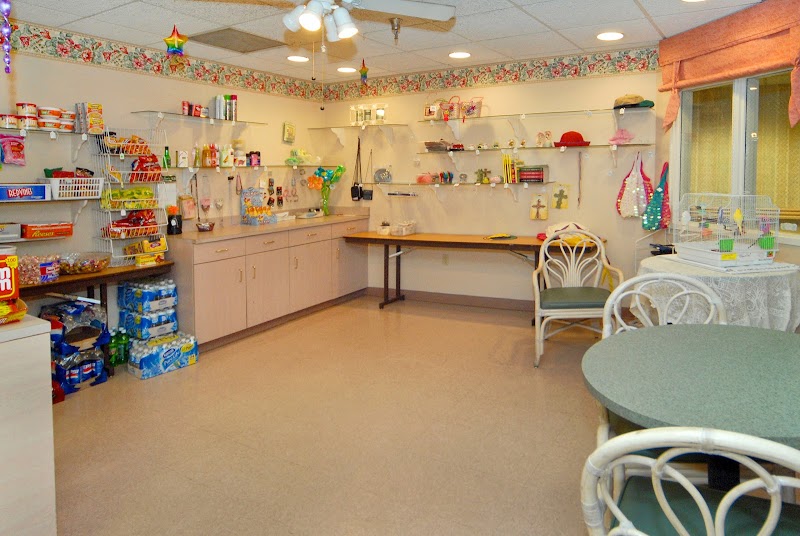
How Does Life Of Las Vegas Compare to Other Nevada Nursing Homes?

Compared to the 100 nursing homes in Nevada, LIFE CARE CENTER OF LAS VEGAS's overall rating (3 stars) is below the state average of 3.0, staff turnover (29%) is significantly lower than the state average of 46%, and health inspection rating (3 stars) is at the national benchmark.

What Should Families Ask When Visiting Life Of Las Vegas?

Based on this facility's data, families visiting should ask: "Can I visit during a mealtime to observe dining assistance and food quality?" "How do you handle medical emergencies, and what is your hospital transfer rate?" "Can I speak with family members of current residents about their experience?"

Is Life Of Las Vegas Safe?

Based on CMS inspection data, LIFE CARE CENTER OF LAS VEGAS has a clean safety record: no substantiated abuse findings (meaning no confirmed cases of resident harm), no Immediate Jeopardy citations (the most serious violation level indicating risk of serious injury or death), and is not on the Special Focus Facility watch list (a federal program monitoring the lowest-performing 1% of nursing homes). The facility has a 3-star overall rating and ranks #100 of 100 nursing homes in Nevada. While no facility is perfect, families should still ask about staff-to-resident ratios and recent inspection results during their visit.

Do Nurses at Life Of Las Vegas Stick Around?

Staff at LIFE CARE CENTER OF LAS VEGAS tend to stick around. With a turnover rate of 29%, the facility is 17 percentage points below the Nevada average of 46%. Low turnover is a positive sign. It means caregivers have time to learn each resident's needs, medications, and personal preferences. Consistent staff also notice subtle changes in a resident's condition more quickly. Registered Nurse turnover is also low at 29%, meaning experienced RNs are available to handle complex medical needs.

Was Life Of Las Vegas Ever Fined?

LIFE CARE CENTER OF LAS VEGAS has no federal fines on record. CMS issues fines when nursing homes fail to meet care standards or don't correct problems found during inspections. The absence of fines suggests the facility has either maintained compliance or corrected any issues before penalties were assessed. This is a positive indicator, though families should still review recent inspection reports for the full picture.

Is Life Of Las Vegas on Any Federal Watch List?

LIFE CARE CENTER OF LAS VEGAS is not on any federal watch list. The most significant is the Special Focus Facility (SFF) program, which identifies the bottom 1% of nursing homes nationally based on persistent, serious quality problems. Not being on this list means the facility has avoided the pattern of deficiencies that triggers enhanced federal oversight. This is a positive indicator, though families should still review the facility's inspection history directly.