MARQUIS CARE AT CENTENNIAL HILLS

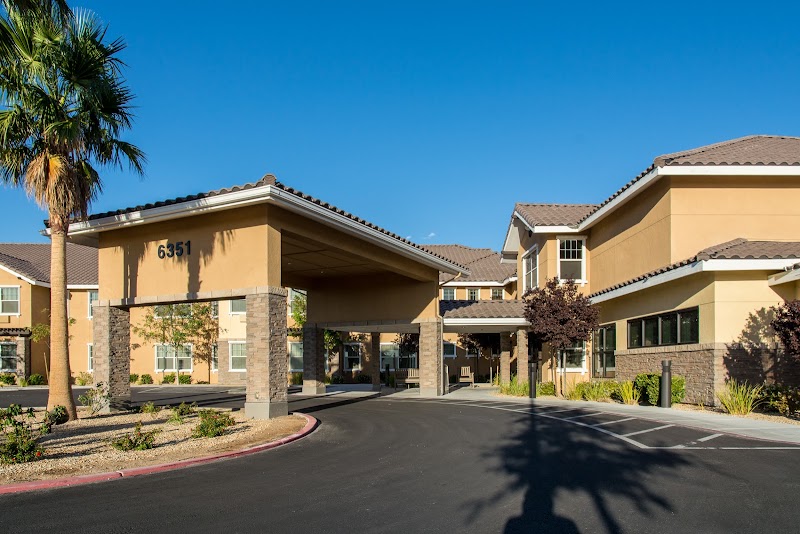
6351 N FORT APACHE RD, LAS VEGAS, NV 89149 (702) 515-3000
For profit - Corporation 120 Beds MARQUIS COMPANIES Data: November 2025
Trust Grade
60/100
#33 of 65 in NV
Last Inspection: June 2025

Inspected within the last 6 months. Data reflects current conditions.

Overview

Marquis Care at Centennial Hills has a Trust Grade of C+, which means it is considered decent and slightly above average. It ranks #33 out of 65 nursing homes in Nevada, placing it in the bottom half, and #26 out of 42 in Clark County, indicating that there are better local options available. The facility is improving, with issues decreasing from 11 in 2024 to 8 in 2025. Staffing is a strength, earning a 4 out of 5 stars, with a turnover rate of 36%, which is below the state average of 46%, suggesting that the staff are experienced and familiar with the residents. While there are no fines recorded, which is positive, recent inspections noted concerns, such as a failure to properly document medication and fluid intake for one resident, neglecting to provide recommended restorative nursing services for another, and not administering oxygen according to physician orders for a third resident. Overall, while there are strengths in staffing and a lack of fines, the facility still has notable weaknesses that families should consider.

Trust Score
C+
60/100
In Nevada
#33/65
Top 50%
Safety Record
Low Risk
No red flags
Inspections
Getting Better
11 → 8 violations
Staff Stability
○ Average
36% turnover. Near Nevada's 48% average. Typical for the industry.
Penalties
✓ Good
No fines on record. Clean compliance history, better than most Nevada facilities.
Skilled Nurses
✓ Good
Each resident gets 67 minutes of Registered Nurse (RN) attention daily — more than 97% of Nevada nursing homes. RNs are the most trained staff who catch health problems before they become serious.
Violations
⚠ Watch
29 deficiencies on record. Higher than average. Multiple issues found across inspections.
★★★☆☆
3.0
Overall Rating
★★★★☆
4.0
Staff Levels
★★★★☆
4.0
Care Quality
★★★☆☆
3.0
Inspection Score
Stable
2024: 11 issues
2025: 8 issues

The Good

  • 4-Star Staffing Rating · Above-average nurse staffing levels
  • 4-Star Quality Measures · Strong clinical quality outcomes
  • Full Sprinkler Coverage · Fire safety systems throughout facility
  • No fines on record
  • Staff turnover below average (36%)

    12 points below Nevada average of 48%

Facility shows strength in staffing levels, quality measures, fire safety.

The Bad

3-Star Overall Rating

Near Nevada average (3.0)

Meets federal standards, typical of most facilities

Staff Turnover: 36%

10pts below Nevada avg (46%)

Typical for the industry

Chain: MARQUIS COMPANIES

Part of a multi-facility chain

Ask about local staffing decisions and management

The Ugly 29 deficiencies on record

Jun 2025 5 deficiencies
CONCERN (D)

Potential for Harm - no one hurt, but risky conditions existed

Quality of Care (Tag F0684)

Could have caused harm · This affected 1 resident

**NOTE- TERMS IN BRACKETS HAVE BEEN EDITED TO PROTECT CONFIDENTIALITY** Based on interview, record review and document review, the facility failed to ensure a physician's order was clarified and the a...

Read full inspector narrative →
**NOTE- TERMS IN BRACKETS HAVE BEEN EDITED TO PROTECT CONFIDENTIALITY** Based on interview, record review and document review, the facility failed to ensure a physician's order was clarified and the accurate amount of medication and water was documented per the physician's order for 1 of 21 sampled residents (Resident 10). The deficient practice had the potential for the resident not receiving the maximum therapeutic effect of the medication and inaccurate documentation of the resident's fluid intake. Findings include: Resident 10 (R10) R10 was admitted on [DATE], with diagnoses including gastrostomy status (a surgical procedure used to insert a tube, often referred to as a G-tube, through the abdomen and into the stomach) and dependence on respirator (ventilator) status. The physician's order dated 12/10/2024, documented Protein Gel/Liquid (medication) 30 milliliters (ml) two times a day, mix in water if administered via enteral tube (G-tube), flush with 30 ml before and after administration. Document total consumed of Protein Gel and water. R10's Medication Administration Record (MAR) for May 2025, documented the following amount in ml for the administration of Protein Gel/Liquid in the morning (AM) and at bedtime/hour of sleep (HS): - 30 ml in AM and 30 ml at HS daily from 05/01/2025 to 05/12/2025 - 150 ml in AM and 30 ml at HS on 05/13/2025 - 150 ml in AM and 30 ml at HS on 05/14/2025 - 150 ml in AM and 120 ml at HS on 05/15/2025 - 150 ml in AM and 150 ml at HS on 05/16/2025 - 150 ml in AM and 30 ml at HS on 05/17/2025 - 60 ml in AM and 30 ml at HS on 05/18/2025 - 30 ml in AM and 30 ml at HS daily from 05/19/2025 to 05/27/2025 - 30 ml in AM and 120 ml at HS on 05/28/2025 - 30 ml in AM and 30 ml at HS daily from 05/29/2025 to 05/31/2025 R10's MAR for June 2025, documented the following amount in ml for the administration of Protein Gel/Liquid in the morning (AM) and at bedtime/hour of sleep (HS): - 30 ml in AM and 30 ml at HS daily from 06/01/2025 to 06/03/2025 - 150 ml in AM and 30 ml at HS on 06/04/2025 - 30 ml in AM and 30 ml at HS on 06/05/2025 - 150 ml in AM and 30 ml at HS on 06/06/2025 - 150 ml in AM and 150 ml at HS on 06/07/2025 - 150 ml in AM and 30 ml at HS daily from 06/08/2025 to 06/14/2025 - 30 ml in AM and 30 ml at HS daily from 06/15/2025 to 06/20/2025 - 90 ml in AM and 150 ml at HS daily from 06/21/2025 to 06/22/2025 - 90 ml in AM and 30 ml at HS on 06/23/2025 - 150 ml in AM and 30 ml at HS daily from 06/24/2025 to 06/25/2025 On 06/26/2025 at 9:16 AM, the Registered Dietitian (RD) revealed R10's hydration status was being monitored. The RD confirmed the 30-ml documentation in the MAR for the administration of Protein Gel/Liquid to R10 was not realistic. The RD indicated the accurate documentation should have been 150 ml two times a day. The RD explained the resident should have consumed 30 ml of Protein Gel/Liquid plus 120 ml of water. On 06/26/2025 at 9:50 AM, a Registered Nurse (RN) explained 30 ml of Protein Gel/Liquid would have been mixed with 120 ml water then flushed the G-tube with 10 ml water before and after medication administration. The RN indicated 150 ml should have been documented in the MAR every time the Protein Gel/Liquid was administered to R10. The RN confirmed 30 ml or less than 150 ml were documented in the MAR for the administration of Protein Gel/Liquid to R10. The RN indicated the order was to give Protein Gel/Liquid 30 ml mix in water if administered via enteral tube, flush with 30 ml before and after administration, then document total consumed of Protein Gel/Liquid and water. The RN explained documenting 30 ml in the MAR was not accurate. The RN acknowledged the physician's order was not followed. On 06/26/2025 at 9:57 AM, a Licensed Practical Nurse (LPN) explained documenting 30 ml in the MAR was not accurate and not in accordance with the physician's order for the administration of Protein Gel/Liquid to R10. The LPN revealed 30 ml Protein Gel/Liquid would have been mixed with 60 ml water. The LPN explained 90 ml would have been documented in the MAR for the total amount of Protein Gel/Liquid and water consumed. On 06/26/2025 at 10:08 AM, the Director of Nursing (DON) acknowledged the physician's order for the administration of R10's Protein Gel/Liquid was confusing. The DON indicated the order should have been clarified. The DON explained the order should have included the amount of water to mix with the Protein Gel/Liquid. The DON indicated the nurses were expected to document the total amount of Protein Gel/Liquid plus the water consumed in the administration of the medication. The DON acknowledged documenting 30 ml or 60 ml in the MAR for the administration of the medication was not accurate and unrealistic. The DON explained the total amount of Protein Gel/Liquid and water provided to the resident and documented in the MAR should have been at least 150 ml. The DON confirmed 30 ml was frequently documented in R10's MAR for May 2025 and June 2025. On 06/26/2025 at 1:19 PM, the RD indicated accurate documentation of R10's fluid intake was important in the assessment and monitoring of the resident's nutritional needs. The RD explained an accurate documentation would help the RD determine whether to adjust the resident's feeding and determine the interventions to address the resident's nutritional needs. The RD revealed the nurses were expected to document the accurate amount of Protein Gel/Liquid and water R10 had consumed per the physician's order. The facility's policy titled Physician Medication Orders dated 08/09/2024, documented physician orders for medications and treatments were to be documented in the clinical record as provided per order, unless clinical condition contraindicated administration/delivery of the order at that time.
CONCERN (D)

Potential for Harm - no one hurt, but risky conditions existed

Deficiency F0688 (Tag F0688)

Could have caused harm · This affected 1 resident

**NOTE- TERMS IN BRACKETS HAVE BEEN EDITED TO PROTECT CONFIDENTIALITY** Based on observation, interview, record review and document review, the facility failed to ensure restorative nursing services w...

Read full inspector narrative →
**NOTE- TERMS IN BRACKETS HAVE BEEN EDITED TO PROTECT CONFIDENTIALITY** Based on observation, interview, record review and document review, the facility failed to ensure restorative nursing services were provided per therapy recommendations for 1 of 21 sampled residents (Resident 40). The deficient practice had the potential for the resident's further decline in range of motion (extent of movement a joint could perform). Findings include: Resident 40 (R40) R40 was admitted on [DATE], with diagnoses including hemiplegia, tracheostomy status, and bed confinement status. R40's Occupational Therapy (OT) Discharge summary dated [DATE], documented the following: - Discharge Location: Resident discharged to reside in the facility. - Discharge Reason: Need for Skilled Services Ended. - Discharge Recommendations: Equipment / Other Recommendations: Hand rolls and positioning - Follow-Up Programs Established / Trained = Home Exercise Program (HEP) - Program Initiated / Established: Upper Extremity HEP R40's Quarterly Minimum Data Set (MDS) dated [DATE], documented the resident had impairment on both sides of upper and lower extremity. R40's medical record lacked documented evidence the resident was on exercise program or restorative nursing program and hand rolls were being applied to the resident per the therapy discharge recommendations. On 06/24/2025 at 9:05 AM, R40 was lying in bed and was observed to have hand contractures with no splint or hand rolls placed. On 06/27/2025 at 8:33 AM, R40 was lying in bed with no splint or hand rolls in place. On 06/27/2025 at 8:34 AM, a Registered Nurse (RN) confirmed R40 had contractures on both hands and the RN had not seen hand rolls applied to the resident. The RN indicated not being aware if the resident was receiving exercises or restorative nursing services. The RN revealed having worked five days a week in the unit where R40 resided. On 06/27/2025 at 8:46 AM, a Certified Nursing Assistant (CNA) indicated not seeing R40 with hand rolls in place since the start of the shift at 6:30 AM. The CNA confirmed not being sure if the resident needed hand rolls. The CNA explained the night shift CNA did not report during the change of shift about the resident using hand rolls. On 06/27/2025 at 9:01 AM, the Director of Rehabilitation (DOR) explained, upon a resident's discharge from therapy, the DOR would provide therapy recommendations to the Director of Nursing (DON) using the Restorative Assessment/Referral form. The staff and restorative nursing assistant (RNA) team were trained by therapy in implementing the therapy recommendations. The DOR revealed R40 was discharged from OT on 04/23/2025 because goals were met. The DOR indicated the therapy recommendations included HEP which referred to RNA program, consisted of three to five days a week for range of motion (ROM) and splinting, and hand rolls like washcloth or towel roll on both hands. The DOR confirmed the DON was notified of the therapy recommendations for R40. The DOR could not locate the copy of R40's Restorative Assessment/Referral form when requested. The DOR acknowledged there was a potential for skin breakdown and further decline in ROM if hand rolls or RNA were not provided to R40. On 06/27/2025 at 9:33 AM, the DON explained the DOR would provide the completed Restorative Assessment/Referral form to the DON, with therapy recommendations, upon a resident's discharge from therapy. Upon receipt of the form, the DON would enter the recommendations in the resident's electronic health record (EHR) and enter in Tasks portion of the EHR to prompt the RNAs of the specific treatment for the resident. The DON would update the resident's care plan to include the RNA program. The DON confirmed R40 was not on RNA program at this time and restorative nursing services had not been started upon R40's discharge from occupational therapy on 04/23/2025. The DON revealed a copy of the therapy recommendations written in the Restorative Assessment/Referral form had not been received. The DON indicated not being aware of the OT recommendations when R40 was discharged from therapy. The DON explained hand rolls referred to the washcloth placed on a resident's hand and RNAs would apply the hand rolls as indicated in the resident's treatment plan for RNA. The DON acknowledged R40 could have further decline in ROM if RNA was not provided. The DON confirmed the use of hand rolls and RNA program were not included in R40's care plan. The facility's policy titled Restorative Services dated 09/13/2023 documented, upon discharge from skilled therapy services, the therapist would make a determination if restorative services were recommended. If determination was made, a restorative services referral would be completed and given to the Director of Nursing Services (DNS/DON) or Resident Care Manager (RCM), as delegated, for implementation.
CONCERN (D)

Potential for Harm - no one hurt, but risky conditions existed

Respiratory Care (Tag F0695)

Could have caused harm · This affected 1 resident

**NOTE- TERMS IN BRACKETS HAVE BEEN EDITED TO PROTECT CONFIDENTIALITY** Based on observation, interview, record review and document review, the facility failed to ensure Oxygen (O2) was administered a...

Read full inspector narrative →
**NOTE- TERMS IN BRACKETS HAVE BEEN EDITED TO PROTECT CONFIDENTIALITY** Based on observation, interview, record review and document review, the facility failed to ensure Oxygen (O2) was administered according to physician's orders for 1 of 21 sampled residents (Resident 31). The deficient practice had the potential to lead to O2 toxicity and exacerbation of the residents' underlying health conditions. Findings include: Resident 31 (R31) R31 was admitted on [DATE], with diagnoses including peripheral vascular disease, atherosclerotic heart disease, and adult failure to thrive. On 06/24/2025 at 9:31 AM, R31 was lying in bed and receiving O2 via nasal cannula (NC) connected to an Oxygen concentrator (a medical device that separates oxygen from air, providing a higher concentration of oxygen to individuals who need supplemental oxygen therapy). The concentrator was turned on and set at 2.5 liters per minute (LPM). A physician order dated 03/15/2023 documented Oxygen at 2 LPM via NC continuously. R 31's Care Plan dated 05/13/2025, documented R31 had inadequate compromised respiratory function as evidenced by a history of respiratory distress with interventions including O2 use per physician orders. On 06/25/2025 at 12:48 PM, R31 was lying in bed and receiving O2 via NC connected to an Oxygen concentrator. The concentrator was turned on and set at 2.5 LPM. On 06/25/2025 at 12:51 PM, a Licensed Practical Nurse (LPN) explained when orders were obtained from a physician for a resident to receive O2, the O2 was set up, administered, and titrated by the nurses. On 06/25/2025 at 12:58 PM, the LPN entered R31's room and confirmed R31's O2 flow rate was set at 2.5 LPM. The LPN verified R31's physician order was for 2 LPM and the flow rate was incorrect. On 06/26/2025 at 12:16 PM, the Director of Nursing (DON) reviewed R31's medical record and confirmed R31's order for O2 was 2 LPM via NC and explained staff were expected to follow the physician's order. The facility policy titled Oxygen Administration- Level III, updated 05/06/2019, documented while the resident was receiving oxygen therapy, adjust the oxygen delivery device so it is comfortable, and the proper flow of oxygen was being administered.
CONCERN (D)

Potential for Harm - no one hurt, but risky conditions existed

Pharmacy Services (Tag F0755)

Could have caused harm · This affected 1 resident

**NOTE- TERMS IN BRACKETS HAVE BEEN EDITED TO PROTECT CONFIDENTIALITY** Based on observation, interview, record review and document review, the facility failed to ensure a resident received the medica...

Read full inspector narrative →
**NOTE- TERMS IN BRACKETS HAVE BEEN EDITED TO PROTECT CONFIDENTIALITY** Based on observation, interview, record review and document review, the facility failed to ensure a resident received the medication as ordered for 1 of 21 sampled residents (Resident 243). The deficient practice had the potential for the resident having adverse events for not receiving physician prescribed medication. Findings include: Resident 243 (R243) R243 was admitted on [DATE], with diagnoses including type 2 diabetes mellitus without complications and hyperlipidemia. The physician's order dated 06/16/2025 at 8:55 PM, documented Semaglutide Oral Tablet 7 milligrams (mg) by mouth in the morning related to type 2 diabetes mellitus without complications. The start date was 06/17/2025. The order was discontinued on 06/19/2025 at 2:28 PM and the reason was clarification. The physician's order dated 06/19/2025 at 2:28 PM, documented Semaglutide Oral Tablet 7 mg by mouth in the morning related to type 2 diabetes mellitus without complications. The start date was 06/21/2025. The Interdisciplinary (IDT) Progress Note dated 06/19/2025 at 2:28 PM, documented R243 stated having Semaglutide 7 mg tablets at home and the resident's friend would bring in the medication either tomorrow or on Saturday. Order updated to start on Saturday (06/21/2025). R243's Medication Administration Record (MAR) for June 2025, lacked documented evidence the resident received Semaglutide 7 mg tablet from 06/17/2025 to 06/25/2025 as ordered. R243's admission Minimum Data Set, dated [DATE], documented the resident's Brief Interview for Mental Status score was 15 (total score from 00 to 15) interpreted as cognitively intact. On 06/24/2025 at 10:17 AM, R243 revealed there had been an issue with getting the resident's diabetic medication. R243 explained the facility advised the medication for diabetes the resident was taking at home was not available from the pharmacy. The resident was not aware how long it had been withheld but verbalized the staff had requested the resident to have a family member bring in the home stock supply of medication. On 06/25/2025 at 8:22 AM, during the medication administration pass observation, a Registered Nurse (RN) prepared R243's medications. The RN indicated R243's Semaglutide 7 mg was not available in the medication cart. At 8:30 AM, the RN checked the emergency medication dispensing system to verify if the medication was available. The RN confirmed Semaglutide 7 mg was also not available in the emergency medication dispensing system. The RN notified the Charge Nurse. On 06/25/2025 at 12:47 PM, the Charge Nurse explained R243 should have started receiving Semaglutide 7 mg on 06/17/2025. The Charge Nurse revealed getting a fax message (facsimile/the telephonic transmission of scanned-in printed material, including text or images) from pharmacy on 06/19/2025. The Charge Nurse indicated the fax message documented the medication (Semaglutide 7 mg) was not covered by the resident's insurance. The Charge Nurse indicated asking R243 if the resident had the supply of the medication at home and updated the resident about the fax message from pharmacy. The Charge Nurse revealed the resident stated having the medication at home and would ask a friend to bring the medication on Saturday, 06/21/2025. The Charge Nurse confirmed changing the physician's order for the medication to start on 06/21/2025. The Charge Nurse explained the nurses should have followed up with the resident and the physician about the medication not being available. The Charge Nurse indicated working at the facility every Wednesday, Thursday, and Friday. The Charge Nurse acknowledged having informed the physician on 06/25/2025 about the unavailability of R243's Semaglutide 7 mg when the Charge Nurse became aware the resident had not been receiving the medication. On 06/25/2025 at 2:40 PM, the RN explained if a medication was not available, the RN would call the pharmacy to follow-up. The RN indicated the physician would be notified right away, in real time, then document in the progress notes the follow-up and communication made with the physician and pharmacy. The RN revealed not being aware R243's family would provide the resident's Semaglutide 7 mg. On 06/25/2025 at 3:02 PM, the Director of Nursing (DON) indicated the Charge Nurse received the communication from pharmacy thru fax and was expected to follow up the request or clarification from pharmacy. The DON provided a copy of the fax message from pharmacy dated 06/18/2025 about R243's Semaglutide 7 mg tablet. The fax documented: - Urgent - Response Required. This medication was over $1000 for a 30-day supply and was being billed to the facility (required override). - Please reach out to the provider to change to a less expensive drug. Resident was not on Metformin which was the first line therapy for diabetes mellitus type 2. The DON confirmed there was no documented evidence the pharmacy's recommendation per the fax dated 06/18/2025 was followed through upon. The DON indicated the Charge Nurse should have followed up on the pharmacy's recommendation for R243's Semaglutide per the fax on 06/18/2025. The DON explained the Charge Nurse should have called the physician to change the order to a less expensive drug per the pharmacy recommendation. The DON indicated per verification with pharmacy, the facility received the fax message from pharmacy regarding the recommendation to reach out to the physician (provider) to change to a less expensive drug on 06/18/2025 at 7:55 AM, but the facility did not respond to pharmacy's recommendation. The DON revealed another fax message from pharmacy was sent to the facility on [DATE] regarding R243's Semaglutide 7 mg tablet. The fax documented: - Urgent - Response Required. The order could not be delivered due to: Over Facility Limit. - The medication was over your facility dollar limit amount. If you would like the medication to be filled, please obtain appropriate authorization per your facility policy. - Pharmacy would need authorization to bill the facility. The DON confirmed not having been notified about the unavailability of R243's Semaglutide 7 mg tablet until today, 06/25/2025. The facility's policy titled Administering Medications dated 01/29/2025, documented medications must be administered in accordance with the orders, including any required time frame. Medications not available to be administered per physician's order; pharmacy would be contacted to determine time of medication delivery. If a medication was not available within 24 hours, the Director of Nursing Services (DNS/DON) would be contacted per the 24-hour report. Medications not available within 72 hours, the physician would be notified.
CONCERN (D)

Potential for Harm - no one hurt, but risky conditions existed

Food Safety (Tag F0812)

Could have caused harm · This affected 1 resident

Based on observation, interview and document review, the facility failed to discard expired milk stored in a refrigerator located in the kitchen, an ice pack in the first floor nourishment room freeze...

Read full inspector narrative →
Based on observation, interview and document review, the facility failed to discard expired milk stored in a refrigerator located in the kitchen, an ice pack in the first floor nourishment room freezer, and employee food from the freezer located in second floor nourishment room. The deficient practice has the potential to lead to bacterial growth and foodborne illnesses. Findings include: On 06/24/2025 at 8:00 AM, the milk refrigerator located in the kitchen, had a quart of expired silk milk dated 06/13/2025. On 06/24/2025 at 8:20 AM, the nourishment room located on the first floor, had an ice pack placed in the resident freezer. On 06/24/2025 at 8:30 AM, the nourishment room located on the second floor, had employee personal food items inside the nourishment freezer, which included a protein shake and a pizza. On 06/24/2025 at 8:02 AM, the Director of food and nutrition, verified the milk was expired and should have been discarded. On 06/24/2025 at 8:22 AM, the Charge Nurse (CN) stated the ice packs are used for residents if they have pain and expressed the ice packs should not be stored in the nourishment freezer. The CN explained the ice packs were placed in the freezer by physical therapy for easy access. On 06/24/2025 at 8:24 AM, the Director of food and nutrition, verified there was an ice pack in the resident freezer and acknowledged the ice pack should have not been placed in the nourishment freezer and discarded the ice pack. On 06/24/2025 at 8:32 AM, the Director of food and nutrition verified there were personal food items inside the nourishment freezer and stated employee food is not allowed in the freezer and discarded the food. On 06/27/2024 at 8:07 AM, the Director of Nursing (DON) explained personal food items and ice packs are not allowed in the resident nourishment refrigerators or freezers. On 06/27/2025 at 11:03 AM, facility policy titled storage of frozen and refrigerated food dated 08/12/2019, documented no foods should be stored past the expiration date.
Feb 2025 3 deficiencies
CONCERN (D) 📢 Someone Reported This

A family member, employee, or ombudsman was alarmed enough to file a formal complaint

Potential for Harm - no one hurt, but risky conditions existed

Deficiency F0660 (Tag F0660)

Could have caused harm · This affected 1 resident

**NOTE- TERMS IN BRACKETS HAVE BEEN EDITED TO PROTECT CONFIDENTIALITY** Based on interview, record review and document review, the facility failed to update discharge instructions and failed to notify...

Read full inspector narrative →
**NOTE- TERMS IN BRACKETS HAVE BEEN EDITED TO PROTECT CONFIDENTIALITY** Based on interview, record review and document review, the facility failed to update discharge instructions and failed to notify the physician of the changes in the discharge plan for 1 of 4 sampled residents (Resident 1). The deficient practice had the potential for a resident not to receive the necessary provisions for continuation of care. Findings include: Resident 1 (R1) R1 was admitted on [DATE] and discharged on 02/18/2025 with diagnoses including urinary tract infection, atrial fibrillation, and unstageable pressure ulcer site unspecified. The physician Discharge summary dated [DATE] documented to discharge R1 home with home health, Registered Nurse (RN), Physical Therapy (PT), and Occupational therapy (OT) for maximizing strength and safety. A discharge order request dated 02/18/2025 documented discharge services of home health, nursing, PT, OT, social worker, bath aide and wound care three times a week for pressure wound on sacrum and right heel. An Interdisciplinary Team (IDT) discharge note date 02/18/2025 at 12:47 PM, documented the social worker received a message from R1's insurance provider indicating R1's family member cancelled the home health consult and reported the family will do wound care themselves. An IDT discharge note dated 02/18/2025 at 1:47 PM, documented R1's family were educated about discharge instructions. The Discharge Instruction document with effective date 02/10/2025 documented home health services consisting of Nursing, PT, OT, Social Worker, bath aid and wound care was the instructions educated to R1 and family. R1's face sheet (demographics) documented date of discharge 02/18/2025 at 3:48 PM. On 02/20/2025 at 12:00 PM, the Director of Nursing (DON) verified staff were notified prior to the discharge that home health and wound care were cancelled. The DON confirmed this was a change in the discharge plan and the facility should have followed up to ensure family was able to manage the care and education was provided if required. On 02/20/2025 at 12:45 PM, a social worker confirmed R1's discharge plan changed, and the physician should have been made aware. The social worker stated Adult Protective Services could also have been contacted to follow up. On 02/20/2025 at 1:12 PM, the Director of Rehab (DOR) stated being part of the IDT team and were aware the family had canceled home health. The DOR stated with the services having been canceled the discharge would not be safe as R1 required assistance with transfers, wound care, and activities of daily living. The physician should have been notified and there should be a follow up such as notifying Adult Protective Services for a welfare check. On 02/20/2025 at 1:53 PM, the DON confirmed the discharge instructions provided by the nurse to R1 were for home health and wound care services. The expectation was for the staff to communicate and update the discharge documentation. On 02/20/2025 at 2:42 PM, a Registered Nurse (RN) stated was unaware R1's family cancelled the home health, and the discharge instructions should have been updated. The facility policy titled Anticipated Discharge Summary- Post Discharge Plan with revision date 11/2017, documented discharge instructions were to provide instructions, and to communicate needs for the resident's safe transition to community setting such as home, or independent living.
CONCERN (D) 📢 Someone Reported This

A family member, employee, or ombudsman was alarmed enough to file a formal complaint

Potential for Harm - no one hurt, but risky conditions existed

Pressure Ulcer Prevention (Tag F0686)

Could have caused harm · This affected 1 resident

**NOTE- TERMS IN BRACKETS HAVE BEEN EDITED TO PROTECT CONFIDENTIALITY** Based on interview, record review and document review, the facility failed to provide documented evidence wound care treatments ...

Read full inspector narrative →
**NOTE- TERMS IN BRACKETS HAVE BEEN EDITED TO PROTECT CONFIDENTIALITY** Based on interview, record review and document review, the facility failed to provide documented evidence wound care treatments were provided per the physician's order for 1 of 4 sampled residents (Resident 1). The deficient practice had the potential to place the resident at risk for delayed healing of a wound. Findings include: Resident 1 (R1) R1 was admitted on [DATE] and discharged on 02/18/2025 with diagnoses including urinary tract infection, atrial fibrillation, and unstageable pressure ulcer site unspecified. A physician's order dated 12/05/2024 documented Silvadene External Cream 1 % (Silver Sulfadiazine) apply to sacrum topically every day shift, every other day for skin impairment. Cleanse stage 3 pressure injury to sacrum with normal saline and pat dry, apply no sting skin prep to surrounding skin, apply Silvadene/ Triad mix to wound bed, cover with calcium alginate then cover with dry dressing. R1's Treatment Administration Record (TAR) for the stage 3 pressure area of the sacrum lacked documented evidence wound care treatments were completed on 12/28/2024 and 01/27/2025. On 02/20/2025 at 10:50 AM, a Licensed Practical Nurse (LPN) who identified as the wound care nurse, verbalized wound treatments were documented in the TAR. If treatments were missed a progress note was made. The wound care nurse reviewed the TAR for December 2024 and January 2025 and confirmed the undocumented treatment for 12/28/2024 and 01/27/2025. The wound care nurse verbalized documentation in the record was needed to indicate why the treatment was not signed as being performed, with no signature there was no way to verify the treatment was completed. On 02/20/2025 at 11:38 PM, the Director of Nursing (DON) stated staff were to document performance of wound care treatments on the TAR. If the treatment was refused or staff were unable to complete the treatment, a note would be entered on the TAR. If the TAR was blank, it indicated there was no documentation. The DON stated the expectation was for something to be documented on the TAR regarding what occurred with the resident. The DON confirmed there was no documented evidence the treatment was performed on 12/28/2024 and 01/27/2025 for R1. The facility policy titled Wound Care- Level II with revision date of 03/2017, documented the following information would be recorded in the resident's medical record: -Wound care provided (TAR) -The date and time the wound care was given, electronically recorded. -The name and title of the individual performing the wound care. -Notify the Charge Nurse and/or Director of Nursing if the resident refuses the wound care. Complaint # NV00073269
CONCERN (D) 📢 Someone Reported This

A family member, employee, or ombudsman was alarmed enough to file a formal complaint

Potential for Harm - no one hurt, but risky conditions existed

Deficiency F0694 (Tag F0694)

Could have caused harm · This affected 1 resident

**NOTE- TERMS IN BRACKETS HAVE BEEN EDITED TO PROTECT CONFIDENTIALITY** Based on interview, record review and document review, the facility failed to provide documented evidence a resident's midline (...

Read full inspector narrative →
**NOTE- TERMS IN BRACKETS HAVE BEEN EDITED TO PROTECT CONFIDENTIALITY** Based on interview, record review and document review, the facility failed to provide documented evidence a resident's midline (a long, thin, flexible tube inserted into a large vein of the upper arm used to administer medication into the bloodstream) was removed, and a site assessment was performed upon discharge for 1 of 4 sampled residents (Resident 1). This deficient practice had the potential for an increased risk of infection and to compromise the residents' health. Findings include: Resident 1 (R1) R1 was admitted on [DATE] and discharged on 02/18/2025 with diagnoses including urinary tract infection, atrial fibrillation, and unstageable pressure ulcer site unspecified. A physician's order dated 02/18/2025 documented to discontinue midline related to completion of intravenous (IV) medication regimen. On 02/20/2025 at 2:35 PM, a Registered Nurse (RN) stated when an order for the midline removal was received from the physician, the removal was documented in the progress notes and was to include an assessment indicating the condition of the site, if there was any bleeding, or other concerns noted. R1's medical record lacked documentation the midline was discontinued, and a site assessment was performed. On 02/20/2025 at 3:11 PM, the Director of Nursing (DON) confirmed the midline removal for R1 should have been recorded on the Medication Administration Record (MAR) and a progress note entered to reflect an assessment of the site, any signs of infection and how R1 tolerated the process.
Jul 2024 9 deficiencies
CONCERN (D)

Potential for Harm - no one hurt, but risky conditions existed

Deficiency F0604 (Tag F0604)

Could have caused harm · This affected 1 resident

**NOTE- TERMS IN BRACKETS HAVE BEEN EDITED TO PROTECT CONFIDENTIALITY** Based on observation, interview, record review, and document review, the facility failed to ensure an assessment for the use of ...

Read full inspector narrative →
**NOTE- TERMS IN BRACKETS HAVE BEEN EDITED TO PROTECT CONFIDENTIALITY** Based on observation, interview, record review, and document review, the facility failed to ensure an assessment for the use of bilateral mitten restraints for a resident was completed accurately and consent for the mitten restraints was obtained from the resident or the appropriate representative for 1 of 20 sampled residents (Resident #44). The deficient practice had the potential to cause physical and psychosocial harm to the resident. Findings include: Resident #44 (R44) Resident # 44 was admitted on [DATE], with diagnoses including acute respiratory failure, anxiety disorder, type 2 diabetes mellitus, dementia, nontraumatic intracerebral hemorrhage, hypoxemia, tracheostomy, and gastrostomy. Assessment: On 07/23/2024 at 3:21 PM, Resident #44 was observed wearing bilateral hand mitts (a restrictive type of mitten to prevent residents from pulling out invasive devices such as intravenous lines, feeding or airway tubes). The active care plan details Resident #44 was ventilator dependent, at risk for skin impairment/pressure ulcer related to cognitive impairment, immobility, and the vision is in question due to severe communication impairment. The Care plan also documented the hand mitts to both hands were to prevent pulling on tubing. The Physician Order dated 05/31/2024, documented bilateral hand mitts to prevent dislodgment of lifesaving medical device. Remove q (every) 2 hours for comfort and skin integrity. R44's medical record revealed a physical restraint/ assistive device assessment was performed on 06/10/2024. The assessment documented the resident's cognitive status as confused, developmentally delayed, and nonverbal. The assessment documented the hand mitts were in place to prevent the resident from pulling out the gastrostomy tube (a tube inserted into the resident's stomach for feeding) and the tracheostomy tube (a tube inserted into the resident's airway through the tracheal area of the neck and connected to a ventilator for respiratory support). The assessment indicated the resident was educated on what will happen if the trach is removed, but were not sure if the resident understood. The nurse completing the assessment had checked both the attestation boxes. One box documented the resident understood the facility had determined the resident does not have an assessed need for a restrictive and/or assistive device, but the resident requested to have device/devices in place as described per the resident's right. The other box attested the resident understood the facility has determined the resident had been assessed for the need for a restrictive and/or assistive device and the resident understood the risk/benefits and alternatives that have been described and agree to the devices to be utilized. 07/25/2024 at 1:35 PM, the Resident Care Manager (E23) stated the resident could probably not request to have the devices in place. The manager was not aware if the resident could understand the risk/benefits or could agree for the devices to be used. Consent: The restraint/assistive device assessment documented verbal consent was obtained from the resident's significant other and not from the resident's next of kin. On 07/25/2024 at 03:08 PM the charge nurse indicated when calls are needed for orders or consents for R44, a primary family member is called first. The charge nurse further explained if the primary family member does not respond, will move on to the next family member, who will normally respond back to the calls. Facility policy titled Use of Restraints documented, restraints shall only be used upon the written order of a physician and after obtaining consent from the resident and/or representative (sponsor) . Should a resident not be capable of making a decision, the surrogate or sponsor may exercise the right of the use or non-use of a restraint.
CONCERN (D)

Potential for Harm - no one hurt, but risky conditions existed

PASARR Coordination (Tag F0644)

Could have caused harm · This affected 1 resident

**NOTE- TERMS IN BRACKETS HAVE BEEN EDITED TO PROTECT CONFIDENTIALITY** Based on observation, interview, record review, and document review the facility failed to ensure a Preadmission Screening and R...

Read full inspector narrative →
**NOTE- TERMS IN BRACKETS HAVE BEEN EDITED TO PROTECT CONFIDENTIALITY** Based on observation, interview, record review, and document review the facility failed to ensure a Preadmission Screening and Resident Review (PASARR) level two referral was completed for 1 of 20 sampled residents (Resident #36). The deficient practice had the potential to deprive the resident of concern and other residents of necessary behavioral health services. Resident #36 (R36) R36 was re-admitted on [DATE], with diagnoses including pulmonary edema, acute respiratory failure with hypoxia, anxiety disorder, mood disorder, generalized anxiety disorder, post-traumatic stress disorder, and major depressive disorder. On 07/23/2024 in the afternoon, R36 was sitting on the bed. R36 stated had been at the facility for about 8 years and the care and services at the facility were good. A PASARR level one document dated 12/27/2016, revealed R36 did not have dementia, mental illness (MI), intellectual disability, (ID) mental retardation (MR) or any related condition (RC) and was deemed appropriate for nursing facility placement. A review of psychiatry notes revealed R36's post-traumatic stress disorder (PTSD) was first diagnosed on [DATE], generalized anxiety disorder on 03/17/2017, mood disorder on 03/15/2017, and anxiety disorder on 02/16/2018. On 07/25/2024 at 10:34 AM, the Resident Care Manager (E24) stated the PTSD is believed to be from military service. The anxiety disorder is from the PTSD, and the resident takes medicine for both. The mood disorder is from the depression, manic episodes, and refusal of cares. The psychiatrist goes to the social service director and keeps the director abreast of the patient issues. Social services were responsible for the PASARR's. On 07/25/2024 at 10:48 AM, the Social Services Director (SSD)(E22) and the Social Worker (SW)(E25) explained the SSD was responsible for completing the online PASARR requests. The SSD indicated not being aware of social services' involvement with identifying and referring residents who met criteria for PASARR two referrals, unless the mental disorder was interfering with their daily living, they were suicidal, or were sent out to the hospital for psych issues. The Assistant Administrator confirmed social services' involvement with identifying and referring residents who met criteria for PASARR two referral, was to be completed in their morning meeting. When asked if the resident's diagnoses of anxiety disorder, mood disorder, generalized anxiety disorder, post-traumatic stress disorder, and major depressive disorder would be representative of mental illness, intellectual disability, or a related condition that the Medicaid Service Manual documents a PASARR II must be completed for, both the SSD and the SW stated these diagnoses would be an indication. The medical record lacked documented evidence R36 was referred for a PASARR level two screening. The facility's document titled, The Division of Health Care Financing and Policy- Medicaid Services Manual- for Nursing Facilities Policy dated 05/01/2015, documented when an individual has been identified with possible indicators of mental illness, intellectual disabilities or related condition, a PASARR Level II screening must be completed to evaluate the individual and determine if nursing facility services and/or specialized services are needed and can be provided in the nursing facility. Examples include: a resident who exhibits behavioral, psychiatric, or mood related symptoms suggesting a presence of a mental disorder (where dementia is not the primary diagnoses), or an intellectual disability or related condition was not previously identified and evaluated through PASARR. Social services would be responsible for keeping track of each resident's PASARR screening status and referring to appropriate authority.
CONCERN (D)

Potential for Harm - no one hurt, but risky conditions existed

Deficiency F0658 (Tag F0658)

Could have caused harm · This affected 1 resident

**NOTE- TERMS IN BRACKETS HAVE BEEN EDITED TO PROTECT CONFIDENTIALITY** 4) Diuretic Medication: Resident 56 (R56) R56 was admitted on [DATE] and readmitted on [DATE], with diagnosis including Parkinso...

Read full inspector narrative →
**NOTE- TERMS IN BRACKETS HAVE BEEN EDITED TO PROTECT CONFIDENTIALITY** 4) Diuretic Medication: Resident 56 (R56) R56 was admitted on [DATE] and readmitted on [DATE], with diagnosis including Parkinson's disease with dyskinesia and fluctuations, atrial fibrillation, and major depressive disorder. An Order Summary Report documented a physician order for Lasix (a medication used to remove excess fluid in the body) Oral Tablet 40 milligrams (mg), give one tablet by mouth one time a day for edema (swelling). On 07/25/2024 at 8:55 AM, during medication administration observation, a nurse pulled out of the medication cart an empty medication packet labeled Lasix Oral Tablet 40 mg. The nurse explained the Lasix was not available in the cart and would order it from the pharmacy. The nurse reported did not know how long it would take the pharmacy to deliver the Lasix. The nurse confirmed the Lasix was not administered to R56 along with the rest of R56's medication. On 07/26/2024 in the morning, review of R56's medication administration record revealed the nurse had documented administered Lasix Oral Tablet 40 mg on 07/25/2024 at 9:24 AM. The medical record lacked documented evidence of where the nurse had obtained the administered medication from. On 07/26/2024 at 12:30 PM, the Director of Nursing (DON), explained Lasix was a medication available in the Pyxis (an automated medication dispensing system) which the nurse could have accessed. The DON further explained the Nurse could have also requested medication from the pharmacy, however, the Pyxis was the first choice to best administer medication to residents in a timely manner as ordered. On 07/26/2024 at 2:05 PM, the DON confirmed the Lasix administered to R56 had not been removed from the Pyxis and also confirmed the pharmacy did not provide the medication to the Nurse. The DON further explained had contacted the nurse who admitted to the DON the Lasix administered to R56 was borrowed from another nurse and belonged to another resident. The DON acknowledged the Lasix belonging to another resident should not have been borrowed from another nurse, both for safety reasons and it created a shortage of medication for another resident. A policy titled Medication Administration General Guidelines revised 01/01/2023, documented medications were to be administered as prescribed in accordance with good nursing principles and practices. Medications supplied for one resident were never to be administered to another resident. Based on observations, interviews, record reviews, and document reviews, the facility failed to ensure documentation accurately reflected medications and treatment services were provided. Specifically, this pertained to 1) wound care treatment; 2) ACE wrap (elastic bandage); 3) Oxygen (O2) therapy; and 4) diuretic medication . This deficient practice could potentially have led to severe harm, including ineffective wound management, an increased risk of respiratory complications, inadequate compression therapy, and compromised medication management. Findings include: A facility policy titled Administering Medications dated 04/08/2019, medications should be administered in a safe and timely manner and as prescribed. Medications or treatments must be administered in accordance with the orders, including any required time frame. Resident 48 (R48) R48 was admitted on [DATE], and readmitted on [DATE], with diagnoses including edema, anemia, congestive heart failure, effusion, chronic obstructive pulmonary disease (COPD), and heart failure. The Brief Interview of Mental Status documented a score of 15/15, which indicated R48's cognitive status was intact. 1) Wound Care Treatment: A physician order dated 07/09/2027, documented to cleanse skin tear to right forearm with normal saline, pat dry, apply no sting barrier film to peri wound, apply xeroform, and clear acrylic dressing every three days and as needed (PRN) on day shift for skin impairment. On 07/23/2024 at 1:19 PM, R48 was alert, oriented, and verbally responsive. R48's right forearm had a clear dressing dated 07/18/2024, which was peeling off. R48 indicated was admitted to the facility with the wound, which occurred when it got caught in the bed rail while in the hospital. R48 was uncertain about the frequency of the wound treatment but indicated it was treated when the Wound Care Treatment Nurse (WCTN) came for treatment. R48 indicated the last treatment occurred last week and did not refuse any wound care treatment. The Treatment Administration Record (TAR) dated 07/21/2024 documented the wound care treatment was provided to R48's right forearm, with Wound Care Treatment Nurse 1 (WCTN 1) signing off to indicate completion, despite the dressing being dated 07/18/2024. On 07/23/2024 at 1:41 PM, a Licensed Practical Nurse (LPN) confirmed the observation the clear wound dressing on R48's right forearm was dated 07/18/2024, old and peeling off. The LPN indicated the TAR was signed off or checked by WCTN 1 indicating the wound care treatment was successfully provided. The LPN indicated WCTN 1 was unavailable for interview and had already left the building. On 07/25/2024 at 11:56 AM, Wound Care Treatment Nurse 2 (WCTN 2) explained the process involved obtaining orders for wound care treatment, providing the treatment as scheduled, and documenting completion. WCTN 2 verified WCTN 1 had modified the TAR dated 07/21/2024 to reflect R48's refusal of treatment and the absence of treatment. WCTN 2 explained if a resident refused treatment, it should have been reoffered, and if treatment could not be provided, the physician should have been notified. WCTN 2 further explained while the wound care team could edit documentation, accurate recording of whether treatment was completed was expected on the same day as the scheduled treatment. On 07/25/2024 at 12:09 PM, WCTN 1 confirmed the treatment scheduled for 07/21/2024 was not provided but was inaccurately documented as successfully administered in the TAR. WCTN 1 explained was off the following day (07/22/2024) and had forgotten to correct the record. On 07/24/2024, WCTN 1 clarified had edited the documentation to reflect R48's refusal and verbalized R48 was asleep at the time and did not refuse the treatment. WCTN 1 confirmed the physician was not notified about the missed treatment on 07/21/2024, and accurate documentation was not maintained. On 07/25/2024 at 12:46 PM, the Director of Nursing (DON) indicated WCTNs were expected to provide wound treatment as ordered and maintain accurate documentation. 2) ACE wrap (elastic bandage): A Physician order dated 07/21/2024, documented to apply ACE wrap to bilateral lower extremities in the morning at 8:00 AM for edema and remove per schedule at 8:00 PM. On 07/23/2024 at 2:01 PM, R48 was in bed with both lower extremities edematous (swollen). The ACE wrap, ordered to treat the edema, was on the bedside table and not applied. R48 indicated taking medications with a recently increased dosage and indicated the ACE wrap was helping reduce the swelling, but were applied inconsistently. The Medication Administration Record (MAR) dated 07/23/2024 documented R48's ACE wrap was applied and in place. The ACE wrap was observed lying on the resident's bedside table. On 07/23/2024 at 2:50 PM, the ACE wrap was lying on top of R48's bedside table. The LPN confirmed R48's edema and an order for a diuretic and ACE wrap as treatment. The LPN confirmed the ACE wrap was not applied despite being documented as successfully applied. The LPN indicated the CNAs were responsible for the application of the ACE wrap. The LPN explained the Licensed Nurses oversee resident care, including the application of the ACE wrap, but failed to ensure the wrap was in place before signing off the TAR or documenting it was applied when the wrap had not been applied. The LPN confirmed the TAR was inaccurately documented. On 07/23/2024 at 1:55 PM, a Certified Nursing Assistant (CNA) indicated the Licensed Nurses or the wound nurses were responsible for putting on the ACE wrap not the CNAs. The CNA indicated being unaware of which residents should have ACE wraps and had no access to physician orders unless instructed by the Licensed Nurses. On 07/25/2024 at 10:37 AM, the Assistant Director of Nursing (ADON) indicated the nursing staff was responsible for applying the ACE wraps and ensuring were applied as ordered. The ADON verbalized the staff were expected to document or sign the MAR or TAR only after the task had been completed. 3) Oxygen (O2): A physician order dated 07/08/2024, documented O2 at 2-4 liters per minute (LPM) via nasal cannula. May titrate to keep O2 saturation greater than 90 percent (%) related to chronic obstructive pulmonary disease (COPD) with exacerbation. On 07/23/2024 at 10:06 AM, R48 was in the therapy session, O2 via concentrator was left on at bedside and flowing at 5 LPM, the nasal cannula was on the chair, O2 tubing was dated 07/24/2024. On 07/23/2024 at 2:50 PM, R48 was in bed, alert and oriented. R48's O2 was flowing at 5 LPM via nasal cannula. R48 reported the therapy had been completed before lunch. R48 indicated had received O2 at 3 LPM continuously at home and the same flow rate at the facility. R48 did not exhibit any signs or symptoms of shortness of breath. The MAR dated 07/23/2024, documented R48's O2 was flowing and administered at 3 LPM continuously via nasal cannula. On 07/23/2024 at 2:50 PM, the LPN confirmed R48's O2 was flowing at 5 LPM continuously via nasal cannula. The LPN verified and confirmed R48's O2 order was for 2-4 LPM. The LPN explained the O2 flow meter had not been checked but had been documented in the MAR as 3 LPM. The LPN indicated the O2 flow meter should have been verified and documented accurately, but the O2 order had been inaccurately administered and documented. On 07/24/2024 in the morning, the Charge Registered Nurse (CRN) indicated the staff were expected to document accurately after the order was verified and completed. On 07/25/2024 at 10:25 AM, the ADON indicated the documentation accuracy was crucial to the resident's care. Staff were expected to verify and administer medications and treatments as ordered. On 07/25/2024 at 3:32 PM, the Director of Respiratory Services explained if a resident with a diagnosis of COPD received too much oxygen when it was not needed, it could potentially suppress the resident's respiratory drive. A facility policy titled Oxygen Administration dated March 2015, indicated the need to verify a physician's order. The policy instructed staff to review the physician's order or facility protocol for O2 administration. An assessment was required before administering O2 and while the resident was receiving it. Cross reference to Tag F684
CONCERN (D)

Potential for Harm - no one hurt, but risky conditions existed

Quality of Care (Tag F0684)

Could have caused harm · This affected 1 resident

**NOTE- TERMS IN BRACKETS HAVE BEEN EDITED TO PROTECT CONFIDENTIALITY** Based on observation, interview, record review, and document review, the facility failed to ensure: 1) the wound care treatment...

Read full inspector narrative →
**NOTE- TERMS IN BRACKETS HAVE BEEN EDITED TO PROTECT CONFIDENTIALITY** Based on observation, interview, record review, and document review, the facility failed to ensure: 1) the wound care treatment was provided as ordered to treat impaired skin; 2) the ACE wrap (elastic bandage) was applied as ordered to treat edema; and 3) the Oxygen flow meter rate was administered as ordered to treat chronic obstructive pulmonary disease (COPD) for 1 of 20 sampled residents (Resident 48). These deficient practices had the potential to cause delayed wound healing, increased risk of complications related to poor circulation and compromised respiratory function. Findings include: Resident 48 (R48) R48 was admitted on [DATE], and readmitted on [DATE], with diagnoses including edema, anemia, congestive heart failure, effusion, COPD, atrial fibrillation and heart failure. The Brief Interview of Mental Status dated 07/13/2024, documented a score of 15/15, which indicated R48's cognitive status was intact. 1) Wound Care Treatment The admission Skin Integrity Report dated 07/07/2024 documented R48 had a skin tear on the right forearm measuring 1.5 centimeters by 1.0 centimeters, which was well approximated. The surrounding tissue was fragile, intact. A Physician order dated 07/09/2027, documented to cleanse skin tear to right forearm with normal saline, pat dry, apply no sting barrier film to peri wound, apply xeroform and clear acrylic dressing every three days and as needed (PRN) on day shift for skin impairment. A Care plan revised 07/19/2024, documented to provide treatment as ordered. On 07/23/2024 at 1:19 PM, R48 was alert, oriented, and verbally responsive. R48's right forearm had a clear dressing dated 07/18/2024, which was peeling off. R48 indicated was admitted to the facility with the wound, which occurred when it got caught in the bed rail while in the hospital. R48 was uncertain about the frequency of the wound treatment but indicate it was treated when the Wound Care Treatment Nurse (WCTN) came for treatment. R48 indicated the last treatment was last week and did not refuse any wound care treatment. The Treatment Administration Record (TAR) dated 07/21/2024, documented the wound care treatment was provided to R48's right forearm. Wound Care Treatment Nurse 1 (WCTN 1) signed off the TAR to indicate completion. On 07/23/2024 at 1:41 PM, a Licensed Practical Nurse (LPN) confirmed the observation the clear wound dressing on R48's right forearm was dated 07/18/2024, old and peeling off. The LPN indicated the TAR was signed off or checked by WCTN 1 indicating the wound care treatment was successfully provided. The LPN indicated WCTN 1 was unavailable for interview and had already left the building. On 07/25/2024 at 11:56 AM, Wound Care Treatment Nurse 2 (WCTN 2) explained the process involved obtaining orders for wound care treatment, providing the treatment as scheduled, and documenting completion. WCTN 2 confirmed the treatment administration record dated 07/21/2024 had been edited by WCTN 1 to indicate R48 refused the treatment. WCTN 2 explained if a resident refused treatment, it should have been reoffered, and if treatment could not be provided, the physician should have been notified. On 07/25/2024 at 12:09 PM, WCTN 1 confirmed the treatment scheduled for 07/21/2024 was not provided, but was inaccurately documented as successfully administered in the TAR. WCTN 1 explained was off the following day and forgot to correct the record. WCTN 1 indicated on 07/24/2024, the documentation was edited to indicate R48 refused the wound treatment, but WCTN 1 clarified R48 was asleep at the time and did not refuse the treatment. WCTN 1 confirmed the physician was not notified about the missed treatment on 07/21/2024, and accurate documentation was not maintained. On 07/25/2024 at 12:46 PM, the Director of Nursing (DON) indicated that WCTNs were expected to provide wound treatment as ordered and maintain accurate documentation. 2) ACE wrap (elastic bandage) The Nursing admission assessment dated [DATE], documented R48 had present edema (swelling) on right and left lower extremities of 1 + pitting, capillary refill of less than 3 seconds. A physician order dated 07/21/2024, documented to apply ACE wrap to bilateral lower extremities in the morning at 8:00 AM for edema and remove per schedule at 8:00 PM. On 07/23/2024 at 2:01 PM, R48 was in bed with both lower extremities edematous (swollen). The ACE wrap, ordered to treat the edema, was on the bedside table, but not applied. R48 indicated taking medications with a recently increased dosage and indicated the ACE wrap was helping reduce the swelling, but was applied inconsistently. The Medication Administration Record (MAR) dated 07/23/2024 documented R48's ACE wrap was applied and in place. The ACE wrap had been observed lying on the resident's bedside table. On 07/23/2024 at 2:50 PM, the ACE wrap was lying on top of R48's bedside table. The LPN confirmed R48's edema and an order for a diuretic and ACE wrap as treatment. The LPN confirmed the ACE wrap was not applied despite being documented as successfully applied. The LPN indicated the CNAs were responsible for the application of the ACE wrap. The LPN explained the Licensed Nurses oversee resident care, including the application of the ACE wrap, but failed to ensure the wrap was in place before signing off the TAR or documenting it was applied when it was not. On 07/23/2024 at 1:55 PM, a Certified Nursing Assistant (CNA) indicated the Licensed Nurses or the wound nurses were responsible for putting on the ACE wrap, not the CNAs. The CNA indicated being unaware of which residents should have ACE wrap and had no access to physician orders unless instructed by the Licensed Nurses. On 07/25/2024 at 10:37 AM, the Assistant Director of Nursing (ADON) indicated the nursing staff was responsible for applying the ACE wraps and ensuring the wraps were applied as ordered. The ADON verbalized the staff were expected to document or sign the MAR or TAR only after the task had been completed. A facility policy titled Administering Medications dated 04/08/2019, medications should be administered in a safe and timely manner and as prescribed. Medications or treatments must be administered in accordance with the orders, including any required time frame. 3) Oxygen (O2) A physician order dated 07/08/2024, documented O2 at 2-4 liters per minute (LPM) via nasal cannula. May titrate to keep O2 saturation greater than 90 percent (%) related to chronic obstructive pulmonary disease (COPD) with exacerbation. A Care plan dated 07/08/2024, documented R48 had inadequate/ compromised respiratory function due to respiratory failure, congestive heart failure and COPD/ The interventions included was to administer the medications and O2 use as ordered. On 07/23/2024 at 10:06 AM, R48 was in the therapy session, O2 via concentrator was left on at bedside and flowing at 5 LPM, the nasal cannula was on the chair, and O2 tubing was dated 07/24/2024. On 07/23/2024 at 2:50 PM, R48 was in bed, alert and oriented. R48's O2 was flowing at 5 LPM via nasal cannula. R48 reported finishing the therapy before lunch. R48 indicated had received O2 at 3 LPM continuously at home and the same flow rate at the facility. R48 did not exhibit any signs or symptoms of shortness of breath. The MAR dated 07/23/2024, documented R48's O2 was flowing and administered at 3 LPM continuously via nasal cannula. On 07/23/2024 at 2:50 PM, the LPN confirmed R48's O2 was flowing continuously at 5 LPM via nasal cannula. The LPN verified and confirmed R48's O2 order was for 2-4 LPM. The LPN explained had not checked the O2 flow rate, but had documented it in the MAR as 3 LPM. The LPN further explained accurate verification and documentation of the O2 flow meter were necessary, but the administration and documentation of the O2 order were inaccurate. On 07/24/2024 in the morning, the Charge Registered Nurse (CRN) indicated the staff were expected to document accurately after the order was verified and completed. On 07/25/2024 at 10:25 AM, the ADON indicated the documentation accuracy was crucial to the resident's care. The ADON expected staff to verify and administer medications and treatments as prescribed. On 07/25/2024 at 3:32 PM, the Director of Respiratory Services explained if a resident with a diagnosis of COPD received too much oxygen when it was not needed, it could potentially suppress the resident's respiratory drive. A facility policy titled Oxygen Administration, dated March 2015, indicated the need to verify a physician's order. The policy instructed staff to review the physician's order or facility protocol for O2 administration. Before administering O2 or while the resident was receiving it, an assessment was required.
CONCERN (D)

Potential for Harm - no one hurt, but risky conditions existed

Pressure Ulcer Prevention (Tag F0686)

Could have caused harm · This affected 1 resident

**NOTE- TERMS IN BRACKETS HAVE BEEN EDITED TO PROTECT CONFIDENTIALITY** Based on observation, interview, record review, and document review, the facility failed to implement floating heels to prevent ...

Read full inspector narrative →
**NOTE- TERMS IN BRACKETS HAVE BEEN EDITED TO PROTECT CONFIDENTIALITY** Based on observation, interview, record review, and document review, the facility failed to implement floating heels to prevent pressure ulcers for 1 of 20 sample residents (Resident #11). The deficient practice had the potential to expose the resident to an avoidable skin injury. Findings included: Resident #11 (R11) R11 was admitted on [DATE], with diagnoses including hypertension, diabetes, epilepsy, CVA, and chronic hypoxia. A physician order dated 04/26/2024 documented floating heels while in bed for skin integrity. A Braden Scale for predicting pressure sore risk assessment dated [DATE] indicated R11 had moderate risk for pressure sore. On 07/23/24, at 10:00 AM, R11 was in bed without any heel protectors, and the heels were not floating. A registered nurse confirmed the observation and explained the bed should have been in a position to allow heels to float. The bed was in a flat position, which did not prevent the heels from coming into direct contact with the mattress. On 07/25/2024 at 2:00 PM, R11 was in bed and was not wearing heel protectors, and the heels were not floating. The RN confirmed the observation and, after reviewing the medical record, acknowledged R11's heels should have been floating to prevent pressure ulcers. A care plan dated 05/24/2024 revealed R11 was at risk for skin impairment related to friction, incontinence, bruises, diabetes, chronic progressive diseases, and decreased mobility. The care plan's approaches included float heels with pillows to relieve pressure on bony prominence and heel and foot drop protector boots on both feet while in bed. On 07/25/2024 in the afternoon, the Director of Nursing explained the floating heels procedure was a nursing intervention and should have been implemented following the plan of care. The facility policy titled Prevention of Pressure Injury-Level II, dated 05/15/2019, stipulated when a resident is in bed, any attempt should be made to keep heels off of the bed by placing a pillow or a Keen Heel Float device.
CONCERN (D)

Potential for Harm - no one hurt, but risky conditions existed

Accident Prevention (Tag F0689)

Could have caused harm · This affected 1 resident

**NOTE- TERMS IN BRACKETS HAVE BEEN EDITED TO PROTECT CONFIDENTIALITY** Based on observation, interview, record review, and document review, the facility failed to complete a post fall assessment and ...

Read full inspector narrative →
**NOTE- TERMS IN BRACKETS HAVE BEEN EDITED TO PROTECT CONFIDENTIALITY** Based on observation, interview, record review, and document review, the facility failed to complete a post fall assessment and neurological checks after an unwitnessed fall for 1 of 20 residents (Resident 38). The failed practice could have contributed to increased pain and a delay of necessary medical interventions. Findings include: Resident 38 (R38) R38 was admitted on [DATE] with diagnosis including polyneuropathy, unilateral primary osteoarthritis of right hip, dizziness and giddiness. A Care Plan initiated 02/11/2024, documented R38 was at risk for falls due to muscle weakness and history of falls. A Fall/Post Fall assessment dated [DATE] documented a history of falls, and R38 remained at risk for falls related to unsteady gait with poor safety awareness. On 07/23/2024 at 9:51 AM, R38 reported fell asleep sitting on bed and fell on the floor approximately one week before. R38 reported had right hip pain after the fall. A Fall Note dated 07/09/2024, documented R38 reported fell asleep while lying down on edge of bed and fell on the floor on right side. R38 reported right hip and right leg were slightly sore. R38's medical record lacked documented evidence a post fall assessment and neurological checks were completed for the fall R38 reported on 07/09/2024. On 07/24/2024 at 2:02 PM, the Director of Nursing (DON) reported had spoken to the nurse R38 had reported the fall to. The nurse had acknowledged to the DON fall protocol was not followed due to the resident reporting the fall two days after it happened. The DON explained the post fall assessment and neurological checks should have been completed regardless of when R38 reported the fall. The DON further acknowledged the recent increased pain reported by R38 could have been related to the fall. On 07/24/2024 at 3:52 PM, a Charge Nurse (CN), reported a post fall assessment and neurological checks had to be completed regardless of whether the fall was identified immediately or reported by a resident later and whether or not it was a witnessed or unwitnessed fall. The CN explained the benefits to the resident of a post fall assessment and neurological checks completed included identification of injuries and correct care provided. On 07/25/2024 at 8:16 AM, a Registered Nurse (RN) reported the pain on right hip R38 complained about, may have been related to the recent fall. The RN explained even if R38 reported the fall days later, an assessment and neurological checks should have been completed as part of the fall protocol. A policy titled Accidents and Incidents Investigating and Reporting revised 05/2018, documented date and time the accident or injury took place, nature of the injury/illness (e.g. fall), circumstances surrounding the accident or injury, the condition of the injured resident including vital signs, and other pertinent data as necessary or required should have been included in the resident's clinical record. A policy titled Falls and Fall Risk Managing revised 11/2022, documented if falls recurred despite initial interventions, staff would implement additional or different interventions, or indicate why the current approach remains relevant.
CONCERN (D)

Potential for Harm - no one hurt, but risky conditions existed

Deficiency F0692 (Tag F0692)

Could have caused harm · This affected 1 resident

**NOTE- TERMS IN BRACKETS HAVE BEEN EDITED TO PROTECT CONFIDENTIALITY** 2) Resident 39 (R39) R39 was admitted to the facility on [DATE], with diagnoses including infection of tracheostomy stoma, chron...

Read full inspector narrative →
**NOTE- TERMS IN BRACKETS HAVE BEEN EDITED TO PROTECT CONFIDENTIALITY** 2) Resident 39 (R39) R39 was admitted to the facility on [DATE], with diagnoses including infection of tracheostomy stoma, chronic pain, nontraumatic intracerebral hemorrhage, unspecified intestinal obstruction, acute embolism and thrombosis, and bed confinement. R39's Weight Summary report, documented a January weight of 218.7 pounds (lbs.) on 01/12/2024. No weights were tracked or monitored for April 2024. According to the weight task history, R39 was on monthly weights from 01/10/2024 until 05/15/2024 when the resident was switched to weekly weights due to weight loss. R39's Weight Report documented weights from January 2024 through July 2024 as follows: -07/22/2024: 198.4 lbs. -07/15/2024: 197.0 lbs. -07/08/2024: 196.8 lbs. -07/01/2024: 196.2 lbs. -06/17/2024: 198.4 lbs. -06/10/2024: 196.4 lbs. -06/03/2024: 196.0 lbs. -05/27/2024: 196.4 lbs. -05/13/2024: 195.8 lbs. -05/12/2024: 194.0 lbs. -03/12/2024: 220.0 lbs. -02/12/2024: 216.8 lbs. -01/12/2024: 218.7 lbs. On 07/24/2024 at 10:43 AM, the Dietician (E14) revealed the patient had had a 26 lb. weight loss from March 12, 2024, to May 12, 2024. According to the dietician, they would have liked to have caught this in April, but because no weights were taken and no report was run to follow up on the need for reweights, this resident's weight was missed. The dietitian stated that R39 was on the list to have the weight taken, however, there was no documentation from the Restorative Nursing Assistants (RNAs) on why they missed taking R39's weight. The dietician added the RNAs may have been pulled to work the floor that day, but the dietician stated could not be 100% sure this was the reason. On 07/24/2024 at 4:55 PM, R39's physician assistant (E17) revealed that the patient had been put on diuretics to reduce edema, had infections, and wounds. The physician also stated that R39's weight loss was a desirable loss. R39's active care plan documented the resident should be monitored for signs and symptoms of fluid overload, edema, respiratory distress, weight gain, vital signs changes and venous distention. The Dietician assessment dated [DATE], documented R39's BMI indicates extreme obesity and the patient's nutritional needs were to be based on an adjusted desired weight since a slow weight loss would be appropriate. A facility policy titled Weight Assessment and Intervention documented the nursing staff is to measure resident weights on admission (within first 24 hours), and weekly for four weeks thereafter. If no weight concerns are noted at this point, weights will be measured monthly thereafter. Weights will be recorded through POC, EMAR or directly in Weights/Vitals tab of the resident record. The facility will review monthly weight variances to follow individual weight trends over time. Based on observation, interview, record review, and document review, the facility failed to ensure: 1) water flushes were provided following the admission of a tube feeding-dependent resident, or the physician was notified when the hydration needs were not successfully met for 1 of 20 sampled residents (Resident 188), and 2) the resident's weight was obtained in a timely manner for 1 of 20 sampled residents (Resident 39). These deficient practices could have potentially resulted in severe dehydration, compromised nutritional status, increased risk of medical complications, and delayed recovery. Findings include: 1) Resident 188 (R188) R188 was admitted on [DATE], with diagnoses including dysphagia (difficulty swallowing), gastrostomy (tube inserted into the stomach for nutrition and hydration) status and malignant neoplasm of lip, oral cavity and pharynx. The Nursing admission assessment dated [DATE], documented an initial Brief Interview of Mental Status score of 15/15, indicating R188's cognitive status was intact. On 07/23/2024 at 10:08 AM, R188 was lying in bed, alert and verbally oriented. The water bag (part of the tube feeding equipment) was full at 1000 milliliters (ml), labeled with a date and time (07/22/2024, 7:30 PM) and R188's name. A Licensed Practical Nurse (LPN) indicated R188 had been admitted on [DATE] around 6:00 PM, was dependent on tube feeding (TF), and was NPO (nothing per Orem or nothing by mouth). The LPN explained R188 had requested water, but due to swallowing difficulties, R188 could not drink. The LPN further explained the TF solution had caused R188 stomach discomfort, leading to a hold on the TF while awaiting instructions. On 07/23/2024 at 10:11 AM, R188 expressed the tube feeding (TF) and water flushes had not been administered immediately upon admission because the TF pumps were not working properly and had to be changed three times. R188 verbalized upon receiving a small amount of TF infusion, R188 experienced stomach discomfort, leading to the TF being held and no water flushes being given. R188 indicated the following day after admission had requested a sip of water because R188's mouth was very dry and uncomfortable, making it hard to cough out the phlegm but the LPN had declined to honor the request. The Dietitian assessment dated [DATE], documented R188's hydration needs as follows: -1080 ml of free water. -Flush order: 250 ml every 6 hours (1000 ml/day). -Flush the enteral tube with 30 ml of water before and after each medication administration. -5-10 ml between each medication. -Dilute/dissolve each non-liquid medication with 15 ml of fluid. -Free water in TF: 1080 ml. -Fluids given with enteral flushes: 1000 ml/day. -Total fluids given by tube: 2080 ml/day. R188's medical records lacked documented evidence the water flushes were administered as ordered. On 07/24/2024 at 12:07 PM, the Registered Dietitian (RD) indicated the assessment was the estimated fluids R188 should have received if successfully administered based on R188's needs. The RD indicated since the water flushes via enteral pump were not administered R188's fluid needs had not been met. The RD verified and confirmed the same water bag prepared upon R188's admission on [DATE], was not being infused and the water bag was still full. The Speech Therapy Treatment Encounter dated 07/23/2024, documented R188 was referred to speech therapy services for nothing per Orem (NPO) or nothing by mouth with gastrostomy tube. R188 expressed taking small sips of water to moisten mouth and also assist with cough reflex. R188 edentulous (lacking teeth) and was limited to no movement of tongue upon commands. R188 able to articulate speech 75-80%. Trialed thin liquids via very small sips, was able to initiate swallow without overt signs and symptoms of aspiration. Discussed/educated with med nurse and Director of Rehabilitation Services, R188 may have the small sips of water as requested and supervised by spouse or nursing. On 07/24/2024 at 11:04 AM, same water bag was at bedside hung in the pole, not infused. R188's family was at bedside expressed R188 had not received any hydration for almost 24 hours, resulting in a dry mouth and throat. R188 requested water to sip to moisten the mouth or loosen phlegm. R188 had a history of lip and lymph node cancer, which affects saliva production. The family indicated the Speech Therapist assessed R188 and indicated R188 could sip water, but the LPN did not provide the request or at least to moisten the mouth with a swab. On 07/24/2024 at 11:04 AM, the attending physician indicated the staff were expected to administer the water flushes as scheduled and if not carried out timely, should notify the physician or the RD to obtain new orders. The Physician indicated the prolonged deprivation of the hydration was unacceptable. On 07/24/2024 at 11:26 AM, a Registered Nurse (RN) explained the process was to obtain TF orders upon resident's admission and administer immediately. The RN indicated if the TF was not successfully administered the physician or RD should have been notified for new orders. The RN indicated if the resident refused or was unable to successfully provide water flushes, the physician or RD should have been notified immediately to keep the resident hydrated. On 07/24/2024 at 11:47 AM, the Charge RN indicated the Licensed Nurses were expected to administer the TF and water flushes timely as ordered. The Charge RN confirmed the water flushes had not been provided as ordered since the bag of water prepared on 07/22/2024, was still full and not being infused. The Charge RN indicated the Licensed Nurses were expected to provide the water flushes to R188 timely as ordered or notify the physician if unable to carry out the orders. On 07/24/2024 at 12:07 PM, the RD removed the TF formula and water bag from R188's bedside. The RD indicated was unaware the TF formula and fluids had not been successfully provided to R188. The RD explained the LPN could have administered the water through the percutaneous endoscopic gastrostomy (PEG) tube using a syringe to meet R188's hydration. The RD indicated the Licensed Nurses were expected to notify either the RD or the physician of any concerns related to the TF or the resident's hydration to prevent delays in administration. The RD confirmed lacked documented evidence R188's hydration needs had been met. On 07/24/2024 at 1:33 PM, the Director of Nursing (DON) indicated the resident's hydration source was expected to be administered timely as ordered or the physician should be notified if there were any interruptions. On 07/26/2024 at 9:19 AM, the Speech Therapist (ST) indicated R188 was evaluated on 07/23/2024, in the early afternoon. The ST indicated R188 was alert and oriented, answering questions with limited lingual and tongue movement. The ST allowed R188 to sip water, observing no coughing and easy initiation of swallowing. The ST confirmed it was safe for R188 to swallow the water, which helped moisten the mouth and enabled R188 to cough out the phlegm. The ST discussed the assessment with the assigned LPN. The ST indicated had not been notified earlier of R188 ' s and the family's request. On 07/26/24 at 9:29 AM, the Director of Rehabilitation Services (DORS) indicated R188 was evaluated following day of admission. The DORS indicated R188 had undergone a mandible replacement, which caused limitations in lingual ability, but R188 was very alert and oriented. The DORS verbalized R188's family expressed frustration over not receiving timely hydration. R188 appeared tired and quiet at the time. The DORS indicated the family was involved in and familiar with R188's care. The DORS recounted a discussion with the family about the concentrated urine color during the first hours of admission, which improved after water flushes were administered the following day. The DORS indicated the assigned LPN should have reached out to the physician or Rehabilitation Services for assistance if R188 had concerns with swallowing. The DORS verbalized it was unacceptable for R188 not to receive hydration for almost 24 hours following admission. The DORS indicated the LPN should not have argued with R188's family, but instead R188's hydration needs should have been timely communicated or addressed timely. A facility policy titled Resident Hydration and Prevention of Dehydration dated 05/12/2021, documented the facility would endeavor to provide adequate hydration and to prevent and treat dehydration. If potential inadequate intake and or signs and symptoms of dehydration, individual preferences, physician would be informed. Nursing would monitor and document fluid intake and the dietitian would be kept informed of the status.
CONCERN (D)

Potential for Harm - no one hurt, but risky conditions existed

Tube Feeding (Tag F0693)

Could have caused harm · This affected 1 resident

**NOTE- TERMS IN BRACKETS HAVE BEEN EDITED TO PROTECT CONFIDENTIALITY** Based on observation, interview, record review, and document review, the facility failed to ensure adequate tube feeding (TF) fo...

Read full inspector narrative →
**NOTE- TERMS IN BRACKETS HAVE BEEN EDITED TO PROTECT CONFIDENTIALITY** Based on observation, interview, record review, and document review, the facility failed to ensure adequate tube feeding (TF) formula was provided as ordered to a resident who was TF-dependent or to notify the physician when it could not be carried out in a timely manner for 1 of 20 sampled residents (Resident 188). This deficient practice had the potential to compromise the resident's nutritional status and overall health, leading to malnutrition, dehydration, and an increased risk of infection. Findings includes: Resident 188 (R188) R188 was admitted on [DATE], with diagnoses including dysphagia (difficulty swallowing) and gastrostomy. The Nursing admission assessment dated [DATE], documented R188's short and long memory as intact. R188 had a gastric feeding tube in place. A Care Plan dated 07/23/2024, documented R188 required TF in maintaining or improving nutritional status related to chewing problems and swallowing impairment. The goal included providing the TF as ordered, monitoring, and reporting formula intolerance to a physician or Registered Dietitian. On 07/23/2024 at 10:08 AM, R188 was lying in bed, alert and verbally oriented. The unhooked TF Glucerna 1.2 formula was at the bedside at approximately 1000 milliliters (ml), labeled with a date and time (07/22/2024, 7:30 PM) and R188's name. A Licensed Practical Nurse (LPN) indicated R188 had been admitted on [DATE] around 6:00 PM, was dependent on TF, and was nothing per Orem (NPO) or nothing by mouth. The LPN explained the Glucerna TF had caused R188's stomach discomfort, leading to hold the TF while waiting for instructions. On 07/23/2024 at 10:11 AM, R188 expressed the tube feeding (TF) had not been administered immediately upon admission because the TF pumps were not working properly and had to be changed three times. R188 had experienced stomach discomfort, leading to the holding of the TF Glucerna. R188's medical records lacked documented evidence a physician order was obtained for Glucerna through a gastrostomy tube. The Nursing Progress Notes dated 07/23/2024 at 1:20 AM, documented R188 refused the TF Glucerna and the stomach was hurting. The Dietitian assessment dated [DATE], documented Diabetisource 55 milliliters per hour (ml/hr.) via PEG tube. Total volume per 24 hours: 1320 (1584 kilo/calories, 79 gram protein, 1080 ml free water). The Scheduling Details dated 07/23/2024, documented to administer Diabetisource at a rate of 55 ml/hr. through the PEG tube. Total volume of 1320 ml per 24 hours. To start at 6:00 PM. A Physician order dated 07/23/2024 at 2:38 PM, documented to administer Diabetisource for 500 ml at 8:00 AM, 12:00 PM, and 5:00 PM with a total of 1500 ml via PEG tube using a syringe. The Medication Administration Record (MAR), documented the Diabetisource bolus of 500 ml was administered only once on 07/23/2024 and on 07/24/2024 at 8:00 AM. On 07/24/2024 at 10:45 AM, the same TF Glucerna formula bag was observed at the bedside with approximately 1000 ml, labeled with the date and time 07/22/2024, 7:30 PM. R188's family was present and indicated had spoken to the Licensed Nurse regarding R188 taking Diabetisource at home before hospitalization instead of Glucerna. The family reported R188 had taken a bolus of Diabetisource, two cartons (500 ml), in the afternoon on 07/23/2024, after 4:00 PM, after reminding the Licensed Nurse about R188's feeding, and again at 8:00 AM on 07/24/2024. The family expressed concerns about the inadequacy of R188's nutrition for almost 24 hours following admission. On 07/24/2024 at 11:04 AM the attending physician indicated the staff were expected to administer the TF as scheduled and if not carried out timely should notify the physician or the RD to obtain new orders. The Physician indicated it was not acceptable to delay the administration of the R188's nutrition. On 07/24/2024 at 11:26 AM, the Registered Nurse (RN) confirmed the TF formula had not been administered upon admission on [DATE] and was only administered once on 07/23/2024 in the afternoon and again on 07/24/2024 at 8:00 AM. The RN explained the process was to obtain TF orders upon the resident's admission and administer immediately. The RN indicated if the TF was not successfully administered, the physician or RD should have been notified for new orders. The RN confirmed there was no documented evidence the physician or RD was notified when the TF was not administered or when the TF was inadequate for almost 24 hours following R188's admission. On 07/24/2024 at 11:47 AM, the Charge RN indicated the Licensed Nurses were expected to administer the TF formula timely as ordered to meet the resident's nutritional needs or notify the physician if there were any interruptions. On 07/24/2024 at 12:07 PM, the Registered Dietitian (RD) indicated had not been notified R188 was not tolerating the TF Glucerna and had assumed it was infusing overnight since it was hung at the bedside, but observed the TF bag was still full at 1000 ml. The RD indicated the Licensed Nurses were expected to notify the physician or the RD to obtain new orders. The RD confirmed R188's adequate nutritional needs had not been met in a timely manner. On 07/24/2024 at 1:33 PM, the Director of Nursing (DON) explained if the resident refused the TF formula for any reason, it should have been reoffered or the physician should have been notified to obtain new orders to ensure timely and adequate nutritional delivery. A facility policy titled Enteral Nutrition dated 04/29/2019, documented adequate nutritional support through enteral feeding would be provided to residents as ordered. Enteral feeding orders would be written to ensure consistent volume infusion. The following information would be included to ensure the full volume would be infused, regardless of any interruption of feeding.
CONCERN (D)

Potential for Harm - no one hurt, but risky conditions existed

Food Safety (Tag F0812)

Could have caused harm · This affected 1 resident

Based on observation, interview, and document review, the facility failed to ensure food products were labeled with the date when they were opened, and failed to dispose of fruits showing signs of spo...

Read full inspector narrative →
Based on observation, interview, and document review, the facility failed to ensure food products were labeled with the date when they were opened, and failed to dispose of fruits showing signs of spoilage. The deficient practice could have exposed the residents to potential health risk associated with contaminated food. Findings included: 07/23/24 08:19 AM, inspection was conducted in the kitchen with the Kitchen Manager. The following issues in the walk-in refrigerator were identified: - A 1 Lb. container of beef base open and not dated. - Staff beverage stored in the walk-in refrigerator - 1 gallon container of coleslaw dressing open and not dated. - 5 Lb. container of low fat cottage cheese open and not dated. - 8.44 Lb. container of mild chunky salsa open and not dated - 1 gallon container of golden Italian dressing open and not dated - 11 Cantaloupes and one watermelon with black spots and white patches on the skin, showing signs of spoilage, with softness and mushiness at the touch. The Kitchen Manager confirmed the observation and indicated open containers of food products should have been dated. The Kitchen Manager was not aware of the conditions of cantaloupes and the watermelon and stated the fruits should have been discarded. The facility policy titled Storage of Frozen and Refrigerated Foods dated 01/05/2024, stipulated food needs to be labeled with the name of the product and the expiration or discard date.
Jan 2024 2 deficiencies
CONCERN (D) 📢 Someone Reported This

A family member, employee, or ombudsman was alarmed enough to file a formal complaint

Potential for Harm - no one hurt, but risky conditions existed

Accident Prevention (Tag F0689)

Could have caused harm · This affected 1 resident

**NOTE- TERMS IN BRACKETS HAVE BEEN EDITED TO PROTECT CONFIDENTIALITY** Based on interview and record review, the facility failed to ensure a resident who required a one-person physical assist in toil...

Read full inspector narrative →
**NOTE- TERMS IN BRACKETS HAVE BEEN EDITED TO PROTECT CONFIDENTIALITY** Based on interview and record review, the facility failed to ensure a resident who required a one-person physical assist in toilet use and had history of falls was not left alone while using the toilet resulting in a fall for 1 of 5 sampled residents (Resident 1). The deficient practice had the potential to place the resident at risk for severe injury due to lack of assistance provided. Findings include: Resident 1 (R1) R1 was admitted on [DATE] and discharged on 10/06/2023, with diagnoses including syncope and collapse, fall on same level from slipping, tripping, and stumbling without subsequent striking against object, chronic pain syndrome, and dementia. R1's Quarterly Minimum Data Set (MDS) dated [DATE], documented the following: - R1 required limited assistance and one-person physical assist for toilet use. - R1 was not steady and only able to stabilize with staff assistance when moving from seated to standing position, walking (with assistive device if used), moving on and off toilet, and surface-to-surface transfer (transfer between bed and chair or wheelchair). R1's care plan documented the resident required assistance in positioning, transferring, and locomotion/ambulation related to mobility impairment. The interventions included providing the resident with one-person constant guidance and physical assist for transfers. R1 wore a seatbelt for safety precautions. The Fall/Post Fall Assessment form dated 05/19/2023 and 07/06/2023, documented R1 fell in the bathroom and resident room respectively. The two forms documented the resident had several falls in the past six months; most were similar in circumstances. R1 had unbuckled the seatbelt, fell asleep in wheelchair, and then fell to the floor. Sometimes, R1 had been waiting for assistance when the resident fell asleep and fell to the floor. The forms documented the current interventions which had not been effective such as R1 did not use the call light to get staff attention for assistance. R1 frequently unbuckled the safety belt (seatbelt) and then fell asleep. The Fall/Post Fall Assessment form dated 10/02/2023, documented R1 was found on the floor in the bathroom. The description of injury included skin tear to forearm 0.2 centimeter (cm), bruise to left hand 5.3 cm, hematoma to front left side of head, and bruise to left arm next to skin tear approximately 10 cm x 4 cm in size. The form documented the Certified Nursing Assistant (CNA) who cared for R1 took the resident to the restroom and put the resident on the toilet. The CNA stepped out of the room and passed a couple of breakfast trays. When the CNA brought R1's breakfast tray into the resident's room, the resident was on the floor and a nurse was already inside the room. The CNA reported R1 was in the restroom for less than 15 minutes. The nurse reported hearing R1 calling out for help. The nurse entered R1's restroom and found the resident on the floor in front of the toilet, wheelchair nearby, and the toilet seat was lifted/raised. It appeared R1 was taken to the restroom. When R1 completed toileting, the resident stood up from the toilet and either lost balance and/or slipped then fell to the floor. R1 had poor safety awareness. R1 was also experiencing an acute episode of flu. The Interdisciplinary Team (IDT) Progress Note - General dated 10/02/2023, documented R1continued on isolation for positive flu results, had cough with mucus, with overall weakness, required more assistance in activities of daily living (ADLs), and was eating less than usual. On 01/03/2024 at 12:49 PM, a Registered Nurse (RN) revealed hearing R1 screaming while the RN was in the hallway. The RN found R1 on the floor inside the resident's restroom. The RN indicated R1 was lying on their side and hit their head on the floor. R1 had a skin tear. The RN explained R1 should not have been left alone while using the toilet due to the resident's condition. R1 had hypoglycemic episodes, was on narcotics, and had a history of falls. On 01/03/2024 at 1:02 PM, the CNA who was assigned to R1 at the time of the fall on 10/02/2023 explained the CNA left R1 on the toilet for about five to ten minutes to pass breakfast trays for other residents. The CNA explained R1 was independent with transfers. On 01/03/2024 at 2:38 PM, the Director of Nursing (DON) acknowledged the CNA should have stayed with R1 and should not have left R1 alone while using the toilet. The DON confirmed R1's fall could have been prevented. The DON indicated R1's fall care plan should have been reevaluated after the resident's actual fall on 05/19/2023 and 07/06/2023. On 01/03/2024 at 3:16 PM, another RN explained R1 should not have been left alone while using the toilet given the resident's condition at the time of the fall. R1 had hypoglycemic episodes, was receiving medications which could have caused dizziness and had a decline in respiratory status. On 01/03/2024 at 3:23 PM, another CNA indicated R1's fall could have been prevented if the resident was not left alone in the toilet. Complaint #NV00069410 Complaint #NV00069724
CONCERN (D) 📢 Someone Reported This

A family member, employee, or ombudsman was alarmed enough to file a formal complaint

Potential for Harm - no one hurt, but risky conditions existed

Pharmacy Services (Tag F0755)

Could have caused harm · This affected 1 resident

**NOTE- TERMS IN BRACKETS HAVE BEEN EDITED TO PROTECT CONFIDENTIALITY** Based on interview, record review and document review, the facility failed to account for narcotic medications signed out on the...

Read full inspector narrative →
**NOTE- TERMS IN BRACKETS HAVE BEEN EDITED TO PROTECT CONFIDENTIALITY** Based on interview, record review and document review, the facility failed to account for narcotic medications signed out on the controlled drug record (narcotic log) for 1 of 5 sampled residents (Resident 1). The deficient practice had the potential to delay a resident's pain management and increase risk for physical and psychosocial harm. Findings include: Resident 1 (R1) R1 was admitted on [DATE] and discharged on 10/06/2023, with diagnoses including syncope and collapse, fall on same level from slipping, tripping, and stumbling without subsequent striking against object, chronic pain syndrome, and dementia. A Physician Order dated 06/23/2023, documented Oxycodone Hydrochloride (HCl) oral tablet 30 milligram (mg) give 0.5 tablet by mouth every four hours as needed for moderate to severe pain. Hold for sedation. R1's Controlled Drug Record documented Oxycodone 0.5 tablet (15 mg) was signed out to be administered on 09/03/2023 at 12:07 PM and 4:00 PM; and on 10/01/2023 at 4:00 PM. R1's medical record lacked documented evidence Oxycodone 0.5 tablet was administered to the resident after the medication was signed out from the controlled drug record on 09/03/2023 at 12:07 PM and 4:00 PM; and on 10/01/2023 at 4:00 PM. On 01/03/2024 at 1:43 PM, the Director of Nursing (DON) confirmed the findings and explained the nurses were expected to administer to the residents the narcotic medications signed out from the controlled drug record. The medications administered should have been documented in the medication administration record (MAR) and should have been reconciled with the controlled drug record. On 01/03/2024 at 3:16 PM, a Registered Nurse (RN) explained the narcotic medications pulled out from the narcotic box should have been documented in the controlled drug record. The same narcotic medications would have been administered to the resident as ordered and documented in the MAR. The RN indicated the documentation in the controlled drug record and the MAR should have been reconciled with regard to the medication administered, date and time of administration. The facility's policy titled Administering Medications dated August 2017, documented the individual administering the medication must have electronically initialed by indicating Y or N within the electronic MAR on the appropriate medication after giving each medication and before administering the next ones.
Jul 2023 7 deficiencies
CONCERN (D) 📢 Someone Reported This

A family member, employee, or ombudsman was alarmed enough to file a formal complaint

Potential for Harm - no one hurt, but risky conditions existed

Resident Rights (Tag F0550)

Could have caused harm · This affected 1 resident

**NOTE- TERMS IN BRACKETS HAVE BEEN EDITED TO PROTECT CONFIDENTIALITY** Based on interview, record review, and document review the facility failed to ensure the resident right of dignity was honored f...

Read full inspector narrative →
**NOTE- TERMS IN BRACKETS HAVE BEEN EDITED TO PROTECT CONFIDENTIALITY** Based on interview, record review, and document review the facility failed to ensure the resident right of dignity was honored for 1 of 23 sampled residents (Resident 19). The deficient practice had the potential to cause a negative psychosocial outcome. Findings Include: Resident 19 (R19) R19 was admitted on [DATE] with diagnosis of Parkinson's disease. A facility report indicated on 04/10/2023, R19 was placed near the nurse's station on a shower chair with bucket under the chair for the resident to defecate. On 07/25/2023 at 1:15 PM, a Certified Nursing Assistant (CNA) was familiar with incident and confirmed the incident did occur. The CNA explained while making rounds, the CNA noticed the resident close to the nurse's station and immediately advised nurse and CNA responsible for placing the resident at the nurse's station, so the resident could be returned to room. On 07/27/23 at 11:14 AM, the Administrator verified incident occurred with resident. Neither abuse nor neglect were identified during the investigation as there was no willful intent to cause harm to resident. The administrator verbalized the facility did verify a dignity concern as it was inappropriate for resident to be taken out of room for bowel movement. The administrator revealed the CNA was a facility direct employee after having been an agency CNA for several months, and all training was up to date. The administrator indicated as soon as other staff members were aware of situation they immediately took action and moved resident back to room. The administrator verbalized an interview was conducted with the CNA responsible for placing R19 by the nurse's station and revealed the idea was to keep the resident close, while the CNA performed charting duties. The administrator explained the CNA took responsibility for actions and was relieved of duties at facility. The administrator reported an all staff meeting was held the following month to reinforce training of resident rights, also the twice weekly huddle meetings conducted with staff was used to reinforce training on honoring resident rights which occurred one day after incident. The administrator indicated there have been no new incidents of dignity concerns between staff and residents. A facility policy titled [NAME] Standards of Care (revised 2021) documented residents were to participate in care decisions based on physical and mental limitations. Each resident was always treated with dignity and respect. FRI NV00068362
CONCERN (D)

Potential for Harm - no one hurt, but risky conditions existed

Deficiency F0554 (Tag F0554)

Could have caused harm · This affected 1 resident

**NOTE- TERMS IN BRACKETS HAVE BEEN EDITED TO PROTECT CONFIDENTIALITY** Based on observation, interview, record review, and document review the facility failed to ensure a physician order for self-adm...

Read full inspector narrative →
**NOTE- TERMS IN BRACKETS HAVE BEEN EDITED TO PROTECT CONFIDENTIALITY** Based on observation, interview, record review, and document review the facility failed to ensure a physician order for self-administration was obtained and an assessment was completed before allowing a resident to self-administer medications. The deficient practice had the potential to lead to medication errors impacting the well-being of the resident. Findings include: Resident 63 (R63) R63 was admitted on [DATE] with medical diagnoses including pain in the right and left hip. On 07/25/2023 at 8:29 AM, a Lidocaine Patch 4% (medication used for pain) was observed on the bed of R63. R63 indicated the Lidocaine Patch belonged to the resident and it was used to alleviate pain at the right hip. R63 explained nursing staff left the patch for the resident to apply it on their own. R63 then reached for the Lidocaine patch and applied it to their right hip. On 07/26/23 at 11:26 AM, a Licensed Practical Nurse (LPN) explained R63 did not let nursing staff apply the Lidocaine Patch. The LPN confirmed nursing staff provided R63 with the Lidocaine Patch 4% and R63 applied it on their own. The LPN verbalized when a resident administered their own medications there needed to be a self-medication administration assessment and a physician order. The LPN indicated it was important to have the self- administration assessment for the safety of the resident. A review of medical records lacked documented evidence of a self-administration assessment and a physician order for self-administration of the Lidocaine Patch 4%. On 07/26/2023 at approximately 12:30 PM, a Charge Nurse indicated Charge Nurses completed the self-administration assessments for the residents. The Charge Nurse explained a physician order for self-administration was obtained and an assessment was completed. The Charge Nurse indicated the self- administration assessments were done for medications such as vitamins and eye drops, medications which did not need to be monitored. The Charge Nurse acknowledged the Lidocaine Patch was used for pain and required monitoring because nursing staff needed to ensure the old patch was removed prior to applying the new one. The Charge Nurse acknowledged there needed to be a self-administration assessment for the Lidocaine Patch. The medical records for R63 were reviewed with the Charge Nurse and revealed R63 had one self- administration assessment completed on 09/23/2021 for the administration of eye drops, but not for the Lidocaine Patch. On 07/27/23 at 12:24 PM, the Director of Nursing (DON) indicated residents needed to be assessed for self-administration to demonstrate they were able to administer medications safely. The DON explained after the assessment, the physician order was entered, and it included special instructions which specified the resident was able to administer the medications on their own. A policy titled Self-Administration of Drugs last revised on 05/2010 revealed as part of the evaluation, staff and practitioner were to assess each resident's mental and physical abilities to determine if a resident was capable of self- administering medications.
CONCERN (D)

Potential for Harm - no one hurt, but risky conditions existed

Quality of Care (Tag F0684)

Could have caused harm · This affected 1 resident

**NOTE- TERMS IN BRACKETS HAVE BEEN EDITED TO PROTECT CONFIDENTIALITY** Based on observation, interview, record review and document review, the facility failed to ensure medications were administered ...

Read full inspector narrative →
**NOTE- TERMS IN BRACKETS HAVE BEEN EDITED TO PROTECT CONFIDENTIALITY** Based on observation, interview, record review and document review, the facility failed to ensure medications were administered per physician's order for 2 of 23 sampled residents (Resident 144 and Resident 20). Specifically, 1) two intravenous (IV) antibiotic medications were not given as scheduled for a resident with pneumonia (Resident 144) and 2) a phosphate binder was not administered with meals for a resident with end stage renal disease (Resident 20). The deficient practice placed Resident 144 at risk for unresolved infection and potentially contributed to Resident 20's hyperphosphatemia (elevated Phosphorus in the blood). Findings include: Resident 144 (R144) R144 was admitted on [DATE], with diagnoses including pneumonia and acute respiratory failure with hypoxia. On 07/25/2023 at 11:32 AM, R44 laid in bed with eyes opened and was non-verbal. Two empty intravenous (IV) bags were observed hanging on a pole on the right side of the resident's bed. The IV medication bags were labeled Zosyn and Vancomycin hydrochloride, both dated 07/24/2023. A chest radiograph (X-ray) dated 07/18/2023, revealed R144 had multifocal airspace infiltrates (pneumonia). A hospital Discharge summary dated [DATE], documented R144 continued to have low grade fevers, continue antibiotics for seven days at skilled nursing facility. A nursing admission assessment dated [DATE], revealed R144 was admitted with a right upper arm midline and was on IV antibiotics for pneumonia and sepsis. A physician's order dated 07/20/2023, documented to give Zosyn 3.375 grams (gm) intravenously every eight hours at 8:00 AM, 4:00 PM and 12:00 AM, related to sepsis for seven days. A physician's order dated 07/24/2023, documented to give Vancomycin hydrochloride reconstituted solution. Use 1.75 gm intravenously every 12 hours at 8:00 AM and 8:00 PM, related to sepsis for seven days. The medical record lacked documented evidence the resident's Zosyn and Vancomycin was administered on 07/25/2023 at 8:00 AM. On 07/25/2023 at 11:36 AM, a Licensed Practical Nurse (LPN) entered the resident's room to administer medications. The LPN indicated being unfamiliar with R144 due to being an agency nurse working for the first time in the facility. The LPN confirmed the empty bag of Zosyn, and Vancomycin were dated 07/24/2023, the LPN verbalized the IV medications must have been administered the evening prior since the LPN had not administered R144's morning medications and the LPN was running behind. On 07/25/2023 at 11:40 AM, the LPN inspected the resident's bilateral extremities and chest area and verbalized not being able to locate an IV access. The LPN pointed to a piece of white gauze covered with transparent dressing on the resident's right upper arm and indicated the night shift nurse did not report any complications to the resident's IV access such as removal or dislodgement. The LPN reviewed the resident's medical record and confirmed the resident's Zosyn and Vancomycin scheduled successively beginning at 8:00 AM had not been administered and there was no documented reason to explain the missed dose. The LPN indicated not knowing what happened to the resident's IV access. On 07/25/2023 at 12:04 PM, the resident care manager (RCM) indicated R144 was admitted with a right upper arm midline which was being used for IV antibiotic therapy. The RCM indicated not being aware of a midline removal order or any complications to R144's IV access such as a dislodgement. The RCM reviewed R144's medical record and confirmed the resident's scheduled morning dose of IV Zosyn and Vancomycin was not administered and there was no documented reason for the missed medications. On 07/25/23 at 12:21 PM, the charge nurse indicated being in the facility at 6:00 AM and had not been informed of any issues regarding R144's IV access or missed IV antibiotic medications. The charge nurse reviewed medical record and confirmed the resident's IV Zosyn, and Vancomycin were not administered as scheduled on 07/25/2023 with no documented reason. On 07/25/23 at 12:27 PM, the RCM and charge nurse entered R144's room. The RCM confirmed by direct observation the empty IV bags of Zosyn and Vancomycin hanging on the IV pole were dated 07/24/2023. The RCM and charge nurse indicated if the resident's midline became displaced or dislodged, the charge nurse and physician should have been notified immediately because a physician's order was required for a removal and re-insertion of a new line. The physician was also required to be notified regarding the resident's missed IV antibiotics. The RCM and charge nurse confirmed there was no documentation a physician was notified regarding any complications to R144's midline and missed IV medications on 07/25/2023. On 07/27/2023 at 7:54 AM, the Director of Nursing (DON) indicated a certified nursing assistant (CNA) noticed R144's midline was hanging loose during morning care on 07/25/2023 at approximately 7:00 AM and reported the IV complication to the treatment nurse who was in the unit. According to the DON, the treatment nurse intervened by removing R144's midline then proceeded to cleanse the site and applied gauze and transparent dressing at around 7:30 AM. The DON indicated the treatment nurse failed to notify the charge nurse and physician because the treatment nurse got busy. The DON confirmed R144 missed the morning dose of IV Zosyn and Vancomycin on 07/25/2023 due to midline complications which were not reported timely to the charge nurse or physician. The DON stated delayed notification resulted in a delay in appropriate interventions. On 07/26/2023 at 10:14 AM, a CNA recounted providing morning care to R144 on 07/25/2023 at around 7:00 AM. The CNA noticed R144's right upper arm midline was not fully dislodged but hanging loose with dressing starting to come off. The CNA reported the midline complication to the treatment nurse who was in the hallway. According to the CNA, the treatment nurse was observed removing the displaced midline, cleansed the site and applied gauze and transparent dressing. On 07/26/2023 at 10:25 AM, the treatment nurse recounted being asked by a CNA to assess R144's midline on 07/25/2023 at approximately 7:00 AM. The treatment nurse described the resident's midline was pulled out by at least half an inch with dressing peeled halfway back exposing the actual insertion site. The treatment nurse indicated removing the midline, cleansing the site then applied gauze and transparent dressing. The treatment nurse resumed wound care duties and acknowledged not notifying the charge nurse or the physician regarding R144's midline complications and did not document the incident in the resident's medical record. The treatment nurse verbalized the charge nurse, and the physician should have been notified immediately to obtain an order for re-insertion of a new IV line for continuation of IV antibiotic therapy. The Administering Medications policy dated 04/08/2019, documented medications must be administered in accordance with physician's orders including any required time frame. Medications must be given within one hour of the prescribed time. Medications which cannot be administered must be reported to the Supervisor. Resident 20 (R20) R20 was admitted on [DATE] and readmitted on [DATE], with diagnoses including end stage renal disease (ESRD) and dependence on dialysis (renal replacement therapy). Review of medical record revealed R20 had dialysis treatments three times a week on Tuesdays, Thursdays, and Saturdays at an outpatient dialysis provider. A physician's order dated 11/17/2022, documented to give Renvela (a phosphate-binding medication used to treat hyperphosphatemia in patients with kidney disease) one tablet by mouth with meals for end stage renal disease. On 07/26/2023 at 1:37 PM, R20 was seated in wheelchair with partially consumed lunch tray in front and indicated being done with lunch. The resident's meal ticket indicated the resident was served spaghetti with meat sauce, garlic bread, mixed vegetables, tiramisu, mandarin oranges, and a glass of milk. The resident indicated the medication Renvela was administered before or after the resident's meal but never with meals, which was not in accordance with the dialysis provider's instructions. The resident reported having a history of elevated phosphorus. On 07/26/2023 at 1:42 PM, a CNA was observed retrieving R20's meal tray. Shortly after, R20 was observed self-propelling wheelchair towards the activities room. On 07/26/2023 at 2:16 PM, a Licensed Practical Nurse (LPN) indicated R20's Renvela had not been administered. On 07/26/2023 at 2:18 PM, the LPN retrieved one Renvela pill from the medication cart. On 07/26/2023 at 2:21 PM, the LPN walked towards R20 in the activities room and administered the resident's Renvela pill. ON 07/26/2023 at 2:22 PM, the LPN indicated being aware the resident's Renvela was ordered to be given with meals, but the LPN indicated not fully understanding why the medication must be taken with meals. The LPN indicated Renvela was given to dialysis residents, but the LPN was not familiar with the drug's classification, purpose, and mechanism of action. The LPN acknowledged R20's Renvela was scheduled to be administered at 12:00 PM and was given at 2:21 PM which was considered late. In addition, the LPN acknowledged the resident's medication which was ordered to be given with meals was administered after almost one hour after the resident ate lunch. On 07/26/2023 at 3:33 PM, the dialysis registered dietitian (RD) explained Renvela, or Sevelamer Carbonate was a phosphate binder which was ordered to be taken with meals, preferably at first bite. The RD explained ESRD patients had difficulty eliminating excess phosphorus which was abundant in most foods with the exception of fruits and vegetables. According to the RD, ESRD patients were typically prescribed a phosphate binder with meals because the medication acted as a magnet for phosphorus molecules which would later be eliminated from the body through feces. The RD verbalized hyperphosphatemia or elevated phosphorus especially if prolonged, may cause calcification of soft tissue to include blood vessels. On 07/26/2023 at 3:36 PM, the dialysis Registered Nurse (RN) indicated being R20's primary nurse at the dialysis clinic. The RN indicated R20 had a history of elevated phosphorus and the most recent laboratory draw performed on 07/06/2023 resulted in a phosphorus level of 5.6 milligrams per deciliter (mg/dl) and the reference range for dialysis patients was 2.5 mg/dl to 5.0 mg/dl. The RN indicated R20's Renvela was ordered to be administered with the resident's meals otherwise the drug would not be effective. The RN verbalized consequences of consistent elevated phosphorus would include hardening of arteries. On 07/27/2023 at 8:10 AM, the Director of Nursing (DON) indicated being familiar with the medication Renvela which was a phosphate binder prescribed to dialysis residents. The DON indicated the medication bound phosphorus during the digestion of food thereby eliminating excess phosphorus from the body. The DON acknowledged two issues with R20's meal and medication pass observation, namely: 1) the medication Renvela which was scheduled for 12:00 PM was administered at 2:21 PM and was therefore considered late, and 2) the medication Renvela which was ordered to be administered with R20's meals was administered almost one hour after the resident's lunch. The DON acknowledged the nurse did not follow physician's orders in accordance with the facility's medication administration policy. The Care of a Resident with ESRD policy dated 07/15/2022, documented staff caring for ESRD residents shall be trained in the care and special needs of these residents to include timing and administration of medications.
CONCERN (D)

Potential for Harm - no one hurt, but risky conditions existed

Deficiency F0688 (Tag F0688)

Could have caused harm · This affected 1 resident

**NOTE- TERMS IN BRACKETS HAVE BEEN EDITED TO PROTECT CONFIDENTIALITY** Based on observation, interview, record review and document review, the facility failed to evaluate and provide appropriate inte...

Read full inspector narrative →
**NOTE- TERMS IN BRACKETS HAVE BEEN EDITED TO PROTECT CONFIDENTIALITY** Based on observation, interview, record review and document review, the facility failed to evaluate and provide appropriate interventions for hand contractures for 1 of 23 sampled residents (Resident 52). The deficient practice had the potential for the resident to develop further decline or decrease in physical functioning. Findings include: Resident 52 (R52) R52 was admitted on [DATE], with diagnoses including quadriplegia and anoxic brain damage (occurred when the brain was deprived of oxygen). The admission and Quarterly Minimum Data Set (MDS) dated [DATE] and 06/02/2023, respectively, documented R52 had functional limitation in range of motion (ROM) with impairment on both sides of upper and lower extremities. The Nursing admission Assessment form dated 08/26/2022, documented R52 had contractures to all extremities. On 07/25/2023 at 12:20 PM, R52 was observed with left and right hand contractures, with no interventions in place such as a carrot splint (positioned the fingers away from the palm to protect the skin from moisture, pressure, and nail puncture) or washcloth in either hands. On 07/26/2023 at 1:05 PM, an observation of R52 was conducted with a Licensed Practical Nurse (LPN). R52 was lying in bed with no interventions in place for the resident's left and right hand contractures. The LPN confirmed the observation and indicated the nursing staff could have placed a washcloth in R52's hand. The LPN explained hand contracture interventions were dependent on the type of insurance, but generally consisted of utilizing a washcloth or carrot splint. The LPN indicated such interventions were important to protect the resident from possible yeast growth and preventing injury or further damage to R52's hands. On 07/26/2023 at 1:08 PM, a Resident Care Manager (RCM) explained a resident who was admitted with contractures would have been referred to physical therapy (PT) for an evaluation, which would have determined the appropriate interventions for the contractures. The RCM confirmed there was no physical therapy evaluation nor interventions identified for R52's contractures. On 07/26/2023 at 1:16 PM, a Certified Nursing Assistant (CNA) verbalized Restorative Nursing Assistants (RNA) normally managed contracture care for a resident and utilized carrot splints, whereas nursing staff could have used washcloths. On 07/26/2023 at 2:10 PM, the Director of Rehabilitation (DOR) explained the RCM would have initiated a physician's order for a PT evaluation for a resident with contractures. The interventions would have been dependent on the outcome of the PT evaluation. The interventions for contractures could have included a restorative nursing program or the application of a carrot splint. The DOR confirmed there was no referral or physician's order received for a PT evaluation for R52. The DOR indicated the nursing staff could have placed a washcloth on the resident's hands to address the contractures. On 07/26/2023 at 3:01 PM, the Director of Medical Records, indicated R52's medical record did not contain a physician's order for physical or occupational therapy evaluation. On 07/27/2023 at 12:43 PM, the Director of Nursing (DON) explained once a contracture was identified, a physician would have been informed, and an evaluation would have been completed to identify possible interventions to prevent further physical impairments. The DON indicated possible interventions to include splinting (carrot splint or utilization of washcloth) or passive ROM incorporating the restorative nurses. For a resident who was admitted to the facility with a contracture, the DON expected charge nurses or the RCMs to communicate to the therapy department by email or during morning meetings as either of those staff members had the first contact with residents. The DON verbalized R52 came to the facility with contractures and a physical therapy evaluation would have been completed to prevent any further decline for R52. The Functional Impairment-Clinical Protocol policy revised May 2010, documented staff would have identified a resident's physical condition and functional status, to include contractures, evaluate, treat, and monitor as deemed appropriate.
CONCERN (D)

Potential for Harm - no one hurt, but risky conditions existed

Deficiency F0694 (Tag F0694)

Could have caused harm · This affected 1 resident

**NOTE- TERMS IN BRACKETS HAVE BEEN EDITED TO PROTECT CONFIDENTIALITY** Based on observation, interview, record review and document review the facility failed to 1) ensure a peripherally inserted cent...

Read full inspector narrative →
**NOTE- TERMS IN BRACKETS HAVE BEEN EDITED TO PROTECT CONFIDENTIALITY** Based on observation, interview, record review and document review the facility failed to 1) ensure a peripherally inserted central catheter (PICC) dressing was changed per the physician's order or facility's policy for 1 of 4 residents (Resident 83) and 2) ensure a midline complication was reported to the charge nurse and physician for 1 of 4 sampled residents (Resident 144).The deficient practice had the potential for the resident to develop an infection and interrupted another resident's intravenous (IV) antibiotic therapy. Findings include: Resident 83 (R83) R83 was readmitted on [DATE] with diagnoses including sepsis. The physician's order dated 07/15/2023, documented a PICC line insertion for R83. The Vascular Insertion Documentation form documented R83's PICC line was inserted in the left upper arm on 07/15/2023. The physician's order dated 07/17/2023, documented IV central line dressing change every seven days in the morning. On 07/25/2023 at 2:14 PM, R83 was lying in bed, alert, and oriented. The resident's significant other was sitting on the bedside. R83 was observed with a PICC line inserted in the left upper arm and had a transparent dressing dated 07/15/2023. R83 confirmed the date on the transparent dressing as 07/15/2023 and R83's significant other revealed the dressing was the same dressing from when the PICC line was inserted. On 07/25/2023 at 2:35 PM, a Registered Nurse (RN) confirmed R83's PICC line had a transparent dressing and was dated 07/15/2023. The RN acknowledged the resident's PICC line dressing should have been changed on 07/22/2023 or every seven days to prevent infection. On 07/27/2023 at 9:03 AM, the Infection Preventionist (IP) Nurse explained the PICC line dressing should have been changed weekly to prevent an infection in the bloodstream. On 07/27/2023 at 12:43 PM, the Director of Nursing (DON) explained the transparent PICC line dressings should have been changed weekly, which were standard orders. The DON indicated for an insertion date of 07/15/2023, the transparent dressing should have been changed by 07/22/2023. The DON acknowledged the PICC line dressing changes should have been followed as ordered and scheduled to prevent infection. The Central Venous Catheter Dressing Changes- Level III policy revised August 2017, documented to change transparent semi-permeable membrane dressings at least every seven days and as needed for the purpose of preventing catheter-related infections. After applying a sterile transparent dressing, label with initials, date, and time. Also, document the date and time in the resident's medical record. Resident 144 (R144) R144 was admitted on [DATE], with diagnoses including pneumonia and acute respiratory failure with hypoxia. On 07/25/2023 at 11:32 AM, R44 laid in bed with eyes opened and was non-verbal. Two empty IV bags were observed hanging on a pole on the right side of the resident's bed. The IV medication bags were labeled Zosyn and Vancomycin hydrochloride, both dated 07/24/2023. A chest radiograph (X-ray) dated 07/18/2023, revealed R144 had multifocal airspace infiltrates (pneumonia). A hospital Discharge summary dated [DATE], documented R144 continued to have low grade fevers, continue antibiotics for seven days at skilled nursing facility. A nursing admission assessment dated [DATE], revealed R144 was admitted with a right upper arm midline and was on IV antibiotics for pneumonia and sepsis. The Baseline Care Plan initiated 07/20/2023, documented R144's midline was for intravenous (IV) medication administration. A physician's order dated 07/20/2023, documented to give Zosyn 3.375 grams (gm) intravenously every eight hours at 8:00 AM, 4:00 PM and 12:00 AM, related to sepsis for seven days. A physician's order dated 07/24/2023, documented to give Vancomycin hydrochloride reconstituted solution. Use 1.75 gm intravenously every 12 hours at 8:00 AM and 8:00 PM, related to sepsis for seven days. The medical record lacked documented evidence the resident's Zosyn and Vancomycin was administered on 07/25/2023 at 8:00 AM. On 07/25/2023 at 11:36 AM, a Licensed Practical Nurse (LPN) entered the resident's room to administer medications. The LPN confirmed there were two empty bags of IV antibiotics with tubing threaded through an IV pump. The LPN verified the medications were Zosyn and Vancomycin which were dated 07/24/2023. On 07/25/2023 at 11:40 AM, the LPN inspected the resident's bilateral extremities and chest area and verbalized not being able to locate an IV access. The LPN found a piece of white gauze covered with transparent dressing on the resident's right upper arm, but the LPN could not recall the night shift nurse mentioning anything regarding R144's midline removal or dislodgement during report. The LPN reviewed R144's medical record and confirmed the resident's Zosyn and Vancomycin scheduled for 07/25/2023 at 8:00 AM had not been administered and there was no documented reason to explain the missed dose. The LPN indicated not knowing what happened to R144's IV access. On 07/25/2023 at 12:04 PM, the resident care manager (RCM) indicated not being aware of any complications to R144's midline because nothing had been reported to the RCM. The RCM reviewed the resident's medical record and confirmed R144's IV antibiotics Zosyn and Vancomycin scheduled for 07/25/2023 at 8:00 AM was not administered and there was no documented reason. On 07/25/23 at 12:21 PM, the charge nurse indicated starting shift at 6:00 AM and had not been informed of any issues regarding R144's IV access. The charge nurse reviewed medical record and confirmed the resident's IV Zosyn, and Vancomycin were not administered per physician's order on 07/25/2023 with no documented reason. On 07/25/23 at 12:27 PM, the RCM and charge nurse entered R144's room. The RCM confirmed by direct observation the empty IV bags of Zosyn and Vancomycin hanging on the IV pole were dated 07/24/2023. The RCM and charge nurse indicated if the resident's midline became displaced or dislodged, the charge nurse and physician should have been notified immediately because a physician's order was required for a removal and re-insertion of a new line. The physician was also required to be notified regarding the resident's missed IV antibiotics. The RCM and charge nurse confirmed there was no documentation a physician was notified regarding any complications to R144's midline and missed IV medications on 07/25/2023. On 07/27/2023 at 7:54 AM, the Director of Nursing (DON) indicated a certified nursing assistant (CNA) noticed R144's midline was hanging loose during morning care on 07/25/2023 at approximately 7:00 AM and reported the IV complication to the treatment nurse who was in the unit. According to the DON, the treatment nurse intervened by removing R144's midline then cleansed the site and applied gauze and transparent dressing at around 7:30 AM. The DON indicated the treatment nurse failed to notify the charge nurse and physician because the treatment nurse got busy. The DON confirmed R144 missed the morning dose of IV Zosyn and Vancomycin on 07/25/2023 due to midline complications which were not reported timely to the physician. The DON stated delayed notification resulted in a delay in appropriate interventions. On 07/26/2023 at 10:14 AM, a CNA recounted providing morning care to R144 on 07/25/2023 at around 7:00 AM. The CNA noticed R144's right upper arm midline was not fully dislodged but hanging loose with dressing starting to come off. The CNA reported the midline complication to the treatment nurse who was in the hallway. According to the CNA, the treatment nurse was observed removing the displaced midline, cleansed the site and applied gauze and transparent dressing. On 07/26/2023 at 10:25 AM, the treatment nurse recounted being pulled into R144's room by a CNA on 07/25/2023 at approximately 7:00 AM. The treatment nurse described the resident's midline was pulled out by at least half an inch with dressing peeled halfway back exposing the actual insertion site. The treatment nurse indicated removing the midline, cleansed the site and applied gauze and transparent dressing. The treatment nurse resumed wound care duties and acknowledged not notifying the charge nurse or the physician and did not document incident in the resident's medical record. The treatment nurse verbalized the charge nurse, and the physician should have been notified immediately to obtain an order for re-insertion of a new IV line for continuation of IV antibiotic therapy. The Flushing Midline and Central Line IV Catheters policy (undated), documented the physician, supervisor, and oncoming shift regarding any complications in accordance with facility policy and document condition of the IV site before and after administration and any interventions performed.
CONCERN (D) 📢 Someone Reported This

A family member, employee, or ombudsman was alarmed enough to file a formal complaint

Potential for Harm - no one hurt, but risky conditions existed

Deficiency F0726 (Tag F0726)

Could have caused harm · This affected 1 resident

Based on interview, record review, and document review the facility failed to ensure a Certified Nursing Assistant (CNA) had documented evidence of competency skill sets for 1 of 6 sampled nursing sta...

Read full inspector narrative →
Based on interview, record review, and document review the facility failed to ensure a Certified Nursing Assistant (CNA) had documented evidence of competency skill sets for 1 of 6 sampled nursing staff members. The deficient practice had the potential to impact the safety of the residents. Findings include: A Facility Report dated 04/29/2023, documented an agency CNA completed an improper transfer for a resident. The resident was assessed to require two persons for transfer using a lift device. The CNA attempted to transfer the resident on their own using the lift device and in the process of transferring had to lower the resident to the floor. The CNA then left the resident and stepped out into the hallway to ask other staff members for assistance. On 07/26/2023 in the afternoon, the Administrator was asked about the record keeping for the trainings and competencies of agency staff. The Administrator indicated trainings and competencies were kept by the staffing agency. On 07/27/2023 at 8:52 AM, the Director of Nursing (DON) indicated training on transfers and transfers with assisted devices was provided yearly to regular staff. The DON explained this training was not provided to agency staff. On 07/27/2023 at 9:09 AM, the Human Resources (HR) Director reviewed the staffing agency profile for the agency CNA and confirmed there was no documented evidence of competency skills. The HR Director explained competencies such as job skills were the responsibility of the staffing agency. The Certified Nursing Assistant Competency Checklist document, undated, included competency on transfers by one and two persons using assisted devices. On 07/27/2023 at 9:18 AM, the HR Director confirmed the agency CNA picked up thirteen shifts from 03/14/2023 through 04/29/2023. The HR Director acknowledged there was no competency skills checklist or any other documented evidence the CNA possessed the skills and training necessary to provide safe care. The HR Director acknowledged the facility should have checked the CNA's profile which was accessible through the staffing agency portal to ensure the CNA had the required competency skills. On 07/27/2023 at 9:20 AM, the HR Director indicated the CNA competency checklist which was required to be completed for the facility's active employees, must be applied to agency staff. The HR Director explained if a CNA evaluation was completed for the facility's CNAs, an equivalent review must have been completed for the CNA of concern. The HR Director indicated being uncertain who was responsible for the CNA evaluations. The staffing agreement dated 01/16/2023 revealed the facility's appropriate personnel was expected to supervise the agency's healthcare professionals and evaluate the services provided by health care professional. On 07/27/2023 at 11:30 AM, the Director of Staff Development (DSD) reviewed the contract between the facility and the staffing agency. The DSD indicated this was the first time seeing the agreement where it specified the facility was required to evaluate the services provided by health care professionals provided by the staffing agency. The DSD agreed the competencies required for their active CNA employees also applied to their agency CNAs. The DSD agreed the expectations from their own CNAs were the same expectations for their agency CNAs. The DSD confirmed there was no documented competency skills check list for the agency CNA of concern. The DSD indicated the competency skills check lists were not being done because the facility assumed the staffing agency was responsible for completing the skills competency. On 07/27/23 in the afternoon, the Administrator reviewed the contract between the facility and the staffing agency. The Administrator agreed there must be documented evidence agency staff had the necessary competencies to provide safe care to the residents. The Administrator indicated they did not have the time to complete a competency check list for all agency staff. The Administrator confirmed on 07/26/2023, an email was sent to the staffing agency asking for the skills competencies with a deadline submission of 07/27/2023 at noon. The Administrator confirmed the staffing agency had not submitted the skills checklist for the CNA and confirmed the CNA did not have the competency skills to provide safe care to the residents. The Administrator confirmed training and skill competency expectations were the same for their regular staff as well as for agency staff. The Administrator confirmed if regular staff were trained on proper transferring of residents, then this was the same expectation for agency staff. The Job Description for CNAs, undated, revealed CNAs provided residents with services in accordance with the resident's assessment and care plan. FRI NV00068479
CONCERN (D)

Potential for Harm - no one hurt, but risky conditions existed

Food Safety (Tag F0812)

Could have caused harm · This affected 1 resident

On 07/25/2023 at 1:01 PM, a Certified Nursing Assistant (CNA) delivered several meal trays on a smaller uncovered pushcart in the hall with resident rooms 230- 235. There were two of four meal trays o...

Read full inspector narrative →
On 07/25/2023 at 1:01 PM, a Certified Nursing Assistant (CNA) delivered several meal trays on a smaller uncovered pushcart in the hall with resident rooms 230- 235. There were two of four meal trays observed with dessert cakes which were not appropriately covered. On 07/25/2023 at 1:05 PM, the same CNA indicated all food items should be covered due to the concern of infection control and prevention of food contamination. The CNA informed the kitchen staff were responsible for covering the food items, as the kitchen staff delivered the meal carts to the floors and the CNAs delivered the meal trays to the residents. The CNA explained they took several meal trays off the main uncovered metal meal cart and placed them on the smaller pushcart to expedite meal trays delivery to the smaller hallway. At this time, the CNA realized the dessert cakes they had been serving were not covered. On 07/25/2023 at 1:10 PM, there was an uncovered metal meal cart parked in the middle of the hall (resident rooms 250-267). On 07/25/2023 at 1:14 PM, another CNA explained they assisted in serving meal trays to all areas of the second floor and noticed some dessert cakes were covered while others were not. The CNA indicated all food items should be covered and the meal carts were usually covered as well. The CNA identified the kitchen staff to be responsible for covering the food items. The CNA noticed one uncovered metal meal cart was transported from the kitchen on the first floor to the hall on the second floor. The CNA verbalized the importance for food to be covered during delivery to the residents to prevent contamination. On 07/27/2023 at 9:03 AM, the Infection Preventionist (IP) expected all foods, including a dessert cake, to be covered by kitchen staff to avoid food contamination. The facility policy titled Tray Assembly (revised April 2020) documented food items on tray must be covered for all room service trays. Based on observations, interviews, and document review, the facility failed to ensure (1) food items in the refrigerator were labeled and dated, personal food items were not placed in resident only refrigerators in the nourishment room and family dining room, and (2) resident food was covered prior to transport to individual units, and meal trays were covered to prevent cross contamination. The deficient practices had to the potential to place all residents at risk for a food-borne illness. 1) On 07/25/2023 at 7:58 AM, the refrigerator in main kitchen contained three food items on shelf in clear plastic bags which were not labeled or dated. On 07/25/2023 at 8:03 AM the Director of Food and Nutrition Services (DNS) indicated all items outside of the manufacturer's box should be labeled and dated and indicated the three bags did not contain a label or date and should be discarded. On 07/27/2023 at 9:25 AM, there was a styrofoam container with initials on it in the refrigerator on the first floor, unit one nourishment room. On 07/27/2023 at 9:27 AM, the DNS verbalized the refrigerator in the nourishment room was for snacks only and should not contain any personal food items for residents or staff members. On 07/27/2023 at 9:35 AM, there was a thermos with straw in the refrigerator on the second floor in the private family dining room, which did not contain a label or date. On 07/27/2023 at 9: 37 AM, the DNS explained all items in family dining room refrigerator were for residents and should be labeled and dated. The facility policy titled Storage of Frozen, and Refrigerated Foods (revised April 2023), documented refrigerated and frozen products must be labeled with name of product if removed from original packaging and dated with received date and expiration. 2) On 07/25/2023 at 12:00 PM, during preparation for meal, the kitchen staff did not cover the dessert prior to placing on tray for delivery to resident rooms and did not cover delivery cart with bag to prevent cross contamination. On 07/25/2023 at 2:15 PM, the DNS verbalized all separated food and drink items on tray should have cover prior to placing on tray and placed in delivery cart. The DNS indicated it was the policy of the facility to cover any meal carts with a clean plastic bag if the meal cart did not have enclosure for the meal trays. On 07/25/23 at 3:18 PM, the DNS acknowledged dessert was not covered when being placed on tray and into delivery cart and indicated it should have been. The DNS explained when using the smaller cart, the staff should be putting new, clean bag over cart while delivering to units. The DNS verbalized they spoke to staff and checked the video, and it demonstrated the cart was not covered prior to transporting to the unit.
Mar 2023 3 deficiencies
CONCERN (D) 📢 Someone Reported This

A family member, employee, or ombudsman was alarmed enough to file a formal complaint

Potential for Harm - no one hurt, but risky conditions existed

Comprehensive Care Plan (Tag F0656)

Could have caused harm · This affected 1 resident

**NOTE- TERMS IN BRACKETS HAVE BEEN EDITED TO PROTECT CONFIDENTIALITY** Based on interview, record review, and document review, the facility failed to develop a comprehensive care plan for 1 of 7 resi...

Read full inspector narrative →
**NOTE- TERMS IN BRACKETS HAVE BEEN EDITED TO PROTECT CONFIDENTIALITY** Based on interview, record review, and document review, the facility failed to develop a comprehensive care plan for 1 of 7 residents (Resident #3). The failed practice to develop a comprehensive care plan could hinder a resident's goals or facility's ability to properly address a resident's medical needs. Findings include: Resident #3 (R3) R3 was readmitted on [DATE] with medical diagnoses including abdominal pain, multiple sclerosis, non-Hodgkin lymphoma, paralytic ileus, and other comorbidities. A review of the medical records revealed the resident had a history of constipation and there was no care plan documentation for concerns of constipation. On 03/15/2023 at 11:30 AM, the Director of Nursing and a Resident Care Manager reviewed the medical records, confirmed there was no care plan documentation for concerns of constipation and should have had one. The facility policy titled Care Planning- Interdisciplinary team last revised 11/2017, documented the interdisciplinary team was responsible for the development of an individualized comprehensive care plan for each resident on an ongoing basis. The facility policy titled Care Plans-Person centered comprehensive last revised on 08/2017, documented a comprehensive care plan is based on a thorough assessment. Assessments of residents are ongoing and care plans are revised as information about the resident and the resident's condition changes. FRI #NV00066601
CONCERN (D) 📢 Someone Reported This

A family member, employee, or ombudsman was alarmed enough to file a formal complaint

Potential for Harm - no one hurt, but risky conditions existed

Quality of Care (Tag F0684)

Could have caused harm · This affected 1 resident

**NOTE- TERMS IN BRACKETS HAVE BEEN EDITED TO PROTECT CONFIDENTIALITY** Based on interview, record review, and document review, the facility failed to ensure medications were administered as ordered f...

Read full inspector narrative →
**NOTE- TERMS IN BRACKETS HAVE BEEN EDITED TO PROTECT CONFIDENTIALITY** Based on interview, record review, and document review, the facility failed to ensure medications were administered as ordered for 1 of 7 residents (Resident #3). The failed practice had the potential to have a negative impact on a resident's physical health or wellbeing. Findings include: Resident #3 (R3) R3 was readmitted on [DATE] with medical diagnoses including abdominal pain, multiple sclerosis, non-Hodgkin lymphoma, paralytic ileus, and a gastrostomy tube (g-tube). The medical record revealed R3 had physician's orders in June and July of 2022 for narcotics (pain medication), laxatives, iron, and multivitamins. The Medication Administration Record (MAR) dated June 2022 and July 2022 revealed the following physician's orders: Miralax powder, 17 grams via g-tube as needed for no bowel movement for 48 hours. Senna tablet 8.6 milligrams (mg), two tablets via g-tube, as needed for no bowel movement in 48 hours. Dulcolax suppository 10 mg, one suppository, as needed for no bowel movement if Miralax or Senna not effective within 24 hours. Tap water enema, if Dulcolax suppository does not yield at least medium BM within eight hours. The June 2022 Activities of Daily Living (ADL) record revealed R3 did not have a bowel movement from 06/25/2022 through 06/29/2022. The medical record revealed Miralax was administered on 06/27/2022 and a Dulcolax suppository was administered on 06/28/2022. A tap water enema was ordered if the Dulcolax suppository did not yield at least a medium bowel movement within eight hours. A tap water enema was not administered as ordered. A kidney, ureter, bladder x-ray report dated 07/02/2022, revealed probable fecal impaction. A Situation Background Assessment Recommendation tool (SBAR) Note dated 07/04/2022, documented R3 had severe abdominal pain, unable to hear bowel sounds, and the resident was sent to a hospital emergency room for evaluation and treatment of abdominal pain. The July 2022 ADL record revealed R3 had daily bowel movements from 07/01/2022 through 07/04/2022. The medical record revealed Miralax, or Senna was not needed or administered, but a Dulcolax suppository was administered on 07/04/2022 at 8:47AM. The July 2022 ADL record revealed R3 did not have a bowel movement from 07/23/2022 through 07/30/2022. The medical record revealed Senna was administered daily during that timeframe and Miralax was administered on 07/30/2022. The Miralax was ordered as needed for no bowel movement in 48 hours. The Dulcolax and tap water enema were not administered following the Miralax as ordered. On 03/15/2023 at 10:30 AM, a Registered Nurse explained a resident on narcotics, iron, and multivitamins would have a scheduled stool softener. If a resident did not have a bowel movement, the bowel protocol would be started. On 03/15/2023 at 11:30 AM, the Director of Nursing (DON) explained a resident who did not have a bowel movement was started on either Senna or Miralax, not necessarily both medications. If those medication were not effective, staff members would follow the bowel protocol. The DON reviewed R3's June 2022 medical records and reported they did not see documentation of a bowel movement from 06/25/2022 through 06/29/2022 or a tap water enema being administered within that timeframe. The DON acknowledged a tap water enemas should have been administered as ordered. The DON reviewed R3's July 2022 medical records and acknowledged Miralax and Senna was not administered prior to the Dulcolax that was administered on 07/04/2022, and the order was not followed. On 03/15/2023 at 11:30 AM, the DON and Resident Care Manager (RCM) reviewed R3's medical record and acknowledged Miralax was not administered and should have been on the 27th. The DON and RCM agreed the nursing staff did not consistently follow the medication orders for Senna, Miralax, Dulcolax, or the tap water enema. The facility policy titled Specific Medication Administration Procedures Policy revised on 01/01/2023, revealed staff will perform the 5 rights of medication administration, which included checking the MAR for orders. The facility policy titled Bowel Care Policy revised on 04/05/2018, documented a resident who had not had a BM in 48 hours will be assigned a bowel care medication based on their current physician order, to include following the facility bowel care protocol: 1. Miralax or senna. 2. If no result, Dulcolax suppository. 3. If Dulcolax does not yield at least medium BM within eight hours, tap water enema. 4. If no results from the tap water enema, notify the physician. FRI #NV00066601
CONCERN (D) 📢 Someone Reported This

A family member, employee, or ombudsman was alarmed enough to file a formal complaint

Potential for Harm - no one hurt, but risky conditions existed

Deficiency F0761 (Tag F0761)

Could have caused harm · This affected 1 resident

**NOTE- TERMS IN BRACKETS HAVE BEEN EDITED TO PROTECT CONFIDENTIALITY** Based on observation, interview, record review, and document review, the facility failed to ensure medication was safely secured...

Read full inspector narrative →
**NOTE- TERMS IN BRACKETS HAVE BEEN EDITED TO PROTECT CONFIDENTIALITY** Based on observation, interview, record review, and document review, the facility failed to ensure medication was safely secured for 2 of 7 residents (Resident #1 and Resident #4) as medication was observed at their bedside. The failed practice to safely secure medication places residents at potential risk for harm or further impact their health. Findings include: Resident #4 (R4) R4 was admitted on [DATE], with diagnoses to include gastrointestinal hemorrhage, abdominal pain, and constipation. On 03/14/2023 at 8:30 AM, a supplement bottle of daily fibers was observed on R4's bedside tray table. R4 stated they did not take the medication and the nurses were aware the bottle was there. On 03/14/2023 at 8:47 AM, a Registered Nurse verified the bottle of daily fibers was at R4's bedside tray table and there was no documentation in R4's medical record to have the daily fibers at their bedside. Resident #1 (R1) R1 was readmitted on [DATE] with diagnoses to include acute respiratory failure, chronic pain syndrome, acute kidney failure, and chronic kidney disease. On 03/14/2023 at 9:03 AM, an Equate fast acting nasal spray decongestive was observed on R1's side table. R1 advised they rarely used the nasal spray. On 03/14/2023 at 9:30 AM, a Resident Care Manager verified the nasal spray was at R1's side table and there was no documentation in R1's medical record to have the nasal spray at their bedside. On 03/14/2023 in the morning, a Licensed Nurse, a Registered Nurse, and a Resident Care Manager explained medication was not allowed at a resident's bedside, unless the resident had a self-administer assessment completed and documentation in their care plan. The Resident Care Manager informed various staff members enter resident rooms multiple times throughout a day. It was expected if staff members saw something that was not allowed in resident rooms to remove or report it. On 03/14/2023 in the afternoon, a medical record review revealed R4 had an order placed for fiber oral capsule on 03/14/2023 at 8:58AM, and R1's care plan initiated on 03/14/2023, documented a self-administration assessment to be completed and medication to be stored at bedside. The facility policy titled Self-Administration of drugs (last revised on 05/2010), documented medication must be stored in a safe and secure place.
Understanding Severity Codes (click to expand)
Life-Threatening (Immediate Jeopardy)
J - Isolated K - Pattern L - Widespread
Actual Harm
G - Isolated H - Pattern I - Widespread
Potential for Harm
D - Isolated E - Pattern F - Widespread
No Harm (Minor)
A - Isolated B - Pattern C - Widespread

Questions to Ask on Your Visit

  • "Can I speak with families of current residents?"
  • "What's your RN coverage like on weekends and overnight?"

Our Honest Assessment

Strengths
  • • No major safety red flags. No abuse findings, life-threatening violations, or SFF status.
  • • No fines on record. Clean compliance history, better than most Nevada facilities.
  • • 36% turnover. Below Nevada's 48% average. Good staff retention means consistent care.
Concerns
  • • 29 deficiencies on record. Higher than average. Multiple issues found across inspections.
Bottom line: Mixed indicators with Trust Score of 60/100. Visit in person and ask pointed questions.

About This Facility

What is Marquis Care At Centennial Hills's CMS Rating?

CMS assigns MARQUIS CARE AT CENTENNIAL HILLS an overall rating of 3 out of 5 stars, which is considered average nationally. Within Nevada, this rating places the facility higher than 0% of the state's 100 nursing homes. This mid-range rating indicates the facility meets federal standards but may have areas for improvement.
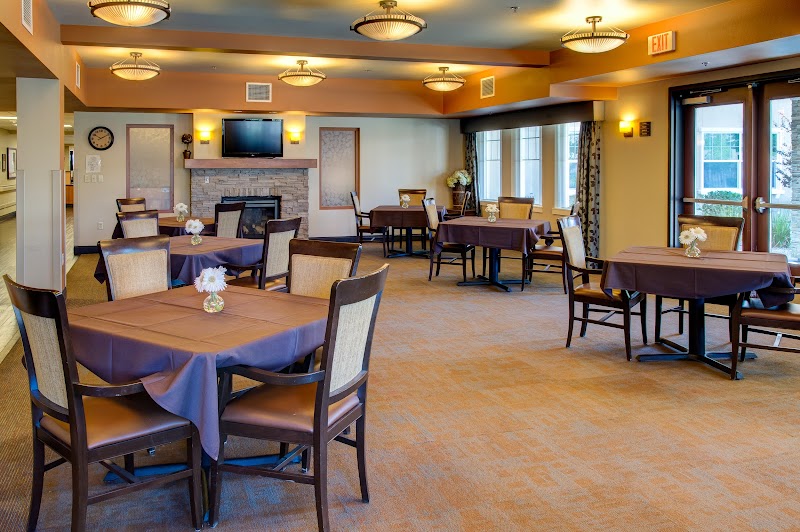
How is Marquis Care At Centennial Hills Staffed?

CMS rates MARQUIS CARE AT CENTENNIAL HILLS's staffing level at 4 out of 5 stars, which is above average compared to other nursing homes. Staff turnover is 36%, compared to the Nevada average of 46%. This relatively stable workforce can support continuity of care.

What Have Inspectors Found at Marquis Care At Centennial Hills?

State health inspectors documented 29 deficiencies at MARQUIS CARE AT CENTENNIAL HILLS during 2023 to 2025. These included: 29 with potential for harm.

Who Owns and Operates Marquis Care At Centennial Hills?

MARQUIS CARE AT CENTENNIAL HILLS is owned by a for-profit company. For-profit facilities operate as businesses with obligations to shareholders or private owners. The facility is operated by MARQUIS COMPANIES, a chain that manages multiple nursing homes. With 120 certified beds and approximately 91 residents (about 76% occupancy), it is a mid-sized facility located in LAS VEGAS, Nevada.

How Does Marquis Care At Centennial Hills Compare to Other Nevada Nursing Homes?

Compared to the 100 nursing homes in Nevada, MARQUIS CARE AT CENTENNIAL HILLS's overall rating (3 stars) is below the state average of 3.0, staff turnover (36%) is significantly lower than the state average of 46%, and health inspection rating (3 stars) is at the national benchmark.

What Should Families Ask When Visiting Marquis Care At Centennial Hills?

Based on this facility's data, families visiting should ask: "Can I visit during a mealtime to observe dining assistance and food quality?" "How do you handle medical emergencies, and what is your hospital transfer rate?" "Can I speak with family members of current residents about their experience?"

Is Marquis Care At Centennial Hills Safe?

Based on CMS inspection data, MARQUIS CARE AT CENTENNIAL HILLS has a clean safety record: no substantiated abuse findings (meaning no confirmed cases of resident harm), no Immediate Jeopardy citations (the most serious violation level indicating risk of serious injury or death), and is not on the Special Focus Facility watch list (a federal program monitoring the lowest-performing 1% of nursing homes). The facility has a 3-star overall rating and ranks #100 of 100 nursing homes in Nevada. While no facility is perfect, families should still ask about staff-to-resident ratios and recent inspection results during their visit.

Do Nurses at Marquis Care At Centennial Hills Stick Around?

MARQUIS CARE AT CENTENNIAL HILLS has a staff turnover rate of 36%, which is about average for Nevada nursing homes (state average: 46%). Moderate turnover is common in nursing homes, but families should still ask about staff tenure and how the facility maintains care continuity when employees leave.

Was Marquis Care At Centennial Hills Ever Fined?

MARQUIS CARE AT CENTENNIAL HILLS has no federal fines on record. CMS issues fines when nursing homes fail to meet care standards or don't correct problems found during inspections. The absence of fines suggests the facility has either maintained compliance or corrected any issues before penalties were assessed. This is a positive indicator, though families should still review recent inspection reports for the full picture.

Is Marquis Care At Centennial Hills on Any Federal Watch List?

MARQUIS CARE AT CENTENNIAL HILLS is not on any federal watch list. The most significant is the Special Focus Facility (SFF) program, which identifies the bottom 1% of nursing homes nationally based on persistent, serious quality problems. Not being on this list means the facility has avoided the pattern of deficiencies that triggers enhanced federal oversight. This is a positive indicator, though families should still review the facility's inspection history directly.