MARQUIS PLAZA REGENCY POST ACUTE REHAB
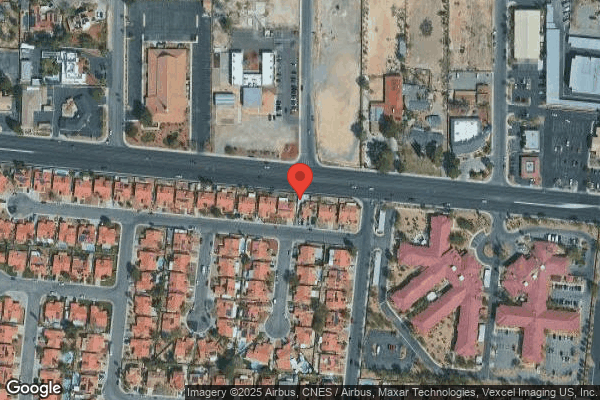

6021 W. CHEYENNE AVE., LAS VEGAS, NV 89108 (702) 658-9494
For profit - Corporation 188 Beds MARQUIS COMPANIES Data: November 2025
Trust Grade
75/100
#21 of 65 in NV
Last Inspection: September 2024

Within standard 12-15 month inspection cycle. Federal law requires annual inspections.

Overview

Marquis Plaza Regency Post Acute Rehab has received a Trust Grade of B, which indicates that it is a good choice among nursing homes. Ranking #21 out of 65 facilities in Nevada means it falls in the top half of available options, while its #16 rank out of 42 in Clark County shows that only a few local homes perform better. The facility is on an improving trend, with issues decreasing from 6 in 2024 to just 2 in 2025. Staffing is considered a strength, with a turnover rate of 36%, which is lower than the state average, but the staffing rating itself is average at 3 out of 5 stars. While there are no fines on record, which is a positive sign, there have been some concerning incidents. For example, the facility failed to perform preventative maintenance on several ventilators, which could potentially harm residents dependent on them. Additionally, there was an instance where staff did not follow proper procedures when responding to an exit door alarm, risking resident safety. Overall, while there are notable strengths, families should be aware of these weaknesses when considering this facility for their loved ones.

Trust Score
B
75/100
In Nevada
#21/65
Top 32%
Safety Record
Low Risk
No red flags
Inspections
Getting Better
6 → 2 violations
Staff Stability
○ Average
36% turnover. Near Nevada's 48% average. Typical for the industry.
Penalties
✓ Good
No fines on record. Clean compliance history, better than most Nevada facilities.
Skilled Nurses
✓ Good
Each resident gets 56 minutes of Registered Nurse (RN) attention daily — more than average for Nevada. RNs are trained to catch health problems early.
Violations
⚠ Watch
20 deficiencies on record. Higher than average. Multiple issues found across inspections.
★★★★☆
4.0
Overall Rating
★★★☆☆
3.0
Staff Levels
★★★★☆
4.0
Care Quality
★★★★☆
4.0
Inspection Score
Stable
2024: 6 issues
2025: 2 issues

The Good

  • 4-Star Quality Measures · Strong clinical quality outcomes
  • Full Sprinkler Coverage · Fire safety systems throughout facility
  • No fines on record
  • Staff turnover below average (36%)

    12 points below Nevada average of 48%

Facility shows strength in quality measures, fire safety.

The Bad

Staff Turnover: 36%

10pts below Nevada avg (46%)

Typical for the industry

Chain: MARQUIS COMPANIES

Part of a multi-facility chain

Ask about local staffing decisions and management

The Ugly 20 deficiencies on record

Sept 2025 1 deficiency
CONCERN (D) 📢 Someone Reported This

A family member, employee, or ombudsman was alarmed enough to file a formal complaint

Potential for Harm - no one hurt, but risky conditions existed

PASARR Coordination (Tag F0644)

Could have caused harm · This affected 1 resident

**NOTE- TERMS IN BRACKETS HAVE BEEN EDITED TO PROTECT CONFIDENTIALITY** Based on interview, record review and document review, the facility failed to ensure a Preadmission Screening and Resident Revie...

Read full inspector narrative →
**NOTE- TERMS IN BRACKETS HAVE BEEN EDITED TO PROTECT CONFIDENTIALITY** Based on interview, record review and document review, the facility failed to ensure a Preadmission Screening and Resident Review (PASRR- a federally mandated process which screens individuals seeking admission to a nursing facility (NF) to identify those with serious mental illnesses (SMI) or intellectual/developmental disabilities (ID/DD) to ensure individuals with these conditions receive the most appropriate placement) level II was completed for 1 of 40 sampled residents (Resident 155). The deficient practice had potential for not ensuring a resident with behavioral symptoms still fits within the resident population and for additional behavioral needs would be provided. Findings include: Resident 155 (R155) was admitted on [DATE], with diagnoses including bipolar disorder and hallucinations. Resident 155 was discharged on 05/12/2025.On 08/12/2025 at 11:00 AM, R155 was reported to have kicked a roommate twice on the lower leg and kicked the dietary person in the leg. R155 continued to exhibit behavioral issues as exhibited by trying to hit staff members and residents. R155 was transferred to a geriatric-psychiatric facility where the patient was admitted . Review of R155's nursing Behavior Complex Care Progress Notes from 03/09/2025 to 05/12/2025, revealed the following documented behaviors: Behaviors: Potential indicators of psychosis: Delusions - Resident stated people were trying to kidnap the resident. Resident believed that someone was trying to kill the resident. At one point the resident went back into the resident's room and blocked the door not allowing people to get into the room because the resident feared someone was trying to hurt the resident. The resident rummaged through the roommate's belongings and was found to be wearing the roommate's earrings which the resident claimed belonged to R155 and not the roommate. The resident claimed R155 owned the facility and could do whatever the resident wanted. The resident pulled the fire alarm when R155 did not get the attention the resident wanted.Physical behavior: Hitting others and kicking others. The resident kicked a roommate twice in the right lower leg and kicked the dietary person in the leg, The resident was hitting staff and other residents. Throwing objects at others. Grabbing others. Throwing the resident's shoe towards the certified nursing assistant (CNA) who attempted to stop the resident from harassing another resident. R155 hit the glass window at the day room with a folded walker. Splashed water at care providers.Verbal behavior: Cursing at others. R155 was frequently yelling, screaming, and cursing at staff, and other residents. The resident would scream inappropriate comments at others and use offensive foul language. R155 would ask repetitive questions/statements to disturb a roommate's rest after bedside care and stealing property of roommate like clothes, dress or any items the resident wanted to pick up. R155 would enter the roommate's persona space. Yelling and screaming on and off almost the entire shift. Behavior not exhibited toward others: R155 pulled the fire alarm one time. A nurse saw the resident trying to induce vomiting by inserting finger to throat. The resident claimed the resident was going on a car ride later and was worried about vomiting inside the car if the resident did not vomit now.Rejection of care: Medications were spit out. The resident would get upset when offered care. Resident had spit out the morning medications because the resident believed the medications could kill the resident. The resident refused a brief change from CNA. The resident purposely raised voice to get attention and disrupt others.Other behaviors: Behavior of disrupting others. The resident could be loud screaming especially at the nurse's station. R155 disrupts other residents' sleep during bedtime and disrupts staff while charting at the station. Multiple entries of behaviors were entered by nursing staff which demonstrates R155 was experiencing symptoms or indicators of significant mental illness.R155 had numerous documented routine Psychiatry Evaluations. The progress notes documented the following assessments: Initial Psychiatry Evaluation dated 05/30/2024 at 8:30AM, to the most recent Psychiatry visit dated 04/25/2025 at 11:15AM, consistently documented under Complexity/Medical Decision Making:1. Bipolar disorder with psychotic features - Continue Seroquel (anti-psychotic) 75 milligram (mg) three times a day (TID) to help address delusions associated with (a/w) bipolar disorder. Continue Fluoxetine (anti-depressant) 40 mg daily for depression a/w bipolar disorder.2. Generalized anxiety disorder - Continue Alprazolam (anti-anxiety) 0.5 mg TID for anxiety/restlessness. Continue Hydroxyzine 25 mg TID for restlessness.The Initial PASRR level I Screening form dated 07/05/2023, documented Determination: No mental illness, mental retardation, related condition or dementia. The PASRR deemed the resident was appropriate for nursing facility placement.R155 lacked documented evidence a PASRR level II assessment was completed even with R155 demonstrated behaviors of a serious mental illness (SMI) or the actual diagnosis from the psychiatric evaluations.On 09/11/2025 in the morning, two Registered Nurses (RNs) indicated behavioral incidents were documented on the progress notes. The RNs indicated the Resident Care Managers (RCM) would be informed of the behaviors as well. Any further directives would be received from the physicians or RCM.On 09/11/2025 at 2:14 PM, two RCMs indicated nurses would report any resident behaviors and would be discussed during interdisciplinary team (IDT) meetings. The RCM reviewed R155‘s EHR and confirmed the resident did not have a PASRR level II. On 09/11/2025 at 3:03 PM, a social worker (SW) confirmed the assigned SW to the specific resident attends the IDT meeting and would be informed of behavioral changes exhibited by a resident. The need for a Level II PASRR assessment would be determined at the IDT meeting. The SW acknowledged the purpose of the PASRR was to assess if the current facility was appropriate for the level of care or additional recommendations needed for a resident's behavioral needs. The SW acknowledged a level II PASRR was needed for R155. The facility policy titled PASRR Protocol - Nevada (Undated), documented when to complete the PASRR Level II Request: 1. When the resident is determined to have serios mental illness (SMI), mental retardation (MR) or related concerns (RC). 2. At any point if a person with SMI, MR or RC has an exacerbation of behaviors or indications of worsening mental health indicators.
May 2025 1 deficiency
CONCERN (D) 📢 Someone Reported This

A family member, employee, or ombudsman was alarmed enough to file a formal complaint

Potential for Harm - no one hurt, but risky conditions existed

Notification of Changes (Tag F0580)

Could have caused harm · This affected 1 resident

**NOTE- TERMS IN BRACKETS HAVE BEEN EDITED TO PROTECT CONFIDENTIALITY** Based on observation, interview, record review, and document review, the facility failed to notify the resident representative o...

Read full inspector narrative →
**NOTE- TERMS IN BRACKETS HAVE BEEN EDITED TO PROTECT CONFIDENTIALITY** Based on observation, interview, record review, and document review, the facility failed to notify the resident representative of an incident, and a skin tear identified for 1 of 5 sampled residents (Resident 1). The deficient practice had the potential to deprive the resident's representative the right to be informed of changes to the resident's health status. Findings include: Resident 1 (R1) R1 was admitted [DATE], with diagnosis including encounter for attention to gastrostomy, urinary tract infection, and pneumonitis due to inhalation of food and vomit. An Admissions Social Services document effective date 01/03/2025, documented R1's cognitive status was confused. A Brief Interview for Mental Status Assessment (BIMS) was unable to be conducted due to communication deficits. R1 was difficult to be understood and at times responses, when understood, were inconsistent with the questions. A Care Plan initiated 01/13/2025, documented R1 had cognitive deficit characterized by deficit in memory, judgment, decision making and though process related to Transient Ischemic Attack, short term memory loss. An Admissions Record dated 01/02/2025, listed a family member as R1's representative and emergency contact, along with a phone number provided. A Behavior Note dated 01/24/2025 at 1:18 AM, documented R1 was confused, anxious, agitated, combative, and tried to get out of bed multiple times. R1 was redirected and did not comply. In order to provide a safety environment, R1 was transferred to a wheelchair and moved nearby to the nurse's station. During transfer R1 started kicking and swinging, acquired an open area on R1's left lower leg, and a dressing was applied. A Skin and Wound Evaluation dated 01/24/2025 at 5:27 PM, documented a new skin tear on R1's front, left lateral, lower leg, in-house acquired. A Physician's Assistant was notified. The Skin and Wound Evaluation lacked documented evidence R1's representative was notified of the newly identified skin tear. R1's medical record lacked documented evidence R1's representative was notified of the incident and skin tear that took place on 01/24/2025. On 05/06/2027 at 9:42 AM, the Resident Case Manager, reported R1's family was very active and hands on with R1's care. On 05/06/2027 at 1:13 PM, the Resident Case Manager, confirmed the medical record lacked documented evidence the resident's family was notified of the incident and skin tear acquired. The Resident Case Manager acknowledged the family should have been notified of the incident and skin tear, especially because the resident was incoherent. On 05/06/2027 at 1:41 PM, the Administrator confirmed R1's medical record lacked documented evidence the family was notified of the incident and skin tear. The Administrator acknowledged the family should have been notified of the incident and skin tear. The Administrator explained since the incident happened late at night, the family should have been notified by the following morning. A facility policy titled Change in a Resident's Condition or Status revised 08/01/2021, documented the facility shall notify the resident, his or her Attending Physician/Medical Professional, and resident representative of changes in the resident's medical/mental condition and/or status. The Nurse should notify the resident's representative including when the resident was involved in any accident or incident that resulted in an injury, including injuries of an unknown source, and if there was a significant change in the resident's physical, mental, or psychosocial status. Complaint NV00073412
Sept 2024 6 deficiencies
CONCERN (D)

Potential for Harm - no one hurt, but risky conditions existed

Comprehensive Care Plan (Tag F0656)

Could have caused harm · This affected 1 resident

**NOTE- TERMS IN BRACKETS HAVE BEEN EDITED TO PROTECT CONFIDENTIALITY** Resident #28 Resident #28 was admitted to the facility on [DATE], with diagnoses including post-traumatic stress disorder, chron...

Read full inspector narrative →
**NOTE- TERMS IN BRACKETS HAVE BEEN EDITED TO PROTECT CONFIDENTIALITY** Resident #28 Resident #28 was admitted to the facility on [DATE], with diagnoses including post-traumatic stress disorder, chronic, and metabolic syndrome. The Minimum Data Set 3.0 (MDS) Report, Section I, I6100:Post Traumatic Stress Disorder, documented Resident #28 had a diagnosis of PTSD. Resident #28's physician order dated 02/01/2024, documented Prazosin HCL oral capsule 2 milligrams, give one capsule by mouth as needed for history related to PTSD, chronic. A behavior note dated 09/12/2024, documented Resident #28 became upset when the facility transport did not show up to transport the resident to an eye doctor appointment. Resident #28 became angry and drove down the sidewalk and away from the facility with staff following. Resident #28 was redirected back to the facility with staff and was informed the eye appointment had been rescheduled to another day. Resident #28's clinical record lacked documented evidence the care plan included care for the resident's diagnosis of PTSD. On 09/19/2024 at 4:13 PM, a Resident Care Manager (RCM) explained a care plan was created for PTSD to include behaviors specific to the resident like aggressiveness or depression, and would include what alleviated those behaviors. On 09/19/2024 at 4:38 PM, the RCM confirmed Resident #28 did not have a care plan created or implemented to address the resident's chronic PTSD. On 09/20/2024 at 11:22 AM, the Assistant Director of Nursing (ADON) explained a resident with a history of PTSD, behaviors, and taking medication for PTSD should be care planned. The ADON confirmed Resident #28 was not care planned for the focus, goals, and interventions of PTSD. The facility policy titled Care Planning-Interdisciplinary Team, dated 11/2017, documented the care plan was recognized as an interdisciplinary dynamic process that included at a minimum: nursing, social services, activities, and dietary. The care planning process began on the day of the admission by nursing and the Interdisciplinary Team was responsible for the development of an individualized comprehensive care plan for each resident on an ongoing basis. The facility policy titled Goals and Objectives, Care Plans, dated 11/2017, documented care plans would incorporate Person-Centered goals and objectives that lead to the resident's desired outcome. The facility policy titled Care Plans-Person Centered Comprehensive, dated 08/2017, documented an individualized Person-Centered comprehensive care plan included objectives and goals to meet the resident's medical, nursing, mental, and psychological needs and was developed for each resident based on the resident strengths, needs, and preferences. Based on clinical record review, interview, and document review, the facility failed to ensure Comprehensive Care Plans included a care plan related to 1) the care and treatment for constipation (Resident #24), 2) the care and treatment of insomnia and constipation (Resident #134), 3) the care and treatment of edema (Resident # 134), and 4) the care and treatment of post-traumatic stress disorder (PTSD) (Resident #28) to include goals, preferences, needs, and interventions, for 4 of 29 sampled residents. The deficient practices had the potential to deprive residents of necessary care and treatments. Findings include: Resident #24 (R24) R24 was admitted to the facility 09/09/2024, with diagnoses including pain in left hip, presence of left artificial hip, and acquired absence of right leg below knee. On 09/18/2024 at 9:45 AM, R24 verbalized had been constipated and needed more than the stool softeners prescribed. The resident explained had received a suppository on 09/17/2024, and the suppository gave some relief. On 09/19/2024 at 8:32 AM, a Certified Nursing Assistant verbalized R24 had complaints of constipation. On 09/19/2024 at 2:23 PM, a Registered Nurse (RN) verbalized R24 took pain medication for chronic pain and the pain medications could cause constipation. The RN explained the resident received a scheduled stool softener twice a day for constipation and had as needed medications for bowel care as well. The resident received Miralax on 09/16/2024, and a Dulcolax suppository on 09/17/2024, which yielded a bowel movement. A physician's order dated 09/09/2024, documented Colace oral capsule 100 milligram (mg). Give one capsule by mouth two times a day for constipation. A physician's order dated 09/09/2024, documented Senna tablet 8.6 mg. Give two tablets by mouth as needed for bowel care/no bowel movement. A physician's order dated 09/09/2024, documented Miralax Powder (Polyethylene Glycol 3350). Give 17 grams by mouth as needed for bowel care. Give in 4-8oz water/fluid as needed if no bowel movement. A physician's order dated 09/09/2024, documented Dulcolax suppository 10 mg. Insert one suppository rectally as needed for bowel care/no bowel movement, if Miralax or Senna not effective within 24 hours. R24's Comprehensive Care Plan lacked a care plan for constipation. On 09/20/2024 at 2:44 PM, the Director of Nursing (DON) verbalized R24 received pain medications and medications to prevent constipation as a result of the pain medications. The DON confirmed R24 did not have a care plan for constipation and should have. Resident #134 (R134) R134 was admitted to the facility on [DATE], with diagnoses including nondisplaced intertrochanteric fracture of left femur, subsequent encounter for fracture with routine healing and nontraumatic hematoma of soft tissue. On 09/19/2024 at 2:23 PM, an RN verbalized R134 received Melatonin for insomnia and Lasix for edema. The RN explained the staff looked for pitting and swelling and would expect to find a care plan for edema and insomnia on the resident's care plan. A physician's order dated 09/05/2024, documented Melatonin 5 mg tablet. Give one tablet by mouth one time a day for insomnia. A physician's order dated 09/11/2024, documented Lasix 40 mg tablet. Give one tablet by mouth two times a day for edema in the lower extremities. R134's Comprehensive Care Plan lacked a care plan for insomnia and edema. On 09/20/2024 at 2:35 PM, the DON verbalized the expectation was a care plan would be created for a resident with insomnia and edema. The DON confirmed R134 took medications for insomnia and edema and should have had a corresponding care plan.
CONCERN (D)

Potential for Harm - no one hurt, but risky conditions existed

Deficiency F0661 (Tag F0661)

Could have caused harm · This affected 1 resident

**NOTE- TERMS IN BRACKETS HAVE BEEN EDITED TO PROTECT CONFIDENTIALITY** Based on clinical record review, document review, and interview, the facility failed to complete a discharge summary by the prim...

Read full inspector narrative →
**NOTE- TERMS IN BRACKETS HAVE BEEN EDITED TO PROTECT CONFIDENTIALITY** Based on clinical record review, document review, and interview, the facility failed to complete a discharge summary by the primary care provider to include the recapitulation of the resident's stay and the treatment and services obtained at the facility for 1 of 2 sampled closed records (Resident #142). The deficient practice has the potential to impact the resident not receiving the appropriate post discharge care, medications or treatments. Findings include: Resident #142 (R142) R142 was admitted to the facility on [DATE] with diagnoses including hemiplegia and hemiparesis following cerebral infarction affecting left non-dominant side, essential (primary) hypertension, type 2 diabetes mellitus with diabetic neuropathy, and fibromyalgia. The resident was discharged on 0219/2024. R142's Discharge Summary lacked evidence of a physician's signature, diagnoses, recapitulation of the admission to include the course of treatment and services provided by the facility. A Nursing Note dated 02/19/2024 at 11:12 AM, documented the physician was notified R142 would like to be discharged from the facility 02/19/2024. R142's daughter was able to get the resident an apartment. The resident had a private physician and pharmacy in the community. Nursing gave diabetes mellitus insulin education and would leave with all of the resident's medications on hand at the facility. The facility received a physician's order for the resident to be discharged from facility on 02/19/2024. A Discharge Note dated 02/19/2024 at 1:32 PM, documented R142 for discharge home on [DATE]. Refresher training for insulin check and insulin administration was done with the resident doing the procedure. The resident verbalized the resident knew how to do it and had done it before. Medications on hand were given to the resident. R142 left the facility at 1:25 PM ambulatory with front wheeled walker accompanied by family member in stable condition. On 09/20/2024 at 2:25 PM, the Social Services Director verbalized the facility lacked documented evidence of a complete Discharge Summary. On 09/20/2024 at 3:05 PM, the Medical Records Clerk confirmed Resident #142's clinical record lacked documented evidence of a complete Discharge Summary. On 09/20/2024 at 3:05 PM, the Medical Records Director confirmed Resident #142's clinical record lacked documented evidence of a complete Discharge Summary by the primary care provider to include the recapitulation of the resident's stay and the treatment and services obtained at the facility. On 09/20/2024 at 3:54 PM, the Administrator verbalized the wrong template was used for R142's discharge, the facility did not have a Discharge Summary, and the resident was not provided a recap of the resident's admission or an explanation of the course of treatments and services provided at the time of discharge. The Administrator confirmed the family or resident's representative was also not given the documentation regarding the resident's admission.
CONCERN (D)

Potential for Harm - no one hurt, but risky conditions existed

Pressure Ulcer Prevention (Tag F0686)

Could have caused harm · This affected 1 resident

**NOTE- TERMS IN BRACKETS HAVE BEEN EDITED TO PROTECT CONFIDENTIALITY** Based on observation, clinical record review, interview, and document review the facility failed to ensure a wound care nurse fo...

Read full inspector narrative →
**NOTE- TERMS IN BRACKETS HAVE BEEN EDITED TO PROTECT CONFIDENTIALITY** Based on observation, clinical record review, interview, and document review the facility failed to ensure a wound care nurse followed physician orders for 1 of 29 sampled residents (Resident #61). The deficient practice had the potential to place the resident at risk for delayed healing of a wound. Resident #61 Resident #61 was admitted to the facility on [DATE], and readmitted on [DATE], with a diagnosis of fracture of unspecified part of neck of right femur, subsequent encounter for closed fracture with routine healing. A Skin Wound Assessment form dated 09/18/2024, documented Resident #61 had a facility acquired unstageable pressure injury (PI) to the front of the resident's right knee. The wound measured 0.9 cm area, 1.2 cm length x 1.1 cm width. The PI was documented as healing slowly or stalled but stable. A physician's order dated 05/21/2024, documented to cleanse the unstageable wound to Resident #61's right knee with normal saline, pat dry, apply barrier cream and then cover with foam dressing, three times per week and as needed for soiling and/or accidental removal. On 09/19/2024 at 9:46 AM, during a wound care observation, the Wound Care Nurse gathered supplies to perform wound to a wound on Resident #61's right knee. The supplies included silver alginate. On 09/19/2024 at 9:50 AM, during the provision of wound care for Resident #61, the Wound Care Nurse applied Tri-Ad cream to a silver alginate pad and placed the dressing over the wound on Resident #61's right knee, and dressed with island gauze. The Wound Care Nurse confirmed an order for silver alginate should have been obtained prior to use. On 09/19/2024 at 9:58 AM, the Wound Care Nurse verbalized had been using silver alginate on Resident #61's right knee wound for approximately one week. The Wound Care Nurse confirmed Resident #61's clinical record lacked an order for the use of silver alginate and an order for silver alginate should have been obtained and entered into the resident's clinical record prior to use. On 09/19/2024 at 10:58 AM, the Director of Nursing Services (DNS) confirmed a physician's order was required for wound care. The DNS explained wounds were assessed weekly to determine the effectiveness of the treatment being provided, and if after two weeks the wound was not improving, a new order was requested. On 09/19/2024 at 11:04 AM, the DNS confirmed a wound care assessment dated [DATE], documented the physician was notified Resident #61's PI wound was not improving. The DNS confirmed Resident #61's clinical record lacked documented evidence of a physician's order for the use of silver alginate when providing wound care to the PI on Resident #61's right knee. The DNS confirmed a physician's order was required prior to the use of silver alginate. A facility policy titled Wound Care -Level II, revised 03/2017, documented the first step when preparing to provide wound care was to verify there was a physician's order in place. A facility policy titled Physician Medication Orders, documented medication and treatments were administered only upon the order of a person duly licensed to prescribe such medications. Physician orders for medications and treatments were to be documented in the clinical record as provided per order.
CONCERN (D)

Potential for Harm - no one hurt, but risky conditions existed

Deficiency F0698 (Tag F0698)

Could have caused harm · This affected 1 resident

**NOTE- TERMS IN BRACKETS HAVE BEEN EDITED TO PROTECT CONFIDENTIALITY** Based on clinical record review, document review, and interview, the facility failed to ensure licensed staff did not jeopardize...

Read full inspector narrative →
**NOTE- TERMS IN BRACKETS HAVE BEEN EDITED TO PROTECT CONFIDENTIALITY** Based on clinical record review, document review, and interview, the facility failed to ensure licensed staff did not jeopardize a resident's hemodialysis catheter for 1 of 29 sampled residents (Resident #57). This deficient practice may have placed the patient at risk for delays in dialysis treatments, unnecessary discomfort and medical/surgical interventions. Findings include: Resident #57 (R57) R57 was admitted to the facility on [DATE] and readmitted on [DATE], with diagnoses including chronic kidney disease, stage 5, end stage renal disease, dependence on renal dialysis, and hyperkalemia. R57's Care Plan initiated on 06/18/2024, documented no intravenous therapy, blood draws, or blood pressure to left arm. A physician's order dated 06/17/2024, documented no blood pressure on left arm, every shift. A review of R57's vitals documented blood pressures were taken on the left arm on the following dates and times: - 08/28/2024 at 10:54 AM, 139/73 mmHg, sitting left arm - 08/27/2024 at 8:27 PM, 142/78 mmHg, sitting left arm - 08/27/2024 at 9:32 AM, 154/74 mmHg, sitting left arm - 08/26/2024 at 7:33 PM, 122/64 mmHg, lying left arm - 08/25/2024 at 7:54 PM, 126/64 mmHg, lying left arm - 08/25/2024 at 10:43 AM, 124/62 mmHg, sitting left arm - 08/22/2024 at 8:47 PM, 135/70 mmHg, sitting left arm - 08/22/2024 at 10:24 AM, 124/50 mmHg, sitting left arm - 08/21/2024 at 7:51 PM, 153/80 mmHg, sitting left arm - 08/21/2024 at 10:32 AM, 138/64 mmHg, sitting left arm - 08/19/2024 at 8:12 PM, 110/60 mmHg, lying left arm - 08/18/2024 at 9:01 PM, 118/70 mmHg, sitting left arm - 08/17/2024 at 7:03 PM, 128/64 mmHg. lying left arm - 08/17/2024 at 11:41 AM, 124/60 mmHg, lying left arm - 08/15/2024 at 9:48 PM, 128/60 mmHg, sitting left arm - 08/14/2024 at 9:11 PM, 103/60 mmHg, sitting left arm - 08/12/2024 at 7:29 PM, 122/64 mmHg, lying left arm - 08/12/2024 at 4:00 PM, 118/62 mmHg, lying left arm - 08/08/2024 at 8:32 PM, 130/65 mmHg, sitting left arm - 08/08/2024 at 10:09 AM, 118/64 mmHg, sitting left arm - 08/07/2024 at 8:02 PM, 105/60 mmHg, sitting left arm - 08/07/2024 at 10:46 AM, 146/74 mmHg, sitting left arm - 08/05/2024 at 8:44 PM, 100/49 mmHg, sitting left arm - 08/04/2024 at 9:34 AM, 130/70 mmHg, lying left arm - 08/01/2024 at 8:48 PM, 135/60 mmHg, sitting left arm - 08/01/2024 at 8:48 AM, 118/65 mmHg, sitting left arm An Outpatient Dialysis Record dated 09/09/2024, documented R57's left upper arm graft was clotted and dialysis was not performed. R57 was referred to a surgery center. A Surgery Center Note dated 09/10/2024, documented R57 had a fistulagram due to a 50% stenosis in the arterial graft segment and a 50% in-stent stenosis in the venous graft segment. The stenosis was treated with angioplasty and hemostasis was achieved. A Surgery Center Note dated 09/19/2024, documented R57 had a fistulagram which demonstrated a 70% stenosis in the venous graft and an 80% stenosis in the axillary vein. The stenosis was treated with angioplasty and hemostasis was achieved. On 09/20/2024 at 8:55 AM, a Licensed Practical Nurse (LPN1), verbalized the resident was getting hemodialysis and had a left upper arm fistula. LPN1 verbalized R57 had a procedure done yesterday due to a previous thrombosis. LPN1 verbalized there was an order to not take blood pressures on the resident's left arm, the arm of the fistula. LPN1 confirmed the resident's clinical record included documented evidence of previous blood pressures taken on the resident's left arm. LPN1 verbalized taking blood pressures on arm with the fistula can ruin the fistula, dislodge it, put resident in to stress. On 09/20/2024 at 9:44 AM, a Licensed Practical Nurse (LPN2), confirmed the resident's clinical record included documented evidence of previous blood pressures taken on the resident's left arm. LPN2 confirmed R57 had a left upper arm fistula. LPN2 confirmed R57 had a physician's order dated 06/17/2024, documented to not take blood pressure on the left arm. LPN2 verbalized taking a blood pressure on the resident's left upper arm could burst out the fistula and damage the port. On 09/20/2024 at 9:51 AM, the Director of Nursing (DON), confirmed R57 had a fistula on the left upper arm. The DON verbalized standard of practice was to not take a blood pressure on the arm with a fistula. The DON verbalized it would put pressure on fistula could cause bleeding and the port to clot. The DON confirmed the physician's order, dated 06/17/2024, to not take left arm blood pressures. The DON confirmed R57's clinical record documented multiple blood pressures taken on the resident's left arm. The DON confirmed R57 had a thrombosis in fistula on 09/09/2024, and dialysis was not done as scheduled on 09/09/2024. The DON verbalized a surgical procedure was done 09/10/2024 to remove the thrombosis. The DON verbalized a sign was at the head of the resident's bed indicating no blood pressures to the left arm. On 09/20/24 at 10:03 AM, a sign was observed at the head of the resident's bed documenting no IV, blood draws or blood pressure to left arm. On 09/20/24 at 10:45 AM, a Registered Nurse (RN) from the resident's Dialysis Center verbalized staff should never take a blood pressure on the arm of a resident's fistula. The RN verbalized it can collapse the fistula access and produce a clot. The facility policy titled End-Stage Renal Disease, Care of Resident with Dialysis, revised 08/2017, documented residents with end stage renal disease will be cared for according to currently recognized standards of care. Education and training of staff included the care of shunts and fistulas.
CONCERN (D)

Potential for Harm - no one hurt, but risky conditions existed

Unnecessary Medications (Tag F0759)

Could have caused harm · This affected 1 resident

**NOTE- TERMS IN BRACKETS HAVE BEEN EDITED TO PROTECT CONFIDENTIALITY** Based on observation, interview, clinical record review, and document review the facility failed to ensure medication was admini...

Read full inspector narrative →
**NOTE- TERMS IN BRACKETS HAVE BEEN EDITED TO PROTECT CONFIDENTIALITY** Based on observation, interview, clinical record review, and document review the facility failed to ensure medication was administered with an error rate less than 5 percent (%). There were 27 opportunities and 7 medication errors. The medication error rate was 25.93%. Findings include: Resident #82 (R82) R82 was admitted to the facility on [DATE], with diagnoses including cerebrovascular disease, unspecified, essential hypertension, and hyperlipidemia. An Order Summary for R82 documented the following: -Aspirin EC tablet Delayed Release 81 milligrams (mg), give one tablet by mouth one time a day related to essential hypertension. -Lisinopril tablet 40 mg, give one tablet by mouth one time a day related to essential hypertension. -Protein Gel/Liquid, one time a day, give 30 milliliters (ml) protein liquid in 120 ml juice. -Cholecalciferol tablet 1000 unit, give 2000 units by mouth one time a day for supplement. -Plavix 75 mg (Clopidogrel Bisulfate), give one tablet by mouth one time a day related to cerebrovascular disease, unspecified. -PreserVision AREDS 2+ Multivitamin oral capsule, give two capsules by mouth one time a day for supplement. -Vitamin C tablet 500 mg (Ascorbic Acid), give one tablet by mouth in the morning for supplement. On 09/19/2024 at 9:13 AM, a Licensed Practical Nurse (LPN) administered the following medications to R82: -Aspirin EC tablet Delayed Release 81mg, one tablet by mouth -Lisinopril 40 mg, one tablet by mouth -Protein Gel/Liquid 30 ml, 30 ml by mouth in 120 ml juice -Cholecalciferol 1000 units, two capsules by mouth -Plavix 75 mg, one tablet by mouth -PreserVision AREDS 2+ Multivitamin oral capsule, two capsules by mouth -Vitamin C 500 mg, one capsule by mouth On 09/19/2024 at 9:17 AM, the LPN explained a daily medication was to be administered at 8:00 AM, and could be administered one hour before or one hour after 8:00 AM. The LPN confirmed R82 was administered seven medications late and not according to policy. On 09/20 2024 at 2:28 PM, the Director of Nursing (DON) explained the expectation of licensed nursing staff was to administer all medications using the five rights of administering medications: right patient, right time, right dose, right medication, and right route. The DON confirmed medication administration occurring after 9:00 AM was considered a late medication administration and did not follow policy. The facility policy titled Administering Medications, revised 08/2017, documented medications would be administered in accordance with the orders, including any required timeframe. After verifying the right resident, the individual administering the medication must check the label three times to verify the right medication, the right dosage, the right time, and the right method of administration before giving the medication. Medications would be administered in a safe and timely manner, and as prescribed.
CONCERN (D)

Potential for Harm - no one hurt, but risky conditions existed

Deficiency F0883 (Tag F0883)

Could have caused harm · This affected 1 resident

**NOTE- TERMS IN BRACKETS HAVE BEEN EDITED TO PROTECT CONFIDENTIALITY** Based on interview, clinical record review, and document review, the facility failed to ensure 1 of 5 residents reviewed for vac...

Read full inspector narrative →
**NOTE- TERMS IN BRACKETS HAVE BEEN EDITED TO PROTECT CONFIDENTIALITY** Based on interview, clinical record review, and document review, the facility failed to ensure 1 of 5 residents reviewed for vaccinations, including pneumococcal vaccines (Residents #66) was screened for eligibility to receive a pneumococcal vaccine, education regarding the vaccine was provided to the resident and/or the resident representative, and the indicated pneumococcal vaccine was offered and either administered or declined. The deficient practice may have placed the resident at risk for not being protected against serious illness. Findings include: Resident #66 Resident #66 was admitted to the facility on [DATE], and readmitted on [DATE], with diagnoses including iron deficiency anemia, shortness of breath, chronic obstructive pulmonary disease, and unspecified asthma. Resident #66's clinical record lacked documented evidence the resident was screened for eligibility to receive a pneumococcal vaccine, and education regarding the vaccine was provided to the resident and/or the resident representative, and the indicated pneumococcal vaccine was offered and either administered or declined. On 09/20/2024 at 2:00 PM, the Infection Preventionist confirmed the facility lacked documented evidence Resident #66 was screened for eligibility to receive a pneumococcal vaccine, education regarding the vaccine was provided to the resident and/or the resident representative, and the indicated pneumococcal vaccine was offered and either administered or declined. The facility policy titled Pneumococcal Vaccine, dated 10/20/2020, documented all residents were offered pneumococcal vaccines to aid in the prevention of pneumococcal infections. Prior to or upon admission residents were assessed for eligibility to receive a pneumococcal vaccine, and when indicate the vaccine was offered within 30 days of admission. A review of prior vaccination status was conducted within five working days of the resident's admission. The resident or legal representative received information and education regarding the risk and benefits of receiving the vaccine. Residents or the resident's legal representative had the right to refuse vaccination. The date of vaccination, lot number expiration date, name of the person administering the vaccine, and the site of the vaccination were documented in the resident's clinical record. Administration of the pneumococcal vaccine was made in accordance with current Centers for Disease Control and Prevention (CDC) recommendations at the time of the vaccination.
Sept 2023 4 deficiencies
CONCERN (D)

Potential for Harm - no one hurt, but risky conditions existed

Deficiency F0582 (Tag F0582)

Could have caused harm · This affected 1 resident

**NOTE- TERMS IN BRACKETS HAVE BEEN EDITED TO PROTECT CONFIDENTIALITY** Based on interview, record review and document review, the facility failed to provide the Skilled Nursing Facility Advance Benef...

Read full inspector narrative →
**NOTE- TERMS IN BRACKETS HAVE BEEN EDITED TO PROTECT CONFIDENTIALITY** Based on interview, record review and document review, the facility failed to provide the Skilled Nursing Facility Advance Beneficiary Notice of Non-coverage (SNF ABN) form to 1 of 3 discharged residents (Resident 81). The deficient practice deprived the residents of their right to be informed of their Medicare coverage status and the appeal process. Findings include: Resident 81 (R81) Resident 81 (R81) was admitted on [DATE] with diagnoses including Parkinson's disease. The SNF Beneficiary Notification Review form revised October 2022, documented Medicare beneficiaries have specific rights and protections related to financial liability and the right to appeal a denial of Medicare services under the Medicare program. The financial liability and appeal rights and protections were communicated to beneficiaries through notices given by providers. The Beneficiary Notices Scenarios for Surveyors documented a SNF ABN and Notice of Medicare Non-Coverage (NOMNC) were required when a resident who had skilled benefit days remaining and was being discharged from Part A services and would continue living in the facility. A SNF ABN was a notice a provider provided before one received a service if, based on Medicare coverage rules, the provider had reason to believe Medicare will not pay for the service. A NOMNC was a notice that indicated when one's care was set to end from their Medicare covered benefit in a skilled nursing facility. A review of R81's medical record revealed a family member was identified as R81's Power of Attorney. A Patient Driven Payment Model (PDPM) Rate Report revealed R81 had Medicare A coverage from 01/24/2022 through 02/10/2022. The Physical Therapy Evaluation and Plan of Treatment documented a certification period from 02/03/2022 through 03/09/2022. The Physical Therapy Discharge Summary documented dates of service from 02/03/2022 through 02/10/2022. The NOMNC documented the effective date coverage for therapy services would end 02/10/2022. Three signatures, to include a family member, were dated 02/07/2022, which indicated the notice was received. The medical record lacked documented evidence a SNF ABN was provided prior to R81's skilled services ending. On 09/14/2023 at 10:49 AM, a Licensed Social Worker (LSW) explained the facility met weekly at a Utilization Review meeting to discuss when potential residents will no longer be covered by Medicare Part A in order to initiate the NOMNC and/or SNF ABN. The LSW indicated the SNF ABN would be filled out by a business office staff member who would send it to a Resident Care Manager (RCM), the RCM would meet with the resident or resident representative to get the SNF ABN signed, and the RCM would return the SNF ABN to the business office staff member. The LSW informed they spoke with a business office staff member and an RCM who were not able to explain why R81 did not have a completed SNF ABN. The LSW confirmed R81's medical record lacked documentation of a SNF ABN. On 09/14/2023 at 11:01 AM, Resident Care Manager 1 (RCM1) explained after the Utilization Review meeting, if a resident was identified, a business office staff member would email the necessary forms to the RCMs who would meet with the resident or resident representative to obtain signatures. Resident Care Manager 2 (RCM2) added RCMs would follow up to obtain a signature or verbal consent. Both RCMs confirmed R81's medical record lacked a SNF ABN and were not sure why one was not obtained. RCM 2 referred to R81's assigned Resident Care Manager 3 (RCM3) for any knowledge related to the SNF ABN. On 09/14/2023 at 11:22 AM, RCM3 explained they would generally receive the SNF ABN in an email from a business office staff member and proceed to meet with a resident or family member to obtain a signature or verbal consent over the phone. RCM3 indicated the SNF ABN was important for a resident coming off therapy as it gave a resident the opportunity the right to appeal the decision of ending therapy prior to services ending. RCM3 did not recall why a SNF ABN was not obtained on behalf of R81. On 09/14/2023 at 1:43 PM, the Administrator indicated the importance of the SNF ABN was to ensure residents were aware of services ending and having the right to appeal. The Administrator explained the facility did not have a policy for the beneficiary notice and provided a copy of the SNF Beneficiary Notification Review form revised October 2022, indicating that was what the facility referred to for the beneficiary notice. The Administrator verbalized according to the Beneficiary Notices Scenarios for Surveyors, R81 should have had both the SNF ABN and NOMNC. The administrator confirmed R81's medical record lacked a SNF ABN.
CONCERN (D) 📢 Someone Reported This

A family member, employee, or ombudsman was alarmed enough to file a formal complaint

Potential for Harm - no one hurt, but risky conditions existed

Free from Abuse/Neglect (Tag F0600)

Could have caused harm · This affected 1 resident

**NOTE- TERMS IN BRACKETS HAVE BEEN EDITED TO PROTECT CONFIDENTIALITY** Based on observation, interview, record review, and document review, the facility failed to ensure two-person assistance during ...

Read full inspector narrative →
**NOTE- TERMS IN BRACKETS HAVE BEEN EDITED TO PROTECT CONFIDENTIALITY** Based on observation, interview, record review, and document review, the facility failed to ensure two-person assistance during incontinence care was provided as planned to prevent falls for 1 of 27 residents (Resident 289). This deficient practice led to a resident's fall with injury. Findings include: A facility policy titled Abuse, Neglect, and Exploitation - Clinical Protocol, dated 12/2020, defined neglect as the failure of the facility, its employees, or service providers to provide goods and services necessary to prevent physical harm. A facility policy titled Using the Care Plan-Electronic Records, dated 11/2016, documented the care plan was used in developing the resident's daily care routines and was made available to staff personnel responsible for providing care or services to the resident. The completed care plan created a [NAME] for immediate viewing access in the clinical record for nursing staff and other interdisciplinary team members involved in resident care and needs. The [NAME] was accessible by Certified Nursing Assistants (CNAs) and Licensed Nurses within the electronic Point of Care (POC) stations. Resident 289 (R289) R289 was admitted on [DATE], and readmitted on [DATE], with diagnoses including muscle spasm, hemiplegia (a severe or complete loss of strength or paralysis on one side of the body), hemiparesis (one-sided paralysis) and cellulitis of the left lower limb. The Nursing admission dated 10/25/2022, documented R289 had weakness, multiple medical conditions, and a limited range of motion. R289 was dependent for the staff for bed mobility and activities of daily living (ADLs). A Care Plan dated 11/08/2022, documented R289 was totally dependent on mobility and characterized by the following functions: positioning, transferring, locomotion / ambulation related to mobility impairment, pain, and contractures. The interventions with bed mobility included required two-person total assistance. The Brief Interview of Mental Status dated 05/15/2023, documented a score of 15/15, which indicated R289's cognitive status was intact. The Minimum Data Set, dated [DATE], documented R289's bed mobility as extensive assistance with two-person physical assistance. A Physician Progress Note dated 04/18/2023, documented a fall incident was reported and R289 complained of left femur pain. X-rays were ordered and reviewed with an order to transfer R289 to the hospital. The facility Reported Incident documented, on 4/16/2023, R289 who had multiple medical issues, including wounds and contractures, rolled off the bed and sustained an injury when a Certified Nursing Assistant (CNA) repositioned R289 during incontinence care, without the help of another CNA. R289 was taken to the emergency room on [DATE] for further evaluation and treatment. The hospital History and Physical dated 04/18/2023, documented R289 was brought in via emergency from the facility after a ground-level fall. Per paramedic's report, R289 fell to the floor two days ago while R289 was being changed on the bed. R289 indicated the fall incident took place on Saturday, but a hip x-ray was not ordered until Sunday. A hip x-ray at the facility showed an acute fracture. The hospital consultation report dated 04/18/2023, documented an anterior / posterior and lateral radiograph of the knee was obtained, which appeared to show a nondisplaced fracture of the left medial condyle of the femur. The Impression documented, R289's status post fall with a left non-displaced medial condyle fracture. (a part of R289's left knee bone was broken. The break was not severe, and the bone pieces were still in their normal positions). On 09/14/2023 at 11:23 AM, a Registered Nurse (RN) revealed R289's level of care was high with transfer. An RN indicated R289 was approximately 200 pounds, very contracted, on low air loss mattress, and in a lot of pain. R289 required two-person assistance, as care planned. The RN indicated the assigned CNA worked at night and was probably rushing to complete the task before the end of the shift. On 09/14/23 at 11:30 AM, the Resident Care Manager (RCM) indicated during the investigation at the time, the CNA acknowledged being aware R289 required two-person assistance, but failed to call for help and provided the incontinence care alone. The RCM indicated poor judgment on the part of the CNA resulted in R289's fall and injury. The RCM indicated the required assistance was indicated in the [NAME], or care plan, and the staff were trained to look at and check the plan before providing care. The RCM indicated the CNA was familiar with the resident but failed to provide the required assistance indicated in the [NAME]. The RCM indicated R289's fall could have been prevented if there had been two staff present as required. The CNA who was assigned to R289 no longer worked at the facility. On 09/13/2023 at 9:13AM, two CNAs indicated being familiar with which residents required one-person or two-person assistance. Both CNAs indicated the ADON and RCM reminded staff to follow the care plan following the fall incident. The CNAs were familiar with the resident's fall incident after one CNA provided care and was a night shift CNA who no longer worked at the facility. On 09/14/2023 at 12:30 PM, the Assistant Director of Nursing (ADON) and the Director of Nursing indicated the staff were expected to follow the resident's care plan to meet the resident's needs. The ADON confirmed R289 had a non-displaced fracture and no recommended treatment from the hospital, and R289 returned to the facility the same day. On 09/14/2023 at 1:14 PM, the Director of Rehabilitation Services (DOR) indicated R289 was bedbound, had limited range of motion with the upper extremities, and was totally dependent on staff for care. On 09/14/2023 at 1:29 PM, the Nurse Practitioner (NP) recalled R289 was bedbound and had assessed R289 following a fall incident. The NP indicated R289 was fully dependent on staff because of mobility issues. The NP indicated could not recall the reason for the fall, but the staff were expected to follow the required assistance to prevent fall. On 09/14/2023 at 1:56 PM, the Administrator indicated neglect was defined as when a care plan was not followed, or the necessary care was not provided. On 09/13/2023 at 9:15 AM, an RN recounted hearing of R289's fall incident, and the staff were reminded to review and follow the resident's care plan with regards to providing care. An RN was familiar with which residents required one or two-person assistance. On 09/14/2023 at 3:55 PM, during a telephone interview, the CNA who was assigned to R289 on the day of the fall incident on 04/16/2023, explained R289 was verbally alert, oriented, and bedbound. The CNA indicated being aware R289 required two-person physical assistance due to full dependence on repositioning and bed mobility. The CNA explained on the night of the fall could not get another staff for help and proceeded with the incontinence care, which resulted in R289's fall from the bed to the ground. The CNA indicated was standing on the door side, and R289 fell on the other side by the window side. The CNA indicated R289's fall could have been prevented if there had been two-person assistance. The facility Summary of Investigation of the R289's fall incident on 04/16/2023, revealed a CNA had not adhered to the care plan, which required two-person assistance for bed mobility. Following the investigation, it was determined the CNA's failure to follow the care plan had directly contributed to the accident. Complaint #NV00069293
CONCERN (D) 📢 Someone Reported This

A family member, employee, or ombudsman was alarmed enough to file a formal complaint

Potential for Harm - no one hurt, but risky conditions existed

Comprehensive Care Plan (Tag F0656)

Could have caused harm · This affected 1 resident

**NOTE- TERMS IN BRACKETS HAVE BEEN EDITED TO PROTECT CONFIDENTIALITY** Based on observation, interview, record review and document review, the facility failed to ensure a care plan was accurately dev...

Read full inspector narrative →
**NOTE- TERMS IN BRACKETS HAVE BEEN EDITED TO PROTECT CONFIDENTIALITY** Based on observation, interview, record review and document review, the facility failed to ensure a care plan was accurately developed in accordance with the resident's assessment for 1 of 27 residents (Resident 124). Specifically, the resident's assessment reflected the resident required extensive assistance by two persons for bed mobility, and toileting but the care plan failed to specify the resident required two-person assistance. The deficient practice resulted in a fall incident with minor injury during provision of care. Findings include: Resident 124 (R124) R124 was admitted on [DATE], with diagnoses including adult failure to thrive, neuralgia and major depressive disorder. On 09/13/2023 at 9:46 AM, R124 recounted falling off the bed during care sometime in June 2023. The resident indicated being dependent on staff for care which was typically provided by two people but only one person provided care to the resident on the evening of the fall incident. The resident indicated slipping off the bed and sustained a minor injury to right eyebrow. An inter-disciplinary team (IDT) note dated 06/19/2023, documented R124 was transferred to the hospital following a witnessed fall resulting in a laceration to right eyebrow. Hospital staff informed the facility the resident's laceration was being sutured, computerized tomography (CT) scans were negative for injuries and R124 would be returning to the facility the same day. A Post-Fall assessment dated [DATE], revealed the resident slipped off the bed approximately two feet from surface to ground lying on abdomen. The resident sustained a laceration on right eyebrow measuring approximately one inch in length and 2.5 centimeters in depth. The admission minimum data set (MDS) dated [DATE], indicated R124 required total dependence by two persons for bed mobility, transfers, and toileting. R124's care plan initiated 02/16/2023, documented R124 required total assistance for bed mobility characterized by positioning and transferring related to weakness, impaired mobility, incontinence, and pain. The care plan did not specify whether R123 required one or two persons for activities of daily living (ADL) while in bed. The quarterly MDS dated [DATE], indicated R124 required extensive assistance by two persons for bed mobility, transfers, and toileting. The medical record lacked documented evidence R124's care plan was revised to reflect the resident required two persons for ADLs such as incontinence care. On 09/13/2023 at 12:14 PM, the Assistant Director of Nursing (ADON) indicated being familiar R124's fall incident on 06/19/2023 when a Certified Nursing Assistant (CNA) provided incontinence care alone without a second CNA to assist. The ADON indicated revising R124's care plan following the resident's fall on 06/19/2023 to reflect R124 required two persons during ADLs. The ADON reviewed the resident's MDS assessment history which specified R124 required extensive assistance by two persons as early as 02/14/2023 and acknowledged the resident' care plan failed to specify the resident required two-person assistance until 06/19/2023. On 09/13/2023 at 12:44 PM, the Resident Care Manager (RCM) indicated being assigned to R124 and personally completed the resident's MDS assessment and care plan. The RCM acknowledged R124's care plan failed to specify R124 required two persons until the care plan was revised after the fall incident on 06/19/2023. The RCM explained CNAs can view each resident's care plan on the [NAME] so R124's fall was not caused by the CNA's failing to follow the care plan but rather the care plan was inaccurately written and inappropriately implemented which resulted in the resident's fall. The RCM acknowledged the inaccuracy was an oversight on the RCM's part. On 09/13/2023 at 1:30 PM, the ADON indicated the MDS assessment generates the resident's care plan, and the care plan must be consistent with the resident's assessment. The ADON indicated R124's fall from bed during ADL care was not caused by the CNA not following the care plan but rather the care plan inaccurately reflected the resident's functional status of requiring two persons instead of one for ADL care. The Person-Centered Comprehensive Care Plan policy revised August 2017 documented the comprehensive care plan was based on a thorough assessment which included the minimum data set (MDS). Assessments of residents were ongoing and care plans were revised to reflect any changes in the residents' condition. Each resident's person-centered care plan was designed to reflect the resident's functional status and functional levels.
CONCERN (D)

Potential for Harm - no one hurt, but risky conditions existed

Incontinence Care (Tag F0690)

Could have caused harm · This affected 1 resident

**NOTE- TERMS IN BRACKETS HAVE BEEN EDITED TO PROTECT CONFIDENTIALITY** Based on observation, interview, record review, and document review, the facility failed to ensure physician orders for the care...

Read full inspector narrative →
**NOTE- TERMS IN BRACKETS HAVE BEEN EDITED TO PROTECT CONFIDENTIALITY** Based on observation, interview, record review, and document review, the facility failed to ensure physician orders for the care and maintenance of a suprapubic catheter (flexible tube used to drain urine from the bladder) were obtained for 1 of 27 sampled residents (Resident 389). The deficient practice had the potential to lead to infection and complications associated with catheter use. Findings include: Resident 389 (R389) R389 was admitted on [DATE] with medical diagnoses including malignant neoplasm (cancerous tumor) of bone and history of metastatic (spread of cancerous cells) prostate cancer with chronic suprapubic catheter. A Nursing Progress Note dated 09/07/2023 revealed R389 was admitted with a suprapubic catheter. A review of physician orders from 09/07/2023 through 09/13/2023 lacked documented evidence of orders for the care and maintenance of the suprapubic catheter for R389. On 09/14/2023 at 8:41 AM, a Registered Nurse (RN) explained there were standing orders for the care and maintenance of suprapubic catheters which were entered by either the nurses or the physicians. The RN indicated if there were no catheter care orders, the nurse was to call the physician and obtain new orders. The RN explained nurses documented the completion of catheter care in the Treatment Administration Record (TAR) and in nursing progress notes. The RN verbalized catheter care was done daily by the nurses and the care varied depending on the physician order. The RN explained general suprapubic catheter care included cleansing the insertion site with normal saline, either covering the site or leaving open to air, flushing the catheter, and changing the catheter bag monthly and as needed. The RN verbalized part of catheter care included assessing for signs of infection such as redness or discharge around the site, pink or red colored urine and any precipitate (crystals in urine which occur when too many minerals are in urine and not enough fluid) formation in the urine output. The RN indicated it was important to ensure catheter care was completed for infection purposes. On 09/14/23 at 9:03 AM, the Director of Nursing (DON) explained there needed to be catheter care orders for suprapubic catheters. The DON confirmed there were no orders for the care and maintenance of the suprapubic catheter for R389.
Feb 2023 2 deficiencies
CONCERN (E) 📢 Someone Reported This

A family member, employee, or ombudsman was alarmed enough to file a formal complaint

Potential for Harm - no one hurt, but risky conditions existed

Respiratory Care (Tag F0695)

Could have caused harm · This affected multiple residents

**NOTE- TERMS IN BRACKETS HAVE BEEN EDITED TO PROTECT CONFIDENTIALITY** Based on observation, interview, and document review, the facility failed to provide Preventative Maintenance (PM) for 31 of 33 ...

Read full inspector narrative →
**NOTE- TERMS IN BRACKETS HAVE BEEN EDITED TO PROTECT CONFIDENTIALITY** Based on observation, interview, and document review, the facility failed to provide Preventative Maintenance (PM) for 31 of 33 ventilators in use at the facility. The failure to provide preventative maintenance on the ventilators in a timely manner could lead to machine malfunction impacting a resident's respiratory care and cause potential physical harm. Findings include: On 02/01/2023 at 8:37 AM, a tour with the Director of Respiratory Services revealed the following: A resident in room [ROOM NUMBER] was on a ventilator. The PM sticker located on the ventilator documented the last PM had been completed in 2018 and the PM was due in 01/2020. Two residents in room [ROOM NUMBER], were on ventilators. The PM sticker located on the ventilator for one bed documented the last PM had been completed in 01/2020 and was due in 01/2022. The PM sticker located on the ventilator for the other bed documented the last PM had been completed in 08/2019 and was due in 08/2021. On 02/01/2023 at 10:46 AM, the Director of Respiratory Service revealed the facility had a total of 37 ventilators in the facility with 33 ventilators being used by residents. Of the 37 ventilators, there were 31 ventilators behind on their PM. The ventilators PM should be conducted yearly or every 2 years. The time frame for the PM would depend upon the number of hours the ventilator had been used, or the date located on the machine's sticker specifying when the PM was due. The Director of Respiratory Service indicated the PM was to be done every two years per the manufacturer's instructions. On 02/01/2023 at 8:13 AM, the Director of Plant Operations/Maintenance, explained some equipment were inspected by the maintenance department and others were maintained through contracted companies. The respiratory team oversaw the ventilators which are also contracted out. On 02/02/2023 at 8:28 AM, the Director of Respiratory Services provided an e-mail to the Bureau with an updated count of 32 residents on a ventilator, 11 ventilators were rented, 15 ventilators were due for preventative maintenance, and the facility had four backup ventilators. The facility's policy for preventative maintenance, dated 08/03/2022, lacked detailed information regarding how and by whom the equipment was serviced, when the equipment was serviced, the frequency of service, what was included in the preventative maintenance check, tracking of which equipment was serviced, and how the equipment was maintained. Complaint # NV00067366
CONCERN (E) 📢 Someone Reported This

A family member, employee, or ombudsman was alarmed enough to file a formal complaint

Potential for Harm - no one hurt, but risky conditions existed

Room Equipment (Tag F0908)

Could have caused harm · This affected multiple residents

**NOTE- TERMS IN BRACKETS HAVE BEEN EDITED TO PROTECT CONFIDENTIALITY** Based on observation, interview, and document review, the facility failed to ensure resident equipment received preventative mai...

Read full inspector narrative →
**NOTE- TERMS IN BRACKETS HAVE BEEN EDITED TO PROTECT CONFIDENTIALITY** Based on observation, interview, and document review, the facility failed to ensure resident equipment received preventative maintenance and were labeled with PM completed or due dates (Oxygen concentrators, Suction Machines and Feeding Pumps). The failure to maintain the resident equipment could lead to equipment malfunction impacting its effectiveness during resident care. Findings include: On 02/01/2023 at 8:13 AM, the Director of Plant Operations/Maintenance explained some of the resident's equipment were inspected by the facility's maintenance department and others were maintained through contracted companies. On 02/01/2023 at 9:17 AM, a Maintenance Supervisor revealed the facility's maintenance department conducted annual visual checks for the oxygen concentrators and suction machines. Oxygen Concentrators: If repair services were needed for the oxygen concentrator, the facility would send the equipment out to their contracted vendor for repair. The sticker date on the oxygen concentrator indicated when the equipment was returned to the facility after being serviced/repaired. On 02/01/2023 during a tour with the Director of Plant Operations/Maintenance, the following dates on the oxygen concentrators were identified: In resident room [ROOM NUMBER], the oxygen concentrator for one resident was last returned to the facility after being serviced/repaired on 03/15/2020, and for the other resident was on 04/27/2021. In resident room [ROOM NUMBER], the oxygen concentrator for one resident was last returned to the facility after being serviced/repaired on 07/08/2020, and for the other resident was on 05/10/2018. In resident room [ROOM NUMBER], the oxygen concentrator for one resident was last returned to the facility after being serviced/repaired on 03/2022, and for the other resident was on 06/30/22. Suction Machines: On 02/01/2023 in the morning, the Director of Plant Operations/Maintenance and a Maintenance Supervisor verbalized the suction machines were thrown away if they were damaged. In addition, a Maintenance Supervisor explained the facility had started to put a sticker with a date on the newly replaced suction machines since July 2022, however, not all have been completed. On 02/01/2023 during a tour with the Director of Plant Operations/Maintenance, it was confirmed in resident rooms 1176, 1178, 1182 and 1190, there was a total of six suction machines that did not have a sticker or a date on the machine to indicate PMs had been completed. A review of the manufacturer's manuals provided by the facility for the oxygen concentrators and suction machines lacked documentation regarding how often the preventative maintenance should be completed. Feeding Pumps: On 02/01/2023 at 9:17 AM, a staff member from Central Supply verbalized the facility staff members conducted an annual rotation to switch out the old feeding pumps with new feeding pumps that were provided to the facility at the end of the year. The staff member from Central Supply later reported the maintenance for the feeding pumps was conducted every two years per the manufacture manual. The old feeding pumps were sent to a third party who would forward the feeding pumps to the manufacturer company. The year on the maintenance sticker indicated the year the feeding pump was switched out. On 02/01/2023 during a tour with the Director of Plant Operations/Maintenance, it was confirmed in resident rooms 1172, 1178, 1182 and 1190, there were a total of seven feeding pumps which were dated in 2021 and 2022. A request was made for the facility to provide manufacturer's manual for the feeding pumps. The facility did not provide the manufacturer's manual for the feeding pumps as requested. On 02/01/2023 at 9:40 AM, the Director of Plant Operations/Maintenance explained starting in July 2022, the maintenance department had been in the process of checking which equipment required preventative maintenance. He acknowledged the facility lacked detailed documentation to know which specific equipment had been inspected or serviced. The Director of Plant Operations/Maintenance confirmed the facility's PM policy lacked documentation as to what resident equipment required PM, who was responsible for the PM, when the PM was due for each piece of resident equipment, and a way to track the resident equipment. The Director of Plant Operations/Maintenance confirmed the facilities Electrical Rounds documentation dated 05/2022, included the resident room numbers and a check list of what was completed. The documentation did not specify whether the equipment was a suction machine, oxygen concentrator or feeding pump. There was documentation the facility tracked the equipment maintenance by the resident room number and not by the machine's serial number. A review of the Maintenance Schedules Policy (undated) documented the Maintenance Director was responsible for developing and maintaining a schedule of maintenance, a maintenance schedule shall be provided to each department director, and maintenance personnel shall follow manufacturer's recommended maintenance schedule. Complaint # NV00067366
Jul 2022 6 deficiencies
CONCERN (D)

Potential for Harm - no one hurt, but risky conditions existed

Investigate Abuse (Tag F0610)

Could have caused harm · This affected 1 resident

**NOTE- TERMS IN BRACKETS HAVE BEEN EDITED TO PROTECT CONFIDENTIALITY** Based on interview, record review and document review the facility failed to interview all persons involved in an investigation ...

Read full inspector narrative →
**NOTE- TERMS IN BRACKETS HAVE BEEN EDITED TO PROTECT CONFIDENTIALITY** Based on interview, record review and document review the facility failed to interview all persons involved in an investigation of abuse for an unsampled resident. Findings Include: Resident 279 (R279) was re-admitted on [DATE] with diagnoses including dementia and neuro cognitive disorder. A Facility Reported Incident (FRI) dated 01/27/2021, documented the following: R279 was experiencing new suicidal thoughts and showing combative behavior. R279 was observed by the receptionist exiting the front door. The receptionist stopped R279 from going out due to the cold weather. R279 indicated to the receptionist wanting to leave because the facility was abusing the resident. R279 showed the receptionist the bruises on her arms. The facility had performed a Skin Event investigation and revealed only bruising at the wrist area was noted. The conclusion of the investigation documented the resident had become aggressive with staff on 01/25/2022, when staff had tried to obtain a urine sample and may have hit arms on the bed side table. The facility Administrator provided a written statement from the receptionist describing the occurrences the day R279 attempted to leave the premises. The investigation notes lacked documented evidence other involved staff members or residents were interviewed during the investigation. On 07/15/2022 at 11:30 AM, the Administrator indicated interviews with other staff members, residents or any person involved with the incident should have been completed as part of the investigation process. The Administrator confirmed only one interview was conducted during this investigation. The Administrator confirmed interviews with staff involved with the possible cause of the bruise should have been completed as part of the investigation. The facility policy titled Abuse Investigation revised 10/15/2020, documented the individual conducting the investigation will: Interview the person reporting the incident. Interview staff members who have had contact with the resident during the period of the alleged incident. Interview other residents to whom the accused employee provides care. Facility Reported Incident #NV00063018
CONCERN (D)

Potential for Harm - no one hurt, but risky conditions existed

Comprehensive Care Plan (Tag F0656)

Could have caused harm · This affected 1 resident

**NOTE- TERMS IN BRACKETS HAVE BEEN EDITED TO PROTECT CONFIDENTIALITY** 4) Resident 94 (R94) was re-admitted on [DATE] with interstitial pulmonary disease and encounter for palliative care. On 07/12/2...

Read full inspector narrative →
**NOTE- TERMS IN BRACKETS HAVE BEEN EDITED TO PROTECT CONFIDENTIALITY** 4) Resident 94 (R94) was re-admitted on [DATE] with interstitial pulmonary disease and encounter for palliative care. On 07/12/22 at 11:34 AM, R94 was observed in bed with noted contractures on the right hand. R94's right hand had a closed fist position with fingertips curled towards the palm of the hand. There was no device or any positional cushioning to prevent R94's fingers to curl and promote comfort. On 07/15/22 at 10:38 AM, R94 was observed with no hand roll on the right hand. R94 indicated being right-handed and had a previous stroke and had lost the use of the right side of body. R94 acknowledged the right hand's contracture had been progressing and no positional cushioning device was being applied. Review of the physician's order revealed no orders for any splint or positional device for R94's right hand contracture. A Nursing Assessment Summary dated 6/8/2022, lacked documented evidence R94's hand contracture was assessed, and interventions were placed. A Multidisciplinary Care Conference dated 03/31/2022 and 06/21/2022 lacked documented evidence R94's hand contracture was identified, and interventions were placed. R94's Care plan documented impaired mobility with no mention of the right-hand contracture and no interventions were put into place. On 07/15/22 at 11:11 AM, the Director of Restorative Nursing Assistant (RNA) program indicated R94's restorative program was discontinued 04/14/2021 per resident's request; the resident signed on to receive hospice care on 09/02/2021. The Director of the RNA program agreed the need for splint or position device should have been identified by nursing during their assessment. The Director of the RNA program confirmed R94's care plan lacked interventions to prevent the progression of R94's right hand contracture. The Director of the RNA program acknowledged both assessment and care plan interventions should have been completed even with hospice care was involved in the resident's care. On 07/15/22 at 11:47 AM, the Director of Staff Development (DSD) reviewed the medical record and confirmed no interventions and care plan was put into place for R94's right hand contracture. The DSD agreed assessment and skin breakdown prevention should continue even with hospice care involved in the resident's care. The DSD confirmed R94's care plan was not comprehensive, and resident care centered. The facility's policy titled Care Planning - Interdisciplinary Team revised in November 2017, documented the Interdisciplinary team (IDT) was responsible for the development of an individualized comprehensive care plan for each resident on an ongoing basis. The resident care plan to meet the resident's immediate needs should be initiated for each resident within 48 hours of admission. The needs included activities of daily living status, assistive devices, and therapy services. The IDT would review the baseline care plan within 72 hours of admission to the facility. Updates to include needs assessed/determined based on IDT preliminary admission assessments. The comprehensive care plan for each resident was developed within seven days after the completion of the resident admission assessment (MDS) and reviewed and updated at a minimal on a quarterly basis by the IDT. Based on observation, interview, record review and document review. the facility failed to ensure a comprehensive care plan was developed for limited range of motion (ROM) and contractures for 4 of 27 sampled residents (Resident 55, 56, 117, and 94). Findings include: 1) Resident 55 (R55) was admitted on [DATE], with diagnoses including dependence on respirator (ventilator) status and chronic inflammatory demyelinating polyneuritis. Section G0400. Functional Limitation in Range of Motion portion of the annual Minimum Data Set (MDS) dated [DATE], documented R55 had impairment on both sides of upper and lower extremities. Upper extremity included shoulder, elbow, wrist, and hand while lower extremity referred to hip, knee, ankle, and foot. On 07/13/2022 at 10:31 AM, R55 was lying in bed and was observed to have contractures on both hands. There was no splint device in place on both hands. On 07/14/2022 at 10:07 AM, R55 was lying in bed and had no splint device in place on both hands. A Respiratory Therapist (RT) who performed oral care to the resident confirmed R55 had contractures on both hands. The RT indicated there was no hand splint or carrot splint (carrot hand contracture orthosis/positioned the finger away from the palm to protect the skin from moisture, pressure, and nail puncture) in place on the resident's both hands. R55's medical record lacked documented evidence the contracture management was included in the resident's comprehensive care plan. On 07/15/2022 at 9:05 AM, a Resident Care Manager (RCM) confirmed R55's annual MDS assessment dated [DATE] documented the resident had impairment on both sides of upper and lower extremities. The RCM revealed R55 used to receive restorative services such as active range of motion (AROM) on bilateral upper and lower extremities. The RCM explained the resident's restorative services were stopped on 03/30/2022 because the resident was not able to do most of the restorative program due to increased weakness and respiratory issues. On 07/15/2022 at 9:16 AM, an observation of R55 was conducted with the RCM. The RCM confirmed the resident had contractures on both hands and there was no hand splint or carrot splint in place. The RCM acknowledged R55's comprehensive care plan did not address the resident's contractures. On 07/15/2022 at 9:35 AM, the Director of Nursing (DON) explained contracture management should have been included in the resident's comprehensive care plan. The DON indicated the interventions such as application of a hand splint or a carrot splint should have been provided to the resident to prevent worsening of the contractures and pressure injury to the resident's hands. The DON confirmed contracture management such as application of a hand splint or a carrot splint was not included in R55's restorative program which stopped on 03/30/2022. The resident's restorative program included AROM on bilateral upper and lower extremities. 2) Resident 56 (R56) was admitted on [DATE], with diagnoses including dependence on respirator (ventilator) status, cerebral infarction, and personal history of traumatic brain injury. Section G0400. Functional Limitation in Range of Motion portion of the quarterly MDS dated [DATE], documented R56 had impairment on both sides of upper and lower extremities. The Interdisciplinary Team (IDT) Progress Note dated 07/15/2022, documented R56 was noted to have contractures to bilateral upper extremity/hands. R56's medical record lacked documented evidence comprehensive care plan was developed for the resident's limited range of motion. On 07/15/2022 at 9:08 AM, the RCM confirmed R56's MDS dated [DATE] documented the resident had impairment on both sides of upper and lower extremities. The RCM acknowledged R56's comprehensive care plan should have included and addressed the resident's limited range of motion. On 07/15/2022 at 9:26 AM, the DON explained when a resident was assessed to have limited range of motion due to impairment of upper or lower extremities, such care areas should have been included in the resident's care plan. The interventions should have included therapy evaluation, restorative program, or offloading (relieving pressure on a part of the body) depending on the result of the assessment. The DON indicated there could have been a risk of further decline in the resident's physical functioning if there were no interventions in place. On 07/15/2022 at 3:22 PM, the DON confirmed R56's comprehensive care plan should have included the resident's limited range of motion and the interventions should have been identified in the care plan. 3) Resident 117 (R117) was originally admitted on [DATE] and readmitted on [DATE], with diagnoses including dependence on respirator (ventilator) status, generalized edema, and obesity. Section G0400. Functional Limitation in Range of Motion portion of the admission MDS dated [DATE], documented R117 had impairment on one side of upper extremity and impairment on both sides of lower extremity. R117's medical record lacked documented evidence comprehensive care plan was developed for the resident's limited range of motion. On 07/15/2022 at 8:44 AM, the RCM revealed a comprehensive care plan was completed within 72 hours upon a resident's admission. The RCM explained an impairment in functional limitation in range of motion documented in MDS included contractures and decreased or limited range of motion due to recent surgery. When a resident was identified to have a limited range of motion on admission, a baseline and comprehensive care plan should have been developed to address the resident's functional limitation. The interventions included in the care plan should have been a therapy evaluation, restorative program, splint device, or repositioning. The RCM indicated R117's comprehensive care plan revealed the resident had contractures on bilateral lower extremities. The RCM confirmed the comprehensive care plan did not include the interventions to address the resident's contractures and limited range of motion. The RCM indicated the resident should have been referred to therapy within 72 hours upon admission for evaluation. The interventions should have been based on the therapy assessment and recommendations such as restorative program or therapy services. On 07/15/2022 at 9:12 AM, an observation of R117 was conducted with the RCM. The RCM confirmed the resident could not move the left arm and had contractures on bilateral lower extremities. The RCM acknowledged there could have been a risk of worsening the contractures if interventions were not provided. On 07/15/2022 at 3:19 PM, the DON explained R117 should have been referred to therapy for evaluation during the resident's readmission on [DATE] to identify the appropriate interventions for the resident's limited range of motion and contractures. The DON indicated a therapy evaluation could have identified whether the resident's physical functioning had plateaued, or the resident could have benefited from therapy services, splint device, or restorative program.
CONCERN (D)

Potential for Harm - no one hurt, but risky conditions existed

Deficiency F0688 (Tag F0688)

Could have caused harm · This affected 1 resident

**NOTE- TERMS IN BRACKETS HAVE BEEN EDITED TO PROTECT CONFIDENTIALITY** 4) Resident 94 (R94) was re-admitted on [DATE] with interstitial pulmonary disease and encounter for palliative care. On 07/12/2...

Read full inspector narrative →
**NOTE- TERMS IN BRACKETS HAVE BEEN EDITED TO PROTECT CONFIDENTIALITY** 4) Resident 94 (R94) was re-admitted on [DATE] with interstitial pulmonary disease and encounter for palliative care. On 07/12/22 at 11:34 AM, R94 was observed in bed with noted contractures on the right hand. R94's right hand had a closed fist position with fingertips curled towards the palm of the hand. There was no device or any positional cushioning to prevent R94's fingers to curl and promote comfort. On 07/15/22 at 10:38 AM, R94 was observed with no hand roll on the right hand. R94 indicated being right-handed and had a previous stroke and had lost the use of the right side of body. R94 acknowledged the right-hand contracture had been progressing and no positional cushioning device was being applied. Review of the physician's order revealed no orders for any splint or positional device for R94's right hand contracture. A Nursing Assessment Summary dated 6/8/2022, lacked documented evidence R94's hand contracture was assessed, and interventions were placed. R94's Care plan documented impaired mobility with no mention of the right-hand contracture and no interventions was put into place. On 07/15/22 at 11:11 AM, the Director of Restorative Nursing Assistant (RNA) program indicated R94's restorative program was discontinued last 04/14/2021 per resident's request; the resident signed on to receive hospice care on 09/02/2021. The Director of the RNA program agreed the need for splint or position device should have been identified by nursing during their assessment. The Director of the RNA program confirmed there were no interventions place to prevent the progression of R94's right hand contracture. The Director of the RNA program acknowledged both assessment and interventions should have been completed even with hospice care was involved in the resident's care. On 07/15/22 at 11:47 AM, the Director of Staff Development (DSD) reviewed the medical record and confirmed no interventions and care plan was put into place for R94's right hand contracture. The DSD agreed assessment and skin breakdown prevention should continue even with hospice care involved in the resident's care. The facility's policy titled Functional Impairment - Clinical Protocol revised in May 2010, documented upon admission to the facility, when a significant change of condition occurred and periodically during a resident's stay, the Attending Prescriber and staff would assess the resident's physical condition and functional status. The staff would identify residents with a contracture (defined as a restriction of full passive range of motion of any joint due to deformity, disuse, pain) or significant decline in function, including ability to perform activities of daily living. Restorative services would be considered for residents identified with contracture or significant decline in function, including ability to perform activities of daily living, as appropriate for the maintenance/prevention of further decline. The facility's policy titled Restorative Services dated 01/03/2017, documented each resident would have a restorative plan based on an assessment of the resident's needs and delivered in accordance with the resident's care plan. Based on observation, interview, record review and document review. the facility failed to ensure appropriate treatment and services to increase range of motion and/or to prevent further decrease in range of motion, and to prevent worsening of contractures were provided for 4 of 27 sampled residents (Resident 55, 56, 117, and 94). Findings include: 1) Resident 55 (R55) was admitted on [DATE], with diagnoses including dependence on respirator (ventilator) status and chronic inflammatory demyelinating polyneuritis. Section G0400. Functional Limitation in Range of Motion portion of the annual Minimum Data Set (MDS) dated [DATE], documented R55 had impairment on both sides of upper and lower extremities. Upper extremity included shoulder, elbow, wrist, and hand while lower extremity referred to hip, knee, ankle, and foot. Section O. Special Treatments, Procedures, and Programs portion of the MDS lacked documented evidence R55 had received occupational therapy, physical therapy, and restorative nursing programs in the last seven days. The restorative nursing programs included passive and active range of motion and splint or brace assistance. On 07/13/2022 at 10:31 AM, R55 was lying in bed and was observed to have contractures in both hands. There was no splint device in place on both hands. On 07/14/2022 at 10:07 AM, R55 was lying in bed and had no splint device in place on both hands. A Respiratory Therapist (RT) who performed oral care to the resident confirmed R55 had contractures in both hands. The RT indicated there was no hand splint or carrot splint (carrot hand contracture orthosis/positioned the finger away from the palm to protect the skin from moisture, pressure, and nail puncture) in place on both hands. R55's medical record lacked documented evidence contracture management was included in the resident's comprehensive care plan. On 07/15/2022 at 9:05 AM, a Resident Care Manager (RCM) confirmed R55's annual MDS assessment dated [DATE] documented the resident had impairment on both sides of upper and lower extremities. The RCM revealed R55 used to receive restorative services such as active range of motion (AROM) on bilateral upper and lower extremities. The RCM explained the resident's restorative services were stopped on 03/30/2022 because the resident was not able to do most of the restorative program due to increased weakness and respiratory issues. On 07/15/2022 at 9:16 AM, an observation of R55 was conducted with the RCM. The RCM confirmed the resident had contractures in both hands and there was no hand splint or carrot splint in place. The RCM acknowledged R55's comprehensive care plan did not address the resident's contractures. On 07/15/2022 at 9:35 AM, the Director of Nursing (DON) explained contracture management should have been included in the resident's comprehensive care plan. The DON indicated the interventions such as application of a hand splint or a carrot splint should have been provided to the resident to prevent worsening of the contractures and pressure injury to the resident's hands. The DON confirmed contracture management such as application of a hand splint or a carrot splint was not included in R55's restorative program which stopped on 03/30/2022. The resident's restorative program included AROM on bilateral upper and lower extremities. The DON explained the Restorative Progress Note dated 03/30/2022, documented R55's restorative program was stopped and would have been restarted when the resident felt better and without shortness of breath. The DON acknowledged the resident should have been referred back to therapy for re-evaluation. 2) Resident 56 (R56) was admitted on [DATE], with diagnoses including dependence on respirator (ventilator) status, cerebral infarction, and personal history of traumatic brain injury. Section G0400. Functional Limitation in Range of Motion portion of the quarterly MDS dated [DATE], documented R56 had impairment on both sides of upper and lower extremities. Section O. Special Treatments, Procedures, and Programs portion of the MDS lacked documented evidence R56 had received occupational therapy, physical therapy, and restorative nursing programs in the last seven days. The restorative nursing programs included passive and active range of motion and splint or brace assistance. The Interdisciplinary Team (IDT) Progress Note dated 07/15/2022, documented R56 was noted to have contractures to bilateral upper extremity/hands. R56's medical record lacked documented evidence a comprehensive care plan was developed for the resident's limited range of motion. On 07/15/2022 at 9:08 AM, the RCM confirmed R56's MDS dated [DATE] documented the resident had impairment on both sides of upper and lower extremities. The RCM acknowledged R56's comprehensive care plan should have included and addressed the resident's limited range of motion. On 07/15/2022 at 9:26 AM, the DON explained when a resident was assessed to have limited range of motion due to impairment of upper or lower extremities, such care area should have been included in the resident's care plan. The interventions should have included therapy evaluation, restorative program, or offloading (relieving pressure on a part of the body) depending on the result of the assessment. The DON indicated there could have been a risk of further decline in the resident's physical functioning if there were no interventions in place. The DON acknowledged R56 should have been referred to therapy for evaluation to determine the appropriate interventions for the resident's limited range of motion. 3) Resident 117 (R117) was originally admitted on [DATE] and readmitted on [DATE], with diagnoses including dependence on respirator (ventilator) status, generalized edema, and obesity. Section G0400. Functional Limitation in Range of Motion portion of the admission MDS dated [DATE], documented R117 had impairment on one side of upper extremity and impairment on both sides of lower extremity. Section O. Special Treatments, Procedures, and Programs portion of the MDS lacked documented evidence R117 had received occupational therapy, physical therapy, and restorative nursing programs in the last seven days. The restorative nursing programs included passive and active range of motion and splint or brace assistance. R117's medical record lacked documented evidence a comprehensive care plan was developed for the resident's limited range of motion. On 07/15/2022 at 8:44 AM, the RCM revealed a comprehensive care plan was completed within 72 hours upon a resident's admission. The RCM explained an impairment in functional limitation in range of motion documented in MDS included contractures and decreased or limited range of motion due to recent surgery. When a resident was identified to have a limited range of motion on admission, a baseline and comprehensive care plan should have been developed to address the resident's functional limitation. The interventions included in the care plan should have been a therapy evaluation, restorative program, splint device, or repositioning. The RCM indicated R117's comprehensive care plan revealed the resident had contractures on bilateral lower extremities. The RCM confirmed the comprehensive care plan did not include the interventions to address the resident's contractures and limited range of motion. The RCM indicated the resident should have been referred to therapy within 72 hours upon admission for evaluation. The interventions should have been based on the therapy assessment and recommendations such as restorative program or therapy services. On 07/15/2022 at 9:12 AM, an observation of R117 was conducted with the RCM. The RCM confirmed the resident could not move the left arm and had contractures on bilateral lower extremities. The RCM acknowledged there could have been a risk of worsening the contractures if interventions were not provided. On 07/15/2022 at 3:19 PM, the DON explained R117 should have been referred to therapy for evaluation during the resident's readmission on [DATE] to identify the appropriate interventions for the resident's limited range of motion and contractures. The DON indicated a therapy evaluation could have identified whether the resident's physical functioning had plateaued, or the resident could have benefited from therapy services, splint device, or restorative program.
CONCERN (D)

Potential for Harm - no one hurt, but risky conditions existed

Pharmacy Services (Tag F0755)

Could have caused harm · This affected 1 resident

**NOTE- TERMS IN BRACKETS HAVE BEEN EDITED TO PROTECT CONFIDENTIALITY** Based on observation, interview, record review, and document review, the facility failed to ensure medication was available as o...

Read full inspector narrative →
**NOTE- TERMS IN BRACKETS HAVE BEEN EDITED TO PROTECT CONFIDENTIALITY** Based on observation, interview, record review, and document review, the facility failed to ensure medication was available as ordered for timely administration for 1 unsampled resident (Resident 26). Findings include: Resident 26 (R26) was admitted on [DATE] and readmitted on [DATE], with diagnoses including severe intellectual disabilities, hypertension, and gastrostomy (stomach tube) status. On 07/14/2022 at 8:15 AM, during medication pass in the ventilator unit, a Licensed Practical Nurse (LPN) administered six morning medications via gastrostomy tube (GT) except Cardizem LA 120 milligram (mg) tablet for tachycardia (rapid beating of the heart). A Physician order dated 06/28/2022, documented Cardizem LA tablet extended release to be given via GT in the morning for tachycardia. The Medication Administration Record (MAR) dated 07/14/2022, documented the Cardizem was not administered due to unavailability. On 07/14/2022 at 12:45 PM, a Licensed Practical Nurse (LPN) explained the Cardizem LA tablet was not given during medication pass because it was not available. The pharmacy did not deliver the Cardizem. An LPN indicated the provider was informed on 07/14/2022, the medication was not given due to unavailability. An LPN explained the Cardizem was not pre-authorized by the insurance as to why the medication was not delivered. The LPN indicated after the medication pass, the physician was called, and the order was discontinued and changed to Diltiazem. On 07/14/2022 at 12:52 PM, the Pharmacist confirmed R26's Cardizem LA tablet was ordered on 06/28/2022, but it was not delivered because the ordered medication was extended release. The Pharmacist explained the Cardizem medication could not be crushed and recommended changing it to Diltiazem, but the physician declined to change it. The pharmacist confirmed there was no delivery made since the medication was ordered on 06/28/2022. R26's medical record lacked documented evidence a physician was notified as to why there was no delivery. Cardizem was discontinued at the time of the survey on 07/14/2022 and changed to Diltiazem per pharmacy recommendation. On 07/14/2022 in the afternoon, the Director of Nursing (DON) explained the staff was to ensure residents' medications were available prior to passing the medications to ensure timely administration. The DON indicated the physician should have been notified if the medication was not administered due to unavailability and to obtain a new order. The DON confirmed there was no documented evidence the physician was notified when the Cardizem order was not delivered since 06/28/2022 until 07/14/2022, Cardizem was discontinued and changed it to Diltiazem. A facility policy titled Provider Pharmacy Requirements revised 03/14/2019, indicated regular and reliable pharmaceutical service was available to provide residents with prescription and non-prescription medications, services, and related equipment and supplies.
CONCERN (D)

Potential for Harm - no one hurt, but risky conditions existed

Unnecessary Medications (Tag F0759)

Could have caused harm · This affected 1 resident

**NOTE- TERMS IN BRACKETS HAVE BEEN EDITED TO PROTECT CONFIDENTIALITY** Based on observation, interview, record review, and document review, the facility failed to ensure the medication error rate was...

Read full inspector narrative →
**NOTE- TERMS IN BRACKETS HAVE BEEN EDITED TO PROTECT CONFIDENTIALITY** Based on observation, interview, record review, and document review, the facility failed to ensure the medication error rate was below 5 percent. Two errors were found out of 33 opportunities, giving an error rate of 6.06%. Findings include: 1) Resident 32 (R32) was admitted on [DATE] and readmitted on [DATE], with diagnoses including gastro-esophageal reflux disease (GERD), dysphagia (swallowing difficulty), gastrostomy (GT), and tracheostomy status. On 07/14/2022 at 9:00 AM, during medication pass on the ventilator unit, a Licensed Practical Nurse (LPN) prepared the morning medications by crushing each tablet and placed each medication in a separate cup. As R32's tube feeding (TF) was infusing, the LPN turned it on hold, gastric content was checked, and the medication was administered, including the Nexium 40 mg granules via GT. Right after the medications were administered, R32's TF was resumed. A Physician Order dated 07/13/2022, documented Nexium packet 40 milligrams to be given via GT once daily for gastro-esophageal reflux disease. The Manufacturer's Instructions indicated Nexium was a prescription medicine called a proton pump inhibitor. Nexium reduces the amount of acid in the stomach. Nexium should be given one (1) hour before a meal. On 07/14/2022 at 1:30 PM, the Charge Nurse indicated the Nexium should have been administered prior to the infusion of TF or when the tube feeding was not infusing for the efficacy of the medication to coat the stomach and control the acid. On 07/14/2022 at 2:00 PM, the Director of Nursing (DON) indicated the nursing staff was expected to follow the manufacturer's instructions. The DON indicated the Nexium should have been administered before meals to attain the potency of the medication. 2) Resident 26 (R26) R26 was admitted on [DATE] and readmitted on [DATE], with diagnoses including severe intellectual disabilities, tracheostomy, and gastrostomy (stomach tube for feeding) status. A Physician Order dated 06/28/2022, documented Pantoprazole (Protonix) 40 mg 1 sachet for gastro-esophageal reflux disease without esophagitis. On 07/14/2022 at 8:15 AM, during medication pass in the ventilator unit, a Licensed Practical Nurse (LPN) prepared six morning medications, crushed the tablets, and placed each medication separately in each cup. The tube feeding was infused prior to administration. The LPN turned off the tube feeding, checked the gastric residual, and administered the medications, including the Pantoprazole 40 mg via GT. On 07/14/2022 at 12:52 PM, the Pharmacist indicated the Pantoprazole should be best administered before meals or on an empty stomach. The pharmacist provided the manufacturer's instructions. The manufacturer's instructions indicated the Pantoprazole suspension should be taken 30 minutes before a meal. The Pantoprazole suspension should only be taken with applesauce or apple juice 30 minutes before meals. Pantoprazole should not be taken with other liquids or foods. The Pantoprazole suspension should not be chewed or crushed. On 07/14/2022 at 1:30 PM, a Charge Nurse indicated the Pantoprazole should have been administered when the tube feeding was not infusing or before the TF was infused for the efficacy of the medication to coat the stomach and control the acid. On 07/14/2022 at 2:00 PM, the Director of Nursing (DON) indicated the nursing staff was expected to follow the manufacturer's instructions. The DON indicated the antacid medications were administered before meals to attain the potency of the medication per instruction. The DON explained the staff might forget to consider TF was considered food. A facility policy titled Identifying and Managing Medication Errors and Adverse Consequences, dated 04/15/2021, indicated the staff and practitioner shall try to prevent medication errors and adverse medication consequences, and shall strive to identify and manage them appropriately when they occur.
CONCERN (E)

Potential for Harm - no one hurt, but risky conditions existed

Accident Prevention (Tag F0689)

Could have caused harm · This affected multiple residents

Based on observation and interview the facility failed to ensure staff responded and trained on how operate the annunciator (emergency exit panel alarms) for 2 annunciator panels. Findings include: On...

Read full inspector narrative →
Based on observation and interview the facility failed to ensure staff responded and trained on how operate the annunciator (emergency exit panel alarms) for 2 annunciator panels. Findings include: On 07/15/2022 at 3:20 PM, an exit door alarm was triggered at the first-floor nursing station. a nurse stood from the station and disengaged the annunciator panel without looking at the specified area where the alarm was triggered. Seconds later, a second alarm was triggered from the same annunciator panel. The same nurse was about to disarm the alarm as another nurse approached and indicated to the nurse to check the hallway and staircase first prior to disarming. The nurse acknowledged the process should be looking at the panel determining which hallway where the alarm was triggered and checking the exit door to ensure a resident was not eloping prior to disarming the panel. On 07/15/2022 at 3:17 PM, the Emergency Exit door on the second floor at the Lexington Hall stairwell was pushed open. A Maintenance staff member ran down the hall, entered the stairwell, returned to the hall, and entered numbers into the wall keypad. On 07/15/2022 at 3:25 PM, the employee reported when a door alarm sounds off, staff need to check the stairwell location for wandering residents. Some residents wander and staff need to make sure a resident had not entered the stairwell. Staff could identify the location on the alarm annunciator wall panel near the nurse station. On 07/15/2022 at 3:40 PM, Maintenance staff observed the annunciator wall panel displayed Rodeo and Lexington halls. On 07/15/2022 at 3:40 PM, a Registered Nurse (RN) reported viewing the annunciator panel, saw Rodeo Hall was displayed and checked the Rodeo Hall stairwell and came back to clear the panel. A second test at the Grand Hall was performed with Maintenance staff to identify the alarm location. The annunciator panel displayed the Lexington and Grand halls. The RN and Maintenance staff could not explain why both halls were displayed and how staff would know where to respond.
Understanding Severity Codes (click to expand)
Life-Threatening (Immediate Jeopardy)
J - Isolated K - Pattern L - Widespread
Actual Harm
G - Isolated H - Pattern I - Widespread
Potential for Harm
D - Isolated E - Pattern F - Widespread
No Harm (Minor)
A - Isolated B - Pattern C - Widespread

Questions to Ask on Your Visit

  • "Can I speak with families of current residents?"
  • "What's your RN coverage like on weekends and overnight?"

Our Honest Assessment

Strengths
  • • No major safety red flags. No abuse findings, life-threatening violations, or SFF status.
  • • No fines on record. Clean compliance history, better than most Nevada facilities.
  • • 36% turnover. Below Nevada's 48% average. Good staff retention means consistent care.
Concerns
  • • 20 deficiencies on record. Higher than average. Multiple issues found across inspections.
Bottom line: Generally positive indicators. Standard due diligence and a personal visit recommended.

About This Facility

What is Marquis Plaza Regency Post Acute Rehab's CMS Rating?

CMS assigns MARQUIS PLAZA REGENCY POST ACUTE REHAB an overall rating of 4 out of 5 stars, which is considered above average nationally. Within Nevada, this rating places the facility higher than 99% of the state's 100 nursing homes. This rating reflects solid performance across the metrics CMS uses to evaluate nursing home quality.

How is Marquis Plaza Regency Post Acute Rehab Staffed?

CMS rates MARQUIS PLAZA REGENCY POST ACUTE REHAB's staffing level at 3 out of 5 stars, which is average compared to other nursing homes. Staff turnover is 36%, compared to the Nevada average of 46%. This relatively stable workforce can support continuity of care.

What Have Inspectors Found at Marquis Plaza Regency Post Acute Rehab?

State health inspectors documented 20 deficiencies at MARQUIS PLAZA REGENCY POST ACUTE REHAB during 2022 to 2025. These included: 20 with potential for harm.

Who Owns and Operates Marquis Plaza Regency Post Acute Rehab?

MARQUIS PLAZA REGENCY POST ACUTE REHAB is owned by a for-profit company. For-profit facilities operate as businesses with obligations to shareholders or private owners. The facility is operated by MARQUIS COMPANIES, a chain that manages multiple nursing homes. With 188 certified beds and approximately 145 residents (about 77% occupancy), it is a mid-sized facility located in LAS VEGAS, Nevada.

How Does Marquis Plaza Regency Post Acute Rehab Compare to Other Nevada Nursing Homes?

Compared to the 100 nursing homes in Nevada, MARQUIS PLAZA REGENCY POST ACUTE REHAB's overall rating (4 stars) is above the state average of 3.0, staff turnover (36%) is significantly lower than the state average of 46%, and health inspection rating (4 stars) is above the national benchmark.

What Should Families Ask When Visiting Marquis Plaza Regency Post Acute Rehab?

Based on this facility's data, families visiting should ask: "Can I visit during a mealtime to observe dining assistance and food quality?" "How do you handle medical emergencies, and what is your hospital transfer rate?" "Can I speak with family members of current residents about their experience?"

Is Marquis Plaza Regency Post Acute Rehab Safe?

Based on CMS inspection data, MARQUIS PLAZA REGENCY POST ACUTE REHAB has a clean safety record: no substantiated abuse findings (meaning no confirmed cases of resident harm), no Immediate Jeopardy citations (the most serious violation level indicating risk of serious injury or death), and is not on the Special Focus Facility watch list (a federal program monitoring the lowest-performing 1% of nursing homes). The facility has a 4-star overall rating and ranks #1 of 100 nursing homes in Nevada. While no facility is perfect, families should still ask about staff-to-resident ratios and recent inspection results during their visit.

Do Nurses at Marquis Plaza Regency Post Acute Rehab Stick Around?

MARQUIS PLAZA REGENCY POST ACUTE REHAB has a staff turnover rate of 36%, which is about average for Nevada nursing homes (state average: 46%). Moderate turnover is common in nursing homes, but families should still ask about staff tenure and how the facility maintains care continuity when employees leave.

Was Marquis Plaza Regency Post Acute Rehab Ever Fined?

MARQUIS PLAZA REGENCY POST ACUTE REHAB has no federal fines on record. CMS issues fines when nursing homes fail to meet care standards or don't correct problems found during inspections. The absence of fines suggests the facility has either maintained compliance or corrected any issues before penalties were assessed. This is a positive indicator, though families should still review recent inspection reports for the full picture.

Is Marquis Plaza Regency Post Acute Rehab on Any Federal Watch List?

MARQUIS PLAZA REGENCY POST ACUTE REHAB is not on any federal watch list. The most significant is the Special Focus Facility (SFF) program, which identifies the bottom 1% of nursing homes nationally based on persistent, serious quality problems. Not being on this list means the facility has avoided the pattern of deficiencies that triggers enhanced federal oversight. This is a positive indicator, though families should still review the facility's inspection history directly.