PREMIER HEALTH & REHABILITATION CENTER OF LV, LP
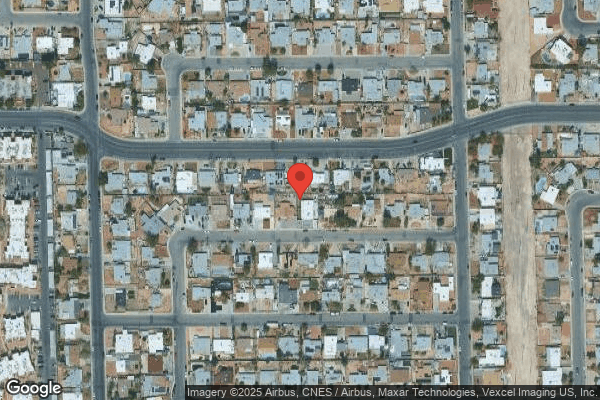

2945 CASA VEGAS STREET, LAS VEGAS, NV 89169 (702) 735-7179
For profit - Limited Liability company 100 Beds Independent Data: November 2025
Trust Grade
55/100
#23 of 65 in NV
Last Inspection: September 2024

Within standard 12-15 month inspection cycle. Federal law requires annual inspections.

Overview

Premier Health & Rehabilitation Center of LV has a Trust Grade of C, which means it is average compared to other nursing homes, sitting in the middle of the pack. It ranks #23 out of 65 facilities in Nevada, placing it in the top half, and #17 out of 42 in Clark County, meaning only 16 local options are better. The facility is improving, with issues dropping from 16 in 2023 to just 5 in 2024. Staffing is rated 4 out of 5 stars, but with a turnover rate of 55%, which is average and indicates some instability in staff. However, the center has concerning fines totaling $29,395, higher than 80% of Nevada facilities, and has less RN coverage than 79% of state facilities, which could impact resident care. Recent inspections revealed some specific areas of concern: the kitchen was not maintained properly, with expired food items and unsafe conditions that could compromise food safety, and there were issues with providing necessary water flushes for residents with feeding tubes, which could lead to serious health risks. While the overall quality measures received a perfect score, these weaknesses highlight the need for improvement in daily operations.

Trust Score
C
55/100
In Nevada
#23/65
Top 35%
Safety Record
Moderate
Needs review
Inspections
Getting Better
16 → 5 violations
Staff Stability
⚠ Watch
55% turnover. Above average. Higher turnover means staff may not know residents' routines.
Penalties
✓ Good
$29,395 in fines. Lower than most Nevada facilities. Relatively clean record.
Skilled Nurses
○ Average
Each resident gets 33 minutes of Registered Nurse (RN) attention daily — about average for Nevada. RNs are the most trained staff who monitor for health changes.
Violations
⚠ Watch
34 deficiencies on record. Higher than average. Multiple issues found across inspections.
★★★★☆
4.0
Overall Rating
★★★★☆
4.0
Staff Levels
★★★★★
5.0
Care Quality
★★★☆☆
3.0
Inspection Score
Stable
2023: 16 issues
2024: 5 issues

The Good

  • 4-Star Staffing Rating · Above-average nurse staffing levels
  • 5-Star Quality Measures · Strong clinical quality outcomes
  • Full Sprinkler Coverage · Fire safety systems throughout facility
  • No fines on record

Facility shows strength in staffing levels, quality measures, fire safety.

The Bad

Staff Turnover: 55%

Near Nevada avg (46%)

Frequent staff changes - ask about care continuity

Federal Fines: $29,395

Below median ($33,413)

Moderate penalties - review what triggered them

Staff turnover is elevated (55%)

7 points above Nevada average of 48%

The Ugly 34 deficiencies on record

1 actual harm
Sept 2024 5 deficiencies
CONCERN (D)

Potential for Harm - no one hurt, but risky conditions existed

Deficiency F0694 (Tag F0694)

Could have caused harm · This affected 1 resident

**NOTE- TERMS IN BRACKETS HAVE BEEN EDITED TO PROTECT CONFIDENTIALITY** Based on observation, interview, record review and document review, the facility failed to ensure the IV (intravenous) heplock w...

Read full inspector narrative →
**NOTE- TERMS IN BRACKETS HAVE BEEN EDITED TO PROTECT CONFIDENTIALITY** Based on observation, interview, record review and document review, the facility failed to ensure the IV (intravenous) heplock was monitored, or discontinued when not in use for 1 of 16 sampled residents (Resident 171). This deficient practice could have resulted in potential risks, including infection, infiltration and phlebitis. Findings include: Resident 171 (R171) R171 was admitted on [DATE], with diagnoses including acute kidney failure, hypertension and dehydration. The Activities Progress Notes dated 09/05/2024, documented R171 was alert, oriented and able to verbalize needs. The Wound/weekly Monitoring assessment dated [DATE], documented R171 had an IV implanted port on left hand back and present on admission. On 09/10/2024, at 1:41 PM, R171 was in bed and verbally responsive. R171 had an IV heplock on left hand back, which was covered with a transparent and undated dressing. R171 verbalized a nurse had placed the IV access 5 or more days ago but was not on IV medications. R171 did not understand the purpose of keeping the IV heplock. A Licensed Practical Nurse (LPN), confirmed the heplock was in place and was old, with undated dressing, peeling tape, and blood residue on the IV tubing. The LPN indicated an order was required for any IV line access. On 09/10/2024 at 1:43 PM, the Charge Registered Nurse (CRN) who admitted R171 confirmed the IV heplock on R171's left hand was in place. The CRN acknowledged there was no order, admission assessment, or care plan had been completed for the use of the IV heplock. The CRN indicated R171 had been admitted on [DATE] and likely had the IV access from the hospital. The CRN explained any IV access should have been assessed upon admission, with orders obtained or the IV discontinued if it was not necessary. The CRN explained the heplock should have been flushed or discontinued if not in use, highlighting the risk of infection if it was improperly managed. On 09/11/2024 at 4:20 PM, the Director of Nursing (DON) confirmed the wound nurse identified the IV heplock during skin assessment, but the order was neither transcribed nor obtained to discontinue the heplock, as R171 was not on IV medications. The DON indicated it was the charge or admission nurse's responsibility to ensure the completion of the appropriate assessment and orders. The DON indicated failing to monitor and remove the IV heplock when it was not in use could potentially lead to infection. On 09/12/24 at 10:55 AM, the Nurse Practitioner (NP) indicated all IV line access should have been properly assessed, monitored, and removed if not in use. The NP explained if a resident was admitted with an IV line, communication with the infectious provider should have occurred regarding the possibility of IV antibiotics. If IV antibiotics were not required, the IV line should have been removed due to the risk of infection. A facility policy titled Maintaining Patency of Peripheral and Central Vascular Access Devices, dated August 2021, documented a prescriber's order was necessary for IV management.
CONCERN (D)

Potential for Harm - no one hurt, but risky conditions existed

Infection Control (Tag F0880)

Could have caused harm · This affected 1 resident

**NOTE- TERMS IN BRACKETS HAVE BEEN EDITED TO PROTECT CONFIDENTIALITY** Based on observation, interview, record review, and document review, the facility failed to ensure the transmission-based precau...

Read full inspector narrative →
**NOTE- TERMS IN BRACKETS HAVE BEEN EDITED TO PROTECT CONFIDENTIALITY** Based on observation, interview, record review, and document review, the facility failed to ensure the transmission-based precautions (TBP) and enhanced barrier precautions (EBP) were followed upon entering the rooms, and a garbage bin was available for 2 of 16 sampled residents (Residents 33 and 69). The deficient practice could potentially lead to the spread of infectious diseases, an increased risk of cross-contamination, and compromised health and safety for both residents and staff. Findings include: Resident 33 (R33) R33 was admitted on [DATE], with diagnoses including pressure ulcer of sacral region, malignant neoplasm, breakdown of nephrostomy catheter, and osteomyelitis. A Physician order dated 09/10/2024, documented R33 was on contact isolation precaution. A care Plan dated 09/10/2024, documented R33 had signs and symptoms of gastroenteritis manifested by frequent diarrhea or loose stools, vomiting, and other symptoms. On 09/10/2024 at 11:25 AM, R33's room had signage for contact precautions, PPEs were readily available by R33's entrance door. R33 indicated had diarrhea and was not feeling good. Upon exiting R33's room, a Licensed Practical Nurse (LPN) removed the used PPE, but there was no garbage bin available inside the room or by the door. The LPN indicated there should have been a designated garbage bin available for the TBP room. On 09/10/2024 at 11:34 AM, the Activities Assistant looked at the contact precaution signage at room [ROOM NUMBER], and entered the room with no PPE. The signage advised staff and visitors to perform hand hygiene, don gloves upon entering the room, don a gown, and observe hand hygiene before leaving the resident-care environment. The Activities Assistant entered, delivered R33's mail and exited R33's room without performing hand hygiene. The Activities Assistant confirmed the PPE had not been worn and hand hygiene had not been performed upon entering and exiting a TBP room. The Activities Assistant explained the precautions should have been followed to prevent cross contamination. On 09/1220/24 at 3:10 PM, the IP indicated R33 was placed on contact precaution for norovirus (a highly contagious virus causing vomiting, diarrhea, and stomach pain, often spread through contaminated food, water, or surfaces). The IP indicated hand hygiene was required prior to entering, and upon exiting the room, to don PPE, and gloves were required. The IP indicated a training regarding infection control was provided to the staff recently. The IP explained a garbage bin with a biohazard lining or red bag should have been available inside the room. The IP indicated the number of affected residents for norovirus had been increasing daily, and following the precaution was important to prevent cross-contamination. The Activities Assistant was expected to perform hand hygiene prior to entering and exiting the room, and PPE should have been worn upon entering the TBP room, especially when delivering mail from room to room. Resident 69 (R69) R69 was admitted on [DATE], with diagnoses including syphilitic oculopathy and neurosyphilis. A Physician Order dated 09/09/2024, documented R69 was placed on EBP due to a peripherally inserted central catheter (PICC) line. A Care Plan dated 09/09/2024, documented R69 was on EBP related to the PICC line. The interventions included the staff performing hand hygiene and wearing personal protective equipment (PPE) during contact activities. On 09/10/2024 at 10:29 AM, R69's room had Enhanced Barrier Precautions (EBP) signage posted by the door for bed A and the bed B was scribbled out but still visible. A Certified Nursing Assistant (CNA) changed the linens for R69 (bed B) while the resident was in the shower room. The CNA did not wear a gown while removing the soiled linens and replacing with new ones. The CNA confirmed a gown had not been donned because R69 was not on precautions, assuming only the resident in bed A was. The CNA later realized R69 had intravenous or a PICC line and was receiving IV medication, and a gown should have been worn for self-protection. The CNA acknowledged there was a significant risk of contamination if precautions were not properly followed. On 09/12/24 3:10 PM, the Infection Preventionist (IP) indicated was required to don a gown when changing the resident's soiled linens to prevent cross-contamination. The IP indicated an EBP precaution was in place for the resident with tubes such as catheters, tube feedings, IVs, and wounds. A facility policy titled Resident Isolation - Categories of Transmission-Based Precautions (undated) indicated that TBP precautions were to be used when caring for residents with communicable diseases or transmissible infections. Hand hygiene and the required PPE should have been performed and worn prior to entry and discarded upon exiting the TBP room.
CONCERN (E)

Potential for Harm - no one hurt, but risky conditions existed

Deficiency F0692 (Tag F0692)

Could have caused harm · This affected multiple residents

**NOTE- TERMS IN BRACKETS HAVE BEEN EDITED TO PROTECT CONFIDENTIALITY** Based on observation, interview, record review, and document review, the facility failed to ensure the free water flushes (FWF) ...

Read full inspector narrative →
**NOTE- TERMS IN BRACKETS HAVE BEEN EDITED TO PROTECT CONFIDENTIALITY** Based on observation, interview, record review, and document review, the facility failed to ensure the free water flushes (FWF) via Percutaneous Endoscopic Gastrostomy (PEG) tube (a feeding tube inserted through the abdominal wall into the stomach and used to provide nutritional support and feed patients who are unable to eat or drink) were provided as prescribed for 3 of 4 sampled residents (Residents 53, 48, and 45). The deficient practice could have led to an increased risk of inadequate hydration, delayed wound healing, electrolyte imbalance and adverse health outcomes. Findings include: Resident 53 (R53) R53 was admitted on [DATE], with diagnoses including severe protein-calorie malnutrition, dysphagia (difficulty swallowing) and gastrostomy. A physician's order dated 08/22/2024, documented a water flush via PEG tube at 125 milliliter (ml) every 4 hours. A Care Plan dated 09/09/2024, documented R53 was at risk for dehydration related to nothing by mouth status. The PEG tube provided all fluids and nutrition. On 09/10/2024 at 10:29 AM, R53 was in bed with eyes closed, incoherent, and non-verbal. R53 was receiving infusions through the PEG tube, and was receiving 100 ml of water every 4 hours. On 09/10/2024 at 12:01 PM, R53 was in bed, the tube feeding (TF) pump was off, and the FWF were not infusing. On 09/10/2024 at 2:23 PM, R53 was in bed, the TF pump was off, and the FWF were not infusing. On 09/10/2024 at 4:17 PM, R53 was in bed, and the FWF were infusing at 100 ml every 4 hours at 12:00 PM and off at 9:00 AM, running for 21 hours. The LPN confirmed both the TF and water flushes had been provided late. On 09/11/24 at 8:48 AM, R53 was in bed with eyes closed and FWF were infusing at 100 ml every 4 hours. On 09/11/2024 at 1:28 PM, the Director of Nursing (DON) reviewed R53's enteral pump history and confirmed 242 ml of FWF had been infused over 24 hours, 643 ml over 48 hours, and 1,268 ml over 72 hours. The DON indicated the staff were expected to adhere to the prescribed TF orders. On 09/13/2024 at 1:19 PM, the Charge Registered Nurse (CRN) confirmed R53's FWF order was 125 ml every 4 hours, nothing per orem (NPO/ or nothing by mouth) and dependent upon TF. The CRN confirmed R53 FWF had not been completely infused as prescribed. On 09/13/2024 at 1:48 PM, the Registered Dietitian (RD) indicated R53's FWF were ordered at 125 ml every 4 hours, which equated to 36 ml/hour, totaling 750 ml in 24 hours, 1500 ml in 48 hours, and 2250 ml in 72 hours. The RD confirmed based on the enteral pump history report, R53's FWF were not completely delivered as prescribed. On 09/13/2024 at 2:45 PM, upon verification at the bedside, R53's FWF were infusing at 100 ml every 4 hours. The RD confirmed R53's FWF were ordered at 125 ml every 4 hours and not 100 ml. The RD indicated there was a significant discrepancy in R53's FWF and indicated R53 was at risk for dehydration and delayed wound healing if the order was not fully delivered as prescribed. Resident 45 (R45) R45 was admitted on [DATE], with diagnoses including dysphagia and gastrostomy. A Physician Order dated 08/08/2024, documented FWF via PEG tube at 150 ml every 4 hours. On 09/10/2024 at 12:01 PM, R45 was in bed with eyes open, the TF pump was turned off, and the FWF were not infusing. On 09/10/2024 at 2:23 PM, R45 was in bed with eyes closed, the TF pump was off, and the FWF were not infusing. On 09/10/2024 at 4:20 PM, the FWF was infusing at 100 ml every 4 hours. The LPN indicated the TF and FWF should have been turned on at 12:00 PM and off at 9:00 AM, running for 21 hours. The LPN confirmed R45's TF and FWF were provided late. On 09/11/2024 at 1:36 PM, the DON verified the enteral pump history, which indicated R45's FWF infused was 447 ml over 24 hours, 1047 ml for 48 hours, and 1472 for 72 hours. The DON indicated the staff were expected to follow the FWF as prescribed. On 09/13/2024 at 4:05 PM, the Charge Registered Nurse (CRN) confirmed R45's FWF were infusing at 100 ml every 4 hours, but the order was 150 ml every 4 hours. The CRN confirmed R45's FWF were not completely infused via PEG as prescribed. On 09/13/2024 at 4:15 PM, R45's FWF were infusing at 100 ml every 4 hours. The RD indicated R1 should have received a water flush at 150 ml every 4 hours, totaling 900 ml per day (a shortage of 453 ml), 1800 ml over 2 days (a shortage of 753 ml), and 2700 ml over 3 days (a shortage of 1228 ml). The RD explained the shortage accumulation could potentially lead to dehydration. The RD also indicated the staff were expected to infuse the FWF via PEG tube as prescribed. Resident 48 (R48) R48 was admitted on [DATE], with diagnoses including dysphagia and gastrostomy. A physician's order dated 08/09/2024 documented the FWF were to be administered at 75 ml every 4 hours via PEG tube. On 09/13/2024 at 4:05 PM, R48 was in bed and the FWF were infusing at 60 ml every 4 hours. The CRN confirmed R48's FWF should have been infusing at 75 ml every 4 hours. The CRN verified the actual total FWF infused was 150 ml over 24 hours, 300 ml over 48 hours, and 525 ml over 72 hours, confirming R48's FWF had been insufficiently infused. On 09/13/2024 at 4:15 PM, the Registered Dietitian (RD) confirmed R48 should have received 75 ml every 4 hours, not 60 ml. The RD confirmed R48's FWF were insufficiently infused resulting in a shortage of 825 ml over 72 hours. The RD indicated the nurses were responsible to verify the TF orders. A facility policy titled Tube Feeding, dated September 2021, documented to ensure the facility met nutritional guidelines and resident's nutritional requirements according to the physician's orders. The nursing staff were required to verify the order for tube feeding. A facility policy titled Assisted Nutrition and Hydration dated March 2023, documented to ensure that residents maintained acceptable parameters of nutritional status, were offered sufficient fluid intake to support proper hydration and health, and were provided a therapeutic diet when ordered. The policy also required that nutritional and hydration care and services be provided to each resident, consistent with their comprehensive assessment.
CONCERN (E)

Potential for Harm - no one hurt, but risky conditions existed

Tube Feeding (Tag F0693)

Could have caused harm · This affected multiple residents

**NOTE- TERMS IN BRACKETS HAVE BEEN EDITED TO PROTECT CONFIDENTIALITY** Based on observation, interview, record review, and document review, the facility failed to ensure the head of the bed was eleva...

Read full inspector narrative →
**NOTE- TERMS IN BRACKETS HAVE BEEN EDITED TO PROTECT CONFIDENTIALITY** Based on observation, interview, record review, and document review, the facility failed to ensure the head of the bed was elevated to 30-45 degrees while the tube feeding (TF) was infusing and TF formula was delivered as prescribed for 4 of 4 sampled residents (Residents 53, 45, 48, and, 1) The deficient practice could have led to an increased risk of inadequate nutrition, weight loss, aspiration, and potential respiratory complications for the affected residents. Findings include: Resident 53 (R53) R53 was admitted on [DATE], with diagnoses including severe protein-calorie malnutrition, dysphagia (difficulty swallowing), and gastrostomy. The History and Physical dated 08/16/2024, documented R53 had severe dysphagia and the plan to continue Percutaneous Endoscopic Gastrostomy (PEG) tube (a feeding tube inserted through the abdominal wall into the stomach and used to provide nutritional support and feed patients who are unable to eat or drink) feeding for severe malnutrition and continue current feeding and other supplementation and recommendations per registered dietitian. The Nutritional assessment dated [DATE] documented a pending body mass index. R53 was NPO (nothing by mouth) with enteral nutrition of Glucerna 1.2 at 70 milliliters per hour (ml/hr.) providing 2016 kilocalorie's (kcal),101 gram (g) protein, and 1352 ml water. Nutritional interventions included maintaining NPO status and advancing to an oral diet as recommended. The tube feeding order was adjusted from 24 to 21 hours to allow time for therapy. A physician's order dated 09/10/2024, documented Glucerna 1.2 at 70 per hour x 21 hours (start at 12:00 PM and off at 9:00 PM) via PEG tube. To provide 1764 kcal and 88 g of protein. On 09/10/2024 at 10:29 AM, R53 was in bed in supine position with eyes closed, incoherent, and non-verbal. R53 received TF Jevity 1.2 via PEG tube and was infusing at 70 ml/hour. The TF bag was dated 9/10/2024. On 09/10/2024 at 12:01 PM, R53 was in bed, the TF pump was off, and nothing was infused. On 09/10/2024 at 2:23 PM, R53 was in bed, the TF pump was off, and nothing was infused. On 09/10/2024 at 4:17 PM, R53 was in bed, the TF Jevity 1.2 was infusing at 70 ml/hr. A Licensed Practical Nurse (LPN) indicated the TF should have been started at 12:00 PM and off at 9:00 AM, to run for 21 hours. The LPN confirmed the TF was infused late and the TF dose was not completely infused as prescribed. The LPN explained R53's head of bed should have been elevated at 45 degrees while the TF was infusing to prevent aspiration. On 09/11/2024 at 8:48 AM, the TF Glucerna 1.2 was infusing at 70 ml/hr. The TF bag was dated 09/11/2024. On 09/11/2024 at 1:28 PM, the Director of Nursing (DON) reviewed R53's enteral pump history and confirmed R53 received a total TF dose of 890 ml over 24 hours, 1924 ml over 48 hours, and 3076 ml over 72 hours. The DON indicated the staff should have followed the prescribed TF orders and ensured the resident's head of bed was elevated between 30-45 degrees. On 09/13/2024 at 1:48 PM, the Registered Dietitian (RD) confirmed the tube feeding (TF) of Glucerna 1.2 at 70 ml/hr. for 21 hours should have run from 12:00 PM to 9:00 AM daily. R53 should have received 1,470 ml over 24 hours, 2,940 ml over 48 hours, and 4,410 ml over 72 hours. The RD confirmed a TF dose discrepancy of 1,334 ml over 72 hours, while R53 only received 3,076 ml. On 09/13/2024 at 2:45 PM, the RD verified the TF dose delivery, confirming R53 was at risk for malnutrition, weight loss, and delayed wound healing if the prescribed order was not fully delivered over time. The RD indicated R53's body mass index remained stable at the time, with no significant weight changes. Resident 45 (R45) R45 was admitted on [DATE], with diagnoses including dysphagia and gastrostomy. A Physician Order dated 09/10/2024, documented Jevity 1.2 via enteral pump at 60 ml/hr. for 21 hours/day (start at 12:00 PM and stop at 9:00 AM) to provide 1512 kcal, 69 g protein. May use 1.5 if 1.2 not available. On 09/10/2024 at 2:45 PM, R45 was in bed in supine position and incoherent. The 1000 ml TF bag was hanging at bedside and not infusing at this time. Dated 09/10/2024, the TF formula bag contained approximately 718 ml. On 09/10/2024 at 4:26 PM, R45 was in bed with the head of the bed elevated at 10-15 degrees. The TF Jevity 1.2 was infusing at 60 cc/hr. and approximately 700 ml remaining in the bottle. The LPN confirmed R45's TF had been started late. The LPN explained R45's head of bed should have been elevated at 45 degrees while the TF was infusing to prevent aspiration. On 09/11/2024 at 8:05 AM, R45 was in bed, and the TF Jevity 1.2 was infusing at 60 ml/hr. On 09/11/2024 at 1:36 PM, the DON verified R45's enteral pump history and confirmed R45's total TF dose delivered was 920 ml over 24 hours, 2,052 ml over 48 hours, and 3,151 ml over 72 hours. The DON indicated the staff were expected to adhere to the prescribed TF orders. On 09/13/2024 at 2:01 PM, the RD indicated the TF order was Jevity 1.2 at 60 ml/hr. to run for 21 hours. The RD explained R45 should have received 1,260 ml in 24 hours, 2,520 ml in 48 hours, and 3,780 ml in 72 hours. The RD confirmed a discrepancy of 629 ml over 72 hours, resulting in a deficit in calories and protein due to the incomplete TF delivery. Resident 48 (R48) R48 was admitted on [DATE], with diagnoses including dysphagia and a gastrostomy. A physician order dated 09/13/2024, documented TF Jevity 1.2 should be provided at 60 ml/hr. via PEG tube for 21 hours daily, to start at 12:00 PM and stop at 9:00 AM, to provide 1512 kilocalories, 70 g of protein. On 09/13/2024 at 4:05 PM, the Charge Registered Nurse (CRN) confirmed R48's TF was infusing with Jevity 1.5 instead of Jevity 1.2. The CRN indicated the nursing staff were expected to administer the prescribed TF dose to prevent malnutrition or weight loss. The CRN confirmed the discrepancies in the enteral pump history revealed the following: 1102 ml over 24 hours, 2079 ml over 48 hours, and 3149 ml over 72 hours. On 09/13/2024 at 4:15 PM, the RD, confirmed R48 should have received TF dose of 3,780 ml over 72 hours with a discrepancy of 631 ml. The RD explained the cumulative shortages could lead to malnutrition and weight loss, and verbalized the importance of providing adequate protein and calories for nutrition. On 09/13/2024 at 4:20 PM, the Regional Consultant confirmed R48 had not documented any weight loss and had actually gained weight. Resident 1 (R1) R1 was admitted on [DATE] with diagnoses including dysphagia and a gastrostomy. A physician's order dated 04/19/2024, documented TF Jevity 1.2 via PEG tube at 60 ml/hr. running for 21 hours, to stop at 9:00 AM and start at 12:00 PM. On 09/13/2024 at 4:05 PM, the Charge Nurse (CRN) confirmed that R1's TF was infusing Jevity 1.2. The enteral pump history showed a total of 1,056 ml delivered over 24 hours, 2,075 ml over 48 hours, and 2,968 ml over 72 hours, all of which were below the prescribed TF volume. The CRN indicated the staff were expected to deliver the complete dose of the TF as ordered to prevent malnutrition or weight loss. On 09/13/2024 at 4:15 PM, the RD confirmed R1 should have received 1,260 ml over 24 hours (a shortage of 204 ml), 2,520 ml over 48 hours (a shortage of 445 ml), and 3,780 ml over 72 hours (a shortage of 812 ml). The RD indicated the staff were expected to administer the full TF dose to avoid potential malnutrition and weight loss due to the cumulative shortages. On 09/13/2024 at 4:20 PM, the Regional Consultant confirmed R1 was on Jevity 1.2 at 60 ml/hr. for 21 hours, from 12:00 PM to 9:00 AM. The consultant verbalized there was no documented weight loss, but rather, weight gain. A facility policy titled Tube Feeding, dated September 2021, required nursing staff to verify tube feeding orders to ensure the facility met the nutritional guidelines and the residents ' nutritional needs in accordance with the physician ' s orders. A facility policy titled Enteral Feeding-Safety Precautions dated December 2018, was documented to ensure the safe administration of enteral feeding. To prevent aspiration, the policy mandated elevating the head of the bed at least 30-45 degrees during tube feeding and for a minimum of 1 hour after feeding. The staff recognized the risks associated with aspiration, including the supine position.
CONCERN (E)

Potential for Harm - no one hurt, but risky conditions existed

Food Safety (Tag F0812)

Could have caused harm · This affected multiple residents

Based on observation, interview and document review, the facility failed to ensure the kitchen vent hood, filters and dish machine were cleaned and maintained per policy. On 09/10/24 at 7:43AM, the in...

Read full inspector narrative →
Based on observation, interview and document review, the facility failed to ensure the kitchen vent hood, filters and dish machine were cleaned and maintained per policy. On 09/10/24 at 7:43AM, the initial kitchen observation revealed the following: -The kitchen vent exhaust hood filter with a copious amount of buildup. The Kitchen Manager indicated maintenance took care of the cleaning. -The dish machine had a copious amount of white and lime green build up on the exterior. The Dish Machine cleaning schedule was reviewed with the Kitchen Manager. The schedule documented the dish machine had been cleaned on 09/09/2024. The Kitchen Manager indicated the cleaning did not include the exterior. The Kitchen Manager verbalized; the dish machine appeared to be neglected. On 9/12/2024 at 11:14 AM, the Kitchen Manager showed that the oven, hood and dishwasher were cleaned. The Kitchen Manager explained the hood was cleaned quarterly by an outside company but then cleaned it themselves. On 9/13/2024 at 2:55 PM, the Maintenance Director indicated vent hood was cleaned every three months. The last cleaning was done on 05/29/2024 and the next cleaning due in September. The Maintenance Director indicated it was up to the dietary department to inform maintenance if the vent needed cleaning in between scheduled cleanings. The facility policy titled Hood and Filter - Operation and Cleaning, revised date 07/01/2016, documented the hood and filter system should be cleaned at least weekly, or more often as necessary. Due to potentially high fire hazard, it is important that hood filters are part of the cleaning schedule and are kept free of grease and dust. The facility policy titled Dish Machine Operation and Cleaning, revised 09/01/2021, documented on a weekly basis and as needed, clean the dish machine exterior with a deliming solution.
Nov 2023 4 deficiencies 1 Harm
SERIOUS (G) 📢 Someone Reported This

A family member, employee, or ombudsman was alarmed enough to file a formal complaint

Actual Harm - a resident was hurt due to facility failures

Quality of Care (Tag F0684)

A resident was harmed · This affected 1 resident

**NOTE- TERMS IN BRACKETS HAVE BEEN EDITED TO PROTECT CONFIDENTIALITY** Interviews with three Certified Nurse Assistants, one Registered Nurse, one Licensed Practical Nurse, the Director of Staff Deve...

Read full inspector narrative →
**NOTE- TERMS IN BRACKETS HAVE BEEN EDITED TO PROTECT CONFIDENTIALITY** Interviews with three Certified Nurse Assistants, one Registered Nurse, one Licensed Practical Nurse, the Director of Staff Development, the Director of Nursing, the Medical Director, and the Administrator evidenced an understanding of the policies and procedures related oxygen therapy and change in resident condition. A review of the employee files of three Certified Nurse Assistants and one Licensed Practical Nurse indicated orientation training had included information on how to manage resident changes in condition including who and when to notify and what information to document. A review of the medical records for Residents #7, #8, #9, #10, and #11 in the setting of an emergency transfer to the hospital within the last six months indicated the residents were assessed and managed in a manner synonymous with the facility policies and procedures. The deficient practice occurred in 2020. Findings from the investigation revealed the facility had been in compliance since the prior recertification survey exit date of 09/14/2023 until 11/07/2023. Based on record review, interview and policy review, the facility failed to ensure quality of care delivery for 1 of 11 residents (Resident #1) by failing to document and notify a provider of significant changes in real time, failing to document facility required charting, and failing to demonstrate monitoring and documentation of the resident's status. Findings include: Resident 1 Resident 1 was admitted on [DATE], with metabolic encephalopathy, chronic hypoxemic respiratory failure, and schizoaffective disorder. On 9/11/2020, a provider ordered oxygen 3 liters per nasal cannula for shortness of breath each shift. On 9/12-13/2020, nursing notes documented the resident was on 3 liters per nasal cannula. On 9/14/2020, a C-reactive protein test and sedimentation rate showed abnormally high results, revealing a possible inflammatory process. These results were documented as entered for review before 2:30 PM. On 9/14/2020 at 2:48 PM, the ordering provider documented the initial history and physical, including the resident's latest carbon dioxide level was 44 (critically high), and the resident's saturation level was in the 60s this morning on 3 liters, increased to 6 liters on a facemask according to the nurse. The resident was comatose. The provider ordered to transfer the resident to acute care if no improvement in level of consciousness. The medical record lacked documented evidence the provider was either notified or made aware of the CRP and Sedimentation lab results. The medical record lacked documented evidence the provider was notified of the changes to the resident's oxygen delivery device and flow rate, when the changes occurred, how long they lasted and objective proof of medical stability in the form of improved saturation rates. The medical record lacked documented vital signs from after 10:00 AM on 9/14/2020 until the resident was admitted to acute care at 4:37 AM on 9/15/2020. The medical record revealed a nurse failed to complete documentation of a change of condition report directly related to the transfer, but mentioned a decrease in blood pressure and decrease in saturation from the high 80s to the low 80s. The medical record lacked documentation of any nursing notes or required charting for the entire overnight shift of 9/14-15/2020. The resident was transferred out the same night and admitted to acute care at 4:37 AM on 9/15/2020 with elevated carbon dioxide levels, profound hypoxia, multilobar pneumonia and septic shock. On 11/01/2023 at 10:15 AM, the ordering provider indicated could not remember if had reviewed the lab results or not, but the results could be indicative of an inflammatory process. The resident could be going septic. The ordering provider indicated nurses should notify providers when the oxygen delivery device and flow rate change and certainly for changes in condition. The ordering provider acknowledged there probably could have been a parameter defining the improvement in level of consciousness. On 11/01/2023 between 11:00 AM and 11:45 AM, a Registered Nurse (RN) and Licensed Practical Nurse (LPN) indicated some labs were faxed to a provider and some were not. Lab reports were also generally uploaded to the electronic record as they became available, but abnormal labs were relayed to providers in person or by phone whether they were abnormal or critical. The RN and LPN indicated a provider should be notified if there was a change in the oxygen delivery device and the flow rate. If saturations were in the 60s or 70s you would notify a provider. The RN and LPN thought it was necessary to seek clarification from the provider regarding what improvement in level of consciousness meant. The Oxygen Administration policy, last revised 7/01/2015, revealed nurses were allowed to initiate oxygen without an order in an emergency but notified providers as soon as possible afterward. Section VIII revealed the following to be documented in the medical record: A. Date and time oxygen was being used. B. Oxygen flow rate and device being used. C. Findings of physical assessment. D. Oxygen saturation levels as indicated. E. Resident's response to oxygen therapy. The Change of Condition Notification policy, last revised 1/01/2017, revealed the nurse was supposed to contact a provider with a significant change in the resident's physical condition, a need to alter treatment, resident's vital signs and document each shift for at least 72 hours. Complaint #NV00069677 Severity 3 Scope 1
CONCERN (D) 📢 Someone Reported This

A family member, employee, or ombudsman was alarmed enough to file a formal complaint

Potential for Harm - no one hurt, but risky conditions existed

Notification of Changes (Tag F0580)

Could have caused harm · This affected 1 resident

**NOTE- TERMS IN BRACKETS HAVE BEEN EDITED TO PROTECT CONFIDENTIALITY** Interviews with three Certified Nurse Assistants, one Registered Nurse, one Licensed Practical Nurse, the Director of Staff Deve...

Read full inspector narrative →
**NOTE- TERMS IN BRACKETS HAVE BEEN EDITED TO PROTECT CONFIDENTIALITY** Interviews with three Certified Nurse Assistants, one Registered Nurse, one Licensed Practical Nurse, the Director of Staff Development, the Director of Nursing, the Medical Director, and the Administrator evidenced an understanding of the policies and procedures related to oxygen therapy and change in resident condition. A review of the employee files of three Certified Nurse Assistants and one Licensed Practical Nurse indicated orientation training had included information on how to manage resident changes in condition including who and when to notify. A review of the medical records of Residents #8 and #11 with hypoxia in the setting of an emergency transfer to the hospital within the last six months, indicated the residents were assessed and managed in a manner synonymous with the facility policies and procedures. The deficient practice occurred in 2020. Findings from the investigation revealed the facility had been in compliance since the prior recertification survey exit date of 09/14/2023 until 11/07/2023. Based on record review, interview and policy review, the facility failed to administer oxygen treatments in a manner synonymous with its policies for 1 of 11 residents (Resident #1). Findings include: Resident 1 Resident 1 was admitted on [DATE], with metabolic encephalopathy, chronic hypoxemic respiratory failure, and schizoaffective disorder. On 9/11/2020, a provider ordered oxygen 3 liters per nasal cannula for shortness of breath each shift. On 9/12-13/2020, nursing notes documented the resident was on 3 liters per nasal cannula. On 9/14/2020 at 2:48 PM, the ordering provider documented the initial history and physical, including the resident's latest carbon dioxide level was 44 (critically high), and the resident's saturation level was in the 60s (normal range greater than 90%) this morning on 3 liters, increased to 6 liters on a facemask according to the nurse. The resident was comatose. The provider ordered to transfer the resident to acute care if no improvement in level of consciousness. The medical record lacked documented evidence the provider was notified of the changes to the resident's oxygen delivery device and flow rate, when the changes occurred, how long they lasted and objective proof of medical stability in the form of improved saturation rates. The resident was transferred out the same night and admitted to acute care with elevated carbon dioxide levels, profound hypoxia, multilobar pneumonia and septic shock. On 11/01/2023 at 10:15 AM, the ordering provider indicated nurses should notify providers when the oxygen delivery device and flow rate change. On 11/01/2023 between 11:00 AM and 11:45 AM, a Registered Nurse and Licensed Practical Nurse indicated a provider should be notified if there was a change in the oxygen delivery device and the flow rate. If saturations were in the 60s or 70s you would notify a provider. The Oxygen Administration policy, last revised 7/01/2015, revealed nurses were allowed to initiate oxygen without an order in an emergency but notified providers as soon as possible afterward. Section VIII revealed the following to be documented in the medical record: A. Date and time oxygen was being used. B. Oxygen flow rate and device being used. C. Findings of physical assessment. D. Oxygen saturation levels as indicated. E. Resident's response to oxygen therapy. The Change of Condition Notification policy, last revised 1/01/2017, revealed the nurse was supposed to contact a provider with a significant change in the resident's physical condition, a need to alter treatment, resident's vital signs and document each shift for at least 72 hours. Complaint #NV00069677 Severity 2 Scope 1
CONCERN (D) 📢 Someone Reported This

A family member, employee, or ombudsman was alarmed enough to file a formal complaint

Potential for Harm - no one hurt, but risky conditions existed

Respiratory Care (Tag F0695)

Could have caused harm · This affected 1 resident

**NOTE- TERMS IN BRACKETS HAVE BEEN EDITED TO PROTECT CONFIDENTIALITY** Interviews with three Certified Nurse Assistants, one Registered Nurse, one Licensed Practical Nurse, the Director of Staff Deve...

Read full inspector narrative →
**NOTE- TERMS IN BRACKETS HAVE BEEN EDITED TO PROTECT CONFIDENTIALITY** Interviews with three Certified Nurse Assistants, one Registered Nurse, one Licensed Practical Nurse, the Director of Staff Development, the Director of Nursing, the Medical Director, and the Administrator evidenced an understanding of the policies and procedures related to oxygen therapy and change in resident condition. A review of the employee files of three Certified Nurse Assistants and one Licensed Practical Nurse indicated orientation training had included information on how to manage resident changes in condition including who and when to notify. A review of the medical records for Residents #8 and #11 with hypoxia in the setting of an emergency transfer to the hospital within the last six months indicated the residents were assessed and managed in a manner synonymous with the facility policies and procedures. The deficient practice occurred in 2020. Findings from the investigation revealed the facility had been in compliance since the prior recertification survey exit date of 09/14/2023 until 11/07/2023. Based on record review, interview and policy review, the facility failed to administer oxygen treatments in a manner synonymous with its policy for 1 of 11 residents (Resident #1). Findings include: Resident 1 Resident 1 was admitted on [DATE], with metabolic encephalopathy, chronic hypoxemic respiratory failure, and schizoaffective disorder. On 9/11/2020, a provider ordered oxygen 3 liters per nasal cannula for shortness of breath each shift. On 9/12-13/2020, nursing notes documented the resident was on 3 liters per nasal cannula. On 9/14/2020 at 2:48 PM, the ordering provider documented the initial history and physical, including the resident's latest carbon dioxide level was 44 (critically high), and the resident's saturation level was in the 60s this morning on 3 liters increased to 6 liters on a facemask, according to the nurse. The resident was comatose. The provider ordered to transfer the resident to acute care if no improvement in level of consciousness. The medical record lacked documented evidence the provider was notified of the changes to the resident's oxygen delivery device and flow rate, when the changes occurred, how long they lasted and objective proof of medical stability in the form of improved saturation rates. The resident was transferred out the same night and admitted to acute care with elevated carbon dioxide levels, profound hypoxia, multilobar pneumonia and septic shock. On 11/01/2023 at 10:15 AM, the ordering provider indicated nurses should notify providers when the oxygen delivery device and flow rate change. On 11/01/2023 between 11:00 AM and 11:45 AM, a Registered Nurse and Licensed Practical Nurse indicated a provider should be notified if there was a change in the oxygen delivery device and the flow rate. If saturations were in the 60s or 70s you would notify a provider. The Oxygen Administration policy, last revised 7/01/2015, revealed nurses were allowed to initiate oxygen without an order in an emergency but notified providers as soon as possible afterward. Section VIII revealed the following to be documented in the medical record: A. Date and time oxygen was being used. B. Oxygen flow rate and device being used. C. Findings of physical assessment. D. Oxygen saturation levels as indicated. E. Resident's response to oxygen therapy. The Change of Condition Notification policy, last revised 1/01/2017, revealed the nurse was supposed to contact a provider with a significant change in the resident's physical condition, a need to alter treatment, resident's vital signs and document each shift for at least 72 hours. Complaint #NV00069677 Severity 2 Scope 1
CONCERN (D) 📢 Someone Reported This

A family member, employee, or ombudsman was alarmed enough to file a formal complaint

Potential for Harm - no one hurt, but risky conditions existed

Deficiency F0773 (Tag F0773)

Could have caused harm · This affected 1 resident

**NOTE- TERMS IN BRACKETS HAVE BEEN EDITED TO PROTECT CONFIDENTIALITY** Interviews with one Registered Nurse, one Licensed Practical Nurse, the Director of Staff Development, the Director of Nursing, ...

Read full inspector narrative →
**NOTE- TERMS IN BRACKETS HAVE BEEN EDITED TO PROTECT CONFIDENTIALITY** Interviews with one Registered Nurse, one Licensed Practical Nurse, the Director of Staff Development, the Director of Nursing, the Medical Director, and the Administrator evidenced an understanding of the policy and procedure related to laboratory tests. A review of the employee files of one Licensed Practical Nurse indicated orientation training had included information how, when, and to whom to inform of laboratory test results. A review of the records of Residents #7, #8 and #11 with laboratory test results in the setting of an emergency transfer to the hospital within the last six months indicated the laboratory tests were reported in a manner synonymous with the facility policy and procedure. The deficient practice occurred in 2020. Findings from the investigation revealed the facility had been in compliance since the prior recertification survey exit date of 09/14/2023 until 11/07/2023. Based on record review and interview, the facility failed to demonstrate a physician was informed of abnormal results in a timely manner for 1 of 11 residents (Resident 1). Findings include: Resident 1 Resident 1 was admitted on [DATE], with metabolic encephalopathy, chronic hypoxemic respiratory failure, and schizoaffective disorder. On 9/14/2020, a C-reactive protein test and sedimentation rate showed abnormally high results, revealing a possible inflammatory process. These results were documented as entered for review before 2:30 PM. On 9/14/2020 at 2:48 PM, the ordering provider documented the initial history and physical, including the resident's latest carbon dioxide level was 44 (critically high), and the resident's saturation level was in the 60s this morning on 3 liters, increased to 6 liters on a facemask according to the nurse. The resident was comatose. The provider ordered to transfer the resident to acute care if no improvement in level of consciousness. The medical record lacked documented evidence the provider was either notified or made aware of the CRP and Sedimentation results. The resident was eventually transferred out and admitted to acute care with elevated carbon dioxide levels, profound hypoxia, multilobar pneumonia and septic shock. On 11/01/2023 at 10:15 AM, the ordering provider indicated could not remember if had reviewed the results or not, but the results could be indicative of an inflammatory process. The resident could be going septic. On 11/01/2023 between 11:00 AM and 11:45 AM, a Registered Nurse and Licensed Practical Nurse indicated some labs were faxed to a provider and some were not. Lab reports were also generally uploaded to the electronic record as they became available, but abnormal labs were relayed to providers in person or by phone whether they were abnormal or critical. Complaint #NV00069677 Severity 2 Scope 1
Sept 2023 12 deficiencies
CONCERN (D)

Potential for Harm - no one hurt, but risky conditions existed

Deficiency F0582 (Tag F0582)

Could have caused harm · This affected 1 resident

**NOTE- TERMS IN BRACKETS HAVE BEEN EDITED TO PROTECT CONFIDENTIALITY** Based on interview, record review and document review, the facility failed to ensure a timely notification of a Notice of Medica...

Read full inspector narrative →
**NOTE- TERMS IN BRACKETS HAVE BEEN EDITED TO PROTECT CONFIDENTIALITY** Based on interview, record review and document review, the facility failed to ensure a timely notification of a Notice of Medicare Non-Coverage (NOMNC) for 1 of 3 sampled (Resident 10). The failure of a timely notification of a discharge could prevent a resident from filling an appeal to ensure the notice was within the criteria for discharge under Medicare skilled services. Findings Include: The Center for Medicare/Medicaid Services - CMS Form 10123 - NOMNC, documented you must make your request to the Quality Improvement Organization (QIO). A QIO is the independent reviewer authorized by Medicare to review the decision to end skilled services. Your request for an immediate appeal should be made as soon as possible , but no later than noon of the day before the effective date indicated on the form. Resident 10 (R10) R10 was readmitted on [DATE] with diagnoses including acute respiratory failure and pneumonia. Review of the NOMNC issued for R10 had a last cover date (LCD) dated for 04/14/2023 for skilled services for physical and occupational therapy. Notification of the [NAME] County Financial Guardian was completed on 04/13/2023 at 10:58 AM. 09/13/23 03:19 PM, the Social Services Assistant (SSA) confirmed the NOMNC was signed/completed a day prior to the LCD. The SSA indicated the minimum amount of time for notification of a beneficiary and/or beneficiary representative was two days prior of an LCD. The SSA indicated untimely notification of NOMNC can result in preventing acceptance of an appeal of a beneficiary or beneficiary representative to the QIO. If an appeal could not be processed the resident could have had a favorable result from a QIO review resulting to continuation of the proposed discontinuation of skilled services. The facility policy titled Transfer and Discharge (undated), documented the facility may use Notice of Proposed Transfer/Discharge or other comparable forms to provide a resident of his/her resident representative with advance notice of a transfer or discharge.
CONCERN (D) 📢 Someone Reported This

A family member, employee, or ombudsman was alarmed enough to file a formal complaint

Potential for Harm - no one hurt, but risky conditions existed

Safe Environment (Tag F0584)

Could have caused harm · This affected 1 resident

**NOTE- TERMS IN BRACKETS HAVE BEEN EDITED TO PROTECT CONFIDENTIALITY** Based on interview, record review and document review, the facility failed to ensure resident belongings were inventoried prior ...

Read full inspector narrative →
**NOTE- TERMS IN BRACKETS HAVE BEEN EDITED TO PROTECT CONFIDENTIALITY** Based on interview, record review and document review, the facility failed to ensure resident belongings were inventoried prior to discharge from the facility for 1 of 21 sampled resident (Resident 273). The deficient practice had the potential of preventing misappropriation of property for a resident. Findings include: Resident 273 (R273) R273 was admitted on [DATE] and was discharged on 05/13/2023 with diagnoses including fracture of the right arm shaft of the humerus and hypertensive heart disease. Review of R273's medical record revealed an Inventory of Personal Effect dated 04/14/2023. The items listed were for shirts, a watch, and a handbag. The form documented the resident refused to sign. Two employees provided the signature. The section for the: On Discharge/Move Out was left blank and was not competed to verify an exit inventory was completed. On 09/13/2023 at 1:00 PM, the director of nursing (DON) and the Administrator confirmed the finding. The DON indicated the chart was actually audited for the same findings. The DON acknowledged an exit inventory should have been completed. The team acknowledged a more detailed inventory of the handbag would have been beneficial. The DON acknowledged the facility had no means of determining if the contents of the handbag was missing. The facility policy titled Transfer and Discharge (undated), documented upon transfer or discharge of the resident, the facility will provide the resident or representative with the copy of the resident's property and have the recipient sign a receipt. Complaint #NV00068579
CONCERN (D) 📢 Someone Reported This

A family member, employee, or ombudsman was alarmed enough to file a formal complaint

Potential for Harm - no one hurt, but risky conditions existed

Free from Abuse/Neglect (Tag F0600)

Could have caused harm · This affected 1 resident

**NOTE- TERMS IN BRACKETS HAVE BEEN EDITED TO PROTECT CONFIDENTIALITY** Based on interview, and document review the facility failed to ensure a resident was free from physical and verbal abuse for 1 o...

Read full inspector narrative →
**NOTE- TERMS IN BRACKETS HAVE BEEN EDITED TO PROTECT CONFIDENTIALITY** Based on interview, and document review the facility failed to ensure a resident was free from physical and verbal abuse for 1 of 21 sampled residents (Resident 2). The deficient practice had the potential to cause physical or psychosocial harm to the resident. Findings include: Resident 2 (R2) R2 was admitted on [DATE] with diagnoses including cerebral palsy, chronic kidney disease stage 3, and major depressive disorder. The facility reported incident (FRI) dated 09/08/2023, documented an incident from 9/04/2023 when a Certified Nursing Assistant (CNA) directed profanity towards a resident, pinned the resident's arms down and slammed the resident into the siderails. Law enforcement was notified, and the CNA was suspended during the investigation and eventually terminated. The CNA was reported to the Nevada State Board of Nursing. On 09/14/2023 at 12:29 PM, A Certified Nursing Assistant (CNA) indicated abuse training was completed upon hire and as needed. If the CNA witnessed staff abusing a resident the CNA would separate the staff and resident and would report the incident to the abuse coordinator. The CNA reported feeling comfortable reporting abuse to facility leadership. On 09/14/2023 at 12:38 PM, a Registered Nurse (RN) confirmed abuse training was provided upon hire and as needed. If the RN witnessed abuse the RN would separate individuals involved and report abuse to the abuse coordinator. The RN indicated feeling comfortable reporting abuse to facility leadership. CNAs can also report abuse to the charge nurse. On 09/14/2023 at 1:45 PM, the Administrator confirmed the abuse occurred. The Administrator indicated the CNA was suspended on 09/04/2023 and terminated on 09/08/2023. Additional abuse training was provided to staff following the incident. Interviews were conducted with staff, the resident of concern, and other residents. In-service training on abuse and caring for difficult patients was conducted on 09/04/2023. Review of R2's clinical record documented the resident's care plan was updated related to abuse on 09/05/2023. On 09/12/2023 through 09/14/2023, the facility's correction of the past non-compliance related to the incident occurred as evidenced by: -The facility suspended and terminated the CNA. -The facility notified the resident's family and physician. Filed a police report with law enforcement. -The facility reported the CNA to the nursing board. -The facility conducted Interviews with the CNAs involved, other staff members, the resident of concern, and other residents in the hallway. -The facility conducted in-service training on reporting abuse and caring for difficult patients on 09/04/2023 -CNA and nursing staff indicated abuse training was conducted upon hire and as needed. Staff explained abuse response and reporting procedures. -Nursing staff assessed R2 for signs of injury and psychosocial distress. -The facility updated R2's care plan related to the abuse dated 09/05/2023 Facility Reported Incident #NV00069355
CONCERN (D) 📢 Someone Reported This

A family member, employee, or ombudsman was alarmed enough to file a formal complaint

Potential for Harm - no one hurt, but risky conditions existed

Abuse Prevention Policies (Tag F0607)

Could have caused harm · This affected 1 resident

**NOTE- TERMS IN BRACKETS HAVE BEEN EDITED TO PROTECT CONFIDENTIALITY** Based on interview, record review and document review, the facility failed to provide documented evidence the investigation of a...

Read full inspector narrative →
**NOTE- TERMS IN BRACKETS HAVE BEEN EDITED TO PROTECT CONFIDENTIALITY** Based on interview, record review and document review, the facility failed to provide documented evidence the investigation of an allegation of a resident-to-resident altercation was completed for 1 of 21 sampled residents (Resident 4); and an allegation of abuse was reported in a timely manner for 2 of 21 sampled residents (Resident 36 and 58). The deficient practice had the potential for the delay in the identification and prevention of similar incidents involving the same residents. Resident 4 (R4) R4 was admitted on [DATE], with diagnoses including unspecified psychosis not due to a substance or known physiological condition and obesity. The Situation Background Assessment/Appearance Recommendation (SBAR) form dated 03/19/2023 at 6:53 AM, documented the following: - Situation: R4 was found in another resident's room, verbally aggressive, looking for a cream colored clothing (blouse). Altercation with another resident. Another resident accused R4 of pushing the resident. There was no documented evidence the facility conducted a complete investigation of the alleged incident. The Facility Reported Incident (FRI) form dated 07/07/2023, documented an incident/allegation of physical abuse which occurred on 07/07/2023 at 3:26 AM. The nurse reported R4 and R8 were screaming at each other while R8 was sitting on a toilet and R4 was standing in front of R8. R8 later approached the nurse's station and reported R4 attacked R8 while sitting on the toilet by pulling R8's hair and pushing the resident's shoulder. On 09/13/2023 at 1:07 PM, an interview with the Administrator and the Director of Nursing (DON) was conducted regarding the alleged incident on 03/19/2023 which involved R4. The Administrator explained the nurse who completed the SBAR dated 03/19/2023, should have reported the incident to the Charge Nurse, who would have notified the Administrator immediately. The Administrator or the DON would have initiated an investigation and interviewed the residents and potential witnesses such as the nurses who worked when the alleged incident occurred. The DON indicated the alleged incident was a resident-to-resident altercation. The resident's care plan should have been updated depending on the outcome of the investigation. The Administrator and the DON were requested to provide documentation of the investigation conducted regarding the alleged incident on 03/19/2023. On 09/13/2023 at 1:52 PM, the Administrator provided a handwritten note which documented, Nurse reported resident to resident altercation with possible physical contact. Per the nurse, there was no actual physical contact that occurred after speaking to the victim. The Administrator confirmed signing the document. The handwritten note did not document the date when it was signed, name of the nurse, name of the residents involved, date of alleged incident. On 09/13/2023 at 2:00 PM, the Administrator explained when doing the investigation of an allegation of abuse or a resident-to-resident altercation, the Administrator or the DON would have interviewed the staff members and residents involved and obtained their statements. The names of the residents and staff members who were interviewed would have been documented and the date when the interview was conducted. The Administrator and the DON acknowledged the alleged incident which occurred on 03/19/2023 involving R4 was not thoroughly investigated. The Administrator confirmed the handwritten note mentioned above had no date when signed, names of the residents involved, name of the nurse interviewed, date when the interview was conducted, and date of the alleged incident. The Administrator acknowledged the investigation was not completed and the FRI was not submitted to the State. On 09/14/2023 at 3:06 PM, the DON explained the investigation should have been completed to rule out abuse and an initial report should have been submitted to the State. The facility's policy titled Abuse Prevention and Prohibition Program dated 10/24/2022, documented the facility promptly and thoroughly investigated reports of resident abuse, mistreatment, neglect, injuries of an unknown source, or other criminal acts. Witness reports must have been given in writing and signed and dated. Resident 58 (R58) R58 was admitted on [DATE], with diagnoses including hypertension, atrial fibrillation, and chronic post-traumatic disorder. A nursing progress note dated 06/16/2023, recorded detailing an incident when a resident (R36) exhibited verbal aggressiveness against R58, who happened to be their roommate. R36 was seen making inappropriate remarks and using profanities. According to the progress note, R36 was redirected. Resident 36 (R36) R36 was admitted on [DATE], with diagnoses including hypertension, blindness, hearing loss. Review of the medical record revealed a change in condition evaluation dated 06/19/2023 that documented on June 16, 2023, staff members reported an incident involving R36 who displayed verbal aggression towards R58 (roommate). R36 was seen uttering improper comments and engaging in cursing behavior. A review of the facility incident investigation revealed the investigation was initiated on 06/19/2023, and reported to the pertinent authorities, family, and physician the same day. On 09/14/2023 at 3:30 PM, the Director of Nursing (DON) explained that during the chart audit, a nursing note was found documenting the incident. The DON indicated the investigation was initiated immediately and reported to the corresponding authorities. The DON acknowledged the nurses failed to report the incident as described in the facility policy and procedures since they did not believe an abuse occurred because the residents were friends and roommates. The DON confirmed the nurses were re-educated in the process of reporting abuse allegations timely. The facility's policy titled Abuse Prevention and Prohibition Program dated 10/24/2022, documented all staff were mandated reporters for abuse. The Administrator would report abuse, neglect, exploitation, mistreatment, injuries of unknown origin, misappropriation, or other incidents that qualify as a crime. The policy indicated incidents of alleged abuse should be reported no later than 24 hours to pertinent authorities if the allegation does not result in serious bodily injury. Facility Reported Incident #NV00068818
CONCERN (D)

Potential for Harm - no one hurt, but risky conditions existed

Comprehensive Assessments (Tag F0636)

Could have caused harm · This affected 1 resident

**NOTE- TERMS IN BRACKETS HAVE BEEN EDITED TO PROTECT CONFIDENTIALITY** Based on interview, record review and document review, the facility failed to ensure a comprehensive assessment was completed in...

Read full inspector narrative →
**NOTE- TERMS IN BRACKETS HAVE BEEN EDITED TO PROTECT CONFIDENTIALITY** Based on interview, record review and document review, the facility failed to ensure a comprehensive assessment was completed in a timely manner for 1 of 21 sampled residents (Resident 4). The deficient practice had the potential for the delay in the identification and provision of the specific interventions for the resident's care and needs. Findings include: Resident 4 (R4) R4 was admitted on [DATE], with diagnoses including unspecified psychosis not due to a substance or known physiological condition and obesity. Review of R4's medical record revealed an annual Minimum Data Set (MDS) assessment had not been completed for 2023. On 09/13/2023 at 12:09 PM, the MDS Director confirmed the findings and acknowledged R4's annual MDS should have been completed on 08/13/2023. The MDS Director explained the annual MDS was a comprehensive assessment and should have been completed to develop the care plan and identify the specific interventions for the resident. The Centers for Medicare and Medicaid Services Long-Term Care Facility Resident Assessment Instrument (version 3.0 manual) dated October 2019, documented an annual assessment was a comprehensive assessment for a resident and must have been completed on an annual basis (at least every 365 days).
CONCERN (D)

Potential for Harm - no one hurt, but risky conditions existed

PASARR Coordination (Tag F0644)

Could have caused harm · This affected 1 resident

**NOTE- TERMS IN BRACKETS HAVE BEEN EDITED TO PROTECT CONFIDENTIALITY** Resident 3 (R3) R3 was admitted on [DATE] with diagnoses including dementia without behavioral disturbances in psychotic feature...

Read full inspector narrative →
**NOTE- TERMS IN BRACKETS HAVE BEEN EDITED TO PROTECT CONFIDENTIALITY** Resident 3 (R3) R3 was admitted on [DATE] with diagnoses including dementia without behavioral disturbances in psychotic feature, bipolar disorder, and major depressive disorder. Review of R3's clinical record documented the resident's PASARR level 1 was completed on 09/07/2021. The PASARR determination indicated R3 did not have mental illness, developmental delay, dementia, or related condition. Review of R3's clinical record documented an active diagnosis of bipolar disorder. A physician order for Depakote tablet delayed release 500 milligrams (mg), give one tablet by mouth every 8 hours for stabilizing related to bipolar disorder. The facility lacked documented evidence the resident was referred for a PASARR level 2. Resident 22 (R22) R22 was admitted on [DATE] with diagnoses including bipolar disorder current episode manic, anxiety, and hypertension. Review of R22's clinical record documented the resident's PASARR level 1 was completed on 08/18/2020. The PASARR determination indicated R22 did not have mental illness, developmental delay, dementia, or related condition. Review of R22's clinical record documented an active diagnosis of bipolar disorder. A physician order for Seroquel oral tablet 25 mg give 1 tablet by mouth at bedtime for bipolar disorder. The facility lacked documented evidence the resident was referred for a PASARR level 2. Resident 27 (R27) R27 was admitted on [DATE] with diagnoses including major depressive disorder, schizoaffective disorder, and anxiety disorder. Review of R27's clinical record documented the resident's PASARR level 1 was completed on 04/10/2020. The PASARR determination indicated R27 did not have mental illness, developmental delay, dementia, or related condition. Review of R27's clinical record documented an active diagnosis of schizoaffective disorder. The facility lacked documented evidence the resident was referred for a PASARR level 2. Resident 28 (R28) R28 was admitted on [DATE] with diagnoses including unspecified psychosis, chronic obstructive pulmonary disease, and cognitive communication deficit. Review of R22's clinical record documented the resident's PASARR level 1 was completed on 11/12/2019. The PASARR determination indicated R28 did not have mental illness, developmental delay, dementia, or related condition. Review of the clinical record documented an active diagnoses of unspecified psychosis. The facility lacked documented evidence the resident was referred for a PASARR level 2. On 09/14/23 at 8:30 AM, the Social Services Director (SSD) reported social services is not responsible for PASARR level 2 referrals. Residents receive pre-screening for PASARR level 1 prior to admission to the facility. The SSD indicated the PASARR level 2 referrals are completed by a licensed medical professional. The SSD could not provide a name or title of the person responsible for PASARR level 2 referrals. On 09/14/23 at 08:53 AM, the Administrator reported the facility does not currently have a process to refer residents who develop mental disorders after admission for a PASARR level 2. On 09/14/2023 at 8:53 AM, The Director of Nursing (DON) indicated the facility does not have a process to identify residents with requirements for a PASARR level 2 following admission and a negative PASARR level 1. The DON revealed the facility's expectation was for social services to complete referrals for PASARR level 2. Review of the Pre-admission Screening Resident Review (PASRR) policy revealed there were no facility policies to refer residents with newly evident mental disorders for a PASARR level 2. Based on record review, interview, and document review, the facility failed to make a referral to the State authority when a newly evident mental disorder was identified to perform a new Preadmission Screening and Resident Review (PASRR), for 5 of 21 sampled residents (Resident #16, #3, #22, #27, and #28). The deficient practice potentially placed the residents at risk for inappropriate placement with regards to the required level of care. Findings included: Resident#16 (R16) R16 was admitted on [DATE], with diagnoses including CVA, neurocognitive disorder and right hemiplegia. The Minimum Data Set (MDS) annual assessment dated [DATE], reflected R16 was not being considered for PASSR level 2 since the resident did not have a serious mental illness or mental retardation, however, under the diagnoses section (Section I) of the MDS, schizophrenia and depression were listed as part of the psychiatric disorders. A PASSR level 1 dated 01/22/14, revealed R16 was appropriate for placement in a nursing facility. The determination was based on the premise R16 did not have a mental illness, development disability or a related condition, or dementia. This screening was performed three years prior to R16's original admission on [DATE]. Level of Care (LOC) determination dated 01/31/2014, revealed an initial placement assessment and meet criteria for NF. A social services progress note dated 02/25/2020, revealed major depressive disorder and schizophrenia as R16's diagnoses. A psychiatric assessment dated [DATE], documented R16 had history of schizophrenia and major depressive disorder. A physician progress note dated 09/02/2023, revealed depression and schizophrenia as R16's diagnoses. On 09/13/2023 at 1:00 PM, the Assistant Social Worker confirmed R16 did not have a PASSR level 2, and a new application was just initiated. The Assistant Social Worker explained after R16 was diagnosed with schizophrenia and depression that a new PASSR determination should have been arranged.
CONCERN (D)

Potential for Harm - no one hurt, but risky conditions existed

Deficiency F0655 (Tag F0655)

Could have caused harm · This affected 1 resident

**NOTE- TERMS IN BRACKETS HAVE BEEN EDITED TO PROTECT CONFIDENTIALITY** Based on record review and document review, the facility failed to ensure a baseline care plan was developed in a manner that in...

Read full inspector narrative →
**NOTE- TERMS IN BRACKETS HAVE BEEN EDITED TO PROTECT CONFIDENTIALITY** Based on record review and document review, the facility failed to ensure a baseline care plan was developed in a manner that included interventions to prevent injuries related to falls for 1 of 21 sampled residents (Resident #62). The deficient practice had the potential to place the resident in a risk for fall-induced injuries. Findings include: Resident #62 (R62) R62 was admitted on [DATE], with diagnoses including recurrent falls, acute cerebrovascular accident (CVA), and diabetes. The Minimum Data Set (MDS) admission assessment dated [DATE], revealed R62 had severely impaired cognitions. Fall risk assessment dated [DATE], indicated R62 was at high risk for falls. The assessment documented a prevention protocol should be initiated immediately and documented on the care plan. The baseline care plan dated 06/24/2023, indicated R62 was at risk for falls related to gait and balance problems, incontinence, paralysis, and poor communication and comprehension. The approaches documented in the plan included anticipation and honor resident's needs, apply bolster to edge to act as a sensory boundary, and call light reachable. The baseline care plan did not include approaches such as low bed and floor mattresses to prevent injuries related to falls. A nursing progress note for change of condition dated 07/08/2023, revealed staff found R62 laying on the floor, unable to explain how the fall occurred. The note documented an assessment was performed and it was noted swelling on the right zygomatic bone (cheekbone or malar bone, located below and lateral to the orbit, or eye socket). The resident was assisted back to bed and complained of pain in the head, face, back, hips and legs. The note indicated R62 was advised to press the call light for assistance, placed the call light within reach, and the bed was placed in low position. The interventions post fall documented in the progress note included orders for ice pack, Xray of the head, face, back, hips and legs, neurological checks, and pain management. The nursing progress note did not document the bed was in low position and floor mattresses were in place beside the bed at the time the resident was found on the floor. An interdisciplinary team (IDT) post-fall evaluation dated 07/08/2023, documented R62 rolled and fell out of the bed on resident's left side. A bolster to be placed on R62's left side to act as sensory to the edge of the bed was the intervention documented in the evaluation. There was no documented evidence a floor mattresses and low bed were suggested as part of the interventions. The care plan for fall prevention documented the interventions were updated on 07/28/2023 to include floor mattress and low bed to minimize injury. This update occurred 20 days after R62 sustained a fall. A physician order dated 07/28/2023, documented floor mattress/ landing mattress and low bed to minimize injury, and bolster as sensory reminder to bed edge were ordered. These orders were placed 20 days after R62 sustained a fall. There was no documented evidence of previous orders for falls and injuries prevention. The facility policy titled Care Planning dated 10/24/2022, documented the care plan served as a course of actions where the resident, the attending physician, and the interdisciplinary team (IDT) worked to help the resident move toward resident-specific goals to address nursing, medical, mental, and psychosocial needs. The facility policy titled Fall Management Program dated 02/25/2018, indicated that based of the information gathered from the assessment, history and diagnoses, the nursing staff and the IDT would implement interventions to reduce the risk of falls.
CONCERN (D)

Potential for Harm - no one hurt, but risky conditions existed

Deficiency F0688 (Tag F0688)

Could have caused harm · This affected 1 resident

**NOTE- TERMS IN BRACKETS HAVE BEEN EDITED TO PROTECT CONFIDENTIALITY** Based on observation, interview, record review and document review, the facility failed to ensure splints were applied to a resi...

Read full inspector narrative →
**NOTE- TERMS IN BRACKETS HAVE BEEN EDITED TO PROTECT CONFIDENTIALITY** Based on observation, interview, record review and document review, the facility failed to ensure splints were applied to a resident following physical therapy recommendations for 1 of 21 sample residents (Resident #48). The deficient practice had the potential risk for the resident's further decline in mobility. Findings included: Resident #48 (R48) R48 was admitted on [DATE], with diagnoses including left side hemiplegia, debility, and hemorrhagic stroke. R48 was observed using the right arm and leg. A contracture was noted on the left arm. The resident was not wearing a splint or a sling to provide support to the arm. The resident indicated a splint was supposed to have been ordered, but was still waiting. On 09/12/2023 at 9:30 AM, R48 was seen self-propelling on a wheelchair by utilizing the right arm and leg. On the left arm, there was seen to be a contracture. The arm was not supported in any way, since neither a sling nor a splint was seen in place. R48 indicated a splint was supposed to have been ordered but that they were still waiting for it. On 09/13/2023 at 1:40 PM, the Director of Rehabilitation Services explained R48 was referred to the restorative program in order to have active range of motion and splint application performed. On 09/13/2023 at 2:00 PM, R48 was not seen using a splint or sling as a means of providing support to the left arm. Upon inspection of R48's room, it was determined that no splint had been kept there. On 09/14/2023 at 11:00 AM, R48 was not seen using a splint or sling as a means of providing support to the left arm. On 09/13/2023 at 2:45 PM, the Restorative Nurse confirmed there was no order for restorative services for R48. A restorative nursing program referral dated 09/12/2023, documented approaches including active range of motion (AROM) to be performed on the left upper and lower extremities and splint application as tolerated, to maintain current level of function. Medical record lacked documented evidence R48 was started in the restorative program. The facility policy titled Restorative Nursing Program Guidelines dated 07/01/2015, documented a resident might be started on the restorative program when the resident was discharged from physical, occupational and speech therapy.
CONCERN (D)

Potential for Harm - no one hurt, but risky conditions existed

Deficiency F0692 (Tag F0692)

Could have caused harm · This affected 1 resident

**NOTE- TERMS IN BRACKETS HAVE BEEN EDITED TO PROTECT CONFIDENTIALITY** Based on interview, record review and document review, the facility failed to provide documented evidence the physician was noti...

Read full inspector narrative →
**NOTE- TERMS IN BRACKETS HAVE BEEN EDITED TO PROTECT CONFIDENTIALITY** Based on interview, record review and document review, the facility failed to provide documented evidence the physician was notified about a resident's refusal to have weights taken for 1 of 21 sampled residents (Resident 4). The deficient practice had the potential for the facility failing to provide the resident's nutritional needs and prevent the resident from significant weight change. Findings include: Resident 4 (R4) R4 was admitted on [DATE], with diagnoses including unspecified psychosis not due to a substance or known physiological condition and obesity. Review of R4's medical record revealed the last weight obtained for the resident was on 03/23/2022. The Quarterly Nutritional Risk assessment dated [DATE], documented R4's weight was 219.6 pounds (lbs.) on 03/23/2022. The resident's ideal body weight was 140 lbs. R4 was at nutritional risk related to psychosis, history of COVID-19, hypertension, overweight for older adults, and dementia. No nutrition diagnosis at this time. The Quarterly Nutritional Risk assessment dated [DATE], documented R4's weight was 219.6 lbs. on 03/23/2022. R4 was at nutritional risk related to obesity, dementia, and hypertension. No nutrition diagnosis at this time (no updated weights). Unable to calculate nutrient needs with no updated weight. R4's care plan initiated on 02/02/2023, documented the resident was non-compliant with care. The interventions included for the licensed nurses to notify physician and resident representative on consistent non-compliance and how resident was affected by the non-compliance. R4's medical record lacked documented evidence the physician was notified about the resident's refusal to have weights taken. On 09/13/2023 at 1:10 PM, the Director of Nursing (DON) indicated R4 had been refusing the weights to be obtained. On 09/13/2023 at 2:42 PM, the DON confirmed there was no documentation the physician had been notified about the resident refusing weights. The DON acknowledged the physician should have been notified about R4's refusal. On 09/14/2023 at 10:25 AM, a Licensed Practical Nurse (LPN) indicated the nurse should have documented in the progress notes when a resident had been refusing weights. The nurse should have notified the physician about the refusal and documented in the progress notes the physician notification and physician's orders, if any. On 09/14/2023 at 10:42 AM, the DON explained the Restorative Nursing Assistants (RNA) obtained the residents' weights and reported the results to the Registered Dietitian (RD). The RD should have notified the physician if a resident was refusing for the weights to be obtained. If there was a weight variance, the RD would have reported it to the Inter-disciplinary Team (IDT). The facility's policy titled Assessment and Management of Resident Weights dated 08/13/2019, documented weights were obtained upon admission and/or re-admission, then weekly for four weeks and monthly thereafter. The facility's policy titled Refusal of Treatment dated 06/01/2021, documented treatment was defined as care provided for purposes of maintaining/restoring health, improving functional level, or relieving symptoms. The attending physician would have been notified of refusal of treatment.
CONCERN (D)

Potential for Harm - no one hurt, but risky conditions existed

Deficiency F0694 (Tag F0694)

Could have caused harm · This affected 1 resident

**NOTE- TERMS IN BRACKETS HAVE BEEN EDITED TO PROTECT CONFIDENTIALITY** Based on interview, record review and document review, the facility failed to ensure peripherally inserted central catheter (PIC...

Read full inspector narrative →
**NOTE- TERMS IN BRACKETS HAVE BEEN EDITED TO PROTECT CONFIDENTIALITY** Based on interview, record review and document review, the facility failed to ensure peripherally inserted central catheter (PICC) line dressing was completed during the specified intervals for 1 of 21 sampled residents (Resident 274). The deficient practice had the potential of a resident developing a catheter related infection. Resident 274 (R274) R274 was admitted on [DATE] with diagnoses including psoas muscle abscess and infection of the intervertebral discs. On 09/12/2023 at 7:59 AM, R279 was observed with a double lumen PICC (a type of catheter used to access the large veins in the chest) at the left upper arm. The dressing on the PICC was dated 09/02/2023. R279 indicated receiving intravenous (IV) antibiotic, but no noted IV pump at the bedside. On 09/12/2023 at 9:03 AM, the licensed practical nurse (LPN) confirmed the date on the PICC line was more than a week old. The LPN indicated dressings should have been done every Sunday on the evening shift. The LPN confirmed R279 was currently receiving two kinds of antibiotics. On 09/13/2023 at 1:00 PM, the DON and the Administrator confirmed the finding. The DON indicated dressings should be completed on Sundays. The DON acknowledged orders for dressing changes was only placed on 09/12/2023 and no other orders was placed prior. The DON acknowledged the missed dressing could have been nursing was not cued because the treatment was not reflected in the medication administration record (MAR). The facility policy titled Dressing Change for Vascular Access Devices (undated), documented central venous access device and midline dressing changes will be done at established intervals and immediately if the integrity of the dressing is compromised, if moisture, drainage, or blood is present, or for further assessment if infection is suspected. Transparent semi-permeable membrane dressings are changed every seven days and as needed. If a chlorhexidine impregnated gauze sponge is applied under the transparent dressing, change every seven days.
CONCERN (D)

Potential for Harm - no one hurt, but risky conditions existed

Deficiency F0761 (Tag F0761)

Could have caused harm · This affected 1 resident

Based on observation, interview, and document review, the facility failed to ensure a mineral oil enema stored in one of the two medication rooms, was discarded after the printed safety seal of the ca...

Read full inspector narrative →
Based on observation, interview, and document review, the facility failed to ensure a mineral oil enema stored in one of the two medication rooms, was discarded after the printed safety seal of the carton was broken. The deficient practice had the potential to cause cross contamination and infection to a recipient resident. Findings include: 09/12/2023 at 10:30 AM, in the medication room in 100 Hall, observed a mineral oil enema with a carton box flap open. The observation was verified by a Registered Nurse (RN), who verbalized the box housing the enema, should have been properly sealed; otherwise, the enema should have been disposed of. The label of the carton containing the enema documented the carton should be sealed for safety and if the printed seal on the bottom or top flap of the carton was broken or missing, the enema could not be used. The facility policy titled Medication Storage dated January 2023, indicated medications and biologicals would be stored properly following manufacturers or provider pharmacy recommendations to support safe effective drug administration.
CONCERN (D)

Potential for Harm - no one hurt, but risky conditions existed

Infection Control (Tag F0880)

Could have caused harm · This affected 1 resident

Based on observation, interview, and document review, the facility failed to ensure glucometers were cleaned and disinfected following the facility infection control policy for 2 of 6 glucometers. The...

Read full inspector narrative →
Based on observation, interview, and document review, the facility failed to ensure glucometers were cleaned and disinfected following the facility infection control policy for 2 of 6 glucometers. The deficient practices had the potential to cause cross contamination and exposure to blood borne pathogens. Findings include: On 09/12/2023 at 9:30 AM, an inspection of a medication cart located in 100 Hall was conducted in the presence of a Licensed Practical Nurse (LPN #1). The glucometer was found to exhibit blood-like red spots. A disinfectant wipe was used to remove the stains, resulting in the transfer of red pigment onto the wipe. LPN #1 verified that the spots exhibited characteristics like blood. LPN #1 admitted the glucometer should have been cleaned before and after being used to prevent exposure to blood in accordance with the facility's protocol. On 09/12/2023 at 9:50 AM, an inspection of a medication cart located in 200 Hall was conducted with an LPN (LPN #2). A glucometer device was found having blood-like red spots. A wipe was used over the spots and colored the wipe with red color. The LPN confirmed the spots were blood-like substance. The LPN verbalized they might forget to clean the glucometer after being used. The LPN explained glucometers should have been cleaned before and after being used to prevent exposure to blood. On 09/14/2023 at 10:15 AM, the Infection Preventionist indicated all blood glucose meters should be wiped with a disinfecting wipe prior and after every use. The facility policy titled Blood Glucose Monitoring dated 11/01/2017, revealed the blood glucose meter would be cleaned after each use as noted in the manufacturer's instructions.
Sept 2022 13 deficiencies
CONCERN (D)

Potential for Harm - no one hurt, but risky conditions existed

Resident Rights (Tag F0550)

Could have caused harm · This affected 1 resident

**NOTE- TERMS IN BRACKETS HAVE BEEN EDITED TO PROTECT CONFIDENTIALITY** Based on observation, interview, record review and document review, the facility failed to ensure incontinence care was not dela...

Read full inspector narrative →
**NOTE- TERMS IN BRACKETS HAVE BEEN EDITED TO PROTECT CONFIDENTIALITY** Based on observation, interview, record review and document review, the facility failed to ensure incontinence care was not delayed for 5 of 22 sampled residents and 1 of 3 closed sampled records. This failure could have negative consequences for the resident including feelings of embarrassment, safety, and altered skin integrity. Findings include: Resident #16 (R16) R16 was admitted on [DATE] with diagnoses including orthopedic aftercare and nondisplaced fracture of right femur. On 09/2720/22 at 2:54 PM, the Certified Nurse Aide (CNA 1) was overheard telling R16 to go ahead and go to bathroom in brief and CNA would change resident after. R16 revealed had felt embarrassed to have to wait to be cleaned when needs were made known. 09/28/2022 11:41 AM, the Certified Nurse Aide (CNA 2) verbalized residents should be encouraged to ask for help with getting to bathroom. If resident was verbalizing need to have bowel movement, staff should assist resident to bathroom. CNA 2 indicated it would not be appropriate to tell resident to go to bathroom in brief as it is a dignity issue. On 09/28/2022 at 11:45 AM, CNA 1 indicated residents should not have to wait to have brief changed. If a resident can make needs known to have bowel movement, they should be assisted to bathroom. CNA 1 verbalized the protocol was to have residents wait during mealtimes to not cross contaminate with meal trays being handed out. 09/29/2022 at 11:51 AM, medical record reveals R16 had care plan in place to monitor bowel and bladder incontinence with interventions to keep clean and dry, maintain privacy and dignity, anticipate needs, promote resident integrity, self-esteem, and privacy. Additional care plan for Activities of Daily Living specifying assistance with toileting with interventions to assist with toileting needs, and praise when independence attempted or done. 09/29/22 at 1:28 PM, a Licensed Practical Nurse (LPN) verbalized incontinent residents would be checked by CNA every two hours, otherwise call lights for assistance would be answered promptly. The LPN indicated it would not be appropriate to tell resident to soil their brief and be changed later. 09/30/2022 at 10:18 AM, The Director of Nursing verbalized residents with bowel and bladder incontinence care plans would be expected to receive encouragement to contact staff and request assistance to toilet. The DON indicated the resident's level of care would determine how assistance would be provided however, it would never be appropriate to tell resident to urinate or defecate in brief if requesting assistance. The DON revealed any staff member who was observed telling resident to relieve bowel or bladder in brief would be educated and if it were to continue, disciplinary action would be started. 09/30/2022 at 2:09 PM, the MDS dated [DATE] documented R16 was partial to moderate assist with toileting. On 09/28/2022 at 1:27 PM, a CNA who had been employed for five years and a new Licensed Practical Nurse (LPN) indicated it was the facility practice to not perform incontinent care during meal service due to an increased risk of cross contamination. On 09/28/2022 at 1:37 PM, the restorative nurse aide (RNA) who had been with the facility for eight years confirmed no incontinent care was performed during meal service due to the risk for cross contamination. According to the RNA, residents would need to wait to get cleaned once meal service was finished. On 09/28/2022 at 1:41 PM, two CNAs who had been employed for two years confirmed residents who requested toileting assistance or incontinence care would be asked to wait until after meal distribution was done per facility practice due to infection control. On 09/29/2022 in the afternoon, Resident #53 indicated requiring staff assistance to go to the bathroom and wore a disposable brief while in bed. The resident was informed by nursing staff, requests for toileting assistance and incontinent care would be delayed during meal service for infection control reasons. The resident indicated being a retired nurse and expressed although meal service was important, being expected to hold a urinary or bowel urge and/or sit on a wet and soiled diaper was demeaning. Resident #53 indicated it was possible for staff to provide incontinence care during meals with proper hand hygiene and personal protective equipment (PPE) use. On 09/29/2022 in the afternoon, Resident #18 indicated being completely dependent on staff for toileting needs and wore an incontinent brief while in bed. Resident #18 was aware staff did not perform incontinent care during meal service and understood it was due to infection control, but the resident felt it was a dignity issue to be told to urinate or have a bowel movement in bed. On 09/29/2022 in the afternoon, Resident #20 indicated being continent, meaning the resident felt urinary and bowel urges but was completely dependent on staff for activities of daily living (ADLs) which included toileting and perineal care. R20 understood the reason behind the facility practice of not providing brief changes during meal services but the resident felt it was a dignity issue to be expected to control urinary and bowel urges or when cleaning needs were delayed. On 09/29/2022 in the afternoon, Resident #42 indicated requiring staff assistance to go to the bathroom and wore an incontinent brief while in bed. The resident indicated being aware staff did not provide toileting assistance or cleaning needs during meal service but cooperated even if it made the resident uncomfortable. On 09/29/2022 at 3:55 PM, a CNA who had been employed for six years confirmed it was facility practice to withhold perineal care during meal service. The CNA verbalized agreeing with other residents who felt it was dignity issue to be told by staff toileting assistance and cleaning needs would be delayed due to food service. The CNA indicated depending on the situation, the CNA had aided residents who requested the service during meal distribution because the CNA felt bad for them. On 09/30/2022 at 11:54 AM, the Director of Nursing (DON) indicated it was possible to perform clean tasks such as food service and dirty tasks such as incontinence care simultaneously with good hand hygiene practices and proper PPE use. The DON expressed understanding why some residents considered the practice a dignity issue stating, I could not personally do it. When asked to clarify the statement, the DON explained the DON could not urinate or defecate in brief while in bed if someone would ask the DON to do so. Resident #167 (R167) R167 was admitted on [DATE] and discharged on 07/15/2022, with diagnoses including encounter for orthopedic aftercare following surgical amputation, type 2 diabetes mellitus with diabetic chronic kidney disease, and acquired absence of left leg below knee. The Social Services Progress Notes dated 07/15/2022 at 8:47 AM, documented the Social Services Assistant was walking down the hallway and heard R167 yelling out. The Social Services Assistant checked in with the resident who stated the need to go to the bathroom. The Social Services Assistant informed R167 the certified nursing assistants (CNAs) were currently passing trays and would not be able to assist until trays were passed out due to infection control. On 09/30/2022 at 12:52 PM, an interview with the Social Services Assistant and Director of Social Services was conducted. The Social Services Assistant confirmed being told by the Director of Staff Development the CNAs could not assist the residents when passing meal trays because of infection control. The Social Services Assistant and the Director of Social Services acknowledged it could have been a dignity issue when a resident who requested for assistance to use the bathroom was told to wait until the meal trays were passed. The facility's policy titled Resident Rights dated 06/01/2021, documented all residents had a right to a dignified existence, self-determination, and communication with and access to persons and services inside and outside the facility. The facility must have treated each resident with respect and dignity and care for each resident in a manner and in an environment which promoted maintenance or enhancement of the resident's quality of life, recognizing each resident's individuality. Complaint #NV00066787 Complaint #NV00066752
CONCERN (D)

Potential for Harm - no one hurt, but risky conditions existed

Grievances (Tag F0585)

Could have caused harm · This affected 1 resident

**NOTE- TERMS IN BRACKETS HAVE BEEN EDITED TO PROTECT CONFIDENTIALITY** Based on interview, record review and document review, the facility failed to provide documented evidence the grievance of a res...

Read full inspector narrative →
**NOTE- TERMS IN BRACKETS HAVE BEEN EDITED TO PROTECT CONFIDENTIALITY** Based on interview, record review and document review, the facility failed to provide documented evidence the grievance of a resident's family member regarding resident care concerns was addressed and followed through for 1 of 3 sampled closed records (Resident #167). Failure to act on a grievance had the potential to neglect the care concerns and delay the resolution of the grievance reported. Findings include: Resident #167 (R167) R167 was admitted on [DATE] and discharged on 07/15/2022, with diagnoses including encounter for orthopedic aftercare following surgical amputation, type 2 diabetes mellitus with diabetic chronic kidney disease, and acquired absence of left leg below knee. The Health Status Note (Nurse's Progress Notes) dated 07/06/2022, documented R167's daughter voiced several concerns regarding the resident's care at the facility. The daughter stated the resident had experienced three episodes of emesis and no one had done anything about it. The Social Services Progress Notes dated 07/06/2022, documented the Social Services Assistant received a call from R167's daughter regarding resident care concerns. Resident's daughter sounded upset. Care concerns reported. Resident's daughter asked if the resident could be transferred to another skilled nursing facility (SNF). The daughter was informed the resident's insurance had not been approving transfer to another SNF, but the daughter was encouraged to contact the insurance provider. The Social Services Assistant asked the resident's daughter if they wanted to open up a grievance regarding care concerns. Resident's daughter stated yes. The facility's Grievance Log for 2022 lacked documented evidence the grievance regarding care concerns reported by R167's daughter was included and followed through. On 09/29/2022 at 1:59 PM, a Licensed Practical Nurse (LPN) explained residents and family members could have filed a grievance. The nurse who received the grievance from a resident or a family member would have completed a grievance form, notified the social services and the Director of Nursing (DON). On 09/29/2022 at 2:34 PM, another LPN indicated a grievance form would have been filled out when a resident, family member, or visitor filed a complaint. The LPN would have submitted the grievance form to the social services. On 09/30/2022 at 12:52 PM, the Social Services Assistant explained the grievance of R167's daughter was about the location of the facility and wanted to transfer the resident to another facility. The information was provided to the daughter regarding the requirements for lateral transfer. The Social Services Assistant confirmed there was no grievance filed regarding care concerns because the resident did not want to file a grievance. On 09/30/2022 at 1:35 PM, the DON indicated anyone could file a grievance such as the residents, family members, and visitors. The DON confirmed the grievance of R167's daughter regarding care concerns should have been followed through and a grievance form should have been completed. The facility's policy titled Grievances and Complaints dated 06/01/2021, documented any resident, representative, family member, or appointed advocate might have filed a grievance or complaint concerning treatment, medical care, behavior of other residents, theft of property, etc., without fear of threat or reprisal in any form. Grievances and/or complaints might have been submitted orally or in writing. Complaint #NV00066787
CONCERN (D)

Potential for Harm - no one hurt, but risky conditions existed

Abuse Prevention Policies (Tag F0607)

Could have caused harm · This affected 1 resident

Based on interview and document review the facility failed to ensure their abuse policy reflected reporting requirements for the Nevada State Agency. The failed practice had the potential to delay inv...

Read full inspector narrative →
Based on interview and document review the facility failed to ensure their abuse policy reflected reporting requirements for the Nevada State Agency. The failed practice had the potential to delay investigations of alleged abuse. The facility's policy titled Abuse Prevention and Prohibition Program revised 06/2021 was reviewed. The policy revealed the reporting timelines for allegations of abuse. The policy documented guidelines for the reporting of abuse pertaining to the state of California. On 09/30/2022 in the AM, the Director of Nursing (DON) reviewed the policy and indicated it was currently the one available and being used by the facility.
CONCERN (D)

Potential for Harm - no one hurt, but risky conditions existed

Report Alleged Abuse (Tag F0609)

Could have caused harm · This affected 1 resident

**NOTE- TERMS IN BRACKETS HAVE BEEN EDITED TO PROTECT CONFIDENTIALITY** Based on interview and record review the facility failed to report an allegation of sexual abuse to the state agency involving 1...

Read full inspector narrative →
**NOTE- TERMS IN BRACKETS HAVE BEEN EDITED TO PROTECT CONFIDENTIALITY** Based on interview and record review the facility failed to report an allegation of sexual abuse to the state agency involving 1 of 22 sampled residents (Resident #39) and one unsampled resident (Resident #31). The failed practice had the potential to delay an investigation along with the protection and safety of its residents. Resident #39 (R39) was admitted on [DATE] with diagnoses including schizoaffective disorder, bipolar disorder, major depressive disorder, and agitation. The Brief Interview for Mental Status dated 09/07/2022 for R39 revealed the resident had a score of nine which indicated the resident was moderately impaired cognitively. Resident #31 (R31) was admitted on [DATE] with diagnoses including schizoaffective disorder, bipolar disorder, and psychoactive substance abuse. The Brief Interview for Mental Status dated 07/21/2022 for R31 revealed the resident had a score of eleven which indicated the resident was moderately impaired cognitively. A Behavior Progress Note dated 08/21/2022 documented an inappropriate sexual interaction between R39 and R31. On 09/29/2022 at 3:30 PM, the Director of Nursing (DON) and Administrator indicated they were not aware of the incident as documented in the medical records. The Director of Nursing and Administrator stated the expectation for the staff was for the incident to be reported to the Administrator and if the Administrator was not available than report to the DON. On 09/30/2022 in the AM, Certified Nursing Assistant (CNA) indicated they observed R39 sitting next to R31 while out in the patio. The CNA stated when R39 got up, they were completely exposed from the waist down. R39 then walked to their room, exposed, and laid on their bed. The CNA verbalized R31 was confused and indicated R39 initiated the interaction towards R31. The CNA stated they reported the incident to their nurse. On 09/30/2022 in the AM, Licensed Practical Nurse (LPN) indicated they were 75 percent sure they reported the incident to their charge nurse. The LPN indicated they talked to R39 who at the time was observed with both hands under their blanket below the waistline. R39 indicated R31 was their friend. The LPN spoke to R31 who denied anything occurred with R39. On 09/30/2022 in the PM, the Social Worker Assistant indicated they were informed on 09/29/2022 about the interaction between R39 and R31. The Social Worker Assistant indicated they attempted to talk to R31, but they were unaware, confused, and did not want to talk. The Social Worker Assistant stated R31 was known to approach male residents and was monitored by staff because they were still young and of childbearing age. The Social Worker Assistant indicated since the incident was not reported they would have not known about it until their quarterly review which included the review of medical records. On 09/30/2022 in the PM, the Director of Nursing (DON) indicated the Licensed Practical Nurse (LPN) should have reported the incident to the administrator and/or DON. The DON stated it was okay to report to the charge nurse only if the LPN was sure the charge nurse had reported the incident. The DON stated the LPN was a licensed nurse and could have reported the incident directly to the Administrator/ DON.
CONCERN (D)

Potential for Harm - no one hurt, but risky conditions existed

Investigate Abuse (Tag F0610)

Could have caused harm · This affected 1 resident

**NOTE- TERMS IN BRACKETS HAVE BEEN EDITED TO PROTECT CONFIDENTIALITY** Based on interview and record review the facility failed to ensure an allegation of sexual abuse involving 1 of 22 sampled resid...

Read full inspector narrative →
**NOTE- TERMS IN BRACKETS HAVE BEEN EDITED TO PROTECT CONFIDENTIALITY** Based on interview and record review the facility failed to ensure an allegation of sexual abuse involving 1 of 22 sampled residents (Resident #39) one unsampled resident (Resident #31) was properly investigated. The failed practice had the potential to delay an investigation and prevent further incidents between the two residents. Resident #39 (R39) was admitted on [DATE] with diagnoses including schizoaffective disorder, bipolar disorder, major depressive disorder, and agitation. The Brief Interview for Mental Status dated 09/07/2022 for R39 revealed the resident had a score of nine which indicated the resident was moderately impaired cognitively. Resident #31 (R31) was admitted on [DATE] with diagnoses including schizoaffective disorder, bipolar disorder, and psychoactive substance abuse. The Brief Interview for Mental Status dated 09/07/2022 for R31 revealed the resident had a score of eleven which indicated the resident was moderately impaired cognitively. A Behavior Progress Note dated 08/21/2022 documented an inappropriate sexual interaction between R39 and R31. On 09/29/2022 at 3:30 PM, the Director of Nursing (DON) and Administrator indicated they were not aware of the incident as documented in the medical records. The Director of Nursing and Administrator stated the expectation for the staff was for the incident to be reported to the Administrator and if the Administrator was not available than report the incident to the DON. The Administrator stated they would be looking into the incident as an investigation had not been completed. On 09/30/2022 in the PM, the Social Worker Assistant indicated they were informed on 09/29/2022 about the interaction between R39 and R31. The Social Worker Assistant indicated since the incident was not reported they would have not known about it until their quarterly review which included the review of medical records.
CONCERN (D)

Potential for Harm - no one hurt, but risky conditions existed

Deficiency F0655 (Tag F0655)

Could have caused harm · This affected 1 resident

**NOTE- TERMS IN BRACKETS HAVE BEEN EDITED TO PROTECT CONFIDENTIALITY** Based on interview, record review, and document review the facility failed to develop a baseline care plan for falls for a resid...

Read full inspector narrative →
**NOTE- TERMS IN BRACKETS HAVE BEEN EDITED TO PROTECT CONFIDENTIALITY** Based on interview, record review, and document review the facility failed to develop a baseline care plan for falls for a resident identified as a high fall risk for 1 of 22 sampled residents. The failed practice had the potential to delay the implementation of appropriate fall interventions. The admission Record revealed the resident was admitted on [DATE] with diagnoses including history of falling, spinal stenosis, muscle weakness, and presence of cardiac pacemaker. A Fall Risk assessment dated [DATE] indicated the resident was a high fall risk and needed nurse assistance for ambulation due to unsteady gait and lower extremity muscle weakness. A review of records for the resident of concern revealed the resident did not have a baseline care plan in place for falls. On 09/29/2022 at 3:30 PM, the Director of Nursing (DON) stated the fall risk assessment for residents was done on admission, quarterly and as needed. The DON indicated when a fall risk assessment was done on admission for a resident, a care plan should also be established. The care plan was expected to be done within 24 hours. The facility's policy titled Care Planning revised on 11/01/2017 revealed a person-centered Baseline Care Plan for a resident was developed within 48 hours of admission. A Licensed Nurse initiated, finalized, and updated care plans as indicated for change in condition, onset of new problems, resolution of current problems, and as deemed appropriate by clinical assessment and judgement.
CONCERN (D)

Potential for Harm - no one hurt, but risky conditions existed

Comprehensive Care Plan (Tag F0656)

Could have caused harm · This affected 1 resident

**NOTE- TERMS IN BRACKETS HAVE BEEN EDITED TO PROTECT CONFIDENTIALITY** Based on observation, interview, record review and document review the facility failed to ensure a care plan was revised for a r...

Read full inspector narrative →
**NOTE- TERMS IN BRACKETS HAVE BEEN EDITED TO PROTECT CONFIDENTIALITY** Based on observation, interview, record review and document review the facility failed to ensure a care plan was revised for a resident with wandering behaviors for 1 of 22 sampled residents. The failure to update a resident care plan could result in negative outcomes for the resident of concern. Findings include: Resident #9 (R9) R9 was admitted on [DATE] with diagnoses including bipolar disorder and history of falling. On 09/27/2022 at 10:30 AM, R9 was observed propelling self in wheelchair throughout facility. R9 was observed on several occasions throughout survey in different areas of facility without any staff supervision. On 09/30/22 at 2:47 PM, during resident council meeting, concern was raised about a resident going into rooms and stealing belongings. On 09/30/22 at 7:30 AM, medical record reveals behavior notes documented R9 going into other resident rooms and take belongings and hid in R9's room, behavior redirected. Further review of behavior notes indicated the same behavior was noted with same intervention since April of 2022. On 09/30/2022 in the morning, the medical record documented R9 had care plan in place for behavior monitoring. On 09/30/22 at 7:38 AM, the medical record lacked documented evidence care plan for specific behavior was revised and new interventions added. On 09/30/22 at 10:13 AM, a Licensed Practical Nurse (LPN), verbalized the charge nurse would be contacted if care plan needed revision due to interventions not being effective. The charge nurse would seek recommendations from the interdisciplinary team (IDT) if new interventions would be needed. The LPN indicated adding interventions would depend on the mental status of resident, some residents would not benefit from new interventions due to mental capacity. The medical record lacked documented evidence the IDT reviewed and addressed repeated behavior for resident of concern. On 09/30/22 at 12:29 PM, the Director of Nursing (DON) revealed a care plan would be reviewed and updated if interventions are not working. Nurses and charge nurses have ability to update care plan. Charge nurse and IDT would be notified if interventions needed to be updated.
CONCERN (D)

Potential for Harm - no one hurt, but risky conditions existed

Quality of Care (Tag F0684)

Could have caused harm · This affected 1 resident

**NOTE- TERMS IN BRACKETS HAVE BEEN EDITED TO PROTECT CONFIDENTIALITY** 3) Referral to Specialist Resident #32 (R32) R32 was admitted on [DATE], with diagnoses including morbid obesity, dermatitis, an...

Read full inspector narrative →
**NOTE- TERMS IN BRACKETS HAVE BEEN EDITED TO PROTECT CONFIDENTIALITY** 3) Referral to Specialist Resident #32 (R32) R32 was admitted on [DATE], with diagnoses including morbid obesity, dermatitis, and eczema. On 09/27/2022 in the morning, R32 sat up in bed and denied having any pressure sores but had other skin conditions. R32 lifted right breast which revealed a mild rash and lifted stomach fold which revealed two small dark spots on the right pelvic crease. R32 indicated being seen by a dermatologist due to being prone to rashes which caused the resident discomfort. A dermatology consult dated 05/04/2022, documented R32 reported labial (folds of skin around vaginal opening) rash. Refer to obstetrician-gynecologist (OB-GYN). The medical record lacked documented evidence R32 was referred to or was seen by an OB-GYN (a doctor who provides reproductive and sexual health services which include vaginal infections). A dermatology consult dated 09/01/2022, documented labial pain, OB-GYN evaluation STAT (immediately). A physician order dated 09/02/2022, documented OB-GYN evaluation STAT for labial pain. The medical record lacked documented evidence R32 was referred to or was seen by an OB-GYN. On 09/30/2022 at 8:02 AM, the Case Manager indicated not being aware of an order to refer R32 to an OB-GYN until a week ago when R32's family member followed up on the appointment. The Case Manager explained the facility process wherein the charge nurse would review the consultation notes upon the resident's return from any appointment, communicated findings and new orders with the attending physician and entered new orders in the resident's medical record. If a referral was needed, the charge nurse would communicate this to the Case Manager who was responsible for scheduling appointments with other providers. The Case Manager indicated not being informed of R32's referral to an OB-GYN otherwise it would have been scheduled timely. The Case Manager confirmed as of 09/30/2022, no appointment had been set up for R32 to be evaluated by an OB-GYN for labial rash/pain. On 09/30/2022 at 8:30 AM, the charge nurse corroborated the Case Manager's explanation of the facility's process for residents returning from medical appointments. The charge nurse would review consultation reports with the attending physician and entered new orders as needed. All referrals would be communicated to the Case Manager who was responsible for scheduling appointments. The charge nurse indicated being off duty when R32 returned from the dermatologist on 05/04/2022 and 09/01/2022. On 09/30/2022 at 9:07 AM, R32's family member indicated R32 had rashes in different body parts which was complicated by the resident's obesity and R32 was regularly seen by a dermatologist. The family member accompanied R32 to the dermatologist on 05/04/2022 when the dermatologist explained it was difficult to visualize the resident's vaginal area due to morbid obesity and wheelchair status so an order to refer R32 to an OB-GYN was written and communicated with the facility. According to the family member, R32 reported labial pain on 09/01/2022 and the dermatologist wrote another order to refer R32 to an OB-GYN immediately. The family member indicated calling the facility to speak with the Case Manager to follow up on the OB-GYN appointment, but no appointment had been set up since the Case Manager was unaware of the referral. The family member last spoke with the Case Manager on 09/27/2022 and had not received any confirmation of an appointment. On 09/30/22 at 9:47 AM, the Director of Nursing (DON) explained when a resident returned from an appointment any staff member could retrieve the consultation report and hand it over to the charge nurse. The charge nurse would review the consultation report with the attending physician regarding new orders which could include referrals to other providers. The DON acknowledged there was a breakdown in communication when the Case Manager was not informed of an order to refer R32 to a specialist on 05/04/2022 and 09/01/2022. The DON indicated it was not acceptable no appointment had been set up for R32 to be evaluated and seen by an OB-GYN as of 09/30/2022 regarding labial rash and pain. The facility policy titled Physician Orders revised 05/01/2019, the licensed nurse who received an order would be responsible for documenting and implementing the order. Complaint #NV00066787 Based on observation, interview, record review and document review, the facility failed to ensure 1) hypoglycemic protocol was implemented per the physician's order and 2) the physician was notified of a resident's change of condition (COC) for 1 of 3 sampled close records (Resident #167); and 3) a resident was referred to a specialist per the physician's order for 1 of 22 sampled residents (Resident #32). The failure to follow the physician's order had the potential to place the resident at increased risk of decline for not implementing the hypoglycemic protocol and a delay in addressing the resident's skin irritation. Failure to notify the physician of a resident's COC and not obtaining a specialist's referral had the potential to delay the implementation of appropriate resident care interventions and the need to alter the plan of care or treatment. Findings include: 1) Hypoglycemic protocol not provided per the physician's order. Resident #167 (R167) R167 was admitted on [DATE] and discharged on 07/15/2022, with diagnoses including encounter for orthopedic aftercare following surgical amputation, type 2 diabetes mellitus with diabetic chronic kidney disease, and acquired absence of left leg below knee. The physician's order dated 07/03/2022, documented Humalog Solution 100 unit/milliliter (ml) (Insulin Lispro) inject as per sliding scale: - if 0 to 70 milligram (mg)/deciliter (dl) = 0 units; less than 70 mg/dl, hypoglycemic protocol and notify physician - 71 mg/dl to 150 mg/dl = 0 units - 151 mg/dl to 200 mg/dl = 2 units - 201 mg/dl to 250 mg/dl = 4 units - 251 mg/dl to 300 mg/dl = 6 units - 301 mg/dl to 350 mg/dl = 8 units - 351 mg/dl to 400 mg/dl = 10 units - 401 mg/dl to 450 mg/dl = 12 units; greater than 400 mg/dl, give 12 units and notify physician, subcutaneously before meals and at bedtime for type 2 diabetes mellitus. The Medication Administration Record (MAR) for July 2022, documented the following blood glucose level for R167 on the date and time indicated: - 66 mg/dl on 07/05/2022 at 4:30 PM - 68 mg/dl on 07/14/2022 at 5:45 AM R167's medical record lacked documented evidence a hypoglycemic protocol was implemented, and the physician was notified when the resident's blood glucose level was less than 70 mg/dl as mentioned above, per the physician's order. On 09/29/2022 at 1:15 PM, the Director of Nursing (DON) confirmed the findings and explained the nurses were expected to document the interventions provided such as following the hypoglycemic protocol and physician notification in the progress notes or the Situation, Background, Assessment and Recommendation form (SBAR/tool to provide a framework for communication between members of the health care team). On 09/29/2022 at 2:34 PM, a Licensed Practical Nurse (LPN) explained a resident was having a hypoglycemic episode if the blood glucose level was below 70 mg/dl. The hypoglycemic protocol should have been implemented such as providing the resident with orange juice or snacks, administration of Glucagon, recheck the blood sugar level, and physician notification. The interventions provided and the physician notification should have been documented in the MAR and progress notes. On 09/29/2022 at 3:08 PM, another LPN revealed hypoglycemic protocol should have been implemented when a resident's blood sugar level was below 70 mg/dl. The physician should have been notified as ordered, SBAR should have been completed, and interventions should have been documented in the progress notes. On 09/30/2022 at 1:24 PM, the Medical Director indicated the nurses were expected to follow the physician's order in the administration of medication. The facility's policy titled Diabetic Care dated 05/01/2020, documented hypoglycemia was defined as a blood glucose level less than 70 mg/dl, with or without symptoms, and was a potentially life-threatening condition which required immediate treatment. Episodes of hypoglycemia would be treated promptly, and the Attending Physician would be notified. The policy enumerated the hypoglycemic protocol for a resident who was conscious and able to swallow and for a resident who was unconscious or unable to swallow. Interventions included providing a fast-acting carbohydrate, retest blood glucose level, inject resident with 1 mg Glucagon depending on whether the resident was conscious or unconscious. The policy indicated the hypoglycemic episode should have been documented in the resident's medical record including: - Resident's symptoms - Interventions - Resident's response to treatment - Physician notification 2) Physician not notified of a resident's Change of Condition. The Health Status Note (Nurse's Progress Notes) dated 07/15/2022 at 5:30 AM, documented the nurse went into R167's room to administer morning medication. The resident was lethargic but verbally responsive and able to follow simple commands. The nurse checked R167's blood glucose level and the result was 49 mg/dl, immediately administered one mg Glucagon intramuscular in left thigh and two glucose gels and orange drink provided by the facility with six packets of sugar. R167 started to return to baseline. Blood glucose level was checked 15 minutes later and got a result of 72 mg/dl. R167's medical record lacked documented evidence the physician was notified of the resident's hypoglycemic episode per the physician's order. The Health Status Note dated 07/15/2022 at 1:15 PM, documented R167 was very congested and lethargic at 10:00 AM. The Nurse Practitioner was notified and ordered chest x-ray stat (immediately) and small volume nebulizer (SVN) treatment. Oxygen at two liters via nasal cannula at 10:30 AM. Blood glucose level was 30-60 mg/dl at 1:00 PM, and resident was unresponsive. Called 911 (emergency telephone number) and the resident was transferred to a hospital. An SBAR form dated 07/15/2022 at 2:44 PM related to the incident was completed. On 09/29/2022 at 1:15 PM, the DON confirmed R167 had a hypoglycemic episode on 07/15/2022 at 5:30 AM as documented in the progress notes. The DON acknowledged there was no SBAR form completed and physician notification regarding the incident. The DON indicated failure to notify the physician had the risk of not providing the timely interventions to the resident. On 09/30/2022 at 9:12 AM, an LPN explained a hypoglycemic episode was a change of condition (COC), and the physician should have been notified and an SBAR form should have been completed. The Charge Nurse should have completed an SBAR when a resident had a COC. On 09/30/2022 at 12:37 PM, a Registered Nurse (RN) revealed the physician should have been notified when a resident had a COC such as a hypoglycemic episode. An SBAR form should have been completed by either the Charge Nurse or the resident's assigned nurse. The facility's policy titled Change of Condition Notification dated 01/01/2017, documented the Attending Physician would be notified timely with a resident's change in condition.
CONCERN (D)

Potential for Harm - no one hurt, but risky conditions existed

Accident Prevention (Tag F0689)

Could have caused harm · This affected 1 resident

**NOTE- TERMS IN BRACKETS HAVE BEEN EDITED TO PROTECT CONFIDENTIALITY** Based on observation, interview, record review and document review, the facility failed to ensure a resident who was assessed as...

Read full inspector narrative →
**NOTE- TERMS IN BRACKETS HAVE BEEN EDITED TO PROTECT CONFIDENTIALITY** Based on observation, interview, record review and document review, the facility failed to ensure a resident who was assessed as high risk and unsafe to smoke did not keep a lighter in the room for 1 of 22 sampled residents (Resident #51). The failure to properly monitor the resident had the potential to place the resident and the facility in general at increased risk of injury and accident if not able to use and store the lighter appropriately and safely. Findings include: Resident #51 (R51) R51 was admitted on [DATE], with diagnoses including burn of third degree of left upper arm, burn of second degree of right lower leg, and burn of first degree of upper back. The Smoking Risk assessment dated [DATE], documented R51's category was High Risk (Unsafe to smoke). The physician's order dated 08/29/2022, documented Oxygen at three liters via nasal cannula every shift for shortness of breath. R51's admission Minimum Data Set (MDS) dated [DATE], documented the resident had a Brief Interview for Mental Status (BIMS) score of 15 which meant the resident was cognitively intact. On 09/27/2022 at 9:05 AM, R51 was lying in bed, on Oxygen at three liters via nasal cannula, and had two packs of cigarettes on bedside table. On 09/27/2022 at 12:46 PM, R51 revealed the resident used to keep own cigarettes and a lighter but the staff took R51's lighter this morning. On 09/28/2022 at 2:44 PM, R51 was observed in the smoking area. R51 verbalized the resident used to keep a lighter but was taken by the Activity staff yesterday. The resident indicated the front desk staff was keeping the lighter now, but the resident was still able to keep the cigarettes. On 09/29/2022 at 1:21 PM, the Director of Nursing (DON) confirmed R51 was assessed as high risk for smoking because the resident used Oxygen. The DON acknowledged R51 should have not been allowed to keep the lighter inside the resident's room due to safety concerns and risk of accidents. The front desk staff should have kept the lighter. On 09/30/2022 at 12:09 PM, a Certified Nursing Assistant (CNA) indicated the residents were not supposed to keep a lighter in the room because of safety issue. The CNA would have given the lighter to the Charge Nurse if found inside the resident's room. On 09/30/2022 at 12:22 PM the Activity Director confirmed the Activity Assistant took the lighter of R51 on 09/27/2022. The Activity Department maintained and updated the list of residents who were smoking and made sure the residents were not keeping the lighter inside their room due to safety issue and risk of accident. The Activity Director explained the resident's lighter should have been kept at the nurse's station and labeled with the resident's name. On 09/30/2022 at 12:37 PM, a Registered Nurse (RN) indicated R51 should have not been allowed to keep a lighter in the resident's room. The nurses kept the lighter inside the drawer at the nurse's station. On 09/30/2022 at 1:32 PM, the DON indicated there were no Interdisciplinary (IDT) Notes and assessment completed for R51 regarding allowing the resident to keep the lighter in accordance with the smoking policy. The facility's policy titled Smoking by Residents dated 01/11/2019, documented all smoking materials would be stored in a secure area to ensure they were kept safe. If a resident was permitted to retain his/her smoking materials, a member of the IDT would validate safe storage of such materials as part of the quarterly Smoking Risk Assessment.
CONCERN (D)

Potential for Harm - no one hurt, but risky conditions existed

Infection Control (Tag F0880)

Could have caused harm · This affected 1 resident

**NOTE- TERMS IN BRACKETS HAVE BEEN EDITED TO PROTECT CONFIDENTIALITY** Based on observation, interview, record review, and document review the facility failed to ensure one sampled resident (Resident...

Read full inspector narrative →
**NOTE- TERMS IN BRACKETS HAVE BEEN EDITED TO PROTECT CONFIDENTIALITY** Based on observation, interview, record review, and document review the facility failed to ensure one sampled resident (Resident #38) maintained isolation while on the observation unit for new admissions. This failure has the potential to put other residents in facility at risk of exposure to infectious disease. Findings include: Resident #38 (R38) R38 was admitted on [DATE] with diagnoses including cerebral infarction and history of falling. On 09/27/2022 in the morning, R38 was resting in bed with bed in low position, watching tv. R38 was on observation unit for new admissions which required gown, gloves, and mask to enter room. At 11:45 am R38 ambulated with cane out of room without any staff notification or awareness. R38 room was located at far end of hallway and R38 walked down both hallways prior to going outside to smoke. R38 returned to room after ambulating throughout entire facility and at 12:05 pm R38 was back in room. On 09/27/2022 in the afternoon, the Administrator acknowledged R38 was not in room for a period of time and should maintain isolation while on contact precautions. On 09/29/22 8:57 AM, the Infection Preventionist (IP) verbalized education was provided to all staff regarding residents on transmission-based precautions. The IP explained when a resident was on contact precautions due to new admission, they would still need to maintain isolation for ten days. The IP indicated when a resident who smokes is on the observation unit there would be an attempt to place in room with patio in an effort to allow resident to smoke while still maintaining isolation. The IP acknowledged R38 should have been placed in different room on admission.
CONCERN (D)

Potential for Harm - no one hurt, but risky conditions existed

Deficiency F0883 (Tag F0883)

Could have caused harm · This affected 1 resident

Based on interview, record review, and document review the facility failed to ensure residents were fully aware of risks and benefits of declining influenza and pneumococcal vaccinations and had the o...

Read full inspector narrative →
Based on interview, record review, and document review the facility failed to ensure residents were fully aware of risks and benefits of declining influenza and pneumococcal vaccinations and had the opportunity to ask questions or voice concerns. On 09/29/22 at 2:39 PM, Resident #28 influenza vaccine informed consent documented the resident refused, signed by resident and nurse dated 03/31/2022. Pneumococcal vaccine informed consent documented resident refused, signed by resident and nurse. No documented evidence resident was made aware of risks and benefits or given opportunity to ask questions. On 09/29/22 at 2:44 PM, Resident #11 influenza and pneumococcal informed consent documented resident refusal only, dated 03/12/2022 signed by resident and nurse. No documented evidence resident was made aware of risks and benefits or given opportunity to ask questions. On 09/29/22 at 2:46 PM, Resident #8 influenza and pneumococcal informed consent documented resident refusal only, dated 03/12/2022 with verbal authorization from POA signed by nurse. No documented evidence resident was made aware of risks and benefits or given opportunity to ask questions. On 09/29/22 at 2:49 PM, Resident #14 influenza and pneumococcal informed consent documented resident refusal only, dated 09/28/2022 and signed by resident and nurse. No documented evidence resident was made aware of risks and benefits or given opportunity to ask questions. On 09/29/22 at 2:51 PM, Resident #19 influenza and pneumococcal informed consent documented resident refusal only, dated 09/28/2022. No documented evidence resident was made aware of risks and benefits or given opportunity to ask questions. On 09/30/22 at 9:27 AM, the facility lacked documented evidence the residents were given opportunity to ask questions and state concerns with influenza and pneumococcal vaccinations. On 09/30/2022 in the afternoon, the Infection Preventionist (IP) verbalized there is no documentation to determine if any of the residents had the opportunity to ask questions and have concerns addressed with the influenza or pneumococcal vaccines risks or benefits. The IP indicated there is a form completed by staff members to document understanding however no form currently in place for residents.
CONCERN (D)

Potential for Harm - no one hurt, but risky conditions existed

Deficiency F0887 (Tag F0887)

Could have caused harm · This affected 1 resident

Based on interview, record review, and document review the facility failed to ensure education was provided and residents had the opportunity to ask questions about declining the Covid-19 vaccination....

Read full inspector narrative →
Based on interview, record review, and document review the facility failed to ensure education was provided and residents had the opportunity to ask questions about declining the Covid-19 vaccination. On 09/29/22 at 2:39 PM, Resident #28 Covid-19 vaccine informed consent documented the resident refused, signed by resident and nurse dated 03/31/2022. No documented evidence resident was made aware of risks and benefits or given opportunity to ask questions. On 09/29/22 at 2:44 PM, Resident #11 Covid-19 vaccine informed consent documented resident refusal only, dated 03/12/2022 signed by resident and nurse. No documented evidence resident was made aware of risks and benefits or given opportunity to ask questions. On 09/29/22 at 2:46 PM, Resident #8 Covid-19 informed consent documented resident refusal only dated 03/12/2022 with verbal authorization from power of attorney signed by nurse. No documented evidence resident was made aware of risks and benefits or given opportunity to ask questions. On 09/29/22 at 2:49 PM, Resident #14 Covid-19 informed consent documented resident refusal only, dated 09/28/2022 and signed by resident and nurse. No documented evidence resident was made aware of risks and benefits or given opportunity to ask questions. On 09/29/22 at 2:51 PM, Resident #19 Covid-19 informed consent documented resident refusal only dated 09/28/2022. No documented evidence resident was made aware of risks and benefits or given opportunity to ask questions. 09/30/22 09:27 AM, the facility lacked documented evidence the residents were made aware of risks/benefits or given opportunity to ask questions and state concerns for Covid-19 vaccinations. On 09/30/2022 in the afternoon, the Infection Preventionist (IP) verbalized there is no documentation to determine if any of the residents were made aware of the risks/benefits or had the opportunity to ask questions and have concerns addressed with the Covid-19 vaccines. The IP indicated there was a form completed by staff members to document understanding however no form currently in place for residents.
CONCERN (F)

Potential for Harm - no one hurt, but risky conditions existed

Food Safety (Tag F0812)

Could have caused harm · This affected most or all residents

Based on observation, interview and document review, the facility failed to ensure the kitchen was maintained in sanitary manner, food items were not kept past the discard date and kitchen equipment w...

Read full inspector narrative →
Based on observation, interview and document review, the facility failed to ensure the kitchen was maintained in sanitary manner, food items were not kept past the discard date and kitchen equipment was cleaned. The failure had the potential to compromise food safety for all residents. Findings include: On 09/27/2022 at 8:51 AM, a preliminary tour of the kitchen revealed the following: 1) Refrigerator -33 cartons of vital vanilla milkshake stamped use by 09/22/2022 -Three pitchers of grape punch with sticker label dates 09/10/2022, 09/19/2022 and 09/22/2022 -Grapes in metal container with sticker label prepared 09/22/2022; use by 09/25/2022 -A large bag of sliced yellow onions with sticker label prepared 09/20/2022; use by 09/25/2022 -One box of cabbages dated 08/01/2022; contained 4 green and one black cabbage -Seven individually packed apple sauce containers dated 09/22/2022 2) Food preparation area -Grease trap by the flat top grill overflowing with approximately one cup of grease on the floor -Oven with more than one half of the oven base with thick blackened food debris and grease splatter throughout oven including glass door making it difficult to visualize contents -Dirty kitchen floors with visible shoe impressions throughout kitchen area On 09/27/2022 in the morning, the Dietary Manager confirmed the observations and indicated the [NAME] was responsible for checking the refrigerator twice a day at the start and end of shift, kitchen floors should be mopped three times a day after every meal and food items were to be disposed before the discard date. The Dietary Manager was uncertain how long leftovers such as grape juice and packed apple sauce were good for. The Dietary Manager acknowledged the facility did not have a kitchen task log which ensured kitchen staff completed assigned duties which included cleaning the equipment such as the oven and flat top grill. On 09/29/2022 at 10:50 AM, the Administrator were informed of the kitchen findings and verbalized expecting the kitchen where the residents' food was prepared must be maintained in a sanitary manner, food items must be disposed before discard date and kitchen equipment and storage areas must be cleaned routinely and as needed. The facility policy titled Cleaning Schedule for Dietary Services revised 07/01/2016, revealed the Dietary Manager will develop a cleaning schedule which included the frequency of equipment and areas that must be cleaned. The cleaning schedule would include tasks assigned for specific positions within the dietary department and dietary staff will initial next to assigned task once completed. The Dietary Manager monitored the cleaning schedule to ensure compliance. The facility policy titled Leftovers revised 07/01/2016, documented to label and date all food containers and if not used within 72 hours, leftovers must be thrown out.
Understanding Severity Codes (click to expand)
Life-Threatening (Immediate Jeopardy)
J - Isolated K - Pattern L - Widespread
Actual Harm
G - Isolated H - Pattern I - Widespread
Potential for Harm
D - Isolated E - Pattern F - Widespread
No Harm (Minor)
A - Isolated B - Pattern C - Widespread

Questions to Ask on Your Visit

  • "Why is there high staff turnover? How do you retain staff?"
  • "Can I speak with families of current residents?"
  • "What's your RN coverage like on weekends and overnight?"

Our Honest Assessment

Strengths
  • • Licensed and certified facility. Meets minimum state requirements.
Concerns
  • • 34 deficiencies on record, including 1 serious (caused harm) violation. Ask about corrective actions taken.
  • • $29,395 in fines. Higher than 94% of Nevada facilities, suggesting repeated compliance issues.
  • • Grade C (55/100). Below average facility with significant concerns.
  • • 55% turnover. Above average. Higher turnover means staff may not know residents' routines.
Bottom line: Mixed indicators with Trust Score of 55/100. Visit in person and ask pointed questions.

About This Facility

What is Premier Health & Rehabilitation Center Of Lv, Lp's CMS Rating?

CMS assigns PREMIER HEALTH & REHABILITATION CENTER OF LV, LP an overall rating of 4 out of 5 stars, which is considered above average nationally. Within Nevada, this rating places the facility higher than 99% of the state's 100 nursing homes. This rating reflects solid performance across the metrics CMS uses to evaluate nursing home quality.
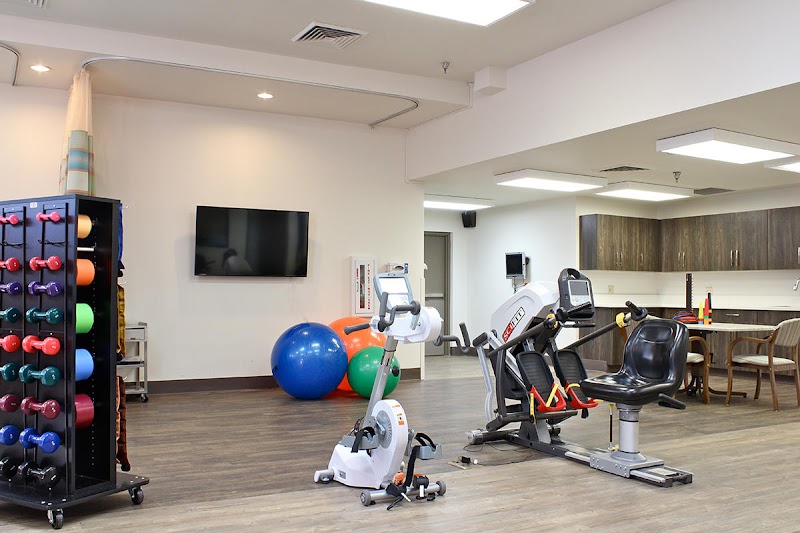
How is Premier Health & Rehabilitation Center Of Lv, Lp Staffed?

CMS rates PREMIER HEALTH & REHABILITATION CENTER OF LV, LP's staffing level at 4 out of 5 stars, which is above average compared to other nursing homes. Staff turnover is 55%, which is 9 percentage points above the Nevada average of 46%. High turnover can affect care consistency as new staff learn residents' individual needs. RN turnover specifically is 73%, which is notably high. RNs provide skilled clinical oversight, so turnover in this role can affect medical care quality.

What Have Inspectors Found at Premier Health & Rehabilitation Center Of Lv, Lp?

State health inspectors documented 34 deficiencies at PREMIER HEALTH & REHABILITATION CENTER OF LV, LP during 2022 to 2024. These included: 1 that caused actual resident harm and 33 with potential for harm. Deficiencies causing actual harm indicate documented cases where residents experienced negative health consequences.
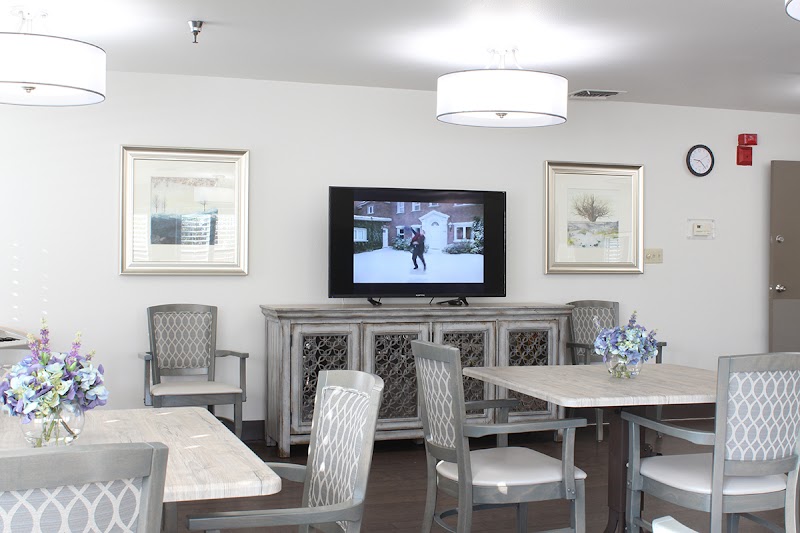
Who Owns and Operates Premier Health & Rehabilitation Center Of Lv, Lp?

PREMIER HEALTH & REHABILITATION CENTER OF LV, LP is owned by a for-profit company. For-profit facilities operate as businesses with obligations to shareholders or private owners. The facility operates independently rather than as part of a larger chain. With 100 certified beds and approximately 72 residents (about 72% occupancy), it is a mid-sized facility located in LAS VEGAS, Nevada.

How Does Premier Health & Rehabilitation Center Of Lv, Lp Compare to Other Nevada Nursing Homes?

Compared to the 100 nursing homes in Nevada, PREMIER HEALTH & REHABILITATION CENTER OF LV, LP's overall rating (4 stars) is above the state average of 3.0, staff turnover (55%) is near the state average of 46%, and health inspection rating (3 stars) is at the national benchmark.

What Should Families Ask When Visiting Premier Health & Rehabilitation Center Of Lv, Lp?

Based on this facility's data, families visiting should ask: "How do you ensure continuity of care given staff turnover, and what is your staff retention strategy?" "Can I visit during a mealtime to observe dining assistance and food quality?" "How do you handle medical emergencies, and what is your hospital transfer rate?" "Can I speak with family members of current residents about their experience?" These questions are particularly relevant given the facility's high staff turnover rate.

Is Premier Health & Rehabilitation Center Of Lv, Lp Safe?

Based on CMS inspection data, PREMIER HEALTH & REHABILITATION CENTER OF LV, LP has a clean safety record: no substantiated abuse findings (meaning no confirmed cases of resident harm), no Immediate Jeopardy citations (the most serious violation level indicating risk of serious injury or death), and is not on the Special Focus Facility watch list (a federal program monitoring the lowest-performing 1% of nursing homes). The facility has a 4-star overall rating and ranks #1 of 100 nursing homes in Nevada. While no facility is perfect, families should still ask about staff-to-resident ratios and recent inspection results during their visit.

Do Nurses at Premier Health & Rehabilitation Center Of Lv, Lp Stick Around?

Staff turnover at PREMIER HEALTH & REHABILITATION CENTER OF LV, LP is high. At 55%, the facility is 9 percentage points above the Nevada average of 46%. Registered Nurse turnover is particularly concerning at 73%. RNs handle complex medical decisions and coordinate care — frequent RN changes can directly impact care quality. High turnover means new staff may not know residents' individual needs, medications, or preferences. It can also be disorienting for residents, especially those with dementia who rely on familiar faces. Families should ask: What is causing the turnover? What retention programs are in place? How do you ensure care continuity during staff transitions?

Was Premier Health & Rehabilitation Center Of Lv, Lp Ever Fined?

PREMIER HEALTH & REHABILITATION CENTER OF LV, LP has been fined $29,395 across 1 penalty action. This is below the Nevada average of $33,373. While any fine indicates a compliance issue, fines under $50,000 are relatively common and typically reflect isolated problems that were subsequently corrected. Families should ask what specific issues led to these fines and confirm they've been resolved.

Is Premier Health & Rehabilitation Center Of Lv, Lp on Any Federal Watch List?

PREMIER HEALTH & REHABILITATION CENTER OF LV, LP is not on any federal watch list. The most significant is the Special Focus Facility (SFF) program, which identifies the bottom 1% of nursing homes nationally based on persistent, serious quality problems. Not being on this list means the facility has avoided the pattern of deficiencies that triggers enhanced federal oversight. This is a positive indicator, though families should still review the facility's inspection history directly.