ROYAL SPRINGS HEALTHCARE AND REHAB
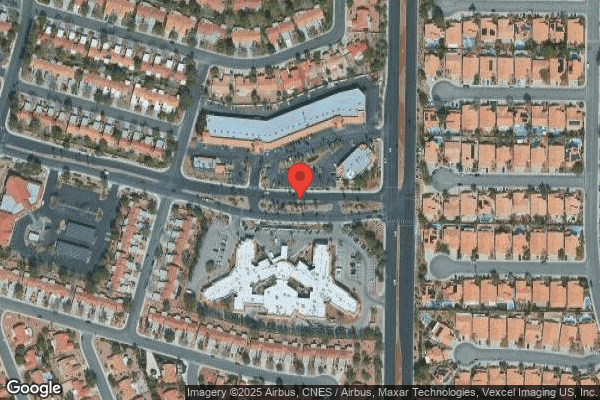

8501 DEL WEBB BLVD, LAS VEGAS, NV 89134 (702) 804-3000
For profit - Corporation 225 Beds IL & JOAN LEE Data: November 2025 1 Immediate Jeopardy citation
Trust Grade
18/100
#60 of 65 in NV
Last Inspection: February 2025

Within standard 12-15 month inspection cycle. Federal law requires annual inspections.

Overview

Royal Springs Healthcare and Rehab has received a Trust Grade of F, indicating significant concerns about the quality of care provided at this facility. With a state rank of #60 out of 65 in Nevada and a county rank of #39 out of 42 in Clark County, it is in the bottom half of nursing homes, suggesting limited options for improvement. While the facility's trend is improving, decreasing from 16 issues in 2024 to 12 in 2025, it still faces serious challenges, including 54 total deficiencies reported. Staffing is an average strength with a rating of 3 out of 5, but a high turnover rate of 54% could affect continuity of care. Notably, there are concerning incidents, such as a resident experiencing a critical decline due to inadequate assessment, leading to a hospital transport and eventual death, while another resident was neglected regarding timely incontinent care, risking skin damage.

Trust Score
F
18/100
In Nevada
#60/65
Bottom 8%
Safety Record
High Risk
Review needed
Inspections
Getting Better
16 → 12 violations
Staff Stability
⚠ Watch
54% turnover. Above average. Higher turnover means staff may not know residents' routines.
Penalties
✓ Good
$40,359 in fines. Lower than most Nevada facilities. Relatively clean record.
Skilled Nurses
✓ Good
Each resident gets 52 minutes of Registered Nurse (RN) attention daily — more than average for Nevada. RNs are trained to catch health problems early.
Violations
⚠ Watch
54 deficiencies on record. Higher than average. Multiple issues found across inspections.
★☆☆☆☆
1.0
Overall Rating
★★★☆☆
3.0
Staff Levels
★★★☆☆
3.0
Care Quality
★☆☆☆☆
1.0
Inspection Score
Stable
2024: 16 issues
2025: 12 issues

The Good

  • Full Sprinkler Coverage · Fire safety systems throughout facility
  • No fines on record

Facility shows strength in fire safety.

The Bad

1-Star Overall Rating

Below Nevada average (3.0)

Significant quality concerns identified by CMS

Staff Turnover: 54%

Near Nevada avg (46%)

Higher turnover may affect care consistency

Federal Fines: $40,359

Above median ($33,413)

Moderate penalties - review what triggered them

Chain: IL & JOAN LEE

Part of a multi-facility chain

Ask about local staffing decisions and management

The Ugly 54 deficiencies on record

1 life-threatening 1 actual harm
Feb 2025 12 deficiencies
CONCERN (D)

Potential for Harm - no one hurt, but risky conditions existed

PASARR Coordination (Tag F0644)

Could have caused harm · This affected 1 resident

**NOTE- TERMS IN BRACKETS HAVE BEEN EDITED TO PROTECT CONFIDENTIALITY** Resident 110 (R110) R110 was admitted on [DATE] and readmitted [DATE], with diagnoses including hemiplegia with hemiparesis foll...

Read full inspector narrative →
**NOTE- TERMS IN BRACKETS HAVE BEEN EDITED TO PROTECT CONFIDENTIALITY** Resident 110 (R110) R110 was admitted on [DATE] and readmitted [DATE], with diagnoses including hemiplegia with hemiparesis following cerebral infarction. A pre-admission screening and resident review (PASARR) level one dated 09/26/2019, documented R110 did not have MI, MR, IC, RC and was appropriate for NF placement. The Annual minimum data set (MDS) dated [DATE], documented R110 had no psychiatric diagnoses and was not receiving any psychotropic medications. A psychiatric follow up note dated 06/14/2021, revealed R110 was diagnosed with bipolar disorder and was started on an anti-depressant. The Annual MDS dated [DATE], documented R110 had a new diagnosis of depression and was on an anti-depressant. The Annual MDS dated [DATE] documented R110 had a new diagnosis of bipolar disorder and was on an anti-depressant. The Annual MDS dated [DATE] documented R110 had bipolar disorder and depression and was on an anti-depressant. The medical record lacked documented evidence the resident was referred for a PASSAR level two after newly identified psychiatric diagnoses. Resident 88 (R88) Resident # 88 was admitted on [DATE] and readmitted on [DATE], with diagnoses including cerebral infarction due to embolism and schizoaffective disorder. The Annual MDS dated [DATE], documented R88 was admitted with a negative PASARR level one (no MI, MR, IC or RC), did not have an active psychiatric diagnosis and was not receiving any psychotropic medications. A psychiatric consult note dated 06/20/2021, revealed R88 was diagnosed with anxiety disorder and paranoid schizophrenia. The Annual MDS dated [DATE], documented R88 had anxiety and schizophrenia and was receiving psychotropic medications. The medical record lacked documented evidence the resident was referred for a PASSAR level two after newly identified psychiatric diagnoses Resident 81 (R81) R81 was admitted on [DATE] and readmitted on [DATE], with diagnoses including spondylosis without myelopathy, schizoaffective disorder and depression. A PASARR level one dated 05/18/2022, documented R81 did not have MI, MR, IC and dementia. Appropriate for NF placement but may need a level of care (LOC) assessment. The admission MDS dated [DATE], documented R81 did not have psychiatric diagnoses and was not receiving psychotropic medications. A hospital discharge summary revealed R81 was diagnosed with schizophrenia diagnoses and was started on Risperidone (anti-psychotic). The Annual MDS dated [DATE], documented R81 had a diagnosis of schizophrenia and depression and was receiving an anti-psychotic medication and an anti-depressant. The medical record lacked documented evidence R81 was referred for a PASARR level two after newly identified psychiatric diagnosis. On 12/14/2025 at 12:54 PM, the Behavioral Coordinator (BC) indicated being responsible for PASARR for the last two years and had access to the PASARR Medicaid online portal. The BC explained the purpose of PASARR was to ensure residents were appropriately placed and the facility was capable of providing necessary behavioral services as indicated in the resident's level of care (LOC) assessment. The BC indicated not being well-versed with how residents met criteria for a referral for a new LOC or a PASARR level two. The BC indicated having referred only one resident for a PASARR level two and it was a resident who had intellectual disability (ID). The BC acknowledged residents who were admitted with a negative PASARR level one but were later diagnosed with a psychiatric condition during their stay at the facility were not referred for a new LOC or a PASARR level two due to a knowledge deficit on the part of the facility. On 02/14/25 at 1:34 PM, the Director of Nursing (DON) acknowledged the facility had a knowledge deficit with the PASARR referral process. The DON indicated the facility made sure services were being provided for existing PASARR level two residents, but the inter-disciplinary team (IDT) was not well-versed on identifying residents who may have met criteria for a new LOC or PASARR two referral. The DON reviewed the PASARR policy which identified the social worker as being responsible for PASARR referral process but according to the DON, the social worker was not trained nor played a part in the PASARR process. The DON indicated not being surprised the BC had not referred any residents with newly identified psychiatric diagnoses. The Pre-admission Screening and Resident Review (PASARR) policy revised December 2006, documented residents with level one screening who meet criteria for a mental illness, intellectual disability, or related disorders were referred to the state PASARR representative for Level two (evaluation and determination) screening process. The social worker was responsible for making referral to the appropriate state-designated authority. Based on interview, record review and document review, the facility failed to ensure Preadmission Screening and Resident Review (PASARR) level two referrals were completed for residents with newly identified psychiatric diagnoses for 5 of 35 sampled residents (Residents 24, 119, 110, 88 and 81). The deficient practice had the potential to deprive the residents of concern of necessary behavioral health services. Findings Include: Resident #24 (R24) R24 was re-admitted on [DATE], with diagnoses including congestive heart failure, type 2 diabetes mellitus, chronic pain syndrome, and bipolar disorder. A PASARR level one document dated 10/19/2018, revealed R24 did not have dementia, mental illness (MI), intellectual disability (ID), mental retardation (MR), or any related condition (RC) and was deemed appropriate for nursing facility (NF) placement. A review of the resident's medical notes revealed R24's bipolar disorder was diagnosed on [DATE], during an admit at an acute care hospital. A review of the recent nursing behavioral documentation documented resistance of care on 04/21/2024, 04/24/2024, 04/30/2024, 05/05/2024, and 02/04/2025. The nursing behavioral documentation documented screaming/yelling at staff/other residents on 04/25/2024, 11/24/2024, 12/31/2024, 01/15/2025, and 01/17/2025. The nursing behavioral documentation documented disrupting the unit and other persons on 01/20/2025. Resident #119 (R119) R119 was re-admitted on [DATE], with diagnoses including heart failure, type 2 diabetes mellitus, generalized anxiety disorder, depression, bipolar disorder, and post-traumatic stress disorder. A PASARR level one document dated 03/27/2006, revealed R119 did not have dementia, mental illness (MI), intellectual disability (ID), mental retardation (MR), or any related condition (RC), and was deemed appropriate for nursing facility (NF) placement. A review of the resident's medical notes revealed R119's depression and post-traumatic stress disorder were diagnosed on [DATE], during an admit at an acute care hospital due to a change in the resident's mental condition at the facility on 03/14/2024. A review of the recent nursing behavioral documentation documented resistance of care on 04/01/2024, 04/04/2024, 04/15/2024, 04/28/2024, 04/29/2024, 05/30/2024, and 09/02/2024. The nursing behavioral documentation documented screaming/yelling at staff/other residents on 04/01/2024, 04/02/2024, 11/24/2024, and 12/14/2024. The nursing behavioral documentation documented disrobing on 04/02/2024 and other observed behaviors on 03/31/2024, 04/07/2024, 04/09/2024, and 06/22/2024. The medical record lacked documented evidence R24 and R119 were referred for a PASARR level two after newly identified psychiatric diagnoses.
CONCERN (D)

Potential for Harm - no one hurt, but risky conditions existed

Deficiency F0657 (Tag F0657)

Could have caused harm · This affected 1 resident

**NOTE- TERMS IN BRACKETS HAVE BEEN EDITED TO PROTECT CONFIDENTIALITY** Based on observation, interview, record review, and document review, the facility failed to ensure comprehensive care plans were...

Read full inspector narrative →
**NOTE- TERMS IN BRACKETS HAVE BEEN EDITED TO PROTECT CONFIDENTIALITY** Based on observation, interview, record review, and document review, the facility failed to ensure comprehensive care plans were revised to reflect new interventions, specifically, a nutrition care plan for 2 of 35 sampled residents (Residents 110 and 84) and a care plan for functional abilities and mobility for 2 of 35 sampled residents (Residents 156 and 67). The deficient practice had the potential to deprive residents of necessary interventions to maintain overall well-being. Findings include: Nutrition Care Plan Resident 110 (R110) R110 was admitted on [DATE], with diagnoses including hemiplegia and hemiparesis following cerebral infarction. Review of R110's medical record revealed R110 had a recorded weight of 172 pounds (lbs.) on 09/29/2024 and 157 lbs. on 12/29/2024 or a significant weight loss of 8.72 percent (%) over a three-month period. A physician's order dated 01/13/2025, documented R110 would be provided 1:1 assistance with meals at slow pace. On 02/12/2025 at 7:37 AM, R110 laid awake in bed with television on. A breakfast tray was observed on the bedside table which included scrambled eggs with melted cheese, pureed bread, a carton of chocolate health shake, a carton of chocolate milk and strawberry yogurt. R110's meal ticket documented the resident required feeding assistance. There were no staff members inside the resident's room. The medical record lacked documented evidence R110's nutrition care plan initiated on 07/22/2024, was revised to include physician's order to provide R110 with 1:1 feeding assistance on 01/13/2025. Resident 84 (R84) Resident # 84 was admitted on [DATE], with diagnoses including mild neurocognitive disorder and protein calorie malnutrition. Review of R84's medical record revealed the resident had a recorded weight of 137 lbs. on 10/26/2024 and 117 lbs. on 01/31/2025 or a significant weight loss of 14.6 % over a three-month period. A weight change note dated 02/12/2025, documented R84 had significant weight loss and required assistance with meals. A physician's order dated 01/14/2025, documented 1: 1 feeding assistance. On 02/12/25 at 7:45 AM, R84 was seated upright in bed and eating breakfast independently with no staff present. The resident's tray contained scrambled egg with melted cheese, pureed bread, Boost protein shake, a bowl of oatmeal and two cartons of orange juice. The meal ticket reflected R84 was on a soft bite-sized regular diet with thin liquids and required feeding assistance. The medical record lacked documented evidence R84's nutrition care plan initiated on 01/24/2023, was revised to include physician's order to provide R110 with 1:1 feeding assistance on 01/14/2025. Restorative Nursing Services Resident 156 (R156) R156 was admitted on [DATE], with diagnoses including hemiplegia and hemiparesis following cerebral infarction affecting left dominant side. On 02/11/2025 at 10:04 AM, R156 was awake and alert in bed. R156 expressed having issues with not receiving restorative nursing services because the facility only had one restorative nurse aide (RNA). R156 indicated receiving physical therapy (PT) and occupational therapy (OT) services on admission but when insurance stopped covering the PT/OT services, the resident was placed on RNA services which used to be provided three times a week. R156 indicated two RNAs quit in October 2024 leaving the facility with one RNA. R156 pointed to a walker leaning against the wall and indicated being unable to use the walker independently and relied on the RNA to assist with ambulating. R156 indicated not being provided RNA services for over a month and the resident feared declining in strength and stamina. On 02/12/2025 at 1:10 PM, the Director or Rehabilitation (DOR) indicated being familiar with R156 who received PT/OT services from 05/16/2023 until 01/04/2024. R156 was discharged from therapy services on 01/05/2024 due to having met goals and attained maximum potential with skilled services. The DOR indicated R156 was referred to RNA services on 05/16/2024. A PT Discharge summary dated [DATE], documented a discharge recommendation to refer R156 to the restorative nursing program. A communication form dated 05/16/2024, documented a therapy recommendation for RNA services, specifically, ambulation using a hemi-walker 75 feet or to maximum tolerance, training with transfers form varying surfaces. Focus on ambulation program up to five days a week. The medical record lacked documented evidence R156's care plan for physical functioning initiated 05/17/2023 and care plan for risk for impaired mobility initiated on 11/29/2023, were revised to include RNA services. Resident 67 (R67) R67 was admitted on [DATE], with diagnoses including traumatic brain injury, epilepsy and gastrostomy status. On 02/11/2025 in the morning, R67 laid flat in bed, head turned towards right side, bilateral foot contractures more pronounced on the left foot were evident. Tube feeding supplies were observed inside the resident's room. On 02/12/2025 at 1:30 PM, the DOR indicated R67 was receiving PT/OT services from 04/13/2024 until 07/12/2024 and was discharged from therapy for attaining maximum potential. The DOR indicated not being aware if another therapy staff member completed a communication form which would contain specific instructions for the RNA team and whether this was communicated to the 100-Hall Unit Manager (UM). A PT Discharge summary dated [DATE], documented a discharge recommendation to refer R67 to the RNA program to maintain current level of performance and prevent decline. The medical record lacked documented evidence R67's care plan for mobility was revised to include therapy recommendations for RNA services. On 02/13/2025 at 11:16 AM, the Director of Rehabilitation (DOR) deferred to nursing for care plan issues. On 02/13/2025 at 11:17 AM, the Unit Manager confirmed R156's and R67's care plans were not revised to reflect therapy recommendations for RNA services, but they should have been revised to reflect provision of RNA services. On 02/13/2025 at 1:25 PM, the Director of Nursing (DON) indicated R110's and R84's nutrition care plans should have been revised when new interventions were added specifically physician's orders for 1:1 feeding assistance. The DON indicated R156's and R67's care plan for mobility and functional abilities should have been revised to include new interventions for RNA services in accordance with therapy recommendations. The Comprehensive Care Plan policy revised December 2016, documented assessment of residents was ongoing, and care plans were revised as information about the resident's condition changes. The care plan was updated when the resident's desired outcome was not met.
CONCERN (D)

Potential for Harm - no one hurt, but risky conditions existed

Deficiency F0688 (Tag F0688)

Could have caused harm · This affected 1 resident

**NOTE- TERMS IN BRACKETS HAVE BEEN EDITED TO PROTECT CONFIDENTIALITY** Based on observation, interview, record review, and document review, the facility failed to ensure restorative nursing services ...

Read full inspector narrative →
**NOTE- TERMS IN BRACKETS HAVE BEEN EDITED TO PROTECT CONFIDENTIALITY** Based on observation, interview, record review, and document review, the facility failed to ensure restorative nursing services were provided for 2 of 35 sampled residents (Residents 156 and 67) . This failure had the potential to result in increased pain, worsening contractures, reduced mobility, and a decline in the resident's overall quality of life. Findings include: Resident 156 (R156) R156 was admitted on [DATE], with diagnoses including hemiplegia and hemiparesis following cerebral infarction affecting left dominant side. On 02/11/2025 at 10:04 AM, R156 was awake and alert in bed. R156 expressed having issues with not receiving restorative nursing services because the facility only had one restorative nurse aide (RNA). R156 indicated receiving physical therapy (PT) and occupational therapy (OT) services on admission but when insurance stopped covering the PT/OT services, the resident was placed on RNA services which used to be provided three times a week. R156 indicated two RNAs quit in October 2024 leaving the facility with one RNA. R156 pointed to a walker leaning against the wall and indicated being unable to use the walker independently and relied on the RNA to assist with ambulating. R156 indicated not being provided RNA services for over a month and the resident feared declining in strength and stamina. On 02/12/2025 at 1:10 PM, the Director or Rehabilitation (DOR) indicated being familiar with R156 who received PT/OT services from 05/16/2023 until 01/04/2024. R156 was discharged from therapy services on 01/05/2024 due to having met goals and attained maximum potential with skilled services. The DOR indicated R156 was referred to RNA services on 05/16/2024. A PT Discharge summary dated [DATE], documented a discharge recommendation to refer R156 to the restorative nursing program. A communication form dated 05/16/2024, documented a therapy recommendation for RNA services, specifically, ambulation using a hemi-walker 75 feet or to maximum tolerance, training with transfers form varying surfaces. Focus on ambulation program up to five days a week. On 02/12/2025 at 1:16 PM, the DOR explained not all residents were candidates for RNA services but for residents who were deemed appropriate for RNA services, a communication form would be completed by a therapy staff member where recommendations would be specified such as in the case of R156. According to the DOR, the form would then be handed to the 100-Hall Unit Manager who was expected to communicate the recommendations to the RNA team. On 02/12/2025 at 1:27 PM, the DOR stated the purpose of RNA services was to maintain functional level of mobility and strength and prevent a decline in functional abilities as it pertains to activities of daily living (ADL). The DOR indicated being aware RNA services were not being provided in accordance with therapy recommendations due to the facility having only one RNA since October 2024. The DOR verbalized consequences of not receiving RNA services included a decline in functional abilities, loss of strength and stamina and development of contractures. On 02/12/2025 at 1:37 PM, the 100-Hall Unit Manager (UM) confirmed receiving R156's therapy recommendations on 05/16/2024. The UM explained the form was utilized as a reference to complete section GG (functional abilities) of the resident's minimum data set (MDS) assessment, but the recommendations were not communicated to the residents' attending physician. The UM indicated therapy recommendations should have been communicated to the physician to give the physician the opportunity on whether the therapy recommendations would be transcribed into a physician's order to ensure the services would be carried out. The UM confirmed therapy recommendations for R156 and all other residents who were deemed appropriate to receive RNA services had not been communicated to their attending physicians. On 02/12/2025 at 1:47 PM, the RNA confirmed the UM communicated R156's therapy recommendations to the RNA team on 05/16/2024 and the resident was being seen by a member of the RNA team three times a week until October 2024 when two RNAs quit. The RNA indicated being the sole RNA and was responsible for obtaining daily, weekly and monthly weights for all residents in the facility, occasionally assisted with transporting residents to appointments and currently had 20 residents on the RNA case load. The RNA verbalized it was impossible to provide RNA services by themself. On 02/13/2025 at 3:57 PM, the RNA indicated having had time to review R156's medical record and confirmed the resident was seen a total of eight times from 11/03/2024 through 02/13/2025 which was below therapy recommendations. Resident 67 (R67) R67 was admitted on [DATE], with diagnoses including traumatic brain injury, epilepsy and gastrostomy status. On 02/11/2025 in the morning, R67 laid flat in bed, head turned towards right side, bilateral foot contractures more pronounced on the left foot were evident. Tube feeding supplies were observed inside the resident's room. On 02/12/2025 at 1:30 PM, the DOR indicated R67 was receiving PT/OT services from 04/13/2024 until 07/12/2024 and was discharged from therapy for attaining maximum potential. The DOR indicated not being aware if another therapy staff member completed a communication form which would contain specific instructions for the RNA team and whether this was communicated to the 100-Hall Unit Manager (UM). A PT Discharge summary dated [DATE], documented a discharge recommendation to refer R67 to the RNA program to maintain current level of performance and prevent decline. The medical record lacked documented evidence a communication form was completed and R67's therapy recommendations were communicated to any member of the inter-disciplinary team (IDT) which included R67's attending physician. On 02/13/2025 at 10:27 AM, the DOR indicated having spoken with the PT assigned to R67 who acknowledged failing to complete R67's therapy recommendations for RNA services. On 02/13/2025 at 10:30 AM, the Unit Manager and RNA confirmed not receiving therapy recommendations for RNA services for R67 and confirmed R67 had never been on the RNA case load and the resident had not been provided any RNA services since being discharged from PT/OT services in July 2024. The DON, Unit Manager and RNA acknowledged there was a breakdown in communication which resulted in R67 not receiving RNA services in accordance with PT recommendations since July 2024. On 02/13/2025 at 1:07 PM the Director of Nursing (DON) indicated therapy recommendations for RNA services should be communicated to the resident's attending physician to give the physician the opportunity to decide on whether to transcribe the recommendations into a physician's order. The DON verbalized therapy recommendations which were conveyed to the 100-Hall UM should not be used merely to complete section GG of the MDS but communicated to the physician and IDT to ensure the services were carried out. The DON confirmed the facility used to have three RNAs but two RNAs quit in October 2024. The DON indicated it was unreasonable to expect one RNA to obtain weights for all residents in the facility and provide RNA services for 20 residents. The DON verbalized it was fair to confirm RNA services were not being provided to R156 and other residents on the RNA case load. The DON indicated depriving residents of RNA services could lead to decline in function. The Restorative Nursing Services policy revised July 2017, documented residents would receive nursing care needed to help promote optimal safety and independence. Residents may be started on the RNA program upon admission, during the course of stay, or upon discharge from rehabilitation services.
CONCERN (D)

Potential for Harm - no one hurt, but risky conditions existed

Deficiency F0692 (Tag F0692)

Could have caused harm · This affected 1 resident

**NOTE- TERMS IN BRACKETS HAVE BEEN EDITED TO PROTECT CONFIDENTIALITY** Based on observation, interview, record review and document review, the facility failed to ensure feeding assistance was provide...

Read full inspector narrative →
**NOTE- TERMS IN BRACKETS HAVE BEEN EDITED TO PROTECT CONFIDENTIALITY** Based on observation, interview, record review and document review, the facility failed to ensure feeding assistance was provided timely for residents with orders for one-on-one (1:1) feeding assistance with meals for 2 of 35 sampled residents (Residents 110 and 84). The deficient practice potentially contributed to the residents' significant weight loss. Findings include: Resident 110 (R110) R110 was admitted on [DATE], with diagnoses including hemiplegia and hemiparesis following cerebral infarction. Review of R110's medical record revealed R110 had a recorded weight of 172 pounds (lbs.) on 09/29/2024 and 157 lbs. on 12/29/2024 or a significant weight loss of 8.72 percent (%) over a three-month period. A physician's order dated 01/13/2025, documented R110 would be provided 1:1 assistance with meals at slow pace. On 02/12/2025 at 7:37 AM, R110 laid awake in bed with television on. A breakfast tray was observed on the bedside table which included scrambled eggs with melted cheese, pureed bread, a carton of chocolate health shake, a carton of chocolate milk and strawberry yogurt. R110's meal ticket documented the resident required feeding assistance. There were no staff members inside the resident's room. On 02/12/2025 at 7:40 AM, R110 had difficulty mouthing words but was able to express self when given time to speak. R110 indicated being unable to feed self and relied on staff for help with eating. R110 indicated staff often left the resident's meal tray on the bedside table and returned later, sometimes up to one hour before returning to assist the resident. R110 indicated by the time staff returned to provide assistance with meals, the resident's food would get cold, and the shakes, milk and yogurt became warm which affected the resident's appetite. On 02/12/2025 at 7:56 AM, a Certified Nursing Assistant (CNA1) was observed assisting R110 with breakfast. CNA1 acknowledged serving R110's tray at around 7:30 AM and returned to the resident's room around 7:45 AM to assist the resident. CNA1 explained being assigned to provide care for 15 residents, three of whom required 1:1 assistance with meals. CNA1 explained assisting a resident with meals took anywhere from 15 minutes to 30 minutes depending on the resident. According to CNA1, R110 typically took 20 to 25 minutes to eat due to slow pace related to aspiration precautions. On 02/12/2025 at 8:00 AM, R110 told CNA1 being done with breakfast. CNA1 indicated R110 did not finish breakfast, and the meal consumption would be documented as 75% and the shake supplement would be documented at 60% while the yogurt was refused due to being warm. Resident 84 (R84) Resident # 84 was admitted on [DATE], with diagnoses including mild neurocognitive disorder and protein calorie malnutrition. Review of R84's medical record revealed the resident had a recorded weight of 137 lbs. on 10/26/2024 and 117 lbs. on 01/31/2025 or a significant weight loss of 14.6 % over a three-month period. A weight change note dated 02/12/2025, documented R84 had significant weight loss and required assistance with meals. A physician's order dated 01/14/2025, documented 1: 1 feeding assistance. On 02/12/25 at 7:45 AM, R84 was seated upright in bed and eating breakfast independently with no staff present. The resident's tray contained scrambled eggs with melted cheese, pureed bread, Boost protein shake, a bowl of oatmeal and two cartons of orange juice. The meal ticket reflected R84 was on a soft bite-sized regular diet with thin liquids and required feeding assistance. On 02/12/2025 at 7:48 AM, CNA2 entered R84's room and began to assist the resident with breakfast. CNA2 explained R84 did not have dysphagia (difficulty swallowing) and was not on aspiration precautions however, R84 had significant weight loss and fluctuating meal consumptions due to cognition issues and had orders for 1:1 feeding assistance. CNA2 acknowledged the resident's tray was served ahead of staff assistance. CNA2 explained being assigned 15 residents, three of whom required assistance with meals and CNA2 had assisted another resident prior to R84. On 02/12/2025 at 8:59 AM, the Unit Manager confirmed Residents 110 and 84 had recently identified significant weight loss and had physician's orders for 1:1 feeding assistance. The Unit Manager confirmed CNA1 and CNA2 were assigned to provide care for 15 residents each and both CNAs were assigned three residents each who needed feeding assistance. The Unit Manager indicated CNAs must distribute meal trays to independent residents first and leave meal trays in meal carts until the CNAs were ready to serve and assist residents who required feeding assistance. The Unit Manager indicated R110's tray should not be placed in the room prior to staff assistance because the improper food temperatures may affect the resident's appetite and consumption. The Unit Manager indicated R84 was not on aspiration precautions but had fluctuating meal intakes which an intervention of 1:1 feeding assistance was deemed necessary by the inter-disciplinary team (IDT) for more consistent meal consumption. The Unit Manager defined 1:1 feeding assistance to mean staff would provide assistance to the resident from tray service to tray collection, beginning to end. On 02/12/2025 at 9:07 AM, the Unit Manager indicated being employed for six years and recounted the facility used to have a restorative dining program where all residents who required assistance or supervision were transported to the restorative dining room where staff were able to provide assistance to multiple residents at the same time. The Unit Manager indicated the restorative dining program was discontinued during COVID and had not been resumed or revisited by the facility since. On 02/13/2025 at 9:00 AM, the Registered Dietitian (RD) confirmed Resident 110 had significant weight loss and physician's orders for 1:1 feeding assistance. The RD explained R110 had expressed a dislike for chocolate shakes and milk and a preference for vanilla shakes and milk. The RD verbalized being disappointed R110 was served chocolate shake/milk instead of vanilla and was provided feeding assistance more than 15 minutes after tray service where food may have been served in improper temperature. On 02/13/2025 at 9:05 AM, the RD confirmed R84 had significant weight loss and had orders for 1:1 feeding assistance due to weakness and increased confusion resulting in inconsistent meal consumption. The RD expressed disappointment to learn staff was not present when R84's breakfast tray was served. The RD corroborated the Unit Managers recollection the facility used to have a restorative dining program where residents who required supervision or assistance were transported to the restorative dining room where staff were able to assist multiple residents at the same time. The RD indicated the restorative dining program had not resumed even after COVID restrictions were lifted but the RD did not know why. On 02/13/2025 at 12:52 PM, the Director of Nursing (DON) indicated expecting meal trays to remain in meal carts until staff were ready to serve the resident's tray and provide assistance because food served in improper temperatures could impact a resident's meal consumption. The DON indicated 1:1 feeding assistance meant staff were expected to be present and providing assistance to the resident from the beginning of the meal until completion. The DON indicated physician's orders for 1:1 feeding assistance must be followed. The DON indicated beginning employment in September 2021 and there was no restorative dining program in place due to COVID restrictions. The DON indicated restoring the RNA dining program had not been discussed in IDT and Quality Assurance Performance Improvement meetings. The Supporting Activities of Daily Living (ADL) policy, revised March 2018, documented appropriate care, and services would be provided to residents unable to carry out ADLs such as dining.
CONCERN (D)

Potential for Harm - no one hurt, but risky conditions existed

Tube Feeding (Tag F0693)

Could have caused harm · This affected 1 resident

**NOTE- TERMS IN BRACKETS HAVE BEEN EDITED TO PROTECT CONFIDENTIALITY** Based on observation, interview, record review, and document review, the facility failed to ensure the enteral feeding was compl...

Read full inspector narrative →
**NOTE- TERMS IN BRACKETS HAVE BEEN EDITED TO PROTECT CONFIDENTIALITY** Based on observation, interview, record review, and document review, the facility failed to ensure the enteral feeding was completely delivered as ordered or the duration of the order was clarified for 1 of 35 sampled residents (Resident 105), and the head of the bed was elevated during enteral infusion for 1 of 35 sampled residents (Resident 136). This failure could result in inadequate nutrition and hydration and an increased risk of aspiration pneumonia or other complications for residents. Findings include: Resident 105 (R105) R105 was admitted on [DATE], with diagnoses including bed confinement and gastrostomy. A Physician Order dated 09/16/2024 documented to infuse Jevity 1.2 tube feeding formula, volume: 1400 milliliters (ml), calories: 1680, rate: 70 ml per hour. A Care Plan dated 06/06/2022, documented R105 required tube feeding (TF) related to Pelizaeus-Merzbacher disease (a rare genetic condition that causes movement and coordination problems due to faulty nerve protection). The goal was to maintain adequate nutritional and hydration status, weight stability, and no signs or symptoms of malnutrition or dehydration. On 02/11/2025 at 10:37 AM, R105 was lying in bed, and the TF Jevity 1.2 was paused. The TF bag was unlabeled except for R105's name. The head of the bed was not elevated. On 02/12/2025 at 8:00 AM, R105 was lying in bed, and the TF was not infusing. On 02/13/2025 at 8:41 AM, R105 was lying in bed, and Jevity 1.2 was infusing at 70 ml per hour, along with water flushes. On 02/14/2025 in the afternoon, a Registered Nurse (RN) indicated the tube feeding (TF) was supposed to run for 20 hours, starting at 2:00 PM until 10:00 AM. The RN indicated the pump prompted feed complete and beeped when the feeding was finished. The RN indicated frequent interruptions occurred during the day due to the provision of care, such as wound and continence care. The RN indicated the new feeding tubing clogged easily because the tubing was thin, and the formula was thick. The RN conveyed sometimes the feeding had not been completed and was unaware of how to check the feeding pump to determine if the resident had received the complete volume of the TF formula. The Medication Administration Record from 02/11/2025-02/14/2025, documented R105's TF Jevity volume dose was completely delivered at 1400 ml per day or 4200 ml for three days. On 02/14/2025 at 1:56 PM, the Unit Manager (UM) verified at the bedside and confirmed R105's Jevity TF formula dose was not completely delivered as ordered. The UM indicated the prescribed rate was 70 ml per hour, totaling 1,400 ml daily and 4,200 for three days. The UM confirmed over three days, only 2,979 ml had been delivered, leaving a deficit of 1,221 ml. The UM indicated the TF order should have been clarified regarding the number of hours it should run, or to be continued until the full dose was delivered to compensate for interruptions due to the provision of care. The UM indicated this deficit could lead to potential malnutrition or weight loss, if the TF was not properly administered. On 02/14/2025 at 3:33 PM, during a telephone interview, the Registered Dietitian (RD) confirmed R105's TF order was to infuse 70 ml per hour for 20 hours continuously, starting at 2:00 PM and ending at 10:00 AM, totaling 1,400 ml per day. The RD indicated a deficit of 1,221 ml was significant and expected the full TF volume to be delivered to meet the resident's daily caloric requirements. The RD acknowledged in case of interruptions, TF should have been infused until the volume dose was completely delivered. The RD indicated the ongoing deficit, with an estimated loss of approximately 488 calories daily, had the potential to contribute to resident's further weight loss or malnutrition. The RD confirmed significant weight loss had occurred, but R105's body mass index remained stable at 23.8. A facility policy titled Enteral Tube Feeding via Continuous Pump revised in 2018, documented the need to verify a physician's order for the procedure. The policy required reviewing the resident's care plan and addressing any special needs. It also stated the formula label should include initials, date, and time the formula was hung/administered, and the label should be initialed to confirm it was checked against the order. Facility procedures for administration times were to be followed. Resident 136 Resident 136 (R136) was admitted [DATE] and readmitted [DATE], with diagnosis including cerebral palsy unspecified, dependence on respirator (ventilator status) and functional quadriplegia. A Care Plan dated 12/17/2024, documented R136 required tube feeding related to dysphagia. R136 would be free of aspiration and of side effects or complications related to tube feeding. Interventions included to elevate the head of the bed (HOB) during and thirty minutes after the tube feeding. A Physician order revised 07/06/2024, documented enteral feed formula Jevity 1.2, volume 1300 cubic centimeters (cc), calories 1560, and rate 65 cc per hour. A Physician order revised 03/19/2024, documented to elevate HOB 30-45 degrees during and one hour after feeding. On 02/11/2025 at 9:20 AM, R136 was observed in bed lying on their back, face turned slightly to the right and covered by a blanket up to the neck. R136's arms appeared contorted under the blanket. R136 was resting with eyes closed. R136's head of the bed (HOB) was observed flat, not elevated while the tube feeding pump was on and running at 65 milliliters an hour. On 02/11/2025 at 09:22 AM, a Registered Nurse (RN) Unit Manager, confirmed R136's HOB was not elevated, and the resident was lying flat. The RN Unit Manager acknowledged the HOB should have been elevated 35-45 degrees to prevent aspiration of the feeding formula and complications. The RN Unit Manager reported staff may have recently cleaned the resident and missed to elevate the HOB when the task was completed. On 02/14/2025 at 12:50 PM, the Director of Nursing (DON) explained residents receiving tube feeding must have the HOB elevated 30-45 degrees to prevent aspiration and resulting complications. The DON reported staff were trained to raise the HOB for tube feeding and if resident care was provided where the HOB was momentarily lowered, it needed to be raised again. A facility policy titled Enteral Tube Feeding via Continuous Pump revised November 2018, documented steps in the procedure included to position the head of the bed at 30-45 degrees (semi-Fowler's position) for feeding unless medically contraindicated.
CONCERN (D)

Potential for Harm - no one hurt, but risky conditions existed

Respiratory Care (Tag F0695)

Could have caused harm · This affected 1 resident

**NOTE- TERMS IN BRACKETS HAVE BEEN EDITED TO PROTECT CONFIDENTIALITY** Based on observation, interview, record review, and document review, the facility failed to ensure a physician's order for Oxyge...

Read full inspector narrative →
**NOTE- TERMS IN BRACKETS HAVE BEEN EDITED TO PROTECT CONFIDENTIALITY** Based on observation, interview, record review, and document review, the facility failed to ensure a physician's order for Oxygen (O2) use and care orders were obtained and implemented, and Oxygen saturation was monitored for 1 of 35 sampled residents (Resident 68). This deficient practice had the potential to result in improper Oxygen administration, delays in necessary treatment, and potential harm to the resident's health and well-being. Findings include: Resident 68 (R68) R68 was admitted on [DATE], with diagnoses including shortness of breath and pulmonary disease. On 02/11/2025 at 8:51 AM, R68 was lying in bed with eyes closed. O2 was flowing at 2 liters per minute (LPM) via nasal cannula connected to the wall O2, and the humidifier bottle was undated and empty. No signs or symptoms of respiratory distress were noted. On 02/12/2025 at 10:25 AM, R68 was lying in bed, awake, and verbally responsive. O2 was flowing at 2 LPM via nasal cannula, and the humidifier bottle remained undated and empty. R68 indicated being O2 dependent and received continuous O2 administration by staff. R68's medical records lacked documented evidence a physician's order for O2 use and care orders were obtained, transcribed, and implemented. On 02/14/2025 at 10:42 AM, a Registered Nurse (RN) indicated familiarity with R68 and confirmed continuous O2 use. The RN verified the absence of an O2 order and explained care orders were not transcribed until 02/13/2025. The RN explained if a resident was on O2, an order was required to be obtained, transcribed into the medication administration record, included in the care plan, and implemented accordingly. On 02/14/2025 at 10:48 AM, the Unit Manager (UM) indicated O2 use required assessment, a care plan, and transcription of batch orders, including tubing changes, humidifier care, and O2 saturation monitoring. The UM verified and confirmed no O2 orders were in place until 02/13/2025. The UM also expressed being unable to determine when O2 use began due to the lack of documentation. On 02/14/2025 at 1:32 PM, the Director of Medical Records confirmed the absence of documentation or assessment regarding the resident's O2 use until 02/13/2025. A facility policy titled Oxygen Therapy, revised in January 2019, documented the facility's responsibility to provide Oxygen to residents in a safe and therapeutic manner. The administration of Oxygen therapy was required to be based on physician's orders. Humidifiers and tubing were to be labeled and dated. An appropriate plan of care was to be developed to reflect the resident's current condition and include the use of Oxygen per physician's orders.
CONCERN (D)

Potential for Harm - no one hurt, but risky conditions existed

Deficiency F0698 (Tag F0698)

Could have caused harm · This affected 1 resident

**NOTE- TERMS IN BRACKETS HAVE BEEN EDITED TO PROTECT CONFIDENTIALITY** Based on observation, interview, record review, and document review, the facility failed to ensure a physician's order for dialy...

Read full inspector narrative →
**NOTE- TERMS IN BRACKETS HAVE BEEN EDITED TO PROTECT CONFIDENTIALITY** Based on observation, interview, record review, and document review, the facility failed to ensure a physician's order for dialysis was transcribed, the dialysis access was monitored, and vital signs were obtained and documented pre- and post- dialysis for 1 of 35 sampled residents (Resident 166). This deficient practice could have the potential to increase the risk of bleeding, infection, hypotension, and inadequate dialysis, compromising the resident's health and safety. Findings include: Resident 166 (R166) R166 was admitted on [DATE] and readmitted on [DATE], with diagnoses including end stage renal disease and dependence on renal dialysis. The Quarterly Minimum Data Set, dated [DATE], documented the brief interview of mental status for R166 with a score of 15/15, indicating cognitive status was intact and dialysis had been provided. On 02/11/2025 at 9:17 AM, R166 was verbally alert and oriented, seated in the wheelchair, with a dialysis port in place on the right chest. R166 indicated receiving dialysis treatment three times a week with chair time from 11:00 AM to 3:00 PM. R166's medical records lacked documented evidence a physician's order for dialysis was transcribed, the dialysis access was monitored, and vital signs were obtained and documented before and after dialysis. On 02/12/2025 at 8:30 AM, R166 was seated in the wheelchair expecting dialysis treatment scheduled for that day. R166 indicated the dialysis port was assessed in the dialysis center, but not assessed in the facility. R166 verbalized the vital signs were taken at 4:00 AM but not taken in the facility upon return post-dialysis. On 02/12/2025 in the morning, a Licensed Practical Nurse (LPN) indicated the resident's vital signs should have been taken a few minutes prior to leaving for the dialysis center and not using the same vital signs taken earlier in the morning, as the vital signs could have changed after the medications were administered and to prevent hypotension. The LPN indicated the assessment should have been documented in the dialysis communication form to be filled out by the facility and the dialysis center. On 02/12/2025 at 9:59 AM, Registered Nurse (RN) indicated the dialysis access should have been monitored for patency or, in the case of an arteriovenous access, for bruit and thrill to ensure it was functioning properly. The RN indicated the neurological assessment, and vital signs should have been completed in a timely manner. The RN explained the importance of obtaining new vital signs before dialysis treatment and immediately upon the resident's return to the facility post-dialysis to monitor for potential hypotension. The RN indicated using a communication dialysis form wherein the pre and post assessment were documented in the form. On 02/12/2025 at 9:19 AM, the Unit Manager (UM) explained if a resident had been admitted with dialysis treatment, batch orders should have been transcribed into the Medication Administration Record (MAR), including the name of the dialysis center, its address, phone number, and chair time. The UM indicated the IV access should have been assessed for bleeding and signs of infection. The UM explained vital signs should have been taken before the resident left the facility for dialysis and obtained immediately upon return to the facility post-dialysis. The UM explained the facility utilized a dialysis communication form to be filled out with information at the facility, brought to the dialysis center, completed by the dialysis center during dialysis, and returned to the facility for completion of the assessment and filing in the individualized dialysis binder. The UM confirmed the dialysis orders were not completely transcribed in the MAR and the dialysis communication forms had not been completed, including the assessment of the dialysis access sites and vital signs. On 02/12/25 at 9:45 AM, the Director of Nursing (DON) indicated pre- and post-dialysis access should have been assessed for bruit and thrill and signs and symptoms of infection. The DON indicated the dialysis access assessment was important to ensure patency for blood flow during dialysis treatment. The DON indicated vital signs should have been obtained prior to leaving for the dialysis center and upon returning to the facility post-dialysis, with documentation in the dialysis communication form. A facility policy titled Dialysis Care dated October 2019, outlined standards for residents receiving dialysis. It required shunt sites to be checked every shift and evaluated after each dialysis treatment for complications. Licensed nurses were to monitor and document pre- and post-dialysis observations, including vital signs, weight, bruits, and the shunt site for color, warmth, redness, or edema. The policy also required documentation in the resident's medical record, including dialysis orders, treatment schedule, transportation details, and dialysis center contact information.
CONCERN (D)

Potential for Harm - no one hurt, but risky conditions existed

Deficiency F0838 (Tag F0838)

Could have caused harm · This affected 1 resident

Based on interview and document review, the facility failed to ensure the Facility Assessment (FA) was updated to reflect accurate and current staffing needs of the facility and residents, and all req...

Read full inspector narrative →
Based on interview and document review, the facility failed to ensure the Facility Assessment (FA) was updated to reflect accurate and current staffing needs of the facility and residents, and all required FA components were accurately documented. This deficient practice has the potential to deprive the residents of needed care. Findings include: The FA, updated 01/02/2025, lacked the following documentation: - The care required by the resident population, using evidence-based, data-driven methods which consider the types of diseases, conditions, physical and behavioral health needs, cognitive disabilities, or overall acuity - Services provided, such as physical therapy, pharmacy, behavioral health, and specific rehabilitation therapies - A facility-based and community-based risk assessment, utilizing an all-hazards approach - Active involvement of Nursing home leadership and management in the Facility Assessment process -Information on the staffing levels needed for specific shifts, such as day, evening, and night and adjusted as necessary based on changes to resident population On 02/12/2025 at 09:25 AM, the Scheduler, who also identified themselves as the Administrator-in-Training (AIT) explained the purpose of the FA was a total assessment of all facility operations. The AIT confirmed the Executive Director was responsible to complete the FA annually and as needed with any changes. The AIT clarified the FA would be updated annually and when there was a change in operations, new information was added, or when a new risk was identified. The AIT was unable to find in the FA who in facility leadership/management had active involvement in the FA development process. The AIT verified and acknowledged the FA was missing the names and signatures of the people who helped to develop and/or reviewed and approved the updated FA. The AIT was unable to find in the FA the types of services the facility provided. The AIT verified and acknowledged the FA was missing the types of services the facility provided, such as respiratory therapy, pharmacy, behavioral health, and wound care. The AIT was unable to find in the FA a facility-based and community-based risk assessment, utilizing an all-hazards approach. The AIT explained the facility's all-hazards Risk Assessment Policy was in the FA, but the qualitative tool, the Hazard Vulnerability Assessment document was not included in the FA. The AIT was also unable to find in the FA both an evaluation of the resident population and its acuity, and information on the staffing levels needed for specific shifts and adjusted as necessary based on changes to resident population such as a staffing plan. 02/14/2025 at 02:22 PM, the Director of Nurses (DON) and AIT confirmed the facility failed to define or incorporate acuity in the FA. On 02/14/2025 at 3:00 PM, the DON indicated on 01/24/2025 the QAPI committee convened to finalize the FA, and this would have been the best time to review the staffing plan. The DON and AIT confirmed the staffing plan should have been, but was not, included in the FA. The facility policy titled Facility Assessment, revised October 2018, documented the purpose of the facility assessment was to determine and update the facility's capacity to meet the needs of and competently care for their residents during day-to-day operations. The policy names a specific team responsible for conducting, reviewing, and updating the facility assessment. The policy documented the facility assessment includes a detailed review of the resident population which includes resident acuity. The policy also revealed the facility assessment also includes a detailed review of the resources available to meet the needs of the resident population to include a staffing plan and services currently being provided at the facility.
CONCERN (D)

Potential for Harm - no one hurt, but risky conditions existed

QAPI Program (Tag F0867)

Could have caused harm · This affected 1 resident

Based on interview and document review, the facility failed to ensure the Quality Assurance Performance Improvement Plan (QAPI) program 1) followed through on the facility's performance improvement pr...

Read full inspector narrative →
Based on interview and document review, the facility failed to ensure the Quality Assurance Performance Improvement Plan (QAPI) program 1) followed through on the facility's performance improvement project (PIP) for staffing shortage, 2) conducted a root cause analysis on the facility's high staff turnover rate, and 3) maintained oversight over low weekend staffing patterns. The deficient practice had the potential to negatively impact the quality of care provided to residents. Findings include: Staffing Shortage PIP The facility's QAPI plan reviewed January 2024, documented performance improvement projects were a concentrated effort towards a particular problem which may be on one area of the facility or facility wide. The PIP involved gathering information systematically to clarify issues, or problems and intervening to make improvements. The facility conducted PIPs to examine and improve care and services in areas which the facility has identified as needing attention. A PIP titled Staffing Shortage initiated on 12/31/2021, documented a root cause of pay rate and benefits. The PIP enumerated action plans which included: -facility offering competitive pay and benefits -facility offering sign-on bonus -facility offering retention bonus -department heads who were licensed nurses would assist on the floor -facility maintained an ongoing contract with a staffing agency On 02/14/2025 at 2:05 PM, the Director of Nursing (DON) indicated the staffing shortage PIP was started on 12/31/2021 during the pandemic. The DON verbalized the staffing shortage PIP was ongoing and was reviewed by the QAPI committee on 11/28/2023 and 01/01/2024 but there was no documentation of minutes to reflect whether the PIP's root cause was still accurate, whether the action plan was still effective or whether new interventions needed to be added. On 02/14/2025 at 2:20 PM, the DON explained the PIP for staffing shortage was expected to be reviewed by the QAPI committee at least once a year and as needed to determine the effectiveness of the action plan. The DON indicated the PIP was no longer current for example the facility had stopped using agency nurses since 2022 due to high expense and care issues. On 02/14/2025 at 2:46 PM, the DON acknowledged the QAPI committee failed to follow through on the facility's PIP for staffing shortage and the DON acknowledged staffing had not been discussed in the last three QAPI meetings held on 11/27/2024, 12/20/2024 and 01/31/2025. Staff Turnover The facility's QAPI plan reviewed January 2024, documented the QAPI program was expected to use a systemic approach to determine when an in-depth analysis was needed to fully understand the problem. The QAPI committee was expected to demonstrate proficiency in the use of root cause analysis (RCA) which was focused on continuous learning and promote sustained improvement. The Center for Medicare and Medicaid Services (CMS) Provider Rating Report for September 2024, revealed the facility had a 42.9 percent (%) turnover rate for Registered Nurses (RNs) and a 35.2 % turnover rate of all nursing staff. Specifically, the report reflected the facility lost 51 licensed nurses which included 15 RNs from 01/01/2023 to 03/24/2024. On 02/14/2025 at 2:42 PM, the DON and staff scheduler confirmed there were 51 licensed nurses who left over a one-year period. The DON and staff scheduler indicated the facility did not have a formal process of identifying reasons why employees leave such as conducting exit interviews. The DON acknowledged conducting exit interviews would have been an effective feedback tool to determine the root cause of why a high number of nurses were leaving the facility. The DON indicated not being able to provide a root cause as to why nurses were leaving because exit interviews were not being conducted on a routine basis and certainly not in writing. The DON indicated the facility would be able to better address the root cause if they were properly identified. On 02/14/2025 at 2:52 PM, the Human Resources (HR) Director confirmed exit interviews were not done for all employees who left the facility. The HR Director indicated asking employees why they left when the HR Director had time, and the information would be passed on to leadership in an informal manner. The HR Director stated the facility currently had no systematic formal method for identifying the reasons why staff left. Low Weekend Staffing The facility's QAPI plan reviewed January 2024, documented the governing body (GB) or administration would develop a culture which involved the leadership seeking input from staff, residents and families. The GB must create an atmosphere where staff felt comfortable identifying and reporting problems as well as opportunities for improvement. The CMS Payroll-Based Journal (PBJ) Staffing Data Report for Quarter four (07/01/2024 to 09/30/2024) revealed the facility triggered for excessively low weekend staffing. On 02/14/2025 at 12:12 PM, the DON and staff scheduler were present when staffing schedules were reviewed for December 2024, January 2025 and February 2025. The DON and staff scheduler confirmed weekend staffing levels were consistently low and open positions were not successfully covered during the weekends. The DON reported an increase in staff complaints regarding weekend staffing as well as burnout which had led to an increase in weekend nurses trying to move to weekday positions. The DON reported leadership had received complaints from residents regarding call lights response times on weekends. On 02/14/2025 at 2:56 PM, the DON indicated weekends were not staffed significantly lower compared to weekdays, so the DON expressed being surprised why the facility triggered for excessively low weekend staffing in the PBJ report. The DON could not speak to whether call-offs were part of the issue. On 02/14/2025 at 3:00 PM, the DON acknowledged the QAPI process was not fully utilized to address the facility's staffing shortage. The DON specified 1) the QAPI committee did not follow through on the PIP for staffing shortage, 2) a root cause analysis was not conducted to identify reasons behind the high turnover of nursing staff and 3) failed to maintain oversight over weekend staffing issues. The QAPI plan reviewed January 2024, documented quality assurance performance improvement principles would drive decision-making within the organization. The Administrator would assure the QAPI plan was reviewed at minimum on an annual basis by the QAPI committee and revisions would be made to the plan ongoing as the need arises.
CONCERN (D)

Potential for Harm - no one hurt, but risky conditions existed

Infection Control (Tag F0880)

Could have caused harm · This affected 1 resident

Based on observation, document review, and interview, the facility failed to prevent the following in a nourishment room: a staff member from consuming a drink, a trash can overflowed onto the floor, ...

Read full inspector narrative →
Based on observation, document review, and interview, the facility failed to prevent the following in a nourishment room: a staff member from consuming a drink, a trash can overflowed onto the floor, cubed ice placed inside a handwashing sink, and loose cubed iced on the bottom and around the food in a freezer. The failed practice had the potential to cause the spread of bacteria in the nourishment room. Findings include: On 02/11/2025 at 8:30 AM, in the 300 hall nourishment room, a staff member was observed sitting on a chair next to the handwashing sink and drank from a small cup filled with liquid, a clear bag with a knot tied on top filled with cubed ice was inside the handwashing sink, the trash can overflowed onto the floor, and loose cubed ice was covering the bottom of the freezer and around food products. On 02/11/2025 at 8:30 AM, the Food Service Director asked the staff member to exit the room, removed the chair, and advised the staff member they were not to drink in the nourishment room. The Food Service Director explained did not know why bagged ice was placed in the handwashing sink and acknowledged a handwashing sink should not be used to melt or discard ice. The Food Service Director acknowledged the trash was overflowing onto the floor and should have been emptied when partially full. The Food Service Director denied knowing why there was loose cubed ice at the bottom and around the food in the freezer. On 02/11/2025 at 8:40 AM, a Registered Nurse (RN), disclosed did not know why there was ice in the handwashing sink and explained it may have been placed in the sink to melt. The RN acknowledged ice should not be left to melt in a handwashing sink. On 02/13/2025 at 10:51 AM, the Infection Preventionist (IP) explained staff cannot eat or drink in the nourishment rooms. Nothing was supposed to be placed in handwashing sinks including bagged ice. The IP acknowledged trash should have been removed at 1/2 or 3/4 full and a new bag placed on the trash bin. The IP reported cubed ice should not have been placed at the bottom of the freezer and around the food. The IP acknowledged all of these findings were infection control concerns that should not have happened to avoid cross contamination which could lead to illness. A facility policy titled Preventing Foodborne Illness - Employee Hygiene and Sanitary Practices Revised October 2017, documented personnel may not eat or drink in the food preparation area. A facility policy titled Refrigerators and Freezers revised December 2014, documented refrigerators and freezers would be kept clean, free of debris, and mopped with sanitizing solution on a scheduled basis and more often as necessary. A facility policy titled Housekeeping undated, documented general duties of the housekeeping staff included to empty and clean all waste containers.
CONCERN (E)

Potential for Harm - no one hurt, but risky conditions existed

Deficiency F0725 (Tag F0725)

Could have caused harm · This affected multiple residents

Based on observation, interview, and document review, the facility failed to ensure a sufficient number of nursing staff were scheduled to meet the needs of the residents during the weekends of Decemb...

Read full inspector narrative →
Based on observation, interview, and document review, the facility failed to ensure a sufficient number of nursing staff were scheduled to meet the needs of the residents during the weekends of December 2024 and January through February of 2025. The deficient practice placed the residents at risk for receiving inappropriate and delayed care. Findings include: The Centers for Medicare and Medicaid Services, Payroll-Based Journal (PBJ) Staffing Data Report, dated 07/01/24 through 09/30/2024, documented the facility had excessively low weekend staffing. This was the latest report available. The Daily Staffing Plan which was provided to the surveyors documented the facility staffing needs per unit. The Licensed Nursing and CNA schedule was maintained over two separate shifts; the 6:00 AM-6:30 PM (first shift) revealed five CNAs per unit and four licensed nurses for 100 unit and three licensed nurse each for the 200 and 300 units were needed. The 6:00 PM-6:30 AM (second shift) also revealed five CNAs per unit and four licensed nurses for 100 unit and three licensed nurse each for the 200 and 300 units were needed. The Nursing Hours Per Patient Day (NHPPD) staffing document, dated 2/13/2025, documented the facility would require four licensed nurses for the 100 unit and three for each of the 200 and 300 units for the day shift and five CNAs for each 100 and 300 units and six CNAs for the 200 unit for coverage during the day. It also documented the facility would require three licensed nurses for each unit for the night shift and five CNAs for each unit for coverage during the night. NHPPD is a metric used to calculate staffing needs and to assess the quality of care and resident safety provided by nursing staff. On 02/14/2025 at 12:12 PM, the Director of Nursing (DON) and the Scheduler explained this daily staffing plan was what was used to allocate the appropriate number of staff to each unit. The only difference between the Daily Staffing Plan and the posted NHPPD was the facility was no longer using six CNAs on the day shift 200 unit, the facility was using five CNAs. The DON and Scheduler also explained the facility was using 4 licensed nurses for both day and night shift for the 100 unit, instead of the three listed on the NHPPD document. The Scheduler explained the NHPPD form and daily staffing plan had not been updated. Facility nursing schedules and timesheets documented the facility lacked adequate staffing coverage on the following weekend dates during stated shifts: - December 1, 2024, the facility was missing one licensed nurse and three CNAs on dayshift as well as one licensed nurse and two CNAs on the nightshift. - December 7, 2024, the facility was missing one licensed nurse and one CNA on dayshift as well as one licensed nurse and three CNAs on the nightshift. - December 8, 2024, the facility was missing one licensed nurse and two CNAs on dayshift as well as one licensed nurse and three CNAs on the nightshift. - December 14, 2024, the facility was missing one licensed nurse and one CNA on dayshift as well as one licensed nurse and two CNAs on the nightshift. - December 15, 2024, the facility was missing one licensed nurse and two CNAs on dayshift as well as one licensed nurse and two CNAs on the nightshift. - December 21, 2024, the facility was missing one licensed nurse and three CNAs on dayshift as well as one licensed nurse and three CNAs on the nightshift. - December 22, 2024, the facility was missing one licensed nurse on dayshift as well as one licensed nurse and three CNAs on the nightshift. - December 28, 2024, the facility was missing one licensed nurse and two CNAs on dayshift as well as one licensed nurse and three CNAs on the nightshift. - December 29, 2024, the facility was missing one licensed nurse on dayshift as well as one licensed nurse on the nightshift. - January 4, 2025, the facility was missing one licensed nurse and one CNA on dayshift as well as two CNAs on the nightshift. - January 5, 2025, the facility was missing one licensed nurse on dayshift as well as three CNAs on the nightshift. - January 11, 2025, the facility was missing one licensed nurse on dayshift as well as one licensed nurse and two CNAs on the nightshift. - January 12, 2025, the facility was missing one licensed nurse on dayshift as well as two CNAs on the nightshift. - January 18, 2025, the facility was missing one licensed nurse on dayshift as well as one licensed nurse and two CNAs on the nightshift. - January 19, 2025, the facility was missing one licensed nurse on dayshift as well as two CNAs on the nightshift. - January 25, 2025, the facility was missing three CNAs on the nightshift. - January 26, 2025, the facility was missing one licensed nurse on dayshift as well as three CNAs on the nightshift. - February 1, 2025, the facility was missing two CNAs on dayshift as well as one licensed nurse and four CNAs on the nightshift. - February 2, 2025, the facility was missing one licensed nurse and one CNA on dayshift as well as three CNAs on the nightshift. - February 8, 2025, the facility was missing three CNAs on the nightshift. - February 9, 2025, the facility was missing three CNAs on the nightshift. On 02/12/2025 at 08:23 AM a CNA was interviewed whom stated was assigned 15 residents, which was standard, and when someone calls off or they are working short, the CNA was assigned 20 residents. The CNA indicated 15 or more residents was too many. The resident care could be done, but not with the quality the CNA wants, or the residents need. on 02/12/2025 at 2:01 PM, during the resident council meeting Resident #174 stated had to wait for more than 6 hours for someone to answer the call light on the 6:00 AM to 6:00 PM shift because they are constantly short on the weekends. Unsampled Resident #207 stated weekend staffing is consistently low, especially on night shift. There were only two nurses at night in the 100 hall, but 5 were scheduled. The CNAs are overworked and end up quitting. On 02/14/2025 at 12:12 PM, the Director of Nursing (DON) and the Scheduler verified the schedules were correct and the facility did not have the above positions filled for the dates referenced above. The DON stated they have seen increased staff complaints due to the low weekend staffing as well staff burnout where staff transfer from these positions to weekday day positions as soon as one becomes available. The DON also expressed management saw resident complaints increased as well as call light answer times increased due to the low weekend staffing. The Centers for Medicare and Medicaid Services, Payroll-Based Journal (PBJ) Staffing Hours per Resident Day (HRD), dated 04/01/24 through 06/30/2024, documented the facility was utilizing 2.1 total nursing hours (RN, LPN, and CNA) of nursing care per patient per day on weekends. The national average was 3.355 of total nursing hours (RN, LPN, and CNA) of nursing care per patient per day on weekends. The facility was utilizing 1.255 hours less than the average facility. This was the latest CMS staffing hours available. HRD is the overall time expended by nurses and nursing assistants providing care to the residents on their unit per resident day excluding vacation time, sick time, orientation time, educational leave, or meeting times. The PBJ data affects the facility's star rating, which currently is a one-star rating effective January 2025, prior to that the facility was a two-star rating. According to CMS Nursing Services, the facility must have sufficient nursing staff with the appropriate competencies and skills sets to provide nursing and related services to assure resident safety and attain or maintain the highest practicable physical, mental, and psychosocial well-being of each resident. The facility failed to ensure there was a sufficient number of skilled licensed nurses, nurse aides, and other nursing personnel to provide care and respond to each resident's basic needs and individual needs as required by the resident's diagnoses, medical condition, or plan of care. On 02/12/2025 at 8:22 AM, two Certified Nursing Assistants (CNAs) reported challenges in meeting resident needs such as showering, turning and repositioning, transfers, and feeding due to the higher acuity in 100 halls, where most residents were totally dependent on staff. Three meal trays were to be passed daily, residents were to be cleaned, and more than 12 residents were assigned to each CNA for care. Both CNAs indicated difficulty in taking breaks, with only a 30-minute lunch break allowed for the entire day. Some Licensed Nurses did not assist CNAs, either due to being busy with their own tasks or too tired. On 02/12/2025, a Registered Nurse (RN) reported the facility was previously on 12-hour shifts before transitioning to 8-hour shifts, which disrupted continuity of care, and then returned to 12-hour shifts. The 100 halls should have had four nurses assigned during the day shift due to the workload's acuity, but staffing shortages left only three nurses. The census was divided among three nurses in 100 halls, where most residents were on ventilators or dependent on tube feeding, and required two staff members for bed mobility and transfers.
CONCERN (E)

Potential for Harm - no one hurt, but risky conditions existed

Deficiency F0761 (Tag F0761)

Could have caused harm · This affected multiple residents

Based on observation, interview, record review, and document review, the facility failed to remove discontinued and expired medications and supplies from the active supply in 2 of 3 medication rooms. ...

Read full inspector narrative →
Based on observation, interview, record review, and document review, the facility failed to remove discontinued and expired medications and supplies from the active supply in 2 of 3 medication rooms. This deficient practice had the potential to result in medication errors, including the unintentional administration of discontinued medications, posing a risk to resident safety and well-being. Findings include: On 02/13/25 at 9:11 AM, the medication room in 200 Hall was inspected, accompanied by a Licensed Practical Nurse (LPN1). The LPN indicated the Licensed Nurse on duty was responsible for monitoring expiration dates and discontinued medications, with the Unit Manager overseeing the process. The LPN explained expired and discontinued medications should have been separated or removed from the active supply for destruction or return to the facility. The LPN confirmed the following medications had been discontinued for discharged residents, and some had expired. The LPN explained these medications had already been removed from the active supply but was unaware of the reason for being kept and mixed back in. On 02/13/25 at 9:20 AM, the Unit Manager (UM) in 200 Hall verified and confirmed the medications had been discontinued and some had expired. The UM explained medications should have been removed from the active supply for destruction. The medications were as follows: Discontinued Medications: -2 vials Cefepime 2 grams - Discontinued on 08/27/2024 -4 vials Teflaro 600 mg - Discontinued on 11/29/2024 -9 vials Meropenem 1 gram - Discontinued on 08/29/2024 -1 bag Sodium Chloride 0.9% solution 100 mL - Discontinued on 02/02/2025 -1 bag Sodium Chloride 0.9% 1000 mL - Discontinued on 02/02/2025 Expired Medications and Supplies: -15 containers of BD SurePath collection - Expired on 12/01/2024 -8 boxes of BinaxNOW - Expired on 01/23/2024 On 02/13/25 at 10:02 AM, the medication room in 300 Hall was inspected, accompanied by another Licensed Practical Nurse (LPN). The LPN indicated discontinued medications should have been removed from the active supply and placed in the designated bin under the counter in the medication room for destruction. The LPN explained this process was intended to prevent medication administration errors. The LPN confirmed the following medication, discontinued on 02/09/2025, had not been removed from the active supply: -4 Lovenox 40 mg injection syringes - Discontinued on 02/08/2025 On 02/13/2025 at 10:15 AM, the UM confirmed the Lovenox injections for the resident had been discontinued upon discharge and should have been removed from the active supply. The UM acknowledged responsibility for checking the medication room but missed separating the medication. A facility policy titled Storage of Medications revised in September 2019, outlined all drugs and biologicals were to be stored in a safe, secure, and orderly manner. The policy indicated discontinued or expired drugs and biologicals were not to be used and had to be either returned to the dispensing pharmacy or destroyed.
Oct 2024 2 deficiencies 1 IJ
CRITICAL (J) 📢 Someone Reported This

A family member, employee, or ombudsman was alarmed enough to file a formal complaint

Immediate Jeopardy (IJ) - the most serious Medicare violation

Quality of Care (Tag F0684)

Someone could have died · This affected 1 resident

**NOTE- TERMS IN BRACKETS HAVE BEEN EDITED TO PROTECT CONFIDENTIALITY** Based on interview, record review and document review, the facility failed to assess, re-assess, and adequately monitor a reside...

Read full inspector narrative →
**NOTE- TERMS IN BRACKETS HAVE BEEN EDITED TO PROTECT CONFIDENTIALITY** Based on interview, record review and document review, the facility failed to assess, re-assess, and adequately monitor a resident with a change in condition for 1 of 4 sampled residents (Resident 3). The deficient practice: 1) resulted in an acute physical decline that contributed to the resident's emergent transport to the hospital where the resident passed away, and 2) placed facility residents who had a change in condition at risk for poor clinical outcomes. Findings include: Resident 3 (R3) R3 admitted was admitted on [DATE] with diagnoses including chronic heart failure. R3 did not have any cognitive deficits and was able to make needs well known. On [DATE] at 3:49 PM, R3's family member shared having received a call from R3 on [DATE], complaining of chest pain with shortness of breath (SOB). The family member stated a chest x-ray was ordered and revealed R3 had pleural effusions (fluid in the lungs). Family member stated the resident called again on [DATE] (2 days after the chest pain and shortness of breath episode) stating not feeling well with fatigue and had indigestion. Family member stated on[DATE], R3 was transported to the hospital for worsening shortness of breath. Family member verbalized the resident was in the emergency department (ED) for a short while, then transported to the intensive care unit (ICU) where R3 passed away on [DATE]. Review of R3's clinical notes from [DATE] to [DATE] revealed the following: A change in condition progress note dated [DATE] at 3:37 PM, documented R3 was observed having shortness of breath, postnasal drip and mid abdominal pain. The note documented the resident had not complained of these symptoms before. The note revealed R3 was given a breathing treatment, and the medical provider was notified who ordered a chest x-ray. No other notes regarding R3's condition were documented until the next day on [DATE] at 2:21 PM (over 22 hours later). Additionally, the note lacked documentation to show a focused or complete respiratory, cardiac or abdominal assessments were completed to establish a baseline, possible causes of R3's symptoms. A progress note dated [DATE] at 2:21 PM, the chest x-ray ordered on [DATE], revealed R3 had cardiac enlargement, pulmonary (lung) congestion and fluid in both lungs. The note documented the findings were consistent with congestive heart failure. The medical provider was notified who then ordered a water pill. The note lacked documentation to show if any focused or complete assessments or re-assessments were completed. No other notes regarding R3's condition were documented until the next day on [DATE] at 5:52 PM (over 26 hours later). A progress note dated [DATE] at 5:52 PM, documented R3's oxygen saturations decreased while being repositioned in bed by care staff. The note documented R3's oxygen was removed for repositioning and oxygen levels dropped to ninety percent. When the repositioning was completed, the oxygen was replaced, and oxygen levels went up to ninety four percent. The note documented R3 was on three liters of supplemental oxygen with oxygen saturation percentages to be monitored. The note lacked documentation to show if the incident was reported or if any focused or complete assessments or re-assessments were completed. No other notes regarding R3's condition were documented until the next day on [DATE] at 11:52 AM (18 hours later). A progress note dated [DATE] at 11:52 AM, documented R3 was scheduled for discharge to an out of state nursing facility on [DATE]. No other notes regarding R3's condition were documented until the next day on [DATE] at 3:30 AM (15 hours later). A progress note dated [DATE] at 3:45 AM, documented at 3:30 AM, R3 had SOB and stated not feeling well. The note documented R3's blood pressure was 88/50 with oxygen saturations fluctuating between eighty-five to eighty nine percent with 3 liters of supplemental oxygen. The note showed R3's skin was cold, clammy and resident was hyperventilating. The note documented the medical provider was notified, R3 was given a breathing treatment who verbalized feeling a little better. The note documented R3's health would continue to be monitored and shift report was given to the incoming nurse. The note lacked documentation to show if any focused or complete assessments or re-assessments were completed. A progress note dated [DATE] at 10:22 AM, documented R3's family member was informed R3 was too unstable to be discharged as scheduled, due to low blood pressure and low oxygen saturation percentages. The note documented R3 was under observation. The note lacked documentation to show if any focused or complete assessments or re-assessments were completed. A progress note dated [DATE] at 4:49 PM, documented R3 was verbally responsive, on three liters of supplemental oxygen with an oxygen saturation of ninety-six percent. The note showed R3 was not in any respiratory distress and had a shower that morning. The note lacked documentation to show if any focused or complete assessments or re-assessments were completed. No other notes regarding R3's condition were documented until the next day on [DATE] at 9:03 AM (17 hours later). A change in condition progress note dated [DATE] at 09:03 AM, documented R3 complained of epigastric pain that radiated to the chest area. The note stated the medical provider was notified who ordered for R3 to be transported to the emergency department. 911 was called and resident was transported to the emergency department at 9:57 AM. A hospital progress note dated [DATE], showed R3 arrived at the hospital emergency department (ED) with shortness of breath. Testing completed in the ED revealed R3 had suffered a heart attack and was immediately sent to the intensive care unit. The note revealed R3 also had active congestive heart failure, continued to decline over the next three days and eventually passed away on [DATE] from cardiogenic shock (A cardiac condition when the heart cannot pump enough blood and oxygen to the brain and other vital organs. The condition is a life-threatening emergency, treatable if diagnosed right away. Late signs and symptoms of cardiogenic shock include a drop in blood pressure and slowing of peripheral pulses. Other symptoms include, sweating without activity and rapid breathing. Causes of cardiogenic shock included congestive heart failure and heart attack). Review of R3's care plan dated [DATE] identified R3 had pleural effusions (fluid in lungs). Goals included: R3 will maintain a patent airway as evidenced by clear lung sounds, oxygen saturation. Interventions included the following: 1. Assess lung sounds. Adventitious lung sounds such as wheezing, stridor, rhonchi, crackles can result from an accumulation of secretions or blocked airway. 2. Assess respirations. Note the depth, pattern and use of accessory muscles when breathing. Increasing rate, nasal flaring and accessory muscle use is an attempt to compensate for ineffective breathing. The care plan lacked documentation to show R3 had congestive heart failure (CHF) with specific goals with appropriate interventions. On[DATE] at 10:23 AM, a Licensed Practical Nurse (LPN) was asked to describe what the process was for a resident complaining of chest pain with SOB. The LPN stated assessing ABC's (Airway, breathing and circulation) was a priority. The LPN explained placing the resident on oxygen and checking oxygen levels by way of vital signs. LPN stated regarding the chest pain, checking orders and calling the medical provider for orders. LPN was not aware of any facility chest pain or congestive heart failure (CHF) protocol. LPN did not state performing any focused assessments such as assessing lung, heart sounds, performing a resident interview to obtain more information or follow up monitoring. On [DATE] at 10:39 AM, another LPN was asked the same question and explained getting vital signs, assessing if the pain was radiating, calling the medical provider and check for any medication orders for chest pain. LPN added did not assess lung sounds. LPN stated calling for emergency services if the resident was not responsive. On[DATE] at 1:15 PM, the Director of Nurses (DON) stated according to the progress notes, the resident started having SOB, postnasal drip and pain in stomach on [DATE]. DON explained R3 was given a breathing treatment, and a chest x-ray was ordered. DON stated the chest x-ray was done the next day on [DATE]. DON indicated the results of the x-ray showed R3 had CHF with pleural effusions. DON indicated on [DATE], the resident was complaining of stomach pain and sent out due to further decline. When asked if R3 should have gone to the hospital sooner, DON stated nurses could send a resident to the ED using their nursing judgment. DON agreed the nurses did not assess lung sounds, quality, duration and frequency of SOB. DON agreed most medical providers were not always in the facility and depended on the nurses to report more detailed clinical information, to make better clinical decisions. DON agreed the nurses could have sought further assessment from an RN on duty for more ongoing, clinical assessment and monitoring. DON stated there was no documentation to show evidence that the nurses provided adequate reassessment and monitoring. On [DATE] at 3:25 PM, the medical provider who recalled receiving notification R3 had SOB, explained ordering a chest x-ray and a medication on [DATE], to try and remove the fluid in R3's lungs. Provider stated it was the expectation for the nurses to report back intervention effectiveness of R3's condition, but could only recall getting a report back 4 days later when the resident had decompensated and had to be sent to the ED for evaluation. The provider indicated expecting nurses to assess each resident every shift which included obtaining vital signs and auscultation of the lungs which was basic nursing assessment. The provider indicated the nursing assessment and re-assessment was crucial as it served as the basis for physician's giving out appropriate treatment orders. The provider stated nurses had the capacity to transfer residents that were unstable to the hospital for further evaluation based on their clinical judgement and was not aware R3 later died in the hospital. Provider agreed getting more detailed clinical information from the nurses may have changed the outcome. On [DATE] at 4:56 PM, the Assistant Director of Staff Development (DSD) stated residents were assessed by licensed nurses on a daily basis. Nursing assessments included: vital signs, any change of condition. Assessments were typically done during medication pass on admission and when there was change of condition. On [DATE] at 5:01 PM, the DSD indicated nurses were expected to perform assessments every shift, unless more frequent checks were ordered by the physician. These assessments would have included vital signs (BP, pulse, pulse oximetry, respirations, temperature, pain, breathing patterns especially in SOB). The DSD indicated auscultation of the lungs should be done every shift to assess for diminished lung sounds, crackles, wheezing, etc. The DSD stated nurses were the eyes and ears of the physicians who were not always in the facility. DSD stated nursing judgments were crucial and the basis of a physician's decision-making. Nurses are trained in the SBAR process. DSD also stated the facility followed the not documented/not done rule. Meaning, to say if assessments were not documented they were not done or if a physician notification was not documented then it was not done. On [DATE] at 5:13 PM, the DSD reviewed R3's medical record and confirmed there was no documentation of daily nurses' assessment. According to the DSD the outcome may have been different if the physician notification and nursing assessments were completed in accordance with facility policies. On [DATE] at 4:53 PM, DON stated the facility did not have a policy for nursing standards of practice. DON stated nurses used the Nevada Nurse Practice Act as the standards of practice. Review of the facility policy titled Change in a Resident's Condition or Status, revised on 05/2017, documented the following: 1. Prior to notifying the Physician or healthcare provider, the nurse will make detailed observations and gather relevant information for the provider. Review of the facility policy titled Comprehensive Assessment and the Care Delivery Process, revised on 12/2016, documented the following: Assessment and information collection included (what, where and when?). The objective of the information collection (assessment) phase is to obtain, organize and subsequently analyze information about a resident. Assess the resident: 1. Gather relevant information from multiple sources including: - Observation - Physical assessment - Symptom or condition related assessment 2. Identify potential causes or contributing factors of problems and symptoms 3. Apply clinical reasoning to assessment information and determine most appropriate interventions. 4. Monitor results and adjust interventions to include, periodically reviewing progress Review of the facility policy titled Heart failure- Clinical Protocol revised 11/2028, documented nurses will assess, document/report the following: - Vital signs - General physical assessment - Recent or current history of chest pain, dizziness or diaphoresis (sweating due to medical condition such as heart failure). Review of the facility policy titled Charting and Documentation revised [DATE], showed the following: - All services provided to the resident, progress toward the care plan goals, or any changes in the resident's medical, physical, functional or psychosocial condition, shall be documented in the resident's medical record. - The medical record should facilitate communication between the interdisciplinary team regarding the resident's condition and response to care. Complaint #: NV00072165
CONCERN (D) 📢 Someone Reported This

A family member, employee, or ombudsman was alarmed enough to file a formal complaint

Potential for Harm - no one hurt, but risky conditions existed

Resident Rights (Tag F0550)

Could have caused harm · This affected 1 resident

**NOTE- TERMS IN BRACKETS HAVE BEEN EDITED TO PROTECT CONFIDENTIALITY** Based on observation, interview, record review, and document review, the facility failed to ensure a resident was treated with d...

Read full inspector narrative →
**NOTE- TERMS IN BRACKETS HAVE BEEN EDITED TO PROTECT CONFIDENTIALITY** Based on observation, interview, record review, and document review, the facility failed to ensure a resident was treated with dignity and respect by facility staff not assisting with resident hygiene for 1 of 4 sampled residents. This had the potential to cause psychosocial distress to the resident. Findings include: Resident #2 (R2) R2 was admitted to the facility on [DATE], with diagnoses including traumatic hemorrhage of the cerebrum, type 2 diabetes mellitus, chronic obstructive pulmonary disease, muscle wasting and atrophy, and dysphagia. R2 was observed in bed wearing a clean medical gown with the covers pulled up to the chest. The resident was not shaven and had a beard covering the face. There was no wheelchair or assistive device on the resident's side of the room. On 10/23/2024 at 10:20 AM, R2 verbalized was admitted into the facility with very few clothes and the clothes which did come with the resident were too hot to wear so prefers to wear the gowns the facility provides. The resident verbalized the staff had shaved the resident about 3 weeks ago when the staff gave the resident a shower. The resident verbalized staff were going to shave the resident last week when the staff gave the resident a shower, but the staff didn't provide the facial shave to the resident at that time. On 10/23/2024 at 10:48 AM, the Certified Nursing Assistant (CNA) [Employee 6 (E6)] verbalized R2 did not come to the facility with any clothes, so the staff had to utilize donated clothing for this resident. E6 explained residents are supposed to have their face shaved on their shower days by the CNA who is giving the shower. E6 stated for R2, the shower days are Tuesday and Friday evenings. On 10/23/2024 at 11:26 AM, the Licensed Practical Nurse (LPN) [Employee 7 (E7)] confirmed R2 did not come to the facility with any clothes and the facility had to give the resident some donated clothes to wear. E7 also confirmed the CNAs are to complete the face shaving on the residents' shower days. E7 confirmed R2 had a thick beard and explained R2's beard grows fast and should be shaved at least weekly. The facility's daily shower monitoring log did provide evidence the resident was receiving showers on the days R2 was scheduled to have a shower. However, these logs lacked any evidence the resident was also getting shaved on these shower days; nor was there any other CNAs or Nurses documentation the resident had received a facial shave. According to the facility's Nursing Services Policy and Procedure Manual for Long-Term Care (revised 2/2018), the Personal Care section under Bath & Shower/Tub documents after the resident has showered and is dry, staff are to assist with grooming and dressing as the resident needs. According to the facility's Operational Policy and Procedure Manual for Long-Term Care (revised 12/2016), the Resident Rights section documented residents had the right to be treated with respect, kindness, and dignity.
Mar 2024 14 deficiencies
CONCERN (D)

Potential for Harm - no one hurt, but risky conditions existed

Deficiency F0578 (Tag F0578)

Could have caused harm · This affected 1 resident

**NOTE- TERMS IN BRACKETS HAVE BEEN EDITED TO PROTECT CONFIDENTIALITY** Based on interviews, record review, and document review the facility failed to ensure an advance directive acknowledgement was o...

Read full inspector narrative →
**NOTE- TERMS IN BRACKETS HAVE BEEN EDITED TO PROTECT CONFIDENTIALITY** Based on interviews, record review, and document review the facility failed to ensure an advance directive acknowledgement was obtained for 2 of 35 residents (Residents 82, and 106)), and information was provided in a language the resident understands for 1 of 35 residents (Resident 276). The deficient practice had the potential to deny the resident of emergency medical treatment, the right to request, deny, or discontinue treatment. Findings include: Resident 82 (R82) R82 was admitted on [DATE] and readmitted on [DATE] with diagnoses including unspecified dementia and depression. The facility policy titled Advance Directives (revised 2016), documented upon admission the resident would be provided written information concerning the right to refuse or accept medical or surgical treatment and to formulate an advance directive. If the resident was unable to receive information about the right to formulate an advance directive the information would be provided to the legal representative. On 03/13/2024 in the afternoon, the medical records technician indicated the medical record did not contain an acknowledgement from R82 or representative for advance directives. On 03/15/2024 at 9:22 AM, the Behavioral Coordinator indicated advance directive acknowledgements were obtained by the admitting nurse and not provided during the social service assessment. The Behavioral Coordinator verbalized during the quarterly interdisciplinary team meetings any changes to advance directives would be discussed. On 03/15/24 at 1:14 PM, the Social Services Director (SSD) confirmed there was no acknowledgment R82 was aware of the right to formulate an advance directive. On 03/15/2024 at 2:28 PM, the Director of Nursing (DON) confirmed there was no advance directive acknowledgment for R82. Resident 106 (R106) R106 was admitted on [DATE] and readmitted on [DATE] with diagnoses including unspecified dementia, and major depressive disorder. On 03/13/2024 in the afternoon, the medical records technician indicated the medical record did not contain an acknowledgement from R106 or representative for advance directive. On 03/15/2024 at 1:14 PM, the Social Service Director (SSD) indicated it was not appropriate to have family or friends sign a consent or acknowledgement form unless designated as the legal representative or have resident sign if there were cognitive concerns. If someone other than the resident was to sign consent, they would have to be legally authorized to make decisions for the resident. On 03/15/2024 at 2:28 PM, the Director of Nursing (DON) indicated the acknowledgment for advance directives was contained in the admission packet and it was an expectation the admitting nurse would obtain the signature of understanding for a resident to formulate an advance directive. The DON acknowledged there was no advance directive acknowledgment for R106. Resident 276 (R276) R276 was admitted on [DATE] with diagnosis of dementia. On 03/14/2024 in the afternoon, a Licensed Practical Nurse (LPN) indicated R276 spoke Spanish and did not understand or read in English. The LPN indicated it was appropriate to use an interpreter and provide documents in a language understood by R276. The LPN confirmed the advance directive acknowledgment was in English and there was no legal guardian listed in chart. On 03/15/2024 at 2:56 PM, the admissions coordinator verbalized the admission coordination staff of three persons, all spoke Spanish and translated English documents for residents who spoke Spanish. The admissions coordinator verbalized after performing such a translation, the resident would sign or not sign accordingly. The translator did not make a written note indicating translation had occurred. The admissions coordinator verified R276 spoke only Spanish, and verbalized they recalled the resident had been admitted on a weekend and thought a different Admissions staff who spoke Spanish, had assisted the resident. On 03/15/2024 at 1:14 PM, the SSD verbalized all forms requiring resident signature should be given to the resident in a language the resident would be able to understand. The SSD indicated the consent was not appropriate in English for a Spanish only resident. On 03/15/2024 at 2:28 PM, the DON explained the acknowledgement should contain a valid signature from resident able to sign and should be provided in a language the resident can understand.
CONCERN (D)

Potential for Harm - no one hurt, but risky conditions existed

Deficiency F0582 (Tag F0582)

Could have caused harm · This affected 1 resident

**NOTE- TERMS IN BRACKETS HAVE BEEN EDITED TO PROTECT CONFIDENTIALITY** Based on interview record and document review, the facility failed to ensure beneficiary discharge notifications were followed p...

Read full inspector narrative →
**NOTE- TERMS IN BRACKETS HAVE BEEN EDITED TO PROTECT CONFIDENTIALITY** Based on interview record and document review, the facility failed to ensure beneficiary discharge notifications were followed per Medicare delivery of notices guidelines and issuance of advance beneficiary notices for residents who decided to remain at the facility after skilled services were terminated for 3 unsampled residents (Resident 216, 217 and 215). The deficient practice had a potential for a resident/resident representative to not be properly informed of the termination of Medicare coverage and the potential financial costs of services if to remain at the facility. Findings include: Resident 216 (R216) was admitted on [DATE]. R216 was issued a Notice of Medicare Non-Coverage (NOMNC) with a Last Cover Date (LCD) of 12/22/2023. R215's NOMNC notification notes documented the public guardian was notified via telephone calls and voice mails were left. There were three documented attempts: 12/20/2023 at 10:30 AM, 12/21/2023 at 10:47 AM, and on 12/22/2023 at 11:00 AM. The medical record lacked documented evidence a certified mail of the notice was mailed to the public guardian. R2155 remained in the facility and continues to receive care at this time. Resident 217 (R217) was admitted on [DATE]. R217 was issued a NOMNC with an LCD of 02/15/2023. R217 remained in the facility and continues to receive care at this time. Resident 215 (R215) was admitted on [DATE]. R215 was issued a NOMNC with an LCD of 02/5/2023. R217 remained in the facility and continues to receive care at this time. On 03/13/2024 at 3:32 PM, the case manager (CM) confirmed a certified mail of the notice of discharge should have been mailed to the responsible agent for R216. The CM and the business office manager (BOM) was not aware an advance beneficiary notification (ABN) was needed to be competed if a resident decided to stay within the facility for the continuation of care. The CM and BOM acknowledged certain costs of services should be disclosed to residents especially when skilled services was terminated upon the issuance of the NOMNC. The Form Instructions for the NOMNC Center for Medicare/Medicaid services (CMS)-10123, Form Instructions 10123-NOMNC, Office of Management and Budget (OMB) Approval 0938, documented Notice Delivery to Representatives: If the provider is personally unable to deliver a NOMNC to a person acting on behalf of an enrollee, then the provider should telephone the representative to advise him or her when the enrollee's services are no longer covered. The date of the conversation is the date of the receipt of the notice. Confirm the telephone contact by written notice mailed on that same date. When direct phone contact cannot be made, send the notice to the representative by certified mail, return receipt requested. The date that someone at the representative's address signs (or refuses to sign) the receipt is the date of receipt. Place a dated copy of the notice in the enrollee's medical file. When notices are returned by the post office with no indication of a refusal date, then the enrollee's liability starts on the second working day after the provider's mailing date. The Advance Beneficiary Notice of Non-coverage (ABN) (Rev. 10862; Issued: 07-14-2021; Effective: 10-14-2021; Implementation: 10-14-2021) A. General Statutory Authority - Applicability to Limitation on Liability (LOL) Section 1879 of the Act (where the LOL provisions are located) requires a healthcare provider or supplier (i.e. notifier) to notify a beneficiary in advance of furnishing an item or service when s/he believes that items or services will likely be denied by Medicare for any of the reasons specified in the statutory provision in order to shift financial liability to the beneficiary for the denial. Notice (e.g., the ABN) is a way for healthcare providers or suppliers to establish beneficiary knowledge of non-coverage and therefore, shift financial liability for these items or services if Medicare denies the claim. B. Compliance with Limitation on Liability Provisions A notifier who fails to comply with the ABN instructions risks financial liability and/or sanctions. ABN Triggering Events. Terminations: A termination is the discontinuation of certain items or services. The ABN is only issued at termination if the beneficiary wants to continue receiving care that is no longer medically reasonable and necessary.
CONCERN (D)

Potential for Harm - no one hurt, but risky conditions existed

Comprehensive Care Plan (Tag F0656)

Could have caused harm · This affected 1 resident

**NOTE- TERMS IN BRACKETS HAVE BEEN EDITED TO PROTECT CONFIDENTIALITY** Based on observation, interview, record and document review, the facility failed to ensure comprehensive care plans were revised...

Read full inspector narrative →
**NOTE- TERMS IN BRACKETS HAVE BEEN EDITED TO PROTECT CONFIDENTIALITY** Based on observation, interview, record and document review, the facility failed to ensure comprehensive care plans were revised for the management of edema (swelling) with the corresponding diagnosis for 1 of 35 sampled residents (resident 188). The deficient practice had a potential for staff not to provide personalized care for a resident. Findings include: Resident 188 (R188) R188 was admitted on [DATE], with diagnoses including venous insufficiency and fluid overload. On 03/12/24 on 12:56 PM, R188 indicated going for consultation visits to the cardiologist and having procedures to address the edema on the lower extremities. Observed R188 had left lower leg edema. R188's medical records revealed a cardiology consult dated 01/23/2024, documented Diagnosis: venous insufficiency. Findings: Successful vein ablation. Recommendations: The patient to return in one week. R188's medical records revealed cardiology consult dated 02/28/2024, documented diagnosis: Venous insufficiency and edema. Recommendations: the patient to return in one week. R188's comprehensive care plan revised on 05/16/2023, addressed the resident's edema problem on the basis of diuretic therapy and did not address the current diagnosis of venous insufficiency. The comprehensive care plan lacked interventions to monitor and care for a resident with edema associated with venous insufficiency. On 03/14/24 at 11:19 AM, the unit manager (UM) confirmed R188's cardiology consult notes dated 01/23/2024 and 02/28/2024, documented physician's diagnosis of venous insufficiency. The UM acknowledged comprehensive care should include problem and interventions congruent to a resident's diagnosis. The facility policy titled Care Plans, Comprehensive dated December 2016, documented assessments of resident's are ongoing and care plans are revised as the information about the residents and the resident's conditions changes. The interdisciplinary team (IDT) must review and update the care plan. A. When there has been a significant change in the resident's condition.
CONCERN (D)

Potential for Harm - no one hurt, but risky conditions existed

Quality of Care (Tag F0684)

Could have caused harm · This affected 1 resident

**NOTE- TERMS IN BRACKETS HAVE BEEN EDITED TO PROTECT CONFIDENTIALITY** 2) Resident 99 (R99) R99 was admitted on [DATE] and readmitted on [DATE], with diagnoses including dysphagia (difficulty swallow...

Read full inspector narrative →
**NOTE- TERMS IN BRACKETS HAVE BEEN EDITED TO PROTECT CONFIDENTIALITY** 2) Resident 99 (R99) R99 was admitted on [DATE] and readmitted on [DATE], with diagnoses including dysphagia (difficulty swallowing) and gastrostomy status. A physician order dated 02/15/2024, documented Eliquis 2.5 milligrams (mg) to be given twice a day in the morning and in the evening for deep vein thrombosis. A Skin/Wound Care Progress Note dated 03/07/2024, documented a laboratory coagulation test was ordered prior to the PEG tube removal. R99's PEG tube had been removed. On 03/13/2024 at 3:55 PM, the Wound Care Treatment Nurse (WTCN) confirmed the coagulation test order had been received from the wound physician during rounds and endorsed the orders to the Licensed Practical Nurse (LPN) who was assigned to R99. The WTCN indicated the LPN acknowledged the orders verbally at the time. The WTCN verified and confirmed the coagulation test order had not been transcribed or completed. On 03/13/2024 at 4:10 PM, an LPN was aware a coagulation test was needed to be done prior to R99's PEG tube removal as ordered, but failed to transcribe the order. The LPN indicated the blood specimen should have been obtained and sent to the diagnostic company, but this was not done, and R99's PEG tube was already removed. R99's medical record lacked documented evidence the coagulation test order was transcribed and completed prior to the PEG tube removal. On 03/13/2024 in the afternoon, the Unit Manager (UM), confirmed the coagulation test order had not been transcribed, which explained why the order was not carried out. The UM indicated the WTCN, a Registered Nurse (RN) should have transcribed the order in a timely manner to ensure care was carried out. On 03/14/2024 at 10:30 AM, the Director of Nursing (DON), indicated the staff who received the orders should be the ones to transcribe them to ensure timely implementation. The DON explained the Wound Physician was responsible for PEG tube insertion and removal, and the Wound team would transcribe the orders promptly because they had the capability and access for transcription. On 03/15/2024 at 4:54 PM, the Wound Physician explained a coagulation laboratory test was ordered to evaluate the blood's clotting ability. This test was ordered prior to the removal of R99's PEG tube, a procedure that could potentially lead to bleeding. The PEG tube was successfully removed without any complications. The Wound Physician further indicated the staff were expected to adhere to these orders. 3) Resident 117 (R117) R117 was admitted on [DATE] and readmitted on [DATE], with diagnoses including asthma and malignant neoplasm of skin. A Physician order dated 02/20/2024, documented Cetirizine extended release (ER) tablet 120 milligrams (mg) to be administered daily. On 03/14/2024 at 7:42 AM, during medication pass observation, a Registered Nurse 1 (RN 1) prepared R117's medications except Cetirizine 120 mg. RN1 indicated the Cetirizine was not available and would follow up with the pharmacy. The Medication Administration History dated 03/14/2024, documented the Cetirizine was not administered due to unavailability. The Nursing Progress note dated 03/14/2024, documented the medication was unavailable and it was ordered through the pharmacy. On 03/15/2024 at 10:24 AM, a Registered Nurse confirmed the Cetirizine was not administered on 03/14/2024, due to unavailability and it had just arrived. An RN indicated the Cetirizine should have been given in the morning from 7:00 AM- 11:00 AM. An LPN confirmed the Cetirizine was not administered within the prescribed time. On 03/15/2024 in the morning, the Director of Nursing (DON) indicated the staff were expected to ensure the resident's medications had enough supplies prior to medication pass. The DON indicated the scheduled medications should have been given at the scheduled window from 7:00 to 10:00 AM. Resident 182 (R182) R182 was admitted on [DATE] and readmitted [DATE], with diagnoses including malignant neoplasm of the skin and diabetes mellitus. On 03/14/2024 at 7:59 AM, during medication pass observation, a Registered Nurse 2 (RN2) prepared R182's medication except for Lidoderm patch 5 percent (%). RN2 indicated it was unavailable and would call the pharmacy. A physician order dated 03/17/2023, documented Lidoderm patch 5% apply to affected area topically on at 8:00 AM and off at 8:00 PM. The Brief Interview of Mental Status dated 01/05/2024, documented a score of 15/15, which indicated R182's cognitive status was intact. A Care Plan dated 10/05/2022, documented R182 had back pain. The interventions included was to administer analgesia as ordered. Anticipate R182's need for pain relief and respond immediately to any complaint of pain. The Medication Administration Record (MAR) document dated 03/13/2024 and 03/14/2024, documented the Lidoderm patch 5% was not administered due to unavailability. On 03/15/2024 at 9:30 AM, R182 was in bed, alert and verbally responsive indicated the Lidoderm patches were not administered for two consecutive days due to unavailability. R182 indicated the Lidoderm patch was helping relieve the body pain. R182's medical records lacked documented evidence the physician was notified the Lidoderm patch for pain management was not administered. On 03/15/2024 in the morning, the UM confirmed the Lidoderm patch 5% was not administered due to unavailability. The UM confirmed the Lidoderm patch was not administered within the prescribed time and the physician was not notified. A facility policy, titled Physician Medication Orders dated 04/2010, documented the drugs and biologicals, which needed to be refilled, had to be reordered from the issuing pharmacy at least three (3) days prior to the administration of the last dosage to ensure the refills were readily available. A facility policy titled Administering Medications revised 10/2015, documented medications shall be administered in a safe and timely manner, and as prescribed. Medications must be administered in accordance with the orders, including, any required time. Based on observations, interviews, record reviews, and document reviews, the facility failed to ensure the following: 1) The consultation recommendation was followed for 1 of 35 sampled residents (Resident 188). 2) The coagulation laboratory test order was transcribed and completed prior to percutaneous endoscopic gastrostomy (PEG) (a flexible feeding tube inserted through the abdominal wall into the stomach, allowing direct delivery of nutrition, fluids, and medications) tube removal as ordered for 1 of 35 sampled residents (Resident 99), and 3) The medications were given within the prescribed time for 2 of 35 sampled residents (Residents 117 and 182). The deficient practices could have led to complications such as bleeding or clotting, ineffective treatment, a lack of necessary care, and compromised health and safety of the residents. Findings include: 1) Resident 188 (R188) R188 was admitted on [DATE], with diagnoses including venous insufficiency and fluid overload. On 03/12/24 at 12:56 PM, R188 indicated wanting to know what is going on with the scheduled leg appointment discussed by the cardiologist during the last visit. Observed R188 had left lower leg edema. R188 indicated the cardiologist performs leg procedures during consultation visits. R188's medical records revealed cardiology consult dated 01/23/2024, documented Diagnosis: venous insufficiency. Findings: Successful vein ablation. Recommendations: The patient to return in one week. R188's medical records revealed a gap of 36 days before the resident was scheduled for the next visit. There was lack of documented evidence as to why the resident was not scheduled for recommended return date. R188's progress note dated 02/28/2024 at 2:53 PM, General Note revealed: Had an appointment done today, successful vein ablation. Follow up after a week. Appointment paper filled up for appointment scheduler to take care of the transport. R188's medical records revealed cardiology consult dated 02/28/2024, documented diagnosis: Venous insufficiency and edema. Recommendations: the patient to return in one week. On 03/14/2024 at 11:00 AM, the nurse caring for R188 indicated the resident was out for a cardiologist consult. Calculating the date of return and previous physician's visit revealed a gap of 15 days before the resident was scheduled for the next visit. There was lack of documented evidence as to why the resident was not scheduled for recommended return date. On 03/14/24 at 11:19 AM, the unit manager (UM) confirmed the cardiology consult notes dated 01/23/2024 and 02/28/2024 documented physician's recommendations were to return in one week. The UM indicated the scheduler was not in the building at the current time and was not able to attain rationale for the delay of the appointments. The UM acknowledged the return dates to the specialist were not within the recommended date of return and the primary physician should have been informed.
CONCERN (D)

Potential for Harm - no one hurt, but risky conditions existed

Deficiency F0688 (Tag F0688)

Could have caused harm · This affected 1 resident

Based on observation, interview, record review and document review, the facility failed to ensure hand rolls were applied as recommended for 1 of 35 sampled residents (Resident 70). The deficient prac...

Read full inspector narrative →
Based on observation, interview, record review and document review, the facility failed to ensure hand rolls were applied as recommended for 1 of 35 sampled residents (Resident 70). The deficient practice had a potential for resident to develop further contractures of an extremity/joint. Finding include: Resident 70 (R70) R70 had an initial admission date of 08/08/2016, with diagnoses including traumatic brain injury with chronic respiratory failure and persistent vegetative state. On 03/12/2024 at 10:31 AM, R70 was observed with right hand and wrist contracture. No splint was applied. No splint was seen in the close vicinity or at the bedside stand. R70's Physician's order documented on the Special Instructions: Patient to have right hand towel roll and left hand towel roll, 6 to 8 hours per day, clean and dry hands - 6 days per week. R70's treatment administration record (TAR) or Medication Administration records (MAR) does not reflect the resident's special instructions. On 03/13/2024 at 2:29 PM, R70 was observed with no towel rolls in the hands. On 03/14/2024 at 10:40 AM, R70 was observed with no towel rolls in the hands. R70's Occupational Therapy Screen dated 02/24/2023, documented resident with contractures of the bilateral lower extremity ankles, elbows, and hands. Continue to recommend for patient to have right hand towel roll and left hand towel roll, 6 to 8 hours per day, clean and dry hands - 6 days per week. On 03/15/24 at 12:52 PM, the Director of Rehabilitative Services indicated occupational therapy recommendations were always communicated to nursing staff or the unit manager (UM) to ensure the recommendations were accordingly carried out. On 03/14/24 at 11:25 AM, the (UM) confirmed R70's medical record lacks documented evidence the hand roll was provided by the staff. The UM verified certified nursing aides (CNA) point of care (POC) documentation does not show if the resident was provided hand rolls as part of the care. The UM indicated the special instructions should have been placed in the MAR or TAR for nurses to apply the roll or to remind the CNAs to perform the task. The facility policy titled Splinting revised April 2019, documented to care for and monitor for assistive devices: apply the supportive device according to the residents' plan of care.
CONCERN (D) 📢 Someone Reported This

A family member, employee, or ombudsman was alarmed enough to file a formal complaint

Potential for Harm - no one hurt, but risky conditions existed

Accident Prevention (Tag F0689)

Could have caused harm · This affected 1 resident

**NOTE- TERMS IN BRACKETS HAVE BEEN EDITED TO PROTECT CONFIDENTIALITY** Based on observation, interview, record review, and document review, the facility failed to ensure Neuro checks were completed ...

Read full inspector narrative →
**NOTE- TERMS IN BRACKETS HAVE BEEN EDITED TO PROTECT CONFIDENTIALITY** Based on observation, interview, record review, and document review, the facility failed to ensure Neuro checks were completed and care plan updated following a resident's unwitnessed fall, for 1 of 35 Residents (Resident 138). The deficient practices had the potential to significantly increase the risk of injury from falls. Findings include: Resident 138 (R138) R138 was admitted on [DATE], with diagnoses including dementia, hypotension, and altered mental status. R138's Annual History and Physical dated 10/10/2023, documented R138 was noted to be confused with a past history of Alzheimer's dementia and altered mental status. R138 remained in the facility for long-term care, and the plan included fall precaution. The Clinical admission dated 10/28/2021, documented R138 was confused. The Quarterly Brief Interview of Mental Status dated 01/30/2024, documented a score of 3/15, which indicated R138's cognitive status was severely impaired. The Minimum Data Set, dated [DATE], documented R138's functional status with bed mobility, transfer, and toileting, which required supervision or contact guard assistance. R138's ability to walk 150 feet in a corridor or similar space did not occur or was not attempted. A situation, background, assessment, and recommendation (SBAR) dated 03/01/2024, 12/22/2023 and 12/08/2023, documented R138's fall incidents were unwitnessed. Post-Fall assessment dated [DATE], 12/22/2023 and 12/08/2023, documented R138's fall incidents were unwitnessed with no injury. A Care Plan revised dated 12/23/2023, documented R138 had an unwitnessed fall with no injury related to poor balance, unsteady gait, and poor safety awareness. The interventions included continue interventions on the at risk plan. Neuro checks per facility protocol. PT consult for strength and mobility. R138's medical records lacked documented evidence the neurochecks were completed and the care plans were updated following R138's fall incidents on 12/08/2023, 12/22/2023 and 03/01/2024. The UM confirmed R138 fell on the following occasions on 12/08/2023, 12/22/2023, and 03/01/2024. The UM confirmed the Neurochecks were not completed for R138's unwitnessed fall on 12/22/2023 and 03/01/2024. The UM indicated R138 was transferred to the hospital following a fall on 12/08/2023, and R138 returned to the facility with no injury. On 03/14/2024 at 11:33 AM, the Director of Nursing (DON) indicated the Licensed Nurses were expected to complete a fall assessment both upon admission and on a quarterly basis. The DON indicated post-fall assessment should have been completed following a fall, SBAR and interventions would be implemented, care planned, neurochecks to be completed if the fall was unwitnessed, and treatment if there were injuries. The DON indicated the staff were expected to complete the post-fall incidents, and the care plan should have been updated and interventions implemented to prevent recurrence. On 03/15/2024 at 11:57, the Director of Rehabilitation Services (DRS) indicated R138's general evaluation on 10/21/22, required assistance with fall precautions. The DRS confirmed their department did not receive a request for a post-fall screen following R138's falls. The DRS indicated R138's bed mobility, transfer, and ambulation of 60 feet required contact guard or standby assistance. The Facility Fall Checklist was documented to have included the completion of the following assessments and documentation as follows: -Fall risk Assessment -Post fall Assessment -Pain Assessment -Change of Condition -Progress Notes -Neurochecks (if unwitnessed) -Incident report (hard copy) -Include Pain Assessment -Care Plan A facility policy titled Fall Risk Assessment and Management dated 03/2018, documented the nursing staff, in conjunction with the attending physician, consultant pharmacist, therapy staff, and others, to seek to identify and document resident risk factors for falls and establish a resident-centered falls prevention plan based on relevant assessment information. The staff and attending physician would collaborate to identify and address modifiable fall risk factors and interventions to try to minimize the consequences of risk factors that were not modifiable. A facility policy titled Routine Resident Checks dated 07/2013, documented the staff should have made routine checks to help maintain resident safety and well-being at least every two hours. Routine checks involved entering the resident's rooms to determine if the resident's needs were being met or to identify whether the resident had any concerns. Complaint # NV00070297
CONCERN (D)

Potential for Harm - no one hurt, but risky conditions existed

Incontinence Care (Tag F0690)

Could have caused harm · This affected 1 resident

**NOTE- TERMS IN BRACKETS HAVE BEEN EDITED TO PROTECT CONFIDENTIALITY** Based on observation, interview, record review, and document review, the facility failed to ensure the suprapubic size 16 French...

Read full inspector narrative →
**NOTE- TERMS IN BRACKETS HAVE BEEN EDITED TO PROTECT CONFIDENTIALITY** Based on observation, interview, record review, and document review, the facility failed to ensure the suprapubic size 16 French urinary catheter was inserted or the order was clarified for 1 of 35 sampled residents (Resident 152). The deficient practice could have the potential to have caused trauma, severe discomfort, urinary complications, injury, or harm. Findings include: Resident 152 (R152) R152 was admitted on [DATE] and readmitted on [DATE], with diagnoses including acute pyelonephritis, acute kidney failure and neuromuscular dysfunction of bladder. The Clinical admission Evaluation dated 05/16/2023, documented R152 was admitted with suprapubic catheter and the catheter size was not mentioned or documented. The Internal Medicine Progress Note dated 08/26/2023, documented R152 had suprapubic catheter for neurogenic bladder with a plan to continue suprapubic catheter care. A Physician order dated 08/22/2023, dated suprapubic catheter size 16 x (times) 30 milliliters (ml) water balloon for neurogenic bladder. On 03/12/2024 at 12:55 PM, R152 was seated in the wheelchair with catheter bag hanging and covered, verbally alert and responsive. R152 indicated had been with suprapubic catheter since a long time ago. R152 indicated had a smaller suprapubic catheter before and changed to gauge 22 French times (x) 30 ml water balloon. Upon verification, the suprapubic catheter in place was 24 French x 30 ml water balloon. A Care Plan dated 01/20/2023, documented R152 had suprapubic catheter related to neurogenic bladder. The goal was R152 would be/remain free from catheter-related trauma through review date. The Medication Administration Record from 08/2023- 03/12/2024, documented R152 had 16 French suprapubic catheter were signed off every shift when the actual catheter size in place was 24 French. R152's medical records lacked documented evidence the suprapubic catheter had been assessed and documented. On 03/13/2024 at 9:30 AM, a Licensed Practical Nurse (LPN) confirmed R152's suprapubic catheter in place was 24 French which was larger than the ordered size of 16 French. An LPN indicated R152 was in and out of the hospital and the suprapubic size should have been checked or clarified to avoid confusion. On 03/14/2024 at 8:55 AM, the Unit Manager (UM) indicated upon resident's admission, batch orders would be initiated depending on resident assessments by the admission nurse. The suprapubic size order should be checked and compared to what was the actual size was in place or if was dislodged to verify the order. The UM indicated the use of indwelling catheter would be justified, assessed, care planned and monitored. The UM indicated there was no documentation when it was changed to size 24 French. On 03/14/2024 in the afternoon, the Director of Nursing (DON) indicated the suprapubic catheter size should have been verified based on the assessment and recorded in the resident's chart. A facility policy titled Indwelling Use dated 09/2010, documented an assessment must be documented to support the use of an indwelling catheter. Documentation in the resident's medical record must reflect the attending physician/s valid clinical indication to support the use of an indwelling catheter. A plan of care should be developed to address the use of an indwelling catheter with approaches to prevent complications associated with its use.
CONCERN (D)

Potential for Harm - no one hurt, but risky conditions existed

Tube Feeding (Tag F0693)

Could have caused harm · This affected 1 resident

**NOTE- TERMS IN BRACKETS HAVE BEEN EDITED TO PROTECT CONFIDENTIALITY** Based on observation, interview, record review, and document review, the facility failed to ensure: 1) The resident's percutane...

Read full inspector narrative →
**NOTE- TERMS IN BRACKETS HAVE BEEN EDITED TO PROTECT CONFIDENTIALITY** Based on observation, interview, record review, and document review, the facility failed to ensure: 1) The resident's percutaneous endoscopic gastrostomy (PEG) (a flexible feeding tube inserted through the abdominal wall into the stomach, allowing direct delivery of nutrition, fluids, and medications) tube was monitored post removal, cleansed, and the dressing changed, and 2) The pre- and post-PEG tube removal orders were transcribed as ordered, nothing by mouth status and clear liquid diet were implemented as ordered for 1 of 35 sampled residents (Resident 99). The deficient practices could have the potential to result in significant harm or complications, such as infection, improper care, missed necessary treatments, or other adverse outcomes. Findings include: Resident 99 (R99) R99 was admitted on [DATE] and readmitted on [DATE], with diagnoses including dysphagia (difficulty swallowing) and gastrostomy status. 1) On 03/12/2024 at 12:15 PM, a Certified Nursing Assistant (CNA) was provided with the lunch tray for R99 with a regular diet. On 03/12/2024 at 12:22 PM, a CNA reported R99's PEG tube was recently removed and the commencement of oral feeding. The site of R99's PEG tube bore a 4 x 4 dressing with a date of 03/09/2024. A CNA verified the age of the dressing as three days old. A Licensed Practical Nurse (LPN) assigned to R9, explained R99's PEG tube site required monitoring post procedure and dressing changes each shift. Upon removal of the old dressing by an LPN, minimal brownish drainage was evident. An LPN cleansed the PEG tube site, replaced the dressing, and marked it with the current date. An LPN expressed the need for monitoring the PEG tube site following its removal and confirmed the absence of a care order and monitoring protocol. R99's medical record lacked documented evidence; the PEG tube site care orders and monitoring status post removal were obtained and transcribed. On 03/12/2024 in the afternoon, the Unit Manager (UM) confirmed there were no care orders in place to monitor R99's PEG tube site for signs and symptoms of infection or bleeding following removal. 2) A Skin/Wound Care Progress Note dated 03/07/2024, documented prior to PEG tube removal laboratory tests were ordered, such as a complete blood count, a complete metabolic panel, prealbumin, and nothing by mouth after breakfast. Clear liquids post-PEG removal, then advanced as tolerated. R99's medical record lacked documented evidence the pre- and post-PEG tube removal orders were transcribed and implemented. The Meal Intake Summary documented R199 had an average oral intake as follows: -03/07/2024 at 2:00 PM 76-100% -03/07/2024 at 5:00 PM 51- 75% On 03/13/2024 at 3:55 PM, the Wound Care Treatment Nurse (WTCN) confirmed the following orders had been received from the Wound Physician during rounds and endorsed the orders to the Licensed Practical Nurse (LPN) who was assigned to R99. The WTCN indicated the LPN acknowledged the orders verbally. The WTCN indicated the removal of R99's PEG tube took place on 03/07/2024. The WCTN confirmed the orders were not transcribed and had not been implemented as ordered. On 03/13/2024 at 4:10 PM, an LPN acknowledged receiving information from the WCTN about R99's pre- and post-PEG tube removal orders, but overlooked to transcribe and execute them. On 03/13/2024 in the afternoon, the Unit Manager (UM), confirmed the orders had not been transcribed, which explained why the orders were not implemented. The UM indicated the WTCN, a Registered Nurse, should have transcribed the pre- and post-PEG removal orders in a timely manner to ensure the care was carried out as ordered. On 03/14/2024 at 10:30 AM, the Director of Nursing (DON) indicated the staff who received the orders should be the ones to transcribe them to ensure timely implementation. The DON explained the Wound Physician was responsible for PEG tube insertion and removal, and the wound team would transcribe the orders promptly because they had the capability and access for transcription. R99's medical records lacked documented evidence nothing by mouth and clear liquid diet orders post procedure were implemented as ordered. On 03/15/2024 at 4:54 PM, the wound physician indicated R99 requested to remove the PEG tube, oral intake was monitored, was able to meet the nutritional needs and would be qualified for PEG tube removal. The wound physician indicated per protocol, pre- and post-laboratory tests, NPO, and a clear liquid diet were ordered. The wound physician indicated the Licensed Nurses were expected to transcribe and follow the given orders. A facility policy titled Physician Medication Orders dated 04/2010, documented verbal orders must be recorded immediately in the resident's chart by the person receiving the order and must include the date and time of the order. Drugs and biologicals orders must be recorded on the Physician's Order Sheet in the resident's chart.
CONCERN (D)

Potential for Harm - no one hurt, but risky conditions existed

Deficiency F0698 (Tag F0698)

Could have caused harm · This affected 1 resident

Based on observation, interview, record review and document review, the facility failed to ensure medication timed with meals was administered and documented as coded in the medication administration ...

Read full inspector narrative →
Based on observation, interview, record review and document review, the facility failed to ensure medication timed with meals was administered and documented as coded in the medication administration record (MAR) for 1 of 35 sampled residents (Resident 16). The deficient practice had a potential for a resident to miss out on a medication and to properly document missed doses of a medication. Findings include: Resident 16 (R16) R16 had an initial admission date of 12/11/2019, with diagnoses of end stage renal disease and dependence with renal dialysis. On 03/12/2024 at 9:45 AM, R16 indicated had not yet received morning medications. R16 indicated at times nurses would bring the resident's phosphate binders (medication used to decrease the absorption of phosphate from food in the digestive tract) after mealtime. R16 indicated when nurses bring phosphate binder medication after mealtime, the resident had no choice but to refuse the medication due to it serves no more purpose. R16 confirmed eating breakfast more than an hour ago and still has not yet received morning phosphate binders. On 03/12/2024 at 10:00 AM, the nurse caring for R16 was outside the hallway and confirmed R16 has not yet received morning medications. R16's physician's orders dated 08/31/2022, documented Calcium Acetate (Phos Binders) capsule 667 milligrams, give 1 capsule by mouth with meals for phosphate binder. Review of R16's March MAR revealed the nurses documented: - 03/01/2024, 7:00 AM: 2 (refused - medical record lacked documentation of refusal) - 03/01/2024, 12:00 AM: 9 (medical record lacked documentation of nature of the code) - 03/04/2024, 12:00 AM: 9 (medical record lacked documentation of nature of the code) - 03/05/2024, 7:00 AM: 9 (medical record lacked documentation of nature of the code) - 03/06/2024, 12:00 AM: 9 (medical record lacked documentation of nature of the code) - 03/08/2024, 7:00 AM: 2 (refused - medical record lacked documentation of refusal) - 03/10/2024, 7:00 AM: 9 (medical record lacked documentation of nature of the code) - 03/10/2024, 12:00 AM: 9 (medical record lacked documentation of nature of the code) - 03/11/2024, 12:00 AM: 9 (medical record lacked documentation of nature of the code) - 03/13/2024, 7:00 AM: 9 (medical record lacked documentation of nature of the code) - 03/13/2024, 12:00 AM: 9 (medical record lacked documentation of nature of the code) - 03/14/2024, 7:00 AM: 2 (refused - medical record lacked documentation of refusal) MAR Staff Administration Legend was as follows: 2: Drug Refused 9: Other/ See Progress Notes On 03/14/2024 at 8:19 AM, a licensed practical nurse indicated phosphate binders should be given with meals and does not have to coincide with medication pass times. Any medication refusal warrants the physician to be notified and documentation on the progress notes. On 03/14/2024 at 10:20 AM, the nurse caring for R16 indicated the resident refused the morning phosphate binder medication due to it was brought in after breakfast. On 03/14/2024 at 11:16 AM, the unit manager (UM) confirmed phosphate binders had to be given a little before or in the beginning part of a meal for the medication to properly work. The UM reviewed R16's medical record and acknowledged entered codes in the MAR should be accompanied with documentation in the progress notes as to why the corresponding code entry was entered. The facility policy titled Administering Medications (undated), documented medications are administered in accordance with prescriber orders, any required time frame. If a drug is withheld and refused or given at a time other than the scheduled time, the individual administering the medication shall document on the electronic MAR the reason for that drug and dose change.
CONCERN (D)

Potential for Harm - no one hurt, but risky conditions existed

Medication Errors (Tag F0758)

Could have caused harm · This affected 1 resident

**NOTE- TERMS IN BRACKETS HAVE BEEN EDITED TO PROTECT CONFIDENTIALITY** Based on interview, record review, and document review, the facility failed to ensure a valid consent for the use of psychotropi...

Read full inspector narrative →
**NOTE- TERMS IN BRACKETS HAVE BEEN EDITED TO PROTECT CONFIDENTIALITY** Based on interview, record review, and document review, the facility failed to ensure a valid consent for the use of psychotropic medications was obtained for 1 of 35 sampled residents (Resident 57). The deficient practice had the potential for a resident/resident representative not being properly informed of the risk and benefits of a prescribed psychotropic medication. Findings include: Resident 57 (R57) R57 was admitted on [DATE] with diagnosis including unspecified psychosis, unspecified dementia, major depressive disorder, and generalized anxiety disorder. A Quarterly Minimum Data Set (MDS) dated [DATE] documented a Brief Interview for Mental Status (BIMS) was not conducted as R57 was rarely/never understood, had short and long term memory problems, and had severely impaired cognitive skills for daily decision making. A physician order dated 11/28/2022 documented Zoloft tablet 50 milligrams (MG). Give three tablets totaling 150 MG by mouth one time a day for depression, sad facial expressions. A physician order dated 11/27/2022 documented Risperidone tablet 0.25 MG. Give one tablet by mouth two times a day for psychosis, yelling, verbal or physical aggression. A physician order dated 11/27/2022 documented Mirtazapine tablet 15 MG. Give one tablet by mouth at bedtime for depression, sad facial expressions. Informed Consent for Treatment with Psychotropic Medications form for the following medications: -Zoloft 150 MG daily for depression. Signed and dated by a nurse and physician on 09/30/2020. -Risperidone 0.25 MG twice a day for psychosis. Signed and dated by a nurse and physician on 09/22/2020. -Mirtazapine 15 MG daily for depression. Signed and dated by a physician on 07/27/2020. The March 2024 Medication Administration Record (MAR) revealed the above-mentioned medications were administered as ordered. On 03/14/2024 at 3:15 PM, the Director of Nursing (DON), indicated floor nurses were responsible to contact resident/resident representative to obtain consent for psychotropic medications. On 03/15/2024 at 9:41 AM, the Medical Records Director verbalized medication consent was obtained and documented on the informed consent form for original and new physician orders. If there were any changes in the order, such as dosage or frequency, staff should obtain a new consent. If there were no changes in the order, the original consent form would suffice. On 03/15/2024 at 10:20 AM, a Licensed Practical Nurse (LPN) explained all psychotropic medication required consent and whichever staff member received the physician order would obtain consent from the resident/resident representative. If consent was obtained verbally or over the phone, it should be documented on the consent form. In the absence of a resident/resident representative's consent, two nurses, one as a witness, can also sign off the consent. If valid consent was not obtained, staff should not administer the medication and update the physician. In addition, the physician would also sign the consent form. The LPN indicated the importance of obtaining consent for psychotropic medication was to explain the risk and benefits as to why a specific medication would be given. On 03/15/2024 at 10:52 AM, the Case Manager Director verbalized any increase or decrease in psychotropic medication would need to obtain a new consent from the resident/resident representative. A nurse would obtain the consent from the resident/resident representative, who would then sign the consent form. If verbal consent was obtained over the phone, the nurse should document this on the consent form and have a witness nurse also sign the consent form. The Case Manger Director indicated psychotropic medications should not be administered without obtaining consent as medication cannot be given without a physician order, the resident representative may question why a specific medication was given to the resident, or can be considered a medication error. The Case Manager Director described R57 as not capable of making their own decisions. The LPN and Case Manager Director indicated the following medications required consent and considered the following consent forms for R57 as invalid as they lacked the following signatures: -Mirtazapine was an antidepressant. It lacked a signature from the resident/resident representative and a nurse. -Zoloft was an antidepressant. It lacked a signature from a resident/resident representative or a second nurse. -Risperidone was an antipsychotic. It lacked a signature from a resident/resident representative or a second nurse. On 03/15/2024 at 1:19 PM, a Medical Records Clerk confirmed the consent forms provided were the latest consent forms for R57 documented in the electronic health record system. The facility policy titled Psychotropic Drug Treatment, last revised December 2016, documented psychotropic drugs include antianxiety agents, antidepressants, antipsychotics, and other drugs that affect behavior. The resident/resident representative will be given information regarding the need for, desired effects, and the potential side effects of the medication which would enable the resident/resident representative to make an informed decision regarding the use of any psychoactive medication. The facility policy titled Policy and Procedure on Consents, dated December 2014, defined informed consent as the voluntary agreement of a resident or a representative of an incapacitated resident to receive an identified treatment or procedure after receiving information. The policy documented the responsibility of obtaining consent lies in the following individuals: 1. It is the responsibility of the attending physician to obtain informed consent from the resident/resident representative and 2. It is the responsibility of the licensed personnel to obtain written consent from the resident/resident representative.
CONCERN (D)

Potential for Harm - no one hurt, but risky conditions existed

Unnecessary Medications (Tag F0759)

Could have caused harm · This affected 1 resident

**NOTE- TERMS IN BRACKETS HAVE BEEN EDITED TO PROTECT CONFIDENTIALITY** Based on observations, interviews, record reviews, and document reviews, the facility failed to ensure their medication error ra...

Read full inspector narrative →
**NOTE- TERMS IN BRACKETS HAVE BEEN EDITED TO PROTECT CONFIDENTIALITY** Based on observations, interviews, record reviews, and document reviews, the facility failed to ensure their medication error rate was below five (5) percent (%) when two errors were identified with 27 opportunities observed, calculating an error rate of 7.41 %. Failure to follow physician orders and timely administer medications posed a potential risk of injury or harm to the resident. Findings include: 1) Resident 117 (R117) R117 was admitted on [DATE] and readmitted on [DATE], with diagnoses including asthma and malignant neoplasm of skin. A Physician order dated 02/20/2024, documented Cetirizine extended release (ER) tablet 120 milligrams (mg) to be administered daily at 7:00 AM. On 03/14/2024 at 7:42 AM, during medication pass observation, a Registered Nurse 1 (RN1) prepared R117's medications except Cetirizine 120 mg. RN1 indicated the Cetirizine was not administered due to unavailability. The Medication Administration (MAR) History dated 03/14/2024, documented the Cetirizine was not administered due to unavailability. On 03/15/2024 at 10:24 AM, a Registered Nurse confirmed the Cetirizine was not administered on 03/14/2024, due to unavailability and it had just arrived. An RN indicated the Cetirizine should have been given in the morning from 7:00 AM-11:00 AM. An LPN confirmed the Cetirizine was not administered within the prescribed time. 2) Resident 182 (R182) R182 was admitted on [DATE] and readmitted [DATE], with diagnoses including malignant neoplasm of the skin and diabetes mellitus. A physician order dated 03/17/2023, documented Lidoderm patch 5% apply to affected area topically on at 8:00 AM and off at 8:00 PM. On 03/14/2024 at 7:59 AM, during medication pass observation, a Registered Nurse 2 (RN2) prepared R182's medication except for Lidoderm patch 5 percent (%). RN2 indicated Lidoderm was not administered due to unavailability. The MAR documented dated 03/14/2024, the Lidoderm patch 5% was not administered due to unavailability. On 03/15/2024 at 9:30 AM, the Unit Manager (UM) confirmed R117 and R182's medications were not administered within the prescribed time and considered missed medications. The UM confirmed lacked documented evidence the physician was notified. On 03/15/2024 in the morning, the Director of Nursing (DON) indicated the staff were expected to ensure the resident's medications had enough supplies prior to medication pass. The DON indicated the scheduled medications should have been given at the scheduled window from 7:00 to 10:00 AM. A facility policy titled Physician Medication Orders dated 04/2010, documented medications shall be administered only upon the written order of a person duly licensed and authorized to prescribe such medications in this state. Drugs and biologicals that are required to be refilled must be reordered from the issuing pharmacy not less than three (3) days prior to the last dosage being administered to ensure that refills were readily available. A facility policy titled Administering Medications revised 10/2015, documented medications shall be administered in a safe and timely manner, and as prescribed. Medications must be administered in accordance with the orders, including, any required time. Medications must be administered during the scheduled window from 7:00 AM-10:00 AM.
CONCERN (D)

Potential for Harm - no one hurt, but risky conditions existed

Deficiency F0760 (Tag F0760)

Could have caused harm · This affected 1 resident

**NOTE- TERMS IN BRACKETS HAVE BEEN EDITED TO PROTECT CONFIDENTIALITY** Based on interview, record review, and document review, the facility failed to ensure blood thinner or anticoagulant medication ...

Read full inspector narrative →
**NOTE- TERMS IN BRACKETS HAVE BEEN EDITED TO PROTECT CONFIDENTIALITY** Based on interview, record review, and document review, the facility failed to ensure blood thinner or anticoagulant medication had been held before percutaneous endoscopic gastrostomy (PEG) (a flexible feeding tube inserted through the abdominal wall into the stomach, allowing direct delivery of nutrition, fluids, and medications) tube removal as ordered for 1 of 35 sampled residents (Resident 99). The deficient practice could have the potential to cause serious bleeding complications. Findings include: Resident 99 (R99) R99 was admitted on [DATE] and readmitted on [DATE], with diagnoses including dysphagia (difficulty swallowing) and gastrostomy status. A Skin/Wound Care Progress Note, dated 03/07/2024, documented the wound care team, nurse practitioner, and wound physician at bedside for the removal of R99's PEG tube. The administration of blood thinners to R99 was held before removal and could be resumed after the procedure, as ordered. R99's medical record lacked documented evidence the physician's order to hold the blood thinners had been transcribed and held as ordered prior to PEG tube removal. A physician order dated 02/15/2024, documented Eliquis (blood thinner or anticoagulant medication) 2.5 milligrams (mg) to be given twice a day in the morning and in the evening for deep vein thrombosis. The Medication Administration Record (MAR) dated 03/01/2024 to 03/13/2024, documented the blood thinners (Eliquis) were consistently administered and not held. On 03/13/2024 at 3:55 PM, the Wound Care Treatment Nurse (WTCN) indicated the following orders to hold the blood thinner prior to R99's PEG tube removal had been received from the wound physician and endorsed the orders to the Licensed Practical Nurse (LPN), who was assigned to R99. The WTCN indicated the LPN acknowledged the orders verbally. Upon verification, the WTCN confirmed the orders were not transcribed and the blood thinner had not been held as ordered. On 03/13/2024 at 4:10 PM, an LPN confirmed being informed by the WCTN regarding the blood thinners to be held prior to R99's PEG tube removal, but failed to transcribe the order. An LPN confirmed the blood thinner was administered and had not been held as ordered. The LPN indicated the PEG tube had been removed on 03/07/2024. On 03/13/2024 in the afternoon, the Unit Manager (UM) confirmed the orders had not been transcribed, which explained why the orders were not implemented. The UM indicated the WTCN, a registered nurse, should have transcribed the pre PEG removal orders in a timely manner to ensure the instruction was carried out as ordered. The UM indicated the protocol was to hold the resident's blood thinners for at least three (3) days or per physician's order prior to the removal of the PEG tube to prevent bleeding. On 03/14/2024 at 10:30 AM, the Director of Nursing (DON) indicated the staff who received the orders should be the ones to transcribe them to ensure timely implementation. The DON mentioned the wound physician was responsible for PEG tube insertion and removal, and the wound team would transcribe the orders promptly because they had the capability and access for transcription. On 03/15/2024 at 4:54 PM, the Wound Physician indicated R99 had requested the removal of the PEG tube. R99's intake was monitored and was found to be sufficient to meet nutritional needs, qualifying R99 for PEG tube removal. The Wound Physician indicated the protocol required the cessation of blood thinners prior to the removal of the PEG tube to prevent bleeding and an order was given to hold the blood thinner before the procedure. The wound physician confirmed the PEG tube removal was completed on 03/07/2024 without any reported bleeding or harm. The wound physician indicated the Licensed Nurses were expected to follow these orders. A facility policy titled Anticoagulation Therapy revised 01/2019, documented the facility would manage residents who were receiving anticoagulant medications utilizing standard protocols to provide safe and effective anticoagulant therapy. According to the facility policy titled Physician Medication Orders dated 04/2010, documented verbal orders must be recorded immediately in the resident's chart by the person receiving the order and must include the date and time of the order. Drug and biological orders must be recorded on the physician's order sheet in the resident's chart.
CONCERN (E)

Potential for Harm - no one hurt, but risky conditions existed

Room Equipment (Tag F0908)

Could have caused harm · This affected multiple residents

**NOTE- TERMS IN BRACKETS HAVE BEEN EDITED TO PROTECT CONFIDENTIALITY** On 03/15/2024 at 12:01 PM, a tour of selected resident rooms with medical equipment in the 300 Hall was conducted with the Unit ...

Read full inspector narrative →
**NOTE- TERMS IN BRACKETS HAVE BEEN EDITED TO PROTECT CONFIDENTIALITY** On 03/15/2024 at 12:01 PM, a tour of selected resident rooms with medical equipment in the 300 Hall was conducted with the Unit Manager, who confirmed the following: Observed at the bedside table of room [ROOM NUMBER]-B was a nebulizer machine. The PM sticker documented, Last PM 04/2020, Next PM 04/2021. Observed at the bedside table of room [ROOM NUMBER]-A was a nebulizer machine. The PM sticker documented, Next PM 04/2022. Next to the bed was an Oxygen concentrator machine. The PM sticker documented, Last PM 04/2022, Next PM 04/2023. Observed at the bedside table of room [ROOM NUMBER]-B was a nebulizer machine. The PM sticker documented, Last PM 04/2020, Next PM 04/2022. Observed at the bedside table of room [ROOM NUMBER]-A was a nebulizer machine, which lacked a PM sticker or date. The Unit Manager verbalized had assumed the responsible party for monitoring the equipment and PMs could be maintenance staff, central supply staff or the respiratory staff. Nursing staff had not been informed of the facility's protocol for checking or monitoring the equipment PM, and therefore have not been checking or monitoring the equipment PMs. On 03/15/2024 at 10:48 AM, during the facility tour in 100 Hall, a Registered Nurse confirmed the enteral feeding or Kangaroo pump machine's last preventative maintenance (PM) was last year, dated 04/20/2022, and was due for PM on 04/2023. -Resident 150 in room [ROOM NUMBER]B, an enteral feeding pump was observed at the bedside. The PM sticker indicated the last PM was on 04/2022, with the next PM due on 04/2023. -Resident 70 in room [ROOM NUMBER]A, an enteral feeding pump was observed at the bedside. The PM sticker indicated the last PM was on 04/2022, with the next PM due on 04/2023. -Resident 89 in room [ROOM NUMBER]A, an enteral feeding pump was observed at the bedside. The PM sticker indicated the last PM was on 04/2022, with the next PM due on 04/2023. -Resident 52 in room [ROOM NUMBER]A, an enteral feeding pump was observed at the bedside. The PM sticker indicated the last PM was on 04/2022, with the next PM due on 04/2023. -Resident 144 in room [ROOM NUMBER]A, an enteral feeding pump was observed at the bedside. The PM sticker indicated the last PM was on 04/2022, with the next PM due on 04/2023. -Resident 3 in room [ROOM NUMBER]A, an enteral feeding pump was observed at the bedside. The PM sticker indicated the last PM was on 04/2022, with the next PM due on 04/2023. -Resident 186 in room [ROOM NUMBER], an enteral feeding pump was observed at the bedside. The PM sticker indicated the last PM was on 04/2022, with the next PM due on 04/2023. -Resident 122 in room [ROOM NUMBER]B, an enteral feeding pump was observed at the bedside. The PM sticker indicated the last PM was on 04/2022, with the next PM due on 04/2023. -Resident 98 in room [ROOM NUMBER]B, an enteral feeding pump was observed at the bedside. The PM sticker indicated last PM was on 04/2022, with the next PM due on 04/2023. On 03/15/2024 at 11:50 AM, the Unit Manager (UM) acknowledged the PM for the enteral feeding pump machines was outdated and was due last year on 04/2023. On 03/15/2024 at 1:45 PM, the Administrator indicated the contracted service provider had visited last year and had expected the preventive maintenance of the enteral feeding pump machines to be completely serviced. Based on observations, interview, and document review, the facility failed to ensure preventative maintenance (PM - the regular inspection, cleaning, and servicing of medical equipment to ensure they are in good condition and can perform their intended function correctly) was completed for medical equipment (Oxygen concentrators, nebulizer machines and enteral feeding pumps) utilized in the facility. The deficient practice had a potential for unmaintained, inefficient, and unsafe medical equipment used for resident care. Findings include: On 03/12/2024 at 1:07 PM, observed at the bedside table of room [ROOM NUMBER]-B was a nebulizer machine. The PM sticker documented, Last PM 04/2022, Next PM 04/2023. On 03/12/2024 at 1:25 PM, observed at the bedside table of room [ROOM NUMBER]-A was a nebulizer machine. The PM sticker documented, Last PM 04/2022, Next PM 04/2023. Next to the bed was an Oxygen concentrator machine. The PM sticker documented, Last PM 02/2022, Next PM 02/2023. 03/14/2024 at 8:38 AM, a licensed practical nurse assigned to the two resident rooms confirmed the PM for the medical equipment were past due and should have had been serviced. On 03/15/2015 at 9:39 AM, a tour of selected resident rooms with medical equipment in the 200 Hall was conducted with the Maintenance Supervisor. On the bedside table of room [ROOM NUMBER] was an oxygen concentrator machine. The PM sticker documented, Last PM done 4/2022, Next PM due 4/2023. On the bedside table of room [ROOM NUMBER]-A was a nebulizer machine. The PM sticker documented, Last PM done 4/2022, Next PM due 4/2023. On 03/15/2024, at 10:15 PM, the Maintenance Director verified the stickers on the oxygen concentrator and the nebulizer machine indicated the last PM had been performed 4/2022. The Maintenance Director verbalized the facility practice was to ensure the PM for each piece of equipment was done at a minimum annually. The Maintenance Director estimated nearly two years had elapsed since the last PM on the devices had been performed, which did not meet the facility standard of practice. The Maintenance Director revealed the contracted service provider had visited last year however, had failed to perform the PM on a large percentage of the facility devices they were supposed to service. The Maintenance Director reported failure to perform PMs at least annually could potentially cause a medical device to malfunction. The Maintenance Director verbalized a malfunction could cause a device to stop working and typically such devices emitted an audible alarm tone to alert staff when this happened. The Policy and Procedure dated Maintenance Services, revised December 2009, indicated the following: Maintenance service shall be provided to ensure equipment would operate in a safe manner at all times. Maintenance personnel would ensure the provision of routine maintenance to medical equipment. The maintenance Director was responsible for developing and maintaining a schedule of maintenance service to assure equipment was maintained in a safe and operable manner. The policy and procedure titled Equipment Maintenance Service, revised December 2020, indicated the facility would inspect and test all equipment to ensure adherence to safety guidelines.
CONCERN (F)

Potential for Harm - no one hurt, but risky conditions existed

Food Safety (Tag F0812)

Could have caused harm · This affected most or all residents

Based on observation, interview, and document review, the facility failed to discard an expired food item and ensure 1 of 3 nourishment refrigerator temperatures were maintained. The deficient practic...

Read full inspector narrative →
Based on observation, interview, and document review, the facility failed to discard an expired food item and ensure 1 of 3 nourishment refrigerator temperatures were maintained. The deficient practice had the potential to place the residents at risk for a foodborne illness. Findings include: On 03/12/2024 at 7:44 AM, an initial kitchen tour was conducted with the Dietary Director. On 03/12/2024 at 8:01 AM, the walk-in refrigerator had 10 cartons of thickened dairy beverage with a best before date of 02/07/2024. The Dietary Director acknowledged the food item and best before date. On 03/12/2024 at 8:30 AM, the Dietary Director indicated there were three nourishment refrigerators in the facility. The 100-hall nourishment refrigerator internal thermometer read 49 degrees Fahrenheit and contained 24 individual servings of milk cartons. One milk carton was temped at 49.3 degrees Fahrenheit. The Dietary Director was present and acknowledged the temperature of the refrigerator and milk were out of range. On 03/13/2024 at 2:47 PM, the Dietary Director verbalized the Assistant Dietary Director conducted a daily checklist, which included checking expired food items. If expired food items were identified, they were to be discarded. The Dietary Director indicated it was important to monitor for expired food items as to keep the whole integrity of the food product when serving residents. The Dietary Director checked the temperature again of the 100-hall nourishment refrigerator after the temperature was identified out of range and reported the temperature read 42 degrees Fahrenheit. The Dietary Director referenced all refrigerator temperatures should be between 35-40 degrees Fahrenheit. On 03/13/2024 at 2:47 PM, the Assistant Dietary Director verbalized their goal of conducting the checklist upon start of their shift which was about 6:30 AM. The Assistant Dietary Director indicated any expired food items identified would have been written on the comments section of the check list form. The Assistant Dietary Director confirmed they did not identify the expired thickened dairy beverage or document the expired food item on the check list. The Assistant Dietary Director was not made aware of the expired food item until after the initial tour was completed. The Assistant Dietary Director indicated it was important to monitor for expired food items as to prevent residents from possibly getting sick. On 03/13/2024 at 4:45 PM, the Dietary Director indicated it was important to monitor the refrigerator temperature to ensure food items kept fresh, kept their nutritional value, and prevent food spoilage which can lead to food borne illness. On 03/15/2024 at 7:12 AM, the Dietary Director confirmed the kitchen check list dated 03/12/2024 lacked documentation of identifying expired thickened dairy beverage in the walk-in refrigerator. The Kitchen Daily Check List dated 03/12/2024, lacked documented evidence of identified expired food items. A facility policy titled Refrigerators and Freezers (undated) documented acceptable temperature ranges are 35 degrees to 40 degrees Fahrenheit for refrigerators and designated employees were responsible for ensuring food items in the refrigerators were not expired or past perish dates. Items that were expired must be discarded. A facility policy titled Food Receiving and Storage (undated) documented refrigerated foods must be stored below 41 degrees Fahrenheit unless otherwise specified by law (dairy, juice, vegetables, fruit).
Feb 2023 19 deficiencies 1 Harm
SERIOUS (G) 📢 Someone Reported This

A family member, employee, or ombudsman was alarmed enough to file a formal complaint

Actual Harm - a resident was hurt due to facility failures

Free from Abuse/Neglect (Tag F0600)

A resident was harmed · This affected 1 resident

**NOTE- TERMS IN BRACKETS HAVE BEEN EDITED TO PROTECT CONFIDENTIALITY** Based on observation, interview, record review, and document review, the facility failed to protect the resident's right to be f...

Read full inspector narrative →
**NOTE- TERMS IN BRACKETS HAVE BEEN EDITED TO PROTECT CONFIDENTIALITY** Based on observation, interview, record review, and document review, the facility failed to protect the resident's right to be free from neglect by providing timely incontinent care for 1 of 37 sampled residents (Resident #186). The failure to protect the resident rights from neglect places residents at risk to acquire Moisture Associated Skin Damage from being left wet in an incontinent brief for a long period of time when incontinent care was not provided timely. Findings include: Resident #186 (R186) R186 was admitted on [DATE], with diagnoses including sepsis, polyneuropathy, and obesity. The Quarterly Minimum Data Set assessment dated [DATE], documented R186 had a Brief Interview of Mental Status (BIMS) score of 12, which indicated R186 was moderate impaired. R186 was incontinent of bowel and bladder and required extensive assist with one-person physical assist with toilet use, and extensive assist with two-person physical assist for personal hygiene. The Care Plan dated 08/10/2021 and revised on 08/10/2021, indicated the resident required supervision and set-up for personal hygiene. The care plan dated 02/12/2023, indicated a scaly rash to the left leg. On 02/14/2023 at 10:54 AM, R186 was lying in bed with a yellow stained incontinent brief and a wet chux pads underneath the lower back and thigh area. There were yellow-colored wet tissues on top of the wet chux pads on R186's right upper back and elbow area. Strong urine odor was present in the room. R186's skin redness was observed near the inner thigh and groin area. R186 indicated they were embarrassed, cold, and uncomfortable sitting in their wet incontinent brief that soaked to the bed sheet and smelled of urine, waiting all morning for a CNA to change them. R186 indicated they had eaten breakfast sitting in a wet incontinent brief, in a bed that smelled of urine. R186 verbalized not to get too close because of the unpleasant urine smell. R186 indicated their incontinent brief was wet since 5:00 AM and had been waiting for the morning Certified Nursing Assistant (CNA) to change their wet incontinent brief after shift change around 6:30 AM. R186 indicated the CNA did not come in the morning so they had rung the call bell requesting to be changed. The CNA who answered the call bell indicated they were not their CNA, and they would relay the message to their assigned CNA. R186 indicated they had told the CNA passing out the breakfast tray their incontinent brief was wet and needed to be changed but the CNA kept telling them they were not the assigned CNA and would tell their CNA again. R186 indicated they also told the Licensed Practical Nurse (LPN) when they were in room with their medication that their brief was wet and continued waiting for the CNA all morning to change their incontinent brief, but no one came. On 02/14/2023 at 12:00 PM, R186 indicated the CNA, or the nurse have not returned to change their wet incontinent brief. R186 indicated they gave up ringing the call bell because their assigned CNA was busy and kept getting the run around by the staff. On 02/14/2023 at 12:08 PM, a CNA was observed delivering R186's lunch tray into the room. On 02/14/2023 at 1:37 PM, R186 was in bed with a wet yellow stained incontinent brief with wet chux pads underneath the lower back and thigh area. There were dried yellow-colored tissues on top of the wet chux pads. R186's room smelled of urine upon entering the room. R186 indicated the CNA and nurse did not come to change their wet brief yet and they had reminded the CNA again they needed to be changed when the lunch tray was delivered. On 02/14/2023 at 1:49 PM, a CNA entered R186's room and left without changing the resident's wet incontinent brief. On 02/14/2023 at 1:53 PM, R186 indicated they told the CNA that was in the room, their wet incontinent brief needed to be changed and the CNA indicated they would be back to change them. On 02/14/2023 at 1:54 PM, two licensed nurses entered R186's room and closed the door. The Licensed Practical Nurse (LPN) and the Registered Nurse (RN) indicated they were in R186's room to change the resident because they were wet. The LPN and RN confirmed the R186's incontinent brief was wet, soaked through to the chux pads and the bed sheet. The RN and LPN indicated R186 had redness to the inner thigh and groin area from being in a wet incontinent brief for a long period of time and they applied a barrier ointment to the reddened area when changing the resident to prevent skin rashes and breakdown. The LPN indicated they were aware R186 asked for their wet incontinent brief to be changed while doing medication pass around 11:00 AM. The LPN told R186 they would tell their assigned CNA, or they would come change the resident themselves after completing medication pass if the CNA was busy. The LPN indicated the CNA was busy, so the RN came to assist with changing R186. On 02/14/2023 at 1:57 PM, CNA #3 indicated residents were checked on and changed every two hours. CNA #3 indicated they were the assigned CNA for rooms 201-214 except for room [ROOM NUMBER] which was the last room in the hall. CNA #3 indicated R186 had told the CNA two to three times earlier today that their incontinent brief was wet and needed to be changed. CNA #3 indicated they had relayed the message to R186's CNA. CNA #3 indicated they did not change R186's wet incontinent brief because they assumed the R186's assigned CNA would do it after they were told numerous times earlier in the day. On 02/14/2023 at 2:10 PM, CNA #4 indicated residents were checked on at least every two hours and incontinent care was provided if the resident was soiled. CNA #4 indicated their assigned rooms were room [ROOM NUMBER]-229 but because they were short staffed on CNAs today, room [ROOM NUMBER] was added to their assignment. CNA #4 indicated they were busy all day and did not get a chance to go to the other hall to assist the residents in room [ROOM NUMBER]. CNA #4 indicated the other CNA had notified them R186 was wet since early morning and needed to be changed but the CNA did not have time to go to the other hall to change R186 all day. CNA #4 indicated they had not changed R186 during their shift today and had to ask the LPN and RN to help change R186. On 02/16/2023 at 10:15 AM, R186 was lying in bed wearing an incontinent brief. R186 verbalized being dependent on the staff for incontinent care. R186 indicated a recent history of being left in a wet brief for an extended period, estimated to be greater than eight hours and was concerned about a possible rash as a result. On 02/16/2023 at 10:20 AM, the LPN and a CNA removed the incontinent brief to reveal an area of inflamed reddened skin covering the scrotum, the creases between the legs and scrotum, and extending down the right thigh about six inches in length and about six inches wide, with the area curving around to the posterior right thigh. R186 verbalized the area was painful. The area was consistent in appearance with moisture associated skin damage (MASD, skin damage which occurs due to prolonged contact with moisture such as urine). The LPN verbalized being unaware the resident had developed MASD. The LPN verbalized they would call the physician to obtain treatment orders. The LPN applied barrier ointment (zinc oxide). On 02/21/2023 in the morning, the Director of Nursing (DON) verbalized each incontinent resident must be checked, and wet or soiled incontinent briefs changed, every two hours at a minimum. The DON verbalized any resident who was left in a urine-soaked brief for longer than two hours was at risk for developing MASD and skin breakdown. A grievance/complaint form received on 12/21/2022, indicated R186 had complained their call light took a long time to be answered. CNAs were informed to be more vigilant in answering call light. The policy and procedure titled Recognizing Signs and Symptoms of Abuse/Neglect dated 04/2021, indicated resident abuse and neglect were strictly prohibited. Neglect was defined as failure to provide goods and services as necessary to avoid physical harm or mental anguish. Signs of neglect included poor hygiene. The policy and procedure titled Pressure Ulcer Risk/Skin Assessment, revised April 2008, indicated the facility would identify risk factors for developing pressure ulcers and provide necessary care and services that would meet the resident needs and promote skin integrity. Pressure Ulcer Risk/Skin Assessment included assess skin daily and keep skin clean and dry. The policy and procedure titled Prevention of Pressure Injuries, revised April 2020, indicated Prevention included keep skin clean and hydrated, and clean promptly after episodes of incontinence. Complaint #NV00065602, #NV00067943, #NV00067488 and #NV00067595
CONCERN (D)

Potential for Harm - no one hurt, but risky conditions existed

Resident Rights (Tag F0550)

Could have caused harm · This affected 1 resident

**NOTE- TERMS IN BRACKETS HAVE BEEN EDITED TO PROTECT CONFIDENTIALITY** Based on observation, interview, and document review, the facility failed to treat the resident with dignity and respect by prov...

Read full inspector narrative →
**NOTE- TERMS IN BRACKETS HAVE BEEN EDITED TO PROTECT CONFIDENTIALITY** Based on observation, interview, and document review, the facility failed to treat the resident with dignity and respect by providing untimely incontinent care for 1 of 37 sampled residents (Resident #186). The failure to treat a resident with dignity and respect had the potential for a psychosocial outcome such as depressed mood and humiliation. Findings include: Resident #186 (R186) R186 was admitted on [DATE], with diagnoses including sepsis, polyneuropathy, and obesity. On 02/14/2023 at 10:54 AM, R186 was lying in bed with a yellow stained incontinent brief and with wet chux pads underneath the lower back and thigh area. There were yellow-colored wet tissues on top of the wet chux pads on R186's right upper back and elbow area. Strong urine odor was present in the room. R186's skin redness was observed on the inner thigh and groin area around the edges of the wet incontinent brief. R186 indicated they were embarrassed, cold, and uncomfortable sitting in a wet incontinent brief that soaked to the bed sheets and smelled of urine waiting all morning for a CNA to change them. R186 indicated they had eaten breakfast sitting in a wet incontinent brief in a bed that smelled of urine. R186 verbalized not to get too close because of the unpleasant urine smell. R186 indicated their incontinent brief was wet since 5:00 AM and had been waiting for the morning Certified Nursing Assistant (CNA) to change their wet incontinent brief after shift change around 6:30 AM. R186 indicated the CNA did not come after shift change so they had rung the call bell requesting to be changed. The CNA who answered the call bell indicated they were not their CNA and would relay the message to their assigned CNA, but the CNA did not come. R186 indicated they had told the CNA again when they brought their breakfast tray their incontinent brief was wet and needed to be changed. The CNA told R186 they were not the assigned CNA and would tell their CNA again. R186 indicated they also told the Licensed Practical Nurse (LPN) when they were in room with their medication that their brief was wet and continued waiting for the CNA all morning to change their incontinent brief, but no one came. On 02/14/2023 at 12:00 PM, R186 indicated the CNA, or the nurse have not returned to change their wet incontinent brief. R186 indicated they gave up ringing the call bell because their assigned CNA was busy and kept getting the run around by the staff. R186 indicated they were embarrassed when a young lady who visited the resident earlier in the morning and the resident was in a wet incontinent brief and smelled of urine while talking to them. R186 verbalized it was humiliating for a grown man to be sitting in their own urine eating meals, talking to people, and asking repeatedly since early morning to be changed and the staff members do not come. On 02/14/2023 at 1:37 PM, R186 was in bed with a wet yellow stained incontinent brief with wet chux pads underneath the lower back and thigh area. There were dried yellow-colored tissues on top of the wet chux pads. R186's room smelled of urine upon entering the room. R186 indicated the CNA and nurse did not come to change their wet brief yet and they had reminded the CNA again they needed to be changed when the lunch tray was delivered. On 02/14/2023 at 1:49 PM, a CNA entered R186's room and left without changing R186's wet incontinent brief. On 02/14/2023 at 1:53 PM, R186 indicated they told the CNA that was in the room, their wet incontinent brief needed to be changed and the CNA indicated they would be back to change them. On 02/14/2023 at 1:54 PM, two licensed nurses entered R186's room and closed the door. The Licensed Practical Nurse (LPN) and the Registered Nurse (RN) indicated they were in R186's room to change the resident because they were wet. The LPN and RN confirmed the R186's incontinent brief was wet, soaked through to the chux pads and the bed linen. The LPN indicated they were aware R186 had asked for their wet incontinent brief to be changed while doing medication pass around 11:00 AM. The LPN told R186 they would tell their assigned CNA, or they would come change the resident themselves after completing medication pass if the CNA was busy. The LPN indicated the CNA was busy, so the RN came to assist with changing R186. The LPN explained the resident should have been treated with dignity and respect by changing their wet incontinent brief instead of letting them sit in their own urine for a long period of time. On 02/21/2023 in the afternoon, the Director of Nursing (DON) indicated incontinent residents must be checked, and wet or soiled incontinent briefs changed, every two hours at a minimum. The DON expected the staff members to treat all residents with dignity and respect. The Resident admission Agreement (undated) documented the resident has the right to a dignified existence, self-determination, communication with and access to persons and services inside and outside of the facility.
CONCERN (D)

Potential for Harm - no one hurt, but risky conditions existed

Deficiency F0558 (Tag F0558)

Could have caused harm · This affected 1 resident

**NOTE- TERMS IN BRACKETS HAVE BEEN EDITED TO PROTECT CONFIDENTIALITY** Based on observation, interview, record review and document review, the facility failed to ensure a resident's call light was wi...

Read full inspector narrative →
**NOTE- TERMS IN BRACKETS HAVE BEEN EDITED TO PROTECT CONFIDENTIALITY** Based on observation, interview, record review and document review, the facility failed to ensure a resident's call light was within reach for 1 unsampled residents (Resident #36). The failure to have resident's call light within reach had the potential of putting the resident's safety at risk when the resident needed assistance. Findings include: Resident #36 (R36) R36 was admitted on [DATE], with diagnoses including contracture of muscle to left hand, weakness, cerebral infarction, and need for assistance with personal care. The Quarterly Minimum Data Set, dated [DATE], documented R36 had a Brief Interview of Mental Status (BIMS) score of 15, which indicated R36 was cognitively intact. R36 had upper extremity impairment on one side. A Care Plan revised 02/20/2023, documented R36 had an alteration in physical functioning due to activity intolerance, limited mobility, and musculoskeletal impairment of left elbow contracture. Staff were to keep R36's call light and most frequently used personal items within easy reach. On 02/14/2023 at 11:28 AM, R36 was observed in lying in bed with a blue colored arm brace on the left arm. R36's call bell was on the left side of the bedside table located on the left side of the resident's bed not within the resident's reach. On 02/16/2023 at 12:57 PM, R36 was lying in bed resting with a blue colored arm brace on the left arm. R36's call bell was on the left corner of the bed side table which was on the left side of the resident's bed. The bedside table was pushed towards the wall and not within the resident's reach. On 02/16/2023 at 1:15 PM, the Licensed Practical Nurse (LPN) indicated R36 had a contracted left arm and used a left arm brace for weakness. The LPN asked R36 if the call bell was within reach and R36 shook their head left and right indicating the call bell was not reachable. The LPN confirmed R36's call bell on the bedside table was not within the resident's reach and pushed towards the left wall. The LPN verbalized the call bell should have been placed on the resident's right side where they were able to reach with the non-contracted arm. The LPN indicated the call bell should be within reach when the resident needs assistance and for resident safety. The policy titled Answering the Call Light revised 10/2018, documented the call light should be within easy reach when the resident is in bed or confirmed to a chair.
CONCERN (D) 📢 Someone Reported This

A family member, employee, or ombudsman was alarmed enough to file a formal complaint

Potential for Harm - no one hurt, but risky conditions existed

Safe Environment (Tag F0584)

Could have caused harm · This affected 1 resident

**NOTE- TERMS IN BRACKETS HAVE BEEN EDITED TO PROTECT CONFIDENTIALITY** Based on observation, interview, and document review, the facility failed to ensure 6 of 6 communal shower rooms were cleaned, a...

Read full inspector narrative →
**NOTE- TERMS IN BRACKETS HAVE BEEN EDITED TO PROTECT CONFIDENTIALITY** Based on observation, interview, and document review, the facility failed to ensure 6 of 6 communal shower rooms were cleaned, and shower equipment were cleaned after use and free from damage. The failure to provide clean shower rooms and equipment had the potential to have an adverse effect on the resident's quality of life and potential of spreading disease-causing organisms. Findings include: On 02/14/2023 at 10:18 AM, Resident #28 (R28) indicated the shower room was filthy and not being cleaned. R28 explained the shower room had other people's hair in the shower areas, pubic hair, dirty used linen on the floor, feces on the shower chair, black and brown colored grout in the shower stalls, and shower curtains were ripped, stained, and had black residue. R28 indicated it was gross showering in an unsanitary shower room that smelled like feces. On 02/17/2023 at 11:45 AM, Resident #163 (R163) indicated the 100-unit shower rooms were dirty. R163 verbalized the shower rooms had unknown liquid or body fluid splattered on the floor and walls, hair everywhere, and smelled like feces when you enter the shower room. R163 indicated the staff were not cleaning the shower room. On 02/16/2023 at 8:33 AM, the Housekeeper indicated the housekeepers were assigned to clean the shower rooms twice a day and as needed. The Housekeeper indicated the housekeeper would clean the shower room once in the morning and once in the afternoon which included the all the shower stalls in the shower room, shower chairs/beds, the toilet, and the floor. On 02/16/2023 at 8:47 AM, the Director of Housekeeping indicated the housekeepers would clean the shower rooms and shower equipment at least two to three times a day to ensure the shower rooms were clean and sanitized for the residents. During the shower rooms checks with the Director of Housekeeping revealed the following: Shower room [ROOM NUMBER] Unit: Male Shower Room -shower stall had dried up blue residue on the shower wall -shower stall had dried hair in the drain -three shower curtains were ripped, discolored, and had dark stains -entrance to shower room had dry wall damage with dry wall residue on the floor -cracked shower stall flooring Female Shower Room -red colored lint balls in the shower stall -three shower curtains with dark stains -ripped shower curtain -dried hairs on shower curtain -shower stall floor and walls with dark brown stains Shower room [ROOM NUMBER] unit: Male Shower Room -shower curtains with dark stains Female Shower Room -dried hairs on shower curtain -lumps of dried hair in shower and shower drain -shower curtains ripped and had dark colored stains -shower bed with dried brown feces-like residue on the mesh near the center of the bed, splattered white colored dried residue on the mesh of the shower bed, yellow colored fluid accumulated on the bottom plastic tarp of the shower bed Shower room [ROOM NUMBER] unit: Male Shower Room -missing shower curtain in shower stall -missing shower frame for shower stall with exposed metal and dry wall residue on the ground Female Shower Room -two shower stall with cracked flooring and walls -wrinkled tissue in shower stall that dried up -shower curtains with dark stains The Director of Housekeeping confirmed the observations in the shower rooms and indicated the shower rooms should be cleaned, shower equipment should be cleaned after each use, and the shower stalls and curtains should have been clean and free from damage. On 02/16/2023 at 9:27 AM, the Certified Nursing Assistant (CNA) and the Registered Nurse/Unit Manager indicated the shower stalls and equipment such as the shower bed should be cleaned by the CNA after showering a resident to ensure trash and hair were disposed. The housekeepers would do an overall cleaning of the shower rooms throughout the day. The CNA and the Registered Nurse/Unit Manager confirmed the dirty shower bed had been in the shower room for an unknown period of time and no one had cleaned it because it was heavily soiled. The CNA and the Registered Nurse/Unit Manager indicated the housekeepers should have cleaned the dirty shower bed because it was heavily soiled. The Housekeeping Manual Index (undated) documented all rooms of the facility were to be kept clean and as free as possible of germs and other contaminating agents at all times. All rooms in the facility shall be cleaned daily by the housekeeping staff. Bathrooms and showers would be cleaned, scrubbed, and soap spots removed. Shower curtains would be cleaned, disinfected, and dried every day. Resident lifts, bath seats, grab bars, and other devices would be cleaned and dried. Floors would be swept and mopped ensuring all drains and area around them were cleaned. Complaint #NV00067943, #NV00067351, #NV00067488 and #NV00067595
CONCERN (D)

Potential for Harm - no one hurt, but risky conditions existed

Investigate Abuse (Tag F0610)

Could have caused harm · This affected 1 resident

**NOTE- TERMS IN BRACKETS HAVE BEEN EDITED TO PROTECT CONFIDENTIALITY** Based on observation, interview, and record review, the facility failed to implement their policies and procedures for ensuring ...

Read full inspector narrative →
**NOTE- TERMS IN BRACKETS HAVE BEEN EDITED TO PROTECT CONFIDENTIALITY** Based on observation, interview, and record review, the facility failed to implement their policies and procedures for ensuring the identification and investigation of allegations of abuse or neglect, for one of 37 sampled residents (Resident #186). The failed practice had the potential to create an environment where abuse or neglect could occur unchecked, affecting all residents. Findings include: Resident #186 (R186) R186 was admitted on [DATE] with diagnoses including sepsis (an infection). The Minimum Data Set Assessment (readmit date d 11/11/2022), indicated the resident had fair memory skills, and had no mood or behavior issues. The assessment indicated the resident was always incontinent of urine and frequently incontinent of bowel and was totally dependent on staff for bathing. The assessment indicated the resident had no skin conditions, was at risk for developing pressure sores, and had a pressure reducing device for the bed. On 02/16/2023 at 10:15 AM, R186 was lying in bed wearing an adult incontinent brief and answered questions appropriately. The resident verbalized being incontinent of urine. The resident verbalized being dependent on staff for incontinent care. The resident reported being left in a wet brief from about 5:00 AM in the morning, until about 2:30 PM in the afternoon, on 02/14/2023. The resident stated they had saturated the brief with urine. The resident reported despite making verbal requests to two staff to be cleaned and have a dry brief placed, the brief was not changed until after hours had elapsed. The resident verbalized feeling subsequently feeling new onset of discomfort in the groin area and was concerned about having sustained an injury after laying in the wet brief for an extended time. On 02/16/2023 at 10:20 AM, the LPN and the CNA removed the resident's incontinent brief to reveal an area of inflamed reddened skin covering the scrotum, the creases between the legs and scrotum, and an area extending down the right thigh about six inches in length and about six inches wide. The resident verbalized the area was painful. The LPN verbalized the reddened skin was consistent with moisture associated skin damage (MASD) which occurred after prolonged contact with moisture such as urine. The LPN verbalized the skin damage required physician notification and treatment orders. On 02/21/2023, in the morning, the Director of Nursing (DON) verbalized each incontinent resident must be checked, and wet or soiled incontinent briefs changed, every two hours at a minimum. The DON verbalized any resident who was left in a urine-soaked brief for longer than two hours was at risk for developing MASD and skin breakdown. The DON had been made aware of the incident regarding R186 on 02/14/2023 and had shared the information with the Administrator on that day. On 02/21/23 at 11:45 AM the Administrator verbalized also being the facility Abuse Coordinator. The Administrator verbalized all incident reports from staff were relayed to the Abuse Coordinator. The Administrator verbalized their responsibilities included identifying and investigating allegations of abuse and neglect. The investigation would include interviews with involved residents and staff, to determine if abuse and neglect had occurred. If abuse or neglect was confirmed, a root cause analysis would be performed, and measures would be implemented to prevent reoccurrence of the abuse or neglect. The investigation and analysis would be documented. The Administrator revealed having been informed by staff regarding the concerns verbalized by R186. The Administrator indicated that in response, two staff were interviewed and the staff had stated the resident's brief had been changed timely. The Administrator verbalized not being made aware the resident had sustained an MASD injury. The Administrator verbalized not documenting the interviews with staff which had been performed. The Administrator verbalized the incident was handled as a resident complaint, and not as an abuse or neglect investigation. The Administrator agreed allegations of being left wet for an extended period of time, and staff not responding to requests for assistance, met the definitions of abuse and/or neglect in the facility policy and procedure. The policy and procedure titled Recognizing Signs and Symptoms of Abuse/Neglect, dated 04/2021, indicated resident abuse and neglect were strictly prohibited. Neglect was defined as failure to provide goods and services as necessary to avoid to avoid physical harm or mental anguish. Signs of neglect included poor hygiene. The policy and procedure titled Identifying Types of Abuse, dated 04/2021, indicated not responding to a resident's request for assistance, which results in a care deficit, was abuse. The policy and procedure titled Coordinating/Implementing Abuse, Neglect, and Exploitation Policies and Procedures, dated 04/2021, indicated the Administrator was responsible for the overall coordination and implementation of the facility's policies and procedures against abuse and neglect.
CONCERN (D)

Potential for Harm - no one hurt, but risky conditions existed

Comprehensive Care Plan (Tag F0656)

Could have caused harm · This affected 1 resident

**NOTE- TERMS IN BRACKETS HAVE BEEN EDITED TO PROTECT CONFIDENTIALITY** 3) Resident #479 (R479) R479 was readmitted to the facility on [DATE] from an acute care hospital and placed on observation for ...

Read full inspector narrative →
**NOTE- TERMS IN BRACKETS HAVE BEEN EDITED TO PROTECT CONFIDENTIALITY** 3) Resident #479 (R479) R479 was readmitted to the facility on [DATE] from an acute care hospital and placed on observation for Coronavirus Disease of 2019 (COVID-19) and droplet precautions. On 02/14/2023 at approximately 3:30 PM, the resident was sitting in their wheelchair, outside of their room, and not wearing a surgical mask. The staff did not approach R479 to reinforce the use of surgical mask or redirect the resident back into their room. R479 left the area designated for residents under observation for COVID-19. On 02/14/2023 in the afternoon, Certified Nursing Assistant #1 (CNA1) was asked where R479 was since they were not in their room. CNA1 indicated R479 did not comply with isolation precautions. On 02/14/2023 at approximately 4:25 PM, CNA1 brought R479 back to their room. R479 was out of isolation, moving throughout the facility for approximately forty minutes. On 02/21/23 at 9:51 AM, Licensed Practical Nurse #3 (LPN3) indicated when there were residents under observation for COVID-19 who were not complying with isolation, there needed to be a care plan for noncompliance. On 02/21/2023 at 11:39 AM, the Director of Nursing (DON) indicated there was not a policy or protocol for residents who were not compliant with isolation. The DON explained if residents were not complying with isolation, then there needed to be a care plan. A review of records lacked documented evidence of a care plan for R479 related to noncompliance with isolation precautions. The facility's policy titled Care Plans, Comprehensive Person-Centered revised on 12/2016 revealed the care plan interventions were derived from a thorough analysis of the information gathered as part of the comprehensive assessment. The policy indicated assessments of the residents were ongoing and care plans were revised as information about the residents' condition changed Based on observation, interview, record review, and document review, the facility failed to develop a comprehensive care plan for 1) a resident with edema (swelling) and a foot ulcer, 2) a resident with incontinence of bowel and bladder; and 3) a resident not complying with isolation while under observation for Coronavirus Disease of 2019 (COVID-19) for 3 of 37 sampled residents (Residents #47, #186, and #479). The failed practice had the potential to result in adverse outcomes for the affected residents, including lack of measures to minimize COVID- 19 exposure to other residents. Findings include: 1) Resident #47 (R47) R47 was re-admitted on [DATE], with diagnoses including malignant neoplasm of the right female breast and congestive heart failure (CHF). On 02/14/2023 at 11:44 AM, R47 was observed to have dressings at the bilateral heels. R47 was noted to have bilateral edema of both lower extremity with some elevation provided with pillows. On 02/17/2023 at 8:44 AM, R47 was observed with bilateral heel protector pads and notable dressings on the bilateral heels were intact. On 02/21/23 at 10:27 AM, R47 was observed with heels elevated with a pillow and heel protectors were in place. R47's medical record revealed physician's order dated 01/17/2023 for wound care: apply sure prep daily to left heel deep tissue injury (DTI), clean and cover with dry dressing, every day shift at 06:00 AM. On 01/17/2023 at 3:30 PM, a Skin/Wound Note documented, noted with bilateral lower +2 edema. Patient with deep tissue injury to left heel. Will recommend be on bariatric frame bed due to size of the resident with low air loss for wound healing with heel protectors to off-load bilateral lower extremity (BLE), also with pillows to elevate BLE with edema. Review of R47's comprehensive care plans revealed no care plan for the left heel wound and appropriate interventions addressing the edema was placed on the CHF care plan. 02/21/2023 at 9:18 AM, the director of Nursing indicated minimum data set (MDS) department was responsible for initiating a base line care plan. The floor nurses were responsible for updating the care plan as additional care problems arises. On 02/21/23 at 10:36 AM, the Unit Manager (UM) confirmed the finding and identified the resident's edema and heel DTI was identified during the re-admissions skin assessment. The UM indicated the care plan for edema and heel protection should have been initiated by the nurse completing the skin assessment. The UM confirmed there was lack of inventions for the edema and the identified DTI.2) Resident #186 (R186) R186 was admitted on [DATE] with diagnoses including sepsis. The Minimum Data Set Assessment (readmit) dated 11/11/2022, indicated the resident was always incontinent of urine and frequently incontinent of bowel. On 02/16/2023 at 10:15 AM, R186 was lying in bed wearing an adult incontinent brief and answered questions appropriately. The resident verbalized being incontinent of urine. The resident verbalized being dependent on staff for incontinent care. R186's record lacked a care plan for bowel and bladder incontinence. On 02/17/20233 at 12:36 PM, the Director of Nursing (DON) verbalized nursing staff developed a comprehensive care plan based on the Minimum Data Set Assessment for each resident. The DON verified R186's assessment indicated the resident was incontinent of bowel and bladder. The DON stated the record lacked a care plan addressing the resident's incontinence.
CONCERN (D) 📢 Someone Reported This

A family member, employee, or ombudsman was alarmed enough to file a formal complaint

Potential for Harm - no one hurt, but risky conditions existed

Deficiency F0676 (Tag F0676)

Could have caused harm · This affected 1 resident

**NOTE- TERMS IN BRACKETS HAVE BEEN EDITED TO PROTECT CONFIDENTIALITY** Based on observations, interviews, record review and the document review the facility failed to provide out of bed (OOB) activit...

Read full inspector narrative →
**NOTE- TERMS IN BRACKETS HAVE BEEN EDITED TO PROTECT CONFIDENTIALITY** Based on observations, interviews, record review and the document review the facility failed to provide out of bed (OOB) activities of daily living (ADL) for 2 of 37 sampled residents (Resident #14 and #85) and provide communication tools for a non-English speaking resident for 1 of 37 sampled resident (Resident #219). The failed practice prevented resident's in achieving and/or maintaining safe independent functioning, dignity, and well-being. Findings include: Resident #14 (R14) R14 was re-admitted on [DATE] with diagnoses including degenerative disease of the basal ganglia and adult failure to thrive. On 02/14/2023 at 11:53 AM, observed at R14's room was a wheelchair in the corner of the room. The wheelchair had stacked clothing on top of the seat. R14 indicated the last time OOB to the wheelchair was a month ago. The resident indicated always requesting to be OOB, but the staff were too busy. On 02/14/2023 at 11:58 AM, a certified nursing aide (CNA) was informed of R14's request to be OOB. The CNA acknowledged R14 would be assisted to the wheelchair after lunch services was completed. On 02/16/2023 at 11:51 AM, R14 was found to be still in bed. The resident indicated not being OOB yesterday or the day before. The resident verbalized not asking the staff anymore because most of the time the request was not fulfilled. R14's comprehensive care plan revised 12/02/2022, documented the resident requires extensive assistance by two staff to move between surfaces and as necessary. The goal was to maintain the current functions through the review date. R14's most recent Physical Therapy Evaluation and Plan of Treatment dated 06/17/2022, documented caregivers will maintain bed mobility and transfer ability to wheelchair. Wheelchair has been provided in the room. Resident #85 (R85) R85 was re-admitted on [DATE], with diagnoses including toxic encephalopathy and weakness. On 02/14/2023 11:38 AM, R85 indicated not getting the help requested when needing to get OOB to use the motorized wheelchair. The resident indicated requesting to get OOB two days ago and no one came to assist. On 02/14/2023 at 11:41 AM, a CNA indicated will try to get R85 OOB. The CNA indicated getting R85 OOB was challenging due to the limited number of staff and the resident required two CNAs to be transferred. On 02/16/23 at 11:47 AM, R85 was still in bed and indicated not being OOB yesterday as well. The resident indicated having the motorized wheelchair for about a year now and is comfortable in maneuvering with it and would be delighted if able to use it. The resident indicated the staff should not have to be asked if a resident would want to be OOB. R85's comprehensive care plan revised 06/03/2022, documented the resident requires limited assistance by one staff to move between surfaces and as necessary. The goal was to maintain the current function through the review date. R85's Physical Therapy Discharge summary dated [DATE], documented Hoyer lift (an assistive device that allows patients to be transferred between a bed and a chair or other similar resting places, by the use of electrical or hydraulic power) to scooter as desired. On 02/67/23 at 1:15 PM, the Director of Rehabilitation indicated all resident should be OOB daily and as tolerated. The only difference was the amount of assistance needed. Otherwise, an OOB activity was promoted to maintain resident's functionality. The Director indicated the facility can provide different chair equipment to promote comfort for the resident when OOB to a chair. On 02/67/2023 at 1:46 PM, the Unit Manager confirmed residents should be encouraged to be OOB regardless of if the resident could not use the electric wheelchair, an alternative chair could be utilized. All residents should be out of bed unless they refused. The facility policy titled Activities of Daily Living revised January 2020, documented the staff will provide assistance with resident's ADL including: a. transfers, d. mobility. Resident #219 (R219) R219 was admitted on [DATE] with diagnoses including wedge compression fracture of the vertebrae and cardiomyopathy. On 02/14/2023 at 11:04 AM, R219 was observed to be very sad and when asked as to why, R219 had a hard time comprehending and R219 had difficulty explaining what the resident needs. A CNA indicated R219 speaks mostly Spanish. No other forms of communication were available in the room. On 02/15/23 at 11:06 AM, R219 was interviewed and spoke very little English. When asked regarding about feelings, the resident replied, No Bueno (not good). On 02/17/23 at 3:27 PM, two nurses confirmed the resident was mostly Spanish speaking. The nurses confirmed utilizing Spanish speaking staff for interpreting needs. On 02/17/23 at 3:38 PM, R219 was interviewed with a Spanish speaking staff. R219 indicated sometimes would have a hard time communicating with the staff. The resident conveyed through the interpreter the suggestion for a picture board would be a great idea. On 02/17/23 at 3:51 PM, two nurses agreed the resident would benefit with a picture board depicting the basic needs. The nurses indicated Social Services department had the picture board to assist the resident with communication needs. The Unit Manager agreed utilizing tools for communication would be beneficial for the patient. R219's comprehensive care plan initiated 01/14/2023, documented under communication problem related to language barrier a goal set for R219 was to use a communication board. The facility policy titled Activities of Daily Living revised January 2020, documented the resident's individual needs and preferences will be accommodated to the extent possible, including the need for adaptive devices. The facility Resident Rights Agreement (undated), documented the resident has the right to be fully informed in a language he/she can understand of his or her total health status, including but not limited to his/her medical condition. Complaint #NV00066590
CONCERN (D) 📢 Someone Reported This

A family member, employee, or ombudsman was alarmed enough to file a formal complaint

Potential for Harm - no one hurt, but risky conditions existed

ADL Care (Tag F0677)

Could have caused harm · This affected 1 resident

**NOTE- TERMS IN BRACKETS HAVE BEEN EDITED TO PROTECT CONFIDENTIALITY** Based on observation, interview, record review, and document review, the facility failed to provide assistance with showers whic...

Read full inspector narrative →
**NOTE- TERMS IN BRACKETS HAVE BEEN EDITED TO PROTECT CONFIDENTIALITY** Based on observation, interview, record review, and document review, the facility failed to provide assistance with showers which met the needs of 4 of 37 sampled residents (Residents #11, #102, #134, and #158). Failure to provide showers to residents had an adverse effect on each affected resident's quality of life. Findings include: Resident #11 (R11) R11 was admitted on [DATE] with diagnoses including amputation below the knee of the left leg. The Annual Minimum Data Set (MDS) assessment dated [DATE] indicated the resident had good memory function. The care plan dated 06/30/2022 indicated the resident required total assistance of one staff for showering. On 02/15/23 11:54 AM, the resident reported needing staff assistance to shower. The resident reported a lack of a shower for one month. R11 verbalized upon requesting a shower, staff had informed the resident the shower could not be performed due to the urgent necessity of taking care of the needs of many other residents. The resident's record lacked any indication the resident had a history of making false statements. The resident's shower records for January and February indicated a dozen or more showers had been given at irregular intervals. When the resident was informed of the records showing showers, the resident reiterated being quite certain they had not received a shower during the prior month. Resident #102 (R102) R102 was admitted on [DATE] with diagnoses including urinary incontinence. The MDS assessment dated [DATE] indicated the resident had good memory function. The care plan dated 08/23/2022 indicated the resident required total assistance of one staff for showering. On 02/15/23 at 11:54 AM, the resident was in bed and answered questions appropriately. The resident reported a lack of shower for approximately one month, with the exception of taking a shower last Friday, 02/10/2023. The resident revealed when requesting a shower, the resident was sometimes told the shower could not be performed due to insufficient staff. The resident also reported delay of one hour for staff to respond to the call light. The delay was more prevalent at night. The shower records for January 2023 indicated the resident had not taken a shower that month. February shower records indicated showers had been given at irregular intervals, including two showers on 02/10/2023. Resident #134 (R134) R134 was admitted on [DATE] with diagnoses including difficulty walking. The MDS assessment dated [DATE] indicated the resident had good memory function. The care plan dated 08/23/2022 indicated the resident required total assistance of one staff for showering. On 02/14/23 at 8:40 AM, R134 was lying in bed and had a disheveled appearance. The resident had prominent facial stubble. The resident answered questions appropriately. There was a disagreeable odor in the room, similar to body odor. The resident remarked they stink because of not having had a shower for 15 days. The resident verbalized repeatedly requesting a shower and being told by staff a shower was not possible due to no time to give the shower. The resident verbalized being very unhappy about not getting a shower. On 02/14/2023 at 8:45 AM, the Certified Nurse Assistant (CNA) verbalized they were assigned to care for R134 and 25 other residents. The CNA verbalized they were aware the resident wanted to be assisted to shower. The CNA revealed they would not be able to give R134 a shower due to the needs of the other 25 residents under their care. The CNA informed R134 and apologized. R134 replied they understood the CNA's situation and were not angry with the CNA. The shower schedule revealed the resident was assigned to be showered each Monday and Thursday. The shower records for January and February shower records documented showers had been given at irregular intervals. The documentation revealed the resident had not been showered on Monday, 01/13/2023. Resident #158 (R158) R158 was admitted on [DATE] with diagnoses including depression. The MDS assessment dated [DATE] indicated the resident had good memory function. The care plan dated 10/06/2021 indicated the resident needed maximum assistance of one person for showers. On 02/14/2023 the resident was lying in bed and gave appropriate verbal responses. The resident verbalized needing assistance with showers. Shower records for January 2023 indicated no shower was given from 01/11/2023 until 01/22/2023 (11 days). The shower schedule for 100 Hall, undated, indicated each resident would be showered twice weekly. On 02/21/2023, at 9:15 AM, the Nurse Manager (NM), reported showers were offered to residents twice weekly, on weekdays, to all residents on the unit, according to the posted shower schedule. The NM verbalized Sunday was used as a catch-up day for any showers missed during the weekdays. The NM reported the provision of showers was audited periodically to assess whether the showers were being done. Audits might include review of the clinical record, and interviews with residents and staff. The NM indicated the audits results were to be addressed with the CNA staff involved. A shower audit dated 01/03/2023 listed 14 residents lacking documentation of showers, including R11 and R102. A shower audit dated 01/04/2023 listed 19 residents who were scheduled to have showers that day and lacked documentation the shower was provided, including R134. On 02/21/2023, at 9:30 AM, shower records for R11, R102, R134, and R158 were reviewed with the NM and issues with the point of care (POC) electronic documentation were discussed, as follows: Some days showed CNA shower documentation on three distinct shifts, although the facility only had two 12-hour shifts. As many as three showers in one day were documented. Other days had two showers listed, or no documentation at all. The NM verbalized the shower records were challenging to interpret. The NM verbalized the shower records were known to be erroneous. The NM thought some of the issues were due to CNA's hitting incorrect keys while entering data. The NM verbalized resident documentation should not reveal a string of days exceeding 4-7 days with no shower listed, which could indicate the shower was not offered or performed. Resident refusals would be noted on the shower records. The NM revealed the 100 Hall had difficulty in consistently meeting the shower needs of all residents, likely due to fewer staff available than needed. The policy and procedure titled Shower/Tub Bath, revised 10/2009, indicated the facility would provide showers to residents to promote cleanliness and provide comfort to the resident. The policy and procedure titled Activities of Daily Living, revised January 2020, indicated the facility would assist each resident to achieve safe functioning, dignity, and well-being. The staff would provide assistance with the resident's activities of daily living including but not limited to bathing, personal hygiene. Complaint #NV00067351 and #NV00064097
CONCERN (D)

Potential for Harm - no one hurt, but risky conditions existed

Quality of Care (Tag F0684)

Could have caused harm · This affected 1 resident

**NOTE- TERMS IN BRACKETS HAVE BEEN EDITED TO PROTECT CONFIDENTIALITY** Based on interview, record review, and document review, the facility failed to ensure medications were administered per the phys...

Read full inspector narrative →
**NOTE- TERMS IN BRACKETS HAVE BEEN EDITED TO PROTECT CONFIDENTIALITY** Based on interview, record review, and document review, the facility failed to ensure medications were administered per the physician prescribed administration time for 1 of 12 sampled residents (Resident #101). The failure to administer the medications as ordered had the potential for the residents' treatment plan to be ineffective. Findings include: Resident #101 (R101) R101 was admitted on [DATE] and readmitted on [DATE], with diagnoses including polyneuropathy, low back pain, and chronic pain syndrome. The Quarterly Minimum Data Set, dated [DATE], documented R101 had a Brief Interview of Mental Status (BIMS) score of 15, which indicated R101 was cognitively intact. A Care Plan revised 07/20/2022, documented R101 was on pain medication therapy. A Care Plan revised 01/20/2022, documented R101 had chronic pain related to diabetic neuropathy, nerve pain, back, pain, muscle spasms and was on pain management. On 02/14/2023 at 2:31 PM, R101 was in bed listening to music. R101 indicated a few days ago their morning medications were not given to them until later in the day because the facility was short staffed, and there were not enough nurses scheduled to work. R101 indicated they had radiating pain from the bottom of their feet up to their eyes and to the top of their head when the pain medication was not administered timely. R101 indicated their pain level was 8 to 9 out of 10 sitting in bed suffering, when their pain medication was not given timely. A Physician Order dated 01/02/2023, documented Pregabalin capsule 150 milligrams (mg) by mouth three times a day for neuropathic pain (8:00 - 10:00 AM, 12:00 PM - 2:00 PM, and 8:00 PM - 10:00 PM). A Physician Order dated 01/03/2023, documented Metoprolol Succinate Extended-Release tablet 25 mg by mouth one time a day (7:00 AM - 10:00 AM). A Physician Order dated 01/21/2023, documented Amlodipine Besylate tablet 5 mg by mouth one time a day for hypertension (7:00 AM - 10:00 AM). The Medication Administration Audit Report for February 2023, documented R101's Pregabalin capsule 150 mg medication scheduled at 8:00 - 10:00 AM per the above-mentioned physician's orders was documented as administered late on 02/12/2023 at 11:09 AM. The Medication Administration Audit Report for February 2023, documented R101's Metoprolol Succinate Extended-Release tablet 25 mg medication scheduled at 7:00 AM - 10:00 AM per the above-mentioned physician's orders was documented as administered late on 02/12/2023 at 11:09 AM. The Medication Administration Audit Report for February 2023, documented R101's Amlodipine Besylate tablet 5 mg medication scheduled at 7:00 AM - 10:00 AM per the above-mentioned physician's orders was documented as administered late on 02/12/2022 at 11:10 AM. On 02/16/23 03:20 PM, the Unit Manager indicated the nurses were to follow the physician orders and administer medication on time. The Unit Manager indicated the nurses were required to administer medication within one hour before or after the scheduled time frame. The Unit Manager confirmed R101's morning medications were administered late. The Unit Manager verbalized there was a shortage of licensed nurses in the 300-unit on 02/12/2023 morning shift, therefore medications were not given on time to the residents. The Unit Manager indicated the prescribed medications may not be effective if not given on time. On 02/17/2023 at 1:00 PM, the Director of Nursing (DON) indicated the licensed nurses were to follow the physician order and administer medication within one hour before or after the prescribed time. The DON acknowledged R101's medications were not administered within the prescribed time frames and were administered late. The policy titled Administering Medication revised 04/2019, documented medications were administered within one hour of their prescribed time, unless otherwise specified.
CONCERN (D)

Potential for Harm - no one hurt, but risky conditions existed

Deficiency F0694 (Tag F0694)

Could have caused harm · This affected 1 resident

**NOTE- TERMS IN BRACKETS HAVE BEEN EDITED TO PROTECT CONFIDENTIALITY** Based on observation, interview, record review and document review, the facility failed to 1) obtain a physician's order to disc...

Read full inspector narrative →
**NOTE- TERMS IN BRACKETS HAVE BEEN EDITED TO PROTECT CONFIDENTIALITY** Based on observation, interview, record review and document review, the facility failed to 1) obtain a physician's order to discontinue order for a peripherally inserted central catheter (PICC) line and to accurately document the care provided for a PICC line for 1 of 37 sampled residents (Resident #47). The failed practice had the potential for the resident not to be properly monitored for complications of post discontinuation of a central catheter and for the facility to accurately assess and care for a resident with a central line. Findings include: Resident #47 (R47) R47 was re-admitted on [DATE], with diagnoses including malignant neoplasm of the right female breast and osteomyelitis of the vertebrae. R47 medical record revealed a physician order dated 01/24/2023 for Vancomycin hydrochloride Intravenous Solution (Vancomycin HCl), Use 1 gram intravenously at bedtime for Sepsis (a blood infection disease) for 7 days. There was a physician order dated 01/16/2023 to monitor PICC line for signs and symptoms of complications every shift and normal saline flush 5 milliliter intravenously at bedtime to maintain patency. On 02/14/2023 at 3:00 PM, observed R47 bilateral arms with no PICC line present. R47 indicated was getting intravenous medication weeks ago and had indicated the PICC line was discontinued. On 02/16/2023, R47's medical record revealed the following: - Lack of documentation of a physician's order to discontinue the PICC line. - Lack of documentation from the nurse who discontinued the PICC line. - Nursing continued to document the PICC line was monitored for complication, during the days the PICC line was observed not to be present. - Nursing continued to document the PICC line was flushed at bedtime, during the days the PICC line was observed not to be present. On 02/16/23 at 11:54 AM, a licensed practical nurse (LPN) indicated a physician order is required before discontinuing a PICC line. The nurse assigned to the resident was responsible for discontinuing the IV access. The discontinuing procedure should be documented on the medical record. The nurse discontinuing the PICC line should be discontinuing all the care orders associated with the PICC line. On 02/16/23 at 02:28 PM, the Unit Manager confirmed the staff were signing off the care orders for the PICC line without the IV access present. Confirmed there was no physician's order to discontinue the PICC line, and an order should have been obtained first prior to discontinuing the PICC line. A registered nurse was expected to document any discontinuation of the PICC line on the medical record. The Unit Manager acknowledged not knowing as to what happened to R47's PICC line due to the lack of documentation.
CONCERN (D)

Potential for Harm - no one hurt, but risky conditions existed

Deficiency F0761 (Tag F0761)

Could have caused harm · This affected 1 resident

**NOTE- TERMS IN BRACKETS HAVE BEEN EDITED TO PROTECT CONFIDENTIALITY** Based on observation, interview and document review, the facility failed to ensure electronic health records (EHR), medications ...

Read full inspector narrative →
**NOTE- TERMS IN BRACKETS HAVE BEEN EDITED TO PROTECT CONFIDENTIALITY** Based on observation, interview and document review, the facility failed to ensure electronic health records (EHR), medications and med carts were secured, opened single dose vials of medication were labeled and dated; and opened medications were discarded. Failure to discard the expired medications increased the risk of resident's receiving medications which were at risk for bacterial growth, less effective or sub-potent and non-secured EHR and medications were easily accessible to the public for misappropriation. Findings include: On 02/16/2023 at 7:44 AM, between room [ROOM NUMBER] and 336, a medication cart parked with the EHR screen open with viewing and access to the public. The medication cart was unlocked and could be opened by anyone. The nurse returned four minutes later and confirmed the finding. The nurse indicated medication cart and EHR screen should be secured when left unattended. On 02/16/2023 at 9:25 AM to 9:28 AM, a medication cart parked between room [ROOM NUMBER] and 340 was left unlocked and unattended with three cards of medication on top of the cart. The nurse confirmed the cart was left open with the medication cards on top. The nurse indicated the medication, and the cart should have been locked up. On 02/16/2023 at 3:00 PM, inside the 100 Hall medication room was two Tubersol vials with lot# 778028 and manufacturer's expiration date of 06/01/2025. The vials were not dated for open and discard dates. The Unit Manager confirmed the findings and indicated opened multi-dose vials should have been dated with an open date and the nurse initials after opening the vial. On 02/16/2023 at 3:20 PM, inside the 300 Hall medication room was one Tubersol vial with lot# 778028 and manufacturer's expiration date of 06/01/2025. The vial was not dated for open and discard date. On top of the treatment cart was the intravenous (IV) caddy used to store supplies for an IV start. The caddy had an opened 3 milliliter (ml) normal saline (NS) syringe with an attached IV extension tubing, an opened vial 10 ml NS syringe. The floor nurse confirmed the finding and indicated the opened multi-dose vial should have been dated and the opened IV supplies should have been discarded. On 02/16/2023 at 3:35 PM, the Unit Manager acknowledged opened multi-dose vials should be labeled with an open date and discard date and unused medications should have been discarded. The Unit Manager indicated medications, medication carts and all EHR should always be kept secured from the public. The facility policy titled labeling of Medication Containers dated April 2019, documented label stock medications include all the necessary information such as: the expiration date when applicable.
CONCERN (D)

Potential for Harm - no one hurt, but risky conditions existed

Menu Adequacy (Tag F0803)

Could have caused harm · This affected 1 resident

Based on observation, interview, and document review, the facility failed to serve the correct portion sizes to residents on regular texture diets. The failure to serve correct portion sizes resulted ...

Read full inspector narrative →
Based on observation, interview, and document review, the facility failed to serve the correct portion sizes to residents on regular texture diets. The failure to serve correct portion sizes resulted in the residents not meeting their daily caloric and nutrients needs, and unsatisfied with their meal. Findings include: On 02/16/2023 at 10:58 AM, tray line service was in the process of setup. The Week at a Glance Week 2 menu for Thursday listed beef enchiladas, refried beans, Spanish rice, shredded lettuce, gelatin cubes, and choice of beverage for lunch. The week 2 diet spreadsheet listed the following: Regular Portion -Beef enchiladas: 2 each -Refried beans: #8 scoop -Spanish rice: #8 scoop -Shredded lettuce: 1 ounce -Gelatin cubes: #8 scoop -Beverage of choice: 1 cup The Beef Enchilada Recipe (undated) documented the portion size was two each. Directions: serve two enchiladas per portion. The Refried Beans Recipe (undated) documented the portion size was #8. Directions: use a #8 scoop or four-ounce portion server, serve ½ cup per portion. The Spanish [NAME] Recipe (undated) documented the portion size was #8. Directions: serve ½ cup per portion using a #8 scoop. On 02/16/2023 at 11:08 AM, the Cooks completed setting up for lunch service at the steam table and began lunch service. The [NAME] indicated the kitchen staff had a recipe binder for the foods served and a diet spreadsheet for the portion sizes and foods allowed for all the different diet textures and therapeutic diets. The cook indicated they would follow the diet spreadsheet and use the appropriate scoop sizes, ladles, or tong to serve each food item. On 02/16/2023 at 11:15 AM, the following observations were made during tray line service: -Regular diet/Regular portion plates received one beef enchilada -Refried beans were dished up using a blue colored scoop (two ounces) -Spanish rice was dished up using a blue colored scoop (two ounces) The Dietary Manager and the [NAME] indicated the residents received one beef enchilada, two ounces of refried beans, two ounces of Spanish rice, and one ounce of shredded lettuce on the plate for lunch. The Dietary Manager explained the blue colored scoops used for the refried beans and Spanish rice were two ounces. The Dietary Manager acknowledged the diet spreadsheet listed regular diet/regular portions were to receive two beef enchiladas, #8 scoop (four ounces) of refried beans, and #8 scoop (four ounces) of Spanish rice. The Dietary Manager indicated the kitchen did not follow the diet spreadsheet because it was too much food for the residents if they received two beef enchiladas, four ounces of refried beans, and four ounces of Spanish rice so the cooks gave residents half portions instead. On 02/16/2023 during lunch service, four residents indicated their lunch was not satisfying because of the small portions received. The four residents on regular texture/regular portions indicated they received one enchilada, two small portions of Spanish rice and beans. The residents indicated they do not eat much but the food served for lunch was not enough. On 02/17/23 at 11:45 AM, the Registered Dietitian (RD) indicated the kitchen staff should follow the recipes and the diet spreadsheet. The RD confirmed the kitchen staff should have served two enchiladas, four ounces of refried beans, and four ounces of Spanish rice as indicated on the recipe and the diet spreadsheet. The policy titled Meal Portions (undated), documented the food and nutrition services employees prepare and serve meals in a manner that complies with nutritional requirements. The facility would follow the recipes and the portions provided.
CONCERN (D)

Potential for Harm - no one hurt, but risky conditions existed

Deficiency F0808 (Tag F0808)

Could have caused harm · This affected 1 resident

**NOTE- TERMS IN BRACKETS HAVE BEEN EDITED TO PROTECT CONFIDENTIALITY** Based on observation, interview, record review, and document review, the facility failed to ensure the nursing staff checked foo...

Read full inspector narrative →
**NOTE- TERMS IN BRACKETS HAVE BEEN EDITED TO PROTECT CONFIDENTIALITY** Based on observation, interview, record review, and document review, the facility failed to ensure the nursing staff checked food brought in by family members and visitors prior to being given to the resident who was on a modified diet for 1 of 37 sampled residents (Resident #29). The failure to check food brought in by family members and visitors prior being given to the resident had the potential to place the resident at an increased risk of choking and aspiration. Findings include: Resident #29 (R29) was admitted on [DATE] and readmitted on [DATE], with diagnoses including multiple sclerosis, sepsis, protein-calorie malnutrition. A Physician Order dated 11/29/2022, documented R29 was on a No Added Salt (NAS) diet, minced and moist texture, regular thin liquid consistency. The Quarterly Minimum Data Set, dated [DATE], documented R29 had a Brief Interview of Mental Status (BIMS) score of 15, which indicated the resident was cognitively intact. R29 was on a mechanically altered diet. A Progress Note dated 11/29/2022, documented R29 was screened by speech therapist and the resident was tolerant of the current diet. The International Dysphagia Diet Standardization Initiative document dated 07/2019, documented minced and moist characteristics included food that could be eaten with a fork or spoon, soft and moist with no separate thin liquid. Biting was not required with minimal chewing. On 02/14/2023 at 2:44 PM, R29 was lying in bed. R29 had an opened package of Ritz crackers and a bag of crunchy Cheetos snack on the bedside table. R29 had orange fingers and fingernails with pieces of Cheetos snack on the floor. R29 did not have teeth and was not wearing dentures. R29 indicated the family brought in the snacks because the food at the facility did not taste good. On 02/14/2023 at 4:01 PM, the Unit Manager indicated food brought in by family or food delivery service would be checked by the nurse to ensure the food was appropriate for the resident. The Unit Manager explained R29 was on a minced and moist texture diet texture which meant the food would be chopped up in small pieces and moist so the resident would not choke. The Unit Manager confirmed the opened package of Ritz crackers and the bag of Cheetos snack on R29's bedside table which was not the appropriate prescribed diet texture. The Unit Manager was not aware the family had brought in the crackers and Cheetos snack for the resident which should have been checked by the nurse when the family brought it in. On 02/16/2023 at 10:09 AM, the Dietary Manager indicated minced and moist diet texture was food that was ground beef texture and moist. The Dietary Manager indicated hard and crunchy foods were not allowed on the minced and moist diet. The Dietary Manager indicated foods brought in by family were monitored by the nursing staff. On 02/17/2023 at 7:50 AM, the Receptionist indicated they allowed family members, visitors, and food delivery drivers to enter the facility after the COVID-19 screening process. The Receptionist indicated some family members would bring food for the resident during their visit. The Receptionist indicated they were not aware if the family members, visitors, and food delivery drivers were required to stop at the nurse's station before going to the resident's room if they had brought food for the resident. On 02/17/2023 at 8:30 AM, a bag of opened crunchy Cheetos snack was observed on R29's bedside table. R29 indicated the Cheetos snack was the same bag from earlier in the week because they did not finish it yet. On 02/17/2023 at 8:49 AM, the Unit Manager confirmed the same bag of opened Cheetos snack on R29's bedside table. The Unit Manager indicated the snack should have been removed from R29's room because it was not appropriate for their diet. On 02/17/2023 at 9:37 AM, the Administrator and the Director of Nursing indicated the nursing staff were expected to monitor the food items in the residents' room. The policy titled Foods Brought by Family and Visitors revised 02/2014, documented staff must be aware of, and approve foods brought to a resident by family and visitors.
CONCERN (D)

Potential for Harm - no one hurt, but risky conditions existed

Deficiency F0813 (Tag F0813)

Could have caused harm · This affected 1 resident

**NOTE- TERMS IN BRACKETS HAVE BEEN EDITED TO PROTECT CONFIDENTIALITY** Based on observation, interview, and document review, the facility failed to ensure resident's personal food items from outside ...

Read full inspector narrative →
**NOTE- TERMS IN BRACKETS HAVE BEEN EDITED TO PROTECT CONFIDENTIALITY** Based on observation, interview, and document review, the facility failed to ensure resident's personal food items from outside or home were properly labeled and stored for 1 of 37 sampled residents (Resident #28), and 3 unsampled residents (Resident #18, #155, and #29). The failure to label, date, and store food items had the potential to put the residents at an increased risk of food safety. Findings include: Resident #28 (R28) was admitted on [DATE], with diagnoses including dysphagia, weakness, and need for assistance with personal care. On 02/14/2023 at 10:18 AM, R28 had used bottles of oil, creamer powder, vinegar, steak sauce, jelly, and two boxes of cookies on the side dresser and windowsill. The bottles and cookies were not labeled and dated. The manufacture's instruction on the steak sauce indicated the bottle required refrigeration after opening. R28 indicated they have had the condiments for a long time but was not able to recall how long ago the items were brought in since some of the items had accumulated dust on the bottles. R28 was not aware some items required refrigeration after opening. On 02/15/2023 in the morning, two Certified Nursing Assistants (CNAs) indicated the food brought from home or outside meal delivery services for the residents should be labeled, dated, and kept in the nourishment refrigerator up to three days. The CNAs indicated the CNAs and nursing staff were expected to help residents refrigerate and properly store their food to ensure food safety. The food brought in would be discarded after three days. On 02/15/2023 at 9:25 AM, the Unit Manager confirmed the opened bottles of condiments and boxes of cookies on R28's dresser and windowsill were not labeled and dated. The Unit Manager confirmed the bottle of steak sauce was opened and was not stored in the refrigerator after opening per the manufacturer's instructions. Resident #18 (R18) was admitted on [DATE], with diagnoses including fracture of left femur, weakness, and assistance with personal care. On 02/14/2023 at 10:53 AM, R18 was in lying in bed. R18 had a plastic container of rice and a plastic container of stewed meat on the bedside table. The two containers of food items did not have a label or date. R18 indicated their family brought the rice and meat two days ago because the resident did not like the hard to chew foods served at the facility. R18 indicated the food the family brought was kept on the bedside table so they could eat the food whenever they felt hungry. On 02/15/2023 at 8:46 AM, a plastic container of rice and the container for stewed meat was on R18's bedside table with no label or date. On 02/15/2023 at 9:30 AM, the Unit Manager indicated all food items brought from outside would be labeled, dated, and stored in the nourishment freezer or refrigerator if needed. The Unit Manager indicated the food would be discarded after three days. The Unit Manger confirmed the containers of rice and stewed meat in R18's room should have been labeled, dated, and stored in the refrigerator to ensure food safety. Resident #155 (R155) was admitted on [DATE], with diagnoses including muscle weakness, heart failure, and encephalopathy. On 02/14/2023 at 10:48 AM, R155 had two plastic containers of red colored sauces and a container of murky liquid on the dresser with no label and date. There were bags of cookies, chips, and restaurant packets of condiments on the dresser. On 02/15/2023 at 8:42 AM, R155 had two plastic containers of a red colored sauce and a container of murky liquid on the dresser with no label and date. R155 indicated they had Chinese food delivered to the facility two to three weeks ago and had left over sauces and a wonton soup which was placed on the dresser for later consumption. R155 indicated the wonton soup was probably no longer edible since the soup had changed color and the wontons looked deformed. On 02/15/2023 at 9:17 AM, the Unit Manager confirmed the containers of sauce and murky wonton soup on R155's dresser and indicated the food should have been labeled, dated, and stored in the nourishment refrigerator. Resident #29 (R29) was admitted on [DATE] and readmitted on [DATE], with diagnoses including multiple sclerosis, sepsis, protein-calorie malnutrition. On 02/14/2023 at 2:44 PM, R29 was lying in bed. R29 had an opened package of Ritz crackers and crunchy Cheetos snack on the bedside table. The opened crackers and Cheetos snack did not have a label or date and the tops of the plastic were open to air. R29 indicated the family brought in the snacks because the food at the facility did not taste good. On 02/14/2023 at 4:01 PM, the Unit Manager confirmed the opened bag of crackers and Cheetos snack on R29's bedside table were not labeled, dated, and should be stored in re-sealable containers with tight fitting lids. The Unit Manager indicated the CNAs, or the licensed nurses should have labeled and dated the food brought from outside for the resident. On 02/16/2023 at 10:09 AM, the Dietary Manager indicated the food brought in by families or visitors would be labeled, dated, and stored in the nourishment refrigerator for three days. The Dietary Manager indicated the food items would be discarded after three days to ensure the residents do not get sick from food poisoning or food safety concerns. On 02/17/2023 at 9:37 AM, the Administrator and the Director of Nursing indicated foods brought from outside should be labeled, dated, and properly stored. All food items would be discarded if not properly stored and discarded after three days in the nourishment refrigerators. The Administrator and the DON indicated the nursing staff were expected to monitor the food items in the residents' room. The policy titled Foods Brought by Family and Visitors revised 02/2014, documented staff must be aware of, and approve foods brought to a resident by family and visitors. Perishable foods must be stored in re-sealable containers with tightly fitting lids in the refrigerator. Containers would be labeled with the resident's name, the item, and the use by date. The use by date would be three days after the perishable food had been opened/prepared and resealed. Non-perishable foods retained in the residents' room must be stored in a re-sealable container. Potentially hazardous foods that were left out for the resident without a source of heat or refrigeration longer than two hours would be discarded.
CONCERN (D)

Potential for Harm - no one hurt, but risky conditions existed

Infection Control (Tag F0880)

Could have caused harm · This affected 1 resident

**NOTE- TERMS IN BRACKETS HAVE BEEN EDITED TO PROTECT CONFIDENTIALITY** Based on observation, interview, record review, and document review, the facility failed to ensure (1) a staff member donned app...

Read full inspector narrative →
**NOTE- TERMS IN BRACKETS HAVE BEEN EDITED TO PROTECT CONFIDENTIALITY** Based on observation, interview, record review, and document review, the facility failed to ensure (1) a staff member donned appropriate Personal Protective Equipment (PPE) while providing care to residents on transmission-based precautions (TBP), (2) a resident under observation for Coronavirus Disease of 2019 (COVID-19) was compliant with isolation, and (3) personal staff items were not stored in the same area as clean resident items. The failed practice had the potential to put residents at risk for exposure to infection through cross contamination. Findings include: 1) A review of the facility's policy titled Personal Protective Equipment last revised on 04/07/2022 revealed the recommended PPE for the care of suspected, probable, and confirmed COVID- 19 residents included N95 respirator, gowns, gloves, and eye protection. On 02/14/2023 in the afternoon, Registered Nurse #1 (RN1) was observed entering the room of a resident under observation for COVID-19 and on droplet precautions (precautions taken for infections spread through speaking, sneezing, and coughing) wearing two surgical masks. Upon exiting the room, RN1 explained proper PPE as indicated by the signage outside of the resident's room was gloves, goggles, N95 respirator, and gown. RN1 indicated they were not able to tolerate wearing the N95 respirator which was why they were wearing two surgical masks instead. RN1 proceeded to enter the same resident's room two more times with two surgical masks instead of the N95 respirator. On 02/14/2023 in the afternoon, RN1 was observed entering a second resident's room under observation for COVID-19 and on droplet precautions wearing two surgical masks instead of the N95 respirator. On 02/16/2023 at 11:30 AM, the Infection Preventionist (IP) indicated wearing a double surgical mask for residents under observation for COVID-19 and on droplet precautions was not appropriate PPE. The IP explained the residents in the observation area were not yet confirmed for COVID-19, but staff was to wear N95 respirator, gown, gloves, and eye protection when providing care. The IP explained if staff was not wearing the correct PPE and the resident were to come back positive for COVID-19, the staff member could potentially spread the COVID-19 infection to other residents. On 02/21/2023 at 11:39 AM, the Director of Nursing (DON) indicated staff members needed to follow the transmission-based precaution signage posted outside of resident doors. The DON explained if a staff member was not tolerating the N95 respirator they were able to be refitted for a different N95 mask. 2) Resident #479 (R479) R479 was originally admitted on [DATE] with medical diagnoses including seizures, weakness, and alcohol dependance. R479 was readmitted to the facility on [DATE] from an acute care hospital and placed on observation for Coronavirus Disease of 2019 (COVID-19) and droplet precautions. On 02/14/2023 at approximately 3:30 PM, the resident was sitting in their wheelchair, outside of their room, and not wearing a surgical mask. The staff did not approach R479 to reinforce the use of surgical mask or redirect the resident back into their room. R479 left the area designated for residents under observation for COVID-19. On 02/14/2023 at 3:45 PM, the resident was not in their room. On 02/14/2023 at 4:07 PM, the resident was not in their room. On 02/14/2023 in the afternoon, Certified Nursing Assistant #1 (CNA1) was asked where R479 was since they were not in their room. CNA1 indicated R479 did not comply with isolation precautions. CNA1 explained the resident was known to leave their room and approach other residents to ask for cigarettes. CNA1 indicated they were going to go find the resident and bring them back to their room. On 02/14/2023 at approximately 4:25 PM, CNA1 brought R479 back to their room. R479 was out of isolation, moving throughout the facility for approximately forty minutes. On 02/16/2023 at 11:30 AM, the Infection Preventionist (IP) indicated residents being admitted from the hospital or a different facility needed to be under observation for COVID-19 for five to seven days. The IP verbalized residents needed to stay in their room. The IP indicated they were not aware R479 was not complying with isolation. The IP explained when residents were not complying with isolation, staff needed to encourage the residents to wear a mask at all times. On 02/21/2023 at 11:39 AM, the Director of Nursing (DON) indicated for residents who were not complying with isolation, staff was expected to redirect the resident and provide education on isolation precautions. A review of the facility's policy titled Isolation and Precautions for People with COVID-19 revised 08/11/2022 revealed isolation was used to separate residents with confirmed or suspected COVID-19 from those without COVID-19. The policy indicated to prevent the spread of COVID-19 precautions included isolation, masking, and avoiding contact with others who were at risk of getting sick. 3) On 02/16/ 2023 at approximately 3:34 PM, the following personal staff items were found in the same area as clean resident gowns and linens: - one bottle of hot sauce - one bottle of Pringles - one circular container of Dove lotion - one bottle of water three fourths empty - one bottle of hand sanitizer - one black sweater On 02/16/2023 in the afternoon, the Director of Housekeeping confirmed staff personal items were located in the same area as clean resident items. The Director of Housekeeping indicated personal staff items were not to be stored in the same area as resident items because it related to infection control. A review of the facility's policy titled Infection Control- Laundry Services last revised on 10/2019 revealed it was the facility's responsibility to ensure all laundry was handled, stored, processed, and transported in a safe and sanitary manner.
CONCERN (E) 📢 Someone Reported This

A family member, employee, or ombudsman was alarmed enough to file a formal complaint

Potential for Harm - no one hurt, but risky conditions existed

Deficiency F0725 (Tag F0725)

Could have caused harm · This affected multiple residents

Based on observation, interview, record review, and document review, the facility failed to provide sufficient nursing staff to attain and/or maintain the highest practical level of physical and menta...

Read full inspector narrative →
Based on observation, interview, record review, and document review, the facility failed to provide sufficient nursing staff to attain and/or maintain the highest practical level of physical and mental well-being for each resident, for 9 of 37 sampled residents. The failed practice had the potential to cause adverse outcomes for all residents residing in the facility. Findings include: The facility had 225 licensed beds. The average census during the survey was 214. There were three nursing units, each with 75 beds. 1) Care deficits related to staffing identified during the survey included: -One sampled resident (Resident #186) was left wet and soiled for an extended period (See Tags F550, F600). -Two sampled residents (Residents #14, and #85) were seldom assisted to get out of bed (See Tag F676). -Four sampled residents (Residents #11, #102, #134, and #158) were not consistently offered showers (See Tag F677). -One sampled resident (Resident #101) was not given scheduled medications in a timely manner (See Tag F684). 2) Observations and Interviews with staff: 100 Hall: On 02/14/2023, in the morning, the unit census was 73 residents. Staffing consisted of three CNA's and four licensed nurses. On 02/14/2023, in the morning, one CNA verbalized their assignment was to care for 26 residents. The CNA stated they would be too busy to provide any showers, and stated it was difficult to keep up with resident requests for assistance. On 02/14/2023, in the morning, another CNA verbalized their assignment was to care for 25 residents. The CNA verbalized their duties included feeding meals to dependent residents, turning and repositioning bedfast residents, and providing assistance with the oral care, bathing, dressing, and mobility assistance. The CNA described the work load as heavy. On 02/14/2023, in the morning, the Registered Nurse (RN) verbalized the unit was short one CNA because one CNA had called off sick. The RN verbalized the CNAs had difficulty providing timely care to residents when short-staffed. The RN verbalized attempting to help them whenever possible. 200 Hall: On 02/14/2023, in the afternoon, the unit census was 72. Staffing consisted of four CNAs and four licensed nurses. On 02/14/2023, in the afternoon, one CNA verbalized the unit was short by one CNA today, and as a result had difficulty in providing timely care to residents in their assignment. 300 Hall: On 02/14/2023, in the afternoon, the census was 70. Staffing consisted of three CNAs and three licensed nurses. 3) Interviews with the Staffing Coordinator and the Director of Staff Development: On 02/16/2023, in the morning, the Staffing Coordinator verbalized their duties included daily scheduling for the nursing units. The Staffing Coordinator revealed the staffing requirements for each unit were similar, and also for each of two 12-hour shifts, the hours of which were, 6:00 AM to 6:00 PM (Days) and 6:00 PM to 6:00 AM (Nights). The staffing Coordinator verbalized the staffing needs for each unit were as follows: 100 Hall: One unit manager, four licensed nurses and six CNAs. In practice five CNAs was considered adequate staffing, and if facility could not assign five due to call offs, four CNAs were considered the minimum needed. 200 Hall: One unit manager, three licensed nurses, and six CNA's. In practice five CNAs was considered adequate staffing, and if facility could not assign five due to call offs, four CNAs were considered the minimum needed. 300 Hall: One unit manager, three licensed nurses, and six CNA's. In practice five CNAs was considered adequate staffing, and if facility could not assign five due to call offs, four CNAs were considered the minimum needed. On 02/16/2023 in the morning, the Staffing Coordinator revealed fewer than four CNAs on any given unit was severe short staffing. The Staffing Coordinator reviewed the staffing records for the day shift on 02/14/2023 and verbalized all three of the units had lacked sufficient numbers of CNAs, and Unit 100 and Unit 300, with three CNA's each were severely deficient. The Staffing Coordinator verbalized when short of CNAs, the Activity Director, the Human Resources (HR) Director, and the HR Assistant, who were also CNAs, were put into service as floating CNA's to answer call lights and change residents. On 02/16/2023 at 11:00 AM, the Director of Staff Development (DSD) verbalized the facility was challenged in trying to hire sufficient nursing staff. The DSD verbalized the facility did not use temporary (agency contract) staff. The DSD verbalized the facility had not considered limiting admissions to reduce staff workload. The DSD indicated the CNA salaries were considered. 4) Review of Staffing Records On 02/17/2023, review of staffing records for the months of November 2022, January 2023, and February 2023 revealed the following: -November 2022 11/01/2022, three CNAs on 300 Hall. 11/02/2022, three CNAs on 300 Hall. 11/05/2022, three CNAs on 100 Hall. 11/05/2022, three CNAs on 200 Hall. 11/11/2022, two CNAs on 200 Hall, 6 PM to 6 AM. Review of staff punch records revealed there had actually been three CNAs on this shift. 11/11/2022, three CNAs on 300 Hall, 6 PM to 6 AM. 11/12/2022, three CNAs on 100 Hall, 6 PM to 6 AM. 11/13/2022, three CNAs on 100 Hall, 6: PM to 6 AM. Further review indicated additional instances of severe understaffing (defined as fewer than four CNAs assigned on a unit per the Staffing Coordinator) -January 2023 01/01/2023, three CNAs on 200 Hall. 01/02/2023, three CNAs on 100 Hall. 01/03/2023, three CNAs on 100 Hall. -February 2023 02/02/2023, three CNAs 200 Hall. 02/03/2023, three CNAs 100 Hall. 02/03/2023, three CNAs 200 Hall. 02/04/2023, three CNAs 100 Hall. 02/07/2023, three CNAs 100 Hall. 02/07/2023, three CNAs, 300 Hall. 02/11/2022, three CNAs 100 Hall. 02/11/2023, three CNAs 200 Hall. 02/12/2023, three CNAs 100 Hall. 02/12/2023, three CNAs 200 Hall. 02/13/2023, three CNAs 100 Hall. 02/13/2023, three CNAs 200 Hall. 02/13/2023, three CNAs 300 Hall. 02/14/2023, three CNAs 100 Hall. 02/14/2023, three CNAs 200 Hall. 02/14/2023, three CNAs 300 Hall. 02/15/2023, three CNAs 100 Hall. 02/15/2023, three CNAs 200 Hall. 5) Interview with the Director of Nursing On 02/17/23, in the morning, the Director of Nursing (DON) reviewed the staffing records for November 2022, January 2023, and February 2023, and reported the records reflected the facility did not employ a sufficient number of CNAs to fully staff the units. The DON verbalized the records documented understaffing had been occurring, and continued to occur, on a frequent basis on all units and on both shifts. The DON verbalized each floor had 75 beds, and the ideal would be to assign six CNAs to each floor, but ideal was not always reachable. The DON verbalized four CNAs for each unit was what we would like to have at minimum. The DON verbalized there were many factors causing a shortage of qualified applicants for staff vacancies. 6) Resident Group Interview: On 02/16/23 at 02:05 PM, a group interview with eight unsampled residents was conducted in a private setting. Two residents reported medications were being administered late because the facility was short staffed. Two residents reported having seen and heard their roommates or other residents yelling, screaming, and crying for assistance for urgent hygiene needs, and no one would come to provide care. One resident reported their roommate had developed urine blisters because they sat in urine and feces for over two hours. One resident stated they ring a bell (a manual bell because the call light system was not functioning), and no one comes to assist. The resident indicated they were sore from waiting and they were forced to get up on their own to get cleaned. Six residents reported staff were going without breaks and always appeared to have too much work. On 02/21/2023, in the morning, the results of this group interview were shared with the Administrator. 7) The Facility Assessment, nursing employee list, and interview with the Administrator On 02/21/23 at 11:45 AM, a review of the Facility Assessment with the Administrator indicated the following: The Facility Assessment was last reviewed and approved 10/2021. It was the facility practice to update the Assessment annually. The facility had 225 licensed beds. The average census was calculated to be 185. The facility provided support with ADL care including: Bathing/Showering Oral/Denture Care Dressing Eating Sensory Impairment Mobility/Transfers Ambulation The Facility Assessment indicated it was the facility practice to provide sufficient staff with the appropriate competencies and skill sets to provide care and services to attain or maintain the highest practical mental and psychosocial well-being of each resident, as determined considering the number, acuity, and diagnosis of the facility population. Nursing Department required numbers of staff: Unit Managers 3 Registered Nurses (RN) 31 Licensed Practical Nurses (LPN) 51 Certified Nursing Assistants (CNA) 101 Restorative Nursing Assistant (RNA) 4 A review of the current facility nursing personnel list revealed the facility employed 21 RNs, 32 LPNs, 45 CNAs, and 0 RNAs. On 02/21/23 at 11:45 AM the Administrator verified current facility staff numbers were significantly fewer than the required numbers listed in the Facility Assessment. The Administrator acknowledged that according to the Facility Assessment, the facility currently employed fewer than 50% of the CNAs required. The Administrator verbalized being aware the facility needed more nursing staff. The Administrator confirmed there were currently no RNAs; they had been converted into CNAs due to needing more direct care staff. The policy and procedure titled Staffing, revised 10/2017, indicated the facility provided sufficient numbers of staff with the skills and competency necessary to provide care and services for all residents in accordance with resident care plans and the Facility Assessment. Complaints #NV00067351, #NV00067354, #NV00067488, #NV00067595 and #NV00068018
CONCERN (F)

Potential for Harm - no one hurt, but risky conditions existed

Food Safety (Tag F0812)

Could have caused harm · This affected most or all residents

Based on observation, interview, and document review, the facility failed to ensure 1) opened food items were labeled and dated in kitchen, 2) expired food items were discarded, 3) staffs' personal fo...

Read full inspector narrative →
Based on observation, interview, and document review, the facility failed to ensure 1) opened food items were labeled and dated in kitchen, 2) expired food items were discarded, 3) staffs' personal food items and beverages were not in food preparation areas, 4) dishwasher chemical was properly dispensing, 5) the cleanliness of the kitchen and equipment, 6) walk-in freezer was free from ice build-up, 7) perishable butter was properly refrigerated, and 8) nourishment room food items in the refrigerator and freezer were labeled, dated, and expired items were discarded. The failure to label and date food items, maintain a clean and sanitary kitchen had the potential to serve foods to the residents at an increased risk of food safety. On 02/14/2023 at 8:20 AM, during the initial kitchen tour of the kitchen revealed the following: 1) Opened items unlabeled and undated included: Walk-in Refrigerator: -dry cereal in a bowl with lid Walk-in Freezer: -Half bag of English muffins -Burger buns -Bag of collard greens Walk-in Storage: -Bottle of syrup with plastic wrap on the top -Bag of croutons -Sheet pan with bowls of dry cereal Spice Shelf: -Bottle of parsley flakes 2) Expired food items Walk-in Refrigerator: -Carton of Almond milk opened and dated 02/02/2022 good for with manufacturer's instruction to use within seven to ten days of opening Walk-in Freezer: -Bag of egg patties with use by date of 12/22/2022 -Bag of orange chicken sauce with use by date of 01/2023 Walk-in Storage: -Bucket of taco seasoning with use by date of 01/10/2023 Kitchen Shelf: -Opened can of mashed potato power with use by date of 02/11/2023 3) Personal Beverages and Food -Coffee mug with liquid inside was on the push cart with jello and cut-up fruit -Half eaten muffin in a plastic bag on the spice shelf -Half bottle of pink salt on the counter near the steam table 4) Dishwasher The dishwashing rinse aid wall panel where the plastic tube was attached to on the wall was beeping and flashing a green light with an error message of Error-Low Flow Rate Pump while dishes were being ran through the dish machine. The rinse aid solution was not dispensing into the dishwasher while dishes were cleaned 5) Cleanliness of kitchen -Back wall of the walk-in freezer had accumulated food debris and a dark residue along the back edges of the wall -Bottom of the plate warmer had trash, dust, and debris -Reach-in dairy refrigerator had accumulated trash on the floor 6) Walk-in freezer ice build-up -Frozen ice on the air fan -Pipe connected to the air fan was covered with ice particles -Two sheet pans were underneath the air fan which had one to two inches of frozen ice -Ceiling and pipes in freezer were covered with ice 7) Perishable food item storage -Butter packets in containers mixed with crackers, jelly packets, and condiments were puffed up and at room temperature. Manufactures instructions indicated butter packet required refrigeration. 8) Nourishment Room (200 unit) Refrigerator: -Opened bottle of sweet and sour sauce and siracha sauce with no label and date -An unopened bottle of berry flavored juice with expiration date of 12/22/2022 Freezer: -Opened carton of ice cream with no label and date On 02/14/2023 in the morning, the kitchen inspection was conducted with the [NAME] and the Dietary Manager. The [NAME] and the Dietary Manager confirmed the opened food items in the kitchen were not labeled and dated. The [NAME] indicated opened food items should be labeled to ensure food safety. The [NAME] and the Dietary Manager confirmed the expired food items in the kitchen should have been discarded. The Dietary Manager confirmed the personal beverage and food items should not be stored in the kitchen where food was being prepared for possible cross contamination. The Dietary Manager acknowledged the dishwasher rinse aid solution was not working properly and rinse aid solution was not dispensing. The [NAME] and the Dietary Manager confirmed the dirty areas of the kitchen and the equipment and indicated the staff should have cleaned the areas thoroughly. The [NAME] and the Dietary Manager acknowledged the ice build-up in the walk-in freezer and indicated the freezer should be free of ice build-up. The Dietary Manager acknowledged the butter packets should have been refrigerated and not placed in a container at room temperature. On 02/15/2023 at 9:11 AM, the Certified Nursing Assistant (CNA) acknowledged the opened food items in the nourishment refrigerator and freezer should have been labeled and dated. The CNA acknowledged the unopened bottle of juice should have been discarded by the expiration date. The policy titled Refrigerators and Freezers revised 12/2014, documented refrigerators and freezers would be kept clean, free of debris, and mopped with sanitizing solution on a scheduled basis and more often as necessary. All food should be appropriately dated to ensure proper rotation by expiration dates. Use by dates would be completed with expiration dates. The policy titled Sanitation (undated), documented kitchen areas should be maintained in a clean and sanitary manner. All kitchen areas and equipment should be kept clean, free from litter and rubbish. The policy titled Label/Date Food Receiving and Storage (undated), documented all foods stored in the refrigerator or freezer would be covered, labeled, and dated. Dry foods that are stored in bins would be removed from original packaging, labeled, and dated. The policy titled Food Items Expiration (undated); documented items must be discarded by the use by date. The policy titled Employee Personal Belongings (undated), documented the food service department would ensure that employees would follow infection control practices. Water bottle or coffee cups must have lids and kept on a tray designated for employee drinks. The policy titled Foods Brought by Family and Visitors revised 02/2014, documented perishable foods must be stored in re-sealable containers with tightly fitting lids in the refrigerator. Containers would be labeled with the resident's name, the item, and the use by date. The use by date would be three days after the perishable food had been opened/prepared and resealed.
CONCERN (F) 📢 Someone Reported This

A family member, employee, or ombudsman was alarmed enough to file a formal complaint

Potential for Harm - no one hurt, but risky conditions existed

Deficiency F0838 (Tag F0838)

Could have caused harm · This affected most or all residents

Based on interview and document review, the facility failed to review and update their facility assessment at least annually. The failure could result in the facility not being able to determine what ...

Read full inspector narrative →
Based on interview and document review, the facility failed to review and update their facility assessment at least annually. The failure could result in the facility not being able to determine what resources were necessary to care for its residents competently. Findings include: The Facility Assessment indicated the document had been last reviewed and approved 10/2021. The Facility Assessment indicted it was the facility practice to review and update the document annually or with significant changes in facility operations. On 02/21/2023, in the morning, the Administrator explained the facility practice was to update the Assessment annually as part of the QAPI process. The Administrator verified the Assessment documented the last review and update was over one year prior. Complaint #NV00067351
MINOR (C)

Minor Issue - procedural, no safety impact

Deficiency F0841 (Tag F0841)

Minor procedural issue · This affected most or all residents

Based on interview, and document review the facility failed to follow the process in incorporating the interdisciplinary team (IDT) when revising a policy and procedure (P&P). Findings include: On 0...

Read full inspector narrative →
Based on interview, and document review the facility failed to follow the process in incorporating the interdisciplinary team (IDT) when revising a policy and procedure (P&P). Findings include: On 02/17/2023 at 1:00 PM, the Director of Nursing (DON) indicated the licensed nurses were to follow the physician order and administer medication within one hour before or after the prescribed time. The DON acknowledged medications not administered within the prescribed time frames and were administered late. The DON indicated the Time of Administration Chart was introduced into the facility practices in late November of 2022. Review of the facility policy titled Administering Medications revealed the policy was revised in April 2019. The policy did not specify the facility utilizes block of time frames for their administration times. The introduced Time of Administration Chart was undated, not collaborating with the current facility's Administering Medications policy. On 02/21/2023 at 1:23 PM, interview with the DON and the administrator confirmed the finding and indicated the changes made in the policy for medication administration times should have been discussed with all the IDT. The Administrator was not able to provide documented evidence the policy revision was approved by the medical director or discussed during quality assurance and/or governing body meetings. The facility policy titled Facility Policies and Procedures - Annual reviews revised October 2018, documented the quality assurance and performance improvement committee reviews policies and procedure, and make revisions as necessary. Administrators, the medical director, and department leaders were sent draft revisions with an opportunity to review and respond to proposed changes.
Nov 2022 7 deficiencies
CONCERN (D) 📢 Someone Reported This

A family member, employee, or ombudsman was alarmed enough to file a formal complaint

Potential for Harm - no one hurt, but risky conditions existed

Deficiency F0573 (Tag F0573)

Could have caused harm · This affected 1 resident

Based on record review, interview and policy review, the facility failed to ensure it fulfilled a medical records request in a timely manner for 1 of 71 sampled residents (Resident #4). Findings inclu...

Read full inspector narrative →
Based on record review, interview and policy review, the facility failed to ensure it fulfilled a medical records request in a timely manner for 1 of 71 sampled residents (Resident #4). Findings include: Resident #4 On 6/3/2020, the facility admitted Resident #4 with right lung cancer history On 6/19/2020, the facility transferred the resident to an acute care facility and discharged the resident. In June 2020, the resident's legal spokesperson requested the medical record. On 10/20/2020, the resident's legal spokesperson went through an attorney and requested the entire file via certified mail. On 12/3/2020, the facility approved the release of records. On 12/9/2020 at 10:42 AM, the resident's legal spokesperson went through an attorney and requested the entire file a second time via facsimile. On 1/4/2021, the resident's legal spokesperson and attorneys received the medical records. The facility's legal records request log was reviewed and revealed the facility took 1-2 months or more to respond to requests with medical records. On 11/4/2022 in the morning, a Medical Records Representative confirmed the above findings. The Release of Information policy, last revised 11/16/2017, revealed the facility considered attorney requests in a category entitled minimum necessary use; where upon, the facility released a standard abstract. The regulation does not allow a facility to cherry-pick what it will allow or not allow to be released with a valid request. Due to the necessity of two written requests and the passage of 2 1/2 months, the facility failed to allow the resident to purchase a copy of his or her personal and medical records upon request and with 2 working days advanced notice. Complaint #NV00062297
CONCERN (D) 📢 Someone Reported This

A family member, employee, or ombudsman was alarmed enough to file a formal complaint

Potential for Harm - no one hurt, but risky conditions existed

Notification of Changes (Tag F0580)

Could have caused harm · This affected 1 resident

Based on record review, interview and policy review, the facility failed to ensure a resident's representative was notified regarding a change of condition in a timely manner for 1 of 71 sampled resid...

Read full inspector narrative →
Based on record review, interview and policy review, the facility failed to ensure a resident's representative was notified regarding a change of condition in a timely manner for 1 of 71 sampled residents (Resident #5). Findings include: Resident #5 On 4/8/2021, the facility admitted Resident #5 with hypoxic respiratory failure, status post tracheostomy. On 4/10/2022 and again on 4/12/2022, a provider ordered eye drops for conjunctivitis. The medical record lacked documented evidence the facility notified a family member within 24 hours as required per policy. On 11/3/2022 in the afternoon, the Director of Nursing confirmed the finding. The Change in a Resident's Condition or Status policy, revised May 2017, revealed notifications would be made within 24 hours of a change occurring in the resident's condition or status. Complaint #NV00064014
CONCERN (D) 📢 Someone Reported This

A family member, employee, or ombudsman was alarmed enough to file a formal complaint

Potential for Harm - no one hurt, but risky conditions existed

Free from Abuse/Neglect (Tag F0600)

Could have caused harm · This affected 1 resident

**NOTE- TERMS IN BRACKETS HAVE BEEN EDITED TO PROTECT CONFIDENTIALITY** Based on interviews, record review, and document review, the facility failed to ensure 2 of 71 sampled residents were not abused...

Read full inspector narrative →
**NOTE- TERMS IN BRACKETS HAVE BEEN EDITED TO PROTECT CONFIDENTIALITY** Based on interviews, record review, and document review, the facility failed to ensure 2 of 71 sampled residents were not abused (Resident #1 and Resident #3). Findings include: Resident #1 Resident #1 (R1) was admitted on [DATE] with a diagnosis including advanced dementia, minimally verbal, incontinent bowel and bladder, impulsive behavior, and gait instability. R1 was discharged on 07/10/2020. Nursing note dated 06/30/2020, documented a certified nursing assistant (CNA) found R1 tied to a wheelchair with sheets restraining movement and a towel over R1's s lap to cover urine during shift change. The alleged CNA and witnesses to the event were no longer employed at the facility. Resident #3 Resident #3 (R3) was admitted on [DATE] with diagnoses including dementia and diabetes. Nursing notes on 08/20/2020 documented a licensed practical nurse (LPN) began their shift and noticed R3's hands were restrained with bed linens. The LPN spoke with a CNA who had already informed a nurse. The LPN and CNA reported the incident to the director of nursing (DON). The alleged RN and witnesses to the event were no longer employed at the facility. The alleged CNA walked out with a voluntary termination. Facility Abuse policy documented facility shall uphold a resident's rights to be free from verbal, physical, mental abuse . Facility Restraint policy revised 12/2008, documented restraints shall only be used for the safety and wellbeing of a resident only when other alternatives have been unsuccessful and to treat the medical condition. On 11/03/2022 in the afternoon, two CNAs, a Licensed Practical Nurse, a Unit Manager, and the Administrator indicated the facility was restraint free. On 11/03/2022, in the afternoon, the Administrator indicated disciplinary action could/would occur, and be evaluated on the situation. Facility notified law enforcement and made a referral to the Board of Nursing (BON) of the alleged CNA. On 11/03/2022, the facility's correction of the past non-compliance related to the incidents occurred as evidenced by: -Observations of staff and residents' interactions, staff respecting resident's rights, no signs, or symptoms of abuse. -Residents indicated there have been no issues or problems from staff and residents are treated with respect. -Nursing staff were able to report the elements of abuse, signs, and symptoms of abuse, who to report alleged cases of abuse, and the reporting time frame. Training was provided during orientation, as needed, and on an annual basis. -Documentation of pre- and post-training assessments revealed abuse training was conducted at orientation, annually and as needed. All staff received Abuse training conducted after each incident, periodically and annual through April 2022. -Audit tool developed in August 2022. -Facility's Abuse Policy corroborated with the staff interviews regarding abuse. Complaint #NV00061966, FRI #NV00061386 and FRI #NV00061817
CONCERN (D) 📢 Someone Reported This

A family member, employee, or ombudsman was alarmed enough to file a formal complaint

Potential for Harm - no one hurt, but risky conditions existed

Investigate Abuse (Tag F0610)

Could have caused harm · This affected 1 resident

Based on record review, interview and policy review, the facility failed to ensure it investigated an incident of a nurse infusing tube-feeding into a chest tube, causing the resident to be transferre...

Read full inspector narrative →
Based on record review, interview and policy review, the facility failed to ensure it investigated an incident of a nurse infusing tube-feeding into a chest tube, causing the resident to be transferred to an acute care facility for 1 of 71 sampled residents (Resident #4). Findings include: Resident #4 On 6/3/2020, the facility admitted Patient #4 with a right lung cancer history. On 6/18/2020 at 11:27 PM, a registered nurse documented mistakenly connecting the resident's feeding tube to the resident's chest drain tube after the resident's therapy. The registered nurse documented filling out an incident report. The facility transferred the resident to an acute care facility as a direct result and discharged the resident, as the resident did not return. The facility failed to conduct and document annual in-services regarding tube-feeding administration after the incident until March/April 2021 and 2022. There were no additional cases involving tube-feeding administration during the complaint investigation on site. During the investigation, the facility failed to provide the incident report, nurse's personnel file and documented evidence of last shift worked by the nurse upon request. On 11/4/2022 in the morning, the Director of Nursing indicated there was no trace of anything regarding the incident report or the nurse. The Accident and Incidents--Investigating and Reporting policy, last revised July 2017, revealed 3) this facility was in compliance with current rules and regulations governing accidents and/or incidents involving a medical device. The policy directed the charge nurse (the nurse in question) or supervisor to submit an original incident report to the Director of Nursing who in turn provided the Administrator a copy. The Safety Committee reviewed the report for trends and analyzed for any vulnerabilities to residents. Facility Reported Incident NV00061336
CONCERN (D) 📢 Someone Reported This

A family member, employee, or ombudsman was alarmed enough to file a formal complaint

Potential for Harm - no one hurt, but risky conditions existed

Quality of Care (Tag F0684)

Could have caused harm · This affected 1 resident

**NOTE- TERMS IN BRACKETS HAVE BEEN EDITED TO PROTECT CONFIDENTIALITY** Based on interview, record review and document review, the facility failed to administer medications in a timely manner, within ...

Read full inspector narrative →
**NOTE- TERMS IN BRACKETS HAVE BEEN EDITED TO PROTECT CONFIDENTIALITY** Based on interview, record review and document review, the facility failed to administer medications in a timely manner, within one hour before or after the prescribed time for 1 of 71 sampled residents (Resident #15). Findings include: Resident #15 Resident #15 was admitted on [DATE], with diagnoses including seizures, hypertension, and chronic pain. The facility undated Time of Administration form indicated to administer medications one hour before or one hour after the scheduled administration time. On 11/2/2022 in the afternoon, the Director of Nursing indicated the medication window period for administering medications would be one hour before and one hour after the scheduled time of when the medication was ordered to be administered. The resident's Medication Admin Audit Report form indicated the resident had 115 late medication administrations over the one hour before or one hour after the scheduled administration times from 07/08/2021 - 07/28/2021. On 11/3/2022 at 9:20 AM, the Licensed Practical Nurse (LPN) on the 200 Unit indicated having two more residents to administer 8:00 AM doses of their medications. The LPN indicated it was difficult to administer scheduled medications for 24 residents within the one hour before and one hour after the scheduled administration time. The LPN indicated being 20 minutes late because you have to talk to the residents, take care of their needs and do other duties while administering their medications for all of their assigned residents on the unit. On 11/4/2022 at 11:00 AM the LPN confirmed being the nurse who administered Resident #15's medications on 07/27/2021. The LPN indicated the administered 8:00 AM doses for Resident #15 on 7/27/2021 at 9:37 AM was probably correct and late because it was difficult in administering medications to 24 residents one hour before and one hour after the scheduled administration times. On 11/4/2022 at 9:15 AM, the RN on the 100 Unit indicated still having two more residents to administer their 8:00 AM scheduled medication doses. The RN indicated having 15 to 17 ventilator residents to give medications to. The RN indicated sometimes you do not have time to pass all the resident's medications one hour before or after the scheduled times. The RN indicated most likely being a few minutes late in administering Resident #15's medications because it was difficult to complete administration of 15 to 17 vented residents within one hour before or after the ordered administration times. The RN indicated you're not just administrating medications, you're performing other nursing duties. Complaint #NV00064455
CONCERN (D) 📢 Someone Reported This

A family member, employee, or ombudsman was alarmed enough to file a formal complaint

Potential for Harm - no one hurt, but risky conditions existed

Incontinence Care (Tag F0690)

Could have caused harm · This affected 1 resident

Based on record review, interview and policy review, the facility failed to ensure Foley catheter care was ordered and provided and an antibiotic was administered for urinary infection prophylaxis for...

Read full inspector narrative →
Based on record review, interview and policy review, the facility failed to ensure Foley catheter care was ordered and provided and an antibiotic was administered for urinary infection prophylaxis for 1 of 71 sampled residents (Resident #6). Findings include: Resident #6 On 8/12/2021, the facility admitted Resident #6 with a Foley catheter according to the clinical admission evaluation. The resident was admitted status post sepsis and post antibiotic treatment from an acute care facility. The resident received 250 milligrams of Cephalexin prophylactically to prevent urinary tract infections afterward. On 9/16/2021, a registered nurse documented the Foley catheter was changed because of leaking. Resident #6's medical record lacked documented evidence of a change Foley catheter order. On 10/3/2021, a change Foley catheter and drainage bag order was entered. On 10/3/2021, a cleanse Foley catheter with soap and water order was entered. Until this point, the medical record lacked documented orders for Foley catheter change and Foley catheter care. The October 2021 Treatment Administration Record revealed the following shifts lacked documented evidence of Foley catheter care: day shifts on 10/4, 5, 6, 9, 12, 17, 19, 20, 24, 27 and 31/2021. On 9/18/2021, a provider ordered Cephalexin 500 milligrams twice daily for seven days for urinary tract infection. On 10/4/2021, a second seven-day course was ordered and documented as administered in the same manner. Coupled with the 10/4/2021 order was an order for prophylactic Cephalexin 500 milligrams daily thereafter. Resident #6's medical record lacked documented evidence the Cephalexin order was ever carried out, starting 10/13/2021. On 11/1/2022 in the afternoon, the Director of Nursing confirmed the findings on the catheter care not ordered and not documented after being ordered, as well as the Cephalexin not being initiated daily as of 10/13/2021. The Urinary Catheter Care policy, last revised October 2010, revealed routine hygiene (cleansing of the meatal surface during daily bathing or showering) is appropriate. Complaint #NV00065197
CONCERN (D) 📢 Someone Reported This

A family member, employee, or ombudsman was alarmed enough to file a formal complaint

Potential for Harm - no one hurt, but risky conditions existed

Deficiency F0697 (Tag F0697)

Could have caused harm · This affected 1 resident

**NOTE- TERMS IN BRACKETS HAVE BEEN EDITED TO PROTECT CONFIDENTIALITY** Based on record review and interview, the facility failed to ensure it administered pain medication for 4 of 71 sampled resident...

Read full inspector narrative →
**NOTE- TERMS IN BRACKETS HAVE BEEN EDITED TO PROTECT CONFIDENTIALITY** Based on record review and interview, the facility failed to ensure it administered pain medication for 4 of 71 sampled residents (Resident #6, #12, #13, #14). Findings include: Resident #6 On 8/12/2021, the facility admitted Resident #6 with a Foley catheter according to the clinical admission evaluation. The resident was admitted status post sepsis and post antibiotic treatment from an acute care facility. On 9/5/2021, the provider ordered Methadone 5 milligrams sublingual twice daily scheduled. The Methadone also had narcotic sign-out sheets which revealed multiple doses not signed out and therefore not administered. The following dates had doses not signed out: 9/14/2021, 9/20/2021, 9/21/2021, 9/24/2021, 9/25/2021, 9/26/2021, 9/27/2021, 10/1/2021, 10/18/2021, 10/22/2021, 10/25/2021, 10/30/2021 and 10/31/2021. On 9/18/2021, a provider ordered Norco three times daily via PEG tube for pain management. The corresponding narcotic sign out sheets had doses not signed out on the following dates: 9/21/2021, 9/28/2021, 10/1/2021, 10/8/2021, 10/12/2021 and 10/14/2021 through 10/31/2021. On 11/2/2021 in the afternoon, the Director of Nursing confirmed the findings. Complaint #NV00065197 Resident #12 Resident #12 was admitted on [DATE] at 6:40 PM, with diagnoses including spinal stenosis, fusion of spine, radiculopathy, and intervertebral disc disorder. The resident signed out against medical advice on 2/23/2022 at 2:30 PM. The resident physician orders dated 02/22/2022, indicated to administer two Tylenol 325 milligrams (mg) every four hours as needed for pain. The resident physician orders dated 02/22/2022, indicated to administer one Oxycodone tablet 10 mg every four hours as needed for pain. The resident Pain Interview form dated 02/22/2022 at 6:40 PM, indicated the resident had severe pain. There was no documented evidence pain medication was administered for the severe pain on 02/22/2022 at 6:40 PM or the resident refused the pain medications. The resident physician orders dated 02/23/2022 at 6:00 AM, indicated to monitor the resident's pain level every shift. The resident February 2022 Medication Administration Record indicated on 02/23/2022, during the day shift, the resident's pain level was 2 out of 10 (0 = no pain to 10 = extreme pain). There was no documented evidence the resident received any pain meds for the pain documented on 02/23/2022 or the resident refused the pain medications. The resident admission evaluation dated 02/22/2022 at 6:40 PM, indicated the resident pain score was 8 out of 10. There was no documented evidence pain medication was administered for the pain level of 8 on 02/22/2022 at 6:40 PM. On 11/2/2022 in the afternoon, the Director of Nursing (DON) indicated the physician orders for the resident were not followed and pain medications should have been administered as ordered or if the resident refused the medication, then the staff should have documented the refusal. Complaint NV00065865 Resident #14 Resident #14 was admitted on [DATE], with diagnoses including compression fracture, discitis, and osteomyelitis. The resident physician orders dated 02/12/2021 documented to administer one Morphine Sulfate 15 milligrams (mg) tablet orally twice a day. The resident February 2021 Medication Administration Record (MAR) indicated one tablet Morphine Sulfate 15 mg was held on 02/12/2021. There was no documented evidence why the medication was held and not administered. There was no documented evidence to determine when the Morphine Sulfate 15 mg tablets were delivered to the facility. On 11/02/2022 at 8:45 AM the medical records staff indicated they could not locate the resident's Controlled drug log form to determine when the narcotic was delivered to the facility On 11/02/2022 at 9:45 AM, the 100 Hall Unit Manager indicated if pain medications were ordered and were not yet delivered to the facility by the pharmacy when the medications were due, then the narcotic pain medications would be obtained from the emergency medication box so the medication could be administered to the resident. On 11/02/2022 at 9:45 AM, the 100 Hall Unit Manager did not recall the resident of concern not being given pain medications when they were first admitted to the facility. Complaint NV00063171 Resident #13 Resident #13 was admitted on [DATE], with diagnoses including cerebral infarction, dysphagia, and hypertension. The resident physician orders dated 02/13/2022 indicated to administer one Oxycodone 5 milligram tablet every 6 hours as needed for pain. The resident's February 2022 Medication Administration Record (MAR) documented the resident had pain during the day shift on 02/14/2022. The resident's controlled drug form for Oxycodone 5 milligram tablets documented one tablet was signed and taken out on 2/14/2022 at 11:00 AM. There was no documented evidence the one Oxycodone 5 milligram tablet taken out on 2/14/2022 at 11:00 AM was administered for pain or was disposed and wasted. The resident's controlled drug form for Oxycodone 5 milligram tablets documented the following tablets taken out on: -02/14/2022 at 4:00 AM -02/14/2202 at 11:00 AM -02/14/2022 at 9:50 PM -02/15/2022 at 4:00 AM -02/15/2022 at 11:20 AM -02/15/2022 at 4:15 PM -02/15/2022 at 9:00 PM -02/16/2022 at 7:00 AM -02/16/2022 at 2:00 PM -02/16/2022 non-legible time Resident #13 February 2022 MAR documented one tablet of Oxycodone 5 mg was administered on: -02/13/2022 at 1:47 PM -02/14/2022 at 9:51 PM -02/15/2022 at 4:33 AM -02/15/2022 at 11:20 AM -02/16/2022 at 7:19 AM -02/16/2022 at 2:06 PM There was no documented evidence four Oxycodone 5 mg tablets which were documented as obtained from the controlled log could not be determined if the tablets were administered for pain or disposed and wasted. On 11/4/2022 at 11:30 AM the Director of Nursing (DON) indicated when signing out narcotics from the controlled log form, the narcotic signed out should be documented as administered for pain on the Medication Administration Record or documented as disposed and not used. Complaint #NV00065778
Understanding Severity Codes (click to expand)
Life-Threatening (Immediate Jeopardy)
J - Isolated K - Pattern L - Widespread
Actual Harm
G - Isolated H - Pattern I - Widespread
Potential for Harm
D - Isolated E - Pattern F - Widespread
No Harm (Minor)
A - Isolated B - Pattern C - Widespread

Questions to Ask on Your Visit

  • "What changes have you made since the serious inspection findings?"
  • "Can I speak with families of current residents?"
  • "What's your RN coverage like on weekends and overnight?"

Our Honest Assessment

Strengths
  • • Licensed and certified facility. Meets minimum state requirements.
Concerns
  • • Multiple safety concerns identified: 1 life-threatening violation(s), 1 harm violation(s), $40,359 in fines. Review inspection reports carefully.
  • • 54 deficiencies on record, including 1 critical (life-threatening) violation. These warrant careful review before choosing this facility.
  • • $40,359 in fines. Higher than 94% of Nevada facilities, suggesting repeated compliance issues.
  • • Grade F (18/100). Below average facility with significant concerns.
Bottom line: Trust Score of 18/100 indicates significant concerns. Thoroughly evaluate alternatives.

About This Facility

What is Royal Springs Healthcare And Rehab's CMS Rating?

CMS assigns ROYAL SPRINGS HEALTHCARE AND REHAB an overall rating of 1 out of 5 stars, which is considered much below average nationally. Within Nevada, this rating places the facility higher than 0% of the state's 100 nursing homes. A rating at this level reflects concerns identified through health inspections, staffing assessments, or quality measures that families should carefully consider.

How is Royal Springs Healthcare And Rehab Staffed?

CMS rates ROYAL SPRINGS HEALTHCARE AND REHAB's staffing level at 3 out of 5 stars, which is average compared to other nursing homes. Staff turnover is 54%, compared to the Nevada average of 46%.

What Have Inspectors Found at Royal Springs Healthcare And Rehab?

State health inspectors documented 54 deficiencies at ROYAL SPRINGS HEALTHCARE AND REHAB during 2022 to 2025. These included: 1 Immediate Jeopardy (the most serious level, indicating potential for serious harm or death), 1 that caused actual resident harm, 51 with potential for harm, and 1 minor or isolated issues. Immediate Jeopardy findings are rare and represent the most serious regulatory concerns. They require immediate corrective action.

Who Owns and Operates Royal Springs Healthcare And Rehab?

ROYAL SPRINGS HEALTHCARE AND REHAB is owned by a for-profit company. For-profit facilities operate as businesses with obligations to shareholders or private owners. The facility is operated by IL & JOAN LEE, a chain that manages multiple nursing homes. With 225 certified beds and approximately 212 residents (about 94% occupancy), it is a large facility located in LAS VEGAS, Nevada.

How Does Royal Springs Healthcare And Rehab Compare to Other Nevada Nursing Homes?

Compared to the 100 nursing homes in Nevada, ROYAL SPRINGS HEALTHCARE AND REHAB's overall rating (1 stars) is below the state average of 3.0, staff turnover (54%) is near the state average of 46%, and health inspection rating (1 stars) is much below the national benchmark.

What Should Families Ask When Visiting Royal Springs Healthcare And Rehab?

Based on this facility's data, families visiting should ask: "What changes have been made since the serious inspection findings, and how are you preventing similar issues?" "Can I visit during a mealtime to observe dining assistance and food quality?" "How do you handle medical emergencies, and what is your hospital transfer rate?" "Can I speak with family members of current residents about their experience?" These questions are particularly relevant given the facility's Immediate Jeopardy citations.

Is Royal Springs Healthcare And Rehab Safe?

Based on CMS inspection data, ROYAL SPRINGS HEALTHCARE AND REHAB has documented safety concerns. Inspectors have issued 1 Immediate Jeopardy citation (the most serious violation level indicating risk of serious injury or death). The facility has a 1-star overall rating and ranks #100 of 100 nursing homes in Nevada. Families considering this facility should ask detailed questions about what corrective actions have been taken since these incidents.

Do Nurses at Royal Springs Healthcare And Rehab Stick Around?

ROYAL SPRINGS HEALTHCARE AND REHAB has a staff turnover rate of 54%, which is 7 percentage points above the Nevada average of 46%. Moderate turnover is common in nursing homes, but families should still ask about staff tenure and how the facility maintains care continuity when employees leave.

Was Royal Springs Healthcare And Rehab Ever Fined?

ROYAL SPRINGS HEALTHCARE AND REHAB has been fined $40,359 across 1 penalty action. The Nevada average is $33,482. While any fine indicates a compliance issue, fines under $50,000 are relatively common and typically reflect isolated problems that were subsequently corrected. Families should ask what specific issues led to these fines and confirm they've been resolved.

Is Royal Springs Healthcare And Rehab on Any Federal Watch List?

ROYAL SPRINGS HEALTHCARE AND REHAB is not on any federal watch list. The most significant is the Special Focus Facility (SFF) program, which identifies the bottom 1% of nursing homes nationally based on persistent, serious quality problems. Not being on this list means the facility has avoided the pattern of deficiencies that triggers enhanced federal oversight. This is a positive indicator, though families should still review the facility's inspection history directly.