SAGE CREEK POST-ACUTE
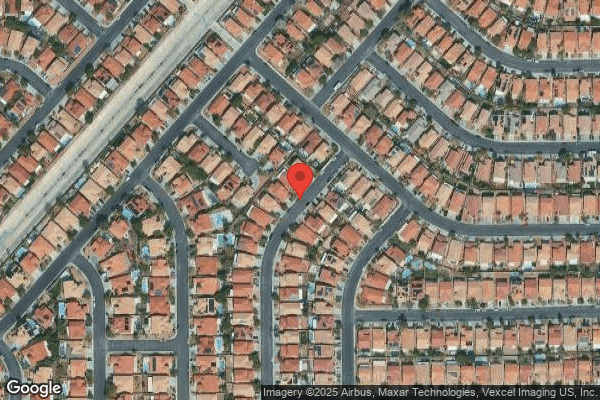

2350 IONE ROAD, LAS VEGAS, NV 89123 (702) 790-3000
For profit - Corporation 60 Beds PACS GROUP Data: November 2025
Trust Grade
75/100
#24 of 65 in NV
Last Inspection: May 2025

Inspected within the last 6 months. Data reflects current conditions.

Overview

Sage Creek Post-Acute in Las Vegas has a Trust Grade of B, indicating it is a good choice for families looking for care, though there may be some areas for improvement. It ranks #24 out of 65 facilities in Nevada, putting it in the top half, and #18 out of 42 in Clark County, suggesting that there are only a few local options that are better. Unfortunately, the facility is experiencing a worsening trend in health and safety issues, increasing from 7 concerns in 2024 to 9 in 2025. Staffing is rated at 2 out of 5 stars, which is below average, with a turnover rate of 52%, similar to the state average, indicating that staff may not stay long enough to develop strong relationships with residents. While the facility has no fines on record, which is a positive sign, there were specific concerns found during inspections, such as failing to maintain a resident's Do Not Resuscitate status in their medical records, potentially compromising their care preferences, and not ensuring proper drainage for a resident with a catheter, which could lead to infections. Overall, while there are strengths in the facility, particularly in its ability to avoid fines, families should carefully consider the identified weaknesses and trends.

Trust Score
B
75/100
In Nevada
#24/65
Top 36%
Safety Record
Low Risk
No red flags
Inspections
Getting Worse
7 → 9 violations
Staff Stability
⚠ Watch
52% turnover. Above average. Higher turnover means staff may not know residents' routines.
Penalties
✓ Good
No fines on record. Clean compliance history, better than most Nevada facilities.
Skilled Nurses
✓ Good
Each resident gets 66 minutes of Registered Nurse (RN) attention daily — more than 97% of Nevada nursing homes. RNs are the most trained staff who catch health problems before they become serious.
Violations
⚠ Watch
20 deficiencies on record. Higher than average. Multiple issues found across inspections.
★★★★☆
4.0
Overall Rating
★★☆☆☆
2.0
Staff Levels
★★★★☆
4.0
Care Quality
★★★★☆
4.0
Inspection Score
Stable
2024: 7 issues
2025: 9 issues

The Good

  • 4-Star Quality Measures · Strong clinical quality outcomes
  • Full Sprinkler Coverage · Fire safety systems throughout facility
  • No fines on record

Facility shows strength in quality measures, fire safety.

The Bad

Staff Turnover: 52%

Near Nevada avg (46%)

Higher turnover may affect care consistency

Chain: PACS GROUP

Part of a multi-facility chain

Ask about local staffing decisions and management

The Ugly 20 deficiencies on record

May 2025 7 deficiencies
CONCERN (D)

Potential for Harm - no one hurt, but risky conditions existed

Deficiency F0578 (Tag F0578)

Could have caused harm · This affected 1 resident

**NOTE- TERMS IN BRACKETS HAVE BEEN EDITED TO PROTECT CONFIDENTIALITY** Based on observation, interview, record review, and document review, the facility failed to ensure a completed Physician Orders ...

Read full inspector narrative →
**NOTE- TERMS IN BRACKETS HAVE BEEN EDITED TO PROTECT CONFIDENTIALITY** Based on observation, interview, record review, and document review, the facility failed to ensure a completed Physician Orders for Life-Sustaining Treatment (POLST) form reflecting the resident's do not resuscitate (DNR) status was obtained and maintained in the medical record for 1 of 18 sampled residents (Resident 147). The failed practice had the potential to result in the resident not receiving care consistent with the resident's resuscitation preferences. Findings include: Resident 147 (R147) R147 was admitted [DATE], with diagnosis including osteomyelitis of vertebra lumbar region, lack of coordination, and abnormalities of gait and mobility. On 05/13/2025 at 8:48 AM, R147 was observed walking in the room. R147 was alert and oriented and participated in conversation. R147 reported was admitted to the facility the previous night. The electronic medical record documented R147's code status as DNR. A Care Plan dated 05/13/2025, lacked documented evidence the DNR code status determination was included in the care plan. The medical record lacked documented evidence a POLST form was completed for R147 at admission. On 05/15/2025 at 10:21 AM, the Medical Records Director confirmed R147's medical record lacked documented evidence a POLST form was completed. On 05/15/2025 at 12:50 PM, the DON explained the facility's procedure to complete a POLST form included the document must have been signed by both the resident and the medical provider. Completion of the POLST should have been done prior to a DNR status entered in the electronic medical record, to confirm the resident's decision of DNR. The DON explained residents were to remain a full code in the electronic medical record until the POLST form with a DNR determination was signed by both the medical provider and the resident. The DON confirmed the medical record lacked documented evidence the DNR code status was care planned for R147. The DON acknowledged R147 should have had a POLST form completed at admission. The DON acknowledged an incorrect code status determination had the potential to place the resident at risk of not having clear directives in place based on their preferences. A facility policy titled Advanced Directives revised September 2022, documented the resident had the right to formulate an advance directive, including the right to accept or refuse medical or surgical treatment. Advanced directives were honored in accordance with state law and facility policy.
CONCERN (D)

Potential for Harm - no one hurt, but risky conditions existed

Safe Environment (Tag F0584)

Could have caused harm · This affected 1 resident

**NOTE- TERMS IN BRACKETS HAVE BEEN EDITED TO PROTECT CONFIDENTIALITY** Based on observation, interview, record review, and document review, the facility failed to obtain and review health and vaccina...

Read full inspector narrative →
**NOTE- TERMS IN BRACKETS HAVE BEEN EDITED TO PROTECT CONFIDENTIALITY** Based on observation, interview, record review, and document review, the facility failed to obtain and review health and vaccination status at the time of admission for a companion pet residing with a resident for 1 of 18 sampled residents (Resident 3). The failed practice created a potential risk for the spread of animal transmitted disease and compromised safety and well-being of other residents and staff. Findings include: Resident 3 (R3) R3 was admitted [DATE], with diagnosis including encounter for orthopedic aftercare following surgical amputation and acute osteomyelitis left ankle and foot, severe sepsis without septic shock, and chronic systolic congestive heart failure. On 05/13/2025 at 9:00 AM, R3 was observed in bed, pleasant and welcoming. R3 lifted the blankets and revealed a small dog. R3 explained the dog was an alert dog, a companion, and had been with R3 since admission to the facility. A Health Certificate dated 05/13/2025 (15 days post admission), documented lab test results and vaccination records for R3's companion dog. R3's medical record lacked documented evidence the health and vaccination status of R3's dog was received and reviewed by the facility at R3's admission on [DATE] and prior to 05/13/2025. On 05/14/2025 at 12:21 PM, the Assistant Director of Nursing (ADON)/Infection Preventionist (IP), explained service animals were allowed on a case-by-case basis at the discretion of the Administrator. The process of allowing a pet to reside at the facility included assessment of the resident's ability to care for the dog independently and review of health and vaccination records for the dog to ensure safety for all. The ADON/IP explained R3 had a companion dog residing with R3 due to anxiety. The ADON/IP reported during the process of admission, the dog's vaccine records were to be reviewed and a copy kept with the receptionist. On 05/16/2025 at 8:30 AM, the Director of Nursing (DON), acknowledged the health and vaccination record for R3's dog was not received by the facility until 05/13/2025. The DON confirmed review of the health and vaccination record was to be completed upon admission. The DON explained the consequences of having a dog at the facility could be catastrophic, up to and including death, if anyone was bit by a dog with rabies or other diseases. The DON reported the facility could have done better to review and document the results of the health and vaccination records of the animal. On 05/16/2025 at 4:15 PM, the Receptionist explained kept all animal health records at the reception desk. The Receptionist confirmed had received R3's dog companion's health and vaccine record on 05/13/2025. The Receptionist acknowledged the health and vaccination record should have been received upon R3's admission and was not received by the facility until 05/13/2025. On 05/16/2025 at 4:30 PM, the ADON/IP acknowledged the health and vaccination record for R3's dog had not been received at the facility until 05/13/2025. A facility policy titled Pets, Animals, and Plants, dated 2001, included animals had to be in good health, received a health evaluation by a licensed veterinarian within the past year and have proof of vaccination for animal-borne diseases and negative tests for enteric parasites.
CONCERN (D)

Potential for Harm - no one hurt, but risky conditions existed

Incontinence Care (Tag F0690)

Could have caused harm · This affected 1 resident

**NOTE- TERMS IN BRACKETS HAVE BEEN EDITED TO PROTECT CONFIDENTIALITY** Based on observation, interview, record review and document review, the facility failed to ensure a urinary bag and tubing were ...

Read full inspector narrative →
**NOTE- TERMS IN BRACKETS HAVE BEEN EDITED TO PROTECT CONFIDENTIALITY** Based on observation, interview, record review and document review, the facility failed to ensure a urinary bag and tubing were positioned to allow for proper drainage of urine and a physician's order for routine perineal care (the cleaning of the area between the anus and genitals to prevent infections) and a securement device was followed for a resident with an indwelling catheter for 1 of 18 residents (Resident 16). The deficient practice placed the resident at risk for a urinary tract infection (UTI). Findings include: Resident 16 (R16) R16 was admitted on [DATE] and readmitted on [DATE], with diagnoses including neuromuscular dysfunction of the bladder, urine retention and encounter for attention to other artificial openings of the urinary tract. A nursing admission assessment dated [DATE], revealed R16 was admitted with an indwelling catheter. A physician's order dated 03/29/2025, documented indwelling urinary (Foley) catheter care: cleanse with soap and water every shift. A physician's order dated 03/29/2025, documented to secure indwelling catheter tubing using anchoring device to prevent movement and urethral traction. On 05/14/2025 at 8:04 AM, R16 laid in bed with head of bed elevated approximately 30 degrees. A covered urinary bag was observed hanging on the right side of R16's bed and dark yellow urine was observed throughout the Foley catheter tubing. R16's urine was not draining into the urinary bag; the bag was positioned higher than the distal portion of the urinary tubing which was dangling on the floor. R16 explained staff cleaned catheter insertion site during shower days on Wednesdays and Saturdays and when incontinence care was provided after bowel movements. R16 stated staff did not wash perineal area with soap and water every shift and certainly not last night or the day before. On 05/14/2025 at 8:18 AM, the certified nursing assistant (CNA) assigned to R16 gathered supplies to perform perineal care. The CNA prepared two basins, one with warm soapy water and the other contained rinse water. The CNA cleaned the resident's perineal area from inside out changing wash cloths as needed and later cleaned the urinary tubing. The CNA verbalized peri care was expected to be done once every shift, to which R16 responded the night shift CNA and the CNA yesterday did not perform perineal care to the resident. The CNA indicated being assigned to R16 the day before and acknowledged failing to perform perineal care to R16 on 05/13/2025 but could not speak on behalf of the night shift CNA. On 05/14/2025 at 8:30 AM, the CNA emptied the urinary bag and described the contents as 100 cubic centimeters (cc) of dark yellow urine. The CNA confirmed the urinary tubing was filled with stagnant urine from the catheter insertion site throughout the length of the tubing and was dangling on the floor. The CNA indicated urine was not properly draining into the urinary bag because the bag was positioned higher than the portion of the tubing which was on the floor. The CNA explained the urinary tubing had dangled to the ground because there was no securement device which was typically placed on the resident's thigh to ensure stabilization of the tubing and proper positioning. The CNA confirmed orders for a securement device and perineal wash were not followed for R16. On 05/14/2025 at 8:35 AM, the Assistant Director of Nursing (ADON) indicated an anchoring device was used for all residents who had a Foley catheter for the purpose of stabilizing the urinary tubing to prevent tugging, discomfort, and to facilitate proper drainage of urine due to gravity. The ADON indicated staff were expected to monitor every resident's indwelling catheter to be positioned properly to allow for proper drainage because backed up urine in the tubing placed residents at risk for developing a UTI. The ADON indicated washing the perineal area with soap and water was standard care for all residents with an indwelling catheter and should be done each shift to ensure the insertion site remained clean thereby avoiding a UTI. R16's medication administration record (MAR) revealed perineal care was provided to R16 on 05/13/2025 on day shift. On 05/14/2024 at 11:25 AM, the Licensed Practical Nurse (LPN) acknowledged signing for R16's perineal care on 05/13/2025 based on the CNA's report the task was performed. On 05/14/2024 at 11:46 AM, the CNA confirmed telling the LPN perineal care was completed when it was missed on 05/13/2025 on day shift. The CNA acknowledged this was a mistake on the CNA's part. On 05/16/2025 at 7:10 AM, the LPN was inside R16's room when R16 told the surveyor the night shift CNA did not perform perineal wash on the resident. The LPN indicated the night CNA had left the facility at 6:00 AM and was not available for interview. The Urinary Catheter Care policy revised August 2022, documented catheter care served the purpose of preventing urinary catheter-associated complications such as UTI. The procedure required using a clean washcloth with warm water and soap to cleanse and rinse the catheter insertion site for routine daily hygiene, ensure the catheter remained stabilized with a securement device, and position the drainage bag to allow for proper drainage and prevent urine from flowing back.
CONCERN (D)

Potential for Harm - no one hurt, but risky conditions existed

Deficiency F0692 (Tag F0692)

Could have caused harm · This affected 1 resident

**NOTE- TERMS IN BRACKETS HAVE BEEN EDITED TO PROTECT CONFIDENTIALITY** Based on observation, interview, record review, and document review, the facility failed to ensure accurate documentation a prot...

Read full inspector narrative →
**NOTE- TERMS IN BRACKETS HAVE BEEN EDITED TO PROTECT CONFIDENTIALITY** Based on observation, interview, record review, and document review, the facility failed to ensure accurate documentation a protein supplement had been administered without direct observation of the resident's consumption of the protein supplement for 1 of 18 sampled residents (Resident 11). The deficient practice had the potential to compromise the resident's nutritional status and weight. Findings include: Resident 11 (R11) was admitted to the facility on [DATE] with a weight of 231.2 pounds (lbs.) and diagnoses of Parkinsonism, infection and inflammatory reaction due to internal right hip prosthesis, and cirrhosis of the liver. A nutritional assessment for R11, completed on 04/13/2025, referenced the resident was wearing well fitted dentures, required cues at meals to feed self, did not have any swallowing issues, had surgical wounds, and was at risk for malnutrition. A weight change note on 04/10/2025 indicated R11's weight was 222.3 lbs. while food intake was 50 to 100%. Recommendation was for R11 to continue with the current diet regimen and if R11's weight continues to trend down, adjustments to the diet regimen included increased calories for weight maintenance. A weight change note on 04/17/2025 noted R11's weight was 215.2 lbs. while food intake had declined to 25 to 100%. Recommendation was for R11 to add Ensure 500 kilocalories (Kcals) with 18 grams (g) of protein two times a day for wound healing and risk for malnutrition. An order was written by the physician for Ensure two times a day for at risk for malnutrition one carton 240 milliliters (ml). A weight change note on 04/24/2025 indicated R11's weight was 210.6 lbs. while food intake remained at 25 to 100%. Recommendation was for R11 to continue Ensure 500 kcals with 18 g protein two times a day and add a multivitamin with minerals daily for wound healing and risk for malnutrition. A physician Progress note on 05/10/2024 noted R11 has lost 18 lbs. since admitted to the facility on [DATE]. On 05/13/2025 at 01:54 PM, R11 had six unopened Ensure drinks on the over bed table. On 05/14/2025 at 12:15 PM, the Registered Dietitian (RD) indicated R11 was on Ensure twice per day at 9am and 2pm for weight loss and to assist with weight stabilization. R11's weight had hovered around 213 since the multivitamin addition. The RD was not sure the last time was in R11's room and was surprised to hear there were six Ensures on R11's bedside table. The RD stated the expectation was for the staff to document the supplement intake correctly and to notify the RD if the resident was not drinking the supplements. To the RD's knowledge, the family of R11 was not bringing in any supplements/ensure. According to the Medication Administration Record (MAR), as of 05/13/2025, it was documented R11 had been drinking 240ml, which is a whole carton of ensure, everyday twice a day with only three exceptions. On 05/03/2025 AM 200 ml was consumed; on 05/05/2025 PM 100 ml was consumed; and on 05/03/2025 AM zero ml was consumed. On 05/14/2025 at 02:52 PM, R11's Licensed Practical Nurse (LPN) stated when 240 ml is written in the MAR for an Ensure, it is what the resident consumed, not just what was given to the resident. For the May MAR as of 05/13/2025, R11 had not consumed one carton, and consumed less than half of another carton. The rest of the Ensure cartons were completely consumed based off the MAR. The LPN was not sure why there were six Ensure cartons on R11's overbed table. The LPN explained had worked three 12-hour shifts and both of R11's ensure passes are during this LPN's shift. The LPN revealed the shift has a split hall which can be difficult to run back and forth to meet the residents' needs on both sides of the building. The LPN stated relied on the Certified Nursing Assistant (CNA) to let the LPN know how much R11 consumed of the Ensure because it takes R11 a while to finish a carton of Ensure. The LPN explained it could be possible the CNA did not give the LPN the correct information on the amount of Ensure R11 consumed. On 05/14/2025 at 03:31 PM, R11 stated the LPN had come in and removed all the Ensures from the over bed table earlier in the day. R11 also stated only gets the Ensures from the facility, as they would bring them to the room twice a day. R11 revealed no family/friends from outside the facility bring Ensures. On 05/14/2025 in the afternoon, the Director of Nursing (DON) indicated the expectation would be for the nurse to give the drink carton to the resident and make certain the resident had access to it and the resident was able to open and drink it. Then the nurse would need to go back to verify the drink carton was consumed and then document the amount of the drink consumed. R11 had a care plan for malnutrition with an intervention to provide diet, supplements, and vitamins/minerals per physician order. The facility policy titled Documentation of Medication Administration, revised November 2022, documented the administration of medication would be documented immediately after it is consumed.
CONCERN (D)

Potential for Harm - no one hurt, but risky conditions existed

Deficiency F0694 (Tag F0694)

Could have caused harm · This affected 1 resident

**NOTE- TERMS IN BRACKETS HAVE BEEN EDITED TO PROTECT CONFIDENTIALITY** Based on observation, interview, record review, and document review, the facility failed to obtain physician orders for the inse...

Read full inspector narrative →
**NOTE- TERMS IN BRACKETS HAVE BEEN EDITED TO PROTECT CONFIDENTIALITY** Based on observation, interview, record review, and document review, the facility failed to obtain physician orders for the insertion of intravenous (IV) lines for 2 of 18 sampled residents (Resident 149 and 150). The failed practice had the potential to result in inappropriate medical treatment and compromised resident safety. Findings include: Resident 149 (R149) R149 was admitted [DATE] and readmitted [DATE], with diagnosis including dysphagia following unspecified cerebrovascular disease, chronic obstructive pulmonary disease with acute exacerbation, and pneumonia. On 05/13/2025 at 9:55 AM, R149 was observed in bed. R149 had an IV line on top of the right hand, covered with an undated bandage. A small amount of blood was visible in the line. R149 reported the IV line was previously used for medication but was no longer used. R149 explained the IV leaked fluids at times, was slightly painful, and R149 felt a bump at the insertion site that changed and varied in size from small to large. R149's medical record lacked documented evidence a physician order was obtained for insertion of the IV line. R149's medical record lacked documented evidence the IV line was inserted. On 05/14/2025 at 2:56 PM, A Registered Nurse (RN), confirmed the medical record lacked physician orders and documentation for insertion of R149's IV line. The RN acknowledged a physician's order was to be obtained for the insertion of IV lines. On 05/14/2025 at 3:09 PM, the Assistant Director of Nursing (ADON)/Infection Preventionist (IP), confirmed R149's medical record lacked documented evidence a physician order was obtained for insertion of the IV line. The ADON/IP acknowledged a physician order should have been obtained for the insertion of the IV line. Resident 150 (R150) R150 was admitted [DATE], with diagnosis including displaced mid-cervical fracture of left femur, subsequent encounter for closed fracture with routine healing, iron deficiency anemia, and dysphagia. On 05/13/2025 at 10:13 AM, R150 had an IV line on the left arm. R150 reported was unsure whether the IV line was still being used or not. R150's medical record lacked documented evidence a physician order was obtained for insertion of the IV line. On 05/14/2025 at 2:03 PM, a Registered Nurse (RN), acknowledged a physician order should have been obtained for the insertion of an IV line. On 05/15/2025 at 4:25 PM, the ADON/IP, confirmed the medical record lacked physician orders for insertion of R150's IV line. The ADON/IP acknowledged a physician order should have been obtained for insertion of R150's IV line. A facility policy titled Peripheral IV Catheter Insertion dated 2001, documented a provider's order was necessary for the procedure to start an IV. Documentation included the date and time of the procedure, the type, length and gauge of the catheter, type of antiseptic agent used, and the signature and title of the person recording the data.
CONCERN (D)

Potential for Harm - no one hurt, but risky conditions existed

Deficiency F0757 (Tag F0757)

Could have caused harm · This affected 1 resident

**NOTE- TERMS IN BRACKETS HAVE BEEN EDITED TO PROTECT CONFIDENTIALITY** Based on observation, interview, document review and record review, the facility failed to ensure resident was free from unneces...

Read full inspector narrative →
**NOTE- TERMS IN BRACKETS HAVE BEEN EDITED TO PROTECT CONFIDENTIALITY** Based on observation, interview, document review and record review, the facility failed to ensure resident was free from unnecessary medications. Specifically, a pain medication prescribed for severe pain was administered to 1 of 18 sampled residents (Resident 16) when resident was not experiencing a specific level of pain as ordered by the physician. The deficient practice exposed the resident to potential adverse effects of opioid use, including constipation and narcotic dependence. Findings include: Resident 16 (R16) R16 was admitted to the facility on [DATE], and readmitted on 03/28/ 2025, with diagnoses including osteoarthritis of the knee, (a chronic condition marked by joint pain, stiffness, and decreased mobility). R16's medical record documented Brief Interview for Mental Status (BIMS) of 10 (moderate cognitive impairment). The hospital discharge summary (undated) documented R16 experienced right hip pain without evidence of fracture following a mechanical fall. A Physician's order dated 03/28/2025, documented to give Hydrocodone-Acetaminophen 5-325 (Opioid pain medication) Milligrams (mg) one tablet by mouth every six hours as needed for severe pain, defined as a pain level of 7-10 on the pain scale (a scale used to determine a resident's level of pain with 0 being no pain and 10 being most pain). R16's Medication Administration Record (MAR) for March 2025, to May 2025 revealed Hydrocodone-Acetaminophen was administered to R16 outside of the prescribed pain scale parameters of 7-10 level on the following dates: -03/30/2025 Pain level 2 at 10:21 AM -04/04/2025 Pain level 5 at 2:32 PM -04/11/2025 Pain level 6 at 2:31 AM -04/11/2025 Pain level 5 at 9:37 AM -04/12/2025 Pain level 4 at 4:17 AM -04/13/2025 Pain level 6 at 4:52 PM -04/14/2025 Pain level 6 at 2: 16 AM -04/17/2025 Pain level 4 at 4:19 AM -04/17/2025 Pain level 6 at 2:38 PM -04/18/2025 Pain level 6 at 9:08 PM -04/19/2025 Pain level 6 at 4:44 AM -04/19/2025 Pain level 6 at 4:18 PM -04/20/2025 Pain level 0 at 9:02 AM -04/242025 Pain level 6 at 4:54 AM -04/24/2025 Pain level 6 at 9:23 PM -04/25/2025 Pain level 6 at 5:47 AM -04/25/2025 Pain level 6 at 9:23 PM -04/26/2025 Pain level 0 at 4: 13 PM -05/01/2025 Pain level 5 at 10:15 PM -05/02/2025 Pain level 5 at 5:01 AM -05/02/2025 Pain level 6 at 6:09 PM -05/03/2025 Pain level 5 at 12:28 AM -05/03/2025 Pain level 5 at 7:25 PM -05/07/2025 Pain level 6 at 10:25 PM -05/08/2025 Pain level 5 at 5:58 AM -05/08/2025 Pain level 6 at 9:07 PM -05/09/2025 Pain level 5 at 3:33 AM -05/09/2025 Pain level 5 at 11:15 PM -05/10/2025 Pain level 5 at 6:11 AM On 05/13/2025 at 9:28 AM, R16 verbalized pain was from right leg and forthcoming appointment with physician for knee shot. On 05/14/2025 at 3:23 PM, the Assistant Director of Nursing (ADON) explained the expectation was for nurses to administer Hydrocodone-Acetaminophen to R16 at the pain scale level of 7-10 per physician orders. The ADON reviewed R16's MAR, and confirmed the Hydrocodone-Acetaminophen had been administered 30 times between 03/28/2025 through 05/14/2025 outside of the ordered parameters. The ADON indicated nursing staff had not followed physician's orders. The ADON verbalized administering Hydrocodone-Acetaminophen when the resident reported pain below the 7-10 constituted an excessive dosage and was considered unnecessary medication. On 05/14/2025 at 03:36 PM, the Licensed Practical Nurse (LPN) assigned to indicated R16's pain comes from the lower extremities. The LPN indicated nurses who administered Hydrocodone-Acetaminophen to R16 with a pain scale below 7-10 were not following the physician's order. The LPN explained the process when the resident's pain level is below 7, the resident should be given Acetaminophen and non-pharmacological interventions such as repositioning, massaging, distracting with activities like TV, and interaction with staff. The LPN indicated Hydrocodone-Acetaminophen was considered a narcotic and controlled medication, typically ordered for severe pain. The LPN stated when Hydrocodone-Acetaminophen was administered for mild to moderate pain or below pain level 7-10, this was considered overmedication or unnecessary medication. On 05/15/2025, at 1:04 PM, the Consultant Pharmacist confirmed nursing staff did not adhere to the physician's orders regarding the administration of Hydrocodone-Acetaminophen for R16. The physician's order specified Hydrocodone-Acetaminophen was to be administered only for pain rated between 7-10 on the pain scale. The Consultant Pharmacist indicated Hydrocodone-Acetaminophen had been administered outside of these specified pain parameters on 30 occasions between 03/ 28/2025, and 05/2025. The Consultant Pharmacist stated these instances are where the administration of unnecessary medication occurs. The Facility policy titled Administering Medications, revised April 2019, documented medications must be administered in strict accordance with the prescribing physician's orders. The Facility policy titled Pain Assessment and Management, revised October 2022, documented residents receiving opioid medications for the long-term management of chronic pain are at increased risk for opioid-related complications, including overdose.
CONCERN (D)

Potential for Harm - no one hurt, but risky conditions existed

Deficiency F0761 (Tag F0761)

Could have caused harm · This affected 1 resident

Based on observation, interviews, and document review, the facility failed to ensure an expired medication for a current resident and medication for a discharged resident was removed from active stock...

Read full inspector narrative →
Based on observation, interviews, and document review, the facility failed to ensure an expired medication for a current resident and medication for a discharged resident was removed from active stock of medications and destroyed or sent back to the pharmacy. The deficient practice put residents at risk of receiving ineffective medications. On 05/16/2025 at 8:20 AM, the South medication room revealed a medication (antibiotic) for a discharged resident in the stock of active medications. There was a medication labeled for a current resident of Daptomycin 400 mg/Normal Saline 100 milliliters (antibiotic) which had a do not use after date of 05/13/2025, mixed in with the active medications. On 05/16/25 at 8:30 AM, the Charge nurse indicated when a resident was discharged , the nurse would be informed by case management of what medications would be going with the resident. Generally, for intravenous medications, the process would be to send back to pharmacy. The charge nurse confirmed medications were present and should have been removed from the active stock. On 05/16/25 at 9:20 AM, the Director of Nursing indicated expired medications and medications for discharged residents would be destroyed or picked up by the pharmacy. The medications for discharged residents should be removed from active stock and to immediately remove expired medication as the efficacy could be impacted. The facility policy titled Storage of Medications (revised November 2020) documented drug containers having missing, incomplete, improper, or incorrect labels were to be returned to the pharmacy for proper labeling. Discontinued, outdated, or deteriorated drugs or biologicals were to be returned to the dispensing pharmacy or destroyed.
Mar 2025 2 deficiencies
CONCERN (D) 📢 Someone Reported This

A family member, employee, or ombudsman was alarmed enough to file a formal complaint

Potential for Harm - no one hurt, but risky conditions existed

Deficiency F0691 (Tag F0691)

Could have caused harm · This affected 1 resident

**NOTE- TERMS IN BRACKETS HAVE BEEN EDITED TO PROTECT CONFIDENTIALITY** Based on interview, record review and document review, the facility failed to ensure nephrostomy care was provided in accordance...

Read full inspector narrative →
**NOTE- TERMS IN BRACKETS HAVE BEEN EDITED TO PROTECT CONFIDENTIALITY** Based on interview, record review and document review, the facility failed to ensure nephrostomy care was provided in accordance with physician's order and facility policy for 1 of 4 sampled residents (Resident 2). The deficient practice placed the resident at risk for complications related to the nephrostomy tubes. Findings include: Resident 2 (R2) R2 was admitted on [DATE], with diagnoses including malignant neoplasm of the bladder and sepsis. A hospital Discharge summary dated [DATE], revealed R2 had bilateral nephrostomy tubes (a thin, flexible tube inserted through the back into the kidneys to allow drainage of urine to bypass a blockage to urine flow). R2's nephrostomy became obstructed and needed to be revised. A physician's order dated 09/22/2024, documented to provide nephrostomy care every shift, may change bag as needed. The Medication Administration Record (MAR) for September 2024, lacked documented evidence nephrostomy care was performed on 09/22/2024 evening shift (PM), 09/23/2024 morning and evening (AM/PM shift) and on 09/24/2024 (PM shift). On 03/13/2025 at 1:14 PM, the Assistant Regional Director of Clinical Services (ARDCS) explained nephrostomy care included emptying the bag, making sure the nephrotomy was draining below the level of the kidney, checking for kinks, and identifying and reporting complications. The ARDCS confirmed there was no documentation nephrostomy care was provided on 09/22/2024 (PM shift), 09/23/2024 (AM/PM shift) and 09/24/2024 (PM shift). The ARDCS indicated nephrostomy care ensured complications such as infections and skin breakdown were prevented and should be carried out as ordered. The Care of Nephrostomy Tube policy revised October 2010, documented a physician's order was required for nephrostomy care procedure. Nephrostomy care included: 1) Check placement of the tubing and integrity of the tape during assessments, 2) Ensure drainage is below the level of kidneys, 3) Check for kinks, 4) Empty drainage bag, 5) Change drainage bag monthly or as needed and 6) notify physician of complications such as dislodgement. Complaint #NV00072509
CONCERN (D) 📢 Someone Reported This

A family member, employee, or ombudsman was alarmed enough to file a formal complaint

Potential for Harm - no one hurt, but risky conditions existed

Deficiency F0694 (Tag F0694)

Could have caused harm · This affected 1 resident

**NOTE- TERMS IN BRACKETS HAVE BEEN EDITED TO PROTECT CONFIDENTIALITY** Based on observation, interview, record review and document review, the facility failed to ensure 1) an intravenous (IV) medicat...

Read full inspector narrative →
**NOTE- TERMS IN BRACKETS HAVE BEEN EDITED TO PROTECT CONFIDENTIALITY** Based on observation, interview, record review and document review, the facility failed to ensure 1) an intravenous (IV) medication bag was labeled with the resident's name for 1 of 4 sampled residents (Resident 4) and 2) the facility's policies on peripheral IV insertion and removal were followed for 1 of 4 sampled residents (Resident 2). The deficient practice placed residents at risk for medication errors and complications related to IV accesses. Findings include: Resident 4 (R4) R4 was admitted on [DATE], with diagnoses including diverticulitis (an inflammation or infection of one or more small pouches in the digestive tract) of large intestines. On 03/13/2025 at 8:27 AM, a Licensed Practical Nurse (LPN) was preparing to administer Ciprofloxacin IV 400 milligrams (mg)/200 milliliters (ml) reconstituted solution to R4. The IV medication was pre-packaged in an aluminum container with a sticker label taped in front. After removing the IV medication bag from the aluminum package, the LPN affixed the sticker label unto the IV medication bag. The sticker label contained the resident's name, medication name, dose, route and frequency. After priming the IV tubing, the LPN entered R4's room. On 03/13/2025 at 8:46 AM, an empty IV medication bag attached to IV tubing was observed hanging on an IV pole at the right side of R4's bed. The IV bag read Metronidazole 500 mg/100 ml, the IV bag did not have a sticker label bearing the resident's name. The LPN confirmed the observation. On 03/13/2025 at 8:48 AM, the LPN explained reconstituted IV antibiotics such as Metronidazole and Ciprofloxacin came in aluminum packs for protection and were always delivered with a sticker label bearing the resident's name and order specifications. The LPN stated the facility process required nurses to remove the sticker label from the original package and affix the sticker on the IV bag. According to the LPN, the practice ensured the six rights of medication administration (right medication, right patient, right time, right dose, right route and right frequency) were being followed. The LPN indicated the medication administration record revealed the Metronidazole was last administered to R4 on 03/13/2025 at 6:19 AM by the night shift nurse. A physician's order dated 03/10/2025, documented to give Metronidazole Solution 500 mg/100 ml, intravenously every eight hours for diverticulitis for seven days. On 03/13/2025 at 2:21 PM, the Assistant Regional Director of Clinical Services (ARDCS) indicated the night nurse should have taken the sticker label from the original package and affixed the label on the IV medication bag to demonstrate the medication was prescribed and intended for R4. According to the ARDCS, administering unlabeled IV medication bags went against the facility practice. The Administering Medications policy documented the individual administering the medication must verify the resident's identity before administering the medication and verify the medication was for the right resident, right medication, right time, right method prior to administering medication. Medications ordered for a particular resident may not be administered to another resident. Resident 2 (R2) R2 was admitted on [DATE], with diagnoses including malignant neoplasm of the bladder and sepsis. A hospital Discharge summary dated [DATE], documented R2 was treated for sepsis and was being monitored by infectious disease team. R2 had completed antibiotic therapy and R2's discharge medications did not include any intravenous (IV) medications. The admission assessment dated [DATE], lacked documented evidence R2 was admitted with an IV access. A physician's order dated 09/20/2024, documented to change peripheral IV access every 72 hours and as needed for dislodgement, may extend for seven days for poor venous access as needed. Rotate IV site. A physician's order dated 09/21/2024, documented to give Piperacillin Sodium-Tazobactam reconstituted solution 3.375 grams intravenously every eight hours for leukocytosis (elevated white blood cells indicative of infection) for seven days. A physician's order dated 09/21/2024, documented normal saline flushes, use 10 milliliter (ml) IV every 12 hours for patency. First administration morning shift on 09/21/2024. The medical record lacked documented evidence a physician's order to insert a new peripheral line or discontinue an existing peripheral line was obtained and carried out. On 03/13/2025 at 2:08 PM, the Charge Registered Nurse (RN) recalled being assigned to R2 on a few occasions, but the RN could not recall if R2 was admitted with an IV access or whether the resident's IV line was inserted at the facility. The RN emphasized R2 had an IV access because the RN recalled administering IV medications to R2. On 03/13/2025 at 1:49 PM, the Assistant Regional Director of Clinical Services (ARDCS) confirmed R2's medical record reflected R2 was not admitted with an IV access. The ARDCS acknowledged there was no evidence a physician's order was obtained to remove an existing peripheral line or to insert a new one. The ARDCS indicated peripheral lines were intended for short term use and were typically replaced every 72 hours unless the physician ordered to maintain the line for longer use. The ARDCS indicated documentation requirements for peripheral line insertion and/or removal were not followed in the case of R2. The Peripheral IV Catheter Removal policy dated 2001, listed documentation requirements to include any communication with the physician, date and time of the procedure, location of catheter, which was removed, reason for removal (end of treatment, complication, rotation of site, etc.). The Peripheral IV Catheter Insertion policy dated 2001, listed documentation requirements to include provider's order, date and time of procedure, type, length and gauge of catheter, insertion site (specific vein and limb), number of attempts, condition of IV site, resident's response to the procedure and signature and title of person who performed the procedure.
Sept 2024 1 deficiency
CONCERN (D) 📢 Someone Reported This

A family member, employee, or ombudsman was alarmed enough to file a formal complaint

Potential for Harm - no one hurt, but risky conditions existed

Quality of Care (Tag F0684)

Could have caused harm · This affected 1 resident

**NOTE- TERMS IN BRACKETS HAVE BEEN EDITED TO PROTECT CONFIDENTIALITY** Based on interviews, record review, and document review, the facility failed to ensure wound care physician orders were being im...

Read full inspector narrative →
**NOTE- TERMS IN BRACKETS HAVE BEEN EDITED TO PROTECT CONFIDENTIALITY** Based on interviews, record review, and document review, the facility failed to ensure wound care physician orders were being implemented daily for two sampled residents (resident 1 and resident 2). The deficient practice increased the risk of further skin breakdown and infections. Findings include: Resident 1 (R1) R1 was admitted on [DATE] and readmitted on [DATE] with diagnoses including rhabdomyolysis (breakdown of muscle tissue), and sepsis. A physician order dated 08/28/2024 documented to apply ace wraps to bilateral lower extremities due to swelling every shift. A physician order dated 09/06/2024 documented to apply Triad and antifungal powder to right flank and leave open to air. The medical record lacked documented evidence of ace wrap or treatment to right flank was performed on the following dates: - 09/07/2024 - 09/08/2024 - 09/12/2024 - 09/13/2024 A physician order dated 09/06/2024, documented to clean left lateral foot with wound cleanser or normal saline, pat dry, apply skin prep and leave open to air every Wednesday, Friday, and Sunday. A physician order dated 09/06/2024, documented to cleanse right heel with wound cleanser or normal saline, pat dry, apply triad and honey, cover with foam dressing every Wednesday, Friday, and Sunday. A physician order dated 09/06/2024 documented to clean right lateral foot with wound cleanser or normal saline, pat dry, apply triad and honey, and cover with foam dressing every Wednesday, Friday, and Sunday. A physician order dated 09/06/2024 documented to cleanse coccyx with normal saline or wound cleanser, pat dry, apply triad to peri-wound, honey gel to wound base, and cover with border gauze then a foam dressing every Wednesday, Friday, and Sunday. A physician order dated 09/06/2024 documented to cleanse left heel with normal saline or wound cleanser, pat dry, and cover with a foam dressing every Wednesday, Friday, and Sunday. A physician order dated 09/06/2024 documented to cleanse left lateral knee with betadine, apply calcium alginate and cover with a foam dressing every Wednesday, Friday, and Sunday. A physician order dated 09/06/2024 documented to cleanse spine with normal saline or wound cleanser, pat dry, apply triad to peri-wound, honey-gel to wound base and cover with a border gauze and then a foam dressing every Wednesday, Friday, and Sunday. The medical record lacked documented evidence physician orders were implemented on 09/08/2024 (Sunday) and 09/13/2024 (Friday) regarding multiple wounds for R1. Resident 2 (R2) R2 was admitted on [DATE] with diagnoses including muscle weakness and end stage renal disease. A physician order dated 09/09/2024 documented to cleanse right groin puncture site with normal saline or wound cleanser, pat dry, apply dry dressing daily and as needed. The medical record revealed no regular treatment or as needed treatment was completed on the following dates: - 09/13/2024 - 09/14/2024 - 09/15/2024 A physician order dated 09/09/2024 documented to cleanse coccyx with normal saline or wound cleanser, pat dry, apply zinc and leave open to air daily. The medical record lacked documented evidence wound care was performed on the following dates: - 09/13/2024 - 09/15/2024 - 09/20/2024 - 09/21/2024 - 09/25/2024 On 09/26/2024 at 9:55 AM, a wound care Licensed Practical Nurse (LPN) indicated being familiar with R1 and R2. The LPN verbalized there was coverage every day of the week for wound care. One nurse would work the first part of the week (Monday, Tuesday, and Wednesday) and would double up on Wednesday for weekly rounds with the wound physician. A different nurse would work Wednesday, Thursday and Friday. The wound nurse indicated there would be coverage on the weekend as well. On 09/26/2024 at 12:51 the LPN indicated when treatment was done it would be documented in the treatment administration record (TAR). The LPN acknowledged there were missing dates for R1 and R2. The LPN explained the process would be to document in the TAR or a progress note and if it was not in either place, the treatment would be considered as not being completed. The LPN confirmed for the dates in question, wound care was not completed for R1 or R2 and there were no progress notes to explain the missing dates. The LPN explained there was a period in September where the facility was in the process of replacing a wound nurse and when new staff was in place, some of the wound treatments might have been missed. On 09/26/2024 at 1:49 PM the Director of Nursing (DON) explained the expectation of nursing staff would be to document in TAR when wound care was completed or make a progress note to explain why wound care was not performed as ordered. The DON acknowledged the missing dates in the treatment administration record and verbalized it was not acceptable. The DON indicated consequences of not following the physician orders could potentially cause skin breakdown and further injury. The facility policy titled Wound Care Purpose (revised October 2010) documented to verify physician order, to document type of wound care given, date and time wound care was provided, name and title of person providing wound care, any changes in condition and assessment data of wound observation. The stated purpose of policy was to promote healing of wounds.
Jun 2024 6 deficiencies
CONCERN (D)

Potential for Harm - no one hurt, but risky conditions existed

Deficiency F0688 (Tag F0688)

Could have caused harm · This affected 1 resident

**NOTE- TERMS IN BRACKETS HAVE BEEN EDITED TO PROTECT CONFIDENTIALITY** Based on observation, interview, record review, and document review, the facility failed to ensure a splint was applied to treat...

Read full inspector narrative →
**NOTE- TERMS IN BRACKETS HAVE BEEN EDITED TO PROTECT CONFIDENTIALITY** Based on observation, interview, record review, and document review, the facility failed to ensure a splint was applied to treat a fractured shoulder as ordered for 1 of 15 sampled residents (Resident 22). The deficient practice may increase the risk of further injury, delayed healing, and potential complications related to the untreated fracture. Findings include: Resident 22 (R22) R22 was admitted on [DATE], with diagnoses including a history of falling and a nondisplaced fracture of the greater tuberosity of the left humerus (left upper arm bone). The Brief Interview of Mental Status dated 05/23/2024, documented a score of 15/15, which indicated R22's cognitive status was intact. A Physician order dated 06/20/2024, documented non-weight bearing of the left upper extremity with the left arm sling on at all times. Release every shift and check for skin integrity. On 06/25/2024 at 12:05 PM, R22 was in bed and indicated having fallen at home, which sustained a left fractured shoulder. R22 indicated could barely walk without assistance. R22 indicated had been using a sling, but it was not applied daily. On 06/26/2024 at 10:00 AM, R22 was in bed, awake, and verbally responsive. No sling was in place. R22 revealed the fractured shoulder continued to cause pain, and the sling was inconsistently applied. On 06/26/2024 at 1:45 PM, a Licensed Practical Nurse (LPN) indicated R22 had a fractured shoulder on the left shoulder due to a previous fall incident at home. The LPN confirmed R22 was required to wear a sling at all times, but it was not in place. The LPN indicated R22 was wearing a sling earlier but could not find the sling in place or in R22's room. The LPN had instructed the Certified Nursing Assistant (CNA) to look for the sling. On 06/26/2024 at 1:50 PM, the Director of Staff Development (DSD) indicated R22's sling was applied this morning but was uncertain as to why the sling was not in place. The DSD indicated the staff was responsible for applying the sling and should have ensured placement as ordered. On 06/26/2024 at 2:05 PM, another CNA tried to look for a sling and applied it to R22. On 06/27/2024 at 2:30 PM, R22 was in bed with a sling in place. The sling was loose. R22 indicated the sling was not fitting properly, was not the right kind, and was not helping with the fractured shoulder. The LPN confirmed the observation. On 06/28/2024 at 8:58 AM, the Director of Rehabilitation Services (DORS) indicated R22's left fractured shoulder was due to a fall incident at home and the reason for hospitalization. The DORS indicated R22 was weak and required maximum assistance with lower body dressing, toileting, bed mobility, and only ambulating five feet during the initial evaluation. The DORS indicated the licensed nurse or therapist was responsible for ensuring the sling was applied as ordered to immobilize R22's fractured shoulder to prevent further injury. A facility policy titled Assistive Devices and Equipment, revised in January 2020, documented the facility maintained and supervised the use of assistive devices and equipment for residents.
CONCERN (D)

Potential for Harm - no one hurt, but risky conditions existed

Accident Prevention (Tag F0689)

Could have caused harm · This affected 1 resident

**NOTE- TERMS IN BRACKETS HAVE BEEN EDITED TO PROTECT CONFIDENTIALITY** Based on observation, interview, record review, and document review, the facility failed to ensure fall interventions and manage...

Read full inspector narrative →
**NOTE- TERMS IN BRACKETS HAVE BEEN EDITED TO PROTECT CONFIDENTIALITY** Based on observation, interview, record review, and document review, the facility failed to ensure fall interventions and management had been implemented when a resident's risk factors were identified upon admission and categorized as high risk for falls for 1 of 15 sampled residents (Resident 22). The deficient practice could have the potential for further fall incidents and inadequate management of existing fall-related injuries. Findings include: Resident 22 (R22) R22 was admitted on [DATE], with diagnoses including a history of falling and a nondisplaced fracture of the greater tuberosity of the left humerus (left upper arm bone). A Care Plan dated 05/16/2024, documented R22 was at risk for falls related to altered balance while standing and/or walking, a history of falls, fractures, weakness, and an unsteady gait. The interventions included keeping the bed in a low position. On 06/25/2024 at 12:05 PM, a yellow star fall indicator was in place by R22's entrance door frame. R22's bed's height was at waist level, no fall mats in place. R22 was in bed and indicated had fallen at home, resulting in a left shoulder fracture. R22 indicated could barely transfer or walk without assistance. On 06/26/2024 at 11:07 AM, R22 was in bed, awake and verbally responsive. R22 indicated the fractured shoulder was painful. R22 indicated had fallen at the facility few days ago. A Licensed Practical Nurse (LPN) confirmed R22's bed's height was in high position and should have been lowered because R22 was a high risk for fall. The Nursing Progress Notes dated 06/19/2024, documented R22 had an unwitnessed fall; R22 was found on the floor; an assessment was performed and R22 was put back to bed. R22's bed was set to the lowest position, and the charge nurse and physician were notified. The Post-Fall-Review dated 06/19/2024, documented a score of 17, which indicated R22 was a high risk of falling. R22 suffered a recent fall. R22 exhibited a loss of balance while standing and required hands-on assistance to move from place to place. A Care Plan revised on 06/20/2024 documented R22 had an unwitnessed fall and was at risk for a change in neurological status, fear of falls, injury, loss of range of motion, pain, and recurring falls. The unwitnessed fall occurred on 06/19/2024. The interventions included keeping the bed in a low position. On 06/26/2023 at 12:52 PM, another LPN indicated the facility fall protocols utilized a fall indicator: a red star indicating high risk and a yellow star indicating moderate risk. The facility kept the fall risk bracelet from the hospital. The LPN explained the fall risk resident was monitored every hour, and the bed was placed in the lowest position with the fall mat in place. If the resident's fall was unwitnessed, a neuroassessment was initiated, risk management was completed, and the physician and the family were notified. On 06/26/2023 at 1:06 PM, a Registered Nurse (RN) confirmed R22 was at high risk for falling due to a recent fall and had fallen at home, which resulted in a shoulder fracture. The RN confirmed R22's bed was not in the lowest position. On 06/26/2024 at 1:31 PM, a Certified Nursing Assistant (CNA) indicated if a resident was at high risk for falling, the resident's bed should have been in a low position to prevent the impact of a fall. The CNA explained the importance of conducting frequent rounds at least every hour to ensure the safety of the residents. On 06/27/24 at 08:02 AM, R22 was seated at the edge of the bed with the breakfast tray set up at the bedside. R22's bed was in a high position, with the head of the bed elevated at 45 degrees. R22 attempted to transfer to the chair by grabbing the rails. Both lower extremities were hanging off the bed and tiptoeing on the floor. A Physical Therapist (PT) walking by in the hallway was called and assisted R22. The PT confirmed R22's bed was in a high position. The PT indicated the staff would be reminded of R22's fall precautions. On 06/28/2024 at 8:58 AM, the Director of Rehabilitation Services (DORS) indicated R22 had sustained a fractured shoulder due to a fall incident at home, which was the reason for hospitalization. The DORS indicated R22 was weak, required maximum assistance with lower body dressing, toileting, and bed mobility, and could only walk five feet. The DORS indicated R22 was a high risk for falls. A facility policy titled Falls and Fall Risks, Managing, revised March 2018, documented based on previous evaluations and current data, the staff would identify interventions related to the resident's specific risks and causes to prevent the resident from falling and to try to minimize complications from falling. The fall risk factors contributed to the risk of falls included incorrect bed height.
CONCERN (D)

Potential for Harm - no one hurt, but risky conditions existed

Incontinence Care (Tag F0690)

Could have caused harm · This affected 1 resident

**NOTE- TERMS IN BRACKETS HAVE BEEN EDITED TO PROTECT CONFIDENTIALITY** Based on observation, interview, record review and document review, the facility failed to ensure perineal care (process of wash...

Read full inspector narrative →
**NOTE- TERMS IN BRACKETS HAVE BEEN EDITED TO PROTECT CONFIDENTIALITY** Based on observation, interview, record review and document review, the facility failed to ensure perineal care (process of washing the genitalia and anal area to maintain hygiene and prevent infections) was provided in accordance with facility procedure for a resident with an indwelling catheter and urinary tract infection (UTI) history for 1 of 15 sampled residents (Resident 15). The deficient practice placed the resident at risk for recurrent UTI. Findings include: Resident 15 (R15) R15 was admitted on [DATE] and readmitted on [DATE], with diagnoses including Alzheimer's disease, chronic kidney disease stage four and urinary tract infection. On 06/25/2024 in the morning, R15 laid awake in bed, was able to respond to simple questions but had difficulty sustaining conversation. A covered indwelling urinary catheter bag was hanging on left side of bed, stabilized by an anchor on left leg. A Physician Order dated 05/25/2024, documented to cleanse indwelling catheter site with warm soap and water. Rinse then pat dry, every shift. On 06/27/2024 at 10:30 AM, a Certified Nursing Assistant (CNA) prepared two basins, one with warm water and the other with soap and water. Upon pulling up R15's gown, the urinary catheter was observed to be kinked and looped around the anchor stabilizer. The CNA confirmed the catheter tubing was kinked and looped around the anchor stabilizer causing urine obstruction and some backed up urine. The CNA unkinked the urinary tubing and proceeded to 1) wash the tubing with soap and water, 2) rinse the tubing with plain water and 3) dry the tubing with clean cloth. The CNA then placed the tubing back into the anchor stabilizer, announced the procedure was complete while placing a new incontinent brief on R15. On 06/27/2024 at 10:47 AM, the CNA acknowledged not washing R15's perineal area. On 06/27/2024 at 11:16 AM, the Infection Preventionist (IP) was present when the CNA acknowledged perineal care was not performed during R15's urinary catheter care this morning. The CNA explained perineal care was part of catheter care and was defined as washing the resident's genital area with soap and water to prevent infections. The CNA verbalized when perineal care was not performed, residents with indwelling catheters were placed at a higher risk for infection and discomfort. On 06/27/2024 at 11:20 AM, the IP indicated the CNA did not follow the facility's procedure for urinary catheter care when the CNA missed to clean R15's perineal area as detailed in the policy. The IP stated R15 was transferred to the hospital on [DATE] for treatment of a urinary tract infection (UTI) and returned to the facility on [DATE] with antibiotic therapy. The IP indicated the CNAs practice placed R15 at a higher risk for another UTI. The Urinary Catheter Care policy revised August 2022, documented the purpose for this procedure was to prevent catheter-associated complications, including urinary tract infection. Perineal hygiene procedure included washing the urethral meatus (the opening at the end of the urethra where urine exits the body) using a washcloth with warm water and then rinse. Keep the catheter tubing free of kinks.
CONCERN (D) 📢 Someone Reported This

A family member, employee, or ombudsman was alarmed enough to file a formal complaint

Potential for Harm - no one hurt, but risky conditions existed

Deficiency F0692 (Tag F0692)

Could have caused harm · This affected 1 resident

**NOTE- TERMS IN BRACKETS HAVE BEEN EDITED TO PROTECT CONFIDENTIALITY** 2) Resident 20 (R20) R20 was admitted on [DATE] and re-admitted [DATE], with diagnosis including dysphagia following unspecified...

Read full inspector narrative →
**NOTE- TERMS IN BRACKETS HAVE BEEN EDITED TO PROTECT CONFIDENTIALITY** 2) Resident 20 (R20) R20 was admitted on [DATE] and re-admitted [DATE], with diagnosis including dysphagia following unspecified cerebrovascular disease, chronic respiratory failure with hypoxia, and unspecified protein-calorie malnutrition. A Nutritional Risk assessment dated [DATE], documented most recent weight was 218 pounds (lbs) and R20 had inconsistent intake. Weight change was anticipated with edema and diuretic order. A Care Plan initiated 05/01/2024, documented nutritional risk, potential for altered nutrition and hydration status related to recent hospitalization. A Nutritional Risk document, undated, documented R20 had the potential for altered nutrition and/or hydration status related to recent hospitalization. Goal was for R20 not to exhibit signs/symptoms of malnutrition to extent possible. Interventions included Registered Dietician to reassess as indicated and ongoing monitoring. Review of R20's medical record revealed the following recorded weights which reflected a significant weight loss of 17 lbs, for a total of 7.80 percent (%) weight loss between 04/22/2024 and 04/29/2024: 6/22/2024 19:59 - 200.0 lbs 6/17/2024 21:31 - 197.0 lbs 6/11/2024 17:58 - 196.2 lbs 6/3/2024 17:59 - 197.0 lbs 5/27/2024 15:29 - 195.0 lbs 5/26/2024 20:16 - 193.0 lbs 5/7/2024 19:50 - 205.6 lbs 5/6/2024 08:59 - 201.0 lbs 4/29/2024 19:08 - 201.0 lbs 4/23/2024 18:08 - 218.0 lbs 4/22/2024 20:19 - 218.0 lbs A Weights and Vitals Summary dated 05/06/2024, documented 201 lbs. Weight 04/22/2024 was 218.0 lbs, -7.8%, -17 lbs. The medical record lacked documented evidence R20 was reassessed or had a nutritional assessment completed following the significant weight loss of 7.80%. On 06/28/2024 at 10:11 AM, the Registered Dietitian (RD) acknowledged R20 had weight loss identified on 04/23/2024 of 7.8% for 1 week. The RD reported reasons for not reporting a change of condition, or reassessment of R20 included RD was unable to verify weight loss for R20 due to refusal to be reweighed, the RD felt R20 was well with weight loss, and R20 was moving from obese to overweight. The RD reported not concerned with weight loss due to R20's overweight condition. The RD confirmed a nutritional assessment was not completed at the time of significant weight loss and the next nutritional assessment was not performed until 05/30/2024. On 06/28/2024 at 11:07 AM, the RD explained the purpose of a nutritional assessment was to evaluate the resident's risk for malnutrition and to maintain good nutrition status. According to the RD, not completing a comprehensive nutritional assessment for a resident with significant weight loss may result in deterioration of health status. Resident 16 (R16) Resident # 16 was admitted on [DATE] and readmitted on [DATE], with diagnoses including unspecified fracture of thoracic vertebra, chronic heart failure and adult failure to thrive. A Risk for Malnutrition form dated 05/02/2024, documented R16 was at risk for malnutrition due to diagnoses including multiple fractures of ribs, recent hospitalization, respiratory issues, and congestive heart failure. The Dietary Interview Pre-screen dated 05/03/2024, documented R16 dietary order was carbohydrate-controlled chopped mixed texture, thin liquids, with fortified foods. The document did not include R16's food preferences likes and dislikes. The five-day scheduled prospective payment system (PPS) minimum data set (MDS) dated [DATE], revealed R16 had moderately impaired cognition and required set up assist with supervision for eating. Review of R16's medical record revealed the following recorded weights which reflected a significant weight loss of 13.3 percent (%) in a span of 30 days from 05/03/2024 to 06/03/2024: 05/03/2024: 132.9 pounds (lbs.) 05/04/2024: 131.6 lbs. 05/06/2024: 129.1 lbs. 05/14/2024: 123.0 lbs. 05/20/2024: 117.4 lbs. 05/27/2024: 115.2 lbs. 06/03/2024: 115.2 lbs. A nutrition narrative note dated 05/29/2024, documented R16's weight change was not significant for the week but a significant change in weight was being anticipated the following week on R16s monthly weights. R16's current weight was normal as well as body mass index (BMI). R16's oral intake was greater than 75 % and dietary manager had met with R16 to update dietary preferences. The point of care (POC) meal consumption report dated 05/04/2024 to 05/31/2024 revealed R16 had six recorded meal consumptions of 0%-25% and 29 recorded meal consumptions of 26%-50%. The medical record lacked documented evidence the dietary manager met with R16 to update the resident's food preferences after 05/03/2024. On 06/28/2024 at 9:38 AM, a Registered Nurse (RN) indicated being familiar with R16 who was admitted with multiple fractures and was oftentimes alert and oriented. R16 was placed on one-on-one feeding assistance beginning readmission on [DATE] due to arm injuries and poor meal consumptions. On 06/28/2024 at 9:42 AM, a Certified Nursing Assistant (CNA) who was frequently assigned to R16 indicated R16's meal consumptions fluctuated because R16 was very picky with food. According to the CNA, R16 liked morning cereal like cheerios, rye bread and disliked eggs in any form. The CNA indicated R16's average meal consumption was 50%. On 06/28/2024 at 11:15 AM, R16 laid in bed watching television. R16 looked down on bilateral hands which were covered with white gauze and explained staff needed to assist the resident with meals due to hand injuries from a recent fall. R16 indicated being picky with food and would love to be served more salads which the resident seldom got and expressed a dislike eggs. R16 verbalized not being able to recall if anyone had come to ask the resident about food preferences and dislikes. On 06/28/2024 at 10:11 AM, the Registered Dietitian (RD) explained newly admitted resident were weighed by nursing staff on admission. Weekly weights were done each Monday and if there was a variance of five percent or more from week to week, the nursing staff were expected to re-weigh the resident and alert the RD. The RD indicated the Dietary Manager was expected to obtain each resident's food preferences, disliked and allergies within 24 hours from admission and date collected was reflected in the Dietary Interview/Pre-Screen form. admission nutritional assessments were completed by the RD within seven days of the resident's admission, but the RD was uncertain whether a nutritional assessment needed to be completed when a significant weight loss or gain was identified. On 06/28/2024 at 10:18 AM, the RD reviewed R16's weight and confirmed R16 had a significant weight loss of 13.3 % from 05/03/2024 to 06/03/2024. The RD reviewed R16's admission nutritional assessment which contained: 1) Type of assessment, 2) Pertinent diagnoses, 3) Physical and mental functions, 4) skin conditions, 5) relevant labs, 4) Height/Weight/BMI and weight change, 5) Nutritional Intake, 6) Diet order, 7) supplement order, 8) Estimated nutritional needs, 9) Recommendations, and 10) Care plan revision. The medical record lacked documented evidence a nutritional assessment was completed when R16 had a significant weight change on 06/03/2024. On 06/28/2024 at 10:49 AM, the RD explained residents were weighed on Mondays and the inter-disciplinary team (IDT) identified and addressed weight changes on Wednesdays. The RD confirmed a nutritional assessment was not initiated nor completed for R16 when the resident's significant weight change was identified during the RD's visit with the resident on 05/27/2024 and later confirmed by the resident's monthly weight on 06/03/2024. The RD indicated not being aware the Dietary Manager did not document R16's food preferences and dislikes as noted in the RD's note dated 05/27/2024. The RD indicated not being aware R16 disliked eggs and liked cereals, salads, and rye bread. On 06/28/2024 at 11:07 AM, the RD explained the purpose of a nutritional assessment was to evaluate the resident's risk for malnutrition and to maintain good nutrition status. According to the RD, not completing a comprehensive nutritional assessment for a resident with significant weight loss may result in deterioration of health status. On 06/28/2024 at 11:40 AM, the dietary manager indicated performing R16's dietary screening on 05/03/2024 where the resident did not state any food preferences and dislikes. The dietary manager recalled meeting with the resident on 05/08/2024 and 05/13/2024 to review preferences, likes and dislikes but the dietary manager failed to document the information in the resident's electronic health record. The dietary manager acknowledged unless information obtained during dietary screening was entered into the resident's medical record, this would not populate in the resident's meal ticket and would not be viewable by other members of the IDT. On 06/28/2024 at 1:08 PM, the Regional Director of Clinical Services indicated a nutritional assessment was expected to be completed upon identification of a significant weight change (gain or loss). The assessment was expected to be completed within of 24 hours from identification. According to the Regional Director of Clinical Services, the purpose of completing a nutritional assessment after a significant weight loss was timely identification of root cause and contributory factors for the weight change which would lead to appropriate interventions. The Regional Director of Clinical Services indicated when meal consumptions were being reported as low and accompanied by downward trending weights, the dietary manager and/or the RD could visit with the resident to review and update the resident's food preferences and dislikes as indicated. The Regional Director of Clinical Services indicated the dietary manager's revisits on 05/8/2024 and 05/13/2024 should have been documented in R16's medical record. The Nutritional Assessment policy dated 2001, documented a comprehensive assessment, a nutritional assessment, including current nutritional status and risk factors for impaired nutrition, shall be conducted for each resident. The RD in conjunction with the nursing staff and healthcare practitioners will conduct a nutritional assessment for each resident upon admission and as indicated by a change of condition that placed residents at risk for impaired nutrition. Complaint #NV00070487 Based on observation, interview, record review, and document review, the facility failed to ensure: 1) a resident's baseline weight was obtained upon admission and weekly weights were obtained thereafter for 1 of 15 sampled residents (Resident 168), and 2) a nutritional assessment was completed for residents with significant weight change for 2 of 15 sampled residents (Residents 20 and 16). The deficient practice had the potential for the facility to delay implementing nutritional interventions to prevent weight loss. 1) Resident 168 (R168) R168 was admitted on [DATE] and readmitted on [DATE], with diagnoses including an amputation stump, absence of the right and left legs below the knee. Review of R168's medical record revealed the following recorded weights: -01/30/2024: 114.2 pounds (lbs.) -01/24/2024: 114.0 lbs. -01/22/2024 (no weight was obtained on Monday) -01/15/2024 (no weight was obtained on Monday) -01/08/2024 (no weight was obtained on Monday) -01/05/2024 (no baseline weight was obtained upon admission) -11/08/2023: 130.0 lbs. (previous weight before discharge). -11/01/2023: 132.0 lbs. -10/31/2023: 132.0 lbs. Review of R168's medical record revealed the following recorded admissions and discharges: -02/02/2024, R168 was discharged . -01/05/2024: Active status -11/17/2023, R168 was discharged . -10/28/2023: Active status The admission Nutritional Risk Assessment, dated 01/09/2024, documented a weight loss of 16 lbs. The Registered Dietitian (RD) recommended R168's weight should have been obtained. R168's medical records lacked documented evidence the weight was obtained upon admission and weekly weights were obtained thereafter. On 06/28/2024 at 11:35 AM, the RD started working in the facility in November 2023. The RD indicated the process of weight management was to obtain the resident's weight upon admission and weekly thereafter on Mondays, and to reweigh for any discrepancies on Tuesdays. The RD confirmed R168's weight was not obtained upon admission on [DATE], nor were the weekly weights on 01/08/2024, 01/15/2024, and 01/22/2024. The RD recounted the nursing department was advised verbally but was uncertain as to why R168's weights were not obtained. The RD confirmed the weight was taken on 01/24/2024, which was 19 days after R168's admission. The RD acknowledged R168 had a documented weight loss of 16 lbs. The RD explained the previous weight on 11/08/2024 (previous admission), was 130 lbs., and the weight on 01/24/2024, was 114 lbs. which was more than two months after R168's previous discharge. The RD explained the computation was automatic if no baseline weight was obtained on readmission. The RD conveyed the baseline weight was crucial, as were the weekly weights, to monitor the changes and prevent delayed interventions. On 06/28/2024 at 12:41 PM, the [NAME] Clerk (WC) indicated started obtaining the residents' weights two months ago. The Weight Day was every Monday, and all the residents got weighed. The residents reweigh on Tuesdays for refusal or for any discrepancies. The RD was notified of all the weights in the event of a discrepancy. The WC explained the RD was in charge of monitoring the resident's weight and providing directions. On 06/28/2024 at 1:48 PM, the Charge Nurse (CN) indicated the process was to obtain the weights upon admission and weekly thereafter. The CN confirmed there was no documentation of R168's refusal of the weights or the physician was notified of the missed weights. A facility policy titled Weight Assessment and Intervention March 2022, documented residents were weighed upon admission and at intervals established by the interdisciplinary team.
CONCERN (D)

Potential for Harm - no one hurt, but risky conditions existed

Deficiency F0697 (Tag F0697)

Could have caused harm · This affected 1 resident

**NOTE- TERMS IN BRACKETS HAVE BEEN EDITED TO PROTECT CONFIDENTIALITY** Based on observations, interviews, record reviews, and document review, the facility failed to ensure 1) the ordered parameters ...

Read full inspector narrative →
**NOTE- TERMS IN BRACKETS HAVE BEEN EDITED TO PROTECT CONFIDENTIALITY** Based on observations, interviews, record reviews, and document review, the facility failed to ensure 1) the ordered parameters were followed to manage the resident's pain for 1 of 15 sampled residents (Resident 12), and 2) the pain medication was administered prior to wound care treatment for 1 of 15 sampled residents (Resident 20). The deficient practice could have the potential to result in discomfort, and prolonged or unmanaged pain. Findings include: 1) Resident 12 (R12) R12 was admitted on [DATE] and readmitted on [DATE], with diagnoses including urinary tract infection and immunodeficiencies. A Care Plan dated 06/14/2024, documented R12 was at risk for pain or discomfort due to general body pain, neuropathies, recent fall, urinary tract and weakness or surgical aftercare. The interventions included to administer medication as ordered. On 06/25/2024 at 10:10 AM, R12 was in bed with facial grimacing. R12 indicated was in frequent pain and unsure what pain medication had been receiving. R22 indicated the pain was not managed. On 06/25/2024 at 1:05 PM, R22 was in bed restless and agitated. R22 indicated the pain medication was not helping and ineffective. A Physician order dated 06/09/2024, documented Norco oral tablet 5-325 milligram (mg) to give one tablet by mouth every 6 hours as needed for pain (moderate pain level 4-6/10). A review of the MAR revealed the Norco was administered when the pain level was out of the ordered parameter: -06/10/2024 at 10:53 AM, pain level of 7 -06/10/2024 at 11:35 PM AM, pain level of 3 -06/11/2024 at 10:39 AM, pain level of 7 -06/12/2024 at 10:13 AM, pain level of 7 -06/17/2024 at 10:13 AM, pain level of 7 -06/18/2024 at 10:28 AM, pain level of 7 -06/18/2024 at 5:09 PM, pain level of 7 -06/18/2024 at 11:35 PM, pain level of 3 -06/19/2024 at 10:22 AM, pain level of 7 -06/19/2024 at 5:35 PM, pain level of 7 -06/20/2024 at 11:35 PM, pain level of 10 -06/27/2024 at 9:43 AM, pain level of 7 A Physician order dated 06/10/2024, documented Tylenol oral tablet 325 mg to give two tablets by mouth every 4 hours for pain (pain level 1-3/10). A review of the Medication Administration Record (MAR) revealed the Tylenol was administered when the pain level was out of the ordered pain level parameters: -06/17/2024, Tylenol was administered when the pain level was 7/10. -06/25/2024, Tylenol was administered when the pain level was 4/10. A Physician order dated 06/10/2024, documented Norco oral tablet 5-325 milligram (mg) to give two tablets by mouth every 6 hours as needed (PRN) for severe generalized body pain (severe pain level of 7-10/10). A review of the MAR revealed the Norco was administered the Norco was administered when the pain level was out of the ordered pain level parameters: -06/24/2024: Norco was administered with pain level of 3 out 10 (3/10). On 06/27/2024 at 12:45 PM, during the Wound Care Treatment Nurse (WCTN) indicated R12 had a lot of pain due to multiple wounds. The WCTN indicated R12's pain should have been managed effectively to promote resident's comfort. On 06/27/2024 at 12:52 PM, a Licensed Practical Nurse (LPN) confirmed the ordered parameter to manage R12's pain was not followed. The LPN indicated the physician's order should have been verified and administered as ordered. On 06/27/2024 at 12:57 PM, the Charge Nurse (CN) confirmed the ordered pain parameters had not been followed. The staff were expected to adhere to the orders to ensure the resident's pain was managed appropriately, avoiding both overmedication and undermedication. On 06/28/2024 at 9:42 AM, the Director of Rehabilitation Services (DORS) indicated the resident's pain should have been managed appropriately as ordered to ensure the resident's compliance and participation in therapy. The DORS) indicated R12 had complained of pain in the lower back and shoulder during therapy. On 06/27/2024 at 2:36 PM, during a telephone interview the Attending Physician conveyed the importance of adhering to the prescribed parameters for effective pain management. The attending physician indicated the staff members should not have administered opioids unless the pain level was moderate to severe, as ordered. A facility policy titled Pain Assessment and Management revised October 2022, indicated to appropriate assessment and treatment of pain. Pain management was defined as the process of alleviating the resident's pain based on the clinical condition and established treatment goals. Pain management was a multidisciplinary care process included implementing approaches to pain management. A facility policy titled Administering Medications revised April 2019, indicated medications were administered as prescribed. 2) Resident 20 (R20) R20 was admitted on [DATE], and readmitted on [DATE], with diagnoses including stage 4 pressure ulcer of sacral region, osteomyelitis of vertebra, and sacral region, and chronic pain. On 06/25/2024 at 12:03 PM, R20 was lying in bed in a supine position. R20 was alert and verbally responsive and indicated had suffered with multiple wounds. R20 indicated the pain medications were ineffective. R20 indicated was on frequent pain. On 06/27/2024 at 1:45 PM, wound care treatment observation was conducted at bedside. The WCTN provided the wound care with the assistance of a Certified Nursing Assistant (CNA). R20's sacral wound had extended across the sacrum and buttocks with severe tissue damage. R20 was grimacing and groaning of pain while being turned to the side. R20 requested for pain medication. The WCTN requested the pain medication to the Registered Nurse (RN). On 06/27/2024 at 1:55 PM, the RN entered the room with the pain medication, but R20 was repositioned on the right side and R20 did not want to be turned back and forth because of the severe pain. The LPN waited until the wound care was completed. When R20 was asked what was the level of pain, R20 responded a pain scale of 10/10. On 06/27/2024 at 2:36 PM, the WCTN indicated R20 was admitted with wounds, status post debridement. The WCTN assumed the pain medication was administered already since R20 had just completed the therapy. The WCTN confirmed the pain medication should have been requested prior to the wound care for at least one hour ensuring the comfort of R20. The WCTN confirmed R20 was in severe pain during wound care. On 06/27/2024 PM at 3:40 PM, the RN explained the WCTN did not ask or communicate the wound care would be provided at the time. The RN indicated pain medication should have been administered prior to wound care because R20 had severe pain issues. On 06/28/2024 at 9:27 AM, the Director of Rehabilitation Services (DORS) indicated R20 was in and out of the facility and had a lot of pain. The DORS indicated on 06/25/2024, R20 declined to exercise due to pain issues. On 06/27/2024 at 2:36 PM, during a telephone interview, the Attending Physician indicated it was appropriate to administer the pain medication at least an hour before wound care treatment to manage the pain and ensure R20's comfort. A facility policy titled Pain Assessment and Management revised October 2022, indicated to appropriate assessment and treatment of pain. Pain management was defined as the process of alleviating the resident's pain based on the clinical condition and established treatment goals. Pain management was a multidisciplinary care process included implementing approaches to pain management.
CONCERN (D)

Potential for Harm - no one hurt, but risky conditions existed

Deficiency F0757 (Tag F0757)

Could have caused harm · This affected 1 resident

**NOTE- TERMS IN BRACKETS HAVE BEEN EDITED TO PROTECT CONFIDENTIALITY** Based on interview, record review and document review, the facility failed to ensure 1 of 15 sampled residents (Resident 60) was...

Read full inspector narrative →
**NOTE- TERMS IN BRACKETS HAVE BEEN EDITED TO PROTECT CONFIDENTIALITY** Based on interview, record review and document review, the facility failed to ensure 1 of 15 sampled residents (Resident 60) was free of unnecessary pain medication. The deficient practice had the potential to further the resident's opioid dependency. Findings include: Resident 60 (R60) R60 was admitted [DATE], with diagnosis including metabolic encephalopathy, opioid dependence uncomplicated, and chronic pain. Care Plan initiated 05/27/2024, documented Pain: R60 was at risk for pain or discomfort due to depression, neuropathies, chronic back pain, migraines and dorsalgia. Interventions/tasks included assess pain every shift and as indicated, offer nonpharmacological interventions to relieve discomfort or pain. A Physician Order dated 06/09/2024, documented Acetaminophen Tablet 325 mg. Give 2 tablets by mouth every 4 hours as needed for general discomfort. A Physician Order start dated 06/16/2024, discontinued 06/23/2024, documented Norco oral tablet 5-325 mg (Hydrocodone-Acetaminophen). Give 1 tablet by mouth every 6 hours as needed for pain (7-10). A review of the Medication Administration Record for June 2024 revealed R60 was administered Norco oral tablet 5-325 mg (Hydrocodone-Acetaminophen) outside physician ordered parameters of pain (7-10) on the following occasions: 06/17/2024 at 10:39 AM, pain level 6 06/17/2024 at 7:28 PM, pain level 6 06/18/2024 at 3:52 AM, pain level 6 06/18/2024 at 2:00 PM, pain level 6 06/19/2024 at 9:44 AM, pain level 6 06/19/2024 at 4:07 PM, pain level 6 06/20/2024 at 1:11 PM, pain level 3 A Physician Order start dated 06/23/2024, discontinued 06/26/2024 documented Norco oral tablet 5-325 mg (Hydrocodone-Acetaminophen. Give 1 tablet by mouth every 4 hours as needed for pain (7-10). A review of the Medication Administration Record for June 2024 revealed R60 was administered Norco oral tablet 5-325 mg (Hydrocodone-Acetaminophen) outside physician ordered parameters of pain (7-10) on the following occasions: 06/24/2024 at 9:18 AM, pain level 5 06/24/2024 at 2:35 PM, pain level 6 06/24/2024 at 7:44 PM, pain level 6 06/25/2024 at 9:22 AM, pain level 5 06/25/2024 at 1:33 PM, pain level 6 06/25/2024 at 5:35 PM, pain level 6 06/26/2024 at 4:57 AM, pain level 6 On 06/27/2024 at 2:36 PM, the Medical Director (MD) conveyed the importance of adhering to the prescribed parameters for effective pain management. The MD indicated the staff members should not have administered opioids unless the pain level was moderate to severe, as ordered. A facility policy titled Administering Medications revised April 2019, documented the individual administering the medication checks the label three (3) times to verify the right resident, right medication, right dosage, right time, and right method (route) of administration before giving the medication.
Aug 2023 1 deficiency
CONCERN (D) 📢 Someone Reported This

A family member, employee, or ombudsman was alarmed enough to file a formal complaint

Potential for Harm - no one hurt, but risky conditions existed

Deficiency F0761 (Tag F0761)

Could have caused harm · This affected 1 resident

Based on observation, interview, and document review the facility failed to ensure 1) a medication cart was locked and 2) normal saline flushes and wound cleanser were not left on top of a medication ...

Read full inspector narrative →
Based on observation, interview, and document review the facility failed to ensure 1) a medication cart was locked and 2) normal saline flushes and wound cleanser were not left on top of a medication cart. The deficient practice had the potential for residents and visitors to gain unauthorized access to medications and treatment items. Findings include: On 08/15/2023 at 8:08 AM, a medication cart was unlocked and unattended in the hallway outside a resident room. Resident medications were located inside the top drawer of the cart. On 08/15/2023 at 8:10 AM, the Wound Nurse responsible for the medication cart revealed they did not have a key for the cart. The nurse revealed the cart should be locked to prevent residents from accessing the medications and for resident privacy purposes. On 08/15/2023 at 9:09 AM, a bottle of wound cleanser was on top of an unattended medication cart in the hallway outside a resident room. On 08/15/2023 at 9:12 AM, two 10 milliliter (ml) normal saline flushes were on top of an unattended medication cart at the nurse's station. On 8/15/2023 at 9:14 AM, a Registered Nurse (RN) indicated it was not normal for normal saline flushes to be left on top of the cart and should only be out when nurses were actively using the syringes. The RN revealed wound cleanser should not be left on a medication cart unattended. The RN verbalized these supplies and medications should be locked up, so residents do not access them. On 08/15/2023 at 1:21 PM, the Director of Nursing (DON) confirmed the expectation for all medication carts to be locked when unattended. Normal saline flushes and wound cleanser should not be left on top of the medication cart. The facility Storage of Medications Policy dated 2001, revised November 2020, revealed drugs and biologicals used in the facility are stored in locked compartments under proper temperature, light and humidity controls. Only persons authorized to prepare and administer medications should have access to locked medications.
May 2023 3 deficiencies
CONCERN (D)

Potential for Harm - no one hurt, but risky conditions existed

Comprehensive Care Plan (Tag F0656)

Could have caused harm · This affected 1 resident

**NOTE- TERMS IN BRACKETS HAVE BEEN EDITED TO PROTECT CONFIDENTIALITY** Based on interview, medical record review and document review, the facility failed to ensure a dementia care plan was developed ...

Read full inspector narrative →
**NOTE- TERMS IN BRACKETS HAVE BEEN EDITED TO PROTECT CONFIDENTIALITY** Based on interview, medical record review and document review, the facility failed to ensure a dementia care plan was developed in a timely manner for 1 of 25 sampled residents. The deficient practice has the potential to have a detrimental effect not only on the resident's quality of life but also on the quality of care and services received. Findings included: Resident #41 (R41) R41 was originally admitted on [DATE] and re-admitted on [DATE], with diagnoses including unspecific dementia without behavioral disturbance, psychotic disturbance, mood disturbance or anxiety. R41's medical record revealed the Minimum Data Set (MDS) admission assessment was performed on 03/03/2023 and documented a Brief Interview for Mental Status (BIMS) scored 12, consistent with a moderate cognitive impairment. Dementia care plan indicated R41 had memory impairment with short- and long-term memory problem related to dementia. The care plan indicated R41 was at risk for behavioral problems and over stimulation during daily routines. The care plan was initiated on 05/09/2023, 102 days after the original admission [DATE]). The medical record lacked documented evidence a dementia care plan was developed and implemented after the admission assessment performed on 03/03/2023. On 05/10/2023 at 1:00 PM, the Director of Nursing (DON) acknowledged a comprehensive care plan for dementia care should have been developed following the assessment. The facility's policy titled Care Plans, Comprehensive Person-Centered, documented a thorough, person-centered care plan with quantifiable goals and timelines to fulfill each resident's needs was to be developed and implemented.
CONCERN (D) 📢 Someone Reported This

A family member, employee, or ombudsman was alarmed enough to file a formal complaint

Potential for Harm - no one hurt, but risky conditions existed

Quality of Care (Tag F0684)

Could have caused harm · This affected 1 resident

**NOTE- TERMS IN BRACKETS HAVE BEEN EDITED TO PROTECT CONFIDENTIALITY** Based on observation, interview, record review, and document review the facility failed to ensure a physician order was followed...

Read full inspector narrative →
**NOTE- TERMS IN BRACKETS HAVE BEEN EDITED TO PROTECT CONFIDENTIALITY** Based on observation, interview, record review, and document review the facility failed to ensure a physician order was followed for weekly weights and orders for antiembolism stockings were implemented for 2 of 25 sampled residents (resident 59 and resident 222 ). The deficient practice had the potential to have negative outcome on the health and well-being of the resident. Findings include: Resident 59 (R59) R59 was admitted on [DATE] with diagnoses including malignant neoplasm of oropharynx, and dysphagia, oropharyngeal phase. The facility policy titled Weight Assessment and Intervention (revised March 2022), documented residents were weighed upon admission and at intervals established by the interdisciplinary team. A physician order dated 04/25/2023 documented to obtain weekly weight x 4. The medical record documented weights were obtained on 04/25/2023 and 05/09/2023, with a loss of 27 pounds over the 13 day gap. The medical record lacked documented evidence additional weekly weights were obtained for R59. On 05/09/2023 at 12:11 PM, R59 verbalized they were frustrated with tube feeding as it was supposed to be discontinued, however the staff were still administering the tube feeding at night, so they always refused breakfast since they were full from the tube feed solution. On 05/10/23 at 1:43 PM, a Registered Dietitian (RD) verbalized when a resident was admitted with tube feeding, they would put a brief note in electronic medical record on day of admission and would complete a full admission assessment within 72 hours. The RD indicated all new admissions receive orders to obtain weekly weights for the first month and was particularly important for residents on tube feeding to have weight obtained, since the weight parameter was one of the factors involved in determining appropriate feeding plan. The RD acknowledged R59 did not have weekly weights completed and could have a negative impact by not allowing the RD to be fully informed of resident condition. The RD explained they have a weekly weight meeting and receive a report of residents to determine if any needed to be reweighed based on the information or if any residents missed their weights. The RD indicated R59 was on list of needed reweigh due to missing weekly weight. The resident of concern had been monitored and the RD verbalized they were working closely with speech therapy in order to get resident on regular diet and taper the tube feeding. The RD reported R59 had been upgraded to a regular diet and tube feeding was reduced to only 12 hours at night. The RD indicated once R59 maintained a consistent diet and weight they would be able to completely discontinue the tube feeding. On 05/10/23 at 3:51 PM, the Director of Nursing (DON) acknowledged there was a missing weight which should have been obtained the first week of May. The DON verbalized all residents were expected to have weight obtained on admission and weekly for the first month. The DON explained they believe the initial weight was obtained on a lift or in wheelchair and the extra weight was not properly deducted from the total weight. The DON indicated they spoke to a family member and found the resident's normal weight was consistent with the lower weight obtained 13 days after admission. The DON revealed they have hired new staff members who will be responsible for auditing reports and helping to determine when there was a weight missing so they were able to respond accordingly. Resident #222 (R222) R222 was admitted on [DATE], with diagnoses including displaced intertrochanteric fracture of right femur, subsequent encounter for closed fracture with routine healing. A physician order dated 10/05/2022, documented to apply knee high anti-embolism stocking for edema management. Apply compression stockings in the morning for circulation and remove compression stockings at bedtime. The Treatment Administration Record (TAR) for October 2022 revealed the resident's compression stockings were not applied on 10/14/2022, 10/15/2022, 10/16/2022, 10/17/2022 and 10/18/2022. On 05/10/2023 at 1:30 PM, a Licensed Practical Nurse (LPN) indicated not being familiar with R222 due to being employed after the resident's discharge. The LPN reviewed the resident's TAR and indicated the staff members who had signed for the resident's other medications and/or services were no longer employed at the facility. The LPN interpreted the TAR to mean R222's compressions stockings may not have been applied on 10/14/2022, 10/15/2022, 10/16/2022, 10/17/2022 and 10/18/2022 because the facility followed a not documented not done practice and if the resident refused a medication or service, the refusal was expected to be documented in the medical record. On 05/11/2023 at 7:30 AM, a Certified Nursing Assistant (CNA) who had been working at the facility for two years indicated not being able to recall the resident of concern. The CNA reviewed the resident's TAR and indicated not being familiar with the staff members who signed for the resident's care. According to the CNA, the facility underwent a significant staff turnover and the employees familiar with R222 may no longer be employed and were unavailable for interview. The CNA interpreted the TAR to mean R222's compression stockings may not have been applied on 10/14/2022, 10/15/2022, 10/16/2022, 10/17/2022 and 10/18/2022 because the facility followed a not documented not done standard of practice. On 05/11/2023 at 7:40 AM, the Medical Records (MR) Director recalled the resident of concern because the MR Director had responded to the resident's call lights a few times. The MR Director could not speak to the resident's compression stockings but interpreted the resident's TAR to mean the resident's compression stockings may not have been applied on 10/14/2022, 10/15/2022, 10/16/2022, 10/17/2022 and 10/18/2022 and there was no documentation the resident was offered and had refused the treatment. On 05/11/2023 at 8:20 AM, the Director of Nursing (DON) reviewed R222's medical record and confirmed there was an order for anti-embolism stockings for the resident of concern which was to be applied in the morning and removed at night. The DON corroborated the employees' interviews the facility followed a not documented not done standard of practice and confirmed the resident's TAR reflected the order for anti-embolism stockings was not carried out 10/14/2022, 10/15/2022, 10/16/2022, 10/17/2022 and 10/18/2022. The DON verbalized consequences of non-application of the compression stockings could result in worsening edema. The facility policy Applying Anti-Embolism stockings revised October 2010, documented the purpose of anti-embolism stockings was to improve venous return to heart, improve arterial circulation and minimize edema to the legs. A physician's order would be obtained for anti-embolism stockings with a recommendation to apply stockings during the day and remove at night. Documentation included the date and time the stockings were applied, removal and what interventions were taken if the resident refused. Complaint #NV00067344
CONCERN (D)

Potential for Harm - no one hurt, but risky conditions existed

Deficiency F0757 (Tag F0757)

Could have caused harm · This affected 1 resident

**NOTE- TERMS IN BRACKETS HAVE BEEN EDITED TO PROTECT CONFIDENTIALITY** Based on observation, interview, record review and document review, the facility failed to ensure residents were free from unnec...

Read full inspector narrative →
**NOTE- TERMS IN BRACKETS HAVE BEEN EDITED TO PROTECT CONFIDENTIALITY** Based on observation, interview, record review and document review, the facility failed to ensure residents were free from unnecessary medications for 2 of 25 sampled residents (Residents #219 and #41). The deficient practice had the potential to impact the health and well-being of the residents. Findings include: Resident #219 (R219) R219 was admitted on [DATE], with diagnoses including end stage renal disease and presence of cardiac pacemaker. On 05/09/2023 in the morning, R219 laid in bed, appeared restless with hands clenching blanket. The resident apologized for being irritable and stated, feeling different from usual self. The resident verbalized being usually pleasant and positive but was feeling agitated and short-tempered since starting a new medication described as a white oval-shaped pill. The Inspector read the resident's medication list and upon mentioning Mirtazapine, the resident interrupted, That's it, that's the one! What is Mirtazapine? The Inspector informed the resident Mirtazapine was an anti-depressant. On 05/09/2023 in the morning, R219 reported a nurse practitioner (NP) saw the resident a few days ago and asked if R219 was depressed. The resident indicated telling the NP the resident felt sad at times due to losing a family member last year but denied being depressed. The resident indicated no staff member discussed the medication's purpose, side effects, risks and benefits with the resident nor obtained a consent to administer the medication. The Hospital Discharge Summary and Medication List dated 04/29/2023, revealed R219 did not have depression or other psychiatric diagnoses and was not on any anti-depressants or other psychoactive medications (drugs which alter perception, mood, cognition, and behavior). A Social Services Note dated 05/05/2023, revealed R219 shared a family member had passed last year and the resident expressed interest in a psychiatric evaluation. A Psychiatric Evaluation dated 05/05/2023, revealed R219 was pleasant and talkative but was sad at times due to the passing of a family member last year. R219 did not have history of mental illness and was not on any psychiatric medications. The treatment plan included prescribing an anti-depressant Remeron (brand name for Mirtazapine) 7.5 milligrams (mg) for depression. A physician's order dated 05/05/2023, documented to give Mirtazapine tablet 7.5 mg by mouth at bedtime for major depressive disorder. The medical record lacked documented evidence non-pharmacological interventions were included in the resident's treatment plan following the psychiatric evaluation. The Medication Administration Record (MAR) for May 2023, documented R219's Mirtazapine was administered on 05/05/2023, 05/06/2023, 05/07/2023, 05/08/2023 and 05/09/2023. The medical record lacked documented evidence potential side effects, risks and benefits were discussed with the resident and a consent was obtained prior to administering the anti-depressant medication. The medical record lacked documented evidence staff were monitoring R219 for side effects and target behaviors upon starting the resident on the anti-depressant, Mirtazapine on 05/05/2023. On 05/10/2023 at 10:10 AM, the Registered Nurse (RN) assigned to R219 retrieved the resident's Mirtazapine medication mat from the narcotic drawer of the medication cart. The pill was white and oval-shaped. The RN indicated being assigned to R219 on 05/09/2023 and 05/10/2023 and confirmed monitoring for side effects and target behaviors were not performed because there were no orders entered for side effect and behavior monitoring for the resident's Mirtazapine. The RN indicated not being aware R219 was experiencing negative side effects since starting Mirtazapine on 05/05/2023. According to the RN, the nurse who transcribed the medication order from the provider was responsible for entering the side effects and behavior monitoring for any psychoactive medications. On 05/10/2023 at 10:19 AM, the Licensed Practical Nurse (LPN) explained providers typically entered orders in the resident's electronic health record, after which, any nurse could confirm the order. Once the confirm button was clicked, the order would automatically be transmitted to pharmacy who would have the medication delivered by the next shipping schedule. The LPN acknowledged confirming R219's Mirtazapine order on 05/05/2023, but failed to enter orders for monitoring of side effects and behaviors. The LPN emphasized a consent form which included patient education on the medication's potential side effects, risks and benefits should have been obtained from R219 prior to the first administration of Mirtazapine on 05/05/2023. On 05/10/2023 at 10:34 AM, the Medical Records Director indicated reviewing R219's medical record and confirmed there was no documented evidence patient education was provided to the resident regarding the anti-depressant medication, no consent was obtained prior to first administration and there were no orders for monitoring of side effects and target behaviors when Mirtazapine was administered to the resident on 05/05/2023, 05/06/2023, 05/07/2023, 05/08/2023 and 05/09/2023. On 05/10/2023 at 10:34 AM, the Director of Nursing (DON) indicated R219's Mirtazapine was entered by the psychiatric NP, confirmed by an LPN, and was first administered to R219 on 05/05/2023. The DON reviewed R219's medical record and confirmed there was no documented evidence risks and benefits were discussed with the resident for the anti-depressant medication, no consent was obtained and no orders for monitoring of side effects and behaviors were entered and carried out. The DON indicated R219 received Mirtazapine from 05/05/2023 until 05/09/2023 (five days) without patient education, consent, or monitoring, which was not the facility practice. On 05/10/2023 at 11:50 AM, Resident #219 was seated in wheelchair, well-groomed and had a pleasant demeanor. The resident pointed to a white, oval-shaped pill on the bedside table and indicated it was the medication Mirtazapine which the resident spit out last night. An LPN entered the room and retrieved the medication. The resident was observed telling the LPN the medication was Mirtazapine and the resident wanted to stop taking the medication because it was causing agitation, nausea and an overall feeling of not being myself. The LPN reassured the resident the refusal along with the resident's report of side effects would be communicated to the prescriber. The resident clarified with the LPN the resident denied telling the NP the resident was depressed but admitted to being sad at times and the resident preferred counselling therapy versus medications. Review of a Psychoactive Medication Informed Consent document (Version 2.0), revealed a completed form would have contained information such as type of psychoactive medication, dose, frequency, indication for use, acknowledgement of patient education regarding psychotropic side effects, consent, care plan needs to include target behaviors, goals, and physician signature. The Depression Clinical Protocol revised November 2018, documented staff and physician would monitor residents for side effects of any medications used for mood disorder as well as interactions with other classes of medications. Examples of monitoring criteria included improvement or resolution of symptoms, improved quality of life, enjoyment of usual activities and improved sleep. Resident #41 (R41) R41 was admitted on [DATE], with diagnoses including unspecific dementia without behavioral disturbance, psychotic disturbance, mood disturbance or anxiety. R41's medical record revealed the Minimum Data Set (MDS) admission assessment was performed on 03/03/2023 and documented a Brief Interview for Mental Status (BIMS) scored 12, consistent with a moderate cognitive impairment. A physician's order dated 04/15/2023, revealed Quetiapine 25 milligrams (mg) one tablet at bedtime was prescribed for chronic dementia. The order did not document target behaviors to be treated with the medication. Consent for psychoactive medication related to Quetiapine revealed a verbal/phone consent was obtained to administer the medication for insomnia instead of dementia and listed the name of a R41's relative. The consent lacked documented evidence of the date when the consent was obtained, and the name of the staff member who obtained the consent. The consent was not signed by the physician. A physician order dated 04/16/2023, indicated to monitor episodes of insomnia as evidenced by inability in falling asleep. The order documented Quetiapine as the medication used for the behavior. Pharmacy notes dated 04/16/2023, documented R41 was recently readmitted with a few adjustments in medications performed, included the addition of a low-dose Quetiapine to be followed as P41 settled back in, for possible reduction or removal. The Pharmacist did not provide any other recommendations. Pharmacy medication regimen review dated 04/25/2023, documented there were no recommendations from the pharmacist related to the medication Quetiapine. On 05/10/2023 at 1:00 PM, the Director of Nursing (DON) acknowledged the order for Quetiapine should have been written with the target behaviors to be treated. The DON indicated the order was transcribed by admission nurse and should have been clarified if there were no diagnoses documented in the transfer orders from the hospital. The DON verbalized Quetiapine was prescribed to treat insomnia for R41. The facility policy titled Antipsychotic Medication Use dated July 2022, documented residents would only receive antipsychotic medications when necessary to treat specific conditions for which the medication was indicated an effective. The policy indicated antipsychotic medications would not be used if the only symptoms were one or more of the following: wandering, poor self-care, impaired memory, restlessness, mild anxiety, or insomnia.
Understanding Severity Codes (click to expand)
Life-Threatening (Immediate Jeopardy)
J - Isolated K - Pattern L - Widespread
Actual Harm
G - Isolated H - Pattern I - Widespread
Potential for Harm
D - Isolated E - Pattern F - Widespread
No Harm (Minor)
A - Isolated B - Pattern C - Widespread

Questions to Ask on Your Visit

  • "Can I speak with families of current residents?"
  • "What's your RN coverage like on weekends and overnight?"

Our Honest Assessment

Strengths
  • • No major safety red flags. No abuse findings, life-threatening violations, or SFF status.
  • • No fines on record. Clean compliance history, better than most Nevada facilities.
Concerns
  • • 20 deficiencies on record. Higher than average. Multiple issues found across inspections.
Bottom line: Generally positive indicators. Standard due diligence and a personal visit recommended.

About This Facility

What is Sage Creek Post-Acute's CMS Rating?

CMS assigns SAGE CREEK POST-ACUTE an overall rating of 4 out of 5 stars, which is considered above average nationally. Within Nevada, this rating places the facility higher than 99% of the state's 100 nursing homes. This rating reflects solid performance across the metrics CMS uses to evaluate nursing home quality.

How is Sage Creek Post-Acute Staffed?

CMS rates SAGE CREEK POST-ACUTE's staffing level at 2 out of 5 stars, which is below average compared to other nursing homes. Staff turnover is 52%, compared to the Nevada average of 46%.

What Have Inspectors Found at Sage Creek Post-Acute?

State health inspectors documented 20 deficiencies at SAGE CREEK POST-ACUTE during 2023 to 2025. These included: 20 with potential for harm.

Who Owns and Operates Sage Creek Post-Acute?

SAGE CREEK POST-ACUTE is owned by a for-profit company. For-profit facilities operate as businesses with obligations to shareholders or private owners. The facility is operated by PACS GROUP, a chain that manages multiple nursing homes. With 60 certified beds and approximately 56 residents (about 93% occupancy), it is a smaller facility located in LAS VEGAS, Nevada.

How Does Sage Creek Post-Acute Compare to Other Nevada Nursing Homes?

Compared to the 100 nursing homes in Nevada, SAGE CREEK POST-ACUTE's overall rating (4 stars) is above the state average of 3.0, staff turnover (52%) is near the state average of 46%, and health inspection rating (4 stars) is above the national benchmark.

What Should Families Ask When Visiting Sage Creek Post-Acute?

Based on this facility's data, families visiting should ask: "Can you walk me through typical staffing levels on day, evening, and night shifts?" "Can I visit during a mealtime to observe dining assistance and food quality?" "How do you handle medical emergencies, and what is your hospital transfer rate?" "Can I speak with family members of current residents about their experience?" These questions are particularly relevant given the below-average staffing rating.

Is Sage Creek Post-Acute Safe?

Based on CMS inspection data, SAGE CREEK POST-ACUTE has a clean safety record: no substantiated abuse findings (meaning no confirmed cases of resident harm), no Immediate Jeopardy citations (the most serious violation level indicating risk of serious injury or death), and is not on the Special Focus Facility watch list (a federal program monitoring the lowest-performing 1% of nursing homes). The facility has a 4-star overall rating and ranks #1 of 100 nursing homes in Nevada. While no facility is perfect, families should still ask about staff-to-resident ratios and recent inspection results during their visit.

Do Nurses at Sage Creek Post-Acute Stick Around?

SAGE CREEK POST-ACUTE has a staff turnover rate of 52%, which is 6 percentage points above the Nevada average of 46%. Moderate turnover is common in nursing homes, but families should still ask about staff tenure and how the facility maintains care continuity when employees leave.

Was Sage Creek Post-Acute Ever Fined?

SAGE CREEK POST-ACUTE has no federal fines on record. CMS issues fines when nursing homes fail to meet care standards or don't correct problems found during inspections. The absence of fines suggests the facility has either maintained compliance or corrected any issues before penalties were assessed. This is a positive indicator, though families should still review recent inspection reports for the full picture.

Is Sage Creek Post-Acute on Any Federal Watch List?

SAGE CREEK POST-ACUTE is not on any federal watch list. The most significant is the Special Focus Facility (SFF) program, which identifies the bottom 1% of nursing homes nationally based on persistent, serious quality problems. Not being on this list means the facility has avoided the pattern of deficiencies that triggers enhanced federal oversight. This is a positive indicator, though families should still review the facility's inspection history directly.