SAINT JOSEPH TRANSITIONAL REHABILITATION CENTER

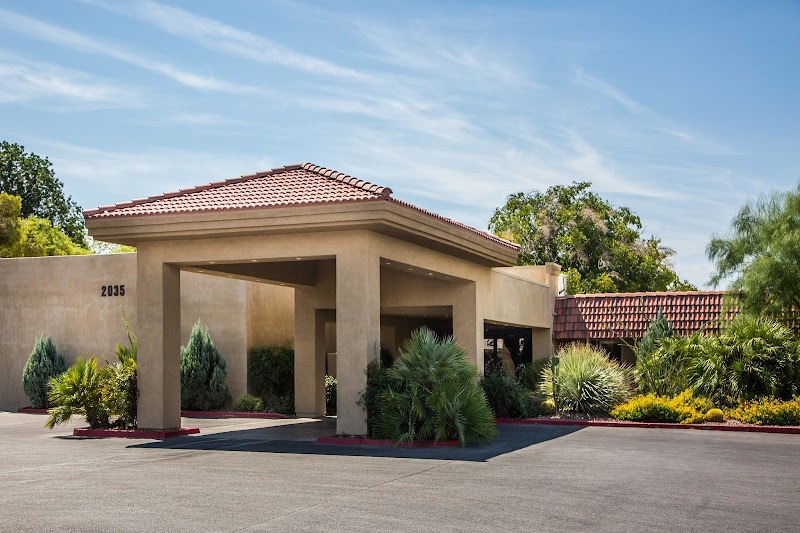
2035 W. CHARLESTON BLVD., LAS VEGAS, NV 89102 (702) 386-7980
For profit - Limited Liability company 100 Beds GENESIS HEALTHCARE Data: November 2025
Trust Grade
60/100
#36 of 65 in NV
Last Inspection: September 2024

Within standard 12-15 month inspection cycle. Federal law requires annual inspections.

Overview

Saint Joseph Transitional Rehabilitation Center has a Trust Grade of C+, indicating that it is slightly above average but not particularly strong compared to other facilities. It ranks #36 out of 65 in Nevada, placing it in the bottom half, and #28 out of 42 in Clark County, meaning there are better local options available. The facility is improving, having decreased from six issues in 2024 to just one in 2025. While the health inspection rating is good at 4 out of 5 stars, staffing is a concern with a poor rating of 1 out of 5 and a turnover rate of 49%, which is average but still indicates instability. Notably, there were no fines recorded, which is a positive sign, and the RN coverage is average, ensuring some level of oversight. However, there have been specific incidents that raise concerns. One resident fell from their bed during care when only one staff member assisted, despite a care plan requiring two staff for safety. Additionally, there were issues with the storage of food and medications, including unlabeled and expired food items in refrigerators, which could pose health risks. Overall, while there are some strengths, such as good health inspection results and no fines, families should be aware of staffing issues and recent incidents that could affect resident care.

Trust Score
C+
60/100
In Nevada
#36/65
Bottom 45%
Safety Record
Low Risk
No red flags
Inspections
Getting Better
6 → 1 violations
Staff Stability
⚠ Watch
49% turnover. Above average. Higher turnover means staff may not know residents' routines.
Penalties
✓ Good
No fines on record. Clean compliance history, better than most Nevada facilities.
Skilled Nurses
✓ Good
Each resident gets 47 minutes of Registered Nurse (RN) attention daily — more than average for Nevada. RNs are trained to catch health problems early.
Violations
⚠ Watch
30 deficiencies on record. Higher than average. Multiple issues found across inspections.
★★★☆☆
3.0
Overall Rating
★☆☆☆☆
1.0
Staff Levels
★★★★☆
4.0
Care Quality
★★★★☆
4.0
Inspection Score
Stable
2024: 6 issues
2025: 1 issues

The Good

  • 4-Star Quality Measures · Strong clinical quality outcomes
  • Full Sprinkler Coverage · Fire safety systems throughout facility
  • No fines on record

Facility shows strength in quality measures, fire safety.

The Bad

3-Star Overall Rating

Near Nevada average (3.0)

Meets federal standards, typical of most facilities

Staff Turnover: 49%

Near Nevada avg (46%)

Higher turnover may affect care consistency

Chain: GENESIS HEALTHCARE

Part of a multi-facility chain

Ask about local staffing decisions and management

The Ugly 30 deficiencies on record

Sept 2025 1 deficiency
CONCERN (D) 📢 Someone Reported This

A family member, employee, or ombudsman was alarmed enough to file a formal complaint

Potential for Harm - no one hurt, but risky conditions existed

ADL Care (Tag F0677)

Could have caused harm · This affected 1 resident

**NOTE- TERMS IN BRACKETS HAVE BEEN EDITED TO PROTECT CONFIDENTIALITY** Based on interview, record review and document review, the facility failed to ensure a resident was assisted with meals in accor...

Read full inspector narrative →
**NOTE- TERMS IN BRACKETS HAVE BEEN EDITED TO PROTECT CONFIDENTIALITY** Based on interview, record review and document review, the facility failed to ensure a resident was assisted with meals in accordance with the assessment and care plan for 1 of 32 residents (R111). The deficient practice had the potential for residents not to maintain good nutrition.Findings include:Resident 111 (R111) was admitted on [DATE] and discharged on 09/27/2024, with diagnoses including dysphagia, cerebrovascular disease, and muscle weakness.R111's admission Minimum Data Set (MDS) assessment dated [DATE], documented the resident required supervision or touching assistance with eating (the ability to use suitable utensils to bring food and/or liquid to the mouth and swallow food and/or liquid once the meal was placed before the resident). The coding for supervision or touching assistance was 04, where the staff would provide verbal cues and/or touching/steadying and/or contact guard assistance as resident completed the activity (eating). R111's care plan documented the interventions/assistance for activities of daily living (ADL) which included providing the resident with supervision assist of one person for eating.The Documentation Survey Report (ADL charting) for September 2024, lacked documented evidence that R111 was provided with meal assistance on the following dates:- 09/05/2024 for breakfast and lunch- 09/08/2024 for breakfast and lunch- 09/11/2024 for breakfast and lunch- 09/12/2024 for breakfast and lunch- 09/13/2024 for lunch- 09/15/2024 for breakfast and lunch- 09/16/2024 for breakfast- 09/18/2024 for breakfast and lunch- 09/21/2024 for breakfast and lunchThe Documentation Survey Report for August 2024 and September 2024, documented the coding for R111's meal (eating) was mostly 5 (Set up or clean-up assistance. The staff would set up or clean up; the resident completed the activity. The staff assisted only prior to or following the activity.)On 09/12/2025 at 11:13 AM, the MDS Director indicated R111's admission MDS dated [DATE], documented the resident required supervision or touching assistance with eating, and the code was 04. The MDS Director explained that the certified nursing assistants (CNA), or licensed nurses should have been in the room with the resident to supervise the resident while eating. The CNAs should have been coding the level of assistance provided to the resident during meals. The MDS Director revealed the CNAs were expected to document in the ADL charting every meal.The MDS Director explained R111's care plan documented to provide the resident with supervision assistance of one person for eating. The MDS Director acknowledged the coding for R111's meal or eating in the ADL charting should have been 04. The MDS Director confirmed the CNAs had documented the code 5 in R111's ADL charting with meal which meant set up or clean-up assistance was provided and not supervision ( 04) per the resident's care plan. The MDS Director acknowledged the care plan was not followed.The MDS Director confirmed there was no documentation of the meal assistance provided to R111 during the above-mentioned dates for the month of September 2024. The MDS Director explained the boxes corresponding to those dates were left blank, and the other dates had a coding of 5 most of the time. The MDS Director indicated there was no documentation the resident had refused meals which could have been coded as 07.On 09/12/2025 at 11:44 AM, a CNA indicated being informed of the required level of assistance with meals for each resident through the hand off report from the previous shift. The required meal assistance was documented in the point-of-care (POC) charting in the kiosk (electronic charting) where the CNAs documented the ADL charting for each resident. The CNA explained verifying in the POC charting the level of meal assistance required for each resident such as supervision, set up help only, or 1:1 meal assistance. The CNA indicated the level of meal assistance provided to each resident should have been documented every meal. The CNA confirmed R111's ADL charting for eating was incomplete because some dates were left blank.On 09/12/2025 at 1:58 PM, the Director of Nursing (DON) explained the CNAs were expected to follow the ADL level of assistance including eating indicated in the POC such as moderate assistance, supervision, set-up help only, or dependent and document in the ADL charting every meal. The DON confirmed R111's ADL documentation for eating, including meal percentage, was incomplete.The facility's policy titled Activities of Daily Living (ADLs), Supporting revised in March 2018, documented the residents who were unable to carry out activities of daily living independently would receive the services necessary to maintain good nutrition, grooming, and personal and oral hygiene. Appropriate care and services would be provided for residents who were unable to carry out ADLs independently, with the consent of the resident and in accordance with the plan of care, including appropriate support and assistance with dining (meals and snacks).Complaint 2282565
Sept 2024 6 deficiencies
CONCERN (D)

Potential for Harm - no one hurt, but risky conditions existed

Deficiency F0568 (Tag F0568)

Could have caused harm · This affected 1 resident

**NOTE- TERMS IN BRACKETS HAVE BEEN EDITED TO PROTECT CONFIDENTIALITY** Based on interview, record review, and document review, the facility failed to consistently provide residents with a quarterly t...

Read full inspector narrative →
**NOTE- TERMS IN BRACKETS HAVE BEEN EDITED TO PROTECT CONFIDENTIALITY** Based on interview, record review, and document review, the facility failed to consistently provide residents with a quarterly trust account statement for 1 of 19 sampled residents (Resident 72) and 2 unsampled residents (Residents 30 and 31). The deficient practice caused residents to lack peace of mind about their trust account balances. Findings include: Resident 30 (R30) R30 was admitted on [DATE] with diagnoses including stroke. The record indicated the resident was responsible for their finances. The Quarterly Minimum Data Set (MDS) assessment dated [DATE] indicated R30 had normal memory function. On 09/19/2024, at 12:16 PM, R30 verbalized keeping a trust account with the facility. R30 revealed being furnished with a trust account statement monthly in the past. R30 reported not having received a trust account statement for a long time. R30 reported submitting a grievance to the facility about four months ago regarding the lack of the monthly trust account statement. R30 verbalized despite filing the grievance, the resident was still not being furnished with a monthly trust account statement. R30 revealed not knowing how much money was in the trust account. The resident verbalized a plan to buy a new I-pad, because the one currently being used by the resident was not holding a battery charge. R30 reported feeling curious about the lack of a facility response to the grievance even after months had elapsed. Resident 31 (R31) R31 was admitted on [DATE] with diagnoses including chronic obstructive pulmonary disease. The record indicated the resident was responsible for their finances. The MDS assessment dated [DATE] indicated R31 had normal memory function. On 09/19/2024, in the afternoon, R31 stated they had a trust account with the facility. The resident verbalized had not received a trust account statement despite filing a grievance with the facility. The resident felt frustrated and disregarded by the lack of response from the facility. The resident reported being handed today a facility bill showing they owed about $5000.00 to the facility, past due. The resident verbalized not knowing how this could have happened and felt shocked and concerned as to how to pay this large bill. Resident 72 (R72) R72 was admitted on [DATE] with diagnoses included congestive heart failure. The record indicated the resident was responsible for their finances. The Quarterly MDS dated [DATE] documented R72 had normal memory function. On 09/19/2024, in the afternoon, R72 stated they had a trust account with the facility. The resident verbalized they had received one trust account statement after filing a grievance with the facility and getting the Ombudsman involved. R72 felt frustrated and angry at having had to go to great lengths to get a statement. R72 verbalized statements still were not furnished monthly as they should be. The resident reported not knowing the state of finances and did not like that feeling. The resident verbalized feeling suspicious the facility might be defrauding the resident. R72 verbalized we may be old but we are not asinine. On 09/18/2024, in the morning, the Business Office Manager (BOM) verbalized being responsible for managing the resident Trust Accounts and billing. The BOM verbalized starting this position on 06/12/2024. The BOM verbalized R30, R31, and R72 had Medicaid funding, and all had trust accounts with the facility. The resident's social security checks came directly to the facility and were credited to the trust account. Any and all transactions must be documented in the trust account. The facility process was each resident with a trust account should receive a statement monthly, or the person who pays the bills for the resident. The statements were hand delivered to the resident rooms or mailed to persons who were responsible for the resident's finances. The BOM verbalized being new to the position, getting organized and learning the ropes, and had not distributed the monthly statements since beginning work. The BOM was not aware of the grievances which had been filed by R30, R31, and R72. The BOM verified R31 owed the facility over $5,000 dollars. The BOM verbalized R31 had withdrawn too much money from the trust account by asking the front desk clerk for $50 cash every day for many months. The BOM acknowledged the facility should not have given cash to R31 without checking the trust account balance first to see if the funds were available. On 09/18/2024, in the morning, the Regional BOM verbalized R31 actually had not paid the share of cost in three months, for unknown reasons, in addition to overdrawing petty cash. The Regional BOM verbalized these findings were not in accordance with how resident funds should be managed and was currently in the process of sorting things out in the business office. On 09/18/2024, in the morning, the Administrator (ADM) reported starting in the position recently. The ADM stated there had been recent changes in management. The ADM verbalized the former BOM had quit, and then another BOM had been hired and then quit, and then the current BOM had been hired. The ADM verbalized a corporate consultant Regional BOM was currently helping the BOM get up to speed on the facility procedures for trust accounts and billing. The ADM reported this was a work in progress. The policy and procedure titled Management of Residents' Personal Funds, revised 04/2017, indicated the resident may have the facility manage their personal funds. The facility would account for the resident funds.
CONCERN (D)

Potential for Harm - no one hurt, but risky conditions existed

Grievances (Tag F0585)

Could have caused harm · This affected 1 resident

**NOTE- TERMS IN BRACKETS HAVE BEEN EDITED TO PROTECT CONFIDENTIALITY** Based on interview, record review, and document review, the facility failed to respond to each resident's grievance about their ...

Read full inspector narrative →
**NOTE- TERMS IN BRACKETS HAVE BEEN EDITED TO PROTECT CONFIDENTIALITY** Based on interview, record review, and document review, the facility failed to respond to each resident's grievance about their trust account statements for 1 of 19 sampled residents (Resident 72) and 2 unsampled residents (Residents 30 and 31). The deficient practice caused residents to feel slighted, angry, or suspicious of financial mismanagement by the facility. Findings included: Resident 30 (R30) R30 was admitted on [DATE] with diagnoses including stroke. The record indicated the resident was responsible for their finances. The Quarterly Minimum Data Set (MDS) assessment dated [DATE] indicated R30 had normal memory function. On 09/19/2024, at 12:16 PM, R30 verbalized keeping a trust account with the facility. R30 revealed being furnished with a trust account statement monthly in the past. R30 reported not having received a trust account statement for a long time. R30 reported submitting a grievance to the facility about four months ago regarding the lack of the monthly trust account statement. R30 verbalized despite filing the grievance, the resident was still not being furnished with a monthly trust account statement. R30 revealed not knowing how much money was in the trust account. The Grievance/Complaint Resolution Report, dated 05/08/2024, documented R30 request Trust Account Statement for 2024. The employee assigned to address the concern was Business Office. No date was provided. Department Findings documented Accts to be audited, statements first week in June. Pt reports wanting to be kept informed of .allowance. The Resolution and Action plan area of the form was left blank. The Grievance/Complaint Resolution Report lacked documentation the resident had received the statement. Resident 31 (R31) R31 was admitted on [DATE] with diagnoses including chronic obstructive pulmonary disease. The record indicated the resident was responsible for their finances. The MDS assessment dated [DATE] indicated R31 had normal memory function. On 09/19/2024, in the afternoon, R31 stated they had a trust account with the facility. The resident verbalized they had not received a trust account statement despite filing a grievance with the facility. The resident felt frustrated and disregarded by the lack of response from the facility. The Grievance/Complaint Resolution Report, dated 05/14/2024, documented R31 requests Trust Account Statement. The employee assigned to address the concern was not documented. No date was provided. Department Findings documented Pt has not been given a statement since admission. The Resolution and Action plan area of the form documented Accounts to be audited 1st then statement will be forwarded. The Grievance/Complaint Resolution Report lacked documentation the resident had received the statement. Resident 72 (R72) R72 was admitted on [DATE] with diagnoses included congestive heart failure. The record indicated the resident was responsible for their finances. The Quarterly MDS dated [DATE] documented R72 had normal memory function. On 09/19/2024, in the afternoon, R72 stated they had a trust account with the facility. The resident verbalized they had received one trust account statement after filing a grievance with the facility and getting the Ombudsman involved. R72 felt frustrated and angry at having had to go to great lengths to get a statement. R72 verbalized statement still were not furnished monthly as they should be. The Grievance/Complaint Resolution Report, dated 05/16/2024, documented R72 concern as Pt request Trust Account Statement. The employee assigned to address the concern was not documented. No date was provided. Department Findings documented Business Office reports acct will be audited and then statement forwarded. The Resolution and Action plan area of the form documented Pt .OK with acct to audited and then will provide a trust Acct Statement The Grievance/Complaint Resolution Report lacked documentation the resident had received the statement. On 09/18/2024 at 2:15 PM the retired Social Worker (SW) verbalized had worked at the facility from 05/01/2024 until around 08/01/2024. The SW reported in accordance with the facility process, a completed grievance must include documentation of resolution of the resident's concern, or a rationale as to why the grievance was not resolved. The SW verbalized a grievance should be resolved as quickly as feasible, usually within 30 days. The SW verbalized the resident must be notified of the outcome in writing. The SW remembered R30, R31, and R72. The SW verbalized having taken grievances down for all three of these residents, with the concern of not being furnished with their trust account statements each month. The SW recalled forwarding the grievances to the Business Office Manager (BOM) for resolution. The SW verbalized being unable to recall if each or any of the grievances had been acted upon or resolved. On 09/18/2024, in the morning, the Business Office Manager (BOM) verbalized being responsible for managing the resident Trust Accounts and billing. The BOM verbalized starting this position on 06/12/2024. The BOM verbalized R30, R31, and R72 had Medicaid funding, and all had trust accounts with the facility. The resident's social security checks came directly to the facility and were credited to the trust account. Any and all transactions must be documented in the trust account. The facility process was each resident with a trust account should receive a statement monthly, or the person who pays the bills for the resident. The statements were hand delivered to the resident rooms or mailed to persons who were responsible for the resident's finances. The BOM verbalized being new to the position, getting organized and learning the ropes, and had not distributed the monthly statements since beginning work. The BOM was not aware of the grievances which had been filed by R30, R31, and R72. On 09/18/2024, in the morning, the Administrator (ADM) reported starting in the position recently. The ADM stated there had been recent changes in management. The ADM reviewed the Grievance/Complaint Resolution Reports for R30, R31, and R72. The ADM verbalized the reports lacked evidence the grievances were resolved. The ADM verbalized the grievance process had lacked follow-through and evidence of resolution. The ADM had been aware of the grievance filed by R72 and the involvement of the Ombudsman. The ADM verbalized and had also talked with R31 frequently and the resident had not mentioned the concern. The ADM verbalized not having been made aware of R30s concern. The policy and procedure titled Grievance/Concern, dated 08/25/2021, indicated upon receipt of the grievance, the Administrator and appropriate department manager would be notified, and immediate action would be taken. The department manager would investigate the grievance and corrective actions would be taken as needed. The department manager would notify the person filing the grievance of resolution and/or status within 72 hours.
CONCERN (D)

Potential for Harm - no one hurt, but risky conditions existed

Deficiency F0688 (Tag F0688)

Could have caused harm · This affected 1 resident

**NOTE- TERMS IN BRACKETS HAVE BEEN EDITED TO PROTECT CONFIDENTIALITY** Based on interview, record review and document review, the facility failed to ensure restorative nursing services were provided ...

Read full inspector narrative →
**NOTE- TERMS IN BRACKETS HAVE BEEN EDITED TO PROTECT CONFIDENTIALITY** Based on interview, record review and document review, the facility failed to ensure restorative nursing services were provided as ordered and scheduled for 1 of 19 sampled residents (Resident 16). The deficient practice had the potential for the resident's further decline in mobility and physical functioning. Findings include: Resident 16 (R16) R16 was admitted on [DATE], with diagnoses including quadriplegia, age-related osteoporosis, muscle wasting and atrophy, and polyneuropathy. The Rehab Restorative Transition Program form for R16 documented the following: - Restorative Program(s): Standing frame - Measurable Goal(s): Resident would maintain ability to tolerate static standing using a standing frame. - Restorative Program Instructions: Standing frame activity as tolerated. - The Physical Therapist (PT) designed R16's restorative nursing program. - The PT signed the form on 08/27/2024. The physician's order dated 08/27/2024, documented restorative nursing program (RNP) one time weekly for standing frame activity as tolerated every day shift. On 09/15/2024 at 10:05 AM, R16 revealed having spinal cord injury. R16 indicated restorative nursing services for standing frame activity were scheduled every Thursday. R16 confirmed not receiving restorative nursing services on Thursday, 09/12/2024, because the staff had a meeting. R16 indicated the session (standing frame activity) was not rescheduled to cover for the missed restorative nursing services on 09/12/2024. R16 explained the facility should have more restorative nurse assistants (RNA) and the resident needed more RNA sessions. On 09/17/2024 at 1:52 PM, an RNA explained there were three RNAs employed at the facility. The RNA indicated R16's RNP included standing frame activity which was scheduled every Thursday. The RNA confirmed R16 missed the standing frame activity on 09/12/2024 because all nursing staff had a meeting at 10:30 AM. The RNA revealed the session was not rescheduled to compensate for the missed restorative nursing services on 09/12/2024. The RNA explained they could not accommodate R16's standing frame activity on 09/12/2024 due to their workload and the two RNAs were scheduled to leave at 3:00 PM. The other RNA (3rd RNA) worked on 09/12/2024 from 10:00 AM to 5:00 PM. The RNA explained two RNAs were required to perform R16's standing frame activity. The RNA revealed a total of two hours was spent in providing R16's standing frame activity including a half hour for the preparation, like dressing up the resident and getting up from bed. The actual standing frame activity lasted for one hour and a half. The RNA provided a copy of R16's Restorative Nursing Record for September 2024. A handwritten note documented R16's standing frame activity was withheld today (09/12/2024) due to the staff having a meeting at 10:30 AM. On 09/18/2024 at 12:02 PM, the PT explained R16 wanted to work on lower extremity weight bearing activity, so the standing frame activity was recommended. The PT indicated once a week standing frame activity for R16 was the minimum recommended for the meantime because of staffing requirement, and to be able to perform the activity safely with the resident since it required two RNAs. On 09/18/2024 at 3:13 PM, the Director of Nursing (DON) acknowledged the RNAs should have reported to the DON or the Assistant DON (ADON) about R16 not receiving the standing frame activity on 09/12/2024, as scheduled, due to the staff meeting held on the same day. The DON explained the session could have been rescheduled to accommodate the resident's standing frame activity. The facility's policy titled Restorative Nursing Services dated July 2017, documented residents would receive restorative nursing care as needed to help promote optimal safety and independence.
CONCERN (D)

Potential for Harm - no one hurt, but risky conditions existed

Pharmacy Services (Tag F0755)

Could have caused harm · This affected 1 resident

**NOTE- TERMS IN BRACKETS HAVE BEEN EDITED TO PROTECT CONFIDENTIALITY** Based on observation, interview and record review, the facility failed to ensure the physician ordered medications were availabl...

Read full inspector narrative →
**NOTE- TERMS IN BRACKETS HAVE BEEN EDITED TO PROTECT CONFIDENTIALITY** Based on observation, interview and record review, the facility failed to ensure the physician ordered medications were available for 2 of 19 sampled residents (Resident 72 and 16) and one unsampled resident (Resident 29). The deficient practice had the potential for the residents to have adverse events. Findings include: Resident 29 (R29) R29 was admitted on [DATE] with diagnoses including epilepsy. On 09/17/24 at 09:05 AM, the Licensed Practical Nurse (LPN) gave R29 oral medications. The resident swallowed the medications with water. On 09/17/24 at 09:20 AM, the LPN verbalized R29 had Keppra, (an anti-seizure medication), and was supposed to be given during the morning medication pass, but Keppra had not been given to R29 because the supply had run out and the Keppra was not available. The LPN verbalized the medication needed to be ordered for delivery. R29's medical record indicated a physician order dated 05/09/2024, to give Keppra 750 milligrams (mg) by mouth two times a day for seizure, at 8:00 AM and at 8:00 PM. A progress note documented by the Nurse Practitioner (NP), dated 09/18/2024 at 10:30 AM, indicated the NP was aware the resident missed the morning dose of Keppra the previous day. The September 2024 Medication Administration Record (MAR) for the resident documented NN for the 8:00 AM dose of Keppra on 09/17/2024, indicating the medication had not been given. On 09/18/24 at 1:02 PM, the Corporate Consultant verified the AM dose of Keppra had not been given on 09/17/2024 due to not being available. Resident 72 (R72) R72 was admitted on [DATE], with diagnoses including gastro-esophageal reflux disease (GERD) without esophagitis and hypothyroidism. The physician's order dated 05/09/2024, documented Protonix Oral Tablet Delayed Release 40 milligram (mg) by mouth one time a day for GERD. R72's Medication Administration Record (MAR) for September 2024, documented Protonix was scheduled to be given at 9:00 AM. On 09/17/2024 at 8:13 AM, during the Medication Administration Pass observation, a Licensed Practical Nurse (LPN) prepared the following medications for R72: - Aspirin 81 mg one tablet by mouth - Cyclobenzaprine Hydrochloride (HCl) 5 mg one tablet by mouth - Lisinopril 2.5 mg one tablet by mouth On 09/17/2024 at 8:17 AM, the LPN indicated R72's Protonix 40 mg was not available and would be reordered electronically from pharmacy. Resident 16 (R16) R16 was admitted on [DATE], with diagnoses including quadriplegia, age-related osteoporosis, muscle wasting and atrophy, and polyneuropathy. The physician's order dated 08/05/2024, documented Alendronate Sodium Oral Tablet 70 mg by mouth one time a day every seven days for osteoporosis prevention. R16's MAR for September 2024, documented Alendronate Sodium was scheduled to be given every Tuesday at 9:00 AM. The MAR lacked documented evidence R16 received the medication on 09/10/2024. On 09/17/2024 at 8:24 AM, during the Medication Administration Pass observation, the LPN prepared the following medications for R16: - Active Liquid Protein 30 milliliter (ml) by mouth - Vitamin C 500 mg by mouth - Cranberry Oral Tablet 450 mg by mouth - Magnesium Oxide 400 mg by mouth - Multivitamin Oral Tablet by mouth - Vitamin E 180 mg by mouth The LPN revealed R16's Alendronate Sodium 70 mg was not available and would be reordered electronically from pharmacy. On 09/17/2024 at 8:44 AM, the LPN acknowledged the medications should have been reordered when there were four remaining doses left to ensure the medications were available for the residents. On 09/17/2024 at 9:40 AM, the LPN indicated there was no documentation why R16's Alendronate Sodium was held on 09/10/2024. The LPN confirmed R16 did not receive Alendronate Sodium on 09/10/2024 and 09/17/2024 and there was no documentation the resident refused the medication on 09/10/2024. On 09/18/2024 at 3:06 PM, the Director of Nursing (DON) explained the nurses were expected to reorder the medications at least within 72 hours prior to the supply of the medications being utilized or ran out.
CONCERN (D)

Potential for Harm - no one hurt, but risky conditions existed

Unnecessary Medications (Tag F0759)

Could have caused harm · This affected 1 resident

**NOTE- TERMS IN BRACKETS HAVE BEEN EDITED TO PROTECT CONFIDENTIALITY** Based on observation, interview, record review and document review, the facility failed to ensure it was free of a medication er...

Read full inspector narrative →
**NOTE- TERMS IN BRACKETS HAVE BEEN EDITED TO PROTECT CONFIDENTIALITY** Based on observation, interview, record review and document review, the facility failed to ensure it was free of a medication error rate of five percent (%) or greater for 1 of 19 sampled residents (Resident 16). Failure to administer medications as prescribed could have delayed the therapeutic treatment for the resident. Findings include: On 09/17/2024 in the morning, a Medication Administration Pass observation was performed with 27 opportunities observed and revealed two errors. The medication error rate was 7.41%. Resident 16 (R16) R16 was admitted on [DATE], with diagnoses including quadriplegia, age-related osteoporosis, muscle wasting and atrophy, and polyneuropathy. On 09/17/2024 at 8:24 AM, during the Medication Administration Pass observation, the LPN prepared the following medications for R16: - Active Liquid Protein 30 milliliter (ml) by mouth - Vitamin C 500 milligram (mg) by mouth - Cranberry Oral Tablet 450 mg by mouth - Magnesium Oxide 400 mg by mouth - Multivitamin Oral Tablet by mouth - Vitamin E 180 mg by mouth On 09/17/2024 at 8:42 AM, the LPN confirmed there was a total of five tablets to be given to the resident as listed above (Vitamin C, Cranberry Oral Tablet, Magnesium Oxide, Multivitamin, and Vitamin E). The LPN administered the five tablets and the Active Liquid Protein to R16. The physician's order dated 08/22/2024, documented Cranberry Tablet 300 mg by mouth two times a day, scheduled at 9:00 AM and 5:00 PM. The physician's order dated 08/29/2024, documented Fish Oil Oral Capsule (Omega-3 Fatty Acids) 3,000 mg by mouth three times a day, scheduled at 9:00 AM, 1:00 PM, and 5:00 PM. On 09/17/2024 at 9:40 AM, the LPN confirmed Cranberry Oral Tablet 450 mg was given to R16, but the physician's order was Cranberry Oral Tablet 300 mg. The LPN explained the order should have been clarified because Cranberry Oral Tablet 450 mg was the house stock and the one given to the resident. The LPN acknowledged the physician's order was not followed. The LPN confirmed Fish Oil Capsule 3,000 mg was not given to R16. The LPN explained the Fish Oil Capsule and the Vitamin E 180 mg given to the resident were the same. On 09/17/2024 at 2:02 PM, the LPN confirmed Fish Oil Capsule 3,000 mg was available in the medication cart and should have been given to R16 during the Medication Administration Pass observation. The LPN acknowledged being confused with the Fish Oil Capsule and Vitamin E and thought both medications were the same. On 09/18/2024 at 3:06 PM, the Director of Nursing (DON) indicated the nurses were expected to verify the physician's order, right medication, right dose, and right resident prior to medication administration. The facility's policy titled Administering Medications dated April 2019, documented medications were administered in accordance with prescriber orders, including any required time frame. The individual administering the medications would check the label three times to verify the right resident, right medication, right dosage, right time and right method (route) of administration before giving the medication.
CONCERN (D)

Potential for Harm - no one hurt, but risky conditions existed

Food Safety (Tag F0812)

Could have caused harm · This affected 1 resident

Based on observation and interview, the facility failed to ensure raw chicken stored inside the walk-in refrigerator was labeled with the date and time the chicken had been placed in the refrigerator....

Read full inspector narrative →
Based on observation and interview, the facility failed to ensure raw chicken stored inside the walk-in refrigerator was labeled with the date and time the chicken had been placed in the refrigerator. The deficient practice had the potential to allow bacteria to proliferate in raw poultry, a high-risk food. Findings include: On 09/16/24 at 08:14 AM, a tour of the kitchen was conducted with Dietary Regional Director. A metal pan full of cut-up chicken, weighing about 10 pounds, was stored in the walk-in refrigerator. The chicken was covered with plastic wrap. The chicken lacked a label as to the date and time the chicken had been placed in the refrigerator. The Dietary Regional Director verbalized the facility policy and procedure required staff to affix a label to all refrigerated products listing the name of the product, and the date and time the product was placed in the refrigerator. The Dietary Regional Director verbalized the chicken lacked a label. The Dietary Regional Director verbalized not knowing when the chicken had been placed in the refrigerator.
Sept 2023 8 deficiencies
CONCERN (D)

Potential for Harm - no one hurt, but risky conditions existed

Deficiency F0561 (Tag F0561)

Could have caused harm · This affected 1 resident

**NOTE- TERMS IN BRACKETS HAVE BEEN EDITED TO PROTECT CONFIDENTIALITY** Based on observation, interview, record review and document review, the facility failed to ensure food preferences for a residen...

Read full inspector narrative →
**NOTE- TERMS IN BRACKETS HAVE BEEN EDITED TO PROTECT CONFIDENTIALITY** Based on observation, interview, record review and document review, the facility failed to ensure food preferences for a resident was followed for 1 of 23 sampled residents (Resident 74). The deficient practice prevented a resident to exercise the right of choice. Findings include: Resident 74 (R74) R74 was admitted on [DATE] with diagnoses including aftercare for joint replacement surgery and complication of internal fixation device of left femur. On 09/20/2023 at 8:47 AM, observed R74 breakfast tray with an untouched orange juice. R74 indicated speaking with dietary services and conveyed not wanting orange juice due to the acidity. R74 verbalized getting orange juice every breakfast. R74 did not have a meal ticket on the food tray. On 09/21/2023 at 8:30 AM, a visit to R74 indicated the resident received orange juice with the breakfast tray. The breakfast meal ticket indicated Juice and R74 confirmed receiving orange juice at all breakfast trays. The meal ticket documented Allergy: onions. On 09/21/2023 at 11:30 AM, a list of R74's Allergies, Likes and Dislikes list was provided by the Dietary Manager. The manager indicated items listed on the list should be reflected on the resident's meal ticket. On 09/22/2023 at 8:50 AM, R74 indicated receiving an orange juice for breakfast. R74 had to ask certified nursing aide (CNA) for another juice and apple juice was provided. 09/22/23 09:50 AM - the Dietary Manager confirmed R74's meal ticket did not indicate the resident's dislikes. The manager shared the dislike list on the electronic Health record (EHR) and the kitchen's master list reflected the dislike for orange juice. The manager confirmed the error could have been a glitch in the system where the list doesn't cross over. The manager mentioned CNAs should have told the kitchen staff the resident continuously receives orange juice on the breakfast tray and should be replaced with an alternative juice. Review of the kitchen's master list of dislikes for all residents revealed R74 had orange juice as one of the dislike. The manager confirmed kitchen staff should follow the dislike list when preparing residents' trays. On 09/22/2023 at 10:31 AM, the CNA caring for R74 confirmed resident received orange juice with the breakfast tray and the resident requested it to be changed to apple juice. On 09/22/23 at 11:07 AM, the director of nursing (DON) confirmed kitchen and CNA staff should be vigilant when preparing a resident trays to provide the right of choice and resident's food safety. The facility policy titled resident food preferences revised July 2017, documented individual food preferences will be assessed upon admission and communicated to the interdisciplinary team. Modifications to diet and preferences will only be ordered with the resident or representative's consent.
CONCERN (D)

Potential for Harm - no one hurt, but risky conditions existed

Deficiency F0604 (Tag F0604)

Could have caused harm · This affected 1 resident

Based on observation, interview, record review and document review, the facility failed to ensure residents restraints needs were assessed and evaluated; and nurses document the resident's need to hav...

Read full inspector narrative →
Based on observation, interview, record review and document review, the facility failed to ensure residents restraints needs were assessed and evaluated; and nurses document the resident's need to have restraints for 1 of 23 sampled residents (Resident 34). The deficient practice prevented a resident's quality of life free from any restraint device. Findings include: Resident 34 (R34) R34 had a re-admission date of 06/09/2023 with diagnoses including acute respiratory failure and dependence on ventilator. On 09/20/2023 at 10:19 AM, R34 was observed wearing bilateral hand mitts. R34 was observed to be alert and calm. R34 was not restless or pulling any life sustaining devices (feeding tube or tracheostomy). A physician's order dated 06/10/2023, documented apply hand mittens for risk of decannulation, remove every two hours and check for skin integrity. Nursing progress notes last documented need for the bilateral mitts was 06/13/2023, for pulling life support devices. R34's Restraint Evaluation/Reduction was last assessed on 02/27/23 and 02/13/22. Physician's progress notes lacked documented evidence for the need for bilateral mittens. On 09/22/2023 at 8:38 AM, a license practical nurse (LPN) confirmed R34 had been wearing the mittens for a while now. The LPN indicated the resident's behavioral needs for the mittens should be documented on the progress notes. On 09/22/2023 at 10:31 AM, the CNA caring for R34 confirmed resident had been calm and cooperative with care for quite some time. On 09/22/23 at 11:07 AM, the director of nursing (DON) confirmed mittens were a form of restraints. The DON indicated the need for documenting resident behaviors was important to continuously assess the resident's need for the restraint. The DON confirmed a quarterly restraint assessment were to be completed on any mitten restraint. The facility policy titled Use of Restraint revised April 2017, documented restrained individuals shall be reviewed regularly (at least quarterly) to determine whether they were candidates for restraint reduction, less restrictive methods of restraints, or total restraint elimination.
CONCERN (D) 📢 Someone Reported This

A family member, employee, or ombudsman was alarmed enough to file a formal complaint

Potential for Harm - no one hurt, but risky conditions existed

ADL Care (Tag F0677)

Could have caused harm · This affected 1 resident

**NOTE- TERMS IN BRACKETS HAVE BEEN EDITED TO PROTECT CONFIDENTIALITY** Resident 2 (R2) was readmitted on [DATE], with diagnoses including schizophrenia and right sided hemiplegia. Physician orders i...

Read full inspector narrative →
**NOTE- TERMS IN BRACKETS HAVE BEEN EDITED TO PROTECT CONFIDENTIALITY** Resident 2 (R2) was readmitted on [DATE], with diagnoses including schizophrenia and right sided hemiplegia. Physician orders included nothing by mouth, and enteral feeding via a gastrostomy tube. The 06/23/2023 Quarterly MDS indicated the resident was unable to speak, had severe cognitive impairment, and was totally dependent in activities of daily living including requiring two person assist for hygiene and bathing. The MDS indicated the resident was incontinent of bowel and bladder. The current care plan indicated the resident needed assist with ADLs, was resistive to care due to traumatic brain injury, risk for dehydration, and incontinence. 09/21/2023 12:20 PM The resident was non-verbal but smiled in response to questions. The resident had disheveled, greasy looking hair with loosely attached or completely detached whitish flakes noted dusting the right temporal scalp consistent with dandruff. The resident's mouth was dry, and the lips were crusted with dried white secretions. A review of the 200-hall shower schedule revealed the resident was scheduled for a bath/shower every Tuesday and Friday during the evening shift. A review of the Weekly Bath and Skin Reports for the month of September 2023 to date, indicated one bed bath had been given. The Weekly Bath and Skin Report dated 09/09/2023, documented the resident had a bed bath and there had been redness (butt area) noted. The resident should have received 6 showers/bed baths from 09/01/2023 - 09/20/2023. The shower record lacked documented evidence that the resident received 5 out of the 6 scheduled showers/bed baths scheduled during that time period. The resident's medical record lacked documented evidence of a rationale as to why a bed bath had been given rather than a shower. Resident 51 (R51) was admitted on 08/192022 with diagnoses including history of fracture of the right femur, cerebral infarction without residual, and muscle weakness. The Annual MDS dated [DATE] indicated the resident's memory function was not measured, and the resident required extensive assistance of one person for bed mobility, transfers, and hygiene, and total dependence on two persons for bathing. On 09/20/2023 at 11:06 AM, R51 was in bed wearing a gown and answered questions appropriately. The resident had long, unkempt greasy looking hair. The resident verbalized they would like to get their hair washed. R51 verbalized their hair had not been washed for an extended period of time. On 09/21/2023 at 12:15 PM, R51 was in bed. The resident's hair was long and greasy as seen the prior day. The resident verbalized they would still like to get their hair washed. A review of the 200-hall shower schedule revealed the resident was scheduled for a bath/shower on Wednesday and Saturday during the morning shift. A review of the Weekly Bath and Skin Reports for the month of September 2023 to date indicated three bed baths had been given in total. The Weekly Bath and Skin Report dated 09/06/2023, documented the resident had a bed bath and there was redness and bruising to the skin noted. The Weekly Bath and Skin Report dated 09/13/2023, documented the resident had a bed bath and there were no skin issues. The Weekly Bath and Skin Report dated 09/20/2023, documented the resident had a bed bath and there were no skin issues. The resident should have received 6 showers/bed baths from 09/01/2023 up until 09/20/2023. The bathing record lacked documented evidence that the resident received 3 out of the 6 scheduled showers/bed baths scheduled during that time period. On 09/22/2023 at 10:05 AM, the Assistant Director of Nursing (ADON) toured the 200 hall and visited R2 and R54 at bedside. The ADON verbalized the oral hygiene for R2 and the unkempt and greasy condition of the hair for both R2 and R54, did not meet facility expectations for acceptable hygiene care. The ADON verbalized the standard would be what a reasonable person would want in the way of oral hygiene and clean and neat hair. On 09/22/2023 at 10:15 AM, the Director of Nursing (DON) explained a lack of documentation for baths and showers given was an issue that had been identified. The DON verbalized action should be taken to address the lack of baths and showers documented as given. The DON verbalized bathing should be performed in accordance with the bath/shower schedule and these along with skin checks, should be documented on the Weekly Bath and Skin report. The DON verbalized showers were preferred and should be given whenever practical. The DON verbalized the facility had sufficient shower rooms and equipment to accommodate showers. On 09/22/23 at 01:01 PM, the CNA verbalized their assigned group of 14 residents were all dependent in ADL's. The CNA reported bed baths were used when there was insufficient time or staff to accommodate the full shower, which took an average of 30 minutes to provide using two CNAs for each dependent resident. The CNA verbalized a shower was better at cleaning the resident than the bed bath. The CNA revealed that many residents refused to have their hair touched or washed during a bed bath, whereas during a shower they would allow staff to wash their hair. The CNA indicated residents often refused to have water poured on their hair while in a horizontal position in bed during the bed bath. The CNA indicated having to prioritize daily work load; incontinent care took priority over bathing and sometimes baths/showers would have to be omitted if the work load did not allow time. The facility policy and procedure titled Activities of Daily Living (ADLs), Supporting, revised March 2018, indicated residents who were unable to carry out activities of daily living independently would receive the services necessary to maintain good grooming, and personal and oral hygiene, including bathing, grooming, and oral care. The policy indicated resident's response to interventions would be monitored, evaluated, and revised as appropriate. Complaints NV00069460 and NV00069157, and FRI NV00069446 Based on observation, interview and record review, the facility failed to ensure showers and/or bed baths were provided for 4 out of 28 sampled residents (Residents 2, 51, 148, and 149). The deficient practice had the potential for residents to be uncleaned and at risk for skin issues and breakdown. Findings include: Resident #148 (R148) was admitted on [DATE] and discharged on 07/28/2023, with diagnoses including hemiplegia and hemiparesis following cerebral infarction affecting right dominant side, hypertensive heart and chronic kidney disease without heart failure, gastrostomy tube, generalized muscle weakness, dependence on respirator (ventilator), and cognitive communication deficit. A review of the 100-hall shower schedule revealed the resident was scheduled for a bath/shower on Wednesday and Saturday during the evening shift. The Weekly Bath and Skin Report dated 06/14/2023, documented the resident had a bed bath and there were no reported skin issues. A review of the Certified Nursing Assistant Electronic Activities of Daily Living Record for June 2023 revealed the resident had received a bed bath on 06/24/2023 and 06/26/2023. The documentation revealed the resident was totally dependent on staff for bathing. A review of the Certified Nursing Assistant Electronic Activities of Daily Living Record for July 2023 revealed the resident had received a shower on 07/01/2023, a bed bath on 07/05/2023, 07/22/2023, and 07/25/2023. The resident should have received 13 showers/bed baths during the resident's admission to the facility. The medical record lacked documented evidence that the resident received 6 out of the 13 scheduled showers/bed baths. Resident #149 (R149) was admitted on [DATE] and discharged on 08/14/2023 with diagnoses including quadriplegia, chronic respiratory failure with hypoxia, epilepsy, dependence on respirator, gastrostomy tube, and generalized muscle weakness. The admission Minimum Data Set (MDS) dated [DATE] documented the resident was severely cognitively impaired. The activity of bathing did not occur during the lookback period. The Quarterly MDS dated [DATE] documented the resident was dependent upon staff for the activity of bathing. On 09/22/2023 at 8:53 AM, a Licensed Practical Nurse (LPN) on the 100-hall revealed the body check form was completed with each shower. The resident's scheduled shower was for Tuesday and Friday in the morning. The resident should have received 24 showers/bed baths during the resident's admission. The medical record lacked documented evidence that the resident received 12 of the 24 scheduled showers/bed baths. On 09/22/2023 at 9:41 AM, a Certified Nursing Assistant (CNA) revealed each unit had a shower book with skin check forms to be competed for each shower, this would include if the resident had a bed bath, shower, refused or had a partial bed bath. If the resident received a partial bed bath to document what was done such as washing face, under the arms, etc. If the resident refused the shower or bed bath to report to the nurse, ask the resident at different times during the shift if they want a shower, encourage the resident on the importance of getting a shower and to document the refusals. During the shower/bed bath the CNA should document any skin issues observed. The facility Clinic Bath, Shower/Tub Policy (undated) documented the purpose of the procedures are to promote cleanliness, provide comfort for the resident and to observe the condition of the resident's skin. Documentation included the date and time the shower/tub bath was performed. The name and title of the individual(s) who assisted the resident with the shower/tub bath, all assessment data (e.g., any reddened areas, sores, etc. on the resident's skin) obtained during the shower/tub bath, how the resident tolerated the shower/tub bath, if the resident refused the shower/tub bath, the reason(s) why and the interventions taken, and the signature and title of the person recording the data.
CONCERN (D)

Potential for Harm - no one hurt, but risky conditions existed

Deficiency F0697 (Tag F0697)

Could have caused harm · This affected 1 resident

**NOTE- TERMS IN BRACKETS HAVE BEEN EDITED TO PROTECT CONFIDENTIALITY** Based on interview, record review and document review, the facility failed to ensure a resident's pain levels were assessed and ...

Read full inspector narrative →
**NOTE- TERMS IN BRACKETS HAVE BEEN EDITED TO PROTECT CONFIDENTIALITY** Based on interview, record review and document review, the facility failed to ensure a resident's pain levels were assessed and documented for 1 of 23 sampled residents (Resident 74). The deficient practice prevented the resident to be monitored for the effectiveness of pain management regimen. Findings include: Resident 74 (R74) R74 was admitted on [DATE] with diagnoses including aftercare for joint replacement surgery and complication of internal fixation device of left femur. On 09/20/2023 at 8:47 AM, R74 indicated having pain at the left hip area due to surgery. R74 verbalized at times nurses would not be timely with the administration of the requested pain medication. R74 indicted nurses at times, would not be sensitive to the experienced pain and possible cause. A physician's order dated 09/07/2023, documented Hydrocodone - Acetaminophen Oral tablet 10-325 milligrams, give one tablet by mouth every four hours as needed for moderate to severe pain. The Medication Administration Record (MAR) for the month of September, revealed the Pain Monitoring Document (where pain rating scales where documented every shift) was crossed out from the start date of the ordered pain medication dated 09/07/2023. R74's progress notes lacked documented evidence nurses were monitoring pain rating scales every shift. R74's alteration in comfort related to acute pain, chronic pain and surgical post-operative pain comprehensive care plan created on 09/01/2023, documented as one of the interventions to: evaluate pain characteristic, quality, severity, location, precipitating/relieving factors. On 09/22/2023 at 8:38 AM, a Licensed Practical Nurse (LPN) confirmed the patient's levels of pain were not being documented on the MAR as expected for all nurses. The LPN confirmed R74 does experience pain and intermittently would request for pain medications. On 09/22/23 at 11:07 AM, the Director of Nursing confirmed staff should be assessing and documenting resident's pain level and quality every shift. The facility policy titled Pain -Clinical Protocol (undated), documented the staff will assess the individual's pain and related consequences at regular intervals, at least each shift for acute pain or significant changes in levels of chronic pain.
CONCERN (D)

Potential for Harm - no one hurt, but risky conditions existed

Medication Errors (Tag F0758)

Could have caused harm · This affected 1 resident

**NOTE- TERMS IN BRACKETS HAVE BEEN EDITED TO PROTECT CONFIDENTIALITY** Based on interview, record review and document review, the facility failed to ensure monitoring for the side effects of an anti-...

Read full inspector narrative →
**NOTE- TERMS IN BRACKETS HAVE BEEN EDITED TO PROTECT CONFIDENTIALITY** Based on interview, record review and document review, the facility failed to ensure monitoring for the side effects of an anti-anxiety medication was completed for 1 of 23 sampled residents (Resident 4). The deficient practice had a potential for a resident not being monitored for side effects of psychotropic medications. Findings include: Resident 4 (R4) R4 was re-admitted on [DATE], with diagnoses including chronic respiratory failure and cerebral palsy. A physician's order dated 09/07/2023, Clonazepam Oral Tablet 0.5 milligrams give one tablet via gastrointestinal tube two times a day for anxiety. There was no physician order for monitoring the side effects of the medication Clonazepam. On 09/21/23 at 2:36 PM, a license practical nurse (LPN) confirmed R4 had no orders in place for the monitoring of the side effects of the anti-anxiety medication. The LPN indicated physician's order for side effect monitoring, ensures the monitoring was completed and signed off on the medication administration record (MAR). R4's MAR and electronic health record lacked documented evidence of side effect monitoring for the anti-anxiety medication. On 09/22/23 at 11:07 AM, the Director of Nursing (DON) confirmed monitoring for side effect of anti-anxiety, or any psychotropic medications should be completed and documented. The facility policy titled Psychotropic Medications Use revised July 2022, documented residents receiving psychotropic medications are monitored for adverse consequences.
CONCERN (D)

Potential for Harm - no one hurt, but risky conditions existed

Unnecessary Medications (Tag F0759)

Could have caused harm · This affected 1 resident

**NOTE- TERMS IN BRACKETS HAVE BEEN EDITED TO PROTECT CONFIDENTIALITY** Based on observation, interview and record review, the facility failed to ensure it was free from a medication error rate of fiv...

Read full inspector narrative →
**NOTE- TERMS IN BRACKETS HAVE BEEN EDITED TO PROTECT CONFIDENTIALITY** Based on observation, interview and record review, the facility failed to ensure it was free from a medication error rate of five percent (%) or greater for one unsampled resident (Resident 46). The deficient practice had the potential to delay the therapeutic treatment for the resident. Findings include: On 09/21/2023 in the morning, a Medication Administration Pass observation was performed with 27 opportunities observed and revealed two errors. The medication error rate was 7.41 %. Resident 46 (R46) R46 was admitted on [DATE], with diagnoses including Huntington's disease and anxiety disorder. The physician's order dated 06/28/2023, documented the following: - Benztropine Mesylate oral tablet one milligram (mg), give two tablets by mouth two times a day. - Senna oral tablet 8.6-50 mg, give two tablets by mouth two times a day. On 09/21/2023 at 8:01 AM, a Registered Nurse (RN) prepared and administered the following medications to R46: - Benztropine Mesylate one mg, one tablet by mouth - Famotidine 20 mg, one tablet by mouth - Lorazepam 0.5 mg, by mouth - Senna 50 mg, one tablet by mouth On 09/21/2023 at 8:19 AM, the RN confirmed R46 received one tablet of Benztropine Mesylate one mg during the Medication Administration Pass observation. The RN indicated two tablets of the medication should have been given per the physician's order. The RN acknowledged the physician's order was not followed. On 09/21/2023 at 11:59 AM, the RN confirmed one tablet of Senna 50 mg was given to R46 during the Medication Administration Pass observation. The RN revealed two tablets of Senna 50 mg should have been given to the resident. The RN acknowledged the physician's order was not followed. On 09/22/2023 at 1:56 PM, the Director of Nursing (DON) explained the nurses were expected to verify the physician's orders prior to medication administration.
CONCERN (D)

Potential for Harm - no one hurt, but risky conditions existed

Deficiency F0761 (Tag F0761)

Could have caused harm · This affected 1 resident

Based on observation, interview and document review, the facility failed to ensure an unopened vial of insulin was stored in accordance with the label of the medication and facility's policy for 1 of ...

Read full inspector narrative →
Based on observation, interview and document review, the facility failed to ensure an unopened vial of insulin was stored in accordance with the label of the medication and facility's policy for 1 of 3 medication carts inspected (Medication Cart 2 in 300 Hall). The deficient practice had the potential for the facility failing to maintain the efficacy of the medication. Findings include: On 09/21/2023 at 8:51 AM, an inspection of the Medication Cart 2 in 300 Hall was conducted with a Licensed Practical Nurse (LPN). An unopened vial of Insulin Lispro MUV 100 unit/1 milliliter with the name of Resident 38 was found inside the medication cart. The label of the medication indicated Refrigerate. The LPN confirmed the observation and revealed the unopened vial of insulin was already inside the medication cart when the LPN took over the cart around 7:00 AM. The LPN indicated the medication was not taken from the refrigerator and it had been kept inside the medication cart. The LPN confirmed the unopened vial of insulin should have been kept inside the medication refrigerator. The LPN acknowledged not following the manufacturer's instructions in the storage of medication could have affected the efficacy of the medication. On 09/22/2023 at 1:58 PM, the Director of Nursing (DON), indicated an unopened vial of insulin should have been stored inside the medication refrigerator. The DON explained not following the label of the medication and facility's policy in the storage of medication, could have affected the efficacy of the medication. The DON confirmed the facility adopted the contracted pharmacy's policies in the storage of medications and medication management. The facility's policy titled Labeling and Storage of Drugs and Biologicals dated November 2021, documented refrigerate insulin pens/vials until opened and then store at room temperature until expiration date.
CONCERN (E)

Potential for Harm - no one hurt, but risky conditions existed

Food Safety (Tag F0812)

Could have caused harm · This affected multiple residents

Based on observation, interview, and document review, the facility failed to ensure: 1) food items were labeled and not expired in 3 of 4 nourishment refrigerators, and 2) 1 of the 4 nourishment refri...

Read full inspector narrative →
Based on observation, interview, and document review, the facility failed to ensure: 1) food items were labeled and not expired in 3 of 4 nourishment refrigerators, and 2) 1 of the 4 nourishment refrigerators was within the recommended temperature to keep cold foods cold. The deficient practice had the potential to impact the well-being of the residents through potential consumption of hazardous food items and breaches in infection control. 1) On 09/20/2023 in the morning, three of the four nourishment refrigerators contained both unlabeled and/or expired food items. One refrigerator located in the 100 unit contained the following unlabeled and/or expired food items: - One unlabeled bottle of dipping cheese with an expiration date of 07/29/2023 - One unlabeled Rockstar Energy drink with a glove wrapped over the mouthpiece Second refrigerator located in the 100 unit contained the following unlabeled and/or expired food items: - Two unlabeled yogurts with an expiration date of 08/28/2023 - Two unlabeled microwavable meat loaf meals - Two unlabeled packages of raw pork sausages The refrigerator located in the 300 unit contained the following unlabeled and/or expired food items: - One rotten red apple - Three expired milk cartons with expiration dates of 08/2023, 09/10/2023, 09/16/2023 - One chocolate shake with an expiration date of 09/16/2023 - One unlabeled chicken alfredo microwavable meal - One unlabeled plastic cup filled with chocolate kisses - One unlabeled zip lock bag with chocolate truffles - Two unlabeled Chinese food take out containers - One unlabeled bottle of mayonnaise - One unlabeled, opened bag of microwavable burritos with ice buildup. A Certified Nursing Assistant (CNA) confirmed the unlabeled and expired food items in the 100 and 300 unit. The CNA indicated the nourishment refrigerators were designated for residents only. The CNA explained resident food items needed to be labeled with the resident's name, room number, and date. The CNA verbalized all staff members were responsible for labeling resident food items and ensuring food items were not expired. 2) On 09/20/2023 at approximately 8:00 AM, one of the nourishment refrigerators in the 100 unit had an internal temperature of 48 degrees Fahrenheit. On 09/20/2023 at approximately 8:15 AM, the same refrigerator in the 100 unit had an internal temperature of 52 degrees Fahrenheit. The CNA confirmed the internal refrigerator temperature. On 09/21/2023 at approximately 2:30 PM, the District Manager indicated nourishment refrigerators needed to be maintained at 41 degrees Fahrenheit or less to keep cold foods cold. The District Manager and the Dietary Manager indicated it was important to ensure food items were not expired because of the potential of resident's getting sick due to food illness. On 09/22/23 at 11:35 AM, the Director of Nursing (DON) indicated nursing staff and CNAs were responsible for ensuring nourishment refrigerators were within the recommended temperature and resident food items were labeled and not expired. The facility's policy titled Food: Safe Handling for Foods from Visitors revealed resident specific food items were labeled with the resident's name and current date. The policy indicated refrigerator temperatures were monitored daily and kept at a temperature of 41 degrees Fahrenheit or less. The policy explained food items stored for greater than seven days were discarded.
Dec 2022 1 deficiency
CONCERN (D) 📢 Someone Reported This

A family member, employee, or ombudsman was alarmed enough to file a formal complaint

Potential for Harm - no one hurt, but risky conditions existed

Notification of Changes (Tag F0580)

Could have caused harm · This affected 1 resident

**NOTE- TERMS IN BRACKETS HAVE BEEN EDITED TO PROTECT CONFIDENTIALITY** Based on observation, interview, record review, and document review, the facility failed to ensure the provider was notified of ...

Read full inspector narrative →
**NOTE- TERMS IN BRACKETS HAVE BEEN EDITED TO PROTECT CONFIDENTIALITY** Based on observation, interview, record review, and document review, the facility failed to ensure the provider was notified of the resident's swallowing difficulty and that an appropriate intervention was implemented for 1 of 5 sampled residents (Resident 3). Failure to alert the provider could result in a delay in intervention, which could be detrimental to the resident. Findings include: Resident 3 (R3) R3 was admitted on [DATE], with diagnoses including, dysphagia (difficulty swallowing), traumatic brain injury, diabetes mellitus and gastrostomy status. The Brief Interview of Mental Status dated 12/21/2022, documented a score of 15/15 which indicated R3's cognitive status was intact. The Modified Barium Swallowing (MBS) test dated 07/22/2022, documented the long-term goal: a safe and efficient swallow. Comments: reduced base of the tongue (BOT) premature spillage of liquids, and thin aspiration (trace). A physician order dated 09/23/2022, documented regular puree texture, no liquids and in bowls only. On 12/28/2022 at 8:24 AM, R3 was in bed and the breakfast tray was set up. R3 had not touched the breakfast tray and refused to eat. A Certified Nursing Assistant (CNA) took the meal tray away. The meal ticket indicated regular-Puree: Pudding thickened liquids and no liquids on the tray. The meal tray contained a pureed biscuit, pureed sausage gravy, pureed hashbrowns, and vanilla pudding. On 12/28/2022 at 9:59 AM, a Certified Nursing Assistant (CNA) reported that R3 was on a pureed diet but experienced coughing episodes during food intake. On 12/28/2022 at 1:10 PM, a lunch tray was set up, consisting of pureed beef taco filling, cheese sauce, a pureed flour tortilla, pureed green chili rice, pureed cream style corn, pureed sliced pears, and vanilla pudding. R3 was sitting with the head of the bed approximately elevated at 45 degrees and was independently eating a few tablespoons of the pureed food. R3 was observed coughing and taking time swallowing while grimacing. R3 expressed difficulty swallowing and felt like was choking or the food was stuck in R3's throat. R3 indicated it had been difficult to swallow and told the dietitian during the last visit two weeks ago, and the nursing staff were aware. The 24-hour communication for the month of December 2022, lacked documented evidence R3's swallowing difficulties were reported and addressed. On 12/28/2022 at 1:20 PM, another CNA indicated R3 had been complaining about the difficulty of swallowing for more than a week, and the attending nurse was alerted. The CNA indicated the nurses were responsible for contacting the provider for any change in the resident's condition. The unit had maintained 24-hour communication for any changes in the residents' conditions, including new orders. The CNA confirmed R3's swallowing complaint was not documented. On 12/28/2022 in the afternoon, during the telephone interview, the attending LPN indicated was not aware of R3's difficulty swallowing and could not remember the CNA's report. On 12/28/2022 at 1:45 PM, a Licensed Practical Nurse (LPN) indicated the change of condition would be reported to the provider within the shift to obtain an order and be documented. The LPN verified and confirmed there was no documentation in the progress notes regarding R3's swallowing issues for the month of December. On 12/28/2022 at 1:53 PM, the Registered Dietitian (RD) indicated R3's tube feeding order was discontinued on 11/28/2022 and was solely on an oral pureed diet. The RD indicated R3 was eager to have the PEG tube out. The RD indicated R3 was assessed two weeks ago, and there were no reported swallowing issues. The RD indicated R3 never complained about the difficulty swallowing or feeling of choking with a pureed diet. The RD stated that the speech therapist (ST) was working on R3's swallowing capacity. The RD explained R3 had an MBS test in July 2022 and did not have any discussion with the ST about the possibility of an MBS follow-up. On 12/28/2022 at 2:19 PM, the Speech Therapist and the Director of Rehabilitation Services indicated prior to admission R3 was post tracheostomy due to a massive stroke and had suffered brain trauma. The ST indicated R3 was seen in July, MBS was performed, and had initially passed. The ST indicated R3 was a high risk of aspiration, and repositioning during feeding was recommended. Both indicated there was no swallowing evaluation follow up because there were no reported issues from the dietary or nursing departments after R3 was last seen. On 12/28/2022 at 2:30 PM, the nurse practitioner (NP) indicated was not aware R3 had experienced new bouts of difficulty swallowing. The NP indicated staff were expected to report the resident's change of condition in order to provide prompt intervention. On 12/28/2022 at 3:10 PM, the Director of Nursing indicated the physician should have been notified immediately to obtain orders. The DON indicated that a swallowing evaluation or diet modification could have been implemented. A facility policy titled Change of Condition dated 08/25/202, indicated the facility must notify the resident immediately, consult with the resident's physician and/or nurse practitioner, and notify where there has been a significant change in the resident's condition. Complaint #NV00067440
Aug 2022 14 deficiencies
CONCERN (D)

Potential for Harm - no one hurt, but risky conditions existed

Deficiency F0552 (Tag F0552)

Could have caused harm · This affected 1 resident

**NOTE- TERMS IN BRACKETS HAVE BEEN EDITED TO PROTECT CONFIDENTIALITY** Based on interview, record review and document review, the facility failed to ensure a consent for a psychotropic medication was...

Read full inspector narrative →
**NOTE- TERMS IN BRACKETS HAVE BEEN EDITED TO PROTECT CONFIDENTIALITY** Based on interview, record review and document review, the facility failed to ensure a consent for a psychotropic medication was obtained for 1 of 43 sampled residents (Resident 84). Findings include: The facility's Psychotherapeutic Medication Use revised 11/28/2017, documented the resident or resident representatives would have been informed of the reason for the use of and the benefits and risks associated with psychotherapeutic drugs. Informed consent would have been obtained per state regulation. Resident 84 (R84) was re-admitted on [DATE], with diagnoses including chronic kidney disease. A 5-day Minimum Data Set assessment dated [DATE], documented R84 had a Brief Interview of Mental Status score of 15, which indicated R84 was cognitively intact. A Physician order dated 07/19/2022, documented Lorazepam 0.5 milligrams (mg) twice daily for anxiety as manifested by verbalization of anxiousness. The medical record lacked documented evidence of a consent for the Lorazepam. On 08/16/2022 at 9:04 AM, the Director of Nursing (DON) indicated it was the responsibility of the nurses to obtain consents prior to the administration of psychotropic medications. The nurses were not supposed to administer the psychotropic medications without a consent. On 08/12/2022 at 1:18 PM, the DON confirmed R84 was receiving Lorazepam but there was no consent for it. The DON explained a consent prior to the use of psychotropic medications was important. The risk and benefits of the medications and adverse effects should have been explained to the resident prior to the use of a psychotropic medication.
CONCERN (D)

Potential for Harm - no one hurt, but risky conditions existed

Safe Environment (Tag F0584)

Could have caused harm · This affected 1 resident

**NOTE- TERMS IN BRACKETS HAVE BEEN EDITED TO PROTECT CONFIDENTIALITY** Based on observation and interview, the facility failed to maintain a wheelchair in good repair 1 of 43 sampled residents (Resid...

Read full inspector narrative →
**NOTE- TERMS IN BRACKETS HAVE BEEN EDITED TO PROTECT CONFIDENTIALITY** Based on observation and interview, the facility failed to maintain a wheelchair in good repair 1 of 43 sampled residents (Resident 42). Findings include: Resident 42 (R42) was admitted on [DATE] with diagnoses including difficulty walking. The medical record indicated R42 required a wheelchair for mobility and had diminished memory function. On 08/10/2022 at 8:55 AM, R42 was seated in a wheelchair in the unit hallway and was able to respond to questions. The resident's wheelchair had damage to the right armrest; the fabric covering had peeled back near the front end of the armrest, exposing an area where fluffy yellow material consistent with foam rubber was protruding. The exposed area was about three inches long by two inches wide. The resident was asked for an opinion regarding the damaged armrest but did not articulate a clear answer to the question. On 08/10/2022 at 8:56 AM, the Certified Nursing Assistant (CNA) visually verified the damage to the armrest. The CNA verbalized R42's wheelchair did not look comfortable or homelike and should be repaired. The CNA verbalized the exposed padding material was prone to soaking up moisture, thereby making it impossible to fully clean and sanitize the armrest. On 08/12/2022 at 9:50 AM, the Maintenance Supervisor looked at the wheelchair and agreed the armrest would not be cleanable and posed an infection control issue, and the armrest should be replaced. The Maintenance Supervisor reported the maintenance department was responsible for maintaining resident equipment in good repair.
CONCERN (D)

Potential for Harm - no one hurt, but risky conditions existed

Comprehensive Assessments (Tag F0636)

Could have caused harm · This affected 1 resident

**NOTE- TERMS IN BRACKETS HAVE BEEN EDITED TO PROTECT CONFIDENTIALITY** Based on interview, record review and document review, the facility failed to ensure the Annual Assessments were completed timel...

Read full inspector narrative →
**NOTE- TERMS IN BRACKETS HAVE BEEN EDITED TO PROTECT CONFIDENTIALITY** Based on interview, record review and document review, the facility failed to ensure the Annual Assessments were completed timely for 2 of 43 sampled residents (Residents 6 and 10) and the admission Assessments were completed for four unsampled residents. Findings include: 1) Resident 6 (R6) was re-admitted on [DATE], with diagnoses including generalized anxiety disorder. R6's medical record revealed an Annual Assessment was in progress. The facility's Minimum Data Set (MDS) Scheduling Report revealed an Annual Assessment for R6 was to be completed by 08/05/2022. The assessment was six days overdue. 2) Resident 10 (R10) was admitted on [DATE], with diagnoses including Huntington's disease. R10's medical record revealed an Annual Assessment was in progress. The facility's MDS Scheduling Report revealed an Annual Assessment for R10 was to be completed by 07/31/2022. The assessment was 11 days overdue. 3) Resident 198 (R198) was admitted on [DATE], with diagnoses including myelodysplastic syndrome. R198's medical record revealed an admission Assessment was in progress. The facility's MDS Scheduling Report revealed an admission Assessment for R198 was to be completed by 08/08/2022. The assessment was three days overdue. 4) Resident 400 (R400) was admitted on [DATE], with diagnoses including end-stage renal disease. R400's medical record revealed an admission Assessment was in progress. The facility's MDS Scheduling Report revealed an admission Assessment for R400 was to be completed by 07/26/2022. The assessment was 16 days overdue. 5) Resident 401 (R401) was admitted on [DATE], with diagnoses including Parkinson's disease. R401's medical record revealed an admission Assessment was in progress. The facility's MDS Scheduling Report revealed the admission Assessment for R401 was to be completed by 08/01/2022. The assessment was 10 days overdue. 6) Resident 200 (R200) was admitted on [DATE], with diagnoses including ataxia following cerebral infarction. R200's medical record revealed an admission - Non-Prospective Payment Systems (PPS) Assessment was in progress. The facility's MDS Scheduling Report revealed the admission Assessment for R200 was to be completed by 08/15/2022. The assessment was four days overdue. On 08/11/2022 at 11:25 AM, a Registered Nurse (RN) conveyed the residents would have been assessed by the facility upon admission, 5-Day, significant change, quarterly, annually and upon discharge. The RN explained the MDS Department followed a calendar of assessments each month. This calendar would have been distributed to the interdisciplinary team (IDT) which included the Social Service Department, Dietitian, Activities, Director of Nursing, and Administrator. The residents would have been assessed for activities of daily living (ADL), skin condition, cognition, skill needs, intravenous therapy, medications, discharge planning, eyeglasses, dentures, swallowing problem, weight loss, fall, therapy needs, bowel and bladder, dental concerns, behaviors, mood, and special treatments. The RN reported the assessments of the IDT would drive a resident's care plan and would reflect on the facility's quality measures. The RN indicated assessments would initiate a resident's care plan and the facility's payment reimbursement. The RN explained resident assessments not transmitted timely would delay the payment reimbursement, comprehensive care plan and identification of significant changes. The RN indicated the facility had not had an MDS Coordinator since 04/2022. The RN and an MDS Coordinator from their sister facility confirmed the Annual Assessments for R6 and R10, and admission Assessments for R198, R400, R401, and R200 were not completed timely.
CONCERN (D)

Potential for Harm - no one hurt, but risky conditions existed

Deficiency F0638 (Tag F0638)

Could have caused harm · This affected 1 resident

**NOTE- TERMS IN BRACKETS HAVE BEEN EDITED TO PROTECT CONFIDENTIALITY** Based on interview, record review and document review, the facility failed to ensure the Quarterly Assessments were completed ti...

Read full inspector narrative →
**NOTE- TERMS IN BRACKETS HAVE BEEN EDITED TO PROTECT CONFIDENTIALITY** Based on interview, record review and document review, the facility failed to ensure the Quarterly Assessments were completed timely for 5 of 43 sampled residents (Residents 7, 5, 3, 15 and 8). Findings include: 1) Resident 7 (R7) was admitted on re-admitted on [DATE], with diagnosis including schizophrenia. R7's medical record revealed a Quarterly Assessment was in progress. The facility's Minimum Data Set (MDS) Scheduling Report revealed the Quarterly Assessment for R7 was to be completed by 07/19/2022. The assessment was 23 days overdue. 2) Resident 5 (R5) was admitted on [DATE], with diagnoses including chronic obstructive pulmonary disease. R5's medical record revealed a Quarterly Assessment was in progress. The facility's MDS Scheduling Report revealed the Quarterly Assessment for R5 was to be completed by 07/17/2022. The assessment was 25 days overdue. 3) Resident 3 (R3) was admitted on [DATE], with diagnoses including essential hypertension. R3's medical record revealed a Quarterly Assessment was in progress. The facility's MDS Scheduling Report revealed the Quarterly Assessment for R3 was to be completed by 07/14/2022. The assessment was 28 days overdue. 4) Resident 15 (R15) was admitted on [DATE], with diagnoses including essential hypertension. R15's medical record revealed a Quarterly Assessment was in progress. The facility's MDS Scheduling Report revealed the Quarterly Assessment for R15 was to be completed by 07/21/2022. The assessment was 21 days overdue. 5) Resident 8 (R8) was admitted on [DATE], with diagnoses including Di George's Syndrome. R8's medical record revealed a Quarterly Assessment was in progress. The facility's MDS Scheduling Report revealed the Quarterly Assessment for R8 was to be completed by 07/16/2022. The assessment was 26 days overdue. On 08/11/2022 at 11:25 AM, a Registered Nurse (RN) conveyed the residents would have been assessed by the facility upon admission, 5-Day, significant change, quarterly, annually and upon discharge. The RN explained the MDS Department followed a calendar of assessments each month. This calendar would have been distributed to the interdisciplinary team (IDT) which included the Social Service Department, Dietitian, Activities, Director of Nursing, and Administrator. The residents would have been assessed for activities of daily living (ADL), skin condition, cognition, skill needs, intravenous therapy, medications, discharge planning, eyeglasses, dentures, swallowing problem, weight loss, fall, therapy needs, bowel and bladder, dental concerns, behaviors, mood, and special treatments. The RN reported the assessments of the IDT would drive a resident's care plan and would reflect on the facility's quality measures. The RN indicated assessments would initiate a resident's care plan and the facility's payment reimbursement. The RN explained resident assessments not transmitted timely would delay the payment reimbursement, comprehensive care plan and identification of significant changes. The RN indicated the facility had not had an MDS Coordinator since 04/2022. The RN and an MDS Coordinator from their sister facility confirmed the Quarterly Assessments for R7, R5, R3, R15, and R8 were in progress and overdue.
CONCERN (D)

Potential for Harm - no one hurt, but risky conditions existed

Deficiency F0655 (Tag F0655)

Could have caused harm · This affected 1 resident

**NOTE- TERMS IN BRACKETS HAVE BEEN EDITED TO PROTECT CONFIDENTIALITY** Based on interview, record review and document review, the facility failed to ensure a baseline care plan was developed for 1 of...

Read full inspector narrative →
**NOTE- TERMS IN BRACKETS HAVE BEEN EDITED TO PROTECT CONFIDENTIALITY** Based on interview, record review and document review, the facility failed to ensure a baseline care plan was developed for 1 of 43 sampled residents (Resident 199). Findings include: The facility's Care Plan - Baseline policy dated 08/25/2021, documented a baseline care plan for each resident should have been developed and implemented for each resident and would include the instructions needed to provide an effective and person-centered care. The baseline care plan would have been developed within 48 hours of a resident's admission. Resident 199 (R199) was admitted on [DATE]. An admission Report dated 08/04/2022, documented R199 had Candida Auris (C. Auris) on skin. A laboratory result dated 07/20/2022, documented R199 was positive for Candida Auris. The medical record lacked documented of a baseline care plan for Candida Auris. A Care plan dated 08/10/2022, documented R199 had an actual infection Candida Auris on the skin in the armpit and groin. The following interventions were listed: -contact precautions on admission for possible Covid 19 exposure (Quarantine 7 days), downgrade to Enhanced Barrier Precaution for C. Auris. -assist patient with hand hygiene throughout the day as needed. -educate patient/health care decision maker on good hand hygiene and prevention of spread of infection. -monitor for changes in nutritional/hydration status (change in intake, ability to feed self, unplanned weight loss/gain, abnormal labs) and report to food and nutrition and physician as indicated. On 08/11/2022 at 1:29 PM, the Infection Preventionist (IP) conveyed R199's Candida Auris was considered as community acquired and was detected on 07/20/2022. The IP indicated R199 was admitted in the facility with Candida Auris. The IP confirmed the care plan for Candida Auris was developed on 08/10/2022. The IP reported it was the responsibility of the nurses to ensure a care plan was developed for the residents. On 08/12/2022 in the afternoon, the Director of Nursing (DON) confirmed there was no baseline care plan for the Candida Auris.
CONCERN (D)

Potential for Harm - no one hurt, but risky conditions existed

ADL Care (Tag F0677)

Could have caused harm · This affected 1 resident

**NOTE- TERMS IN BRACKETS HAVE BEEN EDITED TO PROTECT CONFIDENTIALITY** Based on observation, interview, record review, and document review, the facility failed to ensure showers or bed baths were pro...

Read full inspector narrative →
**NOTE- TERMS IN BRACKETS HAVE BEEN EDITED TO PROTECT CONFIDENTIALITY** Based on observation, interview, record review, and document review, the facility failed to ensure showers or bed baths were provided to dependent residents for 2 of 43 sampled residents (Residents 72 and 64). Findings include: A facility policy titled Activities of Daily Living (ADL) revised 06/01/2021, must provide the necessary care and services to ensure that ADLs are maintained or improved and do not diminish. A resident who was unable to carry out ADLs would receive the necessary level of ADL assistance to maintain grooming and personal hygiene. ADL care should be documented every shift by the CNA. The LPN would document the provided ADL care when applicable. Resident 72 (R72) R72 was admitted on [DATE] and readmitted on [DATE], sepsis, diabetes mellitus, acute and chronic respiratory failure, and ventilator-dependence. On 8/09/2022 2:10 PM, R72 was bed-bound and completely immobile. The hair was greasy, unshaven facial hair with brownish-colored flakes build-up on R72's face. A Certified Nursing Assistant (CNA) confirmed the observation and indicated R72 was fully dependent on activities of daily living. R72's shower was scheduled for the PM shift, according to the CNA. A Shower Schedule documented R72's shower days were Tuesday and Friday, PM shift. R72's shower sheet from April to August 2022, lacked documented evidence a shower or bed bath was provided on the following dates: 06/14/2022, 06/17/2022, 06/21/2022, 06/24/2022, 06/28/2022, 07/05/2022, 07/08/2022, 07/12/2022, 07/15/2022, 07/19/2022, 07/22/2022, 07/26/2022, 07/29/2022, 08/05/2022, and 08/09/2022. On 8/10/2022 at 3:00 PM, R72's facial hair was unshaven, hair was greasy and with brownish flaky build-up on the neck. A Registered Nurse 1 (RN1) confirmed the observation. RN1 indicated each resident had a shower or a bed bath allocation twice a week. RN1 indicated the CNAs were responsible for providing the shower or bed bath. RN1 verified and confirmed the R72's shower or bed bath was not provided as scheduled. RN1 indicated a shower sheet was to be completed and documented if a resident was given a shower or bed bath, signed by the CNA and the nurse. The shower schedule was prepared by the scheduler, and a shower or bed bath was assigned daily for each shift. On 08/10/2022 at 3:09 PM, the scheduler acknowledged responsibility for scheduling the shower schedule on the daily assignment of each unit per shift. The scheduler explained a CNA must initiate the shower sheet and the nurse would verify and sign off after a shower was provided. The scheduler indicated the nurse was responsible for ensuring a shower or bed bath was provided as scheduled. On 08/10/2022 at 3:20 PM, the Director of Nursing (DON) indicated staff members were expected to ensure a shower or bed bath was provided to dependent residents as scheduled. Resident 64 (R64) R64 was admitted on [DATE] and readmitted on [DATE], with diagnoses including quadriplegia (paralysis from the neck down), diabetes mellitus, and dependence on respirator status. On 8/09/2022 1:30 PM, R64 was on trach, ventilator; alert but non-verbal. R64 shook head when asked if a shower or bed bath was provided. A Shower Schedule documented R64's shower days were Tuesday and Friday, AM shift. The Shower Sheet lacked documented evidence R64's shower was provided on the following dates: 06/24/2022, 06/26/2022, 07/01/2022, 07/05/2022, 07/12/2022, 07/15/2022, 07/19/2022, 07/22/2022, 07/26/2022, 07/29/2022 and 08/05/2022. On 08/10/2022 in the afternoon, a Registered Nurse 2 (RN2) confirmed a shower or bed bath was not consistently provided to R64 as scheduled. RN2 indicated each resident was to be showered or provided a bed bath twice weekly. RN2 indicated a shower sheet was to be completed by the CNA, signed by the CNA, and verified by the nurse. RN2 explained R64 was fully dependent on ADLs and a shower or bed bath should have been provided twice a week.
CONCERN (D)

Potential for Harm - no one hurt, but risky conditions existed

Pressure Ulcer Prevention (Tag F0686)

Could have caused harm · This affected 1 resident

**NOTE- TERMS IN BRACKETS HAVE BEEN EDITED TO PROTECT CONFIDENTIALITY** Based on observation, interview, record review, and document review, the facility failed to ensure treatment of wounds was follo...

Read full inspector narrative →
**NOTE- TERMS IN BRACKETS HAVE BEEN EDITED TO PROTECT CONFIDENTIALITY** Based on observation, interview, record review, and document review, the facility failed to ensure treatment of wounds was followed as ordered for 1 of 43 sampled residents (Resident 72); turning and repositioning every two hours were performed for 1 of 43 sampled residents (Resident 72). Findings include: A facility policy titled Skin Integrity Management dated 05/26/2022, documented to provide safe and effective care to prevent the occurrence of pressure ulcers, manage treatment, and promote healing of all wounds. Turning and repositioning based on resident care needs. Resident # 72 (R72) R72 was admitted on [DATE] and readmitted on [DATE] with diagnoses of sepsis (extreme response to an infection), diabetes mellitus, respiratory failure, osteomyelitis (inflammation of the bone) of the left ankle and foot; with tracheostomy (tube insertion on neck for breathing) and was vent-dependent. The Social Services Assessment and Documentation dated 07/08/2022, documented R72 was presented with cognitive and communication deficits. The Braden Scale For Predicting Pressure Sore Risk Original dated 07/022022, documented R72's category as high risk for wound development due to very limited sensory perception, often moist, bedfast and completely immobile. Friction and shear were potential problems. The Skin Check assessment dated [DATE], documented R72's skin injury/wounds were identified including moisture-associated skin damage on the bilateral buttocks, skin tear on the left arm, stage 4 sacral pressure ulcer and stage 3 on right ischium (hip). The Integumentary Plan indicated R72 was at risk for skin breakdown related to limited mobility, presence of wounds on admission, diabetes mellitus, peripheral arterial disease, and actual skin breakdown. Provide wound treatment as ordered. 1) A physician order dated 06/16/2022, documented to cleanse R72's right leg with Vashe, pat dry, and then apply silver alginate dressing 3 times a week on Tuesday, Thursday, and Saturday. On 08/09/2022 at 2:12 PM, R72's right lower leg was offloaded on a pillow. The back lower right leg dressing was dated 07/27/2022. The Wound Treatment Nurse provided treatment for R72's right leg on 07/27/2022 and indicated the date. The Wound Treatment Nurse verified and confirmed R72's right leg wound had not been treated since 07/27/2022. R72's Treatment Administration Record lacked documented evidence R72's right leg wound was treated and silver alginate dressing was applied on the following dates: 07/28/2022, 07/30/2022, 08/02/2022, 08/04/2022, 08/06/2022, and 08/09/2022. On 08/11/2022 at 2:55 PM, the Director of Nursing (DON) acknowledged there was an order for wound treatment and dressing change on R72's right leg and it was not done as ordered. The DON indicated staff members were expected to follow the wound care protocol to manage the resident wounds. On 08/12/22 03:30 PM, the wound physician indicated the facility staff were expected to follow the care plan and orders to promote wound healing. 2) Turning and repositioning A Care Plan dated 08/05/2022, documented to turn and reposition R72 every two hours and provide wound treatment as ordered due to risk for skin breakdown. The Integumentary Plan dated 08/05/2022, documented R72 was at risk for skin breakdown related to limited mobility, presence of wounds on admission, diabetes mellitus, peripheral arterial disease and actual skin breakdown and to turn and/or reposition and skin check every two hours. On 08/09/2022 at 2:12 PM, wound care treatment on the sacral wound was observed; the dressing was dated 08/08/2022. The Wound Care Nurse indicated the sacral wound was stage 4, and R72 was completely immobile and could not turn and reposition self. On 08/12/2022 08:21 AM, R72 was in bed in a supine position. On 08/12/2022 10:50 AM, R72 was in a supine position. On 8/12/2022 12:30 PM, 2:20 PM, and 4:20 PM, R72 was in bed in a supine position, not turned and repositioned as care-planned. On 08/12/22 at 2:24 PM, a Certified Nursing Assistant (CNA) indicated most of the residents in 100 hall were ventilator-dependent, completely immobile and confined to bed. The CNA confirmed the residents were not turned and repositioned every two hours because the acuity was heavy, and they needed to take care of a minimum of 12 and a maximum of 18 residents per shift. The CNA indicated facility previously had a buddy system or two CNAs as a support system, but it had been abolished. The CNA explained the licensed nurses and the respiratory therapists could help, but most of the time they were preoccupied with own tasks and responsibilities. The CNA confirmed R72 was turned and repositioned during wound care, bowel movement or therapy but was not turned and repositioned based on schedule. The CNA indicated the administrator was aware of staffing issues and responded by saying they would hire more people. On 08/12/2022 at 2:24 PM, a Licensed Practical Nurse (LPN) explained dependent residents in ventilator unit were not turned and repositioned every two hours. The LPN explained R72 should have been turned and repositioned every two hours to prevent worsening of the wounds, but this was not done. The LPN explained a CNA was reminded but unable to do it regularly due to a heavy workload. The LPN indicated R72 was fully-dependent and weight required two staff members to turn. On 08/12/2022 at 2:34 PM, the Restorative Nursing Assistant indicated turning and repositioning was the responsibility of the staff, during exercise would try to help reposition the resident, but the exercise was not scheduled daily. On 08/12/2022 at 2:33 PM, a Respiratory Therapist (RT) assigned to R72 confirmed R72 was not turned and repositioned every two hours. The RT explained dependent residents would require consistent turning and repositioning, but this was not done due to a lack of staffing, which was an on-going issue. On 08/12/2022 at 3:30 PM, a Wound Care Physician indicated turning and repositioning of the residents did not need a doctor's order and was standard protocol. The Wound Care Doctor indicated the expectation for the plan of care for residents with wounds was to follow and execute the order which involved strategies such as off-loading and every two-hour turning and repositioning.
CONCERN (D)

Potential for Harm - no one hurt, but risky conditions existed

Deficiency F0687 (Tag F0687)

Could have caused harm · This affected 1 resident

**NOTE- TERMS IN BRACKETS HAVE BEEN EDITED TO PROTECT CONFIDENTIALITY** Based on observation, interview, record review and document review, the facility failed to ensure a diabetic resident's toenails...

Read full inspector narrative →
**NOTE- TERMS IN BRACKETS HAVE BEEN EDITED TO PROTECT CONFIDENTIALITY** Based on observation, interview, record review and document review, the facility failed to ensure a diabetic resident's toenails were maintained and podiatry consult was provided as ordered for 1 of 43 sampled residents (Resident 64). Findings include: Resident 64 (R64) R64 was admitted on [DATE] and readmitted on [DATE], with diagnoses including quadriplegia, diabetes mellitus and dependence on respirator status. On 08/09/2022 at 11:30 AM, R64 was in bed, lower extremities were offloaded with boots. Toenails were 0.5 inches long, thick and cracked with yellowish-build-up. R64 was on trach, vent, alert but non-verbal. R64 shook head when asked if podiatry or toe nails care was provided. On 08/10/2022 at 10:26 AM, R64 was in bed, both lower extremities were offloaded with boots. Right toenails had yellowish build-up and the left toenails were long and cracked and the great toe had dried reddish build-up. A physician order dated 06/21/2022, documented podiatry consult and treatment as needed for resident health and comfort. On 08/10/2022 at 12:05 PM, a Registered Nurse (RN) confirmed the observation. The RN indicated R64's toenail had fungus and wounds. The RN explained R64 was diabetic and the nursing staff could not trim R64's toe nails. The RN explained the podiatrist came every three months and as needed. The RN confirmed the social service department was responsible to schedule the podiatry consult and a physician order was needed. The RN confirmed there was an outstanding order for podiatry consult. On 08/10/2022 at 12:15 PM, the Director of Nursing indicated the social services was responsible in coordinating with podiatrist after they were informed of the request or order. The Podiatry log did not indicate request for R64's podiatry consult. On 08/10/2022 at 1:30 PM, the Assistant and the Director of Social Services confirmed R64 was not on the request list for podiatry consult. Both indicated if there was an order, the nurse should inform the social service department to add the resident on the request log but this was not done. A facility policy titled Foot Care revised 06/15/2022, documented the facility would provide foot care and treatment in accordance with professional standards of practice, including to prevent complications from the resident's medical condition such as diabetes, peripheral vascular disease, or immobility. Residents who have complicated disease processes requiring foot care including infections/fungus, ingrown toenails, diabetes mellitus must be referred to qualified professional such as podiatrist.
CONCERN (D)

Potential for Harm - no one hurt, but risky conditions existed

Deficiency F0692 (Tag F0692)

Could have caused harm · This affected 1 resident

**NOTE- TERMS IN BRACKETS HAVE BEEN EDITED TO PROTECT CONFIDENTIALITY** Based on observation, interview, and record review, the facility failed to weigh a newly admitted resident in accordance with th...

Read full inspector narrative →
**NOTE- TERMS IN BRACKETS HAVE BEEN EDITED TO PROTECT CONFIDENTIALITY** Based on observation, interview, and record review, the facility failed to weigh a newly admitted resident in accordance with the facility policy and procedure, for 1 of 43 sampled residents (Resident 348). Findings include: The policy and procedure titled Weight Management, dated 08/25/2021, indicated nursing was responsible for obtaining weights needed to identify significant weight changes. Each resident's weight would be obtained and documented upon admission to the facility, and weekly for four weeks after admission. Subsequent weights would be obtained monthly unless a resident's condition warranted more frequent weight measurements. In the event of a significant unplanned weight loss nursing would be notified and orders would be obtained for nutritional supplements or other interventions. Resident 348 (R348) was admitted on [DATE] with diagnoses including anemia, weakness, and autism. On 08/09/2022, in the afternoon, R348 was unable to give verbal responses. R348 was being fed by a Certified Nursing Assistant (CNA). The resident appeared to be thin and underweight. The CNA reported R348 was a slow and picky eater. The resident eventually consumed 25% of the meal, after much verbal coaxing by the CNA. A physician's order dated 7/09/2022 directed staff to weigh R348 on day shift every Saturday for four weeks, then thereafter on the first of every month. The record showed a total of two weights had been taken: An admission weight dated 07/09/2022 was 106.8 pounds. The next weight, taken on 08/02/2022, was 99.2 pounds. Both weights were taken with a mechanical lift scale. On 08/10/2022, in the morning, the Registered Dietician (RD) revealed the facility process was to weigh each resident once on admission, every week for three weeks, and then monthly unless ordered more frequently by the provider. The RD verbalized R348 had not been weighed in accordance with the facility process or the provider's order. The RD explained after the initial weight on 07/09/2022, R348 should have been weighed weekly every Saturday for three weeks (07/16/2022, 07/23/2022, and 07/31/2022), but the weights had not been taken. The RD reported when finally weighed again on 08/02/2022, R348 was found to have lost 7.6 pounds, a significant weight loss of 7.12 percent over the duration of less than one month. The RD indicated weekly weights were essential for assessing nutritional status and as a guide to appropriate interventions. The RD verbalized failure to weigh each resident in accordance with the facility process could delay the provision of interventions to prevent weight loss. The RD indicated R348 had already been ordered vitamins and supplements prior to the weight loss being detected, so the delay had not had a significant impact on the resident's treatment plan. The RD acknowledged for other residents' failure to take weekly could prove to be harmful and should not occur. The RD further verbalized a possible cause for missing the weights was the resident had been on isolation precautions for COVID-19 during the first weeks after admission. The RD was not sure if staff could take the scales into the isolation rooms. On 08/11/2022 at 1:15 PM, the Nurse Practitioner (NP) verbalized weighing the resident in a timely manner was essential for guiding the nutrition care plan and measuring progress. The NP verbalized R348 had required vitamins, supplements, and a medication to stimulate appetite. On 08/11/2022 at 1:42 PM, a Registered Nurse (RN) verbalized awareness of R348's significant weight loss. The RN reported licensed staff did not take weights. The RN indicated weights were taken by the Restorative Nursing Assistant (RNA). The RN indicated the RD followed up on the weights. On 08/11/22 at 3:02 PM, the RNA verbalized the following: The weighing of residents was done exclusively by RNA's. Weights were taken on admission and then weekly for three more weeks. Weights were then taken monthly unless the RD directed the RNA to do more frequently. For residents who were in isolation precautions, whether due to quarantine or to a known illness, the scale would be taken into the room to weigh the resident, and then disinfected between residents. The RNA verbalized not knowing why R348 had not been weighed weekly after admission as ordered.
CONCERN (D)

Potential for Harm - no one hurt, but risky conditions existed

Tube Feeding (Tag F0693)

Could have caused harm · This affected 1 resident

**NOTE- TERMS IN BRACKETS HAVE BEEN EDITED TO PROTECT CONFIDENTIALITY** Based on observation, interview, record review, and document review, the facility failed to ensure gastrostomy tube (GT) placeme...

Read full inspector narrative →
**NOTE- TERMS IN BRACKETS HAVE BEEN EDITED TO PROTECT CONFIDENTIALITY** Based on observation, interview, record review, and document review, the facility failed to ensure gastrostomy tube (GT) placement was verified and gastric residual volume was checked prior to medication administration per policy for 1 of 43 sampled residents (Resident 37). Findings include: Resident 37 (R37) R37 was admitted on [DATE], with diagnoses including chronic obstructive pulmonary disease, gastrostomy status, and dependence on respirator status. On 08/11/2022 at 8:05 AM, Licensed Practical Nurse 1 (LPN1) prepared and crushed 11 tablet medications and placed them individually in each cup to administer via GT. The LPN did not verify R37's GT placement and the gastric residual was not checked prior to medication administration. On 08/11/2022 at 8:46 AM, LPN1 confirmed the GT placement was not verified and the gastric residual was not checked prior to the medication administration. On 08/12/2022 at 8:57 AM, Licensed Practical Nurse 2 (LPN2) explained the process of medication administration through GT. LPN2 indicated the GT placement should be verified prior to administration by introducing air and listening for bowel sounds using a stethoscope. After the placement was verified, the gastric residual volume would be checked by aspiration using the syringe to measure the residual and return the aspirated contents to the resident's stomach. If the gastric residual was more than 500 milliliters, the tube feeding should be held, and the physician notified. The LPN indicated education was gained through experience and education. On 08/12/2022 at 11:30 AM, the Director of Nursing indicated prior to administering the medications via GT, the tube placement should be verified, and the gastric residual should be checked per policy. A facility policy titled Medication Administration: Enteral Feeding, revised 06/15/2022, documented to auscultate for the presence of bowel sounds. Measure the external length of the tube from the point of entry into the skin to the end of the tube to verify placement. Check for gastric residual volume. Return the aspirated contents to the stomach.
CONCERN (D)

Potential for Harm - no one hurt, but risky conditions existed

Deficiency F0694 (Tag F0694)

Could have caused harm · This affected 1 resident

**NOTE- TERMS IN BRACKETS HAVE BEEN EDITED TO PROTECT CONFIDENTIALITY** Based on observation, interview, record review and document review, the facility failed to ensure an intravenous (IV) midline dr...

Read full inspector narrative →
**NOTE- TERMS IN BRACKETS HAVE BEEN EDITED TO PROTECT CONFIDENTIALITY** Based on observation, interview, record review and document review, the facility failed to ensure an intravenous (IV) midline dressing was changed weekly as ordered for 1 of 43 sampled residents (Resident 37). Findings include: Resident 37 (R37) was admitted on [DATE], with diagnoses including acute embolism (blocked artery) and thrombosis (blood clot) of deep veins of left upper extremity, tracheostomy and dependence to respirator. On 08/09/2022 at 10:00 AM, R37's midline dressing on the right upper arm was soiled, dressing edges were peeled off and dated 07/06/2022. A Physician order dated 07/16/2022, documented to change catheter site transparent dressing every Saturday, day shift. A Care Plan dated 07/12/2022, documented R37 had an intravenous midline with interventions to monitor IV site and sterile dressing change per policy and as needed. The Medication Administration Record documented the transparent midline dressing was changed on 07/16/2022, 07/23/2022, 07/30/2022 and 08/06/2022. The midline dressing was not changed as documented. On 08/10/2022 at 12:59 PM, a Registered Nurse (RN) confirmed the dressing was soiled and dated 07/06/2022. The RN indicated the IV midline should have been changed weekly and as needed. The RN indicated the RNs were responsible to ensure IV dressings were changed as scheduled to prevent infection. The RN confirmed the IV midline was not being used and should have been discontinued. On 08/10/22 in the afternoon, the Director of Nursing (DON) indicated the RNs were expected to monitor the IV lines and change the dressings weekly and as needed. A facility policy titled Central Vascular Access Device Dressing Change revised 06/01/2021, the catheter insertion site is a potential entry site for bacteria that may cause a catheter-related infection. Perform sterile dressing changes standard upon admission and at least weekly. If integrity of the dressing of the dressing had been compromised (wet, loose or soiled).
CONCERN (D)

Potential for Harm - no one hurt, but risky conditions existed

Drug Regimen Review (Tag F0756)

Could have caused harm · This affected 1 resident

**NOTE- TERMS IN BRACKETS HAVE BEEN EDITED TO PROTECT CONFIDENTIALITY** Based on interview, record review and document review, the facility failed to ensure a resident was assessed for two quarters fo...

Read full inspector narrative →
**NOTE- TERMS IN BRACKETS HAVE BEEN EDITED TO PROTECT CONFIDENTIALITY** Based on interview, record review and document review, the facility failed to ensure a resident was assessed for two quarters for the use of a psychotropic medication for 1 of 43 sampled residents (Resident 10). Findings include: The facility's Psychotherapeutic Medication Use revised 11/28/2017, documented periodically and as needed, the physician/mid-level provider would consider gradual dose reduction (GDR) of psychotherapeutic medications for the purpose of finding the lowest effective dose or of discontinuing the drug. If GDR was contraindicated, the physician or advanced practice practitioner would document the clinical rationale for why an attempt dose reduction would likely impair a resident's function or increase distressed behavior. Resident 10 (R10) R10 was admitted on [DATE], with diagnoses including Huntington's disease. A Physician order dated 04/12/2022, documented Olanzapine 10 milligrams (mg) by mouth at bedtime for schizoaffective disorder as manifested by striking out. A Psychotropic/therapeutic Medication Use Evaluation dated 06/17/2021, documented the resident exhibited: -in 04/2021 R10 did not exhibit kicking/pushing. In 05/2021, R10 had 61 episodes of kicking/pushing. -in 05/2021, R10 exhibited 42 episodes of mood lability. In 06/2021, R10 exhibited 220 episodes of mood lability. -in 06/2021, R10 exhibited 74 episodes of anxiety as manifested by physical restlessness. A Psychotropic/therapeutic Medication Use Evaluation dated 04/08/2022, documented R10 did not exhibit paranoid thoughts in 02/2021, 03/2021 and 04/2021. A Psychotropic/therapeutic Medication Use Evaluation dated 07/08/2022, R10 did not exhibit paranoid thoughts in 04/2022, 05/2022, and 06/2022. The medical record lacked documented evidence of Psychotropic/therapeutic Medication Use Evaluations between 06/17/2021 and 04/08/2022. On 08/12/2022 at 1:15 PM, the Director of Nursing (DON) conveyed the interdisciplinary team would meet every two weeks for gradual dose reductions. The Psychotropic/therapeutic Medication Use Evaluation would have been conducted quarterly. The DON confirmed the medical record of R10 lacked documented evidence the Psychotropic/therapeutic Medication Use Evaluations were conducted between 06/17/2021 and 04/08/2022. The DON indicated a Psychotropic/therapeutic Medication Use Evaluation should have been conducted in 09/2021 and 12/2021.
CONCERN (E)

Potential for Harm - no one hurt, but risky conditions existed

Deficiency F0761 (Tag F0761)

Could have caused harm · This affected multiple residents

Based on observation, interview, record review, and document review, the facility failed to ensure 1) the desired refrigerator temperatures were maintained and monitored in 2 of 3 medication rooms and...

Read full inspector narrative →
Based on observation, interview, record review, and document review, the facility failed to ensure 1) the desired refrigerator temperatures were maintained and monitored in 2 of 3 medication rooms and 2) the correct storage instructions for an intravenous (IV) antibiotic were followed. Findings include: A facility policy titled Medication Storage dated 07/05/2022, documented medications administered by staff should be kept in a locked storage. Medications administered by staff that require refrigeration should be kept safely stored. The temperature should not exceed 41 degrees Fahrenheit. 1) On 08/11/2022 at 9:20 AM, a medication refrigerator in 300-Hall was unlocked. The refrigerator door posted a storage guideline indicating Refrigerators should be kept at a temperature between 2 degrees Celsius (68 degrees Fahrenheit (F)) to 8 degrees Celsius (46 degrees F). The refrigerator was open, and the ice from the freezer was melting, and the melted ice was dripping. The IV medication labels were wet and unreadable. Registered Nurse 1 (RN1) confirmed the observation the refrigerator was open, and the ice melted. The RN indicated the refrigerator temperature was 58 degrees. The RN indicated the desired temperature was not maintained to keep the potency of insulin, vaccine, IV antibiotic, and other medications. On 08/11/2022 at 3:14 PM, the refrigerator door was open and the ice from the freezer melted, dripped, and water pooled in the medication containers inside the refrigerator. A Licensed Practical Nurse (LPN) confirmed the observation. The LPN confirmed the refrigerator temperature was 58 degrees. The LPN indicated the required temperature for refrigerated medication was not maintained. The LPN indicated the refrigerator temperature should have been maintained between 20 and 40 degrees. The LPN indicated the nurses were responsible for monitoring the temperature. The LPN indicated the Director of Staff Development would oversee the compliance of the medication refrigerator temperature. On 08/11/2022 at 3:20 PM, the refrigerator in 100 hall was unlocked and the temperature was 55 degrees F. Registered Nurse 2 (RN2), and Licensed Practical Nurse 2 (LPN2) noticed the temperature in the refrigerator was not maintained at the required medication storage temperature. RN2 indicated the potency of the medication would be compromised if storage temperatures were not followed. On 08/11/2022 at 3:30 PM, the Director of Staff Development (DSD) indicated the medication refrigerator are not locked, but medication rooms were locked. The DSD explained each nurse had their own key to access the medication rooms. The DSD indicated the desired refrigerator temperature should have been maintained and monitored to ensure the quality and potency of the medications. The DSD confirmed the required medication refrigerator temperatures were not maintained. 2) On 08/11/2022 at 3:20 PM, an IV antibiotic medication was stored in the medication room in 100-Hall, uncovered at room temperature. The label indicated refrigerate, protect from light. An RN confirmed the observation and indicated the IV antibiotic should have been refrigerated and protected from light as instructed. The RN explained if the instruction was not followed, the effectivity of the medication was compromised. On 08/11/2022 at 3:31 PM, a Physician Assistant (PA) indicated the medication instructions should have been followed to maintain the potency of the medication. The PA indicated the staff were expected to maintain the required temperature of the medication to preserve the effectivity of the drug.
CONCERN (F)

Potential for Harm - no one hurt, but risky conditions existed

Deficiency F0725 (Tag F0725)

Could have caused harm · This affected most or all residents

**NOTE- TERMS IN BRACKETS HAVE BEEN EDITED TO PROTECT CONFIDENTIALITY** 6) Resident 247 (R247) was admitted on [DATE] and readmitted on [DATE], with diagnoses including anoxic brain damage, dependence...

Read full inspector narrative →
**NOTE- TERMS IN BRACKETS HAVE BEEN EDITED TO PROTECT CONFIDENTIALITY** 6) Resident 247 (R247) was admitted on [DATE] and readmitted on [DATE], with diagnoses including anoxic brain damage, dependence on ventilator and gastrostomy status. The resident was assigned a bed in the 100-Hall (ventilator unit). The activities of daily living (ADL) care plan initiated 04/05/2021, documented an intervention to provide the totally dependent resident with two staff assistance for bed mobility and toileting. A facility document dated 06/27/2021, documented R247 rolled off the bed onto the floor during care. Contusion to left side of the head noted, resident transferred to hospital for further evaluation. Refer to Certified Nursing Assistant (CNA) written statement. A written statement by the Certified Nursing Assistant (CNA) assigned to R247 indicated the CNA provided incontinent care to the resident by themselves. While the resident was turned to the right side, the resident rolled off the bed onto the floor. The resident sustained a contusion on the upper left eye and was transferred to the hospital. The CNA wanted to clean the resident before the family member's scheduled visit at 1:00 PM. On 08/11/2022 at 9:13 AM, the Director of Nursing (DON) confirmed the R247's fall incident on 06/27/2021 was preventable and should not have happened. According to the DON, the CNA of concern admitted providing the resident's ADL care alone because no other staff members were available. The Staffing Scheduled revealed there were three CNAs scheduled to work the 100-Hall on 06/27/2021 (day shift). On 08/11/2022 in the afternoon, three Certified Nursing Assistants (CNAs) and a Licensed Practical Nurse (LPN) who worked the 100-Hall indicated the unit felt short-staffed because three CNAs would be scheduled for the entire hall, but the acuity of the residents was very high. The staff members explained the 100-Hall housed residents who were totally dependent on care, required two or more persons for care, some ventilator-dependent, on enteral feeding and were at high risk for developing or worsening pressure ulcers. The CNAs indicated being typically assigned 13 to 15 residents at a time but rarely lower, and a manageable load for the high acuity unit would be around 10 to 12 residents per CNA. On 08/12/2022at 11:18 AM, the Human Resources (HR) Manager and the Administrator indicated the facility would schedule staff in accordance with the staffing plan but sometimes call-ins would happen. The HR Manager printed the staffing schedule for the last four weeks and explained three CNAs and two LPNs would be scheduled for the 100-Hall, two CNAs and one LPN were scheduled for the 200-Hall and three CNAs, and two nurses would be scheduled for the 300-Hall depending on census. The Facility Assessment reviewed 07/26/2022, revealed the CNAs in the 100-Hall would be assigned 10 to 12 residents per shift for a total of four CNAs for the unit. The facility policy and procedure titled Staffing Plan, revised 09/01/2013, indicated the facility would provide qualified and appropriate staffing levels to meet the needs of the resident population. Complaint #NV00066490 4) R72 was admitted on [DATE] and readmitted on [DATE] with diagnoses of sepsis (extreme response to an infection), diabetes mellitus, respiratory failure, osteomyelitis (inflammation of the bone) of the left ankle and foot; with tracheostomy (tube insertion on neck for breathing) and was ventilator dependent. R72 resided on the 100-Hall. A Care Plan dated 08/05/2022, documented to turn and reposition R72 every two hours. On 08/09/2022 at 2:12 PM, the Wound Care Nurse indicated the sacral wound was stage 4, and R72 was completely immobile and could not turn and reposition self. The Wound Care Nurse indicated R72 was to be repositioned every two hours. Observations on 08/12/2022 from 8:00 AM to 4:20 PM revealed the resident was in supine position throughout the day and was not turned and repositioned every two hours per the plan of care. On 08/12/2022 at 2:24 PM, a Certified Nursing Assistant (CNA) indicated most of the residents in 100-Hall were ventilator-dependent, completely immobile and confined to bed. The CNA confirmed the residents were not turned and repositioned every two hours because the acuity was heavy, and they needed to take care of a minimum of 12 and a maximum of 18 residents per shift. The CNA indicated the facility previously had a buddy system or two CNAs as a support, but it had been abolished. The CNA explained the licensed nurses and the respiratory therapists could help, but most of the time they were preoccupied with own tasks and responsibilities. The CNA confirmed R72 was turned and repositioned during wound care, bowel movement or therapy but was not turned and repositioned based on schedule. The CNA indicated the administrator was aware of staffing issues and responded by saying they would hire more people. On 08/12/2022 at 2:24 PM, a Licensed Practical Nurse (LPN) explained dependent residents in ventilator unit were not turned and repositioned every two hours. The LPN explained R72 should have been turned and repositioned every two hours to prevent worsening of the wounds, but this was not done. The LPN explained the CNA was reminded but unable to do it regularly due to a heavy workload and short staffed. The LPN indicated R72 was fully dependent, and weight required two staff members to turn. On 08/12/2022 at 2:33 PM, a Respiratory Therapist (RT) assigned to R72 confirmed R72 was not turned and repositioned every two hours. The RT explained dependent residents would require consistent turning and repositioning, but this was not done due to a lack of staffing, which was an on-going issue. On 08/12/2022 at 2:34 PM, the Restorative Nursing Assistant indicated turning and repositioning was the responsibility of the nursing staff, during exercise would try to help reposition the resident, but the exercise was not scheduled daily. R72 did not receive showers as scheduled for the months of June, July, and August 2022. On 8/10/2022 at 3:00 PM, R72's beard was unshaved, hair was greasy and brownish flaky build-up on the neck. A Registered Nurse 1 (RN1) confirmed the observation. RN1 indicated each resident had a shower or a bed bath allocation twice a week. RN1 indicated the CNAs were responsible for providing the shower or bed bath. RN1 verified and confirmed the R72's shower or bed bath was not provided as scheduled. RN1 indicated the workload in the ventilator unit was heavy. 5) Resident 64 (R64) was admitted on [DATE] and readmitted on [DATE], with diagnoses including quadriplegia, diabetes mellitus, and dependence on respirator status. R64 resided on the 100-Hall. R64 did not receive showers as scheduled for June, July, and August 2022. On 08/10/2022 in the afternoon, a Registered Nurse 2 (RN2) confirmed a shower or bed bath was not consistently provided to R64 as scheduled. RN2 indicated each resident was to be showered or provided a bed bath twice weekly. RN2 indicated the acuity in 100-Hall was a challenge because most of the residents were ventilator dependent, completely immobile, bed bound and fully dependent. Showers were not consistently provided probably due to the workload and staffing issues. Based on observation, interview, and record review, the facility failed to ensure staffing was provided in accordance with the facility assessment and provided sufficient nursing staff to meet the safety and care needs of 6 of 43 sampled residents (Residents 72, 64, 75, 83, 94, and 247). The failure occurred on the 100, 200, and 300 Halls and. had the potential to affect all the residents in the facility. Findings include: The Facility assessment dated [DATE] indicated the facility had 100 licensed beds. The Facility Assessment indicated being completed by the Administrator, the Director of Nursing, the Assistant Director of Nursing, a Governing Body Representative, and the Medical Director. The Facility Assessment indicated over the past one year, or during a typical month, resident acuity (a measurement of the amount of care needed by residents) was as follows: There were no independent residents. - 34 residents spend most of time in a chair. - 5 residents used assistive device to ambulate. - 11 residents required assistance of 1-2 staff for bathing. - 55 residents were dependent on staff for bathing. - 10 residents required assistance of 1-2 staff for transfers. - 1 resident was dependent on staff for transfers. - 46 residents required assistance of 1-2 staff for eating. - 35 residents were dependent on staff for eating. - 57 residents required assistance of 1-2 staff for dressing. - 24 residents were dependent on staff for dressing. - 36 residents required assistance of 1-2 staff for toileting. - 45 residents were dependent on staff for toileting. The Facility Assessment Staffing Plan indicated the following staffing recommendations for Certified Nursing Assistants (CNA's) 1:10-12 ratio 100-Hall Day shift (4 CNA's) 1:11-12 ratio 200-Hall Day shift (3 CNA's) 1:11-15 ratio 300 Hall Day shift (3 CNA's) 1:12-15 ratio 100-Hall Evening shift (3 CNA's) 1:11-12 ratio 200-Hall Evening shift (3 CNA's) 1:11-15 ratio 300-Hall Evening shift (3 CNA's) 1:18 ratio 100-Hall Night shift (3 CNA's) 1:15 ratio 200-Hall Night shift (2 CNA's) 1:16.5 ratio 300-Hall Night shift (2 CNA's) The Facility Assessment indicated the staffing ratios were projections based on resident population and need. Nursing management was to assist with resident care as needed. Staffing records revealed deviations from the Facility Assessment Staffing Plan as follows: 100-Hall staffing records dated 07/01- 31/2022 revealed 3 CNAs had been assigned on day shift, with the exception 4 CNAs assigned only on 07/01/2022, 07/04/2022, and 07/11/2022. 100-Hall staffing records dated 08/01- 08/12/2022 revealed there had been 3 CNAs assigned for all day shifts. The Facility Assessment Staffing Plan indicated 100 Hall should be staffed with 4 CNAs. The facility resident census indicated the 100 Hall had a population average of 31 residents for the time period reviewed, which would give each CNA 10-11 high-acuity residents each. 200 hall staffing records dated 07/01- 31/2022 indicated 2 CNA's staff had been assigned on the day or evening shifts. 200-Hall staffing records dated 08/01-08/09/2022 revealed there had been 2 CNAs assigned for day shifts and all evening shifts. The Facility Assessment Staffing Plan indicated 200-Hall should be staffed with 3 CNAs on day and evening shifts. The average census on the 200 Hall for that time period 30 residents. CNA groups had been 15 residents to care for each. The facility was not following the Facility Assessment Staffing Plan. On 08/10/2022, in the morning, the Administrator verified the Facility Assessment Staffing Plan indicated the 200-Hall should have 3 CNAs assigned on day shift. The Administrator confirmed for 08/09/2022 there had only been 2 CNAs assigned. The Administrator revealed the 200-Hall normally had 2 CNAs on all shifts. The Administrator verified the observed staffing had not been in accordance with the Facility Assessment Staffing Plan. The Administrator stated the Staffing Plan represented an ideal staffing level but there was some flexibility to the plan and the recommendations did not always have to be followed. The Administrator was notified of observations of residents not out of bed by late morning on the 200-Hall, and some residents verbalizing delay in call light response. The Administrator stated the resident acuity had been factored in; for instance, on the 200-Hall, the resident routine was the same every day and therefore a group of 15 residents per one CNA was feasible. On 08/12/2022 at 11:18 AM, the Administrator revealed the evening shift (3pm-11pm) was fully staffed with no vacancies. Day shift (7am-3pm) was hiring CNAs and Licensed Practical Nurses (LPNs) for the weekends. The Human Resource (HR) Manager would send a mass text message to employees for available shift or coverage paid time off for staff interested in overtime. The Administrator would share staff members from the sister facility, mostly in nursing leadership positions. The facility had a contracted staffing agency which had not been used in recent months. The Administrator verbalized they had been working at the facility since March 2022 and could not speak to the staffing status prior to tenure. The facility policy and procedure titled Call Lights, revised 06/01/2021, indicated to ensure safety and communication between staff and residents, staff would respond to call lights promptly. 1) Resident 75 (R75) was admitted on [DATE] with diagnoses included depression. R75 resided on the 200-Hall. The medical record indicated the resident had fair memory function. On 08/09/2022 at 9:40 AM, R75 was in bed an answered question appropriately. The resident reported needing staff assistance with mobility, grooming, toileting, and bathing. The resident remarked they could not reliably reach staff to request assistance by using the call light and therefore they wanted a telephone in order to call staff at the nursing desk. The resident reported incidents where after pressing the call light no staff responded. The resident reported feeling frustrated when staff did not respond to the call light. 2) Resident 94 (R94) was admitted on [DATE] with diagnoses including depression. R94 resided on the 200-Hall. The medical record indicated the resident had normal memory function. On 08/09/2022 at 9:50 AM, R94 was calling out loudly for help. The resident was in bed and answered questions appropriately. R94 revealed calling out loud for help because R94 wanted to be repositioned to get relief of pain in the tailbone area. R94 explained the pain was caused from lying in the same position too long. R94 verbalized they were not able to change position by themselves. R94 reported they could not reliably reach staff to request assistance using the call light. R94 verbalized not being sure if the call light was even functioning. The resident indicated sometimes staff would respond, and other times they would not. R94 indicated calling out loudly was more likely to elicit a staff response. R94 reported feeling concerned about getting a pressure sore from not being repositioned often enough to prevent skin damage. On 08/09/2022 at 10:00 AM, the call bell button in R94's room was pushed. A small indicator light came on in the room, a light came on over the room door, and a loud buzzing sound emanated from a speaker at the nursing station situated about 30 feet from the resident's room. On 08/09/2022 at 10:10 AM, the Licensed Practical Nurse indicated the call light system was functioning and staff should answer the call lights as soon as they could. On 08/09/2022 at 11:00 AM, on the 200-Hall, about 24 of the 30 residents residing on the unit were still undressed and in bed. Two CNAs were interviewed together. The CNAs verbalized each having been assigned 15 residents to care for that day, with about three residents to give showers each. The CNAs verbalized this was the usual assignment on that unit. Both CNAs indicated the workload was heavy and they had to work rapidly to stay caught up. The CNAs verbalized not having sufficient time to get many of the residents dressed and out of bed before lunch, if at all. The CNAs reported striving to answer call lights within five minutes whenever possible. Both CNAs verbalized having one additional CNA assigned to the 200 Hall would help ensure residents received morning care and call lights were answered promptly. 3) Resident 83 (R83) was admitted on [DATE] with diagnoses including multiple sclerosis (MS, a disease which causes muscle weakness). R83 resided on the 300-Hall. A cognitive assessment dated [DATE] documented R83 had normal memory function. On 09/12/2022 at 9:28 AM, R83 was lying in bed and answered questions appropriately. R83 verbalized due to their MS diagnosis they required staff assistance with mobility, bathing, grooming, and toileting. R83 reported call light response times were delayed at times with some not answered for over a half hour. R83 expressed feeling like the facility did not have sufficient staff to meet resident needs. R83 recounted one recent incident where the resident had been taken to a shower room by a Certified Nursing Assistant (CNA), who then left the resident alone in the shower room to complete the shower. After finishing the shower R83 had put on the call light to request assistance getting out of the shower room, but no staff had responded until two hours later. R83 reported feeling frightened and sad while waiting for staff to come to the shower room. R83 recalled the incident had occurred on 08/02/2022 and the resident had reported the incident to the Social Worker (SW) on that day. On 08/09/2022, in the morning, the SW recalled R83 reporting a grievance on 08/02/2022. The resident had stated they were in the 300 Hall shower and the CNA did not answer the call light. The Administrator was informed and had gone to the shower room and discovered a light bulb was out. Staff stated they had not seen the call light. The SW verbalized whether the light was working or not, staff should have remembered R83 was still in the shower and should have gone to check the resident in a timely manner and apparently this had not been done. The SW verbalized there could have been a staffing factor in this incident. The SW verbalized hiring sufficient staff had been a challenge.
Understanding Severity Codes (click to expand)
Life-Threatening (Immediate Jeopardy)
J - Isolated K - Pattern L - Widespread
Actual Harm
G - Isolated H - Pattern I - Widespread
Potential for Harm
D - Isolated E - Pattern F - Widespread
No Harm (Minor)
A - Isolated B - Pattern C - Widespread

Questions to Ask on Your Visit

  • "Can I speak with families of current residents?"
  • "What's your RN coverage like on weekends and overnight?"

Our Honest Assessment

Strengths
  • • No major safety red flags. No abuse findings, life-threatening violations, or SFF status.
  • • No fines on record. Clean compliance history, better than most Nevada facilities.
Concerns
  • • 30 deficiencies on record. Higher than average. Multiple issues found across inspections.
Bottom line: Mixed indicators with Trust Score of 60/100. Visit in person and ask pointed questions.

About This Facility

What is Saint Joseph Transitional Rehabilitation Center's CMS Rating?

CMS assigns SAINT JOSEPH TRANSITIONAL REHABILITATION CENTER an overall rating of 3 out of 5 stars, which is considered average nationally. Within Nevada, this rating places the facility higher than 0% of the state's 100 nursing homes. This mid-range rating indicates the facility meets federal standards but may have areas for improvement.
How is Saint Joseph Transitional Rehabilitation Center Staffed?

CMS rates SAINT JOSEPH TRANSITIONAL REHABILITATION CENTER's staffing level at 1 out of 5 stars, which is much below average compared to other nursing homes. Staff turnover is 49%, compared to the Nevada average of 46%.

What Have Inspectors Found at Saint Joseph Transitional Rehabilitation Center?

State health inspectors documented 30 deficiencies at SAINT JOSEPH TRANSITIONAL REHABILITATION CENTER during 2022 to 2025. These included: 30 with potential for harm.
Who Owns and Operates Saint Joseph Transitional Rehabilitation Center?

SAINT JOSEPH TRANSITIONAL REHABILITATION CENTER is owned by a for-profit company. For-profit facilities operate as businesses with obligations to shareholders or private owners. The facility is operated by GENESIS HEALTHCARE, a chain that manages multiple nursing homes. With 100 certified beds and approximately 93 residents (about 93% occupancy), it is a mid-sized facility located in LAS VEGAS, Nevada.
How Does Saint Joseph Transitional Rehabilitation Center Compare to Other Nevada Nursing Homes?

Compared to the 100 nursing homes in Nevada, SAINT JOSEPH TRANSITIONAL REHABILITATION CENTER's overall rating (3 stars) is below the state average of 3.0, staff turnover (49%) is near the state average of 46%, and health inspection rating (4 stars) is above the national benchmark.

What Should Families Ask When Visiting Saint Joseph Transitional Rehabilitation Center?

Based on this facility's data, families visiting should ask: "Can you walk me through typical staffing levels on day, evening, and night shifts?" "Can I visit during a mealtime to observe dining assistance and food quality?" "How do you handle medical emergencies, and what is your hospital transfer rate?" "Can I speak with family members of current residents about their experience?" These questions are particularly relevant given the below-average staffing rating.

Is Saint Joseph Transitional Rehabilitation Center Safe?

Based on CMS inspection data, SAINT JOSEPH TRANSITIONAL REHABILITATION CENTER has a clean safety record: no substantiated abuse findings (meaning no confirmed cases of resident harm), no Immediate Jeopardy citations (the most serious violation level indicating risk of serious injury or death), and is not on the Special Focus Facility watch list (a federal program monitoring the lowest-performing 1% of nursing homes). The facility has a 3-star overall rating and ranks #100 of 100 nursing homes in Nevada. While no facility is perfect, families should still ask about staff-to-resident ratios and recent inspection results during their visit.

Do Nurses at Saint Joseph Transitional Rehabilitation Center Stick Around?

SAINT JOSEPH TRANSITIONAL REHABILITATION CENTER has a staff turnover rate of 49%, which is about average for Nevada nursing homes (state average: 46%). Moderate turnover is common in nursing homes, but families should still ask about staff tenure and how the facility maintains care continuity when employees leave.

Was Saint Joseph Transitional Rehabilitation Center Ever Fined?

SAINT JOSEPH TRANSITIONAL REHABILITATION CENTER has no federal fines on record. CMS issues fines when nursing homes fail to meet care standards or don't correct problems found during inspections. The absence of fines suggests the facility has either maintained compliance or corrected any issues before penalties were assessed. This is a positive indicator, though families should still review recent inspection reports for the full picture.

Is Saint Joseph Transitional Rehabilitation Center on Any Federal Watch List?

SAINT JOSEPH TRANSITIONAL REHABILITATION CENTER is not on any federal watch list. The most significant is the Special Focus Facility (SFF) program, which identifies the bottom 1% of nursing homes nationally based on persistent, serious quality problems. Not being on this list means the facility has avoided the pattern of deficiencies that triggers enhanced federal oversight. This is a positive indicator, though families should still review the facility's inspection history directly.