SILVER HILLS HEALTH CARE CENTER


3450 N BUFFALO DR, LAS VEGAS, NV 89129 (702) 952-2273
For profit - Corporation 155 Beds COVENANT CARE Data: November 2025
Trust Grade
55/100
#37 of 65 in NV
Last Inspection: September 2024

Within standard 12-15 month inspection cycle. Federal law requires annual inspections.

Overview

Silver Hills Health Care Center has a Trust Grade of C, which means it is average and falls in the middle of the pack compared to other facilities. It ranks #37 out of 65 in Nevada, placing it in the bottom half, and #29 out of 42 in Clark County, indicating that only a few local options are better. The facility's trend is improving, having reduced its issues from 12 in 2024 to 4 in 2025, which is a positive sign. Staffing is average, with a rating of 3 out of 5 stars and a turnover rate of 47%, which is close to the state average of 46%. There have been no fines reported, which is a good indicator of compliance. However, recent inspections revealed some concerns, such as improper labeling and storage of food and cleaning agents, which could pose health risks, and a failure to assess a resident for self-administration of medication, potentially jeopardizing their safety. Overall, while there are some strengths, families should be aware of these weaknesses when considering this facility for their loved ones.

Trust Score
C
55/100
In Nevada
#37/65
Bottom 44%
Safety Record
Moderate
Needs review
Inspections
Getting Better
12 → 4 violations
Staff Stability
⚠ Watch
47% turnover. Above average. Higher turnover means staff may not know residents' routines.
Penalties
✓ Good
No fines on record. Clean compliance history, better than most Nevada facilities.
Skilled Nurses
✓ Good
Each resident gets 50 minutes of Registered Nurse (RN) attention daily — more than average for Nevada. RNs are trained to catch health problems early.
Violations
⚠ Watch
34 deficiencies on record. Higher than average. Multiple issues found across inspections.
★★★☆☆
3.0
Overall Rating
★★★☆☆
3.0
Staff Levels
★★★☆☆
3.0
Care Quality
★★★☆☆
3.0
Inspection Score
Stable
2024: 12 issues
2025: 4 issues

The Good

  • Full Sprinkler Coverage · Fire safety systems throughout facility
  • No fines on record

Facility shows strength in fire safety.

The Bad

3-Star Overall Rating

Near Nevada average (3.0)

Meets federal standards, typical of most facilities

Staff Turnover: 47%

Near Nevada avg (46%)

Higher turnover may affect care consistency

Chain: COVENANT CARE

Part of a multi-facility chain

Ask about local staffing decisions and management

The Ugly 34 deficiencies on record

1 actual harm
Feb 2025 4 deficiencies
CONCERN (D) 📢 Someone Reported This

A family member, employee, or ombudsman was alarmed enough to file a formal complaint

Potential for Harm - no one hurt, but risky conditions existed

Deficiency F0554 (Tag F0554)

Could have caused harm · This affected 1 resident

**NOTE- TERMS IN BRACKETS HAVE BEEN EDITED TO PROTECT CONFIDENTIALITY** Based on observation, interview, record review and document review, the facility failed to ensure an assessment was completed fo...

Read full inspector narrative →
**NOTE- TERMS IN BRACKETS HAVE BEEN EDITED TO PROTECT CONFIDENTIALITY** Based on observation, interview, record review and document review, the facility failed to ensure an assessment was completed for the self-administration of medication for 1 of 6 sampled residents (Resident 6). The deficient practice had the potential for the resident's unsafe administration of medication. Findings include: Resident 6 (R6) was admitted on [DATE], with diagnoses including gout, Type 2 diabetes and generalized muscle weakness. On 02/04/2025 at 8:50 AM, observed on R6's bedside table was a purple bottle of Vicks ZzzQuil Pure Zzzs Sleep Aid Melatonin Gummies, 1 milligram for sleep support. R6 indicated the resident's family brought the bottle of melatonin two days ago, 02/02/2025. R6 verbalized taking two gummies last night. On 02/04/2025 at 2:01 PM, a Registered Nurse (RN) confirmed the observations and was unaware the resident had the medication at bedside. The RN indicated the resident's family should have notified the nurses if a medication was brought to the facility. The RN explained a physician's order should have been obtained for self-administration of the medication. R6's medical record lacked documented evidence of an assessment for the self-administration of medication and a physician's order. On 02/04/2025 at 3:03 PM, the Director of Nursing (DON) verified there was no evidence of a physician's order for self-administration of medication. The DON indicated the resident did not have a self- administration of medication assessment. The medication should have been kept in a secured bedside storage. The facility's policy titled Self-Administration of Medication from Covenant Care Resident Care Procedures dated 2008, documented the actions needed for any resident to self-administer medication within the facility. Prior to allowing any resident to self-administer medication the following items must be in place: - The resident's evaluation of self-medication from the nurse - The interdisciplinary team's assessment and outcome of the resident - Physician's approval - Bedside storage that prevents other residents from accessing the medication
CONCERN (D) 📢 Someone Reported This

A family member, employee, or ombudsman was alarmed enough to file a formal complaint

Potential for Harm - no one hurt, but risky conditions existed

Investigate Abuse (Tag F0610)

Could have caused harm · This affected 1 resident

**NOTE- TERMS IN BRACKETS HAVE BEEN EDITED TO PROTECT CONFIDENTIALITY** Based on interview, record review, and document review, the facility failed to ensure an allegation of physical and verbal abuse...

Read full inspector narrative →
**NOTE- TERMS IN BRACKETS HAVE BEEN EDITED TO PROTECT CONFIDENTIALITY** Based on interview, record review, and document review, the facility failed to ensure an allegation of physical and verbal abuse were thoroughly investigated for 1 of the 6 sampled residents (Resident 3). This deficient practice could potentially compromise the safety and well-being of other residents. Findings include: Resident 3 (R3) was re-admitted to the facility on [DATE], with diagnoses including urinary tract infection, chronic obstructive pulmonary disease, atherosclerotic heart disease, and personal history of transient ischemic attack. A facility Grievance/Complaint Resolution Report dated 01/10/2025, documented possible physical and verbal abuse which had occurred over the weekend. R3 reported two staff came into the room at night to take care of R3. While performing the care, R3 complained the staff were too rough when moving R3 and spoke rudely to R3. R3 remembered one staff had a beard on the side of their face. On 02/04/2025 at 2:12 PM, the Social Services Assistant (SSA explained the date of the incident was not correct on the form and the date should have been 01/13/2025. The SSA expressed R3 was not able to elaborate on how the staff person spoke to R3 rudely. The SSA stated was trying to determine whether it was the tone the staff person used or whether it was what the staff person said. The SSA said R3 stated it was both but could not elaborate because this happened in the middle of the night and R3 could not remember exactly what was said. The SSA was able to surmise from what staff was working who the staff person was based on the description provided by the resident. The information was passed on to the Director of Nursing (DON) who agreed with the SSA to remove the staff person from the resident's care. The facility Grievance/Complaint Resolution Report dated 01/10/2025, documented the grievance was confirmed. The facility adjusted the schedule to remove the staff from the room and educated staff members to be conscientious of conversations and tones and handling residents during care. The facility notified the resident of the adjustment in the nursing schedule. On 02/04/2025 at 3:53 PM, the Director of Staff Development (DSD) affirmed a grievance like this would go to Social Services. Social Services would talk to the resident who filed the grievance, talk to other residents around the resident, and talk to the staff. Social Services would request the DSD to provide education. The DSD confirmed there was no documentation interviews were conducted with staff or residents regarding the allegation of abuse. On 02/04/2025 at 4:06 PM, the Administrator confirmed being the Abuse Coordinator. The Administrator explained if a grievance were to come in where a staff person was rude and rough with a resident, the following would occur: - the resident would be checked to make sure they feel safe - the resident would be interviewed to obtain more detailed information about the incident - the resident would be assessed for any bruises and/or injuries - Interviews with the roommate and/or other residents in close by rooms cared for by the same staff would be conducted. - management would check the schedules to see what staff member was working on these days which might match the description given. - an interview with the alleged staff members would be conducted. - the alleged staff member would be suspended, and the facility would continue with the investigation. The Administrator confirmed there was no other documentation for this incident. and other residents and the alleged staff members were no interviewed and an investigation was not completed. A facility policy titled Alleged or Suspected Abuse and Crime Reporting revised on 10/2022, indicated it was the responsibility of all employees to immediately report to the facility administrator any incident of suspected or alleged abuse. All reports are timely and thoroughly investigated. All alleged victims and perpetrators, as well as others which may have direct knowledge of the incident should be interviewed. Staff members believed to be involved, would be suspended pending the outcome of the investigation. The facility would protect all residents and staff from harm or retaliation when the incident was being investigated.
CONCERN (D) 📢 Someone Reported This

A family member, employee, or ombudsman was alarmed enough to file a formal complaint

Potential for Harm - no one hurt, but risky conditions existed

Deficiency F0624 (Tag F0624)

Could have caused harm · This affected 1 resident

**NOTE- TERMS IN BRACKETS HAVE BEEN EDITED TO PROTECT CONFIDENTIALITY** 2.) Resident 5 (R5) was admitted to the facility on [DATE], with diagnoses including partial left side paralysis due to stroke. ...

Read full inspector narrative →
**NOTE- TERMS IN BRACKETS HAVE BEEN EDITED TO PROTECT CONFIDENTIALITY** 2.) Resident 5 (R5) was admitted to the facility on [DATE], with diagnoses including partial left side paralysis due to stroke. The resident's insurance coverage ended on 01/01/2025 and the resident's discharge was to be effective 01/02/2025. The resident's medical record lacked documented evidence the facility provided discharge planning prior to the resident's discharge on [DATE]. On 02/6/2025 at 9:00 AM, Case Manager 1 (CM) indicated the discharge planning began when the insurance submits an intent to discharge. Upon admission, the CM would conduct a discharge assessment of the resident and annotate the notes from the assessment on a personal paper tracker. The notes would be kept on the CM's personal tracker until the resident's discharge which it would then be shredded. The CM indicated the notes were not scanned into the electronic medical record. The CM confirmed there were no CM notes within the medical record to determine what discharge planning was done for R5. On 02/06/2025 at 9:21 AM, Case Manager 2 (CM2), conveyed being the only CM working in the facility in the beginning of December 2024. CM2 did not participate in the interdisciplinary team (IDT) meetings during this time. The CM indicated discharge assessments were performed on all residents on admission. The assessments were not charted in the electronic health record. CM2 would make an internal note from the encounter to determine the resident's needs at discharge. CM2 explained having conversations with R5 and R5's family regarding discharge plans but admitted to not charting the conversations in the electronic medical record. CM2 indicted it should have been documented in the medical record. On 02/06/2025 at 2:15 PM, the Director of Nursing (DON) explained the expectations of the case manager. The case manager's duties included coordinating with the IDT and the insurance companies to create a discharge plan. Any conversations conducted with the resident or family from admission to discharge should be documented in the electronic medical record. The DON verified the medical record lacked documented evidence discharge planning was done for the resident. The job description for the case manager revised on 11/13/2017 documented the case manager would coordinate communication of IDT to accurately assess and manage resident clinical progress to attain goal necessary for discharge. The case manager would provide accurate and complete documentation. The facility did not have a policy for Discharge Planning. The facility provided a Discharge Planning Positive [best] Practice document revealing to facilitate effective discharge planning, it was imperative to have a clear picture of how the resident was functioning prior to the facility admission. Complaint NV00073123 Complaint NV00073228 Based on interview, record review and document review the facility failed to provide and document sufficient preparation and orientation prior to notification of discharge for 2 of 6 sampled residents (Resident 3 and 5). This deficient practice had the potential to place the resident at risk for an unsafe discharge. Findings include: 1.) Resident 3 (R3) was re-admitted to the facility on [DATE], with diagnoses including urinary tract infection, chronic obstructive pulmonary disease, atherosclerotic heart disease, and personal history of transient ischemic attack. A Notice of Medicare Non-Coverage document was issued to R3 on 01/07/2025. The resident's family helped R3 file an appeal to the discharge. R3 won the appeal. A Notice of Medicare Non-Coverage document was issued to R3 on 01/14/2025. The resident's family helped R3 file an appeal to the discharge. R3 won the appeal. A Notice of Medicare Non-Coverage document was issued to R3 on 01/16/2025 with a discharge date of 01/18/2025. R3 did not file an appeal this time. On 02/04/2025 at 10:00 AM the Social Services Director (SSD) stated the Case Managers (CM) were responsible for resident discharges. The SSD stated Social Services did get involved with this discharge after the family of R3 and the CM were not able to work together amicably. The Social Services progress notes documented the SSD became involved in the discharge planning process for R3 on 01/17/2025. The medical record lacked documented evidence discharge planning had taken place prior to issuing the Notice of Medicare Non-Coverage document to R3. The first CM discharge note was on 01/07/2025 documenting the equipment needed for R3 and discussing hospice options with the family. On 02/04/2025 at 10:16 AM, CM1 stated the facility had a weekly inter-disciplinary meeting with the insurance company to determine which residents would be issued a Notice of Medicare Non-Coverage document. The CM would start discharge planning when the notice was issued. The CM stated discharge planning did not start prior to the Notice of Medicare Non-Coverage document being given to the resident. The CM contacted R3's family on 01/07/2025 to begin discharge planning and discuss the Notice of Medicare Non-Coverage document. The CM stated the SSD became involved with the discharge planning with R3 as the family was condescending, rude, and insulting to the CM. On 02/04/2025 at 11:28 AM, CM2 stated discharge planning began on admission. CM2 affirmed meeting the resident within 24 hours after being admitted was expected to get the pertinent discharge information like the resident's current living situation and if the resident could return to this place, any medical equipment the resident had at home, whether the resident had any family/friends which would be able to assist them at home with any care they may need. On 02/04/2025, the SSD confirmed it was best practice and expected that discharge planning began when the resident was admitted to the facility.
CONCERN (D) 📢 Someone Reported This

A family member, employee, or ombudsman was alarmed enough to file a formal complaint

Potential for Harm - no one hurt, but risky conditions existed

Deficiency F0676 (Tag F0676)

Could have caused harm · This affected 1 resident

**NOTE- TERMS IN BRACKETS HAVE BEEN EDITED TO PROTECT CONFIDENTIALITY** Based on interview, record review and document review the facility failed to provide bathing as scheduled for 1 of 6 sampled res...

Read full inspector narrative →
**NOTE- TERMS IN BRACKETS HAVE BEEN EDITED TO PROTECT CONFIDENTIALITY** Based on interview, record review and document review the facility failed to provide bathing as scheduled for 1 of 6 sampled residents (Resident 1). The deficient practice had the potential to negatively impact the resident's overall well-being. Findings include: Resident 1 (R1) was admitted on [DATE] and discharged on 05/30/2024 with diagnoses including displaced intertrochanteric fracture of right femur, subsequent encounter for closed fracture with routine healing, muscle weakness, and difficulty walking. The admission Minimum Data Set (MDS) dated [DATE] documented R1 required maximal assistance to shower/bathe self, including washing, rinsing, and drying self (excludes washing of the back and hair). R1's shower day skin inspection sheets documented the following bathing activity: - Wednesday, 05/01/2024 a bed bath. - Sunday, 05/05/2024 a bed bath. - Sunday, 05/19/2024 a shower. - Sunday, 05/26/2024 a shower. A Progress note dated 5/10/2024 at 4:53 PM by the Director of Nursing (DON) documented the Restorative Nurse Assistant (RNA) gave R1 a shower that afternoon. On 02/204/2025 at 3:00PM, a Registered Nurse confirmed the bathing schedule for R1's assigned room was every Wednesday and Sunday on the day shift. R1's medical record and shower day skin inspection sheets lacked documentation of bathing for scheduled days of: - Wednesday, 05/08/2024 - Sunday, 05/12/2024 - Wednesday, 05/15/2024 - Wednesday, 05/22/2024 - Wednesday, 05/29/2024 On 02/04/2025 at 10:52 AM, an RNA verbalized residents had showers scheduled twice a week. The showers were documented on a shower sheet. On 02/04/2025 at 1:20 PM, a CNA stated residents had showers twice a week. On 02/04/2025 at 1:30 PM, the DON confirmed the resident showers were documented under the CNA Activities of Daily Living task section of the electronic medical record and shower day skin inspection sheets were also to be filled out. Complaint NV00073143
Sept 2024 6 deficiencies
CONCERN (D)

Potential for Harm - no one hurt, but risky conditions existed

ADL Care (Tag F0677)

Could have caused harm · This affected 1 resident

**NOTE- TERMS IN BRACKETS HAVE BEEN EDITED TO PROTECT CONFIDENTIALITY** Based on interview, record review and document review, the facility failed to ensure assistance with activities of daily living ...

Read full inspector narrative →
**NOTE- TERMS IN BRACKETS HAVE BEEN EDITED TO PROTECT CONFIDENTIALITY** Based on interview, record review and document review, the facility failed to ensure assistance with activities of daily living (ADLs) were provided to 3 of 29 sampled residents (R225, 226, and 229). The deficient practice had the potential for the residents' further decline and compromised the residents' skin integrity. Findings include: Resident 225 (R225) R225 was admitted on [DATE], with diagnoses including muscle wasting and atrophy, muscle weakness, abnormalities of gait and mobility, and need for assistance with personal care. R225's Care Plan documented the resident had self-care deficit as evidenced by needing assistance with ADLs related to pain. The following interventions/tasks were identified in the resident's care plan: - Bed Mobility - One person physical assist required. - Transfer - One person physical assistance required. - Toilet Use - One person physical assist required. On 09/04/2024 at 9:17 AM, R225 was lying in bed, alert, and oriented. R225 indicated the staff did not check the resident during night shift which made the resident felt insecure. R225 revealed being dependent, could not move, and had been lying in the same position for a long time. On 09/06/2024 at 9:20 AM, the Minimum Data Set (MDS) Director explained the certified nursing assistants (CNAs) would document in the electronic charting (point of care/POC) the assistance with ADLs provided to each resident at least every shift. The MDS Director revealed repositioning in bed or bed mobility could be documented on the following interventions/tasks in the ADL Flowsheet: - Lying to Sitting on Side of Bed: Move from lying on the back to sitting on side of bed with no back support. - Roll Left and Right: Roll from lying on back to left and right side and return to lying on back on the bed. - Sit to Lying: Move from sitting on side of bed to lying flat on the bed. The MDS Director indicated R225 required a one person physical assist with bed mobility. R225's ADL Flowsheet for September 2024 was reviewed with the MDS Director. There was no documented evidence the resident was repositioned or provided assistance with bed mobility during the night shift on 09/02/2024 and 09/03/2024. The MDS Director confirmed the findings and indicated there was no documentation R225 had refused to be repositioned on the said dates and shift. The MDS Director explained when a resident refused to be repositioned, the CNA would document the refusal in the ADL Flowsheet and report to the nurse about the resident's refusal. On 09/06/2024 at 11:09 AM, a CNA revealed working on a 12-hour shift. The CNA explained the ADL documentation would be completed every shift using a tablet (electronic device). The CNA indicated the ADL assistance provided to each resident should be documented every time the care was given. When a resident refused the ADL assistance, the CNA would document the refusal in the ADL Flowsheet and would report to the nurse. The CNA confirmed R225 required maximum assistance with repositioning. The CNA revealed R225 should be repositioned every two hours and the resident could develop bed sores if not repositioned. The CNA indicated R225 had not refused to be repositioned. On 09/06/2024 at 1:13 PM, the Director of Nursing (DON) explained the CNAs were expected to provide personal care and hygiene to the residents upon request or should anticipate the residents' needs. The CNAs should document in the electronic charting the care or ADL assistance provided to the residents. The DON confirmed R225 was not using a low air loss mattress (LAL/provides airflow to help skin dry, as well as to relieve pressure) which could provide offloading or repositioning for the resident. Resident 226 (R226) R226 was admitted on [DATE], with diagnoses including muscle weakness, need for assistance with personal care, and chronic pain. The admission MDS dated [DATE], documented R226 required substantial/maximal assistance with toileting hygiene. (The ability to maintain perineal hygiene, adjust clothes before and after urinating or having a bowel movement.) R226's Care Plan documented the following: - Resident had self-care deficit as evidenced by needing assistance with ADLs related to pain and weakness. The interventions/tasks identified in the resident's care plan included one person physical assistance with transfer, toilet use, and personal hygiene. - Resident was incontinent of bowel/bladder related to functional, congestive heart failure, diuretics, and narcotics. The interventions/tasks identified in the resident's care plan included to check and change during personal care and to assist with toileting. On 09/04/2024 at 9:36 AM, R226 was lying in bed with a family member at bedside. R226's family member stated the resident was lying in urine for hours quite often. On 09/06/2024 at 9:40 AM, R226's ADL Flowsheet for August 2024 and September 2024 were reviewed with the MDS Director. There was no documented evidence the resident was provided with toileting hygiene during the night shift on 08/23/2024, 08/25/2024, 08/29/2024, 08/30/2024, 08/31/2024, and 09/02/2024. The MDS Director confirmed the findings and indicated R226 required substantial/maximal assistance with ADLs. The MDS Director revealed R226 needed help from staff with toileting hygiene which included changing the resident's adult briefs. Resident 229 (R229) R229 was admitted on [DATE], with diagnoses including lumbago with sciatica (left side), muscle weakness, need for assistance with personal care, and chronic pain. The admission MDS dated [DATE], documented R229 had a Brief Interview for Mental Status (BIMS) score of 15 which could be interpreted as cognitively intact. The resident required substantial/maximal assistance with toileting hygiene, partial/moderate assistance with roll left and right, dependent with sit to lying and lying to sitting on side of bed. R229's Care Plan documented the following: - Resident had self-care deficit as evidenced by needing assistance with ADLs related to pain and weakness. The interventions/tasks identified in the resident's care plan included one person physical assistance with bed mobility, transfer, toilet use, and personal hygiene. - Resident was incontinent of bowel/bladder related to functional, narcotics, anti-psychotic, and anti-depressant. The interventions/tasks identified in the resident's care plan included to assist with toileting and clean perineal area with each incontinence episode. On 09/04/2024 at 12:05 PM, R229 was lying in bed, alert, and oriented. The resident revealed not being checked by staff for an hour and a half or longer which happened more at night shift. The resident stated feeling trapped and could not get up. The resident indicated having to wait for five hours not being changed at night even with bowel movement. On 09/06/2024 at 9:55 AM, R229's ADL Flowsheet for August 2024 and September 2024 were reviewed with the MDS Director. There was no documented evidence the resident was repositioned or provided assistance with bed mobility and toileting hygiene during the night shift on 08/23/2024. The MDS Director confirmed the findings and indicated R229 required a one person physical assist with bed mobility and toileting hygiene. On 09/06/2024 at 10:11 AM, R229 indicated during night shift the resident needed assistance with changing the adult briefs and repositioning. On 09/06/2024 at 1:19 PM, the DON confirmed R229 was not using a low air loss mattress. The facility's policy titled Activities of Daily Living (ADLs) dated 10/22/2022, documented care and services would be provided for the following ADLs: - Bathing, dressing, grooming, and oral care - Transfer and ambulation - Toileting - Eating to include meals and snacks - Using speech, language or other functional communication systems A resident who was unable to carry out activities of daily living would receive the necessary services to maintain good nutrition, grooming, and personal and oral hygiene.
CONCERN (D)

Potential for Harm - no one hurt, but risky conditions existed

Quality of Care (Tag F0684)

Could have caused harm · This affected 1 resident

**NOTE- TERMS IN BRACKETS HAVE BEEN EDITED TO PROTECT CONFIDENTIALITY** Based on interview, document review and record review, the facility failed to follow physician's orders for one unsampled reside...

Read full inspector narrative →
**NOTE- TERMS IN BRACKETS HAVE BEEN EDITED TO PROTECT CONFIDENTIALITY** Based on interview, document review and record review, the facility failed to follow physician's orders for one unsampled resident (Resident 276). The deficient practice had the potential to exacerbate a life-threatening medical condition. Findings include: Resident 276 (R276) R267 was admitted on [DATE] with diagnoses including pulmonary embolism (blood clot in the lung). On 09/05/24 at 8:15 AM, a Licensed Practical Nurse (LPN) was observed dispensing R276's medications. The LPN stated they could not find R276's blood thinning medication (Lovenox), used to prevent blood clots. The LPN then went to check the back-up supply but found none. The LPN stated when medications were low in the cart, staff could reorder the medication within medication administration record (MAR) in the computer. LPN stated they were not sure when the medication would arrive, and stated the resident would be late getting the medication. On 09/05/24 at 12:33 PM, the LPN stated the out-of-stock Lovenox had not been delivered. LPN stated R276 was taking the medication due to a pulmonary embolism and stated R276 was also taking another blood thinning medication, Warfarin. On 09/05/24 at 12:38 PM, R276 revealed three weeks ago, they were found unresponsive at home and taken to the Emergency Room. R276 was diagnosed with a pulmonary embolism and placed on the two blood thinning medications. On 09/05/24 at 2:33 PM, the LPN stated the Lovenox had not been delivered. On 09/05/24 at 4:00 PM, the LPN confirmed the Lovenox had just been delivered. Review of the physician orders for September 2024, showed the Lovenox was to be administered every 12 hours to prevent blood clots. Review of the MAR for September 2024 revealed R276 was scheduled to receive the Lovenox at 8 AM and 8 PM daily (every 12 hours). The MAR indicated this was to prevent blood clots from forming. The MAR also showed R276 last received the Lovenox the day before on 09/04/2024 at 7:48 PM. At the time of the medication delivery, it was more than 12 hours the resident did not receive the medication. On 09/06/24 at 10:57 AM, R276's Physician stated the reason R276 was placed on the Lovenox was due to the Warfarin not providing adequate therapeutic effects. The Physician stated if R276 did not receive the Lovenox for more than 12 hours, it greatly increased R276's risk for another pulmonary embolism. The physician stated the facility should have but did not notify them, R276 did not get the medication as scheduled. On 09/06/24 12:30 PM, the Director of Nursing (DON) stated the medication should have been ordered by the nurse who administered the last dose. DON stated the situation would have been avoidable if the medication was ordered timely. Review of the facility Policy titled Medication Administration revised on 10/22/2023, indicated the following: - Administer medications 60 minutes prior to or thereafter scheduled time unless otherwise ordered by physician. - Report and document any adverse side effects or refusals. The policy lacked documentation to show how staff should handle medications running low or not available.
CONCERN (D)

Potential for Harm - no one hurt, but risky conditions existed

Deficiency F0697 (Tag F0697)

Could have caused harm · This affected 1 resident

**NOTE- TERMS IN BRACKETS HAVE BEEN EDITED TO PROTECT CONFIDENTIALITY** Based on interview, record review and document review, the facility failed to ensure a pain medication was administered as sched...

Read full inspector narrative →
**NOTE- TERMS IN BRACKETS HAVE BEEN EDITED TO PROTECT CONFIDENTIALITY** Based on interview, record review and document review, the facility failed to ensure a pain medication was administered as scheduled for 1 of 29 sampled residents (R228). The deficient practice had the potential for the resident's pain management to be ineffective and inadequate and compromised resident safety. Findings include: Resident 228 (R228) R228 was admitted on [DATE], with diagnoses including muscle wasting and atrophy, muscle weakness, and malaise. On 09/04/2024 at 10:28 AM, R228 was sitting in a wheelchair, alert, and oriented. R228 revealed being on Gabapentin (a medication used to treat nerve pain). R228 indicated having told the nurses had a two-hour window time to administer the medication and left the resident without coverage. R228 confirmed having numbness and tingling when Gabapentin was not given as scheduled. The physician's order dated 08/24/2024, documented Gabapentin Tablet 600 milligram (mg) Give one tablet by mouth three times a day for pain. The physician's order and the Medication Administration Record (MAR) for August 2024 and September 2024, documented R228's Gabapentin was scheduled to be administered at 8:00 AM, 2:00 PM, and 8:00 PM. The Medication Administration Audit Report for R228's Gabapentin documented the following dates and times when the medication was administered: - 08/26/2024 at 8:33 AM, 2:08 PM, and 10:01 PM - 08/27/2024 at 9:19 AM, 1:04 PM, and 10:37 PM - 08/28/2024 at 9:09 AM, 1:33 PM, and 10:52 PM - 08/29/2024 at 10:02 AM, 1:37 PM, and 8:17 PM - 08/30/3024 at 1:02 PM and 8:25 PM - 08/31/2024 at 9:25 AM, 3:22 PM, and 8:03 PM - 09/01/2024 at 8:51 AM, 4:45 PM, and 7:50 PM - 09/02/2024 at 8:01 AM, 1:13 PM, and 9:35 PM - 09/03/2024 at 8:44 AM, 2:25 PM, and 9:09 PM - 09/04/2024 at 8:29 AM, 1:40 PM, and 8:53 PM - 09/05/2024 at 11:07 AM and 1:47 PM On 09/06/2024 at 7:46 AM, the Director of Nursing (DON) indicated the medications could be administered one hour before and one hour after the scheduled times. The DON explained the need to review the administration times for R228's Gabapentin. On 09/06/2024 at 8:48 AM, the DON revealed per R228's MAR, Gabapentin was scheduled to be given at 8:00 AM, 2:00 PM, and 8:00 PM daily. The DON confirmed there were times the medication was administered to the resident more than one hour before and more than one hour after the scheduled times, as mentioned above. The DON explained the resident could have more pain if the medication was not given as scheduled. On 09/06/2024 at 1:05 PM, a Licensed Practical Nurse (LPN) indicated the medications should be given as scheduled or could be given one hour before and one hour after the scheduled time. The facility's policy titled Medication Administration dated 10/22/2023, documented administer medication within 60 minutes prior to or after scheduled time unless otherwise ordered by the physician.
CONCERN (D)

Potential for Harm - no one hurt, but risky conditions existed

Deficiency F0813 (Tag F0813)

Could have caused harm · This affected 1 resident

**NOTE- TERMS IN BRACKETS HAVE BEEN EDITED TO PROTECT CONFIDENTIALITY** Based on observation, interview, and document review, the facility failed to ensure resident's personal food items from outside ...

Read full inspector narrative →
**NOTE- TERMS IN BRACKETS HAVE BEEN EDITED TO PROTECT CONFIDENTIALITY** Based on observation, interview, and document review, the facility failed to ensure resident's personal food items from outside or home were properly labeled and stored for 2 of 39 sampled residents (Residents #77 and #84). The failure to label, date, and store food items had the potential risk to cause psychosocial distress to the residents. Findings include: Resident #77 (R77) R77 was admitted on [DATE], with diagnoses including hypertension, protein-calorie malnutrition, type 2 diabetes, and chronic kidney disease. On 09/04/2024 at 4:36 PM, R77 stated being a vegetarian sometimes can be a struggle when at a facility such as this. Occasionally, the facility will take people to a local grocery store to get some items they may want. Sometimes visitors will also bring in some food items. Things like ice cream, cottage cheese, and ice cream bars, R77 has stored in the nursing nourishment refrigerator. However, these items are thrown out in 3 days, long before the best buy date. The ice cream, ice cream bars, and cottage cheese are labeled by the manufacture, and all contain expiration (or best by) dates. Resident #84 (R84) R84 was admitted on [DATE], with diagnoses including peripheral vascular disease, type 2 diabetes, depression, and protein-calorie malnutrition. On 09/04/2024 at 03:47 PM, R84 was in lying in bed. R84 stated had a few goodies stored in the nursing nourishment room refrigerator to get through a meal or a snack if what they are serving does not sound appetizing. But the facility throws away the food with expiration dates that have not yet passed like bread and butter pickles. Resident questioned how are we supposed to eat all those pickles in the three days they give us? On 09/04/2024 in the morning, multiple food items were on the counter that were open and not yet past the manufacturers date printed on the package, in the 200-hall nourishment room. The Dietary Manager stated these were to be thrown out. On 09/06/2024 at 9:10 AM, the Dietary Manager indicated the dietary staff are responsible to check the nourishment refrigerators for expired, open, labeled and dated food and throw it out when appropriate. The Dietary Manager indicated when items such as jars or boxes (from manufactures) are open, they date them, then wait 3 days, and then throw them away per facility policy. The Dietary Manager stated they only follow the manufacturer's date if the item is unopened. The Dietary Manager confirmed the open food would be discarded after three days. The Dietary Manager confirmed prepared foods included take out/to-go foods and home-made foods. On 09/06/2024 at 12:44 PM, the [NAME] indicated the food brought in by families or visitors would be labeled, dated, and stored in the nourishment refrigerator/freezer. The [NAME] confirmed the food is kept for three days once it is open, then it is thrown away. The [NAME] stated the process is the dietary staff goes to the nourishment room refrigerators to check for labels, dates, and expirations. If the food items were open and past the three days, it is to be taken out of the refrigerator, placed on the countertop, and notify the nursing staff. Then the nursing staff throws it away and notifies the resident. If the food is expired, the dietary staff is permitted to throw the food items away. The [NAME] indicated that prepared foods would include home-made food and takeout food, but do not include manufactures prepackaged food with a manufacturer's date on it. The [NAME] verified according to their facility documents it looks as though they should be using the manufacturer's date and not the 3-day rule. On 09/06/2024 at 12:17 AM, the Administrator verified that prepared foods would be considered as anything that is not in a sealed manufactured package. The facility policy titled Use and Storage of Food Brought in by Family or Visitors revised 08/2023, documented foods maintained beyond manufacturer expiration dates are subject to being discarded. It also documents that prepared food items brought in by family or visitor must be labeled and dated. This food should be consumed by the resident within 3 days of preparation. Items beyond the three-day window will be thrown out by staff. In a facility document titled Resource: Food Safety for your Loved One updated 02/02/2018 documents food or beverages in the original containers marked with manufacturer expiration dates and unopened do not have to be re-labeled for storage. This document also states foods or beverages that have past the manufacturer's expiration dates should be thrown away.
CONCERN (D)

Potential for Harm - no one hurt, but risky conditions existed

Infection Control (Tag F0880)

Could have caused harm · This affected 1 resident

**NOTE- TERMS IN BRACKETS HAVE BEEN EDITED TO PROTECT CONFIDENTIALITY** Based on observation, interview and document review, the facility failed to ensure standards of infection control practices were...

Read full inspector narrative →
**NOTE- TERMS IN BRACKETS HAVE BEEN EDITED TO PROTECT CONFIDENTIALITY** Based on observation, interview and document review, the facility failed to ensure standards of infection control practices were followed during medication administration for one unsampled resident (Resident 276). The deficient practice had the potential to place the resident at risk for communicable diseases from cross contamination. Findings include: Resident 276 (R276) R276 was admitted on [DATE], with diagnoses including urinary tract infection. R276's care plan indicated R276 had safety concerns with interventions including: - Implementing strategies to reduce the risk of infection. On 09/05/2024 at 8:33 AM, observed a Licensed Practical Nurse (LPN) giving R276 pills that were dispensed into a medication cup. As R276 poured the medications into their mouth, one of the pills fell out of the medication cup and landed underneath R276's bedding. The LPN picked up the pill with their bare hands, placed the pill into the resident's hand, who immediately ingested the pill by mouth. The LPN stated they did not know what the facility policy was regarding handling contaminated medications. On 09/06/2024 at 12:00 PM, the Infection Control Preventionist (IP) stated it was the expectation that if a medication touched an unclean surface, it should not be administered to a resident but discarded. IP stated the contaminated medication should not have been given to R276 but discarded. Review of the Medication Administration Policy revised on 10/23/2023, indicated the following: - Medications were to be administered by licensed nurses in accordance with professional standards of practice and in manner to prevent contamination or infection. - Remove medication from source, taking care not to touch medication with bare hands. The policy lacked documentation to show how staff should handle contaminated medications.
CONCERN (E)

Potential for Harm - no one hurt, but risky conditions existed

Food Safety (Tag F0812)

Could have caused harm · This affected multiple residents

**NOTE- TERMS IN BRACKETS HAVE BEEN EDITED TO PROTECT CONFIDENTIALITY** Based on observation, interview, and document review, the facility failed to ensure stored foods and cleaning agents were labele...

Read full inspector narrative →
**NOTE- TERMS IN BRACKETS HAVE BEEN EDITED TO PROTECT CONFIDENTIALITY** Based on observation, interview, and document review, the facility failed to ensure stored foods and cleaning agents were labeled, dated, and were stored properly and ice machines were properly cleaned in 2 of 4 ice makers in the facility. This deficient practice posed a potential risk to safety and health standards which could lead to contamination, inadequate storage, and place residents at risk of foodborne illness. Findings include: On 09/04/2024 in the morning, a walkthrough of the kitchen was completed. The following was observed: 1. A box containing some thickened liquid lemon flavored water cartons in the walk-in cooler with an expiration date of 09/03/2024. The Dietary Manager explained the water cartons should have been discarded. The Dietary Manager had a staff member dispose of the cartons during the survey. 2. A spray bottle with some type of liquid stored in the utility room in the kitchen. The Dietary Manager explained the spray bottle contained a de-[NAME] and would have it labeled and restored. On 09/04/2024 in the morning, a walkthrough of the kitchen and the nursing unit nourishment rooms was completed. The following was observed: 1. A water/ice machine in the kitchen with a wet brownish debris buildup on the ice spout side of the machine. 2. An ice machine in the 200-hall nourishment room with a wet brownish debris buildup on the ice spout of the machine. The Dietary Manager explained the ice machines are cleaned periodically and were recently cleaned. A document titled Safe Employee Work Practices, effective 02/2016 revealed chemicals will not be transferred to spray bottles or other containers unless the new container is clearly identified with chemical name, appropriate hazard warnings, and the name and address of the manufacturer. A document titled Ice Machine Sanitation effective 02/2009 revealed the facility shall maintain sanitary and clean ice machines to ensure proper service of ice.
Jun 2024 6 deficiencies 1 Harm
SERIOUS (G) 📢 Someone Reported This

A family member, employee, or ombudsman was alarmed enough to file a formal complaint

Actual Harm - a resident was hurt due to facility failures

Accident Prevention (Tag F0689)

A resident was harmed · This affected 1 resident

Deficiency Text Not Available

Read full inspector narrative →
Deficiency Text Not Available
CONCERN (D) 📢 Someone Reported This

A family member, employee, or ombudsman was alarmed enough to file a formal complaint

Potential for Harm - no one hurt, but risky conditions existed

Report Alleged Abuse (Tag F0609)

Could have caused harm · This affected 1 resident

**NOTE- TERMS IN BRACKETS HAVE BEEN EDITED TO PROTECT CONFIDENTIALITY** Based on interview, record review and document review, the facility failed to ensure an alleged incident of neglect was reported...

Read full inspector narrative →
**NOTE- TERMS IN BRACKETS HAVE BEEN EDITED TO PROTECT CONFIDENTIALITY** Based on interview, record review and document review, the facility failed to ensure an alleged incident of neglect was reported to the state agency for 1 of 14 sampled residents (Resident 13). The deficient practice had the potential for the facility to not give the state survey agency the opportunity to investigate the alleged incident of neglect and other alleged incidents of abuse and neglect. Findings include: Resident 13 (R13) The Alleged or Suspected Abuse and Crime Reporting policy revised [DATE], defined neglect as the failure of the facility, its employees or service providers to provide goods and services to a resident which were necessary to avoid physical harm, pain, mental anguish, and emotional distress. R13 was admitted on [DATE], with diagnoses including chronic kidney disease stage four, diabetes mellitus and atherosclerotic heart disease. A Physician's Order for Life Sustaining Treatment (POLST) dated [DATE], documented R13 had elected to be a full code (attempt resuscitation in the event of cardiopulmonary arrest). A nurse's note dated [DATE], documented a certified nursing assistant (CNA) informed the nurse R13 was unresponsive. The nurse entered the room and assessed R13 who was found to be without a pulse. Code blue was announced, cardiopulmonary resuscitation (CPR) was started. Emergency services arrived and assessed R13 who was declared deceased . On [DATE] at 11:06 AM, the Director of Staff Development (DSD) recounted being sent home and suspended by the Administrator who received a report regarding the DSD in relation to R13's code, and the Administrator would need to investigate the matter further. According to the DSD, the reason for the DSD's suspension was not specified or explained in detail. On [DATE] at 12:45 PM, the Administrator indicated receiving a report from an anonymous staff member on [DATE] regarding the code which occurred on [DATE]. According to the Administrator, the reporter specifically alleged the DSD did not perform CPR on R13 when CPR needed to be done. The Administrator indicated this report was recognized as an allegation of neglect. The Administrator confirmed sending the DSD home in accordance with protocol which required suspending staff members during an investigation. The Administrator indicated carrying out a full investigation into the DSD's inaction during R13's code blue which included obtaining verbal interviews and written statements from other staff members. On [DATE] at 2:50 PM, the Administrator indicated the incident was not reported to the state survey agency because at the time the report was received, the Administrator did not think the incident was reportable. The Abuse Coordinator explained being able to unsubstantiate neglect based on information gathered within two hours of receiving the report, but the DSD remained suspended because the Administrator wanted staff interviews to be provided in written form instead of verbal. Written statements were provided to the Administrator on [DATE] at 1:09 PM by the DSD, on [DATE] at 1:11 PM by a CNA and on [DATE] at 11:02 AM by a Licensed Practical Nurse. According to the Administrator, the DSD was reinstated on [DATE]. The Alleged or Suspected Abuse Crime Reporting policy revised [DATE], documented to protect residents from harm or retaliation during an investigation, the facility shall suspend staff members believed to be involved, pending outcome of an investigation. It is the responsibility of all employees to immediately report any incident of suspected or alleged abuse or neglect to the Facility Administrator. Allegations of abuse and neglect will be reported immediately but not later than two hours if the incident resulted in serious bodily injury and no later than 24 hours if it does not result in serious bodily injury from the time the allegation was made. Reporting is made to the Abuse Coordinator, the state survey agency, and other required agencies. The Facility Administrator or designee shall report investigative findings to officials in accordance with state law, including state licensing and certification agencies, within five working days of the incident.
CONCERN (D) 📢 Someone Reported This

A family member, employee, or ombudsman was alarmed enough to file a formal complaint

Potential for Harm - no one hurt, but risky conditions existed

Deficiency F0655 (Tag F0655)

Could have caused harm · This affected 1 resident

**NOTE- TERMS IN BRACKETS HAVE BEEN EDITED TO PROTECT CONFIDENTIALITY** Based on interviews, record reviews, and document reviews, the facility failed to ensure a person-centered baseline care plan fo...

Read full inspector narrative →
**NOTE- TERMS IN BRACKETS HAVE BEEN EDITED TO PROTECT CONFIDENTIALITY** Based on interviews, record reviews, and document reviews, the facility failed to ensure a person-centered baseline care plan for a resident at high risk for falls had been formulated within 48 hours following admission for 1 of 14 sampled residents (Resident 1). The deficient practice resulted in inadequate management of existing fall-related injuries. Findings include: Resident 1 (R1) R1 was admitted on [DATE] and discharged on 04/19/2024, with diagnoses including Parkinson's disease, muscle wasting and atrophy, weakness, obesity, a history of falling, and muscle weakness. The Brief Interview of Mental Status dated 04/19/2024, documented a score of 8/15, which indicated R1's cognitive status was moderately impaired. R1's Fall Risk assessment dated [DATE], documented a score of 75, which indicated a high risk of falling. R1's gait was weak, impaired, and had fallen within the last three months. The Morse Fall Scoring system classifies falls into three categories: high risk (45 and higher), moderate risk (25-44), and low risk (0-24). R1's medical records lacked documented a baseline care plan was formulated within 48 hours of R1's admission. On 06/13/2024 at 2:25 PM, a Registered Nurse (RN) confirmed the baseline care plan had not been developed for R1, who was at risk for falls. The RN explained the admission nurse was responsible for initiating the person-centered care plan upon the resident's admission. On 06/14/2024 at 8:42 AM, the Assistant Director of Nursing (DON) confirmed R1 was admitted as high risk for falls due to a history of falling at home and the reason for hospitalization. The ADON explained the Fall Risk assessment dated [DATE] indicated a score of 75, signifying R1 was at very high risk for falls. The ADON confirmed there was no baseline care plan developed to manage the fall of R1. The ADON indicated the care plan was crucial for fall precautions for a resident who was identified as high-risk for falls. On 06/14/2024 at 2:14 PM, the Director of Staff Development (DSD) indicated the baseline care plan should have been formulated to appropriately care for the high-fall-risk residents. The DSD explained at the time, fall risk indicators had not been implemented yet, so formulating a care plan was crucial for staff awareness and effective care and monitoring. A facility policy titled Baseline Care Plan dated October 2022, documented the baseline care plan would be developed within 48 hours of a resident's admission. Include the minimum amount of healthcare information required to properly care for a resident. Complaint #NV00071056
CONCERN (D) 📢 Someone Reported This

A family member, employee, or ombudsman was alarmed enough to file a formal complaint

Potential for Harm - no one hurt, but risky conditions existed

ADL Care (Tag F0677)

Could have caused harm · This affected 1 resident

**NOTE- TERMS IN BRACKETS HAVE BEEN EDITED TO PROTECT CONFIDENTIALITY** Based on interview, record review and document review, the facility failed to ensure showers were provided as scheduled for 1 of...

Read full inspector narrative →
**NOTE- TERMS IN BRACKETS HAVE BEEN EDITED TO PROTECT CONFIDENTIALITY** Based on interview, record review and document review, the facility failed to ensure showers were provided as scheduled for 1 of 14 sampled residents (Resident 5). The deficient practice placed dependent residents at risk for not receiving assistance with activities of daily living (ADLs). Findings include: Resident 5 (R5) R5 was admitted on [DATE], with diagnoses including right femur fracture and head contusion. The admission minimum data set (MDS) dated [DATE], revealed R5 required maximum substantial assistance with bathing. On 06/14/2024 at 8:55 AM, the Director of Nursing (DON) indicated R5's showers were scheduled on Wednesday and Sunday by day shift staff. The medical record lacked documented evidence R5 was provided a shower or bed bath on 05/08/2024 and 05/12/2024. On 06/14/2024 at 9:32 AM, the DON recounted R5's family member called the facility regarding missed showers. The DON reviewed R5's shower sheets and confirmed there was no documentation R5's scheduled showers/bed baths were offered, provided, or refused on 05/08/2024 and 05/12/2024. The Activities of Daily Living (ADLs) policy revised 10/22/2022, documented the facility would provide care and services based on the resident's comprehensive assessment which included bathing. A resident who was unable to carry out ADLs would receive necessary services to maintain good nutrition, grooming, and personal and oral hygiene. Complaint #NV00071117
CONCERN (D) 📢 Someone Reported This

A family member, employee, or ombudsman was alarmed enough to file a formal complaint

Potential for Harm - no one hurt, but risky conditions existed

Quality of Care (Tag F0684)

Could have caused harm · This affected 1 resident

**NOTE- TERMS IN BRACKETS HAVE BEEN EDITED TO PROTECT CONFIDENTIALITY** Based on interviews, record reviews, and document review, the facility failed to ensure the resident's skin or surgical incision...

Read full inspector narrative →
**NOTE- TERMS IN BRACKETS HAVE BEEN EDITED TO PROTECT CONFIDENTIALITY** Based on interviews, record reviews, and document review, the facility failed to ensure the resident's skin or surgical incision site had been appropriately assessed, weekly skin assessments were completed per protocol, and the resident's skin conditions pre- and post-removal of the staples were appropriately documented for 1 of 14 sampled residents (Resident 2). The deficient practice could have the potential to compromise residents' health and providing ineffective treatment. Findings include: Resident 2 (R2) R2 was admitted on [DATE], and discharged on 12/04/2023, with diagnoses including encounter for change or removal of surgical wound dressing, displaced intertrochanteric fracture of right femur. The Skin Inspection form dated 10/30/2023 documented: three surgical incisions on R2's right hip: 6 staples right upper thigh, 5 staples right lateral and 6 staples. The skin was intact other than surgical incision. The location of the staples was not clearly indicated. A Physician Order dated 10/30/2023 documented, surgical incision to right hip: to cleanse with normal saline, pat dry, apply dry dressing every day shift on Tuesday, Thursday, and Saturday. A Physician Order dated 10/30/2023 documented, surgical incision to right lateral thigh: to cleanse with normal saline, pat dry, apply dry dressing every day shift on Tuesday, Thursday, and Saturday. A Physician Order dated 10/30/2023, documented surgical incision to right upper thigh: to cleanse with normal saline, pat dry, apply dry dressing every day shift on Tuesday, Thursday, and Saturday. The Physician Progress Notes dated 11/13/2023, documented R2 was seen by ortho, staples removed. The note did not document how many staples were removed. R2's medical records lacked documented evidence the resident's skin or surgical incision site had been thoroughly assessed, weekly skin assessments were completed per protocol, and the resident's skin conditions pre- and post-removal of the staples were thoroughly documented. The Discharge summary dated [DATE], documented R2 was previously hospitalized following a fall and found with to have a right femur fracture. R2 underwent an intramedullary nailing on 10/27/2024. On 06/14/2024 at 8:42 AM, the Assistant Director of Nursing (ADON) indicated the wound team was responsible for skin or wound assessment and providing treatment to residents who had wounds following surgery. The ADON confirmed R2's baseline skin assessment was incomplete due to unclear documentation of the staple locations. The ADON indicated a thorough assessment of the surgical incision site should have been conducted and monitored, and weekly skin assessments should have been completed and documented to ensure appropriate care was provided and the goal had been achieved. On 06/14/2024 at 2:22 PM, the Wound Care Treatment Nurse (WCTN) indicated R2 was admitted on [DATE], and a skin inspection assessment was performed on 10/30/2023. The WCTN indicated upon R2's admission per documentation, there were three surgical incisions to the right hip, six staples to the right upper thigh, five staples, and another six staples documented, but the locations were not clearly indicated. The WCTN indicated the Wound Coordinator initially assessed R2 and confirmed there were no follow-through assessments of the surgical site, and weekly skin assessments were not completed. The WCTN explained the process of performing a skin assessment either during treatment or on a weekly basis, describing the appearance of the surgical incision site, the skin, or the wound, and any signs of drainage, redness, or swelling. After evaluating the surgical site to confirm the wound's sufficient healing for staple removal, the WCTN indicated it was critical to account for and document the number of staples. The WCTN confirmed the surgical site's condition with the staples was limited or incomplete. A facility policy titled Skin Integrity dated August 2014, documented residents identified to be at risk for skin breakdown would have a routine assessment and interdisciplinary care plan process implemented to maintain and improve skin integrity. Weekly head to toe assessment would be completed of all residents by a Licensed Nurse. If skin integrity issues were identified post admission to the facility, the following information was required: wound specifics: location of wound, size of the wound, amount of drainage, description of the wound, odor, stage, description of surrounding tissue. Complaint #NV00070513
CONCERN (D) 📢 Someone Reported This

A family member, employee, or ombudsman was alarmed enough to file a formal complaint

Potential for Harm - no one hurt, but risky conditions existed

Pressure Ulcer Prevention (Tag F0686)

Could have caused harm · This affected 1 resident

**NOTE- TERMS IN BRACKETS HAVE BEEN EDITED TO PROTECT CONFIDENTIALITY** Based on observation, interviews, record reviews, and document review, the facility failed to ensure the resident's wound had be...

Read full inspector narrative →
**NOTE- TERMS IN BRACKETS HAVE BEEN EDITED TO PROTECT CONFIDENTIALITY** Based on observation, interviews, record reviews, and document review, the facility failed to ensure the resident's wound had been treated as ordered and appropriately documented when the treatment had not been provided for 1 of 14 sampled residents (Resident 14). This deficient practice could have the potential to result in worsening of the wound, increased risk of infection, delayed healing, and overall deterioration of the resident's health. Findings include: Resident 14 (R14) R14 was admitted on [DATE], with diagnoses including right hip arthritis due to bacteria and surgical aftercare, right hip primary osteoarthritis, and encounter for surgical aftercare following surgery on the skin and subcutaneous tissue. A Care Plan initiated on 06/05/2024, documented R14 had impaired skin integrity related to right hip surgical wound status post-surgery. The interventions included were to provide or monitor treatment. The History and Physical Examination dated 06/06/2024, documented R14 was previously hospitalized for Strep bacilli bacteremia secondary to right hip septic arthritis. The Brief Interview of Mental Status dated 06/11/2024, documented a score of 15/15, which indicated R14's cognitive status was intact. The Skin and Wound Evaluation dated 06/06/2024, documented an open lesion to the front right trochanter (hip) present on admission. A Physician order dated 06/06/2024, documented to cleanse the right hip with normal saline, pat dry. Apply iodosorb and cover with dry dressing every day shift, every Tuesday, Thursday, and Saturday for open wounds. The Braden Scale for Predicting Pressure Sore Risk dated 06/12/2024 and 06/14/2024, documented a score of 17, which indicated R14 was at risk for developing skin issues. On 06/13/2024 at 9:38 AM, during wound treatment observation, R14 was in bed, alert and verbally responsive. The Wound Coordinator (WC), Wound Care Treatment Nurse (WCTN) and the Wound Care Nurse Practitioner (WCNP) were at bedside. The WC prepared to provide treatment, and the previous wound dressing on R14's right hip was revealed with a date of 06/08/2024. The WC confirmed the wound dressing was dated 06 /08/2024. The WC and WCTN proceeded to provide wound treatment, while the WCNP assessed R14's right hip wound and gave new orders. The Treatment Administration Record (TAR) documented the treatment was provided on 06/08/2024 and 06/11/2024. On 06/13/2024 at 9:40 AM, the WCTN confirmed the resident's treatment was scheduled three times a week on Tuesday, Thursday, and Saturday. The WCTN verified and confirmed treatment was not provided on 06/11/2024, despite being documented as completed. On 06/13/2024 at 9:50 AM, the WCNP indicated the wound care treatment should have been provided as ordered to promote healing and prevent further complications. The WCNP indicated the staff were expected to provide the wound treatment on time. On 06/13/2024 at 10:05 AM, R14 indicated had surgery on the right hip in the hospital and the incision site had become infected. R14 indicated receiving antibiotics and wound care treatment. R14 was unaware of the frequency of the treatment but indicated the last wound treatment had been provided five (5) days ago and again today. R14 expressed a desire for the wound to heal. On 06/13/2024 at 10:10 AM, the WC confirmed the dressing was dated 06/08/2024, which was five days old. The WC verbalized the treatment was not performed on 06/11/2024, despite being documented as completed. The WC explained had assumed another WCTN had provided the treatment. The WC explained the correct process was to verify wound care orders, provide the treatment, and document the procedure. If a resident missed their treatment, the physician should be notified. The WC indicated failing to provide timely treatment as ordered could lead to ineffective treatment and a potential wound infection. On 06/14/2024 at 8:42 AM, the Assistant Director of Nursing (ADON) acknowledged R14 had active orders for wounds. The ADON indicated the wound team was expected to provide treatments as ordered and document accurately in the TAR to promote healing. On 06/14/2024 in the morning, the Director of Nursing (DON) indicated timely provision of wound treatment as ordered and accurate documentation were expected. A facility policy titled Skin Integrity dated August 2014, documented to actively manage risk, and determine appropriate interventions to achieve positive clinical outcomes. Complaint #NV00071056
Sept 2023 2 deficiencies
CONCERN (D)

Potential for Harm - no one hurt, but risky conditions existed

Accident Prevention (Tag F0689)

Could have caused harm · This affected 1 resident

**NOTE- TERMS IN BRACKETS HAVE BEEN EDITED TO PROTECT CONFIDENTIALITY** Based on observation, interview, record review, and document review the facility failed to ensure fall prevention interventions ...

Read full inspector narrative →
**NOTE- TERMS IN BRACKETS HAVE BEEN EDITED TO PROTECT CONFIDENTIALITY** Based on observation, interview, record review, and document review the facility failed to ensure fall prevention interventions were implemented for 1 of 29 sampled residents (Resident 13). The deficient practice had the potential for fall with major injury impacting the quality of life of the resident. Findings include: Resident 13 (R13) R13 was initially admitted on [DATE] with medical diagnoses including history of falls, dementia, and Parkinson's disease. On 09/27/2023 at 8:59 AM, R13 was lying in bed, bed in the lowest position, and call light within reach. There were two signs identified in the room which instructed bed in lowest position and floor mat for R13. The floor mat was observed folded in half and tucked in the back corner next to the dresser. The Minimum Data Set (MDS) dated [DATE], revealed R13 required extensive assistance with one person for transfers. A review of medical records for R13 revealed R13 was a moderate to high fall risk. A review of medical records for R13 documented a care plan for falls with an intervention of mat at the bedside when R13 was in bed. A review of Fall Report Incidents from 02/04/2022 through 07/14/2023 documented 31 falls without major injury for R13. On 09/28/2023 at approximately 1:10 PM, R13 was lying in bed, bed in lowest position, and floor mat folded in half and tucked in the back corner next to the dresser. On 09/28/2023 at 2:05 PM, a Licensed Practical Nurse (LPN) indicated R13 was a fall risk and needed assistance with transfers. The LPN explained fall interventions for R13 included floor mat, bed in lowest position, and call light within reach. On 09/28/2023 at approximately 2:10 PM, the LPN confirmed floor mat folded in half and tucked in the back corner next to the dresser. The LPN indicated the floor mat needed to be placed on the floor next to R13's bed for safety and to prevent injury if there was a fall. The LPN explained it was possible staff members bringing R13 back to the room were removing the floor mat to facilitate the transfer from wheelchair to bed and forgetting to put floor mat back after transfer. On 09/29/23 at 12:10 PM, the Assistant Director of Nursing (ADON) indicated if a resident was a fall risk there was a care plan initiated for falls which included fall prevention interventions. The ADON indicated the expectation was for staff to follow the care plan and implement fall interventions to ensure the safety of the resident. The facility's policy titled Fall Prevention Program last revised on 10/26/2022, documented each resident was assessed for fall risk and received care and services in accordance with their individualized level of risk to minimize the likelihood of falls.
CONCERN (D)

Potential for Harm - no one hurt, but risky conditions existed

Deficiency F0848 (Tag F0848)

Could have caused harm · This affected 1 resident

**NOTE- TERMS IN BRACKETS HAVE BEEN EDITED TO PROTECT CONFIDENTIALITY** Based on interview, record review and document review, the facility failed to ensure their arbitration agreement provided for th...

Read full inspector narrative →
**NOTE- TERMS IN BRACKETS HAVE BEEN EDITED TO PROTECT CONFIDENTIALITY** Based on interview, record review and document review, the facility failed to ensure their arbitration agreement provided for the selection of a venue that was convenient to both parties, for three sampled residents (Resident 112, 100, 540), and 29 unsampled residents who had signed the arbitration agreement. The deficient practice had the potential to obstruct each resident's ability to make well-informed decision about signing the agreement. Findings include: The Binding Arbitrations Agreements policy and procedure dated 05/2023, indicated the facility asked all residents to enter into an agreement for binding arbitration. The policy indicated the agreement must provide for selection of a venue that was convenient to both parties. The facility Arbitration Agreement, undated, indicated by signing the contract, the resident agreed to have all claims decided by arbitration and the resident was giving up the right to jury or court trial. There were lines provided for the resident to initial and sign the agreement. The agreement lacked a provision for the selection of a venue that was convenient to both parties. On 09/28/2233 at 10:31 AM, the Admissions Coordinator verbalized the facility offered the binding arbitration agreement to each resident upon admission. The Admissions Coordinator furnished a list of 31 residents currently residing at the facility who had signed the arbitration agreement. From this list three residents were selected for review. Resident 540 (R540) was admitted on [DATE]. R540's arbitration agreement was signed electronically by the resident on 12/06/2021. Resident 100 (R100) was admitted on [DATE]. R100's arbitration agreement was signed electronically by the resident on 12/07/2021. Resident (R 112) was admitted on [DATE]. R112's arbitration agreement was signed electronically by the resident's guardian on 03/19/2023. On 09/28/23 at 12:05 PM, the Admissions Coordinator confirmed the arbitration agreements which had been signed by residents 100, 112, and 540, and 29 other residents, lacked a provision for the selection of a venue that was convenient for both parties. The Admissions Coordinator verbalized the arbitration agreement should have included the provision, so each resident was informed. On 09/28/23 at 12:05 PM, the Executive Director (ED) reviewed an unsigned arbitration agreement from an admissions packet. The ED verified the arbitration agreement lacked a provision for the selection of a venue that was convenient to both parties. The ED verbalized each arbitration agreement offered to residents should include that provision in accordance with the facility policy.
May 2023 1 deficiency
CONCERN (D) 📢 Someone Reported This

A family member, employee, or ombudsman was alarmed enough to file a formal complaint

Potential for Harm - no one hurt, but risky conditions existed

Infection Control (Tag F0880)

Could have caused harm · This affected 1 resident

**NOTE- TERMS IN BRACKETS HAVE BEEN EDITED TO PROTECT CONFIDENTIALITY** Based on observation, interview and document review, the facility failed to ensure appropriate infection control measures to pre...

Read full inspector narrative →
**NOTE- TERMS IN BRACKETS HAVE BEEN EDITED TO PROTECT CONFIDENTIALITY** Based on observation, interview and document review, the facility failed to ensure appropriate infection control measures to prevent the spread of infection was implemented as evidenced by a Certified Nursing Assistant (CNA) performing hand hygiene prior to entering and exiting resident rooms, wore the same gloves when entering and exiting resident rooms, and while in the hallway. This failure had the potential to place residents, visitors, and staff members at a higher risk for infection, cross contamination, and community transmission. On 05/04/2023 at 8:35 AM, a Certified Nursing Assistant (CNA) was observed wearing gloves while entering and exiting resident rooms on the 100 hall without performing hand hygiene or changing their gloves. This hall contained residents who were on transmission-based precautions. -The CNA entered room [ROOM NUMBER] wearing gloves and exited within approximately 10 seconds wearing gloves. -The CNA entered room [ROOM NUMBER] wearing gloves and exited with a meal tray within approximately 10 seconds. The CNA walked to the meal cart stationed in the hallway near room [ROOM NUMBER] while wearing gloves. -The CNA did not perform hand hygiene, walked down the hall, and entered room [ROOM NUMBER] wearing the same gloves. The CNA exited the room with a meal tray while wearing gloves and walked to the meal cart stationed in the hallway. - The CNA did not perform hand hygiene, entered a room later identified as room [ROOM NUMBER] wearing the same gloves. The CNA exited the room wearing gloves while holding an empty water pitcher and walked to the nutrition room located at the 100-hall nursing station. The CNA returned with a filled water pitcher while wearing gloves and entered room [ROOM NUMBER]. The CNA exited the room a few moments later wearing gloves and walked down the hall. -At approximately 8:41 AM, the CNA did not perform hand hygiene and entered room [ROOM NUMBER] wearing the same gloves, exited then entered room [ROOM NUMBER]. The CNA exited room [ROOM NUMBER] while holding a meal tray returning it to the meal cart stationed in the hallway. The CNA closed the doors on the meal cart then rested their hands on the top edged of the meal cart while they engaged in a conversation with another staff member for approximately one minute. The CNA entered another room without removing their gloves or performing hand hygiene. -At 8:43 AM, the CNA was observed at an ice chest located in the hallway near room [ROOM NUMBER] filling a water pitcher with ice while wearing gloves. The CNA returned the ice filled pitcher to a resident's room wearing gloves. - At approximately 8:44 AM, the CNA sanitized their hands using a dispenser located near room [ROOM NUMBER]. The CNA dried their hands using a shaking and waving motion in the air, put on a clean pair of gloves, then entered room [ROOM NUMBER] and exited a few moments later wearing gloves. On 05/04/2023 at 8:49 AM, the CNA explained they were supposed to sanitize their hands and change gloves every time they went into a resident's room. If they entered an isolation room, they were supposed to wash their hands with soap and water. The inspector informed the CNA of the observations. The CNA indicated the only time they had not sanitized their hands or changed their gloves was when they went into room [ROOM NUMBER] to remove the meal tray because it was the same room. The CNA indicated they had washed their hands and changed gloves when they went to the nourishment room. The observation of the CNAs activities from 8:35 AM through 8:41 AM occurred within approximately a six-minute timeframe prior to them performing hand hygiene or changing their gloves. On 05/04/2023 in the afternoon, the Director of Nursing (DON) indicated when the staff entered a resident's room to pick objects off the floor, touched, or handled anything they were to wash or sanitize their hands (gel in and gel out). The DON acknowledged that hand hygiene should have been performed prior to exiting each resident room and should not have worn the gloves in the hallway. The facility's policy entitled Hand Hygiene last revised 10/22/2022, indicated all staff would perform proper hand hygiene procedures to prevent the spread of infection to other personnel, residents, and visitors. The policy indicated hand hygiene technique when using an alcohol-based hand rub, should take about 20 seconds and when using soap and water included rubbing hands together vigorously for at least 20 seconds. The policy explained gloves do not replace hand hygiene. If task required gloves, perform hand hygiene prior to donning gloves, and immediately after removing gloves. The facility's Hand Hygiene Table included the following conditions when hand hygiene should have been performed. -Between resident contact. -After handling contaminated objects. -Before applying and after removing personal protective equipment, including gloves.
Aug 2022 15 deficiencies
CONCERN (D)

Potential for Harm - no one hurt, but risky conditions existed

Deficiency F0552 (Tag F0552)

Could have caused harm · This affected 1 resident

**NOTE- TERMS IN BRACKETS HAVE BEEN EDITED TO PROTECT CONFIDENTIALITY** Based on observation, interview, record review and document review, the facility failed to ensure residents were informed of a m...

Read full inspector narrative →
**NOTE- TERMS IN BRACKETS HAVE BEEN EDITED TO PROTECT CONFIDENTIALITY** Based on observation, interview, record review and document review, the facility failed to ensure residents were informed of a multi-drug resistant organism (MDRO) infection for 2 of 31 sampled residents (Residents 137 and 125). The failure to inform the resident of their health status prevented the resident from making informed treatment and health care decisions. Findings include: On 08/23/2022 in the morning, a purple signage was observed outside room [ROOM NUMBER]. The signage indicated contact precautions were in place and personal protective equipment (PPE) requirements included a gown, gloves, face mask and eye protection. A Certified Nursing Assistant (CNA) assigned to the 100-Hall explained a purple signage meant the room housed residents who were infected with Candida auris (a fungus which was a MDRO, can lead to serious infections, and was highly transmissible). 1) Resident 137 (R137) was admitted on [DATE], with diagnoses including diabetes mellitus and unspecified candidiasis. On 08/23/2022 at 2:45 PM, R137 was awake and alert and indicated not being aware of an infection status. The resident indicated assuming staff members entered the room with full PPE because the resident was a new admission but not for any other reason. A polymerase chain reaction (PCR) test dated 07/30/2022, revealed R137 tested positive for Candida auris at a previous facility. A physician order dated 08/09/2022, documented to employ contact precautions for Candida auris. An admission Minimum Data Set (MDS) dated [DATE], revealed a Brief Interview for Mental Status (BIMS) score of 15 (intact cognition). 2) Resident 125 (R125) was admitted on [DATE], with diagnoses including cholecystostomy malfunction and chronic cholecystitis. On 08/23/2022 at 2:50 PM, R127 was awake with gown up which revealed an ostomy device draining dark green liquefied contents. The resident explained having gallbladder surgery and the bag contained biliary drainage. The resident verbalized assuming staff members entered the room wearing full PPE due to being a new admission and was not informed of any other infection or disease process. A PCR test dated 08/09/2022, revealed R125 tested positive for Candida auris. A physician order dated 08/11/2022, documented to employ contact precautions for Candida auris. R125 BIS score 13 (intact cognition) on admission MDS dated [DATE]. On 08/23/2022 in the afternoon, the Director of Nursing (DON) confirmed there were two confirmed cases of Candida auris in the facility, R137 and R125. The DON indicated R137 and R125 had the right to be informed of their infection status and expected the nursing staff to have had a discussion with the residents regarding Candida auris. On 08/25/2022 at 9:45 AM, R137 and R127 laid awake and alert in their beds. The curtain which separated both residents was drawn back as the residents were talking to one another. A handout titled Candida auris colonization: Information for Patients was observed on the bedside table of each resident. R137 and R125 indicated a nurse came into the room on 08/24/2022 in the afternoon to inform each resident they tested positive for Candida auris. The nurse provided the residents with reading material and were informed they would be on transmission-based precautions for an indefinite period of time. R137 and R125 reiterated the facility had not informed the residents of their Candida auris infection prior to 08/24/2022. On 08/25/2022 at 10:15 AM, the Infection Preventionist (IP) indicated visiting with R137 and R125 on 08/24/2022 and informed the residents of their Candida auris infection. The IP explained R137 was admitted with a positive test result from another facility and the nursing staff may have assumed the resident had been informed of the infection status. The IP indicated it was possible the previous facility failed to discuss the Candida infection with R137 who was not aware of the infection status. The IP indicated the facility was obligated to re-discuss the Candida infection with R137 along with interventions in the resident's care plan. On 08/25/2022 at 10:20 AM, the IP explained residents in the 100-Hall were tested for Candida auris following R137's admission on [DATE]. Results were received by the facility on 08/11/2022 with one resident (R125) testing positive. The facility policy titled Resident Rights revised November 2016, documented resident had the right to be informed of their total health status and medical condition as well as to participate in treatment in a format and language the resident could understand.
CONCERN (D)

Potential for Harm - no one hurt, but risky conditions existed

Deficiency F0554 (Tag F0554)

Could have caused harm · This affected 1 resident

**NOTE- TERMS IN BRACKETS HAVE BEEN EDITED TO PROTECT CONFIDENTIALITY** Based on observation, interview, record review and document review the facility failed to ensure an assessment for self-administ...

Read full inspector narrative →
**NOTE- TERMS IN BRACKETS HAVE BEEN EDITED TO PROTECT CONFIDENTIALITY** Based on observation, interview, record review and document review the facility failed to ensure an assessment for self-administration of medications was completed for one sampled resident. (Resident 1) The failure to properly assess the resident had the potential to place the resident at increased risk of injury or harm if not able to administer medications properly. Findings include: Resident 1 (R1) was admitted on [DATE] and readmitted on [DATE] with diagnoses including acute respiratory failure and rheumatoid arthritis. On 08/23/22 at 1:19 PM, two over the counter bottles of eye drops were found on the bedside table. The resident verbalized they were over the counter and self-administered when needed. The medical record lacked documented evidence R1 had been assessed for self-administration of medication. The medical record lacked documented evidence of a physician order for the resident to self-administer medications. On 08/24/22 at 11:23 AM, the Director of Nursing (DON) verbalized the process for a resident to be able to self-administer medications was to have an assessment completed and signed order from a physician. The DON acknowledged the assessment and order should have been completed prior to allowing the resident to self-administer medications. The DON indicated residents should be assessed if self-administering medications because injury or harm could happen if a resident was taking medication the staff was not monitoring. The facility policy titled Self-Administration of Medication dated 2008, documented the resident can request self-administration of medications. A licensed nurse will complete an assessment, the DON and interdisciplinary team (IDT) will make determination for approval. Once approval was given physician will be contacted for approval.
CONCERN (D)

Potential for Harm - no one hurt, but risky conditions existed

Deficiency F0637 (Tag F0637)

Could have caused harm · This affected 1 resident

**NOTE- TERMS IN BRACKETS HAVE BEEN EDITED TO PROTECT CONFIDENTIALITY** Based on interview and record review, the facility failed to complete a comprehensive assessment after a significant change in c...

Read full inspector narrative →
**NOTE- TERMS IN BRACKETS HAVE BEEN EDITED TO PROTECT CONFIDENTIALITY** Based on interview and record review, the facility failed to complete a comprehensive assessment after a significant change in condition for 1 of 31 sampled residents (Resident 82). The failure to complete a comprehensive assessment had the potential to delay the implementation of appropriate interventions to meet the resident's highest practicable level of physical well-being. Findings include: Resident 82 (R82) was admitted on [DATE], with diagnoses including protein-calorie malnutrition. The Quarterly Minimum Data Set (MDS) assessment dated [DATE], documented under Section G (Functional Status), R82 required the following assistance: -supervision with one-person physical assist with bed mobility -supervision with set-up help only with transfer, dressing, eating and toilet use -limited assistance with one-person physical assist with personal hygiene Under Section H (Bladder and Bowel), R82 was coded 1 (one) for occasionally incontinent. Under Section K (Swallowing/Nutritional Status), R82's weight was 117 and was coded 0 (zero) for weight loss, which indicated R82 had no weight loss. Under Section M (Skin Conditions), R82 was coded 0 (zero) for unhealed pressure ulcers/injuries, which indicated the resident had no unhealed pressure ulcers/injuries. The Quarterly MDS assessment dated [DATE], documented under Section G (Functional Status), R82 required the following assistance: -supervision with one-person physical assist with bed mobility and personal hygiene -supervision with set-up help only with transfer, locomotion off unit, dressing, and eating -extensive assist with one-person physical assist with toilet use Under Section H (bladder and Bowel), R82 was coded 2 (two) for frequently incontinent. Under Section K (Swallowing/Nutritional Status), R82's weight was 103 and was coded 0 (zero) for weight loss, which indicated R82 had no weight loss. Under Section M (Skin Conditions), R82 was coded 1 (one) for unhealed pressure ulcers/injuries. The comparison of the two Quarterly MDS Assessments revealed R82 had a decline in four care areas. On 08/25/2022 at 2:06 PM, the Director of Resident Assessment Instrument (RAI) conveyed comprehensive assessments would have been conducted upon admission, annually and after a significant change in a resident's condition such as hospice and/or two care areas with changes such as a major decline in cognition, mobility, and weight loss. The Director of RAI reported a Significant Change in Status Assessment would have been initiated upon the discovery of changes in two care areas. The Director of RAI confirmed R82 had a weight loss and a decline in functional status which would prompt the completion of a Significant Change in Status Assessment. The Director of RAI reported a Significant Change in Status Assessment was not completed for R82. The Director of RAI acknowledged they did not notice the decline in the resident's status. The Director of RAI explained a Significant Change in Status Assessment was important for the facility to properly assess and intervene to prevent further resident decline.
CONCERN (D)

Potential for Harm - no one hurt, but risky conditions existed

Assessment Accuracy (Tag F0641)

Could have caused harm · This affected 1 resident

**NOTE- TERMS IN BRACKETS HAVE BEEN EDITED TO PROTECT CONFIDENTIALITY** Based on interview, record review and document review, the facility failed to ensure a Minimum Data Set (MDS) Assessment was acc...

Read full inspector narrative →
**NOTE- TERMS IN BRACKETS HAVE BEEN EDITED TO PROTECT CONFIDENTIALITY** Based on interview, record review and document review, the facility failed to ensure a Minimum Data Set (MDS) Assessment was accurate for 1 of 31 sampled residents (Resident 82). The failure to perform an accurate assessment had the potential to delay the identification of a change in a resident's condition and the need to alter the plan of care. Findings include: The Centers for Medicare and Medicaid Services (CMS) Long-Term Care Facility Resident Assessment Instrument 3.0 User's Manual revised 10/2019, documented compare the resident's weight in the current observation period with the weight at two snapshots in time, at a point closest to 30-days preceding the current weight and at a point closest to 180-days preceding the current weight. Resident 82 (R82) R82 was admitted on [DATE], with diagnoses including protein-calorie malnutrition. R82's medical record documented the following weights the past seven months: -on 08/01/2022, R82 weighed 102.7 pounds (lbs.) -on 07/01/2022, R82 weighed 107.6 lbs. -on 06/07/2022, R82 weighed 119.1 lbs. -on 05/03/2022, R82 weighed 117.3 lbs. -on 04/05/2022, R82 weighed 121.0 lbs. -on 03/03/2022, R82 weighed 123.0 lbs. -on 02/03/2022, R82 weighed 125.6 lbs. -on 01/07/2022, R82 weighed 125.5 lbs. R82 triggered for weight loss of greater than 10% from 02/03/2022 to 08/01/2022. A Quarterly MDS assessment dated [DATE], documented R82's weight was 103 pounds. Under Section K (Swallowing/Nutritional Status) R82 was coded 0 (zero) for weight loss 5% or more in the last month or loss of 10% or more in the last 6 months. This indicated the resident had no weight loss. On 08/25/2022 at 3:05 PM, a Registered Dietitian (RD) confirmed filling out Section K of the MDS Assessment for R82 dated 08/09/2022. The RD confirmed R82 was coded 0 (zero) for weight loss because the dates when R82 was weighed was less than 180 days. The RD explained 02/03/2022 and 08/01/2022 was less than 180 days. If R82 was weighed on 02/01/2022, R82 would have been coded for weight loss because it would have been 180 days. On 08/25/2022 at 2:06 PM, the Director of Resident Assessment Instrument (RAI) reported different departments were involved in completing the MDS Assessments. The dietitian was assigned to complete Section K (Swallowing/Nutritional status) of the MDS Assessment. The Director of RAI relied on the accuracy of the assessments from each department assigned to fill out the MDS sections. On 08/25/2022 at 3:15 PM, the Director of RAI conveyed the facility followed the CMS's Long-Term Care Facility Resident Assessment Instrument 3.0 User's manual in completing the MDS Assessments. The Director of RAI confirmed R82 triggered for weight loss from 02/03/2022 to 08/01/2022 but was not coded in the Quarterly MDS assessment dated [DATE]. The Director of RAI reported the date closest to 180 days was 02/03/2022, and the resident should have been coded for weight loss. The Director of RAI explained even if the RD used the weight from 01/07/2022, R82 would still trigger for weight loss.
CONCERN (D)

Potential for Harm - no one hurt, but risky conditions existed

Deficiency F0655 (Tag F0655)

Could have caused harm · This affected 1 resident

**NOTE- TERMS IN BRACKETS HAVE BEEN EDITED TO PROTECT CONFIDENTIALITY** Based on observation, interview, record review and document review, the facility failed to ensure a Candida auris infection, an ...

Read full inspector narrative →
**NOTE- TERMS IN BRACKETS HAVE BEEN EDITED TO PROTECT CONFIDENTIALITY** Based on observation, interview, record review and document review, the facility failed to ensure a Candida auris infection, an ostomy device and wound care interventions were included in the residents' baseline care plan for 3 of 31 sampled residents (Residents 137, 125 and 212). The failure had the potential to delay the implementation of appropriate care interventions. Findings included: The facility policy titled Comprehensive Care Plan revised December 2017, revealed a baseline care plan was initiated within 48 hours of admission. 1) Resident 137 (R137) was admitted on [DATE], with diagnoses including diabetes mellitus and unspecified candidiasis. On 08/23/2022 in the morning, a purple signage was observed outside R137's room. The signage indicated contact precautions were in place and personal protective equipment (PPE) requirements included a gown, gloves, face mask and eye protection. A Certified Nursing Assistant (CNA) assigned to the 100-Hall explained a purple signage meant the room housed residents who were infected with Candida auris (a fungus which can cause serious infections, was a multi-drug resistant and highly transmissible). A polymerase chain reaction (PCR) test dated 07/30/2022, revealed R137 tested positive for Candida auris at a previous facility. A physician order dated 08/09/2022, documented to employ contact precautions for Candida auris. The admission Nursing assessment dated [DATE], failed to include R137's Candida auris infection status. The medical record lacked documented evidence R137's Candida auris infection status was included in the resident's baseline care plan. On 08/25/2022 at 11:49 AM, the Resident Assessment Instrument (RAI) Director indicated the admission nurse who performed R137's admission assessment failed to document the resident's Candida auris infection status. The RAI Director explained the assessment generated the resident's baseline care plan which was completed in the first 48 hours and included the resident's immediate care needs. The RAI Director confirmed R137's baseline care plan lacked interventions for the management of R137's Candida auris infection which should not have been the case. On 08/26/2022 at 8:34 AM, the Director of Nursing (DON) confirmed R137 was admitted with a Candida auris infection identified at another facility. The DON confirmed the resident's infection status was not included in the baseline care plan and should have been. The DON indicated the admission assessment should have documented the resident's Candida status which would generate a baseline care plan for the resident's infection. 2) Resident 125 (R125) was admitted on [DATE], with diagnoses including cholecystostomy malfunction and chronic cholecystitis. On 08/23/2022 at 2:47 PM, R125 laid in bed with gown up which revealed an ostomy (a surgical opening made in the skin to allow drainage from a tube) device which was draining dark green liquefied content. The resident explained having had gallbladder surgery and the bag contained biliary drainage. The dressing around the tubing was clean, intact, and undated. The resident indicated staff emptied the bag when needed but the resident was not aware of the surgeon's instructions related to ostomy care. The Hospital Discharge summary dated [DATE], revealed R125 underwent surgery for cholecystostomy (a procedure where a stoma is created in the gallbladder, which can facilitate placement of a tube for drainage) malfunction. The admission Nursing assessment dated [DATE], failed to include the presence of an ostomy device. The medical record lacked documented evidence care and management of R125's cholecystostomy device was included in the resident's baseline care plan. On 08/25/2022 at 12:00 PM, the Resident Assessment Instrument (RAI) Director indicated the admission nurse who performed R125's admission assessment failed to document the presence of an ostomy device. The RAI Director explained the assessment generated the resident's baseline care plan which was completed in the first 48 hours and included the resident's immediate care needs. The RAI Director confirmed R125's baseline care plan should have included interventions for the care and management of R125's cholecystostomy device. 3) Resident 212 (R212) was admitted on [DATE], with diagnoses including endometrial cancer, history of surgical resection of lymph nodes, and venous stasis with chronic lymphedema on bilateral lower extremities. The hospital discharge summary documented diagnoses including left lower extremity edema, ulceration, and Methicillin-resistant Staphylococcus aureus (MRSA) wound infection. The discharge summary indicated the resident was receiving antibiotics and wound care. A Physician Progress Note dated 08/15/2022 documented left lower extremity cellulitis with a dressing in place. As part of the plan, the physician reported left lower extremity cellulitis to continue antibiotic (Zyvox), fluconazole to complete the course of the antibiotics, and wound care consult for evaluation. A Physician Order dated 08/15/2022, indicated the antibiotic Linezolid (Zyvox) was ordered to be administered intravenously for cellulitis. The admission Nursing assessment dated [DATE] revealed the resident had clear skin. The assessment lacked documented evidence R212 had cellulitis, edema, ulceration, or wound on the left leg. The Skilled Care Assessments dated 08/15/2022, 08/16/2022, and 08/17/2022, did not report cellulitis on the left leg. The baseline care plan dated 08/15/2022 indicated the resident had cellulitis and would be free from complications related to infection. The care plan did not document wound care interventions to treat the cellulitis and wounds. The approaches only included administering antibiotics as per physician orders. On 08/24/2022 at 3:45 PM, the Director of Nursing confirmed the initial assessment performed by the admission nurse did not accurately document R212's skin condition, and the care plan did not document wound care interventions. The DON expected nurses to perform an accurate head to toes assessment to guarantee an appropriate care plan.
CONCERN (D)

Potential for Harm - no one hurt, but risky conditions existed

Comprehensive Care Plan (Tag F0656)

Could have caused harm · This affected 1 resident

**NOTE- TERMS IN BRACKETS HAVE BEEN EDITED TO PROTECT CONFIDENTIALITY** Based on observation, interview, record review and document review, the facility failed to initiate and develop a care plan when...

Read full inspector narrative →
**NOTE- TERMS IN BRACKETS HAVE BEEN EDITED TO PROTECT CONFIDENTIALITY** Based on observation, interview, record review and document review, the facility failed to initiate and develop a care plan when a Candida auris infection was identified for 1 of 31 sampled residents (Resident 125). The failure to develop a person-centered comprehensive care plan for the resident's Candida auris infection had the potential to delay implementation of appropriate resident care interventions. Findings include: Resident 125 (R125) was admitted on [DATE], with diagnoses including cholecystostomy malfunction and chronic cholecystitis. On 08/23/2022 in the morning, a purple signage was observed outside R125's room. The signage indicated contact precautions were in place and personal protective equipment (PPE) requirements included a gown, gloves, face mask and eye protection. A Certified Nursing Assistant (CNA) assigned to the 100-Hall explained a purple signage meant the room housed residents who were infected with Candida auris (a fungus which can cause serious infections, was a multi-drug resistant and highly transmissible). On 08/23/2022 at 2:50 PM, R125 verbalized assuming staff members entered the room wearing full PPE due to being a new admission and was not informed of any other infection or disease process. A polymerase chain reaction (PCR) test dated 08/09/2022, revealed R125 tested positive for Candida auris, and results were provided to the facility on [DATE]. A Physician Order dated 08/11/2022, documented to employ contact precautions for Candida auris. The medical record lacked documented evidence a care plan was initiated and developed after R125 tested positive for Candida auris infection on 08/11/2022. On 08/26/2022 at 8:34 AM, the Director of Nursing (DON) confirmed R125 was identified to have Candida auris during a unit-wide testing on 08/09/2022 and results were received by the facility on 08/11/2022. The DON indicated a care plan for the management of R125's newly identified infection should have been initiated and developed. On 08/26/2022 at 3:10 PM, the Minimum Data Set (MDS) Coordinator explained R125 was admitted on [DATE] and the resident's comprehensive care plan was completed on 08/19/2022. The MDS Coordinator verbalized a care plan for the resident's newly identified Candida auris infection should have been initiated when results were communicated to the facility on [DATE]. The MDS Coordinator explained the inter-disciplinary team (IDT) met every morning and significant changes such as a newly identified Candida auris infection were discussed. The MDS team or any nurse in attendance could have included the resident's infection status in the care plan. The care plan would include interventions on how to manage the resident's infection. The facility policy titled Comprehensive Care Plan revised December 2017, documented the facility will develop a comprehensive resident care plan which was individualized and reflected individual needs and utilized by the IDT as reference for identified concerns. Problem identification, changes in goals and approaches may be identified by any member of the IDT.
CONCERN (D)

Potential for Harm - no one hurt, but risky conditions existed

Quality of Care (Tag F0684)

Could have caused harm · This affected 1 resident

**NOTE- TERMS IN BRACKETS HAVE BEEN EDITED TO PROTECT CONFIDENTIALITY** Resident 42 (R42) was admitted on [DATE] with diagnoses including unspecified fracture of right humerus, and weakness. A Physici...

Read full inspector narrative →
**NOTE- TERMS IN BRACKETS HAVE BEEN EDITED TO PROTECT CONFIDENTIALITY** Resident 42 (R42) was admitted on [DATE] with diagnoses including unspecified fracture of right humerus, and weakness. A Physician Order dated 07/05/2022 documented for R42 to follow up with neurology within 4-6 weeks. A Physician Order dated 07/05/2022 documented for R42 to follow up with spine surgeon. A Physician Order dated 07/15/2022 documented for R42 to follow up with orthopedic surgeon due to right humeral fracture. A Physician Order dated 07/28/2022 documented please follow up patients' appointment with orthopedic surgeon as soon as possible. On 08/23/22 at 10:01 AM, R42 revealed the facility was aware of R42's broken arm and was not doing anything for healing. The resident used to have sling for arm, there was no sling observed in resident room. On 08/24/2022 in the afternoon, the transportation aide/scheduler revealed it was the responsibility of the scheduler to schedule follow up appointments as needed. The transportation aide described duties including running reports for orders to determine what appointments were needed. The scheduler acknowledged reports were generally run three times a week however due to having to cover driving duties the reports had not been completed timely. A Progress Note dated 07/27/2022 documents resident insurance not in network. A Progress Noted dated 08/04/2022 documents resident insurance not in network and have not heard back from insurance company. On 08/25/2022 in the morning, the scheduler acknowledged appointment scheduling should have been followed up after 08/04/2022 and was not. The scheduler described having difficult time to follow up on older referrals due to added duties of driving transportation van. The scheduler revealed the ideal time frame for follow up would be within the following week. The scheduler acknowledged the process of securing appointment was not started regarding spine surgeon. On 08/25/2022 in the afternoon, the Director of Nursing (DON) revealed the responsibility to schedule appointments was the transportation aide/scheduler. The DON verbalized the expectation was for the scheduler to document attempts for follow up and to reach out to case manager for clarification if not able to get answer from insurance. On 08/26/2022 in the afternoon, the Director of Rehabilitation (DOR) verbalized R42 was discharged from physical therapy and occupational therapy. The DOR revealed resident had a sling after fall and therapy was discontinued as resident was declining due to fracture. The DOR acknowledged nursing staff could identify decline in resident and obtain new order for therapy evaluations. On 08/26/2022 in the morning, the DON revealed the case manager did not follow up as expected. The DON verbalized the expectation was the case manager would continue to follow up until there was a clarification of the order or the appointment was scheduled. The scheduler should be documenting any issues in the electronic health record so nurses or case manager could call and get clarification. The DON verbalized the care plan should have been updated to include teaching on wearing sling. On 08/26/2022 in the morning, a Charge Nurse verbalized when a resident returned from the hospital with new equipment a new care plan should be developed with specific identifiers for sling and care. This would include assessments and teaching for wearing sling. The charge nurse acknowledged the nursing staff should clarify orders for follow up. 08/26/22 10:15 AM, the medical record lacked documented evidence care plan was revised after resident fall regarding use of sling. Care plan updated on 08/26/2022 with the following interventions: consult with therapy for positioning and alignment, inspect skin around arm sling every shift and during activities of daily living, report skin breakdown, recognize common complications with the use of splints and orthotic devices, recognize common complications with use of splints and orthotic devices, report complications to MD including loose, cracked, or broken devices, devices or parts that rub, press, or pinch. 2) Resident 94 (R94) was admitted on [DATE], with diagnoses including multiple sclerosis. On 08/24/2022 at 12:21 PM, R94 was observed with no compression socks. R94 conveyed not having it on ever. The Annual Minimum Data Set (MDS) assessment dated [DATE], documented a Brief Interview of Mental Status (BIMS) score of 08 which indicated R94's cognition was mildly impaired. R94 required extensive assist with one-person physical assist with dressing including donning or removing compression socks. A Physician Order dated 04/09/2021, documented apply ted hose to bilateral lower extremities (BLE) edema on in the morning and off at bedtime. A Physician Order dated 08/15/2022, documented apply compression socks to BLE on at day shift and off at bedtime. A Physician Progress Note dated 08/15/2022, documented BLE pitting edema, needs compression socks to BLE please. On 08/24/2022 at 12:23 PM, a Licensed Practical Nurse (LPN) described R94 as alert and oriented with periods of confusion. The LPN confirmed R94 had a physician order for compression socks but R94 did not have it on. The LPN explained it was important for R94 to have the compression socks as ordered to prevent blood clots. The LPN conveyed the compression socks would have been obtained from the central supply room but could not verbalize if it was in stock. The LPN explained it was the responsibility of the nursing staff members to ensure the compression socks were put on the resident. On 08/24/2022 at 12:44 PM, boxes of compression socks in different sizes were observed in the central supply room. The Central Supply Clerk conveyed the staff members had access to the central supply room and would get the size they need for the resident. On 08/24/2022 at 2:34 PM, a Certified Nursing Assistant (CNA) conveyed R94 had compression socks in the past but have not had it on for a while. The CNA could not verbalize the last time R94 had compression socks. On 08/25/2022 in the afternoon, the Assistant Director of Nursing (ADON) conveyed the facility did not have a policy for the application of the compression socks but expected the nurses to follow the physician order. 3) Resident 56 (R56) was re-admitted on [DATE], with diagnoses including paroxysmal atrial fibrillation. On 08/23/2022 at 12:04 PM, multiple scabs were noted on the resident's head. The resident could not verbalize what happened to it. A Quarterly MDS assessment dated [DATE], documented a BIMS score of 12 which indicated R56's cognition was moderately impaired. A Physician Order dated 06/12/2022, documented dermatology consult due to non-healing wound on top scalp. The medical record lacked documented evidence R56 had seen a dermatologist. On 08/25/2022 at 3:37 PM, the Assistant Director of Nursing (ADON) confirmed R56 had a physician order for a dermatology consult for the non-healing wound on scalp. The ADON explained the physician orders for consultation would have been provided to the transportation department for scheduling. The ADON conveyed R56's medical record lacked documented evidence R56 had seen a dermatologist. On 08/25/2022 at 4:12 PM, the Transportation Aide reported they would run a report from the electronic charting to find out which resident had a physician order for consultation. The Transportation Aide conveyed they had not obtained an appointment for R56 to see a dermatologist and had requested a referral from the insurance company today. Based on observation, interview, record review and document review, the facility failed to ensure 1) a resident's skin condition was accurately assessed during admission to initiate the appropriate wound care treatment for 1 of 31 sampled residents (Resident 212), 2) a physician order for compression socks was followed for 1 of 31 sampled residents (Resident 94), and 3) a physician order for medical specialist consultation was followed for 2 of 31 sampled residents (Residents 56 and 42). The failure to properly assess a resident's skin and follow physicians' orders had the potential to delay resident care interventions and treatments. Findings included: 1) Resident 212 (R212) was admitted on [DATE], with diagnoses including endometrial cancer, history of surgical resection of lymph nodes, and venous stasis with chronic lymphedema on bilateral lower extremities. The hospital discharge summary documented diagnoses including left lower extremity edema, ulceration, and Methicillin-resistant Staphylococcus aureus (MRSA) wound. The discharge summary indicated the resident was receiving antibiotics and wound care. A Physician Progress Note dated 08/15/2022 documented left lower extremity cellulitis with a dressing in place. As part of the plan, the physician reported left lower extremity cellulitis to continue antibiotic (Zyvox), fluconazole to complete the course of the antibiotics, and wound care consult for evaluation. A Physician Order dated 08/15/2022, indicated the antibiotic Linezolid (Zyvox) was ordered to be administered intravenously for cellulitis. The admission Nursing assessment dated [DATE] revealed the resident had clear skin. The assessment lacked documented evidence R212 had cellulitis, edema, ulceration, or wound on the left leg. The Skilled Care Assessments dated 08/15/2022, 08/16/2022, and 08/17/2022, did not report cellulitis, edema, ulceration, or wound on the left leg. A Skin Inspection assessment dated [DATE] documented the resident had cellulitis on the left leg. The assessment did not document if the attending physician and the wound care team were notified about the findings. A Skin and Wound Evaluation dated 08/19/2022 indicated R212 had cellulitis to bilateral lower extremities with open areas to the left lower extremity and weeping. A Physician Order dated 08/19/2022 documented to cleanse left lower extremity with normal saline (NS), pat dry, apply xeroform, cover with abdominal and ace wrap daily. The Medication Administration Record (MAR) revealed the wound care treatment was initiated on 08/19/2022, five days after the resident was admitted . The care plan dated 08/15/2022 indicated the resident had cellulitis and would be free from complications related to infection. The care plan did not document wound care interventions for the treatment of the cellulitis and wounds. The approaches only included administering antibiotics per physician orders. On 08/24/2022 at 3:00 PM, two wound care nurses conveyed that initial nursing admission assessments performed by the admission nurses were crucial for identifying any skin condition that potentially required wound care interventions. The wound care nurses confirmed the initial nursing admission assessment did not document the cellulitis in the left lower extremity, which could be the reason for the delay of the wound care treatment. The wound care nurses verbalized that if no skin issues were identified during the admission assessment, the wound care team would perform a skin inspection assessment within 48 to 72 hours after the admission date, regardless of the admission assessment results. Any skin issue detected by the admission nurse would be addressed the following day after the admission. On 08/24/2022 at 3:45 PM, the Director of Nursing (DON) confirmed the initial assessment performed by the admission nurse did not accurately document R212's skin condition, and the care plan did not document wound care interventions. The DON acknowledged wound care treatment was delayed and expected nurses to perform an accurate head to toes assessment to guarantee an appropriate care plan. On 08/25/2022 at 8:00 AM, wound care observation was conducted with a wound care nurse and R212. It was confirmed R212 had bilateral lower extremities swelling with redness. A small wound with a scab was noted on the right leg. Weeping was observed in the left leg. The facility policy titled Skin Integrity dated December 2016, documented all new admissions would have a skin risk assessment and an initial head to toe skin assessment performed by a licensed nurse and/or a designated wound care nurse as soon as possible preferably within two hours of the admission, but no later than 24 hours after the resident has been admitted .
CONCERN (D)

Potential for Harm - no one hurt, but risky conditions existed

Accident Prevention (Tag F0689)

Could have caused harm · This affected 1 resident

Based on observation and interview, the facility failed to ensure televisions placed over the cabinets in residents' rooms were secured with safety straps to prevent falling in 35 of 88 residents' roo...

Read full inspector narrative →
Based on observation and interview, the facility failed to ensure televisions placed over the cabinets in residents' rooms were secured with safety straps to prevent falling in 35 of 88 residents' rooms. The failure to secure the televisions had the potential of a television falling and injuring residents, staff members, family members, or visitors. Findings included: On 08/24/2022 in the morning, televisions in 35 rooms (rooms 100, 101, 102, 103, 107, 108, 110, 120, 125, 128, 129, 200, 201, 202, 203, 204, 205, 206, 207, 208, 209, 210, 211, 212, 213, 219, 220, 222, 223, 224, 225, 226, 227, and 229) were observed over the resident's cabinets without safety straps. The cabinets were 6 feet and 5 inches. The televisions were unsecured. A Certified Nursing Assistant and the Maintenance Director confirmed the observation and conveyed the unsecured televisions represented a risk for accidents if they fell from the cabinets. On 08/24/2022 at 9:30 AM, a Certified Nursing Assistant confirmed the observation and verbalized the unsecured televisions could be a potential hazard if they fell and hit a resident.
CONCERN (D)

Potential for Harm - no one hurt, but risky conditions existed

Incontinence Care (Tag F0690)

Could have caused harm · This affected 1 resident

**NOTE- TERMS IN BRACKETS HAVE BEEN EDITED TO PROTECT CONFIDENTIALITY** Based on observation, interview, and record review the facility failed to ensure a urinary drainage bag was properly placed to p...

Read full inspector narrative →
**NOTE- TERMS IN BRACKETS HAVE BEEN EDITED TO PROTECT CONFIDENTIALITY** Based on observation, interview, and record review the facility failed to ensure a urinary drainage bag was properly placed to prevent backflow of urine for one sampled resident (Resident 105). The failure to ensure proper placement of the urinary catheter drainage bag had the potential to increase the risk of a urinary tract infection. Findings include: Resident 105 (R105) was admitted on [DATE] with diagnoses including neuromuscular dysfunction of bladder and acute kidney failure. On 08/23/2022 at 12:34 PM, a urinary catheter drainage bag was observed hanging on the arm of wheelchair above level of bladder, not covered. On 08/23/2022 at 12:37 PM, a Licensed Practical Nurse (LPN) acknowledged the urinary catheter drainage bag was positioned on the arm of wheelchair and was above the level of resident's bladder. The LPN verbalized the urinary catheter drainage bag should be below the level of bladder for proper drainage so there would be no backflow of urine. The LPN revealed backflow of urine could cause urinary tract infection. On 08/25/2022 at 8:33 AM, the Director of Nursing (DON) acknowledged the proper placement of urinary catheter drainage bag was below level of bladder to prevent backflow of urine. The DON verbalized a urinary catheter drainage bag should not be placed at or above the level of bladder due to possible infection from potential backflow of urine. On 08/25/2022 in the morning, a Certified Nursing Assistant (CNA) verbalized nurses and nursing assistants were responsible for monitoring residents. The CNA acknowledged the urinary catheter drainage bags should be below the level of bladder for proper drainage. The medical record revealed an order to monitor placement of drainage bag to facilitate drainage to prevent backflow.
CONCERN (D)

Potential for Harm - no one hurt, but risky conditions existed

Deficiency F0692 (Tag F0692)

Could have caused harm · This affected 1 resident

**NOTE- TERMS IN BRACKETS HAVE BEEN EDITED TO PROTECT CONFIDENTIALITY** Based on observation, interview, record review and document review, the facility failed to ensure an order for fluid restriction...

Read full inspector narrative →
**NOTE- TERMS IN BRACKETS HAVE BEEN EDITED TO PROTECT CONFIDENTIALITY** Based on observation, interview, record review and document review, the facility failed to ensure an order for fluid restriction was followed for 1 of 31 sampled residents (Resident 202). The failure to properly monitor a resident's fluid status could lead to fluid imbalance. Findings include: Resident 202 (R202) was admitted on [DATE], with diagnoses including renal insufficiency, liver ascites, hepatic cirrhosis, and peripheral edema. On 08/23/2022 in the morning, a sign was displayed in the resident's room indicating a fluid restriction of 1500 milliliters (ml). The sign documented 325 ml should be administered with breakfast, 240 ml with lunch, and 240 ml with dinner. A water pitcher with 300 ml of water was on the resident's bedside table. The resident confirmed drinking the water from the pitcher. A Physician order dated 08/13/2022 documented an order for fluid restriction of 1500 milliliters total per 24 hours as follows: dietary department: 840 ml on meal trays, 360 ml for breakfast, 240ml for lunch, and 240ml for dinner. Nursing would provide 660 ml (morning shift 350ml, afternoon shift 200ml, and night shift 110ml). The medical record lacked documented evidence of how much fluid the resident consumed in 24 hours. On 08/25/2022 at 1:30 PM, R202 had a water pitch with 600 ml of water. A Certified Nursing Assistant (CNA) confirmed the observation and indicated the resident should not have had a water pitcher in the room due to being on restricted fluids. The CNA removed the water pitcher. On 08/25/2022 at 1:40 PM, a Licensed Practical Nurse (LPN) assigned to provide nursing care to R202 was unaware of the fluid restriction order. The LPN confirmed the fluid restriction order after reviewing the medical record. The LPN acknowledged the water pitch should not have been left in the room. On 08/25/2022 at 1:45 PM, the Director of Nursing (DON) acknowledged R202 should not have had the pitcher of water next to the bed since the resident was on fluid restriction and the nursing staff should have controlled the water intake following the physician's order. The DON expected nurses to document fluid intake and output in the medical record since the resident was under fluid restrictions. The facility policy titled Fluid Restriction, dated August 2014, documented fluid restrictions would be implemented following the physician's order and monitored for resident compliance. The policy indicated nurses should report the amount of fluid provided by the Dietary Department and nursing, document the fluid intake and output every shift, and calculate the total amount of fluid in 24 hours. The policy revealed if the total intake of fluids exceeded the prescribed amount, the process should be assessed, and the attending physician notified.
CONCERN (D)

Potential for Harm - no one hurt, but risky conditions existed

Deficiency F0694 (Tag F0694)

Could have caused harm · This affected 1 resident

**NOTE- TERMS IN BRACKETS HAVE BEEN EDITED TO PROTECT CONFIDENTIALITY** Based on observation, interview, record review and document review, the facility failed to ensure a resident's midline dressing ...

Read full inspector narrative →
**NOTE- TERMS IN BRACKETS HAVE BEEN EDITED TO PROTECT CONFIDENTIALITY** Based on observation, interview, record review and document review, the facility failed to ensure a resident's midline dressing was changed in accordance with facility policy for 1 of 31 sampled residents (Resident 131). The failure to change the resident's midline dressing as ordered had the potential to increase the risk for an infection. Findings include: Resident 131 (R131) was admitted on [DATE], with diagnoses including dysphagia, hemiplegia and hemiparesis following cerebral infarction. On 08/23/2022 at 11:10 AM, R131 was asleep in bed. An intravenous (IV) access was observed in the resident's left upper arm (LUA) with dressing dated 08/16/2022. An empty bag of Dextrose 5% in Water (D5W) and IV tubing hung from a pole on the left side of the resident's bed. On 08/24/2022 at 2:58 PM, R131's was awake and raised left sleeve which revealed a midline with transparent dressing dated 08/16/2022. The resident indicated not knowing when and where the IV access was placed and for what purpose. A Physician Order dated 08/16/2022, documented to insert a midline for IV fluids. A Peripherally Inserted Central Catheter (PICC)/Midline Insertion Documentation form dated 08/16/2022, revealed a midline was inserted into the R131's left upper arm and covered with a transparent, semi-permeable dressing. On 08/24/2022 at 2:58 PM, the Nurse Supervisor confirmed R131's LUA midline dressing was dated 08/16/2022. The Nurse Supervisor explained R131's midline was inserted in the facility on 08/16/2022 per physician's order for the purpose of administering IV fluids related to dehydration. The Nurse Supervisor explained midline dressing changes were performed every seven days or as needed and acknowledged R131's midline dressing change was past due. On 08/24/2022 at 3:05 PM, reviewed R131's medical record and explained the resident's midline dressing change may have been missed because care orders which included site assessment, flushing and dressing changes were not entered until 08/23/2022. The Nurse Supervisor indicated care orders for midlines should be entered on the same day as the insertion to ensure appropriate care was provided timely. On 08/24/22 at 3:36 PM, the Director of Nursing (DON) indicated midline dressings were changed every seven days and as needed and care orders must be entered the same date as the midline insertion. The DON indicated R131's midline dressing was not changed within seven days which was not in accordance with facility practice. The DON indicated consequences to missing dressing changes may include site infection. The facility policy Midline Catheter Dressing change revised February 2018, revealed transparent dressing changes were performed at least weekly or more frequent when wet, loose, or soiled.
CONCERN (D)

Potential for Harm - no one hurt, but risky conditions existed

Drug Regimen Review (Tag F0756)

Could have caused harm · This affected 1 resident

**NOTE- TERMS IN BRACKETS HAVE BEEN EDITED TO PROTECT CONFIDENTIALITY** Based on interview and record review, the facility failed to ensure a physician reviewed and acted on the pharmacist's recommend...

Read full inspector narrative →
**NOTE- TERMS IN BRACKETS HAVE BEEN EDITED TO PROTECT CONFIDENTIALITY** Based on interview and record review, the facility failed to ensure a physician reviewed and acted on the pharmacist's recommendation to check a resident's hemoglobin A1c (a measurement of the glycated form of hemoglobin to obtain the three-month average of blood sugar) for 1 of 31 sampled residents (Resident 135). The failure to check a resident's hemoglobin A1c could result in ineffective treatment. Findings include: The facility's Medication Regimen Review (MRR) Policy dated 11/28/2016, documented the facility should encourage Physician/Prescriber or other Responsible Parties receiving the MRR and the Director of Nursing (DON) to act upon the recommendation contained in the MRR. Resident 135 (R135) was admitted on [DATE], with diagnoses including type 2 diabetes mellitus. A Pharmacist Medication Regimen Review dated 01/27/2022, documented R135's glucose levels remained quite elevated. A Pharmacist Medication Regimen Review dated 02/23/2022, documented R135's glucose levels continued to elevate quite consistently. A Pharmacist Medication Regimen Review dated 05/24/2022, documented R135 was due for a follow-up hemoglobin A1c. R135's daily glucose readings were slightly more elevated later in the day. A Pharmacist Medication Regimen Review dated 08/24/2022, documented R135's glucose levels continued to elevate quite consistently. The Note to Attending Physician/Prescriber dated 05/30/2022, documented R135 was due for a follow-up hemoglobin A1c as the last one on file was from November. Recommend ordering a hemoglobin A1c with next scheduled laboratory draw. The medical record lacked documented evidence R135's hemoglobin A1c was drawn. On 08/25/2022 at 1:50 PM, a pharmacist explained the pharmacists would review the residents' medical record monthly and provide their recommendation during an MRR. The monthly MRR recommendations would have been sent to the Director of Nursing (DON) via electronic mail (e-mail). The pharmacist reported a recommendation to order a hemoglobin A1c on the next scheduled laboratory draw was made on 05/30/2022. The pharmacist confirmed R135's medical record lacked documented evidence a hemoglobin A1c was drawn for R135. On 08/25/2022 in the afternoon, the Director of Medical Records conveyed R135's medical record lacked documented evidence of a signed MRR from 05/30/2022. On 08/25/2022 in the afternoon, the DON confirmed the MRR from the pharmacists would have been received through their e-mail, printed out and placed in the physician's envelope for signature. Once a signature had been obtained, the medical record would scan and upload the MRR in the residents' medical record. The DON could not verbalize if R135's physician received the pharmacist's recommendation to check R135's hemoglobin A1c. The DON conveyed it was their responsibility to ensure the MRR were acted upon.
CONCERN (D)

Potential for Harm - no one hurt, but risky conditions existed

Deficiency F0757 (Tag F0757)

Could have caused harm · This affected 1 resident

**NOTE- TERMS IN BRACKETS HAVE BEEN EDITED TO PROTECT CONFIDENTIALITY** Based on interview, record review and document review, the facility failed to ensure a justification for the prolonged use of a ...

Read full inspector narrative →
**NOTE- TERMS IN BRACKETS HAVE BEEN EDITED TO PROTECT CONFIDENTIALITY** Based on interview, record review and document review, the facility failed to ensure a justification for the prolonged use of a PRN (as needed) psychotropic medication was documented for 1 of 31 sampled residents (Resident 135). The failure to ensure the prolonged use of a PRN psychotropic medication was justified could potentially result in unnecessary use of medication. Findings include: The facility's Psychotropic Medication Management Policy dated 12/2017, documented clinically necessary PRN psychotropic drug orders were limited to 14 days. If the prescribing practitioner determined a need for continued PRN use beyond the original 14 days, it would have been accompanied by a supporting documentation in the medical records including the rationale for the continued use and duration. Resident 135 (R135) R135 was admitted on [DATE], with diagnoses including type 2 diabetes mellitus. A Physician Order dated 03/31/2022, documented alprazolam (Xanax) 0.25 milligrams (mg) by mouth every 8 hours as needed for anxiety until 09/08/2022. The medical record lacked documented evidence of a justification for the continued use of the PRN alprazolam beyond 14 days. On 08/25/2022 at 1:50 PM, a pharmacist indicated PRN psychotropic medications could be used longer than 14 days. A rationale for the prolonged use would have been documented in the medical records of a resident. The pharmacist confirmed the medical record of R135 lacked documented evidence of a rationale for the continued use of PRN alprazolam beyond 14 days. On 08/25/2022 in the afternoon, the DON confirmed there was no documented rationale for the continued use of PRN alprazolam beyond 14 days.
CONCERN (D)

Potential for Harm - no one hurt, but risky conditions existed

Deficiency F0761 (Tag F0761)

Could have caused harm · This affected 1 resident

**NOTE- TERMS IN BRACKETS HAVE BEEN EDITED TO PROTECT CONFIDENTIALITY** 2) On 08/25/2022 in the morning, a medication cart in the 300 hall was inspected with a Licensed Practical Nurse (LPN). During t...

Read full inspector narrative →
**NOTE- TERMS IN BRACKETS HAVE BEEN EDITED TO PROTECT CONFIDENTIALITY** 2) On 08/25/2022 in the morning, a medication cart in the 300 hall was inspected with a Licensed Practical Nurse (LPN). During the inspection, two insulin pens of Lantus 100 units per milliliter were discovered in a Ziploc bag. Both pens belonged to a resident no longer in facility. One insulin pen did not have an open date with approximately 20 units of medication in syringe. On 08/25/2022 in the morning, an LPN verbalized insulin pens should have opened date so they can be discarded after 28 days per manufacturers indication. The LPN indicated if medication was used after 28 days it could alter the effectiveness. On 08/25/2022 in the morning, the LPN verbalized residents who were discharged would be given their medications to take home or the medication would be put in bin located in the medication room for destruction. 3) On 08/25/2022 in the morning, temperature control logs in medication room [ROOM NUMBER] were incomplete with multiple dates of missing temperatures. Temperature log was not completed on the following dates: 08/01/2022 day shift 08/02/2022 no temperatures 08/04/2022 night shift 08/05/2022 night shift 08/06/2022 no temperatures 08/07/2022 no temperatures 08/08/2022 no temperatures 08/09/2022 no temperatures 08/10/2022 no temperatures 08/11/2022 no temperatures 08/12/2022 night shift 08/13/2022 no temperatures 08/14/2022 no temperatures 08/15/2022 no temperatures 08/16/2022 no temperatures 08/17/2022 no temperatures 08/18/2022 no temperatures 08/19/2022 no temperatures 08/20/2022 day shift 08/21/2022 day shift 08/22/2022 day shift 08/23/2022 day shift On 08/25/2022 in the morning, the Charge Nurse, acknowledged temperature control logs in medication room [ROOM NUMBER] were incomplete with missing dates of temperature checks. The charge nurse explained the temperature control logs should have been completed twice daily and there were several missing dates in medication room [ROOM NUMBER]. The facility policy titled Storage and Expiration Dating of Medications with revision date of 04/01/2022, documented the facility should ensure the medications and biological were stored at their appropriate temperatures according to the United States Pharmacopeia guidelines. Based on observation, interview, record review and document review, the facility failed to ensure 1) medication was not left at bedside for 2 of 31 sampled residents (Residents 86 and 21), 2) failed to ensure two insulin pens were discarded and one insulin pen was dated when opened during an inspection of a medication cart and 3) failed to ensure temperature logs for one medication room was completed. The failure to ensure medications were not left at the bedside, medications were disposed of after discharge, medication was labeled when opened and temperature logs were maintained had the potential to lead to adverse medication reactions, medication non-compliance and decreased effectiveness of the medications. Findings include: 1) The facility's General Dose Preparation and Medication Administration Policy revised 04/01/2022, documented the facility staff should not leave medications unattended and observe the resident's consumption of the medications. Resident 21 (R21) was re-admitted on [DATE], with diagnoses including type 2 diabetes mellitus with diabetic chronic kidney disease. A Quarterly Minimum Data Set (MDS) assessment dated [DATE], documented R21 had a Brief Interview of Mental Status (BIMS) score of 12, which indicated R21's cognition was moderately impaired. On 08/23/2022 at 9:01 AM, a medicine cup with six tablets and one liquid gel was observed on the over the bed table and a medicine cup with pink cream was noted on the bedside table of R21. R21 conveyed they were about to take their medications and the cream was for their rashes. On 08/23/2022 at 9:07 AM, a Licensed Practical Nurse (LPN) confirmed there were six tablets, one liquid gel and a pink cream in the medicine cups in R21's room. Resident 86 (R86) was re-admitted on [DATE], with diagnoses including type 2 diabetes mellitus with diabetic neuropathy. The Annual MDS assessment dated [DATE], documented a BIMS score of 14, which indicated R86 was alert and oriented. On 08/23/2022 at 8:54 AM, a medicine cup with clear gel was observed on the over the bed table. R86 conveyed the nurse forgot to apply the gel on their right knee and shoulder. On 08/23/2022 at 8:55 AM, an LPN confirmed the topical gel was left at bedside. The LPN explained R86 was in the restroom at the time the medication was due for application. The LPN conveyed the clear gel was an over-the-counter gel for muscle and joint. On 08/23/2022 at 1:34 PM, an LPN explained it was not the facility's practice to leave medications at bedside because other residents might grab the medications and take them. The LPN reported the nurses must ensure the residents take their medications and monitor them while taking the medications prior to leaving the room. On 08/25/2022 in the morning, the DON revealed the nurses were expected to ensure the residents take their medications prior to leaving the room. The DON indicated the risks of leaving medications at bedside would have been accidents and/or non-compliance with the treatment.
CONCERN (D)

Potential for Harm - no one hurt, but risky conditions existed

Food Safety (Tag F0812)

Could have caused harm · This affected 1 resident

Based on observation, interview and document review, the facility failed to store food in a safe manner and failed to ensure sanitary conditions in the kitchen. The failure to maintain the safe and sa...

Read full inspector narrative →
Based on observation, interview and document review, the facility failed to store food in a safe manner and failed to ensure sanitary conditions in the kitchen. The failure to maintain the safe and sanitary conditions in the kitchen had the potential to place the resident at an increased risk of foodborne illnesses. Findings included: On 08/23/2022 in the morning, an inspection was conducted in the kitchen with the Food Services Manager. The following concerns were observed: An open and unlabeled jug of tart sauce 1 gallon. An open and unlabeled jug of red-hot sauce 1 gallon. An open and unlabeled jug of island dressing 1 gallon. An open and unlabeled jug of honey mustard 1 gallon. An open and unlabeled jug of creamy Caesar dressing 1 gallon. A bag of gelatin 3 ounces open to the air and unlabeled. The Food Services Manager explained all food packages, containers, and jugs that were opened should have been labeled with the day when the item was initially opened. The Food Services Manager acknowledged if open packages were not labeled after being opened, the expiration could not be verified. During the inspection, a hole was observed in the ceiling over the three-compartment sink and dishware. Airflow was detected coming from the hole blowing down over the dishware. The Food Services Manager confirmed the observation and indicated there was a water leak that was repaired, and the hole was to ventilate and dry the water. A fan was observed on the floor blowing air over the food preparation area. The Food Services Manager explained there was a problem with the air conditioning, and repair was ongoing. The Manager acknowledged the fan blowing air over the food preparation area could contaminate the food. On 08/26/2022 at 10 AM, the Registered Dietitian explained that fans in the kitchen area could represent a potential infection control issue since food could be exposed to air contaminants. On 08/26/2022 at 10:22 AM, the Infection Preventionist (IP) was informed of the hole in the kitchen's ceiling and a fan used in the food preparation area. The IP acknowledged these concerns would be an infection control issue since the food preparation area was expected to be free from contamination. The facility policy titled Food Safety in Receiving and Storage dated February 2009, documented food would be inspected for expiration and use-by dates to ensure dates were in acceptable parameters. The policy indicated open packages would be resealed to prevent contamination.
Understanding Severity Codes (click to expand)
Life-Threatening (Immediate Jeopardy)
J - Isolated K - Pattern L - Widespread
Actual Harm
G - Isolated H - Pattern I - Widespread
Potential for Harm
D - Isolated E - Pattern F - Widespread
No Harm (Minor)
A - Isolated B - Pattern C - Widespread

Questions to Ask on Your Visit

  • "Can I speak with families of current residents?"
  • "What's your RN coverage like on weekends and overnight?"

Our Honest Assessment

Strengths
  • • No fines on record. Clean compliance history, better than most Nevada facilities.
Concerns
  • • 34 deficiencies on record, including 1 serious (caused harm) violation. Ask about corrective actions taken.
  • • Grade C (55/100). Below average facility with significant concerns.
Bottom line: Mixed indicators with Trust Score of 55/100. Visit in person and ask pointed questions.

About This Facility

What is Silver Hills Health's CMS Rating?

CMS assigns SILVER HILLS HEALTH CARE CENTER an overall rating of 3 out of 5 stars, which is considered average nationally. Within Nevada, this rating places the facility higher than 0% of the state's 100 nursing homes. This mid-range rating indicates the facility meets federal standards but may have areas for improvement.

How is Silver Hills Health Staffed?

CMS rates SILVER HILLS HEALTH CARE CENTER's staffing level at 3 out of 5 stars, which is average compared to other nursing homes. Staff turnover is 47%, compared to the Nevada average of 46%.

What Have Inspectors Found at Silver Hills Health?

State health inspectors documented 34 deficiencies at SILVER HILLS HEALTH CARE CENTER during 2022 to 2025. These included: 1 that caused actual resident harm and 33 with potential for harm. Deficiencies causing actual harm indicate documented cases where residents experienced negative health consequences.
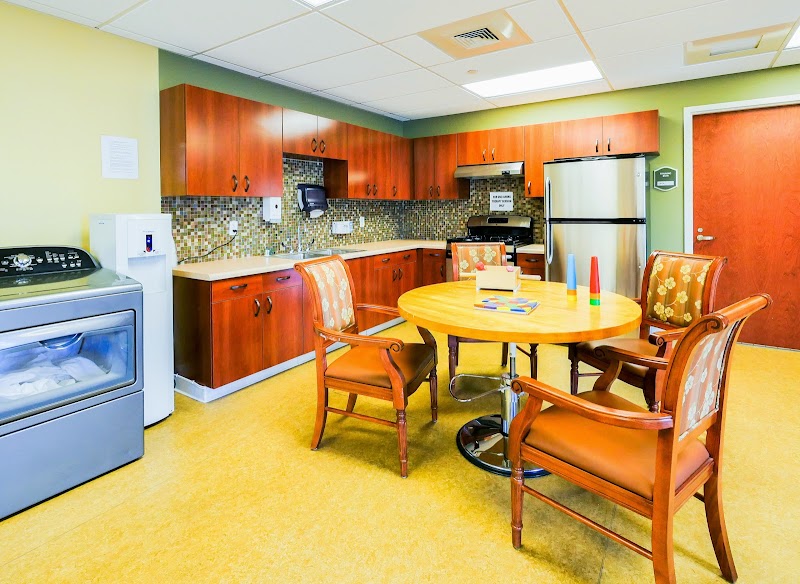
Who Owns and Operates Silver Hills Health?

SILVER HILLS HEALTH CARE CENTER is owned by a for-profit company. For-profit facilities operate as businesses with obligations to shareholders or private owners. The facility is operated by COVENANT CARE, a chain that manages multiple nursing homes. With 155 certified beds and approximately 125 residents (about 81% occupancy), it is a mid-sized facility located in LAS VEGAS, Nevada.
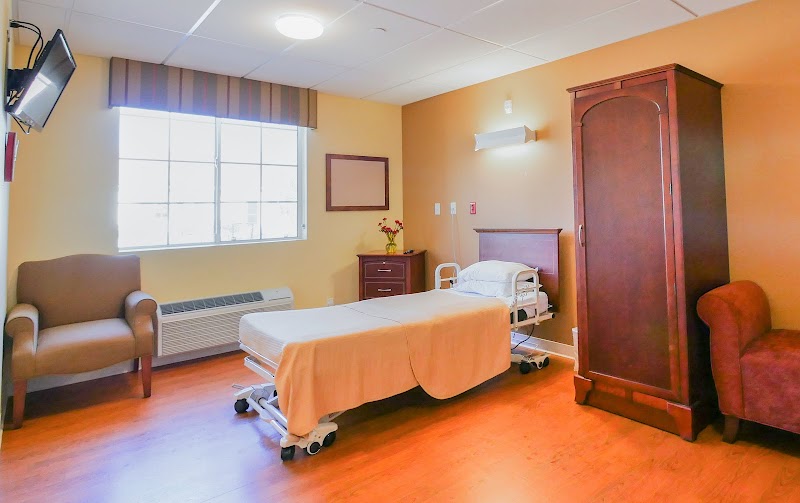
How Does Silver Hills Health Compare to Other Nevada Nursing Homes?

Compared to the 100 nursing homes in Nevada, SILVER HILLS HEALTH CARE CENTER's overall rating (3 stars) is below the state average of 3.0, staff turnover (47%) is near the state average of 46%, and health inspection rating (3 stars) is at the national benchmark.

What Should Families Ask When Visiting Silver Hills Health?

Based on this facility's data, families visiting should ask: "Can I visit during a mealtime to observe dining assistance and food quality?" "How do you handle medical emergencies, and what is your hospital transfer rate?" "Can I speak with family members of current residents about their experience?"

Is Silver Hills Health Safe?

Based on CMS inspection data, SILVER HILLS HEALTH CARE CENTER has a clean safety record: no substantiated abuse findings (meaning no confirmed cases of resident harm), no Immediate Jeopardy citations (the most serious violation level indicating risk of serious injury or death), and is not on the Special Focus Facility watch list (a federal program monitoring the lowest-performing 1% of nursing homes). The facility has a 3-star overall rating and ranks #100 of 100 nursing homes in Nevada. While no facility is perfect, families should still ask about staff-to-resident ratios and recent inspection results during their visit.

Do Nurses at Silver Hills Health Stick Around?

SILVER HILLS HEALTH CARE CENTER has a staff turnover rate of 47%, which is about average for Nevada nursing homes (state average: 46%). Moderate turnover is common in nursing homes, but families should still ask about staff tenure and how the facility maintains care continuity when employees leave.

Was Silver Hills Health Ever Fined?

SILVER HILLS HEALTH CARE CENTER has no federal fines on record. CMS issues fines when nursing homes fail to meet care standards or don't correct problems found during inspections. The absence of fines suggests the facility has either maintained compliance or corrected any issues before penalties were assessed. This is a positive indicator, though families should still review recent inspection reports for the full picture.

Is Silver Hills Health on Any Federal Watch List?

SILVER HILLS HEALTH CARE CENTER is not on any federal watch list. The most significant is the Special Focus Facility (SFF) program, which identifies the bottom 1% of nursing homes nationally based on persistent, serious quality problems. Not being on this list means the facility has avoided the pattern of deficiencies that triggers enhanced federal oversight. This is a positive indicator, though families should still review the facility's inspection history directly.