SILVER RIDGE HEALTHCARE CENTER


1151 TORREY PINES DR., LAS VEGAS, NV 89146 (702) 938-8333
For profit - Limited Liability company 148 Beds COVENANT CARE Data: November 2025 1 Immediate Jeopardy citation
Trust Grade
0/100
#62 of 65 in NV
Last Inspection: April 2025

Within standard 12-15 month inspection cycle. Federal law requires annual inspections.

Overview

Silver Ridge Healthcare Center has received a Trust Grade of F, indicating significant concerns about the quality of care provided. With a state rank of #62 out of 65 and a county rank of #41 out of 42, it is clearly in the bottom half of facilities in Nevada and the county. The facility is reportedly improving, with issues decreasing from 12 in 2024 to 11 in 2025, but still has a long way to go. Staffing is rated 3 out of 5 stars, which is average, and turnover is slightly below the state average at 44%. However, the facility has concerning fines totaling $69,343, which is higher than 87% of other Nevada facilities, suggesting ongoing compliance problems. Recent inspections revealed critical issues, such as food being stored at unsafe temperatures, which could lead to foodborne illnesses. There were also serious concerns regarding inadequate supervision, resulting in injuries to residents who required assistance for mobility. Additionally, failures were noted in maintaining proper hygiene standards in the kitchen, posing potential health risks. While there are some strengths in staffing stability, families should weigh these serious concerns when considering this facility for loved ones.

Trust Score
F
0/100
In Nevada
#62/65
Bottom 5%
Safety Record
High Risk
Review needed
Inspections
Getting Better
12 → 11 violations
Staff Stability
○ Average
44% turnover. Near Nevada's 48% average. Typical for the industry.
Penalties
✓ Good
$69,343 in fines. Lower than most Nevada facilities. Relatively clean record.
Skilled Nurses
○ Average
Each resident gets 32 minutes of Registered Nurse (RN) attention daily — about average for Nevada. RNs are the most trained staff who monitor for health changes.
Violations
⚠ Watch
39 deficiencies on record. Higher than average. Multiple issues found across inspections.
★☆☆☆☆
1.0
Overall Rating
★★★☆☆
3.0
Staff Levels
★★★★☆
4.0
Care Quality
★☆☆☆☆
1.0
Inspection Score
Stable
2024: 12 issues
2025: 11 issues

The Good

  • 4-Star Quality Measures · Strong clinical quality outcomes
  • Full Sprinkler Coverage · Fire safety systems throughout facility
  • No fines on record
  • Staff turnover below average (44%)

    4 points below Nevada average of 48%

Facility shows strength in quality measures, fire safety.

The Bad

1-Star Overall Rating

Below Nevada average (3.0)

Significant quality concerns identified by CMS

Staff Turnover: 44%

Near Nevada avg (46%)

Typical for the industry

Federal Fines: $69,343

Well above median ($33,413)

Moderate penalties - review what triggered them

Chain: COVENANT CARE

Part of a multi-facility chain

Ask about local staffing decisions and management

The Ugly 39 deficiencies on record

1 life-threatening 1 actual harm
Apr 2025 7 deficiencies 1 IJ (1 affecting multiple)
CRITICAL (K) 📢 Someone Reported This

A family member, employee, or ombudsman was alarmed enough to file a formal complaint

Immediate Jeopardy (IJ) - the most serious Medicare violation

Food Safety (Tag F0812)

Someone could have died · This affected multiple residents

Based on observation, interview, and document review, the facility failed to ensure food was stored in a sanitary manner when perishable items in the walk-in refrigerator were not stored within the sa...

Read full inspector narrative →
Based on observation, interview, and document review, the facility failed to ensure food was stored in a sanitary manner when perishable items in the walk-in refrigerator were not stored within the safe temperature range of 35-41 degrees Fahrenheit (F). The deficient practice had the potential to cause food-borne illness in all residents. Findings include: On 04/08/2025, in the morning, a tour of the kitchen was conducted with the Dietary Manager (DM). The walk-in refrigerator in the kitchen had heavy ice build-up on the back of two evaporator fans. The internal thermometer inside the walk-in registered 53 degrees F. - Sliced ham inside the refrigerator was at 53.2 degrees F - Chicken salad was at 52.9 degrees F. - Other perishable items in the walk-in included whole peeled eggs, liquid eggs in cartons, and mayonnaise. The DM verbalized the acceptable range for refrigerated foods was 35-41 degrees F and variance from this temperature range could cause food to spoil. The Refrigerator/Freezer Temperature Log (Form 603a), dated April 2025, indicated temperatures had been checked in the AM and the PM daily. The form documented the temperatures in the walk-in refrigerator in degrees F as follows: 04/04/2025 - AM: 45 PM: 53 04/05/2025 - AM: 45 PM: 51 04/06/2025 - AM: 35 PM: 53 04/07/2025 - AM: 51 PM: 35 04/08/2025 - AM: 55 On 04/08/2025, in the morning, the DM verbalized the temperature log documented a pattern of temperature readings over 41 degrees F starting on 04/04/2025 until present. The DM reported the temperature log indicated the walk-in refrigerator had not been holding food in the safe range for about four days. On 04/10/2025 at 9:35 AM, the Dietary Manager (DM) revealed all of the refrigerators in the kitchen were equipped with thermometers. The DM reported refrigerator temperatures were checked by cooks and documented twice daily, in the AM and in the PM. The DM stated temperatures above 41 degrees should have been reported to the Maintenance Director immediately. The DM reported having worked in the kitchen during these time frames but had been very busy and had failed to check the temperature log posted on the front of the walk-in refrigerator. On 04/10/25 at 9:41 AM, the [NAME] reported upon arrival to work on Friday morning, 04/04/2025, the walk-in refrigerator had a temperature of 45 degrees F. The [NAME] recalled reporting the out-of-range temperature to the Assistant Dietary Director. The [NAME] stated had returned to work the next morning, 04/05/2025, and the walk-in temperature was again 45 degrees. The [NAME] verbalized had also noted a temperature of 53 degrees F taken the prior evening. The [NAME] reported asking someone if maintenance had been notified of the PM high temp of 53, and someone said they had. The [NAME] did not remember who made the statement. The [NAME] recalled being very busy trying to get out two meals and did not think further on the matter. The [NAME] stated had next two days off, and upon returning to work on Tuesday, 04/04/2025, the AM temperature was 55 degrees F, which the [NAME] documented on the temperature log. On 04/10/25 at 09:50 AM, the Assistant Dietary Manager recalled on Friday, 04/04/2025, being notified by the [NAME] about the walk-in refrigerator being 45 degrees F. The Assistant Dietary Manager revealed had reported the concern to the Maintenance Assistant. The Assistant Dietary Manager verbalized the Maintenance Assistant checked the walk-in refrigerator. The Assistant Dietary Manager verbalized being not certain if the issue was resolved. On 04/10/25 at 09:55 AM, the Registered Dietician (RD) revealed storing food above 41 degrees F could allow harmful bacteria to grow in perishable items. The RD revealed residents ingesting spoiled food items which contained bacteria could experience nausea, vomiting, and diarrhea. On 04/10/25 at 10:44 AM, the Maintenance Assistant verbalized not recalling being notified by kitchen staff regarding an issue with the walk-in refrigerator. The Maintenance Assistant indicated not having examined the walk-in refrigerator. The Maintenance Assistant stated not being aware of any issues with the walk-in. 04/10/25 at 4:49 PM, the Maintenance Director verbalized on 04/08/2025, in the morning, having been alerted the walk-in refrigerator was not functioning properly. The Maintenance Director verbalized had called a service company to come out and check the walk-in. The Maintenance Director stated the service technician had found ice around the evaporation fans, and a small coolant leak in part of the walk-in cooling system located on the roof of the facility. The Maintenance Director verbalized having not been notified of the walk-in refrigerator issue prior to 04/08/2025. The Maintenance Director reported not knowing if the Maintenance Assistant had been notified of the issue. The Maintenance Director explained ideally we would both be notified. A Refrigerator Service Invoice dated 04/08/2025, indicated receipt of a service request from the Maintenance Director on 04/08/2025 at 8:11 AM, regarding the walk-in refrigerator frozen up and too warm. The service invoice documented frozen evaporation coils and a coolant leak were identified and addressed. The policy and procedure titled Food Safety in Receiving and Storage, dated 02/2009 indicated food was stored by methods to minimize contamination by bacterial growth. Refrigerator temperatures would be checked and recorded daily. Temperatures not in the appropriate range should be reported to the Dietary Manager, or maintenance, immediately. The temperature of refrigerators would be maintained to hold cold foods at 41 degrees F or below. The policy and procedure titled Safe Food Temperatures, dated 02/2009, indicated the time the food was in the temperature danger zone (between 41 to 135 degrees F) should not exceed six hours.
CONCERN (D) 📢 Someone Reported This

A family member, employee, or ombudsman was alarmed enough to file a formal complaint

Potential for Harm - no one hurt, but risky conditions existed

Deficiency F0561 (Tag F0561)

Could have caused harm · This affected 1 resident

**NOTE- TERMS IN BRACKETS HAVE BEEN EDITED TO PROTECT CONFIDENTIALITY** Based on observation, interview, record review, and document review, the facility failed to comply with the prescribed meal cons...

Read full inspector narrative →
**NOTE- TERMS IN BRACKETS HAVE BEEN EDITED TO PROTECT CONFIDENTIALITY** Based on observation, interview, record review, and document review, the facility failed to comply with the prescribed meal consistency and dietary preferences for 1 of 28 sampled residents (Resident #13). The deficient practice had the potential to disregard resident autonomy and preference, negatively impacting meal satisfaction, leading to reduced appetite, and increase meal refusal that could have affected the resident's nutritional intake and quality of life. Findings include: Resident #13 (R13) R13 was admitted on [DATE], with diagnoses including hypertension, chronic debility, hypothyroidism, atrial fibrillation, type 2 diabetes, and chronic obstructive pulmonary disease. Physician order dated 03/21/2025, documented R13 had a consistent, constant, or controlled carbohydrate diet (a diet used to manage blood sugar levels, particularly for individuals with diabetes), minced and moist texture, and regular thin consistency. On 04/08/2025 at 12:15 PM, Resident R13 was observed in their room during lunch. The resident did not eat the provided meal and expressed no longer required a pureed diet. R13 stated had already been removed from the pureed diet and did not understand why meals continued to be served in that consistency. On 04/09/2025 at 12:00 PM, R13 was in the dining room when a Certified Nursing Assistant (CNA) served their lunch, which consisted of a pureed diet including ham, bread, and mashed potatoes. The resident refused the meal due to its pureed consistency. The meal ticket, which provided essential details regarding the resident's dietary needs, preferences, and restrictions, indicated a minced moist consistency diet. Additionally, the meal ticket documented allergies and dislikes, including pork. R13 was upset because the facility continued serving puree diet and meals resident disliked such as pork (ham). On 04/09/2025 at 12:15, the kitchen manager confirmed the observation and inquired with the cook responsible for the tray line regarding the meal consistency served to R13. The cook stated a pureed diet was provided since pureed and minced/moist consistencies were considered the same. The cook confirmed that R13 was served a pureed diet that included ham, bread, and mashed potatoes. The kitchen manager clarified a minced/moist diet consists of soft, moist, and finely minced foods that require minimal chewing, whereas a pureed diet includes foods blended into a smooth, pudding-like consistency, eliminating the need for chewing. Additionally, the kitchen manager acknowledged R13's documented food preference, specifically the dislike of pork, was not honored, as ham was included in the meal served for lunch. The nutritional care plan for R13 identified a risk of altered nutrition and hydration due to diabetes, depression, and gastroesophageal reflux disease (GERD). The care plan indicated R13 had multiple food preferences and experienced fluctuations in weight. The care plan interventions included encouraging a meal intake of more than 50% through the review date, ensuring the resident exhibits no signs or symptoms of altered hydration, and preventing significant weight change. The facility policy titled Resident Food Preferences dated November 2016, documented all food and dinning staff would be made aware of resident food preferences and allergies to prevent serving foods that could contribute to food allergies, and to meet resident's food preferences. The Resident [NAME] of Rights provided to the residents at the time of admission, listed the recognition of their individualities as part of their rights.
CONCERN (D) 📢 Someone Reported This

A family member, employee, or ombudsman was alarmed enough to file a formal complaint

Potential for Harm - no one hurt, but risky conditions existed

Quality of Care (Tag F0684)

Could have caused harm · This affected 1 resident

**NOTE- TERMS IN BRACKETS HAVE BEEN EDITED TO PROTECT CONFIDENTIALITY** Based on interview, record review and document review, the facility failed to notify the physician regarding resident post fall ...

Read full inspector narrative →
**NOTE- TERMS IN BRACKETS HAVE BEEN EDITED TO PROTECT CONFIDENTIALITY** Based on interview, record review and document review, the facility failed to notify the physician regarding resident post fall behavior and refusal of care for 1 of 28 sampled residents (Resident 126). The deficient practice had the potential for not exploring other physician interventions for resident care needs. Findings include: Resident 126 (R126) R126 was admitted on [DATE] and discharged on [DATE] with diagnoses including chronic obstructive pulmonary disease, pleural effusion, and chronic pulmonary edema. A Change in Condition dated [DATE] at 1:47 PM, documented R126 had a fall and complaints of back pain and pain in the back of head. Recommendation of physician was to send R126 to the hospital to be checked. The hospital after-visit summary dated [DATE], documented diagnoses of closed head injury, with education of certain problems the caregiver should watch for and to call for an ambulance if acting confused or disoriented, sudden, and persistent change in behavior, have trouble speaking or slurred speech. Skilled evaluation notes documented the following: -[DATE] at 11:28 PM, mood is pleasant, no unwanted behaviors witnessed. -[DATE] at 8:33 AM, mood is pleasant, no unwanted behaviors witnessed. -[DATE] at 6:42 PM, mood is pleasant, no unwanted behaviors witnessed. A Nursing note dated [DATE] documented the following: - 6:30 AM, the Supervising Nurse got a report from night nurse the resident was agitated the whole night after came back from the hospital from getting a CT scan. The night nurse reported there were no new orders. R126 was really confused and combative with transport. R126 was cursing and kicking and continued to do so when transferred to room. R126 refused to receive care and for vitals to be taken. R126 scratched, hit, and kicked staff if nearby. R126 also repeatedly tried to throw themselves on the floor the whole night shift. -6:40 AM, the dayshift Certified Nurse Assistant (CNA) and night shift CNA helped R126 to change clothes due to taking clothes off and trying to get out of bed. -7:20 AM, a CNA went to R126's room to give resident a water pitcher and R126 was talking to themselves. -7:35 AM, a CNA reported to the Supervising Nurse R126 was unresponsive. The Supervising Nurse checked R126 to confirm and immediately paged code blue and called 911 right after the page. The Supervising Nurse and other staff started Cardiopulmonary Resuscitation (CPR) Protocol. - 7:40 AM, 911 came and started working with R126. - 8:08 AM, 911 pronounced the R126 expired. R126's medical record lacked documented evidence the physician was notified of R126's behaviors and refusal of care, post fall. On [DATE] at 9:42 AM, a Licensed Practical Nurse 1 (LPN1) explained when a fall event occurs the resident would be assessed with notification made to family and physician. If the resident was sent to the hospital and returns the staff would continue monitoring the resident for 72 hours. If the resident was refusing treatment or vitals the staff would notify the physician and the family and document in the resident's clinical record. On [DATE] at 10:41 AM, a Supervising Nurse explained when a fall event occurs staff will assess the resident and call the doctor to notify and obtain orders. Staff would send resident to the hospital for a CT scan if it was a suspected head injury. When the resident returns staff would continue monitoring vitals. Staff would notify the doctor if the resident was refusing care, and this would be documented in the medical record. On [DATE] at 10:45 AM, the Supervising Nurse reviewed R126's medical record and confirmed R126 was refusing care, and the physician was not notified. On [DATE] at 12:04 PM, a Licensed Practical Nurse 2 (LPN 2) confirmed being familiar with R126's fall event. LPN 2 explained receiving report from the night shift nurse indicating R126 had returned from the hospital and was aggressive, throwing a urinal, fighting, and kicking and staff did a one on one with R126. The LPN explained staff would need to notify the physician if a resident was exhibiting behaviors and refusing care after a fall event. On [DATE] at 11:43 AM, the Director of Nursing (DON) explained if a resident was refusing care the expectation would be for staff to notify the physician. The facility policy titled Change of Condition, undated, documented the Licensed Nurse was to appropriately assess, document and communicate changes of condition including diagnostic results to the primary care provider.
CONCERN (D)

Potential for Harm - no one hurt, but risky conditions existed

Pressure Ulcer Prevention (Tag F0686)

Could have caused harm · This affected 1 resident

**NOTE- TERMS IN BRACKETS HAVE BEEN EDITED TO PROTECT CONFIDENTIALITY** Based on interview, record review and document review, the facility failed to provide documented evidence wound care treatments ...

Read full inspector narrative →
**NOTE- TERMS IN BRACKETS HAVE BEEN EDITED TO PROTECT CONFIDENTIALITY** Based on interview, record review and document review, the facility failed to provide documented evidence wound care treatments were provided per the physician's order for 1 of 28 sampled residents (Resident 42). The deficient practice had the potential to place the resident at risk for delayed healing of a wound. Findings include: Resident 42 (R42) R42 was admitted on [DATE] with diagnoses including type 2 diabetes mellitus with other circulatory complications, pressure ulcer of sacral region stage 3, and atrial fibrillation. A Physician order dated 03/25/2025 documented cleanse wound to coccyx with normal saline and pat dry. Apply Medihoney & Triad cream topically to site and cover with 2x2 and secure with border gauze every day shift for pressure wound. R42's Treatment Administration Record (TAR) for the pressure wound of the coccyx lacked documented evidence wound care treatments were completed 03/25/2025 through 03/31/2025. On 04/11/2025 at 08:10 AM, a Wound Care Nurse explained the admission Nurse was to complete the residents initial skin assessment. The wound care staff was to perform an additional assessment, obtain wound care treatment orders, and add residents to the wound care case load. The Wound Care Nurse reviewed the physician orders and TAR and confirmed R42's medical record lacked documented evidence wound care treatments were completed as per physician orders for 03/25/2025 through 03/31/2025. On 04/11/2025 at 08:55 AM, the Wound Care Nurse explained by not performing treatments as per physician orders could result in the wound not healing. On 04/11/2025 at 11:33 AM, the Director of Nursing (DON) explained the expectation was for the staff to document treatments performed on the TAR. The facility policy titled Pressure Ulcer, Prevention of, undated, documented if a pressure ulcer was present, the licensed nurse was responsible to record condition of the skin including stage, size, site, depth, color, drainage, and odor as well as the treatment provided.
CONCERN (D)

Potential for Harm - no one hurt, but risky conditions existed

Tube Feeding (Tag F0693)

Could have caused harm · This affected 1 resident

**NOTE- TERMS IN BRACKETS HAVE BEEN EDITED TO PROTECT CONFIDENTIALITY** Based on observations, interviews, record reviews, and document reviews, the facility failed to ensure the water bag used for ga...

Read full inspector narrative →
**NOTE- TERMS IN BRACKETS HAVE BEEN EDITED TO PROTECT CONFIDENTIALITY** Based on observations, interviews, record reviews, and document reviews, the facility failed to ensure the water bag used for gastrostomy feeding hydration and the tubing system were properly dated upon initiation of use for 2 of 28 sampled residents (Resident #68 and #70). This deficient practice had the potential to compromise patient safety by increasing the risk of contamination and infections, and improper hydration management, potentially leading to adverse health outcomes. Findings include: Resident #68 (R68) R68 was originally admitted on [DATE], and re-admitted on [DATE], with diagnoses including history of pneumonia, history of CVA with left side weakness, diabetes mellitus, atrial fibrillation, chronic kidney disease, and congestive heart failure. On 04/08/2025 at 4:42 PM, a gastrostomy tube (G-tube) feeding infusion pump was noted with a hanging bottle of feeding formula of Glucerna 1.2 dated 04/08/2025. However, the time of initiation for the bottle was not documented. The pump was turned off, and the tubing was undated and disconnected from the G-tube. Approximately 400 ml of formula remained in the bottle. Additionally, a bag of water was present, though it was undated and untimed, with around 700 ml remaining. On 04/08/2025 at 4:44 PM, a Licensed Practical Nurse (LPN) confirmed the observation and explained the feeding tubing, and the water bag should have been dated when initiated to ensure changed every 48 hours. A physician's order, dated February 22, 2025, documented the administration of Glucerna 1.2 via an enteral pump. The order specified an infusion rate of 65 milliliters (ml) per hour for a duration of 20 hours, with feedings commencing at 2:00 PM and continuing until the prescribed dose is fully delivered. A physician order dated 01/28/2025, indicated to change enteral feeding tubing every 48 hours and/or with each bottle or bag. Resident #70 (R70) R70 was originally admitted on [DATE], and re-admitted on [DATE], with diagnoses including Parkinson's disease, hypertension, seizure disorder, and history of cerebral vascular accident (CVA). The resident was receiving nutrition via gastrostomy tube. The physician's order, dated 11/30/2024, had documented the administration of Jevity 1.5 via a gastrostomy tube (G-tube) at a rate of 50 ml per hour, totaling 1,000 ml. The order indicated feedings had been scheduled to begin at 2:00 PM and to continue until the prescribed dose had been fully delivered. A physician order dated 11/05/2024, indicated to change enteral feeding tubing every 48 hours and/or with each bottle or bag. On 04/08/2025 at 1:36 PM, a gastrostomy tube (G-tube) feeding infusion pump was noted with a hanging bottle of feeding formula of Jevity 1.5 dated 04/08/2025. However, the time of initiation for the bottle was not documented. The pump was turned off, and the undated tubing was disconnected from the G-tube. There was no bag of water attached to the infusion pump. On 04/08/2025 at 1:45 PM, an LPN explained the feeding was stopped after the prescribed amount was delivered and should have been restarted at 2 PM. The LPN confirmed the feeding formula did not document the time the bottle of formula was initiated, and the tubing was not dated. On 04/09/2025, at 7:40 AM, R70 was receiving feeding formula Jevity 1.5 via G-tube at a rate of 50 ml per minute. A Licensed Practical Nurse confirmed the feeding tubing was not dated. On 04/09/2025 at 12:00 PM, R70 was receiving the feeding at 50 ml per minute. At the time of observation, approximately 700 mL remained in the bottle. A bag of water was present, though it was undated and untimed, as well as the infusing tubing. On 04/10/2025 at 7:25 AM during med pass, R70 was receiving the feeding via G-tube. A water bag was present. The water bag was undated and untimed, the bottle of formula was dated 04/09/2025 but not timed. Additionally, tubing system was not dated. An LPN confirmed the observation and indicated bottles of formula, water bags and tubing should have been dated and timed. The LPN emphasized the importance of labeling the tube feeding items since formula should be discarded within 24 hours upon initiated. The facility policy titled Enteral Nutritional Therapy (Tube Feeding) dated 2006, indicated prefilled formula container and tubing should be changed every 48 hours or per manufacturer guidelines.
CONCERN (D)

Potential for Harm - no one hurt, but risky conditions existed

Deficiency F0761 (Tag F0761)

Could have caused harm · This affected 1 resident

**NOTE- TERMS IN BRACKETS HAVE BEEN EDITED TO PROTECT CONFIDENTIALITY** Based on observations, interviews, and document review, the facility failed to remove expired medications from two of three medi...

Read full inspector narrative →
**NOTE- TERMS IN BRACKETS HAVE BEEN EDITED TO PROTECT CONFIDENTIALITY** Based on observations, interviews, and document review, the facility failed to remove expired medications from two of three medication rooms and one of five medication carts. This deficient practice had the potential to compromise patient safety by contributing to the risk of medication errors. Findings include: On the morning of April 10, 2025, inspections were conducted on four medication carts and two medication rooms. The following concerns were identified: Medication cart 200 Hall: 04/10/2025 at 8:28 AM, during a medication administration observation, a Licensed Practical Nurse (LPN) attempted to administer a 250-milligram tablet of Vitamin C to an unsampled resident (Resident #16). The LPN retrieved the tablet from a bottle in the medication cart and placed it in a cup in preparation for administration. The inspector advised the LPN not to administer the Vitamin C after noting the supplement had expired in December 2024. The LPN confirmed the observation and acknowledged that the expiration date should have been verified before placing the medication in the cup. Medication Rooms: Medication room [ROOM NUMBER] Hall: A bottle of Vitamin C 250 mg had expired in December 2024. A Licensed Practical Nurse (LPN) had confirmed this observation. Medication room [ROOM NUMBER] Hall: An opened vial of Insulin Lispro had been dated February 14, 2025. According to the label, the medication had been required to be discarded within 28 days of opening. A Licensed Practical Nurse (LPN) confirmed this observation and had acknowledged the medication should have been discarded after the designated period. The facility policy titled Medication Storage I, dated November 2011, indicated nurses should check the expiration date of each medication before administering. The policy revealed all expired medications should be removed from active supply and destroyed in the facility. The policy documented the expiration date of vial would be 30 days after being initiated.
CONCERN (D)

Potential for Harm - no one hurt, but risky conditions existed

Deficiency F0947 (Tag F0947)

Could have caused harm · This affected 1 resident

Based on interview and document review, the facility failed to ensure mandatory training which included abuse, fire, disaster, and dementia training was provided to 1 of 2 sampled Certified Nursing As...

Read full inspector narrative →
Based on interview and document review, the facility failed to ensure mandatory training which included abuse, fire, disaster, and dementia training was provided to 1 of 2 sampled Certified Nursing Assistants (Employee 10). The deficient practice placed residents at risk for inappropriate care. Findings include: Employee 10 (E10) E10 was hired as a Certified Nursing Assistant (CNA) on 03/04/2003. Employee file reviews revealed E10 had not completed Abuse, Fire and Disaster training. The employee file also lacked documentation of initial or annual dementia training. On 04/11/2025 in the afternoon, the Human Resource/ Payroll Clerk (HR) confirmed E10 had no record of abuse, fire, disaster, or dementia training in this employee's files. The HR indicated abuse, fire, disaster and dementia training were mandatory trainings which were expected to be completed by all new hires and refreshed annually. On 04/11/2025 in the afternoon, the Staff Development Assistant verbalized the facility was expected to abide by state and local laws which would include state-required training such as care of dementia residents, abuse, fire and disaster training. The Covenant Care Employee Training Requirements updated 12/2022, outlined new hire and annual compliance-related training for all employees which would include but was not limited to, abuse and neglect, safety-related training and training required by federal and state requirements and conditions of participation specific for Nevada. The State Operations Manual for Long Term Care Facilities documents required in-service training for nurse aides must include but are not limited to dementia management training and resident abuse prevention training.
Jan 2025 4 deficiencies
CONCERN (D) 📢 Someone Reported This

A family member, employee, or ombudsman was alarmed enough to file a formal complaint

Potential for Harm - no one hurt, but risky conditions existed

Deficiency F0655 (Tag F0655)

Could have caused harm · This affected 1 resident

**NOTE- TERMS IN BRACKETS HAVE BEEN EDITED TO PROTECT CONFIDENTIALITY** Based on interview, record review, and document review, the facility failed to ensure a baseline care plan was developed for a r...

Read full inspector narrative →
**NOTE- TERMS IN BRACKETS HAVE BEEN EDITED TO PROTECT CONFIDENTIALITY** Based on interview, record review, and document review, the facility failed to ensure a baseline care plan was developed for a resident who was admitted with an infected left foot and was assessed to be at risk for developing pressure ulcers and other skin impairments for 1 of 4 sampled residents (Resident 1). The deficient practice potentially resulted in delayed interventions for the resident's skin impairments. Findings include: Resident 1 (R1) was admitted on [DATE], with diagnoses including left toe cellulitis of left lower limb, acquired absence of right leg, peripheral vascular disease and diabetes mellitus. A Braden scale (a formal tool used to assess a patient's risk for developing pressure ulcers) dated 04/23/2024, revealed R1 was at risk for developing pressure ulcers due to skin often being exposed to moisture, limited mobility, and chairfast status. The medical record lacked documented evidence a baseline care plan was developed for R1 for pressure ulcer prevention and maintaining skin integrity. A change of condition document dated 05/18/2024, documented R1 was identified with bilateral groin and excoriation, skin tear on left buttock half dollar size, right knee scab and left foot discoloration to foot and toes. On 01/16/2025 at 12:33 PM, the treatment nurse reviewed R1's medical record and confirmed R1 was admitted with left foot cellulitis and was assessed to be at risk for developing pressure ulcer but no care plan was initiated for R1. The treatment nurse indicated a care plan for pressure ulcer prevention and maintaining skin integrity typically included interventions such as: 1) floating heels, 2) monitoring incontinence and providing perineal care timely, 3) performing weekly skin checks and reporting new impairments immediately, and 4) use of an air loss mattress. The treatment nurse explained the admission nurse, minimum data set (MDS) nurse or any nurse assigned to the resident in the first 48 hours were jointly responsible for completing the baseline care plan. On 01/16/2025 in the afternoon, the treatment nurse indicated being involved in R1's care on 05/19/2024 after a nurse reported R1's multiple skin issues to the wound team. The treatment nurse indicated review of medical record revealed a potential delay in identification and necessary interventions for the resident of concern which resulted in development of a pressure ulcer, groin rash and complications to left foot and toes. On 01/16/2025 at 3:34 PM, the Director of Nursing (DON) confirmed a pressure ulcer and skin integrity care plan was not included in the resident's baseline care plan but should have been. The DON clarified the admission nurse, or any nurse assigned to the resident during the first 48 hours were responsible for development of the baseline care plan. The Baseline Care Plan policy dated October 2022, documented the baseline care plan would be developed in the first 48 hours of the resident's admission and include instructions needed to provide effective and person-centered care for each resident. Complaint #NV00071274
CONCERN (D) 📢 Someone Reported This

A family member, employee, or ombudsman was alarmed enough to file a formal complaint

Potential for Harm - no one hurt, but risky conditions existed

Comprehensive Care Plan (Tag F0656)

Could have caused harm · This affected 1 resident

**NOTE- TERMS IN BRACKETS HAVE BEEN EDITED TO PROTECT CONFIDENTIALITY** Based on interview, record review and document review, the facility failed to ensure a care plan was developed and implemented f...

Read full inspector narrative →
**NOTE- TERMS IN BRACKETS HAVE BEEN EDITED TO PROTECT CONFIDENTIALITY** Based on interview, record review and document review, the facility failed to ensure a care plan was developed and implemented for a resident who was assessed to be at risk for developing pressure ulcers for 1 of 4 sampled residents (Resident 1). The deficient practice potentially resulted in delayed identification and interventions resulting in multiple areas of skin breakdown. Findings include: Resident 1 (R1) was admitted on [DATE], with diagnoses including left toe cellulitis of left lower limb, acquired absence of right leg, peripheral vascular disease and diabetes mellitus. A Braden scale (a formal tool used for assessing a patient's risk for developing pressure ulcer) dated 04/23/2024, revealed R1 was at risk for developing pressure ulcers due to skin often being exposed to moisture, limited mobility, and chairfast status. The admission minimum data set (MDS) dated [DATE], revealed R1 was at risk for developing pressure injuries, and was not admitted with any pressure injuries. R1 had an infection of the foot. The care area assessment summary (Section V) revealed pressure ulcer was a triggered care area for Resident 1. The medical record lacked documented evidence a care plan was developed for R1 for pressure ulcer prevention and maintaining skin integrity. A change of condition document dated 05/18/2024, documented R1 was identified with bilateral groin and excoriation, skin tear on left buttock half dollar size, right knee scab and left foot discoloration to foot and toes. On 01/16/2025 at 1:32 PM, the MDS Director reviewed R1's medical record and confirmed the admission nurse recorded no skin issues apart from R1's healed right leg amputation and the treatment nurse recorded no other skin issues apart from scarring to hip and shin upon admission on [DATE]. The MDS Director confirmed the pressure ulcer care area was triggered due to R1 being incontinent and requiring assistance for bed mobility. The MDS Director explained the admission nurse, treatment nurse or any nurse assigned to the resident was responsible for developing a care plan for preventing pressure ulcers or maintaining skin integrity. On 01/16/2025 in the afternoon, the Director of Nursing (DON) clarified if the admission nurse or any nurse assigned to R1 failed to initiate a care plan for pressure ulcer prevention and maintaining skin integrity, the MDS Director who completed the comprehensive assessment should have identified the care plan was missed and the MDS Director had time to include the pressure ulcer care plan in the resident's comprehensive care plan. The Baseline Care plan policy dated October 2022, documented the baseline care plan would be used until the inter-disciplinary team could conduct the comprehensive assessment and develop the comprehensive care plan within seven days of comprehensive assessment completion. The Pressure Ulcer Prevention policy dated 2006, documented residents would be assessed for risk of pressure ulcer development and a care plan would be developed Complaint #NV00071274
CONCERN (D) 📢 Someone Reported This

A family member, employee, or ombudsman was alarmed enough to file a formal complaint

Potential for Harm - no one hurt, but risky conditions existed

Quality of Care (Tag F0684)

Could have caused harm · This affected 1 resident

**NOTE- TERMS IN BRACKETS HAVE BEEN EDITED TO PROTECT CONFIDENTIALITY** Based on interview, record review and document review, the facility failed to ensure a resident's left foot which was being trea...

Read full inspector narrative →
**NOTE- TERMS IN BRACKETS HAVE BEEN EDITED TO PROTECT CONFIDENTIALITY** Based on interview, record review and document review, the facility failed to ensure a resident's left foot which was being treated for cellulitis (infection) was assessed and monitored in a timely manner for 1 of 4 sampled residents (Resident 1). The deficient practice potentially resulted in complications to the resident's left foot resulting in hospitalization. Findings include: Resident 1 (R1) R1 was admitted on [DATE], with diagnoses including cellulitis of left lower limb, acquired absence of right leg, peripheral vascular disease (PVD) and diabetes mellitus. A hospital Discharge summary dated [DATE], revealed R1 was admitted for left foot pain, swelling and cellulitis. R1 injured left foot 10 days ago after a mechanical fall at home. R1's problem list included diabetes mellitus type two, peripheral vascular disease (PVD) and history of above the knee amputation (AKA) and hypotension leukocytosis (low blood pressure and elevated white blood cells due to infection) most likely evolving sepsis. The discharge plan included physical therapy, completion of oral antibiotics, and discharge with a CAM (controlled ankle motion) boot device. A Clinical admission note dated 04/23/2024, documented R1 was admitted with a healed right AKA with no other skin issues. A Skin/Wound Evaluation dated 04/23/2024, revealed R1 was seen by a treatment nurse and was noted to have a healed right AKA, scarring to left shin and right hip, with no other skin issues. The medical record lacked documented evidence R1's left foot condition or the presence/absence of a CAM boot device was documented in the admission skin assessments dated 04/23/2024 and a subsequent skin inspection on 05/10/2024. A skin inspection assessment dated [DATE], revealed R1's left foot had discoloration to foot and toes. A Skin/Wound Evaluation dated 05/18/2024, documented R1 had an arterial wound to left dorsum foot measuring 19.8 centimeters (cm) in length, 5.2 cm in width for a total area of 83.2 square cm. The wound was described to have eschar (black, dry necrotic tissue) to 100 percent (%) of the wound, surrounding tissue was dark reddish brown. A Skin/Wound note dated 05/19/2024, revealed the treatment nurse noted left dorsal foot and toes to be black, hard and cool to touch. The provider was informed and an arterial doppler ultrasound (a non-invasive test which could assess blood flow in arteries) was ordered and carried out. An arterial doppler of left extremity arteries performed 05/19/2024, revealed severe inflow stenosis (narrowing). Intermediate segment occlusion middle to distal femoral artery. Limited Outflow. Suggest CT (computed tomography) angiogram. The Discharge summary dated [DATE], revealed R1's provider discussed results of R1's arterial doppler with R1's family members who were present in the resident's room. R1 expressed being in a lot of pain, staff reported R1's left leg was discolored, cool to touch with unappreciated pulses. Family requested R1 be transferred to the hospital for further evaluation and management. On 01/16/2025 in the afternoon, the treatment nurse reviewed R1's medical record and indicated the status or condition of R1's left foot should have been documented in the admission skin assessments which were completed by the charge nurse and the other treatment nurse, because the resident was admitted with primary diagnosis of left foot cellulitis. The treatment nurse confirmed weekly skin checks were missed on 04/30/2024, 05/07/2024 and 05/14/2024 could have identified any issues with R1's left foot much earlier. The treatment nurse emphasized being involved in R1's care on 05/19/2024 after a nurse reported R1's multiple skin issues on 05/18/2024 to include abnormalities to R1's left foot. On 01/16/2025 at 3:10 PM, the Director of Nursing (DON) confirmed the facility's practice for nurses to document weekly skin inspections in the electronic health record. The DON confirmed R1's weekly skin check was missed on 04/30/2024 and were completed late on 05/10/2024 (due 05/07/2024) and 05/18/2024 (due 05/10/2024). The DON confirmed weekly skin checks were done by licensed nurses per facility policy for the purpose of identifying new skin impairments and timely interventions. The DON indicated the admission skin assessment should have documented the appearance of R1's left foot due to the fact R1 was admitted with a primary diagnosis of left foot cellulitis. The Skin Integrity policy dated December 2016, documented skin integrity issues were identified post-admission to the facility and the following documented information was required: location and size of wound, description of wound bed, drainage if present, odor, signs and symptoms of infection, description of surrounding tissue and notation of the 24-hour report indicating the skin condition. Complaint #NV00071274
CONCERN (D) 📢 Someone Reported This

A family member, employee, or ombudsman was alarmed enough to file a formal complaint

Potential for Harm - no one hurt, but risky conditions existed

Pressure Ulcer Prevention (Tag F0686)

Could have caused harm · This affected 1 resident

**NOTE- TERMS IN BRACKETS HAVE BEEN EDITED TO PROTECT CONFIDENTIALITY** Based on interview, record review and document review, the facility failed to ensure weekly skin assessments were not missed or ...

Read full inspector narrative →
**NOTE- TERMS IN BRACKETS HAVE BEEN EDITED TO PROTECT CONFIDENTIALITY** Based on interview, record review and document review, the facility failed to ensure weekly skin assessments were not missed or late for a resident who was assessed to be at risk for developing pressure ulcers for 1 of 4 sampled residents (Resident 1). The deficient practice potentially contributed to the resident's facility-acquired pressure ulcer and a delay in necessary interventions to prevent and treat the resident's pressure sore. Findings include: Resident 1 (R1) R1 was admitted on [DATE], with diagnoses including left toe cellulitis of left lower limb, acquired absence of right leg, peripheral vascular disease and diabetes mellitus. A Clinical admission note dated 04/23/2024, documented R1 was admitted with a right above the knee amputation (AKA) with no skin other issues. A Skin/Wound Evaluation dated 04/23/2024, revealed R1 was seen by a treatment nurse and was noted to have a healed right AKA, scarring to left shin and right hip, with no other skin issues identified. A Braden scale (a formal tool used in assessing a patient's risk for developing pressure ulcers) dated 04/23/2024, revealed R1 was at risk for developing pressure ulcers due to skin often being exposed to moisture, limited mobility, and chairfast status. On 01/16/2025 at 2:18 PM, the treatment nurse explained the admission nurse was responsible for conducting the initial head-to-toe skin assessment which was followed by an in-depth skin evaluation by the wound team. According to the treatment nurse, when a skin impairment was identified, the treatment nurse would include the resident on the wound team's case load for monitoring and treatment of wounds. The treatment nurse indicated weekly skin checks were performed by floor nurses and documented in the electronic health record (EHR) under skin inspection assessments. The medical record lacked documented evidence weekly skin checks were completed on 04/30/2024, 05/07/2024, and 05/14/2024. On 01/16/2025 at 2:20 PM, the treatment nurse reviewed R1's medical record and confirmed weekly skin checks were missed on 04/30/2024, 05/07/2024 and 05/14/2024. The treatment nurse explained weekly skin assessments were necessary for timely identification and interventions for any new skin impairments. A general note dated 05/18/2024, revealed a Certified Nursing Assistant (CNA) noticed a wound on R1's left hip while changing R1, a nurse assessed R1. A Skin/Wound Evaluation dated 05/19/2024, revealed R1 was identified to have a pressure wound, deep tissue injury on the front left trochanter (a bony prominence toward the end of the thigh bone or femur) which was in-house acquired and measuring 11.4 centimeters (cm) in length, 10.5 cm in width and 0.1 cm in depth. The wound was noted to be sanguinous (bloody). A physician's order dated 05/19/2024, documented to cleanse left buttock with normal saline, pat dry and apply dressing. A physician's order dated 05/19/2024, documented to provide R1 with a low air loss mattress for wound management. A physician's order dated 05/19/2024, documented to do weekly skin assessments every Tuesday on day shift. On 01/16/2025 at 2:25 PM, the treatment nurse confirmed R1 was not on the wound team's case load because admission assessments revealed R1 had no skin issues. The treatment nurse indicated meeting R1 for the first time on 05/19/2024 after multiple areas of skin breakdown were communicated by the floor nurse on 05/18/2024. The treatment nurse confirmed physician orders for wound management were obtained on 05/19/2024 but were unable to get carried out because R1 was transferred to the hospital on [DATE]. On 01/16/2024 at 2:30 PM, the treatment nurse indicated the purpose of conducting weekly skin checks was to identify areas of skin breakdown in a timely manner and to prevent a delay in appropriate interventions. The treatment nurse indicated the missed weekly skin checks may possibly have caused a delay in identification, prevention interventions such as use of an air loss mattress and treatment orders to R1's wounds. On 01/16/2025 at 3:10 PM, the Director of Nursing (DON) confirmed the facility's practice for nurses to document weekly skin inspections in the EHR. The DON confirmed R1's weekly skin check was missed on 04/30/2024 and were completed late 05/10/2024 (due 05/07/2024) and 05/18/2024 (due 05/14/2024). The DON confirmed weekly skin checks were done by licensed nurses per facility policy for the purpose of identifying new skin impairments and ensure timely interventions. The Discharge summary dated [DATE], revealed R1's family requested a hospital transfer for further evaluation and management. The Skin Integrity policy dated December 2016, revealed residents at risk for skin breakdown (pressure ulcers) would have a routine assessment to maintain and/or improve skin integrity. The objective was to create an on-going process to identify and actively manage risk and skin integrity issues to prevent infections and determine appropriate referrals or interventions to achieve positive clinical outcomes. Licensed nurses would perform weekly head to toe assessments. Complaint #NV00071274
Jun 2024 1 deficiency
CONCERN (D) 📢 Someone Reported This

A family member, employee, or ombudsman was alarmed enough to file a formal complaint

Potential for Harm - no one hurt, but risky conditions existed

Accident Prevention (Tag F0689)

Could have caused harm · This affected 1 resident

**NOTE- TERMS IN BRACKETS HAVE BEEN EDITED TO PROTECT CONFIDENTIALITY** Based on observation, interview, record review and document review, the facility failed to ensure 1) elopement measures were eff...

Read full inspector narrative →
**NOTE- TERMS IN BRACKETS HAVE BEEN EDITED TO PROTECT CONFIDENTIALITY** Based on observation, interview, record review and document review, the facility failed to ensure 1) elopement measures were effectively executed for 2 of 5 sampled residents (Resident 1 and 2), and 2) elopement risk assessment tool intervention recommendations were implemented for 1 of 5 sampled residents (Resident 2). The deficient practice had a potential for residents to elope from the facility that could lead to resident's harm. Findings include: 1. Elopement Measures Resident 1 (R1): R1 was admitted on [DATE] with diagnoses including bipolar disorder and psychosis. R1's Psychiatric Follow Up Notes dated 1/4/2024 and 5/9/2024, both documented: Staff Report: confusion, self-talk noted at times, wanders, and dysphoric mood. A physician Progress Note dated 03/25/2024, documented resident was confused and has wondering behaviors. Resident is on frequent monitoring. R1's Physician Order dated 04/21/2024, documented Wanderguard - check placement right arm every shift. R1's comprehensive care plan with a date initiated 09/30/2022, documented the following identified problems and interventions: - Behavior of wandering/ exit seeking related to diagnosis of dementia. Putting resident at risk of getting into unsafe situations. Wander Guard in place. - Resident will have no psychosocial distress related to wandering/exit seeking. Resident will adhere to kind redirection daily as needed. - Administer medications as ordered. Monitor/document for side effects and effectiveness. - Anticipate and meet the resident's needs. - Intervene as necessary to protect the rights and safety of others. Approach/Speak in a calm manner. Divert attention. Remove from situation and take to alternate location as needed. - Provide reassurance to help resident feel safe. Ensure Wander Guard is operating properly. Change batteries in Wander Guard as needed. Check device placement. Evaluate effectiveness. - Potential Risk for Elopement Cognitive Deficit, exit seeking behavior (with purpose to leave). History of wandering. - 1 to 1 monitoring due to the risk of elopement. - Monitor the resident interactions with peers to identify escalating tension, frustration, or aggression. - Monitor whereabouts regularly. Recognize unsafe conditions or escalating patterns. - Respond to alarm promptly. On 06/05/2024 at 7:10 PM, R1 was discovered by a certified nursing aide (CNA) missing and could not be found inside the facility. An elopement search was initiated with no discovery of R1 within the facility or the external grounds. The last reported visualization of R1 was at 6:15 PM near the front entry by the receptionist. An Alert Note: Nursing, dated 06/06/2024 at 7:00 PM documented: Addendum to note: Prior to CNA stating could not find R1, the following staff members saw R1 at these times: Night shift nurse on-coming 5:00 PM, saw resident in the 300 Hall. At 5:30PM, the charge nurse on 100 Hall gave R1 ice cream. At 6:00 PM, on-coming CNA, saw resident in the lobby speaking with the receptionist. At 6:15 PM, the receptionist confirmed talking with R1 in the lobby. This was the last time any staff members had seen the resident. On 6/6/2024 at 2:51 PM, the facility was notified R1 had been found and was at a local homeless shelter. R1 was picked up and taken to the hospital for evaluation. Shelter personnel indicated R1 spent the night at the shelter but was unsure as to how R1 got to the shelter. On 06/07/2024 in the afternoon, three license practical nurses (LPNs), an activity staff, a wound care nurse and two CNAs indicated not hearing or responding to any door alarm prior to or around the time R1 was discovered missing. Resident 2 (R2): R2 was admitted on [DATE], with diagnoses including altered mental status and homelessness. Review of R2's progress notes revealed the following occurrences: On 06/4/2024 at 8:20 PM, a nurse Alert Note documented: R2's roommate told a nurse R2 had taken all belongings and left the facility. The nurse assigned to R2 questioned the Resident's roommate regarding this incident in which the roommate agreed R2 had given this information to the Nurse. R2 was found in the dining area fully dressed carrying all belongings counting pennies at the table. R2 stated was trying to buy a soda and wanted to work the puzzle. The nurse asked R2 if everything was okay, R2 stated yes. The nurse asked R2 if the resident was upset or trying to leave the facility for any reason? R2 stated I can't leave all the doors were locked I just want to get a soda. The nurse purchased a soda for R2 and stayed for a few minutes to make sure the resident was fine. R2's CNA arrived and stayed until the resident was ready to go back to room. On 06/05/2024 at 12:00 PM, a General Note documented: CNA was looking for the resident for lunch tray. CNA reported to nurse the resident couldn't be found anywhere inside the building. The nurse informed the charge nurse and called code pink (Missing Resident). R2 was found outside a few meters away from the building. R2 was assisted back inside the facility. Offered water and the lunch tray. The primary physician was notified. On 06/07/2024 at 2:00 PM, a tour of the facility revealed all exit doors were equipped with a door alarm. The door would alarm if opened without entering a code at the panel prior to opening the door. As demonstrated by staff, all door alarms could only be disarmed to the specific alarming door. Staff were to look around the exterior vicinity of the exit door to ensure no resident was able to exit before disarming the alarm. A wanderguard sensor was in place for the main door which would alarm when a resident with a wanderguard came close to the exit door. The facility main entrance had a receptionist present during the hours of 8:00 AM to 7:30 PM. Main doors were kept closed during the hours when there was no receptionist. During the initial tour two LPNs and two CNAs indicated if a resident would have left through the doors, staff would easily have seen them once they looked around the vicinity of the exit door. The receptionist indicated residents who were identified as an elopement risk would be redirected when exiting thru the main door. Review of the surveillance cameras during the time of the elopement revealed no footage was captured. The exterior cameras were limited in numbers and limited to the scope of view with other exit doors not being viewed. There were several identified dead spots not being viewed by the cameras. On 06/07/2024 at 3:15 PM, the Administrator indicated the facility has not had any elopement incidents for a while and was confident the facility had a good elopement measure in place. The Administrator was puzzled as to how the two residents were able to leave the campus and could not tell as to how exactly the residents left the building. The facility policy titled Elopement and Missing Resident dated December 2017, documented review resident identified at risk during the initial walking rounds process, annually and with significant change of condition to ensure ongoing evaluation and adequate plan of care. Initiate interventions to address resident's elopement risk, which may include implementing an electronic alert system such as wanderguard bracelet. 2. Elopement Risk Assessment: On 06/04/2024 at 8:55 PM, the nurse caring for R2 after identifying the new possible elopement behavior entered a Nursing Advanced - Elopement Evaluation: Elopement Evaluation: Recently admitted or re-admitted (within past 30 days) and has not accepted the situation: Yes. Elopement Score: 3.0 Actioned clinical suggestions: Nursing - Yes Assessment: Resident at Risk of Elopement - Score 3.0 (Score value of 1 or higher indicates Risk of Elopement). The Care Plan and the Clinical Suggestions section of the Evaluation were not completed. The incomplete evaluation prevented elopement interventions to be implemented. R2's medical record lacked documented evidence a care plan with interventions to prevent elopement were put into place after R2's elopement evaluation had determined the resident was a risk for elopement. On 06/07/2024 in the morning, the Director of Staff Development explained indications of elopement should have a corresponding assessment completed with a care plan intervention initiated. A floor nurse indicated if a resident was noticed to have signs and symptoms of exiting behavior, interventions should have been put into place. Example, every Q15 minutes checks. An LPN indicated triggers for an elopement evaluation would be exit seeking behaviors. If elopement risk score indicates risk, the interventions should be implemented. A corresponding care plan should have been initiated. A Unit Charge Nurse indicated Elopement Evaluations were completed on admission, for at risk patients and change of conditions (ex. exit seeking). The charge nurse reviewed R3's 06/04/2024 elopement assessment and verified a 1 plus or more Elopement Assessment score indicates a risk and interventions should have been in place and a care plan generated, update the staff during staff meetings, picture taken and provided at the main desk. On 06/08/2024 at 12:05 PM, reviewed R2's medical record with the director of nursing (DON) and the assistant DON (ADON). The DON and the ADON indicated any signs of exit seeking would require an elopement assessment. The ADON confirmed the care plan interventions for R2 were implemented on 06/05/2024 (day of the elopement incident) not on 06/04/2024 (day the elopement assessment tool was completed) wherein R2 was flagged as a risk for elopement. The DON acknowledged assessment tools should be coordinated with a care plan and interventions. The DON expressed assessment tools were there to be utilized by nurses to facilitate better care for the residents. The facility policy titled Elopement and Missing Resident dated December 2017, documented if wandering or exit seeking behaviors is identified for any resident who previously had not exhibited this behavior, a change of condition Interdisciplinary Team (IDT) Walking Rounds should be completed. The IDT is responsible for identifying residents at risk for elopement, implementing measures to reduce the risk, and providing a process for action.
Apr 2024 11 deficiencies
CONCERN (D)

Potential for Harm - no one hurt, but risky conditions existed

PASARR Coordination (Tag F0644)

Could have caused harm · This affected 1 resident

**NOTE- TERMS IN BRACKETS HAVE BEEN EDITED TO PROTECT CONFIDENTIALITY** Based on observation, interview, record review, and document review the facility failed to ensure a Preadmission Screening and R...

Read full inspector narrative →
**NOTE- TERMS IN BRACKETS HAVE BEEN EDITED TO PROTECT CONFIDENTIALITY** Based on observation, interview, record review, and document review the facility failed to ensure a Preadmission Screening and Resident Review (PASARR) level two referral was completed for 1 of 29 sampled residents (Resident 67). The deficient practice had the potential to deprive the resident of concern and other residents of necessary behavioral health services. Findings include: Resident 67 (R67) R67 was admitted on [DATE], with primary diagnoses including bipolar disorder, new schizophrenia and schizoaffective disorder and a secondary diagnosis of unspecified dementia. On 04/23/2024 in the morning, R67 laid in bed with eyes on television. R67 appeared lethargic with flat affect and spoke softly stating R67 had been in the facility for a long time. On 04/25/24 in the morning, R67 laid in bed with eyes on television and appeared lethargic with flat affect. A PASSAR level one document dated 08/17/2021, revealed R67 did not have dementia, mental illness (MI), intellectual disability, (ID) mental retardation (MR) or any related condition (RC) and was deemed appropriate for nursing facility placement. The admission minimum data set (MDS) dated [DATE], documented R67 had a negative PASSAR one (no MI, MR, ID, or RC), impaired cognition, had a diagnosis of bipolar disorder but did not have schizophrenia, schizoaffective disorder, psychotic disorder, or dementia. The quarterly MDS dated [DATE], documented R67 had new diagnoses of anxiety disorder, depression, psychotic disorder, and schizophrenia. A review of psychiatry notes revealed R67's schizophrenia had an onset date of 03/05/2022, schizoaffective disorder on 12/01/2022 and unspecified dementia on 03/14/2024 and R67 was prescribed Bupropion 75 milligrams (mg) (anti-depressant) and Olanzapine 2.5 mg (anti-psychotic.). The Resident Assessment - Coordination with PASARR program policy dated October 2022, documented any resident who exhibited a newly evident or possible serious mental disorder, intellectual disability and, or a related condition would be referred promptly to the state mental health or intellectual disability authority for a Level II resident review. Examples include: a resident who exhibits behavioral, psychiatric, or mood related symptoms suggesting a presence of a mental disorder (where dementia is not the primary diagnoses), or an intellectual disability or related condition was not previously identified and evaluated through PASSAR. Social services would be responsible for keeping track of each resident's PASARR screening status and referring to appropriate authority. The medical record lacked documented evidence R67 was referred for a PASSAR level two. On 04/26/2024 at 12:10 PM, the MDS Director confirmed R67 had a negative PASSAR one when first admitted on [DATE] but had new diagnoses of anxiety disorder, depression, psychotic disorder, and schizophrenia by the completion of the resident's quarterly MDS on 09/15/2022. The MDS Director stated the purpose of PASSAR was to ensure residents were appropriately placed and the facility could meet the needs of the residents. The MDS Director indicated MDS nurses were not involved in the process of identifying and referring residents who met criteria for a new level of care (LOC) assessment or a PASSAR level two referral. The MDS Director deferred to the social services department for information on PASSAR two. On 04/26/2024 at 12:28 PM, the admission Director indicated being responsible for ensuring all newly admitted residents had a PASSAR level one or two in place. The Admissions Director indicated not being involved in the process of identifying and referring residents who met criteria for a PASSAR two referral after new behaviors and psychiatric diagnoses were identified during their stay in the facility. On 04/26/2024 at 1:20 PM, the Social Services Director (SSD) explained being employed three months ago and was informed the SSD was responsible for completing a form which would be provided to the state PASSAR representatives who came to audit PASSAR two residents during quarterly visits. The SSD indicated not being informed nor trained regarding social services' involvement with identifying and referring residents who met criteria for PASARR two referral. On 04/26/2024 at 1:53 PM, the Director of Nursing (DON) and the Assistant DON were present when the charge nurse verbalized being responsible for monitoring residents who were on psychotropic medications and worked closely with the psychiatrist regarding behavior residents. The charge nurse, DON and ADON indicated the facility currently did not have a process for identifying and referring residents for a new LOC or PASSAR two because the former SSD who used to perform this task was no longer employed at the facility.
CONCERN (D)

Potential for Harm - no one hurt, but risky conditions existed

Deficiency F0655 (Tag F0655)

Could have caused harm · This affected 1 resident

**NOTE- TERMS IN BRACKETS HAVE BEEN EDITED TO PROTECT CONFIDENTIALITY** Based on observation, interviews, record review, and document review, the facility failed to ensure a baseline care plan was dev...

Read full inspector narrative →
**NOTE- TERMS IN BRACKETS HAVE BEEN EDITED TO PROTECT CONFIDENTIALITY** Based on observation, interviews, record review, and document review, the facility failed to ensure a baseline care plan was developed within 48 hours for the use of a leg brace following admission for 1 of 29 sampled residents (Resident 189). This deficient practice could have the potential to result in further injury, delayed recovery, or increased risk of falls, compromising the resident's overall safety and well-being. Findings include: Resident 189 (R189) R189 was admitted on [DATE], with diagnoses including presence of left artificial knee joint, cellulitis of left lower limb, left knee pain and unsteadiness of feet. On 04/23/2024 at 9:10 AM, R189 was seated on the edge of the bed, the left leg was wrapped with a kerlix/ace wrap (elastic bandage) and on top was a black full length knee brace or immobilizer. R189 indicated the brace was applied by the wound care treatment nurse (WCTN) after the completion of the treatment. R189 indicated the hospital provided the brace and was admitted with it. The hospital Transfer/Discharge summary dated [DATE], documented to maintain knee brace in full extension at all times. The History and Physical dated 04/20/2024, documented to maintain knee brace in full extension at all times. R189's medical records lacked documented evidence the knee brace was assessed and care plan was completed for the use of a knee brace were implemented following R189's admission. On 04/24/2024 at 1:15 PM, a Registered Nurse (RN) indicated upon R189's admission the knee brace should have been assessed and care planned. The RN verified the knee brace had not been identified in the admission assessment and not care planned. The RN indicated there should have been a person-centered care plan within 48 hours which included the goals and care instructions necessary for the use of the full length knee brace. On 04/24/2024 at 2:47 PM, the Charge Nurse in 100 hall indicated upon resident's admission there should have been an assessment, matched with the transfer summary and care planned. The CN indicated the hospital transfer summary should have been reviewed and R189 should have been assessed appropriately, orders obtained, and care planned. On 04/25/2024 at 3:07 PM, the Director of Rehabilitation Services (DORS) indicated R189 was admitted with knee brace to immobilize the left leg post knee surgery. The DORS indicated R189's knee brace was mentioned in the transfer summary. The nursing department was responsible in developing the care plan following R189's admission. On 04/26/2024 at 11:30 AM, the Assistant Director of Nursing (ADON) indicated the admission nurse or the charge nurse was responsible in developing a baseline care plan within 48 hours following R189's admission and the person-centered care instructions orders should have been in place and implemented. A facility policy titled Baseline Care Plan dated 10/2022, documented the facility would develop and implement a baseline care plan for each resident that included the instructions needed to provide effective and person-centered care of the resident that meet professional standards of quality care. The baseline care plan would be developed within 48 hours of a resident's admission. Include the minimum healthcare information necessary to properly care for a resident including, but not limited to initial goals based on admission order.
CONCERN (D)

Potential for Harm - no one hurt, but risky conditions existed

Deficiency F0657 (Tag F0657)

Could have caused harm · This affected 1 resident

**NOTE- TERMS IN BRACKETS HAVE BEEN EDITED TO PROTECT CONFIDENTIALITY** Based on observation, interview, record review and document review, the facility failed to ensure a care plan for range of motio...

Read full inspector narrative →
**NOTE- TERMS IN BRACKETS HAVE BEEN EDITED TO PROTECT CONFIDENTIALITY** Based on observation, interview, record review and document review, the facility failed to ensure a care plan for range of motion was updated to include a physician's order for a cervical collar for 1 of 29 residents (Resident 82). The deficient practice may have resulted in a delay in the use of the cervical collar potentially causing increased discomfort to the resident due to poor alignment and positioning of the head and neck. Findings include: R82 was admitted on [DATE], with diagnoses including Parkinson's disease and gastrostomy status. A restorative note dated 03/26/2024, revealed R82 had a tendency to lean on one side and would benefit from having a soft collar for repositioning of neck while in bed. Restorative nurse aide (RNA) to obtain order for cervical collar. A physician's order dated 04/17/2024, documented soft cervical collar for repositioning and alignment, on every day shift (AM) and off every night shift (PM). A care plan for range of motion (ROM) initiated 02/07/2024, lacked documented evidence the care plan was revised to include use of a soft collar device on 04/17/2024. On 04/24/2024 at 11:33 AM, the Assistant Director of Nursing (ADON) reviewed R82's care plan and confirmed the care plan was not but should have been updated to include use of the soft collar device which was initially recommended by therapy on 03/26/2024 and ordered by the physician on 04/17/2024. The ADON stated R82's range of motion care plan was not updated due to an oversight. The Comprehensive Care Plan policy (undated), documented the care plan was directed towards achieving and maintaining optimal status of health, functional ability, and quality of life. The care plan was reviewed and revised when there were changes.
CONCERN (D)

Potential for Harm - no one hurt, but risky conditions existed

Pressure Ulcer Prevention (Tag F0686)

Could have caused harm · This affected 1 resident

**NOTE- TERMS IN BRACKETS HAVE BEEN EDITED TO PROTECT CONFIDENTIALITY** Based on observations, interviews, record reviews, and document review, the facility failed to ensure a resident who was identif...

Read full inspector narrative →
**NOTE- TERMS IN BRACKETS HAVE BEEN EDITED TO PROTECT CONFIDENTIALITY** Based on observations, interviews, record reviews, and document review, the facility failed to ensure a resident who was identified as having a very high risk of developing a pressure ulcer was turned and repositioned per policy and provided with a cushion while seated in the Geri-chair as care planned for 1 of 29 sampled residents (Resident 191). These deficient practices have the potential to reopen previously healed pressure ulcers, develop new pressure ulcers, and compromise skin integrity. Findings include: Resident 191 (R191) R191 was admitted on [DATE], with diagnoses including stages two and three pressure ulcers in the sacral region, hemiplegia (complete or nearly complete one-sided muscle paralysis or weakness), and hemiparesis (a stroke-related partial muscle weakness). The Braden Scale for Predicting Pressure Sore Risk dated 04/22/2024, documented a score of eight, which indicated R191 had a very high risk (Very High Risk: Total Score 9 or less, High Risk: Total Score 10-12, Moderate Risk: Total Score 13-14, Mild Risk: Total Score 15-18) of developing pressure ulcers. R191 was on bedrest and had problems with friction and shear. A Care Plan (undated), documented R191 had an actual pressure ulcer in the coccyx and required assistance with turning and repositioning. The interventions included providing Roho cushion while in Geri-chair at only two-hour increments. On 04/24/2024 at 9:30 AM, R191 was placed in a supine position in the Geri-chair without a cushion. On 04/24/2024 at 1:00 PM and 3:00 PM, R191 was awake but non-verbal. The Geri-chair had not been cushioned. R191 was restless while in a supine position, which caused the gown to be displaced and the upper body to be exposed. On 04/24/2024 at 3:03 PM, a Registered Nurse (RN) confirmed R191 had been in the Geri-chair since 7:00 AM that morning. The RN explained R191 had experienced multiple recurrent fall incidents, which led to the placement in the Geri-chair. The RN indicated R191 had recently healed wounds on the sacrum. On 04/24/2024 at 3:44 PM, a Certified Nursing Assistant (CNA) confirmed having transferred R191 to the Geri-chair around 7:30 AM and was on the verge of returning R191 to the bed. The CNA confirmed no one had turned or repositioned R191 or provided continence care for more than an eight-hour period since this morning. On 04/24/2024 at 4:00 PM, the RN indicated the wound care treatment nurse and the CNA transferred R191 back to the bed and cleaned R189 after eight hours. Verification revealed a wound scar on R191's sacrum, which was covered with a dressing dated 04/24/2024. On 04/25/2024 at 9:55 AM, the wound coordinator explained R191's sacral wound had been healed but advised against prolonged sitting in the Geri-chair without the Roho cushion. The Wound Care Treatment Nurse (WCTN) presented the Roho cushion, which featured air pockets and a weight distribution design to alleviate pressure. The wound coordinator acknowledged the risk of reopening healed wounds or worsening the existing wound if a resident was placed in the Geri-chair for extended periods. The wound coordinator explained the timely continent care, turning, repositioning, and offloading were important measures to maintain the R191's skin integrity. On 04/25/24 at 10:05 AM, the WCTN indicated the interdisciplinary team determined the care of the resident who was at risk for the development of a wound or had existing wounds. The WCTN explained R191's sacral pressure ulcer had been healed, but the pressure of the Geri-chair without a cushion could potentially reopen it. The WCTN indicated the wound team was unaware R191 was placed in the Geri-chair for extended periods. On 04/25/2024 in the morning, the primary physician conveyed the turning and repositioning or offloading pressure were vital for wound prevention and healing. A facility policy titled Skin Integrity, dated 12/2016, indicated that the residents who were identified as being at risk for skin breakdown (pressure ulcers) would have a routine assessment and IDT [Interdisciplinary Team] care plan process implemented to maintain and/or improve skin integrity. The objective was to create an on-going process to identify and actively manage risk and/or skin integrity issues, and determine appropriate interventions to achieve positive clinical outcomes. Residents should be turned and repositioned at least every two hours while in bed or in a chair. Dependent residents who were sitting or lying in bed may need to change positions more frequently for tissue offloading. The use of pressure-reducing beds, mattresses, and chairs can be beneficial.
CONCERN (D)

Potential for Harm - no one hurt, but risky conditions existed

Deficiency F0688 (Tag F0688)

Could have caused harm · This affected 1 resident

**NOTE- TERMS IN BRACKETS HAVE BEEN EDITED TO PROTECT CONFIDENTIALITY** Based on observation, interview, record review and document review, the facility failed to ensure a physician's order was follow...

Read full inspector narrative →
**NOTE- TERMS IN BRACKETS HAVE BEEN EDITED TO PROTECT CONFIDENTIALITY** Based on observation, interview, record review and document review, the facility failed to ensure a physician's order was followed for use of a cervical collar for 1 of 29 residents (Resident 82). The deficient practice may have resulted in increased discomfort to the resident due to poor alignment and positioning of head and neck. Findings include: Resident 82 (R82) R82 was admitted on [DATE], with diagnoses including Parkinson's disease and gastrostomy status. A restorative note dated 03/26/2024, revealed R82 had a tendency to lean on one side and would benefit from having a soft collar for repositioning of neck while in bed. Restorative nurse aide (RNA) to obtain order for cervical collar. A physician's order dated 04/17/2024, documented soft cervical collar for repositioning and alignment, on every day shift (AM) and off every night shift (PM). On 04/23/2024 at 10:47 AM, R82's eyes were opened but the resident was unable to communicate verbally nor non-verbally by moving head or blinking eyes. The resident's head of bed was elevated approximately 30 degrees while tube feeding was infusing via enteral pump. The resident's head and neck were leaning towards the left side. R82 did not have a cervical collar around neck. On 04/24/24 at 10:46 AM, R82's eyes were opened with tube feeding infusing. R82's head was leaning towards the left side. R82 did not have a cervical collar around neck. On 04/24/2024 at 10:47 AM, the Director of Staff Development (DSD) walked by R82's room and confirmed R82 was not wearing a soft cervical collar. The DSD entered R82's room, opened R82's cabinet and drawers and confirmed a cervical collar was nowhere to be found. On 04/24/2024 at 10:50 AM, the RNA explained R82's head had the tendency to fall on to the left side instead of center and therapy had recommended a soft cervical collar to maintain good alignment to R82's neck. The RNA explained a purchase order for R82's cervical collar was ordered and was delivered on 04/17/2024, the same day a physician's order was obtained. The RNA indicated not knowing why the cervical collar device was not being worn by R82 and why the collar was not in R82's room. The RNA verbalized the cervical collar was recommended and ordered to increase comfort for R82 whose head fell to left side which caused discomfort and increased muscle tightness to the neck. On 04/24/2024 at 11:01 AM, a Certified Nursing Assistant (CNA) indicated being steadily assigned to R82 whose neck always leaned towards left side. The CNA indicated not being aware R82 had an order for a soft cervical collar and the CNA had not seen a collar in R82's room. On 04/24/2024 at 11:20 AM, the Director of Rehabilitation was carrying a blue box labeled cervical collar. The DOR indicated being familiar with the recommendation and order to have R82 use a soft cervical collar to help maintain alignment and decrease discomfort to the resident's neck. The DOR indicated the cervical collar was delivered to the facility on [DATE] and placed in the therapy room. The DOR confirmed the collar device had remained in the therapy room since 04/17/2024 due to a breakdown in communication among therapy staff members and RNA services. The blue box labeled Gentle Support Cervical Collar documented the cervical collar was designed to alleviate discomfort with tightness of neck and pinched nerves. The cervical collar should be used as directed. The Cervical Collar policy (undated), revealed cervical collars were used to provide neck support and were applied in accordance with physician's orders.
CONCERN (D)

Potential for Harm - no one hurt, but risky conditions existed

Accident Prevention (Tag F0689)

Could have caused harm · This affected 1 resident

**NOTE- TERMS IN BRACKETS HAVE BEEN EDITED TO PROTECT CONFIDENTIALITY** Based on observation, interviews, record review, and document review, the facility failed to ensure the use of a full-length kne...

Read full inspector narrative →
**NOTE- TERMS IN BRACKETS HAVE BEEN EDITED TO PROTECT CONFIDENTIALITY** Based on observation, interviews, record review, and document review, the facility failed to ensure the use of a full-length knee brace or immobilizer was identified, assessed, monitored, and care orders were obtained for 1 of 29 sampled residents (Resident 189). This deficient practice could have led to increased risk for falls, improper usage, or misuse of the knee brace, and compromise the resident's over all safety and well-being. Findings include: Resident 189 (R189) R189 was admitted on [DATE], with diagnoses including the presence of a left artificial knee joint, cellulitis of the left lower limb, left knee pain, and unsteadiness of the feet. The Fall risk assessment dated [DATE], documented R189's gait was impaired with a score of 70, which indicated R189 was a high risk for falls. On 04/23/24 at 9:10 AM, R189 sat on the bed's edge, with the left leg wrapped in an elastic bandage. On top of the bandage the left leg was wrapped with a full-length brace, splint, or immobilizer. R116 indicated the facility staff had applied the bandage and brace. R189 verbalized the knee surgery had been performed in the hospital, got infected and had complications which provided the brace to immobilize the left leg. R189 expressed the brace had limited mobility, but was still able to walk to the bathroom. R189 indicated having had multiple fall incidents in the past prior to admission. The hospital Transfer/Discharge summary dated [DATE], documented the need to maintain knee braces and splints in full extension at all times. R189's medical records lacked documented evidence the knee brace, splint, or immobilizer was identified, assessed, and monitored following R189's admission to the facility. There were no care instructions for how to manage and maintain R189's full-length left knee brace. On 04/24/2024 at 1:15 PM, a Registered Nurse (RN) confirmed R189 was admitted with a full-length knee brace but had not been identified, assessed, or monitored following admission. The RN indicated R189 was a high risk for fall due to underlying comorbidities, including the unsteadiness of feet and a history of multiple fall incidents. The RN verbalized the interventions should have been taken into consideration to ensure R189's safety. On 04/24/2024 at 1:38 PM, R189 was lying in bed horizontally with the full-length brace in place. Approximately half of R189's body was hanging off the bed, with the left leg resting on the floor and the right leg remaining on the bed. On 04/24/2024 at 2:47 PM, the Charge Nurse in 100 hall indicated upon R189's admission, there should have been an assessment for any device R189 had currently utilized. The CN stated the admission nurse should have conducted an appropriate assessment on R189 and notified the provider to obtain care orders for brace management. On 04/25/2024 at 1:40 PM, R189 indicated fell this early morning when attempting to go to the bathroom. The brace's Velcro loosened and became stuck on the top sheet, contributing to the fall. R189 indicated could not reach to unwrap the left lower extremity, lost balance, and fell to the floor. The Interdisciplinary Team Progress Notes dated 04/25/2024, documented R189 was at risk of falling with diagnoses including the internal joint prosthesis and unsteadiness on the feet. On 04/25/2024, R189 had an unwitnessed fall and was found sitting on the floor. R189 had attempted to use the bathroom, causing the sheet to wrap around R189'2 leg due to the brace's Velcro catching on it. On 04/25/2024 at 3:07 PM, the Director of Rehabilitation Services (DORS) indicated R189 underwent a physical and occupational therapy evaluation with the aim of improving mobility, gait, and transfers. The DORS confirmed R189's full length brace or immobilizer was not identified by nursing and rehabilitation staff. The DORS indicated there should have been interventions implemented to care for and manage R189's braces for safety. The DORS indicated R189 fell when the brace's Velcro stuck to the sheets and wrapped around R189's left leg. The DORS acknowledged the lack of identification and management of R189's brace contributed to the fall incident. On 04/26/2024 at 11:30 AM, the Assistant Director of Nursing acknowledged R189's brace was not identified upon R189's admission. The ADON conveyed R189's fall was avoidable. The ADON indicated R189 needed assistance with mobility and transfer. A facility policy titled Fall Prevention and Response dated 08/2023, documented each resident would be assessed for fall risk factors and would receive care and services in accordance with an individualized level of risk to minimize the likelihood of falls. Providing supervision and physical assistance in accordance with assessed needs.
CONCERN (D)

Potential for Harm - no one hurt, but risky conditions existed

Tube Feeding (Tag F0693)

Could have caused harm · This affected 1 resident

**NOTE- TERMS IN BRACKETS HAVE BEEN EDITED TO PROTECT CONFIDENTIALITY** Resident 54 (R54) R54 was admitted on [DATE] and readmitted on [DATE] with diagnoses including protein-calorie malnutrition and ...

Read full inspector narrative →
**NOTE- TERMS IN BRACKETS HAVE BEEN EDITED TO PROTECT CONFIDENTIALITY** Resident 54 (R54) R54 was admitted on [DATE] and readmitted on [DATE] with diagnoses including protein-calorie malnutrition and muscle weakness. A physician order dated 12/22/2023 documented R54 diet was nothing by mouth. A physician order dated 12/28/2023 documented an enteral feed order by pump at 45 milliliters per hour for 20 hours. Begin feeding at 2:00 PM and continue until dose delivered. On 04/23/2024 at 11:14 AM, the bed for R54 was in low position, head slightly elevated with pillow. Tube feed was infused at 45 milliliters per hour by pump with water supplement bag. Tube feed solution bottle was nearly 75% full and labeled with date of 04/22/2024. R54 was resting in bed with eyes closed. A Certified Nursing Assistant (CNA) confirmed date on bottle and head of bed was not raised above 30 degrees. On 04/24/2024 at 12:10 PM, a Licensed Practical Nurse (LPN) indicated when resident was receiving enteral feed the bottle would be used for a maximum of 24 hours. The LPN explained if resident had any remaining formula in the bottle it would be discarded after 24 hours and new bottle would be initiated if the total volume to infuse had not been reached. On 04/26/24 11:29 AM, the Assistant Director of Nursing indicated tube feed bottle should be discarded after 24 hours. The ADON explained the 24 hour rule was based on clock hours and a bottle could potentially be used over the period of two separate days. The ADON acknowledged an enteral feed scheduled for R54 was to be started at 2:00 PM and would run for 20 hours and should be empty by 10:00 AM the following day. The LPN and ADON both verbalized when a resident was receiving feeding solution through tube, the head of the bed should be raised at least 30 degrees to help prevent aspiration. The facility policy titled Nasogastric/Gastrostomy Tube Feeding (2012) documented to change feeding every 8 hours unless ordered differently and feeding container, tubing, and syringe was to be changed every 24 hours. Based on observations, interviews, record reviews, and document reviews, the facility failed to ensure: 1) The tube feeding (TF) (enteral nutrition via a tube to the stomach) was administered as ordered for 1 of 29 sampled residents (Resident 191), and 2) The head of bed was elevated during the TF administration, and the TF bottle had been in use for no longer than 24 hours per policy for 1 of 29 sampled residents (Resident 54). These deficient practices could pose risks such as malnutrition, dehydration, aspiration, and the potential exacerbation of underlying health conditions. Findings include: Resident 191 (R191) R191 was admitted on [DATE], with diagnoses including dysphagia (difficulty swallowing) and gastrostomy status. On 04/23/2024 at 1:49 PM, R191 was in bed with eyes open and non-verbal. The Glucerna TF was infusing at 60 milliliters (ml)/hour (hr./s), and the water flushes at 60 ml/hr. The head of the bed was elevated. A physician order dated 04/23/2024, documented to administer Glucerna 1.5 via an enteral pump and infuse at 65 ml/hr. x (times) 20 hrs. The goal was to deliver 1300 ml/1949 total calories and 107 grams of total protein per day via enteral nutrition, starting at 2:00 PM, and continuing until the dose was delivered. A Care Plan (undated) documented R191 required TF related to dysphagia status post-stroke and was dependent on TF and water flushes. The intervention involved verifying the current feeding orders. A Care Plan (undated) documented R191 had altered nutrition and hydration risks related to nothing per mouth. R191 was dependent on TF and water flushes. The intervention involved verifying and providing the current feeding orders. On 04/24/2024 at 9:30 AM, R191 was seated in the Geri chair, and the Glucerna TF 1.5 was infusing at 60 ml/hr. On 04/24/2024 at 3:10 PM, R191 was seated in the Geri-chair and the Glucerna TF 1.5 was infusing at 60 ml/hr. A Registered Nurse (RN) verified and confirmed the TF order was 65 ml/hr. The RN verified the total volume delivered was only 1200 ml, but it should have been 1300. The RN explained there was no endorsement R191's TF rate was increased. The RN indicated the order was placed by the Registered Dietitian (RD) and acknowledged by the Charge Nurse on 04/23/2024 at 1:06 PM, it could have been adjusted right after the order was acknowledged, whether by the Charge Nurse or the Licensed Nurse assigned to R191, but had failed to implement. On 04/24/2024 at 3:15 PM, the RD indicated R191's weight was fluctuating and had wounds. The RD indicated R191 was non-verbal and incoherent. The RD indicated R191 had NPO (nil per os, or nothing by mouth) status and was dependent on TF. The RD explained the order was not communicated to the nursing department, but was placed electronically and was confirmed the same day. The RN explained the TF increase was for R191's weight loss with the aim of promoting adequate calories and protein to aid in wound healing. The RD indicated the staff were expected to comply with the orders. On 04/24/2024 at 3:21 PM, the Charge Nurse indicated the current TF order was at 65 ml/hr., and the staff were expected to follow the order. The Charge Nurse indicated the provider would be notified the total dose of 1300 had not been delivered as ordered. On 04/26/2024 at 11:30 AM, the Assistant Director of Nursing indicated the Licensed Nurses were expected to verify, prepare, and deliver the ordered dose. A facility titled Gastrostomy Tube Feeding (undated), documented to ensure safe practices in providing tube feedings. The resident's feeding was prepared in accordance with the physician's order.
CONCERN (D)

Potential for Harm - no one hurt, but risky conditions existed

Respiratory Care (Tag F0695)

Could have caused harm · This affected 1 resident

**NOTE- TERMS IN BRACKETS HAVE BEEN EDITED TO PROTECT CONFIDENTIALITY** Based on observations, interviews, record reviews, and document review, the facility failed to ensure Oxygen (O2) was administer...

Read full inspector narrative →
**NOTE- TERMS IN BRACKETS HAVE BEEN EDITED TO PROTECT CONFIDENTIALITY** Based on observations, interviews, record reviews, and document review, the facility failed to ensure Oxygen (O2) was administered as ordered for 2 of 29 sampled residents (Residents 4 and 131). This deficient practice could have led to serious health complications, including hypoxemia (low level of O2), O2 toxicity, and respiratory failure. Findings include: Resident 44 (R44) R44 was admitted on [DATE], with diagnoses including acute respiratory distress with hypoxia (low levels of O2) and chronic obstructive pulmonary disease. A Physician's order dated 03/01/2024, documented O2 at 3 LPM continuously via nasal cannula (NC). On 04/23/2024 at 9:40 AM, R44's O2 was flowing at 4 liters per minute (LPM) through NC. A Care Plan documented R44 had O2 therapy. The interventions included administering the O2 via NC as ordered. On 04/24/2024 at 10:56 AM, a Registered Nurse (RN) explained the process of O2 use was to check the ordered O2 flow rate and the patency of the tubing, ensuring proper delivery of O2. The RN confirmed the O2 was flowing at 4 LPM, which was over the ordered flow rate. The RN indicated R44's O2 saturation was 95% (percent), and the O2 order should have been followed at 3 LPM. The RN indicated an incorrect flow rate could have the potential to cause hypoxemia or carbon dioxide retention. On 04/24/2024 at 11:00 AM, the Charge Nurse (CN) indicated the Licensed Nurses were expected to check the ordered O2 flow rate during shift change and perform rounds to ensure residents' safety. The CN explained the monitoring and implementation of the appropriate O2 flow rate were crucial for the residents' care. Resident 131 (R131) R131 was admitted on [DATE], with diagnoses including shortness of breath and dependence on supplemental O2. A physician order was documented to administer O2 continuously at 2 LPM. On 04/23/2024 at 9:11 AM, R131 was in bed and verbally responsive, and O2 was flowing at 3 LPM via NC. There were no signs of respiratory distress. On 04/24/24 at 10:51 AM, R131 sat in the wheelchair with O2 flowing at 3 LPM via nasal cannula. R131 expressed no shortness of breath. On 04/24/2024 at 10:56 AM, the RN confirmed R131's O2 was flowing at 4 LPM, which was over the ordered flow rate. The RN reported R131's O2 saturation was 99%, and there was no shortness of breath. The RN indicated R131's O2 flow rate should have been administered as ordered. On 04/26/24 at 11:20 AM, the Assistant Director of Nursing (ADON) indicated the Licensed Nurses were expected to verify and follow the O2 flow rate as ordered. A facility policy titled Medication Administration dated 05/23/2024, indicated medications were administered as ordered by the physician and in accordance with professional standards of practice.
CONCERN (D)

Potential for Harm - no one hurt, but risky conditions existed

Deficiency F0698 (Tag F0698)

Could have caused harm · This affected 1 resident

**NOTE- TERMS IN BRACKETS HAVE BEEN EDITED TO PROTECT CONFIDENTIALITY** Based on observation, interview, record review and document review, the facility failed to ensure a resident's infection status ...

Read full inspector narrative →
**NOTE- TERMS IN BRACKETS HAVE BEEN EDITED TO PROTECT CONFIDENTIALITY** Based on observation, interview, record review and document review, the facility failed to ensure a resident's infection status was communicated with the dialysis provider for 1 of 29 sampled residents (Resident 99). The deficient practice placed dialysis staff members and patients at risk for transmission of Candida auris (C. auris). Findings include: Resident 99 (R99) Resident 99 was admitted on [DATE], with diagnoses including end-stage renal disease (ESRD) and dependence on renal dialysis. On 04/24/24 at 11:37 AM, a Certified Nursing Assistant (CNA) was removing personal protective equipment (PPE) specifically, gown and gloves after providing care to R99. The CNA pointed to a yellow signage outside R99's door and explained R99 was on enhanced barrier precautions for C. auris (a fungal infection which could cause serious illness, was difficult to treat and could easily spread by contact in healthcare settings) and caregivers were required to don gown and gloves during care. The Enhanced Barrier Precautions signage read, Clean hands before leaving and entering the room. Wear gloves and gown during high-contact resident care activities. A polymerase chain reaction (PCR) test collected on 04/21/2023 and reported on 04/26/2023, revealed R99 tested positive for C. auris. Review of medical record revealed R99 was scheduled for dialysis treatment three times a week on Mondays, Wednesdays, and Fridays at an outpatient dialysis provider. The medical record lacked documented evidence the facility communicated R99's C. auris status with the dialysis provider. On 04/25/2024 at 3:31 PM, R99's primary nurse at the dialysis facility indicated not being aware R99 had C. auris since April 2023. The Registered Nurse (RN) indicated C. auris was a highly contagious disease which was managed by the dialysis provider using contact precautions and co-horting measures. The RN indicated R99 had been receiving dialysis treatments in the general area due to staff not being aware of R99's infection status. The RN verbalized the skilled nursing facility's (SNF's) failure to notify the dialysis clinic placed staff and patients at risk for contracting C. auris. On 04/25/2024 at 3:45 PM, the dialysis charge nurse reviewed R99's medical record and confirmed the SNF had not communicated R99's C. auris status with the dialysis provider since April 2023. The charge nurse indicated R99 started receiving dialysis treatments on 04/24/2023 and had been assigned a chair in the general area where staff employed standard precautions (PPE as appropriate using common sense practices, no need to change gown between patients). The charge nurse explained the clinic currently had 25 patients with C. auris who were being cohorted at a unit comprising of eight chairs with a dedicated dialysis technician and nurse who employed contact precautions (full PPE requiring gown and glove changes between patients). On 04/25/2024 at 3:59 PM, the dialysis facility administrator (FA) confirmed the SNF failed to communicate R99's C. auris status with the clinic, thereby placing staff and patients at risk for contracting C. auris. The FA indicated the nephrologist would not be ordering a new swab because all patients with C. auris whether infected or colonized were assigned to receive treatment at the designated cohort unit following center for disease control (CDC) guidelines. On 04/26/2024 at 8:02 AM, the charge nurse indicated reviewing R99's medical record and acknowledged not finding any documented evidence R99's C. auris status was communicated to the dialysis clinic. The charge nurse indicated significant changes in health status such as an infections were required to be communicated to the dialysis clinic. The charge nurse deferred to the Infection Preventionist (IP). On 04/26/2024 at 8:09 AM, the IP explained the facility tested all residents for C. auris on admission. The IP recounted R99 was admitted on [DATE] and positive results indicating R99 had C. auris were received by the facility on 04/26/2023. The IP confirmed there was no documented evidence Resident 99's C. auris was communicated with the dialysis provider. The IP verbalized not communicating the resident's Candida status placed dialysis staff and patients at risk for transmission of the disease. The IP indicated R99 was currently on enhanced barrier precautions per center for disease control (CDC) guidelines. The IP provided the following CDC information: The CDC guidance titled Candida auris: a drug-resistant fungus in healthcare facilities (dated 02/19/2020), documented C. auris could be transmitted in healthcare settings and cause outbreaks. It could colonize patients for many months, persist in the environment, and withstand some commonly used healthcare facility disinfectants. Facilities must ensure adherence to CDC recommendations by placing infected and colonized patients on transmission-based precautions, making sure gown and gloves were accessible and used appropriately. On 04/26/2024 at 8:26 AM, the Director of Nursing (DON) indicated R99's C. auris status should have been communicated with the dialysis clinic to protect dialysis staff members and patients from risk of exposure. The DON explained enhanced barrier precautions was aimed to prevent spread by requiring staff providing care to don full PPE during direct care. The Dialysis agreement dated 04/11/2019, the long-term care facility shall provide for an interchange of information useful or necessary for the care of all ESRD residents. The Hemodialysis policy dated December 2022, documented the facility would maintain ongoing communication and collaboration with the dialysis facility regarding care and services and for the development and implementation of the dialysis care plan by nursing home and dialysis staff. The facility would immediately contact dialysis staff and the nephrologist when any significant changes in the resident's status related to clinical complications or emergent situations which may impact the dialysis portion of the care plan.
CONCERN (D)

Potential for Harm - no one hurt, but risky conditions existed

Deficiency F0925 (Tag F0925)

Could have caused harm · This affected 1 resident

Based on observation, interview, record review and document review the facility failed to ensure the pest control program was effective. The deficient practice had the potential of leading to a widesp...

Read full inspector narrative →
Based on observation, interview, record review and document review the facility failed to ensure the pest control program was effective. The deficient practice had the potential of leading to a widespread infestation and having a negative impact on the residents of the facility. On 04/23/2024 at 8:05 AM during the initial tour of the kitchen, ants were discovered in large quantity on the side wall next to the dishwasher. The ants were in a line from a small hole in the kitchen wall near a seam and moving back and forth along the wall from the opening to the end of the wall by the food preparation station. On 04/23/2024 at 8:20 AM, the dietitian and maintenance director confirmed the presence of ants. On 04/26/2024 at 10:56 AM, the Dietary Manager indicated the maintenance director was responsible for the pest control program at the facility. The Dietary Manager explained once a staff member identified a concern it would be verbally reported to the maintenance department. On 04/26/2024 at 11:14 AM, the Maintenance Director explained when a staff member had a concern it would be reported verbally or through the electronic system. The Maintenance Director indicated the pest control company would generally visit the same day or next day if a concern was identified. The kitchen was scheduled monthly for complete cleaning including power wash. The Maintenance Director reported the pest control company would come out to facility monthly to check the kitchen and would notify maintenance if there was a concern and provide treatment as needed. The facility policy titled Pest Control (02/2009), documented there was a program established for the control of insects and rodents. The food and dining services department would institute programs to prevent or eliminate infestation of pests and prevent the contamination of food.
CONCERN (E)

Potential for Harm - no one hurt, but risky conditions existed

Food Safety (Tag F0812)

Could have caused harm · This affected multiple residents

Based on observation, interview, and document review, the facility failed to ensure handwashing stations were properly controlled to provide hot water, food items were labeled and dated after opening,...

Read full inspector narrative →
Based on observation, interview, and document review, the facility failed to ensure handwashing stations were properly controlled to provide hot water, food items were labeled and dated after opening, and maintain a clean and sanitary environment in the kitchen. The deficient practice posed a potential risk to safety and health standards which could lead to contamination, inadequate storage, and place residents at risk of foodborne illness. On 04/23/2024 at 8:05 AM, the initial tour of the kitchen was completed with the following findings: - temperature of handwashing stations were measured at 68 degrees Fahrenheit. - there was a black tarry build up under the shelf on the stove. - food and debris were found under the preparation table. - in the dry storage area there were four containers of thickened apple juice which expired on 04/18/2024. - in the walk-in refrigerator there was an undated, partially used package of ground beef. - by the dishwasher there was a sanitizer station which was continuously leaking onto the counter. On 04/23/2024 at 8:30 AM, the dietitian verbalized maintenance was responsible for adjusting the temperature control for the handwashing stations. The dietitian indicated staff was responsible for ensuring daily cleaning and would complete log once completed. The Dietitian explained it was part of the storage policy to label and date all perishable items in the refrigerator, freezer, and dry storage. On 04/23/2024 at 8:35 AM, the maintenance director indicated monthly logs were completed to verify temperatures in kitchen, the maintenance director completed adjustment of water temperatures while surveyors completed walk through of kitchen. The maintenance director explained when the temperature was low or high the kitchen staff would normally contact maintenance and make a report to have it fixed. On 04/23/2024 at 8:45 AM, in the nourishment rooms the following concerns were identified: - the nourishment room on the 200 unit had expired items in the refrigerator for resident use and several items did not have name or use by date. - the nourishment room on the 300 unit had a container of soup or noodles in a bag which was not labeled or dated, and dietitian believed items belonged to staff. - under the sink the bottom board of cabinet was warped and broken and had orange-brown residue. On 04/26/2024 at 10:56 AM, the Dietary Manager verbalized the appropriate procedure for storage of food items was to label and date all food items in the refrigerator, freezer, and dry storage. Items in the refrigerator and freezer should be labeled with delivery date, opened date, and use by date. The Dietary Manager indicated it was important to label and date items in order to protect against foodborne illness and spoilage of food. The Dietary Manager verbalized the nourishment rooms monitored by both the kitchen staff and nursing staff on the specific unit. The dietary aides would label and date food and snack items while in kitchen and will restock the nourishment rooms. The Dietary Manager explained part of the responsibility while restocking was to also check the expiration dates of items in the refrigerator in the nourishment rooms. The facility policy titled Food Safety in Receiving and Storage (02/2009), documented expiration dates and use-by dates would be checked to ensure dates were within acceptable parameters. Repackaged food would be placed in a leak-proof, pest-proof, non-absorbent, sanitary container with a tight fitting lid. The container would be labeled with the name of the contents and dated with the date it was transferred to the new container.
Nov 2023 6 deficiencies 1 Harm
SERIOUS (G) 📢 Someone Reported This

A family member, employee, or ombudsman was alarmed enough to file a formal complaint

Actual Harm - a resident was hurt due to facility failures

Accident Prevention (Tag F0689)

A resident was harmed · This affected 1 resident

**NOTE- TERMS IN BRACKETS HAVE BEEN EDITED TO PROTECT CONFIDENTIALITY** Based on interviews, record review, and document review, the facility failed to ensure the resident environment was free of acci...

Read full inspector narrative →
**NOTE- TERMS IN BRACKETS HAVE BEEN EDITED TO PROTECT CONFIDENTIALITY** Based on interviews, record review, and document review, the facility failed to ensure the resident environment was free of accident hazards and there was adequate supervision to prevent accidents for two sampled residents (Resident 4, and Resident 9). The deficient practice resulted in injury to the residents. Findings include: Resident 4 (R4) R4 was admitted on [DATE] with medical diagnoses including hemiplegia (paralysis of one side of the body) and hemiparesis (weakness or inability to move one side of the body) following cerebral infarction affecting left side and dependence on wheelchair. A Quarterly Minimum Data Set (MDS) dated [DATE] revealed R4 was cognitively intact with a Brief Interview for Mental Status of 14. The MDS documented R4 required extensive, two-person physical assistance for bed mobility, transfers, and toilet use. A Care Plan, undated, documented R4 required assistance to turn and reposition every two hours in bed and wheelchair. The Care Plan indicated R4 required two-person physical assistance for transfers and toilet use. A Quarterly Fall assessment dated [DATE] revealed R4 was a low risk for falls. On 11/07/2023 in the morning, Licensed Practical Nurse 1 (LPN1) indicated had provided care for R4. LPN1 explained R4 was incontinent and wore a brief, did not get out of bed, and required repositioning every two hours. A facility Complaint Referral Intake dated 08/08/2023, documented R4 had explained a staff member was holding the resident from the side and then pushed them to the left which led to a fall. The Complaint Referral Intake revealed R4 reported they were transferred to the hospital where they had a broken clavicle and underwent hip surgery. A facility document dated 06/08/2023, documented Certified Nursing Assistant 1 (CNA1) was changing R4's roommate, heard a thump, and realized R4 was on the floor. On 11/07/2023 at approximately 10:50 AM, LPN1 was the nurse assigned to R4 on 06/08/2023. LPN1 explained CNA1 initially reported they rolled R4 to the side during brief change and pushed R4 too far, R4 started slipping off the bed and they assisted R4 to the floor. LPN1 verbalized CNA1 then explained they were assisting R4's roommate when R4 rolled out of bed. LPN1 indicated when they went into the room of R4, the bed was high, there was urine on the floor, and the brief was off. LPN1 explained CNA1 was attempting to lift R4 from the floor to get R4 back in bed. LPN1 verbalized R4 had a bump on their head and complained of shoulder pain. LPN1 indicated R4 was transferred to the hospital. LPN1 explained prior to CNA1 reporting the fall to them, CNA1 found Certified Nursing Assistant 2 (CNA2) and asked CNA2 to assist them with getting R4 back to bed. LPN1 explained CNA2 refused to assist CNA1 and instructed CNA1 to inform LPN1 so R4 could be assessed. On 11/07/2023 at 11:22 AM, CNA2 explained they were walking down the hall to grab their resident a snack when they observed CNA1 walking out of R4's room looking up and down the hall. CNA1 then started calling CNA2 to come help them get R4 back in bed. CNA2 indicated when they entered the room of R4, R4 was on the floor, urine on the floor, and the bed was a little high. CNA2 explained they told CNA1 they needed to notify R4's nurse first before putting R4 back in bed because the nurse needed to assess R4. CNA2 refused to help CNA1 until R4's nurse was informed. CNA2 explained CNA1 did not tell them what occurred and once R4's nurse arrived to the room CNA2 walked out. On 11/07/2023 in the morning, the Director of Nursing (DON) indicated the fall was unwitnessed. The DON explained CNA1 reported care was provided to R4 and then proceeded to provide care to R4's roommate. The DON indicated as CNA1 was leaving the room they heard R4 fall off the bed. The DON explained CNA1 asked another CNA to assist them with getting R4 back into bed versus reporting the fall to R4's nurse. The DON indicated CNA1 did not follow protocol and had endangered R4. The DON explained R4 was found on the floor, urine and brief were on the floor. A review of records revealed R4 did not return to the facility after being transferred to the hospital. A Hospital History and Physical dated 06/30/2023, documented R4 was admitted to the hospital on [DATE] after falling out of bed. The History and Physical revealed R4 reported falling out of bed when they were rolled over, while their sheets were changed. The History and Physical revealed R4 had a right clavicle fracture, right hip fracture, and underwent right partial hip arthroplasty on 06/11/2023. The facility's policy titled Resident Rights revised on 10/23/2023 indicated the resident has a right to a safe environment, including but not limited to receiving treatment and support for daily living safely. Complaint #NV00069166 Resident 9 (R9) R9 was admitted on [DATE] with diagnoses including hemiplegia and hemiparesis following cerebral infarction affecting left non-dominant side and flaccid hemiplegia affecting right dominant side. A Brief Interview for Mental Status (BIMS) score of 99 indicated the resident was not able to complete the interview. A Comprehensive MDS dated [DATE] documented R9 was extensive, two-person assist with bed mobility and transfer. A Care Plan dated 05/03/2023 documented R9 was one-person physical assist for bed mobility and transfers. A fall assessment note dated 11/03/2023, documented the CNA reported resident fell out of bed while brief was being changed. The CNA indicated R9 was at the edge of the bed and CNA went to the other side to pull R9 close to the middle of the bed, the CNA grabbed the draw sheet and started to pull and R9 fell to the floor with head striking the floor causing a laceration. The nurse arrived in the room and noted the bed was in high position and R9 was on the floor bleeding from the head. A progress note dated 11/03/2023 documented R9 was received in room being transported back to facility after visit from emergency room. R9 was received with four staple wire sutures on laceration on right side of head. On 11/07/20 23 at 2:07 PM, CNA3 explained during turning and repositioning the CNA should ensure the resident was positioned in the middle of the mattress, use pillow to assist at back or legs of resident, and keep head slightly elevated. CNA3 indicated it was not standard practice to position or leave a resident at the edge of the bed due to concern of resident falling. The CNA verbalized for a resident at the edge of the bed the CNA would remain on same side and reposition resident towards the middle of the mattress or request assistance if needed. CNA3 was familiar with R9 but was not aware of the resident fall or a history of falls. CNA3 reported the nurses would document in the electronic medical record of fall precautions for a resident and verbally inform the CNAs of fall precautions and care for resident. If a resident was a total care resident or a new resident that was not yet assessed, CNAs always utilized two staff members to assist with care. 11/7/23 at 2:18 PM, CNA4 was familiar with R9 and verbalized the CNA often requested another staff member to assist with turning and repositioning of R9. CNA4 advised it would not be appropriate to push a resident, instead pull on the sheets under the resident towards the CNA's body to avoid a resident from rolling or falling. The CNA would position a resident in the middle of the mattress and use pillows as needed under the resident. The CNA would not leave the resident on the edge of the bed at any time due to being afraid a resident may fall. If a resident was on the edge of the bed, the CNA would stand on the same side of the bed and call out for help from another staff member. In addition, the CNA described they would remain on the same side of the bed as the resident, reach over the resident, and pull the sheets under the resident to reposition them towards the middle of the mattress. The CNA indicated it was not appropriate to leave a resident on the edge of the bed to go to the opposite side/edge of the bed to reposition the resident due to the concern of the resident potentially falling. On 11/07/2023 in the afternoon, an RN indicated being very familiar with R9 who was totally dependent on staff for care. The RN indicated R9 was on an air-loss mattress and was occasionally combative during ADL care and in the RN's professional opinion R9 required two persons during ADL care. The RN reviewed R9's medical record and confirmed R9's MDS assessment and care plan did not match, and it should. The RN confirmed the MDS assessment documented R9 required two persons for bed mobility and toileting and the care plan reflected one person assistance was sufficient. On 11/7/23 at 2:27 PM, the Assistant Director of Staff Development explained CNA staff learned how to reposition/turn a resident during their course of education. The facility does not provide formal training on how to reposition/turn a resident. New CNA staff would orient with existing CNAs who may show them how to reposition and turn a resident. The Assistant Director of Staff Development was not on the floor with the new staff to confirm how they were shown to reposition/turn a resident. On 11/07/2023 in the afternoon, an Assistant Director of nursing indicated being a former MDS nurse and indicated the MDS assessment drove the resident's plan of care. The ADON indicated R9's quarterly MDS assessment revealed R9 required extensive assistance by two persons for bed mobility and toileting. R9's care plan dated 04/27/2023 and revised 11/02/2023 indicated R9 required one person to bed mobility and toileting. The ADON confirmed R9's MDS assessment did not align with the ADL care plan. On 11/07/2023 at 3:00 PM, the DON indicated if the MDS assessment revealed R9 required two persons for bed mobility and toileting, then the care plan must also reflect two persons were required to provide R9's ADL care. Complaint NV00069760
CONCERN (D) 📢 Someone Reported This

A family member, employee, or ombudsman was alarmed enough to file a formal complaint

Potential for Harm - no one hurt, but risky conditions existed

Deficiency F0578 (Tag F0578)

Could have caused harm · This affected 1 resident

**NOTE- TERMS IN BRACKETS HAVE BEEN EDITED TO PROTECT CONFIDENTIALITY** Based on record review, interview, and document review, the facility failed to ensure a guardianship process was initiated for a...

Read full inspector narrative →
**NOTE- TERMS IN BRACKETS HAVE BEEN EDITED TO PROTECT CONFIDENTIALITY** Based on record review, interview, and document review, the facility failed to ensure a guardianship process was initiated for a resident with dementia and severely impaired cognitive skills for 1 of 10 sampled residents (Resident #6). This deficient practice could potentially deprive the resident's right to receive treatment and care for a dignified existence. Findings included: Resident #6 (R6) R6 was admitted on [DATE], with diagnoses including failure to thrive and dementia. Preadmission Screening and Resident Review (PASSR) level I dated 04/10/2023, documented R6 was appropriate for SNF placement due to Alzheimer's dementia/organic brain syndrome. History and physical examination dated 04/12/2023, revealed R6 had history of dementia, was confused and unable to provide information related to the health history. The medical record revealed R6 signed the consent for treatment, consent to disclose medical information records, and consent to photograph. The medical record listed a family member as the primary person for emergency communication. Two other family members were listed as secondary contact persons. An admission note dated 04/13/2023, documented R6 was unable to sign for self. The note indicated a staff member spoke with R6's sister related to the admission documents to be signed. The note documented the family member would come to the facility to sign the documents. An admission note dated 04/14/2023, indicated the sister was called regarding the signature of the admission documents. A message was left in a voicemail. An admission note dated 04/18/2023, revealed another message was left for R6's sister regarding the admission documents. The note indicated a phone call performed with R6's brother who stated the sister was the power of attorney. On 11/07/2023 at 2:00 PM, the admission nurse explained R6 was unable to sign documents and the facility attempted several times to call the family listed in the medical records as the contacts requesting them to come to the facility and sign the admission documents, including the consent for treatment. The admission nurse was not aware R6 signed the consent for treatment. The admission nurse acknowledged R6 was unable to sign the consent and their signature made the document invalid. The admission nurse confirmed R6's medical record lacked documented evidence of a power of attorney documentation. On 11/07/2023 at 2:20 PM, the Assistant Director of Nursing indicated R6 was unable to sign documents and consents since the resident had cognitive impairment. On 11/07/2023 at 2:30 PM, the Director of Nursing confirmed R6 did not have documentation related to power of attorney for medical decisions, and a guardianship process should have been initiated. On 11/07/2023 at 3:15 PM, the Social Worker verbalized R6's niece was the power of attorney, and the facility was in the process of contacting them. The SW acknowledged the medical record lacked documented evidence a power of attorney document was signed any of the family members. The SW was not aware if a power of attorney process was initiated. The facility policy titled Advance Directives dated November 2016, documented a durable power of attorney would make healthcare decisions for the resident and it would go into effect when the resident was deemed to incompetent.
CONCERN (D) 📢 Someone Reported This

A family member, employee, or ombudsman was alarmed enough to file a formal complaint

Potential for Harm - no one hurt, but risky conditions existed

Safe Environment (Tag F0584)

Could have caused harm · This affected 1 resident

**NOTE- TERMS IN BRACKETS HAVE BEEN EDITED TO PROTECT CONFIDENTIALITY** Based on observation, interview, record review and document review, the facility failed to provide documented evidence personal ...

Read full inspector narrative →
**NOTE- TERMS IN BRACKETS HAVE BEEN EDITED TO PROTECT CONFIDENTIALITY** Based on observation, interview, record review and document review, the facility failed to provide documented evidence personal belongings of a discharged resident were returned to the resident's representative for 1 of 10 sampled residents. The deficient practice placed other discharged residents and resident representatives at risk for not recovering personal items. Findings include: Resident 1 (R1) R1 was admitted on [DATE], with diagnoses including heart failure, duodenitis and gastrointestinal hemorrhage. R1's inventory of personal effects dated [DATE], revealed R1 was admitted with a purse, wallet, an I-pad electronic device, upper and lower dentures, two pieces of joggers and a pair of shoes. R1's inventory of personal effects (undated) uploaded to R1's electronic health record in [DATE], revealed a pair of eyeglasses were added to the list of R1's personal belongings. R1's inventory of personal effects dated [DATE], revealed five pairs of earrings and one yellow ring were added to the list of R1's personal belongings. A Discharge summary dated [DATE], revealed the physician ordered an emergency transfer to the hospital due to altered mental status, tachycardia (increased heart rate), tachypnea (increased respiratory rate) and overall clinical decline. It was reported to the attending physician R1 later expired. The Resident Personal Belongings policy dated [DATE], documented following the resident's discharge or death, all personal clothing and items of a customized personal nature were to be given to the designated resident representative. The family or resident representative must respond to the facility within 30 days of the resident's death regarding the disposition of the resident's property. Failure to respond within the designated time frame would result in the facility disposing of the possessions as deemed appropriate. The medical record lacked documented evidence the facility reached out to R1's representative to collect or gather R1's personal belongings after the resident's discharge on [DATE]. On [DATE] at 11:03 AM, the charge Registered Nurse (RN) indicated being familiar with R1 who had a medically complex condition. The RN indicated R1 did not return after a hospital transfer on [DATE] due to death. The RN explained resident belongings were not sent with residents during emergent transfers but rather, they would be kept in the resident's room until information was received by the facility on whether the resident would be returning or not. The RN indicated not being certain what happened to R1's belongings but nursing staff members were expected to gather the resident's belongings in a bag labeled with the resident's name and secure the bag in a storage room until a family member came to collect the items. On [DATE] at 11:13 AM, the Social Worker (SW) indicated resident belongings of discharged residents were kept in a storage room for 30 days or longer to enable family members to claim the items after the resident discharged . The SW unlocked the storage room which revealed multiple bags with resident names. The SW explained the Resident Belongings Log was used to track status of a discharged residents' personal items and contained information such as: 1) date the residents' items were placed in the storage room, 2) resident's name, 3) number of bags or boxes, 4) name of employee who released the items and 5) date when the items were picked up. The SW reviewed the Resident Belongings log and confirmed R1's belongings were not included in the log and therefore was unaccounted for. The SW indicated anyone from the facility, but typically social services provided courtesy calls to resident representatives of discharged residents to remind them to collect the resident's personal effects. The SW indicated efforts to contact family members were documented in the resident's medical record. The SW indicated being employed in [DATE] and was not familiar with R1. On [DATE] at 11:38 AM, the Assistant Director of Nursing (ADON) indicated personal belongings of discharged residents were placed in a bag labeled with the resident's name and were kept for 30 days. On [DATE] at 1:42 AM, the ADON confirmed R1's personal belongings were nowhere to be found. The ADON confirmed there was no documented evidence the facility contacted R1's representative regarding collecting R1's belongings after the resident expired shortly after the resident's hospital transfer on [DATE]. On [DATE] at 1:45 PM, the Director of Nursing indicated resident belongings were not sent with the resident during emergent hospital transfers. According to the DON, the facility would wait at least a day or two to receive information from the hospital liaisons regarding whether the resident would be returning or not. If the resident would not be returning, the Certified Nursing Assistants would be expected to bag the resident's belongings, label, and secure them in the storage closet. The DON indicated expecting social services to contact the resident's representative to collect the resident's belongings within 30 days. On [DATE] at 1:53 PM, the DON verbalized before unclaimed belongings were destroyed or donated, a courtesy call must be attempted to the resident's representative which was not done in R1's case. Complaint #NV00068723
CONCERN (D) 📢 Someone Reported This

A family member, employee, or ombudsman was alarmed enough to file a formal complaint

Potential for Harm - no one hurt, but risky conditions existed

Deficiency F0657 (Tag F0657)

Could have caused harm · This affected 1 resident

**NOTE- TERMS IN BRACKETS HAVE BEEN EDITED TO PROTECT CONFIDENTIALITY** Based on interviews, record review, and document review, the facility failed to ensure a care plan was revised after a fall inci...

Read full inspector narrative →
**NOTE- TERMS IN BRACKETS HAVE BEEN EDITED TO PROTECT CONFIDENTIALITY** Based on interviews, record review, and document review, the facility failed to ensure a care plan was revised after a fall incident for 1 of 10 sampled residents (Resident 5). The deficient practice had the potential to place the resident at risk for inappropriate care, supervision, and accidents. Findings include: Resident 5 (R5) R5 was admitted on [DATE] with diagnoses including muscle weakness and difficulty in walking. A Brief Interview for Mental Status (BIMS) score of 15 indicated the resident was cognitively intact. A Comprehensive MDS dated [DATE] documented R5 was extensive, two-person assist with transfer. An undated Care plan documented R5 was two-person physical assist for transfers and indicated resident was at risk for falls due to unsteady gait. A fall risk assessment dated [DATE], documented R5 was high risk for falls. A fall assessment note dated 08/04/2023, documented R5 had a witnessed fall. Witnessed by Licensed Practical Nurse (LPN) while transferring from bed to wheelchair. A fall assessment note dated 08/13/2023, documented R5 had a witnessed fall in room when attempting to transfer from wheelchair to bed. A progress note dated 08/04/2023, documented R5 was attempting to self-transfer to the wheelchair from R5's bed. R5 landed on left side hip and the nurse observed a small skin tear on hand. The medical record lacked documented evidence the care plan was updated to include falls which occurred on 08/04/2023 and 08/13/2023. The medical record lacked documented evidence the care plan was revised to include preventative strategies for two new falls. On 11/07/2023 at 11:30 AM, a Registered Nurse (RN) verbalized when resident was attempting to complete task which was not safe for resident, it would be necessary for CNA or nurse to intervene. The RN confirmed R5 fall precaution care plan and verbalized when resident had fall it was important to update the care plan to reflect any changes needed to ensure safety. On 11/07/2023 in the afternoon, the Assistant Director of Nursing indicated the resident care plan would be updated after a fall to include any factors which were present from actual fall incident. On 11/07/2023 at 1:00 PM, the Director of Nursing (DON) verbalized the care plan would be initiated based on admission and various assessments and implemented as needs/risks were identified and would be individualized for each resident. The DON indicated there would be an expectation for all staff to follow the care plan when practical. The DON explained there were some situations when staff were just not in the correct position and could not reach the resident in time. The DON explained the resident diagnosis and cognitive ability would also be a factor. A facility policy titled Fall Prevention Program (revised 10/26/2022) documented the facility will utilize a standardized risk assessment to determine fall risk. The assessment will be used to determine low, moderate, or high risk for falls. When any resident experiences a fall the resident care plan would be reviewed and updated.
CONCERN (D) 📢 Someone Reported This

A family member, employee, or ombudsman was alarmed enough to file a formal complaint

Potential for Harm - no one hurt, but risky conditions existed

Deficiency F0745 (Tag F0745)

Could have caused harm · This affected 1 resident

**NOTE- TERMS IN BRACKETS HAVE BEEN EDITED TO PROTECT CONFIDENTIALITY** Based on record review, interview, and document review, the facility failed to ensure a resident with severe cognitive impairmen...

Read full inspector narrative →
**NOTE- TERMS IN BRACKETS HAVE BEEN EDITED TO PROTECT CONFIDENTIALITY** Based on record review, interview, and document review, the facility failed to ensure a resident with severe cognitive impairment had a companion during an outpatient medical appointment for 1 of 10 sampled residents (Resident #6). The deficient practice had the potential to place the resident at risk for accident, injuries, or abuse. Findings included: Resident #6 (R6) R6 was admitted on [DATE], with diagnoses including failure to thrive and dementia. Preadmission Screening and Resident Review (PASSR) level I dated 04/10/2023, documented R6 was appropriate for SNF placement due to Alzheimer's dementia/organic brain syndrome. R6's medical record documented indicating the resident had a scheduled appointment with a neurologist on 07/27/2023 at 1:00 PM and had to be picked up from the facility at 12:00 PM. The note included instructions to ride and stay with the resident during the appointment. Report of consultation signed by a neurologist documented, R6 needed a family member present for the next appointment. On 11/07/2023 at 10:30 AM, the Social Services Assistant (SSA) who was responsible to schedule medical appointments for the residents explained R6 had an appointment with a neurologist on 07/27/2023, and a private medical transportation was arranged to pick up the resident at the facility and ride to the neurology clinic since the facility transport was transporting another resident at the same time. The facility's driver was instructed to go to the neurology clinic to meet the resident and provide a companion during the appointment. The SSA indicated the private transportation dropped the resident off in the neurology clinic, but the facility's driver did not show up. According to the SSA, a nurse from the clinic called the charge nurse and reported R6 was left unattended and was not capable of understanding the instructions given by the neurologist or sign documents due to the cognitive impairment. A transportation was immediately deployed to the neurology clinic and R6 was returned to the facility safety. The SSA verbalized a plan was developed and implemented to prevent reoccurrence of the incident that included education to drivers and nurses related to transportation of resident with cognitive impairments to medical appointments and daily report of schedules to management team and nurses to ensure residents with cognitive impairment were accompanied by a Certified Nursing Assistant. On 11/07/2023 at 11:00 AM, the Director of Nursing (DON) confirmed the information provided by SSA and indicated a plan was implemented and corrections were made to ensure no reoccurrence of the incident. The DON indicated the staff were educated about the safety of residents with cognitive impairments during medical appointments. On 11/07/2023 at 8:00 AM, a Licensed Practical Nurse (LPN), explained if a resident with cognitive impairment had a medical appointment, a CNA would be assigned to accompany the resident and stay during the consult. The Social Services would be notified to ensure the availability of staff for the appointment. A document with the facility's medical appointment management procedures documented the SSA was responsible to run a report every morning for consultations in the electronic medical record to ensure staff were aware of scheduled appointments. The document indicated appointments should be accurately communicated with day, time, location and provider name to the residents and nursing staff, including the need for companion. Complaint #NV00069292
CONCERN (D) 📢 Someone Reported This

A family member, employee, or ombudsman was alarmed enough to file a formal complaint

Potential for Harm - no one hurt, but risky conditions existed

Deficiency F0757 (Tag F0757)

Could have caused harm · This affected 1 resident

**NOTE- TERMS IN BRACKETS HAVE BEEN EDITED TO PROTECT CONFIDENTIALITY** Based on interview and document review the facility failed to follow physician's orders for 1 of 10 sampled residents (Resident ...

Read full inspector narrative →
**NOTE- TERMS IN BRACKETS HAVE BEEN EDITED TO PROTECT CONFIDENTIALITY** Based on interview and document review the facility failed to follow physician's orders for 1 of 10 sampled residents (Resident 2). The deficient practice had the potential to adversely affect the resident's health and well-being. Findings include: Resident 2 (R2) R2 was admitted on [DATE] and discharged on 05/23/2023 with diagnoses including edema, heart failure, and chronic obstructive pulmonary disorder. A physician order for furosemide oral tablet 40 milligrams (mg), give 40 mg by mouth one time a day for edema. Hold if heart rate is less than 60 beats per minute or systolic blood pressure is less than 110. A review of R2's Medication Administration Record (MAR) documented furosemide 40 mg was administered on 05/20/2023. R2's documented systolic blood pressure prior to medication administration was 105. On 11/07/2023 at 1:52 PM, a Registered Nurse (RN) confirmed the physician's order for furosemide included a parameter to hold the medication if the systolic blood pressure was less than 110. The RN reported the medication should have been held per physician's orders. The RN indicated R2's blood pressure could have dropped as a result of giving the medication outside the parameter. On 11/07/2023 at 2:10 PM, the Director of Nursing reported the expectation for nurses to follow the physician's orders when administering medications. The Medication Administration policy dated 10/15/2019, documented staff are to obtain and record vital signs, when applicable or per physician orders. When applicable, hold medication for those vital signs outside the physician's prescribed parameters.
May 2023 6 deficiencies
CONCERN (D) 📢 Someone Reported This

A family member, employee, or ombudsman was alarmed enough to file a formal complaint

Potential for Harm - no one hurt, but risky conditions existed

Deficiency F0604 (Tag F0604)

Could have caused harm · This affected 1 resident

**NOTE- TERMS IN BRACKETS HAVE BEEN EDITED TO PROTECT CONFIDENTIALITY** Based on observation, interview, record review and document review, the facility failed to ensure a resident was free from restr...

Read full inspector narrative →
**NOTE- TERMS IN BRACKETS HAVE BEEN EDITED TO PROTECT CONFIDENTIALITY** Based on observation, interview, record review and document review, the facility failed to ensure a resident was free from restraints for 1 of 45 sampled residents (Resident 19). The deficient practice resulted in a restriction of the resident's use of their right hand. Findings include: The policy and procedure titled Restraint Free Environment, revised 12/2021, defined a physical restraint as a device attached or adjacent to the resident's body that the individual cannot remove easily or restricts freedom of movement or normal access to the body. Physical restraints included hand mitts. The policy indicated before a resident was restrained, the facility must determine how the restraint would treat a medical symptom, including but not limited to who may apply the restraint and the time and frequency the restraint would be released. The medical record must include documentation including less restrictive alternatives that were attempted to treat the medical symptom but were ineffective, and ongoing reevaluation of the need for the restraint. The care plan must be updated to include the development and implementation of interventions and any risks related to the use of the restraint. Resident 19 (R19) was admitted on [DATE] with diagnoses including stroke with paralysis of the left side of the body and inability to speak. On 05/18/2023 at 11:56 AM, R19 was supine in bed and did not answer questions or make sounds. A hand mitt (a thick fabric bag placed over the hand and secured by straps at the wrist) was covering R19's right hand. R19's left hand was partially closed with a rolled washcloth in the hand. On 05/18/2023 at 11:57 AM, a Certified Nursing Assistant (CNA), verbalized R19 was paralyzed on the left side and was dependent on nursing staff for mobility and hygiene. The CNA verbalized the hand mitt had been placed on R19's right hand due to a behavior of scratching the skin on the side of the body. The CNA reported the mitt prevented the behavior. The CNA reported checking R19 every two hours to check circulation and to clean the hand. R19's medical record lacked documented evidence regarding the symptom to be treated, less restrictive measures attempted which were ineffective, a physician's order, an evaluation or reevaluation of the effectiveness of the mitt, and a care plan for the mitt. On 05/18/2023 1:40 PM, the Charge Nurse verbalized not knowing about the mitt and did not know why the resident needed the mitt. The Charge Nurse went into the resident's room and verified the mitt was on the resident's right hand. The Charge Nurse checked the fit of the mitt at the wrist area. The Charge Nurse explained the mitt restraint carried a risk of blocking normal circulation to the hand and should be kept snug but not too tight. The Charge Nurse reviewed R19's medical record and verified the record lacked documented evidence of the medical symptom to be treated, less restrictive interventions attempted, a physician's order, an evaluation or reevaluation of the effectiveness of the mitt, and a care plan for the mitt. The Charge Nurse acknowledged the mitt should not have been placed on the resident without first trying less restrictive interventions and obtaining a physician's order, as well as developing a care plan and documenting an evaluation of effectiveness. The Charge Nurse expressed not knowing why the required steps had not been implemented in regard to R19's mitt restraint.
CONCERN (D) 📢 Someone Reported This

A family member, employee, or ombudsman was alarmed enough to file a formal complaint

Potential for Harm - no one hurt, but risky conditions existed

ADL Care (Tag F0677)

Could have caused harm · This affected 1 resident

**NOTE- TERMS IN BRACKETS HAVE BEEN EDITED TO PROTECT CONFIDENTIALITY** Based on observation, interview, record review and document review, the facility failed to ensure showers were provided as sched...

Read full inspector narrative →
**NOTE- TERMS IN BRACKETS HAVE BEEN EDITED TO PROTECT CONFIDENTIALITY** Based on observation, interview, record review and document review, the facility failed to ensure showers were provided as scheduled for 1 of 45 sampled residents (Resident 16). This deficient practice had the potential to result in poor hygiene, skin breakdown, reduced comfort, social and psychological issues, and poor quality of life. Findings include: Resident 16 (R16) was admitted on [DATE] and readmitted on [DATE], with diagnoses including metabolic encephalopathy and urinary tract infection. On 05/17/2023 at 9:09 AM, the resident was seated in a wheelchair inside the resident's bathroom. A family member was giving the resident a haircut using a personal electric razor. The resident's bathroom was observed to have a toilet and sink but did not have space or equipment for a bath or shower. The resident's family member indicated showers were provided by certified nursing assistants (CNAs) in the designated shower rooms following a shower schedule but did not provide the resident's showers consistently. On 05/17/2023 at 9:12 AM, R16 indicated being scheduled to get a shower on Mondays and Thursdays by day shift staff. R16 indicated the shower scheduled for 05/11/2023 (Thursday) and 05/15/2023 (Monday) were missed and the resident's last shower was a week ago on 05/08/2023. The resident emphasized the missed showers were not refused by the resident and the services were not re-offered by the following shifts. The resident stated feeling very uncomfortable and dirty. The Shower Scheduled revealed R16's showers were scheduled for Mondays and Thursdays on days. The Quarterly Minimum Data Set (MDS) dated [DATE], revealed R16 was totally dependent on staff for bathing. The resident's self-care deficit care plan initiated 03/11/2023, revealed R16 required one person assistance with bathing. The resident's impaired skin integrity care plan initiated 03/11/2023, documented a goal of preventing skin issues and interventions included following shower schedule. On 05/18/2023 at 2:15 PM, R16 was seated in wheelchair inside room. The resident indicated feeling very uncomfortable since no staff member has offered the resident a shower even if the resident was scheduled for one today. The resident emphasized the last shower provided was on 05/08/2023. On 05/18/2023 at 2:28 PM, an RN indicated R16's family member called to remind staff to give R16 a shower today. The RN informed the CNA to give R16 a shower The 300-Hall Shower Binder revealed R16 received a shower on 05/08/2023 (Monday) and lacked documented evidence scheduled showers for 04/20/2023 (Thursday), 05/11/2023 (Thursday), and 05/15/2023 (Monday) were offered, provided, refused, and re-offered by subsequent shifts. On 05/18/2023 at 3:02 PM, an RN reviewed the shower binder and confirmed there was no documented evidence the resident's scheduled shower for 04/20/2023 (Thursday), 05/11/2023 (Thursday), and 05/15/2023 (Monday) were offered, provided, refused, and re-offered by subsequent shifts. According to the RN, all residents must be offered a shower on scheduled days and refusals must be documented. If a resident refused a shower, an alternative such as a bed bath must be attempted. If the resident continued to refuse, the service must be offered by oncoming shift. On 05/19/2023 at 8:59 AM, the Director of Nursing (DON) indicated expecting showers to be provided as scheduled. According to the DON, refusals must be documented to include offers for an alternative option such as a bed bath. According to the DON, if the resident continued to refuse, the refusal must be endorsed to subsequent shift. The Resident Showers policy dated 02/21/2022, documented residents would be provided showers per facility schedule protocols. The Activities of Daily Living (ADL) policy revised 10/22/2022, documented a resident who was unable to carry out ADLs would receive the necessary services to maintain grooming and personal hygiene.
CONCERN (D) 📢 Someone Reported This

A family member, employee, or ombudsman was alarmed enough to file a formal complaint

Potential for Harm - no one hurt, but risky conditions existed

Deficiency F0678 (Tag F0678)

Could have caused harm · This affected 1 resident

**NOTE- TERMS IN BRACKETS HAVE BEEN EDITED TO PROTECT CONFIDENTIALITY** Based on interview, record review and document review, the facility failed to ensure staff were familiar with facility policies ...

Read full inspector narrative →
**NOTE- TERMS IN BRACKETS HAVE BEEN EDITED TO PROTECT CONFIDENTIALITY** Based on interview, record review and document review, the facility failed to ensure staff were familiar with facility policies related to cardiopulmonary resuscitation (CPR), and to ensure staff knew how and when to confirm a residents' code status in an emergency, for 1 of 45 sampled residents (Resident 195). The deficient practice initiated a chain of events leading to the resident experiencing full resuscitation measures despite their previously documented wishes to expire without such measures. Findings include: The facility policy and procedure titled Medical Emergency Response, revised 10/22/2022, indicated the employee who first witnesses or is first on site of a medical emergency will initiate immediate action including summoning assistance. CPR would be performed unless there was a Do Not Resuscitate (DNR) order in place. A nurse would designate a staff member to announce Code Blue if necessary and call 911 as needed. Resident 195 (R195) was admitted on [DATE] with diagnoses including muscle weakness and depression. A Social Services note dated 03/10/2023 indicated the resident had normal cognitive function, and their mood was slightly depressed. The resident had been refusing food, medication, and activities. The resident made their own decisions and had a public guardian. A Physician Order dated 03/03/2023 indicated Do Not Resuscitate (DNR). A Progress Note dated 03/03/2023 indicated the resident's status was changed to DNR by the physician and the order was faxed to the public guardian. A Situation, Background, Assessment, and Recommendation (SBAR) form dated 03/13/2023 at 6:15 PM documented R195 had a change of condition. The resident was unresponsive. The patients Code Status was listed as Do Not Resuscitate (DNR). On 05/18/23 in the afternoon, R195's public guardian (PG) stated on the evening of 03/13/203 they had been contacted by a physician at an acute care hospital. The physician informed the public guardian R195 had been resuscitated and transferred emergently to their hospital where the resident had been intubated and admitted to the intensive care unit. The PG was not sure why this had happened, as R195 had a valid DNR order and had expressed wishes not to be resuscitated. The PG was concerned something had gone wrong. On 05/19/2023, in the morning, a Licensed Practical Nurse (LPN) recalled arriving to work the night shift at about 6:00 PM on 03/13/2023. While getting shift change report at the Station 2, the LPN heard a Certified Nursing Assistant (CNA) call out loudly to summon assistance to R195's room. The LPN recalled believing the resident was a full code or may have been told by another staff the resident was a full code. The LPN revealed not being familiar with R195. The LPN verbalized not checking the record for R195's code status. The LPN called Code Blue over the intercom and then dialed 911 to summon emergency medical care. Other staff went to the room in response. The LPN revealed being on the line with 911 when the nurse supervisor came to Station 2 and stated the resident was a DNR and asked the LPN to cancel the 911 call. The LPN reported they immediately hung up on the 911 call. The LPN indicated not having spoken to the 911 operator yet beyond being asked if they wanted medical or fire and being on hold when the call was ended. The LPN indicated thinking the 911 call had been canceled with no further communication with the operator needed. On 05/13/2023, in the morning, the nurse supervisor verbalized on 03/13/2023 there had been an incident involving R195. The nurse supervisor recalled the following: On 03/13/2023 around 6:15 PM, R195 was found slumped over in his wheelchair unresponsive in his room. A CNA on the scene shouted out loudly to a nurse at the nursing Station 2 to summon assistance. The LPN at the Station 2 desk who had just arrived on shift heard the shout and called Code Blue over the intercom and then dialed 911 to summon emergency medical care to the resident's room. The nurse supervisor recalled R195 was a DNR and told the LPN to cancel the 911 call. The LPN hung up the phone. The supervisor verbalized you cannot just hang up on 911. The nurse supervisor went to R195's room and found R195 not breathing, without a pulse, and cold to the touch. The nurse supervisor verbalized it was clear the resident was deceased . R195 was transferred from the wheelchair to bed by three CNA's. R195 was cleaned, the shirt changed, and the brief changed in anticipation of the resident's wife (also a resident) to come and view R195. A registered nurse (RN) came to pronounce death per the usual facility procedure. The RN found the resident cold, with mottled skin, pupils fixed and dilated, and without breathing or heartbeat. The RN verbally pronounced RH deceased . The nurse supervisor reported about 14 minutes after the 911 call had been stopped, around 6:15 PM, both Fire Department (FD) and ambulance paramedics entered the facility and went to Station 2. The nurse supervisor believed the 911 operator must have traced the hang-up call and had sent the FD and ambulance to the facility. The nurse supervisor recalled verbally telling the paramedics R195 was a DNR and had furnished the paramedics with a copy of the written DNR order. The paramedics had replied to the nurse supervisor the DNR order could not be honored; the paramedics insisted they must see the Physicians' Orders for Life-Saving Treatment (POLST), and that was the only document they would accept. The nurse supervisor stated they looked, and R195 had no POLST. The nurse supervisor had contacted the primary physician by telephone; however, the paramedics declined to speak to the physician. The nurse supervisor verbalized paramedics went to room [ROOM NUMBER] and ordered all facility staff to leave the room. After an undetermined time, they came out of the room with R195 on a gurney. The nurse supervisor saw paramedics leaving with R195 covered with blanket around 6:45 PM. The nurse supervisor reported a few hours after R195 left the facility a physician from an acute hospital had called and asked the nurse supervisor to furnish the telephone number for R195's guardian. The nurse supervisor indicated the physician stated R195 was in intensive care on a ventilator. On 05/19/2023, in the morning, the Director of Nursing (DON) verbalized a POLST was desirable but not required. R195 had a DNR order for a few days before the incident. The DON verbalized the incident indicated there should be a clear division of duties during a code. The DON verbalized the LPN had called 911 when they thought there was a serious concern. The LPN may have thought someone else had checked the code status. The DON verbalized when a resident was found unresponsive their code status should be rapidly determined by checking the electronic record or the paper POLST which was kept in a binder at each station. This check should be done before or during the 911 call for assistance; the DON furthermore stated the LPN should not have hung up on the 911 call. The DON verbalized the resident should not have been resuscitated and verbalized there may be culpability belonging to the responding paramedics. The DON verbalized the facility had not been aware the 911 operator would trace the call to their location and send paramedics; facility staff at no time intended to summon emergency care. Complaint 68249
CONCERN (D) 📢 Someone Reported This

A family member, employee, or ombudsman was alarmed enough to file a formal complaint

Potential for Harm - no one hurt, but risky conditions existed

Deficiency F0694 (Tag F0694)

Could have caused harm · This affected 1 resident

**NOTE- TERMS IN BRACKETS HAVE BEEN EDITED TO PROTECT CONFIDENTIALITY** Based on observation, interview, record review and document review, the facility failed to ensure orders for the insertion and m...

Read full inspector narrative →
**NOTE- TERMS IN BRACKETS HAVE BEEN EDITED TO PROTECT CONFIDENTIALITY** Based on observation, interview, record review and document review, the facility failed to ensure orders for the insertion and maintenance of a peripheral intravenous (IV) access were obtained, transcribed, and carried out for a resident's peripheral IV line for 1 of 45 sampled residents (Resident 33). The deficient practice placed the resident at risk for complications such as phlebitis (vein infection). Findings include: Resident 33 (R33) was admitted on [DATE], with diagnoses including zygomatic fracture of the left side with routine healing. On 05/17/2023 at 9:25 AM, R33 was observed with a peripheral IV access on the right hand dated 05/12/2023 with dressing peeling off at the sides. The resident indicated getting a bag of fluids on 05/12/2023 due to dehydration. According to the resident, the IV line had not been used or flushed since 05/12/2023 and none of the staff members had communicated with the resident whether the line would be maintained or removed. On 05/17/2023 at 9:33 AM, a Registered Nurse (RN) assigned to R33 indicated not being well-versed on R33's IV access since it was the RN's first time being assigned to the resident. The RN observed the resident's peripheral line and confirmed the dressing was dated 05/12/2023 and the dressing was peeling off on all sides. The resident was observed informing the RN no one had flushed or changed the IV-line dressing since 05/12/2023. On 05/17/2023 at 9:35 AM, an RN reviewed R33's medical record and verbalized there was no physician order to insert the peripheral IV line on 05/12/2023. The RN indicated all IV accesses required a physician's order for insertion and care orders such as site monitoring, flushing, and dressing changes should be entered at the same time. A physician progress note dated 05/12/2023, documented start IV fluids one liter. On 05/17/2023 at 9:42 AM, an RN indicated the nurse who inserted the resident's peripheral IV access should have sought clarification from the provider regarding the type of fluid, duration, frequency, and reason for the resident's IV fluids. The nurse should have transcribed the order to insert the IV access and clarify with the provider how long the peripheral line should be maintained. The RN indicated unless there was an order to discontinue an IV access, all IV lines must be flushed to maintain patency, monitored to avoid complications and dressings must be changed when soiled or loose. On 05/19/2023 at 8:49 AM, the Director of Nursing (DON) indicated if a provider wrote a note which read, start IV fluids one liter, the nurse should have clarified from the provider the type of fluid, duration, amount, frequency, and reason. The nurse should have transcribed an order to insert a peripheral line and enter care orders for site monitoring, flushing, and dressing changes. According to the DON, peripheral lines were expected to be for short-term use and any nurse assigned to the resident could have clarified with the physician whether the line would be maintained or discontinued. The Peripheral Intravenous Catheter Insertion policy revised 10/22/2022, documented a short peripheral IV catheter were used for short-term infusion therapy not exceeding seven days. The nurse would obtain a physician's order for the type of IV solution, dose, amount, and length of treatment. Peripheral IV sites should be monitored every 4 hours and dressing changes were performed when the integrity was compromised. Peripheral IV sites should be changed after 72 hours unless otherwise ordered by a physician.
CONCERN (D) 📢 Someone Reported This

A family member, employee, or ombudsman was alarmed enough to file a formal complaint

Potential for Harm - no one hurt, but risky conditions existed

Deficiency F0849 (Tag F0849)

Could have caused harm · This affected 1 resident

**NOTE- TERMS IN BRACKETS HAVE BEEN EDITED TO PROTECT CONFIDENTIALITY** Based on observation, interview, record review and document review, the facility failed to ensure appropriate Hospice services w...

Read full inspector narrative →
**NOTE- TERMS IN BRACKETS HAVE BEEN EDITED TO PROTECT CONFIDENTIALITY** Based on observation, interview, record review and document review, the facility failed to ensure appropriate Hospice services were provided for 1 of 45 sampled residents (Resident 23). The deficient practice resulted in the Hospice resident not receiving appropriate care. Findings include: Resident 23 (R23) was admitted on [DATE], with diagnoses including hypertensive disease with chronic heart failure. On 05/17/2023 in the morning, R23 laid in bed curled up in fetal position. The resident was asleep and unarousable while receiving humidified Oxygen via nasal cannula. A Foley catheter was observed hanging on the left side of the bed. Review of medical record revealed R23 enrolled into Hospice on 04/13/2023. The Hospice Services Facility Agreement policy revised 07/26/2022, revealed the facility was responsible for obtaining the following information from the hospice provider: Hospice election form, physician certification of terminal illness, care plan and other record keeping requirements. A communication process between the facility and hospice provider would document how the needs of the resident were addressed and met 24 hours a day. Review of R23's hospice binder failed to include a Hospice election form, a physician certification of terminal illness and a copy of R23's plan of care. The hospice visitation log revealed Resident #23 was seen on 04/14/2023 by a hospice Registered Nurse (RN), 04/17/2023 by a hospice Social Worker (SW), and on 04/18/2023, 04/25/2023, 05/02/2023, 05/03/2023, 05/09/2023 and 05/10/2023 (six visits) by a hospice aide. On 05/18/2023 at 12:00 PM, an RN indicated having difficulty contacting the Hospice provider and it took the RN multiple attempts to obtain a copy of R23's do not resuscitate (DNR) form signed by the hospice physician. The RN indicated not being able to recall seeing any hospice staff coming to see R23 during any of the RN's shifts. On 05/19/2023 at 8:00 AM, the Director of Nursing (DON) provided with the Hospice agreement signed 07/01/2009. The DON indicated not being certain if the agreement was valid or outdated because this was the agreement which was in place when the DON got employed at the facility in September 2022. On 05/19/2023 at 8:05 AM, the hospice Clinical Manager (CM) explained when a resident elected hospice, the hospice medical director had five days to sign the certification of terminal illness which would be provided to the facility within 24 hours of the physician's signature. The CM indicated other required documents such as the resident's care plan should be delivered to the facility within 24 hours of enrollment. The Hospice CM indicated the hospice provider was required to provide Resident #23 with one RN visit plus three Hospice aide visits a week which would mean the resident should have had five RN and 15 Hospice aide visits from 04/13/2023 to 05/19/2023. The hospice CM indicated it was not acceptable the facility had not been provided with the resident's Hospice election form, physician certification of terminal illness and plan of care and required visits had not been fulfilled in accordance with agency protocol. On 05/19/2023 at 8:41 AM, the DON indicated the hospice provider did not provide Resident #23 adequate care as evidenced by one RN visit and six Hospice aide visits since 04/13/2023. The DON indicated hospice staff should have documented care provided for proper coordination of care when they came to the facility on [DATE], 04/17/2023, 04/18/2023, 04/25/2023, 05/02/2023, 05/03/2023, 05/09/2023 and 05/10/2023 On 05/19/2023 in the afternoon, a hospice representative verbalized the agreement between the hospice provider and the skilled nursing facility which was signed on 07/01/2009 was still valid. The Hospice Home Care Services Agreement dated 07/01/2009, documented the clinical record is the primary mechanism for communication between Hospice and facility. The hospice and facility will both document pertinent information in the clinical record.
CONCERN (E) 📢 Someone Reported This

A family member, employee, or ombudsman was alarmed enough to file a formal complaint

Potential for Harm - no one hurt, but risky conditions existed

Food Safety (Tag F0812)

Could have caused harm · This affected multiple residents

Based on observation, interview, and document review the facility failed to ensure 1) the refrigerators in 2 of the 3 nourishment rooms were within the recommended temperature to keep cold foods cold ...

Read full inspector narrative →
Based on observation, interview, and document review the facility failed to ensure 1) the refrigerators in 2 of the 3 nourishment rooms were within the recommended temperature to keep cold foods cold 2) the dishwasher was operating per manufacturer guidelines. The deficient practice had the potential to impact the well-being of the residents through potential consumption of hazardous food items and breaches in infection control due to infective disinfection of dishes. 1) On 05/17/2023 at approximately 8:30 AM, the refrigerator in the nourishment room for the 200 unit had a temperature of 49 degrees Fahrenheit. The Dietary Manager confirmed the temperature. The refrigerator contained the following food items: - Yoplait Yogurts - Six apple sauces - Ten egg sandwiches - Three large containers of juice - Two containers of thickened water - One large container filled with cheese crackers One yogurt container was pulled from the refrigerator which had an internal temperature of 50 degrees Fahrenheit. The Dietary Manger confirmed the temperature. On 05/17/2023 at approximately 8:40 AM, the refrigerator in the nourishment room for the 100 unit had a temperature of 49 degrees Fahrenheit. The Dietary Manager confirmed the temperature. The refrigerator contained the following food items: - Apple sauce containers - Ten bottles of ensure - Six Jell-O containers - Two chocolate pudding containers - One large container filled with cheese crackers One apple sauce container was pulled from the refrigerator which had an internal temperature of 47 degrees Fahrenheit. The Dietary Manger confirmed the temperature. On 05/18/2023 at approximately 9:45 AM, a Certified Nursing Assistant indicated they were only responsible for ensuring the cleanliness of the nourishment room. On 05/18/2023 at approximately 9:45 AM, a Charge Nurse indicated charge nurses, nurses, the Director of Staff Development (DSD), and the Infectious Preventionist (IP) were responsible for ensuring the temperature of the refrigerators in the nourishment rooms were checked and documented daily. The Charge Nurse explained if the refrigerator temperatures were out of range, the temperature was adjusted, or maintenance was notified. On 05/18/23 at 8:49 AM, the Dietary Manager indicated the temperatures of the refrigerators in the nourishment rooms were expected to be checked daily. The dietary manager explained if the temperature for the refrigerators were out of range, the residents could potentially eat hazardous foods. On 05/19/2023 at approximately 11:45 AM, the Assistant Director of Nursing (ADON) indicated refrigerator temperatures for the nourishment rooms needed to be checked daily by the DSD and IP. The ADON explained charge nurses were also able to check refrigerator temperatures because it was collaborative effort. The facility's policy titled Food Safety in Receiving and Storage last revised on 02/2009 revealed the temperature of refrigerators was maintained to keep cold foods at 41 degrees Fahrenheit or below. 2) On 05/17/2023 at approximately 8:00 AM, the wash cycle temperature for the dish wash machine in the kitchen was at a temperature of 190 degrees Fahrenheit. The Dish Machine Lease Program last revised in 2012 revealed the dishwasher was an EC-44 Dish machine. The operating temperatures for the machine were as follow: - Wash Cycle: 140 degrees Fahrenheit through 160 degrees Fahrenheit A review of the facility's Temperature Log for 05/01/2023 through 05/18/2023 revealed the wash cycle temperature ranged from 165 degrees Fahrenheit to 200 degrees Fahrenheit. On 05/18/2023 at 8:49 AM, the Dietary Manager indicated it was important to ensure the dish machine was operating appropriately to ensure residents were provided with dishes which were sanitized properly.
Feb 2023 4 deficiencies
CONCERN (D) 📢 Someone Reported This

A family member, employee, or ombudsman was alarmed enough to file a formal complaint

Potential for Harm - no one hurt, but risky conditions existed

Free from Abuse/Neglect (Tag F0600)

Could have caused harm · This affected 1 resident

**NOTE- TERMS IN BRACKETS HAVE BEEN EDITED TO PROTECT CONFIDENTIALITY** Resident 12 (R12) R12 was admitted on [DATE] with diagnosis of post-traumatic stress disorder. A facility report dated 05/16/202...

Read full inspector narrative →
**NOTE- TERMS IN BRACKETS HAVE BEEN EDITED TO PROTECT CONFIDENTIALITY** Resident 12 (R12) R12 was admitted on [DATE] with diagnosis of post-traumatic stress disorder. A facility report dated 05/16/2022 revealed on 05/13/2022, R12 notified the facility a Certified Nurse Aide (CNA) had yelled at resident and removed tray from room before allowing resident to eat. R12 further explained the CNA brought the breakfast tray to room and pushed the bedside table which brushed across incision causing pain and the resident pushed it back. After resident pushed bedside table back in reaction to pain, the CNA began yelling at resident and removed tray and stated, you just will not eat. A review of R12's medical record revealed the resident had a brief interview of mental status (BIMS) score of 15 (no cognitive impairment), no aggressive behaviors and was evaluated by a psychiatrist to not need any psychotropic medications. Interviews with resident after incident revealed R12 had feelings of being disrespected, angry, and mistreated by the CNA. On 02/22/2023, an unsampled resident verbalized remembered the incident and was able to hear the CNA being verbally aggressive towards R12 and heard the CNA tell the resident they would not eat. Facility's investigation revealed the employee was suspended during the investigation and later terminated as a result of the facility's investigation. Resident 16 (R16) R16 was admitted on [DATE] with diagnosis of unspecified dementia. A facility report documented R12 was being escorted by staff to the smoking area when another resident began yelling at R12, approached, and started pulling hair and hitting R12. On 02/22/2023 at 2:22 PM, the Assistant Staff Developer (ASD) verbalized they were familiar with incident. The ASD indicated a resident saw R16 with cigarettes and assumed they were their missing cigarettes and began yelling, walked over to R12 and pulled their hair and began hitting R12. The ASD explained there was a staff member with R12 and immediately attempted to remove R12 from the environment. The ASD indicated the resident had previous known behavioral outbursts but were mostly verbal and was sent to behavioral hospital for further evaluation and treatment. The ADS verbalized R12 was assessed, and no injuries were noted. On 02/22/2023 at 2:30 PM, the former assistant director of nursing (ADON) verbalized they were familiar with the incident. The ADON indicated residents were immediately separated and assessments were conducted. The ADON explained when resident to resident altercation takes place the first priority was to intervene and ensure resident safety. The facility policy titled Compliance with Reporting Allegations of Abuse/Neglect/Exploitation (revised 10/22/2022) documented the facility will identify, correct, and intervene in situations in which abuse of resident was likely to occur. The facility will protect residents from harm during an investigation. FRI #s NV00066329 and NV00066824 Based on observation, interview, record review and document review, the facility failed to ensure residents were kept free from physical and verbal abuse for 2 of 16 sampled residents (Residents #12 and #16). The failure caused the affected residents to feel their safety was threatened and their rights were disrespected. Findings include:
CONCERN (D) 📢 Someone Reported This

A family member, employee, or ombudsman was alarmed enough to file a formal complaint

Potential for Harm - no one hurt, but risky conditions existed

Report Alleged Abuse (Tag F0609)

Could have caused harm · This affected 1 resident

**NOTE- TERMS IN BRACKETS HAVE BEEN EDITED TO PROTECT CONFIDENTIALITY** Based on interview and document review the facility failed to submit a report of abuse to the state agency within required timef...

Read full inspector narrative →
**NOTE- TERMS IN BRACKETS HAVE BEEN EDITED TO PROTECT CONFIDENTIALITY** Based on interview and document review the facility failed to submit a report of abuse to the state agency within required timeframe for 1 of 16 sampled residents. (Resident #12) Findings include: Resident 12 (R12) R12 was admitted on [DATE] with diagnosis of post-traumatic stress disorder. A facility report dated 05/16/2022 revealed on 05/13/2022, R12 notified the facility a Certified Nurse Aide (CNA) had yelled at resident and removed tray from room before allowing resident to eat. R12 further explained the CNA brought the breakfast tray to room and pushed the bedside table which brushed across incision causing pain and the resident pushed it back. After resident pushed bedside table back in reaction to pain, the CNA began yelling at resident and removed tray and stated, you just will not eat. The facility report to state agency was initially completed on 05/16/2022. On 02/22/2023, the administrator verbalized the process for all abuse investigation would be to first intervene and protect the resident. The administrator explained all abuse concerns should be reported immediately or within 2 hours of knowledge of possible abuse. The administrator acknowledged the abuse report was not reported within the specified required timeframe for abuse reporting. The facility policy titled Compliance with Reporting Allegations of Abuse/Neglect/Exploitation (Revised 10/22/2022) documented the facility will report all alleged violations and all substantiated incidents to the state agency and to all other agencies as required and take all necessary corrective actions depending on results of the investigation. FRI #NV00066329
CONCERN (D) 📢 Someone Reported This

A family member, employee, or ombudsman was alarmed enough to file a formal complaint

Potential for Harm - no one hurt, but risky conditions existed

ADL Care (Tag F0677)

Could have caused harm · This affected 1 resident

**NOTE- TERMS IN BRACKETS HAVE BEEN EDITED TO PROTECT CONFIDENTIALITY** Based on observation, interview, record review, and document review, the facility failed to ensure bed baths or showers were pro...

Read full inspector narrative →
**NOTE- TERMS IN BRACKETS HAVE BEEN EDITED TO PROTECT CONFIDENTIALITY** Based on observation, interview, record review, and document review, the facility failed to ensure bed baths or showers were provided to dependent residents for 3 of 16 sampled residents (Residents 1, 2 and 3). Failure to provide a bed bath or shower may have resulted in poor hygiene, skin breakdown, increased risk of infection, reduced comfort, social and psychological issues, and a poor quality of life. Findings include: A facility policy titled Resident Showers dated 10/22/2022, documented to assist residents with bathing to maintain proper hygiene, stimulate circulation, and help prevent skin issues per the current standard of practice. The resident would be provided showers per request or per facility schedule protocols and based upon resident safety. Partial baths may be given between regular shower schedules. A facility policy titled Activities of Daily Living (ADLs) dated 10/19/2019, indicated a resident who was unable to carry out ADLs would receive the necessary services to maintain grooming and personal hygiene. Resident 1 (R1) R1 was admitted on [DATE], with diagnoses including critical illness myopathy (disease of limb and respiratory muscles), morbid obesity, acute kidney failure, gastrostomy status and tracheostomy status. The Brief Interview of Mental Status dated 07/05/2022, documented a score of 15/15, which means R1's cognitive status was intact. R1's functional status dated 07/05/2022, documented R1's bathing as total dependence. A Care Plan dated 03/19/2022, documented R1 had a self-care deficit as evidenced by requiring extensive assistance with ADLs related to tracheostomy status and weakness. The interventions included one-person physical assistance with bathing. The Documentation Survey Report for ADL-Bathing lacked documented evidence a shower or bed baths were consistently provided twice a week as scheduled. R1's shower or bed bath was documented as follows: March 2022: -Week 3: One bed bath (missed one bed bath or shower) -Week 4: One bed bath (missed one bed bath or shower) May 2022: -Week 3: One bed bath (missed one bed bath or shower) -Week 4: One bed bath (missed one bed bath or shower) June 2022: -Week 1: No shower or bed bath (missed two bed baths or two showers) -Week 2: One shower (missed one bed bath or shower) -Week 3: One bed bath (missed one bed bath or shower) -Week 4: One bed bath (missed one bed bath or shower) On 02/22/2023 at 8:55 AM, the Director of Minimum Data Sheet (MDS) confirmed R1's shower was coded as not being consistently provided and the activity did not occur upon R1's admission or for the month of March. The Director of MDS indicated the CNAs were responsible for the resident's bathing or showering, but the Licensed Nurses were responsible for monitoring to ensure a shower was provided. The MDS Director indicated the CNAs were responsible for shower documentation. On 02/22/2023 at 9:03 AM, a Certified Nursing Assistant (CNA) indicated a dependent resident would have been washed up or the bottom and armpits cleaned as part of the daily routine for a partial bed bath. The CNA indicated a partial bed bath was not considered a full bed bath. The CNA indicated each resident should have a full bed bath or a shower two times a week and as needed per request and would be documented in the ADL point of care. The CNA indicated the shower was assigned each day to a specific CNA, and the resident who occupied bed A was scheduled for the morning shower and bed B for the evening shower. On 02/21/2023 at 11:32 AM, a Licensed Practical Nurse indicated R1 required supervision and assistance with ADLs, was totally dependent with showering, and required one-person assistance. The LPN was unfamiliar with R1 because had only been at the facility for five months and R1 was discharged eight months ago. On 02/22/2023 at 9:57 AM, the Charge Nurse indicated if a resident refuses the shower, it should be reoffered, and if it was not provided, it should be documented, care planned and notified to social services. The Charge Nurse confirmed there was no documentation as to why R1's showers or bed baths were not provided on the scheduled days. The Charge Nurse confirmed there was no care plan due to R1's refusals. On 02/22/2023 at 10:19 AM, the Director of Nursing (DON) indicated the staff were expected to provide showers or bed baths at least twice weekly. The DON indicated if the resident refused, would consider the resident's preference to ensure a shower or bed bath was provided. On 02/23/2023 at 11:43 AM, the Physical Therapist (PT) indicated R1's evaluation on 03/21/2022, revealed R1 was dependent with showering, transfers, ambulation, and self-care. The PT indicated upon discharge with rehabilitation services on 04/22/2022, documented showering was under independent to supervision. On 02/23/2023 at 11:50 AM, the Director of Rehabilitation (DOR) services, indicated when a resident was under supervision, a staff member should still be present with the resident. The DOR confirmed R1 was dependent on showering upon admission and improved upon discharge to long-term care on 04/22/2022. The DOR indicated R1 was actively participating and motivated, was compliant, no inappropriate behavior was noted, and had progressed from PT and occupational therapy's standpoints. The DOR indicated the nursing department was responsible for residents' showers. Resident 2 (R2) R2 was admitted on [DATE], with diagnoses including diabetes mellitus, chronic kidney disease, muscle weakness, edema, and a fractured right femur. The Brief Interview of Mental Status dated 06/14/2022, documented a score of 14/15, which means R1's cognitive status was intact. R1's functional status dated 06/14/2022, documented R1's bathing as total dependence and required staff assistance. A Care Plan dated 11/16/2021, documented R2's self-care deficit as evidenced by required assistance with ADLs related to weakness. The goal included R1 being cleaned and well groomed. The Daily Shower Schedule indicated A beds and private rooms shower on day shift and B beds shower on night shift. The Documentation Survey Report for ADL-Bathing lacked documented evidence a shower or bed bath were consistently provided as scheduled. R1's bathing was documented as an activity did not occur and was not applicable. R1's shower or bed bath was documented as follows: April 2022: -Week 1: No shower or bed bath (missed two bed baths or two showers) -Week 2: One bed bath (missed one bed bath or shower) -Week 3: One bed bath (missed one bed bath or shower) -Week 4: One bed bath (missed one bed bath or shower) May 2022: -Week 1: No shower or bed bath (missed two bed baths or two showers) -Week 3: One bed bath (missed one bed bath or shower) -Week 4: No shower or bed bath (missed two bed baths or two showers) June 2022: -Week 1, one bed bath (missed one bed bath or shower) -Week 2, one shower (missed one bath or shower) On 02/21/2023 at 11:53 AM, the Charge Nurse indicated R2 was located in room [ROOM NUMBER] B. R2's shower days were Monday and Thursday at night. The Charge Nurse indicated resident required supervision with hygiene and dependent with shower. The Charge Nurse confirmed R2's showers or bed baths were not consistently provided based on R2's medical records. On 02/23/2023 at 11:56 AM, the Director of Rehabilitation (DOR) indicated R2 was evaluated on 11/16/2021. R2's baseline was maximum assistance with showering and non-weight bearing with ADLs. R2 had a right hip surgery, needed encouragement and emotional support. The DOR indicated a bed bath could have been provided with staff assistance. R2 was discharged on 12/17/2022 to long term care and upon discharge, R2 was a minimum assist to supervision with shower. Resident 3 (R3) R3 was admitted on [DATE], with diagnoses including rhabdomyolysis, malaise, weakness, acute candidiasis of the skin and generalized muscle weakness. The Brief Interview of Mental Status dated 01/25/2023, documented a score of 15/15, which means R1's cognitive status was intact. R1's functional status dated 01/25/2023, documented R3's bathing as total dependence and required staff assistance. A Care Plan (undated), documented R2 had a self-care deficit, as evidenced by the need for assistance with ADLs related to chronic kidney disease, rhabdomyolysis, and weakness. The goal included R2's bathing, which required one-person physical assistance. The goal included R1 being cleaned and well groomed. On 02/23/2023 at 11:00 AM, R3 was sitting in the wheelchair, verbally alert and oriented. The shower schedule posted in the resident's room indicated Monday and Friday night showers. R3 indicated the showers or bed baths were not consistently provided. R3 explained multiple requests have been made but most of the time, the staff has missed the shower. R3 indicated a shower should have been offered and provided as scheduled but was not. The Documentation Survey Report for ADL-Bathing lacked documented evidence a shower or bed bath were consistently provided twice a week as scheduled. R3's shower or bed bath was documented as follows: January 2023: -Week 2: One shower (missed one bed bath or shower) -Week 4: No shower or bed bath (missed two bed baths or two showers) February 2023: -Week 2: One bed bath (missed one bed bath or shower) On 02/23/2023 in the afternoon, a day shift CNA indicated R3's showers were scheduled at night and there was a time R3 had reported to the CNA a shower or bed bath was not provided. The CNA indicated was willing to provide a shower or complete bed bath to R3, but most of the time did not have extra time to accommodate because the CNA had other tasks to provide during the day shift. The CNA confirmed bed baths and showers were not consistently provided to R3. On 02/23/2023 at 2:00 PM, the Charge Nurse confirmed R3's bathing documentation lacked documented evidence bed baths or showers were provided as scheduled. The Charge Nurse confirmed there was no documentation as to why R3's showers or bed baths were not provided on the scheduled days. The Charge Nurse confirmed there was no care plan due to R3's refusals. Complaint #s NV00066578 and NV00066387
CONCERN (D) 📢 Someone Reported This

A family member, employee, or ombudsman was alarmed enough to file a formal complaint

Potential for Harm - no one hurt, but risky conditions existed

Medication Errors (Tag F0758)

Could have caused harm · This affected 1 resident

**NOTE- TERMS IN BRACKETS HAVE BEEN EDITED TO PROTECT CONFIDENTIALITY** Based on interview, medical record review, and document review, the facility failed to document the justification for an antipsy...

Read full inspector narrative →
**NOTE- TERMS IN BRACKETS HAVE BEEN EDITED TO PROTECT CONFIDENTIALITY** Based on interview, medical record review, and document review, the facility failed to document the justification for an antipsychotic medication and the behavior monitoring for the antipsychotic medication for 1 of 16 sampled residents (Resident # 8). The failure to document the justification and behavior monitoring of an antipsychotic medication could potentially result in the unnecessary use of the medication or lack an appropriate assessment for monitoring the medication dosage and effectiveness for a resident. Resident 8 (R8) R8 was admitted on [DATE], with diagnoses to include acute and chronic respiratory failure with hypoxia. A Physician's order dated 07/30/2022, documented Seroquel 25 milligrams by mouth every 12 hours. The medical record contained a form titled Informed Consent for Psychotherapeutic Drugs dated 07/30/2022. The form indicated the drug which required consent was Seroquel 25 milligrams orally twice a day. The indication for use was documented as behavior/antipsychotic. A Medication Administration Record (MAR) revealed the resident received Seroquel 25 milligrams. The MAR lacked a diagnosis or behavior for the Seroquel. On 02/22/2023 at 10:30 AM, a Licensed Practical Nurse (LPN) explained there was a physician's order on 07/31/2022 for Seroquel 25 milligrams by mouth every 12 hours. The indication for use was documented as antipsychotic with no specific behavior documented. The LPN explained the medication order, consent, care plan and the MAR, should contain documentation to indicate why the medication was given and the specific behavior to be monitored. The LPN confirmed there was no documentation on the physician's order, the consent, or the MAR as to why the medication was given and the specific behavior to be monitored. The LPN verbalized the Care Plan documented the resident had a mood problem. The LPN was not able to locate documentation the facility had completed the behavior monitoring for the Seroquel and the care plan should contain more specific information about the behavior. The Care Plan with the initiation date and revision date of 02/22/2023 indicated the resident had a mood problem. The resident was on Sequel and was at risk for side effects. The documented goal on the care plan included the resident will have improved mood state, happier, calmer appearance, no signs and symptoms of depression, anxiety, or sadness. On 02/22/2023 in the afternoon, a staff member from Medical Records indicated there was no separate psychotropic behavior monitoring sheet. The facility's policy, Use of Psychotropic Medication, revised on 10/22/2022, documented the indication for use of any psychotropic drug will be documented in the medical record.
Understanding Severity Codes (click to expand)
Life-Threatening (Immediate Jeopardy)
J - Isolated K - Pattern L - Widespread
Actual Harm
G - Isolated H - Pattern I - Widespread
Potential for Harm
D - Isolated E - Pattern F - Widespread
No Harm (Minor)
A - Isolated B - Pattern C - Widespread

Questions to Ask on Your Visit

  • "What changes have you made since the serious inspection findings?"
  • "Can I speak with families of current residents?"
  • "What's your RN coverage like on weekends and overnight?"

Our Honest Assessment

Strengths
  • • 44% turnover. Below Nevada's 48% average. Good staff retention means consistent care.
Concerns
  • • Multiple safety concerns identified: 1 life-threatening violation(s), Special Focus Facility, 1 harm violation(s), $69,343 in fines. Review inspection reports carefully.
  • • 39 deficiencies on record, including 1 critical (life-threatening) violation. These warrant careful review before choosing this facility.
  • • $69,343 in fines. Extremely high, among the most fined facilities in Nevada. Major compliance failures.
  • • Grade F (0/100). Below average facility with significant concerns.
Bottom line: This facility is on CMS's Special Focus list for poor performance. Consider alternatives strongly.

About This Facility

What is Silver Ridge Healthcare Center's CMS Rating?

CMS assigns SILVER RIDGE HEALTHCARE CENTER an overall rating of 1 out of 5 stars, which is considered much below average nationally. Within Nevada, this rating places the facility higher than 0% of the state's 100 nursing homes. A rating at this level reflects concerns identified through health inspections, staffing assessments, or quality measures that families should carefully consider.

How is Silver Ridge Healthcare Center Staffed?

CMS rates SILVER RIDGE HEALTHCARE CENTER's staffing level at 3 out of 5 stars, which is average compared to other nursing homes. Staff turnover is 44%, compared to the Nevada average of 46%. This relatively stable workforce can support continuity of care.

What Have Inspectors Found at Silver Ridge Healthcare Center?

State health inspectors documented 39 deficiencies at SILVER RIDGE HEALTHCARE CENTER during 2023 to 2025. These included: 1 Immediate Jeopardy (the most serious level, indicating potential for serious harm or death), 1 that caused actual resident harm, and 37 with potential for harm. Immediate Jeopardy findings are rare and represent the most serious regulatory concerns. They require immediate corrective action.
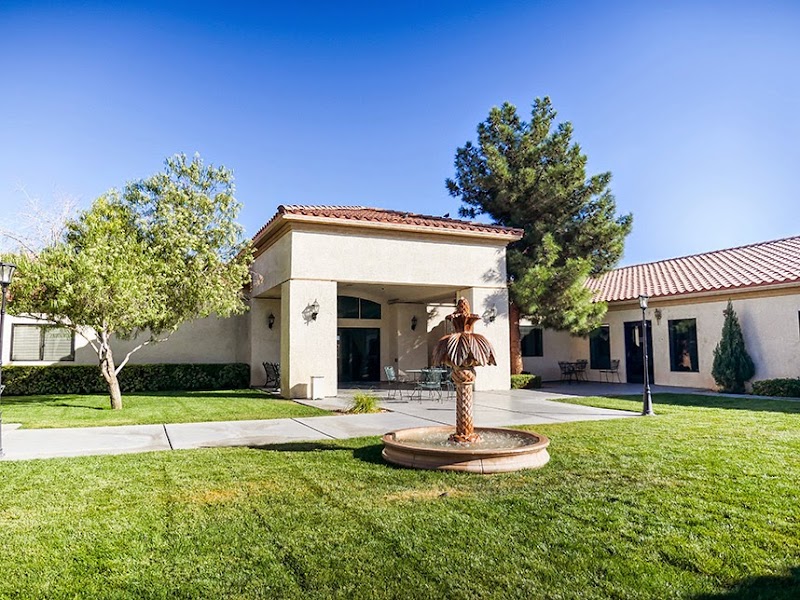
Who Owns and Operates Silver Ridge Healthcare Center?

SILVER RIDGE HEALTHCARE CENTER is owned by a for-profit company. For-profit facilities operate as businesses with obligations to shareholders or private owners. The facility is operated by COVENANT CARE, a chain that manages multiple nursing homes. With 148 certified beds and approximately 140 residents (about 95% occupancy), it is a mid-sized facility located in LAS VEGAS, Nevada.

How Does Silver Ridge Healthcare Center Compare to Other Nevada Nursing Homes?

Compared to the 100 nursing homes in Nevada, SILVER RIDGE HEALTHCARE CENTER's overall rating (1 stars) is below the state average of 3.0, staff turnover (44%) is near the state average of 46%, and health inspection rating (1 stars) is much below the national benchmark.

What Should Families Ask When Visiting Silver Ridge Healthcare Center?

Based on this facility's data, families visiting should ask: "What changes have been made since the serious inspection findings, and how are you preventing similar issues?" "Can I visit during a mealtime to observe dining assistance and food quality?" "How do you handle medical emergencies, and what is your hospital transfer rate?" "Can I speak with family members of current residents about their experience?" These questions are particularly relevant given the facility's Immediate Jeopardy citations.

Is Silver Ridge Healthcare Center Safe?

Based on CMS inspection data, SILVER RIDGE HEALTHCARE CENTER has documented safety concerns. Inspectors have issued 1 Immediate Jeopardy citation (the most serious violation level indicating risk of serious injury or death). The facility is currently on the Special Focus Facility watch list (a federal program monitoring the lowest-performing 1% of nursing homes nationwide). The facility has a 1-star overall rating and ranks #100 of 100 nursing homes in Nevada. Families considering this facility should ask detailed questions about what corrective actions have been taken since these incidents.

Do Nurses at Silver Ridge Healthcare Center Stick Around?

SILVER RIDGE HEALTHCARE CENTER has a staff turnover rate of 44%, which is about average for Nevada nursing homes (state average: 46%). Moderate turnover is common in nursing homes, but families should still ask about staff tenure and how the facility maintains care continuity when employees leave.

Was Silver Ridge Healthcare Center Ever Fined?

SILVER RIDGE HEALTHCARE CENTER has been fined $69,343 across 2 penalty actions. This is above the Nevada average of $33,772. Fines in this range indicate compliance issues significant enough for CMS to impose meaningful financial consequences. Common causes include delayed correction of deficiencies, repeat violations, or care failures affecting resident safety. Families should ask facility leadership what changes have been made since these penalties.

Is Silver Ridge Healthcare Center on Any Federal Watch List?

SILVER RIDGE HEALTHCARE CENTER is currently an SFF Candidate, meaning CMS has identified it as potentially qualifying for the Special Focus Facility watch list. SFF Candidates have a history of serious deficiencies but haven't yet reached the threshold for full SFF designation. The facility is being monitored more closely — if problems continue, it may be added to the official watch list. Families should ask what the facility is doing to address the issues that led to this status.