SKYE CANYON POST ACUTE
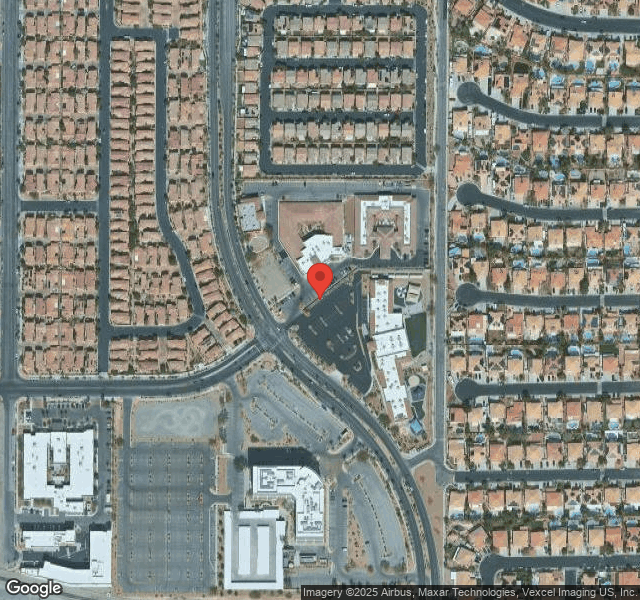

6650 GRAND MONTECITO PARKWAY, LAS VEGAS, NV 89149 (702) 333-1290
For profit - Corporation 45 Beds MISSION POINT HEALTHCARE SERVICES Data: November 2025
Trust Grade
70/100
#16 of 65 in NV
Last Inspection: April 2025

Within standard 12-15 month inspection cycle. Federal law requires annual inspections.

Overview

Skye Canyon Post Acute in Las Vegas has a Trust Grade of B, indicating it is a good choice for families seeking care. It ranks #16 out of 65 nursing homes in Nevada, placing it in the top half of facilities in the state, and #11 out of 42 in Clark County, meaning only ten local options are better. The facility's trend is stable, with four issues reported in both 2024 and 2025, but the staffing rating is concerning at 2 out of 5 stars and a high turnover rate of 73%, much above the state average of 46%. There are no fines on record, which is a positive sign, and the nursing home boasts more RN coverage than 92% of state facilities, ensuring that trained professionals can monitor care effectively. However, there are significant weaknesses to consider. Recent inspections revealed that the facility failed to have sufficient staff to meet resident needs, leading to concerns about delayed care. There were also issues with food safety, such as expired juice in the freezer and unlabeled items, which could pose health risks. Additionally, a lack of privacy was noted when a medication cart was left unattended, exposing personal health information to other residents. Families should weigh these factors carefully when considering this nursing home for their loved ones.

Trust Score
B
70/100
In Nevada
#16/65
Top 24%
Safety Record
Low Risk
No red flags
Inspections
Holding Steady
4 → 4 violations
Staff Stability
⚠ Watch
73% turnover. Very high, 25 points above average. Constant new faces learning your loved one's needs.
Penalties
✓ Good
No fines on record. Clean compliance history, better than most Nevada facilities.
Skilled Nurses
✓ Good
Each resident gets 99 minutes of Registered Nurse (RN) attention daily — more than 97% of Nevada nursing homes. RNs are the most trained staff who catch health problems before they become serious.
Violations
⚠ Watch
30 deficiencies on record. Higher than average. Multiple issues found across inspections.
★★★★★
5.0
Overall Rating
★★☆☆☆
2.0
Staff Levels
★★★★★
5.0
Care Quality
★★★★☆
4.0
Inspection Score
Stable
2024: 4 issues
2025: 4 issues

The Good

  • 5-Star Quality Measures · Strong clinical quality outcomes
  • Full Sprinkler Coverage · Fire safety systems throughout facility
  • No fines on record

Facility shows strength in quality measures, fire safety.

The Bad

Staff Turnover: 73%

27pts above Nevada avg (46%)

Frequent staff changes - ask about care continuity

Chain: MISSION POINT HEALTHCARE SERVICES

Part of a multi-facility chain

Ask about local staffing decisions and management

Staff turnover is very high (73%)

25 points above Nevada average of 48%

The Ugly 30 deficiencies on record

Apr 2025 4 deficiencies
CONCERN (D)

Potential for Harm - no one hurt, but risky conditions existed

Deficiency F0583 (Tag F0583)

Could have caused harm · This affected 1 resident

**NOTE- TERMS IN BRACKETS HAVE BEEN EDITED TO PROTECT CONFIDENTIALITY** Based on observation, interview, record review, and document review, the facility failed to ensure protected health information ...

Read full inspector narrative →
**NOTE- TERMS IN BRACKETS HAVE BEEN EDITED TO PROTECT CONFIDENTIALITY** Based on observation, interview, record review, and document review, the facility failed to ensure protected health information was not visible to residents or visitors for 1 of 12 sampled residents (Resident 42). The deficient practice had the potential for a negative psychosocial outcome for the resident of concern. Resident 42 (R42) R42 was admitted on [DATE] with diagnoses including encephalopathy, and cognitive communication deficit. On 04/07/2025 at 10:29 AM, the Licensed Practical Nurse (LPN1) for the unit was performing medication administration for the residents on the unit. The LPN parked the medication cart at the end of the unit and walked medications to R42s room. LPN1 was away from the cart for approximately 3-5 minutes, several residents ambulated past the medication cart with one stopping at front of cart during the time the nurse was away from the cart. The cart was locked, the computer screen was open and visible to anyone in the hallway with R42's medication administration record revealing all the medications taken by the resident. On 04/08/2025 at 8:11 AM, the LPN explained when passing medications the medication cart should be locked, and the computer screen should be locked or hidden so residents or visitors would not be able to see private medical information of other residents. The LPN confirmed the screen was not locked and should have been. On 04/08/2025 at 11:42 AM, the Director of Nursing (DON) indicated the expectation was to always protect private health information of all the residents. The DON verbalized when completing medication administration, the nurse should lock or hide the computer screen to protect the information when away from the cart. The facility policy titled Dignity (2001) documented staff were to protect confidential clinical information, staff promote, maintain, and protect resident privacy.
CONCERN (D)

Potential for Harm - no one hurt, but risky conditions existed

Quality of Care (Tag F0684)

Could have caused harm · This affected 1 resident

**NOTE- TERMS IN BRACKETS HAVE BEEN EDITED TO PROTECT CONFIDENTIALITY** Based on observation, interview, record review, and document review, the facility failed to ensure physician orders for medicati...

Read full inspector narrative →
**NOTE- TERMS IN BRACKETS HAVE BEEN EDITED TO PROTECT CONFIDENTIALITY** Based on observation, interview, record review, and document review, the facility failed to ensure physician orders for medication administration were followed or clarified for 1 of 12 sampled residents (Resident 8). The deficient practice had the potential to put R8 at risk of receiving medication in unapproved form. Resident 8 (R8) R8 was admitted on [DATE] and readmitted on [DATE] with diagnoses including hemiplegia and hemiparesis affecting the right dominant side, and cognitive communication deficit. A brief interview for mental status (BIMS) was conducted on 04/02/2025 with a score of 9/15 indicating the resident had moderate cognitive impairment. The facility policy titled Crushing Medications (2001) documented medications shall be crushed only when it was appropriate and safe. The attending physician must document or provide nurses with clinically pertinent reason. The medication administration record must indicate why it was necessary to crush the medication. On 04/08/2025 at 8:37 AM, the Licensed Practical Nurse (LPN1) was conducting medication administration for R8 and crushed the following medication: - Aspirin - Plavix - Ferrous Gluconate (Iron) - Folic Acid - Multi-Vitamin A physician order dated 03/18/2025 documented Aspirin 81 milligrams (mg), give one tablet one time a day by mouth for prophylaxis. A physician order dated 03/18/2025 documented Clopidogrel Bisulfate (Plavix) 75 mg, give one tablet by mouth one time a day for deep vein thrombosis. A physician order dated 03/18/2025 documented Ferrous Gluconate (iron) 324 mg, give one tablet by mouth one time a day every other day for supplement. A physician order dated 03/18/2025 documented Folic Acid 1 mg, give one tablet by mouth one time a day for supplement. A physician order dated 03/18/2025 documented Multi-Vitamin/Minerals, give one tablet by mouth one time a day for at risk for malnutrition. R8's medical record lacked documented evidence of a physician order to crush any medications. On 04/08/25 11:06 AM, LPN1 indicated when determining what medications could be crushed the medication label would be the first place to check. The LPN indicated pharmacy would put on the label if a medication could not be crushed. The LPN explained all new admission residents would be assigned batch order for crushing medications and the nurse would use standards of practice and nursing judgement to determine if medications could be crushed. If there was a question about crushing medications the pharmacy or physician would be consulted. The LPN verified long-acting medications and extended-release medications would be inappropriate to crush as it could alter the absorption rate. LPN1 confirmed there was no physician order to crush medications and there should have been prior to nurse crushing medications. The LPN indicated a new order should be obtained or a clarification of the existing medication orders should be completed with the physician. On 04/08/2025 at 3:38 PM, the Consultant Pharmacist indicated when crushing medication, it would be essential to have physician order to clarify what medications can and cannot be crushed. On 04/09/2025 in the afternoon, the Director of Nursing (DON) verbalized nurses were allowed to crush medications when there was a physician order to ensure safety of the resident. The DON confirmed there were no physician orders to crush medication for R8 and it should have been in place prior to any administration of crushed medications. The facility policy titled Administering Medications (revised 04/2019) documented Medications were to be administered in accordance with prescriber orders.
CONCERN (D)

Potential for Harm - no one hurt, but risky conditions existed

Deficiency F0730 (Tag F0730)

Could have caused harm · This affected 1 resident

Based on interview and document review, the facility failed to ensure an annual appraisal for 1 of 4 sampled Certified Nursing Assistants (CNA3) was completed. The deficient practice could potentially...

Read full inspector narrative →
Based on interview and document review, the facility failed to ensure an annual appraisal for 1 of 4 sampled Certified Nursing Assistants (CNA3) was completed. The deficient practice could potentially impact the quality of care provided to residents. Findings include: The personnel records checklist completed on 04/08/2025, revealed CNA3 was hired on 03/26/2024 as a CNA. A review of CNA3's employee file lacked documented evidence of a completed CNA Clinical Performance Evaluation form. On 04/08/25 10:11 AM, the Human Services (HR) Director explained the Director of Nursing (DON) was responsible for completing annual performance evaluation forms for CNAs. The HR Director indicated CNA3's annual evaluation was due on or before 03/26/2025 but was not completed due to an oversight. On 04/08/2025 at 11:51 AM, the DON indicated being responsible for completing annual performance evaluation forms for CNAs and confirmed CNA3's annual evaluation was not completed due to an oversight. The DON explained the purpose of completing annual performance evaluation forms was to identify and discuss areas which the employee needed to improve to provide better care to residents. The Performance Evaluations policy revised July 2010, revealed a performance evaluation would be completed on each employee at the conclusion of the 90-day probationary period and at least annually thereafter. Performance evaluations would be completed by the employee's department director and may be used to determine wage increases, transfers, promotion or demotion to improve the quality of the employee's work performance.
CONCERN (D)

Potential for Harm - no one hurt, but risky conditions existed

Deficiency F0761 (Tag F0761)

Could have caused harm · This affected 1 resident

**NOTE- TERMS IN BRACKETS HAVE BEEN EDITED TO PROTECT CONFIDENTIALITY** Based on observation, interview, and document review, the facility failed to ensure multi-dose vaccine (MDV) vials were discarde...

Read full inspector narrative →
**NOTE- TERMS IN BRACKETS HAVE BEEN EDITED TO PROTECT CONFIDENTIALITY** Based on observation, interview, and document review, the facility failed to ensure multi-dose vaccine (MDV) vials were discarded after expiration date and labeled with open date once accessed for 1 of 2 medication refrigerators. The deficient practice placed residents at risk for receiving ineffective vaccine protection and yielding inaccurate Tuberculosis (TB) test results. Findings include: On [DATE] at 9:07 AM, the Station One medication refrigerator revealed two opened MDVs with contents of the following: - one Afluria MDV Formula 2020-2021 expiration date [DATE] - one Aplisol TB MDV no opened date On [DATE] at 9:11 AM, the Director of Nursing (DON) confirmed the observation and indicated the expired flu vaccine should have been discarded because it was expired, and the formula was for flu season 2020 to 2021. The DON indicated the TB MDV should have been labeled with open date because the vial must be discarded 30 days from the date it was opened. The Aplisol product insert (undated), documented once entered vial should be discarded after 30 days due to possible oxidation which may affect potency. The Medication Labeling and Storage policy revised February 2023, documented when the facility has discontinued and outdated drugs or biologicals the pharmacy must be contacted for instructions regarding returning or discarding these items.
Apr 2024 4 deficiencies
CONCERN (D) 📢 Someone Reported This

A family member, employee, or ombudsman was alarmed enough to file a formal complaint

Potential for Harm - no one hurt, but risky conditions existed

Deficiency F0554 (Tag F0554)

Could have caused harm · This affected 1 resident

**NOTE- TERMS IN BRACKETS HAVE BEEN EDITED TO PROTECT CONFIDENTIALITY** Based on observation, interview, record review and document review, the facility failed to ensure a self-administration of medic...

Read full inspector narrative →
**NOTE- TERMS IN BRACKETS HAVE BEEN EDITED TO PROTECT CONFIDENTIALITY** Based on observation, interview, record review and document review, the facility failed to ensure a self-administration of medication assessment was completed for 1 of 15 sampled residents (Resident 66). The deficient practice had a potential for a resident not to be properly evaluated if able to safely self-administer a nasal spray medication. Findings include: Resident 66 (R66) R66 was admitted on [DATE], with diagnoses including chronic kidney disease and osteoporosis. On 04/09/2024 at 10:55 AM, observed on R66's nightstand was a Fluticasone Nasal spray. R66 indicated the nasal medication was sent from the hospital together with belongings upon discharge. R66 indicated continues to use the medication while at the facility. R66 confirmed self-administering nasal medication on a daily basis. On 04/09/2024 at 11:33 AM, the Licensed Practical Nurse (LPN) confirmed not aware the facility had a process to assess a resident for safe administration of medications. The LPN confirmed resident administers own nasal spray, and at times in front of the nurse. R66's medical records lacked documented evidence a safe administration assessment was completed. R66's progress notes lacked documented evidence an assessment or notations for self-administration on medication was completed. On 04/11/2024 at 8:35 AM, the nurse caring for R66 confirmed for every resident who prefers to self-administer medications, would require a self-administer evaluation completed. The evaluation ensures the resident was taking the medication correctly. On 04/11/2024 at 3:06 PM, the Director of Nursing confirmed a self-administration assessment should have been completed. The facility policy titled Resident Self-Administration of Medication revised 06/2023, documented each resident who self-administers medications will have an assessment completed.
CONCERN (D) 📢 Someone Reported This

A family member, employee, or ombudsman was alarmed enough to file a formal complaint

Potential for Harm - no one hurt, but risky conditions existed

Accident Prevention (Tag F0689)

Could have caused harm · This affected 1 resident

**NOTE- TERMS IN BRACKETS HAVE BEEN EDITED TO PROTECT CONFIDENTIALITY** Based on observation, interview, record review, and document review, the facility failed to complete an Interdisciplinary Team (...

Read full inspector narrative →
**NOTE- TERMS IN BRACKETS HAVE BEEN EDITED TO PROTECT CONFIDENTIALITY** Based on observation, interview, record review, and document review, the facility failed to complete an Interdisciplinary Team (IDT) meeting post fall incident for 1 of 15 residents (Resident 124). The deficient practice had the potential for inaccurate assessment and monitoring following the incident, which may impact the safety of the resident. Findings include: Resident 124 (R124) R124 was admitted on [DATE] with diagnosis including acute and chronic respiratory failure with hypoxia, acute or chronic congestive heart failure (diastolic and systolic), acute kidney failure, and abnormalities of gait and mobility. An admission Minimum Data Set, dated [DATE], documented R124's Brief Interview for Mental Status (BIMS) score of 11, which indicated moderate impairment. A Facility Reported Incident dated 10/12/2023, revealed R124 exited the facility through the service door and was found on the parking lot ground on 10/12/2023 at 1:30 AM. R124 reported they dropped something on the ground and as the resident bent over to pick it up, fell to the ground and was unable to get back up. R124 sustained an abrasion on the right elbow; no other injury was noted. A progress noted dated 10/12/2023 at 2:39 AM, documented R124 was found outside in the front parking lot lying on ground. R124 was utilizing a front wheeled walker and wore nonskid socks at the time. R124 was able to move all extremities and stand holding their own weight when assisted up off the ground without complaints of pain or discomfort. A physician progress note dated 10/12/2023, documented R124 may have suffered from sundowning at around 1:00 AM and left the facility. R124's medical record lacked documented evidence an IDT discussion occurred post fall as indicated per facility policy. On 04/10/2024 at 3:10 PM, a Unit Manager reviewed R124's medical record and confirmed the medical record lacked documented evidence a conference was held by an IDT post fall to evaluate need for additional interventions. On 04/10/2024 at 3:53 PM, the DON reviewed R124's medical record and confirmed it lacked documented evidence a discussion was held by an IDT post fall. On 04/11/2024 at 9:47 AM, the Health Information Director confirmed R124's medical record lacked documentation of an IDT post fall discussion. A facility policy titled Fall Reduction Policy, last revised 04/2023, documented to review the event as an IDT when any resident experienced a fall. Facility Reported Incident NV00069674
CONCERN (D)

Potential for Harm - no one hurt, but risky conditions existed

Deficiency F0694 (Tag F0694)

Could have caused harm · This affected 1 resident

**NOTE- TERMS IN BRACKETS HAVE BEEN EDITED TO PROTECT CONFIDENTIALITY** Based on observation, interview, record review and document review the facility failed to ensure an intravenous (IV) medication ...

Read full inspector narrative →
**NOTE- TERMS IN BRACKETS HAVE BEEN EDITED TO PROTECT CONFIDENTIALITY** Based on observation, interview, record review and document review the facility failed to ensure an intravenous (IV) medication was completely administered for 1 of 15 sampled residents (Resident 6). The deficient practice had the potential for a resident not to receive a full dose of medication affecting therapeutic effect. Finding include: Resident 6 (R6) R6 was admitted on [DATE], with diagnoses including infective myositis and extended spectrum beta lactamase (ESBL) resistance infection. On 04/09/2024 at 10:37 AM, observed at R6's bedside was an IV pole. On the IV pole was an IV piggyback (IVPB) medication bag. The IVPB had a dial-a-flow tubing where the end tip was looped at the Y connector creating a closed system. Observed inside the IVPB medication bag was left over medication which was not infused to the resident. On 04/09/2024 at 11:16 AM, a Licensed Practical Nurse (LPN) indicated an IVPB should be completely infused to be considered as a full dose. The LPN confirmed the IVPB medication had 10 to 15 percent of the medication left in the bag. The LPN acknowledged the full bag should have been infused. R6's physician's orders documented Piperacillin-Tazobactam in Dextrose Intravenous Solution 4 - 0.5 gram (GM)/100 milliliter (ML), use 4.5 gram intravenously every 8 hours for Pelvic Osteomyelitis, start date 04/01/2024 until 04/23/2024. R6's medication administration record (MAR) documented on 04/09/2024 at 8:00 AM, a dose was signed off as given with no other administration codes entered. R6's medical records lacked any documented evidence as to why the IVPB medication was not completely infused for the 04/09/2024, 8:00 dose. On 04/11/24 at 3:55 PM, the Director of Nursing (DON) confirmed a fully emptied bag would only have fluids at the drip chamber not in the actual IVPB medication bag. The DON acknowledged the medication bag should have been completely infused to be considered as a full dose. The facility policy Medication Administration - General Guidelines revised January 2018; documented medications are administered in accordance with the written orders of the provider.
CONCERN (D)

Potential for Harm - no one hurt, but risky conditions existed

Food Safety (Tag F0812)

Could have caused harm · This affected 1 resident

Based on observation, interview, and document review, the facility failed to maintain the kitchen floor's cleanliness, and 1 of 2 nourishment refrigerator temperatures (Nurse Station One). The deficie...

Read full inspector narrative →
Based on observation, interview, and document review, the facility failed to maintain the kitchen floor's cleanliness, and 1 of 2 nourishment refrigerator temperatures (Nurse Station One). The deficient practice posed a potential risk to safety and health standards as it could lead to contamination or place the residents at risk for foodborne illness. Findings include: On 04/09/2024 at 7:59 AM, an initial kitchen tour was conducted with the Director of Culinary Services. The following floor areas were observed with grease buildup, dust buildup, and/or food particles: -under the food preparation table -under storage racks in the dry storage room -under dish washing machine area The nurse station one nourishment refrigerator internal temperature read 50 degrees Fahrenheit. Potential perishable items inside the nourishment refrigerator were ten individual servings of yogurt, two in-house nutritional shakes, and two individual servings of chocolate milk flavored protein shake belonging to a resident. A single serve yogurt was temped at 51.8 degrees Fahrenheit. The nurse station one nourishment refrigerator temperature log for April 2024, documented daily temperatures within the range of 48 to 50 degrees Fahrenheit. The temperature log form indicated refrigerator temperature range should have been 36 to 41 degrees Fahrenheit and to report abnormal temperatures to the dietary manager immediately. The form lacked documentation under the section for action taken for abnormal temperature. On 04/09/2024 during the initial kitchen tour, the Director of Culinary Services confirmed the above noted concerns. The Director of Culinary Services revealed the kitchen staff were responsible for documenting the nourishment refrigerator temperatures and the temperature should be 40 degrees Fahrenheit or below. On 04/11/2024 at 9:40 AM, a Chef revealed all kitchen staff were responsible for cleaning the kitchen floors and would initial their name on the Daily Cleaning/Task form, which indicated the task was completed. The form was reviewed with the chef, who indicated the listed areas of mop the office/prep area and empty the drain in the dish machine included cleaning the floors. The Chef revealed all kitchen staff were responsible for documenting the temperature logs for refrigerators in the facility. The temperature should be 41 degrees Fahrenheit or below. On 04/11/2024 at 10:16 AM, the Director of Culinary Services revealed various kitchen staff were responsible for cleaning their perspective work floor areas after lunch and dinner services. It was important to keep the floor areas clean as to not leave food particles, prevent potential work hazards, and prevent bug infestations. The Director of Culinary Services indicated the facility did not have a policy specific to the kitchen floor, but followed the facility's general floor care policy. The Director of Culinary Services indicated it was important to monitor refrigerator temperature to ensure the temperature was within appropriate range and avoid food spoilage to prevent residents from getting sick. If the refrigerator temperature was out of range, all items inside the refrigerator should have been discarded. The Director of Culinary Services confirmed the documentation of the nourishment refrigerator temperature log lacked documentation in the section for actions taken for abnormal temperature and the temperatures documented were not within the acceptable temperature range. The Director of Culinary Services indicated the food danger zone temperature was between 40 to 140 degrees Fahrenheit. On 04/11/2024 in the morning, the Daily Cleaning/Tasks form was reviewed and staff initials were documented as task completed on 04/07/2024 through 04/10/2024 for the listed areas of mop the office/prep area and empty the drain in the dish machine. A facility policy titled Floor Care, date 01/11/2021, documented floors to be dry swept, dust mopped, and damp mopped daily. A facility policy titled Refrigerator and Freezer Temperature Monitoring, last revised 01/05/2021, documented the facility would ensure safe refrigerator temperatures to maintain food handling and minimize the risk of food borne illness. Acceptable temperature should be 35 to 41 degrees Fahrenheit for refrigerators, the dietary manager or designated employees will check and record temperatures, and the monthly log would include an action taken section to be completed if the temperatures were not acceptable.
Aug 2023 6 deficiencies
CONCERN (D) 📢 Someone Reported This

A family member, employee, or ombudsman was alarmed enough to file a formal complaint

Potential for Harm - no one hurt, but risky conditions existed

Resident Rights (Tag F0550)

Could have caused harm · This affected 1 resident

**NOTE- TERMS IN BRACKETS HAVE BEEN EDITED TO PROTECT CONFIDENTIALITY** Based on interview and document review, the facility failed provide timely call light response for 2 of 8 sampled residents (Res...

Read full inspector narrative →
**NOTE- TERMS IN BRACKETS HAVE BEEN EDITED TO PROTECT CONFIDENTIALITY** Based on interview and document review, the facility failed provide timely call light response for 2 of 8 sampled residents (Residents 5 and 8). The deficient practice had the potential to lead to a loss of dignity and psychosocial harm. Findings include: Resident 5 (R5) R5 was admitted on [DATE] and discharged on 04/22/2023, with diagnoses including compression fracture of the fourth lumbar vertebra, need for assistance with personal care. Review of R5's call light history report from 04/04/2023 to 04/22/2023 revealed a wait time exceeding 30 minutes on the following dates: -A wait time of 50 minutes on 04/08/2023 at 10:59 AM -A wait time of 41 minutes on 04/08/2023 at 6:53 PM -A wait time of 52 minutes on 04/09/2023 at 12:40 PM -A wait time of 55 minutes on 04/11/2023 at 1:06 PM -A wait time of 32 minutes on 04/12/2023 at 7:50 PM -A wait time of 55 minutes on 04/13/2023 at 7:17 PM -A wait time of 42 minutes on 04/19/2023 at 10:53 AM Resident 8 (R8) R8 was admitted on [DATE] and discharged on 08/08/2023, with diagnoses including fracture of the hip, osteoarthritis of the knee, and abnormalities of gait and mobility. On 08/08/2023 at 8:35 AM, R8 indicated it sometimes took staff 30 minutes or longer to answer call light. The resident revealed this delay resulted in incontinence while at the facility and reported feeling a loss of dignity. Review of R8's call light history report from 07/27/2023 to 08/08/2023 revealed a wait time exceeding 30 minutes on the following dates: -A wait time of 34 minutes on 07/27/2023 at 9:33 AM -A wait time of 37 minutes on 07/29/2023 at 5:36 AM -A wait time of 39 minutes on 07/29/2023 at 10:33 PM -A wait time of 1 hour on 08/04/2023 at 6:06 AM -A wait time of 31 minutes on 08/04/2023 at 9:34 PM -A wait time of 35 minutes on 08/05/2023 at 5:43 PM -A wait time of 48 minutes on 08/07/2023 at 9:40 AM On 08/09/2023 at 8:57 AM, a Registered Nurse (RN) revealed the facility did not have a visual or audible call light system. Certified Nursing Assistants (CNA) were alerted via pager when a resident pressed their call light. The RN reported call light information was visible at the nurses' station. All clinical staff were responsible for answering call lights. On 08/09/2023 at 3:03 PM, the Director of Nursing (DON) revealed the expectation for call lights to be answered was within 15 minutes. The DON indicated the expectation was not documented in the facility's policy. The DON confirmed it was not acceptable for residents to experience incontinence as a result of delayed call light response. Residents should live in dignity and be respected. Review of the March 2023 grievance log revealed resident concerns regarding long call light wait times. There was no documentation of grievance resolution. FRI # NV00068866, FRI #NV00068923 and Complaint #NV00069162
CONCERN (D) 📢 Someone Reported This

A family member, employee, or ombudsman was alarmed enough to file a formal complaint

Potential for Harm - no one hurt, but risky conditions existed

Free from Abuse/Neglect (Tag F0600)

Could have caused harm · This affected 1 resident

**NOTE- TERMS IN BRACKETS HAVE BEEN EDITED TO PROTECT CONFIDENTIALITY** Based on interview, record review, and document review, the facility failed to ensure a resident was safe from abuse for 1 of 8 ...

Read full inspector narrative →
**NOTE- TERMS IN BRACKETS HAVE BEEN EDITED TO PROTECT CONFIDENTIALITY** Based on interview, record review, and document review, the facility failed to ensure a resident was safe from abuse for 1 of 8 sampled resident's (Resident 1). The deficient practice had the potential to expose residents to potential abuse. Findings include: Resident 1 (R1) R1 was admitted on [DATE], with diagnosis including orthopedic aftercare, hypertension, hypothyroidism, and hyperlipidemia. A Facility Reported Incident (FRI) investigation dated 09/13/2022, documented R1's spouse struck R1 in the face during a visit on 09/13/2022. The spouse was not allowed to return to the facility, Law Enforcement and Adult Protective Services (APS) were notified of the event. A hospital discharge summary provided to the facility documented the resident had fallen, then reported the spouse had caused the injury for the hospital admission. APS was notified of the possible abuse. The Hospital Discharge summary dated [DATE] revealed resident's spouse was escorted from the hospital during resident visit for erratic behavior in resident room on 08/26/2022. A facility pre-admission note, undated and handwritten was uploaded to R1's electronic health record on 08/29/2022 documented the resident was abused by the spouse and a report was made to APS. Facility progress note dated 08/29/2022, revealed resident reported the injury was due to physical abuse by the spouse and not a fall. The Admission/readmission assessment dated [DATE] lacked documented evidence of interventions to protect R1 from abuse during spouse visitation. A progress note dated 09/13/2022, documented the physician was notified of the resident being struck in the face by the resident's spouse. A progress note dated 09/14/2022, documented communication made by a Social Worker (SW) with the resident addressing concerns of discharge and recommendation made to stay with other family members. The resident declined the Childrens involvement and requested to go home with the spouse. On 08/09/2023 at 1:20 PM, the SW initially did not recall the incident or have awareness of the documented abuse by R1's spouse. The SW indicated there was an expectation of chart notes for alerts to be communicated between staff. These communications would be discussed about the newly admitted resident the next day during the stand-up meeting. Any concerns about a resident would be discussed and a plan put together to protect the resident. There was no discussion about the abuse during the stand up. Due to APS not having an active case, there was no confirmed allegation of abuse. APS was not able to provide guidance in the matter. The SW indicated having concerns of spouse visiting and addressed to R1, however the R1 insisted on having their spouse over for visitation. Prior to the 09/13/2022 incident, the SW walked down unit hall during those visits as measure of supervision. R1's door was kept open about 12. The spouse did not allow the door to be open anymore. SW stated the visitor was prohibited to enter facility after the incident on 09/13/2022. Requests were then made by R1 to be discharged home to be with the spouse. On 08/09/2023 at 11:37 AM, a Licensed Practical Nurse (LPN), indicated after a resident was accepted for admission the admitting nurse would set alerts in the resident chart based on documents provided from the transferring facility. Any alerts would be communicated through an electronic communication log in the resident's chart for 14 days. There was no way to know what alerts, if any were in the system to alert staff of abuse by the spouse. The facility policy on Abuse, Neglect and Exploitation dated 1/28/2002 and revised on 06/2023, documented the facility was to provide protections for the health, welfare, and rights of each resident by developing and implementing written policies and procedures that prohibit and prevent abuse, neglect, exploitation, and misappropriation of resident property. The facility policy on Referral Management dated 07/2019 and revised on 12/2020, documented it was the facility policy to review the clinical and social needs of all patients referenced for care, prior to admission, to ensure that patients are admitted in the most expeditious manner to facilities and programs that are clinically and operationally prepared to adequately meet their needs. FRI # NV00066996
CONCERN (D) 📢 Someone Reported This

A family member, employee, or ombudsman was alarmed enough to file a formal complaint

Potential for Harm - no one hurt, but risky conditions existed

Deficiency F0658 (Tag F0658)

Could have caused harm · This affected 1 resident

**NOTE- TERMS IN BRACKETS HAVE BEEN EDITED TO PROTECT CONFIDENTIALITY** Based on interview, record review, and document review, the facility failed to ensure professional standards were followed for a...

Read full inspector narrative →
**NOTE- TERMS IN BRACKETS HAVE BEEN EDITED TO PROTECT CONFIDENTIALITY** Based on interview, record review, and document review, the facility failed to ensure professional standards were followed for an unresponsive resident by administering cardiopulmonary resuscitation (CPR) and following the facility code blue process for 1 of 8 sampled residents (Resident 4). The deficient practice had the potential to impact the well-being of its residents. Findings include: Resident 4 (R4) Resident 4 was admitted on [DATE], with diagnosis including chronic respiratory failure, pulmonary edema, acute systolic heart failure, type 2 diabetes mellitus, and asthma. R4 was designated full code for all resuscitation procedures to be provided to keep the resident alive. A Facility Reported Incident investigation on [DATE] at 6:00 PM, documented a License Practical Nurse (LPN) assigned to the resident at the time of the incident, indicated being informed of the unresponsive resident. The LPN located the Ambu bag and discovered no mask was available. The LPN left a Certified Nursing Assistant (CNA) in the resident's room to provide CPR while the LPN called 911 and printed the resident's face sheet. The LPN confirmed not beginning chest compressions and did not provide directions to the CNA to provide chest compressions or return to assist the CNA. A nursing progress note dated [DATE] by an LPN documented the resident was found unresponsive and CPR started. On [DATE] at 2:18 PM, a CNA recalled the resident of concern. That evening, there were two nurses assigned to each of the two units and three CNA's working the floor. The CNA checked on R4 and indicated the resident was observed unresponsive during rounds between 3:00 AM to 4:00 AM. The CNA checked the resident's chest for movement and breathing. When breathing was not observed during the check, the CNA stepped outside of the resident's room to inform the LPN the resident was not responsive. The LPN entered the room with the crash cart and directed the CNA to start CPR and left shortly after. The CNA maintained CPR alone and called out to a CNA passing by the room to assist. The two CNAs provided CPR to R4 until the second CNA had to leave to respond to a resident call light. The CNA indicated continuing CPR until approximately 5 to 10 minutes prior to emergency medical services (EMS) arrival. After EMS arrived, the CNA stated EMS asked why CPR was not being performed, the CNA responded the resident was deceased . The CNA explained to EMS the LPN left the CNA alone to perform CPR. The LPN returned to the room around the time EMS pronounced the resident deceased . The CNA indicated no code blue in service was conducted prior to the incident. After the incident, in-service training was provided to staff for a change of condition, code blue, CPR and a code blue drill was conducted. Since the incident, the facility purchased walkie talkies and started training staff on the use them for better communication. In addition, an overhead speaker was recently installed and when completed, code blue will be announced. On [DATE] in the morning and afternoon, two Registered Nurses (RN), indicated they had received an in-service training for code blue, CPR and code blue drills were conducted in April/ May for both shifts. The facility started using walkie talkie for better communication. Soon the newly installed overhead speaker system will be complete and utilized to announce code blue, where resident care is needed, and fire drills. A minimum of at least three staff are required for a code blue, 2 staff with the resident, one providing CPR until EMS arrives and the other documenting what is occurring. The third person gets the crash cart, and calls 911, the doctor, responsible party, and the administrator. On [DATE] at 3:03 PM, the Director of Nursing recalled the incident regarding resident R4, and stated there were issues regarding CPR and staff involvement during the incident. The DON indicated CPR was to be performed continuously until EMS arrived. The crash cart was checked for verification of equipment nightly and logged by staff. The facility conducted a root cause analysis to determine the breakdown. During a code blue, there should have been an all-hands-on deck response, however there was no way for the other unit nurse to know a code blue was occurring. There needed to be better communication. The CNAs had beepers to receive notification a resident requires care. The analysis revealed walkie talkie and overhead speakers would help with better communication between staff. Facility utilizes/follows the professional standards of nursing published by [NAME] and [NAME]. On [DATE] at 4:40 PM, the Administrator indicated the nurse failed to provide guidance to the CNA on what to do. The CNA was not aware why CPR was to be continued when R4 was unresponsive. The nurse did not explain and left the CNA alone to figure out what to do. Since the incident, all new hires receive code blue training and participate in the drill in accordance with the expectation of city fire. On [DATE] at 9:15 AM, observed a crash cart near nursing station 1 with an ambu bag and mask. Facility policy dated 03/1997 and revised 12/2021 and 04/2023 documented CPR will be initiated on all residents with the Advanced Directive 'CPR full resuscitation' .a Basic Life Support (BLS) staff will immediately start chest compressions and direct a staff member to retrieve the crash cart, chest compressions and rescue respirations will be continuously administered per the American Heart Association recommendations (CPR will be maintained until a definitive treatment can be given), direct a staff member to call 911 immediately; direct a team member to contact the physician, responsible party and complete the hospital transfer and identify a staff to document interventions and response. FRI #NV00068216
CONCERN (D) 📢 Someone Reported This

A family member, employee, or ombudsman was alarmed enough to file a formal complaint

Potential for Harm - no one hurt, but risky conditions existed

ADL Care (Tag F0677)

Could have caused harm · This affected 1 resident

Deficiency Text Not Available

Read full inspector narrative →
Deficiency Text Not Available
CONCERN (D) 📢 Someone Reported This

A family member, employee, or ombudsman was alarmed enough to file a formal complaint

Potential for Harm - no one hurt, but risky conditions existed

Quality of Care (Tag F0684)

Could have caused harm · This affected 1 resident

**NOTE- TERMS IN BRACKETS HAVE BEEN EDITED TO PROTECT CONFIDENTIALITY** Based on interview, record review, and document review, the facility failed to ensure to communicate with the physician before h...

Read full inspector narrative →
**NOTE- TERMS IN BRACKETS HAVE BEEN EDITED TO PROTECT CONFIDENTIALITY** Based on interview, record review, and document review, the facility failed to ensure to communicate with the physician before holding blood pressure medication for 1 of 8 sampled resident's (Resident 4). The deficient practice had the potential to result in adverse change in condition. Findings include: Resident 4 (R4) R4 was admitted on [DATE], with diagnosis including chronic respiratory failure, pulmonary edema, acute systolic heart failure, type 2 diabetes mellitus, and asthma. A physician order initiated on [DATE] and discontinued on [DATE] for the following: -Carvedilol 3.125 milligrams (mg) (high blood pressure medication) 1 tablet by mouth two times a day for BETA Blockers (a type of high blood pressure medication). No parameters noted for when to hold the medication. -Lisinopril 5 mg 1 tablet by mouth one time a day for high blood pressure. No parameters noted for when to hold the medication. -Midodrine 5 mg 2 tablets by mouth three times a day for Vasopressors (used to treat low blood pressure). No parameters noted for when to hold the medication. A review of the Progress Notes on [DATE] revealed no documented evidence to indicate blood pressure was low or communication with physician was made. A review of the Progress Notes on [DATE] revealed no documented evidence to indicate blood pressure was low or communication with physician was made. A Nursing Progress Note dated [DATE] at 5:15 AM revealed R4 was found unresponsive, CPR started, and 911 called. Medication Administration Records reviewed for [DATE] revealed a chart code 11 for Carvedilol, which was not administered due to blood pressure out of parameters. On [DATE] in the afternoon, a Register Nurse (RN) explained blood pressure parameters were based on resident care plan and history. The RN would use judgement and knowledge of resident and would communicate with physician through phone call or text for instructions on medication hold or administer, and a physician order was needed for staff to follow. On [DATE] at 1:20 PM, the Unit Manager indicated blood pressure not within parameters were to be communicated to physician for instructions on medication administration or hold and noted in the resident's chart. On [DATE] at 3:03 PM, the Director of Nursing (DON) indicated blood pressure ranges outside of parameters were to be communicated to the physician and documented in the resident's medical record. The DON reviewed the medical record and confirmed there was no documentation of physician contact on [DATE] communicating low blood pressure and order to hold medication. An undated document titled Change of Condition and Physician notification indicated the physician is notified of blood pressure for BP that is significantly higher or less than residents normal. The facility Change in Condition Policy dated 04/2002 and revised on 07/2020 stated the facility will consult with the resident's physician when there is a significant change in the resident's physical, mental, or psychosocial status. Physical symptoms to report to physician include systolic blood pressure change of 20 millimeters of mercury (mmHG) (or more) and non-responsiveness. FRI #NV00068216
CONCERN (D) 📢 Someone Reported This

A family member, employee, or ombudsman was alarmed enough to file a formal complaint

Potential for Harm - no one hurt, but risky conditions existed

Accident Prevention (Tag F0689)

Could have caused harm · This affected 1 resident

**NOTE- TERMS IN BRACKETS HAVE BEEN EDITED TO PROTECT CONFIDENTIALITY** Based on interview and document review, the facility failed to implement interventions to prevent a resident at risk for elopeme...

Read full inspector narrative →
**NOTE- TERMS IN BRACKETS HAVE BEEN EDITED TO PROTECT CONFIDENTIALITY** Based on interview and document review, the facility failed to implement interventions to prevent a resident at risk for elopement from leaving the facility. The deficient practice had the potential for psychosocial and physical harm for the resident. Findings include: Resident 6 (R6) R6 was admitted on [DATE] and discharged on 6/08/2023, with diagnoses including dementia without behavioral disturbance, sepsis, and urinary tract infection (UTI). The admission assessment dated [DATE] indicated R6 was an elopement risk. A care plan was generated indicating frequent checks were to be conducted. Review of the resident's medical record revealed frequent checks were not completed on 06/06/2023 or 06/07/2023. A nursing note dated 06/07/2023 revealed R6 was observed outside the facility at 8:30 PM knocking on the northeast door holding a urinary catheter bag, attempting to enter the facility. On 08/09/2023 at 8:45 AM, a Certified Nursing Assistant (CNA) revealed frequent checks were to be performed by CNA staff every 15 minutes following the resident's elopement. On 08/09/2023 at 1:00 PM, a Licensed Practical Nurse (LPN) reported while on shift the night of 06/07/2023 the LPN heard banging on the door. The LPN looked to the door and saw the resident standing outside attempting to enter the facility. The resident was brought into the facility and assessed. The LPN confirmed frequent checks were not completed on the resident prior to the elopement. On 08/09/2023 at 3:03 PM, the Director of Nursing (DON) revealed care plans created during the admissions process were automatically generated in each resident's electronic health record. The expectation was that care plan tasks were carried out upon the initial care plan's completion. The facility Elopements and Wandering Residents policy dated 03/2008, revised 04/2023, documented the facility was to establish and utilize a systematic approach to monitoring and managing residents at risk for elopement or unsafe wandering. This approach included identification and assessment risk, evaluation and analysis of hazards and risks, implementation of interventions to reduce hazards and risks, and monitoring for effectiveness, modifying interventions when necessary. FRI #NV00068766
Apr 2023 16 deficiencies
CONCERN (D)

Potential for Harm - no one hurt, but risky conditions existed

Resident Rights (Tag F0550)

Could have caused harm · This affected 1 resident

**NOTE- TERMS IN BRACKETS HAVE BEEN EDITED TO PROTECT CONFIDENTIALITY** Based on observation, interview, record review and document review the facility failed to ensure a communication board was utili...

Read full inspector narrative →
**NOTE- TERMS IN BRACKETS HAVE BEEN EDITED TO PROTECT CONFIDENTIALITY** Based on observation, interview, record review and document review the facility failed to ensure a communication board was utilized for a hearing-impaired resident (resident 120). The deficient practice had the potential to cause psychosocial harm to the resident. Findings include: Resident 120 (R120) R120 was admitted on [DATE] with diagnoses including unspecified hearing loss. The medical record revealed R120 had Minimum Data Set (MDS) evaluation completed on 04/19/2023 with hearing impairment noted without assistive hearing device. The medical record revealed R120 had a care plan to use a communication board with staff and visitors. On 04/26/2023 at 8:35 AM, R120 had a communication board in room with multiple pages of writing for communication. R120 was able to verbalize answers after reading the question or inquiry written on the paper. On 04/26/2023 at 9:15 AM, R120 entered hallway from room and staff member was walking by and asked if they could help. Resident indicated they could not hear and directed the staff member to the communication board. The staff member kept raising voice louder and louder. R120 requested they use the communication board, and the staff member left the room after verbalizing to resident they would get assistance. On 04/27/2023 at 9:18 AM, an Intravenous (IV) administration was observed for R120. The Registered Nurse (RN) was familiar with the resident and advised they would lower their mask so the resident could read their lips. Resident appeared to comprehend information presented. Resident acknowledged and gave consent for IV medication administration. On 04/27/2023 at 9:24 AM, the RN verbalized staff was aware of resident communication concern and would write on communication board or temporarily drop mask while in room with R120, so they were able to read lips and communicate effectively. The RN indicated it would be inappropriate for staff members to continue to raise their voice as it would not help the situation and would serve to frustrate R120. On 04/28/2023 at 8:55 AM, the Director of Nursing (DON) verbalized social services would provide assessment for resident with hearing impairment and plan of care would be implemented by nursing staff for resident requiring communication board. The DON verbalized they would expect all staff to honor the needs of residents including using the communication board. The DON explained if staff members were observed not honoring a resident's right, they would talk to staff member and explain expectation and provide in-service to correct behavior. The policy titled Resident Rights (revised 08/2021) documented the resident had the right to be treated with respect and dignity. The resident had the right to reside and receive services in the facility with reasonable accommodation of resident needs and preferences.
CONCERN (D) 📢 Someone Reported This

A family member, employee, or ombudsman was alarmed enough to file a formal complaint

Potential for Harm - no one hurt, but risky conditions existed

Deficiency F0602 (Tag F0602)

Could have caused harm · This affected 1 resident

**NOTE- TERMS IN BRACKETS HAVE BEEN EDITED TO PROTECT CONFIDENTIALITY** Based on interview, record review, and document review, the facility failed to ensure a resident's debit card was not misappropr...

Read full inspector narrative →
**NOTE- TERMS IN BRACKETS HAVE BEEN EDITED TO PROTECT CONFIDENTIALITY** Based on interview, record review, and document review, the facility failed to ensure a resident's debit card was not misappropriated by a facility staff member for 1 of 30 sampled residents (Resident #174). The deficient practice had the potential to place other residents at risk for financial exploitation. Findings include: Resident #174 (R174) Resident #174 was admitted on [DATE], with medical diagnoses including anxiety disorder and respiratory failure. The facility policy titled Residents Rights, last revised on 04/09/2017, revealed the resident had the right to be free from misappropriation of property. A facility reported incident dated 11/18/2022 documented a resident had reported a staff member was seen at the bedside holding the resident's phone. The staff member asked the resident for the passcode to view pictures. The next day, the resident received a call from their bank advising of unusual activity in their account. The resident's bank card was not located where it was normally kept. The facility completed an investigation into the incident, an employee was terminated, appropriate notification was made and training to staff and residents was provided. On 04/27/2023 at 2:29 PM, the Social Services Manager explained residents who come to the facility with money or other valuable personal belongings are offered to have them locked in the facility safe. If residents decline, the facility can provide a locked cabinet in their rooms upon request. On 04/27/23 at 02:33 PM, the Administrator explained the process of initiating an internal investigation for misappropriation of property and provided the facility's investigation report for review. The facility was under new management and was not conducting impromptu training to the staff members after incidents at the time but would like to incorporate them in the future. The facility policies titled Abuse, Neglect, and Exploitation policy, last revised on 04/2023, and Lost or Damage of Personal Property, last revised 12/2020, revealed the facility followed their policy. Facility Reported Incident #NV00067460
CONCERN (D)

Potential for Harm - no one hurt, but risky conditions existed

Deficiency F0657 (Tag F0657)

Could have caused harm · This affected 1 resident

**NOTE- TERMS IN BRACKETS HAVE BEEN EDITED TO PROTECT CONFIDENTIALITY** Based on observation, interview, record review and document review, the facility failed to ensure a comprehensive care plan was ...

Read full inspector narrative →
**NOTE- TERMS IN BRACKETS HAVE BEEN EDITED TO PROTECT CONFIDENTIALITY** Based on observation, interview, record review and document review, the facility failed to ensure a comprehensive care plan was revised to include behavior monitoring for 1 of 30 sampled residents (Resident #11). The deficient practice had the potential for the resident to not receive the proper care. Findings include: Resident 11 (R11) R11 was admitted on [DATE] with diagnoses including cellulitis of the right lower limb and depression. A medication regimen review dated 03/14/2023 documented a recommendation to provide non-pharmacological interventions and behavior monitoring for depression medication. The medical record lacked documented evidence of any non-pharmacological interventions for depression. The medical record lacked documented evidence of any behavior monitoring for depression. On 04/27/2023 at 9:24 AM, a Registered Nurse (RN) verbalized the comprehensive assessment was an ongoing process and should be updated with changes in the resident condition, medications, and orders. The RN indicated when a resident was on medications for anxiety or depression it would be standard practice to include interventions to monitor behavior. On 04/28/2023 at 9:30 AM, the Director of Nursing (DON) acknowledged the medical record lacked behavior monitoring and non-pharmacological interventions. The DON indicated when recommendations include behavior monitoring for a specific medication it should be entered in the electronic medical record so the nurse assigned can see the order and document specific behaviors and effectiveness of medication regimen. The DON explained some of the behaviors to monitor would be agitation, facial expression, and insomnia. Care Planning policy revised February 2022, documented in the event the comprehensive assessment identified a change in the resident's goals, physical, mental, or psychosocial functioning which was otherwise not present in the baseline care plan, those changes will be incorporated into an updated summary provided to the resident or his/her representative.
CONCERN (D)

Potential for Harm - no one hurt, but risky conditions existed

ADL Care (Tag F0677)

Could have caused harm · This affected 1 resident

**NOTE- TERMS IN BRACKETS HAVE BEEN EDITED TO PROTECT CONFIDENTIALITY** Based on observation, interview, record review, and document review, the facility failed to ensure showers or bed baths were con...

Read full inspector narrative →
**NOTE- TERMS IN BRACKETS HAVE BEEN EDITED TO PROTECT CONFIDENTIALITY** Based on observation, interview, record review, and document review, the facility failed to ensure showers or bed baths were consistently provided to dependent residents for 2 out of 30 sampled residents (Residents 215 and 20). This deficient practice had the potential to result in poor hygiene, skin breakdown, increased risk of infection, reduced comfort, social and psychological issues, and poor quality of life. Findings include: Resident 215 (215) R215 was admitted on [DATE], with diagnoses including diabetes mellitus, chronic kidney disease and anemia. The Brief Interview of Mental Status dated 04/07/2023, documented a score of 13/15, which indicated R215's cognitive status was intact. A Care Plan dated 04/06/2023, documented R20 had an activities of daily living (ADL) self-care performance deficit with an intervention to provide a shower or bed bath as scheduled on Mondays, Wednesdays, and Fridays (MWF) evening shift. On 04/26/2023 at 10:45 AM, R215's family was at the bedside and indicated the shower was hit and miss, not offered, and needed to be requested if desired. R215 was in bed, awake, and verbally responsive, expressing a desire to be showered as scheduled. R215's verbalized the shower schedule was arranged by the facility. The whiteboard in R215's room indicated the shower days were on M-W-F after 2:00 PM. The Shower Schedule Log indicated R215's shower days were M-W-F in the evenings. The Activities of Daily Living Flow Sheet-Shower/Bath/Bed Bath, documented R215's shower was not consistently provided from 04/06/2023 to 04/26/2023: 2nd week: two showers or bed baths were provided (missed one shower or bed bath) 4th week: two showers or bed baths were provided (missed one shower or bed bath) On 04/27/2023 at 1:30 PM, the Unit Manager (UM) indicated R215 was dependent on showers, and the shower days were M-W-F during evening shift. The UM confirmed showers were not consistently provided. The UM explained each resident was entitled to three showers and as needed if not contraindicated. The UM indicated if the resident refused the shower or bed bath, it should have been reoffered and documented if not given at all or care planned. The UM explained the shower schedule was a constant schedule per room and evenly distributed to the Certified Nursing Assistants (CNAs), ensuring showers were provided. The UM confirmed there was no documentation of R215's refusal. On 04/28/2023 at 10:00 AM, a CNA indicated for each shift, the resident's shower was assigned to each CNA in the unit. The CNA indicated if the resident refused, it should be offered and documented, but sometimes showers or bed baths were not given due to staffing issues. The CNA indicated there was an occasion when the facility had one CNA to take care of all the residents because there was no replacement when there were call-offs. On 04/28/2023 at 11:02 AM, the Director of Nursing confirmed R215's showers were not consistently provided to residents. The DON indicated staff were expected to timely provide showers to residents as scheduled to promote dignity and prevent psychosocial harm, but staffing issues were ongoing. Showers were scheduled three times a week and as needed. On 04/28/2023 at 1:17 PM, the Director of Rehabilitation Services indicated R215 had weakness and was dependent on ADLs, especially showers. Resident 20 (R20) R20 was admitted on [DATE], with diagnoses including dementia, need for assistance with personal care, cognition, and communication deficits. On 04/26/2023 at 10:12 AM, R20 lay in bed, verbally awake, unshaved, and the hair was oily. On 04/27/2023 in the morning, R20 was in bed and unkempt. A Care Plan dated 04/16/2023, documented R20 had an ADL self-care performance deficit with an intervention to provide a shower or bed bath scheduled on the M-W-F day shift. The Activities of Daily Living Flow Sheet-Shower/Bath/Bed Bath documented R215's shower was not consistently provided from 04/16/2023-04/27/2023: 3rd week: no showers or bed baths (missed three showers or bed baths) 4th week: one shower or bed bath or bed bath was provided (missed two showers or bed baths) On 04/27/2023 at 1:30 PM, the Unit Manager (UM) indicated R20 was dependent on showers and the shower days were M-W-F during day shift. The UM explained each resident was entitled to three showers per week and as needed if not contraindicated. The UM indicated the completed shower should have been documented under the plan of care. The UM confirmed there was no documentation of R20's refusal, but R20's shower was transcribed as needed, explaining as to why the shower was not provided as scheduled. On 04/28/2023 at 1:17 PM, the Director of Rehabilitation Services indicated R20 was dependent on activities of daily living (ADLs) with showers.
CONCERN (D)

Potential for Harm - no one hurt, but risky conditions existed

Quality of Care (Tag F0684)

Could have caused harm · This affected 1 resident

**NOTE- TERMS IN BRACKETS HAVE BEEN EDITED TO PROTECT CONFIDENTIALITY** Based on observation, interview, record review and document review, the facility failed to obtain and carry out treatment orders...

Read full inspector narrative →
**NOTE- TERMS IN BRACKETS HAVE BEEN EDITED TO PROTECT CONFIDENTIALITY** Based on observation, interview, record review and document review, the facility failed to obtain and carry out treatment orders for a surgical wound in a timely manner for 1 of 30 sampled residents (Resident #167). The deficient practice placed the resident at risk for wound complications such as failure to heal, reinfection and sepsis. Findings include: Resident #167 (R167) R167 was admitted on [DATE], with diagnoses including end stage renal disease (ESRD) and status post excision (removal) of left upper extremity fistula (dialysis access). The Hospital Discharge summary dated [DATE], revealed R167's left upper arm fistula was infected and had to be removed, a wound vacuum-assisted closure (VAC) was in place. Discharge Instructions included to continue wound care for left arm. An admission assessment dated [DATE], revealed R167 was admitted with a left arm surgical incision. A Weekly Skin Sweep assessment dated [DATE], documented R167 had a surgical wound site. The medical record lacked documented evidence treatment orders were obtained for R167's left arm surgical wound from 04/20/2023 until 04/24/2023. A Physician's order dated 04/24/2023, documented to apply wound VAC at 125 millimeters (mm) of mercury (Hg) continuous. Use black foam, place adaptive at the base of wound. Change every Mondays, Wednesdays, and Fridays. If dressing fails, apply wet to dry bandage daily until reapplied. On 04/26/2023 at 10:09 AM, R167 was seated in wheelchair watching television inside the resident's room. A green foam with brown drainage was observed underneath an undated transparent dressing on R167's antecubital (located on anterior surface of the elbow, between the forearm and upper arm) site which was connected to a wound VAC. The resident reported the resident's left upper arm fistula became infected and had to be surgically removed. The resident indicated the surgical wound had not been evaluated by a physician and R167 was not well-versed on treatment orders for the wound. The resident indicated not being able to recall when and by whom the last wound treatment was provided but the wound VAC had stopped suctioning several hours ago. On 04/26/2023 at 10:22 AM, the Director of Nursing (DON) entered the resident's room and confirmed R167's left arm surgical wound had brown drainage on the foam and transparent dressing was unsigned and undated. The DON attempted to troubleshoot the wound VAC and indicated the device seemed to have malfunctioned and needed to be replaced. The DON explained treatment orders were carried out in accordance with physician's orders which in R167's case was scheduled for Mondays, Wednesdays and Fridays and as needed (PRN) when dressing was soiled or dislodged. The DON confirmed the green foam underneath the dressing was soiled with drainage and indicated the DON would provide the treatment today, 04/26/2023. On 04/26/2023 at 10:25 AM, the DON gathered supplies and performed wound care on the resident's left arm surgical incision. The Treatment Administration Record (TAR) for April 2023 lacked documented evidence treatment orders were carried out on 04/24/2023 up until the wound care observation performed by the DON on 04/26/2023. On 04/27/2023 at 3:42 PM, the Medical Records Director confirmed treatment orders from the hospital were not included in the resident's medical record. The Medical Records Director confirmed there were no treatment orders entered for R167's left arm surgical wound until 04/24/2023 and there were no recorded treatments for the wound until 04/26/2023. On 04/27/2023 at 3:43 PM, the DON recounted the resident had orders for a wound VAC and the facility obtained the rental device on 04/21/2023 but the DON did not realize the admission nurse failed to enter care orders for R167's surgical wound. The DON indicated the admission nurse should have contacted the physician for clarification when hospital records failed to provide treatment orders for the resident's left arm surgical site. The DON indicated personally obtaining and entering treatment orders for R167's left arm surgical incision on 04/24/2023, upon noticing no orders were in place. The DON reviewed the TAR for April 2023 and confirmed there was no documented evidence treatment orders were carried out for R167's left arm until the wound care observation by the inspector on 04/26/2023. On 04/27/2023 at 3:45 PM, the DON verbalized care orders must be obtained, and clarifications sought if needed, to ensure appropriate care to wounds were carried out. The DON verbalized consequences of delayed wound care for R167's surgical site included failure to heal, reinfection and sepsis. The Wound Treatment Management and Documentation policy revised March 2023, documented wound treatment would be provided in accordance with physician orders. Dressing changes may be provided outside the frequency parameters in certain situations such as if the dressing is disrupted or the dressing was soiled or wet. The Physician/Prescriber Authorization and Communication of orders to Pharmacy policy revised 01/01/2022, documented the facility should verify transfer/transition orders to the resident's physician for approval. The facility would reconcile, transfer/transition all admission orders before they were communicated to pharmacy.
CONCERN (D)

Potential for Harm - no one hurt, but risky conditions existed

Pressure Ulcer Prevention (Tag F0686)

Could have caused harm · This affected 1 resident

**NOTE- TERMS IN BRACKETS HAVE BEEN EDITED TO PROTECT CONFIDENTIALITY** Based on observation, interview, record review, and document review, the facility failed to ensure timely wound care and dressin...

Read full inspector narrative →
**NOTE- TERMS IN BRACKETS HAVE BEEN EDITED TO PROTECT CONFIDENTIALITY** Based on observation, interview, record review, and document review, the facility failed to ensure timely wound care and dressing changes were provided for 1 of 30 sampled residents (Resident 215). This deficient practice could have resulted in further deterioration of the resident's condition, prolonged healing time, an increased risk of infection, complications, and hospitalization. Findings include: The Wound Treatment Management and Documentation policy revised on 03/2023, documented wound treatment would be provided in accordance with the physician's order. Resident 215 (215) R215 was admitted on [DATE], with diagnoses including diabetes mellitus, chronic kidney disease and anemia. The Brief Interview of Mental Status dated 04/07/2023, documented a score of 13/15 which indicated R215's cognitive status was intact. A Physician order dated 04/07/2023, documented the application of Therahoney and Optifoam dressings to the sacrum daily in the evening for deep tissue injury (DTI). On 04/26/2023 at 10:45 AM, R215 laid in bed, awake and verbally responsive. R215's family was at the bedside and indicated wound care and dressing had not been done as scheduled. R215 turned to the left side to show the sacrum, which revealed a soiled wound dressing dated 04/23/2023 (three days old). The admission assessment dated [DATE], documented R215 had a stage 2 pressure injury on the coccyx area with an intervention to administer wound and skin treatments as ordered. A Care Plan dated 04/06/2023, documented R215 had a stage 2 pressure injury on the coccyx and was present on admission. The interventions included were to administer wound and skin treatments as ordered and monitor for effectiveness. The Treatment Administration Record lacked documented evidence the wound treatment was provided as ordered on 04/07 - 04/14/2023 and on 04/21/2023. The Weekly Skin Sweep dated 04/23/2023, documented R215 had an open area on the coccyx. The Treatment Administration Record dated 04/24/2023 and 04/25/2023, documented wound care and dressing changes were completed but were not actually done as confirmed by the Registered Nurse (RN). The RN explained the nurses at night were responsible for the R215's wound care and dressing changes as ordered. On 04/26/2023 at 3:45 PM, the Unit Manager (UM) acknowledged R215's wound care had not been provided in a timely manner as scheduled. The UM confirmed the wound treatment order and dressing change had been ordered at night by the assigned nurses for R215. The UM indicated had been helping the nurses but was limited in doing so due to an arm injury. The facility had discussed hiring a wound nurse to provide wound treatments to the residents. On 04/27/2023 at 10:30 AM, the Director of Nursing (DON), indicated the nurses were responsible for providing wound care and dressing changes. The DON indicated the assigned nurse for R215 who worked at night was not available for an interview due to being off duty. The DON explained R215's wound had been present on admission, and the wound provider had visited at least three times a week on Monday, Wednesday, and Friday. The DON further indicated wound care should have been provided in a timely manner to prevent the worsening of the wound. The DON indicated the nurses were expected to document what had been completed, and if the treatment was not done, it should have been documented as such. The DON indicated undone wound care and dressing changes had been identified previously due to staffing issues and a plan had been discussed.
CONCERN (D) 📢 Someone Reported This

A family member, employee, or ombudsman was alarmed enough to file a formal complaint

Potential for Harm - no one hurt, but risky conditions existed

Accident Prevention (Tag F0689)

Could have caused harm · This affected 1 resident

**NOTE- TERMS IN BRACKETS HAVE BEEN EDITED TO PROTECT CONFIDENTIALITY** Based on interview, record review, and document review, the facility failed to ensure post-fall interventions were followed for ...

Read full inspector narrative →
**NOTE- TERMS IN BRACKETS HAVE BEEN EDITED TO PROTECT CONFIDENTIALITY** Based on interview, record review, and document review, the facility failed to ensure post-fall interventions were followed for 1 of 30 sampled residents (Resident #182). The deficient practice had the potential of unintended consequences to other residents who experienced unwitnessed falls. Findings include: Resident #182 (R182) Resident #182 was admitted on [DATE], with medical diagnoses to include abnormalities of gait and mobility, age-related physical debility, and idiopathic neuropathy. A social service admission note dated 08/01/2022 at 10:43 AM, documented the resident was admitted from the hospital with lightheadedness, dizziness, and subjective dyspnea. The resident was alert and oriented x4. A nursing progress note dated 08/01/2022 at 1:50 PM, documented a nurse and a certified nurse assistant (CNA) found the resident on the bathroom floor with a bloody nose. The resident stated they were trying to use the restroom, became dizzy, and fell on the floor. A physician visit note dated 08/01/2022 at 6:05 PM, documented the physician was notified of the resident's fall, the resident was cleaned and placed back in the bed, and the nurse was advised to continue monitoring the resident. When the physician conducted their rounds with the resident, the resident started vomiting and the nurse was advised to send the resident to the hospital to rule out a head injury. The resident was transferred out. On 04/27/2023 at 2:23 PM, a Registered Nurse explained their process following an unwitnessed fall included contacting a physician and inquiring if a neurological assessment was necessary. On 04/28/2023 at 9:49 AM, the Director of Nursing (DON), explained the expectation of nursing staff for unwitnessed resident falls included a neurological assessment with a specific schedule for monitoring the resident following a fall. The DON looked into the e-records of the resident and considered the documented incident to be an unwitnessed fall on 08/01/2022. The DON noted they did not see an assessment documented following the fall and one should have been conducted. The medical record lacked documentation of a neurological assessment following the resident's fall. A neurological assessment was requested from a medical records staff member. The medical record staff member informed there was no neurological assessment on file but provided a transfer form revealing the resident was transferred to the hospital due to an altered mental status on 08/01/2023. A facility policy titled Fall Reduction, last revised 04/2023, revealed the facility will assess the resident and complete a post-fall assessment as part of their responsibilities when any resident experiences a fall. The facility form titled Neurological Assessment Flow Sheet, dated 06/04/2007, documented a specific timeframe schedule to conduct neurological checks following a fall. Complaint #NV00067041
CONCERN (D)

Potential for Harm - no one hurt, but risky conditions existed

Incontinence Care (Tag F0690)

Could have caused harm · This affected 1 resident

**NOTE- TERMS IN BRACKETS HAVE BEEN EDITED TO PROTECT CONFIDENTIALITY** Based on observation, interview, record review and document review, the facility failed to ensure Foley catheter care was provid...

Read full inspector narrative →
**NOTE- TERMS IN BRACKETS HAVE BEEN EDITED TO PROTECT CONFIDENTIALITY** Based on observation, interview, record review and document review, the facility failed to ensure Foley catheter care was provided for 1 of 30 sampled residents. The deficient practice placed the resident at risk for recurrent urinary tract infection (UTI). Findings include: Resident #7 (R7) R7 was admitted on [DATE], with diagnoses including sepsis, pyelonephritis, and urinary tract infection (UTI). The Pre-admission Report dated 04/10/2023, revealed R7 was admitted with a nephrostomy tube and an indwelling catheter for urinary retention. A Physician's order dated 04/10/2023, documented indwelling catheter Foley size 16 French (diameter) with 10 cubic centimeters balloon for kidney stones. On 04/26/2023 at 9:14 AM, R7 laid awake and alert in bed, a urinary bag hung on the right side of the bed. The urinary bag was observed to be overfilled with dark yellow urine which had started to backflow to the urinary tubing up to the resident's right thigh. On 04/26/2023 at 9:22 AM, R7 reported having a history of recurrent UTIs related to chronic nephrostomy tube and indwelling catheter use. The resident indicated being admitted to the facility with a nephrostomy tube which was removed during an outpatient visit to the urologist on 04/19/2023, but an indwelling catheter remained in place. The resident indicated the indwelling catheter caused the resident discomfort whenever the urinary bag became heavy with contents. On 04/26/2023 at 9:30 AM, a Certified Nursing Assistant (CNA) entered the room and confirmed R7's urinary bag was overfilled and had flowed back into a portion of the urinary tubing. On 04/27/2023 at 9:34 AM, R7 laid awake in bed. The urinary bag which hung on the right side of the bed was observed to be overfilled with dark yellow urine which had flowed back to the urinary tubing. The resident indicated the urinary bag had not been emptied since the night before and the weight had caused the resident discomfort. On 04/27/2023 at 9:43 AM, a Licensed Practical Nurse (LPN) confirmed by direct observation the resident's urinary bag had become overfilled and urine had started to flow back to the urinary tubing. The LPN explained Foley catheter care included emptying the urinary bag every shift and as needed when getting full, replacing the catheter when occluded or leaking and washing the perineal area with soap and water. On 04/27/2023 at 9:47 AM, R7 interrupted the LPN and indicated no staff member had washed the resident's perineal area with soap and water and the resident would clean self with a wipe as far as the resident's arm could reach. The resident indicated if staff had been documenting the resident's catheter insertion site was being washed with soap and water, the documentation would be fraudulent and inaccurate. A physician order dated 04/10/2023, documented Foley care with soap and water every shift. The Treatment Administration Record (TAR) indicated staff members were signing the task as performed every shift from 04/10/2023 until 04/27/2023. On 04/27/2023 at 9:54 AM, the LPN indicated being aware R7 was being treated in the facility for UTI and verbalized not performing perineal care and emptying urinary bag when full could cause unresolved or recurrent UTI because stagnant urine and unhygienic perineal area provided optimal environment for bacterial growth. The medical record lacked a documented order to empty urinary bag. On 04/27/2023 at 10:04 AM, the Unit Manager explained when a resident was admitted with a nephrostomy tube or indwelling catheter, care orders must include emptying the urinary bag at a set frequency such as every shift or PRN. The Unit Manager reviewed R7's medical record and confirmed there were no orders to empty R7's urinary bag and may have been the reason the CNAs could not view the task as due, but this was not an excuse because staff were expected to routinely check on resident's needs and an overfilled urinary bag would have been easily identified. On 04/27/2023 at 10:28 AM, the Unit Manager/Infection Preventionist (IP) verbalized consequences to not emptying urinary bags timely could cause urine to flow back which was a huge infection risk and a heavy urinary bag could cause damage to the urethra and discomfort to the resident. The Unit Manager/IP added it was facility policy to wash Foley catheter insertion sites with soap and water to maintain good hygiene in the perineal area and to prevent UTIs. On 04/27/2023 at 10:32 AM, the CNA assigned to R7 indicated the CNA had not gotten the chance to provide morning care to R7 since start of shift because a CNA called off and the CNA became very busy. The CNA acknowledged routine care included washing face, oral care, incontinence care if needed and emptying urinary bags. The CNA indicated residents with indwelling catheters were supposed to be cleaned with soap and water, but the CNA had not found the time to clean R7's perineal area. On 04/27/23 at 11:40 AM, the Director of Nursing (DON) indicated having entered the resident's room multiple times during care. The DON indicated witnessing perineal care being provided with a wipe and not with soap and water, in which case the CNAs should not have been documenting the care in the TAR as completed. The DON indicated washing the perineal area of all residents whether an indwelling catheter was present or not should be part of morning care. The DON verbalized consequences of not performing perineal care and urinary bags not being emptied when full may result in an unresolved or recurrent UTI for a resident who was in the facility for UTI. The DON indicated a heavy urinary bag could also cause urethral trauma to the resident along with pain and discomfort. On 04/28/23 at 1:25 PM, the Administrator indicated multiple attempts were made to locate a policy for indwelling catheter care and management, but none could be found. The Administrator provided a copy of Indwelling Catheter Care from a [NAME] and [NAME] book (version, edition and date not provided) which according to the Administrator was cleared for use by the facility's regional office. The [NAME] and [NAME] (undated) Indwelling Cather Care, documented catheter care included cleaning the perineal area with warm soap and water which reduced the risk for catheter-related urinary tract infections (CAUTI). Ensure drainage bag is not over full, empty drainage bag when half full to prevent urethral trauma and facilitates unobstructed urine flow. The Catheter Care Audit Tool (undated) revealed urine collection bags were to be emptied at least once every eight hours.
CONCERN (D)

Potential for Harm - no one hurt, but risky conditions existed

Deficiency F0694 (Tag F0694)

Could have caused harm · This affected 1 resident

**NOTE- TERMS IN BRACKETS HAVE BEEN EDITED TO PROTECT CONFIDENTIALITY** Resident #167 R167 was admitted on [DATE], with diagnoses including end stage renal disease and left foot osteomyelitis. On 04/...

Read full inspector narrative →
**NOTE- TERMS IN BRACKETS HAVE BEEN EDITED TO PROTECT CONFIDENTIALITY** Resident #167 R167 was admitted on [DATE], with diagnoses including end stage renal disease and left foot osteomyelitis. On 04/26/2023 at 9:57 AM, R167 was seated in a wheelchair watching television. An empty intravenous (IV) medication bag hung on a pole on the right side of the resident's bed. The resident indicated receiving IV antibiotics for a foot infection through a central line on right upper chest. On 04/26/2023 at 10:22 AM, the Director of Nursing (DON) entered the resident's room and informed R167 the DON would be cleaning the resident's left arm surgical incision. The resident responded, while you're at it, could you change my catheter dressing because it's very dirty. The resident pulled down shirt which revealed a transparent dressing which was heavily soiled and dated 04/21/2023. The DON confirmed the resident's central line on left upper chest was soiled which the DON described as dried blood. On 04/26/2023 at 10:25 AM, a closer look of the resident's right upper chest central line revealed two sets of double lumen catheters. The resident explained the longer pair which was wrapped in white gauze was used for the resident's dialysis treatments and were to be accessed only by dialysis staff. The shorter pair with exposed purple lumens were used for antibiotic administration at this facility. According to the resident, both lines were connected to the same central vein. On 04/26/2023 at 10:30 AM, the DON indicated central venous catheter (CVC) care could also be performed by facility nurses which included site monitoring every shift or before IV medication administration. Catheter dressing changes were changed at minimum weekly or as needed (PRN) when soiled, loosened, or wet. The DON indicated the nurse who administered R167's IV medication scheduled for 8:00 AM was expected to monitor the site and should have changed the dressing when the site was identified as being soiled. The DON indicated the resident was being treated for an infection and was placed at risk for unresolved or worsening infection when appropriate central line care was not performed. On 04/27/2023 at 1:43 PM, a dialysis Registered Nurse (RN) indicated being the primary nurse of Resident #167 at the dialysis clinic. The RN indicated while dialysis nurses preferred to perform CVC dressing changes themselves, the facility nurses could perform the dressing change if R167's CVC insertion site was identified to be soiled to prevent infection. The dialysis RN indicated the facility nurses were expected to use aseptic technique during CVC dressing changes and made sure dialysis ports were not accessed except by trained dialysis staff members. A Central Vascular Access Device Order Sheet dated 04/20/2023, revealed a double lumen valved central catheter with orders to change catheter site dressing 24 hours post insertion, on admission, every week and PRN if using transparent dressing. A physician order dated 04/21/2023, documented to change transparent dressing 24 hours after insertion or on admission then weekly and PRN. The Catheter Insertion and Care policy revised July 2016, defined an implanted venous port as a surgically placed and surgically removed catheter placed in the subcutaneous layer of the skin in the mid chest area or upper arm. A central line dressing kit was used which included gloves, antiseptic cleaning solution and transparent sterile dressing. The transparent dressing must be labeled with date, time and initials of person who performed the procedure. Resident #166 (R166) R166 was admitted on [DATE], with diagnoses including end stage renal disease (ESRD) and bacteremia. On 04/26/2023 at 9:54 AM, R166 sat up in bed while performing exercises with an occupational therapist (OT). A right antecubital peripheral intravenous (IV) access transparent dressing was observed unsigned and undated. The resident indicated the IV access was used for IV medications which had been completed and the IV access was no longer in use. The resident could not recall when the last dressing change was performed, and no staff member had discussed plans to maintain or discontinue the IV access, but the line had not been flushed for a few days. The OT was present throughout the interview and confirmed by observation the resident's right antecubital IV access was unsigned and undated. On 04/26/2023 at 11:05 AM, the DON indicated not being familiar with R166's IV access and indicated not being certain whether the physician wanted to maintain or discontinue the line. The DON indicated until an order to discontinue the line was obtained from a physician, all IV accesses were to be maintained in accordance with facility practice which included weekly dressing changes or as needed (PRN) when soiled or loose and saline flushes every shift to maintain patency. The Catheter Insertion and Care peripheral IV dressing changes policy revised July 2016, documented peripheral IV dressings would be changed every five to seven days or when damp, loosened or soiled. Label dressing with date, time, and initials. Based on observation, interview, record review, and document review, the facility failed to ensure physician orders for an intravenous (IV) midline and heplock insertion were obtained and transcribed for 1 of 30 sampled residents (Resident #17) and, care orders for site monitoring, dressing changes, and flushes were implemented for 4 of 30 sampled residents (Residents #17, #166, #167 and 215). The deficient practice could have resulted in adverse health outcomes for the residents, such as infection or other complications. Findings include: The facility policy titled Standard Care of Peripheral Venous Catheter revised 02/2019, documented the nurse would obtain the physician's order for infusion therapy. The cannula was to be flushed with normal saline before and after all infusions, unless otherwise ordered by the physician. The facility policy titled Catheter Insertion and Care-Peripheral IV Dressing Changes, revised 07/2016, documented peripheral IV dressings would be changed when needed to prevent catheter-related infections associated with contaminated, loosened, or soiled catheter-site dressings. The date, time, type of dressing, reason for dressing change, and any complications/interventions related to the insertion site or surrounding area. Resident # 17 (R17) R17 was admitted on [DATE], with diagnoses including severe sepsis with septic shock, chronic metabolic acidosis, pneumonia, and urinary tract infection. On 04/26/23 at 9:20 AM, R17 was seated in the wheelchair watching a television, verbally awake, oriented, IV line (heplock) was inserted on R17's left antecubital, undated, and IV fluids were infusing. R17 indicated had been admitted to the facility six days ago from the hospital due to pneumonia and dehydration. The resident indicated the IV line was inserted today when the older line was infiltrated. A Physician order dated 4/24/2023, documented IV fluids of 1/2 normal saline (NS) at 70 milliliters (ml) per hour for 48 hours. A Physician order dated 4/27/2023, documented Sodium Chloride IV solution 0.45 percent (%) at 70 ml per hour for hydration and kidney function for two days. The Nursing Progress Note dated 04/24/2023, documented the order to place an IV and give 0.45 at NS 70 ml/hr. A 22-gauge needle in the left forearm had been inserted. The Medication Administration Record dated 04/27/2023, documented the Sodium Chloride was administered through the IV heplock. R17's medical record lacked documented evidence of physician orders for heplock insertion and care orders for site monitoring, flushing, and dressing changes. On 04/27/2023 at 11:50 AM, the Unit Manager indicated the heplock line insertion required an order before insertion, the order should have been transcribed, the IV line should be flushed to maintain patency, and the site should be monitored for signs of infection or infiltration. The Unit Manager explained the heplock was good for 72 hours or 3 days, then the site should be rotated, the dressing should be dated, and the procedure should have been documented. On 04/27/2023 at 12:05 PM, the Director of Nursing (DON) confirmed R17's heplock insertion and care orders were not transcribed in the electronic record. The DON indicated prior to insertion, the order should have been obtained, transcribed, and documented. The DON explained the IV access protocol required an order and should have been reflected in the Treatment Administration Record. R215 (R215) R215 was admitted on [DATE], with diagnoses including diabetes mellitus and chronic kidney disease. The Brief Interview of Mental Status dated 04/07/2023, documented a score of 13/15, which indicated R215's cognitive status was intact. On 04/26/2023 at 10:45 AM, R215 was lying in bed, awake and verbally responsive, and a midline IV was inserted on the right upper arm (RUA). The midline dressing was dated 04/25/2023. IV antibiotics were infused. R215's spouse, who was at the bedside, indicated R215 was receiving IV antibiotics to treat a urinary tract infection (UTI). R215's medical records lacked documented evidence physician's orders were transcribed for the insertion of the midline IV and care orders for flushing. On 04/27/2023 at 11:50 AM, the Unit Manager indicated the midline insertion required an order before insertion, and the midline flush order should have been obtained and transcribed to keep the IV-line patent. The Unit Manager confirmed there were no orders for midline insertion and flushing. On 04/27/2023 at 12:05 PM, the Director of Nursing (DON) confirmed R215 had a midline inserted in RUA, but no order for flushes was obtained. The DON also confirmed flush orders were not in place. The DON explained the IV access protocol required an order and reflected it in the Treatment Administration Record to prompt the nurses. A facility policy titled Catheter Insertion and Care revised 07/2016, documented peripheral IV catheters would be flushed prior to each infusion to assess catheter patency and function and after each infusion to clear the catheter lumen of medication and to prevent interactions between incompatible medications.
CONCERN (D)

Potential for Harm - no one hurt, but risky conditions existed

Respiratory Care (Tag F0695)

Could have caused harm · This affected 1 resident

**NOTE- TERMS IN BRACKETS HAVE BEEN EDITED TO PROTECT CONFIDENTIALITY** Based on observation, interview, record review, and document review the facility failed to clarify an oxygen order and ensure cu...

Read full inspector narrative →
**NOTE- TERMS IN BRACKETS HAVE BEEN EDITED TO PROTECT CONFIDENTIALITY** Based on observation, interview, record review, and document review the facility failed to clarify an oxygen order and ensure current oxygen orders were implemented for 1 of 30 sampled residents (Resident 118). The deficient practice had the potential to have negative impact on physical or psychosocial well-being. Findings include: Resident 118 (R118) R118 was admitted on [DATE] with diagnoses including chronic pancreatitis and chronic obstructive pulmonary disease. On 04/26/2023 at 11:25 AM, R118 was sitting in bed with head of bed elevated and R118 was on 3.5 liters of oxygen via nasal cannula. R118 verbalized they were in no physical discomfort or experiencing shortness of breath and the oxygen was continuous. A physician order documented R118 may use oxygen as needed to maintain oxygen saturation above 89%. R118's medical record revealed from 4/11/2023 - 4/27/2023, the oxygen saturation reading on oxygen and on room air maintained a range from 90.0% to 99.0%. The readings were obtained 1 to 3 times per day with 7 of the 34 readings obtained on room air. A progress note dated 04/23/2023 documented R118 complained of shortness of breath after scheduled breathing treatments. Oxygen saturation at 94% with 2 liters of oxygen and head of bed elevated to 75 degrees. Physician Assistant in house and made aware. The medical record lacked any further documented evidence of R118 complaining of shortness of breath or requesting oxygen on any other dates. The medical record lacked documented evidence there were any notes or orders to clarify when to use oxygen and rate of use. The medical record revealed R118 had a care plan to monitor for signs and symptoms of respiratory distress with specific interventions to administer medications as ordered and monitor for effectiveness and side effects. On 04/27/2023 at 10:22 AM, a Registered Nurse (RN) verbalized when a resident had an order for oxygen to maintain at or above 89% it would not be required to place resident on oxygen if their room air (without supplemental oxygen) reading was above 89% and should be monitored throughout day. The RN indicated if a resident felt better/safer with the oxygen or had requested it then oxygen could be administered however the order should be updated to reflect continuous instead of as needed with parameters. On 04/28/2023 at 9:06 AM the Director of Nursing (DON) indicated when resident had order for as needed oxygen based on the oxygen saturation level in blood it would be monitored through collection of vital signs and nurse could make determination if oxygen was needed. The DON verbalized if oxygen was being administered daily instead of as needed the nurse should contact physician and get clarification for order. The DON explained there would be no reason to administer oxygen to a resident if the established parameters were being met without oxygen. The facility policy titled Oxygen Administration and Concentrator Policy (revised 12/2020) documented staff would document the initial and ongoing assessment of the resident's condition warranting oxygen and the response to oxygen therapy.
CONCERN (D)

Potential for Harm - no one hurt, but risky conditions existed

Drug Regimen Review (Tag F0756)

Could have caused harm · This affected 1 resident

**NOTE- TERMS IN BRACKETS HAVE BEEN EDITED TO PROTECT CONFIDENTIALITY** Based on interview, record review and document review, the facility failed to ensure the medication regimen review recommendatio...

Read full inspector narrative →
**NOTE- TERMS IN BRACKETS HAVE BEEN EDITED TO PROTECT CONFIDENTIALITY** Based on interview, record review and document review, the facility failed to ensure the medication regimen review recommendations were acted on by a physician. The deficient practice had the potential for negative consequences for the resident and other residents in the facility. Findings include: Resident 11 (R11) R11 was admitted on [DATE] with diagnoses including cellulitis of right lower limb and depression. The medication regimen review dated 03/14/2023 documented the following recommendations: Wellbutrin: no behavior monitoring Recommendations: - specific target behaviors - documentation of frequency and impact of target behaviors - nonpharmacological interventions Pregabalin and Gabapentin Recommendation: -re-evaluate need for both medications The medication regimen review lacked documented evidence the physician responded to the recommendations of the pharmacist. The medical record lacked documented evidence there were non-pharmacological interventions implemented. The medical record lacked documented evidence there was behavior monitoring or monitoring for the effectiveness of the medication. On 04/28/23 at 9:24 AM, the Director of Nursing (DON) verbalized when resident was admitted the nurse will call physician to determine medication regimen and will generally continue medication from hospital. The physician has 72 hours to perform in person assessment of resident. The DON indicated the Pharmacy consultant will provide a medication regimen review within in few days and give recommendation. The facility will notify the physician immediately if there are recommendations to be addressed. When recommendations include behavior monitoring for a specific medication it should be entered in the electronic medical record so the nurse assigned can see the order and document specific behaviors and effectiveness of medication regimen. The DON explained some of the behaviors to monitor would be agitation, facial expression, and insomnia. The DON acknowledged there was no behavior monitoring and it should have been entered in the medication administration record. On 04/28/23 at 10:32 AM, a facility physician verbalized when pharmacist completes a medication regimen review it would be faxed to the facility and placed in folder for physician to review. The physician indicated if there was an urgent recommendation the expectation was the facility would contact them directly to follow up. The facility policy titled Medication regimen review (revised 11/28/2016) documented the facility should encourage Physician/Prescriber or other responsible parties receiving the MRR and the director of nursing to act upon the recommendations contained in the MRR. The attending physician should document in the resident electronic health record when responding to recommendations.
CONCERN (D)

Potential for Harm - no one hurt, but risky conditions existed

Deficiency F0757 (Tag F0757)

Could have caused harm · This affected 1 resident

**NOTE- TERMS IN BRACKETS HAVE BEEN EDITED TO PROTECT CONFIDENTIALITY** Based on interview, record review, and document review the facility failed to ensure 1 of 30 sampled residents (resident 11) was...

Read full inspector narrative →
**NOTE- TERMS IN BRACKETS HAVE BEEN EDITED TO PROTECT CONFIDENTIALITY** Based on interview, record review, and document review the facility failed to ensure 1 of 30 sampled residents (resident 11) was free from unnecessary medications. The deficient practice had the potential to negatively impact the health and well-being of the resident. Findings include: Resident 11 (R11) R11 was admitted on [DATE] with diagnoses including polyneuropathy and depression. A medication regimen review dated 03/14/2023 documented the following recommendations: Pregabalin and Gabapentin Recommendation: -re-evaluate need for both medications The medication regimen review lacked documented evidence the physician responded to the recommendations of the pharmacist. On 04/28/23 at 9:24 AM, the Director of Nursing (DON) verbalized when resident was admitted the nurse will call physician to determine medication regimen and will generally continue medication from hospital. The physician has 72 hours to perform an in-person assessment of resident. The DON indicated the Pharmacy consultant will provide a medication regimen review within in few days and give recommendation. The facility will notify the physician immediately if there are recommendations to be addressed. When recommendations include duplication of drug therapy the physician will respond on the medication regimen review provided by pharmacist and enter a physician progress note. On 04/28/23 at 10:32 AM, a facility physician verbalized when pharmacist completes a medication regimen review it would be faxed to the facility and placed in folder for physician to review. The physician indicated if there was an urgent recommendation the expectation was the facility would contact them directly to follow up. The facility policy titled Medication regimen review (revised 11/28/2016) documented the facility should encourage Physician/Prescriber or other responsible parties receiving the MRR and the director of nursing to act upon the recommendations contained in the MRR. The attending physician should document a response in the resident electronic health record.
CONCERN (D)

Potential for Harm - no one hurt, but risky conditions existed

Deficiency F0761 (Tag F0761)

Could have caused harm · This affected 1 resident

Based on observation, interview, record review, and document review, the facility failed to ensure the medication cart in Unit 2 was locked when unattended. Failure to keep the medication cart locked ...

Read full inspector narrative →
Based on observation, interview, record review, and document review, the facility failed to ensure the medication cart in Unit 2 was locked when unattended. Failure to keep the medication cart locked when unattended could result in easy access to the medications, leading to theft, drug diversion, and the risk of accidental ingestion. Findings include: On 04/26/2023 at 3:32 PM, the medication cart in Unit 2 had been left facing the hallway unattended and unlocked. Staff and residents were observed passing by the hallway. On 04/26/23 at 3:41 PM, a Registered Nurse confirmed the medication cart was unlocked and unattended. The RN explained had forgotten to lock the medication cart when the RN went to the medication room to get medications. The RN explained the cart should have been locked when unattended to prevent unauthorized access to the medications. On 04/26/2023 at 3:55 PM, the Unit Manager witnessed the medication cart being unlocked and unattended. The Unit Manager explained the medication cart should have been locked when the RN left to get the medications to the medication room to safeguard the medications and prevent unauthorized access. On 04/28/2023 at 10:00 AM, the Director of Nursing (DON) indicated the medications should have been locked when unattended to prevent unauthorized access and drug diversion. A facility policy Storage of Medications policy dated 06/2019, documented medication carts and medication supplies were locked when not attended by a person with authorized access.
CONCERN (D)

Potential for Harm - no one hurt, but risky conditions existed

Infection Control (Tag F0880)

Could have caused harm · This affected 1 resident

**NOTE- TERMS IN BRACKETS HAVE BEEN EDITED TO PROTECT CONFIDENTIALITY** Based on observation, interview, record review, and document review, the facility failed to ensure a physician order for contact...

Read full inspector narrative →
**NOTE- TERMS IN BRACKETS HAVE BEEN EDITED TO PROTECT CONFIDENTIALITY** Based on observation, interview, record review, and document review, the facility failed to ensure a physician order for contact and droplet precautions was obtained and transcribed timely for 2 of 30 sampled residents (Residents 16 and 166), and isolation precautions or transmission-based precautions (TBP) were implemented for 1 of 30 sampled residents (R16). The deficient practice could lead to the potential spread of infectious diseases to other residents, staff members, and visitors, posing a significant risk to the overall health and well-being of the community. Findings include: Resident 16 (R16) Resident 16 was admitted on [DATE], with diagnoses including acute pulmonary embolism and urinary tract infection. R16's hospital transfer diagnoses dated 04/25/2023, documented positive for staphylococcus aureus in sputum and Enterobacter clocae infection in urine treated with antibiotics. The Nursing Progress Note dated 04/25/2023, documented R16 was admitted with isolation precautions for multidrug-resistant organisms in urine and sputum. On 04/26/23 at 9:15 AM, R16 was in bed, alert, and verbally awake R16 indicated had been intubated and extubated in the hospital, was on post-intravenous (IV) antibiotic therapy, and was transitioning to oral antibiotics due to infection with urine and sputum. R16's room did not have isolation signage and personal protective equipment (PPE) supplies by the door. As a result, staff members and visitors were entering and exiting R16's room without wearing appropriate PPE. On 04/26/2023 in the afternoon, there were no TBP signage and PPE supplies available by R16's room. On 04/27/2023 at 11:00 AM, precautionary signage for contact and droplet precautions had been placed on R166's room door, indicating the use of a mask, gown, and gloves were required upon entry. PPE supplies were available by the entry door. On 04/28/2023 at 9:11 AM, the Infection Preventionist (IP) indicated R16 was admitted with infection in urine and sputum, and per the transfer summary, R16 should have been placed in isolation. The IP indicated TBP precautions were to prevent the transmission of infection as to why signage and PPE were required to be implemented immediately following R16's admission. The IP indicated R16 was admitted after 5:00 PM and the nurse was expected to initiate or implement the TBP protocol, such as orders, isolation signage, and PPE supplies by the door. The IP indicated the nurse should have notified the physician upon R16's admission, obtained orders, and subscribed to and implemented the TBP protocol but were not done. On 04/28/2023 at 9:44 AM, during a telephone interview, a Licensed Practical Nurse (LPN) who admitted R16 on 04/25/2023, indicated R16 had been admitted at around 4:30-5:00 PM, with a known infection in both the sputum and the urine. The LPN explained the shifts started at 6:00 AM and ended at 6:30 PM, while the night shift began at 6:00 PM and ended at 6:30 AM. The LPN indicated had instructed the CNA to place PPE supplies by the door but was unsure if this had been carried out due to an imminent shift change and the isolation signages were not available. The LPN confirmed the staff were aware R16 was on TBP precautions based on the verbal report from the hospital and as indicated in the transfer summary. The LPN was uncertain whether an isolation order needed to be obtained and transcribed. The LPN indicated had informed the incoming night nurse of R16's condition, the night nurse had read the transfer summary and was made aware R16 required isolation precautions. The LPN verbalized there had been no recent education or in-service training regarding TBP, and the facility was currently in the process of transitioning with new leadership. On 04/28/2023 at 11:48 AM, the Director of Nursing (DON) indicated the isolation order should have been obtained and transcribed immediately for continuity of care. The DON confirmed R16's TBP precautions were not implemented in a timely manner, and the nurses were expected to implement and follow TBP protocols immediately following R16's admission in order to prevent transmission of the infection and if the isolation was not required there should have been a documentation. Resident 166 (R166) R166 was admitted on [DATE], with diagnoses including enterococci, bacteremia, and kidney failure. The laboratory Results Report dated 04/16/2023, revealed Clostridium Difficile (C-diff) toxin was detected. On 04/27/2023 at 11:05 AM, precautionary signage for contact precautions had been placed on R166's room door, indicating R166 was on contact isolation and appropriate PPE were required upon entry. PPE supplies were available by the entry door. R166's medical records lacked documented evidence a physician order was obtained to isolate R166. On 04/28/23 at 9:11 AM, the Infection Preventionist (IP) explained R166 had been admitted with multiple IV antibiotics to treat sepsis. The IP explained R166 had developed diarrhea on 04/10/2023, and the stool sample had tested positive with C-diff on 04/16/2023. TBP precautions were implemented for contact isolation, but the exact time of implementation was unclear as there was no order in place or documentation of the infection. The IP was not at the facility when R166's diarrhea began or when the test result was received. Upon returning, R166 was already in contact isolation with PPE supplies available by the R166's door and precautionary signage in place. The IP indicated an isolation order should have been in place because the C-diff infection could break the continuity of care and put others at risk. The IP explained the importance of documenting any infection information to prevent the spread of the infection, especially if a resident left the room or the facility. A facility policy titled Standard and Transmission -Based Precautions revised 12/2020, documented to take appropriate precautions, including isolation, to prevent transmission of infectious agents. The TBP referred to the precautions implemented in order to prevent or control infections which included the prompt recognition of needs. The facility staff would apply TBP precautions to residents who were known or suspected to be infected or colonized with infective agents required additional controls to prevent transmission effectively.
CONCERN (E)

Potential for Harm - no one hurt, but risky conditions existed

Food Safety (Tag F0812)

Could have caused harm · This affected multiple residents

**NOTE- TERMS IN BRACKETS HAVE BEEN EDITED TO PROTECT CONFIDENTIALITY** Based on observation, interview, and document review the facility failed to ensure food items were labeled and dated in the free...

Read full inspector narrative →
**NOTE- TERMS IN BRACKETS HAVE BEEN EDITED TO PROTECT CONFIDENTIALITY** Based on observation, interview, and document review the facility failed to ensure food items were labeled and dated in the freezer, there were no expired items in the refrigerator, and items were not damaged in the dry storage area. The deficient practice had the potential to allow for use of expired or damaged food products. On 04/26/2023 at 8:30 AM, during initial kitchen tour the following were identified: - Two containers of apple juice concentrate expired on 03/28/2023. - Bread in freezer was not dated with freeze date. - One can of fruit cocktail was dented and in rotation for product use. - Milk for resident use was stored in a water bottle [NAME]. On 04/26/2023 at 8:45 AM, the Director of Nutrition Services (DNS) verified items were in the freezer, refrigerator, and dry storage area. The DNS indicated all expired items should be discarded if not used by expiration date and damaged items should be taken out of use rotation and discarded. The DNS verbalized they were not aware of needing both use by and freeze date for bread in the freezer and will implement immediately. The policy titled food storage (revised 01/2021) documented food stored outside of original package shall be labeled, dated, and monitored so it is used by the use by date, frozen, or discarded. Food stored in freezer will have a receive date, or a date when the item was placed in the freezer. Dented cans will be stored in a designated area for future manufacturer pick up.
CONCERN (F) 📢 Someone Reported This

A family member, employee, or ombudsman was alarmed enough to file a formal complaint

Potential for Harm - no one hurt, but risky conditions existed

Deficiency F0725 (Tag F0725)

Could have caused harm · This affected most or all residents

Based on observation, interview, record review and document review, the facility failed to ensure there were sufficient staff to meet the needs of the residents. The deficient practice placed the resi...

Read full inspector narrative →
Based on observation, interview, record review and document review, the facility failed to ensure there were sufficient staff to meet the needs of the residents. The deficient practice placed the residents at risk for receiving inappropriate and delayed care. Findings include: The Facility Assessment reviewed 01/18/2023, indicated the staffing plan would be based on the resident population and needs for care and support. The staffing plan was based on an average daily census of 28 residents where the facility required five licensed nurses per day, 10 Certified Nursing Assistants (CNAs) per day and other nursing personnel with administrative duties such as the Case Manager, the Director of Nursing (DON), Unit Manager and the Director of Staff Development (DSD). A handwritten note dated 01/18/2023 read, staffing evaluated daily to adjust for census and acuity of patients. On 04/26/2023 in the morning, eight residents expressed concerns regarding the facility being short-staffed. The residents' concerns included long call bell response times, delayed incontinence care, missed showers, medication issues, hydration, and inaccurate meal tickets. The facility matrix (Form-802) revealed the facility currently had a census of 29 residents. Eight residents had an indwelling catheter, five residents had an existing pressure ulcer, five residents were on intravenous (IV) therapy, eleven residents were being treated for infections with two residents on transmission-based precautions (TBP), three dialysis residents and three residents with Alzheimer's dementia. On 04/27/2023 at 10:44 AM, a Certified Nursing Assistant (CNA) indicated being assigned nine to 10 residents a shift which was a manageable but challenging load. The CNA indicated the current census was 31 residents and there were three CNAs scheduled to work the day shift, but one CNA called off which resulted in the CNA being assigned 15 to 16 residents during morning care. According to the CNA, call-offs happened frequently, which led to some staff members quitting. The CNA recounted there was one day a few weeks ago when two CNAs called off and the CNA had more than 20 residents assigned, which caused the CNA to prioritize essential care and therefore no showers were provided. The CNA indicated when the units were short-staffed, quality of care was compromised, for example, instead of giving residents a thorough shower, the CNA would just clean residents as quickly as possible. On 04/27/2023 at 2:59 PM, a Licensed Practical Nurse (LPN) indicated being assigned 15 to 16 residents which was a manageable load provided there were no call-offs. The LPN indicated for an average census of 28 residents, there would be two licensed nurses and three CNAs scheduled. According to the LPN, even when the units were fully staffed there were many difficult days due to residents' acuity as some residents required a higher level of care than others. The LPN indicated when the units were short-staffed, the quality of care was compromised which impacted activities of daily living (ADLs) such as showers, bed baths, incontinence care, call light response, hydration, and meals, and placed the nurses at risk for late administration of medications. On 04/27/2023 at 3:13 PM, the DON indicated being employed in January 2023 and was informed the facility was undergoing staffing challenges, but the DON did not fully comprehend the severity of the staffing issue until assuming the role of DON. On 04/27/2023 at 3:15 PM, the DON indicated being responsible for nursing oversight, providing in-services, reviewing physician's orders, quality assurance performance improvement (QAPI) duties, conducting daily meetings, hiring, disciplinary actions, and making daily staff assignments which included attempting to get coverage when a nurse called off. The DON indicated working seven days a week because call offs happened frequently, and the DON worked the units when coverage could not be found. The DON would end up working weekends and some nights to cover for a nurse in addition to DON responsibilities. On 04/28/2023 at 10:12 AM, the Administrator indicated being employed in February 2023 and was in the process of making modifications to the existing facility assessment due to a change of ownership and changes in key leadership roles. The Administrator indicated being new to the role and had not gotten the chance to review the staffing plan and did not have a plan in place for handling staff call-offs. The Administrator reviewed the facility assessment tool and indicated the former Administrator made a handwritten note on the staffing plan which read, staffing evaluated daily to adjust for census and acuity of patients. The Administrator indicated not being aware if the DON based the daily staffing assignment on census, acuity, or both. On 04/28/2023 at 11:38 AM, the Administrator and Inspector reviewed the daily staffing assignments from 04/01/2023 through 04/28/2023, which was cross-referenced against the facility's staffing plan. After the review was completed, the Administrator indicated the facility's daily nursing assignments were not in accordance with the facility's staffing plan, specifically, there were four licensed nurses (target: five) working on 26 out of 28 days and there were six to nine CNAs (target: 10) working on 27 out of 28 days during the look back period. The Administrator indicated the DON was pulled to work the units on 04/12/23, 04/16/2023, 04/19/2023 and 04/26/2023. The Administrator indicated the DON was responsible for evaluating patient acuity and was responsible for the daily staffing schedule. According to the Administrator, when the DON got pulled to work the floor, DON duties to include staffing coverage and acuity review could be compromised. On 04/28/2023 at 11:58 PM, the DON defined census as the number of patients by count and defined acuity as the level of care a patient required (for example: Foley catheters, IV therapy, TBP, ADL assistance, fall risks, wound care, behaviors). The DON indicated being responsible for daily staffing schedules which was currently based solely on census versus acuity because this was the practice which was in place when the DON was hired in January 2023. The DON indicated being trained by the former Administrator who instructed the DON to staff the units according to census and not acuity. Specifically, the former Administrator taught the DON to staff the units with two licensed nurses and three CNAs when the census fell below 35 residents. The DON reviewed the facility assessment tool which included the staffing plan with a handwritten note, staffing evaluated daily to adjust for census and acuity of patients. The DON verbalized not being trained to incorporate acuity when making daily staffing assignments. The DON indicated this was the first time the DON saw the facility assessment tool and staffing plan and acknowledged daily nursing assignments were solely based on census, not acuity. The DON indicated not being aware current staffing practices were not in accordance with the facility assessment and staffing goals. The facility assessment policy revised December 2020, documented the facility will conduct and document a facility-wide assessment to determine what resources are necessary to care for its resident competently during both day-to-day operations and emergencies. The facility assessment would include facility capacity, staffing needs and competencies necessary to provide the level and type of care needed for the resident population and all personnel. The Facility Assessment will be reviewed and updated whenever the facility planned for any change that would require a substantial modification to any part of the assessment or at minimum annually. Complaint #NV00067839 Complaint #NV00068275 Complaint #NV00067041
Understanding Severity Codes (click to expand)
Life-Threatening (Immediate Jeopardy)
J - Isolated K - Pattern L - Widespread
Actual Harm
G - Isolated H - Pattern I - Widespread
Potential for Harm
D - Isolated E - Pattern F - Widespread
No Harm (Minor)
A - Isolated B - Pattern C - Widespread

Questions to Ask on Your Visit

  • "Why is there high staff turnover? How do you retain staff?"
  • "Can I speak with families of current residents?"
  • "What's your RN coverage like on weekends and overnight?"

Our Honest Assessment

Strengths
  • • No major safety red flags. No abuse findings, life-threatening violations, or SFF status.
  • • No fines on record. Clean compliance history, better than most Nevada facilities.
Concerns
  • • 30 deficiencies on record. Higher than average. Multiple issues found across inspections.
  • • 73% turnover. Very high, 25 points above average. Constant new faces learning your loved one's needs.
Bottom line: Mixed indicators with Trust Score of 70/100. Visit in person and ask pointed questions.

About This Facility

What is Skye Canyon Post Acute's CMS Rating?

CMS assigns SKYE CANYON POST ACUTE an overall rating of 5 out of 5 stars, which is considered much above average nationally. Within Nevada, this rating places the facility higher than 99% of the state's 100 nursing homes. This rating reflects solid performance across the metrics CMS uses to evaluate nursing home quality.

How is Skye Canyon Post Acute Staffed?

CMS rates SKYE CANYON POST ACUTE's staffing level at 2 out of 5 stars, which is below average compared to other nursing homes. Staff turnover is 73%, which is 27 percentage points above the Nevada average of 46%. High turnover can affect care consistency as new staff learn residents' individual needs. RN turnover specifically is 77%, which is notably high. RNs provide skilled clinical oversight, so turnover in this role can affect medical care quality.

What Have Inspectors Found at Skye Canyon Post Acute?

State health inspectors documented 30 deficiencies at SKYE CANYON POST ACUTE during 2023 to 2025. These included: 30 with potential for harm.
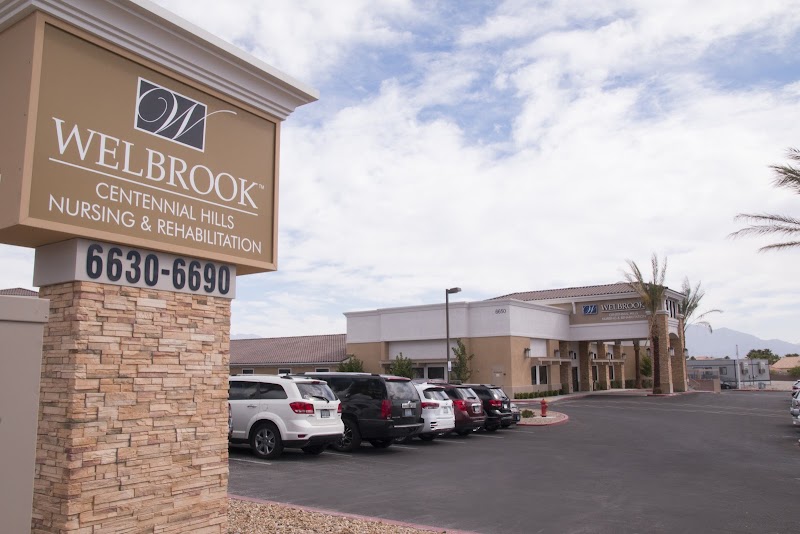
Who Owns and Operates Skye Canyon Post Acute?

SKYE CANYON POST ACUTE is owned by a for-profit company. For-profit facilities operate as businesses with obligations to shareholders or private owners. The facility is operated by MISSION POINT HEALTHCARE SERVICES, a chain that manages multiple nursing homes. With 45 certified beds and approximately 41 residents (about 91% occupancy), it is a smaller facility located in LAS VEGAS, Nevada.
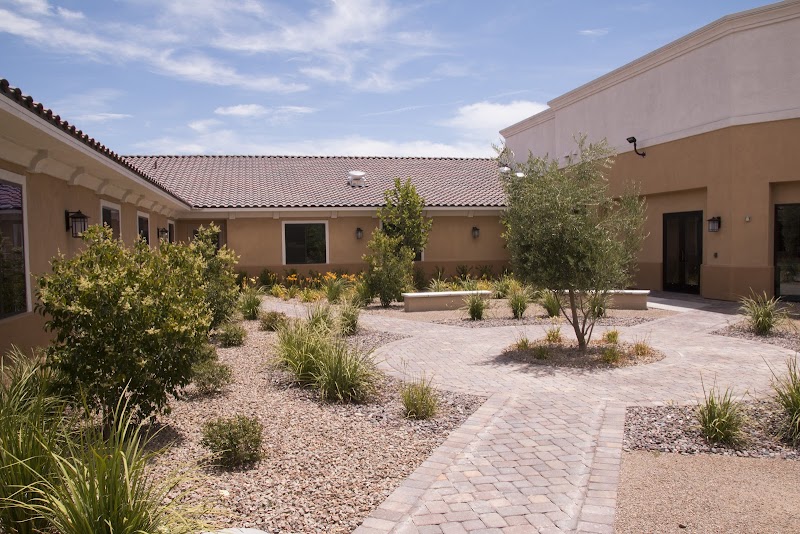
How Does Skye Canyon Post Acute Compare to Other Nevada Nursing Homes?

Compared to the 100 nursing homes in Nevada, SKYE CANYON POST ACUTE's overall rating (5 stars) is above the state average of 3.0, staff turnover (73%) is significantly higher than the state average of 46%, and health inspection rating (4 stars) is above the national benchmark.

What Should Families Ask When Visiting Skye Canyon Post Acute?

Based on this facility's data, families visiting should ask: "How do you ensure continuity of care given staff turnover, and what is your staff retention strategy?" "Can you walk me through typical staffing levels on day, evening, and night shifts?" "Can I visit during a mealtime to observe dining assistance and food quality?" "How do you handle medical emergencies, and what is your hospital transfer rate?" These questions are particularly relevant given the facility's high staff turnover rate and the below-average staffing rating.

Is Skye Canyon Post Acute Safe?

Based on CMS inspection data, SKYE CANYON POST ACUTE has a clean safety record: no substantiated abuse findings (meaning no confirmed cases of resident harm), no Immediate Jeopardy citations (the most serious violation level indicating risk of serious injury or death), and is not on the Special Focus Facility watch list (a federal program monitoring the lowest-performing 1% of nursing homes). The facility has a 5-star overall rating and ranks #1 of 100 nursing homes in Nevada. While no facility is perfect, families should still ask about staff-to-resident ratios and recent inspection results during their visit.

Do Nurses at Skye Canyon Post Acute Stick Around?

Staff turnover at SKYE CANYON POST ACUTE is high. At 73%, the facility is 27 percentage points above the Nevada average of 46%. Registered Nurse turnover is particularly concerning at 77%. RNs handle complex medical decisions and coordinate care — frequent RN changes can directly impact care quality. High turnover means new staff may not know residents' individual needs, medications, or preferences. It can also be disorienting for residents, especially those with dementia who rely on familiar faces. Families should ask: What is causing the turnover? What retention programs are in place? How do you ensure care continuity during staff transitions?

Was Skye Canyon Post Acute Ever Fined?

SKYE CANYON POST ACUTE has no federal fines on record. CMS issues fines when nursing homes fail to meet care standards or don't correct problems found during inspections. The absence of fines suggests the facility has either maintained compliance or corrected any issues before penalties were assessed. This is a positive indicator, though families should still review recent inspection reports for the full picture.

Is Skye Canyon Post Acute on Any Federal Watch List?

SKYE CANYON POST ACUTE is not on any federal watch list. The most significant is the Special Focus Facility (SFF) program, which identifies the bottom 1% of nursing homes nationally based on persistent, serious quality problems. Not being on this list means the facility has avoided the pattern of deficiencies that triggers enhanced federal oversight. This is a positive indicator, though families should still review the facility's inspection history directly.