SPANISH HILLS WELLNESS SUITES

5351 MONTESSOURI STREET, LAS VEGAS, NV 89113 (702) 251-2200
For profit - Individual 144 Beds FUNDAMENTAL HEALTHCARE Data: November 2025
Trust Grade
50/100
#50 of 65 in NV
Last Inspection: January 2025

Within standard 12-15 month inspection cycle. Federal law requires annual inspections.

Overview

Spanish Hills Wellness Suites in Las Vegas has a Trust Grade of C, which means it is average-neither great nor terrible. It ranks #50 out of 65 facilities in Nevada, placing it in the bottom half, and #36 out of 42 in Clark County, indicating there are only a few local options that are better. The facility's trend is worsening, with issues increasing from 11 in 2024 to 16 in 2025. Staffing is a strength, with a 4 out of 5 rating and a turnover rate of 31%, which is lower than the state average. While there have been no fines, there are concerning incidents, including the failure to maintain sanitary kitchen conditions, which could expose residents to foodborne illnesses, and unlabelled and expired food in the nourishment rooms. Overall, while staffing is a positive aspect, the facility has significant weaknesses in food safety and cleanliness.

Trust Score
C
50/100
In Nevada
#50/65
Bottom 24%
Safety Record
Low Risk
No red flags
Inspections
Getting Worse
11 → 16 violations
Staff Stability
○ Average
31% turnover. Near Nevada's 48% average. Typical for the industry.
Penalties
✓ Good
No fines on record. Clean compliance history, better than most Nevada facilities.
Skilled Nurses
✓ Good
Each resident gets 43 minutes of Registered Nurse (RN) attention daily — more than average for Nevada. RNs are trained to catch health problems early.
Violations
⚠ Watch
43 deficiencies on record. Higher than average. Multiple issues found across inspections.
★★☆☆☆
2.0
Overall Rating
★★★★☆
4.0
Staff Levels
★★★★☆
4.0
Care Quality
★★☆☆☆
2.0
Inspection Score
Stable
2024: 11 issues
2025: 16 issues

The Good

  • 4-Star Staffing Rating · Above-average nurse staffing levels
  • 4-Star Quality Measures · Strong clinical quality outcomes
  • Full Sprinkler Coverage · Fire safety systems throughout facility
  • No fines on record
  • Staff turnover below average (31%)

    17 points below Nevada average of 48%

Facility shows strength in staffing levels, quality measures, fire safety.

The Bad

2-Star Overall Rating

Below Nevada average (3.0)

Below average - review inspection findings carefully

Staff Turnover: 31%

15pts below Nevada avg (46%)

Typical for the industry

Chain: FUNDAMENTAL HEALTHCARE

Part of a multi-facility chain

Ask about local staffing decisions and management

The Ugly 43 deficiencies on record

Mar 2025 1 deficiency
CONCERN (D) 📢 Someone Reported This

A family member, employee, or ombudsman was alarmed enough to file a formal complaint

Potential for Harm - no one hurt, but risky conditions existed

Investigate Abuse (Tag F0610)

Could have caused harm · This affected 1 resident

**NOTE- TERMS IN BRACKETS HAVE BEEN EDITED TO PROTECT CONFIDENTIALITY** Based on interview, record review and document review, the facility failed to ensure a report submitted to the state agency (SA)...

Read full inspector narrative →
**NOTE- TERMS IN BRACKETS HAVE BEEN EDITED TO PROTECT CONFIDENTIALITY** Based on interview, record review and document review, the facility failed to ensure a report submitted to the state agency (SA) regarding an allegation of sexual abuse was thoroughly completed for 1 of 6 sampled residents (Resident 2). The deficient practice had the potential to compromise the safety of residents. Findings include: Resident 2 (R2) R2 was admitted on [DATE] with diagnoses including closed fracture of the right femur, schizoaffective disorder, major depressive disorder, and an anxiety disorder. An initial report of the Facility Reported Incident (FRI) submitted to the SA on 01/22/2025, revealed R2 alleged being touched inappropriately by a staff member described as a white male wearing a ponytail. A final report of the FRI submitted to the SA on 01/28/2025, revealed the facility was not able to substantiate R2's allegation of sexual abuse due to the description of the alleged male R2 provided did not match any of the staff members in the facility. On 03/06/2025 at 1:50 PM, a Restorative Nurse Assistant (RNA) with a beard and a ponytail indicated was familiar with R2. The RNA conveyed having provided restorative services to R2 alongside another staff member, but the RNA had not been alone with the resident at any given time. The RNA reported being suspended for one day due to an incident involving R2, but the reason for the suspension was not made clear to the RNA. On 03/06/2025 at 2:00 PM, the Director of Nursing (DON) confirmed the RNA's suspension on 01/22/2025 was related to R2's sexual abuse investigation. The DON acknowledged the RNA was suspended because the RNA was the only male staff member who wore a ponytail. The facility report (initial and final) lacked documentation of the RNA's suspension due to the staff member fitting the description provided by R2. On 03/06/2025 at 3:09 PM, the DON reviewed the facility report and conveyed the report contained inaccurate information regarding there not being any staff members who fit the description of the alleged staff member. The DON indicated the suspension of the RNA was part of the facility's abuse protocol and investigation and should have been included in the final report. The DON explained the former abuse coordinator completed the report which was submitted to the SA. The DON could not speak to why the RNA's suspension was excluded from the facility report. On 03/06/2025 at 3:15 PM, the Abuse Coordinator indicated being employed on 02/06/2025 and could not speak to R2's incident which occurred in January 2025. The policy titled Abuse, Neglect, Exploitation, or Mistreatment revised on 11/1/2027 documented the facility would conduct an internal investigation of the allegation and report the results of the investigation to enforcement agencies which includes the State Agency. Investigations were to be prompt, comprehensive, responsive to the situation and contain founded conclusions.
Jan 2025 15 deficiencies
CONCERN (D)

Potential for Harm - no one hurt, but risky conditions existed

Deficiency F0558 (Tag F0558)

Could have caused harm · This affected 1 resident

**NOTE- TERMS IN BRACKETS HAVE BEEN EDITED TO PROTECT CONFIDENTIALITY** Based on observation, document review, record review, and interview, the facility failed to provide a working over the bed light...

Read full inspector narrative →
**NOTE- TERMS IN BRACKETS HAVE BEEN EDITED TO PROTECT CONFIDENTIALITY** Based on observation, document review, record review, and interview, the facility failed to provide a working over the bed light for 1 of 24 residents (Resident 125). The failed practice had the potential to deprive the resident of using a urinal bottle independently overnight. Findings include: Resident 125 (R125) R125 was admitted on [DATE], with diagnosis including hemiplegia affecting left nondominant side, hereditary and idiopathic neuropathy, and cerebrovascular disease. On 01/07/2025 at 10:07 AM, R125 was observed in bed with a urinal bottle hung on the bedside nightstand. R125 reported had moved into the room two weeks prior and was not provided a remote control for the over the bed light. R125 was informed the remote control was sent out for repair. R125 explained was able to use the urinal bottle independently, however, had not been able to use the urinal bottle at night due to not being able to see in the dark. R125 explained needed the light on to position the urinal bottle correctly. R125 stated wanted to continue to use the urinal bottle independently, but instead had to call staff for help at night. The Resident Census dated 12/27/2024, documented a room change to room [ROOM NUMBER] Bed B. On 01/08/2025 at 12:42 PM, a Nurse reported was not aware R125 did not have a remote control to turn on the light above the bed and was unable to use the urinal bottle at night. On 01/08/2025 at 1:21 PM, the Maintenance Director, confirmed the remote control for the over the bed light had been sent for repair. The Maintenance Director stated did not have an expected date for completion of the repair. The Maintenance Director acknowledged a remote control could have been removed from an empty room or the resident moved to another room, to prevent disruption of care to the resident. On 01/09/2025 at 11:16 AM, the Assistant Director of Nursing (ADON), acknowledged R125 should have been provided a light to be able to continue to use the urinal bottle at night independently while repairs were done, both to preserve R125's independence, and continue to encourage self-care. A policy titled Resident Room Environmental revised 11/01/2017, documented promoting and preserving resident independence and self-sufficiency should be considered when arranging the resident living space.
CONCERN (D)

Potential for Harm - no one hurt, but risky conditions existed

Safe Environment (Tag F0584)

Could have caused harm · This affected 1 resident

**NOTE- TERMS IN BRACKETS HAVE BEEN EDITED TO PROTECT CONFIDENTIALITY** Based on observation, interview and document review, the facility failed to provide a clean and sanitary homelike environment by...

Read full inspector narrative →
**NOTE- TERMS IN BRACKETS HAVE BEEN EDITED TO PROTECT CONFIDENTIALITY** Based on observation, interview and document review, the facility failed to provide a clean and sanitary homelike environment by ensuring proper floor cleaning procedures were performed in 16 of 90 residents' rooms (rooms 406 to 422). The deficient practice had the potential to increase infection risk and denied the residents the right to a safe and clean homelike environment. Findings include: 1) Residents' room cleanness: On 01/07/2025 at 9:30 AM, Resident #28 (R28) verbalized concerns related to the cleanness of the resident's room. R28 indicated the room had been cleaned on a daily basis but dust and debris remained on the edges between the wall and the floor at the baseboard. On 01/07/2025 at 10:00 AM, a housekeeping staff confirmed room [ROOM NUMBER] had been cleaned. The housekeeping staff acknowledged the edges between the wall and the floor at the baseboard were not cleaned. On 01/07/2025 at 10:12 AM, the housekeeping supervisor confirmed the observation and verbalized all the surfaces of the room should have been cleaned. On 01/07/2025 during the inspection of rooms 406 to 422, it was corroborated dust and debris remained at the edges between the wall and the floor after the rooms were cleaned. The housekeeping supervisor confirmed the observations. The facility policy titled General Cleaning dated March 2006, documented the routine cleaning and disinfection procedures would be performed in a way to provide a clean, safe decontaminated environment for the residents. The policy indicated staff should check areas above eye levels and dust as needed and move furniture weekly to clean underneath and behind.
CONCERN (D)

Potential for Harm - no one hurt, but risky conditions existed

PASARR Coordination (Tag F0644)

Could have caused harm · This affected 1 resident

**NOTE- TERMS IN BRACKETS HAVE BEEN EDITED TO PROTECT CONFIDENTIALITY** Based on observation, interview, record review, and document review, the facility failed to ensure a Preadmission Screening and ...

Read full inspector narrative →
**NOTE- TERMS IN BRACKETS HAVE BEEN EDITED TO PROTECT CONFIDENTIALITY** Based on observation, interview, record review, and document review, the facility failed to ensure a Preadmission Screening and Resident Review (PASARR) level two referral was completed for 1 of 24 sampled residents (Resident 69). The deficient practice had the potential to deprive the residents of concern and other residents of necessary behavioral health services. Findings include: Resident 69 (R69) R69 was re-admitted on [DATE], with diagnoses including schizoaffective disorder, anxiety disorder, depression, and post-traumatic stress disorder. On 01/07/2025 in the afternoon, R69 stated was on the Resident Council and had been at the facility for about three years. The resident related had been in a bad accident, had post-traumatic stress disorder (PTSD) from it, and also has bipolar illness. A PASARR level one document dated 08/06/2021, revealed R69 did not have dementia, mental illness (MI), intellectual disability, (ID) mental retardation (MR) or any related condition (RC) and was deemed appropriate for nursing facility placement. A review of the resident's medical notes revealed R69's schizoaffective disorder was diagnosed on [DATE], the post-traumatic stress disorder was diagnosed on [DATE], the anxiety disorder was diagnosed on [DATE], and the resident's depression was diagnosed on [DATE]. On 01/09/2025 in the morning, the Social Services Director (SSD) explained the SSD was responsible for referring residents who met criteria for PASARR two by completing the online PASARR request. When asked if a residents' diagnoses of schizoaffective disorder and post-traumatic stress disorder would be representative of a mental illness, intellectual disability, or a related condition which the Medicaid Service Manual documents a PASARR II must be completed for, SSD agreed these diagnoses would be an indication. The Division of Health Care Financing and Policy- Medicaid Services Manual- for Nursing Facilities Policy dated 05/01/2015, documented when an individual has been identified with possible indicators of mental illness, intellectual disabilities or related condition, a PASARR Level II screening must be completed to evaluate the individual and determine if nursing facility services and/or specialized services are needed and can be provided in the nursing facility. Examples include: a resident who exhibits behavioral, psychiatric, or mood related symptoms suggesting a presence of a mental disorder (where dementia is not the primary diagnoses), or an intellectual disability or related condition was not previously identified and evaluated through PASARR. Social services would be responsible for keeping track of each resident's PASARR screening status and referring to appropriate authority. The medical record lacked documented evidence a referral for a PASARR level two screening was completed.
CONCERN (D)

Potential for Harm - no one hurt, but risky conditions existed

Deficiency F0655 (Tag F0655)

Could have caused harm · This affected 1 resident

**NOTE- TERMS IN BRACKETS HAVE BEEN EDITED TO PROTECT CONFIDENTIALITY** Based on observation, interview, record review, and document review, the facility failed to ensure a baseline care plan was form...

Read full inspector narrative →
**NOTE- TERMS IN BRACKETS HAVE BEEN EDITED TO PROTECT CONFIDENTIALITY** Based on observation, interview, record review, and document review, the facility failed to ensure a baseline care plan was formulated to manage the resident's care with a nephrostomy tube for 1 of 24 sampled residents (Resident 98). This deficient practice could have led to an increased risk of complications related to improper management and a lack of continuity in care. Findings include: Resident 98 (R98) R98 was admitted on [DATE] and readmitted on [DATE] with diagnoses including palliative care, dysuria (painful or difficult urination), and malignant neoplasm of the prostate. On 01/07/2025 at 12:48 PM, R98 verbalized a complaint to a Registered Nurse (RN) about a peeling dressing. An RN checked the resident's back and confirmed the nephrostomy dressing had peeled off, appeared old and undated, and was soiled. R98 indicated a shower had caused the dressing to become wet, but it had not been changed. Complaints of itchiness on the surrounding skin were noted. The RN acknowledged R98 was receiving hospice services but was unsure if the hospice nurse was responsible for changing the dressing. R98's medical records lacked documented evidence a baseline care plan was formulated for the management of R98's nephrostomy. The RN confirmed no care plan was in place. On 01/08/2025 at 12:16 PM, the Charge Nurse indicated the nephrostomy tube required a baseline care plan with management instructions on proper care for the nephrostomy. On 01/09/2025 at 1:39 PM, the Director of Nursing (DON) confirmed the absence of a baseline care plan. The DON indicated licensed nurses were responsible for formulating the care plan, which should have been followed through by nursing leadership. The DON indicated a baseline care plan should have been developed to monitor the insertion site for signs of infection and address dressing changes. The DON indicated there should have been a baseline care plan following R98's admission. A facility policy titled Care Plan Process, Person-Centered Care, dated 05/05/2023, documented the facility's commitment to developing and implementing a baseline and comprehensive care plan for each resident, including instructions to provide effective, person-centered care meeting professional standards of quality care. The baseline person-centered care plan was to be developed and implemented within 48 hours of the resident's admission.
CONCERN (D)

Potential for Harm - no one hurt, but risky conditions existed

Comprehensive Care Plan (Tag F0656)

Could have caused harm · This affected 1 resident

**NOTE- TERMS IN BRACKETS HAVE BEEN EDITED TO PROTECT CONFIDENTIALITY** Based on observation, record review, interviews and document review, the facility failed to: 1) implement a care plan for restor...

Read full inspector narrative →
**NOTE- TERMS IN BRACKETS HAVE BEEN EDITED TO PROTECT CONFIDENTIALITY** Based on observation, record review, interviews and document review, the facility failed to: 1) implement a care plan for restorative hand splinting services to prevent contractures for 1 of 24 sampled residents (Resident 44), and 2) develop care plans for side rails, weight loss and pressure ulcer for 3 of 24 sampled residents (Residents 62, 87, and 129). The deficient practice placed the residents at risk for worsening health conditions related to contractures, injuries, malnutrition and pressure ulcers. Findings include: The facility policy titled Care Plan Process, Person-Centered Care dated 05/30/2023, documented the facility would develop and implement baseline and comprehensive care plan for each resident that include instructions needed to provide effective and person-centered care of the resident that meet professional standards of quality care. 1) Implementation of a Care Plan: Resident 44 (R44) R44 was admitted on [DATE], with diagnoses including cerebrovascular accident (CVA) with weakness right side of the body. On 01/07/2025 in the morning, R44 was lying on the bed clutching the right hand with the left hand. The resident indicated could not move the right hand, and a splint was previously used but was not sure why the splint was no longer applied. A care plan developed on 04/20/2023 and updated on 12/18/2024, documented R44 should have received restorative nursing program (RNP) (a set of nursing interventions that help residents maintain or improve their ability to function independently) for right resting hand splint due to the increased risk to acquire a contracture. The care plan indicated R44 should have been wearing a resting hand splint in the right hand up to eight hours a day to prevent contracture. The minimum date set (MDS) quarterly assessment dated [DATE] and the last annual MDS assessment dated [DATE], revealed the restorative program was not performed including splint or brace assistance. Physician order dated 05/13/2024 documented right-hand splint and left ankle foot orthosis to be worn daily up to 8 hours a day as tolerated. The order was discontinued on 10/21/2024 because R44 was discharged (transfer to hospital). The medical record lacked documented evidence a new physician order for splinting was obtained when R44 was re-admitted to the facility. On 01/09/2025 at 3:45 PM, a Licensed Practical Nurse (LPN) reviewed R44's physician orders and confirmed there was no orders for splinting. The LPN indicated R44 went to the hospital back in October 2024 and it is possible the order was not carried on. The LPN confirmed a care plan was developed for the hand splint and acknowledged a physician order should have been obtained to ensure the implementation of the care plan. On 01/10/2025 at 8:15 AM, the Director of Nursing (DON) explained R44 had been transferred several times to a hospital and the order for splint was not carried on. The DON indicated R44 was in the process to be re-evaluated for physical therapy (PT) but could not explain why the resident was not assessed upon re-admission. On 01/10/2025 at 9:30 AM, the PT Director explained R44's last PT assessment was performed March 2024 and discharged from the skilled program on 04/15/2024 since the resident attained the maximal potential for their condition. The PT Director indicated R44 was referred to restorative program for home exercise. The PT Director indicated R44 was not re-assessed after being discharged and re-admitted because there were no significant changes. The PT Director explained a person having a stroke that affect a side of the body could benefit from the use of splint and orthosis for limb positioning, joint alignment, and to prevent contractures. On 01/10/2025 at 10:45 AM, a restorative aid explained R44 was receiving restorative services for transfers but not for splinting since there was no physician order for splints. 2) Development of a Care Plan: Resident 62 (R62) R62 was admitted on [DATE], with diagnosis including Parkinson's disease without dyskinesia, chest pain, and syncope and collapse. On 01/07/2025 at 3:27 PM, R62 was observed sitting in a wheelchair at the bedside. Bed side rails were observed up on bilateral sides of the bed. R62 reported side rails were put up to facilitate movement. On 01/10/2025 at 8:37 AM, a Nurse confirmed side rails were up and in use for R62 to hold on to, for bed mobility. A Side Rail Review and Consent dated 12/06/2024, documented the use of side rails was considered for syncope, status post fall, hypertension, and hypothyroidism to aid with repositioning, bed mobility and transfers. The medical record lacked documented evidence a comprehensive care plan was developed for the use of side rails. On 01/10/2025 at 9:53 AM, the Director of Nursing (DON) acknowledged a comprehensive care plan was not developed for R62's side rails use. The DON confirmed a comprehensive care plan should have been developed when the side rails consent was completed. Resident 87 (R87) R87 was admitted on [DATE], with diagnosis including encephalopathy, nausea with vomiting, and drug induced subacute dyskinesia. A Malnutrition Screening Tool dated 09/09/2024, documented R87 was eating poorly due to decreased appetite. R87 scored positive for nutritional risk. R87's Vitals Report dated 09/07/2024, documented an initial resident weight of 150 pounds (lbs.) upon admission. The Vitals Report documented resident weight of 120.1 lbs. on 10/09/2024. R87 sustained weight loss of 29.99 lbs. or 19.93% of R87's total body weight between 09/07/2024 and 10/09/2024. A Nutritional Assessment at Admissions dated 09/11/2024, under the Estimated Nutritional Needs section, calories per day, protein grams per day, and fluid milliliters per day was observed blank. The Evaluation of Nutritional Needs section of the form was observed blank and lacked information for nutritional diagnosis, interventions, goals, monitoring and evaluation. A Nutritional Review dated 12/10/2024, documented resident weight of 117.2 lbs. and significant weight loss had occurred. A Care Plan edited 12/12/2024, documented R87 was at nutrition and/or dehydration risk related to dysphagia, anxiety, and recent weight loss. The Care Plan documented the problem start date as 11/13/2024. The medical record lacked documented evidence a comprehensive care plan was developed for R87 to address the significant weight loss sustained between 09/07/2024 and 10/09/2024, until 11/13/2024. On 01/08/2025 at 1:31 PM, the Director of Nursing (DON) confirmed a comprehensive care plan for nutrition and weight loss had not been developed for R87 during the period of substantial weight loss. The DON explained the lack of a care plan, goals, and interventions could have been detrimental to resident care and may have contributed to exacerbation of wounds and comorbidities. Resident 129 (R129) R129 was admitted on [DATE], with diagnosis including spinal stenosis site unspecified, cellulitis, and polyneuropathy. On 01/07/2025 at 10:07 AM, R129 reported had a wound on right heel that was not present during admission to the facility. A Progress Note dated 12/21/2024, documented R129 had a bedside wound consult for the heels. R129's right heel had an open area 1.6 centimeters (cm) x 1.2 cm, depth 0.2 cm from trauma. R129 stated possibly hit foot while at therapy. A Physician Order dated 12/21/2024, documented weekly wound treatment: Cleanse right heel trauma with normal saline/wound cleanser, apply Silvasorb (a gel used to treat wounds), three times weekly for 30 days. A Wound Care Progress Note dated 01/06/2025, documented R129 was seen for follow up of the right heel wound. Notification received of right heel wound culture done showed positive for Methicillin Resistant Staphylococcus Aureus (MRSA). The medical record lacked documented evidence a comprehensive care plan was developed for R129's right heel wound. On 12/09/2025 at 8:53 AM, the Director of Nursing (DON), acknowledged the medical record lacked a comprehensive care plan for R129's heel wound. The DON reported a comprehensive plan should have been developed including goals and interventions.
CONCERN (D)

Potential for Harm - no one hurt, but risky conditions existed

Deficiency F0679 (Tag F0679)

Could have caused harm · This affected 1 resident

**NOTE- TERMS IN BRACKETS HAVE BEEN EDITED TO PROTECT CONFIDENTIALITY** Based on observation, interview, record review, and document review, the facility failed to provide an ongoing program of activi...

Read full inspector narrative →
**NOTE- TERMS IN BRACKETS HAVE BEEN EDITED TO PROTECT CONFIDENTIALITY** Based on observation, interview, record review, and document review, the facility failed to provide an ongoing program of activities designed to meet the interests of the residents for 2 of 24 sampled residents (Residents 26 and 117) and 7 unsampled residents. The deficient practice had the potential risk to cause psychosocial distress to the residents. Findings include: Resident #26 (R26) R26 was admitted to the facility on [DATE], with diagnoses including erythematous condition (unspecified), anxiety disorder (unspecified), and secondary hyperparathyroidism of renal origin. On 01/07/2025 in the morning, R26 explained had been at the facility for about 6 years and liked to come to activities and do single solitary activities like reading newspapers and magazines. R26 explained R26 would like to see more trips out of the facility to events and shopping places. R26 had an Activity Evaluation dated 04/09/2024 which documented the resident had identified needs where programming should be focused on community outings, large groups, independent activities, and outdoor activities. Resident #117 (R117) R117 was admitted to the facility on [DATE], with diagnoses including acute embolism and thrombosis of right femoral vein, pain (unspecified), and edema (unspecified). On 01/07/2025 in the morning, R117 explained had been at the facility for about 2 months. R117 stated participated in the activities which were of interest as long as was not in pain. R117 explained if was able to change one thing about the facility to make it better would change the transportation to get the residents out to shop again. R117 stated the facility used to take the residents out to places but hadn't in a while. R117's medical record lacked documented evidence of an Activity Evaluation to document the resident's identified needs as to where programming should be focused. Activity calendars lacked documentation of any outdoor activities or outings for December or January. Previous months activity calendars were unable to be found. On 01/08/2025 at 01:55 PM, the Administrator verbalized the facility had two buses/vans and two drivers. The Administrator also explained the facility utilized outside transportation company contractors for transports which conflict with their own facility transports or when they have a bus/van down for mechanical reasons. The administrator went on to explain only two buses/vans have been down due to mechanical issues for about a week or less in the last four months. On 01/10/2025 at 12:38 PM, the Activity Director explained the activity department sometimes gets ideas for activities from Resident Council. Sometimes the activity department also gets ideas from upcoming holidays or special events. The Activity Director explained the outings are not put on the schedule due to them having to schedule the buses/vans with their in-house transportation. When they do schedule an outing, the activity department will put up signs to notify the residents of the upcoming outing. The Activity Director stated the facility tries to make a shopping trip for the residents once a month. The Activity Director also explained was off in mid-August and came back to work in November Unsampled Residents (Residents 72, 76, 51, 66, 09, 58, 02) Resident Council Minutes dated 12/18/2024, docoumented residents had asked for an outing to a specific shopping center be added to the January Activity Calendar schedule. The Activity Director agreed to add it to the January Activity Calendar schedule. During a Resident Council meeting on 01/09/2025 in the afternoon, the Unsampled Residents acknowledged there had not been a trip to a specific shopping center since August 2024. The facility policy and procedure titled, Activity/Recreation Programming, last revised 11/04/2024, documented the facility will implement an ongoing resident centered activities program that incorporates the resident's needs, interests, hobbies, and cultural preferences which are integral to maintaining and/or improving physical, intellectual, psychosocial, emotional, spiritual wellbeing and independence as well as to create opportunities for each resident to have a meaningful life by supporting the domains of wellness (security, autonomy, growth, connectedness, identity, joy, and meaning).
CONCERN (D)

Potential for Harm - no one hurt, but risky conditions existed

Quality of Care (Tag F0684)

Could have caused harm · This affected 1 resident

**NOTE- TERMS IN BRACKETS HAVE BEEN EDITED TO PROTECT CONFIDENTIALITY** Based on observation, interview, record review, and document review, the facility failed to ensure an expired medication was not...

Read full inspector narrative →
**NOTE- TERMS IN BRACKETS HAVE BEEN EDITED TO PROTECT CONFIDENTIALITY** Based on observation, interview, record review, and document review, the facility failed to ensure an expired medication was not administered to 1 of 7 unsampled residents (Unsampled Resident 02). The deficient practice had a potential for a non-viable medication to be administered to the resident. Findings include: Unsampled Resident 02 (UR2) UR2 was admitted to the facility on [DATE] with diagnoses of other sequelae of cerebral infarction, anxiety disorder (unspecified), chronic kidney disease stage 3 (unspecified), and dementia with mood disturbance (unspecified). On [DATE] at 09:45 AM, a punch card of Hydralazine HCL 10 milligram (mg) tablets for UR2 was observed expired on [DATE], in the 400-hall medication cart. On [DATE] at 09:46 AM, a Licensed Practical Nurse, confirmed the Hydralazine HCL 10mg tablets were expired and should have been discarded for resident safety. On [DATE] at 09:47 AM, the Assistant Director of Nursing, also verified the Hydralazine HCL 10mg tablets were expired and should have been discarded for resident safety. On [DATE] at 09:48 AM, the Licensed Practical Nurse stated the expired Hydralazine HCL 10mg tablets were documented to have been administered to UR2 on [DATE] at 9:01pm for elevated Blood Pressure (BP) of 180/90 mmHg by the Registered Nurse working that night. UR2's vitals were taken on [DATE] at 11:45pm indicating the resident's blood pressure was 144/78 mmHg per the facilities vitals report. A physician order for UR2 on [DATE] was for one Hydralazine HCL 10mg tablet to be administered orally every 4 hours, as needed (PRN), for systolic blood pressure greater than 160. A care plan for UR2's blood pressure medication related to hypertension was created on [DATE] for medication administration, monitoring blood pressure, and observing for signs and symptoms of elevated blood pressure. A facility policy titled Medication Management Program: Administering the Medication Pass revised [DATE], documented prior to administering the medications, the nurse is responsible for checking for expiration dates and removing any expired products.
CONCERN (D)

Potential for Harm - no one hurt, but risky conditions existed

Deficiency F0688 (Tag F0688)

Could have caused harm · This affected 1 resident

**NOTE- TERMS IN BRACKETS HAVE BEEN EDITED TO PROTECT CONFIDENTIALITY** Based on observation, record review, and interviews, the facility failed to place hand splint for contracture management for 1 o...

Read full inspector narrative →
**NOTE- TERMS IN BRACKETS HAVE BEEN EDITED TO PROTECT CONFIDENTIALITY** Based on observation, record review, and interviews, the facility failed to place hand splint for contracture management for 1 of 24 sampled residents (Resident 44). The deficient practice placed the resident at risk to develop contractures, decrease hand functionality, and cause pain and discomfort. Findings include: Resident 44 (R44) R44 was admitted on [DATE], with diagnoses including cerebrovascular accident (CVA) with weakness right side of the body. On 01/07/2025 in the morning, R44 was lying on the bed clutching the right hand with the left hand. The resident indicated they could not move the right hand, and a splint was previously used but was not sure why the splint was no longer applied. A care plan developed on 04/20/2023 and updated on 12/18/2024, documented R44 should have received restorative nursing program (RNP) (a set of nursing interventions that help residents maintain or improve their ability to function independently) for right resting hand splint due to the increased risk to acquire a contracture. The care plan indicated R44 should have been wearing a resting hand splint in the right hand up to eight hours a day to prevent contracture. The minimum date set (MDS) quarterly assessment dated [DATE] and the last annual MDS assessment dated [DATE], revealed the restorative program was not performed including splint or brace assistance. Physician order dated 05/13/2024 documented right-hand splint and left ankle foot orthosis to be worn daily up to 8 hours a day as tolerated. The order was discontinued on 10/21/2024 because R44 was discharged (transfer to hospital). The medical record lacked documented evidence a new physician order for splinting was obtained when R44 was re-admitted to the facility. The physical therapy Discharge summary dated [DATE], revealed R44 was discharged for skilled therapy services since had attained the highest practical level of function for their condition, and recommended a referral to the clinical team for restorative program review. On 01/09/2025 at 3:45 PM, a Licensed Practical Nurse (LPN) reviewed R44's physician orders and confirmed there was no orders for splinting. The LPN indicated R44 went to the hospital back in October 2024 and it is possible the order was not carried on. The LPN confirmed a care plan was developed for the hand splint and acknowledged a physician order should have been obtained to ensure the implementation of the care plan. On 01/10/2025 at 8:15 AM, the Director of Nursing (DON) explained R44 had been transferred several times to a hospital and the order for splint was not carried on. The DON indicated R44 was in the process to be re-evaluated for physical therapy (PT) but could not explain why the resident was not assessed upon re-admission. On 01/10/2025 at 9:30 AM, the PT Director explained R44's last PT assessment was performed March 2024 and discharged from the skilled program on 04/15/2024 since the resident attained the maximal potential for their condition. The PT Director indicated R44 was referred to restorative program for home exercise. The PT Director indicated R44 was not re-assessed after being discharged and re-admitted because there were no significant changes. The PT Director explained a person having a stroke that affect a side of the body could benefit from the use of splint and orthosis for limb positioning, joint alignment, and to prevent contractures. On 01/10/2025 at 10:45 AM, a restorative aid explained R44 was receiving restorative services for transfers but not for splinting since there was no physician order for splints. The facility policy titled Joint Mobility/Range of Motion Program and Splinting dated 10/25/2024, documented residents would be assessed for joint mobility upon admission, re-admission, quarterly, annually, and with significant changes through the comprehensive nursing assessment. The policy indicated a restorative program would be implemented through the care plan to increase, maintain, or prevent deterioration of joint mobility and to maximize physical function when referral to therapy was not indicated or upon discharge from skilled therapy, and orthotics, assistive or prosthetic devices would be provided if indicated.
CONCERN (D)

Potential for Harm - no one hurt, but risky conditions existed

Incontinence Care (Tag F0690)

Could have caused harm · This affected 1 resident

**NOTE- TERMS IN BRACKETS HAVE BEEN EDITED TO PROTECT CONFIDENTIALITY** Based on observation, interview, record review, and document review, the facility failed to ensure a physician's order had been ...

Read full inspector narrative →
**NOTE- TERMS IN BRACKETS HAVE BEEN EDITED TO PROTECT CONFIDENTIALITY** Based on observation, interview, record review, and document review, the facility failed to ensure a physician's order had been obtained for the presence of the nephrostomy tube, the insertion site had been monitored, and dressing changes had been scheduled for 1 of 24 sampled residents (Resident 98). This deficient practice increased the risk of infection, complications from improper management, and a lack of continuity in care. Findings include: Resident 98 (R98) R98 was admitted on [DATE], and readmitted on [DATE], with diagnoses including palliative care, dysuria (painful or difficult urination) and malignant neoplasm of the prostate. On 01/07/2025 at 12:48 PM, R98 voiced a complaint to a Registered Nurse (RN) about a peeling dressing. The RN checked the resident's back and confirmed placement of a capped nephrostomy tube, with the nephrostomy dressing soiled, peeled off, and appearing old and undated. R98 indicated a shower had caused the dressing to become wet, but it had not been changed. The RN acknowledged R98 had been receiving hospice services but was unsure if the hospice nurse had been responsible for changing the dressing. R98's medical records lacked documented evidence a physician's order had been obtained for the presence of the nephrostomy tube, the insertion site had been monitored, and dressing changes had been scheduled. The RN confirmed no order for R98's nephrostomy and no care or monitoring orders had been in place. On 01/08/2025 at 12:16 PM, RN Charge Nurse indicated the nephrostomy tube required an order, the insertion site should have been monitored for signs and symptoms of infection, and the dressing change should have been scheduled. On 01/09/2025 at 1:39 PM, the Director of Nursing (DON) indicated R98 was on hospice services and had been visited by hospice staff. The DON confirmed the absence of a physician's order for the presence of the nephrostomy tube, monitoring, and care orders. The DON indicated despite R98 being on hospice, orders should have been documented in the resident's electronic records to ensure continuity of care and shared responsibility between hospice and facility staff. The DON indicated monitoring of the insertion site for signs and symptoms of infection should have been conducted, with the tube discontinued if no longer needed. The DON confirmed R98's nephrostomy tube had not been monitored for signs and symptoms of infection, and the dressing had been changed inconsistently. A facility policy titled Physician Orders, revised 05/05/2023, documented a qualified licensed nurse was required to obtain and transcribe orders following facility practice guidelines. Upon a resident's admission, the physician's orders, including routine care orders, were obtained. The orders were communicated in writing, either through paper medical records or electronically in facilities using electronic medical records.
CONCERN (D)

Potential for Harm - no one hurt, but risky conditions existed

Deficiency F0692 (Tag F0692)

Could have caused harm · This affected 1 resident

**NOTE- TERMS IN BRACKETS HAVE BEEN EDITED TO PROTECT CONFIDENTIALITY** Based on observation, record review, document review, and interview, the facility failed to assess a resident's nutritional stat...

Read full inspector narrative →
**NOTE- TERMS IN BRACKETS HAVE BEEN EDITED TO PROTECT CONFIDENTIALITY** Based on observation, record review, document review, and interview, the facility failed to assess a resident's nutritional status during a period of substantial weight loss for 1 of 24 residents (Resident 87). The deficient practice had the potential to place the resident at risk of malnutrition and dehydration, compromising the residents' health and increasing susceptibility to further medical complications. Findings include: Resident 87 (R87) R87 was admitted on [DATE], with diagnosis including encephalopathy, nausea with vomiting, and drug induced subacute dyskinesia. A Malnutrition Screening Tool dated 09/09/2024, documented R87 was eating poorly due to decreased appetite. R87 scored positive for nutritional risk. R87's Vitals Report dated 09/07/2024, documented an initial resident weight of 150 pounds (lbs.) upon admission. The Vitals Report documented resident weight of 120.1 lbs. on 10/09/2024. R87 sustained weight loss of 29.99 lbs. or 19.93% of R87's total body weight between 09/07/2024 and 10/09/2024. A Nutritional Assessment at Admissions dated 09/11/2024, under the Estimated Nutritional Needs section, calories per day, protein grams per day, and fluid milliliters per day were observed blank. The Evaluation of Nutritional Needs section of the form was blank and lacked information for nutritional diagnosis, interventions, goals, monitoring, and evaluation. A Nutritional Review dated 12/10/2024, documented resident weight of 117.2 lbs. and significant weight loss had occurred. The medical record lacked documented evidence a nutritional assessment or review was performed from 09/11/2024 until 12/10/2024. On 01/08/2025 at 1:31 PM, the Director of Nursing (DON) acknowledged R87's medical record lacked documented evidence of nutritional assessments during the time R87 sustained significant weight loss. The DON reported the Registered Dietitian (RD) was on medical leave. The DON explained the lack of nutritional assessments and interventions could have been detrimental to resident care and may have contributed to exacerbation of wounds and comorbidities. On 01/10/2025 at 11:00 AM, the Administrator acknowledged the facility had identified concerns with weight loss not addressed timely. The Administrator explained excessive weight loss needed to be addressed including dietary needs, food preferences, percentage of intake, supplements, and include close collaboration with the physician. A facility policy titled Nutritional Assessment/Evaluation revised 06/20/2023, documented a comprehensive nutritional assessment was to be completed upon the resident's admission, annually, and whenever a significant change in status occurred. The assessment/evaluation was to include an assessment of the overall nutritional status of the resident.
CONCERN (D)

Potential for Harm - no one hurt, but risky conditions existed

Deficiency F0698 (Tag F0698)

Could have caused harm · This affected 1 resident

**NOTE- TERMS IN BRACKETS HAVE BEEN EDITED TO PROTECT CONFIDENTIALITY** Based on observation, interview, record review, and document review, the facility failed to ensure the Dialysis Communication Re...

Read full inspector narrative →
**NOTE- TERMS IN BRACKETS HAVE BEEN EDITED TO PROTECT CONFIDENTIALITY** Based on observation, interview, record review, and document review, the facility failed to ensure the Dialysis Communication Record were completed, shunt or dialysis access assessments were conducted, and vital signs were obtained pre- and post-dialysis for 1 of 24 sampled residents (Resident 16). The deficient practice increased the risk of complications, including delayed detection of shunt malfunction, inadequate dialysis, hemodynamic instability, bleeding, and potential infection. Findings include: Resident 16 (R16) R16 was admitted on [DATE], with diagnoses including chronic kidney disease, hypertension, and dependence on renal dialysis. The Quarterly Minimum Data Set, dated [DATE], documented the brief interview of mental status with a score of 14/15, which indicated R16's cognitive status was intact and R16 was receiving dialysis treatment. A Physician Order dated 08/28/2024, documented dialysis on Monday, Wednesday, and Friday. A Care Plan dated 09/06/2024, and revised 12/05/2024, documented R16 was on hemodialysis for kidney ureter stones, acute kidney injury, and sepsis. The interventions included monitoring the patency of the shunt by assessing the presence of a thrill and bruit and monitoring vital signs as ordered. On 01/07/2025 at 12:25 PM, R16 was in bed, alert and oriented, with a white bandage (Kerlix) observed wrapped around the left upper arm. R16 indicated it was a dialysis access and reported receiving dialysis three times a week. R16 indicated the dialysis center wrapped the dialysis access and recorded vital signs post-dialysis; however, vital signs were inconsistently taken upon arrival at the facility, sometimes not taken at all. The Medication Administration Record documented R16 had dialysis treatments: -October 2024: 13 times -November 2024: 13 times -December 2024: 13 times -January 2025: five times The Hemodialysis Communication Record lacked documented evidence the Hemodialysis Communication Records were completed; shunt or dialysis access assessments were consistently conducted, and vital signs were obtained pre- and post-dialysis from October 2024 to January 2025. On 01/09/2025 at 1:03 PM, the Director of Nursing (DON) indicated R16 received hemodialysis three times weekly. The DON explained the process, where pre- and post-dialysis procedures included obtaining vital signs and assessing the shunt or dialysis access for intactness, bleeding, or complications. The DON indicated the hemodialysis communication record was used to document assessments, including pre-dialysis vital signs, and was returned to the facility with completed documentation by the dialysis center. Upon arrival at the facility, shunt assessment and vital signs were obtained and documented on the same dialysis form. The DON confirmed R16's records lacked documented evidence showing shunt assessments and vital signs were consistently obtained and recorded. The DON indicated the staff were aware of the protocol and were expected to assess, obtain vital signs, and document accordingly. On 01/10/2025 at 11:47 AM, the physician indicated it was vital to assess the resident's shunt or IV access before dialysis treatment to ensure patency of the dialysis access, evaluate any signs and symptoms of infection, and assess the bruit and thrill. The physician indicated post-dialysis the dialysis access should have been monitored for bleeding. The physician emphasized the importance of promptly assessing the resident's dialysis access pre- and post-dialysis and obtaining vital signs to monitor for potential hypotension.
CONCERN (D)

Potential for Harm - no one hurt, but risky conditions existed

Deficiency F0700 (Tag F0700)

Could have caused harm · This affected 1 resident

**NOTE- TERMS IN BRACKETS HAVE BEEN EDITED TO PROTECT CONFIDENTIALITY** Based on observation, record review, document review, and interview, the facility failed to obtain a physician order for the use...

Read full inspector narrative →
**NOTE- TERMS IN BRACKETS HAVE BEEN EDITED TO PROTECT CONFIDENTIALITY** Based on observation, record review, document review, and interview, the facility failed to obtain a physician order for the use of bed side rails for 1 of 24 residents (Resident 62). The failed practice had the potential to place the resident at risk of injury such as falls, entrapment, and broken bones. Findings include: Resident 62 (R62) R62 was admitted on [DATE], with diagnosis including Parkinson's disease without dyskinesia, chest pain, and syncope and collapse. On 01/07/2025 at 3:27 PM, R62 was observed sitting in a wheelchair at the resident's bedside. Bed side rails were observed up on bilateral sides of the bed. R62 reported side rails were put up to facilitate movement. A Side Rail Review and Consent dated 12/06/2024, documented the use of side rails was considered for syncope, status post fall, hypertension, and hypothyroidism to aid with repositioning, bed mobility and transfers. R62's medical record lacked documented evidence of a physician order for the use of side rails. On 01/10/2025 at 8:37 AM, a Nurse confirmed side rails were up and in use for R62 to hold on to, for bed mobility. The Nurse acknowledged the medical record lacked a physician order for side rails and explained a physician order should have been obtained. On 01/10/2025 at 9:53 AM, the Director of Nursing (DON) acknowledged the medical record lacked a physician order for the use of bed rails. The DON confirmed a physician order should have been obtained when the side rails review and consent were completed. A facility policy titled Physician Orders revised 05/05/2024, documented the qualified licensed nurse will obtain and transcribe orders according to Facility Practice Guidelines. A call is placed to the physician to confirm the orders and request any additional orders as needed.
CONCERN (D)

Potential for Harm - no one hurt, but risky conditions existed

Deficiency F0761 (Tag F0761)

Could have caused harm · This affected 1 resident

**NOTE- TERMS IN BRACKETS HAVE BEEN EDITED TO PROTECT CONFIDENTIALITY** Based on observation, interview and document review, the facility failed to ensure an expired punch card of medications was disc...

Read full inspector narrative →
**NOTE- TERMS IN BRACKETS HAVE BEEN EDITED TO PROTECT CONFIDENTIALITY** Based on observation, interview and document review, the facility failed to ensure an expired punch card of medications was discarded. The deficient practice had a potential for a non-viable medication to be administered to the resident. Findings include: On [DATE] at 09:45 AM, a punch card of Hydralazine HCL 10 milligram (mg) tablets was observed expired on [DATE], in the 400-hall medication cart. On [DATE] at 09:46 AM, a Licensed Practical Nurse, confirmed the Hydralazine HCL 10mg tablets was expired and should have been discarded for resident safety. On [DATE] at 09:47 AM, the Assistant Director of Nursing, also verified the Hydralazine HCL 10mg tablets was expired and should have been discarded for resident safety. A facility policy titled Medication Storage: 8.2 General Guidelines for Storage of Medication and Biologicals revised [DATE], documented outdated, contaminated, or deteriorated medications and those in containers that are cracked, soiled, or without secure closures are immediately removed from stock, disposed of according to procedures for medication destruction, and reordered from the pharmacy, if replacements are needed.
CONCERN (D)

Potential for Harm - no one hurt, but risky conditions existed

Infection Control (Tag F0880)

Could have caused harm · This affected 1 resident

**NOTE- TERMS IN BRACKETS HAVE BEEN EDITED TO PROTECT CONFIDENTIALITY** On 01/07/2025 at 9:00 AM, three hand sanitizer dispensers located near the entrance of rooms 416, 417 and 419 were empty. The ob...

Read full inspector narrative →
**NOTE- TERMS IN BRACKETS HAVE BEEN EDITED TO PROTECT CONFIDENTIALITY** On 01/07/2025 at 9:00 AM, three hand sanitizer dispensers located near the entrance of rooms 416, 417 and 419 were empty. The observation was confirmed by a Licensed Practical Nurse (LPN) who indicated housekeeping staff were responsible to replace the empty hand sanitizer cartridge in the dispensers. On 01/07/2025, the housekeeping supervisor explained hand sanitizer dispenser were supplied with new cartridge when nurses notified the Environmental Services. The housekeeping supervisor acknowledged the empty hand sanitizer cartridge should have been replaced to ensure staff compliance with hand hygiene. Based on observation, interview, record review, and document review, the facility failed to ensure: 1. hand hygiene was performed for 1 of 24 residents (Resident 16) and enhanced barrier precautions (EBP) were implemented for 2 of 24 residents (Residents 16 and 98) and 2. hand sanitizer was available in the resident care areas. These deficient practices could have led to potential cross-contamination and transmission of infectious diseases among residents and staff. Findings include: A facility policy titled Transmission-Based/Standard Precautions and Enhanced Barrier Precautions, dated 05/15/2023, documented the expansion of EBP to include the use of PPE, such as gowns and gloves, during high-contact resident care activities where opportunities for the transfer of MDROs to staff hands and clothing existed. EBP was required for all residents with wounds or indwelling medical devices, including urinary catheters. EBP was also required during high-contact resident care activities, such as dressing, transferring, providing hygiene, changing linens or briefs, and assisting with toileting. 1. Hand Hygiene and EPB: Resident 16 (R16) R16 was admitted on [DATE], and readmitted on [DATE], with diagnoses including sepsis and dependence on renal dialysis. On 01/07/2025 at 12:25 PM, an EBP signage was posted with personal protective supplies (PPE) available by the door. R16 was alert and oriented, a white bandage was observed wrapped on R16's left upper arm. R16 indicated it was a dialysis shunt access and receiving dialysis three times a week. On 01/08/2025 at 12:30 PM, R16 arrived from the dialysis center in a wheelchair. A registered nurse (RN) assisted R16 at bedside without PPE. The RN confirmed a gown should have been worn when providing direct care to a resident on EBP. The RN explained the hand hygiene and infection protocol should have been implemented to prevent cross-contamination. A Certified Nursing Assistant (CNA) entered the room, did not perform hand hygiene, wore gloves, and assisted R16 without wearing a gown. The CNA transferred R16 to the bed and provided incontinent care. After providing care, with soiled gloves, the CNA grabbed the privacy curtain and moved it aside. The CNA confirmed the EBP signage had been posted but failed to pay attention. The CNA acknowledged the requirement to perform hand hygiene and to wear a gown and gloves during care to protect both self and the resident. The CNA admitted to not wearing a gown when assisting the resident from the wheelchair to the bed and during the provision of incontinent care. The CNA acknowledged contaminated gloves should have been removed and hand hygiene performed afterward. The CNA reported receiving recent education regarding infection control protocol. Resident 98 (R98) R98 was admitted on [DATE], and readmitted on [DATE], with diagnoses including palliative care, dysuria (painful or difficult urination), and malignant neoplasm of the prostate. On 01/07/2025 at 12:48 PM, no EBP signage or PPE was available at the door entry. While standing by the door, R98 reported to an RN in the hallway a concern regarding a peeling dressing. An RN inspected R98's back and confirmed R98 had a nephrostomy. The RN indicated was unsure if EBP signage was required. On 01/07/2025 in the afternoon, the charge nurse explained EBP signage and PPE should have been worn, such as gloves and a gown. On 01/09/2025 at 10:41 AM, the Infection Preventionist (IP) indicated residents with devices such as catheters, tubes, or wounds requiring dressings required an EBP during direct and high-contact activities. The IP emphasized the need for gloves, a gown, and hand hygiene before and after procedures. The IP indicated education for staff had been provided during boot [NAME], huddles, and continuing nursing education. The IP indicated performing hand hygiene after incontinent care and wearing a gown during direct care were expected, and noncompliance with these protocols was deemed unacceptable.
CONCERN (E)

Potential for Harm - no one hurt, but risky conditions existed

Food Safety (Tag F0812)

Could have caused harm · This affected multiple residents

Based on observation, interview, and document review, the facility failed to ensure dented cans and expired food products were discarded, and the kitchen floor and essential cooking equipment were cle...

Read full inspector narrative →
Based on observation, interview, and document review, the facility failed to ensure dented cans and expired food products were discarded, and the kitchen floor and essential cooking equipment were cleaned and maintained in sanitary conditions. The deficient practice had the potential to expose residents to foodborne illnesses. Findings include: On 01/07/2025 at 8:00 AM, an inspection was conducted in the kitchen with the Kitchen Manager. The following concerns were identified: - The fryer exhibited the oil visibly aged and contaminated. Food debris was prevalent, further contributing to the unsanitary condition. The fryer's surfaces were coated with a layer of grease and food debris. - The floor under the stove and oven was found to be greasy, dusty, and littered with food debris. - The lateral surfaces of the stove were greasy. - The toaster was greasy, with its exterior covered in grease and visibly soiled with food debris. - A mixer was visibly soiled with food remains. - A breadcrumbs container with expiration date 11/01/2024. - Three cartoons of thickened apple juice 1.36 litters expired on 10/09/2024. - Two containers of sour cream 5 pounds (LB) expired on 12/12/2024. - A container of peanut butter expired on 08/07/2024. - A container of gravy not dated found over the food preparation table. - A plastic receptacle containing hot dogs was found in the walk-in refrigerator with expiration date 12/05/2024. - Two dented cans of cheese sauce and a can of sliced pickled beets 6 LB each, found in the dry storage. - The potable water dispenser showed with white build up calcium matter around the nozzle. The water supply pipe was covered in formations of blue and white matter. - The ice maker machine had white build up calcium matter in the ice bin baffle. - The exhaust vent of the dishwasher was heavily soiled, with a significant accumulation of dust on its surface. On 01/07/2025 in the morning, the kitchen manager acknowledged all the findings represented unsanitary conditions and should have been corrected timely. The facility policy titled Food Safety in Receiving and Storage dated 08/01/2020, documented food products expiration dates and use-by dates should be checked to ensure dates were within acceptable parameters. The facility policy titled Manual Cleaning and Sanitizing Stationary Equipment and Work Surfaces dated 08/01/2020, indicated stationary equipment and work surfaces would be cleaned and sanitized before use, between use, and any time contamination occurred or was suspected.
Aug 2024 2 deficiencies
CONCERN (D) 📢 Someone Reported This

A family member, employee, or ombudsman was alarmed enough to file a formal complaint

Potential for Harm - no one hurt, but risky conditions existed

Deficiency F0655 (Tag F0655)

Could have caused harm · This affected 1 resident

**NOTE- TERMS IN BRACKETS HAVE BEEN EDITED TO PROTECT CONFIDENTIALITY** Based on interviews, record review, and document review, the facility failed to establish and implement a baseline care plan for...

Read full inspector narrative →
**NOTE- TERMS IN BRACKETS HAVE BEEN EDITED TO PROTECT CONFIDENTIALITY** Based on interviews, record review, and document review, the facility failed to establish and implement a baseline care plan for the care and management of an Aspen collar (neck support device to manage spinal fractures while healing) for 1 of 6 residents (Resident 3). The deficient practice had the potential to result in skin impairments for resident. Findings include: Resident 3 (R3) R3 was admitted on [DATE] with diagnoses including multiple fracture of ribs, left side; unspecified displaced fracture of second cervical vertebra; person injured in unspecified motor vehicle accident, nontraffic. The last treatment encounter for physical therapy dated 12/13/2023, documented a precaution/contraindications of cervical vertebra 2 fracture Aspen collar at all times for R3. An admission progress note dated 12/07/2023 documented R3 had a neck collar in place. There was no physician order documented for R3 to be wearing the neck (Aspen) collar. The picture of the resident (R3) on the facility face sheet showed the resident wearing the cervical (Aspen) collar. The medical record of R3 lacked documented evidence of any care orders or wound orders for care of neck collar site, or appliance removal for hygiene, as well as frequency or duration of wearing. The medical record of R3 lacked documented evidence of a baseline care plan regarding the neck (Aspen) collar. On 08/15/24 at 2:07 PM, a Registered nurse indicated the admitting nurse initiated the baseline care plan and should have included immediate care needs and it should have been completed within 48 hours. Care and management orders were expected to be included in the resident's baseline care plan which should include but not be limited to how skin assessments were going to be done, wearing schedule and duration, and assessing patient comfort. On 08/15/2024 at 1:05 PM, the Director of Nursing (DON) acknowledged the baseline care plan did not contain any information regarding the cervical (Aspen) collar for R3 and should have. The DON explained any resident with special devices identified through nursing assessment/observation should be care planned as well. The DON indicated when the resident was admitted , the admission assessment would identify areas for baseline care plan and the hospital notes would be reviewed to help determine areas of concern to include in the baseline care plan. A facility policy titled, Nursing Policy and Procedures: Care Plan Process, Person-Centered Care; with a revision date of May 5, 2023, documented the facility will develop and implement a baseline care plan for each resident that includes the instructions needed to provide effective and person-centered care of the immediate resident needs to meet the professional standards of quality care.
CONCERN (D) 📢 Someone Reported This

A family member, employee, or ombudsman was alarmed enough to file a formal complaint

Potential for Harm - no one hurt, but risky conditions existed

Deficiency F0688 (Tag F0688)

Could have caused harm · This affected 1 resident

Based on interview, record review and document review, the facility failed to ensure a cervical (Aspen) collar was ordered as recommended for 1 of 6 sampled residents (Resident 3). The deficient pract...

Read full inspector narrative →
Based on interview, record review and document review, the facility failed to ensure a cervical (Aspen) collar was ordered as recommended for 1 of 6 sampled residents (Resident 3). The deficient practice had a potential for resident to heal incorrectly after a cervical fracture. Findings include: Resident 3 (R3) R3 had an admission date of 12/06/2023, with diagnoses including multiple fractures of ribs, left side; unspecified displaced fracture of second cervical vertebra; person injured in unspecified motor-vehicle accident. On 08/15/2024 at 9:30 AM, the facility face sheet picture for R3 showed the resident wearing a cervical (Aspen) collar in the picture. The neck (Aspen) collar is a neck motion limiting device used to manage spinal fractures by maintaining the neck in a proper position while healing. R3's Discharge Summary from the acute care facility, documented spine surgery was consulted who recommended non-operative management with Aspen collar on at all times for 8-10 weeks. There was no physician order documented for R3 to be wearing the neck (Aspen) collar. The medical record lacked documented evidence of a care plan for the neck (Aspen) collar. R3's Physical Therapy Evaluation dated 12/07/2023, documented resident precautions/contraindications of a cervical #2 vertebral fracture with an Aspen collar on at all times. On 08/15/2024 at 2:03 PM, an RN explained the RN performs the admission assessments. When a resident was admitted with an Aspen collar but there were no care orders in the hospital discharge summary, the RN indicated would contact the attending physician or extender to obtain clarification orders regarding the device which may include duration of wear, wearing schedule, recommendations on how to perform skin assessment and post-operative follow up. On 03/15/2024 at 1:05 PM, the DON confirmed R3's medical record lacks documented evidence the cervical (Aspen) collar was ordered by the physician or care planned by the staff. The DON verified nursing documentation does show the resident was wearing the cervical (Aspen) collar while at the facility. The DON indicated the special instructions should have at least been placed in care plan for nurses to know how skin assessments were going to be done, wearing schedule and duration, and assessing patient comfort. The facility policy titled Joint Mobility/Range of Motion Program and Splinting revised 02/29/2024, documented residents will be assessed for joint mobility limitation upon admission through the nursing assessment. Devices will be provided if indicated. These problems and approaches are to be documented in the care plan. The facility policy titled Physician Orders revised May 5, 2023, documented a call should be placed to the physician to confirm orders and request any additional orders as needed. The facility did not get orders for the neck motion limiting device from the physician.
Jan 2024 9 deficiencies
CONCERN (D)

Potential for Harm - no one hurt, but risky conditions existed

Resident Rights (Tag F0550)

Could have caused harm · This affected 1 resident

**NOTE- TERMS IN BRACKETS HAVE BEEN EDITED TO PROTECT CONFIDENTIALITY** On 01/10/2024 at 2:05 PM, a Licensed Practical Nurse was observed walking into R289's room without knocking on the door or intro...

Read full inspector narrative →
**NOTE- TERMS IN BRACKETS HAVE BEEN EDITED TO PROTECT CONFIDENTIALITY** On 01/10/2024 at 2:05 PM, a Licensed Practical Nurse was observed walking into R289's room without knocking on the door or introducing self, prior to entering room. On 01/11/2024 at 8:13 AM during medication administration observation, the Registered Nurse was observed walking into rooms of R31, R62 and R289 without knocking or identifying self, prior to administration of medications. On 01/11/2024 at 8:22 AM, the Registered Nurse did not knock or identify self, prior to entering R44's room during medication administration observation. On 01/12/24 08:46 AM, a CNA indicated when answering call lights and anytime entering the resident room it was important to knock on door prior to entering. The CNA verbalized the staff needs to consider the resident room as the home of the resident and treat with dignity and respect. The facility's policy titled Call Lights- Responding to, dated 05/05/2023 documented, staff knocked on the resident room door before entering to promote privacy and dignity. The facility's policy titled Patient/Resident Rights dated 06/09/2023 documented, the facility employed measures to ensure resident personal dignity, well-being, and self-determination were maintained. Based on observation, interview and document review, the facility failed to ensure the staff provided privacy and dignity to the residents by knocking on the door and introducing themselves prior to entering the residents' rooms for 3 of 24 sampled residents (Resident 91, 86, and 44) and 6 unsampled residents (Resident 54, 56, 76, 31, 62, and 289). The deficient practice had the potential for the residents' rights to be violated. Findings include: On 01/09/2024 at 2:02 PM, Resident 91 (R91) voiced concerns related to individuals entering the resident's room without announcing and introducing themselves. R91 explained not knowing if the person who was entering the room was a staff member or a resident. On 01/10/2024 at 11:52 AM, a Resident Council Meeting was conducted with nine alert and oriented residents in attendance. The following residents revealed the staff were not knocking on the door and introducing themselves before entering the residents' rooms. The residents stated how they felt if staff did not knock on their door prior to entering their room, as follows: - Resident 86 (R86) felt the staff were invading and not respecting their privacy. R86 explained the staff had to knock on the door before entering. - Resident 3 (R3) felt bad if staff did not knock on the door prior to entering their room. - Resident 68 (R68) felt violated and felt staff did not respect their privacy. - Resident (R42) did not like staff just coming inside their room and not introducing themselves. - Resident 60 (R60) indicated it was not great if staff did not knock. - R91 explained not being able to see around the corner because the resident's bed was by the door (Bed A). R91 indicated staff would not say anything and would just come inside the resident's room. R91 felt the resident's privacy was evaded. On 01/11/2024 at 7:53 AM, a Unit Clerk was observed entering Resident room [ROOM NUMBER] without knocking on the door and introducing themselves prior to entering. R91 and R86 were inside the room and occupied A and B bed, respectively. While inside the room, the Unit Clerk was talking to a Certified Nursing Assistant (CNA) who was providing care to R86, and the resident's privacy curtain was closed. R91 was lying in bed. The Unit Clerk was standing in front of R91's bed while talking to the CNA. On 01/11/2024 at 7:55 AM, the Unit Clerk confirmed the observations and acknowledged knocking on the door and introducing oneself prior to entering the residents' room should have been done to respect the residents' privacy and dignity. On 01/11/2024 at 7:58 AM and 8:07 AM, a CNA was observed entering room [ROOM NUMBER] without knocking on the door and introducing themselves prior to entering. On 01/11/2024, another CNA was observed entering the room of the following residents without knocking on the door and introducing themselves prior to entering: - At 8:09 AM, the CNA entered the room of R54 and R56. - At 8:12 AM, the CNA entered the room of R76. On 01/11/2024 at 8:14 AM, the CNA confirmed the observations and explained staff should have knocked on the door and introduced themselves prior to entering a resident's room to provide respect and dignity to the residents. On 01/11/2024 at 8:22 AM, the CNA who entered room [ROOM NUMBER] more than once and was observed not knocking on the door and introducing themselves prior to entering, confirmed coming in and out of room [ROOM NUMBER] several times. The CNA indicated having knocked on the door the first time the CNA entered the room but did not have to knock every time the CNA returned to the resident's room. On 01/11/2024 at 11:03 AM, the Director of Staff Development (DSD) indicated all staff were expected to knock on resident rooms even if they were known to the resident for privacy and dignity reasons. The DSD indicated the rooms were considered resident homes and entering without knocking and announcing oneself was discourteous and violated the resident's rights to privacy and dignified existence.
CONCERN (D)

Potential for Harm - no one hurt, but risky conditions existed

PASARR Coordination (Tag F0644)

Could have caused harm · This affected 1 resident

**NOTE- TERMS IN BRACKETS HAVE BEEN EDITED TO PROTECT CONFIDENTIALITY** Based on interview, record review and document review, the facility failed to ensure there was a process in place to identify an...

Read full inspector narrative →
**NOTE- TERMS IN BRACKETS HAVE BEEN EDITED TO PROTECT CONFIDENTIALITY** Based on interview, record review and document review, the facility failed to ensure there was a process in place to identify and refer residents for pre-admission screening and resident review (PASARR) level two for 3 of 24 residents (Residents 20, 80, and 85) with psychiatric diagnosis. The deficient practice had the potential to deprive residents of necessary behavioral health services. Findings include: The facility policy titled PASARR Documentation Policy, last revised 06/09/20023, documented any resident with newly evident or possible serious mental disorder, intellectual disability or a related condition must be referred, by the facility to the appropriate state-designated mental health or intellectual disability authority for review. Resident 20 (R20) R20 was admitted on [DATE] with diagnosis including mood disorder due to known physiological condition with mixed features and depression. An admission Minimum Data Set (MDS) dated [DATE], documented active diagnosis including depression with no additional psychiatric diagnoses. An annual MDS dated [DATE], documented active diagnosis including anxiety, depression, schizophrenia, and non-Alzheimer's Dementia. Resident 80 (R80) R80 was admitted on [DATE] with diagnosis including anxiety disorder. An admissions MDS dated [DATE], documented active diagnosis including seizure disorder or epilepsy and anxiety disorder. An annual MDS dated [DATE], documented active diagnosis including seizure disorder or epilepsy, depression, bipolar disorder, schizophrenia, and post traumatic disorder. Resident 85 (R85) R85 was admitted on [DATE] with diagnosis including heart failure and other chronic pain. An admission MDS dated [DATE] revealed no active neurological or psychiatric mood disorders indicated. An annual MDS dated [DATE] documented active diagnosis including psychotic disorder and schizophrenia. Review of medical records revealed Residents 20, 80 and 85 had a PASARR level one screening on file which documented the residents did not have mental illness, mental retardation or other related conditions and were appropriate for nursing facility placement. The medical records lacked documented evidence Residents 20, 80, and 85 were referred for a new level of care (LOC) referral or a PASARR level two after the onset of new psychiatric diagnosis. On 01/10/2024 at 2:16 PM, the Social Services Director confirmed Residents 20, 80, and 85 did not have a PASARR level two referral, as they appeared to not qualify due to the lack of intellectual disability aspect. On 01/12/2024 at 9:38 AM, the Business Office Manager explained their involvement in the facility's PASARR process was to ensure residents who were admitted , had a PASARR level one. The Business Office Manager was not sure who was responsible for identifying residents at the facility who should be referred for a new LOC referral or PASARR level two, and assumed it would be social services, nursing, and the interdisciplinary team (IDT). On 01/12/2024 at 10:05 AM, the Social Worker indicated the purpose for the PASARR screening was to ensure appropriate placement and services for residents. The Social Worker indicated residents were referred for a PASARR level two screening due to manifested behaviors. On 01/12/2024 at 10:05 AM, the Social Services Director explained the Business Office Manager, nursing department and IDT would inform them to refer residents for a new LOC referral or PASARR level two after new diagnosis were identified and had not been informed to refer residents since October 2021. The Social Services Director's last LOC referral was submitted in November 2023 for a resident as part of Medicaid eligibility requirements. The Social Service Director acknowledged the social service department and facility had a knowledge deficit on identifying and referring residents with new psychiatric diagnosis for a LOC referral or PASARR level two. On 01/12/2024 at 10:29 AM, the Director of Nursing (DON) explained the purpose of PASARR was to ensure residents were qualified for a skilled nursing facility and the facility was able to provide the care needed. The DON was aware residents should be referred for a new LOC referral or PASARR level two if the resident had a new mental illness diagnosis. The DON indicated the social services department were responsible for submitting new LOC referrals, but was not aware the social services department had a knowledge deficit on referring residents with new psychiatric diagnosis. The DON also indicated not being well versed on the process of identifying residents who meet criteria for a new LOC referral or potential PASARR level two when new mental illness diagnosis ensued. The DON noted the IDT should be working collaboratively to identify such residents and the current facility process was not efficient. The DON acknowledged the facility had a knowledge deficit for the PASARR referral. On 01/12/2024 at 1:48 PM, the DON verbalized being surprised the Social Services Director's last referral for a LOC was in November 2023 for a resident as part of Medicaid eligibility requirements. The DON indicated not being aware that the Social services Director had not referred a resident for PASARR level two following a newly identified psychiatric diagnosis, since October 2021.
CONCERN (D)

Potential for Harm - no one hurt, but risky conditions existed

Deficiency F0655 (Tag F0655)

Could have caused harm · This affected 1 resident

**NOTE- TERMS IN BRACKETS HAVE BEEN EDITED TO PROTECT CONFIDENTIALITY** Based on observation, interviews, record review, and document review, the facility failed to establish and implement a baseline ...

Read full inspector narrative →
**NOTE- TERMS IN BRACKETS HAVE BEEN EDITED TO PROTECT CONFIDENTIALITY** Based on observation, interviews, record review, and document review, the facility failed to establish and implement a baseline care plan for the care and management of an ostomy (surgical opening) site for 2 of 24 residents (Resident 49 and Resident 232). The deficient practice had the potential to result in poor outcomes for residents. Findings include: Resident 49 (R49) R49 was admitted on [DATE] and readmitted on [DATE] with diagnoses including non-pressure chronic ulcer of skin of other sites with fat layer exposed, hemiplegia and hemiparesis following cerebral infarction affecting right dominant side. A discharge assessment dated [DATE] documented acknowledgment of colostomy site. An admission assessment dated [DATE] documented R49 had colostomy. The medical record lacked documented evidence of a care plan for colostomy. A physician order dated 01/06/2024 documented to perform colostomy care every shift. The medical record lacked documented evidence of any further care orders or wound orders for care of ostomy site, or appliance change for colostomy as well as frequency of change. The medical record lacked documented evidence of a baseline care plan regarding ostomy. On 01/12/24 at 9:31 AM, a Registered nurse indicated when a special procedure was identified it should also be addressed in the care plan for the resident. On 01/12/24 at 9:33 AM the charge nurse indicated through the Minimum Data Set (MDS) assessment and nursing assessments any special procedures would be identified and should be added to the resident care plan. The charge nurse indicated there was no baseline care plan established for R49 and should have been. On 01/12/24 at 10:24 AM, the Director of Nursing (DON) acknowledged the care plan was not initiated for R49 and should have been. The DON explained any resident with special procedure identified through MDS or by nursing assessment would be care planned as well. The DON indicated when resident was admitted the admission assessment would identify areas for baseline care plan and the discharge summary would be reviewed to help determine areas of concern to include in the baseline care plan. Resident 232 (R232) R232 was admitted on [DATE], with diagnoses including diverticulitis of large intestines with perforation and abscess and surgical aftercare following surgery of the digestive system. On 01/09/2024 at 9:43 AM, R232 laid in bed, awake and alert, wearing a gown which was pulled up and revealed an ostomy pouch secured around a stoma (an opening in the abdominal wall) with undated dressing. R232 clarified the pouch was an ileostomy device which was placed by the surgeon on 12/11/2023. The resident indicated Certified Nursing Assistants (CNAs) emptied the bag upon the resident's request or when filled with stool and gas. R232 could not recall when exactly the bag was last replaced but it was about a week ago when the ileostomy bag burst causing stool to spread all over the resident's gown and linens. The medical record lacked documented evidence care and treatment interventions for R232's ileostomy were included in the resident's baseline care plan. On 01/11/2024 at 1:33 PM, the treatment nurse indicated when a resident was admitted with an ileostomy or any ostomy device, the admission nurse was responsible for initiating a baseline care plan for care of the ostomy device which typically included replacement of ostomy device every three days and as needed (PRN), monitoring the stoma, output, complications and notifying the physician for any abnormalities. The treatment nurse reviewed R232's medical record and confirmed the baseline care plan did not include ileostomy care and treatment interventions. On 01/11/2024 at 1:49 PM, a Licensed Practical Nurse (LPN) reviewed R232's medical record and confirmed care and treatment interventions for R232's ileostomy was not included in the resident's baseline care plan. The LPN indicated when a resident was admitted with an ostomy device, the admission nurse or a charge nurse was responsible for ensuring care and management of the ostomy device was included in the resident's baseline care plan, but this was not done for R232. On 01/11/2024 at 1:56 PM, the charge Registered Nurse (RN) reviewed R232's medical record and confirmed care and management of the resident's ileostomy was not included in the baseline care plan. On 01/12/2023 at 1:56 PM, the Director of Nursing (DON) indicated R232 and R49 were both admitted with ostomy devices. The DON indicated expecting the admission nurse to initiate the baseline care plan which should have included care interventions for R232 and R49's ostomy devices. The Person-Centered Care Plan policy revised 06/09/2023, documented a baseline care plan was developed and implemented within 48 hours from admission and was created to guide facility staff in providing the treatment, care, and services necessary for the resident to obtain and maintain the highest physical, mental, and psychosocial well-being possible.
CONCERN (D)

Potential for Harm - no one hurt, but risky conditions existed

Deficiency F0657 (Tag F0657)

Could have caused harm · This affected 1 resident

**NOTE- TERMS IN BRACKETS HAVE BEEN EDITED TO PROTECT CONFIDENTIALITY** Based on observation, interview, record review and document review, the facility failed to ensure care and management of a resid...

Read full inspector narrative →
**NOTE- TERMS IN BRACKETS HAVE BEEN EDITED TO PROTECT CONFIDENTIALITY** Based on observation, interview, record review and document review, the facility failed to ensure care and management of a resident's ileostomy device was included in the resident's comprehensive care plan for 1 of 24 sampled residents (Resident 232). The deficient practice placed the resident at risk for complications related to the ileostomy device. Findings include: Resident 232 (R232) R232 was admitted on [DATE], with diagnoses including diverticulitis of large intestines with perforation and abscess and surgical aftercare following surgery of the digestive system. On 01/09/2024 at 9:43 AM, R232 laid in bed, awake and alert, wearing a gown which was pulled up and revealed an ostomy pouch secured around a stoma (an opening in the abdominal wall) with undated dressing. R232 clarified the pouch was an ileostomy device which was placed by the surgeon on 12/11/2023. The resident indicated Certified Nursing Assistants (CNAs) emptied the bag upon the resident's request or when filled with stool and gas. R232 could not recall when exactly the bag was last replaced but it was about a week ago when the ileostomy bag burst causing stool to spread all over the resident's gown and linens. The admission Minimum Data Set (MDS) dated [DATE], revealed R232 had an ostomy device. The medical record lacked documented evidence care and treatment interventions for R232's ileostomy were included in the resident's comprehensive care plan. On 01/12/2024 at 9:14 AM, the MDS Coordinator explained R232 was admitted on [DATE] with an ileostomy device and this was coded in the bowel and bladder section of the resident's comprehensive assessment completed on 12/24/2023. The MDS Coordinator indicated ostomy devices do not trigger in the care area assessment section of the MDS and therefore care plans for ostomy devices do not automatically generate but nurses who provide direct care to the resident must identify the presence of the ostomy device and obtain care and treatment orders for them. According to the MDS Coordinator, even if the admission nurse failed to include care interventions for the ostomy device in R232's baseline care plan, the floor or charge nurses had 14 days from completion of the resident's comprehensive assessment to include R232's ileostomy care in the comprehensive care plan but this was not done. On 01/12/2024 at 9:38 AM, the MDS Director indicated R232's admission comprehensive assessment was completed on 12/24/2023. The MDS Director indicated if the care plan for R232's ostomy device was not included in the baseline care plan, staff still had time to develop one within the time frame for the comprehensive care plan which was 14 days from the completion of the comprehensive assessment, specifically 01/08/2024 in the case of R232. The MDS Director confirmed care and management of R232 's ileostomy device was not included in the resident's comprehensive care plan but should have been. The Person-Centered Care Plan policy revised 06/09/2023, documented the comprehensive care plan was developed within one week of the discipline-specific assessment and after completion of the MDS assessment. The care plan was inter-disciplinary and was created to guide facility staff in providing the treatment, care, and services necessary for the resident to obtain and maintain the highest physical, mental, and psychosocial well-being possible.
CONCERN (D)

Potential for Harm - no one hurt, but risky conditions existed

ADL Care (Tag F0677)

Could have caused harm · This affected 1 resident

**NOTE- TERMS IN BRACKETS HAVE BEEN EDITED TO PROTECT CONFIDENTIALITY** Based on observation, interview, record review and document review, the facility failed to ensure showers were provided as sched...

Read full inspector narrative →
**NOTE- TERMS IN BRACKETS HAVE BEEN EDITED TO PROTECT CONFIDENTIALITY** Based on observation, interview, record review and document review, the facility failed to ensure showers were provided as scheduled for a resident who required assistance with showers for 1 of 24 sampled residents (Resident 234). The deficient practice resulted in the resident expressing feelings of discomfort and embarrassment. Findings include: Resident 234 (R234) R234 was admitted on [DATE], with diagnoses including cerebral infarction affecting left dominant side. On 01/09/2024 at 10:59 AM, R234 was seated in wheelchair with contracted left arm. R234 indicated not being provided a shower for at least two weeks and was feeling uncomfortable and gross. The resident explained shower days were scheduled every Monday and Thursday by the day shift, but these were not being provided or re-offered. R234 indicated staff would wipe other body parts after incontinent care such as the back and front side but R234 verbalized bed baths were not thorough and were not sufficient substitution for a shower. On 01/09/2024 at 11:10 AM, R234 pointed to hair which was tied up in a bun and indicated having long hair which smelled bad when not washed. R234 indicated having told staff repeatedly full showers were preferred over partial bed baths due to having long hair which the resident wanted washed. According to the resident, staff gave R234 the excuse a shower chair was needed but no shower chair could be found. R234 reported a family member came to visit the day before and upon approaching the resident, the family member said R234 had body odor which made the resident feel embarrassed. The admission Minimum Data Set (MDS) dated [DATE], revealed R234 was dependent on staff for bathing and required two or more helpers to complete the activity. The shower binder revealed R234's showers were scheduled for Mondays and Thursdays by day shift staff. The medical record lacked documented evidence R234 was provided a shower since 12/21/2023, specifically, on 12/25/2023, 12/28/2023, 01/01/2024 and 01/04/2024. On 01/10/2024 at 11:29 AM, the Director of Nursing (DON) reviewed R234's medical record and confirmed the last completed shower sheet was dated 12/21/2023. On 01/10/2024 at 11:39 AM, the DON and Assistant DON (ADON) explained a shower sheet must be completed every time a shower or bed bath was provided, even when the service was refused or given off schedule. The ADON indicated partial bed baths were recorded for R234 on 12/24/2023, 12/26/2023, 12/28/2023, 12/31/2023 and 01/04/2024 based on the activities of daily living (ADL) report, although no shower sheets were completed for any of these dates. On 01/10/2024 at 12:47 PM, the DON explained partial bed baths comprised of wiping the body with a washcloth but does not include washing the hair. The DON indicated if the resident expressed a preference for a full shower versus a partial bed bath, staff should have honored the resident's request. On 01/10/2024 at 1:15 PM, a Certified Nursing Assistant (CNA) assigned to the 200-Hall explained a partial bed bath was limited to wiping the resident's face, neck, body, and perineal care. According to the CNA, partial bed baths could replace showers upon the resident's request. The CNA indicated a shower sheet must be completed every time a shower or bed bath was provided, even if the service was refused or given off schedule. The shower sheet allowed staff to document which service was provided, reason for refusal or reschedule, and skin check findings. CNAs were expected to report showers which were not provided to the floor nurse. On 01/10/2024 at 1:23 PM, the CNA assigned to the 300-Hall indicated CNAs were assigned about 13 residents and around one to three showers per shift which the CNA verbalized was manageable. The CNA indicated if the resident required a shower chair, staff could retrieve them from the utility room. The CNA indicated partial bed baths should only replace a full shower upon resident's request. The CNA indicated not being able to find a shower chair was not an acceptable reason to not provide a resident's shower. On 01/10/2024 at 1:33 PM, the Licensed Practical Nurse (LPN) indicated being assigned to R234 on the resident's scheduled shower dates on 01/01/2024 and 01/08/2023 but the LPN indicated not being informed by CNAs R234's showers were not provided as scheduled and why. The LPN explained the facility policy was for CNAs to report any missed showers to the nurse who was expected to speak with the resident regarding reason for refusal or to propose a reschedule. The LPN indicated if the CNAs informed the nurse the shower could not be provided due to lack of a shower chair, the LPN would personally try to locate a shower chair for R234. 01/10/24 01:40 PM, the DON indicated the facility followed a not documented not done standard of practice and the DON found it to be unacceptable R234's scheduled showers were not provided. Per the DON, R234 required assistance due to deficits from a stroke and assistance should have been provided along with assistive devices such as a shower chair. The DON explained the facility had been utilizing agency CNAs for R234's unit which may have led to a lack in accountability and documentation. The ADL Optimal Function policy revised 05/05/2023, documented ADLs refer to tasks related to personal care such as grooming, oral hygiene and bathing. Facility staff recognize and assess an inability to perform ADLs by reviewing the most recent comprehensive assessment. Staff would provide assistive devices to maximize independence.
CONCERN (D)

Potential for Harm - no one hurt, but risky conditions existed

Quality of Care (Tag F0684)

Could have caused harm · This affected 1 resident

**NOTE- TERMS IN BRACKETS HAVE BEEN EDITED TO PROTECT CONFIDENTIALITY** Based on observation, interviews, and document review, the facility failed to ensure medications were administered in accordance...

Read full inspector narrative →
**NOTE- TERMS IN BRACKETS HAVE BEEN EDITED TO PROTECT CONFIDENTIALITY** Based on observation, interviews, and document review, the facility failed to ensure medications were administered in accordance with physician orders for 1 of 24 sampled residents (Resident 44). The deficient practice had the potential to have ineffective results with medication administration. Findings include: Resident 44 (R44) R44 was admitted on [DATE] with diagnosis including hypertension (high blood pressure). A physician order documented to give Isosorbide Dinitrate 20 milligrams 2 tablets every 12 hours. On 01/11/2024 at 8:12 AM, during medication administration observation, the Registered Nurse (RN) was observed dispensing one tablet of Isosorbide Dinitrate to medication cup and placing medication pack back in medication cart. On 01/12/2024 at 12:51 PM, the registered nurse indicated it was important to double check resident information and drug information including dosage and route to ensure correct medications were given correctly. The RN indicated the wrong dosage would have been given if the surveyor did not intervene and ask the RN about the medication and dosage. On 01/12/2024 at 3:00 PM, the Director of Nursing (DON) indicated the expectation was for all nurses providing medication administration to follow physician orders. The DON verbalized all nurses should verify physician order and check the label for medication dosage to ensure the order and medication label matched and the correct number of pills were dispensed to the resident. The facility Medication Management policy revised in 2017, documented the nursing staff should implement and follow any related physician orders.
CONCERN (D) 📢 Someone Reported This

A family member, employee, or ombudsman was alarmed enough to file a formal complaint

Potential for Harm - no one hurt, but risky conditions existed

Pressure Ulcer Prevention (Tag F0686)

Could have caused harm · This affected 1 resident

**NOTE- TERMS IN BRACKETS HAVE BEEN EDITED TO PROTECT CONFIDENTIALITY** Based on interview, record review and document review, the facility failed to ensure skin checks and skin assessments were compl...

Read full inspector narrative →
**NOTE- TERMS IN BRACKETS HAVE BEEN EDITED TO PROTECT CONFIDENTIALITY** Based on interview, record review and document review, the facility failed to ensure skin checks and skin assessments were completed and the rashes, redness, bruising, and open area on the resident's leg were reported and treated in a timely manner for 1 of 24 sampled residents (Resident 61). The deficient practice had the potential for the worsening of the resident's skin condition. Findings include: Resident 61 (R61) R61 was admitted on [DATE], with diagnoses including pruritus, long term (current) use of anticoagulants, and repeated falls. The physician's order dated 05/01/2023, documented weekly skin check by licensed nurse once a day on Monday. The Point of Care History record for August 2023, documented the following electronic charting by certified nursing assistants (CNAs) of R61's skin problem/condition and its location: - 08/15/2023 at 3:03 AM, clear/no skin problem - 08/16/2023 at 5:24 AM, redness and bruising on leg - 08/17/2023 at 12:30 AM, open area on leg - 08/18/2023 at 11:23 PM, rashes on leg - 08/20/2023 at 12:09 AM, rashes on leg R61's Skin Monitoring: Comprehensive CNA Shower Review form (handwritten entries) documented the following: - 08/01/2023: old redness on buttocks - 08/04/2023: old redness on buttocks - 08/29/2023: scratches (no location identified) The instructions listed in the form documented to perform a visual assessment of a resident's skin when giving the resident a shower. Report any abnormal looking skin to the charge nurse immediately. Forward any problems to the Director of Nursing (DON) for review. Use the form to show the exact location and description of the abnormality. The Shower Schedule/Skin Check form documented R61's shower was scheduled every Tuesday and Friday. R61's medical record lacked documented evidence the Skin Monitoring: Comprehensive CNA Shower Review form was completed twice during the week of 08/06/2023, 08/13/2023, 08/20/2023, and 08/27/2023. The following Nurse's Weekly Skin Assessments were documented in R61's electronic medical record: - 08/14/2023: No alterations in skin. - 08/28/2023: No alterations in skin R61's medical record lacked documented evidence a Nurse's Weekly Skin Assessment was completed on 08/07/2023 and 08/21/2023 per the physician's order. R61's medical record lacked documented evidence the rashes, redness, bruising, and open area on the resident's leg documented in the Point of Care History record for August 2023, as mentioned above, were reported, and treated in a timely manner. The Nurse's Notes dated 08/20/2023 at 5:17 PM, documented the nurse received a call from the Social Worker who got a text message from R61's family with a picture of the resident's leg with scratches. On 01/11/2024 at 2:39 PM, the DON explained the CNAs should have performed a skin check for each resident during shower days or twice weekly using the Skin Monitoring: Comprehensive CNA Shower Review form. The DON indicated the CNAs were expected to identify the location of the resident's skin issues, complete the form, then submit the form to the nursing management. The DON confirmed the Skin Monitoring: Comprehensive CNA Shower Review form for R61 was not completed twice during the weeks of 08/06/2023, 08/13/2023, 08/20/2023, and 08/27/2023. The DON explained the nurses were expected to complete a weekly skin assessment and document their findings in the resident's electronic medical record. The DON revealed R61's medical record would have been reviewed to verify the missing documentation. On 01/12/2024 at 8:16 AM, the DON confirmed the CNAs documented there were rashes, redness, bruising, and open area on R61's leg on 08/16/2023, 08/17/2023, and 08/18/2023. The DON became aware of the resident's skin condition on 08/20/2023, after the resident's family notified the facility about the scratches on the resident's leg. The DON explained the CNAs should have reported the rashes, redness, bruising, and open area on the resident's leg upon identification on 08/16/2023, 08/17/2023, and 08/18/2023. The DON Indicated the nurses should have completed R61's weekly skin assessment in August 2023 to identify and verify the resident's skin condition. The DON confirmed there were inconsistencies in the resident's weekly skin assessments and skin checks documented by the nurses and CNAs, respectively. The DON revealed the nurses documented no alterations in R61's skin on 08/14/2023 and 08/28/2023. The DON acknowledged the assessment, monitoring, and treatment of R61's skin condition were initiated on 08/20/2023 and should have been started earlier when the CNAs identified the rashes, redness, bruising, and open area on the resident's leg on 08/16/2023, 08/17/2023, and 08/18/2023. The DON explained timely interventions would have prevented further worsening of the resident's skin condition. The DON revealed the nurses should have completed the weekly skin assessment to ensure the resident's skin condition would have been treated promptly and to prevent the worsening of the resident's wound or pressure ulcer. On 01/12/2024 at 1:29 PM, a Registered Nurse (RN) indicated the nurses should have completed a resident's weekly skin assessment and the findings should have been documented in the resident's electronic medical record. The RN explained a weekly skin assessment should have been completed to identify new skin condition, provide interventions in a timely manner, and to avoid worsening of a resident's skin condition. On 01/12/2024 at 1:43 PM, a CNA indicated a skin check was done when providing care to the resident such as dressing and during showers. The CNA explained a resident's skin condition such as redness, bruising, rashes, and open wound should have been documented in the Skin Monitoring: Comprehensive CNA Shower Review form during shower days. Such skin conditions should have been reported to the nurse as soon as identified so the resident could have received the treatment in a timely manner. The facility's policy titled Certified Nursing Assistant (CNA) Skin Checks dated 06/01/2015, documented the CNA performed a head to toe check of the resident's skin observing for redness, rashes, bruising, and open areas during the course of the resident's daily care and bathing. Any abnormal findings were reported to the Licensed Nurse assigned to the resident or Charge Nurse. The skin check was documented on the appropriate form. The facility's Wound Care Policies and Procedures dated 06/01/2015, documented weekly skin checks should have been performed and documented by licensed staff on all residents. The Licensed Nurse should have reported all significant abnormal findings/changes to the resident's primary care physician. Complaint #NV00069424
CONCERN (D)

Potential for Harm - no one hurt, but risky conditions existed

Deficiency F0691 (Tag F0691)

Could have caused harm · This affected 1 resident

**NOTE- TERMS IN BRACKETS HAVE BEEN EDITED TO PROTECT CONFIDENTIALITY** Based on observation, interviews, record review, and document review the facility failed to ensure physician orders for care and...

Read full inspector narrative →
**NOTE- TERMS IN BRACKETS HAVE BEEN EDITED TO PROTECT CONFIDENTIALITY** Based on observation, interviews, record review, and document review the facility failed to ensure physician orders for care and management of a 1) colostomy and 2) ileostomy were obtained for 2 of 24 sampled residents (Resident 49 and Resident 232). The deficient practice had the potential for inappropriate care and negative outcomes of ostomy sites. Resident 49 (R49) R49 was admitted on [DATE] and readmitted on [DATE] with diagnoses including non-pressure chronic ulcer of skin of other sites with fat layer exposed, hemiplegia and hemiparesis following cerebral infarction affecting right dominant side. A discharge assessment dated [DATE] documented acknowledgment of colostomy site. An admission assessment dated [DATE] documented R49 had colostomy. The medical record lacked documented evidence of a care plan for colostomy. The medical record lacked documented evidence of any care orders or wound orders for care of ostomy site, or appliance change for colostomy as well as frequency of change. On 01/12/24 at 9:31 AM, a Registered nurse indicated when a special procedure was identified it was important to obtain physician orders in order to properly care for the resident. On 01/12/24 at 9:33 AM the charge nurse indicated through the Minimum Data Set (MDS) assessment and nursing assessments any special procedures would be identified and orders should be obtained for the care and management of ostomy site. The charge nurse indicated there were no specific care orders established for R49 and should have been. On 01/12/24 at 10:24 AM, the Director of Nursing (DON) acknowledged the care and management orders for colostomy were not initiated for R49 and should have been. The DON explained any resident with special procedure identified through MDS or by nursing assessment would be care planned and orders would be obtained for the care and management including determining the frequency for changing appliance, bag, and cleaning. Resident 232 (R232) R232 was admitted on [DATE], with diagnoses including diverticulitis of large intestines with perforation and abscess and surgical aftercare following surgery of the digestive system. On 01/09/2024 at 9:43 AM, R232 laid in bed, awake and alert, wearing a gown which was pulled up and revealed an ostomy pouch secured around a stoma (an opening in the abdominal wall) with undated dressing. R232 clarified the pouch was an ileostomy device which was placed by the surgeon on 12/11/2023. The resident indicated Certified Nursing Assistants (CNAs) emptied the bag upon the resident's request or when filled with stool and gas. R232 could not recall when exactly the bag was last replaced but it was about a week ago when the ileostomy bag burst causing stool to spread all over the resident's gown and linens. The medical record lacked documented evidence care orders and treatment interventions were entered and recorded for R232's ileostomy device from 12/19/2023 through 01/12/2024. On 01/11/2024 at 1:33 PM, the treatment nurse indicated when a resident was admitted with an ileostomy or any ostomy device, the admission nurse was responsible for entering care orders which typically included replacement of ostomy device every three days and as needed (PRN), monitoring the stoma, output, complications and notifying the physician for any abnormalities. The treatment nurse indicated replacing ostomy devices was not the sole responsibility of the treatment nurses but rather any floor nurse could replace the appliance. The treatment nurse reviewed R232's medical record and confirmed care orders were not entered since R232's admission on [DATE]. On 01/11/2024 at 1:49 PM, a Licensed Practical Nurse (LPN) reviewed R232's medical record and confirmed care orders were not entered for R232's ileostomy apparatus since the resident's admission on [DATE]. The LPN indicated when a resident was admitted with an ostomy device, the admission nurse or a charge nurse was responsible for obtaining care and management orders for the ostomy which should include frequency of changing the device, monitoring the stoma, contents, identifying complications which would be reported to the physician. On 01/11/2024 at 1:56 PM, the charge Registered Nurse (RN) reviewed R232's medical record and confirmed there were no care orders for R232's ileostomy specifically the frequency of changing the apparatus which typically was every three days and as needed. The charge RN indicated the Assistant Director of Nursing (ADON) typically reviewed admission orders and obtained orders which may have been missed by the admission nurse. ON 01/11/2023 at 2:10 PM, the ADON indicated the admission nurse was responsible for entering care orders for ostomy devices. The ADON confirmed there were no care orders entered for R232's ileostomy since the resident's admission on [DATE].
CONCERN (E)

Potential for Harm - no one hurt, but risky conditions existed

Food Safety (Tag F0812)

Could have caused harm · This affected multiple residents

**NOTE- TERMS IN BRACKETS HAVE BEEN EDITED TO PROTECT CONFIDENTIALITY** Based on observation, interview and document review, the facility failed to ensure 1) clean and sanitary kitchen floors, walls, ...

Read full inspector narrative →
**NOTE- TERMS IN BRACKETS HAVE BEEN EDITED TO PROTECT CONFIDENTIALITY** Based on observation, interview and document review, the facility failed to ensure 1) clean and sanitary kitchen floors, walls, kitchen equipment, and ice machine in 1 of 2 nourishment rooms, and 2) temperatures were within appropriate range for a food item and reach-in freezer in 1 of 2 nourishment rooms. The deficient practice had the potential to compromise food safety, lead to cross contamination of harmful substances to food, or cause foodborne illnesses to resident. Findings include: On 01/09/2024 at 7:39 AM, an initial tour of the kitchen with the Dietary Director revealed the following: 1) Areas observed with food crumbs, dust, debris, and/or soiled with grease included: -floor area under deep fryer. -internal components of stove range. -floor area under and the wall behind preparation tables which were leaned against the wall. -wall area behind the dishwasher. -separate serving kitchen area had food debris and white water-stained buildup on the floors, counter, and inside cabinets. -ice machine in nourishment room [ROOM NUMBER] (300-400 hall) had heavy grime and scum buildup around the dispenser cavity and bottom tray. On 01/09/2024 at 7:46 AM, the Dietary Director acknowledged the lack of cleanliness of the above mentioned areas. The Dietary Director reported the separated serving kitchen area was used only during special events and estimated it was last used in November 2023. The Dietary Director described the area behind the dishwasher with mildew, which was worst the previous year. On 01/11/2024 at 10:17 AM, during the second kitchen tour, the Dietary Director confirmed the same areas were not cleaned: under deep fryer, internal components of stove range, and wall/floor behind tables. The Dietary Director verbalized dietary staff could sweep under the kitchen equipment and tables, but a professional cleaner was needed to deep clean as it involved moving equipment and gas connections. The Dietary Director indicated the Administrator was aware and in the process of searching for a professional cleaning company. The Dietary Director indicated there was a cleaning schedule, with frequency of cleaning and staff assigned. The Dietary Director explained the expectation of staff was to sign off the schedule with their initials to indicate cleaning task was completed. Inside the nourishment room, the ice machines were cleaned and maintained by the maintenance department and the dietary staff restocked and cleaned the reach in coolers. For the separated serving kitchen area, the dietary staff wiped the area down prior to use and the housekeeping staff would deep clean after each use. A review of the kitchen Cleaning Schedule for week of 01/08/2024 thru 01/14/2024 revealed staff did not sign off indicating cleaning the cook area front & back, sweep and mop was completed. On 01/12/2024 at 9:18 AM, the Maintenance Director explained the ice machines in the nourishment rooms were prone to hard water stains due to the harsh water conditions of the facility. The Maintenance Director indicated there were potential concerns related to the hard water stains, but did not see a concern regarding the ice machines in the nourishment rooms as maintenance staff routinely cleaned the ice machines to where the water stains never got that bad. The ice machine cleaning schedule was updated about four months ago to where the ice machines were scheduled to be cleaned twice a month, on the first and third week of the month. The Maintenance Director reported the last cleaning was completed on 01/09/2024. The Maintenance Director explained the cleaning schedule (Preventative Maintenance Log) had not been updated to reflect being cleaned twice a month and should have been. A review of the Preventative Maintenance Log for the nutrition room's ice machines revealed ice machines were checked and cleaned monthly with the last logged date of 12/21/2023. On 01/12/2024 at 12:53 PM, the Administrator confirmed they were aware of the kitchen cleanliness regarding the floors and walls indicating have been in the process of searching and getting estimates from vendors for professional cleaning. The Administrator verbalized certain kitchen areas involved the movement of equipment, disconnecting and reigniting gas, and potentially taking apart equipment which, they were not comfortable with dietary staff to complete due to safety concerns. A facility policy titled Cleaning the Walls, last revised 06/20/2023, documented the walls will be maintained in a clean condition, wipe soiled areas daily and wash walls from floor to ceiling weekly. A facility policy titled Cleaning the Floor, last revised 06/20/2023, documented the floors will be maintained in a clean condition. Sweep the floor and under the equipment to dispose of dirt particles and mop vigorously to remove food spills and stains, including under the equipment. To be completed daily, specifically sweep after breakfast, and sweep and mop after lunch and dinner. A facility policy titled Sanitizing the Ice Machine and Scoops, last revised 06/20/2023, documented to scrub all ice machines surfaces and gaskets with hot soapy water. A facility policy titled Sanitation and Food Safety in Food and Nutrition Services, last revised 06/20/2023, documented the Certified Dietary Manager developed, implemented, and monitored a cleaning schedule that assigned specific cleaning responsibilities to specific individuals. Cleaning tasks are initiated as they are completed. 2) Concerns related to temperature: -scrambled eggs in a large container on top of table. Temperature of 62.8 degrees Fahrenheit. -single door reach-in freezer in nourishment room [ROOM NUMBER] (300-400 hall), internal thermometer read 15 degrees Fahrenheit. Inside the freezer were two individual servings of ice cream which were not frozen solid. On 01/09/2024 at 7:45 AM, a cook verbalized the scrambled eggs were leftovers that were used on the tray line that morning. On 01/09/2024 at 7:46 AM, the Dietary Director reported the leftover scrambled eggs from breakfast have been out since about 6:30 AM, would be used for puree and intended to be put away for future use. The Dietary Director confirmed the above-mentioned temperatures and ice cream were not frozen. On 01/11/2024 at 10:17 AM, the Dietary Director determined the scrambled eggs temperature in the 60s degrees Fahrenheit was considered to be in the danger zone, describing bacteria could multiply leading to sickness. The Dietary Director indicated the nourishment room freezer temperatures should generally be between 8 to 10 degrees Fahrenheit and it was the dishwasher's responsibility to log the temperature of the freezers in the nourishment rooms. A review of the 300-400 hall nourishment room refrigerator and freezer Temperature Log documented 18 degrees Fahrenheit in the morning of 01/09/2023. A facility policy titled Safe Food Temperatures, last revised 06/20/2023, documented food temperatures would be maintained at acceptable levels during food storage, preparation, holding, serving, delivery, cooling, and reheating. Minimize the time that time/temperature control for safety (TSC) food was in the temperature danger zone (41 to 135 degrees Fahrenheit). A facility policy titled Food Safety in Receiving and Storage, last revised 06/20/2023, documented maintain the ambient temperature of freezers so that foods are solidly frozen.
Aug 2023 2 deficiencies
CONCERN (D) 📢 Someone Reported This

A family member, employee, or ombudsman was alarmed enough to file a formal complaint

Potential for Harm - no one hurt, but risky conditions existed

Quality of Care (Tag F0684)

Could have caused harm · This affected 1 resident

**NOTE- TERMS IN BRACKETS HAVE BEEN EDITED TO PROTECT CONFIDENTIALITY** Based on interview, and document review the facility failed to ensure medications were administered per physician order for 1 of...

Read full inspector narrative →
**NOTE- TERMS IN BRACKETS HAVE BEEN EDITED TO PROTECT CONFIDENTIALITY** Based on interview, and document review the facility failed to ensure medications were administered per physician order for 1 of 3 sampled residents (Resident 1). The deficient practice had the potential to cause harm and delay resident treatment outcomes. Findings Include: Resident 1 (R1) R1 was admitted on [DATE] and discharged on 05/15/2023, with diagnoses including cellulitis of right lower limb, acquired absence of right leg below knee, urinary tract infection, status post kidney transplant, and prolonged antibiotic use. Review of the medical record documented a physician order dated 05/01/2023 for CellCept, administer one tablet twice a day for anti-transplant rejection of kidney. Review of the medication administration record (MAR) documented CellCept was not administered due to item unavailability on the following dates: -05/11/2023 at 9:00 AM -05/12/2023 at 9:00 AM On 08/24/2023 at 4:35 PM, The Director of Nursing (DON) confirmed the medication was not administered per physician order on 05/11/2023 and 05/12/2023. The DON revealed medications are reordered once the resident has a two-day supply remaining. The DON confirmed the medication refill was initiated on 05/12/2023. The medication refill should have been completed on 05/09/2023. The DON reported it was possible the missed medication could have led to a change in condition. The Medication Procurement policy dated 04/01/2022 documented nurses must monitor medication availability and reorder medications when there is a four to five day supply of medication remaining. Complaint #NV00068610
CONCERN (D) 📢 Someone Reported This

A family member, employee, or ombudsman was alarmed enough to file a formal complaint

Potential for Harm - no one hurt, but risky conditions existed

Deficiency F0761 (Tag F0761)

Could have caused harm · This affected 1 resident

Based on observation, interview, and document review, the facility failed to ensure 1) a medication cart was locked and 2) A normal saline flush was not left on top of a medication cart. The deficient...

Read full inspector narrative →
Based on observation, interview, and document review, the facility failed to ensure 1) a medication cart was locked and 2) A normal saline flush was not left on top of a medication cart. The deficient practice had the potential for residents and visitors to gain unauthorized access to medications and treatment items. Findings include: On 08/24/2023 at 11:30 AM, a medication cart in the 100 hall was unlocked and unattended in the hallway outside a resident room. A 10 milliliter (ml) normal saline flush was on top of the medication cart. Visitors and residents were observed walking past the unattended medication cart. On 08/24/2023 at 11:34 AM, the Licensed Practical Nurse (LPN) responsible for the medication cart indicated the cart should be locked. The LPN confirmed the 10 ml saline flush should not be left on top of the cart and should be locked up. The LPN reported medications are locked to prevent residents and visitors from obtaining medications. On 08/24/2023 at 2:07 PM, the Director of Nursing (DON) confirmed the expectation for all medication carts to be locked when unattended. The DON revealed normal saline flushes are treated as over the counter medications and should remain locked in medication carts when not in use. The Medication Management Program Policy dated 05/05/2023, documented the medication cart should be locked when not in use and in direct line of sight.
Jun 2023 7 deficiencies
CONCERN (D) 📢 Someone Reported This

A family member, employee, or ombudsman was alarmed enough to file a formal complaint

Potential for Harm - no one hurt, but risky conditions existed

Resident Rights (Tag F0550)

Could have caused harm · This affected 1 resident

**NOTE- TERMS IN BRACKETS HAVE BEEN EDITED TO PROTECT CONFIDENTIALITY** Based on observation, interview, record review, and document review, the facility failed to ensure interpretation services were ...

Read full inspector narrative →
**NOTE- TERMS IN BRACKETS HAVE BEEN EDITED TO PROTECT CONFIDENTIALITY** Based on observation, interview, record review, and document review, the facility failed to ensure interpretation services were provided to a resident whose primary language was not English for 1 of 4 sampled residents (Resident #1). The deficient practice had the potential of impacting how the facility staff meets resident needs and care. Findings include: Resident #1 Resident #1 was admitted on [DATE], with diagnoses including left sided hemiplegia hemiparesis following subarachnoid hemorrhage, schizoaffective disorder, and schizophrenia. On 06/13/2023 at 9:20AM, R1 was alert and awake in bed and indicated being Spanish speaking and understood limited English. R1 communicated through a Spanish speaking surveyor regarding how language and communication barrier was impacting resident care. R1 indicated refusing care such as incontinent care, shaving, getting out of bed and medication due to staff member's inability to explain procedure in a manner in which resident could understand. A Care plan dated 03/20/2023, documented negative interactions with staff and R1 and requesting Spanish speaking staff. A Care plan dated 04/21/2023, revealed R1 had history of refusing care and treatments such as blood draws and personal care such as shaving. Interventions included Spanish speaking staff to provide care. An Activities note from 05/12/2023 documented R1 primary language as Spanish. On 06/13/2023 at 11:00AM, a Certified Nursing Assistant, confirmed that R1 prefers to communicate in Spanish. The CNA indicated not being fluent in Spanish and care was provided with limited use of English language. On 06/13/2023 at 3:40PM, the Administrator confirmed the facility had a language line to use when needed for interpretation services for residents whose primary language was not English. The Administrator verbalized expecting all staff members to be familiar with language line. On 06/13/2023 at 4:40PM, the Social Services Director confirmed language line services, but no information or literature was provided to non-English speaking residents as option for use of language line service. On 06/14/2023 at 8:35AM, a Language line signage was observed in the 100-Hall nurse's station. The signage was located behind a computer monitor and could not be seen. On 06/14/2023 at 8:40AM, R1 stated not being informed of interpretation services. R1 reported family members were at the country of origin and a friend would visit infrequently. R1 indicated feeling isolated and verbalized the resident's quality of life was being negatively affected by the communication and language barriers. On 06/14/2023 at 9:20AM, LPN assigned to R1 indicated not being familiar with the facility's interpretation services and had not seen the language line signage at nurse's station until 06/14/2023. On 06/14/2023 at 9:33AM, another CNA indicated provided care to R1 by using simple Spanish while R1 communicated back in simple English. The CNA indicated not being familiar with the facility's interpretation services and would seek assistance from a Spanish speaking staff member. On 06/14/2023 at 11:00AM, the Administrator acknowledged R1 was a good candidate for language line services due to limited English language usage. The Administrator indicated not being aware of staff not utilizing the interpretation services. On 06/14/2023 at 11:56AM, the Assistant Director of Nursing confirmed R1 having language preference as Spanish and knowing very little English. The ADON indicated not being aware some staff members were not familiar with facility's language line. On 06/14/2023 at 10:00AM, the Activities Director indicated being fluent in Spanish and has been asked for translation assistance by nursing staff multiple times a week. On 06/14/2023 at 2:24PM, the Director of Staff Development indicated being employed in December 2020 and assumed role of DSD in February 2021. The DSD acknowledged no training had been provided to staff members regarding the facility's interpretation services specifically the language line. The facility's policy on Resident Rights (undated), documented the staff at the facility were to participate in developing and implementing a person-centered plan of care that incorporated personal and cultural preferences. The staff were to provide notices and information in a language or manner he or she understands.
CONCERN (D) 📢 Someone Reported This

A family member, employee, or ombudsman was alarmed enough to file a formal complaint

Potential for Harm - no one hurt, but risky conditions existed

Deficiency F0552 (Tag F0552)

Could have caused harm · This affected 1 resident

**NOTE- TERMS IN BRACKETS HAVE BEEN EDITED TO PROTECT CONFIDENTIALITY** Based on interview, medical record review, and document review, the facility failed to ensure the resident's consent to treat an...

Read full inspector narrative →
**NOTE- TERMS IN BRACKETS HAVE BEEN EDITED TO PROTECT CONFIDENTIALITY** Based on interview, medical record review, and document review, the facility failed to ensure the resident's consent to treat and consent for psychoactive medications were properly obtained in the language and manner the resident understands for 1 or 4 sampled residents (Resident #1). The deficient practice prevented the resident from understanding overall care and medications given. Findings include: Resident #1 (R1) R1 was admitted on [DATE], with diagnoses including left sided hemiplegia hemiparesis following subarachnoid hemorrhage, schizoaffective disorder, and schizophrenia. On 06/14/2023 at 12:30PM, R1 revealed no explanation was given of consent before signing and verbalized not being informed of risks and benefits of treatment. R1 confirmed no Spanish speaking staff was present to explain reason for signature. A Consent dated 03/29/2021, was signed by a Licensed Practical Nurse (LPN) for Trazadone to treat conditions of sleep disorder with clinical side effects of hypnotics (sleeping agent). A Consent dated 11/12/2021, was signed by an and LPN and Registered Nurse (RN) for Seroquel to treat conditions of brief psychotic disorder with clinical side effects of antipsychotic. A Consent dated 06/14/2021, was signed by R1 for Sertraline to treat conditions of depression with clinical side effects of antidepressant. A Consent dated 08/14/2021, was signed by an LPN for Aripiprazole to treat conditions of brief psychotic disorder with clinical effects of antipsychotic. A Consent to Treat Packet dated 06/13/2021, was signed and initialed by R1. On 06/14/2023 at 12:51PM, the Director of Staff Development (DSD) indicated residents had the right to be informed of all aspects of care which included medication list, purpose, risks, and benefits. DSD confirmed use of Spanish version of consent was not utilized by facility prior to 06/14/2023. The DSD indicated it was not acceptable for nurses to have R1 sign psychoactive medication consents without education being provided in the language the resident understands. On 06/14/2023 at 1:24 PM, the Administrator stated R1's friend who was listed as an emergency contact was not authorized to sign consents such as consent to treat and consents for psychoactive medications on the resident's behalf. Unless R1's friend was in the building with the resident giving consent for the friend to receive the education, R1's friend signing the consents would not be the correct process for obtaining consents. A Nursing note dated 06/13/2023 revealed, Writer able to get verbal consent for psychoactive medication, Seroquel for schizoaffective disorder for combativeness and increased aggression with proposed course of 3 months to improve function ability and reduce adverse behaviors. Attempted to get verbal consents for sertraline and Vistaril, resident stated I don't understand. Review of facility's policy on Resident Rights (undated), indicated resident has right to be fully informed of the type of care to be provided, and risks and benefits of proposed treatments.
CONCERN (D) 📢 Someone Reported This

A family member, employee, or ombudsman was alarmed enough to file a formal complaint

Potential for Harm - no one hurt, but risky conditions existed

Deficiency F0583 (Tag F0583)

Could have caused harm · This affected 1 resident

Based on observation, interview and document review, the facility failed to ensure resident health information was protected on a computer workstation on a medication cart. The failure to secure resid...

Read full inspector narrative →
Based on observation, interview and document review, the facility failed to ensure resident health information was protected on a computer workstation on a medication cart. The failure to secure resident health information may present a risk of unauthorized access to resident medical information. Findings Include: On 6/13/2023 at 8:23 AM, a medication cart was observed unattended in the 300 hallway. The computer screen on the medication cart displayed resident information from the Medication Administration Record (MAR). The Assistant Director of Nursing (ADON) confirmed the unattended computer screen on a medication cart and relayed this was not okay. On 6/13/2023 at 8:25 AM, Licensed Practical Nurse #1 (LPN) confirmed unattended computer screen. The LPN revealed the computer screen should be minimized or closed to prevent disclosures of protected health information. On 6/14/2023 at 8:00 AM, LPN #2 reported when leaving the medication cart to administer medications they would minimize the computer screen with residents' information. On 6/14/2023 at 8:05 AM, LPN #3 informed when leaving the medication cart to administer medications they would minimize the computer screen with residents' information. The computer screen was minimized for Health Insurance Portability and Accountability Act (HIPPA) purposes to protect the resident's privacy. On 6/14/2023 at 10:45 AM, the Director of Staff Development (DSD) clarified the Health information Management Policies and Procedures document. The DSD noted the medication cart and attached computer is considered the nurse's workstation. Staff members are to put their workstation on walk away mode or sleep mode when they leave the cart. This is to prevent access to resident protected health information. The facility's policy Safeguarding Electronic Protected Health Information, completed revision 3/1/2013 and email revision 4/29/2022, indicated all employees were to safeguard electronic protected health information. To fulfill their duty to maintain the confidentiality and integrity of resident health information as required by law, professional ethics, and accreditation requirements: employees were to log off the network or at a minimum lock their workstation when leaving the work area. Computer monitors were positioned so unauthorized persons cannot easily view information on the screen.
CONCERN (D) 📢 Someone Reported This

A family member, employee, or ombudsman was alarmed enough to file a formal complaint

Potential for Harm - no one hurt, but risky conditions existed

Abuse Prevention Policies (Tag F0607)

Could have caused harm · This affected 1 resident

Based on interview, and document review, the facility failed to implement their policy to suspend staff members identified by residents in abuse allegations. The failure to suspend staff members named...

Read full inspector narrative →
Based on interview, and document review, the facility failed to implement their policy to suspend staff members identified by residents in abuse allegations. The failure to suspend staff members named in allegations of abuse may not provide ongoing safety and protection for the alleged victim and other residents. Findings include: The facility's undated Abuse, Neglect, Exploitation, or Mistreatment policy indicated in the event an employee was accused of abuse, the employee will be suspended during the investigation process. A Facility Reported Incident (FRI) report indicated there had been an allegation of abuse against a Certified Nursing Assistant (CNA) on 02/13/2023. The facility documentation indicated the staff member had not been suspended. A FRI initial and final report indicated there had been an allegation of abuse against two CNAs on 04/10/2023. The facility documentation indicated the two staff members had not been suspended. On 6/13/2023 in the afternoon, CNA #1 indicated were aware of a resident's allegations of abuse made against the CNA. CNA #1 conveyed were not suspended and was told not to go into the resident's room for a few days. On 6/13/2023 at 12:48 PM, CNA #2 reported being familiar with a resident's allegations of abuse made against the CNA. CNA #2 denied being suspended during the investigation of alleged abuse. On 6/13/2023 at 1:36 PM, the Facility Administrator relayed CNA #1 was not suspended following the allegations of abuse on 02/13/2023 and 04/10/2023. The Administrator indicated CNA #2 was not suspended following the allegations of abuse on 4/10/2023. The Administrator confirmed both CNAs should have been suspended during the abuse investigations in accordance with the facility abuse policy. On 6/14/2023 at 10:45 AM, the Director of Staff Development (DSD) expressed staff named in an abuse allegation were to be suspended per the abuse policy.
CONCERN (D) 📢 Someone Reported This

A family member, employee, or ombudsman was alarmed enough to file a formal complaint

Potential for Harm - no one hurt, but risky conditions existed

Deficiency F0679 (Tag F0679)

Could have caused harm · This affected 1 resident

**NOTE- TERMS IN BRACKETS HAVE BEEN EDITED TO PROTECT CONFIDENTIALITY** Based on observation, interview, record review, and document review, the facility failed to develop and implement person-centere...

Read full inspector narrative →
**NOTE- TERMS IN BRACKETS HAVE BEEN EDITED TO PROTECT CONFIDENTIALITY** Based on observation, interview, record review, and document review, the facility failed to develop and implement person-centered activities for 1 of 4 sampled residents (Resident #1). The deficient practice had the potential to harm the resident's mental and psychosocial well-being. Findings include: Resident #1 (R1) Resident #1 was admitted on [DATE], with diagnoses including left sided hemiplegia hemiparesis following subarachnoid hemorrhage, schizoaffective disorder, and schizophrenia. On 06/14/2023 at 8:40AM, R1 indicated a visit from staff and was asked if the resident would have interest in Spanish literature as a reading activity. R1 confirmed did not receive any reading material. R1 was open to reading material and expressed reading would be helpful for improvement of mood and relaxation. R1 verbalized experiencing exacerbated pain when in bed for long periods of time and expressed wanting to go outside for a little air. R1 confirmed being shown how to use the tv remote by staff but forgot since it was approximately a year ago. On 06/13/2023 at 9:20AM, R1 was observed lying in bed with television on with low volume, television remote observed inside R1's bedside drawer, not within reach of the resident. On 06/14/2023 at 8:40AM, R1 was observed lying in bed with television on with low volume. On 06/14/2023 at 8:40AM, an activities calendar was mounted in English text and approximately 12 feet from R1's bed. R1's Activities care plan dated 05/15/2023, included interventions such as providing an activity calendar, assisting the resident with the television, and providing Spanish music and literature. On 06/14/2023 at 10:00AM, the Activities Director (AD) confirmed the activity calendar which was posted inside R1's room was not in the primary language of the resident. AD confirmed activities calendar was not placed in area where it can be seen by R1. The AD verbalized interventions in the resident's care plan were not resident-centered, practical, and were not being implemented. The facility's Resident Right for Activities and Groups policy dated 11/1/2017, documented facility staff was to post an activity calendar in a prominent place with specific information regarding the schedule for all activity/recreation programs. Activities, social events, and schedules are developed in conjunction with the resident's interests, assessment, and plan of care.
CONCERN (D) 📢 Someone Reported This

A family member, employee, or ombudsman was alarmed enough to file a formal complaint

Potential for Harm - no one hurt, but risky conditions existed

Deficiency F0685 (Tag F0685)

Could have caused harm · This affected 1 resident

**NOTE- TERMS IN BRACKETS HAVE BEEN EDITED TO PROTECT CONFIDENTIALITY** Based on observation, interview, record review and document review, the facility failed to ensure 1 of 4 sampled residents (Resi...

Read full inspector narrative →
**NOTE- TERMS IN BRACKETS HAVE BEEN EDITED TO PROTECT CONFIDENTIALITY** Based on observation, interview, record review and document review, the facility failed to ensure 1 of 4 sampled residents (Resident #1) received proper treatment or devices for hearing concerns. The deficient practice had the potential to affect the resident's quality of life and prevents residents from being aware that proper care was being provided. Resident #1 (R1) Findings include: Resident #1 was admitted on [DATE], with diagnoses including left sided hemiplegia hemiparesis following subarachnoid hemorrhage, schizoaffective disorder, and schizophrenia. The quarterly Minimum Data Set (MDS) dated [DATE], documented moderate difficulty with hearing and did not have a hearing device. On 06/13/2023 at 9:20AM, R1 was alert and awake in bed and asked surveyor to move closer and at bed level due to being hard of hearing. During the interview, R1 asked for questions to be repeated multiple times. On 06/13/2023 at 11:00AM, a CNA indicated R1 refused care often, but was not able to explain the reason for refusal. On 06/14/2023 at 8:40AM, R1 expressed not having interest in watching television due to not being able to hear. R1 confirmed a hearing aid or visit from a hearing specialist had not been provided by facility staff. R1 verbalized hearing aids would be beneficial and greatly improve overall quality of life, but no one in the facility had offered to refer the resident to a hearing specialist. R1 explained the main reason for the resident's refusal of care was due to hearing impairment and communication barriers. On 06/14/2023 at 11:00AM, the Administrator reviewed R1's medical record and confirmed the medical record lacked documented evidence the resident's hearing impairment had been addressed. On 06/14/2023 at 11:56AM, the Assistant Director of Nursing (ADON) reviewed R1's medical record and confirmed R1 had hearing impairment. The ADON confirmed no interventions had been put in place to address R1's hearing impairment such as a referral to hearing specialist for evaluation for hearing device. The facility's policy on Resident Rights for Impaired Communication dated 02/25/2020, documented residents with hearing impairment were to be provided with auxiliary aids.
CONCERN (D) 📢 Someone Reported This

A family member, employee, or ombudsman was alarmed enough to file a formal complaint

Potential for Harm - no one hurt, but risky conditions existed

Deficiency F0761 (Tag F0761)

Could have caused harm · This affected 1 resident

Based on observation, interview, and document review the facility failed to ensure 1) a medication cart was locked and 2) medications were not on top of an unlocked medication cart. The failure to saf...

Read full inspector narrative →
Based on observation, interview, and document review the facility failed to ensure 1) a medication cart was locked and 2) medications were not on top of an unlocked medication cart. The failure to safely secure the medication cart and other medications may present a risk of unauthorized access to resident medications. Findings include: On 6/13/2023 at 8:23 AM, a medication cart was unlocked and unattended in the 300 hallway. A tube of Triamcinolone acetonide cream, tablets of Famotidine 10 milligram (mg) in a bubble-like package, and a pain patch with 4% lidocaine were on top of the unlocked/unattended medication cart. The Assistant Director of Nursing (ADON) confirmed the unlocked and unattended medication cart with the medications on top of the medication cart. The ADON advised this was not okay, the medication cart should not be unlocked and unattended. The ADON advised this was done so someone cannot take the medications. On 6/13/2023 at 8:25 AM, Licensed Practical Nurse #1 (LPN) came out of a resident room and confirmed the medications were on top of the medication cart and the medication cart was unlocked. The LPN revealed the medication cart should be locked and the medications should not be on top of the medication cart, because someone could take it. On 6/14/2023 at 8:00 AM, LPN #2 indicated it was not okay to leave medications on top of the medication cart or leave the medication cart unlocked, so others don't get the medications. On 6/14/2023 at 8:05 AM, LPN #3 relayed when they left the medication cart to administer medications, the LPN would lock the medication cart and make sure medications were not on top of the medication cart. This was important to do so residents or employees cannot take the medications they should not have. The facility's policy Medication Storage with completed manual revision 4/1/2022, indicated Medications and biologicals were to be stored safely, securely, and following manufacturer's recommendations or those of the supplier. The policy documented medication and biological supplies should only be accessible to licensed nursing personnel, pharmacy personnel and authorized staff members.
Jan 2023 7 deficiencies
CONCERN (D)

Potential for Harm - no one hurt, but risky conditions existed

Comprehensive Care Plan (Tag F0656)

Could have caused harm · This affected 1 resident

**NOTE- TERMS IN BRACKETS HAVE BEEN EDITED TO PROTECT CONFIDENTIALITY** Resident 7 (R7) R7 was admitted on [DATE] with diagnoses including stress fracture of hand and muscle wasting and atrophy. On 01...

Read full inspector narrative →
**NOTE- TERMS IN BRACKETS HAVE BEEN EDITED TO PROTECT CONFIDENTIALITY** Resident 7 (R7) R7 was admitted on [DATE] with diagnoses including stress fracture of hand and muscle wasting and atrophy. On 01/10/2023 at 1:57 PM, R7 was noted to have contractures to both hands and no splint noted in use or observed in room. On 01/10/2023 at 2:00 PM, a Registered Nurse confirmed the observation R7 was not using splint and did not have splint in room. A physician order dated 03/29/2021 documented resident to wear palmar guard splints daily for 6 hours to manage contractures and protect palms. A physician order dated 06/15/2022 documented bilateral hand splints 6 hours daily. A care plan dated 03/30/2021 and revised on 11/20/2022 documented R7 requires palm guard to right and left hand related to contractures. The treatment administration record documented no splints were available on 12/15/2022, 12/16/2022, 12/30/2022, 12/31/2022, 01/01/2023. The treatment administration record documented resident refusal on 12/01/2022, 12/05/2022, 12/06/2022, 12/07/2022, 12/12/2022, 12/13/2022. Resident 25 (R25) R25 was admitted on [DATE] and readmitted on [DATE] with diagnoses including quadriplegia and crushing injury of the right hand. 01/10/2023 03:36 PM, R25 was in wheelchair and no splint was observed being used or in resident room. A physician ordered dated 04/05/2022 documented right palm guard/towel daily for 8 hours. A physician order dated 04/08/2021 documented resident was to wear resting hand splint on left hand and wrist to manage contracture for six hours on and six hours off two times per day. The treatment administration record documented resident refusal on the following dates for right palm guard: 12/03/2022, 12/04/2022, 12/05/2022, 12/06/2022, 12/07/2022, 12/12/2022, 12/13/2022, 12/14/2022, 12/21/2022, 12/22/2022, 12/23/2022, 12/24/2022. Order discontinued on 12/29/2022. The treatment administration record documented resident refusal on the following dates for resting hand splint: 12/02/2022, 12/03/2022, 12/04/2022, 12/04/2022, 12/04/2022, 12/04/2022, 12/05/2022, 12/06/2022, 12/07/2022, 12/11/2022, 12/12/2022, 12/13/2022, 12/14/2022, 12/15/2022, 12/16/2022, 12/17/2022, 12/18/2022, 12/19/2022, 12/21/2022, 12/22/2022, 12/23/2022, 12/24/2022, 12/26/2022, 12/27/2022, 12/28/2022, 12/29/2022 order was discontinued. On 01/13/2023 in the afternoon, the Director of Nursing (DON) explained the care plan was developed by all staff input. The Interdisciplinary Team (IDT) meets daily to discuss resident care and concerns. The care plan would be a step-by-step process to include all needs for resident to meet goals developed by resident and care team. The DON indicated there would be a quality of care meeting every Friday to discuss concerns and address any issues staff have concerning residents. The DON verbalized the expectation was the Assistant Director of Nursing (ADON) would follow up to ensure care planned interventions were being implemented and were effective. The DON explained the main goal for residents with contractures was to prevent further decline. The DON indicated the care planned interventions were how the facility would ensure a decline in function would not occur and there should be communication from all staff to properly report concerns. The DON revealed if a resident did not receive care planned interventions such as a splint due to resident refusal it should be reported to supervisor after three consecutive days. The DON acknowledged there should have been communication for R7 due to not having splint available or continuous refusal. The DON verbalized if a splint was not available a new one could be ordered, or supervisor may have access to replacement device. The undated policy titled baseline and comprehensive care plans, indicated it was facility policy to create a baseline care plan on admission based on admission assessment and comprehensive assessment through the minimum data set (MDS) collection. This information would be used to further create the comprehensive care plan. Based on observation, interview, record review and document review, the facility failed to ensure splints were implemented in accordance with the resident's care plan for 2 of 30 sampled residents (Residents #43 and #7) and failed to follow and update the care plan regarding resident refusal to wear splint for 1 of 30 sampled residents (Resident #25). The failure could potentially lead to further contracture. Findings include: Resident 43 (R43) R43 was admitted on [DATE] and readmitted on [DATE], with diagnoses including contracture. A Significant Change in Status dated 12/29/2022, documented R43 had functional limitation of upper and lower extremities. R43's care plan revised 01/06/2023, documented R43 would utilize bilateral lower extremities (BLE) splint for four hours on and four hours off throughout the day to prevent contracture of BLE. R43 would wear a resting hand splint to right hand for four hours a day. On 01/10/2023 at 10:07 AM, a Licensed Practical Nurse confirmed R43 had no splints. On 01/12/2023 at 7:54 AM, a Certified Nursing Assistant (CNA) confirmed R43 had contractures and conveyed R43 used to have splints and could not verbalize why the splints were no longer being applied. The splints were found in R43's closet. On 01/13/2023 at 8:33 AM, the Director of Nursing (DON) confirmed R43 had a care plan for splints to be applied on the upper and lower extremities. The DON expected the nurses to check on the care plan and ensure the care plan was followed.
CONCERN (D)

Potential for Harm - no one hurt, but risky conditions existed

ADL Care (Tag F0677)

Could have caused harm · This affected 1 resident

**NOTE- TERMS IN BRACKETS HAVE BEEN EDITED TO PROTECT CONFIDENTIALITY** Based on observation, interview, record review and document review, the facility failed to ensure a resident was provided with i...

Read full inspector narrative →
**NOTE- TERMS IN BRACKETS HAVE BEEN EDITED TO PROTECT CONFIDENTIALITY** Based on observation, interview, record review and document review, the facility failed to ensure a resident was provided with incontinence care for 1 of 30 sampled residents (Resident 43). The failure could potentially lead to skin breakdown. Findings include: Resident 43 (R43) R43 was admitted on [DATE] and readmitted on [DATE], with diagnoses including hemiplegia and hemiparesis following cerebral infarction. A Significant Change in Status dated 12/29/2022, documented R43 had no speech and rarely/never made self-understood or understood others. R43 was always incontinent of bowel and bladder and required total dependence with two-person physical assist with toilet use and extensive assist with two-person physical assist with personal hygiene. R43's care plan documented R43 experienced bladder incontinence related to cerebrovascular accident. Provide incontinence care after each incontinent episode. On 01/10/2023 at 10:07 AM, R43's flat sheet and chucks pad were wet and had a yellow ring. A Licensed Practical Nurse (LPN) confirmed the observation and could not verbalize the last time R43 was provided with incontinent care. On 01/10/2023 at 10:22 AM, a Certified Nursing Assistant (CNA) reported they had not provided R43 with incontinence care since the start of their shift. On 01/12/2023 at 7:54 AM, a CNA conveyed R43 was incontinent and should have been checked every two hours for incontinence. The CNA indicated a yellow ring on a resident's linen could indicate the resident had been soiled for an extended period of time. On 01/11/2023 at 3:42 PM, the Director of Nursing (DON) expected the staff members to check on the residents every two hours for incontinence care to prevent skin breakdown. The facility's Incontinence (Urinary and Fecal) Policy revised 06/01/2015, documented to maintain skin integrity check at least every two hours for incontinent episodes.
CONCERN (D)

Potential for Harm - no one hurt, but risky conditions existed

Pressure Ulcer Prevention (Tag F0686)

Could have caused harm · This affected 1 resident

**NOTE- TERMS IN BRACKETS HAVE BEEN EDITED TO PROTECT CONFIDENTIALITY** Based on observation, interview, record review and document review, the facility failed to ensure pressure ulcer prevention meas...

Read full inspector narrative →
**NOTE- TERMS IN BRACKETS HAVE BEEN EDITED TO PROTECT CONFIDENTIALITY** Based on observation, interview, record review and document review, the facility failed to ensure pressure ulcer prevention measures were implemented per physician's order for a resident with an existing pressure ulcer for 1 of 30 sampled residents (Resident #80). The failure placed the resident at a higher risk for worsening of existing pressure sores and development of new wounds. Findings include: Resident #80 (R80) R80 was admitted on [DATE] and readmitted on [DATE], with diagnoses including diabetes mellitus, morbid obesity, bilateral posterior thigh, and right gluteal wounds. On 01/10/2023 at 9:00 AM, R80 was alert and able to communicate needs. R80 was seated in wheelchair by the resident's bed which was observed to not have any grab/side rails. R80 indicated having multiple pressure wounds on the backside which were currently being treated by the wound team. R80 expressed being able to self-reposition in bed but was unable to do so due to lack of side rails. R80 pointed to the roommate's bed which had side rails and stated, I need one of those to turn. A Braden Scale for Predicting Pressure Sore Risk dated 12/07/2022, revealed Resident #80 was at risk for skin breakdown due to limited mobility. A physician order dated 12/07/2022, documented bilateral one-half side rails as enabler for bed mobility and transfers. A pressure ulcer prevention care plan dated 12/08/2022, documented a goal for the resident to not develop additional pressure ulcers and interventions included transfer and position changes. The admission Minimum Data Set (MDS) dated [DATE], revealed R80 had two stage three pressure ulcers. On 01/11/2023 at 9:28 AM, R80 laid supine (facing upwards) while asleep in bed. The resident's bed had no side rails. On 01/11/2023 at 11:52 AM, a Licensed Practical Nurse (LPN) steadily assigned to Resident #80 indicated being aware the resident had orders for one-half side rails as enabler for bed mobility and transfers. The LPN explained R80 was first admitted to room [ROOM NUMBER] in the observation unit where the resident's bed had side rails. According to the LPN, R80 was transferred to room [ROOM NUMBER] where the resident had been residing since 12/19/2022. The LPN did not realize the resident's new bed did not have side rails and as a result, the LPN continued to sign off on the resident's one-half side rails in the treatment administration record (TAR). On 01/11/2023 at 12:00 PM, the LPN indicated R80 was admitted with existing pressure ulcers on the bilateral posterior thighs and gluteal area and was able to self-reposition with the help of side rails. The LPN explained the physician order for R80's one-half side rails was reflected in the resident's TAR and had been signed off by different nurses every shift who may have assumed the resident's bed had side rails. The LPN emphasized R80's side rails should have been verified by direct observation prior to being signed off by nurses as an administered task. On 01/11/2023 at 12:39 PM, the Charge Nurse provided the administration history for R80's one-half side rails for bed mobility and transfers. The Charge Nurse confirmed the service was being signed off by different nurses every shift without visual confirmation of the side rails and this was not acceptable. On 01/11/2023 at 12:45 PM, the Director of Maintenance confirmed there had been no entries in the maintenance log for a request to repair, replace or install side rails for R80's bed in room [ROOM NUMBER] since the resident's room transfer from 12/19/2022 to 01/11/2023. On 01/11/2023 at 1:40 PM, the Treatment Nurse indicated R80 was at risk for skin breakdown due to morbid obesity, wheelchair use and limited mobility. According to the Treatment Nurse, R80 currently had wounds in the bilateral posterior thighs and recurring right gluteal wound. The Treatment Nurse verbalized R80's pressure ulcer prevention interventions included a specialty mattress, a cushion device while in wheelchair and turning and repositioning while in bed. The Treatment Nurse explained R80 was able to self-reposition using side rails or grab bars to relieve pressure points and they should have been provided to the resident to prevent development of new wounds and worsening of existing ones. On 01/11/2023 at 2:35 PM, the Director of Nursing (DON) indicated Resident #80 should have been provided bed rails as enabler to allow for self-repositioning while in bed due to being at risk for further skin breakdown. The DON reviewed the resident's TAR and verbalized nurses should not have signed off on the resident's orders for one-half side rails without verification by direct observation. The Prevention and Management of Pressure Ulcers policy revised 09/07/2017, revealed treatment plans must be implemented and re-evaluated for residents with pressure ulcers.
CONCERN (D)

Potential for Harm - no one hurt, but risky conditions existed

Deficiency F0688 (Tag F0688)

Could have caused harm · This affected 1 resident

**NOTE- TERMS IN BRACKETS HAVE BEEN EDITED TO PROTECT CONFIDENTIALITY** Resident 7 (R7) R7 was admitted on [DATE] with diagnoses including stress fracture of hand and muscle wasting and atrophy. On 01...

Read full inspector narrative →
**NOTE- TERMS IN BRACKETS HAVE BEEN EDITED TO PROTECT CONFIDENTIALITY** Resident 7 (R7) R7 was admitted on [DATE] with diagnoses including stress fracture of hand and muscle wasting and atrophy. On 01/10/2023 at 1:57 PM, R7 was noted to have contractures to both hands and no splint noted in use or observed in room. On 01/10/2023 at 2:00 PM, a Registered Nurse confirmed the observation R7 was not using splint and did not have splint in room. A physician order dated 03/29/2021 documented resident to wear palmar guard splints daily for 6 hours to manage contractures and protect palms. A physician order dated 06/15/2022 documented bilateral hand splints 6 hours daily. The treatment administration record documented no splints were available on 12/15/2022, 12/16/2022, 12/30/2022, 12/31/2022, 01/01/2023. The treatment administration record documented resident refusal on 12/01/2022, 12/05/2022, 12/06/2022, 12/07/2022, 12/12/2022, 12/13/2022. A care plan dated 03/30/2021 and revised on 11/20/2022 documented R7 requires palm guard to right and left hand. On 01/13/2023 in the afternoon, the Director of Nursing (DON) explained the care plan was developed by all staff input. The Interdisciplinary Team (IDT) meets daily to discuss resident care and concerns. The care plan would be a step-by-step process to include all needs for resident to meet goals developed by resident and care team. The DON indicated there would be a quality of care meeting every Friday to discuss concerns and address any issues staff have concerning residents. The DON verbalized the expectation was the Assistant Director of Nursing (ADON) would follow up to ensure care planned interventions were being implemented and were effective. The DON explained the main goal for residents with contractures was to prevent further decline. The DON indicated the care planned interventions were how the facility would ensure a decline in function would not occur and there should be communication from all staff to properly report concerns. The DON revealed if a resident did not receive care planned interventions such as a splint due to resident refusal it should be reported to supervisor after 3 consecutive days. The DON acknowledged there should have been communication for R7 due to not having splint available or continuous refusal. The DON verbalized if a splint was not available a new one could be ordered, or supervisor may have access to replacement device. Resident 96 (R96) R96 was admitted on [DATE] and readmitted on [DATE], with diagnoses including paraplegia. A Quarterly Minimum Data Set (MDS) assessment dated [DATE], documented a Brief Interview of Mental Status (BIMS) of 15 which indicated R96 was cognitively intact. The Physical Therapy (PT) and Occupational Therapy (OT) was started on 11/16/2022. R96 required the following assistance: -two-person physical assist with transfer, locomotion on and off unit -extensive assist with two-person physical assist with bed mobility -extensive assist with one-person physical assist with dressing, eating, toilet use and personal hygiene A Physical Therapy Evaluation and Plan of Treatment dated 11/18/2022, documented R96 was total dependent with attempts to initiate for bed mobility, total dependent without attempts to initiate for pressure relief and transfers. R96's lower extremities' strength were impaired, range of motion (ROM) were impaired. A Therapy to Restorative Nursing Communication dated 12/23/2022, documented R96 was discharged from PT on 12/23/2022. The PT recommended Active Assisted Range of Motion (AAROM) on bilateral lower extremities (BLE) on each plane as tolerated. Fully support limbs and encourage R96 for maximum effort. Refer to therapy department as needed. A Therapy to Restorative Nursing Communication dated 12/27/2022, documented R96 was discharged from OT on 12/26/2022. The OT recommended AAROM/Active Range of Motion (AROM) exercises to bilateral upper extremities (BUE) 10 repetition for three sets daily, three to five times a week as tolerated. A Physician Order dated 12/26/2022, documented RNA for debility. A Physician Order dated 12/28/2022, documented restorative nursing to help with ROM. R96's medical record lacked documented evidence of a communication order with the therapists' recommendation for restorative nursing. On 01/10/2023 at 10:44 AM, R96 conveyed their therapy services had been stopped for two weeks and had not received any ROM exercises. On 01/11/2023 at 1:34 PM, the DOR confirmed R96 was no longer receiving therapy services and was referred to restorative nursing program for ROM exercises. On 01/11/2023 at 3:27 PM, a NP conveyed a physician order was written for RNA services to prevent functional decline on R96. Resident 13 (R13) R13 was admitted on [DATE], and readmitted on [DATE], with diagnoses including muscle wasting. A Quarterly MDS assessment dated [DATE], documented a BIMS of 15. The resident required the following assistance: -extensive assist with two-person physical assist with bed mobility, transfer, locomotion on unit -extensive assist with one-person physical assist with dressing, toilet use, personal hygiene -supervision with one-person physical assist with eating -total dependence with two-person physical assist with bathing A Therapy to Restorative Nursing Communication dated 03/24/2022, documented BUE exercises three repetitions, fifteen times with two-pound dumbbells in all planes. A PT Discharge summary dated [DATE], documented the discharge recommendation for R13 was RNA. A Physician Order dated 05/18/2022, documented restorative treatment/RNA if possible daily. A PT Evaluation and Plan of Treatment dated 05/24/2022, documented R13 was referred to PT due to new onset of compromised physical exertion level during activity, decrease in functional mobility, decrease in ROM, decrease in strength, decreased coordination, decreased neuromotor control, decreased postural alignment, decreased skin integrity, falls/fall risk, reduced dynamic balance and reduced static balance. A PT Evaluation and Discharge summary dated [DATE], documented the discharge recommendation for R13 was RNA and functional maintenance program. A Therapy to Restorative Nursing Communication dated 11/14/2022, documented bridging in supine on Swiss ball, 20 repetition times two. BLE AROM in seated with four pounds ankle weights, transfer with front wheel walker and elevated bed to wheelchair with minimum assist. R13's medical record lacked documented evidence of a communication order with the therapists' recommendation for restorative nursing. During the survey, the DON confirmed R96 and R13 had a physician order for RNA. On 01/11/2023 at 2:00 PM, the MDS Coordinator oversaw the RNA program. The MDS Coordinator reported a recommendation would come from the therapy department for RNA services, but the facility does not have to follow every recommendation made. The IDT would discuss RNA services during the daily morning meeting and a communication order and care plan would have been placed in a resident's medical record when the IDT determines the need for RNA services. The MDS Coordinator conveyed there were no residents under the RNA program at the time of survey. The facility had one RNA staff member and was unable to provide RNA services because they were being pulled as a CNA to care for the residents. On 01/11/2023 at 2:51 PM, the RNA staff member confirmed they were unable to provide RNA services because they were being utilized as a CNA on the floor. The RNA could not recall the last time they provided RNA services to the residents. On 01/11/2023 in the afternoon, the DOR conveyed they recommended 97 residents to the RNA program in 2022, but not all were provided with RNA services. The DOR indicated RNA services were important to prevent functional decline and lose the progress the residents made during the therapy sessions. The facility's Restorative Nursing Policies and Procedures revised 05/01/2022, documented the goal of the restorative program was to provide services to achieve and maintain the highest practicable physical, mental, and psychosocial well-being of all residents. The restorative program promotes an enhanced quality of life for residents by assisting them in obtaining or maintain as much independence and functional skills as possible, as well as promoting dignity and self-esteem. Based on observation, interview, record review and document review, the facility failed to ensure therapy recommendations which included restorative nursing services and use of contracture management devices were communicated to the appropriate discipline, discussed by the inter-disciplinary team (IDT), and were addressed and carried out by nursing for 3 of 30 sampled residents (Residents #221, #7 and #96) and one unsampled resident (Resident #13). The failure placed the residents at risk for further decline in function and worsening contractures. Findings include: Resident #221 (R221) R221 was admitted on [DATE] and readmitted on [DATE], with diagnoses including hemiplegia and hemiparesis following cerebral infarction affecting left dominant side, encephalopathy, left hand contracture and muscle wasting and atrophy. On 01/10/2023 at 9: 15 AM, R221 laid asleep in bed uncovered by blanket. The resident had a left-hand contracture and significant foot drop (a gait abnormality characterized by dropping of the forefoot due to weakness or paralysis of lower leg) on bilateral feet. There were no contracture management devices such as splints observed in the resident's room. On 01/12/2023 at 11:30 AM, R221's family member recounted the resident had a bad stroke several years ago and was initially receiving physical therapy until insurance stopped covering the services. According to the family member, the Restorative Nurse Aide (RNA) would perform passive range of motion exercises (PROM) on the resident's extremities to prevent contractures and further decline but the family member who visited the resident every morning began to notice the PROM exercises were no longer being done and the resident's contractures were getting worse. The family member recalled requesting the facility to carry out RNA services sometime in October 2022. On 01/12/2023 at 4:00 PM, another family member was at the resident's bedside holding R221's right hand. The family member explained the resident's stroke a few years ago caused the left hand to be contracted and the foot drop had worsened over time. The family member indicated visiting every afternoon and used to see staff members perform PROM exercises on the resident's upper and lower extremities but had not observed the services being provided in some time. On 01/12/2023 in the afternoon, three Certified Nursing Assistants (CNAs) indicated being trained to provide RNA services and would refer to the unit kiosk for RNA specifications such as for which resident, which extremity, number of repetitions and frequency. A CNA approached the kiosk in the 200-Hall and demonstrated the RNA services could be viewed by the CNAs but only when they were entered by a nurse. According to the CNAs, unless RNA services such as PROM exercises were specified, the range of motion exercises provided to residents were limited to movements during activities of daily living (ADL) care. On 01/12/2023 at 4:15 PM, the charge nurse indicated any nurse could enter a therapy recommendation as an order, but this could only be done if the therapy department communicated the recommendations to nursing. The Therapy to Nursing Communication document dated 03/24/2022, revealed therapy recommended nursing staff perform bilateral upper and lower extremities exercises, 10 repetitions times two sets on all planes. The document was signed by a therapy staff member, but the nursing portion was unsigned and undated. The Therapy to Nursing Communication document dated 04/15/2022, revealed therapy recommended nursing staff to perform passive range of motion on left upper extremity, 10 repetitions times two sets on all planes, three to five times a week. Device required: ankle foot orthosis (AFO) left lower extremity on for six hours off for six hours. The document was signed by a therapy staff member, but the nursing portion was unsigned and undated. The Therapy to Nursing Communication document dated 12/02/2022, revealed therapy recommended nursing staff to perform passive range of motion exercises on bilateral upper extremities, three to five times a week, 10 repetitions times two sets, as tolerated. Apply resting hand splint three to five times a week for six hours as tolerated. Monitor skin after splint wear for zero skin irritation/breakdown. Device required: left resting hand splint. The document was signed by a therapy staff member, but the nursing portion was unsigned and undated. The Therapy to Nursing Communication document dated 12/14/2022, revealed therapy recommended nursing staff perform passive range of motion on bilateral lower extremities, times 10 repetitions, times two sets on all planes, three to five times a week. The document was signed by a therapy staff member, but the nursing portion was unsigned and undated. A physician order dated 11/11/2022, documented to wear left AFO and resting hand splint six hours on six hours off. A physician order dated 11/09/2022, documented to provide restorative nursing services for stiffness of joints, needs range of motion. On 01/13/2023 at 8:48 AM, the Director of Rehabilitation (DOR) explained R221 was admitted on [DATE] following a stroke, which affected the resident's left side. Therapy services were provided until 05/01/2020, when the resident was discharged from therapy due to achieving maximum potential. The DOR provided a summary of R221's therapy, RNA recommendations and contracture management history, as follows: -On 05/01/2020, R221 was discharged from therapy due to maximum potential with recommendations for RNA services. -On 11/25/2021, R221 was picked up by therapy for splint assessment due to contractures. R221 was discharged from therapy on 01/21/2022 with RNA services and order for left hand resting splint. -On 04/04/2022, R221 was picked up by therapy due to readmission following gastrostomy tube placement and was discharged on 04/15/2022 with RNA services and orders for ankle foot orthosis (AFO device for contracture management). - On 09/22/2022, R221 was picked up by therapy due to decline in function and was discharged to acute setting on 10/13/2022. -On 10/20/2022, R221 was picked up by therapy due to readmission and was discharged on 12/01/2022 with RNA services. -12/29/2022 R221 was picked up by therapy per family member's request and discharged to acute setting on 12/29/2022. On 01/13/2023 at 9:20 AM, the DOR reviewed R221's medical record and confirmed there was no documented evidence RNA services were provided in accordance with therapy recommendations after R221 was discharged from therapy on 05/01/2020, 01/21/2022, 04/15/2022 and 12/01/2022. The DOR explained the therapy department completed the Therapy to Restorative Nursing Communication form where therapy recommendations were specified to include RNA services such as PROM exercises, use of adaptive equipment and orthotic devices along with its wearing schedule. Once completed, the form would be given to a nurse who would acknowledge receipt of the form with a physical signature and would be responsible for entering the recommendations into an order. The DOR indicated therapy and nursing had a trust relationship and recommendations were expected to be carried out. The DOR verbalized RNA services such as PROM exercises were recommended to maintain range of motion, strength and functional status and prevent decline. The DOR indicated there had not been a time when a physician disagreed or refused to convert a therapy recommendation into an order. The DOR stated it was possible RNA services not being provided may have contributed to R221's decline. On 01/13/2023 at 9:51 AM, the DOR entered R221's room where the resident laid in bed asleep. The DOR confirmed by direct observation the resident was not wearing a left-hand resting splint nor an AFO device. The DOR indicated these devices were ordered for the management of R221's contractures and were perpetual orders meaning to be used for the rest of the resident's life. The DOR searched for the resident's splint and AFO device in the resident's room, drawers, bathroom, and cabinet and confirmed the devices were nowhere to be found. According to the DOR, if the resident was readmitted , the hand splint and AFO device orders should have been renewed and if the devices could not be found, therapy should have been informed so the device could be located or replaced. On 01/13/2023 at 10:00 AM, Nurse Practitioner (NP) indicated being familiar with R221 and verbalized therapy recommendations such as RNA services and devices for contracture management were supported by the providers and there had not been a time when the NP disagreed or refused to sign an order for RNA services and splint devices. The NP indicated being aware R221 had orders for a hand splint and an AFO device and expected the devices to be in use. The NP emphasized consequences to not using the hand splint and AFO device would include further debility and worsening contractures. The NP recalled the resident's family member speaking to the NP requesting RNA services for R221. On 01/13/2023 at 11:48 AM, the Director of Nursing (DON) explained the facility process when residents were discharged from therapy with RNA recommendations. The Therapy to Restorative Nursing Communication form was completed and was signed by a therapy staff member and acknowledged by a nurse with a physical signature. The DON confirmed the Therapy communication forms were not signed by a nurse on 03/24/2022, 04/15/2022, 12/02/2022 and 12/14/2022 meaning there was no evidence the recommendations were communicated to nursing. According to the DON, when recommendations were communicated to nursing, these were discussed with the inter-disciplinary team (IDT) where final recommendations would be entered as a general communication tool by a nurse. Once entered, the certified nursing assistants (CNAs) would be able to view it from their kiosk, administer the service and sign for the service. 01/13/23 12:00 PM, the DON reviewed R221's medical record and confirmed RNA recommendations were not entered into the communication tool after the resident's discharge from therapy on 01/21/2022 and 12/01/2022. The DON acknowledged there was no documented evidence the IDT discussed Resident # 221's therapy recommendations on or about 05/01/2020, 01/21/2022 and 12/01/2022. The DON acknowledged there was a breakdown in communication between therapy and nursing which resulted in RNA services not being administered for Resident # 221. The DON indicated consequences of not providing restorative services in accordance with therapy recommendations may contribute to the resident's decline. On 01/13/23 at 12:11 PM, the DON indicated being aware R221 had an order for a left-hand splint, a left AFO device for contracture management and these orders were expected to be activated on every readmission. According to the DON, admission nurses had 24 hours to obtain admission orders when R221 was readmitted on [DATE] but failed to renew the resident's order for the splint devices which should have been reactivated and carried out.
CONCERN (D)

Potential for Harm - no one hurt, but risky conditions existed

Deficiency F0761 (Tag F0761)

Could have caused harm · This affected 1 resident

**NOTE- TERMS IN BRACKETS HAVE BEEN EDITED TO PROTECT CONFIDENTIALITY** Based on observation, interviews, and document review, the facility failed to: 1. Ensure 1 of 4 medication carts inspected was f...

Read full inspector narrative →
**NOTE- TERMS IN BRACKETS HAVE BEEN EDITED TO PROTECT CONFIDENTIALITY** Based on observation, interviews, and document review, the facility failed to: 1. Ensure 1 of 4 medication carts inspected was free of loose medications, 2. Ensure 100/200-unit's medication room key was kept in a safe place and to prevent unauthorized access to the medication room and, 3. Appropriately discard discontinued intravenous (IV) fluids for 1 of 1 discharged resident (Resident #171), for 3 of 3 residents currently residing in the facility (Residents #217, #18, #92) and ensure the fluids were not stored with active medications for 1 of 2 medication storage rooms inspected. The failure to dispose of unused and loose medications may present a risk of use for other residents. The failure to safely secure the keys to the medication room may present a risk of unauthorized access to patient medications. Findings include: 1) On [DATE] at approximately 8:59 AM, an inspection of Cart #1 on the 400 unit revealed one loose white pill and one loose brown pill in the top drawer. The Licensed Practical Nurse (LPN) identified the brown pill as Senna (a laxative). The LPN discarded the pills. The LPN indicated the nurses were responsible for checking the carts for loose medications. On [DATE] at 12:50 PM, the Director of Nursing (DON) explained it was their expectation the medication carts were to be kept in order and clean. The DON indicated there should not be any expired or loose medications in the cart. The nurse in charge of the medication cart should check to make sure it is in order. The DON indicated nursing supervisors checked the medication carts once a week. 2) On [DATE] at approximately 9:40 AM, a random observation of the 100/200-unit revealed keys hanging from the door lock of the 100/200 unit's medication room. The medication room door was directly in sight of the entrance to the nursing station of the 200 hall. The keys were affixed to a keychain lanyard and visible to anyone walking by the nursing station on the 200 hall. There were three individuals observed at the nursing station visible from where the inspector was standing. On the far-right end of the nursing station, the receptionist was seated facing the direction of the 100 hall. A Nurse Practitioner was seated facing 100/200 unit common and the Charge Nurse was sitting in the section facing the 200 hall and 100/200 unit common. The Charge Nurse entered the medication room, exited with an IV pole, and left the nursing station. The Charge Nurse did not remove the key from the door lock. On [DATE] at 9:48 AM, a staff member, later identified as a nurse, approached the medication room, discreetly removed the keys from the door lock, entered the medication room, and exited a few seconds later. The nurse placed the medication room keys in a black hanging wall file before leaving the nursing station. The keychain lanyard dangled over the side of the wall file, visible and accessible to anyone who stood at the counter. On [DATE] at approximately 10:53 AM, when inquired about the location of the medication room keys, the Charge Nurse indicated they kept the keys in the black hanging wall file while they pointed at the wall file. On [DATE] at 12:50 PM, the Director of Nursing (DON) indicated the Charge Nurse held the main key and had access to the medication storage room. The DON voiced not being sure if the Charge Nurse kept the keys in their pocket or around their neck. The charge nurse was the one that gave the nursing staff the key to access the medication room. The DON was made aware of the observations of the key left hanging in the door lock and hanging in the wall file within reach. The DON indicated this was not the expectation of where the key should have been kept. 3) On [DATE] at approximately 10:55 AM, an inspection of the 100/200 Unit Medication Room revealed discontinued intravenous (IV) fluids for a resident who was discharged and two residents currently residing in the facility, stored in a red bin with IV antibiotics for a resident presently residing in the facility. Resident #271 (R271) was admitted on [DATE] with diagnoses including acute kidney failure. A bag of 0.9 % Normal Saline (NS) 1000 milliliter intravenous (IV) solution no longer ordered was not discarded. The label had a darkened, burned-like, or smeared appearance. A physician order dated [DATE] documented Sodium Chloride 0.9 % parental solution 75 cubic centimeters per hour (cc/hr.) times 1 liter intravenous, every shift. The Sodium Chloride order was discontinued on [DATE]. The Charge Nurse verbalized R271 was no longer on this medication. The Charge Nurse indicated since the NS for R271 was not expired, they would take it out of the bag and place it back in the bin. The NS could not be returned to the pharmacy and would be used in an emergency. A bag of Fluconazole was stored in the bin with the discontinued IV fluids. The Charge Nurse indicated the antibiotic was in the bin because there was no way the bag could be hung. Resident #92 (R92) was admitted on [DATE] with diagnoses including depression. A 1000 ml. bag of 5% Dextrose intravenous (IV) solution no longer ordered was not discarded. A review of R92's medical record revealed the following orders: -Dextrose 5% in water at 60 cubic centimeters per hour (cc/hr.), start date [DATE], end date: [DATE]. -Dextrose 5% in water at 60 cc/hr., start date: [DATE], end date [DATE]. -Dextrose 5% in water at 60 cc/hr., start date: [DATE], end date [DATE]. -Dextrose 5% in water at 60 cc/hr., start date: [DATE], end date [DATE]. A review of the medical record revealed no other orders noted for Dextrose 5% after [DATE]. A Nurse Practitioner progress note documented the resident had hypernatremia- currently at 148, continue to increase oral intake and hydration to monitor closely. Resident #18 (R18) was admitted on [DATE] with diagnoses including atherosclerotic heart disease (coronary artery disease -- plaque buildup in the wall of the arteries that supply blood to the heart). A 1000 milliliter (ml) bag 0.9 % Sodium Chloride intravenous (IV) solution no longer ordered was not discarded. A review of R18's medical record revealed a physician order dated [DATE] for 0.9 % Sodium Chloride, 1000 ML Solution, infuse intravenously at 75 milliliters (ml) per hour (hr.) once - one time for rehydration for 1 liter. The prescription order form documented the discontinued order e-Prescription (electronic prescription) sent successfully on [DATE]. Resident #171 (R171) was admitted on [DATE] with diagnoses including hematuria (blood in the urine). R171 was discharged on [DATE]. A 1000 ml bag 0.9 % Sodium Chloride intravenous (IV) solution was not discarded after R171 was discharged . A review of R171's medical record revealed the following physician orders: -0.9 % Sodium Chloride intravenous (IV) solution, IV x 1 Liter, start date [DATE], end date [DATE]. -0.9 % Sodium Chloride intravenous (IV) solution x 2 Liters, start date [DATE], end date [DATE]. On [DATE] at 12:50 PM, the Director of Nursing (DON) explained if a resident had been discharged or IV fluids discontinued, the IV bag would be discarded. The DON indicated the IV fluid would not be used on another resident, especially if it was designated for another resident. The DON indicated that discontinued IV fluids should not be mixed with IV fluids that are active orders and discontinued IV fluids should not be reused. The DON indicated if IV fluids were needed for emergency situations, there were emergency medications in the Pyxis that could be used and replaced by the pharmacy. Or the pharmacy could be called and delivered medications right away. A 2022 Medication Administration Guide, provided to the facility by the contracted pharmacy, related to medication room guidance indicated that expired and/or discontinued medications should be stored separately from other medications and returned or disposed of in a timely manner. The DON confirmed the 2022 Medication Administration Guide as one of the facility's medication policies.
CONCERN (D)

Potential for Harm - no one hurt, but risky conditions existed

Infection Control (Tag F0880)

Could have caused harm · This affected 1 resident

2. Hand Hygiene On 01/12/2023 at 09:12 AM and 09:32 AM, Licensed Practical Nurse #1 (LPN1) exited a resident's room without performing appropriate hand hygiene after medication administration to a res...

Read full inspector narrative →
2. Hand Hygiene On 01/12/2023 at 09:12 AM and 09:32 AM, Licensed Practical Nurse #1 (LPN1) exited a resident's room without performing appropriate hand hygiene after medication administration to a resident. On 01/12/2023 9:21 AM, LPN1 did not perform hand hygiene prior to beginning medication pass or upon entering a resident's room. On 01/12/2023 09:28 AM, LPN1 exited a resident's room with used gloves and without performing hand hygiene after medication administration to a resident. On 01/12/2023 at 9:42 AM, LPN1 indicated during medication administration hand hygiene was performed by washing hands or using hand sanitizer. LPN1 explained hygiene was performed after each resident to prevent the spread of infection from one resident to another. On 01/13/2023 at 12:50 PM, the Director of Nursing (DON) indicated nursing staff performed hand hygiene prior to beginning medication pass and from resident to resident. The DON explained the potential outcome of not performing hand hygiene was the risk of spreading infection. A review of the facility's Medication Administration Guide for 2022 revealed hand hygiene was performed prior to beginning medication pass by either using an alcohol- based hand rub or by washing hands for at least twenty seconds with soap and water. During medication pass, hand hygiene was performed after administering medications to each resident and immediately after glove removal. On 01/11/2023 at 11:49 AM, a Nurse Practitioner (NP) was wearing a surgical mask which only covered their mouth. The NP entered two resident rooms back-to-back and then walked down the hall to the nursing station. On 01/11/23 at 11:53 AM, the NP was asked if they were wearing their surgical mask appropriately in which the NP stated, 'The surgical mask is too big.' The NP then pushed the surgical mask up to cover their nose. The NP explained wearing a mask was a precautionary measure to protect staff and the residents against infections. On 01/13/2023 at 12:50 PM, the Director of Nursing (DON) indicated the expectation for medical providers of the facility was to wear their mask appropriately. The DON explained wearing a mask was a way to prevent infection and protect residents from viruses. Based on observation, interview, record review and document review, the facility failed to ensure (1) a staff member donned appropriate personal protective equipment (PPE) in two transmission-based precautions (TBP) rooms, (2) hand hygiene was performed during medication administration and (3) a healthcare provider wore a face mask appropriately. The failure had the potential to put residents at risk for cross contamination. Findings include: 1. Staff not wearing PPE in TBP rooms On 01/10/2023 at 11:15 AM, a signage was posted outside Resident #222's room which read, Contact Precautions: put on gown and gloves prior to entering room. A PPE caddie was hanging on the door. On 01/10/2023 at 11:17 AM, Resident #222 explained being moved to a private room on 01/09/2023 due to a positive test result for an organism which the resident could not recall. A Laboratory report dated 01/09/2023, revealed Resident #222's was positive for Clostridium difficile and was to be placed on contact isolation precautions. On 01/10/2023 at 11:38 AM, a Certified Nursing Assistant (CNA) was observed entering Resident #222's room in response to a call light. The CNA was wearing a face mask but proceeded to approach the resident without donning gown and gloves. Another staff member reminded the CNA to don gown and gloves prior to touching Resident #222. On 01/10/2023 at 11:58 AM, the same CNA was observed entering the room of Resident #232 in response to a call light. Outside Resident #232's room was a signage which read, Contact Precautions: put on gown and gloves prior to entering room. A PPE caddie was hanging on the door. On 01/10/2023 at 12:02 PM, a Licensed Practical Nurse (LPN) confirmed by observation the CNA was inside Resident #232's room without PPE while assisting the resident with the television remote. The LPN explained Resident #232 was in contact isolation due to Methicillin-resistant Staphylococcus aureus (MRSA) which was transmissible by touch. On 01/10/2023 at 12:09 PM, the LPN indicated Residents #222 and #232 were both on contact precautions due to organisms which were transmissible by touch and therefore appropriate PPE included gown and gloves on top of the face masks which were already mandatory throughout the building. The LPN was directly looking at the CNA who was still providing care to Resident #232 without gown and gloves for a prolonged time period. The LPN indicated signages and PPE caddies were meant to remind staff members, providers, and visitors of proper PPE for each resident room which were expected to be followed. The LPN verbalized the CNA who failed to don PPE in two TBP rooms placed other residents and staff members at risk for cross-contamination. On 01/10/2023 at 3:13 PM, the Infection Preventionist (IP) confirmed Resident #222 was on contact precautions for Clostridium difficile while Resident #232 was on contact precautions for MRSA. According to the IP, contact isolation precautions were in effect for both residents which included being provided private rooms, signages to remind staff members, providers and visitors on PPE requirements and PPE caddies hung on the resident's doors. The IP explained when a resident on contact isolation pressed the call light, staff members could not predict if the assistance needed would require touching the resident or items the resident had touched and therefore proper PPE must be worn prior to entering these rooms. The IP explained the CNA of concern was hired a month ago and had been provided training on infection control which included TBP practices and appropriate PPE use. The IP emphasized the CNA's failure to wear appropriate PPE inside the rooms of Residents #222 and #232 placed other residents at risk for cross-contamination. The Isolation Precautions policy revised September 2011, documented contact isolation was employed to reduce the risk of transmission of microorganisms by direct or indirect contact. The infected resident would be placed in a private room and gown, gloves and face protection would be used along with proper hand hygiene.
CONCERN (E)

Potential for Harm - no one hurt, but risky conditions existed

Food Safety (Tag F0812)

Could have caused harm · This affected multiple residents

Based on observation, interview and document review, the facility failed to ensure resident snacks were labeled and dated, staff personal food items were not stored in the resident nourishment room, a...

Read full inspector narrative →
Based on observation, interview and document review, the facility failed to ensure resident snacks were labeled and dated, staff personal food items were not stored in the resident nourishment room, and ice machines were maintained in a sanitary manner for 2 of 2 nourishment rooms. On 01/13/2023 at 9:00 am, the nourishment room for the 300/400 units contained resident ice cream in freezer not dated, one container in bag with brown sludge on top. Staff personal items were found in cabinets with open coffee beverage in a can. On 01/13/2023 in the morning, the ice and water machine in the nourishment room for the 100/200 units had white slime found on tray. On 01/13/23 at 9:38 AM, the Charge Nurse explained nourishment room was for residents only, all food items should be labeled and dated. The charge nurse indicated when residents have items brought in by friends or family and need to use refrigerator or freezer they should be labeled and dated. The charge nurse acknowledged items in freezer were not labeled or dated and would need to be thrown out. The charge nurse validated there was an open can of a coffee drink which the charge nurse indicated was most likely from a staff member. The Charge nurse verbalized the kitchen staff was responsible for ensuring snack items were stocked in refrigerator and CNA, nursing staff would be responsible to ensure the cleanliness of the nourishment room. On 01/13/2023 at 10:30 am, the Kitchen Manager confirmed the kitchen staff was responsible for stocking the refrigerator with food items for residents. On 01/13/2023 in the afternoon, the Director of Nursing (DON) confirmed kitchen staff was responsible for ensuring refrigerator was stocked with items for residents and nursing staff was responsible for helping to ensure the cleanliness of the nourishment room was maintained. The DON explained the residents would have any food items labeled and dated if they were to be stored in the nourishment room. Facility incorporates policy of storage of food brought in for resident consumption. The facility policy titled Nourishments/Snacks revised 08/01/2020 documented items in refrigerator and freezer were to be covered and labeled with the resident's name, room number, and date.
Understanding Severity Codes (click to expand)
Life-Threatening (Immediate Jeopardy)
J - Isolated K - Pattern L - Widespread
Actual Harm
G - Isolated H - Pattern I - Widespread
Potential for Harm
D - Isolated E - Pattern F - Widespread
No Harm (Minor)
A - Isolated B - Pattern C - Widespread

Questions to Ask on Your Visit

  • "Can I speak with families of current residents?"
  • "What's your RN coverage like on weekends and overnight?"

Our Honest Assessment

Strengths
  • • No major safety red flags. No abuse findings, life-threatening violations, or SFF status.
  • • No fines on record. Clean compliance history, better than most Nevada facilities.
  • • 31% turnover. Below Nevada's 48% average. Good staff retention means consistent care.
Concerns
  • • 43 deficiencies on record. Higher than average. Multiple issues found across inspections.
  • • Grade C (50/100). Below average facility with significant concerns.
Bottom line: Mixed indicators with Trust Score of 50/100. Visit in person and ask pointed questions.

About This Facility

What is Spanish Hills Wellness Suites's CMS Rating?

CMS assigns SPANISH HILLS WELLNESS SUITES an overall rating of 2 out of 5 stars, which is considered below average nationally. Within Nevada, this rating places the facility higher than 0% of the state's 100 nursing homes. A rating at this level reflects concerns identified through health inspections, staffing assessments, or quality measures that families should carefully consider.

How is Spanish Hills Wellness Suites Staffed?

CMS rates SPANISH HILLS WELLNESS SUITES's staffing level at 4 out of 5 stars, which is above average compared to other nursing homes. Staff turnover is 31%, compared to the Nevada average of 46%. This relatively stable workforce can support continuity of care.

What Have Inspectors Found at Spanish Hills Wellness Suites?

State health inspectors documented 43 deficiencies at SPANISH HILLS WELLNESS SUITES during 2023 to 2025. These included: 43 with potential for harm.
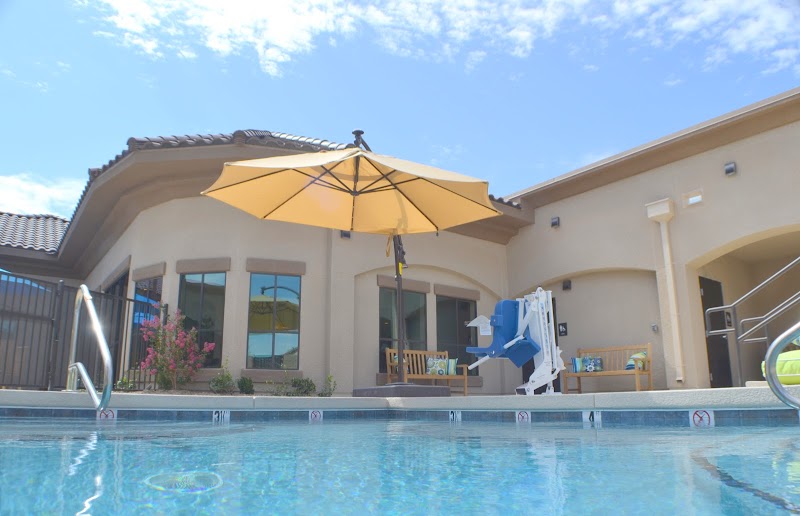
Who Owns and Operates Spanish Hills Wellness Suites?

SPANISH HILLS WELLNESS SUITES is owned by a for-profit company. For-profit facilities operate as businesses with obligations to shareholders or private owners. The facility is operated by FUNDAMENTAL HEALTHCARE, a chain that manages multiple nursing homes. With 144 certified beds and approximately 125 residents (about 87% occupancy), it is a mid-sized facility located in LAS VEGAS, Nevada.
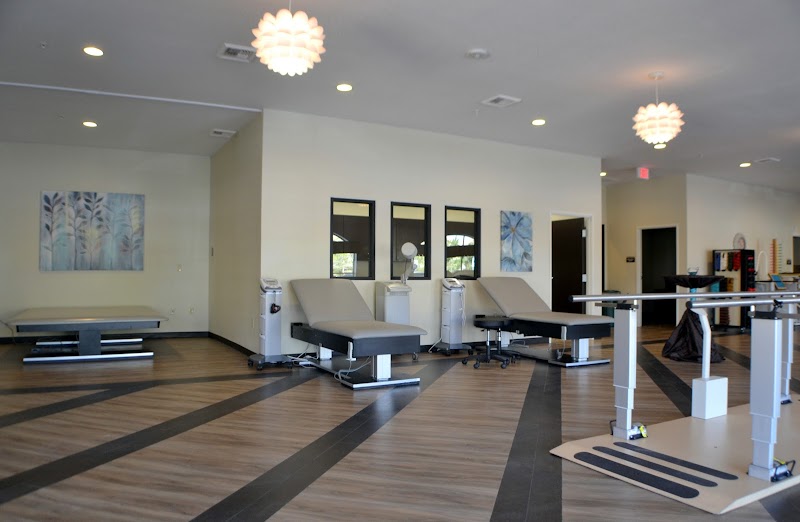
How Does Spanish Hills Wellness Suites Compare to Other Nevada Nursing Homes?

Compared to the 100 nursing homes in Nevada, SPANISH HILLS WELLNESS SUITES's overall rating (2 stars) is below the state average of 3.0, staff turnover (31%) is significantly lower than the state average of 46%, and health inspection rating (2 stars) is below the national benchmark.

What Should Families Ask When Visiting Spanish Hills Wellness Suites?

Based on this facility's data, families visiting should ask: "Can I visit during a mealtime to observe dining assistance and food quality?" "How do you handle medical emergencies, and what is your hospital transfer rate?" "Can I speak with family members of current residents about their experience?"

Is Spanish Hills Wellness Suites Safe?

Based on CMS inspection data, SPANISH HILLS WELLNESS SUITES has a clean safety record: no substantiated abuse findings (meaning no confirmed cases of resident harm), no Immediate Jeopardy citations (the most serious violation level indicating risk of serious injury or death), and is not on the Special Focus Facility watch list (a federal program monitoring the lowest-performing 1% of nursing homes). The facility has a 2-star overall rating and ranks #100 of 100 nursing homes in Nevada. While no facility is perfect, families should still ask about staff-to-resident ratios and recent inspection results during their visit.

Do Nurses at Spanish Hills Wellness Suites Stick Around?

SPANISH HILLS WELLNESS SUITES has a staff turnover rate of 31%, which is about average for Nevada nursing homes (state average: 46%). Moderate turnover is common in nursing homes, but families should still ask about staff tenure and how the facility maintains care continuity when employees leave.

Was Spanish Hills Wellness Suites Ever Fined?

SPANISH HILLS WELLNESS SUITES has no federal fines on record. CMS issues fines when nursing homes fail to meet care standards or don't correct problems found during inspections. The absence of fines suggests the facility has either maintained compliance or corrected any issues before penalties were assessed. This is a positive indicator, though families should still review recent inspection reports for the full picture.

Is Spanish Hills Wellness Suites on Any Federal Watch List?

SPANISH HILLS WELLNESS SUITES is not on any federal watch list. The most significant is the Special Focus Facility (SFF) program, which identifies the bottom 1% of nursing homes nationally based on persistent, serious quality problems. Not being on this list means the facility has avoided the pattern of deficiencies that triggers enhanced federal oversight. This is a positive indicator, though families should still review the facility's inspection history directly.