THE HEIGHTS OF SUMMERLIN, LLC
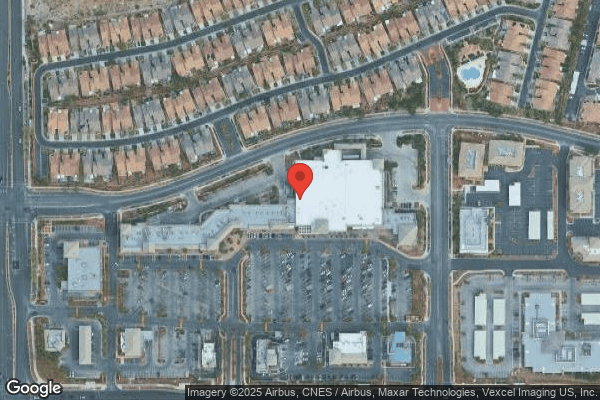

10550 PARK RUN DRIVE, LAS VEGAS, NV 89144 (702) 515-6200
For profit - Limited Liability company 190 Beds GENESIS HEALTHCARE Data: November 2025
Trust Grade
60/100
#38 of 65 in NV
Last Inspection: March 2025

Within standard 12-15 month inspection cycle. Federal law requires annual inspections.

Overview

The Heights of Summerlin, LLC has a Trust Grade of C+, indicating it is slightly above average but not a top choice in terms of care quality. It ranks #38 out of 65 facilities in Nevada, placing it in the bottom half of the state, and #30 out of 42 in Clark County, meaning there are only a few local options that are better. The facility is showing improvement, with the number of issues decreasing from 13 in 2024 to 8 in 2025. Staffing is rated at 3 out of 5 stars, with a turnover rate of 43%, which is below the state average, suggesting that staff members are relatively consistent. Although there have been no fines, there are concerning incidents reported, such as expired food items not being discarded and safety measures for residents who smoke not being properly implemented, which raises some red flags about health and safety protocols. However, the facility does have strong quality measures rated at 5 out of 5 stars.

Trust Score
C+
60/100
In Nevada
#38/65
Bottom 42%
Safety Record
Low Risk
No red flags
Inspections
Getting Better
13 → 8 violations
Staff Stability
○ Average
43% turnover. Near Nevada's 48% average. Typical for the industry.
Penalties
✓ Good
No fines on record. Clean compliance history, better than most Nevada facilities.
Skilled Nurses
○ Average
Each resident gets 37 minutes of Registered Nurse (RN) attention daily — about average for Nevada. RNs are the most trained staff who monitor for health changes.
Violations
⚠ Watch
43 deficiencies on record. Higher than average. Multiple issues found across inspections.
★★★☆☆
3.0
Overall Rating
★★★☆☆
3.0
Staff Levels
★★★★★
5.0
Care Quality
★★☆☆☆
2.0
Inspection Score
Stable
2024: 13 issues
2025: 8 issues

The Good

  • 5-Star Quality Measures · Strong clinical quality outcomes
  • Full Sprinkler Coverage · Fire safety systems throughout facility
  • No fines on record
  • Staff turnover below average (43%)

    5 points below Nevada average of 48%

Facility shows strength in quality measures, fire safety.

The Bad

3-Star Overall Rating

Near Nevada average (3.0)

Meets federal standards, typical of most facilities

Staff Turnover: 43%

Near Nevada avg (46%)

Typical for the industry

Chain: GENESIS HEALTHCARE

Part of a multi-facility chain

Ask about local staffing decisions and management

The Ugly 43 deficiencies on record

Mar 2025 7 deficiencies
CONCERN (D)

Potential for Harm - no one hurt, but risky conditions existed

Assessment Accuracy (Tag F0641)

Could have caused harm · This affected 1 resident

**NOTE- TERMS IN BRACKETS HAVE BEEN EDITED TO PROTECT CONFIDENTIALITY** Based on observation, interview, record review, and document review, the facility failed to ensure the accuracy of assessment re...

Read full inspector narrative →
**NOTE- TERMS IN BRACKETS HAVE BEEN EDITED TO PROTECT CONFIDENTIALITY** Based on observation, interview, record review, and document review, the facility failed to ensure the accuracy of assessment reflected the resident's status regarding the harness and straps being used for safety rather than as a restraint for 1 of 31 sampled residents. This deficient practice had the potential to result in the improper use of restraints, restricted mobility, and diminished quality of care. Findings include: Resident 60 (R60) R60 was admitted on [DATE], and readmitted on [DATE], with the diagnoses including spastic quadriplegic cerebral palsy and epileptic seizures (episodes of abnormal electrical activity in the brain that cause sudden changes in behavior, movement, or consciousness). On 03/18/2025 at 7:50 AM, R60 was in the activity room seated in the tilted wheelchair. R60 was incoherent, non-verbal and appeared comfortable. The harness and straps were in place securing R60. A physician order dated 01/09/2025, documented to ensure harness and strap were secured and on properly while in wheelchair for safety. The Quarterly Minimum Data Set (MDS) assessment dated [DATE], documented an incomplete brief interview of mental status due to R60's cognitive function being severely impaired. The assessment was coded; a restraint was used daily. A Care Plan (undated), documented R60 was at risk for complications from seatbelt use, wheelchair harness, and foot straps. The intervention included applying a four-point seat belt with a chest guard for safety and mobility with foot straps adjusted to ensure proper positioning. Additionally, regular assessments were scheduled to monitor comfort and prevent any potential skin irritation or pressure sores. straps while up in the wheelchair and as needed. To complete restraint assessment/reduction review per protocol. On 03/18/025 at 12:35 PM, the DON indicated the harness, and straps were not considered restraint or restrictions on R60's freedom, for it was needed for R60's safety. The DON explained there was no restraint assessment or reduction required because it was not considered a restraint due to R60's involuntary movements. The DON indicated the MDS assessment was inaccurately coded. On 03/18/2025 at 3:31 PM, the MDS Nurse confirmed the assessment was coded inaccurately because the harness and straps were being used for R60's safety and not for restrictions. A facility policy titled Comprehensive Care Plan revised 08/25/2021, documented the Interdisciplinary Team (IDT), in coordination with the resident and/or family, to develop and implement a person-centered care plan addressing identified needs. The plan included measurable objectives and timeframes, with concerns evaluated using specific tools, such as Care Area Assessments, before adding interventions. Assessments of residents were ongoing, and care plans were reviewed and revised as information about the resident changed. The IDT was responsible for evaluation and updating of care plans.
CONCERN (D)

Potential for Harm - no one hurt, but risky conditions existed

Deficiency F0657 (Tag F0657)

Could have caused harm · This affected 1 resident

**NOTE- TERMS IN BRACKETS HAVE BEEN EDITED TO PROTECT CONFIDENTIALITY** Based on observation, interview, record review, and document review, the facility failed to develop comprehensive care plans to ...

Read full inspector narrative →
**NOTE- TERMS IN BRACKETS HAVE BEEN EDITED TO PROTECT CONFIDENTIALITY** Based on observation, interview, record review, and document review, the facility failed to develop comprehensive care plans to reflect new interventions, specifically a smoking care plan for 1 of 13 sampled residents (Resident 65). The deficient practice had the potential to deprive residents of necessary interventions to maintain overall well-being. Findings included: Resident 65 (R65) R65 was admitted on [DATE] with diagnoses including anxiety disorder, muscle weakness, and nicotine dependence. Review of an admission Minimum Data Set (MDS) with an Assessment Reference Date (ARD) of 04/02/2024 indicated under J1300 Current Tobacco Use, R65 was a tobacco user. The assessment under Section I: Active Diagnoses indicated the resident had seizure disorder or epilepsy, anxiety disorder, and depression. Review of R65's Comprehensive Care Plan initiated on 03/26/2024, included a smoking care plan initiated on 09/27/2024. On 03/18/2025 at 2:59 PM, the Minimum Data Set (MDS) Nurse verbalized upon admission of a new resident, an MDS assessment was conducted for the resident. The MDS Coordinator advised if questions were marked Yes, a care plan should be triggered. The MDS Nurse verbalized the assessment under J1300 Current Tobacco Use was marked Yes for R65. The MDS Nurse indicated the resident should have had a smoking assessment and smoking care plan conducted upon admission on [DATE], but one was not conducted until 09/27/2024. On 03/18/2025 at 3:50 PM, the Director of Nursing (DON) verbalized the facility had 21 days to conduct a comprehensive care plan for a resident. The DON indicated if the resident had been marked as Yes under J1300 Current Tobacco Use for the admission MDS, the resident should have had a comprehensive care plan. The facility policy titled Comprehensive Care Plan, with an effective date of 08/25/2021, documented the facility's Interdisciplinary Team, in coordination with the resident and/or his/her family or representative, would develop and implement a comprehensive person-centered care plan for each resident, which included measurable objectives and timeframes to meet a resident's medical, physical, and mental and psychosocial needs identified in the comprehensive assessment. Each resident's comprehensive care plan would be designed to build on the resident's individualized needs, strengths, and preferences. Areas of concern triggered during the resident assessment would be evaluated using specific assessment tools (including Care Area Assessments) before interventions were added to the care plan.
CONCERN (D)

Potential for Harm - no one hurt, but risky conditions existed

ADL Care (Tag F0677)

Could have caused harm · This affected 1 resident

**NOTE- TERMS IN BRACKETS HAVE BEEN EDITED TO PROTECT CONFIDENTIALITY** Based on observation, interview, record review and document review, the facility failed to ensure showers or a bath, were provid...

Read full inspector narrative →
**NOTE- TERMS IN BRACKETS HAVE BEEN EDITED TO PROTECT CONFIDENTIALITY** Based on observation, interview, record review and document review, the facility failed to ensure showers or a bath, were provided as scheduled for 1 of 4 unsampled residents (Resident 471). The deficient practice had the potential to increase skin breakdown, infections, odor and bacteria buildup. Findings include: Resident 471 (R471) R471 was admitted on [DATE] with diagnoses of chronic obstructive pulmonary disease, anemia, left foot cellulitis, gastritis, and stroke. The Minimum Data Set (MDS) in section GG dated 12/24/2024, indicated partial/moderate assistance with showering and bathing self. Review of R471's Care Plan initiated on 12/19/2024, indicated resident was dependent for Activities of Daily Living (ADL) care. R471's medical record for December 2024 and January 2025 lacked documented evidence the resident received either a shower or bath on the following dates: - 12/21/2024 (Saturday) - 01/01/2025 (Wednesday) R471's medical record lacked documented evidence the resident refused a shower or bath during the above-mentioned dates, and shower or bath were provided on other days to compensate for the missed shower or bath as scheduled. On 03/14/2025 at 8:24 AM, a Certified Nursing Assistant (CNA) indicated showers were provided to residents twice a week dependent on the shower schedule for each floor. Weekly Bath and Skin Report sheets were utilized to document if a shower or bath was provided to the resident. If the shower or bath was denied by the resident, the CNAs would document the refusal on the weekly bath and skin report sheet and place the report in the binder. Another means of documenting the shower or bath was in the electronic medical record. 03/18/2025 at 8:28 AM, another CNA verbalized showers were offered to residents twice a week. CNAs would either document the shower on the weekly bath and skin report or the electronic medical record. Ultimately, the electronic medical record was the main source of documentation. If a resident refuses the shower or bath, this was reported to the nurse. On 03/18/2025 at 8:30 AM, an observation of the updated 2025 shower schedule on the unit where the resident was housed, indicated showers were designated twice a week for room [ROOM NUMBER], which were Wednesday and Saturday evenings. On 03/18/2024 at 10:50 AM, the Director of Nursing (DON) indicated the provided shower schedule located at the front desk in the [NAME] Hallway marked as 2025 updated did not change from 2024. According to the shower schedule, room [ROOM NUMBER] was to shower on the evening shift on Wednesday and Saturdays. R471's documented showers throughout the resident's admission were reviewed with the Director of Nursing (DON). There was no documented evidence the resident was offered a shower or bath on 12/21/2024 and 01/01/2025. The DON confirmed the findings and indicated there was no documentation R471 had refused or was unavailable during the shift. The policy titled, Activities of Daily Living (ADLs), Supporting, revised on 03/2018, documented appropriate care and services will be provided for residents who are unable to carry out ADLs independently, with the consent of the resident and in accordance with the plan of care, including appropriate support and assistance with hygiene.
CONCERN (D)

Potential for Harm - no one hurt, but risky conditions existed

Incontinence Care (Tag F0690)

Could have caused harm · This affected 1 resident

**NOTE- TERMS IN BRACKETS HAVE BEEN EDITED TO PROTECT CONFIDENTIALITY** Based on observation, interview, record review, and document review, the facility failed to ensure the resident's prescribed Fol...

Read full inspector narrative →
**NOTE- TERMS IN BRACKETS HAVE BEEN EDITED TO PROTECT CONFIDENTIALITY** Based on observation, interview, record review, and document review, the facility failed to ensure the resident's prescribed Foley size order was followed or clarified and monitored for signs and symptoms of infection, and the physician was notified promptly for the presence of sediments and odorous urine for 1 of 31 sampled residents (Resident 16). This deficient practice had the potential to result in complications such as urinary tract infections (UTIs), discomfort, catheter-associated infections, and other related health risks. Findings include: Resident 16 (R16) R16 was admitted on [DATE] and readmitted on [DATE], with diagnoses including hydronephrosis and urinary retention. A Physician order dated 10/24/2024, documented 16 French by 10 milliliters (ml) water balloon for neuromuscular dysfunction of the bladder. The Minimum Data Set, dated [DATE], documented a score of the brief interview of mental status as 14/14, which indicated R16's cognitive status was intact. R16 had an indwelling catheter. A Care Plan (undated), documented to monitor for signs and symptoms of infection and report to the physician. Report to the physician promptly if the urine contains any sediment or blood or was cloudy or odorous. On 03/12/2025 at 10:28 AM, R16 alert, oriented but was hard of hearing. A Foley catheter, 18 French by 10 ml water balloon was in place, draining 150 ml of dark, brownish-colored urine with sediments. A Certified Nursing Assistant (CNA) indicated R16 had the brownish-colored urine with sediments. The CNA checked R16 and when the diaper was opened, a foul strong odor was noted from R16's Foley catheter insertion site and dark red, dried residue was adhered to the catheter. R16's coccyx or peri area had no open skin but redness. On 03/13/25 at 1:54 PM, a Licensed Practical Nurse (LPN) verbalized an indwelling catheter required a physician's order, including care and management instructions such as cleaning the resident's private parts, emptying the bag twice per shift, assessing and monitoring at least once per shift for color, odor, or any signs of infection, and notifying the physician if necessary to obtain an order for a urine sample. The LPN indicated orders also included changing the Foley catheter once a month and replacing the bag as needed due to leakage or dislodgement. The LPN explained these tasks should have been documented in the administration record. The LPN confirmed R16's prescribed Foley catheter size was 16 Fr by 10 mL water balloon, but the actual catheter in place was an 18 Fr by 10 mL water balloon. R16 verbalized the Foley was inserted at the facility. The LPN acknowledged the Foley catheter order had not been followed and there was no documentation indicating the physician had been notified about the presence of odor, sediments, and brownish-colored urine. The LPN recalled R16's Foley catheter had been initiated in the facility after the resident's nephrostomy tube became dislodged but confirmed there was no documentation of when it was inserted. On 03/13/2025 at 2:36 PM, a Registered Nurse (RN) indicated the process if a resident had a Foley catheter required an order, including the size and the indication. The RN indicated the Foley care should have been populated in the medical record for monitoring and documentation purposes, such as cleaning, changing the bag and the Foley catheter if leaking or dislodged, and monitoring for signs and symptoms of infection. The RN explained it was important to populate the Foley orders in the administration record to have a reminder for the tasks that should have been done. R16's medical record lacked documented evidence of care orders for the maintenance and management of the Foley, which was implemented, and the urinary output was documented in the MAR. On 03/13/2025 at 2:52 PM, the Director of Nursing (DON) indicated the Foley catheter use required an order with the Foley size. The DON indicated the Licensed Nurses were expected to follow the prescribed Foley size to clarify the order. The DON explained the care order should have been transcribed in the Treatment Administration Record (TAR), which included the monitoring for signs or symptoms of infection, changes in schedule for blockage or leakage as needed, and Foley care every shift and documented under task. On 03/18/2025 at 11:30 PM, a Nurse Practitioner (NP) indicated the Foley catheter should have been assessed each shift for signs and symptoms of infection, presence of sediments, blood, and foul odor. The NP indicated sediments and foul odor were indicative of infection and it should have been reported to the physician. The NP indicated the licensed nurses were expected to follow the prescribed Foley catheter size to prevent complications. A facility policy titled Physician Orders dated 03/22/2022, documented Licensed Nurses were responsible for documenting and implementing physician orders. Documentation related to physician orders were to be maintained in the resident's medical record.
CONCERN (D)

Potential for Harm - no one hurt, but risky conditions existed

Deficiency F0757 (Tag F0757)

Could have caused harm · This affected 1 resident

**NOTE- TERMS IN BRACKETS HAVE BEEN EDITED TO PROTECT CONFIDENTIALITY** Based on observation, interview, record review, and document review, the facility failed to ensure: 1) The PT-INR (prothrombin t...

Read full inspector narrative →
**NOTE- TERMS IN BRACKETS HAVE BEEN EDITED TO PROTECT CONFIDENTIALITY** Based on observation, interview, record review, and document review, the facility failed to ensure: 1) The PT-INR (prothrombin time-international normalized ratio, a blood test measuring how long it took for blood to clot) was completed as ordered, and the level was monitored, documented in the Medication Administration Record and reported to the physician for 1 of 31 sampled residents (Resident 12). This deficient practice had the potential to result in adverse health outcomes, including an increased risk of bleeding or clotting complications and potential harm due to inadequate monitoring of anticoagulation therapy, and 2) A pain medication was administered despite a documented reported pain level of zero for one of 13 sampled residents (Resident 13). This deficient practice had the potential to over-medicate the resident with pain medication when not in pain, unnecessarily administer medication, and further worsen the resident's opioid dependency. Findings include: 1) PT-INR Resident 12 (R12) R12 was admitted on [DATE] and readmitted on [DATE], with diagnoses including pulmonary embolism (lung blood clot blocking flow, risking death), venous thrombosis (a vein blood clot, often in the legs, causing swelling and pain), and embolism (a traveling clot or substance blocking a blood vessel). On 03/12/2025 at 10:05 AM, R12 lay in bed, awake, alert, and verbally responsive. R12 was admitted to the facility after hospitalization for a stroke. A large, blackish-colored discoloration was observed on R12's right hip, and R12 acknowledged use of anticoagulant medication. A Physician order dated 03/07/2025, documented Warfarin Sodium tablet 5 milligrams (mg) to administer daily at 5:00 PM to treat/prevent blood clots. Repeat PT-INR on Mondays and Thursdays; call the physician with results. The Medication Administration Record from 03/07/2025-03/17/2025, documented the Warfarin was administered to R12. On 03/18/2025 at 12:10 PM, the Director of Medical Records confirmed no PT-INR laboratory results were available for 03/10/2025, 03/13/2025, and 03/17/2025, with the last recorded PT-INR result dated 03/04/2025. The laboratory results dated [DATE], documented R12's PT was 46.5 seconds (reference range: 11.0-13.6 seconds), which was high, and the INR was 3.80 (reference range: 2.00-3.00), which was also high. The report comment indicated the INR therapeutic range was 2.00-3.00. R12's medical records lacked documented evidence the PT-INR was performed as ordered, monitored, documented, and reported to the physician when the PT-INR level was high. On 03/18/2025 in the afternoon, a Registered Nurse (RN) indicated residents on Warfarin needed PT-INR levels checked every Monday and Thursday. The RN explained after receiving the laboratory results, the physician needed to be contacted to report the PT-INR level and make necessary adjustments, discontinue Warfarin, or adjust the dose. On 03/18/2025 at 12:51 PM, the Director of Staff Development and the Assistant Director of Nursing explained residents on Warfarin needed to be monitored for signs and symptoms of bleeding, and PT-INR levels should have been completed as ordered and reported the result to the physician. On 03/18/2025 at 1:30 PM, the Director of Nursing (DON) confirmed the PT-INR had not been completed, and the last PT-INR for R12 was obtained on 03/04/2025. The DON acknowledged the PT-INR was missed and the previous results were not properly documented in the MAR. The DON emphasized the importance of monitoring/reporting the PT-INR to prevent bleeding. On 03/18/2025 at 3:47 PM, a Licensed Practical Nurse (LPN) assigned to R12 explained residents on Warfarin required monitoring for bruising, signs and symptoms of bleeding, and laboratory tests for PT-INR levels. The LPN explained Licensed Nurses were responsible for preparing the requisition for the laboratory test to be performed by a third-party contractor. The LPN confirmed the test was not carried out as ordered because it was assumed to have been completed by the night shift Licensed Nurses. On 03/18/2025 at 4:20 PM, the Director of Nursing (DON) indicated the requisition should have been prepared by the Licensed Nurse and placed in the laboratory binder for the third-party contractor. The DON acknowledged it was the Licensed Nurse's oversight, not the third-party contractors. A policy titled Anticoagulant Clinical Protocol, revised in 2018, documented the nurse should have assessed and documented/reported the following: recent labs, including therapeutic dose monitoring if Warfarin was used. Staff should have used a Warfarin flow sheet or a comparable method to track trends in anticoagulant dosage and response in individuals on Warfarin. The PT-INR should have been monitored closely while the resident was receiving Warfarin to ensure stabilization within the therapeutic range. A facility policy titled Physician Orders dated 03/22/2022, documented Licensed Nurses were responsible for documenting and implementing physician orders. Documentation related to physician orders was to be maintained in the resident's medical record. 2) Pain medication Resident 13 (R13) R13 was admitted [DATE] and readmitted [DATE], with diagnosis including generalized anxiety disorder, chronic pain syndrome, and opioid dependence uncomplicated. On 03/12/2025 at 11:45 AM, R13 was sitting on the bed in the room. R13 reported pain medication had been managed by the same Nurse Practitioner for years. R13 explained continued to feel pain throughout the body, especially on the neck and knees. R13 reported was told pain medication would not be increased. A Care Plan dated 01/24/2025, documented R13 exhibited or was at risk for alterations in comfort related to chronic pain syndrome. R13 received as needed pain medication almost daily for pain management. Pain Evaluation dated 01/04/2025 at 11:26 AM, documented pain onset was chronic, aching pain, and no change to current plan. A Physician order dated 12/13/2022, documented Acetaminophen tablet, 325 milligrams (mg), give 2 tablets by mouth every 4 hours as needed for mild pain. A Physician order dated 04/20/2023, documented Gabapentin capsule, 300 mg, give 1 capsule by mouth three times per day for neuropathy (a condition of damage to nerves which could have caused symptoms including pain). A Physician order dated 04/05/2024 documented Oxycodone Hydrochloride (HCL) oral tablet 20 mg, give 20 mg by mouth every 4 hours as needed for moderate to severe pain related to chronic pain syndrome. A Medication Administration Record (MAR) dated March 2025 documented, Pain monitoring-document pain level rating scale: 1-4 = Mild pain 5-7 = Moderate pain 8-10 = Severe pain Every day and shift, start date 12/14/2022 A MAR dated March 2025 documented the following: Oxycodone HCL oral tablet 20 mg was administered as follows: 03/04/2025 at 10:09 PM, pain level 0 03/06/2025 at 2:20 AM, pain level 0 03/10/2025 at 8:30 PM, pain level 0 On 03/14/2025 at 12:44 PM, a Registered Nurse (RN), explained R13 reported pain and requested pain medication often. The RN reported R13 had been told by doctor was on highest possible dose of pain medication and no increase of dose was recommended. The RN explained R13 consistently asked for pain medication and the moment the medication was provided, even before the medication was taken, R13's demeanor and visual signs of pain went away. The RN reported R13 may have been seeking pain medication. On 03/14/2025 at 1:00 PM, a Pain Management Nurse Practitioner (NP), explained R13 was a well-known, long-term patient of the NP for the past few years. The NP reported R13 was currently on a large dose of Oxycodone HCL 20 mg every 4 hours as needed, as well as other pain medications on board for a multi model approach to pain. The NP reported pain management had been discussed many times with R13 as well as the need for R13 to be safe and remain functional as well. The NP explained wanted to ensure the pain R13 was reporting was legitimate pain and reported R13 has tolerance built to pain medications. The NP reported R13's pain was well managed at this time while protecting the resident from excessive medications. On 03/18/2025 at 11:00 AM, The Director of Nursing (DON) confirmed the MAR dated March 2025 documented on 03/04/2025, 03/06/2025, and 03/10/2025 Oxycodone HCL 20 mg was administered with a pain level documented as 0 prior to administration. The DON reported had spoken with the nurses that administered the medication, and the documentation of pain level 0 could have been a documentation error. The DON explained a level of 0 pain could have been the result of the effectiveness of the pain medication and not the level of pain before the administration. The DON acknowledged the pain level was not documented prior to administration and the pain level should have been documented prior to administration of pain medication, to ensure the resident was receiving the correct medication. On 03/18/2025 at 3:02 PM, a Registered Nurse (RN) explained a pain scale up to 7 was considered moderate and above 7 was considered severe pain. The RN explained had to ask residents what their pain level was prior to medication administration. The RN reported it would help determine which pain medication on order would be appropriate for their pain level. The RN acknowledged pain level had to be assessed prior to administration of medication and pain medication should not have been provided with a level of 0 pain. The RN explained the resident's organs may be affected including the kidneys and liver, and the resident could become more tolerant to pain medication and pain medication seeking. Administering pain medication when not necessary could have been harmful the resident.
CONCERN (E)

Potential for Harm - no one hurt, but risky conditions existed

Accident Prevention (Tag F0689)

Could have caused harm · This affected multiple residents

**NOTE- TERMS IN BRACKETS HAVE BEEN EDITED TO PROTECT CONFIDENTIALITY** Based on observation, interview, record review, and document review, the facility failed to appropriately assess residents who s...

Read full inspector narrative →
**NOTE- TERMS IN BRACKETS HAVE BEEN EDITED TO PROTECT CONFIDENTIALITY** Based on observation, interview, record review, and document review, the facility failed to appropriately assess residents who smoked upon admission/readmission, secure smoking materials, including lighters, and establish a policy outlining guidelines on how to address smoking among residents in a non-smoking facility, and ensure safety measures were implemented for 3 of 13 sampled residents (Residents 66, 104, and 65). This deficient practice had the potential to place residents at risk of self-inflicted burns, fire hazards, or other safety concerns. Findings include: Resident 66 (R66) R66 was admitted on [DATE], and readmitted on [DATE], with diagnoses including shortness of breath and heart failure. The Minimum Data Set, dated [DATE], documented R66's brief interview of mental status a score of 15/15, and R66 was a current tobacco user. The Nursing Progress Notes dated 03/06/2025, documented R66 expressed unwillingness to use the Nicotine patch and intention was to continue smoking. The Assistant Director of Nursing (DON), Director of Nursing (DON), and Administrator were notified. On 03/14/2025 at 3:40 PM, Residents 66 and 65 were in the lobby and appeared upset. Both residents expressed a desire to smoke but had been informed staff assistance was required to smoke outside. Both residents verbalized cigarettes and lighters were kept in pouches in their possession and indicated since admission, the facility had been aware both residents were smokers. On 03/14/2025 at 4:00 PM, a Licensed Practical Nurse (LPN) indicated the facility was non-smoking and confirmed R66 was a smoker. The LPN expressed it had been noticed a smell of smoke was present, especially after returning from outside the facility. The LPN explained the facility is a non-smoking facility, but if a resident was a smoker, an assessment should have been conducted upon admission, smoking items should not have been in the resident's possession, and an alternative, such as a nicotine patch, should have been offered. On 03/14/2025 at 4:25 PM, R66 was in a motorized chair and expressed satisfaction after having smoked outside with R65 and a staff member. R66 verbalized cigarettes and a lighter were kept in a pouch in possession. The assigned LPN checked R66's pouch and found 18 cigarettes and three lighters. On 03/14/2025 at 4:45 PM, a Registered Nurse (RN) confirmed R66 and R65 were accompanied outside the facility to smoke and stated both residents kept cigarettes and lighters in their possession. The RN was uncertain about the process for managing residents who smoked, as only was asked to accompany the residents. The RN confirmed there were residents at the facility who were actively smoking. On 03/18/2025 in the morning, the Director of Nursing (DON) indicated there were 13 residents who were smokers at the facility; their cigarettes, including the lighters, were confiscated after it was reported by the survey team, and an alternative had been offered. The DON indicated the facility remained a non-smoking facility. R66's medical records lacked documented evidence a smoking assessment was completed in a timely manner upon admission or readmission, smoking items including the lighters, were secured for safety, and safety measures and smoking protocols were outlined and implemented to address smoking among residents in a non-smoking facility. On 03/18/2025 at 11:30 AM, the Nurse Practitioner (NP) indicated residents who smoked should have been assessed in a timely manner upon admission and should not have been allowed to keep smoking items and lighters in their possession to prevent self-inflicted burns and fire hazards. The NP verbalized an alternative should have been offered, but if smoking persisted, transitioning the resident to another facility for safety should have been considered. Resident 104 (R104) R104 was admitted [DATE] and readmitted [DATE], with diagnosis including hemiplegia and hemiparesis following cerebral infarction affecting left non-dominant side, type 2 diabetes with unspecified complications, and acute kidney failure. On 03/12/2025 at 11:33 AM, R104 was sitting in a wheelchair in the room. R104 reported was a smoker. R104 explained a few days ago was told the facility was a non-smoking facility. R104 reported used to go unaccompanied by staff, to the entrance of the park outside the facility to smoke but was no longer allowed to do so. R104 reported kept cigarettes and a cigarette lighter in their possession in the room. A Smoke-Free Center Acknowledgement Form was signed by R104 on 03/15/2022. The form stated the facility was a smoke-free environment and agreement was not to smoke while residing at the facility. A facility document titled, The Heights of [NAME] is a non-smoking facility, but the residents listed below have expressed a desire to smoke, undated, listed R104. A Care Plan dated 11/21/2024 documented R104 was not to smoke at non-smoking facility. R104 was non-compliant with facility smoking policy. A Smoking Evaluation dated 03/03/2025, documented R104 was not allowed to smoke per facility policy. A monthly Inservice dated February 2025, documented under No Smoking, this was a non-smoking facility, included the entire campus. Smoking was not allowed anywhere on campus, including any vehicles, if the vehicle was parked on campus. On 03/14/2025 at 11:04 AM, a Registered Nurse (RN) reported the facility was a non-smoking facility. The RN explained at admission residents were told the facility was non-smoking. On 03/14/2025 at 11:51 AM, the Admissions Director reported at admission, residents were provided the admission agreement, a document titled Smoke-Free Center Acknowledgement Form. The form notified residents the facility was smoke-free. Residents acknowledged and agreed not to smoke by signing the form. On 03/14/2025 at 4:19 PM, the Administrator and the Director of Nursing (DON) were informed R104 had cigarettes and a cigarette lighter in their possession in the room. The Administrator and the DON reported would speak to R104 and collect the smoking materials. On 03/14/2025 at 4:58 PM, R104 confirmed the cigarettes, and the cigarette lighter were confiscated by the facility's Social Worker the same day. Resident 65 (R65) R65 was admitted on [DATE] with diagnoses including anxiety disorder, depression, muscle weakness, and nicotine dependence. Review of R65's admission Minimum Data Set (MDS) with an Assessment Reference Date (ARD) of 04/02/2024 indicated under J1300 Current Tobacco Use indicated Yes, R65 was a tobacco user. Review of R65's Comprehensive Care Plan initiated on 03/26/2024, included a smoking care plan initiated on 09/27/2024. On 03/12/2025 at 12:46 PM, R65 was lying in bed, alert and oriented. R65 verbalized being unhappy because the facility was no longer allowing R65 to go outside the front door to smoke as of 03/10/2025. On 03/13/2025 at 1:45 PM, the Social Services Director verbalized the facility had always been a non-smoking facility, and if a resident was in possession of smoking materials, the social services department would lock it up for the resident. On 03/13/2025 at 1:45 PM, the Administrator verbalized the facility was a non-smoking facility, but the facility had not been actively enforcing the non-smoking policy until that week. The Administrator advised all identified smokers would have a smoking care plan and a smoking assessment conducted. If a resident did not want to comply with the facility's non-smoking policy, the resident would be offered a nicotine patch, tobacco cessation, or the facility could find the resident a smoking facility. On 03/14/2025 at 3:56 PM, R65 and R66 were outside the facility doors by the 100-hall entrance/exit, going across the parking lot to a covered patio area. Two surveyors followed R65 and R66 to the covered patio. The LPN from the facility was with the two residents outside smoking cigarettes. On 03/14/2025 at 4:02 PM, R65 verbalized the unit clerk in the 100-hall had permitted R65 and R66 to sign out of the facility to go smoke off the property, under the supervision of the LPN. R65 stated the Assistant Administrator had specifically verbalized R65 and R66 could go out to smoke if they had a CNA, LPN, RN, or anyone over 18 who can dial 911 accompany them. On 03/14/2025 at 4:13 PM, the Administrator and Director of Nursing (DON) were informed R65 and R66 were outside under the covered patio smoking under the supervision of the LPN. The Administrator verbalized the covered patio was the property of the public park and was not a part of the facility grounds. On 03/18/2025 at 11:03 AM, upon entering Resident 65's room, the resident was observed lying in bed, alert and oriented. The resident expressed frustration because the resident's cigarettes and lighter were confiscated by management on 03/14/2025 after R65 and R66 returned from smoking outside under the covered patio with the LPN. R65 stated the facility had let R65 keep the cigarettes and lighter in the resident's possession since being admitted on [DATE]. The facility policy titled Smoking with an effective date of 08/09/2022, documented for Centers who wish to be smoke-free: A. Obtain approval from the VPO. B. Determine the date the facility would become smoke-free. C. Residents who smoke and have been in the Center before the effective date would be permitted to continue to smoke in the designated areas only. D. Starting on the effective date, new admissions and staff, volunteers, contractors, and visitors would not be permitted to smoke. The Admissions designee would explain the smoke-free policy to new residents and their families. Potential employees would be informed of the smoke-free policy during the interview process. Volunteers, contractors, and visitors would be informed of the smoke-free policy. E. The Resident/Responsible party would sign the Smoke-Free Center Acknowledgement Form and the form would be placed with the admissions paperwork. F. Failure to comply with this policy would result in disciplinary action up to and including termination for employees, initiation of a discharge plan for residents, and a request to leave the premises for volunteers, contractors, and visitors. On 03/18/2025 at 3:52 PM, the Administrator verbalized upon admission, residents were told the facility was non-smoking. Personal effects were inventoried, but a physical search of the resident's belongings was not conducted. Smoking paraphernalia was not routinely searched for during the personal effects inventory. If smoking paraphernalia, such as lighters or cigarettes, was discovered later, the items were collected. The facility had not developed a formal policy regarding the securement of smoking paraphernalia. The Administrator mentioned if a resident had been smoking and their smoking materials were not identified, there had been a risk of setting the building on fire, which had posed a serious safety concern for the facility.
CONCERN (E)

Potential for Harm - no one hurt, but risky conditions existed

Deficiency F0809 (Tag F0809)

Could have caused harm · This affected multiple residents

Based on observation, interview, and document review, the facility failed to ensure snacks were available to residents outside of scheduled mealtimes. The failed practice had the potential to cause re...

Read full inspector narrative →
Based on observation, interview, and document review, the facility failed to ensure snacks were available to residents outside of scheduled mealtimes. The failed practice had the potential to cause residents to remain hungry in between meals and the resident's nutritional needs not met. Findings include: On 03/12/2025 in the morning, the snack tray at the 1st floor east nursing station was observed empty. On the 2nd floor nursing station, the snacks refrigerator had a bottle of dark colored soda and no snacks available for residents. On 03/12/2025 in the morning, the Dietary Director reported resident snack refrigerators were replenished daily after breakfast and again in the afternoon. On 03/12/2025 in the morning, Resident 109 (R109) reported did not know how to request food alternatives or snacks. On 03/12/2025 at 12:17 PM, R74 reported had been at the facility for six years. R74 explained sometimes there were crackers available, however, there were no sandwiches or other snacks for residents between meals. R74 explained residents able to visit the kitchen could have requested a sandwich but unfortunately for those residents unable to go to the kitchen, there were no snacks. On 03/12/2025 at 11:08 AM, R22 reported snacks were an issue, there were never any sandwiches available during the day or night. R22 explained would order food from outside the facility to be delivered or would go to the kitchen in person to request a sandwich. On 03/12/2025 in the morning, R46 reported there was no food or snacks available for residents in between meals. R46 explained there was only juice available after dinner and until 9:00 AM. On 03/12/2025 in the afternoon, a Registered Nurse (RN) reported the lack of snacks was a concern at the facility. If residents requested a snack such as a sandwich, staff could call the kitchen and sometimes would get the sandwich and sometimes would not. On 03/13/2025 at 2:01 PM, the District Kitchen Manager, reported the expectation was snacks at the units needed to be replenished 7:00 AM and 2:00 PM daily. On 03/18/2025 at 8:42 AM, the 300-hall nursing station snack refrigerator was observed empty. The snack tray on top of refrigerator was also empty. There were no snacks available for the 3rd floor residents. On 03/18/2025 at 8:52 AM, at the 200-hall nursing station, the resident snacks refrigerator was empty, and the snack tray on top of refrigerator was also empty. There were no snacks available for the 2nd floor residents. On 03/18/2025 in the morning, a Unit Clerk reported during the previous two weeks snacks were not consistently being brought to the unit. If residents asked for a snack, staff would have had to go to the kitchen. The Unit Clerk reported it was a struggle to get snacks at the facility. On 03/18/2025 in the morning, a Registered Nurse (RN), reported had one resident that asked for snacks. The RN explained would go to the kitchen to find a snack for the resident. Sometimes there were snacks available and sometimes none. On 03/18/2025 in the morning, a Licensed Practical Nurse (LPN) reported there were no snacks for the residents. The LPN explained if residents would request snacks, the LPN would send a request to the kitchen sometimes without success. On 03/18/2025 at 9:03 AM, there were no snacks available for residents at the 100 East nursing station. A Certified Nursing Assistant (CNA) confirmed if there were snacks available, they would have been placed on a tray on the counter at the nurse's station. The CNA confirmed there were no snacks available. On 03/18/2025 at 4:15 PM, the Administrator reported concerns regarding snacks availability had not been brought to the Administrator's attention. The Administrator reported the expectation was snacks at all units be replenished twice daily, morning and afternoon, and snacks were to be available as requested by residents. A facility policy titled Snacks (Between Meal and Bedtime) Serving undated, documented the purpose of the procedure was to provide the resident with adequate nutrition. The policy included a description of preparation, equipment and supplies, steps in the procedure, documentation, and reporting.
Jan 2025 1 deficiency
CONCERN (D) 📢 Someone Reported This

A family member, employee, or ombudsman was alarmed enough to file a formal complaint

Potential for Harm - no one hurt, but risky conditions existed

Deficiency F0761 (Tag F0761)

Could have caused harm · This affected 1 resident

**NOTE- TERMS IN BRACKETS HAVE BEEN EDITED TO PROTECT CONFIDENTIALITY** Based on observation and interview, and record review, the facility failed to ensure medicated wound care barrier cream were sec...

Read full inspector narrative →
**NOTE- TERMS IN BRACKETS HAVE BEEN EDITED TO PROTECT CONFIDENTIALITY** Based on observation and interview, and record review, the facility failed to ensure medicated wound care barrier cream were secured for 1 of 16 sampled residents (Resident 2). The deficient practice had the potential risk of unauthorized access to medication, or misuse of medication within the facility. Findings include: Resident 2 (R2) was admitted to the facility on [DATE] with a diagnosis including atherosclerotic heart disease, chronic diastolic heart failure, and fracture around the right hip joint. On 01/16/2025 at 4:03 PM, a clear medication cup with an iridescent white cream was observed on R2's overbed tray table. On 01/16/2025 at 4:12 PM, a Licensed Practical Nurse (LPN) confirmed the iridescent white cream was a medicated cream used by the wound care team. The LPN confirmed the medicated cream should not have been left in R2's room. On 01/17/2025 at 8:37 AM, a Wound Care Nurse confirmed the iridescent white cream the wound care team used was Triad Hydrophilic Wound Dressing used to help maintain a skin barrier. The Wound Care Nurse verbalized the wound care team would occasionally leave a medication cup of the Triad Hydrophilic Wound Dressing next to the resident for other nurses to apply during resident care. The Wound Care Nurse acknowledged the barrier cream should not have been left at R2's overbed tray table. On 01/17/2025 at 2:26 PM, the Director of Nursing confirmed the barrier cream was a medication and should have been secured. The facility policy titled Medication Labeling and Storage revised on 02/2023, documented all medications and biologicals must be stored in locked compartments with only authorized personnel having access to keys.
Mar 2024 13 deficiencies
CONCERN (D) 📢 Someone Reported This

A family member, employee, or ombudsman was alarmed enough to file a formal complaint

Potential for Harm - no one hurt, but risky conditions existed

Report Alleged Abuse (Tag F0609)

Could have caused harm · This affected 1 resident

**NOTE- TERMS IN BRACKETS HAVE BEEN EDITED TO PROTECT CONFIDENTIALITY** Based on interview, record review and document review, the facility failed to ensure a final report which included documentation...

Read full inspector narrative →
**NOTE- TERMS IN BRACKETS HAVE BEEN EDITED TO PROTECT CONFIDENTIALITY** Based on interview, record review and document review, the facility failed to ensure a final report which included documentation of investigation findings and any corrective actions taken by the facility regarding an allegation of verbal abuse was submitted to the state agency for 1 of 34 sampled residents (Resident 54). The deficient practice which included failure to notify the resident of concern of the outcome of the investigation, had the potential to discourage residents from reporting incidences of potential abuse. Findings include: Resident 54 (R54) R54 was admitted on [DATE], with diagnoses including diabetes and chronic kidney disease. On 02/27/2024 at 10:08 AM, R54 laid in bed watching television. R54 indicated having multiple bad experiences with rude and disrespectful staff but the resident no longer reports such incidents ever since the facility ignored the resident's report of verbal abuse by a certified nursing assistant (CNA) last year. R54 recounted a CNA used profane language to the resident and the facility leadership did not communicate actions taken regarding the matter back to R54. A nursing note dated 04/24/2023, documented R54 reported to the charge nurse the assigned CNA used profanity toward the resident when the CNA came to respond to the resident's call light. A facility document dated 04/24/2023, revealed the charge nurse was notified of the alleged incident of verbal abuse and notifications were made to the resident representative, physician and Ombudsman and an initial report was submitted to the state agency. The medical record lacked documented evidence the facility's investigation findings were communicated back to the resident of concern or the resident representative and a final report which contained details of the investigation and conclusion were reported to the state agency. On 02/28/2024 at 3:21 PM, the Director of Nursing (DON) confirmed there was no final report submitted for R54's incident which occurred in April 2023. The DON indicated the former Administrator was responsible for finalizing and submitting the final report and was also responsible for communicating back investigation findings with the resident of concern at the conclusion of the investigation. The DON could not speak to why the former Administrator was not able to finalize and submit the final report for this incident. The Reporting and Investigating Abuse, Exploitation and Misappropriation policy (undated), documented allegations of abuse were thoroughly investigated by facility management. Upon conclusion of the investigation, the Administrator would provide a follow-up investigation report within five business days to local and state agencies. The resident and representative were notified of the outcome immediately upon conclusion of the investigation.
CONCERN (D)

Potential for Harm - no one hurt, but risky conditions existed

PASARR Coordination (Tag F0644)

Could have caused harm · This affected 1 resident

**NOTE- TERMS IN BRACKETS HAVE BEEN EDITED TO PROTECT CONFIDENTIALITY** Based on observation, interview, record review and document review, the facility failed to ensure there was a process in place t...

Read full inspector narrative →
**NOTE- TERMS IN BRACKETS HAVE BEEN EDITED TO PROTECT CONFIDENTIALITY** Based on observation, interview, record review and document review, the facility failed to ensure there was a process in place to identify and refer residents with newly identified psychiatric diagnoses for pre-admission screening and resident review (PASARR) level two for 2 of 34 sampled residents (Residents 91 and 69). The deficient practice had the potential to deprive residents of necessary behavioral health services. Findings include: Resident 91 (R91) R91 was admitted on [DATE] and readmitted on [DATE], with diagnoses including major depressive disorder, anxiety disorder, and brief psychotic disorder. A minimum data set (MDS) dated [DATE], documented a brief interview for mental status (BIMS) score of 06 which indicated there was a significant cognitive deficit. On 02/28/2024 at 2:55 PM, R91 was present during the resident council meeting sitting in wheelchair, slouched, and sleeping for most of the meeting. When R91 was alert, speech was unclear and primarily used gestures for communication. A pre-admission screening and resident review (PASARR) level one dated 04/30/2019 documented R91 did not have a mental illness, mental retardation, dementia, or related condition and was deemed appropriate for nursing facility placement. A physician note dated 07/20/2022 documented resident was being treated by specialist for psychiatric services. The medical record indicated R91 was diagnosed with schizoaffective disorder on 01/24/2023. A physician order dated 05/02/2023 documented to send resident for legal 2000 (L2K, mental crisis hold) for treatment at psychiatric facility for threatening to harm others. The care plan documented resident was monitored for behaviors: - R91 exhibits or had the potential to demonstrate verbal behaviors and combativeness as evidenced by striking out and banging objects against bedside table. Attempting to bust holes in the wall. - R91 had behaviors of yelling, screaming, throwing things, calling 911, breaking and ripping items (radios, bibles), throwing self on floor, and sliding out of the wheelchair, throwing self on the floor from bed, disrobing. R91 was easily frustrated when unable to express self and repeatedly calling family without reason. - R91 writes on clothing and skin with marker. R91 would attach hoarded items to R91's chair, head, and body. The medical record lacked documented evidence a PASARR level II was obtained. The facility was not able to provide comprehensive policies and procedures regarding the process for obtaining level II PASARR referral. On 03/01/24 at 9:46 AM, the Social Services Director (SSD) indicated resident was last admitted in April of 2022. The SSD verbalized resident had a new diagnosis of schizoaffective disorder in January of 2023. The SSD explained the level one PASARR was completed in September of 2020 and did not have any recommendations. The SSD acknowledged there was a new mental disorder diagnosed on [DATE] and a new PASARR level II should have been requested. Resident 69 (R69) R69 was admitted on [DATE] and readmitted on [DATE], with diagnoses including artificial opening of the digestive system and chronic ulcer of unspecified foot. On 02/27/2024 at 11:14 AM, R69 was slouched in wheelchair with blanket covering head. There was a strong foul odor in the resident's room which could not be described as fecal or urine odor. R69's room was cluttered with empty juice, pudding and ice cream containers, hundreds of folded wrappers of potato chips, five gray water pitchers, multiple containers filled with breakfast cereal, uncollected meal trays and other personal belongings. R69's gown was observed with black grime on it and the resident's body odor became stronger when the resident lifted the blanket to speak to the surveyor. R69 indicated not wanting staff to provide the resident with any showers or assistance with cleaning the resident's room. R69's pre-admission screening and resident review (PASSAR) level one dated 07/24/2018, documented R69 did not have mental illness, mental retardation, or dementia and was deemed appropriate for nursing facility placement. An admission minimum data det (MDS) dated [DATE], documented R69 had intact cognition, did not have aggressive behaviors, and did not have psychiatric diagnoses. A practitioner note dated 04/11/2022, documented R69 was discharged due to acute changes in behavior specifically agitation and aggressive behavior towards staff. R69 transferred to psychiatric facility under legal 2000 (L2K - mental crisis hold). A physician encounter note dated 04/19/2022, revealed R69 was readmitted from recent legal 2000 related to aggressive behavior. R69 currently refusing psychotropic medications since admission. A psychiatric note dated 05/03/2022, documented R69 was seen for mood disorder and was diagnosed with severe bipolar disorder with psychotic features. An annual MDS dated [DATE], documented R69 had intact cognition and a diagnosis of bipolar disorder. A quarterly MDS dated [DATE], documented R69 had intact cognition and a diagnosis of bipolar disorder. The medical record lacked documented evidence R69 was referred for a new level of care (LOC) assessment and/or a PASSAR level two after the resident exhibited acute changes in behavior, had an inpatient psychiatric admission in April 2022, and was diagnosed with severe bipolar disorder with psychotic features on 05/03/2022. On 02/29/2024 at 3:05 PM, the social services director (SSD) explained the purpose of PASSAR was to ensure residents were appropriate for the nursing facility and the facility was capable of providing adequate care to its residents. The SSD confirmed R69 was admitted with a negative PASSAR one dated 07/24/2018 but was later diagnosed with bipolar disorder shortly after admission. The SSD reviewed R69's medical record and confirmed R69 had an L2K admission in April 2022 and periodic incidences of aggressive behaviors towards staff. On 02/29/2024 at 3:13 PM, the SSD confirmed R69 met the criteria for a PASSAR level two referral or at least a new level of care (LOC) assessment. According to the SSD, no residents had been referred for a PASSAR level two since the SSD's employment in July 2023. On 03/01/2024 at 8:26 AM, the Administrator reviewed the facility's PASSAR policy and indicated the policy lacked essential components, specifically, PASSAR definition and purpose, step-by-step procedure for PASSAR two referrals, and criteria for residents who may be appropriate for PASSAR two referrals. The PASSAR completion policy (undated), documented the Administrator would designate either the Admissions Director or the Social Worker to make sure PASSAR and/or LOC assessments were done on all potential residents.
CONCERN (D)

Potential for Harm - no one hurt, but risky conditions existed

Comprehensive Care Plan (Tag F0656)

Could have caused harm · This affected 1 resident

**NOTE- TERMS IN BRACKETS HAVE BEEN EDITED TO PROTECT CONFIDENTIALITY** Based on observation, interview, record and document review, the facility failed to ensure comprehensive care plans were develop...

Read full inspector narrative →
**NOTE- TERMS IN BRACKETS HAVE BEEN EDITED TO PROTECT CONFIDENTIALITY** Based on observation, interview, record and document review, the facility failed to ensure comprehensive care plans were developed for: 1) monitoring and managing edema for a resident (Resident 74) and 2) a dialysis access catheter currently in use was care planned (Resident 128). The deficient practice had a potential for staff not to provide personalized care for residents. Findings include: 1) Managing edema Resident 74 (R74) R74 was admitted on [DATE], with diagnoses including displaced condyle fracture of the lower end of the right femur, closed reduction, and hypertensive heart disease. A Practitioner's Note dated 02/26/2024 at 7:38 PM, documented on 2/22 noted bilateral lower extremity swelling for which the patient would like ACE (All Cotton Elastic) wraps. A physician's order dated 02/22/2024, documented ACE wrap bilateral lower extremities one time daily. On 02/27/2024 at 10:45 AM, observed R74 with bilateral lower leg edema (swelling). The left lower leg was noted to have an ace bandage wrapped from the upper ankle region to below the knee. The ace wrap was donned in a way that was not covering the legs entirely and sporadically spaced not providing any venous circulatory assist. The right leg had a leg immobilizer device and had no ACE wrapping. R74 indicated ace wrap is only applied on the left leg and the staff was not consistent in application of the wrap. On 02/29/2024 at 2:51 PM, the Licensed Practical Nurse (LPN) assigned to care for R74 confirmed resident has +3 or more edema at both legs. The LPN acknowledged the progress notes and noted most recent nursing assessments had no mention of any edema from nursing. The LPN confirmed the ACE bandage was not applied correctly and should have been applied to both legs as prescribed. A physician's order dated 02/05/2024 documented, Weigh: every day shift every Mondays for 4 weeks. R74's medical record revealed: 02/22/2024 at 7:45 AM - 299.2 pounds - Mechanical Lift 02/02/2024 at 9:07 PM - 299.0 pounds - Mechanical Lift R74's medical record lacked a care plan to address the monitoring and the care of the identified edema. On 03/01/2024 at 9:00 AM, the Minimum Data Set (MDS) nurse confirmed orders for ACE wrap and weight monitoring were indicative of edema or the risk for edema. The MDS nurse indicated care planning for the edema or risk for, should have been completed for Resident #74. 2) Dialysis access catheter Resident 128 (R128) R128 was admitted on [DATE], with diagnoses including chronic kidney disease and rheumatoid arthritis. On 02/27/2024 (Tuesday) at 10:50 AM, R128 was seen leaving the facility for dialysis treatment. R128 was in the wheelchair and indicated the usual schedule for dialysis treatment was Monday, Wednesday, and Friday (MWF) and going today due to missing yesterday's treatment, due to not feeling well. R128 indicated current dialysis access was a permanent catheter (permcath) located at the right groin. R128 indicated having a left arm arterio-venous fistula (AVF - an artery and vein connected directly, allowing blood to flow), but the dialysis center has not used the access due to waiting for maturity of the vessels. R 128's current dialysis access physician's order was as follows: - Hemodialysis: arterio-venous (AV) fistula/graft location: left forearm - No directions specified for order. Active Order: 01/12/2024. R128's medical record lacked physician orders to monitor the currently utilized dialysis access of the right groin permcath. On 02/29/2024 at 1:15 PM. the nurse caring for R128 confirmed the resident has a right groin permcath. The nurse indicated R128 was currently at the access center to have a procedure to promote the maturity of the left arm. R128's Comprehensive Care Plan documented right upper chest permcath line due to Hemodialysis: external Hemodialysis catheter 2 lumen (s) on right upper chest with transparent dressing at risk for bleeding/dislodgement/removal/fracture or breakage/accidental dressing removal or compromised o Resident will no complications related to external hemodialysis catheter. o Hemodialysis General Care Orders: Center nursing staff may NOT perform any of the following procedures on external hemodialysis catheters: Infuse medications/solutions; Flush catheter; Change end caps; Remove or repair catheter; Obtain blood specimens; Change dressing. R128's comprehensive care plan lacked a focus problem and interventions for the currently utilized dialysis access of right groin permcath. On 03/01/2024 at 9:14 AM, the minimum data set (MDS) nurse confirmed the lack of physician's order for the currently utilized dialysis access for the right groin permcath. The MDS nurse confirmed the correct dialysis access should have been care planned. The facility policy titled Dialysis Care dated 08/25/2021, documented the interdisciplinary team will ensure the resident's care plan includes documentation of the resident's renal condition and necessary precautions. The resident's care plan will be updated as needed. The facility policy titled Care Plan Comprehensive dated 08/25/2021, documented identifying problem areas and their causes and developing interventions that are targeted and meaningful to the resident are interdisciplinary processes that require careful data gathering.
CONCERN (D)

Potential for Harm - no one hurt, but risky conditions existed

Quality of Care (Tag F0684)

Could have caused harm · This affected 1 resident

**NOTE- TERMS IN BRACKETS HAVE BEEN EDITED TO PROTECT CONFIDENTIALITY** Resident 12 (R12) Resident # 12 was admitted [DATE], with diagnoses including hypertensive heart disease with heart failure. On...

Read full inspector narrative →
**NOTE- TERMS IN BRACKETS HAVE BEEN EDITED TO PROTECT CONFIDENTIALITY** Resident 12 (R12) Resident # 12 was admitted [DATE], with diagnoses including hypertensive heart disease with heart failure. On 02/27/2024 at 10:57 AM, R12 was seated on right side of bed with Oxygen running via nasal cannula. A yellow pitcher and two plastic cups were observed on the resident's bedside table. The resident indicated occasionally needing Oxygen due to shortness of breath (SOB). The Annual minimum data set (MDS) dated [DATE], revealed R12 had intact cognition. A physician's order dated 01/18/2024, documented to monitor daily fluid restriction to total 1,500 milliliters (ml) per day, 600 ml. free fluids day, 600 ml. free fluids evening, 300 ml. free fluids night shift. The medical record lacked documented evidence the resident's fluid intake was being monitored. On 02/28/2024 at 1:23 PM, R12 was eating lunch inside the room. The resident's meal tray consisted of meat loaf, green peas, au gratin potatoes, caramel apple crumble, a cup of juice and a water pitcher. The resident's meal ticket indicated R12 was on a regular large portion diet and no fluid restriction orders were reflected on the meal ticket. On 02/29/2024 at 2:14 PM, the Certified Nursing Assistant (CNA) steadily assigned to R12 indicated not being aware R12 was on a fluid restriction plan since no one had communicated this with the CNA. The CNA indicated being familiar with the facility's process on monitoring fluid intake, but the CNA had not been recording R12's fluids due to not being informed by the nurse. On 02/29/2024 at 2:16 PM, a Registered Nurse (RN) assigned to R12 indicated not being too familiar with R12. The RN indicated seeing the fluid restriction order on R12's medical record but the RN was uncertain how or if the CNAs were tracking the resident's fluid intake. On 02/29/2024 at 2:20 PM, the RN indicated all physician's orders must be followed and if there were any obstacles such as resident refusal, the RN and physician must be informed. The RN indicated consequences of not monitoring fluids for a resident with congestive heart failure included SOB, fluid overload and edema. On 02/29/24 at 2:30 PM, the Account Manager for dining services explained fluid restriction orders were communicated to the dietary department who were responsible for reflecting the fluid restriction on the resident's meal ticket. The Account Manager provided R12's meal ticket and confirmed R12's fluid restriction order was not reflected on the meal ticket because the dietary department was not informed. The Account Manager indicated the Registered Dietitian was unavailable for interview. R12's meal tickets dated 02/29/2024 for breakfast, lunch and dinner lacked a documented fluid restriction reminder. On 03/01/2024 at 9:29 AM, the Director of Nursing (DON) reviewed R12's medical record and confirmed there was a fluid restriction order for R12 dated 01/18/2024. The DON reviewed the resident's medication administration record (MAR) which reflected the fluid monitoring order, but R12's fluid intakes were not being documented or tracked by direct care staff. The DON could not speak to why staff were not recording R12's fluid intake per physician's order. The DON indicated consequences of not following fluid restriction for a resident with heart failure would include fluid overload and edema. On 03/01/2024 at 11:26 AM, R12 was ambulating inside the room. A green water [NAME] (insulated stainless steel water bottle) and two plastic cups of water were observed on R12's bedside table. R12 verbalized not being aware of any fluid restriction order because no one had discussed this with the resident. R12 conveyed the attending physician visited with the resident two days ago and did not mention anything about fluid restrictions. R12 reported nursing staff had been encouraging the resident to drink plenty of fluids since last year due to being on a water pill. The resident indicated no one had provided R12 with education or instruction regarding limiting fluids. R12 verbalized would not refuse and would cooperate with any fluid restriction plan discussed with the resident. The Physician Orders policy dated 03/22/2022, documented medication/treatment orders would be transcribed into the resident's electronic health record and licensed nurses receiving the order would be responsible for documenting and implementing the order. The Encouraging and Restricting Fluids policy (undated), documented when a resident was placed on restricted fluids, remove the water pitcher and cup from the room. Be sure an intake and output record were maintained in the resident's room. Notify the supervisor if the resident refused. Based on observation, interview, record review and document review, the facility failed to ensure 1) prescribed orders to monitor and manage edema (swelling caused by too much fluid trapped in the body's tissues) were completed as prescribed for 1 of 34 sampled residents (Resident 74), 2) physician's order for fluid restriction was followed and discussed with the resident for 1 of 34 sampled residents (Resident 12). The deficient practices placed the residents at risk for fluid overload, missed edema management and non-compliance with physician orders. Findings include: Resident 74 (R74) R74 was admitted on [DATE], with diagnoses including displaced condyle fracture of the lower end of the right femur, closed reduction, and hypertensive heart disease. A Practitioner's Note dated 02/26/2024 at 7:38 PM documented, on 2/22 noted bilateral lower extremity swelling for which the patient would like ACE (All Cotton Elastic) wraps. A physician's order dated 02/22/2024, documented ACE wrap bilateral lower extremities one time daily. On 02/27/2024 at 10:45 AM, observed R74 with bilateral lower leg edema. The left lower leg was noted to have an ace bandage wrapped from the upper ankle region to below the knee. The ace wrap was donned in a way that was not covering the legs entirely and sporadically spaced, not providing any venous circulatory assist. The right leg had a leg immobilizer device and had no ACE wrapping. R74 indicated ace wrap is only applied on the left leg and the staff was not consistent in application of the wrap. On 02/28/2024 at 1:32 PM, no ACE wrap was noted on R74's lower extremity. On 02/29/2024 at 2:32 PM, no ACE wrap was noted on R74's lower extremity. R74 confirmed none of the staff had come to apply the ACE wrap. On 02/29/2024 at 2:51 PM, the License Practical Nurse (LPN) assigned to care for R74 confirmed resident has +3 or more edema to both legs. The LPN acknowledged the progress notes and noted the most recent nursing assessments had no mention of any edema from nursing. The LPN confirmed the ACE bandage was not applied and should have been applied to both legs as prescribed. A physician's order dated 02/05/2024, documented - Weigh: every day shift every Monday for 4 weeks. R74's medical record revealed: 02/22/2024 at 7:45 AM - 299.2 pounds - Mechanical Lift 02/02/2024 at 9:07 PM - 299.0 pounds - Mechanical Lift R74's medical record lacked progress notes as to why the resident had missing weights on the prescribed days when a weight should have been obtained. On 03/01/2024 at 9:00 AM, the Minimum Data Set (MDS) nurse indicated any missed prescribed orders from a physician should have been documented of the attempts to encourage the resident to complete the orders and the notification of the physician for any uncompleted orders. The MDS nurse confirmed weights were not consistently obtained as prescribed and refused weight was not documented in the medical record. Accurate nursing assessments for edema should have been documented. The MDS nurse indicated ACE wrapping should have been completed as ordered.
CONCERN (D) 📢 Someone Reported This

A family member, employee, or ombudsman was alarmed enough to file a formal complaint

Potential for Harm - no one hurt, but risky conditions existed

Pressure Ulcer Prevention (Tag F0686)

Could have caused harm · This affected 1 resident

**NOTE- TERMS IN BRACKETS HAVE BEEN EDITED TO PROTECT CONFIDENTIALITY** Based on interview and record review, the facility failed to ensure wound care treatments were provided per the physician's orde...

Read full inspector narrative →
**NOTE- TERMS IN BRACKETS HAVE BEEN EDITED TO PROTECT CONFIDENTIALITY** Based on interview and record review, the facility failed to ensure wound care treatments were provided per the physician's orders for one unsampled resident (Resident 177). The deficient practice had the potential for the worsening of the resident's skin condition. Findings include: Resident 177 (R177) R177 was admitted on [DATE] and discharged on 01/28/2024, with diagnoses including Methicillin Resistant Staphylococcus Aureus (MRSA) infection and limitation of activities due to disability. Review of R177's medical record which contained the physician's orders and Treatment Administration Record (TAR) for January 2024 revealed the following: 1) The physician's order dated 01/05/2024, documented Wound care: Cleanse coccyx with Normal Saline Solution (NSS), pat dry, apply TRIAD paste one time a day for redness/moisture-associated skin damage (MASD). The TAR for January 2024 lacked documented evidence the resident received the treatment on the following dates per the physician's order: - 01/08/2024 - 01/09/2024 - 01/15/2024 2) The physician's order dated 01/05/2024, documented Wound care: Cleanse left elbow abrasion with Normal Saline, pat dry, apply Betadine solution then leave open to air, one time a day every Tuesday, Thursday, and Saturday. The TAR for January 2024 lacked documented evidence the resident received the treatment on the following dates per the physician's order: - 01/09/2024 (Tuesday) - 01/16/2024 (Tuesday) On 03/01/2024 at 10:01 AM, the Director of Nursing (DON) confirmed the findings and acknowledged the medication nurses should have provided the treatment as ordered for R177. The DON explained the nurses were expected to follow the treatment orders then document in the TAR. On 03/01/2024 at 2:19 PM, a Licensed Practical Nurse (LPN) revealed the medication nurse should have provided treatment for a resident's minor wounds or skin conditions such as redness/MASD on coccyx and abrasion. The LPN indicated the treatment orders should have been followed to prevent progression of the wound or pressure ulcers. Complaint #NV00070413
CONCERN (D)

Potential for Harm - no one hurt, but risky conditions existed

Deficiency F0688 (Tag F0688)

Could have caused harm · This affected 1 resident

**NOTE- TERMS IN BRACKETS HAVE BEEN EDITED TO PROTECT CONFIDENTIALITY** Based on interview, record review and document review, the facility failed to ensure the restorative nursing services were provi...

Read full inspector narrative →
**NOTE- TERMS IN BRACKETS HAVE BEEN EDITED TO PROTECT CONFIDENTIALITY** Based on interview, record review and document review, the facility failed to ensure the restorative nursing services were provided per the therapy recommendation for 1 of 34 sampled residents (Resident 104). The deficient practice had the potential for the resident's further decline in physical functioning/mobility. Findings include: Resident 104 (R104) R104 was admitted on [DATE], with diagnoses including difficulty in walking, need for assistance with personal care, and history of falling. On 02/27/2024 at 9:16 AM, R104 was lying in bed, alert and oriented. R104 revealed the preference to be up in bed and perform exercises. R104 indicated not receiving therapy or restorative nursing services. The Physical Therapy (PT) Discharge summary dated [DATE], documented R104's dates of service for PT were from 07/20/2023 to 09/01/2023. R104 was seen for six days during the 08/19/2023 to 09/01/2023 progress period. The discharge recommendations included 24-hour care and Restorative Nursing Program (RNP). The prognosis to maintain current level of functioning was excellent with participation in RNP. R104's medical record lacked documented evidence the resident received the restorative nursing services per the therapy recommendation. On 02/29/2024 at 1:53 PM, the Regional Rehabilitation Support indicated therapy department would have recommended a resident to restorative nursing assistant (RNA/RNP) once discharged from therapy. The Regional Rehabilitation Support confirmed R104 was discharged from therapy because the maximum potential had been achieved and the resident should have been referred to RNA. On 03/01/2024 at 10:11 AM, the Director of Nursing (DON) explained therapy would have written a referral to RNA after a resident's discharge from therapy. The therapists would have educated and trained the RNAs regarding the modalities or specific RNA services a resident would have received. The DON confirmed R104 was not on RNA program after discharged from therapy. On 03/01/2024 at 11:58 AM, the Director of Rehabilitation (DOR) revealed R104 was seen by therapy from 07/20/2023 to 09/01/2023. The PT recommendations for the resident after discharged from therapy were for 24-hour care and Restorative Nursing Program. The DOR confirmed the resident had not been on RNA after discharge from therapy. The DOR indicated the resident needed RNA to prevent further decline. The DOR explained R104's referral to RNA could not be found. The facility's policy titled Restorative Nursing Services (undated), documented residents would have received restorative nursing care as needed to help promote optimal safety and independence. Residents might have started on a restorative nursing program upon admission, during the course of stay or when discharged from rehabilitative care.
CONCERN (D)

Potential for Harm - no one hurt, but risky conditions existed

Tube Feeding (Tag F0693)

Could have caused harm · This affected 1 resident

**NOTE- TERMS IN BRACKETS HAVE BEEN EDITED TO PROTECT CONFIDENTIALITY** Based on observation, interview, record review and document review, the facility failed to ensure the gastrostomy tube (G-tube) ...

Read full inspector narrative →
**NOTE- TERMS IN BRACKETS HAVE BEEN EDITED TO PROTECT CONFIDENTIALITY** Based on observation, interview, record review and document review, the facility failed to ensure the gastrostomy tube (G-tube) feeding and water flush bag were labeled with the name of the resident, room number, infusion rate, and date and time the feeding and water flushes started for one unsampled resident (Resident 129). The deficient practice had the potential for the resident receiving expired or incorrect G-tube feeding, and inaccurate rate of feeding and water flushes. Findings include: Resident 129 (R129) R129 was admitted on [DATE], with diagnoses including gastrostomy and cognitive communication deficit. The physician's order dated [DATE], documented enteral feed order: Isosource 1.5 Cal at 250 milliliter (ml) via gastrostomy tube (G-tube) four times a day (QID) bolus. If Isosource 1.5 was unavailable, provide Glucerna 1.2 Cal at 325 ml QID via G-tube. On [DATE] at 9:23 AM, R129 was lying in bed and eyes closed. A G-tube feeding pump was placed on R129's bedside. A container of G-tube feeding formula named Glucerna 1.2 Cal with 850 ml remaining in the container, and a water flush bag with 790 ml remaining in the bag were connected to the feeding pump. The G-tube feeding was not labeled with the resident's name, room number, date, and time the feeding started, and rate of infusion. The water flush bag was not labeled with the resident's name and date/time started. On [DATE] at 9:28 AM, a Registered Nurse (RN) confirmed the observations and revealed R129 was on a G-tube feeding. The RN indicated the G-tube feeding should have been labeled with the resident's name, room number, date, and time the feeding started, and rate of infusion. The RN explained the feeding formula expired after 24 hours and should have been changed. The RN indicated the water flush bag should have been labeled with the resident's name and date/time started. On [DATE] at 12:30 PM, the Director of Nursing (DON) explained the nurses were expected to label the G-tube feeding with the infusion rate, date and time started, resident's name, and room number per the label/sticker attached to the feeding container. The DON indicated the water flush bag should have been labeled with the resident's name. The DON confirmed the G-tube feeding would have been good for 24 hours and had to be changed or discarded after 24 hours. The facility's policy titled Enteral Feeding dated [DATE], documented label the formula container and tubing with date and time hung. Change feeding formula and tubing every 24-48 hours or as required by manufacturer guidelines.
CONCERN (D)

Potential for Harm - no one hurt, but risky conditions existed

Deficiency F0694 (Tag F0694)

Could have caused harm · This affected 1 resident

**NOTE- TERMS IN BRACKETS HAVE BEEN EDITED TO PROTECT CONFIDENTIALITY** Based on observation, interview, record review and document review, the facility failed to ensure a peripheral intravenous (IV)...

Read full inspector narrative →
**NOTE- TERMS IN BRACKETS HAVE BEEN EDITED TO PROTECT CONFIDENTIALITY** Based on observation, interview, record review and document review, the facility failed to ensure a peripheral intravenous (IV) line dressing was dated for 1 of 34 residents (Resident 21), and a midline (an 8 - 12 centimeter length IV catheter inserted in the upper arm with the tip located just below the axilla) catheter dressing was changed for 1 of 34 residents (Resident 133). The deficient practice poses an IV access site infection risk for the resident. Finding include: Resident 21(R21) R21 was admitted on [DATE], with diagnoses including aftercare surgery on the digestive system and chronic obstructive pulmonary disease. On 02/27/2024 at 10:17 AM, R21 was observed to have an IV line in the right forearm. The transparent dressing on the IV line had no date on dressing. R21 physician's order dated 02/17/2024, documented: - Peripheral IV Site Transparent Dressing change: at bedtime every 7 day(s) with site change and every 12 hours as needed: - Peripheral Catheter Site Change and needleless connector change. Document location and label with date/time/initials. One time a day every Saturday - Zosyn Intravenous Solution 3-0.375 grams/50mililiter (Piperacillin Sodium-Tazobactam Sodium in Dextrose). Use 3.375 grams intravenously every 8 hours for urinary tract infection for 7 Days. Start on 02/17/2024 10:00 PM, end on 02/24/2024. On 02/27/24 02:18 PM, the nurse caring for R21 confirmed the resident had completed IV antibiotic therapy and the IV line could have been discontinued. The nurse confirmed the dressing on the IV line should have been dated to identify the last dressing change and if the dressing needed to be changed. Resident 133 (R133) R133 was admitted on [DATE], with diagnoses including urinary tract infection and diabetes mellitus. On 02/27/2024 at 2:14 PM, R113 was observed with a left upper arm midline IV with a transparent dressing dated 02/17. R133's medical record lacked documented evidence for the need for midline or IV access. The MR lacked orders for the care and maintenance of the midline. On 02/27/24 02:15 PM, the nurse caring for R133 confirmed resident was not on antibiotics and the midline should have been discontinued. The nurse confirmed R133's medical records lacked an order for the care and maintenance of the midline. The facility policy titled Peripheral and Midline IV Dressing (undated), documented: - Perform site care and dressing change at established intervals or immediately if the integrity of the dressing is compromised. - Change the dressing at least every 7 days for transparent semi-permeable dressing (TSM). - Place new dressing (TSM or gauze) over insertion site. Label dressing with the date and time of dressing change, and initials.
CONCERN (D)

Potential for Harm - no one hurt, but risky conditions existed

Respiratory Care (Tag F0695)

Could have caused harm · This affected 1 resident

**NOTE- TERMS IN BRACKETS HAVE BEEN EDITED TO PROTECT CONFIDENTIALITY** Based on observation, interview, record review and document review, the facility failed to ensure staff received training and ob...

Read full inspector narrative →
**NOTE- TERMS IN BRACKETS HAVE BEEN EDITED TO PROTECT CONFIDENTIALITY** Based on observation, interview, record review and document review, the facility failed to ensure staff received training and obtained a physician's order for a continuous positive airway pressure (CPAP - a machine that uses mild air pressure to keep the airway open during sleep) device utilized within the facility for 1 of 34 sampled residents (Resident 288), The deficient practice had a potential for staff not to be aware and properly care for a resident with a specialized medical device. Findings include: Resident 288 (R288) R288 was admitted on [DATE], with diagnoses including cardiomyopathy and obstructive sleep apnea. On 02/27/2024 at 11:01 AM, observed at R288's bedside was a medical device, attached to the device was a flexible hose and at the end was a transparent plastic nasal mask with straps. R288 confirmed the medical device was a CPAP machine which was brought in by family upon admission. R288 indicated self-managing the device and at times might need assistance from staff with proper donning of the straps of the mask or basic maintenance of the device. R288 recanted at one event, a staff member was assisting R288 with the device and filled the CPAP machine with tap water. R288 caught it and advised the staff member the device should be filled with distilled water only. The History and Physical dated 02/26/2024, documented by the primary physician's assessment and planning: Obstructive sleep apnea on CPAP - continue CPAP. R288 medical records lacked a CPAP physician's order. On 03/01/2024 at 8:45 AM, the nurse caring for R288 confirmed the resident uses the CPAP machine at night and has not received any training regarding R288's CPAP machine. On 03/01/2024 at 10:35 AM, the minimum data set (MDS) nurse confirmed the presence of the CPAP machine at R288 bedside. The nurse indicated a physician's order should be present and staff should have received training regarding the device. On 03/01/2024 at 12:40 PM, the Director of Staff Development (DSD) indicated all medical equipment utilized in the facility would require the staff to receive training to ensure staff would be competent to handle the device. The DSD confirmed a physician's order was required for any medical device used within the facility. On 03/01/2024 at 1:45 PM, the Assistant Director of nursing (ADON) confirmed no physician's orders were in R288's medical record and training to staff on the use of the CPAP was required. The facility policy titled CPAP/bilevel positive airway pressure (BiPAP) Support revised March 2015, documented review the physician's order to determine the oxygen concentration and flow for the machine. Only qualified and properly trained nurse or respiratory therapist should handle a CPAP.
CONCERN (D)

Potential for Harm - no one hurt, but risky conditions existed

Deficiency F0698 (Tag F0698)

Could have caused harm · This affected 1 resident

**NOTE- TERMS IN BRACKETS HAVE BEEN EDITED TO PROTECT CONFIDENTIALITY** Based on observation, interview, record review and document review, the facility failed to ensure 1) dialysis access catheter wa...

Read full inspector narrative →
**NOTE- TERMS IN BRACKETS HAVE BEEN EDITED TO PROTECT CONFIDENTIALITY** Based on observation, interview, record review and document review, the facility failed to ensure 1) dialysis access catheter was assessed and monitored and, 2) refusal of dialysis treatment interventions were documented for 1 of 34 residents (Resident 128). The deficient practice had a potential for the dialysis access not to be monitored for adverse reactions and education regarding dialysis complications were discussed. Resident 128 (R128) R128 was admitted on [DATE], with diagnoses including chronic kidney disease and rheumatoid arthritis. 1) On 02/27/2024 (Tuesday) at 10:50 AM, R128 was seen leaving the facility for dialysis treatment. R128 was in the wheelchair and indicated the usual schedule for dialysis treatment was Monday, Wednesday, and Friday (MWF) and was going today due to missing yesterday's treatment due to not feeling well. R128 indicated current dialysis access was through a permanent catheter (permcath) located at the right groin. R128 indicated having a left arm arterio-venous fistula (AVF - an artery and vein connected directly, allowing blood to flow, but the dialysis center had not used the access due to waiting for maturity of the vessels. R 128's current dialysis access physician's order is as follows: - Hemodialysis: arterio-venous (AV) fistula/graft location: left forearm - No directions specified for order. Active Order: 01/12/2024. - Hemodialysis: Monitor AV fistula/graft left upper extremity (LUE) site for signs and symptoms of infection, edema, bleeding and upon return from dialysis. Notify primary care physician and dialysis unit if there are signs and symptoms of infection. If AV fistula/graft site is bleeding apply pressure for 15 minutes and notify MD/Physician extender if bleeding does not stop. Every day and night shift. Active Order: date 01/23/2024. R128's medical record lacked physician orders to monitor the currently utilized dialysis access of the right groin permcath. On 02/29/2024 at 1:15 PM, the nurse caring for R128 confirmed the resident has a right groin permcath. The nurse indicated R128 was currently at the access center to have a procedure to promote the maturity of the left arm. 2) R128's progress notes documented the following: - 02/27/2024 at 6:18 AM, General Note: resident did not go to dialysis on 02/26/2024 at 11:00 AM due to stomach issues, diarrhea. - 02/19/2024 at 8:15 AM, General Note: resident did not go to dialysis on 02/17/2024 at 9:00 AM, due to diarrhea. Medlife came to get the resident. The nurse should have called Medlife before they came. - 02/17/2024 at 2:04 PM, Alert Note: Late Entry: Note Text: Resident was changed around 7:30 AM and got up for dialysis around 7:40 AM, Resident did not go to dialysis appointment due to diarrhea. Also, resident received a bed bath and hair care during morning shift. On 02/27/2024 at 11:39 AM, the transportation director indicated R128 always comes up with an excuse for not going to treatments. Transportation personnel were required to always inform the nurse assigned if a resident refused to go to dialysis. On 02/27/2024 at 1:34 AM, the certified nursing aide indicated R128 missed yesterday due to one bowel movement. The CNA confirmed the resident only goes whenever the resident feels like it. R128's progress notes revealed no notes from nursing providing encouragement to go to treatment and discussing the risks of not going to dialysis treatments. The progress notes lacked documented evidence the physician was informed. On 03/01/2024 at 9:14 AM, the minimum data set (MDS) nurse confirmed the progress notes for R128 lacked documentation of nursing staff providing encouragement and discussing the risks of missing dialysis treatments. The progress notes did not reflect any notification of R128's physician for the missed treatments. The MDS confirmed the lack of physician's order for the currently utilized dialysis access for the right groin permcath. The facility policy titled Dialysis Care dated 08/25/2021, documented the facility staff will educate the resident on the importance of complying with the care plan. For dialysis catheters: Monitor for site redness, tenderness, bleeding, and drainage. All documentation concerning dialysis services and care of the dialysis resident will be maintained in the resident's medical record.
CONCERN (D)

Potential for Harm - no one hurt, but risky conditions existed

Medication Errors (Tag F0758)

Could have caused harm · This affected 1 resident

**NOTE- TERMS IN BRACKETS HAVE BEEN EDITED TO PROTECT CONFIDENTIALITY** Resident 91 (R91) R91 was admitted on [DATE] and readmitted on [DATE] with diagnoses including major depressive disorder, anxiet...

Read full inspector narrative →
**NOTE- TERMS IN BRACKETS HAVE BEEN EDITED TO PROTECT CONFIDENTIALITY** Resident 91 (R91) R91 was admitted on [DATE] and readmitted on [DATE] with diagnoses including major depressive disorder, anxiety disorder, and brief psychotic disorder. A minimum data set (MDS) dated [DATE] documented a brief interview for mental status (BIMS) score of 06, which indicated there was a significant cognitive deficit. On 02/28/2024 at 2:55 PM, R91 was present during the resident council meeting sitting in wheelchair, slouched, and sleeping for most of the meeting. When R91 was alert, speech was unclear and primarily used gestures for communication. A physician order dated 11/01/2022 documented, Risperdal Oral Solution 1 milligram (mg) per milliliter, give 1 mg by mouth three times a day for psychosis, delusions and physical aggression related to schizoaffective disorder. A physician order dated 08/09/2023 documented to give Mirtazapine 7.5 mg at bedtime for weight loss. A physician progress note dated 02/20/2024 documented recent gradual dose reduction (GDR) and history: - Risperdal was increased from 0.5 mg three times a day to 1 mg three times a day on 10/4/2022 due to increased behaviors and failed GDR attempt of medication. - Trazodone 50 mg at bedtime was started on 11/30/2022 for insomnia. - Mirtazapine 7.5 mg bedtime was started on 8/9/2023 for decreased oral intake and weight loss. The care plan documented resident was monitored for behaviors: -R91 exhibits or had the potential to demonstrate verbal behaviors and combativeness as evidenced by striking out and banging objects against bedside table. Attempting to bust holes in the wall. -R91 had behaviors of yelling, screaming, throwing things, calling 911, breaking and ripping items (radios, bibles), throwing self on floor, and sliding out of the wheelchair, throwing self on the floor from bed, disrobing. R91 was easily frustrated when unable to express self and repeatedly calling family without reason. -R91 writes on clothing and skin with marker. R91 would attach hoarded items to R91's chair, head, and body. The medication administration record indicated resident had been administered psychotropic medication routinely as ordered. The medical record lacked documented evidence of a valid informed consent for psychotropic medications. On 03/01/2024 in the morning, a licensed practical nurse (LPN) indicated the latest consent form for R91 was not signed by resident or resident representative and the old consent form was signed by the resident who had a BIMS score of 06 which indicated there was a significant cognitive deficit. Resident 150 (R150) R150 was admitted on [DATE] and readmitted on [DATE] with diagnoses including metabolic encephalopathy and multiple sclerosis. An admission minimum data set (MDS) dated [DATE] documented R150 had brief interview for mental status (BIMS) score of 09, which indicated resident had moderate cognitive deficit. A physician order dated 02/19/2024 documented to give Hydroxyzine 25 mg every six hours as needed for itching. The medication administration record indicated psychotropic medication had been administered without informed consent completed. The medical record lacked documented evidence informed consent was obtained for use of psychotropic medication. On 03/01/2024 at 1:15 PM, the medical records technician indicated there were no informed consents for the use of psychotropic medication in the medical record for R150. On 03/01/2024 in the morning, a licensed practical nurse indicated when resident was given psychotropic medication a consent would need to be obtained prior to first dose and should be signed by the resident or resident representative. The facility policy titled Psychotropic Medication Use (undated) documented a psychotropic medication was any medication which affects brain activity associated with mental processes and behavior. Psychotropics include anti-psychotics, anti-depressants, anti-anxiety, and hypnotic medications. When determining whether to initiate, modify, or discontinue medication therapy, the interdisciplinary team would conduct an evaluation of the resident including ensuring the actual or intended benefit was understood by the resident or resident representative. Based on observation, interview, record review and document review the facility failed to ensure 1) a consent was obtained prior to administering the psychotropic medication for 1 of 34 sampled residents (Resident 80), 2) a valid consent (with signature of the resident or representative) for the use of psychotropic medication for 1 of 34 sampled residents (Resident 91) was obtained, and 3) a consent for the use of psychotropic medication was obtained for 1 of 34 sampled residents (Resident 150). The deficient practice had a potential for a resident/resident representative not being properly informed of the risk and benefits of a prescribed psychotropic medication. Findings include: Resident 80 (R80) R80 was admitted on [DATE] with diagnoses including type 2 diabetes with foot ulcer and chronic kidney failure, severe stage 4. On 02/27/2024 on 2:47 PM, R80 indicated still waiting to see primary physician to inform of a history of schizophrenia. R80's medical record revealed no diagnosis for schizophrenia or any psychiatric diagnoses. The medical record revealed no practitioners note since admission of 01/31/2024. On 02/28/2024, a psychiatric evaluation was completed. The provider documented prior psychiatric diagnoses: bipolar disorder with psychotic features. Assessment and Plan: Severe bipolar disorder with psychotic features. Will start Seroquel 50 milligrams at bedtime for auditory hallucinations and depression. A physician's order dated 02/28/2024, documented Seroquel Oral Tablet 50 milligrams (Quetiapine Fumarate), Give 1 tablet by mouth at bedtime for Psychosis and auditory hallucinations. Start date: 02/28/2024 at 9:00 PM R80's medication administration record (MAR) documented R80 received a dose of the Seroquel medication on 02/28/2024 at 9:00 PM. On 02/28/2024, R80's Psychotropic Medication Administration Disclosure documented the consent was discussed and signed on 02/29/2024. On 03/01/2024 at 9:56 AM, the Director of Nursing confirmed the consent should have been signed prior to the administration of the medication.
CONCERN (D)

Potential for Harm - no one hurt, but risky conditions existed

Deficiency F0761 (Tag F0761)

Could have caused harm · This affected 1 resident

2) Medication cart On 02/29/2024 at 8:09 AM, an inspection of a medication cart in the One-West unit revealed there was one vial of Aplisol (Tuberculin (TB) purified protein derivative) 5 TB units (TU...

Read full inspector narrative →
2) Medication cart On 02/29/2024 at 8:09 AM, an inspection of a medication cart in the One-West unit revealed there was one vial of Aplisol (Tuberculin (TB) purified protein derivative) 5 TB units (TU)/0.1 milliliters (ml) Lot number 68154, expiration dated March 2025, labeled with open date 02/17/2024. On 02/29/2024 at 8:10 AM, the Registered Nurse (RN) could not explain why the TB vaccine vial was inside the medication cart instead of being in the medication refrigerator. Medication room On 02/29/2024 at 9:19 AM, a Licensed Practical Nurse (LPN) was present during an inspection of the medication room in the One [NAME] unit. On 02/29/2024 at 9:24 AM, the following items were observed stored inside the medication refrigerator: -two Aplisol TB vials -six boxes of Afluria Quadrivalent (Influenza) containing 10 pre-filled syringes each -nine pre-filled syringes of Prevnar (Pneumococcal 20-valent) conjugate vaccine The Medication Refrigerator Temperature Log for February 2024, documented to monitor temperatures closely, record temperatures twice each day at morning (AM) and afternoon/evening (PM). Take action if temperature was out of range specifically above 46 degrees Fahrenheit (too warm) or below 36 degrees Fahrenheit (too cold). The Medication Refrigerator Temperature log reflected missed temperature recordings on 02/19/2024 (PM), 02/21/2024 (AM/PM), 02/24/2024 (PM), 02/25/2024 (AM/PM), 02/26/2024 (AM/PM) and 02/27/2024 (AM). On 02/29/2024 at 9:57 AM, the LPN indicated biologicals such as vaccines must be stored in proper temperatures specified by the manufacturer to preserve the vaccines' potency and effectiveness. The LPN indicated temperature logs were maintained to ensure medications requiring refrigeration would not lose their effectiveness and potency. On 02/29/2024 at 10:23 AM, the Director of Nursing (DON) explained the facility protocol was for medication temperature logs to be checked twice a day, by the AM and PM shifts to ensure temperatures were maintained in acceptable range. The DON indicated the nurses on duty were responsible for recording temperatures and were not following the facility protocol for checking medication refrigerator temperatures every shift. The product insert for Aplisol (undated), documented to store product between 36 degrees Fahrenheit (F) to 46 degrees F and protect from light. The product insert for Afluria (undated), documented to store product between 36 degrees F to 46 degrees F and protect from light. The product insert for Prevnar (undated), documented to store product between 36 degrees F to 46 F degrees. Do not freeze. The Medication Labeling and Storage policy (undated), documented medications and biologicals were stored under proper temperature, humidity, and light controls. Medications requiring refrigeration were stored in the refrigerator located in the medication rooms at the nurse's station. Based on observation, interview, record review and document review, the facility failed to ensure 1) a resident had orders and assessment for self-medicating and medications were properly secured in the resident's room for 1 of 34 sampled residents (Resident 94). and 2) biologicals such as vaccines were stored in accordance with manufacturer's guidelines. The deficient practices had a potential for a resident to improperly administer and store medications and improper vaccine storage could potentially affect the potency and effectiveness of the medications. Findings include: 1) Self medication administration Resident 94 (R94) On 02/27/2024 at 2:22 PM, observed two eye medications at R94's bedside table, one bottle of Artificial Tears and one bottle GenTeal Tears. R94 indicated self-administering the medication. On 02/27/2024 at 2:38 PM, the nurse caring for R94 was not aware the resident had medications at the bedside. The nurse was not aware if the resident had a self-administering assessment completed. The nurse confirmed medications should be secured if kept at the bedside. R94's medical records lacked documented evidence orders for the eye medications. A Medication Self-Administration Evaluation (SNF) - Version2 Completed on 02/18/2024 documented: Approval granted to self-administer? NO. The Notes section of the document indicated decision for self-administration: Not granted for safety. On 02/28/2024 at 12:38 PM, a licensed practical nurse (LPN) confirmed there were no orders for the eye medications. The LPN indicated even if medications were from Hospice an order should have been obtained. The LPN confirmed the medication should have been kept in a secured box. The facility policy titled Self-Administration of Medications (undated), documented if the team determines that a resident cannot safely self-administer medications. The nursing staff administers the resident's medications. Self-administered medications are stored in a safe and secure place, which is not accessible by other residents.
CONCERN (F)

Potential for Harm - no one hurt, but risky conditions existed

Food Safety (Tag F0812)

Could have caused harm · This affected most or all residents

300-Hall nourishment refrigerator On 02/28/2024 at 12:36 PM, a Licensed Practical Nurse (LPN) was present when the state kitchen inspector came to inspect the nourishment refrigerator at the 300-Hall ...

Read full inspector narrative →
300-Hall nourishment refrigerator On 02/28/2024 at 12:36 PM, a Licensed Practical Nurse (LPN) was present when the state kitchen inspector came to inspect the nourishment refrigerator at the 300-Hall nurse's station on 02/27/2024. The LPN recalled the temperature was out of range during the inspection, but the LPN did not receive any directive on whether the refrigerator could be used or not. On 02/28/2024 at 12:38 PM, a Certified Nurse Assistant (CNA) indicated the 300-Hall nourishment refrigerator was not broken and should contain snacks such as yogurt, chocolate pudding, oranges, apples, and sandwiches. The kitchen staff stocked the nourishment refrigerator. On 02/28/2024 at 12:48 PM, an LPN explained the same form was used for both the medication refrigerator and nourishment refrigerators to monitor/document the temperatures. The LPN Indicated the nurses were in charge of completing temperature recordings for the medication refrigerator but the LPN was uncertain who was assigned to record temperatures for the nourishment refrigerator. The LPN indicated being uncertain whose duty it was to maintain temperature checks for the nourishment refrigerator. On 02/28/2024 at 12:51 PM, a CNA indicated not being certain whose responsibility it was to maintain the temperature logs for the nourishment refrigerators, but it was not the CNAs responsibility. On 02/29/2024 at 7:15 AM, the nourishment refrigerator had snack items such as resident food items, yogurt, and vanilla shakes. An additional tray located nearby, had apples, oranges, pudding, vanilla shakes, gold fishes, and crackers. The 300-Hall nourishment refrigerator temperature log dated February 2024, lacked documented temperature recordings for: 02/02/2024 (PM) 02/03/2024 (PM) 02/04/2024 (PM) 02/10/2024 (AM/PM) 02/11/2024 (AM/PM) 02/17/2024 (AM/PM) 02/18/2024 (AM/PM) 02/24/2024 (AM/PM) 02/28/2024 (PM) On 02/29/2024 at 07:29 AM, a Minimum Data Set (MDS) Coordinator was passing by the 300-Hall nurse's station and confirmed the contents of the nourishment refrigerator which included apples, oranges, puddings, yogurt, and food items labeled with resident names. The MDS Coordinator reviewed the refrigerator temperature log and confirmed missed recordings for above dates/times. 200-Hall nourishment refrigerator On 02/29/2024 at 7:55 AM, the nourishment refrigerator was inspected with the Unit Clerk who indicated there were vanilla shakes, chocolate pudding, yogurt, and coffee creamers inside the refrigerator. The 200-Hall nourishment refrigerator temperature log dated February 2024, lacked documented temperature recordings for: 02/04/2024 (AM/PM) 02/10/2024 (AM/PM) 02/11/2024 (AM/PM) 02/17/2024 (AM/PM) 02/18/2024 (AM/PM) 02/24/2024 (AM/PM) 02/25/2024 (AM/PM) 02/28/2024 (AM/PM) On 02/29/2024 at 8:00 AM, the Unit Clerk reviewed the refrigerator temperature log and confirmed missed recordings for above dates/times. The Unit Clerk explained they were responsible for documenting the temperature log on the 200 and 300 Hall while on shift during the weekdays from 5:30 AM to 2:00 PM, however, did not know who would document the temperature in their absence during the evening or weekends. On 03/01/2024 in the afternoon, the District Manager for Dining Services indicated the facility had four nourishment refrigerators. Review of the facility's policies revealed the following: - Food: Preparation policy dated February 2023, documented all refrigerated, ready-to-eat Time/Temperature Control for Safety (TCS) prepared foods which were to be held for more than 24 hours at a temperature of 41 degrees F or less, would have been labeled and dated with a prepared date (Day 1) and a use by date (Day 7). - Environment policy (undated), documented the Dining Services Director would ensure the kitchen was maintained in a clean and sanitary manner, including floors, walls, ceilings, lighting, and ventilation. - Food Storage: Dry Goods policy (undated), documented toxic materials would not be stored with food. - Meal Distribution policy (undated), documented the nursing staff would be responsible for verifying meal accuracy and the timely delivery of meals to the residents. - Food Storage: Cold Foods policy dated February 2023, documented all perishable foods would be maintained at a temperature of 41 degrees F or below. An accurate thermometer would be kept in each refrigerator and freezer. A written record of daily temperatures would be recorded. All foods would be stored wrapped or in covered containers, labeled and dated, and arranged in a manner to prevent cross contamination. Based on observation, interview and document review, the facility failed to ensure food items stored inside the walk-in cooler and walk-in freezer were labeled, dated, and not expired; the janitor closet located inside the kitchen was maintained in a sanitary condition; bottles of hand soap were not stored over the disposable ware and food item on a shelving unit in the Dry Storage Room; a meal tray was served to the correct resident for 1 of 34 sampled residents (Resident 113); and temperature logs were monitored and maintained for 3 of 4 nourishment refrigerators (First floor East Wing, 300 Hall, and 200 Hall). The deficient practices had the potential to place the residents at risk for a foodborne illness and had a resident served with incorrect diet. Findings include: Food items not labeled and dated and were expired. On 02/27/2024 at 8:17 AM, the following food items were observed inside the walk-in cooler and walk-in freezer: - Individual servings of chocolate pudding, chocolate cake, and pureed cake inside the walk-in cooler were not labeled and dated. There were no dates when the food items were prepared and the used by date. - Meatballs in a metal container inside the walk-in cooler had a label attached to the container which documented made on 02/22/2024; use by 02/24/2024. - A bag of chicken nuggets stored inside the walk-in freezer was not labeled and dated. Janitors closet not maintained in a sanitary condition. On 02/27/2024 at 8:25 AM, an observation of the janitor closet located inside the kitchen revealed the chemical dispenser was leaking and there was grime build up on the walls, floor, and mop sink of the janitor closet. Dry Storage Room On 02/27/2024 at 8:30 AM, an observation in the Dry Storage Room revealed there were two bottles of liquid foam hand soap, one liter per bottle, placed on top of a food storage rack. There were disposable cups, spoons, and forks, and Devil's Food Cake Mix at the bottom of the rack. On 02/27/2024 at 8:33 AM, the Assistant Administrator confirmed the bottles of foam hand soap should not have been placed on top of the food storage rack. The Assistant Administrator revealed the hand soap should not have been stored with the food items and disposable cups, spoons, and forks. The Assistant Administrator indicated the hand soap contained chemicals and they might have spilled on the food items and supplies inside the Dry Storage Room. The Assistant Administrator confirmed the observations regarding the food items stored inside the walk-in cooler and walk-in freezer. The Assistant Administrator acknowledged the chocolate pudding, chocolate cake, and chicken nuggets should have been labeled with the date they were made/delivered and use by date. The Assistant Administrator confirmed the meatballs inside the walk-in cooler expired on 02/24/2024 and should have been discarded. On 02/28/2024 at 12:05 PM, a follow-up observation in the janitor closet located inside the kitchen was conducted with the District Manager for Dining Services. The District Manager confirmed the chemical dispenser in the janitor closet was leaking and there was grime build up on the walls, floor, and mop sink of the janitor closet. The District Manager revealed the kitchen staff were responsible in cleaning the janitor closet located inside the kitchen. The District Manager for Dining Services acknowledged the bottles of liquid foam hand soap should not have been stored in the Dry Storage Room to prevent contamination of the disposable ware and food products. The District Manager explained the food stored in the kitchen such as the chocolate pudding, chocolate cake, and chicken nuggets should have been labeled and dated. Expired foods such as the meatballs inside the walk-in cooler should have been discarded. The District Manager revealed the cakes were good for three days, pudding good for seven days, and chicken nuggets were good for 90 days. Meal tray served to the wrong resident On 02/27/2024 at 9:23 AM, Resident 129 (R129/A Bed) was lying in bed and eyes closed. There was a gastrostomy tube (G-tube) feeding formula and a water flush bag connected to a feeding pump placed on the resident's bedside. There was a meal tray placed on top of R129's overbed table located on the resident's bedside. The meal tray contained egg, a slice of bread, milk, and juice with a meal ticket under the name of Resident 113 (R113/B Bed). R129's roommate (R113) was screaming, I'm hungry, I'm hungry. On 02/27/2024 at 9:27 AM, R113 was lying in bed and indicated being hungry and had not eaten breakfast. On 02/27/2024 at 9:28 AM, a Registered Nurse (RN) confirmed R113's meal tray was served or placed on R129's overbed table and the tray was served to the wrong resident. The RN revealed R129 was on a G-tube feeding. The RN explained the staff should have checked the meal ticket prior to serving the tray to A Bed (R129). The RN revealed somebody called in and they had new staff to cover the unit. The RN indicated the staff who delivered the tray might not have been familiar with the residents. On 02/29/2024 at 12:32 PM, the Director of Nursing (DON) indicated the staff were expected to check the meal ticket for correct resident and correct diet prior to delivering the meal tray to the residents. The DON explained the staff should have verified the resident's name posted by the door if the staff were not familiar with the residents or the unit. On 03/01/2024 at 2:23 PM, a Certified Nursing Assistant (CNA) explained the meal ticket should have been checked for resident's name and room number to make sure the meal trays would be delivered to the correct resident. The CNA explained the name of the residents posted by the door could have been checked also. Temperature log of nourishment refrigerators On 02/29/2024 at 7:16 AM, an inspection of the nourishment refrigerator located inside the First floor East Wing Dining Room/Multi-Purpose Room was conducted with a Licensed Practical Nurse (LPN). There were vanilla shakes, chocolate pudding, and yogurt inside the nourishment refrigerator. The LPN confirmed the nursing staff were not monitoring the temperature of the nourishment refrigerator. The LPN explained the kitchen staff were responsible in monitoring and documenting the temperature. The LPN confirmed the temperature log of the nourishment refrigerator could not be located. The LPN revealed the temperature of the nourishment refrigerator was 58 degrees Fahrenheit. The LPN acknowledged not being aware of the acceptable range of the temperature for the nourishment refrigerator. On 03/01/2024 at 10:33 AM, the District Manager for Dining Services explained the nursing staff were responsible for the monitoring and documenting of the temperature of the nourishment refrigerators. The District Manager revealed the temperature of the nourishment refrigerators should have been monitored to prevent foodborne illnesses and to maintain the good quality of the food. The District Manager indicated the temperature of the nourishment refrigerators should have been maintained at 41 degrees Fahrenheit (F) or below.
Nov 2023 4 deficiencies
CONCERN (D) 📢 Someone Reported This

A family member, employee, or ombudsman was alarmed enough to file a formal complaint

Potential for Harm - no one hurt, but risky conditions existed

Deficiency F0565 (Tag F0565)

Could have caused harm · This affected 1 resident

Based on interview and document review, the facility failed to ensure concerns raised by the resident group regarding call light response times were communicated to the Administrator, the facility's r...

Read full inspector narrative →
Based on interview and document review, the facility failed to ensure concerns raised by the resident group regarding call light response times were communicated to the Administrator, the facility's response and actions were communicated back to the resident group, and the resident group response was obtained and documented in accordance with the facility's policy. The deficient practice potentially denied the facility's leadership from verifying, tracking, and developing meaningful interventions to address the resident's ongoing issues regarding call light response times. Findings include: 1) On 11/30/2023, in the morning, Resident 17 (R17) was alert and oriented and answered questions appropriately. R17 revealed being the President of the Resident Council. R17 explained on the second Tuesday of every month, residents gathered to discuss how things could be improved for all residents. The discussions were recorded by a staff member. R17 revealed at each Resident Council meeting for the last six months, and probably more, residents had complained of experiencing delayed response to the call lights. R17 verbalized the administrator (ADM) had been notified of the repeated and recurrent call light complaints. R17 verbalized the ADM had verbalized an intention to improve the situation, however no specific action plan had been furnished to, or discussed with, the Resident Council. R17 verbalized the delayed response to call lights continued to remain an issue. On 11/30/2023 at 9:12 AM, the Activities Director indicated being responsible for 1) arranging resident council meetings, 2) documenting minutes, 3) informing appropriate departments of concerns for completion of response and action plans, 4) providing the Administrator a copy of the council minutes for review, 5) communicating the facility's response and actions taken back to the resident council and 6) documenting the council's response to the facility's actions. A review of the resident council meeting minutes revealed the following: The resident council minutes dated 07/05/2023, documented call lights were an ongoing issue. The resident council minutes dated 08/08/2023, documented call lights took too long. The resident council minutes dated 09/12/2023, documented call lights still took too long especially at night. The resident council minutes dated 10/10/2023, documented call lights still not getting any response. The resident council response forms lacked documented evidence the documents had been reviewed by the Administrator. At the bottom of each document, the provision for Administrator's signature was unsigned on 07/05/2023, 08/08/2023, 09/12/2023 and 10/10/2023. The resident council response forms lacked documentation of the facility's response or actions taken, if any, were communicated back to the resident group and resident group response was obtained. On 11/30/2023 at 9:22 AM, the Activities Director confirmed there was no documentation to support the resident group's concerns regarding call lights were provided to the Administrator for review, the facility's actions, if any, were communicated back to the resident group and a resident group response to the facility's actions were obtained and documented for 07/05/2023, 08/08/2023, 09/12/2023 and 10/10/2023. On 11/30/2023 at 9:46 AM, the Administrator who started employment in July 2023 indicated the Activities Director's explanation of the Resident Council process was accurate. The Administrator indicated expecting resident council concerns were to be provided to the Administrator after each department documented their response and actions taken to allow the Administrator to review and address concerns and determine whether an improvement or correction plan should be discussed with the quality assurance and performance improvement (QAPI) committee. The Administrator reviewed the Resident Council minutes from July 2023 through October 2023 and confirmed the resident council response forms for 07/05/2023, 08/08/2023, 09/12/2023 and 10/10/2023 did not contain documented evidence concerns were provided to the Administrator for review, facility response and actions taken were communicated back to the resident group and a response from the resident group was obtained and documented in accordance with the facility's Resident Council policy. On 11/30/2023 at 9:55 AM, the Administrator indicated call light issues expressed by the council in July, August, September, and October were considered a pattern. On 11/30/2023, in the afternoon, the Director of Nursing (DON) verbalized the expectation was everybody in the facility was answerable for call light response. The call light should be answered within 10-15 minutes of the call light being activated and service provided. The DON had not been informed of resident complaints regarding delay in call bell response. The Resident Council policy revised February 2021, documented the purpose of the resident council is to provide a forum for residents to have input in the operation of the facility and discuss concerns and suggestions for improvement. The Resident Council Response Form would be utilized to track issues and their resolution, the facility department related to any issues would be responsible for addressing the concerns. Issues documented in the council response forms would be reviewed and may be referred to the quality assurance and performance improvement (QAPI) committee if the issue was determined to be of a serious nature or a pattern. 2) On 11/28/2023 at 9:45 AM, Resident 1 (R1) indicated attending resident council meetings every month where multiple residents complained of call light response times taking too long. R1indicated the problems with call lights had not improved. 3) On 11/28/2023 at 9:57 AM, Resident 16 (R16) indicated staff took very long to answer call lights. The resident indicated feeling fortunate the resident was able to leave room with motorized wheelchair to get help. The resident expressed concern for other residents who were confined to their beds unable to leave their room. 4) On 11/28/2023 at 1:43 PM, Resident 15 (R15) expressed being dissatisfied with staff response to call lights. The resident indicated attending resident council meetings where other residents complained of call lights every month but there had been no improvements. The resident expressed losing hope because the facility did not address issues raised in the meetings. The resident indicated being dependent on staff for most care due to bilateral hip surgery and had been left wet for extended periods due to poor call light response. 5) On 11/28/2023, at 1:15 PM, Resident 12 (R12) was alert and oriented and answered questions appropriately. R12 verbalized needing assistance for bathing, dressing, grooming, and incontinence care. R12 reported having good vision. There was a large clock mounted on the wall in the room which indicated the correct time and R12 verbalized using the clock to measure time intervals. R12 indicated when the call light was not answered the resident would call the front desk by telephone. R12 indicated even after calling the front desk, delays of an hour or more for assistance were common. 6) On 11/30/2023, in the morning, Resident 9 (R9) was alert and oriented and answered questions appropriately. R9 reported using the call light in the room to summon assistance on a daily basis. R9 reported call lights took hours to be answered, and expressed something needs to be done about it. Complaint #NV00068563 Complaint #NV00068965 Complaint #NV00068291 Complaint #NV00068355 Complaint #NV00068934 Complaint #NV00069173
CONCERN (D) 📢 Someone Reported This

A family member, employee, or ombudsman was alarmed enough to file a formal complaint

Potential for Harm - no one hurt, but risky conditions existed

Deficiency F0604 (Tag F0604)

Could have caused harm · This affected 1 resident

**NOTE- TERMS IN BRACKETS HAVE BEEN EDITED TO PROTECT CONFIDENTIALITY** Based on interview, record review and document review, the facility failed to ensure a resident was not restrained to the bed fr...

Read full inspector narrative →
**NOTE- TERMS IN BRACKETS HAVE BEEN EDITED TO PROTECT CONFIDENTIALITY** Based on interview, record review and document review, the facility failed to ensure a resident was not restrained to the bed frame for 1 of 14 sampled residents (Resident 5). The deficient practice had the potential to cause the resident physical, emotional and mental distress. Findings include: Resident 5 (R5) R5 was admitted on [DATE], with diagnoses including unspecified dementia, schizoaffective disorder, and senile degeneration of the brain. A facility document dated 03/27/2023 revealed a Certified Nursing Assistant (CNA) found R5 restrained to the bed by a medical gown which ran across the resident's hip with strings loosely tied to the metal frame of the bed underneath the mattress. The CNA who had just started shift made the discovery on 03/27/2023 at 6:45 AM and immediately reported the incident to the charge nurse, Director of Nursing (DON) and the Administrator. The investigation report revealed the night shift CNA admitted to tying down R5 on the bed due to being agitated throughout the night and was attempting to get out of bed. The CNA of concern expressed concern R5 may fall and injure self which led to the decision to tie down the resident. On 11/29/2023 at 9:06 AM, the CNA of concern recounted being assigned to R5 on the evening of 03/26/2023. The CNA indicated R5 had a diagnosis of dementia and was having an episode of delirium (state of acute confusion), was agitated and had been attempting to get out of bed throughout the night. The CNA explained the resident was a fall risk and the CNA was concerned R5 might fall and hurt self, so the CNA draped a gown over R5 and lightly tied the gown strings on each side of the metal frame of the bed which effectively restricted the resident's movements. The CNA indicated needing to provide care to other residents while trying to keep R5 safe at the same time and did not realize the CNA's interventions essentially resulted in physical restraint to R5. The CNA verbalized not being aware physical restraints were a form of abuse and required a physician's order. The CNA indicated notifying the charge nurse regarding the resident's behaviors and the CNA's actions to restrain R5 at approximately 3:30 AM to 4:00 AM on 03/27/2023. The CNA acknowledged R5 had remained restrained without monitoring until the day shift CNA came onto shift at around 6:30 AM. An inter-disciplinary (IDT) note dated 03/27/2023 (late entry), documented CNA reported to nurse resident had a gown tied on bed frame on left and right side of bed loosely fitted across resident hips. The resident was restrained. The gown was untied from the bed frame, a body check was completed with no injury noted. Staff to monitor resident for signs of emotional distress related to alleged neglect abuse. Investigation initiated. Responsible party and provider notified. On 11/29/2023 at 9:15 AM, the Director of Nursing (DON) indicated the R5's unit was fully staffed on the evening of the incident and the CNA of concern was assigned 14 residents which was the normal workload for the night shift. The DON indicated the CNA should have notified the nurse regarding R5's behaviors to give the nurse the opportunity to assess the resident, notify the physician and administer psychotropic medications which were ordered as needed for R5. The DON expressed being shocked upon learning the CNA was unaware restraints were not to be used without nursing assessment and a physician's order which would have included duration and frequency of monitoring. The DON confirmed that tying down the resident to the bed met the facility definition of physical restraints and was considered a form of abuse. The DON stated the CNA's actions towards R5 on 03/27/2023 were against facility practice and was not an acceptable intervention. The Abuse Prohibition policy dated 02/23/2021, documented the facility prohibited abuse and mistreatment which included physical or chemical restraints. The Identifying Involuntary Seclusion and Unauthorized Restraint policy (revised September 2022), documented residents were to be kept free from use of any physical restraints not required to treat their medical condition. The risk of falling is not considered a medical symptom or self-injurious behavior and does not warrant use of restraints. A physical restraint was defined as a manual method, physical or mechanical device which was attached or adjacent to the resident's body, could not be removed by the resident and restricted the resident's freedom of movement. The deficient practice occurred on 03/27/2023. Upon receiving report of R5's unauthorized physical restraint, the following steps were taken by the facility: -the resident's restraints were removed and body check was completed which revealed no injuries. -the resident was placed on 72-hour monitoring for signs of emotional distress following the incident. -the facility notified the physician, resident representative, law enforcement and appropriate state agencies. -the facility provided in-service training to all nursing staff regarding involuntary seclusion and unauthorized restraints. -the CNA of concern was suspended pending investigation and was provided re-training on 04/03/2023 on Abuse Prohibition, Use of Restraints and Care of Dementia residents upon return to work. Findings from the investigation revealed the facility was in compliance with the regulatory requirements at F604 since interventions were implemented on 03/27/2023. Complaint #NV00068590 Facility Reported Incident #NV00068269
CONCERN (D) 📢 Someone Reported This

A family member, employee, or ombudsman was alarmed enough to file a formal complaint

Potential for Harm - no one hurt, but risky conditions existed

ADL Care (Tag F0677)

Could have caused harm · This affected 1 resident

**NOTE- TERMS IN BRACKETS HAVE BEEN EDITED TO PROTECT CONFIDENTIALITY** Based on observation, interview, record review, and document review, the facility failed to provide necessary services for perso...

Read full inspector narrative →
**NOTE- TERMS IN BRACKETS HAVE BEEN EDITED TO PROTECT CONFIDENTIALITY** Based on observation, interview, record review, and document review, the facility failed to provide necessary services for personal hygiene for 1 of 14 sampled residents (Resident 12) who was unable to carry out activities of daily living including elimination. The deficient practice had the potential to cause adverse physical and mental outcomes such as skin damage and loss of dignity. Resident 12 (R12) R12 was admitted on [DATE] and readmitted on [DATE] with diagnoses including fracture of the sacrum, and multiple other fractures, and difficulty walking. The Minimum Data Set (MDS) assessment dated [DATE] indicated the resident required assistance of two persons to transfer, assist of one person to ambulate, and required the assistance of one person for toileting and hygiene care. Care plans dated 05/19/2023 indicated the resident had problem of impaired mobility and required assistance of staff to perform activities of daily living (ADLs). On 11/28/2023, at 1:15 PM, R12 was alert and oriented and answered questions appropriately. The resident was lying in bed with knees up and lower legs exposed showing multiple wound dressings exposed. R12 was wearing an adult disposable brief. There was a fecal odor in the room. R12 verbalized needing assistance for bathing, dressing, grooming, and incontinence care. R12 reported having good vision. There was a large clock mounted on the wall in the room which indicated the correct time and R12 verbalized using the clock to measure time intervals. R12 reported sitting in a soiled brief at the current time. R12 reported attempting to summon assistance to change the soiled brief after having a bowel movement (BM) without success. R12 stated one hour had elapsed. R12 verbalized they had pushed the call light button immediately after having the BM. R12 reported after 30 minutes had elapsed without assistance, the resident used his telephone to call the nursing desk by telephone. R12 reported a nurse had answered and stated assistance would be sent to the room. However, 30 additional minutes had elapsed without staff coming to the room. R12 reported feeling helpless and not liking sitting in the soiled brief. On 11/28/2023 at 1:20 PM the Certified Nursing Assistant (CNA) verbalized they were assigned to care for R12 for the day shift. The CNA revealed a licensed nurse had informed the CNA that R12 had requested a change of brief about 20 minutes prior. The CNA stated they had not provided the care as of yet. The CNA indicated they would go to provide R12's care in a few minutes. On 11/28/2023 at 1:25 PM the CNA and another CNA changed R12's brief. The CNA verbalized the resident had been incontinent of a small bowel movement. On 11/29/2023, at 1:35 PM, the Licensed Practical Nurse (LPN) verbalized the resident had called the nursing desk and had told the LPN they needed a change of the brief. The LPN verbalized they informed the CNA of R12's request. On 11/30/2023, in the afternoon, the Director of Nursing (DON) verbalized the expectation was everybody in the facility was answerable for call light response. The call light should be answered within 10-15 minutes of the call light being activated and service provided. The DON explained it was especially important to provide incontinent care promptly. The DON verbalized prolonged, repeated contact with the moisture in a soiled brief could result in skin damage. The DON verbalized the resident could experience loss of dignity or other mental suffering. The DON verbalized nobody wants to sit in the soil too long. The policy and procedure titled Answering the Call Light, revised 09/2022, indicated staff must answer the resident call system immediately. The policy and procedure titled Activities of Daily Living (ADLs), Supporting, revised 03/2018, indicated appropriate care and services would be provided to residents who required assistance with hygiene, mobility, elimination, and dining. Complaint #NV00068291
CONCERN (D) 📢 Someone Reported This

A family member, employee, or ombudsman was alarmed enough to file a formal complaint

Potential for Harm - no one hurt, but risky conditions existed

Deficiency F0745 (Tag F0745)

Could have caused harm · This affected 1 resident

**NOTE- TERMS IN BRACKETS HAVE BEEN EDITED TO PROTECT CONFIDENTIALITY** Based on interview, record review and document review, the facility failed to ensure an admission social services assessment was...

Read full inspector narrative →
**NOTE- TERMS IN BRACKETS HAVE BEEN EDITED TO PROTECT CONFIDENTIALITY** Based on interview, record review and document review, the facility failed to ensure an admission social services assessment was completed for 1 of 14 sampled residents (Resident 3) and failed to ensure there were sufficient number of social services staff members in accordance with the facility assessment. The deficient practice had the potential for the facility not meeting the social services needs of the residents. Findings include: Resident 3 (R3) R3 was admitted on [DATE], with diagnoses including spinal fusion and heart failure. The Social Assessment policy revised July 2014, documented a social assessment shall be completed within 14 days of the resident's admission to the facility. The assessment would be used to identify the resident's personal and social situation, needs and problems and serve the purpose of helping staff develop a personalized plan of care. Components of a social assessment included physical factors such as sight, hearing and vision, cognitive factors, mood and behavior, personal history such as family, work, preferences and interests, financial resources, functional status, and medical conditions. The medical record lacked documented evidence that a social services assessment was completed for R3 from the resident's admission on [DATE] to discharge on [DATE]. On 11/30/2023 at 8:29 AM, the Social Services Director (SSD) indicated being employed in June 2023 and was not familiar with R3. The SSD explained a social services assessment was completed on all residents on admission and quarterly thereafter. According to the SSD, the assessment included information such as the resident's medical history, family support, resources, background, home situation and goals which allowed the facility to identify the resident's needs and develop a person-centered plan of care. The SSD reviewed R3's medical record and confirmed a social services assessment was not completed throughout the resident's stay from 04/20/2023 to 05/26/2023. On 11/30/2023 at 2:17 PM, the Director of Nursing (DON) indicated a social services assessment must be completed within 14 days from admission and quarterly. The DON confirmed there was no social assessment completed for R3 during the resident's stay which may have been due to staffing challenges in the social services department. The facility assessment updated 11/14/2023, revealed the facility needed three Licensed Social Workers (LSW) and one Social Services Assistant (SSA) based on the facility's population and their resident needs for care and support. On 11/30/2023 at 10:04 AM, the Human Resources (HR) Director indicated the facility assessment documented the need for three LSWs due to being licensed for 190 beds and the resident population. The HR Director confirmed the facility has had one LSW since the former SSD, an LSW and a SSA resigned in April 2023. On 11/20/2023 at 10:30 AM, the SSD explained there were only two social services employees which comprised of the SSD and an SSA. The SSD enumerated duties and responsibilities to include minimum data set assessments, assistance with discharge planning since the facility currently did not have a case manager, handling grievances and in addition, the SSD started overseeing resident council effective October 2023. The SSD acknowledged the social services department was short-staffed and this had the potential to compromise quality of services such as more person-centered interactions with residents as well as timeliness of meeting resident needs. On 11/20/2023 at 10:36 AM, the Administrator confirmed the facility was short-staffed in the social services department. The Administrator indicated social services staff were essential members of the inter-disciplinary team and lack of social services compromised detailed attention to residents as well as obtaining information from residents essential to providing person-centered care. The Administrator indicated the facility assessment was updated on 11/14/2023 which revealed the facility needed three LSWs and an SSA to meet the residents' needs but currently the facility only had the SSD and an SSA. Complaint #NV00068505
Feb 2023 10 deficiencies
CONCERN (D) 📢 Someone Reported This

A family member, employee, or ombudsman was alarmed enough to file a formal complaint

Potential for Harm - no one hurt, but risky conditions existed

Resident Rights (Tag F0550)

Could have caused harm · This affected 1 resident

**NOTE- TERMS IN BRACKETS HAVE BEEN EDITED TO PROTECT CONFIDENTIALITY** Based on interviews, record review, and a document, the facility failed to ensure a resident received a substitute meal in a tim...

Read full inspector narrative →
**NOTE- TERMS IN BRACKETS HAVE BEEN EDITED TO PROTECT CONFIDENTIALITY** Based on interviews, record review, and a document, the facility failed to ensure a resident received a substitute meal in a timely manner for 1 of 31 sampled residents (Resident #100). The failure to provide the meal in a timely manner had the potential to deprive the right of the resident to have a dignified existence. Resident #100 (R100) R100 was admitted on [DATE], with diagnoses including a history of prostate cancer, hypertension, diabetes mellitus, and pulmonary embolism. On 02/07/2023 at 11:15 AM, R100 explained that the scrambled eggs served for breakfast that day had a black bug in it. The resident reported the incident to a Certified Nursing Assistant (CNA) and asked for the scrambled eggs to be substituted for two boiled eggs. R100 indicated the eggs were never delivered and felt hungry. The resident stated breakfast was served around 9:00 AM. On 02/07/2023 at 11:20 AM, a CNA confirmed the resident reported a bug in the meal, and the tray was removed. The CNA indicated R100 requested two boiled eggs and the kitchen was made aware about the request but was not sure if the eggs were delivered to R100. The CNA acknowledged the incident related to a bug found by the resident in the meal was not reported to the charge nurse or the Kitchen Manager. The CNA could not confirm the presence of a bug in R100's meal. On 02/07/2023 at 11:35 AM, the Registered Dietitian (RD) explained R100 was interviewed related to the incident and received the requested boiled eggs at 11:30 AM. The RD acknowledged the meal substitution should have been done immediately when the resident requested it. On 02/07/2023 at 12:00 PM, the Kitchen Manager confirmed the kitchen staff never received a report about a bug in a resident meal, nor the request for boiled eggs. The Manager indicated the CNA should have reported the incident immediately. The facility policy titled Resident Rights, revised in December 2021, documented the residents had the right to a dignified existence and to be treated with dignity. The facility policy titled Dining and Food Preferences revised in September 2017, indicated alternate meal would be provided in a timely manner.
CONCERN (D) 📢 Someone Reported This

A family member, employee, or ombudsman was alarmed enough to file a formal complaint

Potential for Harm - no one hurt, but risky conditions existed

ADL Care (Tag F0677)

Could have caused harm · This affected 1 resident

**NOTE- TERMS IN BRACKETS HAVE BEEN EDITED TO PROTECT CONFIDENTIALITY** Based on observation, interview, record review, and document review, the facility failed to provide assistance with oral care fo...

Read full inspector narrative →
**NOTE- TERMS IN BRACKETS HAVE BEEN EDITED TO PROTECT CONFIDENTIALITY** Based on observation, interview, record review, and document review, the facility failed to provide assistance with oral care for 2 of 31 dependent residents (Residents 123 and 247) and bathing/ dressing assistance for a dependent resident (Resident 123). Failure to provide this assistance could lead to unmet hygiene and personal care needs, compromised dignity and independence, and an increased risk of infection. Findings include: The facility's policy titled Activities of Daily Living (ADL), Supporting dated 03/2018, documented that appropriate care and services would be provided for residents who were unable to carry out ADLs independently, with the consent of the resident and in accordance with the plan of care, including appropriate support and assistance with hygiene (bathing, dressing, grooming, and oral care), mobility, elimination, dining, and communication. Resident 123 (R123) R123 was admitted on [DATE], and readmitted on [DATE], with diagnoses including intervertebral disc degeneration in the lumbar region, muscle wasting and atrophy in the left and right shoulders, difficulty walking, weakness, and physical debility. The Brief Interview of Mental Status (BIMS) dated 01/08/2023, documented a score of 99, indicating R123 was unable to complete the interview due to impairment. R123's functional status dated 01/08/2023, documented the bed mobility, transfer, and personal hygiene required extensive assistance with two-person physical assistance. One person was required to provide extensive physical assistance for eating, toilet use, and dressing. R123's walking and locomotion did not occur. A Care Plan dated 03/10/2020, documented R123 was at risk for decreased ability to perform ADLs in bathing, grooming, personal hygiene, dressing, eating, bed mobility, transfer, locomotion, and toileting related to recent hospitalization, resulting in fatigue, activity intolerance, and impaired balance. R123's goal was to anticipate and meet needs. On 02/07/2023 at 8:22 AM, R123 was in bed, verbally alert, and a strong odor of urine was noted. R123 had no clothes, was wearing a diaper, and was visible by the doorway. On 02/07/2023 at 1:58 PM, a Certified Nursing Assistant (CNA) indicated R123 always refused care, and the nurse was informed. The CNA indicated if the resident refused the care, it should be reoffered and documented. The Shower Summary lacked documented evidence a shower was offered and consistently provided for in the months of January and February 2023. On 02/09/2023 at 2:18 PM, R123 was in bed, verbally alert but unkempt. R123's mouth and beard had food residue, and the hair was oily and had whitish flakes. A Licensed Practical Nurse (LPN) indicated the Certified Nursing Assistants (CNA) were responsible for performing the oral care and confirmed R123 was unkempt due to R123's refusal. The Mouth Care-Cleaning of Teeth and Mouth Documentation Survey Report lacked documented evidence R123's oral care was provided twice daily for the following occasions: -01/02/2022 to 01/31/2022, for 19 days during the day shift and 16 evenings -02/01/2022 to 02/10/2022, two days during the day shift and eight evenings The medical record of R123 lacked documented evidence the oral care, or ADLs, were reoffered when R123 refused. There was no care plan for R123's refusals for oral care. On 02/09/2023 at 2:30 PM, the Director of Nursing (DON) explained the staff were expected to perform oral care to residents in the morning, in the evening, and as needed. The DON confirmed R123's medical record revealed oral care, bed baths, or showers were consistently provided. The DON confirmed there was no care plan or documentation in place for R123's repeated refusals to receive oral care and the physician had not been notified. If the resident refused, the DON explained the oral care should have been reoffered, provided if consented, or care planned for more than three refusals. Resident 247 (R247) R247 was admitted on [DATE], with multiple diagnoses, including a fracture of the shaft of the right tibia, cerebral palsy, chronic obstructive pulmonary disease (COPD), cellulitis, and an abscess of the mouth. The BIMS dated 09/12/2022, documented a score of 99, indicating R247 was unable to complete the interview due to impairment. R247's Functional Status dated 01/12/2022, revealed R123 required extensive assistance with bed mobility, dressing, toilet use, and personal hygiene; transfers, walks in the room, and corridors did not occur; and eating required supervision. The Oral Health Evaluation upon admission dated 03/04/2022, documented that the lips, tongue, gums and tissues, saliva, and teeth were healthy and normal. The goal of R247's care is to keep oral mucous membranes intact, as evidenced by the absence of discomfort, gum inflammation or infection, and oral lesions. A physician order dated 03/04/2022, documented two Symbicort aerosol puffs inhaled orally twice a day for COPD, with a recommendation to rinse the mouth after use to prevent thrush. A Care Plan dated 03/05/2022, documented R247 was at risk for oral health or dental care problems. The interventions included assessing for oral lesions, inflammation, bleeding and signs and symptoms of pain during care. Encourage resident to brush their teeth and gums twice daily and as needed. Keep an eye out for any discomfort in the mouth. The Mouth Care-Cleaning of Teeth and Mouth Documentation Survey Report lacked documented evidence R247's oral care was provided twice daily for the following occasions: -03/05/2023 to 03/31/2022, for 27 days, both day shifts and evening shifts -04/01/2022 to 04/30/2022, for 28 days, both day shifts and evening shifts -05/01/2022 to 05/31/2022, for 29 days, both day shifts and evening shifts -06/01/2022 to 06/30/2022, for 29 days, both day shifts and evening shifts -07/01/2022 to 07/31/2022, for 31 days during the day shift and 29 evenings -08/01/2022 to 08/31/2022, for 31 days during the day shift and 24 evenings -09/01/2023 to 09/12/2022, day shift: 11 days during the day shift and 10 evenings The Situation Background, Assessment and Recommendation Communication Form dated 09/01/2022, documented R247's mouth was swollen and bleeding, which was reported to the physician to obtain an order. On 02/10/2023 at 12:35 PM, the LPN indicated R247 was alert and oriented times three and able to make needs known. The LPN indicated R247 had a diagnosis of mouth abscess. The LPN indicated R247 complained of mouth soreness on 09/03/2022, was treated with antibiotics and mouthwash. The LPN indicated R247 was dependent on staff and compliant with ADLs. The LPN confirmed the task documentation from March to September 2022, lacked documented evidence R247 received consistent oral care. The LPN explained if it was not documented, it was not done, and if R247 had been refusing care, the physician should have been notified. The LPN indicated staff were expected to perform the resident's oral care and document the completed task. On 02/10/2023 at 1:31 PM, a CNA indicated R247 was verbally alert and oriented, bed or chair-bound, and dependent on staff with ADL. The CNA recalled R247 verbalized pain inside the mouth at the time, and it was reported to the nurse immediately. The CNA indicated R247's mouth was swollen and bleeding. The CNA indicated all the residents were provided with oral care twice daily during the day shift and evening shift, regardless of whether they received breathing treatment or not. The CNA indicated after the oral care was performed, the completed task would be documented in the point-of-care documentation. On 02/10/2023 at 2:30 PM, the DON verified and confirmed lacked documented evidence R247's oral care was consistently provided and there was no care plan regarding R247's refusals. If a resident repeatedly refused care, it should have been reoffered, provided if granted and care planned according to the DON, but was not done. Complaint #NV00067615
CONCERN (D)

Potential for Harm - no one hurt, but risky conditions existed

Quality of Care (Tag F0684)

Could have caused harm · This affected 1 resident

**NOTE- TERMS IN BRACKETS HAVE BEEN EDITED TO PROTECT CONFIDENTIALITY** Based on observation, interview, record review, and document review, the facility failed to ensure a resident's Jackson Pratt (J...

Read full inspector narrative →
**NOTE- TERMS IN BRACKETS HAVE BEEN EDITED TO PROTECT CONFIDENTIALITY** Based on observation, interview, record review, and document review, the facility failed to ensure a resident's Jackson Pratt (JP) drain's incision site or skin was cleansed, dressing was changed, and output was monitored for 1 of 31 sampled residents (Resident 80). The failure to monitor and provide care for the resident's JP drain placed the resident at a higher risk for developing complications related to the device and a potential infection. Findings include: Resident 80 (R80) R80 was admitted on [DATE] and readmitted on [DATE], with diagnoses including chronic obstructive pulmonary disease, difficulty walking, anemia, and urinary tract infection. The Brief Interview of Mental Status dated 02/01/2023, documented a score of 14/15, which indicated R80's cognitive status was intact. A Physician order dated 01/28/2023, documented may drain and burp JP percutaneous drain every hour and document the amount and character of drainage. A Physician order dated 01/26/2023, documented to apply drain dressing to the JP drain percutaneous site cover with Optifoam dressing Monday, Wednesday, Friday and as needed. Notify MD of any changes to the site. A Care Plan dated 07/22/2022, documented R80 was at risk for skin breakdown related to diabetes mellitus, chronic obstructive pulmonary disease, morbid obesity, impaired mobility, and an actual JP drain. The interventions included observing the skin for signs and symptoms of skin breakdown. Weekly assessment by the Licensed Nurse. On 02/07/2023 at 11:42 AM, R80 was in bed, verbally alert and oriented. R80 had a JP drain in place on the right lower quadrant of R80's abdomen and the drain bulb was empty. The JP drain incision site had an Optifoam dressing that was dated 02/04/2023. R80 was unaware of why they had the JP drain and indicated the dressing was changed last week. R80's medical records lacked documented evidence; R80's JP drain site was cleansed daily, the Optifoam dressing was changed as ordered, the fluid or output was monitored and documented. On 02/10/2023 at 10:10 AM, R80 was in bed, JP drain was in place, the bulb had approximately one milliliter of reddish fluid and the Optifoam dressing was dated 02/04/2023. The Wound Nurse confirmed the dressing should have been changed three times a week as ordered, and the incision site should have been monitored for signs and symptoms of skin redness and infection but was not done. The Wound Nurse confirmed the last time the Optifoam dressing was changed was six days ago. On 02/10/2023, the Director of Nursing (DON) confirmed the dressing change order was not followed. The DON indicated there should have been documentation of the drain site assessment, amount of fluid removed, and the dressing should have been as ordered. A facility titled Jackson Pratt Drain revised 03/2019, documented to empty the Jackson Pratt Drain bulb, clean the surgical wound, and monitor for infection. Clean the drain site and surrounding skin on a daily basis, allow it to dry, and then apply a new dressing. Document the following information in the resident's medical record: the date, time, and amount of fluid removed from the drain; any signs or symptoms of complications; and the signature and title of the staff member who performed the procedure.
CONCERN (D)

Potential for Harm - no one hurt, but risky conditions existed

Pressure Ulcer Prevention (Tag F0686)

Could have caused harm · This affected 1 resident

**NOTE- TERMS IN BRACKETS HAVE BEEN EDITED TO PROTECT CONFIDENTIALITY** Based on observation, interview, record review and document review, the facility failed to ensure a wound was appropriately trea...

Read full inspector narrative →
**NOTE- TERMS IN BRACKETS HAVE BEEN EDITED TO PROTECT CONFIDENTIALITY** Based on observation, interview, record review and document review, the facility failed to ensure a wound was appropriately treated, a dressing was applied and was not soaked with feces for 1 of 31 sampled residents (Resident #123). Failure to provide wound treatment and apply wound dressing as ordered may result in non-healing and worsening of the wound. Findings include: Resident 123 (R123) R123 was admitted on [DATE] and readmitted on [DATE], with diagnoses including intervertebral disc degeneration in the lumbar region, muscle wasting and atrophy in the left and right shoulders, difficulty walking, weakness, and physical debility. The Brief Interview of Mental Status (BIMS) dated 01/08/2023, documented a score of 99, which means R123 was unable to complete the interview. R123's functional status dated 01/08/2023, documented the bed mobility, transfer, personal hygiene required extensive assistance with two-persons physical assistance. R123's eating, toileting and dressing required extensive assistance with one-person. R123's walking and locomotion did not occur. A physician order dated 01/06/2023, documented to cleanse the coccyx open area with normal saline, pat dry, pack with hydrofera blue, and cover with dry dressing daily every Monday, Wednesday, and Friday and as needed. A Care Plan dated 01/12/2023, documented R123 was at risk for multidrug-resistant organism (MDRO) colonization/infection due to wounds. The Wound Care Progress Notes dated 02/02/2023, documented R123 had a sacral pressure ulcer and was macerated and measured 4 centimeters (cm) by 3 cm. There was also tissue destruction extending down 1.5 cm below the skin surface, and undermining present from 4 cm at the 3 o'clock to 9 o'clock position. On 02/07/2023 at 12:27 PM, R123 was in bed, in supine position, Foley catheter was in place connected to a drainage bag, but a strong odor of urine was noted. On 02/07/2023 at 3:40 PM, R123 was in bed with eyes closed, in supine position, a strong odor of urine was still noted. On 02/08/2023 at 11:58 AM, R123 was in bed in supine position and verbally alert. Strong foul odor was noted, and a Licensed Practical Nurse (LPN) and a Certified Nursing Assistant (CNA) were requested to check on R123. During continent care observation, it was revealed the front of the diaper had feces and R123's diaper was soaked with urine. When R123 was turned it was revealed R123's sacrum had open skin or wound with no dressing in place. R123's wound was soaked with feces. The CNA confirmed R123's sacral wound was soaked with feces and indicated the dressing might had been removed when the night shift cleaned R123. The CNA explained if the dressing was soiled the assigned nurse should be informed to clean the wound and put on a new dressing. On 02/09/2023 at 9:40 AM, a Wound Registered Nurse (WRN) confirmed R123's wound had no dressing when treatment was provided on 02/06/2023. The WRN explained R123's wound should have been cleansed and covered with a dressing to protect the wound and to prevent infection and worsening the wound. On 02/09/2023 at 9:50 AM, a Wound Care Coordinator (WCC) indicated 123's wound was unavoidable due to the underlying diagnoses and unable to reposition self. The WCC indicated if the dressing was soiled, the nurse should have been notified in order to provide wound treatment and put on a new dressing, especially at night when the wound treatment nurse was unavailable. The WCC indicated it was unacceptable to expose R123's wound to feces because of the risk of infection and non-healing. R123's medical records lacked documented evidence of R123's refusal for wound treatment and dressing changes. On 02/09/2023 at 10:19 AM, the Wound Nurse Practitioner (WNP) indicated the resident's wound should have been appropriately treated as ordered and a sacral wound should have been covered for protection. The NP indicated if the wound was soaked in feces, R123 would be at risk for wound worsening and infection. On 02/09/23 11:30 AM. the Director of Nursing (DON) indicated R123's wound should have been cleansed, treated, and covered with a dressing as ordered. The DON indicated if the dressing was soiled the wound should have been cleansed by the assigned nurse and put on a new dressing. The DON indicated if R123 repeatedly refused the wound care it should have been care planned and the physician would be notified to obtain orders. The DON explained there was no documentation the physician was notified of R123's refusals. A facility policy titled Skin Integrity Management dated 05/26/2021, documented to provide safe and effective care to prevent the occurrence of pressure ulcers, manage treatment and promote healing of all wounds. Perform daily monitoring of wounds and dressings for presence of complications or declines and document if indicated. Turning and repositioning based on resident care needs.
CONCERN (D)

Potential for Harm - no one hurt, but risky conditions existed

Incontinence Care (Tag F0690)

Could have caused harm · This affected 1 resident

**NOTE- TERMS IN BRACKETS HAVE BEEN EDITED TO PROTECT CONFIDENTIALITY** Based on observation, interview, record review, and document review, the facility failed to ensure the use of a Foley catheter w...

Read full inspector narrative →
**NOTE- TERMS IN BRACKETS HAVE BEEN EDITED TO PROTECT CONFIDENTIALITY** Based on observation, interview, record review, and document review, the facility failed to ensure the use of a Foley catheter was properly anchored for stability, assessed, and monitored for 1 of 31 sampled residents (Resident 123). The failure to assess, stabilize and monitor the Foley catheter could lead to potential outcomes such as increased risk of urinary tract infections, bladder damage, blood clots, pain, and resident discomfort. Findings include: Resident 123 (R123) R123 was admitted on [DATE] and readmitted on [DATE], with diagnoses including intervertebral disc degeneration in the lumbar region, muscle wasting and atrophy in the left and right shoulders, difficulty walking, weakness, and physical debility. The Brief Interview of Mental Status (BIMS) dated 01/08/2023, documented a score of 99, which means R123 was unable to complete the interview. R123's functional status dated 01/08/2023, documented the bed mobility, transfer, personal hygiene required extensive assistance with two plus person physical assist. R123's eating, toileting and dressing required extensive assistance with one-person physical assist. R123's walking and locomotion did not occur. A Care Plan dated 01/04/2023, documented R123 required an indwelling Foley catheter due to obstructive and reflux uropathy. Monitoring urine sediment, cloudiness, odor, blood, and amount were among the interventions. Report to the physician promptly if the urine contains any sediment, blood, cloudiness, or odorous. Provide catheter care twice daily and on an as-needed basis. A Physician order dated 01/04/2023, documented to change the Foley catheter when occluded or leaking as needed. Empty catheter drainage bag at night shift. A Physician order dated 01/04/2023, documented to empty the catheter drainage bag daily and night shift. On 02/07/2023 at 12:20 PM, R123 was in bed and verbally alert. A Foley catheter was in place, unsecured, and a strong urine odor was noted. The Foley drainage bag had approximately 300 ml of brownish-reddish output, which was cloudy and full of sediments. On 02/07/2023 at 3:40 PM, R123 was in bed with eyes closed and in the supine position. The Foley catheter was in place and connected to a drainage bag, but a strong odor of urine was still noted. The Foley catheter tubing was not secured, and the Foley drainage bag was not emptied and attached to the bedside rail. On 02/08/2023 at 11:58 AM, R123 was in bed in the supine position and verbally alert. Strong urine odor was noted and R123 was holding the Foley catheter. A Licensed Practical Nurse (LPN) and a Certified Nursing Assistant (CNA) were requested to check on R123. During continence care observation, it was revealed R123's diaper was soaked with urine. A Licensed Practical Nurse confirmed the Foley was leaking and it should have been changed. The bag had approximately 5 milliliter of brownish urine output. R123's medical records lacked documented evidence the Foley catheter was assessed for leakage, changed, and monitored. On 02/09/2023 at 11:48 AM, the Director of Nursing (DON) confirmed R123's Foley lacked documented evidence a Foley catheter was assessed, monitored, and changed timely when it was leaking. A facility policy titled Urinary Catheter-Indwelling dated 11/15/2021, documented resident who have catheters upon admission would be assessed for removal of the catheter as soon as possible. Indwelling catheters would not be changed on a routine basis and would be changed if needed due to leakage becoming dislodged or clogged.
CONCERN (D)

Potential for Harm - no one hurt, but risky conditions existed

Tube Feeding (Tag F0693)

Could have caused harm · This affected 1 resident

**NOTE- TERMS IN BRACKETS HAVE BEEN EDITED TO PROTECT CONFIDENTIALITY** Based on observation, interview, record review, and record review, the facility failed to ensure the resident tube feeding (TF) ...

Read full inspector narrative →
**NOTE- TERMS IN BRACKETS HAVE BEEN EDITED TO PROTECT CONFIDENTIALITY** Based on observation, interview, record review, and record review, the facility failed to ensure the resident tube feeding (TF) formula and gastrostomy (GT) site dressing orders were followed for 1 of 31 sampled residents (Resident 106). Failure to properly follow the TF orders could lead to malnutrition or an imbalance in calorie intake, while failure to properly follow the GT site dressing orders could potentially result in skin breakdown, pain, and discomfort. Findings include: Resident 106 (R106) R106 was admitted on [DATE] and readmitted [DATE], with diagnoses including cerebral palsy, paralytic syndrome, epilepsy, contracture, and gastrostomy status. On 02/07/2023 at 1:45 PM, R106 was in bed and incoherent. A bottle of TF formula was hung at bedside, labeled with the date 02/02/2023, time 2:00 AM, room number and R106's last name. The TF formula was Jevity 1.5 and had 800 milliliters (ml) in the bottle. A physician order dated 12/01/2022, documented to turn on Jevity 1.2 calories to be administered continuously via pump at 60 mL per hour for 20 hours or until nutrients delivered a total of 1200 mL to provide 1440 kilograms of calories. Downtime 9:00 AM-1:00 PM. On 02/07/2023 at 1:52 PM, a Licensed Practical Nurse (LPN) was observed changing the whole set of the TF formula. The LPN explained the TF was about to start, and the practice was to change everything because the feeding had started the previous shift. On 02/08/2023 at 8:00 AM, R106 was in bed, and the head of the bed was positioned at 30-45 degrees. The TF Jevity 1.5 was infusing at 60 ml/hour. The TF bottle contained approximately 650 ml. On 02/09/2023 at 2:15 PM, the TF had been changed to Jevity 1.2 and was infusing at 60 ml/hour. The Registered Nurse indicated the Assistant Director of Nursing (ADON) changed the formula to Jevity 1.2 and confirmed the previous formula was Jevity 1.5. The RN indicated the TF was started by the night shift nurse. On 02/09/2023 at 2:50 PM, the ADON confirmed the previously administered TF formula was Jevity 1.5 and the physician order was for Jevity 1.2. The ADON indicated the staff were expected to check the physician order prior to administration. On 02/10/2023 at 9:26 AM, a Registered Dietitian (RD) explained the calorie content of the formula would be a different calorie count and the staff were expected to follow the physician order. The RD indicated if the formula order was not followed, the resident would be at risk of weight gain. The RD verified and indicated the facility had no shortage of Jevity 1.2. On 02/10/2023 at 2:05 PM, an observation at the central supply revealed the facility had an ample supply of Jevity 1.2. The central supply officer confirmed there was no shortage of TF formulas. The inventory list documented 19 boxes of Jevity 1.2 and 10 bottles of Jevity 1.5. On 02/10/2023 at 2:05 PM, the Director of Nursing indicated the staff were expected to check the TF orders prior to administration and physician orders should have been followed. The DON indicated if an alternative should have been used, there should have been an order. A physician order dated 02/10/2023, documented to cleanse the GT site with normal saline, pat dry, and apply dry gauze daily. On 02/07/2023 at 1:45 PM, R106 was in bed and incoherent. R106's GT site had an Optifoam dressing dated 02/07/2023. The LPN indicated the dressing had just been changed. An Optifoam dressing was applied on 02/09/2023 at 12:30 PM and was dated 02/09/2023 with initials. The Licensed Practical Nurse (LPN) indicated the wound nurse had changed the dressing. The LPN confirmed there was no order for Optifoam dressing but for gauze dressing. The LPN indicated it was hard to monitor the GT stoma for leakage and skin redness if Optifoam was being used and the GT site was fully covered. The LPN indicated the gauze was the order and should have been followed. On 02/09/2023 at 1:15 PM, the Wound Treatment Registered Nurse (WTRN) confirmed there was no order for Optifoam dressing but for a gauze dressing instead. The WTRN indicated the Optifoam was applied to secure the GT from dislodgement. On 02/09/2023 in the afternoon, the wound care coordinator (WCC) indicated the Licensed Nurses were responsible for the GT dressing change and were expected to follow the orders. The WCC indicated the Optifoam dressing was sticky to the skin and could potentially increase the risk of skin irritation and discomfort. On 02/09/2023 at 3:10 PM, the Director of Nursing indicated the staff were expected to follow the physician order.
CONCERN (D)

Potential for Harm - no one hurt, but risky conditions existed

Deficiency F0694 (Tag F0694)

Could have caused harm · This affected 1 resident

**NOTE- TERMS IN BRACKETS HAVE BEEN EDITED TO PROTECT CONFIDENTIALITY** Based on observation, interview, record review, and document review, the facility failed to ensure a physician order to care for...

Read full inspector narrative →
**NOTE- TERMS IN BRACKETS HAVE BEEN EDITED TO PROTECT CONFIDENTIALITY** Based on observation, interview, record review, and document review, the facility failed to ensure a physician order to care for or monitor the insertion site and dressing change were obtained for the intravenous line (midline) use for 1 of 31 sampled residents (R123). Failure to obtain an order for the insertion site monitoring and dressing change could place the resident at risk of infection. Findings include: Resident 123 (R123) Resident 123 (R123) R123 was admitted on [DATE] and readmitted on [DATE], with diagnoses including intervertebral disc degeneration in the lumbar region, muscle wasting and atrophy in the left and right shoulders, difficulty walking, weakness, and physical debility. The Brief Interview of Mental Status dated 01/08/2023, documented a score of 99, which means R123 was unable to complete the interview. R123's functional status dated 01/08/2023, documented the bed mobility, transfer, and personal hygiene required extensive assistance with two or more persons. R123's eating, toileting, and dressing required extensive assistance from one person. R123's walking and locomotion did not occur. On 02/07/2023 at 8:50 AM, R123 had a midline intravenous (IV) access in the right upper arm (RUA), and the transparent dressing was dated 02/02/2023. R123's medical records lacked documented evidence of care for insertion site monitoring and dressing changes. R123 had no active intravenous (IV) medications. There were no care orders to monitor the incision site or change the dressing. A Licensed Practical Nurse (LPN) confirmed R123 had a midline IV since admission from the hospital. The LPN confirmed there were no orders for midline monitoring or changing the dressing. On 02/08/2023 at 1:51 PM, the Director of Nursing (DON) explained the IV protocol. The DON indicated there should have been a monitoring order for the incision site and a dressing change schedule, but these were not obtained. The DON confirmed R123 had a midline IV access and should have been discontinued due to non-use.
CONCERN (D)

Potential for Harm - no one hurt, but risky conditions existed

Deficiency F0697 (Tag F0697)

Could have caused harm · This affected 1 resident

**NOTE- TERMS IN BRACKETS HAVE BEEN EDITED TO PROTECT CONFIDENTIALITY** Based on observation, interview, record review, and document review, the facility failed to ensure the removal of a Lidocaine pa...

Read full inspector narrative →
**NOTE- TERMS IN BRACKETS HAVE BEEN EDITED TO PROTECT CONFIDENTIALITY** Based on observation, interview, record review, and document review, the facility failed to ensure the removal of a Lidocaine patch for pain at bedtime as ordered for 1 of 31 sampled residents (Resident 94). Failure to remove the Lidocaine patch could have resulted in adverse effects such as skin irritation or toxicity from prolonged exposure to the medication. Findings include: Resident 94 (R94) R94 was admitted on [DATE] and readmitted on [DATE], with diagnoses including weakness, pain in the right knee, and morbid obesity. The Brief Interview of Mental Status score dated 12/14/2022, documented a score of 15/15, which indicated R94's cognitive status was intact. A Physician order dated 01/06/2023, documented Lidoderm or Lidocaine Patch 5% (percent) to be applied topically to the lower back daily and removed at bedtime. On 02/07/2023 at 10:00 AM, R94 was lying in bed, verbally alert and oriented. R94 indicated experiencing pain in the spine and staff had applied a Lidocaine patch every morning and recommended it stay on for 12 hours. R94 indicated it should have been removed at bedtime but was not done. On 02/07/2023 at 10:15 AM, during continent care observation, a Lidocaine patch had been placed on R94's mid-back. The patch was undated, and the right upper corner was folded. A Certified Nursing Assistant confirmed the patch was undated. On 02/07/2023 at 11:48 AM, a Registered Nurse indicated the Lidocaine patch was probably applied yesterday because the Lidocaine patch due for the morning shift was not yet administered. The RN indicated the Lidocaine patch was due at 9 AM and to be removed at 9 PM or bedtime, it should stay on for 12 hours. The RN indicated the order should have been followed and if there were any changes, the physician should be notified. On 02/10/2023 at 2:00 PM, the Director of Nursing indicated the staff were expected to follow the physician order to ensure the residents' safety. On 02/10/2023 in the afternoon, the Nurse Practitioner (NP) indicated the staff were expected to follow the physician order and notify the physician if the order was not appropriately carried out, especially the pain medication to prevent adverse effects. A facility policy titled Pain Management dated 08/25/2021, documented pain management was consistent with professional standards of practice, the comprehensive care plan, and the resident's goals and preferences and was provided to residents who required services.
CONCERN (D)

Potential for Harm - no one hurt, but risky conditions existed

Deficiency F0761 (Tag F0761)

Could have caused harm · This affected 1 resident

Based on observation, interview, and document review, the facility failed to ensure an open bottle of tuberculin (tubersol) solution (used for tuberculosis skin test) was dated. This failure had the p...

Read full inspector narrative →
Based on observation, interview, and document review, the facility failed to ensure an open bottle of tuberculin (tubersol) solution (used for tuberculosis skin test) was dated. This failure had the potential to result in an inaccurate tuberculosis skin test. Findings include: On 02/09/2023 at 10:22 AM, the medication storage unit located on the first floor 100 unit contained one opened vial of tubersol and was not dated. On 02/09/2023 at 10:25 AM, the Licensed Practical Nurse (LPN) confirmed the open bottle of tubersol was not dated. The LPN verbalized all opened, multiple use vials should have the date the bottle was opened to ensure viability of product. The LPN indicated the solution for the tuberculosis skin test should be discarded after 30 days once opened. The facility policy titled Storage and Expiration of Medications, Biologicals, Syringes and Needles (revised 01/01/2013) documented the facility should ensure all open medications should have an opened date. The facility policy further documented the facility should destroy and reorder medications and biologicals with soiled, illegible, worn, makeshift, incomplete, damaged, or missing labels.
CONCERN (F) 📢 Someone Reported This

A family member, employee, or ombudsman was alarmed enough to file a formal complaint

Potential for Harm - no one hurt, but risky conditions existed

Food Safety (Tag F0812)

Could have caused harm · This affected most or all residents

Based on observation, interview, and document review, the facility failed to ensure 1) expired items were discarded, 2) a container of flour was covered to prevent contamination, 3) an item containing...

Read full inspector narrative →
Based on observation, interview, and document review, the facility failed to ensure 1) expired items were discarded, 2) a container of flour was covered to prevent contamination, 3) an item containing dairy and egg ingredients was refrigerated after opening, 4) cleanliness of the kitchen environment and equipment, 5) temperature of the walk-in freezer and refrigerator was monitored, and 6) ground beef was not contaminated with a chemical during meal preparation. The failure to discard expired items, prepare food in a safety manner, maintain cleanliness of kitchen and equipment, and ensure the temperature of the freezer and the refrigerator was monitored to ensure working condition had the potential to serve foods to the residents at an increased risk of food safety. Findings include: On 02/07/2023 at 9:00 AM, an initial inspection of the kitchen was conducted with the Kitchen Manager and the Dietitian. The inspection revealed the following: 1) Expired items: Dry-storage room: A gallon of white cooking wine had an open date of 12/23/2022 and an expiration date of 01/25/2023. 2) An uncovered container of flour: Dry-storage room: A container with bleached flour was open to the air. The flour was contaminated with food debris. (macaroni). The Dietitian confirmed the observation. 3) Opened item containing dairy and egg ingredients not refrigerated Dry-storage room: A gallon of horseradish aioli had an open date of 10/01/2022. The label indicated the product should be refrigerated after opening since it contained eggs and dairy ingredients. The product was stored in the dry storage room. 4) Cleanliness of kitchen environment and equipment: The top surface of the oven was visibly soiled with dust and grease. Food debris was observed under the steam table and under the food preparation table. The Dietitian confirmed the observation. The Kitchen Manager indicated the Steam table was cleaned once a week. 5) Temperature of the walk-in freezer and walk-in refrigerator was not monitored The temperature log for the walk-in freezer and refrigerator lacked documented evidence that the temperature was checked on the morning of 02/07/2023. The Dietitian confirmed the observation. 6) Ground beef contaminated with a chemical: During the inspection, the Kitchen Manager prepared two steam table containers of ground beef. The Kitchen Manager added seasoning to the ground beef, took a spatula from a sink, rinsed it with water, and immersed it in a bucket containing bleach to disinfect kitchen surfaces. The Kitchen Manager did not rinse the spatula after being immersed in the bleach solution and proceeded to stir the ground beef with the chemically contaminated spatula. The Kitchen Manager indicated the spatula should have been sanitized using the appropriate detergent and not immersed in the bleach solution. The Kitchen Manager acknowledged the food was contaminated with the chemical and had to be discarded. The Dietitian confirmed the expired white cooking wine should have been discarded by the expiration date, and the kitchen staff should have checked and discarded the items before the expiration date to ensure food safety. The Dietitian indicated the open horseradish aioli should have been refrigerated after opening, and the flour container should have been covered to prevent contamination. The Kitchen Manager confirmed the kitchen, and the oven should have been cleaned by the kitchen staff more often. The Kitchen Manager acknowledged that the temperature of the walk-in freezer and refrigerator should have been obtained in the morning before the food preparation and documented in the log. The facility policy titled Food: Preparation, last revised in September 2017, documented that all utensils should be cleaned and sanitized after use. All staff should use utensils appropriately to prevent cross-contamination.
Nov 2022 8 deficiencies
CONCERN (D) 📢 Someone Reported This

A family member, employee, or ombudsman was alarmed enough to file a formal complaint

Potential for Harm - no one hurt, but risky conditions existed

Transfer Requirements (Tag F0622)

Could have caused harm · This affected 1 resident

**NOTE- TERMS IN BRACKETS HAVE BEEN EDITED TO PROTECT CONFIDENTIALITY** Based on interview, record review, and document review, the facility failed to ensure a resident's discharge was appropriately c...

Read full inspector narrative →
**NOTE- TERMS IN BRACKETS HAVE BEEN EDITED TO PROTECT CONFIDENTIALITY** Based on interview, record review, and document review, the facility failed to ensure a resident's discharge was appropriately coordinated to ensure a safe transition and continuity of care for 1 of 17 sampled residents (Resident 11). Failure to properly discharge the resident may pose a risk and cause harm to the resident. Findings include: Resident 11 (R11) R11 was admitted on [DATE] and readmitted on [DATE], with diagnoses including encephalopathy (damage or disease that affects the brain), chronic obstructive pulmonary disease, chronic kidney disease, weakness, difficulty walking and disorientation. The Brief Interview of Mental Status dated 11/23/2021, documented a score of 8/15, which indicated R11's cognitive status was moderately impaired. The Comprehensive Minimum Data Set, dated [DATE], documented R11's functional status with bed mobility and personal hygiene, which required extensive assistance, one-person assist; total dependence/two-person assist with transfer and toilet use, extensive assistance/with two-persons with toileting. R11's balance during transitions and walking was documented as unsteady but able to stabilize with staff assistance. R11 was using a walker and wheelchair. The Nurse Practitioner Progress Note dated 11/06/2021, documented R11 was confused and hard to redirect, R11 was oriented to self and rarely responded verbally. The Social Services Progress Notes dated 12/13/2022, documented during discharge planning, indicated R11's family decided to transfer to another skilled nursing facility (SNF) of choice when a bed became available. The Social Services Progress Notes dated 12/27/2022, documented the SNF of choice emailed the facility informing them they had an available bed for R11. The facility provided the following documentation to the accepting SNF of choice: a medication administration record showing the administration and result of the tuberculosis tests, a COVID booster, and a provider certificate. The case manager informed the family regarding the development. The Post-Admission/Family Conference dated 12/30/2022, documented the information discussed, including the prior living situation, prior level of function, and current level of function. R11 had services/treatment medications, Oxygen, respiratory treatment, physical, occupational, and speech therapies, and the provision of transportation post-transition. R11's post- skilled nursing facility (SNF) disposition would be long-term care. The status was not expected to be homebound. The Discharge summary dated [DATE], documented during examination R11 was alert to self, answered questions, but showed confusion and mumbled words. The discharge medications documented 14 medications, including a psychotropic medication. The plan indicated it may discharge the resident to a SNF of choice. The Discharge Summary did not indicate the diagnosis or as to why R11 was on psychotropic medication. The Social Service Progress Notes dated 01/04/2022, documented R11 was discharged and transported to a SNF of choice after being accepted. R11 arrived at the accepting SNF, but the facility received a call stating the admission was declined because of a psychotropic medication and changes in the resident's condition. R11's family ended up taking the resident home. The Social Service Progress Notes dated 01/04/2022, documented the social services received a call from R11's family the resident was brought home instead of being returned to the facility. The facility notified the family that R11's return to the facility was expected, but the family stated R11 appeared happy at home and would try to keep the resident. R11's family requested home health care orders and retrieved R11's medications at the facility. The Social Service Progress Notes dated 01/04/2022, documented the facility received notice the SNF of choice refused R11's admission after R11 had already been transported to the facility and a report had been given to the nursing staff. The social service department and the administrator communicated with the accepting SNF of choice's leadership regarding issues with their admission process. The SNF of choice told the facility R11 was not admitted because of the active psychotropic medication. The facility was unable to resolve the issue, and R11's return to the sending facility was expected. On 11/15/2022 at 2:30 PM, the social worker indicated the transportation had been set up to transfer R11 to a SNF of choice, but the admission was declined. The social worker indicated prior to R11's transfer, admissions staff had agreed to admit R11, but during the actual transfer on 01/04/2022 the accepting facility refused admission. The social worker indicated the reason for the refusal was not revealed, but per admissions staff, the Director of Nursing (DON) of the accepting facility refused to admit the resident. The social worker indicated since R11 was declined admission to the SNF of choice, durable medical equipment was not readily available when R11 was brought home by the family. On 11/15/2022 at 2:32 PM, the Director of Social Services (DSS) indicated the transfer was resident-initiated when the family requested a transfer. The DSS indicated the transfer was verbally done. The DSS confirmed the medical record lacked documented evidence a safe transition was appropriately coordinated and documented. The DSS indicated the resident's family was frustrated when R11 was declined admission to the SNF of choice and brought R11 home instead. The DSS indicated R11 was provided home health and the medications were picked up by the family at the facility. On 11/16/2022 in the morning, the DON expressed efforts should have been made prior to R11's transfer to ensure admission for a safe transition and continuity of care. On 11/18/2022 at 11:00 AM, the administrator indicated R11's discharge had been coordinated and approved through an email by the accepting facility but was declined after R11's arrival at the SNF of choice. On 11/18/2022 at 12:53 PM, the accepting facility's Admissions Coordinator explained the facility did not disclose R11's medications and medical conditions that could have jeopardized the initial approval. The Admissions Coordinator indicated the criteria should have been met at the time of initial approval and during the transfer. The accepting facility's Admissions Coordinator explained the aggressive behavior, psychiatric issues, and psychotropic medications should have been disclosed prior to the resident's transfer. The admissions coordinator explained the admissions department had no capacity to approve any admission except for the DON and the administrator. On 11/21/2022 at 3:14 PM, the accepting facility's DON indicated that it had initially agreed to R11's admission, and the resident was brought earlier to the facility than the agreed time. The DON indicated upon R11's arrival at the facility, there were some changes in the resident's condition and a new psychotropic medication that were not fully disclosed. The DON indicated R11's family brought R11 to their home when the admission was declined. A facility policy titled Transfer and discharge date d 03/23/2022, documented the facility to ensure assistance was provided to residents prior to transfer or discharge from the facility. Referrals made to local contact agencies would be documented in the medical record. Preparations for and assistance with discharge planning would be documented in the medical records. If the Inter Disciplinary Team (IDT) and the attending physician determine that the resident is appropriate for discharge, Social Services staff would coordinate the discussion of discharge with IDT, the resident, and the responsible party. Complaint #NV00065501
CONCERN (D) 📢 Someone Reported This

A family member, employee, or ombudsman was alarmed enough to file a formal complaint

Potential for Harm - no one hurt, but risky conditions existed

ADL Care (Tag F0677)

Could have caused harm · This affected 1 resident

**NOTE- TERMS IN BRACKETS HAVE BEEN EDITED TO PROTECT CONFIDENTIALITY** Resident 7 (R7) R7 was admitted on [DATE] and discharged on 02/18/2022, with diagnoses including surgical aftercare following s...

Read full inspector narrative →
**NOTE- TERMS IN BRACKETS HAVE BEEN EDITED TO PROTECT CONFIDENTIALITY** Resident 7 (R7) R7 was admitted on [DATE] and discharged on 02/18/2022, with diagnoses including surgical aftercare following surgery on circulatory system, infection following procedure, Lupus Erythematosus, and Rhabdomyolysis. The 5-Day admission Minimum Data Set, dated [DATE], documented R7's Brief Interview for Mental Status score of 13/15 which meant the cognitive status was intact. R7 required extensive assistance with one-person physical assistance for personal hygiene and bathing activity did not occur within the last 7-day period. The Census Document documented R7 was in the following rooms: 12/16/2021 - 12/31/2021: room [ROOM NUMBER]B 01/01/2022 - 01/15/2022: room [ROOM NUMBER]A 01/16/2022 - 02/18/2022: room [ROOM NUMBER]A The [NAME] Shower/Nail Care Schedule (undated), documented room [ROOM NUMBER]B scheduled shower days were Tuesday and Friday AM showers, and room [ROOM NUMBER]A scheduled shower days were Monday and Thursday AM showers. The East Shower Schedule (undated), documented room [ROOM NUMBER]A scheduled shower days were Tuesday and Friday PM showers. The Bathing Documentation Report revealed the following: -January 2022: 01/31/2022 Bed bath received -February 2022: 02/16/2022 Bed bath received The Medical Record lacked documented evidence R7 was provided a shower or bed bath on the scheduled days on 12/17/2021, 12/21/2021, 12/24/2021, 12/28/2021, 12/31/2021, 01/04/2022, 01/07/2022, 01/11/2022, 01/14/2022, 01/17/2022, 01/20/2022, 01/24/2022, 01/27/2022, 02/03/2022, 02/07/2022, 02/10/2022, and 02/14/2022. On 11/15/2021 at 1:20 PM, two Certified Nursing Assistants (CNAs) indicated residents were provided a shower or bed bath twice a week based on the shower schedule or more frequently as needed. The CNAs indicated the shower or bed bath would be documented in the Activities of Daily Living (ADL) Point of Care under bathing including any refusals. On 11/17/2021 at 8:53 AM, the Director of Nursing (DON) indicated residents are to be showered or bathed twice a week. The DON confirmed R7 received two showers while at the facility and should have been provided two showers or bed baths a week. The DON expects the staff to provide showers and baths as scheduled or based on resident preferences. Based on observation, interview, record review and document review, the facility failed to provide documented evidence necessary interventions was provided for a resident's refusal for care, ensure fingernails were trimmed and ear care was provided for 1 of 17 sampled resident (Resident #4), and documented evidence a shower or a bed bath was provided for 2 of 17 sampled residents (Resident #7 and #15). Failure to provide showers, bed baths and activities of daily living (ADL) care for the residents could lead to poor personal hygiene, decline in overall health and well-being. Findings include: Resident #4 (R4) R4 was re-admitted on [DATE], with diagnoses including cerebral infarction and anoxic brain damage. R4's Minimum Data Set (MDS) dated [DATE], documented the following: - The resident was coded as persistent vegetative state/no discernible consciousness. - The resident had total dependence and required two or more persons physical assist with bathing. On 11/15/2022 at 10:00 AM, R4 was observed lying in bed. R4's bilateral hand fingernails were at least quarter inch or longer in length. R4's face and hair were very oily with saliva drooling and pooling at the left side of the face. On 11/15/2022 at 10:00 AM, the licensed practical nurse (LPN) confirmed R4's fingernails were very long and required some attention. The LPN had moved R4's hair exposing the ear and there was notable wax build up at the crevices of the outer part of the ear lobe. The nurse confirmed the resident's face, hair and neck was very oily and there was substantial amount of ear wax on the outer part of the ear that could be easily wiped with a washcloth. The nurse confirmed R4 was not diabetic, and the certified nursing aides (CNA) or nurses should have been trimming the fingernails. The nurse indicated the CNAs should have informed the nurse if the resident was refusing care and the nurse then could provide encouragement. If the resident continues to show refusal or resistance to care, the nurse is then to document on the progress notes. The 300 Hall Shower/Nail Care Schedule documented room [ROOM NUMBER]-A shower days were: Tuesday and Friday The Bathing and Bed Bath/Shower Documentation Report revealed the following: R4 refused bed bath/shower: 10/18/2022, 10/21/2022, 10/28/2022, and 11/08/2022 R4's bathing from 10/20/2022 to 11/14/2022 was checked off as N/A. R4's medical record lacked documented evidence the nurse had made an attempt to encourage the resident to take a shower or bed bath. On 11/15/2022 at 2:15 PM, two CNAs indicated any refusal or resistance from the residents needed to be reported to the nurses. Fingernails can be trimmed by the CNAs as long as the resident is not diabetic. ADLs composed of ear care with the CNAs wiping the external ear with a washcloth. On 11/15/2022 at 2:35 PM, an LPN indicated refusals or resistance of care should be reported to the nurse. The nurse was expected to encourage and document any refusal. Nails can be trimmed by the nurses and CNAs as part of ADL care. On 11/17/2022 at 1:40 PM, the director of nursing (DON) acknowledged nurses should be encouraging and documenting the refusal or resistance of care in the progress notes. Fingernails should have been trimmed and noticed during the care. If needed for diabetic residents' nurses will be informed by the CNA to cut the nails. Resident ears should have been wiped with a washcloth on the crevices of the ear lobe during daily ADL care. On 11/18/2022 at 10:24 AM, the director of staff development indicated hand care is part of the training provided to CNAs and confirmed hand/fingernail care is part of all resident's ADL care. Fingernails can be trimmed by CNAs for all residents. If resident is diabetic CNAs will inform nursing to perform the trimming of the nails. Resident #15 (R15) R15 was admitted on [DATE], with diagnoses including post cholecystectomy syndrome, difficulty in walking, and morbid (severe) obesity due to excess calories. R15's Minimum Data Set (MDS) dated [DATE], documented the following: - The resident's Brief Interview for Mental Status (BIMS) score was 15/15 which referred to as cognitively intact. - The resident had total dependence and required two or more persons physical assist with bathing. On 11/15/2022 at 9:22 AM, R15 was lying in bed, alert, and oriented. R15 indicated not receiving bed bath as scheduled such as twice a week or every Monday and Thursday. The resident confirmed not receiving bed baths on Thursday (11/10/2022) and Monday (11/14/2022). R15's electronic health record (EHR) and Weekly Bath And Skin Report form lacked documented evidence the resident received bed baths on 10/20/2022 (Thursday) and 11/10/2022 (Thursday). On 11/16/2022 at 9:10 AM, a Registered Nurse (RN) confirmed the findings and acknowledged R15 did not receive bed bath as scheduled or twice weekly. The RN confirmed the resident did not receive bed bath on 11/14/2022 but had a sponge bath on 11/15/2022 during the afternoon shift. The RN indicated R15 should have received bed bath on 10/20/2022 and 11/10/2022 to complete the twice a week bathing schedule for the resident. The RN explained the resident might not have been comfortable or could have not maintained good hygiene if bathing or shower was not given as scheduled and as needed. On 11/16/2022 at 9:46 AM, a Certified Nursing Assistant (CNA) indicated the residents were scheduled to have shower or bed bath twice a week. The CNA revealed the bed linens were also changed during the bathing or shower schedule. The CNAs documented the bathing or shower provided in the residents' EHR and in the Weekly Bath And Skin Report form. The CNA acknowledged the residents might not have been comfortable and could have developed skin rashes if bathing or shower was not given as scheduled. The Shower / Nail Care Schedule document for the unit where R15 resided, indicated R15's shower or bathing schedule was every Monday and Thursday during the afternoon shift. The facility's policy titled Activities of Daily Living (ADLs) dated 06/01/2021, documented the facility must have provided the necessary care and services to ensure a resident's activities of daily living were maintained or improved. The ADLs enumerated in the policy included hygiene which referred to bathing, dressing, grooming, and oral care. Complaint #NV00065744 Complaint #NV00065556
CONCERN (D) 📢 Someone Reported This

A family member, employee, or ombudsman was alarmed enough to file a formal complaint

Potential for Harm - no one hurt, but risky conditions existed

Quality of Care (Tag F0684)

Could have caused harm · This affected 1 resident

**NOTE- TERMS IN BRACKETS HAVE BEEN EDITED TO PROTECT CONFIDENTIALITY** Based on observation, interview, record review and document review, the facility failed to ensure a bowel protocol was followed ...

Read full inspector narrative →
**NOTE- TERMS IN BRACKETS HAVE BEEN EDITED TO PROTECT CONFIDENTIALITY** Based on observation, interview, record review and document review, the facility failed to ensure a bowel protocol was followed for 3 of 17 sampled residents (Residents 16, 11 and 15). Failure to follow the bowel protocol could lead to impaction, stomach discomfort and pain. Findings include: Resident 16 (R16) R16 was admitted on [DATE], with diagnoses including difficulty walking, dependence on supplemental Oxygen and chronic obstructive pulmonary disease (COPD). On 11/16/2022 at 11:00 AM, R16 was in bed, verbally alert and oriented. R11 indicated was unable to walk and was confined to bed or chair. R11 indicated had complained of bouts of constipation. The Brief Interview of Mental Status dated 09/07/2022, documented a score of 15/15, which indicated the resident's cognitive status was intact. A Care Plan dated 08/31/2022, documented the resident was at risk for decreased ability to perform activities of daily living (ADLs) related to adult failure to thrive, obesity, COPD, diabetes mellitus, and hypertension. The interventions included to monitor conditions that may contribute to ADL decline, including constipation. A Physician order dated 08/11/2022, documented to give 30 milliliter (ml) Milk of Magnesia (MOM) Suspension 400 milligrams by mouth as needed for constipation at bedtime if no bowel movement (BM) in 3 days. A Physician order dated 08/11/2022, documented Dulcolax Suppository 10 mg to insert rectally as needed for constipation if no result from MOM and Miralax by the next shift. A physician order dated 11/08/2022, documented the use of Fleet Enema (7-19 grams/118-240 ml) to insert one dose rectally as needed for constipation if Dulcolax was ineffective within two hours. If no results from Fleet enema, to call the physician/advanced practice provider for further orders. The Bowel Movement Summary lacked documented evidence there was BM on the following dates: 11/03/2022, 11/04/2022, 11/05/2022, 11/06/2022, and 11/07/2022. The Medication Administration Record (MAR) lacked documented evidence the MOM, Dulcolax and Fleet Enema were administered when the resident had no bowel movement for five consecutive days. The bowel protocol was not followed. R16's medical record lacked documented evidence the physician was notified. On 11/18/2022 at 12:48 PM, a Certified Nursing Assistant (CNA) indicated if residents were alert, oriented, and independent with toileting, the CNAs would ask the resident prior to the end of each shift if they had a bowel movement or not. If they did, the CNAs would ask them if they had a small, medium, or large BM, and their response would be documented in the medical records. The CNA explained for the residents who were not independent with toileting or were bedbound, the BM was monitored when assistance was provided. The electronic system (Point Click Care (PCC)) would alert staff if residents had not had a bowel movement in 72 hours. On 11/18/2022 at 12:51 PM, a Licensed Practical Nurse (LPN) indicated bowel movements were monitored by the nursing staff as well as their electronic system. The CNAs would inform the nurses when a resident had not had a BM in 72 hours. The residents who were alert would also sometimes inform the nurse. The LPN indicated PCC would send an automatic red flag when a resident has not had a BM in 72 hours. Once alerted, the nurse was expected to administer the bowel medications to treat the constipation. The nurses would monitor if the medication(s) were effective, and if not effective after 24 hours, the physician would be notified. The physician would decide what to do and inform the nurses of any new orders. On 11/16/2022 at 9:00 AM, the DON confirmed R16 had no bowel movement for five consecutive days and the bowel protocol was not followed. The DON indicated the bowel protocol should have been administered after 3rd day resident had no bowel movement and the physician notified if ineffective. The DON indicated if the resident did not have a BM within 72 hours, the staff would be notified via their computer dashboard and would be expected to follow protocol and document the appropriate measures taken. The DON indicated if it was not documented, it was not done. On 11/16/2022 at 3:52 PM, the Nurse Practitioner (NP) indicated the nurses were expected to administer the standing orders of the bowel protocol for constipation. The NP explained it was crucial to notify the physician timely because there was a risk of bowel obstruction, which could lead to intestine rupture if not treated appropriately. Resident 11 (R11) R11 was admitted on [DATE] and readmitted on [DATE], with diagnoses including encephalopathy (damage or disease that affects the brain), chronic obstructive pulmonary disease, chronic kidney disease, kidney failure and difficulty walking. The Brief Interview of Mental Status dated 11/23/2021, documented a score of 8/15, which indicated R11's cognitive status was moderately impaired. The Comprehensive Minimum Data Set, dated [DATE], documented R11's functional status with bed mobility and personal hygiene required extensive assistance, one person assist; total dependence with transfer and extensive assistance with toileting with two-persons assist. R11's balance during transitions and walking was unsteady but able to stabilize with staff assistance. A Physician order dated 11/16/2021, documented to give 30 ml MOM Suspension 400 mg by mouth as needed for constipation at bedtime if no BM in 3 days. A Physician order dated 11/16/2021, documented one Dulcolax Suppository 10 mg to be inserted rectally as needed for constipation if no result from MOM by the next shift. A Physician order dated 11/16/2021, documented one dose Fleet Enema 7-19 grams/118 milliliter (ml) to be inserted rectally every 48 hours as needed for constipation if no result from Dulcolax within two hours; if no results from Fleet enema, to call the physician or the advanced practice provider for further orders. The Bowel Movement (BM) Summary documented R11 did not have a BM on the following days: 12/03/2021, 12/04/2021, 12/05/2021, and 12/06/2021. The constipation reoccurred on: 12/17/2021, 12/18/2021, 12/19/2021, 12/20/2021, 12/21/2021, 12/22/2023, 12/23/2021 and 12/24/2021. The Medication Administration Records (MAR) from 12-03/2021-12/06/2021 and 12/17/2021-12/24/2021, lacked documented evidence the MOM, Dulcolax Suppository and Fleet Enema were administered. The bowel protocol for R11 was not followed. The Nurse Practitioner Progress Note dated 01/03/2022, documented during the examination the resident was only alert to self, answered questions, but showed confusion and mumbled words. On 12/25/2021, reported no BM for six days. New orders were given: Dulcolax suppository every 8 hours until BM, Miralax daily, and magnesium citrate, with a positive BM on 12/28/2021. On 11/15/2022 at 11:04 AM, a Registered Nurse indicated R11 had orders for bowel protocol. The RN indicated the resident should have been monitored for BM daily, and the CNAs were expected to inform the assigned nurse if the resident had no bowel movement for three days. The RN explained that after three days, R11 should have been given Dulcolax, and if that was ineffective, the Fleet enema should have been administered; if no result was obtained, the nurse should have called or notified the physician to obtain orders. On 11/16/2022 at 9:00 AM, the Director of Nursing (DON) confirmed R11 had no bowel movement for eight consecutive days and the bowel protocol was not followed. The DON indicated the bowel protocol should have been administered after the third day the resident had no bowel movement and the physician notified if ineffective. On 11/16/2022 at 3:52 PM, the Nurse Practitioner confirmed during the facility visit at the time, R11 had no bowel movement for a week on 12/17/2021-12/24/2021. R11's family reported R11 had no bowel movement, which was later confirmed by the nurse. The NP indicated the facility had a standard bowel protocol and the nurses were expected to administer the standing orders but was not done. Resident #15 (R15) R15 was admitted on [DATE] and readmitted on [DATE], with diagnoses including post cholecystectomy (surgical procedure to remove gallbladder) syndrome, cognitive communication deficit, weakness, and peritoneal abscess. A Care Plan dated 08/31/2022, documented the resident was at risk for decreased ability to perform ADLs related to impaired balance and dizziness. The interventions included were to monitor conditions that may contribute to ADL decline including constipation, to provide extensive toileting assistance to the resident with one-person assist. The Bowel Movement Summary lacked documented evidence there was no BM on the following dates: 10/21/2022, 10/22/2022, 10/23/2022, and 10/24/2022. A physician order dated 10/15/2022, documented to give 30 ml of MOM Suspension 400 mg by mouth as needed for constipation at bedtime if no BM in three days. A physician order dated 10/15/2022, documented if no results were obtained from MOM and Miralax by the next shift, 1 Dulcolax suppository to be inserted rectally as needed for constipation. A physician order dated 10/15/2022, documented the use of one dose Fleet Enema (7-19 grams/118-240 ml) to be inserted rectally as needed for constipation if Dulcolax did not produce a result within two hours. If no results from Fleet enema, call the physician or the advanced practice provider for further orders. The MAR lacked documented evidence the Milk of Magnesia, Dulcolax and Fleet Enema were administered when R15 had no bowel movement for four consecutive days. The bowel protocol was not followed. On 11/16/2022 at 9:00 AM, the DON confirmed R15 had no bowel movement for four consecutive days and the bowel protocol was not followed. The DON indicated the bowel protocol should have been administered after the third day the resident had no bowel movement and the physician notified if ineffective. A facility Bowel Protocol revised 09/09/2020, documented if no bowel movement in three days, to give milk of magnesia 30 milliliter oral times one dose at bedtime. If no bowel movement within the next shift, give Dulcolax suppository times one. If no bowel movement within two hours, give Fleet enema. If no results from Fleet Enema, call physician/advanced practice provider for further orders. Complaint #NV00065501
CONCERN (D) 📢 Someone Reported This

A family member, employee, or ombudsman was alarmed enough to file a formal complaint

Potential for Harm - no one hurt, but risky conditions existed

Pressure Ulcer Prevention (Tag F0686)

Could have caused harm · This affected 1 resident

**NOTE- TERMS IN BRACKETS HAVE BEEN EDITED TO PROTECT CONFIDENTIALITY** Resident 7 (R7) R7 was admitted on [DATE] and discharged on 02/18/2022, with diagnoses including surgical aftercare following s...

Read full inspector narrative →
**NOTE- TERMS IN BRACKETS HAVE BEEN EDITED TO PROTECT CONFIDENTIALITY** Resident 7 (R7) R7 was admitted on [DATE] and discharged on 02/18/2022, with diagnoses including surgical aftercare following surgery on circulatory system, infection following procedure, Lupus Erythematosus, and Rhabdomyolysis. Review of R7's medical record which contained the physician's orders and TAR for December 2021, January 2022, and February 2022 revealed the following: 1) The physician's order dated 12/18/2021, documented cleanse open area to right lower extremity with NS, pat dry, apply Medihoney, dry dressing daily and as needed every day shift for wounds. The TAR for December 2021, January 2022, and February 2022 lacked documented evidence the resident received the treatment on the following dates per the physician's order: -12/20/2021 -12/23/2021 -12/27/2021 -12/30/2021 -01/01/2022 -01/02/2022 -01/03/2022 -01/04/2022 -01/06/2022 -01/07/2022 -01/12/2022 -01/13/2022 -01/14/2022 -01/17/2022 -01/19/2022 -01/23/2022 -01/26/2022 -01/31/2022 -02/01/2022 -02/03/2022 -02/08/2022 -02/10/2022 -02/11/2022 -02/14/2022 2) The physician order dated 12/17/2021, documented negative pressure canister changed every seven days during every day shift. The TAR for December 2021, January 2022, and February 2022 lacked documented evidence the resident received the treatment on the following dates per the physician's order: -01/07/2022 -01/14/2022 3) The physician order dated 12/18/2021, documented cleanse right buttocks with NS, pat dry, apply Medihoney, and foam dressing daily and as needed every day shift. The TAR for December 2021 and January 2022 lacked documented evidence the resident received the treatment on the following dates per the physician's order: -12/20/2021 -12/23/2021 -12/27/2021 -12/30/2021 -01/01/2022 -01/02/2022 -01/03/2022 -01/04/2022 -01/06/2022 -01/07/2022 -01/12/2022 -01/13/2022 -01/14/2022 -01/19/2022 -01/23/2022 -01/25/2022 -01/26/2022 -01/28/2022 4) The physician order dated 12/18/2021, documented cleanse sacral area with NS, apply Medihoney, and foam dressing daily and as needed every day shift. The TAR for December 2021 and January 2022 lacked documented evidence the resident received the treatment on the following dates per the physician's order: -12/20/2021 -12/23/2021 -12/27/2021 -12/30/2021 -01/01/2022 -01/02/2022 -01/03/2022 -01/04/2022 -01/06/2022 -01/07/2022 -01/12/2022 -01/13/2022 -01/14/2022 -01/19/2022 -01/23/2022 -01/26/2022 -01/28/2022 5) The physician's order dated 12/20/2021, documented negative pressure therapy to right groin, set unit to 125 millimeters of mercury (mm/HG) continuously. Cleanse with wound cleanser, place gauze into wound. Apply skin prep to intact skin wound the wound. Cover with occlusive dressing and secure tubing per manufacturer guide every day shift on Monday, Wednesday, and Friday. The TAR for December 2021, January 2022, and February 2022 lacked documented evidence the resident received the treatment on the following dates per the physician's order: -12/20/2021 -12/27/2021 -01/03/2022 -01/07/2022 -01/12/2022 -01/14/2022 -01/19/2022 -01/31/2022 -02/14/2022 6) The physician's order dated 01/27/2022, documented apply Mupirocin 2% ointment to right lower extremity topically one time a day for wound. The TAR for January 2022 and February 2022 lacked documented evidence the resident received the treatment on the following dates per the physician's order: -01/31/2022 -02/01/2022 -02/03/2022 7) The physician's order dated 01/21/2022, documented apply Santyl ointment 250 unit/gram (Collagenase) to right groin topically in the morning for right groin surgical wound slough. The TAR for January 2022 and February 2022 lacked documented evidence the resident received the treatment on the following dates per the physician's order: -01/31/2022 -02/01/2022 On 11/17/2022 at 2:01 PM, the Wound Care Nurse indicated the wound care nurse, and the floor nurse were responsible to follow the physician order for wound care treatments. The Wound Care Nurse confirmed the findings of the missed wound treatments as ordered for the resident for December 2021, January 2022, and February 2022. On 11/17/2021 at 2:31 PM, the DON acknowledged there were missing wound treatments as ordered by the physician for the resident for December 2021, January 2022, and February 2022. The DON indicated if the Wound Care Nurse was not available, the resident's assigned nurse should have provided the wound treatment as ordered. On 11/17/2022 at 3:10 PM, the Wound Care Physician indicated the nurses were expected to follow the physician order for wound treatments for the resident in order for the wound to heal and see if the treatment was working. The Wound Care Physician indicated there would be risks of the resident's wound deteriorating and not healing if the wound dressings were not changed according to physician order. The Skin Integrity Management dated 05/26/2021, documented to provide safe and effective care to prevent the occurrence of pressure ulcers, manage treatment, and promote healing of all wounds. The staff documents on Treatment Administration Record or in Point Click Care. The staff performs daily monitoring of wounds or dressing for presence of complications or declines and document. Complaint #NV00065391 Complaint #NV00065556 Based on interview, record review and document review, the facility failed to ensure wound treatments were provided per the physician's orders for 3 of 17 sampled residents (Resident #2, #15, and #7). The failure to provide the treatment as ordered had the potential to delay the wound healing or had the potential for an increased risk of wound progression. Findings include: Resident #2 (R2) R2 was admitted on [DATE] and discharged on 06/12/2021, with diagnoses including cellulitis of right lower limb and acquired absence of left leg below knee. Review of R2's medical record which contained the physician's orders and Treatment Administration Record (TAR) for May 2021 and June 2021 revealed the following: 1) The physician's order dated 04/24/2021, documented Bensal HP Ointment 3-6% (Salicylic Acid-Benzoic Acid), apply to left below knee amputation (BKA), right leg wound topically every day shift for wounds, cleanse with Normal Saline (NS), pat dry, apply ointment and cover with border dressing daily until wound consult completed. The TAR for May 2021 and June 2021 lacked documented evidence the resident received the treatment on the following dates per the physician's order: - 05/01/2021 - 05/03/2021 - 05/05/2021 - 05/09/2021 - 05/13/2021 - 05/14/2021 - 05/17/2021 - 05/23/2021 - 05/24/2021 - 05/25/2021 - 05/26/2021 - 05/28/2021 - 05/29/2021 - 05/30/2021 - 05/31/2021 - 06/06/2021 - 06/09/2021 - 06/10/2021 2) The physician's order dated 04/22/2021 documented, buttocks moisture-associated skin damage (MASD): Apply barrier cream twice daily, every day and evening shift, for 21 days then reevaluate. The order was discontinued on 06/06/2021. The TAR for May 2021 and June 2021 lacked documented evidence the resident received the treatment on the following dates per the physician's order: - 05/01/2021 on day shift - 05/03/2021 on day shift - 05/09/2021 on day and evening shifts - 05/13/2021 on day shift - 05/14/2021 on day shift - 05/22/2021 on day shift - 05/23/2021 on day shift - 05/25/2021 on day shift - 05/26/2021 on day shift - 05/28/2021 on day shift - 05/30/2021 on day shift - 05/31/2021 on day shift - 06/04/2021 on day and evening shifts 3) The physician's order dated 05/05/2021, documented cleanse left BKA stump with NS, pat dry, apply Medihoney and foam dressing daily every night shift for abrasion. The TAR for May 2021 and June 2021 lacked documented evidence the resident received the treatment on the following dates per the physician's order: - 05/09/2021 - 05/10/2021 - 06/04/2021 4) The physician's order dated 05/12/2021, documented cleanse right leg surgical site with NS, pat dry, apply Medihoney and cover with non-adhesive dressing, wrap with Coban or Kerlix daily every night shift for surgical incision. The TAR for June 2021 lacked documented evidence the resident received the treatment on 06/04/2021 per the physician's order. 5) The physician's order dated 05/05/2021, documented cleanse right leg surgical site with NS, pat dry, apply Triple Antibiotic Ointment and cover with non-adhesive dressing daily every night shift for surgical incision. The order was discontinued on 05/12/2021. The TAR for May 2021 lacked documented evidence the resident received the treatment on 05/09/2021 and 05/10/2021 per the physician's order. 6) The physician's order dated 04/23/2021, documented left BKA stump: Monitor daily for impaired skin integrity every day shift. The TAR for May 2021 and June 2021 lacked documented evidence the resident's left BKA stump was monitored on the following dates per the physician's order: - 05/01/2021 - 05/03/2021 - 05/05/2021 - 05/09/2021 - 05/13/2021 - 05/22/2021 - 05/23/2021 - 05/25/2021 - 05/26/2021 - 05/28/2021 - 05/29/2021 - 05/30/2021 - 05/31/2021 - 06/04/2021 - 06/06/2021 - 06/09/2021 7) The physician's order dated 05/05/2021, documented left buttock: Cleanse with NS, pat dry, apply Gentamicin, Hydrocortisone, and barrier cream, cover with foam dressing daily for 21 days then reevaluate, every day shift for open wound. The TAR for May 2021 documented the treatment was scheduled daily from 05/06/2021 to 05/26/2021 or for 21 days. The TAR lacked documented evidence the resident received the treatment on the following dates per the physician's order: - 05/09/2021 - 05/13/2021 - 05/14/2021 - 05/22/2021 - 05/23/2021 - 05/25/2021 - 05/26/2021 8) The physician's order dated 04/23/2021, documented left buttock excoriation: Cleanse with wound cleanser, pat dry, apply Medihoney, cover with foam dressing daily for 21 days then reevaluate, every day shift for open wound. The order was discontinued on 05/05/2021. The TAR for May 2021 lacked documented evidence the resident received the treatment on 05/01/2021 and 05/03/2021 per the physician's order. 9) The physician's order dated 04/22/2021, documented Nystatin Cream 100,000 units/gram, apply to lower extremities topically every 12 hours for fungal rash for 21 days. The TAR for May 2021 documented the treatment was scheduled to be given at 9:00 AM and 9:00 PM. The TAR lacked documented evidence the resident received the treatment on the following dates per the physician's order: - 05/01/2021 at 9:00 AM - 05/03/2021 at 9:00 AM - 05/05/2021 at 9:00 AM - 05/09/2021 at 9:00 AM and 9:00 PM - 05/10/2021 at 9:00 PM 10) The physician's order dated 04/23/2021, documented right anterior leg wound: Cleanse with wound cleanser, pat dry, apply Xeroform and non-stick dressing, wrap with Kerlix and secure with tape daily for 14 days then reevaluate, every day shift. The TAR for May 2021 documented the treatment was scheduled to be given up to 05/07/2021. The TAR lacked documented evidence the resident received the treatment on the following dates per the physician's order: - 05/01/2021 - 05/03/2021 - 05/05/2021 On 11/18/2022 at 8:44 AM, the Wound Care Nurse confirmed the findings and acknowledged there was missing documentation in the TAR for May 2021 and June 2021 for the wound treatment as ordered. On 11/18/2022 at 8:55 AM, the Director of Nursing (DON) confirmed the treatment orders for R2 were not followed for May 2021 and June 2021. Resident #15 (R15) R15 was admitted on [DATE], with diagnoses including post cholecystectomy syndrome, difficulty in walking, and morbid (severe) obesity due to excess calories. Review of R15's medical record which contained the physician's orders and Treatment Administration Record (TAR) for October 2022 and November 2022 revealed the following: 1) The physician's order dated 10/20/2022, documented cleanse left posterior thigh deep tissue injury (DTI) with NS, pat dry, apply dry dressing every day shift on Monday, Wednesday, Friday. The TAR for November 2022 lacked documented evidence the resident received the treatment on the following dates per the physician's order: - 11/04/2022 - 11/07/2022 - 11/14/2022 2) The physician's order dated 10/20/2022, documented cleanse right posterior thigh DTI with NS, pat dry, apply dry dressing every day shift on Monday, Wednesday, Friday. The TAR for November 2022 lacked documented evidence the resident received the treatment on the following dates per the physician's order: - 11/04/2022 - 11/07/2022 - 11/14/2022 3) The physician's order dated 10/20/2022, documented cleanse sacral MASD with NS, pat dry, apply barrier cream, may apply dry dressing every day shift. The TAR for October 2022 and November 2022 lacked documented evidence the resident received the treatment on the following dates per the physician's order: - 10/22/2022 - 11/04/2022 - 11/05/2022 On 11/18/2022 at 10:04 AM, the DON confirmed the findings and acknowledged the resident did not receive the treatment as ordered. The DON explained if the Wound Care Nurse was not available, the resident's assigned nurse should have provided the treatment as ordered and scheduled.
CONCERN (D) 📢 Someone Reported This

A family member, employee, or ombudsman was alarmed enough to file a formal complaint

Potential for Harm - no one hurt, but risky conditions existed

Deficiency F0688 (Tag F0688)

Could have caused harm · This affected 1 resident

**NOTE- TERMS IN BRACKETS HAVE BEEN EDITED TO PROTECT CONFIDENTIALITY** Based on interview, record review and document review the facility failed to ensure a restorative nursing program (RNA) was prov...

Read full inspector narrative →
**NOTE- TERMS IN BRACKETS HAVE BEEN EDITED TO PROTECT CONFIDENTIALITY** Based on interview, record review and document review the facility failed to ensure a restorative nursing program (RNA) was provided to a resident per therapy recommendation for 1 of 17 sampled residents (Resident #15). The failure to provide RNA had the potential risk for the resident's further decline in mobility. Findings include: Resident #15 (R15) R15 was admitted on [DATE], with diagnoses including post cholecystectomy syndrome, difficulty in walking, and morbid (severe) obesity due to excess calories. R15's Minimum Data Set (MDS) dated [DATE], documented the resident's Brief Interview for Mental Status (BIMS) score was 15 which referred to as cognitively intact. On 11/15/2022 at 9:22 AM, R15 was lying in bed, alert, and oriented. The resident indicated having been discharged from therapy due to not having insurance coverage. The resident revealed not receiving RNA after being discharged from therapy. The resident explained having exercise was necessary to prevent decline in mobility. Review of R15's medical record revealed the following: - The physician's order dated 10/15/2022, documented Occupational Therapy (OT) five times per week for 30 days for activities of daily living (ADLs), therapeutic activity, therapeutic exercise, neuro-muscular reeducation, and group therapy secondary to generalized muscle weakness. - The physician's order dated 10/15/2022, documented Physical Therapy (PT) five times per week for 30 days for therapeutic exercise, therapeutic activity, gait training, neuro reeducation, wheelchair management/mobility, and group therapy due to weakness. - The OT Discharge summary dated [DATE], documented R15 was discharged from OT on 11/02/2022. The discharge reason was the resident achieved maximum benefit/anticipate resumption. - The PT Discharge summary dated [DATE], documented R15 was discharged from therapy on 11/01/2022. The discharge recommendations included 24-hour care and Functional Maintenance Program (RNA Program). R15's medical record lacked documented evidence the resident was referred to RNA and received restorative nursing services per the therapy recommendation. On 11/16/2022 at 8:30 AM, the Director of Rehabilitation (DOR) confirmed the findings and explained the referral for R15's RNA, after discharge from therapy, was not sent to the nurse in-charge of the RNA Program. The DOR acknowledged R15 could have benefited from the RNA program such as active range of motion for both upper and lower extremities. The DOR indicated there could have been a potential risk for the resident's further decline in mobility if restorative nursing was not provided to the resident. The DOR clarified the facility had been providing therapy services based on the assessment and physician's order regardless of the resident's insurance coverage. The DOR explained R15 was discharged from therapy because the resident achieved the maximum progress in therapy. On 11/16/2022 at 12:31 PM, the MDS Coordinator indicated being in-charge of the facility's RNA Program. The MDS Coordinator explained the process in referring a resident to the RNA Program. The MDS Coordinator would have received a referral from the DOR thru email. The referral would have included the name of the resident and the specific RNA services to be provided to the resident such as active or passive range of motion, bed mobility, walking, and splint or brace assistance. The MDS Coordinator confirmed R15 was not referred to the RNA Program and had not been receiving restorative nursing services. The facility's policy titled Restorative Nursing dated 06/01/2021, documented restorative programs were coordinated by nursing or in collaboration with rehabilitation and were resident specific based on individual resident needs. The practice standards included to review current clinical assessments to determine if restorative nursing programs were indicated such as after a resident's discharge from formalized rehabilitation therapy.
CONCERN (D) 📢 Someone Reported This

A family member, employee, or ombudsman was alarmed enough to file a formal complaint

Potential for Harm - no one hurt, but risky conditions existed

Accident Prevention (Tag F0689)

Could have caused harm · This affected 1 resident

**NOTE- TERMS IN BRACKETS HAVE BEEN EDITED TO PROTECT CONFIDENTIALITY** Based on observation, interview, record review, and document review, the facility failed to ensure fall risk assessments were pe...

Read full inspector narrative →
**NOTE- TERMS IN BRACKETS HAVE BEEN EDITED TO PROTECT CONFIDENTIALITY** Based on observation, interview, record review, and document review, the facility failed to ensure fall risk assessments were performed, interventions were provided in a timely manner for a resident who had an unwitnessed fall with injury, neurological evaluations (neuro checks) were completed post unwitnessed fall incidents per policy, and the change in condition evaluation form, treatment and interventions were completed in a timely manner for 3 of 17 sampled residents (Residents #16, 11 and 1). Failure to perform fall risk assessments, timely interventions, and consistent neuro checks monitoring could lead to a potential neurological injury and harm to residents. Findings include: Resident 16 (R16) R16 was admitted on [DATE], with diagnoses including difficulty walking, hypertension, dependence on supplemental Oxygen and chronic obstructive pulmonary disease (COPD). The Brief Interview of Mental Status dated 09/07/2022, documented a score of 15/15, which indicated the resident's cognitive status was intact. On 11/16/2022 at 11:00 AM, R16 was in bed, verbally alert and oriented. R11's call light was not within reach and the bed was in high position. R11 indicated was unable to walk, confined to bed or chair and indicated had fallen at the facility twice. A Care Plan 08/31/2022, documented the resident was at risk for decreased ability to perform activities of daily living (ADLs) related to adult failure to thrive, obesity, COPD, diabetes mellitus, and hypertension. A Care Plan dated 08/31/2022, documented R16 was at risk for falls related to limited mobility. The interventions included to assist resident getting in and out of bed, to place the grabber, call light, and personal items within reach while in bed or in close proximity to the bed. The Situation, Background, Assessment, and Recommendation (SBAR) dated 08/27/2022, documented R16's unwitnessed fall. The Interdisciplinary Team Progress Notes (IDT) dated 08/29/2022, documented the IDT meeting to review R16's fall incident on 08/27/2022, when the resident was found on the floor in the room. The resident stated, I was reaching for my grabber and rolling out of bed. No injury was noted, and education was provided. The Change in Condition Evaluation dated 08/27/2022, documented R16 was sitting on the floor next to the bed and indicated R16 had tried to get the grabber then slid from the bed. R16 was assisted back to bed; no injuries were noted, and education was provided. The Change in Condition Evaluation dated 10/06/2022, documented R16 had another unwitnessed fall. R16 yelled for help from the room. A Certified Nursing Assistant (CNA) noted R1's knees on the floor and leaning on the bed. R16 had tried to get into the wheelchair. The required evaluation was to ensure R16's mental and functional status was completed to reflect current status. R16's medical record lacked documented evidence fall risk assessments and neuro checks were consistently monitored and completed when R16 fell on [DATE] and 10/06/2022. On 11/18/2022 at 12:50 PM, a Licensed Practical Nurse 1 (LPN1) indicated if a resident fell, witnessed or unwitnessed, the resident would be assessed mentally and physically, and the physician and family would be notified. LPN1 indicated the resident would be assisted back to the chair if had no injuries and perform an initial neurocheck every 15 minutes followed by 72 hours monitoring. LPN1 explained the attending nurse would document in the electronic documentation system (PCC) the assessment of the post fall incident, and the neuro check should be completed on paper and scanned into the medical record after completion. LPN1 indicated the Interdisciplinary Team (IDT) meeting reviewed the fall incident weekly and care plans updated. The SBAR, CIC, and Interact would be completed by the attending nurse. LPN1 explained fall risk indicators by the resident's room door and wrist bands were not being utilized at the facility. Fall risk assessment upon admission was not being practiced, but staff would look at the care plan to see if the resident was a fall risk. On 11/18/2022 at 12:59 PM, Licensed Practical Nurse 2 (LPN2) indicated the nurse would do the risk assessment and CIC assessment if a resident fell. They would notify the doctor, DON, administrator, and family. Nurses would update the care plan for falls and do interventions such as low beds, non-skid socks, and bed or chair alarms. Vital signs and 72-hour neurologic checks would be implemented. On 11/18/2022 at 1:15 PM, two Certified Nursing Assistants (CNAs) indicated the nurse, or the rehabilitation staff were to be informed if a resident fell. Both CNAs explained if resident was a fall risk, chair and bed alarm, wrist bands, non-skid socks, and low bed were utilized to indicate the resident was a fall risk and would be mentioned during shift endorsement. On 11/18/2022 at 10:30 AM, the Director of Nursing (DON) confirmed R16 had unwitnessed fall incidents on 08/27/2022 and 10/06/2022. The DON indicated the expectation that a fall risk assessment would be done upon admission, care would be planned, and interventions would be implemented. The DON explained post-fall incident, the nurses were expected to assess the resident, complete the SBAR and CIC information. The DON indicated post unwitnessed falls, a resident's neuro checks should have been consistently monitored and completed within 72 hours. The DON confirmed R16's assessment and neuro checks were not completed. Resident 11 (R11) R11 was admitted on [DATE] and readmitted on [DATE], with diagnoses including encephalopathy, chronic obstructive pulmonary disease, chronic kidney disease, weakness, difficulty walking and sleep apnea. A care plan dated 12/01/2021, documented R11 had an actual fall related to cognitive loss, a lack of safety awareness, and impaired mobility. The interventions included were to monitor the resident and assist with toileting needs; to assess for changes in medical status, pain status, and mental status and report to the physician as indicated. The Brief Interview of Mental Status dated 11/23/2021, documented a score of 8/15, which indicated R11's cognitive status was moderately impaired. The Comprehensive Minimum Data Set, dated [DATE], documented R11's functional status with bed mobility and personal hygiene, required extensive assistance, one-person assist; total dependence/ two persons assist with transfer and toilet use, extensive assistance/with two-persons with toileting. R11 balance during transitions and walking was documented being unsteady but able to stabilize with staff assistance. R11 was using a walker and wheelchair. The Nurse Practitioner Progress Note dated 11/06/2021, documented R11 was confused and hard to redirect, R11 was oriented to self and rarely responded verbally. R11 had a fall without gross injury. The Nurse Practitioner Progress Notes dated 12/13/21, documented staff nurse reported another fall without gross injury. Urinalysis and culture and sensitivity were ordered to rule out urinary infection. Supplements were ordered for low potassium (3.4) and albumin (2.2). The Nurse Practitioner Progress Notes documented on 12/27/21, a repeated fall was reported, R11 was sent to the emergency room since the patient was on heparin but was sent right back the same day with no injuries noted. R11's medical records documented unwitnessed fall incidents on the following occasions: 11/05/2021, 11/30/2021, 12/13/2021, 12/16/2021, 12/18/2021 and 12/27/2021 when R11 was transferred to the emergency room for further evaluation. The Discharge summary dated [DATE], documented during examination R11 was alert to self, answered questions, but showed confusion and mumbled words. On 12/27/2021, a repeated fall incident was reported and documented. The resident was sent to the emergency room since R11 was on blood thinners but was sent right back with no injuries noted. R11's medical records lacked documented evidence fall risk assessment and neuro checks were completed post unwitnessed fall incidents. On 11/18/2022 at 10:05 AM, the DON confirmed R11's medical record documented six unwitnessed fall incidents, and neuro-checks were not completed post unwitnessed fall. The DON stated that fall risk assessments should have been performed upon admission, and neuro checks should have been performed following an unwitnessed fall to monitor the resident's neurological status. Resident #1 (R1) R1 was admitted on [DATE], discharged on 12/07/2021, readmitted on [DATE] and discharged on 01/28/2022, with diagnoses including nondisplaced intertrochanteric fracture of left femur, unspecified fracture of upper end of left ulna, and dementia. The Nurse's Progress Notes dated 12/07/2021 at 6:32 PM, documented a late entry for 12/07/2021 at 12:45 AM. The Registered Nurse (RN) was in the facility doing admission paperwork and heard the Licensed Practical Nurse (LPN) stated R1 fell. The RN went into the room and found R1 lying on the floor in urine. Three persons got R1 onto the bed and the RN started to assess the resident. R1 had a soft cast on the left arm and was guarding it. R1 stated the legs hurt. The RN left the room, and the LPN was on the phone talking to the Nurse Practitioner (NP) and the RN heard the NP gave an order for X-ray. The LPN stated was going to give R1 a pain pill. Review of R1's medical record and documents related to the fall revealed the following: 1) Physician's order for X-ray The NP Progress Notes dated 12/07/2021 at 3:35 PM, documented a call was received last night from the nurses about R1 who fell and landed on the resident's left side and was now complaining of left hip pain. A left hip X-ray was verbally ordered but came in this morning with no hip X-ray in placed. A stat (immediately) hip X-ray was ordered. The physician's order dated 12/07/2021 at 10:59 AM, documented stat X-ray left hip, status-post fall, and pain (indication for the X-ray). The Radiology Results Report dated 12/07/2021 at 12:30 PM, documented fracture of the hip. The X-ray was performed at 12:20 PM. The Nurse's Progress Notes dated 12/07/2021 at 4:14 PM, documented X-ray results were reported to the NP. New orders to send out R1 to the hospital due to left hip fracture. On 11/17/2022 at 9:34 AM, the NP explained the order for R1's X-ray should have been transcribed right away and not at 10:59 AM on 12/07/2021. The NP indicated the interventions should have been provided in a timely manner. The NP revealed a delay in the treatment could have a possible adverse event to the resident. 2) Administration of Norco Tablet (Hydrocodone-Acetaminophen) R1's Medication Administration Record (MAR) for December 2021, documented the resident had the following physician ordered pain pill as needed (PRN) prior to the fall on 12/07/2021 at 12:45 AM: - Norco Tablet 10-325 milligram (mg) one tablet by mouth every six hours as needed for pain. Start date was 12/01/2021 and discontinued on 12/08/2021. - Norco Tablet 5-325 mg one tablet by mouth every six hours as needed for pain. Start date was 12/05/2021 and discontinued on 12/07/2021 at 11:15 AM. A copy of the Controlled or Antibiotic Drug Record (Narcotic Log) for R1's Norco Tablet 5-325 mg documented one tablet of the medication was signed off on 12/07/2021 at 5:30 AM. The MAR lacked documented evidence R1 received the above-mentioned PRN Norco Tablet immediately after the fall with complaints of leg pain, or after the medication was signed off in the Narcotic Log on 12/07/2021 at 5:30 AM. The MAR documented R1 had a pain level of ten (numerical pain scale from 1 to 10, with 8 and above classified as severe pain) and received Norco Tablet 5-325 mg two tablets by mouth on 12/07/2021 at 11:20 AM, or ten hours after the fall. The start date of the ordered medication was 12/07/2021 at 11:15 AM. The two tablets of Norco 5-325 mg were signed off in the Narcotic Log on 12/07/2021 at 11:10 AM. 3) Change in Condition Evaluation form and Neurological Evaluation Flow Sheet The Change in Condition Evaluation form dated 12/07/2021 at 3:55 PM, documented R1 had a fall this morning on the night shift with complaints of pain to the left hip. The NP assessed the resident at bedside, new orders for stat X-ray left hip to rule out fracture and new changes in orders for Norco Tablet. Ongoing neurological check. The Neurological Evaluation Flow Sheet related to R1's fall was not completed. There were certain columns in the form which were left blank such as resident's level of consciousness, orientation to person, place, and time, whether the resident followed simple commands, sensation/response to pain, PERRL (pupils equal, round, reactive to light), motor function, vital signs, change from baseline, and nurse's signature. The form documented to evaluate the resident every 15 minutes for the first two hours after the initial evaluation. The form lacked documented evidence R1 was evaluated on 12/07/2021 at 12:45 AM, 1:00 AM, and 1:15 AM. On 11/16/2022 at 10:55 AM, an RN explained when a resident fell, the nurse assigned to the resident should have completed an incident report and the Change in Condition Evaluation form within the shift. The physician should have been notified and the orders should have been transcribed immediately. The Neurological Evaluation Flow Sheet should have been initiated and completed for unwitnessed fall. The RN revealed R1 had an unwitnessed fall on 12/07/2021 at 12:45 AM, during the night shift, and the resident complained of pain in the legs as documented in the Nurse's Progress Notes dated 12/07/2021. The RN confirmed the Change in Condition Evaluation form related to R1's fall was initiated on 12/07/2021 at 3:55 PM, during the day shift, and completed at 4:12 PM. R1 received the Norco Tablet at 11:20 AM, or ten hours after the fall. The X-ray was done at 12:20 PM and the results were reported at 12:30 PM. On 11/17/2022 8:39 AM, the Director of Nursing (DON) indicated the nurses were expected to provide timely interventions when a resident fell such as assessment, monitoring, physician notification, transcribing and following physician orders. The Change in Condition Evaluation form should have been completed within the shift and the Neurological Evaluation Flow Sheet should have been initiated and completed for unwitnessed fall. On 11/17/2022 at 1:46 PM, the DON confirmed the MAR lacked documented evidence R1 received the Norco Tablet 5-325 mg which was signed off in the Narcotic Log on 12/07/2021 at 5:30 AM. The DON explained the nurse who signed the Narcotic Log had drawn or pulled the medication from the narcotic box. The DON confirmed the Change in Condition Evaluation form related to R1's fall should have been completed within the shift or on 12/07/2021 at 6:45 AM. The DON acknowledged the Neurological Evaluation Flow Sheet for R1's fall was not completed and should have been initiated on 12/07/2021 at 12:45 AM. The LPN assigned to the resident during the fall did not complete the required documentation. The DON acknowledged incomplete documentation and assessment related to an unwitnessed fall could have delayed the provision of appropriate interventions. The facility's policy titled Fall Management dated 05/26/2021, documented a resident who experienced a fall would receive appropriate care and investigation of the cause. A Neurological Evaluation would be performed for all unwitnessed falls and witnessed falls with injury to the head or face. Document accident/incident in the clinical record. The facility's policy titled Neurological Evaluation dated 06/01/2021, documented when a resident sustained an injury to the head or face and/or had an unwitnessed fall, neurological evaluation would be performed: - Every 15 minutes times two hours, then - Every 30 minutes times two hours, then - Every 60 minutes times four hours, then - Every eight hours until at least 72 hours had elapsed. Facility Reported Incident #NV00065372 Complaint #NV00065391 Complaint #NV00065501
CONCERN (D) 📢 Someone Reported This

A family member, employee, or ombudsman was alarmed enough to file a formal complaint

Potential for Harm - no one hurt, but risky conditions existed

Safe Environment (Tag F0921)

Could have caused harm · This affected 1 resident

Based on observation, interview, and document review, the facility failed to ensure the heaters in resident rooms were working. The failure of working heaters resulted in a cold and uncomfortable envi...

Read full inspector narrative →
Based on observation, interview, and document review, the facility failed to ensure the heaters in resident rooms were working. The failure of working heaters resulted in a cold and uncomfortable environment for the residents. Findings include: On 11/15/2022 at 9:34 AM, an unsampled Resident #1 indicated the heater in their room was not working and they were cold. The resident indicated the door had to be opened so the heat from the hallway would go into the room so it would not feel like a refrigerator. The resident had asked the staff for extra blankets and to turn on the heat, but no hot air would come out of the air vents. The thermostat was set at heat of 81 degrees Fahrenheit, but the room was 72 degrees Fahrenheit. On 11/15/2022 at 9:53 AM, unsampled Resident #2 indicated they were cold. The resident explained the room had been cold and would like the room to be warmer. The resident indicated the air coming out of the vent seemed to be cold air and there was no hot air even after the staff had adjusted the thermostat numerous times. The thermostat was set to heat mode at 80 degrees Fahrenheit. An unsampled Resident #3 (roommate of unsampled Resident #2) indicated the room was chilly because there was the cold breeze coming from the window and the air vent above. The resident indicated the heater seemed to be broken for a while and there was no heat even after the staff made the adjustments on the thermostat. On 11/15/2022 at 1:34 PM, the Maintenance Manager indicated they facility switched the centralized air system from air conditioning mode to heat mode last month. The Maintenance Manager explained the residents would be able to adjust the heat setting in their room by using the thermostat in the room. The Maintenance Manager confirmed the thermostat in unsampled resident #1's room was set at 81 degrees Fahrenheit with no air coming out of the vent, and the room was 72 degrees Fahrenheit which indicated the heater was not working. The Maintenance Manager confirmed the thermostat in unsampled resident #2 and #3's room was set at 80 degrees Fahrenheit heat mode and cold air was coming out of the vent which indicated the heater was not working. The Maintenance Manager explained the thermostat and the heat panel may need to be reset in order for the heat to turn on in the resident rooms. The Safety Management Program revised 10/15/2019, documented the facility was to provide a safe environment for the residents. Complaint #NV00065556
CONCERN (E) 📢 Someone Reported This

A family member, employee, or ombudsman was alarmed enough to file a formal complaint

Potential for Harm - no one hurt, but risky conditions existed

Menu Adequacy (Tag F0803)

Could have caused harm · This affected multiple residents

Based on interview and document review, the facility failed to revise the facility cycle menu to accommodate resident requests and preferences. The failure to revise the cycle menu resulted in residen...

Read full inspector narrative →
Based on interview and document review, the facility failed to revise the facility cycle menu to accommodate resident requests and preferences. The failure to revise the cycle menu resulted in resident's dislikes and complaints of the food served. Findings include: On 11/15/2022 at 9:00 AM, an unsampled Resident #1 indicated the kitchen served the same food items over and over again especially the turkey entrees. On 11/16/2022 at 7:45 AM, an unsampled Resident #2 indicated the kitchen does not listen to the residents and serves chicken and turkey constantly. The resident explained it would be the same turkey entrée two to three times in a week. The resident indicated the food issues have been brought up in resident council meetings repeatedly and nothing had changed. On 11/16/2022 at 1:50 PM, an unsampled Resident #3 indicated the food was horrible, menu was repetitive, and the menu had not been changed for years. The resident indicated many residents have brought up food and menu concerns during the resident council meetings such as tough meats and the repetitive turkey entrees, but turkey continues to be served to the residents. The resident indicated other residents were tired of eating turkey. The Spring-Summer 2021 Cycle Menu was implemented from 03/21/2021 through 11/28/2021. The Fall-Winter 2021 Cycle Menu was implemented from 11/29/2021 through 05/09/2022. The facility's Spring-Summer 2021 Cycle Menu and Fall-Winter 2021 Menu served the following turkey dishes: Week 1: Sunday Lunch- Maple Sage Turkey Tuesday Lunch- Smothered Turkey Patty Friday Dinner- Grilled Turkey & Swiss Cheese Sandwich Week 2: Tuesday Dinner- Smothered Turkey Patty Wednesday Lunch- Roast Turkey Friday Dinner- Turkey & Cheese Hoagie Saturday Dinner- Smothered Turkey Patty Week 3: Wednesday Lunch- Turkey with Cranberry Glaze Thursday Dinner- Turkey Burger on a bun Week 4: Wednesday Dinner- Turkey Burger on a bun The four-week cycle menu revealed turkey was served three times during week 1, four times during week 2, two times during week 3, and once during week 4. The Resident Council Minutes dated 07/22/2021, documented there was too much turkey on the menu. The Resident Council Minutes Survey dated 01/20/2022 and 01/21/2022, documented there was too much chicken and turkey on the menu. The Grievance Concern Form dated 01/05/2022, documented the resident was tired of the food options. The four-week cycle menu revealed the menu had the same turkey entrees from 03/21/2021 - 05/09/2022 and was not revised after concerns were brought up after Resident Council meetings and Grievance concern. On 11/16/2022 at 8:50 AM, the Dietary Manager indicated the kitchen follows the four-week cycle menu provided by the corporate office and the kitchen would serve what was on the menu. On 11/16/2022 at 3:48 PM, the Director of Recreation indicated resident council concerns brought up during resident council meetings would be forwarded to the appropriate department for response and resolution. The Director of Recreation indicated there were dietary concerns regarding too much turkey on the menu which was forwarded to the dietary department. The Director of Recreation was not sure if there were any menu changes or a resolution to the concern of too much turkey as indicated on the resident council meetings. On 11/17/2022 at 3:37 PM, the Registered Dietitian (RD) indicated the menus were repeated every four weeks and the facility had a Spring-Summer cycle menu and a Fall-Winter cycle menu. The RD indicated the Corporate Dietitian planned the menus for the facility and the kitchen would follow the menus provided. The RD explained the Fall-Winter menus had more soups and the Spring-Summer menu had more salads, but the entrees would remain the same. The RD indicated the residents have brought up turkey served too often. The RD confirmed the Spring-Summer menu 2021 and Fall-Winter menu for 2021 had the same entrees and turkey dishes were redundant between the different cycle menus for 14 months. On 11/17/2022 at 3:50 PM, the Administrator indicated the dining department should have addressed, adjusted, and revised the menus to accommodate the residents at the facility. The Administrator acknowledged the grievances and resident council meetings documented food issue of too much turkey on the menu and the issue should have been addressed by adjusting the menus. The Person-Centered Choice Policy revised 06/15/2018, documented residents were offered a choice of nourishing, palatable, well-balanced food and beverage options that meet his or her daily nutritional needs, taking into consideration the preferences of each resident. The Menu Planning Requirement (undated), documented considerations in menu planning includes customer satisfaction. Planning menus contribute to quality of life, food preferences, personal choices, and meet the individual needs. During the onsite investigation on 11/15/2022 through 11/18/2022, the facility's correction of the past non-compliance related to the incident occurred as evidenced by: -Meal observations revealed the facility was not serving turkey entrees repeatedly. -The facility held a dining committee meeting to review the Fall-Winter 2022 cycle menu and make changes to the menu before the implementation. -Interviews with the residents revealed the facility held a dining committee meeting in October 2022 and removed the disliked turkey entrees from the menu. - Review of the facility's new Fall-Winter 2022 cycle menu. The facility had changed the turkey entrees and was serving two turkey entrees a week instead of three to four turkey entrees a week. Complaint #NV00065556
Understanding Severity Codes (click to expand)
Life-Threatening (Immediate Jeopardy)
J - Isolated K - Pattern L - Widespread
Actual Harm
G - Isolated H - Pattern I - Widespread
Potential for Harm
D - Isolated E - Pattern F - Widespread
No Harm (Minor)
A - Isolated B - Pattern C - Widespread

Questions to Ask on Your Visit

  • "Can I speak with families of current residents?"
  • "What's your RN coverage like on weekends and overnight?"

Our Honest Assessment

Strengths
  • • No major safety red flags. No abuse findings, life-threatening violations, or SFF status.
  • • No fines on record. Clean compliance history, better than most Nevada facilities.
  • • 43% turnover. Below Nevada's 48% average. Good staff retention means consistent care.
Concerns
  • • 43 deficiencies on record. Higher than average. Multiple issues found across inspections.
Bottom line: Mixed indicators with Trust Score of 60/100. Visit in person and ask pointed questions.

About This Facility

What is The Heights Of Summerlin, Llc's CMS Rating?

CMS assigns THE HEIGHTS OF SUMMERLIN, LLC an overall rating of 3 out of 5 stars, which is considered average nationally. Within Nevada, this rating places the facility higher than 0% of the state's 100 nursing homes. This mid-range rating indicates the facility meets federal standards but may have areas for improvement.
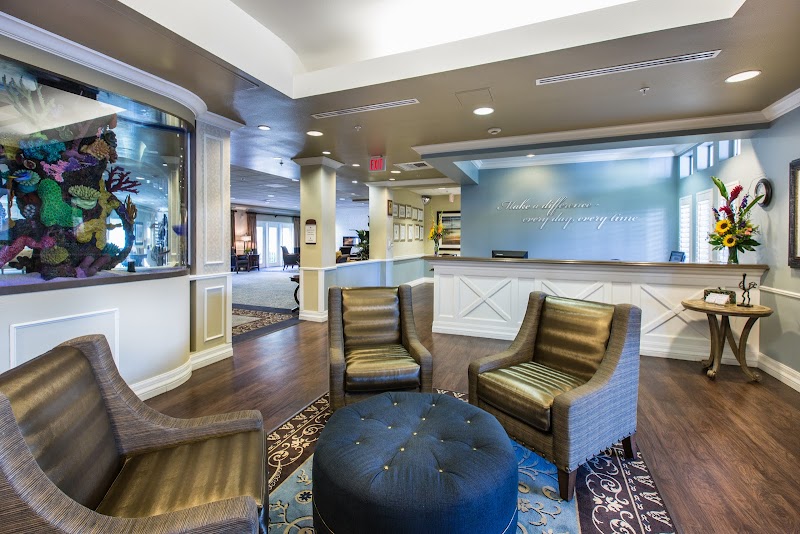
How is The Heights Of Summerlin, Llc Staffed?

CMS rates THE HEIGHTS OF SUMMERLIN, LLC's staffing level at 3 out of 5 stars, which is average compared to other nursing homes. Staff turnover is 43%, compared to the Nevada average of 46%. This relatively stable workforce can support continuity of care.

What Have Inspectors Found at The Heights Of Summerlin, Llc?

State health inspectors documented 43 deficiencies at THE HEIGHTS OF SUMMERLIN, LLC during 2022 to 2025. These included: 43 with potential for harm.

Who Owns and Operates The Heights Of Summerlin, Llc?

THE HEIGHTS OF SUMMERLIN, LLC is owned by a for-profit company. For-profit facilities operate as businesses with obligations to shareholders or private owners. The facility is operated by GENESIS HEALTHCARE, a chain that manages multiple nursing homes. With 190 certified beds and approximately 167 residents (about 88% occupancy), it is a mid-sized facility located in LAS VEGAS, Nevada.
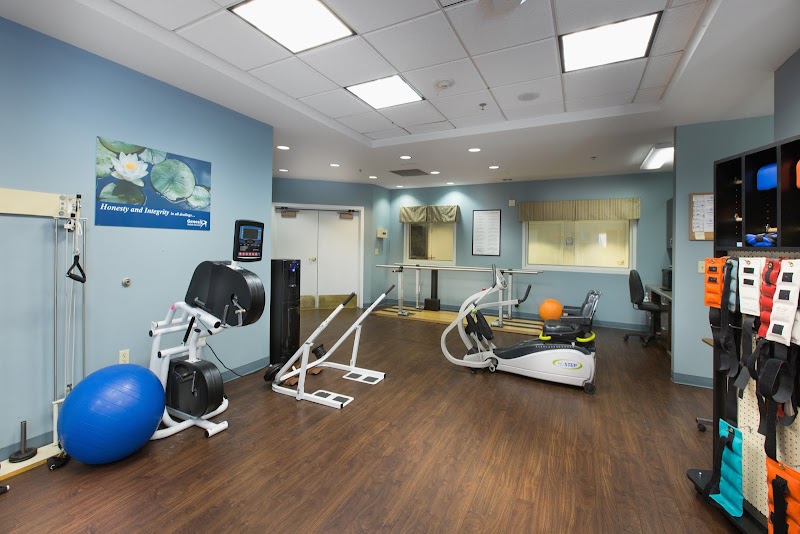
How Does The Heights Of Summerlin, Llc Compare to Other Nevada Nursing Homes?

Compared to the 100 nursing homes in Nevada, THE HEIGHTS OF SUMMERLIN, LLC's overall rating (3 stars) is below the state average of 3.0, staff turnover (43%) is near the state average of 46%, and health inspection rating (2 stars) is below the national benchmark.

What Should Families Ask When Visiting The Heights Of Summerlin, Llc?

Based on this facility's data, families visiting should ask: "Can I visit during a mealtime to observe dining assistance and food quality?" "How do you handle medical emergencies, and what is your hospital transfer rate?" "Can I speak with family members of current residents about their experience?"

Is The Heights Of Summerlin, Llc Safe?

Based on CMS inspection data, THE HEIGHTS OF SUMMERLIN, LLC has a clean safety record: no substantiated abuse findings (meaning no confirmed cases of resident harm), no Immediate Jeopardy citations (the most serious violation level indicating risk of serious injury or death), and is not on the Special Focus Facility watch list (a federal program monitoring the lowest-performing 1% of nursing homes). The facility has a 3-star overall rating and ranks #100 of 100 nursing homes in Nevada. While no facility is perfect, families should still ask about staff-to-resident ratios and recent inspection results during their visit.

Do Nurses at The Heights Of Summerlin, Llc Stick Around?

THE HEIGHTS OF SUMMERLIN, LLC has a staff turnover rate of 43%, which is about average for Nevada nursing homes (state average: 46%). Moderate turnover is common in nursing homes, but families should still ask about staff tenure and how the facility maintains care continuity when employees leave.

Was The Heights Of Summerlin, Llc Ever Fined?

THE HEIGHTS OF SUMMERLIN, LLC has no federal fines on record. CMS issues fines when nursing homes fail to meet care standards or don't correct problems found during inspections. The absence of fines suggests the facility has either maintained compliance or corrected any issues before penalties were assessed. This is a positive indicator, though families should still review recent inspection reports for the full picture.

Is The Heights Of Summerlin, Llc on Any Federal Watch List?

THE HEIGHTS OF SUMMERLIN, LLC is not on any federal watch list. The most significant is the Special Focus Facility (SFF) program, which identifies the bottom 1% of nursing homes nationally based on persistent, serious quality problems. Not being on this list means the facility has avoided the pattern of deficiencies that triggers enhanced federal oversight. This is a positive indicator, though families should still review the facility's inspection history directly.