TORREY PINES POST ACUTE AND REHABILITATION

1701 S. TORREY PINES DRIVE, LAS VEGAS, NV 89146 (702) 871-0005
For profit - Partnership 95 Beds DAVID & FRANK JOHNSON Data: November 2025
Trust Grade
35/100
#51 of 65 in NV
Last Inspection: June 2025

Inspected within the last 6 months. Data reflects current conditions.

Overview

Torrey Pines Post Acute and Rehabilitation has received a Trust Grade of F, indicating significant concerns about the facility's quality and safety. It ranks #51 out of 65 nursing homes in Nevada, placing it in the bottom half of facilities in the state, and #37 out of 42 in Clark County, meaning there are only a few better options nearby. The facility is showing signs of improvement, as the number of issues reported decreased from 11 in 2024 to 9 in 2025. Staffing is a positive aspect, with a 3/5 average rating and a low turnover rate of 0%, which is much better than the state average. However, there are serious concerns, such as food items not being properly labeled and dated, which poses health risks, and failures in pre-admission screenings that could lead to inappropriate placements for residents.

Trust Score
F
35/100
In Nevada
#51/65
Bottom 22%
Safety Record
High Risk
Review needed
Inspections
Getting Better
11 → 9 violations
Staff Stability
○ Average
Turnover data not reported for this facility.
Penalties
✓ Good
No fines on record. Clean compliance history, better than most Nevada facilities.
Skilled Nurses
✓ Good
Each resident gets 61 minutes of Registered Nurse (RN) attention daily — more than 97% of Nevada nursing homes. RNs are the most trained staff who catch health problems before they become serious.
Violations
⚠ Watch
30 deficiencies on record. Higher than average. Multiple issues found across inspections.
★★☆☆☆
2.0
Overall Rating
★★★☆☆
3.0
Staff Levels
★★★☆☆
3.0
Care Quality
★★☆☆☆
2.0
Inspection Score
Stable
2024: 11 issues
2025: 9 issues

The Good

  • Full Sprinkler Coverage · Fire safety systems throughout facility
  • No fines on record

Facility shows strength in fire safety.

The Bad

2-Star Overall Rating

Below Nevada average (3.0)

Below average - review inspection findings carefully

Chain: DAVID & FRANK JOHNSON

Part of a multi-facility chain

Ask about local staffing decisions and management

The Ugly 30 deficiencies on record

Jun 2025 6 deficiencies
CONCERN (D)

Potential for Harm - no one hurt, but risky conditions existed

Deficiency F0552 (Tag F0552)

Could have caused harm · This affected 1 resident

**NOTE- TERMS IN BRACKETS HAVE BEEN EDITED TO PROTECT CONFIDENTIALITY** Based on observation, interview, record review and document review, the facility failed to ensure consents for psychotropic medi...

Read full inspector narrative →
**NOTE- TERMS IN BRACKETS HAVE BEEN EDITED TO PROTECT CONFIDENTIALITY** Based on observation, interview, record review and document review, the facility failed to ensure consents for psychotropic medications were not obtained from a resident who was assessed to have severely impaired cognition for 1 of 19 sampled residents (Resident 79). The deficient practice potentially deprived the resident and the resident's representative the right to be informed of the medications' purpose, risks, benefits and potential side effects. Findings include: Resident 79 (R79) R79 was admitted on [DATE], with diagnoses including Parkinsonism, schizophrenia and anxiety disorder. The admission minimum data set (MDS) dated [DATE], documented R79 had a brief interview of mental status of 06 (severely impaired cognition). Review of medical record revealed R79's family member was R79's responsible party. A physician's order dated 04/10/2025, documented to give Quetiapine Fumarate (Seroquel an anti-psychotic) tablet 100 milligrams (mg) four tablets by mouth in the evening for Schizophrenia manifested by hearing voices. A consent for psychoactive medication use dated 04/09/2025, revealed a staff member completed the consent form for Seroquel and the risk, benefits, potential side effects of the medication were discussed with R79. The document had the physical signatures of a staff member and R79. A physician's order dated 04/09/2025, documented to give Trazadone (anti-depressant) tablet 100 mg one tablet by mouth at bedtime for insomnia manifested by inability to sleep. A consent for psychoactive medication use dated 04/09/2025, revealed a staff member completed the consent form for Trazadone and the risk, benefits, potential side effects of the medication were discussed with R79. The document had the physical signatures of a staff member and R79. On 06/25/25 at 12:10 PM, R79 was ambulating around the bed and appeared pleasant and cooperative. R79 reviewed consents for Trazadone and Seroquel and confirmed they were the actual signature of the resident. The resident indicated not knowing what Seroquel or Trazadone were for and verbalized just trusting the doctors. On 06/25/2025 at 12:11 PM, the Registered Nurse (RN) indicated being familiar with R79 whom the RN described as often confused with disorganized thinking, The RN explained R79 had a family member who was involved in care and staff obtained consents from R79's family member. The RN reviewed the consents for Seroquel and Trazadone and confirmed they appeared to be signature of R79 and not of the family member. The RN indicated R79 was not capable of understanding or retaining information regarding medications or treatments and the staff member who obtained consents for R79's psychoactive medications should have obtained consent from R79's family member and not the resident who had severely impaired cognition. On 06/25/2025 at 12:33 PM, the Director of Nursing (DON) confirmed R79 had severely impaired cognition and should not be signing own consents. The DON indicated R79 had a family member who was involved in the resident's care and signed R79's treatment consents except for the consent to use Seroquel and Trazadone. The DON indicated not being able to recognize whose signature the staff member belonged to, but the staff member could have called R79's family member by phone and obtain verbal consent. The Psychotropic Drug Treatment revised December 2016, documented the resident and/or resident representative would be given information regarding the need for, the desired effects and the potential side effects of the medication. This enabled the resident or the resident representative to make an informed decision regarding use of psychoactive medication. The resident representative should be involved in the medication management process and aware of the benefits and risks of medications and goals of treatment.
CONCERN (D)

Potential for Harm - no one hurt, but risky conditions existed

Tube Feeding (Tag F0693)

Could have caused harm · This affected 1 resident

**NOTE- TERMS IN BRACKETS HAVE BEEN EDITED TO PROTECT CONFIDENTIALITY** Based on observation, interview, record review, and document review, the facility failed to ensure enteral feeding and water flu...

Read full inspector narrative →
**NOTE- TERMS IN BRACKETS HAVE BEEN EDITED TO PROTECT CONFIDENTIALITY** Based on observation, interview, record review, and document review, the facility failed to ensure enteral feeding and water flush orders administered through the gastrostomy tube (GT) were followed as ordered, and the total volume delivered was monitored and documented for 1 of 26 sampled residents (Resident 34). This deficient practice had the potential to result in inadequate nutritional and fluid intake, leading to malnutrition, dehydration, electrolyte imbalances, delayed wound healing, and increased susceptibility to infections. Findings include: Resident 71 (R71) R71 was admitted on [DATE] and readmitted on [DATE], with diagnoses including dysphagia (difficulty swallowing), diabetes mellitus, and gastrostomy. On 06/24/2025 at 10:42 AM, R71 was not in the room. A Certified Nursing Assistant (CNA) indicated the resident was in the activity area. Glucerna 1.2 (a liquid therapeutic nutritional supplement specifically designed to help meet nutritional needs) was hung on a pole and turned off at the time of observation. The bag was labeled with the date, time, and resident's last name. The feeding volume was marked at 900 milliliters (mL) and the water volume at 1000 mL. On 06/24/2025 in the afternoon, R71 was not in the room; the TF remained off at this time. A Physician order dated 04/22/2025, documented enteral feeding Glucerna 1.2 at 65 ml per hour, turn off at 8:00 AM, and turn on at 12:00 noon for dysphagia. A Care plan dated 02/19/2025, documented R71 required enteral nutrition feeding related to dysphagia. R71 was at risk for dehydration, weight fluctuation, weight changes, intolerance to feeding, and infection at the gastrostomy site. R71 was dependent on tube feeding (TF) and water flushes and to provide TF and water flushes as ordered. The Quarterly Minimum Data Set, dated [DATE], documented the brief interview of mental status as incomplete. R71 had a feeding tube and had unknown weight changes. The Medication Administration Record (MAR) for the month of June lacked documented evidence the total TF volume dose delivered was consistently monitored or documented. On 06/25/2025 at 1:57 PM, the tube feeding (TF) was infusing at 65 mL/hour. A Registered Nurse (RN) indicated R41's TF was ordered to administer from 12:00 PM to 8:00 AM, delivering Glucerna 1.2 at 65 mL/hour. At the time of observation, approximately 600 mL of formula and 800 mL of water remained in the feeding bag. The RN verified and confirmed the history readings of the feeding pump, which recorded the total dose delivered for both tube feeding and water flush over the review period. A review of the previous 72-hour period revealed the following discrepancies between the ordered and delivered volumes: 24-hour period: Ordered formula: 1,300 mL (65 mL/hour × 20 hours) Delivered: 912 mL Shortage: 388 mL Ordered water flush: 900 mL/day Delivered: 622 mL Shortage: 278 mL 48-hour period: Ordered formula: 2,600 mL Delivered: 1,706 mL Shortage: 894 mL Ordered water flush: 1,800 mL Delivered: 1,131 mL Shortage: 669 mL 72-hour period: Ordered formula: 4,680 mL Delivered: 2,960 mL Shortage: 1,720 mL Ordered water flush: 2,700 mL Delivered: 1,764 mL Shortage: 936 mL The feeding pump in use had a calibration label dated February 2026. On 06/25/2025 at 3:30 PM, a Licensed Practical Nurse (LPN) indicated the tube feeding should have been administered over 20 hours or until the total volume dose was completely delivered. The LPN acknowledged there was no documented evidence of the actual volume administered per shift. The LPN indicated monitoring was typically based on the bag label and enteral pump history, and the total volume delivered was not recorded each shift. The LPN indicated the documentation involved signing off on the paper MAR, without any verification of the total amount administered during each shift. On 06/25/2025 at 4:35 PM, the Director of Staff Development (DSD) indicated the facility used feeding pumps capable of displaying total volumes of formula and water infused. The pump was designated to R71 and had not been changed. For orders specifying 20 hours at 65 mL/hour, nursing staff were expected to program the pump per physician orders, monitor the infusion, and verify completion. The DSD explained the facility did not maintain a log for documenting tube feeding volumes delivered. Compliance was based on pump initiation, shift monitoring, and sign-off of scheduled flushes and tube placement verification. The RD acknowledged the potential benefits of structured shift-level volume tracking. The DSD indicated implementing a shift-based tracking system could improve accountability and ensure complete and consistent delivery. The DSD indicated failure to follow enteral feeding orders posed risks of inadequate nutrition and hydration, impairing wound healing and overall health, particularly for residents dependent on tube feeding. Continuous water flushes were administered concurrently to support hydration goals. On 06/26/2025 at 8:41 AM, the Registered Dietitian (RD) indicated R71's tube feeding (TF) order was for Glucerna 1.2 to run at 65 mL/hour for 20 hours per day, along with water flushes of 150 mL every 4 hours, totaling 900 mL per day. The RD acknowledged that a review of TF delivery over a 72-hour period revealed multiple deficits in prescribed nutrition and hydration. The Registered Dietitian (RD) indicated R71 received 2,960 mL of formula out of the expected 4,680 mL over 72 hours, resulting in a deficit of 1,720 mL of nutrition and 936 mL of water, which was described as significant. The RD explained continued missed feedings and hydration could place R71 at risk for weight loss, dehydration, and nutritional decline, particularly due to a prior risk for malnutrition. The RD verbalized uncorrected deficits could compromise wound healing, immune function, and overall clinical stability. The RD indicated R71's weight and body mass index remained stable and noted R71 was the only resident in the facility receiving continuous tube feeding via pump. The RD acknowledged missed doses of tube feeding or water flushes posed a risk for harm and emphasized the importance of accurately documenting volumes delivered. The RD expressed concern that current practice relied on MAR signoffs without consistent recording of actual volumes infused, which hindered accountability and effective monitoring. On 06/26/2025 at 11:48 AM, the Director of Nursing (DON), indicated the enteral pump was assigned solely to R71 and had not been changed. The DON indicated education had been provided to the licensed nurses, who were expected to allow the tube feeding (TF) to continue until the total prescribed dose was delivered. The DON indicated the nurses were expected to verify TF orders and monitor and document the start-of-shift volume infused in the Medication Administration Record (MAR) to ensure accurate tracking of the total TF amount delivered each shift and to support continuity of care. A facility policy titled Enteral Nutrition revised November 2018, documented adequate nutritional support through enteral nutrition was provided to residents as ordered. A facility policy titled Physician Orders, dated October 2014, documented to provide care and services to residents in accordance with physician orders, including dietary orders such as tube feeding.
CONCERN (D)

Potential for Harm - no one hurt, but risky conditions existed

Food Safety (Tag F0812)

Could have caused harm · This affected 1 resident

Based on observation, interview, and document review, the facility failed to ensure staff foods were stored properly and frozen meat was thawed correctly. This deficient practice posed a potential ris...

Read full inspector narrative →
Based on observation, interview, and document review, the facility failed to ensure staff foods were stored properly and frozen meat was thawed correctly. This deficient practice posed a potential risk to safety and health standards which could lead to contamination and placed residents at risk of foodborne illness. Findings include: On 06/25/2025 at 12:03 PM, a follow-up tour and walk through of the kitchen was completed. An open and undated bottle of Gatorade was found stored in the reach in freezer. The facility policy titled Food Preparation and Service/ Food Preparation Area, revised April 2019, documented food preparation staff adhered to proper hygiene and sanitary practices to prevent the spread of foodborne illness. Personal items will not be stored in food preparation or storage areas. On 06/25/2025 at 12:13 PM, a follow-up tour and walk through of the kitchen was completed. In a sink compartment in the dirty dish area, tubes of meat were being thawed in a still water bath. This still water bath was located under a hose leading to a concentrated detergent delivery system. The facility policy titled Food Preparation and Service/ Thawing Frozen Food, Revised April 2019, documented foods would not be thawed at room temperature. Thawing procedures included completely submerging the item in cold running water which would run fast enough to agitate and remove loose ice particles. On 06/25/2025 at 12:17 PM Dietary Manager (DM) acknowledged the thawing of meat should occur by submerging the item under cold running water. The DM also acknowledged staff food and drinks should not be kept in facility food preparation or food storage areas.
CONCERN (D)

Potential for Harm - no one hurt, but risky conditions existed

Deficiency F0836 (Tag F0836)

Could have caused harm · This affected 1 resident

Based on interview and document review, the facility failed to ensure dementia training was provided for 3 of 11 employee files reviewed (Employees 4, 5, and 8) as outlined in Nevada Administrative Co...

Read full inspector narrative →
Based on interview and document review, the facility failed to ensure dementia training was provided for 3 of 11 employee files reviewed (Employees 4, 5, and 8) as outlined in Nevada Administrative Code (NAC) 449.74522 Findings include: NAC 449.74522 documented: 1. Except as otherwise provided in subsection 4, each person who is employed by a facility for skilled nursing which provides care to persons with any form of dementia, including, without limitation, dementia caused by Alzheimer's disease, who has direct contact with and provides care to persons with any form of dementia and who is licensed or certified by an occupational licensing board must complete the following number of hours of continuing education specifically related to dementia: (a) In his or her first year of employment with a facility for skilled nursing, 8 hours which must be completed within the first 30 days after the employee begins employment; and (b) For every year after the first year of employment, 3 hours which must be completed on or before the anniversary date of the first day of employment. 2. The hours of continuing education required to be completed pursuant to this section: (a) Must be approved by the occupational licensing board which licensed or certified the person completing the continuing education; and (b) May be used to satisfy any continuing education requirements of an occupational licensing board and do not constitute additional hours or units of required continuing education. 3. Each facility for skilled nursing shall maintain proof of completion of the hours of continuing education required pursuant to this section in the personnel file of each employee of the facility who is required to complete continuing education pursuant to this section. 4. A person employed by a facility for skilled nursing which provides care to persons with any form of dementia, including, without limitation, dementia caused by Alzheimer's disease, is not required to complete the hours of continuing education specifically related to dementia required pursuant to subsection 1 if he or she has completed that training within the previous 12 months. 5. As used in this section, continuing education specifically related to dementia includes, without limitation, instruction regarding: (a) An overview of the disease of dementia, including, without limitation, dementia caused by Alzheimer's disease, which includes instruction on the symptoms, prognosis and treatment of the disease; (b) Communicating with a person with dementia; (c) Providing personal care to a person with dementia; (d) Recreational and social activities for a person with dementia; (e) Aggressive and other difficult behaviors of a person with dementia; and (f) Advising family members of a person with dementia concerning interaction with the person with dementia. On 06/26/25 at 09:23 AM, the Director of Staff Development (DSD) indicated dementia training was required to be completed upon hire and annually on or before the employee's hire anniversary date. The personnel file of Employee 4 revealed the employee was hired as the Social Services Director (SSD) on 03/16/2024. The last recorded dementia training was dated 05/16/2024. The DSD confirmed that Employee 4's dementia training was overdue. The personnel file of Employee 5 revealed the employee was hired as the Registered Dietitian on 05/06/2019. The last recorded dementia training was dated 05/16/2019. The DSD confirmed that Employee 5's dementia training was overdue. The personnel file of Employee 8 revealed the employee was hired as a Certified Nursing Assistant (CNA) on 09/12/2023. The last record of dementia training was dated 05/06/2024. The DSD confirmed that Employee 8's dementia training was overdue. On 06/26/25 at 09:41 AM, the DSD explained dementia training was provided at the time of hire and annually, using a combination of learning methods such as face-to-face instruction, printed materials, and a Learning Management System (LMS). Employees signed an in-service sheet as evidence of completing the mandatory training. The DSD was responsible for tracking providing and tracking all mandatory training and stated dementia training which were past due for Employees 4, 5, and 8 was an oversight. The Facility Assessment document reviewed on 03/17/2023, documented dementia training was to be provided upon hire, annually and as needed. The facility policy titled Compliance with Federal, State, and Local Laws and Professional Standards revised April 2021, documented the facility was expected to conform with to all applicable federal, state, and local laws, regulations, and codes, as well as accepted professional standards and principles that apply to professionals providing services in the facility.
CONCERN (D)

Potential for Harm - no one hurt, but risky conditions existed

Infection Control (Tag F0880)

Could have caused harm · This affected 1 resident

**NOTE- TERMS IN BRACKETS HAVE BEEN EDITED TO PROTECT CONFIDENTIALITY** Based on observation, interview, record review, and document review, the facility failed to ensure visitors and staff wore appro...

Read full inspector narrative →
**NOTE- TERMS IN BRACKETS HAVE BEEN EDITED TO PROTECT CONFIDENTIALITY** Based on observation, interview, record review, and document review, the facility failed to ensure visitors and staff wore appropriate personal protective equipment (PPE) and hand hygiene had been performed when cleaning a room under transmission-based precautions (TBP). These deficient practices had the potential to expose residents, staff, and visitors to infectious agents and compromise the facility's infection prevention and control measures. Findings include: Resident 140 (R140) R140 was admitted on [DATE], with diagnoses including diabetes mellitus and osteomyelitis, left ankle and foot. On 06/24/2025 at 11:54 AM, a contact precaution sign was posted on R140's room door, instructing staff to perform hand hygiene before room entry and exit, and to wear a gown and gloves. PPE was available. R140 had a left foot infection and was on contact isolation for a methicillin-resistant Staphylococcus aureus (MRSA). R140's spouse was observed seated in bed assisting the resident, who was lying in bed, without wearing PPE. Staff observed the spouse without PPE but failed to provide education. A physician order dated 06/03/2025 documented R140 had been placed on contact isolation for MRSA in the wound. The History and Physical dated 06/04/2025, documented R140 had been diagnosed with osteomyelitis of the left foot and had a wound culture positive for MRSA. A care plan revised on 06/07/2025 documented instructions for visitors to wear disposable gloves and a gown when in the resident's room and to wash hands before leaving the room. The admission Minimum Data Set, dated [DATE], documented a Brief Interview for Mental Status (BIMS) score of 15 out of 15, indicating R140's cognitive status was intact. R140 had intravenous access and was receiving antibiotic treatment to treat the wound infection. On 06/26/2025 at 10:22 AM, R140 acknowledged the spouse had visited the room without wearing PPE and stated the couple remained close. R140 recognized the spouse should have worn gloves and a gown while staying at the bedside to prevent contamination. R140 was aware of being on contact precautions due to a MRSA wound infection and indicated staff had not provided education that visitors should have worn PPE. On 06/26/2025 at 2:40 PM, a housekeeper was observed cleaning R140's room wearing gloves, without a gown. The housekeeper wiped down the bed, table, intravenous pole, restroom, and mopped the floor. After cleaning, the housekeeper exited the room with used gloves on, then removed and discarded the gloves in the housekeeping cart located in the hallway. The housekeeper explained awareness of the contact precautions in place and acknowledged the transmission-based precautions (TBP) protocol had not been followed. On 06/27/2025 at 9:12 AM, a Registered Nurse (RN) indicated R140 was on contact precautions for MRSA in the left foot wound. The RN acknowledged staff were expected to perform hand hygiene, wear a gown and gloves upon entry, and perform hand hygiene again before exiting the room. The RN verbalized staff and visitors were expected to follow TBP protocol, including use of PPE to prevent transmission of infection to self and others. On 06/27/2025, the Infection Preventionist (IP) explained staff were expected to perform hand hygiene when entering and exiting a contact precaution room. The IP indicated if no direct resident care was provided (e.g., answering a call light), staff could enter the room without donning a gown, provided no physical contact occurred and hand hygiene was performed upon entry and exit. The IP stated R140's MRSA-infected wound was covered and not draining, and precautions were maintained. The IP confirmed R140 was permitted to ambulate within the facility as long as the wound remained covered. The IP indicated staff were required to wear a gown and gloves when performing tasks such as changing linens or engaging with the resident's immediate environment like cleaning. The IP acknowledged housekeeping staff were expected to wear PPE when cleaning rooms under contact precautions. The IP indicated staff were advised to clean non-isolation rooms first, then TBP rooms last, and to follow infection control procedures including proper PPE use and sequencing. The IP explained R140's spouse had been instructed to remain seated in a designated chair during visits to avoid contact with R140's bed. The IP indicated staff and visitors required reminders to perform hand hygiene upon entry and exit of the room. A facility policy titled Personal Protective Equipment dated September 2024, documented employees performing tasks involving potential exposure to blood or body fluids were required to wear appropriate protective clothing and equipment.
CONCERN (D)

Potential for Harm - no one hurt, but risky conditions existed

Deficiency F0943 (Tag F0943)

Could have caused harm · This affected 1 resident

Based on interview and document review, the facility failed to ensure abuse training was provided in accordance with the facility assessment and facility policy for 3 of the 11 employee files reviewed...

Read full inspector narrative →
Based on interview and document review, the facility failed to ensure abuse training was provided in accordance with the facility assessment and facility policy for 3 of the 11 employee files reviewed (Employees 4, 5, and 8). The deficient practice had the potential to allow unqualified employees to provide care for residents. Findings include: On 06/26/25 at 09:23 AM, the Director of Staff Development (DSD) indicated abuse training was required to be completed upon hire and annually, on or before the employee's hire anniversary date. The personnel file of Employee 4 revealed the employee was hired as the Social Services Director (SSD) on 03/16/2024. The last recorded abuse training was dated 03/25/2024. The DSD confirmed that Employee 4's abuse training was overdue. The personnel file of Employee 5 revealed the employee was hired as the Registered Dietitian on 05/06/2019. The last recorded abuse training was dated 05/16/2019. The DSD confirmed that Employee 5's abuse training was overdue. The personnel file for Employee 8 revealed the employee was hired as a Certified Nursing Assistant (CNA) on 09/12/2023. The last recorded abuse training was on 05/21/2024. The DSD confirmed that Employee 8's abuse training was overdue. On 06/26/25 at 09:41 AM, the DSD explained abuse training was provided upon hire and annually, using a combination of learning methods such as face-to-face instruction, printed materials, and a Learning Management System (LMS). Employees signed an in-service sheet as evidence of completing the mandatory training. The DSD was responsible for providing abuse training, while the Assistant DSD was responsible for tracking all initial and annual mandatory training. The DSD stated the abuse training for Employees 4, 5, and 8 were overdue due to an oversight. The Facility Assessment document last reviewed on 03/17/2023, documented abuse training was required to be provided upon hire, annually and as needed. The facility policy titled Abuse Prevention Program Policy revised in December 2016, documented the facility required staff training and orientation programs covering topics such as abuse prevention, identification, and reporting of abuse.
Mar 2025 3 deficiencies
CONCERN (D) 📢 Someone Reported This

A family member, employee, or ombudsman was alarmed enough to file a formal complaint

Potential for Harm - no one hurt, but risky conditions existed

Free from Abuse/Neglect (Tag F0600)

Could have caused harm · This affected 1 resident

**NOTE- TERMS IN BRACKETS HAVE BEEN EDITED TO PROTECT CONFIDENTIALITY** Based on interview, record review and document review, the facility failed to ensure a resident was kept safe from physical abus...

Read full inspector narrative →
**NOTE- TERMS IN BRACKETS HAVE BEEN EDITED TO PROTECT CONFIDENTIALITY** Based on interview, record review and document review, the facility failed to ensure a resident was kept safe from physical abuse for 1 of 5 sampled residents (Resident 2) and a resident was protected from abuse by another resident with increasingly aggressive behaviors for 1 of 5 sampled residents (Resident 4). The deficient practice had the potential for the residents to experience emotional and physical harm. Findings include: Resident 2 (R2) R2 was admitted on [DATE] with diagnoses including other specified disorders of bone density and structure of left ankle and foot, type 2 diabetes, and chronic obstructive pulmonary disease. Resident 3 (R3) R3 was admitted on [DATE] and discharged on 09/18/2024 with diagnoses including unspecified psychosis, schizophrenia, and unspecified dementia. The facility reported incident (FRI) dated 09/24/2024 documented the following: -On 09/18/2024 at approximately 7:00 PM, R3 was observed being physically aggressive with R2 and striking R2's body. - R2 and R3 were immediately separated by a Certified Nurse Assistant (CNA) and R3 was placed on one-to-one supervision. -Conclusion: The incident was verified and R3 was transferred to an acute care hospital for psychiatric evaluation. A Psychiatry consultation note dated 09/20/2024 documented R2 was pleasant and stated being more comfortable that R3 was taken to an acute hospital for inpatient management of disrupted behaviors. R2 denied feeling depressed or anxious and stated feeling safe in the facility. Social Service notes documented the following: -09/19/2024 R2 stated everything was fine, feels safe, aware R3 is gone, no problems. -09/20/2024 R2 smiled and stated everything was still fine, no problems and feels safe. -09/22/2024 R2 stated everything is fine and feels safe. On 03/12/2025 at 10:25 AM, R2 stated gets along well with residents and has not had any negative interactions with anyone. R2 stated feels safe in the facility. During the onsite investigation on 03/12/2025, the facility's correction of the past non-compliance related to the incident occurred as evidenced by: -Observation of resident-to-resident interactions were polite and courteous. - R3 was discharged from the facility on 09/18/2024 and had not returned. - Staff indicated the facility provided continuing education regarding Resident-to-Resident altercations. -Review of the facility's training records corroborated the staff interviews regarding training. Facility Reported Incident #NV00072264 Resident 4 (R4) R4 was admitted on [DATE] and discharged on 12/03/2024 with diagnoses including low back pain, idiopathic peripheral autonomic neuropathy, and type 2 diabetes with hyperglycemia. Resident 5 (R5) R5 was admitted on [DATE] and discharged on 02/11/2025 with diagnoses including schizoaffective bipolar type disorder, anxiety disorder, and abnormalities of gait. The FRI dated 11/04/2024 documented the following: -On 11/03/2024 at 10:30 PM, R5 struck R4's face causing a fall to the floor and bleeding nose. The residents were immediately separated and R5 placed on one-to-one monitoring. -R5 was placed on legal hold, transferred to an acute hospital, and metro police were notified. - R4 was sent to the hospital for evaluation. -Conclusion: The incident was verified. R4 returned to the facility with psychiatry and social services to follow. R4 reported feeling safe in the facility. R5 was transferred to an acute hospital. A care plan dated 11/05/2024 documented R4 had potential for emotional distress related to altercation with interventions to monitor R4 for verbalizing fear or not being safe. A Psychiatry progress note dated 11/05/2024 documented R4 feels safe and denied negative thoughts. Social Service notes documented the following: -11/05/2024, R4 stated feeling fine and safe, not afraid of anyone. -11/06/2024, R4 walking down hallway stated being fine, no problem with face or nose and feels safe. -11/07/2024, R4 stated feels safe and not afraid of anyone. A Radiology Interpretation of nasal bones x-ray dated 11/11/2024 documented no displaced facial fracture detected. On 03/12/2025 at 3:38 PM, the Director of Nursing (DON) stated the expectation of staff when a resident was aggressive, and another resident was attempting to approach was for staff to intervene and separate them for safety. During the onsite investigation on 03/12/2025, the facility's correction of the past non-compliance related to the incident occurred as evidenced by: -Observation of resident-to-resident interactions were polite and courteous. - Staff indicated the facility provided continuing education regarding Resident-to-Resident altercations. -Review of the facility's training records corroborated the staff interviews regarding training. Facility Reported Incident #NV00072620
CONCERN (D) 📢 Someone Reported This

A family member, employee, or ombudsman was alarmed enough to file a formal complaint

Potential for Harm - no one hurt, but risky conditions existed

Deficiency F0761 (Tag F0761)

Could have caused harm · This affected 1 resident

Based on observation, interview and document review, the facility failed to ensure medications left on top of a medication cart were secured. The deficient practice had the potential risk of unauthori...

Read full inspector narrative →
Based on observation, interview and document review, the facility failed to ensure medications left on top of a medication cart were secured. The deficient practice had the potential risk of unauthorized access to medications, medication errors, theft, or misuse of medication within the facility. Findings include: On 03/12/2025 at 12:24 PM, a medication cart with a medication card containing 20 tablets of Divalproex Sodium delayed release (DR) 500 milligram (mg) (a medication used to treat seizures), was parked unattended at the entrance of the northeast hallway in front of a resident room while staff, visitors and resident were in the hallway. On 03/12/2025 at 12:27 PM, a Registered Nurse (RN) exited a resident room and approached the medication cart. The RN acknowledged the card of pills stating should not have been left on top of the cart unattended as someone could get the pills and take them. On 03/12/2025 at 2:15 PM, the Director of Nursing (DON) stated medications were to be secured in the medication cart when not being administered. Leaving medications on top of the medication cart unattended would risk safety and allow residents or others to access the medication. The facility policy titled Storage of Medication, revised November 2020, documented the facility stores all drugs and biologicals in a safe, secure, and orderly manner.
CONCERN (D) 📢 Someone Reported This

A family member, employee, or ombudsman was alarmed enough to file a formal complaint

Potential for Harm - no one hurt, but risky conditions existed

Infection Control (Tag F0880)

Could have caused harm · This affected 1 resident

Based on observation and interview, the facility failed to ensure a blood glucose monitor with a used test strip was not left unattended on top of medication cart. The deficient practice had the poten...

Read full inspector narrative →
Based on observation and interview, the facility failed to ensure a blood glucose monitor with a used test strip was not left unattended on top of medication cart. The deficient practice had the potential to compromise the safety and well-being of residents by allowing exposure to blood borne pathogens. Findings include: On 03/12/2025 at 12:24 PM, a medication cart was parked unattended at the entrance of the northeast hallway in front of a resident room while staff, visitors and resident were in the hallway. A blood glucose monitor with a test strip inserted into the device, was lying on top of the medication cart. The testing strip had a dark red type of substance visible. On 03/12/2025 at 12:27 PM, a Registered Nurse (RN) exited a resident room and approached the medication cart. The RN acknowledged the glucometer had been used to obtain a resident blood sugar and the testing strip needed to be discarded, and the blood glucose monitor needed to be disinfected. The RN stated the glucometer should not have been left unattended. On 03/12/2025 at 2:15 PM, the Director of Nursing (DON) acknowledged for infection control, blood glucose monitors were to be cleaned and stored away after use and were not to be left unattended on top of the medication cart. On 03/12/2025 at 3:12 PM, the Director of Staff Development/Infection Preventionist verbalized blood glucose monitor testing strips were to be disposed of immediately after use to prevent the spread of infection.
Aug 2024 1 deficiency
CONCERN (D) 📢 Someone Reported This

A family member, employee, or ombudsman was alarmed enough to file a formal complaint

Potential for Harm - no one hurt, but risky conditions existed

ADL Care (Tag F0677)

Could have caused harm · This affected 1 resident

**NOTE- TERMS IN BRACKETS HAVE BEEN EDITED TO PROTECT CONFIDENTIALITY** Based on interview, record review, and document review, the facility failed to ensure showers were provided as scheduled for 1 o...

Read full inspector narrative →
**NOTE- TERMS IN BRACKETS HAVE BEEN EDITED TO PROTECT CONFIDENTIALITY** Based on interview, record review, and document review, the facility failed to ensure showers were provided as scheduled for 1 of 8 sampled residents (Resident 1). The deficient practice had the potential to negatively impact the resident's overall well-being. Findings include: Resident 1 (R1) R1 was admitted on [DATE], with diagnoses including hemiplegia and hemiparesis following cerebral infarction affecting right dominant side. The admission Minimum Data Set (MDS) dated [DATE], documented R1 had moderately impaired cognition and required partial to moderate assistance with supervision touch assist for bathing. Partial to moderate assistance was defined as helper lifts or supports trunk and limbs but helper provided less than half the effort. The shower schedule revealed R1 was scheduled to receive two showers a week on Tuesdays and Fridays by day shift staff. The medical record lacked documented evidence R1 was provided showers on 07/02/2024, 07/09/2024, 07/16/2024 and 07/19/2024. On 08/29/2024 in the morning, the Director of Staff Development (DSD) indicated not being able to find shower sheets for some dates but would check the resident's electronic health record (EHR) to check whether some Certified Nurse Assistants (CNAs) recorded the showers electronically versus on paper. On 08/29/2024 at 12:11 PM, a CNA who had been assigned to R1 indicated completing a shower sheet every time the CNA was assigned to the resident during a scheduled shower day. The CNA indicated the facility process was to document showers on shower sheets where new skin impairments and reason for refusal, if refused, would be reflected. The CNA could not speak to why other CNAs did not complete shower sheets on R1's scheduled shower days. On 08/29/2024 at 12:45 PM, the corporate EHR specialist provided the activities of daily living (ADL) report for bathing. The EHR indicated documentation of R1s showers for days where no shower sheets could be found were in the ADL report in the electronic health record except for 07/02/2024, 07/09/2024, 07/16/2024 and 07/19/2024. The corporate EHR specialist confirmed based on shower sheets and the ADL report, there was no documented evidence scheduled showers were provided to R1 on 07/02/2024, 07/09/2024, 07/16/2024 and 07/19/2024. On 08/29/2024 at 12:30 PM, the Director of Nursing (DON) indicated CNAs were trained to document showers on shower sheets and electronic health record. Based on medical record review, the DON indicated R1's showers were considered missed or not provided on 07/02/2024, 07/09/2024, 07/16/2024 and 07/19/2024. The DON indicated showers must be provided to each resident as scheduled and changes based on resident's request may be accommodated but documented which would include refusals. The Supporting ADL policy (revised March 2018), documented residents who were unable to carry out ADLs independently would receive services necessary to maintain good nutrition, grooming and personal hygiene.
May 2024 10 deficiencies
CONCERN (D) 📢 Someone Reported This

A family member, employee, or ombudsman was alarmed enough to file a formal complaint

Potential for Harm - no one hurt, but risky conditions existed

Free from Abuse/Neglect (Tag F0600)

Could have caused harm · This affected 1 resident

**NOTE- TERMS IN BRACKETS HAVE BEEN EDITED TO PROTECT CONFIDENTIALITY** Based on interview, record review, and document review, the facility failed to ensure 1 of 20 sampled residents (Resident 101) w...

Read full inspector narrative →
**NOTE- TERMS IN BRACKETS HAVE BEEN EDITED TO PROTECT CONFIDENTIALITY** Based on interview, record review, and document review, the facility failed to ensure 1 of 20 sampled residents (Resident 101) was free of abuse by a staff member, specifically, an incident involving a staff member who was witnessed to have pushed a resident, which resulted in a fall. The deficient practice had the potential to cause physical harm to the resident. Findings include: A facility policy titled Abuse Prevention Program (undated) documented the administration will protect residents from abuse by anyone to include facility staff. Resident 101 (R101) R101 was admitted on [DATE] and discharged on 04/01/2024, with diagnosis including bipolar disorder, unspecified psychosis, anxiety disorder, unspecified dementia, and altered mental status. A Brief Interview for Mental Status (BIMS; a tool used to screen and identify the cognitive condition of a resident) on 01/17/2024 documented a score of 11, which indicated moderate cognitive impairment. The facility reported incident (FRI) dated 02/01/2024, documented the following: -On 01/31/2024 at approximately 9:30 AM, a Certified Nursing Assistant (CNA) and Housekeeper/Floor Technician observed a Registered Nurse (RN) push the resident to the ground and grabbed the resident by arm to put the resident back in bed with force. -The resident was assessed indicating no signs of physical harm or mental anguish as a result. -The resident was not able to remember details of incident due to diagnosis involving regular confusion. On 05/09/2024 at 12:00 PM, the Housekeeper/Floor Technician recalled observing the RN and R101 engaged in a verbal dispute. R101 walked towards the RN and the RN raised arm/elbow pushed towards resident, which caused R101 to fall to the ground. The RN no longer worked at the facility following the incident. On 05/09/2024 at 2:18 PM, the Administrator confirmed the RN was suspended pending the facility's investigation, ultimately terminated, and reported to the board of nursing on 01/31/2024. The Administrator indicated staff were trained to not engage with residents during a potential situation and walk away; however, the RN did not follow the facility's training and did not handle the situation in a professional manner. On 05/09/2024 at 2:54 PM, the Director of Staffing Development (DSD) verbalized participation in the facility investigation and facility trainings. The DSD indicated the RN did not keep a distance from the resident during a possible situation as staff were trained. The DSD also facilitated the in-service following the incident. A Personnel Action Request form documented effective date 02/01/2024, involuntary termination of the RN due to standards of conduct violation; specifically confirmed physical abuse of a resident. During the onsite investigation on 05/07/2024 through 05/10/2024, the facility's correction of the past non-compliance related to the incident occurred as evidenced by: -On 01/31/2024, the RN was suspended pending the investigation, ultimately terminated, and reported to the board of nursing. -On 02/01/2024, in-service to staff completed on abuse prevention, to include how to deal with combative and aggressive residents. Facility Reported Incident #NV00070373
CONCERN (D)

Potential for Harm - no one hurt, but risky conditions existed

PASARR Coordination (Tag F0644)

Could have caused harm · This affected 1 resident

**NOTE- TERMS IN BRACKETS HAVE BEEN EDITED TO PROTECT CONFIDENTIALITY** Resident 28 (R28) R28 was re-admitted on [DATE], with primary diagnoses including anxiety disorder, depression, bipolar disorder...

Read full inspector narrative →
**NOTE- TERMS IN BRACKETS HAVE BEEN EDITED TO PROTECT CONFIDENTIALITY** Resident 28 (R28) R28 was re-admitted on [DATE], with primary diagnoses including anxiety disorder, depression, bipolar disorder, schizophrenia, and a psychotic disorder (other than schizophrenia). On 05/07/2024 in the morning, R28 laid in bed with eyes on telephone with headphones on. R28 appeared lethargic and spoke stating R28 had been in the facility for a little while. The resident was able to make needs known asking about the ability to smoke marijuana in the facility and being able to use a power wheelchair in the facility. On 05/08/2024 in the afternoon, R28 laid in bed with eyes on telephone with headphones on and appeared lethargic. While talking to the resident about the facility's policy on no marijuana smoking, R28 was not able to talk in complete sentences and was not making sense. R28 was talking nonsensical. A PASARR level one document dated 03/14/2016, revealed R28 did not have dementia, mental illness (MI), intellectual disability, (ID) mental retardation (MR) or any related condition (RC) and was deemed appropriate for nursing facility placement. The admission minimum data set (MDS) dated [DATE], documented R28 had a negative PASARR one (no MI, MR, ID, or RC), cognitive deficits, and had diagnoses of anxiety disorder, depression, bipolar disorder, schizophrenia, and a psychotic disorder (other than schizophrenia) but did not have dementia. The physician note dated 01/25/2024, documented R28 had been sent to the hospital for a change of condition. A review of psychiatry notes revealed R28's schizophrenia had an onset date of 06/09/2023, bipolar disorder on 06/09/2023, and anxiety disorder on 07/07/2023. R28 re-admitted on [DATE] with a new diagnoses of brief psychotic disorder, manic episode, and paranoid personality disorder and was prescribed Zolpidem Tartrate 10 milligrams (mg) (hypnotic) and Quetiapine Fumarate 200 mg (anti-psychotic.). The Division of Health Care Financing and Policy- Medicaid Services Manual- for Nursing Facilities Policy dated 05/01/2015, documented when an individual has been identified with possible indicators of mental illness, intellectual disabilities, or related condition, a PASARR Level II screening must be completed to evaluate the individual and determine if nursing facility services and/or specialized services are needed and can be provided in the nursing facility. Examples include: a resident who exhibits behavioral, psychiatric, or mood related symptoms suggesting a presence of a mental disorder (where dementia is not the primary diagnoses), or an intellectual disability or related condition was not previously identified and evaluated through PASARR. Social services would be responsible for keeping track of each resident's PASARR screening status and referring to appropriate authority. The medical record lacked documented evidence R28 was referred for a PASARR level two. On 05/09/2024 in the afternoon, the Assistant Administrator and the Social Worker confirmed R28 had a negative PASARR level one when first admitted on [DATE] but had new diagnoses of brief psychotic disorder, manic episode, and paranoid personality disorder, by the completion of the resident's re-admission MDS on 02/12/2024. The Assistant Administrator and the Social Worker confirmed the purpose of PASARR was to ensure residents were appropriately placed and the facility could meet the needs of the residents. The Assistant Administrator indicated admissions were not involved in the process of identifying and referring residents who met criteria for a new level of care (LOC) assessment or a PASARR level two referral. The admissions department deferred to the social services department for information on PASARR level two. On 05/09/2024 in the afternoon, the admission Director indicated being responsible for ensuring all newly admitted residents had a PASARR level one or two in place. The Admissions Director indicated not being involved in the process of identifying and referring residents who met criteria for a PASARR two referral after new behaviors and psychiatric diagnoses were identified during their stay in the facility. On 05/09/2024 in the afternoon, the Social Worker (SW) explained the SW was responsible for completing the online PASARR requests. The SW indicated not being aware of social services' involvement with identifying and referring residents who met criteria for PASARR two referral. The Assistant Administrator confirmed social services' involvement with identifying and referring residents who met criteria for PASARR two referral was to be completed in their morning meeting. Based on observation, interview, record review, and document review the facility failed to ensure a Preadmission Screening and Resident Review (PASARR) level two referral was completed for 2 of 20 sampled residents (Residents 22 and 28). The deficient practice had the potential to deprive the residents of concern and other residents of necessary behavioral health services. Findings include: Resident 22 (R22) R22 was admitted on [DATE] with diagnosis including major depressive disorder, unspecified mood (affective) disorder, bipolar disorder, and psychotic disorder (other than schizophrenia. On 05/08/2024 at 7:49 AM, R22 was in the room sitting upright in wheelchair. R22 was calm in nature and did not display concerning, aggressive, or withdrawn behaviors when interviewed. A PASARR level one document dated 04/08/2014, revealed R22 did not have dementia, mental illness (MI), intellectual disability, (ID) mental retardation (MR) or any related condition (RC) and was deemed appropriate for nursing facility placement. A Leve of Care (LOC) document dated 04/09/2014, revealed an initial placement assessment and met criteria for nursing facility. The annual Minimum Data Set (MDS) dated [DATE] documented R22 had a negative PASARR one (no MI, MR, ID, or RC) and had a diagnosis of depression but did not have bipolar or psychotic disorder. The quarterly MDS dated [DATE] documented R22 had new diagnosis of bipolar disorder and psychotic disorder (other than schizophrenia). The medical record lacked documented evidence R22 was referred for a PASARR level two. On 05/10/2024 at 8:04 AM, a Social Worker confirmed R22 was diagnosed with bipolar disorder after admission and during stay at the facility. The Social Worker indicated these diagnosis met the requirement and should have been submitted for a PASARR level two review. The Social Worker confirmed R22 had not been referred for a PASARR level two review.
CONCERN (D)

Potential for Harm - no one hurt, but risky conditions existed

Quality of Care (Tag F0684)

Could have caused harm · This affected 1 resident

**NOTE- TERMS IN BRACKETS HAVE BEEN EDITED TO PROTECT CONFIDENTIALITY** Based on observation, interviews, record reviews, and document review, the facility failed to ensure the medication administrati...

Read full inspector narrative →
**NOTE- TERMS IN BRACKETS HAVE BEEN EDITED TO PROTECT CONFIDENTIALITY** Based on observation, interviews, record reviews, and document review, the facility failed to ensure the medication administration record was not signed off before the medications were administered for 2 of 20 sampled residents (Residents 75 and 246). The deficient practice could have the potential risk to resident safety, medication errors, missed doses, or incorrect dosages, and adverse health outcomes. Findings include: Resident 246 (R246) R246 was admitted on [DATE], with diagnoses including osteomyelitis and anemia. On 05/09/2024 at 8:48 AM, a Licensed Practical Nurse (LPN) in the Northeast Unit prepared eight medications, placed in medication cups, and promptly signed the medication administration record (MAR) to confirm the medications were completely administered. R246 refused two medications. The LPN explained the MAR had been signed off before the actual medication administration due to being preoccupied later and might forget to sign. On 05/09/2024 at 11:41 AM, the Assistant Director of Nursing (ADON) indicated the MAR should not been signed off until the medications were completely administered. The ADON explained the residents might have refused the medications or might have been administered unsuccessfully, yet documented as administered. Resident 75 (R75) R75 was admitted on [DATE], with diagnoses including hypertension. On 05/09/2024 at 9:25 AM, a Licensed Practical Nurse (LPN) prepared four medications, placed in a medication cup, and promptly signed the medication administration record (MAR) as a confirmation the medications were completely administered. The LPN explained the practice was customary during the LPN's previous work out of state. 05/09/24 at 11:50 AM, the DON indicated the staff members were expected to sign off on the MAR after the completion of medication administration ensuring the accuracy of documentation per policy. A facility policy titled Administering Medications dated 04/2019, indicated medications were administered in a safe and timely manner and as prescribed. The individual administering the medication initials the resident's MAR on the appropriate line after giving each medication and before administering the next ones.
CONCERN (D)

Potential for Harm - no one hurt, but risky conditions existed

Pressure Ulcer Prevention (Tag F0686)

Could have caused harm · This affected 1 resident

**NOTE- TERMS IN BRACKETS HAVE BEEN EDITED TO PROTECT CONFIDENTIALITY** Based on observations, interviews, record reviews, and document reviews, the facility failed to ensure: 1) A resident's wound wa...

Read full inspector narrative →
**NOTE- TERMS IN BRACKETS HAVE BEEN EDITED TO PROTECT CONFIDENTIALITY** Based on observations, interviews, record reviews, and document reviews, the facility failed to ensure: 1) A resident's wound was cleansed, dressing was replaced or applied as ordered when the wound was soaked with urine and feces for 1 of 20 sampled residents (Resident 70), and 2) The wound treatment orders were obtained and transcribed before the treatment was provided for 1 of 20 sampled residents (Resident 55). The deficient practice could have the potential to cause delayed healing, worsened wounds, infection, and further complications. Findings Include: Resident 70 (R70) R70 was admitted on [DATE] and readmitted on [DATE], with diagnoses including pressure-induced deep tissue damage of the sacral region and the presence of a right artificial hip joint. A physician order dated 05/04/2024, documented wound care to the right buttock to cleanse with normal saline, pat dry, apply Medihoney, apply zinc paste, and cover with a clean dry dressing on day shift on Monday, Wednesday, and Friday for 30 days. The Pressure Ulcer Risk Protocol and Care Plan dated 02/26/2024, documented R70 was at risk for developing pressure ulcers related to impaired mobility. The Braden Scale-For Predicting Pressure Sore Risk dated 02/26/2024, documented a score of 11, which indicated a high risk of developing a pressure ulcer. The Wound Measurement dated 05/04/2024, documented the abrasion as 2.0 centimeters (cm) times (x) 0.4 cm by 0.1 cm. A care plan dated 05/04/2024, documented R70 had a right buttock abrasion. The approach included performing treatments as ordered. On 05/08/2024 at 12:01 PM, R70 was in bed in a supine position. R70's family was present at the bedside, who explained R70 was blind with confusion and dependent on staff for activities of daily living. The family reported the staff failed to turn and reposition R70 on schedule. The family indicated R70 had a facility-acquired wound in the buttocks but was uncertain when and how frequent the treatment and dressing changes were. On 05/08/2024 at 12:22 PM, R70 was in bed in a supine position. As verified, R70 had wounds in the buttocks with abrasive scar tissue on the wound edges. There was no wound dressing on R70's wounds, and feces were visible in the buttocks. On 05/08/2024 at 1:21 PM, a Certified Nursing Assistant (CNA) provided care to R70 assisted by the family member. R70's buttocks were wet and soiled with feces. The wound had no dressing and was soaked with feces. On 05/08/2024 at 1:35 PM, a Registered Nurse (RN) indicated R70 was blind, on bed rest, incontinent, and totally dependent on staff with bed mobility. The RN reported the wound care treatment nurse (WCTN) was treating R70 for wounds on the buttocks. The RN explained the process if the wound dressing was soiled, the attending licensed nurse, or WCTN, would be informed in a timely manner to cleanse the wound and replace the dressing. The RN indicated the wound should not be soaked in feces or urine to promote wound healing. The RN confirmed was not informed when R70's wound needed to be cleansed and the dressing replaced. On 05/08/2024 at 1:49 PM, a Certified Nursing Assistant (CNA) indicated incontinent care was provided early in the morning. The CNA indicated R70's wound dressing was dated 05/07/2024, it was soiled and removed. The CNA explained the process when the wound dressing had been soiled or removed, the WTCN or the attending nurse should have been informed to change the dressing to prevent contamination. The CNA confirmed the WTCN, or the attending nurse, was not notified. The CNA confirmed that R70's wound had been soaked in feces. The Treatment Administration Record documented R70's buttocks abrasion was treated on 05/06/2024 and 05/08/2024. On 05/08/2024 at 2:00 PM, the WCTN indicated the treatment was provided to R70, who was treated early in the in the morning, approximately at 7:30 AM. The WCTN described the wound as abrasive with scar tissue and skin redness. The WCTN confirmed was not notified R70's wound dressing was soiled and needed to be changed. The WCTN explained the wound should have been covered with a clean, dry dressing as ordered to promote healing and prevent infection. On 05/10/2024 at 10:38 AM, the wound nurse practitioner and the physician indicated the wound should have been covered and replaced when soiled to prevent contamination, infection, and healing. Both indicated the staff was aware of the need to cover the wound at all times to prevent contamination. Resident 55 (R55) R55 was admitted on [DATE] and readmitted on [DATE], with diagnoses including surgical amputation, absence of the right leg below the knee, and stage 3 pressure ulcers of the right and left buttocks. On 05/07/2024 at 11:00 AM, wound observation revealed the old dressings on the right leg stump and the left foot were undated. The wound nurse practitioner (WNP) confirmed the wound dressings were undated. The WCTN explained should have dated the dressings to reflect the date of the last treatment and the date of the dressing change. The WNP indicated R55's wounds had been treated the previous day following R55's admission. R55's medical records lacked documented evidence the physician's orders for wound treatments were obtained and transcribed until 05/07/2024. On 05/10/2024 at 1:06 PM, the Director of Nursing (DON) indicated the wound treatment required an order, and the staff were expected to ensure orders were in place before providing the treatment per policy. On 05/10/2024 at 10:38 AM, the wound physician indicated the order should have been in place prior to treatment to provide prompt and continuous care. A facility policy titled Wound Care revised 12/2010, indicated the purpose of the procedure was to provide guidelines for the care of wounds to promote healing. To verify there was a physician's order for the procedure and provide wound care treatment as ordered.
CONCERN (D)

Potential for Harm - no one hurt, but risky conditions existed

Tube Feeding (Tag F0693)

Could have caused harm · This affected 1 resident

**NOTE- TERMS IN BRACKETS HAVE BEEN EDITED TO PROTECT CONFIDENTIALITY** Based on observations, interviews, record reviews, and document review, the facility failed to ensure: 1) The formula bag or co...

Read full inspector narrative →
**NOTE- TERMS IN BRACKETS HAVE BEEN EDITED TO PROTECT CONFIDENTIALITY** Based on observations, interviews, record reviews, and document review, the facility failed to ensure: 1) The formula bag or container was labeled with the resident's name, TF rate, date/time, and nurse's initials as ordered, 2) A physician's order of the tube feeding (TF) rate was obtained and transcribed for 1 of 20 sampled residents (Resident 55) and, 3) The care orders for the gastrostomy (GT) site and dressing change were obtained, transcribed, and implemented for 1 of 20 sampled residents (Resident 55). These deficient practices could have led to complications such as ineffective nutrition, aspiration, or infection, jeopardizing the resident's health and well-being. Findings include: Resident 55 (R55) R55 was admitted on [DATE] and readmitted on [DATE], with diagnoses including dysphagia (difficulty swallowing) and gastrostomy malfunction. 1) On 05/07/2024 at 10:08 AM, R55 was lying in bed, awake with confusion. R55's TF Glucerna 1.2 was infusing at 70 milliliters (ml) with water flushes at 5 ml/hr. The TF bag or container and water bag had not been labeled with the resident's name, TF rate, date/time, and nurse's initials. A Physician order dated 05/06/2024, documented labeling the formula container with the resident's name, date, time, and nurse's initials every night shift. On 05/07/2024 at 11:35 AM, a Registered Nurse (RN) confirmed the observation, the TF bag was not labeled. The RN indicated the TF bag should have been labeled with the resident's name, date, TF rate, and nurse's initials. The RN explained there was a risk for misidentification if not labeled. The RN explained the Licensed Nurse from the previous shift was the one who hung the formula and administered it continuously until the dose was completely delivered. The RN's shift had started at 6:30 AM-3:00 PM. 2) A physician order dated 05/06/2024, documented Glucerna 1.2 via percutaneous endoscopic gastrostomy (PEG) (a feeding tube allowing nutrition through the stomach) at 70 milliliters (ml) per hour continuously. On 05/07/2024 at 10:08 AM, R55 was lying in bed with the TF Glucerna 1.2 infusing at 70 milliliters (ml). On 05/09/2024 at 9:00 AM, R55's TF Glucerna 1.2 was infusing at 66 ml/hr. The TF bag was labeled at 70 ml/hr. The Medication Administration Record (MAR) dated 05/06/2024-05/09/2024, documented TF Glucerna 1.2 at 70 cc/hr. R55's medical records lacked documented evidence a physician order for TF Glucerna 1.2 at 66/ml per hour was obtained and transcribed. On 05/09/2024 at 2:14 PM, the RN confirmed R55's TF Glucerna 1.2 was infusing at 66 ml/hr. The RN explained it was endorsed previously R55's TF rate was decreased, but the RN assumed the order was transcribed and the MAR was updated. The RN confirmed the MAR documented the TF rate infused was 70 ml/hr., when the TF rate delivered was 66/ml per hour. On 05/09/2024 at 2:59 PM, the Registered Dietitian (RD) indicated there was a new recommendation for R55's TF order with Glucerna 1.2 at 66 ml per hour to run for 20 hours. The RD indicated the previous order from the hospital was Glucerna 1.2 at 70 ml/hour for 24 hours continuously. The RD explained the order was reduced to accommodate R55's needs. The RD confirmed the new order was not transcribed in the electronic record, and the MAR had not been updated. The RD confirmed the order should have been transcribed and updated the MAR to align with the actual TF rate the pump delivered. On 05/10/2024 at 11:06 AM, the Director of Nursing (DON) indicated the staff were expected to verify and transcribe the order, the MAR should have been updated, and the enteral pump adjusted as ordered. The DON indicated the staff skipped the process as to why there was confusion. The DON indicated the order should be in place, matched with paper MAR, and the enteral pump should match with the order. A facility policy titled Physician Orders dated 10/2014, indicated providing care and services to the resident in accordance with physician orders. All aspects of the resident's care, including but not limited to the following, shall only be provided if ordered by the physician. Document and transcribe physician orders received over the telephone onto the physician order sheet. 3. On 05/07/2024 at 10:08 AM, R55 was lying in bed and incoherent. The gastrostomy tube (GT) site dressing was labeled as 04/30. The RN confirmed the GT dressing was dated 04/30. The RN explained the GT site should have been cleansed and the dressing changed daily at night. The RN indicated R55's GT dressing had not been changed as scheduled. The RN indicated the wound nurses were responsible for the GT site cleaning and dressing. R55's medical record lacked documented evidence care orders for the GT site were obtained, transcribed, and implemented. On 05/10/2024 at 10:20 AM, the wound nurse practitioner (WNP) indicated the Licensed Nurses were responsible for the GT site monitoring and dressing change. The WNP recommended monitoring the GT site for signs or symptoms of infection, following any orders to cover the GT site, and changing the dressing accordingly. On 05/08/2024 at 1:00 PM, the facility WCTN explained Licensed Nurses were responsible for the resident's GT care and dressing change and not the wound care team. On 05/08/2024 in the afternoon, the Assistant Director of Nursing (ADON) indicated both the Licensed Nurse and the Wound Care Team were responsible for the resident's GT site care and management. On 05/10/2024 at 11:06 AM, the DON indicated the GT care required an order, and the Licensed Nurses were responsible for the monitoring and the dressing change to prevent infection. A facility policy titled Enteral Feeding Tube Care dated 10/2014, indicated to provide services to a resident receiving nutrition via an enteral feeding tube to prevent irritation and skin breakdown around the feeding tube, prevent odor and discomfort: Assess the condition around the site of tube insertion, cleanse the skin around the tube with normal saline, pat dry, and apply the dressing around the feeding tube at the site of insertion. A facility policy titled Enteral Nutrition dated 11/2018 documented, adequate nutritional support through enteral nutrition was provided to residents as ordered. The nurse confirms the orders for enteral nutrition were complete, including the volume and rate of administration.
CONCERN (D)

Potential for Harm - no one hurt, but risky conditions existed

Deficiency F0694 (Tag F0694)

Could have caused harm · This affected 1 resident

**NOTE- TERMS IN BRACKETS HAVE BEEN EDITED TO PROTECT CONFIDENTIALITY** Based on observation, interview, record review and document review, the facility failed to ensure care and management orders wer...

Read full inspector narrative →
**NOTE- TERMS IN BRACKETS HAVE BEEN EDITED TO PROTECT CONFIDENTIALITY** Based on observation, interview, record review and document review, the facility failed to ensure care and management orders were obtained, transcribed, and carried out for residents who were admitted with an intravenous (IV) access for 2 of 19 sampled residents (Residents 65 and 245). The deficient practice placed the residents at risk for an infection. Findings include: Resident 65 (R65) R65 was admitted on [DATE], with diagnoses including hydrocephalus, cardiomegaly, and status epilepticus. On 05/07/2024 at 9:42 AM, R65 laid in bed awake and alert. A double-lumen central venous catheter (CVC) was observed on R65's left upper chest with tape half off, exposing insertion site. R65 indicated the CVC was placed and used at the hospital but had not been used at the facility. R65 indicated staff flushed and replaced the catheter dressing at irregular intervals and no one had discussed with R65 whether the CVC was to be maintained or removed. A hospital radiology report dated 03/11/2024, revealed a dual lumen central venous catheter was placed in R65's left internal jugular vein with catheter tip in the right atrium of the heart. A Nursing Patient Evaluation dated 04/02/2024, failed to identify the presence of R65's left upper chest CVC. An Admit Nursing note dated 04/02/2024, failed to identify the presence of R65's left upper chest CVC. The Order Summary Report as of 05/07/2024, lacked documented evidence care orders were obtained for R65's left upper chest CVC. On 05/07/2024 at 9:46 AM, the Licensed Practical Nurse (LPN) confirmed R65's CVC had dressing which was half off with insertion site exposed. Using gloved hand, the LPN unfolded the dressing which revealed a date of 04/22/2024. The LPN indicated intravenous (IV) lines were flushed every shift and dressing changes were done weekly or more often as needed. The LPN indicated not being aware what the plans were for R65's CVC. On 05/07/2024 at 9:50 AM, the Assistant Director of Nursing (ADON) was rounding the unit with the IV cart. The ADON entered R65's room and confirmed the IV line was a CVC with dressing dated 04/22/2024. The ADON indicated not being certain what the plans were for R65's CVC. The medical record lacked documented evidence R65's CVC was identified during the admission assessment, a nurse obtained clarification from a physician regarding an indication for use, along with care, management, or removal orders for R65's left upper chest CVC. On 05/07/2024 at 9:59 AM, the ADON confirmed the admission nurse failed to identify R65's left upper chest CVC upon admission on [DATE]. The ADON acknowledged there were no care and management orders in place for R65's CVC which should have included flushing and site assessment every shift and weekly dressing changes and as needed when loose, soiled, or dirty. The ADON verbalized the oversight placed R65 at risk for a major infection since the tip of the central line was at the tip of the heart. On 05/09/2024 at 2:52 PM, the Director of Nursing (DON) indicated expecting admission nurses to do a full head to toe assessment which would have identified R65's left upper chest CVC. The nurse should have notified the physician regarding indication for use along with care, management, or removal orders. The DON indicated consequences for the CVC care being missed placed R65 at risk for an infection. The Dressing Change for Vascular Access Devices policy (undated) documented dressing changes for central venous catheters and midlines should be done every seven days and as needed when soiled, moist and inflamed. Resident 245 (R245) R245 was admitted on [DATE], with diagnoses including alkalosis and fluid overload. On 05/07/2024 at 9:15 AM, R245 laid in bed alert and was on Oxygen via nasal cannula. A left forearm peripheral intravenous (IV) access had a transparent dressing dated 04/21/2024 which R245 explained was placed in the hospital and was being used to administer IV Lasix (a diuretic - medications which increase excretion of fluid from the body). R245 indicated being readmitted on [DATE] and the IV had not been used, flushed, dressed nor had anyone in the facility discussed whether the IV was to be removed or maintained. On 05/07/2024 at 9:20 AM, the Infection Preventionist (IP) entered R245's room and described the resident's IV line as a Heplock (peripheral IV) 22-gauge single lumen with transparent dressing dated 04/22/2024 with ends coming loose. The IP corroborated the resident's account the IV line was placed at the hospital and was not currently being used in the facility. The IP indicated the admission nurse should have identified the IV line on admission and obtained a removal order from the physician since peripheral lines were not meant to stay for long periods. According to the IP, if another line was needed, the physician could order placement of a new line. A hospital nurse to nurse report dated 05/01/2024, revealed R245's left forearm Heplock was communicated to the admission nurse. A Nursing Patient Evaluation dated 05/01/2024, failed to document the presence of R245's left peripheral IV line. An Admit Nursing note dated 05/01/2024, failed to document the presence of R245's left peripheral IV line. On 05/07/2024 at 10:08 AM, the Assistant Director of Nursing (ADON) reviewed R245's medical record and confirmed the resident's peripheral IV was not identified by the admission nurse and care orders to include removal, flushing, dressing changes and site monitoring were clarified and obtained. The ADON indicated the oversight placed R245 at risk for infection. On 05/09/2024 at 2:52 PM, the Director of Nursing (DON) indicated the admission nurse should have identified R245's peripheral IV, notified the physician and clarified if the IV was to be removed or replaced. The DON verbalized R245 was placed at risk for an infection due to oversight. The Nursing admission Assessment policy revised October 2019, documented licensed nurses were responsible for assessment of residents on admission to identify immediate needs to include IV therapy. The nurse would verify orders with the physician and communicate with other disciplines. The Maintaining patency of peripheral lines policy revised April 2007, documented vascular access devices were flushed after each infusion and a prescriber's order was needed for all IV flushes. All vascular accesses were flushed routinely when not in use to maintain patency. The Dressing change for vascular access devices (undated) documented dressing changes for short peripheral catheters were changed when integrity of the dressing was compromised, moist, or when blood or drainage were present, or infection was suspected.
CONCERN (D)

Potential for Harm - no one hurt, but risky conditions existed

Deficiency F0698 (Tag F0698)

Could have caused harm · This affected 1 resident

**NOTE- TERMS IN BRACKETS HAVE BEEN EDITED TO PROTECT CONFIDENTIALITY** Based on observations, interviews, record reviews, and document review, the facility failed to ensure the resident's arterioveno...

Read full inspector narrative →
**NOTE- TERMS IN BRACKETS HAVE BEEN EDITED TO PROTECT CONFIDENTIALITY** Based on observations, interviews, record reviews, and document review, the facility failed to ensure the resident's arteriovenous fistula (AVF) for dialysis access was assessed, a physician order was obtained, and the bruit/thrill was monitored for 1 of 20 sampled residents (Resident 70). This deficient practice posed a potential risk of infection and ineffectiveness in dialysis treatment. Findings include: Resident 70 (R70) R70 was admitted on [DATE] and readmitted on [DATE], with diagnoses including chronic kidney disease and dependence on renal dialysis. On 05/07/2024 at 1:41 PM, R70 was unavailable and out of the facility. A Registered Nurse (RN) indicated R70 was on dialysis. On 05/08/2024 at 1:00 PM, R70 was in bed, with eyes open and noted resident was blind. R70 had a permacath or tunneled catheter in the right upper chest covered with a dressing and arteriovenous fistula (AVF) in the left upper arm. The family indicated the AVF dialysis access site was placed approximately two months ago and explained the right chest catheter was prone to infection. The Consultation Report dated 04/05/2024, documented R70 was on hemodialysis and dialyzed via a right chest tunneled catheter which revealed decreased bruit and or thrill. An AVF was placed in R70's arm for dialysis access. The Dialysis Alert was placed on top of R70's physical chart. The alert documented R70's shunt site was listed in left AVF with dialysis days on Tuesday, Thursday, and Saturday. The Dialysis Communication Record from 04/30/2024 - 05/09/2024, documented R70's dialysis access in right upper chest and AVF in left upper arm. R70's medical records lacked documented evidence R70's left upper arm AVF was assessed, and care orders were obtained. The bruit/thrill was not observed or monitored. On 05/08/2024 at 1:38 PM, a Registered Nurse (RN) confirmed there was no care and monitoring orders in place for R70's AVF in left upper arm until 05/07/2024. The RN indicated the Dialysis center was responsible for the dressing during dialysis days but the facility nursing staff were responsible to monitor the bruit/thrill. The RN indicated if the AVF was not identified and the order was not obtained the AVF would not be monitored because there were no prompts. The RN indicated there should have been an order for R70's AVF for proper monitoring. On 05/09/2024 in the morning, the Assistant Director of Nursing (ADON) indicated R70 went to an appointment for AVF placement and there should have been an assessment and care orders in place for monitoring of the AVF. On 05/10/2024 10:00 AM, a Licensed Practical Nurse (LPN) in Southeast unit was uncertain what to monitor with the resident's AVF access. The LPN indicated the facility was responsible to reinforce the dressing but the dialysis center was changing the dressing during dialysis days. On 05/10/2024 at 10:09 AM, the LPN in Northwest indicated the bruit/thrill should have been monitored prior to dialysis. The whooshing sound was expected to be heard as an indication the fistula was patent and if not, it suggested obstruction. The LPN pointed out there should have been an order in place for monitoring because without familiarity with the resident, there was a tendency to overlook monitoring since R70 had two dialysis accesses in place. On 05/10/2024 in the morning, the Director of Nursing (DON) acknowledged R70's AVF in left upper arm was not identified. The DON indicated there should have been an assessment and order in place for the dialysis access. A facility policy titled Dialysis Care dated 10/2019, indicated to provide the standard of care to residents receiving dialysis care. The facility should ensure provision of standards of care including the AV shunt care, shunt dressing and hemodialysis vascular catheter. Shunt care should have been provided by a licensed nurse, upon orders of the physician. Shunt sites should be checked every shift. The Licensed Nurse should monitor and document on pre and post dialysis observations including the bruits, shunts area for color, warmth, redness, or edema.
CONCERN (D)

Potential for Harm - no one hurt, but risky conditions existed

Unnecessary Medications (Tag F0759)

Could have caused harm · This affected 1 resident

**NOTE- TERMS IN BRACKETS HAVE BEEN EDITED TO PROTECT CONFIDENTIALITY** Based on observations, interviews, record reviews, and document reviews, the facility failed to ensure their medication error ra...

Read full inspector narrative →
**NOTE- TERMS IN BRACKETS HAVE BEEN EDITED TO PROTECT CONFIDENTIALITY** Based on observations, interviews, record reviews, and document reviews, the facility failed to ensure their medication error rate was below five (5) percent (%) when two errors were identified with 25 opportunities observed, calculating an error rate of 8 %. Failure to follow physician orders and timely administer medications posed a potential risk of injury or harm to the resident. Findings include: Resident 246 (R246) R246 was admitted on [DATE], with diagnoses including osteomyelitis and anemia. On 05/09/2024 at 8:48 AM, the LPN in the Northeast unit prepared eight medications, except Lactobacillus. A Physician order dated 04/29/2024, documented Lactobacillus oral capsules to give 1 capsule by mouth three times a day for gastrointestinal prophylaxis. The Medication Administration Record (MAR) dated 05/09/2024, documented the Lactobacillus was administered. On 05/09/2024 at 1:03 PM, a Licensed Practical Nurse (LPN) in the Northeast Unit confirmed the Lactobacillus was missed and was not administered timely. The LPN acknowledged R246 was taking an oral antibiotic, and Lactobacillus was to strengthen the digestive system. The LPN was uncertain what to do next if a medication was missed. On 05/09/2024 at 11:55 AM, the Director of Nursing (ADON) indicated the resident's medication, if missed, was a medication error and the physician should have been notified. The DON indicated the medication should have been administered within one hour of the prescribed time. A facility policy titled Administering Medications dated 04/2019, indicated medications were administered in a safe and timely manner and as prescribed. The medications were administered within one hour of the prescribed time. Resident 32 (R32) R32 was admitted on [DATE] and readmitted on [DATE], with diagnoses including cataract and dry eye syndrome. A Physician order dated 05/08/2024, documented artificial tears ophthalmic solution 0.2-1% (percent) to instill 1 (one) drop in both eyes twice a day. Space all eyedrops by five (5) minutes. On 05/09/2024 at 9:12 AM, a Registered Nurse (RN) in the Southeast Unit prepared and administered R32's medications. The RN administered the artificial tears to both eyes without any spacing, as ordered. The RN instilled the eye drop into one eye and then immediately administered one drop to the other eye in less than a minute. On 05/09/2024 at 3:08 PM, the RN confirmed during eye drop administration, the proper spacing was not followed. The RN indicated the order should have been verified and implemented. On 05/09/2024 in the afternoon, the Director of Nursing indicated the nurses were expected to follow the medication instructions or clarify the order. The DON indicated the eyedrops should be instilled with 5 minutes of spacing or interval to ensure absorption. A facility policy titled Medication Administration-Eye Drops dated 05/2016, indicated administering ophthalmic solution into the eye in a safe and accurate manner.
CONCERN (D)

Potential for Harm - no one hurt, but risky conditions existed

Deficiency F0838 (Tag F0838)

Could have caused harm · This affected 1 resident

Based on interview and document review, the facility failed to ensure the facility assessment was reviewed and updated when staffing levels were reduced beginning October 2023, and the input of depart...

Read full inspector narrative →
Based on interview and document review, the facility failed to ensure the facility assessment was reviewed and updated when staffing levels were reduced beginning October 2023, and the input of department heads were taken into consideration in accordance with the facility's policy. The deficient practice had the potential to ensure resident's care needs were met. Findings include: The Facility Assessment policy revised October 2018, documented a designated team would conduct a facility-wide assessment once a year and as needed to ensure resources were available to meet the specific needs of the residents. The facility assessment included a detailed review of the resident population which included resident acuity (severity of patient's illness or medical condition) as well as a detailed review of resources available to include staff type and staffing plan. The team would include the medical director, administrator, director of nursing services, infection preventionist, and all department heads (social services, dietary, activities, rehabilitation, environmental services). The facility assessment review dated 01/17/2023, documented the facility had 95 licensed beds and an average daily census of 90 to 95 residents. There was an average of 20 admissions and 12 discharges each month. Resident acuity involved 50 to 60 residents receiving rehabilitation services and 50 to 60 residents with behavior symptoms and cognition issues. The staffing plan needed to provide competent support and care for the resident population every day included: Five Registered Nurses (RNs) or Licensed Practical Nurses (LPNs) including the charge nurse on days (6:00 AM to 2:30 PM) and evenings (2:30 PM to 10:30 PM) and four RNs or LPNs for nocturnal shift (10:30 PM to 6:30 AM). On 05/10/2024 at 9:48 AM, the Assistant Administrator confirmed staffing levels particularly licensed nurses were reduced in October 2023, starting with nocturnal shift (10:30 PM to 6:30 AM). The Assistant Administrator explained the reduction in staffing levels was a corporate decision stating budget or monetary reasons. On 05/10/2024 at 10:01 AM, the Administrator confirmed the facility assessment was not updated to reflect changes in staffing levels which began in October 2023. The Administrator confirmed the staffing plan was a substantial component of the facility assessment and which should have been reviewed and updated when the staffing plan changed in October 2023. The Administrator indicated the facility assessment should be reviewed and updated annually and as needed and a change in staffing levels merited a review or update. The facility assessment policy revised October 2018, documented during a review of resident needs and facility resources the facility systematically evaluated how well aligned these were. Each department provided input on current potential gaps in care or services due to possible misalignment or lack of appropriate resources. On 05/10/24 at 10:07 AM, the Assistant Administrator and the Administrator confirmed the department heads were not involved nor were they consulted on the changes in the staffing plan. The Administrator indicated the input of staff and department heads should have been taken into consideration in line with the facility assessment policy.
CONCERN (F)

Potential for Harm - no one hurt, but risky conditions existed

Food Safety (Tag F0812)

Could have caused harm · This affected most or all residents

Based on observation, interview and document review, the facility failed to ensure food items stored inside the stand-alone cooler and freezer were labeled, dated, and not expired; containers for juic...

Read full inspector narrative →
Based on observation, interview and document review, the facility failed to ensure food items stored inside the stand-alone cooler and freezer were labeled, dated, and not expired; containers for juice machine were stored according to manufacturer instruction; items in the unit nourishment rooms were labeled, dated, and not expired. The deficient practice posed a potential risk to safety and health standards which could lead to contamination, inadequate storage, and place residents at risk of foodborne illness. Findings include: On 05/07/2024 at 8:00 AM, the initial tour of the kitchen was completed with the following findings: - in the stand-alone refrigerator a container of sour cream had expired on 05/01/2024. - in the stand-alone freezer there were several food items in Ziploc plastic bags which were not labeled or dated. Items consisted of meat, fruits, vegetables, and dessert items. - the oven/stove ventilation system's last service date was 12/26/2023 and should be cleaned every 90 days. - juice containers for drink machines were being stored in the dry storage area. There were 6 apple juice, 4 orange juice, and 1 cranberry cocktail containers. The manufacturer guidelines located on the product indicated to store in freezer and thaw in refrigerator 12 hours prior to use. The delivery date on the juice containers revealed the containers had been in dry storage since 05/01/2024. On 05/07/2024 at 8:15 AM, the Dietary Manager acknowledged the manufacturer guidelines and indicated the product would be discarded. On 05/07/2024 at 8:45 AM, in the unit nourishment rooms the following concerns were identified: - the nourishment room on the Northeast Unit in the resident refrigerator were two containers of yogurt which expired 04/30/2024. - the nourishment room on the Northwest Unit was being used as breakroom for staff with a folding table and chairs set up in room, mixture of staff belongings and unmarked food items were in cabinets and resident refrigerator including a personal lunchbox. - a personal carton of milk was tested and was 53 degrees Fahrenheit, another carton was tested and was within acceptable range. - the nourishment room on the South Unit contained food items in resident refrigerator which were not labeled or dated. There were two items dated only with dates of 04/18/2024 and 04/24/2024. On 05/07/2024 at 9:00 AM, the Dietary Manager indicated there were two deliveries made per week and when items were placed in storage they would have the delivery date, use by date, and label to identify product. The Dietary Manager indicated the Certified Nursing Assistants would sometimes place unused items from meal tray in the resident refrigerator for future use. The Dietary Manager explained it was not appropriate for CNA staff to take unused items from resident meal tray and place in resident refrigerator unless it was labeled for a specific resident. The facility policy titled Food Receiving and Storage (October 2017) documented dry foods stored in bins will be removed from original packaging, labeled, and dated. All foods stored in the refrigerator or freezer would be covered, labeled, and dated. All foods belonging to residents must be labeled with the resident name, the item, and the use by date. The facility policy titled Foods Brought by Family and Other Visitors (July 2021) documented staff would discard resident food which showed obvious signs of potential foodborne danger such as mold, foul odor, or past due package expiration dates.
Jun 2023 9 deficiencies
CONCERN (D)

Potential for Harm - no one hurt, but risky conditions existed

Deficiency F0578 (Tag F0578)

Could have caused harm · This affected 1 resident

**NOTE- TERMS IN BRACKETS HAVE BEEN EDITED TO PROTECT CONFIDENTIALITY** Based on observation, interview, record review and document review, the facility failed to ensure a consent for a Do Not Resusci...

Read full inspector narrative →
**NOTE- TERMS IN BRACKETS HAVE BEEN EDITED TO PROTECT CONFIDENTIALITY** Based on observation, interview, record review and document review, the facility failed to ensure a consent for a Do Not Resuscitate order was obtained from a person holding a legal power of attorney for medical decision-making for a resident with cognitive impairment for 1 of 31 residents (Resident #140). The deficient practice had the potential to deny the provision of emergency medical treatment, the right to request, deny, or discontinue treatment, and to formulate an advance directive. Findings included: Resident #140 (R140) R140 was admitted on [DATE], with diagnoses including dementia, altered mental status, acute kidney failure, poor appetite, and generalized weakness. On [DATE] at 10:30 AM, the resident had difficulty hearing and was confused. On [DATE] at 11:00 AM, a Licensed Practical Nurse (LPN) confirmed R140 was alert, oriented only to person, and confused. The medical record revealed a Minimum Data Set admission assessment dated [DATE], with a Brief Interview for Mental Status scoring 09 that suggested a moderate cognitive impairment. A physician order dated [DATE], documented R140 was not to be resuscitated (DNR) as per emergency contact #1 (EC1), according to resident's last wishes. A Provider Orders for Life Sustaining Treatment (POLST) dated [DATE] revealed an X mark in the box corresponding to DNR in the Section A Cardiopulmonary Resuscitation (CPR). Additionally, the document had an X mark in the box corresponding to Attempt Resuscitation (CPR). Over the box was a note that said error with an illegible name and signature. A handwritten note located in the right lower portion of the document indicated R140 was unable to sign due to visual impairment and benefits were explained. The handwritten note indicated staff spoke with EC1 who had relayed R140's last wish was DNR. The medical record from the previous skilled nursing facility where R140 resided before being admitted , revealed a physician order for full code (all resuscitation procedures would be provided to keep the resident alive if the heart stopped beating and/or stopped breathing) dated [DATE]. Psychiatric evaluation dated [DATE], indicated R140 had a history of dementia with behavioral disturbances. The note revealed R140 was on psychotropic medication for depression and restlessness. The evaluation documented R140 was seen in bed by the physician, pleasantly confused and unable to state the current president or year, unable to state current location, with poor insight, judgment, attention, concentration, and memory. The physician was unable to assess the long-term and short-term memory due to R140's confused state. The evaluation documented unspecified dementia with behavioral disturbances and major depressive disorder as diagnoses. A nursing progress notes dated [DATE], documented EC1 was contacted via phone call and consent for treatment was obtained. The note indicated EC1 refused influenza and COVID-19 vaccine to be administered to R140. A nursing note dated [DATE], indicated nurse was unable to administer medications because R140 was confused X3 (times 3 is to indicate if the person is awake, alert, and oriented, to person, place, and time). A consent for treatment dated [DATE], documented the consent was obtained verbally via phone call from EC1. Advanced Directives Acknowledgement dated [DATE], revealed R140 refused to sign. On [DATE] at 12:30 PM, the Medical Record Director (MRD) explained EC1 was contacted via phone and confirmed had no power of attorney over R140. The MRD indicated a process for obtaining guardianship should have been initiated. On [DATE] at 1:00 PM, the Director of Staff Development (DSD) confirmed consents were obtained from a third person who did not have legal privilege to provide consent. The DSD indicated nurses must confirm if the person acting and documented in record as the emergency contact actually had legal privileges for medical decision making, otherwise a process for guardianship should have been initiated. The facility policy titled, Appointing a Resident Representative dated [DATE], revealed the term Resident representative was defined as an individual chosen by the resident to support the resident in decision-making, or the court-appointed guardian who would be delegated to execute the resident's rights. The facility policy titled, Policy and Procedure on Consents dated [DATE], indicated the facility shall obtain consent for administration of treatment and/or procedures in accordance with State and Federal regulations. The facility policy titled, Do Not Resuscitate Order dated [DATE], documented the facility did not provide CPR and related emergency procedures to maintain life functions on a resident who had a DNR order in effect. The policy stipulated a DNR order form must be completed and signed by the Attending Physician and the resident or legal surrogate, as permitted by the State regulations. The Nevada Revised Statute NRS 449A.551 titled Explanation of POLST Form to Patient; Completion of Form; Validity of Form; Actions Authorized for Patient who Regains Capacity, indicated if a patient was [AGE] years of age or older and the physician, physician assistant or advanced practice registered nurse determined the patient lacked the capacity to make decisions regarding their wishes for the provision of life-resuscitating treatment and life-sustaining treatment, and If no person was a representative of the patient, and a valid POLST form had not been executed by the patient or the representative of the patient, a surrogate of the patient who had the capacity to make decisions regarding the provision of life-resuscitating treatment and life-sustaining treatment for the patient, can sign the form. The NRS 449A.551 defined surrogate of the patient the following persons in priority order as follow: (1) the spouse of the patient; (2) an adult child of the patient or, if there is more than one adult child, a majority of the adult children who are reasonably available for consultation; (3) the parents of the patient; (4) an adult sibling of the patient or, if there is more than one adult sibling, a majority of the adult siblings who are reasonably available for consultation; (5) the nearest other adult relative of the patient by blood or adoption who is reasonably available for consultation; or (6) an adult who has exhibited special care or concern for the patient, is familiar with the values of the patient and willing and able to make health care decisions for the patient.
CONCERN (D)

Potential for Harm - no one hurt, but risky conditions existed

Assessment Accuracy (Tag F0641)

Could have caused harm · This affected 1 resident

**NOTE- TERMS IN BRACKETS HAVE BEEN EDITED TO PROTECT CONFIDENTIALITY** Based on observation, interview, record review and document review, the facility failed to ensure the accuracy of the admission ...

Read full inspector narrative →
**NOTE- TERMS IN BRACKETS HAVE BEEN EDITED TO PROTECT CONFIDENTIALITY** Based on observation, interview, record review and document review, the facility failed to ensure the accuracy of the admission nursing assessment by reflecting the actual vision and hearing health impairments for 1 of 31 sampled resident (Resident #140). The deficient practice had the potential to deny the provision of vision and hearing services to improve the quality of life of the resident. Finding included: Resident #140 (R140) R140 was admitted on [DATE], with diagnoses including dementia, altered mental status, acute kidney failure, poor appetite, and generalized weakness. On 06/27/2023 at 10:30 AM, the resident had difficulty hearing and seemed to have vision impairment. R140 did not have eye glasses. Nursing Patient Evaluation (admission assessment) dated 06/21/2023, indicated R140 had adequate hearing bilaterally. admission falls risk assessment dated [DATE], documented vision status was adequate. Daily skilled nursing notes dated from 06/24/2023 through 06/28/2023, did not document R140's vision and hearing impairment. Psycho-social assessment dated [DATE], revealed R140 had vision and hearing impairment. Psychiatric evaluation dated 06/23/2023, indicated R140 made fair eye contact. Care plan dated 06/23/2023, revealed R140 had impaired visual function related to poor vision. The goals of the care plan included R140 would have no indications of acute eye problems through the review date, would maintain optimal quality of life within limitation imposed by visual function through the review date, and would show no decline in visual function through the review. There was no documented evidence interventions were developed or initiated to achieve the goals. On 06/29/2023 at 8:45 AM, a Licensed Practical Nurse (LPN) stated R140 had auditive and vision deficit. The resident was hard of hearing and staff had to talk loudly. The LPN indicate a nursing referral was made that day to Social Services to arrange a hearing aid device. On 06/29/2023 at 10:45 AM, a Registered Nurse (RN) explained when a resident was admitted , the vision and hearing functions were assessed for impairment. If issues were identified during the assessment, the pertinent care plan and referrals would be initiated to ensure adequate services. The RN acknowledged the initial assessment should have reflected the actual health status of R140, including the vision and hearing impairment. 06/29/23 12:24 PM, the Director of Staff Development, confirmed the inaccuracy of the admission assessment. The DSD explained LPNs collected data during admission and if any issue was identified, the RN would be notified. The DSD acknowledged an inaccurate assessment led to a deficient care plan and lack of interventions to improve the resident's quality of life. The facility policy titled admission Assessment and Follow Up dated December 2012, indicated the purpose of the assessment was to collect information about resident's physical, emotional, cognitive, and psychosocial conditions at the time of the admission to initiate the care plan.
CONCERN (D)

Potential for Harm - no one hurt, but risky conditions existed

Deficiency F0655 (Tag F0655)

Could have caused harm · This affected 1 resident

**NOTE- TERMS IN BRACKETS HAVE BEEN EDITED TO PROTECT CONFIDENTIALITY** Based on observation, interview, record review and document review, the facility failed to ensure a baseline care plan included ...

Read full inspector narrative →
**NOTE- TERMS IN BRACKETS HAVE BEEN EDITED TO PROTECT CONFIDENTIALITY** Based on observation, interview, record review and document review, the facility failed to ensure a baseline care plan included the actual vision and hearing impairment status for 1 of 31 residents (Resident #140). The deficient practice had the potential to deny the provision of vision and hearing services to improve the quality of life of the resident. Finding included: Resident #140 (R140) R140 was admitted on [DATE], with diagnoses including dementia, altered mental status, acute kidney failure, poor appetite, and generalized weakness. On 06/27/2023 at 10:30 AM, the resident had difficulty hearing and seemed to have vision impairment. R140 did not have eye glasses. Nursing Patient Evaluation (admission assessment) dated 06/21/2023, indicated R140 had adequate hearing bilaterally. admission falls risk assessment dated [DATE], documented vision status was adequate. Daily skilled nursing notes dated from 06/24/2023 through 06/28/2023, did not document R140 vision and hearing impairments. Psycho-social assessment dated [DATE], revealed R140 had vision and hearing impairment. Psychiatric evaluation dated 06/23/2023, indicated R140 made fair eye contact. The baseline care plan dated 06/21/2023, documented R140 required nursing services for conditions including rhabdomyolysis, asthma, diabetes, kidney calculus, dementia, acute kidney failure, hydronephrosis, urinary tract infection, anxiety, and depression. The care plan did not document R140's actual vision and hearing impairment status. There was no documented evidence interventions were developed and initiated to provide the services needed to improve R140's quality of life. On 06/29/2023 at 8:45 AM, a Licensed Practical Nurse (LPN) stated R140 had auditive and vision deficit. The resident was hard of hearing and staff had to talk loudly. The LPN indicate a nursing referral was made that day to Social Services to arrange hearing aids device. On 06/29/2023 at 10:45 AM, a Registered Nurse (RN) explained when a resident was admitted , the vision and hearing functions were assessed for impairment. If issues were identified during the assessment, the pertinent care plan and referrals would be initiated to ensure adequate services. The RN acknowledged the initial assessment should have reflected the actual health status of R140, including the vision and hearing impairments. 06/29/23 12:24 PM, the Director of Staff Development, confirmed the inaccuracy of the admission assessment. The DSD explained LPNs collected data during admission and if any issue was identified, the RN would be notified. The DSD acknowledged an inaccurate assessment led to a deficient care plan and lack of interventions to improve the resident's quality of life. The facility policy titled Baseline Care Plans dated December 2016, indicated a baseline care plan should meet residents' immediate needs and be developed within the forty eight hour of admission.
CONCERN (D)

Potential for Harm - no one hurt, but risky conditions existed

Accident Prevention (Tag F0689)

Could have caused harm · This affected 1 resident

**NOTE- TERMS IN BRACKETS HAVE BEEN EDITED TO PROTECT CONFIDENTIALITY** Resident #235 (R235) R235 was admitted on [DATE], with diagnoses including legal blindness, traumatic brain injury and dysphagia...

Read full inspector narrative →
**NOTE- TERMS IN BRACKETS HAVE BEEN EDITED TO PROTECT CONFIDENTIALITY** Resident #235 (R235) R235 was admitted on [DATE], with diagnoses including legal blindness, traumatic brain injury and dysphagia oropharyngeal phase. On 06/27/2023 at 11:00 AM, R235 was seated in wheelchair with left hand contracture and a splint on left foot. A visitor who introduced self as the resident's power of attorney (POA) entered the room and explained R235 suffered a traumatic brain injury many years ago which resulted in multiple deficits which included dysphagia (difficulty swallowing) and blindness. The POA indicated visiting R235 daily and assisted the resident with lunch. The POA expressed concern staff may not be providing the resident with assistance with other meals when the POA was not in the facility. The quarterly minimum data set (MDS) dated [DATE], revealed R235 required extensive assistance with one person assist for eating. R235 's care plan initiated 08/20/2021, documented the resident had swallowing problems due to esophageal stricture and dysphagia. Goals included to be free from choking and aspiration episodes and to maintain weight and nutritional balance. Interventions included provide feeding assistance to the resident. The Speech Therapy (ST) evaluation for certification period 05/11/2023 to 06/09/2023, documented R235 was on dysphagia therapy and swallow precautions with a dietary recommendation of mechanical soft texture, ground meat. Caregiver training included safe swallowing techniques and for resident to consume highest level of intake to minimize risk for weight loss and maximize hydration. On 06/28/2023 at 7:30 AM, R235 was awake in bed with head of bed elevated. An uncovered breakfast tray was observed in front of the resident which contained an unopened carton of milk, an unopened carton of nectar-thickened water, a bowl of oatmeal, a scoop of corned beef hash and scrambled eggs. The resident was independently eating a piece of toasted bread using right hand. After consuming the toasted bread, the resident was observed feeling for items on the tray, grabbed the eggs with right hand and placed it in mouth. The resident verbalized eating with bare hands because the resident was blind and could not see items on the tray and could not use utensils. R235's meal ticket dated 06/28/2023, documented the resident was on a no-salt added (NAS), ground meat, nectar-thickened carbohydrate-controlled diet. Provide 1:1 feeding assistance. On 06/28/2023 at 7:40 AM, the CNA assigned to R235 entered the resident's room and indicated being aware the resident had an order for 1:1 feeding assistance due to blindness and dysphagia. The CNA was observed cleaning the resident's chest and neck area because breadcrumbs and pieces of scrambled egg had spilled on the resident's gown and neck area. The CNA acknowledged leaving the resident after setting up tray because the CNA was passing out trays and was assigned nine other residents, two of whom required feeding assistance. On 06/28/2023 at 7:42 AM, the Registered Nurse (RN) assigned to R235 was inside the resident's room and moved to R235's area after administering medications to R235's roommate. The RN observed R235 eating eggs with right hand and described the eggs as runny which had started to spill on the resident's chest area. The RN explained R235 had an order for 1:1 feeding assistance due to being completely blind in addition to swallowing issues. The RN indicated the resident should not be eating with bare hands but was probably doing so because no assistance was being provided. On 06/28/2023 at 7:45 AM, the CNA opened the four-ounce carton of thickened lemon water and placed the carton in the resident's right hand. The resident consumed the water in less than one minute and requested the CNA for another carton and verbalized being very thirsty. On 06/28/2023 at 7:55 AM, the CNA acknowledged leaving the resident's room after setting up the resident's breakfast tray, which was not in accordance with the facility's training for 1:1 feeding. The CNA verbalized the resident was left to eat with bare hands which was a dignity issue, and placed the resident at risk for choking, aspiration, weight loss and dehydration. On 06/28/2023 at 8:00 AM, the RN indicated R235 was unable to open fluid cartons and would not be able to drink fluids unless provided assistance. The RN indicated the resident had recently been treated with intravenous (IV) fluids for dehydration. The RN explained residents who had orders for 1:1 feeding assistance were required to have staff present throughout the meal from start to finish to provide assistance, encourage food and fluid intake, and ensure safety. On 06/28/23 at 8:21 AM, the RN confirmed R235 was not provided 1:1 feeding assistance with breakfast as ordered and should have been. The RN indicated if R235 was not assisted with meals, the resident would be placed at risk for decreased dietary and fluid consumption, weight loss, dehydration, aspiration and choking. On 06/28/2023 at 9:10 AM, the Director of Staff Development (DSD) indicated R235 required feeding assistance due to blindness and dysphagia. The DSD explained 1:1 feeding assistance meant a staff member was expected to be with the resident throughout the meal from start to finish. The DSD indicated it was not acceptable for the CNA to leave R235 after setting up the meal tray because this placed the resident at risk for decreased consumption, dehydration and choking. On 06/28/2023 at 3:43 PM, the Speech Therapist (ST) indicated being familiar with R235 whose dysphagia had improved, however the resident was described as impulsive during self-feeding. The ST explained the resident would take a bite of food, chew, start to swallow, clear throat and would take another bite mid-cough. In addition, the resident had the tendency to overfill mouth which placed the resident at risk for aspiration. The ST expressed concern the resident would become fatigued and stop eating and required verbal cueing and encouragement with food and fluid intake. The ST recalled recommending the 1:1 feeding assistance order from admission, but the ST maintained the resident was still appropriate for 1:1 feeding assistance due to multiple factors which placed the resident at risk for aspiration and dehydration. On 06/28/2023 at 4:00 PM, the ST indicated the resident should not be eating with bare hands but rather be assisted by a CNA with small bites using utensils, in a slow manner while explaining food which was being served which were listed interventions in the resident's care plan. The Assistance with meals policy revised September 2014, documented nursing staff will serve resident trays and will help residents who require assistance with eating. Residents who cannot feed self, would be fed with attention to safety, comfort, and dignity. Based on observation, interview, record review and document review, the facility failed to ensure 1) a resident with wandering behaviors was re-assessed for wandering and elopement behaviors for 1 of 31 sampled residents (Resident #79) and 2) a resident with swallowing issues who required one-on-one assistance with meals was provided assistance for 1 of 31 sampled residents (Resident #235). The deficient practice placed the residents of concern and other residents at risk for unsafe wandering, elopement, and aspiration. Findings include: Resident #79 (R79) R79 was admitted on [DATE], with diagnoses including neurocognitive disorder with behavioral disturbances, (for which the patient is being followed by psychiatry), severe debility, and hypertension. On 06/27/2023 at 9:00 AM, R79 was observed wandering in the 100-hall unit. R79 entered other resident rooms (room [ROOM NUMBER] and room [ROOM NUMBER]). A Certified Nursing Assistant (CNA) observed the situation and re-directed the resident. The CNA indicated R79 was confused and wandering, but nurses and staff were monitoring. On 06/27/23 at 9:00 AM, R79, attempted to open an exit door located in the 100-hall unit. The resident was re-directed by a nurse. On 06/27/2023 at 11:00 AM, the Charge Nurse indicated R79 behaviors had been increasing and 1:1 supervision was implemented. The nurse confirmed R79 attempted to open the emergency exit door several times, but was successfully redirected. On 06/27/2023 at 10:30 AM, R79 wandered in the unit and tried to leave the unit several times. A CNA was monitoring the resident and redirecting. A nursing progress note dated 06/14/2023, revealed R79 continued with confusion, severe restlessness, and agitation, cursing, and hitting staff, and with auditory hallucinations. The resident continued attempting to self-transfer and entering other resident's rooms. The note indicated 1:1 supervision by staff had been implemented. A daily skilled nursing note dated 06/27/2023, revealed R79 was responsive, confused with restlessness. The medical record lacked documented evidence the resident was re-assessed for wandering-elopement behaviors after several wandering situations or after resident attempted to exit using an emergency door. A care plan was not initiated to implement approaches to prevent the re-occurrence of the event and to procure a safe environment. On 06/28/2023 at 3:00 PM, the Director of Staff Development (DSD) explained residents were assessed during admission to determine their risk for wandering and elopement. The care plan would be developed and implemented if the assessment determined the resident was at risk for these behaviors. The DSD acknowledged R79 had increased wandering behaviors and a new assessment should have been performed and care plan updated. The facility policy titled Wandering and Elopement dated March 2019, documented the facility would identify residents who were at risk of unsafe wandering to prevent harm while providing a least restrictive environment. The policy indicated if risk for wandering, elopement, or other safety issues were identified, the resident's care plan would include approaches to ensure the safety of the resident.
CONCERN (D)

Potential for Harm - no one hurt, but risky conditions existed

Deficiency F0694 (Tag F0694)

Could have caused harm · This affected 1 resident

**NOTE- TERMS IN BRACKETS HAVE BEEN EDITED TO PROTECT CONFIDENTIALITY** Based on observation, interview, record review and document review, the facility failed to ensure clarification orders were obta...

Read full inspector narrative →
**NOTE- TERMS IN BRACKETS HAVE BEEN EDITED TO PROTECT CONFIDENTIALITY** Based on observation, interview, record review and document review, the facility failed to ensure clarification orders were obtained for a resident's peripheral intravenous (IV) access which was no longer in use and maintenance care orders were consistently provided for the resident's IV line prior to removal. The deficient practice placed the resident at risk for phlebitis (site infection). Findings include: Resident #235 (R235) R235 was admitted on [DATE], with diagnoses including renal calculi (stones) and dehydration. On 06/27/2023 at 11:00 AM, R235 sat in wheelchair with a right forearm peripheral IV access with dressing dated 06/26/2023. The resident's representative explained the resident was being treated for dehydration through IV fluids but R235's representative indicated being uncertain whether the line was to be maintained or removed because the resident's representative had not received communication regarding the IV access. A laboratory document dated 06/09/2023, revealed R235 had a critical blood urea nitrogen (BUN) of 92 (reference range 7-25 milligrams per deciliter (mg/dl) and a creatinine of 3.69 (reference range 0.60-1.20 mg/dl). A handwritten notation indicated the physician had been notified and new orders obtained. A physician order dated 06/09/2023, documented to insert midline one-time only for hydration. A note written on the document read, per midline nurse the resident was not a candidate for midline, changed to external dwelling catheter (EDC) instead. A peripheral intravenous catheter insertion maintenance documentation dated 06/09/2023, revealed the resident was not a candidate for midline due to left arm contracture and right-side occlusion. A peripheral IV eight-centimeter (cm) gauge 22 was inserted and dressing was applied. A physician order dated 06/12/2023, documented to give Sodium Chloride 0.45 % intravenously (IV). Use 1,000 cc IV every shift for electrolyte supplement. Run at 90 cc per hour (cc/hr.) continuously until 06/16/2023. A physician order dated 06/13/2023, documented to give Sodium Chloride 0.45 %. Use 90 cc/hr. intravenously every shift for hydration until 06/21/2023. On 06/28/2023 at 8:27 AM, a Registered Nurse (RN) explained the resident was being treated for dehydration with IV fluids, but the RN was uncertain whether the IV line was still in use or what the resident's hydration status was because the RN was not typically assigned to the resident's unit. On 06/28/2023 at 9:39 AM, the Director of Staff Development (DSD) reviewed the resident's medical record. A physician order dated 06/21/2023, documented to discontinue IV fluids. The medical record lacked documented evidence of a physician order to maintain or discontinue the resident's peripheral IV line after the resident's IV fluids were discontinued. On 06/28/23 at 9:45AM, the DSD had confirmed the resident's medical record lacked documented evidence a clarification order was obtained from a physician on whether to maintain or discontinue the resident's right arm peripheral IV access. On 06/28/2023 at 10:00 AM, a Licensed Practical Nurse (LPN) explained the resident's peripheral IV access was placed on 06/09/2023 due to abnormal laboratory results which reflected the resident was dehydrated. The LPN recalled obtaining physician's orders to discontinue the resident's IV fluids on 06/21/2023 but failed to ask the physician if the IV line would be maintained or removed. The LPN confirmed the resident's IV line which was inserted on 06/09/2023 had not been used since 06/21/2023 when IV fluid orders were discontinued. According to the LPN, IV accesses were to be maintained through flushing and site monitoring every shift and dressing changes every week until removal. The IV Medication/Treatment Administration Record dated 06/13/2023, reflected R235's IV was not flushed on one or more shifts on 06/18/2023, 06/19/2023, 06/20/2023, 06/21/2023, 06/22/2023, 06/23/2023, 06/24/2023, 06/25/2023 and 06/26/2023 and IV site assessment was not performed on one or more shifts on 06/10/2023, 06/11/2023, 06/12/2023, 06/16/2023, 06/17/2023, 06/18/2023, 06/19/2023, 06/20/2023, 06/21/2023, 06/22/2023, 06/23/2023, 06/24/2023, 06/25/2023 and 06/26/2023. On 06/28/2023 at 10:09 AM, the DSD indicated a physician order was required to discontinue or remove a peripheral line. Until such order was obtained, care orders such as flushing every shift, site assessment every shift and weekly dressing changes must be carried out. The DSD indicated any nurse could have contacted the physician for clarification orders regarding maintaining or removing the resident's IV line but there was no evidence in medical record physician was contacted for clarification orders. The DSD confirmed care orders were not consistently provided for the resident's right peripheral line from its insertion on 06/09/2023. The DSD indicated the oversight placed the resident at risk for site infection and occlusion of the IV access. The Peripheral IV Catheter Removal policy revised March 2022, documented the peripheral IV catheter would be removed when infusion therapy was discontinued, was not being used for more than 24 hours and after verifying with the physician. The reason for the removal of the catheter along with communication with the physician should be documented in the resident's medical record.
CONCERN (D)

Potential for Harm - no one hurt, but risky conditions existed

Respiratory Care (Tag F0695)

Could have caused harm · This affected 1 resident

**NOTE- TERMS IN BRACKETS HAVE BEEN EDITED TO PROTECT CONFIDENTIALITY** Based on observation, interview, record review and document review, the facility failed to ensure a physician's order was follow...

Read full inspector narrative →
**NOTE- TERMS IN BRACKETS HAVE BEEN EDITED TO PROTECT CONFIDENTIALITY** Based on observation, interview, record review and document review, the facility failed to ensure a physician's order was followed for oxygen therapy for 1 of 31 sampled residents (Resident #334). The deficient practice had the potential to impact the well-being of the resident. Findings include: Resident #334 (R334) R334 was admitted on [DATE] with medical diagnoses including respiratory failure with hypoxia (low levels of oxygen) and chronic obstructive pulmonary disease (disease causing airflow blockage in the lungs). On 06/27/2023 at approximately 9:15 AM, R334 was lying in bed using their phone. R334 was on 1.5 liters of oxygen therapy via nasal cannula. R334 indicated they were on 3 liters of oxygen and since being in the facility, nursing staff turned their oxygen on and off. A Physician Order dated 06/14/2023 revealed the following: - Administer oxygen at 3 liters per minute via nasal cannula continuously every shift for respiratory failure with hypoxia. On 06/28/23 at 12:30 PM, a Registered Nurse (RN) entered the room of R334, confirmed R334 was on 1.5 liters of oxygen. The RN explained R334 was supposed to be on 2 liters of oxygen and proceeded to increase the oxygen to 2 liters. The RN and inspector reviewed the physician order for oxygen in the Electronic Medical Record (EMR). The RN confirmed the order was for 3 liters of continuous oxygen. The RN returned to the room of R334 and increased the oxygen to 3 liters. The RN explained for residents on oxygen therapy there needed to be a physician order and the order needed to be followed. The RN indicated nurses were responsible for ensuring oxygen was at the correct value. On 06/29/23 at 8:53 AM, the Director of Staff Development (DSD) indicated when a resident was on oxygen therapy there needed to be a physician order. The DSD explained the nurses on the floor were responsible for checking the oxygen and titrating to the correct level. The DSD indicated a resident who was not receiving oxygen therapy at the correct value could become hypoxic which could lead to death. A review of the facility's policy titled Oxygen Therapy last revised 01/2019 revealed oxygen therapy was administered as ordered by the physician.
CONCERN (D)

Potential for Harm - no one hurt, but risky conditions existed

Deficiency F0808 (Tag F0808)

Could have caused harm · This affected 1 resident

**NOTE- TERMS IN BRACKETS HAVE BEEN EDITED TO PROTECT CONFIDENTIALITY** Based on observation, interview, record review and document review, the facility failed to ensure dietary orders were followed f...

Read full inspector narrative →
**NOTE- TERMS IN BRACKETS HAVE BEEN EDITED TO PROTECT CONFIDENTIALITY** Based on observation, interview, record review and document review, the facility failed to ensure dietary orders were followed for a resident with mechanically textured diet and a history of weight loss for 1 of 31 sampled residents (Resident #15). This deficient practice placed the resident at risk for choking and weight loss. Findings include: Resident #15 (R15) was admitted on [DATE] and readmitted on [DATE] with diagnoses including mild protein-calorie malnutrition, anorexia and dysphagia, oropharyngeal phase. The resident had a loss of or no teeth and a history of weight loss. The Nutritional Care Plan dated 05/26/23, indicated the resident was at risk for nutritional problem related malnutrition, nutritional deficiency disorder, and poor intake by mouth. The goal was to maintain adequate nutritional status including the consumption of at least 75-100% of all meals daily through review date. Interventions included monitoring, documenting, reporting as needed any sign/symptoms of dysphagia (including several attempts at swallowing, refusing to eat, or appearing concerned during meals) and providing and serving diet as ordered. A Physician Order dated 05/27/2023, documented a no added salt (NAS), mechanical soft diet with chopped meat, and thin liquids. A readmission Nutrition Screening and assessment dated [DATE], documented R15's diet order as NAS, mechanical soft with chopped meat. The assessment indicated the current diet was appropriate for dentition, chewing and swallowing problems. A Physician Order dated 05/27/2023, indicated a diet consisting of NAS, mechanical soft chopped meat. On 06/28/2023 in the afternoon, R15 voiced they could not live on chocolate drinks. R15 verbalized, they are trying to starve me. R15 indicated not eating lunch. R15's bedside table contained a small desert bowl with strawberry particles, a container of ensure and meal ticket. The meal ticket documented an order for a NAS, mechanical soft, chopped meat with thin liquids. On 06/28/2023 at approximately 12:45 PM, R15's assigned Certified Nursing Assistant (CNA) indicated another CNA assisted R15 with their lunch meal. The CNA indicated having two residents that required 1:1 assistance with meals. The lunch meal tray for R15 was removed from the meal cart and inspected with R15's assigned Certified Nursing Assistant. Large chunks of barbecue (BBQ) chicken remained on R15's plate. Reminisce of partly chewed chicken was noted on the plate. On 06/28/2023 at approximately 12:48 PM, R15 voiced the meat was too big to eat. R15 indicated there were one or two small pieces of meat on the plate. On 06/28/2023 at 12:50 PM, the Dietary Manager observed the size of the BBQ chicken left on R15's plate. The Dietary Manager indicated the size of the chicken was too large and the pieces should have been about a half inch smaller in size. On 06/28/23 at 1:33 PM, the Speech Therapist indicated R15 fed self, only required tray set up and was on a mechanical soft diet with chopped meat. The Speech Therapist indicated the meat should have been chopped small enough to fit on a fork or spoon; soft enough to mash. On 06/29/23 at 8:24 AM, the Dietician indicated not being aware that R15 had not eaten the BBQ chicken served for the lunch meal on 06/28/2023. The Dietician was not aware R15 had been served large chunks of chicken instead of chopped chicken. The Dietician indicated chopped meat should be chopped fine and able to chew. A facility document titled NDD (National Dysphagia Diet) Dysphagia Advanced (Level 3), Mechanical Soft Diet ala Carte Menus, revised 10/17/2016, indicated this diet consisted of foods of nearly regular textures that were easy to chew and swallow. Foods still needed to be moist and in bite size pieces. Under the foods allowed column for meat/protein it documented meats, poultry and boneless fish must be tender and moist, shredded, or ground or chopped in less than or equal to one half inch pieces. A facility document titled Mechanically Altered Diets & Thickened Liquids, revised 06/11/2015, indicated mechanical diets were prepared and served as prescribed by the physician or appropriate personnel at the community when a resident has difficulty chewing and/or swallowing. A facility document titled Mechanically Altered Diet Explanation (2 Levels), revised 05/06/2019, indicated meats, poultry and boneless fish must be tender and moist, shredded, or ground or chopped in less than or equal to one half inch pieces.
CONCERN (D)

Potential for Harm - no one hurt, but risky conditions existed

Food Safety (Tag F0812)

Could have caused harm · This affected 1 resident

Based on observation, interview, and document review, the facility failed to ensure food products were labeled, proper sanitation was being utilized for three-compartment sink and juice beverage stati...

Read full inspector narrative →
Based on observation, interview, and document review, the facility failed to ensure food products were labeled, proper sanitation was being utilized for three-compartment sink and juice beverage station, dishwasher was properly cleaned, and nourishment room was free from pests. The failure had the potential to put residents at the facility at risk for receiving contaminated food or drinks. On 06/27/2023 at 7:40 AM the stand alone freezer contained a food product which was removed from box and sitting on shelf in plastic, dated, no label to identify product. On 06/27/2023 at 7:45 AM, the dietary aide was working at the three compartment sink and was not able to describe correct sequence for cleaning the dishes using the three compartment sink. There was no sanitizer being utilized and only had water with soap in the middle section of the sink. On 06/27/2023 at 7:48 AM, the Dietary Manager (DM) indicated there should be one sink used for soap, one sink for rinse water, and third sink should be full of sanitizer. The DM confirmed sink had used dishes not yet cleaned in all sections of the sink with middle sink with soapy water. On 06/27/2023 at 7:55 AM, the dispenser for orange, apple, and cranberry juice had juice residue and grime build up on inside of machine where the canisters were located. On 06/27/2023 at 7:58 AM, the Dietary Manager (DM) acknowledged the beverage station needed to be cleaned and should have been cleaned and sanitized on daily basis. On 06/27/2023 at 8:05 AM, the ventilation system above dishwasher contained debris dropping onto the dishwasher and potentially on the cleaned dishes after completing wash and rinsing cycle. On 06/27/2023 at 8:10 AM, the nourishment room on unit 100, contained a towel in cabinet under the sink which was partially wet with liquid and left under the pipe for the sink drain. There were remains of a pest (roach) confirmed by the dietary manager in one cabinet. On 06/27/2023 at 8:15 AM, the DM confirmed presence of damp, dirty towel under sink and roach in separate cabinet. The DM indicated the nursing staff on the unit were responsible for the cleaning and maintenance of the nourishment rooms on the unit. The DM verbalized the conditions of the cabinets were not acceptable. On 06/29/23 at 12:40 PM, the Assistant Director of Nursing (ADON) explained the nursing staff was responsible for the organization and cleanliness of the nourishment rooms. The facility policy titled Food Receiving and Storage (revised October 2017) documented all foods stored in refrigerator and freezer will be covered, labeled, and dated. Food services, or other designated staff will maintain clean storage areas at all times. The facility policy titled Pest Control (revised May 2008) documented the facility maintains an on-going pest control program to ensure the building was kept free of insects and rodents. Garbage and trash were not permitted to accumulate and were removed from facility daily.
CONCERN (E)

Potential for Harm - no one hurt, but risky conditions existed

PASARR Coordination (Tag F0644)

Could have caused harm · This affected multiple residents

**NOTE- TERMS IN BRACKETS HAVE BEEN EDITED TO PROTECT CONFIDENTIALITY** Based on interview, record review and document review, the facility failed to ensure a pre-admission screening and resident revi...

Read full inspector narrative →
**NOTE- TERMS IN BRACKETS HAVE BEEN EDITED TO PROTECT CONFIDENTIALITY** Based on interview, record review and document review, the facility failed to ensure a pre-admission screening and resident review (PASSAR) was completed prior to admission for 6 of 31 sampled residents (Residents #68, #4, #284, #79, #76 and #75) and 11 unsampled residents. The deficient practice potentially placed residents at risk for inappropriate placement with regards to required level of care. Findings include: The Medicaid Services Manual dated 05/01/2015, documented the provider must assure every resident was screened in accordance with state and federal PASSAR regulations. The provider must present to state and federal reviewers' proof of Level one (PASSAR I) and when indicated, PASSAR level two (PASSAR II) screenings were completed prior to admission and the most recent screening if the individual experienced significant change in physical and mental condition. The services manual documented, a Level I identification screening must be completed by a licensed health care professional for all nursing facility applicants, without exception and regardless of payment source, prior to placement in a Medicaid-certified nursing facility. The purpose of this screening was to identify any indicators of mental illness, intellectual disabilities, or related conditions to make referrals for PASSAR II screenings. It was the responsibility of the facility to request and obtain a Level I am screening, and when indicated a PASSAR II. The provider must not admit any individual without a determination for nursing facility placement. Resident #68 (R68) R68 was admitted on [DATE] and readmitted on [DATE], with diagnoses including neurocognitive disorder due to physiological condition with behavioral disturbance. The medical record lacked documented evidence a PASSAR level I or II screening was present on admission. Resident #4 (R4) R4 was admitted on [DATE], with diagnoses including epilepsy and intracranial injury with loss of consciousness and history of seizures. The medical record lacked documented evidence a PASSAR level I or II screening was present on admission. Resident #284 (R284) R284 was admitted on [DATE], with diagnoses including encephalopathy and hemiplegia. The medical record lacked documented evidence a PASSAR level I or II screening was present on admission. Resident #79 (R79) R79 was admitted on [DATE], with diagnoses including osteoarthritis, protein-calorie malnutrition, and diabetes mellitus type two. The medical record lacked documented evidence a PASSAR level I or II screening was present on admission. Resident #76 (R76) R76 was admitted on [DATE] and readmitted on [DATE], with diagnoses including malignant neoplasm of the prostrate and secondary malignant neoplasm of the bone. The medical record lacked documented evidence a PASSAR level I or II screening was present on admission. Resident #75 (R75) R75 was admitted on [DATE], with diagnoses including spondylosis with myelopathy or radiculopathy of thoracic region. The medical record lacked documented evidence a PASSAR level I or II screening was present on admission. On 06/29/2023 at 12:27 PM, the Business Office Manager (BOM) indicated being aware all residents required a PASSAR Level I or Level II screening, whichever is applicable prior to being admitted to the facility. The BOM indicated upper management had advised the BOM to admit residents without a PASSAR screening and instructed the BOM to process the residents' PASSAR screening during the residents' stay. On 06/29/2023 at 12:43 PM, the BOM indicated speaking with a representative from the third-party vendor who was contracted with the state agency to conduct level of care assessments used for PASSAR placement determinations. According to the BOM, the representative had informed the BOM the facility should not be admitting residents without a PASSAR determination document. The BOM communicated the information to the Admissions Director and the Assistant Administrator but instructions for the BOM to continue to admit residents without PASSAR screening remained unchanged. On 06/29/2023 at 1:15 PM, the Admissions Director and Assistant Admissions Director indicated being aware all residents were required to have PASSAR documents in place prior to admission. The Admissions Director confirmed the BOM was assigned to process PASSAR screenings for residents admitted without a PASSAR determination in place. On 06/29/2023 at 1:26 PM, the Social Services Director (SSD) indicated all residents were required to have a PASSAR determination prior to admission to ensure the residents were appropriately placed for the nursing facility. According to the SSD, the admissions department should ensure PASSAR documents were in place otherwise the resident cannot be admitted . On 06/29/2023 at 1:39 PM, the Assistant BOM provided a list of 17 resident names which included six sampled residents (Residents #68, #4, #284, #79, #76 and #75) and 11 unsampled residents. According to the Assistant BOM, the 17 residents were admitted to the facility without a PASSAR Level I of Level II screening. On 06/29/2023 at 1:55 PM, the Assistant Administrator acknowledged the facility had admitted residents without a PASSAR determination document. The Assistant Administrator indicated not being clear on this requirement.
Mar 2023 1 deficiency
CONCERN (E) 📢 Someone Reported This

A family member, employee, or ombudsman was alarmed enough to file a formal complaint

Potential for Harm - no one hurt, but risky conditions existed

Accident Prevention (Tag F0689)

Could have caused harm · This affected multiple residents

**NOTE- TERMS IN BRACKETS HAVE BEEN EDITED TO PROTECT CONFIDENTIALITY** Based on observation, interview, record review and document review, the facility failed to ensure 1) adequate supervision was pr...

Read full inspector narrative →
**NOTE- TERMS IN BRACKETS HAVE BEEN EDITED TO PROTECT CONFIDENTIALITY** Based on observation, interview, record review and document review, the facility failed to ensure 1) adequate supervision was provided during medication administration and 2) a resident's room was free of hazards when there were two incidents of medication being found in the resident's room for 1 of 4 sampled residents (Resident #2). Findings include: Resident #2 (R2) R2 was admitted on [DATE] with diagnoses of Alzheimer's disease and dementia with behavioral disturbance. Social Services Notes dated 07/14/2022 and 08/12/2022, documented the facility was informed of medications found inside R2 room and belongings. On 03/07/2023 at 11:56 AM, R2 was found in a break area and R2 agreed to continue the conversation in their room for privacy. Initially R2, questioned what their room number was, but when approaching their room in the hallway, they recalled it was their room. R2 gave permission to observe their room area and opened the bedside drawer; no visible medication was observed. R2 did not recall a time a nurse gave them medication, did not supervise them, and walked away. R2 commented they have not taken medication in a while. On 03/07/2023 at 1:56 PM, a Licensed Practical Nurse (LPN), described R2 having short term memory issues and often forgets. The LPN recalled one incident with R2 when they were informed of medication being found in R2's room. The LPN reported the incident to the Director of Nursing and Assistant Director of Nursing. On 03/08/2023 at 9:08 AM, a Social Worker was informed of one incident regarding medication found in R2's room and was provided with the medication cup with medication in it. The social worker was made aware of another incident that happened previously. On 03/08/2023 at 9:30 AM, the Assistant Administrator informed of one incident of medication being found in R2's room. On 03/08/2023 at 11:35 AM, the Director of Nursing (DON) and Assistant Director of Nursing (ADON) were informed of two separate incidents of medication found in R2's room. The facility provided a Comprehensive Plan of Care document, documenting changes made to R2's existing care plan. It documented specifics interventions pertaining to the two incidents of medication found in R2's room on 07/14/2022 and 08/12/2022. The resident council minutes and grievance log for July and August of 2022, revealed no concerns reported related to medication. On 03/08/2023 at 11:35 AM, the DON and ADON explained they reminded staff to properly supervise residents when passing medication and an in-service was provided after each incident of being informed of the medications being found. The Director of Staffing Development (DSD) provided the following documentation: -copy of text message dated 07/14/2022, where licensed nursing staff were reminded to supervise residents when administering medication and ensure the residents swallowed their medication. -written documentation dated 07/15/2022, from the ADON revealing the ADON provided verbal education with an LPN on medication administration pertaining to witnessing medication at bedside. -sign in sheets for in-service trainings, to include, resident bedside and medication compliance/competencies, conducted on three shifts of 08/11/2022. On 03/07/2023, multiple staff members explained the risks of medication being left in a resident's room. An LPN explained another resident can have access to medications that do not belong to them, if a resident were to consume the medication at a later time in the day, it can be considered a mis-dosage, and a resident's well-being can be jeopardized. A Registered Nurse and Hospitality Aide explained it can be a health risk for all residents, especially residents who wander into rooms. They can have access to medication that do not belong to them. In addition, the Hospitality Aide reported she saw medication at the bedside of a sleeping resident last month. The Hospitality Aide removed the medication and reported to the nurse in charge. A Certified Nursing Assistant (CNA) explained accessible medication can be dangerous to a resident's well-being, especially if the medication did not belong to them. The CNA had not seen medication left in a resident's room and is not aware of such incident happening at the facility. During the survey, 15 resident rooms, to include R2, were observed with no visible medication in site. R2's room was observed multiple times and once more on 03/08/2023. During the survey, 13 residents reported they do not take medication or denied medication was left with them in the room. A nurse supervised them when they are given their medication. Complaint #NV00066822
Understanding Severity Codes (click to expand)
Life-Threatening (Immediate Jeopardy)
J - Isolated K - Pattern L - Widespread
Actual Harm
G - Isolated H - Pattern I - Widespread
Potential for Harm
D - Isolated E - Pattern F - Widespread
No Harm (Minor)
A - Isolated B - Pattern C - Widespread

Questions to Ask on Your Visit

  • "What safeguards are in place to prevent abuse and neglect?"
  • "Can I speak with families of current residents?"
  • "What's your RN coverage like on weekends and overnight?"

Our Honest Assessment

Strengths
  • • No fines on record. Clean compliance history, better than most Nevada facilities.
Concerns
  • • Multiple safety concerns identified: Federal abuse finding. Review inspection reports carefully.
  • • 30 deficiencies on record. Higher than average. Multiple issues found across inspections.
  • • Grade F (35/100). Below average facility with significant concerns.
Bottom line: This facility has a substantiated abuse finding. Extreme caution advised. Explore alternatives.

About This Facility

What is Torrey Pines Post Acute And Rehabilitation's CMS Rating?

CMS assigns TORREY PINES POST ACUTE AND REHABILITATION an overall rating of 2 out of 5 stars, which is considered below average nationally. Within Nevada, this rating places the facility higher than 0% of the state's 100 nursing homes. A rating at this level reflects concerns identified through health inspections, staffing assessments, or quality measures that families should carefully consider.
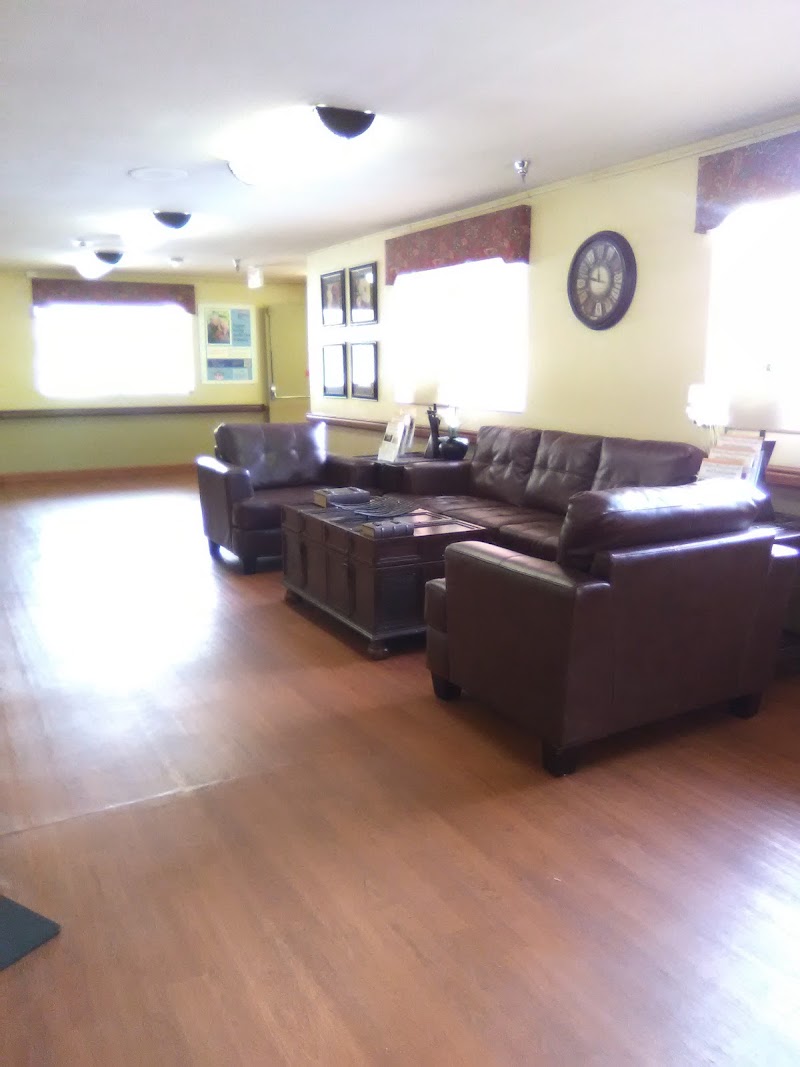
How is Torrey Pines Post Acute And Rehabilitation Staffed?

CMS rates TORREY PINES POST ACUTE AND REHABILITATION's staffing level at 3 out of 5 stars, which is average compared to other nursing homes.

What Have Inspectors Found at Torrey Pines Post Acute And Rehabilitation?

State health inspectors documented 30 deficiencies at TORREY PINES POST ACUTE AND REHABILITATION during 2023 to 2025. These included: 30 with potential for harm.

Who Owns and Operates Torrey Pines Post Acute And Rehabilitation?

TORREY PINES POST ACUTE AND REHABILITATION is owned by a for-profit company. For-profit facilities operate as businesses with obligations to shareholders or private owners. The facility is operated by DAVID & FRANK JOHNSON, a chain that manages multiple nursing homes. With 95 certified beds and approximately 93 residents (about 98% occupancy), it is a smaller facility located in LAS VEGAS, Nevada.
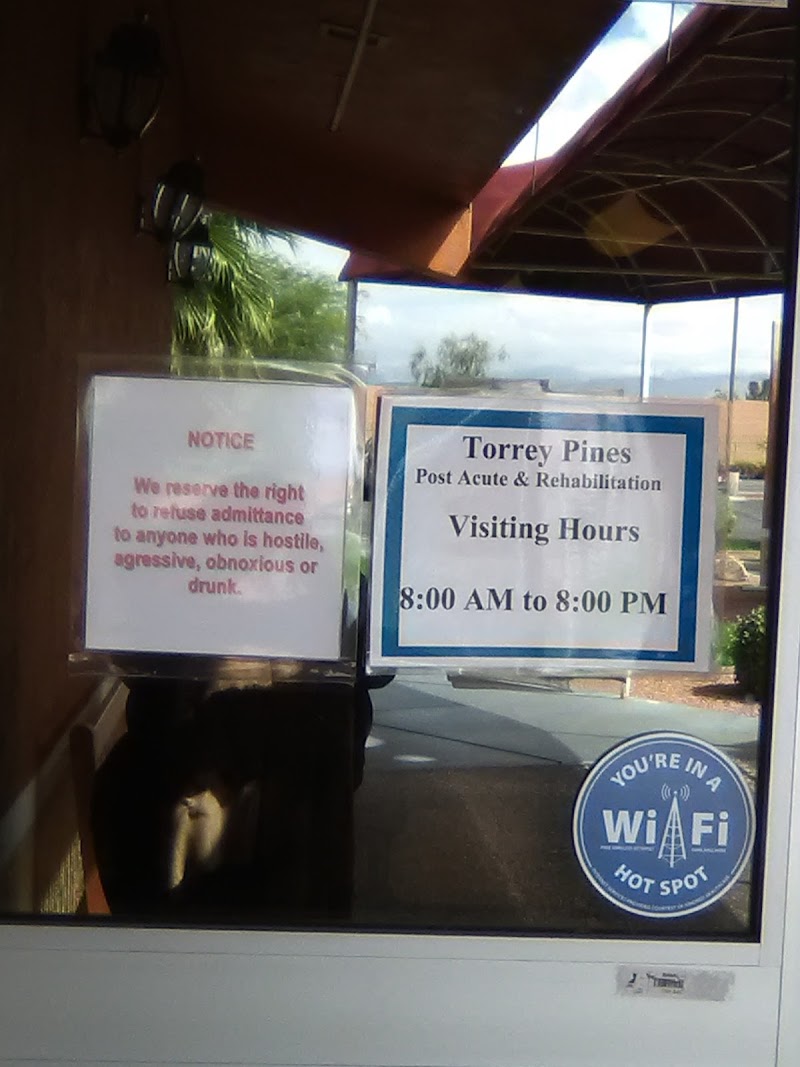
How Does Torrey Pines Post Acute And Rehabilitation Compare to Other Nevada Nursing Homes?

Compared to the 100 nursing homes in Nevada, TORREY PINES POST ACUTE AND REHABILITATION's overall rating (2 stars) is below the state average of 3.0 and health inspection rating (2 stars) is below the national benchmark.

What Should Families Ask When Visiting Torrey Pines Post Acute And Rehabilitation?

Based on this facility's data, families visiting should ask: "What safeguards and monitoring systems are in place to protect residents from abuse or neglect?" "Can I visit during a mealtime to observe dining assistance and food quality?" "How do you handle medical emergencies, and what is your hospital transfer rate?" "Can I speak with family members of current residents about their experience?" These questions are particularly relevant given the substantiated abuse finding on record.

Is Torrey Pines Post Acute And Rehabilitation Safe?

Based on CMS inspection data, TORREY PINES POST ACUTE AND REHABILITATION has documented safety concerns. The facility has 1 substantiated abuse finding (meaning confirmed case of resident harm by staff or other residents). The facility has a 2-star overall rating and ranks #100 of 100 nursing homes in Nevada. Families considering this facility should ask detailed questions about what corrective actions have been taken since these incidents.

Do Nurses at Torrey Pines Post Acute And Rehabilitation Stick Around?

TORREY PINES POST ACUTE AND REHABILITATION has not reported staff turnover data to CMS. Staff turnover matters because consistent caregivers learn residents' individual needs, medications, and preferences. When staff frequently change, this institutional knowledge is lost. Families should ask the facility directly about their staff retention rates and average employee tenure.

Was Torrey Pines Post Acute And Rehabilitation Ever Fined?

TORREY PINES POST ACUTE AND REHABILITATION has no federal fines on record. CMS issues fines when nursing homes fail to meet care standards or don't correct problems found during inspections. The absence of fines suggests the facility has either maintained compliance or corrected any issues before penalties were assessed. This is a positive indicator, though families should still review recent inspection reports for the full picture.

Is Torrey Pines Post Acute And Rehabilitation on Any Federal Watch List?

TORREY PINES POST ACUTE AND REHABILITATION is not on any federal watch list. The most significant is the Special Focus Facility (SFF) program, which identifies the bottom 1% of nursing homes nationally based on persistent, serious quality problems. Not being on this list means the facility has avoided the pattern of deficiencies that triggers enhanced federal oversight. This is a positive indicator, though families should still review the facility's inspection history directly.