HIGHLAND MANOR OF MESQUITE REHABILITATION LLC
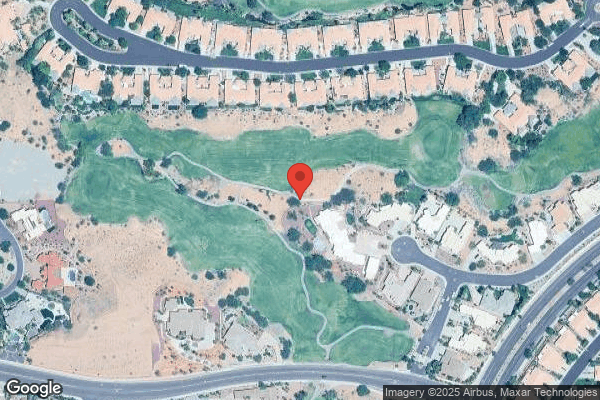
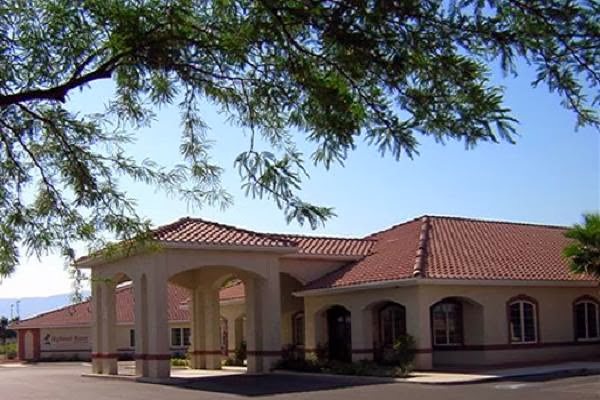
272 W PIONEER BLVD, MESQUITE, NV 89027 (702) 346-7666
For profit - Limited Liability company 112 Beds Independent Data: November 2025
Trust Grade
68/100
#19 of 65 in NV
Last Inspection: May 2025

Inspected within the last 6 months. Data reflects current conditions.

Overview

Highland Manor of Mesquite Rehabilitation has a Trust Grade of C+, which means it is slightly above average but not without its issues. It ranks #19 out of 65 facilities in Nevada, placing it in the top half of the state, and is #14 of 42 in Clark County, indicating that there are only a few local options that are better. The facility's trend is stable, with six reported issues remaining consistent from 2024 to 2025. Staffing is a concern, rated at 2 out of 5 stars, with a turnover rate of 40%, which is better than the state average but still below average overall. The facility has incurred fines totaling $9,311, which is considered average compared to other facilities in Nevada. However, it has concerning RN coverage, being lower than 75% of the state facilities, which may affect the quality of care provided. Specific incidents noted include a serious failure to prevent falls for a resident, who sustained multiple falls and ultimately suffered a hip fracture, and deficiencies in food service practices such as not using proper handwashing procedures and not providing adequate menu information for residents. While there are strengths, such as a 4 out of 5-star rating for health inspections, these weaknesses raise significant concerns for families considering this facility for their loved ones.

Trust Score
C+
68/100
In Nevada
#19/65
Top 29%
Safety Record
Moderate
Needs review
Inspections
Holding Steady
6 → 6 violations
Staff Stability
○ Average
40% turnover. Near Nevada's 48% average. Typical for the industry.
Penalties
✓ Good
$9,311 in fines. Lower than most Nevada facilities. Relatively clean record.
Skilled Nurses
⚠ Watch
Each resident gets only 27 minutes of Registered Nurse (RN) attention daily — below average for Nevada. Fewer RN minutes means fewer trained eyes watching for problems.
Violations
⚠ Watch
20 deficiencies on record. Higher than average. Multiple issues found across inspections.
★★★★☆
4.0
Overall Rating
★★☆☆☆
2.0
Staff Levels
★★☆☆☆
2.0
Care Quality
★★★★☆
4.0
Inspection Score
Stable
2024: 6 issues
2025: 6 issues

The Good

  • Full Sprinkler Coverage · Fire safety systems throughout facility
  • No fines on record
  • Staff turnover below average (40%)

    8 points below Nevada average of 48%

Facility shows strength in fire safety.

The Bad

Staff Turnover: 40%

Near Nevada avg (46%)

Typical for the industry

Federal Fines: $9,311

Below median ($33,413)

Minor penalties assessed

The Ugly 20 deficiencies on record

1 actual harm
May 2025 6 deficiencies
CONCERN (D)

Potential for Harm - no one hurt, but risky conditions existed

Deficiency F0552 (Tag F0552)

Could have caused harm · This affected 1 resident

**NOTE- TERMS IN BRACKETS HAVE BEEN EDITED TO PROTECT CONFIDENTIALITY** Based on observation, interview, record review and document review, the facility failed to ensure consents for psychotropic medi...

Read full inspector narrative →
**NOTE- TERMS IN BRACKETS HAVE BEEN EDITED TO PROTECT CONFIDENTIALITY** Based on observation, interview, record review and document review, the facility failed to ensure consents for psychotropic medications were not obtained from a resident who was assessed to have severely impaired cognition for 1 of 18 sampled residents (Resident 36). The deficient practice potentially deprived the resident and the resident's representative the right to be informed of the medications' purpose, risks, benefits and potential side effects. Findings include: Resident 36 (R36) was admitted on [DATE] and readmitted on [DATE], with diagnoses including unspecified dementia, bipolar disorder and anxiety disorder. The Annual Minimum Data Set (MDS) dated [DATE], documented R36 had a brief interview of mental status (BIMS) score of 03 (severely impaired cognition). 1) A Physician's Order dated 04/01/2024, documented to give Trazadone (anti-depressant) 150 milligrams (mg) by mouth at bedtime for sleep disorder. A Consent for Psychotropic Medication Use dated 04/02/2024, revealed the Assistant Director of Nursing (ADON) completed the consent form for Trazadone and the risk, benefits, potential side effects of the medication were discussed with R36. The document had the physical signatures of the ADON and R36. 2) A Physician's Order dated 11/15/2024, documented to give Latuda (anti-psychotic) 20 mg by mouth one time a day for bipolar disorder. A Consent for Psychotropic Medication Use dated 11/15/2024, revealed the behavioral specialist nurse completed the consent form for Latuda and the risk, benefits, potential side effects of the medication were discussed with R36. The document had the physical signatures of the behavioral specialist nurse and R36. 3) A Physician's Order dated 07/01/2024, documented to give Buspirone (anti-anxiety) 5 mg by mouth three times a day for generalized anxiety disorder. A Consent for Psychotropic Medication Use dated 07/01/2024, revealed the Assistant Director of Nursing (ADON) completed the consent form for Buspirone and the risk, benefits, potential side effects of the medication were discussed with R36. The document had the physical signatures of the ADON and R36. On 05/01/2025, R36 was seated in the activity room inside the 100-Hall memory unit. The DON showed R36 the consent forms for Trazadone, Latuda and Buspirone and R36 confirmed the signatures on the consent forms were of R36's. R36 was observed telling the DON being familiar with the medications Trazadone and Latuda but expressed not knowing what Buspirone was and for what purpose the resident was taking the medication. On 05/01/2025 at 4:12 PM, the ADON confirmed completing R36's consent forms for Trazadone and Buspirone and indicated the consent form for Latuda was completed by the behavioral specialist nurse. The ADON recalled discussing the medications with R36 because the family member who used to be involved in R36's care had passed away. On 05/01/2025 at 4:14 PM, the Director of Nursing (DON) indicated a BIMS score of 03 reflected R36 had severely impaired cognition and the resident did not have the mental capacity to sign psychotropic consent forms. The DON indicated being aware R36 had a family member who passed away, but another family member was appointed as R36's power of attorney (POA) or responsible party. The DON indicated the nurses should have obtained informed consent from R36's responsible party and not from the resident who had a diagnosis of dementia with severely impaired cognition. The Use of Psychotropic Medications policy dated 04/11/2025, documented prior to initiating a psychotropic medication, the resident, family or resident representative must be informed of the benefits, risks, and alternatives for the medication.
CONCERN (D)

Potential for Harm - no one hurt, but risky conditions existed

Deficiency F0554 (Tag F0554)

Could have caused harm · This affected 1 resident

**NOTE- TERMS IN BRACKETS HAVE BEEN EDITED TO PROTECT CONFIDENTIALITY** Based on observation, interview, record review and document review, the facility failed to ensure a resident who was observed ta...

Read full inspector narrative →
**NOTE- TERMS IN BRACKETS HAVE BEEN EDITED TO PROTECT CONFIDENTIALITY** Based on observation, interview, record review and document review, the facility failed to ensure a resident who was observed taking own medications was assessed for capability to self-administer medications for 1 of 18 sampled residents (Resident 54). The deficient practice had the potential to compromise the resident's safety and negatively impact overall well-being. Findings include: Resident 54 (R54) was admitted on [DATE] and readmitted on [DATE], with diagnoses including Parkinsonism, bipolar disorder and post-traumatic stress disorder. On 04/29/2025 at 12:25 PM, R54 was seated in room with lunch tray in front, a small cup containing multiple medications was observed on the meal tray. R54's hands tremors were evident as R54 placed the medications on top of the yogurt container and started to consume the medications and yogurt using an adaptive spoon. During the consumption, a small portion of a pink pill fell on the resident's blouse. R54 explained the medications were routine medications scheduled with the lunch meal and was left by the nurse for the resident to take. There were no staff members inside the resident's room during the observation. On 04/29/2025 at 12:30 PM, a Licensed Practical Nurse (LPN) indicated being assigned to R54 and acknowledged leaving six medication pills on R54's meal tray namely: 1) Prazosin (antihypertensive), 2) Gabapentin (anticonvulsant), 3) Cyclobenzaprine (muscle relaxant), 4) Carbidopa-Levidopa (Dopamine agonist for Parkinson's disease), 5) Mirapex (Dopamine agonist for Parkinson's disease) and 6) Percocet (opioid for pain). The LPN indicated R54 could be trusted to take own medications, so the nurse thought it was okay to leave the medications with the resident. The LPN confirmed the medications had been documented as administered without direct observation of R54's consumption of the medications by the nurse. On 04/29/2025 at 12:35 PM, the LPN confirmed R54 did not have an assessment for self-administration of medications. On 04/30/2025 at 9:34 AM, the Director of Nursing (DON) indicated an assessment for self-administration of medications was required for residents who expressed a desire to take own medications. The DON indicated the assessment ensured the resident could safely administer own medications and required a physician's approval. The DON confirmed R54 did not have an assessment for self-administration of medications but even if an assessment was in place, it would still not be right for the nurse to document the medications as administered without direct observation of the consumption of medications. The Self Administration of Medications policy revised December 2012 documented if a resident expressed the desire to self-administer medications, the staff and provider would assess the resident's mental and physical abilities to determine whether a resident was capable of self-administering medications. The Medication Storage policy dated 04/11/2025, documented during a medication pass, medications must be under the direct observation of the person administering the medications.
CONCERN (D)

Potential for Harm - no one hurt, but risky conditions existed

Deficiency F0658 (Tag F0658)

Could have caused harm · This affected 1 resident

**NOTE- TERMS IN BRACKETS HAVE BEEN EDITED TO PROTECT CONFIDENTIALITY** Based on observation, interview, record review and document review, the facility failed to ensure a nurse did not document medic...

Read full inspector narrative →
**NOTE- TERMS IN BRACKETS HAVE BEEN EDITED TO PROTECT CONFIDENTIALITY** Based on observation, interview, record review and document review, the facility failed to ensure a nurse did not document medications as having been administered without direct observation of the resident's consumption of the medications for 1 of 18 sampled residents (Resident 54). The deficient practice had the potential to compromise the resident's safety and inaccurately document care provided to the resident. Findings include: The Medication Administration policy dated 04/11/2025, documented medications were administered by licensed nurses as ordered by the physician in accordance with professional standards of practice. Nurses would administer medications and observe resident consumption of medication. Resident 54 (R54) was admitted on [DATE] and readmitted on [DATE], with diagnoses including Parkinsonism, bipolar disorder and post-traumatic stress disorder. On 04/29/2025 at 12:25 PM, R54 was seated in room with lunch tray in front, a small cup containing multiple medications was observed on the meal tray. R54's hands tremors were evident as R54 placed the medications on top of the yogurt container and started to consume the medications and yogurt using an adaptive spoon. During the consumption, a small portion of a pink pill fell on the resident's blouse. R54 explained the medications were routine medications scheduled with the lunch meal and was left there by the nurse for the resident to take. There were no staff members inside the resident's room during the observation. On 04/29/2025 at 12:30 PM, a Licensed Practical Nurse (LPN) indicated being assigned to R54 and acknowledged leaving six medication pills on R54's meal tray namely: 1) Prazosin (antihypertensive), 2) Gabapentin (anticonvulsant), 3) Cyclobenzaprine (muscle relaxant), 4) Carbidopa-Levidopa (Dopamine agonist for Parkinson's disease), 5) Mirapex (Dopamine agonist for Parkinson's disease) and 6) Percocet (opioid for pain). The LPN indicated R54 could be trusted to take own medications, so the nurse thought it was okay to leave the medications with the resident. The LPN confirmed the medications had been documented as administered without direct observation of R54's consumption of the medications by the nurse. On 04/30/2025 at 9:34 AM, the Director of Nursing (DON) indicated the facility utilized the [NAME] professional standard of nursing practice. The DON stated the six rights of medication administration included right resident, right drug, right dosage, right route, right time and right documentation. The DON acknowledged the nurse assigned to R54 did not follow the standard of practice for medication administration when the nurse left the medications for the resident to take by themselves and proceeded to document the medications as administered without direct observation of consumption of the medications. The Lippincott Nursing Practice 11th edition, revealed common departures from standards of nursing care included failure to adhere to the facility's policies and procedures, follow appropriate nursing measures, and document accurate information in the resident's medical record. The resident's response to nursing interventions must be recorded precisely and concisely.
CONCERN (D)

Potential for Harm - no one hurt, but risky conditions existed

Deficiency F0757 (Tag F0757)

Could have caused harm · This affected 1 resident

**NOTE- TERMS IN BRACKETS HAVE BEEN EDITED TO PROTECT CONFIDENTIALITY** Based on interview, record review and document review, the facility failed to ensure a resident's blood pressure and heart rate ...

Read full inspector narrative →
**NOTE- TERMS IN BRACKETS HAVE BEEN EDITED TO PROTECT CONFIDENTIALITY** Based on interview, record review and document review, the facility failed to ensure a resident's blood pressure and heart rate were obtained and parameters were followed in accordance with physician's order for an anti-hypertensive medication for 1 of 18 sampled residents (Resident 36). The deficient practice resulted in unnecessary medications. Findings include: Resident 36 (R36) was admitted on [DATE] and readmitted on [DATE], with diagnoses including essential hypertension (high blood pressure). A physician's order dated 12/05/2024, documented Losartan Potassium 25 milligrams (mg) give half tablet by mouth once daily for essential hypertension. Hold for systolic blood pressure (SBP) less than 100 millimeters of Mercury (mmHg) and heart rate (HR) less than 55 beats per minute (bpm). The medical record lacked documented evidence R36's BP and HR were obtained and recorded in the resident's electronic health record (EHR) to reflect BP and HR parameters were being followed per physician's order. On 05/02/2025 at 9:15 AM, the Assistant Director of Nursing (ADON) explained the physician's order specified BP and HR parameters to follow for the administration of R36's Losartan. The ADON confirmed R36's Losartan was administered daily from 04/01/2025 to 04/30/2025 without a single recorded BP or HR. The ADON explained the facility transitioned to another EHR software in April 2024 and nurses were trained on how to enter vital signs such as BP, HR, pain level, and blood sugar, which were expected to be recorded in the residents' medication administration record (MAR) whenever a medication order came with parameters to follow. The ADON acknowledged physician's orders were not followed when Losartan was administered to R36 on a routine basis without recorded BP and HR. On 05/02/2025 at 9:59 AM, the Director of Nursing (DON) explained certified nursing assistants (CNAs) were responsible for obtaining vital signs on all residents at least once per shift. The CNAs would submit a vital signs sheet to the medication nurses who were expected to record the vital signs in the resident's MAR whenever medication orders came with parameters to follow. The DON confirmed R36's BP and HR were not recorded in the MAR and BP readings were found in another place of the resident's medical record on 04/04/2025, 04/11/2025 and 04/18/2025. The DON verbalized the facility followed a not documented not done standard of practice and acknowledged there was no documented proof R36's Losartan was administered as ordered in the absence of BP and HR readings. The Unnecessary Drugs policy dated 04/11/2025, revealed each resident's drug regimen was managed and monitored to promote and maintain the resident's highest practicable mental, physical and psychosocial well-being free from unnecessary drugs. The attending physician will assume leadership in medication management and each resident's drug regimen would be reviewed on an ongoing basis taking into consideration indications and clinical need, adequate monitoring and efficacy. Documentation would be provided in the resident's medical record to show adequate indications for the medications use and diagnosed condition for which it was prescribed.
CONCERN (D)

Potential for Harm - no one hurt, but risky conditions existed

Deficiency F0761 (Tag F0761)

Could have caused harm · This affected 1 resident

Based on observation, interview and document review, the facility failed to ensure the medication storage room was free from expired medications. The deficient practice placed residents at risk for re...

Read full inspector narrative →
Based on observation, interview and document review, the facility failed to ensure the medication storage room was free from expired medications. The deficient practice placed residents at risk for receiving expired medications. Findings include: On 04/30/2025 at 9:04 AM, a Licensed Practical Nurse (LPN) indicated the facility had one medication storage room. An inspection of the over-the-counter (OTC) medication cabinet was conducted with the LPN who confirmed the following observation: - seven bottles of Fexofenadine hydrochloride 30 tablets per bottle. Lot number AT2301068 expiration date January 2025 - four bottles of Calcium citrate 100 enteric-coated tablets per bottle. Lot number 254715 expiration date December 2024 - three bottles of Dehydroepiandrosterone (DHEA) micronized dietary supplement 24 tablets per bottle. Lot 112107 expiration date November 2024 - three bottles of Calcium Oyster shell 500mg plus Vitamin D3 60 chewable tablets per bottle. Lot 62300 expiration November 2024 - three bottles of saline enema Lot 2301 expiration August 2024 On 04/30/2025 at 9:22 AM, the LPN indicated the medication storage room should not contain any expired medications. The LPN indicated not being aware who was responsible for checking the medication room and how often this should be done. The LPN deferred to the Director of Nursing (DON) for the facility process regarding the medication storage room. On 04/30/2025 at 9:27 AM, the DON indicated the medication storage room should be inspected at least once a month and central supply who stocked the OTC cabinet was responsible for ensuring expired medications were removed from the medication room. The DON verbalized the medication storage room must not contain any expired medications in accordance with facility policy. The DON acknowledged the findings reflected a lack of clear process on maintenance of the medication room. The Medication Storage policy dated 04/11/2025, documented the medication room were to be routinely inspected by the consultant pharmacist or designee for discontinued, outdated and deteriorated medications.
CONCERN (D)

Potential for Harm - no one hurt, but risky conditions existed

Food Safety (Tag F0812)

Could have caused harm · This affected 1 resident

Based on observation, interview, and document review, the facility failed to ensure stored foods were stored in accordance with facility standards for food service safety and sanitization test strips ...

Read full inspector narrative →
Based on observation, interview, and document review, the facility failed to ensure stored foods were stored in accordance with facility standards for food service safety and sanitization test strips to measure correct sanitizing levels were not expired. These deficient practices posed a potential risk to safety and health standards which could lead to contamination and place residents at risk of foodborne illness. Findings include: On 04/29/2025 in the morning, during a tour of the kitchen and dietary areas, an open undated drink bottle was found in the 400-hall nutrition refrigerator. A pre-dispensed, unlabeled, and undated bowl of cereal was stored in the 300-hall nutrition cabinet. An expired (04/2021) can of cocoa powder was being stored in the 100-hall nourishment cabinet. A facility policy entitled Date Marking for Food Safety implemented on 04/11/2025, revealed food would be clearly marked to indicate the date or day by which the food would be consumed or discarded. The individual who opened or prepared a food would date mark the food at the time the food was opened or prepared. The marking system would consist of the day/date of opening and the day/date the item must be consumed or discarded. The discard day or date would not exceed the manufacturer's use-by date, whichever is earliest. Food items that were expiring, would be discarded accordingly. The Dietary Manager verified the undated drink bottle in the 400-hall nutrition refrigerator should have been dated at the time the bottle was opened and clearly marked to indicate the date or day by which the food would be consumed or discarded. The Dietary Manager verified a pre-dispensed, unlabeled, and undated bowl of cereal which was stored in the 300-hall nutrition cabinet should have been labeled as to the contents in the bowl, date marked the food at the time the food was prepared, and date marked the day/date the item must be consumed or discarded. The Dietary Manager verified the can of cocoa powder which was being stored in the 100-hall nourishment cabinet which had expired on 04/2021, should have been discarded accordingly. On 04/29/2025 in the morning, during a tour of the kitchen, there were sanitizing test strips above the three-compartment sink which had expired 05/2021. The facility did not have any replacement sanitizing test strips available. A facility policy entitled Dietary Sanitization revised October 2008, revealed manual washing and sanitizing of food preparation equipment and utensils will employ a three-step process for washing, rinsing and sanitizing. When sanitizing with chemical solutions, the chemicals must consist of either Chlorine 50 ppm, Iodine 12.5 ppm, or quaternary ammonium compound 150-200 ppm. The Dietary Manager acknowledged the sanitizing test strips above the three-compartment sink were expired. The Dietary Manager explained the supply company had sent the facility expired test strips and therefore the facility did not have any non-expired test strips. The Dietary Manager acknowledged the kitchen staff was not able to accurately measure if the sanitizing solution in the three-compartment sink was at the appropriate levels.
Apr 2024 6 deficiencies
CONCERN (D)

Potential for Harm - no one hurt, but risky conditions existed

Abuse Prevention Policies (Tag F0607)

Could have caused harm · This affected 1 resident

**NOTE- TERMS IN BRACKETS HAVE BEEN EDITED TO PROTECT CONFIDENTIALITY** Based on record review, interviews and facility policy review, the facility failed to ensure 1 of 5 Certified Nursing Assistant'...

Read full inspector narrative →
**NOTE- TERMS IN BRACKETS HAVE BEEN EDITED TO PROTECT CONFIDENTIALITY** Based on record review, interviews and facility policy review, the facility failed to ensure 1 of 5 Certified Nursing Assistant's (CNA3) background check was completed prior to hire, out of 10 employee files reviewed. This failure had the potential to negatively impact all residents. Findings include: Review of facility policy titled, Abuse Prohibition and Reporting (Elder Justice Act), revised 04/02/19, revealed .Prevention of Abuse .2. Screening of potential employees will be conducted and hiring will be dependent upon screening result. Screening shall include .b. Health care workers background checks on all staff .d. Screen through Office of Inspector General (OIG) Exclusion database. Review of CNA3's employee file indicated CNA3's date of Hire (DOH) was 01/15/24. Review of the facility provided untitled and undated fingerprints indicated, CNA3's fingerprints were completed and re-mailed on 02/20/24. Review of the facility provided Employee Schedule dated 01/28/24-02/24/24, indicated CNA3 worked the following dates: 01/28/24, 02/03/24, 02/04/24, 02/10/24, 02/11/24, 02/17/24, 02/18/24 and 02/24/24. Review of the facility provided Employee Schedule dated 02/25/24-03/23/24, indicated CNA3 worked the following dates: 02/25/24, 03/02/24, 03/03/24, 03/09/24, 03/10/24, 03/16/24, 03/17/24, 03/22/24, and 03/23/24. Review of the facility provided Employee Schedule dated 03/24/24-04/20/24 indicated that CNA3 worked the following dates: 03/24/24, 03/25/24 10-10, 03/30/24, 03/31/24, 04/01/24, 04/06/24, 04/07/24, 04/08/24, 04/13/24, 04/14/24, 04/15/24, and 04/20/24. Review of the facility provided Employee Schedule dated 04/21/24-05/18/24, indicated CNA3 worked the following dates: 04/21/24, and 04/22/24. Review of the facility provided, undated Department of Health and Human Services Nevada Division of Public and Behavioral Health (DPBH) form, indicated no evidence of a signature of the applicant and/or proof of electronic fingerprint submission. Review of the facility provided email dated 02/17/24, documented, The Nevada Department of Health and Human Services (NVDHHS) automated background checks system received notification that fingerprints for CNA3 were taken on 02/17/24. Review of the facility provided, undated DPBH Person Summary,documented CNA3's current fitness determination: In process and Current Employment Status: Provisional. On 04/25/24 at 9:00 AM, the Human Resources (HR) Manager indicated the CNA3's fingerprints were completed prior to starting work; however, the manager indicated had to re-send the fingerprints back on 02/20/24 due to not having the originating agency identifier ([NAME]) code listed. The manager indicated has not received the results back yet. On 04/25/24 at 09:50 AM, the Administrator indicated when the fingerprints are completed, the facility sends them in, and the state sends back a letter letting the facility know if the staff can appeal or not. The administrator indicated if a background cannot be appealed, then the staff member must be let go. The administrator explained the state is behind on getting fingerprints completed.
CONCERN (D)

Potential for Harm - no one hurt, but risky conditions existed

Investigate Abuse (Tag F0610)

Could have caused harm · This affected 1 resident

**NOTE- TERMS IN BRACKETS HAVE BEEN EDITED TO PROTECT CONFIDENTIALITY** Based on interview and record review, and review of the facility policy, the facility failed to thoroughly investigate an allega...

Read full inspector narrative →
**NOTE- TERMS IN BRACKETS HAVE BEEN EDITED TO PROTECT CONFIDENTIALITY** Based on interview and record review, and review of the facility policy, the facility failed to thoroughly investigate an allegation of staff to resident verbal abuse for two (Residents (R)40, R60) of 10 residents reviewed for abuse. This failure placed the residents at risk of increased mental health issues, and a diminished quality of life. Findings included. Review of the facility policy titled, Abuse Prohibition, dated 07/23, revealed, .Investigation .Interviews with all involved parties or potential witnesses will be completed. If possible, at least two interviewers shall be present for each witness interview. At least one interviewer shall take notes .Signed statements from those persons who saw or heard information pertinent to the incident shall be obtained. Statements shall be taken from the suspect, the person making the accusations, the resident abused or neglected (if cognitive level permits), other staff or residents who may have witnessed the incident, and any other person who may have information related to the incident . Resident 40 (R40) Review of the admission Record revealed R40 was admitted to the facility on [DATE] with diagnoses that included stroke with left-sided paralysis, bipolar disorder (a disorder associated with episode of mood swings ranging from depressive lows to manic highs), and affective mood disorder (marked disruptions in emotions.) Review of the quarterly Minimum Data Set (MDS) with an Assessment Reference Date (ARD) of 01/26/24, revealed R40 had a Brief Interview of Mental Status (BIMS) score of 11 out of 15 which indicated the resident was moderately impaired in cognition, had no behaviors, required partial assistance for transfers and did not ambulate. Resident 60 (R60) Review of the admission Record revealed R60 was admitted to the facility on [DATE] with diagnoses that included Parkinson's disease (a neurological disease), bipolar disorder, and post-traumatic stress disorder (PTSD-a disorder in which a person has difficulty recovering after experiencing or witnessing a terrifying event.) Review of the quarterly MDS with an ARD of 12/27/23 revealed, R60 had a BIMS score of 13 which indicated the resident was cognitively intact. Review of the 02/24/24 at 4:30 PM, Facility Investigation report provided by the Administrator, documented: .Reported by Registered Nurse (RN)1 R60 was making an allegation of abuse towards Certified Nurse Aide (CNA) 1. Social Services Director (SSD) went to talk with R60 and reported R60 stated, 'I heard CNA1 tell R40, 'What are you stupid?,' while CNA was assisting the resident in the bathroom. This writer went to talk to R40 and when I asked the resident if CNA1 had called the resident stupid, the resident stated, 'yes'. R40 was asked if was Ok, stated, 'yes, I am ok I asked the resident if anything else was said, and the resident stated 'No' the CNA just called me stupid. Resident did report that it made the resident sad . Further review of the Facility Investigation report revealed the only staff who provided written statements were, Nurse Aide in Training (NAT)1 and CNA2. No other staff members, who were present on the unit or nursing staff were interviewed at the time of the allegation. In addition, the Facility Investigation report revealed the SSD had spoken to two other residents on the unit, however, there was no documentation to show who these residents were, what questions were asked of them, and what their responses were. On 04/23/24 at 9:18 AM, the SSD was asked if had interviewed other residents, who may have been cared for by CNA1, to determine if there had been any other verbal abuse. The SSD stated, I did speak with two other residents; however, I did not document their names or what their responses were. On 04/23/24 at 9:19 AM, the Administrator stated was not here at the time of the allegation, however, was made aware of it. The administrator acknowledged the investigation was not complete after having read it. Refer: F600: Free from Abuse/Neglect, for additional information.
CONCERN (D)

Potential for Harm - no one hurt, but risky conditions existed

Deficiency F0801 (Tag F0801)

Could have caused harm · This affected 1 resident

Based on interview and record review, the facility failed to ensure the Food Service Supervisor had completed a course in food safety and management for 1 of 1 Food Service Managers (FSM) for the faci...

Read full inspector narrative →
Based on interview and record review, the facility failed to ensure the Food Service Supervisor had completed a course in food safety and management for 1 of 1 Food Service Managers (FSM) for the facility's only kitchen. This deficient practice had the potential to affect all residents who received meals prepared in the facility's kitchen. Findings include: Review of the FSM's job description titled Food Service Supervisor's job description, dated 12/16/23 documented, Requirement: Food Protection Manager Certificate. Review of the FSM's employee file revealed a hire date of 12/12/23, with two or more years experience as a kitchen supervisor in a healthcare setting, and certificate of completion for a Certified Food Protection Manager course with an issue date of 04/24/24. On 04/22/24 at 7:44 AM, the FSM stated had two or more years experience as a Food Service supervisor in a healthcare setting and had completed a food protection managers course. A certificate of completion for a Certified Food Protection Manager course with an issue date of 04/24/24 was provided on 04/24/24. During a follow up interview on 04/25/24 at 7:38 AM, the FSM was asked about the issue date of 04/24/24 for the certificate of completion for the Certified Food Protection Manager course. The FSM stated couldn't find the certificate for the course previously taken, so had retaken the course.
CONCERN (E) 📢 Someone Reported This

A family member, employee, or ombudsman was alarmed enough to file a formal complaint

Potential for Harm - no one hurt, but risky conditions existed

Free from Abuse/Neglect (Tag F0600)

Could have caused harm · This affected multiple residents

**NOTE- TERMS IN BRACKETS HAVE BEEN EDITED TO PROTECT CONFIDENTIALITY** Based on interview, record review and review of facility policy, the facility failed to ensure six residents (Residents (R) R40,...

Read full inspector narrative →
**NOTE- TERMS IN BRACKETS HAVE BEEN EDITED TO PROTECT CONFIDENTIALITY** Based on interview, record review and review of facility policy, the facility failed to ensure six residents (Residents (R) R40, R60, R5, R57, R19, and R130) were free from verbal and/or physical abuse. Specifically, the facility failed to ensure R40 and R60 were free from verbal abuse by an agency staff member, and R5, R57, R19 and R130 were free from resident-to resident physical abuse. These failures placed residents at risk for diminished quality of life. Findings include: Review of the facility policy titled, Definitions, dated 01/17 revealed, .Abuse means the willful infliction of injury, unreasonable confinement, intimidation, or punishment with resulting physical harm, pain or mental anguish.Instances of abuse of all residents, irrespective of any mental or physical condition, cause physical harm, pain or mental anguish .Verbal abuse means the use of oral, written or gestured language that includes disparaging and derogatory terms to a resident or their families within their hearing, regardless of their age, ability to comprehend or disability . 1. Verbal Abuse Resident 40 (R40) Review of the admission Record revealed R40 was admitted to the facility on [DATE] with diagnoses including stroke with left-sided paralysis, bipolar disorder (a disorder associated with episode of mood swings ranging from depressive lows to manic highs), and affective mood disorder (marked disruptions in emotions). Review of the quarterly Minimum Data Set (MDS) with an Assessment Reference Date (ARD) of 01/26/24, revealed R40 had a Brief Interview of Mental Status (BIMS) score of 11 out of 15, which indicated R40 was moderately impaired in cognition, had no behaviors, required partial assistance for transfers and did not ambulate. Resident 60 (R60) Review of the admission Record revealed R60 was admitted to the facility on [DATE] with diagnoses including Parkinson's disease (a neurological disease), bipolar disorder, and post-traumatic stress disorder (PTSD-a disorder in which a person has difficulty recovering after experiencing or witnessing a terrifying event). Review of the quarterly MDS with an ARD of 12/27/23, revealed R60 had a BIMS score of 13, which indicated R60 was cognitively intact. Review of a 02/14/24 facility investigation report, provided by the Administrator documented, Reported by Registered Nurse (RN)1 that R60 was making an allegation of abuse towards Certified Nurse Assistant (CNA)1. Social Services Director (SSD) went to talk with R60 and reported R60 stated, I heard CNA1 tell R40 you are stupid, while assisting resident in the bathroom. This writer went to talk with R40 and when I asked resident if CNA1 had called R60 stupid, resident stated, yes, resident was asked if was ok, stated, yes, I am ok. I asked if anything else was said, resident stated no, the CNA just called me stupid. R40 did report that it made the resident feel sad. The facility investigation report further documented, At 15:45 (3:45 PM), called CNA1 into HR office and was explaining to employee was being suspended pending an allegation of abuse. CNA started saying, It was because R60 reported me, right? Resident does not like me because I am black, and should just say so. I was helping R40 in the bathroom and when removed resident's dirty diaper, the resident took it and shoved it in my face, I got upset and told resident don't do that. When CNA1 was asked if called R40 stupid, CNA stated, 'yes, I called the resident stupid because I was so upset about it. I have never called any other resident stupid, but I was so upset and R60 was making comments towards me.' I told CNA1 staff cannot call residents names and definitely cannot call them stupid. (CNA1) stated, 'What I am to do? (sic) Just take it, let the resident do what they want?' Informed employee could tell R40 that this behavior was not appropriate, and the employee should have reported it to a supervisor, me. I re-stated the employee would be suspended pending investigation. The report continued to document, in addition, CNA1 stated I don't care, I am done with my contract any ways and walked out of the office. As employee was walking past the nurse station, the employee turned to 300 hall, R40's hall, so I went down to make sure employee was leaving and not going into any resident's rooms. When I got to the beginning of the hall, I heard yelling from R40's room, I opened and employee was in there, R60 was yelling, 'get out of my room now' I went in and told employee could not be in the room and to get out, as the employee was walking out, the employee called R60 'ass hole'. Employee was yelling at R60, resident was agitated and stated ' I don't want the CNA in my room ever again. Resident was given reassurance and informed employee will not be working with resident or in the facility anymore. R60 calmed down. The form was signed by the Director of Nursing (DON). On 04/22/24 at 10:30 AM, R40 was observed sitting in resident's room. R40 was asked if remembered the incident between the resident and CNA1. Resident stated, yes. R40 was asked what happened that day. R40 stated, I was in the bathroom, and the CNA called me stupid. R40 was asked why CNA1 would call you stupid. R40 stated, I don't know. R40 was asked how this made the resident feel. R40 stated, I felt dumb. On 04/22/24 at 11:07 AM, R60 was asked what happened between CNA1 and R40. R60 stated, R40 was in the bathroom with the CNA, and I heard the employee say, What are you, stupid? Rage ran right through me. R40 told the SSD what happened, and the SSD got the Director of Nursing (DON) involved. On 04/23/24 at 2:28 PM, the DON stated, R60 had reported to me about what CNA1 said to R40. We found CNA1 in the supply room and brought employee into the Human Resources (HR) office. CNA1 was angry already. I was telling the employee about our process which involved being suspended pending the investigation. The DON further stated, It is our process to escort suspended or terminated staff out of the building however, we never had a chance as the employee started to escalate and get angrier. Employee stormed out of the HR office and slammed the door when leaving. I immediately went over to open the door and saw the employee going down the hallway to their room. By the time I got there, the CNA was in the resident's room, which is when I led the employee out the front door and told employee was terminated. The allegation of staff to resident verbal abuse was verified. On 04/23/24 at 3:15 PM, Nurse Aide in Training (NAT)1 was asked what the employee had witnessed that day when CNA1 entered the resident's room. NAT1 stated, I was in the room with CNA2 providing incontinent care to R60 when out of the blue, CNA1 barged into the room. CNA1 did not knock and came over to the foot of the bed. CNA1 was very angry and stated to R60, Do you have a problem with me? I told CNA1 to get back and go away, that is when the DON entered the room and led CNA1 out of the room. CNA1 then turned and told R60 the resident was a [expletive]. 2. Physical Abuse Resident 5 (R5) Review of the admission Record revealed, R5 was admitted to the facility on [DATE] with diagnoses that included cognitive communication deficit, dementia, and anxiety disorder. Review of the admission MDS with an ARD of 12/13/23, revealed R5 had a BIMS score of 14 out of 15 which indicated the resident was cognitively intact and had verbal behaviors nearly every day. Resident 57 (R57) Review of the admission Record revealed, R57 was admitted to the facility on [DATE] with a diagnosis of Huntington's disease (an inherited condition in which nerve cells in the brain break down over time and results in progressive movement, thinking and psychiatric conditions.) Review of the quarterly MDS with an ARD of 11/01/23, revealed R57 had a BIMS score of zero out of 15 which indicated the resident was severely impaired in cognition and had physical and verbal behaviors nearly every day. Review of a Nursing Progress note dated 01/13/24 at 2:23 PM, documented CNA staff alerted nursing staff R5 was involved in an altercation. Upon responding to the scene, R5 was noted to be sitting in WC [wheelchair] in dining room. R5 was holding the head on the right side. R5 continued to have verbal behaviors towards staff and other female resident. CNA staff reported R5 was having inappropriate, verbal behaviors and directing aggressive comments to R57. Per dietary staff, R5 made comments throughout mealtime to other female resident, other female resident got up to get juice refilled, R5 continued to make comments to other resident, other resident pulled R5's hair, R5 kicked other female in the legs, both residents were having verbal outbursts . Review of the 01/17/24 Facility Investigation report provided by the Administrator documented, At around 1:00 PM, CNA6, alerted nursing staff R57 was involved in an altercation with R5. Both residents were in the dining room area in the memory lane neighborhood. Dietary Aide (DA)1 was cleaning the dining area and observed that R57 got up and started walking in the hallway. R5 was sitting at the resident's dining table and made a comment towards R57. DA1 stated did not understand what was said but then R57 turned around and grabbed R5 by the hair, pulled it and then let go immediately. R5 started screaming and turned around and kicked R57 in the legs. CNA6 heard the yelling and came to assist. As CNA6 got to the hall, observed R5 kick R57 in the legs. The residents were separated and redirected. The nurses were alerted and responded to assist. In addition, the Facility Investigation report revealed the following statements by R5 and R57: On 01/14/24, R57 was interviewed regarding the incident. R57 has limited verbal communication but was able to confirm remembered the incident. When asked what the resident remembered, R57 stated, 'I beat the resident up, I beat the resident up, the resident hit me first on the head.' R5 was interviewed regarding the incident/altercation. R5 stated, You mean the other day when I got beat up? Yes, the other resident beat me up! I was just sitting there in the dining room, and the resident walked up and grabbed me by the hair and pulled me, grabbed me by the neck and hit my head.' When R5 was asked if had said anything to R57, R5 replied, No! how could I, the resident was standing over me, I didn't have time to do anything, the staff came immediately and pulled the resident away and took the resident. On 04/22/24 at 9:30 AM, R5 was in the resident's room, sitting in a wheelchair. The resident refused to be interviewed. R5 had been moved to a different hall after the allegation. On 04/22/24 at 11:50 AM, R57 exited the resident's room, and walked to the dining table. The resident's gait was unsteady, and had flailing of the arms. No other resident in the dining room showed fear or concern as the resident walked by. R57 did not touch any other resident. R57 was non-interviewable. On 04/24/24 at 11:07 AM, the DON confirmed the resident-to-resident altercation between R5 and R57 was verified as physical abuse. The DON stated that both residents were separated and R5 was moved to a different hall. No further abusive situation with R5 had occurred since this episode. Resident 19 (R19) Review of the admission Record revealed R19 was admitted to the facility on [DATE] with diagnoses that included dementia and schizophrenia (a serious mental condition involving a breakdown in the relation between thought, emotion, and behavior). Review of the quarterly MDS with an ARD of 01/05/24, revealed R19 had a BIMS score of 11 out of 15 which indicated the resident was moderately impaired in cognition and had no behaviors. Resident 130 (R130) Review of the admission Record revealed R130 was admitted to the facility on [DATE] with diagnoses including traumatic brain injury (TBI) and intellectual disabilities. Review of the quarterly MDS with an ARD of 12/12/23, revealed R130 had a BIMS score of 15 out of 15 which indicated the resident was cognitively aware and had no behaviors. Review of the 12/27/23 Facility Investigation report provided by the Administrator, documented, At approximately 1700 (5:00 PM), residents were in their room and CNA's heard loud voice from the room, door was closed, when CNA8 opened the door, residents were yelling at each other. R130 was in a hunch position in front of R19, looked like the resident was getting up from the floor. Both residents were in room entrance between the door and R19's bed. R130 stood up and threw some punches at R19. R19 was standing with arms up in a defense position, blocking the face and trying to stay away from R30. CNA8 got between both residents and separated them. A nurse was walking down the hallway and went in to help. R130 was removed from the room and the neighborhood. The Facility Investigation report further revealed, Upon body assessment, R130 was noted to have two red scratches on the left side of the neck, and redness to left side of upper chest measuring 17cm x 2 cm. R130 has an abrasion below right knee, no redness or swelling present. Area tender to touch. R130 stated was pushed by R19 and fell on the right knee. When asked about the scratches on the neck, resident stated might have scratched self, then said R19 probably scratched it. Review of an 02/18/24 Discharge Summary revealed, R130 is discharged today with a cousin and family. Family will be transferring the resident to another facility this afternoon. On 04/22/24 at 9:43 AM, R19 was asked about the altercation with R130. R19 stated, I already know not to hit anyone, but I was doing defense. R130 hit me first and they investigated it. They took the resident away and I have not seen the resident again. On 04/25/24 at 9:30 AM, the DON verified the physical abuse between R130 and R19. The DON confirmed R130 was relocated to another hall and had remained with 1:1 supervision until discharge. FRI #s: NV00070475, NV00070231 and NV00070486
CONCERN (F)

Potential for Harm - no one hurt, but risky conditions existed

Menu Adequacy (Tag F0803)

Could have caused harm · This affected most or all residents

**NOTE- TERMS IN BRACKETS HAVE BEEN EDITED TO PROTECT CONFIDENTIALITY** Based on observation, interview, record review, and policy review, the facility failed to have menu spreadsheets for the weekly ...

Read full inspector narrative →
**NOTE- TERMS IN BRACKETS HAVE BEEN EDITED TO PROTECT CONFIDENTIALITY** Based on observation, interview, record review, and policy review, the facility failed to have menu spreadsheets for the weekly menus that included portion sizes and regular and therapeutic diets for all residents and three of eight residents R16, R29, and R34) who were reviewed for menus. This deficient practice affected all residents who received meals prepared in the facility's only kitchen. Findings include: Review of the facility policy titled Menu Planning, revised 09/10, revealed: Purpose: To provide a variety of meals that are well balanced, palatable, attractive, satisfying and meet the recommended daily allowances. 2. Menus will be developed by following resident's food preference and by maintaining state and federal standards. Review of the facility diet roster, dated 04/24/24, provided by the facility revealed diet orders included 45 regular diets, nine mechanical soft diets, two pureed diets, one pureed high calorie high protein diet, four mechanical soft high calorie high protein diets, 12 regular high calorie high protein diets, and two regular high protein diets. Review of the facility's weekly menus, dated 03/31/24 through 04/27/24, provided by the facility, revealed no portion sizes or therapeutic extensions. Review of the facility assessment, dated 2024, provided by the facility revealed under section D.2. Cultural - Food & Nutrition revealed the diets the facility provided included Vegetarian, Vegan, Kosher, Sugar-free, Caffeine-free, Organic, Dairy, Dairy substitutes (e.g. soy), Gluten-free, Protein preferences (e.g. beef, pork, fowl, fish, vegetarian), and other diet. On 04/22/24 at 12:22 PM, meal service was observed in progress in the satellite kitchen on the 300 hall. Cook1 used a 13-inch serving spoon and a 6-ounce spoodle spoon to portion the food. The Tray line included regular textured chicken, cheese ravioli, sweet potatoes, cake, and four-ounce dishes of tossed salads. No menu spreadsheets were observed. Cook1 confirmed the food on the tray line was all the foods for lunch. On 04/23/24 at 7:48 AM, Cook1 was observed serving breakfast in the satellite kitchen on the 300 hall. Cook1 used a 6-ounce spoodle spoon, 13-inch serving spoon, and a 2.7-ounce scoop to portion the scrambled eggs. No menu spreadsheets were observed. Cook1 confirmed the food on the tray line was all the foods for breakfast. On 04/23/24 at 12:20 PM, Cook1 was observed serving lunch in the satellite kitchen on the 200 hall using a 6-ounce spoodle spoon, 13-inch serving spoon, tongs, and a four-ounce scoop. Cook1 was asked how the employee knew what serving utensil to use. Cook1 stated knew from what the employee had always done. Cook1 was asked if had menus to serve from for serving sizes and Cook1 stated, no. The tray line included rice, meatballs in white gravy, regular textured pork roast, butternut squash, and mechanical soft meatballs. The puree food was already portioned on a plate and the ambrosia salad was already portioned in four-ounce bowls. Cook1 confirmed the food on the tray line was all the foods for lunch. During an interview on 04/23/24 at 12:30 PM, the Food Service Manager (FSM) was asked for the spreadsheets for this week's menus. The FSM stated there were no spreadsheets for this week's menus as the facility was transitioning to a new company with new menus. On 04/24/24 at 12:14 PM, Dietary Aide (DA)2 was observed serving lunch in the satellite kitchen on the 300 hall. DA2 used a six-ounce spoodle spoon, 13-inch serving spoon, and a four-ounce scoop and no menu to follow. The tray line included regular textured salisbury steak patty, cod fish, mashed potatoes with gravy, bread, strawberry shortcake, four-ounce bowls of fruit and four-ounce bowls of tossed salad already dished up when the food arrived to the unit. On 04/23/24 at 3:47 PM, the FSM was asked about serving portions and menu spreadsheets. The FSM confirmed staff were not using the menus to work off of as there were no spreadsheets. The FSM stated the staff were using what they have always done before the FSM had started employment at the facility. On 04/24/24 at 8:12 AM, Cook1 was asked about the serving utensils. Cook1 pointed to a posting in the kitchen for portion sizes and confirmed did not have menus to use for serving sizes. On 04/25/24 at 7:41 AM, the FSM was asked about recipes for the menus. The FSM stated they don't have recipes for everything, there were several binders in various locations, and so will look some recipes up online. The FSM went on to say wasn't trained on the current menu program and was still learning the process. The FSM confirmed the staff weren't working from menu spreadsheets with portion sizes, saying just using the portion size guide posted in the kitchen. During a telephone interview on 04/25/24 at 9:44 AM, the Registered Dietitian (RD) was asked if was aware the kitchen had no menu spreadsheets for therapeutic diets and serving sizes to work from. The RD stated, no, wasn't aware. The RD stated the regular RD was on leave and was just helping out. Resident 29 (R29) Review of R29's quarterly Minimum Data Set (MDS) with an Assessment Reference Date (ARD) of 02/26/24, revealed R29 had an admission date of 06/20/22. R26 had a Brief Interview for Mental Status (BIMS) score of 10 out of 15, indicating R29 had moderately impaired cognition, diagnoses of Alzheimer's disease, respiratory failure, and dysphagia, and was on a mechanically altered diet. Review of R29's diet order, dated 09/16/22, revealed order for Regular High Calorie/High Protein. Texture: Mechanical Soft. R29's nutrition assessment, dated 02/26/24, revealed . Diet: high cal[calories]/high pro [protein] dysphagia mechanical soft diet with a reported PO [oral] intake of 50-75% which is likely adequate to meet nutrition needs but noted recent admission to the hospital and some 1-25% PO intake days since readmission; will continue to monitor with weekly weights until stable . R29's care plan, revised 03/15/24, documented, Problem: R29 is at risk for altered nutrition. Albumin on 10/19/23 is 3.5 slightly under ideal range. BMI [body mass index] is within ideal BMI at 22.92 on 11/04/23. [R29] is losing weight, in 90 days on 11/04/23 the resident triggered for 5.1% weight loss in 90 days. An approach included RD recommended to continue with High Calorie High Protein diet for now. If weight gain continues above IBW [ideal body weight] range, it may be appropriate to change diet to Regular. On 04/22/24 at 12:30 PM, R29 was observed in a wheelchair seated at a dining room table. R29 was served chicken, sweet potatoes, mixed vegetables, cake, bread, coffee, and a glass of milk. The 04/22/24 lunch menu, provided by the facility revealed chicken thighs, sweet potatoes/brussels, bread sticks, hurricane cake or cheese ravioli, tossed salad, bread sticks, and hurricane cake. No serving sizes or a diet for a Regular High Calorie/High Protein. Texture: Mechanical Soft was listed. On 04/23/24 at 7:46 AM, R29 was observed in a wheelchair seated at a dining room table. R29 was served scrambled eggs, a two-ounce portion of fruit, a sausage patty, a danish, and a glass of milk. The 04/23/24 breakfast menu, provided by the facility revealed danish, cream of wheat or cold cereal, scrambled eggs, bacon, toast, and fruit/yogurt. No serving sizes or a diet for a Regular High Calorie/High Protein. Texture: Mechanical Soft was listed. On 04/23/24 at 12:43 PM, R29 was observed in a wheelchair seated at a dining room table. R29 was served coffee, rice, swedish meat balls, a roll, butternut squash, ambrosia dessert, and a glass of milk. The 04/23/24 lunch menu, provided by the facility revealed swedish meatballs, white rice, steamed veggies, and ambrosia or pork chops, cheesy potatoes, baked beans, biscuit, and ambrosia. No serving sizes or a diet for a Regular High Calorie/High Protein. Texture: Mechanical Soft was listed. On 04/24/24 at 1:55 PM, the FSM was asked if there were menus for R29's mechanical soft high calories and protein diet. The FSM responded no. The FSM asked why R29 was on a high calorie high protein diet. The FSM states didn't know why but maybe needed it for weight. The FSM was asked if it could be due to a low albumin (protein made by the liver) per the care plan. The FSM stated didn't know what albumin was as is still learning. The FSM was asked how the high calories/high protein portion of the resident's meal was being accomplished as the resident had received the same meals as other residents on 04/22/24 at lunch and on 04/23/24 at breakfast and lunch. The FSM stated they sometimes fortified with extra butter and calories. The FSM was asked why was R29's diet dished up from the same pans as the other residents with nothing extra added on 04/22/24 at lunch and on 04/23/24 at breakfast and lunch. The FSM stated wasn't sure as still learning the job. The FSM stated their diet manual didn't include a high calorie high protein diet. During a telephone interview on 04/25/24 at 9:44 AM, the RD was asked about R29's prescribed diet of high calories and protein but the resident had received a regular diet on 04/22/24 at lunch and on 04/23/24 at breakfast and lunch. The RD stated they have a policy for power foods that could have been added to the residents' meals for high calorie and protein. The RD stated was not aware the policy wasn't being utilized. Resident 16 (R16) Review of R16's significant change MDS with an ARD of 02/09/24, revealed R16 had a admission date of 8/13/02. R16 had a BIMS score of 11 out of 15, indicating R16 had moderately impaired cognition and diagnoses included cerebral infraction, aphasic, dementia, Parkinson's disease, dysphagia, received hospice care, and was on a mechanically altered diet. Review of R16's diet order, dated 05/03/22, revealed Regular. Texture: Puree. R16's care plan, dated 10/18/23, revealed R16 is at risk for altered nutritional status related to dysphagia with puree diet and underlying dementia. The approach included Regular, Puree Texture Diet with assistance. R16's nutrition assessment, dated 02/09/24, documented: .Diet: regular pureed diet with reported PO intake of 50% or more of meals when resident is fed . On 04/23/24 at 7:53 AM, R16 was served breakfast in bed. R16 was observed to have three beverages in sippy cups, two servings of apple sauce, one yogurt, and two mugs filled with oatmeal on the overbed table. Nurse aide in training (NAT)2 was at the bedside mixing milk in the oatmeal turning it into a liquid. NAT2 confirmed this was R16's standard breakfast. The 04/23/24 breakfast menu, provided by the facility revealed danish, cream of wheat or cold cereal, scrambled eggs, bacon, toast, and fruit/yogurt. No serving sizes or a diet for a Regular. Texture: Puree was listed. On 04/23/24 at 12:41 PM, R16's lunch included a bowl of broth, puree mashed potatoes, puree mixed vegetables, and puree ambrosia. The 04/23/24 lunch menu, provided by the facility revealed swedish meatballs, white rice, steamed veggies, and ambrosia or pork chops, cheesy potatoes, baked beans, biscuit, and ambrosia. No serving sizes or a diet for a Regular. Texture: Puree was listed. On 04/24/24 at 12:40 PM, R16's lunch included puree meat, puree mashed potatoes, puree carrots and green beans, yogurt, and puree strawberry shortcake. The 04/24/24 lunch menu, provided by the facility revealed chicken [NAME], bow tie pasta, spinach salad, bread sticks, strawberry shortcake or baked cod, savory rice, spinach salad, bread stick, and strawberry shortcake. No serving sizes or a diet for a Regular. Texture: Puree was listed. On 04/23/24 at 12:30 PM, The FSM was asked about R16's sippy cup and the caregiver adding milk to the resident's oatmeal. The FSM stated this is the way it was done when the FSM had started employment in 12/12/23. The FSM was asked about puree diets. The FSM stated had three pureed diets in the facility, R16 was one of them, and the puree foods should mirror the regular meal as much as possible. The FSM was asked if there were no menus to follow for puree, how did the staff know what will puree. The FSM stated instructs Cook1 to make the decision as to what the meal should be, based on the same foods as the regular diets and what purees the best. The FSM was asked how could ensure R16's puree diet wasn't given the same foods too much and the diet was balanced if the staff were deciding on the puree foods. The FSM stated the Registered Dietitian (RD) reviewed the menu changes. The FSM then provided a menu with handwritten changes marked and there was no mention of pureed foods. During a telephone interview on 04/25/24 at 9:44 AM, the RD was asked about R16's prescribed puree diet and the caregiver adding/preparing the resident's breakfast at bedside, making it into a liquid consistency and no spreadsheet to follow. The RD stated wasn't aware this was occurring. Resident 34 (R34) Review of R34's significant change MDS with an ARD of 01/09/24, revealed R34 had an admission date of 09/25/20. R16 had a BIMS score of 13 out of 15, indicating R34's cognition was intact and had a diagnosis of diabetes mellitus with diabetic neuropathy. Review of R34's diet order, dated 09/25/20, revealed Regular Diet/Regular Texture. Review of R34's care plan, dated 04/16/24, revealed Problem: R34 is at a potential nutritional risk due to poor diet choices and diagnosis of diabetes. An approach included ST [speech therapy] recommended mechanical soft. R34 signed a waiver to allow regular texture. Currently, Diet: Regular Diet/Regular Texture. Vegetarian preferences. Review of R34's nutrition assessment, dated 04/08/24, documented: .Diet Regular, Regular Texture- prefers limited concentrated sweets and vegetarian. Meds [medications]/supplement concentrated sweets and vegetarian . On 04/24/24 at 12:28 PM, R34 was served a meal that included rice, tossed salad, cake, and a roll. No meat or protein was provided at this meal. R34 was asked why the resident wasn't served an entrée. R34 stated doesn't eat meat but would like to try vegetarian meat entrees. The 04/24/24 lunch menu, provided by the facility revealed chicken [NAME], bow tie pasta, spinach salad, bread sticks, strawberry shortcake or baked cod, savory rice, spinach salad, bread stick, and strawberry shortcake. No serving sizes or a diet for a Regular Diet/Regular Texture, and Vegetarian options was listed. On 04/24/24 at 12:51 PM, the FSM was asked about R34 not receiving a protein at lunch on 04/24/24 and wanting vegetarian options. The FSM stated R34 knew the facility didn't serve vegetarian diets prior to the resident's admission. The FSM stated had met with R34 multiple times asking what the resident would eat. The FSM stated the online diet manual they used didn't have vegetarian diets. On 04/25/24 at 9:44 AM, the RD was asked why R34 was not served a protein on 04/24/24 at lunch as the resident doesn't eat meat and there were no vegetarian menus included on the weekly menus to ensure R34's proteins needs were met. The RD stated their dietary program did offer vegetarian options. The RD stated wasn't aware the menus the facility was using didn't have serving sizes or therapeutic diets. The RD stated the FSM needed more training on how to access menu extensions.
CONCERN (F)

Potential for Harm - no one hurt, but risky conditions existed

Food Safety (Tag F0812)

Could have caused harm · This affected most or all residents

Based on observation, interview and policy review, the facility failed to use proper procedures for handwashing, cooling leftovers, and dating leftovers. This deficient practice had the potential to a...

Read full inspector narrative →
Based on observation, interview and policy review, the facility failed to use proper procedures for handwashing, cooling leftovers, and dating leftovers. This deficient practice had the potential to affect all residents who received meals prepared in the facility's kitchen. Findings include: Facility policy titled Use of Steam Table in Dining Area, dated 2020, revealed no instructions for holding temperature for hot and cold foods. Review of the United States Federal Food & Drug Food Code 2022: http://www.fda.gov/Food/GuidanceRegulation/RetailFoodProtection/FoodCode/, revealed: 3-501.16 Time/Temperature Control for Safety Food, Hot and Cold Holding. (A) Except during preparation, cooking, or cooling, or when time is used as the public health control as specified under §3-501.19, and except as specified under . (C) of this section, time/temperature control for safety food shall be maintained: (1) At 57°[degrees]C [Celsius] (135°F[Fahrenheit]) or above, except that roasts cooked to a temperature and for a time specified in 3-401.11(B) or reheated as specified in 3-403.11(E) may be held at a temperature of 54oC (130oF) or above; or (2) At 5°C (41°F) or less. Facility's policy titled, Hand Washing Procedures, dated 08/19, revealed .3. Rinse hands, wrists and exposed forearms under clean, running warm water. 4. Apply soap to hands. 5. Vigorously lather all surfaces of hands with soap and rub together, creating friction to all Surfaces .8. Turn off faucets with a new clean, dry paper towel. (Do not use hand, back of hand or forearm to tum off faucet.) Facility policy's titled, Cooking and Cooling, dated 2020, revealed .3. Cooked foods that will not be served immediately must be held properly or cooled as quickly as possible according to the following guidelines: 4. Cool foods using a two-step process: 135 degrees F to 70 degrees F in the first two hours, and then 70 degrees F to 41 degrees F in the next four hours. Facility policy titled, Food Storage and Labeling Procedure, dated 09/22, revealed .2. Date: Document the date that the product is placed in the refrigerator. On 04/23/24 at 12:15 PM, Cook1 was observed taking the temperature of the food on the tray line in the satellite kitchen on the 200 hall just before meal service. Cook1 was asked what the temperature of the foods should be held at and Cook1 stated 165 degrees F. A plate of puree food already portioned was sitting on top of the steamtable lid. The puree mixed vegetables were measured at 98.9 degrees F, the puree pork measured at 120.2 F, the puree ambrosia dessert measured at 50 degrees F, and the regular ambrosia dessert measured at 49 degrees F. At 12:30 PM the Food Service Manager (FSM) was asked about the temperatures of the plated puree foods measuring below 135 degrees F and the ambrosia desserts measuring above 41 degrees F. The FSM stated the puree foods were prepared about 10:00 AM and held hot, but the staff should have microwaved the plate before it was served. On 04/23/24 at 3:00 PM, the FSM was asked if there were leftovers from lunch. The FSM stated yes, swedish meatballs and butternut squash. The FSM stated these items were placed in the refrigerator at 1:00 PM. A tall plastic container two thirds full of Swedish meatballs and a short, long plastic container completely full of butternut squash were observed in the reach-in refrigerator. Both containers were covered with cellophane wrap. The FSM was asked to take the temperature of the leftovers. The Swedish meatballs measured at 113 degrees F and the butternut squash measured at 89.6 degrees F. The FSM was asked if was aware of the requirement to cool hot foods to 70 degrees F within two hours, and if this was the correct method to cool leftovers. The FSM stated, no, wasn't aware of this requirement and the staff should have used a shallow pan, stirred it, or placed them in an ice bath. On 04/23/24 at 3:05 PM, a covered container of omelets was observed in the reach-in refrigerator with no date. The FSM was asked about the omelets and the FSM explained were left over from two days ago at breakfast on 04/21/24. The FSM confirmed the omelets should have been dated. On 04/23/24 at 2:46 PM, after the FSM was observed to wash hands in the hand sink located at the kitchen entrance, the FSM touched the faucet handles with bare hands while turning off the faucet. The FSM did not use a paper towel or a clean barrier to turn the faucet off. On 04/23/24 at 3:14 PM, Cook2 was observed to rinse hands with water and not use soap in between loading soiled dishes and then unloading clean dishes. Cook2 was asked if had used soap and replied, no. Cook2 then immediately stopped unloading the clean dishes and proceeded to wash hands properly with soap. The FSM was asked at this time what the proper procedures was for staff washing their hands. The FSM stated staff should wash their hands with soap before touching clean dishes.
Mar 2023 8 deficiencies 1 Harm
SERIOUS (G)

Actual Harm - a resident was hurt due to facility failures

Accident Prevention (Tag F0689)

A resident was harmed · This affected 1 resident

**NOTE- TERMS IN BRACKETS HAVE BEEN EDITED TO PROTECT CONFIDENTIALITY** Based on observation, interview, record review, and facility policy review, the facility failed to ensure one (Resident (R)26) o...

Read full inspector narrative →
**NOTE- TERMS IN BRACKETS HAVE BEEN EDITED TO PROTECT CONFIDENTIALITY** Based on observation, interview, record review, and facility policy review, the facility failed to ensure one (Resident (R)26) of three residents reviewed for falls received services to prevent additional falls. R26 sustained multiple falls, including on 06/01/22, 07/08/22, and 08/15/22. The facility failed to conduct a thorough investigation and root cause analysis to identify possible contributing factors, the reason for the fall, and the need for new/different interventions to prevent further falls. After this failure, R26 sustained another fall, on 11/30/22, resulting in a hip fracture. Findings include: Review of R26's face sheet revealed R26 was admitted to the facility on [DATE]. Diagnoses included restlessness and agitation, cognitive communication deficit, and Alzheimer's Disease. Review of R26's Minimum Data Set (MDS) dated [DATE], revealed the resident was severely cognitively impaired based on a Brief Interview for Mental Status (BIMS) of 1/15. Per this MDS, R26 needed extensive assistance for Activities of Daily Living (ADLs). Review of R26's comprehensive care plan, which was in place as of 06/01/22, revealed a problem, with a start date of 05/26/20, that R26 is at a high risk for falling related to history of falls. Bilateral Knee pain (History of Bilateral TKAs [Total Knee Arthroplasty]), CVA [Cerebrovascular Accident] with Left side weakness, unaware of cognitive and physical limits, Alzheimer's disease, Psychotic disorder with delusions due to know physiological conditions, and seizures. The goal was for R26 to have minimized risk for injury. Interventions included floor mats, a low bed, and for staff to provide visual and verbal reminders to call for assistance when getting out of bed. Review of R26's Event Report dated 06/01/22, revealed the resident had a fall on 06/01/22 at 4:36 PM in the television common area. Per the Event Report the fall was not witnessed. The Event Report revealed the resident tried to get into a recliner by self. The resident had a bump on the back of head .quarter sized raised area with red peri wound [area around wound]. There was no evidence indicating a thorough investigation or a root cause analysis into the reason for the fall was conducted. Review of the resident's care plan revealed no evidence that it was updated after this fall, or that new interventions were put in place to prevent further falls with injury. Review of R26's Event Report dated 07/08/22, revealed the resident had a fall on 07/08/22 at 11:45 AM in the dining room (common area adjoined with the television room). The fall was witnessed. The Event Report revealed the resident was sitting in the wheelchair and lost balance. The resident complained of a 6/10 pain level for pain to the right temple. There was no evidence indicating a thorough investigation or a root cause analysis into the reason for the fall was conducted. Review of the resident's care plan revealed no evidence that it was updated after this fall, or that new interventions were put in place to prevent further falls with injury. Review of R26's Event Report dated 08/15/22, revealed the resident had a fall on 08/15/22 at 3:36 PM in the television common area. The fall was unwitnessed, and the resident sustained a skin tear. The Event Report revealed the resident was sitting in the recliner. Per the report, the cause of the fall was resident has been agitated all day due to shower day. In response to this fall, the care plan was revised with an intervention to observe R26 for safety when in the day room. Review of R26's quarterly MDS, with an Assessment Reference Date (ARD) of 11/11/22 in the EMR, revealed R26 had a BIMS score of 0/15, indicating severe cognitive impairment. R26 exhibited physical and verbal behaviors one to three days during the review period. R26 required limited assistance with ambulating in room and extensive assistance for locomotion off the unit and transfers. Per the MDS, the resident's balance when moving from seated to standing, walking, and surface to surface transfers was not steady. Review of an Event Report dated 11/30/22, revealed R26 sustained a fall on 11/30/22 at 7:30 PM in the television common area that was unwitnessed. The Event Report revealed R26 was sitting in the wheelchair and suddenly got up and lost balance. Review of a Progress Note, dated 11/30/22 documented, found resident on the floor sitting on their bottom, leaning on the wall, next to the xmas [sic] tree, with 1 line scratch between the eyebrows, appears to be from the xmas [sic] tree. Resident was watching TV prior to fall but according to the CNA [Certified Nursing Assistant], suddenly got up and lost balance. Resident was aware and responsive, denies pain, able to move legs without complaining of pain, assisted to the w/c [wheelchair] with 2 person assist and transferred to bed with 2 person assist. Checked for pain while in bed and complained of pain where right hip was touched. Called paramedic to transfer to [local facility] for evaluation, Dr. [name] notified and [responsible party name] was notified. Review of the Hospital History and Physical Report dated 12/01/22, revealed R26 had multiple falls at [facility name] and was found to have acetabular [hip fx [fracture] .CT [cat scan\ of the pelvis with contrast demonstrated a comminuted [bone broken in more than two places] right acetabula fracture with nondisplaced fractures of the right superior and inferior pubic rami [pelvis]. Per the hospital report, the physician and responsible party agreed to treat the fracture with nonoperative management. The resident was readmitted to the facility on [DATE]. Review of a significant change MDS assessment with an ARD of 12/16/22, which was completed after the resident's return to the facility revealed that the resident had declined in Activities of Daily Living (ADL) ability. The resident now did not ambulate, required extensive assistance with bed mobility, and transfers did not occur. Review of R26's current Care Plan, last reviewed 02/22/23, revealed R26 is at a high risk for falling related to history of falls. The goal was to have minimized risk for injury related to falls this quarter. The most recent approach was dated 08/16/22, prior to the fall with fracture on 11/30/22. There was no evidence that R26's care plan was revised after the fall with fracture on 11/30/22, with additional interventions to prevent further accidents. An attempt to interview the resident on 03/06/23 at 10:45 AM revealed the resident was confused and could not answer questions, due to cognition. The resident expressed no memory of the fall. During the attempted interview, observation revealed the resident was in a low bed, with fall mats in place. During an interview with the Director of Memory Care Unit/Certified Nurse Aide (DMCU/CNA), on 03/08/23 at 8:19 AM, confirmed R26 had a fall on 11/30/22, and they were unable to reposition the resident in bed because the resident was in such pain. During an interview with the Director of Nursing (DON) on 03/08/23 at 9:03 AM, the DON stated when a resident fell, the Interdisciplinary Team (IDT) would normally meet the next business day to review the fall, determine the root cause and implement any possible interventions. The DON confirmed that, for the falls on 06/01/22, 07/08/22, and 11/30/22, the care plan was not updated with the fall or interventions added to prevent another fall and the facility could provide no evidence that a root cause analysis was conducted. During an interview with the MDS Coordinator (MDSC), on 03/08/23 at 2:00 PM, the MDSC stated normally completed the care plan and would add updates to the care plan when a resident fell. The MDSC stated when a resident fell, the IDT would discuss the fall and develop interventions, which would then add to the care plan. The MDSC explained the care plan was important because it was our basis of care for the resident. The MDSC confirmed there were no updates on the care plan in response to three of the resident's four falls, including the fall with fracture. During an interview with Licensed Practical Nurse (LPN) 1, on 03/09/23 at 10:20 AM, the LPN was not aware of any new interventions implemented for the resident after each of the falls. During an interview with Certified Nurse Aide (CNA) 2, on 03/09/23 at 10:35 AM, the CNA was not aware of new interventions implemented for the resident after his falls. During an interview with CNA1, on 03/09/23 at 1:05 PM, the CNA revealed R26 will have fits and will need to be monitored. The CNA explained the day of the 11/30/22 fall, had observed R26 moving up and down in the chair while the CNA was assisting other residents from the dining room back to their room, when R26 fell into the Christmas tree. CNA1 confirmed did not see the resident's fall, as was pushing another resident in their wheelchair back to their room. CNA1 stated when had helped R26 get into bed after the fall on 11/30/22, R26 indicated was in pain because was calling out. The CNA stated was not aware of any additional interventions to prevent accidents after the resident's previous falls. During an interview with the DON and the Administrator, on 03/09/23 at 3:15 PM, they stated that the facility had no policies related to fall investigations. They referenced an Emergency Policy, however, review of this policy, dated 04/03/18, revealed it did not indicate the need for an investigation to be completed after each fall, did not indicate that a root cause analysis should be completed in response to the fall, and did not call for interventions to be implemented after each fall to prevent further accidents. Further interview with the DON revealed that the facility had provided all documentation related to all of R26's falls, and confirmed the facility had no further evidence that each of the resident's falls had been thoroughly investigated with the determination of a root cause.
CONCERN (D)

Potential for Harm - no one hurt, but risky conditions existed

Transfer Notice (Tag F0623)

Could have caused harm · This affected 1 resident

**NOTE- TERMS IN BRACKETS HAVE BEEN EDITED TO PROTECT CONFIDENTIALITY** Based on interview, record review, and review of facility policy, the facility failed to provide written notice of transfer to t...

Read full inspector narrative →
**NOTE- TERMS IN BRACKETS HAVE BEEN EDITED TO PROTECT CONFIDENTIALITY** Based on interview, record review, and review of facility policy, the facility failed to provide written notice of transfer to the resident and/or the resident's representative for two (Resident (R) 31 and R26) of two sampled residents reviewed for transfers. The facility failed to provide the required written notice, which includes information about the reason, date, and location of the transfer, as well as information on how to appeal the transfer, when the two residents were transferred to another health care facility. Findings include: Review of the facility policy titled, Transfer of a Resident, revised 06/01/22, revealed, Hospital transfers shall be initiated after nursing has contacted the attending physician regarding a resident's health. Upon order by the physician to transfer a resident to the hospital, the family and/or resident representative, and the hospital shall be notified. A transfer form shall be completed by nursing and accompany the resident to the hospital, along with all appropriate resident documents, including advance directives and the bed hold policy. 1. Review of R31's face sheet revealed an admission date of 01/23/23, with medical diagnoses that included but were not limited to chronic diastolic (congestive) heart failure, dementia with other behavioral disturbance, and emphysema. Review of the Progress Notes dated 02/20/23 at 9:32 AM, revealed the resident was transferred to a psychiatric hospital for evaluation. Review of the resident's clinical record revealed no evidence that a written notice, which contained all required information including the reason and effective date for the transfer, the location to which the resident was transferred, and information about the resident's appeal rights and how to contact the Long-Term Care Ombudsman, was provided to either the resident and/or their representative. 2. Review of R26's face sheet revealed R26 was admitted to the facility on [DATE]. Review of a Progress Note dated 11/30/22, revealed the resident was found on the floor sitting on the resident's bottom, leaning on the wall, next to the xmas [sic] tree .Checked for pain while in bed and complained of pain where right hip was touched. Called paramedic to transfer to [local hospital] for evaluation, Dr. [name] notified and [responsible party name] was notified. Review of the resident's EMR revealed no evidence that a written transfer notice was provided to both the resident and their responsible party. During an interview on 03/07/23 at 2:59 PM, Licensed Practical Nurse (LPN) 3 stated when a resident is transferred to the hospital, nursing staff completes the CCD (Continuity of Care Document). Per LPN3, the CCD form is provided to the paramedic, and contains the resident diagnosis, medications, and code status. Review of the CCD form referenced by LPN3 revealed this form did not provide all information required to be included in a written transfer notice. During an interview on 03/07/2023 at 3:03 PM, the Business Manager (BM) stated, When a resident leaves for the hospital, we wait to see if the resident will be admitted or just observed. We do not do a transfer form. During an interview with the Director of Nursing (DON), on 03/08/23 at 11:20 AM, the DON stated that although they did provide a form that states the facility's bed hold policy, they did not complete a transfer form when a resident was transferred to another facility and was unaware one was required per regulation and facility policy. The DON further stated, I will make sure we create a document to reflect the information needed per Federal regulation and our facility policy. During an interview with the Administrator, on 03/08/23 at 03:55 PM, the Administrator stated the expectation of facility staff is to provide a written document outlining the reason for transfer, as well as a bed hold policy to all transferring residents. The Administrated further stated, We now realize the process we had in place was not sufficient, and in the future, we will implement all requirements and follow Federal and facility policy.
CONCERN (D)

Potential for Harm - no one hurt, but risky conditions existed

Comprehensive Assessments (Tag F0636)

Could have caused harm · This affected 1 resident

Based on interview, record review, and policy review, the facility failed to complete a comprehensive resident assessment within 14 calendar days after admission for one (Resident (R) 102) in a sample...

Read full inspector narrative →
Based on interview, record review, and policy review, the facility failed to complete a comprehensive resident assessment within 14 calendar days after admission for one (Resident (R) 102) in a sample size of 18 residents. The failure to complete the admission Assessment within 14 days of admission creates the potential for a delay in identification of the resident's care needs. Findings include: Review of the facility's policy titled MDS [Minimum Data Set] Completion, revised 08/2020 indicated, The comprehensive admission assessment will be completed within 14 days after admission, excluding readmissions in which there is no significant change. Review of CMS's (Center for Medicare and Medicaid Services) Minimum Data Set (MDS) Resident Assessment Instrument (RAI) Version 3.0 Manual, dated 10/2019, revealed, Assessment Reference Date (ARD) (Item A2300) No Later Than 14th calendar day of the resident's admission (admission date + 13 calendar days). Review of R102's face sheet, revealed an admission date of 02/15/23 with medical diagnoses that included but were not limited to effusion, right knee, other tear of unspecified meniscus, current injury, right knee, subsequent encounter, hypertensive heart disease with heart failure, dementia, psychotic disturbance, mood disturbance, and anxiety. Review of R102's admission MDS with an Assessment Reference Date (ARD) of 02/22/23, revealed the assessment was started but not completed as of the start date of the survey which began on 03/06/23. The status for this survey indicated it was In Process. During an interview on 03/07/23 at 4:15 PM, the MDS Coordinator stated that the time frame for an admission MDS was 14 days from the date of admission. When asked the completion date of the MDS for a resident with an admission date of 02/15/23, the MDS Coordinator was unable to say. The MDS Coordinator stated, I think an entry is on day 7 and admission is on day 14. The MDS Coordinator stated that staff know the admission date and the staff knows when to do their section. The MDS Coordinator stated, I know by my list [when an MDS is completed] and that the MDS is not signed. During an interview on 03/07/23 at 4:55 PM the MDS Coordinator was asked about R102's MDS assessment being past due. The MDS Coordinator stated, I know I am behind on some of them. During an interview on 03/08/23 at 8:24 AM, the Director of Nursing (DON) stated, MDSs are completed during admission when there is a significant change, quarterly and annually. The DON further stated, after the ARD, you have eight days from the ARD date to start gathering data, and the MDS should be completed within 14 days of the admission date. The DON explained for a resident with an admission date of 02/15/23, the admission MDS should be completed on the 28th of February. The DON stated that the MDS Coordinator monitors the time frames and accuracy, and the expectation is that staff follow the facility policy and Federal guidelines that all MDS's are completed by the due date. During an interview on 03/08/23 at 8:42 AM, the facility Administrator stated, MDSs are time sensitive, and the expectation is that facility staff follow facility policy and CMS guidelines that they are completed timely and accurately.
CONCERN (D)

Potential for Harm - no one hurt, but risky conditions existed

Assessment Accuracy (Tag F0641)

Could have caused harm · This affected 1 resident

**NOTE- TERMS IN BRACKETS HAVE BEEN EDITED TO PROTECT CONFIDENTIALITY** Based on interview and record review, the facility failed to ensure that one (Resident (R) 4), of 18 sampled residents had a Min...

Read full inspector narrative →
**NOTE- TERMS IN BRACKETS HAVE BEEN EDITED TO PROTECT CONFIDENTIALITY** Based on interview and record review, the facility failed to ensure that one (Resident (R) 4), of 18 sampled residents had a Minimum Data Set (MDS) assessment completed in accordance with instructions from the Resident Assessment Instrument (RAI) 3.0 User's Manual. R4, who could communicate and answer questions, was not interviewed by facility staff to accurately determine the resident's cognitive status. This failure placed the resident at risk of not being accurately assessed relative to their current cognition. Findings include: Review of the RAI 3.0 User's manual, dated 10/2019, revealed the following instructions related to Section C (Cognitive Patterns), The RAI assessment process is the basis for the accurate assessment of each resident .Most residents are able to attempt the Brief Interview for Mental Status. A structured cognitive test is more accurate and reliable than observation alone for observing cognitive performance. Without an attempted structured cognitive interview, a resident might be mislabeled based on his or her appearance or assumed diagnosis. Instructions for C0100 included the statement, Should Brief Interview for Mental Status be conducted? Attempt to conduct interview with all residents. Further instructions related to Section C revealed, The items in this section are intended to determine the resident's attention, orientation, and ability to register and recall new information. These items are crucial factors in many care-planning decisions .Interact with the resident using his or her preferred language. Be sure he or she can hear you and/or has access to his or her preferred method for communication. If the resident appears unable to communicate, offer alternatives such as writing, pointing, sign language, or cue cards. Review of R4's face sheet revealed R4 was admitted to the facility on [DATE]. R4's diagnoses included aphasia [loss of ability to express speech] related to cerebral vascular disease. Review of R4's Brief Interview for Mental Status (BIMS) revealed R4 scored a 0/15, which indicated severe cognitive impairment. Per the MDS, R4 was unable to answer questions or complete the assessment. A staff assessment was not done to determine R4's mental status. During an interview and observation on 03/07/23 at 02:15 PM, R4 was able to answer yes and no questions. In addition, R4 was able to point to items in the resident's room when asked. During an interview on 03/07/23 at 02:18 PM, the Social Services Director (SSD) stated the resident knows exactly what they are talking about and what is going on. The SSD stated R4 was scored as a 0/15 on the BIMS, indicating severe cognitive impairment, because the resident cannot communicate verbally. During an interview on 03/07/23 at 02:37 PM, the MDS Coordinator (MDSC) stated R4's BIMS score should not reflect severe cognitive impairment. The MDS Coordinator stated that the SSD could use other methods of obtaining the information such as pictures. During an interview on 03/08/23 at 10:13 AM, the Director of Nursing (DON) said the BIMS is used to see if residents are able to make decisions. I agree [R4] can make decisions. In this case, the BIMS should have been done differently. Our support team is going to provide additional BIMS training to our Social Worker that will include communication methods such as pictures.
CONCERN (D)

Potential for Harm - no one hurt, but risky conditions existed

Deficiency F0657 (Tag F0657)

Could have caused harm · This affected 1 resident

**NOTE- TERMS IN BRACKETS HAVE BEEN EDITED TO PROTECT CONFIDENTIALITY** Based on interview, record review, and review of facility policy, the facility failed to revise the care plan for one (Resident ...

Read full inspector narrative →
**NOTE- TERMS IN BRACKETS HAVE BEEN EDITED TO PROTECT CONFIDENTIALITY** Based on interview, record review, and review of facility policy, the facility failed to revise the care plan for one (Resident (R) 26) of three residents reviewed for falls. The resident sustained multiple falls; however, the care plan was not consistently updated to reflect the falls and revised with interventions to prevent additional accidents. Findings include: Review of the facility Care Plan Policy dated 11/15/22, revealed Each resident will have a plan of care to identify problems, needs and strengths that will identify how the facility staff will provide services to attain or maintain the resident's highest practicable physical, mental and psychosocial well-being .Areas of concern or potential concern will be addressed with measurable goals and specific person-centered approaches to promote attainment or maintenance of the goal(s). Review of R26's face sheet revealed R26 was admitted to the facility on [DATE]. Diagnoses included restlessness and agitation, cognitive communication deficit, and Alzheimer's disease. Review of R26's Care Plan with a problem start date of 05/26/20, revealed R26 was at high risk for falling related to history of falls. The goal was to have minimized risk for injury related to falls this quarter. Approaches included, provide mats on floor when laying down on bed .provide bold visual reminders in the resident's immediate area .low bed .alternate call light .assist with activities of interest .visual and verbal reminders to call for assist and wait before getting out of bed or transferring. Review of R26's Event Report dated 06/01/22, revealed the resident had a fall on 06/01/22 at 4:36 PM in the television common area. The fall was not witnessed. The Event Report revealed the resident tried to get into a recliner by self. The resident had a bump on the back of head .quarter sized raised area with red peri wound (area around wound). There was no evidence indicating a thorough investigation or a root cause analysis was completed. New interventions were not added to the care plan after the 06/01/22 fall. Review of R26's Event Report dated 07/08/22, revealed the resident had another fall on 07/08/22 at 11:45 AM in the dining room (common area adjoined with television room). There was no documentation indicating a thorough investigation or root cause analysis was completed, and no additional interventions to prevent accidents were added to the care plan. Review of R26's Event Report dated 08/15/22, revealed the resident had another fall on 08/15/22 at 3:36 PM in the television common area. The fall was unwitnessed. The Event Report revealed the resident was sitting in the recliner and the cause was resident has been agitated all day due to shower day. The record revealed the resident had no pain but did have a skin tear. After this fall, the care plan was revised for staff to observe R26 for safety when in the day room. Review of R26's Event Report dated 11/30/22, revealed the resident had a fall on 11/30/22 at 7:30 PM in the television common area. The Event Report revealed R26 was sitting in the wheelchair and suddenly got up and lost balance. R26 complained of pain when right hip was touched. Review of a hospital History and Physical Report dated 12/01/22, revealed the resident was transferred to the hospital after the fall on 11/30/22, and was found to have a hip fracture. Review of R26's current Care Plan, reviewed 02/22/23, revealed R26 is at a high risk for falling related to history of falls. The goal was to have minimized risk for injury related to falls this quarter. Further review of the care plan revealed that it had not been revised since the 08/16/22 revision which called for staff to observe R26 for safety when in the day room. There was no evidence that the falls care plan was revised after the resident was readmitted to the facility from the hospital on [DATE]. During an interview with the Director of Nursing (DON) on 03/08/23 at 9:03 AM, the DON explained when a resident fell, the Interdisciplinary Team (IDT) would normally meet the next business day to review the fall, determine the root cause and implement any possible interventions. The DON stated during the IDT meeting, the Care Plan would be updated. However, the DON confirmed, the care plan was not updated with interventions after the 06/01/22, 07/08/22, and 11/30/22 falls. During an interview with the Minimum Data Set Coordinator (MDSC), on 03/08/23 at 2:00 PM, the MDSC stated normally completed the care plan and would add updates to the care plan when a resident fell. The MDSC indicated when a resident fell, the IDT would discuss the fall and develop interventions, which the MDSC would add to the care plan. The MDSC explained the care plan was important because it was our basis of care for the resident. The MDSC confirmed there were no updates on the care plan in response to three of four of the resident's falls. The MDSC stated simply did not update the care plan but knew that it should have been done. Cross-reference F689.
CONCERN (D)

Potential for Harm - no one hurt, but risky conditions existed

Drug Regimen Review (Tag F0756)

Could have caused harm · This affected 1 resident

Based on interview, record review, and facility policy review, the consultant pharmacist failed to conduct a thorough Medication Regimen Review (MRR) that identified and reported irregularities for on...

Read full inspector narrative →
Based on interview, record review, and facility policy review, the consultant pharmacist failed to conduct a thorough Medication Regimen Review (MRR) that identified and reported irregularities for one (Resident (R) 11) of five residents reviewed for unnecessary medications. The pharmacist failed to identify and report the irregularity when the resident was prescribed a PRN (as needed) medication for over 14 days. This failure places the resident at risk of being prescribed unnecessary psychotropic medication and experiencing adverse outcomes related to the medication. Findings include: Review of the facility's Pharmaceutical Procedures dated 01/01/23, revealed It is the policy of the facility to review residents' medication on a regular basis in order to provide residents with only the necessary medication for their health need . The assigned pharmacist from the pharmacy will meet on a regular basis with the Director of Nursing and the Administrator .A minimum of one (1) review per month is scheduled either on-site or remotely. Pharmacist will review each resident's drug regimen. Review of facility policy Psychopharmacologic Drug Usage Procedure dated 10/18/17 revealed, PURPOSE .To provide appropriate assessment and monitoring of residents receiving these medications . To ensure residents receive gradual dosage reductions and behavioral interventions in an effort to discontinue these medications and minimize adverse consequences .PRN orders for psychotropic drugs will be limited to 14 days unless the attending physician or prescribing practitioner believes that it is appropriate for the PRN order to be extended beyond 14 days. If this happens the rationale should be documented in the resident's medical record and will indicate the duration for the PRN Order . PRN orders for anti-psychotic drugs are limited to l4 days and cannot be renewed unless the attending physician or prescribing practitioner evaluates the resident for the appropriateness of that medication. Review of R11's orders dated 10/05/22, revealed the resident had an order for Xanax (alprazolam - an anti-anxiety medication) tablet; 0.25 milligrams, one tablet. The order noted, Special Instructions: Three Times A Day - PRN (as needed). For severe anxiety. Further review of the orders revealed that there was no stop date for this PRN medication. Review of the Omnicare Pharmacist Medication Regimen Report forms for 12/2022, 01/2023, 02/2023, and the most recent form, dated 03/06/23. Review of the resident's progress notes, and physician notes revealed no rationale for the ongoing use of the medication. During an interview on 03/07/23 at 2:45 PM, the Director of Nursing (DON) stated that, There are no pharmacy recommendations for the medication. During a phone interview on 03/07/23 at 4:21 PM, the consultant Pharmacist stated, A review of the medication was not done because it was a fairly new order. Based on the regulations, all psychotropic PRN meds should be discontinued after 14 days unless the MD [doctor] extends the order. During an interview on 03/09/23 at 1:20 PM, the Administrator stated, It's part of the medication review and the Pharmacist should have alerted us.
CONCERN (D)

Potential for Harm - no one hurt, but risky conditions existed

Medication Errors (Tag F0758)

Could have caused harm · This affected 1 resident

**NOTE- TERMS IN BRACKETS HAVE BEEN EDITED TO PROTECT CONFIDENTIALITY** Based on interview, record review, and facility policy review, the facility failed to ensure a PRN (as needed) order for a psych...

Read full inspector narrative →
**NOTE- TERMS IN BRACKETS HAVE BEEN EDITED TO PROTECT CONFIDENTIALITY** Based on interview, record review, and facility policy review, the facility failed to ensure a PRN (as needed) order for a psychotropic medication was limited to 14 days for one (Resident (R) 11) of five residents reviewed for unnecessary medications. The facility's failure had the potential for the resident to receive a PRN psychotropic medication that was no longer necessary to treat a specific condition. Findings include: Review of facility policy Psychopharmacological Drug Usage Procedure, dated 01/01/23, revealed PURPOSE .To provide appropriate assessment and monitoring of residents receiving these medications . To ensure residents receive gradual dosage reductions and behavioral interventions in an effort to discontinue these medications and minimize adverse consequences .Residents will not receive PRN psychotropic drugs unless the medication is necessary to treat a diagnosed specific condition. PRN orders for psychotropic drugs will be limited to 14 days unless the attending physician or prescribing practitioner believes that it is appropriate for the PRN order to be extended beyond 14 days. If this happens the rationale should be documented in the resident's medical record and will indicate the duration for the PRN Order . PRN orders for anti-psychotic drugs are limited to l4 days and cannot be renewed unless the attending physician or prescribing practitioner evaluates the resident for the appropriateness of that medication. Review of R11's face sheet, revealed R11 was admitted to the facility on [DATE]. R11's diagnoses included schizophrenia, major depressive disorder, and anxiety disorder. Review of R11 's orders revealed the resident had an order, dated 10/05/22, for Xanax (alprazolam - an anti-anxiety medication) tablet; 0.25 milligrams, one tablet. Per the Orders, there were Special Instructions: Three Times A Day - PRN (as needed). For severe anxiety. Review of the Medication Administration Record (MAR) revealed R11 received the medication on 02/16/23, 02/19/23, 02/24/23 and 03/03/23. During an interview on 03/07/23 at 2:45 PM, the Director of Nursing (DON) stated, I can't believe I missed the stop date on the medication. There are no pharmacy recommendations for the medication. (Cross-reference F756) During an interview on 03/07/23 at 4:21 PM, the consultant Pharmacist stated, A review of the medication was not done because it was a fairly new order. Based on the regulations, all psychotropic PRN meds should be discontinued after 14 day unless the MD [doctor] extends the order.
CONCERN (E)

Potential for Harm - no one hurt, but risky conditions existed

Deficiency F0603 (Tag F0603)

Could have caused harm · This affected multiple residents

**NOTE- TERMS IN BRACKETS HAVE BEEN EDITED TO PROTECT CONFIDENTIALITY** Based on observation, interview, and record review the facility failed to ensure five of 12 reviewed residents who resided on th...

Read full inspector narrative →
**NOTE- TERMS IN BRACKETS HAVE BEEN EDITED TO PROTECT CONFIDENTIALITY** Based on observation, interview, and record review the facility failed to ensure five of 12 reviewed residents who resided on the secure unit (Resident (R) 41, R26, R36, R 34, and R43) were free from the potential for involuntary seclusion. The facility failed to ensure all required actions were taken to ensure appropriate placement on the secured unit. Specifically, the facility failed to ensure each resident's clinical record included the required documentation: Evidence of the clinical criteria for placement in the secure unit by the resident's physician and the interdisciplinary team (IDT). Evidence reflecting the resident/representative involvement in the resident's placement in secure unit. Documentation by the IDT of the impact and/or reaction of the resident while residing on the secure unit; and ongoing documentation of the resident's care plan to ensure the resident continued to meet the criteria to remain in the secure unit. Findings include: Review of the undated Requirements for Memory Care Unit. Document revealed, The Resident will have a diagnosis of Dementia or Alzheimer's Disease or be at risk for elopement. 1. Observation on 03/06/09 at 10:00 AM during initial tour, R41 was observed to reside on the secure unit. The resident was talking to the director of the unit, who was finding a movie for the resident. The resident was calm and displayed no behaviors. Review of R41's face sheet revealed R41 was admitted to the facility on [DATE]. Diagnoses included unspecified dementia. At the time of admission, the resident was on a regular unit in the facility and did not reside in the facility's locked (secure unit). Review of R41's Progress Notes dated 01/17/23 revealed, Brief Interview for Mental Status (BIMs) score was a 02 - Severe Impairment, resident is recommended for [secure unit name]. Review of R41's EMR revealed no documentation from the physician indicating R41 met the clinical criteria to reside on the secure unit. Review of the Memory Care Screening Form dated 02/01/23, revealed R41 had a diagnosis of Dementia. Additional observations included, pleasant and eager to move to [city name] eager to start rehab and be able to ambulate .Informed resident we would like to rehab first in general area then transfer to Memory Care if appropriate with mobility, Resident was really pleasant and a little confused. The Memory Care Screening Form revealed R41 does not meet [secure unit] admission criteria .will need physical improvement first. Per the form, approved for placement on [secure unit Name] placement: not at present time, will be able to transfer when more mobile. The form was signed by the Director of Memory Care Unit/Certified Nurse Aide (DMCU/CNA), on 02/01/23. There was no evidence that the determination that the resident should be moved to the secure unit was made by an interdisciplinary team (IDT), and no other staff signatures were on the form. Review of R41's Progress Notes dated 02/06/23 (late entry on 03/08/23) revealed, reviewed with resident about transferring to Memory Lane as previously discussed prior to transfer to facility. Although no further Memory Care Screening Form was completed, a review of R41's Progress Notes, dated 02/09/23, revealed, [Resident name] was admitted to Memory Lane on 02/09/23. Review of R41's EMR revealed no evidence that the resident or their representative were involved in the determination to move the resident to the secure unit. There was no documentation by the IDT of the impact and/or reaction of the resident while residing on the secure unit; and ongoing documentation of the resident's care plan to ensure the resident continued to meet the criteria to remain in the secure unit. 2. Observation on 03/06/09 at 10:00 AM during initial tour revealed R26 resided on the secure unit. Review of R26's face sheet revealed R26 was admitted to the facility on [DATE]. Diagnoses included restlessness and agitation, cognitive communication deficit fracture of right acetabulum and Alzheimer's Disease. R26 was receiving Hospice services. A review of R26's EMR revealed there was no evidence of the clinical criteria for placement in the secure unit by the resident's physician and the IDT; no evidence reflecting the resident/representative involvement in the resident's placement in secure unit; no documentation by the IDT of the impact and/or reaction of the resident while residing on the secure unit; and no ongoing documentation of the resident's care plan to ensure the resident continued to meet the criteria to remain in the secure unit. 3. Observation on 03/06/09 at 10:00 AM during initial tour, revealed R36 resided on the secure unit. Review of R36's face sheet revealed R36 was admitted to the facility on [DATE]. Diagnoses included dementia and depressive episodes. A review of R36's EMR revealed there was no evidence of the clinical criteria for placement in the secure unit by the resident's physician and the IDT; no evidence reflecting the resident/representative involvement in the resident's placement in secure unit; no documentation by the IDT of the impact and/or reaction of the resident while residing on the secure unit; and no ongoing documentation of the resident's care plan to ensure the resident continued to meet the criteria to remain in the secure unit. 4. Observation on 03/06/09 at 10:00 AM during initial tour revealed R34 resided on the secure unit. Review of R34's face sheet revealed R34 was admitted to the facility on [DATE]. Diagnoses included vascular dementia with behavior disturbance and major depressive disorder. A review of R34's EMR revealed there was no evidence of the clinical criteria for placement in the secure unit by the resident's physician and the IDT; no evidence reflecting the resident/representative involvement in the resident's placement in secure unit; no documentation by the IDT of the impact and/or reaction of the resident while residing on the secure unit; and no ongoing documentation of the resident's care plan to ensure the resident continued to meet the criteria to remain in the secure unit. 5. Observation on 03/06/09 at 10:00 AM during initial tour revealed R43 resided on the secure unit. Review of R43's face sheet revealed R43 was admitted to the facility on [DATE]. Diagnoses included unspecified dementia, mild with anxiety. A review of R43's EMR revealed there was no evidence of the clinical criteria for placement in the secure unit by the resident's physician and the IDT; no evidence reflecting the resident/representative involvement in the resident's placement in secure unit; no documentation by the IDT of the impact and/or reaction of the resident while residing on the secure unit; and no ongoing documentation of the resident's care plan to ensure the resident continued to meet the criteria to remain in the secure unit. During an interview with the Social Service Director (SSD) on 03/08/23 at 9:42 AM, the SSD stated would talk to the family about their loved one residing on the secure unit but did not specifically document the conversation. The SSD revealed there were residents that reside in the facility that have dementia or Alzheimer's who have refused to live on the secure unit. During an interview with the Minimum Data Set Coordinator (MDSC), on 03/08/23 at 2:00 PM, stated the MDSC normally completed the care plans and added updates when needed and indicated there should be a care plan related to the placement on the secure unit for every resident who resided on the unit. The MDSC stated currently does not have a care plan for each resident residing on the secure unit, that was specific to the secure unit and confirmed that there should be. The MDSC stated the care plan was important because it was our basis of care for the resident. The MDSC confirmed should have completed the care plans for this area but did not. During an interview with the Director of Nursing (DON) on 03/07/23 at 12:26 PM, the DON stated, We don't have a policy for the secure unit. During an additional interview with the DON on 03/09/23 at 10:00 AM, the DON indicated all required documentation should be included in each resident's EMR if they reside in the secure unit. The DON confirmed all documentation for the five reviewed residents had been provided to the survey team, and there was no additional evidence of the required documentation. During an interview with the Administrator on 03/09/23 at 3:30 PM, the Administrator confirmed that all required documentation should be included in each resident's EMR if they resided on the secure unit.
Understanding Severity Codes (click to expand)
Life-Threatening (Immediate Jeopardy)
J - Isolated K - Pattern L - Widespread
Actual Harm
G - Isolated H - Pattern I - Widespread
Potential for Harm
D - Isolated E - Pattern F - Widespread
No Harm (Minor)
A - Isolated B - Pattern C - Widespread

Questions to Ask on Your Visit

  • "Can I speak with families of current residents?"
  • "What's your RN coverage like on weekends and overnight?"

Our Honest Assessment

Strengths
  • • 40% turnover. Below Nevada's 48% average. Good staff retention means consistent care.
Concerns
  • • 20 deficiencies on record, including 1 serious (caused harm) violation. Ask about corrective actions taken.
Bottom line: Mixed indicators with Trust Score of 68/100. Visit in person and ask pointed questions.

About This Facility

What is Highland Manor Of Mesquite Rehabilitation Llc's CMS Rating?

CMS assigns HIGHLAND MANOR OF MESQUITE REHABILITATION LLC an overall rating of 4 out of 5 stars, which is considered above average nationally. Within Nevada, this rating places the facility higher than 99% of the state's 100 nursing homes. This rating reflects solid performance across the metrics CMS uses to evaluate nursing home quality.

How is Highland Manor Of Mesquite Rehabilitation Llc Staffed?

CMS rates HIGHLAND MANOR OF MESQUITE REHABILITATION LLC's staffing level at 2 out of 5 stars, which is below average compared to other nursing homes. Staff turnover is 40%, compared to the Nevada average of 46%. This relatively stable workforce can support continuity of care.

What Have Inspectors Found at Highland Manor Of Mesquite Rehabilitation Llc?

State health inspectors documented 20 deficiencies at HIGHLAND MANOR OF MESQUITE REHABILITATION LLC during 2023 to 2025. These included: 1 that caused actual resident harm and 19 with potential for harm. Deficiencies causing actual harm indicate documented cases where residents experienced negative health consequences.

Who Owns and Operates Highland Manor Of Mesquite Rehabilitation Llc?

HIGHLAND MANOR OF MESQUITE REHABILITATION LLC is owned by a for-profit company. For-profit facilities operate as businesses with obligations to shareholders or private owners. The facility operates independently rather than as part of a larger chain. With 112 certified beds and approximately 77 residents (about 69% occupancy), it is a mid-sized facility located in MESQUITE, Nevada.

How Does Highland Manor Of Mesquite Rehabilitation Llc Compare to Other Nevada Nursing Homes?

Compared to the 100 nursing homes in Nevada, HIGHLAND MANOR OF MESQUITE REHABILITATION LLC's overall rating (4 stars) is above the state average of 3.0, staff turnover (40%) is near the state average of 46%, and health inspection rating (4 stars) is above the national benchmark.

What Should Families Ask When Visiting Highland Manor Of Mesquite Rehabilitation Llc?

Based on this facility's data, families visiting should ask: "Can you walk me through typical staffing levels on day, evening, and night shifts?" "Can I visit during a mealtime to observe dining assistance and food quality?" "How do you handle medical emergencies, and what is your hospital transfer rate?" "Can I speak with family members of current residents about their experience?" These questions are particularly relevant given the below-average staffing rating.

Is Highland Manor Of Mesquite Rehabilitation Llc Safe?

Based on CMS inspection data, HIGHLAND MANOR OF MESQUITE REHABILITATION LLC has a clean safety record: no substantiated abuse findings (meaning no confirmed cases of resident harm), no Immediate Jeopardy citations (the most serious violation level indicating risk of serious injury or death), and is not on the Special Focus Facility watch list (a federal program monitoring the lowest-performing 1% of nursing homes). The facility has a 4-star overall rating and ranks #1 of 100 nursing homes in Nevada. While no facility is perfect, families should still ask about staff-to-resident ratios and recent inspection results during their visit.

Do Nurses at Highland Manor Of Mesquite Rehabilitation Llc Stick Around?

HIGHLAND MANOR OF MESQUITE REHABILITATION LLC has a staff turnover rate of 40%, which is about average for Nevada nursing homes (state average: 46%). Moderate turnover is common in nursing homes, but families should still ask about staff tenure and how the facility maintains care continuity when employees leave.

Was Highland Manor Of Mesquite Rehabilitation Llc Ever Fined?

HIGHLAND MANOR OF MESQUITE REHABILITATION LLC has been fined $9,311 across 1 penalty action. This is below the Nevada average of $33,172. While any fine indicates a compliance issue, fines under $50,000 are relatively common and typically reflect isolated problems that were subsequently corrected. Families should ask what specific issues led to these fines and confirm they've been resolved.

Is Highland Manor Of Mesquite Rehabilitation Llc on Any Federal Watch List?

HIGHLAND MANOR OF MESQUITE REHABILITATION LLC is not on any federal watch list. The most significant is the Special Focus Facility (SFF) program, which identifies the bottom 1% of nursing homes nationally based on persistent, serious quality problems. Not being on this list means the facility has avoided the pattern of deficiencies that triggers enhanced federal oversight. This is a positive indicator, though families should still review the facility's inspection history directly.