COLLEGE PARK REHABILITATION CENTER

2856 E. CHEYENNE AVE., NORTH LAS VEGAS, NV 89030 (702) 644-1888
For profit - Corporation 188 Beds FUNDAMENTAL HEALTHCARE Data: November 2025
Trust Grade
83/100
#7 of 65 in NV
Last Inspection: September 2024

Within standard 12-15 month inspection cycle. Federal law requires annual inspections.

Overview

College Park Rehabilitation Center has a Trust Grade of B+, indicating it is above average and recommended for families seeking care. It ranks #7 out of 65 facilities in Nevada, placing it in the top half, and #5 of 42 in Clark County, meaning there are only four local options that are better. However, the facility’s trend is worsening, with issues increasing from 1 in 2024 to 3 in 2025. Staffing is a relative strength, with a 3/5 star rating and a turnover rate of 32%, which is below the state average of 46%, suggesting that staff are stable and familiar with residents. On the downside, the facility has $7,443 in fines, which is average but still indicates some compliance issues. It has more RN coverage than 78% of Nevada facilities, which is beneficial for identifying potential problems early. However, there have been specific concerns noted: expired food items were not discarded, such as orange juice and potato salad, and there were failures to ensure communal dining was available to residents, as the dining room was closed temporarily without proper communication. Additionally, a resident missed medication doses due to availability issues, which raises concerns about timely care. Overall, while there are strengths in staffing and RN coverage, families should be aware of the facility's compliance challenges and recent trends.

Trust Score
B+
83/100
In Nevada
#7/65
Top 10%
Safety Record
Low Risk
No red flags
Inspections
Getting Worse
1 → 3 violations
Staff Stability
○ Average
32% turnover. Near Nevada's 48% average. Typical for the industry.
Penalties
✓ Good
$7,443 in fines. Lower than most Nevada facilities. Relatively clean record.
Skilled Nurses
✓ Good
Each resident gets 75 minutes of Registered Nurse (RN) attention daily — more than 97% of Nevada nursing homes. RNs are the most trained staff who catch health problems before they become serious.
Violations
⚠ Watch
19 deficiencies on record. Higher than average. Multiple issues found across inspections.
★★★★★
5.0
Overall Rating
★★★☆☆
3.0
Staff Levels
★★★★☆
4.0
Care Quality
★★★★★
5.0
Inspection Score
Stable
2024: 1 issues
2025: 3 issues

The Good

  • 4-Star Quality Measures · Strong clinical quality outcomes
  • Full Sprinkler Coverage · Fire safety systems throughout facility
  • No fines on record
  • Staff turnover below average (32%)

    16 points below Nevada average of 48%

Facility shows strength in quality measures, fire safety.

The Bad

Staff Turnover: 32%

14pts below Nevada avg (46%)

Typical for the industry

Federal Fines: $7,443

Below median ($33,413)

Minor penalties assessed

Chain: FUNDAMENTAL HEALTHCARE

Part of a multi-facility chain

Ask about local staffing decisions and management

The Ugly 19 deficiencies on record

Mar 2025 3 deficiencies
CONCERN (D) 📢 Someone Reported This

A family member, employee, or ombudsman was alarmed enough to file a formal complaint

Potential for Harm - no one hurt, but risky conditions existed

Pharmacy Services (Tag F0755)

Could have caused harm · This affected 1 resident

**NOTE- TERMS IN BRACKETS HAVE BEEN EDITED TO PROTECT CONFIDENTIALITY** Based on interview, record review, and document review, the facility failed to ensure medications were administered timely to 1 ...

Read full inspector narrative →
**NOTE- TERMS IN BRACKETS HAVE BEEN EDITED TO PROTECT CONFIDENTIALITY** Based on interview, record review, and document review, the facility failed to ensure medications were administered timely to 1 of 4 sampled residents (Resident #1). The deficient practice had a potential for the intended use of the medication to be insufficient or ineffective with a possible cause of harm to the resident. Findings include: Resident #1 (R1) R1 was admitted to the facility on [DATE] with diagnoses of degenerative diseases of nervous system, pain, vitamin deficiency, and major depressive disorder. A physician order dated 11/18/2024 for Methocarbamol 1000 milligram (mg) tablet was ordered for pain and was to be given at 9:00 AM, 1:00 PM, 5:00 PM, and 9:00 PM. The medication administration record (MAR) revealed the resident missed the 1:00 PM and 5:00 PM doses on 11/18/2024, and the first dose of the medication was administered at 9:00 PM. The MAR documented the medication was not administered because the medication was not available. A physician order dated 11/14/2024 for Thiamine HCl (Vitamin B1) 100 mg tablet was ordered for vitamin deficiency and was to be given at 8:00 AM. The medication administration record (MAR) revealed the resident missed the 8:00 AM dose on 11/18/2024. The MAR documented the medication was not administered because the medication was not available. On 03/13/2025 at 11:20 AM, the Assistant Director of Nursing (ADON), confirmed the Omnicell (an automated medication dispensing system which stores and tracks medications) did contain Methocarbamol 500mg tablets and the tablets were available in the Omnicell at the facility which could have been used for the resident. On 03/13/2025 at 11:45 AM, the Director of Nursing (DON), confirmed it is the policy of the facility to use the Omnicell machine for unavailable medications. The DON stated there is someone in the facility at all times which has access to the Omnicell machine. The DON also verified the Thiamine HCl (Vitamin B1) was a house stocked item and if staff were truly out of the medication, the facility could have sent someone to the pharmacy to get the medication over the counter. A facility policy titled Medication Management Program: Administering the Medication Pass with a complete revision on 05/05/2023 and an email revision on 01/15/2025, documented if a medication was unavailable, contact the pharmacy and document accordingly. Notify the physician for possible alternatives available in e-kits (emergency kits) at time of discovery. Complaint #NV00072898
CONCERN (D) 📢 Someone Reported This

A family member, employee, or ombudsman was alarmed enough to file a formal complaint

Potential for Harm - no one hurt, but risky conditions existed

Deficiency F0825 (Tag F0825)

Could have caused harm · This affected 1 resident

**NOTE- TERMS IN BRACKETS HAVE BEEN EDITED TO PROTECT CONFIDENTIALITY** Based on interview, record review and documentation review, the facility failed to ensure 1 of 4 sampled residents (Resident #1)...

Read full inspector narrative →
**NOTE- TERMS IN BRACKETS HAVE BEEN EDITED TO PROTECT CONFIDENTIALITY** Based on interview, record review and documentation review, the facility failed to ensure 1 of 4 sampled residents (Resident #1) received a physical therapy evaluation in accordance with a physician's orders. This deficient practice could lead to the resident's continued decline in function and/or mobility. Findings include: Resident #1 (R1) R1 was admitted to the facility on [DATE] with diagnoses of degenerative diseases of nervous system, pain, muscle weakness, lack of coordination, and major depressive disorder. A Physician's Order dated 11/13/2024 documented, PT (Physical Therapy) Evaluation and Treatment. R1's medical record lacked documented evidence a PT evaluation had been completed. On 03/13/2025 at 11:30 AM, the Director of Rehabilitation (DOR) and physical therapist acknowledged R1's medical record lacked documented evidence R1 had been evaluated for physical therapy. The DOR stated was told the resident had refused the evaluation, but there was no documentation of the refusal. The DOR indicated the physical therapist should have attempted the evaluation and documented in the evaluation R1 refused the evaluation, or the physical therapist could have discharged the PT order and let nursing, and the physician know. The DOR explained this physician order for a PT Evaluation was a standing order for all newly admitted residents. Nursing informs therapy the resident was admitted , and therapy conducts the evaluations as ordered. The DOR also indicated the physical therapist had access to the physician's orders. The DOR verified an evaluation had not been completed for R1 in accordance with the physician's order from 11/13/2024. A facility policy entitled Physician Orders- Telephone and Verbal under Rehabilitation Services Policies and Procedures with a complete revision on 03/01/2019, and an email revision on 04/15/2021 documented, a qualified medical personnel will take and implement telephone and verbal orders according to Facility Practice Guidelines. Complaint #NV00072898
CONCERN (D) 📢 Someone Reported This

A family member, employee, or ombudsman was alarmed enough to file a formal complaint

Potential for Harm - no one hurt, but risky conditions existed

Safe Environment (Tag F0921)

Could have caused harm · This affected 1 resident

**NOTE- TERMS IN BRACKETS HAVE BEEN EDITED TO PROTECT CONFIDENTIALITY** Based on interview and document review, the facility failed to maintain a safe and functional environment for 1 of 4 residents s...

Read full inspector narrative →
**NOTE- TERMS IN BRACKETS HAVE BEEN EDITED TO PROTECT CONFIDENTIALITY** Based on interview and document review, the facility failed to maintain a safe and functional environment for 1 of 4 residents sampled (Resident #1). This deficient practice led to unusable devices and could have caused harm to the resident. Findings include: Resident #1 (R1) R1 was admitted to the facility on [DATE] with diagnoses of degenerative diseases of nervous system, pain, vitamin deficiency, muscle weakness, lack of coordination, and major depressive disorder. On 11/13/2024, the Maintenance Request Log documented work orders were put in for room [ROOM NUMBER]A which included: -need an overbed table and a TV that works for the new Admit -need a wall phone -the bed foot board is loose The work order for an overbed table and a TV that works for R1 upon admission, was documented as having been completed by staff on 11/13/2024. The other two work orders were not marked as having been completed. On 11/15/2024, the Maintenance Request Log documented another work order was put in for room [ROOM NUMBER]A for a wall phone. This request was marked completed on 11/15/2024. On 11/16/2024, the Maintenance Request Log documented another work order was put in for room [ROOM NUMBER]A for a loose bed foot board. This request was marked completed on 11/16/2024. On 03/13/2025 at 8:45 AM, the Maintenance Assistant confirmed the work orders for the phone and foot board were not marked as having been completed. The Maintenance Assistant explained had thought the work orders had been completed by the other maintenance worker, but just not marked as having been completed. However, the Maintenance Assistant was not sure why there would have been duplicate work orders put in two and three days later for the same items if they had been fixed previously. The Maintenance Assistant verified there was no documented evidence the work orders for the phone and foot board had been completed the first time they were put in. The facility policy titled Routine Maintenance under Maintenance/Housekeeping Policies and Procedures dated 03/2006, indicated the facility would perform routine maintenance on floors, walls, fixtures, and equipment. Complaint #NV00072898
Sept 2024 1 deficiency
CONCERN (D)

Potential for Harm - no one hurt, but risky conditions existed

Quality of Care (Tag F0684)

Could have caused harm · This affected 1 resident

**NOTE- TERMS IN BRACKETS HAVE BEEN EDITED TO PROTECT CONFIDENTIALITY** Based on observation, interview, record review and document review, the facility failed to ensure physician orders were followed...

Read full inspector narrative →
**NOTE- TERMS IN BRACKETS HAVE BEEN EDITED TO PROTECT CONFIDENTIALITY** Based on observation, interview, record review and document review, the facility failed to ensure physician orders were followed for administration of the medication Docusate Sodium (a stool a stool softener), and to notify the physician for a possible alternative when the medication became unavailable for one unsampled resident (Resident 27). Failure to administer medication as prescribed had the potential to effect the therapeutic treatment and bowel regulation for the resident. Findings include: Resident 27 (R27) was admitted on [DATE] with diagnoses including Alzheimer's Disease, unspecified dementia, cognitive communication deficit, dysphagia and constipation. R27 had a gastronomy tube (soft, flexible tube that's surgically inserted into the stomach to provide nutrition, hydration, and medication). On 09/26/2024 8:20 AM, the Licensed Practical Nurse (LPN) prepared and administered the following medications to R27: -Lactulose 10 grams (gm)/15 milliliter (ml) Solution (Sol) - 15 ml. -Levetiracetam Oral 100 milligrams (mg)/1ml Sol - 5 ml. -Enoxaparin Sodium 40 ml/0.4 ml - 1 ml. The LPN indicated Docusate Sodium was not available. On 09/26/2024 at 8:43 AM, the LPN indicated the Docusate was a house supply. The LPN indicated they would talk to the supervisor to order the medication and see if the medication was available. A Physician order dated 06/25/2024 documented to give Docusate Sodium OTC (over-the counter) liquid; 50 mg/5ml; 100 mg = 10 ml via the gastric tube for constipation. The order indicated to hold for loose stools. Review of R27's Medication Administration Record (MAR) for September 2024 documented the Docusate Sodium scheduled administration times as 9:00 AM and 9:00 PM. The MAR revealed the following: 9:00 AM Scheduled Administration Administered on: 09/06/2024, 09/07/2024, 09/08/2024, 09/13/2024, and 09/16/2024. Not administered: Refused on 09/01/2024. Not administered: Due to condition on 09/12/2024 and 09/21/2024. Late Administration: Charted late on 09/03/2024, 09/09/2024, 09/17/2024, 09/19/2024, 09/22/2024, and 09/25/2024. Not administered: Drug/Item unavailable on 09/05/2024, 09/09/2024, 09/10/2024, 09/11/2024 (waiting on pharmacy), 09/14/2024, 09/15/2024, 09/19/2024, 09/20/2024 (waiting on pharmacy), 09/23/2024 (reordered) and 09/26/2024 (charge nurse aware). 9:00 PM Scheduled Administration Administered on: 09/01/2024, 09/02/2024, 09/03/2024, 09/05/2024 - 09/08/2024, 09/12/2024, 09/13/2024, 09/15/2024, and 09/22/2024 - 09/26/2024. Not administered: Refused on 09/17/2024. Late Administration: Charted late on 09/03/2024, 09/09/2024, 09/19/2024, 09/22/2024, 09/25/2024. Not administered: Drug/Item unavailable on 09/04/2024, 09/05/2024, 09/09/2024, 09/10/2024, 09/11/2024, 09/14/2024, 09/16/2024 - 09/21/2024. Review of R27's Physician and Nursing Progress Notes lacked documented evidence the physician had been notified of the unavailability R27's Docusate Sodium. A Physician Order Report for 09/01/2024 - 09/30/2024 documented R27 was not able to understand or exercise their right and responsibilities. On 09/27/2024 at 8:38 AM, the Assistant Director of Nursing (ADON) checked the house stock supply room for the Docusate. The ADON indicated there no Docusate available in the house stock supply room. The ADON verbalized they would check with central supply to see if the medication was available. The ADON explained the expectation was for the nurse to inform the central supply person if the medication was not available in the house stock supply room, and if it was not available in central supply to let the physician know to have an alternative medication prescribed. On 09/27/2024 at 8:42 AM, the ADON reviewed R27's Medication Administration Record and acknowledged the documentation regarding the unavailability of the medication. The ADON was made aware of the documentation of R27's refusal of the medication and the late administration followed by the unavailability of the medication. When inquired about R27's ability to refuse medication, the ADON indicated R27 was nonverbal, and they could tell if R27 was in pain or uncomfortable by facial grimacing or movement, but R27 would not say anything. On 09/27/2024 at 8:45 AM, the ADON checked the C-Hall medication cart for the availability of the Docusate. The ADON indicated the medication was not in the cart. The ADON verbalized if the medication was not available in central supply, they would call pharmacy and get an authorization number for the OTC medication. The pharmacy would supply a certain amount, and the facility would pay for the medication. On 09/27/2024 at 10:10 AM, the ADON explained they had spoken with the nurses who administered the Docusate to R27 when the liquid was unavailable. The ADON indicated the nurse's administered medication in the tablet form. The ADON indicated if the order indicated to give the liquid the nurses should have administered the liquid or called the physician for an alternative. The ADON indicated based on R27's condition rather than documenting refused, the nurses had an option of not administered due to condition if the resident had loose stools. The facility policy titled Medication Management Program, revised May 5, 2023, documented if a medication was unavailable, contact the pharmacy and document accordingly. Notify physician for possible alternatives available in e-kits at time of discovery.
Jul 2023 7 deficiencies
CONCERN (D)

Potential for Harm - no one hurt, but risky conditions existed

Notification of Changes (Tag F0580)

Could have caused harm · This affected 1 resident

**NOTE- TERMS IN BRACKETS HAVE BEEN EDITED TO PROTECT CONFIDENTIALITY** Based on observation, interview, record review and document review, the facility failed to notify the representative of a cognit...

Read full inspector narrative →
**NOTE- TERMS IN BRACKETS HAVE BEEN EDITED TO PROTECT CONFIDENTIALITY** Based on observation, interview, record review and document review, the facility failed to notify the representative of a cognitively impaired resident of the resident's urinary tract infection (UTI) for 1 of 23 sampled residents (Resident 68). The deficient practice deprived the resident's representative of the right to be informed of the resident's health status. Findings include: Resident 68 (R68) R68 was admitted on [DATE] and readmitted on [DATE], with diagnoses including encephalopathy, cognitive communication deficit and gastrostomy status. On 07/11/2023 at 9:20 AM, a contact precautions signage was posted outside R68's door and a personal protective equipment (PPE) caddie was observed by the room entrance. A Certified Nursing Assistant (CNA) indicated being unfamiliar with the resident's infection status, but staff were required to don gown, gloves, and mask before entering the resident's room. On 07/11/2023 at 9:25 AM, R68 laid in bed supine, eyes opened with a blank stare. The resident was unable to respond to questions even when asked to communicate by moving head or blinking eyes. The quarterly minimum data set (MDS) dated [DATE], revealed R68 had a brief interview of mental status (BIMS) score of three (severely impaired cognition). R68's face sheet identified a family member as R68's emergency contact. A physician's order dated 07/06/2023, documented to perform urinalysis (UA) with reflux culture. A laboratory report received 07/10/2023, revealed urine culture was positive for extended spectrum beta-lactamase (ESBL - an enzyme found in some strains of bacteria which was resistant to most antibiotics), specifically, Klebsiella pneumoniae and Proteus mirabilis. A nursing note dated 07/10/2023, revealed the nurse practitioner (NP) was notified of R68's urine culture results. The medical record lacked documented evidence R68's family member was notified of the resident's urine culture results. On 07/11/2023 at 1:57 PM, R68's family member indicated the last phone call received from the facility was in May 2023 regarding a consent for placement of an intravenous line. The family member verbalized there had been no communication from the facility since May 2023. On 07/23/2023 at 9:28 AM, the night shift charge Registered Nurse (RN) reviewed R68's laboratory report dated 07/10/2023 and confirmed R68's urine culture results were indicative of an active UTI. The Charge Nurse indicated a UTI was a significant change in condition where R68's family member was required to be notified. The RN indicated charge nurses were responsible for notifying physicians and resident representatives regarding any changes in residents' condition. The RN confirmed not notifying R68's family member and was uncertain whether the day shift charge nurse or the Infection Preventionist (IP) may have notified R68's family member of the resident's UTI. On 07/13/2023 at 9:38 AM, the day shift charge RN reviewed R68's laboratory report dated 07/10/2023 and recalled notifying the NP of R68's positive urine culture on 07/10/2023. The charge nurse indicated R68's family member should have been notified since a UTI was a significant change in condition, but the charge nurse acknowledged not notifying R68's family member of the resident's UTI. On 07/13/2023 at 9:44 AM, the IP confirmed R68's urine culture results dated 07/10/2023 was reflective of active UTI. The IP indicated not notifying R68's family member of the resident's UTI because charge nurses were responsible for notifying resident representatives. The IP indicated being responsible for tracking antibiotic starts related to newly identified infections. On 07/13/2023 at 10:15 AM, the surveyor was present when the charge nurse informed R68's family member by telephone regarding R68's positive culture results. The charge nurse was overheard telling R68's family member the NP had reviewed the urine culture results and was waiting on infectious disease for orders. On 07/13/2023 at 10:20 AM, R68's family member informed the surveyor this was the first time the family member was informed of the resident's UTI which was identified by the facility on 07/10/2023. On 07/13/2023 at 1:40 PM, the Director of Nursing (DON) indicated a UTI was considered a significant change in condition where nurses were required to notify the physician and resident representative as soon as practicable but no more than one hour from identification. The DON verbalized it was not acceptable for R68's family member to not have been notified of the resident's UTI until 07/13/2023 (three days later). The Significant Change policy revised 05/05/2023, documented the physician and resident representative or appropriate family member will be notified when there was a change in the resident's condition. An example of a significant change in condition was a urinary tract infection.
CONCERN (D)

Potential for Harm - no one hurt, but risky conditions existed

Deficiency F0661 (Tag F0661)

Could have caused harm · This affected 1 resident

**NOTE- TERMS IN BRACKETS HAVE BEEN EDITED TO PROTECT CONFIDENTIALITY** Based on interview, record review and document review, the facility failed to ensure a discharge summary was completed for 1 of ...

Read full inspector narrative →
**NOTE- TERMS IN BRACKETS HAVE BEEN EDITED TO PROTECT CONFIDENTIALITY** Based on interview, record review and document review, the facility failed to ensure a discharge summary was completed for 1 of 3 sampled close records reviewed (Resident 89). The deficient practice had the potential for the facility failing to provide the necessary information to continuing care providers pertaining to the course of treatment while the resident was still at the facility and the resident's plan of care after discharge. Findings include: Resident 89 (R89) R89 was admitted on [DATE] and discharged on 04/17/2023, with diagnoses including autonomic dysreflexia, hematuria, and paraplegia. A Nurse Practitioner Progress Note dated 04/17/2023, documented resident was stable to be transferred to another healthcare facility today. Discharge summary to follow. R89's medical record lacked documented evidence a discharge summary was completed for the resident. On 07/13/2023 at 1:34 PM, the Medical Records Director confirmed the findings and revealed the physician should have completed R89's discharge summary within 30 days upon discharge. On 07/13/2023 at 1:50 PM, the Director of Nursing (DON) acknowledged R89 had an anticipated discharge, and a discharge summary should have been completed for the resident. The facility's policy titled Physician Documentation dated 03/01/2013, documented a discharge summary would have been completed within 30 days of discharge. The discharge summary would have included the following: - Resident name - Resident number - admission date - discharge date - Name of the attending physician - Admitting diagnosis - Final diagnosis - Treatment modalities - Resident's response to treatment - Discharge disposition - Pertinent social information - Rehabilitation potential - Condition at discharge - Date and signature of the attending physician
CONCERN (D)

Potential for Harm - no one hurt, but risky conditions existed

Quality of Care (Tag F0684)

Could have caused harm · This affected 1 resident

Based on observation, interview, record review and document review, the facility failed to ensure a medication was administered per the physician's order for one unsampled resident (Resident 73). Fail...

Read full inspector narrative →
Based on observation, interview, record review and document review, the facility failed to ensure a medication was administered per the physician's order for one unsampled resident (Resident 73). Failure to administer medication as prescribed had the potential for adverse medication reaction and might have delayed the therapeutic treatment for the resident. Findings include: On 07/12/2023 at 8:00 AM, during the medication pass observation, a Licensed Practical Nurse (LPN) administered Resident 73's (R73) medications including Vitamin B12 500 micrograms (mcg) one tablet by mouth. The physician's order for R73 dated 05/05/2023, documented Vitamin B12 1,000 mcg one tablet oral. On 07/12/2023 at 9:57 AM, the LPN confirmed Vitamin B12 500 mcg one tablet was given to R73 during the medication pass observation. Upon verifying the physician's order, the LPN acknowledged the physician's order was not followed. On 07/13/2023 at 1:51 PM, the Director or Nursing (DON) explained the nurses were expected to verify the physician's order prior to giving the medication to the resident. The facility's policy titled Physician Orders dated 05/05/2023, documented the facility should have not administered medications or biologicals except upon the order of a physician/prescriber.
CONCERN (D) 📢 Someone Reported This

A family member, employee, or ombudsman was alarmed enough to file a formal complaint

Potential for Harm - no one hurt, but risky conditions existed

Pressure Ulcer Prevention (Tag F0686)

Could have caused harm · This affected 1 resident

**NOTE- TERMS IN BRACKETS HAVE BEEN EDITED TO PROTECT CONFIDENTIALITY** Based on interview, record review and document review, the facility failed to ensure weekly skin assessments were performed on a...

Read full inspector narrative →
**NOTE- TERMS IN BRACKETS HAVE BEEN EDITED TO PROTECT CONFIDENTIALITY** Based on interview, record review and document review, the facility failed to ensure weekly skin assessments were performed on a resident who was at risk for skin breakdown for 1 of 23 residents (Resident 90). The deficient practice placed the resident and other residents at risk for a delay in identification of new skin impairments along with appropriate interventions. Findings include: Resident 90 (R90) R90 was admitted on [DATE] and readmitted on [DATE], with diagnoses including Parkinson's disease, tracheostomy, and gastrostomy status. R90's Skin Integrity care plan initiated 04/30/2021, documented R90 was at risk for skin breakdown due to advanced age, poor dietary intake, hemodynamic instability, and bedfast status. Interventions included weekly skin assessments by nursing. An admission Observation document dated 08/06/2021, revealed R90 was admitted with dry, cool skin with normal color and turgor and a coccyx wound. A wound progress record dated 08/16/2021, documented R90's sacral wound had resolved, and treatment orders were to be discontinued. A physician's order dated 11/22/2021, documented to perform weekly skin checks by licensed nurse. The medical record lacked documented evidence weekly skin assessments were completed for R90 with the exception of three skin assessments recorded on 05/12/2022, 05/17/2022 and 05/19/2022. The look back period for the record review was from 08/06/2021 (readmission) until 08/23/2022 (discharge to hospital). On 07/12/2023 at 1:10 PM the Director of Nursing (DON) explained an admission head-to-toe skin assessment was performed for all residents, after which weekly skin assessments would be completed by floor nurses. Skin assessments were typically done on resident's bath days for visibility. According to the DON, newly identified skin impairments would be reported to the wound team specifically the wound care physician who would evaluate and give treatment orders for the resident's wound. On 07/12/2023 at 1:19 PM, the wound care physician indicated visiting the facility once a week to treat existing wounds and evaluate newly identified skin impairments. The physician indicated being familiar with the facility's policy with regards to performing skin assessments on admission and weekly thereafter. The physician verbalized skin assessments were important because early identification of wounds ensured timely interventions and better outcomes. The physician indicated relying on the nurses to notify the physician of new skin abnormalities otherwise the physician would not be able to intervene. On 07/12/2023 at 3:07 PM, the Medical Records (MR) Director confirmed there were only three recorded skin assessments performed for R90 on 05/12/2022, 05/17/2022 and 05/19/2022 for the period covering 08/06/2021 through 08/23/2022. A nurse's note dated 08/23/2022, revealed R90's genitals were swollen and hard and R90 screamed out of pain when a nurse assessed the site. Resident sent to hospital. The Physician Emergency Department note dated 08/23/2022, indicated R90 presented with a chief complaint of Fournier's gangrene (necrotizing fasciitis or gangrene affecting the perineum) scrotum and penis. A hospital wound consult report dated 08/24/2022, revealed R90 was diagnosed with Fournier gangrene involving entire shaft of penis and scrotum. Examination revealed scrotum is not gangrenous however it was tense consistent with probable purulent collection with large phlegmon (localized area of acute inflammation). Surgery tomorrow. R90 was at risk for losing the entire shaft of penile skin as well as probably most of scrotum. It is unlikely whether the penis can be salvaged depending on intraoperative findings. Prognosis was poor. A hospital Critical Care Progress note dated 08/28/2022, revealed R90 had a total penectomy (removal of penis), scrotectomy (removal of scrotum) and orchiectomy (removal of testicles). The Wound Care policy revised 06/01/2015, documented weekly skin assessments should be performed and documented by a licensed nurse on all residents. Abnormal findings should be reported to the physician. Complaint #NV00068222
CONCERN (D)

Potential for Harm - no one hurt, but risky conditions existed

Tube Feeding (Tag F0693)

Could have caused harm · This affected 1 resident

**NOTE- TERMS IN BRACKETS HAVE BEEN EDITED TO PROTECT CONFIDENTIALITY** Based on observation, interview and record review, the facility failed to ensure the gastrostomy tube (G-tube) feeding and water...

Read full inspector narrative →
**NOTE- TERMS IN BRACKETS HAVE BEEN EDITED TO PROTECT CONFIDENTIALITY** Based on observation, interview and record review, the facility failed to ensure the gastrostomy tube (G-tube) feeding and water flush bag were labeled with the name of the resident, room number, infusion rate, and date and time the feeding and water flushes started for 1 of 10 sampled residents (Resident 45). The deficient practice had the potential for the resident receiving expired or incorrect G-tube feeding, and inaccurate rate of feeding and water flushes. Findings include: Resident 45 (R45) R45 was admitted on [DATE], with diagnoses including encounter for attention to gastrostomy, cerebral infarction, and dependence on respirator. On [DATE] at 9:28 AM, the resident was lying in bed. There was a G-tube feeding and a water flush bag connected to the resident's G-tube through a feeding pump (enteral pump). The feeding pump was on. The stickers attached to the G-tube feeding and the water flush bag were not filled-out with the name of the resident, room number, rate of the feeding and flushes, and date and time the feeding and water flushes started. On [DATE] at 9:39 AM, a Registered Nurse (RN) confirmed the findings and acknowledged R45's G-tube feeding, and water flush bag should have been labeled with the name of the resident, room number, infusion rate for both feeding and flushes, and date and time the feeding and flushes started. The RN explained complete labeling of feeding and water flush bag was necessary to make sure the resident was getting the correct feeding, rate, and flushes. On [DATE] at 1:54 PM, the Director of Nursing (DON) explained the nurses were expected to label the G-tube feeding and the water flush bag with the resident's name, room number, name of the feeding formula, rate, date, time started, and nurse's initials. The label should have been completed to make sure the feeding and water flushes were given to the right resident, and the resident was receiving the correct amount of feeding and water flushes as ordered.
CONCERN (D)

Potential for Harm - no one hurt, but risky conditions existed

Respiratory Care (Tag F0695)

Could have caused harm · This affected 1 resident

**NOTE- TERMS IN BRACKETS HAVE BEEN EDITED TO PROTECT CONFIDENTIALITY** Based on observation, interview, record review, and document review, the facility failed to ensure a physician's order was obtai...

Read full inspector narrative →
**NOTE- TERMS IN BRACKETS HAVE BEEN EDITED TO PROTECT CONFIDENTIALITY** Based on observation, interview, record review, and document review, the facility failed to ensure a physician's order was obtained and care orders were implemented before the administration of Oxygen for 2 of 23 sampled residents (Residents 2 and 240). The deficient practice could lead to the potential risk of administering incorrect or inappropriate oxygen levels to residents, compromising their respiratory health and overall well-being. Findings include: Resident 2 (R2) R2 was admitted on [DATE] and readmitted on [DATE] with diagnoses including acute respiratory failure and anoxic brain damage. On 07/11/2023 at 9:45 AM, R2 was lying in bed, head slightly elevated with eyes open and no verbal response. There was a technician in room preparing to obtain blood samples for diagnostic testing. Oxygen concentrator was on and dispensing oxygen at 2 liters per minute, nasal cannula tubing was connected to concentrator and coiled up next to resident, not currently being administrated. The lab technician verbalized the resident was not currently receiving oxygen. On 07/13/23 at 9:19 AM, R2 was lying in bed with eyes closed, head elevated approximately 30 degrees, oxygen concentrator in room and tubing connected and coiled up and placed inside drawer of bedside nightstand. A certified nursing assistant was in the room and verified oxygen was not being utilized by resident and verbalized R2 was on oxygen as needed. The medical record lacked documented evidence there was a physician order to administer oxygen. On 07/13/23 at 9:24 AM, A Registered Nurse (RN1) indicated when resident was on continuous flow oxygen there would be order to specify how many liters and if there were any parameters such as monitoring the oxygen saturation level and providing oxygen based on whether the level was low or high. The RN explained if a resident was receiving oxygen intermittently based on oxygen saturation, the order should reflect the specific parameters to follow and would need to be clarified if oxygen was being administered differently than ordered parameters. On 07/13/23 at 10:41 AM, A Registered Nurse (RN2) indicated R2 was no longer on oxygen and previously was receiving oxygen as needed due to seizure activity and was discontinued in June. RN2 explained when resident's oxygen was discontinued, the concentrator in room should be have been removed and sent back for cleaning and storage until needed. The medical record revealed physician order for oxygen 3 liters per minute initiated on 04/13/2021 and discontinued on 05/22/2023. On 07/13/23 at 12:49 PM, The Director of Nursing (DON) confirmed there were no physician orders for resident to receive oxygen currently. The DON explained once an order for oxygen was discontinued, the oxygen concentrator would be removed from the room to avoid confusion among staff on determining if resident required oxygen. Once removed, respiratory therapy would disinfect concentrator and place clean bag over unit and send to storage until it was needed. Resident 240 (R240) R240 was admitted on [DATE] with diagnoses including anemia and type 2 diabetes mellitus. A nursing progress note dated 07/07/2023 documented, Patient was admitted with oxygen at 2 liters per minute via nasal cannula. On 07/11/2023 at 1:30 PM, R240 was lying in bed, tube feed being administered, eyes closed. Oxygen concentrator was set to 2 liter per minute and in operation with tubing connected to concentrator, not currently on resident. On 07/13/23 at 10:49 AM, R240 was lying in bed, tube feed being administered, eyes closed. Oxygen concentrator was set to 2 liters per minute and in operation with tubing connected to concentrator, not currently on resident. RN2 confirmed resident not currently wearing nasal cannula. On 07/13/23 at 10:52 AM, RN2 confirmed resident had oxygen order for 2 liters per minute continuous oxygen. The RN explained the CNA may have forgotten to put the oxygen back on resident after cleaning the resident. The RN verbalized when resident was receiving oxygen the order would specify if it should be as needed or continuous. A physician order dated 07/07/2023 documented oxygen via nasal cannula at 2 liters per minute continuous. On 07/13/23 at 12:29 PM, The DON indicated when there was an order for oxygen, it would identify the parameters of order such as continuous or as needed, and liter flow per minute. The DON confirmed the order for R240 was for continuous oxygen and the expectation was the resident would always have nasal cannula in place unless needed to be taken off for safety or personal care. The DON indicated the staff would be responsible for identifying if the resident was observed with oxygen off and if it was occurring frequently then Respiratory Therapy should be contacted for possible new evaluation. The facility policy titled Respiratory Treatment, Care and Services Program (revised 05/05/2023) documented the facility ensured the safe, appropriate, and effective provision of respiratory treatment, care, and services in accordance with professional standards of practice. Oxygen therapy care plan elements include when to initiate or discontinue oxygen therapy, safety precautions, type of oxygen delivery system, equipment settings including flow rate.
CONCERN (D)

Potential for Harm - no one hurt, but risky conditions existed

Deficiency F0761 (Tag F0761)

Could have caused harm · This affected 1 resident

Based on observation, interview and document review, the facility failed to ensure an insulin prefilled syringe and a multi-dose vial of medication stored in 1 of 3 medication carts inspected (A-Hall ...

Read full inspector narrative →
Based on observation, interview and document review, the facility failed to ensure an insulin prefilled syringe and a multi-dose vial of medication stored in 1 of 3 medication carts inspected (A-Hall medication cart) were labeled with the open date and expiration date. The deficient practice had the potential for the residents receiving expired medications. Findings include: On 07/12/2023 at 9:20 AM, an inspection of the A-Hall medication cart was conducted with a Licensed Practical Nurse (LPN). A Novolog Flex Pen Prefilled syringe (insulin) and a multi-dose vial of Lidocaine Hydrochloride (HCl) Injection 20 milliliter (ml) vial were found inside the cart. The medications were opened and there were remaining amounts of insulin in the syringe and Lidocaine in the vial. The medications were not labeled with the open date and expiration date. The LPN confirmed the observations and acknowledged the Novolog Flex Pen syringe should have been dated when opened. The medication was good for 28 days from the time it was opened. The LPN indicated the Lidocaine HCl Injection was a multi-dose vial and should have been labeled with the open date and expiration date. The LPN revealed not being aware whether the multi-dose vial was also good for 28 days from the date it was opened. The LPN explained the label with the open date and expiration date should have been indicated to make sure the medications were not expired. The LPN acknowledged there could have been a risk of administering expired medications to residents if the medications were not labeled. The LPN confirmed the medications belonged to two active residents. On 07/13/2023 at 1:57 PM, the Director of Nursing (DON) indicated the nurses were expected to label the insulin pen prefilled syringe and the multi-dose vial of Lidocaine HCl with the open date because the medications would have expired in 28 days after they were opened. The facility's policy titled General Guidelines for Storage of Medication and Biologicals dated 04/01/2022, documented once any multi-dose packaged medication or biological was opened, nursing would have marked the multi-dose products (i.e., inhalers, insulin, ophthalmic and the like) with the date opened and follow manufacturer/supplier guidelines with respect to expiration dates.
Dec 2022 2 deficiencies
CONCERN (D) 📢 Someone Reported This

A family member, employee, or ombudsman was alarmed enough to file a formal complaint

Potential for Harm - no one hurt, but risky conditions existed

Report Alleged Abuse (Tag F0609)

Could have caused harm · This affected 1 resident

**NOTE- TERMS IN BRACKETS HAVE BEEN EDITED TO PROTECT CONFIDENTIALITY** Based on document review and interviews, the facility failed to ensure an allegation of misappropriation was reported to the Sta...

Read full inspector narrative →
**NOTE- TERMS IN BRACKETS HAVE BEEN EDITED TO PROTECT CONFIDENTIALITY** Based on document review and interviews, the facility failed to ensure an allegation of misappropriation was reported to the State Agency in a timely manner for 1 of 5 residents (Resident #3). The failure to report incidents timely may place the facility residents at risk for exploitation or abuse. Findings include: The facility policy titled Abuse, Neglect, Exploitation, or Mistreatment, last revised on 10/23/2019, documented the facility shall report within two hours after an allegation is made, if the abuse allegation involves a result of serious bodily injury, or within 24 hours if the abuse allegation does not result in serious bodily injury, to the administrator of the facility and other officials, including the State Survey Agency. Resident #3 (R3) was admitted on [DATE] with diagnoses including Parkinson's Disease. Investigation report revealed the facility was informed by the State Ombudsman Office of an allegation of misappropriation on 10/24/2022, against R3's previous Power of Attorney. The Director of Nursing indicated the facility report was submitted to the State Agency on 10/26/2022. Verification of electronic report intake system revealed the State Agency received the initial and final report on 10/31/2022. The facility submitted a report to the State Agency seven days after being made aware of the alleged incident.
CONCERN (D) 📢 Someone Reported This

A family member, employee, or ombudsman was alarmed enough to file a formal complaint

Potential for Harm - no one hurt, but risky conditions existed

Pressure Ulcer Prevention (Tag F0686)

Could have caused harm · This affected 1 resident

**NOTE- TERMS IN BRACKETS HAVE BEEN EDITED TO PROTECT CONFIDENTIALITY** Based on interview, record review and document review, the facility failed to ensure weekly skin checks were completed for 1 of ...

Read full inspector narrative →
**NOTE- TERMS IN BRACKETS HAVE BEEN EDITED TO PROTECT CONFIDENTIALITY** Based on interview, record review and document review, the facility failed to ensure weekly skin checks were completed for 1 of 5 sampled residents (Resident #1). The failure potentially delayed identification of new skin impairments for the resident along with appropriate treatment and interventions. Findings include: Resident #1 (R1) R1 was admitted on [DATE] and readmitted on [DATE], with diagnoses including respiratory failure, ventilator-dependence, and gastrostomy status. The Braden Scale for Predicting Pressure Sore Risk document dated 07/28/2022, revealed R1 was at very high risk for skin breakdown due to decreased mental awareness, limited mobility, history of pressure ulcers and incontinence. A physician's order dated 08/26/2022, documented to perform weekly skin checks by a Licensed Nurse. The medical record lacked documented evidence weekly skin checks were performed for Resident #1 from 07/20/2022 through 08/26/2022. On 12/14/2022 at 11:11 AM, a Registered Nurse (RN) explained nurses were expected to perform head-to-toe skin assessments on each resident which was usually done on the resident's shower days. According to the RN, the electronic MAR (e-MAR) would alert the nurses when the residents weekly skin checks were due because the task was entered as a physician's order. The RN would mark the service as administered in the e-MAR and in addition a Weekly Skin Note Documentation form was completed. On 12/14/2022 at 12 :03 PM, a Licensed Practical Nurse recounted doing R1's chart audit on 08/26/2022 and noticed an order for weekly skin checks had not been entered since the resident's readmission on [DATE]. The LPN obtained an order from the attending physician to perform weekly skin checks for Resident #1. The LPN explained the e-MAR alerted nurses the weekly skin checks were due but only if the task was entered as an order. The LPN confirmed the medical record lacked documented evidence weekly skin checks were performed on R1 from 07/20/2022 through 08/26/2022. On 12/14/2022 at 1:11 PM, the Director of Nursing (DON) confirmed the facility practice was to perform weekly skin checks on each resident and newly identified skin impairments were reported to the Wound Care team, the physician and the resident's responsible party. The DON indicated an order for weekly skin checks should have been entered by the admission nurse on 07/20/2022 but failed to do so. The DON confirmed weekly skin checks were not carried out for R1 in accordance with facility policy from 07/20/2022 through 08/26/2022. The Licensed Nurse Skin Checks policy revised 06/01/2015, revealed all residents would have a thorough weekly skin evaluation performed by a Licensed Nurse. The findings would be documented in the resident's medication administration record and the Weekly Skin Documentation form. Abnormal findings would be reported to the physician and the resident's responsible party.
Mar 2022 6 deficiencies
CONCERN (D)

Potential for Harm - no one hurt, but risky conditions existed

Resident Rights (Tag F0550)

Could have caused harm · This affected 1 resident

**NOTE- TERMS IN BRACKETS HAVE BEEN EDITED TO PROTECT CONFIDENTIALITY** Based on observation, interview, record review, and document review, the facility failed to ensure a resident was treated with d...

Read full inspector narrative →
**NOTE- TERMS IN BRACKETS HAVE BEEN EDITED TO PROTECT CONFIDENTIALITY** Based on observation, interview, record review, and document review, the facility failed to ensure a resident was treated with dignity during a meal service for 1 of 30 sampled residents (Resident #29). Findings include: Resident #29 (R29) R29 was admitted on [DATE], with diagnoses including cerebral palsy. The Quarterly Minimum Data Set assessment dated [DATE], revealed R29 was totally dependent on one-person physical assistance for eating. On 03/15/2022 at 12:06 PM, a Licensed Practical Nurse (LPN) was observed standing while feeding R29. The LPN stood the entire time the resident was fed. The door to the room was wide open and everyone who walked by was able to see R29 being fed while the LPN was standing. On 03/15/2022 in the afternoon, the LPN indicated forgetting to sit down while feeding R29. The LPN indicated it was a dignity issue for a staff member to feed a resident while standing up. On 03/15/2022 at 1:11 PM, a Certified Nursing Assistant (CNA) explained when providing feeding assistance, it was expected the person assisting would be seated next to the resident. The CNA indicated it was a dignity issue if the CNA was standing while providing feeding assistance to residents. On 03/15/2022 at 1:38 PM, R29 indicated some staff members sat down while others preferred to stand up while feeding the resident. R29 indicated it made the resident feel uncomfortable when the staff members continued to stand up while providing feeding assistance. On 03/17/2022 at 12:27 PM, the Director of Nursing indicated it was expected for staff members to be seated next to the resident during meals when assistance was being provided to ensure the residents were being treated with dignity and respect. If a staff member was standing up while feeding a resident, it gives an impression of trying to hurry the resident to finish eating. The facility's admission Handbook revised 11/14/2017, included Resident Rights which indicated the facility would treat each resident with respect and dignity; and care for each resident in a manner and in an environment which would maintain or enhance the resident's quality of life and would recognize each resident's individuality.
CONCERN (D)

Potential for Harm - no one hurt, but risky conditions existed

Incontinence Care (Tag F0690)

Could have caused harm · This affected 1 resident

**NOTE- TERMS IN BRACKETS HAVE BEEN EDITED TO PROTECT CONFIDENTIALITY** Based on observation, interview, and record review, the facility failed to use the size of an indwelling catheter as ordered by ...

Read full inspector narrative →
**NOTE- TERMS IN BRACKETS HAVE BEEN EDITED TO PROTECT CONFIDENTIALITY** Based on observation, interview, and record review, the facility failed to use the size of an indwelling catheter as ordered by the physician for 2 of 30 sampled residents (Resident #21 and #24). Findings include: Resident #21 (R21) R21 was admitted on [DATE], with diagnoses including an unstageable sacral pressure ulcer. A Physician Order dated 11/12/2021, documented to use an indwelling catheter, size 22 French with a 10 milliliter (ml) balloon. A Nursing Note dated 01/31/2022, documented the indwelling catheter was changed due to leaking. On 03/16/2022 at 2:04 PM, R21 was in bed with eyes closed. The resident was non-verbal. A Registered Nurse (RN) confirmed R21 had an indwelling catheter size 18 French with a 30 ml balloon. The RN indicated not knowing why a different size catheter was used for R21. The RN indicated the physician order to use the correct size of the indwelling catheter should have been followed. Resident #24 (R24) R24 was admitted on [DATE] and readmitted on [DATE], with diagnoses including muscle wasting and atrophy. A Physician Order dated 05/05/2019, documented to use a suprapubic catheter size 16 French with a 30 ml balloon. A Nursing Note dated 01/20/2022, documented R24's suprapubic catheter was changed to an 18 French with a 10 ml balloon. The medical record lacked documented evidence a physician order was obtained to insert a different size catheter for R24. A Nursing Note dated 03/12/2022, documented the suprapubic catheter was changed due to leaking. On 03/16/2022 at 2:15 PM, R24 was in bed and had a suprapubic catheter. R24 indicated the catheter was just changed a few days ago because it was leaking. An RN confirmed R24 had a suprapubic catheter size 18 French with a 30 ml balloon. The RN indicated the physician order to use a catheter size 16 French with a 30 ml balloon was not followed. The RN indicated not being aware why a different catheter size was used for R24. The RN indicated the physician order to use the correct size of the indwelling catheter should have been followed. On 03/17/2022 at 12:25 PM, the Director of Nursing (DON) indicated the nurses were expected to use the correct size of the indwelling catheters as ordered by the physician. If there was a need to change the size of the catheter, the nurses were expected to notify the physician and obtain an order to change the size of the indwelling catheter prior to using it for a resident.
CONCERN (D)

Potential for Harm - no one hurt, but risky conditions existed

Unnecessary Medications (Tag F0759)

Could have caused harm · This affected 1 resident

**NOTE- TERMS IN BRACKETS HAVE BEEN EDITED TO PROTECT CONFIDENTIALITY** Based on observation, interview, record review, and document review, the facility failed to ensure the medication error rate was...

Read full inspector narrative →
**NOTE- TERMS IN BRACKETS HAVE BEEN EDITED TO PROTECT CONFIDENTIALITY** Based on observation, interview, record review, and document review, the facility failed to ensure the medication error rate was below 5%. Out of 27 opportunities observed, three medication errors were identified resulting in a medication error rate of 11.11%. Findings include: 1) Nystatin and Mucinex D Resident #79 (R79) R79 was admitted on [DATE], with diagnoses including rash and non-specific skin eruption. On 03/17/2022 at 8:53 AM, a Licensed Practical Nurse (LPN)prepared and administered the following medications to R79: -Carvedilol 12.5 mg one tablet -Mycophenolate 500 mg one tablet -Lisinopril 2.5 mg one tablet -Furosemide 20 mg one tablet -Folic Acid 1 mg one tablet -Eliquis 5 mg one tablet -Hydromorphone 2mg two tablets -Guaifenesin 400 mg one tablet A Physician Order dated 02/22/2022, documented to administer Nystatin powder 100,000 units per gram one topical application for the buttocks twice a day at 9:00 AM and 9:00 PM. A Physician Order dated 03/12/2022, documented to administer Mucinex D (Pseudoephedrine-Guaifenesin) extended release 60-600 milligrams (mg) one tablet per oral route twice a day for cough. On 03/17/2022 at 11:22 AM, R79 indicated not having received the Nystatin powder in the morning. On 03/17/2022 at 11:43 AM, the LPN confirmed not giving the Nystatin powder to R79, when it was scheduled to be given at 9:00 AM. The LPN confirmed Guaifenesin 400 mg was administered to R79 instead of the Mucinex D. The LPN acknowledged the wrong medication was given to R79. On 03/17/2022 at 12:23 PM, the Director of Nursing (DON) indicated the LPN should have confirmed the right medication would be administered to R79. The DON indicated the nurses were expected to administer medications as ordered. 2) Magnesium Oxide Resident #78 (R78) R78 was admitted on [DATE] and readmitted on [DATE], with diagnoses including Magnesium deficiency. On 03/17/2022 at 9:48 AM, a Registered Nurse (RN) prepared and administered the following medications to R78: -Bupropion XL 150 mg one tablet -Lisinopril 10 mg one tablet -Metformin 500 mg one tablet -Multivitamin one tablet -Progesterone 100 mg two capsules A Physician Order dated 11/01/2021, documented to administer Magnesium Oxide 400 mg one tablet per oral route three times a day. On 03/17/2022 at 11:52 AM, the RN indicated not giving the Magnesium Oxide 400 mg to R78. The RN indicated the medication was not available in the cart earlier. The RN indicated the Director of Nursing provided a new bottle of the medication, and the RN was about to administer the medication to R78. The Inspector asked to see the bottle of Magnesium Oxide. The RN provided a bottle with a label indicating Magnesium Oxide 500 mg tablets. The Inspector informed the RN the wrong dose of the medication would be given to the resident. The RN confirmed the new bottle contained Magnesium Oxide 500 mg tablets and indicated the medication could not be administered to R78 because it was the wrong dose. On 03/17/2022 at 12:18 PM, the DON indicated the facility did not have Magnesium Oxide 400 mg tablets because it was backordered from the pharmacy. The DON explained the pharmacy sent the facility Magnesium Oxide 500 mg tablets for their stock. The DON indicated nurses were expected to call the physician to see if the Magnesium Oxide could be changed to 500 mg instead of 400 mg or if the physician could discontinue the order. The DON indicated nurses were expected to check and ensure the correct dose of the ordered medication would be administered to a resident. The facility policy Medication Management Program, revised 07/13/2021, documented authorized staff must understand the Eight Rights for administering medication: the right resident, right drug, right dose, right time, right route, right charting, right results, and right reason.
CONCERN (D)

Potential for Harm - no one hurt, but risky conditions existed

Deficiency F0813 (Tag F0813)

Could have caused harm · This affected 1 resident

**NOTE- TERMS IN BRACKETS HAVE BEEN EDITED TO PROTECT CONFIDENTIALITY** Based on observation, interview, record review and document review, the facility failed to ensure a resident's personal food fro...

Read full inspector narrative →
**NOTE- TERMS IN BRACKETS HAVE BEEN EDITED TO PROTECT CONFIDENTIALITY** Based on observation, interview, record review and document review, the facility failed to ensure a resident's personal food from home was properly labeled and stored for 1 of 30 sampled residents (Resident #71). Findings Include: Resident #71 (R71) R71 was admitted on [DATE] and readmitted on [DATE], with diagnoses including dysphagia and bipolar disorder. On 03/15/2022 at 10:49 AM, R71 had a half empty jar of jalapeno slices and a jar of salsa on the bedside table. R71 indicated the jalapeno slices and salsa were bought at a store and brought into the facility over a month ago. R71 indicated the jars were kept on the bedside table to use when needed and were not refrigerated. The jar of jalapeno slices and salsa were not labeled and dated. The jar of jalapenos had manufactures instruction of refrigeration required after opening. On 03/15/2022 at 12:04 PM, a Certified Nursing Assistant (CNA) confirmed the presence of R71's opened jar of jalapenos slices and salsa. The CNA indicated the nursing staff should have labeled and dated the food in R71's room, ensured the food item that required refrigeration was properly stored, and discarded after three days. The CNA was not aware how long the food items had been in R71's room. On 03/15/2022 at 12:19 PM, the Registered Nurse (RN) indicated the food brought in for the resident should have been labeled and dated by the staff members. The food items would be good for three days or the staff members would dispose the food. The RN explained the food items that required refrigeration would be stored in the designated resident refrigerator and discarded after three days. The RN confirmed the presence of food items in R71's room and indicated the jars of food should have been labeled and dated, refrigerated after opening and should have been discarded. On 03/15/2022 at 12:27 PM, the Infection Preventionists (IP) indicated food brought in for residents should be checked by the nursing staff, labeled, and dated, and discarded after three days. The IP explained it was the licensed nurses and CNAs responsibility to monitor the food in the resident rooms to ensure food safety. The IP indicated the food in F71's rooms should have been properly stored, labeled and dated, and discarded. On 03/18/2022 at 9:52 AM, the Registered Dietitian (RD) indicated the food brought in for residents should be checked by nursing staff, labeled, and dated for three days, and properly stored in the room or in the designated resident refrigerator. The food would be thrown out because it could cause the resident to get sick from food borne illness. The policy, Safe Handling of Food Brought in By Family and Friends for Resident Consumption revised 12/11/2020, documented foods are labeled to identify the resident's name and date. Items would be stored for three days. Expired and unlabeled items would be discarded.
CONCERN (E)

Potential for Harm - no one hurt, but risky conditions existed

Deficiency F0561 (Tag F0561)

Could have caused harm · This affected multiple residents

Based on observation, interview, and document review, the facility failed to ensure communal dining was made available to residents. Findings include: On 03/15/22 at 11:44 AM, the main dining room ad...

Read full inspector narrative →
Based on observation, interview, and document review, the facility failed to ensure communal dining was made available to residents. Findings include: On 03/15/22 at 11:44 AM, the main dining room adjacent to the kitchen was a large room equipped with tables and chairs to accommodate twenty or more persons. A sign approximately 11 inches long by 8.5 inches tall, taped to the dining room door, indicated the dining room was temporarily closed. There were no residents in the dining room. On 03/15/22 at 11:45 AM, the Dietary Manager indicated the dining room had been closed for communal dining during the pandemic but had recently been reopened for use by residents. The Dietary Manager confirmed there was a sign taped to the door stating the dining rooms was temporarily closed. The Dietary Manager verbalized having forgotten to take down the sign. The Dietary Manager then removed the sign from the door by peeling off the tape. The Dietary Manager explained it had been a slow process getting communal dining running again. The Dietary Manager reported dining had been suspended twice, one time at the inception of the pandemic, with a later reopening, followed by stopping communal dining in 2021, and then reopening in 2022. The Dietary Manager revealed no residents were currently attending communal dining. The Dietary Manager revealed having knowledge of two residents interested in participating in communal dining. On 03/15/22 around 12:20 PM three alert residents consuming lunch, each in their separate rooms, verbalized they would prefer communal dining for a change of scenery and for socializing. On 03/15/22 at 12:25 PM the resident council president verbalized being in favor of reinstating communal dining and indicated quite a few residents would attend if the dining room was reopened. The resident indicated facility management had been notified of residents desiring communal dining, however, at the time of the request the management had still been concerned about pandemic issues. On 03/15/22 at 12:31 PM the Administrator revealed the dining room was not closed and if there was signage indicating it was closed this was probably just for cleaning. The Administrator revealed the dining room was currently serving as a staff break area. The Administrator revealed there was currently no communal dining due to low demand. The Administrator verbalized we do not have a lot of residents who want to go to the dining room, never more than three or four residents. On 03/17/22 at 10:00 AM, observed signage outside the dining area room indicating the room was closed to residents. In the large dining room, staff members were observed seated at tables eating or taking a break. The area was not prepared or set up for resident dining. Signs on tables noted the room was closed except for staff usage. During the 10:00 AM Resident Council meeting on 03/17/22, participants reported the dining room was closed to residents due to COVID-19. Currently, residents had no choice but to eat in their rooms and the residents wanted to return to having meals in the dining room. On 03/17/22 at 1:35 PM, the Activities Assistant indicated prior to the dining room closure, R56 and R2 ate together in the dining room. Since the dining room had been closed, the assistant had noticed the friendship between the two had declined due to residents not being allowed to eat in the dining room. On 03/18/22 at 11:17 AM, the Administrator and Director of Nursing (DON) relayed during pre- pandemic, few residents ate in the dining room. Residents were asked by the activities and dietary staff where they wanted to eat. Residents preferred to eat in their room. There was interest from maybe four residents to eat in the dining room. The Administrator acknowledged seeing signage in the dining area and kitchen area earlier about being closed and realized the signage should not have been there. Facility policy titled Resident Rights, item 3, documented residents have the right to make choices how he/she wishes to live daily life.
CONCERN (F)

Potential for Harm - no one hurt, but risky conditions existed

Food Safety (Tag F0812)

Could have caused harm · This affected most or all residents

Based on observation, interview, and document review, the facility failed to ensure 1) expired items were discarded, 2) spoiled produce items were discarded, 3) opened food items were labeled and date...

Read full inspector narrative →
Based on observation, interview, and document review, the facility failed to ensure 1) expired items were discarded, 2) spoiled produce items were discarded, 3) opened food items were labeled and dated, 4) dented can was discarded in designated area, 5) cleanliness of the kitchen and equipment was maintained, 6) kitchen tiles were sealed and grouted, 7) dishes were sanitized, 8) personal items were properly stored, 9) food items were covered during meal delivery, 10) food was properly stored in a resident room, and 11) food temperatures were taken prior to meal service. Findings include: On 03/15/2022 at 7:59 AM, during the initial kitchen tour of the kitchen revealed the following: 1) Expired items: Dry Storage: -Five thickened orange juice cartons with manufactures expiration date of 03/08/2022 Reach-in refrigerator: -An opened carton of liquid egg whites with manufactures expiration date of 11/21/2021 Walk-in refrigerator: -A container of potato salad was dated as expired on 01/31/2022 2) Spoiled Produce Walk in refrigerator: -Four packs of lettuce heads were discolored, molded, and had dark liquid inside the plastic wrap 3) Opened items unlabeled and undated included: -Flour bin had an opened bag of white flour stored in original packaging Spice Shelf: -Two bottles of food coloring -A bottle of vanilla extract -A bottle of browning seasoning -All the containers of dry herbs and spices on the shelf Walk-in refrigerator: -Two plastic tubs of white colored shredded cheese -A container of sour cream Nourishment Refrigerator designated for the residents: -A jar of jelly -A jar of red salsa 4) Dented Can Dry Storage: -dented can of baking powder 5) Cleanliness: -Dried food particles and dust inside the plate warmer Dishwashing area: -Heavily soiled dried food and beverage particles on the wall and the vertical wood beam underneath the dishwasher table Steam table: -Dust underneath the steam table -Flour bin had brown crumb-like particles inside the bin 6) Sealed tiles and grout Dishwashing area: -Floor tiles and baseboard were unsealed and not grouted in the dishwashing station. Water was coming out the sides of the loose tile when stepped on. 7) Dishwasher sanitization -The dishwasher was not dispensing the sanitizer while dishes were being cleaned in the machine On 03/15/2022 at 09:31 AM, the Dietary Manager and the Dietary Aide confirmed the dishwasher was not dispensing sanitizer after using the test strip to verify the sanitizing solution when placing a load of dishes in the dishwasher. The Dietary Manager indicated the kitchen staff member should have checked the wash temperature, rinse temperature and the sanitizer test strip reading on the log to ensure the dishwasher was working properly. The Dietary Manager indicated being unaware the sanitizer was not dispensing sanitizer while the dishes were cleaned in the machine. The facility was able to utilize the 3-compartment sink to wash, rinse, and sanitize the meal trays, dishes, utensils, pots, and pans in the kitchen. The unit was repaired by the end of dinner service. 8) Storage of personal food items Reach-in refrigerator next to steamtable: -Kitchen staff's personal water bottles were stored on the bottom shelf Nourishment Refrigerator designated for the residents: -A staff member's lunch tote was stored inside the refrigerator On 03/15/2022 at 09:31 AM, the kitchen inspection was reviewed with the Dietary Manager. The Dietary Manager confirmed the expired food items and spoiled produce should have been discarded and the kitchen staff members should have checked and discarded the items. The Dietary Manager confirmed the food items in the refrigerator, spice shelf, and nourishment refrigerator were not labeled and dated. The Dietary Manager indicated opened food items should be labeled and dated to ensure food safety. The Dietary Manager confirmed the dented can in the dry storage room should have been removed from the shelf and placed in the designated dented can shelf. The Dietary Manager confirmed the soiled areas under the steam table, dishwashing station wall, and the flour bin. The Dietary Manager indicated the kitchen staff members should have cleaned it but had not. The Dietary Manger confirmed the unsealed floor tiles and no grout on the baseboard area under the dishwasher. The Dietary Manager was unaware the unsealed tiles and the baseboard area needed to be repaired. The Dietary Manager confirmed the employee beverages and lunch bag stored in the kitchen and the nourishment refrigerator. The Dietary Manager explained employee food and beverages were to be stored in the designated employee refrigerator and not in the kitchen refrigerator or the resident refrigerator. 9) Uncovered food On 03/15/2022 at 11:35 AM, nursing staff members were passing out trays with the cake uncovered in A-hall. The cart was parked at the beginning of the hallway and the staff member would walk down the hall passing resident rooms to deliver the meal tray. On 03/15/2022 at 11:45 am, observed the meal cart parked at the beginning of the hallway and staff members were walking down the hall passing resident rooms and other staff members to deliver the meal tray to the resident room with the dessert uncovered in the D-hall. On 03/15/2022 at 11:55 AM, observed the meal cart parked at the beginning of the hallway and staff members were walking down the hall passing resident rooms and other staff members to deliver the meal tray to the resident room with the dessert uncovered in the C-hall. On 03/15/2022 at 12:03 PM, a nursing staff member walked down the E-hall passing by four resident rooms and two residents in the hallway with the cake on the meal tray uncovered. On 03/15/2022 at 12:04 PM, Certified Nursing Assistant #1 (CNA #1) and CNA #2 indicated the meal carts were parked at the beginning of the hallway and the trays would be carried down the hall to the resident rooms. CNA #1 and CNA #2 indicated the entrée and beverages had covers but the dessert on the separate plate were usually uncovered. The staff had not seen the dessert plate covered with a lid or plastic wrap. On 03/15/2022 at 12:19 PM, the Registered Nurse (RN) indicated the desserts or pudding on the meal tray were uncovered from the kitchen, but the entrée and beverage would be covered with a lid or cover. The RN indicated the staff members would walk down the hall to deliver the meal tray to the resident's room. On 03/15/2022 at 12:27 PM, the Infection Preventionist confirmed the staff members were walking down the hallway with the desserts on the meal tray uncovered. The IP indicated all food items on the meal tray should be covered to avoid food contamination during the delivery process and to ensure the food was safe for residents to consume. On 03/15/2022 at 12:31 PM, the Dietary Manager indicated the desserts were uncovered in the kitchen because the meal cart was closed during the delivery process from the kitchen to the hallways. The Dietary Manager indicated the meal cart should have been moved to the front of the resident's room so the staff member would not be walking down the long hallway passing other staff members or residents with uncovered food item on the meal tray. 10) Food stored in resident room On 03/15/2022 at 10:12 AM, nine containers of four-ounce yogurts were stacked on a resident's bedside table. The resident indicated the yogurts were from the meal trays a few days ago and kept on the bedside table to eat at a later time. On 03/15/2022 at 12:22 PM, observed a CNA collecting the resident's lunch tray and leaving the stacks of yogurt on the resident's bedside table. On 03/15/22 12:24 PM, CNA #1 and CNA #2 confirmed the stacks of yogurt on the resident's bedside table and indicated the yogurts should have been discarded after the meal. CNA #1 and CNA #2 indicated the resident liked to keep the yogurts for later consumption and would get mad if they took the yogurts away, so they just left the yogurts in the room to avoid confrontation with the resident. On 03/15/2022 12:29 PM, the RN confirmed the yogurts in the resident's room and indicated the yogurts should have been refrigerated and discarded after the meal due to the possibility of food borne illness. 03/15/22 12:31 PM, the IP indicated the nursing staff should have removed and discarded the yogurts in the resident's room due to food safety concerns which could make the resident ill. On 03/18/2022 at 9:52 AM, the Registered Dietitian (RD) indicated yogurt left in resident rooms should be refrigerated or discarded after a meal to prevent food borne illness. 11) Food Temperatures On 03/16/2022 at 8:11 AM, the [NAME] was observed plating breakfast trays without taking the temperature of the food prior to the start of tray line service. The cook indicated the temperatures of the food on the steamtable would be taken at the end of the meal and documented on the food temperature log. The cook indicated the temperature of the food was not taken while cooking or prior to the start of the meal service and was not aware food temperatures were to be taken at the start of meal service. The cook was unsure what the temperature of the eggs, sausage, pureed bread, and oatmeal should be cooked to for food safety. On 03/16/2022 at 8:44 AM, the Dietary Manager indicated the kitchen stopped taking food temperatures at the start of meal service a few years ago. The Dietary Manager explained the cooks would take temperature of the food at the end of service of the food on the steamtable and record the temperature in the log. On 03/16/2022 at 10:44 AM, the Dietary Manager confirmed the temperature of the foods served should be taken during preparation, holding, and serving to ensure foods were cooked to correct temperatures for food safety per the facility policy. On 03/18/2022 at 9:52 AM, the RD indicated the kitchen staff should have checked the temperature of the food served prior to starting meal service to ensure the food is hot holding at 135 degrees Fahrenheit and above and cold foods below 41 degrees Fahrenheit. The RD indicated reheated foods were required to be heated to 165 degrees Fahrenheit. There would be bacteria growth if food was in the temperature danger zone. The Food Storage Policy revised 02/01/2019, documented food should be labeled and dated when removed from their original containers. Cover, label, date food and should be date marked with the use by date. The Food Safety in Receiving and Storage Policy revised 08/01/2020, documented food would be received and stored by methods to minimize contamination and bacterial growth. Food packages should be in good condition to protect the integrity of the contents so that food is not exposed to adulteration or potential contaminants. Signs of potential contaminants would have inappropriate odors, colors, or textures in cold foods. Dented cans are stored in a designated location labeled dented cans until they could be returned to the vendor. Commercially processed food, the date marked by the facility may not exceed a manufacturer's use-by date. Expiration dates and use-by dates should be checked to assure the dates are within acceptable parameters. The Nutrition Orientation and Competency-Cleaning Techniques revised 02/01/2019, documented walls must be cleaned frequently. Use the cleaner provided and always clean walls from the top to bottom. Equipment must be cleaned and sanitized. Each piece of equipment used in the Nutrition/Culinary Services Department require different methods of cleaning. Follow the facility specific routines and guidelines for cleaning of all equipment. The Ware washing using Dishwashing Machine Policy revised 08/01/2020, documented utensils and dishes washing by the mechanical dishwasher would be cleaned and sanitized. Check the sanitizer level at contact times. Record data on the Temperature and Sanitizer Log form. The Meal Delivery Policy revised 08/01/2020, documented all food and beverages are covered for hall trays, despite being transported in an enclosed cart. The Safe Food Temperature policy revised 08/01/2020, documented food temperatures would be maintained at acceptable levels during food storage, preparation, holding, serving, delivery, cooling, and reheating. Check and record tray line food temperatures on the food temperature record before each meal. If the food temperatures are not within acceptable parameters, reheat the food to at least 165 degrees Fahrenheit for 15 seconds or discard it. Monitor food temperatures at point of service to the resident.
Understanding Severity Codes (click to expand)
Life-Threatening (Immediate Jeopardy)
J - Isolated K - Pattern L - Widespread
Actual Harm
G - Isolated H - Pattern I - Widespread
Potential for Harm
D - Isolated E - Pattern F - Widespread
No Harm (Minor)
A - Isolated B - Pattern C - Widespread

Questions to Ask on Your Visit

  • "Can I speak with families of current residents?"
  • "What's your RN coverage like on weekends and overnight?"

Our Honest Assessment

Strengths
  • • Grade B+ (83/100). Above average facility, better than most options in Nevada.
  • • No major safety red flags. No abuse findings, life-threatening violations, or SFF status.
  • • 32% turnover. Below Nevada's 48% average. Good staff retention means consistent care.
Concerns
  • • 19 deficiencies on record. Higher than average. Multiple issues found across inspections.
Bottom line: Generally positive indicators. Standard due diligence and a personal visit recommended.

About This Facility

What is College Park Rehabilitation Center's CMS Rating?

CMS assigns COLLEGE PARK REHABILITATION CENTER an overall rating of 5 out of 5 stars, which is considered much above average nationally. Within Nevada, this rating places the facility higher than 99% of the state's 100 nursing homes. This rating reflects solid performance across the metrics CMS uses to evaluate nursing home quality.

How is College Park Rehabilitation Center Staffed?

CMS rates COLLEGE PARK REHABILITATION CENTER's staffing level at 3 out of 5 stars, which is average compared to other nursing homes. Staff turnover is 32%, compared to the Nevada average of 46%. This relatively stable workforce can support continuity of care.

What Have Inspectors Found at College Park Rehabilitation Center?

State health inspectors documented 19 deficiencies at COLLEGE PARK REHABILITATION CENTER during 2022 to 2025. These included: 19 with potential for harm.
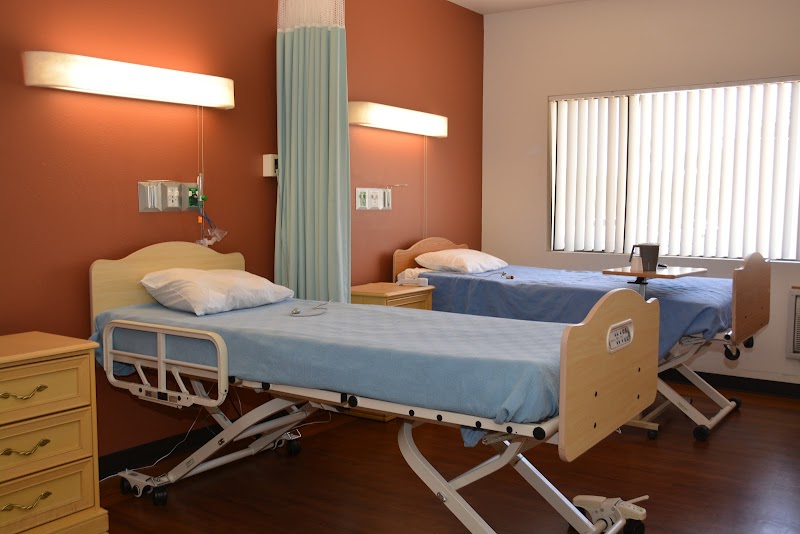
Who Owns and Operates College Park Rehabilitation Center?

COLLEGE PARK REHABILITATION CENTER is owned by a for-profit company. For-profit facilities operate as businesses with obligations to shareholders or private owners. The facility is operated by FUNDAMENTAL HEALTHCARE, a chain that manages multiple nursing homes. With 188 certified beds and approximately 91 residents (about 48% occupancy), it is a mid-sized facility located in NORTH LAS VEGAS, Nevada.
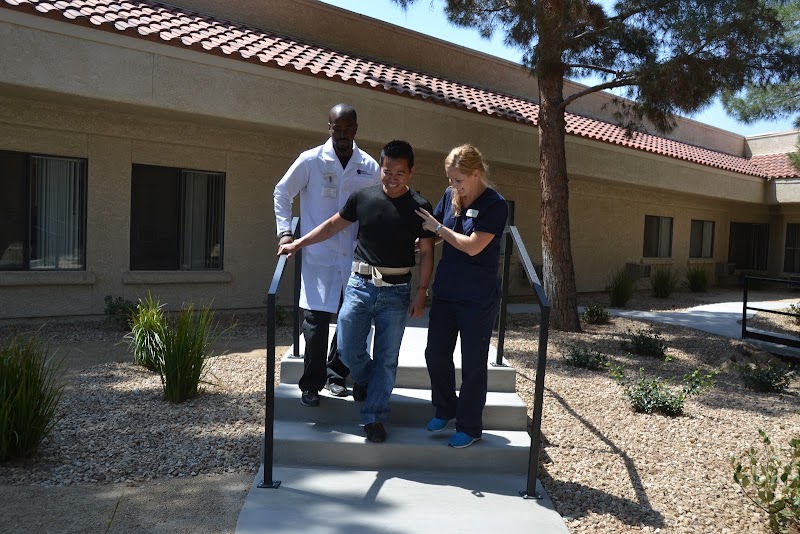
How Does College Park Rehabilitation Center Compare to Other Nevada Nursing Homes?

Compared to the 100 nursing homes in Nevada, COLLEGE PARK REHABILITATION CENTER's overall rating (5 stars) is above the state average of 3.0, staff turnover (32%) is significantly lower than the state average of 46%, and health inspection rating (5 stars) is much above the national benchmark.

What Should Families Ask When Visiting College Park Rehabilitation Center?

Based on this facility's data, families visiting should ask: "Can I visit during a mealtime to observe dining assistance and food quality?" "How do you handle medical emergencies, and what is your hospital transfer rate?" "Can I speak with family members of current residents about their experience?"

Is College Park Rehabilitation Center Safe?

Based on CMS inspection data, COLLEGE PARK REHABILITATION CENTER has a clean safety record: no substantiated abuse findings (meaning no confirmed cases of resident harm), no Immediate Jeopardy citations (the most serious violation level indicating risk of serious injury or death), and is not on the Special Focus Facility watch list (a federal program monitoring the lowest-performing 1% of nursing homes). The facility has a 5-star overall rating and ranks #1 of 100 nursing homes in Nevada. While no facility is perfect, families should still ask about staff-to-resident ratios and recent inspection results during their visit.

Do Nurses at College Park Rehabilitation Center Stick Around?

COLLEGE PARK REHABILITATION CENTER has a staff turnover rate of 32%, which is about average for Nevada nursing homes (state average: 46%). Moderate turnover is common in nursing homes, but families should still ask about staff tenure and how the facility maintains care continuity when employees leave.

Was College Park Rehabilitation Center Ever Fined?

COLLEGE PARK REHABILITATION CENTER has been fined $7,443 across 1 penalty action. This is below the Nevada average of $33,153. While any fine indicates a compliance issue, fines under $50,000 are relatively common and typically reflect isolated problems that were subsequently corrected. Families should ask what specific issues led to these fines and confirm they've been resolved.

Is College Park Rehabilitation Center on Any Federal Watch List?

COLLEGE PARK REHABILITATION CENTER is not on any federal watch list. The most significant is the Special Focus Facility (SFF) program, which identifies the bottom 1% of nursing homes nationally based on persistent, serious quality problems. Not being on this list means the facility has avoided the pattern of deficiencies that triggers enhanced federal oversight. This is a positive indicator, though families should still review the facility's inspection history directly.