MISSION PINES NURSING AND REHAB CENTER

2860 E. CHEYENNE AVENUE, NORTH LAS VEGAS, NV 89030 (702) 644-7777
For profit - Limited Liability company 240 Beds Independent Data: November 2025
Trust Grade
60/100
#34 of 65 in NV
Last Inspection: November 2024

Within standard 12-15 month inspection cycle. Federal law requires annual inspections.

Overview

Mission Pines Nursing and Rehab Center has a Trust Grade of C+, which means it is slightly above average, indicating decent care but there is room for improvement. It ranks #34 out of 65 facilities in Nevada, placing it in the bottom half, and #27 out of 42 in Clark County, suggesting that there are better local options available. The facility is on an improving trend, with the number of issues decreasing from 13 in 2023 to 8 in 2024. However, staffing is a concern with a rating of 2 out of 5 stars and a turnover rate of 53%, which is average but still indicates instability within the team. On the positive side, there have been no fines recorded, which is a good sign, but it does have less RN coverage than 85% of facilities in the state, which can impact the quality of care. Specific incidents noted by inspectors include failure to properly screen residents with psychiatric diagnoses, risking their access to necessary mental health services, and issues in the kitchen regarding food safety, including cleaning and labeling concerns, which could pose a risk to residents' health. Overall, while there are strengths, particularly in the lack of fines, the facility also shows significant weaknesses that families should consider.

Trust Score
C+
60/100
In Nevada
#34/65
Bottom 48%
Safety Record
Low Risk
No red flags
Inspections
Getting Better
13 → 8 violations
Staff Stability
⚠ Watch
53% turnover. Above average. Higher turnover means staff may not know residents' routines.
Penalties
✓ Good
No fines on record. Clean compliance history, better than most Nevada facilities.
Skilled Nurses
⚠ Watch
Each resident gets only 23 minutes of Registered Nurse (RN) attention daily — below average for Nevada. Fewer RN minutes means fewer trained eyes watching for problems.
Violations
⚠ Watch
29 deficiencies on record. Higher than average. Multiple issues found across inspections.
★★★☆☆
3.0
Overall Rating
★★☆☆☆
2.0
Staff Levels
★★★★☆
4.0
Care Quality
★★★☆☆
3.0
Inspection Score
Stable
2023: 13 issues
2024: 8 issues

The Good

  • 4-Star Quality Measures · Strong clinical quality outcomes
  • Full Sprinkler Coverage · Fire safety systems throughout facility
  • No fines on record

Facility shows strength in quality measures, fire safety.

The Bad

3-Star Overall Rating

Near Nevada average (3.0)

Meets federal standards, typical of most facilities

Staff Turnover: 53%

Near Nevada avg (46%)

Higher turnover may affect care consistency

The Ugly 29 deficiencies on record

Nov 2024 8 deficiencies
CONCERN (D) 📢 Someone Reported This

A family member, employee, or ombudsman was alarmed enough to file a formal complaint

Potential for Harm - no one hurt, but risky conditions existed

Resident Rights (Tag F0550)

Could have caused harm · This affected 1 resident

**NOTE- TERMS IN BRACKETS HAVE BEEN EDITED TO PROTECT CONFIDENTIALITY** Based on interview, record review and document review, the facility failed to ensure the facility followed through on a resident...

Read full inspector narrative →
**NOTE- TERMS IN BRACKETS HAVE BEEN EDITED TO PROTECT CONFIDENTIALITY** Based on interview, record review and document review, the facility failed to ensure the facility followed through on a resident's request regarding personal mail for 1 of 38 sampled residents (Resident 176). The deficient practice had the potential to negatively impact the resident's well-being. Resident 176 (R176) R176 was admitted on [DATE], with diagnoses including idiopathic neuropathy, depression and generalized anxiety disorder. On 11/05/2024 at 11:13 AM, R176 appeared neat, well-groomed with pleasant demeanor while seated inside the resident's room in the semi-secured unit. R176 indicated living in a church-based homeless shelter prior to being admitted to the facility in May 2024. R176 reported having requested the social worker multiple times to have R176's personal mail picked up from the shelter as the resident was expecting some checks, bills and letters which were important to the resident. R176 indicated not hearing back from the social worker and expressed worry regarding several months' worth of personal mail getting discarded. A psychotherapy assessment dated [DATE], revealed R176 was homeless prior to being admitted in May 2024. On 11/06/2024 at 1:07 PM, the Social Services Director (SSD) confirmed the SSD had spoken with R176 on multiple occasions and R176 had requested the SSD to assist the resident to pick up personal mail from the homeless shelter. The SSD explained the facility had two vans which were used to transport residents to appointments. According to the SSD the vans were available on Fridays, but the church office was only open on Tuesdays and Thursdays. The SSD provided an electronic mail (e-mail) correspondence between the SSD and a representative from the shelter. The e-mail correspondence dated 10/14/2024, documented the SSD had reached out to the shelter regarding R176's personal mail. A representative from the shelter responded to the SSD within the day and informed the SSD R176's mail could be picked up anytime during normal operating hours on Tuesdays or Thursdays. On 11/06/2024 at 1:15 PM, the SSD confirmed not communicating R176's request to pick up personal mail with any member of the inter-disciplinary team (IDT) which included facility leadership. The SSD verbalized assuming R176's mail could not be picked up because the vans were busy during the shelter's normal operating hours. The SSD confirmed not updating R176 regarding the status of personal mail since 10/14/2024. On 11/06/2024 at 1:28 PM, the Administrator indicated R176's request to pick up mail from the homeless shelter was a reasonable request which could have been accommodated sooner had the SSD communicated the request with the IDT. The Administrator stated several months' worth of personal mail was of high importance to any resident and the SSD should have sought the assistance of leadership to arrange for the pickup of R176's mail sooner. The Resident's rights policy (undated), documented the resident had the right to make choices regarding personal affairs, be treated with respect and courtesy, receive unopened mail, to complain about care or treatment and receive prompt response to resolve the complaint.
CONCERN (D) 📢 Someone Reported This

A family member, employee, or ombudsman was alarmed enough to file a formal complaint

Potential for Harm - no one hurt, but risky conditions existed

Abuse Prevention Policies (Tag F0607)

Could have caused harm · This affected 1 resident

Based on interview, employee file review, and document review, the facility failed to ensure verification of a professional license was conducted in accordance with the abuse prevention policy for 1 o...

Read full inspector narrative →
Based on interview, employee file review, and document review, the facility failed to ensure verification of a professional license was conducted in accordance with the abuse prevention policy for 1 of 10 sampled employee files (Employee 9). The failure resulted in Employee 9 (E9) working as a Registered Nurse (RN) in the care of residents for over six months using another person's RN license. An unqualified person practicing as an RN could result in an adverse health outcome to residents. Findings: The policy and procedure titled Compliance with Reporting Allegations of Abuse/Neglect/Exploitation, revised 04/01/2024, indicated the facility would implement procedures for screening potential employees. Background and credential checks would be conducted for each potential employee and documented proof the screening occurred would be maintained. The policy indicated the facility would verify credentials such as licenses prior to an employee beginning work. On 11/08/2024, in the morning, the Payroll/Staffing Coordinator verbalized each RN must possess a valid state license in order to be employed as an RN at the facility. On 11/08/2024, E9's file was reviewed with the HR Administrative Assistant. E9 was hired as an RN on 12/26/2023. Employee screening was performed on 12/26/2023. The background check included documentation of E9's social security number and a copy of the driver's license. The file indicated E9 was permanently hired as an RN on 01/11/2024 by the HR Administrative Assistant. The file indicated E9 was terminated from employment on 07/08/2024. On 11/08/2024, in the morning, the HR Administrative Assistant verbalized E9 had furnished the facility with an RN license number. When the number was checked it indicated the license holder had a different middle and last name than E9. The HR Administrative Assistant revealed E9's name matched only the first of the name of the RN license holder provided. The HR Administrative Assistant verbalized E9 had explained this was because they were in the process of getting a divorce and the name on the license was being changed but this name change had not been completed. The HR Administrative Assistant revealed the status of E9's name change had not been verified with the Board of Registered Nursing. The HR Administrative Assistant revealed the information should have been verified. On 11/08/24 at 1:12 PM, the HR Director verbalized the facility process was to check two forms of identification (ID) for each applicant. The ID must match the professional license. The HR Director revealed E9 had worked as an RN caring for residents in the facility. The HR Director verbalized RN duties included performing health assessments and administering medications. The HR Director verbalized impersonating an RN was dangerous and was considered a crime. On 11/08/24 at 1:37 PM the Administrator verbalized the facility failed to ensure E9's social security number and driver's license matched the name of the RN license number provided. The facility had employed E9 as an RN despite not having the required ID and license match. The Administrator verbalized the facility had repeatedly asked E9 to furnish updated ID to reflect an alleged name change without result. E9 then had failed to show up for work and was terminated. The Administrator verbalized after terminating E9, the Administrator had been contacted by a representative from the Board of Nursing and had been informed E9 had never been licensed as an RN and had supplied the facility with the license number for a different RN. On 11/08/2024, in the afternoon, the Administrator further verbalized the facility should have waited until the ID matched the RN license before employing E9. The Administrator revealed employing a person pretending to be an RN could result in harm to residents under their care. The Administrator stated there had been no known adverse incidents involving E9, however all of the residents had been placed at risk for the duration of E9's employment of over six months. Complaint 72554
CONCERN (D)

Potential for Harm - no one hurt, but risky conditions existed

PASARR Coordination (Tag F0644)

Could have caused harm · This affected 1 resident

**NOTE- TERMS IN BRACKETS HAVE BEEN EDITED TO PROTECT CONFIDENTIALITY** Based on observation, interview, record review, and document review, the facility failed to ensure a Preadmission Screening and ...

Read full inspector narrative →
**NOTE- TERMS IN BRACKETS HAVE BEEN EDITED TO PROTECT CONFIDENTIALITY** Based on observation, interview, record review, and document review, the facility failed to ensure a Preadmission Screening and Resident Review (PASARR) level two referral was completed for 3 of 38 sampled residents (Residents #39, 50, & 82). The deficient practice had the potential to deprive the residents of concern and other residents of necessary behavioral health services. Findings include: Resident 39 (R39) R39 was re-admitted on [DATE], with diagnoses including schizoaffective disorder, vascular dementia with behavioral disturbance, and anxiety disorder. On 11/05/2024 in the afternoon, R39 stated had been at the facility for over a year. The resident was happy with the food but would like BBQ foods more often. The resident had an issue with laundry having lost some clothes but has been resolved. The resident was happy with physical therapy and the nursing care. The resident also asked the Activities Department to take the residents on more trips away from the facility which The Activities Department said would take note of. A PASARR level one document dated 01/04/2017, revealed R39 did have the dementia diagnosis, however, no other mental illness (MI), intellectual disability, (ID) mental retardation (MR) or any related condition (RC) and was deemed appropriate for nursing facility placement. A review of the resident's medical notes revealed R39's schizoaffective disorder was diagnosed on [DATE] and the resident's anxiety disorder was diagnosed on [DATE]. Resident 50 (R50) R50 was admitted on [DATE], with diagnoses including schizophrenia, unspecified dementia with behavioral disturbance, and major depressive disorder. On 11/05/2024 in the afternoon, R50 was slightly confused. The resident was waiting to see a cop and a schoolteacher and wanted to find the guy upstairs. The resident was otherwise happy with the functioning of the facility. A PASARR level one document dated 04/21/2016, revealed R50 did have the dementia diagnosis, however, no other mental illness (MI), intellectual disability, (ID) mental retardation (MR) or any related condition (RC) and was deemed appropriate for nursing facility placement. A review of the resident's medical notes revealed R50's schizophrenia was diagnosed on [DATE] and the resident's major depressive disorder was diagnosed on [DATE]. Resident 82 (R82) R82 was re-admitted on [DATE], with diagnoses including schizoaffective disorder, vascular dementia with behavioral disturbance, anxiety disorder, and major depressive disorder. On 11/05/2024 in the afternoon, R82 stated had been at the facility for over 4 years. The resident felt the facility overall was an alright place to reside and liked to participate in activities of interest to the resident. A PASARR level one document dated 07/10/2018, revealed R82 did not have dementia, mental illness (MI), intellectual disability, (ID) mental retardation (MR) or any related condition (RC) and was deemed appropriate for nursing facility placement. A review of the resident's medical notes revealed R82's schizoaffective disorder was diagnosed on [DATE], the vascular dementia with behavioral disturbance was diagnosed on [DATE], the anxiety disorder was diagnosed on [DATE], and the resident's major depressive disorder was diagnosed on [DATE]. On 11/06/2024 in the morning, the Marketer stated Social Services were responsible for the PASARRs. On 11/06/2024 in the afternoon, the Medical Records Staff indicated there was no other PASSAR information available for these residents' indication a PASSAR II referral had been sent. On 11/06/2024 in the afternoon, the Social Services Director explained the SSD was responsible for referring residents who met criteria for PASARR two by completing the PASARR requests and referral was to be completed in their morning meeting. When asked if a residents' diagnoses of anxiety disorder, schizoaffective disorder, schizophrenia, and major depressive disorder would be representative of mental illness, intellectual disability, or a related condition which the Medicaid Service Manual documents a PASARR II must be completed for, SSD agreed these diagnoses would be an indication. The Division of Health Care Financing and Policy- Medicaid Services Manual- for Nursing Facilities Policy dated 05/01/2015, documented when an individual has been identified with possible indicators of mental illness, intellectual disabilities or related condition, a PASARR Level II screening must be completed to evaluate the individual and determine if nursing facility services and/or specialized services are needed and can be provided in the nursing facility. Examples include: a resident who exhibits behavioral, psychiatric, or mood related symptoms suggesting a presence of a mental disorder (where dementia is not the primary diagnoses), or an intellectual disability or related condition was not previously identified and evaluated through PASARR. Social services would be responsible for keeping track of each resident's PASARR screening status and referring to appropriate authority. The medical record lacked documented evidence referrals for a PASARR level two screening were completed.
CONCERN (D) 📢 Someone Reported This

A family member, employee, or ombudsman was alarmed enough to file a formal complaint

Potential for Harm - no one hurt, but risky conditions existed

Deficiency F0657 (Tag F0657)

Could have caused harm · This affected 1 resident

**NOTE- TERMS IN BRACKETS HAVE BEEN EDITED TO PROTECT CONFIDENTIALITY** Based on interviews, record review, and document review, the facility failed to ensure a care plan was revised after resident-to...

Read full inspector narrative →
**NOTE- TERMS IN BRACKETS HAVE BEEN EDITED TO PROTECT CONFIDENTIALITY** Based on interviews, record review, and document review, the facility failed to ensure a care plan was revised after resident-to-resident incidents for 1 of 38 sampled residents (Resident 167). The deficient practice placed the resident at risk for inappropriate care, supervision, and accidents. Findings include: Resident 167 (R167) R167 was admitted to the facility on [DATE] with diagnoses including Parkinson's Disease, dementia with behavioral disturbances, anxiety disorder, muscle wasting and atrophy, and cardiac pacemaker. Resident 39 (R39) R39 was admitted to the facility on [DATE] with diagnoses including chronic obstructive pulmonary disease, vascular dementia with behavioral disturbances, schizoaffective disorder, diabetes, congestive heart failure, and anxiety disorder. A Nursing Progress Note dated 09/13/2024 at 5:55 PM revealed R167 was in the dining area and was standing up hitting another resident (R39). The residents were separated and taken to their individual rooms. Nursing asked the resident what happened. R167 stated was minding own business when the other resident (R39) started trouble for no reason. No injuries were observed, and no complaints of pain were verbalized. An SBAR Communication form was filled out. The facility's investigation documentation revealed R167 had retrieved R39's cup during an activity in the dining room. When R39 realized R167 had R39's cup, R39 went over to R167 and asked for the cup back. R167 was not able to mentally process the situation, and when R39 went to reach for the cup, R167 pushed R39 backwards causing R39 to fall to the floor from the resident's wheelchair. A care plan for physical aggression had not documented R167 had a resident-to-resident altercation. However, there were new interventions dated 9/13/2024 documenting the facility was going to start eye on eye supervision, initiate a psychiatric evaluation, and separate immediately. Resident 119 (R119) R119 was admitted to the facility on [DATE] with diagnoses including diabetes, major depressive disorder, schizoaffective disorder, chronic obstructive pulmonary disease, chronic pain syndrome, and generalized anxiety disorder. A Nursing Progress Note dated 09/14/2024 at 5:54 PM revealed R119 was in their room when R167 came into the room and stated this room was R167's room. R119 told R167 the room belonged to R119. This is when R167 pushed R119. R119 stumbled back and fell landing on their knees. The residents were separated and R167 was taken to their room. No injuries were observed, and no complaints of pain were verbalized. An SBAR Communication form was filled out. The facility's investigation documentation revealed R167 and R119 were heard shouting during a disagreement. Staff went to the hallway to investigate the situation. Upon arrival, facility staff witnessed R167 physically pushing R119 to the ground, leaving R119 on their knees. A care plan for physical aggression had not documented R167 had another resident-to-resident altercation. However, there were new interventions dated 9/14/2024 documenting the facility was going to legal 2000 discharge the resident to the hospital for physical aggression. Resident 129 (R129) R129 was admitted to the facility on [DATE] with diagnoses including history of other mental and behavioral disorders, dementia with behavioral disturbances, diabetes, cognitive communication deficit, psychosis, and anxiety disorder. Facility investigation report documented on 9/16/2024 at 2:00 PM, R167 and R129 were walking toward each other. R167 pushed their walker into R129 three times, causing R129 to lose their balance and fall to the ground. An SBAR Communication form was filled out for this 9/16/2024 incident. A care plan for physical aggression had not documented R167 had another resident-to-resident altercation and there were no new interventions dated 9/16/2024 documented. Resident 18 (R18) R18 was admitted to the facility on [DATE] with diagnoses including schizophrenia, dementia with behavioral disturbances, schizoaffective disorder, cognitive communication deficit, extrapyramidal and movement disorder, and anxiety disorder. Facility investigation report documented on 11/01/2024 at 6:00 AM, R167 was being escorted to their room by the nurse for verbal aggression. R18 attempted to assist the nurse in escorting R167 back to R167's room which caused R167 to become upset. R167 swung at R18 which caused R18 to swing at R167. Staff attempted to separate the two residents. During the separation, all three parties fell to the floor. Both residents were helped up and escorted to their individual rooms and assessed for injuries and pain. An SBAR Communication form was filled out for this 11/01/2024 incident. A care plan for physical aggression had not documented R167 had another resident-to-resident altercation and there were no new interventions dated 11/01/2024 documented. The medical record lacked documented evidence the care plan for R167 was revised to include the resident-to-resident altercations and new preventative strategies for those altercations for the most recent altercations. On 11/08/2024 in the afternoon, the Director of Nursing (DON) stated an SBAR Communication Form would constitute a change of condition. The DON indicated the resident care plan could be updated after the incident or upon readmission like it was for R167. The DON further explained if there was already a care plan for the situation, the facility won't necessarily update it any further after another event. When asked if the current interventions for R167 were working, the DON agreed the interventions had not worked since there had been another altercation. On 11/08/2024 in the afternoon, the Administrator (Admin) agreed the interventions for R167 had not worked since there had been another altercation. The Admin explained it was important to update the care plan as it is what steers the care to be given and without an updated care plan, monitoring the care can be difficult. The Admin stated each incident should have had a revision to the resident's care plan. A facility policy titled Care Plans, Comprehensive Person-Centered (revised March 2022) documented assessments of residents are ongoing, and care plans are revised as information about the residents and the residents' condition changes. The policy also revealed the interdisciplinary team reviews and updates the care plans when there has been a change in the resident's condition, when the desired outcome is not met, or when the resident has been readmitted to the facility from a hospital stay. FRIs #NV00072203, #NV00072209, #NV00072237, #NV00072599
CONCERN (D)

Potential for Harm - no one hurt, but risky conditions existed

Deficiency F0761 (Tag F0761)

Could have caused harm · This affected 1 resident

Based on observation, interview and document review, the facility failed to ensure an opened multi-dose vial (MDV) of Tubersol (used for intradermal Tuberculosis (TB) testing) was dated. The deficient...

Read full inspector narrative →
Based on observation, interview and document review, the facility failed to ensure an opened multi-dose vial (MDV) of Tubersol (used for intradermal Tuberculosis (TB) testing) was dated. The deficient practice could potentially result in inaccurate TB readings which could compromise the facility's TB surveillance protocol. Findings include: On 11/07/2024 at 8:39 AM, an inspection of the 200-Hall medication refrigerator revealed one opened MDV of Tubersol (Lot number 3CA26C1, Expiration 11/07/2024) which was not labeled with an open date. On 11/07/2024 at 8:40 AM, the Assistant Director of Nursing (ADON) confirmed the observation and indicated all MDV vaccines were to be labeled with open date and the discard date would be based on the manufacturer's instruction. The product inserts for Tubersol revealed each one-milliliter vial was good for 10 tests. Once accessed, the MDV was good for 30 days after which the vial must be discarded. The Medication Storage and Labeling policy (undated) documented, once MDVs were accessed (needle-punctured), the vial must be dated and discarded within 28 days unless the manufacturer specified a date whether shorter or longer.
CONCERN (D)

Potential for Harm - no one hurt, but risky conditions existed

Menu Adequacy (Tag F0803)

Could have caused harm · This affected 1 resident

Based on observation, interview, and document review, the facility failed to ensure the resident's food preferences were honored for one unsampled resident (Resident 60). The failure could have result...

Read full inspector narrative →
Based on observation, interview, and document review, the facility failed to ensure the resident's food preferences were honored for one unsampled resident (Resident 60). The failure could have resulted in the resident having an allergic reaction to the provided food. Findings include: On 11/06/2024 at 12:53 PM, a Certified Nursing Assistant (CNA) was observed giving R60 a lunch tray in the dining room. The CNA looked at the plated meal and then looked at the ticket. The CNA informed the resident there was no protein on the plate due to the resident's Dairy Allergen. R60 became upset and wanted to speak to kitchen staff. On 11/06/2024 at 12:58 PM, a kitchen staff member was observed apologizing to the resident and then brought the resident out a piece of meatloaf for the resident to eat. The resident ate the meatloaf. On 11/06/2024 at 1:01 PM, the CNA and surveyor observed R60's plate and the CNA confirmed the meal ticket read, seasoned green peas, herbed rice, dinner roll, and caramel apple upside down cake and confirmed R60's plate did not include the herbed rice but did include a bowl of hamburger toppings without a hamburger. The CNA also confirmed the dairy allergy was notated on the meal ticket. The CNA verbalized discrepancies between meal tickets versus meal trays was a common occurrence. On 11/7/2024 at 2:50 PM, the Dietary District Manager (DDM) explained the reason there was no protein on R60's plate was because the main protein of meatloaf contained dairy in the recipe, and the alternate protein was a quiche which also contained dairy in the recipe. The system did not populate a protein being they both contained dairy and R60 had a dairy allergy. The DDM observed R60's ticket and confirmed the resident's lack of a protein and the dairy allergen. The DDM was also not sure why the resident received hamburger topping without the hamburger, nor was the DDM sure why the resident was not served the rice. The DDM indicated R60's meal ticket had a note which stated, dairy allergen because the resident was allergic to dairy products. The Dietary Manager confirmed there had been a mistake during the plate preparation for R60 which should have included the rice. The DDM confirmed there had also been a mistake in serving the resident the meatloaf being R60 was allergic to its ingredients. The DDM also stated would investigate this situation, so the resident does not have protein again on the next rotation of this menu. A Healthcare Services Group policy revised on 02/2023 titled Meal Distribution revealed for point of service dining, the dining services staff, under the supervision of the licensed nurse, will assemble the meal in accordance with the individual meal ticket (in conformity with the individuals diet order, preferences, and plan of care) and present it to the care staff for delivery to the resident.
CONCERN (D)

Potential for Harm - no one hurt, but risky conditions existed

Food Safety (Tag F0812)

Could have caused harm · This affected 1 resident

Based on observation, document review and interview, the facility failed to ensure stored foods were stored in accordance with professional standards for food service safety and hand washing areas wer...

Read full inspector narrative →
Based on observation, document review and interview, the facility failed to ensure stored foods were stored in accordance with professional standards for food service safety and hand washing areas were accessible to kitchen staff. This deficient practice posed a potential risk to safety and health standards which could lead to contamination and place residents at risk of foodborne illness. Findings include: On 11/05/2024 in the morning, during a tour of the kitchen and dietary areas, an open box of unbaked cookies was found being stored in the 500-hall nourishment freezer without a way to control for contamination of the cookies by facility staff, housekeeping staff, and/or kitchen staff whom all had access to the open box in the nourishment room freezer. A Healthcare Services Group Policy revised 02/2023 with the subject entitled Food Storage: Cold Food revealed all foods, frozen and refrigerated, will be stored in accordance with the guidelines of the FDA Food Code (2022). The Dietary Supervisor verified there were no measures in place to protect the unbaked cookies, being stored in the 500-hall nutrition room freezer, from contamination. The Dietary Supervisor explained the open box of unbaked cookies should not have been placed in/ stored in the nourishment room freezer. The Dietary Manager also mentioned this open box of unbaked cookies did not belong to Activities Department because activities come to the kitchen for their food and does not have a way to bake the unbaked cookies themselves. On 11/05/2024 in the morning, during a tour of the kitchen and dietary areas, there was a dish cart blocking the entrance to the handwashing sink and there was a plunger being stored in the handwashing sink. These two items were blocking the access to and use of the handwashing sink. A Healthcare Services Group Inservice & Policy Training V2 document with the subject entitled Hand Hygiene for Dining Services revealed situations requiring handwashing with soap and water included: after handling dirty dishes or trash, when one takes one step away from their workstation, or between tasks. The Dietary Supervisor acknowledged the handwashing sink in the dish room was inaccessible to be used properly for the above situations.
CONCERN (E)

Potential for Harm - no one hurt, but risky conditions existed

Deficiency F0804 (Tag F0804)

Could have caused harm · This affected multiple residents

Based on observation, interview, and document review, the facility failed to ensure food was served at a preferable and appetizing temperature for four sampled residents (Residents 12, 54, 72, and 119...

Read full inspector narrative →
Based on observation, interview, and document review, the facility failed to ensure food was served at a preferable and appetizing temperature for four sampled residents (Residents 12, 54, 72, and 119) and two unsampled residents (Residents 27 and 141). The deficient practice had the potential to negatively affect the amount of nutrients consumed by the residents and therefore affect their nutritional status. Findings include: On 11/07/2024 at 01:31 PM, Resident 12 (R12) verbalized the meal tasted poor and the cool temperature didn't help. On 11/07/2024 at 1:33 PM, Resident 54 (R54) indicated the meal tasted poor and the lukewarm to cool temperatures make it worse. On 11/07/2024 at 1:36 PM, Resident 72 (R72) indicated the meal tasted okay, but the cooler temperature was a problem. On 11/07/2024 at 1:38 PM, Resident 27 (R27) verbalized the meal tasted okay but was not a fan of the cool temperature. On 11/07/2024 at 1:39 PM, Resident 141 (R141) also verbalized the meal tasted okay but was not a fan of the cool temperature. On 11/07/2024 at 1:42 PM, Resident 119 (R119) indicated the meal tasted poor and it was very cold. On 11/07/2024 in the afternoon, a test tray was requested on the 600 hall. At 12:58 PM, the test tray food was temped by the DD with the surveyors in the kitchen before going into the food cart. The temperature of the ravioli was 164 degrees Fahrenheit, and the temperature of the pizza was 154.4 degrees Fahrenheit. At 1:00 PM, the meal cart left the kitchen and was taken to the 600 hall. At 1:03 PM, the meal cart arrived on the 600 hall. At 1:20 PM, the first meal tray was served from the meal cart. Staff members delivered the meal trays. At 1:33 PM, the last meal tray was delivered. At 1:34 PM, the test tray food was temped by the Dietary Director (DD) with the surveyors. The temperature of the ravioli was 123.6 degrees Fahrenheit, and the temperature of the pizza was 115 degrees Fahrenheit. On 11/07/2024 at 1:37 PM, two surveyors and the DD thought the food tasted very good and had nice textures. However, the two surveyors thought the food was cooler than would have liked. The DD acknowledged the food was cooler than what the DD expected. On 11/08/2024 in the morning, the DD explained the food should not have taken over 15 minutes to begin to be served to the residents. The DD also explained the trays should not have been taken out of an insulated cart and put onto an uninsulated cart to then be delivered to the residents. The DD stated the food should be taken to the residents directly from the insulated cart to preserve the food temperatures. On 11/08/2024 in the morning, a test lunch tray was requested on the 600 hall. At 2:20 PM, the test tray food was temped by the DD with the surveyors in the kitchen before going into the food cart. The temperature of the chicken was 122.4 degrees Fahrenheit, the temperature of the rice was 121 degrees Fahrenheit, the temperature of the fish was 132.8 degrees Fahrenheit, and the temperature of the broccoli was 123 degrees Fahrenheit. At 2:24 PM, the meal cart left the kitchen and was taken to the 600 hall. At 2:27 PM, the meal cart arrived on the 600 hall. At 2:30 PM, the first meal tray was served from the meal cart. Staff members delivered the meal trays. At 2:41 PM, the last meal tray was delivered. At 2:42 PM, the test tray food was temped by the Dietary Director (DD) with the surveyors. The temperature of the chicken was 100.4 degrees Fahrenheit, the temperature of the rice was 104.4 degrees Fahrenheit, the temperature of the fish was 113.7 degrees Fahrenheit, and the temperature of the broccoli was 110.3 degrees Fahrenheit. On 11/08/2024 at 2:44 PM, two surveyors thought the food tasted very good and had nice textures. However, the two surveyors thought the food was cold. The DD acknowledged the food was cold based off the temperatures taken of the food. The DD refused to try the food. On 11/08/2024 at 03:51 PM, Resident 12 (R12) verbalized the meal temperature was cold. On 11/07/2024 at 3:53 PM, Resident 54 (R54) indicated the meal temperature was cooler then was liked. On 11/07/2024 at 3:59 PM, Resident 72 (R72) indicated the meal temperature was cold. On 11/07/2024 at 4:01 PM, Resident 27 (R27) verbalized the meal temperature was cooler than was liked. On 11/07/2024 at 4:02 PM, Resident 141 (R141) also verbalized the meal temperature was cold. On 11/07/2024 at 4:04 PM, Resident 119 (R119) indicated the meal temperature was very cold. A Healthcare Services Group policy titled Food: Preparation revised 02/2023, references the use of the FDA 2022 Food Code for Time/Temperature Control for Safety.
Oct 2023 11 deficiencies
CONCERN (D)

Potential for Harm - no one hurt, but risky conditions existed

Resident Rights (Tag F0550)

Could have caused harm · This affected 1 resident

**NOTE- TERMS IN BRACKETS HAVE BEEN EDITED TO PROTECT CONFIDENTIALITY** Based on observation, interview, and document review the facility failed to ensure the resident's right of dignity was honored f...

Read full inspector narrative →
**NOTE- TERMS IN BRACKETS HAVE BEEN EDITED TO PROTECT CONFIDENTIALITY** Based on observation, interview, and document review the facility failed to ensure the resident's right of dignity was honored for one unsampled resident (Resident 142). The deficient practice had the potential to have psychosocial impact on residents of the memory care unit. Resident 142 (R142) R142 was admitted on [DATE] with diagnoses including Alzheimer's disease, bipolar disorder, and major depressive disorder. A Brief Interview for Mental Status (BIMS) documented R142 had a score of 99 which indicated the resident was not able to complete the evaluation. On 10/10/23 at 12:41 PM, R142 was in dining room calling out for assistance and a Registered Nurse (RN) was sitting at nursing station approximately 25-30 feet away. The RN yelled to the resident to question what was being requested and when R142 did not respond, the nurse kept on working at station and said nope in quiet tone. On 10/10/2023 at 12:45 PM, the RN indicated the resident often will yell out asking for help and it can be repetitive whether nurse walks over or not. The RN indicated the best practice would be to walk to the resident and find out what was being requested rather than yelling through the unit. On 10/12/23 at 9:47 AM, RN2 verbalized when resident was calling out for help it would be best to go directly to resident. The RN indicated it would not be appropriate to yell from the nurses' station to find out what the resident needed. The RN explained most residents have behaviors and it would not be appropriate, and it would also be a dignity and privacy concern for the resident to discuss in a loud voice any concerns as it was unknown to the nurse. The facility policy titled Resident Rights Standard of Practice (undated) documented the resident had the right to be treated with respect and dignity including the right to personal privacy and confidentiality of his or her personal and medical records.
CONCERN (D)

Potential for Harm - no one hurt, but risky conditions existed

Comprehensive Assessments (Tag F0636)

Could have caused harm · This affected 1 resident

**NOTE- TERMS IN BRACKETS HAVE BEEN EDITED TO PROTECT CONFIDENTIALITY** On 10/11/2023 at 10:12 AM, the RAI Regional Coordinator revealed covering for the MDS Coordinator who was not available for inte...

Read full inspector narrative →
**NOTE- TERMS IN BRACKETS HAVE BEEN EDITED TO PROTECT CONFIDENTIALITY** On 10/11/2023 at 10:12 AM, the RAI Regional Coordinator revealed covering for the MDS Coordinator who was not available for interview. The RAI Regional Coordinator indicated both of them worked remotely and relied on the nurses and other interdisciplinary team (IDT) members for entries into the MDS. The RAI Regional Coordinator confirmed the MDS Coordinator, and the Regional Coordinator did not perform bedside assessment but relied on the facility's nurses for entries. On 10/12/2023 at 2:57 PM, the Social Services Director (SSD) explained the social services was responsible in completing Sections B (Hearing, Speech, and Vision), C (Cognitive Patterns), D (Mood), E (Behavior), and Q (Participation in Assessment and Goal Setting) of the MDS. The SSD indicated for all the SSD's portions of the MDS, the SSD would have met face-to-face with the resident. When the resident was unable to complete a portion for example the Brief Interview for Mental Status (BIMS), the SSD would have interviewed the staff using a 7-day look back questionnaire. The SSD explained once the SSD completed their portion and locked it, the system would have prompted the SSD to sign the signature page electronically. On 10/12/2023 at 3:10 PM, the Administrator indicated the facility had an in-house MDS Coordinator prior to the facility contracting with a third-party vendor who provided the facility with an outsourced MDS nurse since August 2022. The Administrator explained the agreement was not detailed but was expected to encompass regulatory requirements of the RAI manual. The Administrator confirmed neither the outsourced MDS Coordinator nor the RAI Regional Coordinator had been to the facility but completed resident assessments by relying on the nursing management team, namely, the Director of Nursing (DON) and Assistant Directors of Nursing (ADON). Virtual visits were done by telehealth, but no face-to-face assessments were performed by the outsourced MDS nurse and RAI Coordinator. The Administrator confirmed the nursing portions of the MDS which included assessment of resident wounds, along with the universal daily assessment (UDA) were done remotely, through virtual visits but not directly such as face-to-face. Based on interview, record review and document review, the facility failed to provide documented evidence the Minimum Data Set (MDS) assessments were performed in accordance with the Resident Assessment Instrument (RAI) Manual for 1 of 36 sampled residents (Resident 57). The deficient practice had the potential for the facility failing to ensure the assessments accurately reflected the resident's status and failing to identify the correct interventions for the resident. Findings include: Resident 57 (R57) R57 was admitted on [DATE], with diagnoses including hemiplegia and hemiparesis following other cerebrovascular disease affecting left non-dominant side, pressure-induced deep tissue damage of sacral region and left heel, and pain. R57's MDS for significant change in status assessment dated [DATE], documented the MDS Coordinator electronically signed certain sections of R57's MDS including Section G (Functional Status), J (Health Conditions), L (Oral/Dental Status), and M (Skin Conditions). The RAI 3.0 User's Manual Version 1.17.1 dated October 2019, documented all staff who completed any part of the MDS must enter their signatures, titles, sections, or portion(s) of section(s) they completed, and the date completed. Legally, it was an attestation of accuracy with the primary responsibility for its accuracy with the person selecting the MDS item response. Each person completing a section or portion of a section of the MDS was required to sign the Attestation Statement. The facility failed to provide documented evidence the MDS Coordinator performed interviews with direct care staff and resident/family/significant other, observations, and examination of the resident as required and enumerated in the following Steps for Assessment: The Long-Term Care Facility Resident Assessment Instrument 3.0 User's Manual Version 1.17.1 dated October 2019, documented the RAI process had multiple regulatory requirements. Federal regulations required the assessment process which included direct observation, as well as communication with the resident and direct care staff on all shifts. The RAI Manual documented the Steps for Assessment for the following sections of MDS: - Section G0110: Activities of Daily Living (ADL) Assistance 1. Review the documentation in the medical record for the 7-day look-back period. 2. Talk with direct care staff from each shift who had cared for the resident to learn what the resident did for themselves during each episode of each ADL activity definition as well as the type and level of staff assistance provided. 3. When reviewing records, interviewing staff, and observing the resident, be specific in evaluating each component as listed in the ADL activity definition. For example, when evaluating Bed Mobility, observe what the resident was able to do without assistance, and then determine the level of assistance the resident required from staff for moving to and from a lying position, for turning the resident from side to side, and/or for positioning the resident in bed. - Section G0400: Functional Limitation in Range of Motion (ROM) 1. Review the medical record for references to functional range of motion limitation during the 7-day look-back period. 2. Talk with staff members who worked with the resident as well as family/significant others about any impairment in functional ROM. 3. Coding for functional ROM limitations was a 3-step process: - Test the resident's upper and lower extremity ROM. - If the resident was noted to have limitation of upper and/or lower extremity ROM, review G0110 and/or directly observe the resident to determine if the limitation interfered with function or placed the resident at risk for injury. - Code G0400 A/B as appropriate based on the above assessment. - Section J0200: Should Pain Assessment Interview Be Conducted? 1. Interact with the resident using his or her preferred language. 2. Determine whether or not the resident was rarely/never understood verbally, in writing, or using another method. - Section L0200: Dental 1. Ask the resident about the presence of chewing problems or mouth or facial pain/discomfort. 2. Ask the resident, family, or significant other whether the resident had or recently had dentures or partials. 3. If the resident had dentures or partials, examine for loose fit. Ask the resident to remove, and examine for chips, cracks, and cleanliness. Removal of dentures and/or partials was necessary for adequate assessment. 4. Conduct exam of the resident's lips and oral cavity with dentures or partials removed, if applicable. Use a light source which was adequate to visualize the back of the mouth. Visually observe and feel all oral surfaces including lips, gums, tongue, palate, mouth floor, and cheek lining. Check for abnormal mouth tissue, abnormal teeth, or inflamed or bleeding gums. The assessor should use his or her gloved fingers to adequately feel for masses or loose teeth. 5. If the resident was unable to self-report, then observe the resident while eating with dentures or partials, if indicated, to determine if chewing problems or mouth pain were present. 6. Oral examination of residents who were uncooperative and did not allow for a thorough oral exam might have resulted in medical conditions being missed. - M0100: Determination of Pressure Ulcer/Injury Risk 1. Review the medical record, including skin care flow sheets or other skin tracking forms, nurses' notes, and pressure ulcer/injury risk assessments. 2. Speak with the treatment nurse and direct care staff on all shifts to confirm conclusions from the medical record review and observations of the resident. 3. Examine the resident and determine whether any ulcers, injuries, scars, or non-removable dressings/devices were present. Assess key areas for pressure ulcer/injury development. Also assess bony prominences such as elbows and ankles, and skin under braces or subjected to pressure like ears from Oxygen tubing. - M0300: Current Number of Unhealed Pressure Ulcers/Injuries at Each Stage. Steps for completing M0300A-G. Step 1: Determine Deepest Anatomical Stage - Observe and palpate the base of any identified pressure ulcers present to determine the anatomic depth of soft tissue damage involved. Step 2: Identify Unstageable Pressure Ulcers - visualization of the wound bed was necessary for accurate staging. Step 3: Determine Present on Admission. - M0300A: Number of Stage 1 Pressure Injuries 1. Perform head-to-toe assessment. Conduct a full body skin assessment focusing on bony prominences and pressure-bearing areas (sacrum, buttocks, heels, ankles). 2. For the purpose of coding, determine the lesion being assessed was primarily related to pressure and other conditions had been ruled out. 3. Reliance on only one descriptor was inadequate to determine the staging of a pressure injury between Stage 1 and deep tissue injury. 4. Check any reddened areas for ability to blanch by firmly pressing a finger into the reddened tissues and then removing it. 5. Search for other areas of skin that differ from surrounding tissue which might be painful, firm, soft, warmer, or cooler compared to adjacent tissue. - M0300B: Stage 2 Pressure Ulcers 1. Perform head-to-toe assessment. Conduct a full body skin assessment focusing on bony prominences and pressure-bearing areas (sacrum, buttocks, heels, ankles). 2. For the purpose of coding, determine the lesion being assessed was primarily related to pressure and other conditions had been ruled out. 3. Examine the area adjacent to or surrounding an intact blister for evidence of tissue damage. 4. Stage 2 pressure ulcers would generally lack the surrounding characteristics found with a deep tissue injury.
CONCERN (D)

Potential for Harm - no one hurt, but risky conditions existed

Quality of Care (Tag F0684)

Could have caused harm · This affected 1 resident

**NOTE- TERMS IN BRACKETS HAVE BEEN EDITED TO PROTECT CONFIDENTIALITY** Based on observation, interview, record review, and document review, the facility failed to ensure the correct strength of a med...

Read full inspector narrative →
**NOTE- TERMS IN BRACKETS HAVE BEEN EDITED TO PROTECT CONFIDENTIALITY** Based on observation, interview, record review, and document review, the facility failed to ensure the correct strength of a medication was available during the medication pass for 1 of 31 sampled residents (Resident 118). This deficient practice could lead to potential medication errors, and increased the risk of administering an incorrect dosage. Findings include: Resident 118 (R118) R18 was admitted on [DATE], with diagnoses including alcoholic cirrhosis of the liver and alcohol abuse. On 10/11/2023 at 8:18 AM, a Registered Nurse (RN) prepared the medications except for the Cholecalciferol tablet 1000 units for vitamin deficiency. A Physician order dated 08/17/2022, documented Cholecalciferol tablet 1000 units, to give 1 tablet by mouth one time a day related to vitamin D deficiency. The Medication Administration Record dated 10/12/2023, documented the Cholecalciferol tablet 1000 units was not administered due to unavailability. On 10/11/2023 at 11:30 AM, a Registered Nurse (RN) confirmed the Cholecalciferol (Vitamin D) tablet 1000 units, was not administered during the medication pass due to its unavailability. The RN explained the available vitamin D in the medication cart was of a different strength, which was 10 micrograms, equivalent to 400 units, and not the 1000 units as ordered. The RN indicated the medication should have been checked before passing to prevent missed or delayed administration. On 10/13/2023 at 1:12 PM, the Director of Nursing (DON) indicated the medication should have been administered one hour in advance or one hour after the scheduled time. The DON indicated the resident's rights in medication administration should have been implemented. A facility policy titled Administering Medications dated December 2012, documented medications were to be administered in a safe and timely manner and as prescribed. Medications had to be administered within one hour of the prescribed time.
CONCERN (D)

Potential for Harm - no one hurt, but risky conditions existed

Pressure Ulcer Prevention (Tag F0686)

Could have caused harm · This affected 1 resident

**NOTE- TERMS IN BRACKETS HAVE BEEN EDITED TO PROTECT CONFIDENTIALITY** Based on observation, interview, record review, and document review, the facility failed to ensure the physician orders for woun...

Read full inspector narrative →
**NOTE- TERMS IN BRACKETS HAVE BEEN EDITED TO PROTECT CONFIDENTIALITY** Based on observation, interview, record review, and document review, the facility failed to ensure the physician orders for wound healing and management were followed as ordered for 1 of 31 sampled residents (Resident 57). This deficient practice left the resident's wound soaked in urine, posing a potential risk of irritation and infection. Findings include: Resident 57 (R57) R57 was admitted on [DATE] and readmitted on [DATE], with diagnoses including hemiplegia (paralysis of one side of the body), hemiparesis (one-sided muscle weakness), and diabetes mellitus. The Brief Interview of Mental Status dated 08/23/2023, documented a score of 12/15, which indicated R57's cognitive status was intact. The Minimum Data Set for Skin Conditions dated 08/23/2023, documented R57 had stage 2 pressure ulcers. The Skin/Wound Note dated 10/05/2023, documented R57 presented with multiple deep tissue pressure injuries (DTPIs). R57's underlying comorbidities were currently managed by the facility. R57 was referred to wound evaluation and treatment. Due to the numerous comorbidities, the goal was to prevent the progression of the wound, prevent infection, and prevent hospitalization. A Physician order dated 10/02/2023, documented sacrogluteal stage 2 pressure injury to cleanse with normal saline, pat dry, apply skin prep, cover with foam dressing daily at noon, and as needed if soiled or dislodged. A Physician order dated 10/02/2023, documented a left heel stage 2 pressure injury. Cleanse with normal saline, pat dry, apply skin prep, cover with foam dressing daily at noon, and as needed if soiled or dislodged for wound care. A Physician order dated 10/02/2013, documented sacrogluteal stage 2 pressure injury, cleansed with normal saline, pat dry, apply skin prep, cover with foam dressing daily and as needed (PRN). A Care Plan (undated), documented R57 was at risk for impairment of skin integrity. The interventions included following facility protocols for the treatment of injuries. Keep the skin dry. On 10/10/2023 at 11:29 PM, R31 lay in bed in the supine position and indicated had wounds in the sacrum and on the left heel. On 10/10/2023 at 12:42 PM, a Certified Nursing Assistant (CNA) was observed providing continence care. R57's sacrum had a wound dressing, undated. R31's left heel had no dressing in place. The CNA confirmed the dressing had not been in place for a few days. The Medication Administration Record from 10/02/2023-10/11/2023 documented R57's wounds of the sacrum and left heel were treated, and foam dressing was applied daily as ordered. On 10/11/2023 at 1:23 PM, a Registered Nurse RN, provided wound care to R57. R57's left heel had no old dressing in place. The RN cleansed the left heel wound with saline, treated, and covered it with a foam dressing. The RN repositioned R57 to the left side, and it was revealed R57's open wound at the sacrum was soaked with urine and a small amount of fecal matter, no old dressing was in place. The RN indicated R57's wound should have been covered with a dressing as ordered to protect from friction and should not have been soaked with urine or fecal matter. The RN indicated if the wound dressing was soiled, the CNA should have called the RN to change the dressing, but had not been informed. On 10/11/2023 at 1:35 PM, the assigned CNA, indicated in the morning R57's brief was wet and had been changed, but R57's wound on the sacrum had no dressing in place. The CNA explained the RN assigned to R57, was not informed because the CNA was unaware the wound dressing needed to be reinforced when not in place. On 10/11/2023, the Assistant Director of Nursing (ADON), stated the resident's open wound should have been covered with a wound dressing as ordered to prevent exposure to urine or fecal matter. On 10/11/2023 at 2:36 PM, the Director of Nursing (DON) indicated the staff were expected to follow the physician's orders to promote wound healing. On 10/13/2023 at 8:41 AM, the Assistant Director of Nursing (DON) indicated R57's wounds were facility acquired, it was healed and had reopened. The ADON indicated R57's wounds had active treatments to cleanse, treat and covered with foam dressing daily and to change the dressing if soiled or dislodged. On 10/13/2023 at 8:43 AM, the DON indicated R57's wound was chronic and recurring. The DON indicated the contributing factors correspond with R57's age, impaired mobility and being diabetic. On 10/12/23 at 10:58 AM, the wound physician indicated to promote wound healing, the wound should have been cleansed, the dressing changed as ordered, and there should have been a barrier to prevent the wound from soaking up the resident's urine and fecal matter. The wound physician indicated the staff were expected to follow the wound orders. A facility policy titled Pressure Ulcers/Skin Breakdown-Clinical Protocol (Treatment and Management) dated 04/2018, documented the physician would order pertinent wound treatments, including pressure reduction surfaces, wound cleansing, dressings, and the application of topical agents. A facility policy titled Medication and Treatment Orders, dated 07/2016, documented orders for medications and treatments would be consistent with principles of safe and effective order writing. The medications and treatments shall be administered upon written order.
CONCERN (D)

Potential for Harm - no one hurt, but risky conditions existed

Incontinence Care (Tag F0690)

Could have caused harm · This affected 1 resident

**NOTE- TERMS IN BRACKETS HAVE BEEN EDITED TO PROTECT CONFIDENTIALITY** Based on observation, interview, record review, and document review, the facility failed to ensure physician orders for the util...

Read full inspector narrative →
**NOTE- TERMS IN BRACKETS HAVE BEEN EDITED TO PROTECT CONFIDENTIALITY** Based on observation, interview, record review, and document review, the facility failed to ensure physician orders for the utilization, size of an indwelling Foley catheter, and care management were obtained and transcribed for 1 of 31 sampled residents (Resident 58). This deficient practice could potentially increase the risk of catheter-related complications, including urinary tract infections, patient discomfort, trauma, and pain. Findings include: Resident 58 (R58) R58 was admitted on [DATE] and readmitted on [DATE], with diagnoses including dementia and schizophrenia. The Minimum Data Set, dated [DATE], documented R58 had an indwelling catheter. A Care Plan (undated), documented R58 had a 16 French (size of tube) catheter due to poor urinary output. The Report of Consultation dated 09/12/2023, documented R58 had Foley catheter changed, removed 18 French, and placed a new Foley 18 French times (x) 10 cubic centimeters (cc) balloon for the retention of urine. The Admit/Readmit Screener dated 10/01/2023, documented R58 had a Foley catheter. On 10/10/2023 at 8:26 AM, R58 lay in bed with eyes closed. Foley was draining 300 milliliters (ml) of amber-colored urine with sediments. On 10/10/2023 at 11:50 AM, the Foley bag hung at the bedside. A Certified Nursing Assistant (CNA) confirmed R58's Foley catheter size was 16 French x 10 cc balloon. R58's medical records lacked documented evidence; a physician order was obtained for the utilization and management of the Foley catheter and transcribed in the administration records. On 10/11/2023 at 11:45 AM, a Registered Nurse (RN) confirmed R58 had an indwelling Foley catheter, 16 French with a 10 cc balloon in place, draining with 150 cc amber-colored urine. The RN verified there were no Foley orders and care management in place for R58's catheter. The RN explained R58 was seen by a urologist. On 10/11/2023 at 12:08 PM, the Assistant Director of Nursing (ADON) indicated the use of a Foley catheter required a justification, and there should have been an order for the utilization and management of the Foley, which included the cleaning order with soap and water, changing of the Foley bag monthly and as needed, and care planned upon admission. The ADON indicated the nurse who admitted the resident was responsible for ensuring the Foley order sets were obtained and transcribed in the medication or treatment records. On 10/11/2023 at 2:36 PM, the Director of Nursing (DON) indicated the residents who were admitted with Foley catheters should have undergone assessments to justify the need for use and obtained orders for management, output monitoring, and care planning. The DON indicated if a resident's Foley catheter became dislodged, the resident would be sent to the emergency room for reinsertion. A facility policy titled Catheter Care, Urinary, dated 08/2022, documented to prevent urinary catheter-associated complications, including urinary tract infections, review the resident's care plan to assess for any special needs of the resident. Review and document the clinical indications for catheter use prior to insertion. Use soap and water or bathing wipes for routine daily hygiene.
CONCERN (D)

Potential for Harm - no one hurt, but risky conditions existed

Respiratory Care (Tag F0695)

Could have caused harm · This affected 1 resident

**NOTE- TERMS IN BRACKETS HAVE BEEN EDITED TO PROTECT CONFIDENTIALITY** Based on observation, interview, record review, and document review, the facility failed to ensure a physician order for the use...

Read full inspector narrative →
**NOTE- TERMS IN BRACKETS HAVE BEEN EDITED TO PROTECT CONFIDENTIALITY** Based on observation, interview, record review, and document review, the facility failed to ensure a physician order for the use of Oxygen (O2) was obtained and transcribed for 2 of 31 sampled residents (Residents 4 and 119 ). This deficient practice could have the potential to compromise the resident's health and well-being, inadequate or inappropriate medical interventions and treatments and delayed or suboptimal care. Findings include: Resident 4 (R4) R4 was admitted on [DATE] and readmitted on [DATE], with diagnoses including malignant neoplasm of soft tissue and morbid obesity. The Brief Interview of Mental Status dated 07/25/2023, documented a score of 12/15, which indicated R4's cognitive status was intact. The Minimum Data Set, dated [DATE], documented R4 had been on Oxygen therapy. A care Plan (undated), documented R4 had O2 therapy related to dyspnea (difficulty of breathing). The Physician Progress Notes dated 09/15/2023, documented R4 was on Oxygen via nasal cannula. On 10/10/2023 at 9:05 AM, R4 lay in bed, verbally alert and oriented. R4's Oxygen was on at 2 liters per minute (LPM) via nasal cannula. R4 indicated having been on O2 at 2 LPM continuously for a long time as administered by the staff. R4 had no signs or symptoms of respiratory distress. On 10/11/2023 at 8:53 AM, R4 lay in bed with eyes closed, O2 was flowing at 2 LPM via nasal cannula. R4's medical record lacked documented evidence a physician order for Oxygen use was obtained and transcribed in the Medication Administration Record (MAR). On 10/12/2023 at 3:58 PM, R4 lay in bed with eyes closed, and O2 was running at 2 LPM via nasal cannula. A Registered Nurse explained the O2 protocol: if a resident was on O2, the resident should have been assessed; O2 orders should have been obtained and transcribed in the MAR, including the number of liters; and the schedule of the tubing should be changed weekly. The RN confirmed there was no order in place for R4's O2 until 10/11/2023. On 10/12/2023 in the afternoon, the Director of Nursing (DON) indicated R4's O2 required an order and confirmed there were no O2 orders in place until 10/11/2023. Resident 119 (R119) R119 was admitted on [DATE], with diagnoses including chronic obstructive pulmonary disease and shortness of breath (COPD). The Brief Interview of Mental Status dated 10/05/2023, documented a score of 15/15, which indicated R119's cognitive status was intact. The Minimum Data Set, dated [DATE], documented R4 had been on Oxygen therapy. A care Plan (undated), documented R119 had O2 therapy related to COPD. On 10/10/2023 at 9:15 AM, R119 lay in bed, verbally alert and oriented. R119's Oxygen was on at 2 liters per minute (LPM) via nasal cannula. R119 indicated had been on O2 at 2 LPM continuously for long time administered by the staff. R119 had no signs and symptoms of respiratory distress. R119's record lacked documented evidence a physician order for Oxygen use was obtained and transcribed in the MAR. On 10/11/2023 at 9:05 AM, R119 lay in bed, O2 flowing at 2 LPM via nasal cannula and no signs or symptoms of respiratory distress. On 10/12/2023 at 4:05 PM, R119 lay in bed, O2 flowing at 2 LPM via nasal cannula. The RN confirmed there was no order in place for R119's O2 until 10/11/2023. On 10/12/2023 in the afternoon, the DON indicated R119's O2 required an order and confirmed there was no O2 orders in place until 10/11/2023. A facility policy titled Oxygen Administration dated 10/2010, documented to verify there was a physician order for this procedure. Review the physician orders or facility protocol for Oxygen administration.
CONCERN (D)

Potential for Harm - no one hurt, but risky conditions existed

Drug Regimen Review (Tag F0756)

Could have caused harm · This affected 1 resident

**NOTE- TERMS IN BRACKETS HAVE BEEN EDITED TO PROTECT CONFIDENTIALITY** Resident 91 (R91) R91 was admitted on [DATE] with diagnoses including schizoaffective disorder, major depressive disorder, and g...

Read full inspector narrative →
**NOTE- TERMS IN BRACKETS HAVE BEEN EDITED TO PROTECT CONFIDENTIALITY** Resident 91 (R91) R91 was admitted on [DATE] with diagnoses including schizoaffective disorder, major depressive disorder, and generalized anxiety disorder. The medical record lacked documented evidence the pharmacist was conducting a medication review at least monthly for R91. The medical record revealed the most recent medication regimen review for R91 was completed in September 2023. Resident 21 (R21) R21 was admitted on [DATE] with diagnoses to include Alzheimer's disease, Down syndrome, and unspecified psychosis not due to a substance or known physiological condition. The medical record lacked documented evidence medication regiment reviews were completed at least monthly. The medical record revealed the most recent medication regimen review for R21 was completed in August 2023. Resident 61 (R61) R61 was admitted on [DATE] with diagnoses including dementia, post-traumatic stress disorder (PTSD), bipolar, and anxiety. The medical record lacked documented evidence the pharmacist was conducting a review at least monthly for each resident. The medical record revealed the most recent medication regimen review for R61 was completed in April 2023. On 10/11/2023 in the afternoon, the Director of Nursing (DON) indicated the contract pharmacist will come to the facility once per month and review a portion of residents. The DON confirmed the most recent medication regimen review by pharmacist was completed in April for R61. On 10/13/2023 at 11:10 AM, the Consultant Pharmacist (CP) indicated the current practice was a review of all residents every 90 days. The CP would review one third of residents monthly based on requested service from facility. The CP explained a review would be performed as needed for new admissions or a change in resident conditions. The consultant pharmacist indicated the facility determined the medication regimen review would need to be completed quarterly instead of monthly due to not being licensed as a skilled facility. On 10/13/2023 at 11:30 AM, the administrator indicated the consultant pharmacist completed quarterly review of medication regimen for all residents at the facility. The administrator indicated the pharmacist advised the facility the review was only required to be completed every 90 days due to facility not being licensed as a skilled facility. Resident 70 (R70) R70 was admitted on [DATE], with diagnoses including schizoaffective disorder bipolar type and major depressive disorder. The medical record lacked documented evidence the pharmacist was conducting a medication review at least monthly for R70. The medical record revealed the most recent medication regimen review for R70 was completed in September 2023. Based on interview, record review, and document review, the facility failed to ensure the medication regimen review (MRR) was completed on at least a monthly basis for 5 of 36 sampled residents (Residents 172, 70, 21, 91, and 61). This deficient practice could have the potential of several risks, including medication errors, adverse drug reactions, ineffective management of medications and compromised quality of care. Findings include: The facility policy titled Medication Regimen Review and Reporting (2007), documented the consultant pharmacist reviewed the medication regimen and medical chart of each resident at least monthly to appropriately monitor the medication regimen and ensure the medications each resident received were clinically indicated. If the consultant pharmacist did not have sufficient information to complete the MRR electronically, the facility provided all necessary information to complete the MRR. Resident 172 (R172) R172 was admitted on [DATE] and readmitted on [DATE], with diagnoses including psychosis and anxiety disorder. The Brief Interview of Mental Status dated 09/21/2023, documented a score of 7/15, which indicated R172's cognitive status was severely impaired. A Physician order dated 09/12/2023, documented Quetiapine Fumarate tablet 25 mg give 1 tablet by mouth at bedtime related to major depressive disorder. A Physician order dated 09/15/2023, documented Lexapro oral tablet as evidenced by (AEB): verbalization to therapist and staff of sadness related to major depressive disorder. A Care Plan (undated), documented R172 had the potential for drug related complications associated with use of psychotropic medications related to anti-depressant medication and antipsychotic medication. The Consultant Pharmacist's Medication Regimen Review revealed the most recent medication regimen review for R172 was completed in July 2023. The medical record lacked documented evidence the pharmacist was conducting a medication review monthly for R172. On 10/13/2023 at 12:37 PM, the two Assistant Directors of Nursing (ADONs) confirmed the MRR was not conducted monthly but rather every ninety (90) days. On 10/13/2023 in the afternoon, the Director of Nursing (DON) confirmed the most recent MRR for Resident 172 was completed in July 2023. The DON indicated the MRR for each resident was conducted quarterly and not on a monthly basis.
CONCERN (D)

Potential for Harm - no one hurt, but risky conditions existed

Medication Errors (Tag F0758)

Could have caused harm · This affected 1 resident

**NOTE- TERMS IN BRACKETS HAVE BEEN EDITED TO PROTECT CONFIDENTIALITY** Based on interview, record review and document review, the facility failed to ensure the physician's order for the use of a psyc...

Read full inspector narrative →
**NOTE- TERMS IN BRACKETS HAVE BEEN EDITED TO PROTECT CONFIDENTIALITY** Based on interview, record review and document review, the facility failed to ensure the physician's order for the use of a psychotropic medication was clarified for 1 of 36 sampled residents (Resident 99). The deficient practice had the potential for the facility to incorrectly identify the indicator for use of a psychotropic medication. Findings include: Resident 99 (R99) R99 was admitted on [DATE], with diagnoses including schizoaffective disorder bipolar type, anxiety disorder, and major depressive disorder. A physician order dated 04/10/2023 for Seroquel oral tablet 300 milligrams (mg), give 1 tablet by mouth as evidenced by verbal aggression when resident cannot receive PA related to bipolar disorder. A physician order dated 04/10/2023 for Seroquel oral tablet 50mg, give 1 tablet by mouth as evidenced by verbal aggression when resident cannot receive PA related to bipolar disorder. On 10/12/23 at 08:55 AM, a Registered Nurse (RN) responsible for R99's care reported unfamiliarity with the term PA located in R99's order for Seroquel. When reviewing a physician order with unfamiliar terminology, the RN would contact the physician to clarify the order. RNs can update an order to ensure orders contain clear documentation. On 10/12/23 at 09:12 AM, the Assistant Director of Nursing (ADON) clarified PA stood for pain medication. The ADON confirmed PA was not an approved abbreviation and the order should have been clarified. On 10/12/23 at 10:15 AM, the Director of Nursing revealed the expectation for medication orders was to be written with clarity and should be written with approved abbreviations. When orders lack clarity, staff should verify with the prescriber and update the order to include all required documentation. The Medication and Treatment Orders policy dated 2001, revised July 2016, documented the staff and practitioner shall use only approved abbreviations and symbols when ordering and or charting medications.
CONCERN (D)

Potential for Harm - no one hurt, but risky conditions existed

Medical Records (Tag F0842)

Could have caused harm · This affected 1 resident

**NOTE- TERMS IN BRACKETS HAVE BEEN EDITED TO PROTECT CONFIDENTIALITY** Based on observation, interview, record review, and document review, the facility failed to ensure documentation was accurate in...

Read full inspector narrative →
**NOTE- TERMS IN BRACKETS HAVE BEEN EDITED TO PROTECT CONFIDENTIALITY** Based on observation, interview, record review, and document review, the facility failed to ensure documentation was accurate in the Medication Administration Record for 1 of 36 sampled residents (Resident 7). The deficient practice had the potential for the facility not maintaining accurate documentation for care and services being provided to residents. Findings include: Resident 7 (R7) R7 was admitted on [DATE], with diagnoses including unspecified dementia, major depressive disorder, anxiety disorder and vitamin deficiency. On 10/10/2023 at 10:20 AM, R7 was awake in bed watching television with bedside table positioned in front of R7. A cup of water and a medication container with six pills were observed on the table. The resident indicated the medications were R7's morning medications which included a blood thinner and an anti-anxiety pill among others. R7 explained the medications were there because R7 had not taken them yet. On 10/10/2023 at 10:21 AM, a Registered Nurse (RN) entered R7's room and confirmed the observation and explained R7 had a behavior of telling the RN to leave the medications on the table and R7 would take them when the resident wanted to. The RN was observed asking R7 why the resident had not taken the medications yet to which the resident responded, Oh, do you want me to take them now? R7 took all six pills at once followed by a gulp of water. On 10/10/2023 at 10:24 AM, the RN confirmed the medications were R7's routine morning medications which were scheduled to be administered at 8:00 AM. The RN identified the medications as Divalproex, Hydralazine, Hydroxyzine, Xarelto, Seroquel and a multi-vitamin. The resident's Medication Administration Detail Report dated 10/10/2023, documented the following medications were signed off to indicate they were administered to R7 at: -8:30 AM Seroquel 50 milligrams (mg) -8:30 AM Hydroxyzine 10 mg -8:31 AM Hydralazine tablet 25 mg -8:32 AM Xarelto 20 mg -8:32 AM Divalproex Sodium 125 (mg) -8:33 AM multi-Vitamin one tablet On 10/10/2023 at 10:26 AM, the RN acknowledged R7's medications should not have been left unattended but instead, the RN should have observed the resident ingesting the medications prior to documenting the medications as administered. The RN indicated R7's medications were taken two hours late, but was documented as being given on time which was an inaccurate recording of the care given. On 10/11/2023 at 1:08 PM, the Assistant Director of Nursing (ADON) explained the facility's medication administration policy included explaining each medication to the resident, assisting the resident to ingest or swallow oral medications and document the medications as administered only after direct observation. On 10/11/2023 at 1:23 PM, the Director of Nursing (DON) indicated nurses must follow the five rights of medication administration namely, right patient, right medication, right route, right dose, and right time. The DON indicated the RN's actions with regards to R7's medication administration on 10/10/2023 were not acceptable and did not align with the facility's medication administration policy. The Administering Oral Medications policy revised October 2010, stated the nurse must remain with the resident until all medications had been taken prior to documentation.
CONCERN (F)

Potential for Harm - no one hurt, but risky conditions existed

PASARR Coordination (Tag F0644)

Could have caused harm · This affected most or all residents

Based on observation, interview, record review and document review, the facility failed to ensure there was a process in place to identify and refer residents for pre-admission screening and resident ...

Read full inspector narrative →
Based on observation, interview, record review and document review, the facility failed to ensure there was a process in place to identify and refer residents for pre-admission screening and resident review (PASARR) level two for 15 of 15 sampled residents (Residents 4, 8, 30, 31, 42, 61, 70, 91, 94, 96, 99, 106 112, 150, and 172) with psychiatric diagnoses. The deficient practice had the potential to deprive residents of necessary behavioral health services. Findings include: The Intervention and Monitoring Behavioral Assessment policy revised March 2019, documented all residents would receive a Level one PASARR screening prior to admission. Residents with new onset or changes in behavior indicative of newly evident or possible serious mental disorder, intellectual disability, or a related disorder, would be referred for a PASARR level two evaluation. Residents 4, 8, 30, 31, 42, 61, 70, 91, 94, 96, 99, 106 112, 150, and 172's indicators included not having a PASARR level two with diagnoses. Review of medical record revealed Residents 4, 8, 30, 31, 42, 61, 70, 91, 94, 96, 99, 106 112, 150, and 172 had a PASARR level one screening on file which documented the residents did not have mental illness, mental retardation or other related conditions and were appropriate for nursing facility placement. Review of medical records revealed Residents 4, 8, 30, 31, 42, 61, 70, 91, 94, 96, 99, 106 112, 150, and 172 all had a psychiatric diagnosis with an onset date which occurred after the residents' PASARR level one screening. The residents' psychiatric diagnoses included schizophrenia, schizoaffective disorder, paranoid schizophrenia, unspecified psychosis, post-traumatic stress disorder and major depressive disorder. The medical record lacked documented evidence Residents 4, 8, 30, 31, 42, 61, 70, 91, 94, 96, 99, 106 112, 150, and 172 were referred for a new level of care (LOC) assessment or a PASARR level two screening after the onset of new psychiatric diagnoses which were identified after the residents' PASARR level one screening. On 10/11/2023 at 2:55 PM, the Social Services Director (SSD) indicated the purpose of PASARR was to ensure each resident was appropriately placed in a nursing facility and the nursing facility was able to provide the services the resident needed, particularly behavioral services. On 10/11/2023 at 2:59 PM, the SSD indicated state PASARR nurses came to the facility on a quarterly basis to audit services being provided to 18 PASARR level two residents who were in the facility. The SSD indicated aside from assisting the state PASARR nurses with information being requested, the SSD was not aware of any other responsibilities of the social services department with regards to PASARR. On 10/11/2023 at 3:06 PM, the SSD verbalized not being familiar with the facility's process of identifying and referring residents who met criteria for a PASARR level two referral. On 10/11/2023 at 3:10 PM, the SSD confirmed Residents 4, 8, 30, 31, 42, 61, 70, 91, 94, 96, 99, 106, 112, 150, and 172 had PASARR level one determinations in their medical record and each of the residents had a psychiatric diagnosis which were identified after the residents' PASARR level one screening dates. On 10/12/2023 at 9:00 AM, the Admissions Director indicated being responsible for one component of the PASARR process and this was to ensure all residents had a PASARR screening level one or level two prior to being admitted to the facility. Apart from this requirement, the Admissions Director indicated not being involved nor was familiar with the facility's process of identifying and referring residents for a new LOC assessment of a PASARR level two. On 10/12/2023 at 9:24 AM, the Director of Nursing (DON) indicated not being very familiar with PASARR requirements and indicated the social services department was responsible for overseeing PASARR, specifically, the SSD was expected to identify and refer residents who met criteria for a PASARR level two screening. On 10/12/2023 at 9:31 AM, the Administrator indicated there was a process in place with regards to identifying and referring residents who met the criteria for a PASARR level two, but the facility underwent a changeover in social services staff. The Administrator indicated not being aware of the extent of the SSD's knowledge deficit regarding PASARR and verbalized the SSD appeared to not have been properly trained by the former SSD with regards to identifying residents who met criteria and the actual referral process.
CONCERN (F)

Potential for Harm - no one hurt, but risky conditions existed

Food Safety (Tag F0812)

Could have caused harm · This affected most or all residents

Based on observation, interview, and document review, the facility failed to ensure 1) kitchen equipment was cleaned, 2) food items were labeled with dates in the dried food storage, 3) expired food w...

Read full inspector narrative →
Based on observation, interview, and document review, the facility failed to ensure 1) kitchen equipment was cleaned, 2) food items were labeled with dates in the dried food storage, 3) expired food was discarded, 4) pans were not stacked wet, and 5) two of two nourishment room's equipment and surfaces were routinely cleaned, was free of personal items, documented freezer temperature logs, and meal products were labeled and dated. The deficient practice had the potential to serve foods to residents at an increased risk of food safety. Findings include: On 10/10/2023 at 7:52 AM, an initial tour of the kitchen revealed the following: 1) Food equipment not maintained in a sanitary manner: -the water basin in the bottom of the commercial food warmer box was half filled with yellow-colored water and its exterior had white colored buildup stains. -ice machine #2 (on the left) had a growth of heavy black spots on the top interior plastic shield of the ice machine and its exterior had white colored buildup stains. There was water continuously dripping from the growth of black spots onto the ice below. On 10/10/2023 at 7:57 AM, the Regional District Manager explained the water in the commercial food warmer should be replaced daily and described the water as dirty and brownish in color. The Regional District Manager described the commercial food warmer exterior with white calcium build up from the facility's harsh water. The Kitchen Assistant Manager indicated the commercial food warmer should be cleaned at the end of every night shift and there was no log to indicate when it was last cleaned or used. The Kitchen Assistant Manager described the water as dirty, not clear, and the exterior needed to be cleaned. On 10/10/2023 at 8:13 AM, the Regional District Manager described the growth of black spots area as mold covering approximately 2.5 feet of 3 feet of the plastic shield, which they considered to be significant mold buildup, and the exterior of the ice machine had calcium buildup. The Regional District Manager revealed the ice machines were used for all residents and should have been cleaned weekly and deep cleaned monthly. On 10/10/2023 at 8:25 AM, the Kitchen Assistant Manager indicated the kitchen staff were responsible for cleaning the ice machines in the kitchen. The Kitchen Assistant Manager revealed the October 2023 AM/PM Aide Cleaning Schedule indicated the commercial food warmer was not listed and the ice machines were last cleaned on 10/4/2023. The facility policy titled Equipment revised September 2017, documented all food service equipment would be cleaned, sanitary, and in proper working order. All food contact equipment would be cleaned and sanitized after every use. All non-food contact equipment would be cleaned and free of debris. The facility's Logbook Documentation (undated) documented, ice machine: steps to include sanitizing interior of ice machine per manufacturer's instructions. Clean and wipe down the exterior. 2) Unlabeled or undated open meal products in the dry food storage: -opened box of Quick Creamy Wheat, unlabeled and undated. -opened one gallon jug of barbeque sauce, approximately half consumed was labeled only with received date of March 2023. -one gallon jug of soy sauce, approximately half consumed was labeled only with received date of September 2023. -one gallon jug of apple cider vinegar, approximately 10 percent remaining was labeled only with received date of 06/02/2023. 3) Expired meal products in the dry food storage: -Raisin Bran cereal in large plastic food storage container, measuring approximately eight quarts remaining, had a label with written expiration date of 09/20/2023. On 10/10/2023 at 8:03 AM, the Regional District Manager confirmed the undated meal products, expired cereal should have been discarded, the staff member who opened a meal product should label the item with the open date, and the dietary manger should be conducting daily audits. The Regional District Manager explained meal products which lack open date labels would refer to manufacture best buy dates or are used within three months once opened, with the exception to soy sauce which had six months. The facility policy titled Receiving revised September 2017, documented all food items would be appropriately labeled and dated either through manufacturer packaging or staff notation. The facility policy titled Food Storage: Dry Goods revised September 2017, documented storage areas would be neat, arranged for easy identification, and date marked as appropriate. 4) Pans were not stacked wet: -one stack of seven large pans and another stack of five large pans were stacked while still wet. On 10/10/2023 at 8:09 AM, the Regional District Manager confirmed the two stacks of large pans were stacked wet and explained the pans should have been dried prior to stacking, which can cause bacteria growth and potentially an infection control issue. The facility policy titled Ware washing revised September 2017, documented all dishes would be air dried and properly stored. 5) On 10/10/2023 at 8:28 AM, an initial tour of the North nourishment room revealed the following: -a half filled pitcher of grape juice in the refrigerator was not labeled or dated. -a personal plastic water bottle in the refrigerator and a frozen dinner meal in the freezer. -no freezer temperature log. -large tub of ice cream was not labeled or dated. -interior freezer compartment had heavy ice buildup covering the bottom and along the seal of the freezer. -ice/water combination machine had white colored buildup stains on the exterior and had yellow-orange discoloration inside the water dispensing spout area. On 10/10/2023 at 8:33 AM, the Kitchen Assistant Manager advised the unlabeled and undated grape juice should have gone back into the kitchen after food service, explained the freezer had not been defrosted by the evidence of the ice buildup and should have been defrosted monthly, the freezer temperature was not documented, and was not sure who was responsible for the maintenance of the refrigerator/freezer unit in the North nourishment room. The Kitchen Assistant Manager described the exterior of ice/water combination machine with a heavy buildup of calcium, which can result in an infection control and safety issue. On 10/10/2023 at 8:36 AM, an initial tour of the South nourishment room revealed the following: -two personal plastic bags of food and two personal plastic water bottles were inside the refrigerator. -exterior of the refrigerator/freezer unit had white colored buildup stains. -no freezer temperature log. -the sink hole area had an orange buildup stain. -ice/water machine combination had yellowish discoloration inside the ice dispensing spout area. On 10/10/2023 at 8:36 AM, the Kitchen Assistant Manager described the South nourishment room as a sanitation problem, bad and very dirty as they pulled out a flat comb with hair from under the ice/water combination machine. The Kitchen Assistant Manager described the sink hole area with rust, the large tub of ice cream was unlabeled and undated, the freezer temperature was not documented, and staff member's personal food items should not be stored in the resident's nourishment room refrigerators or freezers. The Kitchen Assistant Manager indicated the internal ice and water dispensing spouts had mold, which potentially can result in residents becoming ill or a concern for waterborne illness. On 10/10/2023 at 8:42 AM, a Registered Nurse confirmed the South nourishment room was located inside the facility's locked unit and reported the locked unit had a census of 27 residents at the time. A Certified Nursing Assistant (CNA) indicated they were not sure who was responsible for the upkeep of the nourishment rooms and the nourishment rooms were used for residents only. The CNA indicated had last used the ice machine from the South nourishment room that morning and normally used it throughout the day to serve residents. On 10/10/2023 at 8:44 AM, the Maintenance Director reported the ice/water combination machines inside the two nourishment rooms were maintained and cleaned by a contracting party. On 10/10/2023 at 8:47 AM, there was an ice chest filled with ice, positioned across the hall from the South nourishment room. A CNA reported the ice in the ice chest was taken from the kitchen ice machine #1, but staff could use the ice from either kitchen ice machine. The facility policy titled Environment revised September 2017, documented the Dining Service Director will ensure that all employees were knowledgeable in the proper procedures for cleaning and sanitizing of all food service equipment and surfaces and a routine cleaning schedule would be in place for all cooking equipment, food storage areas, and surfaces. The facility policy titled Food Storage: Cold Foods revised April 2018, documented freezer temperature would be maintained at a temperature of 0 degrees Fahrenheit or below. A written record of daily temperatures for each refrigerator and freezer would be recorded. All foods would be stored wrapped or in covered containers, labeled and dated, and arranged in a manner to prevent cross contamination.
Jul 2023 1 deficiency
CONCERN (D) 📢 Someone Reported This

A family member, employee, or ombudsman was alarmed enough to file a formal complaint

Potential for Harm - no one hurt, but risky conditions existed

Deficiency F0836 (Tag F0836)

Could have caused harm · This affected 1 resident

Based on interview, record review, and document review, the facility failed to ensure a Certified Nursing Assistant (CNA) was licensed to practice in the state and met the job qualifications in accord...

Read full inspector narrative →
Based on interview, record review, and document review, the facility failed to ensure a Certified Nursing Assistant (CNA) was licensed to practice in the state and met the job qualifications in accordance with the Nevada Administrative Code and the facility's policy. The deficient practice potentially placed the residents at risk for receiving inappropriate care. Findings include: Employee 7 (E7) The facility policy titled Licensure, Certification, and Registration of Personnel (revised November 2018) documented personnel who require a license, certification, or registration to perform job duties will be verified by Human Resources Director or designee prior to or upon employment. The facility conducts license verifications in accordance with current federal and state laws. The Nevada Administrative Code (NAC) 449.677 (1)(a), documented a facility must maintain methods of administrative management which assure that there were on duty, all hours of each day, members of the staff sufficient in number and qualifications to carry out the policies, responsibilities, and programs of the facility. The Centers for Medicare and Medicaid Services (CMS) Quality, Safety, and Oversight Group memo (QSO 22-15-NH & NLTC & LSC) documented there was a waiver for the requirement to ensure all nursing assistants met the training and certification requirements which was enacted on 03/01/2020 and terminated on 06/05/2022. A personnel file review revealed E7 was hired on 05/11/2022 as a full-time CNA. A Nevada Board of Nursing licensure/certification verification documented E7 had received certification in Nevada on 10/06/2022. E7's schedule and timecard were reviewed and found E7 worked 60 shifts between 06/05/2022 (end of blanket waiver) and 10/06/2022 (date of CNA certification with state board). On 07/19/2023 at 1:05 PM, the Staffing Coordinator verbalized during the hiring process the license or certification would be verified prior to offering position to applicant. The staffing coordinator verbalized the facility would not hire someone without first obtaining verification of license or certification. On 07/19/2022 at 2:23 PM, the Administrator provided E7's signed CNA job description and confirmed E7 was hired as a CNA on full-time status on 05/11/2022. The administrator indicated being aware E7 did not have a state-issued license and the blanket waivers ended on 06/05/2022. The Administrator recalled instructing the former Human Resources (HR) Director to assign E7 as patient care coordinator (PCC) whose tasks did not involve direct patient care. After reviewing E7's employee file, the Administrator confirmed there was no documented evidence E7 acted as a PCC from 06/05/2022 through 10/06/2022. The Administrator indicated if the CNA was tasked to perform PCC duties, then a signed job description for PCC should have been in the employee file but there was none. The administrator confirmed the HR Director was responsible for employee onboarding and to ensure license and certification were completed and valid. The administrator indicated the HR Director would complete an audit of all personnel employed under the waiver to ensure once the waiver ended, the employee completed training and received certification. The administrator acknowledged E7 was not tracked closely and did not meet the state requirements for employment eligibility. On 07/19/2023 at 3:15 PM, the administrator verbalized it was the policy of the facility and expectation to follow all Federal and State regulations. Complaint #NV00067855
Jan 2023 1 deficiency
CONCERN (D) 📢 Someone Reported This

A family member, employee, or ombudsman was alarmed enough to file a formal complaint

Potential for Harm - no one hurt, but risky conditions existed

Deficiency F0602 (Tag F0602)

Could have caused harm · This affected 1 resident

**NOTE- TERMS IN BRACKETS HAVE BEEN EDITED TO PROTECT CONFIDENTIALITY** Based on observation, interview, record review, and document review, the facility failed to ensure the resident's debit card in ...

Read full inspector narrative →
**NOTE- TERMS IN BRACKETS HAVE BEEN EDITED TO PROTECT CONFIDENTIALITY** Based on observation, interview, record review, and document review, the facility failed to ensure the resident's debit card in possession was appropriately identified, accounted for, documented in the inventory of the personal effects, and signed by the resident for 1 of 5 sampled residents (Resident 1). Failure to properly identify and account for the resident's personal belongings could lead to theft or misappropriation of personal property. Findings include: Resident 3 (R3) R3 was admitted on [DATE] and readmitted on [DATE], with diagnoses including morbid (severe) obesity, diabetes mellitus, absence of the left leg below the knee, and abnormalities of gait and mobility. The Brief Interview of Mental Status (BIMS) dated 12/20/2022, documented a score of 14/15, which indicated R3's cognitive status was intact. R3's functional status with bed mobility, transfer dressing and toilet use required extensive assistance with one-person physical assistance. Walks in the room and corridor were not possible; locomotion on and off the unit required one-person physical assistance. R3's statement dated 01/03/2023, documented the DON and the Administrator spoke to R3 regarding a complaint of a missing purse containing R3's ID, social security number card (SSN), and bank debit card. The resident stated that in October and November, R3 sent a Certified Nursing Assistant (CNA) to the store with the debit card to get food. R3 stated that the debit card was only given to the CNA, and the CNA was seen putting it back when the CNA returned with R3's food. R3 stated the purse went missing in the first week of January and did not see anyone take it. When R3 was asked by the management as to why the CNA was suspected of having taken R3's purse when R3 did not actually see it, R3 responded, Because the CNA is the only person I gave it to. On 01/06/2023 at 10:00 AM, R3 was in bed awake, left leg was amputated, verbally awake, oriented, and able to verbalize the current date and full name. R3 explained a black cosmetic purse contained the cards, which were placed in the bedside cabinet's top drawer was missing. R3 indicated on 01/01/2023, it was discovered the following items were missing: a driver's license, SSN card, and a debit or bank card. R3 explained the last time it was seen was between October or November and the bank card had more than a thousand dollars' balance. R3 indicated could not walk and had no family visiting. R3 further explained the pin number of the card was entrusted to the CNA when R3 requested to buy certain food in October and November. The assigned CNA was R3's regular CNA for three to four days a week. R3 stated the CNA returned and placed the debit card back in the purse in November, but it could not be found on January 1, 2023. R3 reported the incident to the facility staff on 01/04/2023. R3 indicated the business office had assisted in calling the bank and conducted an investigation. The previous missing card was reported lost, and a new one was requested. R3 stated that the business office was keeping up with the investigation's progress. On 01/06/2023 at 12:18 PM, the assistant business office manager (ABOM) indicated the facility had investigated the incident. The ABOM indicated the bank was called to verify the charges and the balance in R3's presence. The ABOM indicated when it was reported the debit card was missing, an investigation was conducted, and it was confirmed there were withdrawals and charges R3 did not authorize. The ABOM disputed the unauthorized charges. The ABOM indicated the importance of proper accounting and documenting all the personal belongings of the residents in inventory form because it was valuable to the residents and would safeguard their personal property. R3's Inventory of Personal Effects dated 11/13/2020, 06/06/2021, 05/11/2022 and 06/07/2022, lacked documented evidence the debit card, driver's license and SSN card were identified and documented on the inventory form. The portion of resident's signature was not also signed by R3. On 01/06/2023 in the afternoon, a CNA who accounted for R3's belongings explained the protocol was to account for the resident's belongings, document them in the inventory list, and the resident should sign for confirmation or agreement. The CNA indicated R3's debit card, driver's license and SSN card were not identified and documented because R3's purse was not checked. The CNA indicated R3 was alert and oriented and the purse should have been opened with R3's permission to properly account for the debit card and identification cards for R3's protection. The CNA confirmed the inventory form was not signed by the resident. On 01/06/2023 at 2:45 PM, the Director of Nursing (DON) indicated the staff were expected to check, account for, and update the list of the resident's personal belongings, including debit/bank and identification cards, upon admission, readmission, and when new items were brought to the facility. The DON stated that the facility utilized the Inventory of Personal Effects form to document, and if a resident was alert, they should sign the form and staff should also sign. On 01/06/2023 at 3:00 PM, the DON and the administrator indicated the incident had been thoroughly investigated and substantiated. The law enforcement and board of nursing were notified. During the course of the investigation, the involved CNA was suspended and later terminated. The DON stated the staff was not permitted to be involved in financial matters with the residents. A facility policy titled Resident Rights (undated), indicated to have an accounting of their money and property and all financial transactions made with or on behalf of them. A facility policy titled Prohibiting Abuse-Misappropriation of resident property (undated), indicated the deliberate misplacement, exploitation or wrongful temporary or permanent use of resident's belongings or money without the resident's consent. FRI #NV00067001
Nov 2022 8 deficiencies
CONCERN (D) 📢 Someone Reported This

A family member, employee, or ombudsman was alarmed enough to file a formal complaint

Potential for Harm - no one hurt, but risky conditions existed

Deficiency F0605 (Tag F0605)

Could have caused harm · This affected 1 resident

**NOTE- TERMS IN BRACKETS HAVE BEEN EDITED TO PROTECT CONFIDENTIALITY** Based on interview, record review, and document review, the facility failed to ensure a resident was not given multiple medicati...

Read full inspector narrative →
**NOTE- TERMS IN BRACKETS HAVE BEEN EDITED TO PROTECT CONFIDENTIALITY** Based on interview, record review, and document review, the facility failed to ensure a resident was not given multiple medications without a physician's order for 1 of 35 sampled residents (Resident #15). Administering unauthorized medications to a resident or administering a double dose of medication could potentially cause harm to the resident. Findings include: Resident #15 (R15) R15 was admitted on [DATE] and readmitted on [DATE], with diagnoses including Alzheimer's disease and unspecified dementia. A Facility Reported Incident received on 09/02/2021, revealed on 08/31/2021, Licensed Practical Nurse (LPN) #1 informed LPN #2 of giving an extra dose of Seroquel 100 milligrams (mg) tablet to help R15 sleep. A Written Statement by the former Director of Nursing dated 09/02/2021, documented LPN #1 admitted to giving an extra dose of the Seroquel to R15 without a physician's order. LPN #1 also admitted to giving R15 Benadryl 25 mg and Melatonin 3 mg pills of which R15 had no order for. LPN #1 admitted to giving R15 another resident's Trazodone medication. A Nurse's Note dated 08/31/2021, documented R15 was assessed after being given medications without an order. R15 was alert but sleepy. A Complaint Form to the Nevada State Board of Nursing submitted by the facility on 09/09/2021, documented LPN #1 admitted to giving R15 multiple medications for which the resident had no order for. This included over-the-counter medications and medications prescribed for another resident. R15 had been drowsy, but no other harmful effects were noted. On 11/03/2022 at 12:34 PM, LPN #3 indicated nurses were not allowed to administer medications to a resident without a physician order. If a nurse administered an unauthorized medication to a resident to make the resident sleep, it would be considered abuse because it could cause harmful side effects to the resident. LPN #3 indicated nurses were not allowed to give another resident's medication to a different resident because it would be stealing and considered abuse. On 11/03/2022 at 1:20 PM, the current Director of Nursing indicated giving medications not ordered for a resident or giving a resident a double dose of medication could cause harm to the resident. The facility Resident Rights under Federal Law (undated) documented the resident had a right to be free from any psychoactive drugs administered for the purpose of discipline or convenience and not required to treat the resident's medical symptoms. The Facility Resident Rights (undated), documented residents have the right to be free from abuse. Facility Reported Incident #NV00064772
CONCERN (D) 📢 Someone Reported This

A family member, employee, or ombudsman was alarmed enough to file a formal complaint

Potential for Harm - no one hurt, but risky conditions existed

Deficiency F0637 (Tag F0637)

Could have caused harm · This affected 1 resident

**NOTE- TERMS IN BRACKETS HAVE BEEN EDITED TO PROTECT CONFIDENTIALITY** Based on interview, record review, and document review, the facility failed to complete a significant change assessment within 1...

Read full inspector narrative →
**NOTE- TERMS IN BRACKETS HAVE BEEN EDITED TO PROTECT CONFIDENTIALITY** Based on interview, record review, and document review, the facility failed to complete a significant change assessment within 14 days after a resident was assessed to have functional decline and significant weight loss for 1 of 35 sampled residents (Resident #13). Failure to complete an assessment for a resident having significant changes could result in a resident not receiving the care needed to address and manage the changes in their condition. Findings include: Resident # 13 (R13) R13 was admitted on [DATE] and readmitted on [DATE], with diagnoses including Alzheimer's disease. A Quarterly Minimum Data Set (MDS) assessment dated [DATE], revealed R13 required extensive assistance of one person for bed mobility and toileting and extensive assistance of two persons for transfers. A Quarterly MDS assessment dated [DATE], revealed R13 had a significant weight loss and was not on a prescribed weight-loss regimen. R13 was now totally dependent for bed mobility, transfers, and toileting. On 11/04/2022 at 1:21 PM, the MDS Coordinator indicated a significant change assessment should have been completed for R13 since there were two identified areas of decline related to the significant weight loss and decline in functional status. The MDS Coordinator explained a significant change assessment was important to update the care plan and ensure the resident's needs were being met due to the changes in the resident's condition. Updating the care plan would ensure the staff members would know any new interventions on how to take care of the resident due to the changes. The Resident Assessment Instrument (RAI) Version 3.0 Manual dated October 2018, documented a Significant Change in Status Assessment (SCSA) was appropriate if there were either two or more areas of decline or two or more areas of improvement. A SCSA including care area assessments would be completed within 14 days after a determination has been made that a significant change in the resident's status from baseline occurred. This may be determined by comparison of the resident's current status to the most recent comprehensive assessment and most recent Quarterly assessment.
CONCERN (D) 📢 Someone Reported This

A family member, employee, or ombudsman was alarmed enough to file a formal complaint

Potential for Harm - no one hurt, but risky conditions existed

Deficiency F0679 (Tag F0679)

Could have caused harm · This affected 1 resident

**NOTE- TERMS IN BRACKETS HAVE BEEN EDITED TO PROTECT CONFIDENTIALITY** Based on observation, interview, and record review, the facility failed to assist a resident to engage in an activity of choice ...

Read full inspector narrative →
**NOTE- TERMS IN BRACKETS HAVE BEEN EDITED TO PROTECT CONFIDENTIALITY** Based on observation, interview, and record review, the facility failed to assist a resident to engage in an activity of choice for 1 of 35 sampled residents (Resident #142). Failure to assist the resident to actively engage in a preferred activity could possibly make the resident feel anxious, isolated, and depressed due to a decreased quality of life. Findings include: Resident #142 (R142) R142 was admitted on [DATE], with diagnoses including psychosis and Parkinson's Disease. A base line care plan dated 10/06/2022, documented R142 enjoys independent leisure activities such as snacks between meals, playing UNO and watching television (TV). A comprehensive care plan initiated 10/18/2022, documented engage the resident in simple, structured activities that avoids overly demanding tasks. On 11/01/2022 at 2:27 PM, in R142's room was a TV in a box placed at the side of the bed side table. R142 indicated the TV still needs to be installed. The resident claimed the TV has been there for a while. R142 indicated the nurses were already aware the TV needs to be set up. R142 indicated enjoying shows from streaming services. On 11/03/2022 at 9:31 AM, a revisit to R142's room revealed the TV box still on the side of the bedside table. The resident confirmed nobody came to set up the TV. On 11/03/2022 at 9:33 AM, Two Certified Nurse's Aide (CNA) indicated seeing the TV there for at least two weeks. The CNAs indicated maintenance department were the ones who sets up resident TVs upon request. The CNAs indicated any requests for maintenance were keyed into the TELS system - an electronic form of maintenance request. The CNAs were not sure if the request was placed in the system for R142's TV set up. On 11/03/2022 at 10:40 AM, two maintenance personnel were seen wheeling a tool cart and indicated going to R142's room to set up the TV. The maintenance personnel indicated only receiving the request this morning and had reviewed their smart application to confirm there was no missed requisition for R142 TV set up. A progress note dated 10/25/2022 at 5:29 PM, documented Behavior Note: Resident had episodes of yelling and screaming this morning. Resident was angry about the resident's TV was unable to be mounted on the wall. Social Worker (SW) and the Unit Manager went into the Resident's room and the Resident calmed down. Resident has not had any episodes of yelling or screaming this afternoon. On 11/03/2022 at 2:26 PM, the registered nurse (RN) who wrote the behavioral note indicated the TV was received days before the incident. The RN confirmed the patient was upset and kept requesting for the TV to be installed. The RN confirmed the manager and SW came and talked to the resident. On 11/03/2022 at 2:30 PM, Unit Manager confirmed the incident and was not sure if a request for the TV set up was requested thru maintenance. The Unit Manager indicated R142 would need a TV stand for it to be set up. On 11/04/2022 at 2:00 PM, the SW acknowledged talking to the R142 during the agitated moment and was able to deescalate the agitation. The SW had the impression the manager will handle the TV to be set up for R142. The medical record lacked documented evidence any attempts the facility had taken to initiate R142's TV to be set up and to accommodate resident activity needs. On 11/07/2022 at 10:36 AM, R142's sister indicated the facility never had called to inform for the need of a TV stand. R142's sister confirmed TV was delivered on 10/20/2022 via an online purchase. On 11/07/2022 at 10:40 AM, the Director of Nursing (DON) acknowledged eight days had passed after R142's incident before the TV was set up. The DON confirmed the facility does not have any documented evidence the facility had accommodated R142's request.
CONCERN (D) 📢 Someone Reported This

A family member, employee, or ombudsman was alarmed enough to file a formal complaint

Potential for Harm - no one hurt, but risky conditions existed

Unnecessary Medications (Tag F0759)

Could have caused harm · This affected 1 resident

**NOTE- TERMS IN BRACKETS HAVE BEEN EDITED TO PROTECT CONFIDENTIALITY** Based on observation, interview, record review, and document review, the facility failed to ensure their medication error rate w...

Read full inspector narrative →
**NOTE- TERMS IN BRACKETS HAVE BEEN EDITED TO PROTECT CONFIDENTIALITY** Based on observation, interview, record review, and document review, the facility failed to ensure their medication error rate was below 5%. Out of 26 opportunities observed, three medication errors were identified resulting in a medication error rate of 11.54%. Findings include: Resident #58 (R58) R58 was admitted on [DATE] and readmitted on [DATE], with diagnoses including schizoaffective disorder. A Physician Order dated 10/25/2022, documented to administer Depakote 250 milligrams (mg) one tablet by mouth two times a day. A Physician Order dated 08/18/2022, documented to administer Cranberry tablet 450 mg one tablet by mouth one time a day. A Physician Order dated 08/18/2022, documented to administer Ferrous Sulfate 325 mg one tablet three times a day. On 11/03/2022 at 9:13 AM, a Licensed Practical Nurse (LPN) was observed administering the following medications to R58: -Seroquel 50 mg one tablet -Midodrine 10 mg one tablet -Metformin 1,000 mg one tablet -Depakote 125 mg one tablet -Cranberry 425 mg one tablet -Multivitamin one tablet -Lorazepam 0.5 mg one tablet On 11/03/2022 at 11:07 AM, the LPN indicated having forgotten to administer the Ferrous Sulfate medication which was scheduled to be given in the morning. The LPN confirmed the Cranberry tablets were stock medications and came in as 425 mg tablets and not the ordered 450 mg tablets for R58. The LPN indicated the Cranberry stock medications did not match the physician's order to administer Cranberry 450 mg tablet. The LPN confirmed not checking the order prior to administering the Cranberry medication to ensure the dosage on hand matched the ordered dosage of the medication. The LPN checked the medication bubble pack and confirmed the Depakote medication came in as 125 mg tablets. The LPN indicated two tablets of Depakote 125 mg should have been given to R58 because the order was to give Depakote 250 mg. On 11/03/2022 in the afternoon, the Director of Nursing indicated nurses were expected to follow the physician orders for each medication. The nurses were expected to follow the five rights of medication administration, namely, the right resident, right medication, right dosage, right time, and right route before giving the medication to residents. The facility policy Administering Medications revised April 2019, documented medications were administered in accordance with prescriber orders, including any required time frame. The individual administering the medication would check the label three times to verify the right resident, right medication, right dosage, right time, and right method or route of administration before giving the medication.
CONCERN (D) 📢 Someone Reported This

A family member, employee, or ombudsman was alarmed enough to file a formal complaint

Potential for Harm - no one hurt, but risky conditions existed

Deficiency F0800 (Tag F0800)

Could have caused harm · This affected 1 resident

**NOTE- TERMS IN BRACKETS HAVE BEEN EDITED TO PROTECT CONFIDENTIALITY** Based on observation, interview, record review and document review the facility failed to provide a nourishing, well-balanced di...

Read full inspector narrative →
**NOTE- TERMS IN BRACKETS HAVE BEEN EDITED TO PROTECT CONFIDENTIALITY** Based on observation, interview, record review and document review the facility failed to provide a nourishing, well-balanced diet to meet the dietary preferences and needs for three of 35 sampled residents (Residents #93, #35, and #81), and approximately 20 unsampled residents. Failure to provide a nourishing well-balanced diet could adversely affect each resident's overall health and well-being. Findings include: Resident #93 (R93) R93 was admitted on [DATE] with diagnoses including vitamin A deficiency, dietary zinc deficiency, and symptoms related to vitamin C deficiency. A physician's order dated 08/06/2022 indicated a regular diet. A dietary request form dated 02/17/2021, and signed by a registered dietician, indicated to serve yogurt three times daily with meals. R93's meal ticket (a slip of paper describing what the resident should receive) indicated the resident was to be served one whole fresh orange, one whole banana, and one cup of yogurt with each meal. On 11/03/22 at 09:00 AM, R93 was alert, seated in a wheelchair, and answered questions appropriately. R93 was served breakfast in their room consisting of a cinnamon roll, scrambled eggs, oatmeal, orange juice, hot tea, and milk. The meal lacked an orange, a banana, or yogurt. R93 verbalized needing the orange, banana, and yogurt with each meal to meet their nutrition needs. R93 verbalized the facility had failed to provide the yogurt for at least several weeks, and also had not been providing the orange or banana consistently. R93 verbalized feeling unhappy and frustrated about not receiving the items. On 11/03/2022, in the morning, the walk-in refrigerator and dry storage areas lacked oranges, bananas, or yogurt. The facility food storage areas lacked fresh fruit of any kind. On 11/03/2022, in the morning, the Registered Dietician (RD) verbalized fresh fruit should be included as part of a healthy diet. The RD stated R93 should be served an orange, a banana, and yogurt with each meal to meet their dietary needs and preferences. The RD verbalized the facility lacked these food items. The RD recalled the prior day they had located the last remaining orange in the kitchen and had served it to the resident and had been able to procure a single serving container of yogurt brought in by an employee for personal use and served that to the resident. The RD reported the facility had received a food delivery on 11/02/2022 which lacked oranges, bananas, or yogurt. The RD verbalized they did not participate in ordering food for delivery to the facility. 2) Resident #35 (R35) R35 was admitted on [DATE] with diagnoses including stroke. R35's meal ticket indicated regular texture diet with double portions. The facility menu indicated breakfast on 11/04/2022 included egg and cheese bake and toast, cereal, milk, and juice. On 11/04/22 at 8:06 AM, R35 was seated at a table in the North dining room. The breakfast served to R35 included four slices of toast and four pieces of bacon. The tray lacked egg and cheese bake. The resident appeared to be angry and exclaimed loudly where are the eggs? On 11/04/22 at 8:15 AM, in the North dining room, about 20 out of the 25 residents in the dining room were served trays which lacked the egg and cheese bake but had all of the other items. On 11/04/22 at 8:15 AM, one unsampled resident lacked the egg and cheese bake on the breakfast tray and verbalized they were not happy about it. On 11/04/22 at 8:20 AM, the Dietary Manager came out to the North dining room and verified there were approximately 20 residents were not served the egg and cheese bake, or a substitute. The Dietary Manager reported the kitchen had run out of eggs. On 11/04/22 at 8:25 AM, the cook confirmed the facility had run out of eggs and acknowledged there had been a mistake in ordering sufficient quantities of eggs. The cook indicated the Regional Dietary Director had done the food ordering. The cook reported the Regional Dietary Director had left the company and as of today, there was a new Regional Dietary Director. On 11/04/22 at 8:30 AM, the new Regional Dietary Director revealed ordering from the main vendor was problematic because sometimes the vendor did not have what was needed. The new Regional Dietary Director stated in that case a substitute should be served. Resident #81 (R81) R81 was admitted on [DATE] with diagnoses including paraplegia. On 11/04/22 at 08:42 AM, revealed not receiving the egg and cheese bake for breakfast, and a substitute had not been offered. R81 reported the meal ticket seldom matched what was served. The facility contract titled Dining Fixed and Variable Service Agreement, commencing on 06/01/2022, indicated the contracted vendor had sole discretion on what items and from which vendors it would purchase from. The agreement indicated dining services would include preparation of food, menu planning, ordering, purchasing, procuring, handling, inventorying, and storing of food and related supplies on hand.
CONCERN (F) 📢 Someone Reported This

A family member, employee, or ombudsman was alarmed enough to file a formal complaint

Potential for Harm - no one hurt, but risky conditions existed

Deficiency F0802 (Tag F0802)

Could have caused harm · This affected most or all residents

Based on observation and interview, the facility failed to provide sufficient dietary personnel to ensure timely meal service and consistent cleaning of the kitchen. Failure to provide sufficient staf...

Read full inspector narrative →
Based on observation and interview, the facility failed to provide sufficient dietary personnel to ensure timely meal service and consistent cleaning of the kitchen. Failure to provide sufficient staff had the potential to adversely impact all residents in the facility. Findings include: 1) Timely meal service: On 11/03/22 at 08:05 AM, a meal service tray line was underway with the following staff on hand: One cook, two dietary aides, the Registered Dietitian (RD), and the Staffing Coordinator. Food in the steamtable included scrambled eggs, cinnamon rolls, sausage patties, pureed sausages, cinnamon rolls, and gravy. The staff in the kitchen worked rapidly as if rushed or hurried. The cook was dishing up the plates. The cook explained two scheduled dietary aides had not reported to work this morning and had not called in advance to let the facility know they were not coming. The cook verbalized as a result the meal was late. The RD was calling out the diets needed after reading the meal tickets and also putting the plates on the trays. One dietary aide was putting silverware and napkins on the trays, and one dietary was tasked with bringing items to the cook. The RD verbalized the staff on hand were not regular workers in the kitchen. The RD explained this morning no one knew which residents were eating in the dining rooms and which residents were eating in their rooms, so the meal tickets had to be sorted out which took some time. The Social Worker was loading drinks and cereal on to the trays and placing them in the transport carts. The Staffing Coordinator was running slices of bread through a large toaster. Some of the toast which was made by the Staffing Coordinator was burnt but was sent to the steam table, nonetheless. None of the more badly burnt toast was plated or distributed. The cook explained toast was not on the menu, however they were going to run out of cinnamon rolls and would substitute toast. Towards the end of tray line service, the dining room trays were being prepared. The cinnamon rolls had run out and toast was being substituted. At the time the last cart was being loaded for the 600 Hall, scrambled eggs had also run out and two boiled eggs were substituted for the last five residents to be served. The last cart was served on the 600 Hall at 9:30 AM. The posted meal schedule indicated the meal should have been served by 7:35 AM. The RD acknowledged meal service was delayed by about 1- and one-half hours (90 minutes). On 11/04/2022, in the morning, the Dietary Manager verbalized the contracted provider company was struggling to recruit and retain dietary aides. The Dietary Manager acknowledged lack of sufficient dietary staff was occurring on an intermittent basis and this had caused some meals to be late. 2) Cleaning of the kitchen: During an inspection on 11/01/22 at 8:30 AM, with the Regional Dietary Director, the kitchen floor was covered with scattered debris and patchy discoloration consistent with a buildup of grime. The floor area under the dish machine had the largest build-up of debris and grime. The Regional Dietary Director verbalized the floor needed a deep cleaning. An electronic fixture with multiple plugs next to the steam table had a caked-on layer of brown residue. The Regional Dietary Director verbalized the fixture was soiled and needed cleaning. One of six large plastic cutting boards stored upright in the clean cutting board storage rack had a build-up of a slick substance consistent with grease or oil. The Regional Dietary Director checked the cutting board and stated it was not clean and should not have been put in with the clean cutting boards. On 11/07/2022 at 12:30 PM, the Administrator verbalized the facility food service had been delegated to a contracted provider. The Administrator verbalized there had been an issue identified centered around the provider ensuring sufficient staff showed up to work. The Administrator verbalized first one manager had left, and then another manager had left. The Administrator revealed there had been a chronic issue with insufficient dietary staff for a period spanning weeks. The Administrator verbalized meals should be served at the times listed in the dining schedule and this was not always happening. The Administrator reported the contracted provider's staff was responsible for cleaning the equipment and floors and acknowledged the cleaning had not been carried out. The facility contract titled Dining Fixed and Variable Service Agreement, commencing on 06/01/2022, indicated the contracted vendor indicated dining services would include all staffing responsibilities, preparation of food, menu planning, ordering, purchasing, procuring, handling, inventorying, and storing of food and related supplies on hand, cleaning of dishes and utensils, and cleaning and sanitizing kitchen equipment at each facility.
CONCERN (F)

Potential for Harm - no one hurt, but risky conditions existed

Deficiency F0804 (Tag F0804)

Could have caused harm · This affected most or all residents

**NOTE- TERMS IN BRACKETS HAVE BEEN EDITED TO PROTECT CONFIDENTIALITY** Based on observation, interview, the facility failed to ensure food was palatable and served at an appetizing temperature for th...

Read full inspector narrative →
**NOTE- TERMS IN BRACKETS HAVE BEEN EDITED TO PROTECT CONFIDENTIALITY** Based on observation, interview, the facility failed to ensure food was palatable and served at an appetizing temperature for three of 35 sampled residents (Resident #35, #91, and #105) and seven unsampled residents. The failure had the potential to affect all residents residing in the facility. Failure to serve palatable food at an appetizing temperature could adversely affect each resident's quality of life and their nutritional status. Findings include: 1) Tough, dry chicken: The 11/01/2022 the menu indicated the lunch entree was encrusted pork loin. On 11/01/2022, at 1:00 PM, there were twenty-five residents seated at tables in the North dining room. About half of the residents in the North dining room were served a chicken fillet entree, and the other half received a pork entree. The Regional Dietary Director explained the chicken fillet had been substituted for residents who did not like pork. On 11/01/22 at 1:01 PM, in the North dining room, an unsampled alert resident was served lunch. The entree was a plain chicken fillet. The chicken fillet was plated without sauce or gravy and looked dry. The resident attempted to cut the fillet with a knife and fork without success. The resident remarked I can't eat that. The chicken fillet was shown to the Regional Dietary Director. After cutting into the fillet and observing the texture, the Regional Dietary Director acknowledged the chicken was dry, hard to cut, and unpalatable. The Regional Dietary Director acknowledged the chicken could have been cooked differently to produce a more tender product. On 11/01/2022 at 1:10 PM, an unsampled resident at a different table was holding a chicken fillet with bare hands and eating it like a cookie. The resident remarked the fillet had been difficult to cut with a knife and fork, so they had picked it up and bitten chunks out of it directly. 2) Cold Food: Resident #91 (R91) R91 was admitted on [DATE] with diagnoses including anxiety. On 11/01/2022 at 11:21 PM, R91 gave appropriate verbal responses to questions. The resident mentioned eggs were always cold at breakfast. Resident #105 (R105) R105 was admitted on [DATE] with diagnoses including paraplegia. On 11/01/22 at 11:49 AM, R105 reported breakfast at the facility was consistently served cold. The resident stated they customarily did not eat breakfast because they did not like cold eggs. The resident alleged the kitchen plate warmers (a device used to keep plates warm) were not working. On 11/03/22 at 9:50 AM, R105 reported being served cold eggs for breakfast that morning. A social services note dated 11/01/2022 indicated R105 had refused breakfast on 11/01/2022, without describing a reason for the refusal. On 11/03/2022, the breakfast menu indicated scrambled eggs with a glazed cinnamon roll. On 11/03/22 at 08:05 AM, a meal service tray line observation revealed unheated (room temperature) plate holders (a thick saucer shaped utensil designed to keep plates warm, usually heated before use) were being put under each plate. The RD explained they possessed a plate holder heater, but the device was not in use at the time. A device identified as the plate holder heater was an electronic device about the size and shape of a large flat bathroom scale with a single round area on top which did not appear able to hold a significant number of plates holders. There were no plate holders on the device. There were two large electric plate warmers (a spring-loaded device which warms plates and dispenses them from the top one at a time). Both plate warmers were not plugged in and were not warm to the touch. The cook explained the plate warmers had been plugged in earlier, but had then been unplugged, with no explanation as to why they had been unplugged. A plate taken from one warmer felt luke warm to the touch. On 11/03/2022 at 9:10 AM, a breakfast test tray was sampled from the 600 Hall cart, the last to be served. The breakfast test tray consisted of two boiled eggs (the cook had run out of scrambled eggs), and a cinnamon roll. Food temperatures were checked by the Registered Dietician (RD) using a facility digital thermometer. The boiled eggs were 96 degrees Fahrenheit (F). The cinnamon roll was 93 degrees F. The RD consumed a portion of the boiled eggs and cinnamon roll and stated the eggs should have been warmer for ideal palatability, and the cinnamon roll was acceptable although could have been warmer. The RD verbalized the goal was to serve food at an appetizing temperature and for eggs that meant fairly hot but did not know what the temperature range should be in degrees. The RD verbalized the plate warmer had not been heated and therefore had not kept the food hot. The RD revealed they did not monitor the kitchen equipment to see if functioned correctly or was being used properly. The Service Checklist dated 11/03/2022, indicated food temperatures had been checked and indicated the boiled eggs had been held at 172 degrees Fahrenheit in the steam table. On 11/03/22 at 2:50 PM, during a group interview, six out of six alert residents verbalized foods which should be served hot had been served cold so often they considered getting cold food normal. Resident #35 (R35) R35 was admitted on [DATE] with diagnoses including stroke. R35's meal ticket indicated regular texture diet with double portions. The facility menu indicated breakfast on 11/04/2022 included egg and cheese bake and toast, cereal, milk, and juice. On 11/04/22 at 8:06 AM, R35 was seated at a table in the North dining room. The breakfast served to R35 included four slices of toast. R35 appeared to be angry and exclaimed this toast is cold. The toast was noted to be room temperature to the touch and the texture was rubbery (the resident gave permission for surveyor to touch the toast). The resident verbalized I'm not going to eat the toast. The facility contract titled Dining Fixed and Variable Service Agreement, commencing on 06/01/2022, indicated dining services would include preparation of food, menu planning, ordering, purchasing, procuring, handling, inventorying, and storing of food and related supplies on hand.
CONCERN (F)

Potential for Harm - no one hurt, but risky conditions existed

Food Safety (Tag F0812)

Could have caused harm · This affected most or all residents

Based on observation, interview and document review, the facility failed to store, prepare, and serve food from a sanitary environment. The deficient practice had the potential to affect all residents...

Read full inspector narrative →
Based on observation, interview and document review, the facility failed to store, prepare, and serve food from a sanitary environment. The deficient practice had the potential to affect all residents in the facility. Failure to keep the kitchen clean and sanitary had the potential to spread food-borne disease or attract pests. Findings include: During an inspection on 11/01/22 at 8:30 AM, with the Regional Dietary Director, the kitchen floor was covered with scattered debris and patchy discoloration consistent with a buildup of grime. The floor area under the dish machine had the greatest extent of buildup of debris and grime. The Regional Dietary Director verbalized the floor needed a deep cleaning. An electronic fixture with multiple plugs next to the steam table had a caked-on layer of brown residue. The Regional Dietary Director verbalized the fixture was soiled and needed cleaning. One of six large plastic cutting boards stored upright in the clean cutting board storage area had a build-up of a slick substance consistent with grease or oil. The Regional Dietary Director checked it and stated it was not clean and should not have been put in with the clean cutting boards. On 11/07/2022 at 12:30 PM, the Administrator verbalized the facility food service was done by a contracted provider. The Administrator there had been an issue centered around the provider ensuring sufficient staff showed up to work. The Administrator verbalized first one manager had left, and then another manager had left. The Administrator revealed there had been a chronic issue with insufficient dietary staff for a period spanning weeks. The Administrator verbalized the contracted provider's staff was responsible for cleaning the equipment and floors and acknowledged the cleaning had not been carried out. On 11/07/2022, a review of the facility contract with the food service provider indicated the contracted service staff cleaned and sanitized all kitchen equipment. The contract did not include language regarding cleaning the floor.
Understanding Severity Codes (click to expand)
Life-Threatening (Immediate Jeopardy)
J - Isolated K - Pattern L - Widespread
Actual Harm
G - Isolated H - Pattern I - Widespread
Potential for Harm
D - Isolated E - Pattern F - Widespread
No Harm (Minor)
A - Isolated B - Pattern C - Widespread

Questions to Ask on Your Visit

  • "Can I speak with families of current residents?"
  • "What's your RN coverage like on weekends and overnight?"

Our Honest Assessment

Strengths
  • • No major safety red flags. No abuse findings, life-threatening violations, or SFF status.
  • • No fines on record. Clean compliance history, better than most Nevada facilities.
Concerns
  • • 29 deficiencies on record. Higher than average. Multiple issues found across inspections.
Bottom line: Mixed indicators with Trust Score of 60/100. Visit in person and ask pointed questions.

About This Facility

What is Mission Pines Nursing And Rehab Center's CMS Rating?

CMS assigns MISSION PINES NURSING AND REHAB CENTER an overall rating of 3 out of 5 stars, which is considered average nationally. Within Nevada, this rating places the facility higher than 0% of the state's 100 nursing homes. This mid-range rating indicates the facility meets federal standards but may have areas for improvement.
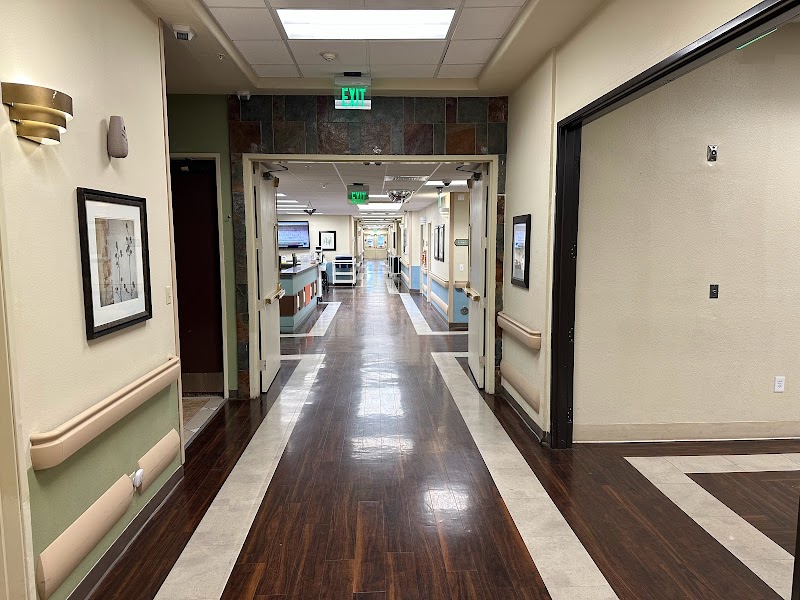
How is Mission Pines Nursing And Rehab Center Staffed?

CMS rates MISSION PINES NURSING AND REHAB CENTER's staffing level at 2 out of 5 stars, which is below average compared to other nursing homes. Staff turnover is 53%, compared to the Nevada average of 46%. RN turnover specifically is 64%, which is notably high. RNs provide skilled clinical oversight, so turnover in this role can affect medical care quality.

What Have Inspectors Found at Mission Pines Nursing And Rehab Center?

State health inspectors documented 29 deficiencies at MISSION PINES NURSING AND REHAB CENTER during 2022 to 2024. These included: 29 with potential for harm.
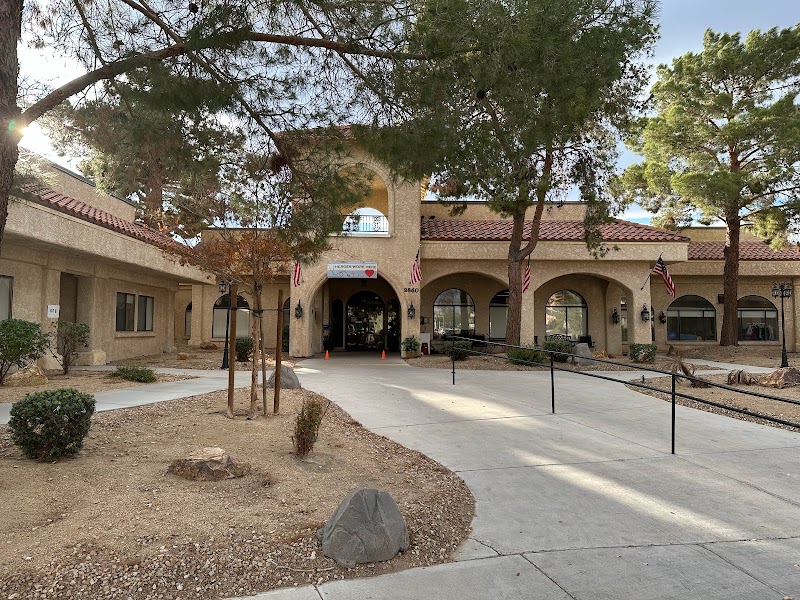
Who Owns and Operates Mission Pines Nursing And Rehab Center?

MISSION PINES NURSING AND REHAB CENTER is owned by a for-profit company. For-profit facilities operate as businesses with obligations to shareholders or private owners. The facility operates independently rather than as part of a larger chain. With 240 certified beds and approximately 179 residents (about 75% occupancy), it is a large facility located in NORTH LAS VEGAS, Nevada.
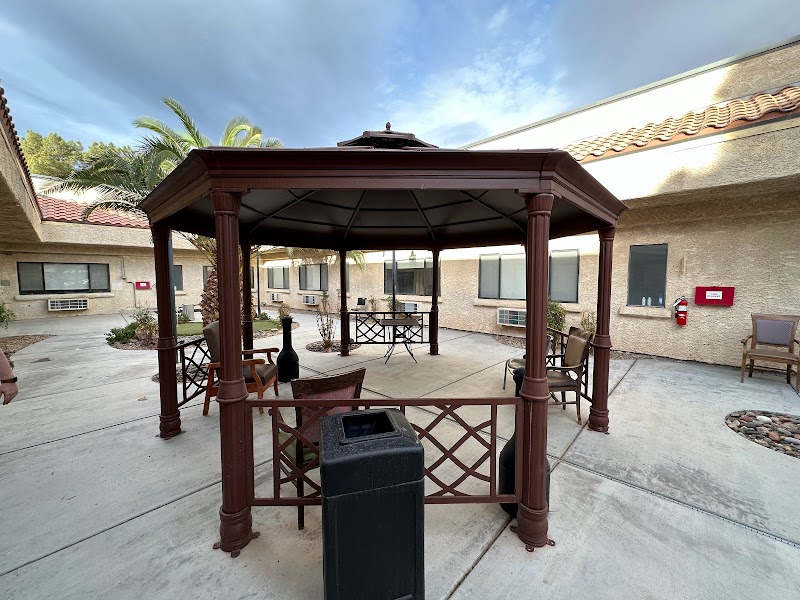
How Does Mission Pines Nursing And Rehab Center Compare to Other Nevada Nursing Homes?

Compared to the 100 nursing homes in Nevada, MISSION PINES NURSING AND REHAB CENTER's overall rating (3 stars) is below the state average of 3.0, staff turnover (53%) is near the state average of 46%, and health inspection rating (3 stars) is at the national benchmark.

What Should Families Ask When Visiting Mission Pines Nursing And Rehab Center?

Based on this facility's data, families visiting should ask: "Can you walk me through typical staffing levels on day, evening, and night shifts?" "Can I visit during a mealtime to observe dining assistance and food quality?" "How do you handle medical emergencies, and what is your hospital transfer rate?" "Can I speak with family members of current residents about their experience?" These questions are particularly relevant given the below-average staffing rating.

Is Mission Pines Nursing And Rehab Center Safe?

Based on CMS inspection data, MISSION PINES NURSING AND REHAB CENTER has a clean safety record: no substantiated abuse findings (meaning no confirmed cases of resident harm), no Immediate Jeopardy citations (the most serious violation level indicating risk of serious injury or death), and is not on the Special Focus Facility watch list (a federal program monitoring the lowest-performing 1% of nursing homes). The facility has a 3-star overall rating and ranks #100 of 100 nursing homes in Nevada. While no facility is perfect, families should still ask about staff-to-resident ratios and recent inspection results during their visit.

Do Nurses at Mission Pines Nursing And Rehab Center Stick Around?

MISSION PINES NURSING AND REHAB CENTER has a staff turnover rate of 53%, which is 7 percentage points above the Nevada average of 46%. Moderate turnover is common in nursing homes, but families should still ask about staff tenure and how the facility maintains care continuity when employees leave.

Was Mission Pines Nursing And Rehab Center Ever Fined?

MISSION PINES NURSING AND REHAB CENTER has no federal fines on record. CMS issues fines when nursing homes fail to meet care standards or don't correct problems found during inspections. The absence of fines suggests the facility has either maintained compliance or corrected any issues before penalties were assessed. This is a positive indicator, though families should still review recent inspection reports for the full picture.

Is Mission Pines Nursing And Rehab Center on Any Federal Watch List?

MISSION PINES NURSING AND REHAB CENTER is not on any federal watch list. The most significant is the Special Focus Facility (SFF) program, which identifies the bottom 1% of nursing homes nationally based on persistent, serious quality problems. Not being on this list means the facility has avoided the pattern of deficiencies that triggers enhanced federal oversight. This is a positive indicator, though families should still review the facility's inspection history directly.