NORTH LAS VEGAS CARE CENTER
3215 E. CHEYENNE AVE., NORTH LAS VEGAS, NV 89030 (702) 649-7800
For profit - Limited Liability company 182 Beds FUNDAMENTAL HEALTHCARE Data: November 2025
Trust Grade
18/100
#58 of 65 in NV
Last Inspection: September 2024

Within standard 12-15 month inspection cycle. Federal law requires annual inspections.

Overview

North Las Vegas Care Center has received a Trust Grade of F, indicating significant concerns about the quality of care provided. They rank #58 out of 65 facilities in Nevada, placing them in the bottom half, and #38 out of 42 in Clark County, suggesting limited local options that are better. Although the facility's trend shows improvement, reducing issues from 9 in 2024 to 3 in 2025, they still have a concerning staffing rating of 1 out of 5 stars and experience a high turnover rate of 49%, which is average for the state. Specific incidents include a resident being roughly treated by staff, raising concerns about safety, and another resident missing crucial medication doses, which could have serious health implications. While there is some strength in the facility's trend toward improvement, the overall low ratings and specific care issues highlight the need for careful consideration.

Trust Score
F
18/100
In Nevada
#58/65
Bottom 11%
Safety Record
High Risk
Review needed
Inspections
Getting Better
9 → 3 violations
Staff Stability
⚠ Watch
49% turnover. Above average. Higher turnover means staff may not know residents' routines.
Penalties
✓ Good
$9,311 in fines. Lower than most Nevada facilities. Relatively clean record.
Skilled Nurses
⚠ Watch
Each resident gets only 14 minutes of Registered Nurse (RN) attention daily — below average for Nevada. Fewer RN minutes means fewer trained eyes watching for problems.
Violations
⚠ Watch
36 deficiencies on record. Higher than average. Multiple issues found across inspections.
★☆☆☆☆
1.0
Overall Rating
★☆☆☆☆
1.0
Staff Levels
★★☆☆☆
2.0
Care Quality
★★☆☆☆
2.0
Inspection Score
Stable
2024: 9 issues
2025: 3 issues

The Good

  • Full Sprinkler Coverage · Fire safety systems throughout facility
  • No fines on record

Facility shows strength in fire safety.

The Bad

1-Star Overall Rating

Below Nevada average (3.0)

Significant quality concerns identified by CMS

Staff Turnover: 49%

Near Nevada avg (46%)

Higher turnover may affect care consistency

Federal Fines: $9,311

Below median ($33,413)

Minor penalties assessed

Chain: FUNDAMENTAL HEALTHCARE

Part of a multi-facility chain

Ask about local staffing decisions and management

The Ugly 36 deficiencies on record

1 actual harm
Aug 2025 1 deficiency
CONCERN (D) 📢 Someone Reported This

A family member, employee, or ombudsman was alarmed enough to file a formal complaint

Potential for Harm - no one hurt, but risky conditions existed

Free from Abuse/Neglect (Tag F0600)

Could have caused harm · This affected 1 resident

**NOTE- TERMS IN BRACKETS HAVE BEEN EDITED TO PROTECT CONFIDENTIALITY** Based on interview, record review and document review, the facility failed to ensure a resident was kept safe from abuse for 1 o...

Read full inspector narrative →
**NOTE- TERMS IN BRACKETS HAVE BEEN EDITED TO PROTECT CONFIDENTIALITY** Based on interview, record review and document review, the facility failed to ensure a resident was kept safe from abuse for 1 of 40 sampled residents (Resident 166). The deficient practice had the potential for residents to experience emotional distress and physical harm.Findings include:Resident 166 (R166) was admitted to the facility on [DATE] with diagnoses including fusion of cervical spine, cocaine abuse with cocaine-induced psychotic disorder with hallucinations, depression, and pain.The Administrator was notified on 04/15/2025 of an allegation of abuse which occurred on 04/12/2025. R166 reported that a certified nursing assistant (CNA) was rough when changing the resident's brief. The resident reported the CNA tugged on the resident. The CNA was removed from the resident's care for the remainder of the shift due to the resident and CNA not getting along. When the facility was notified of the allegation of abuse the employee had resigned from the facility. An investigation was conducted, and the facility substantiated the allegation of abuse. The Director of Social Services met with R166 who indicated feeling safe in the facility and did not experience any negative impacts from the incident. A psychosocial well-being care plan was initiated to monitor the resident for any negative outcomes related to the incident. The CNA was reported to the nursing board. Abuse and neglect training for staff was conducted on 04/17/2025.The facility policy titled Abuse, Neglect, Exploitation, or Mistreatment, documented the facility's leadership prohibited neglect, mental, physical and/or verbal abuse, use of a physical and/or chemical restraint not required to treat a medical condition, involuntary seclusion, corporal punishment, and misappropriation of a patient's/resident's property and/or funds and ensures that alleged violations involving abuse, neglect, exploitation, or mistreatment, including injuries of unknown source and misappropriation of residence property, are reported and investigated immediately.During the onsite investigation from 08/26/2025 through 08/29/2025, the facility was found to be in compliance regarding abuse regulations as evidenced by observations of staff and resident interactions were respectful and courteous and interviews with residents revealed no concerns with how staff treated the residents. Facility Reported Incident 2287896
Jan 2025 2 deficiencies
CONCERN (D) 📢 Someone Reported This

A family member, employee, or ombudsman was alarmed enough to file a formal complaint

Potential for Harm - no one hurt, but risky conditions existed

Quality of Care (Tag F0684)

Could have caused harm · This affected 1 resident

**NOTE- TERMS IN BRACKETS HAVE BEEN EDITED TO PROTECT CONFIDENTIALITY** Based on observation, interview, record review, and document review, the facility failed to ensure a medication was administered...

Read full inspector narrative →
**NOTE- TERMS IN BRACKETS HAVE BEEN EDITED TO PROTECT CONFIDENTIALITY** Based on observation, interview, record review, and document review, the facility failed to ensure a medication was administered timely to 1 of 3 sampled residents (Resident #2). The deficient practice had a potential for the intended use of the medication to be insufficient or ineffective with a possible cause of harm to the resident. Findings include: Resident #2 (R2) R2 was originally admitted to the facility on [DATE] with diagnoses of Parkinson's Disease without dyskinesia, chest pain, personal history of transient ischemic attack, and cerebral infarction without residual deficits. A physician order dated 06/07/2024 for Doxycycline Hyclate 100 milligram (mg) tablet was ordered for cellulitis and was to be given at 9:00 AM and 9:00 PM. The medication administration record (MAR) revealed the resident missed the 9:00 PM dose on 06/07/2024, both doses on 06/08/2024, and the first dose of the medication was administered on 06/09/2024 at 9:00 AM. The MAR documented the facility was awaiting delivery of the medication from the Pharmacy. A physician order dated 06/07/2024 for Amoxicillin- Pot Clavulate 875-125 mg tablet was ordered for cellulitis and was to be given at 9:00 AM and 9:00 PM. The medication administration record (MAR) revealed the resident missed the 9:00 PM dose on 06/07/2024, both doses on 06/08/2024, and the first dose of the medication was administered on 06/09/2024 at 9:00 AM. The MAR documented the facility was awaiting delivery of the medication from the pharmacy. An Omnicell (an automated medication dispensing system which stores and tracks medications) medication availability log, revealed the Doxycycline Hyclate 100mg tablet and the Amoxicillin- Pot Clavulate 875-125 mg tablet were both available in the Omnicell at the facility to be used for the resident. On 01/30/2025 at 12:45 PM, a Licensed Practical Nurse (LPN) Unit Manager, confirmed the Omnicell medication availability log did contain the Doxycycline Hyclate 100mg tablet and the Amoxicillin- Pot Clavulate 875-125 mg tablet and both were available in the Omnicell at the facility to be used for the resident. On 01/30/2025 at 02:16 PM, the Director of Nursing (DON), confirmed it is the policy of the facility to use the Omnicell machine for unavailable medications. The DON stated there is someone in the facility at all times which has access to the Omnicell machine. The DON also verified the physician had not been notified of the late start date of either of the medications. A facility policy titled Medication Procurement: Emergency Boxes and On-Site Stores revised 04/17/2024, documented on-site stores of medications were to be utilized in the care of new admissions, new orders unable to be received before the next scheduled pharmacy delivery, or when immediate medication administration were required.
CONCERN (D) 📢 Someone Reported This

A family member, employee, or ombudsman was alarmed enough to file a formal complaint

Potential for Harm - no one hurt, but risky conditions existed

Deficiency F0697 (Tag F0697)

Could have caused harm · This affected 1 resident

**NOTE- TERMS IN BRACKETS HAVE BEEN EDITED TO PROTECT CONFIDENTIALITY** Based on observation, record review and interview, the facility failed to provide pain medication as requested, assess, and docu...

Read full inspector narrative →
**NOTE- TERMS IN BRACKETS HAVE BEEN EDITED TO PROTECT CONFIDENTIALITY** Based on observation, record review and interview, the facility failed to provide pain medication as requested, assess, and document resident pain level accurately according to physician's order for 1 of 1 unsampled residents (Resident 4). The deficient practice placed the resident at risk for ineffective and inadequate pain control. Findings include: Resident 4 (R4) was admitted on [DATE] with diagnoses including angina pectoris, muscle wasting and atrophy, chest pain, absences of right and left leg below the knee, and pain. On 01/30/2025 at 10:23 AM, a Licensed Practical Nurse (LPN3) verbalized if medication is not available for a resident, a nurse should check the Omnicell (onsite medication dispensing machine) for the medication before waiting for the pharmacy to deliver the medication. On 01/30/2025 at 10:35 AM, the Registered Nurse Unit Manager (RN3) indicated the nurses use the Omnicell often to ensure resident do not go without medication. On 01/30/2025 at 10:42 AM, R4 was lying in bed, alert and oriented. R4 verbalized Norco (narcotic pain medication) not being given upon request during morning medication pass because the facility had run out of medication, and the resident would have to wait until the facility received the medication. R4 indicated only being given Tylenol but was still in pain. On 01/30/2025 at 10:48 AM, another LPN (LPN2) indicated if a resident does not have medication, the nurse can retrieve it from the Omnicell. On 01/30/2025 at 10:57 AM, LPN3 verbalized R4 had run out of Norco, but the pharmacy had indicated the medication would arrive around 11:30 AM. LPN3 indicated the resident had orders for Tylenol, and LPN3 had administered Tylenol while waiting for the Norco to arrive. LPN3 asked R4 if the resident was still in pain, and R4 confirmed the Tylenol was not effective and would like additional pain medication. LPN3 asked the resident if R4 would like additional Tylenol or Norco that can be pulled from the Omnicell. R4 verbalized wanting the Norco instead. The Omnicell inventory list indicated Hydrocodone-acetaminophen (Norco) - 5/325 mg was included in the inventory. R4's Comprehensive Care Plan dated 09/19/2024 documented the resident has pain and discomfort, and staff must assess and monitor for signs and symptoms of increased pain or discomfort. R4's medical record revealed Physician orders for: - Check resident for level of pain (8AM - 4PM - 8PM). Dated 08/31/2022 - Acetaminophen (Tylenol), over the counter - 325 milligrams (mg), administer 2 tablets (650 mg) as needed every 6 hours for moderate pain from 3-5. Dated 06/01/2023 - Hydrocodone-acetaminophen (Norco) - 5/325 mg, administer 1 tablet as needed every 4 hours for pain scale from 6-10. Dated 11/27/2023 R4's Medication Administration Review (MAR) for Acetaminophen lacked documented evidence of being administered on 01/30/2025. The MAR for Hydrocodone-acetaminophen documented being administered on 01/30/2025 at 11:16 AM. On 01/30/2025 at 11:49 AM, R4 indicated being at a pain level of 9 in the morning when the Tylenol was given, but the resident was feeling much better after receiving the Norco. On 01/30/2025 at 11:53 AM, LPN3 indicated not administering Tylenol and confirmed not administering any pain medication to the resident. LPN3 verbalized not asking the resident about the level of pain during the morning medication pass and incorrectly marking a pain level of 0 in the MAR. LPN3 conveyed if the resident's pain level had been properly monitored, the resident would have received pain medication sooner and not have been in pain. On 01/30/2025 at 11:30 AM, the Director of Nursing (DON) advised the pharmacy monitors and keeps the Omnicell stocked monthly. The DON verbalized the expectation for the nursing staff is to take medication from the Omnicell instead of waiting for the pharmacy to send it. The DON emphasized if a resident indicated a pain level of 8 to 10, the nursing staff should pull medication from the Omnicell, if the medication is available. The DON indicated LPN3 should have taken the Norco from the Omnicell instead of administering Tylenol. On 01/30/2025 at 2:27 PM, the DON verbalized if the resident's level of pain is not checked, it can delay the treatment and cause the pain to not be addressed. The DON indicated a pain level of 0 should not be given pain medication. The Medication Procurement policy revised 04/17/2024, documented the facility would utilize the onsite medication dispensing system when immediate medication administration is required. The Pain Management policy revised 05/05/2023, documented ongoing evaluation of resident's pain level will be used as the basis for revision of the comprehensive care plan. If the resident's pain is not adequately controlled, the resident's care plan may need to be revised.
Sept 2024 7 deficiencies
CONCERN (D)

Potential for Harm - no one hurt, but risky conditions existed

PASARR Coordination (Tag F0644)

Could have caused harm · This affected 1 resident

**NOTE- TERMS IN BRACKETS HAVE BEEN EDITED TO PROTECT CONFIDENTIALITY** Resident 119 (R119) R119 was admitted on [DATE] and readmitted on [DATE], with diagnosis including heart failure unspecified, ur...

Read full inspector narrative →
**NOTE- TERMS IN BRACKETS HAVE BEEN EDITED TO PROTECT CONFIDENTIALITY** Resident 119 (R119) R119 was admitted on [DATE] and readmitted on [DATE], with diagnosis including heart failure unspecified, urinary tract infection, and essential primary hypertension. On 09/09/2024 at 12:49 PM, R119 was observed in bed while watching television. R119 was pleasant, calm, and did not display concerning or withdrawn behaviors when interviewed. A Nevada PASRR Level I Identification Determination dated 11/04/2021, revealed R119 did not have dementia, mental illness (MI), mental retardation (MR) or any related condition (RC), and was deemed appropriate for nursing facility placement. R119's medical record revealed new diagnosis of anxiety disorder due to known physiological condition on 06/27/2023, anxiety disorder unspecified on 07/02/2023, panic disorder (episodic paroxysmal anxiety) on 07/03/2023, post-traumatic stress disorder unspecified on 07/03/2023, and major depressive disorder, recurrent severe without psychotic features on 08/02/2023. A Psychiatric Progress Note dated 08/16/2024, documented R119's affect was flat, withdrawn and had been isolating in the room. R119 was depressed and anxious at times. Assessment included R119 had occasional panic. R119's medical record lacked documented evidence a referral was made for PASRR level 2 evaluation after the newly found diagnoses listed above. On 09/11/2024 at 1:17 PM, the Director of Nursing confirmed R119 had new diagnosis of anxiety disorder due to known physiological condition, anxiety disorder unspecified, panic disorder (episodic paroxysmal anxiety), post-traumatic stress disorder unspecified, and major depressive disorder, recurrent severe without psychotic features. The DON acknowledged R119 should have been referred for PASRR level 2 evaluation based on the newfound diagnoses and behaviors displayed. A facility policy titled Social Services Policies and Procedures, PASARR Documentation Policy revised 06/09/2023, documented any resident with newly evident or possible serious mental disorder, intellectual disability (ID) or a related condition must be referred, by the facility to the appropriate state-designated mental health intellectual disability authority for review. Based on observation, interview, record review, and document review, the facility failed to complete a Preadmission Screening and Resident Review (PASARR) Level 2 evaluation for newly found changes or diagnosis for 4 of 32 sampled residents (Resident 115, 81, 139 and 119). The deficient practice had the potential to place residents at risk of not being evaluated for appropriate determination of necessary behavioral health services. Findings include: Resident 115 (R115) R115 was admitted on [DATE], with an admitting diagnoses including chronic pancreatitis and blindness. On 08/09/2024 at 9:00 AM, the resident was observed lying in bed. During the introduction, R115 stated not wanting to talk to anyone and sternly ordered to leave the room. On 08/10/2024 and 08/11/2024 in the morning, R115 was observed wheeling self along the hallways while constantly talking to self. R115 was observed stopping at other resident room doorways and continuously talking even with no one inside the room. R115's admission History and Physical dated 03/29/2024, lacked documented evidence under History of Present Illness (HPI) of any psychological symptoms suggesting a behavioral diagnosis. R115's listed Past Medical History: Blindness and history of polysubstance abuse. The facility provided R115 admission PASRR dated 04/10/2023, documented Determination: No mental illness (MI), intellectual disability (IDD), and/or conditions related to intellectual disability (RC) or Dementia. Psychiatric Evaluation dated 03/30/2024 at 2:18 PM, documented Assessment: Patient had reported issues with anxiety over conditions, depression due to conditions, ongoing problems with pain and insomnia, suggest sleeping medications at bedtime, will discuss power of attorney (POA) with family, no capacity to leave against medical advice (AMA) and suggest discharge planning with social worker. Psychiatric Progress Notes dated 05/19/2024 at 3:43 PM, documented Assessment: Patient had reported issues with anxiety over conditions, depression due to conditions, ongoing problems with pain and insomnia, will adjust medications. Psychiatric Progress Notes dated 08/11/2024, documented Psychiatric Review of Systems: positive for anxiety and insomnia/sleep changes. Assessment: Patient had reported issues with anxiety over conditions, refused all options, stopped taking antidepressant, discussed options, declined different anti-depressant despite reports of previously taking the medication. The patient declines to take this medication and will not order additional medications. All psychiatry consults visits had documented the diagnoses of: Anxiety and major depressive disorder (MDD), recurrent - severe with psychotic symptoms. Review of R115's nursing progress notes from 08/01/2024 to current revealed the following behavioral incidences: - The resident requires frequent redirection, - The resident has outburst and makes repetitive delusional statements, - The resident is argumentative with staff and is disruptive to other residents due to yelling and going in their rooms. - The resident refuses psychotropic medications and sleep aides. - The resident continues to wheel self up and down the hallway, talking to self, shouting to others walking by, and lifting shirt up. - The resident has been confrontational with staff, being very loud, stating wanting to leave. - The resident has been hard to redirect. - The resident is insistent on leaving facility, packed bags and roaming through halls. A progress note entry dated 09/11/2024 at 1:33 PM, documented R115 was yelling at medical transport as the resident refuses to be taken to North Vista Hospital and the resident wants to go to University Medical Center (UMC). Informed medical transport know this was a L2k hold (Legal 2000 - a term used in Nevada for a mental health crisis hold) from resident's psychiatrist but medical transporters stated the resident can go where pleases as long as vital signs are stable and is alert and oriented. The nurse informed both primary and psychiatrist know regarding what medical transport had stated. Resident took all belongings and stated, I'm never coming back here. Transport documents, L2K forms, and physicians' orders. Social services and DON made aware; Unit Manager called Emergency Department at UMC to give report on resident at 1:30 PM. Resident 81 (R81) R81 was admitted on [DATE], with an admitting diagnoses including significant for diabetes and neurocognitive disorder. On 08/09/2024 at 9:40 AM, the resident was observed verbally abusive to plumbers fixing the resident's sink. R81 was constantly yelling in Spanish to the contractors and at times to no one. On 08/10/2024 and 08/11/2024 in the morning, R81 was observed pacing inside the room, talking to self. R81's re-admission History and Physical dated 04/24/2024, documented the patient was found wandering and having suicidal ideation. The patient was evaluated in the emergency department, medically cleared and admitted to hospital psychiatric unit for further evaluation and treatment. Once the patient's psychotropic intervention was optimized and patient's mental health stabilized, patient was discharged to skilled nursing facility for ongoing care and treatment. The facility provided R81's admission PASRR dated 10/12/2023, documented Determination: Dementia Alzheimer OBS. Psychiatric Evaluation dated 12/24/2023, documented Assessment: History of schizoaffective disorder, recent hospitalization, refusing medications, ongoing issues with compliance, discontinued oral medications due to refusals and no criteria for forced medications. The patient was requesting to leave against medical advice (AMA), but no capacity and coordinate with family. Psychiatric Evaluation dated 08/16/2024, documented Assessment: The patient has a reported history of neurocognitive disorders (NCDs) with delirium and psychosis, refusing oral medications, no criteria for legal hold at this time, no criteria for forced medications at this time, the patient was still yelling out. All psychiatry consult visit had a documented the diagnoses of: NCD with behavior and anxiety, schizoaffective disorder bipolar type. Review of R81's nursing progress notes from 09/01/2024 to current, revealed the following behavioral incidences: - The resident continues to refuse medication and blood sugar check. The patient was yelling and screaming while in room. Very difficult to redirect, denies pain or discomfort. - The resident yelling loudly, hitting bathroom door, upset plumber and our maintenance director was in bathroom fixing the sink, staff and this writer tried to explain to resident but was unsuccessful resident continued to yell, hit the bathroom door threatening staff. - The resident continues to refuse all meds, and blood sugar this shift, can be heard yelling to self and staff in Spanish, maintenance in bathroom in resident room attempting to unclog toilet, maintenance swapped out toilet due to toilet and drains being clogged with multiple brown paper towels, staff member at room to translate for maintenance, resident states I have been throwing those paper towels in the toilet since I got here, staff member educated resident in Spanish on risk of clogging toilet, and encouraged resident to not do so, will continue to monitor. - The resident was heard yelling loudly. Upon entering room noted aide picking up soiled brief with stool off floor and wet paper towels from resident throwing onto the floor, resident very loud yelling and waving hands in the air pointing in this writer face then threw wet paper towel hitting me on the leg. - The resident continues to refuse all medications and blood sugar checks. The resident had an episode of yelling and screaming. The resident was peeking out of doorway cursing at staff members. Very difficult to redirect. Denies any pain or discomfort. Will continue to monitor. Resident 139 (R139) R139 was admitted on [DATE], with an admitting diagnoses including cerebral infarction due to thrombosis and Dementia. On 08/09/2024 at 9:55 AM, the resident was observed lying in bed. During the introduction R139 just looked and said nothing. On 08/11/2024 in the afternoon, an aide was sitting next to R139 for close monitoring due to residents' aggressive behavior. R139's admission History and Physical dated 06/02/2024, the patient had a history of dementia who recently developed cerebral venous thrombosis with subarachnoid hemorrhage. This is causing refractory strokes, started on antiepileptic and was eventually controlled. The patient was eventually controlled and transferred to this facility. The facility provided R139's admission PASRR dated 11/29/2023, documented Determination: Dementia Alzheimer OBS. Psychiatric Evaluation dated 06/02/2024, documented Assessment: issues with anxiety and sleep, suggest monitoring, no suicidal ideation (SI) or homicidal ideation (HI), ongoing restlessness and anxiety, problems with mood and psychosis. Psychiatric Evaluation dated 09/01/2024, documented Assessment: Noted negative signs of psychosis (avoidance, agitation, withdrawn behavior). Ongoing combative behavior, kicking and spitting at staff members, problems with refusals, aggression noted, will continue to titrate medications to target, ongoing intermittent fatigue. All psychiatry consults visits had documented the diagnoses of: Major depressive disorder, single episode, severe with psychotic features. Review of R139's nursing progress notes from 09/01/2024 to current revealed the following behavioral incidences: - The resident was up most of the night pacing the hallways and wandering into other resident's room. Very difficult to redirect. The resident became physically aggressive at the staff. Assisted back to bed and 1:1 close observation provided. - The resident continues to pace quickly in the hallways running fast. Assisted patient to TV room for resting period. - The resident was monitored 1:1 supervision alternating staff due to aggressive behavior and to keep distance from other residents and aggressive behaviors for safety. - The resident pulled down brief and pants in dayroom and pooped onto the floor and urinated. On 09/10/24 at 3:03 AM, the Director of social services (SS) indicated PASRR 2 had to be completed for residents with newly evident or possible serious mental disorder, intellectual disability, or a related condition. The Director acknowledged indications of behaviors and or diagnoses would place a resident into the criteria for a level 2 PASRR. The Director indicated SS is responsible in referring residents for level 2 in conjunction with the DON. The Director confirmed there were no residents currently being considered for a level 2 evaluation. On 09/11/2024 10:53 AM, the Director of Nursing (DON) confirmed the mentioned residents had the exhibited behaviors and diagnoses. The DON was not aware the residents did not have a PASRR level 2 completed. The DON reviewed the original PASRR and acknowledged the lack of the MI identified on the level 1 PASRR. The DON acknowledged the residents should have had a Level 2 completed to ensure the residents were appropriate for the facility and any recommendations were followed through. The DON indicated staff should have informed SS or DON so the application could have been submitted.
CONCERN (D)

Potential for Harm - no one hurt, but risky conditions existed

Quality of Care (Tag F0684)

Could have caused harm · This affected 1 resident

**NOTE- TERMS IN BRACKETS HAVE BEEN EDITED TO PROTECT CONFIDENTIALITY** Based on observation, interview, record review and document review, the facility failed to ensure 1) the physician was notified ...

Read full inspector narrative →
**NOTE- TERMS IN BRACKETS HAVE BEEN EDITED TO PROTECT CONFIDENTIALITY** Based on observation, interview, record review and document review, the facility failed to ensure 1) the physician was notified of a high Vancomycin trough level (laboratory monitoring of Vancomycin to maintain therapeutic blood levels and prevent serious side effects) prior to administration of next dose and, 2) there was a physician order to hold Vancomycin when the nurse decided to not administer the medication during subsequent shift for a resident who was being treated for bacterial pneumonia for 1 of 32 sampled residents (Resident 143). The deficient practice placed the resident at risk for ineffective antibiotic therapy and serious side effects. Findings include: Resident 143 (R143) R143 was admitted on [DATE] and readmitted on [DATE], with diagnoses including intracranial injury with loss of consciousness and bacterial pneumonia. A physician's order dated 09/08/2024, documented to give Vancomycin reconstituted solution 1,000 milligrams (mg) 1.25 grams, intravenously (IV) every eight hours at 8:00 AM, 4:00 PM and 12:00 AM for bacterial pneumonia. On 09/09/2024 at 9:02 AM, R143's eyes were opened, but the resident was non-verbal. An IV pole was observed on the right side of R143's bed and a bag of IV Vancomycin 1,000 mg was infusing at 167 milliliters (ml) per hour through R143's right upper arm midline (IV access). On 09/10/2024 at 8:05 AM, R143 laid in bed with eyes opened. R143's enteral feeding was infusing but the IV pump was not in use. On 09/10/2024 at 8:07 AM, the Licensed Practical Nurse (LPN) indicated R143's IV Vancomycin scheduled for 8:00 AM would be held due to the night nurse's verbal report from the night nurse. The LPN explained the night nurse verbalized being responsible for entering laboratory orders for a Vancomycin trough level and would take care of coordinating with the laboratory vendor but according to the LPN, the laboratory technician had not arrived. The medical record lacked documented evidence the night nurse communicated the pharmacy request for a Vancomycin trough level with the physician, obtained and entered orders for a Vancomycin trough level to be drawn and coordinated with the laboratory vendor regarding the pharmacy request. The Laboratory book dated 09/09/2024 documented the resident's Vancomycin trough level had already been drawn on 09/09/2024 at 3:30 PM, specifically, the specimen was obtained at 3:19 PM, received by laboratory at 4:47 PM, verified by lab at 4:57 PM and results received by the facility at 11:26 PM. The laboratory report dated 09/09/2024, revealed R143's Vancomycin trough level was 21.8 microgram per milliliter (ug/ml). Reference range: 10.0 to 20.0 ug/ml. Interpretation: High. The medication administration history report revealed the night nurse administered R143's Vancomycin's 12:00 AM dose on 09/10/2024. The medical record lacked documented evidence the nurse notified the physician regarding R143's high Vancomycin trough level which was made available to the facility at 11:26 PM on 09/09/2024. On 09/10/2024 at 9:10 AM, a Registered Nurse (RN) explained R143's Vancomycin trough had been drawn on 09/09/2024 at 3:30 PM and results were provided to the facility at 11:26 PM, more than 30 minutes prior to the next scheduled dose of 12:00 AM. The RN indicated the night nurse was an agency nurse who may not have been familiar with the laboratory book nor knew how to look up results in the electronic health record (EHR). On 09/10/2024 at 9:18 AM, the RN indicated the night nurse should have been aware of R143's high trough levels and communicated the abnormal result with the physician to enable the physician to provide guidance on whether to hold, delay or still administer the medication. On 09/10/2024 at 9:38 AM, the LPN acknowledged not personally verifying in the EHR on whether the night nurse had obtained orders for the resident's Vancomycin trough or whether a Vancomycin trough result was available in the EHR. The LPN confirmed there was no documentation nor information relayed by the night nurse that the physician was contacted for guidance and direction. The LPN acknowledged R143's scheduled 8:00 AM dose was held based solely on the verbal report from the agency night nurse. The LPN indicated the LPN should have verified Vancomycin trough levels in the EHR and contacted the physician before deciding to hold this morning's dose. On 09/10/2024 at 9:29 AM, the Unit Manager indicated the nurse who entered R143's Vancomycin orders on 09/08/2024 should have obtained and entered orders for laboratory monitoring for safety reasons since the medication was associated with certain toxicities. The Unit Manager confirmed R143's trough levels had been drawn and made available to the facility on [DATE] which the night nurse was expected to check prior to administering the midnight dose. In addition, the Unit Manager indicated the LPN should not have held R143's Vancomycin scheduled 8:00 AM dose without a physician's order. On 09/10/2024 at 1:36 PM, the Director of Nursing (DON) indicated Vancomycin was an antibiotic which had a narrow therapeutic index and came with blood monitoring requirements to attain therapeutic levels. According to the DON, when Vancomycin levels were low the drug would be ineffective and may cause toxicities when high. The DON indicated it was important for nursing to coordinate closely with pharmacy who was responsible for proper dosing and the physician who alone can order the drug to be held, delayed or given. The DON confirmed and emphasized the following: -the agency night nurse did not but should have known how to look up R143's Vancomycin trough levels which were made available to the facility on [DATE]. -the agency night nurse should have communicated R143's high trough levels with the physician prior to administering the medication on 09/10/2024 at 12:00 AM. - the LPN should not have held R143's 8:00 AM Vancomycin without a physician's order. The LPN did not administer the medication based solely on the verbal report from the night nurse, without verifying results were available in the EHR and without documentation the physician had not yet been notified. - the nurse who entered the Vancomycin orders should have sought clarification, obtained and entered orders for blood monitoring such as Vancomycin trough levels and frequency thereof. The Pharmacy vendor's Vancomycin guidelines (2024), documented to 1) ensure initial Vancomycin orders included laboratory monitoring of Vancomycin levels and serum creatinine, 2) administer doses on time to achieve sustained serum concentrations, prevent resistance and progression of infection and mortality, 3) dose changes would be based on laboratory results if ordered by the prescriber and 4) do not hold dose unless there was a prescriber order to hold and 5) report laboratory results promptly for review. The IV Vancomycin education document (undated) which was provided by the DON, documented Vancomycin was an effective antibiotic used to treat a wide variety of bacterial infections. Vancomycin had a narrow therapeutic index (easy to underdose and overdose). Blood work was recommended to ensure proper dosing and to prevent kidney and ear damage.
CONCERN (D)

Potential for Harm - no one hurt, but risky conditions existed

Deficiency F0691 (Tag F0691)

Could have caused harm · This affected 1 resident

**NOTE- TERMS IN BRACKETS HAVE BEEN EDITED TO PROTECT CONFIDENTIALITY** Based on observation, interviews, record review, and document review the facility failed to ensure care orders were entered and ...

Read full inspector narrative →
**NOTE- TERMS IN BRACKETS HAVE BEEN EDITED TO PROTECT CONFIDENTIALITY** Based on observation, interviews, record review, and document review the facility failed to ensure care orders were entered and carried out for a colostomy (a surgical opening in the abdomen which provides a means for the collection of waste from the colon) in accordance with the resident care plan and facility policy for 1 of 32 sampled residents (Resident 69). The deficient practice had the potential for introducing infection and negative outcome of residents with a colostomy. Findings include: Resident 69 (R69) R69 was admitted on [DATE] and readmitted on [DATE]. On 09/09/2024 at 11:30 AM, R69 verbalized receiving care from the Certified Nursing Assistant (CNA) regarding colostomy however was not sure when the last time the barrier wafer was last changed on the colostomy. The medical record lacked documented evidence of any physician orders for the care and management of colostomy. On 09/10/2024 at 9:45 AM a CNA indicated the CNA would provide basic cleaning care for residents with a colostomy. The CNA would clean the area around the colostomy, ensure it was draining appropriately and change collection bag if needed. If the CNA noticed any concerns such as leaking or loose appliance, the nurse would be notified. Colostomy care would be documented in the electronic health record. The medical record revealed progress notes regarding colostomy were limited to identifying the colostomy was intact. The medical record did not indicate measures taken to monitor the colostomy or provide cleaning and care or changing the skin barrier wafer (appliance). On 09/10/2024 at 9:49 AM, a Licensed Practical Nurse indicated the CNA was responsible for cleaning around colostomy site, if the appliance on the colostomy needed to be changed the nurse would generally complete, however the CNA was trained to change appliance and bag. When a resident had colostomy there would be a physician order to identify the device used and frequency of cleaning and changes of appliance. The LPN indicated there were no orders for the resident of concern. On 09/10/2024 at 9:52 AM, the Unit Manager indicated there were no care and management orders for colostomy for resident of concern and there should be. When a resident had a colostomy, it would be identified during assessment and care and management orders should be entered. If there were no orders, there was a potential the needed care would be missed for the resident. On 09/11/2024 at 8:04 AM the Director of Nursing (DON) indicated when resident was admitted with colostomy a physician order should be obtained to clarify the type of care needed, how often and frequency of changing the colostomy appliance. The DON verbalized it was not appropriate to only document colostomy care in the care plan or physician orders. The facility policy titled Ostomy Care (revised 06/01/2015), documented ostomy appliances (wafers) usually stay on for five to seven days. If the resident experiences leakage, burning or pain underneath the appliance/wafer, it should be changed immediately and the peristomal skin evaluated.
CONCERN (D)

Potential for Harm - no one hurt, but risky conditions existed

Tube Feeding (Tag F0693)

Could have caused harm · This affected 1 resident

**NOTE- TERMS IN BRACKETS HAVE BEEN EDITED TO PROTECT CONFIDENTIALITY** Based on observation, interview, record review and document review, the facility failed to ensure gastrostomy (G-tube) care orde...

Read full inspector narrative →
**NOTE- TERMS IN BRACKETS HAVE BEEN EDITED TO PROTECT CONFIDENTIALITY** Based on observation, interview, record review and document review, the facility failed to ensure gastrostomy (G-tube) care orders were entered and carried out in accordance with facility protocol for 1 of 32 sampled residents (Resident 79). The deficient practice placed the resident at risk for G-tube complications including but not limited to infection, malposition and discomfort. Findings include: Resident 79 (R79) R79 was admitted on [DATE] and readmitted on [DATE], with diagnoses including metabolic encephalopathy, gastroparesis and gastrostomy malfunction. On 09/09/2024 at 1:34 PM, R79 was awake and able to communicate. A bottle of Glucerna 1.5 and a water bag was hanging on a tube feeding (TF) pump with feeding tube looped around the machine. The Unit Manager indicated R79's enteral feeding schedule was to be started at 7:00 PM and terminated at 7:00 AM. A physician's order dated 05/24/2024, documented to give Glucerna 1.5 at 80 cubic centimeters (cc) per hour for 12 hours via percutaneous endoscopic gastrostomy (PEG) tube, start at 7:00 PM, end at 7:00 AM. Flush PEG with water at 60 cc per hour for 12 hours, start at 7:00 PM, end at 7:00 AM. On 09/11/2024 at 9:18 AM, R79 laid in bed with TF pump off but tubing was still attached to the resident's G-tube site. R79 pulled gown up which revealed a reddish-brown stain on the inner part of the gown and on the edges of the gauze dressing which covered the G-tube site labeled 09/11. On 09/11/2024 at 9:19 AM, the Licensed Practical Nurse (LPN) indicated terminating R79's enteral feeding earlier in the morning. The LPN indicated the tubing was not disconnected from R79 because R79 was holding on to the clamp and refused to be disconnected. On 09/11/2024 at 9:20 AM, R79 verbalized not refusing to be disconnected from the tubing. On 09/11/2024 at 9:20 AM, the LPN did not correct R79 when the resident denied refusing to be disconnected. The LPN confirmed there was a reddish-brown stain which appeared to be dried blood on the resident's gown and on the edges of the G-tube gauze dressing. The LPN indicated the night nurse reported there was drainage around R79's G-tube site but did not expound on the drainage. The LPN acknowledged not assessing R79's G-tube site during the termination of feed because the LPN trusted the night nurse's report there were no complications to the site. On 09/11/2024 at 9:22 AM, the LPN removed the gauze dressing which revealed bright red tissue around the stoma (surgical opening). Scant amount of bleeding was observed more pronounced when the LPN pressed around the stoma. R79 interrupted, I have pulled my G-tube before. On 09/11/2024 at 9:32 AM, the Wound Registered Nurse (RN) assessed R79's G-tube site and described the fresh tissue as hyper granulation which was caused by tissue growth from the inside which was not unusual for G-tube sites, however, the bleeding was not normal and should be reported to the wound nurse who would make recommendations and obtain orders from the wound physician. The wound nurse indicated if R79's G-tube condition was not identified and addressed now, it would have placed R79 at a higher risk for G-tube complications such as infection. On 09/11/2024 at 9:50 AM, the Director of Nursing (DON) entered R79's room, donned gloves and assessed R79's G-tube site. The DON described the tissue growth as fresh and beefy red which appeared to be hyper granulation. The DON indicated the agency LPN was expected to assess the site during termination of the enteral feeding and report the skin condition and bleeding to the wound nurse. The DON indicated nurses must do their own assessments rather than just rely on other nurse's report. On 09/11/2024 at 9:52 AM, the DON and wound nurse indicated R79 had a history of tugging on G-tube but refused an abdominal binder. The DON indicated assessing the site was more important for R79 due to other risks such as malposition and dislodgement. If the G-tube was mispositioned and feeding was initiated without proper assessment, the resident may be placed at risk for aspiration, bloating, discomfort and unnecessary hospitalization. On 09/11/2024 at 1:02 PM, the DON indicated having had the chance to review R79's medical record and confirmed no care orders were in place for R79's G-tube site care which should have included assessment and monitoring every shift, identifying and reporting abnormalities and cleansing and dressing changes. The DON indicated the resident was admitted with a G-tube on 02/18/2024 and there had been no care orders for the G-tube site ever since. According to the DON, any nurse who identified care orders were lacking and not in place could have obtained and transcribed care orders from a physician. The DON indicated the facility followed the [NAME] standards of practice for tube feeding. The Lippincott Nursing Procedures (9th edition), revealed G-tube site care included inspecting the tube for migration, signs of infection, pain and presence of drainage. If skin problems develop, consult the wound nurse.
CONCERN (D)

Potential for Harm - no one hurt, but risky conditions existed

Unnecessary Medications (Tag F0759)

Could have caused harm · This affected 1 resident

**NOTE- TERMS IN BRACKETS HAVE BEEN EDITED TO PROTECT CONFIDENTIALITY** Based on observation, interview, record review and document review, the facility failed to ensure it was free of a medication er...

Read full inspector narrative →
**NOTE- TERMS IN BRACKETS HAVE BEEN EDITED TO PROTECT CONFIDENTIALITY** Based on observation, interview, record review and document review, the facility failed to ensure it was free of a medication error rate of five percent (%) or greater for one unsampled resident (Resident 58) and 1 of 32 sampled residents (Resident 61). The deficient practice placed other residents at risk for medication errors. Findings include: On 09/10/2024 in the morning, a Medication Administration Pass observation was performed with 32 opportunities observed and revealed three errors. The medication error rate was 9.38%. Resident 58 (R58) R58 was admitted on [DATE] and readmitted on [DATE], with diagnoses including type two diabetes mellitus. On 09/10/2024 at 8:21 AM, the Licensed Practical Nurse (LPN) prepared and administered the following medications to R58: - Metformin hydrochloride (HCl) 500 milligrams (mg), one tablet - Aspirin 81mg chewable, one tablet - Vitamin B12 500 micrograms (mcg), two tablets - Docusate sodium 100 mg, one tablet - Sennosides with docusate sodium 8.6 mg, two tablets - Thiamine 100 mg, one tablet - Vitamin D 25 mcg 1,000 units, two tablets A physician's order dated 07/23/2024, documented to give Metformin 500 mg, one tablet by mouth twice a day at 7:00 AM and 7:00 PM, give with meals. On 09/10/2024 at 8:25 AM, there was no breakfast tray in R58's room. R58 indicated finishing breakfast about an hour ago. Resident 61 (R61) R61 was admitted on [DATE], with diagnoses including type two diabetes mellitus and schizoaffective disorder. On 09/10/2024 at 8:37 AM, the LPN prepared and administered the following medications to R61: - Metformin HCL 500 mg, two tablets - Aspirin 81 mg enteric coated, one tablet - Clopidogrel 75mg, one table - Cymbalta Duloxetine 30 mg delayed released, one tablet - Enoxaparin syringe 40 mg/0.4 milliliter (ml) injection - Famotidine acid reducer 20 mg, one tablet - Magnesium oxide 400 mg, one tablet - Pregabalin 75 mg, two tablets - Vitamin D3 25 mcg 1,000 units, four tablets A physician's order dated 07/23/2024, documented to give Metformin 500 mg two tablets by mouth twice a day at 7:00 am and 7:00 PM, give with meals. On 09/10/2024 at 8:40 AM, there was no breakfast tray in R61's room. R61 indicated finishing being done with breakfast more than an hour ago. Late medications/Not given with meals On 09/10/2024 at 8:42 AM, the LPN explained breakfast trays were delivered to the unit at 7:00 AM. The LPN indicated Metformin (anti-diabetic drug) was ordered to be given with meals for R58 and R61 because the medication decreased intestinal absorption of glucose. The LPN acknowledged administering R58's Metformin at 8:21 AM and R61's Metformin at 8:37 AM which was more than one hour after breakfast was served. The LPN explained being assigned 25 residents and the LPN acknowledged routinely administering 7:00 AM medications together with routine medications scheduled for 8:00 AM as a time-saving measure so the LPN would not need to enter a resident's room twice. On 09/10/2024 at 9:55 AM, the Unit Manager indicated Metformin was a diabetic medication typically ordered to be administered with meals to help control the resident's blood sugar by reducing the amount of glucose absorbed by the body. The Unit Manager indicated if it was not possible for the medication to be given during the actual mealtime, the LPN should at least try to administer the medication 30 minutes before or after a meal for efficacy. According to the Unit Manager the Metformin for R58 and R61 was not administered in accordance with physician's order when the medication was administered more than one hour after breakfast, and it was also considered a late administration since the facility expected medications to be given within one hour from scheduled time. On 09/10/2024 at 12:47 PM, the Director of Nursing (DON) indicated Metformin was typically ordered prior to or during meals because the drug bonded with food to decrease glucose levels in the body plus doing so reduced bowel side effects. The DON confirmed the Metformin for R58 and R61 were not given in accordance with the physician's order to give with food and in addition the medication was considered as late administrations since the medication which was scheduled for 7:00 AM were given to R58 at 8:21 AM and to R61 at 8:37 AM. The Mosby's Nursing Drug Reference handbook 2024 (37th edition) which was provided by the DON, revealed Metformin was an antidiabetic drug which inhibited hepatic glucose production and increased sensitivity of peripheral tissue to Insulin. Administer oral route with meals to decrease gastrointestinal upset and provide best absorption. The Medication Management Program policy revised 05/05/2023, documented nurses must understand indications or reason for use of therapy, effectiveness for achieving therapeutic goal, drug actions and the rights of medication administration which included right time. Medications were administered no more than one hour before to one hour after the designated medication pass times. Omitted/Missed dose On 09/10/2024 at 8:37 AM, the LPN administered nine routine medications to R61 except for Risperdal. A physician's order dated 09/02/2024, documented to give Risperdal 2 mg one tablet by mouth twice a day at 8:00 AM and 8:00 PM. On 09/10/2024 at 8:45 AM, the LPN indicated R61's Risperdal could not be administered due to the drug being unavailable. The LPN explained it was the LPN's first shift for the week and indicated expecting the previous nurses assigned to R61 to have replaced the resident's Risperdal to prevent a missed dose. The LPN indicated being trained to reorder medications which were running low, specifically when there were at least three days' worth of the medication remaining. The LPN indicated nurses could place orders electronically, by facsimile or by phone. On 09/10/2024 at 10:03 AM, the Unit Manager indicated nurses were expected to reorder medications when supply was running low to prevent missed doses. The Unit Manager indicated nurses may order electronically by clicking on the reorder button, by facsimile or placing a phone call to pharmacy. The Unit Manager pointed to the medication dispensing system in the medication storage room and indicated Risperdal was available in the form of 0.25 mg tablets. The Unit Manager indicated the LPN should have reached out to the physician for guidance on whether to administer eight Risperdal 0.25 mg tablets or to just wait for pharmacy delivery. The Unit Manager reviewed R61's medical record and confirmed the LPN had not reached out to the physician rendering R61's Risperdal as a missed dose which was not handled properly. On 09/10/2024 in the morning, the LPN acknowledged not reaching out to the physician regarding R61's missed Risperdal dose. The LPN indicated not having access to the medication dispensing system due to being newly employed in June 2024. The LPN indicated not being aware Risperdal was available in the medication dispensing system. On 09/10/2024 at 12:41 PM, a pharmacy representative arrived in the 200-Hall nurse's station to drop off medications. The pharmacy staff member indicated they made three deliveries a day and some emergency deliveries when needed. According to the pharmacy staff member, medications could be delivered within the day or the following day depending on what time the order was placed. On 09/10/24 at 2:17 PM, the Director of Nursing (DON) reviewed R61's medical record and confirmed the LPN had not notified the physician about the missed Risperdal dose this morning. The DON indicated nurses were trained to reorder medications when there was at least three days of medications left to avoid missed doses. According to the DON, Risperdal was an anti-psychotic medication which may affect the resident's mood and behavior and affect therapeutic levels when missed. The DON indicated missed doses were expected to be reported to the physician. The Medication shortages/Unavailable medications policy revised 08/01/2024, documented upon discovery of an inadequate supply of a medication, facility staff should initiate action to obtain the medication from pharmacy. If a medication was found to be unavailable, the nurse should obtain the supply from the medication dispensing system. If the medication could not be obtained through the emergency supply, the nurse should contact the physician to obtain new orders or directions for alternate administration.
CONCERN (D)

Potential for Harm - no one hurt, but risky conditions existed

Deficiency F0883 (Tag F0883)

Could have caused harm · This affected 1 resident

**NOTE- TERMS IN BRACKETS HAVE BEEN EDITED TO PROTECT CONFIDENTIALITY** Based on interviews, record review, and document review, the facility failed to provide documented evidence influenza and pneumo...

Read full inspector narrative →
**NOTE- TERMS IN BRACKETS HAVE BEEN EDITED TO PROTECT CONFIDENTIALITY** Based on interviews, record review, and document review, the facility failed to provide documented evidence influenza and pneumococcal vaccine was provided for 2 of 5 sampled residents (Resident 115 and 81). The deficient practice had a potential to prevent ensuring residents have had the necessary vaccines in fighting off diseases. Findings include: Resident 115 (R115) R115 was admitted on [DATE], with diagnoses including chronic pancreatitis and blindness. R115 Electronic Healthcare Records (EHR) under Preventive Health Care; Vaccinations, Tests & Results documented: No data available. Resident 81 (R81) R81 was admitted on [DATE], with diagnoses including significant for diabetes and neurocognitive disorder. R81 EHR under Preventive Health Care; Vaccinations, Tests & Results documented: No data available. On 09/11/2024 at 12:41 PM, reviewed the EHR with the Infection Preventionist (IP) and confirmed the vaccine records section of the residents were blank. The IP checked the physician's orders and the medication administration record (MAR) for the missing vaccines with no results. The IP indicated all vaccines either given, historical or offered but refused were to be documented on the residents EHR. The facility policy titled Standing Orders for Immunizations dated 05/15/2023, documented the facility evaluates residents' vaccination status upon admission and annually. The facility will provide pneumococcal and influenza vaccinations, unless medically contraindicated or refused by the resident or representative. Document the date, time and injection site or the declination in the medical record.
CONCERN (D)

Potential for Harm - no one hurt, but risky conditions existed

Deficiency F0887 (Tag F0887)

Could have caused harm · This affected 1 resident

**NOTE- TERMS IN BRACKETS HAVE BEEN EDITED TO PROTECT CONFIDENTIALITY** Based on interviews, record review, and document review, the facility failed to provide documented evidence Corona Virus 19 (COV...

Read full inspector narrative →
**NOTE- TERMS IN BRACKETS HAVE BEEN EDITED TO PROTECT CONFIDENTIALITY** Based on interviews, record review, and document review, the facility failed to provide documented evidence Corona Virus 19 (COVID 19) vaccine was provided for 2 of 5 sampled residents (Resident 115 and 81). The deficient practice had a potential to prevent ensuring residents have had the necessary vaccine in fighting off the specific viral disease. Findings include: Resident 115 (R115) R115 was admitted on [DATE], with diagnoses including chronic pancreatitis and blindness. R115 Electronic Healthcare Records (EHR) under Preventive Health Care; Vaccinations, Tests & Results documented: No data available. Resident 81 (R81) R81 was admitted on [DATE], with diagnoses including significant for diabetes and neurocognitive disorder. R81 EHR under Preventive Health Care; Vaccinations, Tests & Results documented: No data available. On 09/11/2024 at 12:41 PM, reviewed the EHR with the Infection Preventionist (IP) and confirmed the vaccine records section of the residents were blank. The IP checked the physician's orders and the medication administration record (MAR) for the missing COVID 19 vaccine with no results. The IP indicated all vaccines either given, historical or offered but refused were to be documented on the residents EHR. The IP indicated the historical COVID 19 could be looked up at the Web-IZ (Nevada's Immunization Information System (IIS), which contains immunization records for all ages) and then recorded at the EHR of the resident. The IP confirmed COVID 19 vaccine was part of the immunization standing orders from the physicians. The facility policy titled Standing Orders for Immunizations dated 05/15/2023, documented the facility evaluates residents' vaccination status upon admission and annually. The facility will provide pneumococcal and influenza vaccinations, unless medically contraindicated or refused by the resident or representative. Document the date, time and injection site or the declination in the medical record.
Mar 2024 2 deficiencies
CONCERN (D) 📢 Someone Reported This

A family member, employee, or ombudsman was alarmed enough to file a formal complaint

Potential for Harm - no one hurt, but risky conditions existed

Report Alleged Abuse (Tag F0609)

Could have caused harm · This affected 1 resident

**NOTE- TERMS IN BRACKETS HAVE BEEN EDITED TO PROTECT CONFIDENTIALITY** Based on interview, record review, and document review, the facility failed to ensure verbal abuse or neglect allegation was rep...

Read full inspector narrative →
**NOTE- TERMS IN BRACKETS HAVE BEEN EDITED TO PROTECT CONFIDENTIALITY** Based on interview, record review, and document review, the facility failed to ensure verbal abuse or neglect allegation was reported to the abuse coordinator and state agency within the prescribed time for 2 of 7 sampled residents (Residents 1 and 2). The deficient practice could have the potential to put the residents at risk of further abuse or neglect, causing emotional distress and harm. Findings include: Resident 1 (R1) R1 was admitted on [DATE] and readmitted on [DATE], with diagnoses including bilateral hearing loss, weakness, difficulty in walking and abnormalities of gait and mobility and cognitive communication deficit. The Minimum Data Set, dated [DATE], documented a brief interview of mental status score of 5/15, which indicated R1's cognitive status was severely impaired. A facility report, dated 11/01/2023, documented verbal abuse or neglect had occurred on 10/28/2023 at 9:00 PM. A Certified Nursing Assistant 2 (CNA2) had reported Certified Nursing Assistant 1 (CNA1) had yelled and cursed at R1. A typewritten interview with CNA2 dated 11/01/2023 at 8:00 PM, documented CNA2 reported an incident occurred on 10/28/2023, during the night shift. CNA1 had been overheard yelling at R1, saying, Why did you not go to the expletive deleted bathroom? Upon entering R1's room, CNA2 had discovered R1 covered in feces from the colostomy and soaked in urine. R1's gown had been filled with both urine and feces. R1 had appeared irritated. In response, CNA2 had assisted and had mouthed the word shower to R1, who was deaf, so R1 could lip-read and CNA2 had given R1 a shower. A typewritten interview dated 11/01/2023, documented a Licensed Practical Nurse (LPN) who was assigned to R1 indicated on 10/28/2023, yelling had been heard in R1's room and an LPN responded to R1's room. An LPN indicated CNA2 was coming out of R1's room and upon entering the room, R1's colostomy was on the floor. CNA1 did not provide a shower to R1. An LPN reported CNA1 did not provide continent care in a timely manner, was constantly sleeping while at work and exhibited a terrible attitude and complaints. On 03/29/2024 at 9:20 AM, during a telephone interview, CNA2 indicated had witnessed the incident on 10/28/2023, during the night shift when CNA1 yelled and cursed R1. R1 was soaked with urine and feces were all over the gown and the bed. CNA2 indicated R1 was pleasant but deaf and dependent on staff for the activities of daily living. CNA2 indicated the untoward behavior of CNA1 was intolerable and reported it immediately to the assigned Licensed Practical Nurse (LPN), who was aware of the incident. On 03/29/2024 at 2:00 PM, during telephone interview, an LPN assigned to R1 confirmed awareness of the incident on 10/28/2023, regarding the yelling and cursing by CNA1 at R1. The LPN explained CNA2 had told CNA1 to go out of R1's room and offered help to provide care for R1. The LPN indicated the incident was reported the next morning to the former DON and Unit Managers and explained it was not reported immediately because prior to the incident, the management were aware of this untoward behavior of CNA1 and it had been recurrent. On 03/29/2024 at 4:03 PM, the UM of 200 Hall indicated any abuse allegation or neglect should have been reported within two hour period per policy. On 03/29/2024 at 4:23 PM, a Unit Manager of 300 hall confirmed CNA2 reported the incident had occurred on 10/28/2023, involving residents. The UM indicated after the reported allegations of verbal abuse and neglect had been received, the incident was reported immediately to the state agency on 11/01/2023. The UM confirmed there was a gap of (four days) between the time of the incident occurrence on 10/28/2023, and the time it was reported. The UM indicated the abuse allegation should have been reported within two hours, but unaware as to why it was not reported immediately. Resident 2 (R2) R2 was admitted on [DATE] with diagnoses including fall, muscle wasting and atrophy, osteoporosis, malaise and abnormalities of gait and mobility. A facility report dated 11/01/2023, documented a verbal abuse or neglect occurred on 10/28/2023 at 9:00 PM. CNA2 reported R2 complained had fallen and was on the floor quite some time before the assigned CNA checked on R2. CNA1 was seen outside the R1's room sleeping. An LPN walked by R2's room and witnessed R2 about to fall again. CNA1 had been confronted regarding sleeping while at work and ignored the LPN and went back to sleep. A typewritten interview dated 11/01/2023, documented CNA2 reported to the UM during R2's fall on 10/28/2023, an LPN had instructed CNA1 to assist R1 with transfer, CNA1 had responded, Oh resident is independent, I am not doing ___ for the resident. R2's first fall was around the beginning of the shift and did not complete the neuro checks of vital signs. On 03/29/2024 at 9:20 AM, during a telephone interview, CNA2 reported an incident from 10/28/2023. R2 had been found on the floor, and CNA1 had not checked on R2. R1 had been on the floor for an extended period. An LPN had instructed R2 to provide assistance with transfer but was ignored. CNA1 had not completed the required vital signs or neuro check after R2's fall incident. CNA2 indicated the assigned LPN had been aware of the incident. On 03/29/2024 at 2:00 PM, during a telephone interview, an LPN assigned to R1 indicated on the night of 10/28/2023, R2 had fallen and was about to fall again. The LPN expressed frustration at the time with CNA1, who did not answer the call lights, and did not provide incontinence care in a timely manner, or assistance to R2 and other residents. The LPN indicated most of the time, CNA1 was sleeping while on duty, showers were not provided, and it was documented the residents had refused them. The LPN indicated the incident was not reported immediately, but the next morning to the former DON and UMs. On 03/29/2024 at 4:35 PM, the Administrator indicated the staff were expected to call the situation response line for it was accessible 24-7. The Administrator indicated any allegations of abuse or neglect should have been reported immediately within two-hour marker to the state agency and the investigation would be closed within five days. The Administrator explained the former DON, who was assigned to the investigation, no longer worked at the facility. A facility policy titled Abuse, Neglect, Exploitation, or Mistreatment dated 11/01/2017, indicated in situations involving abuse (regardless of harm) and allegations of neglect that involve serious physical harm, the legal department must be contacted prior to beginning any investigation or if after normal business hours to contact the situation response line. The facility would report immediately, but not later than 2 hours after the allegation is made, if the events that cause the allegation involve abuse, or not later than 24 hours if the events that cause the allegation do not result in serious bodily injury. Facility Reported Incident #NV00069749
CONCERN (D) 📢 Someone Reported This

A family member, employee, or ombudsman was alarmed enough to file a formal complaint

Potential for Harm - no one hurt, but risky conditions existed

Investigate Abuse (Tag F0610)

Could have caused harm · This affected 1 resident

Based on interviews, record reviews, and document reviews, the facility failed to ensure the allegations of verbal abuse and neglect were thoroughly investigated. The summary of the investigation, out...

Read full inspector narrative →
Based on interviews, record reviews, and document reviews, the facility failed to ensure the allegations of verbal abuse and neglect were thoroughly investigated. The summary of the investigation, outcome or resolution, measures taken, and required documentation were not compiled and maintained for 2 of the 7 sampled residents (Residents 1 and 2). This deficient practice could potentially compromise the safety and well-being of the residents. Findings include: A facility report, dated 11/01/2023, documented verbal abuse or neglect had occurred on 10/28/2023 at 9:00 PM. Certified Nursing Assistant 2 (CNA2) reported hearing Certified Nursing Assistant 1 (CNA1) yell and curse at Resident 1 (R1). On the same night, Resident 2 (R2) had fallen and remained on the floor for an extended hour before the assigned CNA checked on R2. CNA1 was seen sleeping outside the room of the resident. A Licensed practical Nurse (LPN) walked by the R2's room and observed R2 almost falling again. Upon approaching the sleeping CNA about this issue, the LPN was ignored, and CNA1 returned to sleep. The typewritten interview with CNA2 and an LPN dated 11/01/2023 at 8:00 PM, was not signed by the Unit Manager who interviewed the resident. On 03/27/2024 in the afternoon, R2 was seated on the wheelchair and indicated had multiple falls in the facility but, unable to recall the incident which occurred on 10/28/2024. CNA2 shared had previously reported CNA1 had been observed using inappropriate language and displaying disrespectful behavior towards the residents. Despite multiple reports to the former Director of Nursing (DON) and various Unit Managers, no action had been taken. CNA1 had been seen continuing to work even after the incident that occurred on 10/28/2023. This lack of action had prompted CNA2 to report the issue once again to a different Unit Manager on 11/01/2023. On 03/29/2024 at 2:00 PM, during telephone interview, an LPN assigned to R1 confirmed awareness of the incident on 10/28/2023. An LPN explained prior to the incident the management was aware of this untoward behavior of CNA1 and it had been recurrent but no actions had been taken. The facility lacked documented evidence the allegations of abuse and neglect were thoroughly investigated, measures taken to prevent recurrence and documentation were maintained. On 03/29/2023 at 4:23 PM, the Unit Managers in 200 and 300 hall indicated the incident on 10/28/2023, was reported to the former DON and the abuse coordinator. The incident was discussed during the stand up meeting and the former DON would follow through and complete the investigation. The Unit Managers indicated R1 was discharged from the facility and R2 was still in house. Both indicated were unaware of the outcome of the investigation. On 03/29/2023 at 4:35 PM, the Administrator indicated the former DON, who was assigned and responsible for the abuse investigation, no longer worked at the facility. The Administrator explained the former DON ' s computer had been recently replaced. The Administrator acknowledged a lack of documented evidence regarding the abuse investigation summary involving the residents and CNA1, the resolution or outcome and measures taken were compiled and maintained in the Administrator ' s office. A facility policy titled Abuse, Neglect, Exploitation, and Mistreatment dated 11/01/2017, indicated investigations were prompt, comprehensive and responsive to the situation and contain founded conclusions. The investigation may include the following: -written summaries of interviews with individuals having firsthand knowledge of the incident. Employees /witnesses would be interviewed by designated facility staff and the interviewer would record all witness accounts in a document, written, dated, and signed by the interviewer. -Resolution/outcome -Measures taken to prevent future incidents -All documents pertaining to the investigation must be compiled and stored in the Administrator's office. -Notify and release the results of the investigation as prescribed by law. Facility Reported Incident #NV00069749
Sept 2023 11 deficiencies 1 Harm
SERIOUS (G) 📢 Someone Reported This

A family member, employee, or ombudsman was alarmed enough to file a formal complaint

Actual Harm - a resident was hurt due to facility failures

Free from Abuse/Neglect (Tag F0600)

A resident was harmed · This affected 1 resident

**NOTE- TERMS IN BRACKETS HAVE BEEN EDITED TO PROTECT CONFIDENTIALITY** Resident 1 (R1) R1 was admitted on [DATE], with diagnoses including retention of urine, personal history of traumatic brain inju...

Read full inspector narrative →
**NOTE- TERMS IN BRACKETS HAVE BEEN EDITED TO PROTECT CONFIDENTIALITY** Resident 1 (R1) R1 was admitted on [DATE], with diagnoses including retention of urine, personal history of traumatic brain injury, and hemiplegia and hemiparesis following cerebral infarction affecting right dominant side. The Quarterly Minimum Data Set (MDS) dated [DATE], documented R1 had impairment on both sides of upper and lower extremities and always incontinent with bowel and bladder (urinary). R1 required extensive assistance, two persons physical assist with toilet use, and total dependence, two persons physical assist with personal hygiene. Resident 84 (R84) R84 was admitted on [DATE], with diagnoses including hemiplegia and hemiparesis following cerebral infarction affecting left non-dominant side, pressure ulcer of sacral region (Stage 3), metabolic encephalopathy, and major depressive disorder, recurrent, severe with psychotic symptoms. The Quarterly MDS dated [DATE], documented R84 had impairment on one side of upper and lower extremities and always incontinent with bowel and bladder. R84 required extensive assistance, one person physical assist with toilet use and personal hygiene. The final Facility Reported Incident (FRI) dated 07/18/2023, documented the following: - An allegation of neglect which occurred on 07/12/2023 was investigated. A Certified Nursing Assistant (CNA) did not go into the room to provide care to two total care residents (R1 and R84) until seven hours or more after the start of the shift. - The CNA substantiated the allegation and admitted to not caring for either resident for several hours during the shift. - The CNA was terminated at the conclusion of the investigation on 07/18/2023. - The allegation against the CNA was verified (substantiated) by the facility and the State Board of Nursing (BON) was notified. On 09/01/23 at 2:17 PM, the Director of Nursing (DON) revealed the CNA was scheduled to work on day shift, from 6:00 AM to 6:00 PM, on 07/12/2023. The DON confirmed the CNA admitted R1 and R84 were not changed or not provided with incontinence care from 6:00 AM to 2:00 PM. The DON indicated the two residents were incontinent and required total care. The DON revealed the CNA was suspended pending investigation then terminated upon the conclusion of the investigation. The CNA was reported to the State BON regarding the incident. The DON explained the CNAs were expected to do check and change (incontinence care) every two hours. The licensed nurses were expected to supervise the CNAs and made sure the residents were provided with incontinence care. During the onsite investigation on 08/30/2023 through 09/01/2023, the facility's correction of the past non-compliance related to the incident occurred as evidenced by: - Observation of grooming and physical appearance of residents, including the residents of concern, revealed there were no residents observed with foul-smelling odor. Residents who were interviewed, including R84, acknowledged the staff attended to their needs. - A CNA and a Licensed Practical Nurse (LPN) explained the residents who were incontinent with bowel and bladder were checked and changed every two hours. The nurses and CNAs would have done the rounds alternately at least every one to two hours to ensure the residents were safe, comfortable, and not wet. The CNA and the LPN indicated the facility provided continuing education regarding resident rights and prevention of abuse and neglect. Facility Reported Incident #NV00068924, #NV00068455, and #NV00068988. Based on interview and record review, the facility failed to ensure 1) a resident was kept safe from physical abuse for 1 of 31 sampled residents (Resident 159); 2) nursing staff followed up on physician orders and monitored a resident who experienced a change in condition for 1 of 31 sampled residents (Resident 309) ; and 3) incontinence care was provided to 2 of 31 sampled residents (Resident 1 and 84) for seven hours. The deficient practice had the potential for the residents to not receive adequate care. Findings include: Resident #159 (R159) R159 was admitted on [DATE] and discharged on 04/25/2023 with diagnoses including right lower extremity deep venous thrombosis, chronic kidney disease stage III, hypertension, history of non-sustained ventricular tachycardia, chronic low back pain with sciatica, diabetes mellitus type 2, history of COVID-19 viral infection, history of bronchitis due to COVID-19, and bilateral eye blindness, status post retinal detachment repair. A Nursing Progress Note dated 04/25/2023 at 9:12 PM, documented CNA (certified nursing assistant) reported resident was hard to arouse writer entered room noted that patient was non responsive when his name was called during assessment resident noted with carotid pulse and in distress using all accessory muscles with an oxygen saturation of 87% pulse of 189/128 with a heart rate of 28 writer called for a cash cart and for another nurse to call 911 non breather applied with 10 liters of oxygen patient is a full code blood sugar 220 paramedics arrived and took over care. A Nursing Progress Note dated 04/25/2023 at 11:57 PM, documented Spoke with ER (emergency room) charge nurse stated patient has a diagnosis of encephalopathy and systemic inflammatory response syndrome and is going to be transferred to another hospital that can accommodate his needs as of now transfer hospital has not been confirmed. A Nursing Progress Notes dated 04/26/2023 at 3:19 PM, written by the Director of Nursing (DON) documented .Police Department arrived this morning at (name of facility) at 8:15 AM to investigate the injuries sustained by (R159) last night. DON not aware that he had been injured, was aware of COC (change of condition). (The police) informed DON of the severity of the injuries. At that time an internal investigation was initiated by the DON and Administrator. The required state report was completed and submitted timely. The facility physician Discharge summary dated [DATE] at 10:07 PM, documented the patient had a past medical history significant for hypertension, diabetes mellitus, previous COVID-19 infection, right lower extremity deep vein thrombosis, chronic kidney disease stage III, non-sustained ventricular tachycardia and chronic low back pain who was a long-term resident at the facility. During R159's stay at the facility, the resident had been receiving physical therapy, occupation therapy, and skilled nursing services. The resident was also followed by psychiatry, podiatry, and ophthalmology. The resident remained stable with multiple comorbidities. On 04/25/2023, I was notified that the resident was found unresponsive. The resident was transferred to the hospital for further evaluation and treatment. The hospital medical record revealed the resident had encephalopathy, unspecified systemic inflammatory response syndrome, mandibular fracture, and sternal fracture. On 08/31/2023 at 9:27 AM, the Director of Nursing revealed the resident did not have a fall prior to being transferred to the hospital. The resident had a change in condition (altered mental status, but no fall). The police and facility suspected R159 was beaten by someone. The facility was not aware of the extent of the resident's injuries until the police showed up to look at the crime scene. The DON was informed the hospital records documented the resident had a recent fall at the facility. The DON revealed the nurses did not indicate the resident had a fall. The nurse on duty did not know what happened to the resident. It was possible the resident's roommate might have told the Emergency Medical Technicians (EMTs) the resident had fallen. The resident was not on the floor, as the resident was a big man, it would have taken several staff to lift him off the floor to the bed. The resident's bed was in the lowest position. The facility began their investigation after being informed by the police of the injuries and could not find proof of how the resident sustained the injuries. After the incident, the resident's roommate was placed on a 1:1 for safety and was being followed by social services. R159's roommate was not aggressive and got along well with R159. As R159's roommate did not need the services of a skilled nursing facility and had spoken of wanting to discharge from the facility, the roommate was issued a 30-day discharge notice. Social services and Ombudsman worked with the resident to find an appropriate discharge location and social services checked in the resident to see how he was handling the incident. On 09/01/2023 at 2:15 PM, the Director of Nursing (DON) and the Administrator revealed R159, and roommate (R160) had been roommates for about a year. R159 could not get out of bed and could not fight back if attacked, R160 was ambulatory. The facility staff did not see any issues with the two residents and had no reason to suspect abuse. The facility placed R160 on a 1:1 observation after the incident and issued a 30-discharge notice. The resident had already intended to discharge and had the funds to transition back into the community. The police had found a decorative walking stick hidden on R160's side of the room, it blended in with the bed frame and was difficult to notice. The DON indicated the facility would try to not admit residents with aggressive behavior or been placed on a legal hold for aggressive or violent behavior. There were times when you would not know how the resident would behave when you admitted them to the facility. After the incident, the facility educated staff to be aware of things that were out of place such as a resident acting differently or new bruises and to inform leadership. If a resident did not get along with their roommate to listen to the resident and if they wanted to change rooms to have them meet the new roommate and then decide to change rooms. Staff were trained on abuse and neglect on orientation and the facility reviews abuse training with staff at least every quarter and during staff meetings. The DON and Administrator reported no other incidents. Resident #309 (R309) R309 was admitted to the facility on [DATE] and discharged on 06/25/2023 with diagnoses including acute metabolic encephalopathy, dysphagia status post (s/p) Percutaneous Endoscopic Gastrostomy Tube (PEG) placement, bacterial urinary tract infections s/p treatment, hypothyroidism, urinary retention, cerebral atrophy, seizure disorder, and hypo osmolar hyponatremia. A Nursing Progress Note dated 06/25/2023 at 1:25 AM, by the nightshift Licensed Practical Nurse (LPN) revealed the resident was sleeping all evening. Responded to name when called, just opens her eyes, turns her head, and shuts them back. Vital signs temperature febrile, 101.7 Fahrenheit. PEG tube site was cleaned of a moderate amount of brown drainage with soap and water, patted dry and secured with a drainage sponge. Foley catheter draining clear yellow urine with no sediment or foul odor. The physician was made aware. New orders included the following laboratory orders to be done in the morning: complete blood count, complete metabolic panel, magnesium level, erythrocyte sedimentation rate (could indicated possible inflammation in the body), C-Reactive Protein (CRP), Radiology: Chest x-ray and kidney, ureter, and bladder (KUB) to check g-tube position, urinalysis with culture and sensitivity, g-tube drainage culture, blood culture x2 and to run Dextrose (D)5 ½ Normal Saline (NS) at 100 milliliters (mL)/hour until KUB results are in. Resident has no intravenous (IV) line at this time. A Nursing Progress Note dated 06/25/82023 at 1:30 AM, documented Urine collected for culture and sensitivity. A Nursing Progress Note dated 06/25/2023 at 3:55 AM, documented Resident has no IV line in place. Midline placement to be ordered in am. A Nursing Progress Note dated 06/25/2023 at 11:57 PM, documented pt (patient) send out per MD (medical doctor). WBC (white blood cell) 20.8 and gt (g-tube) malfunction. Sent to (name of hospital). Urinalysis with culture and sensitivity lab results report dated 06/25/2023 at 1:04 PM, documented abnormal test results. Handwritten on the document was to DC (discontinue) free water flush, consult ID (infectious disease) for Leukocytosis, DC D5 ½ NS and start NS at 80 cc (cubic centimeters)/hour, daily renal and mag (magnesium) panel x5 days, NP (nurse practitioner) notified as 06/25/23. The C-Reactive Protein, Magnesium lab results report dated 06/25/2023 at 1:10 PM, documented abnormal results. Handwritten on the document was NP notified as 06/25/2023. The Sedimentation Rate lab results were reported on 06/25/2023 at 2:03 PM with abnormal results. The Comprehensive Metabolic Panel lab results report dated 06/25/2023 at 1:10 PM documented abnormal results. Handwritten on the document was NP notified as 06/25/2023. The Complete Blood Count with differential lab results report dated 06/25/2023 at 2:26 PM documented abnormal results. Handwritten on the document was NP notified as 06/25/2023. The Blood Culture report was pending. A review of the orders from 06/23/2023 to 06/25/2023, documented the following orders: - D5 ½ NS at 100 mL/hour via intravenous. - Midline placement for IV fluids - Blood Culture x2, CBC, CMP, CRP, Magnesium, ESR, urinalysis with culture and sensitivity - CBC with differential, Renal Function Panel - Standard abdomen/KUB - Standard chest x-ray Vital signs taken on 06/25/2023 at 8:20 AM documented a blood pressure (BP) 119/73, pulse 79, Oxygen saturation (O2 Sat) 98, no temperature or respiratory rate was documented. Vital signs taken on 06/24/2023 at 7:59 PM, documented an O2 Sat of 95%, no other vitals were documented. The facility physician Discharge summary dated [DATE] at 10:45 PM, documented the resident was transferred to the hospital for diagnoses including altered mental status and sepsis. The resident was transferred to an acute care hospital for further evaluation and treatment. On 6/25/2023, the resident was found to have a fever of 101.7 °Fahrenheit. Stat (immediate) labs were ordered. Chest x-ray and KUB were also ordered. IVF (intravenous fluid) was also ordered. The resident's labs came back critical with a white blood cell count of 20.8. The facility was unable to establish an IV access. Therefore, the resident was transferred to the hospital for further evaluation and treatment. The clinical record lacked documentation of the resident's status from 06/25/2023 at 3:55 AM to 10:45 PM when the physician was notified, and new orders given to send resident out. On 09/01/2023 at 2:15 PM, the Director of Nursing (DON) and the Administrator revealed the LPN did not call-in radiology test request, forms were not completed, the LPN wrote more in the progress note than was carried out. The LPN did not give a full report to the oncoming LPN of the resident's status and orders which needed to be followed up on and carried out. The physician kept calling the facility requesting results of the lab work and the LPN kept indicating the results were not available. The LPN did not follow up and the 24-hour report was not updated. The nightshift nurse came in and identified a change in condition and notified the physician and the resident was sent out to the hospital. An investigation was conducted and verified the allegation of neglect. The oncoming LPN did not talk to the facility after being suspended pending the investigation of neglect. The two nurses were terminated and reported to the Board of Nursing. After the incident the facility conducted training on change of condition, carrying out physician orders, follow up on orders, LPN could not give another LPN orders to carry out, and documentation of the follow up. Leadership was out on the floor more and asking questions about resident status and ensuring the nurses were following up on residents with a change of condition and new orders. DON had provided the staff with reasons to call the on-call administrator to let them know what was going on, so follow-up could occur, the 24-nursing report was being turned in each day and reviewed in daily stand up. During the survey, the facility had educated staff and implemented the 24-hour nursing report as identified in the corrective action. There were no reported abuse/injury of unknown origin to the extent of a resident being hospitalized and staff were following up and documenting resident change of condition status. The facility policy titled Documentation - Licensed Nursing revised on 05/05/2023, documented the 24-hour report would reflect any status changes, changes in resident conditions, and notification and the verification of documentation of any changes according to the Facility Practice Guidelines, and state specific rules and regulations when indicated. The qualified nurses in each unit complete the 24-Hour Report, on each shift 7 days per week. The facility policy titled Abuse, Neglect, Exploitation, or Mistreatment (undated) documented abuse was the willful infliction of injury, unreasonable confinement intimidation, or punishment with resulting physical harm, pain, or mental anguish. Neglect was the failure of the facility, its employees or service providers to provide goods and services to a resident that were necessary to avoid physical, harm, pain, mental anguish, or emotional distress.
CONCERN (D)

Potential for Harm - no one hurt, but risky conditions existed

PASARR Coordination (Tag F0644)

Could have caused harm · This affected 1 resident

**NOTE- TERMS IN BRACKETS HAVE BEEN EDITED TO PROTECT CONFIDENTIALITY** Based on interview, record review, and document review the facility failed to ensure a Preadmission Screening and Resident Revie...

Read full inspector narrative →
**NOTE- TERMS IN BRACKETS HAVE BEEN EDITED TO PROTECT CONFIDENTIALITY** Based on interview, record review, and document review the facility failed to ensure a Preadmission Screening and Resident Review (PASRR) level II referral was completed for 8 of 31 sampled residents (Resident 26, 64, 88, 74, 32, 7, 15, and 4). The deficient practice did not identify residents with a potential need for specialized services after a diagnosis of mental disorder (a clinically significant disturbance in an individual's cognition, emotional regulation, or behavior). Findings include: The facility's policy titled PASRR Documentation last revised on 11/01/2017, revealed the facility referred all residents with newly evident or possible serious mental disorder, intellectual disability, or related condition for PASARR level II review. Resident 26 (R26) R26 was initially admitted on [DATE] with medical diagnoses including dementia. A Nevada PASRR Level I Identification Determination dated 01/09/2020 documented R26 was appropriate for nursing facility placement. An admission Minimum Data Set (MDS) dated [DATE] did not document any psychiatric mood disorders. A Quarterly Review MDS dated [DATE] documented schizophrenia and bipolar disorder. A review of medical records lacked documented evidence a PASARR II was completed. Resident 64 (R64) R64's last documented admission was 04/28/2023 with medical diagnoses including dementia. A Nevada PASRR Level I Identification Determination dated 07/05/2017 documented R64 was appropriate for nursing facility placement. An MDS dated [DATE] did not document any psychiatric mood disorders. An Annual MDS dated [DATE] documented schizophrenia, psychotic disorder, and depression. A review of medical records lacked documented evidence a PASARR II was completed. Resident 88 (R88) R88 was admitted on [DATE] with medical diagnoses including dementia and major depressive disorder. A Nevada PASRR Level I Identification Determination dated 10/26/2022 documented R88 was appropriate for nursing facility placement. A review of medical records lacked documented evidence a PASARR level II was completed for R88. On 09/01/2023 at approximately 2:44 PM, the Social Services Director (SSD) explained residents with a combination of a mental disorder such as schizophrenia and a related diagnoses of Alzheimer's/ dementia, combined with a level of impairment needed a PASRR level II. The SSD was not able to explain the facility's current process for identifying residents who needed a PASRR level II referral. The SSD verbalized the PASRR level II referral was missed for some of the residents. Resident #4 Resident #4 (R4) was admitted on [DATE] with diagnoses including anxiety, depression, and psychosis. A Nevada PASRR Level I Identification Determination dated 07/15/2022 documented R4 had dementia and was appropriate for nursing facility placement. The Annual MDS dated [DATE] documented the resident did not have any verbal or physical behavior. The resident received an antipsychotic and the active diagnoses included anxiety disorder, bipolar disorder, and schizophrenia. The Quarterly MDS dated [DATE] documented the resident did not exhibit any behaviors, the resident received an antipsychotic and had an active diagnoses of anxiety disorder. A Psychiatric Progress note dated 08/30/2023 documented resident had a past history of issues with anxiety and somatic delusions, schizoaffective disorder bipolar type. Mental status examination completed with a diagnosis of schizophrenia, unspecified, given ongoing delusions, consider schizophrenia paranoid type. Will continue to titrate Zyprexa with current dose age [AGE] mg. A review of the medical record lacked documented evidence a PASRR Level II was completed. Resident #7 (R7) R7 was admitted on [DATE] with diagnoses including dementia. A Nevada Level of Care Determination dated 04/08/2019 documented the resident meets Nursing Facility Level of Care. The Quarterly MDS dated [DATE] documented the following active diagnoses of anxiety disorder, depression, psychotic disorder, and schizophrenia. The Annual MDS dated [DATE] documented there was no requirement to conduct a PASRR Level II, the resident exhibited no hallucinations or delusions and rejected care daily. The resident's active diagnoses included non-Alzheimer's dementia, depression, and psychotic disorder. The resident was taking an antipsychotic, antianxiety and antidepressant. The Quarterly MDS dated [DATE] documented the resident rejected care daily. The resident's active diagnoses included non-Alzheimer's dementia, anxiety, depression, and psychotic disorder. A Psychiatric Progress note dated 12/18/2022 documented an assessment of schizoaffective disorder on Risperdal and dementia on Aricept. A Comprehensive Psychiatric assessment dated [DATE] documented diagnoses included schizoaffective disorder and bipolar type with dementia. A review of the medical record lacked documented evidence a PASRR Level II was completed. Resident #15 (R15) R15 was admitted to the facility on [DATE] with diagnoses including chronic encephalopathy, bilateral subdural hematoma, bipolar disorder, and depression. The admission MDS dated [DATE], documented the resident did not need a PASRR Level II screening. The resident exhibited verbal behaviors directed towards others 1 to 3 days during the observation period which significantly interfered with the resident's care and participation in activities and social interaction. The resident rejected care daily. The active diagnoses included traumatic brain injury, depression, bipolar disorder, and schizophrenia. The admission History and Physical dated 12/16/2022 revealed an assessment diagnosis including chronic encephalopathy, bilateral subdural hematoma, bipolar disorder, and depression. An Internal Medicine Progress Note dated 12/21/2022 documented a past medical history of bilateral subdural hematoma, bipolar disorder, depression. The resident was admitted from the hospital for continued care and rehabilitation. During the hospital admission, the resident got agitated intermittently, therefore, Seroquel was added. Current assessment at the skilled nursing facility revealed chronic encephalopathy, bilateral subdural hematoma, recent cerebrovascular accident, bipolar disorder, and depression. A Neuropsychiatric Evaluation dated 12/18/2022 at 9:31 PM documented diagnoses including anxiety, schizoaffective disorder, bipolar type, and traumatic brain injury with cognitive dysfunction. A review of the medical record lacked documented evidence of a PASRR Level II screening. Resident #32 (R32) R32 was admitted on [DATE] with diagnoses including major depressive disorder, mood disorder, generalized anxiety, and vascular dementia. A Nevada PASRR Level I Identification determination dated 12/24/2018 documented the resident had dementia Alzheimer and the resident was appropriate for nursing facility placement. The admission MDS dated [DATE], documented no PASRR Level II screening needed. The resident exhibited the behavior of rejection of care. The resident had the following active diagnoses: anxiety disorder, depression, and schizophrenia. The resident was receiving Abilify 7.5 mg at bedtime for schizoaffective disorder, bipolar type. The Psychiatric Consult dated 08/20/2023, documented the resident had been diagnosed with bipolar disorder and schizoaffective disorder as listed on the face sheet, as well as borderline personality disorder and post-traumatic stress disorder. The resident was started on Abilify as adjunctive for psychosis/mood and less labile, no recent outbursts, tolerating titration. Reported having issues with socialization, was fearful that people were against her, noted ongoing social paranoia. Given that the resident's mood issues predominate but that the resident's psychosis was cyclical, as well as intermittent, consider schizoaffective disorder. The medical record lacked documented evidence of a PASRR Level II screening. Resident #74 (R74) R74 was admitted on [DATE] with diagnoses including dementia. A Nevada PASRR Level 1 Identification Determination dated 09/18/2018 documented the resident had dementia Alzheimer and was appropriate for nursing facility placement. The admission MDS dated [DATE] documented an active diagnosis including schizophrenia and depression. The Annual MDS dated [DATE], documented active diagnosis including anxiety disorder, depression, and bipolar disorder. The Quarterly MDS dated [DATE], documented active diagnosis including anxiety disorder, depression, bipolar disorder, and schizophrenia. The Quarterly MDS dated [DATE], documented active diagnosis including anxiety disorder, depression, and bipolar disorder. The Annual MDS dated [DATE], documented active diagnosis including anxiety disorder, depression, and schizophrenia. The Annual History and Physical dated 08/23/2023, documented a diagnosis of dementia, and bipolar disorder with medications including Effexor 150 milligrams (mg) daily for major depressive disorder, recurrent, severe with psychotic symptoms and Zyprexa 2.5 mg daily for major depressive disorder, recurrent, severe with psychotic symptoms, manifested by irritability and agitation. A Psychiatric Physician Progress Note dated 06/29/2023 document a review of conditions and chart was conducted to determine validity of schizoaffective diagnosis. A change in diagnosis to schizoaffective disorder was considered 06/18/2023, given the resident's persistent thought disorganization, delusions of persecution, hallucinations and psychosis without antipsychotics while on gradual dose reduction, as major depressive disorder with psychosis only presents with auditory hallucinations in the context of worsening mood and patient displayed bizarre behavior as well as worsening thought process with paranoia and delusions of persecution with attempts to elope requiring move to locked unit. The medical record lacked documented evidence a PASRR Level II was completed.
CONCERN (D) 📢 Someone Reported This

A family member, employee, or ombudsman was alarmed enough to file a formal complaint

Potential for Harm - no one hurt, but risky conditions existed

Quality of Care (Tag F0684)

Could have caused harm · This affected 1 resident

**NOTE- TERMS IN BRACKETS HAVE BEEN EDITED TO PROTECT CONFIDENTIALITY** Based on interview, record review, and document review, the facility failed to ensure medications were administered timely for 2...

Read full inspector narrative →
**NOTE- TERMS IN BRACKETS HAVE BEEN EDITED TO PROTECT CONFIDENTIALITY** Based on interview, record review, and document review, the facility failed to ensure medications were administered timely for 2 of 31 sampled residents (Resident 73 and 128). The deficient practice had the potential to impact treatment efficacy. Findings include: The facility's policy titled Medication Management Program last revised on 05/05/2023, revealed medications were administered no more than one hour before, to one hour after the designated medication pass time. Resident 73 (R73) R73 was admitted on [DATE] with medical diagnoses including pain, severe protein calorie malnutrition, and on hospice. On 08/30/23 at 9:15 AM, R73 indicated pain medications were consistently administered late by nursing staff. A review of physician orders revealed the following medications were ordered for pain management: - Fentanyl patch, 50 micrograms (mcg) per hour transdermal (through the skin), once every three days with a scheduled administration time of 10:00 AM - Methadone 10 milligrams (mg), 1 tablet every six hours with scheduled administration times of 11:00 AM, 5:00 PM, 11:00 PM, and 5:00 AM - Ibuprofen 600 mg, 1 tablet every eight hours with scheduled administration times of 12:00 AM, 8:00 AM, and 4:00 PM A review of the Medication Administration Record (MAR) for 08/2023 revealed the following: - Fentanyl Patch was administered late 4 times - Methadone was administered late 16 times - Ibuprofen was administered late 29 times On 09/01/2023 at 12:19 PM, a Licensed Practical Nurse (LPN) indicated scheduled medications could be administered one hour before or one hour after the scheduled time. The LPN explained after administering medications to a resident, the administration was documented in the Electronic Medical Record (EMR). On 09/01/2023 at 1:56 PM, the Director of Nursing (DON) verbalized the charted date and time was considered the administration time. The DON confirmed the late administrations for the fentanyl patch, methadone, and ibuprofen for R73. Resident #128 (R128) R128 was admitted on [DATE] with diagnoses including acute osteomyelitis, right ankle and foot, depressive episodes, adjustment disorder with mixed anxiety and depressed mood, and diabetes mellitus with diabetic neuropathy. On 08/30/23 at 1:14 PM, R128 reported medications were not being given on time and were administered sometimes up to 1-3 hours late. A review of the Medication Administration Records from October 2022 to August 2023 revealed medications were documented as administered on time but charted late or administered late. Complaints #NV00068606 and #NV00068559
CONCERN (D)

Potential for Harm - no one hurt, but risky conditions existed

Deficiency F0687 (Tag F0687)

Could have caused harm · This affected 1 resident

**NOTE- TERMS IN BRACKETS HAVE BEEN EDITED TO PROTECT CONFIDENTIALITY** Based on observation, interview, record review and document review. The facility failed to ensure podiatry follow up was complet...

Read full inspector narrative →
**NOTE- TERMS IN BRACKETS HAVE BEEN EDITED TO PROTECT CONFIDENTIALITY** Based on observation, interview, record review and document review. The facility failed to ensure podiatry follow up was completed for 1 of 31 sampled residents (Resident #61). Failure to identify the need for foot care could put the resident at risk of developing a wound or infection and a decrease of sense of well-being. Findings include: Resident 16 (R16) R16 was admitted on [DATE], with diagnoses including muscle wasting, atrophy, and weakness. On 08/30/2023 at 12:16 PM, R16 was observed with bilateral toenails to be long and unkept. R16 was wearing bilateral foot/lower extremity boots and indicated having a history of foot ulcers. The resident indicated the staff were very good in applying the splints but hasn't said or have done anything about the toenails. R16 indicated routinely going out for podiatry visits but hasn't gone for a while. Review of R16's medical record revealed a podiatry consult visit dated 03/15/2023. The consult note documented a follow up appointment with Podiatry in 2 weeks dated for 03/29/2023. Review of R16's progress notes revealed the following note from wound care dated 03/21/2023 at 6:38 PM, open areas to right and left foot graft sites has an outcome of resolved. Left knee remained with scattered open areas to graft site. Will continue current treatment. Writer spoke with primary care physician, order obtained to discontinue follow-up appointment with doctors of podiatric medicine (DPM) and may see podiatry as needed. On 03/25/2023 at 12:40 PM, a progress note documented Resident wound treatment has been resolved per wound nurse, all needs met by staff and will continue to monitor for podiatric needs. On 08/31/2023 at 10:58 AM, a Licensed Practical Nurses (LPN) confirmed the long and unkept toenails. The LPN cannot remember the last time the resident was seen by podiatry. On 08/31/2023 at 11:13 AM, a Social Services (SS) personnel confirmed the department handles podiatry visits for residents and had confirmed R16's last podiatry visit was on 03/15/2023. The SS personnel indicated the resident was offered a podiatry visit on 06/07/2023, but had refused. The medical record lacked documented evidence the offer for podiatry visit was refused. The SS personnel acknowledged the refusal should have been documented. The facility policy titled Coordination of Ancillary Services revised 10/01/2020, documented Social Services department coordinates ancillary medical services such as psychological services, dentistry, podiatry, optometry, audiologist, hospice etc Delays in arrangements or appointments that adversely affect the care or treatment of a resident will necessitate the following actions: A. Notify the physician promptly. B. Document and implement new physician's orders, if received. C. Call family or next of kin or power of Attorney. D. Documentation of event and interventions. E. Care plan updated.
CONCERN (D)

Potential for Harm - no one hurt, but risky conditions existed

Deficiency F0688 (Tag F0688)

Could have caused harm · This affected 1 resident

**NOTE- TERMS IN BRACKETS HAVE BEEN EDITED TO PROTECT CONFIDENTIALITY** Based on interview, record review and document review, the facility failed to ensure the restorative nursing services were provi...

Read full inspector narrative →
**NOTE- TERMS IN BRACKETS HAVE BEEN EDITED TO PROTECT CONFIDENTIALITY** Based on interview, record review and document review, the facility failed to ensure the restorative nursing services were provided per the therapy recommendations for 1 of 31 sampled residents (Resident 130). The deficient practice had the potential for the resident's further decline in physical functioning. Findings include: Resident 130 (R130) R130 was admitted on [DATE], with diagnoses including hemiplegia and hemiparesis following cerebral infarction affecting right dominant side, other abnormalities of gait and mobility, and other lack of coordination. The Physical Therapy (PT) Discharge summary dated [DATE], documented R130 had reached maximum potential with skilled services. The discharge reason was highest practical level achieved. The discharge recommendations included to refer R130 to restorative program for strengthening exercises on both lower extremities. The Occupational Therapy (OT) Discharge summary dated [DATE], documented R130 had reached maximum potential with skilled services. The discharge reason was maximum potential achieved, referred to restorative nursing program. The discharge recommendations included referral to restorative nursing program to promote good carryover with OT plan of care and upper body range of motion/strengthening. The Restorative Nursing Care Plan form dated 02/07/2023, documented the following approaches: 1) Strengthening exercises on both lower extremities, times all planes, times ten repetitions, times three sets, with two pounds (lbs.) ankle weights 2) Gait training with walker times 50 to 100 feet with minimum assist 3) Upper body range of motion/strengthening two times ten multiple planes using 2-lb. weight on left upper extremity R130's medical record lacked documented evidence the resident received restorative nursing services per therapy recommendations. The Quarterly Minimum Data Set (MDS) dated [DATE], documented the following: - R130's Brief Interview for Mental Status (BIMS) Score was 13 which meant the resident was cognitively intact. - R130 had an impairment on one side of upper and lower extremities. - There were no restorative programs performed for R130 in the last seven calendar days. On 08/30/2023 at 8:41 AM, R130 revealed not currently receiving therapy or restorative nursing services. R130 indicated therapy services stopped five months ago due to the resident's insurance coverage. R130 verbalized needed therapy or exercise for the resident's arms and legs. On 08/31/2023 at 10:57 AM, a Restorative Nursing Assistant (RNA) explained therapy department made recommendations for the RNA services or program a resident would have received after discharged from therapy. On 08/31/2023 at 11:00 AM, the RNA confirmed R130 was not on RNA program and had not been receiving RNA services. On 08/31/2023 at 2:02 PM, a PT indicated the PT/OT would have completed the Restorative Nursing Care Plan form with the recommendations for RNA program or treatment modalities when a resident was discharged from therapy. The form would have been submitted to the Director of Rehabilitation (DOR) who furnished a copy of the form to the RNA Nurse. The PT confirmed having filled-out the Restorative Nursing Care Plan form dated 02/07/2023 for R130 with the therapy recommendations as mentioned above. On 08/31/2023 at 2:06 PM, the DOR revealed a copy of the Restorative Nursing Care Plan form dated 02/07/2023 for R130 with therapy recommendations, were provided or submitted to the RNA Nurse. On 08/31/2023 at 2:16 PM, the Staff Development Coordinator (SDC) revealed taking over the RNA program in May 2023 and acknowledged not having seen the therapy recommendations for R130 as mentioned above. The SDC confirmed R130 was not receiving RNA services per the therapy recommendations. The SDC explained the previous RNA Nurse could have received the therapy recommendations but were not followed through. The SDC indicated there was a potential for decline in R130's physical functioning if the resident was not provided with RNA services. On 09/01/2023 at 11:51 AM, the Director of Nursing (DON) explained the RNAs were expected to follow through or implement the therapy recommendations for a resident's RNA services. The DON acknowledged there could have been a decline in physical functioning if a resident was not provided with RNA services. The facility's policy titled Restorative Nursing dated 05/01/2022, documented the facility was committed to the provision of quality care and services to all residents. The restorative program, an integral component of nursing practice, contributed to the achievement of this goal. The types of residents who might have needed restorative services included the residents who have achieved skilled goals or have reached a plateau (leveled off). Ways in which residents might have been referred for restorative services included physical, occupational or speech therapy had been discontinued, and the resident needed additional practice to achieve the highest practicable level of independence.
CONCERN (D)

Potential for Harm - no one hurt, but risky conditions existed

Deficiency F0694 (Tag F0694)

Could have caused harm · This affected 1 resident

**NOTE- TERMS IN BRACKETS HAVE BEEN EDITED TO PROTECT CONFIDENTIALITY** Based on observation, interview, and record review, the facility failed to ensure an unused intravenous (IV) - lock (a thin, fle...

Read full inspector narrative →
**NOTE- TERMS IN BRACKETS HAVE BEEN EDITED TO PROTECT CONFIDENTIALITY** Based on observation, interview, and record review, the facility failed to ensure an unused intravenous (IV) - lock (a thin, flexible tube placed in a vein in your hand or arm) was discontinued for 1 of 31 sampled residents (Resident #318). The deficient practice had the potential to be a portal of access for any microbial organism causing tissue infection at the insertion site. Finding include: Resident 318 (R318) R318 was admitted on [DATE], with diagnoses including epilepsy and cerebral infarction. On 08/30/2023 at 9:31 AM, R318 was observed with a right forearm IV lock with a double lumen extension. The dressing on the IV lock was dated 08/18/23. R18 nodded no when asked if the IV lock was still being used. There was no IV pump at the bedside. R318's medical record lacked documented evidence of any medications requiring an intravenous access. On 08/31/2023 at 9:01 AM, R 318's right forearm IV lock was still present. A licensed practical nurse (LPN) confirmed the resident was admitted on [DATE] at 10:25PM. The LPN verified from the physician's orders there was no IV medication orders for the resident. On 08/31/2023 at 10:48 AM, the LPN confirmed the residents IV lock was dated 08/18, and was before the resident was admitted to the facility. The nurse indicated the IV lock should have been discontinued upon admission due to having an unused IV lock could be a source of infection. 08/31/2023 at 3:33 PM, the Director of Nursing (DON) acknowledged the facility had no specific policy in discontinuing unused IV locks. The DON confirmed there is no reason as to why the nurses who documented the presence of the unused IV lock had not requested for a discontinuation of the IV lock from the physician. The nurses should have identified the resident had no reason to retain an IV lock and could be a source of additional portal of entry for infection.
CONCERN (D)

Potential for Harm - no one hurt, but risky conditions existed

Medication Errors (Tag F0758)

Could have caused harm · This affected 1 resident

**NOTE- TERMS IN BRACKETS HAVE BEEN EDITED TO PROTECT CONFIDENTIALITY** Based on interview, record review and document review, the facility failed to ensure the Abnormal Involuntary Movement Scale was...

Read full inspector narrative →
**NOTE- TERMS IN BRACKETS HAVE BEEN EDITED TO PROTECT CONFIDENTIALITY** Based on interview, record review and document review, the facility failed to ensure the Abnormal Involuntary Movement Scale was completed per the facility's policy (AIMS/a rating scale designed to measure involuntary movements known as tardive dyskinesia which could develop as a side-effect of an antipsychotic medication) for 2 of 31 sampled residents (Resident 77 and 84); and a consent for psychotropic medications was obtained for 2 of 31 sampled residents (Resident 84 and 32). The deficient practice had the potential to result in adverse consequences for the resident's health and well-being. Findings include: Resident 77 (R77) R77 was admitted on [DATE], with diagnoses including history of drug induced subacute dyskinesia and schizoaffective disorder, bipolar type. The following were the physician's orders for R77's Risperdal (an antipsychotic medication): - 07/30/2023, Risperidone (Risperdal) tablet two milligrams (mg) one tablet via gastric tube at bedtime (qhs/every night at bedtime). - 08/16/2023 Risperdal tablet 0.5 mg one tablet oral at bedtime, give with two mg for total qhs dose of 2.5 mg. Discontinued on 08/20/2023. - 08/20/2023, Risperdal tablet 0.5 mg one tablet oral twice a day, give with two mg for a total qhs dose of three mg. R77's medical record lacked documented evidence an AIMS assessment was completed upon initiation of Risperdal then quarterly in 2023. On 09/01/2023 at 1:58 PM, the Director of Nursing (DON) confirmed the findings and explained the nurses were expected to complete an AIMS assessment for residents receiving antipsychotic medications upon initiation of the medications, quarterly, or when there was a change in the order such as dosage and frequency. The DON revealed there was only one AIMS assessment completed for R77 which was dated 12/07/2022. The DON acknowledged the policy was not followed. The DON indicated an AIMS assessment was required to make sure a resident who was receiving an antipsychotic medication was not having side-effects from the medication such as extrapyramidal symptoms (EPS/drug-induced movement disorders). Resident 84 (R84) R84 was admitted on [DATE], with diagnoses including hemiplegia and hemiparesis following cerebral infarction affecting left non-dominant side, pressure ulcer of sacral region (Stage 3), metabolic encephalopathy, and major depressive disorder, recurrent, severe with psychotic symptoms. The following were the physician's orders for R84's Seroquel (an antipsychotic medication): - 04/15/2023, Seroquel (Quetiapine) tablet 25 mg oral at bedtime. Discontinued on 08/09/2023. - 08/09/2023, Seroquel tablet 25 mg, give 50 mg oral at bedtime. Discontinued on 08/20/2023. - 08/20/2023, Seroquel tablet 25 mg, give 75 mg oral at bedtime. R84's medical record lacked documented evidence a consent was obtained prior to administering the resident's Seroquel, and an AIMS assessment was completed upon initiation of the medication. On 09/01/2023 at 11:54 AM, the DON explained a consent for psychotropic medications such as antipsychotic should have been obtained prior to giving the medications. The DON confirmed R84's Seroquel was ordered and started on 04/15/2023 and there was no consent obtained for the administration of the medication. The DON indicated the nurses were expected to obtain the consent from the resident or responsible party/resident legal representative, prior to giving or starting the medication, or upon receiving the physician's order. The resident or the legal representative should have been informed of the psychotropic medication ordered, specific condition to be treated or diagnosis, benefits and side-effects, and duration of the medication(s). On 09/01/2023 at 12:08 PM, the DON explained an AIMS assessment should have been completed for R84 because the resident was receiving Seroquel which was an antipsychotic medication. The DON confirmed there was no AIMS assessment completed on 04/15/2023 when the medication was ordered. On 09/01/23 at 3:17 PM, a Licensed Practical Nurse (LPN) indicated a consent for psychotropic medications should have been obtained once the medications were ordered by the physician or prior to administration of the medications. The nurse who received the order should have obtained the consent from the resident or resident's legal representative. The LPN revealed an AIMS assessment should have been completed for residents receiving an antipsychotic medication. AIMS assessment should have been completed initially or upon receiving the order as baseline assessment, then quarterly to monitor and determine if there were changes from the resident's baseline. The AIMS assessment would have determined if the resident manifested the side-effects of the antipsychotic medication such as EPS.Resident #32 (R32) R32 was admitted on [DATE] with diagnoses including major depressive disorder, mood disorder, generalized anxiety, and vascular dementia. The Physician Order Report for 07/01/2023 - 07/31/2023 documented an order for Abilify 2 mg twice a day for schizoaffective disorder, bipolar type manifested by irritability and crying spells. The order was placed on 06/10/2023. The Physician Order Report for 08/01/2023 - 08/31/2023 documented an order for Abilify 5 mg once a day for schizoaffective disorder, bipolar type. The order was placed on 07/23/2023. The medical record lacked documented evidence of a consent for Abilify. On 08/31/2023 in the afternoon, the Director of Nursing provided a consent for Abilify dated 08/31/2023. The facility's policy titled Psychotropic Drugs - Use of dated 04/20/2022, documented the facility would monitor and document the resident's response to psychotropic medication, including antipsychotic, for efficacy and adverse consequences. AIMS testing should be completed as a baseline on admission or readmission with an enduring antipsychotic medication, on initiation of an antipsychotic medication and at least every six months and with dosage changes. A consent form would be completed for each psychotropic medication prescribed.
CONCERN (D)

Potential for Harm - no one hurt, but risky conditions existed

Deficiency F0761 (Tag F0761)

Could have caused harm · This affected 1 resident

Based on observation, interview and document review the facility failed to ensure two multidose medications were labeled accordingly for 1 of 3 medication rooms. The failure to properly identify a dis...

Read full inspector narrative →
Based on observation, interview and document review the facility failed to ensure two multidose medications were labeled accordingly for 1 of 3 medication rooms. The failure to properly identify a discard date of a medication could result in administration of a sub-potent medication. Findings include: On 08/31/2023 at 12:22 PM, observed inside the medication room refrigerator in 300 Hall, was two opened multi-dose vials of Tubersol (Tuberculin PPD) 5 Tuberculin Units (TU)/0.1 milliliters (mL) Solution for injection; (1) lot # 62371 and expires on 10/24, and (2) lot# 57594 and expires on 05/24. Both vials were not labeled as to the open and discard date. On 08/31/2023 at 12:31 PM, the licensed practical nurse (LPN) assigned to the unit confirmed the finding and indicated the opened multi-dose vials of medicine should have been dated with an open and discard date. The LPN indicated multi-dose vials were only valid for use 28 days after opening. On 08/31/2023 at 3:33 PM, the Director of Nursing (DON) acknowledged multidose vials should always be labeled with open and discard date once opened. The facility policy titled General Guidelines for Storage of Medications and Biologicals revised 04/01/2022, documented once any multidose packaged medication is opened, nursing will mark the multidose medication with the open date and follow the manufacturer's guidelines with respect to expiration dates.
CONCERN (D)

Potential for Harm - no one hurt, but risky conditions existed

Food Safety (Tag F0812)

Could have caused harm · This affected 1 resident

Based on observation, interview, and document review the facility failed to ensure the refrigerator in 1 of the 3 nourishment rooms was within the recommended temperature to keep cold foods cold. The ...

Read full inspector narrative →
Based on observation, interview, and document review the facility failed to ensure the refrigerator in 1 of the 3 nourishment rooms was within the recommended temperature to keep cold foods cold. The deficient practice had the potential to impact the well-being of the residents through potential consumption of hazardous food items. On 08/30/2023 at approximately 8:05 AM, the refrigerator in the 200-hall nourishment room had an internal temperature of 48 degrees Fahrenheit. The Dietary Director confirmed the temperature. The refrigerator contained the following food items: - Three small apple sauce containers - Four milk cartons - Three medium sized plastic bags containing resident specific food items One apple sauce container was pulled from the refrigerator which had an internal temperature of 47 degrees Fahrenheit. The Dietary Director confirmed the temperature. On 08/31/2023 at approximately 12:30 PM, the Dietary Director indicated the Dietary Aides were responsible for checking the refrigerator temperatures in the nourishment rooms and reporting any issues. The Dietary Director explained it was important to ensure the refrigerator temperature was within the recommended temperature to ensure food was safe for the residents. The facility's policy titled Food Safety in Receiving and Storage last revised on 06/20/2023 revealed the refrigerator temperature range was between 34 to 40 degrees Fahrenheit.
CONCERN (D)

Potential for Harm - no one hurt, but risky conditions existed

Medical Records (Tag F0842)

Could have caused harm · This affected 1 resident

**NOTE- TERMS IN BRACKETS HAVE BEEN EDITED TO PROTECT CONFIDENTIALITY** Based on interview, record review and document review, the facility failed to ensure the Record of Death and Mortician's Receipt...

Read full inspector narrative →
**NOTE- TERMS IN BRACKETS HAVE BEEN EDITED TO PROTECT CONFIDENTIALITY** Based on interview, record review and document review, the facility failed to ensure the Record of Death and Mortician's Receipt form was completed for 1 of 3 sampled close records reviewed (Resident 157). The deficient practice had the potential for the facility failing to maintain an accurate and complete record to release the body of a deceased person to the appropriate entity and the resident's record of death. Resident 157 (R157) R157 was admitted on [DATE] and discharged on [DATE], with diagnoses including encounter for orthopedic aftercare following surgical amputation, burns involving less than 10% of body surface, and poisoning by unspecified narcotics, accidental (unintentional), initial encounter. The Discharge summary dated [DATE], documented R157 was found unresponsive in bed, emergency medical services (EMS) were called while nursing performed cardiopulmonary resuscitation (CPR). EMS arrived and continued to revive the resident but was unsuccessful, and the resident was later pronounced deceased . R157 was released to the coroner's office. The following sections of R157' s Record of Death and Mortician's Receipt form were not completed: Record of Death: - Nurse present at time of death - Name of person notified and relationship to resident - Remarks - Mortician requested by and called by - The following personal articles of the resident were taken by Mortician's Receipt: - Received from, The remains of, and the personal articles as stated above. - Signature/Title of Nurse Releasing Body; Date and Time - Signature of Mortician; Mortuary; Address of Mortuary - Whether the Mortuary would send a copy of Death Certificate On [DATE] at 1:53 PM, the Director of Nursing (DON) confirmed the findings and acknowledged the nurse should have completed the Record of Death and Mortician's Receipt form for proper communication and documentation of the services provided to the resident including notifications to appropriate persons. The DON revealed the resident's medical record should have been completed. The DON indicated the policy was not followed. The facility's policy titled deceased Person, Release of Body dated [DATE], documented the following procedures to release the body of a deceased person to the appropriate authority of entity: - Following official pronouncement of death according to State regulations and notifications completed to all necessary parties, the facility staff would determine the authority or entity to whom the deceased body was to be released. - Facility would complete the Record of Death and Mortician's Receipt form for release of deceased person. - Prior to the mortician or receiving authority leaving the premises with the deceased , the bottom portion of the Record of Death and Mortician's Receipt form must be completed and signed by both the Licensed Nurse who was releasing the body and the mortician or authority who was taking custody. Include the name of the funeral home or authority, the address, and if the entity would be forwarding a copy of the Death Certificate. - Ensure appropriate personal effects were with the deceased such as glasses and dentures. - Completed forms were filed electronically in the electronic medical record or hardcopy in a paper record.
CONCERN (D)

Potential for Harm - no one hurt, but risky conditions existed

Deficiency F0883 (Tag F0883)

Could have caused harm · This affected 1 resident

**NOTE- TERMS IN BRACKETS HAVE BEEN EDITED TO PROTECT CONFIDENTIALITY** Based on interview, record review and record review, the facility failed to ensure immunizations were provided and recorded for ...

Read full inspector narrative →
**NOTE- TERMS IN BRACKETS HAVE BEEN EDITED TO PROTECT CONFIDENTIALITY** Based on interview, record review and record review, the facility failed to ensure immunizations were provided and recorded for 5 of 6 sampled residents. (Resident #98, #8, #109, #148 and #139). The failure to administer vaccines poses a risk of a resident to contract communicable diseases. Findings include: 1) Resident 98 (R98) R98 was admitted on [DATE], with diagnoses of osteomyelitis of the vertebrae and major depressive disorder. R98 Preventative Health Care section of the Electronic Health Record (EHR) lacked documented evidence an influenza and pneumococcal vaccine was provided or offered. 2) Resident 8 (R8) R8 was admitted on [DATE], with diagnoses of hemiplegia and unspecified voice and resonance disorder. R8 Preventative Health Care section of the EHR lacked documented evidence a pneumococcal vaccine was provided or offered. 3) Resident 109 (R109) R109 was admitted on [DATE], with diagnoses of enterocolitis and depression. R109 Preventative Health Care section of the EHR lacked documented evidence a pneumococcal vaccine was provided or offered. 4) Resident 148 (R148) R148 was admitted on [DATE], with syncope and respiratory tuberculosis. R148 Preventative Health Care section of the EHR lacked documented evidence an influenza and pneumococcal vaccine was provided or offered. 5) Resident 139 (R139) R139 was admitted on [DATE], with osteomyelitis and respiratory tuberculosis. R139 Preventative Health Care section of the EHR lacked documented evidence an influenza and pneumococcal vaccine was provided or offered. On 09/01/23 at 10:19 AM, the director of nursing (DON) who's covering for the infection preventionist, confirmed all required vaccines should be provided or at least be offered and documented as given or refused. The DON indicated all resident Preventative Health Care records should be kept updated for all residents. The facility policy titled Immunizations Recommendations for Patients, Residents and Health Care Workers revised May 15, 2023, documented the facility makes influenza immunizations available to employees and residents. The facility offers pneumococcal immunizations to residents. Vaccine administration and declination logs will be maintained.
Sept 2022 13 deficiencies
CONCERN (D)

Potential for Harm - no one hurt, but risky conditions existed

Comprehensive Care Plan (Tag F0656)

Could have caused harm · This affected 1 resident

**NOTE- TERMS IN BRACKETS HAVE BEEN EDITED TO PROTECT CONFIDENTIALITY** 3) A Nursing Progress Note dated 08/19/2022 revealed a Certified Nursing Assistant witnessed Resident #87 (R87) and Resident #90...

Read full inspector narrative →
**NOTE- TERMS IN BRACKETS HAVE BEEN EDITED TO PROTECT CONFIDENTIALITY** 3) A Nursing Progress Note dated 08/19/2022 revealed a Certified Nursing Assistant witnessed Resident #87 (R87) and Resident #90 (R90) engaged in sexual activity. On 09/15/2022 at 12:30 PM, the Director of Nursing (DON) stated Resident #87 (R87) and Resident #90 (R90) were deemed as consenting adults by the psychiatrist. The DON had a conversation with R87 and R90 after the documented incident. The DON explained to both residents, if they needed privacy to engage in sexual activity, the facility could provide them with a room. The DON indicated the care plan for R87 and R90 should have been updated. A Physician Progress note dated 09/05/2022 for R90 documented the resident had the capacity to make decisions. A Physician Progress Note dated 09/06/2022 for R87 documented the resident had the capacity to make decisions. The facility's policy titled Person Centered Care Plan Process revised on 07/01/2016 was reviewed. The policy indicated the person-centered care plan was initiated through ongoing assessment of the resident. The person-centered care plan identified what was important to the resident related to their daily routines and preferred activities. 2) Resident 339 (R339) R339 was admitted on [DATE], with diagnoses including metabolic encephalopathy. The admission Minimum Data Set assessment dated [DATE], documented a brief interview of mental status score of 10 which indicated the resident's cognition was mildly impaired. R339's speech was clear. R339 was able to make themselves understood and had the ability to understand others. The Resident Profile documented the R339's language was Spanish, Castilian. A Social Service Review dated 07/18/2022, documented R339 had a language barrier. R339 needed a translator. R339's care plan documented the following approaches for communication: -face the resident when speaking, use calm tones, allow ample time for response - repeat as needed. -use communication board, writing tablet, etcetera (etc.) as needed -obtain hearing evaluation per physician orders -involve in activities which do not depend on hearing, parties, games, small groups, etc. -use short phrases and questions which require yes or no answered and use gestures as needed On 09/13/2022 at 1:06 PM, a family member was with the resident. The family member indicated the resident could speak Spanish. There was no communication tool observed in the room. The resident communicated with the family member and the family member translated their answer to the Inspector. On 09/13/2022 at 2:45 PM, a Certified Nursing Assistant (CNA) confirmed there were no communication tools in the room for R339 to use. The CNA indicated R339 could sometimes understand English. The CNA conveyed there were staff members that could speak Spanish but not on every shift. On 09/15/2022 at 8:40 AM, the Activities Assistant confirmed R339's care plan documented to use communication board or writing tablet as needed to communicate with R339. The Activities Assistant confirmed there were no communication tools in R339's room. On 09/15/2022 at 8:35 AM, a Social Worker (SW) conveyed the facility utilized a language line, flashcards, staff members, family members, white board, and paper when communicating to residents with impaired communication. On 09/15/2022 at 9:08 AM, the Social Service Director (SSD) conveyed communication tools such as communication board, writing tablets and picture boards would come from the social service department. The SSD acknowledged R339's care plan documented to use communication board, writing tablet, etc. as needed when communicating with R339. The SSD explained whoever initiated the care plan should have provided the communication tool to R339. On 09/15/2022 at 1:12 PM, a Unit Manager (UM) indicated it was the responsibility of the nursing department to ensure the care plan of the resident's was implemented. The UM conveyed the communication tools were important so residents could better communicate their needs. The facility's Resident - Impaired Communication/Limited English Proficient (LEP) Policy revised 12/09/2020, documented the residents would have been assessed for communication barriers. Communication boards or other tool may have been utilized to assist the residents with their communication needs. All such needs and services would have been documented in the resident's care plan and the social services.Based on observation, interview, record review and document review, the facility failed to 1) develop a comprehensive person-centered care plan to incorporate recommendations from a dental consult for 1 of 28 sampled resident (Resident #60). Failure to incorporate recommendations increases the risks of the resident not receiving the recommended care interventions which could lead to potential health issues. 2) ensure a resident's care plan to use a communication tool was implemented for 1 of 28 sampled residents (Resident 339). The failure to provide communication tools could have prevented the resident from communicating their needs. 3) update the comprehensive care plan to incorporate privacy interventions for two sexually active residents who engaged in sexual activity for 2 of 28 sampled residents (Resident #87 and #90). The failure to update the care plan had the potential to delay privacy interventions to accommodate resident rights. Findings include: 1) Resident #60 (R60) R60 was admitted on [DATE] with diagnoses including hemiplegia following a stoke and diabetes Mellitus. R60's minimum data set (MDS) dated [DATE], section G - Functional Status documented under personal hygiene was scored as one-person physical assist. R60's medical record showed a dental consult dated 03/08/2022, documented continue proper hygiene two to three times a day, brushing and flossing. A follow up dental consult note dated 06/08/2022, documented overall evaluation; needs better cleaning, needs a minimum of two time a day brushing and flossing. R60's Care Plan last edited 07/11/2022, lacked documented evidence of the dentist's recommendation for the frequency of dental hygiene as part of the interventions. Medical record lacked documented evidence R60's teeth were brushed and flossed at a minimum of two times per day. On 09/15/22 at 12:58 PM, a licensed practical nurse (LPN) confirmed recommendations should have been verified with the primary physician with consult recommendations being entered as physician's order. The LPN indicated the orders will be relayed to the unit manager so the recommendations can be entered into the resident's care plan. On 09/15/22 at 02:02 PM, the director of nursing (DON) confirmed the dental recommendations should have been entered as an order and developed a person-centered care plan.
CONCERN (D)

Potential for Harm - no one hurt, but risky conditions existed

Deficiency F0676 (Tag F0676)

Could have caused harm · This affected 1 resident

**NOTE- TERMS IN BRACKETS HAVE BEEN EDITED TO PROTECT CONFIDENTIALITY** Based on observation, interview, record review and document review, the facility failed to ensure a resident with aphasia was pr...

Read full inspector narrative →
**NOTE- TERMS IN BRACKETS HAVE BEEN EDITED TO PROTECT CONFIDENTIALITY** Based on observation, interview, record review and document review, the facility failed to ensure a resident with aphasia was provided with a communication tool to assist with their communication needs for 1 of 28 sampled residents (Resident 128). The failure to provide communication tools could have prevented the resident from communicating their needs. Findings include: The facility's Impaired Communication Policy revised 10/01/2020, documented the facility would provide a means of communication to residents whose dominant language was not English or have other communication barriers. The facility would provide communication alternatives to enable residents to communicate their needs. Communication needs and services would have been documented in the care plan and the Social Services notes and assessments. Resident 128 (R128) R128 was admitted on [DATE], with diagnoses including cerebral infarction. The admission Minimum Data Set (MDS) assessment dated [DATE], lacked documented evidence of a brief interview of mental status. R128 had unclear speech, could rarely/never made self-understood and sometimes had the ability to understand others. The staff assessment for mental status documented the resident's short-term and long-term memory were OK. The Resident Profile documented R128's language was English. A Social Service Review dated 08/29/2022, documented R128 was not able to make self-understood and their communication abilities fluctuated. R128 had difficulty making themselves understood and difficulty understanding due to aphasia. The Social Service Review lacked documented evidence communication services were offered to aid R128 in communicating their needs. R128's care plan documented R128 had impaired communication as evidenced by aphasia. The following interventions were listed: -allow time for resident to digest information - do not rush. -approach in a calm manner, call by name -praise the resident for communication efforts -reduce or remove all interfering environmental stimuli -use terms, gestures that the resident can understand - repeat as needed On 09/13/2022 at 9:25 AM, R128 was non-verbal and blinked their eyes when responding to questions. There was no communication tool at bedside. On 09/13/2022 at 2:47 PM, a Licensed Practical Nurse (LPN) conveyed R128 spoke a different language besides English which was Tagalog (Filipino). The LPN indicated a Filipino therapist could communicate with R128 in Tagalog but there was no other staff member in the facility who spoke the language. The LPN reported R128's brother suggested using flashcards as a form of communication with R128, but it had not been implemented. The LPN confirmed there were no other communication tools in R128's room. On 09/14/2022 at 12:25 PM, an Inspector communicated with R128 in Tagalog (Filipino). The R128 was able to understand the conversation. R128 tried to speak but was having difficulty. R128 conveyed they could benefit from a picture board to communicate their needs with the staff members. On 09/14/2022 at 12:28 PM, a Certified Nursing Assistant (CNA) conveyed R128 could answer by nodding or shaking their head. R128 could also point at what they needed. The CNA indicated R128 could benefit from a communication tool. On 09/15/2022 at 8:35 AM, a Social Worker (SW) conveyed the facility utilized a language line, flashcards, staff members, family members, white board, and paper when communicating to residents with impaired communication. The SW confirmed R128 had aphasia but could comprehend and had the capability to use a communication tool. The Social Service Director (SSD) conveyed R128 could speak English. The SSD was not aware R128's family member suggested using flashcards as communication tool. On 09/15/2022 at 1:20 PM, a Unit Manager (UM) confirmed R128's care plan lacked documented evidence a communication tool was offered. The UM explained communication tools were important so the residents could effectively communicate their needs. The UM conveyed the communication tool could improve a resident's quality of life and quality of care. The UM conveyed the LPN who knew about the flashcards should have communicated it with the interdisciplinary team.
CONCERN (D)

Potential for Harm - no one hurt, but risky conditions existed

ADL Care (Tag F0677)

Could have caused harm · This affected 1 resident

**NOTE- TERMS IN BRACKETS HAVE BEEN EDITED TO PROTECT CONFIDENTIALITY** Based on interview, record review and document review, the facility failed to implement recommendations from a dental consult fo...

Read full inspector narrative →
**NOTE- TERMS IN BRACKETS HAVE BEEN EDITED TO PROTECT CONFIDENTIALITY** Based on interview, record review and document review, the facility failed to implement recommendations from a dental consult for 1 of 28 sampled resident (Resident #60). Failure to transcribe recommendations increases the risks of the resident not receiving the recommended care interventions which could lead to potential health issues. Findings include: Resident #60 (R60) R60 was admitted on [DATE] with diagnoses including hemiplegia following a stoke and diabetes mellitus. R60's minimum data set (MDS) dated [DATE], section G - Functional Status documented under personal hygiene was scored as one-person physical assist. R60's medical record showed a dental consult dated 03/08/2022, documented continue proper hygiene two to three times a day, brushing and flossing. A follow up dental consult note dated 06/08/2022, documented overall evaluation; needs better cleaning, needs a minimum of two time a day brushing and flossing. R60's physician's order lacked documented evidence the dentist's recommendation was followed thru with the primary physician and transcribed as an order. Medical record lacked documented evidence R60's teeth was brushed and flossed at a minimum of two times per day. On 09/15/22 at 12:58 PM, a licensed practical nurse (LPN) confirmed recommendations should have been verified with the primary physician with consult recommendations being entered as physician's order. The LPN indicated the orders will be relayed to the unit manager so the recommendations can be entered into the resident's care plan. On 09/15/22 at 02:02 PM, the director of nursing (DON) confirmed the dental recommendations should have been entered as an order and incorporated into the comprehensive person-centered care plan. The facility policy titled Medical, Vision, Hearing and Dental care Providers - Resident Right for revised on 10/01/2020, documented the facility respects and upholds the resident right to choose providers for medical, vision, hearing and dental care, treatments, and services. The facility staff assists with interactions and communication with providers.
CONCERN (D)

Potential for Harm - no one hurt, but risky conditions existed

Deficiency F0679 (Tag F0679)

Could have caused harm · This affected 1 resident

**NOTE- TERMS IN BRACKETS HAVE BEEN EDITED TO PROTECT CONFIDENTIALITY** Based on observation, interview, and record review, the facility failed to assist a resident to participate in an activity of ch...

Read full inspector narrative →
**NOTE- TERMS IN BRACKETS HAVE BEEN EDITED TO PROTECT CONFIDENTIALITY** Based on observation, interview, and record review, the facility failed to assist a resident to participate in an activity of choice for 1 of 28 sampled residents (Resident #98). Failure to assist the resident to actively engage in a preferred activity could possibly make the resident feel isolated and depressed due to a decreased quality of life. Findings include: Resident # 98 (R98) R98 was admitted on [DATE] and readmitted on [DATE], with diagnoses including expressive language disorder and cerebral infarction. A Social Services Note dated 05/24/2022, documented R98 received a compact disc (CD) player boom box in the mail. Social services delivered the item to R98, and the resident was pleased. An Activities Note dated 06/15/2022, revealed R98 was alert and oriented and liked listening to music. A Care Plan initiated 06/15/2022, documented R98 preferred to lead an independent leisure and social lifestyle. On 09/13/2022 at 9:59 AM, R98 was in bed with eyes closed. There was no CD player boom box observed inside the room. There was a large box labeled with R98's name on the floor, on R98's roommate side of the room. On 09/14/2022 at 2:52 PM, An Activity Aide indicated R98 liked listening to music. The Activity Aide was not aware the resident had a CD player boom box delivered to the facility. On 09/14/2022 at 2:55 PM, R98 was in bed and indicated the resident liked listening to music. When asked where the CD player boom box was, R98 started gesturing and pointing towards the box on the floor, which was in front of the roommate's bed. When asked if the CD player boom box was there, R98 nodded. When asked if the resident wanted to have the CD player boom box out of the large box, R98 nodded. On 09/14/2022 at 2:58 PM, a Certified Nursing Assistant (CNA) took the large box from the roommate's side of the room and unpacked the contents. The CNA confirmed the CD player boom box was inside the box, unused and unopened in its original packaging. The CNA indicated it must have been left inside the box when R98 transferred rooms. The CNA indicated it should have been taken out of the box so R98 could use it. The CNA indicated anyone can set it up not just the activity staff. On 09/15/2022 at 10:58 AM, the Director of Nursing indicated the staff members should have taken the CD player boom box out of its box and provided for R98 to use it as soon as it was received.
CONCERN (D)

Potential for Harm - no one hurt, but risky conditions existed

Quality of Care (Tag F0684)

Could have caused harm · This affected 1 resident

**NOTE- TERMS IN BRACKETS HAVE BEEN EDITED TO PROTECT CONFIDENTIALITY** Based on observation, interview, and record review, the facility failed to ensure physician orders for the use of an elastic wra...

Read full inspector narrative →
**NOTE- TERMS IN BRACKETS HAVE BEEN EDITED TO PROTECT CONFIDENTIALITY** Based on observation, interview, and record review, the facility failed to ensure physician orders for the use of an elastic wrap bandage was followed for 1 of 28 sampled residents (Resident #94). Failure to follow a physician order for the use of an elastic wrap bandage could potentially worsen the resident's bilateral lower extremity edema. Findings include: Resident # 94 (R94) R94 was admitted on [DATE], with diagnoses including unspecified systolic congestive heart failure. On 09/13/2022 at 9:20 AM, R94 was seated at the edge of the bed. R94's feet were observed swollen with a purplish hue color. There was no elastic wrap bandage observed on the legs or feet. On 09/14/2022 in the afternoon, R94 was seated at the edge of the bed. R94's feet were observed swollen with a purplish hue color. There was no elastic wrap bandage observed on the legs or feet. A Physician Order dated 03/11/2022, documented to apply an elastic wrap bandage to bilateral legs every 12 hours. A Physician Note dated 08/20/2022, documented R94 had worsening renal function. Lasix and Aldactone were discontinued. The medical record lacked documented evidence the physician discontinued the use of the elastic wrap bandage for R94. On 09/15/2022 at 10:53 AM, R94 who was alert and oriented indicated the nurses had stopped wrapping the resident's legs for a month now. R94 denied refusing to have the elastic wrap bandage and indicated wanting to have the legs and feet wrapped because they were still swollen. R94's roommate, who was R94's spouse and was alert and oriented indicated not knowing why the nurses had stopped wrapping R94's legs with the elastic wrap bandage. R94's spouse indicated R94 needed the elastic wrap bandage and could benefit from its continued use. On 09/15/2022 at 11:11 AM, a Licensed Practical Nurse (LPN) explained the nurses were responsible for applying an elastic wrap bandage to residents' bilateral lower extremities. The LPN indicated the nurses stopped applying the elastic wrap bandage for R94 because the physician discontinued the resident's water pills. The LPN acknowledged the physician order for the use of the elastic wrap bandage for R94 was not discontinued and the nurses should have continued applying the elastic wrap bandage to the resident's bilateral legs. On 09/15/2022 in the afternoon, the Director of Nursing indicated the physician order to use the elastic wrap bandage for R94 should have been followed.
CONCERN (D)

Potential for Harm - no one hurt, but risky conditions existed

Deficiency F0685 (Tag F0685)

Could have caused harm · This affected 1 resident

**NOTE- TERMS IN BRACKETS HAVE BEEN EDITED TO PROTECT CONFIDENTIALITY** Based on interview, record review, and document review, the facility failed to assist a resident in scheduling for an eye examin...

Read full inspector narrative →
**NOTE- TERMS IN BRACKETS HAVE BEEN EDITED TO PROTECT CONFIDENTIALITY** Based on interview, record review, and document review, the facility failed to assist a resident in scheduling for an eye examination for 1 of 28 sampled residents (Resident #95). Failure to assist residents in obtaining medical consultations would result in residents receiving delayed treatments. Findings include: Resident # 95 (R95) R95 was admitted on [DATE], with diagnoses including age-related physical debility. On 09/13/2022 at 9:20 AM, R95 indicated having told the staff members a month ago of wanting to have an eye examination due to having more difficulty reading. R95 had not heard if an appointment was arranged for the resident to see the eye physician. A Physician Order dated 02/03/2022, documented to provide podiatry, ophthalmology, and dental consultations as needed. A Social Services Note dated 08/03/2022, documented R95 requested for an eye examination due to having difficulty reading. The social worker requested for the unit manager to follow up with an order for the examination On 09/15/2022 at 11:09 AM, a Scheduler explained before an outside appointment could be made, the nurse would provide the scheduler a copy of the face sheet and the physician order for the requested consultation. Once those were received, the scheduler would call the clinic to obtain an appointment for the resident and arrange the transportation. On 09/15/2022 at 11:11 AM, a [NAME] Clerk indicated not receiving any notification from the nursing or social services staff of R95's request to see an eye physician. The [NAME] Clerk confirmed there was no appointment made after R95 requested for an eye examination last 08/03/2022. On 09/15/2022 at 2:00 PM, a Unit Manager indicated an appointment for the eye physician was not scheduled for R95 because the previous unit manager who received the request from the social worker had resigned from the facility and failed to relay the resident's request for an eye physician to the scheduler prior to leaving. On 09/15/2022 at 2:56 PM, a Social Worker (SW) indicated relaying the resident's request to have an eye examination to the previous unit manager. The SW indicated the unit manager no longer worked at the facility. The SW indicated not being aware R95's request to see an eye physician was not relayed to the scheduler. The facility policy Medical, Vision, Hearing, and Dental Care Providers - Resident Right For, revised 10/01/2020, documented the facility staff would assist with or schedule appointments and transportation arrangements for medical, vision, hearing, and dental care as necessary.
CONCERN (D)

Potential for Harm - no one hurt, but risky conditions existed

Deficiency F0688 (Tag F0688)

Could have caused harm · This affected 1 resident

**NOTE- TERMS IN BRACKETS HAVE BEEN EDITED TO PROTECT CONFIDENTIALITY** Based on observation, interview, record review and document review, the facility failed to ensure a physician order for a palm g...

Read full inspector narrative →
**NOTE- TERMS IN BRACKETS HAVE BEEN EDITED TO PROTECT CONFIDENTIALITY** Based on observation, interview, record review and document review, the facility failed to ensure a physician order for a palm guard was followed for 1 of 28 sampled residents (Resident 122). The failure to apply a palm guard could lead to further contracture of the right hand. Findings include: The facility's Joint Mobility/Range of Motion Program and Splinting Policy revised 05/01/2022, documented static or dynamic splinting and positioning were utilized to inhibit tone and maintain or prevent abnormal posturing or positioning. Appropriate use of splints to assist a resident with positioning may enhance functional mobility. Resident 122 (R122) R122 was re-admitted on [DATE], with diagnoses including acute kidney failure. A 5-Day Schedule Minimum Data Set assessment dated [DATE], lacked documented evidence of a brief interview of mental status. R122 had impairment on one side on the upper and lower extremities. R122 required extensive assist with one-person physical assist for dressing, eating and personal hygiene. The Occupational Therapist Evaluation and Plan of Treatment dated 08/18/2022, documented splint/orthotic recommendation: right palm guard. The Physician Order Report for 09/2022, documented restorative nursing program right palm guard apply up to six hours daily as tolerated to prevent further contractures for up to 90 days. The Point of Care (POC) History from 08/17/2022 to 09/15/2022, lacked documented evidence the palm guard was applied to R122's right hand on 09/06/2022, 09/07/2022, 09/11/2022 and 09/14/2022. R122's medical record lacked documented evidence of a care plan for the use of the palm guard. On 09/13/2022 at 3:18 PM, a palm guard was noted on R122's bedside table. A Licensed Practical Nurse (LPN) confirmed the palm guard was on the bedside table and the LPN was not aware when they would have been placed on R122. On 09/14/2022 at 12:28 PM, a Certified Nursing Assistant (CNA) confirmed R122's palm guard was on the bedside table. The CNA conveyed it was the responsibility of the Restorative Nurse Aides (RNA) to apply the palm guard on R122. The CNA indicated the RNA does not communicate with them when they should apply the palm guard. On 09/15/2022 at 3:20 PM, an RNA conveyed after the occupational therapist discharge the resident from rehabilitation, the residents would have been referred for restorative nursing if needed. The RNA indicated the Director of Nursing (DON) would inform the RNA staff members of the recommendation. The RNA would follow the recommended frequency and modality. The RNAs were able to perform active and passive range of motions, apply splints and other positioning devices, assist residents with bed mobility, transfers, dressing, grooming and ambulation. The RNA reported the treatments would have been documented in the resident's medical record under POC. The RNA confirmed R122 was on their caseload. The RNA indicated R122 had a physician order for a palm guard to be applied on the right hand daily. The RNA conveyed R122 does not refuse the application of the palm guard but could remove it on their own. The RNA explained the RNA staff members worked various times, but there would have been an RNA staff member scheduled daily to assist the residents. The RNA reported there was no set time as to when the palm guard would have been applied on R122. The RNA confirmed R122's POC History from 08/17/2022 to 09/15/2022, lacked documented evidence the palm guard was applied to R122's right hand on 09/06/2022, 09/07/2022, 09/11/2022 and 09/14/2022. The RNA could not verbalize whether the treatments were provided on the aforementioned dates. The RNA conveyed there would have been times the RNA staff members were pulled to the floor as CNAs to assist the residents. On 09/16/2022 at 7:49 AM, the DON confirmed overseeing the RNA program. The DON explained the residents would have been referred to the RNA program by the therapists or when there would have been a change of condition. The DON indicated the RNAs would have been informed of the physician order and a care plan would have been initiated. The DON indicated there would have been an RNA scheduled daily for 12 hours. The DON expected the RNAs to follow the modality and frequency of the treatment and document in the resident's medical record of how much time the treatment was provided, and how the resident tolerated it. The DON confirmed R122 had a physician order for the application of a palm guard daily. The DON explained the palm guard was important to prevent further contracture. The DON indicated the failure to apply the palm guard as ordered could lead to worsening of the contracture.
CONCERN (D)

Potential for Harm - no one hurt, but risky conditions existed

Deficiency F0694 (Tag F0694)

Could have caused harm · This affected 1 resident

**NOTE- TERMS IN BRACKETS HAVE BEEN EDITED TO PROTECT CONFIDENTIALITY** Based on observation, interview, record review, and document review, the facility failed to ensure midline catheter (intravenous...

Read full inspector narrative →
**NOTE- TERMS IN BRACKETS HAVE BEEN EDITED TO PROTECT CONFIDENTIALITY** Based on observation, interview, record review, and document review, the facility failed to ensure midline catheter (intravenous access inserted in the upper arm) dressing changes were performed and a physician order was obtained for midline catheter dressing change for 2 of 28 sampled residents (Resident #80 and #13). Failure to provide dressing changes to a midline catheter increases the risk of residents having catheter-associated infections and complications. Findings include: Resident # 80 (R80) R80 was admitted on [DATE] and readmitted on [DATE], with diagnoses including diabetes and heart failure. On 09/13/2022 at 9:00 AM, R80 was in bed using a personal electronic tablet device. The resident was observed with a midline catheter on the right upper arm. The catheter was covered with a transparent dressing which was dated 09/06/2022. The insertion site was not visible through the transparent dressing and was covered by a circular gauze, which was observed saturated with a reddish colored fluid. The resident indicated the catheter was inserted last week and the dressing had not been changed since the catheter was inserted a week ago. On 09/14/2022 in the afternoon, R80 was in bed watching television. The resident was observed with a midline catheter on the right upper arm. The catheter was covered with a transparent dressing which was dated 09/06/2022. The insertion site was not visible through the transparent dressing and was covered by a circular gauze, which was observed saturated with a reddish colored fluid. On 09/15/2022 at 11:00 AM, R80 was in bed and indicated the dressing for the midline catheter had not been changed. An intravenous (IV) antibiotic bag was observed infusing in the resident's midline catheter. The medical record lacked documented evidence a physician order was obtained for dressing changes of the midline catheter. On 09/15/2022 at 11:04 AM, a Licensed Practical Nurse (LPN) revealed having administered the resident's IV antibiotics earlier in the morning. The LPN confirmed the dressing should have been changed and the insertion site could not be observed because it was covered with the circular gauze with reddish colored fluid. The LPN indicated not being sure what the facility's policy was on how frequent the catheter dressings would be changed. The LPN confirmed there was no physician order obtained regarding dressing changes for R80's midline catheter. Resident #13 (R13) R13 was re-admitted on [DATE], with diagnoses including toe amputation and peripheral arterial disease. On 09/13/22 at 11:06 AM, R13 was observed with a midline catheter on the right upper arm with a transparent dressing dated 08/30/22. R13 indicated the IV line was placed at the hospital. The dressing was starting to peel off at the edges close to exposing the insertion site. The Medication Administration record (MAR) for the month of September lacked documented evidence a nurse had changed R13's midline dressing. On 09/13/22 at 2:10 PM, the nurse assigned to care for the resident confirmed the finding and indicated dressing should have been changed every two days. On 09/14/22 at 1:12 PM, the assistant director of nursing (ADON)/Unit Manager acknowledged nursing staff should have been following facility protocol with regards to changing the dressings. On 09/16/22 at 2:44 AM, the director of nursing (DON) was aware of the findings and acknowledged facility policy was not followed regarding the resident's midline dressing changes. The DON indicated care and management orders should have been in place for any intravenous lines. The facility policy titled Central Catheter Line, Insertion of and Site care revised 06/04/2018, documented after the first 24 hours, replace the gauze dressing with a sterile, transparent, occlusive dressing. The transparent dressings can be left in place for three to seven days per physician's order unless it becomes damp, loose, soiled or if the patient develops a problem at the insertion site
CONCERN (D)

Potential for Harm - no one hurt, but risky conditions existed

Deficiency F0761 (Tag F0761)

Could have caused harm · This affected 1 resident

Based on observation, interview and document review the facility failed to discard expired medications located inside the medication refrigerator for 2 of 3 inspected medication rooms. Failure to disc...

Read full inspector narrative →
Based on observation, interview and document review the facility failed to discard expired medications located inside the medication refrigerator for 2 of 3 inspected medication rooms. Failure to discard the expired medications increased the risk of resident's receiving medications which were at risk for bacterial growth, less effective or sub-potent. Findings include: On 09/15/22 at 12:53 PM, the following expired medications were observed inside the medication refrigerator at the 100 Hall medication room: - Three pharmacy compounded intravenous (IV) bag of Daptomycin 75 milligram (mg)/ 50 milliliter (ml) with a pharmacy expiration date of 09/ 05/2022. - A box containing six Acetaminophen suppositories, lot # HT0329 with an expiration date of 07/2022. - Two pharmacy compounded IV bags of Venofer 100 mg/ 5 ml vial in 50 ml bag with a pharmacy expiration date of 08/05/2022. The Licensed Practical Nurse (LPN) assigned to the unit confirmed the findings and indicated the expired medications should have been discarded once expired. The LPN indicated the medication refrigerator should be inspected weekly for any expired medications. On 09/15/22 at 1:45 PM, the following expired medications were observed inside the medication refrigerator at the 300 Hall medication room: - Three pre-filled syringes of Engerix-B 20 mg/1 ml with a pharmacy expiration date of 01/14/2022 and Manufacturer's expiration date of 06/04/2022. One of the LPNs assigned to the unit confirmed the findings and indicated the expired medications should have been discarded once expired. The LPN verbalized expired medications loses potency in time. On 09/14/22 at 1:12 PM, the Assistant Director of Nursing (ADON)/Unit Manager acknowledged nursing staff should have been inspecting the medication refrigerator during their assigned shifts and discarding any expired medications. On 09/16/22 at 2:44 AM, the Director of Nursing (DON) was already aware of the findings and acknowledged facility policy was not followed. The DON indicated the expired meds should have been discarded or placed at the return to pharmacy bin. The facility policy titled Medication Management Program revised 07/13/2021, documented outdated medications is destroyed or returned to pharmacy.
CONCERN (D)

Potential for Harm - no one hurt, but risky conditions existed

Deficiency F0806 (Tag F0806)

Could have caused harm · This affected 1 resident

**NOTE- TERMS IN BRACKETS HAVE BEEN EDITED TO PROTECT CONFIDENTIALITY** Based on observation, interview, record review and document review, the facility failed to ensure residents with liberalized die...

Read full inspector narrative →
**NOTE- TERMS IN BRACKETS HAVE BEEN EDITED TO PROTECT CONFIDENTIALITY** Based on observation, interview, record review and document review, the facility failed to ensure residents with liberalized diet were provided with food choices for 1 of 28 sampled residents (Resident 55) and 1 unsampled resident (Resident 81). The failure to provide food choices could potentially cause residents to lose interest in eating their meals. Findings include: The facility's Liberalized Diet Policy revised 08/01/2020, documented the facility would promote the resident's ability to make food related choices thus preserving their dignity and quality of life. Resident 55 (R55) R55 was re-admitted on [DATE], with diagnoses including peripheral vascular disease. The Annual Minimum Date Set (MDS) assessment dated [DATE], documented R55 had a brief interview of mental status (BIMS) score of 15 which indicated R55 was cognitively intact. A Physician Order dated 04/05/2022, documented No Added Salt (NAS), Vegetarian, Regular Bite Size. On 09/13/2022 at 11:49 AM, R55's meal ticket indicated NAS/Vegetarian, regular bite size. R55's meal tray consisted of peas and carrots, buttered noodles with red sauce and sliced bread. R55 indicated receiving the same thing every day and tried to eat what was served. R55 conveyed no one comes to do menus with them or offered menus they could pick from. On 09/14/2022 at 12:21 PM, R55 had not touched their lunch tray. R55 had peas and carrots, refried beans, grilled cheese, and potatoes on their meal tray. R55 indicated they were not hungry. On 09/16/2022 at 12:36 PM, R55 was observed picking at the food on their lunch tray. R55 received cheese enchilada, rice pilaf, mashed potatoes, and baked roll. On 09/15/2022 at 12:11 PM, the Assistant Dietary Director explained dietary menus would have been discussed with the residents weekly except for R55. The Assistant Dietary Director conveyed R55's diet consisted of NAS/vegetarian and there was no set menu for it. The Assistant Dietary Director explained the dietary department had to make a menu pertaining to R55's diet. The Assistant Dietary Director reported meeting with R55 every other week to review the choices they made for their meals. The Assistant Dietary Director could not provide documentation to show R55's choices for meals had been reviewed with the resident. On 09/15/2022 in the afternoon, R55 denied the Assistant Dietary Director met with them every other week to discuss their menu. Resident 81 (R81) R81 was admitted on [DATE], with diagnoses including constipation. The Annual MDS assessment dated [DATE], documented R81 had a BIMS score of 14 which indicated R81's cognition was intact. A Physician order dated 08/04/2021, documented NAS, vegetarian, regular bite size On 09/16/2022 at 9:00 AM, R81 conveyed the facility does not review dietary menus with them and were not given a choice of what food to eat. R81 indicated trying to eat what the facility served and sometimes gets tired of eating the same thing. On 09/16/2022 at 9:10 AM, the Assistant Dietary Director could not provide dietary menus or food preferences for R55 and R81. On 09/16/2022 at 9:14 AM, the Registered Dietitian (RD) conveyed meeting with the residents within 72 hours of admission to conduct an initial nutritional assessment. The RD conveyed being a vegetarian would have been a resident's preference. The RD reported giving a menu to R55 and R81 would not have been beneficial. The RD conveyed there was not enough choices to offer the residents. The RD indicated today's menu included meat which R55 and R81 could not have, and the alternative was fish which they both could not eat. The RD conveyed the facility would have to deal with the situation day by day. The RD reported they would not go food shopping from an outside vendor for the two residents. The RD explained they could only provide what they could obtain from their supplier which was limited. On 09/16/2022 at 9:54 AM, the Director of Nursing (DON) indicated if the facility accepted a resident with a special diet, the facility must provide their needs. On 09/16/2022 at 10:29 AM, the DON conveyed the RD indicated the facility was limited to what they could get from their ordering system and if they would like to order beyond the limitation the corporate would have to give the facility an approval to order beyond those limitation so they could offer R55 and R81 with more food choices. On 09/16/2022 at 12:41 PM, the DON reported food could give everyone joy and could lighten their mood. Providing food choices could also prevent the residents from losing weight.
CONCERN (D)

Potential for Harm - no one hurt, but risky conditions existed

Deficiency F0883 (Tag F0883)

Could have caused harm · This affected 1 resident

**NOTE- TERMS IN BRACKETS HAVE BEEN EDITED TO PROTECT CONFIDENTIALITY** Based on interview, record review and document review, the facility failed to ensure an influenza and/or a pneumococcal vaccine ...

Read full inspector narrative →
**NOTE- TERMS IN BRACKETS HAVE BEEN EDITED TO PROTECT CONFIDENTIALITY** Based on interview, record review and document review, the facility failed to ensure an influenza and/or a pneumococcal vaccine was offered and re-offered to 1 of 28 sampled residents (Resident 339) and 2 unsampled residents (Residents 91 and 2). The failure to offer the influenza or pneumococcal vaccines caused the residents to miss their opportunity in obtaining the vaccinations. Findings include: The facility's Influenza Vaccine Administration and Disease Control Policy revised 07/01/2021, documented all residents would have been offered an influenza vaccine when it becomes available upon admission during the vaccine season, October 1 through March 31, and each year thereafter. The facility's Pneumococcal Disease: Prevention and Control and Use of Pneumococcal Polysaccharide Vaccine revised 04/07/2022, documented pneumococcal vaccine would have been offered to all new residents upon admissions. Resident 339 (R339) R339 was admitted on [DATE], with diagnoses including metabolic encephalopathy. R339's medical record lacked documented evidence a consent for pneumococcal vaccine was obtained. Resident 91 (R91) R91 was admitted on [DATE], with diagnoses including acute respiratory failure with hypoxia. R91's medical record lacked documented evidence the influenza and pneumococcal vaccines were offered and re-offered to the resident. Resident 2 (R2) R2 was admitted on [DATE], with diagnoses including metabolic encephalopathy. R2's medical record lacked documented evidence the influenza was offered and re-offered to the resident. On 09/15/2022 at 2:18 PM, the Infection Preventionist (IP) conveyed the admission Nurse was responsible for offering the influenza and pneumococcal vaccines to the residents. The IP would check and ensure influenza and pneumococcal vaccines were offered and education was provided to the residents. The IP monitored the resident vaccinations. On 09/16/2022 at 11:02 AM, the IP confirmed the influenza vaccine was not offered and re-offered to R91 and R2, and the pneumococcal vaccine was not offered and re-offered to R339 and R91. The IP acknowledged the facility failed to monitor the residents' vaccinations.
CONCERN (D)

Potential for Harm - no one hurt, but risky conditions existed

Deficiency F0887 (Tag F0887)

Could have caused harm · This affected 1 resident

**NOTE- TERMS IN BRACKETS HAVE BEEN EDITED TO PROTECT CONFIDENTIALITY** Based on interview, record review and document review, the facility failed to ensure residents were offered and/or provided with...

Read full inspector narrative →
**NOTE- TERMS IN BRACKETS HAVE BEEN EDITED TO PROTECT CONFIDENTIALITY** Based on interview, record review and document review, the facility failed to ensure residents were offered and/or provided with education for COVID-19 vaccination for 1 of 28 sampled residents (Resident 128) and 1 unsampled resident (Resident 91). The failure to offer and provide education regarding the COVID-19 vaccine caused the residents to miss their opportunity in obtaining the vaccine and knowing the risks and benefits of the vaccination. Findings include: The facility's Immunization Recommendations for Residents and Healthcare Workers revised 11/01/2019, documented the facility would comply with current immunization and vaccination recommendations and requirements for residents. The residents would have been offered, unless medically contraindicated, the recommended immunizations. The facility would provide education regarding COVID-19 vaccines to the residents. The facility would periodically re-educate and offer the COVID-19 vaccine to residents who previously declined. Resident 128 (R128) R128 was admitted on [DATE], with diagnoses including cerebral infarction. R128's medical record revealed R128 refused the COVID-19 vaccination on 09/08/2022. The medical record lacked documented evidence of a declination form and education was provided to the resident. The medical record lacked documented evidence the COVID-19 vaccine was re-offered to R128. Resident 91 (R91) R91 was admitted on [DATE], with diagnoses including acute respiratory failure with hypoxia. R91's medical record lacked documented evidence the COVID-19 vaccine was offered to the resident. On 09/15/2022 at 2:18 PM, the Infection Preventionist (IP) conveyed the admission Nurse was responsible for offering the COVID-19 vaccine to the residents. The IP would provide education materials regarding the COVID-19 vaccine. The IP would ensure COVID-19 vaccine was offered, re-offered and an education was provided to the residents regarding the vaccination. This information would have been documented in the resident's medical record. The IP confirmed R128 refused the COVID-19 vaccine but the medical record lacked documented evidence the vaccine was re-offered, and education was provided for the COVID-19 vaccination. On 09/16/2022 at 11:02 AM, the IP confirmed R91's medical record lacked documented evidence a COVID-19 vaccine was offered to R91. The IP conveyed the facility does not have a declination form for the COVID-19 vaccine. The IP explained the facility's process was to offer the vaccine upon admission and document in the resident's medical record of the refusal and an education was provided regarding the vaccine. On 09/16/2022 at 12:50 PM, the Director of Nursing (DON) conveyed there were 61 residents who have not been vaccinated for COVID-19. There was no documentation the COVID-19 was offered, and education was provided to the residents. The DON expected the IP to monitor the facility's vaccination program.
MINOR (C)

Minor Issue - procedural, no safety impact

Deficiency F0577 (Tag F0577)

Minor procedural issue · This affected most or all residents

Based on observation, interview, and record review, the facility failed to ensure a notice of availability of previous state and/or federal survey results was posted and failed to ensure the results o...

Read full inspector narrative →
Based on observation, interview, and record review, the facility failed to ensure a notice of availability of previous state and/or federal survey results was posted and failed to ensure the results of the most recent state and/or federal survey was readily accessible to the residents. The failure to post notice of availability and ensuring the state and/or federal survey results were readily accessible to the residents, family members, and legal representatives prevented them from knowing the previous deficient practices of the facility. Findings include: On 09/14/2022 at 3:25 PM, there were six residents at resident council meeting, and they were not aware of their right to review the facility's state and/or federal survey results. On 09/15/2022 at 9:07 AM, the Activities Director (AD) indicated a staff member would review and discuss at least one resident right during the resident council meetings. The AD revealed residents do not have to ask for the state/federal survey results. The AD acknowledged they were not aware of any posting instructing the residents on how to access the state and/or federal survey results. On 09/15/2022 at 9:48 AM, a white binder containing the facility's previous state and/or federal survey results was located in a wire basket next to the social services' office, approximately five feet from ground level. On 09/16/2022 at 8:14 AM, the Director of Nursing (DON) verbalized notice of availability of previous state and/or federal survey results were not posted anywhere for the residents to see. The DON acknowledged a notice should have been posted to inform the residents of their right to review the state and/or federal survey results. The undated policy titled Resident Rights from the admission handbook documented in section 30, each resident has the right to examine the results of the most recent survey of the facility conducted by federal or state surveyors and any plan of correction in place. The results must be posted in a place readily accessible to residents, family members, and legal representatives. The survey reports regarding certifications and complaint investigations from the previous three years would have been made available to any individual upon request. The facility would post notice of the availability of these reports in areas of the facility that were prominent and accessible to the public. The facility would not identify complainants or residents contained in the report.
Understanding Severity Codes (click to expand)
Life-Threatening (Immediate Jeopardy)
J - Isolated K - Pattern L - Widespread
Actual Harm
G - Isolated H - Pattern I - Widespread
Potential for Harm
D - Isolated E - Pattern F - Widespread
No Harm (Minor)
A - Isolated B - Pattern C - Widespread

Questions to Ask on Your Visit

  • "What safeguards are in place to prevent abuse and neglect?"
  • "Can I speak with families of current residents?"
  • "What's your RN coverage like on weekends and overnight?"

Our Honest Assessment

Strengths
  • • Licensed and certified facility. Meets minimum state requirements.
Concerns
  • • Multiple safety concerns identified: Federal abuse finding, 1 harm violation(s). Review inspection reports carefully.
  • • 36 deficiencies on record, including 1 serious (caused harm) violation. Ask about corrective actions taken.
  • • Grade F (18/100). Below average facility with significant concerns.
Bottom line: This facility has a substantiated abuse finding. Extreme caution advised. Explore alternatives.

About This Facility

What is North Las Vegas's CMS Rating?

CMS assigns NORTH LAS VEGAS CARE CENTER an overall rating of 1 out of 5 stars, which is considered much below average nationally. Within Nevada, this rating places the facility higher than 0% of the state's 100 nursing homes. A rating at this level reflects concerns identified through health inspections, staffing assessments, or quality measures that families should carefully consider.
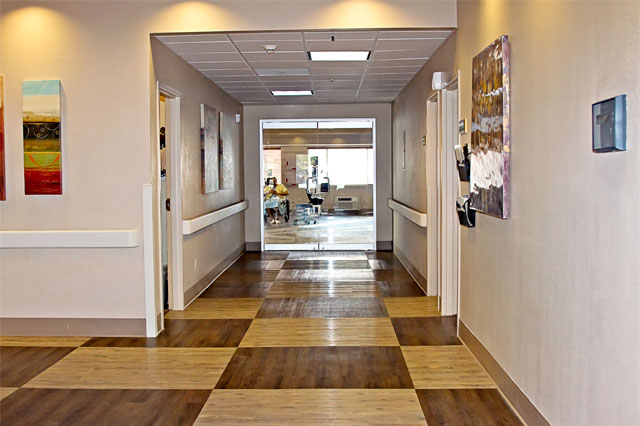
How is North Las Vegas Staffed?

CMS rates NORTH LAS VEGAS CARE CENTER's staffing level at 1 out of 5 stars, which is much below average compared to other nursing homes. Staff turnover is 49%, compared to the Nevada average of 46%. RN turnover specifically is 79%, which is notably high. RNs provide skilled clinical oversight, so turnover in this role can affect medical care quality.

What Have Inspectors Found at North Las Vegas?

State health inspectors documented 36 deficiencies at NORTH LAS VEGAS CARE CENTER during 2022 to 2025. These included: 1 that caused actual resident harm, 34 with potential for harm, and 1 minor or isolated issues. Deficiencies causing actual harm indicate documented cases where residents experienced negative health consequences.
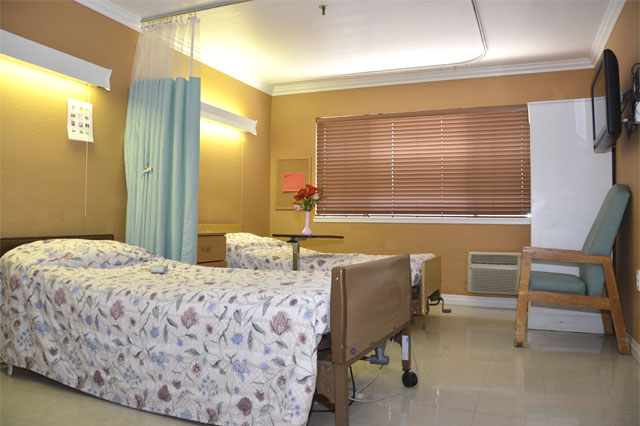
Who Owns and Operates North Las Vegas?

NORTH LAS VEGAS CARE CENTER is owned by a for-profit company. For-profit facilities operate as businesses with obligations to shareholders or private owners. The facility is operated by FUNDAMENTAL HEALTHCARE, a chain that manages multiple nursing homes. With 182 certified beds and approximately 158 residents (about 87% occupancy), it is a mid-sized facility located in NORTH LAS VEGAS, Nevada.
How Does North Las Vegas Compare to Other Nevada Nursing Homes?

Compared to the 100 nursing homes in Nevada, NORTH LAS VEGAS CARE CENTER's overall rating (1 stars) is below the state average of 3.0, staff turnover (49%) is near the state average of 46%, and health inspection rating (2 stars) is below the national benchmark.

What Should Families Ask When Visiting North Las Vegas?

Based on this facility's data, families visiting should ask: "What safeguards and monitoring systems are in place to protect residents from abuse or neglect?" "Can you walk me through typical staffing levels on day, evening, and night shifts?" "Can I visit during a mealtime to observe dining assistance and food quality?" "How do you handle medical emergencies, and what is your hospital transfer rate?" These questions are particularly relevant given the substantiated abuse finding on record and the below-average staffing rating.

Is North Las Vegas Safe?

Based on CMS inspection data, NORTH LAS VEGAS CARE CENTER has documented safety concerns. The facility has 1 substantiated abuse finding (meaning confirmed case of resident harm by staff or other residents). The facility has a 1-star overall rating and ranks #100 of 100 nursing homes in Nevada. Families considering this facility should ask detailed questions about what corrective actions have been taken since these incidents.

Do Nurses at North Las Vegas Stick Around?

NORTH LAS VEGAS CARE CENTER has a staff turnover rate of 49%, which is about average for Nevada nursing homes (state average: 46%). Moderate turnover is common in nursing homes, but families should still ask about staff tenure and how the facility maintains care continuity when employees leave.

Was North Las Vegas Ever Fined?

NORTH LAS VEGAS CARE CENTER has been fined $9,311 across 1 penalty action. This is below the Nevada average of $33,172. While any fine indicates a compliance issue, fines under $50,000 are relatively common and typically reflect isolated problems that were subsequently corrected. Families should ask what specific issues led to these fines and confirm they've been resolved.

Is North Las Vegas on Any Federal Watch List?

NORTH LAS VEGAS CARE CENTER is not on any federal watch list. The most significant is the Special Focus Facility (SFF) program, which identifies the bottom 1% of nursing homes nationally based on persistent, serious quality problems. Not being on this list means the facility has avoided the pattern of deficiencies that triggers enhanced federal oversight. This is a positive indicator, though families should still review the facility's inspection history directly.