COUNTRY VILLAGE CENTER, GENESIS HEALTHCARE

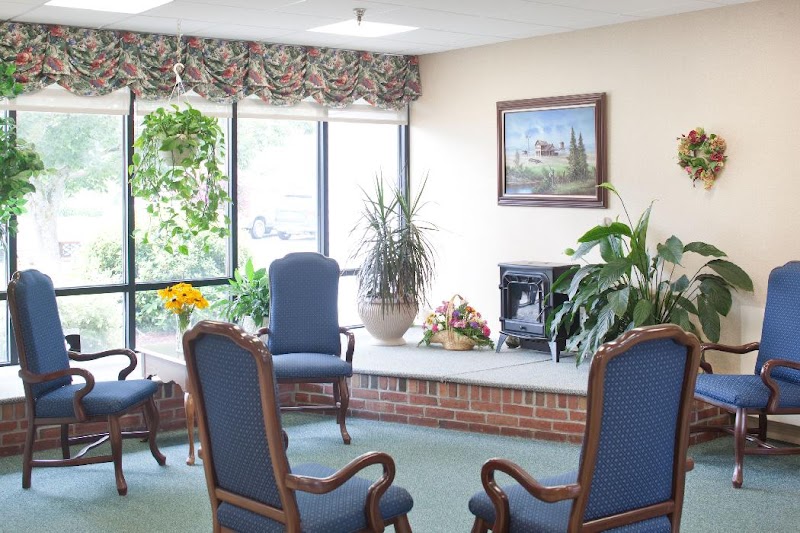
91 COUNTRY VILLAGE ROAD, LANCASTER, NH 03584 (603) 788-4735
For profit - Limited Liability company 86 Beds GENESIS HEALTHCARE Data: November 2025
Trust Grade
65/100
#31 of 73 in NH
Last Inspection: September 2024

Within standard 12-15 month inspection cycle. Federal law requires annual inspections.

Overview

Country Village Center, Genesis Healthcare in Lancaster, New Hampshire, has a Trust Grade of C+, indicating it is slightly above average but not without its issues. It ranks #31 out of 73 facilities in the state, placing it in the top half, and is #2 out of 5 in Coos County, meaning only one local option is better. The facility is showing an improving trend, with reported issues decreasing from five in 2023 to three in 2024. However, staffing is a concern, rated at only 2 out of 5 stars, with a turnover rate of 46%, which is better than the state average but still indicates some instability. On the positive side, there are no fines on record, and the facility offers more RN coverage than 78% of other New Hampshire facilities, which is crucial for catching potential problems. However, recent inspector findings revealed serious concerns, such as improper food storage practices that could lead to foodborne illnesses and failures to adequately follow hand hygiene protocols, risking infection spread among residents. Also, there was an incident involving medication management where a nurse did not clarify a pain medication order properly, which could affect a resident's pain management. Overall, while there are strengths in RN coverage and a lack of fines, families should be aware of the staffing challenges and specific concerns raised in inspections.

Trust Score
C+
65/100
In New Hampshire
#31/73
Top 42%
Safety Record
Low Risk
No red flags
Inspections
Getting Better
5 → 3 violations
Staff Stability
⚠ Watch
46% turnover. Above average. Higher turnover means staff may not know residents' routines.
Penalties
✓ Good
No fines on record. Clean compliance history, better than most New Hampshire facilities.
Skilled Nurses
✓ Good
Each resident gets 42 minutes of Registered Nurse (RN) attention daily — more than average for New Hampshire. RNs are trained to catch health problems early.
Violations
⚠ Watch
14 deficiencies on record. Higher than average. Multiple issues found across inspections.
★★★☆☆
3.0
Overall Rating
★★☆☆☆
2.0
Staff Levels
★★★★☆
4.0
Care Quality
★★★☆☆
3.0
Inspection Score
Stable
2023: 5 issues
2024: 3 issues

The Good

  • 4-Star Quality Measures · Strong clinical quality outcomes
  • Full Sprinkler Coverage · Fire safety systems throughout facility
  • No fines on record

Facility shows strength in quality measures, fire safety.

The Bad

3-Star Overall Rating

Near New Hampshire average (3.0)

Meets federal standards, typical of most facilities

Staff Turnover: 46%

Near New Hampshire avg (46%)

Higher turnover may affect care consistency

Chain: GENESIS HEALTHCARE

Part of a multi-facility chain

Ask about local staffing decisions and management

The Ugly 14 deficiencies on record

Sept 2024 3 deficiencies
CONCERN (E)

Potential for Harm - no one hurt, but risky conditions existed

Food Safety (Tag F0812)

Could have caused harm · This affected multiple residents

Based on observation, interview, and policy review, it was determined that the facility failed to store food in accordance with professional standards for food safety to prevent foodborne illness for ...

Read full inspector narrative →
Based on observation, interview, and policy review, it was determined that the facility failed to store food in accordance with professional standards for food safety to prevent foodborne illness for 1 of 1 kitchen and 2 of 3 kitchenettes observed. Findings include: Observation on 9/4/24 at approximately 9:55 a.m. with Staff B (Dietary Manager) of the main kitchen milk cooler revealed the following: 1 open container and 1 unopened container of Grave prune juice, both with a manufacturer's use by date of 8/10/24; 10 single serve containers of Dannon Light and Fit yogurts with a manufacturer's use by date of 4/2/24. Observation on 9/4/24 at approximately 10:00 a.m. with Staff B of the Cohass Unit kitchenette refrigerator revealed the following: 1 open container of Hormel thick and easy hydrolyte water with hint of lemon with a hand written open date of 6/19/24. Further observation of the Hormel container revealed manufacturer's instructions that read Discard if not used with in 10 days of opening.; 1 open container of Chick-fil-A sauce with a manufacturer's use by date of 12/18/23. Observation on 9/4/24 at approximately 10:10 a.m. with Staff B of the Notchway Unit kitchenette refrigerator revealed the following: 1 storage container of green beans labeled with a residents name and the dates 8/28/24-8/30/24. Interview on 9/4/24 at approximately 10:10 a.m. with Staff B confirmed the above findings. Staff B stated that the green beans in Notchway unit refrigerator should have been discarded on 8/30/24. Review on 9/4/24 of facility policy titled, Food Handling, revised on 6/15/18, revealed: .Foods that are marked with a manufacturer's 'use by' date what are properly stored can be used until that date as long as the product has not been combined with any other food or prepared in any way including portioning . Review on 9/4/24 of facility policy titled, Food: Safe Handling for Foods from Visitors, revised 7/2019 revealed: .5. Refrigerator/freezer for storage of foods brought in by visitors will be properly maintained .Daily monitoring for refrigerated storage duration and discard of any food items that have been stored for over 7 days . Review on 9/4/24 of the Food Code U.S. Public Health Service 2017 U.S. Department of Health and Human Services, retrieved from https://www.fda.gov/food/fda-food-code/food-code-2017 revealed the following: .Annex 3, Public Health Reasons/Administrative Guidelines .Chapter 3 Food .Page 458 Manufacturer's use-by dates .It is not the intent of this provision to give a product an extended shelf life beyond that intended by the manufacturer. Manufacturers assign a date to products for various reasons, and spoilage may or may not occur before pathogen growth renders the product unsafe. Most, but not all, sell-by or use-by dates are voluntarily placed on food packages .The manufacturer's use-by date is its recommendation for using the product while its quality is at its best. Although it is a guide for quality, it could be based on food safety reasons. It is recommended that food establishments consider the manufacturer's information as good guidance to follow to maintain the quality (taste, smell, and appearance) and salability of the product. If the product becomes inferior quality-wise due to time in storage, it is possible that safety concerns are not far behind .
CONCERN (E)

Potential for Harm - no one hurt, but risky conditions existed

Infection Control (Tag F0880)

Could have caused harm · This affected multiple residents

Based on observation, interview, and record review it was determined that the facility failed to follow CDC guidelines for hand hygiene and the use of appropriate Personal Protective Equipment (PPE) t...

Read full inspector narrative →
Based on observation, interview, and record review it was determined that the facility failed to follow CDC guidelines for hand hygiene and the use of appropriate Personal Protective Equipment (PPE) to prevent the spread of infection for 32 residents on Transmission Based Precautions (TBP) and 3 residents on Enhanced Barrier Precautions (EBP). Findings include: Isolation Gowns Interview on 9/4/24 at 9:46 a.m. with Staff A (Administrator) revealed that the facility currently had 32 residents on Droplet Precautions for COVID-19 and they resided on all 3 units. Review on 9/4/24 of the facility Resident Matrix, dated 9/4/24, revealed that there were 32 residents on TBP and 3 additional residents who had indwelling devices; who were observed to be on EBP. Observation on 9/4/24 at approximately 1:15 p.m. of the facility isolation gowns being used on all 3 units for TBP and EBP rooms revealed that gowns being used in the facility were thin and of a light material. There were no other gowns observed on the units. Review on 9/4/24 at approximately 1:15 p.m. of the plastic packaging for the of the above gowns revealed that they were Cover Gowns .Appropriate for situations where exposure to blood and/or bodily fluids is not a risk. Interview on 9/4/24 at 1:30 p.m. with Staff E (Infection Preventions) revealed that the facility only had the above gowns in the facility and those gowns were being used for all residents who were on TBP and EBP regardless of the risk for exposure to blood and/or bodily fluids. Review on 9/4/24 of the product description of the gowns, provided by the facility, revealed: Gown, Cover . Lightweight gowns offer comfort and breathability for less critical areas . Interview on 9/4/24 at 3:35 p.m. with Staff A confirmed that the gowns being used in the facility were not recommended for use with any potential bodily fluids and therefore should not be used .PPE and Hand Hygiene Observation on 9/6/24 at approximately 9:30 a.m. revealed Staff D (Licensed Nurse Assistant) exited a COVID-19 positive resident room after providing care, and without discarding or disinfecting their face shield, entered another resident room containing residents without COVID-19. Interview on 9/6/24 at approximately 9:35 a.m. with Staff D confirmed they entered a non-COVID-19 room without having changed or disinfected their face shield. Interview on 9/6/24 at approximately 9:40 a.m. with Staff E confirmed that staff were to discard used PPE prior to exiting a precaution room. Observation on 9/4/24 at approximately 11:40 a.m. of the Cohass unit meal service revealed the following: Staff F (Licensed Nursing Assistant) entering a COVID-19 positive room wearing an N95 mask and no isolation gown, gloves or eye shield. After exiting the room, Staff F did not perform hand hygiene before going to a COVID-19 negative room to assist a resident. Staff F then left that room without performing hand hygiene and retrieved a meal tray from the meal tray cart and delivered it to a second COVID-19 positive room with an N95 mask on without an isolation gown, gloves or eye shield. Interview on 9/4/24 at approximately 11:40 a.m. with Staff F revealed they were not aware that they had to don gloves, eye shield or isolation gown when entering a COVID-19 positive room unless they were directly coming in contact with the resident. Staff F also stated that they were not aware they had to perform hand hygiene unless they were coming into direct contact with a resident. Interview on 9/4/24 at approximately 11:55 a.m. with Staff E revealed that during meal service, the COVID-19 negative rooms were to be passed their trays before the COVID-19 positive rooms. Staff E stated that staff are to don full PPE when entering a COVID-19 positive room, which includes an N95 mask, isolation gown, gloves and an eye shield. Staff E stated that staff were expected to perform hand hygiene in between patient interactions, before donning and after doffing any PPE, or when hands were visibly soiled. Review on 9/4/24 of the Special Contact and Droplet Precautions for Special Respiratory Circumstances signage outside COVID-19 positive rooms revealed: .Perform Hand Hygiene Before and After patient contact, contact with environment and after removal of PPE (Alcohol based hand rub). Wear an N95 Respirator, Gown, Face Shield and gloves upon entering this room . Review on 9/6/24 of the facility's policy titled Infection Prevention and Control Program Description, revised 7/1/24, revealed: .Implementation of Control Measures and Precautions includes basics such as hand hygiene, Standard and Transmission Based Precautions, cleaning/disinfecting equipment and measures to protect persons . from communicable diseases or infections . Review on 9/9/24 of the CDC guidance titled, Infection Control Guidance: SARS-CoV-2, dated June 24, 2004, revealed: .2. Recommended infection prevention and control (IPC) practices when caring for a patient with suspected or confirmed SARS-CoV-2 infection .HCP who enter the room of a patient with suspected or confirmed SARS-CoV-2 infection should adhere to Standard Precautions and use a NIOSH Approved particulate respirator with N95 filters or higher, gown, gloves, and eye protection (i.e., goggles or a face shield that covers the front and sides of the face) . Review on 9/9/24 of the CDC 2007 Guideline for Isolation Precautions: Preventing Transmission of Infectious Agents in Healthcare Settings, last update: July 2023, revealed: .Isolation gowns are used as specified by Standard and Transmission-Based Precautions, to protect the HCW's [Health Care Worker's] arms and exposed body areas and prevent contamination of clothing with blood, body fluids, and other potentially infectious material . The need for and type of isolation gown selected is based on the nature of the patient interaction, including the anticipated degree of contact with infectious material and potential for blood and body fluid penetration of the barrier. The wearing of isolation gowns and other protective apparel is mandated by the OSHA Bloodborne Pathogens Standard .Isolation gowns are always worn in combination with gloves, and with other PPE when indicated . Review on 9/9/24 of the CDC Implementation of Personal Protective Equipment Use in Nursing Homes to Prevent Spread of Multidrug Resistant Organisms (MDRO's), updated July 12, 2022 revealed: . Effective implementation of EBP requires .the availability of PPE and hand hygiene supplies at the point of care .Enhanced Barrier Precautions expand the use of PPE and refer to the use of gown and gloves during high-contact resident care activities that provide opportunities for transfer of MDRO's to staff hands and clothing .MDRO's may be indirectly transferred from resident-to-resident during these high-contact activities. Nursing home resident with wounds and indwelling medical devices are at especially high risk of both acquisition of and colonization with MDRO's. The use of gown and gloves for high-contact resident care activities is indicated . Review on 9/6/24 of CDC guideline titled, Core Infection Prevention and Control Practices for Safe Healthcare Delivery in All Settings, dated 4/12/24, retrieved from: https://www.cdc.gov/infection-control/hcp/core-practices/index.html, revealed: .Hand Hygiene .Require healthcare personnel to perform hand hygiene in accordance with Centers for Disease Control and Prevention (CDC) recommendations. Use an alcohol-based hand rub or wash with soap and water for the following clinical indications: Immediately before touching a patient .After touching a patient or the patient's immediate environment .Immediately after glove removal . Ensure proper selection and use of personal protective equipment (PPE) based on the nature of the patient interaction and potential for exposure to blood, body fluids and/or infectious material: Wear gloves when it can be reasonably anticipated that contact with blood or other potentially infectious materials, mucous membranes, non-intact skin, potentially contaminated skin or contaminated equipment could occur. Wear a gown that is appropriate to the task to protect skin and prevent soiling of clothing during procedures and activities that could cause contact with blood, body fluids, secretions, or excretions. Use protective eyewear and a mask, or a face shield, to protect the mucous membranes of the eyes, nose and mouth during procedures and activities that could generate splashes or sprays of blood, body fluids, secretions and excretions. Select masks, goggles, face shields, and combinations of each according to the need anticipated by the task performed. Remove and discard PPE, other than respirators, upon completing a task before leaving the patient's room or care area. If a respirator is used, it should be removed and discarded (or reprocessed if reusable) after leaving the patient room or care area and closing the door. Do not use the same gown or pair of gloves for care of more than one patient. Remove and discard disposable gloves upon completion of a task or when soiled during the process of care .
MINOR (B)

Minor Issue - procedural, no safety impact

Assessment Accuracy (Tag F0641)

Minor procedural issue · This affected multiple residents

**NOTE- TERMS IN BRACKETS HAVE BEEN EDITED TO PROTECT CONFIDENTIALITY** Resident #25 Review on 9/5/24 of Resident #25's medical record revealed no order for restraints or a care plan regarding the use...

Read full inspector narrative →
**NOTE- TERMS IN BRACKETS HAVE BEEN EDITED TO PROTECT CONFIDENTIALITY** Resident #25 Review on 9/5/24 of Resident #25's medical record revealed no order for restraints or a care plan regarding the use of restraints. Review on 9/5/24 of Resident #25's Quarterly MDS, dated [DATE], Section P, Restraints and Alarms, revealed that Resident #25 was coded for use of bed rails daily. Interview on 9/5/24 at approximately 9:30 a.m. with Staff C confirmed that Resident #25 does not utilize a restraint and further confirmed that Resident #25's MDS was coded incorrectly. Based on record review and interview, it was determined that the facility failed to accurately code Minimum Data Set (MDS) assessments for 2 residents reviewed for MDS in a final sample of 18 residents (Resident Identifiers are #25 and #75). Findings include: Resident #75 Review on 9/6/24 of Resident #75 Discharge MDS with an assessment reference date of 7/23/24 revealed under Section A, Discharge Status, that the Resident was coded as discharged to a Short-Term General Hospital. Review on 9/6/24 of Resident #75's Discharge summary dated [DATE] revealed that the resident discharged home. Interview on 9/6/24 at approximately 12:45 p.m. with Staff C (MDS Coordinator) revealed the discharge disposition was incorrectly coded and should have been coded as Home/Community.
Sept 2023 3 deficiencies
CONCERN (D)

Potential for Harm - no one hurt, but risky conditions existed

Deficiency F0658 (Tag F0658)

Could have caused harm · This affected 1 resident

**NOTE- TERMS IN BRACKETS HAVE BEEN EDITED TO PROTECT CONFIDENTIALITY** Based on record review and interview, it was determined that the facility failed to follow professional standards for clarifying...

Read full inspector narrative →
**NOTE- TERMS IN BRACKETS HAVE BEEN EDITED TO PROTECT CONFIDENTIALITY** Based on record review and interview, it was determined that the facility failed to follow professional standards for clarifying medication orders for as-needed pain medication for 1 of 1 resident reviewed for pain management in a final sample of 19 residents (Resident Identifier is #37). Findings include: [NAME], [NAME] A., and [NAME]. Fundamentals of Nursing. 7th ed. St. Louis, Missouri: Mosby Elsevier, 2009. Page 336-Physicians' Orders. The physician is responsible for directing medical treatment. Nurses follow physicians' orders unless they believe the orders are in error or harm clients. Therefore you need to assess all orders, and if you find one to be erroneous or harmful, further clarification from the physician is necessary . Review on 9/19/23 of Resident #37's physician's orders revealed the following orders: Acetaminophen Tablet 325 milligram (mg) give two tablets by mouth every 4 hours as needed for mild/mod[erate] pain, dated 9/1/23. Oxycodone-Acetaminophen Oral Tablet 5-325 mg (milligrams) Give 1 tablet by mouth every 24 hours as needed for pain management, dated 7/3/23. Review on 9/19/23 of the Medication Administration Record for September 2023 revealed that Resident #37 received 24 doses of as-needed Acetaminophen in September 2023 for pain levels ranging from #1-4. Review on 9/19/23 of the Medication Administration Record for September 2023 revealed that Resident #37 received 1 dose of as-needed OxyCodone for a pain level of 4. Interview on 9/19/23 at approximately 8:45 a.m. with Staff F (Director of Nurses) confirmed that there were no defined parameters for the administration of as-needed Oxycodone. Review on 9/20/23 of the Pain Management policy dated 10/24/22 revealed: . 6.2 Have defined parameters for use
CONCERN (D)

Potential for Harm - no one hurt, but risky conditions existed

Deficiency F0761 (Tag F0761)

Could have caused harm · This affected 1 resident

Based on observation, interview, and policy review, it was determined that the facility failed to ensure that a biological was labeled with an opened date and failed to ensure that controlled drugs we...

Read full inspector narrative →
Based on observation, interview, and policy review, it was determined that the facility failed to ensure that a biological was labeled with an opened date and failed to ensure that controlled drugs were in a double locked secure compartment in 1 out of 1 medication room observed (Resident Identifier is #11). Findings include: Observation on 9/18/23 at approximately 10:15 a.m. with Staff A (Registered Nurse) of the only medication room revealed 1 opened multi-dose vial of Aplisol (Tuberculin Purified Protein Derivative, diluted) not labeled with an open expiration date. Interview on 9/18/23 at approximately 10:15 a.m. with Staff A confirmed the above findings. Review on 9/18/23 of the manufacturer's instructions for APLISOL revealed .Storage Vials in use more than 30 days should be discarded due to possible oxidation and degradation which may affect potency . Review on 9/18/23 of the Storage and Expiration Dating of Medications, Biologicals policy, dated 8/7/23 revealed . 5.3 If a multi-dose vial of an injectable medication has been opened or accessed (e.g., needle-punctured ), the vial should be dated and discarded within 28 days unless the manufacturer specifies a different (shorter or longer) date for that opened vial . Observation on 9/18/23 at approximately 10:30 a.m. in the medication room revealed 1 narcotic box in the refrigerator that was not locked. Further observation revealed that the narcotic box contained two bottles of liquid Ativan for Resident #11. Interview on 9/18/23 at approximately 10:30 a.m. with Staff A confirmed the above findings. Review of Storage and Expiration Dating of Medications, Biologicals policy, dated 8/7/23 revealed: .3. General Storage Procedures . 12.4 Controlled Substances stored in the refrigerator must be in a separate container and double locked .
CONCERN (D)

Potential for Harm - no one hurt, but risky conditions existed

Food Safety (Tag F0812)

Could have caused harm · This affected 1 resident

Based on observation, interview, and policy review it was determined that the facility failed to store food in accordance to professional standards in the main kitchen. Findings include: Review on 9/...

Read full inspector narrative →
Based on observation, interview, and policy review it was determined that the facility failed to store food in accordance to professional standards in the main kitchen. Findings include: Review on 9/21/23 of the Food Code U.S. Public Health Service 2022 U.S. Department of Health and Human Services retrieved from https://www.fda.gov/food/FDA-food-code/food-code-2022 revealed the following: .Annex 3, Public Health Reasons/Administrative Guidelines . Chapter 3 Food .3-305.11 Food Storage .FOOD shall be protected from contamination by storing the FOOD: (1) In a clean, dry location; (2) Where it is not exposed to splash, dust, or other contamination . Observation on 9/18/23 at approximately 9:45 a.m. with Staff D (Cook) of the dry food storage area and walk-in refrigerator revealed the following: One (1) box of bananas in the dry food storage area containing 8 bananas that were wilted and brown, peels split open in some areas covered with fruit flies, stored with fresh bananas. One (1) box of celery in the walk-in refrigerator containing 3 wilted celery stocks with brown discolored wilted leaves. Interview on 9/18/23 at 10:00 am with Staff D confirmed the above findings. Review on 9/19/23 of the facility's policy titled, Dry Storage, dated 5/1/23, revealed: Policy - Products stored in dry storage areas are maintained in a safe and sanitary manner .Purpose - To prevent damage, spoilage, contamination, and infestation of products. Review on 9/19/23 of the facility's policy titled, Refrigerated/Frozen Storage, dated 5/1/23, revealed: Policy - Products stored in dry storage areas are maintained in a safe and sanitary manner .Purpose -To prevent damage, spoilage, contamination, and infestation of products.
Jun 2023 2 deficiencies
CONCERN (D) 📢 Someone Reported This

A family member, employee, or ombudsman was alarmed enough to file a formal complaint

Potential for Harm - no one hurt, but risky conditions existed

Deficiency F0658 (Tag F0658)

Could have caused harm · This affected 1 resident

Based on interview and record review, it was determined that the facility failed to follow professional standards by moving a resident who had fallen for 1 of 3 residents reviewed for accidents/neglec...

Read full inspector narrative →
Based on interview and record review, it was determined that the facility failed to follow professional standards by moving a resident who had fallen for 1 of 3 residents reviewed for accidents/neglect (Resident identifier #3). Findings Include: Standard Journal of Nursing; AJN, November 2007 Vol. 107, No. 11. Retrieved from https://www.nursingcenter.com/pdfjournal?AID=751198&an=00000446-200711000-00030&Journal_ID=54030&Issue_ID=751137 on 10/30/20: When a Fall Occurs Step one: assessment. When a patient falls, don't assume that no injury has occurred-this can be a devastating mistake. Before moving the patient .Observe the leg rotation, and look for hip pain, shortening of the extremity, and pelvic or spinal pain. Review on 6/21/23 of Resident #3's progress note, dated 5/16/23 at 1:20 a.m. and signed by Staff C (Registered Nurse), revealed found lying on [pronoun omitted] left side, on the floor, between door to [Pronoun omitted] bathroom and the room door .c/o [complained of] left hip pain. Leg noted to be slightly shorter w/ [with] possible external rotation .Transferred to bed via [by way of] full lift and assist of two. Call placed to 911 for EMS [Emergency Medical Staff] transfer . Interview on 6/21/23 11:15 a.m. with Staff B (Director of Nursing) confirmed that Resident #3 was moved after identifying signs of potential injury and before notifying provider and EMS. Staff B stated that the expectation when finding possible injury is to not move the resident and notify provider for further instructions.
CONCERN (D)

Potential for Harm - no one hurt, but risky conditions existed

Deficiency F0883 (Tag F0883)

Could have caused harm · This affected 1 resident

**NOTE- TERMS IN BRACKETS HAVE BEEN EDITED TO PROTECT CONFIDENTIALITY** Based on interview and record review, it was determined that the facility failed to ensure a resident was offered or provided ed...

Read full inspector narrative →
**NOTE- TERMS IN BRACKETS HAVE BEEN EDITED TO PROTECT CONFIDENTIALITY** Based on interview and record review, it was determined that the facility failed to ensure a resident was offered or provided education on the risks and benefits of the Pneumococcal vaccination for 2 of 5 residents reviewed for Pneumococcal immunizations (Resident identifiers are #1 and #2). Findings include: Resident #1 Review on 6/21/23 of Resident #1's medical record revealed that Resident #1 was [AGE] years old. Review of Resident #1's immunization record revealed the following: Pneumovax Dose 1, 7/3/2008. Further review of Resident #1's medical record revealed that there was no indication that further Pnemococcal vaccination was offered or that education was provided on the Pneumococcal vaccination. Resident #2 Review on 6/21/23 of Resident #2's medical record revealed that Resident #2 was [AGE] years old. Review of Resident #2's immunization record revealed the following: Pneumovax Dose 1, 10/1/2014. Further review of Resident #2's medical record revealed that there was no indication that further Pneumococcal vaccination was offered or that education was provided on the Pneumococcal vaccination. Interview on 6/21/23 at approximately 11:30 a.m. with Staff A (Infection Preventionist) confirmed the above findings. Review on 6/21/23 of the facility policy titled, IC601 Pneumococcal Vaccination, Revision Date 11/15/22 revealed: Centers will provide the opportunity to receive the appropriate pneumococcal vaccine to all patients/residents Review of the CDC website titled Pneumococcal Vaccination: Summary of Who and When to Vaccinate, effective 02/13/23, indicated . CDC recommends pneumococcal vaccination for all adults 65 years or older . For adults 65 years or older who have not previously received any pneumococcal vaccine, CDC recommends you . Give 1 dose of PCV [Pneumococcal Conjugate Vaccine] 15 or PCV20 . If PCV15 is used, this should be followed by a dose of PPSV [Pneumococcal Polysaccharide Vaccine] 23 at least one year later. The minimum interval is 8 weeks and can be considered in adults with an immunocompromising condition, cochlear implant, or cerebrospinal fluid leak . If PCV20 is used, a dose of PPSV23 is NOT indicated . For adults 65 years or older who have only received a PPSV23, CDC recommends you . May give 1 dose of PCV15 or PCV20 . The PCV15 or PCV20 dose should be administered at least one year after the most recent PPSV23 vaccination. Regardless of if PCV15 or PCV20 is given, an additional dose of PPSV23 is not recommended since they already received it. For adults 65 years or older who have only received PCV13, CDC recommends you . Give PPSV23 as previously recommended . For adults who have received PCV13 but have not completed their recommended pneumococcal vaccine series with PPSV23, one dose of PCV20 may be used if PPSV23 is not available. If PCV20 is used, their pneumococcal vaccinations are complete .
Sept 2022 6 deficiencies
CONCERN (D)

Potential for Harm - no one hurt, but risky conditions existed

Deficiency F0658 (Tag F0658)

Could have caused harm · This affected 1 resident

**NOTE- TERMS IN BRACKETS HAVE BEEN EDITED TO PROTECT CONFIDENTIALITY** Based on interview and record review, it was determined that the facility failed to follow physicians orders for 1 out of 4 resi...

Read full inspector narrative →
**NOTE- TERMS IN BRACKETS HAVE BEEN EDITED TO PROTECT CONFIDENTIALITY** Based on interview and record review, it was determined that the facility failed to follow physicians orders for 1 out of 4 residents reviewed for nutrition in a final sample of 18 residents. (Resident identifier is #61.) Findings include: Standards: [NAME], [NAME] A., and [NAME]. Fundamentals of Nursing. 7th ed. St. Louis, Missouri: Mosby Elsevier, 2009. Page 336- Physicians' Orders The physician is responsible for directing medical treatment. Nurses follow physician's orders unless they believe the orders are in error or harm clients. Therefore you need to assess all orders, and if you find one to be erroneous or harmful, further clarification from the physician is necessary . Review on 9/28/22 of Resident #61's September 2022 MAR (Medication Administration Record) revealed the following physician's order: Daily weight x7 days, order date 9/24/22. Further review of September 2022's MAR revealed the following: 9/25/22 no weight entered 9/26/22 no weight entered Interview on 9/28/22 at approximately 1:00 p.m. with Staff A (Unit Manager) confirmed Resident #61's weights were not obtained on 9/25/22 and 9/26/22.
CONCERN (D)

Potential for Harm - no one hurt, but risky conditions existed

Pressure Ulcer Prevention (Tag F0686)

Could have caused harm · This affected 1 resident

Based on observation, interview, and record review it was determined that the facility failed to provide necessary treatment to prevent the development/progression of a pressure ulcer and failed to mo...

Read full inspector narrative →
Based on observation, interview, and record review it was determined that the facility failed to provide necessary treatment to prevent the development/progression of a pressure ulcer and failed to monitor a pressure ulcer for 1 of 3 residents reviewed for pressure ulcers in a final survey sample of 18 residents. (Resident identifier is #40.) Findings include: Professional Reference: Per National Pressure Ulcer Advisory Panel (March 2014) The NPUAP Selected 'Quality of Care Regulations made easy . (See http://www.npuap.org/wp-content/uploads/2014/03/NPUAP-F-tag-final-March-2014.pdf accessed 1/29/2018) .Pressure Ulcers: With each dressing change or at least weekly .an evaluation of the pressure ulcer wound should be documented. At a minimum, documentation should include the date observed and: -Location and staging -Size (perpendicular measurements of the greatest extent of length and width of the ulceration), depth; and the presence, location, and extent of any undermining or tunneling/sinus tract; -Exudate, if present: type (such as purulent/serous), color, odor, and approximate amount; -Pain, if present: nature and frequency (e.g., whether episodic or continuous); -Wound bed: Color and type of tissue/character including evidence of healing (e.g., granulation tissue), or necrosis (slough or eschar); and -Description of wound edges and surrounding tissue (e.g., rolled edges, redness, hardness/induration, maceration) as appropriate . Review on 9/28/22 of Resident #40's August 2022 and September 2022's TAR (Treatment Administration Record) revealed the following physician's order: Wound care: Right foot 4th and 5th toe blisters; cleanse the area, apply skin prep, and place bandages, Start date 8/2/22 and Stop date 9/25/22. Interview on 9/29/22 at approximately 8:00 a.m. with Staff L (Unit Manager) and Staff A (Unit Manager) revealed that they were unaware of Resident #40 having had any pressure ulcers recently and they had not been monitored weekly. Review on 9/28/22 of Resident #40's skin checks for September 2022 revealed that on 9/14/22 there were no longer areas of concern. Interview on 9/29/22 at approximately 8:15 a.m. with Staff A revealed that when a pressure ulcer develops, the resident is followed by the facility wound team. Staff A confirmed that Resident #40 was not being followed the wound team and there was no documented monitoring or measuring of the 2 pressure ulcers between 8/2/22 and 9/14/22. Observation on 9/29/22 at approximately 9:00 a.m of Resident #40's 4th and 5th toes with Staff L revealed the 2 areas were closed with 2 areas noted on the 4th toe that appeared darker pink in color than the rest of the toes. Review on 9/29/22 of the facility policy titled, Skin Integrity Care Delivery Process, dated 6/1/2016 revealed: . Evaluation . 3. Daily Skin Observation . Check for pressure related to positioning, shoes, Skin Wound Management 1. Skin Integrity Report . Wound Documentation Guidelines . Weekly Routine evaluations will be provided to monitor the patient and his/her wound's response to treatments and interventions
CONCERN (D)

Potential for Harm - no one hurt, but risky conditions existed

Accident Prevention (Tag F0689)

Could have caused harm · This affected 1 resident

Based on interview, record review, and policy review it was determined that the facility failed to determine what may have contributed to the fall or properly assess the resident after the fall for 1 ...

Read full inspector narrative →
Based on interview, record review, and policy review it was determined that the facility failed to determine what may have contributed to the fall or properly assess the resident after the fall for 1 of 1 resident reviewed for abuse in a final sample of 18 residents. (Resident identifier is #28). Findings include: Interview on 9/27/22 at approximately 11:15 a.m. with Resident #28 revealed that Resident #28 fell while walking in the aisle to get off the facility bus after a scheduled activities trip on 9/26/22. Review on 9/27/22 of Resident #28's progress notes revealed no documentation of the description of the fall and no documented assessment of Resident #28 on 9/26/22. Interview on 9/28/22 at approximately 11:00 a.m. with Staff D (Recreation Aide) revealed that Resident #28 lost her balance while ambulating in the aisle of the bus as resident #28 was exiting the bus after a bus ride on 9/26/22. Staff D stated she was able to assist Resident #28 with the assistance of Staff C (Licensed Nursing Assistant) before Resident #28 fell to the floor. Further interview revealed Staff D reported the incident to the evening charge nurse. Interview on 9/28/22 at approximately 11:20 a.m. with Staff C confirmed the above findings. Interview on 9/28/22 at approximately 11:30 a.m. with Staff A (Director of Nursing) revealed the facility was not aware of the fall for Resident # 28 that occurred on 9/26/22. Review on 9/29/22 of the facility policy titled Accident/Incidents, revised 5/1/22, revealed .POLICY Center staff will report, review and investigate all accidents/incidents which occurred, or allegedly occurred, on or off center property and involving, or alleged involving, a patient who is receiving services PURPOSE To provide standards for review and investigation of accident/incidents. To determine root cause and contributing factors, identify measures to reduce further occurrences and adverse outcomes as part of the Quality Assurance Performance Improvement (QAPI) process. To meet regulatory requirements for analyzing and reporting accidents/incidents PROCESS .Evaluation: 2.1 Patients: 2.1.1 The nurse will evaluate the patient. 2.1.2 First Aid will be provided .2.1.3 The nurse will notify the Physician/APP of the accident/incident, report physical findings .2.5.1 The patient's representative will be notified of the accident/incident .2.1.6 The nurse will: .2.1.6.2 Document the accident the accident/incident in the patients chart; Documentation will include all pertinent information, date, time, place, notifications, post accident/incident evaluation, and ongoing evaluations Reporting: 3.1 All accidents/incidents, witnessed or unwitnessed, will be reported to the supervisor 3.2 The supervisor will notify the Administrator and DON of accident/incident.
CONCERN (D)

Potential for Harm - no one hurt, but risky conditions existed

Deficiency F0761 (Tag F0761)

Could have caused harm · This affected 1 resident

Based on interview, observation, and record review, it was determined that the facility failed to ensure that medications were labeled with resident identifiers, open or use by dates, and failed to se...

Read full inspector narrative →
Based on interview, observation, and record review, it was determined that the facility failed to ensure that medications were labeled with resident identifiers, open or use by dates, and failed to separate expired medications from unexpired medications for 1 out of 3 medication carts observed. Resident Identifier #73. Findings include: Observation on 9/27/22 at 9:35 a.m. of the Upper Notch Medication Cart revealed the following: One opened insulin pen without an opened date or a use by date. The delivery date noted to be on 9/18/22. Glargine (Insulin) Pen 100 unit/milliliter (ml) for Resident #73. Interview with Staff F (Licensed Practical Nurse (LPN)), on 9/27/22 at approximately 9:37 a.m. confirmed the above findings for the Upper Notch Medication Cart. Staff F stated that the pen is used for Resident #73. Review of Resident #73's Medication Administration Record (MAR) on 9/27/22 revealed that Resident #73 received the medication daily from 9/8/22 to 9/27/22. Review on 9/27/22 of the facility policy titled Storage and Expiration Dating of Medications, Biologicals revised on 7/21/22 revealed .5. Once any medication or biological package is opened, Facility should follow manufacturer/supplier guidelines with respect to expiration dates for opened medications. Facility staff should record the opened date on the primary medication container (vial, bottle, inhaler) when the medication has a shortened expiration date once opened.
CONCERN (D)

Potential for Harm - no one hurt, but risky conditions existed

Deficiency F0813 (Tag F0813)

Could have caused harm · This affected 1 resident

Based on observation, interview, and record review, it was determined that the facility failed to follow professional standards for labeling and storage of food items for 2 of 3 kitchenettes reviewed....

Read full inspector narrative →
Based on observation, interview, and record review, it was determined that the facility failed to follow professional standards for labeling and storage of food items for 2 of 3 kitchenettes reviewed. Findings include: Review on 9/27/22 at approximately 10:27 a.m. of the Cohass Unit Kitchenette refrigerator revealed 1 fruit bowl, from outside the facility, with a handwritten label identifying a resident name and a date of 9/19/22. Interview on 9/27/22 at approximately 10:27 a.m. with Staff H (Licensed Nursing Assistant) confirmed the above findings. Staff H stated the fruit should have been thrown out after 3 days. Review on 9/27/22 at approximately 10:35 a.m. of the Notch Way Unit Kitchenette refrigerator revealed an opened bag of cooked shrimp with a store sticker which read packed on 9/23/22, sell by 9/24/22. Further review revealed the outside of the bag to be visibly moist along with other food items in the drawer. Interview on 9/27/22 at approximately 10:35 a.m. with Staff G (Registered Nurse) confirmed the above findings. Review on 9/27/22 at approximately 11:00 a.m. of the facility policy titled Safe Handling for Foods from Visitors, revised on 7/2019, revealed .4. When food items are intended for later consumption, the responsible facility staff member will: Ensure that the food is stored separate or easily distinguishable from the facility food. Ensure that foods are in a sealed container to prevent cross-contamination. Label foods with the resident name and the current date. Determine if food items are shelf stable and whether they can be stored in the resident's room or stored under refrigeration. 5. Refrigerator/freezers for storage of foods brought in by visitors will be properly maintained and .daily monitoring for refrigerated storage duration and discard of any food items that have been stored for >7 days . Review on 9/28/22 of the Food and Drug Administration (FDA) article titled Selecting and Serving Fresh and Frozen Seafood Safely; found at https://www.fda.gov/food/buy-store-serve-safe-food/selecting-and-serving-fresh-and-frozen-seafood-safely, updated on 2/17/22, revealed the following .As with any type of food it is important to handle seafood safely to reduce the risk of foodborne illness, often called food poisoning.If seafood will be used within 2 days after purchase, store it in a clean refrigerator at a temperature of 40°F or below .
CONCERN (D)

Potential for Harm - no one hurt, but risky conditions existed

Deficiency F0886 (Tag F0886)

Could have caused harm · This affected 1 resident

Based on interview and record review, it was determined that the facility failed to ensure surveillance testing for COVID-19 was performed for staff who were not up to date with COVID-19 vaccination b...

Read full inspector narrative →
Based on interview and record review, it was determined that the facility failed to ensure surveillance testing for COVID-19 was performed for staff who were not up to date with COVID-19 vaccination based on level of community transmission for 1 of 3 staff reviewed for COVID-19 vaccination. Findings include: Review on 9/28/22 at approximately 11:00 a.m. of Staff K (Licensed Nursing Assistant (LNA)) COVID-19 vaccination status revealed that they were fully vaccinated but not up-to-date with COVID-19 vaccinations. Review on 9/28/22 at approximately 11:00 a.m. of the facility's community transmission risk and testing guidance for the time period of 8/26/22 through 9/23/22 revealed the following levels of transmission: 8/26/22-9/2/22- Community Transmission Risk : High- Minimum testing frequency: Twice Weekly; 9/2/22-9/9/22- Community Transmission Risk : Moderate- Minimum testing frequency: Weekly; 9/8/22-9/15/22- Community Transmission Risk : Substantial- Minimum testing frequency: Twice Weekly; 9/16/22-9/23/22- Community Transmission Risk : High- minimum testing frequency: Twice Weekly. Review on 9/28/22 at approximately 11:00 a.m. of Staff K's testing log for the time period 8/26/22 through 9/23/22 revealed the following COVID-19 tests were conducted: 8/26/22-9/2/22 a COVID-19 test was performed on 8/30/22 and 9/2/22; 9/2/22-9/9/22 a COVID-19 test was performed on 9/2/22, which was used for the previous weekly testing; 9/8/22-9/15/22 a COVID-19 test was performed on 9/13/22; 9/16/22-9/23/22 No COVID-19 tests were performed. Interview on 9/28/22 at approximately 1:00 p.m. with Staff J (Infection Preventionist) confirmed that Staff K did not have appropriate COVID-19 surveillance testing per the CMS (Centers for Medicare and Medicaid Services) guidelines. Staff J stated that it was very likely others were missed as well. Review on 9/28/22 of the CMS memo QSO-20-38-NH titled, Interim Final Rule (IFR), CMS-340-IFC, Additional Policy and Regulatory Revisions in Response to the COVID-19 Public Health Emergency related to Long-Term Care (LTC) Facility Testing Requirements and Revised COVID-19 Focused Survey Tool, revision date of 3/10/22 revealed: .Routine testing of staff, who are not up-to-date, should be based on the extent of the virus in the community . When the level of COVID-19 community transmission is HIGH then testing of staff who are not up to date with COVID-19 vaccionation should be conducted at a minimum of twice a week.
Understanding Severity Codes (click to expand)
Life-Threatening (Immediate Jeopardy)
J - Isolated K - Pattern L - Widespread
Actual Harm
G - Isolated H - Pattern I - Widespread
Potential for Harm
D - Isolated E - Pattern F - Widespread
No Harm (Minor)
A - Isolated B - Pattern C - Widespread

Questions to Ask on Your Visit

  • "Can I speak with families of current residents?"
  • "What's your RN coverage like on weekends and overnight?"

Our Honest Assessment

Strengths
  • • No major safety red flags. No abuse findings, life-threatening violations, or SFF status.
  • • No fines on record. Clean compliance history, better than most New Hampshire facilities.
Concerns
  • • 14 deficiencies on record. Higher than average. Multiple issues found across inspections.
Bottom line: Mixed indicators with Trust Score of 65/100. Visit in person and ask pointed questions.

About This Facility

What is Country Village Center, Genesis Healthcare's CMS Rating?

CMS assigns COUNTRY VILLAGE CENTER, GENESIS HEALTHCARE an overall rating of 3 out of 5 stars, which is considered average nationally. Within New Hampshire, this rating places the facility higher than 0% of the state's 100 nursing homes. This mid-range rating indicates the facility meets federal standards but may have areas for improvement.

How is Country Village Center, Genesis Healthcare Staffed?

CMS rates COUNTRY VILLAGE CENTER, GENESIS HEALTHCARE's staffing level at 2 out of 5 stars, which is below average compared to other nursing homes. Staff turnover is 46%, compared to the New Hampshire average of 46%.

What Have Inspectors Found at Country Village Center, Genesis Healthcare?

State health inspectors documented 14 deficiencies at COUNTRY VILLAGE CENTER, GENESIS HEALTHCARE during 2022 to 2024. These included: 13 with potential for harm and 1 minor or isolated issues.
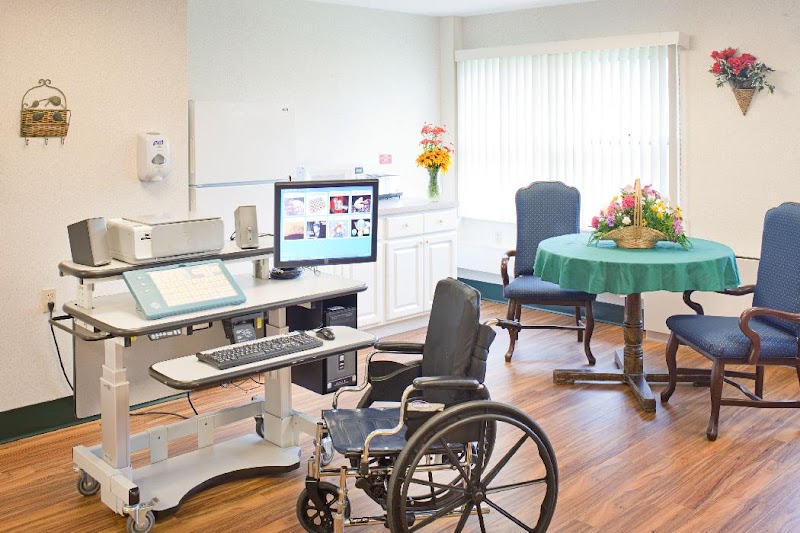
Who Owns and Operates Country Village Center, Genesis Healthcare?

COUNTRY VILLAGE CENTER, GENESIS HEALTHCARE is owned by a for-profit company. For-profit facilities operate as businesses with obligations to shareholders or private owners. The facility is operated by GENESIS HEALTHCARE, a chain that manages multiple nursing homes. With 86 certified beds and approximately 71 residents (about 83% occupancy), it is a smaller facility located in LANCASTER, New Hampshire.
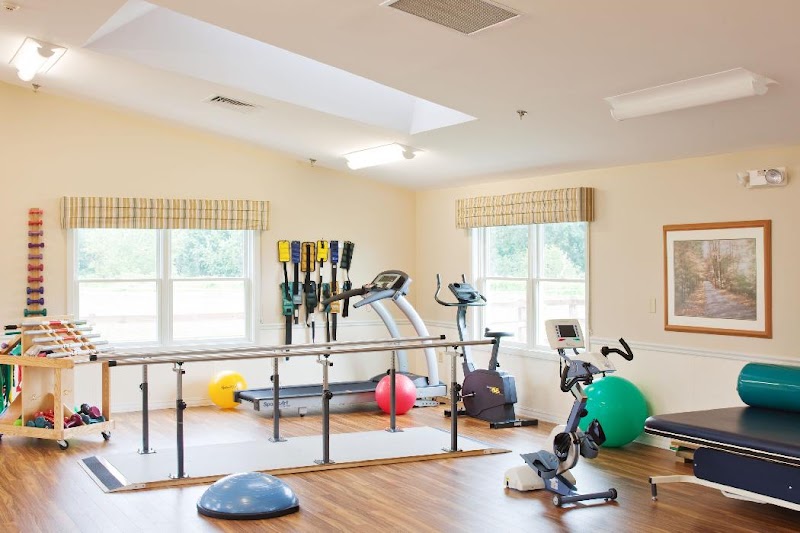
How Does Country Village Center, Genesis Healthcare Compare to Other New Hampshire Nursing Homes?

Compared to the 100 nursing homes in New Hampshire, COUNTRY VILLAGE CENTER, GENESIS HEALTHCARE's overall rating (3 stars) is below the state average of 3.0, staff turnover (46%) is near the state average of 46%, and health inspection rating (3 stars) is at the national benchmark.

What Should Families Ask When Visiting Country Village Center, Genesis Healthcare?

Based on this facility's data, families visiting should ask: "Can you walk me through typical staffing levels on day, evening, and night shifts?" "Can I visit during a mealtime to observe dining assistance and food quality?" "How do you handle medical emergencies, and what is your hospital transfer rate?" "Can I speak with family members of current residents about their experience?" These questions are particularly relevant given the below-average staffing rating.

Is Country Village Center, Genesis Healthcare Safe?

Based on CMS inspection data, COUNTRY VILLAGE CENTER, GENESIS HEALTHCARE has a clean safety record: no substantiated abuse findings (meaning no confirmed cases of resident harm), no Immediate Jeopardy citations (the most serious violation level indicating risk of serious injury or death), and is not on the Special Focus Facility watch list (a federal program monitoring the lowest-performing 1% of nursing homes). The facility has a 3-star overall rating and ranks #100 of 100 nursing homes in New Hampshire. While no facility is perfect, families should still ask about staff-to-resident ratios and recent inspection results during their visit.

Do Nurses at Country Village Center, Genesis Healthcare Stick Around?

COUNTRY VILLAGE CENTER, GENESIS HEALTHCARE has a staff turnover rate of 46%, which is about average for New Hampshire nursing homes (state average: 46%). Moderate turnover is common in nursing homes, but families should still ask about staff tenure and how the facility maintains care continuity when employees leave.

Was Country Village Center, Genesis Healthcare Ever Fined?

COUNTRY VILLAGE CENTER, GENESIS HEALTHCARE has no federal fines on record. CMS issues fines when nursing homes fail to meet care standards or don't correct problems found during inspections. The absence of fines suggests the facility has either maintained compliance or corrected any issues before penalties were assessed. This is a positive indicator, though families should still review recent inspection reports for the full picture.

Is Country Village Center, Genesis Healthcare on Any Federal Watch List?

COUNTRY VILLAGE CENTER, GENESIS HEALTHCARE is not on any federal watch list. The most significant is the Special Focus Facility (SFF) program, which identifies the bottom 1% of nursing homes nationally based on persistent, serious quality problems. Not being on this list means the facility has avoided the pattern of deficiencies that triggers enhanced federal oversight. This is a positive indicator, though families should still review the facility's inspection history directly.