PREFERRED CARE AT ABSECON
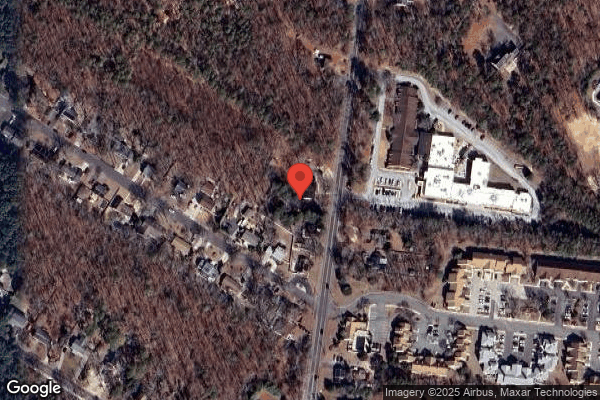
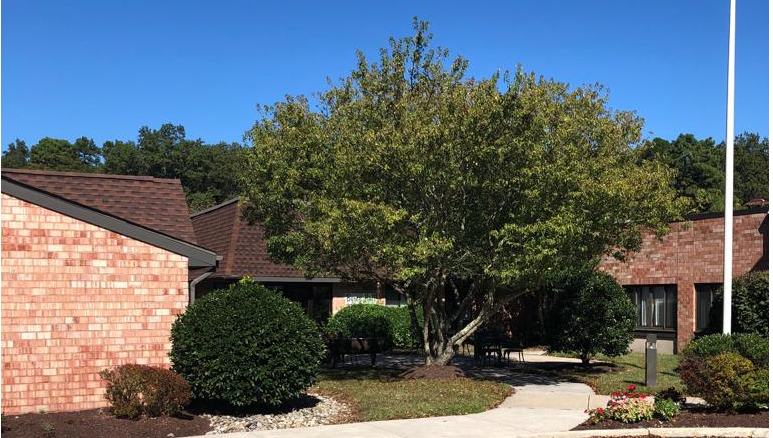
1020 PITNEY ROAD, ABSECON, NJ 08201 (609) 646-5400
For profit - Limited Liability company 162 Beds PREFERRED CARE Data: November 2025
Trust Grade
50/100
#218 of 344 in NJ
Last Inspection: December 2024

Within standard 12-15 month inspection cycle. Federal law requires annual inspections.

Overview

Preferred Care at Absecon has a Trust Grade of C, which means it is average and positioned in the middle of the pack among nursing homes. It ranks #218 out of 344 facilities in New Jersey, indicating it is in the bottom half of state facilities, and #6 out of 10 in Atlantic County, suggesting that only four local options are better. The facility is improving, with the number of issues decreasing from 10 in 2023 to 3 in 2024. Staffing is rated average with a 3/5 star rating and a turnover rate of 45%, which is around the state average, indicating some stability among staff. However, they have concerning fines totaling $39,620, which is higher than 75% of New Jersey facilities, and they provide less RN coverage than 82% of state facilities, which is a potential concern for resident care. Specific incidents noted by inspectors include a failure to implement timely pressure-relieving measures for a resident who developed a serious pressure ulcer, and maintaining cleanliness issues with medication carts and lifts that had hair tangled in their wheels. Additionally, residents reported dissatisfaction with the food quality, as meals were not served at appropriate temperatures and were too repetitive. While there are some strengths, such as the improving trend, families should be aware of these weaknesses when considering this facility for their loved ones.

Trust Score
C
50/100
In New Jersey
#218/344
Bottom 37%
Safety Record
Moderate
Needs review
Inspections
Getting Better
10 → 3 violations
Staff Stability
⚠ Watch
45% turnover. Above average. Higher turnover means staff may not know residents' routines.
Penalties
✓ Good
$39,620 in fines. Lower than most New Jersey facilities. Relatively clean record.
Skilled Nurses
⚠ Watch
Each resident gets only 25 minutes of Registered Nurse (RN) attention daily — below average for New Jersey. Fewer RN minutes means fewer trained eyes watching for problems.
Violations
⚠ Watch
22 deficiencies on record. Higher than average. Multiple issues found across inspections.
★★★☆☆
3.0
Overall Rating
★★★☆☆
3.0
Staff Levels
★☆☆☆☆
1.0
Care Quality
★★★★☆
4.0
Inspection Score
Stable
2023: 10 issues
2024: 3 issues

The Good

  • Full Sprinkler Coverage · Fire safety systems throughout facility
  • No fines on record

Facility shows strength in fire safety.

The Bad

3-Star Overall Rating

Near New Jersey average (3.3)

Meets federal standards, typical of most facilities

Staff Turnover: 45%

Near New Jersey avg (46%)

Higher turnover may affect care consistency

Federal Fines: $39,620

Above median ($33,413)

Moderate penalties - review what triggered them

Chain: PREFERRED CARE

Part of a multi-facility chain

Ask about local staffing decisions and management

The Ugly 22 deficiencies on record

1 actual harm
Dec 2024 3 deficiencies
CONCERN (D)

Potential for Harm - no one hurt, but risky conditions existed

Deficiency F0577 (Tag F0577)

Could have caused harm · This affected 1 resident

**NOTE- TERMS IN BRACKETS HAVE BEEN EDITED TO PROTECT CONFIDENTIALITY** Based on observation and interview, it was determined that the facility failed to make survey results readily accessible to resi...

Read full inspector narrative →
**NOTE- TERMS IN BRACKETS HAVE BEEN EDITED TO PROTECT CONFIDENTIALITY** Based on observation and interview, it was determined that the facility failed to make survey results readily accessible to residents and visitors. This deficient practice was evidenced by the following: 1. On 12/18/0224 from 10:07 to 10:49 AM the surveyor conducted the resident council task with five (5) facility long-term resident's, with 4 of 5 residents that regularly attend resident council meetings. When asked if the residents were made aware of the location of the most recent state survey results, 5 out 5 residents (Resident #33, #35, #51, #113, and #127) responded that they were not aware of where the most recent survey results were located. 2. On 12/18/2024 at 10:57 AM, the surveyor interviewed the Licensed Nursing Home Administrator (LNHA) and the Regional Nurse (RN) at the receptionist desk in the LNHA survey results. When asked where the survey results were located the LNHA told the surveyor that the survey results were located behind the receptionist desk and on the table in the lobby. The LNHA also said that they were also available on the first and second floor and [NAME] Hall nursing stations. The surveyor then asked the LNHA and RN to provide the surveyor with the most recent survey results book to observe. The LNHA and RN walked around the reception area/lobby and stated that they are usually here but could not produce the results book for the surveyor. The RN then asked the receptionist where the survey results book was located and the RN and LNHA produced a pink binder from behind the receptionist desk. The binder was not accessible to residents and visitors without having to ask. Surveyor #2 then searched for the survey results on the [NAME] Hall unit. The results were accessible to the surveyor on her [NAME] toes. The results would not have been accessible to residents in wheelchairs and was located within the nurse's station that residents on the unit do not have access to because there are wooden locked doors on either side of the nurse's station. Surveyor #2 interviewed RN/UM #1 on the [NAME] Hall unit. Surveyor #2 asked if the survey results were always kept on the shelf behind the nurse's station and RN/UM #1 replied, Yes. Observation of the survey results by Surveyor #2 revealed that the last available results for the state survey on [NAME] Hall were dated 2009. 3. On 12/18/2024 at 11:16 AM the surveyor went to the 1st floor nurses station and requested to see the state survey results book. The staff stated let me get [staff name]. The Registered Nurse/Unit manager (RN/UM #2). RN/UM #2 approached the surveyor and stated hold on. RN/UM #2 looked around the nurse's station then proceeded to go into her office across the hallway and make a telephone call. RN/UM #2 told the surveyor she was unable to locate the state survey book but told the surveyor it was usually at the nurse's station on a shelf. 4. On 12/18/2024 at 01:05 PM RN/UM #2 approached the surveyor in the hallway and explained that they now have a copy of the survey results available at the first floor nursing station. N.J.A.C. 8:39-9.4(b)
CONCERN (D)

Potential for Harm - no one hurt, but risky conditions existed

Food Safety (Tag F0812)

Could have caused harm · This affected 1 resident

Based on observation, interview, and review of other facility documentation, it was determined that the facility failed to maintain kitchen sanitation in a safe and consistent manner to prevent food b...

Read full inspector narrative →
Based on observation, interview, and review of other facility documentation, it was determined that the facility failed to maintain kitchen sanitation in a safe and consistent manner to prevent food borne illness. This deficient practice was evidenced by the following: On 12/17/2024 at 11:09 AM, the surveyor, accompanied by the Licensed Practical Nurse/Unit Manager (LPN/UM #1), observed the following on the 2nd Floor resident pantry: Upon entry to the pantry the surveyor reviewed the temperature log for the resident refrigerator and freezer. A review of the resident refrigerator and freezer temperature log revealed that temperatures had not been recorded for the refrigerator or freezer for 12/17/2024 at the time of observation. A review of freezer temperatures for 12/1/through 12/16/2024 revealed a temperature range of -1 to 5 degrees Fahrenheit (F). A review of the refrigerator temperatures from 12/1 to 12/16/2024 revealed a temperature range of 32 to 40 degrees F. The surveyor then proceeded to open the freezer door and observed that the internal temperature of the freezer was 42 F according to the internal thermometer. The surveyor observed an opened box of Cherry Italian Ice. The box contained 5 containers of Italian ice. The 5 containers were in a liquid state when handled by the surveyor. In addition, there were 2 vanilla ice creams that were also determined to be soft to the touch and not frozen. The surveyor then proceeded to open the refrigerator and observed an internal temperature of 52 F. There were approximately 6-8 bagged sandwiches, several 8oz cartons of milk and several plastic cups of pudding in the refrigerator. The surveyor then told LPN/UM #1 that there were concerns with the resident freezer and refrigerator temperatures. LPN/UM #1 told the surveyor that somebody probably unplugged the refrigerator. The surveyor and LPN/UM #1 went back into the pantry and observed that the resident refrigerator/freezer had been unplugged. LPN/UM #1 told the surveyor that sometimes staff unplug it to use the microwave, which needed to be plugged in. LPN/UM#1 then proceeded to remove all food products from the freezer and refrigerator and dispose of them. A review of the [facility name] Refrigerator/Freezer Temperature Log revealed the following Corrective Actions: A. Temperature turned up. Re-checked in 1 hour and returned to normal range. B. Temperature turned down. Re-checked in 1 hour and returned to normal range. C. Items removed from refrigerator and maintenance notified to malfunction. NJAC 8:39-17.2(g)
CONCERN (E)

Potential for Harm - no one hurt, but risky conditions existed

Safe Environment (Tag F0584)

Could have caused harm · This affected multiple residents

**NOTE- TERMS IN BRACKETS HAVE BEEN EDITED TO PROTECT CONFIDENTIALITY** Based on observation, interview, and review of other facility documentation, it was determined that the facility failed to maint...

Read full inspector narrative →
**NOTE- TERMS IN BRACKETS HAVE BEEN EDITED TO PROTECT CONFIDENTIALITY** Based on observation, interview, and review of other facility documentation, it was determined that the facility failed to maintain a clean, safe, and sanitary environment for 2 of 3 units (2nd floor and [NAME] Hall). This deficient practice was evidenced by the following: On 12/17/2024 at 12:17 PM, Surveyor #1 observed the following on [NAME] Hall: Medication Cart #2 had hair tangled in the wheels, and a mechanical lift also had hair wrapped around its wheels. A clean linen cart on the low hall showed a blue stain on the top shelf, along with tan and brown stains on the left side of the vertical support. Additionally, the covers for the clean linen carts on both the low and high halls were in poor condition with rips. On 12/17/2024 at 10:30 AM, Surveyor #2 observed the following on the 2nd floor: Team #2's Medication and Treatment Carts had hair tangled in the wheels, and the medication cart had a yellow substance on the wheels along with brown stains on the front. Additionally, the mechanical lift's wheels had pieces of plastic and hair caught in them. During an interview with the surveyors on 12/20/2024 at 1:01 PM, the Director of Nursing (DON), Assistant Director of Nursing (ADON), and Licensed Nursing Home Administrator (LNHA) were made aware of the identified environmental concerns. The DON said that environmental services are responsible for cleaning the medication carts and mechanical lifts according to a monthly schedule. She emphasized that hair and plastic should not be found in the medication carts or mechanical lifts. Additionally, she highlighted that clean linen cart shelves must be free of stains and inspected by all staff, and that the clean linen carts cover should not have any rips. The facility was unable to provide a policy outlining the cleaning procedures for medication carts, mechanical lifts, and clean linen carts. 8:39-31.4 (a)FACILITY
Sept 2023 7 deficiencies 1 Harm
SERIOUS (G) 📢 Someone Reported This

A family member, employee, or ombudsman was alarmed enough to file a formal complaint

Actual Harm - a resident was hurt due to facility failures

Pressure Ulcer Prevention (Tag F0686)

A resident was harmed · This affected 1 resident

Based on observation, interview, record review, and policy review, the facility failed to implement timely pressure reducing measures before and after the identification of a pressure ulcer and failed...

Read full inspector narrative →
Based on observation, interview, record review, and policy review, the facility failed to implement timely pressure reducing measures before and after the identification of a pressure ulcer and failed to consistently implement an air mattress at the proper setting, offload heels, and reposition for pressure ulcer prevention for one (Resident (R30) of four residents reviewed for pressure ulcers out of a total sample of 33 residents. This failure resulted in harm when R30 developed a pressure ulcer on the sacrum that worsened to unstageable before pressure relieving measures were put in place. Findings include: Review of R30's annual Minimum Data Set (MDS) with an Assessment Reference Date (ARD) date of 04/30/23, located in the MDS tab of the electronic medical record (EMR), revealed no score for a Brief Interview for Mental Status (BIMS), cognition was severely impaired, had diagnoses of; dementia, pressure ulcer of other sites, unstageable, and required extensive assistance for bed mobility. Review of R30's quarterly MDS with an ARD of 07/31/23, revealed an assessment of one unstageable pressure ulcer, severe cognitive impairment, and extensive assistance of one for bed mobility. Review of R30's care plan, revised on 06/22/22 and located in the EMR under the Care Plan tab, revealed a focus area of [R30] is at risk for skin breakdown secondary to incontinence, medical diagnosis of Dementia and varied po intake. Interventions included Apply barrier cream to sacrum every shift, Air mattress was applied, Dietitian consult as needed, Keep resident skin clean and dry, patient will be frequently turned and repositioned, Turn and re position as per protocol. Review of R30's 02/01/23 pressure sore risk assessment, located in the EMR under the Assessment tab, revealed a score of 13.0 indicating R30 was at a moderate risk. Review of R30's 03/23/23 nursing note, located in the EMR under the Progress Note tab, revealed CNA [certified nurse aide] alerted this nurse of sore on sacrum. This nurse observed two open areas on sacrum. One measuring 2cm [centimeter] x 1cm and another measuring 1cm x 0.5cm. No tunneling or undermining, no s/s [sign/symptom] of infection. DR [physician], Adon [assistance director of nursing] & [and] UM [unit manager] notified. New TX [treatment] order in place. Patient shows no s/s of pain or discomfort. Review of the EMR Medication Administration Record (MAR), located under the Orders tab and dated 03/25/23, after the pressure ulcer was identified on 03/23/23, revealed R30 was receiving supplements of multivitamin, Vitamin C, zinc, and protein for wound healing. There were no orders dated 03/23/23 for pressure relieving interventions. Review of the nursing notes, dated 03/02/23 through 03/23/23 and located in the EMR under the Progress Notes tab revealed the first note for turning and repositioning was documented on 03/24/23, after the pressure ulcer was identified on 03/23/23. Review of the March and April 2023 EMR MAR, located under the Orders tab revealed no documentation of turning and repositioning every two hours until May 2023. Review of R30's 05/01/23 wound note, located in the EMR under the Progress Note tab revealed Team met to discuss [R30's] facility acquired unstageable pressure injury to her sacrum. Sacral wound measures 2cm x 6cm x 0.3cm . Review of R30's 05/09/23 order, located in the EMR under the Orders tab revealed Turn and reposition every 2 hours for Preventive skin care. Review of R30's 05/09/23 order, located in the EMR under the Orders tab revealed Place heel float boots to bilateral feet while patient is in bed every shift for pressure relief. Further review of the Orders tab revealed these orders dated 05/09/23 were the first-time orders were issued for off-loading of pressure from the sacrum and/or the heels. Further review of R30's care plan, dated 06/22/22 and located in the EMR under the Care Plan tab, revealed new interventions to Off load bilateral heels while in bed as tolerated every shift for skin prevention [05/23/23] . Place heel float boots to bilateral feet while patient is in bed every shift for pressure relief [05/09/23]. Review of R30's 05/23/23 order, located in the EMR under the Orders tab revealed Off load bilateral heels while in bed as tolerated every shift for skin prevention. Review of R30's 06/19/23 wound observation, located in the EMR under the Assessment tab, revealed an unstageable Sacrum, pressure type wound, that measured 2.0 cm length x 2.5 cm width x depth 4.0 cm with a moderate serous exudate. Date of onset if acquired in-house- 3/23/2023. Review of R30's 07/15/23 orders, located in the EMR under the Orders tab revealed Alternating pressure mattress to bed check at the beginning of shift and end of the shift for inflation and [sic] alternating pressure. every shift for Wound prevention. Review of R30's 08/22/23 wound observation, located in the EMR under the Assessment tab revealed a stage III Sacrum, pressure type wound, that measured 1.0 cm length x 1.0 cm width x depth 0.5 cm with a moderate serous exudate. Date of onset if acquired in-house- 3/23/2023. Review of R30's 09/12/23 wound observation, located in the EMR under the Assessment tab revealed an unstageable Sacrum, pressure type wound, that measured 3.0 cm length x 3.0 cm width x depth 2.0 cm with a moderate serous exudate. Date of onset if acquired in-house- 3/23/2023. Review of R30's 09/26/23 wound observation, located in the EMR under the Assessment tab revealed a stage IV Sacrum, pressure type wound, that measured 3.0 cm length x 3.0 cm width x depth 2.0 cm with a moderate serous exudate. Date of onset if acquired in-house- 3/23/2023. Review of F30's care plan, revised 09/23/23, located in the EMR under the Care Plan tab, revealed R30 has an open area on her sacrum related to decreased mobility, incontinence and varied po [oral] intake. Interventions included air mattress . turning and positioning q [every] 2hrs [hours] . Review of the MAR/TAR, dated 05/2023 through 09/27/23 and located in the EMR under the Orders tab, revealed that the nursing staff signed that R30 was being turned and repositioned every two hours and bilateral heels were offloaded/boots applied as ordered. However, review of the MAR/TAR, dated 09/25/23, 9/26/23, and 09/27/23 and located in the EMR under the Orders tab, revealed the nursing staff documented the pressure relief interventions were implemented despite observations made that the interventions were not implemented. Review of the operation manual for R30's air mattress, undated, provided by the facility revealed Users can adjust air mattress to a desired firmness according to patient's weight or the suggestion from a health care professional. Review of R30's 09/22/23 weight, located in the EMR under the weight tab, revealed 118.0 Lbs (pounds.) On 09/25/23 at 11:00 AM and at 3:34 PM, R30 was observed in bed positioned on her back on an air mattress that was set at 130 pounds. R30's feet were not elevated and did not have heel protectors in place. On 09/26/23 at 9:01 AM, at 9:36 AM, at 10:30 AM, and 11:41 AM, R30 was observed in bed positioned on her back on an air mattress that was set at 130 pounds. R30's feet were not elevated and did not have heel protectors in place. A positioning wedge was noted at the end of her bed and not being utilized. At 11:53 AM, R30 was observed awake in bed still positioned on her back but with the head of the bed elevated at about 30 degrees. R30's feet were uncovered and bare with no heel protectors nor were her feet elevated. A positioning wedge was observed at the end of her bed but not being utilized. At 12:09 PM, R30 was awake in bed with the head of the bed elevated at about 30 degrees while spoon fed her lunch by staff. At 4:39 PM, R30 was observed in bed with no heel protectors nor were her feet elevated. R30 was noted to have a positioning wedge tucked in on her right side offloading her sacrum. On 09/27/23 at 9:06 AM, at 9:30 AM, and at 9:55 AM, R30 was observed in bed on her right side on an air mattress that was set at 130 pounds. No heel protectors were observed in place. At 9:55 AM, CNA6 was observed in R30's room. On 09/27/23 at 9:58 AM, CNA6 was asked if there was anything special, she was supposed to do for R30 while in bed. CNA6 stated just a wedge under her because she had a wound. CNA6 was asked if heel protectors or offloading heels were required for R30, and she stated no. On 09/27/23 at 12:30 PM, R30 was observed in bed on her back with the head of the bed at about 30 degrees while spoon fed her lunch by staff. No heel protectors were in place. On 09/27/23 at 1:43 PM, at 2:31 PM, and at 4:43 PM, R30 was observed in the same position on her right side. No heel protectors were in place. During an interview on 09/27/23 at 4:49 PM, CNA7 was asked about R30's repositioning. CNA7 stated she just got to work but R30 should be turned every two hours. CNA7 was asked how she would know if a resident had been in a position too long if she's just coming on duty. CNA7 stated she would notice imprint marks and redness on their skin. During an interview on 09/27/23 at 4:58 PM, Licensed Practical Nurse (LPN)13 was asked how the CNAs coming on duty would know if R30 needed to be turned. LPN13 stated R30 is turned on the even hours every two hours. LPN13 was informed R30 had been in the same position since 1:43 PM. LPN13 stated she would have a CNA turn her. During an interview on 09/28/23 at 9:30 AM, the Director of Nursing (DON) was asked if R30's pressure sore on her sacrum developed in-house and how did it developed. DON confirmed it was in-house and the wound started out initially as dermatitis. DON stated R30 was seen every Monday by an outside wound company. DON stated interventions were in place that include nutrition support, repositioning, treatment, air mattress, a wedge to offload, and mist therapy (therapy system for the promotion of wound healing) twice weekly since June 2023. DON was asked if she was aware R30's wound was worse. DON stated she looked at the wound on Monday and it was unchanged from the previous weeks on 09/18/23 and 08/25/23. DON was asked what her expectation was for repositioning. DON stated repositioning should be done every two to three hours during care. DON was informed R30 was observed on several occasions in the same position for more than two hours. DON was asked if R30's heels should be elevated, and protectors applied. DON stated yes. DON was informed R30's heels hadn't been offloaded or heel protectors applied during the survey and CNA6 wasn't aware R30's heels had an order for this. On 09/28/23 at 10:03 AM, LPN16 was asked if R30's heels were to be elevated and required heel protectors. LPN16 stated no, it's not necessary, she doesn't have wounds on her heels. LPN16 stated repositioning and lowering the bed was what was necessary. LPN16 then checked the EMR and confirmed R30 had an order to elevate the heels and use heel protectors. During an interview on 09/28/23 at 2:29 PM, LPN16 was asked about R30's air mattress setting. LPN16 observed the setting on the end of the bed and confirmed it was set at 130 pounds. LPN16 stated it should be set according to R30's weight but the people that set the bed up are the people that adjust the settings as nursing had nothing to do with it. LPN16 was shown R30's current weight of 118 pounds per the EMR. LPN16 then stated, the mattress is very important and if R30 weighed 118 pounds the mattress could be too hard. During a telephone interview on 09/28/23 at 3:37 PM, the Medical Director was asked if he was aware R30's wound had developed in-house and was worse since it's development. The Medical Director was asked what his expectation was for repositioning R30. The Medical Director stated R30 should be repositioned every two to four hours. The Medical Director stated it was difficult to reposition a resident on an air mattress and keep them in that position. The Medical Director was asked what his expectation was for R30's heel protectors and offloading her heels. The Medical Director stated the heel protectors should be in place but went on to say R30 didn't have any issue on her heels at this time. The Medical Director confirmed repositioning was important as it would aid in the healing of R30's sacrum. The Medical Director went on to say repositioning takes the pressure off. On 09/28/23 at 4:24 PM, R30's sacrum wound was observed. The size appeared to match the last measure of 3cm in width on 9/26/23. The length appeared to be around 5cm. The edges of the wound were pink with no granulation. During a follow-up interview on 09/28/23 at 4:39 PM, DON was asked about R30's air mattress set at 130-pound verses the mattress manufacture instructions that specified to adjust the air mattress to a desired firmness according to patient's weight or the suggestion from a health care professional. DON stated the mattress allows for a 10-pound variance. Review of the mattress manual did not include an allowance of 10-pounds variance. Review of the facility's policy titled, Wound Prevention, revised 11/10/22, revealed The facility strives to ensure that a resident/ patient entering the facility without pressure ulcers does not develop pressure ulcers unless the individual's clinical condition demonstrates that they were unavoidable. For residents with a moderate risk, interventions included Implement an individualized turning schedule if applicable, Position body with pillows and/or support devices, Protect elbows and heels as needed and Provide a pressure reduction or pressure relief surface for bed and/ or wheelchair per the facility's support surface selection Algorithm. NJAC 8:39-27.1(e)
CONCERN (D) 📢 Someone Reported This

A family member, employee, or ombudsman was alarmed enough to file a formal complaint

Potential for Harm - no one hurt, but risky conditions existed

Safe Environment (Tag F0584)

Could have caused harm · This affected 1 resident

Complaint#: NJ164242 Based on observation, interview, and policy review, the facility failed to provide a clean and sanitary environment for one of six residents (Resident (R)14) reviewed room disrepa...

Read full inspector narrative →
Complaint#: NJ164242 Based on observation, interview, and policy review, the facility failed to provide a clean and sanitary environment for one of six residents (Resident (R)14) reviewed room disrepair out of a total sample of 33 residents. On 09/25/23 at 3:33 PM, an interview was attempted with R14. She did not respond to questions asked about her room. During an interview on 09/26/23 at 10:15 AM, family Member (FM)25 was asked about R14's room. FM25 stated, The room is not sanitary. The window screen is bent up in the window. There are white patches on the wall near the bathroom and above the toilet paper holder in the bathroom. The floor is dirty. Plaster is missing around the air conditioner, and it looks like mold. The rooms are disgusting. During an observation on 09/27/23 at 11:57 AM, R14's room revealed a patch of white was seen on the wall next to the bathroom door at eye level. From the doorway brown colored stains on the privacy curtains could be seen. Walking into the room revealed plaster was missing around the air conditioning unit exposing holes and cracks along with a dark substance was seen on the wall. Near the baseboard on the wall was a hole. In the corner behind the bed was a brown colored stain and the floor behind the bed also was stained. The wall where the television was located also had a brown colored stain. Two holes in the bed linen were also noted on the right top corner of the resident's bed. During an interview on 09/28/23 at 8:25 AM, the Maintenance Director (MD) was shown the room and the concerns that were found. The MD confirmed the concerns and was asked if he had noticed them. The MD stated, I do checks when I walk around the building. Staff can also let me know if there are concerns and report them in the system. Everything is planned to be remodeled, but I do not know when that is, but the room should not look like this. During an interview on 09/28/23 at 8:39 AM, the Director of Housekeeping (DOH) was asked about the curtains and the stains on the floor and walls. The DOH stated, I don't know what happened that the curtains, floor and walls look like this. They should not look like this. The curtains should have been taken down and replaced with clean ones. The staff should be cleaning the walls and floors better than this. The DOH was asked about the sheets with the holes. He stated, staff should be looking at the sheets in laundry when they are washing them, but the CNAs [Certified Nursing Aides] should also report them. During an interview on 09/28/23 at 3:43 PM, the Administrator was asked what his expectations were in regard to the upkeep of the building and the cleanliness. The Administrator stated, Something like that should be one's right [for comfortable, clean room]. We want everyone to be comfortable. Review of the facility policy titled Quality of Life- Home Like Environment, with a revised date of 10/2022, revealed Policy statement: Residents are provided with a safe, clean and comfortable environment. Policy Interpretation. 2. The facility staff management shall maximize, to the extent possible, the characteristics of the facility that reflect a personalized home-like setting. These characteristics include a) Cleanliness and order. Review of the facility policy titled Routine Cleaning and Disinfection, with a revised dated of 11/2022, revealed, Policy: It is the policy of this facility to ensure the provision of routine cleaning and disinfection in order to provide a safe, sanitary environment and to prevent the development and transmission of infections to the extent possible. 13. Cleaning of walls, blinds and window curtains will be conducted when visibly soiled. 14. Privacy curtains in resident rooms will be changed when visibly dirty by laundering or cleaning with an EPA [Environmental Protection Agency] . NJAC 8:39-4.1(a)11 NJAC 8:39-31.2(e) NJAC 8:39-31.4(a)(f)
CONCERN (D) 📢 Someone Reported This

A family member, employee, or ombudsman was alarmed enough to file a formal complaint

Potential for Harm - no one hurt, but risky conditions existed

Free from Abuse/Neglect (Tag F0600)

Could have caused harm · This affected 1 resident

**NOTE- TERMS IN BRACKETS HAVE BEEN EDITED TO PROTECT CONFIDENTIALITY** COMPLAINT# NJ167015 Based on observation, interview, record review, and policy review, the facility failed to protect a resident...

Read full inspector narrative →
**NOTE- TERMS IN BRACKETS HAVE BEEN EDITED TO PROTECT CONFIDENTIALITY** COMPLAINT# NJ167015 Based on observation, interview, record review, and policy review, the facility failed to protect a resident's right to be free of physical abuse for one of (Resident (R)72) of seven residents reviewed for abuse out of a total sample of 33 residents. Findings include: 1. Review of R72's admission Minimum Data Set (MDS) with an Assessment Reference Date (ARD) date of 06/28/23, located in the MDS tab of the electronic medical record (EMR), revealed an admission date of 06/22/23, a Brief Interview for Mental Status (BIMS) score of 10 out of 15 indicating moderate cognitive impairment, diagnoses of Alzheimer's disease, cerebral infarction (stroke), and hemiplegia and hemiparesis (paralysis and weakness) following nontraumatic intracerebral hemorrhage affecting left non-dominant side, and had verbal behavioral symptoms directed towards others. These behaviors were documented as not interfering with other residents' care. Review of R72's 06/23/23 care plan, located in the EMR under the Care Plan tab, revealed R72 Has behavior(s)verbally aggressive, hard to redirect at times. Review of R72's nurse notes 07/28/23 to 08/26/23, located under the Progress Notes tab, revealed R72 did not have prior altercations with other residents at the facility. Review of R72's 08/27/23 incident notes, located in the EMR under the Progress Notes tab, revealed R72 went into the dining room and sat at the same table as another resident. Another resident who was sitting at the table hit [R72] in the face. Residents immediately separated and kept separated. Complete head-to-toe assessment- completed, acquired skin tear/scratch under left eye 1cm [centimeter] in length and bruise under the cut and around the eye, the bump on the eyebrow. Scant bleeding from right nostril -pressure applied and stopped. Family, MD [physician], DON [Director of Nursing], admin [Administrator], UM [unit manager], AND Psychiatrist [name] were made aware. Skin tear was cleansed with NSS [normal saline solution] and left open to the air, and no active bleeding was noted. VSS [vital signs]. The family doesn't want to involve the Police. On 09/25/23 at 2:15 PM, R72 was observed at the end of her hall dressed and groomed and ambulating with a walker. 2. Review of R79's quarterly MDS with an ARD date of 07/12/23, located in the EMR under the MDS tab revealed an admission date of 01/08/20, a BIMS score of 15 out of 15 indicating R79's cognition was intact, had a diagnosis of schizophrenia, and had behaviors of delusions. Review of R79's 07/05/23 care plan, located under the Care Plan tab in the EMR, revealed R79 Has behavior(s) . poor impulse control, can be argumentative at times . r/t [related to] schizophrenia. Review of R79's behavior notes, dated 03/01/22 to 09/28/23 and located under the Progress Notes tab, revealed R79 did not have prior incidents of resident-to-resident altercations at the facility. On 09/25/23 at 2:25 PM, R79 was observed sitting in the lobby dressed and groomed watching television with other residents sitting in and around her. R72 was not observed in the immediate area. During an interview on 09/26/23 at 9:44 AM, R79 denied any problems with other residents and any resident-to-resident altercations. During an interview on 09/26/23 at 12:46 PM, Certified Nurse Aide (CNA)4 was asked about R79's behaviors. CNA4 stated she's worked at the facility for four months. CNA4 was asked if R79 had any problems with other residents such as hitting, and she said no. During an interview on 09/26/23 at 4:55 PM, Registered Nurse (RN)18 was asked if R79 had any special instructions staff should follow. RN18 stated no. RN18 was asked if R79's had abusive behavior toward other residents. RN18 stated she'd worked at the facility for four years and never known R79 to be abusive towards other residents as R79 keeps to herself. RN18 went on to say if R79 gets upset she may throw a temper tantrum but does not hit. During an interview on 09/27/23 at 9:29 AM, RN17 was asked about R79's behaviors. RN17 stated she was on duty 08/27/23, the day of the incident. RN17 stated they keep the residents [R79 and R72] separated. RN17 stated R79 isn't the type typically to hit someone as she keeps to herself and is very mild mannered. During an interview on 09/28/23 at 9:24 AM, Unit Manager (UM)20 was asked about R72 and R79's altercation 08/27/23. UM20 stated it was an isolated incident. UM20 went on to say both residents just happened to sit next to each other, and now staff know to ensure R72 and R79 don't interact with each other. UM20 stated, no incident has occurred before or since then. Review of the facility investigation, dated 08/27/23, revealed On 8/27/23, [R79] was sitting in the dining room; [R72] came and sat down at the same table. Suddenly, [R79] hit [R72] in the face. Residents were immediately separated and kept separated- a head-to-toe assessment was completed on both residents. [R79] was placed on 1:1 and sent to [hospital]. Conclusion: Abuse and neglect have been ruled out. Based on the investigation, the incident was isolated and unavoidable and related to behavior and emotional instability related to increased anxiety and the inability of the resident to deal with the feeling. There was no motive and intention to hurt another patient but rather the impulse of inability to deal with one's emotions. Review of the policy titled, Abuse, neglect, exploration, mistreatment and misappropriation of resident property, dated 11/03/22, revealed The facility will implement policies and procedures to prevent and prohibit all types of abuse, neglect, misappropriation of resident property, and exploitation that achieves . D. The identification, ongoing assessment, care planning for appropriate interventions, and monitoring of residents with needs and behaviors which might lead to conflict or neglect. NJAC 8:39-4.1(a)5
CONCERN (D) 📢 Someone Reported This

A family member, employee, or ombudsman was alarmed enough to file a formal complaint

Potential for Harm - no one hurt, but risky conditions existed

Accident Prevention (Tag F0689)

Could have caused harm · This affected 1 resident

**NOTE- TERMS IN BRACKETS HAVE BEEN EDITED TO PROTECT CONFIDENTIALITY** Based on interview, medical record review, and policy review, the facility failed to ensure the staff assessed the resident, not...

Read full inspector narrative →
**NOTE- TERMS IN BRACKETS HAVE BEEN EDITED TO PROTECT CONFIDENTIALITY** Based on interview, medical record review, and policy review, the facility failed to ensure the staff assessed the resident, notified the nursing supervisor, and/or complete an incident report to determine the cause of a fall for one of three (Resident (R)46) residents reviewed for falls out of a total sample of 33 residents. This deficient practice increased the potential for additional falls to not be reported and/or investigated thoroughly. Findings include: Review of R46's electronic medical record (EMR) revealed an admission Record under the Profile tab which indicated R46 was admitted to the facility on [DATE] with diagnoses of schizophrenia, dementia, and glaucoma. Review of R46's EMR revealed a quarterly Minimum Data Set (MDS) assessment located under the MDS tab. The Assessment Reference Date (ARD) was 08/07/23. The MDS revealed R46 had a Brief Interview for Mental Status (BIMS) score of 15 out of 15 indicating intact cognitive abilities. R46 was also assessed with hallucinations and delusions and required supervision for her activities of daily living. Review of R46's EMR revealed a Progress Note, located under the Progress Notes tab and dated 08/31/23 at 3:51 PM, noting a late entry for 08/26/23 at 10:38 PM, .Resident lost her balance and reach out with her left hand. Nurse reach out to break her fall then the resident pulls back, sat herself on the floor.Resident was assessed after, denies any pain and discomfort. Review of R46's EMR Progress Notes, from 08/26/23 through 08/31/23 revealed no documentation of any pain after the fall on 08/26/23. Review of R46's EMR revealed a Progress Note, located under the Progress Notes tab and dated 08/31/23 at 1:31 PM, Resident was visiting with [family member] reported that her L [left] hand was hurting her and was swollen. X-ray was ordered. X-ray revealed a fracture of the wrist. On 09/27/23 at 1:06 PM, an interview was attempted with R46. She was asked what happened to her arm in the cast. R46 stated, I don't talk about that because what is in the past is in the past. During an interview on 09/27/23 at 2:01 PM, Licensed Practical Nurse (LPN)12 was asked what happened. LPN12 stated on 08/26/23 at almost shift change, the resident came out of her room and started telling everyone to leave because the children were coming. LPN12 further stated that R46 was blind, and she was feeling her way around and was touching other residents on the head. I was trying to redirect her and she became agitated. She lost her balance, and I reached out for her and she slid down the door. She just sat on the floor. She said she was fine, and she said she had no pain. LPN12 was asked why she delayed in writing the note in the EMR and why she did not do an incident report. LPN12 stated, There were no supervisors working that evening and I did not do an incident report. The resident kept saying she was fine. During an interview on 09/27/23 at 2:31 PM, the Director of Nursing (DON) was asked about the incident. The DON stated, The resident's [family member] came out and stated that [R46] was complaining of her wrist hurting and said that she had fallen. We immediately assessed her and got x-rays. We asked her when she fell, and she stated it was over the weekend. I spoke with the nurse. She did not do an incident report and she did not tell us about it. The DON was asked what the protocol was when a resident falls. The DON stated the resident should be assessed and an incident report submitted for investigation. The nurse should have notified the supervisor because the Assistant Director of Nursing (ADON) and a Unit Manager were both here that evening. The LPN did not follow protocol. During an interview on 09/27/23 at 3:05 PM, the ADON was asked about R46's fall. On 08/03/23, the nurse upstairs stated that R46's [family member] came out and said that [R46] had reported a fall and her wrist hurts. The LPN should have said something and filled out an incident report. I did work on 08/26/23 and she could have called me up at the time of the incident. Review of the facility policy titled, Fall Policy, with a revised date of 11/2022, revealed, Policy: to provide a system whereby residents falls are reported, their causes identified when possible, and timely interventions are established to reduce the probability of repeated incidents . Procedure: 1. A resident sustained a fall (or other incident which can potentially result in an injury), an Incident Report is completed by the nurse who first witnessed the incident. 4. The incident will be included in the 24- hour report and monitoring and documentation. NJAC 8:39-27.1(a)
CONCERN (D) 📢 Someone Reported This

A family member, employee, or ombudsman was alarmed enough to file a formal complaint

Potential for Harm - no one hurt, but risky conditions existed

Incontinence Care (Tag F0690)

Could have caused harm · This affected 1 resident

**NOTE- TERMS IN BRACKETS HAVE BEEN EDITED TO PROTECT CONFIDENTIALITY** Based on observation, interviews, record review, and review of facility policy, the facility failed to properly secure indwellin...

Read full inspector narrative →
**NOTE- TERMS IN BRACKETS HAVE BEEN EDITED TO PROTECT CONFIDENTIALITY** Based on observation, interviews, record review, and review of facility policy, the facility failed to properly secure indwelling catheter drainage tubing to prevent harm to the bladder for two of two residents (Residents (R)1 and R18) reviewed for urinary catheters out of a total sample of 33 residents. This failure had the potential to cause reoccurring urinary tract infections (UTI) and/or harm to the bladder if the catheter becomes dislodged. Findings include: 1. Review of the Face Sheet located in R1's electronic medical records (EMR) revealed the resident was admitted to the facility on [DATE], with diagnoses that included Right Staghorn Calculus (kidney stone), Recurrent Complicated UTI, and Chronic Indwelling Foley Catheter. Review of R1's Care Plan, dated 07/26/23 and located in the EMR Care Planning tab, revealed the resident had a foley catheter to drainage and to provide catheter care according to facility policy. Review of the R1's Physician Orders, dated 07/26/23 and located in the EMR Orders tab, revealed the resident was to have catheter care per facility policy. Observation on 09/25/23 at 12:58 PM, revealed a nonverbal resident in bed in a private room with a Foley catheter in place, with the collection bag hanging to the side of the bed draining cloudy yellow urine with sediment observed in the tubing and bag. No leg strap to the catheter tubing was observed. Observation on 09/26/23 at 12:42 PM, revealed R1 up in a chair with the foley catheter drainage bag clipped to the side of the chair. The catheter tubing was not secured to the R1's leg. Observation on 09/27/23 at 12:25 PM, revealed R1 in bed, with the foley catheter drainage bag clipped to the side of the bed with a privacy cover to the bag. The catheter tubing was not secured to R1's leg with a leg strap. 2. Review of R18's Face Sheet located in R18's EMR revealed the resident was admitted to the facility on [DATE], with diagnoses that included Neuromuscular Dysfunction of Bladder, Urinary Retention, and Chronic Foley Catheter. Review of R18's Care Plan, dated 08/16/23 and located in the resident's EMR Care Planning tab, revealed the resident had a foley catheter to drainage with a goal to remain free from catheter related injury and infection. Review of the R18's Physician Orders, dated 07/26/23 and located in the EMR section titled Orders, revealed the resident was to have catheter care per facility policy. Review of R18's Orders section of the EMR revealed an order for monthly Foley catheter change on the second day of the month. Observation on 09/26/23 at 9:58 AM, revealed R18 in his room up in a chair, with the Foley bag clipped to the side of the chair with a privacy bag covering the collection bag, draining slightly amber colored urine with sediment in the tubing. R18 had on pants and a leg strap was not visible at that time. Observation and interview on 09/27/23 at 10:57 AM, revealed R18 in bed. Licensed Practical Nurse, (LPN) 22 came to the bedside in R18's room. LPN22 observed with the surveyor that R18's foley catheter bag was on the right side of the top of the bed with no leg strap or privacy bag to cover the bag. The privacy bag was hanging clipped on the opposite side of the bed. The urine was very dark amber color with sediment in the tubing. The collection bag appeared to be almost full. Interview with the LPN22 revealed that the bag needed to be emptied and covered with the privacy bag, but the LPN22 did not apply any foley leg strap to the tubing after emptying the bag. Interview on 09/27/23 at 3:39 PM, with Unit Manager (UM) 21, revealed that Foley catheter leg straps should be used for residents with a Foley catheter. UM21 observed that R1 and R18 did not have a leg strap in place. Interview on 09/28/23 at 9:20 AM, with Certified Nursing Assistant, (CNA)23, verified that R1 and R18 did not have a leg strap for the Foley Catheter. CNA23 stated that leg straps were used only for ambulatory residents. Interview on 09/28/23 at 4:00 PM, with the DON, revealed that Foley catheter leg straps were provided in the Foley catheter kit and should be applied to the residents and changed as needed for protection. Review of the facility's undated policy titled, Urinary Catheters reads in part Change the leg bag and leg strap when necessary . Indwelling catheters should be properly secured to prevent movement and urethral traction . Keep the collection bag below the level of the bladder . NJAC 8:39-19.4(a)5
CONCERN (D) 📢 Someone Reported This

A family member, employee, or ombudsman was alarmed enough to file a formal complaint

Potential for Harm - no one hurt, but risky conditions existed

Deficiency F0692 (Tag F0692)

Could have caused harm · This affected 1 resident

Based on observations, interview, record review, and policy review, the facility failed to provide prescribed nutrition interventions to address significant weight loss for one (Resident (R)72) of six...

Read full inspector narrative →
Based on observations, interview, record review, and policy review, the facility failed to provide prescribed nutrition interventions to address significant weight loss for one (Resident (R)72) of six residents reviewed for nutritional status out of a total sample of 33 residents. Findings include: Review of R72's admission Minimum Data Set (MDS) with an Assessment Reference Date (ARD) date of 06/28/23, located in the MDS tab of the electronic medical record (EMR), revealed an admission date of 06/22/23, a Brief Interview for Mental Status (BIMS) score of 10 out of 15 indicating moderate cognition impairment, had diagnoses of Alzheimer's disease, cerebral infarction (stroke), unspecified, malnutrition, dysphagia-oropharyngeal phase (difficulty swallowing), and hemiplegia and hemiparesis (paralysis and weakness) following nontraumatic intracerebral hemorrhage affecting left non-dominant side. Review of R72's revised 08/10/23 care plan located in the EMR under the Care Plan tab revealed [R72] Has nutritional problem or potential nutritional problem related to mechanically altered diet, meal refusals, limited food acceptance, need for appetite stimulant, variable po [oral] intakes, significant weight changes, pmhx [past medical history] for Cerebral infarction, Alzheimer's disease, hemiplegia and hemiparesis, alcohol abuse, traumatic subarachnoid hemorrhage, hypothyroidism, HLD [hyperlipidemia], HTN [hypertensive], adjustment disorder, dysphagia. An intervention revealed Provide diet as ordered. Regular diet, ground texture, thins (no straw) double portions fortified foods TID [three times a day]. On 09/27/23 the intervention was revised to double portions per request. Review of R72's 08/10/23 diet order located in the EMR under the Orders tab revealed Regular diet, Ground texture, Thin consistency, double portions, fortified foods TID. Review of R72's 09/21/23 Nutrition Assessment Quarterly and Weight Change, located in the EMR under the Progress Note tab, revealed Diet: Regular diet, ground texture thins. Double portions. No straw; fortified foods . female triggers for significant, undesirable weight loss related to variable po intakes, with need for constant cueing during mealtime and being distracted, meal refusals and increased energy needs due to ambulatory energy expenditure on unit, evidenced by 15.7% weight loss x 3 months. CBW [current body weight] is now 83.4 lbs - BMI [body mass index] is 17.4 (underweight) . Review of R72's weight history, located in the EMR under the Weight/Vitals tab, revealed R72 had lost 15% of her body weight in three months. This included: 09/18/23 at 83.4 Lbs [pounds] 08/08/23 at 87.2 Lbs 07/26/23 at 90.0 Lbs 07/17/23 at 92.0 Lbs 07/14/23 at 94.8 Lbs 07/05/23 at 97.2 Lbs 06/22/23 at 99.0 Lbs On 09/26/23 at 12:38 PM, R72 was served her lunch that included ice cream, juice, a regular portion of brussels sprouts, a regular portion of ground beef with gravy, a regular portion of mashed potatoes with gravy. Review of R72's meal ticket revealed a regular diet, thin liquids, double portions. Review of R72's 09/26/23 meal intake located in the EMR under the Task tab revealed R72 consumed 51-75% of her lunch. On 09/27/23 at 11:21 AM, the tray line in the kitchen was observed with gravy, pureed gravy, sweet potatoes, mixed vegetables, pureed mixed vegetables, beef pot pie, mashed potatoes, grilled cheese sandwiches, hot dogs, cheeseburgers, pureed turkey, ground turkey, and pre-sliced turkey. No fortified items or double portion provisions were on the tray line. Dietary Aide (DA)1 was observed serving resident plates with four-ounce scoops and four-ounce ladles. DA1 confirmed these serving utensils and food items on the line at this time. On 09/27/23 at 1:05 PM, R72 was served milk, juice, a regular portion of mashed potatoes, a regular portion of ground turkey, a regular portion of pureed vegetables, and pureed cake. R72's meal ticket revealed a regular diet, thin liquids, double portions. Registered Nurse (RN)17 confirmed R72 received regular serving sizes and confirmed the meal ticket reflected double portions. On 09/27/23 at 3:51 PM, the Registered Dietitian (RD) was asked if she was aware of R72's 15% weight loss since admission and RD stated yes. RD was asked if she was aware that double portions were not provided at lunch on 09/26/23 and double portions and fortified foods were not provided at lunch on 09/27/23. RD stated, sometimes it goes missed by the kitchen. RD stated R72 was also receiving health shakes, magic cups, and an appetite stimulant to help with her intake. RD stated R72's intake could vary and agreed R72 was very active on the unit. RD stated once the nurse pointed it out to the kitchen double portions were not on R72's 09/27/23 lunch tray, double portions were provided. RD was asked if the nurse should be checking the trays to ensure accuracy of diets and she stated it would be good it they did. On 09/28/23 at 8:08 AM, the Dietary Director (DD) was asked about the fortified diet for R72 at lunch on 09/27/23. DD stated that it was an oversight yesterday at lunch, not having a fortified item. On 09/28/23 at 8:13 AM, DA2 was asked about fortified foods. DA2 stated they only have a few residents with a fortified diet. DA2 was asked what a fortified diet was. DA2 stated it was a separate pan of a food item on the tray line that had sugar, powdered milk, and/or butter added to it. DD was present and asked why there wasn't a separate pan yesterday at lunch on the tray line that was fortified. DD stated, it is a work in progress. DD pointed to a pan identifying it as hot cereal on the tray line as the fortified item for breakfast the morning of 09/28/23. On 09/28/23 at 8:33 AM, DD confirmed there should have been another pan for the fortified diets on the tray line at lunch on 09/27/23. On 09/28/23 at 9:45 AM, DON was asked about R72's significant weight loss. DON stated R72 was constantly moving and expending a lot of calories on the unit. DON went on to say R72 didn't like the consistency of her food. DON was asked if she was aware R72's diet wasn't fortified as ordered. At 11:22 AM, DON stated she checked with the kitchen, and they told her every resident was fortified yesterday, 09/27/23. Review of the facility's policy titled Nutrition Weight Loss- Clinical Protocol, revised 09/17, revealed The physician and staff will monitor nutritional status, an individual's response to interventions, . Review of the facility's policy titled Food and Nutrition Services, revised 10/17, revealed 7. Food and nutrition services staff will inspect food trays to ensure that the correct meal is provided to each resident, . a. If an incorrect meal is provided to a resident, or a meal does not appear palatable, nursing staff will report it to the Food Service Manager so that a new food tray can be issued. NJAC 8:39-17.4(a)1,2 NJAC 8:39-27.2(e)
CONCERN (E) 📢 Someone Reported This

A family member, employee, or ombudsman was alarmed enough to file a formal complaint

Potential for Harm - no one hurt, but risky conditions existed

Deficiency F0804 (Tag F0804)

Could have caused harm · This affected multiple residents

Based on observation, interview, and policy review, the facility failed to serve food that was palatable, at the appropriate temperature, and nonrepetitive for five (Resident (R)93, R116, R51, R111, a...

Read full inspector narrative →
Based on observation, interview, and policy review, the facility failed to serve food that was palatable, at the appropriate temperature, and nonrepetitive for five (Resident (R)93, R116, R51, R111, and R187) of seven residents reviewed for food palatability out of a total sample of 33 residents. Findings include: Review of the facility policy titled Food and Nutrition Services, revised 10/2017, revealed Each resident is provided with a nourishing, palatable, well-balanced diet that meets his or her daily nutritional and special dietary needs, taking into consideration the preferences of each resident. Review of the menus for the week of 09/24/23 revealed eggs were planned five out of seven breakfasts and green beans, carrots or a mixture of carrots and green beans were planned six out of 14 lunches and/or dinners. 1. Review of R93's quarterly Minimum Data Set (MDS) with an Assessment Reference Date (ARD) date of 07/17/23, located in the MDS tab of the electronic medical record (EMR), revealed an admission date of 04/11/22, a Brief Interview for Mental Status (BIMS) score of 15 out of 15 indicating R93's cognition was intact and had a diagnosis of type 2 diabetes mellitus. On 09/25/23 at 12:25 PM, R93 was served his lunch in his room on an overbed table that was pushed to the side against the wall. R93's lunch included a chicken breast, rice, mixed vegetables that included green beans, carrots, and a dessert. R93 stated the food wasn't good and he wouldn't be eating his lunch. R93's chicken breast had a dried-out appearance and the mixed vegetables appeared overcooked and soggy. R93 complained of always being served the same thing. On 09/27/23 at 12:20 PM, R93 was served his lunch tray in his room on an overbed table and the food was still covered. R93 opened the lid and his lunch included turkey with gravy, sweet potatoes, mix vegetables that included green beans, carrots, brussels sprouts, and cauliflower, ice cream, and cake. R93 stated the food wasn't good and he wasn't going to eat his lunch saying, it's always the same thing. 2. During an interview on 09/25/23 at 11:03 AM, R116 was asked about the food. R116 stated, I was able to manage my blood sugar at home better than they do here. It's all processed and high in sodium, and too many carbs. Review of R116's electronic medical record (EMR) quarterly Minimum Data Set (MDS) assessment located under the MDS tab, with an Assessment Reference Date (ARD) of 07/31/23, revealed a Brief Interview for Mental Assessment (BIMS) with a score of 15 out of 15 indicating cognitive intactness. Review of R116's EMR physician orders, located under the Orders tab, revealed on 02/06/23 a renal/ carbohydrate-controlled diet (CCD) with regular texture diet. 3. During an interview on 09/25/23 at 3:00 PM, R51 was asked about the food. R51 made a face and stated, I don't usually eat it. I don't eat a lot. My daughter will bring me something. Review of R51's EMR the quarterly MDS assessment located under the MDS tab, with an ARD of 07/31/23, revealed a BIMS with a score of 12 out of 15 indicating cognitive intactness. Review of R51's EMR physician orders, located under the Orders tab, revealed on 09/14/23 a carbohydrate-controlled diet (CCD) with regular texture diet. 3. During an interview on 09/26/23 at 9:11 AM, R111 was asked about the food. R111 stated, It is very bland most of the time. They don't give double portions. Review of R111's EMR admission MDS assessment located under the MDS tab, with an ARD of 07/19/23, revealed a BIMS with a score of 15 out of 15 indicating cognitive intactness. Review of R111's EMR physician orders, located under the Orders tab, revealed on 09/14/23 a renal/ carbohydrate-controlled diet (CCD) with regular texture diet. 4. During an interview on 09/26/23 at 9:36 AM, R187 was asked about the food. R187 stated, Once in a while it is decent, but it is just too bland. Review of R187's EMR revealed an admission MDS assessment located under the MDS tab with an ARD of 09/15/23, revealed a BIMS of 11 out of 15 indicating moderate cognitive impairment. Review of R187's EMR physician orders, located under the Orders tab, revealed on 09/12/23 a CCD and no added salt (NAS) with regular texture diet. On 09/27/23 at 11:05 AM, the tray line was observed with mixed vegetables that included green beans, carrots, brussels sprouts, and cauliflower. Review of the lunch menus revealed green beans had been served on 09/24/23, carrots on 09/25/23, and brussels sprouts 09/26/23. During the confidential resident council interview on 09/27/23 at 1:38 PM, six residents attended. Complaints were voiced about cold food, particularly scrambled eggs, rice, and noodles, and the menus lacked variety. Complaints were also voiced about the food was often too dry and needed more moisture. During an interview on 09/27/23 at 3:43 PM, the Registered Dietitian (RD) was asked how often she talks to the residents about the food. The RD stated, Everyday. I go to the residents for input. We recently went through a new food service provider. Our goal is to improve the quality and taste of the food. Once we get a food service director, we start working with them and then they leave, and we have to begin again. On 09/28/23 at 9:01 AM, a test tray was sampled with the Dietary Director (DD). The tray included scrambled eggs, cubed potatoes, cream of wheat, milk, and juice. The scrambled eggs were noted to be dry and in hard clumps and the cream of wheat was very soupy. During an interview on 09/28/23 at 9:08 AM, DD agreed the cream of wheat was too liquid and stated, the residents think the eggs are powdered. DD was asked about the repeat of food items on the menu such as poultry, eggs and vegetables. DM stated he was aware of the repetitive menu items. NJAC 8:39-17.4(a)2
Aug 2023 3 deficiencies
CONCERN (D) 📢 Someone Reported This

A family member, employee, or ombudsman was alarmed enough to file a formal complaint

Potential for Harm - no one hurt, but risky conditions existed

ADL Care (Tag F0677)

Could have caused harm · This affected 1 resident

**NOTE- TERMS IN BRACKETS HAVE BEEN EDITED TO PROTECT CONFIDENTIALITY** Complaint #: NJ00166465 Based on observation, interviews, review of the medical record, and other pertinent facility documentati...

Read full inspector narrative →
**NOTE- TERMS IN BRACKETS HAVE BEEN EDITED TO PROTECT CONFIDENTIALITY** Complaint #: NJ00166465 Based on observation, interviews, review of the medical record, and other pertinent facility documentation on , , it was determined that the facility failed to consistently document Activities of Daily Living (ADL) care as being provided in the Documentation Survey Report (DSR) resident's Activities of Daily Living (ADL) status and follow the facility policy for ADL Documentation. This deficient practice was evidenced for 2 of 2 residents (Residents #4 and #3) reviewed for ADL care. This deficient practice was evidenced by the following: On 08/16/23 at 12:23 PM, the surveyor observed Resident #4 in bed and checked the resident for incontinence with the Licensed Practical Nurse/Unit Manager (LPN/UM) and CNA #2. The surveyor reviewed the medical record for Resident #4: The admission Record revealed that Resident #4 was admitted to the facility on [DATE] and was readmitted on [DATE] with medical diagnoses which included but were not limited to Unspecified Dementia, Schizoaffective Disorder (mental illness that can affect thoughts, mood, and behavior), and Hemiplegia (paralysis of one side of the body) and Hemiparesis (weakness of one side of the body) following Cerebral Infarction (disrupted blood flow to the brain) Affecting Right Dominant Side. The quarterly MDS dated [DATE] indicated that Resident #4 had a BIMS score of 9 out of a possible 15 which indicated moderate cognitive impairment. The MDS also indicated the resident needed assistance or was totally dependent on staff for ADL tasks including toileting, personal hygiene, transfer, and bed mobility. The ADL self care deficit care plan dated 01/27/20 indicated an intervention, Assist of one to two people with ADLs [ .]. Review of Resident #4's DSR (ADL Record) and the progress notes (PN) for the month of 7/20/23 and 8/20/23 showed no documented evidence that the tasks were completed for toileting, personal hygiene, transfer, and bed mobility were provided and/or the resident refused care on the following dates and shifts: On the 7:00 AM - 3:00 PM shift on 07/15/23, 07/22/23-07/24/23, 07/27/23-07/29/23, 08/01/23, 08/07/23, and 08/12/23-08/14/23. On the 3:00 PM - 11:00 PM shift on 07/15/23, 07/18/23-07/20/23, 07/23/23, 07/26/23, 07/27/23, 07/30/23, and 08/04/23-08/06/23. On the 11:00 PM -7:00 AM shift on 07/05/23, 07/07/23, 07/09/23, 07/14/23, 07/16/23, 07/18/23, 07/20/23, 07/22/23, 07/25/23, 07/29/23, 07/30/23, 08/04/23, 08/05/23, 08/08/23, 08/10/23, 08/12/23, 08/13/23, and 08/15/23. 3. On 08/16/23 at 1:03 PM, the surveyor observed Resident #3 in bed and performed incontinence checks on the resident with the LPN/UM. The surveyor reviewed the medical record for Resident #3: According to the admission Record, Resident #3 was admitted to the facility on [DATE] and was readmitted to the facility on [DATE] with medical diagnoses which included but were not limited to Muscle Wasting and Atrophy, Dysphagia, and Adult Failure to Thrive. The quarterly MDS dated [DATE] indicated that Resident #3 had a BIMS score of 6 out of a possible 15 which indicated that the resident was severely cognitively impaired. The MDS also revealed that the resident required extensive assistance with ADL tasks including toileting, personal hygiene, transfer, and bed mobility. The care plan dated 08/17/22 indicated, [Resident #3] requires assistance with ADL functions. Review of Resident #3's DSR and the PN for the month of 7/2023 and 8/2023 showed no documented evidence that the tasks were completed for toileting, personal hygiene, transfer, and bed mobility were provided and/or the resident refused care on the following dates and shifts: On the 7:00 AM - 3:00 PM shift on 07/15/23, 07/22/23-07/24/23, 07/29/23, 08/01/23, 08/03/23, and 08/12/23-08/14/23. On the 3:00 PM - 11:00 PM shift on 07/15/23, 07/18/23-07/20/23, 07/23/23, 07/26/23, 07/27/23, 08/01/23, and 08/03/23-08/06/23. On the 11:00 PM -7:00 AM shift on 07/05/23, 07/07/23, 07/09/23, 07/16/23, 07/18/23, 07/20/23, 07/22/23, 07/25/23, 07/29/23, 07/30/23, 08/03/23, 08/05/23, 08/08/23, 08/10/23, 08/12/23, and 08/13/23. During an interview with the surveyor on 08/16/23 at 1:47 PM, LPN #3 stated that the CNAs are able to provide ADL care to all of the residents on their assignments including providing incontinence care every two hours. LPN #3 stated that the expectation for the aides was to document the ADL care, every day, every shift, 100% documentation. During an interview with the surveyor on 08/16/23 at 2:04 PM, CNA #1 stated that she was able to provide high quality ADL care for all of the residents on her assignment including checking on and changing incontinent residents every two hours. CNA #1 stated that the aides were supposed to document on each resident every shift. During an interview with the surveyor on 08/18/23 at 12:26 PM, the DON stated that she expected that ADLs would be documented on the DSR 100% of the time. The facility policy, ADL Documentation dated 12/22 indicated under the Compliance Guidelines section, ADL care will be recorded in the CNA tasks flow sheet and or in the nursing note. NJAC 8:39-27.1 (a) 8:39-35.2(g).
MINOR (B) 📢 Someone Reported This

A family member, employee, or ombudsman was alarmed enough to file a formal complaint

Minor Issue - procedural, no safety impact

Respiratory Care (Tag F0695)

Minor procedural issue · This affected multiple residents

**NOTE- TERMS IN BRACKETS HAVE BEEN EDITED TO PROTECT CONFIDENTIALITY** Complaint #: NJ00166465 Based on observation, interview, and review of facility documentation on 08/16/23 and 08/18/23 it was de...

Read full inspector narrative →
**NOTE- TERMS IN BRACKETS HAVE BEEN EDITED TO PROTECT CONFIDENTIALITY** Complaint #: NJ00166465 Based on observation, interview, and review of facility documentation on 08/16/23 and 08/18/23 it was determined that the facility failed to obtain a physician's order for the use of oxygen and failed to follow their facility's policy for Oxygen Administration for 1 of 2 residents (Resident #2) reviewed for respiratory care. The deficient practice was evidenced by the following: On 08/16/23 at 12:48 PM, the surveyor observed Resident #2 in bed wearing a nasal cannula (a device used to provide supplemental oxygen therapy) which was connected to an oxygen concentrator. The surveyor observed that the oxygen concentrator was set to 3 liters per minute (LPM). The surveyor interviewed Resident #2 at this time who stated that she used the oxygen continuously for COPD [Chronic Obstructive Pulmonary Disease] (diseases that cause airflow blockage and breathing related problems) and that they usually received 2 LPM but that they recently had pneumonia and required 3 LPM. The surveyor reviewed the medical record for Resident #2: The admission Record indicated that Resident #2 was admitted to the facility on [DATE] and was readmitted on [DATE] with medical diagnoses which included but were not limited to Chronic Obstructive Pulmonary Disease, Obstructive Sleep Apnea (sleep disorder where breathing repeatedly stops and starts), Unspecified Diastolic (Congestive) Heart failure (a condition where the of the heart is not able to fill properly with blood reducing the amount of blood pumped out to the body), and Dependence on Supplemental Oxygen. The quarterly Minimum Data Set (MDS), an assessment tool used to facilitate the management of care dated 05/24/23 indicated that Resident #2 had a Brief Interview for Mental Status score of 15 out of a possible 15 which indicated that the resident was cognitively intact. The MDS also indicated that the resident used supplemental oxygen while as a resident. The 08/01/23 COPD care plan indicated an intervention to, provide oxygen as ordered. Review of the Order Summary Report dated 08/16/23 for Resident #2 failed to reveal a physician's order for oxygen. Review of the August Treatment Administration Record (TAR) for Resident #2 failed to reveal any documentation that the nurses administered oxygen. During an interview with the surveyor on 08/16/23 at 2:45 PM, the Licensed Practical Nurse (LPN) #1 stated that Resident #2 wore oxygen continuously but that sometimes they might take it off. LPN #1 stated that residents should have a physician's order if they are on oxygen. LPN #1 continued that maybe when the resident went to the hospital and was readmitted that they forgot to initiate another order for oxygen. During an interview with the surveyor on 08/16/23 at 2:59 PM, the Licensed Practical Nurse/UM (LPN/UM) stated that there was no physician's order for Resident #2's oxygen. The LPN/UM stated that she believed that the resident was hospitalized from [DATE]-[DATE] and that the order was not renewed when the resident was readmitted to the facility. The LPN/UM stated that she was responsible to ensure that the oxygen had a physician's order but that she had not gotten a chance to check yet. The LPN/UM stated that the importance of having a physician's order was to ensure that it was being administered and at the right rate. The LPN/UM continued that the TAR was generated from the physician's orders and that because there was no physician order that the nurses could not document that the resident received oxygen on the TAR. During an interview with the surveyor on 08/18/23 at 12:26 PM, the Director of Nursing (DON) stated that Resident #2 had a physician's order in place for the oxygen before they went to the hospital. The DON continued that the order was missed and that all residents who used supplemental oxygen should have physician's orders for oxygen. The facility policy, Oxygen Administration with a reviewed date of 02/23 indicated, Oxygen will be administered as per MD order to aid in breathing. Emergency oxygen may be administered by licensed nurse without an M.D. [medical doctor] order. The M.D. will be consulted as soon as possible and order oxygen if continuation is required. The policy also indicated under the Procedure section to 1. Check M.D. Order, 6. Plug into concentrator dial liter flow as per M.D. order, and 9. Document initiation of oxygen in nursing notes including time, flow, indication, and method: cannula or mask and in the TAR (Treatment Administration Record.) Document use and resident reaction to oxygen. NJAC 8:39-29.2(d).
MINOR (B) 📢 Someone Reported This

A family member, employee, or ombudsman was alarmed enough to file a formal complaint

Minor Issue - procedural, no safety impact

Medical Records (Tag F0842)

Minor procedural issue · This affected multiple residents

**NOTE- TERMS IN BRACKETS HAVE BEEN EDITED TO PROTECT CONFIDENTIALITY** Complaint #: NJ00166465 Based on observation, interview, and review of facility documentation on [DATE], [DATE] and [DATE] it wa...

Read full inspector narrative →
**NOTE- TERMS IN BRACKETS HAVE BEEN EDITED TO PROTECT CONFIDENTIALITY** Complaint #: NJ00166465 Based on observation, interview, and review of facility documentation on [DATE], [DATE] and [DATE] it was determined that the facility failed to document in the resident's medical record lifesaving measures when the resident was found unresponsive and follow the facility policies for Procedure for CPR- Cardiopulmonary Resuscitation and Documentation in Medical Record. This deficient practice was evidenced for 1 of 2 residents reviewed for death (Resident #1). The deficient practice was evidenced by the following: 1. The surveyor reviewed the closed medical record for Resident #1: Resident #1 was admitted to the facility on [DATE] and was readmitted to the facility on [DATE] with medical diagnoses which included but were not limited to Chronic Kidney Disease, Unspecified Protein-Calorie Malnutrition, Secondary Malignant Neoplasm of Bone (cancer), and Dysphagia (swallowing difficulties). The quarterly Minimum Data Set (MDS), an assessment tool used to facilitate the management of care dated [DATE] indicated that the resident had a Brief Interview for Mental Status (BIMS) score of 9 out of a possible 15 which indicated moderate cognitive impairment. The New Jersey Practitioner Orders for Life-Sustaining Treatment dated [DATE] indicated that Resident #1 was a Full Code (if a person's heart stopped beating and/or they stopped breathing, all resuscitation procedures would be provided to keep them alive). The Order Summary Report dated [DATE] revealed a [DATE] physician's order for, Full Code. The [DATE] eMAR [electronic Medication Administration Record] Progress Note at 08:24 (8:24 AM) written by Licensed Practical Nurse (LPN) #1 indicated, CTB [ceased to breathe]. The [DATE] Nursing/Clinical Progress Note at 14:18 (2:18 PM) written by LPN #1 indicated, Funeral Home Resident was picked up by [ .] funeral home in [ .]. [Family member] was made aware resident had a gold watch on [his/her] right hand and [he/she] stated let them take the watch with him. MD was notified. The [DATE] Nursing/ Clinical Progress Note at 16:49 (4:49 PM) written by the Registered Nurse/Unit Manager (RN/UM) indicated, EDRS [Electronic Death Registration System] NJ Case ID #[redacted]. Further review of the progress notes failed to reveal any additional progress notes that were dated [DATE]. The progress notes failed to indicate that Resident #1 was found unresponsive, that any lifesaving measures were initiated, or that the resident died. During an interview with the surveyor on [DATE] at 10:45 AM, LPN #2 stated that they knew and took care of Resident #1 and that they were the resident's nurse on the evening before they died. LPN #2 stated that the evening before Resident #1 died that an aide fed them dinner, that she gave them their meds, and that they responded as usual. LPN #2 stated that the expectation when a resident who was a full code became unresponsive or stopped breathing was that you would call a Code Blue (an announcement that someone was having a medical emergency) and initiate cardiopulmonary resuscitation (CPR) (an emergency lifesaving procedure performed when the heart stops beating). LPN #2 continued that they would document, what happened and what you did in the nursing progress notes after the Code Blue ended. During an interview with the surveyor on [DATE] at 11:35 AM, the Registered Nurse/Unit Manager (RN/UM) stated that she was called to come to the facility on 08/10 because she was the RN who lived closest to the facility. The RN/UM stated that by the time she got to the facility that CPR had already been done and that the emergency medical technicians (EMTs) had already came and went. The RN/UM stated that her expectation was that if a resident who was a full code was found unresponsive and without a pulse that staff would start CPR, have someone call 9-1-1, get the crash cart (a cart with instruments for CPR and other medical supplies), and have someone start documenting. The RN/UM continued that the nursing staff should continue CPR until the EMTs arrive. The RN/UM stated that the nurse should have written a progress note to indicate what they did after the resident was found unresponsive. During an interview with the surveyor on [DATE] at 2:04 PM, the Certified Nursing Assistant (CNA) #1 stated that she was assigned to care for Resident #1 on the night that they died. CNA #1 stated that on [DATE] at around 5:45 AM while performing incontinence care she noticed that Resident #1 was gray and was not breathing but that they were still warm. CNA #1 stated that she immediately told LPN #4 and that LPN #3 and LPN #4 went to revive Resident #1. Review of the 2nd Floor Team 1 Daily Report for [DATE] indicated for Resident #1, No pulse, CPR started, pt [patient] pronounced at 6:30 AM. During an interview with the surveyor on [DATE] at 12:36 PM, the DON stated that her expectation was that the nurse would have documented his actions after Resident #1 was found unresponsive in a progress note. The DON continued that the importance of documentation was to convey what was done for the resident in the documentation. The facility policy, Procedure for CPR-Cardiopulmonary Resuscitation with a reviewed date of 09/22 indicated under the Procedure section to Document all appropriate information [ .] in the medical record. The facility policy, Documentation in Medical Record with a reviewed date of [DATE] indicated under the Policy Explanation and Compliance Guidelines section, Licensed staff and interdisciplinary team members shall document all assessments, observations, and services provided in the resident's medical record in accordance with state law and facility policy. The policy also indicated, Documentation shall be completed at the time of service, but no later than the shift in which the assessment, observation, or care service occurred. NJAC 8:39-35.2(d)(6).
Jul 2022 9 deficiencies
CONCERN (D)

Potential for Harm - no one hurt, but risky conditions existed

Resident Rights (Tag F0550)

Could have caused harm · This affected 1 resident

**NOTE- TERMS IN BRACKETS HAVE BEEN EDITED TO PROTECT CONFIDENTIALITY** Based on observation, interview and review of other facility documentation, it was determined that the facility failed to ensure...

Read full inspector narrative →
**NOTE- TERMS IN BRACKETS HAVE BEEN EDITED TO PROTECT CONFIDENTIALITY** Based on observation, interview and review of other facility documentation, it was determined that the facility failed to ensure residents were assisted to eat their meals once delivered in a timely manner and ensure that the residents' dining experience was provided in a manner to promote the dignity and respect of the residents, who were not served their meal at the same time while seated at the same table, for 5 of 32 residents reviewed for dining, Resident # 108, #22, #582, #107, and #1. This deficient practice was evidenced by the following: On 7/13/22 at 8:55 AM, upon entering the room for Resident #108, he/she was observed lying in bed, head of bed elevated 30 degrees. A meal tray with breakfast was observed on top of bedside table untouched. Certified Nursing Assistant #2 came into the room and said I need to get the bed fixed before I can feed him/her. She then left the room and went across the hall. On 7/13/22 at 8:56 AM, CNA #2 reentered the room and upon interview with CNA #2, who is the assigned CNA today, said breakfast comes between 8:00 am -8:30 am. On 07/13/22 at 9:01 AM, after adjusting Resident #108 in bed and elevated the head of bed to approximately 90 degrees, CNA #2 took the bowls of eggs and pureed toast to get reheated from tray and left the room. At 9:05 AM, CNA #2 returned to the room with heated eggs and toast and began to feed the resident. A review of the Meal Truck Delivery Schedule indicated that the 1st meal truck for breakfast was delivered at 8:15 am and the 2nd meal truck was delivered at 8:30 am. A further review of the Meal Truck Delivery Schedule revealed the 1st truck lunch was scheduled to be delivered at 12:15 pm and the 2nd meal truck at 11:30 pm [12:30pm]. 07/13/22 11:40 AM, lunch meal observation on [NAME] Hall revealed the following; The three (3) tables in the common area can accommodate 4 residents. At 12:12 PM the 1st meal truck arrived on the unit and staff signed indicating the arrival for kitchen staff. Nursing staff began passing the trays. At 12:20 PM, the 2nd meal truck arrived on unit while staff were still passing trays from the 1st truck. Nursing Staff were observed to stop passing tray and would start to assist resident with meals while lunch meal trays remained on the truck. At 12:27 PM, staff brought the tray for Residents #22 to the table then took the resident back to his/her room and then took tray the room to assist the resident to eat. At 12:28 PM, Resident #582 who was independent in feeding themselves, received his/her lunch tray. Seated at the same table was Resident # 107, who was identified as being dependent with eating, was seated without their tray or staff to assist them. As Resident # 582 began to eat his/her lunch, Resident # 107 remain at the table without his/her tray and staff assistance. At the next table, Resident # 22, who was identified as being dependent with eating, was being fed by staff. At 12:29 PM, Resident #107 received his/her tray and staff assisted the resident to eat On 7/15/22 at 12:18 PM, the 1st meal truck arrived to the unit. All staff was observed to be assisting to pass trays and set up residents. A table with 2 residents who were identified as being dependent for eating, Resident #22, and Resident #1, are seated at the table with Resident #72 who is independent in eating. Resident #72 has his/her tray and is feeding him/her self while the 2 dependent Residents have no food/tray. Resident #22 tray was placed in front of him/her at the table and left by staff while they continued to pass other trays. On 7/15/22 at 12:22 PM, the 2nd meal truck arrived on unit. 4 of the 7 staff were continuing to pass trays. On 7/15/22 12:24 PM RN/UM #1 began to feed Resident #1. Another staff member took Resident #22 to his/her room. On 7/15/22 at 12:52 PM, CNA #5 went into Resident #22's room to assist with lunch. RN #1 said CNA #5 had other assignments and he was just getting to him/her now During an interview with the surveyor on 7/20/22 at 1:13 PM, the Regional Food Service Director (RFSD) who said what trays go on what cart is done through our cart sort computer system and is communicated through nursing. He said once we are notified if a resident eats in their in room or dining room the computer sorts the tray tickets for the carts. It does not take into account if resident is independent or needs assistance. Nursing should be communicating with Food Service Director so we can serve a full table at a time. The RFSD said he has only been here 6 weeks and is working towards this and I don't know how they are doing this now. I don't have the information regarding who needs assist. On 7/20/22 at 1:57 PM, the RFSD brought in sorted diet tickets for [NAME] Hall meal truck 1 and meal truck 2 and has all resident who require feed assist on 2nd cart. The surveyor asked if this had been separated like this before and he responded, Not to my knowledge have we separated by resident who require feed assist before now on the cart. During an interview with the surveyor on 7/22/2022 at 11:37 AM, the Licensed Nursing Home Administrator said we have assigned the independent residents to the unit dining room and those resident who require assistance will be in the common areas. NJAC 8:39-17.4(c)
CONCERN (D)

Potential for Harm - no one hurt, but risky conditions existed

Deficiency F0658 (Tag F0658)

Could have caused harm · This affected 1 resident

**NOTE- TERMS IN BRACKETS HAVE BEEN EDITED TO PROTECT CONFIDENTIALITY** Based on observation, interview, review of the medical record and other facility documentation, it was determined that the facil...

Read full inspector narrative →
**NOTE- TERMS IN BRACKETS HAVE BEEN EDITED TO PROTECT CONFIDENTIALITY** Based on observation, interview, review of the medical record and other facility documentation, it was determined that the facility failed to 1) ensure that a resident who had a weight loss was assessed consistently by the Dietician and 2) failed to obtain a physician order for dietary supplements. This deficient practice was identified for 2 of 2 residents reviewed for Nutrition (Resident # 113 and Resident #108), and was evidenced by the following: Reference: New Jersey Statutes, Annotated Title 45, Chapter 11. Nursing Board The Nurse Practice Act for the State of New Jersey stated, The practice of nursing as a registered professional nurse is defined as diagnosing and treating human responses to actual or potential physical and emotional health problems, through such services as case finding, health teaching, health counseling, and provision of care supportive to or restorative of life and wellbeing, and executing medical regimens as prescribed by a licensed or otherwise legally authorized physician or dentist. Reference: New Jersey Statutes, Annotated Title 45, Chapter 11. Nursing Board The Nurse Practice Act for the State of New Jersey stated, The practice of nursing as a licensed practical nurse is defined as performing tasks and responsibilities within the framework of casefinding; reinforcing the patient and family teaching program through health teaching, health counseling and provision of supportive and restorative care, under the direction of a registered nurse or licensed or otherwise legally authorized physician or dentist. 1. During a lunch meal observation on 07/18/2022 at 12:27 PM, staff provided Resident #113 with his/her lunch meal. The surveyor reviewed Resident #113's meal ticket which included the diet order of double portions, Nectar liquids (thickened liquid for swallowing difficulty) and under supplement Health Shake. Staff assisted the Resident who consumed 100% of his/her food. According to the facility admission Record Resident #113 was admitted to facility with diagnoses including but not limited to; Dementia with Behavioral Disturbance, unspecified Protein-Calorie Malnutrition. A review of the most recent Minimum Data Set (MDS) an assessment tool dated 6/8/2022 revealed Resident # 113 had severely impaired cognition and required extensive assistance of 1 staff to eat. A review of Resident #133's lunch meal ticket for 7/18/22 revealed the following: Pureed-Regular Nectar liquids Double portions, super mash. The Supplements section of the ticket indicated Health Shake. A review of the Order Summary Report (OSR) with Active Orders as of 7/18/2022 included the following diet order: Regular diet pureed texture, nectar consistency, super (fortified to provide extra calories and protein) cereal breakfast, super potatoes L/D (lunch/dinner) assist with meals and encourage intake, double portions. The OSR also revealed an order to offer snacks three times a day offer sandwiches for his/her snack three times per day. A further review of the OSR did not include physician orders for Magic cup or Health Shakes. A review of the July Medication Administration Record/Treatment Administration Record (MAR/TAR) did not include a physician order for the magic cup or Health Shakes. A review of Resident #113's weights in past 6 months revealed on 1/7/2022 at 11:21 AM 105.0 Lbs. 2/4/2022 at 1:46 PM 99.0 Lbs., on 3/9/2022 at 9:55 99.6 Lbs., on 4/6/2022 at 11:46 103.6 Lbs., on 5/2/2022 at 1:19 PM 98.8 Lbs., on 6/2/2022 at 12:03 PM 98.0 Lbs. A review of the Care Plan revealed a Focus area that Resident #113 is at risk for alterations in nutritional status related to Therapeutic diet, swallowing difficulty . and weight loss with an initiated date of 6/18/2019. Under the Goal section, with a revision date of 7/5/2022, will not experience a significant change in weight through next review. Under the intervention section includes double portions and super foods offered at meals with initiated date of 11/20/2019, provide diet/supplements per orders with initiated date of 6/18/2019, staff will provide assisted feeding for meals, snacks, fluids, and supplements with a revision date of 9/19/2021, weights as ordered with initiated date of 6/18/19. A review of the most recent Nutrition Note dated 2/28/2022 timed at 12:32 PM, indicated Diet: Regular, Puree texture, Nectar thick liquids Allergies: NKFA Supplements: - Magic cup QD (290kcal, 9g pro) - Mighty shakes with meals TID (6600kcal, 18g pro) - snack offered TID of sandwich - super cereal at breakfast & super mash at lunch/dinner. The note went on to reveal Resident #113 has good acceptance of super foods and supplements provided. Weight loss is significant and undesirable. Weight loss could likely be r/t dementia dx with overall decline in cog (cognition) and function; resident's intakes have remained adequate, 75-100%. Resident has good acceptance of super foods and supplements provided. Further weight loss may be unavoidable d/t overall decline in health/cognition and disease progression. Will rec (recommend) increasing magic cup (ice cream for people who require thickened liquids) to BID (two times per day) for added nutrition support and will continue to provide super foods/mighty shakes TID (three times per day). Will continue to monitor weights and PO (oral) intakes closely at this time. The note further revealed Goal: Avoid undesirable significant weight changes, maintain skin integrity, maintain good PO intake >75% of meals, Continue supplemental acceptance. A further review of the progress notes from 2/1/2022 through 7/18/2022, and the assessment tab dated from 12/14/2021 to 6/7/2022 which was the last date an assessment was entered, did not include any further Nutrition notesor assessments. On 7/19/2022 at 10:01 AM, the surveyor observed the 10 AM snacks arrive on the unit. There were 6 [brand name] shakes, 5 vanilla and 1 chocolate were on the tray. None of the shakes were labeled for Resident # 113. During an interview with the surveyor on 07/19/2022 at 10:12 AM, Licensed Practical Nurse (LPN #3) who was assigned to Resident #113, was asked if this resident was on a Health Shake. She looked in the electronic medical record (EMR) and said I don't see he/she is ordered any health shakes. She also said sometimes they come on the tray but if ordered at 10 AM or 2 PM snack they send it separately. A review of the May OSR on 07/19/2022 at 11:10 AM, revealed that the magic cup and mighty shakes were discontinued on 5/20/22. A review of the hard chart showed there were no verbal orders to discontinue either one of these. There were no progress notes to indicate these were discontinued or why discontinued. During an interview with the surveyor on 07/19/2022 at 11:23 AM, Registered Nurse/Unit Manager (RN/UM #1) said she does not know why the Magic Cup and mighty shakes were discontinued in May. She said it would be in the progress notes and the surveyor responded there is no note to indicate when or why they were discontinued. She then said it could be a dietary note and the surveyor responded there were no dietary notes referencing the discontinuation of the Magic Cup and Mighty Shake. RN/UM #1 stated she would have to do some research and get back to the surveyor. The surveyor questioned RN/UM #1 that if her Health Shake was discontinued on 5/20/2022, why did Resident #113 have it at his/her place setting today? RN/UM #1 said maybe dietary didn't get a slip. The surveyor made RN/UM #1 aware the resident had not received a Health Shake yesterday at lunch. On 07/19/2022 at 1:20 PM, RN/UM #1 provided (2) separate order summary papers signed by the dietician dated 5/20/2022 that the Magic Cup and Mighty Shake were discontinued due to adequate po intake. During an interview with the surveyor on 07/20/2022 at 11:30 AM, the Dietician said we review residents quarterly for any long-term residents and usually a dietician is in the building 3 days per week, on Monday, Wednesday, and Friday. We are contracted staff. The Dietician said I keep a log to track when the residents are due to be seen. I also periodically check the MDS in the EMR. The Surveyor requested the Dietician to view Resident #113's EMR, specifically the progress notes, on his computer. The Dietician confirmed, Yes the 2/28/2022 note indicates a significant weight loss. When questioned how often a resident with significant weight loss should be seen, the Dietician replied, The follow up should be monthly and if on weekly weights would follow up sooner. The surveyor asked the Dietician when the next nutrition note was completed and the Dietician replied, The next time was July 19, 2022. I was not here yesterday and don't know if anyone else was here. The surveyor asked the dietician if Resident #113 should have been assessed prior to July 19th, 2022. The dietician responded, Yes, Resident #113 should have been seen before yesterday. When asked by the surveyor why the Magic Cup and health shake were discontinued, the dietician said, I determined at the time based on the eating percentage oral intake and inquired with nursing staff the resident did not require it. I did not put a note in the chart and did not realize that I needed a note to discontinue a supplement. During an interview with the Director of Nursing (DON) on 07/20/2022 at 12:44 PM the surveyor asked what the expectation is for the dietician to assess residents. The DON said the Dietician sees them, residents quarterly for their assessments. The DON said they see residents quarterly and if there are no concerns, they wouldn't have to see them. The surveyor asked if the dietician should have seen Resident #113 and the DON confirmed someone should have followed up on Resident #113. During a follow-up interview with the surveyor on 7/22/2022 at 11:37 AM, the DON said if the dietary workers read the ticket (meal) and it says health shakes it should be put on the tray. 2. According to the facility admission Record, Resident # 108 was admitted to the facility with diagnosis including but not limited to: Unspecified Dementia with Behavioral Disturbance, Unspecified Protein-Calorie Malnutrition. A review of the most recent MDS dated [DATE], revealed Resident #108 had severely impaired cognition and required extensive assistance of 1 to eat. A review of the diet ticket for the lunch meal on 7/15/2022, revealed Resident #108 was on Pureed-Regular Nectar liquids Double portions, TRIPLE PROTEIN, Fortified Mash. Under the Supplement heading was Health Shake Diet. A review of the current OSR revealed a physician order for HOUSE diet Puree texture, Nectar consistency triple protein; dairy free fortified food w/ all meals. The order did not include double portions or an order for Health Shakes. A review of the current MAR/TAR did not include an order for the Health Shake. A review of Resident 108's care plan on 7/13/2022, revealed a focus area with initiated date of 12/23/19, of nutritional risk due to dementia, need for assistance with meals, use of a mechanically altered diet at risk for malnutrition, h/o (history of) weight loss. Under the goal section with initiated date of 12/23/2019 and last revised on 6/15/2022 reflects Resident #108 nutritional needs will be met by tolerating diet as ordered. Under the interventions section include but not limited to; Provide diet, liquids and supplements as ordered House; Puree texture, thin liquid (triple protein/ diary free) Mighty Shake TID Fortified cereal @ breakfast % fortified mash @ lunch/ dinner. A revised intervention dated 7/15/2022 revealed Provide diet, liquids, and supplements as ordered House; Puree texture, thin liquid (triple protein/dairy free). During an interview with the surveyor on 07/15/2022 at 10:15 AM, RN #1 said she was not sure if they need a physician order for supplement, Health Shake, super cereal, super mashed or super pudding. They are recommendations from the dietician, and we get a verbal order from the physician. She went on to say some orders have to document the percentage of supplement consumed but not all orders. The surveyor then asked what is the process for monitoring if consumed? RN #1 replied, We just put yes or no. I think most of my patients have percentage consumed. During an interview with the surveyor on 07/15/2022 at 10:23 AM, RN/UM #1 said Yes, we need a physician order for supplements and yes, we need a physician order for mighty shakes or health shakes. Yes, we do use fortified foods and yes, we need a physician order for the fortified foods such as super mashed and super cereal. She went on to say the Certified Nursing Assistants have to record the amount of meal eaten on each shift and fluid taken as well. The nurses document it (supplement) on the MAR and put in the percentage consumed. During a follow up interview with RN #1 she revealed, We do need a physician order for supplements (Ensure, health shakes). On 7/19/2022 at 10:01 AM, the surveyor observed the 10 AM snacks arrive on the unit. 6 Health shakes, 5 vanilla and 1 chocolate were on the tray. There were no Health Shakes for Resident #108 however, there was a 4-ounce cup of applesauce with his/her name on the tray. During an interview with the surveyor on 7/19/2022 at 10:07 AM, assigned LPN #2 said she picks up the AM Health Shake for Resident #108 on her way in to give after his/her morning meds. He/she drinks it all. During an interview with the Surveyor on 7/20/2022 at 11:30 AM, the dietician was asked what the process is to obtain supplements or other nutritional interventions. The Dietician responded, The Health Shakes are supposed to come with meals from my understanding. A label is to be placed on the supplement from the kitchen and placed on the meal tray. The Kitchen is also to send sandwich snacks to unit for the residents. The dietician was asked if supplements require a physicians' order. The dietician replied, No, I don't think I need an order for supplements, but I will check with the corporate Dietician. The dietician was questioned as to how you know if a resident is drinking the supplements. He said if a resident is on a supplement there is a report, we can run in the EMR. He also said that on the MAR the nursing staff is to record the percentage of supplement intake. Any supplement ordered for a resident is to be indicated on the MAR with the percentage of intake. On 07/20/2022 at 12:44 PM, the dietician came back to the surveyor and said, We do need a physician order for supplements (Health Shakes). During an interview with the surveyor on 7/21/2022 at 01:20 PM, the DON said supplements are separate and distributed separate from the tray. The surveyor asked the DON if a physician's order is necessary for supplements. The DON agreed, Correct we need a physician's order for supplements. During a follow-up interview with the surveyor on 7/22/2022 at 11:37 AM, the DON said if the dietary workers read the ticket (meal) and it says health shakes it should be put on the tray. A review of a facility policy titled Facility On Nutrition Program with last revised date of 6/1/2019 revealed under policy section The facility will have an organized nutrition-related program. Under the Procedure section A facility Dietician will help assess the nutritional needs and risks of all residents and patients in the facility, and help the facility assure that it provides appropriate meals and other nutritional interventions. The policy does not indicate how often the residents are assessed. A review of a facility policy titled Physician Services with a revised date of 6/1/2019 revealed under Procedure section 5. A physician's order is needed for diets, therapies, wound treatments, and others. A review of a facility policy titled Nutritional Services with last revised date of 6/1/2019, revealed under the Procedure section 5. The use of nutritional supplements will be recommended by the Registered Dietician. Supplements will be individually labeled with resident name and delivered to nursing for administration. Intake of supplements will be recorded on the medication administration record (MAR). NJAC 8:39-27.1(a)
CONCERN (D)

Potential for Harm - no one hurt, but risky conditions existed

Accident Prevention (Tag F0689)

Could have caused harm · This affected 1 resident

Based on observation, interview, and record review, it was determined that the facility failed to ensure that a resident was not in possession of smoking supplies for 1 of 1 resident (Resident #88) re...

Read full inspector narrative →
Based on observation, interview, and record review, it was determined that the facility failed to ensure that a resident was not in possession of smoking supplies for 1 of 1 resident (Resident #88) reviewed for smoking. This deficient practice was evidenced by the following: During the tour of 1st Floor unit on 07/12/22 at 10:41 AM, the surveyor observed Resident #88 lying in bed watching television. The surveyor also observed an open pack of cigarettes and a lighter on the overbed table next to the resident's bed. When interviewed, Resident #88 was unable to provide information about the open pack of cigarettes and lighter. The surveyor did not observe any residents walking about the unit. According to the admission Record, Resident #88 was admitted with medical diagnoses that included: dementia, cerebral infarction (stroke), aphasia (language disorder that affects a person's ability to communicate) and muscle weakness. Review of the admission Minimum Data Set (MDS), an assessment tool used to facilitate the management of care, dated 06/03/22, reflected that staff assessed the resident was severely cognitively impaired and required limited assist of one staff for activities of daily living. The MDS further indicated the resident was a smoker. Review of the Smoking Assessment, dated 05/28/22, indicated that Resident #88 exhibited signs of confusion, was currently a smoker and had no history of smoking related incidents. The assessment did not address the level of supervision required or if the resident was allowed to hold his/her personal smoking supplies. Review of Resident #88's Care Plan (CP), initiated on 05/28/22, revealed a Focus area that indicted the resident was a smoker. The CP included an intervention, revised on 07/12/22, that Resident #88's smoking supplies were stored in the medication cart. On 07/15/22 at 10:04 AM, the surveyor observed Resident #88 resting in bed watching television. The surveyor observed a black lighter on the overbed table next to the resident's bed. The surveyor did not observe any residents walking about the unit. During an interview with the surveyor on 07/15/22 at 10:23 AM, the Licensed Practical Nurse/Unit Manager (LPN/UM) #1 stated that none of the residents on the unit were allowed to keep their own smoking supplies. LPN/UM #1 further stated that nursing kept all smoking supplies locked in the medication cart. LPN/UM #1 added that residents' families know that they're supposed to bring any smoking supplies to the nurse. When interviewed about Resident #88, LPN/UM #1 stated the resident was a high functioning dementia resident and was able to complete most tasks with supervision. LPN/UM #1 further stated that residents who smoke did not have to sign a smoking agreement and that a verbal understanding of the policy was enough. On 07/15/22 at 10:33 AM, the surveyor, accompanied by LPN/UM #1, entered Resident #88's room. At that time, LPN/UM #1 confirmed the surveyor's findings and noted the lighter positioned on the overbed table next to Resident #88's bed. LPN/UM #1 removed the lighter, stated she would label it with the resident's name and lock it in the medication cart. LPN/UM #1 further stated the resident should not have had the lighter in his/her possession. During an interview with the surveyor on 07/21/22 at 1:46 PM, the Director of Nursing (DON) stated that staff were aware that Resident #88 should not have any smoking supplies in his/her possession. The DON further stated that she expected staff to remove any smoking supplies from the resident's possession. The DON added that the resident's sister brought in the lighter and that she had to be reeducated on the smoking policy. A review of the facility's Smoking Policy-Resident, revised July 2017, indicated that Residents without independent smoking privileges may not have any smoking articles, including cigarettes, tobacco, etc., except when they are under direct supervision. NJAC 8:39-27.1(a)
CONCERN (D)

Potential for Harm - no one hurt, but risky conditions existed

Incontinence Care (Tag F0690)

Could have caused harm · This affected 1 resident

Based on observation, interview, record review, and review of other facility documentation, it was determined that the facility failed to a.) maintain a urinary catheter drainage bag in a manner to pr...

Read full inspector narrative →
Based on observation, interview, record review, and review of other facility documentation, it was determined that the facility failed to a.) maintain a urinary catheter drainage bag in a manner to promote dignity, b.) ensure the urinary catheter drainage bag did not come into contact with the floor, and c.) ensure the urinary catheter drainage bag was kept below the level of the bladder for 1 of 6 residents (Resident #100) reviewed for urinary catheter. This deficient practice was evidenced by the following: On 07/12/22 at 10:39 AM, the surveyor observed Resident #100 lying in bed. The resident's urinary catheter drainage bag did not have a privacy cover and the urine inside the bag was visible. The drainage bag was not secured to the resident's bed and was lying flat on the floor. On 07/14/22 at 11:46 AM, the surveyor observed Resident #100 sitting up in a geri-chair (recliner chair) in his/her room. The urinary catheter drainage bag was resting directly on the resident's lower legs which were elevated by the geri-chair and was not secured to the resident's chair below the level of the resident's bladder. The drainage bag did not have a privacy cover. When asked at that time, the resident stated he/she liked having the drainage bag covered and requested a privacy cover. On 07/20/22 at 11:30 AM, the surveyor observed Resident #100's catheter drainage bag was secured to the resident's bed rail and was not hanging below the level of the resident's bladder. According to the admission Record, Resident #100 was admitted to the facility with diagnoses that included, but were not limited to, obstructive and reflux uropathy, bladder-neck obstruction, retention of urine, and artificial openings of urinary tract. Review of Resident #100's Quarterly Minimum Data Set (MDS), an assessment tool used to facilitate the management of care, dated 06/03/22, included the resident had a Brief Interview for Mental Status of 9, which indicated that the resident's cognition was moderately impaired. Further review of the MDS revealed the resident had an indwelling urinary catheter. Review of Resident #100's July 2022 Physician Order Summary included an order to maintain the suprapubic catheter (a type of urinary catheter that is inserted through a hole in the abdomen and then directly into the bladder), dated 12/29/21. Review of Resident #100's Care Plan (CP) included a focus that Resident #100 was at an increased risk for Urinary Tract Infection related to . presence of suprapubic catheter, and, risk for reoccurrence of Urinary Tract Infection related to suprapubic catheter. Further review of the CP included a focus that Resident #100 had suprapubic catheter in place with an intervention to position catheter bag and tubing below the level of the bladder and away from the entrance room door and privacy cover, and, secure catheter per facility protocol. Review of Resident #100's Progress Notes, dated 01/01/22 through 07/19/2022, did not include any documentation of the resident manipulating his/her catheter drainage bag and/or privacy cover. During an interview with the surveyor on 07/21/22 at 9:09 AM, Certified Nurse Aide (CNA) #4 stated that Resident 100's catheter drainage bag should be hooked to the bottom of the bed and placed in a privacy cover for the privacy of the resident. CNA #4 further stated that the urinary drainage bag should not be touching the floor and should be kept below the level of the bladder to prevent infection. During an interview with the surveyor on 07/21/22 at 10:25 AM, Licensed Practical Nurse (LPN) #5 stated that a resident's urinary drainage bag is kept in a privacy cover for the resident's dignity. LPN #5 further stated that the urinary drainage bag should not touch the floor and be kept below the level of the bladder to prevent infection. During an interview with the surveyor on 07/21/22 at 10:28 AM, Registered Nurse/Unit Manager (RN/UM) #2 stated the urinary drainage bag should be placed in a privacy cover for the dignity of the resident. RN/UM #2 further stated it was important for the urinary drainage bag to be kept below the level of the bladder and not touch the floor to prevent infection in the bladder. During an interview with surveyor on 07/21/22 at 1:15 PM, the Director of Nursing (DON) stated the urinary drainage bag was placed in a privacy cover whether the resident was in bed or in a wheelchair. The DON also stated the urinary drainage bags are to be kept off the floor and below the level of the bladder. The DON further stated these procedures are important for infection control and dignity of the resident. Review of the facility's Urinary Catheters policy, last revised 6/15/20, included under the procedure section, do not allow the catheter tubing, bag, or spigot to touch the floor, and to keep the collection bag below the level of the bladder. Review of the facility's Promoting/Maintaining Resident Dignity policy, last revised 06/01/19, included compliance guidelines to maintain the resident's privacy. N.J.A.C. 8:39-23.2(a)
CONCERN (D)

Potential for Harm - no one hurt, but risky conditions existed

Deficiency F0698 (Tag F0698)

Could have caused harm · This affected 1 resident

Based on observation, interview, and record review, it was determined that the facility failed to maintain a current physician order for dialysis for 1 of 1 resident (Resident #128) reviewed for dialy...

Read full inspector narrative →
Based on observation, interview, and record review, it was determined that the facility failed to maintain a current physician order for dialysis for 1 of 1 resident (Resident #128) reviewed for dialysis. This deficient practice was evidenced by the following: During the tour of the facility on 07/12/22 at 10:59 AM, the surveyor interviewed Resident #128 who stated that he/she goes to dialysis on Monday, Wednesday, and Friday every week. According to the admission Record, Resident #128 was admitted to the facility with diagnoses that included, but were not limited to, end stage renal disease and dependence on renal dialysis. Review of the Annual Minimum Data Set, an assessment tool utilized to facilitate the management of care, dated 06/16/22, reflected that Resident #128 was cognitively intact and was receiving dialysis. Review of the Care Plan revealed a focus that Resident #128 received dialysis weekly on Monday, Wednesday, and Friday. Review of the Order Summary Report for Active Orders, as of 07/01/22, did not reflect a current order for dialysis for Resident #128. During an interview with the surveyor on 07/15/22 at 12:44 AM, Registered Nurse/Unit Manager (RN/UM) #2 reviewed the physician orders in the electronic medical record for Resident #128 and confirmed there was no current dialysis order in the electronic medical record. RN/UM #2 stated that the resident went out to the hospital and when the resident returned, the order was not carried over. During an interview with the surveyor on 07/15/22 at 2:05 PM, the Director of Nursing stated that Resident #128 should have had a dialysis order. On 07/22/22 at 9:31 AM, RN/UM #2 provide a copy of the Physician's Orders which reflected an order dated 03/22/21 TVO [telephone verbal order]/ [signed by] RN/UM#2, Hemodialysis on M, W, F [Monday, Wednesday, Friday]. Review of the Census for Resident #128 reflected that the resident was discharged and then readmitted to the facility two times in July of 2021. The surveyor observed that with each readmission, the facility did not provide documentation of a dialysis order for Resident #128. Review of the facility's Physician Orders policy, last reviewed 06/01/2019, reflected that the physician shall provide timely, accurate and complete orders. Review of the facility's Hemodialysis policy, created 10/20/2020, reflected The facility shall ensure that residents who require dialysis receive services consistent with professional standards of practice, the comprehensive person-centered care plan and the resident's goals and preferences. NJAC 8:39-27.1(a)
CONCERN (D)

Potential for Harm - no one hurt, but risky conditions existed

Garbage Disposal (Tag F0814)

Could have caused harm · This affected 1 resident

Based on observation, interview, and review of other facility documentation, it was determined that the facility failed to provide a sanitary environment for residents, staff, and the public by failin...

Read full inspector narrative →
Based on observation, interview, and review of other facility documentation, it was determined that the facility failed to provide a sanitary environment for residents, staff, and the public by failing to keep the garbage container area free of garbage and debris and to have a cover over the opening of 1 of 1 garbage compactors. This deficient practice was evidenced by the following: On 7/15/2022 at approximately 9:30 AM the surveyor, accompanied by the Regional Food Service Director (RFSD) observed a green trash/garbage compactor at the end of the facility loading dock. The compactor had (2) green metal doors in the open position and were secured in the open position with a bolt type latch on either side. The contents of the compactor were exposed and accessible. The contents consisted of garbage in clear plastic bags, loose surgical masks, and what appeared to be a blue mattress cover. On interview the RFSD stated, Whoever dumps trash is responsible for closing the doors. Our staff is not trained on the compactor, so they don't go near it. 2. On the loading dock and opposite the door to the kitchen the surveyor observed (3) individual wheeled trash containers with their lids closed. On the ground in front of the trash cans the surveyor observed greater than 25 cigarette butts on the ground of the loading dock, as well as several clear plastic garbage bags and an empty 16 oz paper beverage cup. The surveyor reviewed the facility policy titled Proper Procedure For Garbage Disposal, last review date: 4/18/2022. The following was revealed under the heading PROCEDURE: Person Responsible 1. Dietary/Housekeeping Duties 1. The dining services director coordinates with the director of housekeeping to ensure the area surrounding the exterior dumpster area is maintained in a manner free of rubbish or other debris. NJAC 8:39-19.3(c)
CONCERN (D)

Potential for Harm - no one hurt, but risky conditions existed

Infection Control (Tag F0880)

Could have caused harm · This affected 1 resident

Based on observation, interview, record review and review of other pertinent facility documentation, it was determined that the facility failed to ensure staff members wore the appropriate personal pr...

Read full inspector narrative →
Based on observation, interview, record review and review of other pertinent facility documentation, it was determined that the facility failed to ensure staff members wore the appropriate personal protective equipment (PPE; protective items or garments worn to protect the body) in a resident's room under contact precautions (measures that are intended to prevent transmission of infectious agents which are spread by direct or indirect contact with the resident or the resident's environment) for 1 of 9 residents investigated under the Infection Control task. This deficient practice was evidenced by the following: On 7/13/22 at 8:58 AM, the surveyor observed two, Certified Nursing Assistants (CNA) and a housekeeping (HK) staff member in Resident #83's room. The CNAs were performing care on Resident #83 while he/she was in bed. The CNAs did not have gowns on. At that time, the surveyor observed a Contact Precaution sign. The Contact Precaution sign revealed, Put on gown before room entry, discard gown before room exit. The surveyor also observed a bin outside of the door containing gowns. On the same date at 8:59 AM, during an interview with the surveyor, the HK staff member confirmed that the the two CNAs should be wearing gowns because they were doing care. On the same date at 9:06 AM, during an interview with the surveyor, CNA #1 stated, It's completely my fault, when the surveyor asked why she was not wearing a gown while providing care. At that time, CNA #1 handed an incontinence brief to the other CNA in the room. During an interview with the surveyor on 7/18/22 at 10:40 AM, the Infection Preventionist confirmed that staff should be wearing gowns when performing care on Resident #83. During an interview with the surveyor on 7/21/22 at 1:15 PM, the Director of Nursing stated, Yes in response to the surveyor asking if the the CNAs should have worn gowns while providing care to the resident. A review of Resident #83's 5-day Minimum Data Set (a clinical assessment tool) dated 6/22/22 and 5/29/22 revealed that Resident #83 was occasionally incontinent of urine. A review of Resident #83's electronic medical record (EMR) revealed under Orders a physician's order to Maintain contact isolation precautions due to ESBL (extended spectrum beta-lactamase; a multidrug resistant organism) IN URINE; check isolation cart every shift to ensure supplies and signage are in place. A review of a facility policy titled, Contact Precautions (In addition to Standard Precautions) dated 6/2019 revealed under section, 5. Gown, to Wear gown when entering resident/patient room if you anticipate that your clothing will have direct contact with the residents/patient, environmental surfaces, or items in the resident's patient's room, or if the resident/patient is incontinent . N.J.A.C 8:39-19.4(a)
CONCERN (D)

Potential for Harm - no one hurt, but risky conditions existed

Antibiotic Stewardship (Tag F0881)

Could have caused harm · This affected 1 resident

Based on interview, record review and review of other pertinent facility documentation, it was determined the facility failed to implement antibiotic use protocols to prevent the use of unnecessary an...

Read full inspector narrative →
Based on interview, record review and review of other pertinent facility documentation, it was determined the facility failed to implement antibiotic use protocols to prevent the use of unnecessary antibiotics (medications used to inhibit growth of microorganisms) by continuing a prescribed antibiotic found to be ineffective against a specific bacteria for 1 of 9 residents (Resident #83) investigated under the Infection Control task. This deficient practice was evidenced by the following: On 7/13/22 at 9:06 AM, the surveyor observed Resident #83's room had a Contact Precaution (measures that are intended to prevent transmission of infectious agents which are spread by direct or indirect contact with the resident or the resident's environment) sign in the doorway. At this time, during an interview with the surveyor, Certified Nursing Assistant (CNA) #1 stated that Resident #83 had a Urinary Tract Infection (UTI). A review of Resident #83's Electronic Medical Record (EMR) under Prog (progress) Note revealed a Nursing/Clinical note dated 6/28/22 at 7:37 AM, that revealed an order was given for a urine analysis and culture and sensitivity test (UA C&S) (test used to show bacterial growth and sensitivity to antibiotics). A review of Resident #83's EMR under Results revealed the UA C&S was collected on 7/3/22 and the result was received on 7/7/22. The result revealed that ESBL was resistant to ciprofloxacin. A review of Resident #83's EMR revealed under Orders that he/she had the following orders; an order for doxycycline (an antibiotic) 100 mg (milligram) started on 6/17/22 prescribed as a prophylaxis, Invanz (an antibiotic) 1g (gram) solution started on 7/12/22 prescribed to treat a UTI positive for extended spectrum beta-lactamase (ESBL) (a multidrug resistant organism) and a discontinued order of ciprofloxacin (an antibiotic) 500 mg started on 7/2/22 and discontinued on 7/11/22 prescribed to treat a UTI. A review of Resident #83's Medication Administration Record (MAR) revealed that ciprofloxacin continued to be administered until 7/11/22, four days after the UA C&S revealed ESBL was resistant to ciprofloxacin. Further review of Resident #83's EMR revealed under Care Plan that Resident #83 had a urinary tract infection. During an interview with the surveyor on 7/14/22 at 1:14 PM, the Infection Preventionist (IP) stated she thinks staff should have contacted the doctor on what to do once the UA C&S result was received. She further stated that the facility does not perform antibiotic time-outs (active assessment of an antibiotic prescription that occurs 48-72 hours after first administration). A review of Resident #83's EMR under Prog Note revealed a late entry Physician/Practitioner Progress Note created on 7/15/22 at 12:56 PM, after the surveyor interviewed the IP, that stated Cipro to continue. A review of the facility policy titled, [facility name] Antibiotic Stewardship Policy for Long-Term Care Facilities with an implementation date of 1/1/18, under section 4. Antibiotic Stewardship Actions subsection iv. Antibiotic 'time-out' revealed, At 72 hours after antibiotic initiation or first dose in the facility, each resident will be reassessed for consideration of antibiotic need, duration, selection, and de-escalation potential. The policy further revealed that, At this time, laboratory testing results, response to therapy, resident condition, and facility needs (e.g.; outbreak situation) will be considered. Completion of an antibiotic time-out must be recorded in the resident record. NJAC 8:39-19.4(a)
CONCERN (E)

Potential for Harm - no one hurt, but risky conditions existed

Food Safety (Tag F0812)

Could have caused harm · This affected multiple residents

**NOTE- TERMS IN BRACKETS HAVE BEEN EDITED TO PROTECT CONFIDENTIALITY** Based on observation, interview, and review of other facility documentation, it was determined that the facility failed to handl...

Read full inspector narrative →
**NOTE- TERMS IN BRACKETS HAVE BEEN EDITED TO PROTECT CONFIDENTIALITY** Based on observation, interview, and review of other facility documentation, it was determined that the facility failed to handle potentially hazardous foods and maintain sanitation in a safe and consistent manner designed to prevent food borne illness. This deficient practice was evidenced by the following: On 7/12/2022 from 9:17 AM to 10:17 AM, the surveyor, accompanied by the Regional Food Service Director (RFSD), observed the following in the kitchen: 1. In the dry storage room on a lower shelf an opened bulk bag of rice had no dates and was exposed to the air. The FSD stated, That's going in the garbage. 2. A stand up mixer was on top of a metal counter adjacent to the dietary office wall and was uncovered and exposed to dust and splash contamination. The surveyor asked the cook if he had used the mixer at any time since he had arrived to work. The cook replied, No. The surveyor then asked the RFSD if the standup mixer was cleaned and sanitized. The RFSD then asked the cook if he had used the mixer. The cook replied, No. The RFSD then stated, That and the meat slicer should be covered or bagged between use. 3. On the designated pot/pan storage rack a stack of six 1/3 pans (a pan that measures roughly 12 inches by 6 2/3 inches, generally used for serving side dishes on hot food bars) stored on the middle shelf of the pot/pan storage rack were in the inverted position. According to the RFSD the pans were cleaned, sanitized, and air dried. The surveyor lifted the top 3 1/3 pans and observed a watery, clear, wet substance on the outside and interior of each 1/3 pan. The RFSD stated, I'm going to have to do an in-service on wet nesting. On the same shelf (2) half deep pans (a pan half the size of a full pan used to hold and serve resident foods) were stacked on top of each other in the inverted position. The pans were cleaned and sanitized, according to the RFSD. Upon removal of the top pan the RFSD and surveyor observed a wet, clear, watery substance on the bottom of the half pan beneath the top half pan and a clear, water like substance on the interior of the top half pan. The RFSD stated, That's wet nesting. I'm going to in-service the staff on proper air drying. 4. In the Walk-In Freezer on an upper shelf an opened bag of green beans was removed from the original container and had no dates. The RFSD stated, I'm going to pitch these. On a middle shelf a clear plastic bag contained frozen French toast slices and was removed from its original container. The bag had no dates. The RFSD removed to the trash. 5. A wheeled plate holder cart used to store, and heat cleaned, and sanitized plates used to serve resident meals was adjacent to the tray line and next to the food serving station. The cart had 3 separate openings to hold cleaned and sanitized plates. The middle opening contained plates that were not inverted and not covered. The plates were exposed to dust and splash contamination. On 7/18/2022 from 9:02 AM to 9:20 AM the surveyor, accompanied by the Registered Nurse/Unit Manager (RN/UM #2) observed the following on the 2nd floor resident pantry: 1. In the designated resident refrigerator on an upper shelf a plastic container with a clear plastic lid contained unidentified food. The container was labeled 7/16/22 and room [ROOM NUMBER] B. On the same shelf a black plastic take-out style container with unidentified contents was labeled 7/17/2022 and room [ROOM NUMBER] A. On a middle shelf (2) clear plastic portion control cups with clear plastic lids contained an unidentified red and white food (appeared to be Jell-O with whipped topping). The containers were dated 7/11. (3) clear plastic portion control containers with clear plastic lids contained a yellowish unidentified food (appeared to be vanilla pudding). One container was dated 7/16 and 2 containers were dated 7/15. A fourth clear plastic portion control container with a clear plastic lid contained what appeared to be applesauce. The container had no dates. On interview the RN/UM #2 stated, The date on there is the date the food was put in the refrigerator. The surveyor explained to the RN/UM #2 that according to the facility policy all resident food placed in the fridge is to be labeled with the name, item and the use by date. The RN/UM #2 then stated, Ok and removed all the food items to the trash. The surveyor reviewed the facility policy titled Sanitizing Equipment, Last Review Date: 5/25/22. The following was revealed under the heading POLICY: It is the policy of [facility name] to maintain clean and sanitary equipment. The policy further revealed under the heading PROCEDURE: 1) All equipment will be assembled, then cleaned. Next the equipment will be sanitized with Quat (quaternary ammonium, disinfectants used to kill bacteria, mold, and viruses) to ensure no food debris or bacteria are present. 2) Equipment will then be covered to designate that the piece of equipment is clean. The surveyor reviewed the facility policy titled Wet Nesting, Last Review Date: 6/8/22. The following was revealed under the heading POLICY: It is the policy of [facility name] to maintain sanitary pots and pans for food service. The following was revealed under the heading PROCEDURE: Duties 5) Pots/Pans will be air dried before storing. The surveyor reviewed the facility provided policy titled Label & Dating, Last Review Date: 4/18/22. The following was revealed under the heading Procedure: Person responsible Stock Person/All Food Service Staff Dietary Supervisor Duties 1) All food items will be dated with the day it is received. 2) Any item removed from its original box will be dated with that date. 3) All food items prepped for service will be discarded after 72 hours. 4) All leftover foods from service will be discarded/froxen (sic) in 72 hours. The surveyor reviewed the facility provided policy titled Foods Brought by Family/Visitors, Revised October 2017. The following was revealed under the heading Policy Interpretation and Implementation: 7. Food brought by family/visitors that is left with the resident to consume later will be labeled and stored in a manner that it is clearly distinguishable from facility-prepared food. b. Perishable foods must be stored in re-sealable containers with tightly fitting lids in a refrigerator. Containers will be labeled with the resident's name, the item and the use by date. 8. The nursing staff will discard perishable foods on or before the use by date. 9. The nursing and/or food service staff will discard any foods prepared for the resident that show obvious signs of potential foodborne danger (for example, mold growth, foul odor, past due package expiration dates). NJAC 8:39-17.2(g)
Understanding Severity Codes (click to expand)
Life-Threatening (Immediate Jeopardy)
J - Isolated K - Pattern L - Widespread
Actual Harm
G - Isolated H - Pattern I - Widespread
Potential for Harm
D - Isolated E - Pattern F - Widespread
No Harm (Minor)
A - Isolated B - Pattern C - Widespread

Questions to Ask on Your Visit

  • "Can I speak with families of current residents?"
  • "What's your RN coverage like on weekends and overnight?"

Our Honest Assessment

Strengths
  • • Licensed and certified facility. Meets minimum state requirements.
Concerns
  • • 22 deficiencies on record, including 1 serious (caused harm) violation. Ask about corrective actions taken.
  • • $39,620 in fines. Higher than 94% of New Jersey facilities, suggesting repeated compliance issues.
  • • Grade C (50/100). Below average facility with significant concerns.
Bottom line: Mixed indicators with Trust Score of 50/100. Visit in person and ask pointed questions.

About This Facility

What is Preferred Care At Absecon's CMS Rating?

CMS assigns PREFERRED CARE AT ABSECON an overall rating of 3 out of 5 stars, which is considered average nationally. Within New Jersey, this rating places the facility higher than 0% of the state's 100 nursing homes. This mid-range rating indicates the facility meets federal standards but may have areas for improvement.
How is Preferred Care At Absecon Staffed?

CMS rates PREFERRED CARE AT ABSECON's staffing level at 3 out of 5 stars, which is average compared to other nursing homes. Staff turnover is 45%, compared to the New Jersey average of 46%. This relatively stable workforce can support continuity of care.

What Have Inspectors Found at Preferred Care At Absecon?

State health inspectors documented 22 deficiencies at PREFERRED CARE AT ABSECON during 2022 to 2024. These included: 1 that caused actual resident harm, 19 with potential for harm, and 2 minor or isolated issues. Deficiencies causing actual harm indicate documented cases where residents experienced negative health consequences.
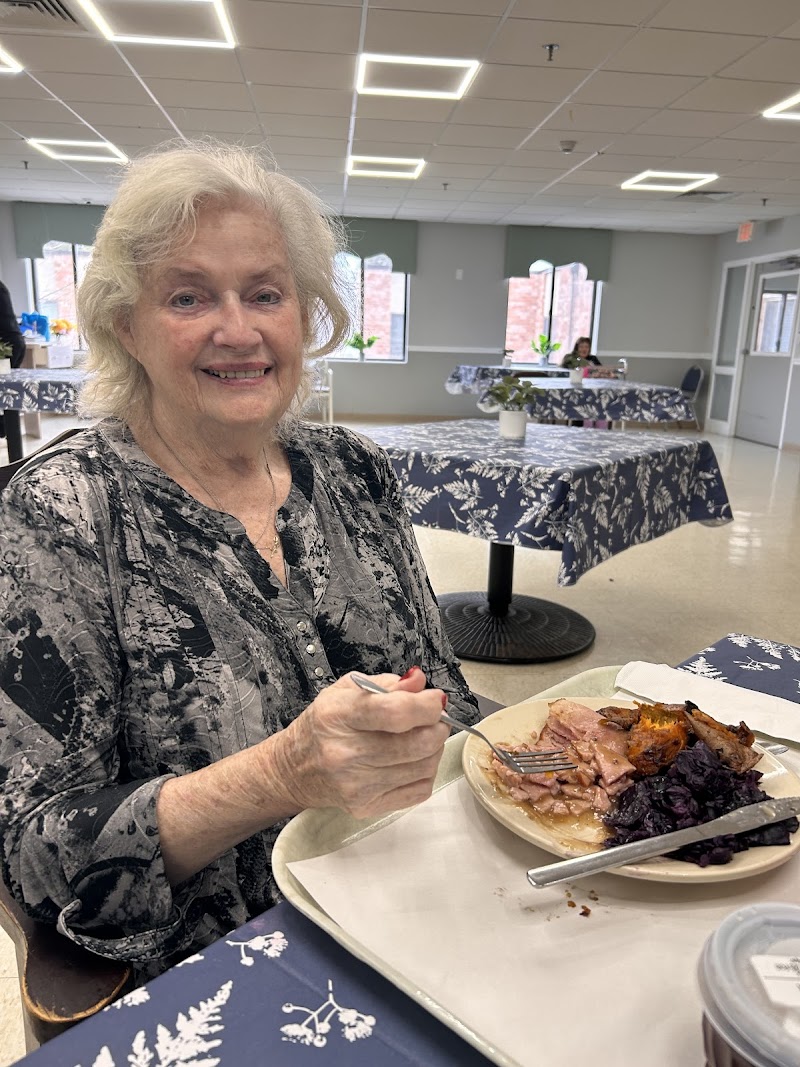
Who Owns and Operates Preferred Care At Absecon?

PREFERRED CARE AT ABSECON is owned by a for-profit company. For-profit facilities operate as businesses with obligations to shareholders or private owners. The facility is operated by PREFERRED CARE, a chain that manages multiple nursing homes. With 162 certified beds and approximately 149 residents (about 92% occupancy), it is a mid-sized facility located in ABSECON, New Jersey.

How Does Preferred Care At Absecon Compare to Other New Jersey Nursing Homes?

Compared to the 100 nursing homes in New Jersey, PREFERRED CARE AT ABSECON's overall rating (3 stars) is below the state average of 3.3, staff turnover (45%) is near the state average of 46%, and health inspection rating (4 stars) is above the national benchmark.

What Should Families Ask When Visiting Preferred Care At Absecon?

Based on this facility's data, families visiting should ask: "Can I visit during a mealtime to observe dining assistance and food quality?" "How do you handle medical emergencies, and what is your hospital transfer rate?" "Can I speak with family members of current residents about their experience?"

Is Preferred Care At Absecon Safe?

Based on CMS inspection data, PREFERRED CARE AT ABSECON has a clean safety record: no substantiated abuse findings (meaning no confirmed cases of resident harm), no Immediate Jeopardy citations (the most serious violation level indicating risk of serious injury or death), and is not on the Special Focus Facility watch list (a federal program monitoring the lowest-performing 1% of nursing homes). The facility has a 3-star overall rating and ranks #100 of 100 nursing homes in New Jersey. While no facility is perfect, families should still ask about staff-to-resident ratios and recent inspection results during their visit.

Do Nurses at Preferred Care At Absecon Stick Around?

PREFERRED CARE AT ABSECON has a staff turnover rate of 45%, which is about average for New Jersey nursing homes (state average: 46%). Moderate turnover is common in nursing homes, but families should still ask about staff tenure and how the facility maintains care continuity when employees leave.

Was Preferred Care At Absecon Ever Fined?

PREFERRED CARE AT ABSECON has been fined $39,620 across 1 penalty action. The New Jersey average is $33,475. While any fine indicates a compliance issue, fines under $50,000 are relatively common and typically reflect isolated problems that were subsequently corrected. Families should ask what specific issues led to these fines and confirm they've been resolved.

Is Preferred Care At Absecon on Any Federal Watch List?

PREFERRED CARE AT ABSECON is not on any federal watch list. The most significant is the Special Focus Facility (SFF) program, which identifies the bottom 1% of nursing homes nationally based on persistent, serious quality problems. Not being on this list means the facility has avoided the pattern of deficiencies that triggers enhanced federal oversight. This is a positive indicator, though families should still review the facility's inspection history directly.