ALLENDALE REHABILITATION AND HEALTHCARE CENTER
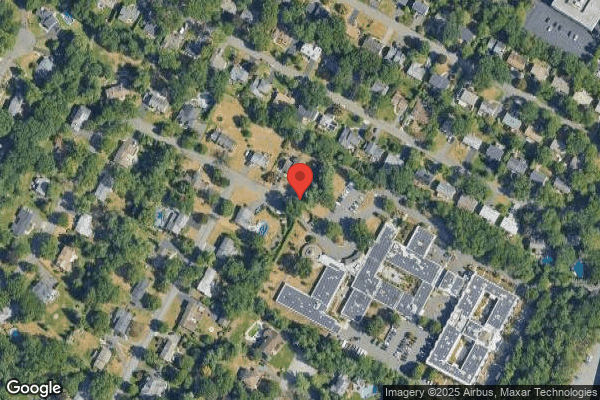
85 HARRETON ROAD, ALLENDALE, NJ 07401 (201) 825-0660
For profit - Limited Liability company 120 Beds MARQUIS HEALTH SERVICES Data: November 2025
Trust Grade
70/100
#88 of 344 in NJ
Last Inspection: June 2024

Within standard 12-15 month inspection cycle. Federal law requires annual inspections.

Overview

Allendale Rehabilitation and Healthcare Center has a Trust Grade of B, indicating it is a good but not exceptional choice among nursing homes. It ranks #88 out of 344 facilities in New Jersey, placing it in the top half, and #13 out of 29 in Bergen County, meaning only a few local options are better. However, the facility is currently worsening, with issues increasing from 3 in 2023 to 10 in 2024. Staffing is a mixed bag, rated at 2/5 stars with a turnover of 43%, which is typical for the state average, but this could affect continuity of care. Notably, the facility has no fines on record, which is a positive sign, but there are concerns about kitchen sanitation practices and medication administration errors for some residents, indicating a need for improvement in care practices.

Trust Score
B
70/100
In New Jersey
#88/344
Top 25%
Safety Record
Low Risk
No red flags
Inspections
Getting Worse
3 → 10 violations
Staff Stability
○ Average
43% turnover. Near New Jersey's 48% average. Typical for the industry.
Penalties
✓ Good
No fines on record. Clean compliance history, better than most New Jersey facilities.
Skilled Nurses
○ Average
Each resident gets 35 minutes of Registered Nurse (RN) attention daily — about average for New Jersey. RNs are the most trained staff who monitor for health changes.
Violations
⚠ Watch
22 deficiencies on record. Higher than average. Multiple issues found across inspections.
★★★★☆
4.0
Overall Rating
★★☆☆☆
2.0
Staff Levels
★★★★★
5.0
Care Quality
★★★☆☆
3.0
Inspection Score
Stable
2023: 3 issues
2024: 10 issues

The Good

  • 5-Star Quality Measures · Strong clinical quality outcomes
  • Full Sprinkler Coverage · Fire safety systems throughout facility
  • No fines on record
  • Staff turnover below average (43%)

    5 points below New Jersey average of 48%

Facility shows strength in quality measures, fire safety.

The Bad

Staff Turnover: 43%

Near New Jersey avg (46%)

Typical for the industry

Chain: MARQUIS HEALTH SERVICES

Part of a multi-facility chain

Ask about local staffing decisions and management

The Ugly 22 deficiencies on record

Jun 2024 10 deficiencies
CONCERN (D) 📢 Someone Reported This

A family member, employee, or ombudsman was alarmed enough to file a formal complaint

Potential for Harm - no one hurt, but risky conditions existed

Report Alleged Abuse (Tag F0609)

Could have caused harm · This affected 1 resident

NJ#162614 Based on observations, interviews, review of medical records, and other pertinent facility documentation, it was determined that the facility failed to report as required to the New Jersey D...

Read full inspector narrative →
NJ#162614 Based on observations, interviews, review of medical records, and other pertinent facility documentation, it was determined that the facility failed to report as required to the New Jersey Department of Health (NJDOH) within two hours an allegation of abuse for one (1) of two (2) residents (Resident #156) reviewed for abuse. This deficient practice was evidenced by the following: On 6/13/24 at 11:20 AM, the surveyor reviewed a Reportable Event Record (RER) for a resident to resident abuse that indicated the RER was submitted to the NJDOH by the facility's Administrator at that time, on 3/20/23. A review of the RER included the following: Today's Date: 3/20/23 Date of Event: 3/18/23 Time of Event: 11:00 PM The section that the facility can document if the incident was a significant event and if the event was called in was blank. Further review of the RER indicated that Resident #156 was hit by an unsampled resident on 3/18/23. On 6/13/24 at 12:30 PM, the surveyor requested from the Licensed Nursing Home Administrator (LNHA) the facility's complete documentation of the RER for Resident #156. On 6/14/24 at 9:39 AM, the surveyor reviewed the facility provided Full QA (Quality Assurance) Report (facility's incident report) for Resident #156 which included the following: Incident Date/Time: Saturday March 18, 2023 11:00 PM Conclusion: Resident #156 AAO x 3 (awake, alert and oriented to time, place and person) .Resident woke up, while getting hit by roommate, unsampled resident, who was a confused resident and has occasional aggressive behaviors to caregivers. No injury noted. Resident #156 verbalized, I am okay, I am not pressing charges. Patient transferred to another room immediately. Notifications: Administrator 3/18/23 11:00 PM (phone) Director of Nursing 3/18/23 11:00 PM (phone) Ombudsman 3/20/23 3:00 PM (phone) NJDOH 3/20/23 3:00 PM (phone) Further review of the above information, the facility did not report the allegation of abuse within two hours. Resident #156 and the unsampled resident no longer resided at the facility. On 6/17/24 at 11:03 AM, the surveyor interviewed the Director of Nursing (DON) regarding an allegation of abuse. The DON stated that any allegation of abuse should be reported within two hours whether the abuse was substantiated or not. The surveyor then asked the DON about the incident between Resident #156 and the unsampled resident and when it should have been reported. The DON stated that she had been at the facility for only three weeks. She added that the incident should have been reported within two hours. On 6/17/24 at 12:47 PM, in the presence of the survey team, the surveyor notified the LNHA, DON, Regional Director of Operations/Registered Nurse (RDoO/RN) and Administrator in Training (AIT), the concern that the facility did not report an allegation of abuse within two hours of the incident. On 6/18/24 at 10:00 AM, in the presence of the survey team and LNHA, the DON stated that the incident should have been immediately, within two hours reported and that she inserviced everyone in the facility about abuse reporting. The facility did not provide any additional information. A review of the facility provided policy titled, Abuse, Neglect, Exploitation or Misappropriation-Reporting and Investigating with a revised date of September 2022, included the following: Policy Statement All reports of resident abuse .are reported to local, state and federal agencies (as required by current regulations) and thoroughly investigated by facility management. Policy Interpretation and Implementation Reporting Allegations to the Administrator and Authorities 1. If resident abuse is suspected, the suspicion must be reported immediately to the administrator and to other officials according to state law. 2. The administrator or the individual making the allegation immediately reports his or her suspicion to the following persons or agencies: a. The state licensing/certification agency responsible for surveying/licensing the facility; . 3. Immediately is defined as: a. within two hours of an allegation involving abuse or result in serious bodily injury; or b. within 24 hours of an allegation that does not involve abuse or result in serious bodily injury. N.J.A.C. 8:39-5.1(a)
CONCERN (D) 📢 Someone Reported This

A family member, employee, or ombudsman was alarmed enough to file a formal complaint

Potential for Harm - no one hurt, but risky conditions existed

Investigate Abuse (Tag F0610)

Could have caused harm · This affected 1 resident

Deficiency Text Not Available

Read full inspector narrative →
Deficiency Text Not Available
CONCERN (D) 📢 Someone Reported This

A family member, employee, or ombudsman was alarmed enough to file a formal complaint

Potential for Harm - no one hurt, but risky conditions existed

Deficiency F0625 (Tag F0625)

Could have caused harm · This affected 1 resident

2. On 6/14/24 at 11:50 AM, the surveyor reviewed the hybrid medical records for Resident #85 which revealed the following: According to the admission Record (an admission summary), Resident #85 had di...

Read full inspector narrative →
2. On 6/14/24 at 11:50 AM, the surveyor reviewed the hybrid medical records for Resident #85 which revealed the following: According to the admission Record (an admission summary), Resident #85 had diagnoses that included but were not limited to, atherosclerotic heart disease (damage or disease in the heart's major blood vessels), hyperlipidemia (high levels of fat particles in the blood), and hypertension (high blood pressure). A New Jersey Universal Transfer Form and nurse progress notes documented Resident #85 was transferred to an acute care hospital on 3/21/24. A physician's order dated 3/21/24 read: Transfer to ER (emergency room) for eval (evaluation). On 6/14/24 at 12:12 PM, the surveyor interviewed the Social Worker (SW) who stated the business office provided bed hold policy notifications to residents and/or RR. On 6/14/24 at 12:57 PM, the surveyor interviewed the BOM who confirmed she mailed the facility's bed hold policy and would also call RR. The BOM provided a list of residents in which bed hold policy notification was provided. Resident #85 was on the list. The BOM confirmed the facility's Bed-Holds and Returns bed policy was what was sent to all the residents or RR upon a resident's transfer. A review of the undated facility provided policy titled, Bed-Holds and Returns, included the following: 1. Residents may return to and resume resident in the facility after hospitalization or therapeutic leave as outlined in this policy. 2. The current bed-hold and return policy established by the state (if applicable) will apply to Medicaid resident in the facility. 3. Prior to a transfer, written information will be given to the residents and the resident representatives that explains in detail: a. the rights and limitations of the resident regarding bed-holds; b. the reserve bed payment policy as indicated by the state plan (Medicaid residents); c. the facility per diem rate required to hold a bed (non-Medicaid residents), or to hold a bed beyond the state bed-hold period (Medicaid residents); and d. the details of the transfer (per the notice of transfer). 4. Medicaid residents who exceed the state's bed hold limit and/or non-Medicaid residents who request a bed-hold are responsible for the facility's basic per diem rate while his or her bed is held N.J.A.C. 8:39-5.1 (a); 5.2 (a) Based on interviews and record review, it was determined that the facility failed to provide the resident or resident representative appropriate written notification of the facility's bed hold and reserve payment policy upon transfer to the hospital for two (2) of two (2) residents (Resident #69 and #85) reviewed for hospitalizations. The deficient practice was evidenced by the following: 1. A review of Resident #69's hybrid (combination of paper and electronic) medical record revealed the following: Resident #69's two discharge assessment-return anticipated Minimum Data Set's (DRAMDS), an assessment tool used to facilitate the management of care, reflected that the resident was transferred to the hospital. A review of Resident's hybrid medical record did not include a written notification of the facility's bed hold policy to the resident or resident representative (RR) prior to the transfer to the hospital. On 6/14/24 at 10:24 AM, the surveyor interviewed the Business Office Manager (BOM) regarding the facility's written notification of the bed hold policy process. The BOM stated that she would leave a message and mail a letter. She showed the surveyor a copy of the facility's bedhold policy and stated that she mailed out a copy of the policy. She then showed the surveyor a binder and stated that she kept a list of the residents that she mailed the policy to. On that same date and time, the surveyor asked if any additional information was provided each transfer to the hospital. The BOM stated that no additional information was given and that all residents were given the daily rate of the bed within 24-48 hours of their initial admission. The surveyor reviewed the document titled Bed Hold & Emergency Transfer Policy. The document included Date, Resident, To and Payor. The first three sections were filled out and the fourth section labeled Payor was blank. On 6/17/24 at 12:46 PM, in the presence of the survey team, the surveyor notified the Licensed Nursing Home Administrator (LNHA), Director of Nursing (DON), Regional Director of Operations/Registered Nurse (RDoO/RN) and Administrator in Training (AIT), the concern that the facility did not provide Resident #69 written notification of the bed hold policy which included the reserve bed payment and other information. On 6/18/24 at 9:50 AM, in the presence of the survey team and the DON, the LNHA stated that she inserviced the BOM to include the rate on the information given to the resident and to include it on her log. The facility did not provide any additional information.
CONCERN (D)

Potential for Harm - no one hurt, but risky conditions existed

Assessment Accuracy (Tag F0641)

Could have caused harm · This affected 1 resident

**NOTE- TERMS IN BRACKETS HAVE BEEN EDITED TO PROTECT CONFIDENTIALITY** Based on observation, interview, and record review it was determined that the facility failed to accurately code the Minimum Dat...

Read full inspector narrative →
**NOTE- TERMS IN BRACKETS HAVE BEEN EDITED TO PROTECT CONFIDENTIALITY** Based on observation, interview, and record review it was determined that the facility failed to accurately code the Minimum Data Set (MDS), an assessment tool used to facilitate the management of care, in accordance with federal guidelines for three (3) of twenty four (24) residents, Resident #69, Resident #105 and Resident #306 reviewed for accuracy for MDS coding. This deficient practice was evidenced by the following: 1. On 6/13/24 at 10:31 AM, Surveyor #1 (S#1) observed Resident #69 seated in a wheelchair calling for the nurse. The Licensed Practical Nurse (LPN) stated to the surveyor that Resident #69 had just returned from dialysis. On 6/13/24 at 01:00 PM, S#1 reviewed Resident #69's medical record. A review of Resident #69's admission Record (AR, an admission summary) reflected that the resident was admitted to the facility with diagnoses which included but were not limited to end stage renal disease (final, permanent stage of chronic kidney disease, where kidney function has declined to the point that the kidneys can no longer function on their own), dependence on renal dialysis (dependence on renal dialysis) and anemia (condition in which the blood doesn't have enough healthy red blood cells and hemoglobin, a protein found in red blood cells, to carry oxygen all through the body). The Discharge assessment-return anticipated Minimum Data Set (DRAMDS), dated [DATE], did not indicate Resident #69 received dialysis treatment. On 6/13/24 at 01:42 PM, S#1 requested the MDS Coordinator (MDSC) to print Resident #69's DRAMDS dated [DATE] section O which indicated if a resident received dialysis treatments. The printed copy did not indicate the resident received dialysis treatment. On 6/14/24 at 10:09 AM, S#1 interviewed the MDSC regarding Resident #69's DRAMDS. The MDSC stated that she had modified the DRAMDS after surveyor inquiry. She added that the DRAMDS should have been coded to indicate Resident #69 received dialysis treatment. She added that she followed the RAI (Resident Assessment Instrument) manual. On 6/17/24 at 12:46 PM, in the presence of the survey team, S#1 notified the Licensed Nursing Home Administrator (LNHA), Director of Nursing (DON), Regional Director of Operations/Registered Nurse (RDoO/RN) and Administrator in Training (AIT), the concern that the Resident #69's MDS was coded incorrectly. On 6/18/24 at 10:09 AM, in the presence of the survey team and DON, the LNHA confirmed that the MDS not coded correctly and that the MDSC was inserviced and modified the MDS. 3. On 6/17/24 at 11:53 AM, S#3 reviewed the discharge medical records for Resident #306 and revealed the following: The DRAMDS for Resident #306 dated 02/02/24 which revealed that the resident was discharged to an acute hospital. The Interdisciplinary Progress Notes dated 02/02/24 which documented that Resident #306 was discharged to home. On 6/17/24 at 12:56 PM, the survey team met with the facility's LNHA, DON, RDoO/RN, and AiT. S#3 discussed the above concern. A review of the facility provided policy titled, Discharge Assessments dated October 2023, included the following: 1. A discharge assessment is completed when: a. a resident is admitted to an acute care hospital; b. a resident has a hospital observation stay greater than 24 hours; . A review of the facility provided policy titled, Electronic Transmission of the MDS with a revised date of November 2019, included the following: 1. All staff members responsible for completion of the MDS receive training on the assessment, data entry, and transmission processes, in accordance with the MDS RAI Instruction Manual 4. The MDSC is responsible for ensuring that appropriate edits are made prior to transmitting MDS data and that feedback and validation reports from each transmission are maintained for historical purposes. On 6/18/24 at 9:46 AM, the facility's LNHA stated that the MDS was coded in incorrectly and acknowledged that Resident #306 was discharged to home. No further information was provided. NJAC 8:39-11.1, 11.2(e)(1) 2. On 6/13/24 at 01:41 PM, S#2 reviewed the closed medical records for Resident #105 and revealed the following: The quarterly MDS and the modified MDS with an assessment reference date of 4/07/24 did not identify the resident as a hospice resident, and the flu vaccine was offered and declined. The immunization record showed that Resident #105 received the flu vaccine on 12/06/23. The Universal Transfer Form dated 3/13/24 revealed that the resident had flu vaccine on 12/06/23. A review of the physician's order showed an order for hospice on 3/22/24. On 6/14/24 at 02:13 PM, S#2 in the presence of two other surveyors interviewed the MDSC and the Regional Case Manager/Registered Nurse (RCM/RN). The MDSC stated that the facility followed the RAI Manual for MDS and there was no separate policy for MDS. The surveyor notified the facility management of the above findings and concerns regarding the accuracy of coding the MDS for hospice and vaccination. Both facility management stated that they would get back to the surveyor. On 6/17/24 at 10:49 AM, Surveyor #3 interviewed the MDSC and the RCM/RN. The MDSC stated that it was missed to check off and indicated that the resident was under hospice care.
CONCERN (D)

Potential for Harm - no one hurt, but risky conditions existed

Deficiency F0645 (Tag F0645)

Could have caused harm · This affected 1 resident

Based on observation, interviews, and record review, it was determined that the facility failed to ensure a Preadmission Screening and Resident Review (PASRR) was completed for one (1) of one (1) resi...

Read full inspector narrative →
Based on observation, interviews, and record review, it was determined that the facility failed to ensure a Preadmission Screening and Resident Review (PASRR) was completed for one (1) of one (1) resident (Resident #3) reviewed for PASRR. This deficient practice was evidenced by the following: On 6/13/24 at 10:20 AM, the surveyor observed Resident #3 lying in bed in their room. The resident was alert and oriented. The surveyor reviewed the hybrid (paper and electronic) medical records of Resident #3 which revealed the following: According to the admission Record (AR, an admission summary), Resident #3 had diagnoses that included but were not limited to, heart failure (a chronic condition in which the heart doesn't pump blood as well as it should), anxiety disorder, major depressive disorder, and paranoid schizophrenia (a type of delusion that usually involves persecution). Further review of the AR revealed the diagnosis of paranoid schizophrenia had an onset date of 01/18/23 during the stay of the resident at the facility. A quarterly Minimum Data Set (qMDS) assessment, a tool used to facilitate the management of care, dated 3/19/24, indicated the facility assessed the resident's cognition using a Brief Interview for Mental Status (BIMS) test. Resident #3 scored a score of 14 out of 15 which indicated the resident was cognitively intact. The qMDS in Section I, Active Diagnosis for Resident #3 included depression, anxiety disorder, and schizophrenia. There was no documentation found in the hybrid medical records of a PASRR (is a federal requirement to help ensure that individuals are not inappropriately placed in nursing homes for long term care) level I screen being completed for Resident #3 during their time at the facility. On 6/14/24 at 12:12 PM, the surveyor interviewed the Social Worker (SW) in the presence of the Licensed Nursing Home Administrator (LNHA) about PASRR processes. The SW stated a PASRR level I screen was completed for residents prior to admission to screen for mental disorders (MD), or intellectual disabilities to ensure a resident received appropriate care and services. On that same date and time, the SW further stated that if a Level I screen indicated a resident may meet the criteria, they would be referred for a PASRR Level II evaluation screening to determine if specialized services were needed. The SW stated a resident who had a new onset of a possibly serious mental disorder during their stay at the facility, a PASRR screen should be completed. The SW confirmed schizophrenia would be considered a serious mental disorder. At that time, the surveyor notified the SW that there was no PASRR found for Resident #3. The SW stated she would review and provide the surveyor with further information. On 6/14/24 at 01:44 PM, the Director of Social Services (DSS) provided the surveyor with a PASRR Level I for Resident #3. The DSS stated the PASRR provided was done today after surveyor inquiry and the resident did not trigger for requiring a PASRR Level II. She further stated that any prior PASRR for Resident #3 could not be found in their medical record or in the facility records. The DSS stated Resident #3 when admitted to the facility in 2021 had a diagnosis of schizophrenia and the PASRR should have been completed previously. On 6/17/24 at 10:45 AM, the surveyor interviewed the MDS Coordinator (MDSC) and the Regional MDSC about the resident's medical diagnoses. The MDSC and Regional MDSC stated the resident was admitted with unspecified schizophrenia and on 01/18/23 the diagnosis was updated to specify the resident's schizophrenia diagnosis to paranoid schizophrenia. Both the facility management acknowledged a PASSR should have been completed for the resident at the time of their admission. On 6/17/24 at 12:45 PM, the surveyor informed the Director of Nursing (DON), the LNHA, the Administrator in Training, and the Regional Director of Operations of the above concerns. The surveyor reviewed the facility provided policy titled Behavioral Assessment, Intervention and Monitoring, with a revised date of 3/2019. Under Policy Interpretation and Implementation, Assessment, it read: .a. All residents will receive a Level I PASRR screen prior to admission .b. If the level I screen indicates that the individual may meet the criteria for a mental disorder, intellectual disability, or related condition he or she will be referred to the state PASRR representative for the Level II (evaluation and determination) screening process . The surveyor reviewed the facility provided policy titled admission Criteria, with a revised date of 3/2019. Under Policy Interpretation and Implementation, it read: .8. All new admissions and readmissions are screened for mental disorders (MD), intellectual disabilities (ID) or related disorders (RD) per the Medicaid Pre-admission Screening and Resident Review (PASARR) process .a. The facility conducts a Level I PASARR screen for all potential admissions, regardless of payer source, to determine if the individual meets the criteria for a MD, ID, or RD . On 6/18/24 at 10:10 AM, the DON and LNHA met with the survey team. There was no additional information provided by the facility. NJAC 8:39-11.2(i), 27.1(a)
CONCERN (D)

Potential for Harm - no one hurt, but risky conditions existed

Deficiency F0658 (Tag F0658)

Could have caused harm · This affected 1 resident

Based on observation, interview, and record review it was determined the facility failed to consistently follow standards of clinical practice with regards to accurately: a) documenting medication adm...

Read full inspector narrative →
Based on observation, interview, and record review it was determined the facility failed to consistently follow standards of clinical practice with regards to accurately: a) documenting medication administration for one (1) of 24 residents, Resident #18, reviewed for insulin medications, b) complete dialysis post assessment forms for one (1) of one (1) resident, Resident #69, reviewed for dialysis, and c) complete behavior monitoring sheets for one (1) of five (5) residents, Resident #50, reviewed for unnecessary medications. This deficient practice was evidenced by the following: Reference: New Jersey Statutes Annotated, Title 45. Chapter 11. Nursing Board. The Nurse Practice Act for the State of New Jersey states: The practice of nursing as a registered professional nurse is defined as diagnosing and treating human responses to actual and potential physical and emotional health problems, through such services as casefinding, health teaching, health counseling, and provision of care supportive to or restorative of life and wellbeing, and executing medical regimens as prescribed by a licensed or otherwise legally authorized physician or dentist. Reference: New Jersey Statutes Annotated, Title 45, Chapter 11. Nursing Board. The Nurse Practice Act for the State of New Jersey states: The practice of nursing as a licensed practical nurse is defined as performing tasks and responsibilities within the framework of casefinding; reinforcing the patient and family teaching program through health teaching, health counseling and provision of supportive and restorative care, under the direction of a registered nurse or licensed or otherwise legally authorized physician or dentist. 1. On 6/13/24 at 01:40 PM, the surveyor observed Resident #18 sitting in a wheelchair (w/c) in their room. The Resident was alert, oriented, and verbally responsive. Resident #18 stated they were diabetic and had no concerns with their care. The Surveyor reviewed the electronic health record (EHR) of Resident #18 which revealed the following: According to the admission Record (AR, an admission summary), Resident #18 had diagnoses that included but were not limited to, type 2 diabetes mellitus, urinary tract infection, depression, and hypotension (low blood pressure). A quarterly Minimum Data Set (qMDS) assessment, a tool used to facilitate management of care, dated 4/29/24, indicated the facility assessed the resident's cognition using a Brief Interview Mental Status (BIMS) test. Resident #18 scored a 15 out of 15, which indicated the resident was cognitively intact. Resident #18 had a care plan with a focus that read I have Diabetes Mellitus, initiated on 11/09/23. An intervention of the care plan read Diabetes medication as ordered by doctor. Monitor and document side effects and effectiveness. A physician's order (PO) dated 3/16/24 read: Insulin Lispro Injection Solution (Insulin Lispro) Inject 15 unit subcutaneously before meals for DM [Diabetes Mellitus]. A PO dated 3/25/24 read: blood sugar checks AC/HS [before meals and at bedtime], document in [EHR], no SS[sliding scale] coverage AC and at HS for DM2 [Diabetes Mellitus Type 2]. A PO dated 3/19/24 read: [brand name] Autocover Pen Needle Miscellaneous 30 G X 8 MM (Insulin Pen Needle) Inject 1 pen needle subcutaneously AC and at HS for DM A review of the April 2024 Medication Administration Record (MAR) revealed Insulin Lispro Injection entries were not signed by the nurses and left blank on 4/24/24 at 1600 [4 PM] and 4/27/24 at 1600. A review of the April 2024 MAR revealed blood sugar check entries were not signed by the nurses and left blank on: 4/24/24 at 1600, 4/24/24 at 2100 [9 PM], 4/27/24 at 1600, 4/27/24 at 2100, and 4/29/24 at 2100. A review of the April 2024 MAR revealed Insulin Pen Needle entries were not signed by the nurses and left blank on 4/24/24 at 1600, 4/24/24 at 2100, 4/27/24 at 1600, 4/27/24 at 2100, and 4/29/24 at 2100. Further review of the April 2024 MAR revealed the following medication (med) entries had no nurse signature and were left blank: - Ezetimibe Tablet 10 MG (milligram) Give 1 tablet by mouth at HS for cholesterol control, on 4/24/24 at 2100. - Lidocaine External Patch 4 % (Lidocaine) Apply to right knee topically one time a day for pain management remove at HS and remove per schedule, which was scheduled for removal on 4/27/24 at 2100. - Lidocaine External Patch 4 % (Lidocaine) Apply to right upper arm topically one time a day for strain remove at HS and remove per schedule, which was scheduled for removal on 4/27/24 at 2100. - Calcium Carbonate Oral Tablet (Calcium Carbonate) Give 1250 mg by mouth two times a day for supplement, on 4/24/24 and 4/27/24 at 1600. - Docusate Sodium Capsule 100 MG Give 1 capsule by mouth two times a day for constipation, on 4/24/24 and 4/27/24 at 1700 [5 PM]. - Famotidine Tablet 20 MG Give 1 tablet by mouth two times a day for acid indigestion, on 4/24/24 at 1700. - Active Liquid Protein two times a day for 30 ml po [oral] supplement, on 4/24/24 and 4/27/24 at 1700. A review of the May 2024 MAR revealed Insulin Lispro Injection entries were not signed by the nurses and left blank on 5/11/24 at 1100 [11 AM], 5/12/24 at 1100, and 5/12/24 at 1600. A review of the May 2024 MAR revealed blood sugar check entries were not signed by the nurses and left blank on 5/11/24 at 1100, 5/12/24 at 1100, 5/12/24 at 1600, 5/12/24 at 2100, and 5/26/24 at 2100. A review of the May 2024 MAR revealed Insulin Pen Needle entries were not signed by the nurses and left blank on 5/11/24 at 1100, 5/12/24 at 1100, 5/12/24 at 1600, 5/12/24 at 2100, and 5/26/24 at 2100. Further review of the May 2024 MAR revealed the following med entries had no nurse signature and were left blank: - Ezetimibe Tablet 10 MG Give 1 tablet by mouth at HS for cholesterol control, which was scheduled for 5/12/24 and 5/26/24 at 2100. - Lidocaine External Patch 4 % (Lidocaine) Apply to right knee topically one time a day for pain management remove at HS and remove per schedule, which was scheduled for application on 5/11/24 at 0900 and 5/12/24 at 0900; and scheduled for removal on 5/26/24 at 2100. - Lidocaine External Patch 4 % (Lidocaine) Apply to right upper arm topically one time a day for strain remove at HS and remove per schedule, which was scheduled for application on 5/11/24 at 0900 and 5/12/24 at 0900; and scheduled for removal on 5/26/24 at 2100. - Calcium Carbonate Oral Tablet (Calcium Carbonate) Give 1250 mg by mouth two times a day for supplement, on 5/12/24 at 1600. - Docusate Sodium Capsule 100 MG Give 1 capsule by mouth two times a day for constipation, on 5/12/24 at 1700. - Famotidine Tablet 20 MG Give 1 tablet by mouth two times a day for acid indigestion, which was scheduled for 5/12/24 at 1700. - Active Liquid Protein two times a day for 30 ml po [oral] supplement, which was scheduled for 5/12/24 and 5/29/24 at 1700. A review of the June 2024 MAR revealed an Insulin Lispro Injection entry was not signed by the nurse and left blank on 6/9/24 at 1100. A review of the June 2024 MAR revealed a blood sugar check entry was not signed by the nurse and left blank on 6/9/24 at 1100. A review of the June 2024 MAR revealed an Insulin Pen Needle entry was not signed by the nurses and left blank on 6/9/24 at 1100. Further review of the June 2024 MAR revealed the following med entries had no nurse signature and were left blank: - Lidocaine External Patch 4 % (Lidocaine) Apply to right knee topically one time a day for pain management remove at HS and remove per schedule, which was scheduled for application on 6/9/24 at 0900. - Lidocaine External Patch 4 % (Lidocaine) Apply to right upper arm topically one time a day for strain remove at HS and remove per schedule, which was scheduled for application on 6/3/24 at 0900. On 6/14/24 at 11:16 AM, the surveyor interviewed Licensed Practical Nurse (LPN) #1 about documentation of med administration. LPN #1 stated the MAR should be signed by the nurses at the time of med administration. LPN #1 further explained entries should not be left blank, nurses were to document when a med was administered and to document the reason why a med was not administered to a resident. On 6/14/24 at 11:20 AM, the surveyor informed the Director of Nursing (DON) of the concerns for missing signatures of nurses on the April 2024, May 2024, and June 2024 MARs. The DON stated she would review and provide further information. On 6/17/24 at 11:25 AM, the DON met with the surveyor. The DON acknowledged there were unsigned entries on the MARs of Resident #18. The DON could not respond to why there were blank entries and was following up with the nurses to determine what happened. The DON stated it was expected for the nurses to complete their MAR documentation at the time medications (meds) were administered and there should be no unsigned entries. The DON further explained if meds were administered or not, nurses had to sign the MAR and document the reason why a med was not administered. On 6/17/24 at 12:45 PM, the surveyor informed the DON, Licensed Nursing Home Administrator (LNHA), Regional Director of Operations (RDoO/RN), and Administrator in Training (AIT), about the concerns of the missing nurse signature for the April 2024, May 2024, and June 2024 MARs of Resident #18. The surveyor reviewed the facility provided policy titled Administering Med, with a revised date of 04/2019. Under Policy, it read: Meds are administered in a safe and timely manner, and as prescribed. Under Policy Interpretation and Implementation, it read: .4. Meds are administered in accordance with prescriber orders, including any required time frame .22. The individual administering the med initials the resident's MAR on the appropriate line after giving each med and before administering the next ones . On 6/18/24 at 9:47 AM, the DON and LNHA met with the survey team. The DON stated she was following up with nurses regarding the unsigned MAR entries and was providing education to nursing staff. There was no additional information provided by the facility. 2. On 6/13/24 at 10:31 AM, the surveyor observed Resident #69 seated in a w/c calling for the nurse. The Licensed Practical Nurse (LPN #2) stated to the surveyor that Resident #69 had just returned from dialysis. On 6/13/24 at 01:10 PM, the surveyor asked the Unit Manager North Unit (UM/NU) to view Resident #69's Dialysis Communication Binder (DCB), which is a binder that contains documents that was filled out in three sections; by the facility prior to going to dialysis facility, by the dialysis facility post treatment and lastly by the facility when the resident returned to the facility. On 6/13/24 at 01:12 PM, the LPN #2 provided the binder to the surveyor and stated that she had not filled out the document post return yet but that she had assessed the resident and taken vital signs. On 6/13/24 at 01:20 PM, the surveyor reviewed Resident #69's DCB which included the following: Hemodialysis Communication Record (HCR) dated 6/11/24 Section 3. Completed by facility upon return from dialysis was blank. HCR dated 6/6/24 Section 3 was blank. HCR dated 5/21/24 Section 3 was blank. HCR dated 5/16/24 Section 3 was blank. There was a handwritten note dated 3/11/24 in the front of the HCB which included the following: Section 3-Completed by facility (Facility nurse) upon return. On 6/13/24 at 01:22 PM, the surveyor showed the LPN #2 Resident #69's HCRs that were blank. LPN #2 confirmed that Section 3 was blank and that they should have been filled out. On 6/13/24 at 01:30 PM, the surveyor interviewed the UM/NU regarding Resident #69's HCRs. The UM/NU stated that the HCR should be filled out by the nurse and that it was an assessment that was done by the nurse when the resident returned from dialysis treatment. She added that she usually checked the HCRs to make sure they were filled out before she moved them to a larger binder. On 6/13/24 at 01:40 PM, the surveyor reviewed Resident #69's medical record. Resident #69's AR reflected that the resident was admitted to the facility with diagnoses which included but were not limited to end stage renal disease (final, permanent stage of chronic kidney disease, where kidney function has declined to the point that the kidneys can no longer function on their own), dependence on renal dialysis (dependence on renal dialysis) and anemia (condition in which the blood doesn't have enough healthy red blood cells and hemoglobin, a protein found in red blood cells, to carry oxygen all through the body). On 6/17/24 at 12:46 PM, in the presence of the survey team, the surveyor notified the LNHA, DON, RDoO/RN and AIT, the concern that the Resident #69's dialysis communication record post dialysis assessment upon return to the facility was not completed. On 6/18/24 at 9:58 AM, in the presence of the survey team and LNHA, the DON stated that the resident's communication log appeared to be incomplete. She added that she educated the nurses on completing communication log in its entirety. The facility did not provide any additional information. A review of the facility provided policy titled, Dialysis Communication with an adopted date of June 2021, included the following: Policy Statement The facility and dialysis center will establish a communication and reporting mechanism to promote situational awareness between both facilities. The policy did not contain information on the facility's HCR document. 3. On 6/13/24 at 10:52 AM, the surveyor observed Resident #50 seated in a w/c in his/her room. On 6/14/24 at 12:39 PM, the surveyor reviewed Resident #50's medical record. Resident #50's AR reflected that the resident was admitted to the facility with diagnoses which included but were not limited to chronic obstructive pulmonary disease ( group of lung diseases that block airflow and make it difficult to breathe), anxiety disorder (mental health disorder characterized by feelings of worry, anxiety, or fear that are strong enough to interfere with one's daily activities) and depression (common and serious medical illness that negatively affects how you feel, the way you think and how you act). Resident #50's June 2024 MAR/Treatment Administration Record (TAR)/Behavior Monitoring included the following orders: [BEHAVIORS/INTERVENTION] Monitor for (difficulty falling asleep) .every evening and night shift; 3 of 15 evening shifts were blank. BEHAVIORS/INTERVENTION] Monitor for (being nervous) .every shift; 9 of 15 day shifts were blank; 3 of 15 evening shifts were blank. [BEHAVIORS/INTERVENTION] Monitor for (excessive fear about everyday situation) .every shift; 9 of 15 day shifts were blank; 3 of 15 evening shifts were blank. [BEHAVIORS/INTERVENTION] Monitor for (persistent worrisome) .every shift; 9 of 15 day shifts were blank; 3 of 15 evening shifts were blank. [BEHAVIORS/INTERVENTION] Monitor for (Sudden feelings of intense anxiety) .every shift; 9 of 15 day shifts were blank; 3 of 15 evening shifts were blank. [SIDE EFFECTS] Monitor for Side Effects of Anti-Anxiety Meds every shift; 9 of 15 day shifts were blank; 3 of 15 evening shifts were blank. [SIDE EFFECTS] Monitor for Side Effects of Hypnotic Meds every shift; 9 of 15 day shifts were blank; 3 of 15 evening shifts were blank. On 6/17/24 at 11:46 AM, the surveyor interviewed LPN #2 regarding behavior monitoring and side effect monitoring. LPN #2 stated that there was a PO for monitoring in the computer. She added that each shift would document a yes or no if there was behaviors or side effects. The surveyor showed LPN #2 Resident #50's blanks for behavior monitoring and side effect monitoring. LPN #2 stated that there should not be blanks. The surveyor asked what the importance of behavior monitoring was. LPN #2 stated that it was to know if a med was necessary or if it needed to be changed. On 6/17/24 at 12:02 PM, the surveyor interviewed the UM/NU regarding behavior monitoring and side effect monitoring. The UM/NU stated that every shift should have documentation and should not see blanks. She added that if the resident was not in the building the nurse should document a code to indicate that. On 6/17/24 at 12:09 PM, the surveyor interviewed the DON regarding Resident #50's blank behavior monitoring and side effect monitoring. The DON stated that it should not be blank. On 6/17/24 at 12:48 PM, in the presence of the survey team, the surveyor notified the LNHA, DON, RDoO/RN and AIT, the concern that the Resident #50 had multiple blanks on the June 2024 MAR/TAR for multiple PO for behavior monitoring and side effect monitoring. On 6/18/24 at 10:07 AM, in the presence of the survey team and LNHA, the DON stated that there was missing behavior monitoring. The facility did not provide any additional information. A review of the facility provided policy titled, Behavioral Assessment, Intervention and Monitoring with a revised date of March 2019, included the following: Monitoring 1. If the resident is being treated for altered behavior or mood, the IDT (Interdisciplinary Team) will seek and document any improvements or worsening in the individual's behavior, mood, and function. NJAC 8:39-11.2 (b); 29.2(d)
CONCERN (D)

Potential for Harm - no one hurt, but risky conditions existed

Deficiency F0692 (Tag F0692)

Could have caused harm · This affected 1 resident

Based on observation, interviews, record review, and review of facility policies, it was determined that the facility failed to identify and accurately address an Enteral Feeding (EF) order discrepanc...

Read full inspector narrative →
Based on observation, interviews, record review, and review of facility policies, it was determined that the facility failed to identify and accurately address an Enteral Feeding (EF) order discrepancy. This deficient practice was identified for one (1) of two (2) residents reviewed for EF (Resident #27). The deficient practice was evidenced by the following: On 6/13/24 at 10:24 AM, the surveyor interviewed Resident #27 in the resident's room. The resident stated he/she does not take eat by mouth and receives a tube feeding (TF, an EF, is a way of delivering nutrition directly to stomach or small intestine). On 6/14/24 at 9:04 AM, the surveyor reviewed Resident #27's hybrid (paper and electronic) medical record which revealed the following: Resident #27's admission Record (an admission summary) documented that the resident was admitted to the facility with diagnoses that included but were not limited to: dysphagia (difficulty swallowing) following cerebral infarction, encounter for attention to gastrostomy and unspecified severe protein-calorie malnutrition. The Minimum Data Set (MDS), an assessment tool used for the management of care dated 4/05/24, documented the resident had a Brief Interview for Mental Status (BIMS) and scored a 12 out of 15, indicating that Resident #27 had moderately impaired cognition. The MDS also showed that Resident #24 was receiving >51% of total calories from a TF. A review of the June 2024 Physician Orders (PO) included a PO dated 4/10/24, Enteral Feed, five times a day Jevity 1.5 Cal 237 ml (milliliters) 6 times per day via gravity bolus. The Medication Administration Record (MAR) revealed from 4/10/24 through 6/14/24, Resident was receiving bolus feeding (Bolus tube feeding is a method of delivering formula through a feeding tube. It is used for people who can tolerate a normal amount of food at one time. The formula is given every 4 to 6 hours) of Jevity 1.5, 237 ml five times daily. On 6/14/24 at 9:41 AM, the surveyor interviewed Licensed Practical Nurse #1 (LPN#1), who regularly oversees Resident #27's care. LPN #1 stated, Resident #27 receives a bolus feeding five times daily which was confirmed when LPN #1 checked the MAR. On that same date and time, the Surveyor asked LPN #1 to review the PO for the bolus feeding. LPN #1 acknowledged that the order for bolus feeding should had been clarified because the order states five and six times daily bolus feeding. LPN #1 further stated they have not previously observed the error and would contact the Registered Dietitian (RD) for correction. On 6/14/24 at 11:59 AM, the surveyor interviewed the RD, who stated the bolus feeding order should have been for six times daily but could not state why the error occurred and was not caught by themselves or facility staff. No further comments provided. On 6/17/24 at 9:04 AM, the Licensed Nursing Home Administrator (LNHA) provided the surveyor with a facility policy titled, Enteral Feeding with a revised date of November 2018. Under the policy interpretation and implementation, it states, 4. Enteral nutrition is ordered by the provider based on recommendations of the dietitian. 8. The dietitian monitors residents who are receiving enteral nutrition and make appropriate recommendations to enhance tolerance and nutritional adequacy of enteral feeding. 11. The nurse confirms that orders for enteral nutrition are complete. Complete orders include: a. the enteral nutrition product; d. administration method (continuous, bolus); e. volume and rate of administration. On 6/17/24 at 12:46 PM, the survey team met with the LNHA, Director of Nursing (DON), Regional Director of Nursing (RDON), Administrator in Training (AIT). The Surveyor notified the facility management of the above findings and concerns. The facility management did not provide any comments at that time. On 6/18/24 at 9:46 AM, the LHNA and DON met with the survey team with responses to the survey teams concerns. The DON stated, we were not compliant, the resident had been receiving five bolus feedings a day when they should have been receiving six. The resident's doctor and family were notified, the resident did not have any weight loss. The RD completed an audit on all residents who were NPO (nothing by mouth), and the completed an assessment on the resident and the TF order was corrected. An audit was completed on all tube feeding residents. NJAC 8:39-11.2(e), 17.1(c), 27.1(a)
CONCERN (D)

Potential for Harm - no one hurt, but risky conditions existed

Drug Regimen Review (Tag F0756)

Could have caused harm · This affected 1 resident

Based on observation, interview, and record review, it was determined that the Consultant Pharmacist (CP) failed to clarify medication route for a resident during the monthly medication (med) reviews ...

Read full inspector narrative →
Based on observation, interview, and record review, it was determined that the Consultant Pharmacist (CP) failed to clarify medication route for a resident during the monthly medication (med) reviews for one (1) of six (6) Residents, Resident #27. The deficient practice was evidenced by the following: On 6/13/24 at 10:24 AM, the surveyor interviewed Resident #27 in the resident's room. The resident stated he/she does not take any medications (meds) by mouth. On 6/14/24 at 9:04 AM, the surveyor reviewed Resident #27's hybrid (paper and electronic) medical record which revealed the following: Resident #27's admission Record (an admission summary) documented that the resident was admitted to the facility with diagnoses that included but were not limited to: dysphagia (difficulty swallowing) following cerebral infarction, encounter for attention to gastrostomy and unspecified severe protein-calorie malnutrition. The Minimum Data Set (MDS), an assessment tool used for the management of care dated 4/05/24, documented the resident had a Brief Interview for Mental Status (BIMS) and scored a 12 out of 15, indicating that Resident #27 had moderately impaired cognition. A review of the June 2024 Physician Orders (PO) included a PO dated 3/15/24 that read, Nothing by Mouth (NPO) diet, NPO texture, NPO consistency. Tube feeding. And an addition PO dated 4/15/24, Ascorbic Acid Tablet 500 MG (milligram), Give 1 tablet by mouth two times a day for Facilitate iron absorption Give with Ferrous Sulfate. A review of the CP medication review for April and May 2024 read, the following is a list of residents which were reviewed during the CP's visits but did not require any recommendations. The list included Resident #27 for both April and May 2024. On 6/17/24 at 10:36 AM, the surveyor conducted a phone interview with the CP, who stated, they missed the Ascorbic Acid med written as by mouth not via PEG tube (a percutaneous endoscopic gastrostomy (PEG) is a surgery to place a feeding tube. Feeding tubes, or PEG tubes, allow you to receive nutrition and/or med through the stomach). No further explanation provided. On 6/17/24 at 11:00 AM, the Licensed Nursing Home Administrator (LNHA) provided the surveyor with a facility policy title, CP with a revised date of August 2021. Under the policy interpretation and implementation section of the policy it states, 1. The facility will arrange for the provision of a CP who shall direct pharmaceutical services and provide consultation as needed. 3. The pharmacist shall assist the facility with: d. Reviewing med administration records (MAR) on a quarterly basis documenting any concerns, proposing solutions to identified concerns. On 6/17/24 at 12:46 PM, the survey team met with the LNHA, Director of Nursing (DON), Regional Director of Nursing (RDON), Administrator in Training (AIT). The Surveyor notified the facility management of the above findings and concerns. The facility management did not provide any comments at that time. On 6/18/24 at 9:46 AM, the LHNA and DON met with the survey team with responses to the survey teams concerns. The DON stated, we were not compliant with the meds, an audit was completed on all residents who were NPO, and the CP will be developing a Quality Assurance and Performance Improvement (QAPI) to assure this does not happen again. No further comments made. NJAC 8:39- 29.3 (a)
CONCERN (D)

Potential for Harm - no one hurt, but risky conditions existed

Deficiency F0882 (Tag F0882)

Could have caused harm · This affected 1 resident

Based on interview and review of pertinent facility provided documentation, it was determined that the facility failed to ensure that the employed designated Infection Preventionist (IP) had completed...

Read full inspector narrative →
Based on interview and review of pertinent facility provided documentation, it was determined that the facility failed to ensure that the employed designated Infection Preventionist (IP) had completed specialized training in infection prevention and control per Centers for Medicare & Medicaid Services (CMS) guidance prior to assuming the IP role for one (1) of one (1) employee reviewed for IP. This deficient practice was evidenced by the following: On 6/14/24 at 12:10 PM, the surveyor reviewed the facility provided signed job description for the IP which listed the date of hire as 6/10/21. The IP's job description included the following Educational and Certification Requirements: The IP's job description included the following acknowledgement that was signed by the IP and dated 6/10/21: I have read this job description and fully understand that the requirements set forth therein have been determined to be essential to this position (unless otherwise noted in Column 2). I hereby accept the position of Infection Preventionist and agree to perform the tasks outlined in this job description in a safe manner and in accordance with the Center's established procedures. At that same time, the surveyor reviewed the facility provided IP's specialized training certificates for which were dated from. The surveyor then reviewed the facility provided specialized training certificates for 15 modules that had different completion dates from 8/07/21 to 8/23/24. The IP did not have the specialized training prior to assumption of the IP role. On 6/17/24 at 10:49 AM, in the presence of the Director of Nursing (DON), the surveyor interviewed the IP. The IP confirmed that her date of hire as the facility's IP was 6/10/21. The IP confirmed that the specialized training certificates were done in August 2021. She added that she had done some [name redacted] training but had not finished the certification. The IP did not provide documentation of any additional training. On 6/17/24 at 12:47 PM, in the presence of the survey team, the surveyor notified the Licensed Nursing Home Administrator (LNHA), DON, Regional Director of Operations/Registered Nurse (RDoO/RN) and Administrator in Training (AIT), the concern that the IP did not have specialized training prior to assuming the role of IP. On 6/18/24 at 9:55 AM, in the presence of the survey team and DON, the LNHA stated that the IP started as the IP after the date of hire that was on the job description. She added that when the facility was acquired by a new company the staff had new job descriptions done. The surveyor asked the LNHA that if the 6/10/21 IP job description dated 6/10/21 was not for function of IP then should the job description signed indicate a different job description. The LNHA added that she was not the LNHA at that time. On 6/18/24 at 12:32 PM, the surveyor reviewed a timeline for IP that the facility provided. The timeline did not reflect the same information that the signed IP job description dated 6/10/21 by the current IP that the facility provided prior to the timeline. A review of the facility provided policy titled Infection Preventionist with a revised date of September 2022, included the following: Specialized Training 1. The infection preventionist has obtained specialized IPC training beyond initial professional training or education prior to assuming the role 2. Evidence of training is provided through a certificate(s) of completion or equivalent documentation. N.J.A.C. 8:39-19.1(b)
CONCERN (F)

Potential for Harm - no one hurt, but risky conditions existed

Food Safety (Tag F0812)

Could have caused harm · This affected most or all residents

Based on observation, interview, record review, and review of facility policies, it was determined that the facility failed to maintain proper kitchen sanitation practices in a manner to prevent food ...

Read full inspector narrative →
Based on observation, interview, record review, and review of facility policies, it was determined that the facility failed to maintain proper kitchen sanitation practices in a manner to prevent food borne illness. This deficient practice was observed and evidenced by the following: On 6/13/24 at 9:15 AM, the surveyor in the presence of the Food Service Director (FSD) observed the following during the kitchen tour: Upon entering the kitchen the surveyor observed the FSD and Dietary Aide #1 (DA#1) both wearing earrings that hung more than one inch (in) from their earlobes. The FSD acknowledged both she/he and DA#1 were wearing jewelry that was prohibited in the kitchen area. On 6/17/24 at 9:04 AM, the Licensed Nursing Home Administrator (LNHA) provided the surveyor with a kitchen policy titled, Preventing Foodborne Illness - Employee Hygiene and Sanitary Practices, with a revised date of November 2022. Under the policy interpretation and implementation section it states, Fingernails/Jewelry, 17. Jewelry will be kept to a minimum. Hand jewelry and wrist jeweler are covered with gloves during food handling. On 6/17/24 at 12:46 PM, the survey team met with the LNHA, Director of Nursing (DON), Regional Director of Nursing (RDON) and Administrator in Training (AIT) to discuss the above findings and concerns. There were no comments from facility staff. On 6/18/24 at 9:46 AM, the LHNA and DON met with survey team to provide explanations for previous concerns. The LNHA provided a copy of an in-service for the dietary staff for jewelry and hygiene. No further comments provided. NJAC 8:39-17.2(g)
Feb 2023 3 deficiencies
CONCERN (D) 📢 Someone Reported This

A family member, employee, or ombudsman was alarmed enough to file a formal complaint

Potential for Harm - no one hurt, but risky conditions existed

Notification of Changes (Tag F0580)

Could have caused harm · This affected 1 resident

**NOTE- TERMS IN BRACKETS HAVE BEEN EDITED TO PROTECT CONFIDENTIALITY** Complaint Intake #NJ154287 Based on record review, interviews, and facility policy review, it was determined that the facility f...

Read full inspector narrative →
**NOTE- TERMS IN BRACKETS HAVE BEEN EDITED TO PROTECT CONFIDENTIALITY** Complaint Intake #NJ154287 Based on record review, interviews, and facility policy review, it was determined that the facility failed to notify the resident's responsible party with changes in the plan of care for 1 (Resident #1) of 3 residents reviewed for notification of change in condition. Specifically, the facility failed to notify Resident #1's responsible party of abnormal lab results that were received and new orders that were implemented in response to the lab results. Findings included: Review of a facility's undated policy, titled, Change in a Resident's Condition or Status, indicated, Our facility promptly notifies the resident, his or her attending physician and the resident's representative of changes in the resident's medical/mental condition and/or status. Unless otherwise instructed by the resident, a nurse will notify the resident's representative when: there is a significant change in the resident's physical, mental, or psychosocial status. A review of Resident #1's admission Record revealed the facility admitted the resident with diagnoses that included protein-calorie malnutrition, gastrostomy status, cerebral infarction (stroke) with right sided weakness, Crohn's disease, congestive heart failure (CHF), and atrial fibrillation with long term use of anticoagulants (blood thinners). The admission record further revealed Resident #1's responsible party (RP), RP #1, was listed as the first emergency contact and RP #1 was the resident's power of attorney (POA) for care. A review of the admission Minimum Data Set (MDS), dated [DATE], revealed Resident #1 had a Brief Interview for Mental Status (BIMS) score of 3, indicating the resident was severely cognitively impaired. The MDS indicated the resident required extensive assistance with all activities of daily living (ADLs). A review of Resident #1's care plan, initiated 04/05/2022, indicated the resident had anemia related to blood loss. Interventions included to obtain and monitor lab/diagnostic work as ordered and report results to the physician and follow-up as indicated. A review of a Nurse Practitioner Note, dated 04/29/2022 at 3:15 PM, revealed Resident #1's white blood count (WBC) increased from the previous day despite antibiotics. The note indicated the WBC was 16.02, up from 13.14 the previous day. The note indicated preliminary results of the first set of blood cultures were positive for Gram positive cocci in clusters and Gram-positive cocci in chains, and the second set of blood cultures showed no growth. The note indicated the attending physician ordered Vancomycin (an antibiotic) one gram intravenously (IV) for one dose. The note indicated the plan of care was discussed with the resident and nursing staff. A review of Resident #1's physician orders revealed an order for Vancomycin, which directed staff to administer one gram intravenously, ordered 04/29/2022. Review of Resident #1's medical record revealed no documentation of Resident #1's responsible party being notified of the lab results or of the addition of an antibiotic to the resident's treatment plan. During an interview on 01/27/2023 at 3:55 PM, RP #1 stated they were not notified of the lab results that were received the day Resident #1 was sent out to the hospital or of the order for the additional antibiotic. During an interview on 02/01/2023 at 1:58 PM, the Director of Nursing (DON) stated the residents and responsible party should be notified of any unusual lab results and new orders the doctor gives, and it should be documented in a progress note. During an interview on 02/01/2023 at 4:22 PM, the Administrator stated the resident had to be notified of changes, but the resident's responsible party only had to be notified if the resident requested it or if their power of attorney had been put into effect. New Jersey Administrative Code § 8:39-5.1(a)
CONCERN (E) 📢 Someone Reported This

A family member, employee, or ombudsman was alarmed enough to file a formal complaint

Potential for Harm - no one hurt, but risky conditions existed

Quality of Care (Tag F0684)

Could have caused harm · This affected multiple residents

**NOTE- TERMS IN BRACKETS HAVE BEEN EDITED TO PROTECT CONFIDENTIALITY** Complaint Intake #NJ154287 and #NJ156112 Based on record review, interviews, and facility policy review, it was determined that ...

Read full inspector narrative →
**NOTE- TERMS IN BRACKETS HAVE BEEN EDITED TO PROTECT CONFIDENTIALITY** Complaint Intake #NJ154287 and #NJ156112 Based on record review, interviews, and facility policy review, it was determined that the facility failed to ensure quality care and treatment were provided for 3 (Residents #3, #4, and #1) of 13 sampled residents. Specifically, the facility failed to ensure all admission medications were implemented for Resident #3 and Resident #4 and failed to ensure accurate laboratory tests were obtained for Resident #1. Findings included: 1. The facility's undated policy, titled, admission Criteria, indicated, Prior to or at the time of admission, the resident's attending physician provides the facility with information needed for the immediate care of the resident, including orders covering at least medication orders, including (as necessary) a medical condition or problem associated with each medication. A review of Resident #3's admission record revealed the facility admitted the resident on 05/30/2022 with a diagnosis that included type 2 diabetes mellitus. A review of the admission Minimum Data Set (MDS), dated [DATE], revealed Resident #3 had a Brief Interview for Mental Status (BIMS) score of 12, indicating the resident was moderately cognitively impaired. A review of the Discharge Form from the hospital, dated 05/30/2022, revealed an order for blood sugar checks four times a day before meals and at bedtime with lispro insulin (a short-acting manmade version of human insulin) coverage. A review of Resident #3's Order Summary Report indicated the order for the lispro insulin was not entered and started until 06/08/2022, nine days after the resident was admitted to the facility on [DATE]. According to the order, Resident #3 was to receive sliding scale insulin coverage based on the resident's blood sugar before meals and at bedtime. A review of an IDT [Interdisciplinary Team] Care Plan Meeting Review, dated 06/02/2022, indicated the resident was checking their blood sugars at home but was not on insulin at home. A review of Resident #3's June 2022 Medication Administration Record (MAR) revealed the lispro insulin was started on 06/08/2022 at 4:00 PM. During an interview on 01/31/2023 at 1:20 PM, Unit Manager (UM) #3 stated the facility received a list of discharge medications when a resident was admitted from the hospital. She stated they would go over these orders with the physician and clarify any orders if needed. She stated the night nurse did a medical record check every night to double check the orders to ensure they were correct. UM #3 reviewed Resident #3's record and stated she was not sure why the blood sugar checks and insulin were not ordered when the resident was admitted . During an interview on 01/31/2023 at 1:30 PM, Registered Nurse (RN) #4 stated she was a nursing supervisor for the whole building. She stated that when a resident was admitted or readmitted to the facility, they received the admission orders from the hospital. She stated she would go over the medications one by one with the physician to verify. She stated the supervisor or Director of Nursing (DON) was responsible for double checking the orders. She stated she did not remember Resident #3. During an interview on 01/31/2023 at 2:03 PM, Licensed Practical Nurse (LPN) #5 stated when a resident was admitted to the facility, their admission orders would come in a packet from the last place they were at, whether it was a hospital or another nursing facility. She stated those orders were reviewed with the physician. LPN #5 stated the nursing supervisors usually put the orders in and then the other nurse reviewed them. She stated usually one nurse would do the assessment and the other would do the orders. During an interview on 01/31/2023 at 2:54 PM, LPN #11 stated that when a resident was admitted or readmitted to the facility, they came with a packet from the hospital with orders for medications. He stated they would call the physician and go over each medication and make changes if needed. He stated the supervisor double checked the orders. During an interview on 01/31/2023 at 4:05 PM, LPN #9 stated when a resident was admitted to the facility, they received the orders for the medications that were on the hospital discharge form. She stated they would call the physician and go over the orders with them. She stated the supervisor would go over everything afterwards. During an interview on 02/01/2023 at 1:58 PM, the DON stated they received orders for a resident that was admitting or readmitting from the outgoing facility, usually in a packet that showed all the medications. She stated those were verified with the physician and double checked with another nurse. She stated the DON, ADON, and all supervisors should help with admissions. She stated she was not aware the orders for Resident #3's blood sugars had been missed from the admission orders. During an interview on 02/01/2023 at 4:22 PM, the Administrator stated he had only been at the facility since October 2022 and was not familiar with Resident #3. The Administrator stated residents came to the facility with physician orders, and those were clarified with the oncoming physician and verified. He stated he was not familiar with how the nurses double checked the orders. 2. The facility's policy, titled, Medication and Treatment Orders, undated, indicated, Verbal orders must be recorded immediately in the resident's chart by the person receiving the order and must include the prescriber's last name, credentials, the date the time of the order. A review of Resident #4's admission Record revealed the facility admitted the resident with diagnosis that included type 2 diabetes mellitus. A review of the five-day Minimum Data Set (MDS), dated [DATE], revealed Resident #4 had a Brief Interview for Mental Status (BIMS) score of 14, indicating the resident was cognitively intact. The resident required supervision with their activities of daily living (ADLs). The MDS indicated the resident received insulin injections two out of the last seven days of the assessment period. A review of Resident #4's care plan, initiated 02/05/2022, indicated the resident had diabetes mellitus. Interventions included to administer diabetes medication as ordered by the doctor and monitor and document for side effects and effectiveness. A review of a document titled Discharge Disposition from the hospital record, dated 10/04/2022, indicated Resident #4 had orders for Insulin-glargine (Lantus) 100 units per milliliter (mL) solution, inject 15 units subcutaneously one time daily. A review of Resident #4's Order Summary Report for active orders as of 10/04/2022 revealed no order for the insulin glargine. A review of Resident #4's physician orders revealed an order for insulin glargine solution 100 unit/mL, inject 15 units subcutaneously at bedtime for diabetes with a start date of 10/06/2022. A review of Resident #4's October 2022 Medication Administration Record (MAR) indicated the resident did not receive Insulin glargine on 10/04/2022 or 10/05/2022. A review of a Health Status Note, dated 10/07/2022 at 3:19 PM, indicated Resident #4 had concerns regarding their insulin and did not think they had received their long-acting insulin. During an interview on 01/31/2023 at 1:20 PM, Unit Manager (UM) #3 stated the facility received a list of discharge medications when a resident was admitted from the hospital. She stated they would go over those orders with the physician and clarify any orders if needed. She stated the night nurse did a medical record check every night to double check the orders to ensure they were correct. UM #3 reviewed Resident #4's record and stated she was not sure why the insulin was not ordered. During an interview on 01/31/2023 at 1:30 PM, Registered Nurse (RN) #4 stated she was a nursing supervisor for the whole building. She stated when a resident was admitted or readmitted to the facility, they received the admission orders from the hospital. She stated she would go over the medications one by one with the physician to verify. She stated the supervisor or Director of Nursing (DON) was responsible for double checking the orders. During an interview on 01/31/2023 at 2:03 PM, Licensed Practical Nurse (LPN) #5 stated when a resident was admitted to the facility, their admission orders would come in a packet from the last place they were at, whether it was a hospital or another nursing facility. She stated those orders were reviewed with the physician. LPN #5 stated the nursing supervisors usually put the orders in and then the other nurse reviewed them. She stated usually one nurse would do the assessment and the other would do the orders. During an interview on 01/31/2023 at 2:54 PM, LPN #11 stated that when a resident was admitted or readmitted to the facility, they came with a packet from the hospital with orders for medications. He stated they would call the physician and go over each medication and make changes if needed. He stated the supervisor double checked the orders. During an interview on 01/31/2023 at 4:05 PM, LPN #9 stated when a resident was admitted to the facility, they received the orders for the medications that were on the hospital discharge form. She stated they would call the physician and go over the orders with them. She stated the supervisor would go over everything afterwards. During an interview on 02/01/2023 at 1:58 PM, the DON stated they received orders for a resident that was admitting or readmitting from the outgoing facility, usually in a packet that showed all the medications. She stated those were verified with the physician and double checked with another nurse. She stated the DON, ADON, and all supervisors should help with admissions. She stated she was not aware the orders for Resident #4's insulin had been missed from the admission orders. During an interview on 02/01/2023 at 4:22 PM, the Administrator stated he had only been at the facility since October 2022. The Administrator stated residents came to the facility with physician orders and those were clarified with the oncoming physician and verified. He stated he was not familiar with how the nurses double checked the orders. 3. The facility's policy, titled, Medication and Treatment Orders, undated, indicated, Verbal orders must be recorded immediately in the resident's chart by the person receiving the order and must include the prescriber's last name, credentials, the date the time of the order. A review of Resident #1's admission Record revealed the facility admitted the resident with diagnoses that included protein-calorie malnutrition, gastrostomy status, and cerebral infarction (stroke) with right sided weakness. A review of the admission Minimum Data Set (MDS), dated [DATE], revealed Resident #1 had a Brief Interview for Mental Status (BIMS) score of 3, indicating the resident was severely cognitively impaired. The MDS indicated the resident required extensive assistance with all activities of daily living (ADLs). The MDS indicated Resident #1 had a feeding tube and received 51% or more of their total calories and 501 cubic centimeters (cc) of fluid through the feeding tube daily. A review of Resident #1's care plan, initiated on 02/23/2022, indicated the resident required tube feedings related to dysphagia and was on continuous tube feeding. A review of a Health Status Note, dated 04/28/2022 at 12:30 AM, indicated a call was received from the physician with orders to do hourly vital signs on the resident, obtain a complete blood count (CBC) and urine analysis (UA) with culture and sensitivity (C & S), and stool for Clostridium difficile (c-diff), WBC (white blood count), Ova (egg) and parasite in the morning. A review of Resident #1's physician orders revealed on order dated 04/28/2022 for a stool sample for C-diff, WBC, ova, and parasites. A review of Resident #1's medical record revealed there were no results for the C-diff, WBC, ova, or parasite from the stool sample that was collected on 04/28/2022. According to the Lab Results Report, the stool sample was checked for occult blood and was negative. A copy of the lab results was requested from the Director of Nursing (DON) on 01/30/2023 and was not provided by the end of the survey. During an interview on 01/30/2023 at 2:47 PM, the DON stated the facility had done education and write-ups with the nurses in April 2022 due to labs not being reported to the physician and not being followed up on. The DON stated they also educated the nurses about taking verbal orders from the physician and making sure they read back the order for clarification. She said she did this after they had identified that lab orders were not being transcribed correctly. She stated she did not think the nurse took down the right order when she wrote the order for c-diff, ova, and parasites for Resident #1 to be obtained because the physician had not mentioned it in their progress note. She stated the nurse was written up for that. During an interview on 01/31/2023 at 3:45 PM, Licensed Practical Nurse (LPN) #12 stated she would not document the physician ordered something if he did not actually order it, and she always repeated back the order to the physician for verification. She stated she did not know why the tests on Resident #1's stool were not done as ordered by the physician. During an interview on 02/01/2023 at 4:22 PM, the Administrator stated he had only been at the facility since October 2022 and was not involved in the clinical aspect of the resident's care and deferred to the DON. New Jersey Administrative Code § 8:39-27.1(a)
CONCERN (E) 📢 Someone Reported This

A family member, employee, or ombudsman was alarmed enough to file a formal complaint

Potential for Harm - no one hurt, but risky conditions existed

Tube Feeding (Tag F0693)

Could have caused harm · This affected multiple residents

**NOTE- TERMS IN BRACKETS HAVE BEEN EDITED TO PROTECT CONFIDENTIALITY** Complaint Intake #NJ154287 Based on observations, interviews, record review, and facility policy review, it was determined that ...

Read full inspector narrative →
**NOTE- TERMS IN BRACKETS HAVE BEEN EDITED TO PROTECT CONFIDENTIALITY** Complaint Intake #NJ154287 Based on observations, interviews, record review, and facility policy review, it was determined that the facility failed to provide appropriate care and services to prevent complications of tube feeding for 3 (Residents #7, #9, and #1) of 3 residents reviewed for the use of feeding tubes. Specifically, the facility failed to ensure medications were administered through a feeding tube according to physician orders for the three residents. Findings included: Review of an undated facility policy titled, Administering Medications through an Enteral Tube indicated, Administer each medication separately and flush between medications. Dilute crushed (powdered) medication with at least 30 ml [milliliters] of purified water (or prescribed amount). Administer each medication separately. If administering more than one medication, flush with 15 ml warm purified water (or prescribed amount) between medications. When the last of the medication begins to drain from the tubing, flush the tubing with 15 ml of warm purified water (or prescribed amount). 1. A review of Resident #7's admission Record revealed the facility admitted the resident with diagnoses that included dysphagia (difficulty swallowing) and a gastrostomy (an opening into the stomach from the abdominal wall, made surgically for the introduction of food). A review of the significant change Minimum Data Set (MDS), dated [DATE], revealed Resident #7 had a Brief Interview for Mental Status (BIMS) score of 3, indicating the resident was severely cognitively impaired. The resident required extensive assistance with all activities of daily living (ADLs). The MDS indicated Resident #1 had a feeding tube and received 51% or more of their total calories and 501 cubic centimeters (cc) of fluid through the feeding tube daily. A review of Resident #7's care plan, initiated 01/07/2023, indicated the resident required an enteral tube feeding related to dysphagia. Interventions included to administer tube feeding as ordered; auscultate for proper position before administering medications or feedings; check residual as ordered or clinically indicated. Notify the physician or designee if above acceptable volume; consult dietitian as needed; consult speech therapy as needed. A review of Resident #7's Order Summary Report indicated orders related to the feeding tube included: - Jevity 1.2 Cal liquid (nutritional supplement) via feeding tube with the feeding pump set at 60 milliliters (mL) per hour (hr.) for 22 hours, for a total volume of 1,320 mL. Up at 4:00 PM and down at 2:00 PM, ordered 01/25/2023. - Flush feeding tube with 5 mL of water in between each medication administered through the feeding tube every shift, ordered 01/07/2023. - Free water flushes of 150 mL every six hours, ordered 01/07/2023. - Keep head of bed (HOB) elevated 30-45 degrees every shift while feeding is being administered and for one hour after feeding has been stopped, ordered 01/07/2023. - May crush all medication according to guidelines and mix each medication separately in 5 mL of water, ordered 01/07/2023. A medication pass observation was conducted on 01/30/2023 at 8:49 AM with Licensed Practical Nurse (LPN) #1 for Resident #7. The medications LPN #1 prepped for Resident #7 included: - Liquid protein 30 mL, which LPN #1 measured in a medication cup but then poured into a water cup without ensuring all the medication was removed out of the medication cup. - Divalproex Sprinkles (used for seizures) 125 mg, two capsules, which LPN opened and poured into a medication cup. - Potassium chloride 10% 7.5 ml, which LPN #1 measured in a medication cup and then poured into a water cup. - Amiodarone (medication to treat an irregular heartbeat) 100 mg, one tablet. - Eliquis (a blood thinner) 2.5 mg, one tablet. - Magnesium oxide (a supplement) 400 mg, one tablet. - Multivitamin, one tablet. - Vitamin C 500 mg, one tablet. LPN #1 crushed all of the tablets together and poured the powder into a water cup. LPN #1 questioned to herself aloud at that time whether the medications should have been crushed separately or together. LPN #1 then took all three water cups and the medication cup into Resident #7's room. LPN #1 stopped Resident #7's feeding of Jevity 1.2 and capped the tubing. LPN #1 then attempted to auscultate by listening through a stethoscope for the position of the tube by pushing air into the tube but met resistance and had to force air into the tube. She then attempted to flush the tube with approximately 30 mL of water but it would not go down by gravity, so she put the plunger in the syringe and forced the water into the tube. She then flushed the tube with 30 mL of water again that went down the tube by gravity. LPN #1 mixed water into the liquid protein, filling the cup approximately 2/3 full, and poured it into the syringe to go into the tube by gravity. She mixed water into the cup of liquid potassium approximately 2/3 full and poured it into the syringe to go into the tube by gravity. She poured the medication cup of divalproex into the water cup with the other crushed medications and filled the cup approximately 2/3 full with water and mixed it together and poured it into the syringe. LPN #1 had to keep adding water to the cup to get the medication residue off the sides of the cup and syringe. 2. A review of Resident #9's admission Record revealed the facility admitted the resident with diagnoses that included dysphagia (difficulty swallowing) and a gastrostomy (an opening into the stomach from the abdominal wall, made surgically for the introduction of food). A review of the admission Minimum Data Set (MDS), dated [DATE], revealed Resident #9 had a Brief Interview for Mental Status (BIMS) score of 5, indicating the resident was severely cognitively impaired. The MDS indicated the resident required extensive assistance with all activities of daily living (ADLs). The MDS indicated Resident #1 had a feeding tube and received 51% or more of their total calories and 501 cubic centimeters (cc) of fluid through the feeding tube daily. A review of Resident #9's care plan, initiated 01/07/2023, indicated the resident required enteral tube feeding related to dysphagia. Interventions included to administer tube feeding as ordered; auscultate for proper position before administering medications or feedings; check residual as ordered or clinically indicated. Notify the physician or designee if above acceptable volume; consult dietitian as needed; consult speech therapy as needed. A review of the Order Summary Report indicated orders for the feeding tube included: - Jevity 1.2 Cal liquid via feeding tube every shift with feeding pump set at 45 milliliters (mL) per hour (hr.) for 20 hours for a total volume of 900 mL. Up at 2:00 PM and down at 10:00 AM, ordered 01/17/2023. - Free water flushes of 100 mL every six hours four times a day, ordered 01/01/2023. - May crush all medications according to guidelines and mix each medication separately in 5 mL of water every shift, ordered 01/07/2023. A medication pass observation was conducted on 01/30/2023 at 9:15 AM with Licensed Practical Nurse (LPN) #1 for Resident #9. The medications LPN #1 prepared for Resident #9 included: - Liquid protein 30 mL, which LPN #1 measured in a medication cup but then poured into a water cup without ensuring all the medication was removed out of the medication cup. - Multivitamin, one tablet. - Eliquis 5 mg, one tablet. - Metoprolol (a blood pressure medication) 25 mg, one tablet. - Tylenol 325 mg, two tablets. LPN #1 crushed all the tablets together and put them in a water cup and took the cup into the resident's room. LPN #1 checked the placement of the tube by pushing air into the tube with a piston syringe and listening with her stethoscope. She then flushed the tube with 30 mL of water. LPN #1 mixed the liquid protein with water and put it in the syringe to go into the tube via gravity. LPN #1 then mixed all the crushed medications with water and put it in the syringe to go in by gravity. She flushed the tube with another 30-60 mL of water and capped off the tube. 3. A review of Resident #1's admission Record revealed the facility admitted the resident with diagnoses that included protein-calorie malnutrition, gastrostomy status (an opening into the stomach from the abdominal wall, made surgically for the introduction of food), and cerebral infarction (stroke) with right sided weakness. The admission record indicated the resident was discharged from the facility on 05/06/2022. A review of the admission Minimum Data Set (MDS), dated [DATE], revealed Resident #1 had a Brief Interview for Mental Status (BIMS) score of 3, indicating the resident was severely cognitively impaired. The resident required extensive assistance with all activities of daily living (ADLs). The MDS indicated Resident #1 had a feeding tube and received 51% or more of their total calories and 501 cubic centimeters (cc) of fluid through the feeding tube daily. A review of Resident #1's care plan, initiated on 02/23/2022, indicated the resident required tube feedings related to dysphagia and was on continuous tube feeding. Interventions included: - Check for tube placement and gastric contents/residual volume per physician's orders and record. Hold feeding if greater than 70 cc aspirate. - Received water flushes of 100 milliliters (mL) every eight hours. - Dependent on tube feeding and water flushes ordered. - Needs assistance/supervision/cueing with tube feeding and water flushes ordered. See physician orders for current feeding orders. - Needs the head of the bed (HOB) elevated 30-45 degrees during and thirty minutes after tube feeding. - Listen to lung sounds per orders. - Monitor/document/report to the physician as needed for aspiration, tube dislodgement, infection at tube site, self-extubating, tube dysfunction or malfunction, abnormal breath/lung sounds, abnormal lab values, abdominal pain, distention, tenderness, constipation or fecal impaction, diarrhea, nausea/vomiting, and dehydration. - Registered dietitian (RD) to evaluate quarterly and as needed (PRN). Monitor caloric intake, estimate needs. Make recommendations for changes to tube feeding as needed. A review of a Health Status Note, dated 04/15/2022 at 5:39 PM, indicated the nurse was unable to flush Resident #1's feeding tube and start their feeding, and the resident complained of discomfort to the insertion site. The note indicated the resident was sent to the emergency room. A review of an Emergency Department Note, dated 04/15/2022, indicated Resident #1 presented to the emergency department due to a blocked feeding tube. The note indicated the tube was unclogged with irrigation in the emergency room and was working properly. A review of Resident #1's April 2022 Medication Administration Record revealed LPN #1 had administered Resident #1's medications prior to the tube being blocked. Following the medication pass observations with LPN #1 of Resident #7 and Resident #9, LPN #1 was unavailable for an interview. During an interview on 01/31/2023 at 1:30 PM, Registered Nurse (RN) #4 stated medications could be crushed and administered at the same time to a resident with a feeding tube if the physician ordered it that way. She stated feeding tubes should be flushed per the physician's orders. During an interview on 01/31/2023 at 2:03 PM, Licensed Practical Nurse (LPN) #5 stated medications given through a feeding tube should be crushed individually and mixed with a small amount of water, and then the tube should be flushed in between each medication with 15 mL of water. She stated the tube should be flushed before and after giving medications. During an interview on 01/31/2023 at 2:54 PM, LPN #11 stated medications given through a feeding tube should be crushed and given separately with 15 mL of water between each medication. During an interview on 02/01/2023 at 1:58 PM, the Director of Nursing (DON) stated medications, whether given orally or through a feeding tube, should be given according to the physician's orders. She stated the medications could be crushed and given together if that was what the physician's order said. The DON stated LPN #1 should have administered the medications per the physician's orders. During an interview on 02/01/2023 at 4:22 PM, the Administrator stated LPN #1 should have followed the facility's policy when administering the medications through the feeding tube like she was trained and obtained clarification from a nursing supervisor if she had questions on how to do the procedure correctly. New Jersey Administrative Code § 8:39-29.2(d)
Oct 2022 6 deficiencies
CONCERN (D)

Potential for Harm - no one hurt, but risky conditions existed

Deficiency F0558 (Tag F0558)

Could have caused harm · This affected 1 resident

Based on observation, interview, and record review it was determined that the facility failed to accommodate a resident's need and provide a functioning air conditioner. This deficient practice was id...

Read full inspector narrative →
Based on observation, interview, and record review it was determined that the facility failed to accommodate a resident's need and provide a functioning air conditioner. This deficient practice was identified for Resident # 75, 1 of 18 residents reviewed for the accommodation of needs, and was evidenced by the following: On 9/28/22 at 12:29 PM, during an initial tour of the facility, the surveyor met with resident #75, who was in the bed. During the interview, the resident told the surveyor that he/she had no air conditioning throughout the summer. Resident #75 said that the Certified Nursing Assistants (CNAs) and the nurses were also complaining about the heat in the room. On that same date and time, the surveyor asked the resident if anyone was notified such as maintenance and Resident #75 said yes and was told that a new air conditioner was ordered but it never arrived. The resident showed the surveyor a fan that he/she had to have family bring in to help tolerate the heat. The surveyor reviewed Resident #75's medical record. The admission Record (admission summary or Face sheet) revealed that Resident #75 was admitted to the facility with medical diagnoses that included, but were not limited to Multiple sclerosis (a progressive neurological disease involving damage to nerve cells of the brain and spinal cord), cancer, hypertension (elevated blood pressure), and diabetes. The quarterly Minimum Data Set (MDS), an assessment tool for the management of care, dated 9/12/22 indicated that the resident's Brief Interview for Mental Status (BIMS) score of 15 out of 15, meaning the resident was cognitively intact. On 9/28/22 at 12:35 PM, the surveyor met with the Regional Director of Plant Operations (RDPO) regarding the resident's air conditioner. The RDPO stated that the Maintenance Director (MD) of the facility was out of work sick and that he would look into it. The surveyor asked the RDPO to provide any documentation regarding Resident #75 air conditioner repairs or order invoices since the resident was told an order for a new unit was placed. At that same time, the RDPO was not able to provide documentation about the air conditioner to the surveyor. On 9/29/22 at 11:30 AM, the surveyor interviewed the Unit Manager/Licensed Practical Nurse (UM/LPN) regarding the process for notifying maintenance if a resident needed repair of something in their room. The UM/LPN stated that the operator was called and would transfer the call to the maintenance department. On that same date and time, during the interview with the UM/LPN, the Licensed Practical Nurse (LPN) told the surveyor there was a maintenance logbook, and proceeded to show the surveyor a blue binder labeled maintenance. The surveyor reviewed the sheets in the binder which showed that on 8/24/22 it was logged that the air conditioner in Resident #75 room was not working correctly. The column on the sheet showing the issue was addressed was blank. On 9/29/22 at 12:14 PM, the surveyor interviewed the LPN regarding the air conditioner. The LPN told the surveyor that she was on sick leave, returned to work in July and the air conditioning was not working, but maintenance said one had to be ordered. On 10/04/22 at 01:15 PM, the survey team met with the [NAME] President of Operations (VPoO), Licensed Nursing Home Administrator (LNHA), Director of Nursing (DON), Risk Management Regional Nurse (RMRN), and Regional Registered Nurse (RRN) and discussed the above concern. On 10/06/22 at 01:24 PM, the surveyor interviewed the MD regarding the air conditioner in Resident #75's room. The MD told the surveyor that the air conditioning was not working in July and I fixed the button so maintenance can adjust the thermostat. The surveyor asked if the staff could adjust the temperature and he said, no, they can turn it on high and low, or cool and warm. At that same time, the surveyor showed the MD the maintenance log binder from the unit in the presence of the RDPO. The surveyor asked why the items on the log were not marked as repaired. The RDPO told the surveyor that the facility had not used the binders/logs for one year, and an electronic system was in place. The surveyor informed the MD that the staff in the North Unit were not aware there was an electronic system. The MD had no comment. Furthermore, the surveyor asked how the staff were trained for the new electronic maintenance system and the RDPO told the surveyor They should receive training with orientation. The surveyor asked the RDPO if he could provide documentation on the training of new staff and the current staff, and none was provided to the surveyor. On 10/07/22 at 12:13 PM, the survey team met with the LNHA, DON, and RRN. The RRN stated that there was no additional information. NJAC 8:39-31.2 (b), (e)
CONCERN (D)

Potential for Harm - no one hurt, but risky conditions existed

Comprehensive Care Plan (Tag F0656)

Could have caused harm · This affected 1 resident

Based on interview and record review it was determined that the facility failed to develop a comprehensive person-centered care plan to include resident preferences for 1 of 3 residents, Resident #4, ...

Read full inspector narrative →
Based on interview and record review it was determined that the facility failed to develop a comprehensive person-centered care plan to include resident preferences for 1 of 3 residents, Resident #4, reviewed for the resident council meeting and was evidenced by the following: On 9/29/22 at 10:30 AM, the surveyor conducted a Resident Council Meeting at the facility. Three residents attended the meeting that included Resident #4. On 9/29/22 at 11:21 AM, following a resident council meeting, Resident #4 stated that there was an incident a month and a half ago that happened between the resident and the nurse. The resident stated that he/she did not like the nurse. The resident further stated that the incident was reported to the previous Licensed Nursing Home Administrator (LNHA) and the Social Worker (SW). The resident indicated it was investigated. On that same date and time, the resident informed the surveyor that the involved nurse still works in the facility, but no longer was taking care of the resident since the incident. Then, the resident told the surveyor that the nurse was still working in my hallway. The surveyor reviewed Resident #4's medical records. The admission Record (admission summary or Face Sheet) revealed that the resident was admitted to the facility with diagnoses that included but were not limited to: Multiple sclerosis (a progressive disease involving damage to the nerve cells in the brain and spinal cord), depressive disorder, anxiety disorder, and muscle wasting. According to the quarterly Minimum Data Set (MDS), an assessment tool used to facilitate the management of care, dated 6/28/22 revealed a Brief Interview for Mental Status (BIMS) score of 15 out of 15, which means that the resident's cognition was intact. The Grievance/Complaint Report dated 7/27/22 showed that the resident does not like the Licensed Practical Nurse (LPN) and would like a different nurse caring for him/her. The personalized care plan did not include the 7/27/22 Grievance/Complaint Report and did not show the interventions about not having the LPN caring for the resident as per the resident's preference. On 9/29/22 at 01:15 PM, the survey team met with the LNHA, Director of Nursing, and Regional Registered Nurse (RRN) and were made aware of the above concerns. On 10/04/22 at 01:14 PM The surveyor asked the administrative team if the resident's preference not to have that nurse should have been included in the resident care plan. The LNHA, Director of Nursing (DON), and Regional Registered Nurse (RRN) acknowledged to the survey team that resident care plans should be person-centered. On that same date and time, the RRN stated that the resident's preference not to receive care from that nurse should have been in the resident's care plan. The RRN acknowledged that there was no care plan initiated that speaks of the resident's preference not to have a certain nurse. A review of the undated facility's Care Plan policy included the policy statement indicating that a comprehensive, person-centered care plan that includes measurable objectives and timetables to meet the resident's physical, psychosocial and functional needs is developed and implemented for each resident. NJAC 8:39-11.2 (f), 27.1 (a)
CONCERN (D)

Potential for Harm - no one hurt, but risky conditions existed

Deficiency F0761 (Tag F0761)

Could have caused harm · This affected 1 resident

Based on observation, interview, and record review, it was determined that the facility failed to properly label, store and dispose of medications in 1 of 4 medication carts inspected. This deficient ...

Read full inspector narrative →
Based on observation, interview, and record review, it was determined that the facility failed to properly label, store and dispose of medications in 1 of 4 medication carts inspected. This deficient practice was evidenced by the following: On 10/03/22 at 11:33 AM, the surveyor inspected the South Middle med cart in the presence of a Registered Nurse (RN). The surveyor observed two opened boxes of Ipratropium bromide/ Albuterol Solution 0.5-2.5, 3 ml vials (Medication for breathing) that belong to two residents, Residents#72 and #183 that were discharged from the facility. The surveyor interviewed the RN who stated that both residents were discharged from the facility and were not able to tell the surveyor when they will be returning to the facility. The RN also stated that all medications belonging to residents who were discharged from the facility should be removed from active medication stock. On 10/03/22 at 1:45 PM, the surveyor met with the Licensed Nursing Home Administrator (LNHA), Director of Nursing (DON), and the Regional RN no further information was provided by the facility. A review of the facility's policy for the Storage of Medications that was undated and was provided by the Regional RN indicated the following: 4. Drug containers that have missing, incomplete, improper, or incorrect labels are returned to the pharmacy for proper labeling before storing. Discontinued, outdated, or deteriorated drugs or biologicals are returned to the dispensing pharmacy or destroyed. NJAC: 8:39-29.4 (d)(h)
CONCERN (D)

Potential for Harm - no one hurt, but risky conditions existed

Infection Control (Tag F0880)

Could have caused harm · This affected 1 resident

Based on observations, interviews, and review of pertinent facility documentation, it was determined that the facility failed to ensure a.) that staff handle clean linens and towels appropriately to p...

Read full inspector narrative →
Based on observations, interviews, and review of pertinent facility documentation, it was determined that the facility failed to ensure a.) that staff handle clean linens and towels appropriately to prevent contamination and b.) all staff entering the building were screened for Covid-19 signs and symptoms in accordance with the facility policy Covid-19 Employee Screening and Centers for Disease Control and Prevention (CDC) guidelines. This deficient practice was evidenced by the following: Reference: Centers for Disease Control and Prevention (CDC) COVID-19, Interim Infection Prevention and Control Recommendations for Healthcare Personnel During the Coronavirus Disease 2019 (COVID-19) Pandemic, updated 9/23/22, reflected 1. Recommended routine infection prevention and control (IPC) practices during the COVID-19 pandemic . Establish a process to make everyone entering the facility aware of recommended actions to prevent transmission to others if they have any of the following three criteria .2) symptoms of COVID-19 . 1. On 10/04/22 at 12:40 PM, in the presence of a second surveyor it was observed that a hospice aide (HA) was holding clean linens and towels directly against her uniform in the presence of the Director of Nursing. Upon interview, the HA acknowledged that the linens should not have been held against her uniform because of contamination. On 10/04/22 at 01:14 PM, the survey team met with the Licensed Nursing Home Administrator (LNHA), Director of Nursing (DON), Regional Registered Nurse (RRN), [NAME] President of Operations (VPoO), and Risk Management Nurse (RMN) and were made aware of the above concern. On that same date and time, the DON stated that HA should have not done it, and that the HA was educated about the proper handling of linens and towels to prevent contamination. The RMN acknowledged that the HA had direct contact with Resident #46 and should not hold the linens and towels against her uniform due to infection control. 2. A review of the Certified Nursing Aide's (CNA's) Time Cards from 8/01/22 through 9/29/22 reflected that she worked in the facility on the following dates: 8/22/22 8/23/22 8/25/22 8/26/22 9/01/22 9/02/22 9/03/22 9/05/22 9/08/22 9/09/22 9/12/22 9/13/22 9/15/22 9/16/22 9/17/22 9/19/22 9/20/22 9/23/22 9/24/22 9/26/22 9/28/22 9/29/22 On 9/28/22 at 12:43 PM, Surveyor#1 interviewed the CNA who was assigned to the Covid positive unit. The CNA informed the surveyor that she did not perform the routine Covid-19 screening process using the kiosk upon entry to the facility not until today when she observed another staff who came in at the same time as the CNA at the employee entrance. On 9/29/22 at 1:15 PM, the DON, LNHA, and RRN met with the survey team. The surveyor discussed the above concerns. On that same date and time, during the interview with the surveyor, the DON stated that the staff was supposed to do the Covid-19 screening process by answering the questionnaires using the kiosk and temperature checks before going to work. The RRN further stated that all staff were required to do the Covid-19 screening process using the kiosk when they enter the facility. Furthermore, the DON and RRN acknowledged that the CNA did not perform the Covid-19 screening process on all the days she worked in the facility since August 2022. The administrative team could not provide documented evidence that the CNA did the Covid-19 screening process for the days that she worked in the facility from August 2022 to the present day. On 10/04/22 at 1:14 PM, the DON, LNHA, RRN, VPoO, and RMN met with the survey team. The surveyor asked the administrative team if they have documentation to provide regarding the CNA not performing the Covid-19 screening process. The DON and the RRN stated no. The facility procedure COVID-19 Employee Screening revised in April 2020 included the following: Procedure: 1. Upon entrance to the facility, employees will clock in and complete the COVID-19 Employee Screening Tool. 2. The facility may utilize a kiosk for Employee Screening. 3. Employees screened to identify: a. symptoms consistent with COVID-19; b. exposure to COVID-19 without use of appropriate Personal Protective Equipment; and c. whether they have a temperature 100.0° or greater. The facility policy Coronovirus Disease (COVID-19)- Infection Prevention and Control Measures reflected that Anyone entering the facility (including staff) is screened and triaged for signs and symptoms of and exposure to others with SARS-CoV-2 infection, including: fever that was measured temperature greater than 100 degrees Fahrenheit or subjective fever, cough, shortness of breath or difficulty breathing, fatigue, muscle or body aches, headaches, new loss of taste or smell, sore throat, congestion or runny nose, nausea or vomiting, and/or diarrhea. The Screening of Staff, Visitors & Residents- NJ dated 8/5/21 reflected that Healthcare Personnel (HCP) screening will be conducted at the beginning of each shift. It included Whether in the last 14 days, the HCP has had an identified exposure *to someone with a confirmed diagnosis of COVID-19, someone under investigation for COVID-19, or someone experiencing respiratory illness; and Whether the HCP has been diagnosed with COVID-19 and has not yet met criteria to return to work. On 10/07/22 at 12:14 PM, the LNHA, DON, and RRN met with the survey team. No additional information was provided by the facility management. N.J.A.C.8:39-19.4 (a)(b)
CONCERN (D)

Potential for Harm - no one hurt, but risky conditions existed

Safe Environment (Tag F0921)

Could have caused harm · This affected 1 resident

Based on observation, interview, and review of pertinent documents, it was determined that the facility failed to maintain a safe and sanitary environment in the folding and laundry rooms in accordanc...

Read full inspector narrative →
Based on observation, interview, and review of pertinent documents, it was determined that the facility failed to maintain a safe and sanitary environment in the folding and laundry rooms in accordance with the facility's policy. This deficient practice was evidenced by the following: On 10/06/22 at 9:10 AM, two surveyors interviewed Laundry Aide #1 (LA#1) who was in the room with folded and stacked linens. She informed the surveyors that the room was the folding area, where they folded the clean linens. The surveyors observed a table in the room. LA#1 stated that they utilized the table for folding the clean linens. On that same date and time, during the interview of the surveyors, LA#2 entered the room. LA#1 and #2 stated that the folding room was a clean room. Furthermore, the surveyors observed the folding room with folded and stacked linens on the folding table, metal wall-mounted shelves, and 4-tier metal shelves cart. There was a capped half-full bottle of water on the folding table, touching the clean folded and stacked linens. LA#1 and #2 stated that the bottle did not belong to them, and both were unsure of whom it belonged to and where it came from. Both LA#1 and #2 stated that the water bottle should have not been left on the table touching the clean linens. The surveyors observed LA#1 removed and threw out the water bottle in the garbage afterward. During the surveyors' tour in the folding room in the presence of LA#1 and #2, the surveyors observed a metal fork on the metal wall-mounted shelves, touching the folded and stacked linens. The surveyors also observed a metal knife and a bible book partially tucked in between the folded and stacked linens on the 4-tier metal shelves cart. LA#2 stated that he found the bible in the garbage, cleaned it, and kept it in the folding room a long time ago. He also stated that he used the knife to fix if something gets stuck in the 4-tier metal shelves. Additionally, the surveyors observed a clear plastic cup lid on the bottom shelf of the 4-tier metal shelves that had drops of brownish fluid on it. LA#1 and #2 stated that they did not know why it was there and how long it had been there. LA#1 removed and threw out the metal fork and knife, and the plastic cup lid in the garbage afterward. On the same day at 9:20 AM, the surveyors toured the laundry room that was located across the folding room, in the presence of LA#1 and #2. The surveyors observed dryer machine #1 (dryer#1) on the left side of the laundry room. LA#2 stated that the washing machines (washers) and dryers were cleaned by the Housekeeping (HK) staff, and the Laundry staff did the lint cleaning in the dryers. During the Laundry room tour, the surveyors observed a pool of clear water behind washer#1. LA#2 acknowledged that the pool of water came from washer#1. He stated that the machine sometimes blew steam which created a pool of water behind washer#1. He also stated that it sometimes happens and it had happened before. Furthermore, he informed the surveyors that he verbally notified the Maintenance Department when it happened, but they had no accountability record that the issue was reported to the Maintenance Department. However, LA#2 stated that he had not reported to the Maintenance Department about the current pool of water behind washer#1. On the same day at 9:30 AM, the surveyors interviewed the HK Director. The surveyors informed him about the pool of water behind washer#1. The HK Director acknowledged that he was not aware of it and stated that the staff must have missed to dry up this morning. He stated, sometimes water is hot and caused the pool of water. He stated to the surveyors that he did not know it had happened before until it was pointed out by the surveyors. The HK Director acknowledged that they did not have the accountability to log the reported concerns in the laundry room to the Maintenance Department and stated that they only had a verbal discussion with the Maintenance staff. The surveyor showed the HK Director the pink-crusted material on the outside of washer#1's glass door. He informed the surveyor that it was the accumulation of the caking of the soap and stated, it didn't happen just today, it seems like it's been there for a couple of days. He stated that it should have been cleaned by the Laundry staff. The HK Director stated that they did not have accountability for the cleaning log in the laundry room. During the laundry room tour with the HK Director, the surveyor pointed out a high accumulation of grayish, fuzzy, and powdery material on top of washer#2 and on the metal pipes that were connected behind it, and on the top of dryer#2. The surveyors observed the HK Director touched the top of washer#2 and its metal pipes. The surveyors observed a collection of grayish, fuzzy, and powdery material in the HK Director's fingers, and he acknowledged that it was dust. He stated that it's not an excuse not to clean, it should have been done. He also stated that there was no documented evidence of accountability for the dust cleaning in the laundry room. Furthermore, the surveyors observed several brown circular discoloration marks on the ceiling tiles. The HK Director stated that at one point there was a leak, but not anymore. During the interview, the surveyors informed the HK Director about the surveyors' findings and concerns in the folding room with LA#1 and #2. He acknowledged to the surveyors that the mentioned items should have not been in the folding room touching the clean linens because that's contamination. On 10/06/22 at 01:57 PM, the Director of Nursing (DON), Risk Management Nurse (RMN), and Licensed Nursing Home Administrator (LNHA) met with the survey team. The surveyor discussed the findings and concerns that were found in the folding and laundry room. During the follow-up interview with the HK Director on 10/07/22 at 9:22 AM, the HK Director acknowledged that it was the LA's responsibility to clean the laundry room's washers, dryers, and the dusting. He also stated that the pool of water should have been reported to him, so he could have notified the Maintenance Department. He acknowledged to the surveyor that he was not notified about the pool of water behind the washing machine in the laundry room until the surveyor's inquiry. Additionally, the HK Director acknowledged that they did not have documented evidence of accountability for cleaning, dusting, and disinfecting the laundry room and the equipment. A review of the facility policy Laundry and Bedding, Soiled reflected that 5. Clean linens are protected from dust and soiling during transport and storage to ensure cleanliness. A review of facility procedure Departmental (Environmental Services)- Laundry and Linen reflected that 7. Clean linen will remain hygienically clean (free of pathogens in sufficient numbers to cause human illness) through measures designed to protect it from environmental contamination, . On 10/06/22 at 12:14 PM, the LNHA, DON, and Regional Registered Nurse met with the survey team. No additional information was provided by the facility management. NJAC 8:39-31.4 (a)(b)(f)
CONCERN (E)

Potential for Harm - no one hurt, but risky conditions existed

Deficiency F0868 (Tag F0868)

Could have caused harm · This affected multiple residents

Based on the interview and record review, it was determined that the facility failed to assure the Licensed Nursing Home Administrator (LNHA) attended the quarterly Quality Assurance (QA) meetings. Th...

Read full inspector narrative →
Based on the interview and record review, it was determined that the facility failed to assure the Licensed Nursing Home Administrator (LNHA) attended the quarterly Quality Assurance (QA) meetings. This was identified for 2 of the 3 QA meetings reviewed. This deficient practice was evidenced by the following: On 10/07/22 at 10:27 AM, the Licensed Nursing Home Administrator (LNHA) provided the surveyor with the sign-in sheets for the last three QA meetings and showed the following: 1/27/22 (1st Quarterly QA Meeting)=attendees included an Infection Preventionist Nurse (IPN), Medical Director (MD), and the Director of Nursing (DON). 4/6/22 (2nd Quarterly QA Meeting)=attendees included IPN, LNHA, and the DON. 7/7/22 (3rd Quarterly QA Meeting)=attendees included IPN and DON. According to the above three quarters QA meetings sign-in sheets, the LNHA did not attend the 1st and 3rd quarters QA meetings. In addition, the above sign-in sheets revealed that the MD did not attend the 2nd and 3rd quarters QA meetings. On 10/07/22 at 9:57 AM, the surveyor interviewed the LNHA regarding concerns with the QA meeting sign-in sheets. The LNHA stated that the LNHA, DON, and MD should always be present at the QA meeting. The LNHA further stated that he was not sure why the LNHA and MD were not present at the previous QA meetings. On 10/07/22 at 12:13 PM, the surveyor met with the LNHA, DON, and the Regional Registered Nurse. The LNHA provided a letter from the MD dated 10/07/22 indicating that the MD confirmed that he was present at all QA meetings. On that same date and time, the LNHA indicated that he started to work at the facility two weeks ago. The LNHA had no answer why the previous LNHA did not attend the 1st and 3rd quarters QA meetings. Later on that same date, the facility did not provide additional information. A review of the facility's policy for the Quality Assurance Performance Improvement Plan that was dated 3/21/22 and was provided by the LNHA indicated the following: The QAPI plan provides guidance for our overall quality improvement program. Decision making is guided by the principles of quality assurance performance improvement. Focus has been placed to promote quality of care, quality of life, resident choice, person centered care, and resident transitions. Focus areas include systems that affect resident and family satisfaction, quality of care services provided, and all areas that affect the quality of life for persons living and working in our facility. QAPI principles and staff responsibilities related to QAPI, and ongoing quality improvement will be included in orientation for all new employees. All staff will participate in ongoing annual QAPI training which will include how to identify areas for improvement, updates on current performance improvement projects. All department managers, the administrator, the director of nursing, infection control and prevention officer, a nursing assistant, medical director, consulting pharmacist, resident and/or family representatives (if appropriate), and additional general staff will provide QAPI leadership by being on the QAA committee. General staff members will be chosen from staff that have direct care and/or service responsibilities, including nursing assistants, nurses, housekeeping aides, maintenance workers, and dietary aides. The facility may opt to have general staff serve a one-year commitment or rotate the positions amongst staff to ensure as many persons as possible could serve on the committee. Participating residents and/or family members will receive confidentiality training prior to participating in any QAPI activity. NJAC: 8:39-33.1 (b)
Mar 2020 3 deficiencies
CONCERN (E)

Potential for Harm - no one hurt, but risky conditions existed

Deficiency F0658 (Tag F0658)

Could have caused harm · This affected multiple residents

**NOTE- TERMS IN BRACKETS HAVE BEEN EDITED TO PROTECT CONFIDENTIALITY** Based on observation, interview, and record review, it was determined that the facility failed to: a.) accurately document for t...

Read full inspector narrative →
**NOTE- TERMS IN BRACKETS HAVE BEEN EDITED TO PROTECT CONFIDENTIALITY** Based on observation, interview, and record review, it was determined that the facility failed to: a.) accurately document for the placement of a neck pillow and absorbent pad, b.) accurately follow a physician's order and document for the replacement of a humidification bottle for oxygen use, and c.) document the re-assessment of a resident for a new elopement risk, in accordance with professional standards of nursing practice. This deficient practice was identified for 3 of 21 residents reviewed (Resident #36, #38, and #43). Reference: New Jersey Statutes Annotated, Title 45. Chapter 11. Nursing Board. The Nurse Practice Act for the State of New Jersey states: The practice of nursing as a registered professional nurse is defined as diagnosing and treating human responses to actual and potential physical and emotional health problems, through such services as casefinding, health teaching, health counseling, and provision of care supportive to or restorative of life and wellbeing, and executing medical regimens as prescribed by a licensed or otherwise legally authorized physician or dentist. Reference: New Jersey Statutes Annotated, Title 45, Chapter 11. Nursing Board. The Nurse Practice Act for the State of New Jersey states: The practice of nursing as a licensed practical nurse is defined as performing tasks and responsibilities within the framework of casefinding; reinforcing the patient and family teaching program through health teaching, health counseling and provision of supportive and restorative care, under the direction of a registered nurse or licensed or otherwise legally authorized physician or dentist. The evidence was as follows: 1. The surveyor reviewed the medical record for Resident #36. A review of the Resident Information Sheet (an admission summary face sheet) reflected that the resident had diagnoses which included dysphagia (difficulty or discomfort with swallowing), unspecified dementia, and anxiety disorder. A review of the most recent quarterly Minimum Data Set (MDS), an assessment tool used to facilitate the management of care, dated 1/18/2020 indicated that the resident had a short and long-term memory problem with a severely impaired decision-making capacity. A review of the February 2020 Physician's Order Sheet (POS) included a physician's order (PO) dated 1/15/17 to apply a neck pillow at 9:00 AM and remove it at 9:00 PM. The POS also included a PO dated 7/25/19 to apply a medical absorbent pad underneath the left side of the neck once daily in the morning and remove it in the evening. On 2/27/2020 at 11:07 AM, the surveyor observed Resident #36 lying in bed with his/her eyes closed. The surveyor observed that the resident was not wearing a neck pillow and there was no evidence of an absorbent pad to the left side of the neck. The surveyor was unable to interview the resident. At 11:27 AM, the surveyor returned and continued to observe the resident in bed with his/her eyes closed, and there was no evidence of neck pillow or absorbent pad in place in accordance with the physician's order. On 3/2/2020 at 9:52 AM, the surveyor observed Resident #36's vacant room. A neck pillow was resting on top of the resident's bed. At 9:54 AM, the surveyor observed the resident reclined in a geri-chair (a medical recliner) with his/her eyes closed in the sensory room. The resident was not wearing a neck pillow or absorbent pad underneath his/her neck. There was no evidence of moisture under the left side of the resident's neck, and the resident's head was positioned midline to his/her body. A review of the resident's Treatment Administration Record (TAR) for March 2020. The TAR reflected the corresponding physician's orders to apply the neck pillow in the morning at 9 AM and remove it at 9 PM. The TAR also reflected the physician's order to apply the absorbent pad to the left side of the resident's neck. A review of the TAR reflected that the nurse signed for the proper application of the neck pillow and the absorbent pad at 9:00 AM on 3/2/2020. This did not correspond with what the surveyor observed. On the same day on 3/2/2020 at 10:39 AM, the surveyor interviewed the Registered Nurse (RN) assigned to care for Resident #36. The RN agreed to enter the vacant room of Resident #36 with the surveyor. The surveyor and RN observed the neck pillow on top of the resident's bed. The RN stated that the neck pillow should not be on the bed, but that it should be worn by the resident. She added that the Certified Nursing Aide (CNA) was supposed to apply it after morning care. The RN stated that she signed in the TAR that the neck pillow was on place and confirmed that she did not put it on the resident. She acknowledged that it was therefore not accurately signed in the TAR. The RN stated that an absorbent pad was also placed under the resident's neck since the resident had a history of built-up moisture under the neck from saliva. The RN stated that the night nurse usually placed the absorbent pad under the resident's neck. The RN stated that she usually changed the pad around noon. She acknowledged it was not in place. At this time, the surveyor reviewed the TAR for March 2020 with the RN who confirmed she signed for the application of the neck pillow and absorbent pad. The RN stated that she saw the absorbent pad on the resident earlier around 7:00 AM and that maybe the pad fallen off. The RN stated that the resident should have the neck pillow and absorbent pad in in place in accordance with the physician's order. At 10:46 AM, the RN propelled Resident #36 back to his/her room. The surveyor observed that the skin underneath the resident's left neck was intact and had no signs of redness or moisture. At this time, the RN placed an absorbent pad underneath the resident's left neck fold and applied the neck pillow. The RN stated the pillow was for comfort purposes. At 10:54 AM, the surveyor interviewed the resident's CNA who stated that she placed the neck pillow on the resident and that she thought the resident used the neck pillow at all times. The CNA stated that the nurse was responsible for applying an absorbent pad underneath the resident's chin, and if the pad was missing then she was to inform the nurse. The CNA stated that this morning around 7:00 AM, she saw that the resident had an absorbent pad on. The CNA stated that she brought the resident to the sensory room today without the neck pillow because she noticed that the resident was not wearing the absorbent pad. The CNA stated that she informed the RN that the resident needed an absorbent pad this morning after morning care. At 12:44 PM, the RN informed the surveyor that she followed up with the resident's Medical Doctor (MD) who stated that the resident would benefit from the absorbent pad and the neck pillow. The MD changed the PO to reflect that the absorbent pad and neck pillow should be applied every shift and that the nurses should check the placement every shift. On 3/5/2020 at 10:54 PM, the in the presence of the Licensed Nursing Home Administrator (LNHA) and the survey team, the Director of Nursing (DON) acknowledged that the CNA and RN both stated that the neck pillow and the absorbent pad were on during morning care around 7:00 AM that day. This did not correspond with the physician's order to apply the neck pillow at 9 AM. The DON stated that the CNA was able to apply the neck pillow, but that they could not apply the absorbent pad. The DON acknowledged that there was no reason the neck pillow would need to be withheld if there was no absorbent pad. The DON acknowledged that the nurse should not have signed for the application of the neck pillow and absorbent pad if it had not yet been applied. 2. On 2/27/2020 at 11:42 AM, the surveyor observed Resident #43 sitting on the edge of the bed smiling. The surveyor observed an oxygen concentrator next to the resident's bed turned to the on position, and running at 2 liters/minute. The concentrator was connected to an empty humidification bottle dated 2/17/20 and the nasal cannula was not connected to the resident. The nasal cannula had a piece of tape on it that was dated 2/26/20. At that time, the resident agreed to be interviewed. The resident told the surveyor that he/she would use the oxygen via nasal cannula if he/she needed it. The resident stated that he/she would sometimes put it on at night just for comfort, but that the oxygen wasn't a necessity anymore. The resident stated that he/she did not touch the concentrator and that only the nurses would adjust the concentrator. The resident stated that he/she would put the nasal cannula on and off independently. At that time, the resident applied the nasal cannula in the presence of the surveyor and then removed it. The resident denied shortness of breath. On 2/28/2020 at 12:00 PM, the surveyor observed the resident sitting on the edge of the bed awaiting lunch service. The surveyor observed that the oxygen concentrator was turned on, and the empty humidification bottle dated 2/17/20 was still attached to the concentrator. The concentrator was running at 2 Liters per minute, but the resident was not wearing the nasal cannula. The resident stated he/she did not need the oxygen. At 12:02 PM, the surveyor interviewed the resident's assigned Licensed Practical Nurse (LPN). The LPN stated that she would float between the units, but was somewhat familiar with Resident #43. The LPN stated that the resident was alert and oriented to person, place and time, and that he/she had an order for oxygen via the nasal cannula. The LPN reviewed the Medication Administration Record (MAR) for February 2020 with the surveyor which accountability for a physician's order dated 2/21/2020 for the administration of oxygen at 2 Liters per minute as needed to maintain the pulse oxygenation status above 90%. The LPN stated that according to the MAR, the resident did not need the oxygen and that the pulse oxygenation status has been above 96% every shift without the oxygen. The surveyor asked the LPN about the oxygen concentrator. The LPN stated that if a resident was not using the oxygen, that the concentrator should be turned off. The LPN also stated that the tubing and humidification bottle got changed weekly. At approximately 12:05 PM, Resident #43 allowed the LPN and surveyor to enter the room. After performing hand hygiene and cleaning the equipment, the LPN obtained a pulse oxygenation status on the resident. The LPN and surveyor confirmed a reading of 98% on room air. At that time, the LPN confirmed that the oxygen concentrator was running and turned it off. She confirmed it should have been turned off. She stated she did not turn it on because the resident did not need the oxygen this morning. She then removed the nasal cannula and discarded it. The LPN confirmed that the humidification bottle was empty and was dated 2/17/2020. The surveyor reviewed the medical record for Resident #43. A review of the Resident Information Sheet reflected that the resident was recently admitted to the facility with diagnoses which included systolic congestive heart failure (a condition in which the heart does not pump effectively) and chronic atrial fibrillation (irregular, rapid heart beat causing poor blood flow). A review of the admission MDS dated [DATE], included that the resident had a BIMS of 13 out of 15, indicating the resident had an intact cognition with mild forgetfulness. It further reflected that the resident was on oxygen therapy. A review of the Physician's Orders dated 2/21/2020 reflected to discontinue continuous oxygen and to apply oxygen at 2 Liters per minute as needed and titrate to keep pulse oxygenation status above 90%. A review of the Treatment Administration Record (TAR) for February 2020 reflected a physician's order dated 1/16/2020 to Change O2 [oxygen] tubing and humidifier weekly on Mondays at 6 AM and as needed. The TAR was signed to reflect that the humidification and oxygen tubing was changed on 2/17 and 2/24. At 12:12 PM, the surveyor and the LPN reviewed the TAR for February 2020 together. The LPN acknowledged that the nurse signed that the humidification bottle was replaced on 2/24 at 6 AM. The LPN acknowledged that it wasn't changed because the humidification bottle was dated 2/17. She confirmed the order had two steps to it, to change the oxygen tubing and humidifier. She stated that maybe the nurse missed the second part to the order to change the humidifier. The LPN confirmed the humidifier bottle was empty. On 3/5/2020 at 10:57 AM, the surveyor interviewed the Director of Nursing (DON) in the presence of the Licensed Nursing Home Administrator (LNHA) and the survey team. The DON stated that Resident #43 was capable of taking the oxygen on and off independently and that the resident was educated on how to store the oxygen tubing. The DON acknowledged that the concentrator should have been turned off, and that the resident should have told the nurse when the nasal cannula was removed. The DON acknowledged that the MAR did not reflect evidence that the resident used the oxygen on 2/27 and 2/28 during the surveyor's observations. The DON stated that the physician's order for the oxygen tubing and humidification bottle was a two-step order, and that possibly the nurse did not see the second half of the order. The DON acknowledged that the nurse signed that the humidification bottle was changed on 2/24, when it had not been done. She confirmed that when a nurse signs for the accountability for an order, he or she signs after the order is completed in accordance with professional standards of nursing practice. A review of the facility's undated Oxygen policy included, place humidifier bottle. Change bottle weekly . Label humidifier bottle with date and nurse's initials. 3. On 3/2/2020 at 9:55 AM, the surveyor observed Resident #38 sitting on the edge of the bed. The Registered Nurse (RN) assisted the resident to bed for a nap. After the RN completed assisting the resident, the resident agreed to be interviewed. At that time, the resident stated his/her name and that he/she was doing well. The resident stated a concern that his/her spouse was in another building and that he/she wanted to see the spouse. The surveyor attempted to ask clarifying questions with the resident, but the resident's responses were not appropriate. The surveyor reviewed the medical record for Resident #38. A review of the Resident Information Sheet reflected that the resident had diagnoses which included Parkinson's Disease and dementia with behaviors. A review of the most recent annual MDS dated [DATE] reflected that the resident had a BIMS score of 6 out of 15, indicating a moderately impaired cognition. The assessment further reflected that the resident had no wandering behaviors in the last seven day look-back period. A review of the Nursing admission assessment dated [DATE] reflected an Elopement Risk assessment was performed. The assessment reflected that the resident had a score of 1 out of 11, indicating the resident was NOT AT RISK to elope at this time and placement on the Elopement Risk Protocol is NOT indicated. A review of the Nurse's Notes dated 9/27/2019 at 11:00 AM reflected that Resident #38 was noted by the main entrance attempting to follow a family/visitors. The note indicated that the resident was immediately intercepted by staff and redirected back to the nurse's station and that the family of the resident was notified. The note further included that a picture was placed at the front desk so that the resident could be easily identified by front desk staff. A review of the Nurse's Notes dated 10/14/19 and and Physician's order sheet dated 10/14/19 reflected a wander-guard alarming device was ordered and applied to the resident's left arm. The surveyor attempted to review an Elopement Risk re-assessment for the resident after the resident attempted to elope, but there was no assessment in the resident's medical record. On 3/3/2020 at 10:55 AM, the surveyor interviewed the front desk Receptionist who stated that she works at the facility full time from 8 AM to 4:30 PM, and that another shift comes from 4:30 PM to 8 PM. She stated that after the 8 PM shift leaves for the day, the front door gets locked. She stated that the main lobby was always supervised by the Receptionist staff and that there were administrative offices near the door as well. The Receptionist stated that no resident's have ever exited the doors when they were not supposed to. She stated that the front entrance was the only entrance that was open and available for visitors. The Receptionist showed the surveyor a large picture of Resident #38 that was at the reception desk. The Receptionist stated that she was told that the resident was not allowed to go near the exit and that if he/she attempted then she would need to request assistance and intervene. She stated that the resident had a wander guard bracelet that would send a high frequency alarm sound throughout the area to alert staff that Resident #38 was close to the exit. She further stated that a key was needed to turn the alarm sound off. At 11:15 AM, the surveyor interviewed the RN who stated that Resident #38 had dementia and was confused. She stated that the resident would ambulate around the building, and would sometimes go near the exit but that he/she would wear a wander-guard bracelet that would alarm if the resident got close to the exit. She stated that the resident never got out of the building unsupervised. She stated that she heard there was one time when the resident got to the door but the staff were right there and redirected the resident back. The RN stated that was why the resident now had the wander-guard alarm, and that it had helped to keep the resident safe. She stated every shift the nurse checks for the placement of the wander-guard and the function would be checked weekly and it would be documented in the Treatment Administration Record. The RN showed the surveyor the resident's wander-guard bracelet and followed the process for checking functioning appropriately. At that time, the surveyor requested information about an assessment for the Elopement Risk. The RN confirmed there was no re-assessment in the chart and that she was not aware of an Elopement Risk assessment form, other than what was done on admission. She stated that the resident had to have been re-assessed in some capacity because the resident got a wander-guard alarm system because we determined the resident was at an increased risk of elopement. The RN could not speak to when it was done or where it was documented. On 3/3/2020 at 11:27 AM, the DON approached the surveyor who stated that the facility did not document Elopement Risk Assessments other than when the resident was initially admitted . The surveyor asked what the process was if a resident attempted to elope, and the DON stated that they would put a picture at the front desk, implement a care plan to keep the resident re-directed and distracted, and get a wander-guard alarm bracelet if needed. The DON stated that the wander-guard system was a new system and the system had recently been installed in October 2019. She stated that the resident had never eloped, but only attempted to exit once when the resident had to be intercepted by staff. She confirmed the facility had no elopement re-assessment screenings documented, but that she had noticed in January 2020 during chart audits that it was something that needed to be done. She stated they were in the process of finding an assessment form to implement and educate the nurses on. She stated it had not been implemented yet. She confirmed the resident was assessed for elopement but that it was not documented in accordance with professional standards of nursing practice. At 12:31 PM, the surveyor interviewed the CNA who stated that Resident #38 was confused. She continued that she had never seen the resident's spouse and could not speak to it, but that the resident had a family representative that came to visit often. The CNA denied that the resident had ever attempted to elope. She stated that the resident was always in a supervised line of sight when out of bed and that he/she had a wander-guard alarm bracelet that would sound if he/she got close to the front door. She stated that if she heard the alarm, she would respond immediately and re-direct the resident to activities, the nurses station for a snack, or other method to keep the resident distracted. NJAC 8:39-3.2 (a)
CONCERN (E)

Potential for Harm - no one hurt, but risky conditions existed

Deficiency F0698 (Tag F0698)

Could have caused harm · This affected multiple residents

Based on observation, interview, record review and review of pertinent facility documents, it was determined that the facility failed to: a.) ensure an anti-anxiety medication was administered prior t...

Read full inspector narrative →
Based on observation, interview, record review and review of pertinent facility documents, it was determined that the facility failed to: a.) ensure an anti-anxiety medication was administered prior to going to the dialysis center in accordance with the physician's order, b.) ensure the care plan addressed the resident's individualized needs on dialysis days, and c.) address a recommendation within the dialysis communication record for approximately one month. This deficient practice was identified for 1 of 1 residents reviewed for dialysis services and management (Resident #48). The evidence was as follows: On 3/4/2020 at 10:04 AM, the surveyor observed Resident #48 sitting in a wheelchair. The resident had a flat affect. At that time a Certified Nursing Aide (CNA) was assisting the resident to his/her room by propelling the wheelchair down the hallway. The CNA told the surveyor the resident was alert and oriented to person, place and time, and could be interviewed. At 10:13 AM, the resident agreed to be interviewed by the surveyor in a private room behind the nurse's station. The resident was able to state their name and answer basic questions from the surveyor. The resident confirmed he/she went to the center for dialysis (a process of removing excess water, solutes and toxins from the blood due to kidney failure) on Tuesdays, Thursdays and Saturdays, and that he/she left the facility between 8:00 AM and 8:30 AM. The surveyor asked the resident if he/she took medications before going to the dialysis center, and the resident stated that he/she took a pill for nerves before going to the center and the resident agreed that the pill helped to keep him/her calm. The resident confirmed with a yes that he/she always got the anti-anxiety medication before going to the dialysis center. The resident stated that he/she would eat some food at the dialysis center. The resident was unable to elaborate what happens at the dialysis center, but the resident confirmed the process made him/her tired. The surveyor reviewed the medical record for Resident #42. A review of the Resident Information Sheet (an admission summary face sheet) reflected that the resident was admitted to the facility with diagnoses which included, end stage kidney disease, diabetes mellitus (too much sugar in the blood), and bipolar disorder. A review of the most recent quarterly Minimum Data Set (MDS), an assessment tool used to facilitate the management of care, dated 1/26/2020 reflected that the resident had a brief interview for mental status (BIMS) score of 9 out of 15, indicating a moderately impaired cognition. The assessment further included that the resident had impaired kidney functioning and received dialysis services while a resident at the facility. A review of the resident's individualized, comprehensive care plan initiated on 12/5/19 included that the resident went to the dialysis center due to impaired kidney functioning. The care plan indicated that the resident was at risk for conditions including an electrolyte imbalance and infection. Pre-printed interventions documented in the care plan included to Review [the] dialysis communication book upon return [from the dialysis center] for recommendations and new orders. The care plan did not specify the resident's dialysis schedule including the dialysis pick-up time or estimated return time, information regarding medications to be taken prior to dialysis, or any food items that were to be sent with the resident on dialysis days. A review of the physician's order sheet for February 2020 reflected a PO dated 2/5/2020 to start the anti-anxiety medication Xanax (a controlled drug used to manage anxiety) 0.25 mg. The order specified to administer the Xanax 0.25 mg three times a week on dialysis days (Tuesday, Thursday, Saturday) one (1) hour prior to dialysis. A review of the Medication Administration Record (MAR) for February 2020 reflected the corresponding PO for the anti-anxiety medication, Xanax 0.25 mg. The MAR reflected that the order was plotted for the Xanax to be administered during the 7 [AM] - 3 [PM] shift, and there was a place to document the time it was administered. However, the MAR did not specify what time the Xanax was to be administered, or what time the resident left for the dialysis center to ensure the medication was given one hour prior to the dialysis time. Further review of the MAR for February 2020 reflected that on 2/11/2020 the nurse responsible to administer medications signed that the Xanax 0.25 mg was administered at 8 AM. A review of the Controlled Substance Record (a declining inventory record used for the accountability of controlled substances) for the Xanax 0.25 mg did reflected that 13 tablets of Xanax 0.25 mg was delivered on 2/7/2020. The record indicated on 2/11/2020 at 8 AM there was no evidence it was removed from active inventory for administration to the resident as reflected on the MAR. On 3/4/2020 at approximately 10:35 AM, the surveyor interviewed the resident's assigned Certified Nursing Aide (CNA) who stated that the resident was very alert and was able to make her needs known. The CNA stated that the resident liked to eat and would often ask for a snack or a cookie. The CNA stated that the resident went to the dialysis center three days a week on Tuesday, Thursday and Saturday's and the CNA stated that she believed the resident left the facility around 7:30 AM. She stated that the resident was independent with ambulation and toileting, but liked to keep a wheelchair nearby. At 10:39 AM, the surveyor interviewed the Registered Nurse (RN) assigned to care for Resident #48. The RN stated that she worked at the facility full time during the day shift (7 AM to 3 PM) and that the resident was alert and oriented to person, place and time. The RN further stated that Resident #48 went to the dialysis center on Tuesdays Thursdays and Saturdays around 8 AM. She stated that the resident had a history of paranoid delusions and was hearing voices that were not there when he/she was first admitted to the facility. She stated that the resident's target behaviors had improved, but the resident's kidney function had declined and needed to be started on dialysis. She stated that the dialysis center had communicated that the resident was restless during dialysis and sometimes it would cause the resident to not be able to finish the entire sit time because the resident would try to get up from the chair or pull at equipment. The RN stated that the doctor had been notified and ordered a Xanax 0.25 mg to be given one hour prior to dialysis beginning on 2/5/2020. She stated that the medication was plotted to be administered during the 7 AM to 3 PM shift. The surveyor and the RN reviewed the resident's MAR for February 2020 and the Controlled Substance Record sheet for the Xanax 0.25 mg. The RN confirmed that she gave the medication at 8 AM right before the resident leaves for dialysis because she believed the resident's start time was 9 AM, and that would count as one hour. She confirmed the MAR should be plotted more specifically as to what time the Xanax should be administered and that 7-3 shift was too vague and could allow the medication to be accidentally missed. The surveyor then showed the RN the MAR that the nurse signed for the administration of the Xanax 0.25 mg on 2/11/2020 at 8 AM but that it was not signed out on the Controlled Substance Record. The RN confirmed the surveyor's findings and stated that maybe the Xanax was removed from a back up supply, but the RN stated that she wouldn't know why it would be removed from a back up supply if the resident had the medication available on 2/7/2020. She stated she would have to look into that. She confirmed the nursing progress notes on 2/11/2020 did not address the Xanax 0.25 mg. The surveyor continued to review the dialysis communication book for Resident #48. A review of a lab dated 1/8/2020 reflected a vitamin D level of 20.8 (a vitamin D insufficiency was listed as a level of 10-30 nanograms/milliliter). A review of the Dialysis Communication Form dated 2/8/2020 reflected a comment with an asterisk to See MD [Medical Doctor] order -- start Vitamin D3 1000 units PO [by mouth] daily. A review of the Physician's order sheet for February 2020 and March 2020 reflected that the order written on the Dialysis Communication Form was not addressed with the physician until 3/3/2020. On 3/4/2020 at 11:14 AM, the surveyor interviewed the Assistant Director of Nursing (ADON) who reviewed the Dialysis Communication Form and Physician orders with the surveyor. The ADON confirmed the Dialysis Communication Form dated 2/8/2020 reflected to start Vitamin D3 1000 units every day. He confirmed it was addressed yesterday. The ADON stated that the nurses are responsible to review the Dialysis Communication Forms with the dialysis center upon return to the facility. He was not sure if there was an accountability that communication forms were checked. At 11:30 AM, the surveyor interviewed the RN a second time. The RN stated that she worked yesterday and the dialysis center called her yesterday to request the order for the Vitamin D3, so she got a telephone order from the physician to start it. The surveyor showed the RN the Dialysis Communication Form dated 2/8/2020 and the RN confirmed it did not seem as though it was addressed because the resident would have had a physician's order already on the chart. The RN confirmed the nurse was supposed to review the forms when the resident returns from the dialysis center. The RN stated there was no accountability for checking the dialysis communication record to verify it was done or to review possible recommendations or orders. The RN and ADON were unable to provide documented evidence within the nursing notes or physician's progress notes to address the Vitamin D level or the recommended order to start the Vitamin D3 medication. At 12:12 PM, the surveyor conducted a phone interview with the covering Consultant Pharmacist (CP) who stated that the consultant pharmacists try to review the Dialysis Communication Forms, but if the book was at the dialysis center with the resident during the CP visits, it wouldn't be available for review. The CP indicated that the nurses should review it when the resident comes back from the center. On 3/4/2020 at 2:24 PM, the surveyor interviewed the Director of Nursing (DON) in the presence of the survey team. The DON stated that the Xanax 0.25 mg did not come from the back up box supply, and that she was going to look into where the nurse got the Xanax from to administer it on 2/11/2020 at 8 AM. On 3/5/2020 at 11:01 AM, the surveyor interviewed the DON in the presence of the Licensed Nursing Home Administrator (LNHA) and the survey team. The DON stated that the resident's care plan should include that the resident gets Xanax before going to the dialysis center (adding that they were responsible to administer medications and not the dialysis center). She stated that the care plan should have also included that the resident got served a breakfast before going to dialysis, a packed snack would be sent with him/her on dialysis days, and the resident's dialysis schedule should also have been on there. The DON confirmed the care plan had not been specific. She stated that the care plans were an interdisciplinary team approach and that all staff were responsible to update the care plan, as necessary. The DON continued to add that the resident's Vitamin D level was done on 1/8/2020 and was sub-therapeutic. She stated that the Registered Dietician at the dialysis center addressed the lab in February 2020, and that it was not picked up in the communication book from the dialysis center. The DON acknowledged that there was no record of where the Xanax 0.25 mg came from on 2/11/2020 when the nurse signed for it. The DON indicated that on 2/11/2020, there was no documented evidence the resident did not complete a therapeutic treatment on that day at the dialysis center. The DON stated that the physician was looking into ordering a different medication instead of the Xanax, as they feel as though it might be dialyzed out of the resident's system before it begins working anyway. The DON stated that she further spoke with the nurse and the nurse could not recall the day in question. The DON confirmed it was signed as administered but could not verify where the dose came from if it was no removed from the declining inventory controlled drug record. The DON was unable to provide documented evidence in the medical record to address the Xanax 0.25 mg, or to address the Dialysis Communication Form dated 2/8/2020 to start the Vitamin D3 1000 units daily. The DON acknowledged the surveyor's findings. A review of the facility's undated Dialysis Policy included, A communication book will be sent with the resident to dialysis. Upon return from dialysis, the nurse will review and take note of any recommendations Notify Dietary of scheduled day for dialysis to ensure a meal goes with resident. The policy did not address medication management related to a resident's individual dialysis schedule. NJAC 8:39-2.9; 2.10
CONCERN (E)

Potential for Harm - no one hurt, but risky conditions existed

Pharmacy Services (Tag F0755)

Could have caused harm · This affected multiple residents

**NOTE- TERMS IN BRACKETS HAVE BEEN EDITED TO PROTECT CONFIDENTIALITY** Based on observation, interview, record review, and review of pertinent facility documents, it was determined that the facility ...

Read full inspector narrative →
**NOTE- TERMS IN BRACKETS HAVE BEEN EDITED TO PROTECT CONFIDENTIALITY** Based on observation, interview, record review, and review of pertinent facility documents, it was determined that the facility failed to ensure: a.) the appropriate ordered dose of an anti-viral medication (Tamiflu) matched the label packaging in storage, b.) the timeliness of administration of an anti-viral medication Tamiflu, and c.) the accurate accountability for the anti-viral medication (Tamiflu) for 2 of 7 residents reviewed for medication management (Resident #32 and #62) and on 1 of 2 medication carts reviewed. The evidence was as follows: 1. On 2/27/2020 at 10:40 AM, the surveyor attempted to observe Resident #62. The resident's door was closed and there was a stop sign posted on the door that indicated to please see the nurse before entering the room. The surveyor also observed a clear plastic bin outside the resident's room with personal protective equipment (PPE) including yellow disposable gowns, gloves and face masks. At that time, the surveyor went to the resident's assigned Licensed Practical Nurse (LPN). On 2/27/2020 at 10:43 AM, the surveyor interviewed the resident's LPN who stated that she was the full time nurse assigned to care for Resident #62. The LPN stated that Resident #62 had developed the flu and was on transmission-based precautions to prevent the spread of infection. The LPN stated that the resident was on the anti-viral medication, Tamiflu. The LPN stated to the surveyor that Resident #62 was taking Tamiflu 75 milligrams (mg) daily, and after the resident got the seventh dose of a 14-day prophylactic treatment, the resident tested positive for the flu. At that time, approximately 10:45 AM, the surveyor requested to observe the resident's supply of the antiviral medication, Tamiflu from the medication cart. The LPN showed the surveyor a clear plastic bag with the name of Resident #62. The pharmacy provider's printed label indicated that 14 capsules of the drug Tamiflu 75 mg were delivered on 2/18/2020. The clear plastic bag contained only one capsule of Tamiflu 75 mg remaining in the bag. The surveyor asked if the resident had any additional bags of Tamiflu 75 mg in the cart assigned to Resident #62. The LPN searched the medication cart twice and was unable to find any other labeled bags for Tamiflu assigned to Resident #62. The LPN confirmed there was only one capsule of Tamiflu 75 mg remaining for Resident #62. The LPN stated that she had not yet given Resident #62 his/her dose this morning and was saving that room for last. She could not speak further as to why the 9 AM dose had not yet been given as of 10:43 AM, when the surveyor first approached her. The surveyor reviewed the medical record for Resident #62. A review of the Resident Information Sheet (an admission summary face sheet) reflected that the resident was admitted to the facility with diagnoses which included high blood pressure. A review of the most recent quarterly Minimum Data Set (MDS), an assessment tool used to facilitate the management of care, dated 2/12/2020 reflected that the resident had a brief interview for mental status score of 11 out of 15 indicating the resident had a intact cognition with some forgetfulness. A review of the Physician's Order's sheet for February 2020 reflected that the resident had a physician's order (PO) dated 2/18/2020 to administer the anti-viral medication Tamiflu 75 mg by mouth daily for 14 days for the flu prophylaxis. A review of the Medication Administration Record (MAR) for February 2020 reflected the corresponding PO dated 2/18/2020 for the Tamiflu 75 mg daily. The order was plotted for the medication to be administered at 9 AM daily. Further review reflected that the first dose was signed by the nurse as administered on 2/19/2020 at 9 AM. The MAR further reflected that the nurse signed for the administration of the Tamiflu 75 mg daily at 9 AM from 2/19/2020 through 2/25/2020 for a total of seven (7) doses. The MAR reflected that the daily dose of Tamiflu was discontinued on 2/25/2020. A review of the Physician's Order sheet for February 2020 reflected a PO dated 2/25/2020 to increase the frequency of the Tamiflu 75 mg to twice a day for five more days for a positive influenza virus result. A review of the MAR for February 2020 reflected the corresponding PO dated 2/25/2020 to administer Tamiflu 75 mg by mouth twice a day for five days. The MAR reflected that the dosages were to be administered at 9 AM and 5 PM daily. The MAR was signed to reflect the resident received a dose on 2/26/2020 at 9 AM and 5 PM, and had not yet received the dose on 2/27/2020 at 9 AM. The MAR for February 2020 reflected that the nurses signed for the administration of nine (9) doses of Tamiflu 75 mg from 2/19/2020 through 2/26/2020 in accordance with the physician orders dated 2/18/2020 and 2/25/2020, respectively. On 2/27/2020 at 10:46 AM, the surveyor continued to interview the LPN. The LPN confirmed that the label for Resident #62's Tamiflu from the pharmacy provider indicated that 14 capsules of Tamiflu 75 mg were sent on 2/18/2020, and that only one capsule remained. The LPN and the surveyor reviewed the MAR for February 2020 together. The LPN confirmed that a total of nine (9) doses were signed as administered, which reflected that there should have been five (5) capsules of Tamiflu 75 mg remaining in the resident's inventory, and not one capsule. She confirmed there were four (4) capsules that were missing from the resident's inventory. The LPN could not speak to how this could happen. The surveyor asked her process for administering medications, and the LPN stated that she reads the orders, and makes sure she was giving the right drug, the right dose at the right time to the right resident. She stated that she pulls out the individually labeled packaging for each resident and confirms she was removing the drug labeled for that individual resident. She stated she would never borrow a medication labeled for a different resident. She also denied that she had to destroy a dose of Tamiflu dose for this resident that she could recall. At that time, in the presence of the surveyor, the LPN then removed a bag labeled for another resident (Resident #32) for Tamiflu 75 mg. Inside the bag were four (4) capsules of Tamiflu 75 mg, commingling with nine (9) capsules of Tamiflu 30 mg. The LPN removed the four (4) capsules of Tamiflu 75 mg from the bag designated for Resident #32, and put it into the bag labeled for Tamiflu 75 mg and designated for Resident #62. The LPN stated that she thought the four missing capsules got placed in the wrong resident's bag. She could not speak to why she was removing capsules designated for another resident labeled for Tamiflu 75 mg and placing them in a bag for Resident #62 labeled for Tamiflu 75 mg. On 2/27/2020 at 11:04 AM, the surveyor interviewed the Assistant Director of Nursing (ADON). The surveyor and ADON reviewed the discrepancy between the Tamiflu 75 mg, which included that 14 capsules of Tamiflu were delivered on 2/18/2020, and nine (9) capsules were signed as administered in the MAR and only one capsule remained in the inventory. The ADON acknowledged there were four capsules missing from the resident's inventory, because there was only one capsule available. The ADON stated that nurses are to read the label and ensure they are removing the right drug, the right dose for the right resident as labeled on his/her active inventory. He stated that nurses were not to be borrowing medications designated for other residents, and that if a medication was not available there was a back up supply of drugs available. The ADON was not sure if the antiviral drug, Tamiflu was available in the back up supply. The ADON stated that he would have to look into it further as to why there was a discrepancy, and where the four (4) missing capsules went. At 11:29 AM, the surveyor donned a gown, gloves and facial mask, and knocked and entered the room of Resident #62. The surveyor observed Resident #62 sitting on the edge of the bed. The resident agreed to be briefly interviewed at that time, and stated that he/she had the flu and had not been feeling well. The resident stated that he/she had been taking Tamiflu everyday, but still got the flu. The resident could not recall how long he/she had been on the medication but stated it was maybe a week ago. The resident denied refusing the Tamiflu, and that he/she took the medication when the nurse brings it in. The resident further stated that he/she didn't think the nurse brought the Tamiflu in yet this morning. On 2/27/2020 at 12:07 PM, the surveyor reviewed the discrepancy with the covering Consultant Pharmacist (CP). The CP stated that she would review it. The CP acknowledged that nurses should not borrow medications designated for other residents, but that she wasn't sure at that point if that was what happened to cause the discrepancy. On 3/3/2020 at 2:20 PM, the surveyor interviewed the Director of Nursing (DON) in the presence of the survey team. The DON acknowledged the discrepancy observed on 2/27/2020, and stated that they reviewed all the Tamiflu inventory for each resident on the identified medication cart. The DON added that because all the residents in the building were being administered Tamiflu as a precaution, there were a lot of bags of Tamiflu in the medication cart. She further stated that the nurses do not borrow medications from other residents, but that the nurses may have been confused and inadvertently removed a dose from the wrong resident's bag. She stated that she interviewed all the nurses that work on that cart, and that all the nurses stated that all the residents received the Tamiflu in accordance with the physician order. A review of the facility's undated policy for Proper Medication Pass Techniques included, Routinely scheduled medications have a two (2) hour window of administration. Example: A daily 9:00 AM medication must be given between 8:00 AM and 10:00 AM. 2. On 2/27/2020 at 10:41 AM, the surveyor donned a gown, gloves and a facial mask. The surveyor knocked and entered the room of Resident #32. The surveyor observed Resident #32 sitting upright in a wheelchair, awake and smiling. The resident was able to tell the surveyor his/her name and that he/she was feeling good. The surveyor attempted to continue to interview Resident #32 by asking how long he/she had been at the facility, if he/she had recently changed rooms, but the resident just shrugged his/her shoulders, and the surveyor was unable to continue the interview. On 2/27/2020 at 10:43 AM, the surveyor interviewed the resident's LPN who stated that she was the full time nurse assigned to care for Resident #32. The LPN stated that Resident #32 was on transmission-based precautions to prevent the spread of the flu. The LPN stated that the resident was on the anti-viral medication, Tamiflu. The surveyor reviewed the medical record for Resident #32. A review of the Resident Information Sheet (an admission summary face sheet) reflected that the resident was admitted with diagnoses which included dementia and cerebral infarction (stroke). A review of the admission MDS dated [DATE] reflected that the resident had a BIMS score of 6 out of 15, indicating the resident had a moderately impaired cognitive deficit. A review of the Physician's Orders for February 2020 reflected a PO dated 2/18/2020 and un-timed, to start the antiviral medication Tamiflu 75 mg by mouth daily for 14 days for influenza prophylaxis. Further review of the Physician's Orders for February 2020 reflected a PO dated the next day on 2/19/2020 and un-timed to discontinue the order for Tamiflu 75 mg and change the dose to Tamiflu 30 mg by mouth once daily for 14 days. A review of the resident's MAR for February 2020 reflected the corresponding PO dated 2/18/2020 to administer Tamiflu 75 mg by mouth daily for 14 days. The MAR was signed to reflect the Tamiflu 75 mg was administered one time on 2/19/2020 at 9 AM. The MAR reflected the order was discontinued on 2/19/2020 and the new order for Tamiflu 30 mg was started. Further review of the MAR for February 2020 reflected the PO dated 2/19/2020 for the Tamiflu 30 mg by mouth daily for 14 days. The MAR was signed to reflect the Tamiflu 30 mg was administered at 9 AM on 2/20/2020 through 2/27/2020, for a total of eight (8) doses administered. On 2/27/2020 at approximately 10:45 PM, the surveyor continued to interview the resident's assigned LPN. The surveyor requested to see the resident's supply of Tamiflu from the medication cart. The LPN removed a bag labeled for Resident #32, and the bag was labeled for Tamiflu 75 mg capsules, and it had a delivery date of 2/18/2020 from the pharmacy provider. Inside the bag labeled with Tamiflu 75 mg, were four (4) capsules of Tamiflu 75 mg, commingling with nine (9) capsules of Tamiflu 30 mg. The surveyor asked the LPN why there were two different dosages of Tamiflu inside a bag labeled for Resident #32. The LPN stated that she did not know. At that time she pulled up the resident's MAR for February 2020 and stated that the resident was currently on Tamiflu 30 mg. She stated that the resident was initially on Tamiflu 75 mg, but the dose had to be lowered to 30 mg due to the resident's recent lab results. At that time, in the presence of the surveyor, the LPN removed the four (4) capsules of Tamiflu 75 mg, and put it into the bag labeled for Tamiflu 75 mg and designated for Resident #62. The LPN stated that four capsules of the Tamiflu 75 mg might have been accidentally placed in the active inventory for Resident #32. The surveyor then asked where the remaining 13 capsules of Tamiflu 75 mg were for Resident #32, if 14 capsules were delivered on 2/18/2020 and the resident only received one (1) capsule on 2/19/2020 at 9 AM. The LPN could not speak to it. The LPN also acknowledged that if a medication was discontinued, the bag and all the medications in the bag would be sent back to the pharmacy. The surveyor asked the LPN to continue looking into her medication cart to see if there was a bag labeled for Resident #32 for Tamiflu 30 mg. The LPN was unable to find a bag labeled for Resident #32 for Tamiflu 30 mg. The LPN could not speak to how Tamiflu 30 mg ended up in a bag labeled for 75 mg. The LPN stated that she gives the resident 30 mg and that before she gives the resident the medication, she reads the individually packaged Tamiflu medication to verify for accuracy of the 30 mg. She acknowledged it should not have been commingling in the same package. The LPN stated that Resident #32 had not refused the Tamiflu 30 mg. On 2/27/2020 at 11:04 AM, the surveyor interviewed the ADON who stated that Resident #32 was originally on Tamiflu 75 mg and that he/she had not had recent labs. Lab studies were obtained and based on those results the determination was made by the physician to lower the dose to Tamiflu 30 mg daily. The surveyor reviewed the bag labeled with Tamiflu 75 mg, but inside the bag had nine (9) capsules of Tamiflu 30 mg and designated for Resident #32. The ADON acknowledged that Tamiflu 30 mg should not be in a bag labeled as 75 mg, and that two different dosages (Tamiflu 75 mg and Tamiflu 30 mg) should not be commingling inside the same bag labeled as Tamiflu 75 mg. He acknowledged that could put a resident at risk for receiving the wrong dose. He stated that the nurses should however be reviewing each individually packaged pill which indicates the dose right on it, and verify it with the physician's order in the MAR, prior to administering the medication to the resident. The ADON could not speak to where the resident's 13 remaining capsules of Tamiflu 75 mg were, when 14 capsules were delivered and only one capsule administered. He indicated that it likely went back to the pharmacy, but stated that the pharmacy provider would take the bag labeled as Tamiflu 75 mg, and he acknowledged the facility still had the bag labeled with the 75 mg. The ADON acknowledged the surveyor's findings and stated he would have to investigate the issue further. At 11:38 AM, the ADON provided the surveyor a copy of the pharmacy delivery receipt which reflected that on 2/19/2020, 14 capsules of Tamiflu 30 mg was received for Resident #32. At that time, the surveyor asked the ADON about the discrepancy of what was available for the resident in the inventory. The ADON acknowledged there 14 capsules were delivered on 2/19/2020 and there were nine (9) capsules of Tamiflu 30 mg remaining in the resident's inventory. The surveyor and the ADON reviewed the MAR for February 2020 together and acknowledged that the nurses signed for the administration of Tamiflu 30 mg for eight (8) daily doses from 2/20/2020 through 2/27/2020 without refusals or missed doses. The ADON acknowledged that the numbers do not reflect an accurate account of the Tamiflu 30 mg. He stated that if 14 capsules were sent, and the resident received eight (8) capsules in accordance with physician order and signed in the MAR, than there should have been six (6) capsules remaining in active inventory and not nine (9) capsules. He could not speak to the three extra dosages available. The surveyor asked the ADON did the resident get those three dosages that were signed as administered but are still available in inventory? The ADON acknowledged the surveyor's question and stated that he would have to further investigate. The ADON stated that nurses are not supposed to be borrowing medications, but stated that based on the surveyor's findings from Resident #32 and #62, he stated that it was going to be investigated as a possibility. On 2/28/2020 at 10:19 AM, the surveyor interviewed the covering CP who stated that they have been looking into the concern and believe that when the 14 capsules of the Tamiflu 30 mg were delivered on 2/19/2020, the individually packaged Tamiflu capsules were removed from the bag, and inadvertently placed in the bag labeled for Tamiflu 75 mg. She stated that they were still looking for the resident's bag labeled with Tamiflu 30 mg with the delivery date of 2/19/2020. On 3/3/2020 at 2:20 PM, the surveyor interviewed the DON in the presence of the survey team. The DON acknowledged the surveyor's findings on 2/27/2020, and stated that they reviewed all the Tamiflu inventory for each resident on the identified medication cart. The DON added that because all the residents in the building were being administered Tamiflu as a precaution, there were a lot of bags of Tamiflu in the medication cart. She further stated that the nurses do not borrow medications from other residents, but that the nurses may have been confused and inadvertently removed a dose from the wrong resident's bag. She stated that Resident #32 received the Tamiflu 30 mg every day in accordance with the physician's order, despite the discrepancy of the extra doses in the resident's inventory. She confirmed two different dosages of medication should not be commingling in the same bag. The DON was unable to provide documented evidence that the resident had refused Tamiflu 30 mg during his/her course of treatment. A review of the facility's undated policy for Proper Medication Pass Techniques included, to identify the resident and make sure they are ready to receive medication prior to pouring the medication. The policy did not address how medications labeled for individual residents should be handled. NJAC 8:39-29.1
Understanding Severity Codes (click to expand)
Life-Threatening (Immediate Jeopardy)
J - Isolated K - Pattern L - Widespread
Actual Harm
G - Isolated H - Pattern I - Widespread
Potential for Harm
D - Isolated E - Pattern F - Widespread
No Harm (Minor)
A - Isolated B - Pattern C - Widespread

Questions to Ask on Your Visit

  • "Can I speak with families of current residents?"
  • "What's your RN coverage like on weekends and overnight?"

Our Honest Assessment

Strengths
  • • No major safety red flags. No abuse findings, life-threatening violations, or SFF status.
  • • No fines on record. Clean compliance history, better than most New Jersey facilities.
  • • 43% turnover. Below New Jersey's 48% average. Good staff retention means consistent care.
Concerns
  • • 22 deficiencies on record. Higher than average. Multiple issues found across inspections.
Bottom line: Mixed indicators with Trust Score of 70/100. Visit in person and ask pointed questions.

About This Facility

What is Allendale Rehabilitation And Healthcare Center's CMS Rating?

CMS assigns ALLENDALE REHABILITATION AND HEALTHCARE CENTER an overall rating of 4 out of 5 stars, which is considered above average nationally. Within New Jersey, this rating places the facility higher than 99% of the state's 100 nursing homes. This rating reflects solid performance across the metrics CMS uses to evaluate nursing home quality.

How is Allendale Rehabilitation And Healthcare Center Staffed?

CMS rates ALLENDALE REHABILITATION AND HEALTHCARE CENTER's staffing level at 2 out of 5 stars, which is below average compared to other nursing homes. Staff turnover is 43%, compared to the New Jersey average of 46%. This relatively stable workforce can support continuity of care. RN turnover specifically is 55%, which is notably high. RNs provide skilled clinical oversight, so turnover in this role can affect medical care quality.

What Have Inspectors Found at Allendale Rehabilitation And Healthcare Center?

State health inspectors documented 22 deficiencies at ALLENDALE REHABILITATION AND HEALTHCARE CENTER during 2020 to 2024. These included: 22 with potential for harm.

Who Owns and Operates Allendale Rehabilitation And Healthcare Center?

ALLENDALE REHABILITATION AND HEALTHCARE CENTER is owned by a for-profit company. For-profit facilities operate as businesses with obligations to shareholders or private owners. The facility is operated by MARQUIS HEALTH SERVICES, a chain that manages multiple nursing homes. With 120 certified beds and approximately 93 residents (about 78% occupancy), it is a mid-sized facility located in ALLENDALE, New Jersey.

How Does Allendale Rehabilitation And Healthcare Center Compare to Other New Jersey Nursing Homes?

Compared to the 100 nursing homes in New Jersey, ALLENDALE REHABILITATION AND HEALTHCARE CENTER's overall rating (4 stars) is above the state average of 3.3, staff turnover (43%) is near the state average of 46%, and health inspection rating (3 stars) is at the national benchmark.

What Should Families Ask When Visiting Allendale Rehabilitation And Healthcare Center?

Based on this facility's data, families visiting should ask: "Can you walk me through typical staffing levels on day, evening, and night shifts?" "Can I visit during a mealtime to observe dining assistance and food quality?" "How do you handle medical emergencies, and what is your hospital transfer rate?" "Can I speak with family members of current residents about their experience?" These questions are particularly relevant given the below-average staffing rating.

Is Allendale Rehabilitation And Healthcare Center Safe?

Based on CMS inspection data, ALLENDALE REHABILITATION AND HEALTHCARE CENTER has a clean safety record: no substantiated abuse findings (meaning no confirmed cases of resident harm), no Immediate Jeopardy citations (the most serious violation level indicating risk of serious injury or death), and is not on the Special Focus Facility watch list (a federal program monitoring the lowest-performing 1% of nursing homes). The facility has a 4-star overall rating and ranks #1 of 100 nursing homes in New Jersey. While no facility is perfect, families should still ask about staff-to-resident ratios and recent inspection results during their visit.

Do Nurses at Allendale Rehabilitation And Healthcare Center Stick Around?

ALLENDALE REHABILITATION AND HEALTHCARE CENTER has a staff turnover rate of 43%, which is about average for New Jersey nursing homes (state average: 46%). Moderate turnover is common in nursing homes, but families should still ask about staff tenure and how the facility maintains care continuity when employees leave.

Was Allendale Rehabilitation And Healthcare Center Ever Fined?

ALLENDALE REHABILITATION AND HEALTHCARE CENTER has no federal fines on record. CMS issues fines when nursing homes fail to meet care standards or don't correct problems found during inspections. The absence of fines suggests the facility has either maintained compliance or corrected any issues before penalties were assessed. This is a positive indicator, though families should still review recent inspection reports for the full picture.

Is Allendale Rehabilitation And Healthcare Center on Any Federal Watch List?

ALLENDALE REHABILITATION AND HEALTHCARE CENTER is not on any federal watch list. The most significant is the Special Focus Facility (SFF) program, which identifies the bottom 1% of nursing homes nationally based on persistent, serious quality problems. Not being on this list means the facility has avoided the pattern of deficiencies that triggers enhanced federal oversight. This is a positive indicator, though families should still review the facility's inspection history directly.