EXCEL CARE AT THE PINES
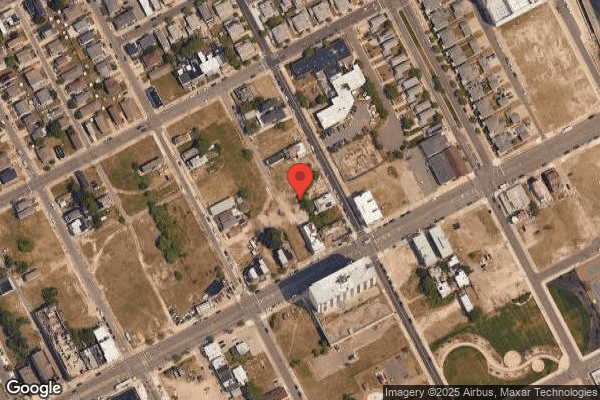

29 NORTH VERMONT AVE, ATLANTIC CITY, NJ 08401 (609) 344-8900
For profit - Limited Liability company 151 Beds EXCELCARE Data: November 2025
Trust Grade
65/100
#195 of 344 in NJ
Last Inspection: November 2024

Within standard 12-15 month inspection cycle. Federal law requires annual inspections.

Overview

Excel Care at the Pines has a Trust Grade of C+, indicating it is decent and slightly above average, though still in the bottom half of New Jersey nursing homes, ranking #195 out of 344 facilities. In Atlantic County, it ranks #4 out of 10, meaning only three local options are better. The facility is showing improvement, with issues decreasing from 6 in 2024 to just 1 in 2025. Staffing is a concern with a below-average rating of 2 out of 5 stars and a turnover rate of 46%, which is higher than the state average. However, it has had no fines, suggesting compliance with regulations, and the RN coverage is average, indicating that registered nurses are available to catch potential problems. Specific incidents raised by inspectors included expired food items in the kitchen, such as a gallon of mustard well past its best-by date, and a lack of sanitation that raises the risk of foodborne illness. Additionally, there were concerns about the cleanliness of resident rooms, with odors of urine reported and damaged bedding observed, which detracts from the overall living environment. While there are evident strengths like the absence of fines, the facility still has significant areas that need improvement.

Trust Score
C+
65/100
In New Jersey
#195/344
Bottom 44%
Safety Record
Low Risk
No red flags
Inspections
Getting Better
6 → 1 violations
Staff Stability
⚠ Watch
46% turnover. Above average. Higher turnover means staff may not know residents' routines.
Penalties
✓ Good
No fines on record. Clean compliance history, better than most New Jersey facilities.
Skilled Nurses
⚠ Watch
Each resident gets only 29 minutes of Registered Nurse (RN) attention daily — below average for New Jersey. Fewer RN minutes means fewer trained eyes watching for problems.
Violations
⚠ Watch
14 deficiencies on record. Higher than average. Multiple issues found across inspections.
★★★☆☆
3.0
Overall Rating
★★☆☆☆
2.0
Staff Levels
★★★★☆
4.0
Care Quality
★★★☆☆
3.0
Inspection Score
Stable
2024: 6 issues
2025: 1 issues

The Good

  • 4-Star Quality Measures · Strong clinical quality outcomes
  • Full Sprinkler Coverage · Fire safety systems throughout facility
  • No fines on record

Facility shows strength in quality measures, fire safety.

The Bad

3-Star Overall Rating

Near New Jersey average (3.3)

Meets federal standards, typical of most facilities

Staff Turnover: 46%

Near New Jersey avg (46%)

Higher turnover may affect care consistency

Chain: EXCELCARE

Part of a multi-facility chain

Ask about local staffing decisions and management

The Ugly 14 deficiencies on record

Sept 2025 1 deficiency
CONCERN (D) 📢 Someone Reported This

A family member, employee, or ombudsman was alarmed enough to file a formal complaint

Potential for Harm - no one hurt, but risky conditions existed

Deficiency F0658 (Tag F0658)

Could have caused harm · This affected 1 resident

Complaint #NJ184191/394091 Based on observations, interviews, and record review, it was determined that the facility failed to document treatments administered to a resident on the electronic Treatmen...

Read full inspector narrative →
Complaint #NJ184191/394091 Based on observations, interviews, and record review, it was determined that the facility failed to document treatments administered to a resident on the electronic Treatment Administration Record (eTAR) for 1 of 4 residents reviewed for professional standards of nursing practice (Resident #2). This deficient practice was evidenced by the following: Reference: New Jersey Statutes Annotated, Title 45. Chapter 11. Nursing Board. The Nurse Practice Act for the State of New Jersey states: The practice of nursing as a registered professional nurse is defined as diagnosing and treating human responses to actual and potential physical and emotional health problems, through such services as case-finding, health teaching, health counseling, and provision of care supportive to or restorative of life and wellbeing, and executing medical regimens as prescribed by a licensed or otherwise legally authorized physician or dentist.According to the facility admission Record, Resident #2 was admitted to the facility with diagnoses which included: atherosclerotic heart disease of native coronary artery without angina pectoris (a medical condition where plaque builds up in the arteries supplying blood to the heart, but this buildup has not yet caused chest pain or pressure), type 2 diabetes mellitus (chronic condition where the body resists insulin or doesn't produce enough, leading to high blood sugar levels ) without complications, and anemia.A review of the most recent quarterly Minimum Data Set (MDS), an assessment tool dated 06/27/25, indicated that the resident had a Brief Interview for Mental Status (BIMS) score of 14 out of 15, which showed an intact cognition.A review of the resident's individualized care plan dated initiated 07/31/24, indicated that the resident had behavioral challenges including refusal of care, medications and treatment. Interventions included to provide necessary care and ensure resident's well being despite resistance and document interactions with resident.A review of the March 2025 Order Summary Report (OSR) revealed the following physician's orders (PO):- Clotrimazole-betamethasone cream 1-0.05 %; apply to intact skin on abdomen topically one time a day for pruritis (severe itching of skin), dated 01/05/24.- Clotrimazole-betamethasone cream 1-0.05 %; apply to left upper thigh topically one time a day for pruritis, dated 01/05/24.- Collagen external cream (moisturizing creams); apply to left upper thigh/abdomen topically every day shift for wound care left upper thigh and abdomen, dated 9/14/24.- Right medial thigh: apply bacitracin ointment and cover with dry dressing every day shift for wound care, dated 11/09/24.- Skin assessment on shower day, one time per week on Monday for skin check. If any changes in skin condition, complete skin evaluation, dated 04/08/24.- Dakins (1/4 strength) external solution 0.125 % (sodium hypochlorite); apply to left upper inner thigh topically two times a day for wound care. Cleanse wound with Dakins, apply mupirocin (topical antibiotic), then cover with border gauze, dated 01/07/24.-Dakins (1/4 strength) external solution 0.125 % (sodium hypochlorite); apply to right lower abdomen topically two times a day for wound care. Cleanse wound with Dakins, apply mupirocin, then cover with border gauze, dated 01/07/24.- Gentamicin sulfate external cream 0.1 % (gentamicin sulfate (topical)); apply to open wound topically every morning and at bedtime for wounds. Apply gentamicin cream bid to open wound to left lower extremity, dated 03/22/24.- Hydrocortisone external gel 2 % (hydrocortisone (Topical)); apply to head topically two times a day for rash, dated 03/07/24.- Mupirocin external ointment 2 % (mupirocin); apply to left upper inner thigh topically two times a day for wound care. Cleanse wound with Dakins, apply mupirocin, then cover with border gauze, dated 01/07/24.- Mupirocin external ointment 2 % (mupirocin); apply to right lower abdomen topically two times a day for wound care. Cleanse wound with Dakins, apply mupirocin, then cover with border gauze, dated 01/07/24.A review of the corresponding March 2025 eTAR revealed blank spaces for the day shifts on the 03/06/25, 03/07/25, 03/11/25, 03/17/25, 03/18/25, 03/20/25, 03/21/25, and 03/27/25, for the following POs: clotrimazole-betamethasone cream to the abdomen and left upper thigh; collagen external cream; bacitracin; Dakins (1/4 strength) external solution to the left upper inner thigh and right lower abdomen; hydrocortisone external gel; and mupirocin external ointment to the left upper inner thigh and right lower abdomen.A review of the corresponding Progress Notes did not include any documentation regarding the blank treatment orders on the above dates.A review of the March 2025 eTAR revealed a blank space for the resident's PO for a skin assessment on the 03/17/25 day shift.A review of the corresponding Progress Notes did not include any documentation regarding the skin assessment for that day.A review of the March 2025 eTAR revealed blank spaces for the day shifts on the 03/10/25 and 03/16/25, for gentamicin sulfate external cream to left low extremity.A review of the corresponding Progress Notes did not include documentation for the blank treatment orders on those dates.On 09/16/25 at 10:43 A.M., the surveyor interviewed the Registered Nurse (RN), who stated that the treatments were signed on the eTAR after administering the treatments to the residents. The RN also stated that there should not be any blank spaces on the eTAR.On 09/16/25 at 11:02 A.M., the surveyor interviewed the Nursing Supervisor (NS), who stated that all physician's orders were documented in the eTAR, and that there should never be blank spaces. When questioned why there should be no blank spaces on the eTAR, the NS answered that blanks indicated that the treatment was not documented which meant the treatment was not performed.On 09/16/25 at 01:51 P.M., the surveyor interviewed the Director of Nursing (DON), who stated that her expectations regarding documentation by her nursing staff was that all documentation was completed prior to the end of the nurse's shift. The DON further stated that there should be no blanks on the eTAR and that if it was not documented, the treatment was not done. The surveyor presented the DON with the eTAR for Resident #2, and the DON confirmed there were blanks on Resident #2's TAR.A review of the facility's policy titled Nursing Documentation dated 05/01024, revealed under Purpose, This policy is to establish guidelines and procedures for nursing documentation at [name redacted] facilities to ensure accurate, timely, and legally compliant documentation practices. Proper documentation provides a clear, consistent record of care, facilitates communication among care team members, and ensures continuity of care for residents. Under General Guidelines (in Nursing Documentation), 2. Timeliness: Documentation should occur promptly after providing care or receiving new information. Late entries should be clearly noted and explain why the entry was delayed.NJAC 8:39-27.1(a)
Nov 2024 6 deficiencies
CONCERN (D)

Potential for Harm - no one hurt, but risky conditions existed

Deficiency F0577 (Tag F0577)

Could have caused harm · This affected 1 resident

Based on observation and interview, it was determined that the facility failed to make State of New Jersey inspection results in a place readily accessible to facility residents. This deficient pract...

Read full inspector narrative →
Based on observation and interview, it was determined that the facility failed to make State of New Jersey inspection results in a place readily accessible to facility residents. This deficient practice was evidenced by the following: On 11/12/2024 at approximately 9:00 AM, the surveyor observed the state survey results binder in the facility reception area upon entry. The results were on top of the receptionist desk in a black plastic binder. During the Resident Council Meeting on 11/13/2024 at approximately 10:30 AM, 4 of 4 alert and oriented residents in attendance stated to the surveyor that they were not aware of the location of State Survey results. The residents indicated that they would like to be able to have access to the results upon completion of the survey. On 11/13/2024 at 11:01 AM, after completion of the Resident Council meeting, the surveyor again observed the State Survey results binder on the lobby receptionist desk. The binder was clearly labeled and visible, however, it was determined that residents could not easily access the results without asking for staff assistance. Residents cannot access the lobby as the door leading to the lobby has a code for access and the code is not provided to facility residents. Therefore, residents would have to ask staff for assistance to review the State Survey results book. On 11/18/2024 at 11:05 AM, the Licensed Nursing Home Administrator (LNHA) told the surveyor that the survey results are now located on the nursing units and accessible to residents. The LNHA told the survey team, We (facility administration) made sure they (survey results) were on the units on Friday. The surveyor then asked the LNHA if the survey results were accessible to residents without having to ask when they were only located in the facility lobby area behind a locked door. The LNHA told the surveyor, I agree that the results weren't accessible to the residents prior because they do not have access to the lobby without having a code to the door. They would have to ask staff for access to the lobby copy. NJAC 8:39-9.4(b)
CONCERN (D) 📢 Someone Reported This

A family member, employee, or ombudsman was alarmed enough to file a formal complaint

Potential for Harm - no one hurt, but risky conditions existed

Deficiency F0658 (Tag F0658)

Could have caused harm · This affected 1 resident

Deficiency Text Not Available

Read full inspector narrative →
Deficiency Text Not Available
CONCERN (D)

Potential for Harm - no one hurt, but risky conditions existed

Respiratory Care (Tag F0695)

Could have caused harm · This affected 1 resident

Based on observation, interview, medical record review and review of other facility documentation, it was determined that the facility failed to implement infection control measures for the handling a...

Read full inspector narrative →
Based on observation, interview, medical record review and review of other facility documentation, it was determined that the facility failed to implement infection control measures for the handling and storage of respiratory equipment for 1 of 4 residents (Resident #70) reviewed for respiratory care. This deficient practice was evidenced by the following: On 11/12/2024 at 10:56 AM, during the initial tour of the facility the surveyor observed that Resident #70 was not present in the room. The surveyor observed a nebulizer mask placed on top of the nebulizer machine while not in use. The mask was uncovered and exposed to contamination. On 11/14/2024 at 08:25 AM Resident #70 was observed lying in bed. The surveyor observed Resident #70's nebulizer mask not in use and placed in the opened top drawer of the bedside table. The surveyor asked Resident #70 if he/she had received a nebulizer treatment this AM, and the resident responded not yet. The surveyor asked if the last treatment he/she had received was last night and the resident confirmed that they last received a nebulizer treatment last night. The mask was unprotected between uses and exposed to contamination. According to the admission Record, Resident #70 was admitted to the facility with the following but not limited to diagnoses: Acute respiratory failure with hypoxia (an absence of enough oxygen in the tissues to sustain bodily functions) and mild persistent asthma. A review of the most recent Minimum Data Set (MDS), an assessment tool dated 09/25/2024, revealed that Resident #70 had a Brief Interview for Mental Status score of 11/15, indicating moderate cognitive impairment. Section I of the MDS indicated that Resident #70 had an active diagnosis of asthma and respiratory failure. Section O indicated that Resident #70 received respiratory therapy for 7 days in the last 7 days of the observation period. A review of the Order Summary Report with active orders as of: 11/01/2024 revealed that Resident #70 had the following physician order(s): Albuterol Sulfate Nebulization Solution (2.5MG (milligrams)/3ML (milliliters) 0.083% 3 milliliter inhale orally via nebulizer four times a day for Shortness of Breath Order date: 06/21/2024. On 11/15/2024 at 12:31 PM, the surveyor interviewed Licensed Practical Nurse (LPN #2) assigned to Resident #70. The surveyor asked LPN #2 what the facility procedure was for the storage of nebulizer equipment when not in use. LPN #2 told the surveyor that the nebulizer was to be rinsed after treatment and then we place it in the bag after it dries. The surveyor asked LPN #2 what the purpose was of bagging the mask after drying and LPN #2 told the surveyor, We do that to keep it clean, don't let it collect dust. It should be bagged when not in use. On 11/15/2024 at 01:10 PM, during an interview with facility administration the surveyor asked what the facility practice was for nebulizer equipment (mask) when not in use. The facility Director of Nursing replied, The facility practice is to put the nebulizer mask in a plastic bag when not in use to keep it clean. It is an infection control concern to not protect the mask while not in use. The facility failed to provide the surveyor with a policy or procedure pertaining to nebulizer equipment. NJAC 8:39 -27.1 (a)
CONCERN (D)

Potential for Harm - no one hurt, but risky conditions existed

Infection Control (Tag F0880)

Could have caused harm · This affected 1 resident

Based on observation, interview and review of other facility documentation, it was determined that the facility failed to follow appropriate infection control practices and perform proper hand hygiene...

Read full inspector narrative →
Based on observation, interview and review of other facility documentation, it was determined that the facility failed to follow appropriate infection control practices and perform proper hand hygiene (HH) a.) during medication administration task on 1 of 4 units, the ventilator unit for 2 of 7 resident (Resident #3 and Resident #61) and b.) follow appropriate infection control practices and perform hand hygiene during tracheostomy care (a surgical procedure that creates an opening in the neck to provide an airway and remove secretions from the lungs) for 1 of 1 residents reviewed for Ventilator/Trach. This deficient practice was evidenced by the following: 1. During medication pass on the ventilator unit on 11/13/2024 at 9:45 AM, the surveyor observed the following: a.) Licensed Practical Nurse (LPN #1) administered medication to Resident #3 via the J tube (a soft, plastic tube that's surgically inserted into the small intestine to provide nutrition and medicine). LPN #1 disconnected the piston syringe used to administer the medications and reconnected feeding tube and turned tube feeding machine on. LPN #1 then covered Resident #3 and doffed (removed) gloves and placed irrigation set in plastic bag. At 9:46 AM, LPN #1 donned (put on) clean gloves and no hand hygiene was performed. LPN #1 then proceeded to administer 1 eye drop to each eye for Resident #3. At 9:48 AM LPN #1 doffed gloves and went to the bathroom to perform hand washing. The surveyor observed LPN #1 wet her hands, lathered less than 10 seconds, rinsed, and dried her hands. LPN #1 then used the same towel that she used to dry her hands to turn off the water faucet. b.) At 9:56 AM, LPN #1 prepared Resident #61's medication. LPN #1 went to the unit refrigerator to obtain a Bacid capsule (a probiotic medication) for Resident #61. LPN #1 then donned gloves and opened the capsule and poured the contents into a medication cup and discarded the outer capsule. LPN #1 then doffed the gloves and proceed to crush Resident #61' medication without performing hand hygiene. LPN #1 then proceeded to don a gown and enter Resident #61's room to administer the medications. At 10:15 AM, LPN #1 had spilled Resident #61's prescribed mouthwash and she doffed her gown, then left the room to obtain more mouthwash. At 10;16 AM LPN #1 returned to the room, donned the gown and gloves, and did not perform hand hygiene prior to donning her gloves. During an interview with the surveyor on 11/13/2024 at 10:22 AM, the surveyor asked LPN #1 what the facility policy was regarding when to perform hand hygiene. LPN #1 replied coming out of the room from giving meds and before starting meds again. The surveyor asked to explain when HH was performed and she replied anytime coming out of the room after meds, after cleaning the cart, tray and before going back in the room. When asked by the surveyor if the policy was to perform HH between glove changes LPN #1 replied that is not our policy. At the same time the surveyor asked what the process was to perform handwashing LPN #1 said I put water on, pull paper towels down, soap in your hand and lather outside the water for 30 seconds. I sing a song. Then I rinse then dry hands. At 10:26 AM, when asked if she performed HW for 30 seconds between glove change for Resident #3, LPN #1 replied No, I did not. I was just washing from my hand being inside the glove so I could put the eye drop in. 2. On 11/14/2024 at 09:55 AM, the surveyor observed trach care with the Registered Respiratory Therapist (RRT) as follows: The RRT walked into the hall from a back room with gloves on prior to entering Resident #61's room and there was no HH observed. The RRT changed the inner cannula and doffed his gloves. The RRT then applied sterile gloves to clean around the phalange of the trach. There was no hand hygiene observed between glove change. At 9:59 AM, the RRT completed trach care. He collected all used supplies and discarded them in the trash. The RRT then doffed his gloves and used ABHR (alcohol based hand rub) upon exit of the room. During an interview with the surveyor on 11/14/2024 at 10:00 AM the surveyor asked if the RRT performed hand hygiene prior to donning gloves before entering the resident room. The RRT replied No. When asked what the facility policy is regarding hand hygiene between glove changes, the RRT replied No, hand hygiene is not required, and I don't need to as I used the regular gloves for the dirty work then applied the sterile gloves. During an interview with the surveyor on 11/14/2024 at 11:01 AM, the Infection Control Preventionist (IP) was asked what the facility policy for hand hygiene was. The IP replied it is important to use proper hand hygiene before going into a resident room with ABHR and if in room apply gloves. After doffing gloves, they should wash hands or use sanitizer, if not in contact with bodily fluids. I also recommend after 3 times of ABHR, to wash with soap and water. I do competencies with all staff for hand washing. When asked what about between glove changes the IP replied, Absolutely, staff is to wash their hands between glove changes. The IP went on to say staff should wash hands after doffing dirty gloves and prior to donning sterile gloves. The surveyor asked what the facility policy/process for handwashing is. The IP replied I tell them to prep paper towels, turn on the water, check temperature of water lukewarm to hot, wet hands, apply soap away from water, and scrub hands for 20 seconds on all surface and crevices including top of hands, nails up to the wrist and then rinse hands under water, wash all soap off, grab paper towel dry hands thoroughly dispose of paper towel. Then they are to grab new paper towel and turn off the water and dispose of that paper towel. When questioned if it was allowable to use the same paper towel, they dried their hands on to turn off the water. The IP replied, No do not use same paper towel they used to dry hands. During an interview with the surveyor on 11/15/2024 at 01:16 PM, the Director of Nursing (DON) was questioned what the facility policy for hand hygiene is. The DON said they should wash hands after medication if they use peg tube for administration and they can use sanitizer between glove changes. They must wash hands before using sterile gloves. When asked what the facility policy/process for handwashing is the DON said they go to sink, turn faucet on, wash for 20 seconds, rinse and dry hands then turn off the faucet. They get another towel to turn off the faucet. On 11/15/2024 at 08:29 AM, a review of a facility policy titled Infection Control-Hand Hygiene with date of 04/01/2024 revealed under the Intent section: It is the policy of the facility to perform hand hygiene in accordance with national standards from the Centers of for Disease Control and Prevention and the World Health Organization. Under Procedure section: 2. Alcohol-based hand rub may be used for all other hand hygiene opportunities (e.g. when soap and water is not indicated per #1 above). According to the World health Organization, hand hygiene is to be performed: a. Prior to caring for a resident; d. after caring for a resident including after removing gloves. 3. The Centers for Medicare and Medicaid Operations Manual indicates that hand hygiene should be performed: b. before and after performing any invasive procedure; f. before and after handling peripheral vascular catheters and other invasive devices; o. after removing gloves or aprons. NJAC 8:39-19.4(a)
CONCERN (E) 📢 Someone Reported This

A family member, employee, or ombudsman was alarmed enough to file a formal complaint

Potential for Harm - no one hurt, but risky conditions existed

Safe Environment (Tag F0584)

Could have caused harm · This affected multiple residents

**NOTE- TERMS IN BRACKETS HAVE BEEN EDITED TO PROTECT CONFIDENTIALITY** C/O # NJ 168401, NJ# 174304 Based on observation, interview and review of other facility documentation, the facility failed to e...

Read full inspector narrative →
**NOTE- TERMS IN BRACKETS HAVE BEEN EDITED TO PROTECT CONFIDENTIALITY** C/O # NJ 168401, NJ# 174304 Based on observation, interview and review of other facility documentation, the facility failed to ensure the facility was maintained in a safe, clean and homelike environment. This deficient practice was identified for 2 of 3 units, 2nd and 3rd floor and was evidenced by the following: 1. On 11/14/24 at 08:29 AM the surveyor conducted an interview and observation with Resident #70 while he/she was lying in bed. The sheet covering the mattress was observed to have holes in it at the lower end of the bed towards the foot board and exposed the mattress underneath. Resident #70 expressed to the surveyor that he/she would prefer a sheet that did not have holes. On 11/15/2024 at 09:28 AM the surveyor observed room [ROOM NUMBER]. The surveyor observed that the C-bed bottom dresser drawer was broken, with the right side of the drawer face hanging on the floor. Resident who occupied D-bed was not present in the room at time of observation. The surveyor observed several flies around D-bed and observed a black fly on a red sweatshirt which was placed on top of the D-bed mattress. (photo). The surveyor also observed the wall paper peeling from the upper wall and down between B and C bed. On 11/15/2024 at 09:52 AM the surveyor observed Room. The surveyor observed a hole in the wall between the window sill and baseboard molding. On 11/18/2024 10:24 AM the surveyor interviewed the Regional Director of Maintenance (RDOM). The surveyor inquired whether the facility had a system in place for staff to report concerns to the maintenance department for repairs. The RDOM told the surveyor that he believed that they have a communication book on the unit for staff or residents to report issues to the maintenance department. Upon showing the RDOM photographs of the above listed concerns the RDOM told the surveyor, I agree if I find it in that condition it needs to be repaired. I agree all of these concerns should be repaired. I will take a look and get back to you. On 11/18/2024 at 10:44 AM the surveyor conducted an interview with the facility Director of Housekeeping (DOH): The surveyor asked the showed the DON of the damaged linens observed on Resident #70's bed. The surveyor then asked the DOH what the facility process was for linens that were in disrepair. The DON explained, Linens that are in disrepair are sent back to our contract company. That linen should not have been put on the bed and that is the type of linen that should be returned to the contractor because it is in disrepair. 2. During the initial tour of the 2nd floor on 11/12/2024 at 11:38 AM, Surveyor #2 observed the bathroom vent in room [ROOM NUMBER] C. There was large amount of dust observed on each louver of the vent. On 11/13/2024 at 08:37 AM, Surveyor #2 observed the bathroom vent in room [ROOM NUMBER] to have louvers covered with dust. On 11/14/2024 at 08:19 AM, Surveyor #2 observed the bathroom vent in room [ROOM NUMBER] and it had a moderate amount of dust on the louvers. On 11/14/2024 at 11:23 AM, Surveyor #3 observed room [ROOM NUMBER] dust buildup on vent in bathroom. A review of a grievance form dated 5/29/24 provided to the surveyor for room [ROOM NUMBER] indicated that the facility addressed a concern regarding the dust on the bathroom vent and was resolved. During an interview with Surveyor #2 on 11/18/2024 at 10:08 AM, the Director of Housekeeping (DOH) said that housekeeping performs a monthly deep clean of the entire room. Resident needs to be out of bed, staff pack all personal belongings, and we clean mattress, bed, move furniture, clean inside drawers, closet, sweep and mop. We also dust blinds and change privacy curtains. In the bathroom we the clean toilet, sink, lights and make sure paper towels and soap are stocked. They clean the garbage can in the room and in the bathroom. The DOH went on to say we wipe walls if they need to be wiped, clean bed side tables, legs on the table, windows, call bell, remotes, telephone, wipe TV and behind the TV. The air conditioner is cleaned on outside for dust on the grates. The staff have a check list for this. The DOH said We clean vents and normally check twice a week and clean weekly as part of daily bathroom cleaning. We may need to take the vent off to clean. DOH said yes this was a concern when surveyor #2 reviewed evidence of the bathroom vent having large amount of dust accumulation. The DOH confirmed No it should not look like that if it was being cleaned once a week. The DOH confirmed that surface dusting is completed during monthly carbolization (deep cleaning) and weekly during cleaning. On 11/18/2024 at 10:44 AM, Surveyor #2 reviewed a facility policy titled Surface Dusting undated revealed Under Procedure for Wall & Ceiling Dusting 7. Dust walls once ceiling is complete. Always dust from top to bottom, including vents, ledges & exposed pipe. NJAC 8:39-31.4(a)
CONCERN (F)

Potential for Harm - no one hurt, but risky conditions existed

Food Safety (Tag F0812)

Could have caused harm · This affected most or all residents

Based on observation, interview, and review of other facility documentation, it was determined that the facility failed to handle potentially hazardous foods and maintain sanitation in a safe and cons...

Read full inspector narrative →
Based on observation, interview, and review of other facility documentation, it was determined that the facility failed to handle potentially hazardous foods and maintain sanitation in a safe and consistent manner to prevent food borne illness. This deficient practice was evidenced by the following: On 11/12/2024 at 09:32 AM, the surveyor, accompanied by the Food Service Director (FSD), observed the following in the kitchen: 1. On a lower shelf a one (1) gallon container of Deli Mustard was dated received 11/21/22. The mustard had a manufacturer's BEST BY date of 10/25/23. On interview the FSD agreed that the mustard was expired and should have been removed from stock. The FSD then removed the mustard from storage. 2. On a lower shelf in the walk-in freezer two (2) bags of frozen French fries were removed from their original container. The French fries had no dates. The FSD told the surveyor that all products should be dated when removed from the original container. In addition, an apple pie on a middle shelf was removed from its original container and had no dates. 3. On a middle shelf in the walk-in refrigerator four (4) clear plastic bags of shredded lettuce had received dates of 10/15/24. The lettuce was observed to be browned and slimy on appearance. The FSD stated they were old and removed the four (4) bags of spoiled lettuce to the trash. In addition, on an upper shelf an opened cardboard box contained a plastic bag with six (6) heads of ice berg lettuce. The lettuce was observed to be brown and slimy. The FSD agreed that the lettuce was spoiled and removed to the trash. 4. The surveyor reviewed the Milk Box Temperature log which revealed that all temperatures were up to date and the temperatures were within normal parameters. Upon opening the milk box, the surveyor was unable to find an internal thermometer to monitor the internal temperature of the milk box. The FSD then searched the internal milk box and could not find an internal thermometer. The FSD told the surveyor that it must have been lost because it had been there earlier. On 11/15/2024 at 10:00 AM, the surveyor, accompanied by the FSD and the Regional Food Service Director (RFSD) made the following observations in the kitchen: 1. A stand-up mixer was on top of a prep table. The mixer was cleaned and sanitized after being used to make crumb cakes this morning, according to the FSD. The mixing bowl was observed to have a wet/watery substance in the bottom of the bowl. The metal cage that surrounds the mixing blade was covered with unidentified tan/brown food debris. The mixer was also uncovered and exposed while not in use and after being cleaned and sanitized. The FSD stated to the surveyor that the mixer will be recleaned and stated we cover it with a plastic bag when not in use. On 11/15/2024 at 11:43 AM, the surveyor, accompanied by the RFSD, observed the following in the kitchen: 1. Observation of the faucet mounted on the steam table revealed an abundance of unidentified food debris around the faucet and gas line. The RFSD agreed that the area needed cleaning and instructed the FSD to have it cleaned after completion of the lunch tray line. The RFSD agreed that the unidentified food debris was not fresh and had been there for an extended period. 2. Prior to the lunch tray line the surveyor observed the cook doff (remove) his disposable gloves and place them in the trash receptacle. The cook then proceeded to walk to the designated hand washing sink and pulled on the handle of the paper dispenser and pulled on it several times. The cook then turned on a water faucet with their left hand and put hand soap on their right hand that was not under the faucet and was dry. The cook then proceeded to wash their hands after only applying water to the left hand and soap to the dry right hand. The cook washed their hands for approximately 18 seconds then rinsed their hands and dried with a hand towel. The cook then grabbed an additional hand towel and turned off the faucets and then placed the hand towel in the garbage. On 11/18/2024 at 9:00 AM, the surveyor reviewed a facility policy titled Equipment Cleaning Policy, undated. The policy revealed the following under POLICY: The Director of Dining or designee will ensure that all equipment is maintained, kept clean, and in a sanitary condition before and after each use. In addition, the following was documented at 9. Steam table: a. After each meal service, drain water from the steam table. b. It must be cleaned after each use both inside and out using soap and water before you refill it with clean water. c. For heavy scale build up, use Delimer and allow it to soak for 30 minutes. Follow the instruction label for cleaning measurements and safety. d. Use stainless steel polish around the outside and leg bases. On 11/18/2024 at 9:00 AM, the surveyor reviewed a facility policy titled DATING AND LABELING POLICY, undated. The following was revealed under POLICY: All foods are to be labeled and dated appropriately to ensure food safety regulations are followed. In addition, the following was documented under PROCEDURE: 1. Upon receiving and storing, all items must be labeled with the name of food and received date. Once opened, the label must be updated with the current date and a use by date of 3 days (including date opened) unless indicated on Labeling and Dating Protocol. 2. Prepared ready-to-eat foods are to be tightly wrapped and labeled with the name of food and 3 days use by date (including date prepared) prior to being placed in refrigerator. 3. All items with an expired use by date must be discarded immediately. The surveyor reviewed the facility policy titled Infection Control-Food Handling, date: 04/01/2024. The following was listed under PROCEDURE: 10. Food should be properly labeled and expired foods will be discarded. The surveyor reviewed a facility policy titled Hand Washing Policy provided by the FSD. The following was documented under PROCEDURE: 1. Wet hands with warm water 2. Apply soap from the dispenser. 3. lather hands and wrists with soap for 20 seconds. 4. Clean thoroughly underneath fingernails and between fingers. 5. Rinse hands thoroughly with warm water. 6. Turn off faucet with a paper towel - not with your clean hands. 7. Dry hands with disposable towel or under air dryer-never use an apron or kitchen towel. NJAC 18:39-17.2(g)
Aug 2023 7 deficiencies
CONCERN (D)

Potential for Harm - no one hurt, but risky conditions existed

Deficiency F0558 (Tag F0558)

Could have caused harm · This affected 1 resident

B.) On 8/14/2023 at 9:43 AM, during initial tour of the facility, Surveyor #2 observed Resident #23 in bed. At that time, Surveyor #2 observed the call device on the floor, and out of Resident #23's r...

Read full inspector narrative →
B.) On 8/14/2023 at 9:43 AM, during initial tour of the facility, Surveyor #2 observed Resident #23 in bed. At that time, Surveyor #2 observed the call device on the floor, and out of Resident #23's reach. On 8/16/2023 at 8:39 AM, Surveyor #2 observed Resident #23 in bed. At that time, Surveyor #2 observed the call device on the floor, and out of Resident #23's reach. On 8/17/2023 at 9:56 AM, Surveyor #2 observed Resident #23's call device on the floor, and out of his/her reach. On 8/16/2023 at 9:21 AM, during an interview with Surveyor #2, Resident #23 stated that he/she yells or uses his/her personal cell phone to call for help. On 8/21/2023 at 12:52 PM, during an interview with Surveyor #2, the Director of Nursing (DON) stated, No when asked if call device should be placed on the floor. When asked why a call device should not be on the floor, the DON replied, Because it is not within patient's reach. A review of undated facility policy titled, Call Lights under the section Procedure indicated that, 6. Always position call light conveniently for use and within the reach of the resident. N.J.A.C. § 8:39-31.8 (c) (9) Based on observation, interview, record review and review of pertinent facility documents, it was determined that the facility failed to provide reasonable accommodation of resident needs specifically by failing to ensure call devices were in reach of 2 of 6 residents (Residents #68 and Resident #23) reviewed under the Environmental Task. The deficient practice was evidenced by the following: A.) On 8/14/2023 at 9:44 AM, during the initial tour of the facility, Surveyor #1 observed Resident #68 asleep in bed. At that time, Surveyor #1 observed the call device on the floor adjacent to the bed. On 8/15/2023 at 11:33 AM, Surveyor #1 observed Resident #68 asleep in bed. At that time, Surveyor #1 observed the call device on the floor adjacent to the bed. On 8/16/2023 at 8:40 AM, Surveyor #1 observed Resident #68 asleep in bed. At that time, Surveyor #1 observed the call device on the floor adjacent to the bed. On 8/17/2023 at 9:56 AM, Surveyor #1 observed Resident #68's call device on the floor adjacent to the bed. On the same date at 11:45 AM, Surveyor #1 in the company of the facility's Clinical [NAME] President (CVP) observed Resident #68 awake in bed. At that time, Surveyor #1 observed the call device on the floor. At that time, the CVP retrieved the call device from the floor and placed it on Resident #68's bed. Resident #68 said he/she had an additional call device. At that time, Resident #68 pointed towards the wall behind his/her bed near the privacy curtain. Surveyor #1 observed an additional call device attached via clip to the call device cord protruding from the wall input. The call device appeared out of reach from Resident #68. A review of Resident #68's Care Plan provided by the facility revealed a focus that Resident #68 was at risk for falls related to confusion and impaired balance during transition. The Care Plan included an intervention that revealed, Be sure the resident's call light is within reach and encourage the resident to use it for assistance as needed. The resident needs prompt response to all requests for assistance.
CONCERN (D)

Potential for Harm - no one hurt, but risky conditions existed

Accident Prevention (Tag F0689)

Could have caused harm · This affected 1 resident

**NOTE- TERMS IN BRACKETS HAVE BEEN EDITED TO PROTECT CONFIDENTIALITY** Based on observation, interview, and review of pertinent facility documents, it was determined that the facility failed to ensur...

Read full inspector narrative →
**NOTE- TERMS IN BRACKETS HAVE BEEN EDITED TO PROTECT CONFIDENTIALITY** Based on observation, interview, and review of pertinent facility documents, it was determined that the facility failed to ensure a resident's environment is free from accident hazards specifically by having unattended, unpackaged medications left in 2 of 2 rooms reviewed for Accidents. The deficient practice was evidenced by the following: On 8/14/2023 at 9:46 AM during the initial tour of the facility, the surveyor observed two tablets and one capsule left on the night stand between two resident beds in room [ROOM NUMBER]. On 8/16/2023 at 9:26 AM, the surveyor again observed two tablets and one capsule left on the night stand between two resident beds in room [ROOM NUMBER]. At that time, the surveyor showed Licensed Practical Nurse (LPN #1) the tablets and capsule. LPN #1 stated that she believed one of the tablets may be Eliquis (medication used to thin blood). LPN #1 was unsure if the tablet and capsule belonged to a specific resident in room [ROOM NUMBER]. On 8/18/2023 at 9:35 AM while in room [ROOM NUMBER], the surveyor observed an unattended, unpackaged white tablet on the top of a cabinet across from the resident's bed. Resident #21 who resided in the room, told the surveyor that the white tablet was medication that was dropped in the room at one point in time. On 8/21/2023 at 12:47 PM during an interview with the surveyor, the Director of Nursing replied, No when asked by the surveyor if medications should be left near the bedside. Further, the DON replied, If it's left there. when the surveyor asked if she would consider medications left at the bedside a potential hazard. A review of the undated facility policy titled, Medication Administration-General Guidelines revealed under subheading, Administration that, u. The resident is always observed after administration to ensure that the dose was completely ingested. If only a partial dose is ingested, this is noted on the MAR (Medication Administration Record), and action is taken as appropriate. N.J.A.C. § 8:39-29.4 (h)
CONCERN (D)

Potential for Harm - no one hurt, but risky conditions existed

Deficiency F0698 (Tag F0698)

Could have caused harm · This affected 1 resident

Based on observation, interview, record review and review of other facility documentation, it was determined that the facility failed to identify and monitor a resident's hemodialysis (the clinical pu...

Read full inspector narrative →
Based on observation, interview, record review and review of other facility documentation, it was determined that the facility failed to identify and monitor a resident's hemodialysis (the clinical purification of blood by dialysis, as a substitute for the normal function of the kidney) treatment access site. This deficient practice was identified for 1 of 1 residents reviewed for dialysis (Resident #161) and was evidenced by the following: According to the admission Record Resident # 161 was admitted to the facility with diagnoses including but not limited to: End Stage Renal Disease. According to the most recent Minimum Data Set (MDS) an assessment tool used to facilitate care, dated 8/09/2023 revealed Resident #161 had a Brief Interview for Mental Status score of 15/15 indicating Resident #161 was cognitively intact. The MDs section O indicated the Resident received dialysis while a resident. A review of the Physician Order summary on 8/14/2023 did not include a physician order to monitor the dialysis access site. There was no documentation in the medical record that Resident #161's dialysis access site was monitored. A review of the Care Plan did not indicate that the residents access site was to be monitored. During an interview with the surveyor on 8/16/2023 at 9:24 AM, Resident # 161 said he/she goes to dialysis three (3) times a week. During an interview with the surveyor on 8/17/2023 at 11:02 AM, Licensed Practical Nurse (LPN #2) said Dialysis residents have their schedule and we have dialysis communication book we give to the patient or ambulance driver. LPN #2 said we check when they come back if they have it (communication book) and this is where the dialysis would write any recommendations. We have every shift vitals and dialysis puts in vitals. LPN #2 further said dialysis does resident weights and we have monthly weights but we go by dialysis weights. We would also have a physician order to monitor access site. This would be done every shift. During an interview with the surveyor on 8/18/2023 at 10:40 AM, the Director of Nursing (DON) was asked what care do you provide for a dialysis resident. The DON replied they (nurses) prepare them for schedule and it depends on time of schedule and we send brown bag meal if they leave early. They bring note book for communication and we instruct dialysis to write any information and recommendations and labs. We transcribe the requests to the chart. When asked what are your expectations regarding dialysis access sites, the DON responded a physician order for patient to go to dialysis and their schedule days and times. During assessment the admission nurse notes the access site on the assessment. This also goes into physician orders and care plans to be clean, monitored, how often change the dressing. When asked if there should have been a physician order to check Resident #161's access site, the DON replied Yes, It should have been in physician order and baseline care plan to monitor the access site. During a follow up interview withe the DON on 8/21/2023 at 1:04 PM, the DON confirmed that Yes there should have been a physician order to monitor the dialysis access site. NJAC 8:39-27.1(a)
CONCERN (D)

Potential for Harm - no one hurt, but risky conditions existed

Infection Control (Tag F0880)

Could have caused harm · This affected 1 resident

**NOTE- TERMS IN BRACKETS HAVE BEEN EDITED TO PROTECT CONFIDENTIALITY** B.) On 08/15/2023 at 11:21 AM, Surveyor #2 observed a bilevel positive airway pressure machine (a type of noninvasive ventilator...

Read full inspector narrative →
**NOTE- TERMS IN BRACKETS HAVE BEEN EDITED TO PROTECT CONFIDENTIALITY** B.) On 08/15/2023 at 11:21 AM, Surveyor #2 observed a bilevel positive airway pressure machine (a type of noninvasive ventilator that helps with breathing) standing on Resident #6's night stand. The machine appeared to be dusty. Nasal mask and tubing were stored in a plastic bag dated 7/7/2023. The nasal mask appeared to have discolored stains within the mask. An additional face mask with black head straps was hanging behind the headboard of Resident #6's bed. The mask was also appeared to be dust and not contained in a bag, and was exposed to the environment. On 08/16/2023 at 08:37 AM, Surveyor #2 observed the BiPAP machine remining on Resident #6's night stand. The machine continued to appear dust. Equipment tubing and nasal mask were contained in a plastic bag dated 7/7/2023. The face mask that was behind the headboard continued to appear dusty, not containd in a bag, and was exposed to the environment. On 08/17/2023 at 10:36 AM, Surveyor #2 observed the BiPAP machine remining on Resident #6's night stand. The machine continued to appear dust. Equipment tubing and nasal mask were contained in a plastic bag dated 7/7/2023. The face mask that was behind the headboard continued to appear dusty, not containd in a bag, and was exposed to the environment. On 08/18/2023 at 08:27 AM while inside Resident #6's room, Surveyor #2 observed the BiPAP machine remaining on the night stand. The machine continued to appear dusty. Equipment tubing and the nasal mask were contained in a plastic bag still dated 7/7/2023. The face mask that was behind the headboard and continued to appear dusty, not containd in a bag, and was exposed to the environment. Additionally, clear liquid was noticed on the surface of the night stand, and underneath the BiPAP machine. On 08/21/2023 at 08:59 AM, the BiPAP machine remained on the resident's nightstand and continued to appear dusty. The tubing and nasal mask were stored in a plastic bag dated 7/7/2023. The face mask that was behind the headboard and continued to appear dusty, not containd in a bag, and was exposed to the environment. A review of Resident #6's Quarterly Minimum Data Set (a standardized assessment tool) dated 5/17/2023 indicated in section O that Resident #6 required oxygen. A review of Resident #6's Medical Diagnosis located in electronic medical record (EMR) revealed that Resident #6 had a diagnosis of chronic obstructive pulmonary disease (COPD; a group of diseases that cause airflow blockage and breathing-related problems). A review of Resident #6's Physician's Orders located in the EMR revealed orders dated 06/24/2023 for BiPAP settings and O2 (oxygen) at 2 LPM (liters per minute) via nasal cannula. A review of Resident #6's Care Plan located in the EMR dated 09/09/2022 revealed a focus of CPAP (continuous positive airway pressure) related to COPD. On 08/15/2023 at 11:21 AM during an interview with Surveyor #2, Resident #6 stated that he/she was using the BiPAP at the hospital, and currently he/she uses it at night. On 08/21/2023 at 09:03 AM, during an interview with Surveyor #2, the Infection Preventionist (IP) stated, BiPAP should be in a plastic bag. It's for infections when asked about how the facilty stores BiPAP equipment. On 08/21/2023 at 09:06 AM, during an interview with Surveyor #2, Registered Nurse (RN) #3 stated, BiPAP's plastic bag should be changed every Sunday when asked by Surveyor #2 how often the storage bag should be changed. RN #3 then stated that, It is important to keep microorganisms away when asked by Surveyor #2 why was it important to change the storage bag. At that time in Resident # 6's room, Surveyor #2 showed the BiPAP machine to RN #3 along with the masks and tubing. At that time, RN #3 removed the face mask located behind the headboard and disposed of it in the trash container. RN #3 then stated, He is not using the face mask anymore. He uses a pillow nasal mask now. RN#3 acknowledged that BiPAP machine was dusty. On 08/21/2023 at 12:47 PM during interview with Surveyor #2, the Director of Nursing (DON) replied, We don't have too many BiPAP patients. If resident needs it, it should be check if is clean enough to use. It should be cleaned probably three (3) times per week when asked how often should the BiPAP mask, machine and filter be cleaned. The DON stated, It should be inside a zip lock bag when asked where should the mask be stored. Lastly, the DON replied, Every Monday or as needed when asked how often should the bag be changed. A review of the facility policy with a revision date of April 2007, and titled CPAP/BiPAP Support did not address storage, cleaning, or maintenance of BiPAP/CPAP equipment. A review of the 03/2023 dated facility policy titled Infection Control, Prevention and Surveillance Plan revealed under Mission and Goal, 1. Provide a safe, sanitary, and comfortable environment for residents, visitors, and staff. The policy further revealed under section titled Scope, that 2. Implementation of Control Measures and Precautions: Basics such cleaning procedures, hand hygiene practices, and standard and transmission-based precautions. N.J.A.C. § 8:39-19.4(k) Based on observation, interview, record review, and review of pertinent facility documentation, it was determined that the facility failed to use appropriate precautions to store respiratory equipment in order to prevent the risk of infection, specifically by not containing a bilevel positive airway pressure (BiPAP) mask and a continuous positive airway (CPAP) mask in the appropriate manner increasing the risk of potential infection. The deficient practice was evident for 2 of 7 residents (Resident #21, #6) reviewed for Respiratory Care. The deficient practice was evidenced by the following: On 08/16/2023 at 09:35 AM while inside Resident #21's room, the surveyor observed a mask connected to a BiPAP machine left on top of a night stand adjacent to the resident's bed. The mask was not contained in a bag and left exposed to the environment. The top of the nightstand contained a variety of items including but not limited to a dentures container, container of margarine/butter, batteries, and a cellular phone. On 08/18/2023 at 09:24 AM while inside Resident #21's room, the surveyor observed the mask connected to a BiPAP machine left on top of a night stand adjacent to the resident's bed. The mask was not contained in a bag and left exposed to the environment. The top of the nightstand still contained a variety of items including but not limited to a dentures container, container of margarine/butter, batteries, and a cellular phone. A review of Resident #21's Discharge - Return Anticipated Minimum Data Set (MDS, an assessment tool) dated 07/04/2023 revealed under section J that Resident #21 had shortness of breath or trouble breathing when sitting at rest. A review of Resident #21's Annual MDS dated [DATE] revealed under section O that Resident #21 used a non-invasive mechanical ventilator (BiPAP/CPAP). A review of Resident #21's physician's orders revealed an order dated 07/11/2023 for CPAP 8cm (centimeters) H20 with nasal pillows mask at bedtime. A review of Resident #21's Care Plan with an initialed date of 08/10/2023 revealed a focus that stated, The resident has altered respiratory status/difficulty breathing r/t (related to) Sleep Apnea and uses CPAP machine On 08/21/2023 at 09:55 AM during an interview with Surveyor #1, the Infection Preventionist (IP) stated, Should be in a plastic bag when asked by Surveyor #1 how should a BiPAP and CPAP be stored. During the same interview, the IP stated, for infection when asked by Surveyor #1 why should the BiPAP and CPAP be stored in a bag. On 08/21/2023 at 12:47 PM during an interview with Surveyor #1, the Director of Nursing (DON) stated, Should be inside a zip-locked bag when asked by Surveyor #1 how should a BiPAP and CPAP be stored when not in use. During the same interview, the DON stated, Has to be in a zip-locked bag when asked by Surveyor #1 if the BiPAP or CPAP should be uncovered on top of a night stand. Lastly, the DON replied, To prevent infection when Surveyor #1 asked why should the BiPAP and CPAP be covered and contained when not in use. A review of the facility policy titled, CPAP/BiPAP Support with a revised date of April, 2007 did not reveal information about storage of the equipment. N.J.A.C. § 8:39-19.4 (a)
CONCERN (D)

Potential for Harm - no one hurt, but risky conditions existed

Deficiency F0947 (Tag F0947)

Could have caused harm · This affected 1 resident

Based on interview and review of other facility documentation, it was determined that the facility failed to ensure 2 of 5 Certified Nursing Assistants ( CNA #2 and CNA #3) received 12 hours of educat...

Read full inspector narrative →
Based on interview and review of other facility documentation, it was determined that the facility failed to ensure 2 of 5 Certified Nursing Assistants ( CNA #2 and CNA #3) received 12 hours of education annually. This deficient practice was evidenced by the following: The surveyor requested five (5) random CNA education files for the year 2022. A review of a facility form titled 2022 In-Service Log revealed the following; CNA #2 completed 11.5 hours. CNA #3 completed 8.5 hours. During an interview with the surveyor on 8/21/2023 at 1:09 PM, the Director of Nursing (DON) said the CNA should have 12 hours of education annually. When asked what topics are required to be covered, the DON responded we have a list. She further said yes, Resident rights, abuse and neglect, Infection Control should be included. The surveyor asked who is responsible to ensure the CNA completes 12 hours of education annually and the DON replied Human Resources tracks to ensure they (CNA's) are getting 12 hours. A review of a facility policy titled Staff education with a Plan date of 02/01/2022 revealed under the Intent section: It is the policy of the facility to provide a Staff Education Plan in accordance with State and Federal Regulations. Under the Procedure section: 3. The facility will ensure the staff education plan includes both pre-service and annual requirements. NJAC 8:39-43.17(b)
CONCERN (E) 📢 Someone Reported This

A family member, employee, or ombudsman was alarmed enough to file a formal complaint

Potential for Harm - no one hurt, but risky conditions existed

Safe Environment (Tag F0584)

Could have caused harm · This affected multiple residents

**NOTE- TERMS IN BRACKETS HAVE BEEN EDITED TO PROTECT CONFIDENTIALITY** Based on observation, interview and review of other facility documentation, it was determined that the facility failed to provid...

Read full inspector narrative →
**NOTE- TERMS IN BRACKETS HAVE BEEN EDITED TO PROTECT CONFIDENTIALITY** Based on observation, interview and review of other facility documentation, it was determined that the facility failed to provide a A.) sanitary and orderly environment for 3 of 39 rooms on the second floor and various areas on the 3rd floor and B.) a homelike dining atmosphere for 2 of 2 floors, 2nd and 3rd. This deficient practice was evidenced by the following: A.) On 8/14/2023 at 9:44 AM, during the initial tour of the facility, Surveyor #1 entered room [ROOM NUMBER]. A strong odor of urine emanated inside the room. Surveyor #1 observed a floor stain that appeared to be dried, brown liquid. On 8/14/2023 at 10:19 AM, during the initial tour of the facility, Surveyor #1 entered room [ROOM NUMBER]. A strong odor of urine emanated from the room. On 8/15/2023 at 11:31 AM, Surveyor #1 entered room [ROOM NUMBER]. A strong odor of urine continued to emanate from the room. At that time, Resident #27 who resides in the room told the surveyor that he/she was not wet with urine. On 8/16/2023 at 8:38 AM, Surveyor #1 entered room [ROOM NUMBER]. A strong odor of urine continued to emanate from the room. At that time, Surveyor #1 observed Resident #27 who was in bed. Surveyor #1 did not observed any dampness to his/her bed sheets. On 8/16/2023 at 9:35 AM, Surveyor #1 entered room [ROOM NUMBER]. Surveyor #1 observed dried, brown stains on the wall in the room. A single wheelchair leg rest was left on the floor near the bed. Behind the head board of the bed was an insect glue trap on the floor. The glue trap had numerous insect carcasses on it. Also behind the head board was a hole in the dry wall. Underneath the bed on the floor was a partial piece of an incontinence brief and an empty medicine cup. On 8/17/2023 at 11:06 AM during an interview with Surveyor #1, the housekeeper (HK #1) assigned to room [ROOM NUMBER] and room [ROOM NUMBER] said she cleans those rooms in the morning. She stated that a resident in room [ROOM NUMBER] urinates behind the dresser and under the bed. She also stated that the residents from room [ROOM NUMBER] and 254 share a bathroom. She concluded saying the residents urinate all over the bathroom. On 8/17/2023 at 11:40 AM during an interview with Surveyor #1, the Clinical [NAME] President (CVP) of the facility told the surveyor that two residents in room [ROOM NUMBER] contribute to the smell in the room. The CVP informed the surveyor that Resident #27 refuses incontinence care. On 8/21/2023 at 12:47 PM during an interview with Surveyor #1, the Licensed Nursing Home Administrator replied, yes when the surveyor asked if it was reasonable that room [ROOM NUMBER] is not a sanitary environment. During the initial tour of the 3rd floor on 8/14/2023 at 10:28 AM, resident room [ROOM NUMBER] had a strong urine odor. The floors were observed with black marks and debris. During a tour of the 3rd floor on 8/16/2023, Surveyor #2 observed the following: * observed in 3rd floor dining room window screen in last windows was ripped and the windows were observed to have white dry dots on them. * an over bed table in the dining room was observed to be missing side trim. The radiator cover had chipped wood and stained. * doorway corner for rooms 352, 354, 356, 357, 358, 361, 362, and 363 were dirty and had dust debris. * Geri chair in hallway with dust along bottom edge, arm rests ripped, upper top ripped bottom was dirty, hair was wound around wheels. * door frame room [ROOM NUMBER] was observed to be rusted where it meets the floor. The base board also had a rusted looking area. A pipe in the corner had chipped tile around base with rust marks on floor. * wheels on mechanical lift was observed with hair and debris wrapped around, medication cart wheels had hair wrapped around them. * elevator floor chipped at entrance. * room [ROOM NUMBER], 363, 365 had window blinds that were broken and bent. * room [ROOM NUMBER] and 359 floors had black marks. * room [ROOM NUMBER] side rails observed with dried tan debris. During an interview with the surveyor on 8/18/2023 at 11:54 AM, Licensed Practical Nurse (LPN #3) said we a have schedule for carbolization (deep cleaning of a room) of every room at least monthly. The wheelchairs are cleaned at least monthly and Geri chairs are also cleaned monthly. A review of the facility policy titled, Resident Room Cleaning Procedure under Policy revealed, All rooms on all floors will be cleaned and disinfected using Pomona spray and Disinfectant cleaner bathrooms, dressers, overbed tables, walls, will be cleaned and disinfected using the Pomona Spray. The policy further revealed under, Procedure that, An AM tour will be conducted daily for each residents room on each floor in the facility, all rooms will be inspected to ensure that room is presentable before initially being cleaned (All trash will be pulled, floors will be checked for cleanliness, bathrooms, will be checked for soap, paper towel, and toilet paper, and bathroom will be checked for cleanliness. A review of the facility policy titled, Safe Environment dated 2/01/2023 revealed that, It the policy of the facility to provide a safe and clean environment in accordance to State and Federal regulations. The policy further revealed, 5. The facility will provide a safe, functional, sanitary, and comfortable environment for residents, staff and the public. B.) On 08/14/2023 at 12:19 PM, during lunch meal observation in the 3rd floor dining room, the surveyor observed 9 of 9 resident were served their meal on the tray and remained on the tray throughout the meal. On 08/16/2023 at 8:24 AM, during breakfast meal observation in the 3rd floor dining room, 6 of 6 residents in dining room were served meal on their tray and remained on the tray through out the meal. On 08/18/2023 at 8:20 AM, during breakfast meal observation in the 3rd floor dining room, 11 of 11 residents in dining room, were served their meal on the tray and the food remained on the tray through out the meal. During an interview with Surveyor #2 on 08/18/2023 at 8:34 AM, Certified Nursing Assistant (CNA #1) said was asked if the meal is left on the tray replied all I can say always serve meal on tray and eat meal off tray in the dining room. During an interview with the surveyor on 8/18/2023 at 9:01 AM, Licensed Practical Nurse (LPN #2) when asked if residents are served their meal on trays and if the residents eat their meal off the tray responded Yes. On 8/18/2023 at 9:08 AM, during a breakfast meal observation in 2 east dining room, 5 of 5 residents were served their meal on the tray and remained on the tray through out the meal. During an interview with Surveyor #2 on 8/18/2023 at 9:50 AM, the Director of Nursing (DON) said the process for serving meals in the dining rooms is when trays come up distribute tray in front of the patient. We offer assistance if they need. When asked if residents eat their meals off the trays, the DON responded Yes, the residents eat their meal off the tray. A review of a facility policy titled Dining Assistance/Observation undated, did not include documentation regarding removing meal from the tray. NJAC 8:39-31.4 (a) NJAC 8:39-4(a)(12)
CONCERN (E)

Potential for Harm - no one hurt, but risky conditions existed

Food Safety (Tag F0812)

Could have caused harm · This affected multiple residents

Based on observation, interview, and review of other facility documentation, it was determined that the facility failed to handle potentially hazardous foods and maintain sanitation in a safe and cons...

Read full inspector narrative →
Based on observation, interview, and review of other facility documentation, it was determined that the facility failed to handle potentially hazardous foods and maintain sanitation in a safe and consistent manner to prevent food borne illness. This deficient practice was evidenced by the following: On 8/15/2023 from 8:25 to 9:03 AM, the surveyors, accompanied by the Food Service Director (FSD) and Regional Manager (RM), observed the following in the kitchen: 1. On a middle shelf in the walk-in refrigerator a sheet pan contained 17 defrosted house shakes. The shakes had no pull date or manufacturer expiration date. The RM stated that the shakes are good for 14 days after pulling from freezer to defrost. The RM agreed that there was no way to determine how long the house shake supplements were in the refrigerator. 2. On an upper shelf, an unopened gallon of whole milk had a best if used by date of 07/19/23. The FSD removed the expired gallon of milk to the trash. 3. On an upper shelf in the walk-in freezer (2) boxes covered with clear plastic contained frozen biscuits, according to the FSD and RM. The biscuits were removed from their original container and had no dates. On interview the FSD agreed that the biscuits should be dated when removed from the original container. On 08/16/2023 from 08:42 AM to 8:52 AM, the surveyor accompanied by Registered Nurse (RN #1), observed the following on the 2 [NAME] nurses station resident designated refrigerator: 1. Observation of the inside of the refrigerator designated for resident food and supplements revealed a plastic bag filled with what appeared to be chunks of watermelon. The watermelon appeared mushy, and the bag had no dates. In addition, a jar of Sauteed Shrimp Paste had been previously opened. The shrimp paste jar had no name, no dates and no manufacturers use by date. On the same shelf a plastic container, previously opened, contained strawberries. The strawberries had no date. On interview RN #1 stated that nursing staff were responsible for monitoring of the contents of the refrigerator. RN #1 removed all food products involved to the trash in the presence of the surveyor. On 08/16/2023 from 08:53 AM to 9:01 AM, the surveyor accompanied by Licensed Practical Nurse (LPN #1 and RN #2), observed the following on the 2 East nurses station designated resident refrigerator: 1. On a middle shelf a clear plastic bag contained an unidentified food substance. The unidentified food was double bagged and had no name and had no dates. According to RN #2 assigned to the 2 East nurses' station during an interview, All food should be labeled with name and date. I will try and find out who this belongs to. On 8/17/2023 at 11:46 AM, the surveyors observed a kitchen dietary aide (DA) in the kitchen during the lunch meal tray line. The DA was observed to have a lengthy beard. The DA did not don a beard guard and the beard was exposed. On interview the RM agreed that the DA should don a beard guard while in the kitchen and handling food. The surveyor reviewed the facility policy titled [company name] DATING AND LABELING POLICY, date reviewed/revised 1.20.23. According to the POLICY, The kitchen will ensure food safety by maintaining proper dates and labels for all ready-to-eat foods. The following was revealed under the heading PROCEDURE: 2. All food items will be labeled with a received date upon acceptance of delivery. The vendor delivery date sticker on the case can also be used to identify when the product was delivered to the facility. 3. Follow the CCS Labeling and Dating System Protocol for all dating other than received date of all products. 4. Use a date gun, address label, or Black marker with legible writing to date and label products in accordance with the CCS Labeling and Dating System Protocol. 5. Discard all foods that expire immediately. The surveyor reviewed the facility policy titled Health Shake Storage Policy, Rev 4.2023. The following was revealed under the heading Policy: To ensure that all Health Shakes are properly stored and consumed within the proper period. The following was revealed under the heading Procedure: 3. All Health Shakes will be stickered with a 14-day usage sticker during the nourishment/snack production. 4. Once that 14th day is reached, if any Health Shakes are left, they will be discarded. The surveyor reviewed the facility policy titled Outside Food Brought in by Family/Visitor to Patients/Residents, effective date: 1/24/18. The following was revealed under the PROCEDURE heading: 1.2 Food items that require refrigeration must be labeled with the patient/resident's name and the date the food was brought in. 1.4 Foods considered unsafe for human consumption or beyond the expiration date will be discarded by staff upon notification to patient/resident. 1.5 Food will be held in the refrigerator for three (3) days following the date on the label and will be discarded by staff upon notification to patient/resident. The surveyor reviewed the facility policy titled UNIFORM POLICY; date revised 5/27/2023. The following was revealed under the heading PROCEDURE: Facial hair coverings will be worn to cover any and all facial hair and to be taken off before leaving to transport or going into any other areas in the facility. N.J.A.C. 18:39-17.2(g)
Understanding Severity Codes (click to expand)
Life-Threatening (Immediate Jeopardy)
J - Isolated K - Pattern L - Widespread
Actual Harm
G - Isolated H - Pattern I - Widespread
Potential for Harm
D - Isolated E - Pattern F - Widespread
No Harm (Minor)
A - Isolated B - Pattern C - Widespread

Questions to Ask on Your Visit

  • "Can I speak with families of current residents?"
  • "What's your RN coverage like on weekends and overnight?"

Our Honest Assessment

Strengths
  • • No major safety red flags. No abuse findings, life-threatening violations, or SFF status.
  • • No fines on record. Clean compliance history, better than most New Jersey facilities.
Concerns
  • • 14 deficiencies on record. Higher than average. Multiple issues found across inspections.
Bottom line: Mixed indicators with Trust Score of 65/100. Visit in person and ask pointed questions.

About This Facility

What is Excel Care At The Pines's CMS Rating?

CMS assigns EXCEL CARE AT THE PINES an overall rating of 3 out of 5 stars, which is considered average nationally. Within New Jersey, this rating places the facility higher than 0% of the state's 100 nursing homes. This mid-range rating indicates the facility meets federal standards but may have areas for improvement.

How is Excel Care At The Pines Staffed?

CMS rates EXCEL CARE AT THE PINES's staffing level at 2 out of 5 stars, which is below average compared to other nursing homes. Staff turnover is 46%, compared to the New Jersey average of 46%.

What Have Inspectors Found at Excel Care At The Pines?

State health inspectors documented 14 deficiencies at EXCEL CARE AT THE PINES during 2023 to 2025. These included: 14 with potential for harm.

Who Owns and Operates Excel Care At The Pines?

EXCEL CARE AT THE PINES is owned by a for-profit company. For-profit facilities operate as businesses with obligations to shareholders or private owners. The facility is operated by EXCELCARE, a chain that manages multiple nursing homes. With 151 certified beds and approximately 118 residents (about 78% occupancy), it is a mid-sized facility located in ATLANTIC CITY, New Jersey.

How Does Excel Care At The Pines Compare to Other New Jersey Nursing Homes?

Compared to the 100 nursing homes in New Jersey, EXCEL CARE AT THE PINES's overall rating (3 stars) is below the state average of 3.3, staff turnover (46%) is near the state average of 46%, and health inspection rating (3 stars) is at the national benchmark.

What Should Families Ask When Visiting Excel Care At The Pines?

Based on this facility's data, families visiting should ask: "Can you walk me through typical staffing levels on day, evening, and night shifts?" "Can I visit during a mealtime to observe dining assistance and food quality?" "How do you handle medical emergencies, and what is your hospital transfer rate?" "Can I speak with family members of current residents about their experience?" These questions are particularly relevant given the below-average staffing rating.

Is Excel Care At The Pines Safe?

Based on CMS inspection data, EXCEL CARE AT THE PINES has a clean safety record: no substantiated abuse findings (meaning no confirmed cases of resident harm), no Immediate Jeopardy citations (the most serious violation level indicating risk of serious injury or death), and is not on the Special Focus Facility watch list (a federal program monitoring the lowest-performing 1% of nursing homes). The facility has a 3-star overall rating and ranks #100 of 100 nursing homes in New Jersey. While no facility is perfect, families should still ask about staff-to-resident ratios and recent inspection results during their visit.

Do Nurses at Excel Care At The Pines Stick Around?

EXCEL CARE AT THE PINES has a staff turnover rate of 46%, which is about average for New Jersey nursing homes (state average: 46%). Moderate turnover is common in nursing homes, but families should still ask about staff tenure and how the facility maintains care continuity when employees leave.

Was Excel Care At The Pines Ever Fined?

EXCEL CARE AT THE PINES has no federal fines on record. CMS issues fines when nursing homes fail to meet care standards or don't correct problems found during inspections. The absence of fines suggests the facility has either maintained compliance or corrected any issues before penalties were assessed. This is a positive indicator, though families should still review recent inspection reports for the full picture.

Is Excel Care At The Pines on Any Federal Watch List?

EXCEL CARE AT THE PINES is not on any federal watch list. The most significant is the Special Focus Facility (SFF) program, which identifies the bottom 1% of nursing homes nationally based on persistent, serious quality problems. Not being on this list means the facility has avoided the pattern of deficiencies that triggers enhanced federal oversight. This is a positive indicator, though families should still review the facility's inspection history directly.