COMPLETE CARE AT CEDAR GROVE
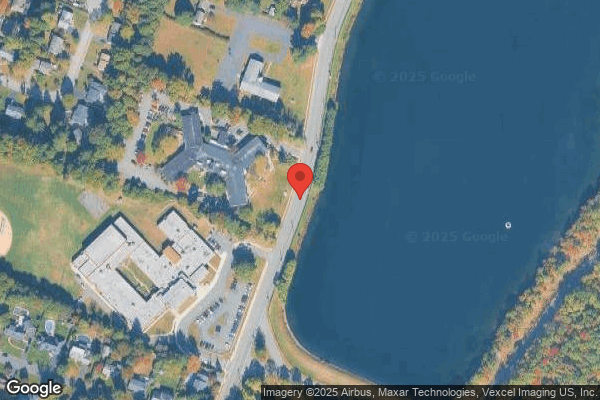

536 RIDGE ROAD, CEDAR GROVE, NJ 07009 (973) 239-9300
For profit - Corporation 190 Beds COMPLETE CARE Data: November 2025
Trust Grade
70/100
#114 of 344 in NJ
Last Inspection: November 2024

Within standard 12-15 month inspection cycle. Federal law requires annual inspections.

Overview

Complete Care at Cedar Grove has received a Trust Grade of B, which means it is considered a good choice for families, indicating a solid level of care. Ranking #114 out of 344 facilities in New Jersey places it in the top half, while its #9 rank out of 32 facilities in Essex County suggests there is only one local option that is better. The facility is showing improvement, with issues decreasing from five in 2024 to one in 2025, although it still faces challenges in staffing, with a 68% turnover rate that is concerning compared to the state's average of 41%. While it has no fines on record, indicating compliance with regulations, the facility provides less RN coverage than 85% of other facilities in New Jersey, which could affect the quality of care. Specific incidents noted include long gaps between meals that could impact residents' nutrition, mold found in the kitchen, and a failure to hold required quality assurance meetings, which highlights both the facility's strengths and areas that need attention.

Trust Score
B
70/100
In New Jersey
#114/344
Top 33%
Safety Record
Low Risk
No red flags
Inspections
Getting Better
5 → 1 violations
Staff Stability
⚠ Watch
68% turnover. Above average. Higher turnover means staff may not know residents' routines.
Penalties
✓ Good
No fines on record. Clean compliance history, better than most New Jersey facilities.
Skilled Nurses
⚠ Watch
Each resident gets only 21 minutes of Registered Nurse (RN) attention daily — below average for New Jersey. Fewer RN minutes means fewer trained eyes watching for problems.
Violations
⚠ Watch
18 deficiencies on record. Higher than average. Multiple issues found across inspections.
★★★★☆
4.0
Overall Rating
★★☆☆☆
2.0
Staff Levels
★★★★★
5.0
Care Quality
★★★☆☆
3.0
Inspection Score
Stable
2024: 5 issues
2025: 1 issues

The Good

  • 5-Star Quality Measures · Strong clinical quality outcomes
  • Full Sprinkler Coverage · Fire safety systems throughout facility
  • No fines on record

Facility shows strength in quality measures, fire safety.

The Bad

Staff Turnover: 68%

22pts above New Jersey avg (46%)

Frequent staff changes - ask about care continuity

Chain: COMPLETE CARE

Part of a multi-facility chain

Ask about local staffing decisions and management

Staff turnover is elevated (68%)

20 points above New Jersey average of 48%

The Ugly 18 deficiencies on record

Apr 2025 1 deficiency
MINOR (B) 📢 Someone Reported This

A family member, employee, or ombudsman was alarmed enough to file a formal complaint

Minor Issue - procedural, no safety impact

Safe Environment (Tag F0584)

Minor procedural issue · This affected multiple residents

**NOTE- TERMS IN BRACKETS HAVE BEEN EDITED TO PROTECT CONFIDENTIALITY** NJ00183439 Based on observation, record review and interview on 04/28/25, it was determined that the facility failed to provide ...

Read full inspector narrative →
**NOTE- TERMS IN BRACKETS HAVE BEEN EDITED TO PROTECT CONFIDENTIALITY** NJ00183439 Based on observation, record review and interview on 04/28/25, it was determined that the facility failed to provide a clean and homelike physical environment for their residents. This deficient practice was identified in 2 of 4 bedrooms observed and was evidenced by the following: During tour on 4/28/25 at 10:12 a.m., the surveyor entered room [ROOM NUMBER] and noted black dried substance behind dresser under wallpaper. During tour on 4/28/25 at 10:14 a.m., the surveyor entered room [ROOM NUMBER] and noted black dried substance behind dresser under wallpaper. During tour on 4/28/25 at 11:21 a.m. with the Director of Maintenance and the Maintenance staff, both confirmed the black dried substance on the walls behind the wallpaper behind the dressers in rooms [ROOM NUMBERS]. The Director of Maintenance (DOM) further stated, yes, we confirm the presence of the black fungi looking substance behind the wallpaper behind dresser. The DOM stated that the sheet rock should have been replaced in both room because of the black fungi looking substance. The Maintenance staff stated that he had informed the Administrator both prior and present, and nothing had been done. During tour on 4/28/25 at 2:45 p.m. with the Administrator, Director of Maintenance, and maintenance staff, the Administrator confirmed the black dried, fungi looking substance in rooms [ROOM NUMBERS]. The administrator stated that he was not aware and further stated that there should be no black dried substance in the rooms because it is not safe for living space. The administrator stated that he would be moving residents from the rooms today. During interview with surveyor on 4/28/25 at 11:01 a.m., the Director of Maintenance stated that walls were checked when rounds were done. He further stated that he was responsible for ensuring rooms were up to standard and homelike for residents. During interview with surveyor on 4/28/25 at 11:45 a.m., the nurse (RN #1) stated that she noticed black dried substance in room [ROOM NUMBER] and reported it to the Administrator and one of the maintenance staff but could not recall how she submitted the issue whether by paper request or the TELS system. RN #1 further stated that there should have been no black dried substance in resident's room, because it could cause health issue, and it is their home, and it should be clean. During interview with surveyor on 4/28/25 at 3:28 p.m., the Regional Director of Operations (RDO) confirmed that he saw black spotted areas behind dressers in rooms [ROOM NUMBERS] behind the wall papers. He further stated that residents will be moved out of the rooms today and that families would be contacted. The RDO stated that the company has been contacted and email was sent. A review of an undated Maintenance Assistance Job description revealed, move furniture to complete assignments. A review of an undated Director of Maintenance Job description revealed, Ensures the facility remains in compliance with all federal, state, and local regulations . A review of the facility's Homelike Environment Policy revealed that In accordance with the residents' rights, the facility will provide a safe, clean, comfortable and homelike environment. NJAC 8:39-31.4(a)
Nov 2024 5 deficiencies
CONCERN (D)

Potential for Harm - no one hurt, but risky conditions existed

Deficiency F0558 (Tag F0558)

Could have caused harm · This affected 1 resident

**NOTE- TERMS IN BRACKETS HAVE BEEN EDITED TO PROTECT CONFIDENTIALITY** Based on observation, interview, and review of pertinent facility documents, it was determined that the facility failed to maint...

Read full inspector narrative →
**NOTE- TERMS IN BRACKETS HAVE BEEN EDITED TO PROTECT CONFIDENTIALITY** Based on observation, interview, and review of pertinent facility documents, it was determined that the facility failed to maintain the call bell within reach of residents. This deficient practice was identified for 3 of 35 residents reviewed for the accommodation of needs (Resident #108, #128, and #116), and was evidenced by the following: 1. On 11/12/24 at 11:55 AM, the surveyor observed Resident #108 in bed on a specialty mattress with a contracture to their right hand. The surveyor observed the resident's call bell (a bell used to summon staff for assistance) was affixed to the right upper enabler and dangling down towards the floor, not within his/her reach. The surveyor reviewed the medical record for Resident #108. A review of the resident's admission Record reflected that Resident #108 was admitted to the facility with diagnoses that included but were not limited to hemiplegia (mild or partial weakness or loss of strength on one side of the body) and hemiparesis (severe or complete loss of strength or paralysis on one side of the body), dysphagia and gastrostomy status (surgical procedure creating an opening into the stomach through the abdominal wall to provide nutrition). A review of Resident #108's Annual Minimum Data Set (MDS) an assessment tool dated 9/26/24 revealed Resident #108 had a long- and short-term memory problem and a severe cognitive impairment. The MDS further revealed that the resident was dependent on staff for personal hygiene. A review of Resident 108's Individualized Care Plan (CP) included a focus that indicated the resident had impaired vision r/t cataracts with interventions to tell the resident where items are placed; and to be consistent. 2. On 11/13/24 at 12:00 PM, the surveyor observed Resident #128 in bed on a specialty mattress with the call bell dangling down on the right side of the bed between the upper enabler and the mattress, not within the Resident's reach. A review of Resident #128's admission Record reflected that the Resident was admitted to the facility with diagnoses that included but were not limited to cerebrovascular disease, aphasia, and hypertension. A review of Resident #128's quarterly MDS dated [DATE] revealed Resident #128 had highly impaired vision, long- and short-term memory problems, and severe cognitive impairment. The MDS further revealed that the resident was dependent on staff for personal hygiene. A review of Resident 128's CP included a focus that indicated the resident had a cerebral vascular accident (stroke) affecting the right side with interventions to keep the call bell on the left side of the resident where his/her arm is stronger. On 11/13/24 at 12:10 PM, the surveyor and Certified Nursing Assistant (CNA #1) assigned to Resident #128's care, entered the resident's room and observed the call bell dangling down on the right side of the bed between the upper enabler and the mattress, not within the Resident's reach. The CNA stated that she should have placed the call bell within the resident's reach as the resident was unable to speak and the call bell was their only means of summoning staff assistance. 3. On 11/13/24 at 12:05 PM, the surveyor observed Resident #116 in bed on a specialty mattress with the call bell on the floor under the resident's bed. The surveyor interviewed Resident #116 who stated that he/she would usually use their call bell to call for staff assistance, but they were unable to locate it today. Resident #116 further stated, She forgot to give it to me. A review of Resident #116's admission Record reflected that the Resident was admitted to the facility with diagnoses that included but were not limited to dependence on dialysis, glaucoma, and visual loss in both eyes. A review of Resident #116's quarterly MDS dated [DATE] revealed Resident #116's vision was severely impaired. The MDS further assessed resident #116 had a BIMS score of 15 out of 15 which indicated the resident's cognition was intact. A review of Resident 116's CPs included a focus that indicated the resident was at high risk for falls with interventions to keep the call bell within their reach and a CP which included a focus that indicated Resident #116 had visual function loss with interventions to place the call bell near the resident's hand and to move the resident's hand so that he/she could feel the call bell was within reach. On 11/13/24 at 12:22 PM, the surveyor accompanied by the Licensed Practical Nurse (LPN) entered Resident #116's room. The LPN observed the call bell on the floor and confirmed that the call bell should always be kept within the resident's reach. On 11/13/24 at 12:33 PM, the surveyor interviewed the CNA (CNA #2) assigned to Resident #116's care who confirmed she should have ensured the call bell was placed within the resident's reach. On 11/15/24 at 1:14 PM, the surveyor discussed the above observations and concerns with the Administration. The Director of Nursing (DON) confirmed that the call bells should be placed within the residents' reach. NJAC 8:39- 31.8 (c)(9)
CONCERN (D)

Potential for Harm - no one hurt, but risky conditions existed

Deficiency F0658 (Tag F0658)

Could have caused harm · This affected 1 resident

Based on observation, interview, and record review, it was determined that the facility failed to maintain professional standards of nursing practice for not following physician orders for medications...

Read full inspector narrative →
Based on observation, interview, and record review, it was determined that the facility failed to maintain professional standards of nursing practice for not following physician orders for medications with parameters for 1 of 1 residents reviewed (Resident # 148). The deficient practice was evidenced by the following: Reference: New Jersey Statutes Annotated, Title 45, Chapter 11. Nursing Board. The Nurse Practice Act for the State of New Jersey states: The practice of nursing as a licensed practical nurse is defined as performing tasks and responsibilities within the framework of casefinding; reinforcing the patient and family teaching program through health teaching, health counseling and provision of supportive and restorative care, under the direction of a registered nurse or licensed or otherwise legally authorized physician or dentist. The surveyor reviewed the medical records for Resident #148 that revealed the following: According to the Order Summary Report Resident # 148 had an order dated 8/16/24 for Entresto (a medication to treat high blood pressure) 24-26 MG, give 1 tablet by mouth two times a day. Hold if SBP (systolic blood pressure) is less than 110. The November 2024 Electronic Medication Administration Records revealed there were several dates that the nurse gave the Entresto 24-26 MG medication when the resident's systolic blood pressure was below 110. Entresto 24-26 was given when the SBP was below 110 by the 3-11 nurse on 11/4, 11/5, 11/8, and 11/9/24. The surveyor interviewed the Licensed Practical Nurse on 11/15/24 at 11:47 AM, who stated that the medication should have been held for the dates of 11/4, 11/5, 11/8 and 11/9/24, when the resident's SBP was lower than 110. She stated that there were no negative outcomes after that medication was administered. At 12:35 PM, the DON stated that the facility did not have a specific policy regarding following a physician's order. NJAC 8:39-27.1(a)
CONCERN (D)

Potential for Harm - no one hurt, but risky conditions existed

Pharmacy Services (Tag F0755)

Could have caused harm · This affected 1 resident

Based on observation, interview, and record review, it was determined that the facility failed to provide pharmaceutical services in accordance with professional standards to assure that a.) intraveno...

Read full inspector narrative →
Based on observation, interview, and record review, it was determined that the facility failed to provide pharmaceutical services in accordance with professional standards to assure that a.) intravenous bags were stored in a tamper and contaminant resistant packaging, b) accurate dispensing and administration of pain medication c.) a narcotic medication that was ordered by the physician was available for administration. The deficient practices were identified for one (1) of two (2) medication rooms and two (2) of four (4) medication carts inspected during the medication storage and observation and was evidenced as follows: Reference: New Jersey Statutes Annotated, Title 45. Chapter 11. Nursing Board. The Nurse Practice Act for the State of New Jersey states: The practice of nursing as a registered professional nurse is defined as diagnosing and treating human responses to actual and potential physical and emotional health problems, through such services as case finding, health teaching, health counseling, and provision of care supportive to or restorative of life and wellbeing, and executing medical regimens as prescribed by a licensed or otherwise legally authorized physician or dentist. Reference: New Jersey Statutes Annotated, Title 45, Chapter 11. Nursing Board. The Nurse Practice Act for the State of New Jersey states: The practice of nursing as a licensed practical nurse is defined as performing tasks and responsibilities within the framework of case finding; reinforcing the patient and family teaching program through health teaching, health counseling and provision of supportive and restorative care, under the direction of a registered nurse or licensed or otherwise legally authorized physician or dentist. 1. On 11/15/22 at 9:27 AM, during the inspection of the medication room located on the East/West, the surveyor with the Licensed Practical Nurse#1 (LPN #1) observed the following parenteral (biological or medications administered via intravenous or injectable route): -one (1) bag of sodium chloride for injection 1000 milliliter (ml) without an outer packaging or seal -one (1) bag of dextrose for injection 250 ml, without an outer packaging or seal. On 11/15/24 at 9:27 AM, during an interview with the surveyor, the Assistant Director of Nursing/Infection Preventionist (ADON/IP) stated that the parenteral products should have had an outer covering to ensure against tampering and contaminants. 2. On 11/15/24 at 9:36 AM, in the presence of LPN #2, the surveyor began the narcotic medication inspection, which was stored in a mounted, double locked portion of the medication cart B (narcotic box) located on 2-West/North. At that time, the surveyor and LPN #2 observed Resident #135's Oxycodone Immediate Release 5 mg (milligram; narcotic medication indicated for pain) bingo card (a multidose card containing individually packaged medications) contained 66 tablets. At that time, the surveyor compared the count of the bingo card against the Individual Patient Controlled Substance Administration Record (declining inventory log) for Resident #135's Oxycodone IR 5 mg tablet which reflected a balance of 67 tablets and was last signed by the administering nurse on 11/15/24 at 6:00 AM. At that time, the surveyor and LPN #2 reviewed the electronic Medication Administration Record (eMAR) together which revealed an order for Oxycodone IR 5 mg, give 1 tablet four times a day for left and right hip pain, and was started on 6/25/24. The administration schedule was for 6:00 AM, 11:00 AM, 4:00 PM and 10:00 PM. At that time, the surveyor questioned the one (1) tablet discrepancy of the count. LPN #2 stated that the resident had requested for their Oxycodone earlier than scheduled and it was the resident's right to receive their medication when requested. LPN #2 administered the medication at 9:00 AM (3 hours after the scheduled dose at 6:00 AM) as opposed to the physician's scheduled order of 11:00 AM. LPN #2 also stated that she had not informed the physician. LPN #2 explained that since she administered the Oxycodone at 9:00 AM, which was earlier than the physician's order, the eMAR would not allow her to sign for the administration. At that time, The LPN acknowledged that she should have should have informed the physician prior to the administration of the narcotic medication earlier than scheduled for the resident to be properly assessed for pain and that the declining inventory log should have been signed immediately after she removed the Oxycodone from the narcotic box for dispensing and administration. 3.) On 11/15/24 at 9:56 AM, the surveyor began the in the presence of LPN #3, the surveyor began the narcotic medication inspection, which was stored in the narcotic box located on 2-South/East. At that time, the surveyor and LPN #3 observed Resident #70's declining inventory log for Clonazepam 0.5 mg (a narcotic medication with indications that include anxiety relief). The declining inventory log reflected the following: -on 11/1/24 at 12:59 PM, two (2) tablets were removed. -on 11/2/24 at 9:00 PM, two (2) tablets were removed. -on 11/3/24 at 1:00 PM, two (2) tablets were removed. -on 11/4/24 at 9:00 PM, two (2) tablets were removed. At that time, the surveyor and LPN #3 reviewed the eMAR which revealed the following orders: -Clonazepam 0.5 mg, give 1 tablet by mouth one time a day for anxiety, and was started on 9/26/24. The administration time was for 9:00 PM. -Clonazepam 1 mg, give 1 tablet by mouth one time a day for anxiety, and was started on 9/26/24. The administration time was for 1:00 PM. --Clonazepam 1 mg, give 1 tablet by mouth one time a day for anxiety, and was started on 8/15/24. The administration time was for 9:00 PM. At that time, LPN #3 confirmed with the surveyor that she had administered two (2) tablets of the Clonazepam 0.5 mg on 11/1/24 to for the 1 mg order since the pharmacy had not sent the supply. The LPN #3 stated she was unsure if the medication was available as part of the emergency back-up supply. LPN #3 stated she did not call the physician for an order to administer double of the dose of Clonazepam 0.5 mg. On 11/15/24 at 10:27 AM, during an interview with the surveyor, the LPN/Unit Manager (UM) stated that the nurses should not have been administering double the dose against the physician order which caused the inventory for Clonazepam 0.5 mg to be cut shorter, that would result in the resident to not have enough medication before the next refill. The surveyor requested for the receipt of the Clonazepam 1 mg. On 11/14/24 at 1:14 PM, in the presence of the survey team, the Regional Associated Clinical Supervisor (RACS), the Regional Director of Operations (RDO), the Licensed Nursing Home Administrator (LNHA) and the Director of Nursing (DON), the surveyor discussed the concerns regarding the storage of the intravenous medications found that was not in a standard packaging that protected against tampering and contamination, the administration of Resident #135's medication ahead of the physician's scheduled order and the facility's failure to ensure that Resident #70's medication ordered by the physician was available for administration. On 11/18/24 at 12:17 PM, in the presence of the survey team, the RACS, the RDO, and the LNHA, the DON stated that the nurse who administered Resident #135's medication was given an education to inform and obtain a physician's order for early administration of the Oxycodone when appropriate. Additionally, the DON stated that regarding Resident #70's Clonazepam, the nurses were educated to call the pharmacy when an order was not available for administration and were instructed to escalate the issue to the supervisors after having to call the pharmacy more than once. No further information was provided. A review of the provided facility policy, Medication Storage dated/reviewed on 1/2024, reflected under policy that the facility shall store all medications and biologicals in a safe, secure and orderly manner and that medications and biologicals shall be stored in the packaging, containers, or other dispensing system in which they are received. A review of the facility provided policy, Administering Medication, updated on 1/2024 included the following: Policy Statement: Medications are administered in a safe and timely manner, and as prescribed. Policy Interpretation and Implementation: 2. medications must be administered in accordance with the orders, including any required time. NJAC 8:39-29.2 (d), 29.4(f)(g) (h)(l) 29.6(a)29.7(c)
CONCERN (D)

Potential for Harm - no one hurt, but risky conditions existed

Unnecessary Medications (Tag F0759)

Could have caused harm · This affected 1 resident

Based on observation, interview, and record review, it was determined that the facility failed to ensure that all medications were administered without error of 5% or more. During the medication obser...

Read full inspector narrative →
Based on observation, interview, and record review, it was determined that the facility failed to ensure that all medications were administered without error of 5% or more. During the medication observation conducted on 11/14/24, the surveyor observed four (4) nurses administer medications to four (4) residents. There were 27 opportunities, and two errors were observed which resulted in a medication error rate of 7.41%. This deficient practice was identified for one (1) of three (3) residents, that was administered by one (1) of three (3) nurses. and was evidenced by the following: On 11/14/23 at 9:01 AM, the surveyor observed the Licensed Practical Nurse (LPN) prepare medications for Resident #64. The medications included the following: - Metformin 500 milligram (mg), give 1 tablet by mouth two times a day for type 2 diabetes mellitus. Give with food. The order was started on 3/13/23. -Potassium Chloride Extended Release 20 milliequivalent (mEq), 1 tablet by mouth one time a day for supplement. Give with food. The order was started on of 1/3/23. At 9:06 AM, the LPN confirmed she had five (5) medications in the cup and was ready to administer the medications to Resident #64. The LPN was observed with a cup of medications and a cup of water. At that time, the breakfast truck was not in the hallway. At 9:07 AM, the LPN and the surveyor entered the resident's room. Resident #64 informed the surveyor that they had not eaten breakfast that morning, and the breakfast tray was not in the resident's room. The LPN proceeded towards the resident to administer the medications to the resident. The surveyor stopped the LPN and asked to speak with the LPN outside the resident's room. At 9:11 AM, the surveyor, and the LPN reviewed the resident's electronic Medication Administration Record (eMAR) and the bingo card (a multidose card containing individually packaged medications) together. The eMAR revealed that Metformin was scheduled to be administered at 8:30 AM and 5:30 PM and had instructions for administration that included Take with food. The bingo card had an affixed cautionary label that indicated take with food. The eMAR also revealed that Potassium was scheduled to be administered at 8:30 AM and had instructions for administration that included Take with food . At that time, after reviewing the eMAR and the bingo cards with the surveyor, the LPN stated that the Metformin and the Potassium should not be administered on an empty stomach because it could have caused stomach irritation, and that the Metformin could have caused low blood sugar. On 11/14/24 at 1:14 PM, in the presence of the survey team, the Regional Associated Clinical Supervisor (RACS), the Regional Director of Operations (RDO), the Licensed Nursing Home Administrator (LNHA) and the Director of Nursing (DON), the surveyor discussed the concerns regarding the medication pass errors observed. On 11/18/24 at 12:17 PM, in the presence of the survey team, the RACS, the RDO, and the LNHA, the DON stated that the LPN was educated on proper administration of medications that were required to be administered with food. The DON acknowledged that the medications should have been administered as ordered and the LPN should have followed the cautionary that was part of the physician's order. A review of the facility provided policy, Administering Medication, updated on 1/2024 included the following: Policy Statement: Medications are administered in a safe and timely manner, and as prescribed. Policy Interpretation and Implementation: 2. medications must be administered in accordance with the orders, including any required time. N.J.A.C. 8:39-29.2 (d)
CONCERN (E)

Potential for Harm - no one hurt, but risky conditions existed

Respiratory Care (Tag F0695)

Could have caused harm · This affected multiple residents

**NOTE- TERMS IN BRACKETS HAVE BEEN EDITED TO PROTECT CONFIDENTIALITY** 4.) On 11/13/24 at 11:05 AM, the surveyor observed Resident #273 in bed receiving oxygen (O2) via nasal cannula (a tube with 2 p...

Read full inspector narrative →
**NOTE- TERMS IN BRACKETS HAVE BEEN EDITED TO PROTECT CONFIDENTIALITY** 4.) On 11/13/24 at 11:05 AM, the surveyor observed Resident #273 in bed receiving oxygen (O2) via nasal cannula (a tube with 2 prongs at the end that deliver oxygen through the nose) that was connected to an oxygen concentrator that was set to 3 liters per minute (LPM). The resident was awake and conversant. On 11/14/24 at 1:17 PM, the surveyor observed the resident lying in bed awake, and alert. The O2 concentrator was on and set to 3LPM. The surveyor reviewed the medical record for Resident #273. According to the admission Record (AR; or face sheet, an admission summary), the resident was admitted to the facility with diagnoses that included chronic obstructive pulmonary disease (COPD; restrictive breathing affecting lung capacity), and chronic diastolic congestive heart failure (CHF; a heart condition that causes fluid buildup in the feet, arms, lungs, and other organs). The Comprehensive Minimum Data Set (MDS), an assessment tool used to facilitate the management of care, dated 11/10/24, reflected a Brief Interview for Mental Status (BIMS) score of 14 out of 15, which indicated that the resident was cognitively intact. Further review of the MDS revealed the resident required respiratory treatment and received continuous oxygen. A review of the electronic Medication Administration Record (eMAR) for November 2024 reflected the following orders: - O2 at 2 LPM via nasal cannula every shift O2 at 3LPM via nasal cannula. The order was initiated on 11/9/24 and discontinued on 11/13/24. The eMAR was not signed as checked or administered on the night shift on 11/12/24. -O2 at 2 LPM via nasal cannula every shift for COPD oxygen at 2LPM via nasal cannula. The order was initiated on 11/13/24 and discontinued on 11/14/24 at 2:06 PM. The eMAR was signed checked or administered on all three shifts on 11/13/24 and was not signed checked or administered 11/14/24 on the day shift. A review of the ongoing Care Plan (CP) reflected a focus that included, the resident's required O2 therapy which was initiated on 11/13/24. An intervention dated 11/13/24, included to administer oxygen as ordered. On 11/14/24 at 1:20 PM, the surveyor and the Licensed Practical Nurse/ Unit Manager (LPN/UM) entered Resident #273's room to observe the resident's O2 concentrator, greeted the resident and walked out of the resident's room. At that time, the LPN/UM confirmed with the surveyor that the O2 concentrator was set to 3 LPM. The LPN/UM and the surveyor reviewed the eMAR together which reflected an order for O2 at 2 LPM. The LPN/UM stated that the expectation was that the nurse should have checked during the morning visit of each room and ensured the O2 was set according to the physician's order. At 1:23 PM, the surveyor and the LPN/UM walked back into the resident's room. The LPN/UM explained to the resident that she had to titrate the O2 concentrator to 2L as per physician's order, and used a pulse oximeter (SPO2; device used to measure blood oxygen saturation level) which reflected low saturation without a numerical value (normal values are 95% to 100%). An LPN walked in with another SPO2 device that reflected the same result, low saturation without a numerical value. At 1:30 PM, the LPN/UM stated that all nurses on all shifts were responsible to ensure the resident's oxygen orders were followed. The LPN/UM stated that she would inform the physician and the hospice nurse to request for Resident #273 to be evaluated. On 11/14/24 at 1:14 PM, in the presence of the survey team, the Regional Associated Clinical Supervisor (RACS), the Regional Director of Operations (RDO), the Licensed Nursing Home Administrator (LNHA) and the Director of Nursing (DON), the surveyor discussed the concerns regarding the failure to follow the physician's order for the O2 and to maintain the respiratory services for Residents #55, #28, #160 and #273. On 11/18/24 at 12:17 PM, in the presence of the survey team, the RACS, the RDO, and the LNHA, the DON stated that the nurse who received the order from the physician should have adjusted the oxygen concentrator for the resident and the nurses should have ensured the physician's orders were followed. A review of the facility provided policy, Administering Medication, updated on 1/2024 included the following: Policy Statement: Medications are administered in a safe and timely manner, and as prescribed. Policy Interpretation and Implementation: 2. medications must be administered in accordance with the orders, including any required time. A review of the provided facility policy Oxygen Administration, dated/revised 11/2018 included the following: The purpose of this procedure is to provide guidelines for safe oxygen administration. Preparation 1.Verify that there is a physician's order for this procedure. Review the physician's orders or facility protocol for oxygen administration. 2. Review the resident's care plan to assess for any special needs of the resident. NJAC 8:39-11.2(b) 27.1(a) Based on observation, interview, record review, and review of pertinent facility documents, it was determined that the facility failed to: a.) ensure respiratory tubing cannula was stored in accordance with infection control measures for 1 of 4 residents, (Resident #55) and b.) administer oxygen therapy according to the physician's order for 3 of 4 residents, Resident #28, #160 and #273). This deficient practice was evidenced by the following: Reference: New Jersey Statutes Annotated, Title 45. Chapter 11. Nursing Board. The Nurse Practice Act for the State of New Jersey states: The practice of nursing as a registered professional nurse is defined as diagnosing and treating human responses to actual and potential physical and emotional health problems, through such services as case-finding, health teaching, health counseling, and provision of care supportive to or restorative of life and wellbeing, and executing medical regimens as prescribed by a licensed or otherwise legally authorized physician or dentist. Reference: New Jersey Statutes Annotated, Title 45, Chapter 11. Nursing Board. The Nurse Practice Act for the State of New Jersey states: The practice of nursing as a licensed practical nurse is defined as performing tasks and responsibilities within the framework of case finding; reinforcing the patient and family teaching program through health teaching, health counseling, and provision of supportive and restorative care, under the direction of a registered nurse or licensed or otherwise legally authorized physician or dentist. 1. On 11/12/24 at 12:00 PM, the surveyor observed Resident #55 in bed with a portable oxygen tank at bedside, not in use. The surveyor observed a nasal cannula (NC) tubing dated 9/26/24, wrapped around the tank, suspending down onto the floor. The tubing was not stored in a bag. Resident #55 stated that he/she used the oxygen mostly at night for shortness of breath. The surveyor reviewed the medical record for Resident #55. According to the admission Record, the resident was admitted to the facility with diagnoses that included but were not limited to obstructive sleep apnea and hypertension. The quarterly Minimum Data Set (MDS), an assessment tool, dated 11/8/24, reflected a Brief Interview for Mental Status (BIMS) score of 15 out of 15 which indicated Resident #55's cognition was intact. A review of the resident's Individual Care plan (CP) included a focus area initiated on 4/19/23 that indicated the resident used oxygen therapy as needed for ineffective gas exchange. The interventions included monitoring for signs and symptoms of respiratory distress and reporting to MD. A review of the November Order Summary Report (OSR) reflected an order for Oxygen at 2 Liters per minute (LPM) via nasal cannula (NC) as needed (PRN) for shortness of breath. On 11/13/24 at 11:30 AM, the surveyor observed Resident #55 in his/her room seated in a wheelchair. The surveyor observed the portable oxygen tank not in use with the NC tubing stored in a plastic bag dated 9/26/24. On 11/13/24 at 11:40 AM the surveyor accompanied by the Licensed Practical Nurse (LPN #1) entered the resident's room and observed that the NC tubing stored in a plastic bag was dated 9/26/24. LPN #1 stated that the facility policy was for the NC tubing to be changed every Wednesday by the night nurses. LPN #1 acknowledged that she should have checked it earlier and then discarded the tubing. 2. On 11/12/24 at 12:20 PM, the surveyor observed Resident #28 in bed with their eyes closed. The surveyor observed the NC tubing undated and suspending off the back of the tank not stored in a plastic bag. The surveyor reviewed the medical record for Resident #28. According to the admission Record, the resident was admitted to the facility with diagnoses that included but were not limited to acute respiratory failure, Parkinson's disease, diabetes mellitus, and gastrostomy status (a tube inserted into the stomach to provide nutrition.) The quarterly MDS dated [DATE] reflected a BIMS score of 9 out of 15 which indicated Resident #55 had a moderate cognitive impairment. A review of the resident's CP included a focus area that indicated the resident used oxygen therapy as needed. The interventions included monitor for signs and symptoms of respiratory distress and report to MD, initiated on 11/13/24. A review of the November OSR reflected an order for Oxygen at 2 LPM via NC as needed (PRN) for shortness of breath. 3. On 11/14/24 at 10:25 AM, the surveyor observed Resident #160 in their room, seated in a wheelchair. The surveyor observed the resident wearing a NC tubing with the oxygen concentrator gauge set at 3.5 LPM. The surveyor reviewed the medical record for Resident #160. According to the admission Record, the resident was admitted to the facility with diagnoses that included but were not limited to diabetes mellitus, Parkinson's disease, and hypertension. The quarterly MDS dated [DATE] reflected a BIMS score of 15 out of 15 which indicated Resident #55's cognition was intact. A review of the resident's CP included a focus area that indicated the resident was receiving Oxygen therapy for CHF initiated on 8/28/24. The interventions included administering oxygen as ordered, monitoring for signs and symptoms of respiratory distress, and reporting to MD. A review of the November OSR reflected an order for Oxygen at 2 LPM via nasal cannula (NC) every shift for Congestive Heart Failure (CHF) with a start date of 11/1/24. On 11/14/24 at 10:30 AM, the surveyor accompanied by LPN #2 entered Resident #160's room. LPN #2 confirmed that the oxygen was set at 3.5 LPM. At that time LPN #2 reviewed the PO, which reflected an order for 2 LPM. LPN#2 stated that he usually checked the oxygen gauge for accuracy during his morning rounds, but was so busy that he had neglected to check it this morning. On 11/15/24 at 1:14 PM, the surveyor discussed the above observations and concerns with the Administration. The Director of Nursing (DON) confirmed that the Physician orders should be followed, tubing should be changed and dated weekly, and should be stored in a plastic bag for infection control prevention.
Aug 2023 12 deficiencies
CONCERN (D)

Potential for Harm - no one hurt, but risky conditions existed

Deficiency F0561 (Tag F0561)

Could have caused harm · This affected 1 resident

**NOTE- TERMS IN BRACKETS HAVE BEEN EDITED TO PROTECT CONFIDENTIALITY** Based on observation, interview, and record review, the facility failed to ensure one out of 39 sampled residents (Resident (R) ...

Read full inspector narrative →
**NOTE- TERMS IN BRACKETS HAVE BEEN EDITED TO PROTECT CONFIDENTIALITY** Based on observation, interview, and record review, the facility failed to ensure one out of 39 sampled residents (Resident (R) 117). The facility staff failed to promote choices regarding R117 being able to stay in her room instead of going to the activity room. R117 was dissatisfied with having to go to the activity room instead of staying in her room. Findings include: Review of R117's undated Face Sheet under the Profile tab in the electronic medical record (EMR) revealed R117 was admitted to the facility on [DATE]. Review of the quarterly Minimum Data Set (MDS) with an Assessment Reference Date (ARD) of 05/20/23 in the EMR under the MDS tab, revealed a Brief Interview for Mental Status (BIMS) score of five out of 15, which indicated resident's cognition was severely impaired. The MDS indicated that it was somewhat important for R117 to be able to choose an important activity. R117 required extensive assistance with locomotion on unit of one person. Review of R177's Care Plan dated 02/16/23, in the EMR under the Care Plan tab revealed, When [R117] choose not to participate in organized activities, the resident prefers to watches television, talks with her roommate talks on the telephone, magazine browses for social and sensory stimulation. Observation on 08/14/23 at 10:50 AM, Licensed Practical Nurse (LPN)7 was taking R117 to the activity room in her wheelchair. At 10:55 AM, R117 put her hands on both wheelchair wheels and stopped the wheelchair from rolling. R117 was telling LPN7 that she wanted to go back to her room. LPN7 removed R117's hands from the wheels and stated, You cannot go back to your room, you might fall. LPN7 began again wheeling R117 up the hallway to the activity room. When R117 arrived in the activity room, LPN 7 placed her wheelchair up next to the activity room table. Immediately R117 began pushing back from the table stating, I want to go back to my room. At 11:05 AM, R117 began self-propelling the wheelchair out of the activity room. I don't know what they are doing. The Activity personnel asked her to stay and R117 replied No. Certified Nurse Aide (CNA) 10 took R117 back to her room. During an interview at 12:30 PM, LPN 7 stated, She is a fall risk, and we don't have enough staff to watch her, so we take her to the activity room. During an interview at 12:40 PM, CNA 10 stated, We take her to the activity room so she can be watched more closely so she doesn't fall. During an interview on 08/17/23 at 10:30 AM, the regional clinical nurse and Director of Nursing (DON) was notified of the above observation. The DON stated, we would like to engage them in activities, if at all possible, to divert their minds on something else but if they state they do not want to do something then we will find alternative ways to achieve this so they don't fall if they get up. NJAC 8:39-4.1(a)32
CONCERN (D)

Potential for Harm - no one hurt, but risky conditions existed

Transfer Notice (Tag F0623)

Could have caused harm · This affected 1 resident

**NOTE- TERMS IN BRACKETS HAVE BEEN EDITED TO PROTECT CONFIDENTIALITY** Based on record review, interview, and facility policy review, the facility failed to notify the Ombudsman of the transfer to th...

Read full inspector narrative →
**NOTE- TERMS IN BRACKETS HAVE BEEN EDITED TO PROTECT CONFIDENTIALITY** Based on record review, interview, and facility policy review, the facility failed to notify the Ombudsman of the transfer to the hospital for one of four residents (Resident (R) 8) reviewed for hospital transfers, out of a total sample of 39 residents. Findings include: Review of the facility's policy titled, Nursing Home Monthly Ombudsman Notification Policy, dated 01/02/23, revealed, Policy Statement: This policy outlines the monthly notification process for engaging the New Jersey (NJ) Ombudsman Program in nursing homes. This policy aims to establish a systematic procedure for notifying the NJ Ombudsman Program about resident discharges monthly to the state . Notification Submission: . b. The compiled report shall include information such as the resident's name, date, type, and location of the transfer. Review of R8's undated admission Record, located in the electronic medical record (EMR) under the Profile tab revealed R8 was admitted to the facility on [DATE] and readmitted on [DATE]. Review of R8's EMR Progress Notes, located under the Notes tab, revealed a general note dated 07/25/23 .Resident noted with altered mental status .Call made out to [name] with full report given. New order to send patient to Mountainside ER (emergency room) for evaluation . Review of the facility report Admission/Discharge To/From Report, . Discharges 7/1/2023 to 7/31/2023 (sic) dated 01/02/23, revealed, R8 was not listed on the report. In an interview on 08/17/23 at 12:00 PM, the Social Services Director (SSD) stated, the resident is not listed on the report, I'm not sure why. NJAC 8:39-5.1(a)
CONCERN (D)

Potential for Harm - no one hurt, but risky conditions existed

Assessment Accuracy (Tag F0641)

Could have caused harm · This affected 1 resident

**NOTE- TERMS IN BRACKETS HAVE BEEN EDITED TO PROTECT CONFIDENTIALITY** Based on record review, interview and policy review, the facility failed to ensure that Minimum Data Set (MDS) assessments accur...

Read full inspector narrative →
**NOTE- TERMS IN BRACKETS HAVE BEEN EDITED TO PROTECT CONFIDENTIALITY** Based on record review, interview and policy review, the facility failed to ensure that Minimum Data Set (MDS) assessments accurately reflected the residents' medication status for two of two (Resident (R) 71 and R89) in a total sample of 39 residents. Findings include: 1. Review of the facility's policy titled, MDS Completion and Submission Timeframes, dated 1/2023 revealed, Our facility will conduct and submit resident assessments in accordance with current federal and state submission timeframes. The policy failed to address the accuracy of the assessment. Review of R71's undated admission Record, located in the electronic medical record (EMR) under the Profile tab revealed R71 was admitted to the facility on [DATE] and with diagnoses which included encephalopathy, gastrostomy status, dysphagia, unspecified dementia, acute kidney failure. Review of the EMR admission MDS with an Assessment Reference Date (ARD) of 07/08/23, indicated R71 used insulin since admission. Review of R71's physician orders found in the EMR under the Orders tab failed to reveal any orders for insulin. During an interview on 08/16/23 at 4:50 PM, the MDS Coordinator (MDSC) stated R71 does not take insulin, which is a data entry error. It should be 0. I need to correct that. 2. Review of R89's undated admission Record located in the Profile tab of the EMR revealed R89 was admitted to the facility on [DATE] with a diagnosis of psychosis. Review of R89's Physician Orders located in the Orders tab of the EMR revealed an order for a quetiapine fumarate (an antipsychotic medication) 50-milligram (mg) tablet to be administered at bedtime for psychosis. This order was initiated on 07/27/23. Review of R89's July 2023 and August 2023 monthly Medication Administration Records (MAR) located in the Orders tab of the EMR revealed R89 received the 50 mg tablet of quetiapine fumarate every night at bedtime from 07/27/23 to 08/01/23. Review of R89's admission MDS assessment with an ARD of 08/01/23 specified, the resident had not received an antipsychotic medication during the past seven days and had not received an antipsychotic medication since admission to the facility. During an interview on 08/17/23 at 10:52 AM, the MDSC reviewed R89's EMR and confirmed the resident's 08/01/23 admission MDS assessment was inaccurate because it did not reflect the resident received an antipsychotic medication during the past seven days. NJAC 8:39-11.2(d)
CONCERN (D)

Potential for Harm - no one hurt, but risky conditions existed

Comprehensive Care Plan (Tag F0656)

Could have caused harm · This affected 1 resident

**NOTE- TERMS IN BRACKETS HAVE BEEN EDITED TO PROTECT CONFIDENTIALITY** Based on interview, record review and policy review, the facility failed to develop a care plan for one of five residents (Resid...

Read full inspector narrative →
**NOTE- TERMS IN BRACKETS HAVE BEEN EDITED TO PROTECT CONFIDENTIALITY** Based on interview, record review and policy review, the facility failed to develop a care plan for one of five residents (Resident (R) 89) reviewed for unnecessary medications regarding the resident's daily use of an antipsychotic medication. Findings include: Review of R89's undated admission Record located in the Profile tab of the electronic medical record (EMR) revealed R89 was admitted to the facility on [DATE] with a diagnosis of psychosis. Review of R89's Physician Orders located in the Orders tab of the EMR revealed an order for a 50-milligram (mg) tablet of quetiapine fumarate (an antipsychotic medication) to be administered at bedtime for psychosis. This order was initiated on 07/27/23. Review of R89's July 2023 and August 2023 monthly Medication Administration Records (MAR) located in the Orders tab of the EMR revealed R89 received quetiapine fumarate every night at bedtime from 07/27/23 to 08/16/23. Review of R89's Care Plan located in the Care Plan tab of the EMR revealed a focus which indicated, [R89's last name] uses Quetiapine medication r/t [related to] Psychosis disorder initiated on 07/27/23. The care plan's only goal specified The resident will show decreased number episodes of anxiety through the review date. The care plan's interventions included, Administer ANTI-ANXIETY medications as ordered by physician. Monitor for side effects and effectiveness Q (every)-SHIFT, and Monitor the resident for safety. The resident is taking ANTI-ANXIETY meds [medication] which are associated with an increased risk of confusion, amnesia, loss of balance, and cognitive impairment that looks like dementia and increases risk of falls, broken hips and legs. R89's care plan did not include resident centered goals and interventions that addressed the resident's use of an antipsychotic medication. During an interview on 08/17/23 at 10:52 AM, the Minimum Data Set Coordinator (MDSC) reviewed R89's EMR and confirmed R89 received quetiapine fumarate from 07/27/23 to 08/16/23 and the resident's care plan did not include goals and interventions that addressed the use of an antipsychotic medication. Review of the facility's policy titled, Care Plans, Comprehensive Person-Centered, dated 11/18, indicated, Policy Resident population is long term and sub-acute therefore care plans need to be updated, for sub-acute on admission, after significant clinical change changes and as needed. For long term residents on admission, Quarterly or Annual or significant change and as needed . A comprehensive care plan for each resident is developed within seven days of completion of the resident assessment. NJAC 8:39-11.2(i)
CONCERN (D)

Potential for Harm - no one hurt, but risky conditions existed

ADL Care (Tag F0677)

Could have caused harm · This affected 1 resident

Based on observations, interview, and record review, the facility failed to ensure staff provided the removal of facial hair for one of one dependent residents (Resident (R) 65) reviewed for Activitie...

Read full inspector narrative →
Based on observations, interview, and record review, the facility failed to ensure staff provided the removal of facial hair for one of one dependent residents (Resident (R) 65) reviewed for Activities of Daily Living (ADLs) in a total sample of 39 residents. Findings include: Observation on 08/14/23 at 10:06 AM, on 08/15/23 at 11:00 AM, and on 08/16/23 at 11:02 AM revealed the appearance of black facial hair above R65's top lip and gray facial hair on her chin. Review of the Electronic Medical Record (EMR) Diagnosis tab revealed diagnoses for R65 that included Alzheimer's disease and anxiety disorder. Review of the annual Minimum Data Set (MDS) with an Assessment Reference Date (ARD) of 07/10/23, located in the EMR under the MDS tab, revealed a Brief Interview for Mental Status (BIMS) score of 00 out of 15 indicating R65 was severely impaired cognitively. Further review of the MDS revealed R65 required extensive one person assistance for all Activities of Daily Living (ADLs). Interview on 08/15/23 at 11:09 AM, Licensed Practical Nurse (LPN) 6 stated that she could not shave R65's facial hair without a physician's order. Interview on 08/15/23 at 11:13 AM, LPN 2 stated that R65 was diabetic and that she was not allowed to shave R65's facial hair. Interview on 08/15/23 at 11:24 AM, LPN 8 stated that R65 did not like to be bothered and that the resident's son did not want staff to bother her with shaving her facial hair. LPN 8 could not provide a care plan or documentation of son's instructions regarding R65's facial hair. Review of the facility policy titled, Activities of Daily Living Supporting, dated 10/2022, indicated, Appropriate care and services will be provided for residents who are unable to carry out ADLs independently, with the consent of the resident and in accordance with the plan of care, including appropriate support and assistance with: a. Hygiene (bathing, dressing, grooming, and oral care) . NJAC 8:39-27.2(g)
CONCERN (D)

Potential for Harm - no one hurt, but risky conditions existed

Accident Prevention (Tag F0689)

Could have caused harm · This affected 1 resident

**NOTE- TERMS IN BRACKETS HAVE BEEN EDITED TO PROTECT CONFIDENTIALITY** Based on observation, interview, record review and policy review, the facility failed to revise the care plan implement fall int...

Read full inspector narrative →
**NOTE- TERMS IN BRACKETS HAVE BEEN EDITED TO PROTECT CONFIDENTIALITY** Based on observation, interview, record review and policy review, the facility failed to revise the care plan implement fall interventions to prevent future injuries from a fall for one resident (Resident (R) 9) out of two residents reviewed for falls from a total sample of 39 residents. The failure to update the care plan and implement revised fall interventions for a resident with a history of falls could result in serious injury. Findings include: Review of the facility's policy and procedure Falls and Fall Risk, Managing, revised March 2018 and updated January 2023, indicated . the staff, with the input of the attending physician, will implement a resident-centered fall prevention plan to reduce the specific risk factor(s) of falls for each resident at risk or with a history of falls staff will monitor and document each resident's response to interventions intended to reduce falling or the risks of falling .if interventions have been successful in preventing falling, staff will continue the interventions . Review of R9's undated admission Record, located in the resident's Electronic Medical Record (EMR) under the Profile tab indicated an admission date to the facility of 11/05/21 and diagnoses of unspecified dementia without behavioral disturbances, hypertension, diabetes, and history of falls. Review of R9's quarterly Minimum Data Set (MDS) with an Assessment Reference Date (ARD) of 03/28/23 and located in the EMR under the MDS tab, revealed R9's Brief Interview for Mental Status score was 00 which indicated R9 was severely cognitively impaired and could not complete the assessment, required extensive, to total, assistance from staff for transfers, mobility, and personal care needs. Review of R9's Fall Incident Report dated 06/13/23 revealed R9 had an unwitnessed fall on 06/13/23 at 12:15 AM where R9 .was observed on the floor bleeding from swelling that is open on forehead left side . R9 was unable to state what happened. R9 was sent out to the emergency room for evaluation and was admitted and discharged back to the facility on [DATE]. Cat (sic) scan report from 06/13/23 revealed .left scalp hematoma as well as posterior left rib fractures to the ninth through 12th ribs and left pleural effusion . The history and physical (H&P) completed at the hospital revealed .effusion could be traumatic and hemorrhagic from what appears to be acute rib fractures ninth through 12th on the left side and adjacent left large pleural effusion . Follow up notes revealed .resident with poor safety awareness. Team agreed that resident will be in dayroom when awake . No other interventions were noted in the follow-up report. Review of the Care Plan tab in the EMR revealed R9's comprehensive care plan, dated 11/15/21, and revised on 06/13/23 revealed .continue interventions on the at-risk plan . The care plan revealed new interventions for R9 were implemented on 06/13/23, after R9 was sent to the hospital, which included .use of floor mats and continue use of low bed/locked . The intervention discussed by the team in follow up to the 06/13/23 fall for R9 to be in the dayroom when awake was not included on the fall care plan. During an observation on 08/14/23 at 4:00 PM, R9 was observed lying in bed, in her room. R9 was positioned on her left side, with the head of the bed (HOB) up and the knees bent to prevent R9 from sliding down in the bed. The bed was not in the lowest position, or even a low bed. No fall mats were observed by the bed or in the room. The call light was observed attached to the bed but was not accessible to R9. During an observation on 08/15/23 at 9:15 AM, R9 was observed in her room, lying in bed. No fall mats were noted by the bed or in the room. The call light was observed attached to the bed but was not accessible to R9. During an observation on 08/15/23 at 11:00 AM, R9 was observed in her room, lying in bed. No fall mats were noted by the bed or in the room. The bed was not in the lowest position. The call light was observed attached to the bed but was not accessible to R9. During an observation on 08/15/23 at 4:30 PM, R9 was observed in her room, lying in bed positioned on her left side. No fall mats were noted by the bed or in the room. Bed was not observed to be in the lowest position, or a low bed. The call light was observed attached to the bed but was not accessible to R9. During an observation on 08/16/23 at 8:30 AM, R9 was observed in her room, lying in bed positioned on her back. No fall mats were noted by the bed or in the room. Bed was observed to be in the lowest position. After R9 was fed her breakfast, the bed was noted to be left at approximately waist height. The call light was observed attached to the bed but was not accessible to R9. Review of R9's Care Plan tab in the EMR revealed no documentation on the care plan of an intervention that R9 was to not get out of bed to prevent falling from the wheelchair. During an interview on 08/16/23 at 11:25 AM the unit manager (UM) stated she thought R9 had fall mats by her bed and during an observation of R9's room with the UM, no fall mats were observed by the bed or in the room. The UM stated .I guess she (R9) doesn't have them. Not sure if there is an order for them . The UM was unaware of the care plan intervention that included fall mats by the bed. The UM also stated during the observation that R9's bed was not in the lowest position. During an interview on 08/17/23 at 12:40 PM the DON stated the fall mat and the low bed intervention implemented on 06/13/23 were .No longer necessary as R9 has had a change in her mobility status since the fall in June and going on Hospice . The DON also stated during the interview the fall mats were an .immediate intervention following the fall . and was unable to confirm whether the fall mats were implemented on R9's return on 06/15/23. The DON was unaware the fall mat and low bed interventions remained on the care plan as of 08/16/23. NJAC 8:39-27.1(a)
CONCERN (D)

Potential for Harm - no one hurt, but risky conditions existed

Respiratory Care (Tag F0695)

Could have caused harm · This affected 1 resident

**NOTE- TERMS IN BRACKETS HAVE BEEN EDITED TO PROTECT CONFIDENTIALITY** Based on observation, interview, record review, and facility policy review, the facility failed to maintain the cleanliness of t...

Read full inspector narrative →
**NOTE- TERMS IN BRACKETS HAVE BEEN EDITED TO PROTECT CONFIDENTIALITY** Based on observation, interview, record review, and facility policy review, the facility failed to maintain the cleanliness of the nebulizer mouthpiece when not in use for one of 39 residents in the survey sampled (Resident (R) 30. This deficient practice increases the risk of infection for a resident requiring nebulizer therapy. Findings include: Review of R30's Electronic Medical Record (EMR) undated Face Sheet located under the Profile tab, indicated R30 was admitted to the facility on [DATE] with diagnosis of chronic obstructive pulmonary disease. Review of R30's quarterly Minimum Data Set (MDS) located in R30's EMR under the MDS tab, with an Assessment Reference Date (ARD) of 06/07/23, revealed a score of 15 of 15 which indicated R30 was cognitively intact. Review of R30's Physician Orders located in R30's EMR under the Orders tab, revealed orders dated 08/04/2023 Ipratropium Bromide 0.5 %/Albuterol solution 3mg by mouth per nebulizer treatment every four hours. During an observation and interview with Unit Manager (UM) on 08/14/23 at 12:15 PM, R30's nebulizer mouthpiece was lying directly on the bedside table. The UM was asked how a nebulizer mouthpiece was to be stored when not in use and she stated, In a bag. During an observation conducted on 08/16/23 at 2 PM, R30's nebulizer mouthpiece was lying directly on the bedside table. Licensed Practical Nurse (LPN) 7 went into the resident's room and was asked how the nebulizer mouthpiece was to be stored when not in use. LPN7 replied, It is to be in a bag. During an interview on 08/17/23 at 10:30AM, the regional clinical nurse and Director of Nursing (DON) was notified of R30's nebulizer mouthpiece lying directly on the bedside table when not in use. The DON stated, It should be stored in a bag when not in use. Review of the facility's policy titled, Departmental-Respiratory Therapy-Prevention of Infection with reviewed date of 03/2021 stated, .Store the circuit in plastic bag .between uses . NJAC 8:39-19.4(k)
CONCERN (D)

Potential for Harm - no one hurt, but risky conditions existed

Deficiency F0760 (Tag F0760)

Could have caused harm · This affected 1 resident

**NOTE- TERMS IN BRACKETS HAVE BEEN EDITED TO PROTECT CONFIDENTIALITY** Based on interview, record review, and facility policy review, the facility failed to ensure prescribed medications were availab...

Read full inspector narrative →
**NOTE- TERMS IN BRACKETS HAVE BEEN EDITED TO PROTECT CONFIDENTIALITY** Based on interview, record review, and facility policy review, the facility failed to ensure prescribed medications were available for administration for one of eight residents (Resident (R) 49) whose drug regimen was reviewed. The facility failed to have R49's Xifaxan medication available to administer as prescribed which caused the resident to not to feel well on the days it was not administered. Findings include: . Review of R49's undated admission Record located in the Profile tab of the electronic medical record (EMR), revealed R49 was admitted to the facility on [DATE] with a diagnosis of cirrhosis of the liver with ascites. Review of R49's Annual Minimum Data Set (MDS) with an Assessment Reference Date (ARD) of 05/15/23, located in the EMR under the MDS tab, indicated R49 had a Brief Interview for Mental Status (BIMS) score of 15 of 15, which indicated the resident was cognitively intact. The MDS also indicated R49 had a diagnosis of cirrhosis. Review of R49's current Physician Orders located in the Orders tab of the EMR revealed an order for Xifaxan Tablet 550 MG (milligram) (rifaximin) Give one tablet by mouth two times a day for liver disease. This order was initiated on 02/09/23. Review of R49's EMR July 2023 monthly Medication Administration Record (MAR) located under the Orders tab revealed R49 was to receive a 550 milligram (mg) tablet of Xifaxan twice a day at 9:00 AM and 5:00 PM. Further review of R49's July 2023 MAR revealed staff documented the resident did not receive the 550 mg tablet of Xifaxan on 07/13/23 at 5:00 PM, on 07/14/23 at 9:00 AM and 5:00 PM, on 07/15/23 at 9:00 AM and 5:00 PM, on 07/30/23 at 5:00 PM, and on 07/31/23 at 9:00 AM. Review of R49's Progress Notes located in the Prog [Progress] Note tab of the EMR revealed the following entries: 07/13/23 at 4:53 PM: Xifaxan Tablet 550 MG Give 1 tablet by mouth two times a day for liver disease awaiting delivery. 07/14/23 at 2:49 PM: Xifaxan by mouth two times a day for liver disease medication on order. 07/14/23 at 6:37 PM: Xifan [sic] 550 MG give 1 tablet by mouth two times a day for liver disease unable to reorder. 07/15/23 at 9:48 AM: Xifaxan Tablet 550 MG Give 1 tablet by mouth two times a day for liver disease awaiting for delivery from pharmacy. 07/15/23 at 3:13 PM: Called pharmacy and the rep. [representative] stated the Rifaximin will be delivered today. 07/15/23 at 4:38 PM: Xifaxan Tablet 550 MG Give 1 tablet two times a day for liver disease Awaiting delivery, reordered. 07/30/23 at 5:16 PM: Xifaxan Tablet 550 MG Give 1 tablet by mouth two times a day for liver disease med [medication] not available. Phar [Pharmacy] aware. 07/31/23 at 2:33 PM: Xifaxan Tablet 550 MG Give 1 tablet by mouth two times a day for liver disease Medication to be delivered. During an interview on 08/15/23 at 8:30 AM, R49 stated Medication is a thorn in my side. The resident specified she felt this way because she was to receive her liver pills twice a day, but during the past month the facility ran out of this medication on two occasions which resulted in her missing multiple doses. R49 specified during the first occurrence she did not receive the liver medication for three days. R49 further explained the second occurrence was at the end of July and she did not receive the liver medication on a Saturday evening and on the following Sunday morning. R49 stated the nurses informed her that her liver pills were not available because there was a delay in obtaining them from the pharmacy. R49 stated the nursing staff should have seen when her liver pills were running out and reordered them before they ran out. During an interview on 08/17/23 at 9:30 AM, R49 stated when she did not receive her liver pills her stomach did not feel good and she could not think as clearly. R49 stated it was frustrating for staff not to look ahead and reorder her liver pills in time to always have this medication available. During an interview on 08/17/23 at 8:30 AM, Clinical Regional Supervisor (CRS)1 confirmed staff did not administer R49's Xifaxan medication on 07/13/23 at 5:00 PM, on 07/14/23 at 9:00 AM and 5:00 PM, and on 07/15/23 at 9:00 AM and 5:00 PM because the medication was not available in the facility to administer. CRS1 stated R49's Xifaxan medication was obtained on 07/16/23. During an interview on 08/17/23 at 3:50 PM, the Consulting Pharmacist stated he did not work at the pharmacy who dispensed the medication, but Xifaxan should be readily available because he was unaware of any shortages of this medication. During an interview on 08/17/23 at 4:40 PM CRS1 confirmed staff did not administer R49's Xifaxan medication on 07/30/23 at 5:00 PM and on 07/31/23 at 9:00 AM because the medication was not available in the facility to administer. CRS1 stated the facility did not have a policy that addressed when a resident's medication was not available. CRS1 stated if a resident's medication was not available, he would expect the resident's nurse to contact the resident's physician, the pharmacy, the resident, and/or the resident's responsible party. Review of the facility's policy titled, Administering Medications, dated 10/22, indicated, Medications shall be administered in a safe and timely manner, and as prescribed. NJAC 8:39-29.2(d)
CONCERN (E)

Potential for Harm - no one hurt, but risky conditions existed

Deficiency F0804 (Tag F0804)

Could have caused harm · This affected multiple residents

Based on observation, interview, record review, review of Resident Council minutes, and facility policy review, the facility failed to serve food that was palatable to three of five residents (Residen...

Read full inspector narrative →
Based on observation, interview, record review, review of Resident Council minutes, and facility policy review, the facility failed to serve food that was palatable to three of five residents (Resident (R) 49, R53, and R61) reviewed for food palatability. This failure had the potential to affect all 164 residents who consumed food prepared from the facility's kitchen. Findings include: 1. Review of Resident Council meeting minutes dated 06/22/23, provided by the facility, revealed, For certain meals, the bread can get soggy when it is served with certain side dishes. Review of the Resident Council meeting minutes dated 03/23/23 revealed, Residents feel the drinks and juices are sometimes not cold enough or partially frozen. At times, the food served on the units is not hot enough. The hot tea and coffee aren't always hot enough by the time the residents get it on the units. Review of the Resident Council meeting minutes dated 05/25/23 revealed, The French fries are not served warm. 2. Review of R49's Annual Minimum Data Set (MDS) with an Assessment Reference Date (ARD) of 05/15/23, located in the Electronic Medical Record (EMR) under the MDS tab, indicated R49 had a Brief Interview for Mental Status (BIMS) score of 15 of 15, which indicated the resident was cognitively intact. Observation on 08/15/23 at 8:15 AM revealed R49 was eating her breakfast meal in her room. Observations of R49's breakfast tray revealed a wet napkin was in the middle of her plate with scrambled eggs beside the wet napkin. R49's toast was set off to the side of her plate and the toast was wet. During an interview on 08/15/23 at 8:15 AM, R49 stated the scrambled eggs served with her breakfast meal were watery and greasy, so she used a napkin to remove the liquid from around the eggs that were on her plate. The resident stated her toast was wet because it was served on the same plate as the scrambled eggs. The resident stated her breakfast meal was not appetizing. R49 also stated food served at meals was not always seasoned and lacked flavor. R49 specified the mashed potatoes served at meals were prepared from dried potatoes and were tasteless because they were not seasoned. 3. A group interview was conducted on 08/16/23 at 3:45 PM with five residents whom the facility identified as reliable historians. During the meeting, three of the five residents (R49, R53, and R61) voiced concerns about the food served at the facility. The three residents stated the food served at meals lacked seasoning and did not always taste good. Review of R53 Quarterly MDS with an ARD of 06/27/23 revealed a BIMS score of 9, which indicated the resident had moderate cognitive impairment. Review of R61's Quarterly MDS with an ARD of 07/12/23 revealed a BIMS score of 15, which indicated that resident cognition was intact. 4. In response to resident complaints about food, a test tray was requested to be sent to the facility's second floor during the lunch meal on 08/16/23. Observation revealed before the tray cart left the kitchen temperature monitoring of food being served from the kitchen's tray line was at acceptable levels, of greater than 140 degrees Fahrenheit (F). Observation revealed resident meal trays were placed on an enclosed tray cart without heating element, with the test tray, and the cart left the kitchen at 12:52 PM. The tray cart was delivered to the second floor at 12:55 PM. The last resident meal was served from the tray cart on 08/16/23 at 1:09 PM. At this time, internal temperatures of the food on the test tray were monitored and the food was tasted with the facility's Director of Food Service (DFS). Tasting of the food served on the test tray revealed: The meat loaf, mashed potatoes and carrots served on the test tray were hot when tasted. However, the mashed potatoes tasted bland and lacked seasoning. The DFS also tasted the mashed potatoes and agreed they lacked seasoning. During an interview on 08/16/23 at 1:30 PM [NAME] 5 stated she prepared the mashed potatoes served at the lunch meal of 08/16/23. [NAME] 5 explained when she prepared the mashed potatoes, she used dried potato mix from a can, water, a little garlic, and some melted margarine. [NAME] 5 stated she did not measure any of these ingredients when she prepared the mashed potatoes. [NAME] 5 stated a facility recipe was available for the mashed potatoes, but she did not utilize the recipe. Review of the facility's recipe for the mashed potatoes revealed the ingredients in the recipe included measured amounts of dry mashed potato mix, hot water, salt, ground nutmeg, ground black pepper, sour cream, pasteurized whole liquid egg with citric acid and cream cheese. During an interview on 08/16/23 at 1:35 PM the DFS agreed [NAME] 5 did not follow the recipe when she prepared the mashed potatoes for the 08/16/23 lunch meal. The DFS stated staff were expected to follow recipes when they prepared food for resident meals. Review of the facility's undated policy titled, Food Quality and Palatability, indicated, Policy Statement Food will be prepared by methods that conserve nutritive value, flavor and appearance. Food will be palatable, attractive, and served at a safe and appetizing temperature. Procedures 1. The Dining Services Director and Cook(s) are responsible for food preparation. Menu items are prepared according to menu, production guidelines and standardized recipes. 4. The Cook(s) prepare food in accordance with the recipes, season for region and/or ethnic preferences, as appropriate. Cook(s) use proper cooking techniques to ensure color and flavor retention. NJAC 8:39-17.4(a)2
CONCERN (F)

Potential for Harm - no one hurt, but risky conditions existed

Deficiency F0809 (Tag F0809)

Could have caused harm · This affected most or all residents

Based on observation, interview, review of the facility's meal schedule, and facility policy review, the time span between the residents' evening meal and the following breakfast meal exceeded 14 hour...

Read full inspector narrative →
Based on observation, interview, review of the facility's meal schedule, and facility policy review, the time span between the residents' evening meal and the following breakfast meal exceeded 14 hours and the time span between these two meals was not approved by five of five residents (Resident (R) 47, R49, R53, R61, and R118) who regularly attended the monthly resident council meetings and were interviewed regarding the facility's meal schedule. This failure had the potential to affect 164 residents who received meals from the facility's kitchen. Findings include: 1. Review of the facility's undated meal schedule that was on the Mealtime Delivery Log revealed, the following Projected Arrival Time when each hallway was scheduled to receive their dinner and breakfast meals: First floor East North Hallway: Dinner 5:10 PM and Breakfast 7:25 AM. A total of 14 hours and 15 minutes were scheduled between the resident evening meal and the following breakfast meal. First floor East South Hallway: Dinner 5:25 PM and Breakfast 7:40 AM. A total of 14 hours and 15 minutes were scheduled between the resident evening meal and the following breakfast meal. Second floor [NAME] North Hallway: Dinner 5:30 PM and Breakfast 7:55 AM. A total of 14 hours and 25 minutes were scheduled between the resident evening meal and the following breakfast meal. Second floor [NAME] South Hallway: Dinner 5:35 PM and Breakfast 8:10 AM. A total of 14 hours and 35 minutes were scheduled between the resident evening meal and the following breakfast meal. Second floor East North Hallway: Dinner 5:45 PM and Breakfast 8:25 AM. A total of 14 hours and 40 minutes were scheduled between the resident evening meal and the following breakfast meal. Second floor East South Hallway: Dinner 5:55 PM and Breakfast 8:40 AM. A total of 14 hours 45 minutes were scheduled between the resident evening meal and the following breakfast meal. First floor [NAME] North Hallway: Dinner 6:05 PM and Breakfast 8:55 AM. A total of 14 hours 50 minutes were scheduled between the resident evening meal and the following breakfast meal. First floor [NAME] South Hallway: Dinner 6:15 PM and Breakfast 9:10 AM. A total of 14 hours and 55 minutes were scheduled between the resident evening meal and the following breakfast meal. 2. Review of R49's Annual Minimum Data Set (MDS) with an Assessment Reference Date (ARD) of 05/15/23, located in the Electronic Medical Record (EMR) under the MDS tab, indicated R49 had a Brief Interview for Mental Status (BIMS) score of 15 of 15, which indicated the resident was cognitively intact. During an interview on 08/15/23 at 8:15 AM, R49 stated she was a longtime resident at the facility, and regularly attended the monthly resident council meetings. R49 stated she did not recall staff ever asking residents for their approval on having a time span that exceeded 14 hours between their evening meal and their following breakfast meal. R49 also stated she was not always offered a bedtime snack. The resident explained some staff offered her a snack at bedtime and other staff did not. 3. A group interview meeting was conducted on 08/16/23 at 3:45 PM with five residents whom the facility identified as reliable historians, and who regularly attended the monthly resident council meetings. During the meeting, five of the five residents (R47, R49, R53, R61, and R118) indicated they did not recall being asked by staff for their approval regarding the time span between their evening meal and their following breakfast meal exceeding 14 hours. Review of R53's Quarterly MDS with an of ARD of 06/27/23 revealed a BIMS score of 9 out of 15, which indicated the resident's cognition was moderately impaired. Review of R61's Quarterly MDS with an ARD of 07/12/23 revealed a BIMS score of 15 out of 15, which indicated the resident was cognitively intact. Review of R47's Annual MDS with an ARD of 07/20/23 revealed a BIMS score of 15 out of 15, which indicated the resident was cognitively intact. Review of R118's Quarterly MDS with an ARD of 0705/23 revealed a BIMS score of 15 out of 15, which indicated the resident was cognitively intact. 4. Review of the facility's Mealtime Delivery Logs for 08/15/23 and 08/16/23 revealed staff documented the following times on 08/15/23 when the dinner meal arrived on each hallway and the following times on 08/16/23 when the breakfast meal arrived on each hallway: First floor East North Hallway: The 08/15/23 dinner meal arrived on hallway at 4:35 PM and the 08/16/23 breakfast meal arrived on hallway at 7:34 AM. A total of 14 hours and 59 minutes elapsed between the resident evening meal and the following breakfast meal arriving on this hallway. First floor East South Hallway: The 08/15/23 dinner meal arrived on the hallway at 4:46 PM and the 08/16/23 breakfast meal arrived on the hallway at 7:40 AM. A total of 14 hours and 54 minutes elapsed between the resident evening meal and the following breakfast meal arriving on the hallway. Second floor [NAME] North Hallway: The 08/15/23 dinner meal arrived on the hallway at 4:59 PM and the 08/16/23 breakfast meal arrived on the hallway at 7:50 AM. A total of 14 hours and 51 minutes elapsed between the resident evening meal and the following breakfast meal arriving on this hallway. Second floor [NAME] South Hallway: The 08/15/23 dinner meal arrived on the hallway at 5:21 PM and the 08/16/23 breakfast meal arrived on the hallway at 7:55 AM. A total of 14 hours and 34 minutes elapsed between the resident evening meal and the following breakfast meal arriving on this hallway. Second floor East North Hallway: The 08/15/23 dinner meal arrived on the hallway at 5:36 PM and the 08/16/23 breakfast meal arrived on the hallway at 8:15 AM. A total of 14 hours and 39 minutes elapsed between the resident evening meal and the following breakfast meal arriving on this hallway. Second floor East South Hallway: The 08/15/23 dinner meal arrived on the hallway at 5:54 PM and the 08/16/23 breakfast arrived on the hallway at 8:20 AM. A total of 14 hours 26 minutes elapsed between the resident evening meal and following breakfast meal arriving on this hallway. First floor [NAME] North Hallway: The 08/15/23 dinner meal arrived on the hallway at 6:09 PM and the 08/16/23 breakfast meal arrived on the hallway at 8:35 AM. A total of 14 hours and 26 minutes elapsed between the resident evening meal and the following breakfast meal arriving on this hallway. First floor [NAME] South Hallway: The 08/15/23 dinner meal arrived on the hallway at 6:10 PM and the 08/16/23 breakfast meal arrived on the hallway at 8:45 AM. A total of 14 hours and 35 minutes elapsed between the resident evening meal and the following breakfast meal arriving on this hallway. 5. Observation of the evening meal on 08/15/23 revealed the meals were delivered to the second floor East North Hallway at 5:36 PM. Observations of the 08/16/23 breakfast meal revealed the meals were delivered to the second floor East North Hallway at 8:15 AM. A total of 14 hours and 39 minutes elapsed between the 08/15/23 resident evening meal being delivered to the second floor East North Hallway and the 08/16/23 resident breakfast meal being delivered to this hallway. 6. Observation of the evening meal on 08/15/23 revealed the meals were delivered to the second floor East South Hallway at 5:54 PM. Observations of the 08/16/23 breakfast meal revealed the meals were delivered to the second floor East South Hallway at 8:20 AM. A total of 14 hours and 26 minutes elapsed between the 08/15/23 resident evening meal being delivered to the second floor East South Hallway and the 08/16/23 resident breakfast meal being delivered to this hallway. During an interview on 08/17/23 at 9:40 AM the Director of Food Services (DFS) confirmed the meal arrival times documented on the Mealtime Delivery Logs for the 08/15/23 evening meal and the 08/16/23 breakfast meal were greater than 14 hours between these two meals for each facility hallway. The DFS stated the kitchen provided each hallway with a tray of bedtime snacks for the residents and the nursing staff were to offer these snacks to the residents each night. During an interview on 08/17/23 at 1:15 PM the Administrator stated he had been the facility's Administrator for about a year. The Administrator stated to his knowledge the residents had not been asked by the facility for their approval of the meal span between the evening meal and following breakfast meal exceeding 14 hours. The Administrator stated he had not received any resident complaints regarding the facility's meal schedule or about staff failing to offer residents bedtime snacks. Review of the facility's undated policy titled, Frequency of Meals, indicated, Policy Statement At least three daily meals will be provided, at regular times comparable to normal mealtimes in the community. The time between a substantial evening meal and breakfast the following day will not exceed 14 hours, except when a nourishing snack is served at bedtime. Up to 16 hours may elapse between a substantial evening meal and breakfast the following day if a resident group agrees to the meal span and a nourishing snack is provided. Suitable, nourishing alternative meals and snacks will be provided to a resident who wants to eat at non-traditional times outside of scheduled mealtimes and consistent with the resident plan of care. NJAC 8:39-17.2(f)
CONCERN (F)

Potential for Harm - no one hurt, but risky conditions existed

Food Safety (Tag F0812)

Could have caused harm · This affected most or all residents

Based on observation, interview, and facility policy review, the facility failed to ensure coffee pitchers and the juice machine's dispenser nozzle were dry when stored, kitchen ceiling tiles were fre...

Read full inspector narrative →
Based on observation, interview, and facility policy review, the facility failed to ensure coffee pitchers and the juice machine's dispenser nozzle were dry when stored, kitchen ceiling tiles were free of mold, kitchen storage racks were clean and kitchen sanitizing buckets contained adequate quaternary ammonia to sanitize kitchen equipment and food preparation surfaces. This failure had the potential to affect 164 residents who consumed food prepared from the facility's kitchen. Findings included: 1. Observation during the initial kitchen inspection on 08/14/23 from 9:00 AM to 9:40 AM, with Director of Food Services (DFS) present, revealed the following: a. Four coffee pitchers with their lids tightly closed were stored wet with accumulated water in each pitcher. b. Eight kitchen ceiling tiles, located above the kitchen's large coffee maker, had black mold growth on them. c. The juice machine's dispensing nozzle was stored in a small container of unclean water. The dispensing nozzle was in direct contact with the unclean water. d. Observation of the DFS using test paper to check the amount of quaternary ammonia sanitizer in three kitchen sanitizing buckets, which were utilized to sanitize kitchen equipment and food preparation surfaces, revealed one bucket contained only 25 parts per million (ppm) of quaternary ammonia, and the other two buckets contained zero ppm of quaternary ammonia. e. The kitchen's two large metal can storage racks, with cans of food stored on them, had accumulated loose food debris and dried sticky substances on their metal tracks where cans were stored. During an interview on 08/14/23 at 9:40 AM, the DFS stated coffee pitchers and the juice machine's dispensing nozzle should be dry when stored, kitchen ceiling tiles should be free of mold, and food storage racks should be kept clean. The DFS confirmed the three sanitizing buckets tested for quaternary ammonia did not contain enough sanitizer to sanitize food preparation surfaces and equipment. The DFS stated the kitchen sanitizing buckets should contain between 150 ppm to 400 ppm of quaternary ammonia per the manufacturer's instructions that were observed posted in the kitchen's three compartment sink area. 2. Observation on 08/16/23 at 1:40 PM, the DFS used test paper to check the amount of quaternary ammonia sanitizer in two kitchen sanitizing buckets, revealed one bucket contained only 15 ppm of quaternary ammonia, and the other bucket measured zero ppm quaternary ammonia. During an interview on 08/16/23 at 1:45 PM, the DFS confirmed the two sanitizing buckets tested did not contain sufficient quaternary ammonia to sanitize food preparation surfaces and equipment. The DFS stated the sanitizing buckets should contain between 150 ppm to 400 ppm of quaternary ammonia per the manufacturer's instructions that were observed posted in the kitchen's three compartment sink area. The DFS stated staff should check the amount of quaternary ammonia in each sanitizing bucket prior to placing the bucket in the kitchen for use to make sure it contains between 150 ppm to 400 ppm to effectively sanitize equipment and food preparation surfaces. Review of the facility's undated policy titled, Environment, revealed, Policy Statement All food preparation areas, food service areas, and dining areas will be maintained in a clean and sanitary condition. Procedures 1. The Dining Services Director will ensure that the kitchen is maintained in a clean and sanitary manner, including floors, walls, ceilings, lighting, and ventilation. 2. The Dining Service Director will ensure that all employees are knowledgeable of the proper procedures for cleaning and sanitizing of all food service equipment and surfaces. 3. All food contact surfaces will be cleaned and sanitized after each use. 4. The Dining Service Director will ensure that a routine cleaning schedule is in place for all cooking equipment, food storage areas, and surfaces. NJAC 8:39-17.2(g) NJAC 8:39-19.7(d)
CONCERN (F)

Potential for Harm - no one hurt, but risky conditions existed

Deficiency F0868 (Tag F0868)

Could have caused harm · This affected most or all residents

Based on interview and review of facility documentation, the Quality Assurance and Performance Improvement (QAPI) committee failed to hold quarterly meetings for one of four QAPI meetings conducted. T...

Read full inspector narrative →
Based on interview and review of facility documentation, the Quality Assurance and Performance Improvement (QAPI) committee failed to hold quarterly meetings for one of four QAPI meetings conducted. This failure had the potential to affect all 170 residents who currently live in the facility. Findings include: Review of the facility QAPI sign-in log dated 12/14/22 was for the third quarter of 2022 that included July 2022, August 2022, and September 2022. Review of the facility's QAPI sign-in log dated 01/25/23 was for the fourth quarter of 2022 that included October 2022, November 2022, and December 2022. Review of the facility's QAPI sign-in log dated 04/26/23 was for the first quarter of 2023 that included January 2023, February 2023, and March 2023. Review of the facility's QAPI sign-in log dated 07/26/23 was for the second quarter of 2023 that included April 2023, May 2023, and June 2023. Review of the facility's undated document titled, Complete Care at Cedar Grove QAPI Plan, revealed, .2. Governance and Leadership: The QAPI Plan will be Organized and Orchestrated by Administrator, DON (Director of Nursing) and Medical Director and a system that sets expectations and review of safety, quality, rights, choice and respect for resident rights and choice. The document failed to address the requirement of holding quarterly meetings. During the QAPI interview on 08/17/23 at 5:15 PM, the Administrator stated that the QAPI committee meets quarterly and is attended by the Medical Director, DON, Administrator and department heads. When the sign-in logs were reviewed the Administrator stated, We realized that we missed our quarterly meeting for the third quarter of 2022, that should have been held in October 2023. We then held the third quarter QAPI meeting in December 2022 and returned to the regular meeting schedule after that. NJAC 8:39-33.1(a)
Understanding Severity Codes (click to expand)
Life-Threatening (Immediate Jeopardy)
J - Isolated K - Pattern L - Widespread
Actual Harm
G - Isolated H - Pattern I - Widespread
Potential for Harm
D - Isolated E - Pattern F - Widespread
No Harm (Minor)
A - Isolated B - Pattern C - Widespread

Questions to Ask on Your Visit

  • "Why is there high staff turnover? How do you retain staff?"
  • "Can I speak with families of current residents?"
  • "What's your RN coverage like on weekends and overnight?"

Our Honest Assessment

Strengths
  • • No major safety red flags. No abuse findings, life-threatening violations, or SFF status.
  • • No fines on record. Clean compliance history, better than most New Jersey facilities.
Concerns
  • • 18 deficiencies on record. Higher than average. Multiple issues found across inspections.
  • • 68% turnover. Above average. Higher turnover means staff may not know residents' routines.
Bottom line: Mixed indicators with Trust Score of 70/100. Visit in person and ask pointed questions.

About This Facility

What is Complete Care At Cedar Grove's CMS Rating?

CMS assigns COMPLETE CARE AT CEDAR GROVE an overall rating of 4 out of 5 stars, which is considered above average nationally. Within New Jersey, this rating places the facility higher than 99% of the state's 100 nursing homes. This rating reflects solid performance across the metrics CMS uses to evaluate nursing home quality.

How is Complete Care At Cedar Grove Staffed?

CMS rates COMPLETE CARE AT CEDAR GROVE's staffing level at 2 out of 5 stars, which is below average compared to other nursing homes. Staff turnover is 68%, which is 22 percentage points above the New Jersey average of 46%. High turnover can affect care consistency as new staff learn residents' individual needs.

What Have Inspectors Found at Complete Care At Cedar Grove?

State health inspectors documented 18 deficiencies at COMPLETE CARE AT CEDAR GROVE during 2023 to 2025. These included: 17 with potential for harm and 1 minor or isolated issues.

Who Owns and Operates Complete Care At Cedar Grove?

COMPLETE CARE AT CEDAR GROVE is owned by a for-profit company. For-profit facilities operate as businesses with obligations to shareholders or private owners. The facility is operated by COMPLETE CARE, a chain that manages multiple nursing homes. With 190 certified beds and approximately 175 residents (about 92% occupancy), it is a mid-sized facility located in CEDAR GROVE, New Jersey.
How Does Complete Care At Cedar Grove Compare to Other New Jersey Nursing Homes?

Compared to the 100 nursing homes in New Jersey, COMPLETE CARE AT CEDAR GROVE's overall rating (4 stars) is above the state average of 3.3, staff turnover (68%) is significantly higher than the state average of 46%, and health inspection rating (3 stars) is at the national benchmark.

What Should Families Ask When Visiting Complete Care At Cedar Grove?

Based on this facility's data, families visiting should ask: "How do you ensure continuity of care given staff turnover, and what is your staff retention strategy?" "Can you walk me through typical staffing levels on day, evening, and night shifts?" "Can I visit during a mealtime to observe dining assistance and food quality?" "How do you handle medical emergencies, and what is your hospital transfer rate?" These questions are particularly relevant given the facility's high staff turnover rate and the below-average staffing rating.

Is Complete Care At Cedar Grove Safe?

Based on CMS inspection data, COMPLETE CARE AT CEDAR GROVE has a clean safety record: no substantiated abuse findings (meaning no confirmed cases of resident harm), no Immediate Jeopardy citations (the most serious violation level indicating risk of serious injury or death), and is not on the Special Focus Facility watch list (a federal program monitoring the lowest-performing 1% of nursing homes). The facility has a 4-star overall rating and ranks #1 of 100 nursing homes in New Jersey. While no facility is perfect, families should still ask about staff-to-resident ratios and recent inspection results during their visit.

Do Nurses at Complete Care At Cedar Grove Stick Around?

Staff turnover at COMPLETE CARE AT CEDAR GROVE is high. At 68%, the facility is 22 percentage points above the New Jersey average of 46%. High turnover means new staff may not know residents' individual needs, medications, or preferences. It can also be disorienting for residents, especially those with dementia who rely on familiar faces. Families should ask: What is causing the turnover? What retention programs are in place? How do you ensure care continuity during staff transitions?

Was Complete Care At Cedar Grove Ever Fined?

COMPLETE CARE AT CEDAR GROVE has no federal fines on record. CMS issues fines when nursing homes fail to meet care standards or don't correct problems found during inspections. The absence of fines suggests the facility has either maintained compliance or corrected any issues before penalties were assessed. This is a positive indicator, though families should still review recent inspection reports for the full picture.

Is Complete Care At Cedar Grove on Any Federal Watch List?

COMPLETE CARE AT CEDAR GROVE is not on any federal watch list. The most significant is the Special Focus Facility (SFF) program, which identifies the bottom 1% of nursing homes nationally based on persistent, serious quality problems. Not being on this list means the facility has avoided the pattern of deficiencies that triggers enhanced federal oversight. This is a positive indicator, though families should still review the facility's inspection history directly.