BROOKHAVEN HEALTH CARE CENTER

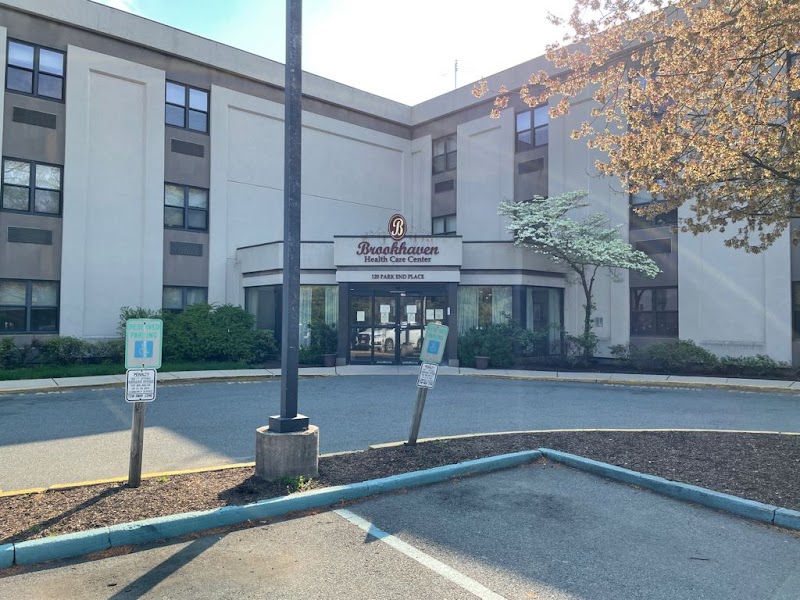
120 PARK END PLACE, EAST ORANGE, NJ 07018 (973) 676-6221
For profit - Corporation 122 Beds PARAMOUNT CARE CENTERS Data: November 2025
Trust Grade
85/100
#100 of 344 in NJ
Last Inspection: March 2024

Within standard 12-15 month inspection cycle. Federal law requires annual inspections.

Overview

Brookhaven Health Care Center in East Orange, New Jersey has a Trust Grade of B+, which means it is recommended and above average compared to other facilities. It ranks #100 out of 344 nursing homes in the state, placing it in the top half, and #8 out of 32 in Essex County, indicating that only seven local options are better. However, the facility's trend is concerning as it has worsened from one issue in 2022 to seven in 2024. Staffing is a relative strength with a turnover rate of 21%, well below the New Jersey average, although RN coverage is only average. Notably, the facility failed to involve all required interdisciplinary team members in care planning for several residents and did not maintain side rails properly, posing potential safety risks. On a positive note, there have been no fines, suggesting good compliance with regulations.

Trust Score
B+
85/100
In New Jersey
#100/344
Top 29%
Safety Record
Low Risk
No red flags
Inspections
Getting Worse
1 → 7 violations
Staff Stability
✓ Good
21% annual turnover. Excellent stability, 27 points below New Jersey's 48% average. Staff who stay learn residents' needs.
Penalties
✓ Good
No fines on record. Clean compliance history, better than most New Jersey facilities.
Skilled Nurses
○ Average
Each resident gets 34 minutes of Registered Nurse (RN) attention daily — about average for New Jersey. RNs are the most trained staff who monitor for health changes.
Violations
⚠ Watch
12 deficiencies on record. Higher than average. Multiple issues found across inspections.
★★★★☆
4.0
Overall Rating
★★★☆☆
3.0
Staff Levels
★★★★☆
4.0
Care Quality
★★★★☆
4.0
Inspection Score
Stable
2022: 1 issues
2024: 7 issues

The Good

  • 4-Star Quality Measures · Strong clinical quality outcomes
  • Low Staff Turnover (21%) · Staff stability means consistent care
  • Full Sprinkler Coverage · Fire safety systems throughout facility
  • No fines on record
  • Staff turnover is low (21%)

    27 points below New Jersey average of 48%

Facility shows strength in quality measures, staff retention, fire safety.

The Bad

Chain: PARAMOUNT CARE CENTERS

Part of a multi-facility chain

Ask about local staffing decisions and management

The Ugly 12 deficiencies on record

Mar 2024 7 deficiencies
CONCERN (D)

Potential for Harm - no one hurt, but risky conditions existed

Comprehensive Care Plan (Tag F0656)

Could have caused harm · This affected 1 resident

Based on observations, record review, and interview, the facility failed to ensure that one of eight residents (Resident (R) 38) reviewed for side rails from a sample of 27 residents, had a comprehens...

Read full inspector narrative →
Based on observations, record review, and interview, the facility failed to ensure that one of eight residents (Resident (R) 38) reviewed for side rails from a sample of 27 residents, had a comprehensive, resident-centered care plan. Findings include: Review of the facility provided Face Sheet revealed that R38 was re-admitted to the facility on 06/01/20 with a diagnosis including bipolar, adjustment disorder, disruptive mood disorder, and polyneuropathy. Observation of R38's room on 03/05/24 between 6:45 PM-7:15 PM, revealed that R38 was in bed with the bilateral side rails, in the up position. Review of the facility provided Order Summary Record dated 03/06/24 revealed, Half side rails when in bed as enabler, repositioning, and for bed mobility, every shift with a start date of 02/04/24. Review of the facility provided Quarterly/Annual/Significant Change Nursing Evaluation Packet October 2023, dated 02/04/24, revealed, R38 is non-ambulatory, has difficulty in balance, and poor bed mobility. R38 uses the side rails for positioning. Review of the facility provided R38's Care Plan dated 03/18/21 revealed no concern of R38 having difficulty in balance and poor bed mobility and the intervention that R38 used side rails for positioning. Interview with the Social Services Director (SSD) on 03/07/24 at 11:34 AM, the SSD indicated that each department does their own care plan. Interview with the Director of Nursing (DON) on 03/07/24 at 1:30 PM, the DON confirmed that R38 did not have a comprehensive, resident-centered care plan for the use of side rails on the bed when resident was in the bed for positioning. NJAC 8:39-11.2(e)-(i) NJAC 8:39-27.1(a)
CONCERN (D)

Potential for Harm - no one hurt, but risky conditions existed

Quality of Care (Tag F0684)

Could have caused harm · This affected 1 resident

Based on observations, record review, interview and facility policy review, the facility failed to follow physician orders for one of 11 residents (Resident (R)74) reviewed for physician orders. Speci...

Read full inspector narrative →
Based on observations, record review, interview and facility policy review, the facility failed to follow physician orders for one of 11 residents (Resident (R)74) reviewed for physician orders. Specifically, the facility failed to apply R74's antiembolism hose to her left leg per the physician orders. Findings include: Review of the facility's policy provided by the facility titled, Physician Orders revised 02/2022 indicated It is the policy of this facility to secure physician orders for care and services for residents as required by .federal law. Physician orders will be dated and signed according to .federal guidelines . Review of R74's admission Record located in the Electronic Medical Record (EMR) under the Profile tab indicated admission date of 06/16/22 with a primary diagnoses of hemiplegia and hemiparesis following a cerebrovascular incident affecting the left non-dominant side. Review of R74's quarterly Minimum Data Set (MDS) located in the EMR under the MDS tab with an Assessment Reference Date (ARD) of 01/04/24 included a Brief Interview for Mental Status (BIMS) score of 15 out of 15 which indicated resident was cognitively intact. Review of R74's Clinical Physician Orders located in the EMR under the Orders tab included an order dated 02/02/23 for antiembolism hose to be applied to the left leg daily (9:00 AM) and removed at night. During an observation and interview on 03/04/24 at 12:06 PM; on 03/05/24 at 2:46 PM; on 03/06/24 at 2:33 PM; on 03/07/24 at 8:42 AM, R74 was lying in bed and stated that she was not aware that antiembolism hose were to be applied. During an observation and interview on 03/07/24 at 11:34 AM, R74 was lying in bed and stated that she was experiencing discomfort to left lower extremity. R74 pointed to the edema of her left foot. She was not aware that she had a current physician's order for compression stockings and stated that no one had put them on her in quite some time. During an interview on 03/06/24 at 4:01 PM, Certified Nursing Assistant (CNA2) stated to her knowledge R74 did not wear antiembolism hose. CNA2 stated she had never applied hose to R74's left lower extremity and had never seen any in her room. During an interview on 03/07/24 at 12:00 PM, Licensed Practical Nurse (LPN7) verified R74 had orders for antiembolism hose and that she had signed off in the EMR that they had been applied, but she had not put them on R74's left leg. When LPN7 was asked why the task had been signed off she stated that she thought the nurse aide was going to put them on but did not verify. During an interview on 03/07/24 at 12:00 PM, CNA4 stated she was not sure if antiembolism hose were part of R74's daily tasks but that she had not put any hose on her in the past. During an interview on 03/07/24 at 7:06 PM, the Director of Nursing (DON) was made aware of R74 not wearing compression stockings and that there was no documentation to indicate if the stockings had been offered or refused. The DON confirmed that R74 had orders in place for antiembolism hose since 02/02/23. NJAC 8:39-27.1
CONCERN (D)

Potential for Harm - no one hurt, but risky conditions existed

Deficiency F0688 (Tag F0688)

Could have caused harm · This affected 1 resident

Based on observations, record review, interview, and facility policy review, the facility failed to follow physician orders for one of 11 residents (Resident (R)74) reviewed for following physician or...

Read full inspector narrative →
Based on observations, record review, interview, and facility policy review, the facility failed to follow physician orders for one of 11 residents (Resident (R)74) reviewed for following physician orders. Specifically, the facility failed to apply R74's left upper extremity splints or provide restorative nursing range of motion (Passive Range of Motion (PROM) on Left Upper Extremity (LUE) and Left Lower Extremity (LLE) and Active Range of Motion (AROM) to Right Upper Extremity (RUE) and Right Lower Extremity (RLE) per the physician orders. Findings include: Review of the facility's policy titled Functional Maintenance/Restorative Nursing Program revised 08/2023 indicated, .4. The primary caregiver/designated CNA [certified nursing assistant] will be informed by written documentation as a form filled by therapy dept [department] or restorative nurse indicating that the resident has been placed on the Restorative Nursing or Functional Maintenance program. 5. The Unit Manager/ Nurse will record this change in care needs in PCC [electronic medical record] under the tasks and the CNA assigned to care for the resident will be responsible for carry [sic] out the instructions and to implement the plan . Review of R74's admission Record located in the Electronic Medical Record (EMR) under the Profile tab indicated admission date of 06/16/22 with a primary diagnoses of hemiplegia and hemiparesis following a cerebrovascular incident affecting the left non-dominant side. Review of R74's quarterly Minimum Data Set (MDS) located in the EMR under the MDS tab with an Assessment Reference Date (ARD) of 01/04/24 included a Brief Interview for Mental Status (BIMS) score of 15 out of 15 which indicated resident was cognitively intact. Additionally, the MDS indicated that no PROM had been provided, one day of AROM had been provided, and no splint or brace assistance had been provided. Review of R74's Care Plan located in the EMR under the Care Plan tab, updated 01/01/24, indicated R74 had the potential for alteration in functional mobility and Activities of Daily Living (ADLs) performance related to generalized weakness. Interventions included AROM on RUE and RLE 10 repetitions times three sets each or as tolerated, passive PROM on LUE and LLE 10 repetitions times three sets each or as tolerated, application of left elbow splint for four hours, or as tolerated, and left resting hand splint for four hours. Review of R74's Clinical Physician Orders located in the EMR under the Orders tab included an order dated 01/17/24 included restorative nursing program to apply left elbow and left resting hand splint for four hours or as tolerated, PROM on LUE and LLE ten repetitions times three sets each or as tolerated, and AROM to RUE and RLE ten repetitions times three sets each or as tolerated. Review of R74's OT [Occupation Therapy] Evaluation & Plan of Treatment dated 06/20/22-09/15/22 and provided by the Certified Occupational Therapist Assistant (COTA) indicated the OT team was working with the resident to wear a left resting hand splint for four hours without signs or symptoms of redness or skin irritation to maintain joint/skin integrity as of 07/03/22. Additionally, the therapy department was working with R74 to tolerate a left elbow extension splint for four hours without signs or symptoms of redness or skin irritation to maintain joint/skin integrity as of 07/03/22. The goal was later revised on 12/13/22 for the resident to wear splints for at least eight hours. Review of R74's Therapy In-Service Form dated 12/14/22 and provided by the COTA revealed Certified Nursing Assistants (CNAs) were in-serviced regarding active range of motion on RUE and RLE 10 repetitions for three sets each or as tolerated. Passive ROM on LUE and LLE 10 repetitions for three sets each or as tolerated. Apply left elbow extension splint for four hours or as tolerated, skin check before and after wearing splint. Apply left resting hand splint for four hours, check skin before and after wearing splint. Rolling side to side with maximum assist for five repetitions with 30 seconds hold, daily, incorporated into morning and evening care in order to provide pressure relief and decrease risk for pressure sores. Review of R74's CNA documentation POC [Point of Care] Response History located in the EMR under the Tasks tab dated 02/05/24-03/05/24 revealed she had not received assistance with AROM, PROM, or splint application for 22 (02/06/24, 02/08/24, 02/10/24, 02/12/24, 02/14/24, 02/16/24-02/18/24, 02/20/24-02/29/24, 03/02/24-03/05/24) of 30 days. During an interview on 03/04/24 at 12:06 PM, R74 stated she had not received any range of motion assistance from staff in a long time. During an observation and interview on 03/07/24 at 11:34 AM, R74 stated that she was experiencing ongoing discomfort to left lower extremity and edema to her foot. R74 stated that she had not consistently received restorative nursing assistance from nursing staff since she was moved to the third floor (July 2022). During an interview on 03/06/24 at 4:01 PM, CNA2 stated she had never provided R74 restorative nursing care. During an interview on 03/07/24 at 12:00 PM, Licensed Practical Nurse (LPN7) verified R74 had orders for restorative nursing and that she had signed off in the EMR that AROM and PROM were being done, but she had not confirmed the activity, and was not aware that it was not being done on a consistent basis. When LPN7 was asked why the task had been signed off she stated that she thought the nurse aide was going to perform the tasks but did not verify. During an interview on 03/07/24 at 12:00 PM, CNA4 stated she was not sure if restorative nursing tasks were included R74's daily tasks but that she had not done any PROM in quite a while because she thought the restorative nursing aide would do it. She was not aware that the facility no longer had restorative nursing staff. During an interview on 03/07/24 at 7:06 PM, the Director of Nursing (DON) was made aware of R74 not receiving restorative nursing assistance. The DON confirmed that R74 had orders in place for restorative nursing program and that the facility no longer had a restorative nursing assistant and that her expectation was that the CNAs would perform restorative nursing program (RNP) tasks. NJAC 8:39-27.1 NJAC 8:39-27.2(m)
CONCERN (D)

Potential for Harm - no one hurt, but risky conditions existed

Respiratory Care (Tag F0695)

Could have caused harm · This affected 1 resident

**NOTE- TERMS IN BRACKETS HAVE BEEN EDITED TO PROTECT CONFIDENTIALITY** Based on observation, interview, record review and policy review, the facility failed to ensure staff followed physician orders ...

Read full inspector narrative →
**NOTE- TERMS IN BRACKETS HAVE BEEN EDITED TO PROTECT CONFIDENTIALITY** Based on observation, interview, record review and policy review, the facility failed to ensure staff followed physician orders related to oxygen administration for one (Resident (R) 19 of one sampled residents. In addition, the facility failed to assess for one of one sampled residents reviewed for nebulizer treatments (R221) the resident's vital signs or lung sounds before or after administering the nebulizer medication. Findings include: 1. Review of R19's admission Record, located in the Profile tab of the electronic medical record (EMR) revealed admission to the facility on [DATE] with diagnosis of pneumonia. Review of R19's quarterly Minimum Data Set (MDS) under the MDS tab of the EMR, with an Assessment Reference Date (ARD) of 01/18/24, revealed a Brief Interview for Mental Status (BIMS), score of 03 out of 15 which indicated resident had severe cognitive impairment. Further review of the MDS revealed R19 received continuous oxygen therapy on admission and while a resident. Observations on 03/04/24 at 11:30 AM, 03/05/24 at 5:30 PM and 03/06/24 at 2:35 PM revealed R19 wearing a nasal cannula and the oxygen setting was at 2 liters per minute (LPM). Review of R19's Care Plan, located under the Care Plan tab of the EMR dated 01/12/24, revealed the resident has Chronic Obstructive Pulmonary Disease (COPD) and is on oxygen. Review of R19 Physician Orders located under the Orders tab of the EMR dated 01/12/24, revealed an order for continuous oxygen at 3 LPM via nasal cannula. Review of R19 Treatment Administration Record (TAR) located under the Orders tab of the EMR dated March 2024 revealed oxygen at 3 LPM via nasal cannula continuously was signed off on 03/06/24 by Licensed Practical Nurse (LPN) 5 for the 7 AM to 3 PM shift. During an interview on 03/06/24 at 2:37 PM, LPN5 said that R19's oxygen should be set at 2 LPM. He stated that he checked this morning, and it was at set at 2 LPM. LPN 2 verified R19 setting was at 2 LPM and stated that he was unaware R19's physician order was for 3 LPM. During an interview on 03/07/24 at 1:29 PM, the Director of Nursing (DON) said when a resident was on oxygen, she expected staff to follow the physician order exactly. Review of the facility's policy titled Respiratory Practices dated 02/2024 revealed, Oxygen therapy via nasal cannula is administered as ordered by a physician and includes correct flow rate. 2. Review of the facility's policy titled, Nebulizer revised 04/2008 indicated the procedure included, . note pre-treatment data such as pulse and breath sounds . note post treatment data (pulse, breath sounds and any side effects) and record in the medical record . Review of R221's admission Record located in the EMR under the Profile tab indicated R221 was admitted to the facility on [DATE] and re-admitted on [DATE] with a diagnosis of end stage renal disease. Review of R221's admission MDS located in the EMR under the MDS was not completed due to admission on [DATE] and re-admission on [DATE]. Review of R221's Care Plan located in the EMR under the Care Plan tab, updated 02/29/24 included shortness of breath related to heart failure, but did not include nebulizer treatments that were implemented on 03/07/24. Review of R221's Clinical Physician Orders located in the EMR under the Orders tab included an order dated 03/07/24 for ipratropium-albuterol solution (nebulizer treatment for shortness of breath) 0.5mg (milligram)-2.5mg (3) mg/3ml (milliliter), give three milliliters every four hours for shortness of breath, pre and post lung sounds, and pre/post pulse, respirations, and oxygen level. During an observation and interview on 03/07/24 at 10:09 AM, LPN4 revealed that she did not check R221's pulse, respirations, or oxygen saturation before or after nebulizer administration, nor did she listen to his lung sounds. LPN4 did not give a reason as to why she did not perform pre/post assessments but stated that she should have checked his vital signs and lung sounds before and after administering the medication. LPN4 stated she was getting ready to give him his oral medications and would check his vital signs and lung sounds. LPN4 was not sure if not checking lung sounds or not checking vital signs was considered a medication error. During an interview on 03/07/24 at 3:44 PM, the DON was made aware of LPN4 not checking vital signs or checking lung sounds before or after administering nebulizer medication to R221. The DON confirmed that it was her expectation that all nurses follow physician orders and check lung sounds and vital signs before and after nebulizer medication administration. NJAC 8:39-27.1
CONCERN (D)

Potential for Harm - no one hurt, but risky conditions existed

Infection Control (Tag F0880)

Could have caused harm · This affected 1 resident

**NOTE- TERMS IN BRACKETS HAVE BEEN EDITED TO PROTECT CONFIDENTIALITY** Based on observation, interview, record review and policy review, the facility failed to ensure nursing staff properly stored ne...

Read full inspector narrative →
**NOTE- TERMS IN BRACKETS HAVE BEEN EDITED TO PROTECT CONFIDENTIALITY** Based on observation, interview, record review and policy review, the facility failed to ensure nursing staff properly stored nebulizer masks when not in use for one (Resident (R) 19 of one sampled residents. Findings include: Review of R19's admission Record, located in the Profile tab of the electronic medical record (EMR) revealed admission to the facility on [DATE] with diagnosis of pneumonia. Review of R19's quarterly Minimum Data Set (MDS) under the MDS tab of the EMR, with an Assessment Reference Date (ARD) of 01/18/24, revealed a Brief Interview for Mental Status (BIMS), score of 03 out of 15 which indicated resident had severe cognitive impairment. Observations on 03/04/24 at 11:30 AM, 03/05/24 at 5:30 PM and 03/06/24 at 2:35 PM revealed R19's nebulizer mask was placed inside a bag on the dresser by R19's bed. The bag was not sealed or closed. Review of R19's Care Plan, located under the Care Plan tab of the EMR dated 01/12/24, revealed, The resident had periods of shortness of breath. Administer nebulizer treatment . During an observation and interview on 03/06/24 at 2:37 PM, Licensed Practical Nurse (LPN)5 stated the nebulizer mask went in a plastic bag that was dated and the bag was ziplocked closed to prevent air from getting in which was an infection control issue. LPN5 observed R19's nebulizer mask in an unsealed bag and stated that the tubing was still attached to the mask so there was no way to seal the zip lock bag. During an interview on 03/06/24 at 3:17 PM, LPN 6 said he was the floor supervisor for both the 2nd and 3rd floors and that nebulizer masks should be kept in a plastic bag that was closed and sealed to prevent possible infection control issues. During an interview on 03/07/24 at 1:29 PM, the Director of Nursing (DON) said nebulizer masks should be stored in a sealed plastic bag for infection control purposes. Review of the facility's policy titled Infection Control dated 01/2024 revealed, when not in use store masks and cannula in plastic bags labeled with the resident's name and date. NJAC 8:39-19.4(k)
CONCERN (E)

Potential for Harm - no one hurt, but risky conditions existed

Deficiency F0657 (Tag F0657)

Could have caused harm · This affected multiple residents

**NOTE- TERMS IN BRACKETS HAVE BEEN EDITED TO PROTECT CONFIDENTIALITY** NJAC 8:39-11.2(e)(f)(h) Based on record review, interviews, and review of the facility policy, the facility failed to ensure eig...

Read full inspector narrative →
**NOTE- TERMS IN BRACKETS HAVE BEEN EDITED TO PROTECT CONFIDENTIALITY** NJAC 8:39-11.2(e)(f)(h) Based on record review, interviews, and review of the facility policy, the facility failed to ensure eight of 27 sampled residents (Resident (R)78, R111, R38, R14, R23, R45, R47, R112) did not have the required participation of all interdisciplinary team members. Findings include: Review of the facility's policy titled, Comprehensive Care Plans, revised 02/01/22, revealed that the comprehensive care plan would be prepared by an interdisciplinary team, that includes, but is not limited to the attending physician or non-physician practitioner designee involved in the resident's care, a registered nurse with responsibility for the resident, a nurse aide with responsibility for the resident, a member of the food and nutrition services staff, the resident and/or the resident's representative (RR), other appropriate staff or professionals in disciplines as determined by the resident's needs in activities, social services, and therapy staff. 1. Review of R78's electronic medical record (EMR) Profile tab, indicated R78 was admitted to the facility on [DATE]. R78's quarterly Minimum Data Set (MDS) with an Assessment Reference Date (ARD) of 12/03/23, revealed R78's Brief Interview of Mental Status (BIMS) score 14 of 15 that indicated resident was cognitively intact. Review of R78's EMR, Care plan tab, Interdisciplinary Team (IDT) meeting notes' dated 01/10/24 and dated 10/11/23 revealed no documentation of which staff participated and attended R78's care plan meeting. During an interview on 03/04/24 at 11:10 AM, R78 stated that he had not been notified of any care plan meetings and that he had not attended a care plan meeting. 2. Review of R111's EMR Profile tab, indicates R111 was admitted to the facility on [DATE]. Review of R111's admission MDS with ARD date of 01/24/24, revealed R111's BIMS score 15 of 15 that indicated resident was cognitively intact. Review of R111's EMR, Care plan tab, revealed the IDT meeting notes dated 01/24/24, documented nursing staff and the resident had not attended the IDT meeting. During an interview on 03/04/24 at 11:51 AM, R111 stated that he had not been notified of any care plan meetings and that he had not attended a care plan meeting. 3. Review of the facility provided Face Sheet revealed that R38 was re-admitted to the facility on 06/01/20 with a diagnosis including bipolar, adjustment disorder, disruptive mood disorder, and polyneuropathy. Review of the facility provided IDT Meeting Notes, dated 02/23/23 revealed that there was no evidence of a Certified Nursing Assistant (CNA), nurse, and/or physician/designee participating or attending the care plan meeting. Review of facility provided IDT Meeting Notes, dated 05/25/23 revealed that there was no evidence of a CNA, nurse, and/or physician/designee attending the care plan meeting. Review of facility provided IDT Meeting Notes, dated 08/24/23 revealed that there was no evidence of a CNA, physician/designee, activity director (AT), and/or therapy attending the care plan meeting. Review of facility provided IDT Meeting Notes, dated 02/15/24 revealed that there was no evidence of a CNA, activity department, nurse, and/or physician/designee attending the care plan meeting. Review of the facility provided Progress Notes dated 01/23 through 03/07/24 revealed no evidence of the unit manager getting CNA input for care plan meetings. 4. Review of R14's admission Record located in the EMR under the Profile tab indicated admission date on 08/22/14 with diagnoses of hypertensive chronic kidney disease and end stage renal disease. Review of R14's quarterly MDS located in the EMR under the MDS tab with an ARD of 12/21/23 included a BIMS score of 15 out of 15 which indicated R14 was cognitively intact. Review of R14's IDT Meeting Notes dated 10/12/23, 07/27/23, 04/27/23, and 01/26/23 located in the EMR under the Assessments tab revealed R14's IDT meetings had no documentation as to which staff, resident or RR attended the care plan meeting. 5. Review of R23's admission Record located in the EMR under the Profile tab indicated admission date of 09/04/22 with diagnoses of hemiplegia and hemiparesis following unspecified cerebrovascular disease affecting right dominant side. Review of R23's quarterly MDS located in the EMR under the MDS tab with an ARD of 11/09/23 included a BIMS score of 13 out of 15 which indicated R23 was cognitively intact. Review of R23's IDT Meeting Notes located in the EMR under the Assessments tab revealed the IDT meeting dated 02/15/24 failed to include the nursing department. The IDT meeting notes for 06/15/23 and 12/22/22 were blank in that the document did not indicate which staff, resident or RR attended the meeting and the meeting dated 03/16/23 only included notation from the nursing department without proof of dietary, social services, or activities being included in the care plan meeting. 6. Review of R45's admission Record located in the EMR under the Profile tab indicated admission date of 05/10/18 with a primary diagnosis of gastrostomy. Review of R45's significant change in status MDS located in the EMR under the MDS tab with an ARD of 01/14/24 included a BIMS score of 99 which indicated R45 had severe cognitive impairment. Review of R45's IDT Meeting Notes located in the EMR under the Assessments tab revealed the IDT meeting notes dated 05/04/23 were blank in that the document did not indicate which staff, resident or RR attended the meeting. There was no documentation indicating a meeting was held in August 2023, and 10/26/23 document did not indicate which staff, resident or RR attended the meeting was blank as well. The IDT meeting notes for 01/25/24 failed to include the nursing department. 7. Review of R47's admission Record located in the EMR under the Profile tab indicated admission date of 08/01/18 with diagnosis of polyosteoarthritis. Review of R47's quarterly MDS located in the EMR under the MDS tab with an ARD of 12/27/23 included a BIMS score of 15 out of 15 indicating she was cognitively intact. Review of R47's IDT Meeting Notes located in the EMR under the Assessments tab revealed the IDT meeting notes dated 01/12/23, 04/13/23, 07/13/23, and 01/11/24 failed to include notation from dietary, social services, or activities of their attendance at the care plan meeting. 8. Review of R112's admission Record located in the EMR under the Profile tab indicated admission date of 01/13/24 with diagnosis of cerebral palsy. Review of R112's admission MDS located in the EMR under the MDS tab with an ARD of 01/20/24 included a BIMS score of 0 out of 15 which indicated R112 was not able to participate in the interview. Review of R112's IDT Meeting Notes located in the EMR under the Assessments tab revealed the IDT meeting note dated 01/25/24 failed to include the nursing department participation in the care plan meeting. During an interview on 03/07/24 at 3:16 PM with the Director of Nursing (DON) confirmed that R14, R78, R111 and R38's IDT meetings did not indicate which staff, resident or RR attended the meeting. R23's IDT meeting dated 02/15/24 failed to include the nursing department. The IDT meeting notes for 06/15/23 and 12/22/22 were blank, and the meeting dated 03/16/23 only included notation from the nursing department without proof of dietary, social services, or activities being included in the care conference meeting. R45's IDT meeting notes dated 05/04/23 and 10/26/23 were blank, IDT meeting notes for 01/25/24 failed to include the nursing department, and no IDT notes for August of 2023 were located. R47's IDT meeting notes dated 01/12/23, 04/13/23, 07/13/23, and 01/11/24 failed to include notation from dietary, social services, or activities. R112's IDT meeting note dated 01/25/24 failed to include the nursing department. Interview with CNA1 on 03/06/24 at 10:15 AM, CNA1 indicated that CNAs went to care plan meetings at one time; however, it has been a while and confirmed that currently, CNAs do not attend care plan meetings. Interview on 03/06/24 at 2:03 PM, Registered Nurse (RN) 2 indicated the key players in care plan meetings are unit manager, dietician, therapy, social services, family, and resident. If the resident and/or family want to speak with the physician, then the physician will be contacted during the meeting. Interview on 03/07/24 at 11:34 AM, the Social Services Director (SSD) stated that the resident, resident representative (RR), therapy, dietary, recreational attend when able and that the unit manager come and CNA can come if they want to, and others as needed such as hospice attend the care plan meetings. During an interview on 03/07/24 at 3:16 PM, the DON stated that her expectation was for anyone attending the meeting to sign an attendance sheet that was kept by the Social Services Director and that all IDT meeting notes would be located in the EMR under the Assessments tab titled, IDT Meeting Note.
CONCERN (E)

Potential for Harm - no one hurt, but risky conditions existed

Deficiency F0700 (Tag F0700)

Could have caused harm · This affected multiple residents

**NOTE- TERMS IN BRACKETS HAVE BEEN EDITED TO PROTECT CONFIDENTIALITY** NJAC 8:39-27.1(a) Based on observations, interviews, record review, and facility policy review, the facility failed to ensure th...

Read full inspector narrative →
**NOTE- TERMS IN BRACKETS HAVE BEEN EDITED TO PROTECT CONFIDENTIALITY** NJAC 8:39-27.1(a) Based on observations, interviews, record review, and facility policy review, the facility failed to ensure that side rails were maintained properly for seven of seven residents (Resident (R)7, R14, R38, R45, R96, R101, and R112) reviewed for side rails out of 27 sampled residents. This had the potential to cause entrapment which could potentially cause death. Findings include: Review of the facility's policy titled Proper Use of Side Rails, revised date 02/24, revealed, .3. If a bed or side rail is used, the facility must ensure correct installation, use and maintenance of bed rails, including, but not limited to, the following elements .c. Ensure that the bed's dimensions are appropriate for the resident's size and weight. d. Follow the manufacturer's recommendations and specifications for installing and maintaining bed rails .17. Inspection, evaluation, maintenance, and upgrade of equipment (beds/mattresses/side rails) must be completed prior to use to identify and remove potential fall and entrapment hazards and appropriately match the equipment to resident needs, considering all relevant risk factors. 1. Review of the facility provided Face Sheet revealed that R38 was re-admitted to the facility on 06/01/20 with diagnoses including bipolar, adjustment disorder, disruptive mood disorder, and polyneuropathy. Review of the facility provided Order Summary Record dated active orders as of 03/06/24, revealed, Half side rails when in bed as enabler, repositioning, and for bed mobility., every shift with start date of 02/04/24. 2. Review of R7's admission Record located in the Electronic Medical Record (EMR) under the Profile tab indicated he was admitted to the facility on [DATE] with diagnosis of metabolic encephalopathy. Review of R7's Significant Change in Status MDS located in the EMR under the MDS tab with an ARD of 01/19/24 included a BIMS score of 03 indicating she had severe cognitive impairment. Review of R7's Care Plan located in the EMR under the Care Plan tab, initiated on 08/01/23 included use of side rails for positioning. Review of R7's Admission/readmission Nursing Evaluation Packet located in the EMR under the Assessment tab dated 01/12/24 indicated the resident wanted side rails as an enabler to promote independence and the side rails did not prohibit resident's mobility or freedom of movement. Review of R7's Clinical Physician Orders located in the EMR under the Orders tab dated 02/01/24 included half side rails when in bed as enabler, repositioning, and for bed mobility. 3. Review of R14's admission Record located in the EMR under the Profile tab indicated he was admitted to the facility on [DATE] with diagnoses of hypertensive chronic kidney disease with stage 5 chronic kidney disease or end stage renal disease. Review of R14's Five Day MDS located in the EMR under the MDS tab with an ARD of 12/21/23 included a BIMS score of 15 indicating he was cognitively intact. Review of R14's Care Plan located in the EMR under the Care Plan tab, revised on 08/02/19 included use of side rails for positioning. Review of R14's Admission/readmission Nursing Evaluation Packet located in the EMR under the Assessment tab dated 12/21/23 indicated the resident wanted side rails as an enabler to promote independence and the side rails did not prohibit resident's mobility or freedom of movement. Review of R14's Clinical Physician Orders located in the EMR under the Orders tab dated 02/01/24 included half side rails when in bed as enabler, repositioning, and for bed mobility. 4. Review of R45's admission Record located in the EMR under the Profile tab indicated he was admitted to the facility on [DATE] with diagnosis of encounter for attention to gastrostomy. Review of R45's Significant Change in Status MDS located in the EMR under the MDS tab with an ARD of 01/14/24 included a BIMS score of 99 indicating she had severe cognitive impairment. Review of R45's Care Plan located in the EMR under the Care Plan tab, revised on 10/17/23 included use of side rails for positioning. Review of R45's Admission/readmission Nursing Evaluation Packet located in the EMR under the Assessment tab dated 12/29/23 indicated the resident wanted side rails as an enabler to promote independence and the side rails did not prohibit resident's mobility or freedom of movement. Review of R45's Clinical Physician Orders located in the EMR under the Orders tab dated 02/01/24 included quarter side rails when in bed as enabler, repositioning, and for bed mobility. 5. Review of R96's admission Record located in the EMR under the Profile tab indicated he was admitted to the facility on [DATE] with diagnosis of multiple myeloma not having achieved remission. Review of R96's Significant Change in Status MDS located in the EMR under the MDS tab with an ARD of 01/17/24 included a BIMS score of seven indicating he had severe cognitive impairment. Review of R96's Care Plan located in the EMR under the Care Plan tab, revised on 04/13/23 included use of side rails for positioning. Review of R96's Admission/readmission Nursing Evaluation Packet located in the EMR under the Assessment tab dated 01/11/24 indicated the resident wanted side rails as an enabler to promote independence and the side rails did not prohibit resident's mobility or freedom of movement. Review of R96's Clinical Physician Orders located in the EMR under the Orders tab dated 01/11/24 included quarter side rails when in bed as enabler and for bed mobility. During an observation and interview on 03/04/24 at 10:33 AM R96's left side rail was noted to be loose. R96 stated he had reported the loose rail on multiple occasions, but no one had come to tighten it. 6. Review of R101's admission Record located in the EMR under the Profile tab indicated he was admitted to the facility on [DATE] with diagnoses of hemiplegia and hemiparesis following cerebral infarction affecting left non-dominant side. Review of R101's Care Plan located in the EMR under the Care Plan tab, revised on 12/15/23 included use of side rails for positioning. Review of R101's Admission/readmission Nursing Evaluation Packet located in the EMR under the Assessment tab dated 12/15/23 indicated the resident wanted side rails as an enabler to promote independence and the side rails did not prohibit resident's mobility or freedom of movement. Review of R101's Clinical Physician Orders located in the EMR under the Orders tab dated 02/01/24 included half side rails when in bed as enabler for bed mobility. 7. Review of R112's admission Record located in the EMR under the Profile tab indicated he was admitted to the facility on [DATE] with diagnosis of cerebral palsy. Review of R112's admission MDS located in the EMR under the MDS tab with an ARD of 01/20/24 included a BIMS score of 0, R112 was not able to participate in the interview. Review of R112's Care Plan located in the EMR under the Care Plan tab, revised on 01/13/24 included use of side rails for positioning. Review of R112's Admission/readmission Nursing Evaluation Packet located in the EMR under the Assessment tab dated 01/13/24 indicated the resident wanted side rails as an enabler to promote independence and the side rails did not prohibit resident's mobility or freedom of movement. Review of R112's Clinical Physician Orders located in the EMR under the Orders tab dated 02/01/24 included half side rails when in bed as enabler, repositioning, and for bed mobility. During an interview on 03/04/24 at 11:30 AM, R112's left side rail was loose. Resident's cognitive status prevented him from confirming status of side rail or if he used them for repositioning. During an interview on 03/05/24 at 5:00 PM, the Administrator stated that the Maintenance Director (MD) and the maintenance team were responsible for ensuring that bed rails were properly maintained and inspected. During an observation and interview on 03/05/24 6:45 PM-07:15 PM, MD performed bed rounds and reported that every week two rooms are chosen on each floor for bed rail inspections, some beds have a pin lock with no bolt to tighten the rails, and other beds have a round knob that allows the rails to be tightened, and confirmed the following loose side rails: R7's bilateral side rails were loose. R14's left side rails were loose. R45's bilateral side rails were loose. R96's right side rail was loose. R101's left side was loose. R112's bilateral side rails were loose. R38's side rails were loose.
Nov 2022 1 deficiency
CONCERN (D)

Potential for Harm - no one hurt, but risky conditions existed

Infection Control (Tag F0880)

Could have caused harm · This affected 1 resident

**NOTE- TERMS IN BRACKETS HAVE BEEN EDITED TO PROTECT CONFIDENTIALITY** C #: Covid-19 Infection Control Based on observation, interview, record review, and review of pertinent facility documents on 10...

Read full inspector narrative →
**NOTE- TERMS IN BRACKETS HAVE BEEN EDITED TO PROTECT CONFIDENTIALITY** C #: Covid-19 Infection Control Based on observation, interview, record review, and review of pertinent facility documents on 10/31/22 and 11/1/22, it was determined that the facility failed to follow appropriate infection control practices for doffing (take off) Personal Protective Equipment (PPE) prior to leaving the PUI (Person Under Investigation) resident room (room [ROOM NUMBER]), disinfect the Blood Pressure (BP) machine after each resident use to prevent the transmission of infection and follow the facility's policy titled Infection Control. This deficient practice was identified for 1 of 1 nursing staff and 2 of 13 sampled residents (Resident #12 and #13) reviewed for infection control and was evidenced by the following: According to U.S. CDC Interim Infection Prevention and Control Recommendations for Healthcare Personnel During the Coronavirus Disease 2019 (COVID-19) Pandemic Updated Sept. 23, 2022. Included under Environmental Infection Control indicated that Dedicated medical equipment should be used when caring for a patient with suspected or confirmed SARS-CoV-2 infection. All non-dedicated, non-disposable medical equipment used for that patient should be cleaned and disinfected according to manufacturer's instructions and facility policies before use on another patient. Under Personal Protective Equipment it was indicated that HCP who enter the room of a patient with suspected or confirmed SARS-CoV-2 infection should adhere to Standard Precautions and use a NIOSH-approved particulate respirator with N95 filters or higher , gown, gloves, and eye protection (i.e., goggles or a face shield that covers the front and sides of the face). Remove all PPE before exiting the patient room except a respirator, if worn. Remove the respirator after leaving the patient room and closing the door. Remove PPE in the following sequence:1. Gloves 2. Goggles or face shield (if the item is reusable, place in designated receptacle for reprocessing. otherwise, discard in a waste container) 3. Gown 4. Mask or respirator 5. wash hands or use an alcohol-based hand sanitizer immediately after removing all PPE. During entrance conference on 10/31/22 at 9:05 AM with the surveyor, the Director of Nursing (DON) in the presence of the Assistant Director of Nursing (ADON) confirmed that at the time of this survey there were 3 Residents who tested positive for Covid-19 and 11 Residents on PUI. The DON stated that full Personal Protective Equipment (PPE) which included gown, N95 mask, gloves, eye or face shield, is required prior to entering the Covid-19 positive or PUI rooms. Review of the facility's Line Listing (LL) provided by the facility on 10/31/22, revealed that the COVID-19 outbreak started on 10/10/22 and the last COVID- 19 positive was on 10/24/22. Review of the Medical Records (MR) were as follows: 1. According to the admission Record (AR), Resident #12 was readmitted to the facility on [DATE] with diagnosis that included but was not limited to: Heart Failure. Review of the Resident's Physician's Order Recap Report (ORR) revealed an order for Contact/Droplet Precautions every shift for Covid for 10 Days. 2. According to the admission Record (AR), Resident #13 was admitted to the facility on [DATE] with diagnosis that included but was not limited to: Hypertension Review of the Resident's Physician's ORR revealed an order for Droplet Precautions every shift for Covid for 14 Days. The surveyor reviewed the Daily Census Report (DCR) provided by the facility on 10/31/22 which revealed that Residents #12 and #13 were both in PUI rooms. On 10/31/22 at 10:55 AM, the surveyor toured the PUI unit on the second floor. Prior to entering a PUI room, there was a signage on the wall next to the door instructing what the staff should do, which included but not limited to the following: before entering the resident's room, don (put on) isolation gown, gloves, N95 mask, and face shield or eye protection and doff /dispose prior to leaving the room. The surveyor observed PPE bins outside each PUI rooms and inside the rooms next to the door were two black plastic bins, one for trash and another for dirty linens and gowns. During the tour, the surveyor observed the following: A Licensed Practical Nurse (LPN) entered room [ROOM NUMBER] with the rolling stand BP machine to take Resident #12's B/P. After taking the Resident's B/P, the surveyor observed the LPN doffed and disposed her gown in the black trash bin inside the room, then exited the room with the BP equipment. The LPN parked the rolling stand B/P machine in the hallway then walked towards her medication cart to sanitize her hands with Alcohol Based Hand Rub (ABHR). The surveyor did not observe the LPN sanitize the B/P equipment nor sanitize or disposed her face shield before or after exiting room [ROOM NUMBER]. The surveyor did not observe the LPN sanitize the B/P machine for the duration of the PUI unit tour. The surveyor continued to observe the LPN during the tour as she continued to use the same face shield on the PUI unit hallway. While the surveyor was standing in the hallway during the tour, the facility's Infection Preventionist Nurse (IPN) arrived on the unit to talk to the surveyor and at that time they both observed the LPN enter PUI room [ROOM NUMBER]. The LPN donned a disposable gown prior to entering room [ROOM NUMBER] with the same face shield she was wearing prior. After attending to Resident #13, the LPN doffed and disposed her gown in the room, exited room [ROOM NUMBER], then sanitized her hands with ABHR. She then, walked towards her medication in the hallway without disposing or sanitizing her face shield. The IPN stated she should have removed her mask and face shield and then approached and talked to the LPN. In addition, the IPN stated to the surveyor that she expects the staff to follow the infection control practices for donning and doffing of PPE in the PUI units and acknowledged that the LPN did not follow the appropriate procedure which is doffing the face shield inside the room or sanitizing it. On 10/31/22 at 1:36 PM, the surveyor interviewed the LPN who stated that residents in PUI units are quarantined and being observed for signs and symptoms of Covid-19. She further stated that there was a signage outside each room about PPE requirement and use. She explained that the B/P machine must be sanitized with the sanitizing bleach wipes after each patient use. The surveyor asked the LPN why she did not sanitize the B/P machine after taking Resident #12's BP. The LPN said she could not remember if she sanitized the B/P machine and did not elaborate the reason for not sanitizing or removing her face shield before exciting the PUI room. However, she acknowledged that she should have sanitized the B/P machine. During interview with the DON on 11/1/22 at 1:10 PM, she stated that the LPN should have followed the Transmission Based Precaution (TBP) protocols for PPE use and the B/P machine should have been sanitized after each patient use. She added that it was not acceptable and not according to the infection control facility policy. Review of the facility policy titled Infection Control Clinical Operation last reviewed 05/2022, under Personal Protective Equipment, indicated: Before entering the room of a resident with known or suspected Covid-19, HCP must wear a gown, N-95 facemask, eye protection, and gloves. Under Eye Protection, indicated: Put on eye protection upon entry to resident units. Reusable eye protection (goggles) or disposable face shield must be cleaned and disinfected according to manufacturer's reprocessing instructions prior to re-use.face shield is reprocessed whenever it is visibly soiled or removed (e.g. when leaving he isolation area) prior to putting it back on. Review of the facility policy Infection Control last reviewed 05/2022, under Purpose, indicated: Transmission-Based Precautions are used for residents who are known or suspected to be infected .which require additional control measure to effectively prevent transmission. Under Policy, indicated: 7. Availability of PPE supplies and resident are equipment. a. Dedicate resident care equipment. b. Proper cleaning and disinfection of shared resident equipment. NJAC 8:39-19.4 (a) 2 (l)
Dec 2021 4 deficiencies
CONCERN (D)

Potential for Harm - no one hurt, but risky conditions existed

Deficiency F0658 (Tag F0658)

Could have caused harm · This affected 1 resident

**NOTE- TERMS IN BRACKETS HAVE BEEN EDITED TO PROTECT CONFIDENTIALITY** Based on observation, interview, and record review, it was determined that the facility failed to document the administration of...

Read full inspector narrative →
**NOTE- TERMS IN BRACKETS HAVE BEEN EDITED TO PROTECT CONFIDENTIALITY** Based on observation, interview, and record review, it was determined that the facility failed to document the administration of medications for 1 of 22 Residents, Resident # 72. This deficient practice was evidenced by the following: Reference: New Jersey Statues, Annotated Title 45, Chapter 11 Nursing Board, The Nurse Practice Act for the State of New Jersey states; The practice of nursing as a registered professional nurse is defined as diagnosing and treating human responses to actual or potential physical and emotional health problems, through such services as case finding, health teaching, health counseling, and provision of care supportive to or restorative of life and wellbeing, and executing a medical regimens as prescribed by a licensed or otherwise legally authorized physician or dentist. Reference: New Jersey Statutes Annotated, Title 45, Chapter 11. Nursing Board. The Nurse Practice Act for the State of New Jersey states: The practice of nursing as a licensed practical nurse is defined as performing tasks and responsibilities within the framework of case finding; reinforcing the patient and family teaching program through health teaching, health counseling and provision of supportive and restorative care, under the direction of a registered nurse or licensed or otherwise legally authorized physician or dentist. On 11/30/21 at 11:31 AM, the surveyor toured the 3rd floor Nursing Unit. During the tour, the surveyor observed two plastic cups of unlabeled medications on the counter of the nurse's station. The surveyor examined one cup of medication which contained a pink liquid and another cup which contained a white tablet. The LPN explained that the medications located on the counter of the nursing station were scheduled to be administered to the resident at 12:00 PM. The LPN added that she could not administer the medication to the resident because they were bathing. The surveyor reviewed the Resident #72's medical record which revealed the following: Resident #72 was admitted to the facility on [DATE] and readmitted on [DATE] with diagnoses which included but were not limited to Diabetes Mellitus, Acute Kidney Failure and Blindness in one eye and low vision in the other eye. Review of the resident's Quarterly Minimum Data Set (MDS), an assessment tool used to facilitate the coordination of care, dated 10/16/2021 assessed that Resident #72 had a BIMS of 15 indicating they were cognitively intact. Review of the current Electronic Medication Administration Record (eMAR) revealed that the following physician's orders were scheduled to be administered at 8:00 AM, Ferrous Sulfate 325 mg tablet and Simethicone 125 mg tablet. The surveyor noted that the eMAR did not show these medications signed as administered. Review of the eMAR also revealed that the following medications were scheduled to be administered at 9:00 AM, Robitussin liquid give 10 mg/ml, Amlodipine Besylate 10 mg, Calcitriol Cap 0.25 mcg, Claritin, Escitalopram Oxalate 20 mg tablet, Letrozole 2.5 mg, Lidocaine Patch 4% Apply to Right Knee, Metoprolol Succinate ER 25 mg, Protonix 20 mg, Alewife 60 mg; Renal Multivitamin tablet Clonidine HCL 0. mg and Artificial Tears 1.4%. The surveyor noted that the eMAR did not show these medications signed as administered. On 11/30/21 at 11:42 AM, the surveyor interviewed the LPN who stated that she had administered all of the above medications to Resident #72, but did not sign for any of them on the eMAR. The LPN informed the surveyor that she had been very busy and had not yet had time to document the administration of Resident #72's morning medications. The LPN stated that it was the facility's policy to sign the eMAR immediately following the administration or refusal of medications. The surveyor reviewed the Facility's Medication Administration Record policy dated 4/18 and reviewed 1/21 which stated under section K: 1. Document necessary medication administration/treatment information (e.g., when medications are administered, medication injection site, refused medications and reason, prn medications, etc.) on appropriate forms. On 12/8/21 at 2:05 PM, the survey team met with the Director of Nursing (DON) to discuss the observations and concerns. The DON stated that the LPN should have signed and documented any information on the eMAR for the medications that were administered at 8:00 AM and 9:00 AM right after completing the task. NJAC 8:39-27.1 (a)
CONCERN (D)

Potential for Harm - no one hurt, but risky conditions existed

ADL Care (Tag F0677)

Could have caused harm · This affected 1 resident

**NOTE- TERMS IN BRACKETS HAVE BEEN EDITED TO PROTECT CONFIDENTIALITY** 2. On 11/30/21 at 11:37 AM, the surveyor observed Resident #77 in the room, seated in a wheelchair while watching TV. The survey...

Read full inspector narrative →
**NOTE- TERMS IN BRACKETS HAVE BEEN EDITED TO PROTECT CONFIDENTIALITY** 2. On 11/30/21 at 11:37 AM, the surveyor observed Resident #77 in the room, seated in a wheelchair while watching TV. The surveyor observed the resident's fingernails on the right hand that were long, jagged, soiled and extended beyond the fingertips. The fingernails on the left hand were jagged and soiled. The surveyor interviewed the resident who stated that they would want the nails to be trimmed. The surveyor reviewed the admission Record for Resident #77 which indicated that the resident was admitted to the facility on [DATE] with diagnoses which included but were not limited to End Stage Renal Disease; Anemia; Sepsis/Bacteremia. Review of the resident's MDS indicated that the resident was able to understand others and able to make themselves understood. Resident #77 had a BIMS score of 13, indicating intact cognition. Further Review of the MDS Assessment revealed that Resident #77 was dependent on staff for ADLs, dressing, personal hygiene, and bathing. On 11/30/21 at 11:45 AM, the surveyor interviewed the CNA assigned to the resident. The CNA stated that she should have cleaned, trimmed and filed Resident #77's nails when she provided morning care or during scheduled shower days. Review of the facility's policy titled Grooming dated 1/2019 and revised on 10/2021 clarified under Procedure, section titled Essential Points: 1. The nursing staff will provide observation and care of nails for all residents on bath day and as needed. On 12/7/21 at 10:59 AM, the survey team met with the Licensed Nursing Home Administrator, Director of Nursing (DON) and the Regional Nurse to discuss the above observations and concerns. The DON clarified that the CNA's (who are included as part of the nursing department) were responsible to provide nail care as part of their daily grooming or during shower days. There was no further information supplied by the facility. NJAC 8:39-27.2 Based on observation, interview, and record review it was determined that the facility failed to provide nail care to residents who were dependent on facility staff for hygiene. This deficient practice was observed for 2 of 22 residents reviewed, Resident # 71 and Resident #77. The deficient practice was evidenced by the following: On 12/1/21 at 10:15 AM, the surveyor observed Resident #71 in bed positioned on their back. The resident did not respond to the surveyor when spoken to. The resident's fingernails on the right hand were long, jagged, soiled and extended beyond the fingertips. The fingernails on the left hand were jagged and soiled. The surveyor reviewed the admission Record for Resident #71 which indicated that the resident was admitted to the facility on [DATE] with diagnoses which included but were not limited to Respiratory Failure, Protein Calorie Malnutrition and Encephalopathy. Review of the resident's Minimum Data Set (MDS), an assessment tool used to facilitate the coordination of care, assessed that the resident had a Brief Interview for Mental Status (BIMS) of 1, indicating Resident #71 had a severely impaired cognition. Further Review of the MDS, assessed that Resident #71 was dependent on staff for Activities of Daily Living (ADL), dressing, personal hygiene, and bathing. Review of Resident #71's Care Plan reflected that the resident depends entirely upon staff for grooming needs. On 12/6/21 at 12:04 PM during an Interview, the Certified Nursing Assistant (CNA) acknowledged that she should have cleaned, trimmed and filed Resident #71's nails when she provided morning care. On 12/6/21 at 12:20 PM, during an interview, the Registered Nurse (RN) routinely assigned to Resident #71's care stated that the CNA should have provided nail care during the bath and/or shower or as needed. The CNA and the RN acknowledged that nail care had not been done recently.
CONCERN (D)

Potential for Harm - no one hurt, but risky conditions existed

Deficiency F0761 (Tag F0761)

Could have caused harm · This affected 1 resident

On 11/30/21 at 11:31 AM, the surveyor toured the 3rd floor Nursing Unit. During the tour, the surveyor observed two plastic cups of unlabeled medications on the counter of the nurse's station. The sur...

Read full inspector narrative →
On 11/30/21 at 11:31 AM, the surveyor toured the 3rd floor Nursing Unit. During the tour, the surveyor observed two plastic cups of unlabeled medications on the counter of the nurse's station. The surveyor examined one cup of medication which contained a pink liquid and another cup which contained a white tablet. The surveyor along with the Licensed Practical Nurse (LPN), seated at the nursing station desk attempted to identify the medications. The LPN revealed that the medications were for a resident who had refused them earlier and then left the facility for dialysis. The LPN clarified that she was mistaken and that the unattended medications belonged to another resident, Resident #72, not the resident who went out for dialysis. The surveyor reviewed Resident #72's current Medication Administration Record (eMAR) with the LPN. The LPN then pointed out to the surveyor that the unlabeled medications left on the counter of the nursing station were a cough medicine and a pill used to treat gas, planned to be administered to Resident #72. The LPN explained that these medications were scheduled to be administered to the resident at 12:00 PM and that she could not administer the medication to the resident because they were bathing. The LPN added that she should have discarded the medication if it could not be administered after the medication was prepared. The surveyor reviewed the current Physician Order Summary (POS) which reflected a Physician's order (PO) for Robitussin liquid 10 mg/ml to be administered four times daily and a PO for Simethicone 125 mg to be administered three times daily. On 12/2/21 at 10:30 AM, a facility education sheet titled Medication Pass was provided to the surveyors by the facility. The Medication Pass sheets documented under the section marked Resident ID and Medication Preparation, Verify that the resident is available and ready to receive medications and Never pre-pour medications. Prepare immediately prior to administration. Do not place any unlabeled medications back into med cart. On 12/7/21 at 10:59 AM the survey team discussed the above observations and concerns with the DON, LNHA and Regional Nurse. No further information was provided by the facility. NJAC 8:39- 29.4(b)2 Based on observation, interview, and record review it was determined that the facility failed to properly store and accurately label both prescription and non-prescription medications. This deficient practice was observed for 2 of 2 facility units examined, as evidenced by the following: On 12/1/21 at 9:00 AM, the surveyor observed the 2nd floor registered nurse (RN) prepare medications to be administered to a facility resident. After the medications were prepared, the RN entered the resident's room, leaving the resident's stock medication on top of the medication cart, unattended and not secured. On 12/1/21 at 9:41 AM, the surveyor observed the RN prepare medications to be administered to another facility resident. After the medication was prepared, the RN entered the 2nd resident's room, once again leaving this resident's stock medication on top of the medication cart, unattended and not secured. The surveyor interviewed the RN and asked if the medication should be left on top of the medication cart out of sight, when entering a resident's room. The RN stated that the all medications should be placed back in the locked medication cart when the medication is out of sight and unattended. Review of the education sheet titled Medication Pass documented under Preparation it reads, No medications on top of cart. On 12/7/21 at 10:59 AM the survey team discussed the above observations and concerns with the Director of Nursing (DON), Licensed Nursing Home Administrator (LNHA) and Regional Nurse. They all agreed that medications should never be left on top of the medication cart unattended.
CONCERN (E)

Potential for Harm - no one hurt, but risky conditions existed

Deficiency F0578 (Tag F0578)

Could have caused harm · This affected multiple residents

**NOTE- TERMS IN BRACKETS HAVE BEEN EDITED TO PROTECT CONFIDENTIALITY** 9. The admission Record for Resident #36 indicated that the resident was admitted to the facility on [DATE] with diagnoses which...

Read full inspector narrative →
**NOTE- TERMS IN BRACKETS HAVE BEEN EDITED TO PROTECT CONFIDENTIALITY** 9. The admission Record for Resident #36 indicated that the resident was admitted to the facility on [DATE] with diagnoses which included but were not limited to Type 2 Diabetes, Hyperlipidemia, Dementia without Behavioral Disturbance, and Cardiac Arrhythmia. Review of the resident's MDS indicated that the resident was not able to be understood and to understand. Resident #36 had a BIMS score of 1, indicating the resident's cognition is not intact. Review of the PO revealed that the resident had a Full Code Status, indicating that all life saving measures would be implemented if the need arose. The surveyor was unable to locate any documentation that would indicate that the resident's end of life wishes had been discussed or addressed with the resident, the resident's family or guardian. 10. The admission Record for Resident #40 indicated that the resident was admitted to the facility on [DATE] with diagnoses which included but were not limited to End Stage Renal Disease, Dependence on Renal dialysis and Acquired absence of right and Left above knee. Review of the resident's MDS indicated that the resident was able to be understood and to understand. Resident # 40 had a BIMS score of 15, indicating intact cognition. Review of the PO revealed that the resident did not have a Code Status, indicating any type of life saving measures would be implemented if the need arose. The surveyor was unable to locate any documentation that would indicate that the resident's end of life wishes had been discussed or addressed with the resident. 11. The admission Record for Resident #82 indicated that the resident was admitted to the facility on [DATE] with diagnoses which included but were not limited to chronic Obstructive Pulmonary Disease, Hepatitis B, Schizophrenia, and chronic Kidney Disease. Review of the resident's MDS indicated that the resident was able to be understood and to understand. Resident #82 had a BIMS score of 13, indicating intact cognition. Review of the PO revealed that the resident has a DNR and DNI Code Status listed, indicating that no life saving measures would be implemented if the need arose. The surveyor was unable to locate any signed documentation that would indicate that the resident's end of life wishes had been carried out on a POLST or Advanced Directive. During an interview on 11/30/21 at 11:11 AM, Resident #82 told the surveyor that since their admission 14 days prior, no one at the facility had asked them about their end of life wishes. The resident told the surveyor that if the need for life saving measures were to arise, the resident would want everything done. This was contrary to the PO order. On 12/2/21 at 12:48 PM, during an interview the DSS stated that he did not complete an Advance Directives or a POLST for Resident #82 and further stated that, it was an oversight on my part. 12. The admission Record for Resident #103 indicated that the resident was admitted to the facility on [DATE] with diagnoses which included but were not limited to Atrial fibrillation, Cerebral Infraction and Chronic obstructive Pulmonary Disease. Review of the resident's MDS indicated that the resident was able to be understood and to understand. Resident #103 had a BIMS score of 6, indicating resident's cognition is not intact. Review of the PO revealed that the resident had a Full Code Status, indicating that all life saving measures would be implemented if the need arose. The surveyor was unable to locate any documentation that would indicate that the resident's end of life wishes had been discussed or addressed with the resident. On 12/7/21 at 11:03 AM, the surveyors met with the Director of Nursing, the Administrator and the Regional Nurse who could not supply any further information. N.J.A.C. 8:39-4.1(a)4 Based on observation, interview, policy review and record review, it was determined that the facility failed evaluate residents for Advanced Directives and POLST (Physician Orders for Life Sustaining Treatment) related to end of life preferences. This deficient practice was observed for 12 of 25 residents reviewed for Advanced Directives and POLST, Residents #8, #54, #68, #77, #24, #32, #50, #71, #36, #40, #82 and #103 evidenced by the following: 1. The admission Record for Resident #8 indicated that the resident was admitted to the facility on [DATE] with diagnoses which included but were not limited to Peripheral Arterial Disease status post left below the knee amputee; Diabetes Mellitus; Hypertension and Schizophrenia. Review of the resident's Minimum Data Set (MDS), an assessment tool used to facilitate the coordination of care, indicated that the resident was able to understand others and able to make themselves understood. Resident #8 had a BIMS score of 14, indicating intact cognition. Review of the active physician's orders (PO) revealed that the resident was a Full Code Status, indicating that all life saving measures would be implemented if the need arose. The surveyor was unable to locate any documentation that would indicate that the resident's end of life wishes had been discussed or addressed with the resident. During an interview on 12/1/21 at 11:20 AM, Resident #8 told the surveyor that, since their admission in February 2021, there was no one at the facility who had asked them about their end of life wishes. 2. The admission Record for Resident #54 indicated that the resident was admitted to the facility on [DATE] with diagnoses which included but were not limited to Bilateral Tibial Fracture; Weakness and Hypertension. Review of the resident's MDS indicated that the resident was able to understand others and able to make themselves understood. Resident #54 had a BIMS score of 13, indicating intact cognition. Review of the PO revealed that the resident had a Full Code Status, indicating that all life saving measures would be implemented if the need arose. The surveyor was unable to locate any documentation that would indicate that the resident's end of life wishes had been discussed or addressed with the resident. During an interview on 12/3/21 at 11:18 AM, Resident #54 told the surveyor that, since their admission in August 2021, there was no one at the facility who had asked them about their end of life wishes. 3. The admission Record for Resident #68 indicated that the resident was admitted to the facility on [DATE] and readmitted on [DATE] with diagnoses which included but were not limited to status post Cervical Spine Injury; Hypertension and Diabetes Mellitus. Review of the resident's Minimum Data Set (MDS), an assessment tool used to facilitate the coordination of care, indicated that the resident was able to understand others and able to make themselves understood. Resident #68 had a BIMS score of 15, indicating intact cognition. Review of the PO revealed that the resident was a Full Code Status, indicating that all life saving measures would be implemented if the need arose. The surveyor was unable to locate any documentation that would indicate that the resident's end of life wishes had been discussed or addressed with the resident. During an interview on 12/3/21 at 11:17 AM, Resident #68 told the surveyor that, since their admission in April 2021, there was no one at the facility who had asked them about their end of life wishes. 4. The admission Record for Resident #77 indicated that the resident was admitted to the facility on [DATE] with diagnoses which included but was not limited to End Stage Renal Disease; Anemia; Sepsis/Bacteremia. Review of the resident's MDS indicated that the resident was able to understand others and able to make self understood. Resident #77 had a BIMS score of 13, indicating intact cognition. Review of the PO revealed that the resident was a Full Code Status, indicating that all life saving measures would be implemented if the need arose. The surveyor was unable to locate any documentation that would indicate that the resident's end of life wishes had been discussed or addressed with the resident. During an interview on 11/30/21 at 11:37 AM, Resident #77 told the surveyor that, since their admission in April 2021, there was no one at the facility who had asked him/her about their end of life wishes. 5. The admission Record for Resident #24 indicated that the resident was admitted to the facility on [DATE] and readmitted on [DATE] with diagnoses that included but were not limited to Chronic Obstructive Pulmonary Disease, Diabetes Mellitus and Vulvar Cancer. Review of the resident's MDS indicated that the resident was able to understand others and able to make themselves understood. Resident #24 had a BIMS score of 13, indicating intact cognition. Review of the PO revealed that the resident was a Full Code Status, indicating that all life saving measures would be implemented if the need arose. The surveyor was unable to locate any documentation that would indicate that the resident's end of life wishes had been discussed or addressed with the resident. During an interview on 12/01/21 at 10:54 AM, Resident #24 told the surveyor should the need arise they wanted all life saving measures to be taken as they wished to live a long life. During an interview on 12/2/21 at 12:48 PM, the Director of Social Services (DSS) revealed a POLST that he had removed from the Resident's chart on 6/22/21. The POLST presented to the surveyor documented Do Not Resuscitate (DNR)/ Do Not Intubate (DNI) PO. The DSS indicated that this POLST was removed because the resident had changed their code status. The DSS did not create an updated POLST. The DSS further stated that he should have completed a new POLST to indicate Resident #24's preferences for Life sustaining treatment and stated it was an oversite on my part. 6. The admission Record for Resident #32 indicated that the resident was admitted to the facility on [DATE] with diagnoses which included but were not limited to Chronic Kidney Disease, Chronic Obstructive Pulmonary Disease and Human Immunodeficiency Virus. Review of the resident's MDS indicated that the resident had a BIMS score of 7, indicating they had a severely impaired cognition. Review of the PO revealed that the resident had a Full Code Status, indicating that all life saving measures would be implemented if the need arose. The surveyor was unable to locate any documentation that would indicate that the resident's end of life wishes had been discussed or addressed with the resident. During an interview on 12/1/21 at 12:06 PM, Resident #32 was unable to discuss his/her end of life wishes due to his/her severe cognitive impairment. During an interview on 12/2/21 at 12:48 PM with the DSS, the could not provide any documentation that he had reached out to the resident's family to discuss the residents end of life wishes. 7. The admission Record for Resident #50 indicated that the resident was admitted to the facility on [DATE] with diagnoses which included but were not limited to Cerebral Palsy, Epilepsy, Dementia and Gastrostomy Tube Status. Review of the resident's MDS indicated that the resident was rarely able to be understood and rarely able to understand. Resident #50 did not have a BIMS score as the resident could not be tested. Resident #50 was documented with severely impaired cognition. Review of the PO revealed that the resident had a Full Code Status, indicating that all life saving measures would be implemented if the need arose. The surveyor reviewed an Advance Directives Interview Form found in Resident #50's hybrid medical record dated 2/16/15. The Advance Directives Interview Form indicated that Resident #50 was unable to answer interview questions and due to their medical condition appeared unable to comprehend and/or unable to sign. Under the comment section it stated that the resident was confused and unable to complete or sign this form. During an interview on 11/30/21 at 12:58 PM, the DSS stated that he did not discuss the Advance Directives with the Resident's Responsible party/guardian. He acknowledged that he should have discussed the Advance Directives and the Resident's end of life wishes with the resident's guardian. 8. The admission Record for Resident #71 indicated that the resident was admitted to the facility on [DATE] with diagnoses which included but were not limited to Respiratory Failure, Protein Calorie Malnutrition and Encephalopathy. Review of the resident's MDS assessed that the resident had a BIMS of 1 indicating Resident #71 had a severely impaired cognition. Review of the PO revealed that the resident was a Full Code Status, indicating that all life saving measures would be implemented if the need arose. The surveyor was unable to locate any documentation that would indicate that the resident's end of life wishes had been discussed or addressed with the resident, resident's family or the Residents Guardian. On 12/2/21 at 12:48 PM, during an interview the DSS stated that he did not complete an Advance Directives or a POLST for Resident #71 and further stated that, it was an oversight on my part.
Understanding Severity Codes (click to expand)
Life-Threatening (Immediate Jeopardy)
J - Isolated K - Pattern L - Widespread
Actual Harm
G - Isolated H - Pattern I - Widespread
Potential for Harm
D - Isolated E - Pattern F - Widespread
No Harm (Minor)
A - Isolated B - Pattern C - Widespread

Questions to Ask on Your Visit

  • "Can I speak with families of current residents?"
  • "What's your RN coverage like on weekends and overnight?"

Our Honest Assessment

Strengths
  • • Grade B+ (85/100). Above average facility, better than most options in New Jersey.
  • • No major safety red flags. No abuse findings, life-threatening violations, or SFF status.
  • • No fines on record. Clean compliance history, better than most New Jersey facilities.
  • • 21% annual turnover. Excellent stability, 27 points below New Jersey's 48% average. Staff who stay learn residents' needs.
Concerns
  • • 12 deficiencies on record. Higher than average. Multiple issues found across inspections.
Bottom line: Generally positive indicators. Standard due diligence and a personal visit recommended.

About This Facility

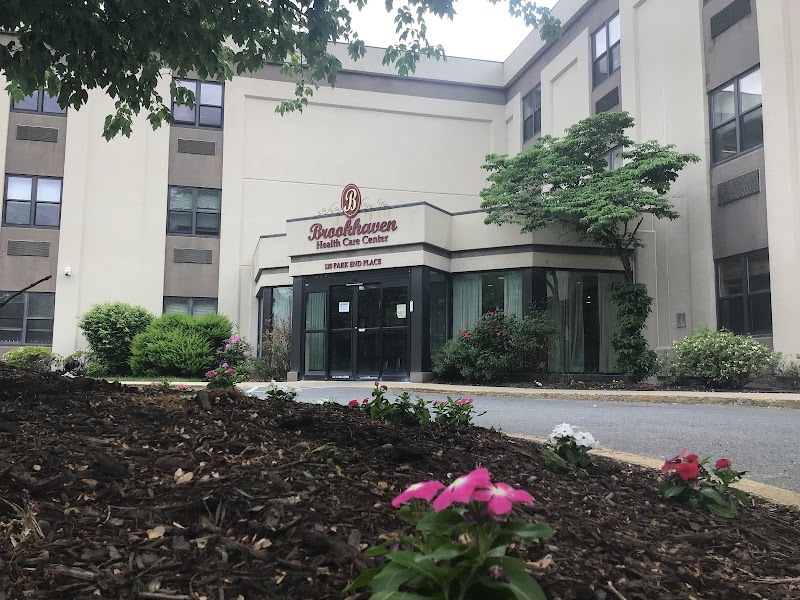
What is Brookhaven Health's CMS Rating?

CMS assigns BROOKHAVEN HEALTH CARE CENTER an overall rating of 4 out of 5 stars, which is considered above average nationally. Within New Jersey, this rating places the facility higher than 99% of the state's 100 nursing homes. This rating reflects solid performance across the metrics CMS uses to evaluate nursing home quality.
How is Brookhaven Health Staffed?

CMS rates BROOKHAVEN HEALTH CARE CENTER's staffing level at 3 out of 5 stars, which is average compared to other nursing homes. Staff turnover is 21%, compared to the New Jersey average of 46%. This relatively stable workforce can support continuity of care.

What Have Inspectors Found at Brookhaven Health?

State health inspectors documented 12 deficiencies at BROOKHAVEN HEALTH CARE CENTER during 2021 to 2024. These included: 12 with potential for harm.
Who Owns and Operates Brookhaven Health?

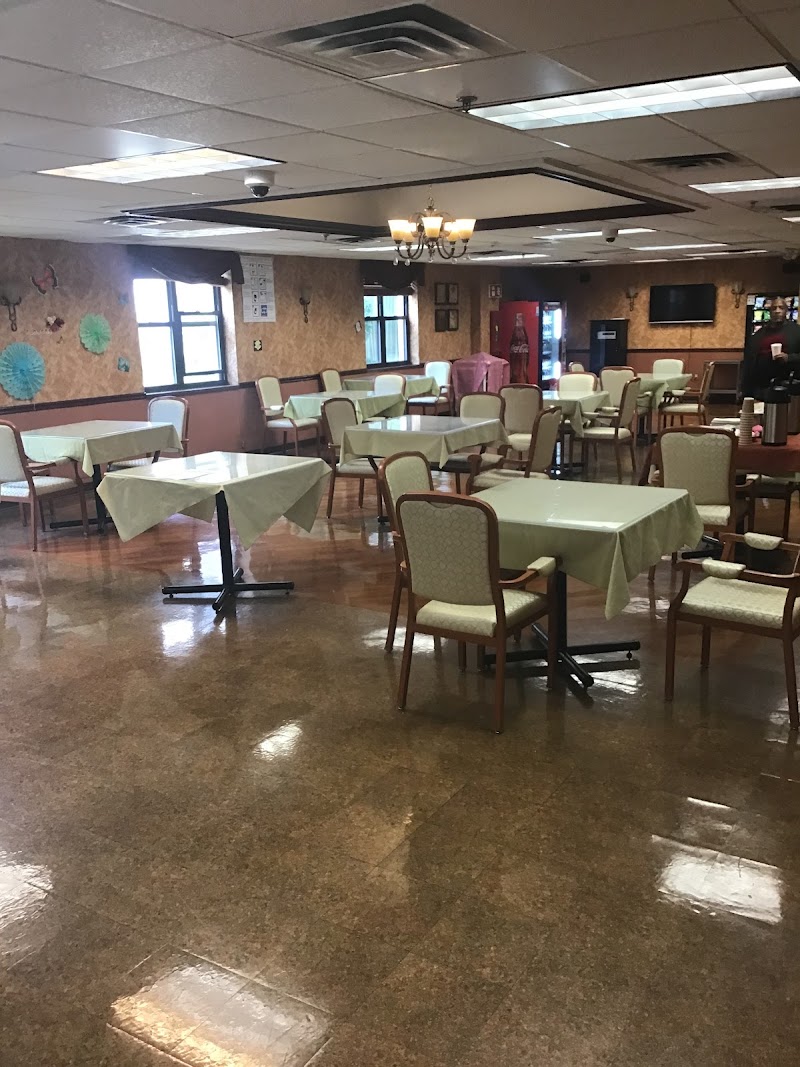
BROOKHAVEN HEALTH CARE CENTER is owned by a for-profit company. For-profit facilities operate as businesses with obligations to shareholders or private owners. The facility is operated by PARAMOUNT CARE CENTERS, a chain that manages multiple nursing homes. With 122 certified beds and approximately 114 residents (about 93% occupancy), it is a mid-sized facility located in EAST ORANGE, New Jersey.
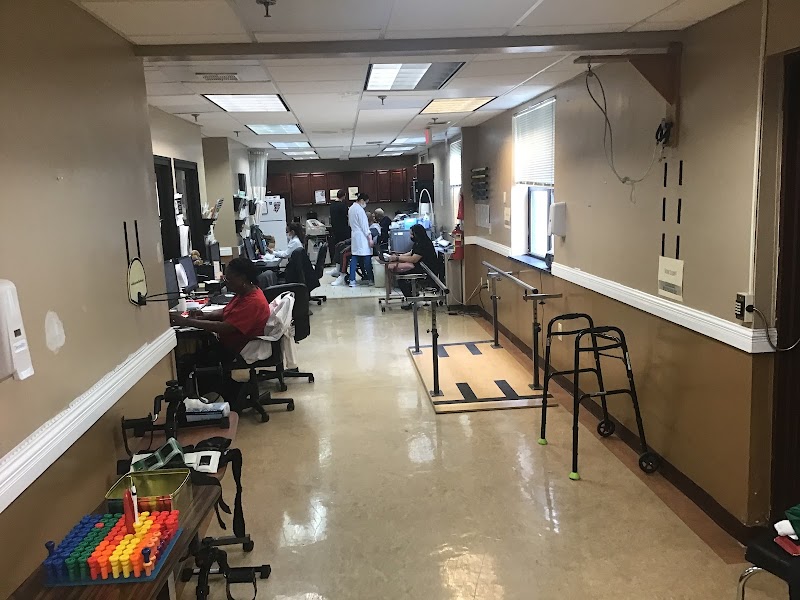
How Does Brookhaven Health Compare to Other New Jersey Nursing Homes?

Compared to the 100 nursing homes in New Jersey, BROOKHAVEN HEALTH CARE CENTER's overall rating (4 stars) is above the state average of 3.3, staff turnover (21%) is significantly lower than the state average of 46%, and health inspection rating (4 stars) is above the national benchmark.

What Should Families Ask When Visiting Brookhaven Health?

Based on this facility's data, families visiting should ask: "Can I visit during a mealtime to observe dining assistance and food quality?" "How do you handle medical emergencies, and what is your hospital transfer rate?" "Can I speak with family members of current residents about their experience?"

Is Brookhaven Health Safe?

Based on CMS inspection data, BROOKHAVEN HEALTH CARE CENTER has a clean safety record: no substantiated abuse findings (meaning no confirmed cases of resident harm), no Immediate Jeopardy citations (the most serious violation level indicating risk of serious injury or death), and is not on the Special Focus Facility watch list (a federal program monitoring the lowest-performing 1% of nursing homes). The facility has a 4-star overall rating and ranks #1 of 100 nursing homes in New Jersey. While no facility is perfect, families should still ask about staff-to-resident ratios and recent inspection results during their visit.

Do Nurses at Brookhaven Health Stick Around?

Staff at BROOKHAVEN HEALTH CARE CENTER tend to stick around. With a turnover rate of 21%, the facility is 24 percentage points below the New Jersey average of 46%. Low turnover is a positive sign. It means caregivers have time to learn each resident's needs, medications, and personal preferences. Consistent staff also notice subtle changes in a resident's condition more quickly. Registered Nurse turnover is also low at 24%, meaning experienced RNs are available to handle complex medical needs.

Was Brookhaven Health Ever Fined?

BROOKHAVEN HEALTH CARE CENTER has no federal fines on record. CMS issues fines when nursing homes fail to meet care standards or don't correct problems found during inspections. The absence of fines suggests the facility has either maintained compliance or corrected any issues before penalties were assessed. This is a positive indicator, though families should still review recent inspection reports for the full picture.

Is Brookhaven Health on Any Federal Watch List?

BROOKHAVEN HEALTH CARE CENTER is not on any federal watch list. The most significant is the Special Focus Facility (SFF) program, which identifies the bottom 1% of nursing homes nationally based on persistent, serious quality problems. Not being on this list means the facility has avoided the pattern of deficiencies that triggers enhanced federal oversight. This is a positive indicator, though families should still review the facility's inspection history directly.