Park Crescent Healthcare & Rehabilitation Center
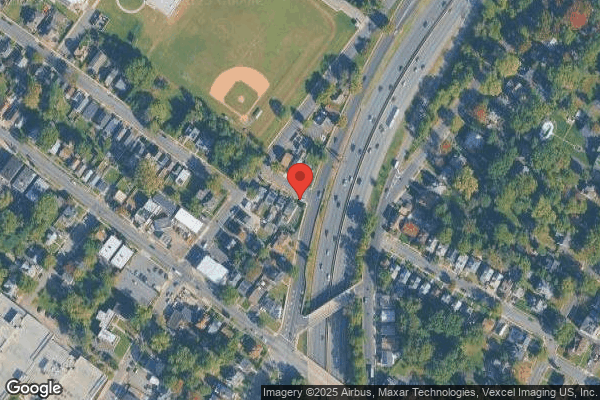
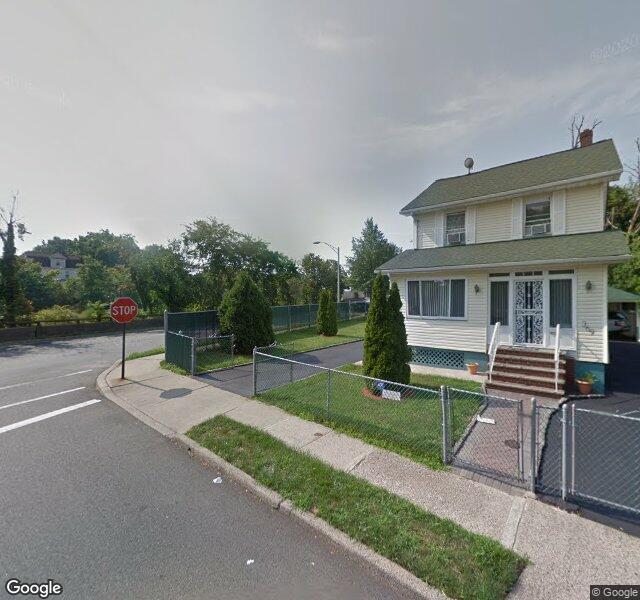
480 PARKWAY DRIVE, EAST ORANGE, NJ 07017 (973) 674-2700
For profit - Limited Liability company 190 Beds OCEAN HEALTHCARE Data: November 2025 1 Immediate Jeopardy citation
Trust Grade
56/100
#220 of 344 in NJ
Last Inspection: February 2024

Within standard 12-15 month inspection cycle. Federal law requires annual inspections.

Overview

Park Crescent Healthcare & Rehabilitation Center has a Trust Grade of C, indicating it is average-neither great nor terrible. It ranks #220 out of 344 nursing homes in New Jersey, placing it in the bottom half, and #20 of 32 in Essex County, meaning only one local facility ranks lower. Unfortunately, the facility is worsening, with issues increasing from 2 in 2023 to 7 in 2024. Staff turnover is relatively low at 20%, which is a strength, as it indicates that employees tend to stay, promoting familiarity with residents. However, the facility has faced $15,240 in fines, which is concerning, and it has critical deficiencies, such as failing to provide necessary anticoagulant medications to a resident and not updating care plans for residents, which could lead to serious health risks.

Trust Score
C
56/100
In New Jersey
#220/344
Bottom 37%
Safety Record
High Risk
Review needed
Inspections
Getting Worse
2 → 7 violations
Staff Stability
✓ Good
20% annual turnover. Excellent stability, 28 points below New Jersey's 48% average. Staff who stay learn residents' needs.
Penalties
✓ Good
$15,240 in fines. Lower than most New Jersey facilities. Relatively clean record.
Skilled Nurses
⚠ Watch
Each resident gets only 27 minutes of Registered Nurse (RN) attention daily — below average for New Jersey. Fewer RN minutes means fewer trained eyes watching for problems.
Violations
⚠ Watch
18 deficiencies on record. Higher than average. Multiple issues found across inspections.
★★★☆☆
3.0
Overall Rating
★★★★☆
4.0
Staff Levels
★★★★★
5.0
Care Quality
★★☆☆☆
2.0
Inspection Score
Stable
2023: 2 issues
2024: 7 issues

The Good

  • 4-Star Staffing Rating · Above-average nurse staffing levels
  • 5-Star Quality Measures · Strong clinical quality outcomes
  • Low Staff Turnover (20%) · Staff stability means consistent care
  • Full Sprinkler Coverage · Fire safety systems throughout facility
  • No fines on record
  • Staff turnover is low (20%)

    28 points below New Jersey average of 48%

Facility shows strength in staffing levels, quality measures, staff retention, fire safety.

The Bad

3-Star Overall Rating

Near New Jersey average (3.3)

Meets federal standards, typical of most facilities

Federal Fines: $15,240

Below median ($33,413)

Minor penalties assessed

Chain: OCEAN HEALTHCARE

Part of a multi-facility chain

Ask about local staffing decisions and management

The Ugly 18 deficiencies on record

1 life-threatening
Feb 2024 7 deficiencies 1 IJ
CRITICAL (J) 📢 Someone Reported This

A family member, employee, or ombudsman was alarmed enough to file a formal complaint

Immediate Jeopardy (IJ) - the most serious Medicare violation

Quality of Care (Tag F0684)

Someone could have died · This affected 1 resident

Deficiency Text Not Available

Read full inspector narrative →
Deficiency Text Not Available
CONCERN (D)

Potential for Harm - no one hurt, but risky conditions existed

Assessment Accuracy (Tag F0641)

Could have caused harm · This affected 1 resident

**NOTE- TERMS IN BRACKETS HAVE BEEN EDITED TO PROTECT CONFIDENTIALITY** 2. On 2/14/24 at 11:57 AM, Resident #100 was observed sitting in wheelchair at their bedside. The resident was awake, alert, and...

Read full inspector narrative →
**NOTE- TERMS IN BRACKETS HAVE BEEN EDITED TO PROTECT CONFIDENTIALITY** 2. On 2/14/24 at 11:57 AM, Resident #100 was observed sitting in wheelchair at their bedside. The resident was awake, alert, and verbally responsive. On 2/12/24 at 12:47 PM, the surveyor reviewed the electronic medical record for Resident #100. An admission Record (a summary of important information about the resident) documented the resident had diagnoses that included but were not limited to, cerebral infarction (stroke), urinary tract infection, and type 2 diabetes. A Review of a Quarterly MDS assessment, dated 11/7/23, under section N, documented the resident was receiving anticoagulant medications. A review of the Medication Administration Record for October 2023 and November 2023 revealed the resident had not received any anticoagulant medications. On 2/20/24 at 12:05 PM, the surveyor interviewed the MDS Coordinator about the the Quarterly MDS documenting that Resident #100 received anticoagulant medications at the time of the assessment. The MDS coordinator reviewed the resident's medical records and acknowledged Resident #100 did not receive any anticoagulant medication. The MDS coordinator stated it was an error and the MDS assessment would be modified. On 2/20/24 at 1:40 PM, the surveyor informed the LNHA, DON, regional nurse consultant, and [NAME] President of Skill Nursing Division about the above concerns. On 2/21/24 at 10:50 AM, the LNHA, DON, and Regional Nurse Consultant met with the survey team. The DON stated the MDS coordinator modified the MDS assessment as Resident #100 was not receiving an anticoagulant medication at the time of the assessment. A review of the latest version of the Center for Medicare/Medicaid Services - Resident Assessment Instrument 3.0 Manual (updated October 2023), Chapter 3-page N-7 read: .N0415E1. Anticoagulant (e.g., warfarin, heparin, or low-molecular weight heparin): Check if an anticoagulant medication was taken by the resident at any time during the 7-day look-back period (or since admission/entry or reentry if less than 7 days) . N0415E2. Anticoagulant: Check if there is an indication noted for all anticoagulant medications taken by the resident any time during the observation period (or since admission/entry or reentry if less than 7 days) . NJAC 8:39-33.2 (d) Based on observation, interview, and record review it was determined that the facility failed to accurately code the Minimum Data Set (MDS), an assessment tool used to facilitate the management of care, in accordance with federal guidelines for 2 of 32 residents, Resident #307 and #100 reviewed for accuracy for MDS coding. This deficient practice was evidenced by the following: 1. On 2/12/24 at 10:34 AM, the surveyor observed Resident #307 in their room. Resident stated they were new to the facility and currently on hospice care. At 10:45 AM, the surveyor reviewed the Electronic Medical Record (EMAR) for Resident #307, who was documented on the 2/6/24 admission MDS, Section O - Special Treatments, Hospice - No. Review of the admission Record (a one-page summary of important information about the patient) reflected Resident #307 was admitted to the facility on [DATE] with diagnosis that included but were not limited to Malignant Neoplasm of Uterus, Encounter for Palliative Care, Unspecified Hydronephrosis, and Vomiting. Review of Resident #307 Order Summary from admission reveal a Physician Order (PO) dated 1/30/24, Hospice Eval & Care by Serenity Hospice. Review of Resident #307's admission Observation revealed under section V. Advanced Care Plan and Discharge Planning .3. d. admitted receiving hospice care. On 2/20/24 at 11:55 AM, the survey team conducted a phone interview the Registered Nurse Clinical Consultant (RNCC), who oversees MDS. The RNCC stated for Resident #307, I knew they were on hospice care; I made an error. On 2/20/23 at 12:10 PM, the Director of Nursing (DON), provided the surveyor with a facility policy titled, MDS Assessment Process with a revised dated of 4/2023. Under the procedure section of the policy it states, 2.the MDS coordinator will establish an assessment date for the Initial Assessment and distribute a schedule to the Interdisciplinary Team. The assessment reference date (ARD) will be set to reflect an accurate reflection of the resident's care needs within a specific reference period. The surveyor reviewed the Centers for Medicare and Medicaid Services (CMS) Resident Assessment Instrument (RAI) Version 3.0 Manual updated October 2019. The requirements for the RAI are found at 42 CFR 483.20 and are applicable to all residents in Medicare and/or Medicaid certified long-term care facilities. An RAI (MDS, CAA process, and Utilization Guidelines) must be completed for any resident residing in the facility, including Hospice residents: When a SNF or NF is the hospice resident's residence for purposes of the hospice benefit, the facility must comply with the Medicare or Medicaid participation requirements, meaning the resident must be assessed using the RAI, have a care plan and be provided with the services required under the plan of care. This can be achieved through cooperation of both the hospice and long-term care facility staff (including participation in completing the RAI and care planning) with the consent of the resident. On 2/21/24 at 10:45 AM, the survey team met with the Director of Nursing (DON), Licensed Nursing Home Administrator (LNHA), and Regional Nurse Consultant (RNC). The DON stated, they would expect all MDS to be coded accurately and correctly. No further comments made. NJAC 8:39-11.1, 11.2(e)(1)
CONCERN (D)

Potential for Harm - no one hurt, but risky conditions existed

Deficiency F0657 (Tag F0657)

Could have caused harm · This affected 1 resident

**NOTE- TERMS IN BRACKETS HAVE BEEN EDITED TO PROTECT CONFIDENTIALITY** Based on observation, interview, and record review, it was determined that the facility failed to revise a resident's comprehens...

Read full inspector narrative →
**NOTE- TERMS IN BRACKETS HAVE BEEN EDITED TO PROTECT CONFIDENTIALITY** Based on observation, interview, and record review, it was determined that the facility failed to revise a resident's comprehensive care plan to reflect the most current plan of care for 2 of 47 residents reviewed, Resident #5 and Resident #140. This deficient practice was identified by the following: 1.) On 2/12/24 at 1:09 PM, the surveyor observed Resident #5 in the room lying in their bed. The resident was alert and verbally responsive. The surveyor reviewed Resident #5's medical records. The admission Record (AR) reflected that Resident #5 was admitted to the facility on [DATE] with medical diagnoses which included but not limited to Dysphagia, Type 2 Diabetes Mellitus, Hypertension, and Atherosclerosis. According to Resident #5's Quarterly Minimum Data Set (Q/MDS), an assessment tool used to facilitate the management of care, dated 12/9/23, the Brief Interview for Mental Status (BIMS) score of 00, indicating severely impaired cognition. A review of Resident #5's comprehensive care plan (CCP) which reflected a CCP for resident #5 titled, Risk for skin breakdown r/t Edema, weakness, Bilateral LL (lower leg) stasis dermatitis and Risk for falls r/t AMS (Altered Mental Status), Lt (left) leg wound and bilateral LE (lower extremity) weakness. Additional care plan titled, Receiving anticoagulant medication r/t DX: for DVT (Deep vein Thrombosis) Xarelto. The surveyor reviewed the most current Physician's Order (PO) for February 2024 which revealed that Resident #5 was not on any type of anticoagulant. Further review of the PO did not reflect any PO for treatment to the left leg wound. On 2/16/24 at 11:18 AM, the surveyor interviewed the Licensed Practical Nurse/Unit Manager (LPN/UM)) who stated that the DON and herself were responsible in updating the resident's care plans. On 2/21/24 at 10:46 AM, the DON stated to the surveyor that Resident #5 was no longer on Xarelto and the left leg wounds were already resolved. 2.) On 2/12/24 at 1:09 PM, the surveyor observed Resident #140 standing by their room door. The resident was alert and verbally responsive. The surveyor reviewed Resident #140's medical records. The AR reflected that Resident #140 was admitted to the facility on [DATE] with medical diagnoses which included but not limited to Type 2 Diabetes Mellitus, Cytomegaloviral Disease, Human Immunodeficiency Virus and Dementia. According to Resident #140's Q/MDS, an assessment tool used to facilitate the management of care, dated 12/13/23, the BIMS score of 03, indicating severely impaired cognition. A review of Resident #140's comprehensive care plan (CCP) which reflected a CCP for resident #140 titled, Risk for elopement r/t exit seeking behavior. Further review of the resident's CCP listed intervention included, Wanderguard bracelet to right ankle. Check placement and function every shift. On 2/16/24 at 11:47 AM, the surveyor interviewed the LPN/UM who stated that Resident #140 used to have a wanderguard but refused to wear them. The LPN/UM also stated that Resident #140 did not exhibit any exit seeking behaviors. On 2/21/24 at 10:46 AM, the DON stated to the surveyor that Resident #140's wanderguard was already discontinued since the resident was placed on an hourly rounds. A review of the facility's policy and procedure that was provided by the DON titled, Care Plans, Comprehensive Person-Centered reflected under #11. Assessments of residents are ongoing and care plans are revised as information about the residents and the residents' condition change. On 2/20/24 at 1:40PM, the above concerns were discussed to the facility's Licensed Nursing Home Administrator, Director of Nursing (DON), [NAME] President of Clinical Services, [NAME] President of Skilled Nursing Division. NJAC 8:39-11.2(i)
CONCERN (D)

Potential for Harm - no one hurt, but risky conditions existed

Deficiency F0658 (Tag F0658)

Could have caused harm · This affected 1 resident

Complaint Number: NJ164148 Based on observation, interview, and record review it was determined the facility failed follow standards of practice with regards to: a) following a physician's order for a...

Read full inspector narrative →
Complaint Number: NJ164148 Based on observation, interview, and record review it was determined the facility failed follow standards of practice with regards to: a) following a physician's order for a medication with parameters (Resident #123), b) ensuring a resident's medication times were adjusted to accommodate their dialysis (a clinical purification of blood as a substitute for the normal function of the kidneys) (Resident #123), c) documenting the application and placement of heel boots for a resident (Resident #357), and d) ensuring an external urinary catheter drainage canister was covered with a privacy cover (Resident #25). This deficient practice was identified in 3 of 43 resident reviewed. The deficient practice was evidenced by the following: Reference: New Jersey Statutes Annotated, Title 45. Chapter 11. Nursing Board. The Nurse Practice Act for the State of New Jersey states: The practice of nursing as a registered professional nurse is defined as diagnosing and treating human responses to actual and potential physical and emotional health problems, through such services as casefinding, health teaching, health counseling, and provision of care supportive to or restorative of life and wellbeing, and executing medical regimens as prescribed by a licensed or otherwise legally authorized physician or dentist. Reference: New Jersey Statutes Annotated, Title 45, Chapter 11. Nursing Board. The Nurse Practice Act for the State of New Jersey states: The practice of nursing as a licensed practical nurse is defined as performing tasks and responsibilities within the framework of casefinding; reinforcing the patient and family teaching program through health teaching, health counseling and provision of supportive and restorative care, under the direction of a registered nurse or licensed or otherwise legally authorized physician or dentist. 1. On 2/12/24 at 11:13 AM, the surveyor observed Resident #123 sitting in a wheelchair at their bedside. The resident was alert and forgetful. The resident was able to verbalize their name and could not recall their dialysis schedule. The resident showed the surveyor their right chest permacath (dialysis access site) which was covered with a clean and dry dressing. On 2/14/24 at 9:35 AM, the surveyor reviewed the electronic medical record (EMR) of Resident #123. An admission Record (a summary of important information about the resident) documented the resident had diagnoses that included but were not limited to, dependence on renal[kidney] dialysis, and chronic kidney disease. A comprehensive Minimum Data Set (MDS) assessment, dated 1/30/24, indicated a Brief Interview for Mental Status (BIMS) was performed to determine the resident's cognition status. Resident #123 scored a 00 of 15 indicating the resident had severe cognitive impairment. The MDS assessment also documented the resident was receiving dialysis. A physician's order dated 1/24/24 read, HEMODIALYSIS Q TUES-THURS-SAT @ 10:30AM [dialysis center's name, address, and phone number] A physician's order dated 1/26/24 read, Amlodipine Besylate oral tablet 10 mg (Amlodipine Besylate) Give 1 tablet by mouth one time a day for hypertension hold for SBP less than 110 and ht less than 60 A physician's order dated 2/1/24 read, Chlorhexidine Gluconate Solution 0.12% Give 15 ml orally four times a day . A physician's order dated 1/25/24 read, ARTIFICIAL TEARS SOLUTION 0.2% Instill 1 drop in both eyes four times a day for dry eyes . A review of the electronic Medication Administration Record (eMAR) for February 2024 revealed: The Amlodipine medication entry was signed as administered by the nurses. There was no documentation of the resident's blood pressure and heart rate at the time of the medication's administration on the EMR. The Chlorhexidine Gluconate Solution was scheduled to be administered to the resident at 0900 [9AM], 1300 [1 PM], 1700 [5 PM], and 2100 [9 PM]. The scheduled entry at 1300 was signed that the medication was administered for 11 of 13 days by the nurses. On 2/3/24 and 2/13/24 the entries at 1300 were signed 5, which indicated to see nurses note. The nurse notes on 2/3/24 and 2/13/24 indicated the resident was out of the facility in dialysis. The artificial tears solution was scheduled to be administered to the resident at 0900 [9AM], 1200 [12 PM], 1700 [5 PM], and 2100 [9 PM]. The scheduled entry at 1200 was signed that the medication was administered for 11 of the 13 days by the nurses. On 2/3/24 and 2/13/24 the entries at 1200 were signed 5, which indicated to see nurses note. The nurse notes on 2/3/24 and 2/13/24 indicated the resident was out of the facility in dialysis. On 2/14/24 at 12:07 PM, the surveyor interviewed the Licensed Practical Nurse (LPN) #2 who was assigned to care for Resident #123. LPN #2 stated medications with parameters were followed as ordered and vital signs, such as the blood pressure (BP) and the heart rate (HR) were checked before administering the medication. The results of the vital signs were to be documented in eMAR when signing for the medication. The surveyor reviewed the eMAR with LPN #2. LPN #2 acknowledged there was no BP or HR documented for when the Amlodipine medication was administered to the resident. LPN #2 stated she checked the resident's vital signs before giving the medication and the eMAR usually prompts the nurse to record the results when signing for a medication with parameters. LPN#2 further explained the eMAR did not prompt recording the vital signs at the time of documenting the medication's administration and she did not document it in the EMR. LPN #2 acknowledged it was expected for the vital signs to be documented at the time of administration for medications with parameters. The surveyor asked LPN #2 about the time Resident #123 left for dialysis and returned from dialysis. LPN #2 stated Resident #123 was scheduled for dialysis every Tuesday, Thursday, and Saturday. LPN #2 further explained the resident left for dialysis between 10 to 11 AM and returned after 3 pm. LPN #2 stated medications could be given an hour before or an hour after it was scheduled to be administered. The surveyor reviewed with LPN #2, the entries on the eMAR for chlorhexidine gluconate solution scheduled at 1300 and artificial tears solution scheduled at 1200. LPN #2 acknowledged the resident was in dialysis during the scheduled times for the medication. LPN#2 stated that the resident would request their medications prior to leaving for dialysis. LPN #2 could not speak to why the medication time was not clarified with physician. LPN #2 acknowledged medication should be timed to accommodate a resident's dialysis time and a medication order should be clarified with the physician if it cannot be given at its scheduled time. On 2/14/24 at 12:31 PM, the surveyor interviewed the Registered Nurse Unit Manager (RN/UM) about the above concerns. The surveyor reviewed with the RN/UM the eMAR for Resident #123. The RN/UM stated the nurses were to follow physician orders as written. The RN/UM stated it was expected for the nurses to document the BP and HR of the resident at the time of the Amlodipine medication administration. The RN/UM acknowledged medications should be scheduled to accommodate a resident's dialysis sessions and nurses should clarify orders if there was a schedule conflict. On 2/15/24 at 10:23 AM, the surveyor interviewed the Director of Nursing (DON) about the above concerns. The DON stated it was expected for medications to be timed to account for residents' dialysis sessions. The DON further stated medications with parameters should be followed per physician's orders and the documentation of the BP and HR were expected to be documented in eMAR at the time of medication administration. On 2/20/24 at 1:40 PM, the surveyor informed the DON, Licensed Nursing Home Administrator (LNHA), Regional Nurse Consultant and [NAME] President of Skilled Nursing Division of the above concerns identified for Resident #123. The surveyor reviewed the facility provided policy titled, Care of Resident Receiving Dialysis, with a reviewed date of 1/5/2024. The policy read, .All medications and treatments will be scheduled according to dialysis times .If dialysis times change throughout the residents stay, the medication times and treatments will change to accommodate the resident . The surveyor reviewed the facility provided policy titled, 1.0 Medication Preparation for Dispensing, with a revised date of 2/16/2022 under Procedure I. it read: If required, obtain vital signs before medication administration Under Procedure J. it read: .3. Medications are administered in a timely fashion as specified by policy Under Procedure K. it read: .Document necessary medication administration/treatment information (e.g., when medications are administered, medication injection site, refused medications and reason, prn medications, etc.) on appropriate forms .3. On 2/12/24 at 11:16 AM, the surveyor observed Resident #25 in their room. The surveyor inquired about the suction device on a chair next to them. The resident responded that it was for their external catheter. The surveyor identified that the connected suction tubing was not dated. The surveyor also observed the urine content in suction canister since it did not have a privacy screen. On 2/16/24 at 10:57 AM, the surveyor observed the external catheter suction device without a privacy screen and the suction tubing was undated. On 2/20/24 at 11:08 AM, the surveyor observed the external catheter suction device without a privacy screen and suction tubing was undated. The surveyor reviewed the medical record for Resident #25. A review of the admission Record face sheet (an admission summary) reflected that the resident was admitted to the facility with diagnosis that included, but not limited to, multiple sclerosis and Osteomyelitis (infection of the bone) of vertebra. A review of the most recent Minimum Data Set (MDS), an assessment tool, reflected a brief interview for mental status (BIMS) score of 14 out of 15, which demonstrated intact cognition. The MDS Section H for Bladder and Bowel also identified Resident #25 with an external catheter appliance. On 2/20/24 at 11:50 AM, the surveyor interviewed Licensed Practical Nurse (LPN#3) who confirmed that Resident #25 had an external catheter. When interviewed regarding a privacy cover for the suction canister, LPN #3 responded that he/she was not aware of any cover and stated that it was not possible to cover the canister. When asked how often the suction tubing and canister are changed, LPN #3 replied every 2 months and dated accordingly. On 2/20/24 at 12:03 PM, the surveyor requested that Registered Nurse Unit Manager (RNUM) accompany the surveyor to Resident #25's room. RNUM confirmed that the suction tubing was not dated and that there was no privacy cover on the suction canister. The sureveyor interviewed the RNUM in reference to the policy for the suction tubing to be dated and if a privacy cover is to be applied, RNUM stated that he/she would have to review the policy. The surveyor provided a copy of the policy and, upon review, RNUM confirmed that a privacy cover was to be applied and suction tubing was to be dated. On 2/20/24 at 12:59 PM, the surveyor interviewed the Director of Nursing (DON). The surveyor requested to examine another external catheter device setup. The DON produced all components. The surveyor asked if there was a privacy cover that came with the appliance. The DON could not identify or locate a privacy cover. When provided with the printed external catheter policy, the DON acknowledged that a cover should be applied while at patient bedside. The DON also confirmed that the suction tubing should be dated. On 2/21/23 at 10:46 AM, the DON, in the presence of the Licensed Nursing Home Administrator (LNHA) and Regional Nurse, confirmed that the canister should have been covered. While the manufacturer cover cannot be located at this time, the facility reported that it has developed another solution as a canister cover. The DON also confirmed that according to policy, the suction tubing was to be dated and it was the responsibility of the DON, Unit managers, and nurses to ensure that the policy was followed. A review of the facility's 8/2023 [ ]Female External Catheter Protocol included .f. Apply privacy cover, make sure that the measurement guide is visible after application of the privacy cover l. Remove privacy cover. Empty canister in the bathroom .5. Change standard suction tubing and suction canister every 60 days on 3-11 shift. Canister and tubing must be dated. NJAC 8:39-11.2 (b); 27.1 (a); 29.2(d) 2. On 2/16/24 at 1:20 PM, the surveyor reviewed the EMR for Resident #357 for Bilateral Heel Boot application. An admission Record documented the resident had diagnoses that included but were not limited to History of falls, altered mental status and cerebral infarction. A review of the physician orders revealed a discontinued order dated 3/28/23 for Heel Booties Bilateral While in bed. Check Placement every shift. The original order date was 3/5/2023. A review of Residents #357's March Treatment Administration Record (TAR) revealed that from 3/5/23 evening shift through 3/27/23 night shift, the placement of the bilateral heel booties were not checked for a total of 68 opportunities. On 2/20/24 at 10:17 AM, the surveyor interviewed the Director of Nursing (DON). The DON stated, The applying and checking of heel boots would be on recorded in the TAR. The Surveyor reviewed the March 2023 TAR with the DON and noted that the order for checking the heels boots from 3/5/23 through 3/27/23 was left blank. The DON stated she'd have to look into that to see if the order was followed. On 2/20/24 at 1:39 PM, the survey team met with the DON, Licensed Nursing Home Administrator (LNHA) and Regional Nurse Consultant (RNC). The DON stated the order for the heel boots was entered into the medical records under the category of other and could not be signed off by the nursing staff. On 2/21/24 at 10:45 AM, the survey team met with the DON, LNHA, RNC. The DON was unable to provide any CNA notes or other documentation showing that the resident's bilateral heel boots were being checked each shift. Facility policy was not available. No further comments or information was provided.
CONCERN (D) 📢 Someone Reported This

A family member, employee, or ombudsman was alarmed enough to file a formal complaint

Potential for Harm - no one hurt, but risky conditions existed

Deficiency F0711 (Tag F0711)

Could have caused harm · This affected 1 resident

Deficiency Text Not Available

Read full inspector narrative →
Deficiency Text Not Available
CONCERN (D)

Potential for Harm - no one hurt, but risky conditions existed

Deficiency F0804 (Tag F0804)

Could have caused harm · This affected 1 resident

Based on observation, interview, and review of pertinent facility documents it was determined that the facility failed to ensure meals were served at a palatable on 1 of 3 units reviewed for food temp...

Read full inspector narrative →
Based on observation, interview, and review of pertinent facility documents it was determined that the facility failed to ensure meals were served at a palatable on 1 of 3 units reviewed for food temperatures. The deficient practice was evidenced by the following: On 2/15/24 at 10:52 AM, the surveyor calibrated a state issued digital thermometer via the ice bath method to 32 degrees Fahrenheit (F) in the presence of the Chef Supervisor (CS). At 11:29 AM, the surveyor and CS observed the first food truck arrived on the 2nd floor East Unit. A regular diet consistency tray was identified by the surveyor and LPN #1. This tray was removed from the food truck and placed at the nurse's station in the presence of the surveyor and CS. The CS replaced the resident's tray from the kitchen. At 11:32 AM, the nursing staff began passing out the lunch trays. At 12:18 PM, the last tray was delivered to the residents' and the surveyor tested the food temperatures with the reserved tray in the presence of the CS. The temperatures were as follows: Hot tea 117.9 Fahrenheit (F) Cranberry Juice 60.3 F Milk 58.2 F Applesauce 63.1 F Rosemary Turkey 94.6 F Cornbread Stuffing 101.4 F Green Beans 93.1 F Cranberry Sauce 95.2 F At 12:25 PM, the surveyor interviewed the CS. The CS stated that their kitchen equipment to maintain meal temperatures were working adequately and all the items on the lunch tray were within normal temperatures limits prior to leaving the kitchen, but the passing out of the lunch trays took entirely too long which caused the food items to lose their temperature. On 2/15/24 at 12:40 PM, the Licensed Nursing Home Administrator (LNHA) provided the surveyor with facility policy titled, Food Temperatures with a revised dated of February 2024. Under the procedure section it states, 4. Foods should be transported as quickly as possible to maintain temperatures for delivery and service. If food transportation time is extensive, food should be transported using a method that maintains temperatures (i.e., hot/cold carts, pellet systems, insulated plate bases and domes, etc.). 6. Foods sent to the units for distribution (such as meals, snacks, nourishments, oral supplements) will be transported and delivered to the unit storage areas to maintain temperatures at or below minimum safe serving temperatures for cold foods and at or above 135 F for hot foods. Unit refrigerators will be monitored for temperatures that maintain foods at or below 41 F. On 2/21/24 at 10:45 AM, the surveyor team met with the LHNA, Director of Nursing (DON) and Regional Nurse Consultant (RNC.) The LHNA stated all meals should be delivered in the appropriate temperature ranges. The DON believed the passing of lunch trays took too long because the lunch tray that came up first had lunch trays for resident in their room as well as the dining room area. DON stated they are making corrective actions now. No further comments made by the LHNA and/or DON prior to exiting the facility. NJAC 8:39-17.2(a) 2, (e)
CONCERN (D)

Potential for Harm - no one hurt, but risky conditions existed

Food Safety (Tag F0812)

Could have caused harm · This affected 1 resident

**NOTE- TERMS IN BRACKETS HAVE BEEN EDITED TO PROTECT CONFIDENTIALITY** Based on observation, interview, and review of facility policies, it was determined that the facility failed to maintain proper ...

Read full inspector narrative →
**NOTE- TERMS IN BRACKETS HAVE BEEN EDITED TO PROTECT CONFIDENTIALITY** Based on observation, interview, and review of facility policies, it was determined that the facility failed to maintain proper kitchen sanitation practices as well as store and discard potentially hazardous foods in a manner to prevent food borne illness. This deficient practice was observed and evidenced by the following: On 2/12/24 at 09:29 AM, the surveyor in the presence of the Assistant Food Service Director (AFSD) observed the following during the kitchen tour: 1. On the inside the deli preparation refrigerator the surveyor observed a pink liquid on the bottom shelf, as well as a small container of egg salad with a created date of 2/8/24. The AFSD stated the liquid was melted strawberry ice cream but could not state why the liquid had not been cleaned up. The AFSD further stated the egg salad should have been discarded on 2/11/24 but could not state why it had not been thrown away. 2. In the walk-in refrigerator #2, the surveyor observed 2 light fixtures with attached wiring all with a grey dust like build up, two fans with a caked on black colored debris. Surveyor further observed opened containers which included: 1, one galloon fat free milk and 2, one galloon whole milks without open or use by dates. The AFSD stated, the maintenance department oversees cleaning the light fixtures and fans and would be alerted immediately. As for the milk containers we follow the expiration dates on the containers, but everything should be labeled with open and discard dates. 3. In the walk-in freezer, the surveyor observed 1 light fixture with attached wiring all with a grey dust like build up as well as multiple boxes stacked to top of ceiling. The AFSD stated, they would reorganize the boxes in the freezer, so nothing is stored 18 inches from the ceiling per the regulations. At 2/12/24 09:44 AM, the Food Service Director joined the surveyor and AFSD for the rest of the tour. 4. Under the chef prep area, the surveyor observed an open bottle of degreaser (top was missing). The ASFD stated, the cap was lost and discarded the bottle. On 2/20/24 at 01:39 PM, the survey team met with the Licensed Nursing Home Administrator (LHNA), Director of Nursing (DON), and Regional Nurse Consultant (RNC) to review concerns. LHNA stated he would provide the surveyor with requested kitchen policies. On 2/21/24 at 10:30 AM, the Licensed Nursing Home Administrator (LHNA) provided the surveyor with multiple dietary policies including Cleaning and Sanitation of Food Services Areas, Food Storage, Labeling and Dating of perishable food products, and Chemical Storage. All policies were updated in February 2024. The Cleaning and Sanitation of Food Services Area policy states under the procedure, 3. All staff will be trained on frequency of cleaning necessary .5. Staff will be held accountable for cleaning assignments. The Food Storage policy states under procedures, Cover, label and date unused portion and open packages. Complete all sections on a [NAME] orange label or use the Medvantage/Freshdate labeling system. The Labeling and Dating of Perishable food product policy states under the policy, Any opened perishable and/or non-perishable food items shall be labeled and dated to ensure food safety. The procedure section of the policy further states, 2. All opened perishable food items will have an Open and Use by date. 3. All perishable and left over food items shall be marked with a Use by date. 4. All Perishable or leftover food shall be discarded after 72 hours. The Chemical Storage policy states under Purpose, This policy aims to establish guidelines and procedures for the safe storage of chemical within Park Crescent's proper chemical storage is essential to mitigate risks associated with chemical hazards, including accidents, spills, and exposure, thereby ensuring the health and safety of employees, visitors, and the environment. On 2/22/24 at 2:30 PM, the survey team met with LHNA, Director of Nursing (DON), and Regional Nurse Consultant, no further comments made regarding the kitchen. NJAC 8:39-17.2(g)
Feb 2023 2 deficiencies
CONCERN (D) 📢 Someone Reported This

A family member, employee, or ombudsman was alarmed enough to file a formal complaint

Potential for Harm - no one hurt, but risky conditions existed

Report Alleged Abuse (Tag F0609)

Could have caused harm · This affected 1 resident

**NOTE- TERMS IN BRACKETS HAVE BEEN EDITED TO PROTECT CONFIDENTIALITY** Complaint # NJ00153326 Based on interviews, record review, and facility policy, the facility failed to report an allegation of p...

Read full inspector narrative →
**NOTE- TERMS IN BRACKETS HAVE BEEN EDITED TO PROTECT CONFIDENTIALITY** Complaint # NJ00153326 Based on interviews, record review, and facility policy, the facility failed to report an allegation of potential abuse to the State Survey Agency for one of 4 residents (Resident (R) 2) reviewed for abuse. Findings include: Review of the facility's policy titled, Abuse and Neglect Policy and Procedure, dated 11/2022 stated, This facility is dedicated to ensuring the prevention, protection, prompt reporting and needed interventions in response to any alleged, suspected or witnessed abuse, neglect, mistreatment . of any facility resident . The facility will not condone the abuse/neglect of any resident by anyone including, but not limited to, staff members, . The Department of Health and & Senior Services, and the Office of the Ombudsman if resident is 60 or over, will be notified immediately (as soon as possible but not to exceed 2 hours) of the incident, followed by a written report within 5 days of the incident and if the alleged violation is verified, the facility shall take all appropriate corrective action . The term 'immediately' means not later than 2 hours after the allegation is made if the events that cause the allegation result in serious bodily injury, or not later than 24 hours if the events that cause the suspicion do not result in serious bodily injury . Review of R2's admission Record located in the electronic medical record (EMR) under the Profile tab indicated she was admitted to the facility on [DATE] with a primary diagnosis of convulsions, and comorbidities including neuralgia, anemia, and chronic kidney disease. R2 was discharged from the facility on 03/12/22 and did not return. Review of R2's 5-day Minimum Data Set (MDS) located in the EMR under the MDS tab with an Assessment Reference Date (ARD) of 03/07/22 revealed a Brief Interview for Mental Status (BIMS) was conducted and scored 99 indicating she was not able to appropriately participate in the test. Review of R2's Progress Notes located in the EMR under the Progress Notes tab, and dated 03/12/22 at 2:03 PM, stated, The writer [supervisor] called to unit to due to conflict between resident daughter [Certified Nursing Assistant (CNA) 2] . who assigned to 7 to 3 shift as a employee to work on fourth floor, and another employee. As per patient daughter 'my mom was being abuse and I want my mom out of here.' She stated she went downstairs to visit her mom and observed two aides have her mom on the Hoyer lift. She ask both staff what are they doing to her mom, which the response that she gets is that they were weighing her. She states during that time the heal boots were off her mom and they are to be on at all time. Daughter informed the staff are allow to removed [sic] the heel boots when necessary such as obtaining weight. Patient daughter then stated she wants her mom to be transfer from here because she don't trust anyone with her mom. She call [sic] transportation and request to have her mom leave. She stated the primary MD [medical doctor] in community is aware and approve with her for transfer. The writer in the present of daughter ask the patient if there is any type of abuse from staff since she is in facility. She verbalized she was never abuse by anyone. Review of the facility's investigation started on 03/12/22 and completed on 03/14/22 included review of the incident on 03/12/22 and employee witness statements. Investigative findings included .when [CNA2] articulated that her mother was being abused, she was not able to give any details of abuse to the nursing supervisor and there was no abuse suspected at the time. Later on during the shift she gave varying accounts to another nurse that the aide had dropped her mother's hand on a pillow and then another account that she dropped her hand onto the bed . The investigation was signed by the Director of Nursing (DON) on 03/14/22. Review of Registered Nurse (RN) 1 Employee Statement Form, dated 03/12/22, and provided by the facility stated, . [CNA2] stated 'I want my mom transfer [sic] out facility because she is being abuse [sic] . Review of CNA2 Employee Statement, dated 03/12/22, and provided by the facility stated, . saw my mom on the hoyer lift/bed scale with her head hanging all the way back with no support . as words between the both of us carried on she then slammed my mother hand on the bed to call Assistant Director of Nursing (ADON). After seeing that I was upset and decided my mom should be moved. Review of Registered Nurse (RN) 2 Employee Statement, dated 03/12/22, and provided by the facility stated, I [RN]2 was the nurse for the 3-11:30pm shift on 03/12/22. At approximately 3:45 PM I was doing rounds when the daughter of [R2] stated that she wanted her mother transferred out to the hospital for evaluation because her CNA dropped her right hand on the pillow and her mother has problems with that hand and was now complaining of pain .she wanted her mother to be transferred now because it was not the pillow but the bed that the aide slammed her mother's hand against . During an interview on 02/21/23 at 3:45 PM, the Administrator stated he had worked at the facility for the past three and a half months and upon review of the facility investigation for R2's abuse accusations, the file indicated that he was not sure if the incident was reported or if it should have been. During an interview on 02/21/23 at 4:49 PM, the Director of Nursing (DON) stated she had investigated the abuse allegation for R2 that was reported on 03/12/22 and determined that the accusations of abuse were unsubstantiated. Due to that determination, the incident was not reported, and she did not feel it should have been. During an interview on 02/22/23 at 2:28 PM, the Assistant Director of Nursing (ADON) stated regarding the incident on 03/12/22 with R2, she was not working on that Saturday, but was called by CNA3, she heard yelling in the background . CNA2 was removed from the room, CNA2 then went and spoke with RN2 and told her she wanted her mom to be moved due to her being abused, she was then transferred to the hospital per the daughter's request. NJAC 8:39-13.4 (c) 2 (iv) (v) 8:39-9.4 (f)
CONCERN (D) 📢 Someone Reported This

A family member, employee, or ombudsman was alarmed enough to file a formal complaint

Potential for Harm - no one hurt, but risky conditions existed

Quality of Care (Tag F0684)

Could have caused harm · This affected 1 resident

**NOTE- TERMS IN BRACKETS HAVE BEEN EDITED TO PROTECT CONFIDENTIALITY** Complaint # NJ00156153 Based on interviews, record reviews, and review of facility policy, the facility failed to activate emerg...

Read full inspector narrative →
**NOTE- TERMS IN BRACKETS HAVE BEEN EDITED TO PROTECT CONFIDENTIALITY** Complaint # NJ00156153 Based on interviews, record reviews, and review of facility policy, the facility failed to activate emergency medical services for one of one residents (Resident (R) 3) reviewed for accidents and incidents. Failure to activate emergency medical services in accordance with facility policies can delay medical treatment. Findings include: Review of the facility's policy titled Accidents and Incidents, revised 01/03/23 stated, . any unwitnessed accident or incident must be investigated for potential abuse . If the injury appears serious or questionable, the individual will be sent to the hospital by ambulance . Review of the facility's policy titled Resident's Changes in Condition and residents' assessment, revised 01/20/23 stated, . In the event of an emergency/life threatening conditions, or changes in resident's medical conditions (i.e.,) . suspected fracture . severe pain . The RN [registered nurse] Supervisor is to assess the resident's condition, based on the resident's clinical condition the RN supervisor or the nurse will activate the emergency medical service (911) . Review of R3's admission Record located in the electronic medical record (EMR) under the Profile tab revealed R3 was readmitted to the facility on [DATE], discharged to the hospital on [DATE] and did not return to the facility. R3's primary diagnosis was COVID-19 with comorbidities including generalized muscle weakness, difficulty walking, unsteadiness on feet, and history of falls. Review of R3's annual Minimum Data Set (MDS) with an Assessment Reference Date (ARD) of 04/05/22 included a Brief Interview for Mental Status (BIMS) with a score of 13 out of 15 indicating he was cognitively intact. Review of R3's Care Plan located in the EMR under the Care Plan tab, revised on 06/08/22 revealed R3 had impaired functional status related to impaired balance, impaired cognition, risk for falls related to impaired vision, balanced and assistance required for surface-to-surface transfers and bed mobility. Additionally, he required extensive assistance with transfers and was only steady with transfers/walking with staff assistance. R3 was noted to use a walker or wheelchair for ambulation. Review of R3's Progress Notes located in the EMR under the Progress Notes tab by Licensed Practical Nurse (LPN) 1 and dated 06/08/22 at 4:46 PM stated . At 1:45 PM, resident called for help. When assigned nurse went into resident's room, resident was observed on the bathroom floor on the right side sitting half way up. Pillow placed underneath resident's head with no complaints- resident c/o [complained of] left knee pain- indentation noticed and looked disfigured- resident was transferred to bed- VS [vital signs] BP126/76 [blood pressure] P101 [pulse] R19 [respirations] T98.2 [temperature in Fahrenheit] 02 Sat 94% [oxygen saturations] on room air- Nurse Manager notified- tylenol [analgesic pain medication] 325mg [milligrams] 2 tabs given as a stat order by NP [Nurse Practitioner]. PMD [Medical Doctor] . made aware of unwitnessed fall and c/o left knee pain by Nures Manager- T/O [telephone order] rec'd [received] to transfer resident to [local hospital] for evaluation post fall- Resident rec'd education about safety- when need to use the bathroom to call nsg [nursing] staff for help to prevent further falling- demonstration returned. Neuro check in progress as ordered. At 3:52 PM, resident transferred to [local hospital] via stretcher with [Transport Agency] accompany with family/dtr [daughter]. Review of R3's Progress Notes located in the EMR under the Progress Notes tab by Unit Manager (UM) 4 and dated 06/08/22 at 6:15 PM stated, Notified by nurse at 1:58 PM of patient fall in bathroom. Patient was observed in bed laying on back, screaming in pain left leg appear abnormal in position. In house NP made aware and assessment was done. Assigned nurse gave Tylenol as per NP order. MD and family notified. MD gave order to transferred patient out to [local hospital]. Patient was transferred out at 3:52 PM via stretcher [Transport Agnecy] and family accompanied. Endorsed to 3-11 shift to follow-up with medical center for patient status. During an interview on 02/22/23 at 8:58 AM. the Director of Nursing (DON) stated she completed a fall investigation for R3 confirming he had a BIMS of 13 out of 15, had difficulty walking, weakness, history of syncope and collapse, and had a history of going to the restroom without asking for assistance. R3 sustained a fall on 06/08/22 and was sent out to the emergency room with regular/non-emergency transport due to resident not being in respiratory or cardiac distress. Upon follow-up by the DON with the hospital, it was reported that R3 had a left tibial fracture requiring surgical intervention and later passing away (06/14/22) after surgery. During an interview on 02/22/23 at 9:51 AM, the DON confirmed R3 had a change in condition related to an unwitnessed fall and that activation of emergency medical service (911) was not requested due to no cardiac or respiratory distress noted. The DON was not aware of the facility policy specifying that the nurse should have activated 911. During an interview on 02/22/23 at 11:05 AM, the Social Services Director (SSD) 1 stated that on 06/08/22 she heard someone yelling for help while she was in another resident's room. She went next door and noted R3 to be on the floor in his restroom yelling for God to please help him. The nurse was notified, placed a pillow under his head, went to get assistance to transfer the resident to his bed. R3 was noted to be yelling out in pain. During an interview on 02/22/23 at 11:30AM, LPN1 stated that on 06/08/22 at approximately 1:45 PM the social worker notified her that R3 was on the floor in his restroom; she placed a pillow under his head, notified the Unit Manager who then assessed R3 and then she went to get additional assistance to transfer R3 from the floor to his bed. R3 was noted to be alert and oriented, that he needed to use the restroom and did not call for assistance, that's when he fell. R3 was noted to be in significant pain, the physician was then notified, and an order was received to administer Tylenol and send to the hospital for evaluation and treatment. Range of motion evaluation performed on bilateral upper extremities, but not on lower extremities due to suspected injury. During an interview on 02/22/23 at 2:12 PM, Unit Manager (UM) 4 stated that on 06/08/22 she was notified by LPN1 that R3 had sustained a fall and was found on the floor in his restroom. UM4 stated she then called the Nurse Practitioner to notify of fall, the NP was in the building and immediately assessed the resident, she gave orders to administer Tylenol for pain and to transfer R3 to the emergency room for evaluation and treatment. The leg looked abnormal upon assessment and when she went to his room to assess him, he was crying and said his knee was hurting. Additionally, the NP did not feel it was necessary to call 911. Regarding the policy for a resident's change in status, she stated that a nurse can always call 911 if it was determined that the resident had a change in status or had an unstable condition. During an interview on 02/22/23 at 2:28 PM, the Assistant Director of Nursing (ADON) stated R3 sustained a fall while she was in the building making rounds. The nurse manager (UM4) and the nurse practitioner called her up to the floor where R3 was noted to be yelling in pain related to a fall sustained in the restroom. At the time, she assessed him he was lying in bed. [Transport Agency] was called for transport, the family member, and physician were notified of the fall. The ADON stated she was not sure if any of the nurses followed-up with [Transport Agency] company to find out why there was such a lengthy time for the resident waiting to be transported to the emergency department. During an interview on 02/23/23 at 12:20 PM, Emergency Medical Services (EMS) Supervisor confirmed that the transportation agency received a call from the facility on 06/08/22 at 2:16 PM after R3 sustained a fall. The operator notified the caller that it would be approximately 90 minutes for transport, the transport van then arrived at 3:35 PM. EMS did not know why there was a lengthy amount of time for the resident to be picked up, but the goal was to pick up a resident within 30 minutes. EMS emergency transport was not requested, only regular transport to emergency department for evaluation and treatment. NJAC 8:39-27.1 (a)
Nov 2021 8 deficiencies
CONCERN (D)

Potential for Harm - no one hurt, but risky conditions existed

Deficiency F0583 (Tag F0583)

Could have caused harm · This affected 1 resident

Based on observation, record review, and interview it was determined that the facility failed to provide visual privacy for a resident during a wound treatment. The deficient practice was observed for...

Read full inspector narrative →
Based on observation, record review, and interview it was determined that the facility failed to provide visual privacy for a resident during a wound treatment. The deficient practice was observed for 1 resident, #61, of 30 reviewed and was evidenced by the following: The surveyor reviewed the medical record of Resident #61 which revealed the following: The 10/7/21 quarterly Minimum Data Set (MDS) assessment tool indicated the resident had long and short-term memory impairment and severely impaired cognitive skills for decision making. Resident #61 was noted to have impaired cognition related to Alzheimer's disease in a care plan initiated 7/15/15 and revised 8/31/21. The surveyor observed the Licensed Practical Nurse (LPN) perform wound treatments to the resident's sacrum and buttock on 10/28/21 at 10:35 AM. The LPN was assisted at the bedside by the Registered Nurse Unit Manager (RNUM). After entering the resident's room to begin the treatment, the LPN did not close the door to the bedroom. The privacy curtain was pulled closed. The RNUM assisted the LPN with turning and positioning the resident during the treatments. As the resident was prepared for the beginning of the treatment, the LPN removed the sheet and blanket covering the resident and lifted the resident's gown. The resident's disposable brief was opened exposing the resident's sacral/buttock area. The resident remained exposed from the waist to the ankles for the duration of the two treatments. The resident was not covered when the LPN left the bedside to perform handwashing. The surveyor spoke with the LPN after the treatments were completed at 10:55 AM. The LPN confirmed the resident should have been covered for privacy. The surveyor spoke with the Administrator and the Director of Nursing (DON) regarding the privacy concerns on 10/28/21 at 1:00 PM. The DON stated staff are frequently educated on preserving the residents' privacy. A review of the facility policy for wound treatments, updated 7/2017 and revised 10/2021, and the wound treatment competency, updated 7/2017, failed to address preserving the resident's privacy during the treatment. A facility policy addressing resident privacy was not provided to the surveyor. NJAC 8:39-4.1(a)16.
CONCERN (D)

Potential for Harm - no one hurt, but risky conditions existed

Deficiency F0658 (Tag F0658)

Could have caused harm · This affected 1 resident

Based on observation, interview, and record review it was determined that the facility failed to follow a physician's order to monitor the blood level of a drug the resident was receiving. This was fo...

Read full inspector narrative →
Based on observation, interview, and record review it was determined that the facility failed to follow a physician's order to monitor the blood level of a drug the resident was receiving. This was found with 1 of 33 residents reviewed, Resident # 155. Reference: New Jersey Statues, Annotated Title 45, Chapter. Nursing Board The Nurse Practice Act for the State of New Jersey states; The practice of nursing as a registered professional nurse is defined as diagnosing and treating human responses to actual or potential physical and emotional health problems, through such services as case finding, health teaching, health counseling, and provision of care supportive to or restorative of life and well being, and executing a medical regimens as prescribed by a licensed or otherwise legally authorized physician or dentist. Reference: New Jersey Statutes Annotated, Title 45, Chapter 11. Nursing Board. The Nurse Practice Act for the State of New Jersey states: The practice of nursing as a licensed practical nurse is defined as performing tasks and responsibilities with in the framework of case finding; reinforcing the patient and family teaching program through health teaching, health counseling and provision of supportive and restorative care, under the direction of a registered nurse or licensed or otherwise legally authorized physician or dentist. The deficient practice was evidenced by the following: On 10/27/21 at 9:30 AM, the surveyor observed Resident # 155 in the resident's room in the resident's bed. The resident was non communicative. The surveyor reviewed the electronic medical record (EMR) of Resident # 155 which revealed the following: A physician's order dated 4/19/19 on the Physician's order sheet (POS) that read: Levetiracetam [Keppra-a medication used to treat seizures]100mg/ml solution Give 5ml via G-Tube two times a day for seizures. A Physician's Order on the POS that read CBC, Auto Diff, Keppra Level every 90 days. The order date was 7/30/19. The surveyor did not see any Keppra level results in the EMR. A Quarterly Minimum Data Set Assessment an assessment tool dated 8/16/21, indicated that the resident was rarely/never understood and rarely/never understands. The assessment also indicated that the resident had a severe cognitive impairment. On 10/27/21 at 10:00 AM, the surveyor asked the Licensed Practical Nurse (LPN) if she could find a Keppra level that was done for Resident #155. The LPN looked in the EMR and said she was unable to find one and that she would ask the Unit Manager/Registered Nurse UM/RN. On 10/27/21 at 12:30 PM, the surveyor asked the UM/RN for the Keppra level. The UM/RN said she reached out to the Pharmacy Consultant to see how often the facility should have done a Keppra level and she would have an answer after she spoke to them. At that time the surveyor saw an order on the POS that read Keppra level stat. The start date for the stat order was 10/27/21 at 10:08 AM. On 10/27/21 at 12:37 PM, the UM/RN gave literature to the surveyor that she said she received from the Pharmacy Consultant. The literature said the Keppra levels were not necessary. The surveyor reviewed the Physician's Order with the UM/RN for the Keppra level to be done every 90 days. The UM/RN said Oh, I guess it was missed because of Covid. I will call the doctor. On 10/29/21 at 9:55 AM, the surveyor spoke with the Director of Nursing (DON) and the Licensed Nursing Home Administrator (LNHA) about the concern with the Physician's Order for the Keppra level every 90 days not being followed. The DON and the LNHA agreed that the nurse should have followed the order until the order was discontinued. NJAC 8:39-27.1 (a)
CONCERN (D)

Potential for Harm - no one hurt, but risky conditions existed

Deficiency F0698 (Tag F0698)

Could have caused harm · This affected 1 resident

**NOTE- TERMS IN BRACKETS HAVE BEEN EDITED TO PROTECT CONFIDENTIALITY** Based on observation, interview, and record review it was determined that the facility failed to provide a.) resident assessment...

Read full inspector narrative →
**NOTE- TERMS IN BRACKETS HAVE BEEN EDITED TO PROTECT CONFIDENTIALITY** Based on observation, interview, and record review it was determined that the facility failed to provide a.) resident assessment and monitoring upon return from dialysis for Resident #58 and b.) failed to schedule medications according to dialysis days for Resident #101, 2 of 3 residents reviewed for hemodialysis. This deficient practice was evidenced by the following: 1. The surveyor observed Resident #58 on 10/22/21 at 8:50 AM seated on the side of the bed eating breakfast. The resident refused to be interviewed. A review of the resident's electronic medical record (EMR) revealed the following: The admission Record included the diagnoses of end stage renal disease and dependence upon renal dialysis. The 10/7/21 quarterly Minimum Data Set assessment tool (MDS) indicated that the resident was cognitively intact. The care plan for end stage renal disease and dependence upon renal dialysis included interventions instructing nursing staff to monitor the arteriovenous fistula for thrill and bruit every shift, to monitor the site for signs and symptoms of infection and bleeding, and if observed to contact the doctor. (Bruit is an audible vascular sound associated with blood flow; thrill is a palpable vibratory sensation over a blood vessel.) The care plan was last revised 5/23/18. The care plan included no interventions to include an assessment of the resident upon return from dialysis. A review of the nursing Progress Notes from the period of 10/1/21 through 10/28/21 revealed no assessment or monitoring of the resident upon return from dialysis and no documentation of bruit or thrill of the AVF on 9 of the 11 times that the resident returned from dialysis. The surveyor discussed the above concerns with the Director of Nursing (DON) and the Administrator on 10/28/21 at 12:52 PM. The DON stated that she would expect to see an assessment when a resident returned from dialysis. A review of the 1/2021 facility policy titled, Care of a Resident Receiving Dialysis revealed that after dialysis nurses should observe for and report indicators of fluid volume deficit such as hypotension [low blood pressure] and tachycardia [fast heart rate] and should monitor vascular integrity distal to the shunt site. 2. The surveyor observed and interviewed Resident #101 on 10/25/21 at 9:26 AM. The resident was awake in bed. The resident stated he/she goes to a dialysis clinic for treatments on Monday, Wednesday, and Friday, leaving the building at 2:00 PM and returning between 7:00 and 7:30 PM. The resident stated he/she received medication upon returning from dialysis. A review of the EMR revealed the following: The admission Record indicated the resident was admitted with diagnoses including but not limited to end stage kidney disease, dependence on renal dialysis, and type 2 diabetes mellitus. The 8/31/21 admission MDS assessed the resident to have no cognitive or memory deficits (evidenced by a BIMS score of a 15 on a scale of 1 to 15). The October 2021 Clinical Physician Orders (CPO) included an order for dialysis every Monday, Wednesday, and Friday with a pickup time from the facility at 2:00 PM. Three of the medications listed in the October 2021 Medication Administration Record (MAR) were scheduled to be administered at a time when the resident would be out of the facility at the dialysis clinic. They were as follows: [NAME]-Vite (B Complex-Vitamin C-Folic Acid) scheduled for 5:00 PM; Eliquis (anticoagulant) scheduled for 6:00 PM; Cyproheptad (appetite stimulant) scheduled for 5:00 PM. The Licensed Practical Nurse (LPN) documented in a 10/27/21 Nurses Note that the resident returned to the facility from the dialysis clinic at 7:20 PM. (The surveyor was unable to reach the LPN for a telephone interview.) The Unit Manager confirmed during a 10/27/21 interview that the resident returns to the facility between 7:15 PM and 7:30 PM on dialysis days. The dialysis communication sheet (a form which travels with the resident to and from the dialysis clinic with pertinent nursing and medical documentation) was signed by the LPN to indicate she received the resident back from the dialysis clinic on 10/27/21 at 7:20 PM. The consultant pharmacist's (CP) monthly medication review (MMR) report dated 8/4/21 instructed the facility to adjust meds for dialysis. The surveyor reviewed the medication administration concerns with the Administrator and Director of Nursing (DON) on 10/29/21 at 10:00 AM. The DON provided the surveyor with policies addressing the CP monthly report and residents receiving dialysis. The CP monthly report policy, reviewed 1/2021, included the following directive. A detailed report will be set to the attention of the Director of Nursing, Administrator, and Medical Director. The Director of Nursing should review the entire report and assign someone to follow up on the findings in a timely manner . The attending physician must document in the resident's medical record that the identified irregularity has been reviewed and what, if any action has been taken to address it. The policy entitled Care of a Resident Receiving Dialysis, reviewed 1/2021, directed nursing staff to ensure all medications and treatments will be scheduled according to dialysis times. NJAC 8:39-27.1(a)
CONCERN (D)

Potential for Harm - no one hurt, but risky conditions existed

Drug Regimen Review (Tag F0756)

Could have caused harm · This affected 1 resident

**NOTE- TERMS IN BRACKETS HAVE BEEN EDITED TO PROTECT CONFIDENTIALITY** Based on record review and interview it was determined that the facility failed to respond and act upon a recommendation from th...

Read full inspector narrative →
**NOTE- TERMS IN BRACKETS HAVE BEEN EDITED TO PROTECT CONFIDENTIALITY** Based on record review and interview it was determined that the facility failed to respond and act upon a recommendation from the consultant pharmacist for 1 resident, Resident #101, of 33 reviewed. The deficient practice was evidenced by the following: A review of Resident #101's electronic medical record revealed the following: The October 2021 Clinical Physician Orders (CPO) included an order for dialysis every Monday, Wednesday, and Friday with a pickup time from the facility at 2:00 PM. Three of the medications listed in the October 2021 Medication Administration Record (MAR) were scheduled to be administered at a time when the resident would be out of the facility at the dialysis clinic. They were as follows: [NAME]-Vite (B Complex-Vitamin C-Folic Acid) scheduled for 5:00 PM; Eliquis (anticoagulant) plotted for 6:00 PM; Cyproheptad (appetite stimulant) plotted for 5:00 PM. Nursing documented administering the medications on dialysis days when the resident was out of the building at the times the medications were scheduled to be administered. The nursing documentation did not indicate that the medications were held (not administered) on those days when the resident was not present at the scheduled times. The unit Licensed Practical Nurse (LPN) documented in a 10/27/21 Nurses Note that the resident returned to the facility from the dialysis clinic at 7:20 PM. (The surveyor was unable to reach the LPN for a telephone interview.) The Unit Manager confirmed during a 10/27/21 interview that the resident returned to the facility between 7:15 PM and 7:30 PM on dialysis days. The dialysis communication sheet (a form which travels with the resident to and from the dialysis clinic with pertinent nursing and medical documentation) was signed by the LPN to indicate she received the resident back from the dialysis clinic on 10/27/21 at 7:20 PM. The consultant pharmacist's (CP) monthly medication review (MMR) report dated 8/4/21 instructed the facility to adjust meds for dialysis. The surveyor interviewed the CP on 10/28/21 at 9:39 AM. She stated she routinely compared the CPO to the MAR looking for medications which were held because the resident was out of the building. She stated she would then make a recommendation to adjust the time of medication administration to coincide with when the resident is present in the building (not scheduled for dialysis). The CP again spoke to the surveyor on 10/28/21 at 11:52 AM. She stated that since she is not familiar with when the resident returned to the facility from dialysis she did not recognize that the resident was out at dialysis at the time some medications were plotted for administration. She further stated she spoke with Nursing and recommended they contact the resident's doctor to change medication administration times on dialysis days. The surveyor reviewed the medication administration concerns with the Administrator and Director of Nursing (DON) on 10/29/21 at 10:00 AM. The DON provided the surveyor with policies addressing the CP monthly report and residents receiving dialysis. The CP monthly report policy, reviewed 1/2021, included the following directive. A detailed report will be set to the attention of the Director of Nursing, Administrator, and Medical Director. The Director of Nursing should review the entire report and assign someone to follow up on the findings in a timely manner . The attending physician must document in the resident's medical record that the identified irregularity has been reviewed and what, if any action has been taken to address it. The policy entitled Care of a Resident Receiving Dialysis, reviewed 1/2021, directed nursing staff to ensure all medications and treatments will be scheduled according to dialysis times. NJAC 8:39-29.3
CONCERN (D)

Potential for Harm - no one hurt, but risky conditions existed

Deficiency F0761 (Tag F0761)

Could have caused harm · This affected 1 resident

Based on observation, interview, and record review, it was determined that the facility failed to store unopened medications appropriately during and inspection of the medication cart. This deficient ...

Read full inspector narrative →
Based on observation, interview, and record review, it was determined that the facility failed to store unopened medications appropriately during and inspection of the medication cart. This deficient practice was observed in 1 of 7 medication carts inspected. The deficient practice was evidenced by the following: 1. On 10/22/21 at 10:26 AM, the surveyor inspected the even side south medication cart in the presence of the Licensed Practical Nurse (LPN). The surveyor observed an unopened bottle of Xalatan eye drops in the top drawer of the medication cart. The manufacturer specifications indicated that the eye drops should be refrigerated until opened. The LPN stated that the medication came here with a resident from the hospital, and it should have been discarded. The LPN further stated that since it was in the medication cart and it was unopened, it should have been in the refrigerator for proper storage. The surveyor reviewed the facility's policy titled, Medication Storage dated January 2021. The policy indicated that medications requiring refrigeration will be stored in a refrigerator that is maintained between 36 to 46 degrees F. On 10/22/21 at 1:14 PM, the surveyor discussed the above concerns with the facility Administrator and Director of Nursing. NJAC 8:39- 29.4(b)2
CONCERN (D)

Potential for Harm - no one hurt, but risky conditions existed

Food Safety (Tag F0812)

Could have caused harm · This affected 1 resident

Based on observation, interview, record review and policy review, it was determined that the facility failed to a.) store potentially hazardous foods in a manner to prevent food borne illness and b.) ...

Read full inspector narrative →
Based on observation, interview, record review and policy review, it was determined that the facility failed to a.) store potentially hazardous foods in a manner to prevent food borne illness and b.) failed to maintain the kitchen environment and equipment in a sanitary manner to prevent contamination from foreign substances and potential for the development a food borne illness. This deficient practice was evidenced by the following: On 10/21/21 at 10:05 AM, in the presence of the Food Service Director (FSD), the surveyor observed the following: 1. In food preparation area, the surveyor observed the following: -A black colored substance on four different areas on the floor which appeared to be approximately 1/2 inch thick, - Four of four convection oven knobs were soiled with a yellow colored crusted substance, -The sides of the connection was soiled with white colored drip marks and black colored grease-like substances, -Two of the three fire suppression poles and red caps were soiled with a black colored grease-like substance, - Nine of nine oven knobs were soiled with a black colored substance, -Four of the four stove cook top areas were soiled with a colored grease-like substance, 2. In the dry storage area, the surveyor observed ten spice top bottles lids soiled with gray particles. 3. In the dry storage area, the surveyor observed a random sampling of dented cans which were in rotation for use. The surveyor observed the following: - A #10 sized can of sweet potatoes with a 1 inch dent on the upper lip of the can, - A # 10 sized can of ketchup with a 2 inch dent on body of the can, On 10/21/21 at 1:56 PM, the surveyor brought the above concerns to the attention of the Administrator and the Director of Nursing (DON). The surveyor reviewed the facility's policy titled Ranges dated January 2021, which indicated that spills should be cleaned as they occur. The surveyor reviewed the facility's policy titled Cleaning and Sanitation of Food Service Areas dated January 2021, which indicated to follow the cleaning schedule of cleaning the floors daily and after each use and cleaning the stove top (range) after each use. NJAC 8:39-17.2(g)
CONCERN (D)

Potential for Harm - no one hurt, but risky conditions existed

Infection Control (Tag F0880)

Could have caused harm · This affected 1 resident

Based on observation, interview, and record review, it was determined that the facility failed to follow appropriate measures to prevent and control the spread of infection for: a.) hand hygiene for s...

Read full inspector narrative →
Based on observation, interview, and record review, it was determined that the facility failed to follow appropriate measures to prevent and control the spread of infection for: a.) hand hygiene for safe food handling during food preparation; b.) infection prevention during wound treatment observations and c.) infection prevention during medication pass observation. The deficient practices were evidenced by the following: 1. On 10/21/21 at 10:54 AM, in the presence of the Food Service Director (FSD) in the food preparation area in the kitchen, the surveyor observed a Food Service Worker (FSW) wash her hands for 20 seconds, used a paper towel to dry her hands, then took a clean paper towel to turn off the faucet. The FSW used the paper towel to wipe off the sink basin, discarded the paper towel and walked to the food preparation area. The FSD state that the FSW should not have wiped the sink basin after washing her hands. 4. On 10/28/21 at 8:30 AM during the medication pass observation, the surveyor observed LPN #2 wash her hands three times. The first and second hand washing observation LPN #2 washed her hands for 10 seconds. After the third hand washing, LPN #2 took a clean paper towel, turned off the facet off and then picked up an item off the floor to discard it and did not wash her hands. The surveyor then observed LPN #2 take gloves out of her pocket, put them on and began to take the resident's blood pressure. The surveyor interviewed LPN #2 who wasn't aware of what the surveyor had observed. On 10/28/21 at 12:30 PM, the surveyors spoke to the Administrator and Director of Nursing regarding the above concerns. No additional information was provided. NJAC 8:39-19.1;19.4; 27.1 2. The surveyor observed Resident #61 on 10/21/21 at 10:15 AM in bed with eyes open. The resident was unresponsive to the surveyor's voice. A review of the resident's electronic medical record revealed the following. The 10/7/21 quarterly Minimum Data Set an assessement tool, indicated the resident long and short-term memory impairment along with severely impaired cognitive skills for daily decision making. Additionally, the resident was assessed to have two full thickness pressure ulcers. The 10/2021 Electronic Treatment Administration Record included physician treatment orders for the sacrum and the buttock. The surveyor observed the Licensed Practical Nurse (LPN #1) perform the wound treatments on 10/28/21 at 10:35 AM. LPN #1 performed handwashing six times during the treatment. Each time LPN #1 turned off the water faucet with a wet paper towel. A wet paper towel is porous and does not provide a barrier between sanitized hands and the water faucet. After setting up the clean field on the sanitized over bed table and placing the clean treatment supplies on the clean field, LPN #1 took a pen out of her uniform pocket and wrote the date on the topper dressing and on a bottle of normal saline solution (NSS). The pen was placed back in her pocket. The pen was neither sanitized before or after use. One of the items removed from the treatment cart and placed on the clean field was a bottle of Nystatin medicated powder. The medication was brought into the resident's room for use during the treatment. LPN #1 cleansed the buttock wound with NSS soaked gauze. LPN #1 cleansed the wound from the center (where the skin was open) to outside the wound (intact skin) and back into the open area of the skin. Wearing the soiled gloves, she handled the bottle of Nystatin powder. This was repeated when the sacral wound was cleansed. When the treatments were completed, the soiled Nystatin powder bottle was returned to the treatment cart. The bottle was not sanitized before returning to the clean treatment cart. The surveyor interviewed LPN #1 immediately following the completion of the treatments. LPN #1 confirmed the infection control breaches. A review of the facility policy for wound treatment, updated 7/7/17 and reviewed 10/13/21, revealed nursing staff should doff [remove] gloves and perform hand hygiene after cleansing a wound (procedures 6 and 7). Procedure 13 indicated only clean supplies should be returned to the treatment cart. According to the U.S. CDC guidelines Hand Hygiene Recommendations, Guidance for Healthcare Providers for Hand Hygiene and COVID-19, updated 5/17/2020 included, Hands should be washed with soap and water for at least 20 seconds when visibly soiled, before eating, and after using the restroom. It further specified the procedure for hand hygiene which included, When cleaning your hands with soap and water, wet your hands first with water, apply the amount of product recommended by the manufacturer to your hands, and rub your hands together vigorously for at least 15 seconds, covering all surfaces of the hands and fingers. Rinse your hands with water and use disposable towels to dry. Use a towel to turn off the faucet. Other entities have recommended that cleaning your hands with soap and water should take around 20 seconds. Either time is acceptable. The focus should be on cleaning your hands at the right times.
MINOR (B)

Minor Issue - procedural, no safety impact

Deficiency F0711 (Tag F0711)

Minor procedural issue · This affected multiple residents

21. The surveyor reviewed the PO for resident # 116 which revealed that the physician did not sign and date the monthly PO for the months of September 2021, July 2021, May 2021 and February 2021. On 1...

Read full inspector narrative →
21. The surveyor reviewed the PO for resident # 116 which revealed that the physician did not sign and date the monthly PO for the months of September 2021, July 2021, May 2021 and February 2021. On 10/28/21 at 12:30 PM, the surveyor discussed the concerns with Administrator and Director of Nursing who stated that the facility's policy is that the Physician should sign the orders monthly. The surveyor reviewed the facility's policy titled, Physician Orders dated January 2021. The policy indicated that the physician must sign and date all orders. NJAC 8:39-23.2 (b) 12. The surveyor reviewed the PO for resident #57 which revealed that the physician did not sign and date the monthly PO for the months of January 2021, February 2021, May 2021, July 2021, September 2021. 13. The surveyor reviewed the PO for resident #58 which revealed that the physician did not sign and date the monthly PO for the months of February 2021, May 2021, July 2021, September 2021. 14. The surveyor reviewed the PO for resident #60 which revealed that the physician did not sign and date the monthly PO for the months of January 2021, March 2021, June 2021, July 2021, August 2021, September 2021. 15. The surveyor reviewed the PO for resident #130 which revealed that the physician did not sign and date the monthly PO for the months of January 2021, February 2021, March 2021, April 2021, May 2021, June 2021, July 2021, August 2021, September 2021. 16. The surveyor reviewed the PO for resident #9 which revealed that the physician did not sign and date the monthly PO for the months of May, June, July, August and September. 17. The surveyor reviewed the PO for resident #362 which revealed that the physician did not sign and date the monthly PO for the months of July 2021 and September 2021. 18. The surveyor reviewed the PO for resident #124 which revealed that the physician did not sign and date the monthly PO for the months of September 2021. 19. The surveyor reviewed the PO for resident #65 which revealed that the physician did not sign and date the monthly PO for the months of July 2021 and September 2021. 20. The surveyor reviewed the PO for resident #69 which revealed that the physician did not sign and date the monthly PO for the months of March 2021, May 2021, July 2021 and September 2021. Based on interview and record review, it was determined that the facility failed to ensure that the residents primary physician sign and date monthly physician orders to ensure that the residents current medical regimen was appropriate. This deficient practice was observed for 21 of 36 residents (Resident #79, #7, #37, #42, #83, #54, #73, #95, #114, #101, # 157, #57, #58, #60, #130, #9, #65, #69, #124, #362 and #116) reviewed and evidenced by the following: 1. The surveyor reviewed the Physician Orders (PO) for resident #79 which revealed that the physician did not sign and date the monthly PO for the month of September 2021. 2. The surveyor reviewed the PO for resident #7 which revealed that the physician did not sign and date the monthly PO for the months of October 2020 through June 2021, and July 2021 through September 2021. 3. The surveyor reviewed the PO for resident #37 which revealed that the physician did not sign and date the monthly PO for the month of March 202. 4. The surveyor reviewed the PO for resident #42 which revealed that the physician did not sign and date the monthly PO for the month of March 202. 5. The surveyor reviewed the PO for resident #83 which revealed that the physician did not sign and date the monthly PO for the months of September 2020 through April 2021. 6. The surveyor reviewed the Physician Orders (PO) for resident #54 which revealed that the physician did not sign and date the monthly PO for the months of January 2021 through September 2021. 7. The surveyor reviewed the PO for Resident #73 which revealed that the physician did not sign and date the monthly PO for the months July, August, and September 2021. 8. The surveyor reviewed the PO for Resident #95 which revealed that the physician did not sign and date the monthly PO for the months of June, July, August, and September 2021. 9. The surveyor reviewed the PO for Resident #114 which revealed that the physician did not sign and date the monthly PO for the months of June, July, August, and September 2021.10. The surveyor reviewed the PO for resident #157 which revealed that the physician did not sign and date the monthly PO for the months of 9/2021; 7/2021; 5/2021; 2/2021; 12/2020. 11. The surveyor reviewed the PO for resident #101 which revealed that the physician did not sign and date the monthly PO for the months of 9/2021; 7/2021; 5/2021; 2/2021.
Oct 2019 1 deficiency
CONCERN (D)

Potential for Harm - no one hurt, but risky conditions existed

Infection Control (Tag F0880)

Could have caused harm · This affected 1 resident

**NOTE- TERMS IN BRACKETS HAVE BEEN EDITED TO PROTECT CONFIDENTIALITY** Based on observation, interview and record review it was determined that the facility failed to provide appropriate intravenous ...

Read full inspector narrative →
**NOTE- TERMS IN BRACKETS HAVE BEEN EDITED TO PROTECT CONFIDENTIALITY** Based on observation, interview and record review it was determined that the facility failed to provide appropriate intravenous catheter care for infection prevention for a resident with an intravenous midline catheter. This deficient practice was identified in Resident #82, 1 of 3 residents reviewed for infection control and was evidenced by the following: On 10/16/19 at 12:12 PM, during the initial tour of the facility the surveyor observed a person enter the room of Resident #82. The person told the surveyor she was not employed by the facility and was there to insert a midline catheter. This is a specialized intravenous catheter inserted into a vein for an extended period of time. It is used to administer medications and to draw blood specimens. The surveyor reviewed Resident #82's admission Record. This record documented that the resident was initially admitted to the facility on [DATE]. The resident was readmitted on [DATE] . The admission Record list the resident's medical diagnosis as Osteomyelitis (bone infection), Hyponatremia (low blood sodium), Heart Failure, Peripheral Vascular Disease (circulatory condition in which narrowed blood vessels reduce blood flow to legs), Major Depressive Disorder, Hyperlipidemia (high blood fat content), Hypokalemia (low blood potassium), Muscle Weakness, and Cardiac Pacemaker. The resident's Care Plan with an admission date of 10/15/19 notes on page one (1) that the resident was readmitted after a right above the knee amputation. The surveyor reviewed Resident #82's Minimum Data Set (MDS), an assessment tool used to facilitate care of the resident. The quarterly MDS dated [DATE] documented the resident had severe cognitive impairment and the facility was unable to conduct a Brief Interview of Mental Status. The resident's functional status was assessed as requiring one-person physical assist for dressing, toileting, eating, and personal hygiene. On 10/17/19 at 09:58 AM, the surveyor reviewed the Order Summary Report containing the physician orders. There was an order dated 10/16/19 for insertion of a midline catheter and to monitor the right above knee amputation site for infection every shift. There was also an order for Zosyn (an antibiotic) dated 10/16/19 to be given IV every eight hours for prophylaxis. On 10/17/19 at 10:00 AM, the surveyor reviewed the Order Summary Sheet contain the physician's orders. The surveyor could not locate orders for midline catheter care, irrigation flushes (to keep the catheter patent) or dressing changes to the midline catheter site. On 10/21/19 at 11:45 AM, the surveyor observed Resident #82 in the bed with eyes open. The surveyor asked the Unit Manager/Registered Nurse (UM/RN) to come into the room and pull down the residents blanket down to expose the resident's arms so the surveyor could observe Resident # 82 midline catheter. When the UM/RN pulled down the residents' blanket to expose the residents arms the surveyor noted a white gauze wrapped around the residents left upper arm. The UM/RN stated that the white gauze was there to prevent the resident from pulling at the midline catheter. The UM/RN unwrapped the left upper arm gauze and it revealed a left upper arm midline catheter. The outer dressing covering the midline catheter was a clear plastic dressing. Underneath the clear plastic dressing was a small white gauze dressing. The small white gauze dressing was directly over the insertion site of the IV catheter into the resident's arm. The catheter dressing was not dated. The surveyor asked the UM/RN if the dressings are normally dated with the application date and the UM/RN stated, yes. The surveyor then asked when the dressing was changed, and the UM stated, I think three days ago. On 10/21/19 at 11:59 AM, the surveyor reviewed the Order Summary Report and could not locate any physician orders pertaining to midline catheter care, midline dressing changes, or midline catheter flushes. On 10/21/19 at 12:49 PM, the surveyor reviewed the facilities undated Recommended Flushing Protocol, page provided by the Director of Nursing (DON). Under the Midline Catheter section, which indicated the dressing was to be changed 24 hours after insertion, weekly and prn (as needed). It also indicated a 5-milliliter saline flush was to be done before and after use or at least every 8 hours. On 10/21/19 at 12:02 PM, the surveyor reviewed the residents Medication Administration Record (MAR), Treatment Administration Record (TAR), and the Intravenous Administration Record (IVAR). The residents MAR, TAR, or IVAR did not include midline catheter care. The Intravenous Administration Record (IVAR) showed the resident was receiving Zosyn 3-0.375 gm/50 ml intravenously every 8 hours for prophylaxis for 7 days. On 10/21/19 at 12:08 PM, the surveyor reviewed the residents nursing care plan which included the potential for IV complications related to IV access site and IV therapy due to post-surgical amputation of right above knee amputation. The IV section of the care plan had an initiation date of 10/16/19. The interventions included monitoring for signs of complications related to midline use (redness, swelling around catheter site, pain/discomfort at site), catheter occlusion, catheter fracture. The interventions also included monitoring for signs of general infection (fever, fatigue, change in mental status) and to document any changes in infusion rate, sluggish infusion rate, IV site assessment, and medication and how they were tolerated. On 10/21/19 at 12:43 PM, the surveyor interviewed the resident's Licensed Practical Nurse (LPN #1) regarding care of a resident with a midline. LPN #1 stated the dressings were changed weekly or as needed using clear plastic dressings. LPN #1 also stated the catheters were flushed with normal saline syringes before medication and after or if the resident is not on pain medication the catheter gets flushed with normal saline every shift. The surveyor asked LPN #1 if the dressing changes were documented. LPN #1 could not provide the surveyor with any documentation concerning dressing changes. On 10/22/19 at 11:20 AM, the surveyor interviewed LPN #2 who was caring for Resident # 82 regarding midline dressing changes. LPN #2 told the surveyor that clear plastic dressings are used on residents with midline catheters. The surveyor asked if gauze is ever used and LPN #2 stated no and the gauze was sometimes placed by the people who insert the midlines, but the dressings are changed after 24 hours to remove the gauze. On 10/23/19 at 11:42 AM, the surveyor reviewed the nursing policy titled: Central Venous Catheter. The policy did not have a printed date, only a date of 10/22/19 handwritten by the Director of Nursing (DON). The DON confirmed the policy was used for midline catheters. The policy indicated that the staff would apply transparent occlusive dressings and label dressings with the date of application and initials of staff member who preformed the dressing change. NJAC 8:39-19.4
Understanding Severity Codes (click to expand)
Life-Threatening (Immediate Jeopardy)
J - Isolated K - Pattern L - Widespread
Actual Harm
G - Isolated H - Pattern I - Widespread
Potential for Harm
D - Isolated E - Pattern F - Widespread
No Harm (Minor)
A - Isolated B - Pattern C - Widespread

Questions to Ask on Your Visit

  • "What changes have you made since the serious inspection findings?"
  • "Can I speak with families of current residents?"
  • "What's your RN coverage like on weekends and overnight?"

Our Honest Assessment

Strengths
  • • 20% annual turnover. Excellent stability, 28 points below New Jersey's 48% average. Staff who stay learn residents' needs.
Concerns
  • • Multiple safety concerns identified: 1 life-threatening violation(s). Review inspection reports carefully.
  • • 18 deficiencies on record, including 1 critical (life-threatening) violation. These warrant careful review before choosing this facility.
  • • $15,240 in fines. Above average for New Jersey. Some compliance problems on record.
  • • Grade C (56/100). Below average facility with significant concerns.
Bottom line: Mixed indicators with Trust Score of 56/100. Visit in person and ask pointed questions.

About This Facility

What is Park Crescent Healthcare & Rehabilitation Center's CMS Rating?

CMS assigns Park Crescent Healthcare & Rehabilitation Center an overall rating of 3 out of 5 stars, which is considered average nationally. Within New Jersey, this rating places the facility higher than 0% of the state's 100 nursing homes. This mid-range rating indicates the facility meets federal standards but may have areas for improvement.

How is Park Crescent Healthcare & Rehabilitation Center Staffed?

CMS rates Park Crescent Healthcare & Rehabilitation Center's staffing level at 4 out of 5 stars, which is above average compared to other nursing homes. Staff turnover is 20%, compared to the New Jersey average of 46%. This relatively stable workforce can support continuity of care.

What Have Inspectors Found at Park Crescent Healthcare & Rehabilitation Center?

State health inspectors documented 18 deficiencies at Park Crescent Healthcare & Rehabilitation Center during 2019 to 2024. These included: 1 Immediate Jeopardy (the most serious level, indicating potential for serious harm or death), 16 with potential for harm, and 1 minor or isolated issues. Immediate Jeopardy findings are rare and represent the most serious regulatory concerns. They require immediate corrective action.

Who Owns and Operates Park Crescent Healthcare & Rehabilitation Center?

Park Crescent Healthcare & Rehabilitation Center is owned by a for-profit company. For-profit facilities operate as businesses with obligations to shareholders or private owners. The facility is operated by OCEAN HEALTHCARE, a chain that manages multiple nursing homes. With 190 certified beds and approximately 169 residents (about 89% occupancy), it is a mid-sized facility located in EAST ORANGE, New Jersey.

How Does Park Crescent Healthcare & Rehabilitation Center Compare to Other New Jersey Nursing Homes?

Compared to the 100 nursing homes in New Jersey, Park Crescent Healthcare & Rehabilitation Center's overall rating (3 stars) is below the state average of 3.3, staff turnover (20%) is significantly lower than the state average of 46%, and health inspection rating (2 stars) is below the national benchmark.

What Should Families Ask When Visiting Park Crescent Healthcare & Rehabilitation Center?

Based on this facility's data, families visiting should ask: "What changes have been made since the serious inspection findings, and how are you preventing similar issues?" "Can I visit during a mealtime to observe dining assistance and food quality?" "How do you handle medical emergencies, and what is your hospital transfer rate?" "Can I speak with family members of current residents about their experience?" These questions are particularly relevant given the facility's Immediate Jeopardy citations.

Is Park Crescent Healthcare & Rehabilitation Center Safe?

Based on CMS inspection data, Park Crescent Healthcare & Rehabilitation Center has documented safety concerns. Inspectors have issued 1 Immediate Jeopardy citation (the most serious violation level indicating risk of serious injury or death). The facility has a 3-star overall rating and ranks #100 of 100 nursing homes in New Jersey. Families considering this facility should ask detailed questions about what corrective actions have been taken since these incidents.

Do Nurses at Park Crescent Healthcare & Rehabilitation Center Stick Around?

Staff at Park Crescent Healthcare & Rehabilitation Center tend to stick around. With a turnover rate of 20%, the facility is 25 percentage points below the New Jersey average of 46%. Low turnover is a positive sign. It means caregivers have time to learn each resident's needs, medications, and personal preferences. Consistent staff also notice subtle changes in a resident's condition more quickly. Registered Nurse turnover is also low at 12%, meaning experienced RNs are available to handle complex medical needs.

Was Park Crescent Healthcare & Rehabilitation Center Ever Fined?

Park Crescent Healthcare & Rehabilitation Center has been fined $15,240 across 1 penalty action. This is below the New Jersey average of $33,231. While any fine indicates a compliance issue, fines under $50,000 are relatively common and typically reflect isolated problems that were subsequently corrected. Families should ask what specific issues led to these fines and confirm they've been resolved.

Is Park Crescent Healthcare & Rehabilitation Center on Any Federal Watch List?

Park Crescent Healthcare & Rehabilitation Center is not on any federal watch list. The most significant is the Special Focus Facility (SFF) program, which identifies the bottom 1% of nursing homes nationally based on persistent, serious quality problems. Not being on this list means the facility has avoided the pattern of deficiencies that triggers enhanced federal oversight. This is a positive indicator, though families should still review the facility's inspection history directly.