EXCEL CARE AT EGG HARBOR
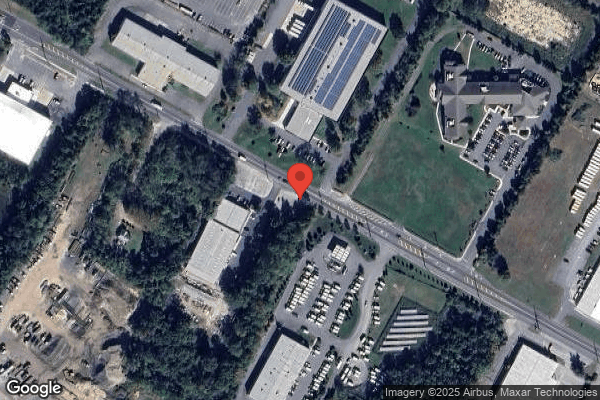

6818 DELILAH ROAD, EGG HARBOR TOWNSHIP, NJ 08234 (609) 453-3200
For profit - Limited Liability company 120 Beds EXCELCARE Data: November 2025 1 Immediate Jeopardy citation
Trust Grade
41/100
#194 of 344 in NJ
Last Inspection: January 2025

Within standard 12-15 month inspection cycle. Federal law requires annual inspections.

Overview

Excel Care at Egg Harbor has received a Trust Grade of D, which indicates that it falls below average and raises some concerns about care quality. It ranks #194 out of 344 nursing facilities in New Jersey, placing it in the bottom half, and #3 out of 10 in Atlantic County, meaning only two local options are better. The facility's trend is improving, with the number of issues decreasing from 11 in 2023 to 8 in 2025. However, staffing is a concern, with a rating of 2 out of 5 stars and a high turnover rate of 63%, well above the state average of 41%. Additionally, the facility has faced some serious compliance issues, including a critical incident where a cognitively impaired resident eloped due to inadequate supervision. Other concerns included a lack of dignity in meal service, such as staff feeding residents without removing food from trays, and inappropriate television content being played in common areas. While there are strengths, such as maintaining excellent quality measures, families should weigh these concerns carefully when considering this nursing home.

Trust Score
D
41/100
In New Jersey
#194/344
Bottom 44%
Safety Record
High Risk
Review needed
Inspections
Getting Better
11 → 8 violations
Staff Stability
⚠ Watch
63% turnover. Above average. Higher turnover means staff may not know residents' routines.
Penalties
⚠ Watch
$17,345 in fines. Higher than 95% of New Jersey facilities. Major compliance failures.
Skilled Nurses
○ Average
Each resident gets 32 minutes of Registered Nurse (RN) attention daily — about average for New Jersey. RNs are the most trained staff who monitor for health changes.
Violations
⚠ Watch
21 deficiencies on record. Higher than average. Multiple issues found across inspections.
★★★☆☆
3.0
Overall Rating
★★☆☆☆
2.0
Staff Levels
★★★★★
5.0
Care Quality
★★☆☆☆
2.0
Inspection Score
Stable
2023: 11 issues
2025: 8 issues

The Good

  • 5-Star Quality Measures · Strong clinical quality outcomes
  • Full Sprinkler Coverage · Fire safety systems throughout facility
  • No fines on record

Facility shows strength in quality measures, fire safety.

The Bad

3-Star Overall Rating

Near New Jersey average (3.3)

Meets federal standards, typical of most facilities

Staff Turnover: 63%

17pts above New Jersey avg (46%)

Frequent staff changes - ask about care continuity

Federal Fines: $17,345

Below median ($33,413)

Minor penalties assessed

Chain: EXCELCARE

Part of a multi-facility chain

Ask about local staffing decisions and management

Staff turnover is elevated (63%)

15 points above New Jersey average of 48%

The Ugly 21 deficiencies on record

1 life-threatening
Jan 2025 8 deficiencies 1 IJ
CRITICAL (J) 📢 Someone Reported This

A family member, employee, or ombudsman was alarmed enough to file a formal complaint

Immediate Jeopardy (IJ) - the most serious Medicare violation

Accident Prevention (Tag F0689)

Someone could have died · This affected 1 resident

C/O # NJ 182995 Based on observation, interview, review of the medical record, and review of other facility documentation, it was determined that the facility failed to provide adequate supervision fo...

Read full inspector narrative →
C/O # NJ 182995 Based on observation, interview, review of the medical record, and review of other facility documentation, it was determined that the facility failed to provide adequate supervision for a cognitively impaired resident with a known history of aggressive exit seeking which resulted in the resident eloping on 12/12/2024. This deficient practice was identified for 1 of 3 residents reviewed for elopement (Resident #160). Resident #160, who was cognitively impaired with a known history of aggressive exit seeking, eloped from the facility on 12/12/2024. The staff reported last seeing Resident #160 in the dining room between 05:00 PM and 05:30 PM on 12/12/2024. The resident wore a wander guard to their left ankle that the physician ordered to be checked for placement and function every shift, and was last checked on 12/12/2024 at 02:00 PM. On 12/12/2024 at 07:40 PM, the Registered Nurse (RN #1) reported that the resident was not in their room to receive their medication. Between 08:00 PM and 09:00 PM, the Certified Nursing Assistant (CNA #3) could not locate Resident #160, and he observed that the resident did not eat their dinner. At 09:30 PM, CNA #3 searched the building and alerted RN #1 that Resident #160 could not be found. The facility management and staff began a search for the resident both inside and outside the facility and notified the local police. The police, along with a canine (K-9; police dog) blood hound and drone searched for Resident #160, and the police located the resident on the property in the trees on 12/13/2024 at 01:45 AM. Resident #160 was immediately sent to the hospital and the resident was admitted with hypothermia (body temperature lower than 95 degrees Fahrenheit (F), normal temperature 97.7 to 99.5 degrees F) and elevated white blood cells (WBC). The facility's failure to provide adequate supervision to a cognitively impaired resident who was at risk for elopement and eloped posed a likelihood of serious harm, injury, impairment or death. This resulted in an Immediate Jeopardy (IJ) situation which ran from 12/12/2024 at 05:30 PM, when Resident #160 was last seen by staff, until 12/13/2024 at 01:45 AM, when the police located the resident and sent them to the hospital. The IJ was Past Non-Compliance (PNC). The PNC IJ was identified from 12/12/2024 at 05:30 PM, which continued to 12/13/2024 at 01:45 AM, when the resident was found and sent to the hospital for evaluation. The facility was back in compliance when the facility addressed the situation by immediately searching and locating the resident; the resident was sent to the hospital for evaluation; the wander guard system was checked for function; all wander guards were checked; and all staff were inserviced on the facility's elopement protocol. The facility Administration was notified of the PNC IJ on 01/30/2025 at 04:31 PM. The facility submitted an acceptable Removal Plan (RP) on 01/31/2025 at 01:15 PM. The facility team verified the completion of the Removal Plan was 12/30/2024, during the on-site survey on 01/31/2025, and determined the IJ was PNC. The evidence was as follows: A review of a facility policy titled Elopement dated 05/01/2024, revealed under the Intent section; It is the intent of the facility to be aware of its resident's usual habits and locations as reasonably practical. This is with the intent of not invading privacy but to identify a possible missing resident. A review of the electronic Medical Record (EMR) on 01/30/2025 at 02:20 PM, revealed the following: According to the admission Record face sheet (an admission summary) Resident #160 was admitted with diagnoses including but not limited to; unspecified dementia. A review of the most recent comprehensive Minimum Data Set (MDS), an assessment tool dated 09/26/2024, revealed Resident #160 had a Brief Interview for Mental Status (BIMS) score of 4/14 indicating Resident #160 was severely cognitively impaired. A further review of the MDS indicated the resident was independently ambulatory with no assistive devices and used a wander/elopement alarm daily. A review of Resident #160's individualized comprehensive care plan (ICCP) included a focus area of at risk for wandering/elopement. Goals included that the resident will not leave the facility unattended. Interventions included to: engage resident in purposeful activity initiated on 10/03/2024; provide care in a calm and reassuring manner initiated on 10/03/2024; provide clear simple instructions initiated on 10/03/2024; and wander guard bracelet as ordered to right ankle and left ankle, check placement and function as ordered initiated on 10/03/2024. A review of the Order Summary Report revealed a physician's order dated 06/23/2024, for wander guard on right ankle; to check placement and function every shift. A review of the Medication Administration Record (MAR) dated 12/1/2024-12/31/2024, revealed the physician's order for the wander guard was signed as having been checked for placement and function on 12/12/24 at 06:00 AM and 02:00 PM. A review of an Elopement Evaluation dated 09/26/2024, revealed a score of 5 and that the resident was identified for the following risks; a history of elopement or attempted leaving the facility without informing staff, resident wanders, resident wanders aimlessly or non-goal directed, wander behavior likely to effect the safety or well-being of self/others, and the resident's wandering behavior likely to effect the privacy of others. The evaluation indicated that score of 1 or higher indicated a risk of elopement. A review of the progress notes (PN) dated 11/27/2024 at 11:47 PM, included the resident did not have the wander guard at this time; resident stated that I keep it somewhere. A PN dated 11/28/2024 at 11:10 PM, indicated the resident was calling out hallucinations to oncoming staff; the resident had increased agitation during this shift. A PN dated 11/29/2024 at 11:13 PM, revealed Left ankle wander guard is not functional. Noted resident connected with sharp Nails. ??? [sic] Made aware Nursing Supervisor and shift charge to follow up. A PN dated 11/30/2024 at 12:03 AM, revealed the resident took off their wander guard. A PN dated 11/30/2024 at 05:37 AM, revealed the resident did not have their wander guard on. A PN dated 12/12/2024 at 07:40 PM, indicated the resident was not in their room to receive medication. A PN dated 12/13/2024 at 02:25 AM, revealed the resident was transferred out to the hospital. A review of the facility's Investigation and Summary and Conclusion dated 12/17/2024, revealed the following: under the background section: resident had a history of wandering aimlessly and exit seeking for which interventions have been put into place. Resident wore a wander guard to right ankle. Under the timeline of Events on 12/12/2024, included the following: At approximately (approx) 05:30 PM-06:00 PM, the resident was observed in dining room. At approx 08:00 PM-09:00 PM, CNA #3 went to check on the resident and observed dinner was not touched. At approx 09:30 PM, CNA # 3 initiated a search for the resident. At approx 10:00 PM, management was notified; head count completed; search in the facility and surrounding areas outside of the facility. The outdoor areas were checked by the management team; all doors and wander guard system checked by the Director of Maintenance (DOM) and all wander guards worked properly. At approx 10:15 PM, the family was notified by Director of Nursing (DON). At approx 10:45 PM, the local police department was notified, and the police were on site at approximately 11:00 PM. At approx 11:30 PM, the local police department completed search inside the facility and initiated search outside. The K-9 unit was on-site and not successful. On 12/13/2024: At approx 12:30 AM, the search continued with a different K-9 and drone. From approx 12:30 AM-01:30 AM, the management and corporate team continued with search with address on record and other addresses as recommended by the family. During conversation with family, the [family member redacted] mentioned other locations where the resident could be found. At approx 01:45 AM, the resident was transferred to the hospital for evaluation. At approx 02:00 AM, the Department of Health (DOH) was called to report the event. At approx 10:45 AM, the facility called hospital; the resident was admitted to hospital with elevated WBC. At approx 02:18 PM, the Ombudsman was notified by the LNHA. Under the Interventions in place to prevent future incident included: plan of care reviewed and updated; one-to-one (1:1) supervision; will continue with wander guard; ensure list with at risk for elopement residents placed at front desk; facility wide education completed for elopement protocol; will consider higher level of care for safety-dementia unit; and all wander guards inspected for safety. A review of a handwritten statement signed by the Receptionist on duty on 12/12/2024, revealed the following: I don't know what happened, I do not remember seeing or letting [them] out nor did I hear any alarms going off that night. A review of a handwritten statement signed by the primary nurse (RN #1) dated 12/12/2024, revealed that at 09:30 PM, I was informed that [resident's name] was missing, and cannot find them admitted [to hospital with]: hypothermia and elevated WBC. A handwritten statement signed by the DON indicated that on 12/12/2024 at 10:00 PM, I received a call from the 02:00 PM-10:00 PM supervisor that the resident was missing and could not be located at the facility . A review of a handwritten statement dated 12/13/2024 at 12:12 PM, signed by the DON as having phone conversation with CNA #3, revealed that CNA #3 stated that at approximately 05:00 PM-06:00 PM, he observed the resident in the dining room sitting. At approximately 08:00 PM-09:00 PM, CNA #3 went to check the resident in their room, and he observed the resident's dinner tray was not touched. At 09:30 PM, CNA #3 initiated a search for the resident, and then informed the nurse and the Nursing Supervisor. During an interview with the survey team on 01/30/2025 at 01:17 PM, the Licensed Nursing Home Administrator (LNHA), DON, and the [NAME] President of Clinical Services (VPCS) revealed the following information: The DON confirmed Resident #160 eloped on 12/12/2024, that during the evening shift, the resident was last seen at 05:30 PM in the dining room. The DON stated staff realized between 08:00 PM-09:00 PM, the resident was not in their room, and staff made a facility-wide announcement to alert staff to search the whole facility for Resident #160. The DON confirmed the resident was not found in the facility during the search. The DON confirmed Resident #160 was an elopement risk; their picture was in the lobby; the resident had a wander guard; they were on the risk for elopement list at the front desk; and it was included in their ICCP. The DON stated the facility checked the resident's wander guard every shift for placement and function and that the facility had a wander guard tester that the nurse was responsible for using. The DON acknowledged that the last time the resident's wander guard was checked on 12/12/2024, was at at 06:00 AM. (This contradicted the MAR which was signed as checked on 12/12/2024 at 02:00 PM) The DON stated when the resident was missing, the Nursing Supervisor called the DON who then notified all the department heads and the regional staff. The LNHA stated we (management team) did another sweep of the building and the outside perimeter, and we were unable to locate Resident #160 so we called the police who arrived at the facility and searched both inside and outside. The LNHA continued that the police took a piece of Resident #160's clothing from their room, and had a K-9 smell the clothing for the resident's scent and the K-9 searched outside for the resident. The LNHA stated the DOM went in his car to ask local businesses if they saw Resident #160, and the facility contacted the resident's emergency contact to see if they knew where the resident would go with no success. The LNHA stated the police then called for a blood hound dog and drone, and the drone located the resident on the property in the back left side to the corner of the fence line. The LNHA said that you can not get out of the fence back there; that there were trees and brush/bushes. The LNHA stated that you needed to go into the tree line to actually see the corner of the fence where the resident was located. The LNHA stated that a CNA who was familiar with the resident from a previous facility where Resident #160 had eloped from said the resident was found in the trees and that the facility should check there. The LNHA stated at that time, the facility informed the police of this because the facility was unable to check outside since the police instructed the facility to stay inside so their scents would not interfere with the K-9 search. The LNHA stated that the police located Resident #160 in the trees. The police called the ambulance who transported the resident to the hospital and the resident was admitted for two days for hypothermia and elevated WBC. When questioned how Resident #160 eloped from the building, the LNHA replied that the elevator doors opened if you had a wander guard, but the elevator would not move, it alarmed. The LNHA stated that the facility still did not know how Resident #160 left the second floor nursing unit because when the resident returned from the hospital, their wander guard was functioning. The LNHA stated that only the perimeter doors were alarmed for the wander guard, and the alarm was loud enough to be heard from the elevator at the nurse's station. The VPCS stated at the time of the incident, the nurses were busy administering medication and the CNAs were doing second incontinent care for the residents. The LNHA said We tried to watch the video, hard to see, but [the resident] went out the front door, which did not alarm. The LNHA stated the Receptionist was there until 08:00 PM, and we asked her if she saw Resident #160, but the Receptionist denied it. The LNHA stated they were able to tell on the video the time the resident left the building, but he did not recall the time, and when asked if it was after 08:00 PM, the LNHA could not recall. On 01/30/2025 at 02:23 PM, the surveyor requested to watch the video from 12/12/2024, and the LNHA said it only stores for 72 hours, and we couldn't tell what time [the resident] left. This contradicted the LNHA's previous statement that the facility was able to determine what time the resident eloped from the video, but he could not recall the time. During an interview with the surveyor on 01/30/2025 at 02:28 PM, CNA #2 stated that they cared for Resident #160 frequently, but they were not in the facility on 12/12/2024, when the resident eloped. CNA #2 stated the resident was aggressive regarding exit seeking behaviors and that they often verbalized wanting to leave. CNA #2 stated that Resident #160 felt like they did not belong here, so the resident packed their book bag up and sat at the nurse's station waiting to go home. CNA #2 stated that Resident #160 talked about leaving all the time; that they went on the elevator and the wander guard would go off and staff had to redirect the resident and distract them with things to do. During a telephone interview with Surveyor #5 on 1/30/2025 at 02:00 PM, the Receptionist said she worked at the facility on 12/12/2024, from 04:00 PM-08:00 PM, and she did not know what happened. The Receptionist denied seeing Resident #160 that night; that there were pictures of the residents at risk for elopement. The Receptionist denied hearing an alarm go off at the front door, and stated she was unfamiliar with the wander guard. On 01/30/2025 at 02:30 PM, two surveyors along with VPCS, walked the property to see where Resident #160 was located. The following observations and interviews occurred: The surveyors and VPCS walked left out of the building and toward the rear of the property. Behind the building there was an approx eight feet (8 ft) tall vinyl fence that ran the length of the property, and beyond the vinyl fence were additional grounds that were contained by a chain link fence. That additional area was approx 50 yards (yds) wide with an approx length of 150 yds. The night of the elopement, the VPCS stated that he (the VPCS) walked to the vinyl fence on the rear right side where an 8 ft section of vinyl fence was missing and looked around and stated it was very dark and the VPCS was unable to locate the resident. The VPCS stated there were bushes and small trees that made it harder to see, so he returned to the front of the building where he overheard a police officer say they may have located the resident, and the officers began running behind the building and the VPCS followed them. The VPCS stated it was December and the trees had their leaves and were much bulkier and made it harder to see the area. The resident had gone through the vinyl fence and into the retention basin area that was enclosed within a chain-link fence and was found on the left side of the perimeter against the chain link fence approx halfway down the fence approx 25 yards from the gate. The VPCS stated the administrative team were assuming the resident left the building out the front door, walked around the building to the right to the far-left corner of the property and through the vinyl fence. When the surveyors approached the vinyl fence, they observed that the gate which had a hinge latch that was not closed, and the gate appeared to be stuck open with an approximately one foot wide opening to pass through. At that time, the VPCS attempted to see if the gate would latch and was unable to do so and stated, I could make it close. When asked, the VPCS could not recall if the gate was opened the night the resident eloped. The area behind the gate enclosed in the chain link fence had tall grasses and bushes and trees that sloped down into a valley in the middle similar to a retention basin with black rocks in the middle. The area sloped down sharply toward the middle and was uneven with thorn bushes and brambles. The VPCS stated that he believed the resident was found wearing shoes, gray sweatpants, and a white t-shirt. The VPCS stated the resident was found halfway down the fence line possibly 50 yards beyond the gate entrance along the fence line that was approx 100 ft deep. The VPCS stated the resident was alert and responsive. When asked if the resident had scratches on their skin when found, and the VPCS stated that he did not do a skin assessment at the time because the police were in charge of the situation, and the facility was told to step away. The surveyor observed the closest exit door from the facility to that area was from the First-floor rehabilitation unit that connected to a sidewalk that led to the area the resident was found. The VPCS stated that door was ruled out as where the resident eloped since no one reported hearing an alarm, and the VPCS confirmed if the resident left through the main entrance, the wander guard alarm would have sounded. During a telephone interview with Surveyor #3 on 01/31/2025 at 10:32 AM, RN #1 said that she recalled the incident, but she could not recall the exact dates and times. RN #1 said she believed that she was the supervisor that evening. At that time, the Surveyor confirmed with RN #1 that the Nursing Note was written by her on 12/12/24 at 07:40 PM, that indicated Resident #160 was not in their room to receive medication. RN #1 stated that she covered the medication cart as needed, and when the surveyor questioned what RN #1 did after she identified Resident #160 was not in their room, RN #1 stated she continued to administer medication to other residents. RN #1 stated she recalled seeing Resident #160 at the nurse's station around dinner time at maybe 06:00 PM. RN #1 recalled Resident #160 was pleasant and smiling with no indication they were exit seeking. RN #1 also recalled seeing Resident #160 in the dayroom, but she could not recall the time. RN #1 stated that a CNA (CNA #3) informed her that the resident's dinner plate was untouched as he was collecting trays (unable to recall exact time), and we started searching and I immediately notified the staff and called the DON. RN #1 stated the police were called and the inside and outside of the building was searched. The surveyor asked if RN #1 recalled seeing the resident's meal tray when they attempted to administer medications, and she responded, no, that the resident often refused their meal and would eat it later. Surveyor #3 asked RN #1 if they made additional attempts to administer Resident #160's medications, and the RN stated that typically if a resident was not in their room for medication, she looked for them or she went back to give them medication. RN #1 stated that CNA #3 had alerted her about Resident #160 shortly after. RN #1 confirmed Resident #160 wore a wander guard that was tested daily. During an interview with Surveyor #1 on 01/31/2025 at 11:17 AM, the DOM was asked if the stairways were alarmed, and the DOM confirmed they were alarmed including for a wander guard. The DOM stated that the therapy doors to the outside had a wander guard alarm, magnetic lock and were on a keypad. The DOM said there was no problem with the wander guard system at the time the resident eloped. The acceptable Removal Plan on 01/31/2025 at 01:16 PM, indicated the action the facility took to prevent serious harm from occurring or recurring. The facility implemented a corrective action plan to remediate the deficient practice including: staff initiated the elopement protocol and contacted the police; Resident #160 was located outside the facility, assessed, and transported to the hospital for evaluation; Resident #160's plan of care was updated to include 1:1 supervision; Resident #160's wander guard was checked for function; the facility's wander guard system was checked for function; and all staff were educated on the facility's elopement protocol. The facility self-corrected the deficient practice and it was determined that the IJ was Past Non-Compliance (PNC); that the facility corrected their non-compliance on 12/30/2024. The survey team verified the implementation of the Removal Plan during the continuation of the on-site survey on 01/31/2025. NJAC 8:39-27.1(a)
CONCERN (D)

Potential for Harm - no one hurt, but risky conditions existed

Deficiency F0582 (Tag F0582)

Could have caused harm · This affected 1 resident

Based on interview and review of other facility documentation, it was determined that the facility failed to issue the required beneficiary notices for 2 of 3 residents reviewed for Beneficiary Protec...

Read full inspector narrative →
Based on interview and review of other facility documentation, it was determined that the facility failed to issue the required beneficiary notices for 2 of 3 residents reviewed for Beneficiary Protection Notification, (Resident #1 and Resident #27). This deficient practice was evidenced by the following: On 01/28/2025 at 01:25 PM, the surveyor reviewed the SNF Beneficiary Protection Notification Review (SNFBPNR) completed by the facility for Resident #1 and Resident #27 as follows; 1.The SNFBPNR indicated Resident # 1 last covered Medicare day was 10/15/2024 and Resident # 1 remained in the facility. The SNFBPNR further revealed that a Skilled Nursing Facility Advanced Beneficiary Notice of Non-Coverage Form CMS-10055 was not given to Resident #1. Under 1. Was a SNFABN, Form CMS-10055 provided to the resident? No was checked. If no explain why the form was not provided: was hand written Resident remained in the facility is Medicaid pending. 2. The SNFBPNR indicated Resident #27 last covered Medicare day was 11/11/2024 and Resident #27 remained in the facility. The SNFBPNR further revealed that a Skilled Nursing Facility Advanced Beneficiary Notice of Non-Coverage Form CMS-10055 was not given to Resident #27. Under 1. Was a SNFABN, Form CMS-10055 provided to the resident? No was checked. If no explain why the form was not provided: was hand written Resident remained in the facility. During an interview with the surveyor on 01/29/2025 at 10:32 AM, the Social Worker (SW) was asked what SNFBPN were provided to a resident who is discharged home. The SW replied We give them Medicare A NOMNC (Notice of Medicare non-coverage CMS-10123). We provide copies of the forms to the resident. The surveyor then questioned what forms are required to be provided to a resident who the facility initiated discharge from Medicare A services and remained in the facility. The SW replied we give them the SNFABN and NOMNC form because they are staying in house. We issue them 2 days before the last covered day to give them an opportunity to appeal. On 01/29/2025 at 10:46 AM, the SW confirmed the 2 resident who stayed in facility after being cut from Medicare A should have received SNFABN and NOMNC. NJAC 8:39-4.1(a)(7)
CONCERN (D) 📢 Someone Reported This

A family member, employee, or ombudsman was alarmed enough to file a formal complaint

Potential for Harm - no one hurt, but risky conditions existed

Report Alleged Abuse (Tag F0609)

Could have caused harm · This affected 1 resident

Refer to F 689 C/O # NJ 182995 Based on interview, review of the Electronic Medical Record (EMR) and review of other facility documentation, it was determined that the facility failed to report and su...

Read full inspector narrative →
Refer to F 689 C/O # NJ 182995 Based on interview, review of the Electronic Medical Record (EMR) and review of other facility documentation, it was determined that the facility failed to report and submit the facility investigation to the New Jersey Department of Health (NJDOH) within 5 days, specifically when a resident eloped for 1 of 3 residents reviewed for elopement (Resident #160). This deficient practice was evidenced by the following: A review of the EMR on 01/30/2025 at 2:20 PM revealed the following: According to the admission Record Resident #160 was admitted with diagnoses including but not limited to: unspecified Dementia. A review of the most recent comprehensive Minimum Data Set (MDS) an assessment tool dated 09/26/2024 revealed Resident #160 had a Brief Interview for Mental Status (BIMS) score of 4/14 indicating Resident #160 was cognitively impaired. A further review of the MDS indicated the resident was independently ambulatory with no assistive device and used a wander/elopement alarm daily. A review of the Order Summary Report revealed a physician order dated 06/23/2024, for Wander guard on right ankle check placement and function every shift. A review of the Medication Administration Record (MAR) dated 12/1/2024-12/31/2024 revealed the aforementioned physician order for the wander guard. A further review of the MAR indicated that the wander guard for Resident #160 was signed as having been checked for placement and function on 12/12/24 at 6AM and 2 PM. A review of an Elopement Evaluation dated 09/26/2024 revealed a score of 5 and the following statements were checked; 2. Does Resident have a history of elopement or attempted leaving the facility without informing staff?, 4. Resident wanders, 6. Resident wanders aimlessly or non-goal directed, 7. Wander behavior likely to effect the safety or well-being of self/others, and 8. the resident's wandering behavior likely to effect the privacy of others. It was noted that 10. The evaluation indicated that score of 1 or higher indicates risk of elopement was not checked. A review of Resident #160's care plan revealed a Focus area of Risk for Wandering/Elopement. Under the Goal section; the resident will not leave the facility unattended. Under the Interventions section; Engaged Resident in purposeful activity with date initiated of 10/03/2024, Provide Care in Calm and reassuring manner with date initiated 10/03/2024, Provide clear simple instructions with date initiated 10/03/2024, Wander guard bracelet as ordered to right ankle and left ankle check placement and function as ordered with date initiated 10/03/2024. A review of the facility Investigation and Summary and Conclusion dated 12/17/2024 revealed the following: Under the background section Resident has a history of wandering aimlessly and exit seeking for which interventions have been put into place. Resident wears a wander guard to right ankle. Under the timeline of Events 12/12/2024 included but not limited to: .12/13/2024 Approx 2:00 am Department of Health called to report on event. During an interview on 01/30/2025 at 01:17 PM, the Licensed Nursing Home Administrator (LNHA) said Yes, we notified the DOH. On 01/30/2025 at 02:03 PM, the surveyor spoke with a Supervisor of Inspections at NJDOH, who said there was evidence of the facility calling DOH hotline but only left name, facility name and phone number. On 01/30/2025 at 04:31 PM, Director of Nursing (DON) provided a copy of sent email for reporting purposes, but it was to the Ombudsman not NJDOH. The LNHA said he will search in sent emails for the notification to the NJDOH. During a follow up interview with the surveyor on 01/31/2025 at 11:29 AM, the LNHA, DON were again asked was this reported as you said email was sent. The LNHA said we can't find the email that the AAS 45 was sent to DOH, but I have a record of the call and we did not receive callback from DOH. When asked why you had not called again, and the LNHA replied, at that time I did not think to call again. During a post survey telephone interview on 02/03/25 10:19 AM the DON was asked who is responsible to submit the AAS 45 and facility investigation to the department of health. The DON replied It's between me and the ADM (LNHA). When asked is there a timeframe for when this is to be completed and submitted to the NJDOH, the DON replied when the investigation is done, within 72 hours. We call it in then we usually wait for the DOH to call us back and tell us what else we need. A review of a facility policy titled Reporting Accidents and Incidents dated 05/01/2024 revealed under the Intent section: It is the policy of the facility to report Accidents and Incidents in accordance to State and Federal Regulations. Under the response to allegations of abuse, neglect, exploitation, or mistreatment, the facility will: .Report the results of all investigations to the administrator or his or her designated representative and to other officials in accordance with State law, including to the State Survey Agency, within 5 working days of the incident . NJAC 8:39-5.1(a)
CONCERN (D) 📢 Someone Reported This

A family member, employee, or ombudsman was alarmed enough to file a formal complaint

Potential for Harm - no one hurt, but risky conditions existed

Deficiency F0658 (Tag F0658)

Could have caused harm · This affected 1 resident

**NOTE- TERMS IN BRACKETS HAVE BEEN EDITED TO PROTECT CONFIDENTIALITY** 2.) A review of Resident #311 EMR on 01/28/2025 at 10:17 AM revealed the following; According to the admission Record, Resident...

Read full inspector narrative →
**NOTE- TERMS IN BRACKETS HAVE BEEN EDITED TO PROTECT CONFIDENTIALITY** 2.) A review of Resident #311 EMR on 01/28/2025 at 10:17 AM revealed the following; According to the admission Record, Resident #311 was admitted to the facility with diagnoses incluidng but not limited to: Obstruction of the bile duct, and Urinary Tract infection (UTI). A review of the most recent comprehensive MDS dated [DATE] revealed a BIMS score of 12/15 indicating Resident #311 was cognitively intact. The MDS further indicated the resident was incontinent of bowel and bladder (having no or insufficient voluntary control over urination or defecation). A review of the OSR with active. completed and discontinued orders included a physician order dated 09/22/24 URINALYSIS AND CULTURE one time only related to Urinary tract infection. A review of the Results tab in the EMR did not include results for the Urine culture. A review of the Progress notes dated 9/23/2024 timed at 04:07 AM signed by the nurse . Urine analysis picked up by lab tech during previous shift on 9/22/24, 2-10 shift. A progress note dated 9/25/2024 timed at 4:25 PM, signed by the provider, Member seen today for follow up 2/2 leukocytosis (WBC 37), decreased PO (oral) intake. Provider RN contacted lab, U/A C&S (urine culture and sensitivity) was not sent as ordered on 9/23. During an interview with Surveyor #2 on 01/29/2025 at 11:44 AM, LPN #1 was asked what is the process when lab work is ordered by the physician. LPN #1 responded I put the order in EMR under new then laboratory then it takes you to lab so we can directly order the lab. Surveyor #2 asked what is the process for when a urine specimen is ordered. LPN #1 said it is the same process when blood work or specimen. We print the requisition and they also have the order on their app (application) on their phone. The requisition goes into the lab book. The nurse will collect the urine in AM. On the routine results if there was a problem it would be documented on the sheet for a new specimen to be sent. On 01/31/2025 at 08:45 AM, Surveyor #2 requested urine culture results from the VPCS. On 01/31/2025 at 11:35 AM, the VPCS told Surveyor #2 I can't find results. During an interview with Surveyor #2 on 01/31/2025 at 12:14 PM, the DON was asked what is the process when lab work is ordered by the physician. The DON replied put the order in EMR and goes directly via computer to the lab. The DON was questioned what is the process for when a urine specimen is ordered. The DON replied the same thing and if lost need to get another order and obtain the culture. The NP (Nurse Practioner) followed up in her note and spoke with the nurse who said the urine was not sent on day it was ordered. The DON confirmed the urine should have been sent on day it was ordered. The facility was unable to provide a policy regarding lab work. C/O # NJ 177719, 180562 Based on observation, interview, and review of the Electronic Medical Record (EMR), and review of other facility documentation, it was determined that the facility failed to a.) ensure medications were administered in accordance with a physician's orders, b.) failed to follow physician order specifically for obtaining a urine culture, and c.) ensure physician's medication order was transcribed accurately. This deficient practice was identified for 3 of 32 sampled residents (Resident # 311, Resident #312, and Resident #414). This deficient practice was evidenced by the following: Reference: New Jersey Statutes Annotated, Title 45. Chapter 11. Nursing Board. The Nurse Practice Act for the State of New Jersey states: The practice of nursing as a registered professional nurse is defined as diagnosing and treating human responses to actual and potential physical and emotional health problems, through such services as casefinding, health teaching, health counseling, and provision of care supportive to or restorative of life and wellbeing, and executing medical regimens as prescribed by a licensed or otherwise legally authorized physician or dentist. Reference: New Jersey Statutes Annotated, Title 45, Chapter 11. Nursing Board. The Nurse Practice Act for the State of New Jersey states: The practice of nursing as a licensed practical nurse is defined as performing tasks and responsibilities within the framework of casefinding; reinforcing the patient and family teaching program through health teaching, health counseling and provision of supportive and restorative care, under the direction of a registered nurse or licensed or otherwise legally authorized physician or dentist. 1.) Surveyor #1 reviewed the closed medical record on 01/29/2025 at 10:41 AM for Resident #312 as follows: A review of the admission Record reflected the resident was admitted to the facility with diagnoses which included aftercare following joint replacement surgery, major depressive disorder, and muscle weakness. A review of the most recent Minimum Data Set (MDS), an assessment tool dated 11/25/24, reflected a brief interview for mental status (BIMS) score of 15/15, which indicated a fully intact cognition. A further review reflected the resident had received opioids (pain relievers) in the last seven days. A review of the individualized person-centered care plan reflected a focus area initiated 11/24/24, for alteration in pain or discomfort r/t (related to) arthritis, depression, osteoporosis, postoperative R THR (right total hip replacement). Interventions included assess for pain prior to beginning therapy program. Offer/administer PRN (as needed) analgesics (pain reliever) as ordered/indicated and monitor effectiveness. A review of the Order Recap Report (ORR) included the following a physician's orders (PO) Tramadol HCL oral tablet 50 mg (milligram) give 1 (one) tablet by mouth every 4 hours as needed for pain- mild 1-3 of 10, dated 11/23/24 Hydrocodone-Acetaminophen oral tablet 5-325 mg give 1 (one) tablet by mouth every 4 (four) hours as needed for pain- moderate 4-6 of 10, dated 11/23/24 A review of the corresponding November 2024 Medication Administration Record (MAR) revealed the resident received Tramadol on 11/23/24 at 9:42 PM, 11/24/24 at 12:01 AM, 11/24/24 at 7:30 AM and 11/25/24 at 7:40 AM documented as effective each time. A further review of the MAR revealed the resident received Hydrocodone-Acetaminophen on 11/24/24 at 12:41 PM documented as effective. A review of the facility automated medication dispensing machine Inventory on Hand report revealed the facility's machine stocked Tramadol 50 mg tablets but did not stock Hydrocodone-Acetaminophen. A review of the resident's Nursing Progress Notes for November 2024 did not reveal the Licensed Practical Nurse (LPN) had contacted the physician for a change in medication for moderate pain. On 01/28/2025 at 11:01 AM, the Licensed Nursing Home Administrator (LNHA) provided a Resident/Family Concern Form dated 11/25/24 which revealed . resident #312 verbalized he/she wanted to leave the facility against medical advice. Resident #312 verbalized he/she was not satisfied because their medication was not given in a timely manner. During an interview with Surveyor #1 on 01/29/2025 at 11:34 AM, the Director of Nursing (DON) stated Hydrocodone/Acetaminophen was not stocked in the facility automated dispensing machine. Surveyor #1 then requested from the DON the signed pharmacy packing slip receipt for the resident's Hydrocodone/Acetaminophen which would indicate when the medication had arrived at the facility. On 1/30/25 at 9:40 AM the DON and the Regional [NAME] President of Clinical Services (VPCS) requested to speak with the surveyor and in front of the survey team stated they had looked for the pharmacy packing slip and could not find a copy. VPCS stated he then called the pharmacy to ask for a copy of the signed packing slip. After speaking with the pharmacy it seems the medication was not delivered to the facility, he believed it was because the resident had been admitted late on a Friday night and the pharmacy required a written physical prescription before it would fill and deliver narcotic medications. The VPCS stated the nurse should have called the physician and made them aware the medication was not available and requested another medication for that moderate pain scale. A review of the facility's Pain Management Program policy dated 5/1/24, included . the facility shall provide adequate management of pain to ensure that residents attain or maintain the highest practicable physical, mental and psychosocial well-being . If the resident's pain is not controlled by the current treatment regimen, the practitioner should be notified . 3.) A review of Resident #414's EMR on 01/28/2025, revealed the following: According to the admission Record, Resident #414 was admitted to the facility with diagnoses including but not limited to: Unspecified Dementia (loss of cognitive function) and Essential Hypertension. A review of the most recent MDS dated [DATE] revealed a BIMS score of 07/15 indicating Resident #414 had moderately impaired cognition. A review of the Pharmacy Consultant Review of medications revealed a recommendation on 01/23/2025 for an order clarification of Quetiapine 25 mg BID (two times a day) because the Medication Discharge List from the hospital read Quetiapine 50 mg (milligrams) BID (twice a day). The review form was signed and dated by the Director of Nursing (DON) on 01/27/2025 at 09:00 AM. A review of the Electronic Medical Record (EMR) on 01/28/2025 on 01:54 PM revealed a Medication Discharge List from the hospital dated 01/16/2025, included Quetiapine 25 mg oral tablet (tab) 2 tab(s) Oral two times a day. A review of the Order Summary Report (OSR) dated with active orders as of 01/01/2025-01/31/2025 revealed that Quetiapine (medication that part of a treatment program to treat bipolar disorder and schizophrenia) 50 mg 1 tab PO (by mouth) at HS (bedtime) was entered in EMR by Licensed Practical Nurse/ Unit manager (LPN/UM #1) upon Resident #414's admission to the facility. A review of the Medication Administration Record (MAR) revealed that the dose of Quetiapine 25 mg 2 tabs PO BID as per the list of hospital discharged medications upon admission to the facility, was not administered Resident #414 until 1/28/2025 at 08:00 AM. During an interview with Surveyor #3 on 01/29/2025 at 09:34 AM, Registered Nurse/ Unit Manager (RN/UM #1) described how orders were transcribed during admission. RN/UM #1 stated that that they received a report from the hospital to confirm orders. She said supervisors put in the orders and the night shift would do reconciliation of orders. In the morning, the unit manager or the DON would check the admission orders. The DON would get an email from EPIC (Electronic Pharmacist Information Consultant) for review of admission orders. Our pharmacy is linked to EPIC. During an interview with Surveyor #3 on 01/29/2025 at 11:05 AM, Licensed Practical Nurse/ Unit Manager (LPN/UM #1) stated that they would compare the discharge summaries from the hospital that resident came with and the orders in the admission packet medication list. LPN/UM #1 stated that they matched the orders before transcribing into the EMR. LPN/UM #1 further stated that there was a 24-hour turnaround for EPIC's review. When asked about the Quetiapine admission order for Resident #414, LPN/UM #1 acknowledged that there was a medication error during the transcription of medications as the transcibed orders did not match hospital medications. On 01/29/2025 at 12:05 PM, during an interview with Surveyors #1 and #3, the DON stated that LPN/UM #1 transcribed an order on Quetiapine for a different patient. During an interview with the survey team on 01/31/2025 at 12:15 PM, the DON was asked how they ensure that the transcription of orders for admission was accurate. The DON stated that the supervisor put in the medications which would be reviewed for reconciliation by the nurse on 11-7 shift. DON further stated that EPIC is integrated with the EMR and that when they receive an EPIC review, they would immediately respond on the same day. A review of the facility provided policy titled admission Orders dated 05/01/2024, included under Procedure 2. The admitting nurse will call the attending physician and clarify all orders on admission. 3. The admitting orders will be transcribed to the admission Physician Order Sheets (POS) once the orders are clarified or entered into the facility electronic medical record. NJAC 8:39 - NJAC-8:39-27.1(a), 29.3 (a) (6)
CONCERN (D)

Potential for Harm - no one hurt, but risky conditions existed

Food Safety (Tag F0812)

Could have caused harm · This affected 1 resident

Based on observation, interview, it was determined that the facility failed to handle potentially hazardous foods and maintain sanitation in a safe and consistent manner to prevent food borne illness....

Read full inspector narrative →
Based on observation, interview, it was determined that the facility failed to handle potentially hazardous foods and maintain sanitation in a safe and consistent manner to prevent food borne illness. This deficient practice was evidenced by the following: On 01/29/2024 at 09:23 AM during a tour of the second-floor pantry the surveyor observed no thermometer in the freezer. There were 5 plastic containers of food in the freezer. The temperature log was marked with NA for the whole month of January. During that same tour the surveyor observed a paper wrapped sandwich labeled with a resident's room number and dated for 01/25/2025 in the refrigerator. During an interview on 01/29/2025 with the surveyor, the Quality Assurance Director (QAD) said that night shift nursing staff were responsible for the cleaning the refrigerator and checking the temperature. The QAD said she was not sure how long food was allowed to be in the refrigerator and she would have to check the policy. The QAD also said that she didn't think the freezer needed a thermometer unless there was food in there. During an interview on 01/30/2025 at 04:12 PM with the surveyor, the Licensed Nursing Home Administrator (LNHA) said per our policy there should have been a thermometer in the freezer. The LNHA also said that food brought in the facility should only be in the refrigerator for 72 hours and that sandwich should have been thrown out. A review of a facility provided policy dated 05/01/204, titled Food Handling- Refrigerators revealed under Procedures that, 6. Temperatures of refrigerators and freezers will be monitored daily and documented. A review of a facility provide policy dated 05/01/2025, titled Food Brought by Family and Visitors revealed that, All foods belonging to residents must be labeled with the resident's name, the item, and the use by date. Foods that are not labeled with use by date will be dated upon receipt and discarded within three days. Foods brought from home without an expiration date will be discarded after 3 days. N.J.A.C. 8:39-17.2(g)
CONCERN (D)

Potential for Harm - no one hurt, but risky conditions existed

Infection Control (Tag F0880)

Could have caused harm · This affected 1 resident

On 01/27/2025 at 06:44 PM, during the initial tour, Surveyor #2 observed Resident # 315 sitting in a wheelchair in his/her room with the nasal cannula laying on the floor not labeled. A review of Res...

Read full inspector narrative →
On 01/27/2025 at 06:44 PM, during the initial tour, Surveyor #2 observed Resident # 315 sitting in a wheelchair in his/her room with the nasal cannula laying on the floor not labeled. A review of Resident # 315's admission Record revealed the resident was admitted to the facility with diagnoses including but not limited to: Acute Respiratory Failure with Hypoxia (low levels of oxygen in your body), Chronic Obstructive Pulmonary Disease (a group of lung conditions that cause breathing difficulties), and Vascular Dementia (type of dementia caused by brain damage from impaired blood flow). A review of Resident #315's Medication Administration Record (MAR) revealed a physician's order for oxygen at 3L (liters) per min via nasal cannula. A review of Resident #315's Treatment Administration Record (TAR) revealed a physician's order to change oxygen tubing if obstructed, compromised and damaged as needed every 24 hours as needed. There was no documentation that the oxygen tubing had been changed per the TAR. During an interview on 01/29/2025 at 12:36 PM with Surveyor #2, the Licensed Practical Nurse (LPN) # 2 said that she thinks oxygen tubing gets changed weekly on 3rd shift, and if gets dirty or drops on the floor. LPN #2 also said that the tubing should be labeled and dated when changed. When if there was documentation of oxygen tubing changes, LPN #2 said I am not sure maybe in a note. During an interview on 01/29/2025 at 12:56 PM with Surveyor #2, the Infection Preventionist (IP) said that oxygen tubing used to be changed on a weekly basis, now it is if compromised, on the floor, or damaged. Oxygen tubing should be dated and labeled and documented in the MAR when it is changed. When asked when Resident # 315's oxygen tubing was last changed the IP looked in the MAR and replied, I don't know it wasn't documented. During an interview on 01/30/2025 at 04:12 PM with Surveyor #2 the Director of Nursing (DON) said that Resident #315 is known for taking the oxygen off and they always find it on the floor. The DON said that the oxygen tubing should be changed for infection control when found on the floor and documented in the MAR or TAR. A review of the facility on 01/28/2025 at 10:14 AM, titled Hand Hygiene Policy dated 04/01/2024, did not include hand hygiene before and after medication pass. A further review of the policy indicated under Procedure: 3. The Centers for Medicare and Medicaid State Operations Manual indicates that hand hygiene should be performed .d. Before and after assisting a resident with meal. A review of a facility provided policy on Respiratory Equipment dated 05/01/2024 under section Procedure and Routine Schedule Changes revealed 3. Statement . Nebulizer masks are stored in a plastic bag when not in use, or as per resident's preference. 9. Statement . Nasal cannulas are stored in a plastic bag when not in use, or as per resident's preference, Nasal cannulas changed when damaged, visibly soiled and PRN . 8:39-19.4 (k) Based on observation, interview, review of medical records, and review of other facility documentation, it was determined that the facility failed to a.) follow appropriate hand hygiene practices for 3 of 3 staff observed during medication pass and lunch service, respectively b.) implement infection control measures for the handling and storage of respiratory equipment for 3 of 3 residents reviewed for respiratory care (Residents # 23, #315, and #413). This deficient practice was evidenced by the following: 1. On 01/28/2025 at 08:06 AM, Surveyor #1 observed Licensed Practical Nurse (LPN) #4 during medication pass. LPN#4 did not perform hand hygiene including not using Alcohol Based Hand Rub (ABHR) after administration of medications. On 01/28/2025 at 08:20 AM, Surveyor #1 observed LPN #4 administer medication to Resident #82. LPN #4 did not perform hand hygiene prior to administering the medications. During an interview with Surveyor #1 on 01/28/2025 at 08:27 AM, LPN #4 was asked about hand hygiene practices during medication pass. LPN #4 stated that she should have practiced hand hygiene before and after medication pass. LPN #4 further stated that they (staff) have received education about proper hand hygiene during medication pass. 2.) On 01/28/2025 at 12:09 PM, Surveyor #1 observed Certified Nursing Assistant (CNA) #1 assist Resident #414 in the 1st floor dining room during lunch service. CNA #1 opened a carton of fruit juice, poured the juice in a cup and helped the resident bring the cup to their mouth. After drinking, CNA #1 assisted Resident #414 with their meal. CNA # 1 did not offer nor assist Resident #1 to perform hand hygiene prior to eating. After assisting the resident, CNA #1 was observed to sanitize their hands with alcohol-based sanitizer. Surveyor #1 asked CNA #1 if prior to eating should the residents be offered an opportunity to perform hand hygiene. CNA #1 responded she should have wiped the resident's hands with the sanitizing wipes before helping the resident eat. 3.) On 01/28/2025 at 12:10 PM, Surveyor #1 observed a Hospice Aide (HA) assist Resident #68 in the 1st floor dining room during lunch meal. The HA did not offer nor assist Resident #68 to perform hand hygiene prior to eating. Surveyor #1 asked the HA together with CNA #1 the HA stated that they should have wiped the resident's hands with the sanitizing wipes before helping the residents eat. 4.) On 01/27/2025 at 06:33 PM, Surveyor #1 observed Resident #23's bagged nebulizer mask hanging low from the side table's handle with the entire bag touching the floor. At that time, Surveyor #1 interviewed LPN #6 and showed them the bag touching the floor. LPN #6 stated the bag should not be touching the floor. 5.) On 01/29/2025 at 01:10 PM, Surveyor #1 observed Resident #413 lying in bed. Resident #413's oxygen tubing was wrapped around the right-side rail with the tip of the nasal cannula touching the trash in the trash can located beside the bed. The oxygen concentrator (a medical device that extracts oxygen from the air and delivers it to a patient) was noted to be off. Surveyor #1 showed LPN #3 the nasal cannula. LPN #3 stated the nasal cannula should have been in the bag, pointing to a labeled plastic bag on the side table. LPN #3 took the oxygen tubing with the nasal cannula and said they were going to replace it.
CONCERN (E)

Potential for Harm - no one hurt, but risky conditions existed

Resident Rights (Tag F0550)

Could have caused harm · This affected multiple residents

Based on observation and interview, it was determined that the facility failed to ensure that the residents' leisure experience was provided in a manner to promote the dignity and respect of the resid...

Read full inspector narrative →
Based on observation and interview, it was determined that the facility failed to ensure that the residents' leisure experience was provided in a manner to promote the dignity and respect of the residents, a) who were seated in the dayroom where a television program broadcast contained profanity and vulgar language was observed for 1 of 2 dining rooms, first floor, b.) the facility failed to maintain Resident dignity when staff were observed standing while feeding Residents their meals on 3 of 3 dining rooms observed for dining and c.) did not serve all residents seated at the same table at the same time for 1 of 3 dining areas, 2nd floor. This deficient practice was evidenced by the following: During the initial tour of the facility on 01/27/2025 at 7:15 PM, Surveyor #1 entered the first-floor dayroom. There were four residents and one staff member in the room. For entertainment the staff had the television playing. The surveyor observed on the television was a comedian using curse words and racial slurs repeatedly. At 7:19 PM, Surveyor #1 approached the Registered Nurse (RN) Supervisor who was seated at the nurse's station. Together they returned to the first-floor dining room where the program was still playing. The RN Supervisor acknowledged the profanity and stated the activities staff usually put the television on in the dining room for the residents. The RN supervisor stated the staff in the room should have changed the program to something more appropriate. At 7:24 PM, Surveyor #1 interviewed the Certified Nursing Assistant (CNA #1) who was present in the dining room. CNA #1 stated she had not heard the cursing or the slurs because she was concentrating on the residents she was seated with. CNA #1 further stated that language would be inappropriate, and the television station should have been changed. During an interview with Surveyor #1 on 01/29/2025 at 12:20 PM, the Director of Nursing (DON) stated the activities staff had a schedule for daily entertainment. Usually when there was no activity going on the staff would put the television on instead. The DON added that a CNA would remain in the room with the residents for safety and interaction. The television program should be something that can be viewed by a general audience. The DON confirmed the program the surveyor described with foul language and racial slurs would not be appropriate and the channel should have been changed. On 01/28/2025 at 12:09 PM, in the first-floor main dining room, a surveyor observed CNA #1 and a Certified Home Health Aide for a Hospice company, standing while each were feeding a resident at the same table, during the lunch meal. On 01/28/2025 at 12:09 PM, in the second-floor main dining room, surveyor #2 observed CNA #2 standing next to a resident assisting with feeding, during the lunch meal. On 01/28/2025 at 12:16 PM in the second-floor main dining room surveyor #2 observed the Quality Assurance Director (QAD) standing while feeding a resident. During an interview with surveyor #2 on 01/29/2025 the QAD said the expectation when assisting residents with feeding is to sit facing the resident. The QAD also said she should have pulled up a chair to feed the resident instead of standing. During an interview with Surveyor #2 on 01/29/2025 at 04:12 PM, the Licensed Nursing Home Administer (LNHA) said that staff should be sitting at eye level with the resident when assisting with feeding, for the dignity of the resident. On 01/28/2025 at 11:53 AM, Surveyor #3 observed seven residents who required assistance to consume their meals seated at the same table in the feeding dining room on the 2nd floor during lunch. Two facility staff members were stationed in the area to assist. Three residents received their meals and started eating, while the other four residents at the table did not receive their meals until 12:10 PM. On 01/28/2025 at 12:11 PM, Surveyor #3 observed Licensed Practical Nurse (LPN #5) in the feeding dining room on the 2nd floor during lunch, assisting a resident with their meal while standing over her/him. On 01/28/2025 at 12:15 PM, Surveyor #3 observed CNA #4 and LPN #5 feeding residents in the feeding dining room on the 2nd floor during lunch. Both staff members had their hair styled in braids, which touched several residents' food items multiple times as they brushed their hair away from their faces without performing hand hygiene. On 01/29/2025 at 12:04 PM, Surveyor #3 observed six residents who required assistance to consume their meals seated at the same table in the feeding dining room on the 2nd floor during lunch. Two facility staff members were stationed in the area to assist. Two residents received their meals and started eating, while the other four residents did not receive their lunch until 12:25 PM. On 01/29/2025 at 12:08 PM, Surveyor #3 observed CNA #5 in the feeding dining room on the 2nd floor during lunch. CNA #5 uncovered a resident's meal, set it up, removed the meal from the tray, and began feeding the resident at 12:08 PM. However, CNA #5 stopped feeding the resident to put clothing protectors on other residents, leaving the resident's food uncovered for eight minutes. CNA #5 resumed feeding the resident at 12:16 PM, but did not engage with the resident during the meal. She interrupted the feeding again to inform another staff member that she needed to go to the bathroom. CNA #5 then stood up, left the dining room, leaving the resident's food uncovered, and returned two minutes later to resume feeding the resident. On 01/29/2025 at 12:28 PM, Surveyor #3 observed a resident sitting in a geriatric chair (a large, padded chair designed to assist those with limited mobility) in the corner of the feeding dining room on the 2nd floor during lunch, with a bedside table placed over it. CNA #5 uncovered the resident's meal, set it up and removed the food from the tray at 12:28 PM, but no one began feeding the resident until 12:42 PM. During an interview with Surveyor #3 on 01/29/2025 at 12:26 PM, the Licensed Practical Nurse/Unit Manager (LPN/UM #1), said that once residents' food is set up and uncovered, it should be fed to the residents immediately, as food should not be left uncovered due to infection control. During an interview with Surveyor #3 on 01/29/2025 at 12:52 PM, the Quality Assurance Director and Staff Educator (QAD/SE) said that once residents' food is set up and uncovered, it should be served to them immediately, as leaving food uncovered poses infection control risks. During an interview with Surveyor #3 on 01/31/2025 at 11:45 AM, the LNHA emphasized the importance of creating a home-like environment in the dining area. He said that meals should be served by removing them from trays, with all residents at a table being served simultaneously. He noted that staff members' hair should not come into contact with residents or their food while feeding, and that hand hygiene should be performed if staff touch their hair due to infection control concerns. Additionally, he highlighted the need for staff to actively engage with residents during mealtimes. He also mentioned that food should be covered to prevent infection and should not be left out for extended periods, as this could cause it to become cold. A review of a facility policy dated 05/01/2024, titled, Dining Policy, revealed, Resident Rights: Preferences, cultural needs, and dignity are respected. NJAC 8:39-4.1(a)(12)
CONCERN (E)

Potential for Harm - no one hurt, but risky conditions existed

Safe Environment (Tag F0584)

Could have caused harm · This affected multiple residents

Based on observation, interview, and review of other facility documentation, it was determined that the facility failed to maintain a homelike environment by serving meals on trays on 1 of 2 floors (2...

Read full inspector narrative →
Based on observation, interview, and review of other facility documentation, it was determined that the facility failed to maintain a homelike environment by serving meals on trays on 1 of 2 floors (2nd floor). This deficient practice was evidenced by the following: On 01/28/2025 at 11:53 AM, Surveyor #1 observed Certified Nursing Assistant (CNA #4) in the feeding dining room on the 2nd floor during lunch, feeding a resident their meal without removing the food items from the meal tray. On 01/28/2025 at 11:54 AM, Surveyor #1 observed a facility staff member in the feeding dining room on the 2nd floor during lunch bringing in a meal tray for a resident and began feeding the resident without removing the food items from the tray. The Quality Assurance Director and Staff Educator (QAD/SE) entered the dining room and intervened, instructing the staff member to remove the food items from the tray while feeding the resident. On 01/29/2025 at 12:26 PM, Surveyor #2 observed CNA #5 in the feeding dining room on the 2nd floor during lunch, uncovering a resident's meal, setting it up, and serving it on the meal tray without inquiring about the resident's preferences. During an interview with Surveyor #1 on 01/31/2025 at 11:45 AM, the Licensed Nursing Home Administrator (LNHA) emphasized the importance of creating a home-like environment in the dining area. He said that meals should be served by removing them from trays. A review of a facility policy dated 05/01/2024, titled, Dining Policy, revealed, Resident Rights: Preferences, cultural needs, and dignity are respected. Dining Environment: Clean, comfortable, and promotes resident independence. NJAC 8:39-31.3(a)
Apr 2023 11 deficiencies
CONCERN (D)

Potential for Harm - no one hurt, but risky conditions existed

Comprehensive Care Plan (Tag F0656)

Could have caused harm · This affected 1 resident

**NOTE- TERMS IN BRACKETS HAVE BEEN EDITED TO PROTECT CONFIDENTIALITY** 2.) On 03/29/2023 at 11:11 AM, during the initial tour of the facility, Surveyor #2 observed Resident #48 awake in bed. At this ...

Read full inspector narrative →
**NOTE- TERMS IN BRACKETS HAVE BEEN EDITED TO PROTECT CONFIDENTIALITY** 2.) On 03/29/2023 at 11:11 AM, during the initial tour of the facility, Surveyor #2 observed Resident #48 awake in bed. At this time, Resident #48 confirmed he/she used insulin (medication used to manage sugar in the blood). A review of Resident #48's MDS dated [DATE] located in the Electronic Medical Record (EMR) revealed he/she had a diagnosis of but not limited to Diabetes Mellitus (disease involving elevated blood-glucose levels). The MDS further revealed that Resident #48 received insulin injections. A review of Resident #48's Physician's Orders revealed an order for Humalog 100 Unit/Milliliter (mL) and Insulin Glargine 10 units (medications used to manage blood-sugar) at bedtime. A review of Resident 48's Care Plans located in the EMR did not include a care plan for Diabetes Mellitus. On 03/28/2023 during an interview with Surveyor #2, UM/RN #1 confirmed that if a resident is diabetic and receives insulin they should have a diabetic care plan just to make sure they (facility) are monitoring what's going on. UM/RN #1 said, To make sure we check blood sugar with sliding scale prior to administering insulin when Surveyor #2 asked what interventions might be included in the care plan. On 03/31/2023 at 01:13 PM, during an interview with Surveyor #2, the VPCS said residents should have a care plan if they are diagnosed with Diabetes Mellitus. Further, the VPCS said that a care plan should be established within 72 hours. 3.) A review of Resident #135's closed record revealed that he/she passed away. A review of Resident #135's MDS dated [DATE], located in the EMR, revealed he/she had a diagnosis of Diabetes Mellitus (disease involving elevated blood-glucose levels). The MDS further revealed that Resident #135 received insulin injections. A review of Resident #135's Physician's Orders revealed orders for Novolog Flexpen (insulin medication used to manage sugar in the blood) On 03/28/2023 at 01:00 PM, during an interview with Surveyor #2, UM/RN #1 confirmed that Resident #135 never had a care plan for Diabetes Mellitus. On 03/31/2023 at 01:13 PM, during an interview with Surveyor #2, the VPCS said residents should have a care plan if they are diagnosed with Diabetes Mellitus. Further, the VPCS said that the care plan should be established within 72 hours. A review of a facility policy titled Comprehensive Resident Centered Care Plans, dated 3/01/2023, revealed that a person-centered care plan includes measurable objectives and timeframes to meet a resident's medical, nursing, and mental and psychosocial needs that are identified in the comprehensive assessment. A further review of the policy indicated under Procedure, that a person-centered care plan includes measurable objectives and timeframes to meet a resident's medical, nursing, and mental and psychosocial needs that are identified in the comprehensive assessment. NJAC 8:39-11.2 (e) Based on observation, interview, record review and review of other facility documentation, it was determined that the facility failed to develop a comprehensive, person-centered care plan for 3 of 28 sampled Residents, (Resident # 189, Resident #48, and Resident #135). This deficient practice was evidenced by the following: 1.) During the initial tour of the facility on 03/21/2023 at 10:54 AM, Resident # 189 was observed in bed with nasal oxygen at 2 liter/minute in use. Resident #189 said he/she does not use oxygen at home and has only used since being hospitalized . A review of the admission Face Sheet revealed Resident #189 was admitted to the facility with diagnoses including but not limited to: Shortness of Breath. A review of the most recent Minimum Data Set (MDS) an assessment tool used to facilitate care, dated 3/16/2023 revealed under section C a Brief Interview for Mental Status score of 6/15, indicating Resident #189 had severe cognitive impairment. Under section O the MDS indicated Resident #189 used oxygen while a resident. A review of the Physician Orders as of 3/9/2023 revealed an order for nasal oxygen 2L(liters)/min (minute) change O2 tubing every Thursday A review of Resident #189's Care Plan did not include the use of oxygen. On 03/27/2023 at 09:39 AM, the surveyor reviewed Resident #189's care plan again and there was no care plan for oxygen use. During an interview with Surveyor #1 on 03/29/2023 at 09:23 AM, Unit Manager/Registered Nurse (UM/RN #1) said the admitting nurse, Unit Manger and MDS coordinator are responsible for doing the care plans. UM/RN #1 went on to say she expects pain management, pressure ulcer, ADL's (Activities of Daily Living), side rails, falls and if on antibiotic or has an infection, dialysis, and if on oxygen yes, there should be a care plan. UM/RN #1 further explained that the MDS coordinator is to add any special disease, such as if Diabetic and getting insulin, it has to be on the care plan. UM/RN #1 confirmed that if a resident is diabetic the surveyor would expect to see a care plan. UM/RN #1 said that oxygen and bipap (a device that helps with breathing) are done upon admission by the admitting nurse and we put an oxygen order in and it goes on baseline care plan. UM/RN #1 explained that she goes through the admission chart the next day and I do the comprehensive care plan and then the MDS coordinator goes in and adds anticoagulant, insulin if diabetic, dialysis and anything else that needs to be done. On 03/29/2023 at 09:29 AM, Surveyor #1 requested UM/RN #1 to look at Resident #189's care plan and tell the surveyor if oxygen use is care planned. On 03/29/2023 at 09:31 AM, UM/RN #1 said, No, Resident #189 doesn't a have care plan for oxygen. UM/RN #1 replied, Yes, when asked should he/she have a care plan for oxygen use. During an interview with Surveyor #1 on 03/31/2023 at 01:27 PM, the [NAME] President of Clinical Services (VPCS) said we have the unit manger or MDS coordinator do the care plans. We do the baseline care plan in 48 hours and comprehensive care plan as soon as possible, 72 hours to 7 days. When asked what is expected to be on a care plan, the VPCS replied, A picture of the patient. If they have a Foley, wounds, side rails, oxygen, bipap, smoking.
CONCERN (D)

Potential for Harm - no one hurt, but risky conditions existed

Accident Prevention (Tag F0689)

Could have caused harm · This affected 1 resident

Based on observation, interview, and review of pertinent facility documents, it was determined that facility failed to identify and eliminate a known and foreseeable accident hazard in the residents e...

Read full inspector narrative →
Based on observation, interview, and review of pertinent facility documents, it was determined that facility failed to identify and eliminate a known and foreseeable accident hazard in the residents environment specifically by leaving an open lid garbage receptacle in the outside smoking area. The deficient practice was identified in 1 of 1 outside smoking areas and was evidenced by the following: On 03/31/2023 at 11:10 AM during an observation of the outside smoking area, the surveyor observed multiple extinguished cigarettes on the ground throughout the area. Further, the surveyor also observed a gray plastic garbage receptacle not fully covered by the lid. Within the garbage receptacle was a clear, plastic bag filled with combustible materials such as a paper cup. Also, within the garbage receptacle were extinguished cigarettes floating in small amount of water. On 03/31/2023 at 01:13 PM during an interview with the surveyor, the Licensed Nursing Home Administrator (LNHA) said that plastic garbage receptacles should not be in the outside smoking area. The LNHA also said that the outside smoking area should be cleaned daily and that it is the responsibilities of the facility's porters. A review of the facility policy titled, Resident Smoking updated on 2/03/2023 did not specifically address maintaining the grounds of the smoking area. NJAC:8:39-31.6(e)
CONCERN (D)

Potential for Harm - no one hurt, but risky conditions existed

Incontinence Care (Tag F0690)

Could have caused harm · This affected 1 resident

Based on observation, interview, review of the medical record and review of other facility documentation, it was determined that the facility failed to maintain resident dignity when the urine cathete...

Read full inspector narrative →
Based on observation, interview, review of the medical record and review of other facility documentation, it was determined that the facility failed to maintain resident dignity when the urine catheter drainage bag was visible from the hallway and in the unit dining room for 1 of 2 Residents reviewed for indwelling urinary catheters (Resident # 87). This deficient practice was evidenced by the following: On 03/22/2023 at 09:38 AM, the surveyor observed Resident #87 in the unit dining room with his/her spouse. The Foley leg bag (attaches directly to the catheter tube and collects urine produced during the day and becomes heavier as it fills) was observed to hanging next to the resident's leg under the wheelchair, not attached to Resident #87's leg and below the hem of their pants. The Foley leg bag was exposed, and urine was visible from the hallway and in the dining room. A review of the admission Face Sheet revealed Resident #87 was admitted to the facility with diagnoses including but not limited to: unspecified dementia and neuromuscular dysfunction of the bladder. A review of the Minimum Data Set (MDS), an assessment tool used to facilitate care, dated 03/04/2023 revealed Resident #87 had moderately impaired cognition. The MDS further revealed Resident #87 had an indwelling catheter. A review of the Physician Order sheet for Resident # 87 included an order for a Foley catheter 14 French (size) for neurogenic bladder every shift. A review of the Care Plan revealed under Indicator with an implemented date of 02/24/2023, new use of 2wfc (way Foley catheter) catheter for urinary retention high risk UTI (urinary tract infection). Under the Goal section, Resident will not have urinary retention x90 days, Resident will not develop UTI x 90 days Interventions, all dated 02/24/2023, included but not limited to. Change Foley catheter drainage bag weekly 10PM-6AM on Thursday Foley bag below bladder not touching the floor Foley care q (every) shift and PRN (as needed) monitor urinary output for odor color consistency and amount no kinks in tubing. During an interview with the surveyor on 03/22/2023 at 11:47 AM, Unit Manager/Registered Nurse (UM/RN#1) said when using a leg bag, we put pants on them (residents), so the bag is not seen and we check every 2 hours make sure it is attached, covered, and not exposed. The surveyor showed the UM/RN #1 the evidence of the leg bag hanging, exposed, and not attached to Resident #87's leg. UM/RN #1 replied, It is not supposed to be that way and should be attached to his/her leg at all times. During an interview with the surveyor on 03/28/2023 at 11:14 AM, the facility Director of Nursing (DON) told the surveyor. My expectation is that residents with a Foley leg bag should always have the bag covered no matter where they are, and it should be off the floor. It is dignity. The [NAME] President of Clinical Services agreed and said it (the Foley catheter leg bag) was inappropriate to be that way when told that the leg bag was observed hanging next to the leg visible with urine exposed while resident #87 was in the wheelchair visiting with his/her spouse in the unit dining room. A review of a facility policy titled Infection Control-Indwelling Urinary Catheter Use, dated 3/01/2023, revealed under Procedure section 5: Urinary catheters will be covered and maintained in a privacy bag. NJAC: 8.39-27.1(a)
CONCERN (D)

Potential for Harm - no one hurt, but risky conditions existed

Pharmacy Services (Tag F0755)

Could have caused harm · This affected 1 resident

Based on interview and review of other facility documentation, it was determined that the facility failed to ensure that the incoming and outgoing nurses reconciled controlled substances at change of ...

Read full inspector narrative →
Based on interview and review of other facility documentation, it was determined that the facility failed to ensure that the incoming and outgoing nurses reconciled controlled substances at change of shift. This deficient practice was identified for 2 of 2 medication carts on 2 of 2 nursing units. The deficient practice was evidenced by the following: On 03/27/23 at 08:52 AM, the Surveyor reviewed the narcotic log book on the 2nd floor nursing unit Low Hall medication cart. A review of the Controlled Substance Inventory log for the 2nd floor Low Hall medication cart for the month of March revealed that the signature of the incoming nurse and/or signature of outgoing nurse was blank on the following days/times: 03/08/2023 10 PM Outgoing nurse 03/18/2023 10 PM Outgoing nurse 03/19/2023 6 AM Incoming nurse 03/19/2023 10 PM Outgoing nurse 03/26/2023 3-11 PM Incoming nurse 03/26/2023 3- 11 PM outgoing nurse 03/26/2023 11- 7 PM Outgoing nurse A review of the Controlled Medication Account Record for the 2nd floor Low Hall medication cart revealed that multiple sections were left blank on the dates/shifts as follows: Total Count of items (Bingo Cards, bottles, boxes) 03/25/2023 7-3 PM, 3-11 PM, 11-7 AM shifts 03/26/2023 7-3 PM and 3-11 PM shifts 03/27/2023 7-3 PM shift # (Number) of new items received during this shift 03/25/2023 3-11 PM shift 03/26/2023 7-3 PM, 3-11 PM, 11-7 AM shifts Total # of declining sheets present 03/25/2023 03/26/2023 03/27/2023 On 03/29/2023 at 09:39 AM, the surveyor reviewed the narcotic log book on the 1st floor Ocean Breeze Middle Cart. A review of the Controlled Medication Account Record for March revealed that the signature of the incoming nurse and/or signature of the outgoing nurse was blank on the following days: 03/01/2023 7-3 PM Outgoing nurse 03/09/2023 7-3 PM Outgoing nurse 03/12/2023 3-11 PM Outgoing nurse 03/15/2023 7-3 PM Outgoing nurse 03/28/2023 3-11 PM Incoming nurse 03/28/2023 11-7 AM Incoming nurse 03/28/2023 11-7 AM Outgoing nurse A review of the Controlled Medication Account Record for the Ocean Breeze Middle Cart revealed that multiple sections were left blank on the dates/shifts as follows: Total Count of items (Bingo Cards, bottles, boxes) 03/01/2023 3-11 PM 03/04/2023 3-11 PM 03/10/2023 3-11 PM 03/16/2023 7-3 PM 03/18/2023 11-7 AM 03/19/2023 All 3 shifts 03/20/2023 All 3 shifts 03/21/2023 All 3 shifts 03/22/2023 7-3 PM 03/25/2023 11-7 AM 03/26/2023 11-7 AM 03/27/2023 All 3 shifts 03/28/2023 7-3 PM and 11-7 AM # (Number) of new items received during this shift 03/01/2023 11-7 AM 03/03/2023 3-11 PM - 3/6/23 11- 7 AM shifts 03/07/2023 11-7 AM 03/08/2023 7-3 PM, 3/8/23 3-11 PM 03/10/2023 3-11 PM, 11-7 AM 03/11/2023 7-3 PM, 3-11 PM, 11-7 AM 03/12/2023 3-11 PM 03/13/2023 7-3 PM, 3-11 PM, 11-7 AM 03/14/2023 7-3 PM, 3-11 PM, 11-7 AM 03/15/2023 7-3 PM, 11- 7 AM 03/16/2023 7-3 PM, 3-11 PM, 11-7 AM 03/18/2023 11-7 AM 03/19/2023 7-3 PM, 3-11 PM, 11-7 AM 03/20/2023 7-3 PM, 3-11 PM, 11-7 AM 03/21/2023 7-3 PM, 3-11 PM, 11-7 AM 03/22/2023 7-3 PM, 3-11 PM, 11-7 AM 03/23/2023 3-11 PM, 11-7 AM 03/24/2023 7-3 PM 03/25/2023 3-11 PM, 11-7 AM 03/26/2023 7-3 PM, 3-11 PM, 11-7 AM 03/27/2023 7-3 PM, 3-11 PM, 11-7 AM 03/28/2023 7-3 PM, 11-7 AM 03/29/2023 7-3 PM Total # of declining sheets present 03/01/2023 All shifts 03/02/2023 7-3 PM 03/03/2023 3-11 PM, 11- 7 AM 03/04/2023 All shifts 03/05/2023 All shifts 03/06/2023 All shifts 03/07/2023 7-3 PM 03/08/2023 All shifts 03/09/2023 All shifts 03/13/2023 All shifts 03/14/2023 All shifts 03/15/2023 All shifts 03/16/2023 All shifts 03/19/2023 All shifts 03/20/2023 All shifts 03/26/2023 All shifts 03/27/2023 All shifts 03/28/2023 All shifts During an interview with the Surveyor on 03/30/2023 at 12:54 PM, when asked what is the process when counting the narcotics at shift change, Licensed Practical Nurse (LPN #1) stated we count the bingo cards, both the incoming and outgoing nurses sign. During an interview with the Surveyor on 03/31/2023 at 01:18 PM, when asked what is the process for shift change narcotic count, the [NAME] President of Clinical Services (VPCS) stated, The incoming and outgoing nurse sign off and make sure the count is correct. The VPCS was asked what the expectation was of the incoming and outgoing nurses and the shift change narcotic count. The VPCS stated that each section on the Controlled Medication Account Record should be completed. The facility was unable to provide a facility policy and procedure regarding the narcotic count. NJAC 8:39-29.4 (k)
CONCERN (D)

Potential for Harm - no one hurt, but risky conditions existed

Menu Adequacy (Tag F0803)

Could have caused harm · This affected 1 resident

Based on observation, interview, review of the medical record and review of other facility documents, it was determined that the facility failed to consistently provide a physician ordered nutritional...

Read full inspector narrative →
Based on observation, interview, review of the medical record and review of other facility documents, it was determined that the facility failed to consistently provide a physician ordered nutritional supplement at mealtimes for 1 of 2 residents (Resident #102) reviewed for food. This deficient practice was evidenced by the following: On 03/21/2023 at 11:16 AM, while on the initial facility tour of the facility, Resident #102's spouse complained that the food is wrong when meals are delivered. Resident #102's spouse also complained that he/she won't eat sometimes and that he/she has lost about 26 pounds since January 9th of 2023. Resident #102's spouse stated, I'm here twice a day every day for lunch and dinner. On 03/23/2023 at 08:31 AM, the surveyor observed Resident #102 in their room during the breakfast meal. The surveyor reviewed Resident #102's breakfast meal ticket after receiving resident approval. The meal ticket revealed that Resident #102 was to receive a NAS-Chopped (no added salt) diet on 3/23/2023 at Breakfast. In addition, the meal ticket indicated that Resident #102 was to receive a Sugar Free (SF) Health Shake. No SF Health Shake was observed on resident #102's tray at this meal. The surveyor immediately interviewed the Licensed Practical Nurse (LPN#1) assigned to Resident #102 that day and shift. The surveyor asked LPN #1 if Health Shakes prescribed to residents in the facility were provided by nursing staff or the facility kitchen. LPN #1 stated, Health Shakes are provided from the kitchen. Nursing does not provide them. On 03/28/2023 at 08:27 AM, the surveyor observed Resident #102 in their room. Resident #102 had already finished eating the breakfast meal at this time. The surveyor left the room and went to the hallway to look for Resident #102's breakfast tray on the meal cart used to return the trays to the facility kitchen. The surveyor was able to find Resident #102's breakfast tray on the meal cart, as identified by Resident #102's breakfast meal ticket lying on the tray. Observation of the meal tray revealed that no SF Health Shake was provided on the tray at this meal. On 03/31/2023 at 11:52 AM, the surveyor observed Resident #102 and spouse in in the room with the spouse assisting resident #102 with the lunch meal. Resident #102's meal ticket for the lunch meal, dated 03/31/2023, revealed that Resident #102 was to receive a SF Health Shake with the lunch meal. No SF health Shake was present on Resident #102's lunch meal tray, as observed by surveyor and resident spouse. LPN #1 was asked to come into the room at 11:56 AM by the surveyor. The surveyor showed the meal ticket to LPN #1 and LPN #1 agreed that Resident #102 should have received a Health Shake with the lunch meal and that the resident did not receive one. LPN#1 left room to get a SF Health Shake for Resident #102. According to the admission Face Sheet Resident #102's was admitted to the facility with diagnoses including but mot limited to: Unspecified dementia, alcoholic cirrhosis of liver without ascites (severe scarring of the liver/abnormal build-up of fluid in the abdomen), muscle weakness, and gastroesophageal reflux disease (stomach contents persistently and regularly flows up into the esophagus). A review of the comprehensive Resident Assessment Instrument/Minimum Data Set (MDS), an assessment tool, dated 01/16/2023, revealed that Resident #102 had a Brief Interview for Mental Status Score of 9/15, indicating moderate cognitive impairment. According to section G of the MDS, Resident #102 required extensive assist of one for most activities of daily living. Section K of the MDS revealed that Resident #102 had not had any significant weight loss or weight gain and that Resident #102 received a therapeutic diet. Section N of the MDS revealed that Resident #102 received a diuretic medication (a medication used to help rid your body of salt and water) daily. A review of Resident #102's Physician Order Form, dated 03/31/2023 revealed that Resident #102 had a physician order, dated 03/23/2023: Foods/Supplements: Mighty Shakes 1 carton by Mouth 3 times daily Note: Sugar Free. According to Resident #102's Care Plan Report, date established 01/11/2023, Resident #102 had a Problem indicator of Potential nutrition problem r/t (related to) dementia, prediabetes, GERD (gastroesophageal reflux disease), alcoholic cirrhosis, unspecified anemias, and HTN (hypertension). Goals were defined as follows: Labs WNL (within normal limits), I will maintain PO (by mouth) intakes >50% or more most meals with >75% or more of fluids consumed through the next review, I will maintain within CBW (current bodyweight) range as possible through next review, and supplement acceptance, start 01/11/2023. Care planned Interventions included the following: Dietitian to monitor nutritionally, monitor for malnutrition, significant changes in weight, changes in PO intakes and follow up as needed, monitor labs as ordered, monitor weight x 4 weekly and monthly, provide diet as ordered: regular NAS (no added salt) with thin liquids, provide assistance and provide SF Mighty Shake (Health Shake) TID (three times a day) for additional 200 calories and 7g (grams) of protein per serving with meals. On 03/30/2023 at 10:16 AM, the surveyor conducted an interview with the facility registered dietitian (RD). The RD explained, He/she has a history of being on diuretic medication and remains on diuretic medication for fluid retention secondary to liver cirrhosis. I spoke with him/her, and the spouse comes twice a day. The spouse provided me with food preferences, and he/she did not like Glucerna (a liquid nutritional supplement specifically designed for diabetics), so I switched to sugar free Health Shake. On 03/30/2023 at 02:26 PM, the surveyor interviewed Resident #102's spouse after the lunch meal which they assisted the resident in eating. When asked if Resident #102 had received the SF Health Shake the spouse stated that the shake was not present on the tray at lunch and said, I guess I'll have to ask for it. On 03/31/2023 at 12:04 PM, the surveyor interviewed the facility RD. The surveyor asked the RD what the purpose of the Health Shake was ordered for Resident #102 three times a day. The RD responded, The Health Shakes are 220 calories and 6 grams of protein. The intent of the Health Shake was to provide supplemental calories and protein due to a variable appetite and a history of weight loss. The current order is the Health Shake is to be provided three times a day at each meal. On 03/31/2023 at 12:12 PM, the surveyor entered the facility kitchen and observed the lunch tray line still in progress. The surveyor observed a white plastic container that contained Health Shakes in the cold holding well of the tray line. According to the Director of Dining after looking at Resident #102's lunch meal ticket on 3/31/2023, she agreed that Resident #102 was to receive a SF Health Shake with meals. The DOD further revealed that the last person on the tray line is responsible to ensure that all menu items are to be on the tray before loading the meal tray onto the delivery cart. On 03/31/2023 at 01:17 PM, during an interview with the facility administration, including the Licensed Nursing Home Administrator and [NAME] President of Clinical Services (VPCS), the VPCS specified that, Nursing or CNA (certified nursing assistant) staff, whoever is passing the meal tray to the resident is responsible for ensuring the accuracy of the meal tray for the resident. The facility did not provide a policy or procedure pertaining to meal tray accuracy. NJAC 18:39-17.4(a)(1)
CONCERN (D)

Potential for Harm - no one hurt, but risky conditions existed

Garbage Disposal (Tag F0814)

Could have caused harm · This affected 1 resident

Based on observation, interview, and review of other facility documentation, it was determined that the facility failed to provide a sanitary environment for residents, staff, and the public by failin...

Read full inspector narrative →
Based on observation, interview, and review of other facility documentation, it was determined that the facility failed to provide a sanitary environment for residents, staff, and the public by failing to have a cover over the opening of 1 of 2 garbage dumpsters. This deficient practice was evidenced by the following: On 3/31/2023 at approximately 10:00 AM, the surveyor, accompanied by the facility Director of Dietary (DOD went outside the facility to the designated garbage area. Upon arriving the surveyor observed 3 green dumpsters that had (2) black plastic lids on each dumpster to cover the contents. The DOD explained that 2 of the 3 dumpsters were designated for garbage and (1) dumpster was designated for recycling materials. The middle dumpster had 1 of 2 black plastic lids open. The surveyor visually inspected the contents of the dumpster and observed bagged garbage from the facility. On interview the DOD stated that the dietary department and housekeeping department were responsible for the maintenance of the facility garbage area. The DOD also stated that the garbage dumpsters should be always covered. The surveyor reviewed a facility policy/procedure titled Food and Nutrition Services, date: 02/01/2023. The following was revealed under the heading PROCEDURE: 16. The facility will dispose of garbage and refuse properly, garbage and refuse containers will be maintained in good condition, and garbage receptacles will be covered when transported to the dumpster from the kitchen. NJAC 8:39-19.3(c)
CONCERN (D) 📢 Someone Reported This

A family member, employee, or ombudsman was alarmed enough to file a formal complaint

Potential for Harm - no one hurt, but risky conditions existed

Medical Records (Tag F0842)

Could have caused harm · This affected 1 resident

Deficiency Text Not Available

Read full inspector narrative →
Deficiency Text Not Available
CONCERN (E)

Potential for Harm - no one hurt, but risky conditions existed

Deficiency F0658 (Tag F0658)

Could have caused harm · This affected multiple residents

Based on observation, interview, record review, and review of other facility documentation, it was determined that the facility failed to a) maintain professional standards of clinical practice by not...

Read full inspector narrative →
Based on observation, interview, record review, and review of other facility documentation, it was determined that the facility failed to a) maintain professional standards of clinical practice by not following the physician's order for blood pressure (BP) parameters for 1 of 28 sampled residents (Resident # 29) and b) follow professional standards of nursing practices and facility policy by not notifying the Licensed Independent Practitioner of a prescribed medication that was not administered as ordered for 1 of 2 residents during a medication pass observation. This deficient practice was evidenced by the following: Reference: New Jersey Statutes, Annotated Title 45 Chapter 11, Nursing Board. The Nurse Practice Act for the State of New Jersey states; the practice of nursing as a Registered Professional Nurse is defined as diagnosing, and treating human response to actual or potential physical and emotional health problems, through such services as case finding, health teaching, health counseling, and provision of care supportive to restorative of life and wellbeing, and executing medical regimens as prescribed by a licensed or otherwise legally authorized Physician or dentist. Reference: New Jersey Statutes Annotated, Title 45, Chapter 11. Nursing Board. The Nurse Practice Act for the State of New Jersey states: The practice of nursing as a licensed practical nurse is defined as performing tasks and responsibilities within the framework of case finding; reinforcing the patient and family teaching program through health teaching, health counseling and provision of supportive and restorative care, under the direction of a registered nurse or licensed or otherwise legally authorized physician or dentist. There was no adverse effect on Resident #29. According to the facility admission Face Sheet Resident #29 was admitted to the facility with diagnoses including but not limited to: Cerebral Vascular Accident (stroke) and hypotension. A review of the physician's orders revealed an order dated 12/17/2022 for an anti-hypotensive medication; Midodrine HCI Oral Tablet 5 MG tablet, 1 tablet by mouth 3 times daily. Special Instructions: HOLD IF SYSTOLIC BLOOD PRESSURE (SBP) IS greater than 120. Medical Conditions: Hypotension. On 03/27/2023 at 10:26 AM, Surveyor #1 reviewed the Consultant Pharmacist's Medication Regimen Reviews from the previous 6 months (9/2022-3/2023) that indicated that there were multiple instances when Midodrine was not held as per BP parameter. On 03/29/23 at 12:35 PM, the surveyor reviewed the Electronic Medication Administration Record (e-MAR) that showed the time of medication administration as well as the blood pressures at time of administration. The following information was obtained: A review of the March 2023 e-MAR reflected that Midodrine was held (not administered) on the following dates and times: On 03/12/2023 at 12:00 PM the SBP was 100. On 03/14/2023 at 08:00 AM the SBP was 111. On 03/20/2023 at 08:00 AM the SBP was 114. A review of the February 2023 e-MAR reflected that Midodrine was administered outside of the parameters (Hold for SBP greater than 120) as follows: On 02/7/2023 at 08:00 AM the SBP was 165 On 02/15/2023 at 08:00 AM the SBP was 127 On 02/16/2023 at 08:00 AM the SBP was 125 On 02/20/2023 at 08:00 AM the SBP was 122 On 02/12/2023 at 12:00 PM the SBP was 131 On 02/13/2023 at 12:00 PM the SBP was 130 On 02/15/2023 at 12:00 PM the SBP was 134 On 02/27/2023 at 12:00 PM the SBP was 134 On 02/1/2023 at 04:00 PM the SBP was 124 On 02/4/2023 at 04:00 PM the SBP was 137 On 02/12/2023 at 04:00 PM the SBP was 123 On 02/23/2023 at 04:00 PM the SBP was 121 On 02/25/2023 at 04:00 PM the SBP was 149 A review of the January 2023 e-MAR reflected that Midodrine was administered outside of the parameters (Hold for SBP greater than 120) as follows: On 01/5/2023 at 08:00 AM the SBP was 145 On 01/8/2023 at 08:00 AM the SBP was 143 On 01/16/2023 at 08:00 AM the SBP was 125 On 01/23/2023 at 08:00 AM the SBP was 128 On 01/2/2023 at 12:00 PM the SBP was 133 On 01/7/2023 at 12:00 PM the SBP was 158 On 01/28/2023 at 12:00 PM the SBP was 122 On 01/7/2023 at 04:00 PM the SBP was 158 On 01/28/2023 at 04:00 PM the SBP was 122 On 03/29/2023 at 08:41 AM, the surveyor interviewed the Interim Unit Manager (IUM) for the 2nd floor unit. The IUM stated that the process for administering medications requires the nurse to first check the physician order and follow it as directed. If the medication has a parameter such as a blood pressure (BP), the nurse must first check the residents current BP. Options on the e-MAR then prompt the nurse to document the blood pressure and chose if the medication was administered or not given (held). If the medication is administered, the nurse checks administered. If the medication is held an option to click not given is checked. The e-MAR will either reflect a check indicating that the medications was administered or an X indicating that the medication was not given. The surveyor then reviewed the Consultant Pharmacist's Medication Regimen Review for the month of February with the IUM. The report indicated that there were administration errors regarding the administration of Midodrine given outside of parameters. The report also stated that, the Assistant Director of Nursing (ADON) was notified. The IUM acknowledged that she was the previous ADON and that she remembered the report. On 03/31/2023 at 01:18 PM, the surveyor interviewed the [NAME] President of Clinical Services (VPCS) in the presence of the survey team. The surveyor reviewed the findings of the medication Midodrine being administered outside of the parameters and the VPCS acknowledged the concern stating, The resident could become hypertensive. A review of the facility's Medication Administration Policy and Procedure dated 3/1/2023, did not include documentation regarding medication parameters. NJAC 8:39-27.1(a) According to the admission Record Resident #3 was admitted to the facility with a diagnosis that included but not limited to Hyperlidemia (high cholesterol). On 03/28/23 at 08:04 AM, Surveyor #2 conducted a medication pass observation for Resident #3. Licensed Practical Nurse (LPN #2) searched the medication cart then stated, its not here, referring to Cholestyramine 4 GM (gram) packet. LPN #2 proceeded to select the box indicating that the medication was not given. A review of Resident #3's Physician Order Form revealed an order for Cholestyramine 4 GM (grams) packet 1 packet By Mouth Twice daily (8:00 AM and 4:00 PM) Diagnosis Described: lower cholesterol with a start date of 10/31/2022. A review of the Medication Administration Record (MAR) revealed that the 08:00 AM dose of Cholestyramine was not administered on 03/28/2023 for the 8:00 AM dose. During an interview with Surveyor #2 on 03/30/2023 at 12:57 PM, Surveyor #2 asked LPN #1 what is your process when medications are not available in the medication cart during medication administration. LPN #1 replied, call the doctor for medications that are not available, sometimes the doctor Ok's for one dose not to be given, sometimes the doctor will recommend an alternative while the medication is not here yet. During an interview with Surveyor #2 on 04/03/2023 at 11:27 AM, the IUM confirmed that the 08:00 AM dose of Cholestyramine was not administered on 03/28/2023. In addition, the IUM replied, No when asked was the doctor notified that the medication was not administered. During an interview with Surveyor #2 on 03/31/2023 at 01:18 PM, Surveyor #2 asked when medications are not available at the designated time, what is your process. The VPCS stated the nurse should check the backup automated medication dispensing machine, and if it is not there they should call the physician, let the doctor know, and whatever orders the physician wants to give at that moment and call the pharmacy for a stat (rush) delivery. A review of a facility policy titled Medication administration- medication availability, dated 2/1/2023 revealed Our facility shall administer medications as per physician's order and protocol. Procedure: .4. In the event a medication is not available during medication administration, the licensed professional will proceed to check medication availability in the back up medication box. If medication is not available in the facility, the licensed professional will call the primary physician for further instructions. The pharmacy will be informed immediately. NJAC 8:39-27.1(a) NJAC 8:39-29.2(d)
CONCERN (E)

Potential for Harm - no one hurt, but risky conditions existed

Drug Regimen Review (Tag F0756)

Could have caused harm · This affected multiple residents

Based on interview, record review, and review of other facility documentation, it was determined that the facility a)failed to ensure that the Consultant Pharmacist (CP) reported irregularities of dru...

Read full inspector narrative →
Based on interview, record review, and review of other facility documentation, it was determined that the facility a)failed to ensure that the Consultant Pharmacist (CP) reported irregularities of drug regimen to the physician, and b.) failed to act upon the CP report of irregularities found while reviewing the drug regimen. This deficient practice was identified for 1 of 28 sampled residents, (Resident #29) and was evidenced by the following: There was no adverse effects to Resident #29. According to the admission Face Sheet Resident #29 was admitted with diagnoses including but not limited to: Cerebral Vascular Accident (stroke) and hypotension. According to the March 2023 Physician Order Sheet, resident #29 had an order dated 12/17/2022 for an anti-hypotensive medication; Midodrine HCI Oral Tablet 5 MG (milligram) tablet, 1 tablet by mouth 3 times daily with Special Instructions, (parameter) to hold the medication when the Systolic Blood Pressure (SBP) (top number in BP) is greater than 120. On 03/27/2023 at 10:26 AM, the surveyor reviewed the Consultant Pharmacist's Medication Regimen Reviews (CPMRR) for the months of January 2023 through March 2023. For the month of January 2023, the Consultant Pharmacist did not identify or report Midodrine as being administered outside of parameters. A review of the February 2023 the Consultant Pharmacist reported; Midodrine ordered to be held if Systolic blood pressure greater than 120-on 2/1/23 at 4 pm, on 2/4/23 at 4 pm and on 2/7/23 at 8 AM Systolic blood pressure was greater than 120 but Midodrine was signed as administered. [nurses name] ADON was notified. The CPMRR created in March reported, Midodrine ordered to be held if Systolic Blood Pressure greater than 120. Multiple instances noted when medication was not held, 2/12 8 am and 12 noon; 2/13 12 pm; 2/15 8 am and noon; 2/16 8 am; 2/20 8 am; 2/23 4 pm; 2/25 4 pm; 2/28 8 am-[nurses name], DON was notified. On 03/29/2023 at 12:35 PM, the surveyor reviewed the January 2023, February 2023, and March 2023 Electronic Medical Record (EMR's) that included the Medication Administration Records (e-MAR's) which revealed the nurses administered the medication Midodrine HCI 5 MG to Resident #29 when the SBP was above 120, 22 times and held Midodrine HCI 5 MG, 3 times when the SBP was less than 120 as follows: A review of the March 2023 e-MAR reflected that Midodrine was held (not administered) on the following dates and times: On 03/12/23 at 12:00 PM the SBP was 100. On 03/14/23 at 08:00 AM the SBP was 111. On 03/20/23 at 08:00 AM the SBP was 114. A review of the February 2023 e-MAR reflected that Midodrine was administered outside of the parameters (Hold for SBP greater than 120) On 02/7/2023 at 08:00 AM the SBP was 165 On 02/15/2023 at 08:00 AM the SBP was 127 On 02/16/2023 at 08:00 AM the SBP was 125 On 02/20/2023 at 08:00 AM the SBP was 122 On 02/12/2023 at 12:00 PM the SBP was 131 On 02/13/2023 at 12:00 PM the SBP was 130 On 02/15/2023 at 12:00 PM the SBP was 134 On 02/27/2023 at 12:00 PM the SBP was 134 On 02/1/2023 at 04:00 PM the SBP was 124 On 02/4/2023 at 04:00 PM the SBP was 137 On 02/12/2023 at 04:00 PM the SBP was 123 On 02/23/2023 at 04:00 PM the SBP was 121 On 02/25/2023 at 04:00 PM the SBP was 149 A review of the January 2023 e-MAR reflected that Midodrine was administered outside of the parameters (Hold for SBP greater than 120) On 01/5/2023 at 08:00 AM the SBP was 145 On 01/8/2023 at 08:00 AM the SBP was 143 On 01/16/2023 at 08:00 AM the SBP was 125 On 01/23/2023 at 08:00 AM the SBP was 128 On 01/2/2023 at 12:00 PM the SBP was 133 On 01/7/2023 at 12:00 PM the SBP was 158 On 01/28/2023 at 12:00 PM the SBP was 122 On 01/7/2023 at 04:00 PM the SBP was 158 On 01/28/23 at 04:00 PM the SBP was 122 The facility was unable to provide documentation that the CPMRR regarding medication being given outside physician ordered parameters was addressed by the nursing staff. On 3/31/2023 at 1:18 PM, the surveyor interviewed the [NAME] President of Clinical Services (VPCS) in the presence of the survey team and the Licensed Nursing Home Administrator. The surveyor reviewed the findings of the medication Midodrine being administer outside of the parameters and the VPCS acknowledged concern stating, The resident could become hypertensive. A review of a facility policy titled, Pharmacy Services-Drug Regimen Review, dated 2/1/2023 included the following under #1. The drug regimen of each resident will be reviewed at least monthly by a licensed pharmacist and the pharmacist will report any irregularities to the attending physician, the facility's medical director and the director of nursing (DON). Under #4 and these reports will be acted upon. NJAC-8:39-29.3(a)
CONCERN (E)

Potential for Harm - no one hurt, but risky conditions existed

Food Safety (Tag F0812)

Could have caused harm · This affected multiple residents

Based on observation, interview, and review of other facility documentation, it was determined that the facility failed to handle potentially hazardous food and maintain sanitation in a safe and consi...

Read full inspector narrative →
Based on observation, interview, and review of other facility documentation, it was determined that the facility failed to handle potentially hazardous food and maintain sanitation in a safe and consistent manner to prevent food borne illness. This deficient practice was evidenced by the following: On 03/21/2023 from 9:33 to 10:13 AM, the surveyor accompanied by the Director of Dietary (DOD), observed the following in the kitchen: 1. In the pot and pan drying rack area of the kitchen a stack of third pans on a middle shelf were in the inverted position and stacked upon each other. The surveyor removed the top third pan from the stack and observed a wet, watery substance on the outside of the pan below. The DOD stated, That's wet nesting. The DOD removed the third pans from the drying rack. Next to the third pans the surveyor removed a sixth pan from the top of approximately 6 pans that were inverted and stacked upon each other. The surveyor and DOD observed a wet and watery substance on the external surface of the pan below. The DOD removed the sixth pans from the drying rack 2. In the prep station area a cleaned and sanitized meat slicer was on the prep counter. The meat slicer was uncovered and exposed. The DOD agreed that the meat slicer was cleaned and sanitized and not in use at the time. The surveyor reviewed the facility policy with SUBJECT: WET NESTING OF KITCHEN WARES, dated 02/02/2023. The policy revealed the following under INTENT: Kitchen will wash, rinse, sanitize and air dry (when wet) all pots, pans, cook ware, service wares and small wares following each meal. Items will not be force dried with any type of rags or wipes. In addition, the following guidance was revealed under PROCEDURE: 1. When using dish machine. a) After items have been properly cleaned, rinsed, and sanitized and items are still wet staff will stack or angle pans in such a way on a designated clean air drying rack so they may completely dry prior to usage without any pooling or nesting water visible or touch. 2. When using pot and pan 3 compartment sinks. a). After items have been properly cleaned, rinsed, and sanitized, items will be stacked or angled in such a way on a designated clean air drying rack so they may completely dry prior to usage without any pooling or nesting water visible or touch. The facility did not provide a policy/procedure for storage of cleaned and sanitized food preparation equipment. NJAC 18:39-17.2 (g)
MINOR (B)

Minor Issue - procedural, no safety impact

Deficiency F0582 (Tag F0582)

Minor procedural issue · This affected multiple residents

Based on interview and review of other facility documentation, it was determined that the facility failed to issue the required beneficiary notice for 1 of 3 residents (Resident #193) reviewed for the...

Read full inspector narrative →
Based on interview and review of other facility documentation, it was determined that the facility failed to issue the required beneficiary notice for 1 of 3 residents (Resident #193) reviewed for the Beneficiary Protection Notification. This deficient practice was evidenced by the following: On 03/22/2023 at 11:32 AM the surveyor requested (3) random residents, (1) of whom discharged to home (Resident #193) and (2) who remained in the facility to determine if the facility provided documentation of appropriate notifications On 3/24/2023, the surveyor reviewed the SNF (Skilled Nursing Facility) Beneficiary Protection Notification Review (SNFBPNR) completed by the facility for Resident # 193. The SNFBPNR indicated Resident # 193's last covered Medicare day was 11/16/2022. A further review of the SNFBPNR further revealed that the facility/provider initiated the discharge from Medicare Part A services when benefit days were not exhausted. The SNFBPNR indicated that a SNFABN form CMS-10055 was provided to the resident. The SNFBPNR also revealed that a Notice of Medicare Non-Coverage Form CMS-10123 (NOMNC) was not provided to Resident #193 upon discharge to home The section regarding the NOMNC included documentation that it was, No, Not the correct paperwork During an interview with the surveyor on 03/28/2023 at 08:50 AM, the facility Social Worker (SW), when asked who determines what forms are provided to residents discharged from Medicare A, she replied that for residents under Medicare part A it is determined between therapy, SS (social services) and nursing. The SW went on to say that I do the SNFABN for residents on Medicare A and we always give them, regardless. If it is a resident-initiated discharge, we do not give SNFABN. If facility initiated, we do give SNFABN, if we feel they reached their goals and no longer require services. The surveyor then asked what about residents discharged to home? The SW responded that either they get Managed Care NOMNC or SNFABN. She further stated, Yes, if a resident is discharged to home, they get a NOMNC and a SNFABN whether they stay in the facility or discharge to home. The surveyor requested the SW review the SNFBPNR, and she said yes, he/she got SNFABN and because he/she was not managed care he did not get NOMNC. When asked if Resident #193 should have received NOMNC, the SW replied, Yes he/she should have received a NOMNC from the facility as well. NJAC 8:39-4.1(a)(7)
Apr 2021 2 deficiencies
CONCERN (D)

Potential for Harm - no one hurt, but risky conditions existed

Infection Control (Tag F0880)

Could have caused harm · This affected 1 resident

Based on observation, interview, and record review, it was determined that the facility failed to 1.) remove personal protective equipment (PPE) gowns when exiting resident rooms on the Persons Under ...

Read full inspector narrative →
Based on observation, interview, and record review, it was determined that the facility failed to 1.) remove personal protective equipment (PPE) gowns when exiting resident rooms on the Persons Under Investigation unit (PUI) and 2.) wear gloves when entering resident rooms on the PUI unit to minimize the potential spread of infection. The deficient practice was observed on 1 of 2 hallways designated for PUI for COVID-19 (a potentially deadly respiratory virus). The deficient practice was evidenced by the following: On 4/15/21 at 11:40 AM, the surveyor observed CNA (Certified Nurse Aide) #1 and CNA #2 passing lunch trays on the Observation Unit that included rooms 101 through 112. The surveyor observed that there were COVID-19 Personal Protective Equipment for Healthcare Personnel signs outside each occupied room. The signs revealed that a gown, gloves, mask, and eye protection were to be used when entering the room. 1. The surveyor observed CNA #1 and CNA #2 wearing gowns, eye protection, and masks while in the hallway. They retrieved trays from the cart, entered rooms, and exited rooms without removing their gowns. 2. The surveyor observed that CNA #1 and CNA #2 did not have gloves on at any time when they entered rooms. During an interview with the surveyor on 4/15/21 at 12:26 PM, CNA #1 stated full PPE including facemasks, gowns, and gloves are to be worn when entering rooms on the first floor. CNA #1 informed the surveyor that they put PPE on when they enter the room and remove it when exiting the room. The surveyor asked if wearing the same gown from room to room was proper procedure. CNA #1 stated, Typically no. I kind of slipped the gun when you were watching during lunch. During an interview with the surveyor on 4/21/21 at 9:09 AM, the Director of Nursing stated that wearing one gown for all rooms was the incorrect procedure. They should have removed gowns, gloves, and washed their hands when exiting rooms. They should not be wearing gowns in the hallways. The facility's untitled policy, page 11 revealed All recommended PPE should be worn during care of residents under observation; this includes use of an N95 or higher-level respirator (or facemask if a respirator is not available), eye protection (i.e., goggles or a disposable face shield that covers the front and sides of the face). Gloves, and gown. NJAC 8:39 - 19.4(a)
CONCERN (E)

Potential for Harm - no one hurt, but risky conditions existed

Food Safety (Tag F0812)

Could have caused harm · This affected multiple residents

Based on observation, interview, and review of other facility documentation, it was determined that the facility failed to handle potentially hazardous foods and maintain kitchen sanitation in a safe ...

Read full inspector narrative →
Based on observation, interview, and review of other facility documentation, it was determined that the facility failed to handle potentially hazardous foods and maintain kitchen sanitation in a safe consistent manner designed to prevent food borne illness. This deficient practice was evidenced by the following: On 4/14/2021 from 9:08 to 9:54 AM the surveyor, accompanied by the Food Service Director (FSD), observed the following in the kitchen area: 1. On a top shelf of a multi-tiered rack in the walk-in freezer, a bag of frozen chopped collard greens was removed from its original container. The bag had no dates. When interviewed the FSD stated, They should have put a date on it when they removed it from the original container. The FSD threw the frozen collard greens in the trash. On a middle shelf on top of a box of frozen lima beans, a frozen herb roasted chicken kosher dinner covered with clear plastic cellophane was removed from its original container. The frozen meal had no dates. The FSD stated, That's a frozen kosher meal that we used for a previous resident we had here. The meal showed signs of freezer burn and excessive ice buildup on the meal surface. On interview the FSD stated, I'm throwing it out. On an upper shelf a partially consumed sponge cake was on top of a cardboard box. The sponge cake was wrapped with plastic wrap; however, the plastic wrap was ripped, and the cake was exposed. The FSD threw the cake in the trash. 2. In the rear of the walk-in freezer under the refrigeration unit, a large box of previously opened Thomas' English Muffins was on top of a wheeled plastic pallet. The top of the box had a large build-up of ice in a cylindrical shape. The FSD stated, That's going in the trash. The box of English Muffins was thrown in the trash. On 4/20/2021 from 11:11 to 11:33 AM the surveyor, accompanied by the FSD, observed the following in the kitchen: 1. On lower shelf of a food preparation table and approximately 4 inches off the floor, 2 individual boxes of Foodservice Film (plastic wrap) were observed to have had their tops removed. The plastic wrap was exposed. The FSD instructed staff to not remove the tops of the plastic wrap boxes and then threw the 2 boxes that were exposed in the trash. The surveyor reviewed the undated facility Policy and Procedure titled Purchasing and Inventory. Under the Procedure section at 3. Dietary personnel will rotate all items; date all items according to State and Federal guidelines. NJAC 8:39-17.2(g)
Understanding Severity Codes (click to expand)
Life-Threatening (Immediate Jeopardy)
J - Isolated K - Pattern L - Widespread
Actual Harm
G - Isolated H - Pattern I - Widespread
Potential for Harm
D - Isolated E - Pattern F - Widespread
No Harm (Minor)
A - Isolated B - Pattern C - Widespread

Questions to Ask on Your Visit

  • "What changes have you made since the serious inspection findings?"
  • "Why is there high staff turnover? How do you retain staff?"
  • "Can I speak with families of current residents?"
  • "What's your RN coverage like on weekends and overnight?"

Our Honest Assessment

Strengths
  • • Licensed and certified facility. Meets minimum state requirements.
Concerns
  • • Multiple safety concerns identified: 1 life-threatening violation(s). Review inspection reports carefully.
  • • 21 deficiencies on record, including 1 critical (life-threatening) violation. These warrant careful review before choosing this facility.
  • • $17,345 in fines. Above average for New Jersey. Some compliance problems on record.
  • • Grade D (41/100). Below average facility with significant concerns.
Bottom line: Trust Score of 41/100 indicates significant concerns. Thoroughly evaluate alternatives.

About This Facility

What is Excel Care At Egg Harbor's CMS Rating?

CMS assigns EXCEL CARE AT EGG HARBOR an overall rating of 3 out of 5 stars, which is considered average nationally. Within New Jersey, this rating places the facility higher than 0% of the state's 100 nursing homes. This mid-range rating indicates the facility meets federal standards but may have areas for improvement.
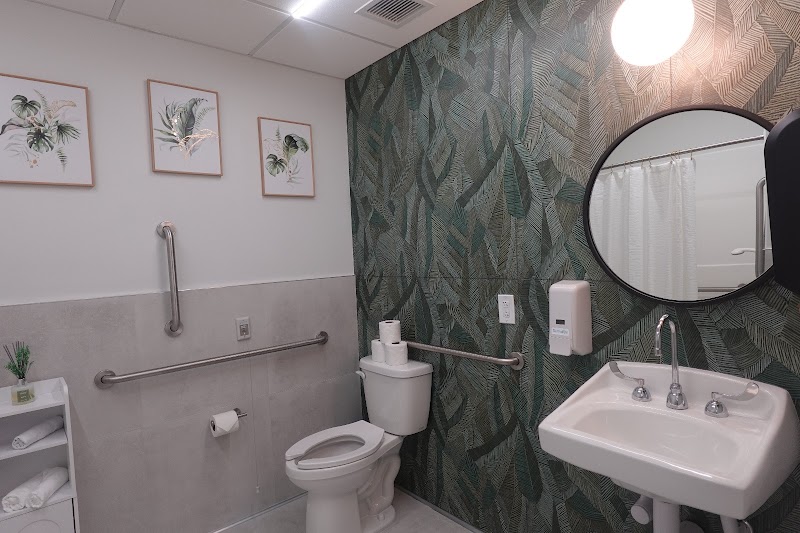
How is Excel Care At Egg Harbor Staffed?

CMS rates EXCEL CARE AT EGG HARBOR's staffing level at 2 out of 5 stars, which is below average compared to other nursing homes. Staff turnover is 63%, which is 17 percentage points above the New Jersey average of 46%. High turnover can affect care consistency as new staff learn residents' individual needs.

What Have Inspectors Found at Excel Care At Egg Harbor?

State health inspectors documented 21 deficiencies at EXCEL CARE AT EGG HARBOR during 2021 to 2025. These included: 1 Immediate Jeopardy (the most serious level, indicating potential for serious harm or death), 19 with potential for harm, and 1 minor or isolated issues. Immediate Jeopardy findings are rare and represent the most serious regulatory concerns. They require immediate corrective action.
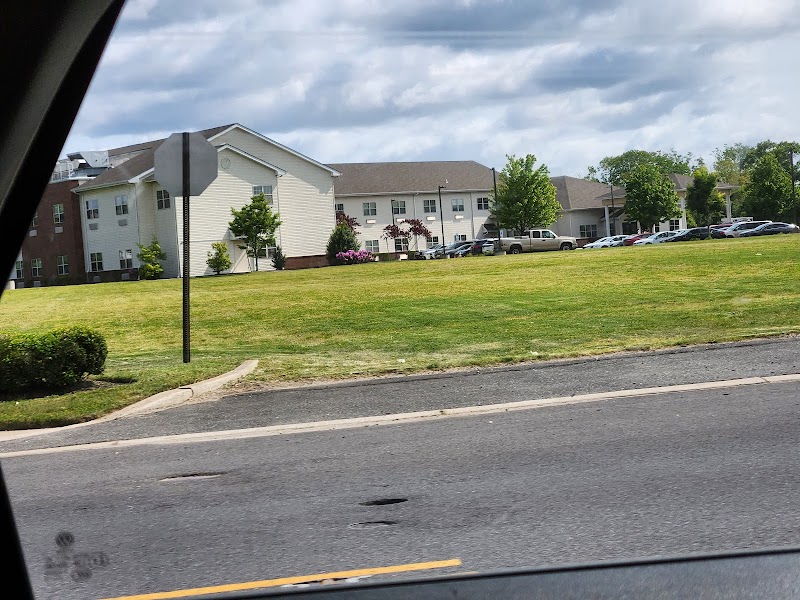
Who Owns and Operates Excel Care At Egg Harbor?

EXCEL CARE AT EGG HARBOR is owned by a for-profit company. For-profit facilities operate as businesses with obligations to shareholders or private owners. The facility is operated by EXCELCARE, a chain that manages multiple nursing homes. With 120 certified beds and approximately 116 residents (about 97% occupancy), it is a mid-sized facility located in EGG HARBOR TOWNSHIP, New Jersey.
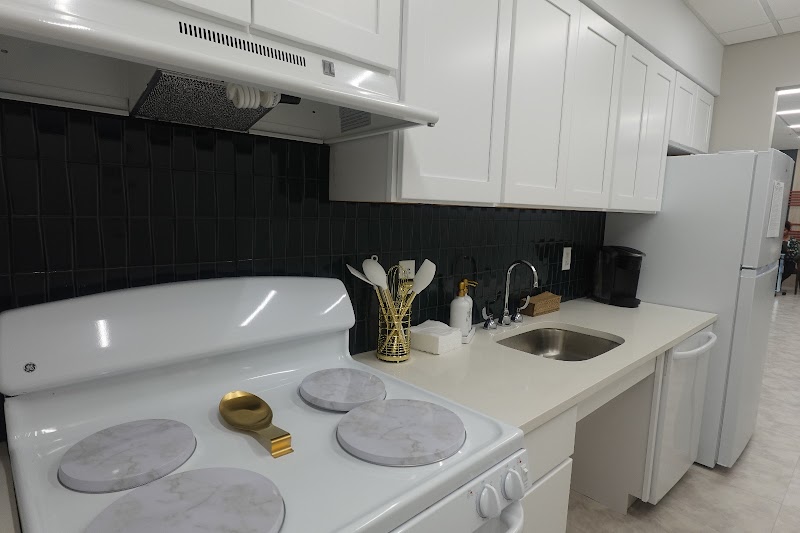
How Does Excel Care At Egg Harbor Compare to Other New Jersey Nursing Homes?

Compared to the 100 nursing homes in New Jersey, EXCEL CARE AT EGG HARBOR's overall rating (3 stars) is below the state average of 3.3, staff turnover (63%) is significantly higher than the state average of 46%, and health inspection rating (2 stars) is below the national benchmark.

What Should Families Ask When Visiting Excel Care At Egg Harbor?

Based on this facility's data, families visiting should ask: "What changes have been made since the serious inspection findings, and how are you preventing similar issues?" "How do you ensure continuity of care given staff turnover, and what is your staff retention strategy?" "Can you walk me through typical staffing levels on day, evening, and night shifts?" "Can I visit during a mealtime to observe dining assistance and food quality?" These questions are particularly relevant given the facility's Immediate Jeopardy citations, the facility's high staff turnover rate, and the below-average staffing rating.

Is Excel Care At Egg Harbor Safe?

Based on CMS inspection data, EXCEL CARE AT EGG HARBOR has documented safety concerns. Inspectors have issued 1 Immediate Jeopardy citation (the most serious violation level indicating risk of serious injury or death). The facility has a 3-star overall rating and ranks #100 of 100 nursing homes in New Jersey. Families considering this facility should ask detailed questions about what corrective actions have been taken since these incidents.

Do Nurses at Excel Care At Egg Harbor Stick Around?

Staff turnover at EXCEL CARE AT EGG HARBOR is high. At 63%, the facility is 17 percentage points above the New Jersey average of 46%. High turnover means new staff may not know residents' individual needs, medications, or preferences. It can also be disorienting for residents, especially those with dementia who rely on familiar faces. Families should ask: What is causing the turnover? What retention programs are in place? How do you ensure care continuity during staff transitions?

Was Excel Care At Egg Harbor Ever Fined?

EXCEL CARE AT EGG HARBOR has been fined $17,345 across 1 penalty action. This is below the New Jersey average of $33,252. While any fine indicates a compliance issue, fines under $50,000 are relatively common and typically reflect isolated problems that were subsequently corrected. Families should ask what specific issues led to these fines and confirm they've been resolved.

Is Excel Care At Egg Harbor on Any Federal Watch List?

EXCEL CARE AT EGG HARBOR is not on any federal watch list. The most significant is the Special Focus Facility (SFF) program, which identifies the bottom 1% of nursing homes nationally based on persistent, serious quality problems. Not being on this list means the facility has avoided the pattern of deficiencies that triggers enhanced federal oversight. This is a positive indicator, though families should still review the facility's inspection history directly.