COMPLETE CARE AT INGLEMOOR, LLC

333 GRAND AVE, ENGLEWOOD, NJ 07631 (201) 568-0900
For profit - Limited Liability company 62 Beds COMPLETE CARE Data: November 2025
Trust Grade
48/100
#257 of 344 in NJ
Last Inspection: March 2025

Within standard 12-15 month inspection cycle. Federal law requires annual inspections.

Overview

Complete Care at Inglemoor, LLC has a Trust Grade of D, indicating below-average performance with some concerning issues. In the state of New Jersey, it ranks #257 out of 344 facilities, placing it in the bottom half, and #23 out of 29 in Bergen County, meaning there are only a few local options that perform better. The facility's trend is worsening, having increased from 1 reported issue in 2024 to 16 in 2025, which raises red flags about its overall care quality. Staffing is average with a turnover rate of 41%, which is on par with the state average, suggesting some staff stability. However, the facility has faced problems such as failing to maintain sanitary conditions in the kitchen, which could lead to foodborne illnesses, and issues with unlabelled respiratory equipment for residents that could compromise care. While there are strengths in staffing and RN coverage, the growing number of concerns cannot be overlooked.

Trust Score
D
48/100
In New Jersey
#257/344
Bottom 26%
Safety Record
Low Risk
No red flags
Inspections
Getting Worse
1 → 16 violations
Staff Stability
○ Average
41% turnover. Near New Jersey's 48% average. Typical for the industry.
Penalties
○ Average
$13,000 in fines. Higher than 62% of New Jersey facilities. Some compliance issues.
Skilled Nurses
○ Average
Each resident gets 35 minutes of Registered Nurse (RN) attention daily — about average for New Jersey. RNs are the most trained staff who monitor for health changes.
Violations
⚠ Watch
36 deficiencies on record. Higher than average. Multiple issues found across inspections.
★★☆☆☆
2.0
Overall Rating
★★★☆☆
3.0
Staff Levels
★★★☆☆
3.0
Care Quality
★★☆☆☆
2.0
Inspection Score
Stable
2024: 1 issues
2025: 16 issues

The Good

  • Full Sprinkler Coverage · Fire safety systems throughout facility
  • No fines on record
  • Staff turnover below average (41%)

    7 points below New Jersey average of 48%

Facility shows strength in fire safety.

The Bad

2-Star Overall Rating

Below New Jersey average (3.2)

Below average - review inspection findings carefully

Staff Turnover: 41%

Near New Jersey avg (46%)

Typical for the industry

Federal Fines: $13,000

Below median ($33,413)

Minor penalties assessed

Chain: COMPLETE CARE

Part of a multi-facility chain

Ask about local staffing decisions and management

The Ugly 36 deficiencies on record

Mar 2025 16 deficiencies
CONCERN (D)

Potential for Harm - no one hurt, but risky conditions existed

Deficiency F0558 (Tag F0558)

Could have caused harm · This affected 1 resident

Based on observation, interview, and record review it was determined that the facility failed to keep the call bell within reach for a resident who required assistance from staff and who was able to u...

Read full inspector narrative →
Based on observation, interview, and record review it was determined that the facility failed to keep the call bell within reach for a resident who required assistance from staff and who was able to use a call bell. This deficient practice was identified for 1 of 17 residents reviewed, Resident #48, and evidenced by the following: On 3/10/25 at 9:22 AM, the surveyor observed Resident #48's door closed. The Certified Nursing Assistant (CNA) was inside the room providing morning hygiene (AM) care to the resident. On 3/10/25 at 9:50 AM, the surveyor entered the resident's room after the CNA was done with AM care. The surveyor observed the resident lying in their bed and the resident's call bell on the floor at the right side of the bed. The surveyor asked Resident #48 how they called for assistance. The resident stated, they would call the nurse by shouting out help! On 3/10/25 at 12:13 PM, the surveyor entered to the resident's room and observed that the call bell remained on the floor on the right side of the bed. The CNA was asked to accompany the surveyor to the resident's room. The CNA confirmed the call bell was on the floor and stated, I don't know how it got there . It's supposed to be on the bed so [the resident] can reach it. On that same date and time, the surveyor notified the CNA that the call bell was also observed earlier on the floor after AM care was provided. The CNA provided no additional response and proceeded to attach the call bell on the fitted sheet next to the resident within their reach. On 3/10/25 at 1:00 PM, the surveyor reviewed the Electronic Health Record (EHR) of Resident #48. A review of the admission Record (face sheet; an admission summary) included the resident had diagnoses that included, but were not limited to; a fracture of the left femur (a long bone located in the thigh), heart failure, and multiple myeloma (a type of blood cancer). A review of a comprehensive Minimum Data Set (MDS), an assessment tool, dated 2/16/25, reflected a Brief Interview of Mental Status (BIMS) score of 6 out of 15 indicating the resident had severe cognitive impairment. Additionally, Resident #48 required maximal assistance with Activities of Daily Living (ADLS) such as, oral hygiene, dressing, personal hygiene, and showering. On 3/10/25 at 1:49 PM, the surveyor requested from the License Nursing Home Administrator (LNHA), the facility's call bell policy. On 3/11/25 at 10:56 AM, the surveyor interviewed Resident #48 regarding their call bell use. The resident explained that they used the call bell by pressing the button to call for staff assistance. The resident proceeded to pick up the call bell and demonstrate the red button on the call bell. On 3/11/25 at 1:22 PM, the surveyor notified the LNHA, the Regional LNHA and the Regional [NAME] President of Clinical Services (RVPoCS) regarding the call bell concern, and that the CNA confirmed the call bell was not within reach of the resident. On 3/12/25 at 2:14 PM, the LNHA and the Director of Nursing (DON) met with the survey team. The DON stated staff education was initiated. The LNHA acknowledged it was expected for residents to have access to their call bells and that it should be within reach of the resident. A review of the facility's Call Lights Policy and Procedure dated 1/2025, revealed, Always position call light conveniently for use and within the reach of the resident. NJAC 8:39-4.1(a), 27.1(a)
CONCERN (D)

Potential for Harm - no one hurt, but risky conditions existed

Deficiency F0578 (Tag F0578)

Could have caused harm · This affected 1 resident

**NOTE- TERMS IN BRACKETS HAVE BEEN EDITED TO PROTECT CONFIDENTIALITY** Based on observation, interview, record review, and review of other facility documents, it was determined the facility failed to...

Read full inspector narrative →
**NOTE- TERMS IN BRACKETS HAVE BEEN EDITED TO PROTECT CONFIDENTIALITY** Based on observation, interview, record review, and review of other facility documents, it was determined the facility failed to ensure accurate documentation and review of a resident's advance directives for 1 of 3 residents, (Resident #13) reviewed. This deficient practice was evidenced by the following: 1. On [DATE] at 12:09 PM, the surveyor reviewed the Electronic Medical Record (EMR) of Resident #13. According to the admission Record (admission summary) Resident #13 had diagnoses that included but were not limited to; respiratory failure, chronic obstructive pulmonary disease (a lung condition that blocks airflow and makes it difficult to breathe), and heart failure. A review of the comprehensive Minimum Data Set (MDS), an assessment tool used to facilitate the management of care, dated [DATE], reflected a Brief Interview Mental Status (BIMS) score of 13 out of 15, which indicated the resident was cognitively intact. A review of physician's order (PO) dated [DATE], indicated the resident's code status as Do Not Resuscitate (DNR) and Do Not Intubate (DNI). A review of the resident's care plan (CP) included a focus area which indicated [Resident #13] had an established advance directive DNR/DNI. The CP had an initiation date of [DATE]. On [DATE] at 12:24 PM, the surveyor reviewed the paper chart of Resident #13 which included a New Jersey Practitioner Orders for Life-Sustaining Treatment (POLST) form, dated [DATE]. The POLST documented the resident desired attempt resuscitation/CPR [Cardiopulmonary Resuscitation] and Do not intubate. The form was signed by the resident and a physician. On [DATE] at 12:30 PM, the surveyor interviewed the Director of Nursing (DON)about the facility's advance directives process. The DON stated nursing and social services, determined upon admission the resident's code status and if the resident had any advance directives. The nurse or social worker (SW) would provide education on advance directives to residents and offer them the opportunity to complete a POLST indicating their wishes. The physician would see the resident, discuss with the resident their wishes and sign the POLST once completed. The DON further explained nursing was responsible to ensure the PO and the resident's CP was updated. On the same date and time, the surveyor reviewed with the DON the resident's chart which included the POLST dated [DATE], and the resident's EMR which included a DNR/DNI order. The DON stated the resident came in with a DNR/DNI status and had previously been DNR/DNI in the hospital. The DON stated she would have to clarify with the resident about their wishes as she was not the one who was present when the POLST was completed. On [DATE] at 2:06 PM, the surveyor interviewed the SW and the regional SW (RSW) about advance directives. The RSW stated residents were asked upon admission if they had any advance directives and would offer to help them make one if they did not. The residents and/or resident's representative (RR) would be provided information about advance directives and offered the opportunity to complete a POLST to make their wishes known. The SW, the nurses, and the nurse practitioner or physician took part in assisting a resident and/or the RR with completing a POLST. The RSW continued that the nurses were responsible for updating the EMR and entering the orders per the physician for a resident's advance directives. On the same time and date, the surveyor discussed the above concerns for Resident #13's completed POLST and the PO. The SW stated that she had provided and reviewed the POLST with the resident. The SW stated that the resident had read the POLST, filled out the form on their own and signed it. The SW further explained that she believed the resident had verbalized wanting to be resuscitated. The SW could not speak to the nurses being aware of the POLST's completion. The SW and regional SW stated they would follow up with the DON to clarify the resident's POLST. On [DATE] at 1:21 PM, the surveyor notified the Licensed Nursing Home Administrator (LNHA), the regional LNHA, and the Regional [NAME] President of Clinical Services (RVPoCS) of the above concerns. The RVPoCS stated the staff went to Resident #13 to clarify their code status and the physician also met with the resident. The RVPoCS stated the resident was unsure of their desired wishes, wanted to discuss it with their family, and the completed POLST for attempt to resuscitate/DNI would remain in effect. On [DATE] at 2:13 PM, the DON and the LNHA met with the survey team. The DON stated that the resident's code status was clarified, and the resident completed a new POLST with their family to indicate DNR/DNI. The DON acknowledged that upon completion of the resident's POLST on [DATE], the code status in the EMR should have been updated to reflect the resident's wishes. There was no additional information provided by the facility. A review of the facility's Advance Directives Policy, with a last updated date of [DATE], indicated under Policy Interpretation and Implementation: .9. The plan of care for each resident will be consistent with his or her documented treatment preferences and/or advance directive . N.J.A.C. 8:39-9.6
CONCERN (D) 📢 Someone Reported This

A family member, employee, or ombudsman was alarmed enough to file a formal complaint

Potential for Harm - no one hurt, but risky conditions existed

Investigate Abuse (Tag F0610)

Could have caused harm · This affected 1 resident

Complaint NJ#161311 Based on observation, interview, record review and review of pertinent facility documents, it was determined that the facility failed to conduct a thorough investigation to address...

Read full inspector narrative →
Complaint NJ#161311 Based on observation, interview, record review and review of pertinent facility documents, it was determined that the facility failed to conduct a thorough investigation to address an allegation of abuse. This deficient practice was identified for 1 of 7 residents, Resident #310, reviewed for alleged abuse and was evidenced by the following: On 3/7/25 at 10:02 AM, during the entrance conference, the surveyor requested from the Licensed Nursing Home Administrator (LNHA), the Director of Nursing (DON), the regional LNHA, and the Regional [NAME] President of Clinical Services (RVPCS) for reportable event investigations from February 2023. On 3/10/25 at 9:00 AM, the surveyor requested from the LNHA for Facility Reportable Event (FRE) investigations from February 2023 for Resident #310. On 3/10/25 at 10:00 AM, the LNHA provided a FRE which included an AAS-45 (Reportable Event Record/Report) submitted to the NJDOH and an investigate summary and conclusion. A review of the provided FRE documentation dated 2/8/23 revealed the facility submitted an AAS-45 to the NJDOH on 2/8/23. The AAS-45 identified Certified Nurse Aide (CNA) #1 as the staff involved in the incident. The report indicated on 2/8/23 at approximately 9:03 AM that CNA #1 reported Resident #310 sustained a cut to his/her left eyebrow when the overbed table hit the resident. The narrative of the report revealed CNA #1 stated that the resident was eating his/her breakfast, raised the head of the bed too high which caused the overbed table to tilt, and the resident's food to fall on the floor. The overbed table was stuck underneath the bed. CNA#1 tried to pull the table from underneath the bed, and at the same time the resident was raising the head of the bed with the remote. As the overbed table was released from underneath the bed, the end of the table hit the resident's left forehead. CNA #1 immediately reported to the nurse. The DON and the LNHA interviewed Resident #310 who stated that the CNA was moving the overbed table and hit his/her eye but believed it was not intentional. Interventions of the AAS-45 included, Resident #310 was assessed for injury and had a 1 centimeter (cm) straight cut with acute bleeding on their left eyebrow; a pressure dressing was applied, and the resident was transferred to a hospital emergency room (ER) for further evaluation. The CNA and the nurse (not identified in the AAS-45) were suspended pending the outcome of the investigation; the local police department was notified, and officers interviewed Resident #310 and CNA #1. The facility's Investigative Summary and Conclusion, completed by the DON and dated 2/9/23 revealed the following: Incident Summary: On 2/8/23 at approximately 9:05 AM, CNA #1 reported that Resident#310 sustained a cut to his/her left eyebrow. CNA #1 stated that the resident was eating his/her breakfast and raised the head of the bed too high which caused the overbed table to tilt, and the resident's food fell on the floor. The overbed table was stuck underneath the bed. CNA#1 tried to pull the table from underneath the bed, and at the same time the resident was raising the head of the bed with the remote. As the overbed table was released from underneath the bed, the end of the table hit the resident's left forehead. CNA#1 immediately reported it to the nurse. Resident #310 sustained a 1 cm cut to the left eyebrow which was actively bleeding. The site was cleansed with normal saline, and a pressure dressing was applied prior to the resident's transfer to the ER. Conclusion: The LNHA and the DON at the time of the incident interviewed Resident #310. The resident reported, the CNA was moving the overhead table hastily, and it hit his eye and that the resident believed it was an accident, not intentional. The resident's family arrived during the event and alleged the nurse delayed first aid treatment. CNA #1 was interviewed and stated that the table inadvertently hit the resident's forehead when she removed the overbed table stuck underneath the bed. LPN#1 was interviewed and reported that she immediately attended to the resident and provided first aid to prevent bleeding as the resident was on a blood thinner medication. The police officers who arrived at the facility, took statements from Resident #310 and CNA #1, and the police report had not been received yet by the facility. There were no witness statements or additional information provided with the facility's investigation. On 3/11/25 at 1:54 PM, the survey team met with the LNHA, Regional LNHA and RVPCS. The surveyor asked if the investigation provided was the facility's complete investigation and if there was any supportive documentation including individual statements. The RVPCS stated the facility was continuing to look for the documentation. The RVPCS further explained that the current DON and LNHA were not present at the time of the event, it was a previous administration team, and it was difficult to locate where everything was stored. The surveyor reviewed the Electronic Medical Record (EMR) of Resident #310. The admission Record (face sheet; a summary of important information about the resident) revealed Resident #310 had diagnoses which included but were not limited to, atherosclerotic heart disease (ASHD; damage or disease in the heart's major blood vessels). A comprehensive Minimum Data Set (MDS) assessment, an assessment tool to facilitate plan of care, dated 1/17/23, reflected Resident #310 had a Brief Interview of Mental Status (BIMS) score of 13 out of 15, which indicated the resident was cognitively intact. A physician's order dated 2/8/23 indicated to transfer the resident to the emergency room. A physician's order dated 1/31/23 indicated Aspirin delayed Release 81 milligram (mg), give 1 tablet by mouth one time a day for ASHD. A physician's order dated 1/31/23 indicated clopidogrel bisulfate 75 milligram (mg) tablet, give 1 tablet by mouth one time a day for anticoagulant (blood thinner). A progress note written by LPN #1 dated 2/8/23 at 1:20 PM documented at around 9:05 AM that the LPN was called by CNA #1 for assistance with Resident #310. LPN #1 wrote upon entering the room, .active bleeding was observed from the resident's left eye .Pressure was applied to stop bleeding, assessment completed; laceration to left eyelid noted, VS [vital signs] obtained, resident denies pain, dizziness or headache, site was covered with gauze and tape .Family came a few minutes after the event .MD contacted with order to send [resident] to the ER. 911called and the patient was transferred to the ER. On 3/12/25 at 9:10 AM, the surveyor requested from the LNHA, the employee files of CNA #1 and LPN #1. On 3/12/25 at 9:30 AM, the surveyor requested from the LNHA the hospital records for the resident's transfer to the ER. On 3/12/25 at 10:10 AM, the surveyor interviewed the LNHA and asked if additional documentation for the FRE was located. The LNHA stated only the FRE documentation provided was found and the facility could not find any additional documents. The LNHA could not speak to what had occurred at the time of the incident as he was not working at the facility in 2023. On 3/12/25 at 12:15 PM, the surveyor requested from the RVPCS the complete employee files of CNA#1 and LPN#1; the police report; the unit assignments from the time of the incident; and the timesheet for CNA #1 and LPN #1 in February 2023. On 3/12/25 at 12:41 PM, the LNHA provided a police report dated and time 2/8/23 at 9:40 AM. The police report revealed the LNHA at the time of the incident called the police. Two officers responded to the call, interviewed Resident #310 and CNA#1. The report revealed Resident #310 stated that he/she had knocked off the food tray from the overbed table and it fell on the floor. The resident reported when the CNA came back to the room, she seemed frustrated with the resident and pushed the overbed table towards the resident and struck their left eyebrow causing a laceration. According to the police report, the CNA was interviewed and reported after delivering the resident's food tray, while in the hallway she heard a loud bang come from the resident's room. The CNA went to check on the resident and observed the overbed table and food tray on the floor near the foot of the bed. The CNA attempted to stand the table back up for the resident and realized it was stuck underneath the bed. The CNA stated that when she leaned down to figure out why the table was stuck, the table came loose from underneath the bed and struck the resident on the left eyebrow causing a laceration. The CNA reported she immediately called for the nurse to render aid, and the family was contacted by the staff. The report documented the resident was being transferred to the hospital and the resident stated that if he/she wished to sign a complaint, they would do so at a later time. On 3/12/25 at 12:52 PM, the surveyor interviewed the current DON, who was an MDS coordinator at the time of the incident. The surveyor asked the DON what she recalled about the incident. The DON stated that she recalled that there was an incident with the overhead table, the resident hit his/her face on the table, the nurse applied a pressure dressing, and the resident was sent out to the ER. The DON stated that it was deemed an accident, not intentional, and the suspended staff returned to work at the facility. The DON could not speak to the details of the investigation as it was before she became the facility's DON. The surveyor asked the DON about the facility protocol for allegations of abuse. The DON stated that an allegation would be investigated by the facility immediately and typically took one to two days to complete. Additionally, other residents or staff would be interviewed for the investigation. If the police were involved, the staff would get the police number to follow up for the report. On 3/12/25 at 1:05 PM, the LNHA provided the surveyor with the employee files of LPN #1 and CNA #1. The surveyor reviewed LPN #1's employee file, which included that the LPN completed abuse in-service education on 1/18/23. CNA #1 received in-service education after the incident. The LNHA stated that CNA #1 was provided in-service education, however they could not find the file of her previous education prior to the incident. The surveyor reviewed the employee timesheet for 2/8/23 which reflected: On 2/8/23, LPN #1 punched in to work at 7:18 AM and punched out at 2:24 PM. She was scheduled to work up to 3:30 PM. On 2/8/23, CNA #1 punched in to work at 6:55 AM and punched out at 10:43 AM. She was scheduled to work until 3:00 PM. A review of the New Jersey Universal Transfer Form dated 2/8/23 reflected Resident #310 was transferred to a hospital ER for laceration to left eyelid bleeding. On 3/12/25 at 1:23 PM, the surveyor interviewed LPN# 2, who worked on the day of the incident with LPN #1. LPN #2 stated that at the time of the incident she was administering medication to residents and was not present in the room during the incident. LPN #2 recalled the resident's family, and the police came to the facility, the resident was sent to the hospital and LPN #1 and CNA #1 went home early that day. On 3/12/25 at 1:30 PM, the surveyor interviewed CNA#2, who worked on the day of the incident. CNA #2 stated that she worked on the other side of the unit. CNA #2 stated she could only recall CNA #1 had to go home early that day. CNA #2 explained that management would ask staff to write a report and a statement when incidents occurred. CNA #2 could not recall details of the incident or if she was asked to write a statement for the incident. On 3/12/25 at 1:41 PM, the surveyor called LPN#1 by phone for an interview regarding the incident on 2/8/23. The LPN could not recall any details of the incident and stated, I don't remember. On 3/12/25 at 1:57 PM, the surveyor called CNA#1 by phone to interview her regarding the incident, there was no answer, and a message was left for a return call. CNA #1 did not return the surveyor's call. On 3/12/25 at 2:25 PM, the surveyor informed the LNHA and the DON of the concern that a comprehensive investigation was not completed, and individual statements were not provided for Resident #310. The DON stated that the facility's process was for staff involved to be suspended until further investigation. Once the facility determined the allegation was unsubstantiated the staff could return to work. The DON stated that the conclusion of the facility's investigation was that the incident was an accident and not intentional. The LNHA stated that they couldn't find additional documentation of what was done at the time of this incident or where the complete investigation was kept. On 3/13/25 at 11:11 AM, the LNHA, the regional LNHA, and the RVPCS met with the survey team. The RVPCS stated, the facility had the AAS-45 but did not have individual statements for the investigation. The Regional LNHA stated they reviewed their files and could not find anything else for the investigation. The surveyor asked if it was expected for a completed investigation to include supportive documentation such as written individual statements. The RVPCS acknowledged that individual statements should be part of an investigation. There was no additional information provided by the facility's administration. A review of the facility's Policy and Procedures titled, Abuse, Neglect, Exploitation and Misappropriation Prevention Program dated December 2024 revealed, Identify and investigate all possible incidents of abuse, neglect, mistreatment, or misappropriation of resident property. A review of the facility's policy titled, Incidents Accidents Reports dated May 2024, revealed, If an incident/accident was witnessed by other people, the supervisor or designee will obtain written documentation of the event by those that witnessed it and submit that documentation to the Director of Nursing and/or Administrator. A review of the facility's policy for Compliance with Reporting Allegations of Abuse/Neglect/Exploitation dated October 2024 revealed, The Administrator or designee will obtain statements from direct care staff. NJAC 8:39-4.1(a) 5
CONCERN (D)

Potential for Harm - no one hurt, but risky conditions existed

Transfer Notice (Tag F0623)

Could have caused harm · This affected 1 resident

**NOTE- TERMS IN BRACKETS HAVE BEEN EDITED TO PROTECT CONFIDENTIALITY** Based on interview, record review, and review of other pertinent facility documents, it was determined that the facility failed ...

Read full inspector narrative →
**NOTE- TERMS IN BRACKETS HAVE BEEN EDITED TO PROTECT CONFIDENTIALITY** Based on interview, record review, and review of other pertinent facility documents, it was determined that the facility failed to provide the Resident and the Resident's Representative a written notification of the reason for transfer to the hospital, and also send a copy to a representative of the Office of the State Long-Term Care Ombudsman (LTCO) for 1 of 1 resident (Resident #159) reviewed for hospitalization. This deficient practice was evidenced by the following: On 3/7/25 at 10:47 AM, the surveyor observed Resident #159 lying on bed with head of bed elevated approximately 45 degrees, eyes closed, with tube feeding (TF) formula of Glucerna 1.2 running via a pump at 50 ml/hr (milliliters/hour), with 159 ml fed, and remaining in the container was 500 ml. The surveyor reviewed Resident #159's medical records and revealed: A review of the admission Record (an admission summary) reflected that Resident #159 was admitted to the facility with medical diagnoses which included but not limited to; type 2 diabetes mellitus without complications, gastrostomy status, unspecified protein-calorie malnutrition, adult failure to thrive, benign intracranial hypertension (is a condition characterized by increased intracranial pressure (pressure around the brain) without a detectable cause), other specified peripheral vascular diseases, and chronic systolic (congestive) heart failure. A review of the most recent comprehensive Minimum Data Set (MDS), an assessment tool, with an assessment reference date (ARD) of 1/21/25, with brief interview for mental status (BIMS) score of 1 out of 15, which reflected that the resident's cognition was severely impaired. Further review of the MDS revealed that the resident had four unplanned discharges (transfer) to hospital from [DATE] through February 2025. A review of the Bed Hold Notice (BHN) binder that was provided by the Licensed Nursing Home Administrator (LNHA) revealed that there were notices for dates 1/10/25, 1/31/25, and 2/18/25. The three notices identified did not include or specified where Resident #159 was transferred or discharged (d/c) to, and the options were to hospital, temporary leave or vacation. There was no documented evidence that the facility notified the Resident or Resident Representative (RR) of the transfer or d/c in writing, or if the written notice included the reason for d/c and location to which the resident was transferred or d/c. Further review of the provided BHN revealed: -For date 1/10/25, there was a handwritten information, could not get a hold of RR. Reached out to RR 4 x at [phone number]. It also included a handwritten information of Plan: return. The items intended for resident and RR for signature, date, time, rates of the rooms were all blanks. -For date 1/31/25, there was a handwritten information, reached out to RR 2 x [phone number]. It also included a handwritten information of plan return. The items intended for resident and RR for signature, date, time, rates of the rooms were all blanks. -For date 2/18/25, there was a handwritten information, reached out to fam (family). It also included a handwritten information of plan to return. The items intended for resident and RR for signature, date, time, rates of the rooms were all blanks. The 2/18/25 form did not include information about family information. There was no documented evidence that the facility provided BHN for the December 2024 d/c or transfer to hospital to the resident or RR. A review of the email confirmations to LTCO with attached Ombudsman Emergency Transfer Notices revealed: -email sent to Ombudsman on 1/7/25, included Notice of Transfer (NoT) for December 2024, did not include Resident #159's information. -email sent to Ombudsman on 2/6/25, included NoT for January 2025, did not include Resident #159's information. -email sent to Ombudsman on 3/3/25, included NoT for February 2025, did not include Resident #159's information. There was no documented evidence that the Ombudsman was notified of the resident's hospital transfers from December 2024 to February 2025. On 3/12/25 at 12:28 PM, the surveyor interviewed the Regional Social Worker (RSW), who informed the surveyor that she was covering as Social Worker (SW) at the facility before the current Social Worker (CSW) started at the facility. The RSW stated that it was the responsibility of the SW to send notifications to the Ombudsman monthly for all residents that were transferred to the hospital via email. She further stated that she was unsure who was in the facility responsible for sending notifications for BHN and she had to get back to the surveyor about it. On that same date and time, the surveyor notified the RSW of the above concerns that the resident's transfer to hospital in December 2024, January 2025, and February 2025 did not include Resident #159's information in the attached email submission of notifications on March 3, 2025, for February 2025, February 6, 2025 for January 2025, and January 7, 2025 for December 2024. The RSW responded that she had to get back to the surveyor. On 3/12/25 at 2:13 PM, the survey team met with the LNHA and Director of Nursing (DON), and the surveyor notified them of the above findings and concerns regarding BHN and Ombudsman NoT. On 3/13/25 at 10:18 AM, the DON informed another surveyor that the staff who signed the BHN was the Admissions Office. On 3/13/25 at 10:30 AM, the surveyor interviewed the admission Staff, who informed the surveyor that her title was External Case Manager (ECM), and she was covering for the previous admission Staff (AS) who left facility. The ECM stated that she started covering for AS February 2025, and she also had helped back in January 2025. She confirmed that the previous AS was the one who signed the BHN on 1/10/25, and the rest for January 2025 and February 2025, was her signature. On that same date and time, the surveyor asked the ECM what the facility's process with regard to providing BHN to the resident and/or RR, and she stated that when the resident was transferred to the hospital, that she calls the RR. The surveyor asked ECM if she was aware of the regulation about sending it in written form, and the ECM acknowledged that she was unaware. The surveyor notified the concern about the handwritten information, not identifying where the resident went, and why the BHN were being sent to. The surveyor also notified the concern that the room rates were left blank, and some information did not include who was the RR were notified via a call, and EMC had no response. On 3/13/25 at 11:11 AM, the survey team met with the LNHA, DON, Regional LNHA (RLNHA), and Regional [NAME] President of Clinical Services (RVPoCS). The RVPoCS stated that there was a glitch in the system, that the Ombudsman notifications were not able to send, and we addressed it now, to ensure that everyone will be pulled out and send to the Ombudsman once a month when it was being transmitted via email. The RLNHA acknowledged that the facility was not following what was on regulation about BHN, and moving forward it will be sent via mail, and will provide education to AS. A review of the facility's Transfer Discharge Policy, with a reviewed date of 10/2024, that was provided by the LNHA, revealed: 1. Emergency Transfers to Acute Care g. Provide a notice of transfer and the facility's BHN policy to the resident and representative as indicate. h. The Social Services Director, or designee, will provide copies of notices for emergency transfers to the Ombudsman, but they may be sent when practicable, such as in a list of residents on a monthly basis, as long as the list meets all requirement for content of such notices . A review of the Bed Hold Notice Policy, with a reviewed date of 10/2024, that was provided by the LNHA, revealed, it is the policy of the facility to provide written information to the resident and/or RR regarding bed hold practices both well in advance, and at the time of, a transfer for hospitalization or therapeutic leave . Policy Explanation and Compliance Guidelines: 1. As part of the admission packet and at the time of a transfer to the hospital or therapeutic, the facility will provide the Resident and/or the RR written information that specifies: a. the duration of the State bed-hold policy, if any, during which the resident is permitted to return and resume residence in the nursing facility. b. The reserve bed payment policy in the state plan policy, if any . 3. The facility will keep a signed and dated copy of the BHN information given to the Resident and/or RR in the resident's file and/or medical record. 4. The facility will provide this written information to all facility residents, regardless of their payment source. On 3/13/25 at 12:17 PM, the survey team met with the LNHA, DON, RLNHA, RVPoCS, and Regional Nurse for an exit conference and no additional information provided by the LNHA and DON. NJAC 8:39-4.1(a)31,32; 5.1
CONCERN (D)

Potential for Harm - no one hurt, but risky conditions existed

Assessment Accuracy (Tag F0641)

Could have caused harm · This affected 1 resident

Based on interview and record review it was determined that the facility failed to accurately code the Minimum Data Set (MDS), an assessment tool used to facilitate the management of care, in accordan...

Read full inspector narrative →
Based on interview and record review it was determined that the facility failed to accurately code the Minimum Data Set (MDS), an assessment tool used to facilitate the management of care, in accordance with federal guidelines for 1 of 18 residents, (Resident #6), reviewed for accuracy for MDS coding. This deficient practice was evidenced by the following: On 3/7/25 at 10:52 AM, the surveyor observed Resident #6 was seated in a wheelchair inside their room with Certified Nursing Aide #1 (CNA#1). S#1 also observed CNA#2 with hoyer lift machine and Staffing Coordinator came out of the resident's room. The surveyor reviewed Resident #6's medical records and revealed: A review of the admission Record (an admission summary) reflected that Resident #6 was admitted to the facility with medical diagnoses which included but not limited to; other Alzheimer's Disease, dysarthria (is a speech sound disorder resulting from neurological injury of the motor component of the motor-speech system) following unspecified cerebrovascular disease (stroke), unspecified osteoarthritis, unspecified site, contracture of left hand, and difficulty walking, not elsewhere classified. A review of the most recent quarterly Minimum Data Set (MDS), an assessment tool, with an assessment reference date (ARD) of 1/16/25, with a brief interview for mental status (BIMS) score of 10 out of 15, reflected that the resident's cognition was moderately impaired. Section GG Functional Abilities reflected that Resident #6 had a functional limitation in range of motion (ROM) and impairment on upper extremity. A review of the current Resident #6's personalized care plan (CP) reflected a focus CP for Chronic Pain on 12/3/24, fracture right 5th metatarsal that was revised on 12/4/24, that included interventions of NWB (non-weight bearing, a term used to describe a condition where a patient is not allowed to put weight on a specific limb or joint, often following surgery or injury) to right lower extremity per Ortho (Orthopedist) that was created on 12/11/24, by the Director of Nursing (DON). A review of the Progress Notes (PN) that was created by the DON on 9/28/24, for effective date of 9/27/24, monthly review, reflected that Resident #6's musculoskeletal system reviewed and there were left upper extremity contracture, with left hand splint, left leg extremity weakness, and right leg extremity weakness. On 3/12/25 at 10:29 AM, the DON stated that the resident with forgetfulness and required extensive assistance with activities of daily living, and the resident presented with left upper extremity contracture upon admission. The DON further stated that the resident had a fall incident on 12/2/24, resulted to fracture, and during that time, the resident was on NWB to right lower extremity and needed assistance with propelling wheelchair. On that same date and time, the surveyor notified the DON of the above findings and concerns regarding the 1/16/25 MDS and asked the DON should the MDS be accurate to reflect the status of the resident and the limitation on the extremities, and she stated yes. On 3/13/25 at 11:11 AM, the Licensed Nursing Home Administrator (LNHA) confirmed that there was no policy for MDS, and the facility followed the RAI (Resident Assessment Instrument) manual for answering the MDS assessment. On 3/13/25 at 12:17 PM, the survey team met with the LNHA, DON, RLNHA, RVPoCS, and Regional Nurse for an exit conference and no additional information provided by the LNHA and DON. NJAC 8:39-33.2 (d)
CONCERN (D)

Potential for Harm - no one hurt, but risky conditions existed

Deficiency F0661 (Tag F0661)

Could have caused harm · This affected 1 resident

Based on the interview, record review, and review of pertinent documents, it was determined that the facility failed to ensure residents who were discharged to the community had a discharge summary th...

Read full inspector narrative →
Based on the interview, record review, and review of pertinent documents, it was determined that the facility failed to ensure residents who were discharged to the community had a discharge summary that was completed by the physician in accordance to the regulation and facility's policy and procedure. This deficient practice was identified for 1 of 1 resident, (Resident #58), reviewed for discharge. This deficient practice was evidenced by the following: Surveyor #1 (S#1) reviewed the medical records of Resident #58, and revealed: A review of the admission Record (an admission summary) reflected that the resident was admitted to the facility with diagnoses that included but were not limited to, sepsis (serious condition in which the body responds improperly to an infection), unspecified organism and low back pain unspecified. A review of the most recent Discharge Return Not Anticipated (DRNA) Minimum Data Set (MDS), an assessment tool used to facilitate the management of care, of Resident #58, revealed in Section A Identification Information that the discharge (d/c) status was coded #1 (to the community). Further review of the medical records revealed that there was no documented evidence that the physician completed a d/c summary. On 3/10/25 at 11:53 AM, S#1 met with the Regional [NAME] President of Clinical Services (RVPoCS) and Director of Nursing (DON), and DON stated that physician's d/c summary will be written within a day or two in the Progress Notes (PN). She further stated that the PN will be either in paper or electronic records. The DON also stated that there was no specific timeframe for the physician to write the d/c summary. On that same date and time, S#1 notified the DON and RVPoCS of the concern that there was no documented evidence that the physician of Resident #58 completed a d/c summary when the resident was d/c to home. The DON confirmed in the presence of the RVPoCS that there was no documented evidence that the physician documented resident's d/c summary after checking the closed record files. On 3/11/25 at 1:21 PM, the survey team met with the Licensed Nursing Home Administrator (LNHA), Regional LNHA (RLNHA), and RVPoCS, and Surveyor #2 (S#2) discussed the above concerns and findings with Resident #58's physician d/c summary. On 3/12/25 at 2:13 PM, the survey team met with the LNHA and DON, and the DON stated that we counseled the Physician that d/c summary for resident #58 should have been done. A review of the facility's Discharge Planning Process Policy, with reviewed date of 10/2024, that was provided by the Infection Preventionist revealed: Procedure: 11. The evaluation of the resident's d/c needs and d/c plan will be completely documented on a timely basis in the clinical record. 12. The results of the evaluation and the final d/c plan will be discussed with the resident or resident's representative (RR). All relevant information will be discussed with the resident or RR. All relevant information will be provided in a d/c summary to avoid unnecessary delays in the resident's d/c or transfer, and to assist the resident in adjustment to his or her new living environment On 3/13/25 at 12:17 PM, the survey team met with the LNHA, DON, RLNHA, RVPoCS, and Regional Nurse for an exit conference and no additional information provided by the LNHA and DON. NJAC 8:39-36.1(b)(c)
CONCERN (D)

Potential for Harm - no one hurt, but risky conditions existed

Quality of Care (Tag F0684)

Could have caused harm · This affected 1 resident

Based on observation, interview, record review, and review of pertinent facility documents, it was determined that the facility failed to ensure that residents receive treatment and care in accordance...

Read full inspector narrative →
Based on observation, interview, record review, and review of pertinent facility documents, it was determined that the facility failed to ensure that residents receive treatment and care in accordance with professional standards of practice, by failing to ensure; a.) that the physician order was clarified, b.) care plan (CP) intervention was revised, and c.) the fall investigation included the statement of the staff to complete the investigation, and in order to determine root cause analysis. This deficient practice was identified for 1 of 2 residents, (Resident #6), reviewed for accidents and was evidenced by the following: Reference: New Jersey Statutes, Annotated Title 45, Chapter 11. Nursing Board. The Nurse Practice Act for the state of New Jersey states: The practice of nursing as a registered professional nurse is defined as diagnosing and treating human responses to actual or potential physical and emotional health problems, through such services as case finding, health teaching, health counseling and provision of care supportive to or restorative of life and well-being, and executing medical regimes as prescribed by a licensed or otherwise legally authorized physician or dentist. Reference: New Jersey Statutes Annotated, Title 45, Chapter 11. Nursing Board. The Nurse Practice Act for the State of New Jersey states: The practice of nursing as a licensed practical nurse is defined as performing tasks and responsibilities within the framework of case finding; reinforcing the patient and family teaching program through health teaching, health counseling and provision of supportive and restorative care, under the direction of a registered nurse or licensed or otherwise legally authorized physician or dentist. On 3/7/25 at 10:52 AM, Surveyor #1 (S#1) observed Resident #6 was seated in a wheelchair inside their room with Certified Nursing Aide #1 (CNA#1). The surveyor also observed CNA#2 with hoyer lift machine and Staffing Coordinator came out of the resident's room. The surveyor reviewed Resident #6's medical records and revealed: A review of the admission Record (an admission summary) reflected that Resident #6 was admitted to the facility with medical diagnoses which included but not limited to; other Alzheimer's Disease, dysarthria (is a speech sound disorder resulting from neurological injury of the motor component of the motor-speech system) following unspecified cerebrovascular disease (stroke), unspecified osteoarthritis, unspecified site, contracture of left hand, and difficulty walking, not elsewhere classified. A review of the most recent quarterly Minimum Data Set (MDS), an assessment tool, with an assessment reference date of 1/16/25, indicated a brief interview for mental status (BIMS) score of 10 out of 15, which reflected that the resident's cognition was moderately impaired. A review of the current Resident #6's personalized CP reflected a focus CP for Chronic Pain on 12/3/24, fracture right 5th metatarsal that was revised on 12/4/24, that included interventions of NWB (non-weight bearing, a term used to describe a condition where a resident is not allowed to put weight on a specific limb or joint, often following surgery or injury) to right lower extremity per Ortho (Orthopedist) that was created on 12/11/24, by the Director of Nursing (DON). A review of the Physician's Orders (PO) revealed: -A PO order date 12/11/24, NWB right lower extremity fractured right 5th metatarsal. A review of the Progress Notes (PN) that was created by the DON on 3/1/25, for effective date of 2/26/25, reflected that the resident was on WBAT (weight bearing as tolerated) to right lower extremity with boot per Ortho. On 3/10/25 at 1:13 PM, S#1 asked the DON in the 1st floor nursing station, the DON claimed that it was her responsibility to update and revised CP. The surveyor notified the DON of the concerns regarding the 12/11/24 order for NWB to right lower extremity and the PN was documented for WBAT to right lower leg. After reviewing the records, the DON stated that the CP for weight bearing status should have been revised to WBAT since 2/12/25 and the order for NWB should have been clarified to reflect WBAT. On 3/11/25 at 1:21 PM, the survey team met with the Licensed Nursing Home Administrator (LNHA), Regional LNHA (RLNHA), and Regional [NAME] President of Clinical Services (RVPoCS), and Surveyor #2 (S#2) discussed the above concerns and findings with Resident #6's CP and order for NWB to right lower extremity. On 3/12/25 at 8:10 AM, the LNHA provided a copy of resident's fall investigation and informed the surveyor that there was only one fall incident happened for the last 6 months. A review of the provided fall investigation dated 12/2/24, revealed that the fall incident happened in resident's room, where the Maintenance Staff (MS) found the resident on the floor. The fall investigation also reflected that the resident slid out of their chair and hit their right ankle on the floor, the resident was assessed and resident complained of right ankle pain. The Physician, DON, and the Resident Representative (RR) were notified, and the physician ordered an x-ray. The fall incident was prepared by the Licensed Practical Nurse (LPN). Further review of the provided 12/2/24 fall investigation did not include a statement from the MS. There was no documented evidence that the MS's name was identified. On 3/12/25 at 10:29 AM, S#1 interviewed the DON regarding the 12/2/24 fall investigation, and the DON confirmed that the MS did not have a statement when the MS found the resident on the floor as part of a complete investigation. The DON stated that it was her responsibility to ensure that she followed up with LPN#1 at that time who was the MS and that the statement was obtained. She further stated that LPN#1 was on leave right now and unable to reach out to gather the information of who was the MS. On 3/12/25 at 2:13 PM, the survey team met with the LNHA and DON, and the DON stated that updated the CP and PO for weight bearing status was clarified after the surveyor's inquiry. On that same date and time, S#1 notified the LNHA and the DON of the new concerns regarding Resident 6's fall investigation on 12/2/24 that there was no documented evidence that the MS provided a statement. A review of the facility's Incident Accident Reports Policy, with a reviewed date of 5/2024, reflected under Compliance Guidelines: 15. If an incident/accident was witnessed by other people, the supervisor or designee will obtain written documentation of the event by those that witnessed it and submit that documentation to the DON and/or Administrator. A review of the facility's Care Plans, Comprehensive Person-Centered Policy, with an updated date of 10/2024, revealed: Policy Statement: A comprehensive, person-centered CP that includes measurable objectives and timetables to meet the resident's physical, psychosocial and functional needs is developed and implemented for each resident. Policy Interpretation and Implementation: 13. Assessments of residents are ongoing and CP are revised as information about the residents and the residents' conditions change . On 3/13/25 at 12:17 PM, the survey team met with the LNHA, DON, RLNHA, RVPoCS, and Regional Nurse for an exit conference and no additional information provided by the LNHA and DON. NJAC 8:39-3.2 (a,b); 11.2(b); 27.1(a)
CONCERN (D)

Potential for Harm - no one hurt, but risky conditions existed

Deficiency F0692 (Tag F0692)

Could have caused harm · This affected 1 resident

**NOTE- TERMS IN BRACKETS HAVE BEEN EDITED TO PROTECT CONFIDENTIALITY** Based on observation, interview, record review, and review of pertinent facility documents, it was determined that the facility ...

Read full inspector narrative →
**NOTE- TERMS IN BRACKETS HAVE BEEN EDITED TO PROTECT CONFIDENTIALITY** Based on observation, interview, record review, and review of pertinent facility documents, it was determined that the facility failed to: a) obtain weights for a resident according to the physician's orders and facility policy for 1 of 2 residents (Resident #13) reviewed for nutrition; and b) monitor and document the fluid intake for a resident with a physician's order for fluid restrictions for 1 of 2 residents (Resident #28) reviewed for nutrition. This deficient practice was evidenced by the following: 1. On 3/7/25 at 10:50 AM, the surveyor observed Resident #13 sitting in a wheelchair in their room, being provided care by staff. On 3/12/25 at 9:06 AM, the surveyor reviewed the paper chart and the Electronic Medical Record (EMR) of Resident #13. The admission Record (a summary of important information about the resident) documented Resident #13 had diagnoses that included but were not limited to, respiratory failure, chronic obstructive pulmonary disease (a lung condition that blocks airflow and makes it difficult to breathe), and heart failure. A comprehensive Minimum Data Set (MDS) assessment, a tool to facilitate the management of care, dated 2/18/25, indicated the facility assessed the resident's cognition using a Brief Interview Mental Status (BIMS) test. Resident #13 scored a 13 out of 15, which indicated the resident was cognitively intact. Resident #13 was coded as having a significant weight loss of 5% or more in 1 month or a significant weight loss of 10% or more in 6 months, while not on a physician-prescribed weight loss regimen. A physician's order dated 12/27/24 indicated weekly weights x 4 upon readmission/admission. A physician's order dated 12/27/24 indicated monthly weights every 30 days once in the morning. A review of the documented weights for Resident #13 revealed the following: - 12/29/24: 146.2 pounds (lbs.) - 1/2/2025: 149.0 lbs. - 2/2/2025: 125.0 lbs. - 2/7/2025: 131.2 lbs. On 1/2/25 the resident weighed 149 lbs. and on 2/7/25 the resident weighed 131.2 lbs. resulting in a weight loss of 11.95% in 1 month. A review of the progress notes indicated the resident was sent out of the facility on 1/9/25 and returned 1/18/25 to the facility after being hospitalized for pneumonia. The resident was sent to the hospital on the 1/29/25 and returned on 1/30/25 to the facility after being hospitalized for respiratory failure. A review of the January 2025 Medication Administration Record (MAR) revealed the entry for monthly weights scheduled for 1/27/25 was signed by the nurse with the chart code 7. The chart code 7 indicated other/see nurse notes. A review of the corresponding MAR note dated 1/27/25 indicated the resident's weight would be taken on February 1st. A review of the February 2025 MAR revealed the entry for monthly weights scheduled for 2/26/25 was signed by the nurse with the chart code 7. A review of the corresponding MAR note dated 2/26/25 indicated the resident would be weighed at the beginning of the month. A review of the March 2025 MAR revealed the entry for monthly weights remained scheduled for the end of the month, next due on 3/28/25. A review of the MAR and the Treatment Administration Record (TAR) for January 2025 and February 2025 revealed there were no entries for weekly weights for the resident. A nutrition note dated 2/7/25 by the Registered Dietician (RD) #1 revealed Resident #13 was assessed for a significant undesirable weight loss. RD #1 reviewed the resident's supplements and food preferences. The note documented a re-weigh was completed with a result of 131.2 lbs. The RD indicated the resident's weight loss could be contributed by the resident's history of edema (swelling caused by an excessive accumulation of fluid in the body's tissue) and recent hospitalization. A nutrition note dated 3/5/25 indicated the RD #2 visited with Resident #13 to discuss weight loss concerns. The RD documented review of the resident's supplements, meals, and preferences. The RD indicated to continue to monitor oral intake and weight trends. The note did not include weight assessment for the resident. On 3/12/25 at 10:25 AM, the surveyor interviewed Registered Nurse (RN) #1 about the facility's protocol for obtaining weights. RN #1 stated there was a weight book and the nurse from the night shift would inform the incoming shift who needed to be weighed for the next day. The RN stated weights for residents were taken upon admission, would be documented in the nursing assessment and in the weights/vitals section of the EMR. On 3/12/25 at 11:03 AM, the surveyor interviewed Licensed Practical Nurse (LPN) #1 who stated weights for residents were completed in the first week of every month. If the residents had other orders for weekly weights, the LPN stated there would be an entry in the MAR. LPN #1 further explained monthly weights were part of the facility's standard protocol and a physician's order in the MAR or TAR was not required. On 3/12/25 at 11:13 AM, the surveyor interviewed the Director of Nursing (DON) who stated weights were completed upon admission, and day 2 of admission; for subacute residents, weekly weights x 4 weeks after admission were completed; LTC residents, if re-admitted on ly weights upon admission were completed; and monthly weights for all residents were completed in the first week of the month. The DON added weights were expected to be done by the 10th of month, and she reviewed the results with the RD to identify any significant changes in a resident's weight. The DON stated if there were any changes identified, a re-weigh would be completed the same day upon request. If the weight was verified, the RD would assess the resident and make recommendations to address the weight changes. The surveyor reviewed with the DON the listed weights for Resident #13 in the EMR. The surveyor discussed the concern that there were no weights upon the resident's re-admission on [DATE] or 1/30/25. The DON stated she would review and provide any additional information to the surveyor. On 3/12/25 at 1:10 PM, the surveyor interviewed RD #2 who started the previous week at the facility. The surveyor asked the RD about the nutrition note completed on 3/5/25 and if the monthly weight for March 2025 for Resident #13 was reviewed. RD #2 stated monthly weights were still being obtained on the unit and that she had not reviewed the resident's weight yet. The surveyor asked RD #2 where the resident's weight would be documented. RD #2 replied that it should be in the nurses' station in the weight binder and in the EMR. The RD was not sure who documented the weight results in the EMR and stated maybe the nurses were responsible. RD #2 accompanied the surveyor to the resident's unit to obtain the list of resident weights. RD #2 provided a copy of the weights from the nursing staff. Resident #13's written weight on the log was illegible. RD #2 also could not read the weight that what was written and informed the nurse that the resident had to be re-weighed. On 3/12/25 at 2:13 PM, the surveyor informed the DON and the Licensed Nursing Home Administrator (LNHA) about the concern for Resident #13's weights not being obtained per facility protocol and policy. On 3/13/25 at 11:11 AM, the LNHA, the Regional LNHA, the DON and Regional [NAME] President of Clinical Services (RVPCS) met with the survey team. The DON acknowledged there were no weights found upon the resident's re-admission to the facility and the March 2025 weight was not completed by the 10th of the month. The DON stated in-service education was being provided to the staff to ensure completion of weights. A review of the facility's policy titled Weight Policy, last reviewed in December 2024, revealed under Compliance Guidelines: . 5. A weight monitoring schedule will be developed upon admission for all residents: a. Newly admitted residents- Weight on admission and monitor weight weekly for 4 weeks b. If clinically indicated- monitor weights as per order c. All others- monitor weight monthly . A review of the facility's policy titled Weight Assessment and Intervention last updated in October 2019, revealed under Weight Assessment: . 1. The nursing staff will measure resident weights upon admission on ce and weekly for four weeks. If no weight concerns are noted at this point, weights will be measured monthly thereafter. 2. Weights will be recorded in each unit's Weight Record or notebook and in the individual's medical record. 3. Any weight change of 5% or more since the last weight assessment will be retaken the next day for confirmation. If the weight is verified, nursing will immediately notify the Dietician in writing. Verbal notification must be confirmed in writing . 2. On 3/12/25 at 10:10 AM, the surveyor reviewed the paper chart and the EMR of Resident #28. The admission Record documented the resident had diagnoses that included but were not limited to, End Stage Renal Disease. A comprehensive MDS assessment, a tool to facilitate the management of care, dated 1/13/25, indicated the facility assessed the resident's cognition using a BIMS test. Resident #28 scored a 7 out of 15, which indicated the resident had severe cognitive impairment. A physician's order dated 4/24/23 indicated no water pitcher at the bedside every shift. A physician's order dated 4/25/23 indicated fluid restriction of 1200 milliliters per day (ml/day); Dietary: 840 ml (Breakfast-480 ml; Lunch-180 ml; Dinner-180 ml); and Nursing: 360 ml (120 ml for every shift). A physician's order dated 11/20/24 indicated the resident went to dialysis every Monday, Wednesday, and Friday with a chair time of 6:30 AM. A physician's order dated 3/7/25 indicated the resident was on a renal diet, puree texture, and thin liquids with a 1200 ml/day fluid restriction. A review of March 2025 MAR and TAR revealed there were no entries that indicated the ordered fluid restrictions for the resident. A review of the resident's care plan included a focus area for nutrition. An intervention of the care plan with a revision date of 7/6/23 indicated the resident was on fluid restrictions of 1200 ml/day. Additionally, the intervention included for staff to remind the resident about their fluid restriction. On 3/12/25 at 10:24 AM, the surveyor observed Resident #28 was not in their room. The resident was scheduled for dialysis every Monday, Wednesday, and Friday. On 3/12/25 at 10:25 AM, the surveyor interviewed RN #1 assigned to care for Resident #28. RN #1 confirmed the resident was currently at dialysis. The RN stated a physician's order for fluid restrictions would be included in the MAR and an order to not to leave a water pitcher at the bedside. RN #1 further explained that it would be documented in the resident's diet order and on the resident's EMR profile that the resident was on fluid restrictions. The surveyor asked RN #1 if the resident's fluid intake would be documented by the nurses. The RN replied, usually no and that it would be documented for residents who had orders for strict intake and output monitoring. The surveyor asked RN #1 if Resident #28 was on fluid restrictions. The RN replied, I'm not sure and proceeded to check the resident's physician orders in the EMR. RN #1 found the resident's diet order, reviewed it with the surveyor, and confirmed that the resident was on fluid restrictions. The surveyor asked RN #1 how a nurse knew that a resident was on fluid restriction if it was not documented on the MAR and TAR. The RN stated it would be documented in the nurses' 24-hour report (a document used to track a resident's condition, treatment, and any changes or needs over a 24-hour period). RN #1 accompanied the surveyor to Resident #28's room to check if there were any pitchers or beverages at the bedside. The surveyor observed there were no pitchers or other beverages found at the resident's bedside. On 3/12/25 at 11:13 AM, the surveyor interviewed the DON about fluid restrictions. The DON stated that there should be a physician's order which would show up on the MAR or TAR to indicate the resident was on fluid restrictions. The surveyor informed the DON of the RN interview in which she wasn't sure if Resident #28 was on fluid restrictions and that there was no documentation of the resident's fluid restrictions in the MAR or TAR. The DON reviewed with the surveyor the EMR for Resident #28. The DON confirmed there was no fluid restriction order entry on the MAR and TAR for Resident #28. The DON could not speak to what happened and would investigate to provide additional information. On 3/12/25 at 2:13 PM, the surveyor informed the DON and the LNHA of the above concern regarding the monitoring and documentation of Resident #28's fluid restrictions. On 3/13/25 at 11:11 AM, the LNHA, the Regional LNHA, the DON and the RVPCS met with the survey team. The DON stated the resident's order for fluid restrictions was adjusted to show each shift in the MAR/TAR and to record fluid restriction intake. The RVPCS explained the order was there, but it was not coming up on the MAR or TAR. There was no additional information provided by the facility. A review of the facility's policy titled Fluid Restriction, last reviewed in October 2024, revealed: It is the policy of this facility to ensure that fluid restrictions will be followed in accordance to physician's orders. Under Compliance Guidelines of the policy indicated: 1. The nurse will obtain and verify the physician's order for the fluid restriction and an order written to include the breakdown of the amount of fluid per 24 hours to be distributed between the food and nutrition department and the nursing department, and will be recorded on the medication record or other format as per facility protocol . NJAC 8:39-27.1(a)
CONCERN (D)

Potential for Harm - no one hurt, but risky conditions existed

Respiratory Care (Tag F0695)

Could have caused harm · This affected 1 resident

Based on observation, interview, and record review, it was determined that the facility failed to ensure appropriate storage of a nebulizer treatment equipment in accordance with facility protocol and...

Read full inspector narrative →
Based on observation, interview, and record review, it was determined that the facility failed to ensure appropriate storage of a nebulizer treatment equipment in accordance with facility protocol and infection control. This deficient practice was identified in 1 of 1 resident (Resident #55), reviewed for respiratory care. The deficient practice was evidenced by the following: On 3/7/25 at 1:40 PM, the surveyor interviewed Licensed Practical Nurse (LPN) #1 about the changing of nebulizer (neb) tubing and mask equipment. LPN #1 was not sure of the facility's policy regarding changing of oxygen (O2) tubing and neb tubing equipment. LPN #1 accompanied the surveyor to the Resident #55's room to observe the resident's neb machine equipment. Resident #55 was sitting on their bed, alert and verbally responsive. The neb mask was resting on the resident's nightstand uncovered attached to a tubing which was connected to the neb machine. LPN #1 stated the date on the neb mask was 2/18/25. On 3/7/25 at 1:44 PM, the surveyor interviewed Minimum Data Set (MDS) Coordinator #1 about the changing and storage of neb equipment. MDS Coordinator #1 stated the facility's policy was to change neb tubing weekly and there would be a physician's order to indicate the weekly change. The surveyor discussed the observation of Resident #55's neb mask resting on table uncovered and having a labeled date of 2/18/25. MDS coordinator #1 acknowledged the neb mask should have been changed after a week from the date. The surveyor reviewed the Electronic Medical Record (EMR) of Resident #55. A review of the admission Record (an admission summary) revealed that Resident #55 was admitted with diagnoses that included, but were not limited to, type 2 diabetes mellitus, and dysphagia (difficulty swallowing foods or liquids). A review of the comprehensive Minimum Data Set (MDS), an assessment tool used to facilitate care, dated 2/18/25, reflected a Brief Interview for Mental Status (BIMS) score of 15 out of 15 which indicated that the resident was cognitively intact. A review of the physician's order (PO) dated 2/8/25, indicated Budesonide Inhalation Suspension 0.5 milligram/milliliter (mg/ml), 2 ml inhale orally two times a day for asthma. There was no PO for weekly change for neb tubing equipment. A review of care plans (CP) revealed there were no CP related to the resident's respiratory care. On 3/7/25 at 2:33 PM, the surveyor interviewed the Director of Nursing (DON) who stated O2 and neb tubing changes occurred every Sunday on the night shift. The DON further explained there was a PO for weekly neb tubing change and the nurses would sign the task completed in the electronic Treatment Administration Record (eTAR). The surveyor asked the DON about storage of a neb mask when not in use. The DON replied to the surveyor that it should be stored in a plastic bag when not in use. The surveyor notified the DON of the interview with the staff and the observation of Resident #55's neb equipment. The DON acknowledged the mask should have been stored in plastic bag and the neb mask should have been changed weekly as per the facility's protocol. The surveyor notified the DON that there was no respiratory CP found for Resident #55 and if there should have been one. The DON replied that there should have been a CP for the resident as they received routine neb treatments and had a diagnosis of asthma. On 3/11/25 at 1:21 PM, the surveyor notified the Licensed Nursing Home Administrator (LNHA), the Regional LNHA, and the Regional [NAME] President of Clinical Services (RVPoCS) of the concerns for Resident #55's neb tubing equipment not being changed weekly and the mask not being stored appropriately. On 3/12/25 at 2:13 PM, the LNHA and the DON met with the survey team. The DON acknowledged there was no PO for changing of Resident #55's neb tubing. The DON stated the neb tubing was changed and stored appropriately after the surveyor's observation with staff. Additionally, the resident's CP was updated to include a respiratory CP. A review of the facility's Oxygen Administration Policy, with an updated date of October 2024, revealed it did not address storage of O2 or neb equipment. There was no additional policy provided by the facility. NJAC 8:39-27.1(a)
CONCERN (D)

Potential for Harm - no one hurt, but risky conditions existed

Deficiency F0761 (Tag F0761)

Could have caused harm · This affected 1 resident

Based on observation, interview, and review of pertinent facility documents, it was determined that the facility failed to properly store medications and medical supplies safely and per standards of p...

Read full inspector narrative →
Based on observation, interview, and review of pertinent facility documents, it was determined that the facility failed to properly store medications and medical supplies safely and per standards of practice. This deficient practice was identified in 1 of 2 medication storage areas observed on the 2nd floor of the facility. This deficient practice was evidenced by the following: Reference: New Jersey Statutes Annotated, Title 45, Chapter 11. Nursing Board. The Nurse Practice Act for the State of New Jersey states: The practice of nursing as a licensed practical nurse is defined as performing tasks and responsibilities within the framework of case finding; reinforcing the patient and family teaching program through health teaching, health counseling, and provision of supportive and restorative care, under the direction of a registered nurse or licensed or otherwise legally authorized physician or dentist. On 3/10/25 at 11:19 AM, the surveyor observed on the 2nd floor unit, in the presence of the assigned Licensed Practical Nurse (LPN) the following: 1. The surveyor observed adjacent to the nurses' station, one medication (med) storage cabinet, containing various in-house stock medications (meds), which was not locked. 2. The surveyor observed two other storage cabinets containing various medical supplies that was unlocked and did not have a lock affixed. The surveyor interviewed the LPN if the cabinets should be locked when not in use. The LPN stated yes that they should always be locked. The LPN attempted to locate a key to lock the cabinets but was unable to lock the cabinets. The LPN stated she would call maintenance to get a key. On 3/10/25 at 3:20 PM, the surveyor interviewed the facility Consultant Pharmacist (CP) by telephone. The surveyor asked the CP if the facility should store all meds and medical supplies securely and prevent unauthorized access. The CP stated yes, they should always be secured. On 3/11/25 at 1:27 PM, the surveyor notified the Licensed Nursing Home Administrator (LNHA), the regional LNHA, and the Regional [NAME] President of Clinical Services (RVPoCS) of the concerns with the med storage cabinets not being secured on the 2nd floor. The surveyor asked if all meds and medical supplies be kept secured from unauthorized persons accessing them. The LNHA and RVPoCS both replied, Yes. On 3/12/25 at 2:15 PM, the LNHA and the Director of Nursing (DON) met with the survey team. The LNHA stated that the med cabinets on the 2nd floor had new locks installed and were secured. Additionally, the LNHA stated the staff had been educated about keeping meds secured. There was no additional information provided by the facility. A review of the facility's Medication Storage Policy, with a last reviewed date of October 2024, reflected under 1. General Guidelines: a. All drugs and biologicals will be stored in locked compartments ( .cabinets .). NJAC 8:39-29.4(h)
CONCERN (D)

Potential for Harm - no one hurt, but risky conditions existed

Deficiency F0883 (Tag F0883)

Could have caused harm · This affected 1 resident

**NOTE- TERMS IN BRACKETS HAVE BEEN EDITED TO PROTECT CONFIDENTIALITY** Based on interview, review of medical record, and review of other pertinent facility documents, it was determined that the facil...

Read full inspector narrative →
**NOTE- TERMS IN BRACKETS HAVE BEEN EDITED TO PROTECT CONFIDENTIALITY** Based on interview, review of medical record, and review of other pertinent facility documents, it was determined that the facility failed to offer residents a pneumococcal and influenza vaccines or document the refusal and reason for ineligibility for the vaccines for 1 of 5 residents reviewed for unnecessary medications (Resident #55). The deficient practice was evidenced by the following: Reference: According to the Centers for Disease Control (CDC) and Prevention, recommends pneumococcal vaccination (PCV) for many adults based on age, having certain risk conditions, and pneumococcal vaccines already received . CDC recommends PCV15, PCV20, or PCV21 for adults who never received a PCV and are Ages 65 years or older Ages 19 through 64 years with certain risk conditions. Chronic conditions and other factors that increase someone's risk for pneumococcal disease include Chronic heart, kidney, liver, or lung disease (Chronic lung disease includes chronic obstructive pulmonary disorder (COPD), emphysema, and asthma); Diabetes; Immunocompromising condition (having a weakened immune system). According to CDC Public Law, dated 5/16/24, Influenza Vaccination Laws for State Long-Term Care Facilities, Flu vaccination laws for patients in long-term care facilities, All long-term care facilities . In New Jersey, long-term care facilities must document evidence of annual vaccination against influenza for each resident. The surveyor reviewed the Resident's #55's medical record which revealed the following information: A review of the admission Record (an admission summary) revealed that Resident #55 had been admitted to the facility with diagnoses which included but not limited to type 2 diabetes mellitus with hyperglycemia (is characterized by elevated glucose levels in the blood, typically above 180 to 200 mg/dL [milligrams per deciliter]) and moderate protein-calorie malnutrition. A review of the most recent comprehensive Minimum Data Set (cMDS), an assessment tool, with an assessment reference date (ARD) of 2/18/25, had a brief interview for mental status (BIMS) score of 15 out of 15, indicating that the resident had an intact cognition. Further review of the cMDS reflected that the influenza vaccine was not offered to the resident and the pneumococcal vaccine was up to date. A review of the electronic record under immunization tab, revealed that there was no documented evidence of information about resident's influenza and pneumococcal immunization records. There was no documented evidence in the electronic record that the vaccines were offered and declined, nor there was a documentation that education was provided to the resident about the two vaccines. A review of the provided folder for Influenza vaccine consent forms by the Infection Preventionist Nurse (IPN) revealed that Resident # 55 had no consents on files. On 3/10/25 at 12:05 PM, the surveyor interviewed the IPN. The IPN confirmed that the influenza vaccine was being offered to all residents by end of September and end of March. The IPN stated that the pneumococcal vaccine, will check if resident was vaccinated, pneumococcal shot goes after 5 years, over [AGE] years of age which most cases, then if they got one we do not offer anymore. The IPN further stated that everything should be documented in the electronic medical records, in the immunization tab for history. On that same date and time, the surveyor notified the IPN of the above findings and concerns that Resident #55 had no documented evidence that the influenza and pneumococcal vaccines were offered and declined, education provided to the resident, and history of immunizations were in the resident's records. On 3/10/25 at 12:22 PM, the surveyor reviewed the paper chart of the resident, and the surveyor did not find documentation of resident's immunization records. At that same time, the surveyor interviewed the Licensed Practical Nurse (LPN), who confirmed that she did not find resident's consent forms that were signed for vaccines. The LPN further stated that it was the responsibility of the admitting nurse and the IPN to ensure that the consent forms will be signed and offered to the resident. The LPN also stated that the vaccines should be offered to all residents as facility's practice. On 3/10/25 at 12:26 PM, the surveyor interviewed the MDS Coordinator (MDSC) about resident's MDS was coded for influenza vaccine not offered and no documented evidence that the pneumococcal and influenza vaccines were offered to the resident. The MDSC stated she coded not offered to the influenza vaccine because at the time of assessment she did not find a consent form that the vaccine was offered. On 3/12/25 at 2:13 PM, the survey team met with the Licensed Nursing Home Administrator (LNHA) and the Director of Nursing (DON), and the surveyor followed up with the LNHA and DON for resident #55 immunizations concerns. There was no verbal response from the LNHA and DON. A review of the Influenza Vaccine Policy that was provided by the LNHA on 3/7/25, reviewed 12/2024, revealed: Policy Interpretation and Implementation: 1. Between October 1st and March 31st each year, the influenza vaccine shall be offered to residents and employees, unless the vaccine is medically contraindicated, or the resident or employee has already been immunized . 4. Prior to the vaccination, the resident (or resident's legal representative) or employee will be provided information and education regarding the benefits and potential side effects of the influenza vaccine. Provision of such education shall be documented in the resident's/employee's medical record . 6. A resident's refusal of the vaccine shall be documented on the consent form and placed in the resident's medical record . 8. The Infection Preventionist will maintain surveillance data on influenza vaccine coverage and reported rates of influenza among residents and staff . A review of the facility's Pneumococcal Vaccine Policy, with a reviewed date of 5/2024, that was provided by the LNHA revealed that all residents will be offered pneumococcal vaccines to aid in preventing pneumonia/pneumococcal infections. Policy Interpretation and Implementation 1. Prior to or upon admission, residents will be assessed for eligibility to receive the pneumococcal vaccine series, and when indicated, will be offered the vaccine series within thirty days of admission to the facility unless medically contraindicated or the resident has already been vaccinated. 2. Assessments of pneumococcal vaccination status will be conducted within five working days of the resident's admission if not conducted prior to admission. 3. Before receiving a pneumococcal vaccine, the resident or legal representative shall received information and education regarding the benefits and potential side effects of the pneumococcal vaccine. Provision of such education shall be documented in the resident's medical record. On 3/13/25 at 12:17 PM, the survey team met with the LNHA, DON, Regional LNHA, Regional [NAME] President of Clinical Services, and Regional Nurse for an exit conference and no additional information provided by the LNHA and DON. NJAC 8:39-19.4(h)(i)
CONCERN (D)

Potential for Harm - no one hurt, but risky conditions existed

Deficiency F0887 (Tag F0887)

Could have caused harm · This affected 1 resident

Based on interview, medical record review, and review of other pertinent facility documents, it was determined that the facility failed to offer a resident a COVID-19 Immunization. This deficient prac...

Read full inspector narrative →
Based on interview, medical record review, and review of other pertinent facility documents, it was determined that the facility failed to offer a resident a COVID-19 Immunization. This deficient practice was identified for 1 of 5 residents reviewed for unnecessary medications (Resident #55). The deficient practice was evidenced by the following: The surveyor reviewed the Resident's #55's medical record which revealed the following information: A review of the admission Record (an admission summary) revealed that Resident #55 had been admitted to the facility with diagnoses which included but not limited to type 2 diabetes mellitus with hyperglycemia (is characterized by elevated glucose levels in the blood, typically above 180 to 200 mg/dL [milligrams per deciliter]) and moderate protein-calorie malnutrition. A review of the most recent comprehensive Minimum Data Set (cMDS), an assessment tool, with an assessment reference date (ARD) of 2/18/25, had a brief interview for mental status (BIMS) score of 15 out of 15, indicating that the resident had an intact cognition. Further review of the cMDS reflected that the COVID-19 vaccination was not up to date. A review of the electronic record under immunization tab, revealed that there was no documented evidence of information about resident's COVID-19 immunization records. There was no documented evidence in the electronic record that the vaccine was offered and declined, nor there was a documentation that education was provided to the resident about the COVID-19 vaccines. A review of the provided folder for COVID-19 vaccines consent forms by the Infection Preventionist Nurse (IPN) revealed that Resident # 55 had no consents on files. On 3/10/25 at 12:05 PM, the surveyor interviewed the IPN, and the IPN confirmed that the COVID-19 vaccine was being offered usually when we have new vaccine available and on new residents. The IPN stated everything should be documented in the electronic medical records, in the immunization tab for history. On that same date and time, the surveyor notified the IPN of the above findings and concerns that Resident #55 had no documented evidence that the COVID-19 vaccines were offered and declined, education provided to the resident, and history of immunizations were in the resident's records. On 3/10/25 at 12:22 PM, the surveyor reviewed the paper chart of the resident, and the surveyor did not find documentation of resident's COVID-19 immunization records. At that same time, the surveyor interviewed the Licensed Practical Nurse (LPN), who confirmed that she did not find resident's consent forms that were signed for COVID-19 vaccines. The LPN further stated that it was the responsibility of the admitting nurse and the IPN to ensure that the consent forms will be signed and offered to the resident. The LPN also stated that the vaccines should be offered to all residents as facility's practice. On 3/10/25 at 12:26 PM, the surveyor interviewed the MDS Coordinator (MDSC) about resident's MDS was coded for COVID-19 not up to date and no documented evidence that COVID-19 vaccines were offered to the resident. On 3/12/25 at 2:13 PM, the survey team met with the Licensed Nursing Home Administrator (LNHA) and the Director of Nursing (DON), and the surveyor followed up with the LNHA and DON for resident #55 immunizations concerns. There was no verbal response from the LNHA and DON. A review of the COVID-19 Vaccination Policy, with a reviewed date of 12/16/24, that was provided by the LNHA revealed that it was the facility's policy to minimize the risk of acquiring, transmitting or experiencing complications from COVID-19 by educating and offering residents and staff the COVID-19 vaccine . On 3/13/25 at 12:17 PM, the survey team met with the LNHA, DON, Regional LNHA, Regional [NAME] President of Clinical Services, and Regional Nurse for an exit conference and no additional information provided by the LNHA and DON. NJAC 8:39-19.4 (a)
CONCERN (E)

Potential for Harm - no one hurt, but risky conditions existed

Deficiency F0658 (Tag F0658)

Could have caused harm · This affected multiple residents

Based on observation, interview, record review, and review of other pertinent facility provided documentation, the facility failed to; a.) clarify the physician orders for 2 of 18 residents, (Resident...

Read full inspector narrative →
Based on observation, interview, record review, and review of other pertinent facility provided documentation, the facility failed to; a.) clarify the physician orders for 2 of 18 residents, (Residents #6 and #159), b.) ensure as needed (PRN) medications were sequenced according to pain severity for 3 of 18 residents (Residents #6, #48, and #159), and c.) ensure that medications were available for 2 of 3 residents reviewed during medication pass observation, (Residents #15 and #21), according to the standard of clinical practice and facility policy. This deficient practice was evidenced by the following: Reference: New Jersey Statutes Annotated, Title 45. Chapter 11. Nursing Board. The Nurse Practice Act for the State of New Jersey states: The practice of nursing as a registered professional nurse is defined as diagnosing and treating human responses to actual and potential physical and emotional health problems, through such services as case-finding, health teaching, health counseling, and provision of care supportive to or restorative of life and wellbeing, and executing medical regimens as prescribed by a licensed or otherwise legally authorized physician or dentist. Reference: New Jersey Statutes Annotated, Title 45, Chapter 11. Nursing Board. The Nurse Practice Act for the State of New Jersey states: The practice of nursing as a licensed practical nurse is defined as performing tasks and responsibilities within the framework of case finding; reinforcing the patient and family teaching program through health teaching, health counseling, and provision of supportive and restorative care, under the direction of a registered nurse or licensed or otherwise legally authorized physician or dentist. 1. On 3/7/25 at 10:52 AM, Surveyor#1 (S#1) observed Resident #6 was seated in a wheelchair inside their room with Certified Nursing Aide #1 (CNA#1). S#1 also observed CNA#2 with hoyer lift machine and Staffing Coordinator came out of the resident's room. S#1 reviewed Resident #6's medical records and revealed: A review of the admission Record (AR, an admission summary) reflected that Resident #6 was admitted to the facility with medical diagnoses which included but not limited to; other Alzheimer's Disease, dysarthria (is a speech sound disorder resulting from neurological injury of the motor component of the motor-speech system) following unspecified cerebrovascular disease (stroke), unspecified osteoarthritis, unspecified site, contracture of left hand, and difficulty walking, not elsewhere classified. A review of the most recent quarterly Minimum Data Set (MDS), an assessment tool, with an assessment reference date (ARD) of 1/16/25, had a brief interview for mental status (BIMS) score of 10 out of 15, which reflected that the resident's cognition was moderately impaired. A review of the current Resident #6's personalized care plan (CP) reflected a focus CP for chronic pain on 12/3/24, for fracture right 5th metatarsal that was revised on 12/4/24, and included interventions of NWB (non-weight bearing, a term used to describe a condition where a patient is not allowed to put weight on a specific limb or joint, often following surgery or injury) to right lower extremity per Ortho (Orthopedist) that was created on 12/11/24, by the Director of Nursing (DON). A review of Resident #6's Physician's Order (PO) revealed: -A PO order date 11/10/23, Ibuprofen 200 mg (milligrams) tablet (tab), give 2 tablets (tabs) by mouth every 6 hrs (hours) PRN for moderate pain. -A PO order date 11/27/23, Tylenol 325 mg tab, give 2 tabs by mouth every 4 hrs PRN for mild pain. On 3/10/25 at 1:13 PM, S#1 notified the DON of the above findings and concerns about the PRN orders for Tylenol and Ibuprofen of Resident #6. After reviewing the records, the DON immediately changed the orders to clarify the total amount, 650 mg for PRN Tylenol, and 400 mg for PRN Ibuprofen as total amount for 2 tabs. The DON stated that the orders should have been clarified to include the total amount in mg for the 2 tabs for each medications (meds). 2. On 3/7/25 at 10:47 AM, S#1 observed Resident # 159 lying on bed with head of bed elevated approximately 45 degrees, eyes closed, with tube feeding (TF) formula of Glucerna 1.2 running via a pump at 50 ml/hr (milliliters/hour), with 159 ml fed, and remaining in the container was 500 ml. S#1 reviewed Resident #159's medical records and revealed: A review of the AR reflected that Resident #159 was admitted to the facility with medical diagnoses which included but not limited to; type 2 diabetes mellitus without complications, gastrostomy status, unspecified protein-calorie malnutrition, adult failure to thrive, benign intracranial hypertension (is a condition characterized by increased intracranial pressure (pressure around the brain) without a detectable cause), other specified peripheral vascular diseases, and chronic systolic (congestive) heart failure. A review of the most recent comprehensive MDS, with an ARD of 1/21/25, had a BIMS score of 1 out of 15, which reflected that the resident's cognition was severely impaired. A review of Resident #159's PO revealed the following meds: -A PO with an order date of 3/6/25, Pantoprazole Sodium suspension 2 mg/ml, give 20 ml via peg tube one time a day for GERD (Gastroesophageal reflux disease (GERD) is a chronic upper gastrointestinal disease in which stomach content persistently and regularly flows up into the esophagus, resulting in symptoms and/or complications) [20 ml=40 mg]. The above PO for Pantoprazole was plotted at 9:00 AM. -A PO with an order date of 3/5/25, Sertraline HCL (hydrocholoride) tab 50 mg, give 2 tabs via peg one time day for Depression, 2 tabs=199 mg. -A PO with an order date of 3/5/25, Enteral feed order every shift for nutrition Glucerna 1.2 cal (calorie), administer continuous via pump 50 ml continuous via pump 50 ml/hr. -A PO with an order date of order date 3/5/25, Acetaminophen 325 mg tab, give 2 tabs via peg every 6 hrs PRN for mild to moderate pain. -A PO with an order date of 3/6/25, Morphine Sulfate oral solution 20 mg/ml give 1 ml by every 4 hrs by mouth PRN for moderate to severe pain. On 3/10/25 at 12:33 PM, S#1 interviewed Licensed Practical Nurse (LPN) #1 in the 2nd floor nursing station, who informed S#1 that Resident # 159 was declining cognitively and in adls (activities of daily living). The LPN stated that the resident was cognitively impaired and required extensive to total assistance with adls. On that same date and time, S#1 asked LPN #1 about the Glucerna order, and she responded that the order was continuous. S#1 then asked if the order should include total volume (vol) to be infused, and LPN #1 responded after reviewing the orders and the electronic Medication Administration Record (eMAR) that she was unsure why there was no total vol in the order, and that she would notify the DON. At that same time, S#1 asked LPN #1 about the PRN orders for Tylenol and Morphine Sulfate. The LPN after reviewing the orders and the March 2025 eMAR, S#1 asked LPN #1 if the PRN orders should have been clarified. The LPN did not respond. Furthermore, S#1 also asked about the order for Sertraline, and LPN #1 responded after reviewing the March 2025 eMAR that it should have been total of 100 mg, and not 199 mg. The LPN further stated that the order for Sertraline should have been clarified. On 3/10/25 at 12:54 PM, S#1 notified the DON of the above concerns and findings about meds Pantoprazole liquid, Sertraline, PRN Tylenol and Morphine Sulfate, and Glucerna. The DON confirmed that the Pantoprazole liquid should be administered in an empty stomach. She stated that she will contact the Dietician about the Glucerna order in order to accommodate the administration of Pantoprazole and to determine the total vol to be fed. The DON stated that the order for PRN Tylenol and Morphine Sulfate should have been clarified. At that same time, the DON immediately changed the order to clarify the order for PRN Tylenol and PRN Morphine Sulfate. On 3/11/25 at 1:21 PM, the survey team met with the Licensed Nursing Home Administrator (LNHA), Regional LNHA (RLNHA), and Regional [NAME] President of Clinical Services (RVPCS), and Surveyor #2 (S#2) discussed the above concerns and findings with Resident #6 and #159. On 3/12/25 at 2:13 PM, the survey team met with the LNHA and DON, and the DON stated, we reviewed all residents with PRN pain orders for sequencing, for mild, moderate, and severe. The DON further stated that for Resident #6, the order should have been clarified to include the total amount in milligrams for 2 tabs, for PRN Tylenol and Ibuprofen. The LNHA stated that Resident #159's concern for Zoloft order, was a typo error, and should have been clarified. At that same time, the DON stated that Resident #159 was in the hospital, when the resident return to the facility, the order for TF will be addressed to reflect the total vol. A review of the facility's PRN Medications Policy, with a reviewed date of 10/2024, revealed: Policy Explanation and Compliance Guidelines: 2. Orders for meds to be given on an PRN basis shall have clear instructions about how and when to administer them. Examples include, but are not limited to: b. How much of the medication may be given (the dose), and in some instances how much may be given in a set period of time (i.e., one dose five minutes apart of maximum of three doses) . On 3/13/25 at 12:17 PM, the survey team met with the LNHA, DON, RLNHA, RVPCS, and Regional Nurse for an exit conference and no additional information provided by the LNHA and DON. 3. On 3/10/25 at 9:22 AM, Surveyor #3 (S#3) observed Resident #48's door closed and the resident was receiving personal hygiene care from staff. A review of Resident #48's paper chart reflected the resident was receiving hospice care for heart failure (the heart cannot pump enough blood to meet the body's needs). On 3/10/25 at 9:37 AM, S#3 interviewed the DON about Resident #48 who stated the resident had recently started receiving hospice care services. The DON added the resident had a history of a fall at home with a sustained fracture requiring surgery and multiple myeloma (a type of blood cancer). The DON stated Resident #48 was receiving meds for pain management. On 3/10/25 at 9:50 AM, S#3 observed Resident #48 lying in their bed, alert and verbally responsive. The resident stated they did not have pain and had no concerns at this time. On 3/10/25 at 12:30 PM, S#3 reviewed the EMR of Resident #48. A review of the AR included the resident had diagnoses that included, but were not limited to; a fracture of the left femur (a long bone located in the thigh), heart failure, and multiple myeloma (a type of blood cancer). A review of the PO revealed: -An order dated 2/28/25 for morphine sulfate oral solution 20 mg/5 ml, give 0.25 ml by mouth every 8 hours for Pain management. -An order dated 2/28/25 for morphine sulfate oral solution 20 mg/5 ml, give 0.25 ml by mouth every 4 hours PRN for pain. -An order dated 10/28/24 for acetaminophen 325 mg tab, give 2 tabs by mouth every 4 hours PRN for pain or headache (2 tabs = 650 mg). -An order dated 10/28/24 for pain assessment every shift. -An order dated 2/3/25 for [Company name] Hospice evaluation and treatment. A review of a Comprehensive MDS with an ARD of 2/16/25, revealed a BIMS score of 6 out of 15 which indicated the resident had severely impaired cognition. The resident was coded as receiving hospice care. A review of the CP included a focus area for alterations in comfort with an initiation date of 10/28/24. Interventions included: utilize pain scale, which was dated 10/28/24; and medicate resident as ordered for pain, monitor for effectiveness and side effects to report to physician as indicated, which was dated 10/28/24. On 3/11/25 at 11:02 AM, S#3 interviewed LPN #1 who stated Resident #48 received routine morphine sulfate and PRN pain meds for pain management. The LPN further explained the resident would report any pain to the nurse and the resident's facial expressions would indicate when the resident was in pain. The LPN stated that she would assess the resident's pain by asking from a 0-10 pain scale. The LPN added .if [the resident] reported pain 1-3, it's mild; if it was 5, its moderate, and if 10, it was severe pain .I would start with Tylenol for mild pain. S#3 asked LPN #1 how she would determine which prn pain med to give to Resident #48. The LPN replied she would start with acetaminophen for mild pain. S#3 then asked how she would know to give acetaminophen for mild pain. LPN #1 replied that it would be indicated in the med orders. LPN #1, in the presence of S#3, reviewed the PRN pain med orders for Resident #48. The LPN acknowledged the orders did not indicate the pain level (mild, moderate or severe) for which the PRN pain med could be administered. The LPN replied, I'm going to talk to my DON. I should see the orders for pain med with pain levels. On 3/11/25 at 11:23 AM, S#3 interviewed the DON who stated, nurses assessed residents for pain every shift. The DON stated a numerical 0-10 pain scale was used to assess pain, 0 equaled no pain; mild pain was 1-4; moderate pain was 5-7 and severe pain was above 7. The DON further explained PRN pain meds should include the pain level at which the med was indicated for. The DON, in the presence of S#3 reviewed Resident #48's med orders in the EMR. The DON acknowledged the resident's PRN pain med should indicate the pain level, and the pain meds should be sequenced. The DON stated she would speak to the physician to adjust the orders. On 3/11/25 at 1:22 PM, S#3 notified the LNHA, the Regional LNHA, and the RVPoCS regarding the concerns for pain meds sequencing for Resident #48. On 3/12/25 at 2:14 PM, the LNHA and the DON met with the survey team. The DON stated that Resident #48's pain med orders were clarified with the physician and all other residents with pain meds were reviewed. The DON acknowledged it was expected for pain meds to be sequenced to indicate at what pain level (mild, moderate or severe) a med was to be administered. A review of the facility's Pain Management Policy, dated 10/2024, revealed, Pain Assessment 2(c), Asking the patient to rate the intensity of his/her pain using a numerical scale, a verbal or visual descriptor that is appropriate and preferred by the resident. 4. On 3/10/25 at 8:50 AM, during med administration (med-pass) observation on the 1st floor, Surveyor #4 (S#4) observed LPN #2 administer meds to Resident #21. The resident was scheduled in the eMAR to rinse their mouth with ACT mouthwash (a mouthrinse that contained fluoride used for anti-cavity treatment). LPN #2 stated that the resident's ACT mouthwash was not present in the med cart (med-cart). After administering the other due meds, LPN #2 had the resident rinse their mouth with a facility stocked mouthwash. The surveyor asked LPN #2 if the ordered ACT mouthwash was available in the facility. The LPN stated that it was the resident representative (RR) who supplied the mouthwash, and she would call the family to bring it in. LPN #2 signed the ACT mouthwash as administered in the eMAR. On 3/10/25 at 11:30 AM, the surveyor reviewed the manufacturer product information for ACT mouthwash and the product label for the facility provided stock mouthwash. The product information revealed that ACT contains as the active ingredient, .05% sodium fluoride. The surveyor requested from the DON and received a bottle of the house stock mouthwash. The label for the in-house stock mouthwash did not include sodium fluoride as an ingredient. On 3/10/25 at 11:35 AM, S#4 reviewed the EMR for Resident #21. The EMR reflected an order dated 9/16/24, for ACT mouthwash 30 ml swish and spit every morning. The record did not reflect the RR supplying this item. 5. On 3/10/25 at 9:10 AM, during med-pass observation on the 2nd floor, S#4 observed LPN #1 administer meds to Resident #15. During the observation, the LPN stated she could not locate the resident's Lactobacillus Rhamnosus (Lactobacillus R.; a beneficial bacteria used as a supplement) and would attempt to obtain it from the pharmacy or the facility's in-house stock. S#4 observed LPN #1 call the facility's provider pharmacy to ask for the Lactobacillus R. med. The LPN stated to S#4 that the pharmacy told her the Lactobacillus R. was a probiotic and was an in-house stock item of the facility. The surveyor concluded the med-pass observation. On 3/10/25 at 11:07 AM, S#4 interviewed LPN #1 and asked if Resident #15 was administered the Lactobacillus R. The LPN stated that the item was found in the facility's house stock and given to the resident. S#4 asked LPN #1 to see the bottle of what was administered to the resident. LPN #1 retrieved the bottle from the med-cart. S#4 observed the bottle with a labeled name of Probiotic and listed as the ingredient was Saccharomyces boulardii (a beneficial bacteria used as a supplement). The surveyor asked the LPN if this probiotic was the same as the med ordered by the physician in the eMAR. LPN #1 replied that it was a probiotic. At that same time, S#4 reviewed with LPN #1 the bottle's label with the listed ingredient. The LPN stated she did not know that it was a different probiotic from what was ordered. On 3/10/25 at 11:40 AM, S#4 reviewed the EMR for Resident #15. The EMR reflected an order dated 2/2/22 for Lactobacillis R., give 1 capsule by mouth twice a day. On 3/10/25 at 3:20 PM, the surveyor interviewed the facility Consultant Pharmacist (CP) by telephone. The surveyor asked the CP if the ACT mouthwash and the facility's mouthwash were interchangeable. The CP stated no and that they were different items. The surveyor asked the CP if it was expected for staff to follow the PO for meds, and the CP stated, yes, that they should administer meds as per the PO. The surveyor asked the CP if Lactobacillus R. and Saccharomyces boulardii were the same. The CP stated, no, they were different items, but both considered a probiotic. On 3/11/25 at 1:27 PM, S#4 notified the LNHA, RLNHA, and the RVPoCS of the concerns identified for Resident #15 and Resident #21 during the med-pass observation. S#4 asked if the nurse should follow the PO and administer what was ordered in the eMAR. The LNHA and RVPoCS both replied, Yes. S#4 asked if when administering med if it was expected for nurses to verify the med name and dosage on the med label matched with the orders on the eMAR, and the LNHA and RVPoCS both replied, Yes. On 3/12/25 at 2:15 PM, the LNHA and the DON met with the survey team. The LNHA stated that the ACT mouthwash was in house, now placed in the med-carts and the nursing staff were made aware. The DON stated that the order for Lactobacillus R. was discontinued by the physician for Resident #15. Additionally, the DON stated that the facility will keep two kinds of probiotic in stock and the staff was educated on what they were. There was no additional information provided by the facility. A review the facility's Administering Medications Policy, with an updated date of October 2024, reflected under item 5: The individual administering the med must check the label against the PO to verify the .right med .before giving the med. N.J.A.C 8:39-11.2(b), 27.1 (a), 29.2 (d)
CONCERN (E)

Potential for Harm - no one hurt, but risky conditions existed

Deficiency F0711 (Tag F0711)

Could have caused harm · This affected multiple residents

Based on interviews and review of other facility documentation, the facility failed to ensure that the physician must include an evaluation of the resident's condition and total program of care, by si...

Read full inspector narrative →
Based on interviews and review of other facility documentation, the facility failed to ensure that the physician must include an evaluation of the resident's condition and total program of care, by signing orders that included medications and treatments, and a decision about the continued appropriateness of the resident's current medical regimen. The orders reflected that it was 982 days overdue for review. This deficient practice was identified for 1 of 18 residents, (Resident #159), reviewed for physician services. This deficient practice was evidenced by the following: On 3/7/25 at 10:47 AM, Surveyor #1 (S#1) observed Resident # 159 lying on bed with head of bed elevated approximately 45 degrees, eyes closed, with tube feeding (TF) formula of Glucerna 1.2 running via a pump at 50 ml/hr (milliliters/hour), with 159 ml fed, and remaining in the container was 500 ml. S#1 reviewed Resident #159's medical records and revealed: A review of the AR reflected that Resident #159 was admitted to the facility with medical diagnoses which included but not limited to; type 2 diabetes mellitus without complications, gastrostomy status, unspecified protein-calorie malnutrition, adult failure to thrive, benign intracranial hypertension (is a condition characterized by increased intracranial pressure (pressure around the brain) without a detectable cause), other specified peripheral vascular diseases, and chronic systolic (congestive) heart failure. A review of the most recent comprehensive MDS, an assessment tool, with an assessment reference date of 1/21/25, had a brief interview for mental status (BIMS) score of 1 out of 15, which reflected that the resident's cognition was severely impaired. A review of the electronic medical records (eMR) revealed that it was 982 days that the physician orders (PO) were overdue for review. A review of the printed telephone orders that were filed in the resident's paper chart revealed that the PO on 10/13/23, 2/16/24, 5/14/24, 5/27/24, 6/5/24, 7/5/24, 7/15/24, 7/17/24, 11/6/24, 1/3/25, 1/4/25, 1/7/25, 2/9/25, and 3/5/25 were not signed by the Physician. Further review of the paper chart revealed a Physician's Progress Notes (PPN) on 12/21/23, 2/15/24, 2/27/24, 5/10/24, 5/27/24, 6/3/24, 6/5/24, 6/10/24, 6/14/24, 6/17/24, 6/20/24, 7/2/24, 7/6/24, 7/10/24, 7/16/24, 7/22/24, 8/16/24, 8/30/24, 9/4/24, 9/11/24, 10/1/24, 10/24/24, 11/1/24, 12/2/24, 12/6/24, 1/6/25, 1/8/25, 1/20/25, 1/24/25, and 1/27/25, did not reflect that the Physician reviewed all medications (meds) of the resident. On 3/10/25 at 12:33 PM, S#1 interviewed the Licensed Practical Nurse (LPN) in the 2nd floor nursing station, who informed S#1 that Resident # 159 was declining cognitively and in adls (activities of daily living). S#1 asked the LPN when and where the Physician sign the orders, and the LPN responded that she was unsure what was the facility's process was about signing of monthly orders and telephone orders. On 3/10/25 at 12:54 PM, S#1 notified the DON of the above concerns regarding signing of monthly orders and telephone orders. The DON confirmed after checking the chart and eMR that the Physician did not signed monthly orders for 982 days and the notes did not include meds review in their PPN. On 3/11/25 at 1:21 PM, the survey team met with the Licensed Nursing Home Administrator (LNHA), Regional LNHA (RLNHA), and Regional [NAME] President of Clinical Services (RVPoCS), and Surveyor #2 (S#2) discussed the above concerns and findings with Resident #159. On 3/12/25 at 2:13 PM, the survey team met with the LNHA and DON, and the DON stated that the Physician was counseled about reviewing and signing of orders. A review of the facility's Physician Services Policy, with a reviewed date of 10/2024, that was provided by the LNHA reflected, the purpose of this policy is to provide a reliable process for the proper and consistent provision of physician ordered services according to professional standards of quality. On 3/13/25 at 12:17 PM, the survey team met with the LNHA, DON, RLNHA, RVPoCS, and Regional Nurse for an exit conference and no additional information provided by the LNHA and DON. NJAC 8:39-23.2(b); 35.2(d)(8)
CONCERN (E) 📢 Someone Reported This

A family member, employee, or ombudsman was alarmed enough to file a formal complaint

Potential for Harm - no one hurt, but risky conditions existed

Medical Records (Tag F0842)

Could have caused harm · This affected multiple residents

Complaint NJ #179968; NJ #181921 Based on interview, record review, and review of other pertinent documents, it was determined that the facility failed to maintain a complete, available, accurate, and...

Read full inspector narrative →
Complaint NJ #179968; NJ #181921 Based on interview, record review, and review of other pertinent documents, it was determined that the facility failed to maintain a complete, available, accurate, and readily accessible medical records. This deficient practice was identified for 5 of the 18 residents reviewed (Residents #3, #6, #24, #36, and #40). This deficient practice was evidenced by the following: 1. On 3/7/25 at 10:52 AM, Surveyor#1 (S#1) observed Resident #6 was seated in a wheelchair inside their room with Certified Nursing Aide #1 (CNA#1). S#1 also observed CNA#2 with hoyer lift machine and Staffing Coordinator came out of the resident's room. S#1 reviewed Resident #6's medical records and revealed: A review of the admission Record (AR, an admission summary) reflected that Resident #6 was admitted to the facility with medical diagnoses which included but not limited to; other Alzheimer's Disease, dysarthria (is a speech sound disorder resulting from neurological injury of the motor component of the motor-speech system) following unspecified cerebrovascular disease (stroke), unspecified osteoarthritis, unspecified site, contracture of left hand, and difficulty walking, not elsewhere classified. A review of the most recent quarterly Minimum Data Set (qMDS), an assessment tool, with an assessment reference date (ARD) of 1/16/25, had a brief interview for mental status (BIMS) score of 10 out of 15, which reflected that the resident's cognition was moderately impaired. A review of the current Resident #6's personalized care plan (CP) reflected a focus CP for chronic pain on 12/3/24, fracture right 5th metatarsal that was revised on 12/4/24, that included interventions of NWB (non-weight bearing, a term used to describe a condition where a patient is not allowed to put weight on a specific limb or joint, often following surgery or injury) to right lower extremity per Ortho (Orthopedist) that was created on 12/11/24, by the Director of Nursing (DON). A review of the Progress Notes (PN) that was created by the DON on 9/28/24, for effective date of 9/27/24, monthly review, reflected that Resident #6's musculoskeletal system was reviewed and there were left upper extremity contracture, with left hand splint, left leg extremity weakness, and right leg extremity weakness. A review of the PN that was created by the Advance Practice Nurse (APN) for effective dates of 9/13/24 and 10/23/24, reflected that the APN examined the resident, the extremities had no edema and with normal ROM (Range of Motion, refers to the extent or limit to which a joint can be moved) x 4 (upper and lower extremities). Further review of the above PN revealed that there was discrepancy between the DON and the APN's PN with regard to limitations in resident's extremities. On 3/10/25 at 1:13 PM, S#1 notified the DON of the above findings and concerns. The DON acknowledged the discrepancy on what the APN documented on their PN, and that should have been clarified to reflect the actual condition of resident, that the resident had limitations to left upper and right lower extremities. She further stated that the left upper extremity contracture and the right lower extremity weakness had been there since admission and was not something new to the resident, On 3/12/25 at 2:13 PM, the survey team met with the Licensed Nursing Home Administrator (LNHA) and DON, and S#1 notified them of the concerns about Resident #6's PN discrepancy with documentation regarding resident's limitations with left upper and right lower extremities. On 3/13/25 at 11:11 AM, the survey team met with the LNHA, DON, Regional LNHA (RLNHA), and Regional [NAME] President of Clinical Services (RVPoCS). The DON stated that for Resident # 6's concerns, I spoke to the APN and we educated him. The RVPoCS also stated we spoke to primary physician of Resident #6 as well. On 3/13/25 at 12:17 PM, the survey team met with the LNHA, DON, RLNHA, RVPoCS, and Regional Nurse for an exit conference and no additional information provided by the LNHA and DON. 2. Surveyor #2 (S#2) reviewed the medical record for Resident #40 relative to the Facility Reported Event (FRE) of 11/16/24 which revealed the following: A review of the AR reflected that Resident #40 was admitted to the facility with medical diagnoses which included but not limited to end stage renal disease (a condition when the kidneys stop working) and congestive heart failure (a condition where the heart does not pump efficiently due to fluid buildup). A review of the qMDS, with an ARD of 9/26/24, had a BIMS score of 10 out of 15, which reflected that the resident's cognition was moderately impaired. A review of the current Resident #40's CP reflected a focus CP for Documented Resident representative reported would like a room change. A review of PN from nursing, physician and social services during the timeframe of the FRE revealed a Nurses Assessment note dated 11/16/24 that reflected the resident is expected to transfer rooms, reason was medical necessity, resident and resident's responsible party notified. The PN for any department did not reveal any other documentation related to the FRE or investigations related to the FRE. 3. S#2 reviewed the medical record for Resident #24 relative to the FRE of 11/16/24 which revealed the following: A review of the AR reflected that Resident #24 was admitted to the facility with medical diagnoses which included but not limited to major depressive disorder (a mood disorder that causes a persistent feeling of sadness) and chronic obstructive pulmonary disease (a condition where damage to the lungs causes low airflow). A review of the qMDS, with an ARD of 9/4/24, had a BIMS score of 15 out of 15, which reflected that the resident's cognition was intact. A review of the current Resident #24's CP did not reveal any mention of a focus, goal or intervention related to the FRE. A review of PN from nursing, physician and social services during the timeframe of the FRE, revealed hard copy physician PN in the physical chart dated 11/12/24, 11/16/24 and 12/24/24. These PN did not reflect any mention of the FRE or FRE investigation. Nursing PN in the electronic medical record (EMR) did not reflect any mention of the FRE or FRE investigation. The medical record revealed a psychiatric consult dated 11/25/24 reflected that an incident that corresponds to the FRE occurred, but no other information. 4. S#2 reviewed the medical record for Resident #36 relative to the FRE of 12/23/24 which revealed the following: A review of the AR reflected that Resident #36 was admitted to the facility with medical diagnoses which included but not limited to atherosclerotic heart disease (narrowing of the heart arteries) and hypothyroidism (low functioning thyroid gland). A review of the qMDS, with an ARD of 11/30/24, had a BIMS score of 9 out of 15, which reflected that the resident's cognition was moderately impaired. A review of resident #36's PN did not reveal any mention of the FRE, or investigation related to the FRE. The medical record did reveal a skin assessment, a pain assessment and a room transfer related to the FRE time frame. The medical record revealed a psychiatry consult that mentioned the resident did not recall being hit by another resident. 5. The surveyor reviewed the medical record for Resident #3 relative to the FRE of 12/23/24 which revealed the following: A review of the AR reflected that Resident #3 was admitted to the facility with medical diagnoses which included but not limited to osteoarthritis and cerebral infarction (stroke). A review of the qMDS, with an ARD of 12/7/24, had a BIMS score of 0 out of 15, which reflected that the resident's cognition was severely impaired. A review of Resident #3's CP revealed a Focus for a room change related to event of 12/23/24. No other Focus, Goal or Intervention related to the FRE. A review of resident #3's PN did not reveal any mention of the FRE, or investigation related to the FRE under any discipline. The facility could not provide any other PN related to the FRE. The facility provided separate investigative documentation, including but not limited to staff statements, investigative summaries, and reportable event documents for both FRE. On 3/12/25 at 2:32 PM, the survey team met with the LNHA and the DON for concerns related to the FRE documentation. S#2 asked if there was an expectation for the staff to document in the medical record any type of timeline related to the incident when it was observed or reported. The DON stated yes, there should be a descriptive note. S#2 asked if all disciplines should be involved, and the DON stated yes, where appropriate. At that same time, the DON stated that there were investigations that were completed as well as statements from staff. The surveyor asked if they were part of the medical record. The DON stated they were, but they were kept in a separate file/folder. S#2 asked if those files were kept in the paper chart or EMR. The DON replied no, they were separate. A review of the facility's Incident Accident Reports Policy, dated 5/2024, reflected under Policy: It is the policy of this facility for staff to utilize (redacted EMR) to report, investigate and review any accidents or incidents that occur or allegedly occur . Under Compliance Guidelines: 2. Licensed staff will utilize (redacted EMR) to report incidents/accidents and assist with completion of any investigative information to identify root causes. The facility did not provide any further pertinent documentation. NJAC 8:39-23.2 (a)(b); 35.2 (d)(6)
CONCERN (F)

Potential for Harm - no one hurt, but risky conditions existed

Food Safety (Tag F0812)

Could have caused harm · This affected most or all residents

REPEAT DEFICIENCY Based on observation, interview, and review of pertinent facility documents it was determined that the facility failed to maintain sanitation in a safe and consistent manner to preve...

Read full inspector narrative →
REPEAT DEFICIENCY Based on observation, interview, and review of pertinent facility documents it was determined that the facility failed to maintain sanitation in a safe and consistent manner to prevent food borne illness. This deficient practice was evidenced by the following: On 3/7/25 at 9:35 AM, the surveyor, in the presence of the Food Service Director (FSD), observed the following during the initial kitchen tour: 1. The surveyor observed the main stove-back splash with heavy, dry, thick brown substances. The FSD stated, It's grease .we clean it every two weeks sometimes a bit more with degreaser. The surveyor observed the FSD attempt to wipe off the thick brown substance on the back splash with his fingers, but the brown substance only smeared further. 2. The surveyor observed the stand-up oven next to the main stove which had a dry, white colored substance splattered on the side of the stand-up oven. 3. On the inside of the stand-up oven, the surveyor observed thick, grease-like substances, black, brown in color, more evident at the back of the oven and around the fan. The surveyor asked what the expectation was for equipment cleanliness. The FSD stated, The oven should not be like that. 4. The surveyor observed a large, rectangular ice cream freezer, with frost all around the upper edge of the freezer. The FSD stated the freezer was cleaned once a week on Fridays or Saturdays. The surveyor asked if frost should be there in the freezer and FSD replied, No, there should not be any frost . I don't know the reason for it. On 3/7/25 at 10:26 AM, the surveyor requested from the Regional [NAME] President of Clinical Services (RVPoCS), the Licensed Nursing Home Administrator (LNHA), the Regional LNHA (RLNHA), and the Director of Nursing (DON), for the facility's policy and procedure of kitchen equipment cleaning. On 3/7/25 at 1:10 PM, the RLNHA provided the surveyor with the facility's General Kitchen Cleaning policy. On 3/10/25 at 1:01 PM, the surveyor conducted a follow up tour of the kitchen and interviewed the District Manager (DM) and the FSD. The DM stated the oven, stove backsplash and freezer were cleaned after the surveyor's observation. The DM further explained stoves and ovens were cleaned every two weeks and as needed. The surveyor asked the FSD if there was a log for when appliances were cleaned and a schedule for when staff cleaned the freezers, stoves and ovens. The FSD replied that there was no log and that he would write down on the dietary staff's assignment for the day tasks that were to be completed including cleaning equipment. On the same date and time, the surveyor asked what the expectation was for when there was buildup of grease in the oven and frost build up in the freezer in between scheduled cleaning. The DM replied, it should be cleaned as needed and when staff observed that equipment required cleaning. The DM stated if staff had issue cleaning equipment they inform the FSD so that it could be addressed. The DM and FSD acknowledged the stove, oven, and the freezer should have been cleaned. The FSD provided the surveyor the weekly cleaning schedule. The schedule did not indicate when the stove, oven, and freezer were last cleaned. On 3/11/25 at 1:22 PM, the surveyor notified the LNHA, the RLNHA, and the RVPoCS regarding the above concerns found during the kitchen tour. On 3/12/25 at 2:14 PM, the LNHA and the DON met with the survey team. The LNHA stated that the concerns found in the kitchen were addressed and that moving forward they would ensure everything was taken care of. A review of the facility's General Kitchen Cleaning Policy, with revised date of February 2024, revealed, The staff shall maintain the sanitation of the kitchen through compliance . Cleaning and sanitation tasks for the kitchen will be recorded. NJAC 8:39-17.2(g)
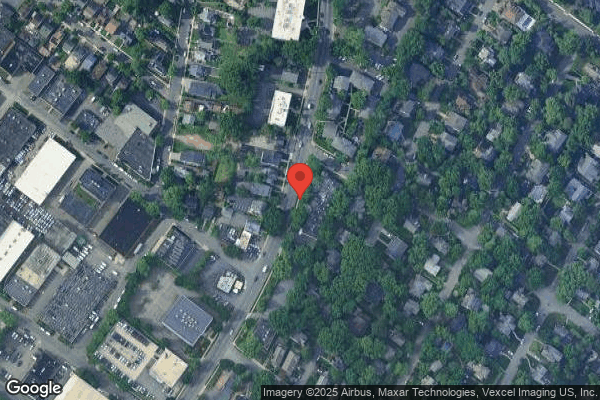
Dec 2024 1 deficiency
CONCERN (D) 📢 Someone Reported This

A family member, employee, or ombudsman was alarmed enough to file a formal complaint

Potential for Harm - no one hurt, but risky conditions existed

Deficiency F0603 (Tag F0603)

Could have caused harm · This affected 1 resident

**NOTE- TERMS IN BRACKETS HAVE BEEN EDITED TO PROTECT CONFIDENTIALITY** Complaint # NJ00180296 Based on interviews, record review, and review of pertinent facility documents on 12/03/2024, it was dete...

Read full inspector narrative →
**NOTE- TERMS IN BRACKETS HAVE BEEN EDITED TO PROTECT CONFIDENTIALITY** Complaint # NJ00180296 Based on interviews, record review, and review of pertinent facility documents on 12/03/2024, it was determined that the facility failed to ensure that a resident (Resident #1) was free from involuntary confinement when on 09/18/2024 a nurse on duty in night shift attached a hospital gown on the Resident's doorknob and looped it to the handrail in the hallway outside of Resident's room after the Resident in her/his wheelchair was brought back to her/his room from another resident's room. The deficient practice was observed in one of three residents and was evidenced as follows: A review of the facility's Reportable Event Record/Report (RER), a document submitted by the facility to the New Jersey Department of Health (NJDOH), dated 9/18/2024, completed by the facility Director of Nursing (DON), indicated that on 9/18/2024 it was reported to the administrator by another resident that the [Resident #'s name] door was closed in a way to prevent the resident from leaving her room. He [the other resident] notified the nurse and she [nurse] then opened the door. Further review of the RER included a SUMMARY AND CONCLUSION OF REPORTABLE EVENT/RECORD/REPORT that on 9/18/24 at 7:45 am [morning], a resident informed LNHA (Licensed Nursing Home Administrator) that the door to [Resident #1]'s room was closed in such a way that the resident would not be able to open it on the overnight shift. He [other resident] reports alerting the nurse and the door was then opened. The nurse assigned was suspended pending investigation. A complete body assessment of [Resident #1] was completed with no abnormal findings. A pain assessment was also completed with no abnormal findings .The nurse reported that she closed the door in a manner so as not to let the resident leave the room as she felt it would keep her safe from wandering the unit during the shift. When the other resident notified her that the door should not be closed in that way she did open the door, and the resident was asleep at that time. The RER further revealed under Conclusion: The nurse reports that there was no intent to harm the resident. She reports wanting to keep the resident safe throughout the night which is why she closed the door in a manner that would not allow her to leave the room. In-servicing done with nurse. The nurse was terminated for failure to follow facility protocols. A review of the admission Record (AR), Resident #1 was admitted to the facility with the following diagnoses that included but not limited to: Osteoarthritis, Psychosis, Bipolar Disorder, Abnormalities of Gait and Mobility, Gastro-Esophageal Reflux Disease, and Atherosclerotic Heart Disease. A review of Resident #1's Minimum Data Set (MDS), an assessment tool that provides a comprehensive assessment of a resident's functional capabilities, dated 09/06/2024, indicated Resident #1's Brief Interview for Mental Status (BIMS) Score was 12 revealing Resident #1's cognition was moderately impaired. The MDS further revealed in Section GG-Functional Abilities and Goals that Resident #1 required assistance in his/her completion of Activities of Daily Living (ADLs) such personal hygiene and toileting but independent in eating and mobility while in bed and was able to propel self while in wheelchair. A review of Resident #1's Care Plan (CP), initiated on 01/30/2023 revealed under Focus [Resident #1's name] is at risk for elopement related to: has made attempts to get in elevator unescorted during her stay in facility. Under Goal [Resident #1's name] will not attempt to leave the facility without an escort. Under Interventions, it included: Monitor the nature and circumstances (1.e., triggers) of attempted elopement: during specific activities, involvement of others with resident/patient, patterned etc. and adjust care delivery .Divert [Resident's name] by giving alternative objects or activities such as snacks and jigsaw puzzles. A review of the statement document obtained by the LNHA from the nurse, Licensed Practical Nurse (LPN #1), involved in the incident from the night shift on 9/18/2024, LPN #1 in her statement informed LNHA that a resident, WD [resident's name] in [room [ROOM NUMBER]], informed the nursing staff that resident [Resident #1's name], who resides in [room [ROOM NUMBER]], was in her/his room during the previous evening. She [LPN #1] then described how the other night nurse, LPN #2 [name] went to [WD], to redirect [Resident #1's name] back to her/his room. LPN #2 informed LPN #1 of what transpired. Later that evening, LPN #1 went to check on [Resident #1] who was in her/his room and upon checking saw that Resident #1 was getting into bed. LPN #1 stated that when she left Resident #1's room she attached a night gown to the door handle and looped it into the side rail in the hallway. She then moved down the hallway and was observing the door to Resident #1's room. She [LPN #1] went back to sit back at the nurse's station. LPN #1 then stated that [WD] came to the nurse's station and informed LPN #1 that the doors should not be closed and that the door to [Resident #1]'s room should not be impeded. LPN #1 told the LNHA that she then went to open the door at [Resident #1]'s room [213]. On 12/03/2024 at 1:25 pm [afternoon], the Surveyor placed a call to LPN #1 who did not return the call. On 12/03/2024 at 11:07 am [morning], during the Surveyor's tour in Second Floor nursing unit, Resident #1 was noted in her/his room [213] and in her/his wheelchair with a Certified Nursing Assistant (CNA #1). Resident #1 was observed able to propel self in her/his wheelchair. Surveyor attempted to interview Resident #1. Resident #1 was noted confused. In the interview of the Surveyor with CNA#1, CNA stated she was a floater in this assignment. CNA#1 further stated Resident #1 was confused and could go around when she/he was in wheelchair. She stated that Resident #1 had no behaviors but at times combative during care. CNA1 stated Resident #1 wandered in while in her/his wheelchair that was why we always put her in the dayroom for activities during the day. On 12/03/2024 at 11:31 am [morning], the Surveyor observed Resident #1 in the dayroom/activity room with other residents in activities with recreation aide. Surveyor observed no residents wandering ambulatory or non-ambulatory in the hallways. On 12/03/2024 at 12:23 pm [afternoon], the Surveyor interviewed Resident #1's roommate (unsampled). Resident #1's roommate was alert with periods of forgetfulness. According to Resident's roommate when asked by Surveyor regarding the 09/18/24 incident, Resident's roommate stated she/he never heard of anything or knew of incident during that time. On 12/03/2024 at 1:38 pm [afternoon], during the Surveyor interview with the LNHA and DON, the LNHA stated in the investigation that he conducted and statements from other staff in that shift, staff did not know or saw what happened. He further stated that LPN #1 said she looped nightgown around the door and she knew after the fact that it was wrong. LNHA told her it was wrong and then in- serviced her. LNHA stated there was no camera in the hallways when the Surveyor asked. LNHA stated staff did body assessment on the Resident immediately and social worker talked to other residents. A review of the facility's document on Abuse, Neglect, Exploitation Policy, revised on July 2024, under Policy: It is the policy of this facility to provide protections for the health, welfare, and rights of each resident by developing abd implementing written policies and procedures that prohibit and prevent abuse, neglect, exploitation, and misappropriation of resident property .Definitions: .Involuntary Seclusion refers to separation of a resident from other residents or from his/her room or confinement to his/her room against the resident's will or the will of the resident's legal representative . A review of the facility's undated document provided by facility on Complete Care Residents Rights under FREEDOM FROM ABUSE AND RESTRAINTS: The resident has the right to be free from abuse, neglect, misappropriation of resident property, and exploitation. This includes but is not limited to freedom from corporal punishment, involuntary seclusion and any physical or chemical restraint not required to treat symptoms and not authorized by a physician or APN for a limited period of time to protect others . N.J.A.C. 8:39 4.1(a)6
Jan 2023 11 deficiencies
CONCERN (D)

Potential for Harm - no one hurt, but risky conditions existed

Deficiency F0726 (Tag F0726)

Could have caused harm · This affected 1 resident

**NOTE- TERMS IN BRACKETS HAVE BEEN EDITED TO PROTECT CONFIDENTIALITY** Based on observation, interview, and review of the facility provided documents, it was determined that the facility failed to en...

Read full inspector narrative →
**NOTE- TERMS IN BRACKETS HAVE BEEN EDITED TO PROTECT CONFIDENTIALITY** Based on observation, interview, and review of the facility provided documents, it was determined that the facility failed to ensure that a nurse aide had the skills and techniques necessary prior to providing care to residents. This deficient practice occurred for one (1) of four (4) newly hired employees and was evidenced by the following: On [DATE] at 9:59 AM, the surveyor interviewed Registered Nurse#1 (RN#1) and a Licensed Practical Nurse (LPN) who stated that they were the two nurses assigned to the second floor for that day. RN#1 and LPN stated that they had a resident census of 30 residents and that there were four Certified Nurses Aides (CNA) working on the second floor. At that time, RN#1 provided the surveyor with a CNA assignment sheet for the second floor. In addition, RN#1 and LPN were able to point out, from a distance, each of the employees corresponding to the four CNA names listed on the assignment sheet that were working on the second floor. On [DATE] at 12:00 PM, the surveyor interviewed the employee that corresponded to one of the four CNA names listed on the assignment sheet from [DATE]. The employee stated that she had been hired recently in [DATE] but was able to discuss Resident #20 because she was assigned to the resident and was familiar with the resident. At that time, the employee showed the surveyor her badge which had Staffing Coordinator (SC) on it. The employee stated that she was currently attending CNA school. The employee stated that she had a CNA license that had lapsed more than two years. The SC added that she had an assignment of other residents on the floor but was helped by the other CNA's and the nurses. The SC further explained that she had started CNA school on [DATE] and had a CNA license from 2004 until 2016 but had let her certification lapse for personal reasons. The SC added that she had found out that because the lapse was greater than two years, she had to retake the CNA course. The SC also stated that the facility was willing to pay for the CNA school and she had recently started classes and felt that she had remembered a lot. The SC then stated that she was going to care for Resident #20 and had obtained linens before entering the resident's room. On [DATE] at 12:10 PM, the surveyor was provided by RN#2 the CNA assignment sheet for the second floor that she had completed for that day. A review of the assignment sheet for [DATE] revealed that the SC was listed as a CNA and had eight residents listed under her name. Further review of the CNA assignment sheet from [DATE] also had the SC listed as a CNA with her name above eight different resident names that she had been assigned to on that day. On [DATE] at 12:27 PM, the surveyor interviewed two CNA's listed on the second floor assignment sheet for [DATE], CNA#1 and CNA#2 who both stated that they help the SC with her assignment because she was new and was not supposed to do everything on her own. Both CNAs acknowledged that the assignment sheet had their names listed with the residents listed below that they were assigned to provide care. Both CNAs repeated that they help the SC who had an assignment listed under her name as well. Both CNAs could not speak to whether the SC was a CNA but thought the SC was in school. On [DATE] at 01:30 PM, the surveyor interviewed the Director of Nursing (DON) who stated that she was aware that the SC was attending school to be a CNA but was unsure of any skills assessment. On [DATE] 01:39 PM, the surveyor was provided by the DON a Human Resources (HR) file for the SC. The DON added that the Infection Preventionist/ Registered Nurse (IP/RN) would provide the orientation and any skills and inservices completed. A review of the file revealed the following documents: - A date of hire of [DATE] for the nursing department in the position of CNA. -An Employee Immunization Statement & Health Examination with the job title of CNA. -A background check completed [DATE]. -An Employment Application dated [DATE] with the position applying for as a CNA. -A Professional Licenses/Certifications form with CNA completed as the type and New Jersey (NJ) as the state issued and signed by the SC on [DATE]. The date issued, expiration date and number were blank, in addition to the witnessed signature line. - A Nurse Aide Certification Repayment Agreement dated [DATE] and signed by the SC and Licensed Nursing Home Administrator (LNHA). -An invoice dated [DATE] from the school offering a CNA course that revealed the payment was for SC's training, license fee and uniform fee for the class that would be starting on [DATE]. -A check dated [DATE] from the facility to the CNA school for the invoice amount. On [DATE] at 01:43 PM, the surveyor was provided by the IP/RN the In-Person Orientation dated [DATE] for SC. The IP/RN stated that SC was provided an orientation with the topics covered on the form. The IP/RN added that the completed forms by the SC were the inservices completed on [DATE] from 8:30 AM to 12:45 PM. The RN/IP stated that this was a general orientation packet for new employees. The RN/IP could not speak to education or skills completed by the SC. On [DATE] at 01:52 PM, the surveyor interviewed the Licensed Nursing Home Administrator (LNHA) who stated that he was familiar with the SC and could speak to her being hired. The LNHA stated that he knew she had a CNA license awhile ago but had hired her to work as the receptionist and assist the staffing coordinator while both had taken time off. The LNHA stated that the SC worked as the receptionist for 10 days after being hired, then assisted the staffing coordinator for approximately two and a half (2 ½) weeks until [DATE] and was not on the units providing care. Furthermore, the LNHA stated that the SC started CNA school recently and should not have been working as a CNA. The LNHA added that any time a nursing aide (NA) was in school, the nurses on the floors knew that they should not be on the unit providing care or they can be paired up after having the recommended amount of hours. The LNHA stated that he had no knowledge of the SC being on floor providing care on [DATE] or [DATE]. On [DATE] at 02:01 PM, the surveyor interviewed RN#1 who stated that she was the nurse on [DATE] and had completed the assignment sheet with the LPN. RN#1 stated that SC was on the schedule as a CNA doing care with help. RN#1 added that the SC worked on [DATE] and [DATE] but could not speak to any other days prior. In addition, RN#1 could not speak to whether the SC was a CNA. On [DATE] at 02:04 PM, the surveyor interviewed the DON who stated that the LNHA was in charge of staffing. The DON added that she had been employed by the facility for approximately three months and was not familiar with hiring NAs and had experience with only hiring CNAs. The DON added that the LNHA had told her that a non-certified NA could work with another CNA. The DON stated that the NA, referring to the SC, was on the floor providing care on [DATE] and [DATE] and had told SC that she was to work with another CNA and the nurses and could not work independently. At that same time, the DON stated that she was aware that the SC was not a CNA because the LNHA had informed her but SC was put on the schedule by the LNHA. The DON also stated that she was aware that the badge of the noncertified NA had SC typed on it. The DON stated that prior to the SC starting CNA school, she had worked as a receptionist and helped the staffing coordinator. On [DATE] at 11:16 AM, the survey team met with the administrative team. The LNHA stated that the SC should not have been providing care and assisting the staff for personal care. The LNHA stated that the nurses on the unit make the assignments and it had been explained to them that any NA would only shadow and not provide any care or have an assignment. The IP/RN stated that a NA enrolled in a CNA school would have to finish the care module first and should not be providing care on the floor. The IP/RN added that after completing the coursework an NA would have a skills competency completed. On [DATE] at 12:15 PM, the surveyor interviewed RN#2 who stated that she receives a schedule of who is working for the day and makes the assignments. RN#2 added that she thought the schedule came from the staffing coordinator. RN#2 explained that on [DATE] she had made the assignments based on the list of staff assigned to the floor. RN#2 added that she was unaware that the SC was not supposed to have an assignment. A review of the Daily Nursing Sheets from [DATE] to [DATE] provided by the LNHA revealed that SC was listed on the schedule on the second floor as shadowing on [DATE] and [DATE]. Further review revealed that on [DATE] the SC was listed on the schedule in a CNA slot with NA after her name and on [DATE] was listed on the schedule with no indication of CNA or NA. On [DATE] at 12:23 the surveyor reviewed the CNA assignment sheets kept in the binder on the second floor. The CNA assignment sheet completed on [DATE] had as a CNA with an assignment of nine residents for CNA#1 with SC designated by CNA#1/SC. On [DATE] at 12:50 PM, the survey team met with the administrative team. The LNHA stated that he had been calling the CNA school but was unable to get information regarding completed coursework for the SC. The LNHA added that he was unable to find a license verification from six years ago. The LNHA stated that he should have checked the license verification. The LNHA stated that the protocol for a NA applying included a background check prior to orientation being needed before starting employment. The LNHA added that SC was hired as an unlicensed staff so a license verification check was not performed. The LNHA stated that the SC was assigned to help in the dayroom as an activities assistant for [DATE] and should not have been assigned to any residents. In addition, the DON stated that she was unaware that a license could be checked from six years ago. The DON acknowledged that the license should have been checked for verification for SC. On [DATE] at 02:59 PM, the survey team met with the administrative team. The surveyor was provided by the LNHA a copy of a NA registration card for the SC from the NJ Department of Health. The NA registration card revealed that the original issue date was [DATE] and had expired [DATE]. The LNHA stated that he had contacted the school and was told that the NA received 12 hours of CNA coursework in classroom education from [DATE] to [DATE]. There was no additional documentation of the coursework provided. The LNHA stated that the license had not been checked when the SC was hired because it had expired. N.J.A.C. 8:39-9.3(a)(2),(3); 43.1(a)(1)(2)(3); 43.15(a)(b)(c)
CONCERN (D)

Potential for Harm - no one hurt, but risky conditions existed

Staffing Information (Tag F0732)

Could have caused harm · This affected 1 resident

Based on observation, interview, and review of facility provided documents, it was determined that the facility failed to routinely and accurately post the nurse staffing information on four of six da...

Read full inspector narrative →
Based on observation, interview, and review of facility provided documents, it was determined that the facility failed to routinely and accurately post the nurse staffing information on four of six days during the survey period in a place within the facility readily accessible to the residents and the visitors. This deficient practice was evidenced by the following: On 01/22/23 at 9:14 AM, upon entry into the facility, the surveyor observed that the Nursing Home Resident Care Staffing Report (NHRCSR) that was posted in the reception area of the lobby showed a staffing report dated 01/20/23 with the census (total number of residents) of 57 for Day Shift, shift hours of 7 AM - 3 PM. On 01/22/23 at 10:28 AM, during the Entrance Conference of the surveyor with the Licensed Nursing Home Administrator (LNHA), Director of Nursing (DON), and Infection Preventionist Nurse (IPN), the LNHA stated that the facility census was 55 with one bed hold. On 01/22/23 at 01:04 PM, during the team meeting of the surveyors, there were discrepancies on what was provided on Entrance Conference and facility tour as follows: 1st-floor unit census=24 residents with plus two-bed hold 2nd floor unit census=30 residents On 01/23/23 at 8:12 AM, upon entry into the facility, the surveyor observed that the NHRCSR that was posted in the reception area of the lobby showed a staffing report dated 01/20/23 with the census of 57 for Day Shift. At the same time, the surveyor asked the Receptionist in the presence of a federal surveyor who was responsible for posting the NHRCSR, and the Receptionist stated it was the Staffing Coordinator (SC). On 01/25/23 at 8:09 AM, upon entry into the facility, the surveyor observed that the NHRCSR that was posted in the reception area showed a staffing report dated 01/24/23 with the census of 53 for the Day Shift. On 01/25/23 at 10:22 AM, the Regional Director of Clinical Services (RDCS) provided a copy of the 01/24/23 and 01/25/22 Daily Staffing Sheet (DSS) to the surveyor in the presence of the Regional Clinical Specialist (RCS). The DSS revealed a census of 54 residents for both dates. On that same date and time, the surveyor then asked the RDCS why the posted on 01/22/23 (when the survey team entered the facility) NHRCSR was dated 01/20/23 with a census of 57 when the facility provided a copy of the two weeks Nurse Staffing Report, the period 01/15/23 to 01/21/23 showed that on 01/20/23 the census was 53. In addition, the surveyor asked the RDCS and the RCS why today (01/25/23) the posted NHRCSR was dated 01/24/23 with a census of 53 when the provided paper for DSS for dates 01/24/23 and 01/25/23 both had a census of 54 residents. Both the RDCS and RCS stated I don't know, it was the SC who posted it and the admission person who provided them with the census that was entered in the printed DSS. At that time, the surveyor notified both the RDCS and the RCS of the above findings that there were discrepancies on the posted NHRCSR with regard to census and timeliness of posting the NHRCSR. On 01/25/23 at 11:16 AM, the survey team met with the LNHA, DON, IPN, RDCS, and RCS, and were made aware of the above findings. On 01/26/23 at 8:36 AM, the surveyor interviewed the SC. The SC informed the surveyor that it was her responsibility to make sure to fill out and post the staffing master schedule and DSS. She stated that the NHRCSR should be posted daily with accurate information including the census and the DSS to the nursing units. She further stated that she was able to gather the census information from verbal communication with the admission Director or the DON. At that same time, the SC informed the surveyor that she works from Monday through Friday, from 7 AM - 3 PM. She stated that she pre-printed the NHRCSR for weekends, and if there will be changes in the census, no one can change the NHRCSR, and it will be done on Monday because I do not know if anyone else knows how to do it. The SC acknowledged that the NHRCSR should be posted routinely, updated as needed to reflect the actual census on that date, and this was not done on some days. A review of the facility's Posting Direct Care Staffing Numbers Policy with a review date of 12/2022 that was provided by the LNHA showed that it was the facility's policy to post the nurse staffing information daily, at the start of each business day, posted in a prominent location (accessible to residents and visitors) and a clear and readable format. The information recorded on the form shall include the date for which the information is posted, and the resident census at the beginning of the shift for which the information is posted. On 01/26/23 at 5:04 PM, the survey team met with the LNHA, DON, IPN, RDCS, RCS, and Administrator In Training. The facility management acknowledged the above findings and there was no further documentation was provided to the survey team to refute these findings. NJAC 8:39-41.2 (a)(b)(c)(1)
CONCERN (D)

Potential for Harm - no one hurt, but risky conditions existed

Pharmacy Services (Tag F0755)

Could have caused harm · This affected 1 resident

Based on interview, record review, and other pertinent facility documentation, it was determined that the facility failed to ensure a medication used for moderate to severe pain (Oxycodone) was availa...

Read full inspector narrative →
Based on interview, record review, and other pertinent facility documentation, it was determined that the facility failed to ensure a medication used for moderate to severe pain (Oxycodone) was available and administered as ordered for a resident with a history of chronic pain (Resident #458). This deficient practice was identified during the Medication Storage Task for one of one resident reviewed for pain management. The evidence was as follows: On 01/ 26/23 at 10:42 AM, while performing the Medication Storage Task the surveyor interviewed the Director of Nursing (DON). The surveyor asked if the facility had any unresolved narcotic discrepancies with their automated medication dispensing machine and the DON responded no, but they did have an incident last month with a nurse. The DON stated a nurse who had worked night shift had received the pharmacy delivery, one of the medications delivered was for Resident #458, Oxycodone 30 milligram (mg) tablets. The pharmacy had dispensed the tablets using two blister pack cards, one containing thirty tablets and one containing twenty-six tablets. The nurse took the cards and fabricated a declining inventory sheet (a record used for accountability of controlled drugs) for thirty tablets and handed off the blister pack containing the thirty tablets to Resident #458's nurse and did not account for the second blister pack containing twenty-six tablets. The DON stated the discrepancy was not discovered until the resident ran out of their supply of Oxycodone and a refill was requested from the pharmacy. The surveyor reviewed the medical record for Resident #458. The admission Record (or face sheet, an admission summary) reflected the resident was newly admitted to the facility with diagnoses included chronic pain syndrome, chronic obstructive pulmonary disease (group of lung diseases that block airflow and make it difficult to breathe), bipolar disorder (associated with episodes of mood swings ranging from depressive lows to manic highs), and rheumatoid arthritis (chronic inflammatory disorder affecting many joints, including those in the hands and feet). The admission Minimum Data Set (AMDS), an assessment tool used to facilitate the management of care, dated 12/12/22, reflected a Brief Interview for Mental Status (BIMS) score 14 out of 15 which reflected that the resident was cognitively intact. A review of the resident's individualized comprehensive Care Plan reflected a focus area initiated 12/07/22 that the resident exhibits or is at risk for alterations in comfort related to chronic pain. The goal to medicate resident as ordered for pain and monitor for effectiveness. The resident's most recent physician Order Summary Report reflected the following physician's order (PO) related to pain management: 1. Oxycodone 30 mg tablets; give one tablet by mouth four times a day for pain management. Date ordered 12/07/22 2. Venlafaxine hcl 37.5 mg tablets; give one tablet by mouth two times a day for pain management. Date ordered 12/08/22 3. Ketorolac tromethamine 10 mg tablets; give one tablet by mouth every 4 hours as needed for moderate pain. Date ordered 12/07/22 4. Pain assessment every shift. Date ordered 12/06/22 A review of the electronic Medication Administration Record (eMAR) for December 2022 reflected the following order for Oxycodone: A PO dated 12/07/22, for Oxycodone 30 mg tablets; give one tablet by mouth four times a day for pain management. The nurse signed that the resident received the Oxycodone 12/07/22 at 5:00 PM, through 12/15/22 9:00 PM. Then from 12/16/22 9:00 AM, through 12/17/22 01:00 PM, the nurses signed either a code 3 which indicated the medication was not given and hold/see nurse notes, or a code 7, which indicated the medication was not given and other/see Nurse Notes. The same eMAR reflected that the resident allegedly received the Oxycodone on 12/17/22 5:00 PM, 12/17/22 9:00 PM, and 12/18/22 5:00 PM, Then on 12/19/22 at 9:00 AM scheduled consistent administration resumed. A review of the facility provided corresponding electronic Progress Notes (PN) for the above dates reflected the following Nurse Notes (NN): On 12/16/22, untimed Progress note text: Oxycodone hcl tablet 30 mg give 1 tablet by mouth four times a day for pain management: Pending Delivery. A second NN On 12/16/22, untimed Progress note text: Oxycodone hcl tablet 30 mg give 1 tablet by mouth four times a day for pain management: Pending Delivery. A third NN On 12/16/22, untimed Progress note text: Oxycodone hcl tablet 30 mg give 1 tablet by mouth four times a day for pain management: awaiting pharmacy delivery. A fourth NN On 12/16/22, untimed Progress note text: Oxycodone hcl tablet 30 mg give 1 tablet by mouth four times a day for pain management: awaiting pharmacy delivery. The facility did not provide any further NN documentation for any other dates. Further review of the eMAR for December 2022 reflected the following order for Venlafaxine hcl: A PO dated 12/08/22, Venlafaxine hcl 37.5 mg tablets; give one tablet by mouth two times a day for pain management. The nurse signed that the resident received the Venlafaxine hcl 12/08/22 at 9:00 PM, through 12/31/22 9:00 PM, as prescribed. A review of the eMAR for December 2022 reflected the following order for pain assessment: A PO dated 12/06/22, pain assessment every shift. The nurses documented the resident's pain level was 0 (zero) for the dates in question 12/16/22 through 12/17/22 on all shifts, day, evening and night. A review of the facility provided declining inventory sheet for the resident's Oxycodone 30 mg tablets revealed resident had received #30 tablets from 12/08/22 9:00 AM, until 12/15/22 5:00 PM. On 01/26/23 at 01:48 PM, the surveyor interviewed the DON in the presence of the survey team and the facility management and together reviewed the resident's eMAR. The DON stated the indication 7 she believed was resident refusal. The DON further stated the date they discovered the medication was missing was 12/16/22, because on 12/15/22 the pharmacy was called, and they said the medication was not eligible for refill because it was too early. They had delivered #56 tablets on 12/7/22. On 01/26/23 at 01:54 PM, the Infection Preventionist (IP) stated there was no Oxycodone in the backup medication stock to give the resident during that time period. On 01/26/22 at 3:10 PM, the facility's Regional Clinical Specialist (RCS) clarified that on the eMAR, a 7 with initials - means other see nurses notes, a 3 indicated Hold- see nurses notes, they should all then correspond to a Nurses Note in the nursing notes. If there was no nursing note, then If it's not documented then it is not done. The process should be if a medication was missing then the DON would need to follow-up with an investigation. On 01/26/22 at 3:12 PM, the DON stated after the medications were missing, she called the resident's physician and got a new prescription. The DON acknowledged the nurses who received the medication should have verified the quantity of the medication sent with the pharmacy packing slip. The process should be that the nurse counts the medication, signs the packing slip that she received the correct amount. Then that nurse would take the medication to the nurse on the medication cart together they verify the packing slip quantity and then they both sign the packing slip. On 01/26/23 at 3:23 PM, the RCS stated there should be oversight of the two nurses signing for the received medication from the pharmacy to ensure accuracy and that person should be the DON. The RCS stated and acknowledged there should never be a handwritten declining inventory sheet. On 01/26/23 at 3:29 PM, the surveyor in the presence of the survey team interviewed one of the resident's Registered Nurse (RN) who still worked at the facility. The RN stated she remembered the resident. The RN stated she remembered the resident was on Oxycodone and other medications used for pain and the Oxycodone was used routinely for his/ her chronic pain. When asked what she would do if a resident were out of their medications and the RN stated you were not supposed to borrow from other residents. That if a med was not available you have to document that in the eMAR and call the pharmacy. The surveyor reviewed the resident's eMAR with the RN, who confirmed the check mark meant the medication had been administered. The RN stated the resident was alert and oriented and that the RN would ask the resident every day what her pain level was. A review of the facility's Controlled Substances Policy updated 3/2021 included that . controlled substances must be counted upon delivery. The nurse receiving the medication, along with the person delivering the medication, must count the controlled substances together. Both individuals must sign the designated controlled substance record. A review of the facility's Administering Medications Policy reviewed 01/23 included that .Medications are administered in accordance with prescriber orders . NJAC 8:39-29.2(d)
CONCERN (D)

Potential for Harm - no one hurt, but risky conditions existed

Unnecessary Medications (Tag F0759)

Could have caused harm · This affected 1 resident

**NOTE- TERMS IN BRACKETS HAVE BEEN EDITED TO PROTECT CONFIDENTIALITY** Based on observation, interview, record review, and facility provided documentation, it was determined that the facility failed ...

Read full inspector narrative →
**NOTE- TERMS IN BRACKETS HAVE BEEN EDITED TO PROTECT CONFIDENTIALITY** Based on observation, interview, record review, and facility provided documentation, it was determined that the facility failed to ensure that all medications were administered without error of 5% or more. During the medication observation performed on 01/24/23, the surveyor observed two (2) nurses administered medications to five (5) residents. There were 27 opportunities, and two (2) errors were observed, which calculated to a medication administration error rate of 7.41 %. This deficient practice was identified for two (2) of five (5) residents, (Resident #31 and #42), that were administered medications by one (1) of two (2) nurses. The deficient practice was evidenced by the following: 1. On 01/24/22 at 8:34 AM, during the medication administration observation, the surveyor observed the Licensed Practical Nurse (LPN) in the room of Resident #31. The surveyor observed the LPN obtained vital signs using an electronic blood pressure machine. The surveyor also observed the LPN discussed with the resident the medications that were going to be prepared for administration. On 01/24/23 at 8:37 AM, the surveyor observed the LPN preparing to administer eight (8) medications to Resident #31 which included one (1) Lidoderm 4% topical patch (a local anesthetic in a patch used to relieve pain topically). The LPN stated that she spoke with the resident, and that the resident refused to take three (3) of the eight (8) medications. The LPN then stated that she would also not be administering the Lidoderm patch because she knew that she had none in her medication cart or in the facility because she had already checked and had told the supervisor that she could not find any Lidoderm patches. The LPN added that the Lidoderm patches were an over the counter (OTC) medication and that was considered facility house stock. The LPN further stated that she was told that the Lidoderm patches were ordered and should be coming in. On 01/24/23 at 8:56 AM, the surveyor observed the LPN administer four (4) of the eight (8) medications to Resident #31. The Lidoderm patch was not administered. Upon returning to the medication cart, the surveyor observed the LPN document in the electronic medication administration record (eMAR) that three (3) of the eight (8) medications were refused by the resident. In addition, the LPN documented in the eMAR a code number seven (7) and was awaiting delivery for the administration of the Lidoderm patch. The LPN explained that the number seven meant that the medication was not administered and documented the reason. ERROR #1 The surveyor reviewed the medical record for Resident #31. The admission Record (AR or face sheet, an admission summary) revealed diagnoses which included Parkinson's disease (disorder of the central nervous system that affects movement, often including tremors) and dementia. The Quarterly Minimum Data Set (QMDS), an assessment tool used to facilitate the management of care dated 11/30/22, reflected the resident had a Brief Interview for Mental Status (BIMS) score of 13 out of 15, indicating that the resident had an intact cognition. The January 2023 Order Summary Report (OSR) reflected a physician's order (PO) with a start date of 01/06/23 for Lidocaine 4%, apply to right lat. (lateral) chest rib cage topically one time a day for mild pain. 9 AM on, 9 PM off and remove per schedule. A review of the January 2023 eMAR revealed a PO with an order date of 01/05/23 for Lidocaine 4%, apply to right lat. (lateral) chest rib cage topically one time a day for mild pain. 9 AM on, 9 PM off and remover per schedule. The eMAR indicated that the Lidocaine patch was to be applied at 9:00 AM and removed at 9:00 PM. On 01/24/23 at 9:40 AM, the surveyor interviewed the Director of Nursing (DON) who stated that the OTC medications were stored in her office. The surveyor observed the OTC medications in the DON's office and there was no observation of Lidocaine patches. The DON stated that she was unsure if there was a list of the OTC medications that the facility provided and would check with the Licensed Nursing Home Administrator (LNHA) since the central supply staff was not working. At that same time, the DON stated that she and the MDS Coordinator (MDSC) would give out the OTC medications to the nurses when requested and the supervisor on the weekends. The DON added that if a nurse needed an OTC medication and the facility did not have any left then the facility would have to send someone out to get it or the physician would have to be called and made aware that they could not get the OTC medication and follow up with any new orders. On 01/24/23 at 11:24 AM, the LNHA provided the surveyor with the OTC/DNS list. The LNHA stated that this was the list of the facility OTC medications. The surveyor reviewed the list and Lidocaine patch was not listed. On 01/24/23 at 12:08 PM , the surveyor, in the presence of a Certified Nursing Assistant (CNA), interviewed Resident #31. The resident stated that he/she was not in any pain and thought he got the white patch. The resident was unable to express when the patch was applied. At that time the CNA checked the resident's chest area and stated that there was no patch on the resident. On 01/24/23 at 12:17 PM, the surveyor interviewed the MDSC who stated that she had been helping out with getting the nurses any OTC medications because the staff member in charge of the central supply had been out as of Monday. The MDSC was unable to speak to the ordering process of the OTC medications and referred to the Administrator in Training (AIT). On 01/24/23 at 12:26 PM, the surveyor interviewed the AIT who stated that he had placed an order for OTC medications yesterday. The AIT acknowledged that Lidocaine patches were needed and added that the Lidocaine patches would be coming in within an hour. The AIT added that if the facility was completely out of an OTC medication, then he would go pick up the medication from a sister facility or go to a local pharmacy. The AIT stated that he was not positive if the facility was completely out of Lidocaine patches. 2. On 01/24/23 at 8:49 AM, during the medication administration observation, the surveyor observed the LPN preparing to administer seven (7) medications to Resident #42 which included one (1) Lidoderm 4% topical patch. The LPN stated that she would not be administering the Lidoderm patch because she did not have any as was the case for Resident #31. On 01/24/23 at 8:56 AM, the surveyor observed the LPN administer six (6) of the seven (7) medications to Resident #42. The Lidoderm patch was not administered. Upon returning to the medication cart, the surveyor observed the LPN document in the eMAR a code number 7 (seven) and was awaiting delivery. The LPN explained that the number 7 (seven) meant that the medication was not administered and documented the reason, which was the same for Resident #31. ERROR #2 The surveyor reviewed the medical record for Resident #42. The AR revealed diagnoses which included displaced fracture of upper end of right humerus (a broken bone between the shoulder joint and elbow joint with pieces of the bone moving to form a gap) and dementia. The QMDS dated [DATE], reflected the resident had a BIMS score of 99, indicating that the resident was unable to complete the interview. Further review of the MDS, reflected that the staff performed a cognitive assessment which reflected that the resident had a short- and long-term memory problem with a moderately impaired decision-making capacity. The January 2023 OSR reflected a PO with a start date of 9/20/22 for Lidocaine 4%, apply to right shoulder topically one time a day for mild pain. 9 AM on, 9 PM off and remove per schedule. The January 2023 eMAR revealed a PO with an order date of 9/19/22 for Lidocaine 4%, apply to right shoulder topically one time a day for mild pain. 9 AM on, 9 PM off and remover per schedule. The eMAR indicated that the Lidocaine patch was to be applied at 9:00 AM and removed at 8:59 PM. On 01/24/23 at 9:40 AM, the surveyor interviewed the DON who stated that the OTC medications were stored in her office. The surveyor observed the OTC medications in the DON's office and there was no observation of Lidocaine patches. The DON stated that she was unsure if there was a list of the OTC medications that the facility provided and would check with the LNHA since the central supply staff was not working. The DON stated that she and the MDS Coordinator would give out the OTC medications to the nurses when requested and the supervisor on the weekends. The DON added that if a nurse needed an OTC medication and the facility did not have any left then the facility would have to send someone out to get it or the physician would have to be called and made aware that they could not get the OTC medication and follow up with any new orders. On 01/24/23 at 11:24 AM, the LNHA provided the surveyor with the OTC/DNS list. The LNHA stated that this was the list of the facility OTC medications. The surveyor reviewed the list and Lidocaine patch was not listed. On 01/24/23 at 11:45 AM, the surveyor interviewed Resident #42 who shook their head No when asked if he/she had any pain. The resident also pointed to their right shoulder when asked if the resident received a Lidoderm patch. The resident also shook their head no when asked if the Lidoderm patch had been applied today. The surveyor observed the resident's shoulder which had no Lidoderm patch applied. On 01/24/23 at 12:17 PM, the surveyor interviewed the MDSC who stated that she had been helping out with getting the nurses any OTC medications because the staff member in charge of the central supply had been out as of Monday. The MDSC was unable to speak to the ordering process of the OTC medications and referred to the AIT. On 01/24/23 at 12:26 PM, the surveyor interviewed the AIT who stated that he had placed an order for OTC medications yesterday. The AIT acknowledged that Lidocaine patches were needed and added that the Lidocaine patches would be coming in within an hour. The AIT added that if the facility was completely out of an OTC medication, then he would go pick up the medication from a sister facility or go to a local pharmacy. The AIT stated that he was not positive if the facility was completely out of Lidocaine patches. On 01/25/23 at 10:12 AM, the surveyor interviewed the LPN who stated that Resident #42 can understand and be understood and speaks another language but could understand English. The LPN stated that the resident's voice was not strong, but he/she can use gestures and be understood. On 01/25/23 at 11:16 AM, the survey team met with the facility administrative team. The DON acknowledged that the Lidoderm patches should have been administered. On 01/25/22 at 3:02 PM, the surveyor interviewed the CP via telephone who stated that he has done medication observations and in-services for the nurses. The CP added that he had instructed the nurses that when a medication, whether prescription or OTC, was not available and there was no back up supply to call the physician to make them aware and ask if another medication that was available could be used or receive follow up orders. The CP added that if the medication was an OTC medication, then he would think the facility could get the medication within the time frame for administration. A review of a Medication Pass Observation for the LPN dated 1/14/23 and completed by the CP indicated a No for Knows proper procedure for missing medication. The Medication Pass Observation had not indicated a medication error rate or passed/failed. A review of the CP inservice handout on Med Pass Overview provided by the LNHA revealed that the medication cart should be fully prepared prior to the medication pass. In addition, Meds must be passed within the 1 hour window to remain compliant. A review of the facility policy dated as revised January 2023 for Administering Medications provided by the LNHA revealed Medications are administered in in a safe and timely manner, and as prescribed. Further review of the policy revealed Medications are administered within one (1) hour of their prescribed time, unless otherwise specified (for example, before and after meal orders). NJAC 8:39-11.2(b), 29.2(d)
CONCERN (D)

Potential for Harm - no one hurt, but risky conditions existed

Food Safety (Tag F0812)

Could have caused harm · This affected 1 resident

Based on observation, interview, and review of facility provided documentation, it was determined that the facility failed to store foods and maintain kitchen sanitation in a manner intended to preven...

Read full inspector narrative →
Based on observation, interview, and review of facility provided documentation, it was determined that the facility failed to store foods and maintain kitchen sanitation in a manner intended to prevent the spread of food borne illness as evidenced by the following: On 01/22/23 at 12:31 PM, the surveyor toured the kitchen with the Food Service Manager (FSM), in the presence of the Region Food Service Director (RFSD) and the Account Manager (AM) and observed the following: 1. In the freezer the surveyor found; one opened box of hamburgers without an open and use by date. The interior bag holding 12 hamburgers was opened and unlabeled. The FSM stated that the exterior of the box should be labeled with the open and used by date. He also stated, the interior bag once opened should be label and dated. 2. In the freezer the surveyor found; one opened box of tilapia fish fillets. The exterior of the box was labeled with 01/18/2023. The morning (AM) cook or the FSM could not explain if 01/18/2023 was a used by or open date. The interior bag holding nine tilapia fish fillets was open and unlabeled. The FSM stated that the exterior of the box should be labeled with the open and used by date. He also stated, the interior bag once opened should be label and dated. 3. In the refrigerator surveyor found; one container labeled 01/15/23 with a use by date of 01/21/23 containing sweet potatoes in liquid. The FSD stated, that should have been discarded by the AM [NAME] on 01/21/23. He also stated that he was the AM cook that day. 4. The dry food storage room was unkept. The floors were discolored with food debris under the food shelving units and walking areas. An accountability schedule for cleaning the area could not be provided. The FSD stated it was the responsibility of the utility aid to be done nightly and throughout the day if it was soiled. The surveyor inquired if the FSD thought it was being done as assigned, the FSD state, no, clearly it is not being done. A review of Receiving and Storage provided by the FSD, labeled Inservice manual DHCC 2010 page 162 and 163, indicated. -section labeled General guidelines; Monitor that all products received have been labeled and dated by vendor or established guidelines to label and date on arrival. - section labeled Care of storeroom; #4) Keep floors, walls, shelves, and equipment clean. #5) Floors must be swept clean at all times and mopped at least weekly. -section labeled Refrigerated Storage; #2) date refrigerated and frozen foods upon delivery. Note: for perishable foods without expiration dates, obtain printed material from supplier and make available for all staff. This information should be included as the used by date on labeling. A review of a job description and nightly duties for a utility / aid position provided by the FSD, indicated a responsibility of but limited to; sweep and mop storeroom floors, straighten and keep storerooms clean during their 7.5-hour shift. NJAC 8:39-17.2(g)
CONCERN (D)

Potential for Harm - no one hurt, but risky conditions existed

Garbage Disposal (Tag F0814)

Could have caused harm · This affected 1 resident

Based on observation, interview, and review of the facility provided documentation, it was determined that the facility failed to properly dispose and maintain waste in garbage dumpster areas. This de...

Read full inspector narrative →
Based on observation, interview, and review of the facility provided documentation, it was determined that the facility failed to properly dispose and maintain waste in garbage dumpster areas. This deficient practice was identified for three of three garbage dumpsters in garbage disposal area. This deficient practice was evidenced by the following: On 01/22/2023 at 9:15 AM, the surveyor observed trash and food waste behind and surrounding three dumpsters in the parking lot. The dumpster lids and surrounding gate were not closed. On 01/23/2023 at 11:15 AM, the surveyor observed trash and food waste behind and surrounding three dumpsters in the parking lot. The dumpster lids and the surrounding gates were not closed. On 01/23/23 at 11:40 AM the Regional Maintenance Director (RMD), explained that it is every departments responsibility to maintain the dumpster area. The RMD stated that the Housekeeping was supposed to keep the grounds picked up, the lids closed, and the gates shut. He further stated that it can cause an issue if not done because of pests and vagrants. During an interview on 01/23/23 at 11:49 AM, the Housekeeping Director (HD) explained that the dumpster area should be clutter free, lids down and boxes broken down for the recycling dumpster. The HD stated, anytime you go to the dumpster, one (1) in the morning, 7 AM, 2:30 PM, 2:45 PM, and 6:30 PM, gates should be always shut. She further stated that each department is responsible to maintain the area when trash is brought out. The dumpster lids should be shut, and the trash area gate should be always closed. A review of the facility Policy titled, Food Garbage and Refuse Disposal, with a reviewed date of 01/2023, included that, 1) Waste shall be kept in containers and 2) All garbage and refuse containers are provided with covers and must be kept covered when stored or not in continuous use. 5) Garbage and refuse containing food wastes will be stored in a manner that is inaccessible to pests. 7) Outside dumpsters provided by garbage pick up services will be kept closed and free of standing liter. NJAC 8:39-19.3(a); 19.7(a)(b)
CONCERN (E)

Potential for Harm - no one hurt, but risky conditions existed

Comprehensive Care Plan (Tag F0656)

Could have caused harm · This affected multiple residents

2. On 01/22/23 at 10:33 AM, Surveyor #2 observed Resident #44 sleeping in bed. On 1/24/23 at 1:54 PM, Surveyor #2 reviewed Resident #44's care plan which included the following: Focus-Resident/Patien...

Read full inspector narrative →
2. On 01/22/23 at 10:33 AM, Surveyor #2 observed Resident #44 sleeping in bed. On 1/24/23 at 1:54 PM, Surveyor #2 reviewed Resident #44's care plan which included the following: Focus-Resident/Patient requires assistance/is dependent for ADL care in __________(specify: bathing, grooming, personal hygiene, dressing, eating, bed mobility, transfer, locomotion, toileting) related to: Recent __________(illness, fall, hospitalization, etc.) resulting in ________ (fatigue, activity intolerance, confusion, etc) Date initiated: 12/25/2022 Goal-Resident/Patient will improve current level of function in: ________(specify: bathing, grooming/personal hygiene, dressing, eating, bed mobility, transfer, locomotion, toileting) by next review as evidenced by improved ADL scores. Date initiated: 12/25/2022 Revision on: 1/02/2023 Target Date: 03/09/2023 Interventions-Monitor conditions that may contribute to ADL decline, including: metabolic causes (e.g., delirium, diabetes, thyroid disorder, liver disease, renal failure, electrolyte imbalance) respiratory problems, CVA, delusions, hallucinations, psychiatric disorder(s), poor nutrition, hearing or vision impairment, new/acute health problem, exacerbation of a chronic condition, constipation, infection, head injury, pain, fever, dehydration or alcohol withdrawal. Date initiated: 12/25/2022 Resident #44's care plan was not person-centered to meet his/her preferences and goals, and did not address the resident's medical, physical, mental and psychosocial needs. On 01/24/23 at 01:57 PM, Surveyor #2 asked LPN #2 if Resident #44's care plan was individualize and specific to the resident. LPN #2 stated she was not sure and would have to ask the MDS Coordinator (MDSC). On 01/24/23 at 02:11 PM, Surveyor #2 interviewed the MDSC regarding Resident #44's care plan. The MDSC stated that she had started the resident's care plan but did not go back to personalize the care plan. She added that there is a template and that you have to go back and personalize it to the resident. She then stated that she did not get a chance to go back. On 01/25/23 at 11:16 AM, in the presence of the survey team, Surveyor #2 notified the facility's administration team, which included the LNHA, DON, IPN, RCS, and RDCS, of the above findings that Resident #44's care plan was not individualized and specific to the resident. On 01/26/23 at 12:54 PM, in the presence of the survey team, the DON confirmed that Resident #44's care plan was not individualized and specific to the resident. She added that it should have been done at first. A review of the facility provided policy titled, Care Plans, Comprehensive Person-Centered with a reviewed date of 01/2023 included the following: Policy Statement A comprehensive, person-centered care plan that includes measurable objectives and timetables to meet the resident's physical, psychosocial and functional needs is developed and implemented for each resident. Policy Interpretation and Implementation 1. The Interdisciplinary Team (IDT), in conjunction with the resident and his/her family or legal representative, develops and implements a comprehensive, person-centered care plan for each resident. 2. The care plan interventions are derived from a thorough analysis of the information gathered as part of the comprehensive assessment 7. The care planning process will: a. Facilitate resident and/or representative involvement; b. Include an assessment of the resident's strengths and needs; and c. Incorporate the resident's personal and cultural preferences in developing the goals of care. 8. The comprehensive, person-centered care plan will: a. Include measurable objectives and timeframes; b. Describe the services that are to be furnished to attain or maintain the resident's highest practicable physical, mental, and psychosocial well-being; . e. Include the resident's stated goals upon admission and desired outcomes. g. Incorporate identified problem areas; h. Incorporate risk factors associated with identified problems; . 10. Identifying problem areas and their causes, and developing interventions that are targeted and meaningful to the resident, are the endpoint of an interdisciplinary process . 12. The comprehensive, person-centered care plan is developed within seven (7) days of the completion of the required comprehensive assessment (MDS). NJAC 8:39-11.2 (e)(1)(2) Based on observation, interview, and review of medical records, it was determined that the facility failed to develop a person-centered comprehensive care plan to address: a) the use of antipsychotic medication for one of five residents (Resident #27) from August 2022 through January 23, 2023 reviewed for unnecessary medications, for a total of five months and b) activities of daily living (ADL) of one of seventeen residents (Resident#44), reviewed for comprehensive care plan. This deficient practice was evidenced by the following: 1. On 01/22/23 at 11:20 AM, Surveyor#1 observed Resident #27 laying on the bed with their eyes closed. Surveyor#1 reviewed Resident #27's medical records. The admission Record (AR or face sheet; an admission summary) showed that the resident was admitted to the facility with diagnoses that included type two diabetes mellitus with diabetic polyneuropathy (a complication of diabetes mellitus characterized by progressive death of nerve fibers, which leads to loss of nerves, increased sensitivity, and the development of foot ulcers), essential hypertension (elevated blood pressure), dementia in other diseases classified elsewhere without behavioral disturbance and psychotic disturbance (means the resident is confused and cognitively impaired, but not having any major behavior issues, like paranoia, aggression), and Alzheimer's disease with late onset (symptoms become apparent in their mid-60s or later). The Quarterly Minimum Data Set (QMDS), an assessment tool used to facilitate the management of care, with an Assessment Reference Date (ARD) of 11/30/22 showed cognitive skills for daily decision-making score of two which indicated that the resident's decisions regarding tasks of daily life was moderately impaired. The QMDS included that the resident received antipsychotic medications. The August 2022 electronic Medication Administration Record (eMAR) revealed a physician order (PO) dated 8/05/22 for Seroquel (antipsychotic medication used to treat bipolar disorder (depressive and manic episodes) and schizophrenia (a serious mental disorder in which people interpret reality abnormally) 25 milligram (mg) one tablet (tab) one time a day for increased anxiety. The above PO for Seroquel was signed by nurses as administered as shown on eMAR from August 2022 through January 23, 2023. The personalized care plan did not include the use of the psychoactive medication Seroquel. On 01/24/23 at 12:31 PM, Surveyor#1 interviewed Licensed Practical Nurse#1 (LPN#1). LPN#1 informed the surveyor that she was the assigned nurse of the resident. LPN#1 stated that Resident #27 was cognitively impaired, required total assistance with ADL, and had no unusual behavior. She further stated that she was unsure who will be responsible for initiating a care plan. On 01/24/23 at 12:34 PM, Surveyor#1 interviewed the Registered Desk Nurse (RDN) regarding the care plan. The RDN stated that it was the responsibility of the nurse for initiating a care plan that included the use of psychoactive medications like Seroquel an antipsychotic medication. She further stated that updating and revising the care plan will be the responsibility of the MDS Coordinator. On that same date and time, the surveyor asked the RDN if the resident had a care plan for Seroquel use, and the RDN responded that there should be a care plan. Afterward, the RDN checked the electronic medical record and stated that she did not find a care plan. The surveyor asked the RDN why there was no care plan for Seroquel use, and the RDN did not respond. On 01/25/23 at 11:16 AM, the survey team met with the Licensed Nursing Home Administrator (LNHA), Director of Nursing (DON), Infection Preventionist Nurse (IPN), Regional Director of Clinical Services (RDCS) and Regional Clinical Specialist (RCS) and were made aware of the above findings. On 01/26/23 at 12:50 PM, the survey team met with the LNHA, DON, and IPN. The DON stated that Resident #27's care plan was not done and it should have been done. The DON acknowledged that the care plan for use of Seroquel should have been initiated when it was first ordered on August 2022.
CONCERN (E)

Potential for Harm - no one hurt, but risky conditions existed

Drug Regimen Review (Tag F0756)

Could have caused harm · This affected multiple residents

Based on interview, record review, and review of facility provided documents, it was determined that the facility failed to follow up on the Consultant Pharmacist's (CP) recommendations of a medicatio...

Read full inspector narrative →
Based on interview, record review, and review of facility provided documents, it was determined that the facility failed to follow up on the Consultant Pharmacist's (CP) recommendations of a medication irregularity for one of five residents (Resident #27) reviewed for unnecessary medications for a total of five months from August 2022 through January 2023. This deficient practice was evidenced by the following: On 01/22/23 at 11:20 AM, the surveyor observed Resident #27 laying on the bed with their eyes closed. The surveyor reviewed Resident #27's medical records. The admission Record (or face sheet; an admission summary) showed that the resident was admitted to the facility with diagnoses that included type two diabetes mellitus with diabetic polyneuropathy (a complication of diabetes mellitus characterized by progressive death of nerve fibers, which leads to loss of nerves, increased sensitivity, and the development of foot ulcers), essential hypertension (elevated blood pressure), dementia in other diseases classified elsewhere without behavioral disturbance and psychotic disturbance (means the resident is confused and cognitively impaired, but not having any major behavior issues, like paranoia, aggression), and Alzheimer's disease with late onset (symptoms become apparent in their mid-60s or later). The Quarterly Minimum Data Set (QMDS), an assessment tool used to facilitate the management of care, with an Assessment Reference Date (ARD) of 11/30/22 showed cognitive skills for daily decision-making score of two which indicated that the resident's decisions regarding tasks of daily life was moderately impaired. The QMDS included that the resident received antipsychotic medications. The August 2022 electronic Medication Administration Record (eMAR) revealed a physician order (PO) dated 8/05/22 for Seroquel (antipsychotic medication used to treat bipolar disorder (depressive and manic episodes) and schizophrenia (a serious mental disorder in which people interpret reality abnormally) 25 milligram (mg) one tablet (tab) one time a day for increased anxiety. The above PO for Seroquel was signed by nurses as administered as shown on eMAR from August 2022 through January 23, 2023. Further review of the Seroquel and eMAR from August 2022 through January 2023 revealed that there were no targeted behavior and monitoring for the use of antipsychotic medication. According to the Summary Report of Pharmacy Consultant Review (SRPCR or Monthly Medication Record Review) that was provided by the Licensed Nursing Home Administrator (LNHA) showed that on 8/20/22, 9/28/22, 10/19/22, 11/29/22, 12/26/22, and 01/11/23 the CP documented about Seroquel should have an appropriate diagnosis, targeted behavior, and monitoring. The facility did not act upon and followed up on the CP's recommendations according to the monthly SRPCR. On 01/24/23 at 02:36 PM, the surveyor interviewed the Registered Desk Nurse (RDN) regarding the resident's Seroquel order and the CPs recommendations. The RDN stated that it was the nurse's responsibility to follow up and act upon the CP recommendations and the completed paper will be filed in the Director of Nursing's (DON) office in a binder. On that same date and time, the surveyor asked the RDN why the CPs recommendations were not followed for the resident's Seroquel, and the RDN did not respond. On 01/25/23 at 11:16 AM, the survey team met with the LNHA, DON, Infection Preventionist Nurse (IPN), Regional Director of Clinical Services (RDCS), and Regional Clinical Specialist (RCS) and were made aware of the above findings. On 01/25/23 at 03:02 PM, the surveyor interviewed the CP regarding SRPCR and pharmacy reports. He stated that he review the binder that includes the CP's review and recommendations and let the facility know that there were follow up that needed to be done. He further stated that recommendations were made regarding the resident's Seroquel. A review of the facility's Consultant Pharmacist Services Policy that was provided by the RCS with a review date of 01/2023 included that the CP will provide specific activities related to the medication regimen of each resident at least including: a. A documented review of the medication regimen of each resident at least monthly, or more frequently under certain conditions, based on applicable federal and state guidelines. b. Appropriate communication of information to prescribers and facility leadership about potential or actual problems related to any aspect of medications and pharmacy services, including medication irregularities, and pertinent resident-specific documentation in the medical record, as indicated. On 01/26/23 at 12:50 PM, the survey team met with the LNHA, DON, and IPN. The DON stated that Resident #27's Seroquel order and recommendations of CP were overlooked, I cannot justify more than that. The DON acknowledged that the CP recommendations should have been followed up and acted upon since August 2022. She indicated that there was no negative effect on the resident. NJAC 8:39-29.3 (a)(1)
CONCERN (E)

Potential for Harm - no one hurt, but risky conditions existed

Medication Errors (Tag F0758)

Could have caused harm · This affected multiple residents

Based on observation, interview, record review, and review of the facility provided documents, it was determined that the facility failed to consistently monitor, document, and evaluate the ongoing be...

Read full inspector narrative →
Based on observation, interview, record review, and review of the facility provided documents, it was determined that the facility failed to consistently monitor, document, and evaluate the ongoing benefit use of Seroquel, an antipsychotic medication (used to treat bipolar disorder- depressive and manic episodes and schizophrenia-mental disorder interpret reality abnormally). This deficient practice was identified for one of three residents (Resident #27) reviewed for antipsychotic use for a total of five months from August 2022 through January 2023. This deficient practice was evidenced by the following: On 01/22/23 at 11:20 AM, the surveyor observed Resident #27 laying on the bed with their eyes closed. The surveyor reviewed Resident #27's medical records. The admission Record (or face sheet; an admission summary) showed that the resident was admitted to the facility with diagnoses that included type two diabetes mellitus with diabetic polyneuropathy (a complication of diabetes mellitus characterized by progressive death of nerve fibers, which leads to loss of nerves, and increased sensitivity), essential hypertension (elevated blood pressure), dementia in other diseases classified elsewhere without behavioral disturbance and psychotic disturbance (means the resident is confused and cognitively impaired, but not having any major behavior issues, like paranoia, aggression), and Alzheimer's disease with late onset (symptoms become apparent in their mid-60s or later). The Quarterly Minimum Data Set (QMDS), an assessment tool used to facilitate the management of care, with an Assessment Reference Date (ARD) of 11/30/22 showed cognitive skills for daily decision-making score of two which indicated that the resident's decisions regarding tasks of daily life was moderately impaired. The QMDS included that the resident received antipsychotic medication. The August 2022 electronic Medication Administration Record (eMAR) revealed a physician order (PO) dated 8/05/22 for Seroquel 25 milligram (mg) one tablet (tab) one time a day for increased anxiety. The above PO for Seroquel was signed by nurses as administered as shown on eMAR from August 2022 through January 23, 2023. Further review of the eMAR and electronic Treatment Record (eTAR) from August 2022 through January 2023 revealed that there were no targeted behavior and monitoring for the use of the antipsychotic medication Seroquel. The Psychotropic/therapeutic Medication Use Evaluation (P/tMUE; is the monthly review of the nurse in the electronic medical record) showed the following: September 2022 through October 2022=no review record November 13, 2022=section status was In Progress (was not completed) December 31, 2022=section status was Error (was not completed) January 17, 2023=section status Signed (was completed) On 01/24/23 at 12:30 PM, the surveyor interviewed the Certified Nursing Aide (CNA) assigned to the resident. The CNA informed the surveyor that Resident #27 was cognitively impaired, required total assistance with activities of daily living (ADL), and had no unusual behavior. On 01/24/23 at 12:31 PM, the surveyor interviewed the Licensed Practical Nurse (LPN). The LPN informed the surveyor that she was the assigned nurse of the resident. The LPN stated that Resident #27 was cognitively impaired, required total assistance with ADL, and had no unusual behavior. She further stated that she was unsure if the resident was on psychoactive medications. Later on, after checking the electronic medical records, the LPN stated that the resident was on Seroquel during the 3 PM-11 PM shift. At that same time, the surveyor asked the LPN regarding behavior monitoring and targeted behavior if the resident was on psychoactive medications. The LPN stated that there should be targeted behavior and monitoring of the resident's eTAR. The surveyor then asked the LPN why there was no behavior monitoring and targeted behavior for the resident's use of Seroquel, the LPN stated I don't know. On 01/24/23 at 02:36 PM, the surveyor interviewed the Registered Desk Nurse (RDN) regarding the resident's Seroquel order. The RDN stated that the resident's Seroquel was ordered by hospice which was why the resident was not seen by the Psychiatrist for follow-up. On that same date and time, the RDN informed the surveyor that the monthly review of the resident's use of Seroquel should be done in the electronic medical records P/tMUE by nurses according to the schedule. The RDN then showed the paper schedule of Psychotropic Charting dated for October through November with no year indicated. The Psychotropic Charting paper included typewritten information that it will be done during the first two weeks of the month reviewing the previous month and that Resident #27 was included for 11-7 shift documentation. The Psychotropic Charting paper had handwritten information of done 01/17/23 for the paper provided by the RDN. At that time, the surveyor asked the RDN why the Psychotropic Charting for October and November had no year included and where were the other Psychotropic Charting paper schedules. The RDN stated that it was probably with the Director of Nursing's (DON's) office. Immediately, the RDN went to DON's office. The surveyor observed inside the office of the DON and the Infection Preventionist Nurse (IPN). The RDN asked for the Psychotropic Charting schedules, and both the DON and IPN responded that they did not know. On 01/25/23 at 11:16 AM, the survey team met with the LNHA, DON, IPN, Regional Director of Clinical Services (RDCS), and Regional Clinical Specialist (RCS) and were made aware of the above findings. A review of the facility's Antipsychotic Medication Use Policy provided by the RCS with a reviewed date of 10/2019 included that Antipsychotic medications may be considered for residents with dementia but only after medical, physical, functional, psychological, emotional psychiatric, social, and environmental causes of behavioral symptoms have been identified. Antipsychotic medications will be prescribed at the lowest possible dosage for the shortest period and are subject to gradual dose reduction and re-review. Diagnosis of a specific condition for which antipsychotic medications are necessary to treat will be based on a comprehensive assessment of the resident. Nursing staff shall monitor for and report any of the following side effects and adverse consequences of antipsychotic medications to the attending physician. On 01/26/23 at 12:50 PM, the survey team met with the LNHA, DON, and IPN. The DON stated that the resident's order for Seroquel was now discontinued and that the resident did not need the medication because the resident was calm. She further stated that I cannot justify more than that. She indicated that there was no negative effect on the resident. NJAC 8:39-11.2(b), 33.2(a)
CONCERN (E)

Potential for Harm - no one hurt, but risky conditions existed

Deficiency F0886 (Tag F0886)

Could have caused harm · This affected multiple residents

**NOTE- TERMS IN BRACKETS HAVE BEEN EDITED TO PROTECT CONFIDENTIALITY** 2. On 01/22/23 at 11:23 AM, during initial tour of the first-floor unit in the presence of a federal surveyor, the surveyor ente...

Read full inspector narrative →
**NOTE- TERMS IN BRACKETS HAVE BEEN EDITED TO PROTECT CONFIDENTIALITY** 2. On 01/22/23 at 11:23 AM, during initial tour of the first-floor unit in the presence of a federal surveyor, the surveyor entered Resident #6's room. There were no signs on Resident #6's room to indicate that the resident was on Transmission Based Precautions (TBP) or to indicate the resident was a PUI for COVID-19. Resident #6 told the surveyors that he/she was not doing well and that someone had told him/her that he/she had COVID. The surveyors then left Resident #6's room and went to the nurse's station. On 01/22/23 at 11:32 AM, in the presence of the federal surveyor, the surveyor interviewed Licensed Practical Nurse#1 (LPN#1) regarding Resident #6. The LPN stated that Resident #6 was alert and oriented and that the resident was not on TBP. LPN#1 further stated that on 01/19/23, Resident #6 was last tested for COVID-19 because the resident complained of a headache, but that Resident #6 had headaches routinely. The LPN added that Resident #6's test was negative. The LPN then stated that Resident #6 was also tested on [DATE] when all the residents on the unit were tested when one of the resident on the unit tested positive for COVID-19. The surveyor then asked for Resident #6's COVID-19 test results. On 01/22/23 at 11:43 AM, the RN/S provided the surveyors with Resident #6's COVID-19 test, which was performed on 01/18/23 which included the following: Rapid covid test done as part of screening and negative. The RN/S did not provide any additional COVID-19 tests for Resident #6. On 01/23/23 at 11:50 AM, the surveyor interviewed the Minimum Data Set Coordinator (MDSC) regarding Resident #6. The MDSC stated that Resident #6 had a roommate that had a cough on 01/17/23 and that the roommate was tested for COVID-19 that day and tested positive. The roommate of Resident #6 was then moved to another room. The MDSC further stated that Resident #6 was tested for COVID-19 at that time and the result was negative. At that time, the surveyor asked the MDSC if Resident #6 was considered a PUI and she confirmed that Resident #6 was a PUI. The surveyor then asked what the process for testing was. The MDSC stated that she believed that the testing was two times a week. She added that testing was done on admission and that it was more frequent after a resident became positive for COVID-19. On 01/23/23 at 11:59 AM, the surveyor interviewed the IPN regarding testing of PUI residents. The IPN stated that testing was done the prior evening because the PUI residents were on day three [of their exposure]. The surveyor asked the IPN where the facility documented the COVID-19 tests for residents. The IPN stated that the tests were placed into each resident's electronic medical record and that she did not have a log of the test results. On that same date and time, the surveyor then asked the IPN which residents were PUI due to exposure to COVID-19 from residents that tested COVID-19 positive. The IPN stated that Resident #6, Resident #17, Resident #32 and three other residents were PUIs. The surveyor asked the IPN what the process was for COVID-19 testing of residents that were PUI. The IPN stated that the protocol for PUIs was to test the resident on day one, day three and day five [after they were exposed to a resident that tested COVID-19 positive]. On 01/23/23 at 12:48 PM, the surveyor asked the IPN to provide all the COVID-19 tests performed since 01/17/23 for Resident #6, Resident #17 and Resident #32. On 01/23/23 at 01:20 PM, in the presence of the survey team, the IPN provided the surveyor the COVID-19 test results that were requested which included the following: Resident #6: COVID-19 test dated 01/22/23 which was positive. (The facility had previously provided a test dated 01/18/23 which was negative.) Resident #17: COVID -19 test dated 01/18/23 and 01/22/23 which were both negative. Resident #32: COVID -19 test dated 01/18/23 and 01/22/23 which were both negative. At that same time, the surveyor then asked the IPN what the reason was that the PUI residents were not tested on day three after exposure to COVID-19. The IPN stated that the CDC guidance was to wait 24 hours after exposure and then wait three to seven days to retest. The surveyor then asked the IPN to read the facility policy. The IPN confirmed that the facility policy stated that testing was to be done on day one, day three and day five. The IPN added that she thought the CDC guidance said three to seven days. On 01/23/23 at 01:35 PM, the surveyor reviewed the electronic medical record (eMR) for Resident #6, Resident #17 and Resident #32. The test dates that were in the eMR were the same tests that the facility provided to surveyor. There were no additional test dates documented in the eMR from 01/17/23 to 01/23/23. On 01/25/23 at 11:16 AM, in the presence of the survey team, the surveyor notified the facility's administration team, which included the LNHA, DON, IPN, RCS, and RDCS, of the findings that residents who were close contacts (exposed to COVID-19) were not tested for COVID-19 according to CDC guidance. On 01/26/23 at 8:05 AM, the LNHA provided to the survey team an undated policy titled Testing in Response to newly Identified Covid Positive Resident/HCP. The facility had the following section highlighted: Broad-based approach for residents/HCP: Perform SARS-CoV-2 testing for all patients/residents and staff on the affected unit(s), regardless of vaccination status, who have not been previously positive within the past 30 days**, immediately and, again 3-7 days later. The surveyor then reviewed the rest of that policy which included the following: When performing an outbreak response to a known case, facilities should always defer to the recommendations of the jurisdiction's public health authority. A single new case of SARS-CoV-2 infection in any HCP (health care provider) or resident should be evaluated to determine if others in the facility could have been exposed . Perform testing for all residents and HCP identified as close contacts Testing is recommended immediately (but not earlier that 24 hours after the exposure) and, if negative, again 48 hours after the first negative test and, if negative, again 48 hours after the second negative test. This will typically be at day one (where day of exposure is day 0), day 3, and day 5. On 01/26/23 at 01:00 PM, the surveyor asked the IPN the reason the PUI residents were not tested on day 3. The IPN stated that the RCS had told her they could do broad based testing every three to seven days, so they did the testing on day 4. The facility did not provide testing for day four (4) for the three residents. The testing provided was day one and day five. The surveyor then asked the IPN if PUI residents were considered close contacts. The IPN stated that a resident is a PUI because they are a close contact since their roommate had tested COVID-19 positive. On 01/26/23 at 4:01 PM, in the presence of the survey team, the LNHA, DON, IPN, AIT, RCS, and RDCS, the surveyor asked if the facility could provide any additional information to indicate that a resident who was a PUI because their roommate had tested COVID-19 positive, should not be tested on day one, day three and day five as per CDC guidance. At that same time, the RCS stated that after the initial round of testing, any additional testing would move to a broad based approach which would be on all affected units. He added that they would then test the residents every three to seven days. The surveyor then asked the facility to provide the CDC guidance which stated that a PUI could be tested every three to seven days. On 01/26/23 at 9:05 PM, the facility emailed the survey team a document titled Outbreak Management Checklist for COVID-19 in Nursing Homes and other Post-acute Care Settings which was dated December 13, 2022 and the facility had the following highlighted: Note: A broad-based approach should be considered if all potential contacts cannot be identified or managed with contact tracing or if contact tracing fails to halt transmission. The surveyor reviewed the rest of the document which also included the following under the section the facility highlighted: 5. Broad-based approach: Perform SARS-CoV-2 testing for all patients/residents and staff on the affected unit(s), regardless of vaccination status, who have not been previously positive within the past 30 days**, immediately and, if negative, again 48 hours after first negative test, and if negative, again 48 hours after second negative test. The document also included the following above the section the facility highlighted: 1. Facilities should perform contact tracing to identify all high-risk staff exposures and close contact encounters with patients/residents . 2. Contact tracing approach: Perform SARS-CoV-2 viral testing for all patients/residents identified as close contacts and all staff who have higher-risk exposures, regardless of vaccination status, who have not been previously positive within the past 30 days**. Asymptomatic patients/residents and staff with close contact or higher-risk exposures should have a series of three viral tests for SARS-CoV-2 infection. Testing is recommended immediately but not earlier than 24 hours after exposure and, if negative, 48 hours after the first negative test. If negative, again 48 hours after the second negative test. This will typically be on days 1 (one), 3 (three), and 5 (five) (where the day of exposure is day 0). 3. Continue performing contact tracing if testing reveals additional cases . A review of the facility provided policy titled, Policy for Emergent Infectious Diseases (COVID-19) (Outbreak Plan V10), with an updated date of 10/24/22, included the following: Goal To protect our residents, families, representatives, and staff from harm resulting from exposure to an emergent infectious disease while they are in our care center. 3. Suspected case in the care facility .f. Conduct control activities such as management of infectious wastes, terminal cleaning of the isolation room, contact tracing of exposure individuals, and monitoring for additional cases under the guidance of local health authorities, and in keeping with guidance from the CDC . h. Activate quarantine interventions for residents and staff with suspected exposure as directed by local and state public health authorities, and in keeping with guidance from the CDC . 6. Response to Newly Identified Case Testing of Residents When performing an outbreak response to a known case, facilities should always defer to the recommendations of the jurisdiction's public health authority. A single new case of SARS-CoV-2 infection in any HCP (health care provider) or resident should be evaluated to determine if others in the facility could have been exposed. The approach to an outbreak investigation could involve either contact tracing or a broad-based approach; however a broad-based (e.g., unit, floor, or other specific area(s) of the facility) approach is preferred if all potential contacts cannot be identified or managed with contact tracing or if contact tracing fails to halt transmission. Perform testing for all residents and HCP identified as close contacts or on the affected unit(s) if using a broad-based approach, regardless of vaccination status. Testing is recommended immediately (but not earlier that 24 hours after the exposure) and, if negative, again 48 hours after the first negative test and, if negative, again 48 hours after the second negative test. This will typically be at day 1 (where day of exposure is day 0), day 3, and day 5 . PUI-Individuals consisting of all symptomatic and asymptomatic patients/residents who test negative for SARS-CoV-2 with an identified exposure (i.e., close contact) to someone SARS CoV-2 positive . 3. On 01/22/23, during the entrance conference, the surveyor requested documentation related to COVID-19 testing. On 01/23/23 at 12:48 PM, the surveyor asked the IPN to view the COVID-19 testing log for the facility's staff for the last four weeks. On 01/24/23 at 10:16 AM, the surveyor interviewed the DON regarding the process for COVID-19 testing of staff. The DON stated that the facility used a log for the staff COVID-19 testing and that when staff came in they would go to get tested every three to seven days. She added that some staff were per-diem (someone whose work hours may vary from week to week depending on need) and that they had to track them and test them every time they worked. The DON added that they had a list of staff who was working and that it was a small facility and it was easy to track. On that same date and time, the surveyor asked who was responsible for the tracking. The DON stated that Human Resources was responsible but that the person was out due to COVID-19 and that the LNHA and AIT were responsible for tracking. The surveyor asked the DON if any staff were unvaccinated for COVID-19. The DON stated that there were two nursing staff (a Certified Nurse Aid (CNA) and LPN#2 and that they were getting tested two times per week. On 01/24/23 at 11:01 AM, the surveyor requested from the LNHA, the time cards for the CNA and LPN#2. On 01/24/23 at 2:09 PM, the surveyor reviewed the facility provided time card and the COVID-19 testing log for staff which included the LPN#2 which included the following: Worked 01/01/23, 01/02/23, 01/05/23, 01/12/23, 01/13/23, 01/14/23, 01/20/23 and 01/21/23. Sick on 01/19/23 and 01/22/23. tested on [DATE] and 01/02/23. There were no other COVID-19 tests documented in the facility provided staff testing logs from 01/03/23 to 01/24/23. On 01/25/23 at 11:16 AM, in the presence of the survey team, the surveyor notified the facility's administration team, which included the LNHA, DON, IPN, RCS, and RDCS, of the above findings that LPN#2 was not COVID-19 tested according to CDC guidance and the facility policy. The facility did not provide any additional information prior to survey exit on 01/26/23 at 5:04 PM. A review of the facility provided policy titled, Policy for Emergent Infectious Diseases (COVID-19) (Outbreak Plan V10), with an updated date of 10/24/22, included the following: Testing of nursing home HCP 1. If testing capacity allows, PPS of all HCP should be considered in .facilities with a suspected or confirmed cases of COVID-19. Early experience suggests that, despite HCP symptom screening, when COVID-19 cases are identified in a nursing home, there are often HCP with asymptomatic SARS-CoV-2 infection present as well. 2. Testing will be completed in a cyclic approach as designated by NJDOH/CDC guidance . 5. All unvaccinated staff will complete weekly/biweekly testing according to the NJDOH guidance and [NAME] score or CDC transmission rates (whichever is higher) . 3. Routine testing: All staff testing must be completed prior to entering the facility and Units to decrease exposure to the residents and staff . Staff:All staff who have not yet submitted proof of full vaccination must be tested, at a minimum, on a once or twice weekly basis in accordance with E.O. 252 and NJDOH E.D. 21-011. If additional cases are identified, testing should continue on the affected unit(s) or facility-wide every 3-7 days in addition to room restriction and full PPE use for care as indicated, until there are no new cases for 14 days. If antigen testing is used, more frequent testing (every 3 (three) days), should be considered. N.J.A.C. 8:39-5.1(a), 19.4 (a)(k) Based on the observation, interview, record review, and other pertinent facility documentation it was determined that the facility failed to: a) conduct testing in a manner that is consistent with current standards of practice for conducting COVID-19 tests and b) perform COVID-19 testing for three of six residents (Resident #6, #17, and #32) reviewed for PUI (person under investigation) and one of three staff members reviewed for COVID-19 testing in accordance with the facility policy and Centers for Disease Control and Prevention guidelines (CDC) for infection control and to mitigate the spread of COVID-19 (A highly contagious respiratory disease caused by the SARS-CoV-2 virus). This deficient practice was evidenced by the following: According to the U.S. CDC Guidance for SARS-CoV-2 Rapid Testing Performed in Point-of-Care Settings, Specimen Collection & Handling of Rapid Tests in Point-of-Care Settings, updated 4/04/22, included that Each point-of-care test has been authorized for use with certain specimen types and should only be used with those specimen types. Proper specimen collection and handling are critical for all COVID-19 testing, including those tests performed in point-of-care settings. A specimen that is not collected or handled correctly can lead to an inaccurate or unreliable test result. Store reagents, specimens, kit contents, and test devices according to the manufacturer's instructions found in the package insert. Do not open reagents, test devices, and cassettes until the test process is about to occur. Refer to the manufacturer's instructions to see how long a reagent, test device, or cassette can be used after opening. After the test, read and record results only within the amount of time specified in the manufacturer's instructions. Do not record results from tests that have not been read within the manufacturer's specified timeframe. According to the CDC guidance titled Interim Infection Prevention and Control Recommendations for Healthcare Personnel During the Coronavirus Disease 2019 (COVID-19) Pandemic with an updated date of Sept. 23, 2022, included the following: Perform SARS-CoV-2 Viral Testing Anyone with even mild symptoms of COVID-19, regardless of vaccination status, should receive a viral test for SARS-CoV-2 as soon as possible. Asymptomatic patients with close contact with someone with SARS-CoV-2 infection should have a series of three viral tests for SARS-CoV-2 infection. Testing is recommended immediately (but not earlier than 24 hours after the exposure) and, if negative, again 48 hours after the first negative test and, if negative, again 48 hours after the second negative test. This will typically be at day 1 (where day of exposure is day 0), day 3, and day 5 . Nursing Homes . Responding to a newly identified SARS-CoV-2-infected HCP or resident When performing an outbreak response to a known case, facilities should always defer to the recommendations of the jurisdiction's public health authority. A single new case of SARS-CoV-2 infection in any HCP or resident should be evaluated to determine if others in the facility could have been exposed. The approach to an outbreak investigation could involve either contact tracing or a broad-based approach; however, a broad-based (e.g., unit, floor, or other specific area(s) of the facility) approach is preferred if all potential contacts cannot be identified or managed with contact tracing or if contact tracing fails to halt transmission. Perform testing for all residents and HCP identified as close contacts or on the affected unit(s) if using a broad-based approach, regardless of vaccination status. Testing is recommended immediately (but not earlier than 24 hours after the exposure) and, if negative, again 48 hours after the first negative test and, if negative, again 48 hours after the second negative test. This will typically be at day 1 (where day of exposure is day 0), day 3, and day 5 . 1. On 01/22/23 at 9:50 AM, the surveyor interviewed the Registered Nurse/Supervisor (RN/S). The RN/S informed the surveyor that as of 01/22/23, there was a total of 12 residents and four staff who tested positive for COVID-19. On 01/22/23 at 10:28 AM, the surveyor meet with the Licensed Nursing Home Administrator (LNHA), Director of Nursing (DON), Infection Preventionist Nurse (IPN), and the Administrator in Training (AIT) during Entrance Conference. The DON stated that staff testing was filed on a separate log book and the residents' COVID test results were on the electronic Medication Administration Record (eMAR). The IPN stated that the facility was at a moderate level of community transmission right now. On 01/23/23 at 10:08 AM, the surveyors observed the 1st-floor testing location in the enclosed partition in the dining area with three used COVID-19 testing kits and two unused opened testing kits for COVID on top of the table near a clipboard with paper. The paper on the clipboard revealed an Employee Covid Testing Log that included the corresponding names of three employees with used COVID testing kits on top of the table as follows: Rehab Aide (RA)=date 01/23/23, time 9:01, tester self, result (blank), lot# (blank), expiration date (blank) Director of Activities (DoA)=date 01/23/23, time 9:00, tester DoA, result (blank), lot#187320, expiration date 5/25/23 Regional Maintenance Director (RMD)=date 01/23/23, 9:10, tester AIT, lot#205010, expiration date 9/8/23 The above testing rapid test results of RA, DoA, and RMD both had one red line which indicated that the results were negative for COVID. On that same date and time, the surveyor in the presence of another surveyor, at the testing area, interviewed and asked the IPN about the used and unused opened COVID testing kits on top of the table, and what happened why they were on top of the table. The IPN informed the surveyors that it was the AIT who was responsible for the testing kits and testing of staff today. She further stated that the used testing kits should have been read for results within 15 minutes, discarded after reading results to the red covered bin nearby, and the testing kits should be opened only when about to use and that the testing kits on top of the table should have not happened and not in accordance to facility protocol with regard to infection control. At that same time, the IPN acknowledged that the time 9 AM, 9:01 AM, and 9:10 AM in the Employee COVID Testing Log should have been read within 15 minutes, and it was now 10:08 AM and the results were not logged accordingly. The IPN further stated, I don't know what happened. On 01/24/23 at 10:02 AM, the surveyor met with the LNHA and the DON and was made aware of the above findings. The surveyor asked the facility management about employee testing and their process. The LNHA informed the surveyor that there was no specific person in charge of testing staff, it was a day-to-day assignment, and on 01/23/23, it was the AIT's responsibility to do staff testing, and that the AIT was educated about staff testing. He further stated that the AIT probably step out at that time which was why the surveyors observed the three testing kits of the DoA, RA, and the RMD together with the unused opened testing kits on top of the table in the 1st-floor testing area. On 01/24/23 at 10:34 AM, the surveyor interviewed the DoA. The DoA informed the surveyor that she swabbed her nose with the supervision of the assigned person in testing, wait for 15 minutes for the result, and if the result was negative, then she can go to work. The DoA stated that it was the responsibility of the person in charge of the testing area to dispose of the used testing kits and log the results. She further stated that all staff was required to test for COVID-19 even the vaccinated. She indicated that she was up to date with her COVID vaccination. On that same day and time, the DoA stated that it was the AIT who was in charge of testing on 01/23/23, I swabbed myself, waited for 15 minutes, I don't do the card (putting drops on the testing kit), I gave it to the AIT, the AIT was pulled away before the 15 minutes. She further stated that the result was negative, I did not put the results when I left, the AIT was not there and the card (used testing kit) was still there. The DoA indicated that she did not put the result of the COVID test in the Employee COVID Testing Log. On 01/24/23 at 11:32 AM, the surveyor called and interviewed the RMD in the presence of the survey team. The RMD stated that the AIT did his COVID test on 01/23/23, the AIT swabbed his nose and logged all his information in the Employee COVID Testing Log. The RMD further stated that the AIT left after 15 minutes, I saw it was negative (the test result) and I left the room and I never see him (AIT) again. The RMD stated, there's no timer, I approximate it was 15 minutes, it was only one line so it was negative, I told the LNHA that I'm going downstairs to the office, I told the LNHA I was negative. He indicated that it was the AIT's responsibility to discard the used COVID test kit. He indicated that he was up to date with his COVID vaccination. On 01/24/23 at 11:41 AM, the surveyor interviewed the RA. The RA informed the surveyor that as per facility practice and protocol, upon entering the facility lobby, to use the kiosk in answering the COVID screening questions that included checking the temperature, time in, and then to do a COVID test across the dining hall. The RA stated that there was an assigned person in the COVID testing area and on 01/23/23, it was the AIT who was in charge at that time. The RA indicated that he was up to date with his COVID vaccination. On that same date and time, the RA informed the surveyor that the AIT was the one who filled out the Employee COVID Testing Log for the RA's information and swabbed his nose. The RA stated that wait for 15 minutes either using my watch or the AIT's watch and then the AIT decides if it was negative or positive. He further stated that I think it was over 15 minutes at that time, the AIT was not there and I decided it was negative because it was one line, then I just left when I know I am negative. He indicated that the AIT should be the one to dispose of the use COVID test kit. The RA confirmed that it was he who had some blank information in the Employee COVID Testing Log on 01/23/23. On 01/24/23 at 11:54 AM, the surveyor interviewed the AIT in the presence of the survey team. The AIT informed the surveyor that part of his training as an AIT was the responsibility of staff COVID testing and that he was educated on the proper way of COVID testing according to the manufacturer's instructions and facility protocol. The AIT stated that the staff will enter the testing area, usually the staff will fill out the form (Employee COVID Testing Log), I prepare the cards (testing kit) to put the drops, purell (hand sanitizer), gloves, swabbed their nostrils, put it in the card, seal it and set the timer, an old fashioned timer on top of the table, set at 15 minutes. He further stated that it was hard to be exact with the timer and had to set it between 15-17 minutes, then the AIT will tell the staff of the results, and then he logged in to the Employee COVID Testing Log. He indicated that if the result was negative, he will dispose of it in the covered bin right away, if it was positive, I leave it on top of the table for the LNHA, DON, or IPN to deal with it. In addition, the AIT stated that it was important to dispose of used kits immediately due to infection control prevention and to disinfect the table. He further stated that he did not pre-open testing kits because it can affect the result of the test, did not put the used testing kits near the clean testing kits, and in general keep clean and neat. The AIT stated honestly I do not know, why there were opened unused testing kits near the used testing kits on top of the table. At that same time, the AIT stated that he did remember that he did the COVID test of the RA, RMD, and DoA on 01/23/23, got pulled away, and obviously forgot to log and discard the used test kits. The AIT further stated that it was not okay to be there (the used kits) for over an hour and not read the results, for infection control. He indicated that the testing area should not be left unattended with used testing kits and supplies for safety and infection control purposes. A review of the [name redacted] type of testing kit that was used by the facility that was provided by the IPN included important information about the product insert including the complete instructions, warnings, precautions, and limitations of the testing kit that false negative results may occur if specimens are tested past one-hour collection; specimens should be tested as quickly as possible after specimen collection; and read the result in the window 15 minutes after closing the card, and to ensure proper test performance, it is important to read the result promptly at 15 minutes, and not before. Results should not be read after 30 minutes. On 01/26/23 at 5:04 PM, the survey team met with the LNHA, DON, AIT, IPN, Regional Director of Clinical Services (RDCS), and Regional Clinical Specialist (RCS) and there was no additional information provided by the facility management.
CONCERN (F)

Potential for Harm - no one hurt, but risky conditions existed

Infection Control (Tag F0880)

Could have caused harm · This affected most or all residents

5. On 01/24/23 at 12:16 PM, the surveyor observed Resident #47 out of bed in a chair and a bedside table in reach. The supplemental oxygen (O2) compressor was present on the right side of the bed. Att...

Read full inspector narrative →
5. On 01/24/23 at 12:16 PM, the surveyor observed Resident #47 out of bed in a chair and a bedside table in reach. The supplemental oxygen (O2) compressor was present on the right side of the bed. Attached to the O2 compressor was respiratory tubing and a bottle of water for humidification use. The respiratory tubing end had a nasal cannula (medical device to provide supplemental oxygen therapy to people who have lower oxygen levels). The nasal cannula was not in use or attached to the resident. The surveyor observed the nasal cannula loose, uncovered and tied around the right-side rail of the resident's bed. The respiratory tubing or the humidified bottle were not labeled or dated. On 01/25/23 at 10:46 AM, the surveyor observed the bare respiratory tubing and nasal cannula directly touching and wrapped around the bed siderail. The humidification bottle was attached to the compressor, and neither compressor had a label or date. The surveyor reviewed the medical records of Resident #47 as follows: The admission Record (or face sheet, an admission summary) reflected Resident #47 was admitted to the facility with medical diagnoses which included but were not limited to malignant neoplasm (a cancerous tumor) of the rectum and a new diagnosis of COVID-19 infection (an infectious disease caused by the SARS-CoV-2 virus). The Vital Sign sheets, provided by the LNHA on 01/26/2023 at 01:30 PM, revealed that resident #47 pulse oximetry was taken while the resident was wearing O2 on three instances. ~01/21/2023 at 4:15 PM, 96% oxygen via nasal cannula ~01/21/2023 at 12:59 PM, 93% oxygen via nasal cannula ~01/20/2023 at 4:57 PM, 93% oxygen via nasal cannula The Quarterly Minimum Data Set (QMDS), an assessment tool used to facilitate the management of care dated 12/22/2022, reflected that Brief Interview for Mental Status (BIMS) could not be obtained. The staff performed a cognitive assessment which reflected the resident had a short-term memory problem with modified independence. The electronic Treatment Administration Record (eTAR) did not indicate the resident was on O2 or an order for oxygen. The electronic Medication Administration Record (eMAR) did not indicate the resident was on O2 or an order for oxygen. A review of the Order Summary Report (OSR) for January 2023 revealed there was no order for supplemental oxygen for Resident #47. During an interview on 01/24/23 at 12:16 PM, Resident #47, who stated, I feel great! I do not have a cough anymore, just an occasional sneeze. The surveyor asked about the O2, the resident stated, I no longer use that. I only did for a short time. On 01/25/23 at 11:06 AM, the MDS Coordinator (MDSC) stated, the nurse will process the order for O2, and every week the humidification bottles and tubing get changed by the night shift on Sundays. If the O2 is applied under emergent conditions, it would be the crash cart and portable O2 that is applied to the resident. If the order is written as needed O2 the night shift still does the change out on Sundays, but when not in use the mask or nasal cannula and tubing should be in a labeled and dated bag attached to the concentrator. A review of the facility policy titled, Oxygen Administration Policy, updated 10/2019, evidenced under preparation; 1) verify that there is a physician's order for this procedure. Evidenced under Steps in the procedure; 12) discard used supplies into designated containers. It did not indicate care of oxygen tubing or nasal cannula when not in use. On 01/26/23 at 5:04 PM, the survey team met for exit conference with the facility LNHA, DON, AIT, RDCS, RCS, and IPN. There was no additional information provided by the facility management to refute the findings above. NJAC 8:39-19.1, 19.4(a)(1, 2) 2. On 01/22/23 at 12:10 PM, the surveyor observed Certified Nurses Aide#1 (CNA#1) exit Resident #33's room wearing a blue disposable gown, gloves, N95 mask and face shield. Resident #33's room had a sign that indicated the resident was on Transmission Based Precautions (TBP) which required staff to don (put on) a gown, mask or respirator, goggles or face shield and gloves prior to entering the room. The surveyor observed CNA#1 removed the blue disposable gown and gown at the doorway. CNA#1 then proceeded to roll up the gown and gloves as she walked down the hallway to where there was a covered garbage can. CNA#1 then placed the rolled-up gown and gloves in the garbage can and performed hand hygiene with alcohol based hand rub (ABHR). On that same date and time, the surveyor asked CNA#1 the reason she did not doff (take off) the gown and gloves in Resident #33's room. CNA#1 stated that there was only a small garbage can in the room so she had been putting the gown and gloves in the garbage can in the hallway. She added that she had noticed that other staff had been using the garbage can in the hallway and that she followed suit. The surveyor then asked CNA#1 if the doffing should be done in the resident's room. CNA#1 stated that everywhere she had worked the gown and gloves were doffed inside the room. She added that other places had bigger garbage cans in the room. On 01/22/23 at 12:56 PM, the surveyor interviewed Licensed Practical Nurse#1 (LPN#1) regarding the process for doffing the gown and gloves for a resident that was on TBP. LPN#1 stated that the gown and gloves should be doffed inside the resident's room. She then stated that she was not sure why the garbage can was outside the room. She added that she was told to doff it inside the room. On 01/25/23 at 9:48 AM, the surveyor asked the IPN what the process was for doffing the gown and gloves for a resident that was on TBP. The IPN stated that the gown and gloves should be removed in the room and thrown out in room. A review of the facility provided policy titled, Use of Personal Protective Equipment Utilized by Cohort with a reviewed date of 01/2023, did not include information regarding doffing the gown and glove. A review of the sign that was posted outside Resident #33's room titled How to Safely Remove Personal Protective Equipment (PPE) included the following: Remove all PPE before exiting the patient room except a respirator, if worn. 3. On 01/22/23 at 9:50 AM, the surveyor interviewed the Registered Nurse/Supervisor (RN/S). The RN/S informed the surveyor that as of 01/22/23, there was a total of 12 residents and four staff who tested positive for COVID-19. On 01/22/23 at 11:41 AM, the surveyor observed CNA#2 with gloves on, had direct contact with Resident #27, exited the resident's room, and removed used gloves without performing hand hygiene. The surveyor asked the aide about hand hygiene, the use of PPE, and her education about it. CNA#2 stated that the IPN provided education about hand hygiene and PPE use. She further stated that hand hygiene should be performed after removing PPE which included gloves and after direct contact with the resident. She indicated that handwashing and scrubbing of hands were at least 25 seconds. On that same date and time, the surveyor asked CNA#2 if she performed hand hygiene after direct contact with Resident #27's blanket and bilateral heel booties, and after removing her gloves, CNA#2 did not respond. Afterward, CNA#2 performed handwashing with soap and water inside the resident's bathroom after the surveyor's inquiry. The surveyor observed CNA#2 scrubbed both hands for five seconds and then immediately washed off soap under the stream of running water. During an interview of the surveyor with CNA#2, the aide stated that handwashing should be at least 25 seconds, scrubbing both hands outside the water and not under the stream of running water. The surveyor then asked CNA#2 if she followed the proper handwashing procedure as she stated earlier, the CNA did not reply. On 01/24/23 at 03:22 PM, the survey team met with the LNHA, Director of Nursing (DON), Regional Director of Clinical Services (RDCS), and Regional Clinical Specialist (RCS) and were made aware of the above findings. A review of the facility's Handwashing/Hand Hygiene Policy that was provided by the IPN with an updated date of 1/2022 included that the facility considers hand hygiene the primary means to prevent the spread of infections. All personnel shall follow the handwashing/hand hygiene procedures to help prevent the spread of infections to other personnel, residents, and visitors. Hand hygiene to follow in situations that included but were not limited to before and after direct contact with residents, before donning gloves, and after removing gloves. Washing hands vigorously lather hands with soap and rub them together, creating friction to all surfaces, for a minimum of 20 seconds. On 01/26/23 at 12:50 PM, the survey team met with the LNHA, DON, and IPN. The LNHA stated that he observed CNA#2 did perform proper handwashing (ineffective ladder) during individualized re-education after the surveyor's inquiry and findings and was asked to cut her nails because it was too long. Based on observation, interview, record review, and review of the facility provided documentation, it was determined that the facility failed to: a) establish, assess, and maintain record measures to minimize the risk of Legionella and other opportunistic pathogens in building water systems, this deficient practice had the potential to affect all 54 residents; b) properly doffed (remove) and discard the PPE (personal protective equipment) for one of three staff observed; c) perform handwashing appropriately for one (Certified Nursing Aide) of six staff observed for hand hygiene; d) disinfect and sanitize the equipment used for checking blood pressure for one of two nurses during medication administration), and e) adhere to accepted standards of infection control practices for the proper storage of respiratory tubing, and nasal cannula after use for one of two residents, Resident #47 reviewed for oxygen use in accordance with the facility policy and the Centers for Disease Control and Prevention (CDC) guidelines. This deficient practice was evidenced by the following: According to the U.S. CDC Water Management in Healthcare Facilities, Page last reviewed: March 25, 2021, CDC encourages healthcare facilities included in the scope of ASHRAE Standard 188 (Section 5.2) to develop and implement comprehensive water management programs. Water management programs can help reduce the risk for Legionella growth and transmission. Water management programs should therefore be monitored for their efficacy in reducing risk for a variety of pathogens. According to the U.S. CDC guidelines Hand Hygiene Recommendations, Guidance for Healthcare Providers (HCP) for Hand Hygiene and COVID-19, page last reviewed 1/8/2021 included that the HCP should perform hand hygiene before and after direct contact with the residents and immediately after glove removal. In addition, when cleaning your hands with soap and water, wet your hands first with water, apply the amount of product recommended by the manufacturer to your hands, and rub your hands together vigorously for at least 15 seconds, covering all surfaces of the hands and fingers, and this should be done outside the water when rubbing your hands, then rinse your hands with water and use disposable towels to dry. Use a towel to turn off the faucet. Other entities have recommended that cleaning your hands with soap and water should take around 20 seconds. According to the U.S. CDC Disinfection and Sterilization, Cleaning of Patient-Care Devices, Page last reviewed on May 24, 2019, included, Clean medical devices as soon as practical after use (e.g., at the point of use) because soiled materials become dried onto the instruments. Dried or baked materials on the instrument make the removal process more difficult and the disinfection or sterilization process less effective or ineffective. 1. On 01/25/23 at 12:00 PM, the surveyor interviewed the Director of Maintenance who stated that he was not sure how often the facility tested the water for Legionella (bacteria that can cause a serious type of pneumonia) and further stated that the Licensed Nursing Home Administrator (LNHA) was responsible for the testing. On 01/25/23 at 12:55 PM, the surveyor interviewed the LNHA who stated that the facility tested the water for Legionella annually. The surveyor asked for the name of the contracted company that performed the last test and requested a copy of the most recent report. On 01/25/23 at 01:32 PM, the LNHA stated that he did not know where the previous Maintenance Director had kept the reports and was unable to provide the surveyor with a copy. Review of the Facility's undated Water Management Plan, reflected the areas subject to Legionella are the following: • Ice Machines • Less frequently used areas • Water Coolers • Respiratory therapy equipment • HVAC-PTAC units • Juice Machines • Eyewash Systems • Hot water holding tanks • Faucets Aerator/Shower heads On 01/26/23 at 9:00 AM, the facility was unable to provide the survey team with any documentation confirming that the facility had tested the water system for Legionella. On 01/26/23 at 12:50 PM, the survey team met with the LNHA, DON, and the Infection Preventionist Nurse (IPN) and were made aware of the above findings. The surveyor asked the IPN about her responsibility with regard to the Legionella and the facility's water management. The IPN stated that it was the LNHA who takes care of it. At that same time, the LNHA stated that it was required annually to test the water, I planned to educate the Maintenance department on the process. He further stated that the last time the water was tested was on May 2022, I cannot find the report, and it was an internal test that the facility does. The LNHA confirmed that the facility was not able to provide documentation that it was done on May 2022. No further information was provided by the facility. On 01/30/23 at 7:23 AM, the LNHA provided in an email a copy of the Legionella Water Test result dated 01/28/23 for the collection date sampled date on 01/26/23 indicating that water was not brown, and the interpretation of the result was no presence of Legionella. The result was provided after the surveyor's inquiry on 01/26/23. 4. On 01/24/22 at 8:34 AM, during the medication administration observation, the surveyor observed LPN#2 in the room of Resident #31. The surveyor observed the LPN obtaining vital signs using an electronic blood pressure (BP) machine that included a pulse oximeter (a device clipped onto a finger to monitor oxygen saturation) and a thermometer on a monitor stand at the resident's bedside. The LPN obtained results for the BP, pulse oximeter and temperature of the resident. Upon returning to the medication cart, LPN#2 obtained a bleach wipe from the medication cart, disconnected the blood pressure cuff that was used on Resident #31 from the wire of the monitor stand and cleaned the BP cuff. After cleaning the BP cuff, the LPN connected the BP cuff back onto the wire of the stand. On 01/24/23 at 8:47 AM, during the medication administration observation, the surveyor observed LPN#2 in the room of Resident #42 obtaining vital signs using the same electronic BP machine. The surveyor observed the wires of the BP machine touching the bed that the resident was sitting on and the resident's leg. The LPN obtained results for the BP, pulse oximeter and temperature for the resident. Upon returning to the medication cart, LPN#2 obtained a bleach wipe from the medication cart, disconnected the blood pressure cuff that was used on Resident #42 from the wire on the monitor stand and cleaned the BP cuff. After cleaning the BP cuff, the LPN connected the BP cuff back onto the wire of the stand. On 01/24/23 at 9:00 AM, during the medication administration observation, the surveyor observed LPN#2 in the room of an unsampled resident obtaining vital signs using the same electronic BP machine. The surveyor observed the LPN having to retake the temperature of the unsampled resident because an inaccurate reading was obtained and during the process the surveyor observed wires from the BP machine touching the bed and body of the unsampled resident. LPN#2 obtained results for the BP, pulse oximeter and temperature for the resident. Upon returning to the medication cart, LPN#2 obtained a bleach wipe from the medication cart, disconnected the blood pressure cuff that was used on the unsampled resident from the wire on the monitor stand and cleaned the BP cuff. After cleaning the BP cuff, the LPN connected the BP cuff back onto the wire of the stand. The surveyor had not observed LPN#2 use any cleaner or wipes on any other part of the electronic BP machine including any of the wires or pulse oximeter in between the three (3) residents during the medication administration observation. On 01/24/23 at 9:46 AM, the surveyor interviewed the Registered Nurse (RN) who was responsible for medication administration. The RN stated that the electronic BP machine that was used to take vital signs of a resident had to be cleaned with bleach wipes after each use so that the machine was ready for the next use. The RN explained that the body of the machine, the BP cuff, probes and wires or cables were all cleaned with a bleach wipe in between residents because when taking vitals on a resident the wires can touch the resident or other things in the room. On 01/24/23 at 9:59 AM, the surveyor interviewed the IPN who stated that she would expect the nurses to use a bleach wipe on the BP cuff, machine, wires, and pulse oximeter in between residents. The IPN added that she had performed in-services for the nurses regarding the proper technique for cleaning equipment such as the BP machine that was used on the residents. A review of an In-Person Orientation attended by LPN#2 was provided by the IPN revealed that on 12/13/22 in-service topics of Hand Hygiene Competency, Infection Control Procedures/Bloodborne Pathogens, Donning & Doffing PPE/COVID 19 were presented by the IPN. On 01/24/23 at 10:09 AM, the surveyor interviewed LPN#2 who stated that she cleaned the BP cuff with a bleach wipe because that is what touches the resident. The LPN also stated that she cleans the entire machine before her shift and at the end of her shift. The LPN added that she thought cleaning the BP cuff in between residents was what the process should be. A review of the facility policy for Cleaning and Disinfection of Environmental Surfaces dated November 2018 provided by the IPN included that Environmental surfaces will be cleaned and disinfected according to current CDC recommendations for disinfection of healthcare facilities and the OSHA Bloodborne Pathogens Standard. In addition, the policy reflected that Non-critical items are those that come in contact with intact skin but not mucous membranes. And Most non-critical items can be decontaminated where they are used (as opposed to being transported to a central processing location).
May 2021 8 deficiencies
CONCERN (D)

Potential for Harm - no one hurt, but risky conditions existed

Deficiency F0658 (Tag F0658)

Could have caused harm · This affected 1 resident

Based on observation, interview, and record review, it was determined that the facility failed to: a.) clarify a physician's order for 1 of 12 residents (Resident #3) and b.) follow a physician's orde...

Read full inspector narrative →
Based on observation, interview, and record review, it was determined that the facility failed to: a.) clarify a physician's order for 1 of 12 residents (Resident #3) and b.) follow a physician's order with regards to a Glucerna supplement for 1 of 12 residents, (Resident #44) according to the standards of clinical practice. This deficient practice was evidenced by the following: Reference: New Jersey Statutes Annotated, Title 45. Chapter 11. Nursing Board. The Nurse Practice Act for the State of New Jersey states: The practice of nursing as a registered professional nurse is defined as diagnosing and treating human responses to actual and potential physical and emotional health problems, through such services as case-finding, health teaching, health counseling, and provision of care supportive to or restorative of life and wellbeing, and executing medical regimens as prescribed by a licensed or otherwise legally authorized physician or dentist. Reference: New Jersey Statutes Annotated, Title 45, Chapter 11. Nursing Board. The Nurse Practice Act for the State of New Jersey states: The practice of nursing as a licensed practical nurse is defined as performing tasks and responsibilities within the framework of case finding; reinforcing the patient and family teaching program through health teaching, health counseling, and provision of supportive and restorative care, under the direction of a registered nurse or licensed or otherwise legally authorized physician or dentist. 1. On 4/29/21 at 10:06 AM, the surveyor observed Resident #3 lying in bed with their eyes closed. The head of the bed was slightly elevated, and the tube feeding (TF) was in use via pump. The surveyor observed that the TF bottle was Jevity 1.5 which had handwritten documentation which indicated 80 milliliters/hour (ml/hr) for 20 hours, hung at 4:00 PM and dated 4/28/21. A review of the resident's Face Sheet (an admission summary), reflected that the resident was admitted to the facility with diagnoses that included Hypertension (elevated blood pressure), Dysphagia (difficulty swallowing), Parkinson's disease (progressive nervous system disorder that affects movement), and Schizophrenia (a range of problems with thinking, behavior or emotions). A review of the 2/1/21 Quarterly Minimum Data Set (QMDS), an assessment tool used to facilitate the management of care, indicated that the resident's cognitive skills for daily decision making was moderately impaired. A review of the April and May 2021 Order Summary Report (OSR) dated 3/25/21, revealed an order for Enteral feed order one time a day for feeding up downtime: feeding down when total volume of 1500 ml (milliliter) infused. The above corresponding physician order was transcribed onto the April and May 2021 electronic Medication Administration Record (eMAR). Further review of the April and May 2021 eMAR's revealed that the nurses had documented a total volume of 1600 ml's was infused and signed the eMAR daily. The nurses were documenting a total volume of 1600 ml's infused instead of 1500 ml's according to the physician's order. Further review of the April and May 2021 OSR revealed there was another physician's order dated of 3/25/21 for Enteral feed order one time a day for feeding up Jevity 1.5 administer via pump 80 ml/hr for 20 hours or until total volume of 1600 ml is infused. Administer via continuous feed up at 4 pm. The corresponding physician's order was transcribed onto the April and May 2021 eMAR and signed by nurses daily. There were two Enteral feeding physician orders dated 3/25/21 with two different total volumes: one for a total volume of 1500 ml's and one for 1600 ml's. Review of the April and May 2021 eMAR revealed that nurses were documenting 1600 ml's total volume of TF infused per day for both orders on 3/25/21. A review of the 3/25/21 Nutrition Monthly Review (NMR) documented by the Registered Dietician (RD) indicated Resident #3 was NPO (nothing by mouth). The NMR further indicated that the RD recommended increasing the TF from 75 ml/hr with a total volume of 1500 ml's to 80 ml/hr with a total TF volume of 1600 ml's for 20 hours per day with the desired plan outcomes of weight increase to 150 pounds (lbs) or greater. On 5/3/21 at 8:31 AM, the surveyor in the presence of the Director of Nursing (DON) observed the resident in their room and the TF was infusing at 80 ml/hr via pump. At that same time, the surveyor in the presence of the DON reviewed the resident's TF order and the eMAR for April and May 2021. The DON confirmed that the resident's total volume should be 1600 ml/day. The DON stated I don't know why the order was transcribed onto the eMAR for a TV of 1500 ml's. The DON further stated that the resident had a therapeutic 3 lbs weight gain in April 2021. The DON indicated that the 3/25/21 Enteral Feeding order should have been clarified and changed to 1600 ml/day. On 5/3/21 at 8:40 AM, the Licensed Practical Nurse (LPN) informed the surveyor that she regularly cared for Resident # 3. The surveyor in the presence of the LPN observed the TF pump which revealed that a total volume of 1600 ml's was set up on the pump. The LPN stated, it means that once a total volume of 1600 ml's is infused, the machine will beep, and the feeding is completed. She indicated that the nurses had to sign the eMAR for the total volume infused the nurses documented 1600 ml's. On that same date and time, the LPN stated that the 3/25/21 order for TF downtime total volume should be 1600 ml's, not 1500 ml's. The LPN further stated that the order should have been clarified and corrected. The LPN stated, I don't know why I carried out the order wrong in the eMAR. On 5/3/21 at 1:45 PM, the surveyor met with two Regional Nurses and discussed the above concerns. On 5/4/21 at 8:45 AM, the RD informed the surveyor that the orders transcribed onto the eMAR was a typo error, and should have been corrected and clarified. The RD stated, the resident was weighed again yesterday, and weighed 151.9 lbs, a 4% therapeutic weight gain from last month. She further stated that the physician was aware of the increased TF recommendations. On 5/4/21 at 9:23 AM, the surveyor conducted a telephone interview with the physician who confirmed she was aware of the TF increase in March 2021 from 1500 ml's to 1600ml's/day. On 5/5/21 at 11:51 AM, the surveyor met with the Licensed Nursing Home Administration (LNHA), DON, Regional Nurse and the Director of Operations for [name redacted]. The LNHA stated, there's not much to rebut at this point. The DON stated to the surveyors I support your findings. 2. A review of the resident's Face Sheet, reflected that Resident #44 was admitted to the facility with diagnoses that included Hypertension, Diabetes, Malignant Neoplasm of the Uterus (cancer of the uterus), and Muscle weakness. A review of the 1/31/21 Comprehensive MDS indicated a Brief Interview for Mental Status (BIMS) score of 13, which indicated that the resident's cognition was intact. A review of the Physician's Order Form dated 1/30/21 revealed an order for Glucerna 1 can PO (by mouth) TID (3 times a day) for supplement. The 1/30/21 order was written and signed by the Nurse Practitioner (NP). The corresponding physician order was not transcribed onto the January and February 2021 eMAR. A review of the resident's weight showed the following: 2/4/21=113.2 pounds (lbs) 1/27/21=113.0 lbs 1/26/21=112.4 lbs 1/25/21=113.2 lbs There was no significant weight changes. A review of the physician's Discharge Summary Note (DSN) showed that the resident was admitted to the facility from the hospital on 1/25/21. The DSN revealed that Resident #44 was determined to have a Stage 4 uterine leiomyosarcoma (an extremely rare form of cancer) for which the oncology recommended no therapy. The DSN indicated that subsequent staging showed mets (metastatic, which means that cancer spreads) to the lung, and recommended palliative care. The DSN showed that the resident was then discharged from the facility to the hospital on 2/8/21 for comfort measures. On 5/4/21 at 11:18 AM, the surveyor conducted a telephone interview with the Registered Nurse (RN) who stated that she was a Per Diem nurse and I remembered leaving a message to the previous DON about the Glucerna order. The RN further stated, because I wasn't sure if the facility provided Glucerna that was why I did not carry out the order onto the eMAR. Furthermore, the RN stated, I don't know what happened afterward, I didn't follow up anymore. On 5/4/21 at 11:21 am, the surveyor conducted a telephone interview with the NP who stated she ordered the Glucerna on 1/30/21 because the resident had a variable appetite and weight loss from hospitalization due to terminal disease. The NP further stated, there was no further weight loss that I know off. The NP stated that she was not aware that the order for Glucerna wasn't carried over to the eMAR. On 5/4/21 at 3:05 PM, the surveyors met with the LNHA, DON, Regional Nurse and discussed the above concerns. On 5/5/21 at 11:51 AM, the surveyors met with the LNHA, DON, Regional Nurse, and Director of Operations for [name redacted]. The LNHA stated, we don't have much to rebut at this time. The DON further stated, I support your findings. A review of the facility Transcription of Orders Policy that was provided by the LNHA with a revision date of 8/31/20 included Orders from an authorized licensed independent practitioner are transcribed by a licensed nurse. Purpose: To communicate all practitioner orders to caregivers regarding patient's/resident's care and treatment. NJ 8:39-11.2 (b)
CONCERN (D)

Potential for Harm - no one hurt, but risky conditions existed

Deficiency F0761 (Tag F0761)

Could have caused harm · This affected 1 resident

**NOTE- TERMS IN BRACKETS HAVE BEEN EDITED TO PROTECT CONFIDENTIALITY** Based on observation, interview, and record review, it was determined that the facility failed to properly label, store and disp...

Read full inspector narrative →
**NOTE- TERMS IN BRACKETS HAVE BEEN EDITED TO PROTECT CONFIDENTIALITY** Based on observation, interview, and record review, it was determined that the facility failed to properly label, store and dispose of medications in 2 of 4 medication carts and 1 of 2 medication refrigerators inspected. This deficient practice was evidenced by the following: On [DATE] at 11:00 AM, the surveyor inspected the 2nd floor low-side medication cart in the presence of a Registered Nurse (RN#1). The surveyor observed an opened bottle of Pro-Heal solution with an opened date of [DATE]. An opened bottle of Pro-heal solution has a 60-day expiration date. The surveyor interviewed RN #1 who stated that the opened bottle of Pro-Heal solution was expired and should have been removed from the medication cart. On [DATE] at 11:15 AM, the surveyor inspected the 2nd floor medication refrigerator cart in the presence of RN #1. The surveyor observed a bottle of Combigan eye drops that was stored in the medication refrigerator, a medication that should be stored at room temperature. The surveyor interviewed RN#1 who stated that Combigan eye drops should be stored at room temperature. On [DATE] at 11:20 AM, the surveyor inspected the 2nd floor high-side medication cart in the presence of RN #1. The surveyor observed an opened bottle of Blackberry concentrate solution stored in the medication cart, a medication that should be stored in the refrigerator once opened. The surveyor interviewed RN#1 who stated that she should have stored the opened bottle blackberry concentrate solution in the refrigerator. A review of the Manufacturer's Specifications for the above medications indicated the following: 1. Pro-Heal solution, once opened, had an expiration date of 60-days. 2. Combigan eye drops should be stored at room temperature. 3. An opened bottle of Blackberry concentrate solution should be stored in the refrigerator. Review of the facility's policy for Storage and Expiration Dates of Medications, Biologicals, Syringes and Needles dated [DATE] provided by the Administrator indicated that the Facility should ensure that medications and biologicals that: (1) have an expiration date on the label; (2) have been retained longer than recommended by manufacturer or supplier guidelines; or (3) have been contaminated or deteriorated, are stored separate from other medication until destroyed or returned to the pharmacy or supplier .Facility should ensure that medications and biologicals are stored at the appropriate temperatures according to the United States Pharmacopoeia guidelines for temperature ranges .Facility staff should monitor the temperature of vaccines twice a day. NJAC: 8:39-29.4 (a) (h) (d)
CONCERN (E)

Potential for Harm - no one hurt, but risky conditions existed

Drug Regimen Review (Tag F0756)

Could have caused harm · This affected multiple residents

**NOTE- TERMS IN BRACKETS HAVE BEEN EDITED TO PROTECT CONFIDENTIALITY** Based on observation, interview, and record review, it was determined that the facility failed to have Consultant Pharmacist Ser...

Read full inspector narrative →
**NOTE- TERMS IN BRACKETS HAVE BEEN EDITED TO PROTECT CONFIDENTIALITY** Based on observation, interview, and record review, it was determined that the facility failed to have Consultant Pharmacist Services for the Month of April 2021. This deficient practice was identified for 12 of 12 residents (Residents #2, #3, #4, #6, #10, #16, #17, #30, # 35, # 38, # 41, and # 192) reviewed for drug regimen. This deficient practice was evidenced by the following: 1. On 5/4/21 at 11:25 AM, the surveyor reviewed the admission Record for Resident #2 which indicated that the resident was admitted to the facility on [DATE] with diagnoses which included, but were not limited to: Heart Failure, Cerebrovascular Disease and Hypertension. Review of the Consultant Pharmacist Evaluation Report revealed that the last monthly drug regimen review was dated 3/26/21. 2. On 5/4/21 at 11:30 AM, the surveyor reviewed the admission Record for Resident #3 which indicated that the resident was admitted to the facility on [DATE] with diagnoses which included, but not limited to: Schizophrenia, Parkinson's Disease and Chronic Pulmonary Embolism. Review of the Consultant Pharmacist Evaluation Report revealed that the last monthly drug regimen review was dated 3/26/21. 3. On 5/4/21 at 11:40 AM, the surveyor reviewed the admission Record for Resident #4 which indicated that the resident was admitted to the facility on [DATE] with diagnoses which included, but not limited to: Alzheimer's Disease, Hypertension and Anxiety Disorder. Review of the Consultant Pharmacist Evaluation Report revealed that the last monthly drug regimen review was dated 3/26/21. 4. On 5/4/21 at 11:45 AM, the surveyor reviewed the admission Record for Resident #6 which indicated that the resident was admitted to the facility on [DATE] with diagnoses which included, but not limited to: Vascular Dementia, Chronic Obstructive Pulmonary Disease and Cerebrovascular disease. Review of the Consultant Pharmacist Evaluation Report revealed that the last monthly drug regimen review was dated 3/26/21. 5. On 5/4/21 at 11:50 AM, the surveyor reviewed the admission Record for Resident #10 which indicated that the resident was admitted to the facility on [DATE] with diagnoses which included, but not limited to: Heart Failure, Angina Pectoris and Schizophrenia. Review of the Consultant Pharmacist Evaluation Report revealed that the last monthly drug regimen review was dated 3/26/21. 6. On 5/4/21 at 12:00 PM, the surveyor reviewed the admission Record for Resident #16 which indicated that the resident was admitted to the facility on [DATE] with diagnoses which included, but not limited to: Dementia, Major Depressive Disorder and Asymptomatic Neurosyphilis. Review of the Consultant Pharmacist Evaluation Report revealed that the last monthly drug regimen review was dated 3/26/21. 7. On 5/4/21 at 12:10 PM, the surveyor reviewed the admission Record for Resident #17 which indicated that the resident was admitted to the facility on [DATE] with diagnoses which included, but not limited to: Parkinson's Disease and Type 2 Diabetes Mellitus. Review of the Consultant Pharmacist Evaluation Report revealed that the last monthly drug regimen review was dated 3/26/21. 8. On 5/4/21 at 12:20 PM, the surveyor reviewed the admission Record for Resident #30 which indicated that the resident was admitted to the facility on [DATE] with diagnoses which included, but not limited to: Cerebral Infarction Due to Thrombosis, Atrial Fibrillation and Hypothyroidism. Review of the Consultant Pharmacist Evaluation Report revealed that the last monthly drug regimen review was dated 3/26/21. 9. On 5/4/21 at 12:35 PM, the surveyor reviewed the admission Record for Resident #35 which indicated that the resident was admitted to the facility on [DATE] with diagnoses which included, but not limited to: Chronic Obstructive Pulmonary disease, Hypertension and Dementia. Review of the Consultant Pharmacist Evaluation Report revealed that the last monthly drug regimen review was dated 3/26/21. 10. On 5/4/21 at 12:50 PM, the surveyor reviewed the admission Record for Resident #38 which indicated that the resident was admitted to the facility on [DATE] with diagnoses which included, but not limited to: Type 2 Diabetes Mellitus, Hypertension and Benign Prostatic Hyperplasia. Further review of the resident's medical record revealed there was no Electronic Pharmacist Information Consultant (EPIC) report (a review of medications for new admissions) and there was no Consultant Pharmacist Evaluation Report for the month of April 2021. 11. On 5/4/21 at 1:10 PM, the surveyor reviewed the admission Record for Resident #41 which indicated that the resident was admitted to the facility on [DATE] with diagnoses which included, but not limited to: Cardiac Arrhythmia's, Type 2 Diabetes Mellitus, and Anemia. Further review of the resident's medical record revealed there was no EPIC report and no Consultant Pharmacist Evaluation Report for the Month of April 2021. 12. On 5/4/21 at 1:20 PM, the surveyor reviewed the admission Record for Resident #192 which indicated that the resident was admitted to the facility on [DATE] with diagnoses which included, but not limited to: Atrial Fibrillation, Hyperlipidemia and Hypertension. Review of the resident's medical record revealed there was no EPIC for the new admission status for Resident #192. On 5/4/21 at 9:45 AM, the surveyor interviewed the Director of Nursing (DON) who stated that there were no consultant pharmacist reviews for the month of April 2021 as result of change of ownership. She further stated that the Consultant Pharmacy was waiting for a new contract to be signed with the new ownership. On 5/4/21 at 10:45 AM, the surveyor interviewed the Regional Nurse who stated that the Consultant Pharmacy Services were delayed due to the transition of ownership. She stated that the Consultant Pharmacy was waiting for a contract to be signed with the new ownership. She was unable to tell the surveyor if an EPIC was conducted for residents newly admitted during the month of April. On 5/4/21 at 1:25 PM, the surveyor interviewed the Consultant Pharmacist who stated that he usually reviews the resident's medical record toward the end of the month. The Consultant Pharmacist stated that he was aware that the facility was in the process of transitioning to a new ownership and that his consultant company was awaiting a new contract with the new ownership. The Consultant Pharmacist stated that his manager reached out to the facility on two occasions and that they were notified the week of 4/27/21 that the facility was terminating the contract with the consultant pharmacy. The Consultant Pharmacist stated that his manager told him that the facility had a new Consultant Pharmacy. The Consultant Pharmacist also stated that for the month of April the consultant pharmacy had no access to the facility's electronic medical records. On 5/5/21 at 9:23 AM, the surveyor met with the Administrator and the DON. The Administrator stated that she was not aware that the Consultant Pharmacy services was terminated, and it was probably due to the transition of new ownership that occurred in April of 2021. On 5/5/21 at 10:30 AM, the surveyor interviewed the Consultant Pharmacist who was responsible for reviewing the medications for residents newly admitted (EPIC reviews). The Consultant Pharmacist stated that he was doing EPIC reviews up until 4/13/21 when the Consultant Pharmacy services was terminated by the new ownership. A review of the facility's policy for Pharmacy Consultant Services dated 12/01/07 indicated When the Pharmacy notifies the Director of Nursing and the Administrator that the Consultant Pharmacist is no longer employed by the Pharmacy, the Consultant Pharmacist authorization to access the facility's electronic health record system should be revoked .The Director of Nursing and/or Administrator should send an e-mail notification that the consultant's credentials have been revoked. NJAC 8:39-29.3 (1)
CONCERN (E)

Potential for Harm - no one hurt, but risky conditions existed

Menu Adequacy (Tag F0803)

Could have caused harm · This affected multiple residents

Based on observation, interview, and record review, it was determined that the facility failed to provide: a.) a meal in accordance with their weekly cycle menu for 13 residents observed during the lu...

Read full inspector narrative →
Based on observation, interview, and record review, it was determined that the facility failed to provide: a.) a meal in accordance with their weekly cycle menu for 13 residents observed during the lunch meal on 5/3/21; b.) the correct portion of milk for 21 residents observed during the breakfast meal on 5/4/21 and 5/5/21 in accordance with their weekly cycle menu; and c.) individual resident preferences as indicated on a meal ticket identified for 1 of 13 residents reviewed. This deficient practice was evidenced by the following: On 5/03/21 at 10:26 AM, the surveyor conducted a resident council meeting with three residents in the presence of another surveyor. One resident was the resident council president. Two of the three residents expressed concerns regarding food and the menus. They stated that what they receive does not always match the menu and/or the meal tickets. On 5/3/21, the team conducted lunch meal rounds on the first and second floors, and observed the following: The posted lunch menu was for Open-faced Hot Turkey Sandwich, Fresh Mashed Potatoes, Seasoned [NAME] Beans, Parsley Garnish and Gelatin Cubes with Whipped Topping. At 12:15 PM, the surveyor observed the lunch tray for an unsampled resident. Review of the meal ticket indicated that the resident should have received a gelatin dessert but instead received pineapple. In addition, the resident did not receive a vegetable. At approximately the same time, the surveyor observed lunch trays for two other unsampled residents. Neither tray had a vegetable and both trays had a chocolate pudding dessert instead of gelatin. At 12:16 PM, the surveyor observed the lunch tray for Resident # 10. Review of the meal ticket revealed the resident was supposed to receive puree roasted turkey for sandwich, poultry gravy, fresh mashed potatoes, gelatin cubes with whipped topping, Lactaid milk, coffee and two margarine's. The resident did not receive the gelatin cubes with whipped topping instead received a small cup of pureed pineapples. The resident received puree carrots instead of seasoned green beans. At approximately the same time, the surveyor observed the lunch tray for an unsampled resident. The residents diet order was puree. The resident did not receive the gelatin cubes with whipped topping instead received a small cup of pureed pineapples. The resident received puree carrots instead of seasoned green beans. At 12:23 PM, the surveyor observed the lunch tray for an unsampled resident. Review of the meal ticket indicated that the resident should have received a gelatin dessert but instead received pineapple. In addition, the resident did not receive a vegetable. At 12:26 PM, the surveyor observed the lunch tray for an unsampled resident. Review of the meal ticket indicated that the resident should have received a gelatin dessert but instead received pineapple. In addition, the resident did not receive a vegetable. On that same day at 12:28 AM, the surveyor observed the lunch trays for two sampled Residents # 6 and # 24. Review of the meal tickets indicated that the residents should have received a gelatin dessert but instead received pineapple. In addition, the resident did not receive a vegetable. At 12:30 PM, the surveyor in the presence of the Licensed Practical Nurse (LPN) observed the lunch tray for Resident # 16. Review of the meal ticket revealed the resident was supposed to receive open-faced hot turkey sandwich, poultry gravy, parsley sprinkle, fresh mashed potatoes, gelatin cubes with whipped topping, milk, hot tea and apple juice. The resident did not receive the gelatin cubes with whipped topping instead received a small cup of fruit. The seasoned green beans were not reflected on the meal ticket and the resident did not receive a vegetable. The LPN stated that the kitchen staff did not notify nursing of any menu changes today. At 12:37 PM, the surveyor observed the lunch tray for Resident # 41 in the presence of the LPN. Review of the meal ticket revealed the resident was supposed to receive a tossed salad with dressing, a open-faced hot turkey sandwich, poultry gravy, parsley sprinkle, fresh mashed potatoes, seasoned fruit, milk, diet gingerale and two pepper packets. The resident did not receive the gingerale or the two pepper packets. The seasoned green beans were not reflected on the meal ticket and the resident did not receive a vegetable. Resident # 41 told the surveyor that, one time we were supposed to get broccoli but we received green beans. At 12:58 PM, the surveyor observed the lunch tray for Resident # 35. Review of the meal ticket revealed the resident was supposed to receive ground meat roasted turkey sandwich, poultry gravy, white bread, parsley sprinkle, fresh mashed potatoes, gelatin cubes with whipped topping, hot tea, and apple juice. The resident did not receive the gelatin cubes with whipped topping instead received a small cup of pureed pineapples. The seasoned green beans were not reflected on the meal ticket and the resident did not receive a vegetable. At 1:15 PM, the surveyor observed the lunch tray for a non-sampled resident. Review of the meal ticket revealed the resident was supposed to receive ground meat roasted turkey (double meat) sandwich, poultry gravy, white bread, parsley sprinkle, fresh mashed potatoes, gelatin cubes with whipped topping, milk, coffee and apple juice. The resident did not receive the gelatin cubes with whipped topping instead received a small cup of pureed pineapples. The seasoned green beans were not reflected on the meal ticket and the resident did not receive a vegetable. On 5/03/21 at 12:33 PM, the surveyor interviewed the Dining Services District Manager (DSDM). The DSDM viewed a resident's puree tray and he acknowledged that there was puree carrots on the plate. He could not speak to why there was puree carrots instead of puree green beans which was on the menu for the day. He further acknowledged that the dessert was not gelatin cubes with whipped topping. He also stated that it was the Dining Services Director's (DSD) responsibility to ensure the menus were followed. On 5/03/21 at 12:37 PM, the surveyor interviewed the DSD who stated that he noticed that the green beans were not prepared but could not speak to why no vegetable was served to non-puree trays. On 5/03/21 at 12:54 PM, the DSD stated that when there was a menu change, he or a designee should notify the nursing staff. He further stated that he did not notify the nursing staff today. On 5/04/21 at 10:29 AM, the surveyor in the presence of another surveyor interviewed the Registered Dietitian (RD) . She stated that she does conduct meal rounds and residents had expressed concerns that what they receive did not always match the meal ticket. On 5/4/21 at 8:35 AM, the surveyor observed the breakfast service for Resident # 36 and Resident # 27 who expressed concerns that they did not receive enough milk for their cereal and coffee. The residents further stated that they were supposed to receive two small milks on the tray not just one. The surveyor observed a four-ounce milk on each tray. On 5/04/21 at 11:56 AM, the surveyor interviewed the DSD who stated that an eight-ounce portion of milk should have been served at breakfast. He further stated that there was adequate inventory of eight-ounce milk containers. The DSD also stated that if there was not enough eight-ounce containers of milk, then the staff would serve two, four-ounce containers of milk. He could not speak to why the correct portion of milk was not served. On 5/04/21 at 1:57 PM, the surveyor interviewed the DSDM who stated that the facility conducted food satisfaction surveys but could not produce any for review. He also could not speak to why only four-ounces of milk was served at breakfast. On 5/05/21 at 09:03 AM, the surveyor observed breakfast and noted that there were 19 resident trays which only had a four-ounce portion of milk, yet meal tickets indicated a one-cup or eight-ounce portion. The surveyor interviewed the DSDM who could not speak to why only four-ounces of milk was served at breakfast. On 5/5/21 at 9:06 AM, the surveyor interviewed the LNHA and the Director of Nursing (DON) who stated that they had identified an issue in the past regarding meal tickets and menus matching what residents were receiving. In addition, they stated that they had conducted a quality assurance program in the past. A review of the Resident Council Minutes dated 3/24/21, provided by the LNHA reflected that five of five resident's that attended had a concern that food received did not match the menu. A review of the Week 1 cycle menu indicated that the lunch meal for 5/3/21 was supposed to provide a ½ cup of seasoned green beans, a serving of gelatin cubes with whipped topping, and the puree diet should have received a ½ cup of puree seasoned green beans. In addition, the menus reflected that a eight-ounce portion should have been served at breakfast. A review of the undated Dietary Aide Job Description, reflected that he/she should place prepared food on plates/trays in accordance with meal tickets; review meal tickets prior to placing prepared food on trays; and prepares trays with hot and cold foods and beverages as written on meal tickets. A review of the undated [NAME] Job Description, reflected that the cook prepares and serves food according to the facility menu. A review of the undated DSD Job Description, reflected that he/she supervises, coordinates and evaluates work of all dining services employees in preparing and serving food. A review of the facility policy Menus, with a revised date of 9/2017 reflected that menus will be served as written, unless a substitution is provided in response to preference, unavailability of an item, or a special meal. NJAC 8:39-17.4 (a)1
CONCERN (E)

Potential for Harm - no one hurt, but risky conditions existed

Infection Control (Tag F0880)

Could have caused harm · This affected multiple residents

3. On 4/29/21 at 10:29 AM, the surveyor observed a Dietary Aide wash her hands with a friction time of eight seconds. On 5/3/21 at 9:54 AM, the surveyor observed the Dining Services Director wash his...

Read full inspector narrative →
3. On 4/29/21 at 10:29 AM, the surveyor observed a Dietary Aide wash her hands with a friction time of eight seconds. On 5/3/21 at 9:54 AM, the surveyor observed the Dining Services Director wash his hands with a friction time of less than 20 seconds. A review of the facility policy Hand Hygiene, with a revision date of 11/15/20, reflected that to wash hands a person must rub hands vigorously outside the stream of water for 20 seconds. Based on observation, interview, and record review, it was determined that the facility failed to: a.) ensure that the personal protective equipment (PPE) was readily available and accessible to the staff on the persons under investigation (PUI) unit; b.) ensure proper use of PPE for 1 of 4 staff; c.) perform handwashing appropriately for 2 of 13 staff in accordance with the Centers for Disease Control and Prevention (CDC) guidelines for infection control to mitigate the spread of COVID-19; and d.) follow appropriate infection control practices for the administration of eye drops, identified for 1 of 2 nurses during the medication observation pass. This deficient practice was evidenced by the following: According to the U.S. CDC guidelines Interim Infection Prevention and Control Recommendations for Healthcare Personnel During the Coronavirus Disease 2019 (COVID-19) Pandemic, updated February 23, 2021, included; 2. Recommended infection prevention and control (IPC) practices when caring for a patient with suspected or confirmed SARS-CoV-2: Personal Protective Equipment-HCP who enter the room of a patient with suspected or confirmed SARS-CoV-2 infection should adhere to Standard Precautions and use a NIOSH-approved N95 or equivalent or higher-level respirator, gown, gloves, and eye protection. According to the U.S. CDC guidelines Hand Hygiene Recommendations, Guidance for Healthcare Providers for Hand Hygiene and COVID-19, page last reviewed 1/8/2021 included, Hands should be washed with soap and water for at least 20 seconds when visibly soiled, before eating, and after using the restroom. Immediately after glove removal. It further specified the procedure for hand hygiene which included, When cleaning your hands with soap and water, wet your hands first with water, apply the amount of product recommended by the manufacturer to your hands, and rub your hands together vigorously for at least 15 seconds, covering all surfaces of the hands and fingers. Rinse your hands with water and use disposable towels to dry. Use a towel to turn off the faucet. Other entities have recommended that cleaning your hands with soap and water should take around 20 seconds. Either time is acceptable. The focus should be on cleaning your hands at the right times. 1. On 4/29/21 at 9:39 AM, during the Entrance Conference, the Licensed Nursing Home Administrator (LNHA) confirmed there were no COVID-19 positive residents in the facility and that the high side of the first floor was the dedicated persons under investigation (PUI) unit. She further acknowledged that the facility had only four residents under investigation due to their admission status. On 4/29/21 at 10:01 AM, the surveyor and the Licensed Practical Nurse (LPN #1) toured the 1st-floor PUI unit. The surveyor observed one PPE box in the hallway for the unit which only contained a box of gloves. There were no isolation gowns, surgical masks, or N95 masks inside the PPE box. On that same date and time, LPN #1 immediately notified the Central Supply Staff to re-stock the PPE box. According to LPN #1 it was the responsibility of the housekeeping department to restock the PPE box. She further stated that the PPE box was fully stocked this morning for the 7-3 shift and when needed. She further stated that it was the responsibility of the nursing department to call housekeeping when the PPE supplies was running low. On 4/29/21 at 10:11 AM, the surveyor interviewed LPN #1 who stated that surgical masks and N95 masks are kept at the nurses station and are available to all staff. On 5/3/21 at 9:39 AM, the Director of Nursing (DON) informed the surveyor that she was the Infection Preventionist Nurse (IPN) for the facility. The DON stated that staff must wear full PPE which included a gown, N95 mask, gloves, and face shield before entering the PUI rooms. The DON further stated that the PPE box should have contained surgical masks, N95 masks, gowns, and gloves for staff compliance with PPE use. At that same time, the surveyor and the DON checked the PPE box on the 1st floor PUI unit and observed that there was a box of gloves and gowns inside the PPE box. However, there were no surgical and N95 masks inside the PPE box. The DON immediately supplied the PPE box with surgical and N95 masks. 2. On 4/29/21 at 10:03 AM, the surveyor observed the Speech Therapist (ST) coming out of Resident #192's PUI room with a surgical mask and goggles. The surveyor observed a sign indicating Patient-Specific Contact Plus Airborne Precautions outside the resident's door indicating that staff should wear a respirator or N95 mask before entering the room. The surveyor observed a PPE box outside of the PUI room supplied with gloves and gowns. On that same date and time, the ST informed the surveyor that Resident # 192 was on isolation for suspected COVID-19 because the resident was a new admission and considered a PUI resident. The ST stated, I was in a rush that's why I forgot to wear an N95 mask when I entered the PUI room. She further stated, I know, I should have worn an N95 mask. The ST indicated that she was inside the PUI room for less than 15 minutes. On 5/4/21 at 3:05 PM, the surveyors met with the LNHA, DON, Regional Nurse, and discussed the above concerns. On 5/5/21 at 11:51 AM, the surveyors met with the LNHA, DON, Regional Nurse, and Director of Operations for [name redacted]. The LNHA stated, we don't have much to rebut at this time. The DON further stated, I support your findings. A review of the facility's Infection Control Policies and Procedures that was provided by the LNHA, with a revision date of 2/28/21, included; In addition to Standard Precautions, Contact and Airborne Precautions will be implemented for patients suspected or confirmed to have COVID-19 based on the CDC guidance. For the purpose of this policy, Airborne Precautions is defined as wearing an N95/approved KN95 respirator upon entry into the patient's room, in addition to the recommended PPE, keeping the door to the patient's room closed and no negative pressure room required. 4. On 5/4/21 at 9:10 AM, the surveyor observed LPN #1 during the Medication Observation Pass, administer Systane Balance eye drops to each eye for Resident # 18. The surveyor then observed LPN#1 wipe the resident's eyes with the same tissue after administering the eye drops. At that same time, the surveyor interviewed LPN #1 who stated that she should have used a separate tissue to wipe each eye. On 5/4/21 at 3:05 PM, the surveyor met with the LNHA, DON, Regional Nurse, and discussed the above concerns. A review of the facility's policy dated 8/31/20, provided by the DON for Medication Administration: Eye (Drops and Ointments) indicated to Remove excess solution or ointment with tissue. Use a fresh tissue for each eye. NJAC 8:39-19.4 (a) (1) (n) (2)
CONCERN (E)

Potential for Harm - no one hurt, but risky conditions existed

Antibiotic Stewardship (Tag F0881)

Could have caused harm · This affected multiple residents

Based on observation, interview, and record review, it was determined that the facility failed to monitor and track the use of antibiotics for 2 of 2 units from January through March 2021 according to...

Read full inspector narrative →
Based on observation, interview, and record review, it was determined that the facility failed to monitor and track the use of antibiotics for 2 of 2 units from January through March 2021 according to the Antibiotic Stewardship Program. This deficient practice was evidenced by the following: According to the U.S. CDC Core Elements of Antibiotic Stewardship for Nursing Home, page last reviewed June 11, 2020, included, Tracking and Reporting Antibiotic Use and Outcomes Nursing homes monitor both antibiotic use practices and outcomes related to antibiotics in order to guide practice changes and track the impact of new interventions. Data on adherence to antibiotic prescribing policies and antibiotic use are shared with clinicians and nurses to maintain awareness about the progress being made in antibiotic stewardship. Process measures: Tracking how and why antibiotics are prescribed Perform reviews on resident medical records for new antibiotic starts to determine whether the clinical assessment, prescription documentation, and antibiotic selection were in accordance with facility antibiotic use policies and practices. When conducted over time, monitoring process measures can assess whether antibiotic prescribing policies are being followed by staff and clinicians. On 5/4/21 at 1:45 PM, the surveyor requested the facility's surveillance for the facility's Antibiotic Stewardship Program. On that same date and time, the Licensed Nursing Home Administrator (LNHA) and the Director of Nursing (DON) met with the surveyor and were not able to provide surveillance documentation for the use of Antibiotics from January through March 2021 for the 1st and 2nd floor units. Review of the facility's Infection Control/Antibiotic Stewardship Quarterly Meeting dated 2/12/21 indicated an agenda item, discussion/problem identification, and action required with no supporting monitoring and tracking of residents on an antibiotic (ABT). On that same date and time, The DON informed the surveyors that the previous DON did not leave documentation regarding the facility's ABT monitoring and tracking for January through March 2021, and stated that I initiated that in April 2021. The DON stated that she was able to implement a monitoring system when she was hired by obtaining the necessary information from the 24-hour unit reports and the medical records of the residents. She further stated that there should have been monitoring and tracking for ABT Stewardship. She indicated that it was the DON's responsibility to track, log, and monitor the use of ABT's. On 5/4/21 at 3:05 PM, the surveyors met with the LNHA, DON, Regional Nurse and discussed the above made concern. On 5/5/21 at 9:50 AM, the DON informed the surveyors that the Quality Assurance Performance Improvement (QAPI) meeting was done quarterly, it was just the log, tracking for the ABT; surveillance was not done for January through March 2021. On 5/5/21 at 11:51 AM, the surveyors met with the LNHA, DON, Regional Nurse, and Director of Operations for [name redacted]. The LNHA stated that we don't have much to rebut at this time. The DON further stated, I support your findings. A review of the facility's Antibiotic Stewardship Policy provided by the LNHA with a review date of 11/15/19 indicated that the facility will implement an antibiotic stewardship program that includes antibiotic use protocols and systems for monitoring antibiotic use. The Center Executive Director is ultimately responsible for the overall compliance with the Antibiotic Stewardship Program (ASP). The Core Elements of ASP include: Leadership Commitment, Accountability, Drug Expertise, Action, Tracking, Reporting, Education. NJAC 8:39-38.2 (a) (d)
CONCERN (F)

Potential for Harm - no one hurt, but risky conditions existed

Deficiency F0801 (Tag F0801)

Could have caused harm · This affected most or all residents

Based on interview and review of facility documents, it was determined that the facility failed to a.) employ staff with the appropriate competencies and skills sets to carry out the functions of the ...

Read full inspector narrative →
Based on interview and review of facility documents, it was determined that the facility failed to a.) employ staff with the appropriate competencies and skills sets to carry out the functions of the food and nutrition service, b). employ a full-time dietitian, or c.) employ a qualified director of food and nutrition services. This deficient practice was evidence by the following: On 4/29/21 at 9:38 AM, the surveyor interviewed the Dining Services Director (DSD) in the presence of another surveyor. The DSD stated that he was Serve Safe Certified. On 5/04/21 at 10:29 AM, the surveyor interviewed the Registered Dietitian (RD) in the presence of another surveyor. She stated that she worked two -eight-hour days a week, usually Tuesdays and Thursdays. On 5/04/21 at 11:00 AM, the surveyor reviewed the DSD's Serve Safe Certification which revealed an expiration date of 11/11/20. On 5/04/21 at 11:30 AM, the Regional Nurse provided the surveyor a Professional Certification dated 1/5/21 for a Certified Food Manager for the DSD. Review of the certification agency on the document indicated IFSEA [International Food Service Executives Association]. On 5/04/21 at 11:51 AM, the surveyor interviewed the Dining Services District Manager (DSDM) in the presence of another surveyor. He stated that the DSD took the IFSEA course online and did not know if the IFSEA was a national certifying body. On 5/04/21 at 12:02 PM, the surveyor interviewed the DSDM in the presence of another surveyor. He stated that the RD worked twice a week, usually on Tuesdays and Thursdays. On 5/04/21 at 1:57 PM, the surveyor interviewed the DSDM in the presence of another surveyor. He stated that he had no knowledge that the DSD's Serve Safe Certification was expired. He further stated that he would have expected that the DSD would have kept track of of his certificate's expiration date. The DSDM further stated that the company should have kept track as well and could not speak to what happened. On 5/03/21 at 10:30 AM, the surveyor asked the Licensed Nursing Home Administrator (LNHA) if the DSD had any formal education in food service, such as an associate degree. On 5/03/21 at 11:17 AM, the Regional Nurse provided the surveyor with a list of food service courses the DSD completed through the company, but was unable to provide any formal/higher level of education. A review of the undated DSD Job Description provided by the Regional Nurse indicated that A facility that employs a qualified dietitian less than full-time requires a full-time Director of Dining Services who is: 1. A certified dietary manager; or 2. A certified food service manager; or 3. Has similar national certification for food service management and safety from a national certifying body; or 4. Has an associate's or higher degree in food service management or in hospitality, if the course study includes food service or restaurant management, from an accredited institution of higher learning. A review of the facility policy for Department Staffing, with a revised date of 9/2017 provided by the Regional Nurse indicated that the dining services department will staff with appropriate competencies and skill sets to carry out the functions of food and nutrition services in a manner that is safe and effective; a food safety manager has obtained a food safety certification from a nationally recognized program such as Serve Safe, Prometric, or National Registry of Food Safety Professionals; and the director of food and nutrition services is qualified in accordance with applicable regulatory guidelines. The surveyor reviewed the online IFSEA Official Website which revealed that their Certified Foodservice Managers certification was under review for final accreditation by the National Commission for Certifying Agencies (NCCA). NJAC 8:39-17.1
CONCERN (F)

Potential for Harm - no one hurt, but risky conditions existed

Food Safety (Tag F0812)

Could have caused harm · This affected most or all residents

Based on observation, interview, record review, and review of facility policies, it was determined that the facility failed to maintain proper kitchen sanitation practices and properly store potential...

Read full inspector narrative →
Based on observation, interview, record review, and review of facility policies, it was determined that the facility failed to maintain proper kitchen sanitation practices and properly store potentially hazardous and dry foods in a safe and sanitary environment to prevent the development of food borne illness. This deficient practice was observed during two kitchen tours and was evidenced by the following: On 4/29/21 at 9:38 AM, the surveyor conducted an initial tour with the Dining Services Director (DSD) in the presence of another surveyor and observed the following: There was a small black plastic garbage bin without a lid, uncovered and overflowing with trash at the handwashing sink. The handwashing sink was observed flush alongside and at the height of the stainless-steel table attached to the sanitizer sink. The paper towel dispenser was mounted directly over the same table. The top reach in milk refrigerator's internal thermometer was unreadable, however the external thermometer read 38 degrees Fahrenheit (F). Neither surveyor nor the DSD could decipher the temperature. The gasket was worn. The two-door reach in snack refrigerator had three wire racks that had a white epoxy covering which was worn on all three racks. The DSD stated it had rusted. There was a one-gallon opened container of milk that had no receive or open date. There was a six-inch-deep stainless-steel restaurant pan which contained multiple four-ounce vanilla healthshake containers without any labeled dates. The DSD stated that they were only good for nine days once they were thawed. He further stated that without a date he could not be sure how long the healthshake's would be good for. There were three undated plastic pitchers with iced tea. The external thermometer read DEF [defrost]. There were 13 entries of DEF on the Refrigerator Temperature Log for the month of April. The surveyor interviewed the [NAME] who recorded DEF. She stated that she recorded what was shown on the thermometer and was unaware that there was an internal thermometer. She further stated that it was important to check the refrigerator temperatures to ensure food safety. The [NAME] couldn't state why she recorded DEF and had not checked for an actual temperature nor reported this to the DSD. The DSD stated that DEF should not have been recorded and he had not noticed this. The three compartment sinks were set up. The DSD tested the sanitizer sink chemical which read 150 ppm. He stated it should have been 200 ppm. The Three-Compartment Sink Log for the month of April 2021 indicated that the wash temperature was 110 degrees F for the entire month. The DSD tested the temperature of the rinse sink water at 57 degrees F and couldn't speak to the proper process. At 10:06 AM, the surveyor observed Dietary Aide (DA) #1 in the kitchen with a cloth face mask and a surgical face mask over it. He had facial hair exposed around and under his chin as well at the sides of his face. DA #1 stated that he had been instructed to wear a beard net, but he felt these cover my beard better. He applied a beard net and proceeded to the dishmachine without washing his hands. The DSD had to stop him and instruct him to do so. At 10:12 AM, the Dining Services District Manager (DSDM) joined the tour. He acknowledged that the handwashing sink was flush against the sanitizer sink table and stated that there could be cross contamination if there were splatters while staff were washing soiled hands. At 10:14 AM, the surveyor observed a two-door reach in freezer, with an external thermometer that read DEF and an internal temperature of 10 degrees F. Items in the freezer were frozen solid. There were eight entries of DEF on the Refrigerator Temperature Log for the month of April 2021. In addition, there were 20 entries of a temperature above 0 degrees F. The DSD stated that the freezer should be 0 degrees F or below. He further stated that the staff should always record the temperature of the internal thermometer. The DSD and the DSDM stated that the logs should be monitored daily and should be acted upon immediately if there was an out of range temperature. The DSD could not speak to why he had not noticed this. At 10:27 AM, the surveyor observed DA #2 removing clean dishes from the dish machine with bare ungloved hands. She stated that she had not had any recent training on how to use the dish machine and had been doing this all along for years with no gloves. DA #2 further stated that she thought that as long as I wash my hands beforehand, I didn't need to use gloves. At 10:36 AM, the surveyor observed the dishmachine in the presence of DA #1 who stated that the temperatures for the dishmachine should be a rinse temperature of 170 degrees F and a wash temperature of 185 degrees F. The DSD stated that the rinse temperature should be 150-157 degrees F and the wash temperature should be 180 degrees F. DA #1 stated that accurate temperatures were important to properly wash and sanitize dishware. The surveyor observed the Dish Machine Log for the month of April 2021. DA#1 recorded a breakfast wash temperature of 170 degrees F and a rinse temperature of 180 degrees F. On 4/29/21 at 10:40 AM, the surveyor reviewed the 4/29/21 dish machine log which revealed recorded temperatures for lunch ahead of time with a wash temperature of 180 degrees F and rinse temperature of 170 degrees F. DA #1 stated, it was a mistake. He further stated that he had not noticed that the temperature parameters were indicated at the bottom of the dishmachine log. DA #1 could not speak to having been educated on how to use the dishmachine. Further review of the log revealed that there were seven entries of a rinse temperature below 180 degrees F during the month of April 2021 for lunch service. The DSD could not speak to why he had not monitored this. At 10:43 AM, the surveyor attempted to read the dishmachine temperature gauges. The gauges were located under the dishmachine, the glass was discolored and cracked and there was no indication of which gauge was for wash or rinse. The surveyor was unable to decipher the temperatures. The DSDM attempted as well and acknowledged the same. He stated that he could not ensure proper temperatures to ensure that dishware had been properly cleaned and sanitized. The DSD and the DSDM both stated that the DSD should have monitored the dishmachine temperatures and entries on the log, which the DSD stated he had not. The DSDM then instructed the staff to use all disposable dishware for lunch and going forward until their dishmachine company was able to service the machine and ensure it was working properly. At 10:51 AM, the surveyor observed a two-door reach in freezer that held meats. The Freezer Temperature Log had three entries of DEF and there was no AM Temp recorded. The DSDS stated that it was the cook's responsibility. The surveyor interviewed the [NAME] who stated that she didn't realize she had not recorded a temperature. The DSD stated that he should have noticed this. There was an opened corned beef wrapped in plastic with a receive date of 3/29 with no open date. The two-door reach in cooks' refrigerator did not have a temperature recorded for the AM Temp. In addition, there was no temperatures recorded for the PM Temp for 4/26 and 4/27. The DSD stated that he had not noticed the missing entries and the [NAME] again stated that she forgot to enter the AM Temp. There was a plastic wrapped piece of roast turkey labeled with a cooked date of 4/28 and use by date of 5/11. The DSD stated that was wrong and that the turkey would only be good for five days. There was a plastic wrapped 1/2 head of iceberg lettuce plastic wrapped and dated 4/28 and use by date of 5/11. The DSD stated it would only be good for five days. He then picked it up, dropped it on the floor, picked it up and put it back on the refrigerator rack. There was an opened, plastic wrapped deli turkey and ham both dated opened on 4/29 with a use by of 5/8. The DSD stated that was not correct and would only be good for seven days. The surveyor interviewed the [NAME] who labeled these products. She did not acknowledge that the difference between the dates were more than seven days and stated that I am only recently labeling so its new to me. There was an open bag of shredded cheddar cheese dated 4/28 and use by date of 5/12, and an open bag of shredded mozzarella cheese dated 4/29 and use by 5/29. There was a ½ empty, five-pound tub of cottage cheese with a receive date of 2/16, an open date of 4/24 and use by date of 5/10. The manufacturer's best if use date was 3/5/21. The DSD stated that it should not have been used and should have been discarded. There were two more unopened, five-pound tubs of cottage cheese with a receive date of 3/29 and manufacturers best if used by date of 4/23. The DSD stated that they should have been discarded. There was a stainless-steel bowl of tuna dated 4/26 with no use by date. There was homemade tartar sauce in a plastic container dated 4/27 and a use by date of 5/10. The DSD stated that was wrong and it should only be seven days. There was sliced deli ham in a restaurant pan dated 4/29 with a use by date of 5/8. The DSD stated that was wrong and it should only be seven days. There was puree pumpkin in a small restaurant pan dated 4/22 with a use by date of 4/30. The DSD stated that was wrong and it should only be seven days. The DSD referred the surveyors to a Food Storage and Retention Guide posted on the refrigerator, dated 2017 which indicated that Ready to Eat/Prepared Foods - foods that are in a form that is edible without additional preparation to achieve food safety. (Examples: leftovers, deli meats and salads, opened canned fruits and puddings) . as well as animal food that is raw or heat treated, produce (fruits and vegetables) and cut leafy greens are good up to seven days whereby day one is the day of preparation or receipt into inventory. In addition, it indicated that shredded cheese was good for one month unopened. The surveyor observed a single door produce refrigerator with an external thermometer reading DEF and an internal thermometer at 10 degrees F. The Refrigerator Temperature Log had five entries of DEF. The DSD and the DSDM both acknowledged that the temperature could not have been 10 degrees F and stated that the internal thermometer was not working. There were two open bags of shredded white cabbage with no date. The manufacturers best if used by date was 4/6/21. The DSD stated that he had not noticed expiration dates on the produce. He further stated that he had not been monitoring the refrigerator and freezer logs and had not realized there was expired food. At 11:29 AM, the surveyor observed eight hood baffles with a heavy buildup of a black substance. The DSDM stated looks like grease. The DSD stated that he had noticed they were not clean but could not speak to why they had not been cleaned. There was a heavy black buildup on the square vent over the dishmachine. There was a black fuzzy buildup around, and on the vent in front of the dishmachine with air blowing directed at the steam table. This same black fuzzy buildup was noticed on ceiling tiles and hanging from ceiling tracks. There was also a hard-white substance hanging from the ceiling tracks throughout the kitchen. The windowsill had debris which was directly over the three-compartment wash and rinse sinks. The exterior of the soap dispenser for the three-compartment sick was blackened and was directly over the rinse sink. The DSD and the DSDM acknowledged the surveyor's observations. On 5/3/21 at 9:33 AM the surveyor conducted a second tour with the DSD and the DSDM in the presence of another surveyor and observed the following: The surveyor observed the Dish Machine Log for the month of May 2021 which had entries of 200 ppm for breakfast on the 1st, 2nd and 3rd of the month. The surveyor interviewed DA #3 who recorded 200 ppm on the log that morning. He stated that the ppm must be tested for the dishmachine and demonstrated the following: he got the test strips, ran the dishmachine, opened the machine and placed the test strip onto the water sprayer; he then compared the test strip to the color guide which indicated there was no chemical reading. DA #3 stated that he was unaware that this was a high temperature dishmachine which did not require chemicals, nor a test strip reading. He could not speak to why he recorded 200 ppm on the log when he was unable to get a reading. DA #3 further stated that he had not been trained to use the dishmachine. The DSD and the DSDM could not state why they had not observed this earlier and stated that they should have monitored this. There were 22 plastic pitchers that were heavily discolored, cracked and five of which had old labels still on them. There was a stainless-steel draw with multiple loose four-ounce plastic souffle cups and lids amongst debris particles. The DSD stated that they should have been tight in a bag. There was a pile of loose rags in a stainless-steel draw with an abundance of a caked on sticky substance and loose debris. The DSD stated that they were cleaning rags and should have been in a bag and the drawer should have been cleaned. There was a juice machine tube laying directly on the floor. There was a small sheet pan with a heavy thick black build up on the exterior and on the interior boarder of the pan. The DSDM stated that it should not have been in use and discarded it. The flat top griddle had multiple areas that were rusty colored. The DSD rubbed these areas with his bare fingers and stated it was rust. There were two ovens below the cooking area and two stacked convection ovens. All four ovens had a heavy black build up and debris. The underside of a stainless-steel shelf, directly over the range and griddle had a hanging and peeling heavy black buildup. The DSD peeled some off and the DSDM stated that it was possibly grease. Both acknowledged that it should not be that way, especially over cooking surfaces. There was a five well steam table, four had water inside with floating debris as well as build up along the perimeter. The DSD stated that they should be cleaned after each meal and acknowledged it had not been cleaned after breakfast. The microwave had debris build up on the interior of the door and along all the interior crevices. The DSD stated that he cleaned it yesterday. At 10:14 AM, the surveyor observed both two-door reach in freezers had PM Temps prematurely recorded for the day. The [NAME] stated that she did that by accident. She recorded the AM Temp at 10 degrees F on the Refrigerator Temperature Log for the freezer that held vegetables and desserts. The [NAME] stated that was ok and further stated that a freezer temperature should be between 0-10 degrees F. She stated she was unaware the temperature should be 0 degrees F or below. The DSD stated that he should have noticed this but did not. In the dry storage area, there was bread stored on a black plastic utility cart that was observed flush against an electrical panel. There was an open bag of twisted noodles with an opened date of 4/27 with no receive date. At 10:45 AM, the surveyor reviewed the Service Line Checklist which was where food temperatures should have been recorded. Logs from 4/1/21 to 5/3/21 were reviewed in front of the DSDM and the DSD. There were 30 logs that had areas to record hot and cold meal items for breakfast, lunch, and dinner. Logs for 4/13/21, 4/14/21 and 5/2/21 were missing. Cold beverages, including milk had only been recorded for three of 90 meals. The DSD stated that he worked on 5/2/21 and could not speak to why the food temperatures had not been recorded. He also worked on 5/3/21 and only breakfast was recorded that day. He could not speak to why the food temperatures had not been recorded for lunch and dinner. The DSD stated that the logs should have been monitored and could not speak to why he had not since he had been at the facility. He stated that the purpose of checking and recording temperatures of cold and hot menu items at every meal was to ensure that foods were cooked to proper temperatures and cold and hot foods were held at proper temperatures and not in the danger zone to prevent food borne illness. On 5/04/21 at 10:29 AM, the surveyor interviewed the Registered Dietitian (RD) in the presence of another surveyor. The RD stated that she conducted kitchen Covid 19 audit's twice a week and a monthly sanitation audit. She stated that she reviewed food temperature logs, refrigerator and freezer temperature logs, the three-compartment sink and the dishmachine logs. The RD further stated that she went through the refrigerators and freezers to ensure accurate labeling and dating and monitored for expired food. She also stated that there had been issues with labeling and dating which has much improved. She stated that dating included a receive date, and open date once a product is opened and a use by date. The RD stated that she is aware of the manufacturers best if used by dates and the dating guidelines posted in the kitchen. She also was aware that the dishmachine rinse temperatures should be 180 degrees F. The RD stated that she completed an audit last Thursday, 4/29 and would give the surveyor the handwritten copy for review. The RD stated that she toured with the DSD or whomever was in charge. She stated that she had not followed up on kitchen audits to ensure concerns were resolved. In addition, the RD stated that a copy of her audit was submitted to the DSD, DSDM and the LNHA. The RD acknowledged she had not noticed DEF recorded on the refrigerator or freezer logs. At 12:02 PM, the surveyor interviewed the DSDM in the presence of another surveyor. He stated that the RD kitchen rounds consisted of refrigeration checks, dishmachine checks, labeling and dating, storeroom checks, hand hygiene, and proper hair restraints. He further stated that the RD's reports were sent to the DSD, LNHA as well as himself. The DSDM stated that the audit was a monitoring tool and the DSD was expected to correct concerns. The DSDM further stated that he should have followed up. At 1:21 PM, the surveyor interviewed the RD in the presence of another surveyor. She stated that she was not sure how long healthshake's was good for once defrosted but she knew they need to be dated. At 1:41 PM, the surveyor interviewed the RD in the presence of another surveyor related to her Covid 19 Audit Report dated 4/27/21. The surveyor in the presence of the RD reviewed the audit which indicated 100 percent compliance and referenced logs for refrigerators, freezers, dishmachine, tray line food temperatures and labeling and dating. The surveyor reviewed the concerns during the kitchen tours and showed logs to the RD. Upon review of the logs, the RD acknowledged that she had not noticed the inaccuracies or omissions and could not speak to why she had missed it. At 1:57 PM, the surveyor interviewed the DSDM in the presence of another surveyor. He stated that healthshake's are received from the vendor frozen, and once thawed had a 14-day shelf life. The DSDM further stated that the containers should have had a thaw or use by date. The surveyor reviewed the Sanitation Audit Report dated 4/20/21 with the DSDM. The RD had identified that the vent hood filters were dirty. He stated that he would have expected them to be cleaned before 4/29/21 and could not speak to why he had not followed up sooner. The DSDM acknowledged that the audit tools were not an effective monitoring tool if not used properly. On 5/05/21 at 11:51 AM, in the presence of the entire survey team, the LNHA, the Director of Nursing, the Regional Registered Nurse and the Director of Operations [name redacted] acknowledged the kitchen concerns. A review of the Service Line Checklist for dates 4/1/21 through 5/3/21 revealed that there were no food temperatures for six out of 30 breakfast meals, eight out of 30 lunch meals and five out of 30 dinner meals. A review of the ECOLAB Regular Service Call document, dated 4/30/21 3:19 PM, provided by Licensed Nursing Home Administrator (LNHA), reflected that they were called due to the wash and rinse temperature face plates were not visible to see the temperatures; they ran the dishmachine multiple times and ensured it was functioning at the proper temperatures (wash 155 degrees F and rinse 185 degrees F); and the company replaced the face plates for both the wash and rinse temperature gauges. A review of the facility policy Food:Preparation, with a revised date of 9/2017 reflected that dining services staff will be responsible for food preparation procedures that avoid contamination by potentially harmful physical, biological, and chemical contamination; food temperatures will be recorded at the time of service; and all foods that are to be held for more than 24 hours at a temperature 41 F or below will be labeled and dated with a prepared date (Day 1) and a use by date (Day 7). A review of the facility policy Food Storage: Cold Foods, with a revised date of 4/2018 reflected that freezer temperatures will be maintained at a temperature of 0 F or below; an accurate thermometer will be kept in each refrigerator and freezer and a written record of daily temperatures will be recorded; and all foods will be labeled and dated. A review of the facility policy Warewashing, with a revised date of 9/2017 reflected that the dining services staff will be knowledgeable in the proper technique for processing dirty dishware through he dishmachine, and proper handling of sanitized dishware; all dishmachine water temperatures will be maintained in accordance with manufacturers recommendations for high temperature machines; and temperature logs will be completed. A review of the facility policy Manual Warewashing, with a revised date of 9/2017 reflected that the dining services staff will be knowledgeable in proper techniques including the wash temperature at no less than 110 F and chemical sanitizing testing and concentrations. A review of the facility policy Department Sanitation, with a revised date of 6/15/18 reflected that trash is in covered containers and emptied when full and equipment is cleaned as soon after use as possible. A review of the facility policy Personal Hygiene, with a revision date of 6/15/18 reflected that facial hair coverings are used to cover all facial hair. A review of the undated [NAME] Job Description provided by the facility reflected that the cook assists in assuring proper storage, preparation, serving, sanitation and cleaning procedures are followed and should record food and temperatures prior to the start of each meal. A review of the undated RD Job Description provided by the facility reflected that the RD acts as a resource to the DSD so that the dining services department is maintained in a clean, safe and sanitary manner; provides oversight and guidance to the DSD regarding dining services operations. A review of the undated DSD Job Description provided by the facility reflected that the DSD orients dietary staff for the dietary department; supervises, coordinates and evaluates work of all dining services employees in preparing and serving food and cleaning; and ensures that established sanitation and safety standards are maintained NJAC 8:39-17.1(a);17.2(g)
Understanding Severity Codes (click to expand)
Life-Threatening (Immediate Jeopardy)
J - Isolated K - Pattern L - Widespread
Actual Harm
G - Isolated H - Pattern I - Widespread
Potential for Harm
D - Isolated E - Pattern F - Widespread
No Harm (Minor)
A - Isolated B - Pattern C - Widespread

Questions to Ask on Your Visit

  • "Can I speak with families of current residents?"
  • "What's your RN coverage like on weekends and overnight?"

Our Honest Assessment

Strengths
  • • No major safety red flags. No abuse findings, life-threatening violations, or SFF status.
  • • 41% turnover. Below New Jersey's 48% average. Good staff retention means consistent care.
Concerns
  • • 36 deficiencies on record. Higher than average. Multiple issues found across inspections.
  • • $13,000 in fines. Above average for New Jersey. Some compliance problems on record.
  • • Grade D (48/100). Below average facility with significant concerns.
Bottom line: Trust Score of 48/100 indicates significant concerns. Thoroughly evaluate alternatives.

About This Facility

What is Complete Care At Inglemoor, Llc's CMS Rating?

CMS assigns COMPLETE CARE AT INGLEMOOR, LLC an overall rating of 2 out of 5 stars, which is considered below average nationally. Within New Jersey, this rating places the facility higher than 0% of the state's 100 nursing homes. A rating at this level reflects concerns identified through health inspections, staffing assessments, or quality measures that families should carefully consider.

How is Complete Care At Inglemoor, Llc Staffed?

CMS rates COMPLETE CARE AT INGLEMOOR, LLC's staffing level at 3 out of 5 stars, which is average compared to other nursing homes. Staff turnover is 41%, compared to the New Jersey average of 46%. This relatively stable workforce can support continuity of care.

What Have Inspectors Found at Complete Care At Inglemoor, Llc?

State health inspectors documented 36 deficiencies at COMPLETE CARE AT INGLEMOOR, LLC during 2021 to 2025. These included: 36 with potential for harm.

Who Owns and Operates Complete Care At Inglemoor, Llc?

COMPLETE CARE AT INGLEMOOR, LLC is owned by a for-profit company. For-profit facilities operate as businesses with obligations to shareholders or private owners. The facility is operated by COMPLETE CARE, a chain that manages multiple nursing homes. With 62 certified beds and approximately 56 residents (about 90% occupancy), it is a smaller facility located in ENGLEWOOD, New Jersey.

How Does Complete Care At Inglemoor, Llc Compare to Other New Jersey Nursing Homes?

Compared to the 100 nursing homes in New Jersey, COMPLETE CARE AT INGLEMOOR, LLC's overall rating (2 stars) is below the state average of 3.2, staff turnover (41%) is near the state average of 46%, and health inspection rating (2 stars) is below the national benchmark.

What Should Families Ask When Visiting Complete Care At Inglemoor, Llc?

Based on this facility's data, families visiting should ask: "Can I visit during a mealtime to observe dining assistance and food quality?" "How do you handle medical emergencies, and what is your hospital transfer rate?" "Can I speak with family members of current residents about their experience?"

Is Complete Care At Inglemoor, Llc Safe?

Based on CMS inspection data, COMPLETE CARE AT INGLEMOOR, LLC has a clean safety record: no substantiated abuse findings (meaning no confirmed cases of resident harm), no Immediate Jeopardy citations (the most serious violation level indicating risk of serious injury or death), and is not on the Special Focus Facility watch list (a federal program monitoring the lowest-performing 1% of nursing homes). The facility has a 2-star overall rating and ranks #100 of 100 nursing homes in New Jersey. While no facility is perfect, families should still ask about staff-to-resident ratios and recent inspection results during their visit.

Do Nurses at Complete Care At Inglemoor, Llc Stick Around?

COMPLETE CARE AT INGLEMOOR, LLC has a staff turnover rate of 41%, which is about average for New Jersey nursing homes (state average: 46%). Moderate turnover is common in nursing homes, but families should still ask about staff tenure and how the facility maintains care continuity when employees leave.

Was Complete Care At Inglemoor, Llc Ever Fined?

COMPLETE CARE AT INGLEMOOR, LLC has been fined $13,000 across 1 penalty action. This is below the New Jersey average of $33,209. While any fine indicates a compliance issue, fines under $50,000 are relatively common and typically reflect isolated problems that were subsequently corrected. Families should ask what specific issues led to these fines and confirm they've been resolved.

Is Complete Care At Inglemoor, Llc on Any Federal Watch List?

COMPLETE CARE AT INGLEMOOR, LLC is not on any federal watch list. The most significant is the Special Focus Facility (SFF) program, which identifies the bottom 1% of nursing homes nationally based on persistent, serious quality problems. Not being on this list means the facility has avoided the pattern of deficiencies that triggers enhanced federal oversight. This is a positive indicator, though families should still review the facility's inspection history directly.