HEALTH CENTER AT GALLOWAY THE
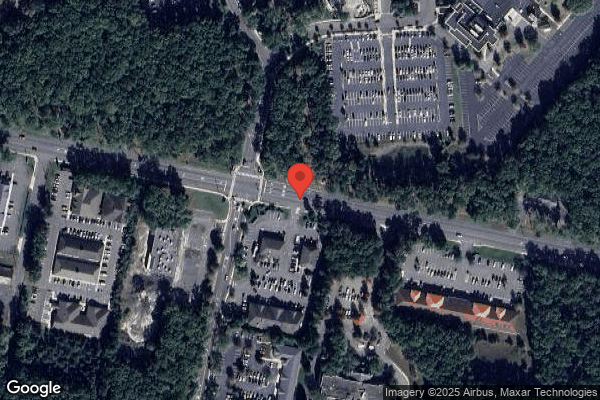
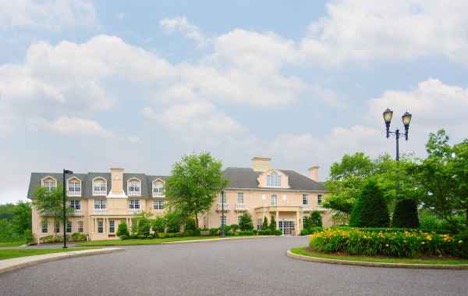
66 WEST JIMMIE LEEDS ROAD, GALLOWAY TOWNSHIP, NJ 08205 (609) 748-9100
For profit - Individual 120 Beds CONTINUUM HEALTHCARE Data: November 2025 1 Immediate Jeopardy citation
Trust Grade
43/100
#203 of 344 in NJ
Last Inspection: September 2024

Within standard 12-15 month inspection cycle. Federal law requires annual inspections.

Overview

The Health Center at Galloway has a Trust Grade of D, indicating below-average performance with some significant concerns. It ranks #203 out of 344 facilities in New Jersey, placing it in the bottom half of the state, and #5 out of 10 in Atlantic County, meaning only four local options are worse. While the facility shows signs of improvement, having reduced issues from 8 in 2024 to 2 in 2025, staffing remains a concern with a 54% turnover rate, which is higher than the state average. The facility has faced troubling fines totaling $86,708, higher than 89% of New Jersey facilities, suggesting ongoing compliance issues. Specific incidents include failing to administer prescribed insulin to diabetic residents, which poses serious health risks, and a lack of Registered Nurse coverage for required hours, potentially impacting patient care. Overall, while there are strengths such as a perfect score in quality measures, the weaknesses in staff continuity and serious compliance failures are notable.

Trust Score
D
43/100
In New Jersey
#203/344
Bottom 41%
Safety Record
High Risk
Review needed
Inspections
Getting Better
8 → 2 violations
Staff Stability
⚠ Watch
54% turnover. Above average. Higher turnover means staff may not know residents' routines.
Penalties
✓ Good
$86,708 in fines. Lower than most New Jersey facilities. Relatively clean record.
Skilled Nurses
⚠ Watch
Each resident gets only 21 minutes of Registered Nurse (RN) attention daily — below average for New Jersey. Fewer RN minutes means fewer trained eyes watching for problems.
Violations
⚠ Watch
20 deficiencies on record. Higher than average. Multiple issues found across inspections.
★★★☆☆
3.0
Overall Rating
★★☆☆☆
2.0
Staff Levels
★★★★★
5.0
Care Quality
★★☆☆☆
2.0
Inspection Score
Stable
2024: 8 issues
2025: 2 issues

The Good

  • 5-Star Quality Measures · Strong clinical quality outcomes
  • Full Sprinkler Coverage · Fire safety systems throughout facility
  • No fines on record

Facility shows strength in quality measures, fire safety.

The Bad

3-Star Overall Rating

Near New Jersey average (3.3)

Meets federal standards, typical of most facilities

Staff Turnover: 54%

Near New Jersey avg (46%)

Higher turnover may affect care consistency

Federal Fines: $86,708

Well above median ($33,413)

Moderate penalties - review what triggered them

Chain: CONTINUUM HEALTHCARE

Part of a multi-facility chain

Ask about local staffing decisions and management

The Ugly 20 deficiencies on record

1 life-threatening
Aug 2025 2 deficiencies
CONCERN (D) 📢 Someone Reported This

A family member, employee, or ombudsman was alarmed enough to file a formal complaint

Potential for Harm - no one hurt, but risky conditions existed

Deficiency F0658 (Tag F0658)

Could have caused harm · This affected 1 resident

**NOTE- TERMS IN BRACKETS HAVE BEEN EDITED TO PROTECT CONFIDENTIALITY** Complaint 2579597Based on interviews, medical record review, and other pertinent facility documentation on 08/07/25, it was dete...

Read full inspector narrative →
**NOTE- TERMS IN BRACKETS HAVE BEEN EDITED TO PROTECT CONFIDENTIALITY** Complaint 2579597Based on interviews, medical record review, and other pertinent facility documentation on 08/07/25, it was determined that the facility failed to obtain a physician's order (POs) for the resident's (Resident #7) oxygen in accordance to professional standards of practice. This deficient practice was identified for 1 of 14 residents and was evidenced by the following:Reference: New Jersey Statutes Annotated, Title 45. Chapter 11. Nursing Board. The Nurse Practice Act for the State of New Jersey states: The practice of nursing as a registered professional nurse is defined as diagnosing and treating human responses to actual and potential physical and emotional health problems, through such services as case finding, health teaching, health counseling, and provision of care supportive to or restorative of life and wellbeing, and executing medical regimens as prescribed by a licensed or otherwise legally authorized physician or dentist.Reference: New Jersey Statutes Annotated, Title 45, Chapter 11. Nursing Board. The Nurse Practice Act for the State of New Jersey states: The practice of nursing as a licensed practical nurse is defined as performing tasks and responsibilities within the framework of case finding; reinforcing the patient and family teaching program through health teaching, health counseling and provision of supportive and restorative care, under the direction of a registered nurse or licensed or otherwise legally authorized physician or dentist.A review of Resident #7's closed Electronic Medical Record (EMR) was as follows:According to the admission Record (AR) face sheet, Resident #7 was admitted to the facility with diagnoses which included but were not limited to fibromyalgia (widespread musculoskeletal pain), difficulty walking, Type 2 Diabetes, Chronic Obstructive Pulmonary Disease (lung and airway diseases that restrict your breathing), and Dysphagia (difficulty swallowing).A review of the Minimum Data Set (MDS), an assessment tool dated 07/30/25, Resident #7 had a Brief Interview of Mental Status (BIMS) score of 15/15, which indicated the resident was cognitively intact. The MDS also indicated that Resident #7 was admitted with intermittent oxygen use on admission and while a resident at the facility.A review of Resident #7's Order Summary Report (OSR), included POs dated 07/25/25, such as, change oxygen tubing weekly on Sundays, 6 Min rest/walk test on room air and an order to monitor pulse oximetry Q Shift. The OSR did not include PO for the administration of oxygen.A review of Resident #7's care plan (CP) initiated on 07/25/25, did not include the resident received oxygen.A review of Resident #7's Progress Note (PN) dated 08/04/25 at 09:45 A.M, revealed Resident was walking all over the facility and going out to smoke and never observed with oxygen as well as when visited in her room, she did not have oxygen on.During an interview on 08/07/25 at 11:30 A.M the surveyor interviewed the Social Worker (SW), who had discharged Resident #7, and she stated that she did remember Resident #7 and stated that the resident was awake, alert, oriented and up walking. The SW also stated that Resident #7 used oxygen one day and then no longer utilized it.During an interview on 08/07/25 at 12:53 P.M, the surveyor interviewed a Licensed Practical Nurse (LPN) at the facility who stated, If a resident has an order for oxygen I would make sure the resident was receiving it and receiving the correct amount. The LPN further stated that he remembered Resident #7, that Resident #7 did not wear oxygen, and that the oxygen order for Resident #7 was an as needed order.During an interview on 08/07/25 at 01:04 P.M, the surveyor interviewed the Unit Manager (UM) of the third floor, who stated that the expectation for her nursing staff regarding a resident with oxygen, would to make sure that the resident had an order for oxygen and to notify the doctor if there wasn't and to ensure that oxygen tubing was dated and changed weekly.During an interview on 08/07/25 at 01:22 P.M., the surveyor interviewed Director of Nursing (DON) and Assistant Director of Nursing (ADON) together. The DON stated that residents who were on oxygen should have an oxygen order and when they were no longer on oxygen, that order should be changed. The ADON stated that Resident #7 was admitted on 2 liters of oxygen and that Resident #7 was not on oxygen upon discharge. The ADON stated that Resident #7 should have had the oxygen concentrator removed from their room if there was no order for oxygen.During an interview on 08/07/25 at 01:46 P.M., the surveyor interviewed the ADON, DON, and Licensed Nursing Home Administrator (LNHA) together regarding Resident #7's oxygen needs. The ADON confirmed that there was no oxygen order for Resident #7, but that there should have been one while Resident #7 was using oxygen. The DON confirmed there was no oxygen CP for Resident #7 and that there should have been one.A review of the facility's policy Oxygen Administration dated revised 10/23, under Preparation revealed: 1. Verify that there is a physician's order for this procedure. Review the physician's orders or facility protocol for oxygen administration. 2. Review the resident's care plan to assess for any special needs of the residentN.[NAME].C.: 8:39-27.1(a)
CONCERN (D) 📢 Someone Reported This

A family member, employee, or ombudsman was alarmed enough to file a formal complaint

Potential for Harm - no one hurt, but risky conditions existed

Infection Control (Tag F0880)

Could have caused harm · This affected 1 resident

**NOTE- TERMS IN BRACKETS HAVE BEEN EDITED TO PROTECT CONFIDENTIALITY** Complaint # 360598Based on observations, interviews, and record reviews on [DATE], it was determined that the facility failed to...

Read full inspector narrative →
**NOTE- TERMS IN BRACKETS HAVE BEEN EDITED TO PROTECT CONFIDENTIALITY** Complaint # 360598Based on observations, interviews, and record reviews on [DATE], it was determined that the facility failed to ensure infection control guidelines were followed for a resident who had a sick cat visiting the facility to prevent infection. This deficient practice was identified for 1 of 14 residents reviewed for infection control (Resident #6). This deficient practice was evidence by the following:A review of the Electronic Medical Record (EMR) was as follows:According to the admission Record (AR) face sheet, Resident #6 was admitted to the facility with diagnoses which included but were not limited to Spondylosis (degenerative changes in the spine), expressive language disorder, dysphagia (difficulty swallowing), sepsis, and muscle weakness.A review of the Minimum Data Set (MDS), an assessment tool, dated [DATE], Resident #6 had a Brief Interview of Mental Status (BIMS) score of 15/15, which indicated the resident was cognitively intact.A review of Resident #6's Order Summary Report (OSR), did not include an order for Resident #6 to have a pet at bedside in the facility.A review of Resident #6's care plan (CP) initiated on [DATE] did not include a focus including a pet as therapy for Resident #6.A review of Resident #6's Progress Note (PN) dated [DATE] at 05:31 A.M, written by a Licensed Practical Nurse (LPN#1) revealed Resident #6 had a cat on the bed and lying on Resident #6. LPN #1 noted there were feces and urine stains on the bed and documented that the Power of Attorney (POA) for Resident #6 stated that the stains were from the cat. A second PN from [DATE] at 11:31 A.M., by LPN #2, revealed that the family pet had expired.During an interview on [DATE] at 11:06 A.M., the surveyor interviewed a Certified Nursing Assistant (CNA) who worked at the facility for over 30 years. The CNA stated that the facility did allow pets but that the pets paperwork and temperament must be reviewed and the paperwork for the pet needs to be brought to the front desk. During an interview on [DATE] at 11:06 A.M the surveyor interviewed LPN #3 who stated that she had never experienced personal pets on her unit which was considered the rehabilitation unit.During an interview on [DATE] at 11:50 A.M., the surveyor interviewed the Licensed Nursing Home Administrator (LNHA), who stated, We do have a policy on pets for the facility. The receptionist keeps a file of the pets' vaccinations. She handles all that. Residents are admitted and pets visit but that is usually managed by the Receptionist and activities has pet therapy. We did have a complaint regarding a cat. Resident was here short term and resident had a cat who had chemotherapy. The agreement was that the cat could stay with the resident in the room. We had to make sure the cat was staying in the cage. There was noncompliance. A staff member did complain. Staff wanted me to tell her (the staff member) the issues with a cat on chemotherapy being near the staff and what kind of issues they may have dealing with the cat. I sent an email to all staff after Googling.The surveyor requested a copy of this email along with immunizations for this pet. No immunizations were able to be retrieved. The Surveyor received an electronic medical record system communication dated [DATE], that stated, The family of Resident #6 is aware that the cat must be transported by crate and no litter box in the room. The patient can have the cat on the bed with him while the cat is in the harness. Cat is not to come out of the room during visits. A secondary electronic medical record system communication was also received dated [DATE], that stated, No pregnant or nursing mothers can have contact with Resident #6's cat.During an interview on [DATE] at 02:37 P.M., the surveyor interviewed the LNHA and ADON together. The LNHA stated that Resident #6's friend was responsible for bringing the cat back and forth in the crate into the facility since September of 2024. The LNHA stated that she was not aware of the cat defecating or urinating in the room and stated that once a litter box was brought but Resident #6 and the friend were instructed that this was not allowed. A review of the facility's policy Pets, Animals, and Plants revised 05/17 under Policy Statement revealed: Animals allowed in the facility will be monitored and managed in order to prevent the spread of microorganisms/infections resulting from contact with animals. Under the same policy, under Personal Pet Visits stated: 2c. The resident's physician and primary care nurse must approve the visit.A review of the facility's policy Infection Prevention and Control Program revised 06/23 under 6. Policies and Procedures revealed, a. Policies and procedures are utilized as the standards of the infection prevention and control program. b. Policies and procedures reflect the current infection prevention and control standards of practice. N.[NAME].C.: 8:39-19.4
Sept 2024 7 deficiencies
CONCERN (D)

Potential for Harm - no one hurt, but risky conditions existed

Resident Rights (Tag F0550)

Could have caused harm · This affected 1 resident

Based on observation and interview, it was determined that the facility failed to maintain resident dignity when staff were observed standing while feeding residents their meals on 1 of 2 Nursing unit...

Read full inspector narrative →
Based on observation and interview, it was determined that the facility failed to maintain resident dignity when staff were observed standing while feeding residents their meals on 1 of 2 Nursing units, 2nd floor, for 1 of 1 resident reviewed for dignity (Residents #20). This deficient practice was evidenced by the following: On 09/10/2024 at 12:13 PM, the surveyor observed a facility staff on the 2nd floor dining room at the lunch meal assisting Resident #20 to eat. The staff was standing next to the table to assist the Resident #20 to eat from a standing position. Resident #20 was seated in a wheelchair at a table in the center of the dining room facing the television. The staff did not attempt to get a chair while assisting Resident #20 to eat. The staff continued to feed Resident #20 from the standing position throughout the meal. On interview, the staff who identified herself as a Licensed Practical Nurse (LPN #1). The surveyor asked LPN #1 what the facility procedure is when assisting residents at meal time. LPN #1 stated to the surveyor, Should I be seated? According to the admission Record, Resident #20 was admitted to the facility with the following but not limited to diagnoses: Dementia, and moderate calorie-protein malnutrition. According to section GG of the Minimum Data Set, an assessment tool, dated 6/12/2024, Resident #20 required partial/moderate assistance with eating. On 09/13/2024 at 09:53 AM, during an interview with the facility administration, which included the Director of Nursing (DON) and the Licensed Nursing Home Administrator (LNHA), the surveyor asked what the facility practice was for assisting residents who are unable to independently eat at mealtimes. The LNHA told the surveyors, Staff who assist residents who require assist with eating at meals should be seated at eye level. Thy surveyor then asked the LNHA why staff should assist residents seated at eye level. The LNHA responded, We do it that way because it is a dignity issue. A review of the facility provided policy titled Assistance with Meals, revised March 2022, revealed the following under Policy Interpretation and Implementation: Dining Room Residents: 3. Residents who cannot feed themselves will be fed with attention to safety, comfort, and dignity, for example: a. not standing over residents while assisting them with meals. NJAC 8:39 - 4.1(a)12
CONCERN (D)

Potential for Harm - no one hurt, but risky conditions existed

Report Alleged Abuse (Tag F0609)

Could have caused harm · This affected 1 resident

2. A review of a facility reported event involving an alleged incident of staff to resident abuse revealed that Resident #257 alleged that Certified Nursing Assistant (CNA #1) was talking to a co-work...

Read full inspector narrative →
2. A review of a facility reported event involving an alleged incident of staff to resident abuse revealed that Resident #257 alleged that Certified Nursing Assistant (CNA #1) was talking to a co-worker on the 11 PM - 7 AM shift on 01/01/2024. Resident #257 alleged that CNA #1 was talking too loudly, and Resident #257 went to their door threshold and yelled at CNA #1 for being too loud. Resident #257 then slammed their door shut. According to Resident #257, who no longer resides at the facility, CNA #1 opened Resident #257's door and spoke to him/her in an aggressive manner telling Resident #257 that he/she could not keep their door closed and they could pull their privacy curtain for privacy before exiting the room. This event was noted to have occurred late on the 11 Pm - 7 AM shift, however the Reportable Event Record/Report indicated that the event occurred on 01/01/2024 at a11:45 PM. Review of the facility investigation summary dated 1/3/2024 revealed that the facility Director of Nursing (DON) was not made aware of the alleged verbal abuse until 9:30 AM on 01/02/2024. The DON documented on the investigation summary that it was a presumed delay in reporting the matter to the appropriate management. The incident occurred on the evening of 1/1/24 but was not reported until the morning of 1/2/24. The reporting nurse will receive a 1:1 refresher education on reporting events in a timely manner. On 09/12/2024 at 02:54 PM the surveyor conducted an interview with the 2nd Floor Registered Nurse/Unit Manager (RN/UM #1). The surveyor asked RN/UM #1 what the facility practice was when al alleged event of staff to resident abuse was alleged. RN/UM #1 told the surveyor, I would immediately report it to the Administrator, DON, and the ADON (Assistant Director of Nursing). I would then assist in getting any information that those people would require of me. I would also notify the physician and I would notify the family afterwards. I also assess the involved resident. On 09/12/2024 at 03:22 PM the surveyor conducted an interview with the facility DON and Licensed Nursing Home Administrator (LNHA) concerning the alleged verbal abuse investigation of Resident #257. The surveyor asked the DON and LNHA what the facility practice was for alleged incidents of abuse. The DON told the surveyor, Nursing should report to the facility DON and LNHA any alleged incident of abuse. The surveyor asked what the time frame was for reporting an alleged incident of abuse to the New Jersey Department of Health. The DON stated, An alleged event of abuse should be reported to the NJDOH within 2 hours and for residents over the age of 60 it should also be reported to the ombudsman. On 09/12/2024 at 09:48 AM, a review of the above facility policy titled Abuse, Neglect, Exploitation or Misappropriation-Reporting and Investigating with revised date of April 2021.revealed under the Policy Statement, All reports of resident abuse (including injuries of unknown origin), neglect, exploitation, or theft/misappropriation of resident property are reported to local, state, and federal agencies (as required by current regulations) and thoroughly investigated by facility management. Findings of all investigations are documented and reported. Under the Policy Interpretation and Implementation section Reporting Allegations to the Administrator and Authorities 1. If resident abuse, neglect, exploitation, misappropriation of resident property or injury of unknown source is suspected, the suspicion must be reported immediately to the administrator and to the other officials according to state law. 2. The Administrator or the individual making the allegation immediately reports his or her suspicion to the following persons or agencies: a. The state licensing/certification agency responsible for surveying/licensing the facility; . 3. Immediately is defined as: within 2 hours of the allegation involving abuse or result in serious bodily injury; or b. within 24 hours of an allegation that does not involve abuse or result in serious bodily injury. NJAC 8:39-9.4(f) Based on observation, interview review of the Electronic Medical Record (EMR) and review of other facility documentation, it was determined that the facility failed to report an injury of unknown origin, specifically a fracture of the right distal femur, as well as an allegation of staff to resident abuse to the New Jersey Department of Health (NJDOH) in a timely manner for 2 of 26 sampled residents, (Resident #13 and Resident #257). This deficient practice was evidenced by the following: 1. During the initial tour of the unit, Resident #13 told Surveyor #1 that he/she had pain due to a fracture of the hip. Resident #13 denied having fallen and said he/she will be following up with the orthopedic physician on Thursday. A review of the EMR was conducted on 09/09/2024 at 01:05 PM and included the following: According to the admission Record Resident #13 was admitted to the facility with diagnoses including but not limited to: HIV (Human immunodeficiency virus) chronic pain syndrome and disorder of bone density and structure (osteoporosis). A review of a the most recent comprehensive Minimum Data Set (MDS) an assessment tool used to facilitate care dated 09/02/2024, revealed Resident #13 had a Brief Interview for Mental Status score of 15/15 indicating intact cognition. A review of the Clinical Orders revealed a physician order dated 8/28/2024 for B/L (bilateral) hip x-ray to r/o (rule/out) fracture/dislocation. D/C (discontinue) when completed. A further review of the Order Summary Report revealed a physician order dated 8/30/2024 for Orthopedic eval (evaluation) and treat. On 09/10/2024 at 10:45 AM, a review of the EMR progress notes for 8/28/2024 through 8/31/2024 did not include documentation of what had occurred that the physician would have ordered the B/L hip x-ray on 8/28/2024 and the Orthopedic eval and treat on 8/30/2024. On 09/11/2024 at 09:19 AM, a review of x-ray dated 8/28/24 revealed a fracture of right distal femur relationship of the femoral head appears within acetabulum. Displaced femur noted superior lateral to the acetabulum. Degenerative changes hip joint noted. Under the impression section Fracture displacement involving the femoral neck and distal femur relationship of the femoral head. During an interview with Surveyor #1 on 09/11/2024 at 10:17 AM, the Director of Nursing (DON) was asked what had occurred with Resident #13 having sustained a fractured right femur. The DON replied I don't know how the fracture happened. The resident has a history of osteopenia and bone density disorder. The DON went on to say, I would say this is an injury of unknown origin and should have been reported to NJDOH. The DON said, I know there's no documentation in EMR regarding his/her c/o pain and follow up x-ray ordered and the fracture. Surveyor #1 requested any information including reporting of this to the NJDOH from DON. On 09/11/2024 at 01:00 PM, Surveyor #1 reviewed a type written document from the Licensed Nursing Home Administrator (LNHA) indicating the following; Resident name admission date A&O x3 8/28/24 Resident complained to family about hip pain. Family contacted Social Worker (SW) and informed of pain. SW communicated family concern to clinical team. 8/28/24 x-ray ordered. x-ray completed. x-ray results received. 8/29/24x-ray reviewed by NP documented on x-ray results 8/30/24 order received for ortho eval and treat. 9/11/23 Resident interviewed by Assistant director of Nursing (ADON). Resident noted sitting in wheelchair in his room. He is awake, alert and orientedx3 He shows no signs or symptoms of pain or discomfort at the time of the interview. Resident stated that he has had bilateral hip pain for years. He denies any falls while here in the facility. He denies anyone causing any injuries to him. He stated that he does not think he has ever had any studies or imaging previously on his hips. 9/11/24 Reportable called into the NJDOH. Notified Office of Ombudsman. The LNHA confirmed this was called into the NJDOH after surveyor inquiry. During an interview with Surveyor #1 on 09/11/2024 at 1:26 PM, the LNHA said the facility became aware of resident's fracture when the surveyor inquired about the investigation. The LNHA said the staff should have informed administration at the time they knew resident had a fracture. It was a communication problem. During an interview with Surveyor #1 on 09/12/2024 at 09:24 AM, the Registered Nurse/Unit Manager (RN/UM) was asked what her expectations were regarding being notified of allegations of abuse, resident altercations or injuries of unknown origin. She replied my expectations are when I come in, I ask what is going on and what is new from both nurses and aides. I call in on weekends and staff knows I am available by phone. RN/UM said staff knows to call me with resident-to-resident allegations, abuse or fractures. If I become aware of abuse allegation, resident to resident altercation, misappropriation of property or fracture it is instant call to DON (Director of Nursing), ADON (Assistant Director of Nursing) and Administrator. During an interview with Surveyor #1 on 09/12/2024 at 09:35 AM, Licensed Practical Nurse (LPN #1) was asked what the facility policy was when there was a resident-to-resident altercation, resident allegation of abuse, or a resident was found to have a fracture with no identified cause. LPN #1 replied we report to DON, MD (medical doctor), Family. We ask the resident what happened, risk management form on computer (incident report) we would make a note in medical record of the incident or allegation. We would call DON on her cell phone if she were not here. We would also notify supervisor on duty. We do have supervisors on and would tell them as well. We would write and get statements from assigned aides that day and nurse who had them as well as prior nurse and cnas. LPN #1 went on to say Yes, one of the first things we would do was assess the resident for pain, injury, and vitals. We would get statements from residents involved as well. We would do this immediately. On 09/12/2024 at 08:34 AM, a review of a facility policy titled Facility Responsibilities for Reporting Allegations with a revised date of September 2022 revealed the following addresses facility responsibilities for reporting allegations/occurrences involving staff to resident abuse; resident to resident altercations; injuries of unknown source; and misappropriation of resident property/exploitation. Under the Injuries of Unknown Source Required to report incudes but not limited to: Unobserved/unexplained fractures, sprains or dislocations The policy did not include timeframes for reporting or steps for facility to take once the allegation/injury. On 09/12/2024 at 09:48 AM, a review of the above facility policy titled Abuse, Neglect, Exploitation or Misappropriation-Reporting and Investigating with a revised date of April 2021, revealed under the Policy Statement, All reports of resident abuse (including injuries of unknown origin), neglect, exploitation, or theft/misappropriation of resident property are reported to local, state, and federal agencies (as required by current regulations) and thoroughly investigated by facility management. Findings of all investigations are documented and reported. Under the Policy Interpretation and Implementation section Reporting Allegations to the Administrator and Authorities 1. If resident abuse, neglect, exploitation, misappropriation of resident property or injury of unknown source is suspected, the suspicion must be reported immediately to the administrator and to the other officials according to state law. 2. The Administrator or the individual making the allegation immediately reports his or her suspicion to the following persons or agencies: a. The state licensing/certification agency responsible for surveying/licensing the facility; .3. Immediately is defined as: within 2 hours of the allegation involving abuse or result in serious bodily injury; or b. within 24 hours of an allegation that does not involve abuse or result in serious bodily injury.
CONCERN (D)

Potential for Harm - no one hurt, but risky conditions existed

Comprehensive Care Plan (Tag F0656)

Could have caused harm · This affected 1 resident

Based on observation, interview, record review, and review of pertinent facility documents, it was determined the facility failed to develop and implement a comprehensive person-centered care plan tha...

Read full inspector narrative →
Based on observation, interview, record review, and review of pertinent facility documents, it was determined the facility failed to develop and implement a comprehensive person-centered care plan that included measurable objectives, timelines, and interventions to meet resident's medical and nursing needs specifically by failing to implement a care plan for an antibiotic that was infused through a Peripherally Inserted Central Catheter (PICC) used to deliver the antibiotic, and 2.) a resident diagnosed with PTSD (Post Traumatic Stress Disorder) on admission. The deficient practice was identified for 2 of 26 sampled residents, (Resident #86 and Resident #99). The deficient practice was evidenced by the following: 1.) On 09/09/2024 at 08:28 AM, during the initial tour, Resident #86 was identified by the nurse preparing an Intravenous Antibiotic (IV Antibiotic), as being ordered an IV antibiotic for an infection. A review of Resident #86's admission Record revealed that he/she had a diagnosis that included but not limited to: Cutaneous Abscess of Buttock, and Local Infection of the Skin and Subcutaneous tissue. A review of the most recent comprehensive Minimum Data Set (MDS), an assessment tool used to facilitate care, dated 08/15/2024, under Section N-Medications: High-Risk Drug Classes: Use and Indication: indicated that Resident #86 is taking an Antibiotic; Under Section O-Special Treatments, Procedures, and Programs: IV Medications: Yes. A review of the Physician Orders revealed the following: Change PICC dressing on RUE (Right Upper Extremity) weekly every night shift every Tuesday; Eravacycline Dihydrochloride Intravenous Solution Reconstituted 50 MG, use 100 mg Intravenously two times a day for Acinetobacter infuse via pump. A review of Resident #86's Care Plan did not include a care plan that addressed that Resident #86 had a PICC line and was receiving IV Antibiotics. During an interview with the surveyor on 09/12/2024 at 3:15 PM, the Director of Nursing (DON) was asked what the expectations for a comprehensive person-centered Care Plan to include that a PICC line and Antibiotic should be included in the residents Care Plan. The DON said yes it should be included. 2. On 09/09/2024 at 08:43 AM, the surveyor conducted an interview with Resident #99 on the initial tour of the facility. Resident #99 told the surveyor the he/she was a veteran and stated to the surveyor that he/she had PTSD (post traumatic stress disorder). Resident #99 was observed to be anxious on interview and told the surveyor that they were medicated for PTSD. On 09/09/2024 at 12:16 PM, the surveyor conducted a record review for Resident #99. According to the admission Record, Resident #99 was admitted to the facility with the following but not limited to diagnoses: Post-traumatic stress disorder, depression, anxiety disorder, unspecified mood (affective) disorder. A review of the comprehensive Minimum Data Set (MDS) an assessment tool, dated 8/13/2024, revealed Resident #99 had a Brief Interview for Mental Status score of 15/15, indicating intact cognition. According to Section D of the MDS, Resident #99 had feelings of little interest or pleasure in doing things and feeling down, depressed, or hopeless on a frequency of 2-6 days. A review of Section I of the MDS revealed Resident #99 had active diagnoses of anxiety disorder, depression, and post traumatic stress disorder. Section N of the MDS revealed Resident #99 received daily antidepressant medication. A review of the Order Summary Report revealed Resident #99 had the following physician order: FLUoxetine HCl (hydrogen chloride) Oral Tablet 20 MG (milligram) (Fluoxetine HCl) Give 2 tablet by mouth one time a day for depression/anxiety/PTSD.: Order Date: 08/13/2024. A review of Resident #99's comprehensive care plan did not include a care plan for PTSD. On 09/12/2024 02:38 PM, the survey team conducted an interview with the facility Licensed Nursing Home Administrator (LNHA) and Director of Nursing (DON). On interview both the facility LNHA and DON agreed that, PTSD is a diagnosis that should be care planned. On 09/13/2024 at 10:40 AM, the surveyor conducted an interview with the Licensed Practical Nurse/Unit manager (LPN/UM) of the 3rd floor. The LPN/UM was responsible for developing care plans for Residents on the third floor of the facility where Resident #99 resided. The surveyor then asked the LPN/UM if Resident #99 should have been care planned for a diagnosis of PTSD. LPN/UM told the surveyor, I'm really not sure if it should have been care planned, but yes, I should've care planned Resident #99 for PTSD. I have to be honest I never had anybody with a diagnosis of PTSD before. I'm glad that I know now. A review of a facility policy on 09/12/2024 at 12:10 PM, titled Care Plans, Comprehensive Person-Centered, with a revised date of March 2022, Policy Statement as follows: A comprehensive, person-centered care plan that includes measurable objective and timetables to meet the resident's physical, psychological and functional needs is developed and implemented for each resident. Under #7, The Comprehensive, Person-Centered Care Plan: reflects currently recognized standards of practice for problem areas and conditions. a. includes measurable objectives and timeframes; b. describes the services that are to be furnished to attain or maintain the resident's highest practicable physical, mental, and psychosocial well-being; e. reflects currently recognized standards of practice for problem areas and conditions. NJAC 8:39-11.2(f)
CONCERN (D)

Potential for Harm - no one hurt, but risky conditions existed

Medication Errors (Tag F0758)

Could have caused harm · This affected 1 resident

Based on observation, interview, review of the Electronic Medical Record (EMR) and review of other facility documentation, it was determined that the facility failed to follow up on a psychiatry recom...

Read full inspector narrative →
Based on observation, interview, review of the Electronic Medical Record (EMR) and review of other facility documentation, it was determined that the facility failed to follow up on a psychiatry recommendation to discontinue an antipsychotic medication, failed to monitor residents' behavior for the use of the antipsychotic, and failed to develop a care plan for the use of an antipsychotic. This deficient practice was identified for 1 of 5 residents reviewed for unnecessary medications, (Resident #74) and was evidenced by the following: On 9/10/2024 at 08:58 AM, the resident was observed lying in bed with his/her eyes closed. On 9/10/2024 at 12:30 PM, the resident was observed in his/her room with a therapist eating lunch. There were no behaviors exhibited. On 9/11/2024 at 08:39 AM, the resident was observed lying in bed with his/her eyes closed. On 9/12/2024 at 12:00 PM, the resident was observed ambulating with therapy. Resident was smiling, replied fine when asked how he/she was today. No behaviors were exhibited. On 9/09/2024 at 12:19 PM, a review of the Electronic Medical Record was done and revealed the following: According to the admission record, Resident #74 was admitted with diagnoses including but not limited to: traumatic hemorrhage of the cerebrum, and unspecified dementia without behavioral disturbance. A review of the most recent comprehensive Minimum Data Set (MDS) an assessment tool used to facilitate care dated 7/25/2024 revealed Resident # 74 had a Brief Interview for Mental Status (BIMS) of 3/15 score indicating severe cognitive impairment. The MDS further revealed Resident #74 had no behavioral symptoms, and was taking an antipsychotic medication. A review of the Care Area Assessment (CAA's) revealed to proceed to care plan for psychotropic drug use. A review of the Order Summary Report with active orders as of 7/01/2024 revealed a physician order dated 7/19/2024 for quetiapine fumarate (Seroquel) oral tablet 25 MG (milligram) (quetiapine fumarate) (an antipsychotic medication used to treat several kinds of mental health conditions including schizophrenia and bipolar disorder.) Give 0.5 tablet by mouth at bedtime for altered mental status. A review of the Medication Administration Record (MAR) for July, August and September 2024 did not include monitoring for behaviors or the use of quetiapine. A review of a Progress note dated 7/29/2024 revealed a Psychiatric Progress Note which indicated a Chief Complaint: Pt (patient) was re-evaluated today for follow-up, and med (medication) management. Under the HPI (history of present illness): Patient with dementia and depression seen for follow up, and med management. Per chart has a recent fall, admitted to the hospital for Subarachnoid hemorrhage and discharged on Seroquel. Patient seen in room, aaox1, calm, forgetful, confused at baseline, and in no apparent distress. Reports feeling alright. Under the MONITORED PSYCH MEDICATIONS (with DIAGNOSES) section .4. Seroquel 12.5mg QHS (every bedtime time) for Mood D/O (disorder). Under the PLAN section: 1. Always consider supportive and individualized non-pharmacologic interventions, including: redirection, support/reassurance, comfort measures, reduced environmental stimulation, expression of feelings, family involvement. Treat medical issues including pain, UTI, constipation, infection, physical issues, positioning, toileting. Encourage participation in activities, social engagement as tolerated and as possible for psychosocial well-being. 2. Recommend D/C (discontinue) Seroquel 12.5mg qHS for mood d/o; B>R (benefits>risk). A Dose Reduction (GDR) (gradual dose reduction) is: D/C Seroquel 12.5mg qHS. A review of Resident #74's progress Notes from 7/29/2024 thru 09/11/2024 did not include documentation that the physician was notified of the Psychiatric recommendation to discontinue the Quetiapine. A review of the care plan for Resident #74 did not include the care and monitoring for the use of Quetiapine. During an interview with the surveyor on 9/11/2024 at 12:37 PM, Licensed practical Nurse (LPN#3) was asked what the facility policy was regarding follow up by nurses with consultations. LPN #3 replied It depended on which physician. The dentist and eye doctor give us their orders. The psychiatrist gives us a paper for recommendations and once we get physician approval we put the new orders in the computer. We can read their (consultant's) notes but most of the time they give us a paper with the recommendations for all their residents on the unit. The surveyor questioned what the facility policy was on monitoring of psychotropic medications, and LPN #3 replied We do monitor for different s/s (signs/symptoms), any reactions, an increase in behaviors and we document that on the MAR. The surveyor asked if that was for all psychotropic medications, and she stated yes, for any antianxiety, antipsychotic, or antidepressant. We have to put in the monitoring of behavior on order sheets. The surveyor asked what was expected to be on a resident care plan and LPN #3 stated she was not too familiar with care plans. She stated she knew it would contain the resident's transfer requirements, their diet, and whatever assistance was needed to care for the resident. LPN #3 further stated that nurses didn't usually handle care plans. During an interview with the surveyor on 9/13/2024 at 9:18 AM, the Director of Nursing (DON) was asked what the facility's policy was regarding following-up on consultant recommendations by nurses. The DON stated that the nurses were to reach out to the physician, make them aware of the recommendation, and record their decisions whether they agree or disagree in the EMR. The DON was then asked what the facility's policy was on monitoring of psychotropic medications? The DON replied residents were supposed to be monitored for 14 days when a new medication was initiated. The surveyor then asked should there be behavior monitoring for a resident who was receiving quetiapine? The DON replied yes, they should have behavior monitoring documented in the EMAR (electronic medication administration record). The DON was then asked what was expected to be on a resident care plan and she replied things that were going on with them, what their goal would be, any falls, any skin issues, and use of any psychotropic medications. The surveyor questioned should there be a care plan for a resident on quetiapine and the DON confirmed, if a resident was on quetiapine there should be a care plan. The surveyor reviewed the following policies: On 9/12/2024 at 12:28 PM, a facility policy titled Guidelines for Notifying Physician of Clinical Problems with a revised date of September 2017 revealed under Non-immediate Notification Situations Non-immediate implies that the physician should be informed of the problem or event at the time of the next routine communication or the next time he/she is making rounds (whichever is sooner). Under 3. Other Consultant reports not involving a life-threatening or unstable medical or psychiatric situation. On 9/12/2024 at 12:45 PM, a facility policy titled Care Plans, Comprehensive Person-Centered with revised date of March 2022 revealed under the Policy Statement section A comprehensive, person-centered care plan that include measurable objectives and timetables to meet the residents psychosocial and functional needs is developed and implemented for each resident. Under the Policy Interpretation and Implementation section 3. The care plan interventions are derived from a thorough analysis of the information gathered as part of the comprehensive assessment. The policy also indicated 7. The comprehensive, person-centered care plan: b. describes the services that are to be furnished to attain or maintain the residents highest practicable physical, mental, and psychological well-being, e. reflects currently recognized standards of practice for problem areas and conditions. On 9/13/2024 at 10:37 AM, a facility policy titled Psychotropic Medication Use with revised date of July 2022 revealed under the Policy Interpretation and Implementation section 2. Drugs in the following categories are considered psychotropic medications and are subject to prescribing, monitoring, and review requirements specific to psychotropic medications: a. Antipsychotics 3. Residents, families, and/or the representative are involved in the medication management process. Psychotropic medication management includes: .d. adequate monitoring for efficacy and adverse consequences. 10. Nonpharmacological approaches are used (unless contraindicated) to minimize the need for medications, permit the lowest possible dose, and allow for discontinuation of medications when possible. 13. Residents receiving psychotropic medications are monitored for adverse consequences, including: anti cholinergic effects, flushing, blurred vision, dry mouth, altered mental status b. cardiovascualar {sic} [cardiovascular] effects-irregular heart rate or pulse, palpitations, lightheadedness, shortness of breath .c. metabolic effects .d. neurologic effects-agitation, distress, extrapyramidal symptoms, neuroleptic malignant syndrome, Parkinson's, tardive dyskinesia, e. psychosocial effects-inability to perform ADL's or interact with others, withdrawal or decline from usual social patterns, . NJAC 8:3927.1(a)
CONCERN (E) 📢 Someone Reported This

A family member, employee, or ombudsman was alarmed enough to file a formal complaint

Potential for Harm - no one hurt, but risky conditions existed

Deficiency F0658 (Tag F0658)

Could have caused harm · This affected multiple residents

3. A review of a Facility Reported Event, dated 01/02/2024, revealed that Resident #257 alleged that Certified Nursing Aide (CNA #1) verbally abused him/her on the 11 PM - 7 AM shift on 01/01/2024. Re...

Read full inspector narrative →
3. A review of a Facility Reported Event, dated 01/02/2024, revealed that Resident #257 alleged that Certified Nursing Aide (CNA #1) verbally abused him/her on the 11 PM - 7 AM shift on 01/01/2024. Resident #257 alleged that CNA #1 was talking loudly in the hallway. Resident #257 stated that he/she went to the threshold of their door and yelled at CNA #1 for talking loudly and then slammed the door shut. Resident #257 then stated that CNA #1 opened the door to the room and spoke to him/her in an aggressive manner. Resident #257 stated that CNA #1 told him/her that they could not have their door closed and that they could pull the privacy curtain if they wanted privacy. According to Resident #257's admission Record they were admitted to the facility with the following but not limited to diagnoses: Muscle weakness, cirrhosis of liver, morbid obesity, insomnia, and cognitive communication deficit. According to a review of the Minimum Data Set (MDS) an assessment tool, Resident #257 had a Brief Interview for Mental Status score of 12/15, indicating mild cognitive impairment. According to Section D of the MDS, Resident #257 had trouble falling or staying asleep, or sleeping too much for several days in the observation period. Review of the comprehensive care plan for Resident #257 revealed a care plan Focus: Adjustment to new environment & involvement in activity interests limited due to recent hospitalization. New admission. Date Initiated: 12/11/2023. The following was observed under Interventions/Tasks: My usual bed time is 12 AM. Date Initiated: 12/11/2023. On 09/11/2024 at 02:34 PM, a review of the PN from 01/01/2024 through 01/03/2024 did not include documentation of the alleged incident between Resident #257 and CNA #1. On 09/12/2024 at 02:40 PM the surveyor conducted an interview with the Certified Social Worker (CSW). The surveyor asked the CSW to briefly describe what she would do concerning a report of alleged abuse in the facility. The CSW stated, I would find out from the resident what the actual event was from their perspective and would meet in private with the resident. The surveyor then asked the CSW if she would document the interview/meeting in the EMR. The CSW responded, Of course, I would document the encounter with alleged victim in the social service progress notes in PCC (Point Click Care, an electronic medical record). The surveyor told the CSW that he was unable to find any documentation of the CSW's interview with Resident #257 concerning the alleged abuse. The surveyor asked if the encounter should have been documented in the EMR. The CSW responded, Yes, I would have documented and should have documented the event in the progress notes for the alleged event that occurred on 1/1/2024 with Resident #257. On 09/12/2024 at 02:58 PM, a review of a facility policy titled Charting and documentation with a revised date of July 2017 revealed under the Policy Statement section All services provided to the resident, progress toward the care plan goals, or any changes in the resident's medical, physical, functional, or psychosocial condition, shall be documented in the resident's medical record. Under the Policy Interpretation and Implementation section 2. d. any changes in the resident's condition; e. events, incidents or accidents involving the resident. On 9/13/2024 at 9:23 AM the survey team met with facility Administration. The DON told the surveyor's that a summary of the alleged incident would be expected to be documented in the resident's progress notes. The DON further acknowledged that an FRE should have been documented in the resident's progress notes. NJAC 8:39-11.2(b); 27.1(a) 2. On 9/10/2024 at 10:00 AM, the surveyor reviewed the facility provided Facility Reported Event (FRE) dated 2/22/24 which was an alleged verbal altercation involving two residents over the volume of the television, Resident #5 and Resident #48. On 9/11/2024 at 1:45 PM, the surveyor interviewed Resident #5's and Resident #48's nurse, LPN #3, who stated she was unaware of any verbal altercations between the two residents. LPN #3 stated that Resident #5 could be argumentative at times but was easily redirected. On 9/11/2024 at 1:51 PM, the surveyor interviewed LPN #3 regarding Resident #48, who stated the resident got along with both the staff and residents but would become easily agitated if he/she felt their needs weren't satisfied in a timely manner. When asked the facility process for reporting an altercation between two residents LPN #3 stated the residents would be separated, then she would let management either the unit manager or the Assistant Director of Nursing (ADON) or the DON know about the incident. Then there would be a risk management report entered into the resident's medical record including a Situation, Background, Assessment and Recommendation (SBAR) a tool used in nursing for communication with other healthcare professionals regarding patient information, notification to resident's physician, and family the incident would be discussed at a morning meeting of department heads On 9/12/2024 at 12:24 PM, the surveyor reviewed the medical record for Resident #48. A review of the admission Record reflected the resident was admitted to the facility with diagnoses which included hemiplegia and hemiparesis (paralysis on one side of the body), unspecified mood disorder, major depressive disorder and aphasia following cerebral infarction (a language disorder that can occur after a stroke that impairs the expression and understanding of language as well as reading and writing). A review of the most recent quarterly Minimum Data Set (MDS) an assessment tool dated 3/8/24, reflected the resident had a brief interview for mental status score of 14 out of 15, which indicated a fully intact cognition. A review of the individualized person-centered care plan reflected a focus area initiated 10/24/22, for a behavioral problem related to verbally abusing staff. Interventions included caregivers to provide opportunity for positive interaction, attention. Stop and talk with him/her as passing by. Educate [Resident #48] .on successful coping and interaction strategies . A review of the resident Progress Notes (PN) for February 2024 did not reveal any notes or references to the FRE incident reported to the New Jersey Department of Health (NJDOH) regarding the alleged event on 2/22/24. On 9/12/2024 at 2:28 PM, the surveyor reviewed the medical record for Resident #5. A review of the admission Record face sheet reflected the resident was admitted to the facility with diagnoses which included dementia, major depressive disorder, anxiety and unspecified intellectual disabilities. A review of the most recent quarterly Minimum Data Set (MDS), and assessment tool dated 2/01/2024, reflected a brief interview for mental status (BIMS) score of 15 out 15, which indicated a fully intact cognition. A review of the individualized person-centered care plan reflected a focus area initiated 9/15/21, for mood distress related to his/her diagnosis of impulse control disorder and history of depression, and anxiety evident by occasional verbal outbursts (not directed at others), frustration, anger, tearfulness, perseveration on issues and expressions of sadness over past life events. Interventions included to allow time for verbalization of feelings/needs and attempt to resolve area of upset. Attempt to re-focus [Resident #5's] behavior to something positive when upset . A review of the resident Progress Notes (PN) for February 2024 did not reveal any notes or references to the FRE incident reported to the New Jersey Department of Health (NJDOH) regarding the alleged event on 2/22/24. C/O #NJ 174603 Based on observation, interview, review of the Electronic Medical Record (EMR) it was determined that the facility nursing staff failed to document in the progress notes (PN) unusual incidents, specifically regarding a.) a fracture found on x-ray, b.) staff to resident abuse allegation and c.) a resident-to-resident altercation. This deficient practice was identified for 4 of 26 sampled residents (Resident #13, Resident #5, Resident #48 and Resident #257) and was evidenced by the following: Reference: New Jersey Statutes, Annotated Title 45, Chapter 11. Nursing Board The Nurse Practice Act for the State of New Jersey stated, The practice of nursing as a registered professional nurse is defined as diagnosing and treating human responses to actual or potential physical and emotional health problems, through such services as case finding, health teaching, health counseling, and provision of care supportive to or restorative of life and wellbeing, and executing medical regimens as prescribed by a licensed or otherwise legally authorized physician or dentist. Reference: New Jersey Statutes, Annotated Title 45, Chapter 11. Nursing Board The Nurse Practice Act for the State of New Jersey stated, The practice of nursing as a licensed practical nurse is defined as performing tasks and responsibilities within the framework of casefinding; reinforcing the patient and family teaching program through health teaching, health counseling and provision of supportive and restorative care, under the direction of a registered nurse or licensed or otherwise legally authorized physician or dentist. 1. During the initial tour of the unit, Resident #13 told Surveyor #1 that he/she had pain due to a fracture of the hip. Resident #13 denied having fallen and said he/she will be following up with the orthopedic physician on Thursday. A review of the EMR was conducted on 09/09/2024 at 01:05 PM and included the following: According to the admission Record Resident #13 was admitted to the facility with diagnoses including but not limited to: HIV (Human immunodeficiency virus), chronic pain syndrome and disorder of bone density and structure (osteoporosis). A review of the most recent comprehensive Minimum Data Set (MDS) an assessment tool used to facilitate care dated 9/02/2024, revealed Resident #13 had a Brief Interview for Mental Status score of 15/15 indicating intact cognition. A review of the Clinical Orders revealed a physician order (PO) dated 8/28/2024 for B/L (bilateral) hip x-ray to r/o (rule/out) fracture/dislocation. D/C (discontinue) when completed. A further review of the Order Summary Report revealed a physician order dated 8/30/2024 for Orthopedic eval (evaluation) and treat. On 09/10/2024 at 10:45 AM, a review of the EMR progress notes for 8/28/2024 through 8/31/2024 did not include documentation of what had occurred that the physician would have ordered the B/L hip x-ray on 8/28/2024 and the Orthopedic eval and treat on 8/30/2024. On 09/11/2024 at 09:19 AM, a review of x-ray dated 8/28/24 revealed a fracture of right distal femur relationship of the femoral head appears within acetabulum. Displaced femur noted superior lateral to the acetabulum. Degenerative changes hip joint noted. Under the impression section Fracture displacement involving the femoral neck and distal femur relationship of the femoral head. During an interview with Surveyor #1 on 09/11/2024 at 10:17 AM, the Director of Nursing (DON) was asked what had occurred with Resident #13 having sustained a fractured right femur. The DON replied I don't know how the fracture happened. The resident has a history of osteopenia and bone density disorder. The DON went on to say, I would say this is an injury of unknown origin and should have been reported to NJDOH. The DON said, I know there's no documentation in EMR regarding his/her c/o pain and follow up x-ray ordered and the fracture. Surveyor #1 requested any information including reporting of this to the NJDOH from DON. On 09/12/2024 at 02:58 PM, a review of a facility policy titled Charting and documentation with a revised date of July 2017 revealed under the Policy Statement section All services provided to the resident, progress toward the care plan goals, or any changes in the resident's medical, physical, functional or psychosocial condition, shall be documented in the resident's medical record. Under the Policy Interpretation and Implementation section 2. d. any changes in the resident's condition; e. events, incidents or accidents involving the resident.
CONCERN (F)

Potential for Harm - no one hurt, but risky conditions existed

Deficiency F0727 (Tag F0727)

Could have caused harm · This affected most or all residents

Based on interview and review of Nurse Staffing Report sheets, it was determined that the facility failed to ensure a Registered Nurse (RN) worked 7 days a week for at least 8 consecutive hours a day ...

Read full inspector narrative →
Based on interview and review of Nurse Staffing Report sheets, it was determined that the facility failed to ensure a Registered Nurse (RN) worked 7 days a week for at least 8 consecutive hours a day for 6 days of 10 weeks reviewed. This deficient practice was evidenced by the following: A review of the Nurse Staffing Reports completed by the facility for the weeks of 11/05/2023, 12/31/2023 thru 01/06/2024 revealed the facility had no RN coverage for 8 consecutive hours for all shifts on 11/05/2023, 11/08/2023, 11/11/2023, 12/31/2023, 01/01/2024, and 01/06/2024. On 09/12/2024 at 03:15 PM, the surveyors conducted an interview with the facility Director of Nursing (DON) and the surveyor said she reviewed the facility staffing sheets which indicated that the facility had days without a Registered Nurse (RN) for at least 8 consecutive hours. When asked should there be an RN on duty for at least 8 consecutive hours daily the DON replied, Yes, we should have 8 hours minimum for RN on duty per day. A review of the facility provided policy titled Staffing, revised October 2017, revealed the following under Policy Statement: Our facility provides sufficient numbers of staff with the skills and competency necessary to provide care and services for all residents in accordance with resident care plans and the facility assessment. The following was revealed under the heading Policy Interpretation and Implementation: 5. Efforts are made to fill open shifts as well as call-outs utilizing incentive programs and agency. Staffing is monitored daily. NJAC 8:39-25.2(h)
CONCERN (F)

Potential for Harm - no one hurt, but risky conditions existed

Food Safety (Tag F0812)

Could have caused harm · This affected most or all residents

**NOTE- TERMS IN BRACKETS HAVE BEEN EDITED TO PROTECT CONFIDENTIALITY** Based on observation, interview, and review of other facility documentation, it was determined that the facility failed to maint...

Read full inspector narrative →
**NOTE- TERMS IN BRACKETS HAVE BEEN EDITED TO PROTECT CONFIDENTIALITY** Based on observation, interview, and review of other facility documentation, it was determined that the facility failed to maintain kitchen sanitation in a safe and consistent manner to prevent food borne illness. This deficient practice was evidenced by the following: On 09/09/2024 from 7:39 to 8:23 AM, the surveyors, accompanied by the cook and the Food Service Director (FSD), observed the following in the kitchen: 1. Prior to entering the walk-in refrigerator and freezer the surveyors reviewed the temperature logs. Review of the September 2024 Refrigerator Temperature log revealed that no AM or PM temperatures were recorded on 9/7, 9/8, and 9/9/2024. On interview the FSD stated that the aide was responsible for recording the refrigeration temperatures and that the aide had not worked on those days. 2. On a lower shelf in the walk-in freezer, a sheet pan contained frozen hamburger patties. The hamburger patties were covered with plastic wrap. There were no dates labeled on the pan or plastic wrap. 3. On a middle shelf in the walk-in refrigerator, a plastic milk crate contained [NAME] Ready Care supplements (A frozen nutritional supplement for people with unintended weight loss). Approximately 20 vanilla shakes were in the crate. No dates were observed on the crate or supplements. The FSD told the surveyor that the shakes are good for 14 days once pulled from frozen storage. 4. On a lower shelf in the kitchen prep area (under toaster) a clear plastic container contained cleaned and sanitized dessert plates. The plates were uncovered and were not in the inverted position leaving the eating surface exposed to contamination. 5. Four (4) pans and a colander on a middle shelf of the pot and pan drying/storage rack were not in the inverted position and were not covered. The food contact surface of the pans and colander were exposed, and the pan contained a clear liquid substance on the interior of the pan. FSD removed to be rewashed and sanitized. On 09/11/2024 from 08:58 to 09:12 AM, the surveyor, accompanied by the Licensed Practical Nurse (LPN #2), observed the following on the 3rd Floor resident pantry: 1. Observation of the temperature log revealed that the facility was only monitoring refrigerator temperatures and there was no monitoring of the freezer temperatures. 2. The lower glass shelf and lower storage drawers of the refrigerator were covered with an off white unidentified substance. All foods are labeled and dated, however sign on outside of refrigerator stated that all foods were to only be held for 24 hours after the labeled date and then would be discarded. A gray plastic bag on the lower shelf contained unidentified resident food. The bag was labeled Rec 9/9/24 Discard 9/15/24. In addition, on the same shelf a plastic Tupperware style container contained unidentified resident food. The container was labeled with resident name and room number. The container had no dates. On 09/11/2024 from 09:47 to 09:53 AM, the surveyor, accompanied by LPN #3, observed the following on the 2nd Floor resident pantry: 1. Observation of the temperature log revealed that temperatures were being recorded in the AM and PM for the refrigerator. No monitoring of freezer temperatures was conducted. On 09/11/2024 at 09:57 AM, the surveyor conducted an interview with the food service District Manager (DM). The surveyor asked the DM who was responsible for maintaining the facility resident pantries. The DM explained that It' a concerted effort between food service and nursing (no housekeeping). We (food service) are responsible for cleaning the refrigerator and freezer. The surveyor then questioned what the use by date should be when a food from out of the facility is stored in the pantry refrigerator. The DM told the surveyor the use by date should be 72 hours. 24 hours is too short. The DM further told the surveyor I will get with the DON (Director of Nursing) and get on the same page with dates today. The surveyor then asked the DM why there was no monitoring of freezer temperatures on the facility pantry's The DM stated, I might have to ask the FSD about freezer temps. The freezer temperatures on the pantry's should be monitored, yes. The DM agreed that the facility policy for food brought from family/visitors was inconsistent with the posted signage on the 3rd floor refrigerator door indicating that food was to be discarded after 24 hours and the dietary policy of 3 days. The DM assured the surveyor that they would meet with facility administration to establish a consistent policy for use by dating related to food brought by visitors/family. On 09/12/2024 from 10:33 to 10:57 AM, the surveyors, accompanied by the FSD and the DM, observed the following in the kitchen: 1. The surveyors requested to see the tray line temperature monitoring logs from the FSD. Observation of the TService Line Checklist (Food temp log) revealed that Item names and temperatures for all hot and cold foods should be taken prior to service and recorded in the boxes below. Review of the Service Line Checklists provided to the surveyor by the facility FSD revealed the following: On 8/17/2024 the cook failed to record hot and cold food temperatures at the breakfast and lunch meal, on 8/18/2024 the cook failed to record food temperatures for the breakfast, lunch, and dinner meals, on 8/22/2024 the cook failed to record hot and cold food temperatures for the lunch and dinner meals, on 8/25/2024 the cook failed to record hot and cold food temperatures for the dinner meal, on 8/26/2024 the cook failed to record hot and cold food temperatures at the dinner meal, On 9/2/2024 the cook failed to record hot and cold food temperatures at the lunch and dinner meal, on 9/3/2024 the cook failed to record hot and cold food temperatures at the dinner meal, on 9/4/2024 the cook failed to record hot and cold food temperatures at the dinner meal, on 9/5/2024 the cook failed to record hot and cold food temperatures at the dinner meal, and on 9/7/2024 the cook failed to record hot and cold food temperatures at the dinner meal. When interviewed the FSD and DM told the surveyor, It's our responsibility to make sure that the food temperatures are being done correctly. It's important to monitor to ensure that food is not in the danger zone (41-134 degrees Fahrenheit (F)). The surveyor asked why it was important to monitor food temperatures for hot and cold foods. The FSD and DM explained, People (residents) could potentially get food poisoning if food is in the danger zone. The surveyor asked who was responsible for taking food temperatures of hot and cold foods prior to meal service. The FSD stated, The cooks are in charge/responsible for checking temperatures prior to tray line. The surveyor reviewed the facility policy titled Food: Preparation, [company name] Policy 016, revised 2/2023. The following was revealed under the heading Procedures: 4. The Dining Services Director/Cook(s) will be responsible for food preparation techniques which minimize the amount of time that food items are exposed to temperatures greater than 41 degrees F and/or less than 135 degrees F, or per state regulation. 13. All foods will be held at appropriate temperatures, greater than 135 F (or as state regulation requires) for hot holding, and less than 41 F for cold holding. 14. Temperature for TCS (time/temperature control for safety) will be recorded at time of service and monitored periodically during meal service periods. The surveyor reviewed the facility policy titled Receiving, [company name] Policy 017, revised 2/2023. The following was revealed under the heading Procedures: 5. All food items will be appropriately labeled and dated either through manufacturer packaging or staff notation. The surveyor reviewed the facility policy titled Food Storage: Cold Foods, [company name] Policy 019, revised 2/2023. The following was revealed under the heading Procedures: 4. An accurate thermometer will be kept in each refrigerator and freezer. A written record of daily temperatures will be recorded. The surveyor reviewed the facility policy titled Warewashing, [company name] 022, revised 2/2023. The following was revealed under the heading Procedures: 4. All dishware will be air dried and properly stored. The surveyor reviewed the facility policy titled Foods Brought by Family/Visitors, revised March 2022. The following was revealed under Policy Interpretation and Implementation: 5. Food brought by family/visitors that is left with the resident to consume later is labeled and stored in a manner that it is clearly distinguishable from facility-prepared food. b. Perishable foods are stored in re-sealable containers with tight-fitting lids in a refrigerator. Containers are labeled with the resident's name, the item and the use by date. NJAC 18:39-17.2(g)
Feb 2024 1 deficiency
CONCERN (D) 📢 Someone Reported This

A family member, employee, or ombudsman was alarmed enough to file a formal complaint

Potential for Harm - no one hurt, but risky conditions existed

Comprehensive Care Plan (Tag F0656)

Could have caused harm · This affected 1 resident

COMPLAINT #: NJ00171580, NJ00171582 Based on interviews, medical record review, and review of other pertinent facility documents on 02/22/24, it was determined that the facility failed to develop a co...

Read full inspector narrative →
COMPLAINT #: NJ00171580, NJ00171582 Based on interviews, medical record review, and review of other pertinent facility documents on 02/22/24, it was determined that the facility failed to develop a comprehensive person-centered care plan (CP) for a resident involved in two incidents of inappropriate sexual behavior. The deficient practice was identified for 1 of 3 residents (Resident #1) reviewed for CP and was evidenced by the following: According to the Face Sheet, Resident #1 was admitted to the facility with diagnoses that included but were not limited to: Type 2 Diabetes, heart disease, and Schizophrenia (mental disorder that affects a person's ability to think, feel, and behave clearly). Review of Resident #1's 12/17/23 Quarterly Minimum Data Set (MDS), an assessment tool used to facilitate the management of care, indicated that Resident #1 had a Brief Interview for Mental Status (BIMS) score of 15 out of 15, which indicated that the resident's cognition was intact. Reviewed of Resident #1's incident reports (IR), provided by the facility revealed the following: -An IR, dated 12/08/23 at 3:50 P.M., which indicated that while waiting for an event to start, Resident #2 stated, I was going to have a good time. Resident #1 responded, You want to have a good time? Resident #1 then reached over and grabbed the chest of Resident #2. -An IR, dated 02/19/24 at 11:20 A.M., revealed that an activity aide witnessed Resident #1 inappropriately touching Resident #3, while in the dining room. Resident #1 had placed his/her hand down Resident #3's shirt and onto the left side of his/her chest. Review of Resident #1's CP revealed a Focus, initiated on 03/30/23, that Resident #3 had inappropriate sexual behavior related to the resident making inappropriate remarks and touching staff inappropriately. Under the Interventions, section, revealed the following interventions: -Set limits for acceptable behavior, initiated on 03/30/23. -Avoid type of conversation that could encourage or initiate inappropriate behavior, initiated on 03/30/23. -Distract resident, if possible, initiated on 03/30/23. -Initiate Behavior Management consult, initiated on 03/30/23. -Psychiatric consult for medication review, initiated on 03/30/23. -Not to be seated next to or near a female resident, initiated on 02/19/24. Further review of the CP showed no revision or updates to Resident #1's CP after the 12/08/23 resident to resident incident. The CP also failed to reveal a focus area for Resident #1's inappropriate sexual behaviors towards other residents. On 02/22/24 at 2:03 P.M., the surveyor observed Resident #1 seated in wheelchair watching television at the bedside. The resident was pleasant and did not express any signs/symptoms of distress or discomfort. When questioned about the 12/08/23 and 02/19/24 incidents, Resident #1 denied ever touching or having any issues with any other resident. During an interview with the surveyor on 02/22/24 at 1:01 P.M., the Registered Nurse/Unit Manager (RN/UM) stated the purpose of the CP was to keep the team updated on residents' goals and that the CP should be updated as soon as possible. The RN/UM further explained that the UM, Director of Nursing (DON) and/or the Assistant Director of Nursing (ADON) were responsible for updating residents' CPs. The RN/UM reviewed Resident #1's CP, in the presence of the surveyor and stated that It [Resident #1's CP] should have been updated to reflect the resident's inappropriate interactions with other residents. During an interview with the surveyor on 02/22/24 at 1:35 P.M., the DON stated that any person on a resident's interdisciplinary team (IDT) could update CPs and that CPs were updated quarterly and/or when a new incident needed to be addressed. The DON further stated that residents' CPs should be patient specific. The DON reviewed Resident #1's CP, in the presence of the surveyor and stated that Resident #1's CP should have reflected the resident's inappropriate interactions with other residents. During an interview on 01/22/24 at 4:10 P.M., the Administrator stated that CPs were created based on any problems identified by a resident's MDS and that focuses should be patient centered. The Administrator reviewed Resident #1's CP, in the presence of the surveyor and stated that the CP had been updated for both incidents. The surveyor asked if Resident #1's CP reflected a Focus that Resident #1 had inappropriately touched other residents? The Administrator replied, No. Review of the facility's Care Plans, Comprehensive Person-Centered policy, revised March 2022, revealed that 11. Assessments of residents are ongoing and care plans are revised as information about the residents and the residents' conditions change. The policy also revealed that the IDT reviewed and updated the CP a. when there has been a significant change in the in the resident's condition . NJAC: 8:39-11.2(i); 27.1(a)
Nov 2023 4 deficiencies 1 IJ (1 affecting multiple)
CRITICAL (K) 📢 Someone Reported This

A family member, employee, or ombudsman was alarmed enough to file a formal complaint

Immediate Jeopardy (IJ) - the most serious Medicare violation

Deficiency F0658 (Tag F0658)

Someone could have died · This affected multiple residents

Based on observation, interviews, medical record review, and review of other pertinent facility documents, it was determined that the facility failed to A.) administer physician prescribed insulin to ...

Read full inspector narrative →
Based on observation, interviews, medical record review, and review of other pertinent facility documents, it was determined that the facility failed to A.) administer physician prescribed insulin to diabetic residents as ordered for 8 of 24 residents (Residents #22, #24, #33, #73, #74, #81, #260, and #261) residing on 2 of 2 floors and B.) failed to follow a physician order for weekly weights on 1 of 3 residents reviewed for nutrition, (Resident # 35). Failure to administer the prescribed insulin and/or blood sugars (BS) put diabetic residents at risk for hyperglycemic reactions (high blood sugar that affects people with diabetes. Skipping doses or not taking enough insulin to lower blood sugar can lead to hyperglycemia, hospitalization, and possible death). This deficient practice resulted in an Immediate Jeopardy (IJ) situation which was identified on 10/30/2023, when the facility staff failed to administer physician prescribed insulin. The facility Licensed Nursing Home Administrator (LNHA) and Director of Nursing (DON) were notified of the IJ on 10/30/2023 at 2:04 PM. A removal plan was received and was verified by the survey team on 10/31/2023 at 9:59 AM. This deficient practice was evidenced by the following: Reference: New Jersey Statutes, Annotated Title 45, Chapter 11. Nursing Board. The Nurse Practice Act for the state of New Jersey states: The practice of nursing as a registered professional nurse is defined as diagnosing and treating human responses to actual or potential physical and emotional health problems, through such services as case finding, health teaching, health counseling and provision of care supportive to or restorative of life and wellbeing, and executing medical regimes as prescribed by a licensed or otherwise legally authorized physician or dentist. Reference: New Jersey Statutes, Annotated Title 45, Chapter 11. Nursing Board. The Nurse Practice Act for the state of New Jersey states: The practice of nursing as a licensed practical nurse is defined as performing tasks and responsibilities within the framework of case finding, reinforcing the patient and family teaching program through health teaching, health counseling and provision of supportive and restorative care, under the direction of a registered nurse or licensed or otherwise legally authorized physician or dentist. On 10/24/2023 at 10:25 AM during the initial tour of the facility, the surveyor observed Resident #22 lying in bed. Resident #22 did not respond to the surveyor's voice. The resident had eyes open and exhibited slightly labored breathing. The resident was neat in appearance with no aberrant behaviors or aggressive behavior observed during this observation. On 10/30/2023 at approximately 10:15 AM the survey team asked the facility DON to provide a list of all residents in the facility who were prescribed insulin for diabetes mellitus (DM). After receiving the list, the survey team reviewed the Medication Administration Record (MAR) dated 10/01/2023-10/31/2023 for each of the 24 identified residents that were prescribed insulin. After reviewing the facility provided list, the survey team identified an additional (7) residents prescribed insulin that did not receive insulin and/or blood sugar checks as physician prescribed. A.) 1. On 10/27/2023 the surveyor requested the past six months of the facility consultant pharmacist (CP) monthly medication regimen reviews (MRR) for an unnecessary medications survey task for Resident #22. According to the admission Record (AR), Resident #22 (3rd floor) had been admitted to the facility with the following diagnoses but not limited to Type 2 diabetes mellitus. On 10/30/2023 the surveyor reviewed the 10/19/2023 CP MRR for Resident #22. The following recommendation was made to the facility nursing staff: Medication not charted on MAR (medication administration record) see 10/7 Please review & confirm documentation on paper/back up is available. On 10/30/2023 at 09:30 AM the surveyor reviewed the 10/1/2023-10/31/2023 MAR for Resident #22. The review revealed that on 10/7/2023 Resident #22 did not receive the following medications in the AM, as indicated by a blank on the MAR. Resident #22 did not receive Lantus SoloStar Subcutaneous Solution Pen-Injector 100 Unit/ML (milliliter) (Insulin Glargine) Inject 10 unit subcutaneously (the insertion of medications beneath the skin either by injection or infusion) two times a day for DM, as ordered by physician on 03/02/2023 at 0900 on 10/07/2023. Further review of the MAR for Resident #22 revealed that Resident #22 did not receive BS checks at 0730, 1100, and 1600 on 10/07/2023, as per the following physician order, dated 09/26/2023: Novolog FlexPen Subcutaneous Pen-Injector 100 UNIT/ML (Insulin Aspart) Inject as per sliding scale: if 0-150 = 0; 151-200 = 2 (nits); 201-250 = 4; 251-300 = 6; 301-350 = 8; 351-400 = 10 BS OVER 400 GIVE 12 UNITS RE-CHECK bs WITHIN 1 HOUR CALL MD 9 medical doctor) IF GREATER THAN 400., subcutaneously before meals and at bedtime for DM. The surveyor reviewed the progress notes (PN) in the electronic medical record (EMR) for Resident #22. Review of the PN's revealed that no progress notes were documented for Resident #22 between 10/06/2023 and 10/08/2023. The last PN was written on 10/5/2023 at 18:30 and the next entry in the PN was 10/09/2023, which revealed that Resident #22 refused his/her lunch meal and 2 PM medication. There was no documentation on 10/7/2023 to indicate why Resident #22 did not receive their physician prescribed medications for DM, as indicated by blanks on the MAR. A review of the Care Plan for Resident #22 did not include a care plan for diagnosis of Type 2 Diabetes Mellitus. 2. According to the AR, Resident #24 was admitted to the facility with the following diagnoses but not limited to Type 2 diabetes mellitus. A review of the Order Summary Report (OSR), with Active orders As Of: 10/30/2023, revealed the following physician orders: HumaLog KwikPen Solution Pen-Injector 100 UNIT/ML (Insulin Lispro) (1 Unit Dial) Inject as per sliding scale: If 60 -150 = 0U (zero units) Below 70 Monitor for s/s (signs/symptoms) of hypoglycemia (low blood sugar) and notify MD; 151-200 = 2U; 201-250 = 4U; 251-300 = 6U; 301-350 = 8U; 351-400 = 10U; 401-550 = 12U Above 400 notify MD, subcutaneously before meals and at bedtime for DM. The resident will self-check his/her blood sugar level in the presence of the nurse by way of the Freestyle Libre (a type of glucose monitor) twice daily. HumaLog KwikPen Subcutaneous Solution Pen-Injector 100 Unit/ML (Insulin Lispro) Inject 2 unit subcutaneously three times a day for Diabetes Mellitus. Levemir Subcutaneous Solution 100 UNIT/ML (Insulin Detmir) Inject 27 unit subcutaneously every morning and at bedtime for Diabetes. A review of the 10/01/2023-10/31/2023 MAR indicated the medications for Resident #24 and that Resident #24 was to receive 27 units of Levemir at 0900 and 2100. A further review of the MAR showed a blank on 10/02/2023 at 2100, indicating that the physician prescribed insulin was not administered as ordered. A review of the Care Plan for Resident #24 revealed a Focus area of [Resident's Name] has a diagnosis of diabetes. Insulin dependent. Under the Goal section, [Resident name] will be from further complications secondary to diabetes. Interventions included but were not limited to: Monitor blood sugars as ordered. 3. According to the AR, Resident #33 was admitted to the facility with the following diagnosis of but not limited to Type 2 diabetes mellitus. A review of the OSR with Active Orders as Of: 10/30/2023, revealed the following physician order(s): Humalog KwikPen Subcutaneous Solution Injector 100 UNIT/ML (Insulin Lispro) Inject as per sliding scale: If 70 -150 = 0U; 151-200 = 2 units; 210-250 = 4 units; 251-300 = 6 units; 301-350 = 8 units; 351-400 = 10 units; 401-450 = 12 units, subcutaneously before meals and at bedtime related to TYPE 2 DIABETES MELLITUS WITHOUT COMPLICATIONS. Lantus SoloStar Subcutaneous Solution Pen-Injector 100 Unit/ML (Insulin Glargine) Inject 15 unit subcutaneously every 12 hours related to TYPE 2 DIABETES MELLITUS WITHOUT COMPLICATIONS. A review of the 10/1/2023-10/31/2023 MAR revealed that Resident #33 did not receive physician prescribed Lantus SoloStar on 10/5/2023 at 2100 and 10/9/2023 at 2100, as indicated by blanks on the MAR. A review of the Care Plan for Resident #33 revealed a Focus area of I have Diabetes Mellitus. Under the Goal section, I will have no complications related to diabetes through the review date. Interventions included but were not limited to: Diabetes medication as ordered by physician. 4. According to the AR, Resident #73 was admitted to the facility with the following diagnosis of but not limited to Type 2 diabetes mellitus. A review of the 10/1/2023-10/31/2023 OSR revealed Resident #73 had the following physician order(s): HumaLOG KwikPen Subcutaneous Solution Pen-Injector 100 UNIT/ML (Insulin Lispro) Inject 12 unit subcutaneously three times a day for DM. HumaLOG Subcutaneous Solution Pen-Injector 100 UNIT/ML (Insulin Lispro) Inject as per sliding scale: If 60-150 0U; Below 70 monitor for s/s of hypoglycemia; 151-200 = 4U; 201-250 = 6U; 251-300 = 8U; 301-350 = 10U; 351-400 = 12U; 401-500 = 19U give 19 units of regular insulin subcutaneously before meals and at bedtime for Diabetes Mellitus. Lantus SoloStar Subcutaneous Solution Pen-Injector 100 UNIT/ML (Insulin Glargine) Inject 12 unit subcutaneously at bedtime for Diabetes Mellitus. Lantus SoloStar Subcutaneous Solution Pen-Injector 100 UNIT/ML (Insulin Glargine) Inject 16 unit subcutaneously in the morning for Diabetes Mellitus. A review of the 10/01/2023-10/31/2023 MAR revealed that Resident #73 did not receive Humalog (Insulin Lispro) 12 units subcutaneously on 10/06/2023 at 0630, as indicated by a blank on the MAR, 10/17/2023 at 0630 as indicated by a blank on the MAR, 10/24/2023 at 0630 as indicated by a blank on the MAR, and 10/26/2023 as indicated by a blank on the MAR. A further review of the MAR revealed that Resident #73 did not receive blood sugar checks as ordered and possible insulin coverage on the following dates, as indicated by blanks on the MAR: 10/06/2023 at 0630, 10/17/2023 at 0630, 10/24/2023 at 0630, and 10/26/2023 at 0630. A review of the Care Plan for Resident #73 revealed a Focus area of [Residents name] has a diagnosis of diabetes. Under the Goal section, I will be free of all signs/symptoms of hypo/hyperglycemia such as excessive perspiration, trembling, thirst, fatigue, weakness, blurred vision, slurred speech X 90 days. Interventions section did not include documentation of monitoring of blood sugars or insulin use. 5. According to the AR, Resident #74 was admitted to the facility with the following diagnosis of but not limited to Type 2 diabetes mellitus. A review of the 10/01/2023-10/31/2023 OSR revealed the following physician orders for Resident #74: Insulin Lispro (1 unit dial) Subcutaneous Solution Pen-Injector 100 UNIT/ML (Insulin Lispro) Inject as per sliding scale: 0-150 = 0 CALL MD FOR BS BELOW 60; 151-200 = 2; 201-250 = 4; 251-300 = 6; 301-350 = 8; 351-400 = 10 CALL MD FOR BS ABOVE 400, subcutaneously three times a day every Tue, Thu, Sat for DM. Insulin Lispro (1 unit dial) Subcutaneous Solution Pen-Injector 100 UNIT/ML (Insulin Lispro) Inject as per sliding scale: 0-150 = 0 CALL MD FOR BS BELOW 60; 151-200 = 2 units; 201-250 = 4 units; 251-300 = 6 units; 301-350 = 8 units; 351-400 = 10 units above 400, give 12 units and call MD, subcutaneously before meals and at bedtime every Mon, Wed, Fri, Sun for DM. A review of the 10/01/2023-10/31/2023 MAR for Resident #74 revealed that Resident #74 did not receive BS monitoring on the following dates and times and possible insulin administration: 10/7/2023 at 1100, and 10/7/2023 at 1700. A review of the Care Plan for Resident #74 revealed a Focus area of [Resident's name] has Diabetes Mellitus. Under the Goal section, I will have no complications related to diabetes through the review date. Interventions included Diabetes Medication as ordered by doctor. Monitor/document for side effects and effectiveness. 6. According to the AR, Resident #81 was admitted to the facility with the following diagnosis of but not limited to Type 2 diabetes mellitus. A review of the OSR with active orders as of: 10/30/2023, revealed that Resident #81 had the following physician orders: NovoLog FlexPen Subcutaneous Pen-injector 100 UNIT/ML (Insulin Aspart) Inject as per sliding scale: if 70-150 = 0; 151-200 = 2; 201-250 = 4; 251-300 = 6; 301-350 = 8; 351-400 = 10 give 12 unit for BS greater than 400. Notify MD if no improvement, subcutaneously before meals and at bedtime for DM. Toujeo SoloStar Solution Pen-Injector 300 UNIT/ML (insulin Glargine) Inject 15 unit subcutaneously every 12 hours for DM prime with each needle change with 3 units of medication, discard then draw up correct amount as ordered for administration. A review of the 10/1/2023-10/31/2023 MAR for Resident #81 revealed that Resident #81 did not receive BS checks and possible administration of insulin on the following dates and times: 10/7/2023 at 1100 and 1600. A review of the care plan for Resident #81 revealed a Focus are of I have Diabetes. Under the Goal section, I will be free of all signs and symptoms of hypo/hyperglycemia such as excessive perspiration, trembling, thirst, fatigue, weakness, blurred vision, slurred speech X 90 days. Interventions included but were not limited to: Access and record blood glucose levels as ordered. 7. According to the AR, Resident #260 was admitted to the facility with the following diagnosis of but not limited to Type 2 diabetes mellitus. A review of the OSR with active orders as of: 10/30/2023, revealed the following physician order(s) for Resident #260: Humalog KwikPen Subcutaneous Solution Pen-Injector 100 UNIT/ML (Insulin Lispro) Inject as per sliding scale: if 0-150 = 0 CALL MD IF BS IS BELOW 70; 151-200 = 2; 201-250 = 4; 251-300 = 6; 301-350 = 8; 351-400 = 10 CALL MD IF BS IS ABOVE 400, subcutaneously three times a day every Mon, Wed, Fri for DM Before meals and at bedtime. Humalog KwikPen Subcutaneous Solution Pen-injector 100 UNIT/ML (Insulin Lispro) Inject as per sliding scale: If 70-150 = 0; 151-200 = 2; 201-250 = 4; 251-300 = 6; 301-350 = 8; 351-400 = 10 Give 12 units of insulin for BS greater than 400 recheck BS within 30 minutes notify MD if <400, subcutaneously before meals and at bedtime every Tue, Thu, Sat, Sun for DM. Lantus SoloStar Subcutaneous Solution Pen-Injector 100 UNIT/ML (insulin Glargine) Inject 5 unit subcutaneously at bedtime for DM. A review of the 10/1/2023-10/31/2023 MAR for Resident #260 revealed that Resident #261 had blanks for the following medication date and times: Insulin Glargine 5 units at bedtime (2100) on 10/13, 10/14, 10/15, 10/16, and 10/17/2023. The MAR also revealed that Resident #260 did not receive BS checks and possible insulin Lispro coverage, as indicated by blanks on the MAR on 10/7/2023 at 1100 and 1600. A review of the care plan for Resident #260 revealed a Focus area of [Resident's name] has Diabetes Mellitus. Under the Goal section, I will have no complications related to diabetes through the review date. Intervention did not include monitoring of blood sugars or use of Insulin. 8. According to the AR, Resident #261 was admitted to the facility with the following diagnosis of but not limited to Type 2 diabetes mellitus. A review of the OSR with active orders as of: 10/30/2023, revealed the following physician orders for Resident #261: Insulin Glargine Subcutaneous Solution Pen-Injector 100 UNIT/ML (Insulin Glargine) Inject 26 unit subcutaneously in the afternoon for DM. Insulin Lispro (1 unit dial) Subcutaneous Solution Pen-Injector 100 UNIT/ML (Insulin Lispro) Inject 5 unit subcutaneously before meals for DM. Insulin Lispro (1 unit dial) Subcutaneous Solution Pen-Injector 100 UNIT/ML (Insulin Lispro) Inject as per sliding scale: if 151-200 = 2; 201-250 = 4; 251-300 = 6; 301-350 = 8; 351-400 = 10; 401-450 = 12 Call MD if above 450, subcutaneously before meals for DM. Review of the 10/1/2023-10/31/2023 MAR for Resident #261 revealed that Resident #261 did not receive Insulin Glargine sliding scale insulin as ordered, indicated by a blank on the MAR on 10/06/2023 at 0900. On 10/06/2023 Resident #261 failed to have physician ordered BS checks performed at 1100 and 1600, which also potentially contributed to missed administration of insulin based on the physician order for sliding scale insulin. A review of the Care Plan for Resident #261 revealed a Focus area of I have a diagnosis of diabetes. Insulin Dependent. Under the Goal section, I will be free of all signs/symptoms of hypo/hyperglycemia such as excessive perspiration, trembling, thirst, fatigue, weakness, blurred vision, slurred speech X 90 days. Interventions included Access {sic} (assess) and record blood sugar levels as ordered. On 10/30/2023 at 09:48 AM the surveyor conducted an interview with the Licensed Practical Nurse (LPN #2) who was assigned to the third-floor unit of the facility. The surveyor asked LPN #2 what was the facility process for residents who refuse medication. LPN #2 told the surveyor that a resident who refuses medication(s) will be documented on the MAR. Specifically, the nurse documents their initials and codes the medication as refused. The surveyor then asked LPN #2 what a blank would indicate on the MAR for a medication. LPN #2 responded, A blank would indicate that the medication was not given. If it's not documented, it's not done. The surveyor further asked LPN #2 what she would do if she came on shift and discovered that the previous shift nurse left blanks on the MAR for the 7 AM - 7 PM shift medications. LPN #2 responded, Well, hopefully I am able to speak with them before change of shift. I would contact the nurse and ask them if the resident refused medications or discuss it with my unit manager. On 10/30/2023 at 10:10 AM the surveyor conducted an interview with the Licensed Practical Nurse/Unit Manager (LPN/UM) assigned to the 3rd floor of the facility where Resident #22 resided. The surveyor asked the LPN/UM what is the facility process when a resident refuses medication during medication pass? The LPN/UM responded, So, when a resident refuse (medication) we make several attempts to encourage the resident to be compliant with the medication administration. If the resident continues to refuse, then we notify the family and MD. In the MAR we should document the meds as refused using the appropriate number for refused and initialize. A progress note should briefly describe what happened during the refusal. The surveyor asked the LPN/UM if the MAR should be left blank for a physician prescribed medication. The LPN/UM responded, No. If it is left blank, we don't know what's going on. A blank indicates that the drug was not given. If it ain't documented, they didn't get it. The surveyor asked the LPN/UM what she would do if she observed a blank on a resident MAR. The LPN/UM told the surveyor, I would reach out to the nurse on the previous shift and ask them what happened. Did you give the med, did you forget. What's going on? The surveyor then asked the LPN/UM who is responsible for monitoring the MARs of facility residents. The LPN/UM responded, We do a 24-hour chart check, it is the responsibility of the 11-7 nursing staff. We check the physical binder for new orders, and we also go into the EMAR to check for new orders. We do not look at the MAR we just check for new orders. On 10/30/2023 at 2:04 PM, the surveyor interviewed the LNHA and DON. When interviewed the LNHA and DON agreed that a blank on a resident MAR would indicate that a drug was not administered. On 10/31/2023 at 08:24 AM the facility LNHA while being interviewed told the survey team that they (nurses involved), should have realized on the Electronic Medication Administration Record (EMAR) that the dashboard will turn green when all medications are administered. If all medications have not been administered, the dashboard will be red. So, if it is red, you are not done and if it is green, you have given all your medications. They [the nurses] should have known. The surveyor reviewed the facility policy titled Insulin Administration, Revised September 2014. The policy revealed the following under the heading Documentation: 1. The resident's blood glucose result, as ordered; 2. The dose and concentration of the insulin injection; 3. Size and gauge of the needle used for injection; 4. Injection site (presence or absence of any bruising, pain, redness, swelling or unusual marks in or near the injection site); 5. How well the resident tolerated the procedure. The following was revealed under the heading Reporting: 1. Notify your supervisor if the resident refuses the insulin injection. The surveyor reviewed the facility provided policy titled Administering Medications, Revised April 2019. The following was revealed under Policy Statement: Medications are administered in a safe and timely manner, and as prescribed. The following was further revealed under the heading Policy Interpretation and Implementation: 2. The Director of Nursing Services supervises and directs all personnel who administer without unnecessary interruptions. 6. Medication errors are documented, reported, and reviewed by the QAPI committee to inform process changes and or the need for additional staff training. 20. For residents not in their rooms or otherwise unavailable to receive medications on the pass, the MAR may be flagged. After completing the medication pass, the nurse will return to the missed resident to administer the medication. 21. If a drug is withheld, refused, or given at a time other than the scheduled time, the individual administering the medication shall initial and circle the MAR and/or utilize the code that corresponds in the space provided for that drug and dose or utilize the appropriate code on the EMAR. 22. The individual administering the medication initials (written or electronic) the resident's MAR on the appropriate line after giving each medication and before administering the next ones. 23. As required or indicated for a medication, the individual administering the medication records in the resident's medical record: a. The date and time the medication was administered; b. The dosage; c. The route of administration; d. The injection site (if applicable); e. Any complaints or symptoms for which the drug was administered; f. Any results achieved and when those were observed; and g. The signature and title of the person administering the drug. B.) According to the admission Record, Resident #35 was admitted to the facility with diagnoses including but not limited to: Dementia, Morbid Obesity. A review of the current Order Summary Report (OSR) with Active Orders as of 10/27/2023, revealed a physician order with a start date of 07/18/2023, for Weekly Weights-dayshift in the morning every Monday for weight monitoring. A review of the Medication Administration Records for the months of August 2023, September 2023 and October 2023, revealed the physician order for weekly weights. The dates for every Monday were open blocks for the weights to be documented and all the blocks for the aforementioned timeframes were blank. There was no documentation to indicate that the weights had been completed as ordered. A review of Resident #35's Weights on 10/25/2023 indicated weights were obtained on 08/03/2023, 09/08/2023, 09/19/2023. There was no documentation that weights were completed for 08/14/2023, 08/21/2023, 08/28/2023, 09/04/2023, 09/11/2023, 09/25/2023, 10/02/2023, 10/16/2023, and 10/23/2023. During an interview with the surveyor on 10/27/2023 at 9:44 AM, Certified Nursing Assistant (CNA #1) revealed that weights are done monthly in the beginning of month. If the nurse needs weekly weights, we get them too. CNA #1 went on to say, we write them (weights) down on a piece of paper and give to the nurse to document. During an interview with the surveyor on 10/27/2023 at 09:52 AM, Registered Nurse /Unit Manager said the facility weights policy is done by 10th of the month. If there are any discrepancies, dietary reviews the weight. When asked who is responsible to do the weights, RN/UM replied, usually aides or nurses do weights. The nurse documents the weights in the Electronic Medical Record (EMR). If resident is on weekly weights, usually the order is put in EMR, and nurse can see the order when they do medication pass. When asked if the nurse is to document the weights on the MAR, RN/UM said, Not necessarily do they have to chart weights in the MAR, they document the weight but there is a section in EMR where you document the weight. The surveyor asked UM where the weight dated 10/10/23 come from when the last weight the surveyor had is from 9/19/23. The RN/UM said she just put the weight in the EMR today. The surveyor asked the RN/UM to read the dates of the weights in vitals/weights tab in the EMR. RN/UM read 10/10, 9/19, 9/8, 8/3. RN/UM said might have dropped off (the order for weekly weights) the MAR, it depends on duration. When asked by the surveyor if the weights were required weekly, RN/UM reviewed the OSR and said they were ordered in July and confirmed there is still an active order for weekly weights. Yes, the weights should have been done weekly. During an interview with the surveyor on 10/27/2023 at 10:23 AM, the Director of Nursing (DON) said the facility policy for weights is for admissions weight then weekly x 4 then monthly. The weights are documented in the EMR under the weight/vitals tab. When asked should the weights be documented on the MAR as well, the DON responded Yes, they are to be documenting the weight on the MAR for weekly weights. They are to enter weight into EMR when they get it. When asked would weights be documented any in any other place, the DON said they may be written elsewhere on unit, and she will check and get back to the surveyor. On 10/31/2023 at 09:20 AM, the [NAME] confirmed there were no further weights for Resident #35. During an interview with the surveyor on 10/31/2023 at 10:21 AM, the Dietitian said weights are supposed to be taken on admission then follow up in 24 hours then weekly weights for 4 weeks for subacute then monthly weights. The Dietitian went on to say that Nursing is responsible to obtain the weights and they should be documented under weights. A review of a facility policy titled Weight Assessment and Intervention with a revised date of March 2022, revealed under the Policy Interpretation and Implementation section 1. Residents are weighed upon admission and at intervals established by the interdisciplinary team. A further review revealed 2. Weights are recorded in each unit's weight record chart and in the individual's medical record. NJAC 8:39-27.1(a)
CONCERN (D)

Potential for Harm - no one hurt, but risky conditions existed

Tube Feeding (Tag F0693)

Could have caused harm · This affected 1 resident

Based on observation, interview, record review, and review of pertinent facility documents, it was determined that the facility failed to utilize facility protocols regarding feeding tube nutrition an...

Read full inspector narrative →
Based on observation, interview, record review, and review of pertinent facility documents, it was determined that the facility failed to utilize facility protocols regarding feeding tube nutrition and care specifically by not labeling the nutritional formula being used on a resident. The deficient practice was identified for 1 of 1 resident (resident #54) investigated for Tube Feeding. On 10/24/2023 at 10:27 AM during the initial tour, the surveyor observed Resident #54 in bed. At that time, the surveyor observed a nutritional formula bottle hung from a pole adjacent to the resident's bed. At that time, the surveyor observed that the nutritional formula bottle did not have the resident's name, room number, date, start time, and rate of milliliters per hour as indicated by the manufacturer label. On 10/27/2023 at 10:31 AM, the surveyor observed Resident #54 in bed. At that time the surveyor observed a nutritional formula bottle hung from a pole that was connected to a pump. The pump was on at that time. The surveyor observed that the nutritional formula bottle did not have the resident's name, room number, date, start time, and rate of milliliters per hour as indicated by the label. A review of Resident #54's five-day Minimum Data Set (MDS; an assessment tool) dated for 08/22/2023 revealed that he/she had a feeding tube. A review of Resident #54's diagnosis in the electronic medical record (EMR) revealed a diagnosis of but not limited to a wedge compression fracture of the fourth lumbar vertebra and moderate protein-calorie malnutrition. A review of Resident #54's physician's orders revealed an order for but not limited to Enteral Feed one time a day of Glucerna (nutritional formula) 1.5 Liter to be given at 62 milliliters (mL) per hour for a total volume of 1,240 mL. The order revealed that the nutritional formula was to start at 18:00 (6:00 PM) and to come down at 14:00 (2:00 PM). A review of Resident #54's Care Plan located in the EMR revealed a focus of the risk for malnutrition related to nothing by mouth, dependence on enteral nutrition, increased metabolic demands . On 10/27/2023 at 10:59 AM, during an interview with the surveyor, the Registered Nurse/Unit Manager (RN/UM) stated, The bottle should be dated with the time hung, patient name, and room number. At that time, the surveyor and RN/UM observed the nutritional formula that was currently running through the pump attached to Resident #54. At that time, the RN/UM stated, They forgot to label the dang bottle! On 10/31/2023 at 1:36 PM, during an interview with the surveyor, the Director of Nursing (DON) replied, The date and time that it [nutritonal forumla] was hung, the rate, and initial. when the surveyor asked what should be included on the nutritional formula label. The DON replied, No when asked if the formula label should ever be blank. A review of the facility policy titled, Enteral Tube Feeding via Continuous Pump with a revised date of December 2022 revealed under subsection, Initiate Feeding that, 5. On the formula label document initials, date and time the formula was hung/administered, and initial that the label was checked against the order. § 8:39-27.1(a)
CONCERN (E)

Potential for Harm - no one hurt, but risky conditions existed

Infection Control (Tag F0880)

Could have caused harm · This affected multiple residents

**NOTE- TERMS IN BRACKETS HAVE BEEN EDITED TO PROTECT CONFIDENTIALITY** Based on observation, interview, review of the medical record and other facility documentation, it was determined that the facil...

Read full inspector narrative →
**NOTE- TERMS IN BRACKETS HAVE BEEN EDITED TO PROTECT CONFIDENTIALITY** Based on observation, interview, review of the medical record and other facility documentation, it was determined that the facility failed to store respiratory equipment in a manner to prevent the spread of infection for 3 of 3 resident's reviewed for respiratory care, (Resident # 2, Resident #41, and Resident #53). This deficient practice was evidenced by the following: 1. During the initial tour of the 2nd floor on 10/24/2023 at 10:26 AM, Resident #2's oxygen tubing was observed to be wrapped around the side rail uncovered. The nebulizer mask was resting on top of the nebulizer machine on the bedside table, exposed and uncovered. On 10/25/2023 at 8:48 AM, the surveyor observed Resident #2's nebulizer mask on the bed side table on top of the machine, uncovered and exposed. The oxygen tubing was wrapped around the side rail, uncovered and exposed. According to the admission Record, Resident #2 was admitted to facility with diagnoses including but not limited to: Chronic Obstructive Pulmonary Disease (COPD) (refers to a group of diseases that cause airflow blockage and breathing-related problems). According to the most recent Minimum Data Set (MDS) an assessment tool dated 08/22/2023, revealed Resident #2 had a Brief Interview for Mental Status (BIMS) score of 15/15 indicating Resident #2 was cognitively intact. A review of the Order Summary Report (OSR) with Active Orders as of 10/26/2023 revealed a physician order for Pulmicort Suspension 0.5 MG (milligrams)/2ML (milliliter) (Budesonide) 2 ml inhale orally via nebulizer every 12 hours for COPD. The OSR also included a physician order for If residents 02 (oxygen) 92% or less administer PRN (as needed O2 @ (at) 2L/min (minute) with humidification, if necessary, as needed for O2 less than 92%. A further review of the OSR included a physician order to Change oxygen tubing, nebulizer masks/tubing, and oxygen set-up bags every night shift every Mon for Infection control Date each items individually. During an interview with the surveyor on 10/24/2023 at 12:19 PM, the surveyor asked does the staff puts his/her nebulizer mask in a bag when not in use. Resident #2 said no they never put then nebulizer mask in a bag. Resident #2 responded nope, not oxygen tubing when not being used when asked if his/her oxygen tubing is bagged when not in use. 2. During the initial tour of the 2nd floor on 10/24/2023 at 10:06 AM, Resident #41's bipap (a machine that helps you breathe. It's a form of noninvasive ventilation that providers might use if you can breathe on your own but aren't getting enough oxygen or can't get rid of carbon dioxide.) mask was observed to be stored on bed side table, uncovered and exposed on top of a carboard box and other items. On 10/25/2023 at 08:56 AM, Resident #41 was observed feeding self his/her breakfast. The bipap mask was observed to be on top a cardboard box on the bedside table uncovered and exposed. According to the admission Record Resident #41 was admitted to the facility with diagnoses including but not limited to: Cerebral Palsy (a condition marked by impaired muscle coordination), unspecified intellectual disabilities and Snoring. According to the MDS dated [DATE], Resident #41 had a BIMS score of 15/15 indicating intact cognition. A review of the OSR with active orders as of 10/26/2023, revealed a physician order for BiPAP using nasal mask 15/7 cm (centimeters) H2O (water) at bedtime for Sleep apnea (a common condition in which your breathing stops and restarts many times while you sleep) related to SNORING. 3. During the initial tour of the 2nd floor on 10/24/2023 at 10:10 AM, the surveyor observed Resident #53's nebulizer mask resting on top of the bedside table uncovered and exposed. On 10/25/2023 at 9:02 AM, the surveyor observed Resident #53's nebulizer mask hooked around nebulizer machine, uncovered and exposed. Upon interview Resident #53 said Not that I am aware of do they put the nebulizer mask in a bag. Resident went on to say not really when asked if he/she uses the nebulizer for treatments. A review of a OSR with active orders as of 10/26/2023 did not include an order for nebulizer treatments. During an interview with the surveyor on 10/26/23 at 10:46 AM, Licensed Practical Nurse (LPN #1) was asked how oxygen tubing was to be stored when not in use. LPN #1 responded well, if it is not being used, we usually don't open the package until it is ready to be used. The surveyor asked what if the tubing is already connected to the concentrator. LPN #1 said we get the tubing from supply room. The surveyor asked what is done with a nebulizer once the treatment has been administered. LPN #1 said I don't have anyone on a nebulizer so I can't tell you. During an interview with the surveyor on 10/26/2023 at 10:55 AM, Registered Nurse/Unit Manager (RN/UM) said oxygen tubing is to be stored in a plastic baggy when not in use. When asked what is done after a nebulizer treatment is administered, RN/UM said it should be put back into the little bag it gets stored in. The surveyor questioned what the process for is storing a bipap mask when not being used. RN/UM said They get wiped down and stored at the bedside. Yes, I believe they just get wiped down and left open to air. During an interview with the surveyor on 10/26/23 at 12:28 PM, the Director of Nursing (DON) said that the oxygen tubing is to be bagged when not in use. The DON went on to say that the nebulizer and bipap mask should also be bagged when not in use. A review of a facility policy titled Departmental (Respiratory Therapy)-Prevention of Infection with revised date of November 2011 revealed under the Steps in Procedure section 5. Keep the oxygen cannulae {sic} [cannula] and tubing used PRN (as needed) in a plastic bag when not in use. Under the Infection Control Considerations Related to Medication Nebulizers/Continuous Aerosol: section 7. Store circuit in plastic bag, marked with date and resident's name, between uses. NJAC 8:39-19.4(k)
CONCERN (F)

Potential for Harm - no one hurt, but risky conditions existed

Deficiency F0727 (Tag F0727)

Could have caused harm · This affected most or all residents

Based on interview and review of Nurse Staffing Report sheets, it was determined that the facility failed to ensure a Registered Nurse (RN) worked 7 days a week for at least 8 consecutive hours a day ...

Read full inspector narrative →
Based on interview and review of Nurse Staffing Report sheets, it was determined that the facility failed to ensure a Registered Nurse (RN) worked 7 days a week for at least 8 consecutive hours a day for 4 of 10 weekends reviewed. This deficient practice was evidenced by the following: A review of the Nurse Staffing Reports completed by the facility for the weeks of 08/13/2023, 08/20/2023, 10/08/2023, and 10/15/2023 revealed the facility had no RN coverage for all shifts on 08/19/2023, 08/20/2023, 10/08/2023, and 10/21/2023. During an interview with the surveyor on 10/30/2023 at 12:51 PM, the Licensed Nursing Home Administrator (LNHA) confirmed yes, are we missing Registered Nurse's for 24 hours on the staffing sheets. It is all weekends. The Director of Nursing said Correct either it was a call out or RN not scheduled and couldn't find coverage when asked if there were shifts on the staffing sheets that showed no RN's worked. NJAC 8:39-25.2(h)
Feb 2023 1 deficiency
CONCERN (D)

Potential for Harm - no one hurt, but risky conditions existed

Infection Control (Tag F0880)

Could have caused harm · This affected 1 resident

Based on observations, interviews, facility policy review, and review of the Centers for Disease Control and Prevention (CDC) guidance and Occupational Safety and Health Administration (OSHA) respirat...

Read full inspector narrative →
Based on observations, interviews, facility policy review, and review of the Centers for Disease Control and Prevention (CDC) guidance and Occupational Safety and Health Administration (OSHA) respiratory protection requirements, it was determined the facility failed to ensure 1 (Certified Nursing Assistant [CNA] #4) of 5 CNAs assigned to the third floor on the 7:00 AM to 3:00 PM shift wore a fit tested N95 mask when entering a room where a resident was on droplet isolation precautions to reduce the potential for the spread of communicable disease. Findings included: Review of a facility policy titled, Coronavirus Disease (COVID-19) - Using Personal Protective Equipment [PPE], revised 09/2022, revealed, 4. When caring for a resident with suspected or confirmed SARS-CoV-2 [severe acute respiratory syndrome coronavirus 2] infection: a. Personnel who enter the room of a resident with suspected or confirmed SARS-CoV-2 infection adhere to standard precautions and use a NIOSH [National Institute for Occupational Safety]-approved N95 or equivalent or higher-level respirator, gown, gloves, and eye protection. b. Respirator: (1) An N95 respirator (or equivalent or higher-level respirator) is donned before entry into the resident room or care area. N95 that is fit tested to individual employee with annual review. Review of the CDC's Interim Infection Prevention and Control Recommendations for Healthcare Personnel During the Coronavirus Disease 2019 (COVID-19) Pandemic, updated 09/23/2022, revealed, HCP [healthcare personnel] who enter the room of a patient with suspected or confirmed SARS-CoV-2 infection should adhere to standard precautions and use a NIOSH-approved particulate respirator with N95 filters or higher, gown, gloves, and eye protection (i.e. [such as] goggles or a face shield that covers the front and sides of the face). Review of OSHA's Occupational Safety and Health Standards Part 1910, Subpart I, Respiratory protection requirements revealed, 1910.134(f) Fit testing. This paragraph requires that, before an employee may be required to use any respirator with a negative or positive pressure tight-fitting facepiece, the employee must be fit tested with the same make, model, style, and size of respirator that will be used. On 02/14/2023 at 11:31 AM, Certified Nursing Assistant (CNA) #4 was observed on the third floor entering a resident's room. A sign on the door indicated the resident was on droplet isolation precautions. CNA #4 started walking into the room wearing a surgical mask, then stopped and put on an N95 mask. Upon exiting the room at 11:34 AM, CNA #4 was interviewed. CNA #4 stated it was the first time she had been assigned to care for the residents who had COVID-19 and were on droplet precautions. She indicated she worked for a staffing agency that had sent her to work at the facility. She revealed she had not been fit tested for the N95 mask she wore into the resident's room. She stated she could use a refresher course on how to put on and take off personal protective equipment (PPE). During an interview on 02/14/2023 at 11:49 AM, the Infection Preventionist Nurse (IP Nurse) stated any agency staff who came to work at the facility were supposed to get fit tested for an N95 mask before they worked on the floor. The IP Nurse could not explain how or why CNA #4 was assigned to work with the residents who had COVID-19 and were on droplet precautions without having been fit tested. The IP Nurse explained the facility tried to keep their own staff on that floor and not use agency staff. During an interview on 02/14/2023 at 4:55 PM, the Director or Nursing (DON) indicated it was her expectation that agency staff be fit tested for an N95 mask before their first day of working at the facility. The DON indicated it was her expectation that only facility staff be assigned to work with the residents who were COVID-19 positive and on droplet precautions. On 02/14/2023 at 5:20 PM during a follow-up interview, the IP Nurse revealed that going forward, all agency staff would be required to come into the facility prior to their first day of work to complete competencies related to donning and doffing PPE and to get fit tested for an N95 mask. The IP Nurse stated she was not a part of making the assignments for the third floor where residents were on droplet precautions for COVID-19. She stated it was not the facility's practice to assign agency staff to that unit. On 02/14/2023 at 5:33 PM, the Administrator was interviewed and stated facility staff needed to be more proactive when reviewing the daily staffing schedule to ensure the staff assigned to the COVID-19 positive residents on droplet precautions were oriented and fit tested for an N95 mask. New Jersey Administrative Code §8:39-19.4(a)
Aug 2021 5 deficiencies
CONCERN (D)

Potential for Harm - no one hurt, but risky conditions existed

Resident Rights (Tag F0550)

Could have caused harm · This affected 1 resident

**NOTE- TERMS IN BRACKETS HAVE BEEN EDITED TO PROTECT CONFIDENTIALITY** 2. On 8/16/21 at 12:07 PM during lunch in the second-floor dining room, the surveyor observed Resident #19 seated in a reclined ...

Read full inspector narrative →
**NOTE- TERMS IN BRACKETS HAVE BEEN EDITED TO PROTECT CONFIDENTIALITY** 2. On 8/16/21 at 12:07 PM during lunch in the second-floor dining room, the surveyor observed Resident #19 seated in a reclined Geri chair. It was being pulled backwards by CNA #3 into the dining room. On 8/17/21 at 11:54 AM during lunch in the second-floor dining room, the surveyor observed Resident #19 seated in a reclining Geri chair. It was being pulled backwards by an unidentified staff member. A review of a significant change MDS, dated [DATE], revealed Resident #19 was dependent on staff for locomotion on the unit. During an interview on 08/18/21 at 10:55 AM, CNA #1 who said when I transport Resident #11, I sit him/her upright and then pull him/her backwards so he/she doesn't fall forward. During an interview on 08/19/21 at 09:32 AM the Licensed Practical Nurse Unit Manager (LPNUM) said residents are absolutely not to be transported backwards in Geri chairs. During On 08/19/21 1:52 PM during an interview with the surveyor, the Director of Nursing stated, No when asked if staff should be pulling the recliner chair. She further stated, It's a dignity issue. NJAC 8:39-17.4(c) Based on observation, interview and record review, it was determined that the facility filed to ensure residents were transported from one area of the unit to another area of the unit in a dignified manner for 2 of 21 sampled residents reviewed for Dignity. Resident #11 and Resident #19 were pulled backwards in the Geri chair. This deficient practice was evidenced by the following: On 08/18/21 at 09:02 AM, Certified Nursing Assistant (CNA #1) was observed to be pulling backwards in a reclined Geri chair from the dining room and placed Resident #11 across from the nurses station. 1. According to the admission Record, Resident #11 was admitted to the facility on [DATE],with diagnosis including but not limited to: Unspecified Dementia without behavioral disturbance, repeated falls. A review of the annual Minimum Data Set (MDS), an assessment tool used to manage care dated 5/15/21, revealed Resident #11 had severe cognitive impairment. The MDS further reflected Resident #11 was dependent on staff for locomotion on the unit.
CONCERN (D)

Potential for Harm - no one hurt, but risky conditions existed

Safe Environment (Tag F0584)

Could have caused harm · This affected 1 resident

**NOTE- TERMS IN BRACKETS HAVE BEEN EDITED TO PROTECT CONFIDENTIALITY** Based on observation, interview, and review of other facility documentation, it was determined that the facility failed to maint...

Read full inspector narrative →
**NOTE- TERMS IN BRACKETS HAVE BEEN EDITED TO PROTECT CONFIDENTIALITY** Based on observation, interview, and review of other facility documentation, it was determined that the facility failed to maintain a clean and sanitary environment for 1 of 2 units, second floor, reviewed for environment. This deficient practice was evidenced by the following: On 8/16/21 at 10:19 AM, during the initial tour, in room [ROOM NUMBER], the surveyor observed dried, brown residue on the floor between the privacy curtain and the window side bed, on the wheelbase of an IV pole (mobile pole used to hang bottles or bags of fluid), and on a feeding pump attached to the IV pole. On 8/17/21 at 9:40 AM, in room [ROOM NUMBER], the surveyor observed dried, brown residue on the floor between the privacy curtain and the window side bed. On 8/17/21 at 11:50 AM, in room [ROOM NUMBER], the surveyor observed dried, brown residue on the floor, near the wheelbase of an IV pole in between the privacy curtain and window side bed. The IV pole also had a feeding pump attached. On 8/18/21 at 1:45 PM, during an interview with the surveyor, the Director of Environmental Services (DES) said every room must be mopped each day. The DES further said house keeping cleans the IV poles and cleans the feeding pumps. On 8/19/21 at 9:06 AM in room [ROOM NUMBER], the surveyor observed dried, brown residue on the floor near the wheelbase of an IV pole in between the privacy curtain and window side bed. On 8/19/21 at 2:45 PM, during an interview with the surveyor, the DES said that if there is a spill in a room, the nurse should clean it and notify housekeeping if necessary, but housekeeping is responsible to clean the room. A review of the August 2021 Carbolization/Cubicle Curtain Schedule document that was provided by the DES, revealed that on 8/4/21, room [ROOM NUMBER] was scheduled for carbolization (term used to describe a thorough cleaning) and on 8/17/21, room [ROOM NUMBER] was scheduled for carbolization. A review of the Housekeeping Assignments document provided by the DEC revealed under, 2nd Floor that room [ROOM NUMBER] and 206 were included in the housekeeping assignments. N.J.A.C. 8:39-31.4(f)
CONCERN (D)

Potential for Harm - no one hurt, but risky conditions existed

Incontinence Care (Tag F0690)

Could have caused harm · This affected 1 resident

Based on observation, interview, record review and review of other facility documentation, it was determined that the facility failed to obtain a physician's order to provide catheter care for a resid...

Read full inspector narrative →
Based on observation, interview, record review and review of other facility documentation, it was determined that the facility failed to obtain a physician's order to provide catheter care for a resident admitted to the facility with a nephrostomy tube (a small catheter placed through the skin of the lower back into the kidney). This deficient practice was observed for 1 of 2 residents reviewed for urinary catheters (Resident #22) and was evidenced by the following: On 8/16/2021 at 11:16 AM during the initial tour of the third-floor unit, the surveyor observed Resident #22 lying in bed. On interview, the resident stated, I had a Foley, but they took that out and now I have a tube over here (resident pointed to right flank area). On 08/17/2021 at 8:57 AM Resident #22 was observed lying in bed. On interview Resident #22 complained of pain. Resident #22 stated, I let them know about the pain. They clean the area, but it doesn't help. According to the admission Record, Resident #22 was admitted with diagnoses including but not limited to: Acute pyelonephritis (inflammation of the kidney caused by bacterial infection), encounter for surgical aftercare following surgery on the genitourinary system and urinary tract infection. According to the Minimum Date Set (MDS), an assessment tool, resident #22 had severe cognitive impairment. The MDS also revealed that Resident #22 had an indwelling catheter (a catheter inside the body). A review of Resident #22's Order Summary Report dated 5/1/2021 - 7/31/2021, did not include any physician orders for care of the nephrostomy tube. A review of the Physician's Progress Note, dated 6/2/2021, which acknowledged in the Subjective area of the note the following: patient seen and examine - chart reviewed - lying in bed - awake and alert - has nephrostomy tube - draining amber color urine - A review of Resident #22's Medication Administration Record (MAR) and Treatment Administration Record (TAR) for the following dates: 5/1/2021-5/31/2021, 6/1/2021-6/30/2021, 7/1/2021-7/31/2021, and 8/1/2021-8/31/2021, did not include any documentation indicating care for the nephrostomy tube. A review of the care plan revealed for that Resident #22 had no current care plan addressing catheter care/nephrostomy care. During an interview on 8/18/2021 at 10:15 AM, Licensed Practical Nurse (LPN #2) assigned to care for Resident #22 said, I'm not familiar with him but I saw him today. I'm looking, and I don't see any orders for catheter care, which is usually done on each shift. Usually, we look at it every shift and flush it if it needs being flushed or drain it, but I don't see any orders. She went on to say that we monitor output in the morning and evening on the 12-hour shifts. We document the output on the Treatment Administration Record (TAR). LPN #2 said I didn't do it yet today. We usually look at the site and ensure no leakage or drainage, no swelling or redness and it would be documented on the TAR. During an interview on 8/19/2021 at 1:40 PM, with the Director of Nursing (DON) Resident #22's nephrostomy tube, the DON said We should have a policy; I would have to check into it. We should check to make sure the site is dry, monitor for signs and symptoms of infection and urine output. It would require a physician's order to provide treatment or care. I've always obtained an order for catheter care. The DON also stated that Resident #22 should have had a care plan in place to address catheter/nephrostomy care. The DON stated, Yes, I would care plan a catheter. During a follow up interview on 8/20/2021 at 9:47 AM, the DON stated I looked into this, it's going to be care planned. There should be an order for monitoring urine output. Catheter care is automatic, it will go on the care plan as well. It doesn't necessarily need a physician order. I'm going to have to check our policy and determine if we need a physician's order for catheter care. On 8/20/202 at 11:31 AM, the DON said the nephrostomy should have orders and that I am going to get orders for this resident. The DON further stated that Yes, we are going to care plan the nephrostomy tube. The resident should have had a physician's order for nephrostomy care and a care plan developed upon admission. A review of an undated facility policy titled Nephrostomy Tube revealed under GENERAL GUIDELINES: 1. Monitor insertion site for signs of infection every shift with routine care and report any changes or abnormalities. 2. Monitor placement of the tubing: a. Drainage bag should be below the level of the kidneys. b. There should be no kinks in tubing. c. If the tubing is dislodged, cover stoma with sterile 4x4 (gauze type dressing) and notify the Attending Physician immediately. 3. Empty the drainage bag once per shift and as needed. 4. Change drainage bag per physician orders. 5. Measure urinary output every shift. 6. Measure output from the right and left nephrostomy tube separately. 7. If calls for dressing application, change dressings as ordered. 8. Irrigate the nephrostomy tube as ordered. 9. Report any changes to the physician. N.J.A.C. 8:39-19.4(a)
CONCERN (D)

Potential for Harm - no one hurt, but risky conditions existed

Respiratory Care (Tag F0695)

Could have caused harm · This affected 1 resident

Based on observation, interview, record review, and other facility documentation, it was determined that the facility failed to follow physician's order for humidification for nasal oxygen for 1 of 2 ...

Read full inspector narrative →
Based on observation, interview, record review, and other facility documentation, it was determined that the facility failed to follow physician's order for humidification for nasal oxygen for 1 of 2 residents reviewed for respiratory care (Resident #37), as well as failed to follow facility policy for changing of oxygen tubing. This deficient practice was evidenced by the following: On 8/17/21 at 9:38 AM, the surveyor observed Resident #37 was using a nasal cannula (tubing that delivers oxygen to a person) . The nasal cannula was connected to an oxygen concentrator (device used to provide oxygen therapy). There was no humidification bottle connected to the concentrator. There was a piece of tape attached to the nasal cannula that revealed a hand-written date of 8/11/21. The date indicates when the nasal cannula was last changed. On 8/19/21 at 9:03 AM, the surveyor observed Resident #37 receiving oxygen through the nasal cannula via the oxygen concentrator. There was no humidification bottle connected to the concentrator. During this time, while being interviewed by the surveyor, Licensed Practical Nurse (LPN #1) confirmed Resident #37 is supposed to have a humidification bottle attached to the oxygen concentrator. LPN #1 confirmed the physician's order in the Medication Administration Record (MAR). On 8/19/21 at 11:00 AM, the surveyor observed Resident #37 seated in the hallway. His/her nasal cannula was connected to a portable oxygen tank. No humidification bottle was observed. On the same date at 12:21 PM, the surveyor observed the tape attached to Resident #37's nasal cannula while he/she received oxygen seated in the dining room. The tape revealed a hand-written date of 8/11/21. A review of Resident #37's medical record revealed an admitting diagnosis of but not limited to toxic encephalopathy (brain disorder related to exposure to toxins) and cerebral infarction (damage to tissues in the brain due to a loss of oxygen to the area). A review of Resident #37's quarterly Minimum Data Set (an assessment tool); dated 5/17/21 revealed that he/she received oxygen while a resident in the facility. A review of Resident #37's physician orders revealed an order for oxygen delivered at 2 liters per minute via nasal cannula with humidification continuously. The order had a start dated of 6/15/21. A review of Resident #37's Medication Administration Record for the month of August 2021, revealed the order, O2 (oxygen) at 2LPM (Liters Per Minute) via nasal cannula with humidification continuously was documented as administered each shift. A review of Resident #37's Treatment Administration Record for the month of August 2021 did not include documentation that the oxygen tubing was changed on 8/17/21. The last documented tubing change was 8/10/21. During an interview with the surveyor on 8/19/21 at 1:52 PM, the Director of Nursing said that oxygen tubing is supposed to be changed weekly. A review of the facility policy titled, Oxygen Therapy with an effective date of 3/1/2017 and a revised date of 3/1/2021, revealed under Procedure 5. A physician's order with specific conditions under which to give oxygen, the route and liter flow.; 11. All tubing is to be changed out weekly/PRN as needed; 12. (a) Plug concentrator into wall outlet and attach humidifier bottle (if indicated) filled with distilled or sterile water to the front of the concentrator. N.J.A.C. § 8:39-27.1(a)
CONCERN (E)

Potential for Harm - no one hurt, but risky conditions existed

Food Safety (Tag F0812)

Could have caused harm · This affected multiple residents

**NOTE- TERMS IN BRACKETS HAVE BEEN EDITED TO PROTECT CONFIDENTIALITY** Based on observation, interview, and review of other facility documentation, it was determined that the facility failed to handl...

Read full inspector narrative →
**NOTE- TERMS IN BRACKETS HAVE BEEN EDITED TO PROTECT CONFIDENTIALITY** Based on observation, interview, and review of other facility documentation, it was determined that the facility failed to handle potentially hazardous food and maintain sanitation in a safe and consistent manner to prevent food borne illness. This deficient practice was evidenced by the following: On 8/16/2021 from 10:08 AM to 10:48 AM the surveyor, accompanied by the Director of Dietary Services (DODS), observed the following in the kitchen: 1. On an upper shelving rack of a multi-tiered rack used to store canned goods, a can of Pineapple Tidbits in Juice had a significant dent near the lower seam. On interview the DODS stated, I must have missed that one. That should be on the dented can area. The DODS removed the can to the designated dented can area. 2. The surveyor reviewed the Healthcare Services Group Refrigerator Temperature Log, dated [DATE]. The log revealed that the AM temperature of the refrigerator was 36 degrees in the AM on August 17, 2021. Upon entering the walk-in refrigerator, the surveyor and DODS were unable to find an internal thermometer to check the temperature of the walk-in refrigerator. When interviewed the DODS stated, There should be an internal thermometer. We don't have one right now. I will get one. 3. During the tour of the walk-in freezer the surveyor observed several patches of ice buildup on the floor as well as, unidentifiable food debris and plastic wrappers throughout the freezer floor. On interview the DODS stated, Yeah, it could use a cleaning. The floor gets cleaned twice a week on Tuesdays and Fridays. We also clean as needed. 4. A plate warmer contained cleaned and sanitized plates used for resident meals and was observed in the dish washing room while active dishwashing from the breakfast meal was being conducted. The plate warmer did not have a lid to cover the plates and the plates were not inverted and were exposed to contamination. On interview the DODS stated, They should be covered and not exposed. A review of a facility policy titled Food Storage: Cold Foods, HCSG Policy 019, with revised date of 9/2017, revealed the following under the heading Procedures: 4. An accurate thermometer will be kept in each refrigerator and freezer. A written record of daily temperatures will be recorded. A review of an undated facility policy/in-service titled Healthcare Services Group Receiving and Storage of Food revealed under Guidelines for Receiving Foods: Reject unacceptable goods and note this rejection on the invoice. Examples of unacceptable products are: Dented or bulging cans. The policy/Inservice further revealed the following under the heading Frozen Storage: Keep the shelving and floor clean. Clean up spills as they occur. N.J.A.C. 8:39-17.2(g)
Understanding Severity Codes (click to expand)
Life-Threatening (Immediate Jeopardy)
J - Isolated K - Pattern L - Widespread
Actual Harm
G - Isolated H - Pattern I - Widespread
Potential for Harm
D - Isolated E - Pattern F - Widespread
No Harm (Minor)
A - Isolated B - Pattern C - Widespread

Questions to Ask on Your Visit

  • "What changes have you made since the serious inspection findings?"
  • "Can I speak with families of current residents?"
  • "What's your RN coverage like on weekends and overnight?"

Our Honest Assessment

Strengths
  • • Licensed and certified facility. Meets minimum state requirements.
Concerns
  • • Multiple safety concerns identified: 1 life-threatening violation(s), $86,708 in fines. Review inspection reports carefully.
  • • 20 deficiencies on record, including 1 critical (life-threatening) violation. These warrant careful review before choosing this facility.
  • • $86,708 in fines. Extremely high, among the most fined facilities in New Jersey. Major compliance failures.
  • • Grade D (43/100). Below average facility with significant concerns.
Bottom line: Trust Score of 43/100 indicates significant concerns. Thoroughly evaluate alternatives.

About This Facility

What is Health Center At Galloway The's CMS Rating?

CMS assigns HEALTH CENTER AT GALLOWAY THE an overall rating of 3 out of 5 stars, which is considered average nationally. Within New Jersey, this rating places the facility higher than 0% of the state's 100 nursing homes. This mid-range rating indicates the facility meets federal standards but may have areas for improvement.

How is Health Center At Galloway The Staffed?

CMS rates HEALTH CENTER AT GALLOWAY THE's staffing level at 2 out of 5 stars, which is below average compared to other nursing homes. Staff turnover is 54%, compared to the New Jersey average of 46%. RN turnover specifically is 59%, which is notably high. RNs provide skilled clinical oversight, so turnover in this role can affect medical care quality.

What Have Inspectors Found at Health Center At Galloway The?

State health inspectors documented 20 deficiencies at HEALTH CENTER AT GALLOWAY THE during 2021 to 2025. These included: 1 Immediate Jeopardy (the most serious level, indicating potential for serious harm or death) and 19 with potential for harm. Immediate Jeopardy findings are rare and represent the most serious regulatory concerns. They require immediate corrective action.

Who Owns and Operates Health Center At Galloway The?

HEALTH CENTER AT GALLOWAY THE is owned by a for-profit company. For-profit facilities operate as businesses with obligations to shareholders or private owners. The facility is operated by CONTINUUM HEALTHCARE, a chain that manages multiple nursing homes. With 120 certified beds and approximately 96 residents (about 80% occupancy), it is a mid-sized facility located in GALLOWAY TOWNSHIP, New Jersey.

How Does Health Center At Galloway The Compare to Other New Jersey Nursing Homes?

Compared to the 100 nursing homes in New Jersey, HEALTH CENTER AT GALLOWAY THE's overall rating (3 stars) is below the state average of 3.3, staff turnover (54%) is near the state average of 46%, and health inspection rating (2 stars) is below the national benchmark.

What Should Families Ask When Visiting Health Center At Galloway The?

Based on this facility's data, families visiting should ask: "What changes have been made since the serious inspection findings, and how are you preventing similar issues?" "Can you walk me through typical staffing levels on day, evening, and night shifts?" "Can I visit during a mealtime to observe dining assistance and food quality?" "How do you handle medical emergencies, and what is your hospital transfer rate?" These questions are particularly relevant given the facility's Immediate Jeopardy citations and the below-average staffing rating.

Is Health Center At Galloway The Safe?

Based on CMS inspection data, HEALTH CENTER AT GALLOWAY THE has documented safety concerns. Inspectors have issued 1 Immediate Jeopardy citation (the most serious violation level indicating risk of serious injury or death). The facility has a 3-star overall rating and ranks #100 of 100 nursing homes in New Jersey. Families considering this facility should ask detailed questions about what corrective actions have been taken since these incidents.

Do Nurses at Health Center At Galloway The Stick Around?

HEALTH CENTER AT GALLOWAY THE has a staff turnover rate of 54%, which is 8 percentage points above the New Jersey average of 46%. Moderate turnover is common in nursing homes, but families should still ask about staff tenure and how the facility maintains care continuity when employees leave.

Was Health Center At Galloway The Ever Fined?

HEALTH CENTER AT GALLOWAY THE has been fined $86,708 across 2 penalty actions. This is above the New Jersey average of $33,946. Fines in this range indicate compliance issues significant enough for CMS to impose meaningful financial consequences. Common causes include delayed correction of deficiencies, repeat violations, or care failures affecting resident safety. Families should ask facility leadership what changes have been made since these penalties.

Is Health Center At Galloway The on Any Federal Watch List?

HEALTH CENTER AT GALLOWAY THE is not on any federal watch list. The most significant is the Special Focus Facility (SFF) program, which identifies the bottom 1% of nursing homes nationally based on persistent, serious quality problems. Not being on this list means the facility has avoided the pattern of deficiencies that triggers enhanced federal oversight. This is a positive indicator, though families should still review the facility's inspection history directly.