CAREONE AT WELLINGTON

301 UNION STREET, HACKENSACK, NJ 07601 (201) 487-4900
For profit - Limited Liability company 128 Beds CAREONE Data: November 2025 1 Immediate Jeopardy citation
Trust Grade
36/100
#183 of 344 in NJ
Last Inspection: January 2025

Within standard 12-15 month inspection cycle. Federal law requires annual inspections.

Overview

CareOne at Wellington in Hackensack, New Jersey has received a Trust Grade of F, indicating significant concerns about the quality of care provided. With a state ranking of #183 out of 344, they fall in the bottom half of facilities in New Jersey, and they rank #20 out of 29 in Bergen County, suggesting limited better options nearby. The facility is worsening, with reported issues increasing from 1 in 2024 to 12 in 2025. Staffing is a relative strength, with a 3/5 star rating and a turnover rate of 36%, which is below the state average, indicating that staff tend to stay longer and build relationships with residents. However, there have been serious incidents, including a cognitively impaired resident who eloped after staff disabled safety measures, and another resident who was given a harmful solution instead of medication, highlighting serious lapses in care. Overall, while there are some staffing strengths, the facility's poor grade and specific incidents raise significant concerns for families considering this home.

Trust Score
F
36/100
In New Jersey
#183/344
Bottom 47%
Safety Record
High Risk
Review needed
Inspections
Getting Worse
1 → 12 violations
Staff Stability
○ Average
36% turnover. Near New Jersey's 48% average. Typical for the industry.
Penalties
✓ Good
$23,338 in fines. Lower than most New Jersey facilities. Relatively clean record.
Skilled Nurses
✓ Good
Each resident gets 42 minutes of Registered Nurse (RN) attention daily — more than average for New Jersey. RNs are trained to catch health problems early.
Violations
⚠ Watch
28 deficiencies on record. Higher than average. Multiple issues found across inspections.
★★★☆☆
3.0
Overall Rating
★★★☆☆
3.0
Staff Levels
★★★★★
5.0
Care Quality
★★☆☆☆
2.0
Inspection Score
Stable
2024: 1 issues
2025: 12 issues

The Good

  • 5-Star Quality Measures · Strong clinical quality outcomes
  • Full Sprinkler Coverage · Fire safety systems throughout facility
  • No fines on record
  • Staff turnover below average (36%)

    12 points below New Jersey average of 48%

Facility shows strength in quality measures, fire safety.

The Bad

3-Star Overall Rating

Near New Jersey average (3.3)

Meets federal standards, typical of most facilities

Staff Turnover: 36%

Near New Jersey avg (46%)

Typical for the industry

Federal Fines: $23,338

Below median ($33,413)

Minor penalties assessed

Chain: CAREONE

Part of a multi-facility chain

Ask about local staffing decisions and management

The Ugly 28 deficiencies on record

1 life-threatening 2 actual harm
Jun 2025 1 deficiency 1 IJ
CRITICAL (J) 📢 Someone Reported This

A family member, employee, or ombudsman was alarmed enough to file a formal complaint

Immediate Jeopardy (IJ) - the most serious Medicare violation

Accident Prevention (Tag F0689)

Someone could have died · This affected 1 resident

Complaint #: NJ186848 Based on observation, interviews, and review of pertinent facility documents on 6/2/25, it was determined that the facility failed to provide adequate supervision to a cognitivel...

Read full inspector narrative →
Complaint #: NJ186848 Based on observation, interviews, and review of pertinent facility documents on 6/2/25, it was determined that the facility failed to provide adequate supervision to a cognitively impaired resident (Resident #1) with a known history of elopement which resulted in the resident eloping on 5/26/25. This deficient practice was identified for 1 of 4 residents reviewed for risk for elopement (Resident #1). Resident #1, a cognitively impaired resident who wore a wander guard to alert staff of possible elopement, was last seen by staff on 5/26/25 at 3:45 PM. The Licensed Practical Nurse (LPN #1) reported that the resident wanted to go downstairs for dinner, and she disarmed the elevator's wander guard system to allow the resident to self-propel themselves in their wheelchair downstairs. Observation of video footage revealed that the Receptionist (R#2) disengaged the lobby's rear exit door's wander guard alarm, and Resident #1 exited the facility through that door at 3:48 PM. At 6:45 PM, during rounds, the Registered Nurse (RN) Supervisor noted that Resident #1 did not eat their dinner tray, and asked LPN #1 to find the resident. At 6:50 PM, LPN #1 could not locate the resident and the facility initiated their elopement protocol. The resident was located at 9:45 PM in a parking lot of a tire shop in a nearby town, and was brought back to the facility by staff at 10:13 PM. The facility's failure to provide adequate supervision to a cognitively impaired resident who was at risk for elopement and eloped posed a likelihood of serious harm, injury, impairment, or death. This resulted in an Immediate Jeopardy (IJ) situation which ran from 5/26/25 at 3:45 PM, when LPN #1 allowed Resident #1 to leave the unit unescorted, until 5/26/25 at 10:13 PM, when the resident was found in a nearby town and brought them back to the facility by staff. The IJ was Past Non-Compliance (PNC). The facility's Licensed Nursing Home Administrator was notified of the IJ on 6/2/25 at 6:35 PM. The facility submitted an acceptable Removal Plan on 6/3/25 at 12:40 PM. The facility was back in compliance when the facility addressed the situation by locating the resident and immediately assessing the resident upon return to the facility; the Director of Nursing (DON) provided in-servicing to LPN #1 on the policies on elopement risk, wandering residents, accidents and incidents, and routine resident checks; the vendor assessed and repositioned the wander guard alarms on the rear entrance door and confirmed the system was fully functioning; and a facility wide in-service and re-education on resident rounding and the escorting of residents at high risk of elopement, elopement drill, transporting of residents at high risk for elopement, monitoring of the facility entrance and exits with the proper use of wander guard alarming system deactivation. The surveyor verified the completion of the Removal Plan was 5/30/25, during an on-site survey on 6/10/25, and determined the IJ was PNC. The evidence was as follows: A review of the facility's Wandering and Elopements policy dated revised March 2019, included under Policy Interpretation and Implementation: 1) If identified as at risk for wandering, elopement, or other safety issues, the resident's care plan will include strategies and interventions to maintain the resident's safety . A review of the Facility Reportable Event (FRE) submitted by the facility to the New Jersey Department of Health (NJDOH) on 5/27/25, included an Investigation Summary and Conclusion (ISC) with date of incident: 5/26/25. The ISC indicated that Resident #1 was assessed as cognitively impaired and at risk for elopement with a security bracelet (wander guard) applied. The resident utilized a wheelchair for mobility, and on 5/26/25, at approximately 3:45 PM, LPN #1, their primary nurse, reported that the resident wanted to go downstairs in preparation for dinner, which was their usual behavior. At approximately 6:45 PM, the RN Supervisor was rounding on the third-floor unit and noticed the resident's dinner tray in their room was untouched. The RN Supervisor immediately reached out to LPN #1 and inquired why the tray was still in the room. LPN #1 thought the resident was downstairs in the main dining room having their dinner. Staff went downstairs, but the resident was not in the dining room which prompted the RN Supervisor to start searching for the resident thinking they may have completed their meal and was wheeling themselves around the unit as per their normal activity after dinner. When the RN Supervisor was unable to locate the resident, the RN Supervisor immediately initiated the missing person protocol and notified the DON, Assistant Director of Nursing (ADON), and the Licensed Nursing Home Administrator (LNHA). The ISC also included a conclusion which indicated that the resident exited from the unit when they went in the elevator. Their wander guard alarmed and held the elevator on the third-floor, and LPN #1 put in the code to disengage the elevator hold which allowed the resident to head down to the lobby in elevator alone. Once the resident arrived at lobby, they went toward the rear exit door. At rear exit door, the wander guard system alarmed and R#2 entered the code to disable the alarm as visitors and residents were gathered at the front of the building. Resident #1 was then able to continue out of the rear exit door. Both the front and rear exit doors were equipped with the wander guard system, and the exits and wander guards were inspected and operating properly prior to the event with no malfunctions noted. The wander guard company was called in immediately after the event and tested the system and verified it was functioning properly. The ISC indicated in the conclusion, the point of egress was the rear exit door. The wander guard system was in place and functioning. The resident was assessed with no injury. The ISC further included the following timeline of events on 5/26/25: - At 3:45 PM, the resident was noted entering the elevator. - At 3:48 PM, the resident arrived from elevator to the lobby and exited through the back door exit. - At 6:45 PM, the RN Supervisor noted Resident #1's dinner tray was untouched and requested LPN #1 go to the first floor to retrieve the resident. - At 6:50 PM, LPN #1 notified the RN Supervisor that the resident was not on the first floor. The RN Supervisor immediately initiated the missing person protocol and continued to search for the resident. - At 7:39 PM, the DON, ADON, and LNHA were notified of the missing resident. The DON notified authorities and the NJDOH. The DON and LNHA immediately headed to the facility. - At 8:03 PM, the DON and LNHA arrived at facility along with the department heads to increase search. - At 8:05 PM, the Police Officer [name redacted] arrived at the facility. - At 9:45 PM, the resident was visually located outside of the facility. - At 9:51 PM, the resident was met in person by facility staff, picked up, and driven back to the facility. - At 10:13 PM, the resident safely arrived back to the facility escorted by facility staff with the Police Officer present at arrival. A review of the admission Record face sheet (admission summary), revealed that Resident #1 was admitted to the facility with diagnoses which included but were not limited to; dementia, difficulty walking, muscle weakness, hyperlipidemia, hypertensive heart disease, and chronic pain. A review of the Minimum Data Set (MDS), an assessment tool dated 5/2/25, revealed the resident had a Brief Interview for Mental Status (BIMS) score of 3 out of 15, which indicated a severely impaired cognition. The MDS further revealed that the resident required assistance from staff in their completion of activities of daily living (ADLs). A review of the resident's individual comprehensive care plan (ICCP) included a focus area dated 4/27/25, that the resident was at risk for elopement due to change in environment and had a history of wandering with an actual missing person incident per spouse. Interventions included for staff to accompany to meals and scheduled activities with date initiated 4/27/25. On 6/2/25 at 2:07 PM, the surveyor requested and reviewed the video footage of the incident on 5/26/25. The surveyor noted the camera monitors showed the lobby areas, but there was no video footage by the third-floor nursing unit. The camera monitors in the lobby revealed the following: - At 3:47:57 PM, the resident was seen coming out from Elevator #1 in front of the reception area by themselves. The resident was seen self-propelling in their wheelchair wearing a dark sweatshirt, gray pants, and black sneakers. No distress was noted. - At 3:48:03 PM, the resident was seen in their wheelchair near the right side of the reception area towards the rear exit sliding doors. - At 3:48:21 PM, Receptionist (R#1) was seen coming out from the left side of the reception area and went around the reception desk. - At 3:48:32 PM, the resident was in their wheelchair near the rear exit sliding doors and started propelling towards the exit. - At 3:48:36 PM, the resident, in their wheelchair, was seen propelling towards the rear sliding doors. - At 3:48:39 PM, R#2 was seen with her left hand on the keypad on the wall. It was also noted that R#2's back was towards the rear exit sliding doors. - At 3:48:52 PM, the resident was seen in their wheelchair exiting the opened sliding doors and turned left. - At 3:49:41 PM, the resident was seen in their wheelchair passing by the left side of the outside of the building at the rear. - At 3:49:59 PM, the resident was seen self-propelling in their wheelchair towards the fenced gate on the left side area of the parking lot at the back of the facility. - At 3:50:19 PM, the resident was seen in their wheelchair through the fenced gate and made a left towards the street side and was then out of camera view. On 6/2/25 at 2:37 PM, the surveyor interviewed R#1, who stated that on 5/26/25 at around 3:45 PM, when R#2 came in, she went to the restroom before endorsing (discussing pertinent information from shift) to her. When she came back to the reception area, she went around the desk to sit and called staff regarding some issues and started giving the report to R#2 after that. R#1 stated that she heard the alarm, and she saw R#2 pressing the keypad while they were endorsing. R#1 further said she did not see the rear doors because R#2 was on her right side blocking her view. R#1 did not recall seeing the resident in their wheelchair exiting the rear exit sliding doors. On 6/2/25 at 3:14 PM, the surveyor conducted a telephone interview with R#2, who stated on 5/26/25 at around 3:45 PM, the morning receptionist (R#1) went to the restroom as her shift was about to end, and while waiting for R#1 at the reception desk, she saw Resident #1 coming out from the elevator in front of the reception area. R#2 further stated that she greeted the resident and was speaking to them when R#1 came back from the restroom. R#2 then got up while R#1 went around the desk and had their endorsement. R#1 was giving the report to R#2. R#2 said she was facing R#1 and the entrance sliding doors (left side in the camera) during the report and had her back towards the resident and the rear sliding doors. The surveyor asked R#2 if she entered the code on the keypad or pressed the button, and R#2 stated she could not remember as she was talking to R#1. The surveyor then asked if she heard the alarm sound, and she said she did and that she was facing the entrance doors and she thought there were no residents or family members. R#2 could not remember pressing the code. The surveyor informed R#2 that in the video footage she was seen pressing the keypad, and R#2 provided no further information. On 6/2/25 at 3:48 PM, the surveyor interviewed LPN #1, who stated that she saw the resident in their wheelchair going in the elevator. LPN #1 confirmed she was aware the resident had a wander guard and it alarmed. LPN #1 said she deactivated the code because she knew the resident always went down for dinner at 4:00 PM. LPN #1 also said she was aware that the resident was supposed to be accompanied by staff. LPN #1 further said the resident usually went downstairs, and she did not think something would happen to them because the lobby and dining room downstairs were secured. LPN #1 stated she knew the resident was not seen when the RN Supervisor came up and asked her if she saw the resident. LPN #1 said the resident was usually administered their medication after their dinner when the resident came up at around 6:00 PM to 6:15 PM. LPN #1 further said it never occurred to her that the resident would leave as they went down to dinner every day. On 6/2/25 at 4:28 PM, the surveyor interviewed the LNHA and DON. The DON stated they had protocols on missing persons and elopement and staff were educated before and after the incident. The DON and LNHA stated that they implemented measures right away after the incident and educated all staff right away that night. The facility submitted an acceptable Removal Plan on 6/3/25 at 12:40 PM, indicating the action the facility will take to prevent serious harm from occurring or recurring. The facility implemented a corrective action plan to remediate the deficient practice to include: the facility located the resident and was immediately assessed upon return to the facility; the DON provided in-servicing to LPN #1 on the policies on elopement risk, wandering residents, accidents and incidents, and routine resident checks; the vendor assessed and repositioned the wander guard alarms on the rear entrance door and confirmed the system was fully functioning; and a facility wide in-service and re-education on resident rounding and the escorting of residents at high risk of elopement, elopement drill, transporting of residents at high risk for elopement, monitoring of the facility entrance and exits with proper use of the wander guard alarming system deactivation. The facility self-corrected the deficient practice and it was determined that the IJ was Past Non-Compliance (PNC), and the facility corrected their non-compliance on 5/30/25. The surveyor verified the implementation of the Removal Plan on-site on 6/10/25. NJAC 8:39-27.1(a)
Jan 2025 11 deficiencies
CONCERN (D)

Potential for Harm - no one hurt, but risky conditions existed

Resident Rights (Tag F0550)

Could have caused harm · This affected 1 resident

Based on observation, interview, and record review it was determined that the facility failed to maintain the dignity of an unsampled residents. This deficient practice was found with 4 of 4 Certified...

Read full inspector narrative →
Based on observation, interview, and record review it was determined that the facility failed to maintain the dignity of an unsampled residents. This deficient practice was found with 4 of 4 Certified Nursing Aides (CNA) observed during a dining observation on the third floor. The deficient practice was evidenced by the following: On 12/31/24 at 12:08 PM, during a lunch meal dining observation on the 2nd floor in the main dining room, the surveyor observed the lunch trays being distributed to the residents by four CNA's. The four CNA's passed out the trays to each resident and left the trays on the table underneath each of the resident's plates. There were three insulated lids left in the middle of the tables and the CNA's were observed placing wrappers and garbage inside those lids. The lids remained on the tables throughout the entire meal. At 12:18 PM, the surveyor observed CNA # 1 standing while feeding an unsampled resident. At 12:23 PM, the surveyor interviewed the CNA # 1, who stated she should have been seated while feeding the resident. On 12/31/24 at 1:00PM, the above concerns were discussed with the Director of Nursing (DON) and Administrator, who stated they will investigate this concern. On 1/02/25 at 10:17 AM, the DON and Administrator stated that there should have been dignity provided during the resident's lunch meal and that they educated the CNA's regarding these concerns. No further information was provided. NJAC 8:39-4.1(a)12
CONCERN (D)

Potential for Harm - no one hurt, but risky conditions existed

Deficiency F0578 (Tag F0578)

Could have caused harm · This affected 1 resident

Based on observation, interview, record review, and review of other facility documentation, it was determined the facility failed to ensure accurate documentation and review of a resident's advance di...

Read full inspector narrative →
Based on observation, interview, record review, and review of other facility documentation, it was determined the facility failed to ensure accurate documentation and review of a resident's advance directives for 1 of 2 residents (Resident #21) reviewed. This deficient practice was evidenced by the following: The surveyor reviewed the paper chart and electronic medical records of Resident #21. The admission Record (a summary of important information about the resident) documented Resident #21 had diagnoses that included but were not limited to, Alzheimer's disease, heart failure, and atrial fibrillation (an irregular, often rapid heart rate). A comprehensive Minimum Data Set (MDS) assessment, a tool to facilitate the management of care, dated 10/28/24, indicated the facility assessed the resident's cognition using a Brief Interview Mental Status (BIMS) test. Resident #21 scored a 3 out of 15, which indicated the resident had severe cognitive impairment. The resident's paper chart included a New Jersey Practitioner Orders for Life-Sustaining Treatment (POLST) form, dated 12/13/24, which revealed the resident had advance directives that they desired DNR, DNI, Do Not Hospitalize [DNH]. The form was signed by the resident's representative and an advance practice provider. A physician's order dated 12/12/2024 documented, DNI (Do Not Intubate). A physician's order dated 12/12/2024 documented, DNR (Do Not Resuscitate). A review of care plans revealed there was no care plan related to advance directives. On 12/31/24 at 10:07 AM, the surveyor interviewed a licensed practical nurse unit manager (LPN/UM) about advance directives. The LPN/UM stated upon admission were assessed for advance directives and as needed advance directives could be updated. He stated social services also followed up on advance directives. The LPN/UM further explained when a POLST was completed, the form would be placed in the paper chart and scanned into the EMR. The LPN/UM stated the resident's code status would be documented under the physician's orders and on the resident's dashboard (top of the screen) of the EMR. The surveyor reviewed with the LPN/UM Resident #21's POLST in the paper chart. The LPN/UM reviewed the EMR with the surveyor. The LPN/UM confirmed the physician's orders and the code status in the EMR did not include DNH. The LPN/UM could not speak to the follow up of Resident #21's POLST and stated nursing staff present when the POLST was completed should have ensured the EMR was updated. On 1/2/25 at 11:19 AM, the surveyor interviewed the Assistant Director of Social Services (ADSS) about advance directives and POLST completion. The ADSS stated social services would assess residents to determine if the resident had advance directives and if they wished to have advance directives. The ADSS stated a completed POLST would be followed up by the unit manager and nursing who would be responsible for ensuring the wishes made on the POLST were carried out. On 1/2/25 at 1:40 PM, the surveyor informed the Licensed Nursing Home Administrator (LNHA) and the Director of Nursing (DON) about the above concerns for Resident #21's advance directives. The DON stated that once a POLST was completed it should be completed as soon as possible. The facility was to review and provide further information. On 1/3/25 at 10:19 AM, the DON and LNHA met with the survey team. The DON confirmed the EMR was updated to reflect the POLST and code status for DNH. The DON stated in-service education was provided to staff. She further explained it was a team effort, social services were to help keep team on track with following up on advance directives, and ultimately nursing was responsible to ensure they were carried out. A review of the facility provided policy titled, Advance Directives with a revised date of September 2022 revealed under Policy Interpretation and Implementation: Information about whether or not the resident has executed an advance directive is displayed prominently in the medical record in a section of the record that is retrievable by any staff. The residents' wishes are communicated to the residents' direct care staff and physician by placing the advance directive documents in a prominent, accessible location in the medical record and discussing the residents' wishes in care planning meetings. N.J.A.C. 8:39-9.6
CONCERN (D)

Potential for Harm - no one hurt, but risky conditions existed

Assessment Accuracy (Tag F0641)

Could have caused harm · This affected 1 resident

**NOTE- TERMS IN BRACKETS HAVE BEEN EDITED TO PROTECT CONFIDENTIALITY** Based on observation, interview, and record review it was determined that the facility failed to accurately code the Minimum Dat...

Read full inspector narrative →
**NOTE- TERMS IN BRACKETS HAVE BEEN EDITED TO PROTECT CONFIDENTIALITY** Based on observation, interview, and record review it was determined that the facility failed to accurately code the Minimum Data Set (MDS), an assessment tool used to facilitate the management of care, in accordance with federal guidelines for 2 of 18 residents (Resident #67 and #70), reviewed for MDS coding accuracy. On 1/10/25 at 10:20 AM, the surveyor reviewed the electronic medical record (EMR) of Resident #67. The admission Record (a summary of important information about the resident) revealed that Resident #67 was male. An entry record for the MDS assessment dated [DATE] revealed under Section A (Identification Information), A0800-Gender, the resident was coded as female. A comprehensive MDS assessment dated [DATE] revealed under section A (Identification Information), A0800-Gender, the resident was coded as female. The surveyor reviewed the EMR of Resident #70. The admission Record revealed that Resident #70 was female. An entry record for the MDS assessment dated [DATE] revealed under Section A, A0800-Gender, the resident was coded as male. A comprehensive MDS assessment dated [DATE] revealed under section A, A0800-Gender, the resident was coded as male. On 1/3/25 at 10:29 AM, the surveyor interviewed the Registered Nurse (RN) MDS coordinator regarding MDS assessment submission. The MDS coordinator stated the guidance of the MDS 3.0 Manual [Center for Medicare/Medicaid Services - Resident Assessment Instrument 3.0 Manual] was followed. She stated MDS coordinator responsibilities included completing and ensuring the accuracy of MDS assessments. The surveyor reviewed with the MDS coordinator the MDS assessments of Residents #67 and #70. The MDS coordinator acknowledged the inaccuracies of the coding of the residents' genders on the MDS assessments. The MDS coordinator stated she would review and submit a corrected MDS assessment for the residents. On 1/3/25 at 1:09 PM, the surveyor informed the Licensed Nursing Home Administrator (LNHA) and the Director of Nursing (DON) about the concerns with the MDS accuracy of Resident #67 and #70. A review of the latest version of the MDS 3.0 Manual (updated October 2023), Chapter 3-page A-14, under A0800 revealed .Resident gender on the MDS must match what is in the Social Security system . NJAC 8:39-33.2 (d)
CONCERN (D)

Potential for Harm - no one hurt, but risky conditions existed

Respiratory Care (Tag F0695)

Could have caused harm · This affected 1 resident

Based on observation, interview, record review, and review of pertinent facility documents, it was determined that the facility failed to change respiratory nasal cannula (NC) tubing according to infe...

Read full inspector narrative →
Based on observation, interview, record review, and review of pertinent facility documents, it was determined that the facility failed to change respiratory nasal cannula (NC) tubing according to infection control standards of practice and failed to ensure that it was stored in accordance with infection control measures for one of one resident reviewed for Respiratory therapy, Resident #24. This deficient practice was evidenced by the following: Reference: New Jersey Statutes Annotated, Title 45. Chapter 11. Nursing Board. The Nurse Practice Act for the State of New Jersey states: The practice of nursing as a registered professional nurse is defined as diagnosing and treating human responses to actual and potential physical and emotional health problems, through such services as case-finding, health teaching, health counseling, and provision of care supportive to or restorative of life and wellbeing, and executing medical regimens as prescribed by a licensed or otherwise legally authorized physician or dentist. Reference: New Jersey Statutes Annotated, Title 45, Chapter 11. Nursing Board. The Nurse Practice Act for the State of New Jersey states: The practice of nursing as a licensed practical nurse is defined as performing tasks and responsibilities within the framework of case finding; reinforcing the patient and family teaching program through health teaching, health counseling, and provision of supportive and restorative care, under the direction of a registered nurse or licensed or otherwise legally authorized physician or dentist. On 12/30/24 at 11:50 AM, the surveyor observed Resident #24 with Oxygen (O2) delivered via a nasal cannula (NC) tubing attached to the O2 concentrator at 2 liters per minute (LPM). The surveyor observed that the NC tubing was dated 12/18/24. On 1/3/25 at 10:48 AM, the surveyor entered Resident #24's room and observed that the resident was not in the room. The surveyor observed that the NC tubing was on the floor and not contained in a bag. The surveyor reviewed the medical record for Resident #24. A review of Resident #24's admission Record indicated that the resident was admitted to the facility with diagnoses that included but were not limited to congestive heart failure, schizophrenia, and major depressive disorder. A review of Resident #24's admission Minimum Data Set (MDS), an assessment tool, dated 12/10/24 included; a Brief Interview for Mental Status (BIMS) score of 15 of 15 which indicated the resident's cognition was intact. Section O documented that the resident was receiving respiratory treatment which included O2 therapy. A review of the Care Plan documented a focus area effective 12/9/24 which included the resident was at risk for Respiratory Impairment related to shortness of breath (SOB). Interventions included but were not limited to: Administer Oxygen therapy as per physician order. A review of the January 2025 Order Summary Report revealed an active physician order (PO) with an order date of 12/9/24 for: O2 at 2LPM (liters per minute) per NC every shift for SOB and a PO: change all disposable oxygen supplies every Tuesday on night shift and as needed, label and date all supplies. On 1/3/25 at 10:50 AM, the surveyor interviewed the Assistant Director of Nursing (ADON). The surveyor showed the ADON the NC tubing; the ADON acknowledged that the NC tubing should not be on the floor but stored in a plastic bag for Infection Control Prevention. The surveyor informed the ADON that she observed that the NC tubing was dated 12/18/24 when observed by the surveyor on 12/30/24. The ADON acknowledged that the NC tubing should have been changed and dated on 12/24/24 as it was the facility policy to change it every Tuesday on the night shift. On 1/3/25 at 11:05 AM, the surveyor interviewed the Certified Nursing Assistant (CNA) assigned to Resident #24's care. The CNA confirmed that she should have stored the NC tubing in a plastic bag for infection control prevention. On 1/3/25 at 1:10 PM, the survey team met with the Licensed Nursing Home Administrator (LNHA) and Director of Nursing (DON) to discuss the above observations and concerns. The DON stated the facility policy was that the NC tubing should be changed every 7 days and stored in a bag when not in use. A review of the facility provided, Oxygen Administration policy and procedure dated/revised 10/2010, included the following: The purpose of this procedure is to provide guidelines for safe oxygen administration. N.J.A.C. 8:39- 19.4(a); 27.1(a)
CONCERN (D) 📢 Someone Reported This

A family member, employee, or ombudsman was alarmed enough to file a formal complaint

Potential for Harm - no one hurt, but risky conditions existed

Deficiency F0698 (Tag F0698)

Could have caused harm · This affected 1 resident

Complaint NJ00170288 Based on interview, medical record review, and review of other pertinent documentation it was determined that the facility failed to ensure that residents who receive hemodialysis...

Read full inspector narrative →
Complaint NJ00170288 Based on interview, medical record review, and review of other pertinent documentation it was determined that the facility failed to ensure that residents who receive hemodialysis (HD) receive such services consistent with professional standards of practice for 1 of 2 residents (Resident #191) reviewed for dialysis services. The deficient practice was evidenced by the following: On 1/2/25 the surveyor reviewed a Reportable Event Record/Report submitted by the facility Director of Nursing (DON) to the NJ Department of Health (DOH) on 11/29/23. The Report summarized an event which occurred on 11/26/23. Resident #191 returned from the HD clinic on the evening of 11/25/23. On 11/26/23 at 5:30 PM, the resident's family member observed the resident's dialysis access site (a permanent intravenous catheter inserted into a blood vessel in the upper chest) with 2 empty syringes connected to the catheter. The syringes were used during the HD treatment at the clinic to flush the intravenous catheter with normal saline solution after the treatment was completed. The syringes should have been removed immediately after use while the resident was in the dialysis clinic. A review of the medical record and other pertinent records revealed the following information. The admission Record indicated the resident was admitted with diagnoses including but not limited to end stage renal disease, dependence on hemodialysis, anemia in chronic kidney disease, and acute appendicitis. The 11/24/23 admission Minimum Data Set (MDS) assessment tool indicated the resident had moderate cognitive impairment (Brief Interview for Mental Status, Section C) and received hemodialysis while a resident in the facility (Section O). The November 2023 Order Summary Report (physician's orders) included the following HD-related orders. 11/18/23 assess dialysis site for signs and symptoms of infection/bleeding every shift for monitoring. 11/20/23 dialysis Tuesday/Thursday/Saturday pick-up time 3 pm. 11/17/23 permacath to right chest every shift for dialysis site. 11/24/23 assess right chest wall permacath dialysis site for signs and symptoms of infection/bleeding every shift for monitoring. The November 2023 Treatment Administration Record (TAR) indicated Resident #191's permacath was assessed by LPN #1 on the 11 pm to 7 am shift on 11/25/23 when the resident returned from HD. The dialysis communication report (a 3-part form which indicated the facility nurse's pre-treatment assessment, the HD clinic nurse's assessment during treatment, and the facility nurse's post-treatment assessment) accompanies the resident to the HD clinic and back with the resident to the facility. An un-named nurse documented on the 11/25/23 post-treatment section of the communication report R chest permacath - patient refuse for site to be checked. Electronic nurse progress notes on 11/25/23 did not contain an entry indicating a pre- or post-HD treatment assessment was performed. LPN #1 documented in a 12/1/23 Individual Statement Form (part of the facility's investigation of the incident) when the resident returned from dialysis at 11:30 pm there were no visible signs of bleeding (permacath) through nightclothes noted. An 11/26/23 late entry nursing progress note indicated Resident #191's family member alerted the Certified Nursing Assistant (CNA) the resident had 2 empty syringes left connected to the resident's permacath from HD the previous day. The CNA alerted the nurse, who confirmed their presence. The nurse removed the syringes and assessed the permacath. The nurse documented the site was intact with no bleeding. An 11/27/23 Care Conference Note reflected a family meeting was held with the interdisciplinary team. The note read, family requested despite if patient refuses assistance with ADLs [activities of daily living], family to be contacted to assist as needed. Family expressed concern for patient to be frequently checked on. On 1/2/25 at 10:13 AM the surveyor interviewed the DON who stated the nurse should evaluate and assess the resident's vital signs and monitor the access site and the resident's mental acuity when the resident returns from HD. The DON stated, ideally I would have them document the assessment in [the electronic record] and secondarily on the post dialysis sheet when they return. Additionally, the DON stated nursing documents each shift in the TAR the assessment of the dialysis site. However, she did confirm this is not specifically related to the timeframe of when the resident returns from an HD treatment. On 1/2/25 at 12:28 PM the surveyor conducted a telephone interview with LPN #1, the nurse who received the resident back from HD on the 11 pm to 7 am shift on 11/25/23 at 11:30 pm. LPN #1 stated the resident had on a sweater and LPN #1 only looked at the top of the permacath. She stated there was no bleeding at the top of the permacath. She stated she did not see the syringes attached to the catheter. LPN #1 stated the dialysis communication report often did not come back to her when the resident returned to the facility on the night shift. She stated she would document the post-treatment assessment in electronic nurse progress notes if she did not have the dialysis communication report. She did not explain why there was no electronic progress note for the 11/25/23 post-treatment assessment. On 1/6/25 the surveyor discussed with the Licensed Nursing Home Administrator (LNHA) and the DON the presence of 2 syringes attached to the HD access site for 18 hours without nursing intervention and the discrepancies in LPN #1's interview with the facility, the surveyor, and the documentation on the HD communication sheet. The LNHA provided the surveyor with the following dialysis-related facility policies. Hemodialysis Catheters - Access and Care of, revised February 2023, section titled Documentation instructed nurses to document in the medical record if dialysis was done during the shift, any part of report from dialysis nurse post-dialysis being given, and observations post-dialysis. Hemodialysis Pre and Post Care, revised March 2010, section titled General Information instructed nurses to assessment treatment site regularly including pre and post hemodialysis treatment. The section titled Post-Dialysis Care instructed nurses to access the dialysis access site upon return to the facility for patency, any unusual redness or swelling or bleeding. NJAC 8:39-27.1(a)
CONCERN (D)

Potential for Harm - no one hurt, but risky conditions existed

Deficiency F0757 (Tag F0757)

Could have caused harm · This affected 1 resident

**NOTE- TERMS IN BRACKETS HAVE BEEN EDITED TO PROTECT CONFIDENTIALITY** Based on interview, record review, and review of facility documentation, it was determined that the facility failed to ensure th...

Read full inspector narrative →
**NOTE- TERMS IN BRACKETS HAVE BEEN EDITED TO PROTECT CONFIDENTIALITY** Based on interview, record review, and review of facility documentation, it was determined that the facility failed to ensure that the resident did not receive an unnecessary medication for one (1) of twenty-four (24) residents reviewed, (Resident #85). The deficient practice was evidenced by the following: The surveyor reviewed Resident #73's electronic medical record (EMR) which revealed the following: A review of Resident #85's admission Record (an admission summary) reflected that the resident was admitted to the facility with diagnoses which included but were not limited to COVID-19, heart disease, and urinary tract infection. Resident #85's admission Minimum Data Set (MDS), an assessment tool used to facilitate the management of care, Section C, dated 12/6/24, reflected that the resident had a Brief Interview for Mental Status (BIMS), a tool used to screen and identify cognitive condition, score of 15 out of 15, which indicated that Resident #85 was cognitively intact. Section H of the MDS reflected that the resident had a urinary catheter (a tube placed into the bladder to facilitate the passage of urine) in place. A review of Resident #85's Care Plan (relevant information about a patient's diagnosis, the goals of treatment) revealed that the resident required catheter care as of 12/6/24. A review of Resident #85's Order Summary Report (OSR), a listing of the resident's physician orders, revealed that the resident was being administered Tamsulosin .4mg, (Flomax), a medication used to relax muscles in the bladder and prostate in men to facilitate the flow of urine. A review of the resident's physician's progress notes revealed that the resident, who was admitted [DATE], did not have a catheter at that time, and as reflected in the progress note was continent of bladder. Further review of the progress notes revealed that the catheter was started 12/6/24. A progress note dated 12/14/24 but created on 12/20/24 as a late entry by the attending physician revealed On evaluation. Tamsulosin for urinary retention management which reflected the starting date for Flomax as 12/15/24, which was after the catheter was inserted. The surveyor reviewed the Manufacturer Package Insert for Flomax which reveal the approved use of Flomax under INDICATIONS AND USAGE FLOMAX (tamsulosin hydrochloride, USP) capsules are indicated for the treatment of the signs and symptoms of benign prostatic hyperplasia (BPH). The package insert also reflected the statement FLOMAX is not indicated for use in women. Further review of the resident's physician progress notes did not reveal any notes or comments regarding the use of Flomax for an unapproved or off-label use, or a statement of benefit vs risk to the resident. On 1/3/25 at 11:41 AM the surveyor interviewed the facility's Nurse Practitioner (NP). The surveyor asked if the NP was familiar with Resident #85, the NP stated that they were. The surveyor asked the NP about the use of Flomax in Resident #85. The NP stated that the resident still had difficulty passing urine without the catheter and still has the catheter inserted and the Flomax was started to relax the bladder. The surveyor asked the NP if they thought the Flomax was effective if removal of the catheter had failed. The NP stated that they could try again and follow up with a urology consult. The surveyor asked if the NP was aware that Flomax is not indicated or approved for use in females and would a note addressing this be appropriate. The NP stated that they were aware that it is not approved, but they would not necessarily document about it because they felt it was something common. On 1/2/25 at 1:47PM, the surveyor met with the Director of Nursing (DON) and the Licensed Nursing Home Administrator (LNHA) to discuss the use of Flomax in Resident #85 without any apparent benefit and without any supportive documentation in the medical record. On 1/3/25 at 10:21AM, the survey team met with the DON and LNHA for responses to concerns. The facility did not provide any further pertinent information in reference to the concern with Flomax use. N.J.A.C. 8:39-27.1(a)
CONCERN (E)

Potential for Harm - no one hurt, but risky conditions existed

Pharmacy Services (Tag F0755)

Could have caused harm · This affected multiple residents

Based on interviews, and review of pertinent facility documents, it was determined that the facility failed to provide pharmaceutical services in accordance with professional standards to ensure accur...

Read full inspector narrative →
Based on interviews, and review of pertinent facility documents, it was determined that the facility failed to provide pharmaceutical services in accordance with professional standards to ensure accurate documentation of a) the receipt of a controlled substance for three (3) of three (3) Schedule II controlled substance medications ordered and received by the facility for use as an emergency backup supply, on one (1) Drug Enforcement Agency (DEA) 222 Forms (a form used to order controlled substances from a provider) reviewed and b) two (2) of two (2) controlled substances were accurately accounted for on two (2) of two (2) Controlled Drug Administration Records (CDAR) observed in one (1) of three (3) medication carts. The deficient practice was evidenced by the following: Reference: 21 CFR 1305.13 Procedure for filling DEA Forms 222. Reference: New Jersey Statutes Annotated, Title 45. Chapter 11. Nursing Board. The Nurse Practice Act for the State of New Jersey states: The practice of nursing as a registered professional nurse is defined as diagnosing and treating human responses to actual and potential physical and emotional health problems, through such services as case finding, health teaching, health counseling, and provision of care supportive to or restorative of life and wellbeing, and executing medical regimens as prescribed by a licensed or otherwise legally authorized physician or dentist. On 12/31/24 at 7:56 AM, the surveyor reviewed a binder provided by the facility Licensed Nursing Home Administrator (LNHA), containing, but not limited to, facility DEA 222 Forms, copies of medical director state and federal controlled substance registration certificates, and packing slips associated with the DEA 222 Forms for controlled substance deliveries. A review of the facility DEA 222 Forms that were filled out and used to order controlled substances (CDS) revealed the following: a) DEA 222 Form with order form # 240326293 dated 3/12/24 for one (1) package of 50 oxycodone 5mg tablets (a schedule II-CDS used for pain), one (1) package of 68 oxycodone/apap 5-325mg tablets (a schedule II-CDS used for pain), and one (1) package of 21 oxycodone 15mg tablets (a schedule II-CDS used for pain) with the section Part 5: to be filled in by purchaser, number received, date received, not filled in. b) On 12/31/24, the surveyor conducted the medication storage and labeling task. The surveyor observed medication cart #1 located on the 2nd floor. The observation revealed two (2) CDAR forms for an unsampled resident where the total doses of CDS documented as available on the CDAR did not match the physical quantity located in the medication cart. The surveyor asked the Licensed Practical Nurse (LPN) assigned to the medication cart about the discrepancy. The LPN stated that the resident who got those medications was in a rush, and I forgot to sign the sheets. The surveyor reviewed the electronic medication administration record (eMAR) for that resident which revealed that the LPN did indicate the resident received the medications. The surveyor asked the LPN what the policy and procedure was for administering CDS. The LPN stated that the CDAR should be signed as soon as the medication is removed from the packaging for administration. On 1/02/25, the surveyor met with the LNHA and the Director of Nursing (DON) to discuss the concerns with the CDS documentation and DEA form. The surveyor asked the DON how the staff should document CDS use. The DON stated the staff should document on the CDAR when the medication is removed from the packaging. On 1/3/25, the surveyor met with the LNHA and DON for responses to the CDAR and DEA form concerns. The DON provided a packing slip that coincided with the DEA 222 form that was not filled out that reflected the CDS were received by the facility. The surveyor asked the DON if the DEA 222 form should be filled in when the medications are delivered. The DON stated, yes, the form should be properly filled out at the time of receipt. No other pertinent information was provided by the DON or LNHA. The surveyor reviewed the instructions for completing the DEA 222 Forms located in the Code of Federal Regulations at 21 CFR1305.13. The CFR 1305.13 revealed at section (e) The purchaser must record on its copy of the DEA Form 222 the number of commercial or bulk containers furnished on each item and the dates on which the containers are received by the purchaser. The surveyor reviewed the facility policies titled Medication Labeling and Storage with a revision date of February 2023. And the policy titled Administering Medications with a revision date of April 2019. The policies did not reflect any pertinent information relating DEA 222 forms or CDAR documentation. NJAC 8:39-29.3(a)6, 29.4(g), 29.7(c) 21 CFR 1305.13(e)
CONCERN (E)

Potential for Harm - no one hurt, but risky conditions existed

Unnecessary Medications (Tag F0759)

Could have caused harm · This affected multiple residents

Based on observation, interview, record review, and review of other pertinent documents, it was determined that the facility failed to ensure that all medications (meds) were administered with an erro...

Read full inspector narrative →
Based on observation, interview, record review, and review of other pertinent documents, it was determined that the facility failed to ensure that all medications (meds) were administered with an error rate of less than 5%. During the medication administration observation conducted on 12/311/24, the surveyor observed three (3) nurses administer meds to six (6) residents. There were twenty-six (26) opportunities, and three (3) errors were observed which resulted in a medication error rate of 15.38%. This deficient practice was identified for two (2) of six (6) residents observed (Resident #15 and an unsampled resident), which was administered by one (1) of three (3) nurses. This deficient practice was evidenced by the following: Reference: New Jersey Statutes Annotated, Title 45. Chapter 11. Nursing Board. The Nurse Practice Act for the State of New Jersey states: The practice of nursing as a registered professional nurse is defined as diagnosing and treating human responses to actual and potential physical and emotional health problems, through such services as case-finding, health teaching, health counseling, and provision of care supportive to or restorative of life and wellbeing, and executing medical regimens as prescribed by a licensed or otherwise legally authorized physician or dentist. On 12/31/24 at 9:36 AM, the surveyor observed the Registered Nurse (RN) prepare meds for an unsampled Resident. The meds included an active physician's orders (PO) dated 2/22/22 for the following: Docusate Sodium capsule 100mg give one capsule by mouth two times a day for constipation. The surveyor observed the RN remove Docusate Sodium tablet 100mg from the bottle and place in a medication dose cup. The surveyor asked the RN to see the bottle for Docusate. The surveyor observed that the label reflected the tablet dose form. The surveyor showed the RN the label and asked if the this was the medication they wanted to give. The RN stated that the resident needed medication crushed and uses the tablets. The surveyor observed the RN crush the tablet and administer to the resident. At 9:51 AM, the surveyor observed the same RN prepare meds for Resident #15. The meds included active PO's for: Docusate Sodium Capsule 100mg give 1 capsule by mouth two times a day for constipation. 9/15/23. Phenytoin Sodium Extended Capsule 100mg give 2 capsule by mouth two times a day for seizure Do not crush, open. Separate from calcium by at least 2 hours.10/23/24. Budesonide Suspension 0.5 MG/2ML 1 vial inhale orally via nebulizer two times a day for COPD-Start D 9/17/23. The surveyor observed the RN remove Docusate Sodium tablet 100mg from the bottle and place in a medication dose cup. The surveyor asked the RN to see the bottle for Docusate. The surveyor observed that the label reflected the tablet dose form. The surveyor showed the RN the label and asked if the this was the medication they wanted to give. The RN stated that the resident needed medication crushed and uses the tablets. The surveyor observed the RN remove an individually wrapped Budesonide Suspension vial from the bottom drawer of the medication cart and place on the top of the cart. The RN stated that she could not find the resident's other medications and they may be in another cart. The surveyor observed the RN move to a different med cart and leave the Budesonide on top of the first cart. The RN then proceeded to access Resident #15's meds from the 2nd cart. The surveyor observed the RN remove a vial of Budesonide from the 2nd cart. The surveyor asked the RN about the previous vial. The RN responded that the other vial must have been another resident's medication. The surveyor observed the RN remove the Phenytoin from the packaging and start to open the capsules for administration. The surveyor stopped the RN at that time and asked if that was appropriate for that medication and resident. The RN stated the resident has difficulty swallowing and gets the med in apple sauce. The surveyor asked the RN to read the medication order including any cautionary or administration notes. The RN did so and stated that it was OK to open the capsule as the resident needs it this way. The surveyor observed the RN administer due medications to the resident. The surveyor completed the medication pass observation. On 1/2/25 at 1:47 PM, the surveyor met with Director of Nursing (DON) and the Licensed Nursing Home Administrator (LNHA) to discuss the concerns with the medication pass observation. The surveyor asked the DON if the nursing staff should give resident's only medications that were ordered for them and the proper dosage form ordered. The DON stated, yes. The surveyor asked the DON if the staff should follow medication cautions or warnings. The DON stated, yes, and they should call the physician or pharmacy if there is a problem or question. On 1/3/24, the surveyor met with the DON and LNHA for any responses to the medication pass concern. The DON provided attendance sheets for education that was provided to the nursing staff after surveyor inquiry. The surveyor reviewed the facility policy titled Administering Medications with a revision date of April 2019. The policy reflected: 4. Medications are administered in accordance with prescriber orders . 8. If a dosage is believed to be inappropriate or excessive for a resident .contact the prescriber. 10. The individual administering the medication checks the label THREE (3) times to verify the .right dosage . 26. Medications ordered for a particular resident may not be administered to another resident, unless permitted by state law and facility policy, and approved by the director of nursing services. The facility did not provide any further pertinent documentation. N.J.A.C 8:39-29.2 (d)
CONCERN (E)

Potential for Harm - no one hurt, but risky conditions existed

Deficiency F0761 (Tag F0761)

Could have caused harm · This affected multiple residents

Based on observation, interview, and review of pertinent facility documents, it was determined that the facility failed to properly store medication for 2 of 3 medication carts inspected according to ...

Read full inspector narrative →
Based on observation, interview, and review of pertinent facility documents, it was determined that the facility failed to properly store medication for 2 of 3 medication carts inspected according to facility's policy and standard of clinical practice. This deficient practice was evidenced by the following: Reference: New Jersey Statutes Annotated, Title 45, Chapter 11. Nursing Board. The Nurse Practice Act for the State of New Jersey states: The practice of nursing as a licensed practical nurse is defined as performing tasks and responsibilities within the framework of case finding; reinforcing the patient and family teaching program through health teaching, health counseling, and provision of supportive and restorative care, under the direction of a registered nurse or licensed or otherwise legally authorized physician or dentist. On 1/2/25 at 10:57 AM, the surveyor began to inspect selected medication (med) storage areas in the facility. The surveyor observed the following: The surveyor in the presence of the Unit Manager/Licensed Practical Nurse (UM/LPN), the surveyor inspected the med cart identified as Cart 2 located on the 2nd floor. The surveyor observed one (1) foil package of budesonide inhalant suspension (a medication that is inhaled to reduce lung inflammation) that did not reflect a date when the foil was originally opened. The surveyor also observed one (1) foil package of albuterol/ipratropium inhalant solution (DuoNeb) (a medication used to treat lung or breathing disorders) that did not reflect a date when the foil was originally opened. The budesonide foil package label reflected once the foil envelope is opened, use the vials within 2 weeks. The DuoNeb foil package reflected once removed from the foil pouch, the individual vials should be used within one week. The surveyor verified with the UM/LPN that there was no date on either foil package. The surveyor asked the UM/LPN if either of those medications should have a date when opened. The UM/LPN stated, yes, they should be dated. The surveyor in the presence of the LPN/med nurse on duty (LPN), inspected the med cart identified as cart 1 located on the 2nd floor. The surveyor observed one (1) foil package of DuoNeb solution that did not reflect a date when the foil was originally opened. The surveyor asked the LPN if the vial should have a date when opened. The LPN stated, yes, there should be one written on it. On 1/2/25, the surveyor met with the Licensed Nursing Home Administrator (LNHA) and the Director of Nursing (DON) to discuss the concerns with medication storage. On 1/3/25 the surveyor met with the LNHA and DON for responses related to concerns with medication storage. The DON provided sign in attendance sheets reflecting staff education that was done after surveyor inquiry. The facility did not provide any further pertinent information. The surveyor reviewed the manufacturer packaging information for DuoNeb and budesonide. The manufacturer label for DuoNeb reflected: Once removed from the foil pouch, the individual vials should be used within one week. The packaging information for budesonide, under storage and handling, reflected: When an envelope has been opened, the shelf life of the unused ampules is 2 weeks when protected. The surveyor reviewed the facility policy titled Medication Labeling and Storage with a revision date of February 2023. The policy did not reflect any pertinent information in relation to dating opened packaging of nebulizer solutions. NJAC 8:39-29.4(d)(g)
CONCERN (F)

Potential for Harm - no one hurt, but risky conditions existed

Food Safety (Tag F0812)

Could have caused harm · This affected most or all residents

Based on observation, interview, and review of pertinent facility documents it was determined that the facility failed to maintain sanitation in a safe and consistent manner to prevent food borne illn...

Read full inspector narrative →
Based on observation, interview, and review of pertinent facility documents it was determined that the facility failed to maintain sanitation in a safe and consistent manner to prevent food borne illness. This deficient practice was evidenced by the following: On 12/30/24 at 9:19 AM, the surveyor, in the presence of the Culinary Service Director (CSD) observed the following during the kitchen tour: 1. On the dry rack storage shelf, there were a stack of three half sheet pans. The surveyor observed 1 of the 3 stacked half sheet pans was soiled with white solid debris on the inside of the pan. The CSD was able to scratch the debris off and acknowledged that the pan was soiled. The surveyor observed 1 of the 3 stacked half sheet pans was wet on the inside portion. The CSD acknowledged it was wet and that it should have been dried before stacking with the other pans. The CSD took the half sheet pans to be re-washed. 2. On another dry rack storage shelf, there was a stack of two full size pans. The CSD lifted the top pan, which on the inside was observed wet. The CSD acknowledged that the pan should have been dry and took the pan to be re-washed. 3. On a countertop next to the cooking range area, there was an 8- ounce (oz) paper cup with a plastic lid which was undated and unlabeled. The surveyor asked the CSD about the item. The CSD opened the cup and stated it contained oatmeal. The CSD explained he believed it may be a staff item. The CSD acknowledged it should not be kept there and staff items should be in the staff break room. The CSD removed the item. On 12/31/24 at 11:46 AM, the surveyor interviewed the CSD about the refrigerators used to store outside food for residents in the facility. The CSD stated there were nutrition refrigerators on the second and third floor units. The CSD further explained that either he, dietary staff, or the manager on duty would check the refrigerator every morning. The CSD stated that when he rounded in the morning, he would check to ensure items were dated, labeled, and not expired. On 12/31/24 at 11:57 AM, the surveyor inspected the second-floor unit nutrition refrigerator with the registered nurse unit manager and observed the following: 4. In the freezer, there were 3 tubs of sea salt caramel ice cream, with dates of December 2024 which indicated that the ice cream was placed in the freezer and had a manufacturer's expiration date in 2025. The ice cream containers' label did not indicate who the ice cream belonged to. The RN/UM did not know who the items belonged to and acknowledged the items should have been labeled to show the resident's name. 5. In the freezer, there was a jar containing an unknown food item wrapped in foil paper stored in a clear plastic bag. The container and bag were not labeled with a resident name or a date. The RN/UM did not know who the item belonged to and acknowledged it should have been labeled. On 12/31/24 at 12:06 PM, the surveyor inspected the 2nd floor unit refrigerator with the CSD. The CSD checked the sea salt ice cream containers, confirming it was not a facility stocked item, and that it should have been labeled to indicate which resident it belonged to. The CSD stated he would follow up with nursing staff to try to identify who it belonged to and would dispose of if unable to determine. The CSD acknowledged the jar wrapped in foil paper should have been labeled with a resident's name and dated. The CSD did not know who the item belonged to, did not know when item was placed in the refrigerator, and would dispose the item. On 12/31/24 at 12:10 PM, the surveyor inspected the 3rd floor unit nutrition refrigerator with a Licensed Practical Nurse (LPN) and observed the following: 6. There was a half-gallon carton of eggnog which was labeled with a date of 12/31/24 and had an expiration date of 1/2/25. The carton of eggnog did not have a resident name or room number to indicate who they belonged to. On 12/31/24 at 12:12 PM, the surveyor interviewed the LPN unit manager (LPN/UM) about items going into the unit refrigerator. The LPN/UM stated items should be labeled with a date, resident name and/or room number. The surveyor showed the LPN/UM the carton of eggnog in the refrigerator. The LPN/UM stated it should have the resident's name or resident room number besides the dates. The LPN/UM did not know who it belonged to and would have to follow up. On 12/31/24 at 12:15 PM, the surveyor informed the CSD about the concern of the eggnog container found in the 3rd floor refrigerator which was not labeled with a resident name. The CSD stated it was not a facility stocked item and would follow up about who it belonged to. On 12/31/24 at 1:16 PM, the surveyor informed the Licensed Nursing Home Administrator (LNHA) and Director of Nursing (DON) about the above concerns observed in the kitchen and the nutrition refrigerators. The LNHA acknowledged it was expected for personal food items going into the refrigerators to be labeled with the resident name, room number and dated. The LNHA stated that it was a team effort among the staff to ensure items were appropriately labeled and routine checks of the refrigerators were conducted. The LNHA further explained it did not meet expectations as the team routinely checked the refrigerators. On 1/2/25 at 11:12 AM, the LNHA, CSD, and regional CSD met with the surveyor. The CSD stated in-service education was provided to staff about where staff items should be stored and ensuring clean dishware was dried appropriately to prevent wet nesting (stacking of wet dishes and pans, which prevents them from drying and can lead to bacteria growth). The CSD further explained that the chef who the cup of oatmeal belonged to was going on break, left it there and we happened to see it there during the tour. The surveyor asked about the items in the nutrition refrigerators. The CSD stated the items were disposed and they were unable to determine who the items belonged to. The LNHA added that a QAPI would be initiated and the CSD or designee would be doing audits to monitor and prevent reoccurrence of concerns. The surveyor reviewed the facility's policy titled, Sanitization with a last revised date of November 2022. Under the Policy Statement revealed: The food services area is maintained in a clean and sanitary manner. Under Policy Interpretation and Implementation, it revealed: . 3. All equipment, food contact surfaces and utensils are cleaned and sanitized using heat or chemical sanitizing solutions . Food preparation equipment and utensils that are manually washed are allowed to air dry whenever practical . The policy did not further address drying protocols for dishware and cookware. The surveyor reviewed the facility's policy titled, Food Brought by Family/Visitor with a last revised date of March 2022. Under Policy Interpretation and Implementation, it revealed: 5. Food brought by family/visitors that is left with the resident to consume later is labeled and stored in a manner that is clearly distinguishable from facility prepared food. 5b. Perishable foods are stored in re-sealable containers with tightly fitted lids in a refrigerator. Containers are labeled with the resident's name, the item and the use by date. NJAC 8:39-17.2(g)
CONCERN (F)

Potential for Harm - no one hurt, but risky conditions existed

Infection Control (Tag F0880)

Could have caused harm · This affected most or all residents

**NOTE- TERMS IN BRACKETS HAVE BEEN EDITED TO PROTECT CONFIDENTIALITY** 4. On 12/31/24 at 10:20 AM, the surveyor observed H #2 in the hallway outside of room [ROOM NUMBER] with signage at the doorway ...

Read full inspector narrative →
**NOTE- TERMS IN BRACKETS HAVE BEEN EDITED TO PROTECT CONFIDENTIALITY** 4. On 12/31/24 at 10:20 AM, the surveyor observed H #2 in the hallway outside of room [ROOM NUMBER] with signage at the doorway that indicated the resident was on TBP. H #2 was wearing a surgical mask, a disposable gown, and gloves. The surveyor asked H #2 if she should be wearing PPE in the hallway. The H#2 did not seem to understand the surveyor. At that time, the CNA overheard the conversation and explained to H#2 that she needed to remove the PPE inside of the Resident's room. On 12/31/24 at 10:35 AM, the surveyor interviewed the LPN/UM on the 3rd floor who stated that there were bins inside all TBP rooms where the PPE should be doffed and that all staff were educated on the proper use of PPE. On 12/31/24 at 10:40 AM, the surveyor observed H #2 in room [ROOM NUMBER]. The surveyor observed signage at the doorway that indicated the resident was on TBP. The LPN/UM confirmed that the resident was Covid +. The H #2 was wearing a disposable gown, gloves, an N-95 mask and face shield. The surveyor observed that H #2 exited room [ROOM NUMBER] without doffing the PPE. H #2 wearing the same soiled gloves removed cleaning supplies from the housekeeping cart and went back into room [ROOM NUMBER]. H #2 then went back into the hallway and with the same soiled gloves removed the soiled mop head and placed it in the bin on the housekeeping cart. At that time,the LPN/UM observed H #2 in the hallway wearing full PPE and informed her that she needed to remove PPE inside the room. 5. On 1/3/25 at 11:00 AM, the surveyor observed H #3 in the hallway in front of room [ROOM NUMBER]. The surveyor observed signage at the doorway that indicated the resident was on Enhanced Barrier Precautions (EBP). The surveyor observed that H #3 was wearing a surgical mask, disposable gown, and gloves. The surveyor and the ADON observed H #3 removed her disposable gown and gloves in the hallway. At that time, the ADON told H #3 that she should have removed her PPE inside the room. The H #3 put the gown in a plastic bag and discarded it in the housekeeping supply cart, not in the bins inside the room as instructed by the ADON. The H #3 then entered room [ROOM NUMBER] and washed her hands for 3 seconds. The surveyor asked H#3 how long she should wash her hands. The HK replied 20 seconds. The Infection Prevention Nurse (IPN) overheard the conversation and told the surveyor she believed that H#3 understood English and that there was no language barrier. The surveyor accompanied H #3 back into the room and observed that H #3 applied soap to her hands and immediately placed them under the stream of water without first lathering outside of the water for 20 seconds. On 1/3/25 at 11:10 AM, the surveyor interviewed the IPN who stated that she had in-serviced the staff on the proper use of PPE and proper hand hygiene. On 1/3/25 at 11:15 AM, the surveyor interviewed the Director of Housekeeping (DHK) who stated that he had educated H#2 and H#3 several times and that they had each demonstrated knowledge of PPE donning and doffing and proper hand hygiene techniques. On 1/3/25 at 1:06 PM, the survey team met with the LNHA and DON to discuss the above observations and concerns. 6. On 12/31/24 at 12:08 PM, during a lunch meal dining observation on the 2nd floor in the main dining room, the surveyor observed the lunch trays being distributed to the residents by four CNA's. There was no observed hand hygiene done by the four CNA's prior to passing out trays. There was also no observed hand hygiene done by the four CNA's while assisting the residents with meal set up. On 12/31/24 at 1:00 PM, the above concerns were discussed with the Director of Nursing (DON) and Administrator, who stated they will investigate this concern. On 1/02/25 at 10:17 AM, the DON and Administrator stated that it was expected that the staff use hand hygiene prior to assisting resident's with their meals. NJAC 8:39-19.4 (a) Based on observation, interview, record review and review of pertinent facility documentation, it was determined that the facility failed to use appropriate infection control practices specifically for: a) Nursing not wearing the required Personal Protective Equipment (PPE) when entering the room of a resident on Transmission-Based Precautions (TBP) (LPN #1); b) Houskeeping (H) staff not removing soiled PPE when exiting the room of a resident on TBP (H #1, #2, #3); c) a Unit Secretary (US) wearing her surgical mask inappropriately below her nose and mouth while on the unit hallway; and d) Certified Nursing Assistants (CNA) not following appropriate hand hygiene during meal service (CNA #1, #2, #3, #4). The deficient practice was evidenced by the following: Reference: Use personal protective equipment (PPE) appropriately, including gloves and gown. Wear a gown and gloves for all interactions that may involve contact with the patient or the patient's environment. Donning PPE upon room entry and properly discarding before exiting the patient room is done to contain pathogens. https://www.cdc.gov/infection-control/hcp/basics/transmission-based-precautions.html Reference: Hand hygiene should be performed immediately before touching a patient; before performing an aseptic task such as placing an indwelling device or handling invasive medical devices; before moving from work on a soiled body site to a clean body site on the same patient; after touching a patient or patient's surroundings; after contact with blood, body fluids, or contaminated surfaces. CDC recommendations for Hand Hygiene: Updated February 27, 2024: https://www.cdc.gov/clean-hands/hcp/clinical-safety/index.html#cdc_clinical_safety_best_practices_recomm-recommendations 1. On 12/30/24 at 10:20 AM the surveyor observed Resident #25 from the hallway as they were in their room in the window side bed. The resident called out to the Licensed Practical Nurse #1 (LPN #1) who was at the doorway to the room preparing the resident's morning medication. A bin was located outside the entrance to the room containing PPE. Signage at the doorway indicated the resident was on TBP. The surveyor observed LPN #1 enter the room and walk across the room to the resident's bedside. LPN #1 wore a blue surgical mask and was putting on disposable gloves as she approached the resident's bedside. LPN #1 wore no other PPE. She spoke to the resident and exited the room back to her medication cart. The surveyor approached LPN #1 and confirmed with her that Resident #25 was COVID-19 positive. The surveyor asked LPN #1 what PPE was required for COVID-19 infected residents. She responded an N-95 respirator mask, gown, and gloves was required. She stated she heard the resident call out and went in to respond to her call. She stated she did not follow the facility's policy. 2. On 12/30/24 at 10:25 AM the surveyor observed a housekeeper in the hallway outside Resident #25's room with an N-95 respirator mask in place and a blue surgical mask hanging below her chin. H #1 also wore a disposable gown and gloves. The surveyor asked H #1 if she should be wearing PPE in the hallway. She did not seem to understand the surveyor, however, she stated she did speak English. At that time, LPN #1 overheard the conversation and stated to H #1 when you come out of a COVID positive room you must remove the PPE before exiting the room. On 12/30/24 at 10:30 AM the surveyor interviewed the Unit Manager and described the surveyor's observations of LPN #1 and H #1. The Unit Manager stated a surgical mask is required in the hallways and full PPE with an N-95 mask, gown, and gloves in rooms of COVID-19 positive residents. He stated Resident #25 was COVID-19 positive. He stated he would re-educate LPN #1 and H #1. On 12/30/24 at 11:21 AM the surveyor interviewed the Infection Preventionist (IP). The IP stated the current COVID-19 outbreak began on 12/27/24. The IP stated all departments were re-inserviced on COVID-19 infection control prevention practices on 12/27/24. A review of inservice sign-in sheets revealed LPN #1 received education on 12/27/24. However, H #1 who was not working on 12/27/24, was not re-inserviced prior to beginning the 12/30/24 shift. The IP inserviced her after the surveyor's observations. 3. On 12/31/24 at 10:36 AM the surveyor observed the US on unit 2 wearing her surgical mask down under her chin in the unit hallway. She told the surveyor she should be wearing the surgical mask up over her nose and mouth. She stated it was the first day back to work since her vacation and had not been re-inserviced. The surveyor discussed the 3 infection control breaches with the Licensed Nursing Home Administrator (LNHA) and the Director of Nursing (DON) on 12/31/24 at 12:42 PM . On 01/02/25 at 10:08 AM the DON stated that facility-wide education had been completed regarding infection control, including the proper use of PPE and will be repeated on an on-going basis.
Nov 2024 1 deficiency 1 Harm
SERIOUS (G) 📢 Someone Reported This

A family member, employee, or ombudsman was alarmed enough to file a formal complaint

Actual Harm - a resident was hurt due to facility failures

Accident Prevention (Tag F0689)

A resident was harmed · This affected 1 resident

Complaint #: NJ00179638 Based on interviews, record review and review of pertinent facility documents on 11/18/2024 and 11/19/2024, it was determined that the facility failed to ensure the safety of a...

Read full inspector narrative →
Complaint #: NJ00179638 Based on interviews, record review and review of pertinent facility documents on 11/18/2024 and 11/19/2024, it was determined that the facility failed to ensure the safety of a resident (Resident #1) when: (a) the Resident took his/her p.o. [by mouth] medication with a clear liquid which was given by Registered Nurse (RN) #1. Resident #1 drank the liquid and reported a burning sensation when swallowing and notified RN #1. It was revealed the clear liquid was a Dakin's solution [a wound cleanser solution] half-strength (Sodium Hypochlorite 0.25%); (b) RN #1 did not follow facility's proper procedure in preparing liquid solutions for wound care, and (c) RN #1 did not follow facility's procedure in accordance to professional standards of nursing practice in administration of medication in a safe and timely manner. Resident #1 did not require hospitalization after this incident. The deficient practice was evidenced by the following: According to the FRE (facility reported event), submitted to the New Jersey Department of Health (NJ DOH) on 10/29/2024 by the facility, under the Type of Incident: Other, Specify: accidental ingestion of substance and Narrative: [Name of Resident #1] .admitted on .with Dx: Aftercare following joint replacement surgery, acute and subacute endocarditis, rt [right] femur FX [fracture], ex iv [intravenous] drug use and a BIMS [Brief Interview of Mental Status] of 15. At 2:50 pm [afternoon] on 10/28/24, [initials of Resident #1] took P.O. [by mouth] medications with approximately 30-60 mls ( millimeters) of clear liquid. [Initials of Resident #1] reportedly swallowed the liquid and reported a burning sensation when swallowing. He/she notified the nurse, [ initials of RN #1] and threw the cup with the remaining liquid in the garbage. Investigation revealed the clear liquid was Dakin's solution ½ strength (Sodium Hypochlorite 0.25%). NP [nurse practitioner in house], primary care physician and poison control immediately notified . The FRE further indicated under the Narrative .3) .After a thorough investigation it has been determined the Dakins solution ½ strength (approx. 30-60 mls) was poured in the 7oz cup by [initials of RN #1 at the treatment cart. [Initials of Resident #1] interrupted the nurse and asked for the pain medication. [RN #1] carried the cup and the wound care supplies over to the medication cart to review the MAR [medication administration record] and placed the cup on top of the cart. The cup was inadvertently handed to [Resident #1] instead of water when [RN #1] administered [Resident #1]'s medication. On 11/18/2024, a review of the Resident's admission Record (AR), Resident #1 was admitted to the facility with the following diagnoses that included but not limited to: Fracture of Unspecified Part of Neck of Right Femur, Hypertensive Heart Disease without Heart Failure, Bacteremia, and Repeated Falls. A review of Resident #1's Minimum Data Set (MDS), an assessment tool that provides a comprehensive assessment of a resident's functional capabilities, dated 11/03/2024, indicated Resident #1's Cognitive Skills for Daily Decision Making was independent. The MDS further revealed in Section GG-Functional Abilities, Resident #1 required supervision or touching assistance in his/her completion of Activities of Daily Living (ADLs). A review of Resident #1's Progress Notes (PN) dated 11/03/2024 and documented electronically by Licensed Practical Nurse (LPN) #1, pt educated by primary nurse and this undersign regarding risk of going out on pass without assistance .pt agitated and requested to go AMA [against medical advice] .pt gathered belongings and took personal rolling walker outside facility .pt aware he cannot return upon AMA. On 11/18/2024, the Surveyor was notified by the Director of Nursing (DON) and License Nursing Home Administrator (LNHA) that RN #1 no longer worked in the facility and was terminated effective 11/08/2024. The DON further stated RN #1 stopped communicating with them and never answered their phone calls after the incident. On 11/18/2024, the Surveyor made call to RN#1 and call was not returned. On 11/18/2024 at 10:30 a.m. [morning], the Surveyor in the presence of RN #2 Unit Manager (UM), made a tour of nursing unit [3rd floor Sub Acute]. RN #2 UM stated there were three medications carts and one treatment cart. The Surveyor checked the treatment cart in the presence of the RN #2 UM and observed treatment and wound supplies in the cart and no residents' medications identified. The surveyor didn't observe any residents on the floor wandering near the carts. The Surveyor furthermore checked the medication carts and observed the following findings: At 10:46 a.m., [Med Cart B] - no treatment and wound supplies identified in the cart. At 10:50 a.m., [Med Cart C] - no treatment and wound supplies identified in the cart. At 10:52 a.m., [Med Cart A] - no treatment and wound supplies identified in the cart. On 11/18/2024 at 1:18 p.m. [afternoon], the Surveyor observed LPN #2, the regular nurse with medication cart [Med Cart C], performed wound care to a non-sampled resident [SR]. In an interview with the Surveyor on 11/18/2024 at 1:44 p.m. [afternoon], RN #2 Unit Manager (UM) stated medication cart is only for medications, treatment cart used for doing treatments, there should not be any treatment supplies on top of medication cart and take the treatment cart when doing the wound care. In an interview with the Surveyor on 11/18/2024 at 3:36 p.m. [afternoon], the DON in the presence of the Licensed Nursing Home Administrator (LNHA), stated, when asked regarding wound care specifically with use of liquid wound solution such as Dakin's, not normal to pour solution in drinking cup, RN did not follow proper procedure in wound care. RN made a mistake in giving the cup with Dakin's. I tried to reach out to RN to get more information after her initial statement but she never picked up or returned our calls. In an interview with the Surveyor on 11/19/2024 at 6:54 a.m., Resident #1's attending physician (AP), stated he was made aware right away of the Resident's incident and gave orders immediately. He further stated he gave orders based on the poison control recommendations and I went to see and checked [Resident's name] right away. A review of facility's policy on Wound Care, its Purpose .is to provide guidelines for the care of wounds .; under Preparation: .3. Assemble the equipment and supplies as needed . (Note: This may be performed at the treatment cart.); under Steps in the Procedure: 1. Use disposable cloth (paper towel is adequate) to establish clean field on resident's overbed table. Place all items to be used during procedure on the clean field .8. Pour liquid solutions directly on gauze sponges on their papers; 9. Wear exam gloves for holding gauze to catch irrigation solutions that are poured directly over the wound . A review of facility's policy on Administering Medications, its Policy Statement: Medications are administered in a safe and timely manner, and as .; under Policy Interpretation and Implementation: .19. During administration of medications, the medication cart is kept closed .No medications are kept on top of the cart . N.J.A.C. 8:39-27.1(a)
Oct 2023 6 deficiencies
CONCERN (D) 📢 Someone Reported This

A family member, employee, or ombudsman was alarmed enough to file a formal complaint

Potential for Harm - no one hurt, but risky conditions existed

Report Alleged Abuse (Tag F0609)

Could have caused harm · This affected 1 resident

**NOTE- TERMS IN BRACKETS HAVE BEEN EDITED TO PROTECT CONFIDENTIALITY** 2.) On 10/3/23 at 10:43 AM, the surveyor observed Resident #55 in the room with eyes closed. The surveyor further observed a rol...

Read full inspector narrative →
**NOTE- TERMS IN BRACKETS HAVE BEEN EDITED TO PROTECT CONFIDENTIALITY** 2.) On 10/3/23 at 10:43 AM, the surveyor observed Resident #55 in the room with eyes closed. The surveyor further observed a rollator (wheeled walker) at the bed side. The surveyor reviewed Resident #55's admission Record. The resident was admitted to facility with diagnoses that included but were not limited to, Hypertensive Heart Disease, Major Depressive Disorder, Vascular Dementia with Behavioral Disturbance, Adjustment Disorder with Depressed Mood. A review of the Quarterly MDS dated [DATE] reflected that the resident had a BIMS score of 3 out of 15 which indicated that the resident had severely impaired cognition. A review of Resident #55's interdisciplinary care plan with a revision date of 3/21/23 documented a care plan titled, [Resident #55] has episodes of wandering/pacing related to Cognitive impairment, restlessness. [Resident #55] has episodes of wandering on the unit and laying on unoccupied beds. On 3/18/23 [Resident #55] was wandering going into peers' room at risk for altercation with peers. The surveyor reviewed Resident #62's admission Record. The resident was admitted to facility with diagnoses that included but were not limited to Dementia, and adjustment disorder with depressed mood. A review of the Quarterly Minimum Data Set (MDS) dated [DATE] reflected that the resident had a BIMS score of 9 out of 15 which indicated that the resident had moderately impaired cognition. A review of Resident #62's interdisciplinary care plan with a revision date of 5/5/23 documented a care plan titled, [Resident #62] is at risk for altercation with [Resident #55] on 3/18/23 and other wandering peers. The surveyor reviewed a document provided by the facility titled Reportable Event Record/Report Form, which was dated 3/20/23. It documented an incident that occurred on 3/18/23 at 1:00 AM between Resident #62 and Resident #55. The report read, around 1:00am, staff heard a loud inaudible talking coming from the hallway. Upon seeing what the sounds were, noted two residents by the doorway of room [ROOM NUMBER]. Resident #55's hands was flailing around. Resident #62 noted to touch Resident #55's shoulder to get his attention. Staff separated both resident immediately. Resident #55 was brought to his room. Body assessment done on both residents. No injury was noted. The report forms further documented, In conclusion, the interaction between the two resident was not anticipated and no harm resulted from interaction. Care plans were updated for both residents. On 10/12/23 at 11:31 AM, the surveyor interviewed the DON who confirmed that the above incident took place on 3/18/23 and the Reportable Event Record/Report Form was not submitted to the NJ DOH until 3/20/23 because it happened on a weekend. The DON could not provide any documentation of the resident-to-resident incident being reported within 24 hours to the NJDOH. A review of the provided facility policy titled, Unusual Occurrence Reporting which documented under Policy Interpretation and Implementation: 2. Unusual occurrences shall be reported via telephone to appropriate agencies as required by current law and/or regulations within twenty-four (24) hours of such incident or as otherwise required by federal and state regulations. On 10/12/23 at 01:52 PM, the surveyor discussed the above concerns with the facility's LNHA, DON and Assistant Director of Nursing who agreed that the above reportable event was not reported to the NJDOH in a timely manner according to the federal and state regulations. There was no further information provided by the facility. N.J.A.C. 8:39-5.1(a) Complaint # NJ00166908, NJ00162689 Based on observation, interview, and review of pertinent facility documents, it was determined that the facility failed to report to the New Jersey Department of Health (NJDOH) within 24 hours for an allegation of a resident-to resident verbal altercation. The deficient practice was identified for 2 of 3 investigations of reportable incidents reviewed (Resident #62, #195, #55). This deficient practice was evidenced by the following: 1. On 10/3/23 at 10:40 AM, the surveyor observed Resident #62 ambulating in the hallway of the 2nd floor. The surveyor interviewed the resident who was pleasant and verbalized no concerns. The surveyor reviewed Resident #62's hybrid medical records. The resident's admission Record (an admission summary) indicated Resident #62 was admitted to the facility with diagnoses that included but was not limited to Dementia. A review of the Quarterly Minimum Data Set (MDS), an assessment tool used to facilitate the management of care, dated 8/11/23 reflected that the resident had a Brief Interview for Mental Status (BIMS) score of 9 out of 15 which indicated that the resident had moderately impaired cognition. A review of Resident #62's interdisciplinary care plan with a revision date of 5/22/23 included a care plan titled, [Resident #62] has behavior symptoms removing wanderguard related to disease/dementia . On 10/10/23 at 12:25 PM, the surveyor reviewed #195's medical records. The resident was admitted to the facility with diagnosis that included but not limited to Disorders of Brain, Anemia, Depression and Hyperlipidemia. A review of the admission MDS, an assessment tool used to facilitate the management of care, dated 8/19/23 reflected that the resident had a BIMS score of 12 out of 15 which indicated that the resident was cognitively intact. On 10/11/23 at 12:21 PM, the surveyor reviewed a Reportable Event Record/Report Form provided by the facility. The form was dated 8/28/23 and documented an event that occurred on 8/26/23 at 10:56 AM involving Resident #195 and Resident #62. The report documented Resident #195 reported to the nursing staff that Resident #62 verbally threatened them while discussing the subjects of marriage and religion. The report concluded, After thorough investigation including statement from both residents, the two residents were having a verbal conversation with a difference in opinion. This difference resulted in verbal exchange with no physical contact and Resident #195 was moved to a different unit. On 10/12/23 at 11:31 AM, the surveyor interviewed the Director of Nursing (DON) who confirmed the details of the incident that took place on, Saturday, 8/26/23. The DON stated the incident happened on a weekend and the Reportable Event Record/Report Form was not submitted to the NJDOH until Monday, 8/28/23. The DON could not provide any documentation of the resident-to-resident incident being reported within 24 hours to the NJDOH. A review of the provided facility policy titled, Unusual Occurrence Reporting which documented under Policy Interpretation and Implementation: 2. Unusual occurrences shall be reported via telephone to appropriate agencies as required by current law and/or regulations within twenty-four (24) hours of such incident or as otherwise required by federal and state regulations. On 10/12/23 at 1:52 PM, the surveyor informed the facility's Licensed Nursing Home Administrator (LNHA), the DON, and the Assistant Director of Nursing of the above concerns. The DON and the LNHA acknowledged the reportable event was not reported to the NJDOH in a timely manner according to federal and state regulations. There was no further information provided by the facility.
CONCERN (D)

Potential for Harm - no one hurt, but risky conditions existed

Comprehensive Care Plan (Tag F0656)

Could have caused harm · This affected 1 resident

**NOTE- TERMS IN BRACKETS HAVE BEEN EDITED TO PROTECT CONFIDENTIALITY** 2. On 10/3/23 at 11:44 AM, the surveyor observed Resident #72 resting in bed, alert and oriented. The resident was receiving oxy...

Read full inspector narrative →
**NOTE- TERMS IN BRACKETS HAVE BEEN EDITED TO PROTECT CONFIDENTIALITY** 2. On 10/3/23 at 11:44 AM, the surveyor observed Resident #72 resting in bed, alert and oriented. The resident was receiving oxygen via NC that was attached to a concentrator set at 3 LPM. On 10/4/23 at 11:48 AM, the surveyor observed Resident #72 resting in bed. The resident was receiving oxygen via NC that was attached to a concentrator set a 3 LPM. Resident #72 stated that their oxygen setting was 3LPM. The surveyor reviewed the EHR of Resident #72, which revealed the following: The resident's admission Record documented Resident #72's diagnoses included but were not limited to, Lung Cancer, and Chronic Obstructive Pulmonary Disease (diseases that cause airflow blockage and breathing related problems). A Quarterly MDS, dated [DATE], documented that the resident had a BIMS score of 12 out of 15, which indicated the resident had moderate cognitive impairment. A physician's order (PO) dated 9/13/2023 read, Oxygen at 5L/min continuous by n/c [nasal cannula]. A review of the resident's CP revealed there was no CP for oxygen therapy. On 10/4/23 at 11:54 AM, the surveyor interviewed the LPN/UM about Resident #72's oxygen therapy. The LPN/UM reviewed with the surveyor, the resident's PO for oxygen and the resident's care plans. The LPN/UM stated the resident had a PO for Oxygen at 5 LPM continuously via NC and there was no care plan for the resident's oxygen therapy. The LPN/UM acknowledged the resident should have a care plan for oxygen therapy and that it was expected for residents who required oxygen therapy. On 10/4/23 at 12:53 PM, the surveyor interviewed the DON, who acknowledged Resident #72 should have had a care plan for oxygen therapy in place. A review of the facility's policy titled, Oxygen administration with a revised date of 04/02/2019, under Preparation read, .2. Review the resident's care plan to assess for any special needs of the resident. On 10/6/23 at 10:18 AM, the surveyor informed the Licensed Nursing Home Administrator, the DON, and the Assistant DON about the concern that there were no oxygen therapy care plans for Resident #14 and Resident #72. No further information was provided by the facility. NJAC 8:39- 11.2 (d), (e)(2); 27.1 (a) Based on observation, interview, and record review it was determined that the facility failed to develop a comprehensive, person-centered care plan for 2 of 27 residents reviewed for comprehensive care plans (Resident #14 and #72). This deficient practice was evidenced by the following: 1. On 10/3/23 at 10:57 AM, the surveyor observed Resident #14, resting in bed in their room. Resident #14 was receiving oxygen via a nasal cannula (NC-plastic prongs attached to a tube, inserted into the nostrils that oxygen flows through) that was attached to a concentrator (an oxygen delivery system). The concentrator was set a 2 LPM (liters per minute). On 10/4/23 at 10:45 AM, the surveyor observed Resident #14 resting in bed. The resident was receiving oxygen via NC that was attached to a concentrator set at 2 LPM. The surveyor reviewed the electronic health record (EHR) of Resident #14 which revealed the following: The resident's admission Record documented that Resident #14 was admitted with diagnoses that included, but were not limited to, COVID-19, Congestive Heart Failure, and Atrial Fibrillation (an irregular heartbeat). The admission Minimum Data Set (MDS), an assessment tool, dated 9/6/23, indicated that the facility assessed the resident's cognitive status using a Brief Interview for Mental Status (BIMS). The resident scored a 3 out of 15 which indicated that the resident had severe cognitive impairment. Under section O of the MDS, it was documented that the resident had received oxygen therapy while a resident in the facility. A review of the resident's care plan (CP) revealed there was no CP for oxygen therapy. On 10/4/23 at 10:48 AM, the surveyor interviewed the Licensed Practical Nurse (LPN) who was assigned to care for the resident. The LPN stated the resident received oxygen continuously and had been using oxygen since September 2023 for shortness of breath. On 10/4/23 at 10:54 AM, the surveyor interviewed the LPN Unit Manager (LPN/UM), who reviewed the resident's EHR with the surveyor and confirmed there was no care plan related to oxygen therapy for Resident #14. He stated the supervisors, including unit managers, and the MDS coordinator were responsible for initiating and updating resident care plans. The LPN/UM acknowledged there should have been a care plan for the resident's oxygen therapy. On 10/4/23 at 12:53 PM, the surveyor interviewed the Director of Nursing (DON) about the above concerns. The DON acknowledged there should have been a care plan for Resident #14 as the resident was receiving oxygen therapy and she could not explain why there was not one.
CONCERN (D)

Potential for Harm - no one hurt, but risky conditions existed

Pressure Ulcer Prevention (Tag F0686)

Could have caused harm · This affected 1 resident

Based on observation, interview, and record review, it was determined that the facility failed to obtain a physician's order (PO) for the wound treatment of four pressure ulcer wounds. This deficient ...

Read full inspector narrative →
Based on observation, interview, and record review, it was determined that the facility failed to obtain a physician's order (PO) for the wound treatment of four pressure ulcer wounds. This deficient practice was observed for 1 of 3 residents (Resident #22) reviewed for pressure ulcers. This deficient practice was evidenced by the following: On 10/3/23 at 10:55 AM, the surveyor observed Resident #22 resting in bed on a specialized pressure relieving mattress. The resident was alert, oriented, and verbally responsive. Resident #22 stated they had wounds on their back that were being treated. The surveyor reviewed the electronic health record (EHR) for Resident #22 which revealed the following: The resident's admission Record (an admission summary) documented Resident #22 had diagnoses that included but were not limited to Multiple Sclerosis, muscle weakness, and pressure ulcer of the sacral region (Stage 4). The admission Minimum Data Set (MDS) assessment, a tool to facilitate the management of care, dated 7/19/23, revealed the facility assessed the resident's cognition using the Brief Interview for Mental Status (BIMS) test. Resident #22 scored a 15 out of 15, which indicated the resident was cognitively intact. A wound care consultant note dated 10/3/23, indicated the resident had a right hip stage 4 pressure ulcer, a right ischial stage 4 pressure ulcer, a sacral stage 4 pressure ulcer, a left ischial stage 4 pressure ulcer, and a left buttock stage 2 pressure ulcer. The wound care consultant recommended wound treatment orders as follows: For the right hip wound, sacral wound, right ischial wound, and left ischial wound to apply wash, apply skin temp II, Optifoam Gentle X Patch; and for the left buttock wound to apply skin prep and dry dressing daily. A review of the resident's care plan indicated a care plan dated 7/13/2023 with a focus that read, actual skin breakdown related to impaired mobility, pressure ulcer to right hip, right ischium, sacrum, left ischium, and left buttock and surgical to left posterior thigh. The care plan included an intervention which read, Administer treatment per physician orders. A review of the Order Summary Report for October 2023 revealed a PO, initiated 9/13/23, that read wash sacral wound with wound wash, apply skin temp II, apply Optifoam gentle X patch every day shift for wound care. There were no PO wound treatment orders documented for the right hip pressure ulcer, the right ischium pressure ulcer, left ischium pressure ulcer, and left buttock pressure ulcer. The surveyor reviewed the October 2023 Treatment Administration Record (TAR) which revealed a treatment order dated 9/13/23 that read, wash sacral wound with wound wash, apply skin temp II, apply Optifoam gentle X patch every day shift for wound care. The treatment order entry was signed by the nurses on the 7am-3pm shift to document the treatment was provided. There were no wound treatment entries on the October 2023 TAR for the right hip pressure ulcer, right ischium pressure ulcer, left ischium pressure ulcer, and left buttock pressure. On 10/10/23 at 10:43 AM, the surveyor interviewed the Licensed Practical Nurse (LPN) assigned to care for Resident #22 who stated, the resident had multiple wounds in the sacral area and the treatments were done daily in the morning on the 7am-3pm shift. On 10/10/23 at 10:46 AM, the surveyor interviewed the LPN Unit Manager (LPN/UM) who stated the resident had five pressure ulcer wounds. The surveyor reviewed with the LPN/UM the EHR of Resident #22. The LPN/UM confirmed there was a wound treatment order for the sacral pressure ulcer only. The LPN/UM stated for the other wounds the treatment order was the same and separate orders were not needed for the pressure ulcers. There was no additional information provided by the LPN/UM. On 10/10/23 at 11:45 AM, the surveyor interviewed the Director of Nursing (DON) about Resident #22 not having wound treatment orders for four of the five pressure ulcer wounds. The DON could not speak to why there was only one wound treatment order for the sacral pressure ulcer and stated there should have been a treatment order for each wound. A review of the facility's policy provided titled, Clean Dressing Changes with a revised date of 4/29/19, under Process read, 1. Review physician order for wound cleansing and treatment. The policy did not further address the procedure for the documentation of a wound treatment order. On 10/10/23 at 12:07 PM, the DON stated there were no other policies related to wound treatment orders. On 10/12/23 at 01:52 PM, the surveyor informed the DON and Licensed Nursing Home Administrator about the above concerns. There was no further information provided by the facility. NJAC 8:39-27.1(a)
CONCERN (D)

Potential for Harm - no one hurt, but risky conditions existed

Respiratory Care (Tag F0695)

Could have caused harm · This affected 1 resident

**NOTE- TERMS IN BRACKETS HAVE BEEN EDITED TO PROTECT CONFIDENTIALITY** 2. On 10/3/23 at 11:44 AM, the surveyor observed Resident #72 resting in bed, alert and oriented. The resident was receiving oxy...

Read full inspector narrative →
**NOTE- TERMS IN BRACKETS HAVE BEEN EDITED TO PROTECT CONFIDENTIALITY** 2. On 10/3/23 at 11:44 AM, the surveyor observed Resident #72 resting in bed, alert and oriented. The resident was receiving oxygen via NC that was attached to a concentrator set at 3 LPM. On 10/4/23 at 11:48 AM, the surveyor observed Resident #72 resting in bed. The resident was receiving oxygen via NC that was attached to a concentrator set a 3 LPM. Resident #72 stated that their oxygen setting was 3LPM. The surveyor reviewed the EHR of Resident #72, which revealed the following: The resident's admission Record documented Resident #72's diagnoses included but were not limited to, Lung Cancer, and Chronic Obstructive Pulmonary Disease (diseases that cause airflow blockage and breathing related problems). A Quarterly MDS, dated [DATE], documented that the resident had a BIMS score of 12 out of 15, which indicated the resident had moderate cognitive impairment. A physician's order (PO) dated 9/13/2023 read, Oxygen at 5L/min continuous by n/c [nasal cannula]. A review of the resident's CP revealed there was no CP for oxygen therapy or respiratory care. On 10/4/23 at 11:54 AM, the surveyor interviewed the LPN/UM about Resident #72's oxygen therapy. The LPN/UM reviewed with the surveyor the resident's PO for oxygen in the EHR. The LPN/UM confirmed the PO was for the resident to receive oxygen at 5LPM continuously by NC. The LPN/UM accompanied the surveyor to Resident #72's room and confirmed the O2 setting on the resident's concentrator was at 3 LPM. The LPN/UM acknowledged the physician's order was not being followed and the oxygen setting should have been at 5LPM. On 10/4/23 at 12:53 PM, the surveyor interviewed the DON about the above concerns for Resident #72's oxygen therapy. The DON stated it was expected for the nurses to follow the physician's order, and for the nurses to check a resident's oxygen setting every shift and as needed. A review of the facility's policy titled, Oxygen administration with a revised date of 04/02/2019, under Preparation read, 1. Verify that there is a physician's order for this procedure. Review the physician's orders or facility protocol for oxygen administration . Further review of the policy under Steps in the Procedure read, .9. Adjust the oxygen delivery device so that it is comfortable for the resident and the proper flow of oxygen is being administered. On 10/6/23 at 10:18 AM, the surveyor informed the Licensed Nursing Home Administrator, the DON, and the Assistant DON about the concerns for Resident #14 not having a PO for oxygen therapy and Resident #72's oxygen therapy not being administered as ordered. No further information was provided by the facility. NJAC 8:39-27.1 (a) Based on observation, interview, and record review, it was determined that the facility failed to: a) obtain a physician's order (PO) for a resident receiving oxygen therapy, and b) ensure a resident received oxygen therapy as ordered by the physician. This deficient practice was identified in 2 of 2 residents (Resident #14, and #72), who were reviewed for respiratory care. The deficient practice was evidenced by the following: 1. On 10/3/23 at 10:57 AM, the surveyor observed Resident #14, resting in bed in their room. Resident #14 was receiving oxygen via a nasal cannula (NC-plastic prongs attached to a tube, inserted into the nostrils that oxygen flows through) that was attached to a concentrator (an oxygen delivery system). The concentrator was set a 2 LPM (liters per minute). On 10/4/23 at 10:45 AM, the surveyor observed Resident #14 resting in bed. The resident was receiving oxygen via NC that was attached to a concentrator set at 2 LPM. The surveyor reviewed the electronic health record (EHR) of Resident #14 which revealed the following: The resident's admission Record documented that Resident #14 was admitted with diagnoses that included, but were not limited to, COVID-19, Congestive Heart Failure, and Atrial Fibrillation (an irregular heartbeat). The admission Minimum Data Set (MDS), an assessment tool, dated 9/6/23, indicated that the facility assessed the resident's cognitive status using a Brief Interview for Mental Status (BIMS). The resident scored a 3 out of 15 which indicated that the resident had severe cognitive impairment. Under section O of the MDS, it was documented that the resident had received oxygen therapy while a resident in the facility. A review of the Order Summary Report for the resident revealed there was no PO for oxygen therapy. A review of the September 2023 and October 2023 Treatment Administration Record (TAR) revealed there were no entries for oxygen therapy documented. A review of the resident's care plan (CP) revealed there was no CP for oxygen therapy or respiratory care. On 10/4/23 at 10:48 AM, the surveyor interviewed the Licensed Practical Nurse (LPN) who was assigned to care for the resident. The LPN stated the resident received oxygen continuously and had been using oxygen since September 2023 for shortness of breath. The LPN reviewed the EHR with the surveyor and confirmed there was no PO for oxygen therapy. The LPN did not know why there was no oxygen order for the resident and stated it was expected for there to be a PO for a resident receiving oxygen therapy. On 10/4/23 at 10:54 AM, the surveyor interviewed the LPN Unit Manager (LPN/UM), who reviewed the resident's EHR and confirmed there was no oxygen order for Resident #14. The LPN/UM stated there should be a PO for oxygen therapy in the resident's EHR and could not explain why there was not a PO. On 10/4/23 at 12:53 PM, the surveyor interviewed the Director of Nursing (DON) regarding the above concerns. The DON acknowledged there should have been a PO for Resident #14's oxygen therapy.
CONCERN (D)

Potential for Harm - no one hurt, but risky conditions existed

Deficiency F0698 (Tag F0698)

Could have caused harm · This affected 1 resident

**NOTE- TERMS IN BRACKETS HAVE BEEN EDITED TO PROTECT CONFIDENTIALITY** Based on observation, interview, record review, and review of other facility documentation, it was determined that the facility ...

Read full inspector narrative →
**NOTE- TERMS IN BRACKETS HAVE BEEN EDITED TO PROTECT CONFIDENTIALITY** Based on observation, interview, record review, and review of other facility documentation, it was determined that the facility failed to monitor a resident's hemodialysis (the clinical purification of blood by dialysis, as a substitute for the normal function of the kidney) treatment access site. This deficient practice was identified for 1 of 2 residents (Resident #343) reviewed for dialysis. This deficient practice was evidenced by the following: On 10/4/23 at 11:16 AM, the surveyor observed Resident #343 sitting on their bed eating breakfast. Resident #343 was alert, oriented, and verbalized no concerns about their care. A review of the electronic health record (EHR) of Resident #343 revealed the following: The admission Record (an admission summary) for the resident documented Resident #343 had diagnoses that included, but were not limited to, End Stage Renal Disease, Dependence on Renal Dialysis, and Peripheral Vascular Disease. A review of a Brief Interview for Mental Status (BIMS) assessment dated [DATE], indicated the facility assessed the resident's cognition using the BIMS test. Resident #343 scored a 14 out of 15, which indicated the resident was cognitively intact. A review of a physician progress note dated 10/2/23 documented, Patient has a shunt [a dialysis treatment access site] to right forearm for Hemodialysis. A review of a physician order (PO) dated 10/3/23, indicated the resident was scheduled for hemodialysis on Monday, Wednesday, and Friday. The Order Summary Report for October 2023 revealed there was no PO to monitor the resident's dialysis access site. A review of the Treatment Administration Record (TAR) for October 2023 indicated there was no documentation for the monitoring and assessment of Resident #343's dialysis access site. A review of the Medication Administration Record (MAR) indicated there was no documentation for the monitoring and assessment of Resident #343's dialysis access site. A review of progress notes dated 10/1/2023, 10/2/2023, 10/3/2023, and 10/4/2023 found there was no documentation of Resident #343's dialysis access site being assessed. On 10/5/23 at 10:56 AM, the surveyor interviewed the Licensed Practical Nursing (LPN) who was assigned to care for Resident #343. The LPN stated Resident #343 had dialysis every Monday, Wednesday, and Friday and the dialysis site was checked before the resident went to dialysis and upon their return. The LPN stated the dialysis access site was to be checked on every shift and documented in the progress notes. On 10/5/23 at 11:02 AM, the surveyor interviewed the LPN Unit Manager (LPN/UM), who stated dialysis access site should be checked by nurses before and after a dialysis session. The LPN/UM stated a PO should be in the resident's EHR for checking the dialysis access site and documented in the TAR. The LPN/UM reviewed the EHR of Resident #343 and confirmed there was no PO for the monitoring the dialysis access site of the resident and there was no documentation in the TAR. On 10/5/23 at 11:08 AM, the surveyor interviewed the Director of Nursing (DON) about the above concerns. The DON stated for residents on dialysis it was expected for the nurses to assess their dialysis access site every shift. The DON further stated a PO would be obtained to monitor the dialysis site every shift and it was expected for the nurses to document the monitoring of the dialysis site in the TAR. A review of the facility's policy titled, Hemodialysis Pre and Post Care with a revised date of 3/2022 under General Information read, .Treatment sites are to be assessed regularly; including upon admission to the center and each shift, upon complaint of pain, pre and post hemodialysis treatment and more frequently if complications arise . On 10/6/23 at 10:18 AM, the surveyor informed the Licensed Nursing Home Administrator, the DON, and the Assistant DON about the concerns for the monitoring of Resident #343's dialysis access site. No further information was provided by the facility. NJAC 8:39-27.1(a)
CONCERN (D)

Potential for Harm - no one hurt, but risky conditions existed

Food Safety (Tag F0812)

Could have caused harm · This affected 1 resident

Based on observation, interview, and review of facility policies, it was determined that the facility failed to properly store, label, and discard potentially hazardous foods in a manner to prevent fo...

Read full inspector narrative →
Based on observation, interview, and review of facility policies, it was determined that the facility failed to properly store, label, and discard potentially hazardous foods in a manner to prevent food borne illness. This deficient practice was evidenced by the following: On 10/3/23 at 9:20 AM, the surveyor in the presence of the Culinary Director (CD) observed the following during the kitchen tour: 1. Under the Chef's Prep table, the surveyor observed an opened 1-gallon container of liquid butter alternative, which had no opened or discard date. The CD stated the container should have been labeled with an opened and discard date. 2. On a shelf above the Chef's Prep table, the surveyor observed two opened 16-ounce(oz.) spice containers of ground cloves and chili pepper. The two spice containers had no opened or discard date. The CD stated all spices should be labeled with an opened date and discard date. 3. In the dry storage area, the surveyor observed the following: - Two, 48oz. containers of oatmeal, with no labeled delivery dates. - Twelve, 16oz. boxes of orzo, with no labeled delivery dates. The CD stated everything in the dry storage area should have a delivery date label, to follow the First In-First Out (FIFO) protocol for food items. 4. In the walk-in refrigerator, the surveyor observed the following: - One package of sliced deli ham wrapped in plastic wrap, with a use by date of 10/2/23. - One package of sliced salami wrapped in plastic wrap, with a use by date of 10/2/23. - Two packages of sliced deli turkey wrapped in plastic wrap, with a use by date of 10/2/23. The CD stated the evening chef was responsible for removing food items when they were set to expire and that the morning chef should have also seen the expired items. On 10/5/23 at 10:14 AM, the CD provided the surveyor with two facility policies for food storage and labeling. A review of the facility's policy titled CareOne Labeling and Dating Policy, with a revised date of 1/3/18 read, It's the policy that all food items have a receiving label placed on all products .We use a day mark labeling gun to date and label all products. Once the product is opened an opened on label will be used on that product. All products will be wrapped tight and sealed with an open on date. Once any product is opened a prepared and use by label will be placed on the product ad used when in 3 days. After 3 days all product wil be discarded. A review of the facility's Food Receiving and Storage policy, with a revised date of November 2022 revealed under the section titled, Refrigerated/Frozen Storage, 7. Refrigerated foods are labeled, dated and monitored so they are used by their use-by date, frozen, or discarded. On 10/06/23 at 10:14 AM, the surveyor informed the Licensed Nursing Home Administrator, the Director of Nursing, and the Assistant Director of Nursing of the above concerns during the kitchen tour. No further information was provided by the facility. NJAC 8:39-17.2(g)
Aug 2022 9 deficiencies 1 Harm
SERIOUS (G)

Actual Harm - a resident was hurt due to facility failures

Accident Prevention (Tag F0689)

A resident was harmed · This affected 1 resident

**NOTE- TERMS IN BRACKETS HAVE BEEN EDITED TO PROTECT CONFIDENTIALITY** Based on observation, interview, record review, and review of pertinent facility documents, it was determined that the facility ...

Read full inspector narrative →
**NOTE- TERMS IN BRACKETS HAVE BEEN EDITED TO PROTECT CONFIDENTIALITY** Based on observation, interview, record review, and review of pertinent facility documents, it was determined that the facility failed to prevent a fall from the bed by following the resident's plan of care during bed mobility which resulted in leg fractures and hospitalization. This deficient practice was identified for 1 of 4 residents reviewed for accidents (Resident #11). The evidence was as follows: On 7/20/22 at 12:24 PM, the surveyor observed Resident #11 sitting up in a bariatric bed (a bed designed to accommodate a higher weight capacity than standard beds) wearing a hospital gown. The resident who appeared morbidly obese stated to the surveyor that he/she had a fall in the facility a few months ago when the Certified Nursing Aide (CNA #1) attempted to change his/her incontinence brief independently. The resident stated he/she had told CNA #1 she could not do it on her own and needed another CNA to assist her, but CNA #1 continued to independently perform bed mobility anyway, and it caused him/her to fall out of the bed. The resident stated he/she spent weeks in the hospital and had injured both their right and left leg, resulting also in pain. The surveyor reviewed the medical record for Resident #11. A review of the admission Record face sheet (an admission summary) reflected the resident was re-admitted to the facility in January 2022 with diagnoses that included a history of falls, multiple sclerosis (a chronic disease where the immune system attacks nerve fibers in the brain and spinal cord causing inflammation which then alters the electrical messages to the brain), morbid obesity, unspecified fracture (break) of lower end left femur (thigh bone), and fracture of right tibial tuberosity (shin bone). A review of the quarterly Minimum Data Set (MDS), an assessment tool used to facilitate the management of care, dated 10/21/21 reflected that the resident had a brief interview for mental status score of 10 out of 15, which indicated that the resident had a moderately impaired cognition. It further reflected that the resident had exhibited no behaviors in the last seven days of the assessment. Section G used to assess the resident's functional status for activities of daily living (ADL), included that the resident required extensive assistance with a two-person physical assist for toileting and bed mobility (how the resident moves to and from lying position, turns side to side, and positions body while in bed or alternate sleep furniture). It further included that the resident had a functional range of motion limitation to one upper extremity and functional range of motion limitations to the bilateral lower extremities. A review of the individualized comprehensive care plan reflected a focused area that Resident #11 had a risk for falls that was initiated on 1/24/18. Interventions included to provide assistance, and to transfer as needed. The care plan was updated on 1/25/19 after a noted actual fall, and the care plan specified to include a two-person assist at all times with ADL's and bed mobility. The surveyor reviewed the progress notes for Resident #11 and identified that the resident had an actual fall from the bed on 1/14/22. A review of the Progress Notes reflected a Nurses Note dated 1/14/22 at 1:40 PM. The note indicated, Notified by staff, resident sustained fall inside bedroom. CNA was present in the room and witnessed fall. CNA states that fall occurred while she was performing a diaper change. Resident found kneeling on the floor while hanging on to the bed railing. [Resident #11] then was lowered to the ground by staff and kept comfortable. Upon assessment, resident states [he/she] was in pain but did not identify exact location of pain. Noted laceration to left lower abdomen, first aid administered. Resident has difficulty raising [his/her] lower extremities. Patient kept comfortable on the floor with pillow under [his/her] head until Emergency Medical Technician [EMT] arrived. Medical Doctor [MD] made aware, and family notified. Order received to send to emergency room [ER] for evaluation. The surveyor requested the incident/accident investigative report for Resident #11's fall that occurred on 1/14/22. A review of the Incident Report dated 1/14/22, included the CNA #1 staff statement As per CNA. While changing the resident, I turned [him/her] to [his/her] side and [his/her] legs began to slide out of bed. I eased [him/her] out of bed and went to get help. A review of the most recent annual MDS dated [DATE], reflected a brief interview for mental status (BIMS) score of 10 out of 15, which indicated a moderately impaired cognition. On 7/26/22 at 10:08 AM, the surveyor requested the corresponding hospital records for Resident #11. A review of the hospital records revealed Resident #11 was hospitalized from [DATE] until 1/28/22. The report further revealed Resident #11 was seen by the orthopedic surgeon on 1/16/22 whose impression was resident sustained .a right, non-displaced tibial plateau fracture and a left, minimally displaced distal femur fracture after a fall out of bed . On 7/26/22 at 11:11 AM, the surveyor conducted a telephone interview with the Registered Nurse/Unit Manager (RN/UM) who worked on 1/14/22. The RN/UM stated he remembered CNA #1 had called him into the room and told him Resident #11 had sustained a fall out of bed. The RN/UM stated he went into the room and assisted Resident #11 to the ground, and assessed the resident and he/she had no apparent injuries at the time except a skin tear on his/her thigh, and no sign of hip fracture or hip displacement. The RN/UM also stated Resident #11 did complain of localized pain around the skin tear but complained of generalized pain, so the resident remained on the floor until Emergency Medical Services (EMS) could transfer them to the hospital for further assessment and treatment. The RN/UM stated he believed CNA #1 was in the room alone at the time of the fall, and that CNA #1 should have called someone into the room to assist her in moving the resident during care especially with a resident that big in size. He added that you would need an extra hand to ensure the resident's safety. The RN/UM stated he did not believe the resident had a history of falls, but knew resident required a mechanical lift to get them out of bed. When the surveyor asked the RN/UM if there were any circumstances when one staff would be sufficient when a resident was assessed to require a two-person extensive assistance, and the RN/UM responded, No. He continued that staff must get someone to come help them with that resident's care. He added that in general, if they were a two-person assist, we instructed staff to get someone to ensure nothing happens to the resident or staff member such as falls or injury. The RN/UM stated prior to this incident, he had never had any concerns with CNA #1's transfers but he spoke to CNA #1 about having a second staff member when there is a two-person assistance required. On 7/26/22 at 12:13 PM, the surveyor observed Resident #11 in bed on an air mattress with their head elevated. There was lunch on the resident's bedside table. The resident informed the surveyor he/she was afraid now of another fall from the bed. The resident added that since the fall, their left leg was so sore. On 7/26/22 at 12:52 PM, the surveyor interviewed the Director of Rehabilitation Services (DRS) who stated since Resident #11 could not get out of bed or perform bed mobility (rolling side to side), the resident required an extensive, two-person physical assist. One staff member would perform the care while the other staff member maintained the resident's position, for safety. The DRS stated Resident #11 was not on therapy services before the hospitalization, but once they returned from the hospital, Resident #11 was placed on both Physical Therapy (PT) and Occupational Therapy (OT) from 1/29/22- 2/24/22. The DRS stated that per the hospital records, Resident #11 had a fall which resulted in a minimal displacement (slight shift in position) of the left distal femur (the area of the leg just above the knee joint) and a non-displaced (bone did not shift) right proximal tibia fracture (a break in the shinbone just below the knee). The RDS stated there were no circumstances when a two-person assist should be performed alone, as it could cause injury to staff as well as the resident. On 7/27/22 at 10:33 AM, the surveyor interviewed CNA #1 who was assigned to Resident #11 on 1/14/22. The CNA #1 stated she has worked at the facility for about a year and three months. She stated that she starts her shift in the morning with gathering her supplies and checking on her residents based on the assignment she was given that day. She stated that there are many ways in which she can find out what kind of care or level of assistance a resident needs, such as asking the resident directly, reviewing the [NAME] or care plan for the resident, look on the resident's chart, or ask the nurse. CNA #1 stated that she was familiar with Resident #11 and that the resident required extensive assistance because he/she had a weak right arm. The CNA #1 stated that at the time she cared for the resident, she had only been working at the facility for about six months and didn't know about a [NAME] (CNA care plan) system as she was still trying to learn things. The CNA #1 stated that she believed that the resident required one person to assist. The surveyor inquired about the fall incident that occurred on 1/14/22. The CNA #1 stated after washing the front of the resident, she needed to turn the resident to their side to perform washing to the back, so she independently pulled the sheet that was under Resident #11 and crossed their legs. CNA #1 stated she had one hand on the resident holding them and the other hand she held a washcloth, when Resident #11's left leg had begun to slip off the bed, she immediately grabbed the bed controller and lowered the bed to the floor, because she said she knew she could not independently hold the resident's weight. Once the bed was lowered, she tried to ease the resident down to the floor and onto their knees and she called out to the Housekeeper who called the RN/UM. She stated that the resident was not complaining of pain, but was more so in shock and panic from falling out of the bed and was more so scared than in pain. The CNA #1 told the surveyor that she had the resident on her assignment once more when the resident returned to the facility, and another male CNA assisted her that day. The surveyor asked CNA #1 how many residents were on her assignment that day and CNA #1 stated she believed 11 or 12, but usually it was 13 residents. CNA #1 stated she was sure there were only four CNA's that day because if there had been five CNA's, she would not have had Resident #11's room on her assignment. On 7/27/22 at 12:15 PM, the surveyor reviewed the Daily Assignment Sheet provided by the Assistant Director of Nursing (ADON) which revealed on 1/14/22 during the 7:00 AM to 3:00 PM day shift, they had four CNA's assigned to work on the third floor. At that same time, the surveyor reviewed the facility provided census for the third floor on 1/14/22 which revealed there were a total of 54 residents residing on the third floor that day, making the ratio one CNA to every 13 residents. On 7/27/22 at 12:20 PM, the surveyor interviewed the Director of Nursing (DON) in the presence of the survey team. The DON acknowledged that according to the fall investigation CNA #1 independently turned Resident #11 during care, but according to the resident's care plan and quarterly MDS dated [DATE] prior to the fall, the resident required a two-person physical assist for bed mobility and toileting. Together the surveyor and the DON reviewed the facility provided Incident Report for Resident #11's fall investigation's conclusion which revealed In conclusion resident sustained a witnessed fall when CNA #1 turned [him/her] and [he/she] was lowered to the floor. The DON acknowledged there was no mention of cause regarding the one-person assist when two-person assistance was required. The DON further acknowledged there was no documented re-education provided to CNA #1 directly after the fall incident and no competencies were immediately performed. The DON stated it was important that CNA #1 should have been re-educated regarding safe care for Resident #11 regarding bed mobility to prevent future accidents. The DON was able to provide the surveyor a copy of the CNA [NAME] at the time of the the fall that occurred on 1/14/22. The [NAME] revealed that the resident required one person for bathing. (This did not correspond with the care plan that was updated on 1/25/19 that indicated the resident required a two person assistance for ADL care and bed mobility). The DON stated that the resident was one person for bathing, but confirmed if the resident was going to be turned during the bathing process, it would require two people to turn the resident. At that time also, the surveyor and the DON reviewed the facility provided census for 1/14/22 as well as the Daily Assignment Sheet for the CNA's for 1/14/22. The DON acknowledged there were four CNA's assigned to the 7:00 AM to 3:00 PM day shift for the third floor and that the resident census for that day was 54, a ratio of one CNA to every 13 residents. The DON acknowledged that the resident had leg fractures and an unplanned hospitalization. There were no other incidents regarding the CNA #1 or Resident #11. A review of the facility's Bath, Bed policy revised 2018, included under General Guidelines 1. Review the care plan to determine any special needs of the resident .a. Instruct the resident to turn on his/her side with his/her back toward you. (Note: Be sure the side rail is up on the opposite side of the bed to prevent the resident from rolling out of bed.) b. If the resident cannot turn by himself or herself, assist as needed . A review of the facility's Identifying Neglect policy dated 2/10/22, included preventing resident neglect is a priority throughout all levels of this organization .neglect is defined as the failure of the facility, its employees or service providers to provide goods and services to a resident that are necessary to avoid physical pain, mental anguish, or emotional distress; any situation in which the resident's care needs are known (or should be known) by staff (based on assessment and care planning), and those needs are not met due to other circumstances, can be defined as neglect; circumstances that lead to neglect: .lack of sufficient staffing .poor staff oversight and/or performance evaluations NJAC 8:39-27.1 (a)
CONCERN (D)

Potential for Harm - no one hurt, but risky conditions existed

Report Alleged Abuse (Tag F0609)

Could have caused harm · This affected 1 resident

Based on observation, interview, and review of facility documents, it was determined that the facility failed to report to the New Jersey Department of Health (NJDOH) an allegation of resident-to-resi...

Read full inspector narrative →
Based on observation, interview, and review of facility documents, it was determined that the facility failed to report to the New Jersey Department of Health (NJDOH) an allegation of resident-to-resident abuse that occurred on 2/17/22. This deficient practice was identified for 1 of 3 residents (Resident #55) reviewed for abuse and was evidenced by the following: On 7/22/22 at 10:54 AM, the surveyor observed Resident #55 in their wheelchair in the hallway approach another resident (Resident #28) in their wheelchair and he/she kicked the back of the other resident's wheelchair while making grunting noises. The surveyor observed Resident #28 try to propel themselves away from Resident #55, but the resident was unable to maneuver around the housekeeping cart in the hallway. Resident #28 called out help me and grabbed a broom off the housekeeping cart as Resident #55 attempted to grab the back handle of Resident #28's wheelchair. There was no staff present at this time, so the surveyor looked down the hallway and saw an Occupational Therapist (OT) who the surveyor called for help. The surveyor told the OT what they observed, and the OT removed Resident #28 from the hallway. The surveyor reviewed the medical record for Resident #55. A review of the admission Record face sheet reflected that the resident was admitted to the facility in December of 2019 with diagnoses which included cerebral infarction due to embolism of left middle cerebral artery (stroke caused by a blood clot), dysphagia (difficult swallowing), aphasia following cerebral infarction (loss of ability to understand or express speech caused by a stroke), and major depressive disorder. A review of the most recent quarterly Minimum Data Set (MDS), an assessment tool dated 6/17/22, reflected a brief interview for mental status (BIMS) score of 6 out of 15, which indicated severely impaired cognition. A review of the Progress Notes reflected a Nursing/Clinical note dated 2/17/22 at 7:51 PM, that the writer (Registered Nurse (RN)) was told by other nursing staff that there was an incident between Resident #55 and Resident #12 around 7:05 PM when I was on break. Resident #55 wheeled themselves to Resident #12 who was sitting in their wheelchair by the nurse's station and Resident #55 kicked Resident #12 in their right lower leg. The residents were immediately separated by nursing staff who witnessed the incident and Resident #55 was directed back to their room. On 7/25/22 at 9:00 AM, the surveyor requested from the Director of Nursing (DON) all investigations for Resident #55 for the past two years. On 7/25/22 at 10:48 AM, the DON provided the surveyor with the requested investigations and confirmed they were all the investigation completed for Resident #55 since 2021. The surveyor reviewed the investigations for Resident #55 which did not include the resident-to-resident abuse documented in the Progress Notes on 2/17/22. On 7/26/22 at 9:39 AM, the DON informed the surveyor that last night while reviewing Resident #55's medical record, she noticed that Resident #55 kicked Resident #12 in February of 2022, but she was not the DON at that time. The DON stated that she called the previous DON (DON #2) who stated that he thought there was a soft file. The surveyor asked what a soft file was, and the DON responded it was just an investigation. The surveyor asked the DON to provide them with a copy and asked if the incident was reported to the NJDOH. The DON responded no and acknowledged that the incident should have been since it was an allegation of abuse. On 7/28/22 at 10:51 AM, the DON in the presence of the Licensed Nursing Home Administrator (LNHA), Assistant Director of Nursing (ADON), and the survey team confirmed that the resident-to-resident abuse from 2/17/22 was not reported to the NJDOH. A review of the facility's Abuse Investigation and Reporting policy dated revised July 2017, included all reports of abuse, neglect, exploitation, misappropriation of resident property, mistreatment and/or injuries of unknown source (abuse) shall be promptly reported to local, state and federal agencies (as defined by current regulations) and thoroughly investigated by facility management. Findings of abuse investigations will also be reported . NJAC 8:39-9.4(e)
CONCERN (D)

Potential for Harm - no one hurt, but risky conditions existed

Investigate Abuse (Tag F0610)

Could have caused harm · This affected 1 resident

Based on observation, interview, record review, and review of pertinent facility documentation, the facility failed to thoroughly investigate an instance of resident-to-resident abuse that occurred on...

Read full inspector narrative →
Based on observation, interview, record review, and review of pertinent facility documentation, the facility failed to thoroughly investigate an instance of resident-to-resident abuse that occurred on 2/17/22. This deficient practice was identified for 1 of 3 residents (Resident #55) reviewed for abuse, and evidenced by the following: On 7/22/22 at 10:54 AM, the surveyor observed Resident #55 in their wheelchair in the hallway approach another resident (Resident #28) in their wheelchair and he/she kicked the back of the other resident's wheelchair while making grunting noises. The surveyor observed Resident #28 try to propel themselves away from Resident #55, but the resident was unable to maneuver around the housekeeping cart in the hallway. Resident #28 called out help me and grabbed a broom off the housekeeping cart as Resident #55 attempted to grab the back handle of Resident #28's wheelchair. There was no staff present at this time, so the surveyor looked down the hallway and saw the Occupational Therapist (OT) who the surveyor called for help. The surveyor told the OT what they observed, and the OT removed Resident #28 from the hallway. The surveyor reviewed the medical record for Resident #55. A review of the admission Record face sheet reflected that the resident was admitted to the facility in December of 2019 with diagnoses which included cerebral infarction due to embolism of left middle cerebral artery (stroke caused by a blood clot), dysphagia (difficult swallowing), aphasia following cerebral infarction (loss of ability to understand or express speech caused by a stroke), and major depressive disorder. A review of the most recent quarterly Minimum Data Set (MDS), an assessment tool dated 6/17/22, reflected a brief interview for mental status (BIMS) score of 6 out of 15, which indicated severely impaired cognition. A review of the Progress Notes reflected a Nursing/Clinical Note dated 2/17/22 at 7:51 PM, that the writer (Registered Nurse (RN #1)) was told by other nursing staff that there was an incident between Resident #55 and Resident #12 around 7:05 PM when I was on break. Resident #55 wheeled themselves to Resident #12 who was sitting in their wheelchair by the nurse's station and Resident #55 kicked Resident #12 in their right lower leg. The residents were immediately separated by nursing staff who witnessed the incident and Resident #55 was directed back to their room. A review of an additional Nursing/Clinical Note dated 2/17/22 at 9:03 PM, reflected that complete body check was done on Resident #55 with no apparent injury, no complaint of pain and any discomforts from the incident with Resident #12. A review of a Social Services Note dated 2/18/22 at 2:45 PM, reflected that the Undersigned (Director of Social Services (DSS)) met with Resident #55 and the RN/Supervisor #1 as a witness and resident was counseled to do not touch, hit, kick any resident or staff. Resident educated to get staff member if they feel upset, angry to deescalate any issues before it arises. Resident has expressive aphasia (communication disorder that can make it difficult to produce speech.) A review of an additional Social Services Note dated 2/18/22 at 3:38 PM, reflected that the DSS and the RN/Supervisor #1 provided a picture book to assess Resident #55's memory. The resident was provided with three words to remember and shown pictures to point to recall. The BIMS score was assessed at a seven which indicated severe cognitive impairment. There were no additional Progress Notes regarding the incident. A review of the annual MDS from the period of the incident on 2/17/22 dated 12/15/21, reflected that the resident had a BIMS score of 5 out 15, which indicated severely impaired cognition. A review of Section B Hearing, Speech, and Vision indicated that the resident had unclear speech; sometimes makes self understood with regards to ability limited to making concrete requests; and usually understands others with regards to misses some part/intent of message but comprehends most conversation. On 7/25/22 at 9:00 AM, the surveyor requested from the Director of Nursing (DON) all investigations for Resident #55 for the past two years. On 7/25/22 at 10:48 AM, the DON provided the surveyor with the requested investigations and confirmed they were all the investigation completed for Resident #55 since 2021. The surveyor reviewed the investigations for Resident #55 which did not include the resident-to-resident abuse documented in the Progress Notes on 2/17/22. On 7/26/22 at 9:39 AM, the DON informed the surveyor that last night while reviewing Resident #55's medical record, she noticed that Resident #55 kicked Resident #12 in February of 2022, but she was not the DON at that time. The DON stated that she called the previous DON (DON #2) who stated that he thought there was a soft file. The surveyor asked what a soft file was, and the DON responded it was just an investigation. The surveyor asked the DON to provide them with a copy. On 7/26/22 at 10:09 AM, the DON provided the surveyor with a handwritten accident report dated 2/17/21 at 7:05 PM; incident occurred 2/17/22. When the surveyor asked why the investigation was handwritten and not typed like the other investigations provided, the DON stated that she could not speak to it. When asked what actions the facility took to ensure Resident #55 did not kick any other residents, the DON stated that the resident followed up with the Psychiatrist and was counseled not to kick anyone. At this time the surveyor reviewed the incident report with the DON, the part of the report that indicated a signature for the person preparing the report, Medical Director and Administrator was blank and the previous DON (DON #2) signed but did not date; the documents reviewed indicated medical records and statements; actions taken during this investigation was not applicable; three staff members were listed as people interviewed RN/Supervisor #1, RN/Supervisor #2, and Licensed Practical Nurse (LPN #1); and the conclusion was resident was seen by Psychiatrist on 2/15/22 (two days prior to event) with no changes in medicine and the resident was educated to not make any physical contact with other residents. There were no statements from the three people interviewed included. The DON could not speak to these statements. The DON stated that LPN #1 no longer worked at the facility but RN/Supervisor #1 and RN/Supervisor #2 still worked at the facility. The surveyor requested their telephone numbers. On 7/26/22 at 11:11 AM, the surveyor interviewed RN/Supervisor #1 via telephone who stated that investigations were typically completed by the DON or the Assistant Director of Nursing (ADON), but the primary nurse would start an investigation by talking to the resident's Certified Nursing Aide (CNA). RN/Supervisor #1 stated that the staff interview would be paraphrased in the electronic medical record in the incident report. RN/Supervisor #1 stated that night he was at the Nurse's Station and observed Resident #55 propel themselves to the Nurse's Station for a snack and them propelled themselves in their wheelchair to Resident #12 and kicked him/her in their leg. RN/Supervisor #1 stated the residents were separated. RN/Supervisor #1 stated that he could not recall if any documented interventions were put into place after the incident. RN/Supervisor #1 stated Resident #55 was non-verbal and would need to be in the mood to listen. The resident would not automatically do what you told them to do. On 7/26/22 at 12:07 PM, the surveyor interviewed RN/Supervisor #2 who stated that she did not witness the incident on 2/17/22 but was called to the floor after the incident. RN/Supervisor #2 stated for resident-to-resident incidents, statements were documented in the electronic medical record. RN/Supervisor #2 stated that the purpose of investigation was to determine what happened and why it happened to prevent the situation from occurring again. RN/Supervisor #2 stated she spoke with LPN #1 who was a per diem nurse who no longer worked at the facility, and she obtained her statement. RN/Supervisor #2 stated LPN #1 did not witness Resident #55 kick Resident #12 but she heard Resident #12 say Resident #55 kicked him/her. RN/Supervisor #2 stated that she completed the incident report in the electronic medical record, but cannot speak to it. RN/Supervisor #2 stated she cannot recall a plan of care for Resident #55 after the incident. On 7/26/22 at 12:54 PM, the surveyor interviewed the DSS who stated that Resident #55 had a cognitive deficit with a BIMS score usually of a six or a seven which indicated severely impaired cognition. The resident depending on their mood could follow direction. The surveyor asked if someone told the resident to stop doing something would they listen and the DSS replied not always. When the surveyor asked her how the telling the resident not to kick someone as documented in her note on 2/18/22 was an appropriate intervention for a resident with severe cognitive impairment, the DSS stated that counseling was an intervention and could not speak further. On 7/28/22 at 10:51 AM, the DON and the Licensed Nursing Home Administrator (LNHA) in the presence of the ADON and the survey team confirmed the investigation provided to the surveyor for the resident-to-resident incident on 2/17/22, which was dated 2/17/21, was not a complete investigation. The DON also confirmed this incident was not reported to the New Jersey Department of Health. A review of the facility's Resident-to-Resident Altercations policy dated Revised December 2016, included all altercations, including those that may represent resident-to-resident abuse, shall be investigated and reported to the Nursing Supervisor, the Director of Nursing Services and to the Administrator if two residents are involved in an altercation staff will: .identify what happened, including what might have led to the aggressive conduct on the part of one or more of the individuals involved in the altercation .review the events with the Nursing Supervisor and Director of Nursing, and possible measures to try to prevent additional incidents .document in the resident's clinical record all interventions and their effectiveness .complete a Report of Incident/Accident form and document the incident, findings, and any corrective measures taken in the resident's medical/clinical record . A review of the facility's Abuse Investigation and Reporting policy dated revised July 2017, included all reports of abuse, neglect, exploitation, misappropriation of resident property, mistreatment and/or injuries of unknown source (abuse) shall be promptly reported to local, state and federal agencies (as defined by current regulations) and thoroughly investigated by facility management. Findings of abuse investigations will also be reported . Refer to F609 NJAC 8:39-4.1(a)5; 27.1(a)
CONCERN (D)

Potential for Harm - no one hurt, but risky conditions existed

Comprehensive Care Plan (Tag F0656)

Could have caused harm · This affected 1 resident

Based on observation, interview and record review it was determined that the facility failed to develop an appropriate comprehensive, person-centered care plan for a resident with known resident-to-re...

Read full inspector narrative →
Based on observation, interview and record review it was determined that the facility failed to develop an appropriate comprehensive, person-centered care plan for a resident with known resident-to-resident altercations to prevent additional altercations with residents. This deficient practice was identified for 1 of 25 residents (Resident #55) reviewed for comprehensive care plans, and was evidenced by the following: On 7/22/22 at 10:54 AM, the surveyor observed Resident #55 in their wheelchair in the hallway approach another resident (Resident #28) in their wheelchair and he/she kicked the back of the other resident's wheelchair while making grunting noises. The surveyor observed Resident #28 try to propel themselves away from Resident #55, but the resident was unable to maneuver around the housekeeping cart in the hallway. Resident #28 called out help me and grabbed a broom off the housekeeping cart as Resident #55 attempted to grab the back handle of Resident #28's wheelchair. There was no staff present at this time, so the surveyor looked down the hallway and saw the Occupational Therapist (OT) who the surveyor called for help. The surveyor told the OT what they observed, and the OT removed Resident #28 from the hallway. The surveyor reviewed the medical record for Resident #55. A review of the admission Record face sheet reflected that the resident was admitted to the facility in December of 2019 with diagnoses which included cerebral infarction due to embolism of left middle cerebral artery (stroke caused by a blood clot), dysphagia (difficult swallowing), aphasia following cerebral infarction (loss of ability to understand or express speech caused by a stroke), and major depressive disorder. A review of the most recent quarterly Minimum Data Set (MDS), an assessment tool dated 6/17/22, reflected a brief interview for mental status (BIMS) score of 6 out of 15, which indicated severely impaired cognition. A review of the Progress Notes reflected a Nursing/Clinical Note dated 2/17/22 at 7:51 PM, that the writer (Registered Nurse (RN)) was told by other nursing staff that there was an incident between Resident #55 and Resident #12 around 7:05 PM when I was on break. Resident #55 wheeled themselves to Resident #12 who was sitting in their wheelchair by the nurse's station and Resident #55 kicked Resident #12 in their right lower leg. The residents were immediately separated by nursing staff who witnessed the incident and Resident #55 was directed back to their room. A review of the resident's comprehensive person-centered care plan included a focus area initiated on 8/31/2020 and last revised on 2/18/22 for the resident's has a physical agitation and aggressive behavior related to traumatic brain injury and unable to express self, [he/she] kicks others. Interventions included to allow patient time to respond to directions or requests; approach slowly and slightly to the side; be aware of patient's personal space; use consistent routines and caregivers for activities of daily living [ADLs]. The care plan did not include the resident kicked residents or interventions to prevent the resident from physically abusing another resident. On 7/26/22 at 11:11 AM, the surveyor interviewed the Registered Nurse/Supervisor (RN/Supervisor) who stated that care plans were updated as needed by the unit managers and the Assistant Director of Nursing (ADON). The RN/Supervisor stated at the time of Resident #55's altercation with Resident #12, he was the Unit Manager and witnessed Resident #55 kick Resident #12. The RN/Supervisor stated that after an incident report was completed, usually the DON, ADON, or Unit Manager developed interventions to put into place in order to prevent the situation from re-occurring and the care plan was updated. The RN/Supervisor stated that he could not recall documenting any new interventions or updating the care plan after Resident #55's altercation. On 7/27/22 at 12:05 PM, the surveyor interviewed the DON who stated that care plans were updated after an incident with new interventions put in place to prevent the incident from reoccurring. At this time, the surveyor reviewed the resident's care plan with the DON regarding the care plan revised by her on 2/18/22 for the focused area of the resident kicked others. The DON stated that she started working at the facility on 4/6/22, but could have been at the facility reviewing charts as part of the Corporate facility and updated the care plan then. The DON stated that she could not speak to the particulars of why she updated the resident's care plan on 2/18/22, but the DON acknowledged that care plan was not appropriate for a resident who kicked other residents, the DON stated that the resident must have kicked a staff member because those interventions were appropriate for staff members. A review of the facility's Care Planning - Interdisciplinary Team policy dated revised March 2022, included resident care plans are developed according to the timeframes and criteria established in 483.21; comprehensive, person-centered care plans are based on resident assessments and developed by an interdisciplinary team . NJAC 8:39-11.2(e)
CONCERN (D)

Potential for Harm - no one hurt, but risky conditions existed

Incontinence Care (Tag F0690)

Could have caused harm · This affected 1 resident

Based on observations, interview, record review, and review of pertinent facility documentation, it was determined that the facility failed to ensure a.) ensure catheter care was performed and documen...

Read full inspector narrative →
Based on observations, interview, record review, and review of pertinent facility documentation, it was determined that the facility failed to ensure a.) ensure catheter care was performed and documented every shift and b.) catheter urine output was documented every shift in accordance with a physician's order. This deficient practice was identified for 1 of 2 residents (Resident #36) reviewed for catheter care and was evidenced by the following: On 7/27/22 at 10:45 AM, the surveyor observed Resident #36 in bed, awake and receiving a nebulizer treatment (a device for producing a fine spray of liquid, used for example for inhaling a medicinal drug). The resident had a urinary catheter collection bag in a dignity bag hanging from the bed frame below the resident's bed. The surveyor reviewed the medical record for Resident #36. A review of the admission Record face sheet reflected the resident was initially admitted to the facility in May 2022 with medical diagnosis which included diffuse large b-cell lymphoma (a type of lymph node cancer), diabetes mellitus, hypertensive heart disease (high blood pressure), benign prostatic hyperplasia (prostate gland enlargement), and urinary tract infection (UTI). A review of the admission Minimum Data Set (MDS), an assessment tool dated 5/31/22, reflected the resident had a brief interview for mental status (BIMS) score of 12 out of 15, which indicated a moderately impaired cognition. A review of the June 2022 Treatment Administration Record (TAR) included a physician's order dated 6/12/22 for catheter output every shift. The corresponding dates and shifts that were not documented as follows: 6/24/22 3 PM - 11 PM shift 6/25/22 7 AM - 3 PM shift 6/26/22 7 AM - 3 PM shift 6/28/22 7 AM - 3 PM shift A review of the July 2022 TAR included a physician's order dated 6/12/22 and discontinued 7/10/22 for catheter output every shift. The corresponding dates and shifts were not documented as follows: 7/1/22 7 AM - 3 PM shift 7/1/22 3 PM - 11 PM shift 7/4/22 3 PM - 11 PM shift A further review of the July 2022 TAR reflected an additional physician's order dated 7/15/22 for catheter output every shift. The corresponding dates and shifts were not documented as follows: 7/16/22 7 AM - 3 PM shift 7/17/22 3 PM - 11 PM shift 7/18/22 11 PM - 7 AM shift 7/19/22 3 PM - 11 PM shift 7/20/22 3 PM - 11 PM shift 7/23/22 7 AM - 3 PM shift A review of the July 2022 Tar reflected a physician's order dated 7/15/22 for urinary catheter care every shift for urinary retention. The corresponding dates and shifts were not documented as follows: 7/16/22 7 AM - 3 PM shift 7/18/22 11 PM - 7 AM shift 7/19/22 3 PM - 11 PM shift 7/20/22 3 PM - 11 PM shift 7/22/22 7 AM - 3 PM shift On 7/28/22 at 09:38 AM, the surveyor interviewed the lead Certified Nursing Assistant (CNA) who stated that CNAs emptied the urinary collection bag for residents with catheters and reported the total amount of urine to the nurses, who then documented the output. On 7/28/22 at 09:51 AM, the surveyor interviewed the Licensed Practical Nurse (LPN) who stated the facility nurses were responsible for catheter care as ordered and the CNAs usually emptied the catheter urinary collection bags and reported the amount of urine to the nurses for documentation. The LPN further stated that catheter care and urine output monitoring was important to monitor for resident's urine production and if you don't empty the bag, it can cause a UTI. On 7/28/22 at 10:19 AM, the Director of Nursing (DON) in the presence of the Licensed Nursing Home Administrator (LNHA), Assistant Director of Nursing (ADON), and the survey team, confirmed the missing documentation for the above dates for Resident #36's urine output and catheter care. The DON further acknowledged that if it was not documented, it was considered not done. Review of the facility's Catheter Care, Urinary policy dated revised February 2022 included, The purpose of this procedure is to prevent catheter-associated urinary tract infections .Input/Output: 2. Maintain an accurate record of the resident's daily output, per facility policy and procedure .Documentation: The following information should be recorded in the resident's medical record: 1. The date and time that catheter care was given; 2. The name and title of the individual(s) giving catheter care; 3. All assessment data obtained when giving catheter care . NJAC 8:39- 19.4 (a)5; 27.1 (a)
CONCERN (E)

Potential for Harm - no one hurt, but risky conditions existed

Deficiency F0559 (Tag F0559)

Could have caused harm · This affected multiple residents

**NOTE- TERMS IN BRACKETS HAVE BEEN EDITED TO PROTECT CONFIDENTIALITY** Based on observation, interview and record review, it was determined that the facility failed to a.) notify in writing of reside...

Read full inspector narrative →
**NOTE- TERMS IN BRACKETS HAVE BEEN EDITED TO PROTECT CONFIDENTIALITY** Based on observation, interview and record review, it was determined that the facility failed to a.) notify in writing of residents' room changes for cognitively impaired residents and b.) develop facility policy for room changes in accordance with federal and state regulations. 1. On 7/22/22 at 11:07 AM, the surveyor observed Resident #55 sitting in their wheelchair in the hallway outside of their room on the second-floor nursing unit. The resident was unable to be interviewed at this time. On 7/25/22 at 11:18 AM, the surveyor interviewed Certified Nursing Aide (CNA #1) who stated the resident use to reside on the third-floor nursing unit and was moved at some point to the second-floor nursing unit. The surveyor reviewed the medical record for Resident #55. A review of the admission Record face sheet reflected that the resident was admitted to the facility in December of 2019 with diagnoses which included cerebral infarction due to embolism of left middle cerebral artery (stroke caused by a blood clot), dysphagia (difficult swallowing), aphasia following cerebral infarction (loss of ability to understand or express speech caused by a stroke), and major depressive disorder. A review of the most recent quarterly Minimum Data Set (MDS), an assessment tool dated 6/17/22, reflected a brief interview for mental status (BIMS) score of 6 out of 15, which indicated severely impaired cognition. A review of the electronic medical record revealed no information as to when or why the resident's room was changed. On 7/26/22 at 12:54 PM, the surveyor interviewed the Director of Social Services (DSS) who stated if a resident requested a room change, the request would go through the admission Department who handled all room changes. The DSS stated room changes were documented in the electronic medical record in a Social Service Note if the social worker initiated a room change and in a Nurse Note if the nurse initiated a room change. The DSS stated the facility would speak to the resident or responsible party, but the facility did not have a form that the resident or responsible party signed agreeing to the room change. On 7/27/22 at 10:05 AM, the surveyor interviewed the second-floor nursing unit Licensed Practical Nurse/Unit Manager (LPN/UM) who stated Resident #55 was transferred to this floor from the third-floor nursing unit. The LPN/UM stated she was unsure the exact date the resident moved or why the resident was transferred, that the Admissions Department verbally informed the Unit Manager a resident was moving to their floor and then the Unit Manager informed the social worker of the room change. The LPN/UM stated that there was no formal form for a room change and the social worker documented the room change in the resident's medical record. On 7/27/22 at 10:23 AM, the surveyor interviewed CNA #2 who stated Resident #55 can sometimes be difficult and did not want to be touched and made groaning noises. CNA #2 stated that the resident cannot speak but can understand. CNA #2 stated Resident #55 used to reside on the third-floor nursing unit but was moved to the second-floor nursing unit to room [ROOM NUMBER] and then at some point was moved to room [ROOM NUMBER]. CNA #2 could not speak to why the resident was moved or when the resident was moved. On 7/27/22 at 11:01 AM, the surveyor interviewed the Director of Admissions who stated the process for a room change depended on if the resident or resident's representative was requesting a room change and if the facility had an available room. If the resident needed to be moved for a COVID-19 isolation status, the facility notified the resident or their representative for consent prior to moving the resident. The Director of Admissions stated when a resident was moved, the room number was changed in their electronic medical record. The Director of Admissions stated that he sent an email to staff regarding the room change, but he did not document in the electronic medical record the reason why the room was changed or who was notified. The Director of Admissions stated either the nurse or the social worker might document the room change in the medical record. On 7/27/22 at 1:24 PM, the survey team met with the Licensed Nursing Home Administrator (LNHA), Director of Nursing (DON), and Assistant Director of Nursing (ADON). The surveyor requested documentation for Resident #55's room changes. On 7/28/22 at 10:51 AM, the DON in the presence of the LNHA, ADON, and survey team provided the surveyor with Resident #55's room changes as follows: The resident resided in room [ROOM NUMBER] from 1/1/21 through 8/27/21 and was transferred to room [ROOM NUMBER] on 8/27/21 for COVID-19 isolation room needs and Emergency Contact #1 was notified. The resident resided in room [ROOM NUMBER] from 8/27/21 until 5/14/22 and was transferred to room [ROOM NUMBER] on 5/14/22 for renovations and resident's Guardian was made aware. The resident resided in room [ROOM NUMBER] from 5/14/22 until 6/13/22 and was transferred to room [ROOM NUMBER] on 6/13/22 for COVID-19 isolation and the resident's Guardian was made aware. At this time, the DON stated there was no documentation in the resident's medical chart for these room changes but everyone was made aware of the room changes. The DON stated that the facility did not provide residents or their representatives in writing notice of room changes. 2. On 7/25/22 at 11:16 AM, the surveyor observed Resident #28 in the second-floor nursing unit hallway self propelling in their wheelchair. The surveyor attempted to interview the resident who did not respond. On 7/26/22 at 12:54 PM, the surveyor interviewed the DSS who stated if a resident requested a room change, the request would go through the admission Department who handled all room changes. The DSS stated room changes were documented in the electronic medical record in a Social Service Note if the social worker initiated a room change and in a Nurse Note if the nurse initiated a room change. The DSS stated the facility would speak to the resident or responsible party, but the facility did not have a form that the resident or responsible party signed agreeing to the room change. On 7/27/22 at 10:31 AM, the surveyor interviewed CNA #2 who stated the resident was transferred to the second-floor nursing unit from the third-floor nursing unit. CNA #2 stated the resident was confused. On 7/27/22 at 10:32 AM, the second floor Unit Clerk overheard CNA #2 inform the surveyor Resident #28 was transferred to the second-floor nursing unit. The Unit Clerk at this time informed the surveyor that long term care residents were all being moved from the third floor to the second-floor nursing unit. The surveyor reviewed the medical record for Resident #28. A review of the admission Record face sheet reflected the resident was admitted to the facility in June of 2017 with diagnoses which included unspecified dementia with behavioral disturbance, unspecified macular degeneration (breakdown of the cells in the center of the retina blocking vision), major depressive disorder, and history of falling. A review of the most recent annual MDS dated [DATE], reflected a BIMS score of 4 out of 15, which indicated a severely impaired cognition. A review of the medical record did not include when and why the resident was transferred. On 7/27/22 at 11:01 AM, the surveyor interviewed the Director of Admissions who stated the process for a room change depended on if the resident or resident representative was requesting a room change and if the facility had an available room. If the resident needed to be moved for a COVID-19 isolation status, the facility notified the resident or their representative for consent prior to moving the resident. The Director of Admissions stated when the resident was moved, the room number was changed in their electronic medical record. The Director of Admissions stated that he sent an email to staff regarding the room change, but he did not document in the electronic medical record the reason why the room was changed or who was notified. The Director of Admissions stated that either the nurse or the Social Worker might document the room change in the medical record. On 7/27/22 at 1:24 PM, the survey team met with the Licensed Nursing Home Administrator (LNHA), Director of Nursing (DON), and Assistant Director of Nursing (ADON). The surveyor requested documentation for Resident #28's room changes. On 7/28/22 at 10:51 AM, the DON in the presence of the LNHA, ADON, and survey team provided the surveyor with Resident #28's room changes as follows: The resident resided in room [ROOM NUMBER] from 3/11/22 through 3/18/22, and was transferred to room [ROOM NUMBER] on 3/18/22 for a compatible change and the resident's Power of Attorney (POA) was notified. The resident resided in room [ROOM NUMBER] from 3/18/22 through 5/27/22, and was transferred to room [ROOM NUMBER] on 5/27/22 for COVID-19 isolation rooms and the POA was notified. At this time, the DON stated that there was no documentation in the resident's medical chart for these room changes but everyone was made aware of the room changes. The DON stated that the facility did not provide residents or their representatives in writing notice of room changes. 3. On 7/22/22 at 8:29 AM, the surveyor observed Resident #12 in their room on the second-floor nursing unit. The resident was sitting in their wheelchair eating breakfast. The surveyor observed the LPN administer the resident's morning medications. The resident was unable to be interviewed. On 7/26/22 at 12:54 PM, the surveyor interviewed the DSS who stated if a resident requested a room change, the request would go through the admission Department who handled all room changes. The DSS stated room changes were documented in the electronic medical record in a Social Service Note if the social worker initiated a room change and in a Nurse Note if the nurse initiated a room change. The DSS stated that the facility would speak to the resident or responsible party, but the facility did not have a form that the resident or responsible party signed agreeing to the room change. On 7/27/22 at 10:32 AM, the second floor Unit Clerk stated the resident was transferred to this unit from the third-floor nursing unit . The Unit Clerk stated that she thought the transfer occurred because all the long-term care residents were going to reside on the second-floor nursing unit. On 7/27/22 at 10:33 AM, the surveyor interviewed CNA #2 who stated the resident was pleasantly confused. The surveyor reviewed the medical record for Resident #12. A review of the admission Record face sheet reflected that the resident was admitted to the facility in October of 2021 with diagnoses which included unspecified dementia without behavioral disturbance, adjustment disorder with depressed mood, history of falling, and cognitive communication deficit. A review of the most recent quarterly MDS dated [DATE], reflected a BIMS score of 6 out of 15, which indicated a severely impaired cognition. On 7/27/22 at 11:01 AM, the surveyor interviewed the Director of Admissions who stated the process for a room change depended on if the resident or resident representative was requesting a room change and if the facility had an available room. If the resident needed to be moved for a COVID-19 isolation status, the facility notified the resident or their representative for consent prior to moving the resident. The Director of Admissions stated when a resident was moved, the room number was changed in their electronic medical record. The Director of Admissions stated he sent an email to staff regarding the room change, but he did not document in the electronic medical record the reason why the room was changed or who was notified. The Director of Admissions stated that either the nurse or the Social Worker might document the room change in the medical record. On 7/27/22 at 1:24 PM, the survey team met with the Licensed Nursing Home Administrator (LNHA), Director of Nursing (DON), and Assistant Director of Nursing (ADON). The surveyor requested documentation for Resident #12's room changes. On 7/28/22 at 10:51 AM, the DON in the presence of the LNHA, ADON, and survey team provided the surveyor with Resident #12's room changes as follows: The resident resided in room [ROOM NUMBER] from 10/7/21 to 10/29/21, and was transferred on 10/29/21 to room [ROOM NUMBER] for incompatible roommates and the resident was notified of the change. The resident resided in room [ROOM NUMBER] from 10/29/21 to 11/23/21, and was transferred on 11/23/22 to room [ROOM NUMBER] for COVID-19 isolation rooms and the resident was notified. The resident resided in room [ROOM NUMBER] from 11/23/21 to 12/21/21, and was transferred on 12/1/21 to room [ROOM NUMBER] for infection control reasons and the resident was notified. The resident resided in room [ROOM NUMBER] from 12/1/22 to 5/11/22, and was transferred to room [ROOM NUMBER] for incompatible roommates and a temporary Guardian was notified. The resident resided in room [ROOM NUMBER] from 5/11/22 to 5/27/22, and was transferred to room [ROOM NUMBER] for COVID-19 isolation rooms and the temporary Guardian was notified. At this time, the DON stated there was no documentation in the resident's medical chart for these room changes but everyone was made aware of the room changes. The DON stated the facility did not provide residents or their representatives in writing notice of room changes. A review of the facility's Room Change/Roommate Assignment policy dated 4/26/22, included .prior to changing a room or roommate assignment all parties involved in the change/assignments (e.g. residents and their representatives will be notified of change .documentation of a room change is recorded in the resident's medical record The policy did not include the resident and/or representative will receive written notice, including the reason for the change, before the resident's room or roommate in the facility was changed. NJAC 8:39-4.1(a)(13)
CONCERN (E)

Potential for Harm - no one hurt, but risky conditions existed

Deficiency F0658 (Tag F0658)

Could have caused harm · This affected multiple residents

**NOTE- TERMS IN BRACKETS HAVE BEEN EDITED TO PROTECT CONFIDENTIALITY** 2. On 7/27/22 at 10:45 AM, the surveyor observed Resident #36 in bed, awake and receiving a nebulizer treatment (a device for pr...

Read full inspector narrative →
**NOTE- TERMS IN BRACKETS HAVE BEEN EDITED TO PROTECT CONFIDENTIALITY** 2. On 7/27/22 at 10:45 AM, the surveyor observed Resident #36 in bed, awake and receiving a nebulizer treatment (a device for producing a fine spray of liquid, used for example for inhaling a medicinal drug). The resident was able to speak with the surveyor and informed the surveyor that their requested code status was to have nothing done and to be a Do Not Resuscitate (DNR) in the event of an emergency. The resident informed the surveyor that they had already informed the facility of this request previously. The surveyor reviewed the medical record for Resident #36. A review of the admission Record face sheet indicated the resident was initially admitted to the facility in May 2022, and most recently re-admitted in July 2022 with diagnosis which included diffuse large b-cell lymphoma (a type of lymph node cancer), diabetes mellitus, hypertensive heart disease (high blood pressure), and protein-calorie malnutrition. A review of the most recent admission MDS dated [DATE], indicated the resident had a BIMS score of 12 out of 15, which indicated moderately impaired cognition. A review of the Social Service admission Evaluation dated effective 5/31/22, indicated the resident was to be DNR and had a Physician Orders for Life-Sustaining Treatment (POLST; a form which is completed and signed by the physician with the resident to order code status) form was on file. A review of the resident's paper medical record included an undated and unsigned POLST form which indicated DNR. A review of the resident's comprehensive care plan included a focus area initiated on 6/12/22, for an Advanced Directive with interventions that included Full Code (meaning if a person's heart stopped beating and/or they stopped breathing, all resuscitation procedures will be provided to keep them alive). A review of the Medication Review Report dated on or after 7/27/22, did not include a physician's order for code status. A review of three admission nursing assessments titled Resident Evaluation with COVID-19 Screen indicated the following: effective date 5/24/22 advanced directive code status None; effective date 6/9/22 advanced directive code status Full Code; effective date 7/15/22 advanced directive code status DNR and Do Not Intubate (DNI). On 7/27/22 at 10:53 AM, the surveyor interviewed the Licensed Practical Nurse (LPN) who confirmed the resident had no physician order for code status. The LPN also stated that all residents were treated as Full Code unless otherwise ordered, and residents with DNR orders might have a bracelet indicating DNR. On 7/27/22 at 11:05 AM, the surveyor interviewed the Unit Secretary (US) who informed the surveyor that the POLST should have been completed. On 7/27/22 at 11:19 AM, the surveyor interviewed the lead Certified Nursing Assistant (CNA) who informed the surveyor that the resident should have a colored bracelet indicating code status. The surveyor accompanied by the lead CNA went to Resident #36 to observe the code status bracelet and the lead CNA was unable to locate the bracelet or determine the resident's code status. On 7/27/22 at 11:28 AM, the surveyor interviewed the Director of Nursing (DON) who acknowledged that the resident's medical records were conflicting and in a code situation, the facility would have to call the resident's emergency contacts to determine the code status wishes. On 7/28/22 at 10:19 AM, the DON in the presence of the LNHA, ADON, and survey team confirmed the nurse should have communicated with the physician any changes in code status. The DON confirmed when a resident was admitted or re-admitted to the facility, the admitting nurse asked the resident what their code status wishes were and documented it in the medical record as a standard of practice. The DON stated she spoke to the resident who confirmed they wanted to be a DNR, DNI, and receive no artificial nutrition. A review of the facility's Advance Directives policy dated revised 2/10/22, included: .11. The resident has the right to refuse treatment, whether or not he or she has an advance directive. A resident will not be treated against his or her own wishes .our facility has defined advanced directives as preferences regarding treatment options and include, but are not limited to: .Do Not Resuscitate . NJAC 8:39-27.1(a) Based on observation, interview, and record review, it was determined that the facility failed to a.) follow a physicians order for a psychiatric consultation for a resident who had a physical altercation with a resident on 2/17/22 which continued through the standard survey on 8/3/22 and b.) assess and updated a resident's code status upon admission to the facility in accordance with professional standards of nursing practice. This deficient practice was identified for 2 of 25 residents (Resident #36 and #55) reviewed for professional standards of nursing practice. Reference: New Jersey Statutes Annotated, Title 45. Chapter 11. Nursing Board. The Nurse Practice Act for the State of New Jersey states: The practice of nursing as a registered professional nurse is defined as diagnosing and treating human responses to actual and potential physical and emotional health problems, through such services as case finding, health teaching, health counseling, and provision of care supportive to or restorative of life and wellbeing, and executing medical regimens as prescribed by a licensed or otherwise legally authorized physician or dentist. Reference: New Jersey Statutes Annotated, Title 45, Chapter 11. Nursing Board. The Nurse Practice Act for the State of New Jersey states: The practice of nursing as a licensed practical nurse is defined as performing tasks and responsibilities within the framework of case finding; reinforcing the patient and family teaching program through health teaching, health counseling and provision of supportive and restorative care, under the direction of a registered nurse or licensed or otherwise legally authorized physician or dentist. The deficient practice was evidenced by the following: 1. On 7/22/22 at 10:54 AM, the surveyor observed Resident #55 in their wheelchair in the hallway approach another resident (Resident #28) in their wheelchair and he/she kicked the back of the other resident's wheelchair while making grunting noises. The surveyor observed Resident #28 try to propel themselves away from Resident #55, but the resident was unable to maneuver around the housekeeping cart in the hallway. Resident #28 called out help me and grabbed a broom off the housekeeping cart as Resident #55 attempted to grab the back handle of Resident #28's wheelchair. There was no staff present at this time, so the surveyor looked down the hallway and saw the Occupational Therapist (OT) who the surveyor called for help. The surveyor told the OT what they observed, and the OT removed Resident #28 from the hallway. The surveyor reviewed the medical record for Resident #55. A review of the admission Record face sheet reflected that the resident was admitted to the facility in December of 2019 with diagnoses which included cerebral infarction due to embolism of left middle cerebral artery (stroke caused by a blood clot), dysphagia (difficult swallowing), aphasia following cerebral infarction (loss of ability to understand or express speech caused by a stroke), and major depressive disorder. A review of the most recent quarterly Minimum Data Set (MDS), an assessment tool dated 6/17/22, reflected a brief interview for mental status (BIMS) score of 6 out of 15, which indicated severely impaired cognition. A review of the Progress Notes reflected a Nursing/Clinical Note dated 2/17/22 at 7:51 PM, that the writer (Registered Nurse (RN)) was told by other nursing staff that there was an incident between Resident #55 and Resident #12 around 7:05 PM when I was on break. Resident #55 wheeled themselves to Resident #12 who was sitting in their wheelchair by the Nurse's Station and Resident #55 kicked Resident #12 in their right lower leg. The residents were immediately separated by nursing staff who witnessed the incident and Resident #55 was directed back to their room. A review of the Order Summary Report reflected a physician's order (PO) dated 2/18/22 for a psychiatric consultation every shift for aggressive behavior discontinue once done. On 7/25/22 at 12:41 PM, the surveyor requested from the Director of Nursing (DON) all of Resident #55's psychiatric consultations from the past year. On 7/26/22 at 8:30 AM, the DON provided the surveyor with the Progress Notes for the psychiatric consultations for the past year. This included only one Physician/Practitioner Progress Note for a Psychiatric Follow Up dated 2/15/22. At this time, the DON confirmed this was all the psychiatric consultations Resident #55 had this year. On 7/27/22 at 11:15 AM, the Assistant Director of Nursing (ADON) stated that the Psychiatrist requested to speak to the surveyor and provided the surveyor with his phone number. On 7/27/22 at 11:17 AM, the surveyor interviewed the Psychiatrist via telephone who stated if the facility informed him there was an issue with a resident, he would come to the facility and see the resident. The Psychiatrist stated that if the resident refused to see him, he would not document that he came to visit but the resident refused to see him. When the surveyor asked why he would not document that the resident refused to see him or how would someone know that he attempted to see the resident, the Psychiatrist stated that he would expect the nurse to document a note that the resident refused to see the Psychiatrist that day. The Psychiatrist further stated that there was no need for him to document the refusal and staff should document there was communication with him. The Psychiatrist stated that he expected the nurses to communicate if a resident needed to be seen and if there was a change in a resident's behavior, the nurse should communicate that to him. When asked specifically if the Psychiatrist attempted to see Resident #55 in February, the Psychiatrist responded, I see between 10-15 people so there is no way I can remember everyone. The surveyor continued to review Resident #55's medical record. There was no documentation that the resident refused to see the Psychiatrist. On 7/28/22 at 10:51 AM, the DON in the presence of the LNHA, ADON, and survey team stated that the Psychiatrist did come to see the resident in February, but the resident refused to see the Psychiatrist. The DON confirmed that there was no documentation to corroborate this. The DON confirmed that it was the nurses responsibility to ensure that all physician's orders are followed through and that the Psychiatrist saw the resident. A review of the facility's Behavioral Assessment, Intervention and Monitoring policy dated revised February 2022, included the facility will provide and residents will receive behavioral health services as needed to attain or maintain the highest practical physical, mental and psychosocial well-being in accordance with comprehensive assessments and plan of care . A review of the facility's Physician Orders: Obtaining and Transcribing policy dated revised 2/10/22, included .notify other parties of orders as necessary, that is [i.e.] pharmacy, therapist, lab, consultant, etc. per center specific protocols .
CONCERN (E)

Potential for Harm - no one hurt, but risky conditions existed

Deficiency F0712 (Tag F0712)

Could have caused harm · This affected multiple residents

Based on observation, interview, and record review, it was determined that the facility failed to ensure that the physician responsible for the supervising the care of a cognitively impaired resident ...

Read full inspector narrative →
Based on observation, interview, and record review, it was determined that the facility failed to ensure that the physician responsible for the supervising the care of a cognitively impaired resident conducted face-to-face visits and wrote progress notes at least every thirty days had been seen since March of 2022. This deficient practice was identified for 1 of 3 residents (Resident #55) reviewed for physician visits and was evidenced by the following: On 7/22/22 at 10:54 AM, the surveyor observed Resident #55 in their wheelchair in the hallway approach another resident (Resident #28) in their wheelchair and he/she kicked the back of the other resident's wheelchair while making grunting noises. The surveyor observed Resident #28 try to propel themselves away from Resident #55, but the resident was unable to maneuver around the housekeeping cart in the hallway. Resident #28 called out help me and grabbed a broom off the housekeeping cart as Resident #55 attempted to grab the back handle of Resident #28's wheelchair. There was no staff present at this time, so the surveyor looked down the hallway and saw the Occupational Therapist (OT) who the surveyor called for help. The surveyor told the OT what they observed, and the OT removed Resident #28 from the hallway. The surveyor reviewed the medical record for Resident #55. A review of the admission Record face sheet reflected that the resident was admitted to the facility in December of 2019 with diagnoses which included cerebral infarction due to embolism of left middle cerebral artery (stroke caused by a blood clot), dysphagia (difficult swallowing), aphasia following cerebral infarction (loss of ability to understand or express speech caused by a stroke), and major depressive disorder. A review of the most recent quarterly Minimum Data Set (MDS), an assessment tool dated 6/17/22, reflected a brief interview for mental status (BIMS) score of 6 out of 15, which indicated severely impaired cognition. A review of the electronic Progress Notes reflected that there were no documented primary care physician or nurse practitioner notes from January 2022 through the time in which the surveyor was reviewing the resident's medical record. There was only one Physician/Practitioner Progress Note dated 2/15/22 for a psychiatric consultation/follow up. A review of the Physician's Progress Notes located in the resident's paper medical chart, included Physician's Progress Notes for 2022 dated 1/4/22, 2/2/22, 2/18/22, and 3/4/22. There were no documented Physician's Progress Notes after 3/4/22. (There were no Attending Nurse Practioner notes or Attending Physician notes for the months of April, May, June or July 2022, to date). On 7/27/22 at 10:17 AM, the surveyor interviewed the Licensed Practical Nurse/Unit Manager (LPN/UM) who stated that Resident #55's Physician came to the facility twice a week and documented on the residents' paper charts that he saw the resident during his visits. The LPN/UM stated that the Physician saw all of his residents and did not have a nurse practitioner who alternated with monthly visits. If a nurse practitioner had to see one the the Physician's residents, they would call the Physician to let him know and then documented a progress note in the electronic medical record. On 7/27/22 at 10:18 AM, the surveyor interviewed the Unit Clerk who stated that she thinned (removed documents from the paper chart to store in medical records off the unit) the residents' charts but kept the past six months of documents in the paper chart on the unit. On 7/27/22 at 11:37 AM, the surveyor interviewed the resident's Physician via telephone who stated that he was at the facility a minimum of three to four times a week to see his long-term care and sub-acute residents. The Physician stated that he saw all his long-term care residents at least once a month and documented on the paper medical record. The Physician stated that Resident #55 was a 'big problem, this [guy/lady] is always hostile to other people, refuses to take medications most of the time, sits by the door most of the time. The Physician stated that the resident could not speak due to a stroke and just shakes his/her head when speaks to you. The Physician stated that the resident was stable but was hostile to everyone. The Physician stated that he saw the resident monthly and there should be documentation on the chart. The Physician stated that he saw the resident in the hallway a few weeks ago picking their nose. The Physician stated if there was no documentation in the chart, then maybe the documentation was in another resident's chart. The Physician acknowledged that Resident #55's Progress Notes should not be in another resident's chart. On 7/27/22 at 12:00 PM, the surveyor interviewed the Director of Nursing (DON) who stated that she could not speak to how often the physicians had to see their long-term care residents. The DON stated that the residents' charts were thinned by the unit clerks, and one year of Physician's Progress Notes should remain on the paper charts. The DON confirmed that Resident #55's Physician only documented in the paper medical record. At this time, the surveyor and the DON reviewed Resident #55's paper medical record, and the DON confirmed that the last Physician's Progress Note was dated 3/4/22. On 7/28/22 at 10:51 AM, the DON in the presence of the Licensed Nursing Home Administrator (LNHA), Assistant Director of Nursing (ADON), and survey team, confirmed that the Physician had not seen Resident #55 since March of 2022. The DON stated that long-term care residents should be seen at least every thirty days. A review of the the facility's Physician Visits policy dated revised February 2022, included the Attending Physician will visit residents in a timely fashion, consistent with applicable state and federal requirements .a physician visit is considered timely if it occurs no later than ten (10) days after the date the visit is required . NJAC 8:39-23.2(d)
CONCERN (E)

Potential for Harm - no one hurt, but risky conditions existed

Deficiency F0836 (Tag F0836)

Could have caused harm · This affected multiple residents

**NOTE- TERMS IN BRACKETS HAVE BEEN EDITED TO PROTECT CONFIDENTIALITY** Based on observation, interview, and review of pertinent facility documentation, it was determined that the facility failed to a...

Read full inspector narrative →
**NOTE- TERMS IN BRACKETS HAVE BEEN EDITED TO PROTECT CONFIDENTIALITY** Based on observation, interview, and review of pertinent facility documentation, it was determined that the facility failed to a.) ensure a resident who required two-person assistance for positioning during activities of daily living care was assisted by two people which resulted in a fall with major injury for 1 of 2 resident (Resident #11) reviewed for falls and b.) maintain required minimum direct care staff-to-resident ratios as mandated by the state of New Jersey for 22 of 28 day shifts and 6 of 28 night shifts reviewed. The deficient practice was evidenced by the following: Reference: New Jersey Department of Health (NJDOH) memo, dated 01/28/2021, Compliance with N.J.S.A. (New Jersey Statutes Annotated) 30:13-18, new minimum staffing requirements for nursing homes, indicated the New Jersey Governor signed into law P.L. 2020 c 112, codified at N.J.S.A. 30:13-18 (the Act), which established minimum staffing requirements in nursing homes. The following ratio(s) were effective on 02/01/2021: One Certified Nurse Aide (CNA) to every eight residents for the day shift. One direct care staff member to every 10 residents for the evening shift, provided that no fewer than half of all staff members shall be CNAs, and each direct staff member shall be signed in to work as a CNA and shall perform nurse aide duties: and One direct care staff member to every 14 residents for the night shift, provided that each direct care staff member shall sign in to work as a CNA and perform CNA duties. 1. On 7/20/22 at 12:24 PM, the surveyor observed Resident #11 sitting up in a bariatric bed (a bed designed to accommodate a higher weight capacity than standard beds) wearing a hospital gown, the resident appeared morbidly obese. The resident stated he/she had a fall in the facility a few months ago when Certified Nursing Aide (CNA #1) attempted to change his/her incontinence brief. The resident stated they had told CNA #1 she could not do it on her own and needed another CNA to assist, but CNA #1 went ahead on her own and she subsequently dropped him/her. The resident stated he/she spent weeks in the hospital and had injured both their right and left leg. The surveyor reviewed the medical record for Resident #11. A review of the admission Record face sheet reflected Resident #11 was re-admitted to the facility in January of 2022 with diagnoses that included a history of falls, multiple sclerosis (a chronic disease where the immune system attacks nerve fibers in the brain and spinal cord causing inflammation which then alters the electrical messages to the brain), morbid obesity, unspecified fracture (break) of lower end left femur (thigh bone), and fracture of right tibial tuberosity (shin bone). A review of the most recent annual Minimum Data Set (MDS), an assessment tool dated 7/15/22, reflected a brief interview for mental status (BIMS) score of 10 out of 15, which indicated a moderately impaired cognition. A review of the quarterly MDS dated [DATE] included in Section G. Functional Status, that the resident required for Activities of Daily Living extensive assistance of two-person assistance for bed mobility which included how the resident moves to and from lying position, turns side to side, and positions body while in bed or alternate sleep furniture. On 7/27/22 at 10:33 AM, the surveyor interviewed CNA #1 who was assigned to Resident #11 on 1/14/22 (the day of the fall) who stated after washing the front of the resident she needed to turn the resident over, so she pulled the sheet that was under the Resident #11 and crossed their legs. CNA #1 stated she had one hand on the resident holding them and the other hand she held a washcloth, when Resident #11's left leg had begun to slip off the bed, she immediately grabbed the bed controller and lowered the bed to the floor, because she knew she could not hold the resident's weight. Once the bed was lowered, CNA #1 eased the resident down to the floor and onto their knees. The surveyor asked CNA #1 how many CNAs were working during the day shift, and CNA #1 responded there were only four CNAs because if there was a fifth CNA, she would not have been assigned to Resident #11. On 7/27/22 at 12:15 PM, the surveyor reviewed the Daily Assignment Sheet provided by the Assistant Director of Nursing (ADON) which reflected on 1/14/22 the 7:00 AM - 3:00 PM shift had four CNAs assigned to the 54 residents on the third floor, which would be one CNA to every thirteen residents. On 7/27/22 at 12:20 PM, the surveyor interviewed the Director of Nursing (DON) who confirmed prior to Resident #11's fall with major injury, the resident required extensive assistance of two-person to reposition them in bed. The DON confirmed CNA #1 should not have repositioned Resident #11 on 1/14/22 by herself and needed assistance of another person. On 7/27/22 at 12:43 PM, the surveyor interviewed the DON who stated the amount of CNAs scheduled depended on the census on the floor. When asked how the facility determined that number, the DON replied that the facility used the New Jersey Department of Health (NJDOH) ratio that needed to be followed. The DON stated the facility did not use Agency staff, but if there were not enough CNAs, nurses could assist in patient care. At this time, the surveyor requested the facility's staffing from 1/2/22 through 1/15/22. As per the Nurse Staffing Report completed by the facility for the weeks of 1/2/22 to 1/8/22 and 1/9/22 to 1/15/22, the staffing to resident ratios that did not meet the minimum requirement of 1 CNA to 8 residents for the day shift as documented below: 1/2/22 had 9 CNAs for 105 residents on the day shift, required 13 CNAs. (11.66 residents per CNA) 1/3/22 had 9 CNAs for 99 residents on the day shift, required 12 CNAs. (11 residents per CNA) 1/4/22 had 10 CNAs for 99 residents on the day shift, required 12 CNAs. (9.90 residents per CNA) 1/7/22 had 10 CNAs for 107 residents on the day shift, required 13 CNAs. (10.70 residents per CNA) 1/8/22 had 7 CNAs for 107 residents on the day shift, required 13 CNAs. (15.28 residents per CNA) 1/9/22 had 7 CNAs for 107 residents on the day shift, required 13 CNAs. (15.28 residents per CNA) 1/10/22 had 11 CNAs for 112 residents on the day shift, required 14 CNAs. (10.18 residents per CNA) 1/11/22 had 12 CNAs for 110 residents on the day shift, required 14 CNAs. (9.16 residents per CNA) 1/14/22 had 10 CNAs for 106 residents on the day shift, required 13 CNAs. (10.60 residents per CNA) 1/15/22 had 8 CNAs for 106 residents on the day shift, required 13 CNAs. (13.25 residents per CNA) On 7/28/22 at 10:19 AM, the DON in the presence of the Licensed Nursing Home Administrator (LNHA), ADON, and survey team acknowledged that a resident who was a two-person assistance could not be assisted with only one person. The DON stated that the facility had no additional staffing policies except their emergency staffing policy. At this time, the ADON stated that the facility did not have a policy regarding ADL care. Refer F689 2. During entrance conference on 7/19/22 at 10:32 AM, the DON in the presence of the LNHA, informed the surveyor that the facility staffing was okay. The DON stated that the facility had new hires and was continuing to hire positions. The DON stated that the facility did not use Agency staff, that if the facility was short staffed, they used their own staff by offering overtime and bonuses. As per the Nurse Staffing Report completed by the facility for the weeks of 7/3/22 to 7/9/22 and 7/10/22 to 7/16/22, the staffing to resident ratios that did not meet the minimum requirement of 1 CNA to 8 residents for the day shift; 1 direct care staff to every 10 residents for the evening shift; and no fewer then half of all staff members are CNAs during the evening shift as documented below: 7/3/22 had 6 CNAs for 95 residents on the day shift, required 12 CNAs. (15.83 residents per CNA) 7/3/22 had 5 CNAs to 13 total staff on the evening shift, required 6 CNAs. 7/4/22 had 8 CNAs for 95 residents on the day shift, required 12 CNAs. (11.87 residents per CNA) 7/5/22 had 10 CNAs for 95 residents on the day shift, required 12 CNAs. (9.50 residents per CNA) 7/5/22 had 4 CNAs to 11 total staff on the evening shift, required 5 CNAs. 7/6/22 had 10 CNAs for 95 residents on the day shift, required 12 CNAs. (9.50 residents per CNA) 7/7/22 had 10 CNAs for 98 residents on the day shift, required 12 CNAs. (9.80 residents per CNA) 7/8/22 had 9 CNAs for 98 residents on the day shift, required 12 CNAs. (10.88 residents per CNA) 7/8/22 had 9 total staff for 98 residents on the evening shift, required 10 total staff. 7/9/22 had 8 CNAs for 96 residents on the day shift, required 12 CNAs. (12 residents per CNA) 7/9/22 had 5 CNAs to 13 total staff on the evening shift, required 6 CNAs. 7/10/22 had 8 CNAs for 96 residents on the day shift, required 12 CNAs. (12 residents per CNA) 7/11/22 had 7 CNAs for 96 residents on the day shift, required 12 CNAs. (13.71 residents per CNA) 7/12/22 had 10 CNAs for 96 residents on the day shift, required 12 CNAs. (9.60 residents per CNA) 7/13/22 had 9 CNAs for 96 residents on the day shift, required 12 CNAs. (10.66 residents per CNA) 7/15/22 had 5 CNAs to 12 total staff on the evening shift, required 6 CNAs. 7/16/22 had 6 CNAs for 95 residents on the day shift, required 12 CNAs. (15.83 residents per CNA) 7/16/22 had 5 CNAs to 13 total staff on the evening shift, required 6 CNAs. A review of the facility's Identifying Neglect policy dated 2/10/22, included preventing resident neglect is a priority throughout all levels of this organization .neglect is defined as the failure of the facility, its employees or service providers to provide goods and services to a resident that are necessary to avoid physical pain, mental anguish, or emotional distress; any situation in which the resident's care needs are known (or should be known) by staff (based on assessment and care planning), and those needs are not met due to other circumstances, can be defined as neglect; circumstances that lead to neglect: .lack of sufficient staffing . NJAC 8:39-5.1(a)
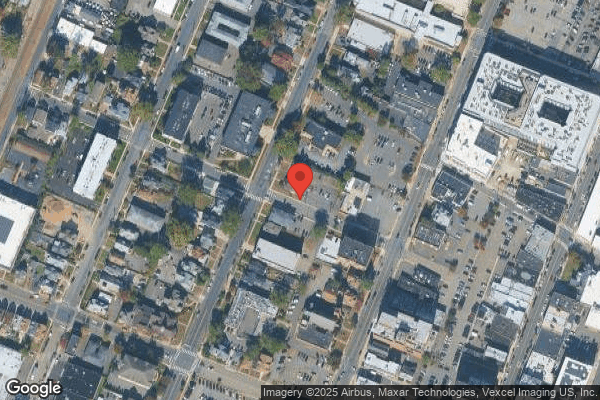
Understanding Severity Codes (click to expand)
Life-Threatening (Immediate Jeopardy)
J - Isolated K - Pattern L - Widespread
Actual Harm
G - Isolated H - Pattern I - Widespread
Potential for Harm
D - Isolated E - Pattern F - Widespread
No Harm (Minor)
A - Isolated B - Pattern C - Widespread

Questions to Ask on Your Visit

  • "What changes have you made since the serious inspection findings?"
  • "Can I speak with families of current residents?"
  • "What's your RN coverage like on weekends and overnight?"

Our Honest Assessment

Strengths
  • • 36% turnover. Below New Jersey's 48% average. Good staff retention means consistent care.
Concerns
  • • Multiple safety concerns identified: 1 life-threatening violation(s), 2 harm violation(s). Review inspection reports carefully.
  • • 28 deficiencies on record, including 1 critical (life-threatening) violation. These warrant careful review before choosing this facility.
  • • $23,338 in fines. Higher than 94% of New Jersey facilities, suggesting repeated compliance issues.
  • • Grade F (36/100). Below average facility with significant concerns.
Bottom line: Trust Score of 36/100 indicates significant concerns. Thoroughly evaluate alternatives.

About This Facility

What is Careone At Wellington's CMS Rating?

CMS assigns CAREONE AT WELLINGTON an overall rating of 3 out of 5 stars, which is considered average nationally. Within New Jersey, this rating places the facility higher than 0% of the state's 100 nursing homes. This mid-range rating indicates the facility meets federal standards but may have areas for improvement.

How is Careone At Wellington Staffed?

CMS rates CAREONE AT WELLINGTON's staffing level at 3 out of 5 stars, which is average compared to other nursing homes. Staff turnover is 36%, compared to the New Jersey average of 46%. This relatively stable workforce can support continuity of care.

What Have Inspectors Found at Careone At Wellington?

State health inspectors documented 28 deficiencies at CAREONE AT WELLINGTON during 2022 to 2025. These included: 1 Immediate Jeopardy (the most serious level, indicating potential for serious harm or death), 2 that caused actual resident harm, and 25 with potential for harm. Immediate Jeopardy findings are rare and represent the most serious regulatory concerns. They require immediate corrective action.

Who Owns and Operates Careone At Wellington?

CAREONE AT WELLINGTON is owned by a for-profit company. For-profit facilities operate as businesses with obligations to shareholders or private owners. The facility is operated by CAREONE, a chain that manages multiple nursing homes. With 128 certified beds and approximately 105 residents (about 82% occupancy), it is a mid-sized facility located in HACKENSACK, New Jersey.

How Does Careone At Wellington Compare to Other New Jersey Nursing Homes?

Compared to the 100 nursing homes in New Jersey, CAREONE AT WELLINGTON's overall rating (3 stars) is below the state average of 3.3, staff turnover (36%) is near the state average of 46%, and health inspection rating (2 stars) is below the national benchmark.

What Should Families Ask When Visiting Careone At Wellington?

Based on this facility's data, families visiting should ask: "What changes have been made since the serious inspection findings, and how are you preventing similar issues?" "Can I visit during a mealtime to observe dining assistance and food quality?" "How do you handle medical emergencies, and what is your hospital transfer rate?" "Can I speak with family members of current residents about their experience?" These questions are particularly relevant given the facility's Immediate Jeopardy citations.

Is Careone At Wellington Safe?

Based on CMS inspection data, CAREONE AT WELLINGTON has documented safety concerns. Inspectors have issued 1 Immediate Jeopardy citation (the most serious violation level indicating risk of serious injury or death). The facility has a 3-star overall rating and ranks #100 of 100 nursing homes in New Jersey. Families considering this facility should ask detailed questions about what corrective actions have been taken since these incidents.

Do Nurses at Careone At Wellington Stick Around?

CAREONE AT WELLINGTON has a staff turnover rate of 36%, which is about average for New Jersey nursing homes (state average: 46%). Moderate turnover is common in nursing homes, but families should still ask about staff tenure and how the facility maintains care continuity when employees leave.

Was Careone At Wellington Ever Fined?

CAREONE AT WELLINGTON has been fined $23,338 across 2 penalty actions. This is below the New Jersey average of $33,312. While any fine indicates a compliance issue, fines under $50,000 are relatively common and typically reflect isolated problems that were subsequently corrected. Families should ask what specific issues led to these fines and confirm they've been resolved.

Is Careone At Wellington on Any Federal Watch List?

CAREONE AT WELLINGTON is not on any federal watch list. The most significant is the Special Focus Facility (SFF) program, which identifies the bottom 1% of nursing homes nationally based on persistent, serious quality problems. Not being on this list means the facility has avoided the pattern of deficiencies that triggers enhanced federal oversight. This is a positive indicator, though families should still review the facility's inspection history directly.