COMPLETE CARE AT PROSPECT HEIGHTS LLC
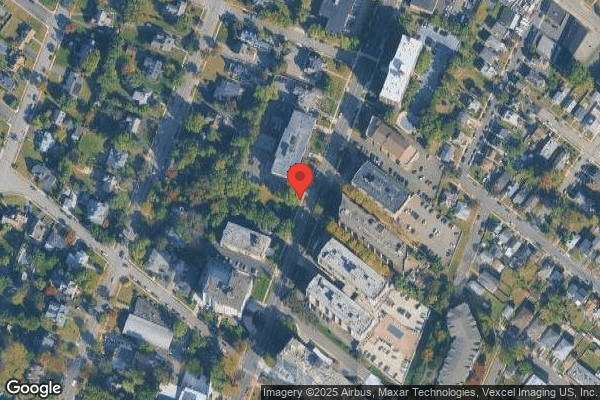

336 PROSPECT AVE, HACKENSACK, NJ 07601 (201) 678-1800
For profit - Limited Liability company 196 Beds COMPLETE CARE Data: November 2025 2 Immediate Jeopardy citations
Trust Grade
0/100
#316 of 344 in NJ
Last Inspection: September 2024

Within standard 12-15 month inspection cycle. Federal law requires annual inspections.

Overview

Complete Care at Prospect Heights LLC in Hackensack, New Jersey has received a Trust Grade of F, indicating significant concerns about the quality of care provided. Ranked #316 out of 344 facilities in New Jersey and #28 out of 29 in Bergen County, it is in the bottom half of options available, meaning families may want to consider other facilities. While there has been an improvement in issues reported, dropping from 9 in 2024 to 2 in 2025, the facility still has a concerning staffing turnover rate of 55%, significantly higher than the state average. Additionally, the facility has accumulated $118,483 in fines, which is higher than 87% of other New Jersey facilities, suggesting ongoing compliance issues. On a positive note, the facility does have decent quality measures with a rating of 4 out of 5 stars, and they provide more RN coverage than the average facility, which is beneficial for catching potential health issues. However, there have been serious incidents, such as a resident receiving food when they were supposed to be nothing by mouth, leading to a choking incident that required emergency intervention. Another critical finding involved improper disinfection of medical equipment, risking the transmission of infections among residents. These mixed reviews highlight both strengths and weaknesses that families should consider carefully.

Trust Score
F
0/100
In New Jersey
#316/344
Bottom 9%
Safety Record
High Risk
Review needed
Inspections
Getting Better
9 → 2 violations
Staff Stability
⚠ Watch
55% turnover. Above average. Higher turnover means staff may not know residents' routines.
Penalties
⚠ Watch
$118,483 in fines. Higher than 83% of New Jersey facilities, suggesting repeated compliance issues.
Skilled Nurses
✓ Good
Each resident gets 44 minutes of Registered Nurse (RN) attention daily — more than average for New Jersey. RNs are trained to catch health problems early.
Violations
⚠ Watch
16 deficiencies on record. Higher than average. Multiple issues found across inspections.
★☆☆☆☆
1.0
Overall Rating
★★☆☆☆
2.0
Staff Levels
★★★★☆
4.0
Care Quality
★☆☆☆☆
1.0
Inspection Score
Stable
2024: 9 issues
2025: 2 issues

The Good

  • 4-Star Quality Measures · Strong clinical quality outcomes
  • Full Sprinkler Coverage · Fire safety systems throughout facility
  • No fines on record

Facility shows strength in quality measures, fire safety.

The Bad

1-Star Overall Rating

Below New Jersey average (3.2)

Significant quality concerns identified by CMS

Staff Turnover: 55%

Near New Jersey avg (46%)

Higher turnover may affect care consistency

Federal Fines: $118,483

Well above median ($33,413)

Significant penalties indicating serious issues

Chain: COMPLETE CARE

Part of a multi-facility chain

Ask about local staffing decisions and management

The Ugly 16 deficiencies on record

2 life-threatening 2 actual harm
Mar 2025 1 deficiency
CONCERN (D) 📢 Someone Reported This

A family member, employee, or ombudsman was alarmed enough to file a formal complaint

Potential for Harm - no one hurt, but risky conditions existed

Deficiency F0658 (Tag F0658)

Could have caused harm · This affected 1 resident

**NOTE- TERMS IN BRACKETS HAVE BEEN EDITED TO PROTECT CONFIDENTIALITY** Based on interview, record review, and review of facility policies, it was determined that the facility failed to follow accepta...

Read full inspector narrative →
**NOTE- TERMS IN BRACKETS HAVE BEEN EDITED TO PROTECT CONFIDENTIALITY** Based on interview, record review, and review of facility policies, it was determined that the facility failed to follow acceptable standards of clinical practice related to assessing residents' weights and accurate implementation of Physician's orders. This deficient practice was identified for 3 of 4 residents reviewed for weights (Resident #2, Resident #3 and Resident #6). 1. According to the admission Record (AR), Resident #2 was admitted to the facility in January 2025, with diagnoses which included but were not limited to: Urinary Tract Infection, Congestive Heart Failure and Hypertension (High Blood Pressure). According to the Minimum Data Set (MDS), an assessment tool dated 1/16/2025, Resident #2 had a Brief Interview for Mental Status (BIMS) score of 14, indicating the Resident was cognitively intact. The MDS also indicated that Resident #2 required assistance with activities of daily living (ADLs). According to the Order Summary Report (OSR), an order dated 01/09/2025, revealed Resident #'s weights were to be collected on admission, then every Monday for 4 weeks. According to the Weights and Vitals Summary (WVS), there was one documented weight that was collected on 02/27/2025. No documentation in the Progress Notes (PN) on why weights were not collected. 2. According to the AR, Resident #3 was admitted to the facility in January 2025, with diagnoses which included but were not limited to: Respiratory Failure, COVID-19, and Pneumonia. According to the MDS dated [DATE], Resident #3 had a BIMS score of 09, indicating the Resident had moderate cognitive impairment. The MDS also indicated that Resident #3 required assistance with ADLs. According to the OSR, an order dated 01/13/2025, revealed Resident #3's weights were to be collected on admission, then every Monday for 4 weeks. According to the WVS, there were no weights collected after Resident #3's re-admission. There was no documentation in the PN on why weights were not collected. 3. According to the AR, Resident #6 was admitted to the facility in December 2024, with diagnoses which included but were not limited to: Anemia and muscle weakness. According to the MDS dated [DATE], Resident #6 had a BIMS score of 14, indicating the Resident was cognitively intact. The MDS also indicated that Resident #6 required assistance with ADLs. According to the OSR, an order dated 12/13/24, revealed Resident #6's weights were to be collected on admission, then every Monday for 4 weeks. According to the WVS, there was one weight collected on 12/13/24. There was no documentation in the PN on why weights were not collected. During an interview with the Dietitian on 3/5/25 at 11:22 AM, he revealed that he was responsible for monitoring the weights. He stated that weights are to be collected on the date of admission and once a week for 4 weeks, unless they are ordered to be on daily weights. He further stated that if the weight was not collected, he expected staff to inform him by documenting refusal in the weight binder, and he would document on the weight refusal in the medical record. During an interview with the Director of Nursing (DON) on 3/5/25 at 4:16 PM, she stated the Unit Manager would provide to the Certified Nursing Assistants (CNAs) a list of residents who would need to be weighed. States that the Dietitian or the nurse documents the weights. If there was a refusal, the nurse would document the refusal and notify the Dietitian. According to the job description for the CNA, under the heading for Major Duties and Responsibilities, revealed the CNA, Assists with weighing residents according to facility policy, and records weight in designated locations. Reports weight changes to nurse and supervisor. According to the job description of the Licensed Practical Nurse (LPN), under the Major Duties and Responsibilities, revealed the LPN Transcribes physician orders to medical record and carry out orders as written. According to the job description of the Registered Nurse (RN), under the Major Duties and Responsibilities, revealed the RN Transcribes physician orders to medical record and carry out orders as written. According to the job description for the Dietitian, under the heading for Major Duties and Responsibilities, revealed the Dietitian, Monitors residents for weight changes, nutrition support, and skin breakdown, and makes recommendations as needed. The undated facility policy titled Weight Policy, under Compliance Guidelines, 5. A weight monitoring schedule will be developed upon admission for all residents: a. Newly admitted residents-Weigh on admission and monitor weight weekly for 4 weeks. NJAC 8:39-11.2 (b)
Feb 2025 1 deficiency
CONCERN (D)

Potential for Harm - no one hurt, but risky conditions existed

Infection Control (Tag F0880)

Could have caused harm · This affected 1 resident

Based on observation, record review, interview, and review of facility policies, the facility failed to screen outside vendors and ensure that Personal Protective Equipment (PPE) was worn on the COVID...

Read full inspector narrative →
Based on observation, record review, interview, and review of facility policies, the facility failed to screen outside vendors and ensure that Personal Protective Equipment (PPE) was worn on the COVID unit for two Emergency Medical Technician (EMT) staff who were observed transporting one of five sample residents (Resident (R) 1). This failure could potentially increase the spread of infections to residents. Findings include: Review of R1's Face Sheet located in the electronic medical record (EMR) under the Profile tab revealed an admission date of 02/11/25. During an observation and interview on 02/11/25 at 10:00 AM, the facility Receptionist revealed there were COVID cases in the building; all visitors were required to check in, be screened for COVID, have their temperature obtained, and were directed that surgical masks were to be worn on the units three and five due to COVID. Observation on 02/11/25 at 11:34 PM revealed two EMTs on the facility elevator transporting R1 on a stretcher to the third floor. The EMTs were not wearing masks. During an interview on 02/11/25 at 11:35 PM, EMT1 stated he was not informed of the COVID outbreak, screened, or informed that masks were to be worn on units three and five. During an interview on 02/11/25 at 1:42 PM, the facility Receptionist confirmed that she did not properly screen the EMTs. During an interview on 02/11/25 at 3:02 PM, the facility Director of Nursing (DON) revealed she expected all employees, vendors, families, and returning vendors to be screened per the COVID outbreak protocol. The DON continued to share the importance of following the COVID protocol to prevent the spread of infection. Review of the facility policy titled Policy for Emergent Infections Disease (COVID-19) (Outbreak Plan V12) revised, 06/28/24, revealed . To ensure that staff, and/or new residents are not at risk of spreading the Emerging Infectious disease (EID) into the care center . All administrative staff, including the Director of Nursing, the Administrator, the infection Control Preventionist, Caregiver, Contractors, Consultants, Volunteers, and visitors shall complete screening questionnaires and complete temperature checks before the entrance of the facility .
Sept 2024 3 deficiencies 1 IJ (1 affecting multiple)
CRITICAL (K) 📢 Someone Reported This

A family member, employee, or ombudsman was alarmed enough to file a formal complaint

Immediate Jeopardy (IJ) - the most serious Medicare violation

Infection Control (Tag F0880)

Someone could have died · This affected multiple residents

Based on observation, interview, record review, and policy review, the facility failed to 1.) disinfect a multi-use glucometer with an EPA (Environmental Protection Agency) registered disinfectant for...

Read full inspector narrative →
Based on observation, interview, record review, and policy review, the facility failed to 1.) disinfect a multi-use glucometer with an EPA (Environmental Protection Agency) registered disinfectant for one (1) of four (4) residents (Resident #14) reviewed for blood glucose monitoring. This deficient practice had the potential to affect four (4) of four (4) residents (R #5, R #14, R #20, and R #297), who had physician's orders for blood glucose monitoring. On 09/24/24, one (1) of two (2) Licensed Practical Nurses on two (2) of the four (4) units was observed using an alcohol wipe to clean the glucometer after use on a resident. The failure to disinfect multi-use glucometer's with an appropriate disinfectant increased the likelihood of transmission of blood-borne pathogens. This resulted in an Immediate Jeopardy (IJ) situation. The facility also failed to 2.) ensure staff performed adequate doffing (taking off) of Personal Protective Equipment (PPE) and disposing of it properly to prevent the spread of infection for two (2) of two (2) residents (R#197 and R#198). These failures increased the risk of the spread of infections that had the potential for serious harm and/or death. On 09/26/24 at 5:02 PM, the Administrator, Director of Nursing (DON), Regional Nurse Consultant (RNC) #1, and Regional Nurse Consultant (RNC) #2 were notified of Immediate Jeopardy (IJ) in the following area: F 880-K: Infection Control. The IJ began on 09/24/24, when one (1) of two (2) Licensed Practical Nurses on two (2) of the four (4) units was observed using an alcohol wipe to clean the glucometer after use on a resident. The failure to disinfect multi-use glucometer with an appropriate disinfectant increased the likelihood of transmission of blood-borne pathogens. On 09/27/2024, the facility submitted a removal plan indicating the immediate action that the facility will take to prevent serious harm from occurring or recurring. The facility implemented a corrective action plan to remediate the deficient practice including facility wide staff education on proper disinfection of multi-use glucometer's. The facility provided an acceptable removal plan for the Immediate Jeopardy on 09/27/24 at 4:46 PM. The survey team validated the IJ was removed on 09/27/24 at 5:10 PM, following the facility's implementation of the removal plan. Findings include: 1. Review of the facility's policy titled, Glucometer Disinfection, dated 07/01/24, indicated, l. The facility will ensure blood glucometer's will be cleaned and disinfected after each use and according to manufacturer s instructions for multi-resident use. If the manufacturers are unable to provide information specifying how the glucometer should be cleaned and disinfected then the meter will not be used for multiple residents. The glucometer's will be disinfected with a wipe pre-saturated with an EPA registered healthcare disinfectant that is effective against HIV. Hepatitis C and Hepatitis B virus. Observation of Licensed Practical Nurse (LPN) #1 on 09/24/24 at 11:37 AM, revealed the following: LPN#1 obtained the glucose meter from the East medication cart and went to R#14's bedside. The LPN#1 placed the meter on R#14's bed as she obtained the blood glucose reading. Upon completion of the testing, LPN#1 exited R#14's room and placed the blood glucose meter on the top of the medication cart. The LPN#1 completed documentation in the computer, obtained an alcohol wipe and wiped the blood glucose meter and her fingertips. The LPN#1 then placed the meter in the drawer of the medication cart and explained they were done performing blood glucose monitoring at this time. Interview with LPN#1 on 09/24/24 at 11:37 AM, confirmed the blood glucose meter was cleaned with alcohol before placing in the drawer of the medication cart and ready for the next resident's use. The LPN#1 confirmed there was one glucometer available for resident use on the East medication cart and it was to be cleaned and disinfected between resident uses. The LPN#1 stated that she had been educated to disinfect the glucose meter with an alcohol pad. Interview with the Director of Nursing (DON) on 09/26/24 at 3:00 PM, confirmed there were four (4) residents (R #5, R #14, R #20 and R #297) on the East 300 hallway that had physician orders for blood glucose monitoring and staff used the same blood glucose meter for each of those four residents, placing each resident at risk for exposure to blood-borne illnesses [if the glucose meter is not disinfected with the appropriate cleaner between residents]. Review of the electronic medical record (EMR) for R#5 under the Census tab revealed an admission date of 05/25/24. Under the Diagnoses tab of the EMR, R#5 diagnoses included diabetes, heart failure and anxiety. Review of the Physician's Orders under the Orders tab in the EMR revealed an order for blood glucose monitoring four times a day. Review of the EMR for R#14 revealed an admission date of 08/10/24. The EMR, under the diagnoses tab, revealed R#14 diagnoses include sepsis, respiratory failure, diabetes type 1, and Osteomylitis (a bone infection). Under the orders tab in the EMR, R#14 was ordered to have blood glucose monitoring four times a day. The physician's order was dated 08/10/24. Review of the EMR for R#20 under the Census tab revealed an admission date of 02/23/24. Under the Diagnoses tab, R#20 was diagnosed with diabetes. Review of the Physician's Orders under the orders tab revealed an order for blood glucose monitoring four times a day. Review of the EMR Census tab for R#297 revealed an admission date of 09/01/24. Under the Diagnoses tab, R#297 was diagnosed with acute kidney failure and diabetes. Review of the Physician's Orders under the Orders tab revealed an order for blood glucose monitoring four times a day. Interview on 09/25/24 at 9:30 AM, the Director of Nursing (DON) stated that the Sani-Cloth wipes are in the medication cart to be used to disinfect the glucometer after and between resident uses. Interview with the Director of Nursing on 09/27/24 at 2:30 PM, confirmed that blood glucose meters were to be disinfected after each patient use with an EPA -registered disinfectant. 2. Review of the facility's policy titled, PPE Use revealed that the facility promotes appropriate use of PPE to prevent the transmission of pathogens to residents, visitors, and staff. The policy also included that PPE will be disposed of in an appropriate waste receptacle. Observation on 09/23/24 at 1:20 PM, revealed two rooms at the end of hallway 300, with two rooms labeled as being on isolation precautions, across from other resident rooms. PPE equipment and signage was posted on each door with doors closed shut. Both residents were in their rooms throughout the survey process in quarantine. On that same date and time, the surveyor observed a visitor coming out of R #198's room with PPE on and walked across the hall from the room where two large black trash receptors were located out of the room in the hallway to dispose of the used PPE. The two large black trash receptacles were labeled as COVID only trash with lids that currently were full. Further observation revealed there was no garbage can inside R #198's room at the door to dispose of used PPE. Interview on 09/23/24 at 1:20 PM, with R#198's Family Member (FM) #1 revealed that there was no trash receptor in the room other than a small one in the bathroom, so when he leaves the room, he uses the two large garbage cans across the hall to dispose of the contaminated PPE. Additional observation of R #197's room that was also on isolation precautions and required the use of full PPE, revealed having a large trash receptacle located inside of the room near the door to dispose of used PPE. Observation on 09/24/24 at 10:37 AM, revealed R#198's room still on isolation precautions for COVID-19 infection. Housekeeping (HSK)#1 was cleaning the room with door wide open for at least 20 minutes. The resident was in the room in his/her bed. A large trash can was observed inside the room near the door. Interview with the DON, who used to be the Infection Preventionist on 09/24/24 at 2:57 PM, revealed that the expectations was to dispose of COVID PPE inside the rooms and not in the hallway. The DON further stated that housekeeping places the garbage cans and she was not sure why they were in the hallway. Interview with the Housekeeping Director on 09/24/24 at 3:04 PM, revealed training was provided to the housekeeping staff on how to clean infectious/isolation rooms such as COVID positive rooms. Observation on 09/24/23 at 3:45 PM, revealed that the large black trash receptacles that were previously observed at the end of hallway 300 that were being used for Covid-19 used PPE were removed. NJAC 8:39-19.4
CONCERN (D)

Potential for Harm - no one hurt, but risky conditions existed

Respiratory Care (Tag F0695)

Could have caused harm · This affected 1 resident

Based on observation, interview, and record review, the facility failed to ensure one of eight Residents (Resident (R) 9) has the appropriate physician orders in place for the use of oxygen (O2) as we...

Read full inspector narrative →
Based on observation, interview, and record review, the facility failed to ensure one of eight Residents (Resident (R) 9) has the appropriate physician orders in place for the use of oxygen (O2) as well as ensure oxygen tubing was properly labeled. Findings include: Record review of the electronic medical record (EMR) for R9 under the Orders tab revealed no active order for Oxygen use. Observation on 09/23/24 at 12:09 PM revealed R9 bed resting with O2 in use at 2-liter per minute from a wall Oxygen delivery system. In addition, there was no labeling on the Oxygen delivery system being used, (tubing or water humidifier unlabeled). Observation on 09/24/24 at 10:03 AM, revealed R9 was observed in her room with family at bedside alert. O2 tubing and O2 delivery system remains unlabeled. In addition, the O2 tubing is observed wrapped around the side rail of the resident's bed and other O2 mask is on the bedside table uncovered, dangling to the floor. A staff nurse came in and gave R9 a med and walked right out without addressing the O2 system. Interview on 09/24/24 at 10:27 AM with Licensed Practical Nurse (LPN) 3 confirmed that the O2 should be on continuously by nasal cannula and that the O2 delivery system is not properly labeled to show that it was changed weekly. LPN3 confirmed that dangling tubing is contaminated. She says she will be changing the entire O2 delivery system for this Resident immediately. Observation on 09/25/24 at 3:35 PM revealed R9 in bed with O2 per nasal cannula at 2 liters with labeling to tubing and O2 delivery system. Interview on 09/25/24 at 4:45 PM with LPN9 confirmed that R9 did not have any active O2 orders, and that the last active order for O2 was on 08/16/24. She says the order must have fallen off and needs to be renewed by calling the physician. NJAC 8:39-27.1(a)
MINOR (C)

Minor Issue - procedural, no safety impact

Staffing Information (Tag F0732)

Minor procedural issue · This affected most or all residents

Based on observation, interview and facility policy review, the facility failed to ensure the Nursing Home Resident Care Staffing Report was post where resident could view if they desire. This failure...

Read full inspector narrative →
Based on observation, interview and facility policy review, the facility failed to ensure the Nursing Home Resident Care Staffing Report was post where resident could view if they desire. This failure had the potential for residents not to know the resident care staffing levels provided for all 96 residents in the facility. Findings include: Review of the facility policy titled Nurse Staffing Posting Information, revised date of 08/14/24 indicating, Policy: It is the policy of this facility to make nurse staffing information readily available in a readable format to residents and visitors at any given time. An observation on 09/25/24 at 10:30 AM revealed no staff posting on the third, fifth and sixth floors where residents lived. During an interview on 09/25/24 at 11:00 AM, the Director of Nursing (DON) was asked where the posting was located. The DON stated, It should be downstairs on the clerks desk. During an interview on 09/26/24 at 10:58 AM, the Administrator and DON were asked about the staff posting and how it is made available to the residents. The DON stated, It was downstairs and sometimes it was posted in the window next to activities. Both verified it was not on the floors where the residents lived. NJAC 8:39-41.2
Apr 2024 5 deficiencies 2 Harm
SERIOUS (G) 📢 Someone Reported This

A family member, employee, or ombudsman was alarmed enough to file a formal complaint

Actual Harm - a resident was hurt due to facility failures

Deficiency F0657 (Tag F0657)

A resident was harmed · This affected 1 resident

**NOTE- TERMS IN BRACKETS HAVE BEEN EDITED TO PROTECT CONFIDENTIALITY** COMPLAINT#: NJ00171849 Based on observations, interviews, medical record reviews, and review of other pertinent facility documen...

Read full inspector narrative →
**NOTE- TERMS IN BRACKETS HAVE BEEN EDITED TO PROTECT CONFIDENTIALITY** COMPLAINT#: NJ00171849 Based on observations, interviews, medical record reviews, and review of other pertinent facility documentation on 4/15/24 and 4/16/24, it was determined that the facility failed to implement and revise care plan (CP) interventions for a resident who was experiencing pain resulted to a decline in condition, and failed to follow the facility policy for Pain and Comprehensive Care Plan for 1 of 3 residents (Resident #1) reviewed for implementation and revision of CP. This deficient practice was evidenced by the following: According to the admission record, Resident #1 was admitted with diagnoses that included but not limited to: Fall, Difficulty in Walking, and Adult Failure to Thrive. The Minimum Data Set (MDS), an assessment tool dated 12/10/23 indicated that Resident #1's cognition was intact and was able to participate substantial/maximal assistance during activity of daily living with. Review of the CP for Resident #1, initiated on 12/12/23 and revised on 2/15/24 indicated that Resident #1 had pain related to Disease Process. The CP also indicated a goal that Resident #1 will not have an interruption in normal activities due to pain through the review date. Interventions initiated on 2/12/23 and revised on 2/15/24 (after Resident had been discharged ), included but not limited to: -Administer analgesia as per orders, to give half hour before treatments or care. -Monitor/record/report to Nurse any sign and symptoms of non-verbal pain; Changes in breathing (noisy, deep/shallow, labored, fast/slow): Vocalizations (grunting, moans, yelling out, silence): Mood/behavior (changes, more irritable, restless, aggressive, squirmy, constant motion): Eyes (wide open/narrow slits/shut, glazed, tearing, no focus): Face (sad, crying, worried, scared, clenched teeth, grimacing) Body (tense, rigid, rocking, curled up, thrashing). -Notify physician if interventions are unsuccessful or if current complaint is a significant change from residents past experience of pain. -Observe and report changes in usual routine, sleep patterns, decrease in functional abilities, decrease ROM, withdrawal or resistance to care. The Order Summary Report (OSR), dated 4/15/24, revealed that on 12/7/23 and discontinued on 1/17/24 an order for Acetaminophen Tablet 325 milligram (mg), give 2 tablets by mouth every 4 hours as needed for Mild Pain, on 1/17/24 an order for Acetaminophen Tablet 325 mg, give 2 tablets by mouth every 4 hours as needed for Mild Pain for Pain Scale (PS) of 1 to 3, and Pain Screen every shift on 12/7/24. The MEDICATION ADMINISTRATION RECORD (MAR) for 1/2024 and 2/2024, revealed the aforementioned orders. The 1/2024 and 2/2024 MAR for Pain Screen revealed that Resident #1 was in pain on - 1/22/24 during 7:00 a.m. to 3:00 p.m. shift, PS of 4, - 1/23/24 during 7:00 a.m. to 3:00 p.m. shift, PS of 3, - 1/25/24 during 3:00 to 11:00 p.m. shift, PS of 3, - 2/2/24 during 7:00 a.m. to 3:00 p.m. shift, PS of 9, and - 2/6/24 during 11:00 p.m. to 7:00 a.m. shift, PS of 3. In addition, review of the Residents Occupational Therapy Treatment Encounter Notes ([NAME]), documented by the Certified Occupational Therapy Aide (COTA) on 1/25/24 Resident #1 reported 9/10 pain in R [right] knee and BUE [bilateral upper extremities] hands. Nurse was notified. On 1/29/24, Resident #1 verbalized of pain and feeling very weak and stiff, Pt has had steady decline in skilled interventions due to pain and fatigue. Pts vitals were checked during session and BP [blood pressure] 157/73 . On 1/30/24 Resident #1 reported 8/10 pain in right knee and right upper thigh .continuously verbalizes pain and is feeling very weak with no appetite. Pt has had steady decline in skilled interventions due to pain and fatigue. Pts vitals were checked during session and BP 163/72 . On 1/31/24, Resident #1 has steady decline in skilled interventions due to pain and fatigue .Barriers impacting Treatment: decreased attention skills, pain consistently, inconsistent ability to concentrate and attend to therapeutic intervention and decreased inhibition. On 2/1/24, Resident #1 Continuously verbalizes pain and is feeling very weak with no appetite. Pt. [patient] has had steady decline in skilled interventions duet to pain and fatigue. Pt. family and nursing is aware of the status of the patient. Review of the Resident's progress note (PN) dated 1/31/24 at 10:13 documented by the Resident's Nurse Practitioner (NP) that the Resident was unable to provide subjective complaint. Per staff, fluctuation in alertness and responsiveness. Often not eating food offered. The NP further documented Advanced care planning: discussed worsening condition with pt. son. Poor appetite despite stimulant. Will change stimulant despite likey little to no effect. 3 Day calorie count ordered. Discussed codestatus. Reviewed in detail DNR/DNI and poor likelihood of meaningful recovery given overall condition and age. Remains full code. Discussed hospice vs palliative care. Accepting of palliative consult. Plan discussed with nursing, social services and therapy team . The PN did not indicate that the pain was address during the advanced care planning on 1/31/24. There was no indication in the Resident's MR that Resident #1's pain was managed when she/he was experiencing pain on the aforementioned dates and time which was not according to the Resident's CP. In addition, there was no indication that the Resident's CP was revised when her/his PS was above 3. During the telephone interview with the Surveyor on 4/17/24 at 5:33 p.m., LPN #3, who worked during the shift of 7:00 a.m. to 3:00 p.m. and 3:00 p.m. to 11:00 p.m. The LPN stated that at times, Resident #1 would cry for pain and the Resident only have as needed (PRN) medication and did not have stronger medication. The LPN added at times when the Resident was in pain, they would reposition her, they tried to move the Resident around, would talk to [her/him], she added nothing we can give to her stronger than Tylenol to alleviate [her/his] pain, [Resident #1] would scream and everybody at the facility would hear [her/him], [she/he] would be in agonizing pain. LPN #3 was unable to recall if the Resident's pain, PS was 4 on 1/22/24 and PS of 9 on 2/2/24 was addressed. During the interview with the Surveyor on 4/16/2024 at 3:33 p.m., the Director of Nursing (DON), Regional Clinical Nurse, and the administrator was notified that the staff failed to implement the Residents CP when her/his PS was 3 and failed to address and revise Resident's CP when the Resident experienced pain above PS of 3. The facility policy titled Pain, undated indicated The facility will ensure pain management is provided to resident who require such services, consistent with professional standards of practice, the comprehensive person-centered care plan, and the residents' goals and preferences. The facility will utilize a systematic approach for recognition, assessment, treatment and monitoring of pain .Pain Management and Treatment 1. Based upon the evaluation, the facility in collaboration with the attending physician/prescriber, other health care professionals and the resident and/or the resident's representative will develop, implement, monitor and revise as necessary interventions to prevent or manage each individual resident's pain beginning at admission. 2. The interventions for pain management will be incorporated into the components of the comprehensive care plan, addressing conditions or in situations that may be associated with pain or may be included as a specific pain management need or goal .Monitoring, Reassessment and Care Plan Revision a. Facility staff will reassess resident's pain management at established intervals for effectiveness and/or adverse consequences such as .Physical dependence .Increases sensitivity to pain .Depression .b. If re-assessment findings indicate pain not adequately controlled, the pain management regimen and plan of care will be revised as indicated . The facility policy titled Comprehensive Care Plan, undated indicated Policy: It is the policy of this facility to develop and implement a comprehensive person-centered care plan for each resident, consistent with resident rights, that includes measurable objectives and timeframes to meet a resident's medical, nursing, and mental and psychosocial needs that are identified in the resident's comprehensive assessment .The comprehensive care plan will be reviewed and revised by the interdisciplinary team after each comprehensive and quarterly MDS assessment. The comprehensive care plan will include measurable objectives and timeframes to meet the resident's needs as identified in the resident's comprehensive assessment. The objectives will be utilized to monitor the resident's progress. Alternative interventions will be documented, as needed . NJAC: 8:39-27.1 (a)
SERIOUS (G) 📢 Someone Reported This

A family member, employee, or ombudsman was alarmed enough to file a formal complaint

Actual Harm - a resident was hurt due to facility failures

Deficiency F0697 (Tag F0697)

A resident was harmed · This affected 1 resident

**NOTE- TERMS IN BRACKETS HAVE BEEN EDITED TO PROTECT CONFIDENTIALITY** COMPLAINT: # NJ00171849 Based on interviews, review of the medical records, and review of other pertinent facility documents, on...

Read full inspector narrative →
**NOTE- TERMS IN BRACKETS HAVE BEEN EDITED TO PROTECT CONFIDENTIALITY** COMPLAINT: # NJ00171849 Based on interviews, review of the medical records, and review of other pertinent facility documents, on 4/15/24 and 4/16/24, it was determined that the facility failed to consistently follow residents' care plan (CP), evaluate pain, and ensure that pain medications were administered according to the physician's orders (PO's) for residents who was experiencing pain. The facility also failed to follow its policy titled Pain for 1 of 3 residents (Resident #1) reviewed for pain management. This deficient practice was evidenced by the following: According to the admission record, Resident #1 was admitted with diagnoses that included but not limited to: Fall, Difficulty in Walking, and Adult Failure to Thrive. The Minimum Data Set (MDS), an assessment tool dated 12/10/23 indicated that Resident #1's cognition was intact and was able to participate substantial/maximal assistance during activity of daily living with. The MDS further indicated that Resident #1 was receiving as needed pain medications or was offered and declined. Review of the CP for Resident #1, initiated on 12/12/23 and revised on 2/15/24 indicated that Resident #1 had pain related to Disease Process. The CP also indicated a goal that Resident #1 will not have an interruption in normal activities due to pain through the review date. Interventions initiated on 2/12/23 and revised on 2/15/24 (after Resident had been discharged ), which included but not limited to: -Administer analgesia as per orders, to give half hour before treatments or care. -Notify physician if interventions are unsuccessful or if current complaint is a significant change from residents past experience of pain. The Order Summary Report (OSR), dated 4/15/24, revealed on 1/17/24 an order for Acetaminophen Tablet 325 milligram (mg), give 2 tablets by mouth every 4 hours as needed for Mild Pain, Pain Scale (PS) of 1 to 3 and Pain Screen every shift on 12/7/24. The MEDICATION ADMINISTRATION RECORD (MAR) for 1/2024 and 2/2024, revealed the aforementioned orders. The MAR for 1/2024 and 2/2024 Pain Screen revealed that Resident #1 was in pain on - 1/23/24 during 7:00 a.m. to 3:00 p.m. shift, PS of 3, - 1/25/24 during 3:00 to 11:00 p.m. shift, PS of 3, and - 2/6/24 during 11:00 p.m. to 7:00 a.m. shift, PS of 3. There was no indication in the Resident's MR that the Acetaminophen 325 mg 2 tablets was administer to the Resident when she/he has PS of 1 to 3, which was not according to the PO's. - 1/22/24 during 7:00 a.m. to 3:00 p.m. shift, PS of 4 and - 2/2/24 during 7:00 a.m. to 3:00 p.m. shift, PS of 9 There was no indication in the Resident's MR that the Resident's pain above PS of 4 was address which as not according to the resident CP. Review of Resident #1 Occupational Therapy Treatment Encounter Notes ([NAME]), documented by the Certified Occupational Therapy Aide (COTA) the following. -On 1/25/24, Resident #1 reported 9/10 pain in R [right] knee and BUE [bilateral upper extremities] hands. Nurse was notified. -On 1/29/24, Resident #1 verbalized of pain and feeling very weak and stiff, Pt has had steady decline in skilled interventions due to pain and fatigue. Pts vitals were checked during session and BP [blood pressure] 157/73 -On 1/30/24 Resident #1 reported 8/10 pain in right knee and right upper thigh .continuously verbalizes pain and is feeling very weak with no appetite. Pt has had steady decline in skilled interventions due to pain and fatigue. Pts vitals were checked during session and BP 163/72 . -On 1/31/24, Resident #1 has steady decline in skilled interventions due to pain and fatigue .Barriers impacting Treatment: decreased attention skills, pain consistently > 8, inconsistent ability to concentrate and attend to therapeutic intervention and decreased inhibition. -On 2/1/24, Resident #1 Continuously verbalizes pain and is feeling very weak with no appetite. Pt. [patient] has had steady decline in skilled interventions duet to pain and fatigue. Pt. family and nursing is aware of the status of the patient. There was no indication in the Resident's MR that Resident #1's pain above PS of 3 was addressed on the aforementioned dates and time, as indicated in the [NAME]. During the interview with the Surveyor on 4/16/24 at 10:01 a.m., the Occupation Therapist/Director of Rehab (OT/DOR) who was also reviewing the COTA's note on her laptop during the interview, the OT/DOR stated that the Resident started declining on 1/25/24, the Resident continued rehab, however, Resident #1 was refusing and was unable to participate. The OT/DOR further stated that the rehab for Resident #1 was discontinued because she was not progressing. According to OT/DOR, Resident #1 verbalized of pain and feeling week. She further stated I'm sure the COTA reported to nursing because that's how we do it. Unfortunately, she did not document.She further stated, If not documented, it didn't happen. During the interview with the Surveyor on 4/16/24 at 10:52 a.m., the COTA confirmed what was documented on the [NAME]. The COTA stated that Resident #1 started complaining of pain towards the end of 1/2024. The COTA confirmed that Resident #1 declined due to pain and fatigue as documented on the [NAME]. The COTA explained that during the session, when Resident verbalized of pain, she would stop the session, stop the passive range of motion and continue the feeding task during mealtime. The COTA stated that she communicated to nursing that the Resident was in pain (unable to give specific date and time). The COTA explained that when a patient is in pain, it affects the outcome or plan of treatment, so its hard for the goal to be met because the patient will not participate, the patient did not meet the goal because she was in pain. The COTA admitted that the communications to nursing was not documented and said to document any interaction or any care provided to Resident, from now on I would need to document that I notified the nurses. Document to show proof that it was communicated. If not documented means it didn't happen. During the interview with LPN #4 on 4/16/24 at 3:53 p.m., who was assigned to Resident #1 on the [NAME] aforementioned dates, she stated that she did not receive a report from the COTA that the Resident was in pain. According to the LPN, if she was made aware, she would have assessed the Resident and would give the pain medication. During the telephone interview with the Surveyor on 4/17/24 at 5:33 p.m., LPN #3, who worked during the shift of 7:00 a.m. to 3:00 p.m. and 3:00 p.m. to 11:00 p.m. The LPN stated that at times, Resident #1 would cry for pain and the Resident only have as needed (PRN) medication and did not have stronger medication. The LPN added at times when the Resident was in pain, they would reposition her, they tried to move the Resident around, would talk to [her/him], she added nothing we can give to her stronger than Tylenol to alleviate [her/his] pain, [Resident #1] would scream and everybody at the facility would hear [her/him], [she/he] would be in agonizing pain. LPN #3 was unable to recall when the Resident's PS was 4 on 1/22/24 and PS of 9 on 2/2/24 was addressed. The facility policy titled Pain, undated indicated The facility will ensure pain management is provided to resident who require such services, consistent with professional standards of practice, the comprehensive person-centered care plan, and the residents' goals and preferences .Pain Management and Treatment 1. Based upon the evaluation, the facility in collaboration with the attending physician/prescriber, other health care professionals and the resident and/or the resident's representative will develop, implement, monitor and revise as necessary interventions to prevent or manage each individual resident's pain beginning at admission. 2. The interventions for pain management will be incorporated into the components of the comprehensive care plan, addressing conditions or in situations that may be associated with pain or may be included as a specific pain management need or goal .6. Non-pharmacological interventions will be included but are limited to: a. Environmental comfort measures (e.g., adjusting room temperature, smoothing linens, comfortable seating, assistive devices or pressure redistributing mattress and positioning) b. Loosening any constructive bandage, clothing or device c. applying splinting (e.g., pillow or folded blanket) d. Physically modalities (e.g., cold compress, warm shower/bath, massage, turning and reposition) e. Exercises to address stiffness and prevent contractures as well as restorative nursing program to maintain joint mobility f. Cognitive/behavioral interventions (e.g., music, relaxation techniques, activities, diversions, spiritual and comfort support, teaching the resident coping techniques and education about pain) 7. Pharmacological interventions will follow a systematic approach for selecting medications and doses to treat pain. The interdisciplinary team is responsible for developing a pain management regimen that is specific each resident who has pain or who has the potential for pain. The following are general principles the facility will utilize for prescribing analgesics . NJAC 8:39-27.1(a)
CONCERN (D) 📢 Someone Reported This

A family member, employee, or ombudsman was alarmed enough to file a formal complaint

Potential for Harm - no one hurt, but risky conditions existed

Assessment Accuracy (Tag F0641)

Could have caused harm · This affected 1 resident

C #: NJ00171849 Based on interview and record review on 4/15/24 and 4/16/24, it was determined that the facility failed to accurately encoded a resident's wound in Minimum Data Set (MDS) assessment fo...

Read full inspector narrative →
C #: NJ00171849 Based on interview and record review on 4/15/24 and 4/16/24, it was determined that the facility failed to accurately encoded a resident's wound in Minimum Data Set (MDS) assessment for 1 of 3 residents (Resident #1) reviewed for MDS accuracy. This was evidenced by the following: Reference: The Centers for Medicare and Medicaid Services (CMS) Long-Term Care Facility Resident Assessment Instrument 3.0 User's Manual Version 1.18.11 October 2023, under Section M: Skin Conditions .M0210 Unhealed Pressure Ulcers/Injuries .Coding Instructions Code based on the presence of any pressure ulcer/injury (regardless of stage) in the past 7 days. Code 0, no: if the resident did not have a pressure ulcer/injury in the 7-day look-back period. Then skip to M1030, Number of Venous and Arterial Ulcers. Code 1, yes: if the resident had any pressure ulcer/injury (Stage 1, 2, 3, 4, or unstageable) in the 7-day look-back period. Proceed to M0300, Current Number of Unhealed Pressure Ulcers/Injuries at Each Stage. Coding Tips If an ulcer/injury arises from a combination of factors that are primarily caused by pressure, then the area should be included in this section as a pressure ulcer/injury. Under DEFINITIONS STAGE 1 PRESSURE INJURY An observable, pressure related alteration of intact skin whose indicators, as compared to an adjacent or opposite area on the body, may include changes in one or more of the following parameters .persistent redness in lightly pigmented skin, whereas in darker skin tones, the injury may appear with persistent red, blue, or purple hues. NON-BLANCHABLE Reddened areas of tissue that do not turn white or pale when pressed firmly with a finger or device. According to the admission record, Resident #1 was admitted with diagnoses that included but not limited to: Difficulty in Walking, Adult Failure to Thrive, and Protein Calorie Malnutrition. The MDS, an assessment tool dated 12/10/23, a Comprehensive assessment, indicated that Resident #1's cognition was intact and was able to participate substantial/maximal assistance during activity of daily living with. The MDS further indicated under Section M (used to assess skin condition during a 7-day look-back period), M0210, Unhealed Pressure Ulcers/Injuries indicated that the Resident did not have a pressure ulcer. A review of the Resident's SKIN INTEGRITY/DIAGRAM (SID), dated 12/8/23, under DIAGRAM, reflected that Resident #1 had sacral pressure ulcer, described as Redness. The Order Summary Report (OSR), dated 4/15/24, revealed on 12/6/23 an order for PREVENTATIVE SKIN CARE: APPLY BARRIER CREAM AFTER CLEANSING WITH SOAP AND WATER EVERY SHIFT AND AS NEEDED S/P [status post] EACH INCONTINENT EPISODE. The TREATMENT ADMINISTRATION RECORD (TAR) for the month of 12/2023 revealed the aforementioned order. The TAR further revealed that the BARRIER CREAM was applied to the Resident's skin from 12/7/23. During the interview with the Surveyor on 4/16/24 at 1:41 p.m., the Unit Manager/Licensed Practical Nurse (UM/LPN #1) confirmed what was documented on the SID. During the interview with the Surveyor on 4/15/24 at 2:44 p.m., the MDS Coordinator (MDSC) confirmed that previous MDS staff (who no longer work in the facility) miscoded the 12/10/23 assessment, Section M. The job description for MDS Nurse Job Description, undated, indicated Duties and Responsibilities Conduct and coordinate the development and completion of the resident assessment (MDS) in accordance with current rules, regulations and guidelines that govern the resident assessment . A review of the facility policy titled MDS Completion and Submission Timeframes, dated 10/2019, indicated Our facility will conduct and submit resident assessments in accordance with current federal and state submission timeframes . NJAC 8:39-11.2(e)(1)
CONCERN (D) 📢 Someone Reported This

A family member, employee, or ombudsman was alarmed enough to file a formal complaint

Potential for Harm - no one hurt, but risky conditions existed

Deficiency F0676 (Tag F0676)

Could have caused harm · This affected 1 resident

COMPLAINT: # NJ00171849 Based on observation, interview, record review, and pertinent facility documents, it was determined that the facility failed to provide assistance in toileting service to 1 of ...

Read full inspector narrative →
COMPLAINT: # NJ00171849 Based on observation, interview, record review, and pertinent facility documents, it was determined that the facility failed to provide assistance in toileting service to 1 of 3 sampled residents (Resident #2). This deficient practice is evidenced by the following: According to admission record, Resident #2, was admitted with diagnosis which included but not limited to: Urinary Tract Infection, Metabolic Encephalopathy, Muscle Weakness, and Need Assistance with Personal Care. The form COGNITIVE IMPAIRMENT SLP SCREEN, signed and dated by the SLP on 4/11/2024, reflected that Resident #2's cognition was moderately impaired. Resident #2's care plan (CP), initiated on 4/9/24 and revised on 4/15/24, indicated that Resident #2 had actual impairment to skin integrity of sacrum r/t impaired mobility, incontinence, and nutritional concerns. Intervention included but not limited to, to be assisted with general hygiene and comfort measures. The CP, initiated on 4/10/24 further indicated that the Resident had an activity of daily living selfcare performance deficit related to (r/t) impaired balance, limited physical mobility. The Minimum Data Set (MDS), an assessment tool dated 4/13/24, indicated that the Resident's cognition was moderately impaired and needed assistance with Activities of Daily Living (ADLs). The MDS further indicated that the Resident was incontinent of bowel and bladder. During a skin check on 4/15/24 at 10:36 am, in the presence of the Unit Manager/Licensed Practical Nurse (UM/LPN #1) and Certified Nursing Assistance (CNA #1), CNA #1 was observed providing morning care to Resident #2. Resident #2 was lying on her/his left side in bed sleeping but arousable. The surveyor and UM/LPN #1 observed Resident #2's incontinence brief was soaked and wet. The Resident was observed lying on a yellow stained 2 draw sheets and bed sheet, Residents low to mid back had fecal matter. The CNA continued to provide care. According to the CNA, UM/LPN #1, LPN #2 (assigned nurse), they did not check or change the Resident's incontinence underwear since the beginning of the shift. During an interview with CNA #1 on 4/16/24 at 1:25 p.m., the CNA stated that she did not see the Resident until morning care with the surveyor and the UM/LPN. She further stated that she did not get a change to check the Resident if she/he was wet or if needed to be changed. She stated that residents have to be checked for wetness every 2 hours and if the resident is soiled, they needed to be changed right away and does not need to wait for the next 2 hours. The CNA explained that she did not have a chance to check Resident #2 if she/he needed to be changed at the beginning of the shift because they were short of staff. According to 4/15/2024 third floor schedule, the third floor had 3 CNAs. According to the third floor Daily Census, dated 4/15/24, the third floor had 27 residents. Review of the CNA job description, under Specific Job Function .Make resident comfortable .Keep resident dry (i.e., change gown, clothing, linen, etc., when it becomes wet or soiled) Change bed linens .Assist resident with bowel and bladder functions . Review of the facility's policy titled Incontinent Care, undated, reflected It is the practice of this facility to provide perineal care to all incontinent residents during routine bath and as needed in order to promote cleanliness and conform, prevent infection to the extent possible, and to prevent and assess for skin breakdown. Review of the facility's policy titled Activity of Daily Living (ADLs), Supporting Policy Statement Residents [will] be provided with care, treatment and services as appropriate to maintain or improve their ability to carry out activity of daily living (ADLs). Residents who are unable to carry out activities of daily living independently will receive the services necessary to maintain good nutrition, grooming and personal and oral hygiene .2. Appropriate care and services will be provided for residents who are unable to carry out ADLs as independently, with the consent of the resident and in accordance with the plan of care, including appropriate support and assistance with .c. Elimination (toileting) . NJAC 8:39-27.1(a)
CONCERN (D) 📢 Someone Reported This

A family member, employee, or ombudsman was alarmed enough to file a formal complaint

Potential for Harm - no one hurt, but risky conditions existed

Deficiency F0725 (Tag F0725)

Could have caused harm · This affected 1 resident

COMPLAINT: # NJ00171849 Based on observations, interviews, and record review, as well as review of pertinent facility documents on 4/15/24 and 4/16/24, it was determined that the facility failed to en...

Read full inspector narrative →
COMPLAINT: # NJ00171849 Based on observations, interviews, and record review, as well as review of pertinent facility documents on 4/15/24 and 4/16/24, it was determined that the facility failed to ensure there was adequate staffing to provide for the needs of residents for 1 of 3 Residents (Resident #1) observed for nursing care. This deficient practice is evidenced by the following: According to admission record, Resident #2, was admitted with diagnosis which included but not limited to: Urinary Tract Infection, Metabolic Encephalopathy, Muscle Weakness, and Need Assistance with Personal Care. Resident #2's care plan (CP), initiated on 4/9/24 and revised on 4/15/24, indicated that Resident #2 had actual impairment to skin integrity of sacrum r/t impaired mobility, incontinence, and nutritional concerns. Intervention included but not limited to, to be assisted with general hygiene and comfort measures. The CP, initiated on 4/10/24 further indicated that the Resident had an activity of daily living selfcare performance deficit related to (r/t) impaired balance, limited physical mobility. The Minimum Data Set (MDS), an assessment tool dated 4/13/24, indicated that the Resident's cognition was moderately impaired and needed assistance with Activities of Daily Living (ADLs). The MDS further indicated that the Resident was incontinent of bowel and bladder. During a skin check on 4/15/24 at 10:36 am, in the presence of the Unit Manager/Licensed Practical Nurse (UM/LPN #1) and Certified Nursing Assistance (CNA #1) was observed providing morning care to Resident #2. Resident #2 was lying on her/his left side in bed sleeping but arousable. The surveyor and UM/LPN #1 observed Resident #2's incontinent brief was soaked and wet. The resident was observed lying on a yellow stained 2 draw sheets and bed sheet (misture of urine and feces). Residents low to mid back had fecal matter. The CNA provided care incontinent care to Resident #2. According to the CNA, UM/LPN #1, and LPN #2 (assigned nurse), they did not check or change the Resident's incontinence underwear since the beginning of the shift from 7:00 a.m. During an interview with CNA #1 on 4/16/24 at 1:25 p.m., the CNA stated that she did not provide care to the Resident until 10:36 a.m. According to the CNA she did not get a chance to check the Resident if she/he was wet or if needed to be changed because because they were short staff today. According to the third floor Daily Census, dated 4/15/24, the third floor had 27 residents and 3 CNAs. CNA #2 (CNA assigned to Resident #1 on 4/14/24 during the night shift) was not available for an interview on 4/15/24 and 4/16/24 during the survey. Review of the CNA job description, under Specific Job Function .Make resident comfortable .Keep resident dry (i.e., change gown, clothing, linen, etc., when it becomes wet or soiled) Change bed linens .Assist resident with bowel and bladder functions . NJAC 8:39-27.1(a)
Feb 2024 1 deficiency 1 IJ
CRITICAL (J) 📢 Someone Reported This

A family member, employee, or ombudsman was alarmed enough to file a formal complaint

Immediate Jeopardy (IJ) - the most serious Medicare violation

Accident Prevention (Tag F0689)

Someone could have died · This affected 1 resident

**NOTE- TERMS IN BRACKETS HAVE BEEN EDITED TO PROTECT CONFIDENTIALITY** C#:NJ00171288 Based on observation, interviews, review of medical records and other facility documentation on 2/15/24, it was de...

Read full inspector narrative →
**NOTE- TERMS IN BRACKETS HAVE BEEN EDITED TO PROTECT CONFIDENTIALITY** C#:NJ00171288 Based on observation, interviews, review of medical records and other facility documentation on 2/15/24, it was determined that the facility failed to ensure a resident's specific Physician Order to receive nothing by mouth (NPO) on 12/4/23 was implemented. Resident #3 who was NPO, received a dinner meal tray from a Certified Nursing Assistant (CNA #1). The CNA served Resident #3 the tray of another resident who was not in the facility at that time. The CNA failed to ask nursing staff why the resident was provided with a tray of food. Resident #3 was able to feed self, but had cognitive issues tounderstand and to be understood. A visitor in the room, informed the staff that the resident appeared to be choking. The facility staff nurse performed Heimlich Maneuver (HM) (Abdominal thrust maneuver, used to treat upper airway obstructions caused by foreign bodies) and suctioned the resident mouth to remove food particles. Resident #3 was transferred to an acute care hospital facility for further evaluation. On 12/5/2023, the resident developed complications from the food being ingested and died at the hospital. The Immediate Jeopardy (IJ) for the incident on 12/4/23, was identified on 2/15/24 at 5:49 p.m. when the Administration was alerted. The IJ was identified as past. non-compliance (PNC) from 12/4/23 to 12/11/23, when the facility provided evidence of a Plan of Correction (POC) that was initiated at the time of the incident and prior to the survey. - On 12/4/23: CNA #1 was suspended and was subsequently terminated. - On 12/4/23: All residents that are NPO were identified, and a blue dot was placed on the resident's name outside of the room and blue dot applied on the wrist band. - On 12/4/23: Staff were educated on the dot system and identification of residents who are NPO. - On 12/4/23: Staff were educated to ensure all trays are to be verified by a nurse to ensure the proper diet is provided to the assigned patient. - On 12/5/23: Staff were educated to review the [NAME] for assigned patients for their assigned residents at the beginning of the shift. - On 12/5/23: Staff were educated on the location of the resident's diet/special instructions on the Point of Care (electronic medical record). - On 12/5/23: Staff were educated on the resident's diet location on the assignment sheet. - On 12/5/23: Staff were educated that CNAs are unable to end their shift until on-coming CNAs arrived. - On 12/8/23: Staff were educated on a form diet order change. - On 12/9/23: Staff were educated to verify meal tray is for assigned resident. - On 12/10/23: Staff continue to be educated on new process. - On 12/11/23: Staff education was completed. There was sufficient evidence that the facility corrected the non-compliance and is in substantial compliance at the time of the current survey on 2/15/24 for the specific regulatory requirements for F689. The Immediate Jeopardy Past Non-Compliance started on 12/4/2023 and ended on 12/11/2023 when all staff was trained on the new meal distribution policies and procedures This deficient practice was evidenced by the following: According to the admission Record (AR), Resident #3 was admitted to the facility with diagnoses that included but were not limited to: Esophageal Obstruction (the hollow tube that leads from the throat to the stomach is narrowed or completely blocked), Gastrostomy Status (an opening into the stomach from the abdominal wall), Acquired Absence Part of Stomach (missing parts of your stomach due to an injury or operation). Review of the admission Brief Interview for Mental Status (BIMS) dated 11/24/23, revealedthe resident had a BIMS of 3/15, which indicated that the Resident's cognition was severely impaired. Review of the Dietary admission assessment dated [DATE], documented that Resident #3 was admitted as NPO. Review of the Order Summary Report (OSR) dated 12/5/23, revealed an order, initiated on 11/25/23, that Resident #3 was on a NPO diet. Further review of the OSR included an order, initiated on 11/24/23, for Jevity 1.5 Bolus, 237 milliliters (ml) via Gastrostomy tube (a tube inserted through the belly that brings nutrition directly to the stomach) five times a day. Review of the Care Plan (CP) initiated on 12/5/23, revealed under focus documented, Resident #3 is NPO, on tube feeding via PEG (percutaneous endoscopic gastrostomy is endoscopic medical procedure in which a tube is passed into a patient's stomach through the abdominal wall) to meet nutrition/hydration needs . Further review of the CP included an intervention of NPO. Review of the Facility Reportable Event (FRE) submitted to NJDOH (New Jersey Department of Health) for Resident #3, dated 12/5/23, showed that: On 12/4/23 approximately 6:15 [Resident #3] a NPO patient was given a meal tray that consisted moistened mechanical diet by assigned certified nursing assistance. A short time after tray delivery [Resident #3] was observed coughing the contents of the tray. Nursing was made aware by CNA of the coughing and immediately responded. The nurses provide Heimlich Maneuver and mechanical suctioning was initiated. The nursing staff was able tosuccessfully remove a portion of the contents. 911 was called and the EMT's (Emergency Medical Technician) transferred the resident to the ER (emergency room) for eval. Review of a document titled, 'Competency Evaluation' for CNA #1 dated 4/10/23, showed that CNA #1 met the understanding of the various type of modified diets and thickened liquids. Review of a statement dated 12/5/23 completed by the CNA #1, Resident #3 was observed without a tray without checking I brought the last tray to [Resident #3]. Further review of the statement documented that CNA #1 was alerted that Resident #3 was chocking and the nurses informed her that the resident was NPO and should not have eaten. Review of Resident #3's Progress Notes (PN), dated 11/29/23 at 3:00 p.m., documented by Licensed Practical Nursing (LPN) #2 revealed that Resident #3 was able to move all extremities. Further review of the PN, dated 12/4/23 at 7:02 p.m., documented by RN#1, revealed at approximately 5:20 p.m. that the roommate's family member notified staff that Resident #3 was chocking. The PN further revealed Resident #3 was provided with another resident's tray by CNA #1. According to PN, Heimlich maneuver done and only secretions coming out. Placed resident on side lying position while the charge nurse called 911. When paramedics came [Resident #3] started with slow pulse and turning blue, cardiac compression thru machine started by paramedic, defibrillator device also placed to the pt (Patient). Pt then transferred to stretched, IV line started and intubated (a process where a healthcare provider inserts a tube through a person's mouthor nose, then down into their airway) by paramedics. Resident #3 was transferred to acute care setting for evaluation. Review of Resident #3's hospital record for 12/4/23, under Provider Note documented by the physician, under section History of Present Illness, EMS (Emergency Medical Service) intubated in field and noted food particles in airway concerning for aspiration despite being NPO status. Further review of the hospital record section ED Triage Notes, documented by RN #2 on 12/4/23, Pt reported to have had food obstructing airway upon ALS (advance life support) intubation. Further review of the hospital record documented by physician, under Assessment section, that Resident #3 presented in the ED (emergency department) after a witnessed cardiac arrest likely secondary to hypoxic respiratory arrest from aspiration. The surveyor attempted to call CNA #1 on 2/15/23 at 12:23 p.m.; however, the CNA was not available for a telephone interview. During an interview with the surveyor on 2/15/23 at 1:34, the Director of Nursing (DON) stated that the CNA #1 brought another resident's tray to Resident #3. She further stated that the CNA set up the meal and left the room without checking the resident's identification. According to the DON, Resident #3 was able to move upper extremities, which enabled him/her to feed himself/herself. The DON explained that Resident #3 should not have received a meal tray because Resident #3 was NPO, and he/she was receiving nutrition via tube feeding. According to the DON, prior to the incident on 12/4/23, the process of meal distribution was for the CNAs to check theresident's name and room number, and to compare the meal tickets. The DON also stated that the nurses were not involved with the meal distribution. The DON explained the new process for meal distribution was, the nurses should review the physician order and would compare it with the meal ticket. The nurses are to check the meal tray to ensure the ordered consistency was being provided. DON further explained, a blue dot would be placed on the resident's name by door and a blue dot would be on the resident's name band to indicate a resident is NPO. During an interview with the surveyor on 2/15/2024 at 10:38 a.m., CNA #2 stated that the nurses were responsible for checking the meal ticket in comparison to the meal tray before serving the resident. CNA #2 explained after the nurse checked the meal tray, the nurse would give the meal tray to one of the CNAs, and the CNA would bring it to the resident. CNA #2 further explained that the resident's ID band would be checked to confirm the name on the meal ticket.During an interview conducted by the surveyor on 2/15/2024 at 10:55 a.m., the LPN #1 stated that the nurse or the Unit Manager (UM) would check the diet order, compare the order to the meal ticket, and check the meal tray to ensure that the resident is receiving the ordered consistency. The LPN #1 explained that residents who are NPO would have a blue dot on the door next to their name and a blue dot would also be placed on the resident's name band. During an interview with the surveyor on 2/15/2024 at 3:21 p.m., RN #1 stated that on 12/4/23, during 3:00 p.m. to 11:00 p.m. shift, the RN did not give report to CNA #1. RN #1 further stated that CNA #1 gave a tray to Resident #3 (who was NPO) who was able to feed himself/ herself. According to RN #1, Resident's roommate family member notified her that Resident #3 was choking and that she observed a tray in front of the resident. RN #1 explained that she performed the HM and suctioned the resident who was choking. RN #1 further explained that 911 arrived and provided further interventions and Resident #3 was transferred to the hospital. During a follow-up interview with the surveyor on 2/15/2024 at 3:52 p.m., RN #1 explained that she was educated on the process of passing trays. The nurse must check the diet order and compare it to the meal ticket and visually see what is being served before giving the tray to the resident. She further explained that any NPO resident would have a blue dot next to their name and on their name band to indicate that the resident is NPO. Review of the facility's policy, titled Meal Distribution, reviewed on 12/2023, included under Policy Explanation and Compliance Guidelines: that diets should be served in accordance with the physician's order . 8:39-17.4(a)(1)
Oct 2022 3 deficiencies
CONCERN (D)

Potential for Harm - no one hurt, but risky conditions existed

Deficiency F0658 (Tag F0658)

Could have caused harm · This affected 1 resident

**NOTE- TERMS IN BRACKETS HAVE BEEN EDITED TO PROTECT CONFIDENTIALITY** Based on observation, interview, and record review it was determined that the facility failed to a.) hold a medication used to t...

Read full inspector narrative →
**NOTE- TERMS IN BRACKETS HAVE BEEN EDITED TO PROTECT CONFIDENTIALITY** Based on observation, interview, and record review it was determined that the facility failed to a.) hold a medication used to treat hypotension in accordance with the physician's order (PO), b.) accurately document in the administration record and c.) verify a PO for treatment administration in accordance with professional standards of nursing practice. The deficient practice was identified for 2 of 20 residents reviewed, Resident #407, #507. Reference: New Jersey Statutes Annotated, Title 45. Chapter 11. Nursing Board. The Nurse Practice Act for the State of New Jersey states: The practice of nursing as a registered professional nurse is defined as diagnosing and treating human responses to actual and potential physical and emotional health problems, through such services as casefinding, health teaching, health counseling, and provision of care supportive to or restorative of life and wellbeing, and executing medical regimens as prescribed by a licensed or otherwise legally authorized physician or dentist. Reference: New Jersey Statutes Annotated, Title 45, Chapter 11. Nursing Board. The Nurse Practice Act for the State of New Jersey states: The practice of nursing as a licensed practical nurse is defined as performing tasks and responsibilities within the framework of casefinding; reinforcing the patient and family teaching program through health teaching, health counseling and provision of supportive and restorative care, under the direction of a registered nurse or licensed or otherwise legally authorized physician or dentist. The deficient practice was evidenced by the following: 1. On 9/28/22 at 11:50 AM the surveyor reviewed the hybrid medical records of Resident #507 which revealed the following: The resident's admission Record showed a diagnoses which included but not limited to End Stage Renal Disease. The admission Minimum Data Set (MDS), an assessment tool used to facilitate management of care, dated 9/12/22, indicated that the facility assessed the resident's cognitive status using a Brief Interview for Mental Status (BIMS). The resident scored a 15 out of 15 which indicated that the resident was cognitively intact. A review of the Order Summary Report and the electronic Medication Administration Record (eMAR) indicated that Resident #507 had a PO dated 9/12/22 for the following: a) Midodrine HCl Tablet 10 mg Give 1 tablet by mouth three times a day every Mon, Wed, Fri, Sun for hypotension Hold for SBP > 120 [Systolic Blood Pressure greater than 120]. b) Midodrine HCl Tablet 10 mg Give 1 tablet by mouth three times a day every Tue, Thu, Sat for hypotension Hold for SBP > 120 [Systolic Blood Pressure greater than 120]. A review of the September 2022 eMAR for Resident #507 revealed that the PO for Midodrine 10 mg tablet was administered when the medication should have been held for a SBP that was greater than 120 according to the PO. On 9/28/22 at 11:59 AM, the surveyor interviewed the Licensed Practical Nurse (LPN) assigned to Resident #507, who stated that there was a PO to hold the medication if the SBP is greater than 120. The LPN further reviewed the September 2022 eMAR for the resident in the presence of the surveyor who confirmed her initials for the 5 doses in which the Midodrine medication should have been held according to the current PO. The LPN stated that the documented blood pressure (BP) in the eMAR were taken earlier at the beginning of her 7-3 shift. The LPN further stated that she checked the resident's (BP) before administering the Midodrine medication but did not document the BP readings. On 9/28/22 at 12:07 PM, the surveyor interviewed the LPN/Unit Manager (LPN/UM) who stated that it was expected for the nurses to follow the physician orders and hold a medication when indicated. On 9/28/22 at 12:43 PM, the surveyor informed the Director of Nursing (DON) regarding the above concerns. The DON acknowledged that the medication had a PO for parameters that should have been followed by the nurse. On 9/29/22 at 10:34 AM, the surveyor reviewed the facility's policy titled, Medication and Treatment Record Administration, with a review date of 10/2021. Under Procedure, 5.) The individual administering the medication is responsible for knowledge of specific medication: Action; Indication; Side effects; Special precautions; Contraindications; Usual dose; Route of Administration. The policy did not further address administering medications with parameters. 2.) A review of the September 2022 eMAR for Resident #507 revealed that on 9/21/22, the 7-3 nurse did not document in the eMAR to indicate that the PO for Midodrine 10 mg at 1PM was administered. Further review showed that on 9/23/22, the 3-11 shift nurse did not document in the eMAR to indicate that the medications were administered. On 9/28/22 at 12:43 PM, the surveyor informed the DON regarding the missing signatures.There was no additional information provided. On 9/29/22 at 10:34 AM, the surveyor reviewed the facility policy titled, Medication and Treatment Record Administration, with a reviewed date of 10/2021. Under Procedure number 6 (q), it read, Document medication administration by charting it in residents clinical record, to include: medication name; medication dose; medication route; medication site, as appropriate; medication administration date and time; Your full name; Your professional designation. 2. The admission Record reflected that Resident #407 had diagnoses which included but not limited to, Unspecified lump in the right breast. A review of the form titled, Nursing admission Skin Integrity/Diagram dated 9/16/22 indicated that Resident #407 had two areas with stage two (partial thickness skin loss) pressure ulcers (injury to skin and underlying tissue resulting from prolonged pressure on the skin) on their buttocks. Further review revealed that the resident had a tumor on their right breast. The admission MDS, dated [DATE] reflected a BIMS score of 13 out of 15 which indicated that Resident #407's cognition was intact. The MDS also indicated that Resident #407 had two areas of stage two pressure ulcers and an additional open lesion. The MDS also indicated that Resident #407 receives pressure ulcer care and the application of ointments/ medications to places other than the feet. A review of the current PO and the electronic Treatment Administration Record (eTAR) showed that Resident #407 had a PO for: a.) metroNIDAZOLE Gel 0.75% Apply to right breast wound topically every day shift for Wound Care until 9/30/22 6:59 Cleanse right breast wound with Normal Saline, pat dry apply metronidazole 0.75% gel and cover with CDD daily X 14 days then reassess dated 9/19/22. b.) Triad Hydrophilic Wound Dress Paste (Wound Dressings) Apply to L Buttock topically every shift for Wound Care Cleanse L Buttock with NS, pat dry, apply Triad Cream and Leave Open to Air (LOTA) every shift and as needed (PRN) dated 9/27/22. c.) Triad Hydrophilic Wound Dress Paste (Wound Dressings) Apply to R Buttock topically every shift for Wound Care Cleanse R Buttock with NS, pat dry, apply Triad Cream and LOTA every shift and PRN dated 9/27/22. On 9/28/22 at 11:44 AM, two surveyors observed pressure ulcer care and right breast tumor treatment administration for Resident #407 performed by the Registered Nurse (RN). Prior to beginning the wound treatment, the RN removed the items from the resident's overbed table, cleaned the overbed table, and started to prepare the equipments needed from the treatment cart. The RN did not review the PO prior to performing the wound treatment. On 9/28/22 at 12:30 PM, after the RN rendered the wound treatments, she did not document in the eTAR to reflect that the treatment was rendered. The surveyor questioned if the RN needed to do anything else. The RN responded, no, that's it. On 9/28/22 at 12:45 PM, two surveyors interviewed the RN who acknowledged that she was supposed to review the PO as documented on the eTAR before she started the treatment. The RN further stated that she documents in the eTAR after performing any treatment but she has the entire duration of her shift to document it because the ordered treatment were only once per shift. On 9/29/22 at 11:00 AM, two surveyors interviewed the Registered Nurse/ Unit Manager (RN/UM) regarding the above concern. The RN/UM acknowledged that the RN should have reviewed the PO before she began the treatment and further stated that, after the treatment it really should be signed, referring to the eTAR. On 9/29/22 at 12:35 PM, the surveyors expressed their concerns to the Licensed Nursing Home Administrator and the DON. The DON stated that the RN should have reviewed the PO before beginning the treatment. The facility policy, Medication and Treatment Record Administration Policy revised 10/2021 indicated under the Procedure section 6. Medications are administered as follows: a. Verify physicians order for medication administration. The policy also revealed q. Document medication administration by charting it in residents clinical record. NJAC 8:39-11.2 (b); 29.2(d)
CONCERN (D)

Potential for Harm - no one hurt, but risky conditions existed

Respiratory Care (Tag F0695)

Could have caused harm · This affected 1 resident

**NOTE- TERMS IN BRACKETS HAVE BEEN EDITED TO PROTECT CONFIDENTIALITY** Based on observation, interview, and record review, it was determined that the facility failed to ensure that the oxygen therapy...

Read full inspector narrative →
**NOTE- TERMS IN BRACKETS HAVE BEEN EDITED TO PROTECT CONFIDENTIALITY** Based on observation, interview, and record review, it was determined that the facility failed to ensure that the oxygen therapy was administered to a resident in accordance with the current physician's orders (PO). This deficient practice was observed with 2 of 3 residents (Resident #24 and #4) reviewed for respiratory care. The deficient practice was evidenced by the following: 1. On 9/19/22 at 11:12 AM, the surveyor observed Resident #24 sitting in a wheelchair at the bedside, alert and oriented. The resident was observed receiving an oxygen via nasal cannula (NC-plastic prongs attached to a tube, inserted into the nostrils that oxygen flows through) that was attached to an oxygen wall mounted flowmeter (an oxygen delivery system). The oxygen flowmeter was set at 3 LPM (liters per minute). On 9/21/22 at 9:44 AM, the surveyor observed Resident #24 sitting in a wheelchair at the bedside, wearing a NC connected to an oxygen wall mounted flowmeter. The oxygen flowmeter was set at 4 LPM. Resident #24 stated to the surveyor that they needed to use oxygen at all times. The surveyor reviewed the hybrid medical records of Resident #24 which revealed the following: The resident's admission Record revealed that Resident #24 was admitted with diagnoses that included but not limited to Pleural Effusion (an abnormal collection of fluid between the thin layers of tissue lining the lung and the wall of the chest cavity). The admission Minimum Data Set (MDS) assessment, an assessment tool used to facilitate management of care, dated 8/15/22, indicated that the facility assessed the resident's cognitive status using a Brief Interview for Mental Status (BIMS). The resident scored a 10 out of 15 which indicated that the resident's cognition was moderately impaired. A review of the September 2022 Order Summary Report revealed that there was no PO to administer oxygen therapy. The Treatment Administration Record (TAR) for September 2022 revealed that there was no active PO to administer oxygen therapy. A review of the resident's care plan (CP) titled, Ineffective breathing pattern evidenced by shortness of breathe/labored respirations. Intervention for the care plan indicated under 4) Administer medications, respiratory treatments and oxygen as ordered. The CP was initiated on 8/9/22 with a last reviewed date on 8/18/22. On 9/22/22 at 12:40 PM, the surveyor interviewed the Certified Nursing Assistant #1(CNA #1) who was assigned to Resident #24 regarding the resident's oxygen use. CNA #1 stated that the resident needed the oxygen and had to use it at all times. On 09/22/22 at 12:53 PM, the surveyor interviewed the Licensed Practical Nurse #1(LPN) assigned to the resident who stated that the resident has been receiving oxygen at 3 LPM continuously. LPN #1 further stated that there were times when the resident would experience shortness of breath in which the oxygen would be increased to 4-6 LPM. The surveyor questioned LPN #1 on how the nurses would know what is the rate of the oxygen therapy that needed to be administered to the resident. The LPN stated that the PO would indicate the oxygen rate. The LPN #1 further stated that the nurses document in the eTAR for oxygen therapy orders. The LPN reviewed the current PO for Resident #24 in the presence of the surveyor which revelead that there was no PO for oxygen therapy to be administered to Resident #24 in the hybrid medical records. LPN #1 acknowledged that there should have been a PO for any resident receiving oxygen therapy. On 9/22/22 at 1:01 PM, the surveyor interviewed the Unit Manager/LPN (UM/LPN) and discussed the above concern. The UM/LPN acknowledged that there was no PO for oxygen therapy to be administered and that the nurses must check for an oxygen order. On 9/22/22 at 1:07 PM, the surveyor informed the Administrator and the Director of Nursing (DON), about the above concern regarding the resident using oxygen without a physician's order. The DON acknowledged there should have been an order for oxygen to be administered for Resident #24. 2. On 9/19/22 at 11:02 AM the surveyor observed Resident # 4 in bed awake. The resident was sitting up, asking to get out of bed. The resident was not receiving oxygen (O2). On 9/21/22 at 9:54 AM the surveyor observed the resident sitting in a wheelchair by the nurses station. There was a Certified Nursing Assistant (CNA #2) sitting next to the resident and talking to the resident. The resident was not receiving oxygen. On 9/21/22 at 12:12 PM the surveyor observed the resident in bed. The resident was awake and alert. The resident was not receiving oxygen. On 9/22/22 at 10:46 AM the resident was in the hallway by the nurses station in a wheelchair. There was a table in front the resident with a cup of coffee and crackers. The resident was not receiving oxygen. On 9/22/22 at 10:50 AM the surveyor reviewed the resident's electronic and paper record which revealed the following: An admission Record with the following diagnoses; Chronic Kidney Disease, Non-ST Elevation Myocardial Infarction, Unspecified Atrial Fibrillation, and Heart Failure, Unspecified. A current Physician's Order Sheet that included an order that was dated 3/31/22 and read O2 @ 2LPM via nasal cannula continuous-Keep O2 sats >/= 90% A Significant Change in Status Minimum Data Set Assessment (MDS) dated [DATE]. The Brief Interview for Mental Status score was 10, which showed that the resident had moderate cognitive impairment. An Electronic Treatment Administration Record (ETAR) that included an order that read Oxygen via nasal cannula at 2lpm continuously-Keep O2 sats >/= 90% every shift. The start date on the ETAR was 9/19/22. (The facility recently began using a new electronic medical record system). Except for the night shift on 9/19/22, the ETAR was initialed every shift on 9/19/22, 9/20/22, and 9/21/22 to indicate the resident was receiving continuous oxygen as ordered by the physician. On 9/22/22 at 11:00 AM the surveyor checked the resident's room for oxygen supplies. The resident had not been observed receiving oxygen and there was no oxygen apparatus in the resident's room. On 9/22/22 at 11:11 AM the surveyor spoke with CNA #3, the CNA assigned to the resident. CNA #3 stated that she was full time and she was assigned to the resident daily. The surveyor asked CNA #3 about the resident's oxygen use. CNA #3 said the resident hadn't used oxygen for a couple of weeks because the resident had progressed and the resident's oxygen level had been good. On 9/22/22 at 11:22 AM the surveyor spoke with the Licensed Practical Nurse (LPN #2) who was assigned to the resident and asked her if the resident should have been receiving oxygen. LPN #2 said no. The surveyor asked LPN #2 if there was an order for the resident to receive oxygen. LPN #2 said she would look at the chart. LPN #2 looked and found the paper physician's order for the oxygen. LPN #2 then said she would look at the ETAR. LPN #2 looked at the ETAR and found the order for oxygen. LPN #2 stated Oh, I did not see it. They didn't tell me in report this morning and I didn't look at the ETAR yet because I started with the EMAR (Electronic Medication Administration Record). LPN #2 said she checked the resident's O2 saturation (Oxygen level in the resident's blood) and it was 98% that morning. She said she would call the doctor and find out if the order should be discontinued. The surveyor asked LPN #2 if she ever worked with the resident before. LPN #2 said No I never did but to tell you the truth they did not tell me in report that the resident was getting oxygen but I should have looked at the ETAR. On 9/22/22 11:39 AM the surveyor spoke with the resident's physician and the Unit Manager/LPN # 2 (UM/LPN #2). The physician said that the resident had been stable and the resident did not need the oxygen. The physician and UM/LPN #2 confirmed that the order for oxygen should have been discontinued if the resident wasn't using it. The surveyor discussed the concern with the physician and UM/LPN #2 that the resident had not been seen using oxygen yet the nurses were signing for it on the ETAR. The physician and UM/LPN #2 agreed that should not have been done. On 9/22/22 at 1:08 PM the surveyor spoke with the Director of Nursing (DON) and the Licensed Nursing Home Administrator (LNHA) about the resident not receiving oxygen but having an order for continuous oxygen and the nurses signing for it despite it not being used. The DON confirmed that the nurses should not have been signing for it and the order should have been discontinued. On 9/23/22 at 11:00 AM the surveyor reviewed the facility's policy and procedure that was last reviewed and approved on 4/2022 and titled Oxygen Administration Policy. Under Policy it read; It is the policy of the organization that the oxygen is treated as a prescribed therapy, which is solely administered in accordance with the physician's orders. Under Procedure it read: 1. Physician's order for oxygen is obtained and documented. Orders include: liter flow, the method of delivery and indication for use when PRN. 2. The order is transcribed to the MAR. 3. Nurse will initial the MAR each shift to indicate oxygen is being administered as ordered. 4. Nursing staff is to monitor the liter flow and saturation levels as ordered by physician. 5. Any change or weaning of oxygen will need to be ordered by the physician. 6. Any employee switching a resident to portable oxygen must verify that both the liter flow and delivery device is as ordered by physician taking care to ensure proper setup when returning the resident to any wall based oxygen delivery if appropriate. NJAC 8:39-27.1 (a)
CONCERN (D)

Potential for Harm - no one hurt, but risky conditions existed

Infection Control (Tag F0880)

Could have caused harm · This affected 1 resident

**NOTE- TERMS IN BRACKETS HAVE BEEN EDITED TO PROTECT CONFIDENTIALITY** b.) On 9/28/22 at 11:20 AM, the surveyor reviewed the medical records for Resident #407. The admission Record reflected that Res...

Read full inspector narrative →
**NOTE- TERMS IN BRACKETS HAVE BEEN EDITED TO PROTECT CONFIDENTIALITY** b.) On 9/28/22 at 11:20 AM, the surveyor reviewed the medical records for Resident #407. The admission Record reflected that Resident #407 had diagnoses including but not limited to an unspecified lump in the right breast. A review of the form titled, Nursing admission Skin Integrity/ Diagram dated 9/16/22 indicated that Resident #407 had two areas of stage two (partial thickness skin loss) pressure ulcers (injury to skin and underlying tissue resulting from prolonged pressure on the skin) on their buttocks and a tumor on their right breast. The admission MDS, dated [DATE] reflected a BIMS score of 13 out of 15 which indicated that Resident #407's cognition was intact. The MDS also indicated that Resident #407 had two stage two pressure ulcers and an additional open lesion. The MDS also revealed that Resident #407 received pressure ulcer care and the application of ointments/ medications to places other than the feet. A review of the current PO and the September 2022 electronic Treatment Administration Record (eTAR) indicated Resident #407 had PO for: a.) metroNIDAZOLE Gel 0.75% Apply to right breast wound topically every day shift for Wound Care until 9/30/22 6:59 Cleanse right breast wound with Normal Saline, pat dry apply metronidazole 0.75% gel and cover with CDD daily X 14 days then reassess dated 9/19/22. b.) Triad Hydrophilic Wound Dress Paste (Wound Dressings) Apply to L Buttock topically every shift for Wound Care Cleanse L Buttock with NS, pat dry, apply Triad Cream and Leave Open to Air (LOTA) every shift and as needed (PRN) dated 9/27/22. c.) Triad Hydrophilic Wound Dress Paste (Wound Dressings) Apply to R Buttock topically every shift for Wound Care Cleanse R Buttock with NS, pat dry, apply Triad Cream and LOTA every shift and PRN dated 9/27/22. On 9/28/22 at 11:44 AM, two surveyors observed pressure ulcer and right breast tumor treatments administration for Resident #407 performed by the Registered Nurse (RN). At 11:47 AM, two surveyors observed the RN performed hand hygiene, donned (put on) clean gloves, and removed the items from the resident's overbed table. The RN doffed (removed) her gloves and immediately applied new gloves without performing hand hygiene in between. The RN proceeded to clean the overbed table using disninfectant wipes then doffed her gloves after cleaning. The surveyors observed that the RN washed her hands for 14 seconds before rinsing them under running water. At 11:51 AM, prior to the wound treatment, two surveyors observed that the RN donned gloves, signed and dated the wound dressing and then doffed gloves. The surveyors further observed that the RN locked the treatment cart, closed the resident's door, and brought the overbed table into the resident's room before she performed hand hygiene. At 11:55 AM, two surveyors observed that the RN donned clean gloves and cleaned Resident #407's pressure ulcers with gauze soaked in normal saline (a cleansing solution). The RN applied Triad Wound Dressing Paste on a tongue depressor to the resident's pressure ulcers using the same contaminated gloves used to clean the wounds. The RN doffed the gloves and immediately donned new gloves and did not perform hand hygiene in between. At 12:02 PM, two surveyors observed the RN cleaned Resident #407's right breast tumor with gauze soaked in normal saline and dried the tumor with dry gauze. The RN immediately applied Metronidazole Gel (an antibiotic used to treat infections) on a tongue depressor to the resident's tumor and covered the tumor with a dry dressing using the same contaminated gloves used to clean and dry the tumor. The two surveyors observed that the RN doffed the gloves, donned new gloves, and did not perform hand hygiene in between. At 12:06 PM, two surveyors observed that the RN performed hand hygiene, reopened the resident's privacy curtain, and disposed of the bag of garbage used during the treatments. The RN who did not perform hand hygiene was observed donning gloves, and then cleaned the overbed table using disinfectant wipes. On 12:45 PM, two surveyors interviewed the RN regarding the concern when she performed handwashing for 14 seconds. The RN stated that she must have, counted quickly and acknowledged that she should have washed her hands for at least 20 seconds. The surveyor expressed concern over the several times when the RN doffed used gloves and proceeded to donn new gloves without performing hand hygiene in between. The RN acknowledged that she should have performed hand hygiene before she donned new gloves and after she doffed the used gloves. The surveyor further discussed the concern to the RN when she cleaned the resident's two different areas of wounds without changing her gloves in between cleaning the areas and the applications of the ointments. The RN responded to the surveyor that, that's how she performs wound treatments. On 9/29/22 at 11:00 AM, two surveyors expressed their concerns about the wound treatment to the RN/UM who stated that handwashing should be done between 20 and 30 seconds. The RN/UM further stated that the RN should have washed her hands before she donned new gloves and the expectation was to clean the wound, doff gloves, wash hands, and don new gloves. On 9/29/22 at 12:35 PM, the surveyor expressed their concerns to the LNHA and the DON. The DON acknowledged that hand washing should be done for at least 20 seconds and that hand hygiene should occur between when contaminated gloves are doffed and when clean gloves are donned. The facility policy, Hand Washing and Hand Hygiene Policy with a revised date of 10/2021 indicated under the Hand Washing and Hand Hygiene Indications section that hand hygiene was indicated, After removing gloves. The policy also revealed under the Hand Washing Method section to 7. Scrub the hands for at least 20 seconds. The facility policy, Skill: Clean Technique/ Treatment dated 12/2021 indicated under Critical Elements to 16. cleanse the wound, 18. remove gloves, discard, wash hands, 19. apply new gloves, 20. apply treatment and dressing to wound. NJAC 8:39-19.4 (a), (1) (2) (n), Based on observation, interview, record review, and review of pertinent facility documentation, it was identified that the facility failed to a.) appropriately don (put on) Personal Protective Equipment (PPE) while providing care to a resident who was placed on Transmission Based Precautions (TBP); practice appropriate hand hygiene in accordance with the Centers for Disease Control and Prevention guidelines for infection control and b.) appropriately provide wound treatments in accordance with infection control protocols. This deficient practice was identified for Resident #55 and Resident #407 on two out of four nursing units. The deficient practice was evidenced by the following: a.) On 9/19/22 at 10:52 AM, during the initial tour, the surveyor interviewed the RN/UM (Registered Nurse/Unit Manager) who stated that Resident #55 who resided in room [ROOM NUMBER] was placed on contact precaution due to diagnosis of ESBL (Extended Spectrum Beta-Latamases) in urine, an enzyme made by some bacteria that prevents certain antibiotics from being able to kill the bacteria then becomes resistant to the antibiotics. On 9/19/22 at 11:05 AM, the surveyor observed that room [ROOM NUMBER] had a red signage posted by the door prior to entering the room which indicated that Resident #55 was on Contact Precautions. The signage further indicated for staff to wear the proper PPE prior to entering the room which included, gloves and gown. There was a PPE bin located next to the resident's door. On 9/19/22 at 11:19 AM, the surveyor, after donning gown and gloves, opened the resident's room door and observed a Certified Nurses Assistant (CNA) not wearing gown and gloves, holding plastic bags with used linens and night gown inside. The surveyor interviewed the CNA who stated that Resident #55 had no infection in the urine. The CNA further stated that she was in the room to change the resident's nightgown and the bed linens. The surveyor showed the red signage posted by the door to the CNA who stated that she was aware of the required PPE to be worn. On 9/19/22 at 11:22 AM, after the CNA discarded the bags which contained the soiled bed linens and used night gown in the soiled utility room, the CNA proceeded to the nourishment room to wash her hands, the surveyor observed the CNA performed handwashing for a total of 10 seconds and used the same paper towel to dry her hands and shut the faucet. The surveyor interviewed the CNA who stated that she was supposed to wash her hands for 25 seconds. According to the U.S. CDC guidelines Hand Hygiene Recommendations, Guidance for Healthcare Providers for Hand Hygiene and COVID-19, updated 5/17/2020 included, Hands should be washed with soap and water for at least 20 seconds when visibly soiled, before eating, and after using the restroom. It further specified the procedure for hand hygiene which included, When cleaning your hands with soap and water, wet your hands first with water, apply the amount of product recommended by the manufacturer to your hands, and rub your hands together vigorously for at least 15 seconds, covering all surfaces of the hands and fingers. Rinse your hands with water and use disposable towels to dry. Use a clean towel to turn off the faucet. Other entities have recommended that cleaning your hands with soap and water should take around 20 seconds. Either time is acceptable. The focus should be on cleaning your hands at the right times. A review of Resident #55's hybrid medical records showed that the resident was admitted to the facility on [DATE] and readmitted on [DATE] with diagnosis that included Multidrug Resistant Organism, Congestive Heart Failure, Hypertension and Benign Prostatic Hypertrophy. A review of the September 2022 Physician Order (PO) form revealed an order dated 7/27/22 for Contact Precaution ESBL urine. A review of Resident #55's most recent Quarterly Minimum Data Set (MDS), an assessment tool used to facilitate the management of care dated 8/30/22, reflected that Resident #55 had a Brief Interview for Mental Status (BIMS) score of 15, indicating intact cognition. A review of the laboratory report dated 7/30/22 with results of Urinalysis/Urine Culture/Colony count revealed that Resident #55 was positive for ESBL. Contact precautions was indicated. A review of the facility's policy titled, Contact Precautions Policy with a review date of 10/2021 indicated under Policy: , the organization will use Contact Precautions to reduce the risk of transmission of epidemiology important microorganisms by direct or indirect contact. Under Procedure: #1. Gowns and gloves must be worn by all personnel upon entering the room. This is a proactive measure, as unexpected resident contact or contact with environmental surfaces or items in the resident's room cannot always be anticipated. #4. Hand hygiene must be performed after removal of gown and gloves either before or upon exiting the room. On 9/22/22 at 1:10 PM, the above concerns were discussed to the facility's Licensed Nursing Home Administrator (LNHA) and Director of Nursing (DON). The DON acknowledged that the CNA did not follow the contact precaution policy and did not perform proper handwashing.
Feb 2020 2 deficiencies
CONCERN (E)

Potential for Harm - no one hurt, but risky conditions existed

Deficiency F0658 (Tag F0658)

Could have caused harm · This affected multiple residents

**NOTE- TERMS IN BRACKETS HAVE BEEN EDITED TO PROTECT CONFIDENTIALITY** 2. On 2/18/2020 at 10:53 AM, the surveyor observed Resident #31 sitting in a wheelchair in his/her room. The resident informed t...

Read full inspector narrative →
**NOTE- TERMS IN BRACKETS HAVE BEEN EDITED TO PROTECT CONFIDENTIALITY** 2. On 2/18/2020 at 10:53 AM, the surveyor observed Resident #31 sitting in a wheelchair in his/her room. The resident informed the surveyor that he/she went to hemodialysis center (a process of removing excess water, solutes, and toxins from the blood when the kidneys no longer function) three days a week on Mondays, Wednesdays, and Fridays. The surveyor reviewed the medical record for Resident #31. A review of the Face Sheet (an admission summary) reflected that the resident had diagnoses which included end stage renal disease (ESRD) (kidney disease), congestive heart failure (a chronic condition in which the heart does not pump blood effectively), depression, and hypertension (high blood pressure). A review of the resident's admission MDS dated [DATE] reflected that the resident had a BIMS score of 15 out 15, which indicated a fully intact cognition. A review of the resident's individualized comprehensive care plan dated 11/26/19 reflected that the resident was at increased nutritional risk due to ESRD and hemodialysis. Interventions included to provide a fluid restriction of 1200 milliliters (mL) every twenty-four hours with 240 mL provided by nursing staff and 960 mL provided by dietary staff, and to have no large water cup in room. A review of the February 2020 Physician's Order Sheet (POS) reflected an undated physicians order (PO) for hemodialysis on Mondays, Wednesdays, and Fridays. A further review indicated a PO dated 1/12/2020 for a 1200 mL fluid restriction with no large water cup in room. A review of the Fluid Restriction Worksheet dated 1/12/2020 and signed by the Registered Dietician (RD) indicated the following: The dietary department were to provide the following volume of fluids: Breakfast: 480 mL Lunch: 240 mL Dinner: 240 mL Total mL's for meals: 960 mL Additional fluids provided by nursing staff with medications included: 11:00 PM to 7:00 AM shift: 60 mL 7:00 AM to 3:00 PM shift: 90 mL 3:00 PM to 11:00 PM shift: 90 mL Total mL's provided with medications: 240 mL The total mL's provided in twenty-four hours was to be 1200 mL. A review of the MAR for February 2020 included an Intake-Output Record which documented the the resident was compliant with the fluid restriction and the nurses were signing each shift as follows: 11:00 PM to 7:00 AM: 60 mL of fluid administered 7:00 AM to 3:00 PM: 810 mL of fluid administered 3:00 PM to 11:00 PM: 330 mL of fluid administered Total volume of fluids administered in twenty-four hours: 1200 mL (The Intake-Output Record included both the Nursing and Dietary's total volume for each shift) On 2/20/2020 at 11:27 AM, the surveyor observed the resident leave his/her room to go to therapy. The surveyor observed an eight ounce (oz) (240 mL) Styrofoam cup on the resident's bed side table. The Styrofoam cup was approximately halfway filled with a clear water-like liquid. At 12:07 PM, the surveyor observed the resident eating lunch in his/her room. The surveyor observed on the resident's tray table one 4 oz (120 mL) cup of cranberry juice, tea, and an 8 oz (240 mL) Styrofoam cup filled approximately halfway with a clear water-like liquid. The resident identified the clear liquid as water that he/she drank throughout the day. The surveyor asked the resident if he/she was on a fluid restriction, and the resident responded that it was a discussion. The surveyor asked what that meant, and the resident continued that some people thought he/she should be on a fluid restriction, while others did not think it was necessary. The resident would not further relay who the people were, or if the discussion had come to a conclusion. On 2/21/2020 at 9:45 AM, the surveyor observed the resident sitting in his/her room. There were no liquids observed on his/her bed side table. At this time, the resident's Certified Nursing Aide (CNA) entered the room and placed an 8 oz (240 mL) Styrofoam cup filled close to the brim with a clear, water-like liquid and placed the cup on the resident's bed side table. The resident identified the liquid as water that he/she drank throughout the day. At 9:57 AM, the surveyor interviewed the CNA who stated that she spent a lot of time with the resident. The CNA stated that the resident needed to have a drink throughout the day, and that they were not to use a large (16 oz) Styrofoam cup because he/she went to the hemodialysis center. The CNA stated that the volume of water needed to be limited, but the nurse stated that it was okay for her to give a small cup of water. The CNA continued that the resident wanted the water and was upset that he/she could not have the large (16 oz) cup of water. At 10:06 AM, the surveyor observed the Registered Nurse (RN) preparing the resident's medications. The surveyor observed the RN pour from a pitcher an unmeasured volume of water into an 8 oz (240 mL) Styrofoam cup. The surveyor observed that she filled the cup approximately one-third full. The RN administered the resident the medications with the water. The resident consumed the entire cup of water in the presence of the RN and surveyor. At 10:17 AM, the surveyor interviewed the RN who stated that she filled the water cup approximately halfway because the resident was on hemodialysis so he/she received less water. The RN stated that the smaller (8 oz) Styrofoam cup of water in his/her room was okay, and that the resident was not allowed to have the larger (16 oz) Styrofoam cup. She acknowledged she did not measure the volume of fluid she poured into the cup. She stated that she was to be monitoring the resident's intake. The surveyor continued to review the resident's medical record. A review of the resident's dialysis communication book (a tool used by the facility to communicate with the hemodialysis center) revealed no abnormal weights. The communication log also had not reflected any concern by the hemodialysis center of excess fluid volume or intake. On 2/21/2020 at 10:57 AM, the surveyor reviewed the MAR for February 2020 which included the Intake-Output Record with the RN. The RN stated that the nurses completed this record at the end of the shift. The RN was unsure if the 810 mL documented during the 7:00 AM to 3:00 PM shift included the fluids provided by dietary so she called over the Licensed Practical Nurse (LPN). At this time, the LPN informed the surveyor and the RN, that the 810 mL's was the 90 mL administered by the nurse during medication pass and the 720 mL combined from dietary during breakfast and lunch. The surveyor asked both nurses where the 8 oz (approximately 240 mL) of water the CNA provided that morning accounted into the fluid restriction on provided to the resident at 9:45 AM. The LPN was unaware that the CNA provided the resident with the a full 8 oz cup of water. The RN confirmed the surveyor's observation at 9:45 AM, stating that she thought it was okay that the resident had the small (8 oz) cup of water and not the large (16 oz) cup of water. The LPN asked the RN how much water she administered the medications with that morning, to which she replied 2/3 of a cup. She then stated that she thought it was maybe closer to a half a cup. The RN confirmed she had not measured the water so she was unsure of the exact volume. At that time, the surveyor accompanied by the RN and LPN spoke to the RN/UM. The RN/UM stated that she was unsure why the CNA provided the resident with water and that she needed to follow-up with the CNA. At 11:03 AM, in the presence of the Director of Nursing (DON), RN/UM, and CNA, the CNA stated that she only gave a small volume of water to the resident so he/she could sip and not have a dry mouth. The DON confirmed that the CNA should not be providing the resident with any fluids. If the resident requested water, then the CNA needed to inform the nurse who would educate the resident the importance of the fluid restriction. If the resident was non-compliant with the fluid restriction, it needed to be documented and the physician would need to be informed. The DON confirmed that all fluids the resident received needed to be measured and documented appropriately on the Intake-Output record in accordance with the physician order and professional standards of nursing practice. She further stated that if a resident was on a fluid restriction, no fluids should be left at bedside. The DON denied that the resident was noncompliant with the fluid restriction, and was unable to provide documented evidence that the resident was noncompliant with the fluid restriction. At 11:14 AM, the RN/UM informed the surveyor that no fluids should be left at bedside. The RN/UM stated that the RN just came off of orientation and she needed to be educated on fluid restrictions. On 2/25/2020 at 9:36 AM, the LNHA in the presence of the survey team stated that staff was educated on fluid restrictions. The LNHA confirmed that nurses administering medications needed to measure the volume of water administered. The LNHA also acknowledged that staff should not provide residents on fluid restrictions with additional fluids. A review of the the facility's Fluid Restriction policy dated reviewed 10/19 included that residents requiring a fluid restriction should be closely monitored, and have proper documentation by nursing and food service staffs. 3. On 2/18/2020 at 10:45 AM, the surveyor observed Resident #271 laying in bed with his/her eyes closed. The room was darkened with the lights turned off. On 2/19/2020 at 11:53 AM, the surveyor observed the resident lying in bed with the lights turned off. The resident informed the surveyor that he/she had been at the facility since last month, but had a recent hospitalization. The resident stated that he/she preferred to stay in bed except for therapy. The surveyor reviewed the medical record for Resident #271. A review of the Face Sheet reflected that the resident had diagnoses which included right hemiparesis (partial paralysis), gastrointestinal bleed, anemia (low red blood cells), high blood pressure, and diabetes mellitus. The surveyor attempted to review the admission MDS, but the MDS was still in progress due to an unplanned hospitalization. A review of the resident's individualized comprehensive care plan dated 1/28/2020 reflected that the resident used psychoactive medications related to anxiety. Intervention included to administer medication as ordered. A review of the re-admission Physician's Orders Sheet (POS) dated 2/6/2020 indicated a PO for Xanax (an anti-anxiety medication) 0.25 mg to be administered every 12 hours as needed (PRN) for anxiety for 14 days. A review of the Psychiatric Follow Up note dated 2/7/2020 recommended to continue the Xanax as needed for anxiety. A review of corresponding MAR for February 2020 reflected that the resident had received one Xanax tablet 0.25 mg due to anxiety on 2/11/2020 at 3:45 PM. The surveyor attempted to review the Controlled Medication Utilization Record (declining inventory for the accountability of controlled drugs) for the Xanax 0.25 mg. The surveyor noted that it was not in the resident's medical record. On 2/20/2020 at 11:22 AM, the surveyor interviewed the resident's LPN who stated that the resident was transferred to the hospital yesterday on 2/19/2020, and that they were currently holding the resident's bed. The surveyor and the LPN observed the medication cart's controlled medication locked-box on the medication cart, which did not have a supply of the resident's Xanax. The LPN stated that the resident did not have a physician's order for Xanax that he knew of, and believed that the physician's order may have been discontinued. The LPN stated that the resident had no behaviors, and that he had never administered the resident an anti-anxiety medication, including Xanax. On 2/21/2020 at 12:01 PM, the surveyor requested the resident's Controlled Medication Utilization Record for Xanax 0.25 mg from the RN/UM. The RN/UM asked the resident's LPN for the form. The LPN stated that the resident had no active inventory of the Xanax medication supply. The surveyor reviewed the MAR for February 2002 with the RN/UM and the LPN which reflected that the resident had received Xanax 0.25 mg on 2/11/2020 at 3:45 PM. The RN/UM stated that the Xanax possibly came from the facility's emergency back-up supply, but she needed to look into that. At 12:47 PM, the DON stated that the resident had received the Xanax 0.25 mg from the emergency backup box on 2/11/2020 at 3:45 PM and that she needed to look into why the resident did not have the Xanax available in stock, when it had been ordered five days prior on 2/6/2020. On 2/24/2020 at 9:19 AM, the DON stated that she looked into why the medication was not available in active inventory and she stated that the Nurse Practitioner (NP) who ordered the Xanax never wrote the script to send to the Pharmacy Provider. The NP thought that she wrote out a script but that it was an oversight. The DON confirmed that when the medication was not available on 2/11/2020, the nurse should have called the Pharmacy Provider to find out why it was not available, and contact the NP for a new script. The DON confirmed the resident never received a supply of Xanax 0.25 mg from the order dated 2/6/2020. On 2/25/2020 at 9:34 AM, the LNHA in the presence of the survey team acknowledged that there was no script sent to the Pharmacy Provider for the Xanax and that the nursing staff should have followed up with the NP. The LNHA stated that once a medication was ordered, including narcotics, the facility should have received that medication from the Pharmacy Provider within twenty-four hours. The LNHA acknowledged that the Xanax should have been available from the resident's own active supply. She confirmed the resident received the medication, but there should have been follow up when it was not available for five days in accordance with professional standards of nursing practice. A review of the facility's Medication and Treatment Record Administration policy dated reviewed 10/19 included that a written physicians order is obtained for medication administration. A review of the facility's Pharmacy Services policy dated reviewed 12/19 included that all medications will be provided upon the written order of the resident's attending physician. The policy also included that the pharmacy provider will provide pharmacy services to the organization twenty-four hours a day with regularly scheduled deliveries throughout the day. 4. On 2/18/2020 at 10:22 AM, the surveyor observed Resident #37 sitting upright in a wheelchair in his/her room. At that time, the resident agreed to be interviewed. The resident stated that he/she had severe pain to the left knee that was managed adequately with narcotic analgesics. The surveyor reviewed the medical record for Resident #37. A review of the Face Sheet (an admission summary) reflected that the resident was recently admitted to the facility with diagnoses which included left knee pain, osteoarthritis (degenerative joint disease often resulting in pain) to both knees, and peripheral neuropathy (nerve damage that typically results in weakness, numbness and pain). A review of the admission MDS dated [DATE] reflected that the resident had a BIMS of 15 out of 15 indicating a fully intact cognition. The pain assessment reflected that the resident was on a scheduled and as needed (PRN) pain management program and also received non-pharmacological interventions for pain. The MDS included that the resident's pain rarely occurred and was mild. A review of the Physician's Orders form for February 2020 reflected a physician's order (PO) dated 1/28/2020 to administer a narcotic analgesic, Oxycodone Immediate Release (IR) 10 milligram (mg) tablet every 4 hours as needed (PRN) for severe pain (pain scale of 7-10, out of 10). A review of the resident's Controlled Medication Utilization Record (declining inventory for the accountability of controlled drugs) reflected that 30 tablets of Oxycodone IR 10 mg was received on 2/11/2020. The record indicated that on 2/13/2020 at 1:30 PM, one tablet of Oxycodone IR 10 mg was removed from inventory. In addition, the record indicated on 2/15/2020 at 4 PM, one tablet of Oxycodone IR 10 mg was removed from inventory. A review of the MAR for February 2020 reflected that there was no documented evidence for the accountability of the administration of the Oxycodone IR 10 mg tablet on the corresponding dates of 2/13/2020 at 1:30 PM and 2/15/2020 at 4 PM, as reflected on the Controlled Medication Utilization Record, when the tablets were removed. A review of the nurses notes did not reflect documented evidence for the administration of the Oxycodone IR 10 mg on 2/13/2020 at 1:30 PM and 2/15/2020 at 4 PM. On 2/21/20 at 9:49 AM, the surveyor interviewed the resident's assigned LPN. The LPN stated that the resident was alert and oriented to person, place and time, and had pain to the knee and that typically the resident complained of pain 7 out of 10 on the pain scale which meant it was severe pain. The LPN added that the resident can get a Oxycodone IR 10 mg tablet every 4 hours as needed for severe pain. She stated that the resident's pain was chronic and that he/she would request a pain pill as needed. The LPN stated that if a resident requested a pain medication, she would assess the pain using a numerical pain scale, and she would review the physician orders. She stated that she would give a pain medication based on the physician order. If the resident complained of the severe pain, she would administer the Oxycodone IR 10 mg tablet if the last dose was after 4 hours. She stated that she then opens the medication cart and reviews the narcotic inventory binder which alphabetically-by-resident stored the Controlled Medication Utilization Record for each drug available in the active inventory. She stated that she compared the controlled drug utilization record with the physician order and would ensure the count was accurate. She stated that she would then remove the tablet from the active inventory and sign the Controlled Medication Utilization Record after the tablet was removed. She further continued that she would then administer the tablet to the resident and sign the MAR after the administration of the drug. She added she would re-assess the resident's pain approximately one hour after giving the resident the pain medication and document the effectiveness in the MAR as well. The LPN stated that the resident never refused the pain medication after requesting it. She stated that if it was removed from active inventory, and not administered to the resident, then it would get wasted and the wasting would happen with two licensed nurses witnessing the drug destruction and signing for waste in the Controlled Medication Utilization Record. The LPN confirmed there was no evidence of wasting in the resident's declining inventory for the Oxycodone IR 10 mg tablets. The LPN stated that the facility does not borrow a medication from inventory that is assigned to a resident, to give to another resident. She stated that there was a back-up supply for medications if a particular drug was not available. The LPN stated that she didn't have the resident assigned to her on 2/13/2020 or 2/15/2020. On 2/21/2020 at 9:58 AM, the surveyor interviewed the RN/UM who stated that the resident was on a pain management program, which included Oxycodone IR 10 mg every 4 hours as needed for severe pain. The RN/UM explained to the surveyor that when a resident requested pain medication and after assessment and verification had been performed, the drug was removed from inventory and administered to the resident. She stated that the nurse should document in the MAR for the administration of the drug after it was given to the resident. She stated the date, time and the nurse's initials would be documented at first and then when the nurse re-assessed the effectiveness of the drug, she would sign if it was effective or not. The RN/UM stated that the medication was always documented as effective for this resident, because the medication relieved the resident's pain. The surveyor asked the RN/UM why the Controlled Medication Utilization Record reflected that the Oxycodone IR 10 mg tablet was removed from active inventory on 2/13/2020 at 1:30 PM and 2/15/2020 at 4 PM and not signed in the MAR for February 2020. The RN/UM looked through the MAR and confirmed the surveyor's findings and stated that she would have to look into that. On 2/21/20 at 11:41 AM, the Director of Nursing (DON) approached the surveyor and stated that she was reviewing why the declining inventory did not match the MAR. The DON acknowledged that there was no nursing note written on 2/13 and 2/15 regarding the administration of the pain medication. She stated that they also could not find the pain flow sheet that was supposed to be in the MAR. She stated that every time the nurse gives the medication, they are supposed to sign a pain flow sheet, and this was a process the facility implemented as an added step for the nurses to do, to keep track of situations like this. The DON stated that nurses are supposed to sign the MAR after administration of the drug and also sign the pain flow sheet. She stated that she called in the nurse who worked that time, to write a statement for the investigation. The DON stated that she gave the resident the medication, but didn't sign the MAR or write a nursing note in accordance with the professional standards of practice. She stated that the nurse was counseled. At 11:45 AM, the surveyor interviewed the LPN who allegedly did not sign the MAR. The LPN acknowledged she gave the resident the Oxycodone IR 10 mg tablet but forgot to sign the MAR. She stated that the medication was effective for the resident and that it was just an oversight. She could not recall if there was a pain flow sheet for the resident and if she documented on the pain flow sheet. She stated she assessed the resident's pain and that it was severe knee pain and that the resident requested the Oxycodone IR 10 mg, and the Oxycodone IR was administered respectively. The LPN stated that the resident wanted the medication in the afternoon after receiving physical therapy. The LPN acknowledged that the MAR was to be signed after the administration of the medication and the effectiveness of the medication intervention, in accordance with professional standards of practice. On 2/25/2020 at approximately 9:25 AM, the Licensed Nursing Home Administrator acknowledged the surveyor's findings, and provided the surveyor a copy of their policy Medication and Treatment Record Administration dated as reviewed 10/19 which included, Document medication administration by charting it in the residents clinical record to include: . Medication administration date and time, your full name .observe resident for medication results and document/intervene/notify as appropriate. NJAC 8:39- 11.2(b), 35.2(g) Based on observation, interview and record review, it was determined that the facility failed to: a.) accurately follow a physician's order and cautionary warning for a medication to lower blood sugar (Glucophage), b.) obtain a supply of a controlled anti-anxiety medication (Xanax) ordered by a physician in a timely manner, c.) accurately account for fluid volume given to a resident on a fluid restriction, and d.) accurately sign the Medication Administration Record after the administration of a controlled drug to manage pain (Oxycodone IR) in accordance with professional standards of nursing practice. The deficient practice was identified for 4 of 18 residents reviewed (Resident #51, #31, #37, and #271). Reference: New Jersey Statues, Annotated Title 45, Chapter. Nursing Board The Nurse Practice Act for the State of New Jersey states; The practice of nursing as a registered professional nurse is defined as diagnosing and treating human responses to actual or potential physical and emotional health problems, through such services as case finding, health teaching, health counseling, and provision of care supportive to or restorative of life and well being, and executing a medical regimens as prescribed by a licensed or otherwise legally authorized physician or dentist. Reference: New Jersey Statutes Annotated, Title 45, Chapter 11. Nursing Board. The Nurse Practice Act for the State of New Jersey states: The practice of nursing as a licensed practical nurse is defined as performing tasks and responsibilities with in the framework of case finding; reinforcing the patient and family teaching program through health teaching, health counseling and provision of supportive and restorative care, under the direction of a registered nurse or licensed or otherwise legally authorized physician or dentist. The evidence was as follows: 1. During the medication pass on 2/20/2020, the surveyor observed 1 of 4 nurses administer 1 of 25 medications without regard to the physician's order (PO) and manufacturer specifications to 1 of 5 residents. On 2/20/20 at 10:01 AM, the surveyor observed the Licensed Practical Nurse (LPN) preparing to administer six (6) medications which included a 1000 milligram (mg) tablet of Metformin (Glucophage), a medication used to lower blood sugar levels, to Resident #51. On 2/20/2020 at 10:12 AM, the surveyor observed the LPN attempt to administer the six (6) medications to Resident #51 who was not in his/her room. The LPN stated that the resident was probably taken to the physical therapy room after breakfast and would have the resident returned to his/her room to give the medications. On 2/20/2020 at 10:20 AM, the surveyor observed Resident #51 being transported in a wheelchair by the Rehab Technician into his/her room. On 2/20/2020 at 10:21 AM, the surveyor observed the LPN administer the six (6) medications which included the Glucophage 1000 mg tablet. The surveyor observed the LPN explaining the resident's medications, and the resident stated that the LPN would know best what medications he/she were to take at that time. On 2/20/2020 at 10:24 AM, while the LPN performed hand hygiene, and in the presence of the Rehab Technician, the surveyor interviewed the resident. The resident stated that he/she had eaten breakfast that day at approximately 8:15 AM to 8:30 AM. On 2/20/2020 at 10:26 AM, at the medication cart, the surveyor interviewed the LPN who stated that breakfast was usually delivered to the floor by 8:00 AM and wasn't sure what time the resident had breakfast. At that time, the surveyor with the LPN reviewed the current Medication Administration Record (MAR) for February 2020 for Resident #51 which revealed a physician's order (PO) dated 1/27/2020 for Glucophage 1000 mg, one tablet by mouth with breakfast and with dinner for a diagnosis of diabetes, a condition that raises blood sugar levels. In addition, there was a cautionary warning indicating to take the medication with or immediately following a meal. The LPN stated that the handwritten time of administration on the MAR could be interpreted as either 8 AM or 9 AM. At that time, the surveyor with the LPN also reviewed the label of the Glucophage tablets for the resident which reflected to administer the medication with or immediately following a meal. The LPN could not speak to why the Glucophage was not administered with the resident's breakfast. The LPN stated that she was told by her Charge Nurse/Registered Nurse (CN/RN) to have one resident ready for the New Jersey Department of Health (NJDOH) surveyor to observe for medication pass. The LPN added that Resident #51 was the last resident she had to administer medications to and thought the medications could be administered at that time. The surveyor reviewed the medical record for Resident #51. A review of the Face Sheet (an admission record) revealed diagnoses which included Diabetes Mellitus. A review of the admission Minimum Data Set (MDS), an assessment tool used to facilitate the management of care, dated 1/30/20 reflected the resident had a brief interview for mental status (BIMS) score of 15 out of 15, indicating that the resident had an intact cognition. A review of the February 2020 Physician's Order Form revealed a PO dated 1/27/20 for Glucophage 1000 mg, one tablet by mouth with breakfast and with dinner for a diagnosis of Diabetes. A review of the resident's fasting blood sugar results for February 2020 reflected that the blood sugars remained at baseline. On 2/21/2020 at 9:56 AM, the surveyor interviewed the CN/RN who stated that she was responsible for supervising the nurses on the floor and transcribing PO onto the MAR. The CN/RN stated that when she transcribed medications that were to be administered with breakfast on the MAR, the time of administration entered was 8:00 AM. The CN/RN also stated that on 2/20/20 she had instructed the nurses that there was a chance that they might be observed by the NJDOH surveyor during the medication pass. The CN/RN added that she had not instructed the nurses to wait or hold any resident's medications for the NJDOH surveyor to observe. The CN/RN also stated that she instructed the nurses to do their usual appropriate medication pass procedures. At that time, the surveyor with the CN/RN reviewed the MAR for February 2020 for Resident #51. The CN/RN stated that she could see the handwritten time of administration for the Glucophage could reflect either 8 AM or 9 AM. The CN/RN added that the PO indicated that the Glucophage be administered with breakfast so the nurses should know that the time of administration would be 8:00 AM when the resident received breakfast. On 2/21/2020 at 12:54 PM, the survey team met with the Licensed Nursing Home Administrator (LNHA) and the Director of Nursing (DON). The LNHA and DON acknowledged that the LPN should have administered the Glucophage with the resident's breakfast. A review of the facility policy Medication and Treatment Administration dated as reviewed 10/19 provided by the LNHA reflected that the nurse was to be responsible for the knowledge of special precautions of a medication. In addition, the policy reflected that medications were to be administered by verifying the physician's order and following the time of administration when indicated in the physician's order. A review of the manufacturer specifications for Glucophage reflected that Glucophage is to be administered with a meal.
CONCERN (E)

Potential for Harm - no one hurt, but risky conditions existed

Tube Feeding (Tag F0693)

Could have caused harm · This affected multiple residents

Based on observation, interview, and record review, it was determined that the facility failed to ensure the appropriate management of an enteral feeding formula. This deficient practice was identifie...

Read full inspector narrative →
Based on observation, interview, and record review, it was determined that the facility failed to ensure the appropriate management of an enteral feeding formula. This deficient practice was identified for 1 of 2 residents reviewed for tube feeding (Resident #16), and was evidenced by the following: On 2/18/2020 at 11:18 AM, the surveyor observed Resident #16 in bed with his/her eyes closed. The resident appeared thin. The surveyor observed that the head of the bed was elevated in an upright position and the resident was connected to an enteral feeding pump (a machine used to deliver nutritional formulas over a set period of time and volume) and receiving a nutritional formula via a gastronomy tube (g-tube, a tube inserted into the stomach for nutrition). The surveyor observed a 1000 milliliter (ml) plastic bag dated 2/17/2020 and timed at 4:00 PM. The surveyor observed that there was approximately 375 ml of a tan-colored liquid left in the 1000 ml plastic bag. The surveyor further observed that the bag was not labeled with the contents of what formula was in the bag, or the rate of infusion (ml per hour), or the total volume (TV) to be administered in accordance with the physician order. The surveyor observed that the enteral feeding pump was set at 40 ml/hour and the display screen reflected that a TV of 2109 ml had been infused so far. On 2/19/2020 at 9:07 AM, the surveyor observed the resident lying in bed with his/her eyes closed. The surveyor observed that the head of the resident's bed was elevated in an upright position and the resident was being administered the enteral tube feeding formula via the feeding pump. The surveyor observed a 1000 ml plastic bag with a tan-colored liquid inside the bag. There was approximately 500 ml left in the bag. The plastic bag had a piece of tape on in which had the resident's name written on it and it was dated 2/19/2020, 7:00 PM - 7:00 AM, up at 4:00 PM. The plastic bag was not labeled with the type of enteral tube feeding formula the resident was receiving, the rate of infusion or the total volume that was to be administered. The surveyor observed that the enteral tube feeding pump was set at 40 ml/hour, and the display screen on the feeding pump reflected that a TV of 2750 ml had been infused. On 2/19/2020 at 11:19 AM, the surveyor observed that the enteral tube feeding pump was set at 40 ml/hour and the feeding pump display screen reflected a total volume of 2838 ml had been infused. The surveyor reviewed the medical record for Resident #16. A review of the resident's Face Sheet (an admission record) reflected that the resident was recently re-admitted to the facility and had diagnoses which included but were not limited to failure to thrive, malnutrition, Alzheimer's dementia, and a g-tube placement. A review of the resident's most recent significant change Minimum Data Set (MDS), an assessment tool used to facilitate the management of care, dated 12/30/19 reflected that staff were unable to perform a brief interview for mental status, so staff performed a cognitive assessment which reflected that the resident had a short and long term memory problem, and a severely impaired decision-making capacity. A further review of the resident's MDS, Section K for Nutritional Status reflected that the resident received 51% or more of their nutrition through an enteral feeding program. A review of the resident's February 2020 Physician Order Sheet reflected a physician's order (PO) dated 12/27/19 for the nutritional formula of Jevity 1.5 at a rate of 40 ml/hour for 20 hours for a total volume of 800 ml/day. A review of the February 2020 Medication Administration Record (MAR) reflected that the nurses were signing that the start time for the enteral tube feeding formula was 4:00 PM and the enteral tube feeding formula was stopped at 12:00 PM the following day. This reflected a continuous 20-hour infusion time. Further review of the MAR reflected that the nurses were not documenting on the February 2020 MAR the total volume of the tube feeding formula that was infused on a daily basis. A review of the resident's weights did not reflect that the resident had a significant weight loss or gain since the start of the g-tube on 12/18/2019. A review of the resident's comprehensive care plan dated 12/16/19 reflected a focus area that the resident required an enteral feeding due to dysphagia (difficulty swallowing) and malnutrition. The goal of the care plan reflected that the resident would tolerate safe enteral feedings without complications. The interventions included to flush and care for the resident's tube feeding per physician's orders. On 2/19/2020 at 11:23 AM, the surveyor interviewed the resident's Certified Nursing Aide (CNA) who stated that the resident was unable to communicate his/her needs to staff. The CNA further stated that the resident could not eat food by mouth and received all his/her nutrition through the feeding tube. The CNA stated that that the nurse was responsible for all the care related to the resident's tube feeding. On 2/19/2020 at 11:40 AM, the surveyor interviewed the Licensed Practical Nurse (LPN) who stated that the resident was alert, but unable to verbalize his/her needs. The LPN stated that the resident received their total nutrition through the g-tube. The LPN stated that his responsibility for the care of the g-tube included medication administration via the g-tube, tube feeding flushes with water, and he would take down the enteral tube feeding formula at 12:00 PM on his shift. The surveyor asked the LPN how the facility was monitoring the total volume of the tube feeding formula the resident received. The LPN stated that the 3:00 PM - 11:00 PM nurse would hang the resident's enteral tube feeding formula at 4:00 PM the day before and that they were also supposed to set the feeding pump to the total volume of formula to be infused. On 2/19/2020 at 11:45 AM, the surveyor entered the resident's room with the LPN and observed the enteral tube feeding formula bag and the tube feeding pump. The LPN read the total volume of the tube feeding pump in front of the surveyor which read 2856 ml. The LPN was unable to tell the surveyor what type of enteral tube feeding formula that was being infused, adding that it should be labeled with the type of formula. He confirmed the label was not there. The LPN stated that the pump was supposed to be shut off at noon. The surveyor asked how he knew how much enteral tube feeding formula the resident received due to the total volume recorded on the feeding pump display screen. The LPN stated that the feeding pump was set incorrectly, and he could not speak further to what happened. On 2/19/2020 at 11:48 AM, the surveyor interviewed the Licensed Practical Nurse/Unit Manager who stated that they were able to tell how much enteral tube feeding formula a resident received, based on the total volume infused that was recorded and displayed on the display screen on the feeding pump. The LPN/UM further stated that the nurses would document on the MAR the time the tube feeding formula was started for the resident and then the nurse would document the required TV infused when the enteral formula was stopped. On 2/19/2020 at 12:04 PM, the surveyor interviewed the Registered Dietician (RD) who stated that the resident could not eat anything by mouth and received all nutrition via the g-tube. The RD stated to the surveyor that the resident had a recent g-tube insertion due to advanced dementia and the inability to swallow food. The RD stated that it was the nurse's responsibility to follow the physician's order for the enteral tube feeding formula. The RD stated that the nurses would set the total volume to be infused on the feeding pump and document on the MAR the total volume infused for accountability. The RD explained that once the order volume of formula was infused the tube feeding pump would beep to let the nurses know it was complete. The RD further stated that it would have taken longer than 20 hours for the resident to receive the total volume of nutrition because the feeding pump was stopped during medication administration and care. The RD stated that the nurses were responsible for appropriately labeling the tube feeding formula when it was hung. On 2/20/2020 at 9:54 AM, the surveyor interviewed the Director of Nursing (DON) who stated that she looked into the surveyor's findings and determined that the nurses forgot to re-set the feeding pump back to zero when the enteral tube feeding formula was completed. The DON stated that she had provided education to the nurses on how to appropriately set the tube feeding pump. The DON further stated that the resident did not have a recent weight loss or gain. She acknowledged that the formula should be labeled with the formula contents of Jevity 1.5, the rate, the TV to be infused and the date/time in which it was hung. A review of the facility's Enteral Feeding Policy and Procedure revised on 6/15 included, 1. Obtain a physician's order which should include the calories per day, the total volume per day, indicate via bolus or rate per hour if by pump, and ml of water per shift and times of administration. The Enteral Feeding Policy and Procedure further indicated, 8.1 If closed system via pump: b) Fill in information on container label. (Patients name, room number, date, start time, and flow rate. r) Flush tube after completion and calculate and document on total volume received in 24 hour period and note time on MAR. 17. Document feeding infused on medication administration record, include time administered, total volume infused, and time feeding completed if rendered via pump. NJAC 8:39-27.1(a)
Understanding Severity Codes (click to expand)
Life-Threatening (Immediate Jeopardy)
J - Isolated K - Pattern L - Widespread
Actual Harm
G - Isolated H - Pattern I - Widespread
Potential for Harm
D - Isolated E - Pattern F - Widespread
No Harm (Minor)
A - Isolated B - Pattern C - Widespread

Questions to Ask on Your Visit

  • "What changes have you made since the serious inspection findings?"
  • "Can I speak with families of current residents?"
  • "What's your RN coverage like on weekends and overnight?"

Our Honest Assessment

Strengths
  • • Licensed and certified facility. Meets minimum state requirements.
Concerns
  • • Multiple safety concerns identified: 2 life-threatening violation(s), 2 harm violation(s), $118,483 in fines. Review inspection reports carefully.
  • • 16 deficiencies on record, including 2 critical (life-threatening) violations. These warrant careful review before choosing this facility.
  • • $118,483 in fines. Extremely high, among the most fined facilities in New Jersey. Major compliance failures.
  • • Grade F (0/100). Below average facility with significant concerns.
Bottom line: Trust Score of 0/100 indicates significant concerns. Thoroughly evaluate alternatives.

About This Facility

What is Complete Care At Prospect Heights Llc's CMS Rating?

CMS assigns COMPLETE CARE AT PROSPECT HEIGHTS LLC an overall rating of 1 out of 5 stars, which is considered much below average nationally. Within New Jersey, this rating places the facility higher than 0% of the state's 100 nursing homes. A rating at this level reflects concerns identified through health inspections, staffing assessments, or quality measures that families should carefully consider.

How is Complete Care At Prospect Heights Llc Staffed?

CMS rates COMPLETE CARE AT PROSPECT HEIGHTS LLC's staffing level at 2 out of 5 stars, which is below average compared to other nursing homes. Staff turnover is 55%, compared to the New Jersey average of 46%. RN turnover specifically is 70%, which is notably high. RNs provide skilled clinical oversight, so turnover in this role can affect medical care quality.

What Have Inspectors Found at Complete Care At Prospect Heights Llc?

State health inspectors documented 16 deficiencies at COMPLETE CARE AT PROSPECT HEIGHTS LLC during 2020 to 2025. These included: 2 Immediate Jeopardy (the most serious level, indicating potential for serious harm or death), 2 that caused actual resident harm, 11 with potential for harm, and 1 minor or isolated issues. Immediate Jeopardy findings are rare and represent the most serious regulatory concerns. They require immediate corrective action.
Who Owns and Operates Complete Care At Prospect Heights Llc?

COMPLETE CARE AT PROSPECT HEIGHTS LLC is owned by a for-profit company. For-profit facilities operate as businesses with obligations to shareholders or private owners. The facility is operated by COMPLETE CARE, a chain that manages multiple nursing homes. With 196 certified beds and approximately 108 residents (about 55% occupancy), it is a mid-sized facility located in HACKENSACK, New Jersey.
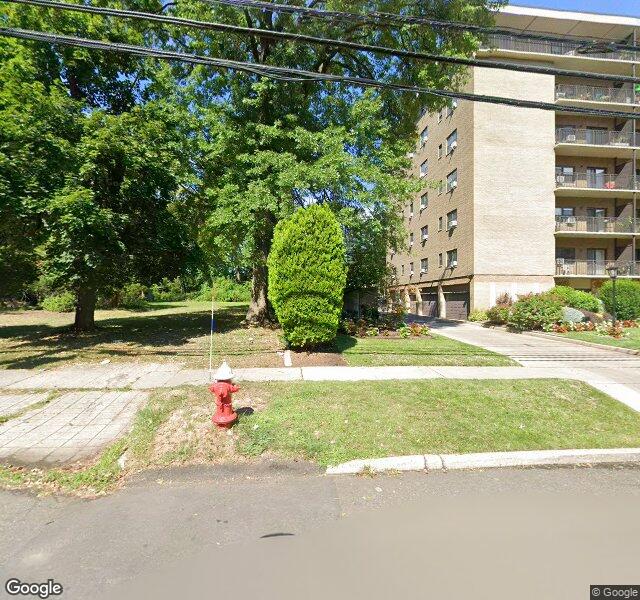
How Does Complete Care At Prospect Heights Llc Compare to Other New Jersey Nursing Homes?

Compared to the 100 nursing homes in New Jersey, COMPLETE CARE AT PROSPECT HEIGHTS LLC's overall rating (1 stars) is below the state average of 3.2, staff turnover (55%) is near the state average of 46%, and health inspection rating (1 stars) is much below the national benchmark.

What Should Families Ask When Visiting Complete Care At Prospect Heights Llc?

Based on this facility's data, families visiting should ask: "What changes have been made since the serious inspection findings, and how are you preventing similar issues?" "Can you walk me through typical staffing levels on day, evening, and night shifts?" "Can I visit during a mealtime to observe dining assistance and food quality?" "How do you handle medical emergencies, and what is your hospital transfer rate?" These questions are particularly relevant given the facility's Immediate Jeopardy citations and the below-average staffing rating.

Is Complete Care At Prospect Heights Llc Safe?

Based on CMS inspection data, COMPLETE CARE AT PROSPECT HEIGHTS LLC has documented safety concerns. Inspectors have issued 2 Immediate Jeopardy citations (the most serious violation level indicating risk of serious injury or death). The facility has a 1-star overall rating and ranks #100 of 100 nursing homes in New Jersey. Families considering this facility should ask detailed questions about what corrective actions have been taken since these incidents.

Do Nurses at Complete Care At Prospect Heights Llc Stick Around?

COMPLETE CARE AT PROSPECT HEIGHTS LLC has a staff turnover rate of 55%, which is 9 percentage points above the New Jersey average of 46%. Moderate turnover is common in nursing homes, but families should still ask about staff tenure and how the facility maintains care continuity when employees leave.

Was Complete Care At Prospect Heights Llc Ever Fined?

COMPLETE CARE AT PROSPECT HEIGHTS LLC has been fined $118,483 across 7 penalty actions. This is 3.5x the New Jersey average of $34,264. Fines at this level are uncommon and typically indicate a pattern of serious deficiencies, repeated violations, or failure to correct problems promptly. CMS reserves penalties of this magnitude for facilities that pose significant, documented risk to resident health or safety. Families should request specific documentation of what issues led to these fines and what systemic changes have been implemented.

Is Complete Care At Prospect Heights Llc on Any Federal Watch List?

COMPLETE CARE AT PROSPECT HEIGHTS LLC is not on any federal watch list. The most significant is the Special Focus Facility (SFF) program, which identifies the bottom 1% of nursing homes nationally based on persistent, serious quality problems. Not being on this list means the facility has avoided the pattern of deficiencies that triggers enhanced federal oversight. This is a positive indicator, though families should still review the facility's inspection history directly.