WINCHESTER GARDENS HEALTH CARE CENTER
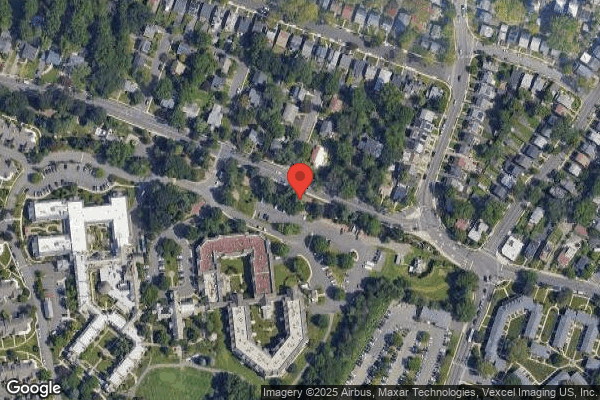

333 ELMWOOD AVENUE, MAPLEWOOD, NJ 07040 (973) 762-5050
Non profit - Corporation 30 Beds SPRINGPOINT SENIOR LIVING Data: November 2025
Trust Grade
90/100
#82 of 344 in NJ
Last Inspection: May 2024

Within standard 12-15 month inspection cycle. Federal law requires annual inspections.

Overview

Winchester Gardens Health Care Center has received a Trust Grade of A, indicating it is an excellent facility that is highly recommended for care. It ranks #82 out of 344 nursing homes in New Jersey, placing it in the top half of facilities statewide, and #7 out of 32 in Essex County, showing that only six local options are better. The facility's trend is stable, with the same number of concerns noted over the past two years, which suggests consistency in their performance. Staffing is one of their strengths, boasting a 5/5 star rating and a turnover rate of 36%, which is lower than the state average, indicating that staff are well-trained and familiar with the residents. On the downside, the facility has faced issues related to kitchen sanitation, including a failure to properly label food items and maintain cleanliness, which raises concerns about food safety. Overall, while there are notable strengths in staffing and overall care, families should be aware of the sanitation issues that have been repeatedly cited.

Trust Score
A
90/100
In New Jersey
#82/344
Top 23%
Safety Record
Low Risk
No red flags
Inspections
Holding Steady
3 → 3 violations
Staff Stability
○ Average
36% turnover. Near New Jersey's 48% average. Typical for the industry.
Penalties
✓ Good
No fines on record. Clean compliance history, better than most New Jersey facilities.
Skilled Nurses
✓ Good
Each resident gets 127 minutes of Registered Nurse (RN) attention daily — more than 97% of New Jersey nursing homes. RNs are the most trained staff who catch health problems before they become serious.
Violations
○ Average
7 deficiencies on record. Average for a facility this size. Mostly minor or procedural issues.
★★★★★
5.0
Overall Rating
★★★★★
5.0
Staff Levels
★★★★★
5.0
Care Quality
★★★★☆
4.0
Inspection Score
Stable
2022: 3 issues
2024: 3 issues

The Good

  • 5-Star Staffing Rating · Excellent nurse staffing levels
  • 5-Star Quality Measures · Strong clinical quality outcomes
  • Full Sprinkler Coverage · Fire safety systems throughout facility
  • No fines on record
  • Staff turnover below average (36%)

    12 points below New Jersey average of 48%

Facility shows strength in staffing levels, quality measures, fire safety.

The Bad

Staff Turnover: 36%

Near New Jersey avg (46%)

Typical for the industry

Chain: SPRINGPOINT SENIOR LIVING

Part of a multi-facility chain

Ask about local staffing decisions and management

The Ugly 7 deficiencies on record

May 2024 3 deficiencies
CONCERN (D)

Potential for Harm - no one hurt, but risky conditions existed

Deficiency F0761 (Tag F0761)

Could have caused harm · This affected 1 resident

Based on observation, interview, and record review, it was determined that the facility failed to ensure that expired medications were removed from the medication room and treatment cart. This deficie...

Read full inspector narrative →
Based on observation, interview, and record review, it was determined that the facility failed to ensure that expired medications were removed from the medication room and treatment cart. This deficient practice was identified for 1 of 1 floor inspected and was evidenced by the following: On 05/28/24 7:45 PM, the surveyor inspected the 4th floor medication storage room and treatment cart (high side) in the presence of the Licensed Practical Nurse and found the following expired medication: a. 2 bottles of Adult low dose Enteric Coated 81mg that had 120 tablets each bottle with an expiration date of 8/2023 b. 1 tube of unopened Bacitracin Ointment 1 oz (28.4g) with an expiration date of 1/2024. c. 1 tube of opened Bacitracin Ointment 1 oz (28.4g) with an expiration date of 1/2024 inside the treatment cart. On 5/28/2024 at 8:30 PM, the surveyor discussed the above concern to the facility's Licensed Nursing Home Administrator, Director of Nursing and Assisted Living Coordinator who acknowledged that the above medications were expired. NJAC 8:39-29.2 (d)
CONCERN (E)

Potential for Harm - no one hurt, but risky conditions existed

Medical Records (Tag F0842)

Could have caused harm · This affected multiple residents

**NOTE- TERMS IN BRACKETS HAVE BEEN EDITED TO PROTECT CONFIDENTIALITY** 4. The surveyor reviewed the hybrid (paper and electronic) medical records of Resident #7. According to the AR, Resident #7 had ...

Read full inspector narrative →
**NOTE- TERMS IN BRACKETS HAVE BEEN EDITED TO PROTECT CONFIDENTIALITY** 4. The surveyor reviewed the hybrid (paper and electronic) medical records of Resident #7. According to the AR, Resident #7 had diagnoses that included but were not limited to: dementia, hypertension, anxiety disorder, and chronic atrial fibrillation (type of heart arrhythmia). A Quarterly MDS assessment, a tool used to facilitate management of care, dated 4/11/24, indicated the facility assessed the resident's cognition using a BIMS test. Resident #7 scored 7 out of 15, which indicated the resident had moderate cognitive impairment. A review of PPN in the hybrid medical record revealed there were no physician progress notes documented by the resident's primary physician. 5. 4. The surveyor reviewed the hybrid (paper and electronic) medical records of Resident #11. According to the AR, Resident #11 had diagnoses that included but were not limited to: Alzheimer's disease, dementia, major depressive disorder, hypertension, and anxiety disorder. A comprehensive MDS assessment dated [DATE], indicated Resident #11 was rarely/never understood and a BIMS test could not be performed to assess the resident's cognition. A review of PPN in the hybrid medical record revealed there were no physician progress notes documented by the resident's primary physician. 6. The surveyor reviewed the hybrid (paper and electronic) medical records of Resident #18. According to the AR, Resident #18 had diagnoses that included but were not limited to: nontraumatic intracerebral hemorrhage (bleeding in the brain not caused by trauma), anemia, type 2 diabetes mellitus, heart failure, and gastrostomy (a tube surgically inserted through the wall of the abdomen directly into the stomach to provide nutrition and medications). A Quarterly MDS assessment, dated 4/11/24, indicated Resident #18 was rarely/never understood and a BIMS test could not be performed to assess the resident's cognition. A review of PPN in the hybrid medical record revealed there were no physician progress notes documented by the resident's primary physician. On 5/29/24 at 12:30 PM, the surveyor interviewed the Assisted Living (AL) coordinator at the nurses' station about where physician progress notes were documented in a resident's medical records. The AL coordinator stated the physicians would document in the electronic medical record (EMR) under the assessments section. She further explained the facility was transitioning for all physician progress notes to be in the resident's EMR and that some physician progress notes may be found in the resident's paper chart. On 5/30/24 at 1:31 PM, the survey team met with the Director of Nursing (DON), the Licensed Nursing Home Administrator (LNHA), the AL coordinator, Regional Nurse Consultant, Corporate Regional Nurse Consultant, and Clinical Analyst. The surveyors informed the facility about the concern of no physician progress notes by the resident's primary physician being found in the hybrid medical records for the residents identified. The DON stated it was expected for physicians to visit and document their progress notes at least every 30 days and every other month when alternating visits with a nurse practitioner. On 5/31/24 at 9:30 AM, the DON and AL coordinator provided the survey team with a copy of physician progress notes from January 2024 to May 2024 for the residents. The DON stated it was faxed from the physician's office yesterday to the facility. The AL coordinator further explained they were transitioning to have the physicians' document in the EMR directly instead of in their own documentation systems. The DON stated that physician progress notes not written in the EMR were to be faxed to the facility within 24 hours of the physician's visit to be placed in the resident's medical records. The DON acknowledged the physician progress notes should have been in the resident's medical records and readily accessible. There was no additional information provided by the facility. The primary physician was unavailable for interview. A review of the facility's policy titled Physician Visits, with a revised date of 5/18/23 read under Procedure: 1. The Attending Physician must perform relevant tasks at the time of each visit, including a review of the resident's total program of care and appropriate documentation. A review of the facility's undated policy titled Physician Visits, under Policy Interpretation and Implementation it read: .5. The Attending Physician must perform relevant tasks at the time of each visit, including a review of the resident's total program of care and appropriate documentation . N.J.A.C. 8:39-35.2(d) Based on observation, interview, and record review, it was determined that the facility failed to maintain complete and readily accessible medical records. This deficient practice was identified for 6 of 15 residents reviewed (Resident # 4, 17, 19, 7, 11, 18). This deficient practice was evidenced by the following: 1. The surveyor reviewed the hybrid (paper and electronic) medical records of Resident #4. According to the admission Record (AR) (an admission summary), Resident #4 had diagnoses that included but were not limited to: Hypertension, Glaucoma, Anemia and Chronic Obstructive Pulmonary Disease. A Quarterly Minimum Data Set (MDS) assessment, a tool used to facilitate management of care, dated 5/21/24, indicated the facility assessed the resident's cognition using a Brief Interview Mental Status (BIMS) test. Resident #4 scored 6 out of 15, which indicated the resident had severe cognitive impairment. A review of physician progress notes (PPN) in the hybrid medical record revealed there were no physician progress notes documented by the resident's primary physician. 2. The surveyor reviewed the hybrid (paper and electronic) medical records of Resident #17. According to the AR, Resident #17 had diagnoses that included but were not limited to Dementia, Hypotension, and Parkinson's Disease. An Annual MDS assessment, a tool used to facilitate management of care, dated 5/1/24, indicated the facility assessed the resident's cognition using a BIMS test. Resident #17 scored 14 out of 15, which indicated the resident had intact cognitive impairment. A review of PPN in the hybrid medical record revealed there were no physician progress notes documented by the resident's primary physician. 3. The surveyor reviewed the hybrid (paper and electronic) medical records of Resident #19. According to the AR, Resident #19 had diagnoses that included but were not limited to Hypertension, Depression and Diabetes Mellitus. A Quarterly MDS assessment, dated 3/6/24, indicated Resident #19 was rarely/never understood and a BIMS test could not be performed to assess the resident's cognition. A review of PPN in the hybrid medical record revealed there were no physician progress notes documented by the resident's primary physician.
CONCERN (F)

Potential for Harm - no one hurt, but risky conditions existed

Food Safety (Tag F0812)

Could have caused harm · This affected most or all residents

**NOTE- TERMS IN BRACKETS HAVE BEEN EDITED TO PROTECT CONFIDENTIALITY** REPEAT DEFICIENCY Based on observation, interview, and review of facility policies, it was determined that the facility failed t...

Read full inspector narrative →
**NOTE- TERMS IN BRACKETS HAVE BEEN EDITED TO PROTECT CONFIDENTIALITY** REPEAT DEFICIENCY Based on observation, interview, and review of facility policies, it was determined that the facility failed to maintain proper kitchen sanitation practices as well as store potentially hazardous foods in a manner to prevent food borne illness. This repeat deficient practice was observed and evidenced by the following: On 5/28/24 at 06:01 PM, while on 4th floor, in the area labeled Den, the surveyor observed a staff refrigerator with signage that stated, all items must be labeled with name and date. The surveyor observed a 2 liter bottle of Coke Cola, a container of salad and brown bag with a container of food. All items were missing labels including names and dates. On 5/28/24 at 6:24 PM, the surveyor in the presence of the Executive Chef (EC) observed the following during the kitchen tour: 1. Upon entering the kitchen the surveyor observed two servers (dietary aides) server #1 and #2 with hair not fully restrained, servers #3 and #4 without hairnets, and server #5 with beard guard improperly placed. The EC could not explain why those servers were not wearing hair and beard restraints properly. 2. In the standing drink refrigerator, the surveyor observed an opened 60 ounce (oz) bottle of cranberry juice without a label and an opened 60 oz bottle of grape juice with an open date of 4/25/24. The EC stated all items that have been opened need to be labeled with the open date and use by date. The EC acknowledged the grape juice should have been discarded after three days. 3. Surveyor observed servers #6 and #7 scooping ice cream into a bowl, both observed not wearing disposable gloves and both servers' hands were touching the inside of bowl. The EC stated gloves should be worn whenever preparing any food items. 4. Surveyor observed in the standing refrigerator, a 1/2 gallon fat free milk, a 24 ounce (oz) bottle of chocolate syrup, a 1 gallon Caesar dressing, a 5 lb. tub sour cream, all opened and missing open/use by labels. The EC stated all items that have been opened need to be labeled with the open date and use by date. 5. Surveyor observed in the dual door standing refrigerator, an open bag of fresh broccoli and cauliflower, both missing open/use by labels. 6. Surveyor observed a freezer next to the tray line, one bag of frozen tater tots and one bag of premade biscuits, both open and missing open/use by labels. 7. Surveyor observed in the walk-in refrigerator in the main kitchen area, an open bag of shredded carrots missing an open/use by label 8. Surveyor observed in the walk-in freezer in the main kitchen area, an opened package of coffee cake missing an open/use by label. 9. Surveyor observed in the dish washing area, a four shelve storage dish rack with three full size catering dishes with wet nesting. The EC stated all items in the shelving unit should be completely dry before being stored. 10. Surveyor observed in the walk in refrigerator located in the dry storage area, two fans with a black colored debris and an open bag a grated parmesan cheese missing an open/use by label. The EC stated he would alert the maintenance department is responsible for clean the fans. 11. Surveyor observed in the walk in freezer located in dry storage area, frost build up and multiple boxes of frozen food stored higher than 18 inches from ceiling. The EC stated he would alert the maintenance department regarding the frost and would move the boxes to the proper distance from the ceiling. On 5/29/24 at 11:30 AM, the Dining Services Director (DSD) provided the surveyor with multiple facility policies including, Unit pantry stock, Dress guidelines for food service management and clinical nutrition staff, Uniform dress code, Food and supply storage, and Refrigerated storage life of foods. The Unit pantry stock policy with a revised date of 1/2024 states under the procedures section, Label, date and discard outdated items per the food storage policy. Ensure all items are covered, labeled, and dated. The Dress guidelines for food service management and clinical nutrition staff policy with a revised date of 1/2022 states under the procedure section, hair restraints are worn by all when in the kitchen. The Uniform dress code policy with a revised date of 1/2022 states under the procedure section, restrain all facial hair with a beard net/restraint. The Food and supply storage policy with a revised date of 1/2024 states under the procedures section, cover, label and date unused portions and open packages. Complete all sections on the [NAME] orange label or use the Medvantage/Freshdate labeling system. Refer to the food storage chart in this policy to determine discard dates for food items. Store food items 6 inches (in) above the floor and 18in below the ceiling/sprinklers. The food storage chart revealed that re-sealable juice should be discarded after 3 days after opening. On 5/30/24 at 1:31 PM, the survey team met with the Licensed Nursing Home Administrator (LNHA), Director of Nursing (DON), Assisted Living Coordinator (ALC), and Regional Nurse Consultant (RNC) to review concerns. No comments made by staff regarding kitchen concerns. On 5/31/24 at 10:14 AM, the LHNA met with the surveyor and stated, The kitchen not up to my standards. No further comments made. NJAC 8:39-17.2(g)
Oct 2022 3 deficiencies
CONCERN (D)

Potential for Harm - no one hurt, but risky conditions existed

Deficiency F0578 (Tag F0578)

Could have caused harm · This affected 1 resident

**NOTE- TERMS IN BRACKETS HAVE BEEN EDITED TO PROTECT CONFIDENTIALITY** Based on interview, record review, and policy review, the facility failed to obtain a Code Status for one resident (Resident (R)...

Read full inspector narrative →
**NOTE- TERMS IN BRACKETS HAVE BEEN EDITED TO PROTECT CONFIDENTIALITY** Based on interview, record review, and policy review, the facility failed to obtain a Code Status for one resident (Resident (R) 8) out of a total sample of 10 residents. This failure had the potential for R8 to have unwanted life-sustaining treatments. Findings include: 1. Review of R8's admission Record, located in the electronic medical record (EMR) under the Profile tab, revealed R8 was admitted to the facility on [DATE]. There was no Advance Directive, Physician Orders for Life Sustaining Treatment (POLST), or a Code Status in the EMR or in the resident's hard chart located in the nursing office. Review of the EMR Minimum Data Set (MDS) with an Assessment Reference Date (ARD) of [DATE] revealed a Brief Interview for Mental Status (BIMS) score of 14 out of 15 indicating R8 had no cognitive impairment. Interview on [DATE] at 9:00 AM with Registered Nurse (RN) 2 revealed that the facility process was that the code status for Do Not Resuscitate (DNR) was located on the binder of the resident's hard chart in red. If there was not a sticker stating DNR, then the resident was a Full Code which means Cardiac Pulmonary Resuscitation (CPR) would be performed. RN2 stated that the code status was also located in the EMR. RN2 verified that R8's hard chart and EMR did not have a DNR code status documented. On [DATE] at 3:23 PM, interview with the Social Worker (SW) revealed that upon admission, R8 and Family (F1) were given instructions and paperwork for a POLST. F1 stated that R8 had a Power of Attorney (POA) and a POLST and this would be provided to the facility. The SW stated, The information was discussed with the resident and [F1], and that the resident would be a Full Code until the paperwork was provided and documented in the resident's chart. A Care Plan meeting was held on [DATE] with the resident and F1 and I again asked for the POLST. F1 who lives out of state, stated that she would have the caregiver deliver the form to the facility. The SW stated, I do not know the resident's wishes for code status six weeks after admission to the facility. Interview on [DATE] at 3:35 PM with R8, F1 by phone, the Social Worker (SW), and the surveyor, revealed that the resident's wishes were to allow natural death and to not attempt resuscitation. The SW informed R8 and F1 that until a document was provided with her wishes, R8 would be a Full Code. The resident became very upset, and F1 asked if a new POLST could be signed. A POLST was signed by the resident and the nurse practitioner and the POA documentation was emailed to the facility with the resident's wishes. A physician's order was written for R8 to have the code status of Do Not Resuscitate after the POLST was signed. On [DATE] at 3:52 PM, interview with the Assistant Executive Director (AED) revealed, My expectations are that when a resident is admitted , a POLST should be on file with their end of life wishes. We should abide by the wishes of the resident at all times. Review of the facility's policy titled, Advance Directives, undated, revealed, Advance Directives include: POLST, Living Will, or a Durable Power of Attorney for Healthcare. If you do not have any Advance Directives, the facility can provide you with a POLST form to fill out . Review of the facility's policy titled, CPR-Cardiopulmonary Resuscitation, DNR-Do Not Resuscitate, dated [DATE], revealed, .CPR will be performed at all times until a facility approved DNR Order Form has been completed by the physician and entered into the resident's medical record .Social Services will review the explanation of CPR/DNR and complete the discussion form .If the decision is DNR, the physician must write a DNR order on the DNR form. The nurse will transpose the order to the physician order sheet in the EMR. NJAC 8:39-9.6(a)
CONCERN (D)

Potential for Harm - no one hurt, but risky conditions existed

Deficiency F0582 (Tag F0582)

Could have caused harm · This affected 1 resident

**NOTE- TERMS IN BRACKETS HAVE BEEN EDITED TO PROTECT CONFIDENTIALITY** Based on interview, record review, and facility policy review, the facility failed to provide timely a completed Centers for Med...

Read full inspector narrative →
**NOTE- TERMS IN BRACKETS HAVE BEEN EDITED TO PROTECT CONFIDENTIALITY** Based on interview, record review, and facility policy review, the facility failed to provide timely a completed Centers for Medicaid and Medicare Services (CMS) Form CMS-10055 Skilled Nursing Facility Advance Beneficiary Notice (SNFABN) to one of three residents (Resident (R) 64) reviewed for liability notices out of a total sample of 10 residents. This failure prevented the resident or responsible party the ability to make an informed decision related to the cost of continued services. Findings include: 1. Review of R64's Face Sheet, undated and located in the resident's electronic medical record (EMR) under the Profiles tab, indicated a current admission date to the facility of 03/08/22, with diagnoses which included; acute on chronic congestive heart failure (CHF), difficulty in walking, and unsteadiness on feet. Review of R64's Progress Notes, located in the EMR under the Assessments tab, indicated R64 was admitted to Medicare part A therapy services on 03/08/22. Further review of R64's EMR indicated R64's last covered day of Part A therapy services was 03/31/22. A SNFABN was issued to R64 on 03/30/22. During an interview on 09/28/22 at 3:00 PM, the Social Worker (SW) stated she was the responsible person for providing the SNFABN notices to residents. The SW stated for R64 she provided the notice on 03/30/22 as R64 was discharging home on [DATE]. The SW verified with this surveyor the SNFABN stated skilled services would end on 03/31/22, but since R64 was discharging home, the SW stated she did not need to give 48 hours notice as the SW knew R64 would not want to appeal. The SNFABN also did not reflect the cost of the non-covered services for R64 to make an informed decision. The SW further stated she was not aware the specific costs needed to be listed on the SNFABN. During an interview with the Assistant Executive Director on 09/28/22 at 3:30 PM, he stated all SNFABN notices were to be given/provided to residents at a minimum of 48 hours prior to when covered services ended for residents to have the opportunity to appeal, if they wanted to. The Assistant Executive Director also stated all costs, with specific monetary amounts, should be listed on the notices. The Assistant Executive Director further stated they did not have a facility specific policy regarding ABN/NOMNC notices, they followed the language on the CMS forms. NJAC 8:39-4.1(a)8
CONCERN (F)

Potential for Harm - no one hurt, but risky conditions existed

Food Safety (Tag F0812)

Could have caused harm · This affected most or all residents

Based on observation, interview, and review of facility policy, the facility failed to: 1. ensure food was stored in a sanitary manner; 2. ensure dishes and pans were air dried and not dried by a stan...

Read full inspector narrative →
Based on observation, interview, and review of facility policy, the facility failed to: 1. ensure food was stored in a sanitary manner; 2. ensure dishes and pans were air dried and not dried by a standing fan that had dust on it; 3. ensure kitchen equipment was clean; 4. ensure proper hand hygiene while handling food; 5. ensure sanitizing buckets used to sanitize counters was adequate; and 6. ensure steam tables had water in them to keep food at the appropriate temperature. These failures had the potential to affect 17 out of the 18 residents who ate food prepared by the kitchen. Findings include: The following observations in the kitchen were made with and verified by the Director of Culinary Services (DCS) and the Resource Chef (Chef): 1. On 09/28/22 at 8:30 AM, observation, of the refrigerator revealed one jar of mayonnaise with a cracked lid that prevented it from being sealed closed. On 09/28/22 at 8:34 AM, observation of the main kitchen area revealed a large plastic bin under the counter that contained rice flour with a dried liquid dripped into the container. The second plastic container under the counter contained sugar that had expired on 08/11/22. 2. Observation on 09/28/22 at 8:34 AM, revealed a large stand fan where the fan guard was caked with dust. This fan was blowing on the clean dishes that were air drying. 3. Observation on 09/28/22 at 8:34 AM, revealed the outside of the deep fryer was covered in old grease and food particles. The bottom of the inside of the deep fryer, had a thick residue of grease. Observation on 09/28/22 at 9:08 AM, revealed the kitchen ice machine filters located on the outside of the machine, to be covered in dust. The inside of the ice machine had a pink slime going across the metal bar that was above the ice. 4. Observation on 09/28/22 at 8:45 AM, revealed the cook making coleslaw with a glove only on one hand. He was mixing the coleslaw with the gloved hand and holding the bowl with the ungloved hand. The cook then emptied the coleslaw into medium sized containers holding the containers with the ungloved hand. He was touching the coleslaw and wiping his hand on his apron. 5. On 09/28/22 at 8 :51 AM, one test bucket in the kitchen registered zero for a sanitizing agent. When the DCS checked, the sanitizing bottle that dispenses the sanitizing agent was empty. 6. The Long-Term Care (LTC) unit has its own kitchen. Food is brought up in pans from the main kitchen and placed in steam tables. One out of two steam tables did not have any water in it to maintain the proper temperatures of the food. Interview with the Chef on 09/28/22 at 8:55 AM, she stated, This sanitizing bucket having no sanitizer in it, is embarrassing and I apologize. The fan should not have been blowing on the drying dishes and the deep fryer was definitely dirty. Interview with the DCS on 09/28/22 at 1:30 PM, he stated, The cook knew to wear gloves on both hands when preparing the coleslaw. The staff just needs to do what they know how to do and following the regulations of the kitchen. On 09/28/22 at 9:00 AM, interview with the DCS revealed that maintenance does all cleaning of the ice machines, and they are cleaned once a month. When asked if the kitchen ever inspects the ice machines, he stated, No, this is dirty and there is slime on the inside. Interview on 09/29/22 at 10:00 AM with the Maintenance Supervisor (MS) and the Director of Plant Operations (DPO) revealed that records indicated the ice machine was cleaned at the end of the month for the past six months. The MS stated, We looked at the ice machine and it should not have been that dirty. We routinely check the filters, clean the coils, sanitize the interior, and delime, as necessary. Review of the facility's policy, Food Handling Guide, dated 01/22, revealed, .food contact surfaces should be cleaned and sanitized between different food preparation steps .Hands should be scrubbed following appropriate hand washing techniques .Use clean sanitized equipment and food contact surfaces .Single use disposable gloves are to be worn when preparing food and while serving food. Gloves are to be placed over clean hands and changed between tasks. Hands are to be washed after glove removal. Review of the facility's policy, Hand Hygiene, dated 01/22, revealed, .Hands are washed with soap and water before putting on gloves; after touching hair, skin, or clothing; before each shift; after handling money; after going to the bathroom; after handling garbage; after coughing, sneezing, or blowing nose; after removing gloves. NJAC 8:39-17.2(g) NJAC 8:39-19.7(d)
Mar 2020 1 deficiency
CONCERN (F)

Potential for Harm - no one hurt, but risky conditions existed

Food Safety (Tag F0812)

Could have caused harm · This affected most or all residents

Based on observation, interview and review of documentation provided by the facility, it was determined the facility failed to maintain the kitchen environment and equipment in a sanitary manner to pr...

Read full inspector narrative →
Based on observation, interview and review of documentation provided by the facility, it was determined the facility failed to maintain the kitchen environment and equipment in a sanitary manner to prevent contamination from foreign substances and potential for the development a food borne illness. This is a repeat deficiency. This deficient practice was evidenced by the following: On 3/4/20 at 8:13 AM, in the presence of Supervisor the surveyor observed the following: 1. The surveyor observed a Utility Aide (UA1) with 1/2-inch-long beard hair with no beard covering. The surveyor asked UA1 if his beard should be covered, he stated that is should have been covered and proceeded to obtain a beard restraint and apply it. 2. In the dish washing area the following items that were in circulation for use: - 13 steam table half pans stacked with water between them. - Eight steam table quarter pans stacked with water between them. - 12 steam table shallow half pans stacked with water between them. - 11 full sheet pans stacked with water between them. - Seven steam table half pans stacked with water between them. - 20 steam table full pans stacked with water between them. - Three steam table deep pans stacked with water between them. - Five plastic deep cambro's stacked with water between them. - Five small plastic cambro's stacked with water between them. - One large plastic hydration tank stored right side up with water visible inside. - Three coffee carafes that were stored upright and with water pooled at the bottom. The Supervisor stated that the pans should have been completely dried before stacking and that the hydration tank as well as the coffee carafes should have been dried and stored upside down. 3. At the dish machine the surveyor observed UA1 run a rack of flatware through the dish machine. The flatware was laying flat and laying overtop each other. Then UA1 removed a hand full of wet silver wear and started drying the items with a paper towel. The Supervisor stopped UA1 and reported that a special flatware rack should have been used when running the flatware through the machine. The supervisor also stated that the flatware should have been allowed to air dry and the staff should never dry dish wear with a towel. 4. On the shelf next the the three compartment sink there was a layer of cardboard, that was completely saturated with water. UA2 stated that the cardboard was there to hold up pans for drying because they would just slip down. The supervisor stated that there should not be cardboard there being used for that purpose and removed in immediately. 5. The following was observed in the food preparation area: - The candy stove was soiled with dried drippings of a brown/black grease-like substance and food debris. - The large range hood over top of all of the cooking appliances was soiled with a light brown grease-like substance. - The steam table backsplash was soiled with food drippings and food debris. - One of two ovens was soiled with dried drippings of a brown/black grease-like substance and charred food debris. - The stove cook top backsplash was soiled with dried drippings of a brown/black grease-like substance. - The grill top was soiled with a brown/black grease-like substance and charred food debris. - The broiler was soiled brown/black grease-like substance and charred food debris. The supervisor stated that these items should have been cleaned on Saturday however they should also have been cleaned as needed. The surveyor reviewed an undated facility policy titled, Employee Sanitary Practices. Under procedure number one the policy revealed that All employees will: Wear hair restraint (hair net and/or beard restraint) to prevent hair from contacting exposed food. The surveyor reviewed an undated facility policy titled, Food Safety-Director of Food and Nutrition Services Responsibility. Under procedure number two the policy revealed that Dishwashing guidelines and techniques will be understood by staff and carried out in compliance with state and local health codes. The surveyor reviewed an undated facility policy titled, Cleaning Dishes/Dish Machine. Under procedure numbers six, and nine through 10 the policy revealed that Flatware should be pre-soaked prior to washing, and loaded into cylinders with mouthpiece exposed. Flatware should be washed twice, with mouthpiece down during the second washing. Flatware should not be nested prior to washing in cylinders. Dishes should be air dried on the dish racks. Do not dry with towels. Inspect for cleanliness and dryness, and put dishes away if clean. Dishes should not be nested unless they are completely dry. NJAC 8:39-17.2(g)
Understanding Severity Codes (click to expand)
Life-Threatening (Immediate Jeopardy)
J - Isolated K - Pattern L - Widespread
Actual Harm
G - Isolated H - Pattern I - Widespread
Potential for Harm
D - Isolated E - Pattern F - Widespread
No Harm (Minor)
A - Isolated B - Pattern C - Widespread

Questions to Ask on Your Visit

  • "Can I speak with families of current residents?"
  • "What's your RN coverage like on weekends and overnight?"

Our Honest Assessment

Strengths
  • • Grade A (90/100). Above average facility, better than most options in New Jersey.
  • • No major safety red flags. No abuse findings, life-threatening violations, or SFF status.
  • • No fines on record. Clean compliance history, better than most New Jersey facilities.
  • • 36% turnover. Below New Jersey's 48% average. Good staff retention means consistent care.
Concerns
  • • No significant concerns identified. This facility shows no red flags across CMS ratings, staff turnover, or federal penalties.
Bottom line: Generally positive indicators. Standard due diligence and a personal visit recommended.

About This Facility

What is Winchester Gardens Health's CMS Rating?

CMS assigns WINCHESTER GARDENS HEALTH CARE CENTER an overall rating of 5 out of 5 stars, which is considered much above average nationally. Within New Jersey, this rating places the facility higher than 99% of the state's 100 nursing homes. This rating reflects solid performance across the metrics CMS uses to evaluate nursing home quality.
How is Winchester Gardens Health Staffed?

CMS rates WINCHESTER GARDENS HEALTH CARE CENTER's staffing level at 5 out of 5 stars, which is much above average compared to other nursing homes. Staff turnover is 36%, compared to the New Jersey average of 46%. This relatively stable workforce can support continuity of care.

What Have Inspectors Found at Winchester Gardens Health?

State health inspectors documented 7 deficiencies at WINCHESTER GARDENS HEALTH CARE CENTER during 2020 to 2024. These included: 7 with potential for harm.

Who Owns and Operates Winchester Gardens Health?

WINCHESTER GARDENS HEALTH CARE CENTER is owned by a non-profit organization. Non-profit facilities reinvest revenue into operations rather than distributing to shareholders. The facility is operated by SPRINGPOINT SENIOR LIVING, a chain that manages multiple nursing homes. With 30 certified beds and approximately 25 residents (about 83% occupancy), it is a smaller facility located in MAPLEWOOD, New Jersey.

How Does Winchester Gardens Health Compare to Other New Jersey Nursing Homes?

Compared to the 100 nursing homes in New Jersey, WINCHESTER GARDENS HEALTH CARE CENTER's overall rating (5 stars) is above the state average of 3.3, staff turnover (36%) is near the state average of 46%, and health inspection rating (4 stars) is above the national benchmark.

What Should Families Ask When Visiting Winchester Gardens Health?

Based on this facility's data, families visiting should ask: "Can I visit during a mealtime to observe dining assistance and food quality?" "How do you handle medical emergencies, and what is your hospital transfer rate?" "Can I speak with family members of current residents about their experience?"

Is Winchester Gardens Health Safe?

Based on CMS inspection data, WINCHESTER GARDENS HEALTH CARE CENTER has a clean safety record: no substantiated abuse findings (meaning no confirmed cases of resident harm), no Immediate Jeopardy citations (the most serious violation level indicating risk of serious injury or death), and is not on the Special Focus Facility watch list (a federal program monitoring the lowest-performing 1% of nursing homes). The facility has a 5-star overall rating and ranks #1 of 100 nursing homes in New Jersey. While no facility is perfect, families should still ask about staff-to-resident ratios and recent inspection results during their visit.

Do Nurses at Winchester Gardens Health Stick Around?

WINCHESTER GARDENS HEALTH CARE CENTER has a staff turnover rate of 36%, which is about average for New Jersey nursing homes (state average: 46%). Moderate turnover is common in nursing homes, but families should still ask about staff tenure and how the facility maintains care continuity when employees leave.

Was Winchester Gardens Health Ever Fined?

WINCHESTER GARDENS HEALTH CARE CENTER has no federal fines on record. CMS issues fines when nursing homes fail to meet care standards or don't correct problems found during inspections. The absence of fines suggests the facility has either maintained compliance or corrected any issues before penalties were assessed. This is a positive indicator, though families should still review recent inspection reports for the full picture.

Is Winchester Gardens Health on Any Federal Watch List?

WINCHESTER GARDENS HEALTH CARE CENTER is not on any federal watch list. The most significant is the Special Focus Facility (SFF) program, which identifies the bottom 1% of nursing homes nationally based on persistent, serious quality problems. Not being on this list means the facility has avoided the pattern of deficiencies that triggers enhanced federal oversight. This is a positive indicator, though families should still review the facility's inspection history directly.