ATLAS REHABILITATION AND HEALTHCARE AT MAYWOOD
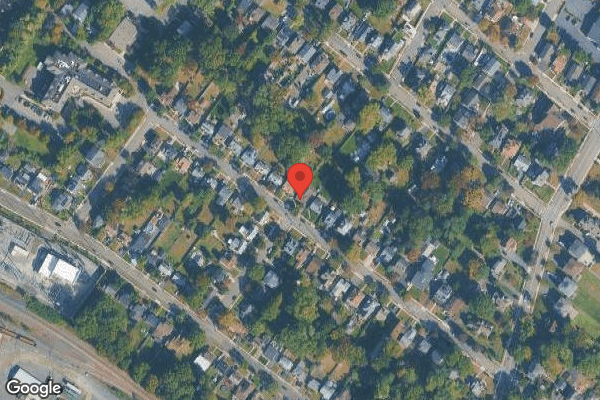
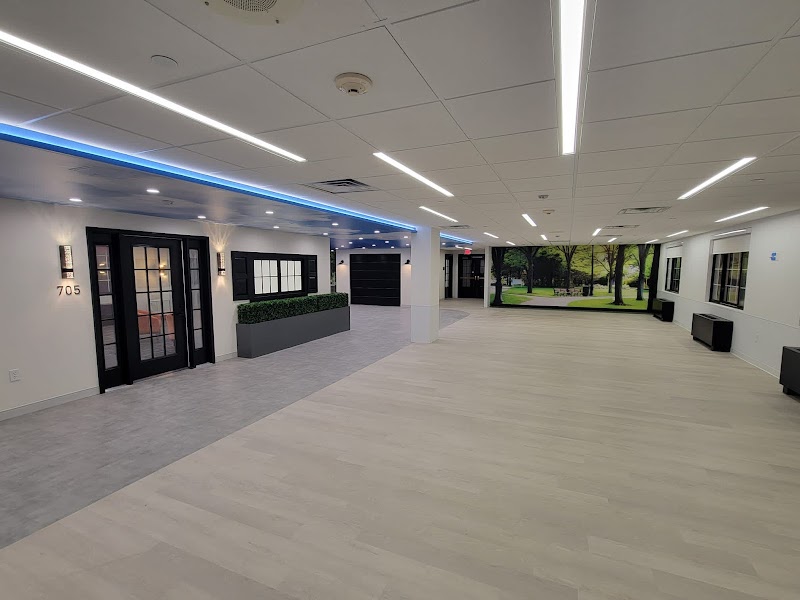
100 WEST MAGNOLIA AVENUE, MAYWOOD, NJ 07607 (201) 843-8411
For profit - Limited Liability company 120 Beds ATLAS HEALTHCARE Data: November 2025
Trust Grade
90/100
#7 of 344 in NJ
Last Inspection: April 2024

Within standard 12-15 month inspection cycle. Federal law requires annual inspections.

Overview

Atlas Rehabilitation and Healthcare at Maywood has received a Trust Grade of A, indicating it is considered excellent and highly recommended for families researching nursing home options. The facility ranks #7 out of 344 in New Jersey and #2 out of 29 in Bergen County, placing it in the top tier of both state and local facilities. While the overall trend is improving, with issues decreasing from three in 2021 to one in 2024, staffing is a concern, rated at 2 out of 5 stars, and showing a high turnover rate of 54%, which is above the state average. The facility has no fines on record, which is a positive sign, and has average RN coverage, meaning they have a decent number of registered nurses available. However, there have been specific incidents where the facility failed to properly label and store medications, which could pose a risk, and an infection control issue where staff did not wear the required protective equipment during care. Overall, while there are strengths in the facility's reputation and some care measures, families should carefully consider the staffing challenges and past compliance issues.

Trust Score
A
90/100
In New Jersey
#7/344
Top 2%
Safety Record
Low Risk
No red flags
Inspections
Getting Better
3 → 1 violations
Staff Stability
⚠ Watch
54% turnover. Above average. Higher turnover means staff may not know residents' routines.
Penalties
✓ Good
No fines on record. Clean compliance history, better than most New Jersey facilities.
Skilled Nurses
○ Average
Each resident gets 38 minutes of Registered Nurse (RN) attention daily — about average for New Jersey. RNs are the most trained staff who monitor for health changes.
Violations
⚠ Watch
11 deficiencies on record. Higher than average. Multiple issues found across inspections.
★★★★★
5.0
Overall Rating
★★☆☆☆
2.0
Staff Levels
★★★★★
5.0
Care Quality
★★★★★
5.0
Inspection Score
Stable
2021: 3 issues
2024: 1 issues

The Good

  • 5-Star Quality Measures · Strong clinical quality outcomes
  • Full Sprinkler Coverage · Fire safety systems throughout facility
  • No fines on record

Facility shows strength in quality measures, fire safety.

The Bad

Staff Turnover: 54%

Near New Jersey avg (46%)

Higher turnover may affect care consistency

Chain: ATLAS HEALTHCARE

Part of a multi-facility chain

Ask about local staffing decisions and management

The Ugly 11 deficiencies on record

Apr 2024 1 deficiency
CONCERN (D)

Potential for Harm - no one hurt, but risky conditions existed

Infection Control (Tag F0880)

Could have caused harm · This affected 1 resident

**NOTE- TERMS IN BRACKETS HAVE BEEN EDITED TO PROTECT CONFIDENTIALITY** Based on observation, interview, record review, and review of the facility's policies, the facility failed to maintain an effect...

Read full inspector narrative →
**NOTE- TERMS IN BRACKETS HAVE BEEN EDITED TO PROTECT CONFIDENTIALITY** Based on observation, interview, record review, and review of the facility's policies, the facility failed to maintain an effective infection control program for one of four residents (Resident (R) 5) reviewed for transmission-based precautions (TBP) out of 29 sampled residents. Staff failed to wear the required personal protective equipment (PPE) while performing catheter care for R5 on enhanced barrier precautions. Findings include: Review of the facility policy titled Enhanced Barrier Precautions, dated 03/20/24, provided by the facility, revealed Policy: It is the policy of this facility to implement enhanced barrier precautions for the prevention of transmission of multidrug-resistant organisms. Definitions: Enhanced barrier precautions (EBP) refer to an infection control intervention designed to reduce transmission of multidrug-resistant organisms that employs targeted gown and gloves use during high contact resident care activities . 4. High-contact resident care activities include: a. Dressing b. Bathing c. Transferring d. Providing hygiene e. Changing linens f. Changing briefs or assisting with toileting g. Device care or use: central lines, urinary catheters, feeding tubes, tracheostomy/ventilator tubes h. Wound care: any skin opening requiring a dressing Observation on 04/16/24 at 1:25 PM revealed signage posted on R5's bedroom door indicating the resident was on Enhanced Barrier Precautions, a STOP sign was posted below the resident's name plate, and a three-drawer PPE cart with yellow gowns in the first and second drawers located outside of the room. Continued observation revealed, while not wearing the appropriate PPE (gown), Certified Nursing Assistant (CNA) 2 placed an incontinence brief under R5 with gloves on while R5's indwelling urinary catheter was exposed. Interview at time of observation with CNA2 confirmed she did not wear a gown while performing catheter care to R5 because she did not see the three-drawer PPE cart outside of the room, the STOP sign, or the Enhanced Barrier Precautions sign on the door. Review of R5's undated admission Record located in the Electronic Medical Record (EMR) under the Profile tab stated R5 was admitted to the facility on [DATE] with diagnoses which included multiple sclerosis, obstructive and reflux uropathy (disorder that blocks normal flow of urine through the urinary tract). Review of R5's quarterly Minimum Data Set (MDS) with an Assessment Reference Date (ARD) of 01/30/24, located in the EMR under the MDS tab, revealed the resident had a Brief Interview for Mental Status (BIMS) score of 15 out of 15 indicating he was cognitively intact. The MDS assessment indicated he had an indwelling catheter and a diagnosis of obstructive uropathy. Review of R5's comprehensive Care Plan undated, located in the EMR under the Care Plan tab, revealed I am on enhanced barrier precautions r/t [related to] foley catheter with an intervention to Have protective equipment available for use. Use gowns and gloves when performing high-contact resident care activity. Review of R5's Physician's Order dated 03/26/24, located in the EMR under the Orders tab, revealed Enhanced Barrier Precautions every shift for foley catheter. Review of the facility's staff training titled Enhanced Barrier Precaution in Nursing Homes, dated 03/25/24, provided by the facility, revealed staff were trained on the facility's Enhanced Barrier Precautions Policy and CNA2 attended the training. During an interview on 04/17/24 at 11:53 AM, the Director of Nursing (DON) confirmed R5 was on enhanced barrier precautions due to having an indwelling urinary catheter and staff were required to wear a gown and gloves while performing catheter care for it was a high contact activity. During an interview on 04/17/24 at 12:52 PM, the Infection Preventionist (IP) verified enhanced barrier precautions were required for residents that had an indwelling urinary catheter, open wounds, feeding tubes, and central lines and staff must wear a gown and gloves during high-contact activities such as dressing, bathing, and during wound care and catheter care. NJAC 8:39-19.1(a)(b) NJAC 8:39-19.4(a)(b)
Nov 2021 3 deficiencies
CONCERN (D)

Potential for Harm - no one hurt, but risky conditions existed

Respiratory Care (Tag F0695)

Could have caused harm · This affected 1 resident

Based on observation, interview, and record review, it was determined that the facility failed to maintain the necessary respiratory care and services of a resident who was receiving oxygen, BiPAP (a ...

Read full inspector narrative →
Based on observation, interview, and record review, it was determined that the facility failed to maintain the necessary respiratory care and services of a resident who was receiving oxygen, BiPAP (a device to assist asleep apnea patient with breathing at night), and nebulizer (neb) according to the standard of practice. This deficient practice was identified for 1 of 1 resident (Resident #417) and was evidenced by the following: On 11/21/21 at 9:41 AM, the surveyor observed Resident #417 laying on a bed with eyes closed with oxygen ongoing at two liters per minute (2LPM) via nasal cannula (NC) that was attached to an oxygen concentrator (a medical device used for delivering oxygen). The oxygen NC was not dated. The resident's neb mask was directly touching the floor with no date. The BiPAP mask was on top of the heater directly touching the surrounding environment. On 11/22/21 at 8:59 AM, the surveyor and the Registered Nurse/Unit Manager (RN/UM) went inside the resident's room. Both the surveyor and the RN/UM observed the resident with oxygen via NC at 2LPM. The surveyor observed the RN/UM open the resident's nightstand drawer and showed to the surveyor a BiPAP mask and neb mask inside a plastic bag. The RN/UM informed the surveyor that the neb mask was not dated. On that same date and time, after exiting the resident's room, the RN/UM informed the surveyor that the neb mask should have been dated. The RN/UM stated that it was the responsibility of the 11-7 nurse to change the resident's neb mask, oxygen NC once a week every Friday, there should have a date, and to be placed inside a plastic bag when not in use the neb mask and the BiPAP mask. The RN/UM further stated that Resident#417 was cognitively intact and with a diagnosis of COPD (chronic obstructive pulmonary disease). On 11/22/21 at 9:10 AM, Licensed Practical Nurse#1 (LPN#1) informed the surveyor that he was the nurse of Resident#417 and that he worked on the 11/21/21 7-3 PM shift. He further stated that he was not sure who and when the neb mask and the oxygen NC were being changed. LPN#1 had no answer when asked why the neb mask and the oxygen NC were not dated and the neb mask was on the floor during the tour of the surveyor on 11/21/21. A review of the resident's Face Sheet (an admission summary) reflected that the resident was admitted to the facility with diagnoses that included COPD (chronic inflammatory lung disease that causes obstructed airflow from the lungs), heart failure, anemia (low blood count), diabetes, hypertension (elevated blood pressure), and difficulty walking. A review of the 11/12/21 Comprehensive Minimum Data Set (CMDS), an assessment tool used to facilitate care management, revealed a Brief Interview for Mental Status (BIMS) score was 14, which indicated that the resident's cognition was intact. The CMDS noted that the resident was on oxygen. A review of the resident's personalized care plan for altered respiratory status/difficulty breathing revealed that the resident had interventions for BiPAP, medication, and oxygen use. A review of the November 2021 Order Summary Report (OSR), which revealed a physician's order dated 10/16/21 to apply BiPAP at bedtime with 3LPM oxygen via NC. There was an order dated 10/15/21 for oxygen at 2LPM via NC to maintain oxygen saturation level above 90% every night shift for low oxygen and oxygen at 2LPM via NC as needed. Also, an order dated 10/16/21 for Ipratropium-albuterol (used to treat airflow blockage and prevent the worsening of COPD) solution via neb every 6 hours for SOB wheezing. Further review of the November 2021 OSR showed that there was no order for oxygen and neb mask/tubing change. On 11/22/21 at 12:54 PM, the surveyors met with the Licensed Nursing Home Administrator (LNHA), the Director of Nursing (DON), and were made aware of the above concerns. The DON informed the surveyors that there should have an order for care of neb mask and oxygen NC that included when to change the masks and NC. The DON stated that the neb mask and oxygen NC are being changed by 11-7 nurses once a week every Wednesday and it should be dated and should be inside a plastic bag when not in use. On 11/23/21 at 8:39 AM, LPN#2 called back and informed the surveyors that I think the tubings were being changed every Tuesday or Wednesday at 11-7 shift. LPN#2 further stated I can't remember where the BiPAP and the neb mask were stored on 11/21/21 when she left for work from the 11-7 shift. The surveyor asked LPN#2 if the neb mask and oxygen NC were dated and LPN#2 stated I don't know. On that same date and time, LPN#2 informed the surveyors that weekly changing of oxygen NC and neb mask should be in the electronic Medication Administration Record (eMAR) and indicates that it was done when the nurse signed the eMAR. On 11/23/21 at 12:20 PM, the surveyor observed the resident laying on a bed, awake, and oriented. The resident stated that it was the nurse who administer oxygen, BiPAP, and neb treatments. The resident further stated that sometimes the nurse puts the neb and BiPAP masks inside a plastic bag and sometimes just directly inside the drawer. On 11/24/21 at 8:20 AM, the surveyors met with the Infection Preventionist Nurse (IPN). The IPN informed the surveyors that neb mask, oxygen NC were changed every week at 11-7 shift I don't have an exact day but I know it's once a week. The IPN stated that there should have an order and should be signed by nurses either on eMAR or eTAR (electronic Treatment Record). She further stated that oxygen NC, neb and BiPAP masks when not in use should be stored inside a plastic bag. The surveyor informed the IPN of the above concerns. On 11/24/21 at 11:45 AM, the surveyors met with the LNHA, DON, Medical Director, Regional Nurse, and Regional Clinician. The DON stated, we fail on the documentation on changing the tubings every Tuesday on 11-7 shift. The DON further stated that the facility policies that were provided to the surveyor for oxygen, neb, and BiPAP did not include storage information when not in use. On that same date and time, the Regional Nurse informed the surveyors that moving forward, we will put it in order the neb mask and oxygen NC changes once a week. The Regional Nurse further stated, they knew it will be weekly but somewhere along the line it fell off. A review of the facility Administering Medications through a Small Volume (Handheld) Nebulizer Policy that was provided by the DON with a revised date of October 2021 included, Steps in the Procedure: #25. When equipment is completely dry, store in a plastic bag with the resident's name and the date on it. 26. Change equipment and tubing every seven days, or according to facility protocol. A review of the facility CPAP/BiPAP Support Policy that was provided by the DON with a revised date of 11/1/20 did not include information about equipment and mask storage. A review of the facility Oxygen Administration Policy that was provided by the DON with a revised date of October 2021 did not include information about equipment and NC change and storage. NJAC 8:39-11.2 (b); 27.1(a)
CONCERN (D)

Potential for Harm - no one hurt, but risky conditions existed

Infection Control (Tag F0880)

Could have caused harm · This affected 1 resident

**NOTE- TERMS IN BRACKETS HAVE BEEN EDITED TO PROTECT CONFIDENTIALITY** Based on observation, interview, and record review, it was determined that the facility failed to follow transmission-based prec...

Read full inspector narrative →
**NOTE- TERMS IN BRACKETS HAVE BEEN EDITED TO PROTECT CONFIDENTIALITY** Based on observation, interview, and record review, it was determined that the facility failed to follow transmission-based precautions and appropriate infection control practices in accordance with the Center for Disease Control guidance (CDC) and facility guidelines. This deficient practice was identified for 1 of 7 Certified Nursing Assistants (CNAs) on 1 of 2 units. This deficient practice was evidenced by the following: On 11/21/21 during the entrance conference, the Director of Nursing (DON) told the Team Coordinator (TC) that rooms 217 through 228 was a PUI (person under investigation) unit. On 11/21/21 at 9:35 AM, during the initial tour of the PUI unit, the surveyor observed rooms 217 through 228 with a sign on each door that indicated ISOLATION .Droplet and contact PRECAUTIONS everyone must: Clean their hands, including before entering and when leaving the room. PROVIDERS AND STAFF MUST ALSO: Wear face-mask or N95 if fit-tested, eye protection, gloves and a gown. There was adequate alcohol hand based rub (ABHR) on the wall. Adequate PPE bins outside of the rooms with adequate PPE inside the bins was observed. On that same date and time, the surveyor observed a CNA inside room [ROOM NUMBER]. The CNA was observed wearing an N95 mask with a blue surgical mask over the N95 mask, a disposable gown, gloves, and goggles. On that same date at 9:42 AM, the surveyor observed the CNA remove the gown and gloves before exiting the room [ROOM NUMBER]. She picked up a clear plastic bag that contained white towels off the floor near the door. She then walked out of the room and placed the clear plastic bag into the laundry bin in the hallway near room [ROOM NUMBER]. She then turned around and pushed the food truck a few feet down the hall. The CNA did not perform hand hygiene after removing the gown and gloves and did not perform hand hygiene after placing the plastic bag into the laundry bin. On that same date at 9:44 AM, the surveyor observed the CNA enter room [ROOM NUMBER] with no gown and no gloves. On that same date at 9:46 AM, the surveyor interviewed the CNA who stated, Yes, I should have used hand sanitizer, but my mind was in a different world. She further stated, I went back into the room to wash my hands. I don't need to put a gown on to wash my hands in the bathroom. I just went into the bathroom not the resident's room. Later that same day at 12:10 PM, during the lunch meal observation, the surveyor observed the CNA inside room [ROOM NUMBER]. The CNA was wearing an N95 mask with a blue surgical mask over the N95 mask. The eye goggles were on top of the CNAs head, and she was not wearing a gown and gloves. The CNA came out of room [ROOM NUMBER] and did not perform hand hygiene. At that same time, the surveyor interviewed the CNA who stated, it takes too long to put on a gown and gloves and then take if off before going into another room. At 12:14 PM, the surveyor observed the CNA put on a yellow disposable gown, she went to the food truck and removed a meal tray and entered room [ROOM NUMBER]. She did not perform hand hygiene before putting on the gown and she did not put on gloves before entering room [ROOM NUMBER]. The CNAs eye goggles were on top of her head. At that same time, the surveyor interviewed the CNA who stated, it's a process and it takes too long to put a gown on and take if off. Its all new to me. Yes, I was trained but its still new to me. At 12:20 PM, the surveyor observed the CNA put on a disposable gown without tying the gown. The gown was observed falling off the CNAs shoulders when she entered room [ROOM NUMBER]. On 11/22/21 at 1:30 PM, the survey team met with the Licensed Nursing Home Administrator (LNHA) and the Director of Nursing (DON) and discussed the above observations and concerns. 11/23/21 at 11:05 AM, the surveyor interviewed the infection control Preventionist who stated that every time a staff member goes inside a PUI room they should wear a gown, gloves, N95 mask and eye protection. What the CNA did was wrong. She should have put on a gloves before going into room [ROOM NUMBER]. Yes, she was in-serviced multiple times. The infection control Preventionist acknowledged that the entire unit room [ROOM NUMBER] through 228 was a PUI unit. She stated, because that what was recommended from the LHD (local health department). She further stated that the CNA should have followed the protocol of putting on a gown and gloves before going into a PUI room and performed hand hygiene after removing PPE and before putting on PPE. In 11/23/21 at 12:50 PM, the survey team met with the LNHA and the DON. The LNHA stated that he wanted to clarify the PUI unit and that not all the residents residing on the unit were under observation. We were not clear what the guideline was. The local health department responded that we should place the entire unit as a yellow zone that's why those signs were there. But we really did not need to put the entire unit on PUI. We went above and beyond and placed the entire unit on PUI. The surveyor then asked if the CNA did not have to follow facility protocols for the PUI unit? The LNHA and the DON stated, No she should have. The DON stated, what the CNA did was wrong. Review of the facility policy for Coronavirus Disease (COVID-19) Infection Prevention and Control Measures with a revised date of 6/21/21 indicated that the facility policy is based on current recommendations for standard precautions and transmission-based precautions, environmental cleaning, and social distancing for COVID-19 .For a resident with known or suspected COVID-19 staff wear gloves, isolation gown, eye protection and an N95 or higher-level respirator of available. Resident is placed in a private room with a dedicated bathroom and close the door. Review of the undated facility policy for Donning and Doffing PPE indicated to perform hand hygiene using hand sanitizer prior to putting on a isolation gown and gloves. The policy also indicated to tie all of the ties on the gown. Assistance may be needed by other healthcare personnel. Further review of policy indicated that when removing or doffing PPE healthcare personnel remove gloves, gown and then exit the room and perform hand hygiene. NJAC 8:39-19.4(a)(1)(n)(2)(5)
CONCERN (E)

Potential for Harm - no one hurt, but risky conditions existed

Deficiency F0761 (Tag F0761)

Could have caused harm · This affected multiple residents

Based on observation, interview, and record review, it was determined that the facility failed to properly label, store and dispose of medications in 4 of 5 medication carts and 2 of 2 medication refr...

Read full inspector narrative →
Based on observation, interview, and record review, it was determined that the facility failed to properly label, store and dispose of medications in 4 of 5 medication carts and 2 of 2 medication refrigerators that were inspected. This deficient practice was evidenced by the following: On 11/23/21 at 10:35 AM, the surveyor, in the presence of Registered Nurse#1 (RN#1), inspected the 3-South medication cart. The surveyor observed an opened bottle of Glucose test strips (used with glucose meter to monitor the levels of glucose in human body) that were not dated, an opened Humalog insulin vial that was not dated with a pharmacy date of 6/25/21, an opened Humalog insulin vial that was not dated with a pharmacy label date of 3/31/21, an opened Lantus insulin vial with an opened date of 9/13/21 that was expired, an unopened, Novolog insulin vial that had a pharmacy date of 6/11/21 that was stored inside the medication cart, an opened Humalog insulin vial that was not dated which had a pharmacy date of 10/30/21, an opened Xalatan (used to treat high pressure inside the eye due to glaucoma) that was not dated with a pharmacy date of 10/29/21 and an opened bottle of Xalatan eye drops that had an opened date of 9/4/21 and was expired. At that time, the surveyor interviewed RN #1 who stated that all insulin vials and pens should have been dated once opened. RN #1 also stated that all expired medications should have been removed from the medication cart. RN #1 also stated that an opened blood Glucose test strips should have been dated. On 11/23/21 at 10:45 AM, the surveyor inspected the 3rd floor medication cart in the presence of RN#1. The surveyor observed an opened vial of Purified Protein Derivative (PPD) with an opened date of 9/23/21 that was expired. At that time, the surveyor interviewed RN#1 who stated that the opened vial of PPD was only good for 30 days and should have been removed from the medication cart. On 11/23/21 at 10:50 AM, the surveyor inspected the 3 East medication carts in the presence of a Licensed Practical Nurse (LPN#1). The surveyor observed two single used Furosemide (diuretic or water pill) 20 mg (milligrams)/2 ml (milliliters) vials with no label, two unopened vials of Cefuroxime (used to treat infections caused by bacteria) 250 mg for a discharged resident, an opened Humalog insulin vial with an opened date of 10/15/21 that was expired and an opened bottle of Morphine (an opioid medication) 20 mg/ml solution with an opened date of 4/18/21 that was expired. At that time, the surveyor interviewed LPN #1 who stated that the expired Humalog insulin vial and the expired bottle of Morphine 20 mg/ml solution should have been removed from active medication. LPN #1 also stated that two vials of Furosemide 20 mg/2 ml with no labeling and the two vials of Cefuroxime 250 mg that belong to a discharged resident should have been removed from active medication. On 11/23/21 at 10:55 AM, the surveyor inspected the 2nd floor medication room in the presence of LPN #2. The surveyor observed an opened vial of PPD that was dated 9/7/21 and that was expired. The surveyor interviewed LPN #1 who stated that the opened vial of PPD that was dated 9/7/21 was expired and should have been removed from active medication. On 11/23/21 at 11:00 AM, the surveyor inspected the 2nd floor North side medication cart in the presence of LPN #3. The surveyor observed an opened vial of Novolog insulin that had an opened date of 10/7/21 that was expired. The surveyor also observed an opened vial of Humalog insulin that was not dated that belong to a discharged resident. The surveyor interviewed LPN #3 who stated that all opened insulin vials should be dated and that all expired and medications belonging to a discharged resident should have been removed from active medication. On 11/23/21 at 11:05 AM, the surveyor inspected the 2nd floor South side medication cart in the presence of LPN #3. The surveyor observed Humalog insulin vial that had an opened date of 10/20/21 that was expired. The surveyor also observed an opened Xalatan eye drops that was stored in the medication cart that belong to a discharged resident. The surveyor interviewed LPN #3 who stated that an expired vial of Humalog insulin should have been removed from active medication. LPN #3 also stated that all unopened Xalatan eye drops should have been stored in the medication refrigerator and that all discharged medication should have been removed from active medication A review of the Manufacturer's Specifications for the following medications revealed the following: 1. Glucose test strips once opened have an expiration date of 90-days 2. Humalog insulin vial once opened have an expiration date of 28-days 3. Lantus insulin vial once opened have an expiration date of 28-days 4. Novolog insulin vial once opened have an expiration date of 28-days 5. Xalatan eye drops once opened have an expiration date of 42-days 6. PPD vial once opened have an expiration date of 30-days. 7. Unopened Xalatan eye drops should be stored in a medication refrigerator 8. Unopened Novolog insulin vial should be stored in a medication refrigerator. On 11/23/21 at 1:30 PM, the surveyor met with the Licensed Nursing Home Administrator and the Director of Nursing (DON) and no further information was provided by the facility. A review of the facility's policy for Storage of Medications dated 11/30/20 that was provided by the DON indicated the following: The nursing staff is responsible for maintaining medication storage and preparation areas in a clean, safe, and sanitary manner. Drug containers that have missing, incomplete, improper, or incorrect labels are returned to the pharmacy for proper labeling before storing. Discontinued, outdated, or deteriorated drugs or biologicals are returned to the dispensing pharmacy or destroyed. NJAC: 8:39-29.4 (a) (h) (d)
Jan 2020 7 deficiencies
CONCERN (D)

Potential for Harm - no one hurt, but risky conditions existed

Deficiency F0658 (Tag F0658)

Could have caused harm · This affected 1 resident

**NOTE- TERMS IN BRACKETS HAVE BEEN EDITED TO PROTECT CONFIDENTIALITY** Based on observation, interview and record review it was determined that the facility failed to follow physician orders (PO) for...

Read full inspector narrative →
**NOTE- TERMS IN BRACKETS HAVE BEEN EDITED TO PROTECT CONFIDENTIALITY** Based on observation, interview and record review it was determined that the facility failed to follow physician orders (PO) for the placement of heel boots for pressure reduction for Resident #97. The deficient practice was identified for 1 of 23 residents ( Resident #97) reviewed for physician orders and was evidenced by the following: Reference: New Jersey Statutes Annotated, Title 45. Chapter 11. Nursing Board. The Nurse Practice Act for the State of New Jersey states: The practice of nursing as a registered professional nurse is defined as diagnosing and treating human responses to actual and potential physical and emotional health problems, through such services as casefinding, health teaching, health counseling, and provision of care supportive to or restorative of life and wellbeing, and executing medical regimens as prescribed by a licensed or otherwise legally authorized physician or dentist. Reference: New Jersey Statutes Annotated, Title 45, Chapter 11. Nursing Board. The Nurse Practice Act for the State of New Jersey states: The practice of nursing as a licensed practical nurse is defined as performing tasks and responsibilities within the framework of casefinding; reinforcing the patient and family teaching program through health teaching, health counseling and provision of supportive and restorative care, under the direction of a registered nurse or licensed or otherwise legally authorized physician or dentist. The surveyor observed Resident #97 in bed without heel boots on 1/12/2020 at 10:30 AM, 1/13/2020 at 9:14 AM, and 1/14/2020 at 10:13 AM. One blue heel boot was observed at the bedside on each of these days and times. The surveyor reviewed the hybrid medical record on 1/14/2020. Review of the Clinical Resident Profile (an admission record) revealed the resident was admitted to the facility on [DATE] and had diagnoses which included but were not limited to, type 2 diabetes mellitus, peripheral vascular disease, and infection of the skin and subcutaneous tissue. Review of the quarterly Minimum Data Set (MDS) dated [DATE], an assessment tool used to facilitate the management of care, revealed the resident had a brief interview for mental status (BIMS) of 00. Review of the cognitive skills for daily decision making indicated the resident was severely impaired. Further review of the MDS indicated the resident was at risk for developing pressure ulcers. The care plan, last reviewed on 10/18/2019, indicated the resident had the potential for skin impairment related to the history of ulcers and immobility. An intervention initiated on 2/18/2019 indicated to follow policies/protocols for the prevention/treatment of skin breakdown. Review of the January 2020 Clinical Physician Orders (PO) indicated a PO dated 11/26/19 to place heel boots on when in bed every shift. Review of the Rehab Rounds dated 1/8/2020 indicated the resident was to wear bilateral heel boots when in bed. Review of the January 2020 electronic Treatment Administration Record (eTAR) revealed nursing documentation indicating the heel boots were in place on the 7 am to 3 pm shift on 1/12/2020 and 1/13/2020 (1/14/2020 had not yet been signed). The surveyor interviewed the resident's regularly assigned Certified Nurse Assistant (CNA) on 1/14/2020 at 12:05 p.m. The CNA stated only the 11 pm to 7 am shift offloaded the resident's heels with heel boots. She stated the 7 am to 3 pm shift used a pillow or towel. The CNA could not explain why there was only one heel boot in the resident's room. She stated she didn't remember ever seeing two boots at the bedside. On 1/14/20 at 12:15 PM, the surveyor interviewed the Licensed Practical Nurse (LPN) who stated the resident used heel boots on the 11 pm -7 am shift and used a pillow during the day. The LPN further stated the resident didn't like to wear heel boots. At that same time, the surveyor and LPN reviewed the January 2020 eTAR together. The LPN confirmed the physician order was to apply heel boots when in bed on every shift. The LPN further confirmed that nursing had erroneously documented the heel boots were applied on the day shift on 1/12/2020 and 1/13/2020. On 1/15/20 at 12:45 PM, the survey team met with the administrator and Director of Nursing and discussed the above observations and concern. No further information was provided by the facility. The surveyor requested a facility policy regarding pressure reduction and carrying out physician orders, however, none was provided. NJAC 8:39-27.1 (a)
CONCERN (D)

Potential for Harm - no one hurt, but risky conditions existed

Accident Prevention (Tag F0689)

Could have caused harm · This affected 1 resident

**NOTE- TERMS IN BRACKETS HAVE BEEN EDITED TO PROTECT CONFIDENTIALITY** Based on observation, interview, and record review, it was determined that the facility failed to provide adequate supervision, ...

Read full inspector narrative →
**NOTE- TERMS IN BRACKETS HAVE BEEN EDITED TO PROTECT CONFIDENTIALITY** Based on observation, interview, and record review, it was determined that the facility failed to provide adequate supervision, safety measures and revise interventions for a resident who had a history of falls. This deficient practice was identified for 1 of 2 residents (Resident #77) reviewed for falls. The deficient practice was evidenced by the following: On 1/12/20 at 10:45 AM, the surveyor observed floor mats in Resident #77's room placed against the wall. On that same day at 12:15 PM, the surveyor observed Resident #77 out of bed seated in a geri chair (a large, reclinable padded chair with wheels) in a small room across from the nurse's station waiting for the lunch meal. Review of the resident's admission Record revealed the resident was admitted to the facility on [DATE] with diagnoses which included dementia without behavioral disturbance, fracture of left femur, unspecified fall, overactive bladder, and anxiety disorder. Review of the admission Minimum Data Set (MDS), an assessment tool used to facilitate the management of care dated 9/25/19 reflected that the resident had a brief interview for mental status (BIMS) score of 03 which indicated severe cognitive impairment. Review of section E for behaviors indicated no behavioral problems with the resident during the assessment period. Review of section G for functional status indicated the resident required extensive one-person assistance for all activities of daily living (ADL) except for bathing. Further review of the admission MDS revealed the resident had multiple falls prior to admission to the facility and was identified at risk for falls. Review of the fall investigation reports provided by the Director of Nursing (DON) revealed the resident sustained five falls from October 2019 through November 2019. Most of the falls occurred at or near the nurse's station. Review of the fall investigation reports revealed the following: On 10/2/19 at 10:50 AM, the resident was seated in his/her wheelchair next to the nurse's station when one of the staff members reported [resident] was on their right side on the floor. The physician was notified, advised to monitor the resident and ordered neuro checks. Review of the summary of investigation report dated 10/2/19 indicated continue 1:1 monitoring. There was no documented evidence that the resident had been on 1:1 monitoring. Review of the investigation statement Certified Nursing Assistant (CNA) assigned to resident/witnessed form dated 10/2/19 revealed that the resident was brought to the nurse's station for close monitoring. On 10/8/19 at 12:00 PM, after the resident finished lunch, he/she grabbed the napkin on the table, stood up and slid to the floor. The resident was eating lunch inside the small television room which was located across from the nurse's station. The investigation statement from a CNA who was inside the small television room and witnessed Resident #77 fall noted the resident was seated upright in a geri chair in front of the table. When the resident finished the lunch meal, he/she pushed the tray away, tried to grab the napkin, tried to stand and slid to the floor. Review of the summary of investigation report revealed two conclusions: 1. The resident would be assisted promptly after eating and would be given a napkin and will sit next to staff and 2. The patient to be at nurse's station while eating meals for supervision. On 10/9/19 at 12:44 PM, the resident had been in the dayroom watching television when staff observed the resident on the floor. Review of the summary of investigation report revealed two conclusions: 1. The resident probably tried to stand up to clean the table like he/she always does at home after eating and 2. The resident needs close monitoring by staff members. On 10/14/19 at 2:30 PM, the resident was sitting in the recliner chair at the nursing station on a close monitoring and suddenly, the resident jumped out from the recliner and fell. Further review of the fall investigation revealed that the resident stated [he/she] wanted to get out of the geri chair. The fall investigation did not indicate the last time the resident was toileted. The plan of action indicated to frequently engage the resident in an activity of choice and to wheel the resident around the unit and to have a staff member sit with the resident by the bird cage room. The investigation did not reveal why the resident wasn't engaged in an activity at 2:30 PM. On 11/5/19 at 10:20 AM, the resident was found lying on their left side on the floor inside their room. Morning care had been rendered at 8:45 AM. Review of the summary of investigation report revealed a conclusion that the resident would be taken out of the room earlier to have breakfast in the dayroom. Review of Resident # 77's care plan initiated on 9/19/19 identified the resident to be at high risk for falls and had episodes of falling due to poor safety awareness related to dementia, weakness and altered mobility. Review of the summary of investigation report dated 10/2/19 revealed the resident was sitting in a wheelchair next to the nurse's station when he/she fell. Further review of the report indicated Changes made to plan of care: Continue 1:1 monitoring 10/2/19. Review of the resident's fall care plan initiated on 9/19/19 did not reflect 1:1 monitoring. The care plan was updated 10/2/19 with an intervention for neurochecks post fall. Report to MD [medical doctor] for changes in neurological status. Review of the summary of investigation report dated 10/8/19 revealed that the resident was seated in a wheelchair eating lunch in the dayroom. Further review of the report indicated Changes made to plan of care: Patient continue interventions on at risk care plan. The conclusion of the report indicated patient to be at nurses' station while eating meals for supervision. The resident's fall care plan was not revised with an intervention for the resident to be at the nurse's station while eating meals for supervision. Review of the summary of investigation report dated 10/9/19 revealed that the resident had an unwitnessed fall in the dayroom at lunch time. Further review of the report indicated Changes made to plan of care: Continue with interventions of fall care plan. Review of the investigation report conclusion indicated that the resident needs close monitoring by staff members. The fall care plan was not revised with a intervention status post the 10/9/19 fall to prevent further falls. Review of the summary of investigation report dated 11/5/19 revealed that the resident was found lying on his/her left side on the floor inside his/her room. Review of the investigation report conclusion indicated that the resident will be taken out of room earlier to have breakfast in the dayroom. The resident's care plan was not revised status post the 11/5/19 fall to prevent further falls. On 1/16/19 at 11:35 AM, the surveyor interviewed the Director of Nursing (DON) who acknowledged that the resident's comprehensive care plan for falls was not consistently revised after falls with specific interventions for adequate supervision of the resident to prevent falls. The DON could not speak to why the 10/2/19 summary of investigation report revealed to continue 1:1 monitoring. The DON confirmed the resident was not on 1:1 monitoring but that the resident was placed at the nurse's station for close supervision. The DON could not explain what closely monitoring or close supervision meant. He could not speak to who was monitoring the resident on 10/9/19 when he/she fell in the dayroom after lunch or why the resident was not engaged in an activity on 10/14/19 at 2:30 PM. On that same day at 12:10 PM, the surveyor interviewed the Certified Nursing Assistant (CNA) assigned to the resident who stated that the resident was different every day. It depends on the resident if he/she is awake and wants to get out of bed or if he/she was up all night and was very sleepy, then I leave him/her in bed. The resident is on close supervision but not on 1:1 supervision. Everyone keeps an eye on him/her. The CNA further stated, for lunch he/she eats in the blue room which is right in front of the nurse's station so that everyone can see him/her. There was no documented evidence that the facility identified and consistently revised the above interventions as they became inappropriate due to the resident's cognition and impaired judgement. The facility failed to provide additional safety measures that were appropriate to the resident's cognition, as the resident continued to fall out of the geri chair and bed; or develop specific measures to increase supervision of the resident to provide safety and to prevent falls. Review of the facility's Baseline/Comprehensive Person-Centered Care Plan (CPCCP) revised 10/17 provided by the administrator indicated that the CPCCP will be reviewed and revised for quarterly assessments, following a significant change in status, episodically as plan of care changes, annually, and at the time of hospital readmission to ensure that the plan reflects the resident's current status. The policy further indicated that the CPCCP would be periodically reviewed and revised based on the MDS assessments and reassessments and upon any change in resident status. CPCCP interventions initiated will be dated at the time of implementation, when a problem, goal or intervention is changed discontinue the original, and each discipline will be responsible to maintain the CPCCP current and updating the care plan when a new problem, goal, or intervention is identified. NJAC 8:39-27.1
CONCERN (D)

Potential for Harm - no one hurt, but risky conditions existed

Deficiency F0698 (Tag F0698)

Could have caused harm · This affected 1 resident

**NOTE- TERMS IN BRACKETS HAVE BEEN EDITED TO PROTECT CONFIDENTIALITY** Based on interview and record review, it was determined that the facility failed to provide a physician's order to assess the AV...

Read full inspector narrative →
**NOTE- TERMS IN BRACKETS HAVE BEEN EDITED TO PROTECT CONFIDENTIALITY** Based on interview and record review, it was determined that the facility failed to provide a physician's order to assess the AV (arteriovenous) fistula (dialysis access site) for functioning, signs of infection and bleeding for 1 of 3 residents (Resident #309) reviewed for Hemodialysis. The deficient practice was evidenced by the following: On 01/12/20 at 11:11 AM, the surveyor observed Resident #309 in their room and noted the resident to be alert and oriented. The resident's right arm was swollen with an AV fistula in the right arm and a perma-catheter in the right chest. A small dressing was over the right arm AV fistula site and over the right chest perma-catheter site. The fistula and the perma-catheter were being used for vascular hemodialysis access. Review of the face sheet (an admission summary), revealed the resident was admitted to the facility on [DATE] with diagnoses which included multiple myeloma, hemodialysis dependent, diabetes mellitus, end stage renal disease and emphysema. Review of the admission Minimum Data Set (MDS), an assessment tool used to facilitate the management of care, dated 1/10/20 indicated a Brief Interview for Mental Status (BIMS) score of 15, an indication of intact cognition. Review of section I and O of the MDS indicated the resident had end stage renal disease and was dependent on renal dialysis. Further review of the medical record did not indicate a physician's order (PO) for the assessment of the right arm AV fistula or for the right chest perma-catheter for bleeding and for signs of infection. Review of the January 2020 electronic treatment administration record (eTAR) did not reveal a PO for the assessment and care of the right arm AV fistula or for the right chest perma-catheter. On 01/14/20 at 11:58 AM, the surveyor interviewed the Unit Manager (UM) and the Licensed Practical Nurse (LPN#1). Both stated that there should have been an order written to assess the right arm AV fistula and the right chest perma-catheter for bruit and thrill and to document the assessments. On 01/16/20 at 11:20 AM, the surveyor interviewed the resident who stated that the nurses had never touched my AV fistula arm and that they had never placed anything on it to check it; they only looked at it. The resident further stated, I did not know they were supposed to check it for anything. The nurses at the dialysis place check it when I'm there. On 01/14/20 at 2:00 PM, the survey team met with the Administrator and Director of Nursing and discussed the above concern. The Administrator provided a Policy and Procedure for Hemodialysis dated 2/02 and revised on 5/14. Review of Procedure #3 indicated The Licensed Nurse checks AV Graft daily for signs or symptoms of infection and document on TAR, which may include any of the following: redness, warmth, swelling, drainage, fever or chills, pain or tenderness. Procedure #4 indicated The licensed nurse will check the thrill and bruit every shift and document same on TAR. The licensed nurse will feel for the thrill by palpating every shift and check the bruit with a stethoscope every shift. There was no additional information provided. NJAC 8:39-27.1(a)
CONCERN (D)

Potential for Harm - no one hurt, but risky conditions existed

Pharmacy Services (Tag F0755)

Could have caused harm · This affected 1 resident

Based on observation, interview, and record review, it was determined that the facility failed to ensure the accurate accountability and reconciliation for controlled drugs. This deficient practice wa...

Read full inspector narrative →
Based on observation, interview, and record review, it was determined that the facility failed to ensure the accurate accountability and reconciliation for controlled drugs. This deficient practice was identified for 1 of 1 automated electronic medication dispensing machine on the second floor and for 2 of 4 medication carts and was evidenced by the following: 1. On 01/12/20 at 2:20 PM, the surveyor inspected the Unit 3 South [NAME] medication cart in the presence of the Licensed Practical Nurse (LPN #1). During reconciliation of the Controlled Medications LPN #1 stated that the Individual Patient Controlled Drug Record (IPCDR) for Resident #261 didn't match the amount of Morphine Sulfate that was Left in the Bottle (LIB) because the physician recently changed the order. At that same time, the surveyor reviewed the IPCDR which indicated there was 19.25 ml's [milliliters] of Morphine Sulfate. At that same time, LPN #1 stated that there was only 17 ml's of Morphine Sulfate. The surveyor in the presence of LPN #1 observed 17 ml's of Morphine Sulfate. At that same time, LPN #1 confirmed that there was 17 ml's and there was a discrepancy. On that same day and time, the surveyor asked LPN #1 if she had reported the Morphine Sulfate discrepancy to the Unit Manager (UM) or Director of Nursing (DON). LPN #1 replied that she had not. LPN #1 could not speak to why she hadn't reported the Morphine Sulfate discrepancy. Review of the January 2020 physician order (PO) summary indicated a PO dated 1/11/20 for Morphine Sulfate (concentrate) solution 20 mg/ml give 15 mg by mouth every 6 hours for pain management prior to care (15 mg = 0.75 ml) and a PO dated 1/11/20 for Morphine Sulfate (concentrate) solution 20 mg/ml give 15 mg by mouth every 2 hours as needed for pain (15 mg = 0.75 ml). Review of the January 2020 electronic Medication Administration Record (eMAR) and review of the Morphine Sulfate IPCDR revealed the following discrepancies: 1. The IPCDR dated 1/9/20 reflected 4 doses of Morphine had been signed by the nurse as administered and the eMAR reflected that only 3 doses were administered. 2. The IPCDR dated 1/10/20 reflected 6 doses of Morphine had been signed by the nurse as administered and the eMAR reflected only 4 doses were administered. 3. The IPCDR dated 1/11/20 reflected 3 doses of Morphine had been signed by the nurse as administered and the eMAR reflected 4 doses were administered. On 1/14/20 at 9:45 AM, in the presence of LPN #1, the surveyor asked the UM if she was aware of any discrepancies regarding Morphine Sulfate for Resident #261. The UM replied that she was not aware of any discrepancy but was aware that the physician's order had changed. The UM further replied that LPN #1 should have reported the discrepancy to her immediately so that she could have notified the DON and started an investigation. On 1/14/20 at 1:30 PM, the survey team met with the administrator and DON and discussed the above observations and concerns. The DON stated that the UM reported the discrepancy to him on 1/12/20. The surveyor asked the DON if he had started an investigation at that time. The DON replied no. On 1/17/20 at 9:45 AM, the DON brought the following information to the survey team: 1. On 1/9/20 LPN #2 administered 0.5 ml's of Morphine to Resident #261 at 4:00 PM, signed the IPCDR but did not sign the eMAR. 2. On 1/10/20 LPN #3 administered 0.5 ml's of Morphine to Resident #261 at 12:00 AM, signed the IPCDR but did not sign the eMAR. 3. On 1/10/20 LPN #3 administered 0.5 ml's of Morphine at 6:00 AM, but incorrectly signed that she administered it on 1/11/20. 4. On 1/11/20 LPN #3 administered 0.5 ml's of Morphine at 6:00 AM, but incorrectly signed the IPCDR that she administered the Morphine on 1/12/20 at 6:00 AM. No further information was provided by the facility. 2. On 1/12/20 at 12:50 PM, LPN #4 informed the surveyor that the facility utilized an automated medication dispensing system for controlled and emergency medications for all residents. At that same time, LPN #4 confirmed and showed the surveyor a shift to shift count for the automated medication machine for controlled drugs. Review of the January 2020 shift to shift Controlled Drugs-Count Record sheet for the automated medication dispensing system revealed the following missing signatures for the following shifts and dates: 1/11/20 for the incoming and outgoing 3-11 shift; 1/11/20 for the incoming and outgoing 11-7 shift; and 1/12/20 for the incoming and outgoing 7-3 shift. On 1/12/20 at 1 PM, the Registered Nurse (nursing supervisor) stated, I was supposed to count with the 11-7 nurse this morning, but I got distracted and forgot to sign. At that same time, the surveyor requested a narcotic inventory report which revealed no discrepancies. LPN #4 stated, we would know if there were any discrepancies because the machine would be flashing in red. 3. On 1/12/20 at 12:21 PM, the surveyor reviewed the January 2020 Controlled Drugs Count Record for the second-floor low side medication cart in the presence of LPN #4. Review of the January 2020 Controlled Drugs Count Record for the second-floor low side medication cart revealed the following missing signatures: 1/1/20 for the 11-7 shift Nurse Off (3-11); 1/3/20 for the 3-11 shift Nurse Off (7-3); 1/9/20 for the 3-11 shift Nurse Off (7-3); 1/11/20 for the 7-3 shift Nurse Off (11-7); 1/11/20 for the 11-7 shift Nurse On (11-7); and 1/12/20 for the 7-3 shift Nurse Off (11-7) and Nurse On (7-3). At that same time, LPN #4 stated, I got distracted this morning because a resident was almost on the floor and I forgot to sign. LPN #4 did not acknowledge he did a shift to shift count with the 11-7 outgoing nurse. At that same time, the surveyor with LPN #4 conducted a narcotic count of the second-floor low side medication cart. There were no discrepancies. On 1/14/20 at 1:30 PM, the survey team met with the Administrator and DON and discussed the above observations and concerns. The DON stated that he will investigate as to why they were missing signatures for the shift to shift count for the automated medication dispensing machine and for the low side medication cart. There was no additional information provided. The surveyor reviewed the facility's undated policy on Controlled Substances which reflected: 1. Controlled substances are always inventoried in the presence of 2 licensed nurses. 2. Both nurses are responsible to ensure the inventory (amount) of the medication matches the amount on the count sheet. 3. Any discrepancies in the count are immediately reported to the nurse manager or nursing supervisor. Licensed staff on the unit where the discrepancy is noted remain on site until the discrepancy is resolved. NJAC 8:39-29.4 (k) NJAC 8:39-29.7 (c)
CONCERN (D)

Potential for Harm - no one hurt, but risky conditions existed

Deficiency F0761 (Tag F0761)

Could have caused harm · This affected 1 resident

Based on observation, interview, and record review, it was determined that the facility failed to ensure that medications were labeled and stored in accordance with professional standards of practice....

Read full inspector narrative →
Based on observation, interview, and record review, it was determined that the facility failed to ensure that medications were labeled and stored in accordance with professional standards of practice. This deficient practice was observed in 2 of 4 medication carts inspected for storage and labeling and was evidenced by the following: 1. On 01/12/20 at 2:20 PM, the surveyor inspected the 3rd floor South [NAME] medication cart in the presence of the Licensed Practical Nurse (LPN #1). The surveyor observed three opened boxes of Ipratropium Bromide 0.5 mg/Albuterol Sulfate 3 mg inhalation solution. The foil packs were opened and undated. On that same day and time, the surveyor interviewed LPN #1 who stated that the foil packs should have been dated when opened because they are only good for 10 days. LPN #1 stated that she would discard the open undated foil packs. The surveyor reviewed the manufacturers recommendations which reflected: 1. Protect vials from light before use. 2. Keep unused vials in the foil pouch or carton. 3. Once removed from the foil pouch, use vials within one week. 2. On 1/12/20 at 12:21 PM, the surveyor inspected the second-floor low side medication cart in the presence of the Licensed Practical Nurse (LPN). The surveyor observed the following: 1. A 16-fluid ounce (oz) bottle of Lactulose (a medication used to treat constipation and used to reduce the amount of ammonia in the blood) opened and not dated. The LPN stated, it should have dated when opened that is our policy. 2. A 30-fluid oz bottle of UTI Stat (a medication used to support urinary tract health and prevent recurrence of infection) opened and not dated. The LPN stated, it should have been dated. 3. A 30 oz bottle of Polythylene Glycol 3350 (a medication used for the treatment of constipation) opened and not dated. The LPN stated, it should have been dated when opened. 4. A saline nasal spray 1.5 fluid oz (44 ml) bottle with an expiration date of 9/2020. The saline nasal spray had no label on it. The LPN stated, this should not be in the med cart. The LPN removed the saline nasal spray from the medication cart. 5. A 32-fluid oz bottle of Collagen & Whey Protein (a liquid protein supplement) opened and not dated. The LPN stated, it should have been dated when opened. 6. One foil package of Ipratropium-Albuterol sol (a medication used to treat a group of diseases that affect the lungs and airways) was opened and not dated. The LPN stated, each time we open a foil pack it should be dated. I don't know why this one wasn't dated. At that same time, the LPN stated, that the medication cart is checked each morning to ensure it is clean, medications are dated and to make sure there are no expired medications. On 1/14/20 at 1:30 PM, the survey team met with the administrator and Director of Nursing and discussed the above observations and concerns. There was no additional information provided. The surveyor reviewed the facility's policy on storage and labeling revised 2/2016. The policy did not contain a procedure to address dating medications upon opening. Review of the facility's Medication Storage policy revised 2/2016 provided by the administrator indicated that medications will be stored in the original, labeled containers received from the pharmacy. Further review of the policy did not address dating medications when opened and did not address information on the use, storage or labeling of open foil pouches of Inhalation medications. NJAC 8:39-29.4 (h)
CONCERN (D)

Potential for Harm - no one hurt, but risky conditions existed

Deficiency F0804 (Tag F0804)

Could have caused harm · This affected 1 resident

Based on observation and interview, it was determined that the facility failed to ensure the safe and appetizing temperatures of food and drinks were served to the residents. This deficient practice w...

Read full inspector narrative →
Based on observation and interview, it was determined that the facility failed to ensure the safe and appetizing temperatures of food and drinks were served to the residents. This deficient practice was identified by 5 of 5 residents during the Resident Council group meeting and confirmed with test tray temperatures during the lunch meal service on 1/14/20 on 2 of 2 nursing units (second and third floors), and was evidenced by the following: On 1/13/20 at 10:30 AM, the surveyor conducted a group meeting with five residents who were selected by the facility to attend the group meeting. Four of five residents stated that the food tasted and looked horrible. All five residents stated that the hot foods were not hot enough for all three meals. On 1/14/20 at 11:31 AM, the surveyor observed the cook obtain tray line temperatures for the lunch meal: Baked lemon chicken: 171 degrees Fahrenheit (F) Cheesy rice: 172 degrees F Oriental Vegetables: 178 degrees F Green beans: 192 degrees F Pork cutlet: 186 degrees F Apple sauce: 191 degrees F Pureed chicken: 168 degrees F Pureed vegetables: 168 degrees F Gravy: 180 degrees F Pureed rice: 167 degrees F Ground chicken: 165 degrees F Orzo; 181 degrees F Ground vegetables: 183 degrees F Ground pork: 188 degrees F Beef barley soup: 195 degrees F Regular milk: 31 degrees F On 1/14/20 at 12:06 PM, the surveyor observed the food truck arrived onto the second-floor unit. On that same day beginning at 12:17 PM, two surveyors in the presence on the Unit Manager (UM) tested the temperatures of a lunch tray on the second floor. Using a calibrated thermometer, the following temperatures were obtained: Baked lemon chicken: 131 degrees F Butter scotch pudding: 61 degrees F Milk: 51 degrees F On 1/14/29 at 12:22 PM the food truck arrived onto the third floor. On that same day beginning at 12:34 PM, the surveyor in the presence of the activity director tested the temperatures of a lunch tray on the third floor. Using a calibrated thermometer, the following temperatures were obtained: Baked lemon chicken: 134 degrees F Broccoli: 132 degrees F Milk: 48 degrees F Butter Scotch pudding: 51 degrees F Cranberry juice: 58 degrees F On 1/14/20 at 1:44 PM, the survey team met with the Administrator and Director of Nursing and discussed the above observations and concerns. At that same time, the administrator stated, We are working on this. We started the all hands-on deck a week ago. We are trying to iron out the kinks as fast as we can. The trucks we have are very thick and hold in the heat well. NJAC 8:39-17.4 (a)
CONCERN (D)

Potential for Harm - no one hurt, but risky conditions existed

Food Safety (Tag F0812)

Could have caused harm · This affected 1 resident

Based on observation, interview and record review, it was determined that the facility failed to a) follow appropriate infection control protocols in a manner to prevent contamination and b) store pot...

Read full inspector narrative →
Based on observation, interview and record review, it was determined that the facility failed to a) follow appropriate infection control protocols in a manner to prevent contamination and b) store potentially hazardous food in a manner to prevent foodborne illness. This deficient practice was evidenced by the following: On 1/12/20 at 8:44 AM, in the presence of the cook, the surveyor observed the following: 1. The cook was not wearing gloves in the food prep area. 2. There was a large pot in the handwashing sink. The cook removed the pot from the hand washing sink and placed it in the three-compartment sink. He could not tell the surveyor why the pot was in the hand washing sink. 3. The cook washed his hands under running water for five seconds. He stated, yes, I'm supposed to wash under water. 4. There was a small metal scoop inside the instant thickener bin. The cook stated, that is not supposed to be in there. He removed the metal scoop from the instant thickener bin. 5. The cook, pot washer, and a dietary aide (DA #1) were observed with facial hair and not wearing beard restraints. At that same time, the Food Service Director (FSD) stated, they know they should be wearing beard restraints. They are inside my desk drawer. 6. Inside the cooks reach-in refrigerator there were 10 slices of white American sliced cheese wrapped in saran wrap dated 1/6/20 with no use by date. The FSD stated, we don't use a use by date. We never did. When we open an item, we date it and it is good for 72 hours, after that it is discarded. The surveyor asked why the cheese wasn't discarded after 72 hours. The FSD discarded the cheese and stated, it should have been discarded on 1/9/20. On 1/14/20 at 11:22 AM, the surveyor observed a Dietary Aide #2 (DA #2) with facial hair not wearing a beard restraint. DA #2 was preparing juices next to the juice machine. At that same time, the FSD approached the DA #2 and instructed him to put on a beard restraint. DA #2 removed his gloves, placed a beard restraint on and without washing his hands donned a new pair of gloves and returned to the juice area. The FSD had to stop the DA #2 and instruct him to wash his hands. Review of the facility policy titled Food Storage dated 4/2011 and revised 1/2017 provided by the Administrator indicated under refrigerated storage, Prepared foods in the refrigerator shall be kept covered, labeled and dated. Prepared foods will be discarded after three (3) days. Review of the undated Clinical Services facility policy for Infection Control Handwashing provided by the Administrator indicated to wash hands after removal of gloves and review of procedure #5 indicated to wash hands for TEN SECONDS. The facility handwashing policy was not in accordance with the Centers for Disease Control and Prevention (CDC's) recommendations. The CDC recommends to scrub your hands for at least 20 seconds (When and How to Wash Your Hands. CDC.gov). Review of the provided handwashing policy was specific to clinical services not kitchen or dietary services. Review of the facility policy titled Uniform Dress Code dated 4/2011 and revised 11/2019 provided by the FSD indicated that all employees must wear a hat, hair-net, beard restraint (used as a barrier for any length of facial hair) when in the kitchen. On 1/14/20 at 1:30 PM, the survey team met with the Administrator and the Director of Nursing and discussed the above observations and concerns. There was no additional information provided. NJAC 8:39-17.2(g)
Understanding Severity Codes (click to expand)
Life-Threatening (Immediate Jeopardy)
J - Isolated K - Pattern L - Widespread
Actual Harm
G - Isolated H - Pattern I - Widespread
Potential for Harm
D - Isolated E - Pattern F - Widespread
No Harm (Minor)
A - Isolated B - Pattern C - Widespread

Questions to Ask on Your Visit

  • "Can I speak with families of current residents?"
  • "What's your RN coverage like on weekends and overnight?"

Our Honest Assessment

Strengths
  • • Grade A (90/100). Above average facility, better than most options in New Jersey.
  • • No major safety red flags. No abuse findings, life-threatening violations, or SFF status.
  • • No fines on record. Clean compliance history, better than most New Jersey facilities.
Concerns
  • • 11 deficiencies on record. Higher than average. Multiple issues found across inspections.
Bottom line: Generally positive indicators. Standard due diligence and a personal visit recommended.

About This Facility

What is Atlas Rehabilitation And Healthcare At Maywood's CMS Rating?

CMS assigns ATLAS REHABILITATION AND HEALTHCARE AT MAYWOOD an overall rating of 5 out of 5 stars, which is considered much above average nationally. Within New Jersey, this rating places the facility higher than 99% of the state's 100 nursing homes. This rating reflects solid performance across the metrics CMS uses to evaluate nursing home quality.
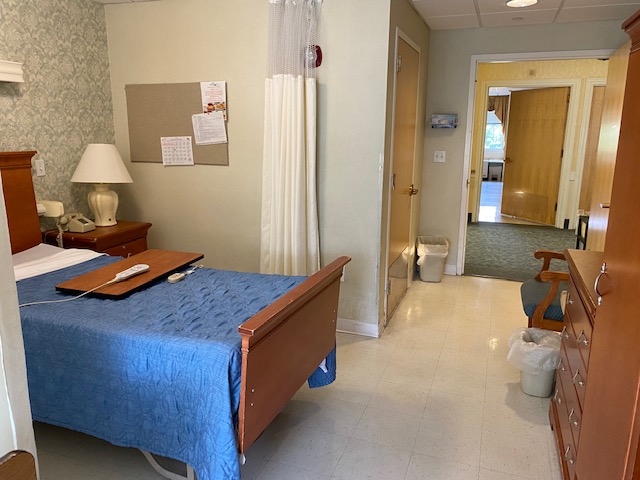
How is Atlas Rehabilitation And Healthcare At Maywood Staffed?

CMS rates ATLAS REHABILITATION AND HEALTHCARE AT MAYWOOD's staffing level at 2 out of 5 stars, which is below average compared to other nursing homes. Staff turnover is 54%, compared to the New Jersey average of 46%. RN turnover specifically is 70%, which is notably high. RNs provide skilled clinical oversight, so turnover in this role can affect medical care quality.

What Have Inspectors Found at Atlas Rehabilitation And Healthcare At Maywood?

State health inspectors documented 11 deficiencies at ATLAS REHABILITATION AND HEALTHCARE AT MAYWOOD during 2020 to 2024. These included: 11 with potential for harm.
Who Owns and Operates Atlas Rehabilitation And Healthcare At Maywood?

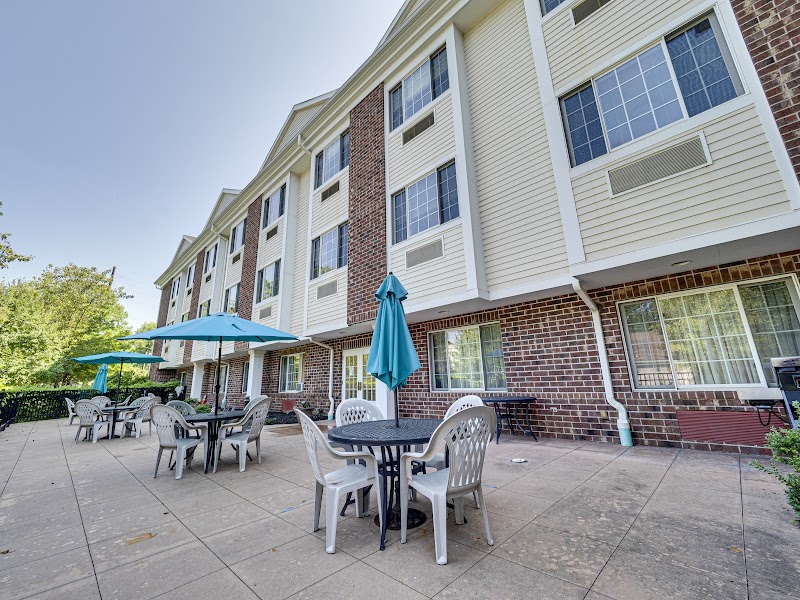
ATLAS REHABILITATION AND HEALTHCARE AT MAYWOOD is owned by a for-profit company. For-profit facilities operate as businesses with obligations to shareholders or private owners. The facility is operated by ATLAS HEALTHCARE, a chain that manages multiple nursing homes. With 120 certified beds and approximately 108 residents (about 90% occupancy), it is a mid-sized facility located in MAYWOOD, New Jersey.
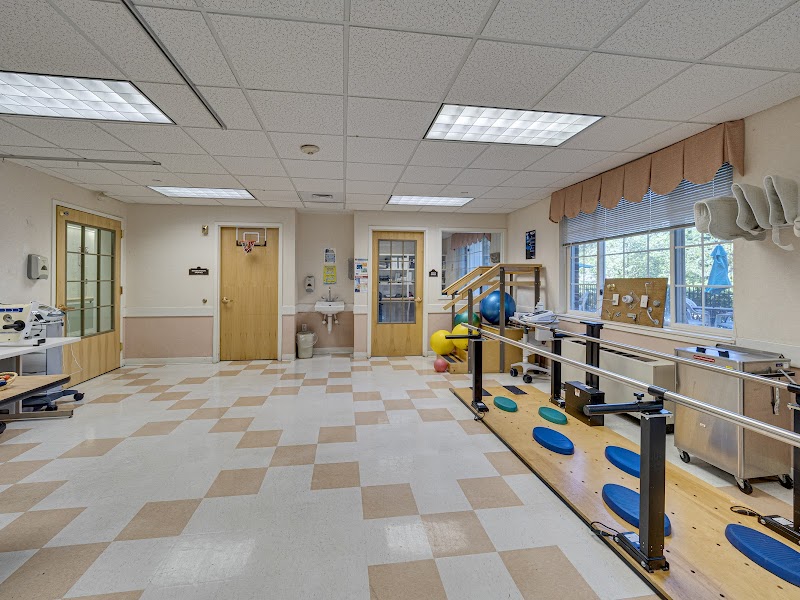
How Does Atlas Rehabilitation And Healthcare At Maywood Compare to Other New Jersey Nursing Homes?

Compared to the 100 nursing homes in New Jersey, ATLAS REHABILITATION AND HEALTHCARE AT MAYWOOD's overall rating (5 stars) is above the state average of 3.3, staff turnover (54%) is near the state average of 46%, and health inspection rating (5 stars) is much above the national benchmark.

What Should Families Ask When Visiting Atlas Rehabilitation And Healthcare At Maywood?

Based on this facility's data, families visiting should ask: "Can you walk me through typical staffing levels on day, evening, and night shifts?" "Can I visit during a mealtime to observe dining assistance and food quality?" "How do you handle medical emergencies, and what is your hospital transfer rate?" "Can I speak with family members of current residents about their experience?" These questions are particularly relevant given the below-average staffing rating.

Is Atlas Rehabilitation And Healthcare At Maywood Safe?

Based on CMS inspection data, ATLAS REHABILITATION AND HEALTHCARE AT MAYWOOD has a clean safety record: no substantiated abuse findings (meaning no confirmed cases of resident harm), no Immediate Jeopardy citations (the most serious violation level indicating risk of serious injury or death), and is not on the Special Focus Facility watch list (a federal program monitoring the lowest-performing 1% of nursing homes). The facility has a 5-star overall rating and ranks #1 of 100 nursing homes in New Jersey. While no facility is perfect, families should still ask about staff-to-resident ratios and recent inspection results during their visit.

Do Nurses at Atlas Rehabilitation And Healthcare At Maywood Stick Around?

ATLAS REHABILITATION AND HEALTHCARE AT MAYWOOD has a staff turnover rate of 54%, which is 8 percentage points above the New Jersey average of 46%. Moderate turnover is common in nursing homes, but families should still ask about staff tenure and how the facility maintains care continuity when employees leave.

Was Atlas Rehabilitation And Healthcare At Maywood Ever Fined?

ATLAS REHABILITATION AND HEALTHCARE AT MAYWOOD has no federal fines on record. CMS issues fines when nursing homes fail to meet care standards or don't correct problems found during inspections. The absence of fines suggests the facility has either maintained compliance or corrected any issues before penalties were assessed. This is a positive indicator, though families should still review recent inspection reports for the full picture.

Is Atlas Rehabilitation And Healthcare At Maywood on Any Federal Watch List?

ATLAS REHABILITATION AND HEALTHCARE AT MAYWOOD is not on any federal watch list. The most significant is the Special Focus Facility (SFF) program, which identifies the bottom 1% of nursing homes nationally based on persistent, serious quality problems. Not being on this list means the facility has avoided the pattern of deficiencies that triggers enhanced federal oversight. This is a positive indicator, though families should still review the facility's inspection history directly.