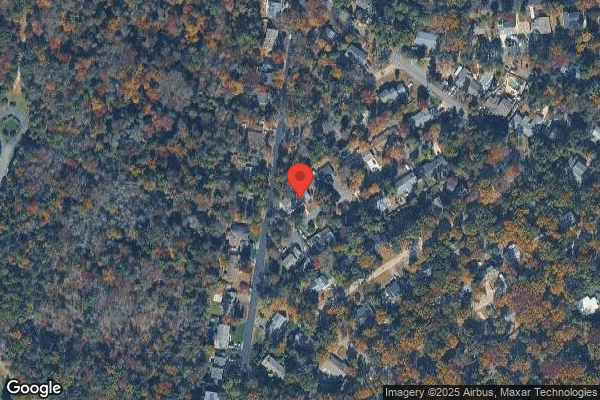
MEDFORD LEAS

ONE MEDFORD LEAS WAY, MEDFORD, NJ 08055 (609) 654-3000
Non profit - Corporation 24 Beds Independent Data: November 2025
Trust Grade
95/100
#53 of 344 in NJ
Last Inspection: February 2025

Within standard 12-15 month inspection cycle. Federal law requires annual inspections.

Overview

Medford Leas has received a Trust Grade of A+, indicating it is an elite facility and among the best in the region. It ranks #53 out of 344 nursing homes in New Jersey, placing it in the top half, and #3 out of 17 in Burlington County, meaning only two local options are better. However, the facility's trend is worsening, with the number of issues found increasing from 2 in 2023 to 6 in 2025. Staffing is a strong point, with a perfect 5/5 rating and a low turnover rate of 21%, significantly below the state average. On the downside, while there have been no fines, the facility was cited for failing to maintain hygiene standards in the kitchen, leading to potential contamination risks, and concerns regarding the storage of controlled substances and expired emergency supplies. Overall, while Medford Leas has notable strengths, families should be aware of these recent shortcomings.

Trust Score
A+
95/100
In New Jersey
#53/344
Top 15%
Safety Record
Low Risk
No red flags
Inspections
Getting Worse
2 → 6 violations
Staff Stability
✓ Good
21% annual turnover. Excellent stability, 27 points below New Jersey's 48% average. Staff who stay learn residents' needs.
Penalties
✓ Good
No fines on record. Clean compliance history, better than most New Jersey facilities.
Skilled Nurses
✓ Good
Each resident gets 331 minutes of Registered Nurse (RN) attention daily — more than 97% of New Jersey nursing homes. RNs are the most trained staff who catch health problems before they become serious.
Violations
○ Average
8 deficiencies on record. Average for a facility this size. Mostly minor or procedural issues.
★★★★★
5.0
Overall Rating
★★★★★
5.0
Staff Levels
★★★★★
5.0
Care Quality
★★★☆☆
3.0
Inspection Score
Stable
2023: 2 issues
2025: 6 issues

The Good

  • 5-Star Staffing Rating · Excellent nurse staffing levels
  • 5-Star Quality Measures · Strong clinical quality outcomes
  • Low Staff Turnover (21%) · Staff stability means consistent care
  • Full Sprinkler Coverage · Fire safety systems throughout facility
  • No fines on record
  • Staff turnover is low (21%)

    27 points below New Jersey average of 48%

Facility shows strength in staffing levels, quality measures, staff retention, fire safety.

The Bad

No Significant Concerns Identified

This facility shows no red flags. Among New Jersey's 100 nursing homes, only 1% achieve this.

The Ugly 8 deficiencies on record

Feb 2025 6 deficiencies
CONCERN (D)

Potential for Harm - no one hurt, but risky conditions existed

Infection Control (Tag F0880)

Could have caused harm · This affected 1 resident

Based on observation, interview, and document review, it was determined that the facility failed to follow appropriate hand hygiene during the meal service to prevent the potential spread of infection...

Read full inspector narrative →
Based on observation, interview, and document review, it was determined that the facility failed to follow appropriate hand hygiene during the meal service to prevent the potential spread of infection. This deficient practice was observed on 2/20/25 and 2/21/25, during the meal observation, as was evidenced by the following: On 2/20/25 at 12:40 PM, the surveyor observed Certified Nursing Aide (CNA #1) assisted Resident #60 to the Dining Room with the rolling walker. The resident sat at the table and proceeded to read the newspaper. At 12:48 the lunch cart arrived on the floor. The surveyor observed another resident along with Resident #60 at the table. The staff did not provide the residents with hand hygiene prior to the lunch meal. On 2/21/25 at 12:40 PM, the surveyor observed CNA #2 deliver the lunch tray to the a resident room, assisted the resident with the tray table, set the resident up for the meal and exited the room without performing hand hygiene. CNA #2 then returned to the cart picked up another meal tray, then delivered the tray to the room and exited without first performing hand hygiene. On 2/21/25 at 12:45 PM, the surveyor observed a Licensed Practical Nurse (LPN) picked up a tray on the meal cart, went to the room, assisted the resident to recline in the chair, set up the meal, then exited the room without first performing hand hygiene. On 2/21/25 at 12:52 PM, the LPN then went to the meal cart picked up another tray, went to another resident's room and assisted the resident with the lunch tray. The LPN then exited the room without first performing hand hygiene. The LPN was about to return to the cart when the surveyor inquired regarding hand hygiene not being observed after assisting each resident. The LPN stated to the surveyor, I was not aware that I must wash my hands after passing each tray. On 2/24/25 at 9:55 AM, the surveyor met with the Director of Nursing (DON) and informed her of the above-mentioned concerns. The DON stated that staff should wash their hands prior to meal tray delivery and perform hand hygiene after delivering each tray. The DON stated all residents should be provided with opportunity to wash their hands prior to their meals. On 2/24/25 at 12:15 PM, during an interview with the surveyor, the Infection Preventionist (IP) stated hand washing would be performed for 20-30 seconds with soap and warm water. The IP further stated hand hygiene was the best way to prevent infections. The IP confirmed that the staff should have performed hand hygiene during the meal delivery, and assisted residents with hand hygiene prior to their meals. On 2/24/25 at 1:10 PM, the survey team met with the Licensed Nursing Home Administrator and notified of the above-mentioned concerns. On 2/25/25 at 9:59 AM, the survey team met with the facility administration team for responses and no additional information was provided. A review of the facility's policy titled, Hand Washing Policy and Procedure dated 3/2022 revealed the following: Policy: It is a facility's policy to educate, promote, and enforce proper hand washing techniques throughout the facility in order to prevent and reduce the spread of infections. Purpose: All employees will receive proper hand washing technique education upon hiring, on an annual basis, and as needed to promote increased infection prevention and control. All residents will be encouraged and given opportunities to wash their hands. Hand washing should occur before and after eating meals, after using the bathroom . etc. NJAC 8:39-19.4 (a)(m)
CONCERN (E)

Potential for Harm - no one hurt, but risky conditions existed

Deficiency F0761 (Tag F0761)

Could have caused harm · This affected multiple residents

**NOTE- TERMS IN BRACKETS HAVE BEEN EDITED TO PROTECT CONFIDENTIALITY** Based on observation, interview and document review, it was determined that the facility failed to: a) ensure controlled drugs (...

Read full inspector narrative →
**NOTE- TERMS IN BRACKETS HAVE BEEN EDITED TO PROTECT CONFIDENTIALITY** Based on observation, interview and document review, it was determined that the facility failed to: a) ensure controlled drugs (narcotics) were stored in a permanently affixed compartment, and b) have a system in place to ensure that the emergency crash cart (a portable wheeled cabinet that contained emergency medical supplies and drugs) did not contain expired emergency supplies. This deficient practice was identified for 1 of 1 medication storage room, and for 1 of 1 emergency crash carts (ECC) reviewed for medication storage. The deficient practice was evidenced by the following: 1. On [DATE] at 9:30 AM, in the presence of the Registered Nurse (RN) the surveyor inspected the ECC and observed a mechanical suction machine and a Bag Valve Mask (BGM- a manual resuscitator device used in emergencies to provide breathing support to patients who are not breathing). The BGM had an expiration date of 7/2023. The surveyor asked the RN for the Cardiopulmonary Resuscitation (CPR) board (a flat, rigid surface that was used to position a patient to perform CPR). The RN was unable to locate the CPR board and at 9:37 AM, the RN opened a cabinet and observed the CPR Board, and an Emergency Bag (EB- a bag that contained emergency use items). The RN opened the EB and the following expired items were observed: 1. 4 -Suction catheter kits with expiration dates of 4/2024. 2. 4- Suction tubing kits with expiration dates of 7/2023. 3. 2- non-rebreather oxygen masks (a device that delivered high concentrations of oxygen) with a manufacture date of 5/2016 and expiration date of [DATE]. The surveyor then asked the RN what was the process was to verify when the emergency items were not expired, and was there a checklist? The RN was unable to locate a checklist, and did not speak to a process that was in place to ensure that the emergency supplies were not expired. On [DATE] at 9:00 AM, the surveyor interviewed the Registered Nurse/Unit Manager (RN/UM) and inquired regarding the process for checking the emergency supplies. The UM/RN stated that the 11:00 PM- 7:00 AM staff were responsible to check the emergency supplies in the EB weekly, and would then remove all expired items from the EB. The surveyor asked for the emergency supplies checklist for [DATE] and February 2025. The UM/RN stated she did not have a checklist to provide. The surveyor then asked the UM/RN when was the last time that she had observed the checklist. The UM/RN stated, To tell you the truth, I have not seen a checklist for a while. The UM/RN then confirmed that staff had not been checking the emergency items to ensure there were no expired supplies in the EB. On [DATE] at 9:55 AM, the above concerns were discussed with the Director of Nursing (DON). The DON confirmed that staff failed to comply and based on the expired items that were observed inside the EB, and stated the emergency supplies had not been checked in a while. 2. On [DATE] at 10:20 AM, the surveyor observed the medication room refrigerator in the presence of the RN and another surveyor. Both surveyors observed the narcotic box was locked, and was located on a shelf inside the refrigerator. The surveyor then asked the RN to remove the narcotic box from the refrigerator. The RN lifted the narcotic box and removed it from the interior of the refrigerator, and then stated, that defeated the purpose. On [DATE] at 8:50 AM, both surveyors again, observed the medication room refrigerator with the Licensed Practical Nurse (LPN), and again observed that the narcotic box was not permanently affixed. The LPN was able to remove the narcotic box along with the shelf from the refrigerator. On [DATE] at 9:55 AM, both surveyors interviewed the Director of Nursing (DON) regarding the narcotic box not being permanently affixed. The DON stated that she was made aware the same day the surveyors identified it, and maintenance was supposed to address the issue. The DON stated she was made aware that morning that the narcotic box was still not permanently affixed. On [DATE] at 11:43 AM, the DON provided the surveyor with the facility policy titled, Medication Storage dated [DATE]. The policy revealed: It is the facility policy to store all medications in a safe, secure and orderly manner. The policy did not address narcotic storage. The DON stated that the policy would be reviewed to reflect narcotic storage. Purpose of the Policy: to outline guidelines, in accordance with state and federal regulations, for storage of medications. NJAC 8:39-29.4(a)(h)
CONCERN (E)

Potential for Harm - no one hurt, but risky conditions existed

Deficiency F0838 (Tag F0838)

Could have caused harm · This affected multiple residents

Based on observation, interview and document review, it was determined that the facility did not address the resident population, identify the specific care related to the type of diseases or conditio...

Read full inspector narrative →
Based on observation, interview and document review, it was determined that the facility did not address the resident population, identify the specific care related to the type of diseases or conditions that were present in the resident population and did not identify the staff competencies and skill sets that were necessary to provide care for the specific resident population to the specific resident population and was evidenced by the following: On 02/20/25 at 1:30 PM, the facility provided the survey team with a copy of the Facility Assessment (FA), Updated 2/2024. The surveyor reviewed the FA which revealed: Facility Assessment and Overview: . There are three healthcare buildings . containing nursing care. Sub-acute Rehabilitation/ [Long Term Care] .Employee's licensure and certifications to manage resident care needs, physical, psychological, spiritual and social needs . Under Dining: Religious, ethnic, cultural considerations and preferences that may affect delivery of care and services, related to end of life care, can be managed through nurse on duty, social worker, resident services, and or unit resident care manager. Under QAPI [Quality Assurance and Performance Improvement]: .utilize the quality assurance performance improvement process (Reference QAPI written plan). The purpose of the quality assurance performance improvement program is designed to promote excellence in resident safety satisfaction choice, as well as high-quality programs and services in our facility .This program is designed to improve the lives of our residents in the areas of .skilled nursing. Under Admissions: .subacute rehabilitation/skilled nursing is a short stay unit .The facility serves residents who often have one or more chronic/co morbid conditions . The facility provides care services based on the needs of our resident population including the following: assistance with activities of daily living, mobility assistance, incontinence care, medication and medication management, fluid replacement, psychosocial support, wound care, competencies, infection control, physical therapy services, therapeutic recreation, nutrition, and respiratory therapy needs. Under Staff Education: .[Facility Name] currently utilizes in-house services and online training [online training company name redacted]. Prior to staff orienting there is a day one orientation in which the employee is trained on the following: assisted living in philosophy, resident rights, advanced directives, trauma informed care, risk and response, safe patient handling, hazardous wondering, an elopement, fire, safety, active shooters, abuse neglect exploitation, compliance code of mandatory reporting infection, control, workplace violence, attendance appearance, information system, social media, cell phone, substance free workplace, weapons, free workplace, smoke-free, workplace, infection, control practices, PPE (personal protective equipment] and respiratory protection plan. Under Infection Control: .conduct and infection control risk assessment, which is evaluated and determined potential vulnerabilities within the resident population and surrounding community, this process is integrated in the facility. It is part of the QAPI program. It is reviewed annually and or as needed. maintain a full-time infection preventionist on site. On 02/24/25 at 12:09 PM, the surveyor interviewed the Director of Nursing (DON) regarding the Facility Assessment (FA). The DON stated it was her responsibility to complete the FA and the surveyor asked the DON if the needs for staff education and competencies related to the care that was required for the residents. The DON stated that the facility used an online education program, and when asked if there were any educational needs identified in the FA, the DON stated, no. The surveyor asked the DON if the specific resident population was identified in the FA and the DON stated no that the specific types of residents were not identified in the FA. The DON stated, we have elders and there were no specifics included regarding the resident population. The surveyor asked the DON if there any competencies included in the FA regarding the competencies the staff would need to care for the residents. Upon inquiry, the DON confirmed that the facility has utilized mechanical lifts to transfer residents. The surveyor asked were competencies assessed to ensure the staff know how to use the mechanical lift. The DON stated, no, the staff would be shown but there would be no competencies. The DON stated that she had been unaware that the FA regulations had been revised 8/2024. On 02/24/25 at 1:17 PM, during the exit conference, the Licensed Nursing Home Administrator and Assistant Administrator confirmed that they were not aware of the updated FA requirements. NJAC 8:39-13.4(b)
CONCERN (E)

Potential for Harm - no one hurt, but risky conditions existed

Deficiency F0865 (Tag F0865)

Could have caused harm · This affected multiple residents

**NOTE- TERMS IN BRACKETS HAVE BEEN EDITED TO PROTECT CONFIDENTIALITY** Based on observations, interview, and review of pertinent facility documents, it was determined that the facility failed to iden...

Read full inspector narrative →
**NOTE- TERMS IN BRACKETS HAVE BEEN EDITED TO PROTECT CONFIDENTIALITY** Based on observations, interview, and review of pertinent facility documents, it was determined that the facility failed to identify and consistently implement an effective Quality Assurance and Performance Improvement (QAPI) program to: a)ensure medication carts and emergency carts for identified and monitored for expired supplies and medications, b) ensure secure storage of all narcotic medications, and c) ensure that competencies required for all staff who worked in resident care areas were identified and addressed. This deficient practice was evidenced by the following: 1. On 2/21/25 at 10:30 AM, two surveyors conducted an inspection of the nursing unit emergency cart and observed that the bag valve mask (an instrument to force air into the lungs) was expired in 7/2023; four suction catheters expired 4/2024; four suction tubing marked with an expiration date of 7/2023; and a non-rebreather mask (a device to provide oxygen) manufacturers date 5/2016 and expired 5/30/20. There was no emergency cart inspection check list. On 2/24/25 at 9:00 AM, the Registered Nurse Unit Manager RN/UM stated the process was for the 11:00 PM to 7:00 AM shift to inspect the emergency cart, but it was not being done. The RN/UM was unable to locate January 2025 and February 2025 emergency cart checklist. The RN/UM stated that the presence of expired items meant that the staff were signing off that the emergency cart had been inspected, but they were not actually inspecting it. 2. On 2/21/25 at 10:20 AM, the RN in the presence of two surveyors observed the medication refrigerator on the nursing unit. There was a locked narcotics box that was not permanently affixed and was easily removed from the refrigerator. At that time, the RN removed the narcotic box and stated, it defeated the purpose for being secured narcotic storage. On 2/24/25 at 8:50 AM, the Licensed Practical Nurse (LPN) and two surveyors again inspected the nursing unit medication refrigerator and observed that the locked narcotic box was still not permanently affixed and was easily removed. 3. On 2/24/25 at 10:24 AM, a surveyor entered the kitchen for a follow-up inspection. During the inspection, a dietary staff member approached the sink next to the surveyor, turned on the water, applied soap, rub their hands together and placed both hands under the running water while applying friction. The surveyor requested a copy of the dietary staff members hand washing return demonstration competency. On 2/24/25 at 11:39 AM, the facility was unable to provide any return demonstration hand hygiene competencies. The RN Infection Preventionist RN/IP provided the hand hygiene policy, but acknowledged there were no documented return demonstration hand washing competencies for all the staff. On 2/24/25 at 12:09 PM, the Director of Nursing (DON) in the presence of two surveyors, stated that she was responsible for the Facility Assessment (FA) which included staff education. She stated the facility would use an outside service to provide online education, and that the facility would choose what topics were included from a database. The DON added there were no return demonstration competencies regarding staff education needs including the use of a mechanical lift, which the DON stated the facility utilized to transfer residents. The DON stated, it was the responsibility of whoever was training the Certified Nursing Aide (CNA) and it would be demonstrated and confirmed there was no documented evidence of a completed competency for the staff. On 2/25/25 at 9:07 AM, the RN/IP who was responsible for the QAPI program, stated that he was aware of some of the concerns identified by the survey team. He stated in September 2024, the pharmacy consultant identified a trend of expired medications. The RN/IP stated that the facility was conducting audits on expired medications but did not inspect any supplies, or the emergency cart. He next stated that a compliance company was at the facility 2/11, 2/12, and 2/13/25, for a mock survey and the facility was verbally told about a concern with narcotic storage not being secured in the cabinet. He specified that the DON and another nursing manager inspected the cabinet but did not inspect the narcotic storage in the medication refrigerator. The RN/IP revealed that the concern with performing competencies for the staff was identified, the middle of last year, but was not brought to QAPI, and the facilities efforts to use a computer program were not working, and the concern had not been addressed since. A review of the facility provided Quality Assurance Performance Improvement Plan Date: December 2023, next plan review due date December 2024, included but was not limited to; guiding values to improve the quality of care and quality of life of the residents, and focus on systems and processes. Scope included encompasses all areas of care and services that impact clinical care . Goals included the staff will receive up-to-date education on the best practice and clinical guidelines to promote highest level of clinical care. Trainings will be conducted . in multiple ways . Monitoring included to put in place systems to monitor care and services, drawing data from multiple sources. The QAPI team will decide what data to monitor routinely . areas may include . medications and medication compliance reports from the pharmacist (e.g. narcotics). On 2/25/25 at 9:59 AM, the facility administration was in the conference room with the survey team. The QAPI concerns were addressed. In reference to the competencies identified the middle of last year, the DON stated, I'll be honest we just started yesterday. Regarding the emergency cart inspections, the DON stated it fell off the [NAME] and had not been completed. NJAC 8:39-33.1; 33.2; 33.4
CONCERN (E)

Potential for Harm - no one hurt, but risky conditions existed

QAPI Program (Tag F0867)

Could have caused harm · This affected multiple residents

**NOTE- TERMS IN BRACKETS HAVE BEEN EDITED TO PROTECT CONFIDENTIALITY** Based on observation, interview and document review, it was determined that the facility failed to ensure a system was in place,...

Read full inspector narrative →
**NOTE- TERMS IN BRACKETS HAVE BEEN EDITED TO PROTECT CONFIDENTIALITY** Based on observation, interview and document review, it was determined that the facility failed to ensure a system was in place, and consistently followed to incorporate feedback from all departments and direct care staff for their Quality Assurance Performance Improvement (QAPI) program. Refer to 761E, 812F This deficient practice was evidenced by the following: On [DATE] at 12:54 PM, during entrance conference the facility provided documentation which included their QAPI plan and three months of attendance sheets. A review of the attendance sheets documented no direct care staff or maintenance staff. On [DATE] between 9:30 AM to 10:20 AM, two surveyors identified concerns regarding expired supplies on the emergency cart, no inspections of the emergency cart, and a narcotic lock box which was not permanently affixed in the medication refrigerator. On [DATE] at 10:24 AM, a surveyor was inspecting the kitchen when a dietary aide approached the sink next to the surveyor. The dietary aide turned on the water, applied soap to their hands, rubbed their hands together, and then placed their hands under the running water while applying friction. On [DATE] during the Life Safety Code (LSC) inspection, the LSC surveyor identified concerns with the facility which included 14 of 14 resident rooms being accessible for instant use in case of emergencies; exit stair landings and handrails were not marked/identified; means of egress with no continuous illumination; emergency lighting not provided in various areas; areas with no protected self-closing doors; no automatic fire sprinkler protection to all areas of the facility; 12 of 14 resident rooms where the air conditioner was not maintained in a safe operating condition; and no inspection of the fire door assemblies. On [DATE] at 9:07 AM, the Registered Nurse Infection Preventionist RN/IP stated he was responsible for managing the QAPI program. The RN/IP stated that the QAPI team met monthly and recently changed to quarterly and a smaller group met at a subcommittee. He stated the attendees were the Medical Director, three nurse managers, the Minimum Data Set (MDS) nurse, admission staff, the Dining Services Director, the compliance staff member, the Chief Financial Officer and the Licensed Nursing Home Administrator (LNHA). When asked if the maintenance department, or any direct care staff such as a Certified Nursing Aide (CNA) were invited, the RN/ IP replied that maintenance was not invited. When inquired if there was a system for staff to report issues to QAPI, the RN/IP stated there was an email address where staff could report safety concerns but not necessarily for other quality related concerns. When asked if he spoke to staff or family for their input, he stated, Not really. We do not have an official way. On [DATE] at 9:31 AM, a CNA on the nursing unit stated she worked at the facility for 8 years and did not know what QAPI was but did know the facility had a safety meeting. She added she had never been to or invited to a QAPI meeting. On [DATE] at 9:59 AM, the facility administration was in the conference room with the survey team. The LNHA acknowledged he was ultimately responsible for the QAPI program. The Director of Nursing (DON) stated that CNAs and direct care nurses were only part of the falls QAPI committee. The LNHA added that QAPI was largely administrative. The surveyor asked if the falls committee was all encompassing such as the QAPI meeting, the Director of Health Services stated no. When asked about a comprehensive QAPI meeting to include staff and family input, the DON stated there was not a meeting that included all staff departments or family. A review of the facility provided Quality Assurance Performance Improvement Plan Date: [DATE], next plan review due date [DATE], included but was not limited to; Feedback, Data Systems and Monitoring: . will put in place systems to monitor care and services, drawing from multiple sources. Feedback systems will incorporate input from staff, families, and others as appropriate. NJAC 8:39-33.1(d); 33.2(b)(d); 33.3; 33.4; 34.1(a)(d)
CONCERN (F)

Potential for Harm - no one hurt, but risky conditions existed

Food Safety (Tag F0812)

Could have caused harm · This affected most or all residents

Based on observation, interview and document review, it was determined that the facility failed to to maintain the kitchen environment and equipment in a sanitary manner and ensure all staff performed...

Read full inspector narrative →
Based on observation, interview and document review, it was determined that the facility failed to to maintain the kitchen environment and equipment in a sanitary manner and ensure all staff performed hand hygiene appropriately to prevent potential contamination from foreign substances and potential for the development a food borne illness. This deficient practice was evidenced by the following: On 02/20/25 at 12:01 PM, the surveyor conducted an initial tour of the kitchen with the Executive Chef (EC), Director of Dining (DD), and the Dining Manager (DM) and observed debris affixed to the ceiling tiles in the pot washing area. On 02/24/25 at 10:08 AM, the surveyor conducted a follow-up tour of the kitchen with the DD and the EC and observed the following: -In the presence of the DD, observed Dietary Staff (DS) come to the hand washing sink, turned the water on, applies soap to hands and rubbed hands together for less than 10 seconds before placing both hands under the running water and continued to rub hands together under the running water. The surveyor asked DS how many seconds she was supposed to wash hands together prior to rinsing and the DS stated 30 seconds. The DD interjected and stated 20-30 seconds. The surveyor asked the DD if the DS appropriately washed her hands and the DD stated, no, she needed education. -Debris was visible affixed to the ceiling tiles and fan in the pot area. -A large box of plastic wrap and a dispenser for labels was located on a metal table in the cooks area various food type debris on the exterior of the box and dispenser. -Two can openers that were affixed to tables had visibly dull blades, and one of the openers had various food debris affixed to the blade. The DD observed the debris and stated, looks like it needs attention. -Multiple sprinkler heads throughout the kitchen had visible dust type debris affixed to them. - The ice machine had debris in the channel by the opening. -The under counter freezer by cooks area with debris in channel of door. -The large grill had visible embedded grease in the lower drain and on the back of the grill. The EC stated it doesn't look like it was cleaned it over the weekend, and confirmed it was not clean. -There were four stacks of plate covers stored upright on top of the meal shelf where the resident meal trays were assembled and not protected from potential contamination. -A stack of resident meal trays was on a cart with visible debris under the cart. The Equipment Cleaning and Maintenance Guidelines effective September 2018 revealed under Procedure: 1. The Dining Services managers, supervisors and/or coordinators will develop, implement and manage protocols and schedules for cleaning equipment in their areas of responsibility. The Hand Washing Policy and Procedure Policy dated 3/2022 revealed: Procedure: .3. Rub hands together for 15 to 30 seconds: use friction on all surfaces of th hands-backs, palms, between the fingers and under the nails. (most bacteria on the hands live under the fingernails.) . NJAC 8:39-17.2(g)
Jan 2023 2 deficiencies
CONCERN (D)

Potential for Harm - no one hurt, but risky conditions existed

MDS Data Transmission (Tag F0640)

Could have caused harm · This affected 1 resident

Based on interviews, facility policy review, record review, and document review, it was determined that the facility failed to complete and transmit Minimum Data Set (MDS) assessments in a timely mann...

Read full inspector narrative →
Based on interviews, facility policy review, record review, and document review, it was determined that the facility failed to complete and transmit Minimum Data Set (MDS) assessments in a timely manner for 2 (Resident #6 and Resident #9) of 12 residents reviewed for MDS assessments. Findings included: Review of the facility's policy titled, MDS/PPS [prospective payment system] RAI [resident assessment instrument] Process, dated 10/2019, specified, RNAC [registered nurse assessment coordinator]/MDS Coordinator will transmit each resident's completed and signed MDS 3.0 within time frame required by OBRA [Omnibus Budget Reconciliation Act], MDS 3.0 and Medicare guidelines. The Centers for Medicare & Medicaid Services Long-Term Care Facility Resident Assessment Instrument 3.0 User's Manual, dated 10/2019, specified, 5.2 Timeliness Criteria In accordance with the requirements at 42 CFR [code of federal regulation] § [section sign] 483.20(f)(1), (f)(2), and (f)(3), long-term care facilities participating in the Medicare and Medicaid programs must meet the following conditions: Completion Timing: - For all non-admission OBRA and PPS assessments, the MDS Completion Date must be no later than 14 days after the Assessment Reference Date. 1. A review of a Profile Face Sheet indicated the facility admitted Resident #6 with diagnoses that included dysphagia (difficulty swallowing) and dysarthria (slurred speech) following a cerebral infarction (stroke). A review of Resident #6's discharge MDS, with an assessment reference date of 07/19/2022, revealed Resident #6 had a Brief Interview for Mental Status (BIMS) score of 5, which indicated the resident had severe cognitive impairment. The MDS indicated the resident was discharged to the community on 07/19/2022. Further review of the MDS, revealed the RNAC signed the MDS as being completed on 09/27/2022. 2. A review of a Profile Face Sheet indicated the facility admitted Resident #9 with diagnoses that included mild cognitive impairment and major depressive disorder. A review of Resident #9's discharge MDS, with an assessment reference date of 07/22/2022, revealed the resident had a Brief Interview for Mental Status (BIMS) score of 12, which indicated the resident was moderately impaired in cognitive skills. The MDS indicated the resident was discharged to the community on 07/22/2022. Further review of the MDS, revealed the RNAC signed the MDS as being completed on 09/26/2022. During an interview on 01/07/2023 at 9:23 AM, the Director of Nursing (DON) stated the MDS Supervisor had been out sick all week and was unavailable for an interview. During a follow-up interview on 01/07/2023 at 12:56 PM, the DON stated she had spoken with the MDS Supervisor and the MDS Supervisor stated he must have missed submitting the MDS assessments, but thought he had a year to submit. Per the DON, the MDS Supervisor oversaw all the facility's MDS process. During an interview on 01/07/2023 at 3:25 PM, the Administrator stated he was surprised that the MDS assessments had not been transmitted. He stated he thought it should have been caught during the facility's triple-check process. According to the Administrator, he expected MDS assessments to be transmitted in a timely manner according to the regulation. NJAC 8:39-11.1
CONCERN (D)

Potential for Harm - no one hurt, but risky conditions existed

Deficiency F0655 (Tag F0655)

Could have caused harm · This affected 1 resident

Based on interviews, record review, and facility policy review, it was determined that the facility failed to include pertinent information on the baseline care plan for 1 (Resident #22) of 8 resident...

Read full inspector narrative →
Based on interviews, record review, and facility policy review, it was determined that the facility failed to include pertinent information on the baseline care plan for 1 (Resident #22) of 8 residents reviewed for care plans. Specifically, the facility failed to include the diagnosis and treatment of clostridium difficile (C-diff) on Resident #22's baseline care plan. Findings included: Review of the facility's Baseline Care Plan Policy, dated 11/2017, specified, The purpose of the policy is to assure that the residents immediate care needs are met through completion and implementation of the baseline care plan within 48 hours of a resident's admission. It is intended to promote continuity of care and communication among nursing home staff, increase resident safety, and safeguard against adverse events that are most likely to occur right after admission; and to ensure the resident and representative participate in the initial plan for delivery of care and are provided a written summary of the baseline care plan. The policy further specified, The baseline care plan will include conditions and risks affecting the resident's health and safety. A review of a Profile Face Sheet indicated the facility admitted Resident #22 on 01/02/2023, with a diagnosis that included enterocolitis due to clostridium difficile (C-diff). A review of Resident #22's baseline care plan, initiated 01/02/2023, revealed the resident did not have a care plan to address the resident's diagnosis of C-diff or the treatment plan for C-diff. A review of Resident #22's physician orders indicated on 01/03/2023, the resident had orders for Vancomycin (an antibiotic medication) 125 milligrams (mg) by mouth every 72 hours for C-diff colonization. During an interview on 01/07/2023 at 2:32 PM, Unit Manager (UM) #1 stated a resident that was being treated for C-diff with an antibiotic should have a care plan in place to guide the staff on how to care for the resident. UM #1 stated the admitting nurse should initiate the baseline care plan. Per UM #1, she did not realize Resident #22 did not have a care plan to address the diagnosis and treatment of C-diff until being interviewed by the surveyor. During an interview on 01/07/2023 at 2:47 PM, the Director of Nursing (DON) stated a diagnosis of C-diff with antibiotic treatment should be care planned, and the nurse who received the order from the physician was responsible for initiating the care plan. During an interview on 01/07/2023 at 3:25 PM, the Administrator stated the baseline care plan should include any pertinent diagnosis and treatment that the resident was to receive upon admission to the facility. NJAC 8:39-11.2(d)
Understanding Severity Codes (click to expand)
Life-Threatening (Immediate Jeopardy)
J - Isolated K - Pattern L - Widespread
Actual Harm
G - Isolated H - Pattern I - Widespread
Potential for Harm
D - Isolated E - Pattern F - Widespread
No Harm (Minor)
A - Isolated B - Pattern C - Widespread

Questions to Ask on Your Visit

  • "Can I speak with families of current residents?"
  • "What's your RN coverage like on weekends and overnight?"

Our Honest Assessment

Strengths
  • • Grade A+ (95/100). Above average facility, better than most options in New Jersey.
  • • No major safety red flags. No abuse findings, life-threatening violations, or SFF status.
  • • No fines on record. Clean compliance history, better than most New Jersey facilities.
  • • 21% annual turnover. Excellent stability, 27 points below New Jersey's 48% average. Staff who stay learn residents' needs.
Concerns
  • • No significant concerns identified. This facility shows no red flags across CMS ratings, staff turnover, or federal penalties.
Bottom line: Generally positive indicators. Standard due diligence and a personal visit recommended.

About This Facility

What is Medford Leas's CMS Rating?

CMS assigns MEDFORD LEAS an overall rating of 5 out of 5 stars, which is considered much above average nationally. Within New Jersey, this rating places the facility higher than 99% of the state's 100 nursing homes. This rating reflects solid performance across the metrics CMS uses to evaluate nursing home quality.

How is Medford Leas Staffed?

CMS rates MEDFORD LEAS's staffing level at 5 out of 5 stars, which is much above average compared to other nursing homes. Staff turnover is 21%, compared to the New Jersey average of 46%. This relatively stable workforce can support continuity of care.

What Have Inspectors Found at Medford Leas?

State health inspectors documented 8 deficiencies at MEDFORD LEAS during 2023 to 2025. These included: 8 with potential for harm.

Who Owns and Operates Medford Leas?

MEDFORD LEAS is owned by a non-profit organization. Non-profit facilities reinvest revenue into operations rather than distributing to shareholders. The facility operates independently rather than as part of a larger chain. With 24 certified beds and approximately 9 residents (about 38% occupancy), it is a smaller facility located in MEDFORD, New Jersey.

How Does Medford Leas Compare to Other New Jersey Nursing Homes?

Compared to the 100 nursing homes in New Jersey, MEDFORD LEAS's overall rating (5 stars) is above the state average of 3.3, staff turnover (21%) is significantly lower than the state average of 46%, and health inspection rating (3 stars) is at the national benchmark.

What Should Families Ask When Visiting Medford Leas?

Based on this facility's data, families visiting should ask: "Can I visit during a mealtime to observe dining assistance and food quality?" "How do you handle medical emergencies, and what is your hospital transfer rate?" "Can I speak with family members of current residents about their experience?"

Is Medford Leas Safe?

Based on CMS inspection data, MEDFORD LEAS has a clean safety record: no substantiated abuse findings (meaning no confirmed cases of resident harm), no Immediate Jeopardy citations (the most serious violation level indicating risk of serious injury or death), and is not on the Special Focus Facility watch list (a federal program monitoring the lowest-performing 1% of nursing homes). The facility has a 5-star overall rating and ranks #1 of 100 nursing homes in New Jersey. While no facility is perfect, families should still ask about staff-to-resident ratios and recent inspection results during their visit.

Do Nurses at Medford Leas Stick Around?

Staff at MEDFORD LEAS tend to stick around. With a turnover rate of 21%, the facility is 25 percentage points below the New Jersey average of 46%. Low turnover is a positive sign. It means caregivers have time to learn each resident's needs, medications, and personal preferences. Consistent staff also notice subtle changes in a resident's condition more quickly.

Was Medford Leas Ever Fined?

MEDFORD LEAS has no federal fines on record. CMS issues fines when nursing homes fail to meet care standards or don't correct problems found during inspections. The absence of fines suggests the facility has either maintained compliance or corrected any issues before penalties were assessed. This is a positive indicator, though families should still review recent inspection reports for the full picture.

Is Medford Leas on Any Federal Watch List?

MEDFORD LEAS is not on any federal watch list. The most significant is the Special Focus Facility (SFF) program, which identifies the bottom 1% of nursing homes nationally based on persistent, serious quality problems. Not being on this list means the facility has avoided the pattern of deficiencies that triggers enhanced federal oversight. This is a positive indicator, though families should still review the facility's inspection history directly.