Family of Caring Healthcare at Montclair


42 NORTH MOUNTAIN AVE, MONTCLAIR, NJ 07042 (973) 783-9400
For profit - Limited Liability company 70 Beds FAMILY OF CARING HEALTHCARE Data: November 2025
Trust Grade
75/100
#131 of 344 in NJ
Last Inspection: April 2025

Within standard 12-15 month inspection cycle. Federal law requires annual inspections.

Overview

Family of Caring Healthcare at Montclair has received a Trust Grade of B, indicating it is a good choice among nursing homes. It ranks #131 out of 344 facilities in New Jersey, placing it in the top half, and #14 out of 32 in Essex County, suggesting there are only a few better local options. However, the facility is facing a concerning trend, as the number of reported issues has worsened from 4 in 2023 to 10 in 2025. Staffing is rated well, with a score of 4 out of 5 stars and a turnover rate of 37%, which is below the state average, indicating that staff tend to stay and are familiar with the residents. On the positive side, there have been no fines reported, and the facility has better RN coverage than 95% of state facilities, which is beneficial for catching potential problems. Yet, there are weaknesses, including specific incidents where the facility failed to assess a resident’s ability to self-administer medication, did not keep call bells within reach for residents needing assistance, and did not maintain a clean and sanitary living environment for several residents. These issues highlight areas for improvement despite the overall solid ratings.
Trust Score
B
75/100
In New Jersey
#131/344
Top 38%
Safety Record
Low Risk
No red flags
Inspections
Getting Worse
4 → 10 violations
Staff Stability
○ Average
37% turnover. Near New Jersey's 48% average. Typical for the industry.
Penalties
✓ Good
No fines on record. Clean compliance history, better than most New Jersey facilities.
Skilled Nurses
✓ Good
Each resident gets 71 minutes of Registered Nurse (RN) attention daily — more than 97% of New Jersey nursing homes. RNs are the most trained staff who catch health problems before they become serious.
Violations
⚠ Watch
15 deficiencies on record. Higher than average. Multiple issues found across inspections.
★★★★☆
4.0
Overall Rating
★★★★☆
4.0
Staff Levels
★★★★☆
4.0
Care Quality
★★★★☆
4.0
Inspection Score
Stable
2023: 4 issues
2025: 10 issues

The Good

  • 4-Star Staffing Rating · Above-average nurse staffing levels
  • 4-Star Quality Measures · Strong clinical quality outcomes
  • Full Sprinkler Coverage · Fire safety systems throughout facility
  • No fines on record
  • Staff turnover below average (37%)

    11 points below New Jersey average of 48%

Facility shows strength in staffing levels, quality measures, fire safety.

The Bad

Staff Turnover: 37%

Near New Jersey avg (46%)

Typical for the industry

Chain: FAMILY OF CARING HEALTHCARE

Part of a multi-facility chain

Ask about local staffing decisions and management

The Ugly 15 deficiencies on record

Apr 2025 10 deficiencies
CONCERN (D)

Potential for Harm - no one hurt, but risky conditions existed

Deficiency F0554 (Tag F0554)

Could have caused harm · This affected 1 resident

Based on observation, interview and record review, it was determined that the facility failed to assess a resident's capability to self-administer medication and obtain a physician's order for the res...

Read full inspector narrative →
Based on observation, interview and record review, it was determined that the facility failed to assess a resident's capability to self-administer medication and obtain a physician's order for the resident to self-administer a medication. This deficient practice was identified in 1 of 1 resident reviewed for self-administration (Resident #264) and was evidenced by the following: Refer F697 On 4/22/25 at 11:30 AM, during the initial tour, the surveyor observed Resident #264 in bed, the head of the bed was elevated, the ankle and foot were also elevated off the bed with a pillow. The resident informed the surveyor that they experienced pain 24 hours a day, 7 days a week from their hemorrhoids (swollen veins in the lower rectum and anus) and told the nurse on duty. On 4/23/25 at 12:01 PM, Resident #264 informed the surveyor that their pain level scale was a 10 out of 10 being the most severe and it was caused by their hemorrhoids. The resident explained that they had shared the information about their discomfort with many staff, including the nurse on duty yesterday, 4/22/25. The resident also stated that they were seen by the Nurse Practitioner (NP) to address the hemorrhoid pain and could not recall when they were seen. The resident stated that the NP had ordered another cream as an addition to better relieve their hemorrhoid pain, I don't think they received it yet. At that time, the resident stated that they had received a hydrocortisone cream when they were discharged from the hospital, kept it with them since and had been applying the hydrocortisone by themselves. The surveyor reviewed the medical record for Resident #264. The surveyor reviewed Resident #264's admission Record (an admission summary) which showed that Resident #264 was admitted to the facility with diagnoses which included but were not limited to: myeloid leukemia (cancer that starts in the blood forming cell of the bone marrow), and non-ST-elevation myocardial infarction (NSTEMI; a type of heart attack that usually happens when the heart's need for oxygen can't be met). According to the resident's 5-day scheduled Minimum Data Set, (MDS) an assessment tool used to facilitate the management of care, dated 4/13/25, included that the resident had a Brief Interview for Mental Status (BIMS) score 13 out 15 which indicated the resident's cognition was intact. Further review of the MDS reflected the resident required substantial maximal assistance (helper does more than half the effort) for activities of daily living such as toileting hygiene, shower/bathing, lower body dressing and putting on/taking off footwear. Review of Section J, titled Health Conditions, revealed that the resident had a pain assessment completed. It showed that the resident had an as needed (PRN) pain medication and had pain occasionally. A review of the Medication Review Report included a physician order (PO) that were active as of 4/23/25: -Hydrocortisone Rectal Cream 2.5 %, insert one application rectally two (2) times a day for itching, The PO was started on 4/19/25. Further review of the resident's POs and medical record did not include documentation that a self-administration assessment and resident education was completed, or that a physician's order was in place for Resident #264 to self-administer the hydrocortisone cream. A review of the electronic Medication Administration Record (eMAR) for April 2025 included the following PO: Hydrocortisone Rectal Cream, insert one application rectally two times a day for itching and was scheduled for administration at 9:00 AM and 6:00 PM. The PO was started on 4/19/25, and reflected the following: -On 4/19/25 at 6:00 PM, the eMAR was signed administered. -On 4/20/25 at 9:00 AM, and 6:00 PM, the eMAR reflected a signed documentation of 9 which indicated, see the Progress Notes (PN). The PN did not reflect a reason why the medication was not administered for two (2) doses as ordered. -On 4/21/25 at 9:00 AM, and 6:00 PM, the eMAR were signed administered. -On 4/22/25 at 9:00 AM, the eMAR reflected a charting blank. On 4/23/25 at 12:55 PM, the Registered Nurse/Unit Manager (RN/UM) conducted a pain assessment of the resident's pain, in the presence of the surveyor. Resident #264 informed the RN/UM that they had told several staff about their pain and was seen by the Nurse Practitioner (NP). The resident stated that the hemorrhoids could not be surgically removed due to their cancer diagnosis. Resident #264 stated that the hydrocortisone cream soothed the hemorrhoids, while the Oxycodone caused constipation. Resident #264 also stated that they received assistance to the bathroom, the nurses offered administration of the hydrocortisone cream, which they declined each time and preferred to self-administer, because the pain is so bad. On 4/23/25 at 1:03 PM, during an interview with the surveyor at the nurse's station, the RN/UM stated that she was not informed of the resident's complaint of pain, the type of pain the resident endured, the administration refusal of the hydrocortisone cream and the resident's self-administration. The RN/UM acknowledged and confirmed that the resident must be assessed for the ability to self-administer, required a physician order and care planned for self-administration. The RN/UM also stated that the nurses should have documented the resident refused administration of hydrocortisone, the reason, documented the type of pain, and informed her. On 4/24/25 at 2:15 PM, in the presence of the survey team, the Licensed Nursing Home Administrator (LNHA), the Director of Nursing (DON) and the Assistant Director of Nursing (ADON), a surveyor discussed the concerns regarding Resident #264 who was a substantial maximal assistance for toileting hygiene, self-administered their hydrocortisone cream and the facility's failure to conduct a self-administration assessment and obtain a physician order to self-administer. On 4/28/25 at 10:22 AM, during a meeting with the survey team, the LNHA, the ADON, the Regional DON, and the Chief Operating Officer, the DON stated that a medication self-administration safety screen was conducted, the physician was informed, a PO was obtained, and the care plan was updated to reflect the resident's preference, after surveyor inquiry. No further information was provided. NJAC 8:39-27.1(a)
CONCERN (D)

Potential for Harm - no one hurt, but risky conditions existed

Deficiency F0558 (Tag F0558)

Could have caused harm · This affected 1 resident

**NOTE- TERMS IN BRACKETS HAVE BEEN EDITED TO PROTECT CONFIDENTIALITY** Based on observation, interview, and review of pertinent facility documents, it was determined that the facility failed to maint...

Read full inspector narrative →
**NOTE- TERMS IN BRACKETS HAVE BEEN EDITED TO PROTECT CONFIDENTIALITY** Based on observation, interview, and review of pertinent facility documents, it was determined that the facility failed to maintain the call bell within reach of residents. This deficient practice was identified for 3 of 17 residents reviewed for accommodation of needs (Resident #10, 14, and 20), and was evidenced by the following: 1. On 4/22/25 at 11:00 AM, the surveyor heard the resident calling out for assistance. The surveyor entered the room and observed Resident # 20 in bed with Oxygen infusing via a Nasal Cannula at 2 Liters per minute (LPM). The surveyor observed the resident's call bell (a bell used to summon staff for assistance) was affixed to the lower aspect of the bedframe, not within his/her reach. The surveyor reviewed the medical record for Resident #20. A review of the admission Record reflected the Resident was admitted to the facility with diagnoses that included but were not limited to; chronic obstructive pulmonary disease and Alzheimer's Disease. A review of Resident #20's Quarterly Minimum Data Set (MDS), an assessment tool dated 4/14/25, revealed Resident #20 had a Brief Interview for Mental Status score of 6 out of 15, which indicated the resident had a severe cognitive impairment. The MDS further revealed that Resident #20 was dependent on staff for activities of daily living care. A review of Resident #20's Individualized Care Plan (CP) had a focus that indicated the resident was at risk for falls, with interventions that included but were not limited to; ensure the call light is within reach and encourage the resident to use it for assistance as needed, the resident needs prompt response to all requests for assistance, initiated 10/7/22. On 4/22/25 at 11:02 AM, the surveyor showed the Certified Nursing Assistant (CNA #1) assigned to Resident #20's care the call bell affixed to the bed frame. CNA #1 acknowledged that the call bell should have been placed within the resident's reach. 2. On 4/22/25 at 11:10 AM, the surveyor observed Resident #14 in bed with the left side of the bed against the wall and two mats stacked on the right side of the bed. The surveyor observed that the call bell was wrapped around the cord, hanging on the wall, not within the resident's reach. The surveyor reviewed the medical record for Resident #14. A review of the admission Record reflected the resident was admitted to the facility with diagnoses that included but were not limited to; major depressive disorder and repeated falls. A review of the Quarterly MDS dated [DATE] reflected the resident had a brief interview for mental status (BIMS) score 2 out of 15, which indicated a severe cognitive impairment. A further review of the MDS assessed that Resident #14 was dependent on staff for bed-to-chair transfers. A review of Resident #14's CP had a focus that indicated the resident is a high risk for falls, with interventions that included but were not limited to; Be sure call light is within reach and encourage to use it for assistance as needed. On 4/22/25 at 11:40 AM, the surveyor asked the CNA (CNA #2) assigned to Resident #14's care to accompany her to the resident's room and showed CNA #2 the call bell hanging on the wall. CNA #2 stated that she usually ensured the call bell was within the resident's reach, but this morning she forgot. 3. On 4/22/25 at 12:05 PM, the surveyor observed Resident #10 in his/her room seated in a geriatric chair. The surveyor observed the call bell in the middle of the resident's bed, which was not within their reach. The surveyor observed Resident #10 holding a clothing protector in their left hand. On 4/22/25 at 12:10 PM, the surveyor and CNA #3 assigned to Resident #10's care entered Resident #10's room. The surveyor showed CNA #3 that the call bell was not within the resident's reach. CNA #3 stated that the resident couldn't use their call bell. At that time, CNA #3 handed the call bell to the Resident #10 and asked if he/she could use it. The resident replied, Yes, and pressed the button. CNA #3 confirmed that she should have ensured that the call bell was within the resident's reach. On 4/24/25 at 12:35 PM, the surveyor observed Resident #10 in their room seated in a geriatric chair. The surveyor observed the call bell on the floor behind the chair, not within the resident's reach. On 4/24/25at 12:37 PM, the surveyor showed the Registered Nurse/Unit Manager (RN/UM) Resident #10's call bell on the floor. The RN/UM confirmed that the resident could use the call bell and put it within their reach. On 4/24/25 at 12:40 PM, the surveyor interviewed CNA #4 assigned to Resident #10's care. CNA #4 stated that she had put the call bell within the resident's reach that morning, and whoever fed the resident must have moved it and never put it back. A review of the facility's police,Answering the Call Light dated 6/4/24 revealed: • The purpose of this procedure is to respond to the resident's requests and needs .When the resident is in bed or confined to a chair be sure the call light is within easy reach of the resident. On 4/24/25 at 2:15 PM, the survey team met with the Licensed Nursing Home Administrator, Director of Nursing, Infection Preventionist Nurse, and Regional Nurse to discuss the above observations and concerns. NJAC 8:39-27.1 (a); 31.8 (c) (9) .
CONCERN (D)

Potential for Harm - no one hurt, but risky conditions existed

Safe Environment (Tag F0584)

Could have caused harm · This affected 1 resident

Based on observation and interview, it was determined that the facility failed to maintain the residents' living environment in a clean, sanitary, and homelike manner for 2 of 17 residents (# 14 and #...

Read full inspector narrative →
Based on observation and interview, it was determined that the facility failed to maintain the residents' living environment in a clean, sanitary, and homelike manner for 2 of 17 residents (# 14 and #49) reviewed. The deficient practice was evidenced by the following: 1.On 4/22/25 at 12:30 PM, in Resident #49's room, the surveyor observed 3 brown colored circle shaped spots along the resident's window sill. The surveyor also observed dark brown and grey colored streaks on the inside of 2 of 2 of the resident's window pans. The surveyor observed multiple 5 inch long scratches along the bottom of the resident's bathroom door and brown colored debris along the residents bathroom floor. The surveyor also observed brown colored debris along the floor inside the resident's bedroom. At 12:32 PM, the surveyor interviewed Resident # 49's family, who stated that the room looked like this often and is not cleaned frequently. At 12:38 PM, the surveyor interviewed the housekeeper (HK), who worked on the floor, and the HK stated that the room should be cleaned and that they cleaned it today. At 12:49 PM, the surveyor interviewed the Licensed Practical Nurse (LPN), who cared for the resident. The LPN stated that the room appeared dirty and needed to be cleaned. On 4/24/25 at 2:15 PM, the surveyor discussed the above concerns with Administrator, Director of Nursing (DON), and Assistant DON. On 4/28/25 at 10:23 AM, the Administrator and DON stated that the room should have been cleaned and the environment should be homelike for the resident. NJAC 8:39-4.1(a)11. 31.4 (a), (b), (c), (f) 2. On 4/22/25 at 11:10 AM, the surveyor observed Resident # 14 in bed with two heavily soiled thick mats stacked next to the resident's bed. On 4/23/25 at 10:45 AM, in Resident # 14's room, the surveyor observed the two heavily soiled mats. On 4/23/25 at 10:55 AM, the surveyor interviewed the Registered Nurse/Unit Manager (RN/UM). The RN/UM stated that the room had been cleaned recently, but the housekeeper must have missed cleaning the mats. On 4/24/25 at 12:20 PM, the surveyor interviewed the housekeeping director (HKD), who acknowledged that the mats were heavily soiled and should have been cleaned. The HKD stated that he would bring the mats down to the laundry to be cleaned today. On 4/24/25 at 2:15 PM, the surveyor discussed the above concerns with the Administrator, Director of Nursing (DON), and Assistant DON. NJAC 8:39-4.1(a)11. 31.4 (a), (b), (c), (f)
CONCERN (D)

Potential for Harm - no one hurt, but risky conditions existed

MDS Data Transmission (Tag F0640)

Could have caused harm · This affected 1 resident

**NOTE- TERMS IN BRACKETS HAVE BEEN EDITED TO PROTECT CONFIDENTIALITY** Based on interview and record review, it was determined that the facility failed to complete and transmit a Minimum Data Set (MD...

Read full inspector narrative →
**NOTE- TERMS IN BRACKETS HAVE BEEN EDITED TO PROTECT CONFIDENTIALITY** Based on interview and record review, it was determined that the facility failed to complete and transmit a Minimum Data Set (MDS) in accordance with federal guidelines. This deficient practice was identified for 1 of 20 residents reviewed for resident assessment (Resident #47) This deficient practice was evidenced by the following: The surveyor reviewed the facility assessment task that included the Resident's MDS Assessments. The MDS is a comprehensive tool that is federal mandated process for clinical assessment of all residents that must be completed and transmitted to the Quality Measure System. The facility must electronically transmit the MDS up to 14 days of the assessment being completed. The surveyor reviewed Resident #47's electronic medical record. The record revealed that the resident discharged to the hospital on [DATE]. The surveyor reviewed the MDS assessment history which revealed that there was a Discharge MDS Assessment completed for the resident's discharge submitted late on 4/22/25. On 4/24/25 at 2:15 PM, the surveyor discussed the above concerns with Administrator, Director of Nursing (DON), and Assistant DON. On 4/24/25 at 2:45 PM, the surveyor interviewed the Regional MDS Coordinator, who stated that the MDS for Resident # 47 should have been submitted timely but was not. On 4/28/25 at 10:11 AM, the surveyor interviewed the MDS Coordinator, who stated that the MDS was submitted late on 4/22/25 and that it was an error. On 4/28/25 at 10:23 AM, the Administrator and DON stated that the resident's MDS should have been submitted timely. NJAC 8:39-11.2
CONCERN (D)

Potential for Harm - no one hurt, but risky conditions existed

Deficiency F0657 (Tag F0657)

Could have caused harm · This affected 1 resident

Based on observation, interview, and record review, it was determined that the facility failed to update and/or revise care plans for 1 of 20 residents reviewed, Resident # 49. The deficient practice ...

Read full inspector narrative →
Based on observation, interview, and record review, it was determined that the facility failed to update and/or revise care plans for 1 of 20 residents reviewed, Resident # 49. The deficient practice was evidenced by the following: The surveyor reviewed an investigation for a fall Resident #49 had. The fall occurred on 2/1/25. The investigation determines that Resident # 49 had new onset of confusion and was weak and attempted to get out of bed unassisted and the resident fell. The facility's Interdisciplinary team determined that the use of bedside mats and a low bed would prevent injury should the resident fall again. A review of the residents' care plan for falls revealed that the interventions from the fall of 2/1/25 were not included in the resident's active care plans. On 4/24/25 at 2:15 PM, the surveyor discussed the above concerns with Administrator, Director of Nursing (DON), and Assistant DON, who stated that the care plan should have been updated. NJAC 8:39-11.2 ,2, (i)
CONCERN (D) 📢 Someone Reported This

A family member, employee, or ombudsman was alarmed enough to file a formal complaint

Potential for Harm - no one hurt, but risky conditions existed

ADL Care (Tag F0677)

Could have caused harm · This affected 1 resident

**NOTE- TERMS IN BRACKETS HAVE BEEN EDITED TO PROTECT CONFIDENTIALITY** Based on observation, interview, record review, and review of facility-provided documentation, it was determined that the facili...

Read full inspector narrative →
**NOTE- TERMS IN BRACKETS HAVE BEEN EDITED TO PROTECT CONFIDENTIALITY** Based on observation, interview, record review, and review of facility-provided documentation, it was determined that the facility failed to ensure that incontinence care was provided to dependent residents in a timely manner for a.) 1 of 17 residents reviewed for Activities of Daily Living (ADL) care (Resident #212) and b.) 2 of 3 residents (Resident #20 and #51) observed for incontinence care on 1 of 3 Units (3rd-floor Nursing Unit). This deficient practice was evidenced by the following: 1. On 4/22/25 at 12:00 PM, during a tour of the 3rd floor Nursing Unit, the surveyor observed a strong urine odor in room [ROOM NUMBER]. The surveyor interviewed the Certified Nursing Assistant (CNA #1) assigned to the resident in room [ROOM NUMBER] (Resident #212). CNA #1 stated that it was the first opportunity she had to provide incontinence care to the resident. CNA #1 further stated the resident's adult brief and bed sheets were completely saturated with urine and that the Resident told her that he/she had not been changed all night. On 4/22/25 at that same time, the surveyor observed the saturated bed sheets. The Licensed Practical Nurse (LPN) assigned to Resident #212 was at the resident's bedside and confirmed that the resident's brief and bed sheets were completely saturated with urine. A review of Resident #212's admission Record reflected that the resident was admitted to the facility with diagnoses which included but were not limited to; Acute kidney failure and hypertension. A review of Resident #212's quarterly Minimum Data Set (MDS), an assessment tool dated 4/9/25 reflected the resident had a brief interview for mental status (BIMS) score of 13 out of 15 which indicated the resident's cognition was intact. The MDS further revealed that the resident was frequently incontinent of bowel and bladder. A review of Resident #212's Individualized Care Plan (CP) revealed no care plan that addressed the resident's incontinence care. On 4/22/25 at 12:05 PM, during an interview with the surveyor, CNA #1 stated that she usually provided incontinence care every 2-4 hours. CNA #1 acknowledged that she had not provided incontinence care for the resident for 5 hours. On 4/22/25 at 12:10 PM, during an interview with the surveyor, the Registered Nurse/Unit Manager (RN/UM) confirmed that incontinence care should be provided every 2-4 hours. On 4/23/25 at 7:40 AM, during an interview with the surveyor, Resident #212 confirmed that on 4/21/25 he/she did not receive incontinence care on the 11-7 shift and 4/22/25 he/she did not receive incontinence care until 12:00 PM. 2. On 4/23/25 at 7:45 AM, the surveyor completed an incontinence tour on the 3rd floor Nursing Unit and observed the following: a. On 4/23/25 at 7:48 AM, the surveyor, accompanied by CNA #2 observed Resident #51 in bed. CNA #2 exposed Resident #51's incontinence brief, and the surveyor observed a bladder absorbency pad inserted inside the brief, which was saturated with urine. CNA #2 stated that the day shift doesn't use bladder absorbency pads. She further stated that this resident was alert and told her when he/she was incontinent and needed to be changed. A review of Resident #51's admission Record reflected that the resident was admitted to the facility with diagnoses which included but were not limited to; Acute kidney failure. A review of Resident #51's Quarterly MDS dated [DATE] revealed Resident #51 had a BIMS score of 6 out of 15, which indicated the resident had a severe cognitive impairment. The MDS further assessed that Resident #51 required staff assistance for personal hygiene and was always incontinent of bowel and bladder. A review of Resident #51's CP, initiated 8/1/24, had a focus area that included potential for impairment of skin integrity with interventions that included but were not limited to; Keep skin clean and dry. b. On 4/23/25 at 8:00 AM, the surveyor observed Resident #20 in bed. CNA #2 exposed Resident #20's incontinence brief, and the surveyor observed a bladder absorbency pad inserted inside the brief, which was wet with urine. On 4/23/25 at 8:05 AM, during an interview with the surveyor, the RN/UM stated that the facility implemented bladder absorbency pads within the past week or two for heavy wetters. The RN/UM stated incontinence rounds should be done every 2-4 hours. On 4/23/25 at 8:08 AM, during an interview with the surveyor, the Director of Nursing (DON) stated that the diaper liners were added to their incontinence policy for those residents who were heavy wetters and those who requested them. The surveyor asked the DON if the requests were care-planned. The DON replied they were not, but should have been, since the bladder absorbency pads could increase breaks in the skin integrity if not changed frequently. The DON confirmed that incontinence care should be provided every 2 hours. On 4/24/25 at 2:15 PM, the surveyor discussed the above observations and concerns with the Licensed Nursing Home Administrator, DON, and Infection Control Preventionist. NJAC 8:39-27.1 (a), 27.2 (h)
CONCERN (D)

Potential for Harm - no one hurt, but risky conditions existed

Deficiency F0685 (Tag F0685)

Could have caused harm · This affected 1 resident

Based on observation, interview, and record review it was determined that the facility failed to assess, develop an individualized person-centered care plan to address the resident's hearing deficits ...

Read full inspector narrative →
Based on observation, interview, and record review it was determined that the facility failed to assess, develop an individualized person-centered care plan to address the resident's hearing deficits and consistently provide an assistive device to maintain hearing ability. This deficient practice was identified for 1 of 1 resident reviewed for communication-sensory (Resident #35) and was evidenced by the following: On 4/22/25 at 11:36 AM, during the initial tour, the surveyor observed Resident #35, seated in a wheelchair, in the elevator, escorted by a rehabilitation (rehab) staff and a family representative. Resident #35 was alert, pleasant and not responsive to any questions. The family representative informed the surveyor that the resident could not respond since they did not have their hearing aid on. At that time, the rehab staff stated that the resident had just completed a rehab session. On 4/24/25 at 1:50 PM, a surveyor observed Resident #35 seated in a wheelchair in their room, with eyes closed and there were no observed hearing aids in the resident's room. On 4/28/25 at 9:15 AM, the surveyor observed the resident awake, seated in their wheelchair and stated that they liked wearing their hearing aid. The surveyor reviewed the medical record for Resident #35. The surveyor reviewed Resident #35's admission Record (an admission summary) which showed that Resident #35 was admitted to the facility with diagnoses which included but were not limited to: hemiplegia (paralysis of one side of the body), hemiparesis (weakness of one side of the body) following non traumatic intracerebral hemorrhage (brain bleed) affecting the right domain side and hypertension. According to the resident's admission Minimum Data Set, (AMDS) an assessment tool used to facilitate the management of care, dated 3/7/25, included that the resident had a Brief Interview for Mental Status (BIMS) score of 13 out of 15, which indicated the resident's cognition was intact. Section B.0300 titled Hearing Aid, did not show, the resident used a hearing aid or any other hearing appliance. Further review of the AMDS reflected that the resident was dependent on staff for activities such as toileting, shower/bathing, lower body dressing and putting on/ taking off footwear. For other activities of daily living such as eating, oral hygiene, upper body dressing and personal hygiene, the resident required substantial maximal assistance (helper does more than half the effort) for their activities of daily living. A review of the individualized comprehensive care plan did not show a focus to address Resident #35's hearing deficits. A review of the order summary report that were active as of 4/28/25, included a physician's order to apply bilateral hearing aids in the morning and charge the hearing aid every night; the order was started on 3/1/25 and scheduled at 9:00 AM. A review of the electronic Treatment Administration Record (eTAR) for April 2025 reflected that bilateral hearing aids were signed by the nurse as applied at 9:00 AM, on the two (2) of the observed days 4/22/25 and 4/24/25. On 4/24/25 at 2:15 PM, in the presence of the survey team, the Licensed Nursing Home Administrator (LNHA), the Director of Nursing (DON) and the Assistant Director of Nursing (ADON), a surveyor discussed the concerns regarding Resident #35's hearing aid that was signed as applied on the eTAR, but was not observed on the resident's ears on (4/22/25 and 4/24/25), the failure to accurately assess the resident for their hearing aid upon admission and the failure to establish an individualized person care plan that addressed the resident's hearing deficit. On 4/28/25 at 10:11 AM, during a meeting with the survey team, the MDS Coordinator (MDS-C)/Registered Nurse stated that she relied on the admission documents, resident's inventoried belongings and visual observation of the resident and was unsure why the MDS was not coded to reflect that the resident used a hearing aid. The MDS-C/RN stated that she would modify the AMDS. On 4/28/25 at 10:22 AM, during a meeting with the survey team, the LNHA, the ADON, the Regional DON, and the Chief Operating Officer, the DON stated that the resident did not like to wear their hearing aid all the time, confirmed that it should have been on the MDS, and care planned. The DON also stated that the nurses were all aware. A review of the facility provided policy, updated on 2/2/22 included, the identification of what type of hearing device the resident wears upon admission and whether the resident was able or required assistance with removing/applying device and replacing batteries. No further information was provided. NJAC 8:39-27.1(a)
CONCERN (D)

Potential for Harm - no one hurt, but risky conditions existed

Respiratory Care (Tag F0695)

Could have caused harm · This affected 1 resident

2. On 4/22/25 at 12:30 PM, the surveyor observed Resident # 49, in bed in their room and the resident was receiving oxygen therapy via nasal cannula (NC). The surveyor observed that the oxygen flow vi...

Read full inspector narrative →
2. On 4/22/25 at 12:30 PM, the surveyor observed Resident # 49, in bed in their room and the resident was receiving oxygen therapy via nasal cannula (NC). The surveyor observed that the oxygen flow via the oxygen concentrator for the resident, was set to 1.5 LPM. At 12:35 PM, the surveyor interviewed Resident # 49's family who was at the resident's bedside, who stated that the oxygen was often set at different rates when she visited, and she was not sure what the oxygen rate should have been set at. At 12:49 PM, the surveyor interviewed the Licensed Practical Nurse (LPN), who stated that the oxygen should have been set for 2 LPM and was not sure why the rate was at 1.5 LPM. A review of Resident # 49's Physician's Orders (PO) revealed an order for Administer O2 (oxygen) at 2L/Min (liters per minute) via NC, inhalation as needed every 5 minutes as needed for SOB, dated 4/16/25. A review of Resident # 49's electronic Treatment Administration Record (ETAR) for April 2025, revealed that the nurse did not sign for the oxygen which was administered on 4/22/25. On 4/24/25 at 2:15 PM, the surveyor discussed the above concerns with Administrator, Director of Nursing (DON), and Assistant DON. On 4/28/25 at 10:23 AM, the Administrator and DON stated that oxygen should have been administered as ordered. NJAC 8:39-27.1 (a) Based on observation, interview, record review, and review of pertinent facility documents, it was determined that the facility failed to a.) administer oxygen therapy according to the physician's order for 1 of 2 Residents (Resident #49), and b.) failed to ensure respiratory nasal cannula tubing and a nebulizer mask was stored in accordance with infection control measures for 1 of 1 resident reviewed for Respiratory therapy, Resident #20. This deficient practice was evidenced by the following: Reference: New Jersey Statutes Annotated, Title 45, Chapter 11. Nursing Board. The Nurse Practice Act for the State of New Jersey states: The practice of nursing as a licensed practical nurse is defined as performing tasks and responsibilities within the framework of case finding; reinforcing the patient and family teaching program through health teaching, health counseling, and provision of supportive and restorative care, under the direction of a registered nurse or licensed or otherwise legally authorized physician or dentist. 1.On 4/22/25 at 11:00 AM, the surveyor observed Resident #20 lying in bed with Oxygen (O2) delivered via a nasal cannula (NC) tubing attached to the O2 Concentrator at 2 liters per minute. (LPM). The surveyor observed that there was additional NC tubing dated 4/17/25 attached to a portable O2 tank that was on the back of Resident #20's wheelchair. The NC tubing was hung over the portable tank, and not contained in a bag, and a Nebulizer Mask affixed to the resident's night table, not contained in a bag. The surveyor reviewed the medical record for Resident #20. A review of the admission Record reflected the Resident was admitted to the facility with diagnoses that included but were not limited to; chronic obstructive pulmonary disease and Alzheimer's Disease. A review of Resident #20's Quarterly Minimum Data Set (MDS), an assessment tool dated 4/14/25, revealed Resident #20 had a Brief Interview for Mental Status score of 6 out of 15, which indicated the resident had a severe cognitive impairment. The MDS further revealed that Resident #20 was dependent on staff for activities of daily living care and received Respiratory treatments which included oxygen therapy. A review of Resident #20's Individualized Care Plan (CP) had a focus that indicated the resident had altered respiratory status/difficulty breathing initiated 4/11/25 with interventions that included but were not limited to; Administer medications/puffers as ordered; Oxygen via nasal prongs. On 4/22/25 at 11:05 AM, during an interview with the surveyor, the Licensed Practical Nurse (LPN) confirmed that the Nebulizer mask and Nasal cannula tubing should have been stored in bags for Infection Control prevention.
CONCERN (D)

Potential for Harm - no one hurt, but risky conditions existed

Deficiency F0697 (Tag F0697)

Could have caused harm · This affected 1 resident

Based on observation, interview, and record review it was determined that the facility failed to provide pain management, consistent with professional standards and develop an individualized comprehen...

Read full inspector narrative →
Based on observation, interview, and record review it was determined that the facility failed to provide pain management, consistent with professional standards and develop an individualized comprehensive care plan (ICCP) to address Resident #264's localized pain. This deficient practice was identified for 1 of 1 resident reviewed for pain and was evidenced by the following: Refer F554 On 4/22/25 at 11:30 AM, during the initial tour, the surveyor observed Resident #264 in bed, awake, the head of the bed was elevated, the ankle and foot were also elevated off the bed with a pillow and was on a semi seated position. The resident informed the surveyor that they experienced pain 24 hours a day, 7 days a week from their hemorrhoids (swollen veins in the lower rectum and anus) and told the nurse on duty that day. On 4/23/25 at 12:01 PM, Resident #264 informed the surveyor that their pain level scale was a 10 out of 10 being the most severe and it was caused by their hemorrhoids. The resident explained that they had shared the information about their discomfort with many staff, including the nurse on duty yesterday, 4/22/25. The resident also stated that they were seen by the Nurse Practitioner (NP) to address the hemorrhoid pain and could not recall when they were seen. The resident stated that the NP had ordered another cream as an addition to better relieve their hemorrhoid pain, I don't think they received it yet. The surveyor reviewed the medical record for Resident #264. The surveyor reviewed Resident #264's admission Record (an admission summary) which showed that Resident #264 was admitted to the facility with diagnoses which included but were not limited to: myeloid leukemia (cancer that starts in the blood forming cell of the bone marrow), and non-ST-elevation myocardial infarction (NSTEMI; a type of heart attack that usually happens when the heart's need for oxygen can't be met). According to the resident's 5-day scheduled Minimum Data Set, (MDS) an assessment tool used to facilitate the management of care, dated 4/13/25, included that the resident had a Brief Interview for Mental Status (BIMS) score 13 out 15 which indicated the resident's cognition was intact. Additionally, upon admission, under functional abilities, reflected the resident required substantial maximal assistance (helper does more than half the effort) for activities of daily living such as toileting hygiene, shower/bathing, lower body dressing and putting on/taking off footwear. Review of Section J, titled Health Conditions, revealed that the resident had a pain assessment completed. It showed that the resident had an as needed (PRN) pain medication and had pain occasionally. A review of the ICCP included a focus area, of the resident's potential for pain related to cancer diagnosis, dated 4/9/25. The interventions included to anticipate the resident's need for pain relief and respond immediately to any complaint of pain, dated 4/9/25. The goal reflected that the resident would verbalize adequate relief of pain or to cope with incompletely relieved pain, initiated 4/9/25. The ICCP did not address the existence of localized pain from the hemorrhoids. A review of the Medication Review Report included physician orders (POs) that were active as of 4/23/25 included the following orders: -Acetaminophen tablet 325 milligrams (mg), give 2 tablets = 650 mg by mouth every 6 hours as needed for pain. The PO was started on 4/19/25. -Oxycodone 5 mg, give 1 tablet by mouth every four (4) hours as needed for moderate to severe pain; for pain level of 4 to 10. The PO was started on 4/19/25. -Hydrocortisone Rectal Cream 2.5 %, insert one application rectally two (2) times a day for itching, The PO was started on 4/19/25. -Lidocaine External Gel 2%, apply to rectum topically every 6 hours as needed for rectal pain. The PO was started on 4/21/25. A review of the Nutritionist Dietary Note, dated 4/22/25 at 7:44 AM, included that the resident had severe constipation complicated by hemorrhoids. A review of the Nurse's Progress Note (PN) dated 4/22/25 at 6:11 PM, included an order administration note (OAN). The OAN revealed an administration of Oxycodone 5 mg due to Resident #264's complaint of pain to the lower back and rectum. A review of the physician PN, dated 4/22/25 at 9:11 PM, included that the resident complained of pain due to external hemorrhoids relieved by applying Hydrocortisone cream and administration of Oxycodone 5 mg. A review of the electronic Medication Administration Record (eMAR) for April 2025 included the following: -Lidocaine External Gel 2 %, apply to rectum topically every 6 hours as needed for mild pain (pain level of 1-3). The PO was started on 4/9/25 and discontinued on 4/21/25. The eMAR reflected that it was never signed as administered. -Lidocaine External Gel 2 %, apply to rectum topically every 6 hours as needed for rectal pain. The PO was started on 4/21/25 and the eMAR did not show that it was signed as administered on 4/21/25 and 4/22/25. -Hydrocortisone Rectal Cream, insert one application rectally two times a day for itching and was scheduled for administration at 9:00 AM and 6:00 PM. The PO was started on 4/19/25. The eMAR reflected the following: -On 4/19/25 at 6:00 PM, the eMAR was signed administered. -On 4/20/25 at 9:00 AM, and 6:00 PM, the eMAR reflected a signed documentation of 9 which indicated, see the PN. The PN did not reflect a reason why the medication was not administered for two (2) doses as ordered. -On 4/21/25 at 9:00 AM, and 6:00 PM, the eMAR were signed administered. -On 4/22/25 at 9:00 AM, the eMAR reflected a charting blank. On 4/23/25 at 11:52 AM, during an interview with the surveyor, the Licensed Practical Nurse (LPN) stated that Resident #264 complained of their hemorrhoid and was informed of their discomfort moving their bowels. The LPN stated he had spoken with the NP to see what else could be done for the resident's hemorrhoids. The LPN stated he knew that the Hydrocortisone was indicated for itching. On 4/23/25 at 12:25 PM, the surveyor and the Registered Nurse/Unit Manager (RN/UM) reviewed the electronic Medical Record (eMR) together. The RN/UM could not show why the hydrocortisone cream was not signed as administered on 4/20/25 for two (2) doses, and the 4/22/25 charting blank. The RN/UM stated that the Oxycodone's side effects included respiratory depression, sedation and constipation. The RN/UM stated that the nurses did not inform her of the resident's hemorrhoid pain. The RN/UM could not show the reason why the Lidocaine was never administered to Resident #264. The surveyor discussed the concern of the administration of Hydrocortisone cream indicated for itching and the concern why the Lidocaine was never administered. On 4/23/25 at 12:35 PM, the surveyor and the RN/UM reviewed the medication cart and looked for Resident #264's prescribed hydrocortisone cream and lidocaine gel. The Hydrocortisone cream was found, and the Lidocaine gel could not be located by the RN/UM. At that time, the RN/UM stated that the expectation for pain assessment was to assess the resident's level of pain and the location of the pain since the resident had multiple pain medications. On 4/23/25 at 12:55 PM, the RN/UM conducted a pain assessment of the resident's pain, in the presence of the surveyor. Resident #264 informed the RN/UM that they had told several staff about their pain and was seen by the Nurse Practitioner (NP). The resident stated that the hemorrhoids could not be surgically removed due to their cancer diagnosis. Resident #264 stated that the Hydrocortisone cream soothed the hemorrhoids, while the Oxycodone caused constipation. Resident #264 also stated that they received assistance to the bathroom, the nurses offered administration of the hydrocortisone cream, the resident declined each time and preferred to self-administer, because the pain is so bad. At that time, Resident #264 stated that they haven't received the new medication [Lidocaine Gel] and was never offered. On 4/23/25 at 1:03 PM, during an interview with the surveyor at the nurse's station, the RN/UM stated that she was not informed of the resident's complaint of pain, the type of pain the resident endured. The RN/UM could not show evidence that the Lidocaine was received from the pharmacy and was available for administration. On 4/24/25 at 2:15 PM, in the presence of the survey team, the Licensed Nursing Home Administrator (LNHA), the Director of Nursing (DON) and the Assistant Director of Nursing (ADON), a surveyor discussed the concerns regarding Resident #264's Lidocaine that was ordered on 4/9/25 as reflected on the eMAR, which was never administered, could not be located, while the resident anticipated the administration for relief of their hemorrhoid pain. Additionally, the concern with the pain assessment that did not reflect the location of pain to sequence the administration of the medications properly, and the hemorrhoidal pain that was not care-planned. On 4/28/25 at 10:22 AM, during a meeting with the survey team, the LNHA, the ADON, the Regional DON, and the Chief Operating Officer, the DON stated that the Lidocaine was received from the pharmacy, and that there was a confusion of where it was placed. The DON also stated that in response to the concern, they had initiated an education of how to assess pain, to included the location of pain, to check the orders, look for the location of the medication and to use the least invasive medication first. A review of the facility provided policy, Pain Management, dated/reviewed 10/2024 included that pain identified shall have a pain treatment plan developed. Documented clinical note for pain should included location of pain, alleviation factors, exacerbation factors, treatments, medications and response. No further information was provided. NJAC-8:39-27.1 (a)
CONCERN (D)

Potential for Harm - no one hurt, but risky conditions existed

Infection Control (Tag F0880)

Could have caused harm · This affected 1 resident

**NOTE- TERMS IN BRACKETS HAVE BEEN EDITED TO PROTECT CONFIDENTIALITY** Based on observation, interview and record review it was determined that the facility failed to a) maintain infection control st...

Read full inspector narrative →
**NOTE- TERMS IN BRACKETS HAVE BEEN EDITED TO PROTECT CONFIDENTIALITY** Based on observation, interview and record review it was determined that the facility failed to a) maintain infection control standards and procedures during a wound care treatment for 1 of 1 resident (Resident #112) reviewed for care and services for pressure ulcers and b) provide a safe and sanitary environment to prevent the potential spread of infection and cross-contamination to residents and staff by failing to remove personal protective equipment (PPE) when exiting an isolation room. This was observed for 2 of 2 Certified Nursing Assistant (CNA)'s observed. The deficient practice was evidenced by the following. Reference: Hand hygiene should be performed immediately before touching a patient; before performing an aseptic task such as placing an indwelling device or handling invasive medical devices; before moving from work on a soiled body site to a clean body site on the same patient; after touching a patient or patient's surroundings; after contact with blood, body fluids, or contaminated surfaces. CDC recommendations for Hand Hygiene: Updated February 27, 2024: https://www.cdc.gov/clean-hands/hcp/clinical-safety/index.html#cdc_clinical_safety_best_practices_recomm-recommendations Reference: Use personal protective equipment (PPE) appropriately, including gloves and gown. Wear a gown and gloves for all interactions that may involve contact with the patient or the patient's environment. Donning PPE upon room entry and properly discarding before exiting the patient room is done to contain pathogens. https://www.cdc.gov/infection-control/hcp/basics/transmission-based-precautions.html 1. The surveyor observed Resident #112 on 4/23/25 at 12:12 pm asleep in bed. A review of the electronic medical record revealed the following. The admission Record indicated the resident was admitted with diagnoses including osteomyelitis of the left foot and ankle and a sacral pressure ulcer. The April 2025 Physician's Order Summary included an order for a wound treatment for the sacrum as follows: Cleanse wound with normal saline solution, apply Medihoney wound/burn dressing external gel and cover with foam dressing every day on the day shift. The surveyor observed the Registered Nurse (RN) perform the sacral wound treatment on 4/24/25 at 9:30 am. The surveyor observed the RN enter the resident's bathroom to perform hand washing. The RN applied soap to her hands and immediately placed her hands under the running water while lathering. The RN removed a folded clean drape from the treatment cart and placed it on Resident #112's roommate's bed. The RN positioned the resident to a side lying position and placed the drape under the resident's hip near the exposed full thickness sacral wound. The surveyor interviewed the RN following the treatment. The RN stated she should have lathered for at least 20 seconds outside of running water before rinsing the soap off her hands. Additionally, she confirmed the clean drape should not have been placed on the roommate's bed before placing it under Resident #112. The infection control concerns were discussed with the Administrator, the Director of Nursing, and the Infection Preventionist on 4/24/25 at 2:32 pm. The facility Wound Care policy, revised October 2010, indicated to wash and dry hands thoroughly; position resident; place disposable cloth under the wound to protect body sites and the bed linen. The facility Handwashing/Hand Hygiene policy, revised April 2010, indicated to vigorously lather hands with soap and rub together creating friction to all surfaces for at least 20 seconds and then rinse hands under running water. 2. On 4/22/25 at 12:00 PM, the surveyor observed the CNA (CNA #1) on the 3rd floor unit, in the hallway in front of the nursing station. The surveyor observed that the CNA removed her disposable gown in the hallway. The surveyor asked CNA #1 if she should have removed the disposable gown inside the resident's room. CNA #1 replied yes, returned to room [ROOM NUMBER], and disposed of the gown. On that same date, at that same time, the Registered Nurse/Unit Manager observed CNA #1 in the hallway wearing the disposable gown. The RN/UM confirmed that the disposable gown should not be worn outside of the room, but discarded in the bins inside the room for Infection Control Standards of Practice. 3. On 04/23/25 at 7:45 AM, the surveyor accompanied the CNA (CNA #2) during their incontinence care tour and observed the following: The CNA donned a pair of gloves and exposed the brief for Resident #49. After touching the incontinence brief, the surveyor observed CNA #2 removed her gloves and washed her hands for 7 seconds under the stream of running water. On 4/23/25 at 7:48 AM, CNA #2, donned a pair of gloves and exposed the brief of Resident #51. The surveyor observed that CNA #2 removed her gloves and washed her hands under the stream of running water for 5 seconds. 4/23/25 10:05 AM, during an interview with the surveyor, CNA #2 acknowledged that she should perform hand hygiene before and after glove changes and wash her hands for at least 20 seconds outside the stream of running water. On 4/23/25 at 10:07 AM, during an interview with the surveyor, the Infection Control Preventionist Nurse (IPN) stated that all disposable gowns and gloves should be discarded inside the resident rooms. The IPN further stated that hand hygiene should be done between glove changes, and hand washing should be performed with lathering and friction to hands for at least 20-30 seconds outside the stream of running water. A review of the facility-provided Handwashing/Hand Hygiene policy, revised 6/20/23, included . The facility considers hand hygiene the primary means to prevent the spread of infection .Employees must wash their hands for at least 20 seconds using antimicrobial or non-antimicrobial soap and water under the following conditions: Before and after assisting a resident with personal care. On 4/24/25 at 2:15 PM, the survey team discussed the above observations and concerns with the Licensed Nursing Home Administrator, Director of Nursing, IPN, and Regional Nurse. NJAC 8:39 - 19.4(a)(n); 27.1 (a)
Nov 2023 2 deficiencies
CONCERN (D) 📢 Someone Reported This

A family member, employee, or ombudsman was alarmed enough to file a formal complaint

Potential for Harm - no one hurt, but risky conditions existed

Deficiency F0552 (Tag F0552)

Could have caused harm · This affected 1 resident

**NOTE- TERMS IN BRACKETS HAVE BEEN EDITED TO PROTECT CONFIDENTIALITY** Complaint #: NJ00152419 Based on record review, interviews, and facility policy review, the facility failed to notify the Respon...

Read full inspector narrative →
**NOTE- TERMS IN BRACKETS HAVE BEEN EDITED TO PROTECT CONFIDENTIALITY** Complaint #: NJ00152419 Based on record review, interviews, and facility policy review, the facility failed to notify the Responsible Party (RP) of a change in medical status and failed to ensure the RP's right to be informed and make decisions regarding medical care for one of one resident (Resident (R) 3) reviewed for resident rights. Specifically, the facility failed to notify the RP of R3's change in medical condition and did not give the RP the opportunity to make decisions regarding invasive medical care related to intravenous and subcutaneous hydration therapy. Findings include: Review of R3's admission Record, located in the electronic medical record (EMR) under the Profile tab, indicated R3 was admitted to the facility on [DATE] with a primary diagnosis of metabolic encephalopathy. R3 was discharged from the facility on 01/30/22. Review of R3's admission Assessment, located in the EMR under the Progress Notes and dated 01/06/23 at 9:49 PM, indicated that R3 had no infusion or venous access devices upon admission. Review of R3's Laboratory Results, located in the paper chart and dated 01/06/22, revealed an order for heparin sodium (Porcine), a blood thinner, 5000 unit/ml (milliliters), one ml subcutaneously every eight hours for blood clotting prevention starting on 01/06/22. Review of R3's Order Summary Report, dated 01/07/22 and located in the EMR under the Orders tab, included orders to: have the intravenous (IV) nurse insert mid-line intravenous catheter (PICC line) for IV antibiotic therapy; observe the catheter insertion site at least every two hours and as needed; flush the catheter before, between, and after medications with 5 milliliters (ml) normal saline; administer ceftriaxone (an antibiotic) one gram (gm) intravenously at bedtime for a UTI (urinary tract infection) for two days; and change the dressing to the mid-line catheter 24 hours after insertion and then weekly on Friday. Review of R3's Procedure Note for Order #217300: New Mid Line, dated 01/07/22 at 5:25 PM, revealed a PICC line was placed with ultrasound guidance to R3's right upper extremity. There was no documentation indicating the nurse had notified the RP or obtained consent for the PICC line. Review of R3's Order Summary Report, located in the EMR under the Orders tab and dated 01/08/22, revealed an order for D51/2 normal saline (D51/2NS, an IV fluid) to infuse at 75 ml/hr (hour) every shift for fluid maintenance. It was documented that the order ended on 01/10/22. Review of R3's Progress Notes, located in the EMR under the Progress Notes tab, dated 01/10/22 at 2:15 PM, and signed by Licensed Practical Nurse (LPN2), indicated R3 had a right upper extremity PICC line in place, was refusing oral medications, and was receiving IV fluids. There was no documentation that staff had notified the RP of R3's status. Review of R3's Laboratory Results, located in the paper chart and dated 01/11/22, revealed an order to start D51/2NS at 75 ml/hr for 48 hours. Review of R3's Care Plan, located in the EMR under the Care Plan tab, indicated that R3 had difficulty communicating related to a decreased cognitive status which required staff to anticipate and meet all needs. A nutrition problem related to mechanically altered diet and poor appetite was also care planned. Interventions, dated 01/11/22, included IVF (intravenous fluids) and an appetite stimulant. Review of R3's Minimum Data Set (MDS), located in the EMR under the MDS tab and with an Assessment Reference Date (ARD) of 01/12/22, indicated R3 had a Brief Interview for Mental Status (BIMS) score of zero out of 15, indicating R3 was severely cognitively impaired. Additionally, it was recorded R3 required extensive assistance with eating; had diagnoses including malnutrition, stroke, pneumonia, hypertension, metabolic encephalopathy, COVID-19, muscle weakness, and personal history of urinary tract infections; had a history of holding food in her mouth; and had parenteral/IV (intravenous) feeding and medications while a resident. Review of R3's Progress Notes, located in the EMR under the Progress Notes tab, dated 01/14/22 at 2:26 PM, and signed by the Nurse Practitioner (NP), revealed R3 was resting comfortably in bed with IV fluids running, her labs were reviewed, and IV fluids were changed. It was documented that the NP spoke with staff nurses regarding R3's status. There was no documentation that the RP had been notified of R3's status. Review of R3's Order Summary Report, dated 01/11/22 through 01/20/22 and located in the EMR under the Orders tab, revealed R3 continued to receive IV fluids from 01/11/22 through 01/20/22. It was documented R3 received dextrose 5% (D5W, an IV fluid) at 75 ml/hr from 01/11/22 through 01/13/22, D5W at 50 ml/hr from 01/13/22 through 01/15/22, and D5W at 50 ml/hr IV fluid starting on 01/20/22. Review of R3's Orders, located in the EMR under the Orders tab and dated 01/20/22, revealed an order for R3 to receive hypodermoclysis (subcutaneous infusion of fluids, cylsis) through the abdomen for hydration. The order was created by Registered Nurse (RN3) on 01/20/22. Review of R3's Progress Notes, located in the EMR under the Progress Notes tab, dated 01/20/22 at 2:11 PM, and signed by the Social Services Director (SSD), revealed, . IDCP (Interdisciplinary Care Plan) team met with R3's [family member] . via phone conference to provide an update and go over R3's plan of care. R3 is on PT/OT/ST (physical, occupational, and speech therapy), she has a poor appetite, is lethargic, and needs to be fed. R3 tends to pocket her food and at times spits it out. She enjoys drinking, [sic] but needs assistance. R3's medications and orders were reviewed and RP is familiar with her medication administration . Review of R3's Progress Notes, located in the EMR under the Progress Notes tab, dated 01/21/22 at 9:35 AM, and signed by the Registered Dietitian (RD), revealed that R3 continued with poor appetite, required a pureed diet, Ensure supplements twice daily were provided, laboratory results were reviewed, weights were reviewed with no weight loss noted, and IV fluids were being received. Review of R3's Progress Notes located in the EMR under the Progress Notes tab dated 01/21/22 at 12:14 AM by RN1 stated, . In bed during shift. IV fluids infusing to abdomen by hypodermoclysis per order . Review of R3's Progress Notes, located in the EMR under the Progress Notes tab, revealed no documentation R3's RP had been notified of R3's laboratory test results that resulted in physician orders, had been notified and consented to the placement of the PICC line, had been notified of changes in R3's IV therapy, or had been notified and consented to the hypodermoclysis. During an interview on 11/14/23 at 8:39 AM, R3's RP stated she was the Power of Attorney for R3. The RP stated the facility put a needle in R3's stomach to help her eat and the tube was causing her pain as evidenced by her being balled up. The RP stated she had not given consent for the feeding tube, and the facility had not notified her about anything. The RP also stated that she had concerns with her family member losing weight. During an interview on 11/14/23 at 10:18 AM, the Assistant Director of Nursing (ADON) stated his expectation was for the charge nurse to notify the physician, resident, and family member if indicated regarding resident changes in condition or changes in medications. During an interview on 11/14/23 at 4:47 PM, NP stated that she recalled R3 having a poor appetite, and she started IV fluids to keep R3's sodium levels down and her sugar levels up. The NP stated R3 had also been refusing medications by mouth, pocketing food, and she felt R3 needed to be started on IV antibiotics during her stay at the facility. The NP stated the IV antibiotics were completed and IV fluids were started on an unknown date, but R3's veins started collapsing so they started clysis. The NP stated she did not recall speaking with the family/RP regarding the hydration therapy, but if she did, she would have entered a progress note. Additionally, the NP stated that typically the facility nurses notified the family/RP, but sometimes she would notify the RP if family was at the bedside or at the facility. The NP stated her expectation was for the facility staff to notify the RP if they were not already aware. During an interview on 11/15/23 at 8:28 AM, the SSD stated that she had a care conference with the RP on 01/20/22 at 2:00 PM and R3's plan of care was discussed including medications as of that time, pocketing of food, therapy services, poor appetite, and the need for feeding assistance. The SSD stated at the time of the care conference, the Nurse Practitioner had not yet changed orders from IV hydration therapy to abdominal/subcutaneous hydration therapy. During an interview on 11/15/23 at 11:51 AM, RN1 stated R3 would only drink Ensure, had severe dementia, and she remembered they could not get an IV line so they had to do clysis. RN1 stated Usually the NP or physician would call the family to let them know there had been a status change. R3 confirmed that she had not notified the RP of R3's changes but confirmed that either the nurse or the NP should have made the RP aware of any medication changes. During an interview on 11/15/23 at 5:32 PM, the Director of Nursing (DON) stated the facility did not have a specific policy addressing informed consent; however, they did have policies related to RP notification of laboratory results and acute condition changes. Additionally, the DON confirmed that staff did not document any attempts to communicate with the RP regarding R3's change in status or medication changes. The DON stated that her expectation was for either the charge nurse or the Nurse Practitioner/Medical Doctor to notify the RP of any changes in condition, specifically notifying her of the need for IV fluids and the change to abdominal/subcutaneous fluids for hydration. Review of the facility's policy titled, Acute Condition Changes- Clinical Protocol, revised October 2010, revealed, . If necessary, the Physician will order diagnostic tests or evaluate the resident . As needed, the Physician will discuss with the staff and resident and/or family the benefits and risks of diagnosing and managing the situation in the facility or via hospitalization . The staff will monitor and document the resident's progress and responses to treatment, and the Physician will adjust treatment accordingly . At the next visit, the Physician will review the status of the condition change and document his/her evaluation, including the significance of the acute situation . NJAC 8:39-4.1 (a)
CONCERN (D) 📢 Someone Reported This

A family member, employee, or ombudsman was alarmed enough to file a formal complaint

Potential for Harm - no one hurt, but risky conditions existed

Deficiency F0773 (Tag F0773)

Could have caused harm · This affected 1 resident

**NOTE- TERMS IN BRACKETS HAVE BEEN EDITED TO PROTECT CONFIDENTIALITY** Complaint #: NJ00160914 Based on interviews, record reviews, and policy review, the facility failed to notify the physician of l...

Read full inspector narrative →
**NOTE- TERMS IN BRACKETS HAVE BEEN EDITED TO PROTECT CONFIDENTIALITY** Complaint #: NJ00160914 Based on interviews, record reviews, and policy review, the facility failed to notify the physician of laboratory results for one of one (Resident (R) 2) residents reviewed for laboratory services. Specifically, the facility failed to notify the physician of R2's abnormal urinalysis results. Findings include: Review of the facility's policy titled, Charting and Documentation, revised April 2008, revealed, . All services provided to the resident, or any changes in the resident's medical or mental condition, shall be documented in the resident's medical record . Documentation of procedures and treatments shall include care-specific details and shall include at a minimum . Notification of family, physician or other staff . Review of the facility's policy titled, Acute Condition Changes- Clinical Protocol, revised October 2010, revealed, . If necessary, the Physician will order diagnostic tests or evaluate the resident directly . As needed, the Physician will discuss with the staff and resident and/or family the benefits and risks of diagnosing and managing the situation in the facility or via hospitalization . Review of R2's admission Record, located in the electronic medical record (EMR) under the Profile tab, indicated R2 was admitted to the facility on [DATE] with a primary diagnosis of malignant neoplasm of the kidney. R2 was discharged from the facility on 12/16/22. Review of R2's Care Plan, dated 11/22/22 and located in the EMR under the Care Plan tab, indicated that R2 required one person assistance with bathing/showering, dressing, personal hygiene, toileting, and transferring from one surface to another and two-person assistance with bed mobility. It was recorded R2 had an indwelling urinary catheter and to obtain and monitor lab/diagnostic work as ordered and report the results to the physician and follow up as indicated. Review of R2's Minimum Data Set (MDS), located in the EMR under the MDS tab and with an Assessment Reference Date (ARD) of 11/25/22, revealed R2 had a Brief Interview for Mental Status (BIMS) score of 14 out of 15, indicating R2 was cognitively intact. Additionally, it was recorded R2 had an indwelling urinary catheter. Review of R2's Order Recap Report, located in the EMR under the Orders tab, revealed an order dated 12/01/22 to collect a urine specimen for culture. Review of R2's Treatment Administration Record (TAR), dated December 2022 and located in the EMR under the Orders tab, revealed staff collected a urine specimen for urinalysis with culture on 12/02/22. Review of R2's Lab Results Report, located in the EMR under the Results tab, revealed the urine specimen was collected on 12/02/22 and results were reported on 12/04/22 at 7:01 PM. The lab report was documented as being reviewed by Registered Nurse (RN) 3 and included a flagged result, indicating an abnormal urinalysis with culture and sensitivity. The colony count was recorded as greater than 100,000 for pseudomonas aeruginosa, with turbid clarity of urine, one plus protein (normal reference range: negative), blood three plus (3+) (normal reference range: negative), leukocyte esterase blood three plus (3+) (normal reference range: negative), white blood cells greater than 50 (normal reference range: 0-5), red blood cells six-10 (normal reference range: 0-3), and bacteria one plus (1+) (normal reference range: negative). There was no documentation that the nurse practitioner (NP) or physician had been notified of the abnormal laboratory results. Review of R2's Progress Notes, dated 12/16/22 at 10:30 AM and located under the Progress Notes tab of the EMR, revealed, . Patient is to transfer this am [sic] to [facility name withheld] . NP . aware, recommends informing the transfer receiving facility she recommends running a urine culture and sensitivity on [R2], as that as what was to be done today if she did not transfer . During an interview on 11/14/23 at 3:02 PM, the Assistant Director of Nurses (ADON) confirmed that a urine specimen was collected for R2 on 12/02/22 with results received by the facility on 12/04/22. Upon review of the Lab Results Report, it was revealed that RN3 reviewed the abnormal urinalysis with culture and sensitivity on 12/08/22. Review of R2's Progress Notes with the ADON confirmed that RN3 had not reported the lab results to the physician or the NP. The ADON stated that his expectation and the protocol of the facility was for the afternoon shift nurse (3:00PM-11:00PM) to review lab results received, enter a progress note, and call the MD or NP with the results. During an interview on 11/14/23 at 4:33 PM, the NP stated that she recalled R2 having orders for a urinalysis with culture and sensitivity (UA C&S) on 12/02/22. The NP confirmed that staff had not notified her of the results and that she had not realized until the resident was discharged on 12/16/22 that the results had not been reviewed. The NP stated that the normal protocol was for the nurse on duty at the facility to call her or the physician with any abnormal results, and then she would provide an order for antibiotics if appropriate and enter a progress note in the EMR. After further review of R2's progress notes, the NP stated she recalled realizing on 12/16/22 that the UA C&S from 12/02/22 had not been addressed and gave recommendations to ADON on 12/16/22 at 10:30 AM (see progress note dated 12/16/22 at 10:30 AM) for a repeat UA C&S once R2 was transferred to the new facility. During an interview on 11/15/23 at 11:51 AM, RN1 confirmed she had not provided care to R2; however, the current process regarding reporting of abnormal laboratory results was for the desk nurse to notify the MD/NP and make a progress note. During an interview on 11/15/23 at 12:30 PM, RN2 confirmed that the current process for reviewing lab results was for the lab results to be checked on the afternoon shift, call the physician/NP with abnormal labs, document any new orders in EMR, and enter a progress note with who was notified. RN2 stated the family/responsible party should be notified as well. During an interview on 11/15/23 at 4:35 PM, the Director of Nurses (DON) confirmed that the current process for handling laboratory results was for the charge nurse to review laboratory results that were received on their shift, and if the results were normal, the nurse might wait to notify the physician/NP during the next shift. The DON stated if results were abnormal, then the nurse should notify the physician/NP immediately. The DON confirmed that RN3 did not document that she had notified the provider but should have. Additionally, the DON stated that the facility did not have a specific policy for notifying the physician/NP of laboratory results; however, policies were provided titled, Acute Condition Changes- Clinical Protocol and Charting and Documentation for reference of the expectations regarding nursing notifying physicians of resident concerns. NJAC 8:39-13.1 (d)
Mar 2023 2 deficiencies
CONCERN (D)

Potential for Harm - no one hurt, but risky conditions existed

Deficiency F0658 (Tag F0658)

Could have caused harm · This affected 1 resident

3. On 3/8/23 at 11:10 AM, the surveyor observed Resident #67 in their room fully dressed and seated in their wheelchair. The resident stated they had fallen at home, was sent to the hospital and was n...

Read full inspector narrative →
3. On 3/8/23 at 11:10 AM, the surveyor observed Resident #67 in their room fully dressed and seated in their wheelchair. The resident stated they had fallen at home, was sent to the hospital and was now at the facility for rehabilitation. The resident stated he/she was a little tired today, and hadn't been sleeping. The resident further stated he/she had a consultation recently with the Nurse Practitioner (NP) who had ordered him/her a sleeping pill. The resident stated they had received a sleeping pill that night, but the next night when he/she asked for the sleeping pill the nurse stated the resident did not have an order for a sleeping pill. The surveyor reviewed the medical record for Resident #67. A review of the admission Record face sheet reflected that the resident was admitted to the facility in February of 2023 with diagnoses which included muscle weakness, difficulty walking, spondylosis (arthritis of the spine) without myelopathy (a nervous system disorder) or radiculopathy (nerve damage along the spine), and repeated falls. A review of the admissions Minimum Data Set (MDS), an assessment tool dated 2/26/23, reflected a brief interview for mental status (BIMS) score of 14 out of 15, which indicated the resident is cognitively intact. A review of the Progress Notes reflected a Social Service Note dated 2/27/23 at 12:31 PM, revealed that Resident #67 had an Interdisciplinary Care Plan (IDCP) meeting which indicated the resident was having difficulty sleeping, and the NP was made aware to prescribe a sleeping aide. A further review of the Progress Notes reflected a Nurse Practitioner Progress Note dated 2/27/23 at 2:18 PM, revealed a History and Physical note indicating the resident had been seen by the NP and the medications were reviewed, but there was no new medication orders for a sleeping aide reflected. A review of the Order Summary Report for February 2023 did not reflect an order for any medication used as a sleeping aide. On 3/8/23 at 11:31 AM, the surveyor interviewed Resident #67's LPN # 2 who stated she was an agency nurse and this was her first time caring for the resident. LPN # 2 stated during her morning rounds the resident expressed they were having issues sleeping. LPN#2 told the resident she would follow up with their physician. LPN #2 stated she was currently reviewing the resident's medication orders in the computer and would contact the physician if needed. On 3/8/23 at 11:36 AM, the surveyor interviewed the Assistant Director of Nursing (ADON) who was currently the transitional nurse Unit Manager (UM), because the previous UM was let go last Friday 3/3/23. The ADON stated he was very familiar with the residents on the second floor including Resident #67. The ADON stated the resident was soft spoken, awake and alert, and didn't ask for much. The ADON stated he would get report in the morning from the night nurse, and the nurse did not report anything in particular that morning regarding Resident #67, and that during his rounds Resident #67 did not make him aware of any concerns or issues either, including having trouble sleeping. On 3/08/23 at 11:46 AM, the surveyor and the DON reviewed Resident #67's physician's orders (PO) as well as their electronic Medication Administration Record (eMAR). The ADON acknowledged the resident did not have an order for a sleep aide. Together the surveyor and the ADON reviewed the social service Progress Note from the IDCP meeting dated 2/27/23 which revealed the NP was made aware to prescribe a sleep aide. The ADON stated the NP comes Monday, Wednesday and Friday, but he would call the NP now to request an order. The ADON stated he had not attended the IDCP meeting, but the nurse who was present should have followed up on the request for a sleep aide, especially since it was discussed at the meeting. On 3/08/23 at 12:15 PM, the surveyor interviewed the facility's Licensed Social Worker (LSW) who stated she met with residents upon admission to complete their initial assessment, advocate for them during their stay, and organized the care plan meetings. The LSW stated she was familiar with Resident #67 because she was the resident's Ambassador, that an Ambassador was assigned to a group of rooms or residents and would oversee the resident's overall happiness with their stay. The LSW stated the resident had not expressed to her they were having trouble sleeping. A review of the LSW's notes revealed on 2/22/23 the resident had reported he/she was having trouble sleeping, the LSW stated but that's to be expected upon admission because of new setting and surroundings just coming from the hospital. The surveyor and LSW reviewed the IDCP meeting notes dated 2/27/23, which revealed the medication list and orders were reviewed, and included the resident had difficulty sleeping and the NP made aware to prescribe a sleep aide. The LSW stated the nurse who was present at the meeting had been the ADON. The LSW stated all the staff present at the meeting would all be responsible for following up with the NP to ensure a sleep aide was ordered. The SW acknowledged based on the notes in the meeting, someone should have followed up with the NP to ensure a sleep aid was ordered. On 3/8/23, at 1:29 PM, the surveyor interviewed the NP who stated she had been coming to the facility just over two years now, about three times a week. The NP stated she does not attend the IDCP meetings but the staff makes her aware of what's discussed. The NP stated she was familiar with Resident #67 and one of their main complaints has been not being able to sleep. The trouble sleeping was not new, they had trouble sleeping at home as well, they didn't want anything too strong so she wrote a physical prescription for the resident to receive Ambien (a medication used to aide in sleep) on 2/27/23. The NP further stated the facility called her today, and said they had found the script still in Resident #67's medical chart and the prescription hadn't been filled. The NP stated when she saw the resident on 3/1/23 and the resident reported they had slept great, she assumed the resident had received the Ambien as ordered. The NP stated it was her process to review each resident's medication orders, and didn't notice the Ambien had not been ordered. The NP stated the facility informed her they had the script and they were going to fill it today. She was not aware the resident was still not sleeping well. On 3/9/23 the DON provided a copy of the original prescription dated 2/27/23 for Resident #67 for Ambien. On 3/9/23 at 9:51 AM, the surveyor re-interviewed the ADON, who stated he had called the NP who informed him, she had given the prescription for Ambien to the Director of Nursing (DON). The process should be the NP or nurse should have put the order into the computer, then they should fax it to the pharmacy, then ensure it was received by pharmacy. Ambien is a medication that we keep in the backup stock, if the UM had entered the order into the computer, then the procedure would be to use the backup stock if the medication was not received in time for the dose to be given. No one knew the order was written, because it was not in the computer so the resident did not receive the medication. The DON should have followed up, maybe asking how the resident slept. There was also nothing on the 24 hour report that should have reflected any new orders for a new medication, its up to the UM to keep that 24 hour report updated. The ADON was unable to produce a copy of the 24 hour report for that time period. On 3/9/23 at 1:33 PM, the survey team met with DON and Licensed Nursing Home Administrator (LNHA). The DON stated she remembered the NP handed her the prescription for the Ambien the DON then walked to the second floor gave the prescription to the UM and told her she needed to fax it to the pharmacy and it needed to be entered into the resident's eMAR, then she left the floor thinking the UM had completed the task. The DON acknowledged the nurse didn't enter the order into the eMAR and the resident didn't receive the medication. The DON stated the nurse should have faxed the prescription, because this medication was controlled, to pharmacy then entered the order into the computer then called the pharmacy to ensure the pharmacy received the prescription. The DON further stated when she followed up with the NP the next day the resident told the NP they had slept well, so nobody checked or ensured the medication was ordered and given to the resident. A review of the facility's Physician Medication Orders policy dated last reviewed 6/22, included .Placing medication orders: The Charge Nurse or Director of Nursing Services shall call-in the order for all prescribed medications . On 3/09/23 at 12:52 PM, the surveyors discussed the above concerns with the LNHA and DON. NJAC 8:39-11.2(b); 27.1(a) 2. The surveyor reviewed the medical records for Resident #271 that revealed the following: According to the Order Summary Report, Resident #271 had physician orders for suprapubic catheter placement and patency every shift, provide suprapubic catheter care every shift, and document urine out put every shift. The February 2023 and March 2023 ETAR revealed there were several dates that the nurse did not document on the treatment record that the suprapubic catheter placement and patency every shift, suprapubic care every shift, and document urine out put every shift was done on the following dates: 1. Suprapubic catheter placement and patency for dates of 2/16/23 night shift, 2/18/23 day shift, 3/2/23 night shift, 3/6/23 evening shift, 3/7/23 evening shift and 3/8/23 evening shift. 2. Provide suprapubic catheter care every shift for dates of 2/16/23 night shift, 2/18/23 day shift, 3/6/23 evening shift, 3/7/23 evening shift and 3/8/23 for evening shift. 3. Document urine out put every shift for dates of 2/16/23 night shift, 2/18/23 day shift, 2/21/23 day shift, 3/2/23 night shift, 3/6/23 evening shift, 3/7/23 evening shift, and 3/8/23 evening shift. On 3/09/23 at 11:54 AM, the surveyor interviewed the Registered Nurse, Unit Manager (RN, UM) regarding blanks on the ETAR for above mentioned concerns. The RN,UM stated that these orders should have been signed for. The surveyor reviewed the policy titled Charting and Documentation dated 6/2022, which revealed that all observations, medications administered, services performed, etc., must be documented in the resident's clinical records. Based on observation, interview, and record review, it was determined that the facility failed to a.) follow a physician's order for parameters before administering blood pressure medication, b.) sign the Electronic Treatment Administration Record (ETAR) to confirm a resident's suprapubic catheter care, placement and patency was done and urine output record was completed, and c.) execute a physician's order for a sleep aid medication for a resident with insomnia. This was found with 3 of 19 residents reviewed for professional standards of practice, Resident # 42, Resident # 271, and Resident # 67. Reference: New Jersey Statues, Annotated Title 45, Chapter. Nursing Board The Nurse Practice Act for the State of New Jersey states; The practice of nursing as a registered professional nurse is defined as diagnosing and treating human responses to actual or potential physical and emotional health problems, through such services as case finding, health teaching, health counseling, and provision of care supportive to or restorative of life and well being, and executing a medical regimens as prescribed by a licensed or otherwise legally authorized physician or dentist. Reference: New Jersey Statutes Annotated, Title 45, Chapter 11. Nursing Board. The Nurse Practice Act for the State of New Jersey states: The practice of nursing as a licensed practical nurse is defined as performing tasks and responsibilities with in the framework of case finding; reinforcing the patient and family teaching program through health teaching, health counseling and provision of supportive and restorative care, under the direction of a registered nurse or licensed or otherwise legally authorized physician or dentist. The deficient practice was evidenced by the following: 1. On 3/9/23 at 8:18 AM, the surveyor observed Licensed Practical Nurse # 1 (LPN #1) prepare to administer medication to Resident # 42. LPN # 1 referred to a list of residents on top of the medication cart. Each resident's name had the resident's temperature, pulse, blood pressure, and respirations (vital signs) written next to it. LPN # 1 said when she took the residents vital signs about 10 minutes prior the blood pressure was 116/67 and the pulse was 98. Two of the medications LPN # 1 administered required checking the blood pressure prior to administering, those were Amlodipine 10mg, and Losartan 50mg. One medication required checking the blood pressure and pulse prior to administering, that was Metoprolol Tartrate 50mg, according to physician's orders. There was no Losartan in the medication cart. LPN # 1 gave the resident the Amlodipine 10mg and the Metoprolol Tartrate 50mg. When LPN #1 was done she went to the nurses station and asked the Unit Manager (UM) to help her retrieve the Losartan from the back up supply. The UM assisted LPN #1 and at 8:43 AM LPN # 1 administered the Losartan 50mg to Resident # 42. On 3/9/23 at 9:15 AM, the surveyor asked LPN # 1 if it was her normal routine to take all of the resident's vital signs and then administer all of the resident's medication, even those with parameters ordered by the physician. LPN # 1 described her routine as follows; I come in at 7 AM, count narcotics, get report, make rounds to prioritize who to give medication to first, who is demanding, who is more acute, then I take vital signs between 7:30 and 8. The surveyor asked if she ever took vital signs a second time. LPN # 1 stated Yes, if it's been more than an hour since I took their vital signs and they have parameters I take their vitals again before I give the medicine. On 3/9/23 at 9:40 AM the surveyor reviewed the medical record of Resident # 42 which revealed the following: An admission record with diagnoses which included Acute Kidney Failure with Tubular Necrosis, Unspecified Atrial Fibrillation, Chronic Diastolic (Congestive) Heart Failure, and Essential (Primary) Hypertension. An order summary report with physician's orders that read: Amlodipine Besylate Tablet 10 MG Give 1 tablet by mouth one time a day for HTN (hypertension) hold for SBP (systolic blood pressure) less than 100. Losartan Potassium Oral Tablet 50 MG Give one tablet by mouth one time a day for HTN hold for SBP less than 100. Metoprolol Tartrate Tablet 50 MG Give 1 tablet by mouth two times a day for HTN/A-FIB Take with food. Hold for SBP less than 100 or HR (heart rate) less than 60. On 3/9/23 at 1:45 PM the surveyor spoke with the Administrator, the Director of Nursing, and the Regional Nurse. The surveyor explained the concern with LPN #1 not following physician's orders or standards of practice to take the resident's vital signs upon administering medication with parameters ordered by the physician. The surveyor asked if they knew why LPN # 1 said she would take the resident's vital signs again if it had been one hour since she had taken them and they had parameters. The surveyor requested the facility's policy and procedure for medication administration. On 3/13/23 at 9:30 AM the surveyor reviewed the facility's policy and procedure titled Administering Medication Using Electronic System (PCC) that was provided by the Regional Nurse. There was no mention in the policy and procedure about following parameters. There was no mention of taking vital signs again if it had been one hour since the vital signs had been taken last and there were parameters ordered. The surveyor spoke with the Regional Nurse and the Director of Nursing about their policy and procedure for parameters. The Regional Nurse and the Director of Nursing said they didn't have a specific policy and procedure for parameters. The Regional Nurse stated because every nurse knows that they take the vitals when they give the med if there are parameters.
CONCERN (D)

Potential for Harm - no one hurt, but risky conditions existed

Pharmacy Services (Tag F0755)

Could have caused harm · This affected 1 resident

Based on observation, interview, and record review it was determined the facility failed to accurately document the administration of controlled medication for one resident (Resident #14). This defici...

Read full inspector narrative →
Based on observation, interview, and record review it was determined the facility failed to accurately document the administration of controlled medication for one resident (Resident #14). This deficient practice was identified on 1 of 2 medication carts reviewed and evidenced by the following: On 3/9/23 at 10:26 AM, the surveyor in the presence of the Licensed Practical Nurse (LPN) inspected the third floor Cart Two. The surveyor and the LPN reviewed the narcotic medication located in the secured and locked narcotic box. When the narcotic medication inventory was compared to the to the corresponding declining inventory sheet, the surveyor identified Resident #14's oxycodone/apap 5/325 milligram (mg) tablets, a medication used for pain, did not match. The blister pack contained 22 tablets and the declining inventory sheet indicated there should be 23 tablets remaining. The LPN stated she had given Resident #14 a tablet prior to wound care this morning. The LPN stated she should have signed and documented on the declining inventory sheet immediately after she removed the medication from inventory. On 3/09/23 at 10:45 AM, the surveyor interviewed the third floor Registered Nurse Unit Manager (UM/RN) who stated when the nurse removed the pill from the package, they then need to signs the declining inventory sheet at that time. Once the medication is administered then they sign the Medication Administration Record (MAR). Signing the declining inventory sheet indicated the medication was removed from inventory and then signing the MAR means the medication was administered to the patient. The UM/RN stated the LPN should have signed the declining sheet immediately after removing the medication from the card. On 3/9/23 at 1:43 PM, in the presence of the survey team and the Licensed Nursing Home Administrator the Director of Nursing stated the nurse should immediately sign for the medication on the declining inventory sheet, after removing the medication from inventory. The declining inventory sheet was used for accountability of the medications and to ensure the resident received the medication when the nurse signed the MAR. A review of the facility provided policy Controlled Substances with a revised/reviewed date of 6/2022 did not address the facility process for the use of declining inventory sheets for medication reconciliation. NJAC 8:39- 29.2(d)
May 2021 1 deficiency
CONCERN (D)

Potential for Harm - no one hurt, but risky conditions existed

Infection Control (Tag F0880)

Could have caused harm · This affected 1 resident

3. 05/05/21 at 9:41 AM the surveyor asked the Unit Manager/Registered Nurse (UM/RN) on the second floor what kind of cohorts were on the unit and what the definition of those cohorts were. The UM/RN g...

Read full inspector narrative →
3. 05/05/21 at 9:41 AM the surveyor asked the Unit Manager/Registered Nurse (UM/RN) on the second floor what kind of cohorts were on the unit and what the definition of those cohorts were. The UM/RN gave the following description for the rooms on the second floor: Cohort 4/Yellow, were residents who went out for dialysis and new admissions, they were placed at the end of the hallways and were on contact/droplet precautions. Cohort 3/Green, were residents who were recovering from Covid-19, within 90 days and were not on contact/droplet precautions. Cohort 2/Green, were Covid negative, not exposed, and vaccinated for Covid-19, not on contact/droplet precautions. Cohort 1/Red, were residents who were Covid-19 positive and were on contact/droplet precautions. On 5/6/21 at 9:46 AM the surveyor observed the housekeeper on the second floor don a gown, a face shield, and gloves. The housekeeper was wearing an N95 mask. The housekeeper entered the room of a resident in cohort 4, on contact/droplet precautions. There was a sign on the door that read Contact Precautions and another sign that read Droplet Precautions. The housekeeper cleaned the room, removed her gown in the doorway of the room and placed it in a clear plastic bag. She removed her gloves and face shield, held the bag that contained the dirty gown and while pushing the housekeeping cart, carried the bag to the shower room and placed it in a garbage bin labeled for dirty isolation gowns then used alcohol based hand rub. She went to the janitors closet and changed the mop head, mop water, rinsed the bucket with bleach and refilled it with clean water and bleach. The housekeeper then went to another room of a resident in cohort 4, on contact/droplet precautions. There was a sign on the door that read Contact Precautions and another sign that read Droplet Precautions. She donned a gown, face shield and gloves in the doorway, she was already wearing an N95 mask. She then cleaned the room. When she was done she put the used gown in a clear plastic bag and put it on her cart, she removed her gloves and face shield, held the bag that contained the dirty gown while pushing the housekeeping cart to the shower room, left the cart in the hallway while she threw the gown in the garbage bin labeled for dirty isolation gowns then used alcohol based hand rub. She went to the janitors closet and changed the mop head, mop water, rinsed the bucket with bleach and refilled it with clean water and bleach. On 5/6/21 at 11:25 AM the surveyor observed the housekeeper wheel the housekeeping cart to a room labeled cohort 2. The housekeeper left the housekeeping cart outside the room while she did surface cleaning in the room and mopped the floor. The housekeeper was wearing gloves and N95 mask. When she was done she brought the housekeeping cart to the janitors closet and emptied and sanitized the bucket and changed the mop head. On 5/10/21 at 1:15 PM the surveyor interviewed the Infection Preventionist (IP) and asked if the housekeeper should have cleaned the rooms of residents on Contact/Droplet Precautions in cohort 4 first before cleaning the room of a resident in cohort 2. The IP said No, she should not have done that. She should have done the clean rooms first, not the isolation rooms. Additionally, the surveyor asked the IP if the housekeeper should have been putting the used isolation gown in a bag to carry it down the hallway and place it in the bin for used gowns. The IP said she should not have done that. There should have been receptacles in the resident's rooms to discard the used isolation gowns. On 5/10/21 at 1:45 PM the surveyor asked the Director of Nursing, the Infection Preventionist, and the Administrator for a policy and procedure that addressed the cleaning sequence for the unit where there were Covid-19 positive and Persons Under Investigation cohorts. They did not have a policy to address that particular issue. On 5/11/21 at 11:30 AM the surveyor asked the IP for the facility's policy and procedure for the disposal of Personal Protective Equipment (PPE). The IP said the facility did not have a policy and procedure for that particular issue but she could provide the donning and doffing procedure from the Center for Disease Control and Prevention (CDC) that she used to educate the staff. The surveyor reviewed the document. Under doffing, number 2. read; Remove gown. Untie all ties (or unsnap all buttons). Some gown ties can be broken rather than untied. Do so in a gentle manner, avoiding a forceful movement. Reach up to the shoulders and carefully pull gown down and away from the body. Rolling the gown down is an acceptable approach. Dispose in trash receptacle. Number 3. read; HCP [Health Care Professional] may now exit patient room. 4. On 5/10/21 at 12:33 PM the surveyor observed the UM/RN bring the meal cart to the outside of cohort 1 for Covid-19 positive residents. Cohort 1 was sectioned off by a sheet of opaque plastic that was attached to the ceiling and went down to the floor with a zipper for entry and exit. The UM/RN called out for the Certified Nursing Assistant (CNA) and left the area. The surveyor observed the CNA on cohort 1 unzipped the plastic that separated the Covid positive unit (Cohort 1) from the rest of the unit, and reach into the enclosed meal cart to retrieve the lunch tray while wearing a gown, face shield, and an N95 mask covered by a surgical mask. She reached into the cart and got a tray, delivered it to the far room on the left, came out with the isolation gown on, used hand sanitizer, while wearing the same PPE, retrieve another lunch tray from the meal cart outside of cohort 1, deliver it to the near room on the left wearing the same PPE, came out and used hand sanitizer, took off the gown in the hallway inside of cohort 1 and stood there talking to the physician for 1-2 minutes, she then came out wearing only the N95 mask and surgical mask. During this observation the IP was present and observed the CNA as well. At that time the surveyor spoke with the IP and the CNA and asked about the protocol on cohort 1 with respect to PPE use and meal delivery. The IP said the entire Covid positive side, beyond the plastic was considered dirty and the staff should have been wearing full PPE (gown, eye protection, N95 mask) when they were past the plastic in cohort 1 (Covid Positive) side. The staff were to wear the same PPE in that hallway and in and out of the rooms. The IP said the UM/RN should have been there to hand the trays over to the CNA so she didn't have to reach into the meal cart from the Covid positive side. The CNA said there was usually someone on the clean side to hand her the trays but there was no one there so she had no choice but to reach into the the meal cart to get the trays. On 5/10/21 at 1:10 PM the surveyor asked the IP for the facility's policy and procedure that addressed passing meal trays between cohorts. On 5/11/21 at 8:30 AM the facility provided a policy and procedure titled Tray Service for Isolation Rooms. That policy and procedure did not address passing meal trays between cohorts. NJAC 8:39-19.4(a)1 Based on observation, interview, and review of facility documentation and The Centers for Disease Control and Prevention (CDC) guidance it was determined that the facility failed to a) follow accepted infection control practices regarding the use of Personal Protective Equipment (PPE) for residents on Transmission Based Precautions (TBP). The deficient practice was identified for 2 Certified Nursing Assistants (CNA) and 1 laboratory technician (LT) employed by an outside vendor and b) failed to clean resident rooms in a sequence that would decrease the possibility of spreading infection, ie. Covid-19. The deficient practice was observed for 1 housekeeper. The deficient practices are as follows: 1. On 05/05/21 at 12:30 PM the surveyor observed a CNA deliver a lunch tray to a resident residing in a room designated as Person Under Investigation (PUI). Signage on the door to the room indicated the room was in the yellow zone and belonged to cohort 4. Additional signage indicated PPE to be worn in the room consisted of full PPE which included an N95 mask, face shield or goggles, gown, and gloves. The CNA entered the room wearing a surgical mask without donning a gown, N95 mask, eye protection or gloves. She put the meal tray on the over bed table, entered the bathroom and washed her hands. The surveyor interviewed the CNA as she exited the room . The surveyor pointed to the signage on the resident's door indicating a gown, gloves, eye protection, and N95 mask must be worn when entering the room. She replied, I'm sorry. I just put the tray down and left. She stated she knew she should have donned full PPE and apologized again. On 05/05/21 at 12:35 PM the surveyor interviewed the unit Licensed Practical Nurse, LPN, who was nearby in the hallway. The LPN stated the resident was on TBP because of frequent medical appointments out of the facility. The LPN stated to the CNA that she should have donned full PPE to deliver the lunch tray into the PUI room. On 05/05/21 at 1:30 PM the Director of Nursing (DON) stated the CNA should have worn full PPE into the PUI room. The DON further stated the CNA was sent home because she hurt her back and was in pain. The DON stated that may be the reason the CNA did not follow the correct procedure for entry to the PUI room. On 5/10/21 at 1:37 AM the Infection Preventionist (IP) provided the surveyor with the Protocol for Personal Protective Equipment Use in Cohorts, dated February, 2021. The Protocol indicated upon entering a yellow cohort 4 PUI room, staff are to don full PPE with gowns, gloves, face shield or goggles and N95 mask. 2. On 05/06/21 at 10:33 AM the surveyor observed a LT from an outside agency on the unit to collect laboratory specimens. The surveyor twice observed the LT don a gown in the hallway. The Registered Nurse Unit Manager (RNUM) twice intervened telling the LT gowns, whether clean or dirty, are not to be worn in the unit hallway. The LT donned a gown for the third time at the entrance to a PUI room. When he was done collecting a blood sample, he exited the room wearing the soiled isolation gown and walked to the center of the hallway. The surveyor approached the LT in the hallway and directed his attention to the signage on the door to the room he had just exited. Signage indicated staff was not to wear a gown into the hallway. Signage specified soiled gowns were to be taken off before exiting the isolation room. There was no bin in the room for disposal of soiled gowns. When asked by the surveyor, the LT stated he received education on donning and doffing PPE in school and from his employer. He stated he did not receive donning and doffing instruction from the nursing facility. The RNUM approached the LT with a plastic trash bag for disposal of the soiled gown. The RNUM tied up the bag and proceeded to an appropriate bin. On 05/06/21 at 10:50 AM the surveyor interviewed the RNUM. The RNUM stated the LT had been to the facility approximately 3 times previously. The RNUM stated he had instructed the LT multiple times in the past on the required PPE for each cohort. On 05/06/21 at 10:57 AM the surveyor interviewed the IP. The IP stated new technicians from outside vendors are educated on facility policies and procedures before having contact with residents. The IP stated that although the LT had been to the facility previously, the IP had not instructed the LT on procedures for donning and doffing PPE. The CDC guidance, Preparing for COVID-19 in Nursing Homes, updated November 20, 2020, indicated a trash can should be placed near the exit inside the resident room to make it easy for staff to discard PPE prior to exiting the room. On 05/10/21 at 12:28 PM the surveyor interviewed the DON. The DON stated there should have been bins in the rooms for dirty gowns. The DON stated the bins were taken out of the rooms to be cleaned and were not returned to the rooms. She stated the correct procedure for gown disposal is for staff to bring a plastic trash bag in with them for use when removing the dirty gown prior to exiting the room. The gown is tied up in the plastic bag and the bag is placed into the bin for soiled gowns. On 05/11/21 at 8:40 AM the Administrator provided the surveyor with the Vendor Requirements for Resident Encounters policy and procedure, last reviewed 5/21. The facility policy was to establish guidelines regarding vendor requirements for any resident encounters. Instructional signage throughout the facility and reinforcement of infection control precautions is a core principle.
Understanding Severity Codes (click to expand)
Life-Threatening (Immediate Jeopardy)
J - Isolated K - Pattern L - Widespread
Actual Harm
G - Isolated H - Pattern I - Widespread
Potential for Harm
D - Isolated E - Pattern F - Widespread
No Harm (Minor)
A - Isolated B - Pattern C - Widespread

Questions to Ask on Your Visit

  • "Can I speak with families of current residents?"
  • "What's your RN coverage like on weekends and overnight?"

Our Honest Assessment

Strengths
  • • No major safety red flags. No abuse findings, life-threatening violations, or SFF status.
  • • No fines on record. Clean compliance history, better than most New Jersey facilities.
  • • 37% turnover. Below New Jersey's 48% average. Good staff retention means consistent care.
Concerns
  • • 15 deficiencies on record. Higher than average. Multiple issues found across inspections.
Bottom line: Generally positive indicators. Standard due diligence and a personal visit recommended.

About This Facility

What is Family Of Caring Healthcare At Montclair's CMS Rating?

CMS assigns Family of Caring Healthcare at Montclair an overall rating of 4 out of 5 stars, which is considered above average nationally. Within New Jersey, this rating places the facility higher than 99% of the state's 100 nursing homes. This rating reflects solid performance across the metrics CMS uses to evaluate nursing home quality.
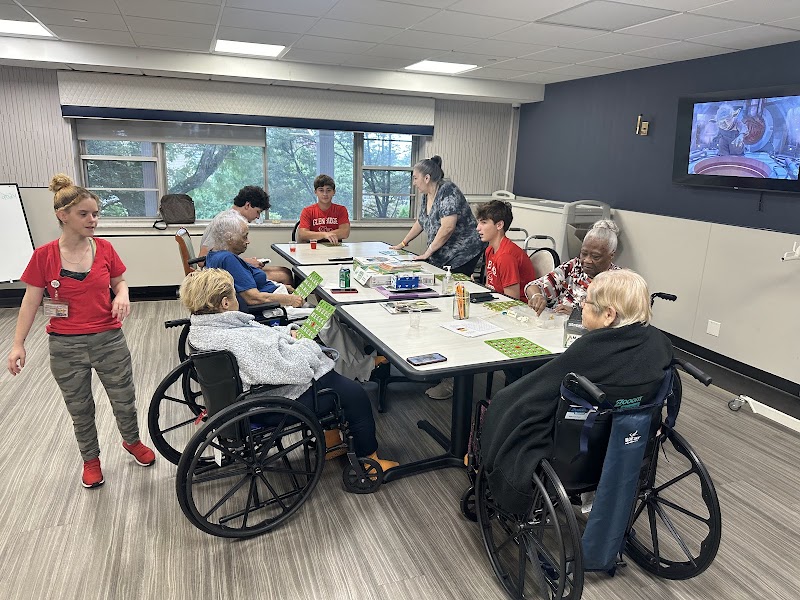
How is Family Of Caring Healthcare At Montclair Staffed?

CMS rates Family of Caring Healthcare at Montclair's staffing level at 4 out of 5 stars, which is above average compared to other nursing homes. Staff turnover is 37%, compared to the New Jersey average of 46%. This relatively stable workforce can support continuity of care.

What Have Inspectors Found at Family Of Caring Healthcare At Montclair?

State health inspectors documented 15 deficiencies at Family of Caring Healthcare at Montclair during 2021 to 2025. These included: 15 with potential for harm.
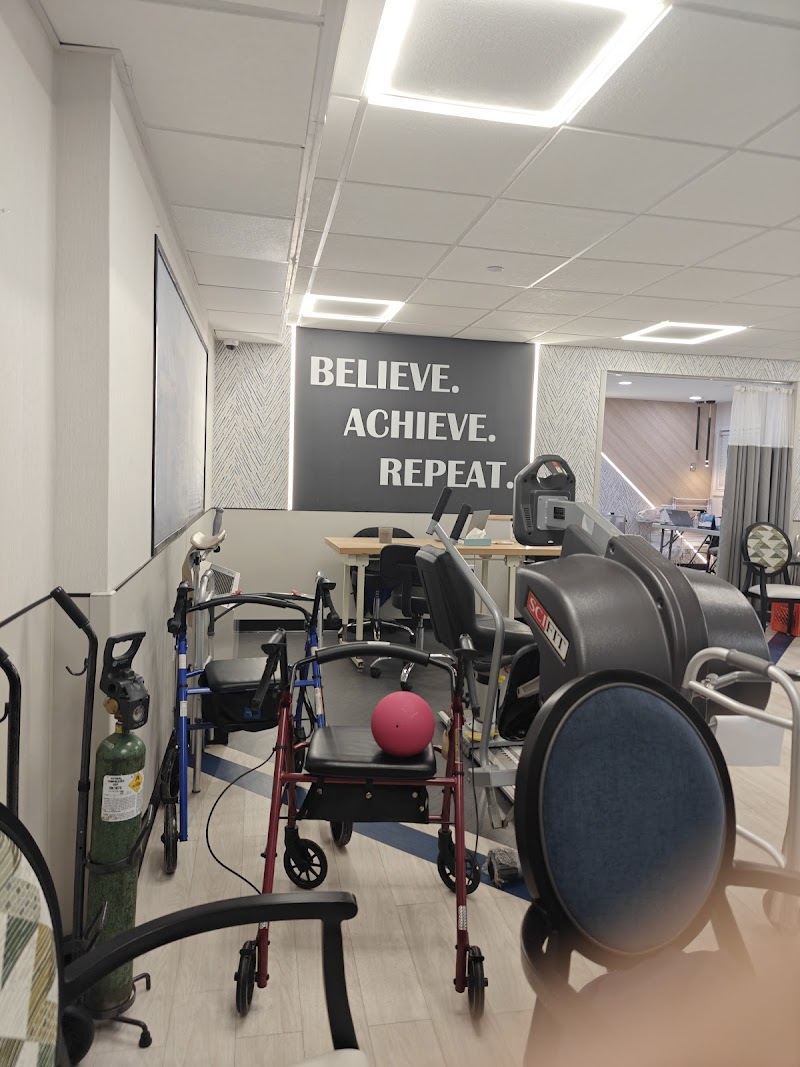
Who Owns and Operates Family Of Caring Healthcare At Montclair?

Family of Caring Healthcare at Montclair is owned by a for-profit company. For-profit facilities operate as businesses with obligations to shareholders or private owners. The facility is operated by FAMILY OF CARING HEALTHCARE, a chain that manages multiple nursing homes. With 70 certified beds and approximately 65 residents (about 93% occupancy), it is a smaller facility located in MONTCLAIR, New Jersey.

How Does Family Of Caring Healthcare At Montclair Compare to Other New Jersey Nursing Homes?

Compared to the 100 nursing homes in New Jersey, Family of Caring Healthcare at Montclair's overall rating (4 stars) is above the state average of 3.3, staff turnover (37%) is near the state average of 46%, and health inspection rating (4 stars) is above the national benchmark.

What Should Families Ask When Visiting Family Of Caring Healthcare At Montclair?

Based on this facility's data, families visiting should ask: "Can I visit during a mealtime to observe dining assistance and food quality?" "How do you handle medical emergencies, and what is your hospital transfer rate?" "Can I speak with family members of current residents about their experience?"

Is Family Of Caring Healthcare At Montclair Safe?

Based on CMS inspection data, Family of Caring Healthcare at Montclair has a clean safety record: no substantiated abuse findings (meaning no confirmed cases of resident harm), no Immediate Jeopardy citations (the most serious violation level indicating risk of serious injury or death), and is not on the Special Focus Facility watch list (a federal program monitoring the lowest-performing 1% of nursing homes). The facility has a 4-star overall rating and ranks #1 of 100 nursing homes in New Jersey. While no facility is perfect, families should still ask about staff-to-resident ratios and recent inspection results during their visit.

Do Nurses at Family Of Caring Healthcare At Montclair Stick Around?

Family of Caring Healthcare at Montclair has a staff turnover rate of 37%, which is about average for New Jersey nursing homes (state average: 46%). Moderate turnover is common in nursing homes, but families should still ask about staff tenure and how the facility maintains care continuity when employees leave.

Was Family Of Caring Healthcare At Montclair Ever Fined?

Family of Caring Healthcare at Montclair has no federal fines on record. CMS issues fines when nursing homes fail to meet care standards or don't correct problems found during inspections. The absence of fines suggests the facility has either maintained compliance or corrected any issues before penalties were assessed. This is a positive indicator, though families should still review recent inspection reports for the full picture.

Is Family Of Caring Healthcare At Montclair on Any Federal Watch List?

Family of Caring Healthcare at Montclair is not on any federal watch list. The most significant is the Special Focus Facility (SFF) program, which identifies the bottom 1% of nursing homes nationally based on persistent, serious quality problems. Not being on this list means the facility has avoided the pattern of deficiencies that triggers enhanced federal oversight. This is a positive indicator, though families should still review the facility's inspection history directly.