MONTCLAIR CARE CENTER
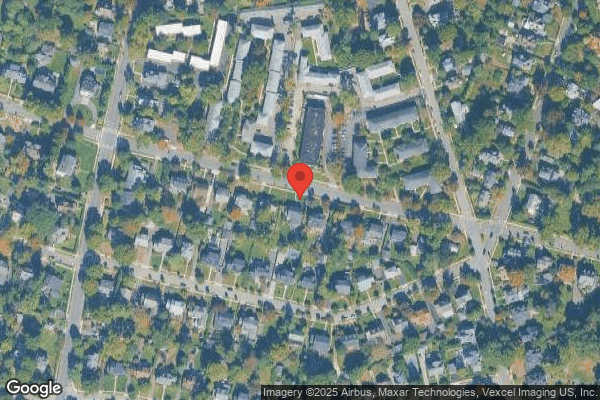

111-115 GATES AVENUE, MONTCLAIR, NJ 07042 (973) 746-4616
For profit - Limited Liability company 64 Beds HIGHBRIDGE HEALTHCARE Data: November 2025
Trust Grade
65/100
#212 of 344 in NJ
Last Inspection: April 2024

Within standard 12-15 month inspection cycle. Federal law requires annual inspections.

Overview

Montclair Care Center has a Trust Grade of C+, indicating that it is slightly above average but not exceptional among nursing homes. It ranks #212 out of 344 facilities in New Jersey, placing it in the bottom half of the state, and #19 of 32 in Essex County, meaning there are only a few local options with better rankings. The facility's trend is concerning as the number of issues has worsened from 2 in 2022 to 9 in 2024. Staffing is relatively stable with a turnover rate of 33%, which is below the state average, but RN coverage is a weakness, as it is lower than 79% of New Jersey facilities. While the center has no fines, there are significant sanitation concerns, such as improper food storage practices and inadequate kitchen cleanliness, which could pose health risks for residents.

Trust Score
C+
65/100
In New Jersey
#212/344
Bottom 39%
Safety Record
Low Risk
No red flags
Inspections
Getting Worse
2 → 9 violations
Staff Stability
○ Average
33% turnover. Near New Jersey's 48% average. Typical for the industry.
Penalties
✓ Good
No fines on record. Clean compliance history, better than most New Jersey facilities.
Skilled Nurses
⚠ Watch
Each resident gets only 27 minutes of Registered Nurse (RN) attention daily — below average for New Jersey. Fewer RN minutes means fewer trained eyes watching for problems.
Violations
⚠ Watch
15 deficiencies on record. Higher than average. Multiple issues found across inspections.
★★★☆☆
3.0
Overall Rating
★★★☆☆
3.0
Staff Levels
★★★★☆
4.0
Care Quality
★★★☆☆
3.0
Inspection Score
Stable
2022: 2 issues
2024: 9 issues

The Good

  • 4-Star Quality Measures · Strong clinical quality outcomes
  • Full Sprinkler Coverage · Fire safety systems throughout facility
  • No fines on record
  • Staff turnover below average (33%)

    15 points below New Jersey average of 48%

Facility shows strength in quality measures, fire safety.

The Bad

3-Star Overall Rating

Near New Jersey average (3.3)

Meets federal standards, typical of most facilities

Staff Turnover: 33%

13pts below New Jersey avg (46%)

Typical for the industry

Chain: HIGHBRIDGE HEALTHCARE

Part of a multi-facility chain

Ask about local staffing decisions and management

The Ugly 15 deficiencies on record

Apr 2024 9 deficiencies
CONCERN (D)

Potential for Harm - no one hurt, but risky conditions existed

Deficiency F0558 (Tag F0558)

Could have caused harm · This affected 1 resident

Based on observation, interview, and record review it was determined that the facility failed to ensure the resident's call light was readily accessible. The deficient pratice was identified for 1 res...

Read full inspector narrative →
Based on observation, interview, and record review it was determined that the facility failed to ensure the resident's call light was readily accessible. The deficient pratice was identified for 1 resident (#34) of 9 reviewed for accommodation of need and evidenced by the following. On 4/01/24 at 10:05 AM and 04/02/24 9:20 AM the surveyor observed the resident alert in bed with eyes open. The residents' speech was garbled. On both days the call light cord was tied to the right hand rail, hanging down, and resting on the floor. A review of the medical record revealed the following information. The admission Record indicated the resident had dementia without behavioral disturbance and adult failure to thrive. The Quarterly Minimum Data Set (MDS) assessment tool indicated the resident had long and short term memory deficits and impaired decision making skills. On 4/03/24 at 11:38 AM the surveyor interviewed Certified Nursing Assistant #1 (CNA #1) who confirmed the call bell should be within reach of the resident. On 4/03/24 at 11:39 AM the surveyor interviewed CNA #2 who was the regular CNA for the resident and had not been worked on 4/1/24 and 4/2/24. She stated she always puts the call bell in the resident's hand. On 4/03/24 at 1:26 PM the surveyor discussed the inaccessibility of the the call light cord for Resident #34 with the Director of Nursing and the Administration. On 4/04/24 at 10:26 AM the Administrator responded that nurses and CNAs were educated to check call bell placement more frequently. NJAC 8:39-27.1(a); 4.1
CONCERN (D)

Potential for Harm - no one hurt, but risky conditions existed

Deficiency F0637 (Tag F0637)

Could have caused harm · This affected 1 resident

Based on observation, interview and record review it was determined that the facility failed to complete a Significant Change in Status Assessment (SCSA) Minimum Data Set (MDS) assessment for 1 of 12 ...

Read full inspector narrative →
Based on observation, interview and record review it was determined that the facility failed to complete a Significant Change in Status Assessment (SCSA) Minimum Data Set (MDS) assessment for 1 of 12 residents reviewed (Resident #34). The deficient practice was evidenced by the following. On 4/1/24 at 10:05 AM, the surveyor observed the resident in bed receiving a feeding through a gastrostomy tube (a tube placed endoscopically into the stomach). A review of the medical record revealed the following information. The admission Record included diagnoses of gastrostomy and adult failure to thrive. The Nursing Progress Note of 1/11/2024 at 10:01 AM indicated the resident was transferred to the hospital for a planned insertion of a gastrostomy feeding tube. The Nursing Progress Note of 1/16/2024 at 10:39 AM indicated the resident was re-admitted to the facility after having had a gastrostomy inserted. The tracking of completed MDS assessments listed a Discharge Return Anticipated on 1/11/24 (indicating when the resident was transferred to the hospital for gastrostomy placement), an Entry on 1/16/24 (indicating when the resident was readmitted from the hospital), and a Medicare - 5 Day on 1/23/24. On 4/3/24 at 10:20 AM, the surveyor interviewed the MDS Coordinator (MDSC) on the telephone. The MDSC explained that when the resident was readmitted with a new gastrostomy on 1/16/24 he should have completed a SCSA assessment along with the 5 day MDS. He stated he made a mistake. On 4/3/24 at 1:41 PM the surveyor discussed the omission of a SCSA with the Administrator and the Director of Nursing (DON). NJAC 8:39-11.2(i)
CONCERN (D)

Potential for Harm - no one hurt, but risky conditions existed

Assessment Accuracy (Tag F0641)

Could have caused harm · This affected 1 resident

Based on the interview and record review, it was determined that the facility failed to code the Minimum Data Set (MDS), an assessment tool used to facilitate the management of care of all residents, ...

Read full inspector narrative →
Based on the interview and record review, it was determined that the facility failed to code the Minimum Data Set (MDS), an assessment tool used to facilitate the management of care of all residents, accurately for 2 of 12 residents reviewed (Resident #41, and #116). The deficient practice was evidenced by the following: 1. On 4/2/24 at 11:14 AM, the surveyor observed Resident #41 sitting in the wheelchair, who returned from the activity room, and was wheeled by the staff. The surveyor reviewed Resident #41's hybrid (combination of paper and electronic) medical record as follows: The admission Record (an admission summary) documented that Resident #41 was admitted to the facility with diagnoses that included but were not limited to Alzheimer's disease (impairment of memory). The resident's most recent Annual MDS (AMDS) assessment, dated 11/24/23, reflected that Resident #41 had a Brief Interview for Mental Status (BIMS) score of 3 out of 15, indicating severe cognition impairment. The AMDS with an ARD of 11/24/23 Section D Resident Mood Interview (PHQ-9), signed by the MDS Coordinator (MDSC)/Registered Nurse (RN) on 12/13/23, revealed the assessment record written in a paper copy of Section C Cognitive Patterns was given and done by the Social Worker (SW). The document revealed that the interview with the handwritten date of 11/20/23 was done five (5) days before the ARD of 11/24/23. On 4/3/24 at 10:03 AM, the surveyor interviewed the MDSC/RN over the phone, who left the position on 3/22/24. The MDSC/RN revealed that he was completing all sections except K, the dietitian, part of Section O, and GG, the rehab, while sections C, D, E, & Q for the SW. If the SW cannot complete it that day, he will put sections C, D, E, and Q in MDS. The interview process for PHQ-9 should be done within a 7-14-day lookback period on the ARD. On 4/4/24 at 10:08 AM, the surveyor interviewed SW regarding the assessment process of PHQ-9. The SW stated she did the assessment early on 11/20/23 before the ARD of 11/24/23 because she didn't realize that she couldn't do it earlier than the ARD date. 2. The surveyor reviewed Resident #116's hybrid medical record, who no longer resided in the facility, which revealed. The AR documented that Resident #116 was admitted to the facility with diagnoses that included but were not limited to cellulitis (skin infection) of the left lower limb. The resident's most recent AMDS assessment, dated 9/1/23, reflected that Resident #116 had a BIMS score of 9 out of 15, indicating moderately impaired cognition. Section O Special Treatments, Procedures, and Programs revealed that Resident #116, the Influenza/Pneumococcal (which helps protect against serious illnesses like pneumonia and meningitis) (Pneumovax) vaccine, was Not assessed/no information. The electronic immunization record indicated Resident #116 received the Influenza vaccine on 10/14/22 and the Pneumovax on 10/28/21. Both were given in the community (historical). On 4/4/24 at 10:14 AM, the team of surveyors met with the administration. The director of operations stated that the MDSC/RN did not capture the immunization because it was not in the electronic medical record as yet. The surveyor showed the administration that the vaccine was historical and should be documented in section O of the AMDS assessment. NJAC 8:39 - 11.1
CONCERN (D)

Potential for Harm - no one hurt, but risky conditions existed

Deficiency F0698 (Tag F0698)

Could have caused harm · This affected 1 resident

Based on observation, interview, and record record review it was determined that the facility failed to consistently assess a resident's vital signs and dialysis access site prior to leaving and when ...

Read full inspector narrative →
Based on observation, interview, and record record review it was determined that the facility failed to consistently assess a resident's vital signs and dialysis access site prior to leaving and when returning from the dialysis clinic. The deficient practice was identified for 1 of 1 resident, #117, reviewed for dialysis care and services and is evidenced by the following. On 4/1/24 at 10:01 AM, the surveyor observed the resident seated in a side chair in their room. The resident stated they go to the dialysis clinic 3 times a week. The resident stated the Certified Nurse Assistant (CNA) gets the resident ready and brings the resident down to meet the transport driver. The resident stated the nurse does not assess the resident before leaving or when returning from the dialysis clinic. 04/2/24 at 1:15 PM, the surveyor observed the resident in their room talking with the CNA. At 1:30 PM the CNA brought the resident out of the room and into the hallway. The Licensed Practical Nurse (LPN) inquired if the resident had their dialysis communication book, the resident replied, and the CNA brought the resident into the elevator. The LPN did not assess the resident's vital signs or assess the access site (a right chest permacath catheter inserted into the heart for short term use as a dialysis access insertion site). A review of the medical record revealed the following information. The admission Record indicated the resident was admitted in March 2014 with diagnoses including, but not limited to, end stage renal disease, dependence on renal dialysis, and type 2 diabetes mellitis. The 3/11/24 admission Minimum Data Set (MDS) assessment tool coded the resident to have no memory or decision making deficits (the Brief Interview for Mental Status (BIMS) scored 15 of a possible 15). The Order Recap Reports for March and April 2024 included physician orders for dialysis 3 times a week on Tuesday, Thursday, and Saturday, blood pressure every shift on Mondays, and monitor right chest permacath. There were no orders for vitals signs and assessment of the permacath to be performed prior to leaving for the dialysis clinic or upon returning from the clinic. The electronic Nursing Progress Notes from the day of admission through 4/2/24 revealed that of 30 days of visits to the dialysis clinic, nurses documented 1 day (3/26/24) for both pre and post dialysis assessments. Nurses documented on 5 days for post dialysis assessments. On 4/3/24 at 8:27 AM the Director of Nuring (DON) provided the surveyor with the Dialysis policy and procedure, reviewed June 2023. Step 4 of Process Pre-Dialysis Care instructed staff to assess/evaluate the access site prior to transport to dialysis facility. Step 1 of Process Post-Dialysis Care instructed staff to assess the site upon return to the facility. On 4/3/24 at 9:42 AM the surveyor interviewed the Infection Preventionist (IP). She stated nurses should document pre and post dialysis assessments of the patient in the electronic Nursing Progress Notes. On 4/3/24 at 1:38 PM the surveyor discussed with the Administrator and DON concerns regarding inconsistent nurse documentation of assessments of the permacath and vital signs when the resident leaves for and returns from the dialysis clinic. On 4/4/24 at 10:28 AM the Administrator responded that nursing was educated to do pre/post vitals and access site checks and to document them in the electronic Nursing Progress Notes. NJAC 8:39-27.1(a); 2.9
CONCERN (D)

Potential for Harm - no one hurt, but risky conditions existed

Deficiency F0757 (Tag F0757)

Could have caused harm · This affected 1 resident

Based on interview, review of the electronic medical record and other pertinent medical records, the facility failed to ensure that 1 of 5 residents reviewed for unnecessary medications (Resident #28)...

Read full inspector narrative →
Based on interview, review of the electronic medical record and other pertinent medical records, the facility failed to ensure that 1 of 5 residents reviewed for unnecessary medications (Resident #28) was free of an unnecessary medication by failing to follow the Consultant Pharmacist (CP) recommendations and failing to provide adequate diagnosis, indications and documentation supporting the use of a medication. The deficient practice was evidenced by the following: On 4/2/2024 at 12:30 PM, the surveyor reviewed the electronic medical record (EMR) for Resident #28. The resident's EMR reflected a physician's order dated 12/27/2023 for Linzess Capsule (a medication used to treat irritable bowel syndrome with constipation or chronic idiopathic constipation) two-hundred ninety (290) micrograms (mcg) with directions give one (1) capsule by mouth every twenty-four (24) hours as needed (PRN) for constipation. The resident's EMR reflected documentation from the CP dated 1/2/2024 that reflected a request to clarify Linzess. On 04/2/2024 at 1:17 PM the surveyor interviewed the Director of Nursing (DON). The surveyor requested information on how the CP recommendations are addressed. Additionally, the surveyor requested copies of the printed CP recommendation from 1/2/2024 and any physician notes addressing the recommendation. On 04/3/2024 at 9:20 AM the DON provided CP documentation entitled Therapeutic Suggestions for Resident #28 for 1/2/24. It reflected three recommendations from the CP. One recommendation indicated Please comment on the effectiveness of Linzess PRN and the clinical rationale for use. It is usually given routinely to be effective. The documentation also reflected a handwritten signature on the line titled 'accepted' which the DON identified as the signature of the attending physician dated 1/2/24. The word 'continue' was handwritten on the line labeled reason for not accepting. The DON did not provide any further documentation from the attending physician. On 04/03/2024 at 10:40 AM the surveyor reviewed the physician's progress notes section of the resident's EMR. The surveyor did not observe any physician progress notes present in the EMR between the dates of 1/2/2024 through 4/1/2024 that addressed the use or indication for Linzess nor a response to the CP recommendation. On 04/4/24 at 9:15 AM the surveyor reviewed electronic progress notes and nursing notes for documentation indicating the resident experienced constipation or loose bowel movements. The surveyor did not observe documentation reflecting either condition. On 04/4/24 at 12:24 PM the surveyor interviewed the attending physician (MD) by telephone. The MD stated that he recalled seeing the resident at the facility and that the resident had an order for Linzess. The MD stated the residient had a diagnosis of constipation. The MD stated this was a medication the resident used at home. The MD stated he did not recall changing the Linzess order to an 'as needed' order (PRN) and could not provide a rationale for PRN use. The MD stated he did not recall seeing the CP recommendation sheet for the 1/2/2024 visit. On 4/4/24 at 12:47 PM The surveyor interviewed the CP by telephone. The CP stated that she recalled the recommendation to the physician to address the use of Linzess as a PRN. The CP stated that when making recommendations, the facility is usually responsive and tries to have the concern addressed at that time. Recommendations for the MD are addressed as best as possible. The CP stated that she looks in the medical record for progress notes for responses to recommendations that were not immediately addressed. The surveyor reviewed the resident's admission record (an admission summary) which did not reflect diagnoses of irritable bowel syndrome with constipation (IBS-C) or chronic idiopathic constipation (CIC). The surveyor reviewed the manufacturer prescribing information (PI) for Linzess. The PI reflected indications and usage of irritable bowel syndrome with constipation (IBS-C) in adults and chronic idiopathic constipation (CIC) in adults. The PI reflected recommended dosage for IBS-C in adults as 290 mcg orally once daily and for CIC in adults as 145 mcg orally once daily. N.J.A.C. 8:39-11.2(b), 8:39-29.3(a)1.
CONCERN (E)

Potential for Harm - no one hurt, but risky conditions existed

MDS Data Transmission (Tag F0640)

Could have caused harm · This affected multiple residents

**NOTE- TERMS IN BRACKETS HAVE BEEN EDITED TO PROTECT CONFIDENTIALITY** Based on the interview and record review, it was determined that the facility failed to complete and submit electronically the M...

Read full inspector narrative →
**NOTE- TERMS IN BRACKETS HAVE BEEN EDITED TO PROTECT CONFIDENTIALITY** Based on the interview and record review, it was determined that the facility failed to complete and submit electronically the Minimum Data Set (MDS), an assessment tool used to facilitate the management of care of all residents, within 14 days of completing the resident's assessment and in accordance with the Center's for Medicare and Medicaid Services (CMS) Resident Assessment Instrument (RAI) Manual. This deficient practice was identified for 14 residents sampled (Resident #11, 16, 22, 26, 27, 33, 36, 39, 50, 117, 9, 30, 45, and #41) and reviewed for resident assessment. According to the Long-Term Care RAI 3.0 User's Manual Version 1.18.11, updated October 2023, the MDS is a comprehensive tool and a federally mandated process for clinical assessment of all residents. It must be completed and transmitted to the Quality Measure System. The facility must electronically transmit the MDS within 14 days of the assessment being completed. This deficient practice was evidenced by the following: On 4/3/24, at 2:35 PM, the survey team reviewed the facility task that included residents' MDS assessments, which was triggered under the survey facility task as MDS record over 120 days old. 1. Resident #11's medical record review in the Electronic Health Record (EHR) reflected an Annual MDS (AMDS) with an Assessment Reference Date (ARD) of 2/9/24, was due to be transmitted to CMS no later than 3/8/24. However, the AMDS was not submitted to CMS and still in progress. 2. Resident #16's medical record review in the EHR reflected a Quarterly MDS (QMDS) with an ARD of 2/2/24 was due to be transmitted to CMS no later than 3/1/24. However, the QMDS was not submitted to CMS and still in export ready. 3. Resident #22's medical record review in the EHR reflected a QMDS with an ARD of 2/9/24, was due to be transmitted to CMS no later than 3/8/24. However, the QMDS was not submitted to CMS and still in progress. 4. Resident #26's medical record review in the EHR reflected a QMDS with an ARD of 2/9/24, was due to be transmitted to CMS no later than 3/8/24. However, the QMDS was not submitted to CMS and still in progress. 5. Resident #27's medical record review in the EHR reflected a QMDS with an ARD of 2/16/24, was due to be transmitted to CMS no later than 3/15/24. However, the QMDS was not submitted to CMS and still in progress. 6. Resident #33's medical record in the EHR reflected a Significant Change MDS (SCMDS) with an ARD of 2/23/24, was due to be transmitted to CMS no later than 3/23/24. However, the SCMDS was not submitted to CMS and still in progress. 7. Resident #36's medical record review in the EHR reflected a QMDS with an ARD of 2/2/24 was due to be transmitted to CMS no later than 3/1/24. However, the QMDS was not submitted to CMS and still in progress. 8. Resident #39's medical record review in the EHR reflected a QMDS with an ARD of 2/2/24 was due to be transmitted to CMS no later than 3/1/24. However, the QMDS was not submitted to CMS and still in progress. 9. Resident #50's medical record review in the EHR reflected a QMDS with an ARD of 2/9/24, was due to be transmitted to CMS no later than 3/8/24. However, the QMDS was not submitted to CMS and still in progress. 10. Resident #117's medical record review in the EHR reflected an Admission/5Day MDS with an ARD of 3/11/24, was due to be transmitted to CMS no later than 4/1/24. However, the Admission/5Day MDS was not submitted to CMS and still in progress. On 4/3/24 at 10:18 AM, the survey team interviewed the MDS coordinator on the telephone. He stated, The Admission/5 Day MDS should not be in progress. An MDS with an ARD of 3/11/24 should be completed by March 18 and submitted per MDS regulations 14 days later. On 4/3/24 at 1:38 PM, another surveyor discussed with the License Nursing Home Administrator (LNHA), the Director of Nursing (DON), and the Regional Representative concerns about Resident #117's late completion and submission. 14. Resident #41's medical record review in the EHR reflected a QMDS with an ARD of 2/23/24, which was due to be transmitted to CMS no later than 3/7/24. However, the QMDS was not submitted to CMS and is still in progress. On 4/3/24 at 2:22 PM, the survey team discussed the late MDS assessments in February with the LNHA, Regional Director of Operations, RN/DON, and incoming DON. The Regional Director of Operations stated that they were ready to outsource hiring and training a new nurse for the MDS position. He added that during that time in February 2024, the MDS Coordinator was sick and resigned in March 2024. On 4/4/24 at 10:45 AM, the facility offered no further information other than MDS completions and late submissions due to a lack of staffing. On 4/4/24 at 1:25 PM, the survey team met with the facility Administrative team. There was no further documentation provided by the facility regarding the MDS late submissions. On 4/5/24 at 9:19 AM, the surveyor reviewed the facility policy and procedure titled Timeframe for Completion of the MDS, revised June 2023, reflected To complete the standardized resident assessment instrument .according to federal and state regulatory requirements. NJAC 8:39 - 11.1 11. The surveyor reviewed the medical record for Resident #9. A review of the MDS submissions revealed that there was a Quarterly MDS submission dated 2/16/24 in progress which was 33 days overdue for submission. The last MDS submission was dated 11/16/23 indicating that the MDS was over 120 days old. 12. The surveyor reviewed the closed medical record for Resident #30. A review of the MDS submissions revealed that there was a Quarterly MDS submission in progress dated 2/16/24 which was 32 days overdue for submission. The last MDS submission was dated 11/17/23 indicating that the MDS was over 120 days old. 13. The surveyor reviewed the closed medical record for Resident #45. A review of the electronic Progress Notes (ePN) revealed that the resident was admitted to the hospital on [DATE]. A review of the MDS submissions revealed that there was a discharge return anticipated in progress dated 2/8/24 which was 41 days overdue. On 4/3/24 at 2:13 PM, the survey team met with the facility Administrative team to review the MDS submissions that were in progress. The Regional Director of Operations (RDO) stated that the previous MDS Coordinator had not been working for a while for a personal reason and then had resigned which caused a backup in submissions. The RDO added that currently the MDS submissions were being done by an agency. The RDO also stated that he had not realized how far behind the MDS submissions were.
CONCERN (E)

Potential for Harm - no one hurt, but risky conditions existed

Deficiency F0711 (Tag F0711)

Could have caused harm · This affected multiple residents

4. On 4/2/2024 at 12:30 PM, the surveyor reviewed the electronic medical record (EMR) for Resident #28. A review of the resident's AR revealed diagnoses that included but were not limited to bipolar d...

Read full inspector narrative →
4. On 4/2/2024 at 12:30 PM, the surveyor reviewed the electronic medical record (EMR) for Resident #28. A review of the resident's AR revealed diagnoses that included but were not limited to bipolar disorder (a psychiatric mood disorder), schizophrenia (a psychiatric mood disorder), essential hypertension (uncontrolled increased blood pressure) and type 2 diabetes mellitus (a disease in which the body does not produce enough insulin and results in high blood sugar levels). A review of the progress notes in the EMR revealed that the latest entry of a Physician Note by the attending physician was dated 11/19/2023 as a Late Entry with a created date of 12/10/2023. There were no further entries of Physician Note by the attending physician between that date and 4/2/2024. Further review of the progress notes revealed that the Physician Note with dates of 10/22/2023 and 11/19/2023 were also Late Entry with a created date of 12/10/2023 for each. On 4/3/2024 at 2:13 PM, the survey team met with the facility administrative team. The Director of Nursing (DON) stated he was unaware of missing progress notes and did not know why there were missing progress notes and that the attending physician comes to the facility monthly. On 4/4/24 at 10:08, the survey team met with the administrative team. The RDO stated that he had reached out to the physicians regarding signing their physician orders and entering their progress notes. The RDO added that the physicians have been to the facility and communicate with the nurses frequently but had not documented. The RDO also stated that each physician has their own login to the electronic computer system that the facility uses. The RDO added that he had been checking from time to time that the physicians were documenting and was giving them a courtesy reminder. The RDO stated that the physicians were to do recapitulations and sign the monthly PO at the beginning of the month and complete progress notes when they performed their visits. On 4/4/24 at 1:25 PM, the survey team met with the administrative team. There was no further documentation provided by the facility. A review of the facility policy dated as reviewed June 2023, titled Medication Orders provided by the Licensed Nursing Home Administrator revealed The purpose of this procedure is to establish uniform guidelines in the receiving and recording of medication orders. Further review of the policy revealed under Supervision by a Physician that 1. Each resident must be under the care of a Licensed Physician authorized to practice medicine in this state and must be seen by the Physician at least every sixty (60) days. In addition, 4. Physician Orders/Progress Notes must be signed and dated every thirty (30) days. (Note: This may be changed to every sixty (60) days after the first ninety (90) days of the resident's admission, provided it is approved by the Attending Physician and the Utilization Review Committee.) NJAC 8:39-23.2(b)(d) Based on observation, interview, and record review, it was determined that the facility failed to: a.) assure that the physician responsible for supervising the care of residents signed and dated monthly physician's orders. This deficient practice was observed for 3 of 12 residents reviewed (Resident #41, #58 and #45), b.) document Physician Progress Notes (PPN) at least every 60 days with alternating Nurse Practitioner (NP) visits for 1 of 12 residents reviewed (Resident #45), and c.) document physician progress notes that reflect the physician's decisions about the continued appropriateness of the resident's current medical regimen for 1 of 12 resident reviewed (Resident #28). The deficient practices were evidenced by the following: 1. On 4/2/24 at 11:14 AM, the surveyor observed Resident #41 sitting in the wheelchair, returning from the activity room, wheeled by the staff. The surveyor reviewed Resident #41's hybrid medical records (paper and electronic). According to the admission Record (an admission summary), Resident #41 was admitted to the facility with diagnoses that included but were not limited to Alzheimer's disease (impairment of memory). The surveyor reviewed the Order Summary Report (OSR) for Resident #41 which revealed the physician did not sign and date the monthly OSR for September 2023, October 2023, January 2024, and March 2024. On 4/2/24 at 1:11 PM, the surveyor interviewed the Licensed Practical Nurse (LPN) and stated that the physician comes to the facility every other day and should sign the monthly orders electronically using their password. 3. The surveyor reviewed the closed medical record for Resident #45. A review of the resident's admission Record (a summary of information about the resident) revealed diagnoses that included but were not limited to epilepsy (a seizure disorder), heart failure and pulmonary hypertension (increased blood pressure in the arteries of the lungs). A review of the Order Review History revealed that monthly physician orders (PO) were electronically signed by the primary physician for the months of July 2023 and September 2023. There was no other monthly PO signed by the primary physician. A review of the electronic Progress Notes (ePN) revealed that the latest entry of a Physician Note by the primary physician was dated 2/12/24 as a Late Entry. The next primary physician entry was dated 12/22/22. On 4/3/2024 at 2:13 PM, the survey team met with the facility Administrative team. The Regional Director of Operations (RDO) stated that the physicians documented electronically. The RDO added that some physicians had their own computer software and transferred their reports to the facility electronic progress notes. The RDO stated that he was unaware that the physician progress notes were not entered. 2. The surveyor observed Resident #58 awake and alert in bed on 4/1/24 at 10:00 AM. The surveyor reviewed the medical record of Resident #58 which revealed the following information. The resident was admitted in January 2004 with diagnoses including, but not limited to, fracture of the left femur. The April 2024 Clinical Physician Orders including the following statement: Next Order Review 2/1/2024 - 63 Days Overdue. A further review of the hybrid medical failed to reveal the physician had signed monthly physician orders for February and March 2024. On 4/03/24 at 2:34 PM the Administrator confirmed that the resident had no monthly physician's orders signed. On 4/04/24 at 10:00 AM the Administrator stated the physician has frequently visited residents and has his own log in for the electronic medical enabling him to sign monthly orders electronically, however, no reason was given for why the physician did not sign monthly orders for February and March 2024.
CONCERN (E)

Potential for Harm - no one hurt, but risky conditions existed

Deficiency F0726 (Tag F0726)

Could have caused harm · This affected multiple residents

Based on interview and record review it was determined that the facility failed to ensure that 5 of 5 licensed nurses were assessed to have the required competencies to meet the care needs of resident...

Read full inspector narrative →
Based on interview and record review it was determined that the facility failed to ensure that 5 of 5 licensed nurses were assessed to have the required competencies to meet the care needs of residents residing at the facility. The deficient practice is evidenced as follows. On 4/04/24 at 10:44 AM the surveyor requested from the Director of Nursing (DON) 5 randomly selected nurses' annual nurse competencies. Later that day the DON provided 5 Nursing Performance Appraisals for the 5 nurses. The Appraisals did not address specific nursing tasks. Many of the Appraisals covered non-care areas, such as demonstrates knowledge of resident's bill of rights, completing the 24 hour report, maintaining residents' dignity, responding to residents' calls for assistance, ensures safety of personal possessions, willing to work under supervision, knowledge with carrying out daily nursing tasks, applies restraints according to manufacturers instruction and plan of care, and carry out proper infection control techniques. The Appraisals that addressed nursing tasks failed to list the specific required steps required to complete the task competently. On 04/04/24 at 12:28 PM the DON confirmed that nurse competencies were not done for any of the nurses employed at the facility. The DON stated that going forward nurse competencies will be completed for all nurses. On 4/05/24 at 9:48 AM the Administrator confirmed there were no nurse competencies performed by facility administration except for the Medication Pass Observation which is performed by the facility's Consultant Pharmacist. On 4/5/24 the Administrator provided the surveyor with the Staff Performance Evaluation Policy, reviewed June 2023. The second guideline of the policy indicated an employee should receive a performance evaluation that includes satisfactory demonstration of applicable competencies. NJAC 8:39- 9.3
CONCERN (F)

Potential for Harm - no one hurt, but risky conditions existed

Food Safety (Tag F0812)

Could have caused harm · This affected most or all residents

Based on observation, interview, record review and policy review, it was determined that the facility failed to a.) store potentially hazardous foods in a manner to prevent food borne illness, and b.)...

Read full inspector narrative →
Based on observation, interview, record review and policy review, it was determined that the facility failed to a.) store potentially hazardous foods in a manner to prevent food borne illness, and b.) failed to maintain the kitchen environment and equipment in a sanitary manner to prevent contamination from foreign substances and potential for the development a food borne illness. This deficient practice was evidenced by the following: On 4/3/24 at 9:45 AM, in the presence of the Food Service Director (FSD), the surveyor observed the following: 1. In the food preparation area, inside the ice machine, the surveyor observed a black colored build up along the seam and white colored matter inside the walls of the ice machine. The FSD stated that the dish machine was last cleaned about one month ago. 2. In the food preparation area, above the stove and grill cook tops, the surveyor observed 3 out of 5 sprinkler head nozzles and the pipes soiled with a brown colored substance. 3. In the food preparation area, the surveyor observed that 3 of 3 grill knobs were soiled with a brown colored substance, and 2 of 2 oven handles were soiled with a brown colored substance and the substance was able to be lifted with the tip of the FSD's pen. The FSD stated that the debris should have been cleaned. 4. In the standing refrigerator # 2, the surveyor observed a half opened half gallon carton of whole milk with an open date of 4/3/24 written on the carton. The stamped manufacturer expiration date was 4/1/24. 5. In the dry storage room, the surveyor observed two number 10 sized cans of diced peaches. One had a 1 inch sized dent on the upper lip and the second one had a 1.5 inch dent to the upper lip. The FSD stated that the dented cans should not have been on the shelf as they were in rotation for use. A review of the Dating and Labeling policy dated 1/24/17, revealed Kitchen will assure food safety by maintaining proper dates and labels to all goods and ready to eat food products, Foods marked with manufactures use by date may be used and stored until expiration date, and Discard all foods that expire immediately. A review of the Dented Can policy, dated 11/2023, revealed Unacceptable, dented canned goods will be reported and returned/discarded in a timely manner. On 4/3/24 at 2:30 PM, the surveyor discussed the above concerns with the Administrator and Director of Nursing. NJAC 8:39-17.2(g)
Mar 2022 2 deficiencies
CONCERN (D)

Potential for Harm - no one hurt, but risky conditions existed

Medication Errors (Tag F0758)

Could have caused harm · This affected 1 resident

**NOTE- TERMS IN BRACKETS HAVE BEEN EDITED TO PROTECT CONFIDENTIALITY** Based on observation, interview, and record review, it was determined that the facility failed to ensure a.) two anti-anxiety me...

Read full inspector narrative →
**NOTE- TERMS IN BRACKETS HAVE BEEN EDITED TO PROTECT CONFIDENTIALITY** Based on observation, interview, and record review, it was determined that the facility failed to ensure a.) two anti-anxiety medications (Alprazolam [Xanax] and Lorazepam [Ativan]) prescribed to be given as needed (PRN) for anxiety and extreme agitation had a documented rationale for why it was being administered, and any non-pharmacological interventions trialed before administering the medications, and b.) a clinical rationale was documented for why the as needed anti-anxiety medications were prescribed for greater than 14-days. This deficient practice was identified for 1 of 5 residents reviewed for unnecessary medications (Resident #50), and was evidenced by the following: On 2/28/22 at 10:42 AM, the surveyor observed Resident # 50 inside his/her room. The resident smiled at the surveyor and spoke some English but mostly Spanish. The resident was observed eating a small candy bar with enjoyment. The surveyor reviewed the medical record for Resident #50. A review of the resident's admission Record reflected that the resident was admitted to the facility on [DATE] with diagnoses which included but were not limited to dementia with Lewy Bodies, Insomnia, Unspecified, Unspecified psychosis not due to a substance or known physiological condition, vascular dementia, dementia in other diseases classified elsewhere without behavioral disturbance, and Alzheimer's disease, Unspecified. A review of the resident's admission Minimum Data Set (MDS), an assessment tool used to facilitate the management of care dated 2/11/22, reflected that the resident's Brief Interview for Mental Status (BIMS) score was 2 out of 15 which indicated that the resident's cognitive skills for daily decision making was severely impaired. The MDS included that the resident had no indicators of psychosis such as hallucinations or delusions. The MDS reflected that the resident had behaviors of physical symptoms such as hitting, pacing, disrobing in public which occurred one to three days a week which would impact the resident and others. Further review of the MDS, Section N for Medications indicated the resident received antipsychotic and antianxiety medications. A review of the resident's individualized comprehensive care plan reflected that the resident had an impaired cognitive function, impaired thought processes and at times impaired communication related to Lewy Body/Alzheimer/Vascular dementia initiated on 2/11/22. Interventions were to Administer medications as ordered. Monitor/document for side effects and effectiveness. Ask yes/no questions in order to determine the resident's needs, cue, reorient and supervise as needed, keep the resident's routine consistent and try to provide consistent care givers as much as possible in order to decrease confusion. The care plan also had a focus area that the resident had a behavior of getting up independently, not calling for help, sitting on the floor, removing foley catheter, wanders to other patients' room related to Lewy Body Dementia, confusion, unaware of safety needs initiated on 2/22/22. Interventions were to Administer medications as ordered. Monitor/document for side effects and effectiveness, anticipate and meet the resident's needs, assist the resident to express feelings appropriately, caregivers to provide opportunity for positive interaction, attention. Stop and talk with him/her as passing by, explain all procedures to the resident before starting and allow the resident time to adjust to changes, minimize potential for the resident's disruptive behaviors by offering tasks which divert attention, monitor behavior episodes and attempt to determine underlying cause. Consider location, time of day, persons involved, and situations. Document behavior and potential cause, praise any indication of the resident's progress/improvement in behavior. The care plan also had a focus area that the resident has potential to be physically aggressive related to Lewy Body Dementia and adjustment to new environment initiated on 2/11/22. Interventions were to Administer medications as ordered. Monitor/document for side effects and effectiveness, analyze times of day, places, circumstances, triggers, and what de-escalates behavior and document, assess and anticipate resident's needs: food, thirst, toileting needs, comfort level, body positioning, pain etc, communication: provide physical and verbal cues to alleviate anxiety; give positive feedback, assist verbalization of source of agitation, assist to set goals for more pleasant behavior, encourage seeking out of staff member when agitated, give the resident as many choices as possible about care and activities, monitor and document observed behavior and attempted interventions in behavior log when the resident becomes agitated: Intervene before agitation escalates; guide away from source of distress; engage calmly in conversation; if response is aggressive, staff to walk calmly away, and approach later. Further review of the resident's individualized comprehensive care plans reflected a focus area initiated on 2/11/22, indicating that the resident used anti-anxiety medications related to Adjustment issues, Anxiety disorder, behavioral disturbances. Interventions included, Administer ANTI-ANXIETY medications as ordered by physician. Monitor for side effects and effectiveness Q-shift [every shift] .monitor/record occurrence of for target behavior symptoms such as pacing, wandering, disrobing, inappropriate response to verbal communication, violence/aggression towards staff/others. Etc. and document per facility protocol. Review of the electronic pharmacist information consultation (EPIC) dated 2/10/22, indicated to Identify and monitor the behavior being exhibited for Alprazolam and Identify and monitor the behavior being exhibited for Lorazepam. There was no documented recommendation to provide a clinical rationale if the usage of the PRN antianxiety medications were to exceed 14-days. A review of the electronic Psychiatric Evaluation dated 2/10/22, reflected that Resident #50 was observed in his/her room with family members at the bedside and the family reported a history of psychosis well controlled with current medications. The consultation indicated that the resident had a history of Dementia with lewy bodies, vascular dementia, and Alzheimer's disease. The Psychiatric Nurse Practitioner (NP) documented All Meds Reviewed and indicated that there were contraindications that the benefits of treatment outweigh the risks and a reduction would likely result and exacerbation/return of symptoms. The Psychiatric NP had not documented the specific medications that the resident was prescribed. In addition, there was no documented evidence as to the length of therapy for both the PRN antianxeity medications. A review of the resident's February 2022 Order Summary Report (OSR) indicated a physician's order (PO) dated 2/9/22, for Alprazolam 0.25 mg give one tablet by mouth every 12 hours as needed for anxiety and a PO dated 2/9/22, for Lorazepam Concentrate 2 mg/ml inject 0.5 mg intramuscularly every 8 hours as needed for extreme agitation inject 0.5 mg dose (0.25 ml) IM. Review of the resident's electronic medication administration record (eMAR) for February 2022, reflected the above corresponding physician orders. Further review of the February 2022 eMAR reflected the PO dated 2/9/22, to administer the anti-anxiety medication Alprazolam 0.25 mg by mouth every 12 hours as needed for anxiety. The eMAR was signed to reflect the resident received doses on the following dates and times without consistent documented evidence as to why, including: 2/11/22 at 1737 hours [5:37 PM] 2/12/22 at 0850 hours [8:50 AM] 2/17/22 at 1737 hours [5:37 PM] 2/18/22 at 1333 hours [1:33 PM] 2/20/22 at 1911 hours [7:11 PM] 2/21/22 at 0800 hours [8:00 AM] 2/21/22 at 2135 hours [9:35 PM] 2/24/22 at 1657 hours [4:57 PM] 2/25/22 at 1719 hours [5:19 PM] 2/26/22 at 1107 hours [11:07 AM] 2/27/22 at 0824 hours [8:24 AM] 2/27/22 at 2205 hours [9:05 PM] Further review of the February eMAR from 2/24/22 through 2/27/22, reflected that the Alprazolam 0.25 mg was administered on an as needed basis which exceeded 14-days without re-evaluating the continued need for the use of the as needed oral Alprazolam. Further review of the February 2022 eMAR reflected the PO dated 2/9/22, to administer another anti-anxiety medication Lorazepam Concentrate 2 mg/ml. Inject 0.5 mg intramuscularly (IM) every 8 hours as needed for extreme agitation. The eMAR was signed to reflect the resident received doses on the following dates and times without consistent documented evidence as to why, including: 2/11/22 at 0530 hours [5:30 AM] 2/18/22 at 1857 hours [6:57 PM] 2/19/22 at 1924 hours [7:24 PM] 2/21/22 at 2148 hours [9:48 PM] 2/24/22 at 2000 hours [8:00 PM] Further review of the February 2022 eMAR reflected that the IM Lorazepam was administered on an as needed basis which exceeded 14-days without re-evaluating the continued need for the use of the IM Lorazepam. There was no documented evidence of the specific target behaviors that the resident was exhibiting and there was no documented evidence of any non-pharmacological interventions that were trialed and failed prior to the administration of the Alprazolam and Lorazepam for the aforementioned eMAR dates and times. Review of the corresponding electronic Progress Notes (PN) from 2/11/22 through 2/27/22 for the Alprazolam oral administration revealed the following: - 2/11/22 at 1737 hours [5:37 PM]: Xanax 0.25 mg given for anxiety. Documented by a Licensed Practical Nurse (LPN#1). - 2/12/22 at 0850 hours [8:50 AM]: Alprazolam tablet 0.25 mg give 1 tablet by mouth every 12 hours as needed for anxiety + [positive] anxiety. Documented by LPN#2. - 2/17/22 at 1737 hours [5:37 PM]: Alprazolam tablet 0.25 mg give 1 tablet by mouth every 12 hours as needed for anxiety + [positive] anxiety. Documented by LPN#2. - 2/18/22 at 1333 hours [1:33 PM]: Alprazolam tablet 0.25 mg give 1 tablet by mouth every 12 hours as needed for anxiety + [positive] anxiety. Documented by LPN#2. Further review of the electronic PN's dated 2/18/22, and timed at 1535 [3:35 PM] indicated PRN Administration was: Ineffective. Resident continues to tug and remove his/her foley leg bag .continues to wander up/down hall in and out of other resident rooms. Supervisor made aware. There was no documented evidence of any interventions other than the administration of Alprazolam tablet 0.25 mg. - 2/18/22 at 1737 hours [5:37 PM]: indicated that the PRN administration of Alprazolam was ineffective. There was no documented evidence that the physician was notified. - 2/20/22 at 1911 hours [7:11 PM]: Alprazolam tablet 0.25 mg give 1 tablet by mouth every 12 hours as needed for anxiety. Documented by LPN#3. There was no documented evidence of the specific target behaviors the resident was exhibiting to warrant the use of the Alprazolam. - 2/21/22 at 0800 hours [8:00 AM]: Alprazolam tablet 0.25 mg give 1 tablet by mouth every 12 hours as needed for anxiety + [positive] anxiety Documented by LPN#2. - 2/21/22 at 2135 hours [9:35 PM]: Alprazolam tablet 0.25 mg give 1 tablet by mouth every 12 hours as needed for anxiety + [positive] anxiety. Documented by LPN#2. - 2/24/22 at 1657 hours [4:57 PM]: Alprazolam 0.25 mg was administered my mouth as needed for anxiety. Documented by a Registered Nurse (RN). Further review of the PN's dated 2/24/22, and timed at 1849 hours [6:49 PM] indicated the as needed Alprazolam 0.25 mg was Ineffective. There was no documented evidence that the physician was notified. - 2/25/22 at 1719 hours [5:19 PM]: Alprazolam 0.25 mg was administered by mouth as needed for anxiety. Documented by LPN#3. - 2/26/22 at 1107 hours [11:07 AM]: Alprazolam 0.25 mg was administered by mouth as needed for anxiety. Documented by LPN#3. - 2/27/22 at 0824 hours [8:24 AM]: Alprazolam 0.25 mg was administered by mouth as needed for anxiety + [positive] anxiety. Documented by LPN#2. - 2/27/22 at 2205 hours [9:05 PM]: Alprazolam 0.25 mg was administered by mouth as needed for anxiety. Documented by LPN#3. There was no documented evidence of any non-pharmacological interventions and the specific target behaviors the resident was exhibiting prior to the administration of the Alprazolam. Review of the corresponding electronic Progress Notes (PN) from 2/11/22 through 2/24/22 for the Lorazepam IM administration revealed the following: - 2/11/22 at 0530 hours [5:30 AM]: Inject 0.5 mg every 8 hours as needed for Extreme agitation. Documented by the Director of Nursing (DON). - 2/18/22 at 1857 hours [6:57 PM]: Resident agitated has not slept since overnight daughter visiting assisting staff to give medication. Documented by LPN#2. There was no documented evidence of the specific extreme target behaviors the resident was exhibiting and what specific interventions other than the Alprazolam tablet 0.25 mg by mouth were attempted and failed prior to the administration of the Lorazepam IM. - 2/19/22 at 1924 hours [7:24 PM]: Resident + [positive] agitated wandering in other rooms at times very difficult to re-direct. There was no documented evidence that non-pharmacological interventions were attempted and failed. In addition, there was no documented evidence that the Alprazolam tablet 0.25 mg was given prior to the administration of the Lorazepam IM. Documented by LPN#2. - 2/21/22 at 2148 hours [9:48 PM]: for Extreme agitation inject 0.5 mg IM. Right deltoid + [positive] agitation wandeing [sic] up and down the halls disturbing other residents. Documented by LPN#2. There was a 13-minute time difference between the administration of the oral Alprazolam 0.25 mg and the IM administration of the Lorazepam IM. There was no documented evidence of the specific extreme target behavior(s) the resident was exhibiting to warrant the use of the IM Lorazepam. - 2/24/22 at 2000 hours [8:00 PM]: for extreme agitation. Documented by a RN. There was no documented evidence of the specific extreme target behavior(s) the resident was exhibiting to warrant the use of the IM Lorazepam and there was no documented evidence of any non-pharmacological interventions that were attempted and failed prior to the administration of the Lorazepam IM. Review of the electronic Physician Note dated 2/13/22, (a late entry) revealed the resident's dementia was possibly worsening and the resident had advanced lewy body dementia .intermittent agitation and pocketing food in the mouth. The Physician's note had not reflected the use of the two antianxiety medications or provided a clinical rationale if the usage of the PRN antianxiety medications were to exceed 14-days. On 3/1/22 at 11:30 AM, the surveyor interviewed the resident's assigned Certified Nursing Aide (CNA). The CNA stated, I had him/her for one week when he/she came here, then I was out, and I'm assigned to him/her today and every day that I am here. He/she is confused at times. Sometimes he/she refuses care. This morning was a good morning. The surveyor asked what do you do when the resident would refuse care? The CNA stated, I leave and report to the nurse and then later go back. Sometimes the resident will say 'not now' and sometimes he/she is combative and sometimes he/she will follow directions. I explain the care to do for him/her before. The CNA further stated she has not seen the resident combative with other staff members. On 3/1/22 at 11:47 AM, the surveyor conducted a telephone interview with the resident's primary care physician (PCP). The PCP stated there was no particular reason the Alprazolam wasn't ordered for 14 days. He stated he was unaware that a PRN anti-anxiety medication should be ordered for 14 days and then re-evaluated. He further stated that he only agreed to the IM Lorazepam at the request of the resident's family. The family told him the resident was very agitated and was receiving the Lorazepam IM in the hospital and that was the only medication that would calm the resident down. The PCP acknowledged that the nurses should have documented the resident behaviors and extreme behaviors and what non-pharmacological interventions were attempted and failed prior to administering the anti-anxiety medications. On 3/1/22 at 12:04 PM, the surveyor attempted to conduct a telephone interview with the RN who administered the anti-anxiety medications without documenting what specific behaviors and what non-pharmacological interventions were attempted and failed. The surveyor was unable to speak with the RN. On 3/1/22 at 12:10 PM, the surveyor conducted a telephone interview with the Psychiatric NP who stated he examined the resident on 2/10/22. He stated that the PRN anti-anxiety medications were overlooked. The only medication I saw was Seroquel. The Psychiatric NP acknowledged that PRN anti-anxiety medications should have been ordered for a 14-day period then the resident should have been re-evaluated. He further acknowledged that the IM Lorazepam should only be given as a last resort when all other interventions were attempted and failed. On 3/1/22 at 12:06 PM, the surveyor attempted to conduct a telephone interview with the LPN#2 but was unable to speak with her. On 3/2/22 at 11:44 AM, the surveyor, in the presence of the survey team conducted an interview with the Director of Nursing (DON) who stated she did not know why the LPN#2 who administered the Alprazolam and thirteen minutes later administered the IM Lorazepam. The DON acknowledged that the LPN should have waited before giving the IM Lorazepam. The DON confirmed that the physician's order for the IM Lorazepam did not specify to give IM Lorazepam when the Alprazolam was ineffective. The DON also acknowledged that the nurses should have documented what non-pharmacological interventions were attempted and failed and what specific behavior(s) the resident was exhibiting prior to the administration of the PRN anti-anxiety medications. On 3/2/22 at 11:58 AM, the surveyor, in the presence of the survey team interviewed LPN#2 who stated that on 2/21/22, the resident was stripping off his/her clothes. She stated that documenting E for Effective on the eMAR was an error. She further stated that the resident was in another resident's room urinating on the floor and pulling on his/her foley catheter. I called his/her [family member] and the [family member] came to the facility and was able to redirect the resident. I had to give him/her the IM Lorazepam injection. He/she was very aggressive and combative, and I knew that the Alprazolam was such a small dose and would not work for him/her. The LPN#2 could not speak to why she did not document what non-pharmacological interventions were attempted and failed and what specific target behaviors the resident was exhibiting prior to the administration of the anti-anxiety medications. She also did not know what triggered the resident's behaviors. On 3/2/22 at 12:39 PM, in the presence on another surveyor, the surveyor conducted a telephone interview with the facility's pharmacist consultant (CP) who stated that she had completed a drug regimen review for the resident on 2/9/22 but had not remembered the resident having a PO for PRN Lorazepam. The CP stated that she would usually make a comment that a PRN anti-anxiety medication required the PO to have a stop date of 14 days. The CP added that she thought the nurses would reserve the IM Lorazepam for severe behaviors and would expect the nurses to administer or try to administer an oral anti-anxiety medication first and then wait at least an hour to see the effectiveness before administering the IM Lorazepam. The CP further stated that the PO should distinguish when to use the Alprazolam by mouth and when to use the Lorazepam IM. The CP also stated that there should be documentation to support why the PRN antianxiety medications were being used and include what non-pharmacological interventions were trialed before using the medications. She further stated that she would make a comment to the DON if she were to see frequent use of a PRN anti-anxiety medication because that would trigger that an assessment of a resident's medication regimen should be done to evaluate whether to have a psychiatric consultation or review if routine medications needed to be increased. A review of the facility's policy for Psychotropic Medication/Antipsychotic Medications with a review date of 6/2021, provided by the DON indicated that it was the facility's policy that antipsychotic medications would only be used when necessary to treat a specific condition. Routine anti-psychotics with PRN orders must have written orders prior to its use. PRN antipsychotic drugs should not be used more than five (5) times in any seven (7) day period without a review of the resident's condition by a physician .Episodic charting shall be done in the IDCP progress notes to include the following information, behavior itself, harmful effects to resident, other residents, staff and environment, specific behavioral modifications and environmental changes done to decrease or control behavior, PRN medications, if administered and its effects, any adverse effects noted . target behavior/behaviors will be monitored and documented. A review of the facility's policy for Administration of Medication with a review date of 6/2021, provided by the DON indicated if a residents uses PRN medications frequently, the Attending Physician and Interdisciplinary Care Team with support from the Consultant Pharmacist as needed, shall reevaluate the situation, examine the individual as needed, determine if there is a clinical reason for the frequent PRN use, and consider whether a standing dose of medication is clinically indicated. NJAC 8:39-11.2(b);27.1(a)
CONCERN (F)

Potential for Harm - no one hurt, but risky conditions existed

Food Safety (Tag F0812)

Could have caused harm · This affected most or all residents

**NOTE- TERMS IN BRACKETS HAVE BEEN EDITED TO PROTECT CONFIDENTIALITY** Based on observation, interview, and record review, it was determined that the facility failed to maintain proper kitchen sanita...

Read full inspector narrative →
**NOTE- TERMS IN BRACKETS HAVE BEEN EDITED TO PROTECT CONFIDENTIALITY** Based on observation, interview, and record review, it was determined that the facility failed to maintain proper kitchen sanitation practices and properly store potentially hazardous foods in a safe and sanitary environment to prevent the development of food-borne illness. This deficient practice was evidenced by the following: During a tour of the kitchen with two surveyors and the Food Service Director (FSD) on 2/25/22 at 11:00 AM, the following was observed: 1. The walk-in refrigerator floor was covered with wet debris and all rusted as identified by the FSD, who also stated that there was a leak and that's why the floor is wet and rusted. There were three wire racks inside the refrigerator. Each rack contained four shelves. All the shelves had evidence of debris build-up which the FSD was able to rub off with a white rag and stated that it was debris. In addition, the FSD acknowledged that all the shelves on the wire racks were rusted. She further stated that she told the Licensed Nursing Home Administrator (LNHA) they needed to be replaced but nothing had been done. The surveyors observed a black substance on the ceiling and walls of the walk-in refrigerator which the FSD stated was dry mold. On the shelves of the in walk-in refrigerator the following outdated items were found: a. An opened, five-pound container of cottage cheese with a Manufacturers Best if used by date of 2/10/22. b. An opened, five-pound container of sour cream with a Best by Date of 2/20/22. c. An opened five-gallon container of mayonnaise with a Best by Date of 2/14/22. d. An opened three-pound container of ricotta cheese with a Best by Date of 2/10/22. e. Two unopened five-pound containers of sour cream with a received date of 2/9/22 and a Manufacturers Best if used by date of 2/15/22. f. An opened five-gallon container of maraschino cherries, labeled with a date of 12/11. The FSD stated, I cannot say what date this is. g. An opened five-gallon container of pickle chips with a received date of 9/7/21 and a facility Use by Date of 12/7/21. The FSD stated that the pickles were too old. The FSD acknowledged that the above items should have been discarded and that it was her responsibility. 2. In the single door, reach-in freezer the following items were found: a. Two opened bags of chicken patties with no dates on the packaging. b. One unopened bag of chicken patties with no date on the package. The FSD identified all the food items and stated, once the cooks open the bags, they should have put an opened date. The FSD stated that she was ultimately responsible to ensure that the staff dated packages properly. She further stated that this is one of my biggest challenges. 3. There was a small storeroom that held condiments and bread. In the room was a partially opened window and air was blowing into the storeroom. The FSD acknowledged that the windowsill had dust and debris which could blow on the food. There was a loaf of white bread dated as received on 2/14/22. The FSD stated was that the loaf of bread was molded. She stated that the bread deliveries were Monday and Thursday and that it was her responsibility to rotate the bread. 4. The FSD removed the can opener from the base and acknowledged that the blade, the can opener shaft, and the base had a build-up of debris. She stated that the can opener was cleaned through the dish machine once a week. The FSD further stated it should be cleaned as needed and acknowledged it should have been cleaned. 5. The surveyors then observed the pot rack. The FSD stated that it was a dry pot rack. She explained that their process was to wash the pots, pans, cooking utensils, etc. through the dish machine, not via the three-compartment sink. The FSD stated that they drain and dry these items in the dish machine racks before transferring them to this rack. The following items were observed on the dry pot rack: a. Two 2-inch perforated pans contained food debris and were wet. b. Four 4-inch full size restaurant pans contained food debris, plastic debris and were wet. c. Four 2-inch full size restaurant pans contained food debris and were wet. d. One lid for a full-size restaurant pan with a heavy build-up of food debris. e. Three 24-capacity muffin pans with a dried food build-up and rusted as stated by the FSD. The cook, who had worked at the facility for 30 years stated, the pans were [AGE] years old. 6. There was a steam table with four wells in use. The food in the steam table was covered. The surveyors observed the underside of a stainless-steel shelf over the steam table wells which had a heavy build-up of food splatters per the FSD. The FSD stated she did not know when that surface would be cleaned and acknowledged that the dried splatters could fall on food. 7. The surveyors observed the oil in the deep fryer. The oil appeared to be a very dark color and contained an accumulation of food debris, which was also observed on the back, sides, and crevices of the fryer. The FSD stated that the fryer was cleaned every four weeks. 8. The griddle top was clean. However, the griddle's drip pan had a heavy build-up of food debris. 9. There was a heavy accumulation of burnt debris on the back and side splashes of the stove top. 10. The two ovens in use had a heavy build-up of burnt debris inside. The FSD stated they were cleaned weekly and as needed. The cook stated, I try to clean as I go, but only when I have time. 11. The floor of the interior of the two door, reach-in refrigerator had a heavy build-up of food debris. The FSD stated, It's dirty. There was debris on all three racks in the refrigerator. Two of the racks were black epoxy covered and the middle was wire. The FSD acknowledged the debris and was able to wipe the three soiled racks with a white rag. She also stated the middle rack was rusted. The two fan covers in the refrigerator had an accumulation of debris. The FSD stated that the covers were not clean and could blow on food. Inside the reach-in refrigerator was an opened and almost full case of 75 four-ounce, thawed vanilla health shakes, labeled [name redacted]. There was no date on the case. When asked if she knew how long the shakes were good for once thawed, the FSD stated, I have no idea. I have to look into that. The FSD and surveyors observed that there were instructions on the individual containers indicating that the shake must be used no more than 14 days after being thawed. The FSD then stated, Ok. So, I guess they are not good anymore. On 3/02/22 at 10:04 AM, the surveyor entered the kitchen and observed that many of the items seen on 2/25/22, had been corrected. At that time, the FSD, who had done most of the cleaning, stated that it was not black mold that was observed in the refrigerator during the initial tour. She stated that the soiled appearance was related to the caulking that was used in the walk-in refrigerator. On 3/02/22 at 10:33 AM, in the presence of the Registered Dietitian (RD), a Certified Nursing Assistant (CNA) and a Licensed Practical Nurse (LPN), the surveyor observed the refrigerator/freezer that was used for resident's nourishments on the first floor. The freezer section was approximately one-third filled with frozen desserts. Some of the desserts had thawed and leaked on the floor of the freezer and on the shelf on the door, leaving a dried, sticky residue. When the surveyor inquired who was responsible for cleaning the refrigerator/freezer, the RD had no reply. Both the CNA and LPN stated that they thought housekeeping was responsible. On 3/2/22 at 10:41 AM, the surveyor asked the Housekeeping Director, (HD) to look at the soiled freezer. When asked who was responsible for cleaning it, he stated, Dietary picks up the food and Housekeeping cleans the refrigerator. When asked how often that was done, the HD stated that it should be cleaned every day. After surveyor inquiry, the HD stated there was no written policy for cleaning the refrigerator. On 3/2/22 at 1:30 PM, during a meeting with the survey team, the LNHA stated that the black substance on the wall behind the dish machine and in the refrigerator was not mold. He stated that it could not have been so easily wiped off if it were mold. Review of an email correspondence with the Regional FSD, (a copy given to the surveyor by the LNHA on 3/3/22 at 9:13 AM), the LNHA suggested that mold might actually have been a condensation build-up. The email also included that the rust in the refrigerator and on the racks was actually dirt. Review of the job description for the FSD for [name redacted], dated 8/8/16, indicated that the responsibilities of the FSD included, but were not limited to the following: Follow proper receiving, storage, and preparation techniques to ensure that all food items are maintained at a high quality until consumed . Maintain the highest standards of cleanliness and safety in the kitchen. The surveyor requested a cleaning schedule to review for the kitchen. The FSD provided a weekly cleaning schedule with most of the items in the kitchen listed and assigned to the food service staff. The schedule was entitled MCC (Montclair Care Center) Food and Nutrition Cleaning Grid Week ending 3/5/2022. Review of the [name redacted] General Kitchen Cleaning Policy, dated 4/2021, revealed the following: The staff shall maintain the sanitation of the kitchen through compliance with a written, comprehensive cleaning schedule . Procedure: 1. Cleaning and sanitation tasks for the kitchen will be recorded. 2. Tasks will be assigned to be the responsibility of specific positions. 3. Frequency of cleaning for each task will be defined. Review of the [name redacted] Dating and Labeling Policy, reviewed/revised 9/2021 revealed, The kitchen will assure food safety by maintaining proper dates and labels for all ready-to-eat food products .Discard all foods that expire immediately. Review of the Refrigerator and Frozen Food Storage Policy, reviewed 7/2021 revealed the following procedures: .Rotate products to ensure that the oldest inventory is used first. (FIFO) .All TCS (Time, Temperature, Control Foods) and ready to eat food that have been prepared onsite can be stored for a maximum of three days at 41 degrees F. or lower before it should discarded (sic). The count begins on the day the food was prepared or commercial container was opened .Keep refrigerator clean. (Shelves, floor) .Label and Date and Cover all food items that are stored in the freezer. Review of the facility's FOOD SAFETY AND SANITIATION (sic) PLAN, revised 1/2022 included Purpose: The dining services department shall follow an effective, proactive food safety program that is based on preventing food safety hazards before they occur. Such a plan is the Hazard Analysis Critical Control Point (HACCP) Plan. The Procedure for following this plan included: Ensure storage practices prevent cross contamination .Label, date, and use FIFO (first in / first out) rotation .Use clean and sanitized utensils, cutting boards, and knives .Use clean and sanitized equipment .Set up (serving) stations and product handling processes to prevent cross contamination . Review of the facility's WET NESTING OF KITCHEN WARES POLICY, revised 9/5/21 revealed the Policy statement: Kitchen will wash, rinse, sanitize and air dry (when wet) all pots, pans, cook ware, service wares and small wares following each meal. Items will not be force dried with any type of rags or wipes. The Procedure included, When using a dish machine .after items have been properly cleaned, rinsed and sanitized and items are still wet staff will stack or angle pans in such a way on a designated clean air drying rack so they may completely dry prior to usage without any pooling or nesting water visible or to touch. NJAC 8:39-17.2 (g)
Nov 2019 4 deficiencies
CONCERN (D)

Potential for Harm - no one hurt, but risky conditions existed

Safe Environment (Tag F0584)

Could have caused harm · This affected 1 resident

Based on observation, interview, and record review, it was determined that the facility failed to maintain clean and sanitary resident rooms for 2 of 15 residents reviewed; Resident #39 and #45. This...

Read full inspector narrative →
Based on observation, interview, and record review, it was determined that the facility failed to maintain clean and sanitary resident rooms for 2 of 15 residents reviewed; Resident #39 and #45. This deficient practice was evidenced by the following: 1. On 11/19/19 at 8:35 AM, the surveyor observed Resident #39 in bed awake with the head of the bed elevated, and the tube feeding infusing at 35 cc/hr [cubic centimeter per hour]. The resident did not respond to the surveyor verbally but responded instead with gestures. On that same day and time, the surveyor observed yellow hardened debris on the base of the tube feeding pole, which was consistent with the tube feeding formula used for the resident's feeding. The surveyor observed the same hardened yellow debris on the floor beneath the pole. The surveyor found that Resident #39's wheelchair was also heavily soiled. On 11/19/19 at 12:35 PM, the surveyor observed yellow hardened debris on the base of the tube feeding pole, hardened yellow debris on the floor below the tube feeding pole, and the wheelchair was heavily soiled. On 11/20/19 at 9:30 AM and 11:30 AM, the surveyor observed yellow hardened debris on the base of the tube feeding pole and hardened yellow debris on the floor below the tube feeding pole. The surveyor found that the resident's wheelchair was again heavily soiled. On 11/20/19 at 11:55 AM, the surveyor interviewed Housekeeper #1 assigned to Unit 2, who stated it was her responsibility to clean the resident's floor, table, bathroom, and to remove the garbage daily. At that same time, the surveyor, Housekeeper #1, and the Licensed Practical Nurse/Charge Nurse (LPN/CN) entered Resident #39's room. The surveyor asked Housekeeper #1 and LPN/CN, who was responsible for cleaning the base of the tube feeding pole. The LPN/UM replied it was Housekeeper #1's responsibility. Housekeeper #1 acknowledged that it was her responsibility but stated that she didn't notice the dirty floor or the soiled tube feeding pole. On 11/20/19, at 12:10 PM, the surveyor interviewed the Director of Housekeeping (DOH). The DOH informed the surveyor that it was housekeeping's responsibility to clean the residents' rooms daily, which included the floor and the base of the tube feeding poles. He said that it was his responsibility to make sure to check every day that the rooms were cleaned and that he should have checked it. He further stated, I had to make her go back in and clean the pole a second time. Please go and see it now. The DOH said that there was a monthly schedule for cleaning the wheelchairs and that Resident #39's wheelchair was scheduled for this Thursday. However, he would have the chair cleaned today. The DOH was unable to tell the surveyor when the resident's wheelchair was last cleaned. 2. The surveyor observed Resident #45 in bed with their eyes closed on 11/19/19 at 8:08 AM. A gastrostomy tube (GT) feeding was infusing. Many dried, hardened tan spills were observed on the floor underneath the pole from which the GT feeding bottle was hung. Additionally, the base of the pole was covered with the same tan dried spills. The spilled material was consistent with the appearance of the GT feeding formula. The surveyor observed Housekeeper #2 enter Resident #45's room on 11/19/19 at 12:15 PM; He came in with a bucket and mop and proceeded to mop the resident's room. When he finished and left the room, the surveyor entered and observed that spills remained on the floor. The surveyor observed Housekeeper #3 enter the resident's room on 11/20/19 at 11:26 AM; She came in with a bucket and mop and mopped the room. When she finished, the surveyor observed that the spills remained, as noted previously. The surveyor interviewed Housekeeper #3. She stated she was aware of the stains and proceeded to scrub the spill by hand with a cloth. The stain remained. The surveyor observed the Regional Housekeeping Supervisor and Housekeeper #3 in Resident #45's room on 11/20/19 at 11:45 AM. The supervisor instructed Housekeeper #3 to scrub the spills manually. The surveyor entered the room and discussed the above concerns and that the stains persisted after two housekeepers mopped on two consecutive days. He replied that the substance on the floor was very sticky and hard to clean up. The surveyor reviewed the facility's Daily Procedure For Cleaning Resident Rooms dated 11/20/19 which reflected: Procedure # 3: Clean vertical surfaces, using appropriate cleansers and equipment. Example: light switches, over-bed tables and legs, IV poles and lamps and procedure & 7: Damp mop floors- be sure to follow proper procedures & be sure to utilize wet floor signs. On 11/21/19 at 11:30 AM, the surveyor met with the Administrator and DON and discussed the above observations and concerns. On 11/22/19 at 12:00 PM, no further information was provided by the facility. NJAC 8:39-31.4(a) (f)
CONCERN (D)

Potential for Harm - no one hurt, but risky conditions existed

Deficiency F0625 (Tag F0625)

Could have caused harm · This affected 1 resident

**NOTE- TERMS IN BRACKETS HAVE BEEN EDITED TO PROTECT CONFIDENTIALITY** Based on record review and interview it was determined that the facility failed to notify the resident in writing of the facilit...

Read full inspector narrative →
**NOTE- TERMS IN BRACKETS HAVE BEEN EDITED TO PROTECT CONFIDENTIALITY** Based on record review and interview it was determined that the facility failed to notify the resident in writing of the facility's bed hold policy at the time of the resident's transfer out of the facility. This deficient practice was identified for 1 of 3 residents (Resident #63) reviewed for closed records and was evidenced by the following: The surveyor reviewed Resident #63's closed record on 11/20/19 at 11:16 AM. The resident was admitted to the facility on [DATE] and transferred to the hospital and admitted for pneumonia on 10/16/19. The surveyor interviewed the Social Worker (SW) on 11/20/19 at 12:06 PM. The SW explained that residents are notified of the bed hold policy during admission via their admission packet. She stated that she had explained verbally about the bed hold policy at the time of transfer to the hospital, but reiterated that nothing was given in writing. The SW provided the bed hold policy on 11/20/19 at 12:23 PM. The Administration Policy and Procedure Manual - Admission, effective 10/2016, last reviewed 10/2019, indicated each resident who is transferred to a hospital . the nursing facility must provide the resident and the resident representative the duration on the bed hold policy in writing. NJAC 8:39-4.1(a)31; 5.1;5.3
CONCERN (D)

Potential for Harm - no one hurt, but risky conditions existed

Deficiency F0658 (Tag F0658)

Could have caused harm · This affected 1 resident

**NOTE- TERMS IN BRACKETS HAVE BEEN EDITED TO PROTECT CONFIDENTIALITY** Based on observation, interview and record review, it was determined that the facility failed to follow a physician's order for ...

Read full inspector narrative →
**NOTE- TERMS IN BRACKETS HAVE BEEN EDITED TO PROTECT CONFIDENTIALITY** Based on observation, interview and record review, it was determined that the facility failed to follow a physician's order for the administration of a gastrostomy tube feeding for 1 of 1 resident reviewed, Resident #39. This deficient practice was evidenced by the following: Reference: New Jersey Statues, Annotated Title 45, Chapter 11 Nursing Board, The Nurse Practice Act for the State of New Jersey states; The practice of nursing as a registered professional nurse is defined as diagnosing and treating human responses to actual or potential physical and emotional health problems, through such services as case finding, health teaching, health counseling, and provision of care supportive to or restorative of life and well being, and executing a medical regimens as prescribed by a licensed or otherwise legally authorized physician or dentist. Reference: New Jersey Statutes Annotated, Title 45, Chapter 11. Nursing Board. The Nurse Practice Act for the State of New Jersey states: The practice of nursing as a licensed practical nurse is defined as performing tasks and responsibilities within the framework of case finding; reinforcing the patient and family teaching program through health teaching, health counseling and provision of supportive and restorative care, under the direction of a registered nurse or licensed or otherwise legally authorized physician or dentist. On 11/19/19 at 8:35 AM, the surveyor observed Jevity 1.5 infusing via the Gastrostomy feeding pump at 35 cc/hr [cubic centimeter per hour]. The label on the bag of formula documented the resident's name, formula and documented that the amount to be infused per hour was 50 cc/hr. On 11/19/19 at 12:35 PM, the surveyor again observed Jevity 1.5 infusing via the tube feeding pump at 35 cc/hr. The same label was on the bag containing the Jevity 1.5 formula. The surveyor reviewed the November 2019 Physician's Order Form which reflected an order dated 11/4/19 to discontinue bolus feeding and start Jevity 1.5 from 6:00 PM-9:00 AM at 50 cc/hour by pump; resident cannot tolerate bolus. Review of the admission record reflected Resident #39 was admitted to the facility on [DATE] and readmitted on [DATE] with diagnoses which included Parkinson's disease, dysphagia and protein- calorie malnutrition. The surveyor reviewed the Quarterly Minimum Data Set (MDS), an assessment tool dated 10/16/19, which reflected Resident #39 had moderate cognitive impairment and was dependent on two staff for bed mobility, transfers, dressing, and eating. The QMDS revealed the resident's weight was 105 pounds. The surveyor reviewed the Significant Change MDS dated [DATE], which showed the resident's weight was 96 pounds. The resident was on a physician-prescribed weight-gain regimen and gained 9 pounds in 6 months. The surveyor reviewed the Care Plan for tube feeding related to severe dysphagia due to end stage Parkinson disease with interventions that included to provide tube feeding as ordered: Jevity 1.5 at 50 ml/hr for 15 hours. On 11/20/19 at 9:30 AM, the surveyor interviewed the Licensed Practical Nurse/Charge Nurse (LPN/CN) who acknowledged that the Jevity should have been infused at 50 cc/hr, not 35 cc/hr. The LPN/CN told the surveyor that she had documented the reading at the start of the shift and the end of the shift, and documented that the total volume infused for 11/19/19 for the 7:00 AM - 3:00 PM shift was 294 ml's. She stated she must have overlooked the actual rate of infusion. The surveyor asked the LPN/CN when she noticed the infusion rate was incorrect. The LPN/CN replied that the Assistant Director Of Nursing (ADON) brought it to her attention yesterday around 1:30 PM. On 11/20/19 at 9:45 AM, the surveyor interviewed the ADON who stated that around 1:30 PM, during her rounds, she noticed Resident #39's feeding was infusing at 35 cc/hr. At that time, the ADON increased the amount to 50 cc/hr and brought her findings to the attention of the LPN/CN. The surveyor reviewed the facility's Gastrostomy Tube Feeding Policy revised June 2019 which indicated the following procedures: 1. To provide adequate nutrition for maintenance of life by a regulated flow of liquid feeding formula. 5. Make sure both the feeding bottle and tubing are labeled correctly with patient's name, room number, and amount of delivery in cc/hr, date, time, solution type and strength. 6. Set up feeding pump according to prescribed delivery rate. Charting: 1. Type of feeding and flow rate. Special Notation: 1. Physician will order type and frequency of feeding. On 11/21/19 at 11:30 AM, the surveyor met with the Administrator and DON and discussed the above observations and concerns. On 11/22/19 at 12:00 PM, no further information was provided by the facility. NJAC 8:39-27.1 (a)
CONCERN (E)

Potential for Harm - no one hurt, but risky conditions existed

Infection Control (Tag F0880)

Could have caused harm · This affected multiple residents

**NOTE- TERMS IN BRACKETS HAVE BEEN EDITED TO PROTECT CONFIDENTIALITY** Based on observation, interview, and record review, it was determined that the facility failed to a) follow appropriate handwash...

Read full inspector narrative →
**NOTE- TERMS IN BRACKETS HAVE BEEN EDITED TO PROTECT CONFIDENTIALITY** Based on observation, interview, and record review, it was determined that the facility failed to a) follow appropriate handwashing practices during the dining observation for 1 of 1 Certified Nursing Assistant's (CNA) observed during the dining observation; b) ensure that the facility consistently and accurately completed the Surveillance Report documentation according to Infection Control Policy (IPCP) standards, facility policies and procedures; c) ensure that appropriate infection control procedures were followed by maintaining a clean environment for 1 of 15 residents reviewed (Resident #60); and, d) ensure food service workers (FSW) consistently used hair restraints during meal preparation for 2 of 3 FSWs observed. This deficient practice was evidenced by the following: 1. On 11/19/19 at noon, during the lunch meal observation in the main dining room, the surveyor observed that CNA #3 removed a pair of gloves from her uniform pocket and donned (put on) the gloves. The CNA then wiped Resident #5 and # 53's hands with a towelette. The CNA then put on a new pair of gloves without performing hand hygiene in between direct contact with the residents. At that same time, the surveyor interviewed CNA #3 who stated she should have performed hand hygiene after removing gloves and in between direct contact with residents. She further stated, Oh, I forgot to wash my hands because I was so nervous. On 11/20/19 at 12:07 PM, the surveyor interviewed the Registered Nurse Supervisor (RNS) who informed the surveyor that she was also the Infection Control Nurse. The RNS stated that she had started in the facility two months ago. She further stated that hand hygiene should be done in between resident contact, during wound dressing, before and after toilet use and every time staff had to change gloves. She said that towelettes should not be used as a substitute for hand hygiene. In addition, she indicated that the staff should not use gloves that were taken from the uniform pocket. On 11/21/19 at 11:37 AM, the survey team met with the Administrator and Director of Nursing (DON) and discussed the above observations and concerns. 2. A review of the Infection Control Nursing Unit Reports (ICNUR) from January 2019 through October 2019, showed that there were blanks and incomplete information about the type of infection and categorization of infection either in-house or the community. There were discrepancies from ICNUR that did not match with provided reports from the monthly Pharmacy Therapeutic Type Report and the laboratory reports. Further review of the ICNUR and Surveillance Reports provided by the DON, showed that it did not include documented evidence that the data collected each month was analyzed to include plans and interventions. On 11/20/19 at 10:49 AM, the DON informed the survey team that currently she was overseeing the Infection Control of the facility which included the gathering of data and reporting because the Infection Control Nurse who is the RNS was new to the facility. On that same day at 11:00 AM, the DON stated that she would get back to the surveyor regarding the Surveillance reports which included the line listing for infection and use of antibiotics according to the facility policy. On 11/21/19 at 11:37 AM, the survey team met with the Administrator and the DON, and were made aware of the concerns. The DON stated that the team discussed the Surveillance Reports and ICNUR verbally but did not document plans and interventions with regards to data collection each month and in comparison with every quarter. On 11/22/19 at 8:30 AM, the DON in the presence of the surveyors acknowledged that the ICNUR was incomplete. She stated that there were some discrepancies in the ICNUR and what was reported monthly by the Pharmacy and Laboratory, which were needed in completing the reports. On that same day and time, the DON stated that moving forward the verbal plan and interventions for the analysis of the Surveillance reports will be documented in order to determine if the plan or interventions were effective. She further stated that's what I intended to do to make sure the reports must be complete, supporting documents with the use of antibiotics will be collected and documented according to the Surveillance policy and procedure. A review of the facility policy on Infection Control and Procedure Manual Infection Surveillance provided by the DON with a review date of 11/2019, showed that The infection Control Coordinator serves as the leader of surveillance activities, maintains documentation of incidents, findings and any corrective actions made by the facility and reports surveillance findings to the facility's Quality Assessment and Assurance Committee, and public health authorities when required, and Monthly time periods will be monitored for trends and data to be used in the surveillance activities may include but are not limited to 24-hour shift reports, lab reports, antibiograms obtained from lab, antibiotic use reports from pharmacy, skills validations for hand hygiene, PPE, and rounding observation data. A review of the facility policy on Infection Control and Procedure Manual Hand Hygiene provided by the DON with a review date of 11/2019, showed that Staff involved in direct resident contact will perform proper hand hygiene procedures to prevent the spread of infection to other personnel, residents and visitors, and The use of antimicrobial-impregnated wipes (i.e. towelettes) are not a substitute for using an alcohol-based hand rub or antimicrobial soap and the use of gloves does not replace hand washing; wash and after removing gloves. 3. On 11/20/19 at 8:47 AM, during the medication observation pass, the surveyor observed the Licensed Practical Nurse (LPN) perform hand hygiene in Resident #60's bathroom. At that time, the surveyor and LPN #1 observed a soiled diaper on the floor containing feces. The surveyor and LPN #1 also observed dried feces all over the toilet seat. On that same date and time, the surveyor interviewed CNA #1 who was routinely assigned to care for Resident #60. CNA #1 stated that CNA #2 provided care for Resident #60 this morning. On 11/20/19 at 9:10 AM, the surveyor interviewed CNA #2 who stated that she changed the resident earlier this morning and left the diaper on the bathroom floor. She went to get a plastic bag but forgot about it. The surveyor asked CNA #2 why she didn't clean the toilet seat. CNA #2 replied, that must have been from yesterday. The surveyor asked CNA #2 if she thought she should have cleaned it even if it was from yesterday. CNA #2 did not respond. The surveyor reviewed Resident #60's admission record which reflected Resident #60 was admitted to the facility on [DATE] with diagnoses which included end stage renal disease, diabetes mellitus and dementia. The surveyor reviewed the admission Minimum Data Set (MDS), an assessment tool dated 11/4/19, which indicated Resident #60 was cognitively intact, required extensive assistance with bed mobility, transfers and toileting, and was incontinent of urine and occasionally incontinent of bowel. On 11/21/19 at 11:30 AM, the surveyor met with the Administrator and Director of Nursing and discussed the above observations and concerns. On 11/22/19 at 9:15 AM, the surveyor reviewed the Facility's Policy titled, Caring for the incontinent resident dated 6/2019 which reflected under Procedure #16 to remove soiled linen and diaper, put in a plastic bag and dispose properly. On 11/22/19 at 12:00 PM, no further information was provided by the facility.4. The surveyor observed 3 FSWs prepare breakfast on 11/19/19 at 7:48 AM in the kitchen. Two of the FSWs did not have their hair completely covered by the hair nets they wore. The surveyor brought it to the attention of the FSWs. The 3 FSW's left the area and adjusted the nets to completely restrain their hair. The Food Service Director (FSD) provided the surveyor with the Personal Hygiene Policy, dated 1/1/17, on 11//22/19 at 12 PM. The policy indicated, cover all hair and facial hair with restraint. The FSD stated she educated all food service staff to always cover all head with a hair restraint. NJAC 8:39-19.3 (a) NJAC 8:39-19.4 (a) (1)
Understanding Severity Codes (click to expand)
Life-Threatening (Immediate Jeopardy)
J - Isolated K - Pattern L - Widespread
Actual Harm
G - Isolated H - Pattern I - Widespread
Potential for Harm
D - Isolated E - Pattern F - Widespread
No Harm (Minor)
A - Isolated B - Pattern C - Widespread

Questions to Ask on Your Visit

  • "Can I speak with families of current residents?"
  • "What's your RN coverage like on weekends and overnight?"

Our Honest Assessment

Strengths
  • • No major safety red flags. No abuse findings, life-threatening violations, or SFF status.
  • • No fines on record. Clean compliance history, better than most New Jersey facilities.
  • • 33% turnover. Below New Jersey's 48% average. Good staff retention means consistent care.
Concerns
  • • 15 deficiencies on record. Higher than average. Multiple issues found across inspections.
Bottom line: Mixed indicators with Trust Score of 65/100. Visit in person and ask pointed questions.

About This Facility

What is Montclair's CMS Rating?

CMS assigns MONTCLAIR CARE CENTER an overall rating of 3 out of 5 stars, which is considered average nationally. Within New Jersey, this rating places the facility higher than 0% of the state's 100 nursing homes. This mid-range rating indicates the facility meets federal standards but may have areas for improvement.
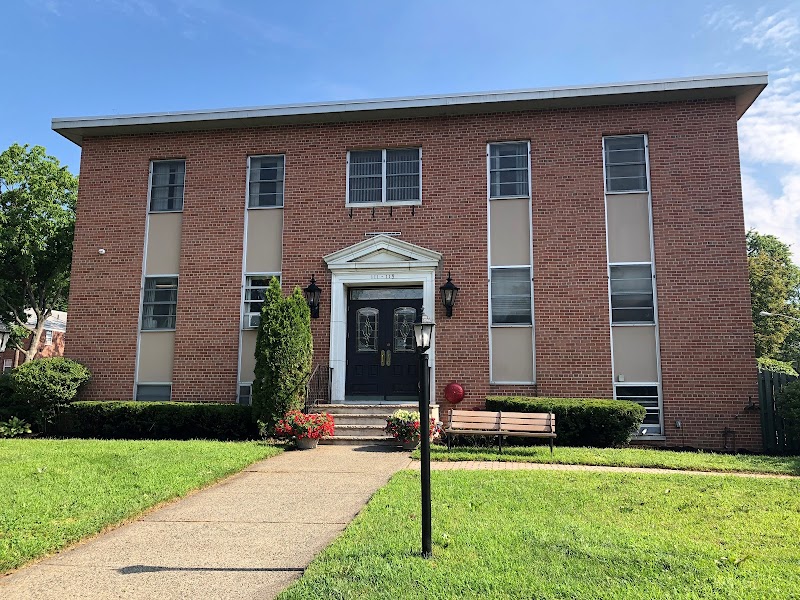
How is Montclair Staffed?

CMS rates MONTCLAIR CARE CENTER's staffing level at 3 out of 5 stars, which is average compared to other nursing homes. Staff turnover is 33%, compared to the New Jersey average of 46%. This relatively stable workforce can support continuity of care.

What Have Inspectors Found at Montclair?

State health inspectors documented 15 deficiencies at MONTCLAIR CARE CENTER during 2019 to 2024. These included: 15 with potential for harm.

Who Owns and Operates Montclair?

MONTCLAIR CARE CENTER is owned by a for-profit company. For-profit facilities operate as businesses with obligations to shareholders or private owners. The facility is operated by HIGHBRIDGE HEALTHCARE, a chain that manages multiple nursing homes. With 64 certified beds and approximately 56 residents (about 88% occupancy), it is a smaller facility located in MONTCLAIR, New Jersey.

How Does Montclair Compare to Other New Jersey Nursing Homes?

Compared to the 100 nursing homes in New Jersey, MONTCLAIR CARE CENTER's overall rating (3 stars) is below the state average of 3.3, staff turnover (33%) is significantly lower than the state average of 46%, and health inspection rating (3 stars) is at the national benchmark.

What Should Families Ask When Visiting Montclair?

Based on this facility's data, families visiting should ask: "Can I visit during a mealtime to observe dining assistance and food quality?" "How do you handle medical emergencies, and what is your hospital transfer rate?" "Can I speak with family members of current residents about their experience?"

Is Montclair Safe?

Based on CMS inspection data, MONTCLAIR CARE CENTER has a clean safety record: no substantiated abuse findings (meaning no confirmed cases of resident harm), no Immediate Jeopardy citations (the most serious violation level indicating risk of serious injury or death), and is not on the Special Focus Facility watch list (a federal program monitoring the lowest-performing 1% of nursing homes). The facility has a 3-star overall rating and ranks #100 of 100 nursing homes in New Jersey. While no facility is perfect, families should still ask about staff-to-resident ratios and recent inspection results during their visit.

Do Nurses at Montclair Stick Around?

MONTCLAIR CARE CENTER has a staff turnover rate of 33%, which is about average for New Jersey nursing homes (state average: 46%). Moderate turnover is common in nursing homes, but families should still ask about staff tenure and how the facility maintains care continuity when employees leave.

Was Montclair Ever Fined?

MONTCLAIR CARE CENTER has no federal fines on record. CMS issues fines when nursing homes fail to meet care standards or don't correct problems found during inspections. The absence of fines suggests the facility has either maintained compliance or corrected any issues before penalties were assessed. This is a positive indicator, though families should still review recent inspection reports for the full picture.

Is Montclair on Any Federal Watch List?

MONTCLAIR CARE CENTER is not on any federal watch list. The most significant is the Special Focus Facility (SFF) program, which identifies the bottom 1% of nursing homes nationally based on persistent, serious quality problems. Not being on this list means the facility has avoided the pattern of deficiencies that triggers enhanced federal oversight. This is a positive indicator, though families should still review the facility's inspection history directly.