BROADWAY HOUSE FOR CONTINUING CARE
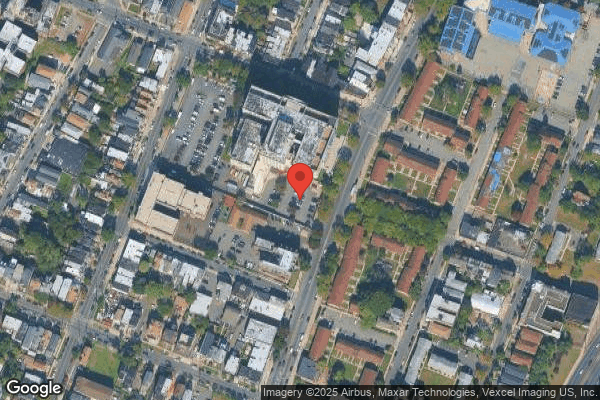
298 BROADWAY, NEWARK, NJ 07104 (973) 268-9797
Non profit - Corporation 78 Beds Independent Data: November 2025
Trust Grade
90/100
#9 of 344 in NJ
Last Inspection: February 2025

Within standard 12-15 month inspection cycle. Federal law requires annual inspections.

Overview

Broadway House for Continuing Care in Newark, New Jersey has an excellent Trust Grade of A, indicating a high level of care and reliability. It ranks #9 out of 344 facilities in the state and #1 in Essex County, placing it in the top tier for quality among local options. However, the facility has shown a worsening trend with the number of issues increasing from 1 in 2023 to 3 in 2025, suggesting some declining performance. Staffing is rated as good with a 4/5 star rating, but the turnover rate of 47% is average compared to the state average of 41%. There have been no fines, which is a positive sign, but recent inspection findings included concerns about inadequate water management that could expose residents to Legionella, and failures to follow safety protocols to prevent resident elopement. Overall, while there are significant strengths, families should be aware of the recent concerns raised during inspections.

Trust Score
A
90/100
In New Jersey
#9/344
Top 2%
Safety Record
Low Risk
No red flags
Inspections
Getting Worse
1 → 3 violations
Staff Stability
⚠ Watch
47% turnover. Above average. Higher turnover means staff may not know residents' routines.
Penalties
✓ Good
No fines on record. Clean compliance history, better than most New Jersey facilities.
Skilled Nurses
⚠ Watch
Each resident gets only 28 minutes of Registered Nurse (RN) attention daily — below average for New Jersey. Fewer RN minutes means fewer trained eyes watching for problems.
Violations
⚠ Watch
12 deficiencies on record. Higher than average. Multiple issues found across inspections.
★★★★★
5.0
Overall Rating
★★★★☆
4.0
Staff Levels
★★★★★
5.0
Care Quality
★★★★☆
4.0
Inspection Score
Stable
2023: 1 issues
2025: 3 issues

The Good

  • 4-Star Staffing Rating · Above-average nurse staffing levels
  • 5-Star Quality Measures · Strong clinical quality outcomes
  • Full Sprinkler Coverage · Fire safety systems throughout facility
  • No fines on record

Facility shows strength in staffing levels, quality measures, fire safety.

The Bad

Staff Turnover: 47%

Near New Jersey avg (46%)

Higher turnover may affect care consistency

The Ugly 12 deficiencies on record

Feb 2025 3 deficiencies
CONCERN (D) 📢 Someone Reported This

A family member, employee, or ombudsman was alarmed enough to file a formal complaint

Potential for Harm - no one hurt, but risky conditions existed

Free from Abuse/Neglect (Tag F0600)

Could have caused harm · This affected 1 resident

**NOTE- TERMS IN BRACKETS HAVE BEEN EDITED TO PROTECT CONFIDENTIALITY** Based on interview, record review, and facility policy review, r the facility failed to ensure residents were free of abuse for ...

Read full inspector narrative →
**NOTE- TERMS IN BRACKETS HAVE BEEN EDITED TO PROTECT CONFIDENTIALITY** Based on interview, record review, and facility policy review, r the facility failed to ensure residents were free of abuse for one of one resident reviewed for abuse (Resident (R) 3) out of 21 sampled residents. R3 was physically abused by R119. This failure placed the resident at risk for physical injury and psychosocial harm. Findings include: Review of a facility policy titled Abuse, dated 01/01/25 indicated .Physical Abuse.Any inappropriate physical contact with a resident, such as hitting, slapping, striking with an open or closed hand, pinching, biting, kicking, rough handling, pulling of hair, twisting of limbs, or punching. Review of a document provided by the facility titled Resident Face Sheet indicated R3 was admitted to the facility on [DATE]. Review of a document provided by the facility titled quarterly Minimum Data Set (MDS) with an Assessment Reference Date (ARD) of 07/19/24 indicated the resident had a Brief Interview for Mental Status (BIMS) score of 11 out of 15 which indicated the resident was moderately cognitively impaired. Review of a document provided by the facility titled Resident Face Sheet indicated R119 was admitted to the facility on [DATE]. Review of a document provided by the facility titled nursing Progress Notes dated 08/09/24 indicated R3 was overheard by Licensed Practical Nurse (LPN) 1 when R3 and R119 were arguing. The progress notes revealed by the time LPN1 approached the two residents, R119 hit R3 twice in the face. LPN1 separated R119 from R3. LPN1 assessed R3 and he sustained no injuries. Both the physician and the responsible party were notified of the resident-to-resident incident. An order was obtained to transfer R119 to a crisis unit, and initially R119 voiced that he did not want to go but then spoke with a family member and R119 complied. A review was conducted of R119's clinical records and there were no prior aggressive/physical behaviors identified with other residents. Review of a document provided by the facility titled Summary of Investigation dated 08/09/24 indicated a resident-to-resident incident which involved R3 and R119. The facility's investigation revealed R119 had a BIMS score of 15 out of 15 which revealed the resident was cognitively intact. The investigation indicated R3 was sitting in his wheelchair and in front of the nursing station when R119 approached R3 and stepped on his right foot and punched him twice in the face. As part of the facility's investigation the Director of Nursing (DON) watched camera footage of the incident between R3 and R119 and verified the resident-to-resident incident. The investigation revealed R3 was placed one-on-one and R119 was sent to the emergency room for crisis intervention and was eventually transferred back to the facility on [DATE]. During an interview on 02/18/25 at 2:03 PM, LPN1 confirmed she witnessed R119 hit R3. LPN1 confirmed R119 was sent to another facility. LPN1 verified she heard R3 tell R119 to hit him, and when she began to go towards the two residents, she witnessed R119 hit R3 twice in the face. LPN1 stated she considered the resident-to-resident abuse and reported the incident immediately to her supervisor. LPN1 confirmed she was interviewed by the DON as part of the facility's investigation. A subsequent interview was conducted on 02/19/25 at 8:50 AM, LPN1 verified R119 was immediately sent out to the emergency room to be evaluated by a crisis team and considered resident-to-resident abuse. LPN1 stated R119 was eventually transferred to another facility. During an interview on 02/19/25 at 11:44 AM, R3 confirmed R119 stepped on his foot but did not remember if he was hit in the face. R3 stated he believed the actions made by R119 were abuse. R3 stated he was not fearful of R119. During an interview on 02/19/25 at 1:12 PM, the DON stated her expectation was to protect R3 and the staff provided him with one-on-one supervision. The DON stated both R3 and R119 had counseling related to the incident. The DON stated there were no prior incidents which involved R119 and other residents. The DON stated R119 was placed on the first floor and R3 was on the second floor. During a subsequent interview on 02/19/25 at 3:24 PM, the DON and the Administrator were present. The DON stated R119's attack on R3 was unprovoked. The DON stated the goal was to keep R3 protected, and we wanted to make sure no one suffered any triggers as a result of the resident-to-resident, and this was why both residents received counselling after the incident. NJAC 8:39-4.1(a)5 NJAC 8:39-9.4(f)
CONCERN (D) 📢 Someone Reported This

A family member, employee, or ombudsman was alarmed enough to file a formal complaint

Potential for Harm - no one hurt, but risky conditions existed

Deficiency F0625 (Tag F0625)

Could have caused harm · This affected 1 resident

**NOTE- TERMS IN BRACKETS HAVE BEEN EDITED TO PROTECT CONFIDENTIALITY** Based on interview, record review, and policy review, the facility failed to ensure two of two residents discharged to the hospi...

Read full inspector narrative →
**NOTE- TERMS IN BRACKETS HAVE BEEN EDITED TO PROTECT CONFIDENTIALITY** Based on interview, record review, and policy review, the facility failed to ensure two of two residents discharged to the hospital (Resident (R) 51 and R57) out of a total sample of 21 residents were provided with a bed hold notice within 24 hours of emergent transfer to the hospital. This failure increased the potential that residents would not know to request a bed hold and may be unable to return to the facility. Findings include: Review of the facility's policy titled Bed-Holds and Returns dated 01/01/25 revealed the following Prior to transfers and therapeutic leaves, residents or resident representatives will be informed in writing of the bed-hold and return policy (3) Prior to a transfer, written information will be given to the residents and resident representatives that explains in detail: (a) the rights and limitations of the resident regarding bed-holds; (b) the reserve bed payment policy as indicated by the state plan (Medicaid Residents) (c) the facility per diem rate required to hold a bed (non-Medicaid residents), or to hold a bed beyond the state bed-hold period (Medicaid Residents); and (d) the details of the transfer (per the Notice of Transfer). 1. Review of R57's undated admission Record, located in the resident's electronic medial record (EMR) under the Resident Summary tab revealed R57 was admitted to the facility on [DATE]. Review of R57's Progress Note located in the EMR under the Resident Summary tab dated 07/28/24 revealed the following resident in bed with fever. Resident lethargic with elevated heartrate on 2L oxygen via nasal canula. Vitals: BP 122/89, HR 138, Temp 101.8, Resp 22, Sat 95%, Resident skin flush and hot to touch, no complaint of shortness of breath or pain. Nurse notified supervisor and the medical director (MD). The MD notified staff to send resident out to hospital to r/o [rule out] sepsis. Tylenol 650mg given prior to transport to hospital. Family notified. Review of R57's Progress Note dated 08/05/24 located under the Resident Summary tab of the EMR revealed Resident readmitted to the facility at 3:00 pm . 2. Review of R51's admission Record located in the resident's EMR under the Resident Summary tab revealed R51 was admitted on [DATE]. Review of R51's Progress Note dated 01/04/25 and located in the resident's EMR under the Resident Summary tab revealed Resident tolerated all due meds, observed with a discoloration bump on the right side of the head. MD made aware, ordered to send resident to the ER for CT SCAN of the head. A review of the EMR did not reveal any evidence to indicate R51 received a bed hold notice. During an interview on 02/19/25 at 10:42 AM, the Director of Nursing (DON) stated the facility did not provide the residents and/or their representatives with a bed hold policy when they were sent to the hospital. During an interview on 02/19/25 at 1:58 PM, the Business Office Assistant (BOA) stated they do not provide the residents or their representatives with a bed hold policy when they are sent to the hospital. NJAC 8:39-4.1(a)31 NJAC 8:39-5.1 NJAC 8:39-5.3(b)
CONCERN (F) 📢 Someone Reported This

A family member, employee, or ombudsman was alarmed enough to file a formal complaint

Potential for Harm - no one hurt, but risky conditions existed

Infection Control (Tag F0880)

Could have caused harm · This affected most or all residents

**NOTE- TERMS IN BRACKETS HAVE BEEN EDITED TO PROTECT CONFIDENTIALITY** Based on observation, interview, and record review, the facility's failed to have an adequate water management program. The faci...

Read full inspector narrative →
**NOTE- TERMS IN BRACKETS HAVE BEEN EDITED TO PROTECT CONFIDENTIALITY** Based on observation, interview, and record review, the facility's failed to have an adequate water management program. The facility's water management program was incomplete and was not consistent with current ASHRAE (American Society of Heating, Refrigerating and Air-Conditioning Engineers) Guideline, which specifically called for design and maintenance procedures for the potential exposure of Legionnaire's disease (a serious pneumonia infection) within a healthcare facility. This failure created the potential for the 65 facility residents, who were either over the age of 65 and/or were autoimmune compromised, to be infected by Legionella. Findings include: Review of website for ASHRAE titled Successfully Managing the Risk of Legionellosis dated 04/07/21 indicated . Legionellae the biological classification name for a [NAME] of bacteria.is the plural, referring to more than one Legionella bacterium.Legionellosis: any illness (disease) caused by the exposure to Legionella. Legionnaires' disease (LD) and Pontiac fever (PF) are the two known types of legionellosis.Potentially fatal, multisystem respiratory illness, accompanied by pneumonia.Symptoms.high fever, chills, muscle pain, headache, dry cough, diarrhea, vomiting, confusion, and delirium common.Immune suppressed.transplant patients, cancer, cardiac, diabetes, steroid/drug therapy.Sick/in poor health. Elderly/infirm.Heavy smokers, lung/COPD diseases.Describe the building water systems using flow diagrams & a written description: Include details such as where the building connects to the (municipal) water supply, how water is distributed and used (processed), where hot tubs, water heaters, cooling towers, etc. are located. Review of a document provided by the facility titled Water Management Plan and Procedure for Broadway House for Continuing Care (BHCC) undated indicated .The purpose of this Water Management Plan (WMP) is to ensure the safe and reliable delivery of water to all areas of the nursing home, with a focus on maintaining the health and safety of residents and staff, preventing waterborne illnesses, and managing water resources efficiently. The facility failed to ensure their water management program contained a diagram or a description of the building's water system. During an interview on 02/19/25 at 9:16 AM, the Maintenance Director stated he tested water temperatures on a daily basis as part of the facility's water management program. The Maintenance Director stated there was no diagram of the facility's water system which would identify potential areas for water pathogen development. The Maintenance Director stated there were no schematics of the building's water system. The Maintenance Director stated he would need to reach out to the owners of the building to see if they had any additional information. During an interview on 02/19/25 at 3:24 PM, the Administrator stated he had been recently hired as an interim Administrator and said his expectations were to monitor the facility's water management program, which included reviewing the facility's water system. NJAC 8:39-19.1(a)(b) NJAC 8:39-19.4
May 2023 1 deficiency
CONCERN (E) 📢 Someone Reported This

A family member, employee, or ombudsman was alarmed enough to file a formal complaint

Potential for Harm - no one hurt, but risky conditions existed

Accident Prevention (Tag F0689)

Could have caused harm · This affected multiple residents

**NOTE- TERMS IN BRACKETS HAVE BEEN EDITED TO PROTECT CONFIDENTIALITY** Complaint #NJ00164204 Based on interviews and a review of the medical records (MRs) and other facility documentation on 5/18/23,...

Read full inspector narrative →
**NOTE- TERMS IN BRACKETS HAVE BEEN EDITED TO PROTECT CONFIDENTIALITY** Complaint #NJ00164204 Based on interviews and a review of the medical records (MRs) and other facility documentation on 5/18/23, it was determined that the facility staff failed to implement interventions to prevent an elopement and follow the facility's policy for 1 of 3 sampled residents (Resident #1) reviewed for elopement. This deficient practice is evidenced by the following: Review of the facility policy titled Facility Passes & Pass Violation revised 5/16/22, included but was not limited to: Passes are given after 14 days admission .All escorts must be an adult .4 different types of passes are given out at the discretion of the medical director, primary physician, or nurse practitioner. Residents are granted 1 independent pass a day .Each pass is color coded. If escorted, resident is granted 2 passes a day to be with loved ones. Store pass (red form) means the resident must return to the facility within 1 hour. Day pass (yellow form) means that a resident must return back to the facility by 9PM. Medical pass means that a resident must return back to the facility once that appointment is finished and cannot wander away, this is an escorted pass .Staff cannot escort any resident for day pr store passes. 1. According to the Face Sheet, Resident #1 was admitted to the facility on [DATE]. The physician progress notes (PNs) dated 5/9/23 revealed diagnoses which included but were not limited to: Lung Cancer and Emphysema. The admission nursing assessment dated [DATE] revealed that Resident #1 was alert and oriented to person, place, time, and situation. The resident was able to ambulate and complete activities of daily living (ADLs) without assistance. Review of Resident #1's baseline care plan (CP), dated 5/10/23, revealed that Resident #1 was scheduled for radiation therapy (RT) three times a week at a cancer treatment center (CTC). There were no goals or interventions indicated in the CP. Review of Resident #1's Physician Order (PO) did not reveal a PO for radiation therapy. The Resident Master Listing (RML) document dated 5/12/23 included a list of residents and their pass status. Resident #1's pass status indicated a medical hold or medical pass for the first 14 days of admission which required the resident to be escorted by a staff member for a medical appointment and must return to the facility after an appointment. The Director of Nursing (DON) explained during an interview on 5/18/23 at 11:34 AM, that the master list is updated every Friday or when the facility admitted a new resident. The updated list is given to the security staff. Security and nursing staff are required to verify the pass status each time a resident would request to leave the facility. The Resident Appointments calendar (RAC) from 5/8/23-5/12/23 included a list of residents and the appointment details including destination, time of appointment, and assigned escort. However, Resident #1's RT appointments on 5/10/23 and 5/12/23 were not included in the calendar. The Director of Nursing (DON) explained during an interview on 5/18/23 at 11:34 AM that the weekly calendar is handed to the security staff every Monday. She added security personnel (SP) and nursing staff must not allow any resident to leave the facility for an appointment unless it was scheduled in the calendar. Review of an elopement incident Reportable Event Record/Report (RER) sent to the New Jersey Department of Health (NJDOH) on 5/13/23 included that Resident #1 left the faciity on 5/12/23 at 2:12 PM for an RT appointment. Review of the undated summary of investigation revealed that an elopement incident occurred on 5/12/23 at 2:12 PM when the unit manager (UM) acted independently and allowed Resident #1 to leave the facility without an escort for a RT appointment. The initial interventions the facility put in place after the elopement included: contacting the CTC and the resident, filing a police report, and implementing the facility's protocol for elopement. A statement from the Registered Nurse/UM (RN/UM) revealed that on 5/10/23, the RN/UM allowed Resident #1 to leave the facility for a RT appointment without an escort. A statement from SP #1, who was responsible for supervising residents who sit in front of the facility, revealed on 5/12/23, SP #1 allowed Resident #1 to leave the facility unaccompanied because she presumed the resident did not need an escort since the RN/UM approved the resident to leave without an escort for the same appointment earlier that week. Review of the nursing PNs dated 5/12/23 at 12:08 PM indicated that Resident #1 informed RN #1 he/she was scheduled for a RT at CTC three times a week at 12:30 PM, and transportation had been pre-arranged and on the way. There was no indication in the PN that RN #1 verified the resident's pass status or checked the RAC. Further review of the nursing PNs dated 5/12/23 at 10:43 PM revealed that RN #1 notified the RN/nursing supervisor (RN/NS) when Resident #1 did not return from RT appointment. RN #1 reached out to the resident, but the cellphone was not in service. At 8:45 PM, the SP on duty confirmed the resident did not call. It was indicated in the nursing PNs the RN/NS completed a facility search and confirmed with the transportation provider the resident canceled the service at 1:38 PM pick up from the facility to CTC. Additionally, the RN/NS notified the physician and the DON and left a voice message on his/her cellphone at 9:45 PM. The RN/NS made an inquiry to nearby hospitals and notified the police. The police responded at 5:50 AM on 5/13/23. During an interview with the surveyor on 5/18/23 at 11:34 AM, the DON explained she could not get in touch with the CTC staff until 5/15/23 because of the weekend closure. She stated the resident could not be reached after leaving the facility. She then went to CTC on 5/17/23 and spoke with the resident about returning to the facility. However, the resident declined and signed out against medical advice (AMA). The AMA form dated 5/17/23, signed by Resident #1, the DON, and a witness, included that the medical risk/benefits were explained and understood by the resident. During an interview with the surveyor on 5/18/23 at 1:15 PM, SP #1 confirmed on 5/12/23, she did not check the RAC if Resident #1 was scheduled for an appointment or the RML for the pass status. She allowed Resident #1 to leave the facility unaccompanied for a RT appointment on 5/12/23 because the RN/UM approved the same appointment on 5/10/23. The SP acknowledged she should have asked the nursing staff and not assumed the resident did not require an escort. During an interview with the surveyor on 5/18/23 at 9:00 AM and 11:08 AM, the RN/UM stated that newly admitted residents must be escorted by facility staff to medical appointments. However, the RN/UM approved Resident #1 to leave the facility for a medical appointment without an escort on 5/10/23 because the resident's cognition was intact. The RN/UM acknowledged she failed to follow the facility's policy and should have let an aide escort the resident to the appointment. Additionally, the RN/UM was unable to explain why the appointment calendar was not updated to include Resident #1's RT appointments on 5/10/23 and 5/12/23. During an interview with the surveyor on 5/18/23 at 2:34 PM, RN #1 who was the assigned nurse for Resident #1 on 5/12/23 stated she was unsure of the escort requirements for medical appointments but confirmed she allowed Resident #1 to leave for a medical appointment unaccompanied on 5/12/23. She added she allowed it because the resident had the capacity to make decisions. However, RN #1 agreed she failed to follow the facility's policy and stated she should have verified the escort requirements with the administration staff. During an interview with the surveyor on 5/18/23 at 11:34 AM, the DON stated that the RN/UM, RN #1, and SP #1 should have followed the facility's policy and not allowed Resident #1 to leave for a medical appointment without an escort. The resident required an escort regardless of having an intact cognition. She further stated they should have verified the resident's pass status. During an interview with the surveyor on 5/18/23 at 3:03 PM, the Administrator stated that all staff are expected to follow the facility's pass or escort requirements procedure. Review of the facility policy titled Code Gray-Missing Resident-Resident Elopement-Management of Missing Resident dated 12/16/21 included but was not limited to: It is the responsibility of all personnel to report any resident attempting to leave the premises unauthorized, or is suspected of being missing, to the security department and the nursing department immediately. NJAC 8:39-27.1(a)
Dec 2022 4 deficiencies
CONCERN (D)

Potential for Harm - no one hurt, but risky conditions existed

MDS Data Transmission (Tag F0640)

Could have caused harm · This affected 1 resident

**NOTE- TERMS IN BRACKETS HAVE BEEN EDITED TO PROTECT CONFIDENTIALITY** Based on interview and record review, it was determined that the facility failed to timely transmit a resident's Minimum Data Se...

Read full inspector narrative →
**NOTE- TERMS IN BRACKETS HAVE BEEN EDITED TO PROTECT CONFIDENTIALITY** Based on interview and record review, it was determined that the facility failed to timely transmit a resident's Minimum Data Set (MDS), an assessment tool used to facilitate the management of care in accordance with federal guidelines. This deficient practice was identified for one of 18 residents, (Resident #22) reviewed for the timely transmission of MDS's and was evidenced by the following: On 12/20/22 at 11:36 AM, the surveyor interviewed the MDS/Coordinator (MDS/C) who stated that she completed Resident #22's quarterly MDS dated [DATE], but she forgot to submit it to the Center for Medicare & Medicaid Services (CMS). The MDS/C stated that the facility had 14 days to submit an assessment after it was completed The surveyor reviewed the medical record for Resident #22. A review of the resident's Face Sheet (An admission Summary) reflected that the resident had resided at the facility since 2019 and had diagnoses which included but were not limited to hypertension (high blood pressure), acquired absence of right lower leg below knee, acquired absence of left toes, COVID-19, and heart failure. A review of the facility's CMS Submission Report for Resident #22 indicated that the target date for the resident's quarterly MDS was 09/02/22 and the quarterly MDS was submitted to CMS late on 12/19/22. The MDS is a comprehensive federal mandated process for clinical assessment of all residents that must be completed and submitted to the Quality Measure System. The facility must electronically transmit the MDS up to 14 days of the assessment being completed. After transmitting of the MDS, it will generate a quality measure to enable a facility to monitor the residents decline and progress. On 12/20/22 at 1:46 PM, the surveyor informed the facility's Administrative staff of the MDS transmission error. NJAC 8:39-11.1
CONCERN (D)

Potential for Harm - no one hurt, but risky conditions existed

Deficiency F0761 (Tag F0761)

Could have caused harm · This affected 1 resident

Based on observation, interview, and record review, it was determined that the facility failed to remove an expired controlled medication (Oxycodone) from the active back up supply for one (1) of thre...

Read full inspector narrative →
Based on observation, interview, and record review, it was determined that the facility failed to remove an expired controlled medication (Oxycodone) from the active back up supply for one (1) of three (3) medication storage rooms that were inspected for proper medication storage. The deficient practice was evidenced by the following: On 12/20/22 at 11:48 AM, the surveyor observed a Registered Nurse/Unit Manager (RN/UM) and a Licensed Practical Nurse (LPN) perform an inventory count for the controlled medications stored in the electronic back up supply machine for the facility. During the inventory count the RN/UM stated that there were eight (8) Oxycodone Immediate Release (IR) tablets in inventory and that was an accurate count. The surveyor, with the RN/UM and LPN, observed an expiration date of 11/19/22 for two (2) of the eight (8) tablets. The RN/UM stated that the two (2) tablets were expired and would need to be removed and destroyed appropriately. The RN/UM further stated that she was responsible for any discrepancies in the electronic back up supply machine for the controlled medications and that the expiration dates should be checked when an inventory was completed. The RN/UM added that the controlled medications in the back up supply machine were counted every shift by two (2) nurse supervisors. The RN/UM also stated that the two (2) expired Oxycodone IR tablets were missed during the inventories that had been done. A review of the November and December 2022 facility Control Inventory Record reflected that the controlled medications in the electronic back up supply machine had been counted every shift. The records reflected two (2) nurses signed every shift that the controlled medications were counted. The records had not reflected any discrepancies or expired medications. On 12/20/22 at 1:05 PM the surveyor was provided a facility policy for Storage of Medications by the Chief Operating Officer (COO). A review of the undated facility policy for Storage of Medications reflected that Discontinued, outdated or deteriorated drugs or biologicals are returned to the dispensing pharmacy or destroyed. On 12/20/22 at 1:30 PM, the survey team met with the facility administrative team. The COO stated that the undated facility policy for the Storage of Medications was the current policy. NJAC: 8:39-29.4(g)(h)
CONCERN (D)

Potential for Harm - no one hurt, but risky conditions existed

Deficiency F0947 (Tag F0947)

Could have caused harm · This affected 1 resident

Based on interview and review of facility documentation, it was determined that the facility failed to ensure that Certified Nursing Aides (CNA) received 12 hours of mandatory annual in-service traini...

Read full inspector narrative →
Based on interview and review of facility documentation, it was determined that the facility failed to ensure that Certified Nursing Aides (CNA) received 12 hours of mandatory annual in-service training that included abuse training for 1 of 5 CNA files reviewed (CNA #1). The deficient practice was evidenced by the following: On 12/20/22 at 12:30 PM, the surveyor reviewed the in-service education hours for five randomly selected CNA files, which were provided by the facility. The Nursing Education Record and Transcripts provided showed the following: CNA #1 had a hire date of 11/20/19. According to the Nursing Education Record and Transcript provided by the facility, CNA #1 had completed 6.5 hours of training from 11/20/21 to 11/20/22 which did not include training on abuse and the additional 5.5 hours of the required 12. On 12/20/22 at 1:05 PM, the surveyor interviewed the Nurse Educator (NE) regarding the education provided. The NE stated that the education provided was everything that she could find for each person. On 12/20/22 at 1:13 PM, the surveyor interviewed the NE regarding CNA #1's education. The NE confirmed that CNA #1 had 6.5 hours in the time frame from 11/20/21 to 11/20/22. The NE also confirmed that CNA #1 did not have training on abuse in that time frame. On 12/21/22 at 12:08 AM, in the presence of the survey team, the Chief Operating Officer confirmed that CNA #1 did not have the appropriate training and confirmed that CNA #1 should have had the training. On 12/21/22 at 12:52 PM, in the presence of the survey team, the NE stated that staff should have had 12 hours of education including abuse training within their anniversary year. The facility could not provide any documented evidence that CNA #1 had completed the mandatory 12 hours training including abuse training. Review of the facility provided policy titled, In-Service Training with a revised date of 12/21/22, included the following: Under Policy Statement All nursing assistant personnel shall participate in regularly scheduled in-service training classes. Under Policy Interpretation and Implementation 1. All personnel are required to attend regularly scheduled in-service training classes . 3. Annual in-services must: a. Ensure the continuing competence of the nursing assistant b. Be no less than 12 hours per employment year c. Address areas of weakness as determined by the performance reviews d. Include training that addresses the care of the residents, as determined by facility staff e. Include training that addresses the care of the residents with cognitive impairment f. Include training in dementia management and abuse prevention . 6. All training classes attended by the employee shall be recorded on the respective employee's Education File by the staff educator. N.J.A.C. 8:39-43.17 (b)
CONCERN (E)

Potential for Harm - no one hurt, but risky conditions existed

Accident Prevention (Tag F0689)

Could have caused harm · This affected multiple residents

**NOTE- TERMS IN BRACKETS HAVE BEEN EDITED TO PROTECT CONFIDENTIALITY** Based on observation, interview, and record review, it was determined that the facility failed to: a.) follow interventions in t...

Read full inspector narrative →
**NOTE- TERMS IN BRACKETS HAVE BEEN EDITED TO PROTECT CONFIDENTIALITY** Based on observation, interview, and record review, it was determined that the facility failed to: a.) follow interventions in the resident's care plan for smoking, b.) thoroughly complete two out of last three facility required safe smoking evaluations for a resident and c.) accurately code the resident's annual Minimum Data Set (MDS), an assessment tool used to facilitate the management of care as a smoker. This deficient practice was identified for one of one resident's, (Resident #19) reviewed for smoking and was evidenced by the following: On 12/15/22 at 10:24 AM, the surveyor observed Resident #19 seated in a wheelchair in front of the nurse's station. The resident stated that he/she lived at the facility before the Pandemic and that he/she liked to go outside and smoke cigarettes. The resident further told the surveyor that the facility had designated smoking times in which the resident was required to follow. The resident explained that he/she had to follow the rules if he/she wanted to keep smoking at the facility and was only allowed to go outside if staff was present in the area during the designated smoking times. The resident further told the surveyor that he/she was not allowed to hold onto his/her cigarettes or lighter and that the staff handed out these items when he/she wanted to smoke. On 12/19/22 at 11:38 AM, the surveyor walked outside the main entrance of the facility and observed Resident #19 outside actively smoking a cigarette in the front patio area. The surveyor observed that the resident could hold the cigarette on his/her own. At the time of the observation, it was cold outside. The resident was wearing gloves without fingers, a heavy winter coat, and baggy, thick, long pants. The surveyor further observed a staff member present in the area. The surveyor observed the resident safely extinguish his/her cigarette and self-propel himself/herself by way of wheelchair back into the building. The surveyor did not observe that the resident was wearing a smoking apron at the time of the observation. On 12/20/22 at 11:48 AM, the surveyor observed the resident sitting in his/her wheelchair in front of the nurse's station. The resident stated that he/she had not gone outside to smoke yet today because it was too cold out. The surveyor reviewed the medical record for Resident #19. A review of the resident's annual MDS dated [DATE], reflected that the resident had a Brief Interview for Mental Status Score (BIMS) score of 12 out of 15 which indicated the resident's cognition was moderately impaired. A review of Section I - Active Diagnoses reflected that the resident had diagnoses which included but were not limited to hypertension (high blood pressure), diabetes mellitus, depression, and schizophrenia (a disorder that affects a person's ability to think, feel, and behave clearly). A further review of the resident's annual MDS, Section J1300 - Current Tobacco Use indicated that the resident was not a smoker. A review of the residents Safe Smoking Evaluation (SSE) dated 04/23/22, completed by the activities department indicated that the resident smoked, did not wear oxygen, the resident's cognitive short term, long term, and decision-making skills were intact and consistent. The SSE further reflected that the resident had the functional capacity, balance, range of motion, and fine motor skills to hold a cigarette. The observation/education section of the form was filled out in its entirety indicating that the resident was safe to smoke independently. The summary of the SSE indicated, smokes safety in the designated smoking areas and also understands the smoking policy. The SSE did not indicate that the resident had to wear an apron while smoking. A review of the resident's SSE dated 07/24/22, completed by the activities department indicated that the resident smoked, did not wear oxygen, the resident's cognitive short term, long term, and decision-making skills were intact and consistent. The SSE further reflected that the resident had the functional capacity, balance, range of motion, and fine motor skills to hold a cigarette. The observation/education section on the SSE was not completed and was left blank indicating the resident was not observed smoking a cigarette or educated by staff the day of the assessment. The summary of the SSE indicated, Resident does not have cigarettes at the moment. Upon purchasing or receiving observations will be completed. The SSE did not indicate that the resident had to wear an apron while smoking. A review of the resident's SSE dated 10/22/22, indicated that the resident was a smoker. The medical section, cognitive patterns, functional capacity, and observation/education section of the SSE was not filled out and left blank. The summary of the SSE reflected that the resident does smoke but did not have cigarettes at the time of the SSE and upon purchasing or receiving cigarettes an evaluation would be completed for the resident. The SSE did not indicate that the resident had to wear an apron while smoking. A review of the resident's Care Plan updated 8/22/22, reflected a focus area that the resident was a smoker. The resident's Care Plan indicated that the resident had committed multiple infractions, such as buying and selling cigarettes to other residents and violated the facility's smoking policy. As a result of the resident not adhering to the smoking policy, the resident was restricted from smoking for 30 days. The resident's Care Plan further indicated that Resident #19 complied with the facility's agreement of not smoking and was given back smoking privileges at the facility upon completion of his/her restriction. The Care Plan further reflected a focus area dated 2/19/21 that the resident continues to utilize/wear smoke apron for safety. The interventions in the resident's Care Plan included to provide resident with smoke apron to be left near security desk, re-educated resident on smoking policy, and resident will receive his/her cigarettes during the following break times from the Activities staff: 10 AM, 12:30 PM, 2:00 PM, and 4:00 PM. On 12/19/22 at 11:30 AM, the surveyor interviewed the resident's Certified Nursing Aide (CNA) who stated that the resident was alert, oriented, and very capable of making his/her needs known. The CNA told the surveyor that the resident smoked and had behaviors at times. The CNA gave the example that when the resident wanted something, he/she wanted it immediately, and if the resident did not get what he he/she wanted, the resident would get loud and curse. The CNA further stated that the resident didn't have behavioral outburst often and stated, hasn't had an episode in a minute. On 12/20/22 at 9:59 AM, the surveyor interviewed the receptionist. The receptionist desk was large, directly in front of the main doors to the facility, and to the right of the receptionist desk when walking into the building, the surveyor observed a box with smoking aprons in it. The receptionist stated that the activities department were the staff responsible for giving the resident's their cigarettes. The receptionist explained that there were three residents that lived at the facility who smoked that were required to wear an apron. The receptionist mentioned Resident #19 by name and stated that the residents knew that they had to put on the smoking apron. The receptionist pointed at the box with the aprons in them when she explained the process to the surveyor. The receptionist further stated that she and the security guard were the staff responsible for making sure the residents wore their aprons while smoking. The surveyor inquired if the resident was non-compliant with wearing his/her smoking apron. The receptionist told the surveyor that we wouldn't let the resident go outside without wearing the apron then stated, They try and get around wearing it. The receptionist then gave the example that the resident would say that he/she just wanted to go outside to get fresh air. On 12/20/22 at 11:31 AM, the surveyor interviewed the MDS/Coordinator who stated that section J1300 was filled out incorrectly on the resident's annual MDS dated [DATE], and the resident was a smoker. On 12/20/22 at 12:01 PM, the surveyor interviewed the security guard who was sitting at the front door watching the outside of the building. The security guard told the surveyor that it was her job to watch the resident's when they smoked. The security guard was able to tell the surveyor that Resident #19 was required to wear a smoking apron upon inquiry. The security guard stated that if she was to observe that the resident was not wearing the apron, she would go get it and bring it to the resident. The surveyor told the security guard the observation and time of the observation from the day prior in which the resident was observed smoking without wearing his/her apron. The security guard stated that she was out to lunch at the time of the surveyor's observation and normally Resident #19 would wear his/her apron when outside smoking On 12/20/22 at 12:54 PM, the surveyor interviewed the resident's Licensed Practical Nurse (LPN) who stated that the resident was alert and oriented to person, place, and time and the resident smoked cigarettes. The LPN further stated that activities came today to ask the resident if he/she wanted to smoke, and the resident declined. The LPN further stated that she worked agency and she was unsure of the facility's protocol for smoking assessments. On 12/20/22 at 1:01 PM, the surveyor interviewed the Activities Director (AD) who stated that the activities department was responsible for completing the Safe Smoking Evaluations for the residents upon admission, quarterly, annually, and as needed if there was a change in the resident's cognitive or physical function. The AD stated that the facility evaluated the residents for safety, mental and physical capability of holding the cigarettes, lighting the cigarette, and extinguishing it. The AD stated safety was the most important component of the safe smoking evaluation. The AD was familiar with Resident #19 and stated that the facility implemented the smoking apron after a burn mark was identified on the resident's clothes. The AD stated that the resident never burned his/her skin and had been wearing the apron for a few years now. The AD told the surveyor that the activities department staff gave the residents his/her cigarettes and apron. The AD stated, when we give the resident [his/her] cigarette they make sure [he/she] was wearing the smoking apron, also communicate to the security staff that the resident needs a smoking apron. The AD explained that the resident could be non-compliant at times related to smoking, therefore we have him/her on smoking restrictions for safety and monitoring. The AD further stated that if activity department staff noticed the resident did not have cigarettes the day of the scheduled smoking assessment, we were supposed to go back and generate a new smoking assessment to evaluate the resident's smoking capabilities. On 12/21/22 at 12:55 PM, the surveyor interviewed the Registered Nurse/Unit Manager (RN/UM) who stated that the resident should have been wearing his/her smoking apron prior to going outside and smoking. The RN/UM further stated that the resident's Care Plan would be updated to reflect the non-compliance with not wearing the smoking apron and the activity department was responsible for performing the Safe Smoking Evaluation which should have been completed. A review of the facility's, Resident Smoking Policy dated 03/05/07 indicated that all residents had to follow the smoking rules the facility implemented. The policy further indicated, Residents will be assessed for their ability to smoke safely upon admission/readmission, quarterly, and when experiencing a significant change in status. Areas to be assessed include: a. Cognition and decision making skills b. Ability to independently propel to and from designated smoking area c. Ability to safely light a cigarette d. Ability to safely hold a cigarette e. Ability to keep ashes from falling on a person f. Ability to extinguish a cigarette safely. The facility's, Resident Smoking Policy indicated that residents that are placed on a smoking restriction must be reassessed by the activities department to determine their ability to smoke safely. NJAC 8:39-27.1(a)
Feb 2021 4 deficiencies
CONCERN (D)

Potential for Harm - no one hurt, but risky conditions existed

Deficiency F0658 (Tag F0658)

Could have caused harm · This affected 1 resident

Based on observation, interview, and record review, it was determined that the facility failed to maintain professional standards of nursing practice following a physician's order for parameters. This...

Read full inspector narrative →
Based on observation, interview, and record review, it was determined that the facility failed to maintain professional standards of nursing practice following a physician's order for parameters. This deficient practice was observed during medication administration for 1 of 1 resident, Resident #56, and was evidenced by the following: On 2/17/21 at 9:30 AM, the surveyor observed Resident #56 in bed. The resident was quiet and lying comfortably in bed. A review of the resident's Face Sheet (A one-page summary of important information about a patient) indicated that Resident #56 has diagnoses that included but were not limited to Hypertension (High Blood Pressure), Hypotension (Low Blood Pressure), and Diabetes Mellitus. On 2/22/21 at 9:15 AM, the surveyor observed the Licensed Practical Nurse (LPN) prepare medication for administration to Resident #56 on unit 1 East. The surveyor noted an order documented on the Electronic Medical Record (EMAR) for Resident #56, Lisinopril 2.5 mg daily for Hypertension, Hold for Systolic Blood Pressure (SBP) less than 110. The LPN informed the surveyor that the resident's previously checked SBP, documented on the daily Vital Sign Worksheet, was 108/70. She said she would not administer the medication to Resident #56 because the SBP was below 110. The surveyor asked the LPN if she had checked the resident's SBP. The LPN responded that the SBP and all vitals are checked at the beginning of the shift by the Certified Nursing Assistant (CNA). The surveyor then requested that the LPN recheck Resident #56's SBP, which resulted in an SBP of 112/70. The LPN then administered the Lisinopril 2,5 mg to Resident #56. On 2/22/21 at 9:40 AM, the surveyor interviewed the Registered Nurse (RN) responsible for administering medications on unit 1 West. The RN informed the surveyor that if by chance, she encounters a Physician's order that includes parameters for holding medication, she reviews the information documented on the Vital Sign Worksheet to evaluate if the medication should be held. The RN stated that the vitals are all checked at the beginning of the morning shift by the CNA on the unit. On 2/22/21 at 10:20 AM, the surveyor interviewed the RN responsible for administering medication on unit 2 West. The RN informed the surveyor that she does not refer to the Vital Sign Worksheet documented with vitals information checked by the CNA at the beginning of the shift. The RN stated that before administering any medication that has hold parameters ordered by the Physician, she checks the vitals herself prior to administering the medication. On 2/22/21 at 10:25 AM, the surveyor interviewed the RN responsible for administering medication on unit 2 East. The RN informed the surveyor that she does not refer to the Vital Sign Worksheet documented with vitals information checked by the CNA at the beginning of the shift, approximately 7:30 AM. The RN stated that before administering any medication that has hold parameters ordered by the Physician, she checks the vitals herself prior to administering the medication. On 2/22/21 at 10:32 AM, the surveyor interviewed CNAs responsible for checking vitals on unit 1 East. Both CNAs informed the surveyor that vitals are checked on unit 1 East between 7:00 and 7:30 AM. On 2/22/21 at 11:00 AM, the surveyor discussed the discrepancy with the facility's Direct of Nursing, who stated that the medication administration nurses should check vitals prior to administering medications with a physician's order for parameters. On 2/22/21 at 2:00 PM, the surveyor reviewed the facility Medication Administration Guidelines, which explained, Medication orders that have parameters, the nurse will obtain the appropriate vital sign prior to administering the medication (at minimum 30 minutes prior to). NJAC 8:39-27.1(a)
CONCERN (D)

Potential for Harm - no one hurt, but risky conditions existed

Drug Regimen Review (Tag F0756)

Could have caused harm · This affected 1 resident

**NOTE- TERMS IN BRACKETS HAVE BEEN EDITED TO PROTECT CONFIDENTIALITY** Based on the documentation, interview, and record review, it was determined that the facility Consultant Pharmacist (CP) failed ...

Read full inspector narrative →
**NOTE- TERMS IN BRACKETS HAVE BEEN EDITED TO PROTECT CONFIDENTIALITY** Based on the documentation, interview, and record review, it was determined that the facility Consultant Pharmacist (CP) failed to identify the contraindication of an opioid-dependent resident's use of as-needed opioid pain medication. This deficient practice was identified for 1 of 16 residents sampled and reviewed for CP evaluation, Resident #62, and was evidenced by the following: On 2/17/19 at 9:40 AM, the surveyor observed Resident #62 in bed in the resident's room, watching television. A review of Resident #62's Face Sheet (A one-page summary of important information about a patient established upon admission) revealed that the resident had diagnoses that included but were not limited to Opioid dependence, Generalized anxiety disorder, and Chronic Pain Syndrome. A review of the current Physician's Orders for Resident #62 documents an order for Dolophine 10 mg (Methadone) 6 tablets (60 mg) by oral route for Opioid dependency ordered soon after admission on [DATE], and Percocet 10 mg-325 mg 1 tablet every 6 hours as needed for pain ordered on admission on [DATE]. The medication Percocet is a combination of Oxycodone 10 mg and Acetaminophen 325 mg. Oxycodone is an opioid with an abuse liability similar to morphine. A review of the February 2021 Electronic Medical Record (Emar) establishes that Resident #62 received 14 doses of Percocet 10 mg - 325 mg from 2/1-2/19/2021. The documentation on the Emar revealed pain levels ranging from 5 to 9 (level 1 mild to level 10 severe). A review of the Consultant Pharmacist's Medication Regimen Review dated 1/12/2021 and 2/15/2021 did not mention any information related to the contraindication of use with an opioid pain medication (Percocet 10 mg-325 mg) or the resident's history of opioid dependency. On 2/24/21 at 1:20 PM, the surveyor interviewed the resident's Medical Doctor (MD), who stated that he is the resident's physician in the community and has treated the resident with Methadone for pain, as well as the resident's heroin addiction. The surveyor identified that there was a contraindication between Methadone and Percocet, an opioid. The MD stated, I can increase the dose of the Methadone. On 2/25/21 at 10:50 AM, the surveyor interviewed the facility Consultant Pharmacist (CP). The CP could not explain why there was no mention in her recommendations to the facility that it is was contraindicated to treat an opioid-dependent person with Percocet, classified as an opioid, or why on both occasions where the CP reviewed the resident's medications, there was no mention of the contraindication of Percocet (Opioid) used in an opioid-addicted person. Futhermore, the CP could not explain why Percocet was ordered for as-needed pain relief for a resident treated with Methadone for opioid dependency. The CP responded that the resident received Percocet during the resident's hospital admission prior to coming to the facility. The CP could not provide any further information. On 2/25/21 at 11:00 AM, the surveyor interviewed the Director of Nursing (DON), who stated that the CP reviews every resident's medication regimen for any discrepancies on admission and monthly. The DON added that the CP provides the facility a report that identifies any discrepancies used for follow-up. The DON informed the surveyor that the issue involving Opioid-dependent Resident #62's treatment with Percocet (an opioid) and the combination of Methadone and Percocet was never identified to the facility by the CP. 8:39-29.3(a), (b)
CONCERN (D)

Potential for Harm - no one hurt, but risky conditions existed

Food Safety (Tag F0812)

Could have caused harm · This affected 1 resident

Based on observation, interview, record, and policy review, it was determined that the facility failed to maintain the kitchen environment and equipment in a sanitary manner to prevent contamination f...

Read full inspector narrative →
Based on observation, interview, record, and policy review, it was determined that the facility failed to maintain the kitchen environment and equipment in a sanitary manner to prevent contamination from foreign substances and the potential for the development of foodborne illness. This deficient practice was evidenced by the following: On 2/24/21 at 10:12 AM, the surveyor, in the Dietary Director's (DD) presence, observed a bristle hairbrush fall to the floor from the top of the condiment station (metal shelf storing salt, pepper, ketchup, mustard, mayonnaise, and other condiments). The dietary aide, who was mopping the floor, then picked up the hairbrush from the floor and placed it back on top of the condiment shelf. The surveyor observed that along with the bristle hairbrush (having evident hair strands in between the bristles) was a head bandana and cellphone placed on the condiment shelf. The DD instructed the dietary aide to remove all his personal belongings from the condiment shelf and put it in the office for storage. On 2/24/21 at 10:30 AM, the surveyor interviewed the DD in the presence of another surveyor. The DD stated to the surveyors that the condiment station must always be kept clean and free from any contaminated items. The DD explained that the condiment station is used during tray line food preparation, and personal items placed on the shelf will contaminate the area. The DD informed the surveyor that all employee personal items are to be kept in lockers supplied by the facility. The DD further stated that the condiment shelf would be completely sanitized. On 2/24/21 at 2:00 PM, the surveyor informed the Administrator (Admin) and Director of Nursing (DON) about the above concerns in the kitchen area. The Admin and DON acknowledged the deficient practice and added that the facility provides all employees lockers for their personal items. They added that the dietary aide should not have had his personal items placed on any part of the kitchen area. NJAC 8:39-17.2(g)
CONCERN (D)

Potential for Harm - no one hurt, but risky conditions existed

Garbage Disposal (Tag F0814)

Could have caused harm · This affected 1 resident

Based on observation and interview, it was determined that the facility failed to properly dispose and maintain waste in the garbage compactor area as evidenced by the following: On 2/24/21 at 10:10 A...

Read full inspector narrative →
Based on observation and interview, it was determined that the facility failed to properly dispose and maintain waste in the garbage compactor area as evidenced by the following: On 2/24/21 at 10:10 AM, in the presence of the Dietary Director (DD), the surveyor observed the garbage compactor area to be littered with old cardboard boxes, old milk cartons, soiled plastic gloves, and soiled incontinence pad. The DD stated to the surveyor that the maintenance department of the facility was responsible for the cleaning of their garbage area. On 2/24/21 at 10:43 AM, the surveyor interviewed the Maintenance Director (MD) of the facility in the presence of another surveyor. The MD stated that the landlord of the facility's building was the one responsible for maintaining the garbage area clean. The surveyor requested a copy of a written agreement between the facility and the landlord that would indicate that the landlord of the building will be the one responsible for maintaining the garbage area clean. The surveyor also requested a copy of the facility's policy related to cleaning of the garbage area. On 2/24/21 at 11:30 AM, the Administrator spoke to the surveyor and stated that there was no written policy nor an agreement regarding who was responsible on the clean up of the garbage disposal. On 2/24/21 at 2:00 PM, the surveyor informed the Administrator, and the Director of Nursing regarding the above concern. NJAC 8:39-31.5(a)1
Understanding Severity Codes (click to expand)
Life-Threatening (Immediate Jeopardy)
J - Isolated K - Pattern L - Widespread
Actual Harm
G - Isolated H - Pattern I - Widespread
Potential for Harm
D - Isolated E - Pattern F - Widespread
No Harm (Minor)
A - Isolated B - Pattern C - Widespread

Questions to Ask on Your Visit

  • "Can I speak with families of current residents?"
  • "What's your RN coverage like on weekends and overnight?"

Our Honest Assessment

Strengths
  • • Grade A (90/100). Above average facility, better than most options in New Jersey.
  • • No major safety red flags. No abuse findings, life-threatening violations, or SFF status.
  • • No fines on record. Clean compliance history, better than most New Jersey facilities.
Concerns
  • • 12 deficiencies on record. Higher than average. Multiple issues found across inspections.
Bottom line: Generally positive indicators. Standard due diligence and a personal visit recommended.

About This Facility

What is Broadway House For Continuing Care's CMS Rating?

CMS assigns BROADWAY HOUSE FOR CONTINUING CARE an overall rating of 5 out of 5 stars, which is considered much above average nationally. Within New Jersey, this rating places the facility higher than 99% of the state's 100 nursing homes. This rating reflects solid performance across the metrics CMS uses to evaluate nursing home quality.
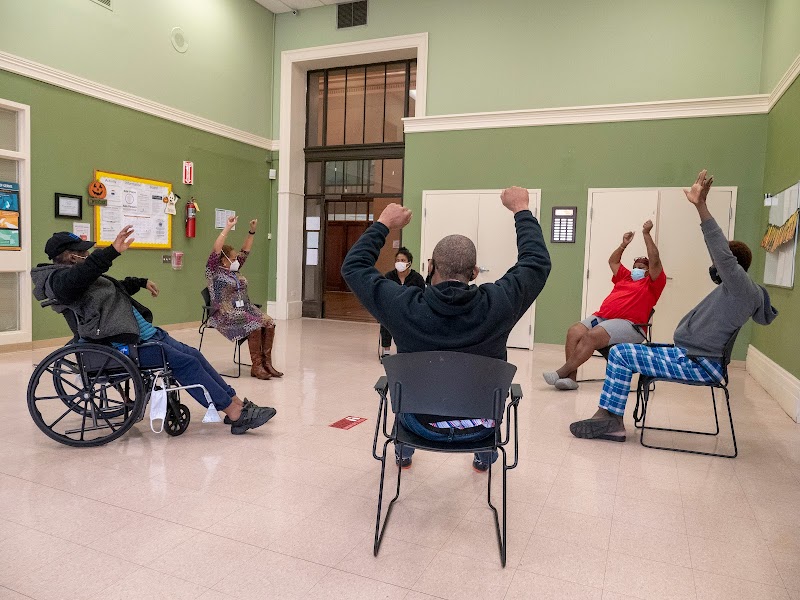
How is Broadway House For Continuing Care Staffed?

CMS rates BROADWAY HOUSE FOR CONTINUING CARE's staffing level at 4 out of 5 stars, which is above average compared to other nursing homes. Staff turnover is 47%, compared to the New Jersey average of 46%.

What Have Inspectors Found at Broadway House For Continuing Care?

State health inspectors documented 12 deficiencies at BROADWAY HOUSE FOR CONTINUING CARE during 2021 to 2025. These included: 12 with potential for harm.
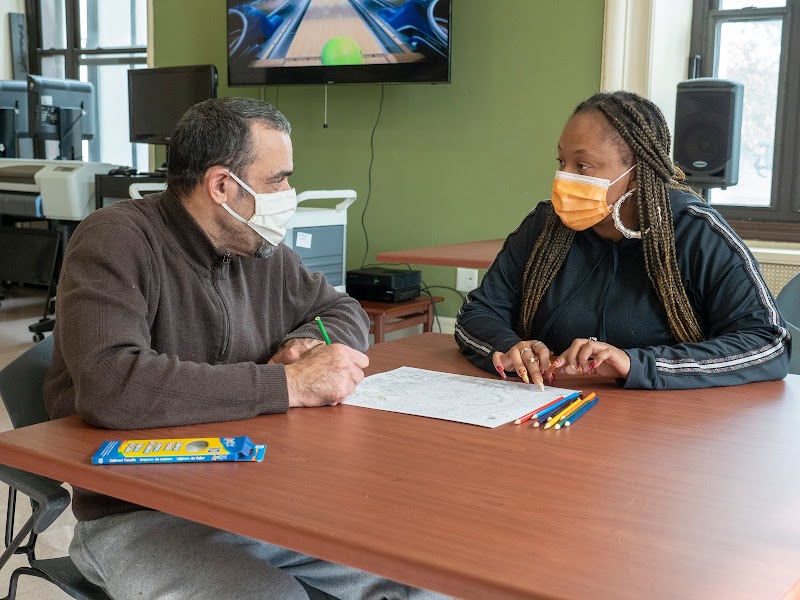
Who Owns and Operates Broadway House For Continuing Care?

BROADWAY HOUSE FOR CONTINUING CARE is owned by a non-profit organization. Non-profit facilities reinvest revenue into operations rather than distributing to shareholders. The facility operates independently rather than as part of a larger chain. With 78 certified beds and approximately 69 residents (about 88% occupancy), it is a smaller facility located in NEWARK, New Jersey.
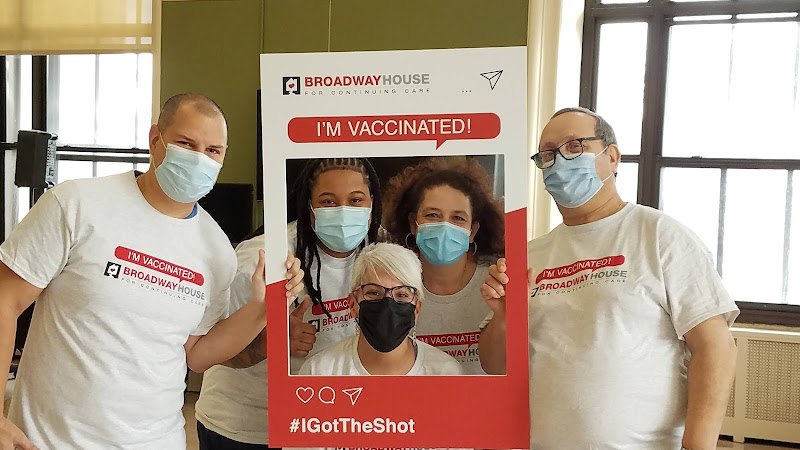
How Does Broadway House For Continuing Care Compare to Other New Jersey Nursing Homes?

Compared to the 100 nursing homes in New Jersey, BROADWAY HOUSE FOR CONTINUING CARE's overall rating (5 stars) is above the state average of 3.3, staff turnover (47%) is near the state average of 46%, and health inspection rating (4 stars) is above the national benchmark.

What Should Families Ask When Visiting Broadway House For Continuing Care?

Based on this facility's data, families visiting should ask: "Can I visit during a mealtime to observe dining assistance and food quality?" "How do you handle medical emergencies, and what is your hospital transfer rate?" "Can I speak with family members of current residents about their experience?"

Is Broadway House For Continuing Care Safe?

Based on CMS inspection data, BROADWAY HOUSE FOR CONTINUING CARE has a clean safety record: no substantiated abuse findings (meaning no confirmed cases of resident harm), no Immediate Jeopardy citations (the most serious violation level indicating risk of serious injury or death), and is not on the Special Focus Facility watch list (a federal program monitoring the lowest-performing 1% of nursing homes). The facility has a 5-star overall rating and ranks #1 of 100 nursing homes in New Jersey. While no facility is perfect, families should still ask about staff-to-resident ratios and recent inspection results during their visit.

Do Nurses at Broadway House For Continuing Care Stick Around?

BROADWAY HOUSE FOR CONTINUING CARE has a staff turnover rate of 47%, which is about average for New Jersey nursing homes (state average: 46%). Moderate turnover is common in nursing homes, but families should still ask about staff tenure and how the facility maintains care continuity when employees leave.

Was Broadway House For Continuing Care Ever Fined?

BROADWAY HOUSE FOR CONTINUING CARE has no federal fines on record. CMS issues fines when nursing homes fail to meet care standards or don't correct problems found during inspections. The absence of fines suggests the facility has either maintained compliance or corrected any issues before penalties were assessed. This is a positive indicator, though families should still review recent inspection reports for the full picture.

Is Broadway House For Continuing Care on Any Federal Watch List?

BROADWAY HOUSE FOR CONTINUING CARE is not on any federal watch list. The most significant is the Special Focus Facility (SFF) program, which identifies the bottom 1% of nursing homes nationally based on persistent, serious quality problems. Not being on this list means the facility has avoided the pattern of deficiencies that triggers enhanced federal oversight. This is a positive indicator, though families should still review the facility's inspection history directly.