FOREST HILLS CENTER FOR REHABILITATION AND HEALING

497 MT PROSPECT AVE, NEWARK, NJ 07104 (973) 482-5000
For profit - Corporation 120 Beds INFINITE CARE Data: November 2025 1 Immediate Jeopardy citation
Trust Grade
38/100
#274 of 344 in NJ
Last Inspection: December 2023

Within standard 12-15 month inspection cycle. Federal law requires annual inspections.

Overview

Forest Hills Center for Rehabilitation and Healing has received a Trust Grade of F, indicating significant concerns about the quality of care provided. Ranking #274 out of 344 facilities in New Jersey places it in the bottom half, and #26 out of 32 in Essex County suggests there are very few better local options. The facility's trend is improving, having reduced its issues from 11 in 2023 to just 1 in 2025, which is a positive sign. Staffing is rated average with a turnover rate of 42%, similar to the state average, while RN coverage is also average, which may mean that residents do not receive the higher level of attention from registered nurses that could help catch problems early. However, there are serious concerns, including $37,580 in fines, indicating repeated compliance issues, which is higher than 78% of New Jersey facilities. The most critical incident involved the failure to provide four residents with properly prepared pureed diets, which posed a significant risk of aspiration and choking. Additionally, there were multiple instances where physicians did not sign monthly orders for several residents, raising concerns about oversight in medical care. While the center has some strengths, these weaknesses highlight substantial risks that families should carefully consider.

Trust Score
F
38/100
In New Jersey
#274/344
Bottom 21%
Safety Record
High Risk
Review needed
Inspections
Getting Better
11 → 1 violations
Staff Stability
○ Average
42% turnover. Near New Jersey's 48% average. Typical for the industry.
Penalties
○ Average
$37,580 in fines. Higher than 69% of New Jersey facilities. Some compliance issues.
Skilled Nurses
○ Average
Each resident gets 36 minutes of Registered Nurse (RN) attention daily — about average for New Jersey. RNs are the most trained staff who monitor for health changes.
Violations
⚠ Watch
19 deficiencies on record. Higher than average. Multiple issues found across inspections.
★★☆☆☆
2.0
Overall Rating
★★★☆☆
3.0
Staff Levels
★★★★★
5.0
Care Quality
★☆☆☆☆
1.0
Inspection Score
Stable
2023: 11 issues
2025: 1 issues

The Good

  • 5-Star Quality Measures · Strong clinical quality outcomes
  • Full Sprinkler Coverage · Fire safety systems throughout facility
  • No fines on record
  • Staff turnover below average (42%)

    6 points below New Jersey average of 48%

Facility shows strength in quality measures, fire safety.

The Bad

2-Star Overall Rating

Below New Jersey average (3.2)

Below average - review inspection findings carefully

Staff Turnover: 42%

Near New Jersey avg (46%)

Typical for the industry

Federal Fines: $37,580

Above median ($33,413)

Moderate penalties - review what triggered them

Chain: INFINITE CARE

Part of a multi-facility chain

Ask about local staffing decisions and management

The Ugly 19 deficiencies on record

1 life-threatening
Aug 2025 1 deficiency
CONCERN (D) 📢 Someone Reported This

A family member, employee, or ombudsman was alarmed enough to file a formal complaint

Potential for Harm - no one hurt, but risky conditions existed

ADL Care (Tag F0677)

Could have caused harm · This affected 1 resident

**NOTE- TERMS IN BRACKETS HAVE BEEN EDITED TO PROTECT CONFIDENTIALITY** Based on observation, interview, record review, and review of facility-provided documentation, it was determined that the facili...

Read full inspector narrative →
**NOTE- TERMS IN BRACKETS HAVE BEEN EDITED TO PROTECT CONFIDENTIALITY** Based on observation, interview, record review, and review of facility-provided documentation, it was determined that the facility failed to ensure that incontinence care was provided to dependent residents in a timely manner for 3 of 4 residents (Resident #47, 63 and 64) observed for incontinence care on 1 of 2 units (4th-floor Nursing Unit).This deficient practice was evidenced by the following:On 7/31/25 at 8:15 AM, the surveyor completed an incontinence tour on the 4th floor Nursing Unit and observed the following:1. On 7/31/25 at 8:25 AM, the surveyor, accompanied by the Licensed Practical Nurse/ Unit Manager, observed Resident #64 in bed. The LPN/UM exposed Resident #64's incontinence brief, and the surveyor observed that it was saturated with urine. The LPN/UM confirmed that the brief was saturated with urine.A review of Resident #64's admission Record reflected that the Resident was admitted to the facility with diagnoses which included but were not limited to, diabetes mellitus and dementia. A review of Resident #64's Quarterly Minimum Data Set (MDS), an assessment tool dated 7/15/25, revealed Resident #64 had a Brief Interview for Mental Status (BIMS) score of 9 out of 15, which indicated Resident #64 had a moderate cognitive impairment. The MDS further revealed that the resident was dependent on staff for personal hygiene, and he/she was always incontinent of bowel and bladder.A review of Resident #64's Individualized Care Plan (CP) initiated on 1/22/23 and revised on 4/16/25 had a focus area that included the resident was at risk for development of a pressure ulcer due to decreased mobility and incontinence with interventions that included but were not limited to; provide incontinent care every 2 hours.2. On 7/31/25 at 8:30 AM, the surveyor, accompanied by LPN/UM, observed Resident #63 in bed. The LPN/UM exposed Resident #63's incontinence brief, which was saturated with urine and feces. The surveyor observed that the sheets were soiled with a brown substance. The LPN/UM confirmed that the brief was saturated with urine and feces and that the sheets were soiled. A review of Resident #63's admission Record revealed Resident #63 was admitted to the facility with diagnoses which included but were not limited to, diabetes mellitus and dementia.A review of Resident #63's quarterly MDS, dated [DATE], revealed Resident #63 had a BIMS score of 0 out of 15, which indicated a severe cognitive impairment. The MDS further revealed that the resident was dependent on staff for toileting and was always incontinent of bowel and bladder. A review of Resident #63 CP initiated on 12/21/22 and revised on 4/15/25 had a focus area that included the resident was at risk for the development of a pressure ulcer due to decrease mobility and incontinence with interventions that included but were not limited to; provide routine incontinent care.3. On 7/31/25 at 8:40 AM, the surveyor, accompanied by the LPN/UM, observed Resident #47 in bed. The LPN/UM exposed Resident #47's incontinence brief, which was saturated with urine and feces. The LPN/UM confirmed that the brief was saturated with urine and feces.A review of Resident #47's admission Record revealed the resident was admitted to the facility with diagnoses that included but were not limited to diabetes mellitus and a urinary tract infection.A review of Resident #47's Quarterly MDS dated [DATE] revealed Resident #47 had a BIMS score of 6 out of 15, which indicated Resident #47 had a severe cognitive impairment. The MDS further revealed that the resident required staff assistance for personal hygiene, and he/she was always incontinent of bowel and bladder.A review of Resident #47's CP initiated on 1/22/23 and revised on 2/25/25, had a focus area that included that the resident was at risk for a pressure ulcer development related to immobility and incontinence with interventions that included to always keep skin dry by providing incontinent care every shift and as needed. On 7/31/25 at 8:50 AM, during an interview with the surveyor, the LPN/UM was not sure what the facility policy was on providing incontinence care but confirmed that the CNAs on the 11-7AM shift should provide incontinence care before the end of the shift between 5 AM-7 AM. On 7/31/25 at 8:58 AM, during an interview with the surveyor, the Assistant Director of Nursing (ADON) stated that she was not sure of the facility's policy on incontinence care but confirmed that best practice would be to provide incontinence care every two hours and when needed.The CNAs assigned to the above residents on the 11-7 AM shift were unavailable for interviews.On 8/4/2025 at 10:00 AM, the survey team discussed the above observations and concerns with the MDS coordinator/ Acting DON. The Acting DON confirmed that incontinence care should be provided every 2-3 hours. A review of the facility's Activities of Daily Living (ADL) policy dated as reviewed 5/2025 reflected.the purpose of this policy is to establish guidelines for providing comprehensive assistance with ADLs to residents or patients. It aims to ensure that each individual's basic needs are met while promoting dignity, independence, and comfort.monitor for signs of incontinence and ensure the use of appropriate hygiene products. NJAC 8:39-27.1 (a), 27.2 (h)
Dec 2023 9 deficiencies 1 IJ (1 affecting multiple)
CRITICAL (K)

Immediate Jeopardy (IJ) - the most serious Medicare violation

Accident Prevention (Tag F0689)

Someone could have died · This affected multiple residents

Based on observation, interview, record review, and review of other pertinent facility documents on 12/4/2023, it was determined that the facility failed to provide four of ten residents with a prescr...

Read full inspector narrative →
Based on observation, interview, record review, and review of other pertinent facility documents on 12/4/2023, it was determined that the facility failed to provide four of ten residents with a prescribed pureed diet, which should have been smooth, soft, and homogenous in consistency. The pureed mashed potatoes served to the residents from the kitchen on 12/4/23, were served with several chunks of potato mixed into the mashed potatoes. The facility's failure to prepare and provide the proper pureed food consistency and, failure of the nursing staff to report the improper food consistency, placed Resident #61, #28, #31 and #69, as well as all other residents, at risk of aspiration and choking which could cause serious harm, impairment or death. This resulted in an Immediate Jeopardy (IJ) situation that began on 12/4/23. The facility's Licensed Nursing Home Administrator (LNHA) was notified of the IJ on 12/4/23 at 4:18 PM. An acceptable written Removal Plan was received on 12/5/23 at 10:00 AM. The Removal Plan was verified by the survey team onsite on 12/5/23 at 1:10 PM, lifting the immediacy, and the survey team continued verification of the Removal Plan onsite throughout the survey while onsite for the dates of 12/6/23, 12/7/23, 12/8/23, and 12/11/23. The evidence was as follows: On 12/4/23 at 12:15 PM, during the lunch meal, Resident #61's family member, who was feeding the resident, asked the surveyor to look at the resident's meal, specifically the mashed potatoes. The resident was prescribed a Pureed diet and that was indicated on the resident's tray ticket which was provided with the meal. Resident #61's tray ticket also indicated an alternate required starch and the resident had received pureed mashed potatoes as part of their meal which was served by the facility's kitchen. The surveyor observed 14 ¼- ½ inched sized chunks of potatoes in the pureed mashed potatoes. On 12/4/23 at 12:20 PM, the surveyor observed the pureed lunch meal, which was served by the facility's kitchen, for all of the residents who were prescribed a pureed diet. The surveyor observed that the lunch tray tickets for Resident #28, which indicated that the residents were to receive boiled rice (pureed) but the resident actually received pureed mashed potatoes on their trays instead. The surveyor observed Resident #28 lunch meal and also identified several ¼- ½ sized chunks of potatoes within the pureed mashed potatoes served to those residents. At 12:20 PM, the surveyor observed the pureed lunch meal, which was served by the facility's kitchen, for all of the residents who were prescribed a pureed diet. The surveyor observed that the lunch tray tickets for Resident #31, which indicated that the residents were to receive boiled rice (pureed) but the resident actually received pureed mashed potatoes on their trays instead. The surveyor observed Resident #31 lunch meal and also identified several ¼- ½ sized chunks of potatoes within the pureed mashed potatoes served to those residents. At 12:21 PM, the surveyor interviewed the Food Service Worker (FSW) who prepared the pureed mashed potatoes, he stated that he had used fresh, boiled mashed potatoes without the skin and he used the commercial puree machine to puree it, then, he checked the smoothness with a rubber spatula. He stated that he did not see any chunks in the pureed mashed potato. He stated that he did not use the dried potato product for the pureed potatoes because when he uses that for puree, the consistency comes out like glue. The FSW provided the ingredients and procedure for pureed mashed potato which revealed to whip the potatoes on low speed until smooth, add hot milk, margarine and salt. Then, whip until creamy. At 12:31 PM, the surveyor interviewed the Certified Nursing Assistant (CNA) #2 and #3. Both the CNA #2 and #3, who were feeding Resident #31 and Resident #28 stated that they observed chunks in the pureed mashed potato and mashed the chunks before feeding it to Resident #31 and #28. The CNA #2 and #3 did not report this to anyone else. At 12:40 PM, the surveyor observed the pureed lunch meal, which was served by the facility's kitchen, for all of the residents who were prescribed a pureed diet. The surveyor observed that the lunch tray tickets for Resident #69, which indicated that the residents were to receive boiled rice (pureed) but the resident actually received pureed mashed potatoes on their trays instead. The surveyor observed Resident #69 lunch meal and also identified several ¼- ½ sized chunks of potatoes within the pureed mashed potatoes served to those residents. The CNA #1, who was feeding Resident #69, stated that she did not give the pureed mashed potato to Resident #69 because it did not look like a pureed consistency. The CNA #1 did not report this to anyone else. At 12:45 PM, the surveyor interviewed the Director of Dietary (DD), who stated that the commercial puree machine used in the kitchen for making pureed foods smooth had dull blades from wear and tear and he just ordered a new blade recently. The DD stated that they should have used the immersion blender if there was a problem with the commercial puree machine. The FSD was not aware of the pureed mashed potatoes containing chunks. The DD stated that the staff should never puree freshly cooked raw potato and the staff should have used a dried potato product sfor puree. The DD stated that the lunch tray tickets did indicate that all the residents who received a puree diet were supposed to receive boiled rice (pureed) but all the residents actually received pureed mashed potato and he was not sure why that occurred. At 12:50 PM, the surveyor interviewed the Speech Language Pathologist (SLP), who observed the plate of pureed mashed potatoes and stated that there should not be any chunks and that the pureed item should be smooth. The SLP stated that all four of the residents are at risk of aspiration and choking. The SLP stated that Resident #28's muscles could freeze up and then cannot finish the chewing the food, and it could build up and cause pocketing which could lead to choking and aspiration. The SLP stated that Resident #69 had a risk of aspiration and choking due to decreased cognition. The SLP stated that Resident #31 had severely impaired cognition and needed to be fed by staff. The resident did not have awareness of the bolus in the resident's mouth which could lead to aspiration and choking. The SLP stated that Resident #61 had impaired cognition with poor dentition and cannot chew chunks of food, which could lead to aspiration and choking. The SLP stated that the CNAs cannot alter food consistency to meet the needs of the resident, however a licensed professional can. At 1:01 PM, the Director of Nursing (DON) stated that a CNA should inform the staff if the consistency is not correct but can mash the food or add a liquid. The surveyor reviewed the records for Resident #61, which revealed the following: The Order Summary Report (OSR) revealed an order for a Regular, Puree texture, thin consistency diet. The Speech therapy Evaluation and Plan of Treatment (SLP EPT) dated 3/9/23, revealed that the resident exhibits a primarily oral stage dysphagia with solids i.e. difficult chewing and recommendation of puree, thin liquids. According to the residents' Quarterly Minimum Data Set (MDS), an assessment tool dated 10/20/23, revealed the resident scored 6 of possible 15 on the Brief Interview for Mental Status, which indicated moderate cognitive impairment. The surveyor reviewed the records for Resident #31, which revealed the following: The admission Record (AR) revealed Diagnoses which included but were not limited to altered mental status, dementia, and encephalopathy. The resident's OSR revealed an order for a Regular, Puree texture, thin consistency diet. The nurse progress note (PN) dated 11/20/23, revealed that the resident did not swallow during feeding, needed cuing to swallow and also pocketed food in the mouth. The Rehabilitation order from the SLP dated 6/11/2020 revealed that the resident need SLP treatment for Dysphagia and recommended a pureed diet. According to the residents' Quarterly MDS, an assessment tool dated 10/15/23, revealed the resident scored 0 of possible 15 on the Brief Interview for Mental Status, which indicated severe cognitive impairment. The surveyor reviewed the records for Resident #28, which revealed the following: The AR revealed Diagnoses which included but were not limited to Parkinson's Disease. The OSR revealed an order for a Regular, Puree texture, nectar liquid consistency diet. The SLP EPT dated 6/12/23, revealed that the resident required treatment of swallowing dysfunction and/or oral function for feeding and needs treatment based on dysphagia, oropharyngeal phase. According to the residents' Comprehensive MDS, an assessment tool dated 10/18/23, revealed the resident scored 3 of possible 15 on the Brief Interview for Mental Status, which indicated severe cognitive impairment. The surveyor reviewed the records for Resident #69, which revealed the following: The AR revealed Diagnoses which included but were not limited to Dementia. The OSR revealed an order for a Regular, Puree texture, thin consistency diet. The SLP Diagnoses dated 1/27/22, revealed that the resident had a Diagnosis of dementia and oropharyngeal dysphagia and needed puree consistency. The Rehabilitation Orders by the SLP dated 1/13/22, revealed the resident had safety precautions due to risk of aspiration. According to the residents' Quarterly MDS, an assessment tool dated 11/2/23, revealed the resident scored that he/she was never or rarely understood for the Brief Interview for Mental Status. This indicated the resident had severe cognitive impairment. The Administrator provided the surveyor with the Food and Nutrition Services policy dated 8/2023, which revealed If an incorrect meal is provided to a resident, nursing staff will report it to the Food Service Manager so that new food tray can issued. The DON provided the surveyor with the Puree Diet Consistency policy dated 9/20/23, which revealed Puree foods should be prepared in such a manner to prevent lumps or chunks. The goal is a smooth, soft, homogenous consistency. On 12/5/23 at 10:00 AM, the LNHA submitted the removal plan. The surveyor verified the plan which included the following interventions. The facility removed the commercial puree machine and replaced it with a new one, the FSW who served the rice instead of potatoes was immediately in serviced to follow the menu and to use dried potato product instead of raw boiled potato for pureed diet, the CNAs #1, #2, #3 were immediately in-serviced regarding diet consistency and were educated to report concerns immediately to food service staff for replacement, the CNAs were educated not to alter food consistency by mashing food and food types for pureed diet, the dietary staff were immediately in-serviced about checking consistency of food and diet accuracy during prep and prior to serving. An audit tool was developed to ensure compliance with revised policy on food tray accuracy, nursing will audit 10 trays each day for 1 week, and then monthly for 3 months, and then as needed. Any concerns identified will be immediately referred to administration for review and corrective action. An audit of findings will be presented to the QA Committee for evaluation and follow up as indicated. The DD/designee will monitor diet accuracy during prep and prior to serving. The noncompliance for F689 remained at a lower scope and severity after the immediacy was removed. NJAC 8:39-31.7 (h)
CONCERN (D)

Potential for Harm - no one hurt, but risky conditions existed

MDS Data Transmission (Tag F0640)

Could have caused harm · This affected 1 resident

Based on the interview and record review, it was determined that the facility failed to electronically transmit the Minimum Data Set (MDS), an assessment tool used to facilitate the management of care...

Read full inspector narrative →
Based on the interview and record review, it was determined that the facility failed to electronically transmit the Minimum Data Set (MDS), an assessment tool used to facilitate the management of care of all residents, within 14 days of completing the resident's assessment for 5 of 22 residents, (Resident #6, 28, 4, 56, and #58) reviewed for resident assessment. The deficient practice was evidenced by the following: 1. Resident #6 was observed to have an Annual MDS with an Assessment Reference Date (ARD) on 10/20/23 and was due to be transmitted no later than 11/9/23. The Annual MDS was not transmitted until 11/30/23. 2. Resident #28 had an Annual MDS with an ARD on 10/18/23. The assessment was completed and was due to be transmitted no later than 11/7/23. The Annual MDS was not transmitted until 11/30/23. 3. Resident #4 was observed to have a Significant Change MDS with an ARD on 11/23/22 and was due to be transmitted no later than 12/14/23. The Significant Change MDS was not transmitted until 1/6/23. 4. Resident #4 was observed to have a Quarterly MDS with an ARD on 8/26/23. The assessment was completed and was due to be transmitted no later than 9/15/23. The Quarterly MDS was not submitted until 9/22/23. 5. Resident #56 was observed to have an admission MDS of 6/22/23 and was due to be transmitted no later than 7/12/23. The admission MDS was not transmitted until 7/20/23. 6. Resident #58 was observed to have an admission MDS of 12/6/22 and was due to be transmitted no later than 12/26/22. The admission MDS was not transmitted until 1/13/23. On 12/06/23 at 12:45 PM, the surveyor interviewed the facility's Registered Nurse (RN)/MDS Coordinator (MDSC) and stated that he started last week. On 12/06/23 at 1:06 PM, the RN/MDSC provided the surveyor a copy of the form titled MDS 3.0 Final Validation Report, which revealed the above resident's name and confirmed the late MDS assessment submission. On 12/06/23 at 1:20 PM, the surveyor brought the above concerns to the attention of the Director of Nursing and Administrator. NJAC 8:39 - 11.1
CONCERN (D)

Potential for Harm - no one hurt, but risky conditions existed

Comprehensive Care Plan (Tag F0656)

Could have caused harm · This affected 1 resident

Based on observation, interview, and record review, it was determined that the facility failed to develop a comprehensive, person-centered care plan for a resident using an oxygen and bilevel-positive...

Read full inspector narrative →
Based on observation, interview, and record review, it was determined that the facility failed to develop a comprehensive, person-centered care plan for a resident using an oxygen and bilevel-positive airway pressure (BIPAP - a device that helps with breathing). This deficient practice was identified for 1 of 22 residents (Resident #12) reviewed for a comprehensive Care Plan (CP) and was evidenced by the following: On 11/29/23 at 10:32 AM, the surveyor observed Resident #12 resting in bed in their room. Resident #12 received oxygen via a nasal cannula (NC- a plastic prong attached to a tube inserted into the nostrils that oxygen flows through) connected to a concentrator (an oxygen delivery system). The concentrator was set at 3 LPM (liters per minute). The surveyor observed a BIPAP machine in the resident's left drawer. On 12/1/23 at 10:28 AM, the surveyor observed Resident #12 out of bed in a wheelchair. The resident received oxygen via NC attached to an oxygen tank set at 2 LPM. The surveyor reviewed the Electronic Health Record (EHR) of Resident #12, which revealed the following: The resident's admission Record documented that Resident #12 was admitted with diagnoses that included but were not limited to congestive heart failure and obstructive sleep apnea (a disorder in which breathing repeatedly stops and starts). The admission Minimum Data Set (MDS), an assessment tool dated 9/8/23, indicated that the facility assessed the residents' cognitive status using a Brief Interview for Mental Status (BIMS) score of 5 out of 15, which indicated that the resident had severe cognitive impairment. 1. The Order Summary Report (OSR) for November 2023 ordered, Oxygen 2-3L/min via nasal cannula continuously and monitor saturation every shift for SOB (shortness of breath). The resident's CP review revealed no CP for oxygen therapy. 2. The OSR for November 2023 ordered, apply BIPAP at bedtime, on at 9p, off at 8a at bedtime for a SOB and remove per schedule. The resident's CP review revealed no CP for BIPAP use. On 12/6/23 at 1:17 PM, the surveyor interviewed the Licensed Practical Nurse (LPN) assigned to care for the resident. The LPN stated they do not initiate CP. On 12/6/23 at 1:23 PM, the surveyor interviewed the MDS Coordinator, who began employment last week in the facility. He stated that it is part of the responsibility of MDS Coordinators to initiate and check the CP. On 12/6/23 at 2:23 PM, the surveyor interviewed the Director of Nursing, who reviewed the resident's EHR with the surveyor and confirmed there was no CP related to oxygen therapy and BIPAP used for Resident #12. She stated that the nurses do not document the CP because they need to focus on giving medication. The facility's Policy and Procedure, dated 9/2023, is titled Care Planning and is stated under Policy Interpretation and Implementation 3. Each resident's comprehensive care plan is designed to Incorporate identified problem areas and Reflect treatment goals, timetables, and objectives in measurable outcomes . NJAC 8:39- 11.2 (d)
CONCERN (D)

Potential for Harm - no one hurt, but risky conditions existed

Drug Regimen Review (Tag F0756)

Could have caused harm · This affected 1 resident

Based on interview and record review, it was determined that the facility failed to ensure that the Consultant Pharmacist (CP) recommendations were acted upon in a timely manner regarding adjusting th...

Read full inspector narrative →
Based on interview and record review, it was determined that the facility failed to ensure that the Consultant Pharmacist (CP) recommendations were acted upon in a timely manner regarding adjusting the timing of medications to be administered when a resident was available in the facility. The deficient practice was identified for one of 21 residents (Resident #22) reviewed for CP recommendations and was evidenced by the following: On 12/1/23 at 11:56 AM, the surveyor interviewed Resident #22. The resident stated that he/she had been in the facility almost three months and went out for dialysis (a procedure that uses special equipment to clean the blood when the kidneys can no longer perform the function naturally) on Mondays, Wednesdays and Fridays in the afternoon around 3:00 PM. The resident also stated that he/she had previously gone to dialysis later in the evening, but the time was changed. The surveyor reviewed the medical record for Resident #22. A review of the admission Record (an admission summary) reflected diagnoses that included chronic kidney disease, Stage 4 (Severe), (a condition where the kidneys no longer function normally in filtering the blood). A review of the Minimum Data Set (MDS), an assessment tool used to facilitate the management of care, dated 9/30/23, reflected the resident had a brief interview for mental status (BIMS) score of 10 out of 15, indicating that the resident had a moderately impaired cognition. A review of the resident's dialysis communication book that was available at the nursing station indicated on the cover that the dialysis days for the resident were on Monday, Wednesday, and Friday with a dialysis chair time of 3:00 PM and pick up time of 2:15 PM. A review of the nursing progress notes dated 11/15/23 19:45 (7:45 PM) Health Status Note indicated that the resident returned from dialysis at 7:40 PM (19:40). A review of the electronic Medication Administration Record (eMAR) for 11/15/23 reflected the following medications documented as administered at a time when the resident was out of the facility to dialysis: -Pantoprazole (a medication used for gastroesophageal reflux) was documented as administered at 18:00 (6 PM). -Senna (a medication used to relieve constipation) was documented as administered at 18:00. -Apixaban (a blood thinner medication) was documented as administered at 17:00 (5 PM). -Budesonide (a steroid inhalation medication) was documented as administered at 17:00. -Formoterol (a bronchodilator medication) was documented as administered 17:30 (5:30 PM) -Lispro insulin (a fast-acting insulin used to lower blood sugars) was documented as administered at 16:30 (4:40 PM). A review of the CP report Consultant Pharmacist's Monthly Report dated 11/9/2023 provided by the Director of Nursing (DON) reflected a recommendation for Resident #22, Please be sure that medication times are charted to accommodate resident's dialysis times. Clarify 1630 insulin lispro. On 12/5/23 at 1:11 PM, the surveyor interviewed the CP. The CP stated she is the regular consultant for the facility. The CP stated she reviews charts and medication times. The CP stated she reviews dialysis times and sends recommendations for corrections to the facility administration. On 12/8/23 at 10:46 AM, the surveyor interviewed the DON who stated that the usual procedure was to address the CP reports as soon as possible. The DON also stated that she was unaware if there was a policy regarding this procedure. The DON acknowledged that the CP report dated 11/9/23 for Resident #22 to change the medication administration times was not addressed. On 12/11/23 at 10:45 AM, the surveyor interviewed the DON. The DON was not aware of any policy on addressing the CP report but stated that she was responsible for addressing the reports. REFER TO F698 NJAC 8:39- 29.3 (a)(1)
CONCERN (D)

Potential for Harm - no one hurt, but risky conditions existed

Menu Adequacy (Tag F0803)

Could have caused harm · This affected 1 resident

Based on observation, interview and record review, it was determined that the facility failed to ensure that dietary staff were following the meal tickets for three (3) of 10 residents reviewed for pu...

Read full inspector narrative →
Based on observation, interview and record review, it was determined that the facility failed to ensure that dietary staff were following the meal tickets for three (3) of 10 residents reviewed for puree diets. This deficient practice was evidenced by the following: On 12/4/23 at 12:20 PM, the surveyor observed the pureed lunch meal for residents who were prescribed a pureed diet. The surveyor observed that the lunch tray tickets for Resident # 28, # 31 and # 69 indicated that the residents were to receive boiled rice (pureed) but all three (3) of the resident's actually received pureed mashed potatoes on their trays instead. At 12:45 PM, the surveyor interviewed the Dietary Director (DD), who stated that the lunch tray tickets indicated that all the residents who received a puree diet were supposed to receive boiled rice (pureed). The DD added that all the residents actually received pureed mashed potatoes and he was not sure why that occurred. At 4:18 PM, the surveyor discussed the above concerns with the Administrator and Director of Nursing, who did not provide any further information. NJAC 8:39-17.4(a)(1)
CONCERN (D)

Potential for Harm - no one hurt, but risky conditions existed

Medical Records (Tag F0842)

Could have caused harm · This affected 1 resident

Based on observation, interview, and record review, it was determined the facility failed to accurately document in the medical record the status of a resident who left the faciity on a pass. The conc...

Read full inspector narrative →
Based on observation, interview, and record review, it was determined the facility failed to accurately document in the medical record the status of a resident who left the faciity on a pass. The concern was cited for 1 (Resident #154) of 22 residents reviewed and is evidenced by the following. The surveyor observed Resident #154 in bed with eyes closed on 11/29/23 at 11:27 AM. The surveyor observed the resident's room on 11/30/23 at 10:38 AM and the resident was not in the room. The bed linens had been removed, and no personal items were visible. A review of the electronic medical record revealed the following information in the Progress Notes. The admission Record indicated the resident was admitted to the facility on Hospice services. Diagnoses included but were not limited to, acute respiratory failure with hypoxia (low oxygen) and a mass and swelling of the neck. The Minimum Data Set (MDS) assessment tool indicated the resident was discharged on 11/30/23 with an anticipated return to the facility. Electronic Progress Notes reflected on 11/29/23 at 1 PM, the resident went out on pass with a responsible party. At 3:30, the responsible party took the resident to the hospital. At 9:49 PM, an emergency department physician called the facility stating, the resident was in their hospital. On 11/30/23 at 8:20 AM, the facility staff called the hospital and was told the resident was discharged . The surveyor interviewed the unit nurse on 12/4/23 at 11:39 AM. She stated the resident had gone out on pass with family, and the family sent the resident to the hospital because of weakness. The unit nurse stated the resident was discharged from the hospital. The unit nurse stated she had no further information regarding the resident's status. She directed the surveyor to the Social Services Director (SSD) for more information about the status and condition of the resident. The surveyor interviewed the SSD on 12/4/23 at 12:03 PM. The SSD stated she had a family meeting the previous week with the resident and a family member. The resident wanted to be discharged home, and the SSD encouraged the resident to stay at the facility. The resident agreed to stay and then requested to go out on a pass with family. The SSD stated she called the hospice nurse and received approval for the resident to go out on pass. The SSD stated she usually would document a family meeting; however, she did not document information regarding this family meeting since it was not a pre-scheduled appointment. The SSD stated she did not follow up on the resident's status since the resident was discharged home. When asked by the surveyor to clarify, the SSD corrected herself, saying that the resident was out on pass, not discharged home. The surveyor interviewed the Director of Nursing (DON) on 12/6/23 at 2:17 PM regarding the resident's status. The DON responded on 12/7/23 at 9:18 AM with copies of SSD and DON Progress Notes written on 12/4/23 and 12/6/23, respectively, with updates on the resident's condition. The DON stated she told the SSD she should have written an update on the resident's status, and when the SSD did not document it, the DON wrote it herself on 12/6/23. On 12/7/23, the DON provided the surveyor with the facility's policy for Resident off the Premises, Leave of Absence reviewed 9/2023. The policy did not address procedures to be implemented by the facility when the resident does not return from leave of absence at the expected time. NJAC 8:39-35.2
CONCERN (E)

Potential for Harm - no one hurt, but risky conditions existed

Deficiency F0658 (Tag F0658)

Could have caused harm · This affected multiple residents

2. On 12/8/23 at 11:00 AM, the surveyor observed Resident #58 lying in bed asleep inside the room. A review of the admission record for Resident #58 reflected that the resident was admitted to the fac...

Read full inspector narrative →
2. On 12/8/23 at 11:00 AM, the surveyor observed Resident #58 lying in bed asleep inside the room. A review of the admission record for Resident #58 reflected that the resident was admitted to the facility with diagnoses that included but were not limited to hyperlipidemia (increased cholesterol level in the blood). The resident's most recent Quarterly Minimum Data Set (MDS), an assessment tool used to facilitate the management of care dated 9/8/23, reflected that Resident #58 had a Brief Interview for Mental Status (BIMS) score of 7out of 15, which indicated that the resident had severe cognitive impairment. A review of the November 2023 OSR did not show an order for monthly weights. A review of Resident #58's weight revealed that on 11/29/22, the resident's admission weight was 152 lbs. on 12/1/22, the resident weighed 158 lbs. Resident #58's weight on 12/29/22 was 126 lbs., which indicated a significant weight loss of 17.11% in one month in 2022. No weight was documented in June and August 2023. The resident did not lose any further weight, with a registered weight of 135 lbs. on 11/15/23. The Nutrition and Dietary Note dated 1/24/23 indicated there was 17.2% significant unplanned weight loss for one month. The care plan initiated on 12/3/22 revealed that [resident name] is at risk for malnutrition r/t low BMI, variable PO intake. H/o sig unplanned wt. loss. On 12/8/23 at 11:10 AM, the surveyor interviewed the CNA who worked with the resident, who stated the monthly weight was done every first week of the month, and the re-weigh should be done within a week. On 12/8/23 at 11:13 AM, the surveyor interviewed the LPN on the unit, who stated he would document the weight that the CNA reported to him. On 12/8/23 at 11:52 AM, the surveyor interviewed the RD, who works in the facility 2-3 days per week. She stated that Resident #58's admission weights of 152 lbs. and 158 lbs. on 12/1/22 were inaccurate. However, she did not address the cause of the weight discrepancy. On 12/08/23 at 01:45 PM, the surveyor interviewed the Director of Nursing (DON) regarding the order for weights in POs and the weight discrepancy. The DON stated that the weight should be done monthly. The DON provided no further information. On 12/6/23 at 2:09 PM, the surveyor discussed the above concerns with the DON and the Administrator. The facility's Policy and Procedure titled Weights, with a revised date of 9/20/23, revealed under the procedure, If there is a discrepancy of plus or minus 5 pounds, the resident will be reweighed with the nurse supervising. The nurse will document the reweigh and the date. When a weight change of 5 pounds plus or minus occurs, the physician will be notified, and a dietary alert sheet filled out for notification of the dietitian. NJAC 8:39-27.2(a) Based on observation, interview, and record review, it was determined that the facility failed to follow Professional Standards of Practice by failing to assess a weight change for 2 of 3 residents reviewed for nutritional status which did not contribute to harm, Resident #73 and #58. Reference: New Jersey Statutes, Annotated Title 45, Chapter 11. Nursing Board The Nurse Practice Act for the State of New Jersey states; The practice of nursing as a registered professional nurse is defined as diagnosing and treating human responses to actual or potential physical and emotional health problems, through such services as case finding, health teaching, health counseling, and provision of care supportive to or restorative of life and wellbeing, and executing medical regimens as prescribed by a licensed or otherwise legally authorized physician or dentist. 1. On 11/29/23 at 11:11 AM, the surveyor interviewed Resident #73, who stated that he/she had not lost weight and that he/she looks the same. The resident stated that he/she had no issues with appetite and is happy with his/her weight. On 12/1/23 at 12:25 PM, the surveyor observed Resident #73 who was eating lunch, the resident received a diet consisting of regular chopped texture and thin liquids as ordered by the Physician. The resident consumed about 50-75% of the meal. A review of the admission Record revealed that Resident #73 had diagnoses which included but were not limited to cholecystitis, hyperlipidemia and gastro-esophageal reflux disease (GERD). A review of the resident's Order Summary Report (OSR) revealed a current order for monthly weights to be obtained with a start date of 3/7/23. A review of Resident #73's weights revealed that on 6/7/23, the resident weighed 180 pounds (lbs) and on 7/7/23, the resident weighed 148 lbs, which indicated a significant weight loss of 17.7% weight loss in one month. There was no monthly weight recorded for the month of August 2023. The resident's current weight was recorded at 150.4 lbs on 11/2/23 and 154.2 lbs on 12/7/23. The Registered Dietitian (RD) had documented nutritional assessments/progress notes on the dates of 6/30/23, 9/13/23, 9/28/23, 10/16/23 and 11/16/23. The RD did not have a documented nutrition assessment or progress note written after the resident had lost weight in the month of July 2023. Review of the Medical Professional Note (MPN) dated 9/6/23, revealed Assessment: Patient reported with 10% weight loss since June. Patient noted with fair/good appetite consuming about 50-75% of meals. Although weight loss was not planned, it is stabilized and still within an ideal BMI weight at 23.2. A MPN dated 10/3/23, revealed Assessment: Patient reported with 10% weight. Patient noted with fair/good appetite consuming about 50% of meals. Although weight loss was not planned, it is stabilized and still within an ideal BMI weight at 23. A MPN dated 11/3/23, revealed Assessment: Patient reported with a 10% weight loss. Patient noted with fair/good appetite and consumption of meals varies. Although weight loss was not planned, it is stabilized and still within an ideal BMI weight of 23.9. A MPN dated 7/14/23, revealed Vitals: Reviewed. Weight/BMI reviewed. A review of the comprehensive Minimum Data Set, an assessment tool used to facilitate care management dated 9/30/23, revealed a Brief Interview for Mental Status score of 6, which indicated moderately impaired cognition. The resident was able to answer all questions asked by the surveyor. On 12/5/23 at 12:39 PM, the surveyor observed Resident #73 who was eating lunch, the resident received a diet consisting of regular chopped texture and thin liquids as ordered by the Physician, The resident consumed about 50-75% of the meal. On 12/5/23 at 1:15 PM, the surveyor interviewed the RD who stated that she was aware of Resident #73's documented weight loss which occurred between the months of June 2023 and July 2023. The RD stated that the resident had an order for monthly weights and they should be done every month. The CNA weighs the resident and then she will document the weights in the Electronic Health Record (EHR). The RD stated that she did not document about the weight loss occurrence which happened in July as she was waiting for a reweigh to be done. The RD stated that she asked the nursing staff multiple times to do the re-weight but did not document about the situation since she was not sure if the weight loss was accurate. The RD also stated that the resident's appearance did not change around that time of the weight discrepancy, and she has not had to buy any news clothes. The RD stated that she interviewed the resident, who did not indicate lost weight or changes in appetite or food intake either. The RD stated that the scales are calibrated on occasion and brought the surveyor calibration information from the month of June 2023. She stated that maybe the calibration in June fixed a problem with the scale. The RD did not document this interview with the resident either. The RD stated that the reweigh should be done by 10th of the month and that she should have continued to follow up on the need for the re-weigh in July 2023. The RD also stated that she did not realize that the weight was not recorded in August 2023 as well. The RD stated that the resident is actually at a desirable weight at this time and that the resident is happy with his/her weight. The RD stated that she also did add a supplement when the weight loss was noticed in September 2023 to ensure no further weight loss would occur. On 12/8/23 at 10:30 AM, the surveyor interviewed the Certified Nursing Assistant (CNA), who cared for Resident #73. The CNA stated that she weighed the residents each month If there was a weight discrepancy then the weight would be re-taken, the weights were recorded on a piece of paper and the RD checked those weights and would ask for re-weights as needed. The CNA stated that the RD also imported the weights into the EHR each month. The CNA could not remember if a re-weight was requested for Resident #73 during the time of the weight discrepancy. The CNA stated that Resident #73 had a good appetite and ate about 50-75% of most meals. She did not appear to have any weight loss or gain. The CNA stated that the resident was weighed yesterday and was also weighed a few days before as well. On 12/8/23 at 10:50 AM, the surveyor interviewed the Licensed Practical Nurse (LPN), who stated that Resident #73 has not had an appearance of weight loss She stated the resident ate approximately 50-75% at most meals and was prescribed a nutritional supplement as well. The LPN stated that Resident #73's family was here often and did not report a change in the resident's appearance which would indicate weight loss either. The LPN stated that the scale may have been calibrated which could cause a discrepancy, but did not recall any other residents having weight loss around that time. The LPN stated that the CNAs weigh the resident and it gets recorded into the EHR by the RD. The LPN stated that there was no skin breakdown or physical harm to the resident, the resident's clothing is still tight on the resident and no other clothes have been purchased which would have indicated weight change. On 12/8/23 at 11:10 AM, the surveyor conducted a phone call to Resident #73's representative/family member, who stated that he comes to visit his family member almost every day since admission and there has not been any weight loss or gain. He stated that he resident has not had any new clothing purchased and the resident has not needed any new clothes which would indicate a weight change. He stated that the resident has always eaten about 50 to 75% of the meal and had no concerns about the food provided here. He also stated that the resident had no skin breakdown and no health issues that would suggest a weight loss or gain. He stated that the resident is happy with the current weight and care here.
CONCERN (E)

Potential for Harm - no one hurt, but risky conditions existed

Deficiency F0698 (Tag F0698)

Could have caused harm · This affected multiple residents

Based on interview and record review, it was determined that the facility failed to provide care and services in accordance with professional standards by adjusting medication times of administration ...

Read full inspector narrative →
Based on interview and record review, it was determined that the facility failed to provide care and services in accordance with professional standards by adjusting medication times of administration to accommodate for dialysis scheduled times and documenting accurate medication administration times from October until December surveyor inquiry. This deficient practice was identified for one (1) of (1) resident, (Resident #22), reviewed for dialysis services and was evidenced by the following: Reference: New Jersey Statutes Annotated, Title 45. Chapter 11. Nursing Board. The Nurse Practice Act for the State of New Jersey states: The practice of nursing as a registered professional nurse is defined as diagnosing and treating human responses to actual and potential physical and emotional health problems, through such services as case finding, health teaching, health counseling, and provision of care supportive to or restorative of life and wellbeing, and executing medical regimens as prescribed by a licensed or otherwise legally authorized physician or dentist. Reference: New Jersey Statutes Annotated, Title 45, Chapter 11. Nursing Board. The Nurse Practice Act for the State of New Jersey states: The practice of nursing as a licensed practical nurse is defined as performing tasks and responsibilities within the framework of case finding; reinforcing the patient and family teaching program through health teaching, health counseling and provision of supportive and restorative care, under the direction of a registered nurse or licensed or otherwise legally authorized physician or dentist. On 12/1/23 at 11:56 AM, the surveyor interviewed Resident #22. The resident stated that he/she had been in the facility almost three (3) months and went out for dialysis (a procedure that uses special equipment to clean the blood when the kidneys can no longer perform the function naturally) on Mondays, Wednesdays and Fridays in the afternoon around 3:00 PM. The resident also stated that he/she had previously gone to dialysis later in the evening, but the time was changed. The surveyor reviewed the medical record for Resident #22. A review of the admission Record (an admission summary) reflected diagnoses which included Chronic Kidney Disease, Stage 4 (Severe), (a condition where the kidneys no longer function normally in filtering the blood). A review of the Minimum Data Set (MDS), an assessment tool used to facilitate the management of care dated 9/30/23, reflected the resident had a brief interview for mental status (BIMS) score of 10 out of 15, indicating that the resident had a moderately impaired cognition. A review of the resident's dialysis communication book that was available at the nursing station indicated on the cover that the dialysis days for the resident was on Monday, Wednesday, Friday with a dialysis time of 3:00 PM and pick up time of 2:15 PM. A review of the nursing progress notes reflected a Health Status Note dated 10/26/23, FMC, the dialysis center, called the facility re: a new chair time for dialysis. The center has 3pm available and wants to know if we can change transportation p/u for tomorrow. The unit clerk notified [name redacted] and the p/u time is now 215pm, the resident and [initials redacted] aware and agree with the new dialysis time, will continue to monitor. A review of the electronic Medication Administration Record (eMAR) for the months of 10/2023, 11/2023 and 12/2023 reflected the dates that the resident went to dialysis: 10/4/23, 10/6/23, 10/9/23, 10/11/23, 10/13/23, 10/16/23, 10/18/23, 10/20/23, 10/23/23, 10/25/23, 10/27/23, 10/31/23. The following medications were documented as administered at the time when the resident was out of the building at dialysis. -Pantoprazole (a medication used for gastroesophageal reflux) was documented as administered at 18:00 (6 PM). -Senna (a medication used to relieve constipation) was documented as administered at 18:00. -Apixaban (a blood thinner medication) was documented as administered at 17:00 (5 PM). -Budesonide (a steroid inhalation medication) was documented as administered at 17:00. -Formoterol (a bronchodilator medication) was documented as administered 17:30 (5:30 PM) -Lispro insulin (a fast-acting insulin used to lower blood sugars) was documented as administered at 16:30 (4:30 PM). A review of the Consultant Pharmacist's report titled Consultant Pharmacist's Monthly Report dated 11/9/2023 provided by the Director of Nursing (DON) reflected a recommendation for Resident #22, Please be sure that medication times are charted to accommodate resident's dialysis times. Clarify 1630 insulin lispro. On 12/6/23 at 11:14 AM, the surveyor interviewed the Registered Nurse (RN) who stated that when a resident had dialysis she would call the dialysis nurse at the dialysis center to follow up and would send the necessary medications with the resident to dialysis. The RN added that she would document it in the dialysis communication book. The RN stated she does not normally work the 3-11 shift. On 12/6/23 at 11:30 AM, the surveyor interviewed the Licensed Practical Nurse (LPN) who stated there should not be any orders for medications to be given to a resident when the resident is out of the building. The LPN added there should be a physician's order to give the medications later or hold the medications when a resident is out to dialysis. LPN also stated that if there was a medication ordered for one of her residents that was scheduled to be given when the resident was out of the building, she would call physician to get the time changed. On 12/8/23 at 10:46 AM, the surveyor interviewed the Director of Nursing (DON) who stated that the medications for Resident #22 should have been changed when the dialysis times were changed in October. The DON then stated that the RN was incorrect, and no medications were sent with the resident to dialysis. The DON also stated that the usual procedure was to address the CP recommendations as soon as possible. The DON stated that she was unaware if there was a policy regarding this procedure. The DON acknowledged that the CP report dated 11/9/23 for Resident #22 to change the medication administration times was not addressed. On 12/11/23 at 10:45 AM, the surveyor interviewed the DON. The DON was not aware of any policy on addressing the CP report but stated that she was responsible for addressing the reports. A review of an untitled policy and procedure for medication administration, dated 9/2023 was provided by the DON. The policy reflected Nursing personnel shall ensure the safe and effective administration of medications. In addition, the policy reflected under General Information of Importance: Section I. It is a standard of practice that medications be administered as ordered by the physician. Medication be administered to the resident within a one-hour time frame before/after the indicated administration time, unless otherwise specified by drug information. e-MAR must be signed by the nurse who administered the medication. In the event of e-MAR downtime, system interface configurations or software failure, a paper documentation of medication administration must be completed and file in the resident's chart. An untitled policy and procedure for dialysis, dated 9/2023, was provided by the DON. The policy reflected under section H, Diabetic Management: Diabetic management including finger sticks and medication administration timing will be adjusted appropriately as needed. NJAC: 8:39-11.2(b), 27.1(a), 29.2(a)(d)
CONCERN (F)

Potential for Harm - no one hurt, but risky conditions existed

Deficiency F0711 (Tag F0711)

Could have caused harm · This affected most or all residents

8. Resident #22's hybrid medical records revealed the resident's physician had not hand signed or electronically signed the monthly physician's orders from October 2023 to November of 2023. 9. Residen...

Read full inspector narrative →
8. Resident #22's hybrid medical records revealed the resident's physician had not hand signed or electronically signed the monthly physician's orders from October 2023 to November of 2023. 9. Resident #28's hybrid medical records revealed the resident's physician had not hand signed or electronically signed the monthly physician's orders from January 2023 to November of 2023. 10. Resident #49's hybrid medical records revealed the resident's physician had not hand signed or electronically signed the monthly physician's orders from September 2023 to November of 2023. 11. Resident #1's hybrid medical record revealed the resident's physician had not hand signed or electronically signed the monthly physician's orders from January 2023 to November of 2023. 12. Resident #4's hybrid medical record revealed the resident's physician had not hand signed or electronically signed the monthly physician's orders from January 2023 to November of 2023. 13. Resident #12's hybrid medical records revealed the resident's physician had not hand signed or electronically signed the monthly physician's orders from January 2023 to November of 2023. 14. Resident #56's hybrid medical record revealed the resident's physician had not hand signed or electronically signed the monthly physician's orders from January 2023 to November of 2023. 15. Resident #58's hybrid medical record revealed the resident's physician had not hand signed or electronically signed the monthly physician's orders from January 2023 to November of 2023. 16. The surveyor reviewed Resident #16's hybrid medical records, which revealed the resident's physician had not hand signed or electronically signed the monthly physician's orders from June 2023 to November of 2023. 17. The surveyor reviewed Resident #40's hybrid medical records, which revealed the resident's physician had not hand signed or electronically signed the monthly physician's orders from January 2023 to November of 2023. 18. The surveyor reviewed Resident #61's hybrid medical records,, which revealed the resident's physician had not hand signed or electronically signed the monthly physician's orders from February 2023 to November of 2023. 19. The surveyor reviewed Resident #69's hybrid medical records, which revealed the resident's physician had not hand signed or electronically signed the monthly physician's orders from January 2023 to November of 2023. 20. The surveyor reviewed Resident #73's hybrid medical records, which revealed the resident's physician had not hand signed or electronically signed the monthly physician's orders from January 2023 to November of 2023. On 12/6/23 at 12:30 PM, the surveyor interviewed the Director of Nursing (DON) who stated that the physician's should have been signing monthly for each of the resident's orders in the Electronic Health Record (EHR). The DON stated that the facility did not realize that the monthly orders had not been signed as there was no access in their EHR for the physician to do so. The monthly orders had not been printed into a paper format since December of 2022. The physician's were expected to sign their monthly orders electronically starting in January 2023, which did not occur. The surveyor reviewed the Physician Services policy and procedure dated 9/2023, which revealed review of orders are provided during monthly physician's visits and documentation in Physicians noted and update and needed. NJAC 8:39-35.2,7 2. Resident #14's hybrid medical records revealed the resident's physician had not hand signed or electronically signed the monthly physician's orders from May 2022 to November 2023. 3. Resident # 31's hybrid medical records revealed the resident's physician had not hand signed or electronically signed the monthly physician's orders from May 2022 to November 2023. 4. Resident #34's hybrid medical records revealed the resident's physician had not hand signed or electronically signed the monthly physician's orders from September 2023 to November 2023. 5. Resident #48's hybrid medical records revealed the resident's physician had not hand signed or electronically signed the monthly physician's orders from October 2022 to November 2023. 6. Resident #54's hybrid medical records revealed the resident's physician had not hand signed or electronically signed the monthly physician's orders from May 2022 to November 2023. 7. Resident #152's hybrid medical records revealed the resident's physician had not hand signed or electronically signed the monthly physician's orders for November 2023. Based on interview and record review, it was determined that the facility failed to ensure that the residents' primary physician signed and dated monthly physician orders to ensure that the residents' current medical regimen was appropriate. This deficient practice was observed for 20 of 22 residents (Resident #86, 14, 31, 34, 48, 54, 152, 22, 28, 49, 1, 4, 12, 56, 58, 16, 40, 61, 69, and #73) reviewed. Some of the residents had not had physician signed orders since December 2022. This deficient practice was evidenced by the following: The surveyors reviewed the hybrid medical records (paper and electronic) for the residents listed above that revealed the residents' primary physician had not hand signed the Order Summary Reports (monthly physician's orders) located in the residents chart. In addition, there were no electronic signatures under the physician's orders in the electronic medical record for the following residents: 1. Resident #86's hybrid medical records revealed the resident's physician had not hand signed or electronically signed the monthly physician's orders for October 2023 and November 2023.
May 2023 2 deficiencies
CONCERN (D) 📢 Someone Reported This

A family member, employee, or ombudsman was alarmed enough to file a formal complaint

Potential for Harm - no one hurt, but risky conditions existed

Report Alleged Abuse (Tag F0609)

Could have caused harm · This affected 1 resident

**NOTE- TERMS IN BRACKETS HAVE BEEN EDITED TO PROTECT CONFIDENTIALITY** C#: NJ: 162381 Based on interviews, and record review, as well as review of pertinent facility documents on 5/10/23, it was dete...

Read full inspector narrative →
**NOTE- TERMS IN BRACKETS HAVE BEEN EDITED TO PROTECT CONFIDENTIALITY** C#: NJ: 162381 Based on interviews, and record review, as well as review of pertinent facility documents on 5/10/23, it was determined that the facility failed to immediately investigate and report to the New Jersey Department of Health (NJDOH) an injury of unknown origin and follow the facility policy titled Resident Abuse and Neglect Reporting and Investigation for 1 of 3 residents (Resident #3) reviewed for incidents and accidents. This deficient practice is evidenced by the following: The facility's policy titled Resident Abuse and Neglect Reporting and Investigation, undated, indicated Policy Statement .Any abuse will be reported and thoroughly investigated .Procedure .d .facility shall report the alleged abuse to .all other applicable state agencies .SIGNS/SYMPTOMS OF ABUSE AND NEGLECT PHYSICAL ABUSE BY OTHERS .Other injuries of an unknown source . 1. According to the admission RECORD, Resident #3 was admitted to the facility on [DATE] with diagnoses that included but were not limited to: Weakness and Failure to Thrive. The Minimum Data Set (MDS), an assessment tool, dated 2/24/23, revealed a Brief Interview of Mental Status (BIMS) of 0 which indicated the resident's cognition was severely impaired and the resident needed extensive assist with Activities of Daily Livings (ADLs). The Progress Notes (PN) dated 3/13/23 at 12:29 pm, documented by a Registered Nurse (RN #1), reflected Pt [patient] had small laceration to the left eyebrow. As per grand [son/daughter he/she] did not have it yesterday [3/12/23] . At 1:15 pm, .Noted a small laceration to the left eyebrow .No incident report found . The PN, date 3/13/23 at 11:07 pm, documented by RN #2 indicated that at approximately 6:20 pm, FMs called Emergency Medical Service (EMS) to pick up Resident #3 to be transferred to an Acute Care Hospital (ACH) for laceration to left upper corner of the resident's eyebrow. RN #1 was not available for interview on 5/10/23. The surveyor conducted an interview with Director of Nursing (DON) and Assistant Director of Nursing (ADON) on 5/10/23 at 1:54 pm. The DON revealed that RN #1 did not investigate when the FM reported that Resident #3 had laceration on his/her eyebrow on 3/13/23. The DON further stated that the incident was not reported to the NJDOH and it should have been reported to NJDOH because the incident was an injury of unknown origin. The ADON stated that the incident was reported to her, however, the ADON was unable to explain why was the incident was not reported to the NJDOH. Review of the policy titled Incident/Accident Policy & Procedure, undated, reflected When an incident or accident occureds, a reporting instrument is initiated for review by appropriate departments .An incident / accident sheet is initiated when an incident / accident occurs including but not limited to unknown injury - all unknown injury should be reported to administrator, DON / designee . NJAC 8:39-9.4(f)
CONCERN (D) 📢 Someone Reported This

A family member, employee, or ombudsman was alarmed enough to file a formal complaint

Potential for Harm - no one hurt, but risky conditions existed

Medical Records (Tag F0842)

Could have caused harm · This affected 1 resident

**NOTE- TERMS IN BRACKETS HAVE BEEN EDITED TO PROTECT CONFIDENTIALITY** C #: NJ00161269 NJ00157892 Based on interviews, medical record review, and review of other pertinent facility documents on 5/10...

Read full inspector narrative →
**NOTE- TERMS IN BRACKETS HAVE BEEN EDITED TO PROTECT CONFIDENTIALITY** C #: NJ00161269 NJ00157892 Based on interviews, medical record review, and review of other pertinent facility documents on 5/10/23, it was determined that the facility staff failed to consistently document in the Documentation Survey Report (DSR) the Activities of Daily Living (ADL) status and care provided to the resident according to facility policy and protocol for 2 of 4 residents (Resident #1 and Resident #2) reviewed for documentation. This deficient practice was evidenced by the following: Review of a facility policy titled Charting and Documentation, undated, reflected Policy Interpretation and Implementation 1. All observations, medications administered, serviced performed, etc., must be documented in the resident's clinical records . 1. According to the facility admission Record (AR), Resident #1 was admitted on [DATE], with diagnoses that included but were not limited to: Heart Failure and Hypokalemia. The Minimum Data Set (MDS), an assessment tool, dated 3/8/23, revealed a Brief Interview of Mental Status (BIMS) of 13 which indicated the resident's cognition was intact and the resident needed assistance with ADLs including toileting. Review of Resident #1's DSR (ADL Record) and the progress notes (PN) for the month of 4/2023 and 5/2023, lack any documentation to indicate that the care for toileting was provided and/or the resident refused care on the following dates and shifts; 7:00 am-3:00 pm shift on 4/1/23, 4/3/23, 4/5/23 to 4/11/23, 4/13/23, 4/14/23, 4/17/23 to 4/30/23, 5/1/23, 5/3/23, 5/4/23, 5/7/23, and 5/9/23. 3:00 pm-11:00 pm shift on 4/2/23 to 4/4/23, 4/6/23, 4/9/23, 4/10/23, 4/25/23, 4/26/23, and 4/29/23, 4/30/23, 5/1/23, and 5/7/23. 11:00 pm-7:00 am shift on 4/1/23 to 4/8/23, 4/14/23 to 4/16/23, 4/18/23 to 4/22/23, 4/26/23 to 4/30/23, 5/1/23 to 5/3/23, and 5/5/23 2. According to the facility AR, Resident #2 was admitted on [DATE], with diagnoses that included but was not limited to: Left Femur Fracture and Encephalopathy The MDS, dated [DATE], revealed a BIMS of 3 which indicated the resident's cognition was severely impaired and the resident needed extensive assistance with ADLs. Review of Resident #2's DSR and the PN for the month of 4/2023 and 5/2023, lack any documentation to indicate that the care for toileting was provided and/or the resident refused care on the following dates and shifts; 7:00 am-3:00 pm shift on 4/1/23, 4/3/23, 4/5/23 to 4/11/23, 4/13/23, 4/14/23, 4/17/23 to 4/30/23, 5/1/23, 5/3/23, 5/4/23, 5/7/23, and 5/9/23. 3:00 pm-11:00 pm shift on 4/2/23 to 4/4/23, 4/6/23, 4/9/23, 4/10/23, 4/25/23, 4/26/23, and 4/29/23, 4/30/23, 5/1/23, and 5/7/23. 11:00 pm-7:00 am shift on 4/1/23 to 4/8/23, 4/14/23 to 4/16/23, 4/18/23 to 4/22/23, 4/26/23 to 4/30/23, 5/1/23 to 5/3/23, and 5/5/23 A Care Plan (CP), initiated on 2/24/23 included that the Resident had muscle weakness, decreased balance, and declined in ADL function. Interventions included but were not limited to: the resident needed assistance from staff for toileting. 7:00 am-3:00 pm shift on 4/1/23 to 4/5/23, 4/14/23 to 4/16/23, 4/18/23 to 4/22/23, and 4/25/23 to 4/30/23, 5/1/23, 5/2/23, 5/5/23, and 5/6/23, 3:00 pm-11:00 pm shift on 4/3/23 to 4/9/23, 4/17/23 to 4/20/23, and 4/25/23 to 4/30/23, 5/1/23 to 5/6/23. 11:00 pm-7:00 am shift on 4/4/23 to 4/8/23, and 4/24/23 to 4/30/23, 5/1/23 to 5/3/23. During an interview with the surveyor on 5/10/23 at 11:53 am, Licensed Practical Nurse (LPN #1) stated that the Certified Nursing Assistants (CNAs) were expected to document ADL care provided to the resident by the end of the shift in the DSR. She explained that Assistant Director of Nursing (ADON) were to check the documentation to ensure that the DSR is completed at the end of the shift. LPN #1 could not explain why there were blanks in the resident's DSR but stated that they should have been completed to show that the care was/was not provided from the CNAs. During an interview with the surveyor on 5/10/23 at 2:48 pm, CNA #1 stated that CNAs are responsible for documenting the ADL care provided into the Point of Care (POC), is a mobile-enabled app that runs on wall-mounted kiosks or mobile devices that enables care staff to document activities of daily living at or near the point of care to help improve accuracy and timeliness of documentation. CNA #1 further stated that they would document even if the care was not provided due to refusal. She explained that the documentation must be completed in the resident's DSR by the end of each shift to show that the care was provided to the residents. CNA #1 could not explain why there were blanks in the sampled resident's DSR. During an interview with the surveyor on 5/10/23 at 1:54 pm, the Director of Nursing (DON) and ADON stated that the CNAs were expected to document the care provided to the residents in the DSR at the end of the shift. However, the DSR was new to the CNAs and the facility was in the middle to adapting the new system that started in 2/2023. NJAC 8:39-35.2(d)(9)
Jul 2021 4 deficiencies
CONCERN (D)

Potential for Harm - no one hurt, but risky conditions existed

Deficiency F0658 (Tag F0658)

Could have caused harm · This affected 1 resident

**NOTE- TERMS IN BRACKETS HAVE BEEN EDITED TO PROTECT CONFIDENTIALITY** Based on interview and record review, it was determined that the facility failed to ensure that a Registered Nurse (RN) assessed...

Read full inspector narrative →
**NOTE- TERMS IN BRACKETS HAVE BEEN EDITED TO PROTECT CONFIDENTIALITY** Based on interview and record review, it was determined that the facility failed to ensure that a Registered Nurse (RN) assessed and pronounced a deceased resident in accordance with nursing standards of clinical practice. This deficient practice was identified for Resident #69, 1 of 1 resident reviewed for the deceased closed record, and evidenced by the following: Reference: New Jersey Statutes, Annotated Title 45, Chapter 11. Nursing Board The Nurse Practice Act for the State of New Jersey stated, The practice of nursing as a registered professional nurse is defined as diagnosing and treating human responses to actual or potential physical and emotional health problems, through such services as case finding, health teaching, health counseling, and provision of care supportive to or restorative of life and wellbeing, and executing medical regimens as prescribed by a licensed or otherwise legally authorized physician or dentist. Reference: New Jersey Administrative Code, Title 13, Law and Public Safety, Chapter 37, New Jersey Board of Nursing, under 13:37-6.5 Non-Delegable Nursing Tasks, includes: A registered professional nurse shall not delegate the physical, psychological, and social assessment of the patient, which requires professional nursing judgment, intervention, referral, or modification of care. Reference: New Jersey Statutes, Annotated Title 45, Chapter 11. Nursing Board The Nurse Practice Act for the State of New Jersey stated, The practice of nursing as a licensed practical nurse is defined as performing tasks and responsibilities within the framework of case-finding; reinforcing the patient and family teaching program through health teaching, health counseling and provision of supportive and restorative care, under the direction of a registered nurse or licensed or otherwise legally authorized physician or dentist. On [DATE] at 9:30 AM, the surveyor reviewed Resident #69's Interdisciplinary Discharge Summary, revealing that Resident #69 expired in the facility on [DATE] at 4:45 AM. A review of the Release of Body form for the resident dated [DATE] indicated the resident's death was pronounced by a Licensed Practical Nurse (LPN). A review of the electronic nurse's notes dated [DATE] at 05:42 AM, reflected that the LPN documented, Patient was found unresponsive at 4:45 AM, with no pulse, unable to obtain any vital signs. A review of the facility's policy titled, Pronouncement Procedure stated that deceased residents shall be pronounced by a Physician or Registered Nurse. A review of Resident #69's medical records did not reflected any documentation indicating that a Registered Nurse or Physician had pronounced the resident's death. On [DATE] at 12:02 PM, the survey team met with the Director of Nursing (DON) to discuss the above observations and concerns. The DON stated that the LPN called the doctor, and the doctor pronounced the patient's death over the phone. The DON acknowledged that an RN or a physician should have assessed the resident for confirmation/verification of the resident's death. The facility provided no further information documenting that anyone else other than the LPN was present at the time of the deceased resident's death. NJAC 8:39-11.2 (b)
CONCERN (D)

Potential for Harm - no one hurt, but risky conditions existed

Deficiency F0711 (Tag F0711)

Could have caused harm · This affected 1 resident

**NOTE- TERMS IN BRACKETS HAVE BEEN EDITED TO PROTECT CONFIDENTIALITY** Based on observation, interview, and record review, it was determined that the facility failed to ensure that: a.) the physician...

Read full inspector narrative →
**NOTE- TERMS IN BRACKETS HAVE BEEN EDITED TO PROTECT CONFIDENTIALITY** Based on observation, interview, and record review, it was determined that the facility failed to ensure that: a.) the physician responsible for supervising the care of resident's signed and dated monthly physician's orders for 4 of 18 residents reviewed, Residents #3, #38, #44 and #51; and, b.) the facility physician failed to accurately assess and evaluate residents for 1 of 18 residents reviewed, Resident # 61. The deficient practice was evidenced by the following: 1. On 7/19/21 at 12:15 PM, the surveyor, observed Resident #3 seated in a wheelchair. Resident #3 was seen on the 3rd-floor dining room eating lunch independently. The surveyor greeted the resident, who responded with a smile. The surveyor reviewed the admission Record Face Sheet (FS) (a one-page summary of important information about a resident) for Resident #3. The resident was admitted to the facility on [DATE], with the diagnosis included but was not limited to Acute Respiratory Failure, Diabetes Mellitus, Dementia, and Chronic Kidney Disease. A review of the Minimum Data Set (MDS), an assessment tool used to facilitate the management of care, dated 7/7/21, revealed a Brief Interview for Mental Status (BIMS) for Resident #3, documenting a score of 11 indicating the resident had a moderate cognitive impairment. A review of Resident #3's Physician's Order Sheets (POS) for March, April, May, June, and July 2021, revealed that the resident's physician did not sign and date the monthly physician's orders. On 7/26/21 at 9:23 AM, the surveyor interviewed the nurse in charge of Resident #3's care, who stated that the physician was supposed to sign and date the monthly POS by the 15th of each month. 2. On 07/20/21 at 8:48 AM, the surveyor, observed Resident #38 in bed with eyes closed. The surveyor approached the resident for an interview, but the resident was not alert or oriented. The surveyor was unable to interview Resident #38. . The surveyor reviewed the FS for Resident #38. The resident was admitted to the facility on [DATE] with diagnoses that included but were not limited to Diabetes Mellitus, Alzheimer's Disease, Atrial fibrillation, and Parkinson's Disease. A review of the MDS, dated [DATE], revealed a BIMS for Resident #38, documenting a score of 0, reflecting that the resident had severely impaired cognition. A review of Resident #38's POS for June and July 2021 revealed that the resident's physician did not sign and date the monthly physician's orders. On 7/26/21 at 9:30 AM, the surveyor interviewed the nurse in charge of Resident #38's care, who stated that the physician should sign the monthly POS by the 15th of each month. 3. On 7/16/2021 at 10:15 AM, during the tour, the surveyor observed Resident #44 in the room, awake and in bed at the lowest position. The resident was also observed with continuous oxygen via nasal cannula set at 3 liters per minute. The resident was alert, with confusion noted. A review of the resident's FS reflected that the resident was admitted to the facility on [DATE] and readmitted on [DATE] with diagnoses that included but were not limited to Pneumonia, Hypertension, Chronic Kidney Disease, Chronic Obstructive, and Pulmonary Disease. A review of the resident's MDS dated [DATE] indicated a BIMS scored of 6, indicating that the resident was severely impaired cognition. On 7/27/21 at 10:35 PM, the surveyor reviewed Resident #44's POS, dated July 2021, which revealed that the resident's physician did not sign and date the monthly physician's orders. 4. On 7/19/21 at 10:30 AM, during the facility tour, the surveyor observed Resident #51 in their room, with their eyes closed. A review of the resident's FS reflected that the resident was admitted to the facility on [DATE] and readmitted on [DATE] with diagnoses that included but were not limited to Gastro-Esophageal Reflux Disease, Anemia, Psychosis, and Parkinson's Disease. A review of the MDS dated [DATE] documented a BIMS score of 11, which indicated that the resident had moderately impaired cognition. A review of Resident #51's POS dated June 2021 and July 2021 revealed that the resident's physician did not sign and date the monthly physician's orders for June and July 2021. A review of the facility's policy titled Frequency of Physician Visits under Policy Interpretation and Implementation, #6. documented, During visits, the attending physician shall write, sign, and date progress notes; and sign and date all orders rendered from the date of the last visit including co-signing orders written by NPP (Non-Physician Practitioner), dieticians and therapists. On 7/26/21 at 2:46 PM, the surveyors met with the Licensed Nursing Home Administrator and the DON. The DON stated that physicians should see residents at least monthly and should sign POS's at that time. 5. On 7/19/21 at 12:23 PM, the surveyor, observed Resident #61 in bed in the lowest position, with eyes closed. The resident was also observed receiving oxygen therapy via a nasal cannula at 3 liters per minute. The surveyor was unable to interview the resident. A review of Resident #61's FS reflected that the resident was admitted to the facility on [DATE] with diagnoses that included but were not limited to status post hospitalization post-COVID 19 Pneumonia with Respiratory Failure, Dementia, Hypertension, and Encephalopathy. A review of the MDS dated [DATE] indicated a BIMS score of 99, which indicated that the resident had severely impaired cognition, and an interview could not be completed. On 7/22/21 at 2:20 PM, the surveyor reviewed a form titled Incident/Accident Report (I/AR) dated 6/26/21, documenting that Resident #61 had a fall incident on 6/26/21. The report stated that the resident was found on the floor by the CNA. The I/AR was completed by the Registered Nurse Supervisor (RNS), who documented that Resident #61 was noted with a purple-colored bump to the right forehead after the incident. On 7/22/21 at 3:12 PM, the surveyor interviewed the RNS via phone call. The RNS stated that the CNA reported to her after Resident #61 was found on the floor. The RNS called the Physician and the family representative to inform them of the incident via phone. A review of the form titled Physician Monthly Progress Notes dated 6/27/21, 6/30/21, and 7/2/21 that included the Resident's physical examination written by the Physician under section Head, Ears, Eyes, Nose and Throat, Within normal limits. Further review of the Skin physical assessment documented pale smooth no eruptions. On 7/26/21 at 12:34 PM, the surveyor interviewed the physician for Resident #61 via phone call in the presence of another surveyor. The surveyor discussed the physician's physical assessments for resident #61 that did not reflect the resident's purple-colored bump to the forehead. The physician stated, I probably just neglected or forgot to put stuff in my notes. On 7/27/21 at 2:30 PM, the surveyor met with the Administrator, Director of Nursing, and the Infection Preventionist regarding the above concern. No further information was provided. NJAC 8:39-27.1
CONCERN (D)

Potential for Harm - no one hurt, but risky conditions existed

Medical Records (Tag F0842)

Could have caused harm · This affected 1 resident

**NOTE- TERMS IN BRACKETS HAVE BEEN EDITED TO PROTECT CONFIDENTIALITY** Based on observation, interview, and record review, it was determined that the facility failed to maintain complete, accurate, a...

Read full inspector narrative →
**NOTE- TERMS IN BRACKETS HAVE BEEN EDITED TO PROTECT CONFIDENTIALITY** Based on observation, interview, and record review, it was determined that the facility failed to maintain complete, accurate, and readily accessible medical records (Physician Progress notes from June 2021 through July 2021). This deficient practice was identified for 1 of 23 residents reviewed, Resident #44, and was evidenced by the following: On 7/16/2021 at 10:15 AM, during the facility tour, the surveyor observed Resident #44 in the room, awake and in bed at the lowest position. The resident was also observed with continuous oxygen via nasal cannula at 3 liters per minute. The resident was alert with confusion. A review of the resident's Face Sheet (an admission summary) reflected that the resident was admitted to the facility on [DATE] and readmitted on [DATE] with diagnoses that included but were not limited to, Pneumonia, Hypertension, Chronic Kidney Disease, Chronic Obstructive Pulmonary Disease. A review of the Medicare 5-day Minimum Data Set Assessment, a tool used to facilitate care management dated 6/4/21, indicated a Brief Interview for Mental Status (BIMS) scored at 6, which indicated that the resident had severely impaired cognition. On 7/27/21 at 10:30 AM, the surveyor reviewed Resident #44's medical record, revealing no monthly physician progress note. In the presence of the Director of Nursing (DON), the surveyor reviewed the chart, and both the DON and surveyor could not locate any Physician's progress notes. A review of the facility's policy titled, Frequency of Physician's Visits. Under Policy Interpretation and Implementation #2, The Attending Physician at minimum visits his/her patients within 30 days of admission, and then again at 30-day intervals for the first 90 days after the admission date. On 7/22/21 at 2:30 PM, the surveyor discussed the above concern with the Administrator, DON, and Infection Preventionist, who did not provide further documentation. NJAC 8:39-35.2 (d)(5)
CONCERN (D)

Potential for Harm - no one hurt, but risky conditions existed

Infection Control (Tag F0880)

Could have caused harm · This affected 1 resident

**NOTE- TERMS IN BRACKETS HAVE BEEN EDITED TO PROTECT CONFIDENTIALITY** Based on observation, interview, record review, and review of facility documents, it was determined that the facility failed to ...

Read full inspector narrative →
**NOTE- TERMS IN BRACKETS HAVE BEEN EDITED TO PROTECT CONFIDENTIALITY** Based on observation, interview, record review, and review of facility documents, it was determined that the facility failed to practice appropriate use of personal protective equipment (PPE) in accordance with the Centers for Disease Control and Prevention guidelines for infection control to mitigate the spread of COVID-19. This was identified for 3 of 21 residents reviewed for Transmission Based Precautions (TBP), Resident #170, #219, #171. This deficient practice was evidenced by the following: According to the U.S. CDC guidelines Interim Infection Prevention and Control Recommendations for Healthcare Personnel During the Coronavirus Disease 2019 (COVID-19) Pandemic, updated February 23, 2021, included 2. Recommended infection prevention and control (IPC) practices when caring for a patient with suspected or confirmed SARS-CoV-2: Personal Protective Equipment-HCP who enter the room of a patient with suspected or confirmed SARS-CoV-2 infection should adhere to Standard Precautions and use a NIOSH-approved N95 or equivalent or higher-level respirator, gown, gloves, and eye protection. 1. On 7/20/21 at 9:11 AM, the surveyor observed the Licensed Practical Nurse (LPN) on the 5th-floor Observation Unit (Residents admitted to the facility from the hospital monitored for 14 days to rule out COVID 19) (OU) prepare medications to be administered to Resident #170. The LPN entered Resident #170's room for medication administration, wearing only a N-95 mask and gloves. The surveyor interviewed the LPN, who stated that only gloves and a mask are required on the OU unless the resident tests positive for COVID- 19 or another infectious disease. A review of Resident #170's Face Sheet (a document that gives a patient's information at a quick glance) documented that Resident #170 was admitted on [DATE] from the hospital with a diagnosis that included but was not limited to Parkinson's Disease, Diabetes Mellitus and Dementia. Resident #170 was documented as COVID Vaccinated and had no COVID symptoms. On 7/21/2021 at 10:05 AM, the Director of Nursing (DON) presented the surveyor with a COVID 19 test performed on 7/20/2021, with a negative result for Resident #170. A review of Resident #170's Brief Interview Mental Status (BIMS) documented that Resident #170 has a cognition level that translates as severely impaired. 2. On 7/20/21 at 10:19 AM, the surveyor observed the Housekeeper designated to work on the OU, cleaning Resident #219's room. The Housekeeper entered Resident #219's room, wearing only a N-95 mask and gloves. The Housekeeper was seen briefly entered the resident's bathroom. The Housekeeper was not observed in close proximity to Resident #219. The surveyor interviewed the Housekeeper, who stated that she is only required to wear a mask and gloves on the OU. The Housekeeper explained that she was required to wear a gown when the resident is COVID Positive or has another infectious disease diagnosis. On 7/20/21 at 10:26 AM, the surveyor interviewed the OU Registered Nurse Supervisor, who stated, A gown is only required when a resident is COVID positive or has any other infectious diseases. A review of Resident #219's Face Sheet documented that Resident #219 was admitted on [DATE] from the hospital with a diagnosis that included but was not limited to Unspecified Fall, Alcohol Dependence, and Parkinson's Disease. Resident #219 was documented as COVID Vaccinated and had no COVID symptoms. On 7/21/2021 at 10:05 AM, the DON presented the surveyor with a COVID 19 test performed on 7/20/2021, with a negative result for Resident #219. A review of Resident #219's Brief Interview Mental Status (BIMS) documents that Resident #219 has a cognition level that translates as severely impaired. 3. On 7/20/21 at 10:39 AM, the surveyor observed the Occupational Therapist (OT) on the OU in Resident#171's room performing therapy. The OT was seen in Resident #171's room, wearing only an N-95 mask and gloves. The surveyor interviewed the OT, who stated, I'm required to wear a gown on the OU. I didn't wear it and should have. A review of Resident #171's Face Sheet documented that Resident #171 was admitted on [DATE] from the hospital with a diagnosis that included but was not limited to Anorexia, Hypertensive Heart Disease, and Diabetes Mellitus. Resident #171 was documented as COVID Vaccinated and had no COVID symptoms. On 7/21/2021 at 10:05 AM, the DON presented the surveyor with a COVID 19 test performed on 7/20/2021, with a negative result for Resident #171. A review of Resident #171's Brief Interview Mental Status (BIMS) documents that Resident #171 has a cognition level that translates as severe dementia. The surveyor noted that all rooms located on the OU were supplied with a metal hanging caddy on each door filled with Personal Protective Equipment (PPE). Each PPE door caddy was filled with plastic-wrapped gowns, a box of gloves, and plastic-wrapped masks. The Surveyor noted that all rooms located on the OU displayed both Isolation and Droplet Precautions signs on the outside of every room. On 7/20/21 at 10:45 AM, the surveyor interviewed the OU Certified Nursing Assistant 1, who stated that gowns are not required in the observation rooms. The gowns are only required in resident's rooms that are COVID positive or are diagnosed with an infectious disease. On 7/20/21 at 10:50 AM, the surveyor interviewed the OU Certified Nursing Assistant 2, who stated that gowns are not required in the observation rooms. The gowns are only required in resident's rooms that are COVID positive or are diagnosed with an infectious disease. On 7/20/21 at 11:00 AM, the surveyor met with the Administrator (Admin), DON, and Infection Control Preventionist Registered Nurse (IP). The Admin stated that there was a recent CDC directive informing the facility that gowns were not required in 14-day observation units (OU). The Admin could not supply the CDC directive that he was referring to. On 7/20/21 at 11:45 AM, the IP presented the surveyor with her CDC Nursing Home Infection Preventionist Training Course Certificate, which documented that she completed the program on 6/5/20. The IP informed the surveyor that the facility misinterpreted the CDC guidelines, which caused the facility to recently change their policy on gown requirements on the OU. A review of the Physician's Orders from the day of admission for Resident #170 dated 7/19/21, for Resident #219 dated 7/16/21, and Resident #171 dated 7/8/21 did not include an order for Isolation and Droplet Precautions. A review of the Care Plans for Resident #170, #219, and #171 did not include Isolation and Droplet Precaution procedures. On 7/27/21 at 11:46 AM, the surveyor interviewed the IP, who stated that all residents admitted from the hospital to the OU should have an Isolation and Droplet Precaution physician's order upon admission. A review of the Policy Review and Updating policy section 3. documented, The Infection Preventionist shall maintain current information related to the infection control program. A review of the Protocols for admission during COVID-19 Epidemic section 2. documented, New patients with negative testing results or those patients not tested for COVID-19 virus at the hospital and who are asymptomatic, shall be admitted to the Isolation Unit. Patients shall remain in their assigned rooms for a transition period of 14 consecutive days or until discharge if earlier. A review of the Isolation-Initiating Transmission-Based Precautions section 5. documented, When Transmission-Based Precaution are implemented, the Infection Preventionist (or designee) shall: a. Ensure that protective equipment (i.e., gloves, gowns, masks, etc.) is maintained near the resident's room so that everyone entering the room can access what they need. Upon numerous discussions with the Admin, DON, and IP, no further information was presented to the surveyors. NJAC 8:39-19.4 (a)
Sept 2019 3 deficiencies
CONCERN (D)

Potential for Harm - no one hurt, but risky conditions existed

Report Alleged Abuse (Tag F0609)

Could have caused harm · This affected 1 resident

**NOTE- TERMS IN BRACKETS HAVE BEEN EDITED TO PROTECT CONFIDENTIALITY** Based on observation, interview and record review, it was determined that the facility failed to notify the New Jersey Departmen...

Read full inspector narrative →
**NOTE- TERMS IN BRACKETS HAVE BEEN EDITED TO PROTECT CONFIDENTIALITY** Based on observation, interview and record review, it was determined that the facility failed to notify the New Jersey Department of Health (NJDOH) of an allegation of abuse for 1 of 1 resident (Resident #340) reviewed. The deficient practice was evidenced by the following: On 9/5/19 at 9:10 AM, the surveyor observed Resident #340 lying in bed with eyes open. The surveyor attempted an interview, but the resident declined. On 9/6/19 at 9:45 AM, Resident #340 was observed lying in bed. A family member was present at the bedside. The family member informed the surveyor of an incident that occurred approximately two weeks prior to the survey date. Resident #340's family member stated that she observed a Certified Nursing Assistant (CNA), who was providing care, handling the resident too roughly. The surveyor asked the family member what she meant by roughly. The family member stated that the resident was being tossed around the bed like a sack of potatoes with no compassion or care. The family member stated that she reported her observations and concerns to the Nursing Supervisor and the Assistant Director of Nursing. The surveyor reviewed Resident #340's medical records and noted the following: According to the admission Record, Resident #340 was admitted to the facility on [DATE] with the diagnoses that included Bilateral Deep Vein Thrombosis (blood clots) of the lower extremities, Pelvic Mass, Stage IV Pressure Ulcer to the Sacrum, and Congestive Heart Failure. The admission Minimum Data Set an assessment tool dated 8/1/2019, showed that Resident #340 had a Brief Interview for Mental Status score of 8 out of 15 that indicated that Resident #340 was moderately cognitively impaired. On 9/6/19 at 9:52 AM, the surveyor requested from the Director of Nursing the investigation report for Resident #340 regarding the family's complaint. The surveyor reviewed the investigation report dated 8/8/19 provided by the facility, that included the complaint, investigation, interviews and history of the patient and actions taken. The investigation concluded that there was insufficient evidence to substantiate the daughter's allegation of abuse caused by the CNA assigned to the resident. On 9/9/19 at 1:00 PM, the surveyor interviewed the Administrator who stated that he did not report the allegation of abuse concerning Resident #340 to the NJDOH because he felt the allegations were not substantiated. A review of the facility's policy titled, Resident Abuse and Neglect Reporting and Investigation, indicated under Reporting, Report all alleged violations and all substantiated incidents to the N.J.S.D.O.H. and to the office of the Ombudsman within 5 days of the incident. NJAC 8:39-4.1(a)5
CONCERN (D)

Potential for Harm - no one hurt, but risky conditions existed

Unnecessary Medications (Tag F0759)

Could have caused harm · This affected 1 resident

Based on observation, interview and record review, it was determined that the facility failed to maintain a medication error rate below 5%. The surveyor observed 3 nurses administer 25 doses of medica...

Read full inspector narrative →
Based on observation, interview and record review, it was determined that the facility failed to maintain a medication error rate below 5%. The surveyor observed 3 nurses administer 25 doses of medication to 5 residents and there were 3 errors which resulted in a medication error rate of 12%. This deficient practice was evidenced by the following: On 9/6/19 at 9:00 AM, the surveyor observed the 5th floor Licensed Practical Nurse (LPN) administer Glipizide 5 milligram (mg), diabetic medication, Mylanta 15 milliliters (ml), an antacid medication and Sucralfate 1 gram, a medication to treat stomach ulcers to Resident #239. The surveyor also observed the breakfast tray on the resident's overbed table that had already been completed. The surveyor observed on the medication packaging cards for Glipizide 5 mg. The packaging contained the cautionary Take ½ hour Before Meals and the Sucralfate 1 gram contained the cautionary Take with Meals. The surveyor did not observe cautionaries on the Electronic Medication Administration Record (EMAR). The surveyor reviewed the Manufacturer's Specifications for Glipizide 5 mg, Sucralfate 1 gram and Mylanta 15 ml, and noted the following: 1. Glipizide should be administered half hour before a meal. ERROR #1 2. Sucralfate should be administered one hour before or two hours after a meal. ERROR #2 3. Antacids (Mylanta) should be administered a half hour before or after Sucralfate. ERROR #3 On 9/6/19 at 11:20 AM, the surveyor interviewed the LPN who stated that he should have administered the resident's Glipizide a half hour before breakfast. The LPN acknowledge that he did not follow the cautionary that was on the medication packaging. The LPN also stated that the only place that contained a cautionary was on the medication packaging card for each medication. The LPN stated that they were no cautionary on the EMAR or on the physician's orders (PO). On 9/6/19 at 11:25 AM, the surveyor interviewed the 5th floor Unit Manager who stated that the cautionaries were located on the medication packaging card. The UM also stated that they were no cautionaries on the EMAR or PO. On 9/6/19 at 12:15 PM, the surveyor interviewed the provider pharmacy Pharmacist who stated that cautionaries are put on the medication bingo card by the pharmacist. The Pharmacist also stated that Sucralfate should contain two cautionaries; one was to take one hour before or two hours after a meal and the second was to take antacids either half hour before or after taking the medication. On 9/6/19 at 1:04 PM, the surveyor discussed the above concerns with the Administrator and the Director of Nursing. No additional information was provided. A review of the facility's policy titled Medication Administration -General Guideline indicated the following under Policy Medications are administered as prescribed in accordance with good nursing principles and practices and only by persons legally authorized to do so. Personnel authorized to administer medications do so only after they have familiarized themselves with the medications with unnecessary interruptions. NJAC 8:39-29.2 (d)
CONCERN (D)

Potential for Harm - no one hurt, but risky conditions existed

Food Safety (Tag F0812)

Could have caused harm · This affected 1 resident

Based on observation, interview and review of documentation provided by the facility, it was determined the facility failed to store potentially hazardous foods in a manner to prevent food borne illne...

Read full inspector narrative →
Based on observation, interview and review of documentation provided by the facility, it was determined the facility failed to store potentially hazardous foods in a manner to prevent food borne illness and store clean food trays in accordance with the professional standards for food service safety to prevent food borne illness. This deficient practice was evidenced by the following: On 9/4/19 at 9:15 AM, in the presence of the Assistant Food Service Director (ASFD), the surveyor observed the following: On the spice rack in the food preparation area: 1. A 12 ounce (oz) bottle of hot sauce that was opened and undated, with label instructions to refrigerate after opening. 2. A 14 oz bottle of ketchup that was opened and undated, with label instructions to refrigerate after opening. 3. A 12 oz bottle of Adobo Con Achiote that was opened and undated. The AFSD stated that the items, that require refrigeration, should have been refrigerated after opened and that the Adobo Con Achiote should have been dated once opened. The AFSD stated that he does not know who opened the items or when the items where opened and that they would be discarded. 4. In the dry storage area, the surveyor observed a random sampling of dented cans which were in rotation for use. Two six pound (lb) 10 oz cans of mixed fruit with large dents to the top of the can. 5. In the dishwashing area, the surveyor observed 11 out of 11 clean food trays, in circulation for use, stacked with water between them. The AFSD stated that the trays should have been completely dry before stacking and putting into circulation for use. On 9/4/19 at 1:13 PM, the surveyor discussed the above concerns with the Administrator, Food Service Director and Director of Nursing. On 9/11/19 at 10:22 AM, the surveyor interviewed a dietary aide who stated that when clean trays are stacked for use in the tray line they are supposed to make sure they are completely dry. If a tray is still wet it should not be stacked but should be left in the rack to air dry completely before stacking. On 9/11/19 at 10:56 AM, the surveyor interview the employee responsible for stocking items after delivery. He stated that when he is stocking cans, he always checks them for dents and if they are dented he does not put them on the rack, instead he brings them directly to the FSD's office. He also reported that on hire he was instructed on this practice and that dented cans should not be used. A review of the undated Food Storage policy, under Procedure/Responsibilities/Action #2 and #4, revealed the following: Jar and cans will be dated when opened. Condiments, spices, herbs will be labeled, dated when opened and stored according to manufacturer's instruction or it's shelf life. A review of the Dented Cans policy, dated 12/2013, under Policy revealed that it is the policy of the facility to discard or return all dented cans to ensure safety, retain the flavor of food, appearance and nutrients of food items. Also, Procedure #5, revealed that if dented cans are not noted until delivery is unpacked, the cans shall be placed in the area designated for dented cans. A review of the Dishwashing Procedures policy, revised 12/2013, under Procedures #4 revealed, After the rinse cycle is completed, the dishes are left in the racks to dry and then stored. NJAC 8:39 17.2 (g)
Understanding Severity Codes (click to expand)
Life-Threatening (Immediate Jeopardy)
J - Isolated K - Pattern L - Widespread
Actual Harm
G - Isolated H - Pattern I - Widespread
Potential for Harm
D - Isolated E - Pattern F - Widespread
No Harm (Minor)
A - Isolated B - Pattern C - Widespread

Questions to Ask on Your Visit

  • "What changes have you made since the serious inspection findings?"
  • "Can I speak with families of current residents?"
  • "What's your RN coverage like on weekends and overnight?"

Our Honest Assessment

Strengths
  • • 42% turnover. Below New Jersey's 48% average. Good staff retention means consistent care.
Concerns
  • • Multiple safety concerns identified: 1 life-threatening violation(s), $37,580 in fines. Review inspection reports carefully.
  • • 19 deficiencies on record, including 1 critical (life-threatening) violation. These warrant careful review before choosing this facility.
  • • $37,580 in fines. Higher than 94% of New Jersey facilities, suggesting repeated compliance issues.
  • • Grade F (38/100). Below average facility with significant concerns.
Bottom line: Trust Score of 38/100 indicates significant concerns. Thoroughly evaluate alternatives.

About This Facility

What is Forest Hills Center For Rehabilitation And Healing's CMS Rating?

CMS assigns FOREST HILLS CENTER FOR REHABILITATION AND HEALING an overall rating of 2 out of 5 stars, which is considered below average nationally. Within New Jersey, this rating places the facility higher than 0% of the state's 100 nursing homes. A rating at this level reflects concerns identified through health inspections, staffing assessments, or quality measures that families should carefully consider.
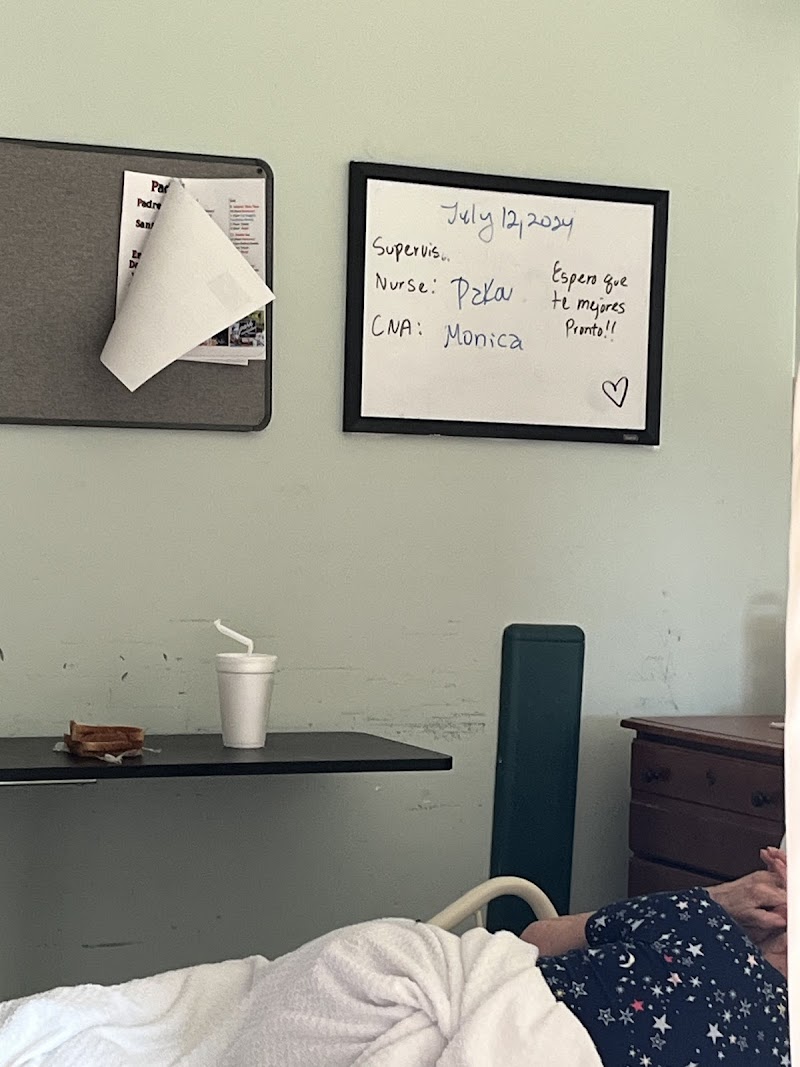
How is Forest Hills Center For Rehabilitation And Healing Staffed?

CMS rates FOREST HILLS CENTER FOR REHABILITATION AND HEALING's staffing level at 3 out of 5 stars, which is average compared to other nursing homes. Staff turnover is 42%, compared to the New Jersey average of 46%. This relatively stable workforce can support continuity of care.

What Have Inspectors Found at Forest Hills Center For Rehabilitation And Healing?

State health inspectors documented 19 deficiencies at FOREST HILLS CENTER FOR REHABILITATION AND HEALING during 2019 to 2025. These included: 1 Immediate Jeopardy (the most serious level, indicating potential for serious harm or death) and 18 with potential for harm. Immediate Jeopardy findings are rare and represent the most serious regulatory concerns. They require immediate corrective action.
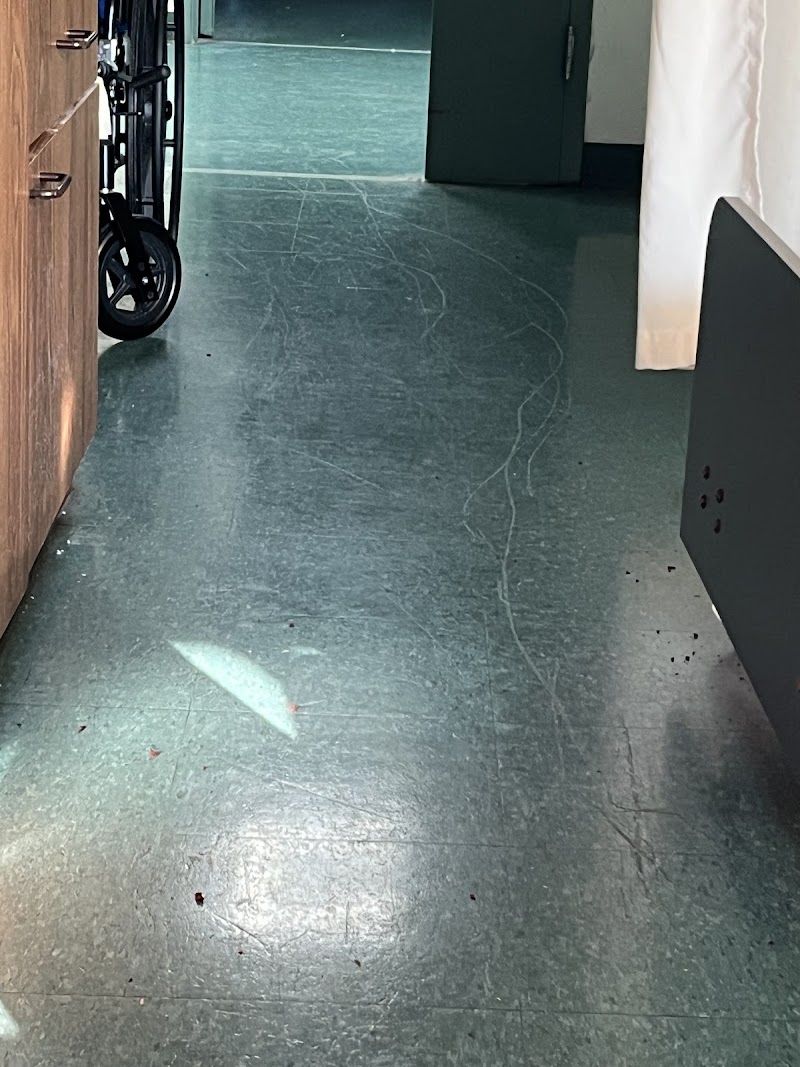
Who Owns and Operates Forest Hills Center For Rehabilitation And Healing?

FOREST HILLS CENTER FOR REHABILITATION AND HEALING is owned by a for-profit company. For-profit facilities operate as businesses with obligations to shareholders or private owners. The facility is operated by INFINITE CARE, a chain that manages multiple nursing homes. With 120 certified beds and approximately 109 residents (about 91% occupancy), it is a mid-sized facility located in NEWARK, New Jersey.
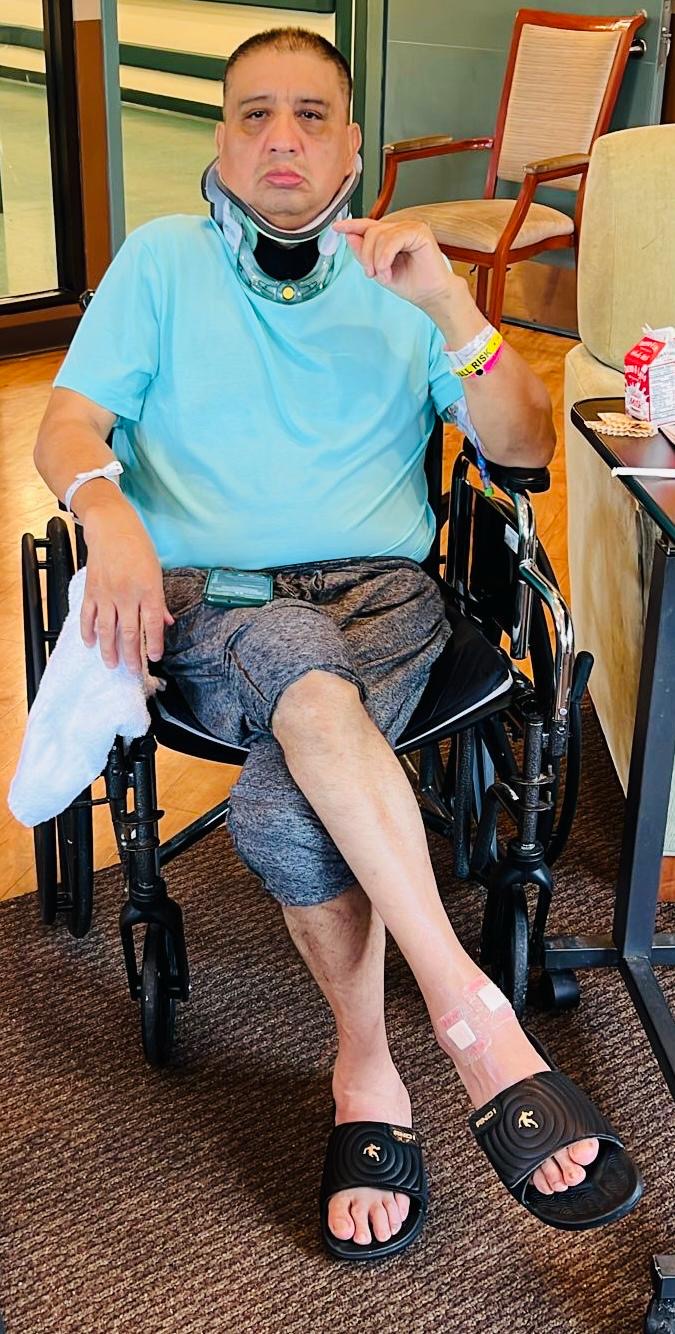
How Does Forest Hills Center For Rehabilitation And Healing Compare to Other New Jersey Nursing Homes?

Compared to the 100 nursing homes in New Jersey, FOREST HILLS CENTER FOR REHABILITATION AND HEALING's overall rating (2 stars) is below the state average of 3.2, staff turnover (42%) is near the state average of 46%, and health inspection rating (1 stars) is much below the national benchmark.

What Should Families Ask When Visiting Forest Hills Center For Rehabilitation And Healing?

Based on this facility's data, families visiting should ask: "What changes have been made since the serious inspection findings, and how are you preventing similar issues?" "Can I visit during a mealtime to observe dining assistance and food quality?" "How do you handle medical emergencies, and what is your hospital transfer rate?" "Can I speak with family members of current residents about their experience?" These questions are particularly relevant given the facility's Immediate Jeopardy citations.

Is Forest Hills Center For Rehabilitation And Healing Safe?

Based on CMS inspection data, FOREST HILLS CENTER FOR REHABILITATION AND HEALING has documented safety concerns. Inspectors have issued 1 Immediate Jeopardy citation (the most serious violation level indicating risk of serious injury or death). The facility has a 2-star overall rating and ranks #100 of 100 nursing homes in New Jersey. Families considering this facility should ask detailed questions about what corrective actions have been taken since these incidents.

Do Nurses at Forest Hills Center For Rehabilitation And Healing Stick Around?

FOREST HILLS CENTER FOR REHABILITATION AND HEALING has a staff turnover rate of 42%, which is about average for New Jersey nursing homes (state average: 46%). Moderate turnover is common in nursing homes, but families should still ask about staff tenure and how the facility maintains care continuity when employees leave.

Was Forest Hills Center For Rehabilitation And Healing Ever Fined?

FOREST HILLS CENTER FOR REHABILITATION AND HEALING has been fined $37,580 across 1 penalty action. The New Jersey average is $33,455. While any fine indicates a compliance issue, fines under $50,000 are relatively common and typically reflect isolated problems that were subsequently corrected. Families should ask what specific issues led to these fines and confirm they've been resolved.

Is Forest Hills Center For Rehabilitation And Healing on Any Federal Watch List?

FOREST HILLS CENTER FOR REHABILITATION AND HEALING is not on any federal watch list. The most significant is the Special Focus Facility (SFF) program, which identifies the bottom 1% of nursing homes nationally based on persistent, serious quality problems. Not being on this list means the facility has avoided the pattern of deficiencies that triggers enhanced federal oversight. This is a positive indicator, though families should still review the facility's inspection history directly.